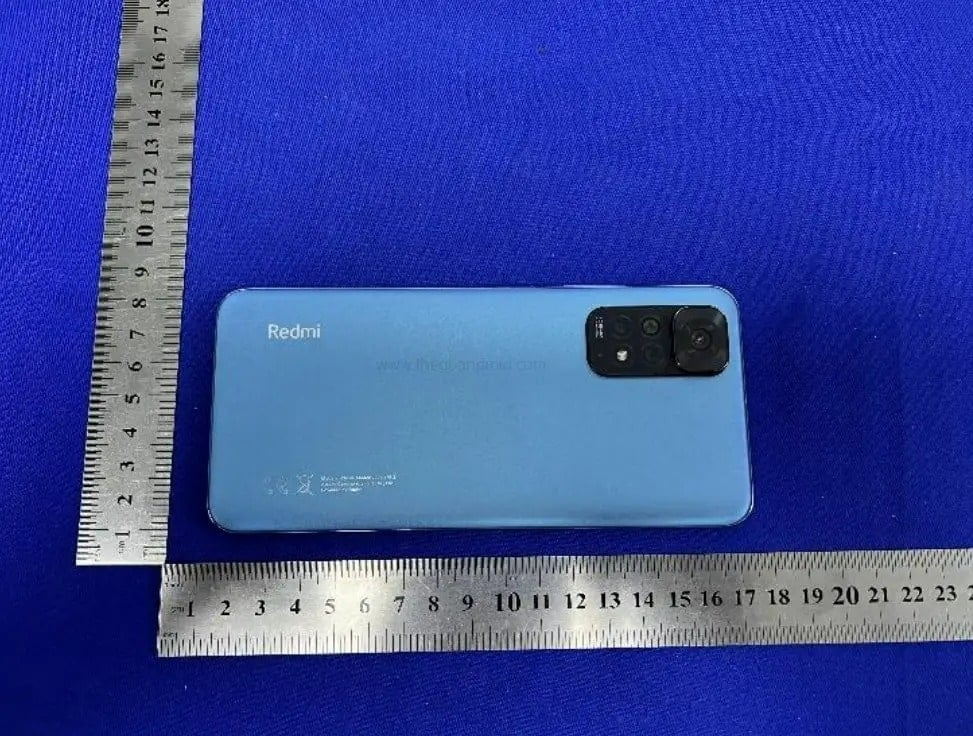
Redmi is reportedly working on the Redmi Note 12S phone for the global market. The device was recently certified by the FCC, which revealed some of its key details. Now, tipster Mukul Sharma has claimed that the production of the Note 12S has begun, which indicates that it will not take too long for it go official.
According to Sharma, the serial production of the Redmi Note 1S has started in European and Eurasian regions. He added that the device is expected to launch in the next couple of months.
Redmi Note 12S FCC image
On March 23, Redmi will launch the Redmi Note 12 5G, Redmi Note 12 Pro 5G, and Redmi Note 12 Pro+ 5G smartphones in the global market. There were some reports that the Note 12S would debut alongside these smartphones. However, it appears that it may go official at a later date.
Reports have claimed that the Redmi Note 12S could be a rebranded version of last year’s Redmi Note 11S. The only difference between the two models could be that the 12S will offer faster charging capabilities. While the Note 11S supports 33W charging, the Note 12S is expected to support 67W fast charging.
The Redmi Note 12S is expected to feature a 6.43-inch AMOLED display that offers a Full HD+ resolution and a 90Hz refresh rate. It is expected to run on Android 13 OS and the MIUI 14. For security, it may come equipped with a side-facing fingerprint scanner.
The MediaTek Helio G96 chipset is likely to power the Note 12S. It is expected to come equipped with up to 8 GB of LPDDR4x RAM and up to 128 GB of storage. It may pack a 5,000mAh battery with 67W fast charging support. It may arrive with a 16-megapixel front-facing camera, and a 108-megapixel (main) + 8-megapixel (ultrawide) + 2-megapixel (macro) + 2-megapixel (depth) quad-camera system.
The United States, the UK, and New Zealand have joined a growing list of Western countries to ban the Chinese-owned video-sharing platform, TikTok, on government devices due to security concerns, according to The New York Times. The UK announced the immediate ban of TikTok on Thursday, citing the app’s ownership by a Chinese company as a security risk. Chancellor of the Duchy of Lancaster Oliver Dowden referred to the ban as a “precautionary” measure, following similar steps taken by the US, Canada, India, and the European Union‘s executive arm.
The New York Times reported that social media apps collect and store vast amounts of user data, including contacts, user content, and geolocation data, which can be sensitive and vulnerable to compromise. Post-Covid, TikTok has aroused more suspicion than most because of its owner, ByteDance, a Chinese company.
British concerns reflect those expressed by other Western governments that TikTok may share sensitive data from devices used by politicians and senior officials with the Beijing government. On Monday, Prime Minister Rishi Sunak described China as an “epoch-defining challenge” to the international order.
The ban applies only to the official work phones of government officials, and Dowden emphasized that it was a proportionate approach to protect the sensitivity of government data. TikTok expressed disappointment with the British government’s decision, describing the ban as based on fundamental misconceptions and driven by wider geopolitics. The company added that it was taking steps to protect British users’ data.
Despite the ban, several British government departments have TikTok accounts as part of their public outreach, including the defense ministry. The app was recently described as safe for British people to use by Michelle Donelan, the secretary of state for science, innovation, and technology.
Previously, the US threatened to ban TikTok from the country unless the app’s Chinese owners agree to spin off their share of the social media platform. TikTok’s Chief Executive, Shou Zi Chew, responded by stating that divesting the company from its Chinese owners doesn’t offer any more protection than a multibillion-dollar plan the company has already proposed, according to the Wall Street Journal.
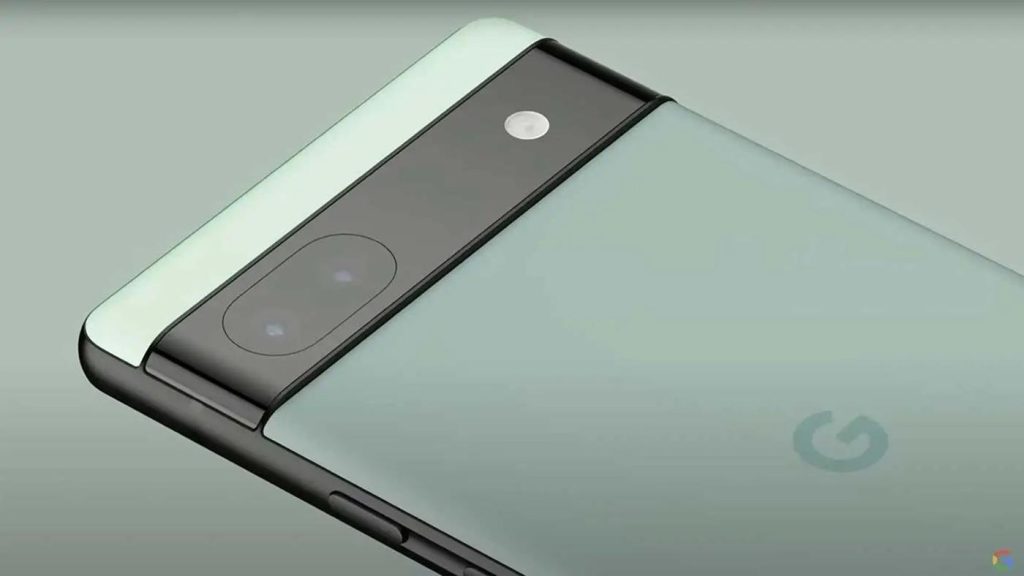
Google Pixel recently received the March security patch that packs a number of updates and changes to the device, including the addition of the Magic Eraser tool to all Pixel devices, amongst other changes. This was a long-awaited update that Pixel users were very eager to receive. However, it wasn’t all ‘good news’ and ‘bright skies’ with the latest update. A weak point in the Pixel’s software framework might just have been revealed.
Google’s March security patch for Android has revealed a potentially serious vulnerability in the Pixel’s Markup screenshot tool. Reverse engineers Simon Aarons and David Buchanan discovered the “aCropalypse” flaw, which enables someone to take a PNG screenshot cropped in Markup and undo some of the image’s edits. This could be abused by a malicious actor to reveal sensitive information redacted by a Pixel owner using Markup. Buchanan has revealed the flaw has existed since Markup’s launch alongside Android 9 Pie in 2018, with older images at risk due to Google’s oversight.
Although March’s security patch prevents Markup from compromising future images, the patch isn’t available on all Pixel devices, meaning vulnerable images can still be produced. The vulnerability may not affect some social media platforms such as Twitter, as these may process images in a way that makes it difficult to reverse-edit them. However, other chat apps like Discord are still vulnerable, and it’s unclear if other social media and chat apps are similarly affected. Google has yet to respond to requests for comment and further information. Pixel owners are advised to avoid using Markup to share sensitive images until the patch is available on all devices.
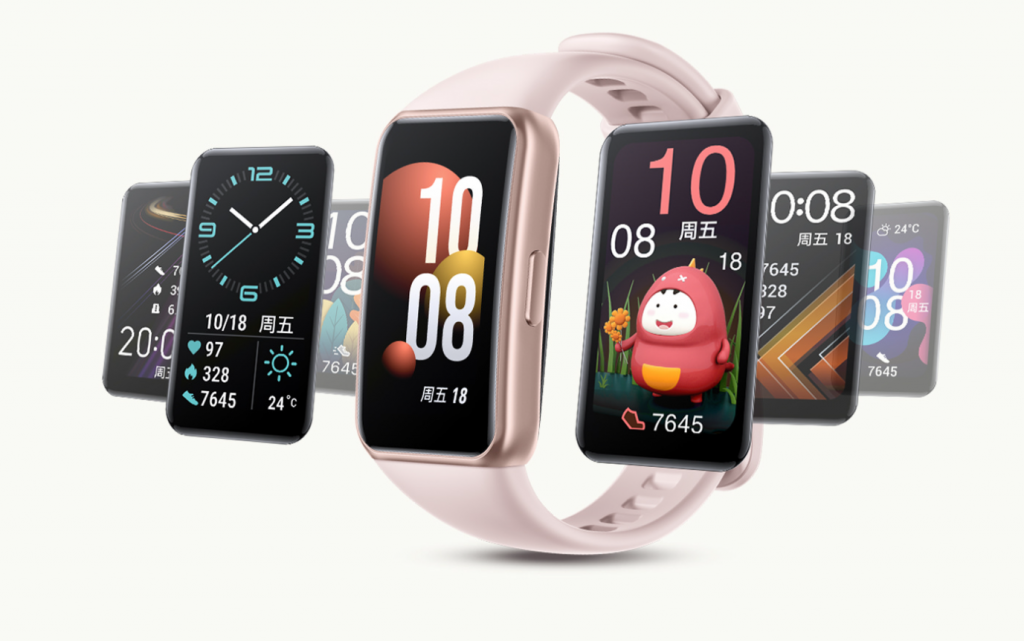
Earlier this month, Honor announced its new wearable device named Honor Band 7 NFC, which as the name itself indicates, is another model of the Band 7 fitness tracker with support for NFC connectivity.
Today, the Honor Band 7 NFC version finally goes on sale in the Chinese market. While the product is priced at 289 yuan (~$42), it will be available at a discounted price of 239 yuan (approximately $35) for the first sale.
Honor Band 7 NFC
This new model of the fitness tracker is being offered in three color options in China — Rose Pink, Cedar Blue, and Magic Night Black.
The Honor Band 7 NFC features a 1.47-inch color touchscreen AMOLED display with 2.5D curved edges and 282 PPI pixel density. It comes with support for multiple watch faces, which can be customized using the companion application.
There are tons of health and fitness-related features, including support of Sp02 blood oxygen level measurement, auto sleep monitoring, female health tracking, up to 96 different sports mode tracking, and more.
Additional features on the device include support for Bluetooth remote photo capture, music control, notification reminder, and find my phone, among others. The company adds that users can view complete health data such as stress level, SpO2 level, and overall health score using the companion application.
It is powered by a 180mAh battery, which the company promises can offer up to two weeks of usage on a full charge. It supports fast charging but the device needs to be charged using the magnetic charger provided in the box.
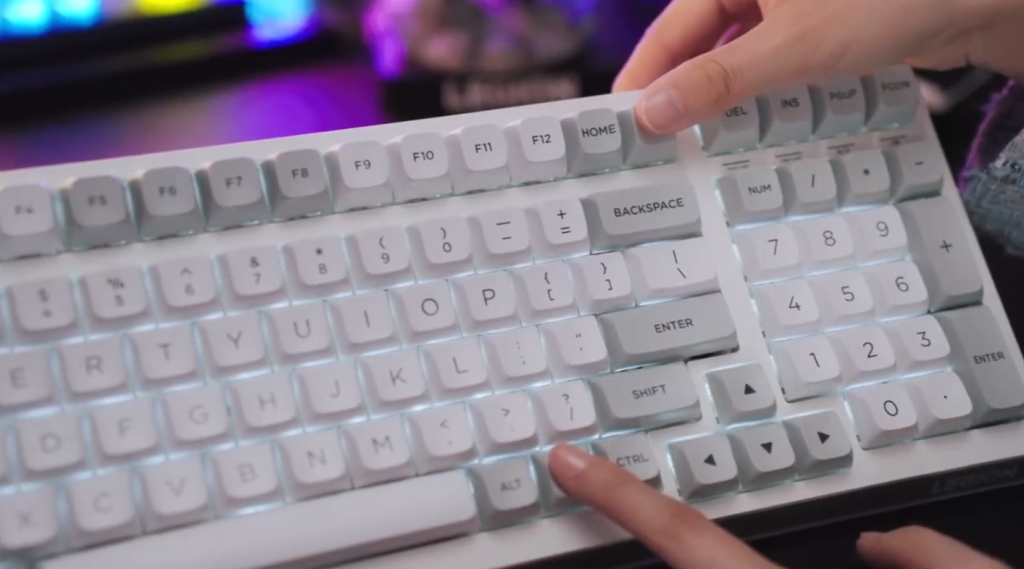
Lenovo has announced the Legion K7 mechanical keyboard 2023 in China with the product expected to be released soon for the domestic market. The latest K7 mechanical keyboard comes with a Jiadalong G Yellow Pro switch body and three-mode connection via USB, wireless, and Bluetooth. There are no specifics though for the launch date for the model.
The model comes with the Jiadalong customized switch body G Yellow Pro and supports full-key hot swapping. The keyboard has a 98% configuration design with a smaller size than its previous iteration. The Lenovo Legion K7 mechanical keyboard supports USB-C, wireless 2.4GHz, and Bluetooth connectivity.
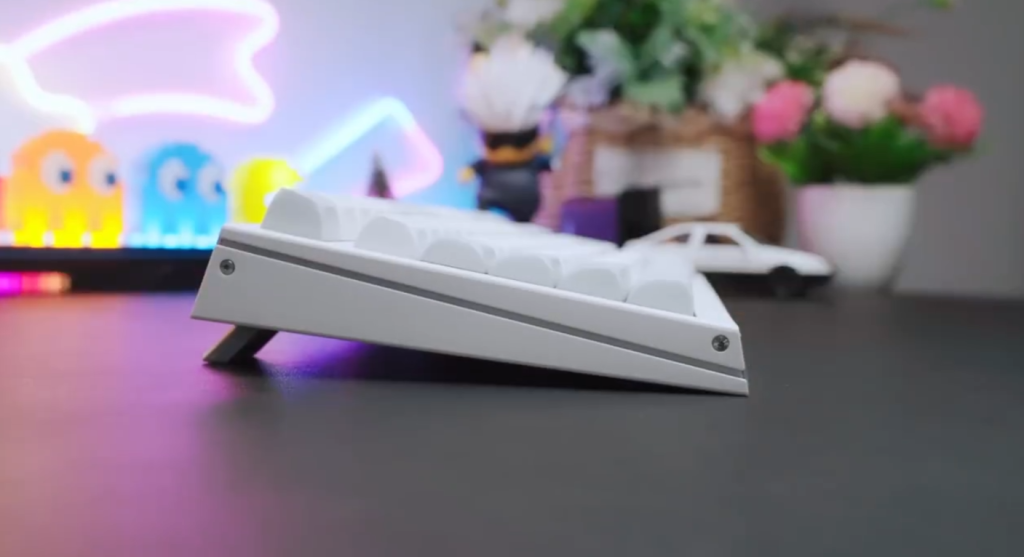
The latest teaser of the Legion K7 mechanical keyboard 2023 shows a white model with some gray keycaps. It also features keyboard backlights and there are expected to be multiple configurations for the model. The model is a slight improvement per the previous Legion K7 model which featured the Jiadalong G Silver Pro 2.0. Overall, the design architecture remains unchanged for the 2023 Legion K7 mechanical keyboard.
The Lenovo Legion K7 2023 exact release date is yet to be divulged by the OEM. The starting price for the Lenovo Legion K7 mechanical keyboard 2023 is estimated to be about 599 yuan ($87). There is no official confirmation of the price of the keyboard. It is expected that when the full specs are released by Xiaomi, a clearer picture.
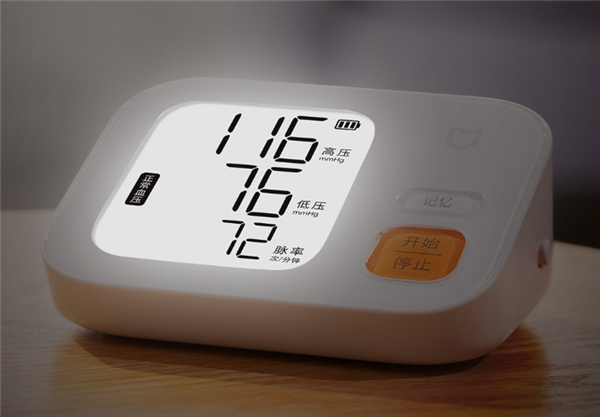
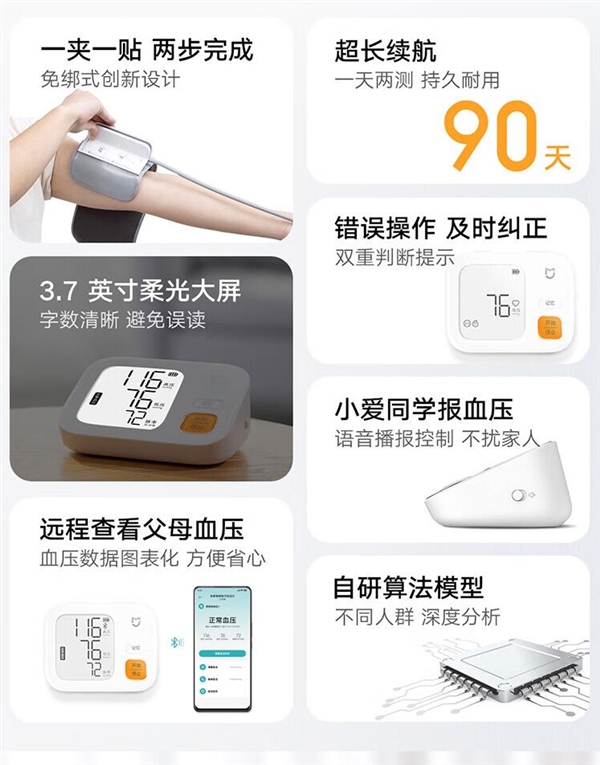
Xiaomi has released the MIJIA electronic blood pressure monitor in China. The gadget is also called the MIJIA Electronic Sphygmomanometer and adopts a tie-free innovative design. It can complete the blood pressure measurement with just one clamp and one stick, avoiding the pulling and repeated adjustment of the cuff.
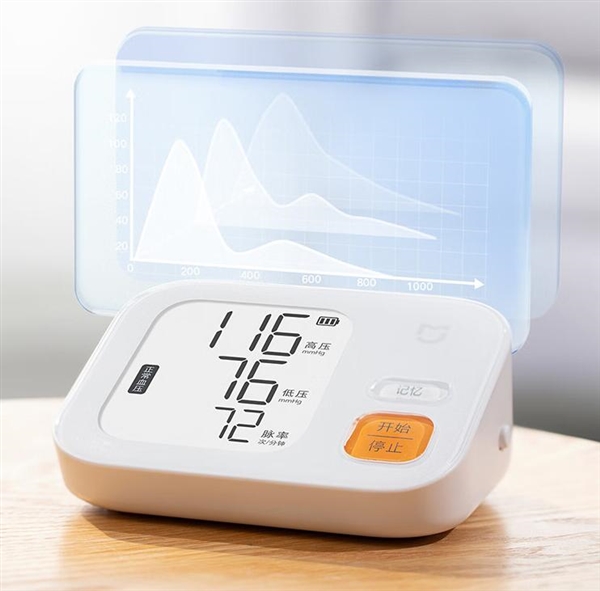
The Xiaomi MIJIA electronic blood pressure monitor can be operated with one hand. It has a 3.7-inch soft light screen and can be easily used in a dark environment. The gadget features a voice mode for reading the measurements using the in-built Xiaoai classmate voice pack. The model runs on a self-developed unique algorithm and can perform multi-dimensional identification of physiological characteristics. It also uses different algorithms models for processing based on the heartbeat waveform characteristics.
The Xiaomi MIJIA electronic sphygmomanometer automatically prompts the user when the body moves or the cuff is too loose. This prevents false and inaccurate measurements. The device has a built-in high-performance lithium battery that’s environmentally friendly. The battery can last up to three months on a single charge with an average of twice daily usage. The device can be recharged via its USB-C port.
The data generated by the MIJIA electronic sphygmomanometer can be directly uploaded to the MIJIA app. It has the capacity to retain 99 measurements. The interfacing of the gadget with the MIJIA app means that you can remotely monitor your parents’ regular blood pressure measurements.
The Xiaomi MIJIA electronic sphygmomanometer is available in China at a launch price of 249 yuan ($36). It is expected that the gadget will be subsequently available in overseas markets.
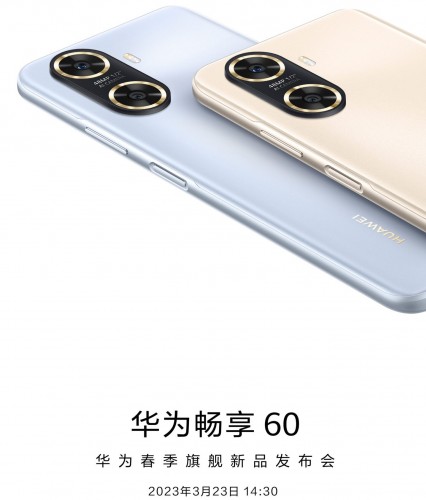
Huawei has confirmed that it would unveil the Enjoy 60 together with other products during its March 23 launch event. The Spring Flagship product launch event will also witness the release of the Mate X3 and P60 series in China. The Huawei Enjoy 60 comes with a sleek design and is signposted by its 48MP camera.
The Huawei Enjoy 60 is still shrouded in secrecy but its specs are beginning to crop up. It has been previously rumored that the Enjoy 60 will run on Huawei’s HarmonyOS 3.0. It will come with a 6,000mAh battery with support for 22.5W charging. The latest teaser showed the back panel of the smartphone with its 48MP camera.
The images reveal that the smartphone will be available in at least two color options – gold and gray. There could be other color variants. It will come with a 6.59-inch display and is powered by the Snapdragon 695 5G chipset. The smartphone will have a minimal RAM/ storage configuration of 8GB/ 128GB.
The Enjoy 60 is still an enigma to some extent at this time. Huawei will provide more details about the product as we inch toward the March 23 launch event. There are no global availability and pricing details yet for the Enjoy 60. The March 23 Spring Flagship launch event will witness the unveiling of several impressive Huawei products. The Huawei Mate X3 and P60 series will also be showcased during the flagship product launch conference.
The US trade ban dealt a heavy blow to Huawei but the Chinese company didn’t let it stop itself from making smartphones filled with futuristic innovations and eye-catching designs. Although Huawei phones do not have access to 5G and Google services, its flagship models are still highly compelling and hard to miss.
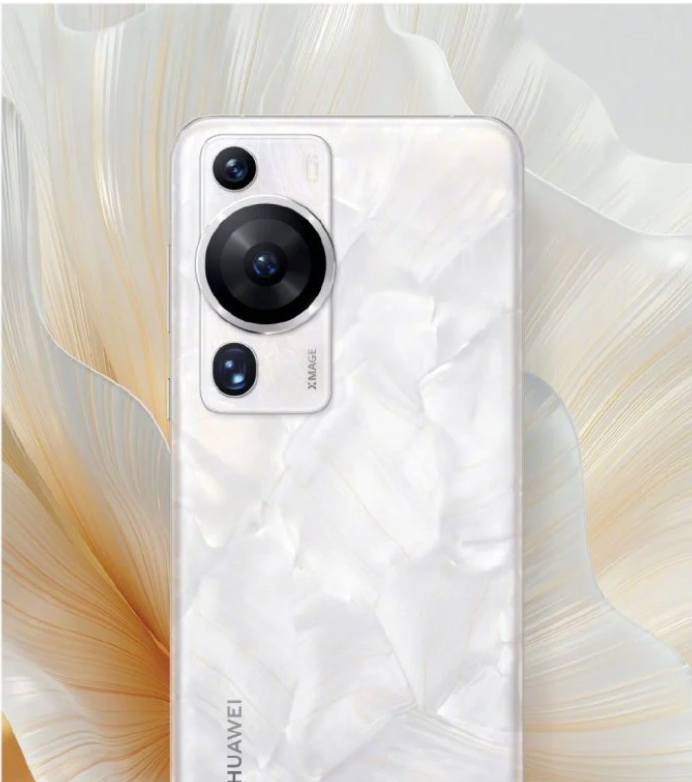
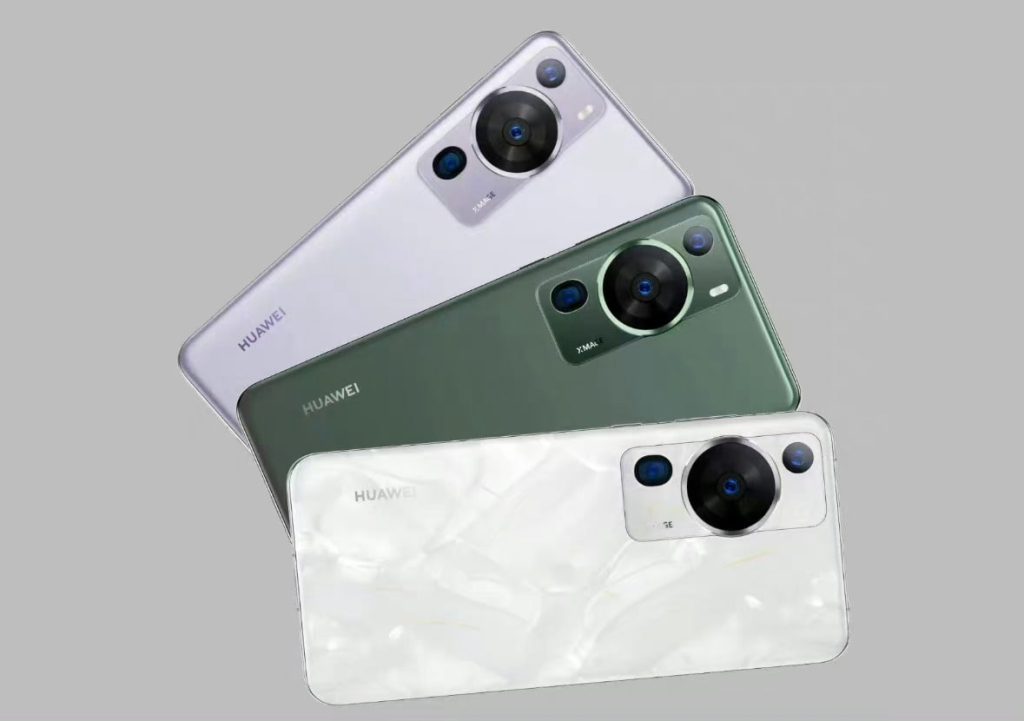
Looking ahead, the brand is gearing up to launch its spring flagship series, the Huawei P60, in China on March 23. This new lineup is confirmed to feature some serious camera tech and is expected to include the standard P60 model as well as the P60 Pro and P60 Ultra. While the formal launch of the Huawei P60 series is still days away, we went ahead and gathered everything known so far about it. Read on to find it all out.
Design and Display
While brands such as Apple and Samsung have settled for a singular design for their flagship phones and have focused on improving it with each new release, Huawei has taken a different approach. The Chinese tech giant consistently launches its premium phones with new and innovative designs, setting itself apart from the competition. The upcoming P60 series will be no exception and come with an entirely new look.
As per a recent image shared by a company exec, the Huawei P60 series is set to feature a distinctive rectangular camera module. What sets it apart from other smartphones is the unusual alignment of the camera rings – the primary sensor is enclosed in a large ring at the center, while the other two sensors are housed in smaller rings above and below it. The front will likely be business as usual with a centered punch-hole camera.
There may be some minor variations between the Huawei P60 Pro and Ultra models, but all three phones in the series are expected to share a similar design. Rumors suggest the P60 Pro will flaunt a 6.6-inch 120Hz BOE-manufactured OLED panel with a resolution of 3200 x 1440. The display is expected to support 1920Hz high-frequency PWM dimming. There’s no news on the display specs of the rest two models.
Specifications
Huawei P60 series smartphones will reportedly be powered by the Snapdragon 8+ gen 1, which is now a bit old but is still a high-end SoC. However, it should be noted that all three phones will probably be using a 4G version of the chipset.
As per the rumors, the Huawei P60 Pro will feature a triple rear camera unit, headlined by a 50MP main camera (IMX888). The primary sensor may get accompanied by a 50MP ultrawide-angle lens and a 64MP telephoto sensor. The vanilla P60 will likely arrive with two new sensors—IMX789 and IMX888. Both these sensors offer a resolution of 50MP, with a size of 1/1.4 inches. The smartphones are said to be equipped with variable apertures, similar to last year’s Mate 50 Pro. The camera details of the P60 Ultra are yet to be revealed. All three phones are reported to have a 32MP selfie shooter on the front.
The company recently revealed the flagship lineup will feature new imaging capabilities with XMAGE 2.0. It is currently unknown what kind of improvements will come with this new tech. One of the key features of XMAGE is the super-optical variable camera, which was first introduced with the Mate 50 series. The camera uses XMAGE technology with a variable aperture that can achieve a ten-stop adjustable aperture at the physical level. It also brings new color enhancements suitable for various photography scenarios.
Huawei P60 series should run the company’s own HarmonyOS 3.0 software out of the box. The phones could feature a 5,000mAh battery with 100W wired and 50W wireless charging. Additionally, the Pro and Ultra models could arrive with support for satellite connectivity and feature Kunlun toughened glass on the display.
Expected Pricing
The Huawei P60, P60 Pro, and P60 Ultra will be debuting initially in China and may later make it to the global market. The handsets won’t be sold in the US, that’s for sure. However, folks in Europe and a few other regions may be able to get the new Huawei phones soon. Talking about the price, the higher-end P60 Pro will likely start at around $800 while the vanilla model may be priced in the range of $600-$700. The Ultra model’s pricing is still anyone’s guess.
For the past few years, Oppo has mainly focused on launching mid-range and upper mid-range phones under the Reno, K, and A series in India. Oppo hasn’t launched a Find series flagship phone since launching the Find X2 series in 2020. While the predecessor Find X5 and X3 series have been top-notch flagships, these have not been released in India. By announcing the Find N2 Flip earlier this week, the brand is finally back in the flagship market with a new Find-branded premium phone in the country.
The Find N2 Flip is a clamshell phone with a foldable screen. The only other phone with such a form factor that is currently available in the Indian market is the Samsung Galaxy Z Flip 4. Samsung’s fourth-generation Z Flip series phone is a commendable device. However, it has taken around four years for Samsung to iron out the issues and launch a more reliable product. It goes without saying that Samsung has been offering the Z Flip series with each new generation. However, the Oppo Find N2 Flip does not feel like a first-generation experimental product from the brand. After using the Find N2 Flip for a couple of weeks, I can say that it feels premium and tries to compete, even overtaking the Z Flip 4 in many areas.
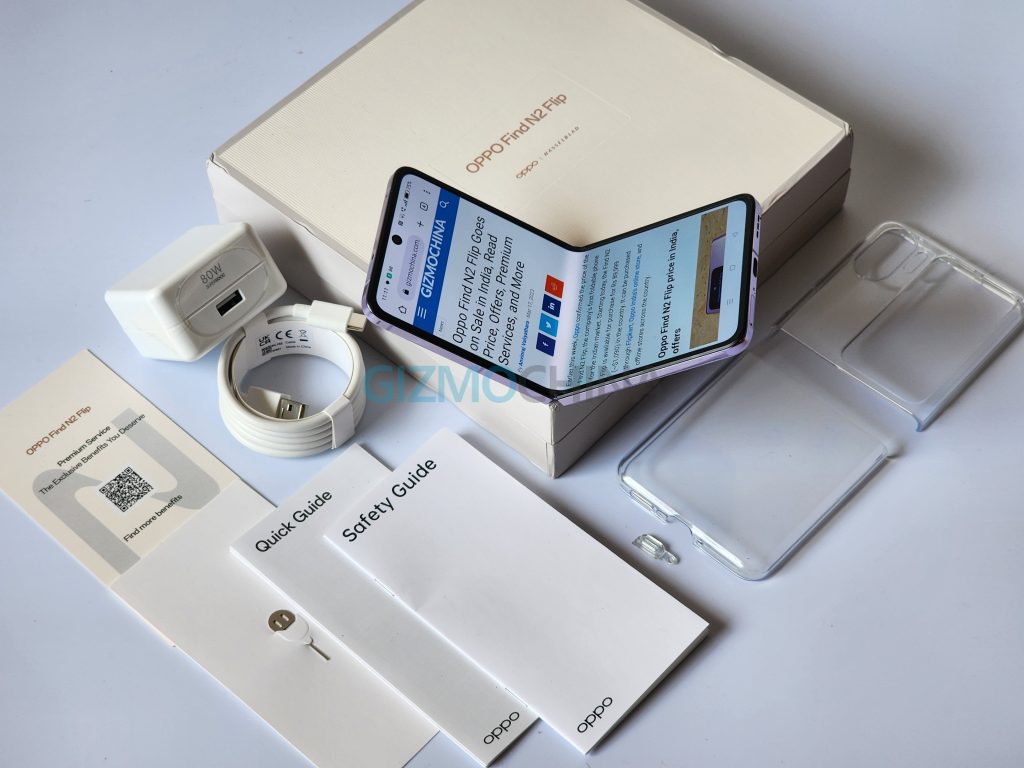
Oppo Find N2 Flip Review: What’s in the box?
OPPO Find N2 Flip
The Find N2 Flip retail package is designed in such a way that it elevates the device towards you when it is opened. The following items are packed inside the retail box:
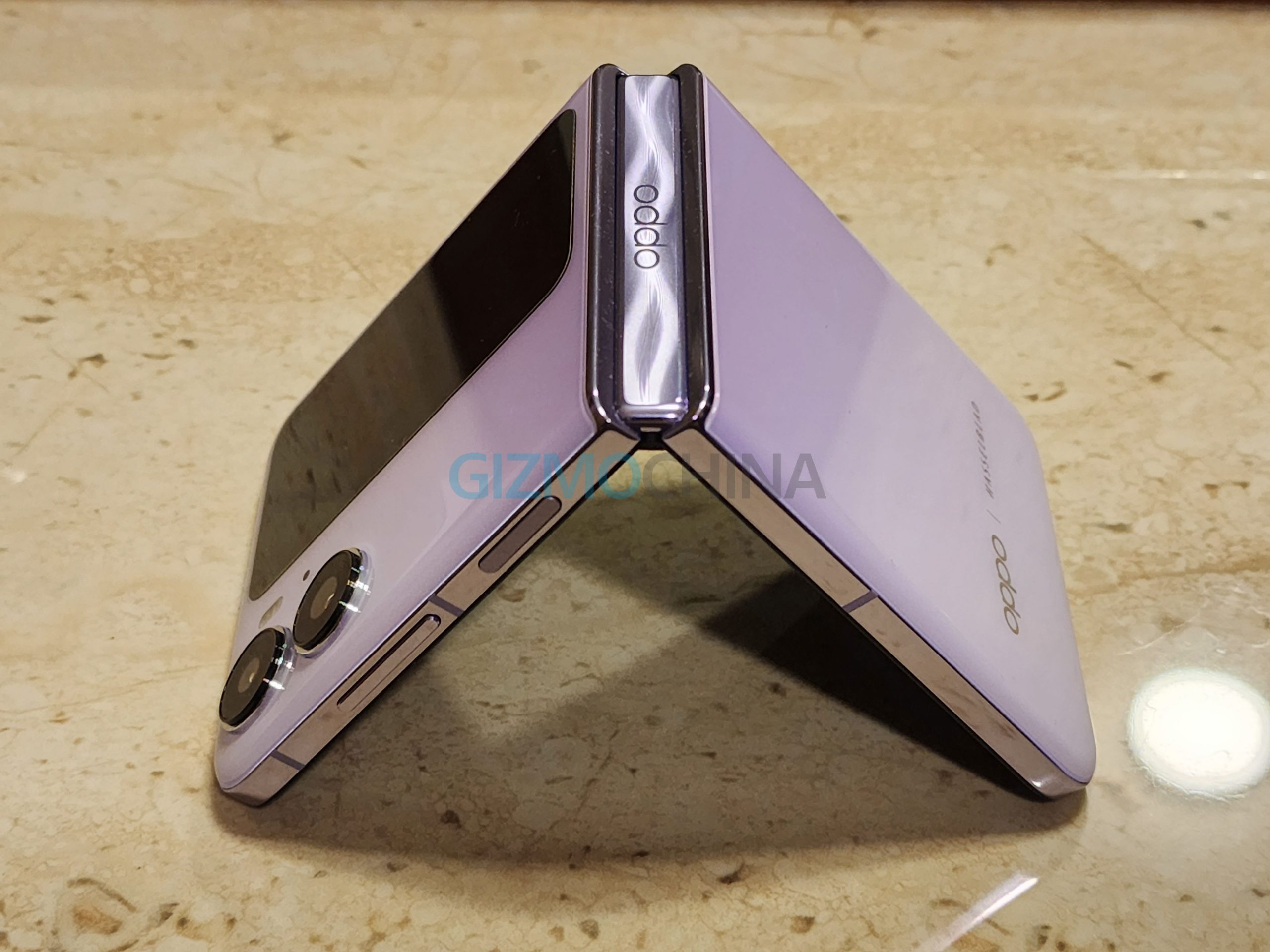
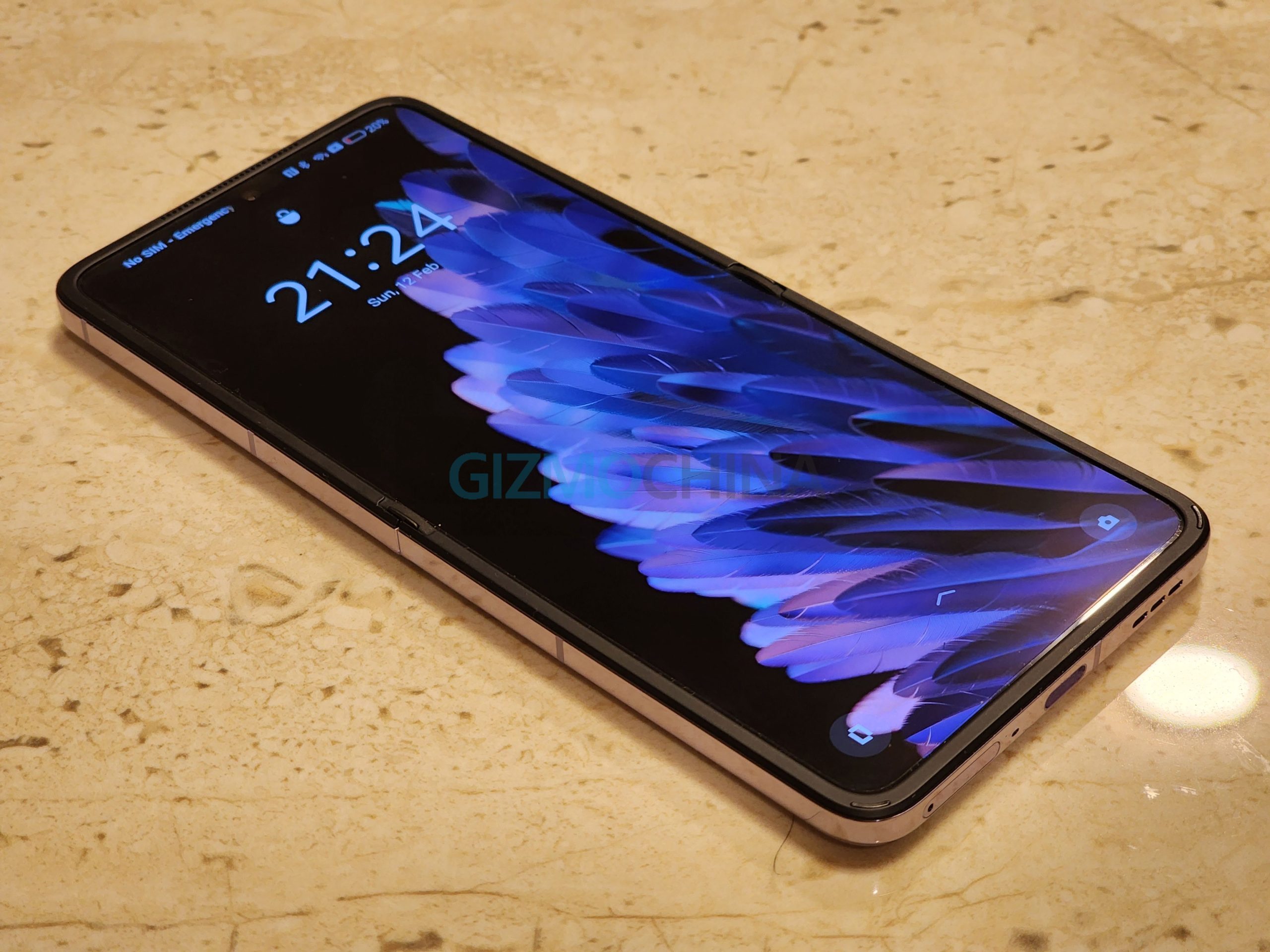
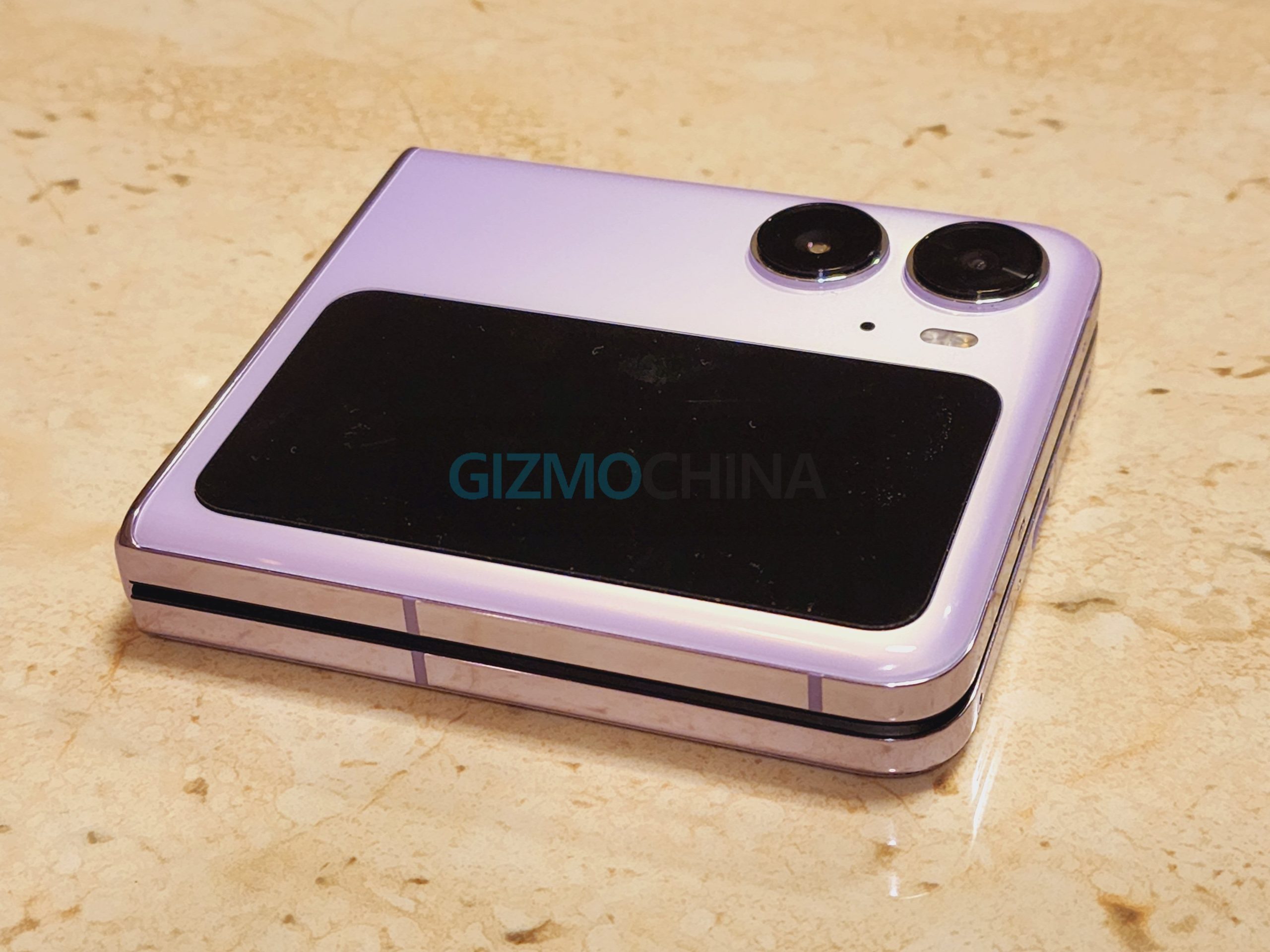
I received the Moonlit Purple edition of the Oppo Find N2 Flip for review. The purple variant has a glossy appeal and looks quite enticing. A good thing is that it does not attract fingerprint marks.
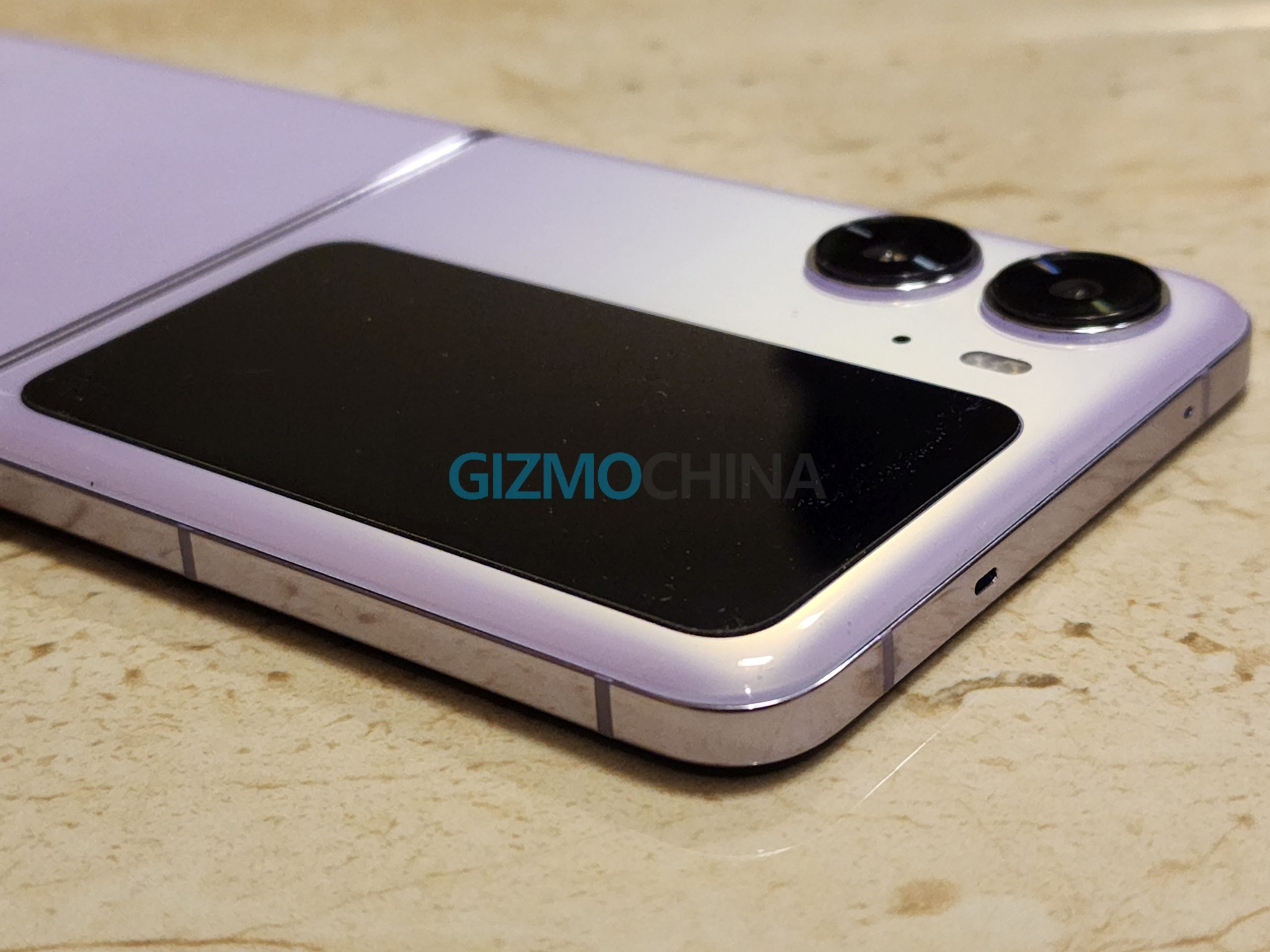
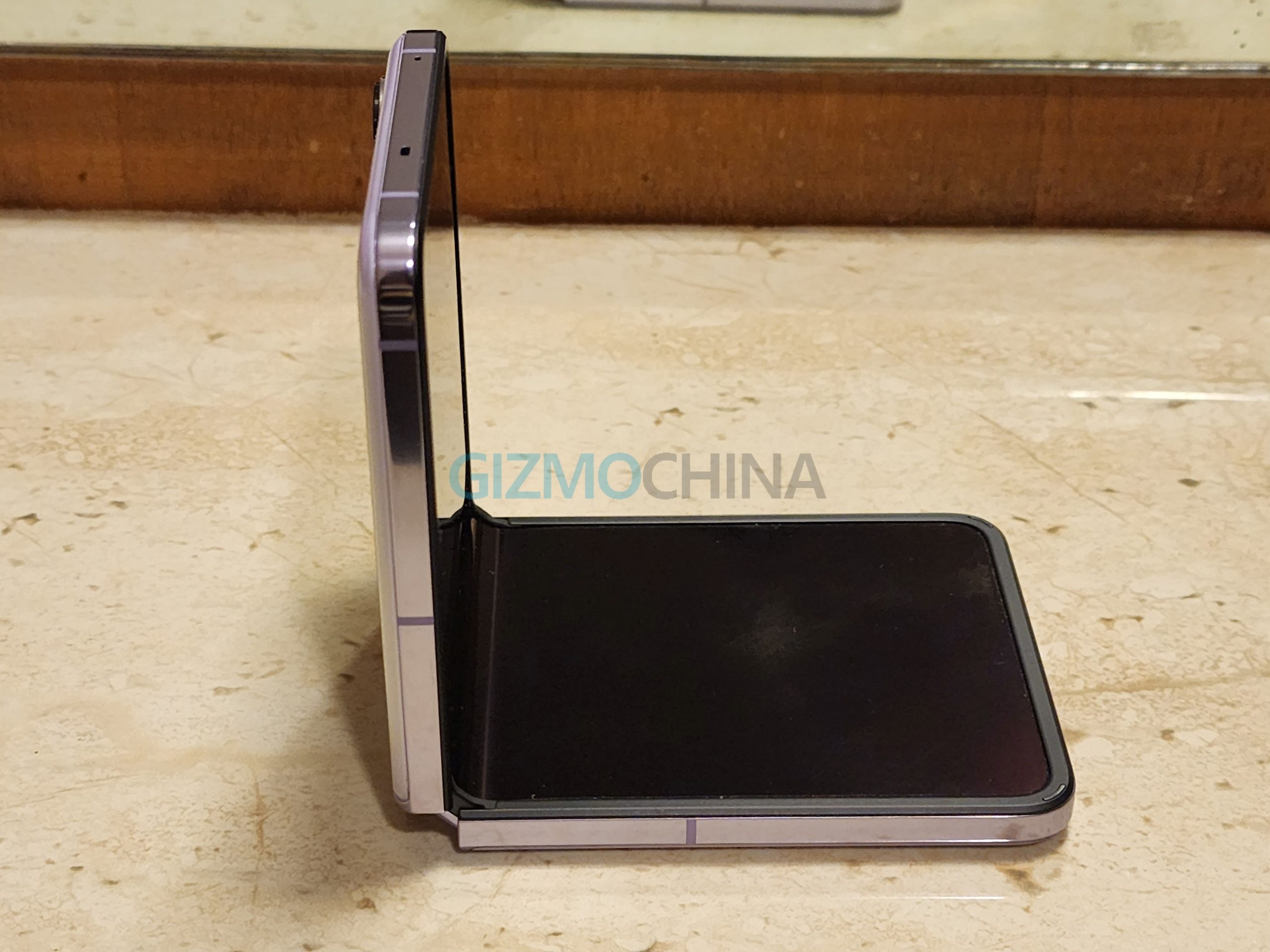
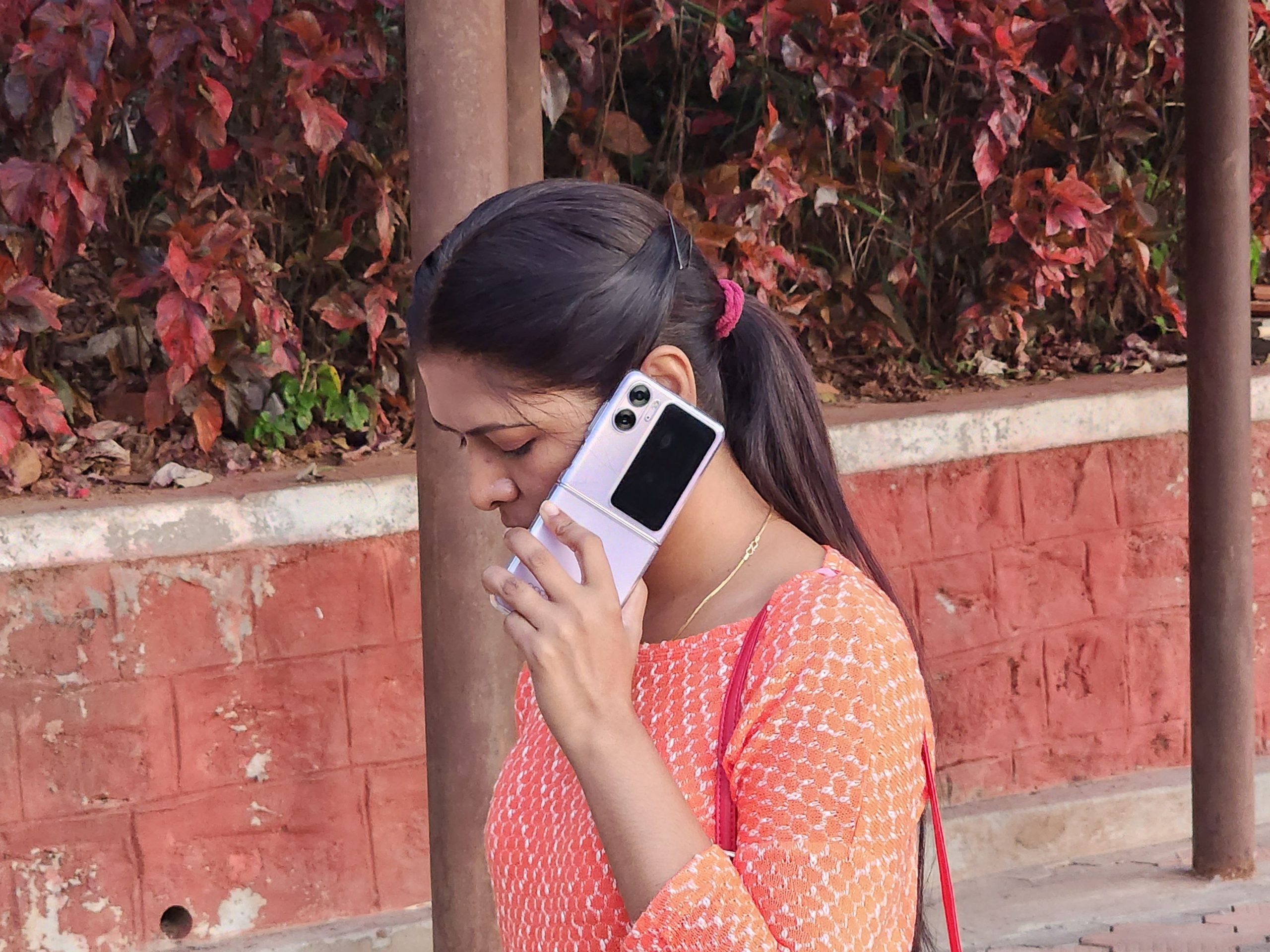
The N2 Flip features a glass back with an aluminium frame. In its unfolded state, it looks like a regular smartphone. It measures 7.45mm in thickness (unfolded state) and weighs around 191 grams.
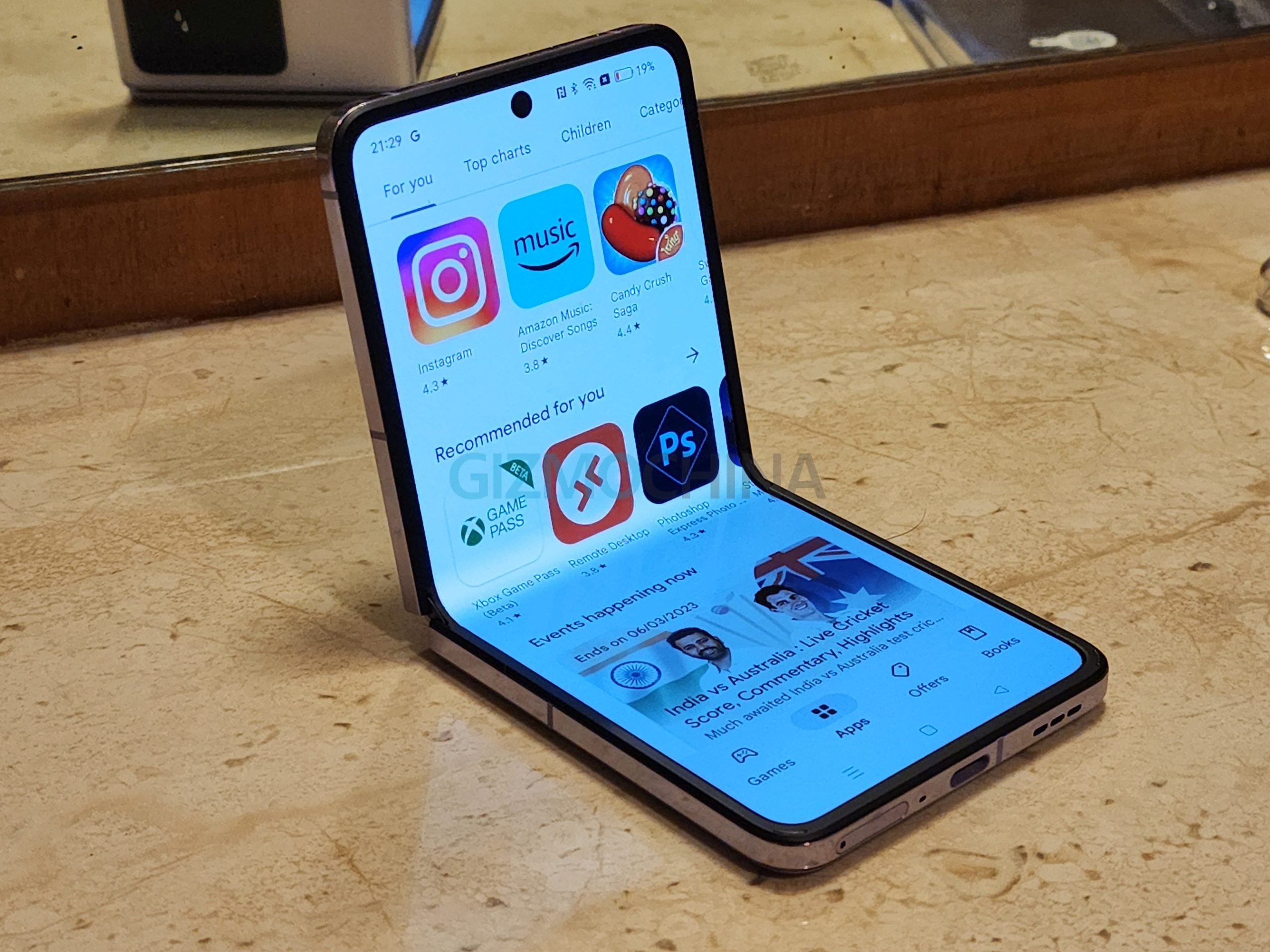
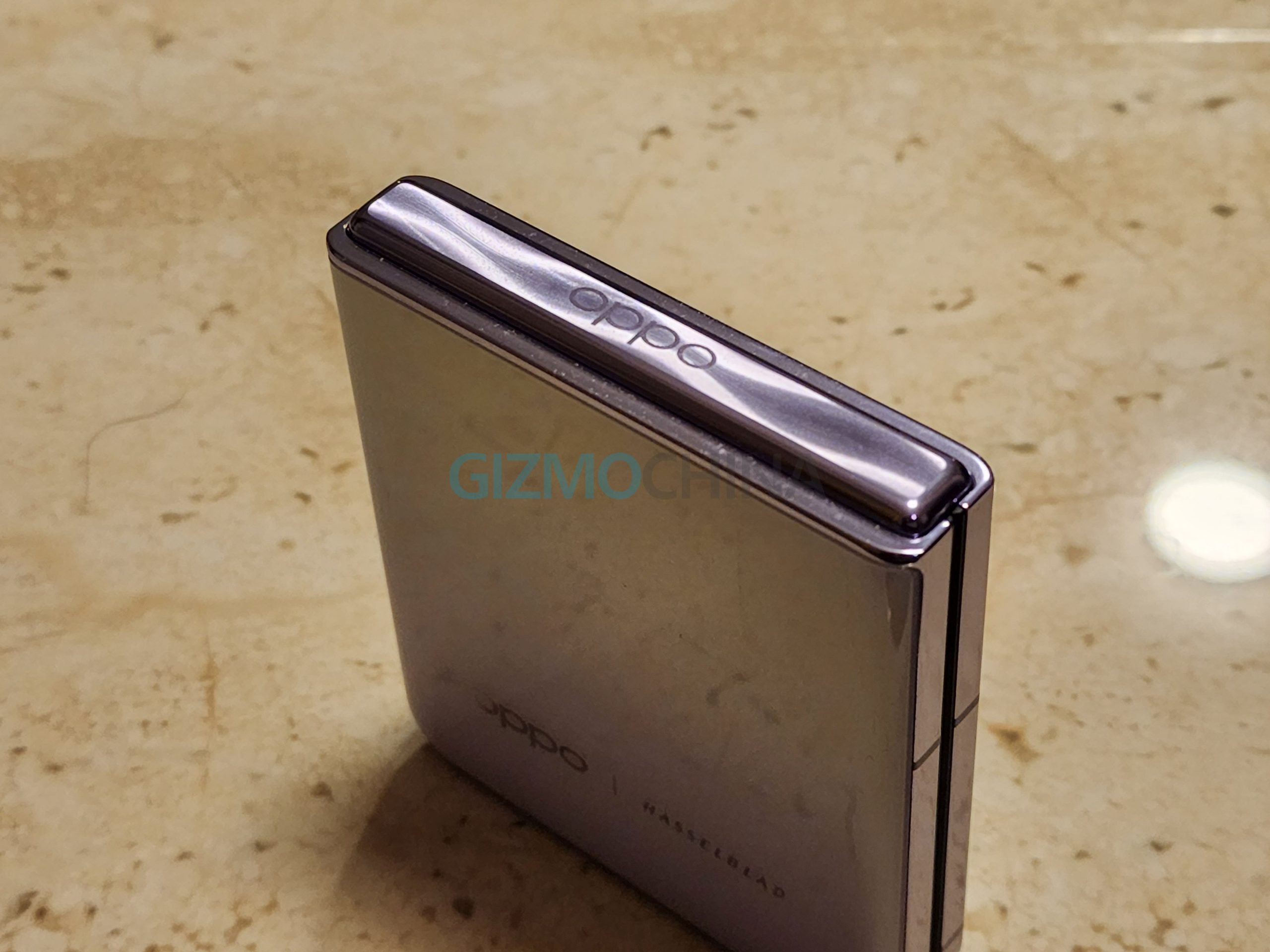
When the device is closed, one can see the “Oppo” branding with a wavy pattern on the hinge. Users are able to hold the folding angle between 45 and 110 degrees using the hinge, which Oppo calls the Flexion Hinge. As far as the durability of the hinge is concerned, the TUV Rheinland-certified hinge can perform well after 400,000 cycles of folding and unfolding. It claims that the hinge is tested to withstand 100,000 folds in extreme temperatures (20-degree Celsius low, 50-degree Celsius high). There is no visible gap between the two halves of the N2 Flip, and the display is almost creaseless. The crease can be felt or seen only when deliberate attempts are made, like intentional efforts to feel the crease, or when the screen is off, and that too when it is viewed from a different angle.
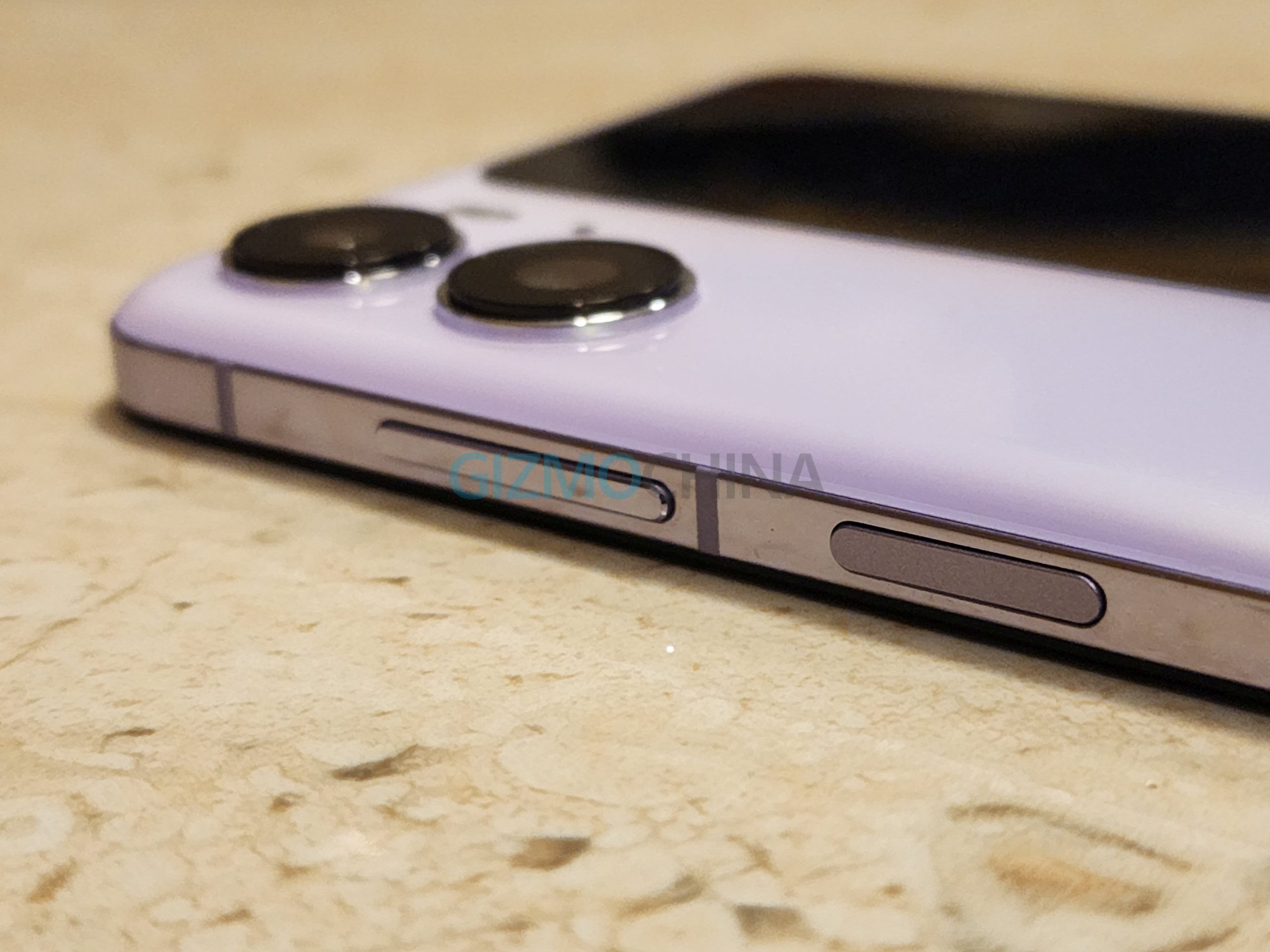
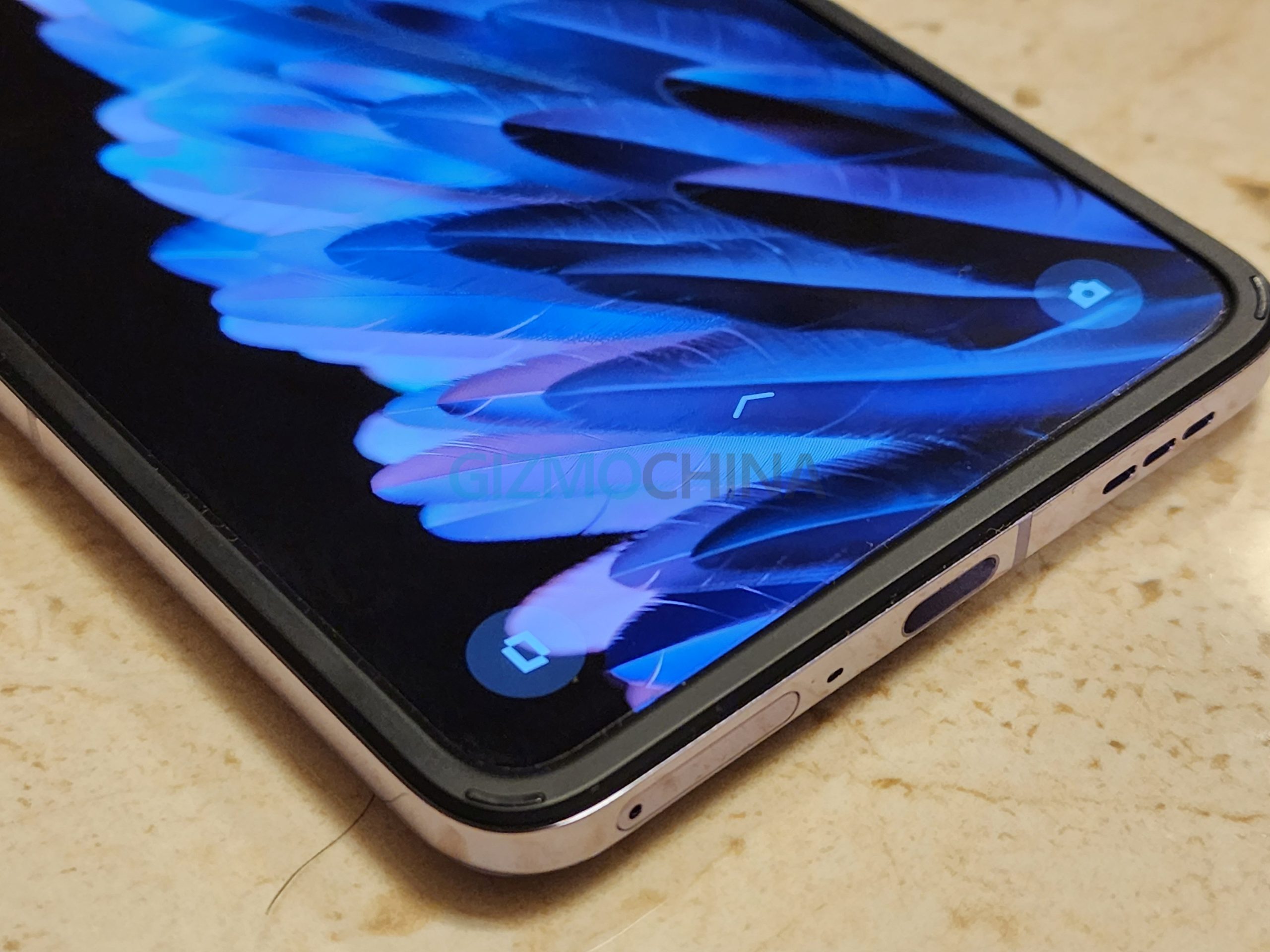
Starting from the top, the Find N2 Flip features a speaker hole and a microphone. Even the earpiece available on the top bezel of the device works as a speaker. The bottom edge has a SIM tray slot, a microphone, a USB-C port, and a speaker grille. There is nothing on the left spine, whereas its right edge has a volume rocker and a power key, which is integrated with a fingerprint scanner. The edges surrounding the display are raised to safeguard it in its folded state.
The Find N2 Flip has the latest E6 AMOLED LTPO display, measuring 6.8 inches. It offers an FHD+ resolution, a 21:9 aspect ratio, and a variable refresh rate of 1Hz – 120Hz. In general usage, the screen crease is not visible at all. The screen color modes available on the device include Vivid (vibrant), Natural (soft), and Pro Mode. The third one offers two options: Cinematic (P3 mode) and Brilliant (widest color gamut).
The main display supports Standard (60Hz) and High (120Hz) refresh rates. While there is no automatic mode, Oppo claims that the refresh rate can go down to 1Hz. The company claims that the screen comes with an anti-reflection film, which can reflect five times less glare compared to other foldable display phones. Coming back to the crease, “even after 216,000 folds and unfolds, TÜV Rhineland’s lab tests found the crease remains almost imperceptible from most angles,” claims Oppo. It is a good device for entertainment, thanks to the reasonably loud stereo speakers with Dolby Atmos and support for Widevine L1, HDR10, and HDR10+.
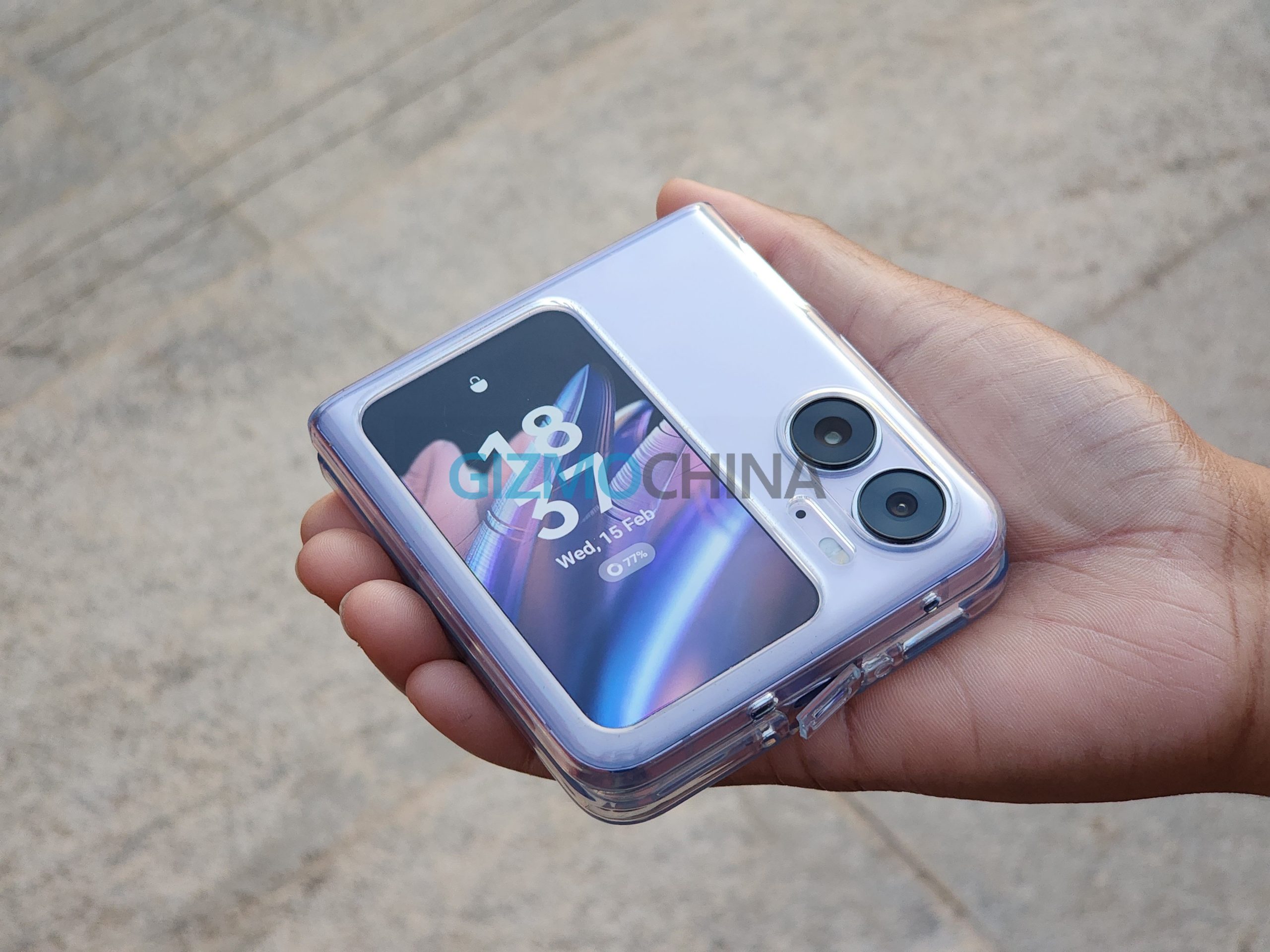
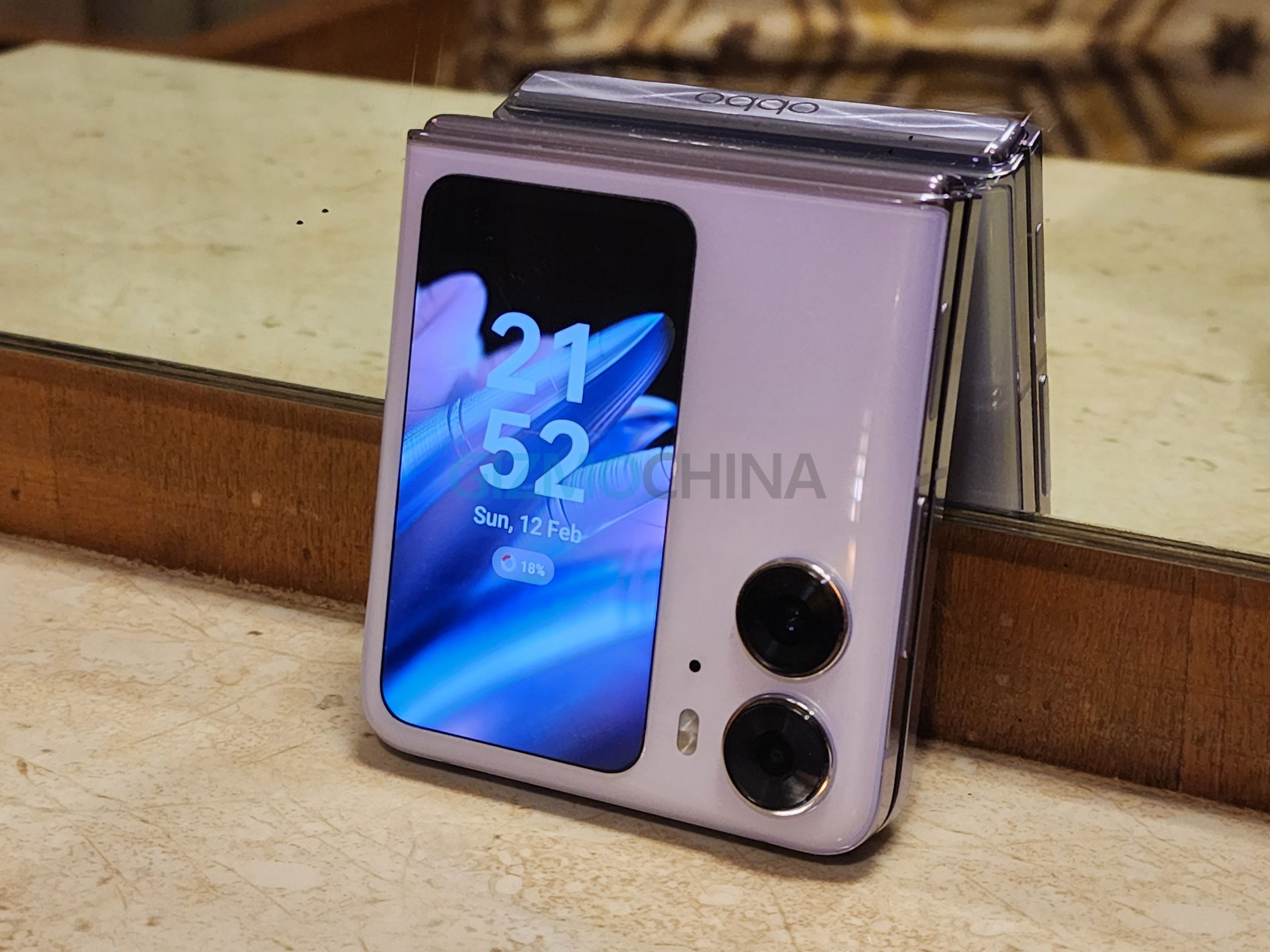
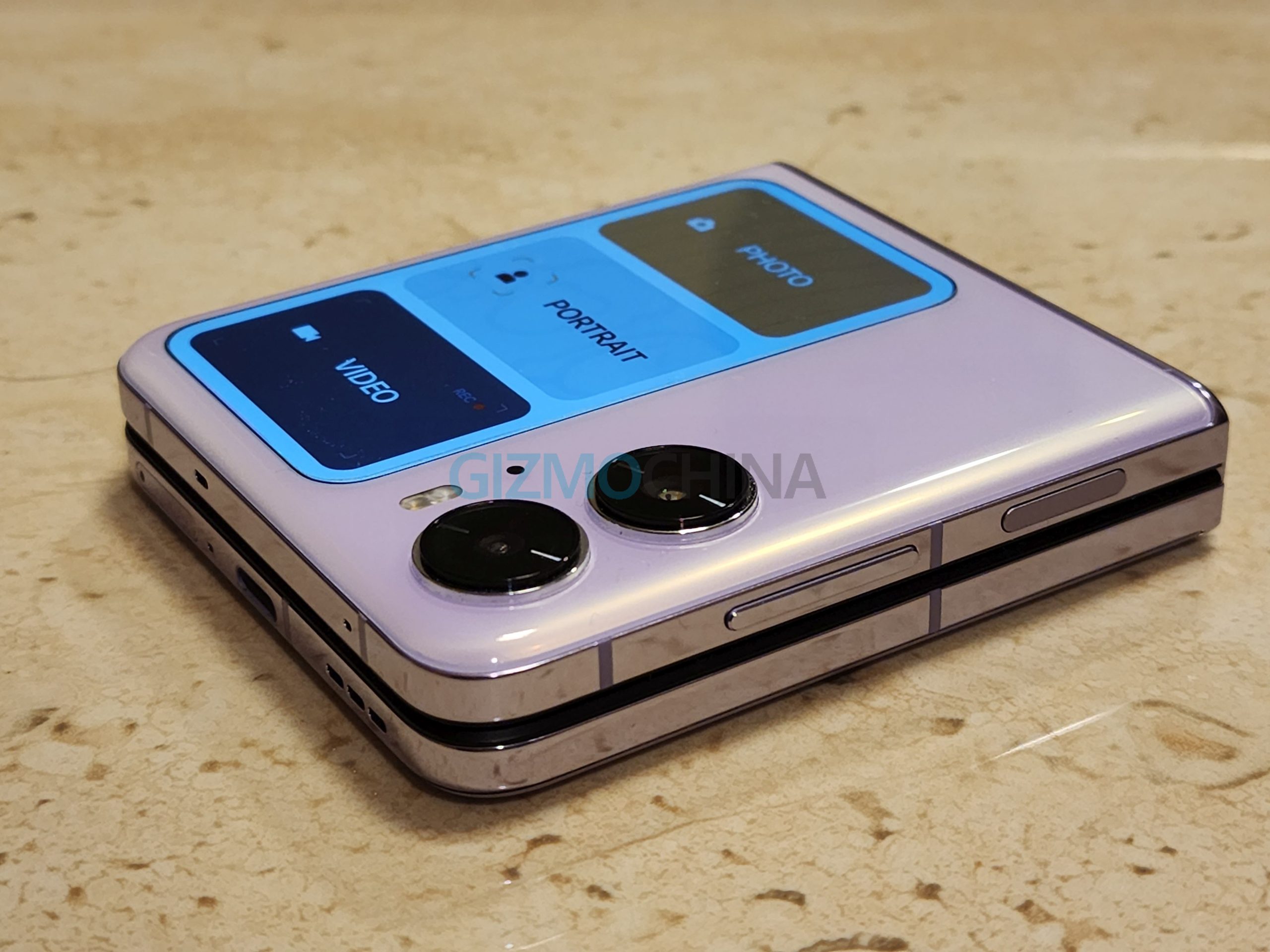
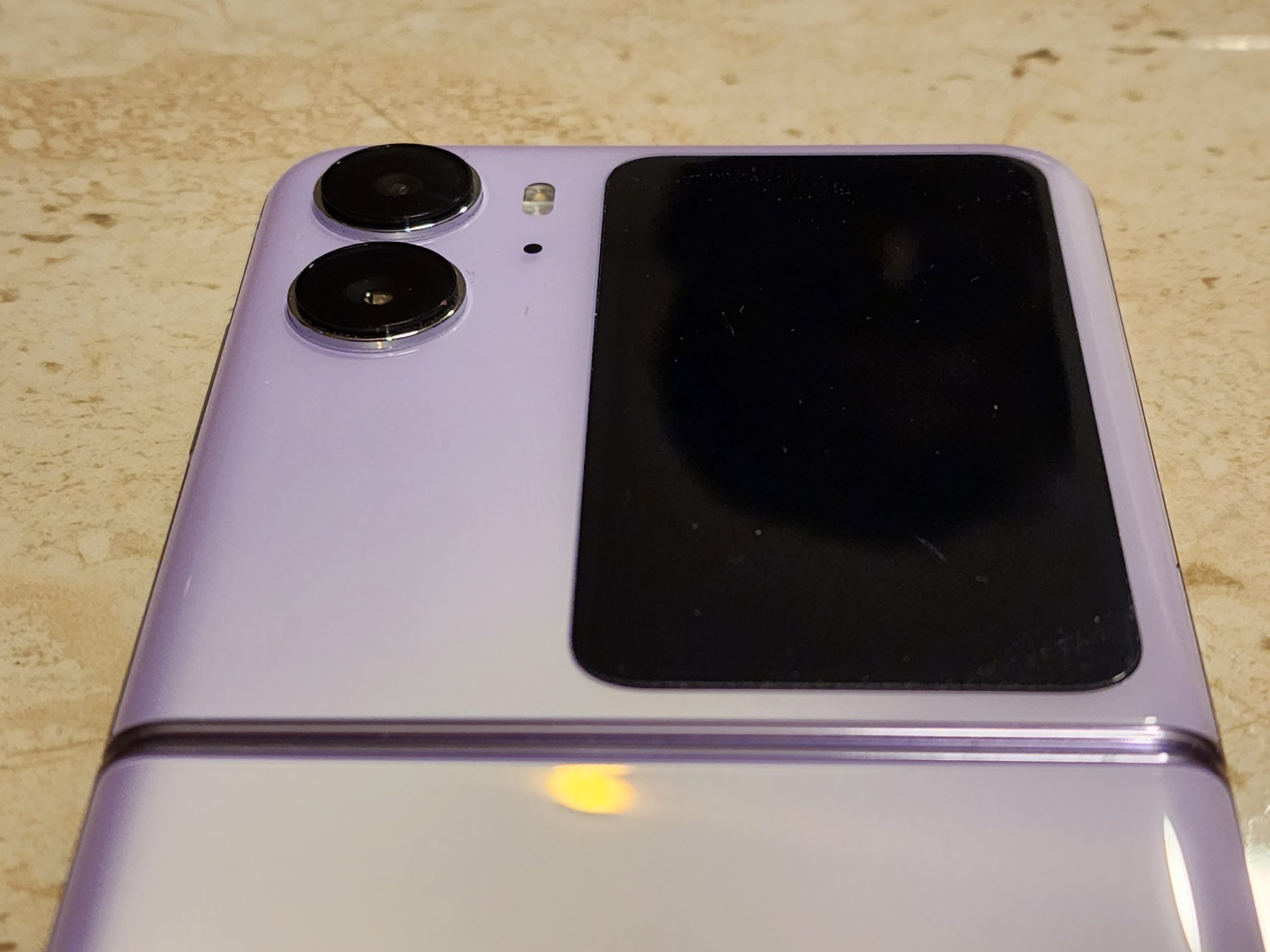
On the back, the phone has a dual camera setup, a microphone, a dual-LED flash, and a cover display in the upper half. The lower half has the Oppo and Hasselblad branding.
OPPO Find N2 FlipOPPO Find N2 Flip
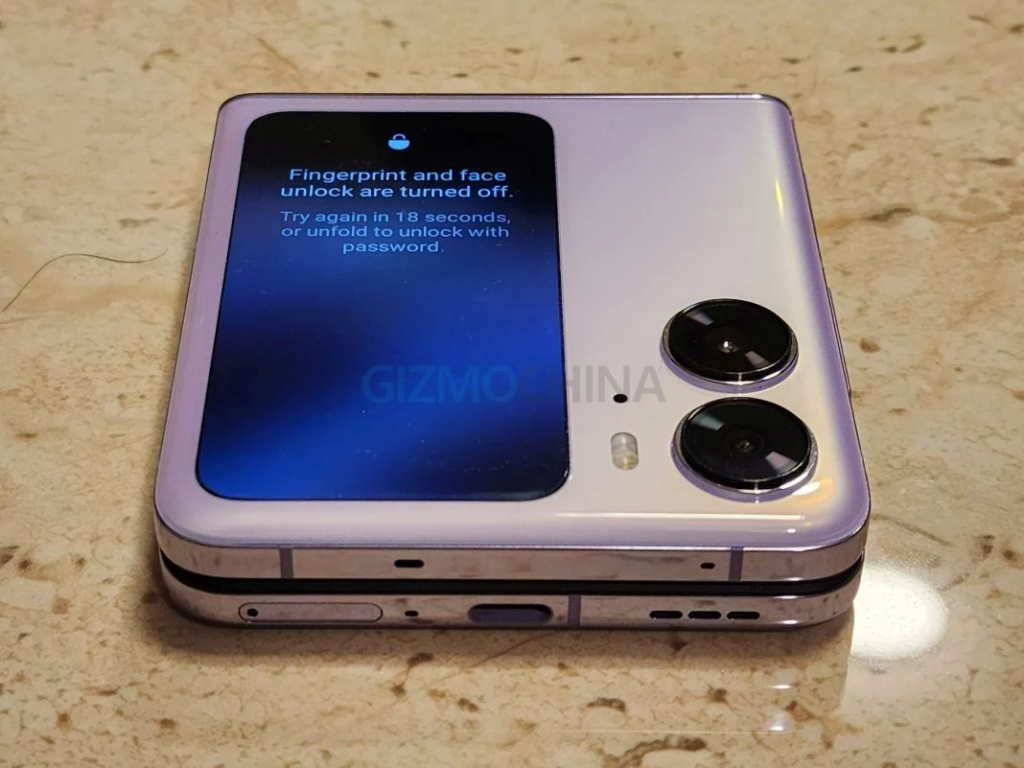
The cover AMOLED screen measures 3.26 inches. It supports 382 x 720 pixels resolution, a 60Hz refresh rate, a peak brightness of 800 nits, and Gorilla Glass 5 protection. At present, it offers the largest cover display on a flip phone. The large cover screen offers access to a few in-house widgets, such as Camera, Weather, Time, Events, Recorder, and Wireless Earphones. These can be accessed by swiping right and left.
A swipe down gives access to quick toggles (Wi-Fi, data, airplane mode, Bluetooth, alerts on/off, DND, torch, and battery saver), while a swipe up gives access to notifications. It allows users to use quick replies to respond to messages on certain apps like WhatsApp, Messenger, Slack, Telegram, and Line. The outer screen also supports Always-On Display (AOD) and unlocking via fingerprint scanner and face unlock. At first (around 2-3 days), using the widgets on the outer screen felt slightly buggy, but the experience has been good going forward.
Performance and Software
MediaTek Dimensity 9000 Plus
4,300Ah battery
8GB of LPDDR5 RAM
44W charging
256GB of UFS 3.1 storage
Android 13 OS with ColorOS 13
8GB of virtual RAM
OPPO Find N2 FlipOPPO Find N2 Flip
Under the hood, the Oppo Find N2 Flip has the 3.0GHz Dimensity 9000 Plus 4nm chipset, LPDDR5 RAM, and UFS 3.1 storage. There is no external storage on the device. Coming back to the chip, it features the same chip that powers the gaming-focused ASUS ROG Phone 6D Ultimate (available in China). The device handles OS animations, usage of multiple apps at the same time, and games like Asphalt 9 and Shadow Fight 4 without any hiccups. In my usage, I did not experience any heating issues on the device.
The Find N2 Flip packs a 4,300mAh dual-cell battery, which is currently the largest battery on a flip phone. There is no wireless charging on the device. In India, the device ships with an 80W SuperVOOC charger, but the device supports only 44W charging. It took me around 1:18 hours to achieve a full charge. The N2 Flip can easily last for more than a day once it is completely charged.
The device ships with Android 13 OS and ColorOS 13. The company has confirmed that it will offer four years of Android and five years of security updates. As expected, the ColorOS offers an intuitive experience, and an extra “Foldable features” section for customizing the cover screen style through wallpapers, interactive pets (each offering 15 animations), edit Quick Reply options, AOD, and clock style. I feel that this has reduced some of the unneeded apps like Hot Apps, Hot Games, HotFreeGames, and so on, on such a premium device.
The camera app on the Find N2 Flip gives access to photography modes like Night, Video, Photo, Portrait, Pro, Pano, Film, Slow-Mo, Time Lapse, Sticker, Text Scanner, and XPan. The Find N2 Flip’s 32-megapixel Sony IMX709, which Oppo has been offering since the Reno 7 series, does a respectable job capturing selfie shots. It comes with support for 2x magnification but lacks autofocus.
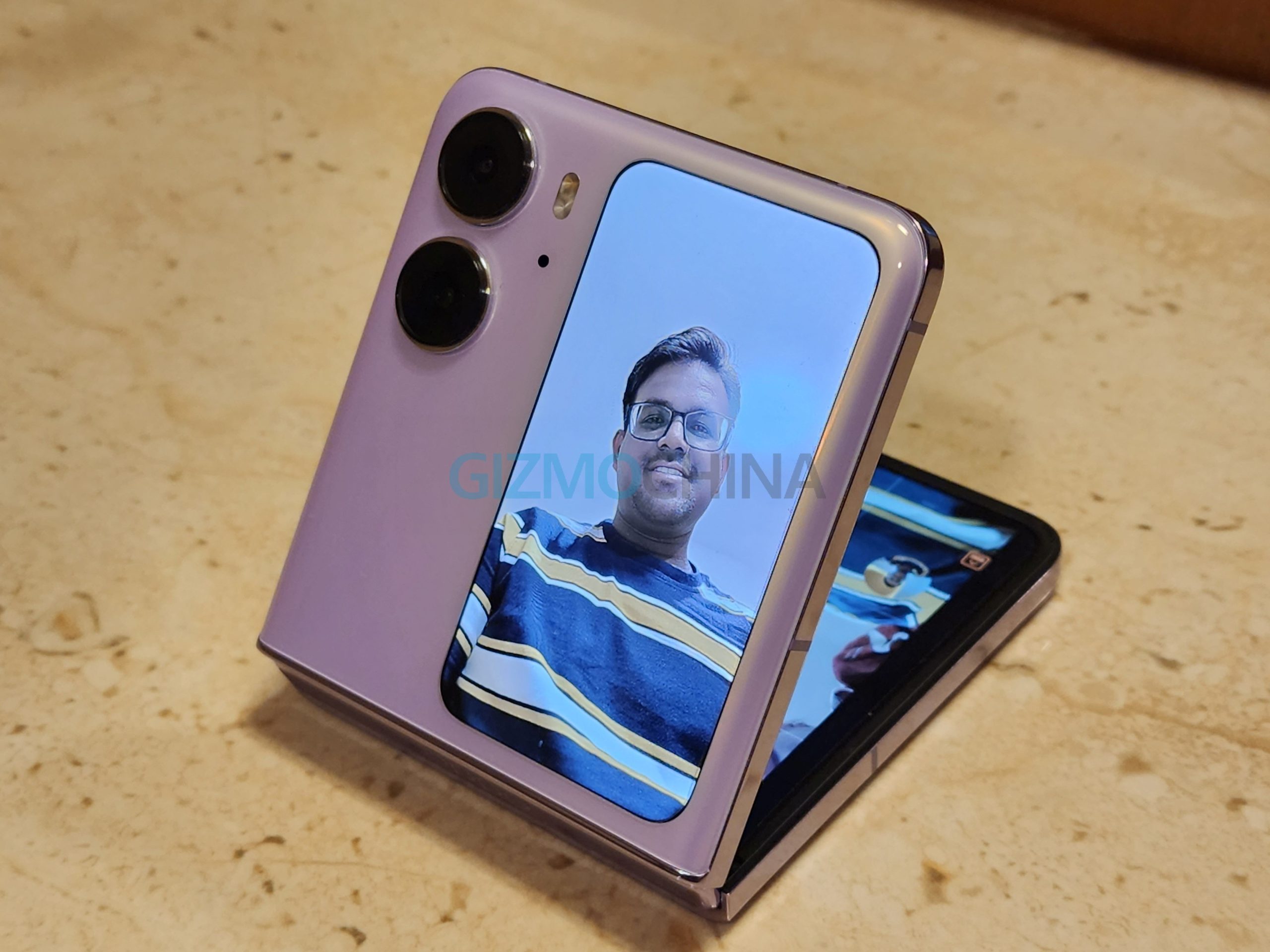
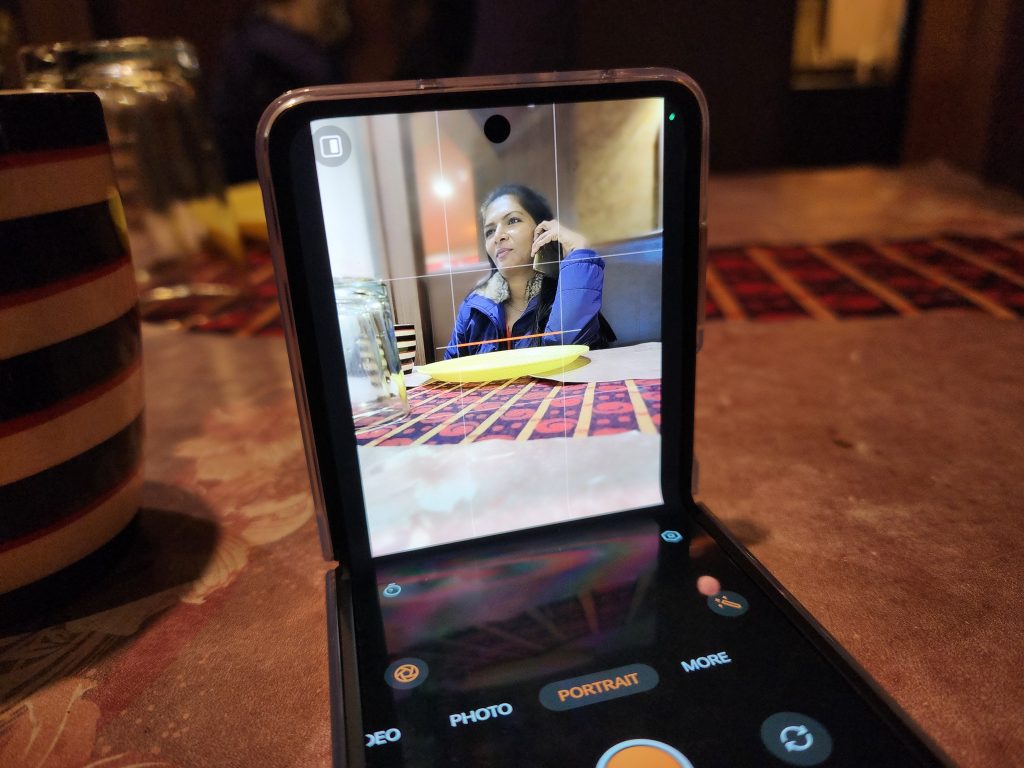
Even though the Find N2 Flip has a good selfie camera that functions well in daytime and low-light conditions, the autofocus-enabled 50-megapixel Sony IMX890 flagship-grade camera on the back, coupled with the cover screen, can be used for capturing even better selfie shots. Hence, the front camera can be used for other purposes, like video calls. For those who don’t know, the Sony IMX890 is the camera sensor that is available on the OnePlus 11, Realme GT 3 (GT Neo 5), Reno 9 Pro (China), and the upcoming Find X6 series.
The Find N2 Flip also does a good job of shooting better portrait selfies with background blur effects through the front and rear cameras. If you are into vlogging or someone who attends a lot of video calls, the phone’s ability to hold the top half of the phone at different angles (FlexForm mode) is a very nifty feature. Even though Oppo is not advertising the N2 Flip as a selfie-focused device, the N2 Flip will not disappoint when it comes to selfie photography.
There are some limitations when using the rear camera with the cover screen to capture photos / videos. There is no ultra-wide mode, and videos are captured in 1080p resolution only.
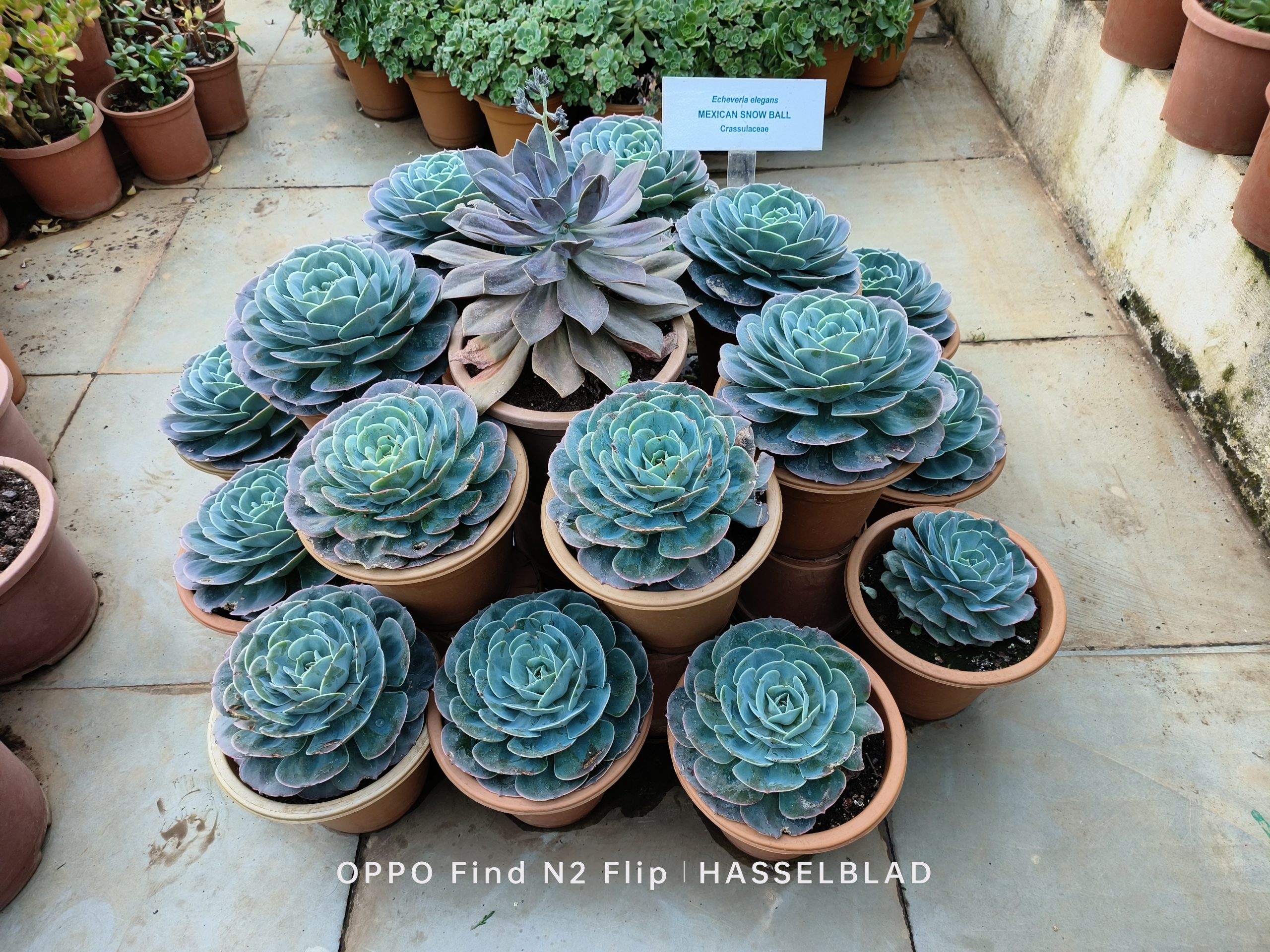
The images captured during the day using the main camera on the back have accurate colors and an impressive dynamic range. The images appear crisp and detailed. By default, the images are captured at 12.5-megapixel. To capture in 50-megapixel, users can select “high” in the Hi-Res option in the camera settings. There is no significant difference in image quality, but images carry more detail. The quality of the images at 2x zoom is good. It supports up to 20x digital zoom, but the amount of noise increases as the zoom increases. There is no optical image stabilization on the device.
ultrawide
One of the best things about Oppo’s high-end phones is that they can take great photos and videos even when there isn’t much light. The same can be seen on the Find N2 Flip. At night, the main snapper performs well, and images emerge with good detail and good color reproduction. The MariSilicon X comes into action in the Night mode, which allows it to shoot images with improved sharpness and highlights. The Pro mode can be used to harness the power of Hasselblad optimization with manual tuning for even better night shots.
The Find N2 Flip does not disappoint in portrait mode. It does well in adding background blur and subject detection. The night portraits also come out well.
with night modewith night mode
The 8-megapixel ultra-wide images are usable, but they don’t come close to what the main camera can do. The ultra-wide snapper offers a 112-degree field of view (FOV). The colors look accurate, and the dynamic range is good, but the images have some softness. In low-light conditions, the color saturation increases, but the softness remains.
The Find N2 Flip offers XPAN mode, which captures 65:24 ratio ultra-wide narrative-themed photos. The Hasselblad XPAN camera is what inspired it.
portraitportraitportraitportraitportraitSelfie using rear camerapotrait
The Find N2 Flip supports up to 4K 30fps video shooting. To shoot at 60fps, users can select 1080p resolution. The ultra-wide camera supports up to 30fps 1080p video recording. The videos recorded using the main camera are good, with a manageable dynamic range. Thanks to the presence of the MariSilicon X, the Find N2 Flip can shoot impressive 4K videos at night. EIS does a good job stabilizing videos shot with selfie, main and ultra-wide cameras.
The Oppo Find N2 Flip supports as many as 17 5G bands. The X-axis linear motor offers natural feedback while typing messages, using on-screen buttons, and playing games. There is 360-degree NFC onboard, which allows users to make contactless payments, even when the device is closed or open. The N2 Flip has sensors like a color temperature sensor, a geomagnetic sensor, an ambient light sensor, an accelerator, a step counter, a hall sensor, dual proximity sensors, and dual gyroscopes.
Verdict
OPPO Find N2 Flip
Oppo entered the foldable market in India a bit late as compared to Samsung and Motorola. However, the Find N2 Flip is a good example to show that the company has not focused on being the first to announce a flip phone with a foldable display in the market, but rather launched a device that would impress users with a refined experience since it has been developing foldable phones since 2018.
The Find N2 Flip misses out on two features, such as an IP rating and wireless charging. However, I believe these are not deal breakers. My visit to the Oppo Lab revealed that almost all their major devices are tested for damage by dust and water. Even though there is no official IP rating, the N2 Flip may unofficially offer some level of water resistance. However, I would not advise you to test the N2 Flip for damage by water. As far as dust is concerned, the Flexion Hinge ensures there is no dust seeping along the crease line. Anyway, an official IP rating on a Rs 90,000-priced device would have always been good.
The Oppo Find N2 Flip is a premium, beautifully designed, vertically foldable phone. The foldable display is great since the crease is almost invisible, the cameras perform well thanks to all the optimizations, and all-day battery life and flagship-level snappy performance make the Find N2 Flip a wonderful package. I also like the large and versatile secondary display of the device, but it does not allow users to use other apps apart from a few widgets. I hope that future software updates will add some more features so users can do more on the cover display without opening the device. To sum up, the Find N2 Flip is the new king in the world of flip phones.
Pricing and availability
The Oppo Find N2 Flip comes in a single trim that offers 8 GB of RAM and 256 GB of built-in storage. It comes in Moonlit Purple and Astral Black colours. The Find N2 Flip is available for purchase through Oppo India’s online store, Flipkart, and offline outlets.
The N2 Flip can be bought for as low as Rs 79,999. For this, customers can take advantage of up to Rs 5,000 instant bank discount and up to Rs 5,000 exchange bonus. Buyers of the N2 Flip get access to premium services, such as an international warranty, dedicated 24 / 7 hotline support, free pick-up and drop service, a standby device during repair, and an EMI option for repair service.
Disclaimer: All of the opinions in this Oppo Find N2 Flip review are mine and based on my own experiences. There has been no editorial input from Oppo.
OpenAI CEO Sam Altman recently expressed his concerns over the potential impact of the company’s latest AI creation, ChatGPT. In an interview with ABC News, Altman admitted that he is “a little bit scared” of the chatbot’s ability to eliminate human jobs. He also expressed concerns about the possibility of ChatGPT being used for malicious purposes, such as large-scale disinformation or offensive cyberattacks.
(Photo by Steve Jennings/Getty Images for TechCrunch)
Altman acknowledged that while ChatGPT is currently very much in human control, there is a risk that other individuals or organizations may not put the same safety limits in place. He suggested that society has a limited amount of time to figure out how to regulate and handle the potential impact of AI technology like ChatGPT.
OpenAI recently launched the ChatGPT-4 version of the bot, which the company claims is “more creative and collaborative” than previous versions. The company has also rolled out a ChatGPT Plus subscription for users, offering early access to new features, including GPT-4.
However, Altman acknowledged that the development of advanced AI like ChatGPT could potentially lead to job displacement for humans. He expressed confidence in humanity’s ability to adapt to major technological shifts but also cautioned that rapid technological changes could present significant challenges.
Overall, Altman’s comments highlight the complex and often unpredictable nature of AI technology and its potential impact on society. While AI has the potential to revolutionize many industries and improve our lives in numerous ways, it also poses significant challenges and risks that need to be addressed. As AI continues to evolve and become more advanced, it will be crucial for society to carefully consider and manage its impact.
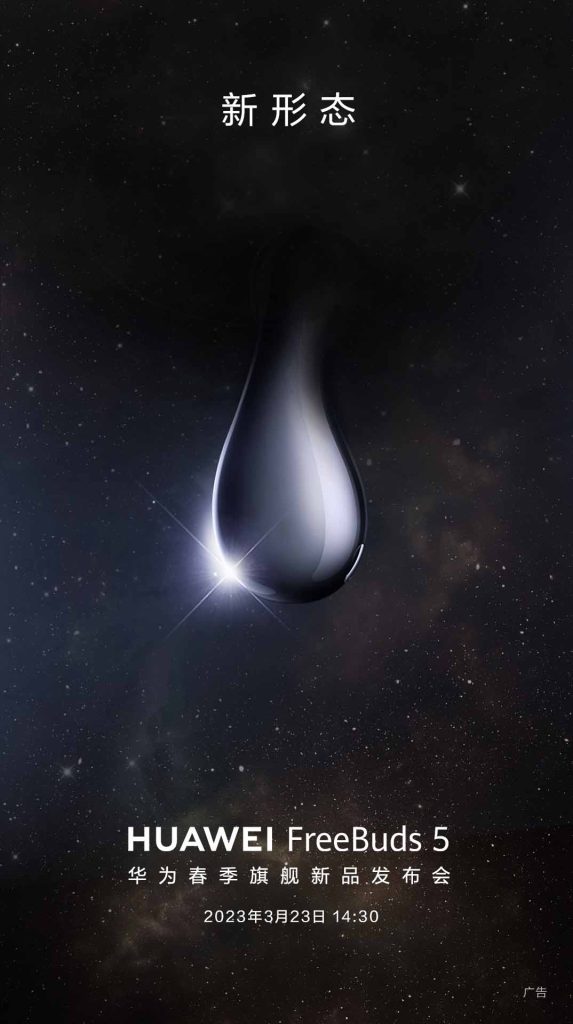
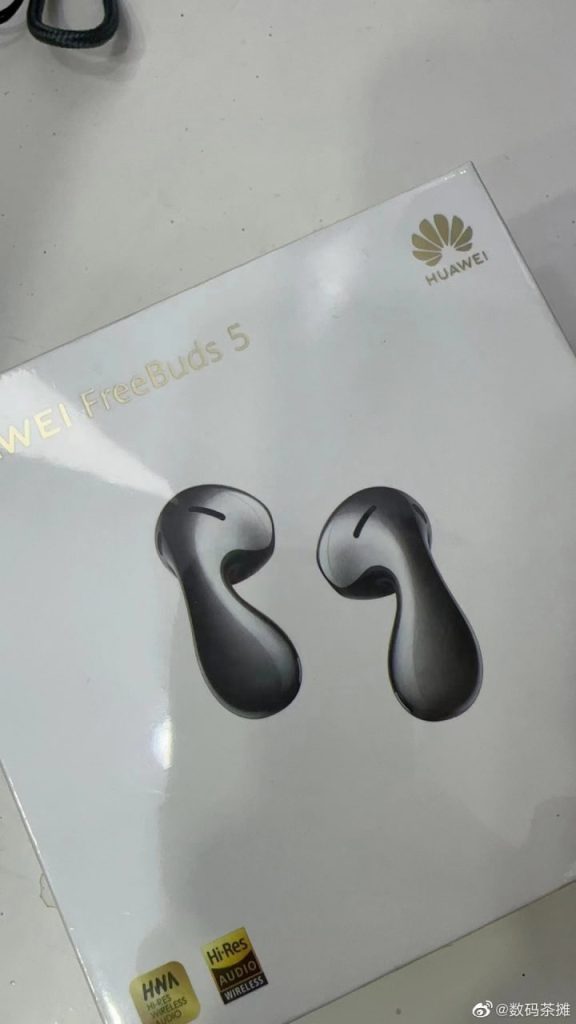
Ahead of its official unveiling, a new launch teaser has revealed the design of Huawei‘s upcoming wireless earbuds- the Freebuds 5. The Huawei FreeBuds 5, as per the teasers, has a water drop-like base, unlike the cylindrical shape of its predecessor. The design shift reflects the hardware and internal changes present in the new earbuds. This could imply better performance and longer battery life for the FreeBuds 5. The gadget is offering a new audio experience with the changes. While the FreeBuds 4 delivered unprecedented semi-in-ear comfort atop an immersive listening experience, the new model could go even further.
Huawei says it has achieved a breakthrough in technological innovation in the development of the FreeBuds 5. The new wireless semi-in-ear audio device offers a new sound experience. The earbuds have the HWA/ Hi-Res Audio Wireless gold standard certification for an assured solid audio output. The innovative design of the FreeBuds 5 will open the gates for other models to adopt its design.
There are still a few specs that are not yet known of the FreeBuds 5. The Huawei FreeBuds 4 had 14.3mm dynamic drivers and a frequency response range of up to 40Hz. The FreeBuds 4 was released in 2021 and it uses its dual mics to achieve hybrid noise reduction by up to 25dB. The FreeBuds 5 is however expected to come highly loaded. Pricing and other marketing details will be released during the March 23 launch event.
Indian smart wearables brand boAt has entered a partnership with KaHa for the production of smartwatches with diagnostic capabilities. The boAt-KaHa collaboration will deliver state-of-the-art smartwatches that will collect primary, preventive, and customized data.
The smartwatches are expected to use an AI algorithm to track important health metrics and provide insights into the user’s health. The diagnostic inference is based on unconventional data that are not available in hospital settings. Both companies collaborated with Jalan Kayu Community Health Club in Singapore, providing the new smartwatches to club members. The boAt-KaHa smartwatches were used to collect regular vital statistics of club members.
The project was supported by health partners such as Pinnacle Family Clinics and Tan Tock Seng Hospitals in Singapore. The project, according to the reports, will soon extend to General Practitioner Clinics in the city-state.
KaHa Pte Ltd is a recent boAt acquisition in 2022. KaHa is a smart IoT product development company and it is at the heart of boAt’s plans to create IoT-enabled wearables. KaHa comes with the requisite expertise in building IoT devices and a platform for wearables. It also offers expertise in AI and machine learning solutions together with end-to-end smart solutions for wearables. KaHa is a recipient of the Clarivae Award for Innovation in 2020 and 2021.
The boAt smart wearables powered by KaHa Technologies have been announced in India. This will extend the services already being offered at a pilot level in Singapore. The implications of the new KaHa-powered boAt smartwatches in India are quite broad. The models could be a real game-changer in India with their bouquet of health data monitoring.
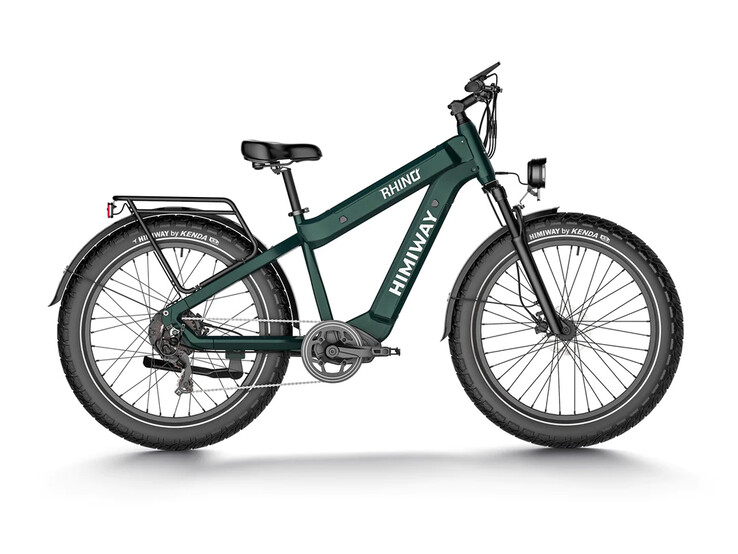
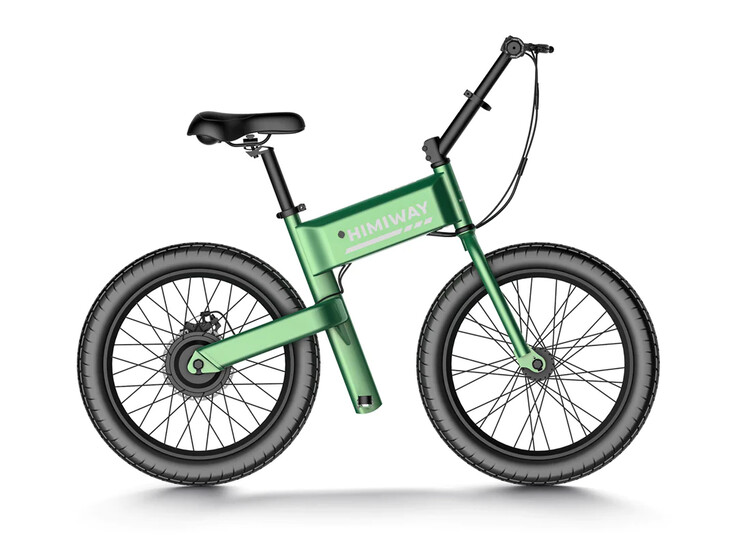
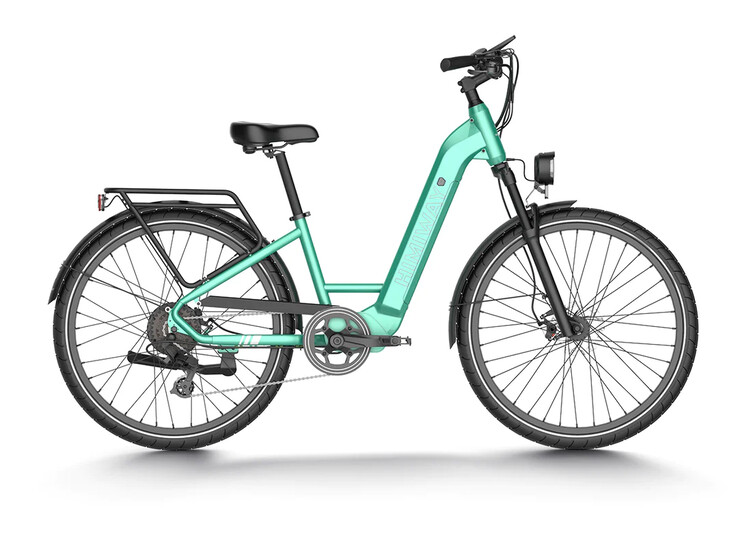
Himiway, a well-known manufacturer of electric bicycles, has recently announced three new e-bike models for 2023: the Himiway Pony, Himiway Rambler, and Himiway Rhino. The company claims that these new models offer improved battery life and extended range compared to its previous models.
The Himiway Pony is a portable mini-bike that weighs only 33 lbs and can support payloads of up to 240 lbs. The bike is equipped with a 300 W motor that can assist riders at speeds of up to 16 mph for a range of up to 20 miles. This makes the Himiway Pony an excellent choice for those looking for an electric bike for short commutes or leisurely rides.
Himiway Pony
The Himiway Rambler, on the other hand, is a city e-bike that offers both speed and comfort. It comes with a 500 W motor that can provide up to 62 Nm of torque, making it an excellent option for those who need to travel longer distances. The bike has a larger battery with a capacity of 720 Wh, which allows riders to travel for up to 55 miles on a single charge.
The Himiway Rhino is a dual-battery electric mountain bike that boasts a powerful 85 Nm 1,000 W motor, providing assistance at speeds of up to 28 mph. The e-MTB has two 48 V 15 Ah batteries with a total capacity of 1,4050 Wh, providing a range of up to 100 miles on a single charge. This makes the Himiway Rhino the perfect choice for adventurous riders who love to explore challenging terrain.
Himiway Rambler
Himiway claims that the Himiway Rhino has the longest range of any electric bike currently available in the United States. The e-bike can be fully charged in just five hours, making it easy to recharge on the go. The Himiway Rhino is priced at a discounted price of US$2,999, while the Himiway Rambler is available for US$1,299 and the Himiway Pony for US$499. The regular prices for these electric bicycles are US$3,199, US$1,399, and US$549, respectively.
Huawei’s upcoming midrange smartphone Huawei Enjoy 60 has been leaked in an unboxing video, revealing some key features of the device. The video showcases the phone’s design, camera, and specifications.
One of the most notable features of the Huawei Enjoy 60 is its classic double-ring lens rear camera module, which features a golden ring outside the lens. The flash is located on the right outside the lens module. This camera system consists of a 48-megapixel main camera and a 2-megapixel depth-of-field camera. On the front, the device will likely feature an 8MP lens to take care of the selfies.
Another exciting aspect of the Huawei Enjoy 60 is its use of the latest HarmonyOS 3.0 operating system, which promises to deliver a better user experience. The phone is equipped with an octa-core processor, which is Kirin 710A made using 14nm process technology. The main frequency of the Kirin 710A is set to 2.0GHz.
The Huawei Enjoy 60 comes in two versions with 8GB of RAM and either 128GB or 256GB of internal storage. The front of the phone features a 6.75-inch display with a waterdrop notch design and an LCD panel with a resolution of 1600×720 pixels. Under the hood, the device will house a large 6000mAh battery with 22.5W fast-charging support.
Huawei Enjoy 60 will come in Magic Night Black, Ice Crystal Blue, and Dawn Gold colors. Huawei has officially confirmed that the Huawei Enjoy 60 will launch on March 23 alongside the P60 series and Mate X3.
Lenovo is set to unveil its latest flagship tablet, the Savior Y900, alongside a new generation of gaming laptops on March 21. The 14.5-inch device is specifically designed for gamers, boasting Dolby Atmos audio, custom gamepad adaptation, and a 120Hz high refresh mode. The highly anticipated tablet will also feature MediaTek’s Dimensity 9000 processor and a large 14.5-inch screen. Here are the details…
Lenovo Savior Y900: Unveiling Custom Gamepad and 120Hz OLED Display
The Savior Y900 is expected to come with a 14.5-inch OLED display with a resolution of 3000×1876 and a 16:10 aspect ratio. It will also support 1920Hz high-frequency PWM dimming and a 120Hz refresh rate, providing users with a smooth and immersive gaming experience. The tablet will be powered by the MediaTek Dimensity 9000 processor, ensuring optimal performance and seamless multitasking capabilities.
The Lenovo Savior Y900 will be equipped with a 12300mAh battery, ensuring longer gaming sessions without the need for constant recharging. It will come pre-installed with ZUI 15, featuring multiple large-screen optimization functions, including the latest quad-screen function and 10 large floating window functions. These software enhancements will further elevate the gaming experience for users, providing an unparalleled level of immersion and productivity.
In addition to the impressive hardware and software specifications, Lenovo has partnered with Perfect World to bring the highly successful “Magic Tower” mobile game to the Android platform. Launched in December 2021, the game attracted more than 10 million new users in its first month, generating nearly 500 million yuan in turnover. Perfect World’s performance growth in 2022 is primarily driven by its game business, including the “Magic Tower” game, which has experienced explosive development in both domestic and international gaming markets.
The Lenovo Savior Y900 is poised to revolutionize the gaming tablet industry with its cutting-edge features, such as Dolby Atmos audio, custom gamepad adaptation, and a 120Hz high frame mode. Combined with the powerful MediaTek Dimensity 9000 processor, a large 14.5-inch OLED screen, and a 12300mAh battery, the Savior Y900 promises to deliver an unparalleled gaming experience for enthusiasts worldwide. With the addition of the popular “Magic Tower” mobile game, this flagship tablet will undoubtedly cement Lenovo’s position as a leader in the gaming market.
Microsoft is constantly working to enhance the user experience with its GPT-4-powered Bing Chat. In a recent update, the company introduced a new share button, allowing users to easily share the AI’s response to their queries on social media platforms such as Facebook, Twitter, and Pinterest. This move showcases Microsoft’s confidence in its Bing Chat AI, and reflects the company’s dedication to providing a seamless sharing experience. Here are the details…
Explore Microsoft’s Share Button for Bing AI
The introduction of the share button eliminates the need for users to share screenshots of their Bing Chat conversations. With the new button, users can generate a persistent link to the AI’s answer, which can be shared on social media or sent to friends directly. Upon clicking the link, users are taken to a Bing Chat window that displays the answer, complete with citations, as well as the option to follow up on the shared answer.
However, to enjoy the full Bing Chat experience, users must open the link in Microsoft Edge and be signed in to a Microsoft account with access to the Bing Chat preview. For those without access to Bing Chat, Edge will still display the shared answer, while users of other browsers like Chrome or Safari will be prompted to download Edge.
Microsoft has also announced that it is testing an optimization in the “Balanced” mode, which promises to improve the performance of the AI, allowing it to respond to user queries more quickly. While the difference in performance may not be immediately noticeable, the company claims that the AI doesn’t lag as much as before.
Moreover, Microsoft has made improvements to Bing Chat’s contextual understanding. This update allows the AI to absorb larger amounts of context when using the Creative tone, resulting in better summarization of large volumes of text. Microsoft’s addition of the share button and recent improvements to Bing Chat’s performance and contextual understanding indicate the company’s commitment to enhancing user experience with the AI. As users continue to share interesting and thought-provoking AI-generated responses on social media, the share button makes it easier than ever for them to showcase the capabilities of Microsoft’s Bing Chat to a wider audience.
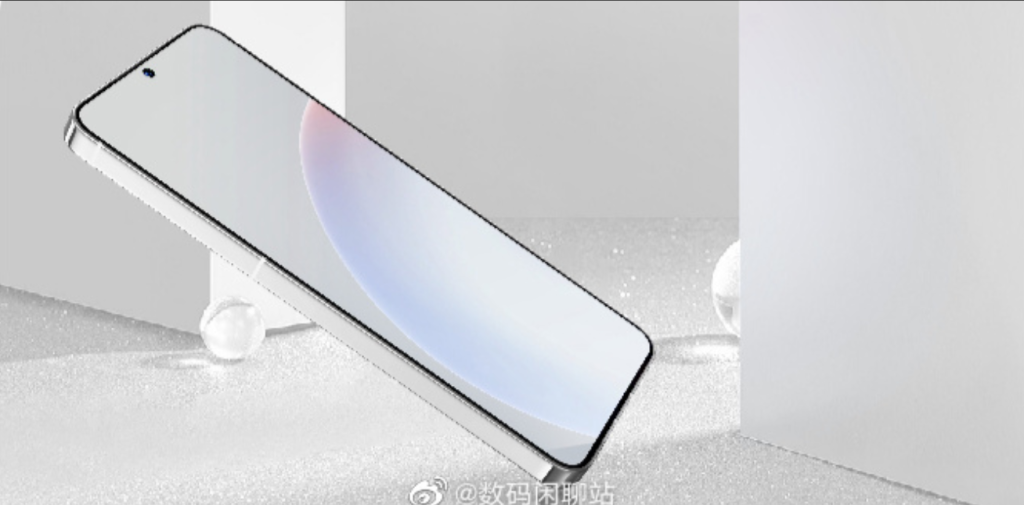
Meizu 20 Pro will debut in China later this month as the latest flagship from the brand. This highly anticipated release marks the return of Meizu to the smartphone market after a period of relative quiet. The upcoming handset has been the subject of numerous leaks lately, with reports suggesting that it will sport a Galaxy 23-like camera module and be equipped with the Snapdragon 8 Gen 2 SoC. Now prior to its official launch, an image has been leaked online, showcasing its front design. Let’s have a look.
Meizu itself has released various renderings of the Meizu 20 but they mostly focus on the back panel. But this new image shared by Chinese tipster @数码闲话站 gives us a good look at the pro phone’s front. It can be seen to have a flat display with thin bezels all around, however, the source claims the real units will have comparatively thicker borders. The handset features a center punch hole cutout for the selfie camera.
The Meizu 20 Pro will be unveiled on March 30 alongside the vanilla Meizu 20. As per the information previously shared by company officials, the Meizu 20 series will feature a flat screen with a suspension dispensing 3.0 process, and a narrow frame of only 1.57mm. It will be powered by the Snapdragon 8 Gen 2 chip, equipped with 13 gaming-grade high-energy antennas, and boast a total heat dissipation area of 36242mm², which is 56% higher than its predecessor.
Additionally, the Meizu 20 series will debut the new generation ecosystem Flyme 10, which comes with full-link anti-fraud technology. The Pro model is reported to get a 5,000mAh battery with support for 50W wireless and 80W wired charging.
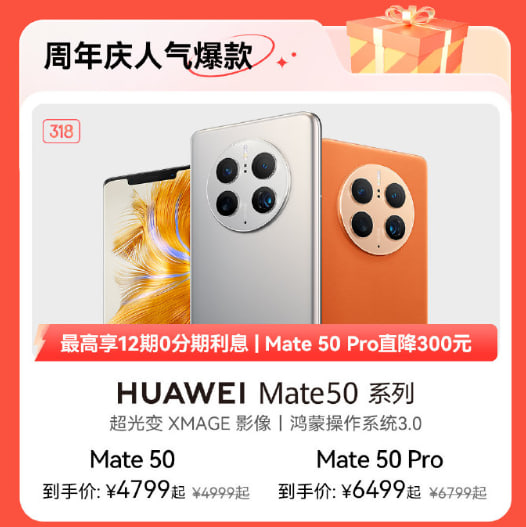
Huawei is all set to launch its upcoming flagship lineup P60 series on March 23. Now the company has announced a price drop on its current flagship smartphone lineup which was launched last year, the Mate 50 series. This move is part of the 11th Vmall anniversary celebrations and will see the prices of the new devices drop by up to 300 yuan ($43 USD) for consumers in China.
The Huawei Mate 50 series comprises three models, the Mate 50, Mate 50 Pro, and Mate 50E. After the price reduction, the Huawei Mate 50 will start at 4799 yuan, with a maximum discount of 200 yuan. The price of the Huawei Mate 50 Pro will start at 6,499 yuan with a direct drop of 300 yuan. The Huawei Mate 50E will also receive a 200 yuan discount, bringing its direct price down to 3799 yuan.
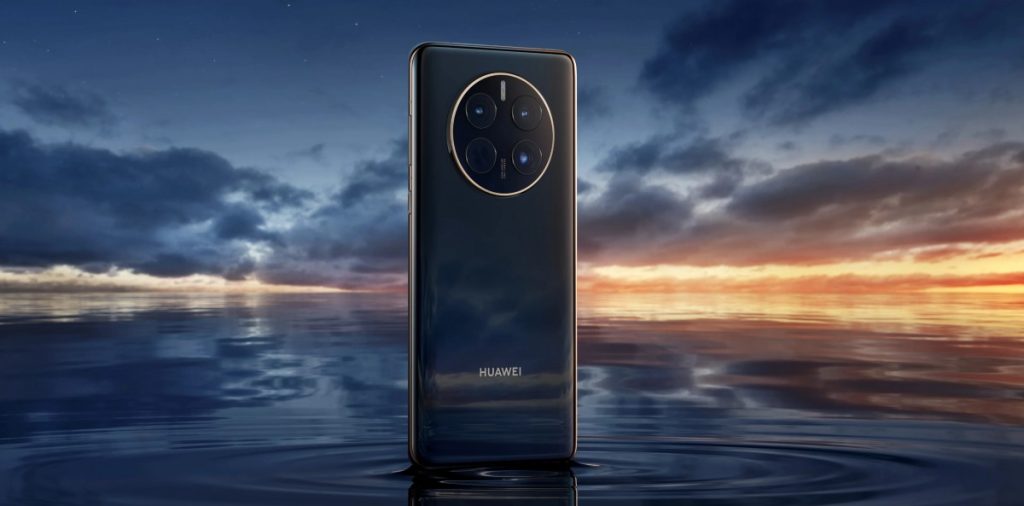
Let’s take a closer look at each of these models. The Huawei Mate 50 boasts a 6.7-inch 90Hz FHD+ OLED display with a resolution of 2700×1224. It is powered by the Qualcomm Snapdragon 8+ Gen 1 chipset and comes with a 13 MP selfie camera and triple rear cameras, including a 50 MP pixel ultra-variable camera (f/1.4 – f/4.0 aperture), a 13 MP pixel super wide-angle Camera (f/2.2 aperture), and a 12 MP periscope telephoto camera (f/3.4 aperture, OIS). Under the hood, the device has a 4460mAh battery, which can be recharged with a 66W wired and 50W wireless charger.
Moving on to the Mate 50 Pro, this device features a 6.74-inch 120 Hz FHD+ OLED display with a resolution of 2616×1212. It is also powered by the Qualcomm Snapdragon 8+ Gen 1 chipset and comes with a big-notch front-facing camera system that includes a 13MP selfie camera and a 3D depth-sensing camera. The display has curved edges on both sides. On the back, the phone features a 50MP ultra-variable camera (f/1.4 – f/4.0 aperture, OIS optical image stabilization), a 13-megapixel ultra-wide-angle camera (f/2.2 aperture), and a 64-megapixel periscope telephoto camera (f/3.5 aperture, OIS). The Mate 50 Pro packs a 4700mAh battery and comes with a 66W wired charger and 50W wireless charging.
Finally, the Huawei Mate 50E offers a 6.7-inch 90 Hz FHD+ OLED display with a resolution of 2700×1224 pixels. It is powered by the Qualcomm Snapdragon 778G processor and comes with a 50MP ultra-variable camera and a 13MP ultra-wide-angle camera (f/2.2 aperture). The phone comes with a 13MP selfie camera and a 4460mAh battery with 66W wired charging.
BYD has officially revealed that its new smart watch with built-in car key. Earlier this month, the company announced the first batch of participants for its smart watch key experience camps. With 20 participants gaining access to the watch, information about the product has started to emerge online. Here are the details…
BYD’s New Smart Watch Car Key Changes Vehicle Access
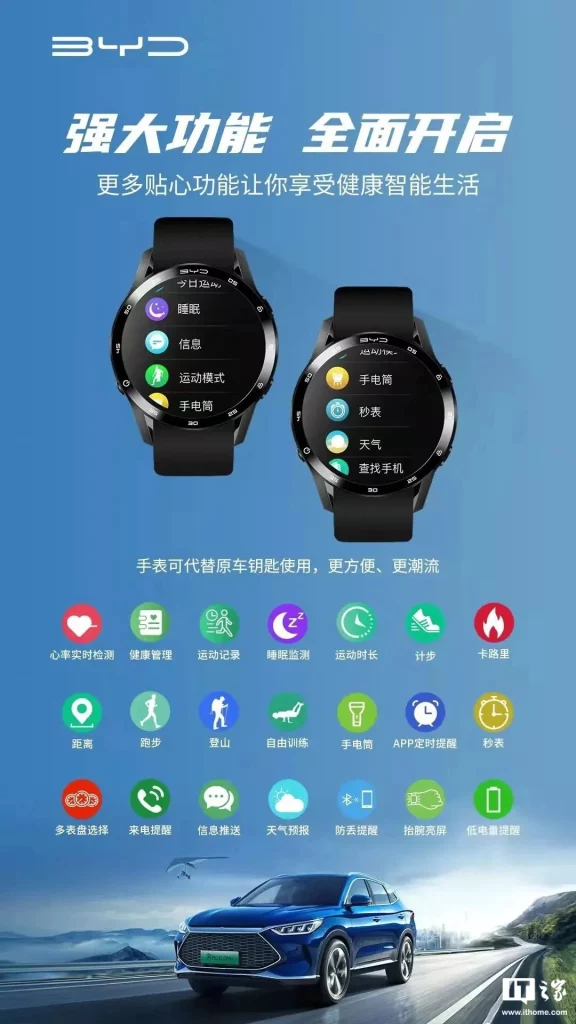
Recentlyi, a blogger shared an unboxing video of the smart watch, showcasing its design and various features. The BYD smart watch sports a circular dial design, a departure from the square dial seen in previous patents. This design is in line with many existing smartwatches on the market.
The power button can be found in the lower left corner, the car unlock button in the upper right corner, and the lock button in the lower right corner, with function symbols on the outermost circle of the dial. Billed as “BYD’s exclusive high-tech smart watch with the function of the original car key,” the BYD smart watch provides a host of features, including smart ignition, seamless entry, smart locking, window control, and tailgate opening.
These functions make the watch a perfect replacement for a traditional car key. The device also serves as a comprehensive smart watch and fitness tracker, with features like step counting, heart rate monitoring, sleep tracking, and caller information reminders. The BYD smart watch boasts a 360×360 resolution sapphire screen and is compatible with Android 4.4 and iOS 7.1 or later smartphones. It comes equipped with a medical-grade heart rate sensor, daily water resistance, and a built-in 200mAh battery. This battery delivers an impressive 30-day standby time and provides 5-7 days of continuous use.
In addition to the smart watch, BYD has developed a new NFC digital key compatible with iPhones and other brands. The frigate 07 model will be the first to feature this technology. According to BYD, the iPhone or Apple Watch can still unlock, lock, and start the vehicle even without network coverage or in a low power state (within 5 hours). The NFC digital key function is currently supported only by the Corvette 07 and 2023 Dolphin models. However, BYD is actively assessing the installation plan for other models, which will be rolled out in the future.
Recent statistics show that the current smartphone sales are going on a downtrend as of 2023, and one of the reasons why is that smartphone upgrades were not as attractive as they used to be. So is it because smartphone manufacturers are not offering what the smartphone market demands? Recent sentiments among smartphone users say that there are 3 things we wish all smartphones will improve in the next 5 years – longer battery life, bigger storage space and better durability.
Longer battery life
First on the list is longer battery life. With the increasing demands on our smartphones – from streaming videos to playing video games to using GPS – it’s no surprise that smartphone battery life is a top concern. Users want to be able to use their phones all day without worrying about running out of juice. Manufacturers have responded with larger batteries and more efficient processors like the Qualcomm Snapdragon 8 Gen 2, but there’s still room for more improvement in the coming years, considering that companies like Xiaomi have successfully developed solid-state batteries for more battery capacity.
Bigger storage space
Next up is bigger storage space. As we take more photos and videos and download more apps and music, our phones’ storage fills up quickly, especially if your device comes with lower than 256GB nowadays. Users want to be able to store all their content without having to constantly delete files or move them to the cloud. Some manufacturers offer phones with expandable storage options or large built-in storage capacities for their base models, but many users still find themselves running out of space.
Better Durability
Finally, users want better durability. Smartphones are expensive investments purchased and users want them to last. They want phones that can withstand drops and spills without breaking or malfunctioning. Manufacturers have responded with tougher materials like metal frames, strengthened drop-resistant Corning Gorilla Victus Glass Protection and water-resistant IP68-rated designs. Although accidents still happen, users would have better peace of mind if their device is better protected against accidents.
These three features – longer battery life, bigger storage space and better durability – are at the top of smartphone users’ wishlists. It’s clear that users want more from their devices and manufacturers would do well to listen to increase their sales.
OnePlus Ace 2V
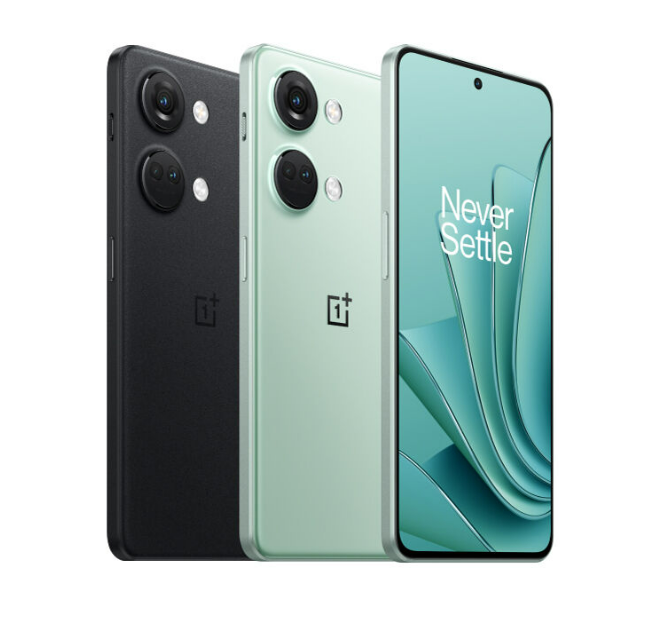
Speaking of these features, OnePlus recently released their latest affordable mid-ranger, the OnePlus Ace 2V in China, with a large 5000 mAh battery, MediaTek’s flagship Dimensity 9000 SoC, a flagship-grade metal frame, and a 120Hz AMOLED display. It is available with up to 16GB of LPDDR5X RAM and up to 512 GB of UFS 3.1 storage.
If you are interested in the OnePlus Ace 2V, you can pre-order one yourself today at Giztop starting from only 399 USD for the 256GB storage option.
We use cookies on our website to give you the most relevant experience by remembering your preferences and repeat visits. By clicking “Accept”, you consent to the use of ALL the cookies.
This website uses cookies to improve your experience while you navigate through the website. Out of these, the cookies that are categorized as necessary are stored on your browser as they are essential for the working of basic functionalities of the website. We also use third-party cookies that help us analyze and understand how you use this website. These cookies will be stored in your browser only with your consent. You also have the option to opt-out of these cookies. But opting out of some of these cookies may affect your browsing experience.
Necessary cookies are absolutely essential for the website to function properly. This category only includes cookies that ensures basic functionalities and security features of the website. These cookies do not store any personal information.
Any cookies that may not be particularly necessary for the website to function and is used specifically to collect user personal data via analytics, ads, other embedded contents are termed as non-necessary cookies. It is mandatory to procure user consent prior to running these cookies on your website.