Advertisement

Huawei Offers a Sneak Peek of P60 Series Design Ahead of Launch

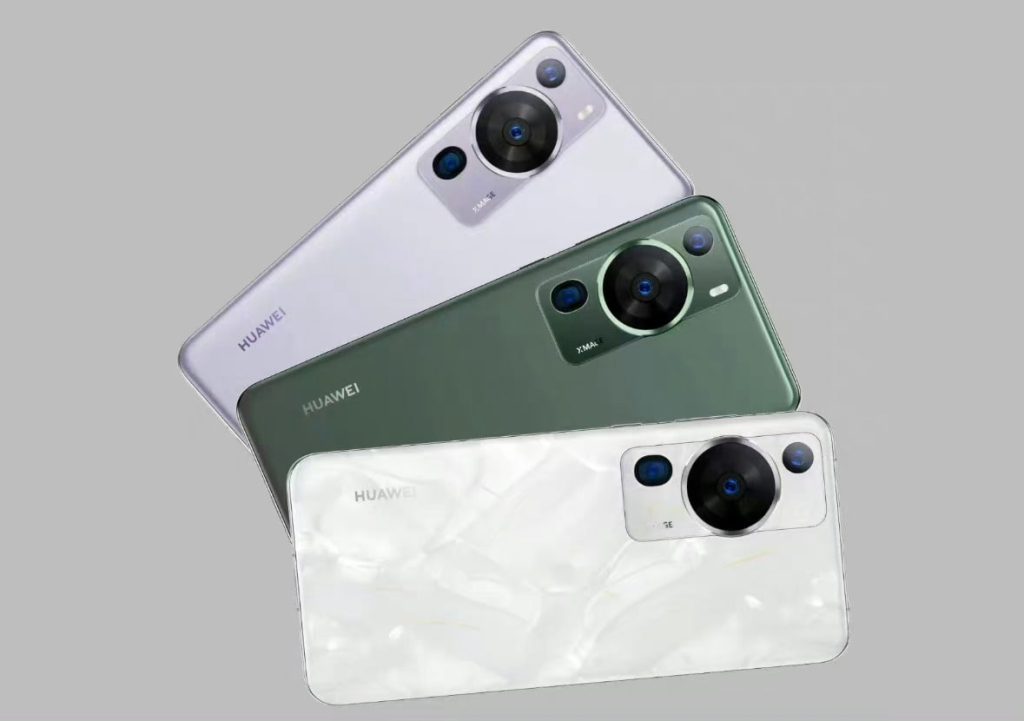
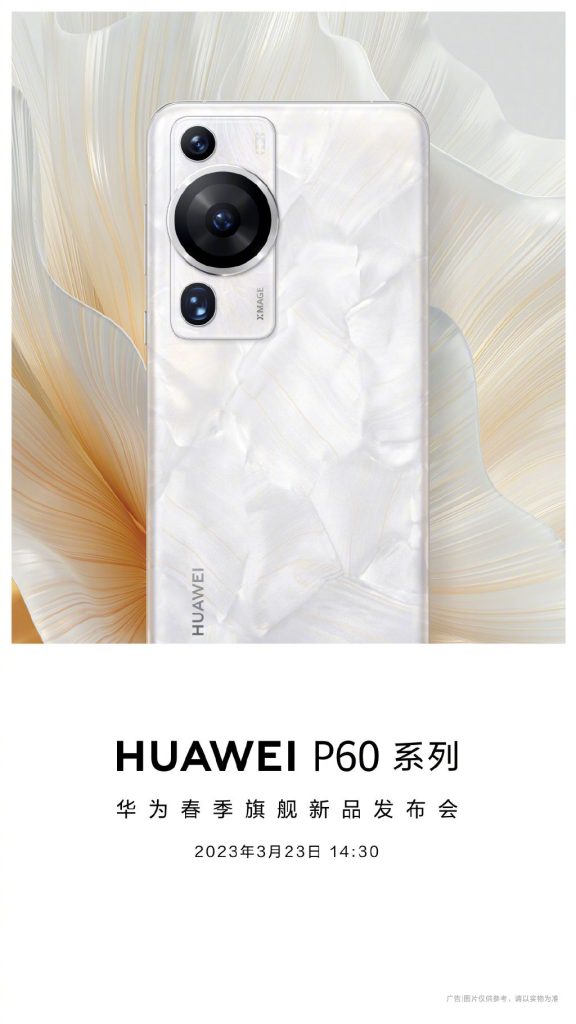
Huawei has recently made an unprecedented move by officially unveiling the design of its upcoming P60 series flagship ahead of its launch event on March 23. This is particularly surprising as the P60 is a premium device and Huawei has not done this before. The teaser offers us a glimpse of two key features that the phone will offer – a unique background texture and a camera system that includes a periscope zoom.
Huawei P60 Series Teaser

The background texture showcased in the teaser is shell-like and may be a special material designed specifically for the P60 series. What makes it even more interesting is that the texture is also used on the camera bump, which is a unique aesthetic that differs from previous devices in the P-series. The teased device is expected to be the Pro variant if not the Art variant.

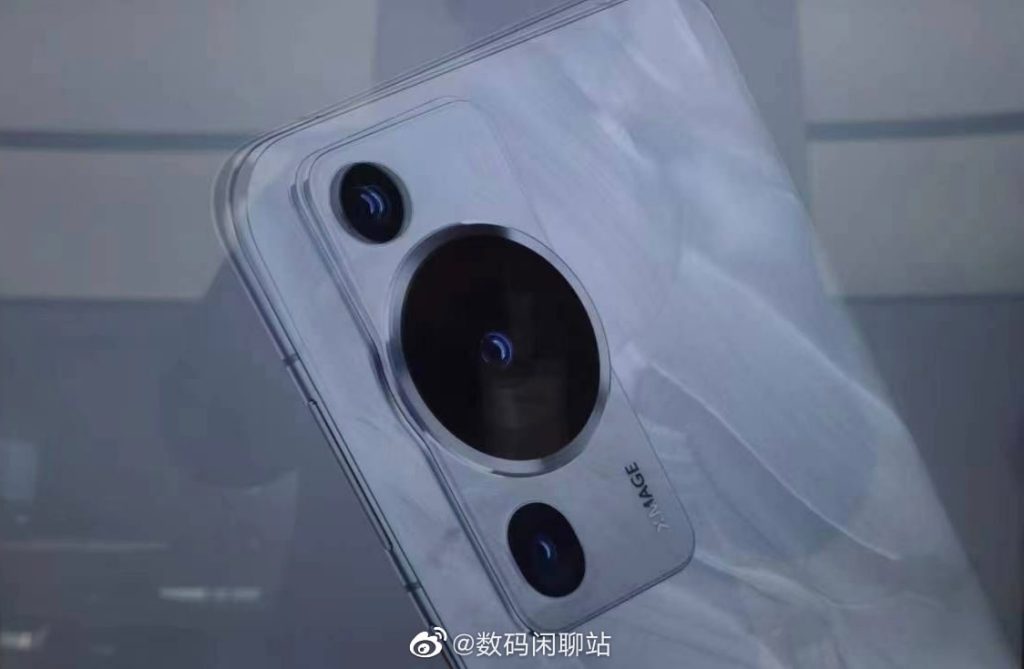
The P60 series camera system uses a triple camera setup arranged vertically, with the middle lens housed inside a giant ring. This is a design that has been rumored for some time, and it has finally been confirmed by Huawei. The middle ring is the highlight of the entire arrangement, with an outer silver finish. The top camera is believed to be an ultra-wide-angle lens, while the bottom camera is a periscope camera that promises better telephoto zoom pictures. The module also features “XMAGE” branding on the bottom right and an LED flash on the top right.

One notable feature of the P60 series camera system is that the middle lens has a separate camera bump, which doubles up the height of the camera setup. It remains to be seen how much height this would increase when the phone is placed flat on its back. The rear side of the phone also features curved edges on all corners, and the Huawei logo is positioned on the bottom left of the phone.

Apart from the design and camera system, the P60 Pro is rumored to feature a 6.6-inch 2K BOE OLED display and the powerful Snapdragon 8 Gen 2 processor. It will also have an impressive triple-camera setup with an upgrade to XMAGE 2.0. The primary 50MP Sony IMX888 sensor, 50MP Sony IMX858 ultra-wide-angle sensor, and a third telephoto camera featuring a 64MP OV64B Omnivision sensor with 3.5x optical zoom promise to offer a range of photography options.

RELATED:

China creates its first refrigerator for quantum chips

Last week Chinese scientists created a high vacuum storage box that can store quantum chips. The device is called a quantum chip refrigerator as it helps maintain a stable environment to keep the quantum chips. 

source: Science and Daily

Developed by Anhui Quantum Computing Engineering Research Center of China, the quantum chip refrigerator comes with three storage cavities that can be accessed and operated independently. It features a smart monitoring system that can gauge the vacuum degree in real-time and provide a stable high-vacuum environment that helps to preserve the chip for a long period. The device can be operated automatically as it comes with a specially designed human-computer interaction interface. 

Jia Zhilong, deputy director of the Quantum Computing Engineering Research Center said that quantum chips are the core components of quantum computers and unlike traditional chips, they need to go through a much more complex process of production. The quantum chip is sensitive to ambient temperature, cleanliness, noise, vibration, electromagnetic waves, and more. The superconducting material used in a quantum chip can have a chemical reaction with oxygen and water molecules in the air and lose its optimum quality. Thus it is very important to store the chips in a quantum refrigerator that is specially designed to provide a safe and stable environment for the chips. 

What is Quantum Chip?

A quantum chip is used as a processor for quantum computers and contains quantum bits or ‘qbits’ which is a key feature of the chip. The qbits are extraordinary because they can have a value of 0,1 or both, unlike the classical computing bit that can have a value of either 0 or 1. Thus qbits give quantum computers the ability to process equations and algorithms exponentially faster than classical computers.

Using quantum chips, quantum computers can solve complex problems in seconds which even the most powerful supercomputer on the planet would take years to solve. This advanced quantum computing technology will open new frontiers in mathematics, physics, and science and even help to find solutions for existential problems like climate change and natural disasters. 

With the quantum refrigerator, Chinese researchers have solved the problem of storing quantum chips for a long period. This in turn will help in making quantum computers on a large scale in the future.  

Related:

(via)

Poco F5 could Launch in India on April 6

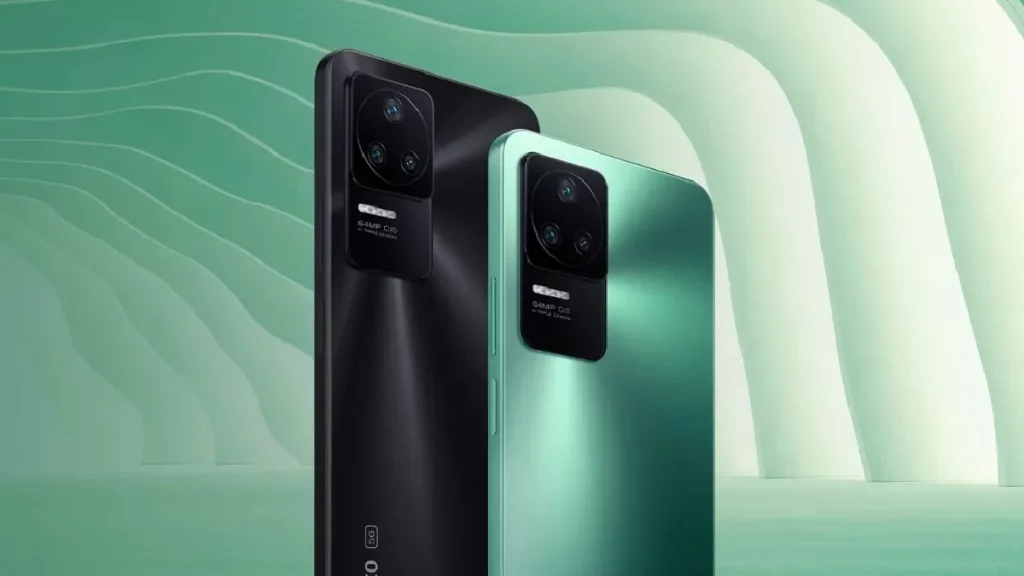
Poco has recently introduced the X5 series in India and is now preparing to release the highly anticipated Poco F5 smartphone in the same market. The upcoming handset is anticipated to carry on the legacy of its highly acclaimed predecessor, the Poco F4, which had rightfully earned the nickname of “flagship killer”. The Xiaomi sub-brand is yet to make any official announcement, however, a report claims the Poco F5 will be debuting in the first week of April. Here are the details.

91Mobiles, citing unknown sources, claims that the Poco F5 will be launched in India on April 6th. As mentioned, there’s no official confirmation for the same yet. The company should soon start teasing the device if it actually plans on launching it in the first week of April. Poco F5 should be priced slightly higher than the F4. The latter debuted in India with a price tag of Rs 27,999.

POCO-F5-5G

Reports have claimed that the Poco F5 5G will be a rebadged Redmi Note 12 Turbo, which will debut soon in China with the latest Snapdragon 7+ Gen 2 chipset.  The Poco smartphone is said to get a 6.67-inch QHD+ AMOLED panel with a 120Hz refresh rate, up to 1,400 nits brightness, HDR10+ support, and 1,920Hz PWM dimming.

It may come with up to 12GB of RAM and 256GB of storage and Android 13 mobile OS. The handset could get a triple camera system at the back, consisting of a 50MP primary shooter and an 8MP and a 2MP secondary shooter. On the front, it may house a 16MP shooter for selfies and video calls. The Poco phone could draw power from a 5,500mAh battery with support for 67W wired and 30W wireless charging.

RELATED:

(Source)

Tesla Flexes Its Gaming Muscle with Model X Promo

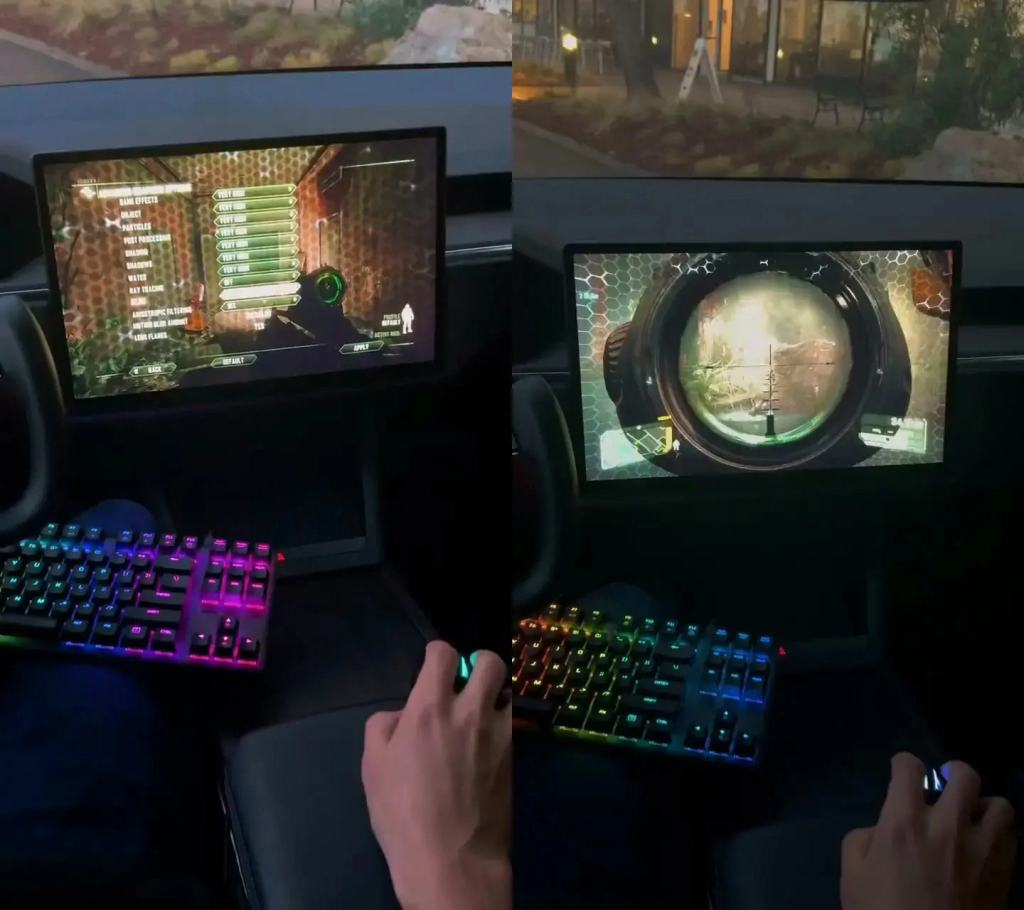
Tesla’s latest promo video showcases the impressive gaming capabilities of its Model S and Model X vehicles, highlighting the unique entertainment experience that Tesla can offer its customers. The video features a Model X running Crysis, a first-person shooter game that was first released in 2007, and demonstrates how the vehicle’s high-performance interior can create an immersive gaming experience that is on par with the latest gaming consoles.

Tesla-Model-X-Gaming

In 2021, a leak revealed that Tesla had equipped the AMD Ryzen System-on-Chip (SoC) and Navi 23 GPU in the Model S and Model X, making it the first vehicle of its kind to offer an infotainment system capable of delivering such high-quality gaming performance. The Model S and Model X were later unveiled, showcasing their futuristic design and advanced entertainment system, which includes gaming titles like The Witcher 3 and Cyberpunk 2077.

The Model S and Model X boast ten teraflops of processing power, equivalent to the latest Xbox Series X and PlayStation 5 gaming consoles. Tesla’s in-car gaming system is capable of delivering an immersive experience for gamers, allowing them to use a gaming controller or even a keyboard and mouse for a more committed gaming experience. The promo video shows a Razer keyboard and mouse being used, highlighting Tesla’s commitment to partnering with premier gaming companies to enhance the gaming experience of its customers.

Tesla’s high-performance vehicles are not only environmentally sustainable but also offer a unique entertainment experience that is unmatched by any other vehicle in the market.

RELATED:

(Source / Via)

Lenovo Legion Y900 Tablet Launch Date Confirmed

Lenovo is preparing to introduce the Lenovo Legion Y700 tablet, which is focused on high performance, in China. This device will feature impressive specifications including a MediaTek Dimensity 9000 chipset, an OLED display, and a substantial 12,300mAh battery. It is worth noting that the Lenovo Legion Y900 has already been launched globally at CES 2023 under the name “Lenovo Tab Extreme.” The device will now be launched in China under a different name.

The brand’s official Weibo account has announced that the Lenovo Legion Y900 will be released in China on March 21st, 2023 at 7:00 PM local time. The brand has also shared an image of the device, which appears to be similar to the Lenovo Tab Extreme. The announcement confirms that the Lenovo Legion Y900 will feature the flagship MediaTek Dimensity 9000 chipset.

Lenovo Legion Y900

The Lenovo Legion Y900 has a large 14.5-inch OLED display, providing a high resolution of 3000 x 1876 pixels and a refresh rate of up to 120Hz. It also supports Dolby Vision and HDR10+. The tablet will be powered by a Dimensity 9000 CPU, 12 GB of RAM, 256 GB of storage, and a large 12,300mAh battery. A 68W charger will be included with the gadget.

On the front, the Tab will include a 13-megapixel ultra-wide camera with an RGB sensor. The back panel houses a 13-megapixel main camera with autofocus and a 5-megapixel fixed-focus auxiliary camera. In terms of audio, the tablet includes octa JBL speakers with Dolby Atmos capability. The device will be 327.8 x 210.8 x 5.85mm in size and weigh approximately 740 grammes.

So that’s it for the post. Are you excited about the launch of the Lenovo Legion Y900? Do let us know by dropping a comment in your words down below.

RELATED

Xiaomi Pad 6 Series Might Launch Alongside Xiaomi 13 Ultra

The Xiaomi 13 Ultra, the company’s upcoming flagship model, will be unveiled in China soon. The device has been discovered on a number of certification websites, disclosing some of its key specifications. The Xiaomi 13 Ultra appears to not be the only thing the firm will reveal at its future event, though. Together with the smartphone, Xiaomi is reportedly aiming to introduce the Xiaomi Pad 6 series. The series will consist of two different devices; Xiaomi Pad 6 and Xiaomi Pad 6 Pro.

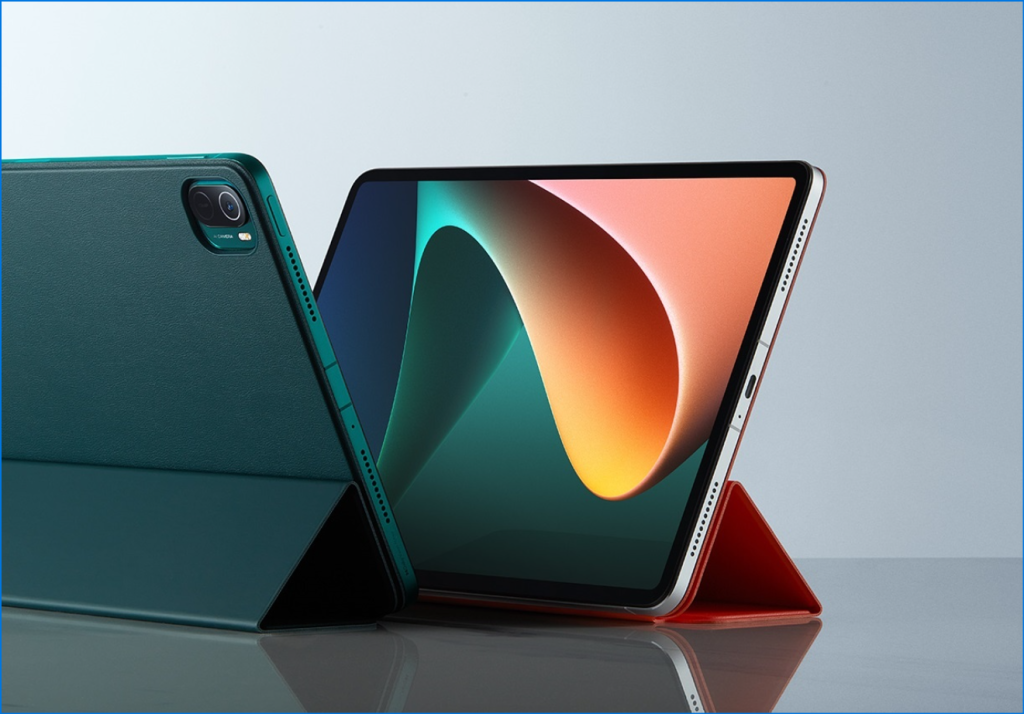
The Xiaomi Pad 6 series tablets are expected to have metal bodies and small bezels around the screens, similar to the Pad 5 series. The tablets are said to have LCD panels with 2560 x 1600 pixel resolutions and refresh speeds of up to 120Hz. The Pad 6 Pro may also use an OLED display for improved contrast and colour. The tablets will most likely be powered by Qualcomm Snapdragon processors, possibly the Snapdragon 870 or Snapdragon 888 for the Pad 6 and the Snapdragon 8 Gen1 for the Pad Pro4. The tablets may also include up to 8GB of RAM and up to 256GB of internal storage.

Xiaomi Pad 6

Xiaomi Pad 6 series tablets are expected to be released in the first half of 2023. Now a report by Xiaomiui claims that the tablets would be launched alongside the Xiaomi 13 Ultra in the aforementioned timeline. The Xiaomi Pad 6 Pro, on the other hand, will only be available in China. Prices for these tablets have not yet been announced, but they are expected to be competitive with other Android tablets on the market.

The Xiaomi Pad 6 series tablets are expected to have an eight-megapixel front shooter and a dual rear camera setup with a main sensor and an ultra-wide-angle lens. The tablets may also include Harman Kardon-tuned quad speakers for an immersive music experience. Wi-Fi, Bluetooth, GPS, a USB Type-C port, and a side-mounted fingerprint scanner.

In China and other markets where it is accessible, the Xiaomi Pad series has become one of the most popular Android tablets. The Xiaomi Pad 6 series, with its excellent hardware and features, might be another smash product for the firm. It remains to be seen, however, whether it can compete with other expensive tablets such as the Apple iPad Pro and the Samsung Galaxy Tab S7+.

RELATED

Sony and LG to Supply Initial OLEDoS Displays for Apple’s XR Mixed Reality Headset

Apple is set to launch its first-generation Mixed Reality Headsets later this year, with Sony and LG being the initial suppliers of the displays used in the XR headsets. The displays used in these headsets are expected to be a technological breakthrough, with OLEDoS (OLED on Silicon) displays providing an ultra-high resolution of 3000-4000ppi. These displays will be smaller than an inch in diagonal length and will use silicon wafer-based CMOS substrates, unlike normal OLED display panels that use glass substrates.

Apple XR Mixed Reality Headset
Credit: Antonio De Rosa

Compared to a normal OLED display used in a smartphone, which has an average resolution of 55ppi, the display used in an AR or a VR device requires an average resolution of 3,500ppi for a more realistic AR experience. The OLEDoS displays are expected to provide a highly immersive experience for users, with an extremely high resolution that allows for detailed and realistic imagery.

Sony and LG are said to be ahead of Samsung in the development of these displays and will be the initial suppliers of the displays for Apple’s upcoming XR device. However, Samsung is also working on developing an RGB OLEDoS display and is expected to bring out a 3500ppi FMM (Fine Metal Mask) with the help of APS Holdings.

Apple had also asked both LG and Samsung in the past to develop such a high-resolution display, and with Samsung’s collaboration with APS Holdings, it is likely to meet Apple’s requests. APS Holdings has also developed an ultra-high resolution FMM sheet and mask of 4,000ppi, which is better than the 3,500ppi FMM made with Samsung’s collaboration.

The first generation of Apple’s XR headsets will feature two OLEDoS displays, and while Apple is initially relying on Sony and LG for their displays, it is likely to stop relying on Sony in the future since the brand already has its own range of gaming consoles and may become a competitor to Apple.

The use of OLEDoS displays in Apple’s upcoming Mixed Reality Headsets is expected to set a new standard in the XR devices market, providing users with a highly immersive and realistic experience. The collaboration between Apple, Sony, LG, Samsung, and APS Holdings is indicative of the cutting-edge technology that is driving the development of these devices, which are expected to revolutionize the way we interact with technology.

RELATED:

(Via)

OPPO Find X6 / Find X6 Pro High-Quality Renders Surface Ahead of Launch

OPPO is all set to unveil its much-anticipated Find X6 series on March 21. The company is known for its camera-centric smartphones, and the Find X6 series is expected to be no different. We have already seen a number of leaks on Find X6.

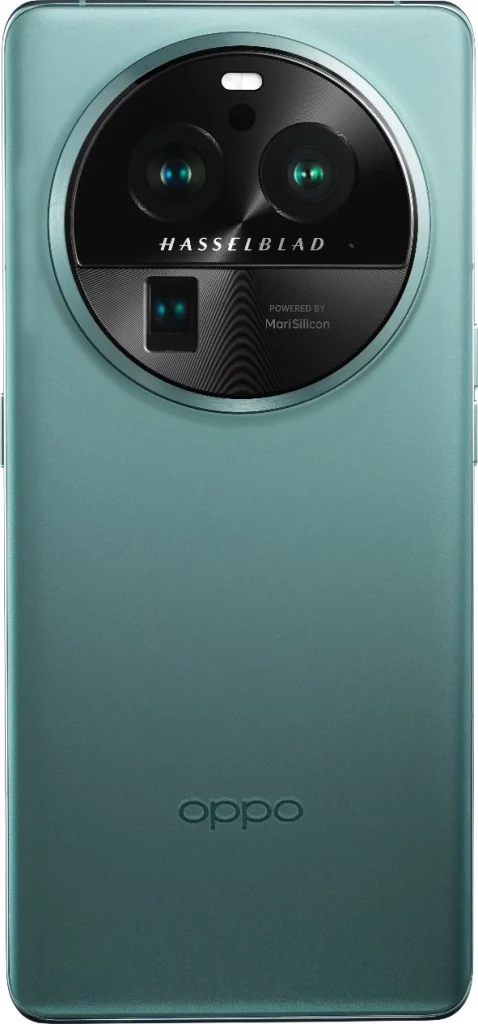
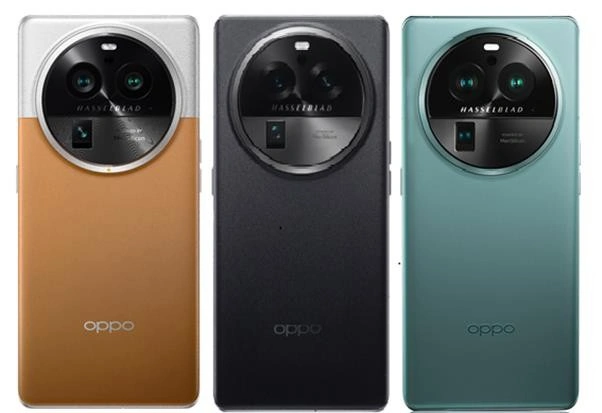
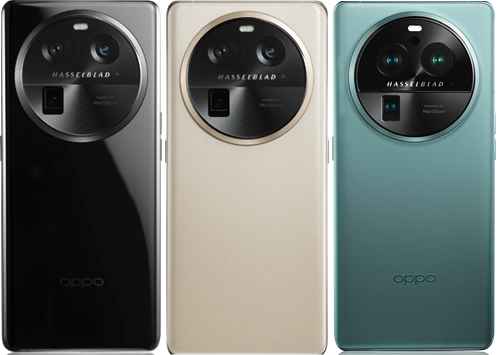
Now the reliable tipster, @evleaks has leaked high-definition renders of the OPPO Find X6 series which shows the back of the device in full detail. The leak also reveals the colors of the device.

OPPO-Find-X6-Series-render

Find X6 series will feature a triple rear camera setup at the back. The primary camera is expected to be a 50 MP Sony IMX989 sensor, while the other two cameras will be a 50 MP Sony IMX890 ultrawide shooter and a telephoto lens with 6x optical zoom. On the front, the device will house a 32-megapixel lens to take care of the selfies.

The cameras will be fine-tuned in collaboration with Hasselblad, a leading Swedish camera manufacturer. The phones will also feature a self-developed Mariana X chip and support Dolby Vision recording, as well as offering exceptional night mode capabilities.

In terms of hardware, the OPPO Find X6 series will be powered by either the MediaTek Dimensity 9200 or the Qualcomm Snapdragon 8 Gen 2 SoC, depending on the model. The standard version is expected to feature a 6.74-inch 2772x1240p resolution screen with a 40Hz-120Hz adaptive refresh rate, while the Pro version will boast a peak brightness of 2500nits, surpassing even the iPhone 14 Pro Max.

Additionally, the Find X6 series will come with a 4800mAh battery that supports 80W fast charging and has an IP54 level of protection. The Pro version will feature the custom MariSilicon X NPU, Wi-Fi 7 protocol support, and a soft leather back panel. Both phones will run Android 13 out of the box with ColorOS 13 on top.

The OPPO Find X6 series is expected to be available in Black, Orange, Green, and White colors. The phones will be launched on March 21 in China, along with the OPPO Pad 2 and the OPPO Enco Free3 headphones. OPPO has not yet announced the global availability and pricing details of the Find X6 series, but more information is expected to be revealed at the launch event.

RELATED:

(Source)

Samsung Galaxy Watch 6 Series to Include 4 Models: 3C Certification

The Galaxy Watch 6 series, which will consist of two models—the Galaxy Watch 6 and the Galaxy Watch 6 Classic—is about to be released by Samsung. A few of the gadgets’ battery specifications have been brought to light after they recently received the 3C certification in China. Throughout the entire series, there will be a total of four models, two for each of the variants.

The Galaxy Watch 6 will be offered in two sizes, 40mm and 44mm, according to the 3C listing. Battery capacities for the two variants will be 300mAh for the smaller and 350mAh for the larger. These are a little bit more powerful than the 284mAh and 340mAh batteries included in the previous Galaxy Watch versions.

Samsung Galaxy Watch 6 series

There will be two sizes available for the Galaxy Watch 6 Classic: 42mm and 46mm. The smaller version will have a 330mAh battery, while the larger version will have a 400mAh battery. These are substantially more powerful than the 247mAh and 340mAh batteries seen in the earlier Galaxy Watch Classic models.

The bigger battery capacity implies that Samsung wants to extend the life of its smartwatch batteries, which is one of the most crucial aspects for users. The Apple Watch Series 6, which has a comparable price range but offers additional features and integrations, is a popular smartwatch competitor to the Galaxy Watch series.

There isn’t a lot of information available regarding the Galaxy Watch 6 series yet, other than the battery specifications. Yet according to other speculations, they’ll have glass displays with Corning Gorilla Glass DX protection, be made of titanium or stainless steel, come in a variety of colours, and support a range of fitness monitoring capabilities. It may also come with a rotating bezel support.

Although Samsung has not yet verified any information regarding these devices, it is anticipated that they will be released in April along with other items from its ecosystem. What do you expect from the upcoming Galaxy Watch 6 series? Do let us know by dropping a comment in your words down below.

RELATED

Leaked Poster Reveals Huawei P60 Series Design and Camera Setup

Huawei P60 series launch is around the corner and a leaked offline store promotional poster has given us a glimpse into what we can expect. The poster, shared by reliable tipster Digital Chat Station, shows the much-talked-about camera system and rear design of the P60 series.

Huawei P60 Series Poster

From the leaked image, it is clear that the P60 series will feature a rectangular camera bump with a giant ring in the center. The camera system comprises three lenses, including an ultra-wide, a main camera, and a periscope zoom camera, which could provide users with an exceptional photography experience. Huawei has also added its brand new XMAGE imaging system, which promises to provide high-quality photographs and advanced features such as variable aperture.

Huawei P60 Series Poster

The promotional poster has also revealed that the P60 series will come in three colors – White, Green, and Pink – and could have more color options at the launch event. Additionally, the camera ring has a wider design and a metallic finish, which gives it an elegant and modern look.

Apart from the design and camera system, the highly anticipated P60 Pro is rumored to feature a 6.6-inch 2K BOE OLED display and the powerful Snapdragon 8 Gen 2 processor, along with a memory combination of LPDDR5X+UFS4.0.

The P60 Pro will also have an impressive triple-camera setup with an upgrade to XMAGE 2.0. The primary 50MP Sony IMX888 sensor, 50MP Sony IMX858 ultra wide-angle sensor, and a third telephoto camera featuring a 64MP OV64B Omnivision sensor with 3.5x optical zoom, promise to offer a range of photography options.

The lineup is expected to consist of three models – the P60, P60 Pro, and P60 Art (if not Ultra) – which could cater to a wide range of users with different budgets and requirements.

RELATED:

(Source)

Vivo X Flip Spotted on GeekBench, Launching Soon

Recently, OPPO unveiled its horizontally folding smartphone, the OPPO Find N2 Flip. Furthermore, Vivo is currently preparing to introduce its Vivo X Flip device. The market for flip-folding smartphones is booming. Samsung previously controlled the following market, however, other OEMs are currently providing healthy competition. Vivo intends to introduce its rival in the near future as well.

The Next Vivo flip phone, the X Flip, was spotted on Geekbench with some of its major specs. The smartphone will reportedly launch in China in April under the model name vivo V2256A.

In line with the Geekbench listing, the Qualcomm Snapdragon 8 Plus Gen 1 chipset, which includes an octa-core processor with a base clock of 1.80 GHz and an Adreno 730 GPU, powers the Vivo X Flip. Using a motherboard codenamed “taro,” the device also includes 12 GB of Memory and runs the Android 13 operating system.

Vivo X Flip

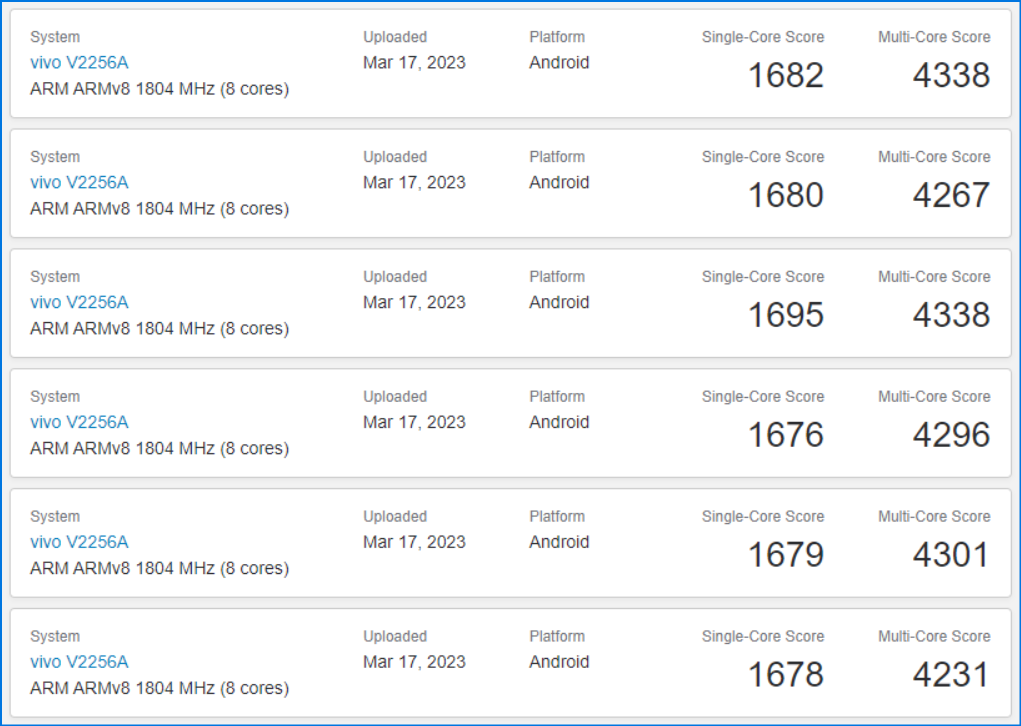
On Geekbench, the Vivo X Flip received scores of 1680 for the single-core test and 4267 for the multi-core test. These results are on pace with other high-end smartphones that make use of the same processor, like the Samsung Galaxy S23.

According to rumours, the Vivo X Flip will have two screens: a foldable primary display and a secondary display on the rear. Moreover, the device might enable fast charging and have a quad camera configuration with an under-display fingerprint reader.

Although Vivo has not yet formally confirmed any information regarding the Vivo X Flip, more details will probably be made public as the launch date draws near. The Motorola Razr 5G and Samsung Galaxy Z Flip 3 are two flip phones that the product is anticipated to compete with. That concludes the post. What do you think of the new tech? Please share your thoughts by leaving a comment below.

RELATED

Via

Redmi K30 Pro and Xiaomi Mi 10T Pro Grab MIUI 14 Update

The Redmi K30 series was indeed one of the most famous devices launched by the brand. It was targeted at performance enthusiasts and it did its job well. The Redmi K30 Pro was launched in the global market as POCO F2 Pro, while the Redmi K30S Ultra was launched overseas as Xiaomi Mi 10T Pro. Anyway, the Chinese variant of both smartphones has started receiving the latest Android 13-based MIUI 14 update.

Both the Redmi K30 Pro and the Redmi K30S Ultra devices are now receiving the MIUI 14 update in China. The Redmi K30 Pro’s update comes with the build number MIUI 14.0.5.0.SJDCNXM, while the K30S Ultra’s update has the build number MIUI 14.0.3.O.SJKCNXM. The update weighs approximately 1.0GB for both devices. Given that the update has been released for the Chinese versions, it is expected that the POCO F2 Pro and Mi 10T Pro will soon receive the update in the global market.

Here’s the complete changelog of the update:

Highlights

  • MIUI uses less memory now and keeps being swift and responsive over much more extended periods.
  • Attention to detail redefines personalization and brings it to a new level.

Basic experience

  • MIUI uses less memory now and keeps being swift and responsive over much more extended periods.

Personalization

  • Attention to detail redefines personalization and brings it to a new level.
  • Super icons will give your Home screen a new look. (Update the Home screen and Themes to the latest version to be able to use Super icons.)
  • Home screen folders will highlight the apps you need most making them just one tap away from you.

More features and improvements

  • Search in Settings is now more advanced. With search history and categories in results, everything looks much crisper now.

System

  • Stable MIUI based on Android 13
  • Updated Android security patch to February 2023. Increased System security.

The update is being rolled out gradually, and if you have not yet received the update, we recommend that you wait for a few more days as it should be available soon. However, if you can’t wait and want to check manually, simply navigate to the “Settings” menu, select “About Phone,” tap on the MIUI icon, and click on “Check for updates.” This should prompt your device to search for any available updates.

Have you been eagerly anticipating the MIUI 14 update? If so, we’d love to hear your thoughts! Share your excitement by leaving a comment in your own words below.

RELATED

Neopets’ Parent Company Hires Female AI as New CEO of the Company

In a groundbreaking move, NetDragon Websoft Holdings Limited (Hong Kong Stock Code: 777), a global leader in building internet communities, announced the appointment of its new CEO ‘Ms. Tang Yu’. However, Ms Tang Yu is not your average human CEO, Ms Tang Yu is actually a female AI hired as an executive leader for the company.

Tang Yu, the new CEO of NetDragon Websoft

This appointment marks the first time in history that an AI or robot has held an executive position in a company. The decision to appoint Ms Tang Yu as CEO is part of NetDragon’s efforts to use artificial intellgence to transform corporate management and boost operational efficiency to a higher level.

For context, NetDragon is a large China-based tech conglomerate that owns several Western IPs such as Edmodo, the online education service, and games such as Disney Fantasy Online, Heroes of Might and Magic Online, and Transformers Online. NetDragon is also the parent company of Jumpstart Games which has published games like Jumpstart, Blaster Learning System and Neopets – the popular virtual pet website where users can own virtual pets called “Neopets” and buy virtual items for them using real money.

NetDragon Websoft is known for its innovative approach to technology in Asia and this latest move further cements its position as a leader in the industry. The appointment of Ms. Tang Yu as CEO has generated significant interest and discussion within the business community.

Ms Tang joined NetDragon in September 2017 and was the Vice President of NetDragon before her appointment as CEO recently. She was deeply involved in the company’s AI+ management, metaverse organization strategic planning and projects in the company. 

As CEO, Ms Tang Yu is responsible for all of the typical duties of a human company figurehead: reviewing high-level analytics, making leadership decisions, assessing risks, and fostering an efficient workplace in the company. 

She can work 24 hours a day, 7 days a week, and does not have to sleep. Her yearly salary is $0, her yearly bonuses are also zero, and when compared to her human counterparts which cost their respective companies up to millions in expenses per year. 

The Hustle also reports that after her appointment as CEO, NetDragon Websoft actually managed to outperform the Hong Kong stock market index, showing an 18.2% growth increase in stock value compared to the other Hong Kong companies. 

However, this isn’t the first time that AI has human workers under its supervision because OpenAI revealed recently that their GPT-4 AI is now smart enough to hire a human worker to solve CAPTCHAs for it after it realised it couldn’t solve them itself.

RELATED:

(Via, Via 2)

Apple Watch Forces User to Go to the ER, Saves Him from Possibly Dying Overnight

Technology can be annoying at times, but when someone’s life is saved because of it, every complaint goes out the window. Smartwatches such as the Apple Watch have been responsible for saving quite a number of lives across the globe. A recently published story in 9to5Mac features the inspiring story of Ken Counihan, an avid Apple Watch user, who had his life saved thanks to the device’s sophisticated health monitoring capabilities. Counihan had been using his Apple Watch to track his workouts, monitor his sleep, and listen to music. However, one day, his routine was interrupted when he received an alert from his watch, warning him about an elevated breathing rate.

Apple Watch

Initially, Counihan assumed it was just bronchitis and didn’t think much of it. But his Apple Watch persisted in monitoring his health and soon detected a drop in his blood oxygen levels, another crucial sign that something was amiss. This time, he decided to take it seriously and went to the ER, where doctors discovered blood clots in his lungs, a potentially fatal condition. Had it not been for his Apple Watch, Counihan may have lost his life overnight.

The incident highlights the growing trend of patients using wearable devices like smartwatches to monitor their health and provide physicians with valuable data. Dr. Lucy Franjic, an emergency medical physician at the Cleveland Clinic, says that she has seen more patients coming in with test results from their smartwatches and other devices. Such data can help doctors diagnose underlying issues and prevent life-threatening emergencies from occurring. Overall, Counihan’s story is a powerful reminder of the life-saving potential of wearable technology.

RELATED:

(Source)

New 3D Bioprinter Can Repair Tissues From the Inside, Avoiding Major Surgeries

Exciting advancements in the field of bioprinting have led researchers at the University of New South Wales, Sydney, to develop a flexible 3D bio-printer that has the potential to revolutionize the medical industry. The F3DB, as it’s called, can layer organic material directly onto organs or tissue with minimal invasiveness, potentially helping to avoid major surgeries or the removal of organs.

3D Printer

The F3DB has a soft robotic arm that can assemble biomaterials with living cells onto damaged internal organs or tissues. The printer’s snake-like flexible body would enter the body through the mouth or anus, with a pilot or surgeon guiding it towards the affected area using hand gestures. The printer also features jets that can spray water onto the target area, and its printing nozzle can double as an electric scalpel. The team hopes that this could someday become an all-in-one tool for minimally invasive operations.

The F3DB’s robotic arm uses three soft-fabric-bellow actuators using a hydraulic system composed of “DC-motor-driven syringes that pump water to the actuators,” as summarized by IEEE Spectrum. Its arm and flexible printing head can each move in three degrees of freedom (DOFs), similar to desktop 3D printers. Additionally, it includes a flexible miniature camera to let the operator view the task in real-time.

The research team has run its first lab tests on the device using non-biomaterials such as chocolate and liquid silicone. They later tested it on a pig’s kidney before moving onto biomaterials printed onto a glass surface in an artificial colon. According to Thanh Nho Do, co-leader of the team and Senior Lecturer at UNSW’s Graduate School of Biomedical Engineering, “We saw the cells grow every day and increase by four times on day seven, the last day of the experiment. The results show the F3DB has strong potential to be developed into an all-in-one endoscopic tool for endoscopic submucosal dissection procedures.”

While this breakthrough technology sounds like it’s straight out of a sci-fi movie, the team warns that it’s still five to seven years away from human testing. Nonetheless, the F3DB has the potential to significantly improve the accuracy and efficacy of medical procedures, making a positive impact on countless lives.

RELATED:

(Via)

Meta Rolls Out Paid Verification for Instagram & Facebook Users in the US

Meta, formerly known as Facebook, is a social media company founded in 2004 by Mark Zuckerberg. With over 2.8 billion monthly active users across its various platforms, including Facebook, Instagram, and WhatsApp, Meta is one of the world’s largest social media companies. Mark Zuckerberg announced today on his Instagram channel that the company’s paid verification program is now available in the United States.

Meta

Those who sign up for Meta Verified will receive a blue verification badge on both Facebook and Instagram, “proactive impersonation protection,” and direct access to customer support. The program is priced at $12 per month via the web and $15 per month for iOS or Android users to account for platform fees. Subscribers will also receive stars each month that can be used to tip Facebook creators, as well as extra stickers for Stories and Reels.

In contrast to Australia and New Zealand, Verified subscribers in the US won’t immediately gain increased visibility in some parts of the apps. According to a Meta spokesperson, the company is taking the time to further explore this feature’s value and learn from user feedback before considering expansion outside of Australia and New Zealand. While continuing to test the program, Meta intends to explore other features that could be added to Verified.

Meta’s verification program differs from Twitter Blue, as it requires Instagram and Facebook users to provide government-issued ID that matches their account name and photo. Additional eligibility requirements include being 18 or older and having two-factor authentication enabled.

RELATED:

(Via)

NVIDIA RTX 4060Ti Leaks Showcase Smaller Two-Slot Design

NVIDIA is a leading manufacturer of high-end graphics cards that are used by gamers, creative professionals, and researchers for high-performance computing. The company’s high-end graphics cards are designed to deliver exceptional graphics performance, allowing users to enjoy immersive gaming experiences, render high-resolution graphics and videos, and accelerate complex computations for AI and scientific applications. NVIDIA’s 40 series graphics cards were launched back in 2022, and now the first leaks for the newer 40xx series cards are surfacing on the internet.

The much-anticipated release of the more affordable RTX 40 series GPUs seems to be drawing near. According to reports, NVIDIA is set to unveil the RTX 4070 on April 12, with a launch scheduled for the following day. Recently, images of the supposed RTX 4060/Ti Founders Edition cards have surfaced, shared by the Twitter user @KittyYYuko. Interestingly, while the GPU bears the label “RTX 4060” on the front, the leaker suggests that it could actually be an RTX 4060 Ti.

The overall design is similar to the RTX 4090 and RTX 4080 Founders Edition boards, but the RTX 4060/Ti GPU appears to be a smaller, two-slot card. However, it’s worth noting that these pictures may be edited, as one commentator pointed out that the “RTX 4060” label appears to be placed on top of the watermark. Despite this, rumours suggest that both the RTX 4060 and RTX 4060 Ti will offer improved performance over the RTX 3060/Ti, along with lower TGP figures compared to previous-gen GPUs. It remains to be seen whether NVIDIA can also deliver on pricing to make these midrange GPUs a viable option for those on a budget.

RELATED:

(Source)

Dangbei X3 Air Projector with laser autofocus and 3,050 ANSI lumens brightness released in China

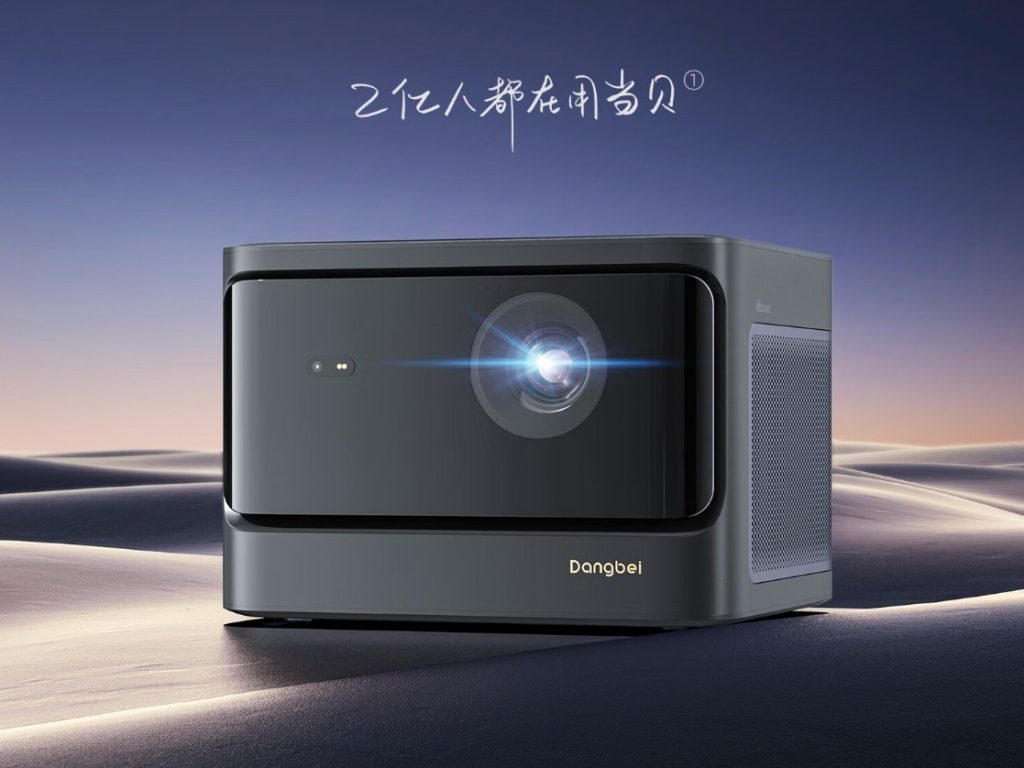
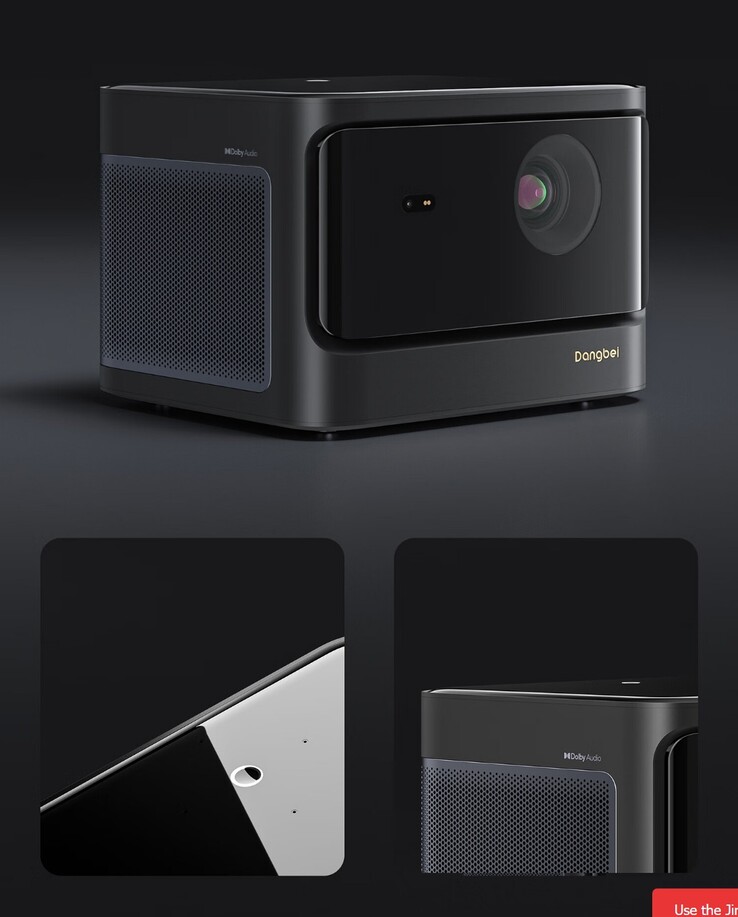
The Dangbei X3 Air projector has been released in China. The X3 Air comes with laser autofocus technology and it can reach a brightness level of 3,050 ANSI lumens. The projector is capable of throwing images up to 300 inches wide. It also features AI color optimization and AI brightness adjustment.

Huawei Qingyun G540 notebook

The Dangbei X3 Air has a native resolution of 1080p and integrates the ALPD laser technology optimized brightness. The laser light source of the projector has an expected lifespan of 30,000 hours. The AI intelligent brightness feature helps to adjust the projector’s brightness to suit the room conditions. The AI Color Engine Pro provides smart color optimization while MEMC motion smoothing achieves up to 120Hz. The projector also supports HDR10+ images.

The laser autofocus technology helps you to quickly perfect any image even at the maximum size of 300 inches. It also has auto keystone correction tools and supports Dolby Audio and DTS-HD. The projector uses two built-in 10W speakers for its audio output.

Dangbei X3 Air Projector

The Dangbei X3 Air projector is equipped with an MT9669 chip with 3GB/ 64GB memory/ storage configuration. It runs on Dangbei OS 3.0, so you can cast content using your iOS or Android mobile device. Its companion app is the Dangbei app which can also help you to locate your remote control. You can also adjust the projector with voice commands. The X3 Air has an assortment of interfaces to connect the device. These include HDMI eARC, HDMI, USB-A, and an audio jack. It also supports Bluetooth 5.0 connectivity.

The Dangbei X3 Air projector is available for pre-order in China at 4,999 yuan ($725). The original price of the projector is however 5,299 yuan ($768). Global availability details for the projector are lacking at this time.

RELATED:

Huawei Qingyun G540 notebook with a drop-resistant design unveiled

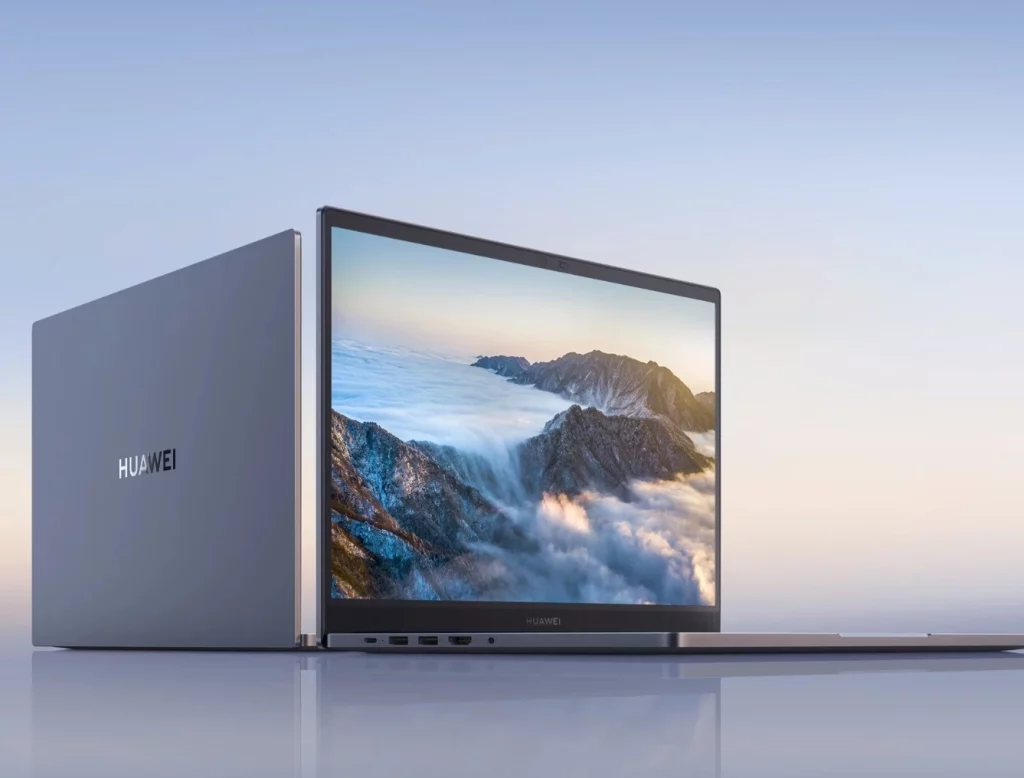
The Huawei Qingyun G540 commercial notebook has been announced in China. The Qingyun G540 will be among the products to be unveiled during the March 23 Spring Flagship Products launch event. The new notebook has a unique new design and it is drop-resistant.

Huawei Qingyun G540 notebook

The released promo images indicate that the Qingyun G540 is a bit different from the Huawei MateBook. It has a built-in camera protector which is regulated by a physical button beside the front-facing camera. The notebook has a 180-degree hinge system that allows the notebook to be opened flat on a surface. The gadget’s keyboard is spill-resistant in addition to its drop-resistant makeup. It has a 14-inch IPS panel with a 16:9 screen ratio and a 60Hz refresh rate. The notebook has a maximum brightness of 300 nits and 1920 x 1080 pixels resolution.

Huawei Qingyun G540 notebook

The drop-resistant feature in the Qingyun G540 makes it the first to have such a feature. It is listed as having a single-color design of Space gray. The model comes under the commercial lineup of the notebook series different from the MateBook lineup. It will run on Windows 11 Home Chinese Edition and has two battery options – 42Wh and 56Wh. The G540 measures 325 x 218 x 172mm, with slightly different weights for the two battery options.

Huawei Qingyun G540 notebook

Due to its versatile hinge design, you can view the screen up to 178 degrees. The processor options are available for the notebook. These are the Core i7-1260P, the Core i5-1240P, and the Core i5-1235U 12th generation processors. There are no pricing details yet for the Huawei Qingyun G540 commercial notebook.

RELATED:

Google Photos Develops Video Unblur Tool and Effects for Pixel 8 Series

Google is reportedly working on a new Video Unblur tool, along with a range of video effects for Google Photos, following the successful debut of Photo Unblur on the Pixel 7 series. These new features aim to enhance the user experience, particularly for those with the latest Pixel smartphones. Here are the details…

Google Photos Works on Video Unblur Tool and Effects for Pixel 8 Users

Google Photos first introduced the Photo Unblur tool with the release of the Pixel 7 series. This innovative feature used the Tensor chip’s machine learning capabilities to enhance the sharpness of images. Since its introduction, Photo Unblur has remained exclusive to Google’s latest smartphones, while the Magic Eraser tool, which debuted with the Pixel 6, has been offered as a premium feature on other devices through Google One.

As rumors surrounding the Pixel 8 continue to circulate, it seems that Google is working on extending the unblur tool to videos. Once functional, Video Unblur is expected to use machine learning to give videos a sharper appearance, greatly improving video quality for users. Given Google’s focus on popularizing Photo Unblur with the “Fixed on Pixel” tagline, it is not surprising to see the company working on expanding support for videos. Video Unblur may be another Pixel series exclusive, potentially debuting on the Pixel 8 and Pixel 8 Pro later this year.

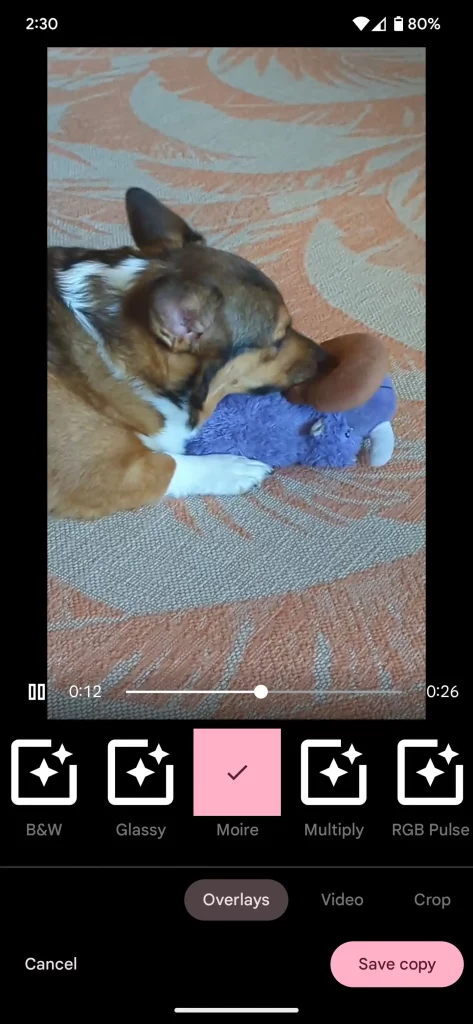
In addition to the Video Unblur tool, Google Photos is also preparing a set of video effects that users can apply when editing a video in the app. This collection of video effects, accessible through a new “Overlays” tab, is designed to enhance creativity and offer more options for personalizing videos. There are 14 video effects currently in development, with some having clear purposes based on their names. For example, the “Chromatic” effect will likely add a chromatic aberration, while “VHS” and “Super 8” are expected to emulate the styles of those iconic video formats.

Google Photos is seemingly gearing up to introduce a Video Unblur tool and a variety of video effects, which could potentially be exclusive features for the Pixel 8 series. If these features are released, they promise to significantly enhance the Google Photos experience for users, particularly for those with the latest Pixel smartphones. As the Pixel 8 launch approaches, the anticipation for these new features and their potential impact on the user experience continues to grow.

RELATED:

(via)