Advertisement

Chinese Photoresist Companies see a rise in their share price after report of an impending ban from Japan

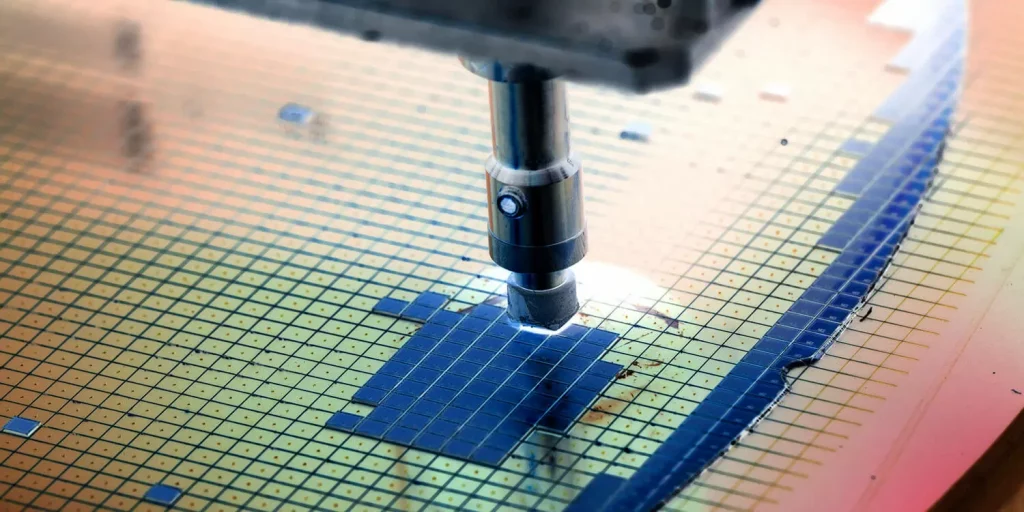
Recent reports suggest that Japan is planning to restrict the export of Photoresists to China. This speculative news has led to an increase in the share price of many domestic companies in China that make photoresists. Investors are also rushing to buy companies that possess the technology, tools, and potential to manufacture photoresists, which are needed to make semiconductors

Last week, Jiangsu Nata Optoelectronic Material Co saw an increase of up to 34.31 yuan per share. The company specializes in photoresist technology and makes a particular type of photoresist used in semiconductors. Crystal Clear Electronic Material Co, which produces ultra-pure materials for major semiconductor firms like Semiconductor Manufacturing International Corp, ChangXin Memory Technologies, and Hua Hong Semiconductor, saw an increase of 7.3% in its share price. Chemical manufacturers Shenzhen Rongda Photosensitive & Technology Co and Shenzhen Tongyi Industry Co gained almost 20% last week. These two companies specialize in making chemicals that are used in chip manufacturing processes.
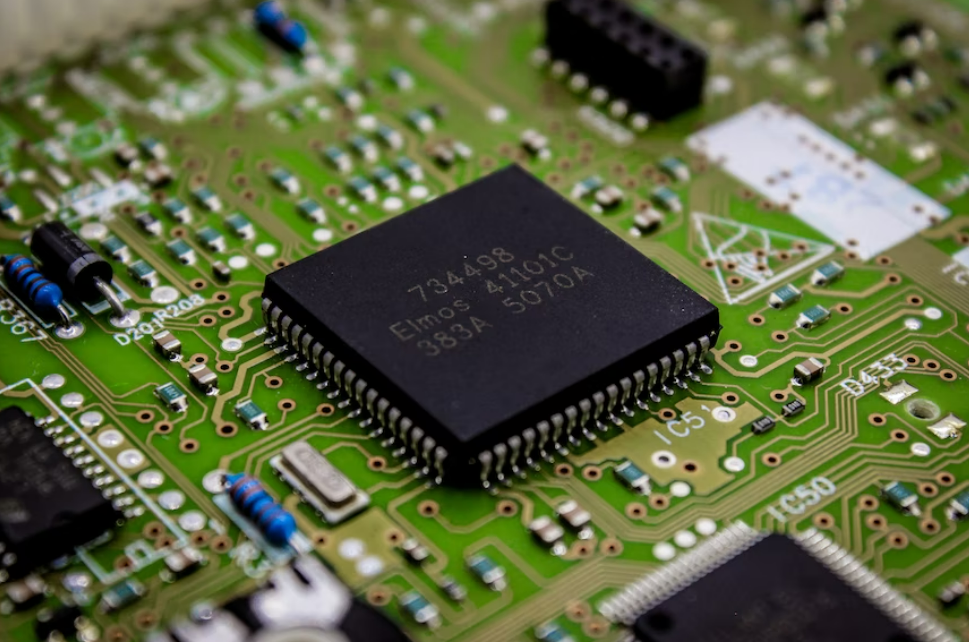
What is Photoresist and why is it important?

A photoresist is a light-sensitive substance that is used in photolithography technology which is the standard method of printed circuit board (PCB) and microprocessor fabrication. Photoresists are made up of polymers, sensitizers, and solvents. It plays a vital role in manufacturing semiconductors. 

The global photoresist market is dominated by Japanese and American companies. Japan is almost a monopoly in this industry with just four Japanese companies the JSR, Tokyo Ohka Kogyo, Shin-Etsu Chemical, and Fujifilm Electronic Materials, having a combined 72.5% market share. Moreover, the high-resolution KrF/ArF semiconductor photoresists and the advanced EUV photoresist tech are available with Japanese companies only. 

If Japan stops the sale of Photoresists, then it will be difficult for China to manufacture advanced semiconductors. Though China has made huge progress in producing photoresists, it still relies on Japan for advanced technology.  Domestic producers can make photoresists for legacy nodes, but the high-end photoresists must be imported from Japan. 

According to Xuan Jiyou, a researcher at the Kandong Research institute, Even though China has progressed in this field and made breakthrough research in photoresist technology, it will take a long time for the country to produce high-end photoresists on a large scale. 

Related:

(source)

Huawei WATCH Ultimate teaser confirms launch at March 23 launch event

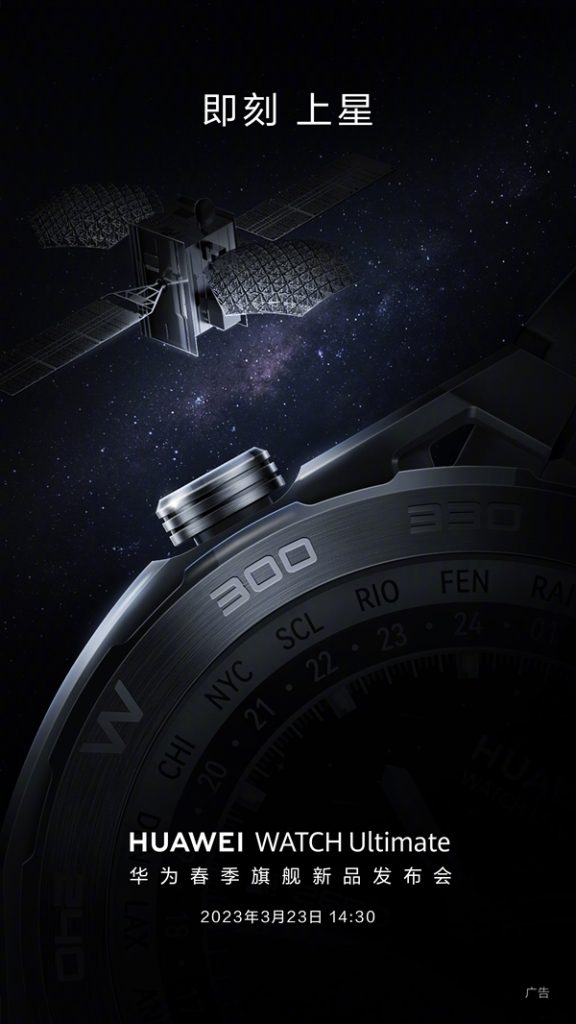
Huawei plans to unveil the WATCH Ultimate during the coming product launch event on March 23. The flagship Huawei WATCH Ultimate is a new series of Huawei smart watches and signals another milestone for the Huawei brand. The product launch event will also see the unveiling of the Huawei P60 series smartphones.

The WATCH Ultimate is indeed an epoch-making flagship smartwatch. It is coming after Huawei overcame technical difficulties that yielded its breakthrough application of Piercing up to the Sky on the watch. The application allows top-notch connectivity via the smartwatch.

Huawei Watch Ultimate

According to Huawei Terminal BG’s COO, He Gang, the new flagship will open a new chapter in the communication of smart wearable devices for the public. It comes with significant upgrades that will deliver a professional experience whether on a mountain expedition or in the sea.

The Huawei WATCH Ultimate has a tough shape design with a fully functional bezel scale. The smartwatch is being promoted with the “Start Up Now” slogan and the appearance of satellite points to support for satellite communications. It is also likely that the smartwatch will have a longer battery life to go with its rugged outlook.

The Huawei WATCH Ultimate still has lots of its details unknown. The pricing and availability information for the smartwatch is not clear at this time. The countdown however has already begun to the March 23 product launch event.

RELATED:

Boring Lamp with a modular magnetic design and height-adjustable stand unveiled on Indiegogo

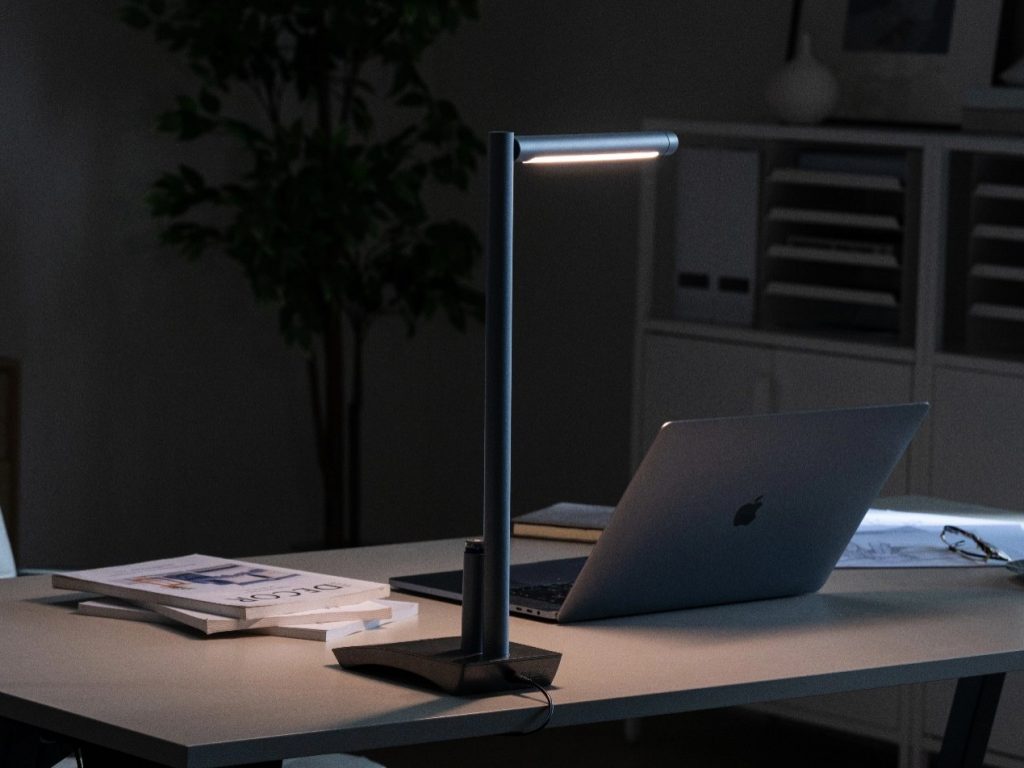
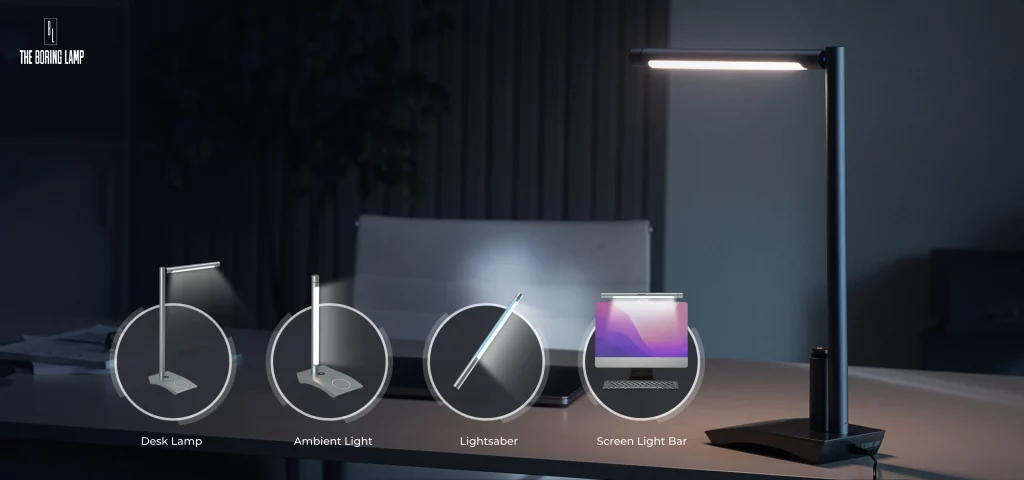
An Indiegogo crowdfunding campaign has commenced for the Boring Lamp. The Boring Lamp is a uniquely designed gadget with multiple functionalities. It can be used as a desk lamp, an ambient light, a lightsaber, and a screen light bar. The multi-functional Boring Lamp comes with a base containing a MagSafe wireless charging pad with Qi standard.

Boring Lamp

The Boring Lamp can conveniently charge several iOS and Android devices at up to 15W charging speeds. An aluminum alloy height adjustable stand can be attached to the lamp’s base. This provides more flexibility and functionality for the lamp and it can be rotated 360º. You can alternatively add a mount to hang the lamp across the top of your monitor or add a battery for enhanced use.

The light source of the Boring Lamp consists of 60 high-quality LED beads that deliver up to 1,500 lumens of brightness. The light also offers color temperatures between 3,200 and 5,200K and the light source has a lifespan of 60,000 hours. The gadget can be turned on using its touch switch and its companion app allows you to sync the light with your music. You can also select different lighting effects using the app.

Boring Lamp

While a specific price of the Boring Lamp has not been provided, early-bird pledges on Indiegogo will come with a discount. There are no specifics yet on the date of commencement of the Indiegogo campaign.

RELATED:

(source)

Huawei-supported EV brand Avatr to release the Avatr 12 electric sedan soon

A recent patent filing indicates that Avatr will soon add to its lineup of electric vehicles. The Avatr 12 is an all-new electric sedan and the Avatr brand of EVs is powered by Huawei’s systems. The design patent filing of the Avatr 12 shows some similarities with the Avatr 11. Both its front and rear designs, as per the patent documents, show the new model as a slightly flatter version of its predecessor.

Huawei Avatr 12 electric sedan

Avatr was established in 2018 by Nio and Changan but is currently owned by Changan and CATL. Huawei provides the complete platform for the EVs in the lineup of Avatr. The previous Avatr model is the Avatr 11 electric SUV is marketed by Huawei via its Showrooms across China. The Avatr 12 will have a powertrain provided by Huawei. This implies that it will come with two electric motors with a total 425kWh output. The battery options are either 90kWh or 116kWh both from CATL.

Huawei Avatr 12 electric sedan

The Avatr 12 will run on Huawei’s Harmony OS with the full support of the EP1 platform. The driving range of the EV is speculated to exceed 555km for the smaller battery and 680km for the larger battery of the Avatr 11. There are no specifics yet for the car but it has a more aerodynamic design for greater power efficiency. The EV is already at an advanced testing stage and the test cars have been spotted severally. Some images of the interior of the Avatr 11 are also circulating online. Some of the prominent interior features are the giant center screen and a similar steering wheel to the Avatr 11.

Huawei Avatr 12 electric sedan

The pre-production model of the Avatr 12 is expected to be showcased at the Shanghai Auto Show next month. There are no pricing details yet, as well as the release date of the EV to the Chinese market.

RELATED

(via)

iPhone 15 Pro Models Could See a Price Increase, Analyst Says

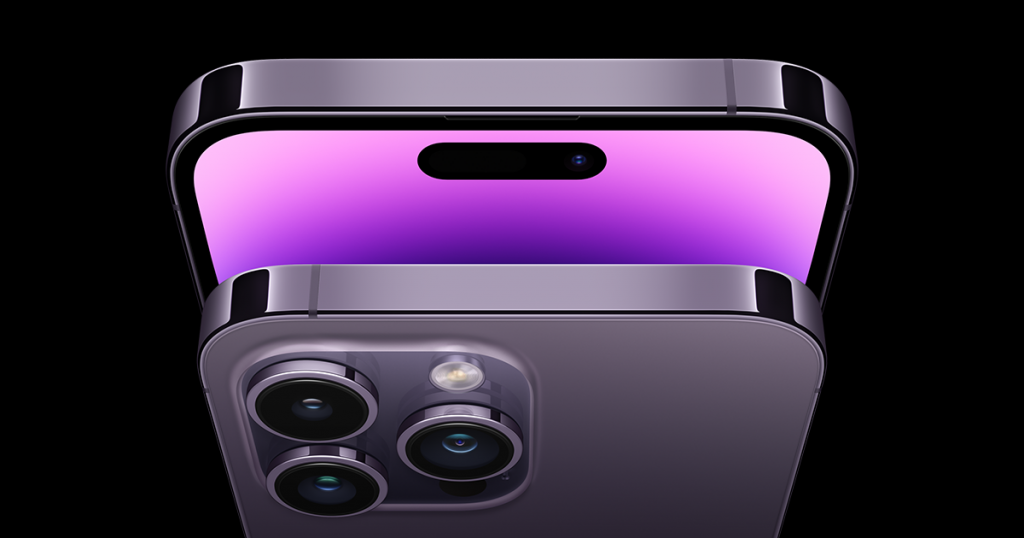
According to Jeff Pu, a tech analyst at Haitong International Securities, Apple’s upcoming iPhone 15 Pro, and iPhone 15 Pro Max may come with a higher price tag due to significant hardware upgrades. These rumored upgrades include a titanium frame, solid-state buttons with haptic feedback from extra Taptic Engines, an A17 Bionic chip, increased RAM, and a periscope lens for increased optical zoom on the Pro Max model, among others.

iPhone 14 Pro

While this is not the first time that a price increase has been speculated for the iPhone 15 Pro models, it remains to be seen whether Apple will indeed raise prices. Since 2017, the Pro model has started at $999, while the Pro Max has started at $1,099 in the U.S. However, Apple has increased iPhone prices in several countries due to foreign currency fluctuations.

Inflation rates in the U.S. may also contribute to a possible price increase for the iPhone 15 Pro models. Although Apple has maintained starting prices for six generations of Pro models, a price increase may be necessary for the company to maintain its profit margins. The pricing of iPhone 14 and iPhone 14 Plus starts at $799 and $899. It is unclear whether the standard variants iPhone 15 and iPhone 15 Plus would also see a price increase.

The iPhone 15 series is expected to be announced in September and may include over 10 additional features and changes, such as a USB-C port and Dynamic Island for standard models. The Pro models are also rumored to have a slightly more curved frame.

RELATED:

(Via)

Fire-Boltt Invincible Plus with 1.43-inch AMOLED screen, Bluetooth calling launched in India for Rs. 3,999 ($48)

Fire-Boltt has launched its Invincible Plus smartwatch in India. The Fire-Boltt Invincible Plus has a 1.43-inch AMOLED display and supports Bluetooth calling. It joins the growing list of Fire-Boltt smartwatches that support Bluetooth calling. It also follows the launch of the Fire-Boltt Eterno Fit earlier this week.

Fire-Boltt Invincible Plus

The Invincible Plus has a round dial with a brushed metal body and an exquisite rotating crown. The large 1.43” AMOLED display is an Always-On screen with a resolution of 460 x 460 pixels. The screen has a 60Hz refresh rate and a maximum brightness of 600 nits. It has a built-in microphone and speaker deployed for Bluetooth calling and its voice assistant.

The smartwatch comes in both silicone and stainless steel options to suit different user choices. It also features more than 300 exercise modes and the Fire-Boltt Health Suite. The Health Suite offers SpO2 monitoring, heart rate monitoring, and sleep tracking, among others.

The Fire-Boltt Invincible Plus has 4GB of onboard storage and also features smart notifications. It is rated IP67 for water and dust protection. There are 120 in-built watch faces to choose from for the Invincible Plus. The smartwatch has three physical buttons and it supports TWS pairing. Other features of the Invincible Plus are Health and wellness reminders, Find My Phone, music control, a calculator, and an alarm clock. The smartwatch can last up to 7 days on a single charge, thanks to its 380mAh battery. The silicone version of the Invincible Plus is available in dark grey, black, black gold, rose gold, and grey colors.

Fire-Boltt Invincible Plus

The stainless-steel version is available in silver and black colors. The silicone Fire-Boltt Invincible Plus is priced at Rs. 3,999 (~$48) while the stainless-steel model costs Rs. 4,499 (~$54). The smartwatch can be purchased via online platforms like Amazon India or directly from Fire-Boltt.

Related:

SpaceX vs Amazon: The Battle for Space Internet Dominance Heats Up

Amazon is gearing up to launch its first internet satellites in the first half of 2024, joining the likes of SpaceX in the race to provide broadband internet services globally. The company’s satellite internet unit, Project Kuiper, plans to manufacture its first satellites later this year, with a total of over 3,000 satellites to be launched in low-Earth orbit in the coming years. Here are the details…

Amazon targets 2024 launch of first Kuiper internet satellites

Amazon aims to test the satellites with commercial customers in 2024 and produce “three to five” satellites a day to meet regulatory demands to launch half its Kuiper network by 2026. With over $10 billion invested in the Kuiper network, Amazon’s expertise in consumer electronics gives it an edge over competitors like SpaceX, which already has roughly 4,000 satellites in space. Amazon plans to launch a pair of prototype satellites in 2023, followed by the deployment of the initial production satellites in 2024 using rockets procured in recent years.

This move by Amazon could provide high-speed internet to areas with little or no connectivity, improving access to education, business, and personal communication. While Amazon’s plans to launch its own satellite internet network is an exciting development, it also raises concerns about the potential for space debris.

With thousands of satellites planned to be launched, experts have warned about the increased risk of collisions and the creation of space junk that could pose a threat to other spacecraft and even astronauts. As such, it will be important for Amazon and other companies to prioritize responsible space practices and work with regulatory bodies to mitigate these risks and ensure the sustainability of space activities.

RELATED:

(via)

Samsung Responds to Fake Moon Photo Accusations, Defends Its Space Zoom Feature

Samsung has recently come under fire after a Reddit post claimed that the Galaxy S23 Ultra’s Space Zoom photos of the moon were fake. According to the post, the phone applied non-existent details to the moon photos, making them appear more detailed than they actually were. So are these claims true? Samsung responds to fake moon photo accusations. Here are the details…

Samsung Denies Faking Moon Photos, Claims AI Enhances Image Quality and Colors

Samsung has responded to the accusations, stating that the phone doesn’t apply any image overlaying to the photos. Instead, the AI-based scene optimization technology recognizes the moon as the main object and takes multiple shots for multi-frame composition. The AI then enhances the details of the image quality and colors, resulting in the detailed moon photos that users have been capturing with the Galaxy S23 Ultra.

samsung moon photos
This side-by-side comparison shows a blurred photo of the moon and what the Galaxy S23 Ultra allegedly produced.  (Image credit: ibreakphotos / Reddit )

In response to the original Reddit post, Samsung explained that users can deactivate the AI-based Scene Optimizer, which will disable automatic detail enhancements to the photos taken by the user. The original poster on Reddit claimed that, due to the application of a gaussian blur, there was no data for the Galaxy S23 Ultra’s image signal processor or computational photography algorithms to process. However, the photo served up had a lot more detail than could be seen in the original image, leading to accusations of fake moon shots.

Samsung has responded by stating that the Galaxy S23 Ultra is using AI/ML (neural network trained on 100s of images of the moon) to recover/add the texture of the moon on users’ moon pictures. While some may think that this is simply the camera’s capability, Samsung explained that it’s not. The processing done by the Galaxy S23 Ultra’s space-related model is likely figuring out what detail should be added based on images of the moon it’s previously been fed.

While the result may not be a true representation of what the Galaxy S23 Ultra’s camera sensors can capture, Samsung argues that the moon shots are enhanced with details the camera can’t see or detect. In other words, the Galaxy S23 Ultra and its AI are adding detail and artificially enhancing moon photos, but it’s not simply faking it with a different image.

Ultimately, whether you consider these enhancements acceptable or not is a matter of personal preference. However, Samsung maintains that it is committed to delivering the best-in-class photo experiences in any condition, and the AI-based scene optimization technology is a part of that commitment.

RELATED:

(via)

Samsung Electronics Announces $230 Billion Investment in the World’s Largest Chip Factory

Samsung has announced plans to invest a massive $230 billion in South Korea over the next two decades to build the world’s largest chip factory. The move is aimed at boosting the country’s chip industry and expanding tax breaks and support for high-tech sectors like chips, displays, and batteries. Here are the details…

Samsung Electronics to invest $230 bln through 2042 in South Korea for World’s Largest Chip Factory

As part of this investment, Samsung will add five chip factories that will attract up to 150 materials, parts, and equipment makers, fabless chipmakers, and semiconductor research and development organizations near Seoul. The South Korean government will also invest 25 trillion won over five years for research and development in strategic technologies like artificial intelligence, while providing about 360 billion won to develop chip packaging and about 100 billion won in electricity and water infrastructure this year for industrial complexes.

This investment is in response to other countries taking steps to bolster their domestic chip industries, such as the United States’ CHIPS Act, which offers billions of dollars in subsidies for chipmakers investing in the country. Samsung’s investment plan will strengthen South Korea’s position in the global semiconductor industry, and help the country become a major player in the non-memory chip field. This is important for the country as it seeks to improve supply-chain stability and become self-sufficient in key technologies.

Samsung’s investment plan also includes several of its affiliates, including Samsung Display, Samsung SDI, and Samsung Electro-Mechanics. These companies plan to invest 60.1 trillion won over the next 10 years in regions outside the Seoul metropolitan area to develop chip packaging, displays, and battery technology. This move will help to diversify the country’s technology manufacturing base and expand its reach beyond Seoul.

RELATED:

(via)

Bob and Brad D6 Pro Highest Amplitude Massage Gun: Perfect for Deep Penetrating and Powerful Massages

Massage guns are one of the best inventions for quick and instant muscular pain relief. If you work out regularly or are an athlete by profession then you know how painful, irritating, and debilitating muscular pain can be. Also if you have an elderly person at home or someone who is recovering from physical trauma then a massage gun can be handy to relieve pain and discomfort quickly and easily. 

A massage gun is a device that uses percussion and vibration to increase muscle blood flow, leading to decreased pain and soreness. Massage guns can be used before or after exercise in addition to any time there is muscular pain or soreness. There are many massage guns available in the market. But one of the best and most trusted massage guns is designed and made by the famous physical therapist duo Bob Schrupp and Brad Heineck who have millions of followers across the globe. Unlike other generic massage guns available in the market,  Bob and Brad’s ergonomic creations are intentionally built to improve patient and athlete recovery

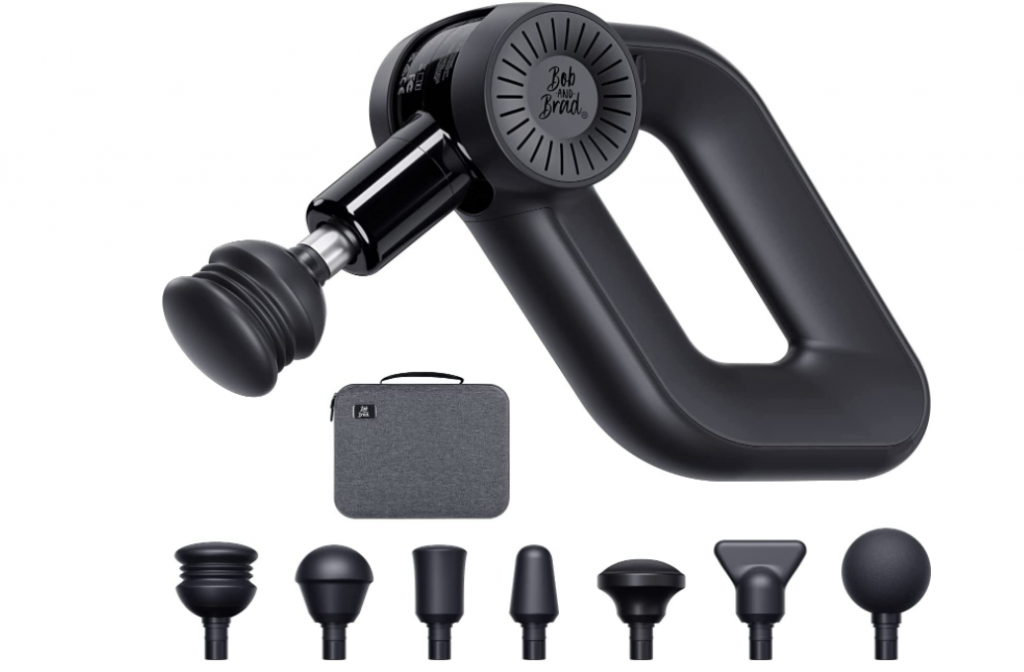
Bob and Brad D6 Pro Massage Gun is now available at discount on Amazon US. You can get a $50 discount on the product which retails for $249.99. Please note that the discount is available as a page clip-on coupon on Amazon.com. The D6 Pro Massage Gun provides deep tissue massage with 16mm amplitude and is perfect for sore muscles, stretched and pulled muscles, knots, kinks, stiffness, and pain relief. D6 Pro is useful for both pro athletes and laymen. 

Key Features:

Deep Penetrating Massage:

The D6 Pro massage gun features a 16mm amplitude which is one of the highest available in the market. With this high amplitude, the massage gun easily reaches 80% of your body giving you one of the deepest massages which is perfect for pain relief. The device comes with over 85lbs of stall force at max which feels strongly against your muscle giving you the feeling of an actual therapeutic massage.

Multiple speeds  and Modes:

D6 Pro is designed to suit almost everyone despite your body type, structure, and problem. The device comes with six built-in speeds ranging from 1500, 1700, 1900, 2100, 2300, to  2500 RPM. The varying speed makes it easy to control the power and intensity of your massage as per your need. 

You have 4 different modes to choose from. The M1 – Normal mode allows you to manually adjust your speed. M2- Increasing mode sets the device to massage in cycles where the speed increases from level 1 to level 6. M3- is the decreasing mode where the speed keeps on decreasing from level 6 to level 1. M4 – Wave mode uses massage cycles where the speed alternates like a wave between 1700 RPM to 2300 RPM.

Personalized Massage Heads:

The device comes with different massage heads massage made with ABS, PU, and silicone material and shaped for specific areas of the body. With the different massage heads, you can easily pinpoint trigger points throughout the body for muscle treatment. 

180-Minute Long Powerful  Battery:

D6 Pro comes with a powerful battery that not only gives you powerful percussion but also unrivaled performance, speed range, and efficiency. The device can run for 180 minutes continuously and supports USB – C fast charging. 

Ultra-Quiet Technology:

You can use the D6 Pro massage gun anywhere and everywhere without worrying about noise. Though extremely powerful, the device comes with a proprietary design that is 20% quieter than the generic massage guns available in the market. 

Huawei FreeBuds Pro 2+ Design revealed through Leaked image

Huawei’s Freebuds Pro 2 debuted back in August last year and received good reviews from experts and users alike. The earbuds come with impressive sound, sleek design, and solid battery life, combined with excellent noise canceling. Now, we are hearing the Chinese giant is readying a refreshed version of the product— Huawei FreeBuds Pro+. While there’s no official confirmation, a new leak has revealed the design of the upcoming hearables. Let’s have a look.

A leaked image, courtesy of tipster UncleMountain, gives us a good look at the rumored Huawei FreeBuds Pro 2+. They look very similar to the FreeBuds Pro 2 with a glossy exterior and a rectangular stem but with well-rounded edges. There are a few changes as well. For one, the earbuds apparently feature a heart rate sensor. Also, they have a gold outline around the body.

Huawei-FreeBuds-Pro-2-plus

The source claims that each earbud carries 3 sensors. While the specific type of sensors was not mentioned, it is possible that one of these sensors may be the speculated heart rate sensor, while the remaining two could be responsible for in-ear detection and noise cancellation features.

Reportedly, the heart rate sensor in question is designed to measure the user’s heart rate through the ear and provide warnings if the heart rate exceeds or falls below normal levels. The FreeBuds Pro 2+ is said to have a ceramic charging box with Huawei and Devialet branding. The earbuds will likely have features like active noise cancellation, transparency mode, and touch controls.

The details about the upcoming Huawei earbuds are pretty scarce. We expect them to be priced around $200. The hearables could debut on March 23 alongside the flagship Huawei P60 series. However, an official confirmation is awaited.

RELATED:

(Via)

MIUI 14 update for Mi 10 series is almost ready

In early December, Xiaomi confirmed that it will deliver MIUI 14 update for the Mi 10 series. A few days later, the company also revealed that the update will be based on Android 13 for the vanilla and the pro model.

Two months later in February, a Chinese certification agency revealed that even the Mi 10 Lite will be blessed with the MIUI 14 update. A month after that, a Xiaomi exec now officially updates us on the status of the system update for these handsets.

Xiaomi Mi 10
Xiaomi Mi 10

Zhang Guoquan is the director of Xiaomi’s mobile phone system software department. Earlier today, he revealed on Weibo that the MIUI 14 update for the Mi 10 series will be ready by this week. He also noted that the software builds will be tested starting next week.

Therefore, we can expect the company to roll out the update to closed beta testers in China very soon. As per a certification, the update should be available for the general public as early as April.

For the unaware, MIUI 14 is the third major MIUI update for these smartphones. All three of them debuted with MIUI 11 based on Android 10.

The MIUI 14 update for the Mi 10 and Mi 10 Pro will also bring along Android 13. Thus, they will be receiving their Android update as well. On the other hand, it’s not known whether the latest MUI update will bump up the Android version for the Mi 10 Lite.

RELATED:

Boult Audio Drift Plus With 1.85-inch Display Launched In India

Boult Audio has launched the Drift Plus smartwatch. With the latest offering, the homegrown brand has expanded its range of smartwatches. The Boult Audio Drift Plus carries an affordable price tag and it competes against smartwatches offered by brands like Fire-Boltt, Noise, boAt, and more in the market. Read on to know what the device offers out of the box. 

The Boult Audio Drift Plus features a square dial with a zinc alloy frame and a physical button on the right side. It is IP68-rated water-resistant. The smartwatch features a large 1.85-inch display bearing an HD resolution and 500 nits peak brightness. 

On the health-centric front, the Boult Audio Drift Plus is equipped with a heart-rate monitor, SpO2 sensor, sleep tracker, and menstrual cycle monitor. It also comes with sedentary and hydration reminders. The wearable device packs support for more than 100 sports modes. 

The Boult Audio Drift Plus features a built-in mic and speaker for voice calling via Bluetooth. There is support for voice assistant. The wearable device is claimed to offer up to 7 days of battery life on a single charge. The smartwatch packs convenient features like music and camera control, weather updates, notifications, find my phone and more. It also comes with built-in mini-games. 

The Boult Audio Drift Plus carries a price tag of Rs 1,499. It is offered in Tan, Icy Blue, Jet Black, Black Coffee, Denim Blue, and Snow Leather color options. The smartwatch can be purchased from the brand’s official website and Flipkart.

Related:

Nothing Ear (2) Pricing & Availability leaks ahead of launch

Nothing entered into the consumer electronics business with the launch of Nothing Ear (1) TWS earbuds. The unique-looking earbuds gained quite some popularity and the company is now ready to build on that with the launch of the new Nothing Ear (2). The next-gen hearables from the Carl Pei-led startup will be debuting on March 22 and while we wait, a tipster has revealed their pricing and availability.

According to Snoopytech, a reliable industry leakster with a decent track record, the Nothing Ear (2) will cost around €159 ($168). This price is supposedly for European countries and may vary in other regions, let’s say India. The original Ear (1) was initially introduced with a price tag of $99, but it was later increased to $149. There are indications that the price might be further increased by €10.

Nothing Ear 2

As mentioned, the Nothing Ear (2) will be launched on March 22. However, as per the tipster, the earbuds won’t be available for purchase till six days later, on March 28. It is expected that the TWS will be sold in regions including the US, India, and Europe.

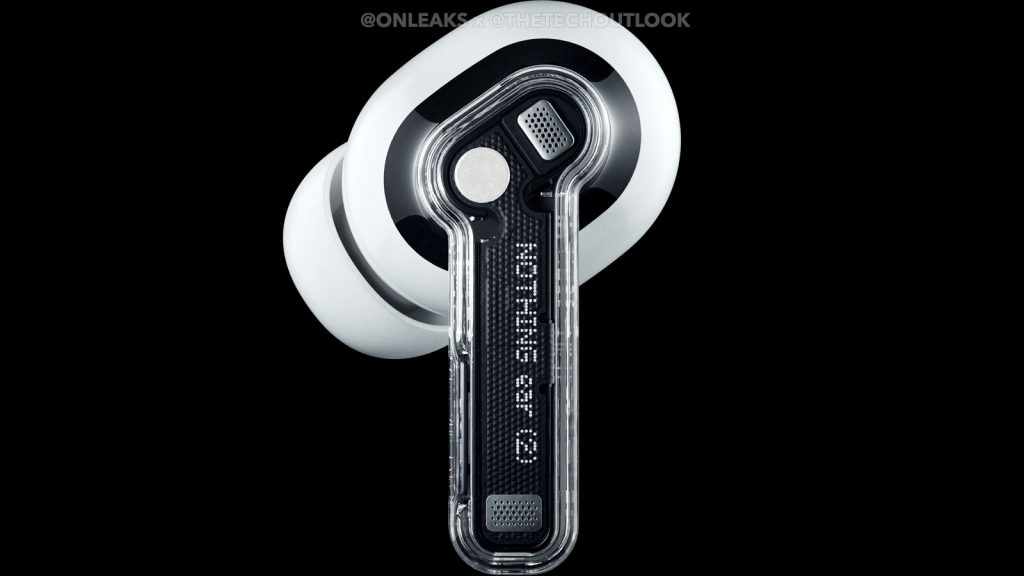
Recently, the company confirmed the earbuds will come with support for LHDC 5.0 codec and an IP54 rating for water resistance. Renders reveal the hearables will have essentially the same design as their predecessor with only a few changes here and there. They will have a stemmed design with a semi-transparent look that shows a black strip covering the internals of the earbuds.

The upcoming earbuds from Nothing are expected to inherit some of the impressive features of the Ear (1), such as Active Noise Cancellation (ANC), Transparency Mode, and more. Moreover, they will be equipped with Advanced EQ and customizable settings, allowing users to fine-tune the audio experience to their preferences.

RELATED:

(Source)

Huawei P60 Pro to feature Patented Telephoto tech, Exec shares camera samples

Huawei P60 Pro will launch next week on March 23 along with the vanilla P60. As the higher-end model in the series, the handset is expected to bring many interesting features. For one, it may feature Apple’s Dynamic Island-like selfie module. The P60 Pro should also bring impressive cameras for photography. It has been claimed that the handset will arrive with a new type of telephoto lens that would produce better night photos. Here are the details.

Sources from China have revealed that the Huawei P60 Pro will arrive with a new patented technology on the telephoto lens. It is expected to enhance the telephoto shooting capabilities, allowing the smartphone to take more detailed pictures in low light. Separately, Richard Yu, CEO of Huawei CBG, stated that the handset will be able to take a picture with the sun in the frame while managing to keep details of other objects.

Huawei P60 Pro camera sample

The exec also shared a picture to back his claims. A promotional video also showcased the Huawei P60 Pro’s remarkable ability to capture detailed images of the moon, which even appear to challenge the fundamental laws of optics and physics. But, don’t believe everything you hear about moon photography from companies – it often turns out to be not as amazing as they say.

According to previous reports, the Huawei P60 Pro main camera will be a first-of-a-kind 50-megapixel Sony IMX888 with a 1/1.4″ large bottom that supports f/1.4-4.0 variable aperture and OIS optical stabilization. The handset may also get a 64-megapixel OV64B periscope telephoto lens that supports 3.5x optical zoom and a classic RYYB array. A 50-megapixel Sony IMX858 (1/2.51″) ultra-wide-angle lens could also be present on the rear of the P60 pro.

RELATED:

(Via 1,2)

Mysterious Huawei Phone spotted on TENAA with a Round Oreo-like Camera module

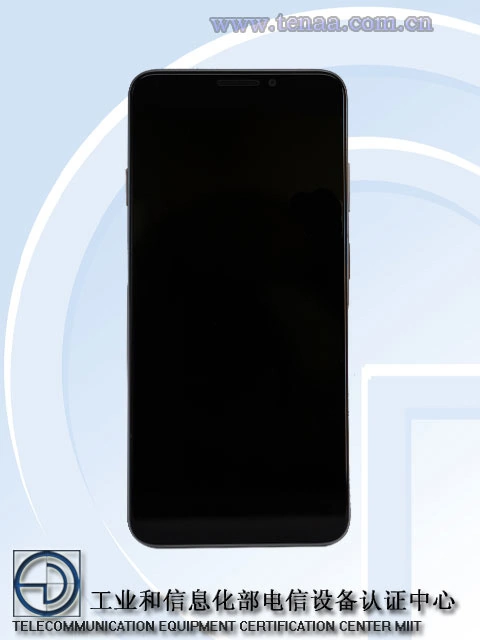
Huawei is gearing up to host a major launch event in China later this month. However, prior to this conference, a mysterious new smartphone model was recently spotted on the TENAA certification website.

Huawei

For those unaware, any device that will launch in China has to pass through TENAA, which means that this unknown handset model is set to launch soon. In other words, it is likely that the Chinese tech giant could launch this device during this event. Looking at the TENAA (China’s Telecommunication Equipment’s Network Access Management) listing, we can see that Huawei is working on a new smartphone that carries the model number STG-AL00. With the Huawei Enjoy 60 series expected to launch soon, this device could be a part of this new lineup.

The listing also reveals that the device in question will support 4G LTE networking and run on HarmonyOS operating system. This certification also featured live images of the mystery Huawei phone which basically reveals the entire design of the upcoming smartphone. On the front, the device appears like any other smartphones with a speaker system on the top center while the selfie camera is situated right beside it. 

Huawei


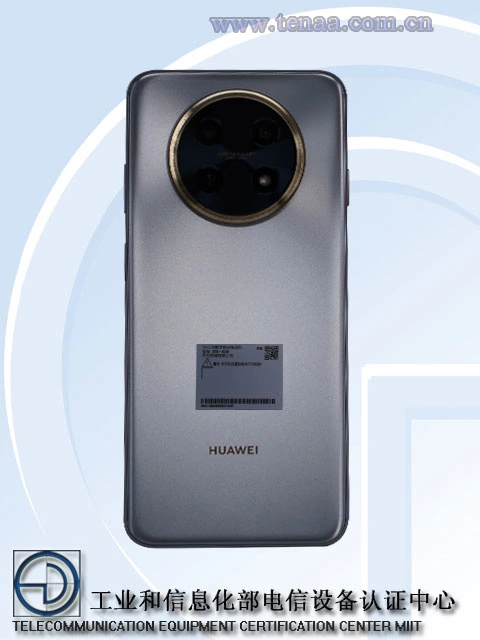
On the other hand, the rear packs an Oreo-like large circular camera module. This module houses what appears to be three image sensors and a fourth cutout for the LED flash. Furthermore, the round camera island is surrounded by a golden colored ring, which makes it appear quite premium. This is the only major aspect of the rear panel, with the HUAWEI branding on the bottom half being the only other visible feature.

RELATED:

(Via)

Samsung Galaxy F14 Leaked Render Reveals Design, Color Options Ahead Of Launch Next Week

Samsung is gearing up to launch a new Galaxy F-series phone in India. The upcoming offering is tipped to be the Galaxy F14. It will arrive as the successor to the last year’s Galaxy F13. Now, 91Mobiles has shared a render of the Galaxy F14 revealing its back panel design and color options. 

As per the leaked render, the Samsung Galaxy F14 will arrive in Purple and Green color options. The back panel has two vertically placed camera sensors and a LED flash unit beside. The volume rocker and power buttons are located on the right side of the device. The upcoming smartphone has slightly curved edges for a better grip. This is everything the leaked render reveals about the Galaxy F14. 

The Samsung Galaxy F14 is expected to feature a waterdrop notch and sizeable bezels. The smartphone will reportedly be launched in India next week and will be available for under Rs 15,000 on Flipkart, Samsung online store, and leading retail stores as per the publication’s sources. 

Rumors suggest that the Samsung Galaxy F14 may feature a 6.6-inch display with an FHD+ resolution and 60Hz refresh rate. It will reportedly be powered by an Exynos 1330 SoC coupled with 6GB RAM and 128GB onboard storage. The upcoming offering is tipped to be backed by a 6,000mAh battery unit and ship with Android 13 OS out of the box. 

We will know more details like the pricing and availability about the Samsung Galaxy F14 next week. In other news, the South Korean brand will announce the Galaxy A54 and A34 In India tomorrow. 

Related:

Via

Honor’s new patent brings app Usage Monitoring to your Phone’s Wallpaper

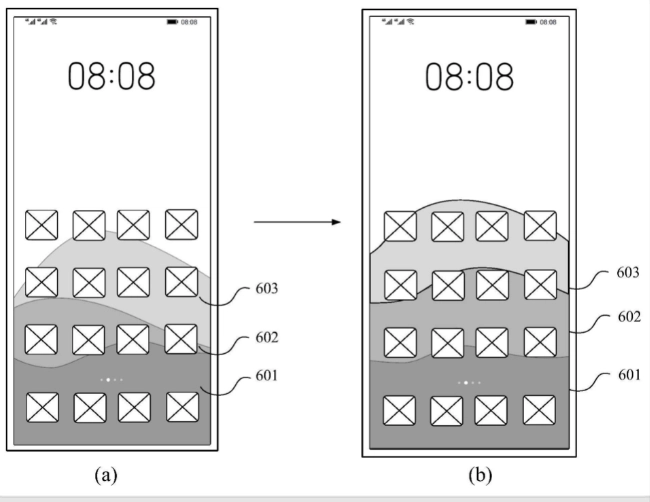
Honor has applied for a new patent that could transform the way we monitor our app usage. This innovative patent proposes a method for displaying dynamic wallpapers on mobile phones that reflect the user’s app usage time. The idea is to generate wallpapers with customizable graphics that represent the user’s app usage habits, where the size of each graphic reflects the amount of time spent on each app. Here are the details.

As discovered by ITHome on China’s State Intellectual Property Office website, Honor’s latest patent proposes a new method for displaying wallpapers on a mobile phone’s screen that is based on the user’s app usage time. It will apparently generate wallpapers with graphics that represent the user’s app usage, where the size of each graphic reflects the amount of time spent on each app.

Honor wallpaper patent

Let’s try to put it simply. If a user spends more time on social media apps than on productivity apps, the wallpaper will display larger graphics for social media and smaller graphics for productivity apps. The benefit of this method is that it adds visual character to the phone’s screen while also providing a simple way for users to understand their app usage habits.

By simply looking at the wallpaper, users will be able to see which apps they use the most and which ones they use less frequently. This information can be useful for people who want to monitor and manage their screen time or improve their productivity by spending more time on specific apps. Overall, this patent proposes an innovative way to enhance the user’s mobile experience and provide valuable insights into app usage habits.

RELATED:

(Via)

Google Pixel 8 Leaked Renders Reveal A Compact And Slim Form Factor

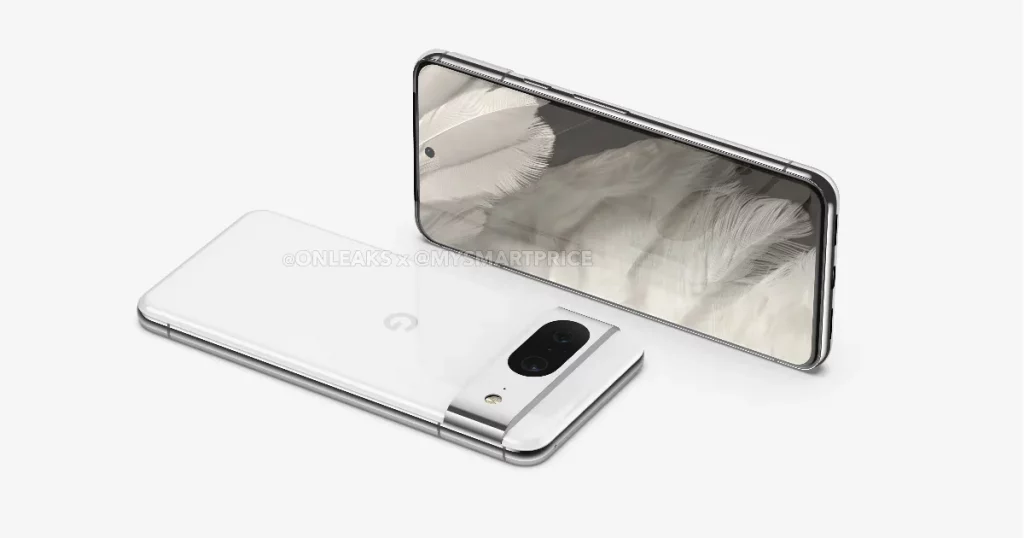
Earlier today, the Pixel 8 Pro was spotted in leaked CAD-based renders. Now, the standard Pixel 8 has also appeared in leaked renders shared by reliable tipster Onleaks. The images give us a first look at the smartphone. The Pixel 8 series is expected to be showcased at Google’s upcoming I/O Developer conference in May. The smartphones will be released later in October this year as the successors to the last year’s Pixel 7 series. 

The renders reveal the next-generation Pixel 8 with a compact and slim form factor. It looks much smaller than its predecessor. The device has curved edges and the display features a center-aligned punch-hole cutout. The screen is also surrounded by thin bezels. The back panel retains the horizontal camera bridge with two sensors in a pill-shaped cutout and a LED flash located outside. The smartphone has an aluminum frame with power and volume rocker buttons located on the right side. The USB-C port is located at the bottom beside the speaker grille. 

Onleaks reveals that the Pixel 8 will be a compact device because it will feature a 5.8-inch display compared to 6.3-inch on the Pixel 7. Dimension-wise, the upcoming offering will measure 150.5 x 70.8 x 8.9mm (12mm with the camera bump). This 5mm shorter and 2mm narrower than the current Pixel 7. 

As per rumors, the Pixel 8 will be powered by the search giant’s upcoming Tensor G3 chipset. We will know more details about the smartphone at I/O 2023 which kicks off on May 10th. 

Related:

Via

Apple to Buyout most of TSMC’s 3nm process that reportedly has an 80% yield

We have already covered various reports that hint at the next gen Apple A17 Bionic being based on TSMC‘s cutting edge 3nm process node. But now, a new report has revealed that the company is looking to acquire most of the 3nm process of the world’s largest contract chipmaker.

For those unaware, the A17 Bionic is the next gen chipset that will power the iPhone 15 Pro models later this year. It will be based on the 3nm process from TSMC, which would make the iPhone the only smartphone to feature a 3nm based chip this year. TSMC will produce the chips with its advanced N3E process node in the second half of this year. The newer N3E process is cheaper than the previous N3 process, so it would lower the cost for its various clients.

Apple

In other words, brands like Intel, AMD, and Qualcomm would rush to put in their orders in the latest 3nm process node. However, it appears that the Cupertino based giant is looking to acquire most of the new 3nm process for its proprietary chips. The next gen chips based on the N3E will be more power efficient while offer faster clock speeds, with 15 percent better performance with 30 to 30 percent lowered power consumption.

As of right now, Apple is already the largest customer of TSMC, accounting for 25 percent of TSMC’s annual revenue. A new report from EDN Asia has revealed that the 3nm chip production has hit the 80 percent yield rate. High yields basically mean than more chips pass quality control and help the company save up on production cost.

RELATED:

(Via)