It’s been a long time since we first heard rumors about Apple planning to add Blood Glucose Monitoring support to the Apple Watch as a part of its health-related services.
Earlier this year, it was reported that the company had made major progress in the development, which led to speculations that it could get launched soon, but now a new report claims that the device isn’t coming anytime soon.
As per the latest report coming from Mark Gurman, the Apple Watch with support for the Blood Glucose Monitoring feature is still several years away. He indicates that the device will take somewhere between three to seven years to go official.
It is said that the Cupertino-based technology giant still needs to work on the algorithms and onboard sensors to be able to bring the technology to market. Further, the size of a module also needs to be reduced to fit the small and thin package of the Apple Watch.
For Apple, it has been a long journey working on introducing a Blood Glucose Monitoring technology. It reportedly first started working on it in 2010 with the acquisition of RareLight, and then it worked with Avolante Health LLC before moving to Exploratory Design Group (XDG).
The goal for Apple appears to be able to warn users of its smartwatch devices if they are prediabetic and suggest lifestyle changes before diabetes develops. It is speculated that the company is in the early stages of discussions to get regulatory approval for the technology.
Tech companies have been increasingly collaborating with Hollywood studios to release special editions of their products tied to popular movies. These collaborations offer fans a chance to own a piece of memorabilia related to their favourite films while also providing tech companies with an opportunity to market their products to a wider audience. For example, Samsung has partnered with Marvel Studios in the past to release Avengers-themed versions of its smartphones, while Apple has collaborated with Disney to create Star Wars-inspired versions of its popular AirPods. As per the latest reports, Redmi is gearing up to launch a Harry Potter-themed version of their upcoming smartphone, the Redmi Note 12 Turbo.
Redmi Note 12 Turbo “Harry Potter” Edition
The limited edition package will come with college wizard robes, scarves, magic wands, and famous souveneirs of Harry Potter: an admission notice and 9¾ card pins. According to the latest reports and teasers, the phone will feature a 12-bit Flexible OLED panel, 16GB+1TB storage, and a massive 5000mAh battery with 67W fast charging support. The company also teases the color of the device, which is “Ice Feather White”. Under the hood, the Redmi Note 12 Turbo will be powered by the Qualcomm Snapdragon 7+ Gen 2 processor, paired with LPDDR5 RAM and UFS 3.1 storage. The phone will have a 3725mm vapor chamber cooling system to improve heat dissipation by 35%. The Redmi Note 12 Turbo will also run on MIUI 14 based on Android 13 out of the box, making it the first Redmi Note 12 smartphone to run on Android 13 out of the box.
The Redmi Note 12 Turbo will be equipped with a 64-megapixel main camera. It will be coupled with features like optical image stabilization (OIS) and the Xiaomi Imaging Engine 2.0. There is no official confirmation on the auxiliary cameras of the device. The Redmi Note 12 Turbo is expected to launch globally under the Poco F5 branding on April 5th in India. With its impressive specifications, this phone is sure to attract a lot of attention in the crowded smartphone market.
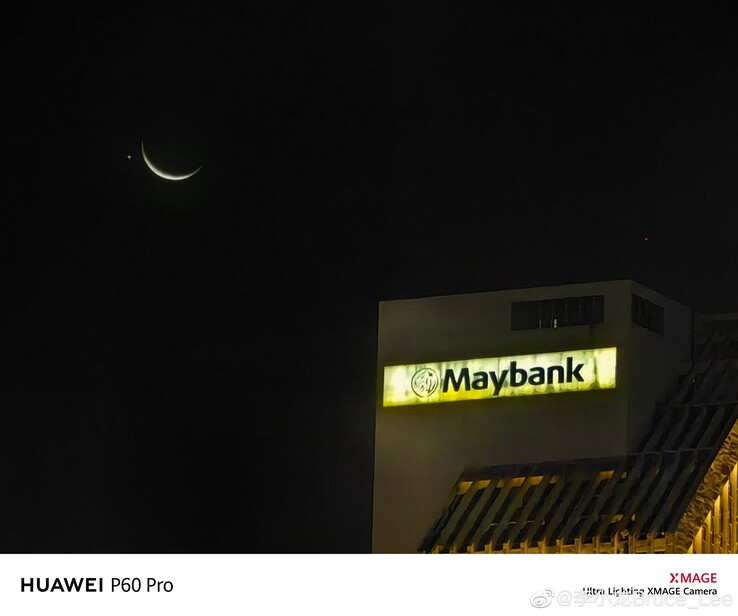
Huawei recently launched its highly-anticipated P60 series lineup of smartphones. The series includes the base P60, the higher-end P60 Pro model and the P60 Art version as well. In terms of dimensions, all versions are basically identical, although the Pro variant is heavier. From the front, the new devices appear like any other handset, but the rear design is quite unique. The camera module on the rear is quite prominent thanks to the large primary sensor that is housed between two other sensors. Speaking of the smartphone’s cameras, a picture captured by the Huawei P60 Pro is going viral online, and you have to see it to judge that for yourself.
On March 24, 2023, a rare celestial event took place, where the alignment of Jupiter, Venus, and Mars could be clearly observed and photographed from various locations across the world. The crescent moon briefly obscured Venus, providing a stunning highlight of the planet’s brightness in the sky that night. This event also gave Huawei the opportunity to showcase its latest flagship smartphone, the P60 Pro, and its camera capabilities. With its “F2.1 Large Aperture” lens and 90mm telephoto module with a “200x” digital zoom, the P60 Pro has been designed to compete with other high-end smartphones such as the Samsung Galaxy S23 Ultra.
The P60 Pro’s low-light performance has been rated as significantly improved compared to its predecessor, the P50 Pro. A Huawei executive shared a photo on Weibo, which was reportedly taken by colleagues in Malaysia, featuring a clear shot of Venus beyond the moon’s crescent. The lunar texture and the planet’s colour and brightness are well-represented in the photo, indicating that Huawei did not rely on any camera trickery this time around and let the P60 Pro’s cameras capture the beauty of the celestial event.
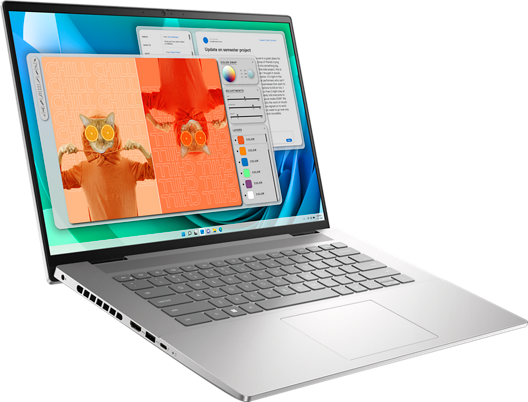
Dell‘s new Inspiron 16 Plus 7630 laptop has been released in select markets, including China and Japan, and is expected to become available in other regions soon. The latest model features significant upgrades beyond standard CPU and GPU improvements, including a new color option called “Galactic Star Trail,” which is essentially silver.
The top-end variant of the Inspiron 16 Plus 7630 currently available in Dell’s China and Japan online stores boasts an Intel Core i7-13700H processor with 14 cores and 20 threads, capable of reaching clock speeds up to 5.0 GHz. It can also be configured with an Nvidia GeForce RTX 4060 Laptop GPU, up to 64 GB DDR5 RAM, and up to a 1 TB NVMe SSD. However, it is worth noting that this new model does not include a numpad, which may be a downside for some potential buyers.
One significant change in the display of the Inspiron 16 Plus 7630 from the previous model, the 7620, is a downgrade in resolution from 3K to 2.5K. However, the refresh rate has been upgraded from 60 Hz to 120 Hz. The laptop also features quad speakers, making it a compelling choice for casual and serious gamers alike.
The pricing of the high-end model of the Inspiron 16 Plus 7630 on Dell’s China and Japan websites is around US$2,100. However, the entry-level model starts at just US$1,093 and includes an Intel Core i5-13500H processor, Iris Xe graphics, 16 GB of RAM, and a 512 GB SSD. Prices may vary in other markets depending on local taxes and pricing differences.
In October 2021, Elon Musk acquired Twitter for $44 billion, causing significant excitement and speculation in the tech and business world. Musk is known for his innovative ideas and success with companies such as SpaceX and Tesla, and many were curious to see how he would lead the popular social media platform. While some were optimistic about Musk’s ability to inject new life into Twitter, others were concerned about the potential consequences of such a high-profile acquisition. Well, amongst all the rough tides Musk has faced since he took ownership of the company, this is another one that poses a long-term risk to Twitter.
According to recent reports published in the New York Times, portions of Twitter’s source code have been leaked online. This incident has caused significant embarrassment for the company’s new owner. Court filings indicate that Twitter claimed copyright infringement and requested that the code be taken down from Github. The code was removed on the same day, but details regarding how long it had been available online were not disclosed. Twitter also requested the US District Court to order Github to reveal the identity of the user who posted the code and those who accessed and downloaded it.
Sources within the company revealed that Twitter executives strongly suspect a disgruntled employee, who left within the past year, is responsible for the leak. Since Elon Musk’s acquisition of Twitter last October for $44 billion, the company has experienced a significant reduction in staff. Despite fears that Musk would lay off 75% of the workforce, 80% of the company’s staff have been let go.
The leaked code has raised concerns among Twitter executives that hackers may use the information to access user data or discover new vulnerabilities. This incident could also negatively impact Twitter’s reputation, with advertisers and users alike possibly choosing to abandon the platform.
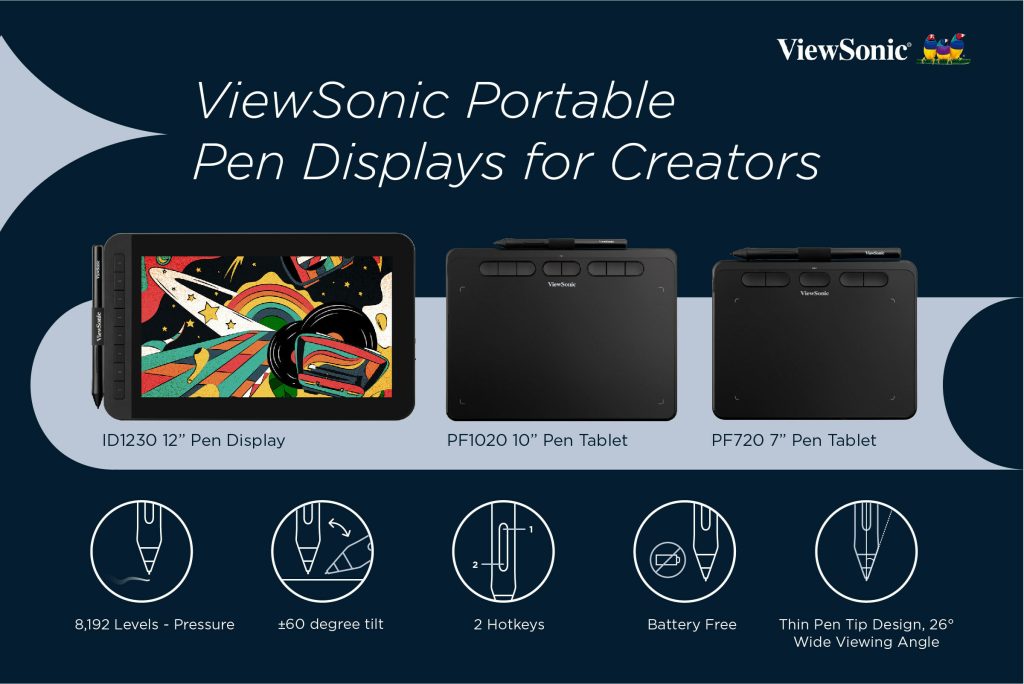
ViewSonic, a California-based hardware OEM, is launching a new line-up of portable displays specifically designed for professional-grade creators, such as architects, 3D modelers, visual artists, and graphic designers. The company is well-known for producing high-quality displays and hopes to enhance its reputation with this latest offering.
The new line-up includes three pen tablets: the ID1230, which is the flagship product, and the PF720 and PF1020, which work as graphical slates. The ID1230 is the only one with an active display, and it is touted to have “studio-grade color performance” with up to 90% of the Adobe RGB color gamut and 85% of the NTSC color space.
It is also the lightest 12-inch drawing slate available, weighing approximately 600 grams. The PF720 and PF1020 are also lightweight, weighing in at approximately 190g and 380g, respectively. All three tablets come with precise digitizer pens that have 8,192-level pressure sensitivity and ±60° tilt support.
They also feature hotkeys for multiple shortcuts and USB type-C for charging, data transfer, or mirroring functions, compatible with any up-to-date PC or 4K monitor. However, the company recommends using a ColorPro external display for these purposes. ViewSonic’s new portable pen tablets are expected to be priced and available soon.
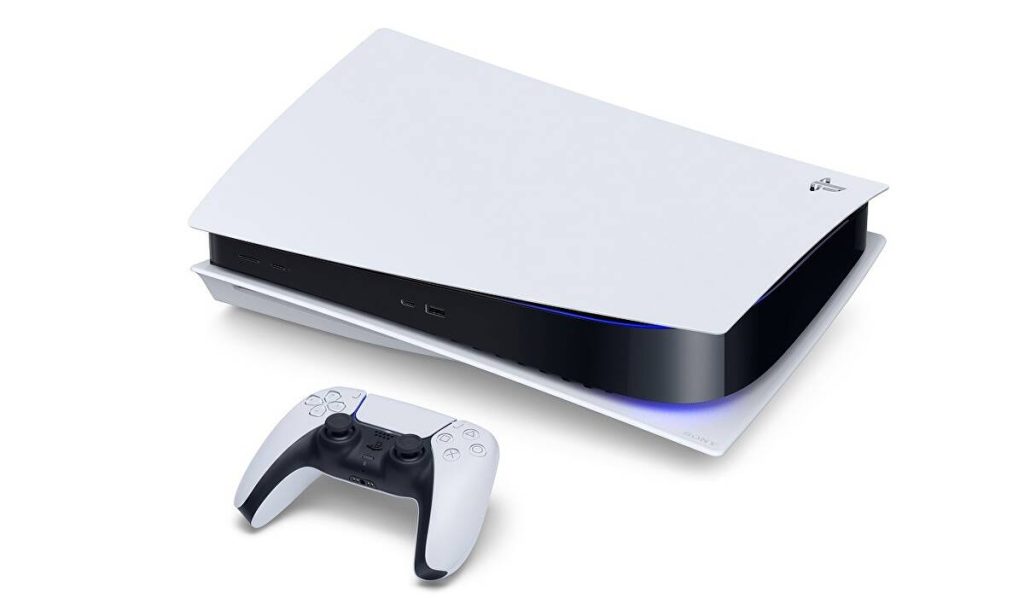
The Sony PlayStation 5 will soon be available with a discount of Rs 5,000 in India. Both variants of the gaming console, namely the PlayStation 5 (Disc Edition) and the PlayStation 5 Digital Edition, will be available with the said discount starting April 1 in the country.
PlayStation India confirmed that the special summer promotional offer on the PlayStation 5 is a limited period offer. On Flipkart, the PlayStation 5 (Disc Edition) and PlayStation 5 (Digital Edition) are listed for Rs 44,990 and Rs 54,990, respectively. With a price cut of Rs 5,000, both variants will be available for Rs 39,990 and Rs 49,990, respectively.
Sony PlayStation 5
To recall, Sony announced the PlayStation 5 at the end of 2020 and made it available for purchase in January 2021. The Japanese tech giant has struggled to stock up the PS5 units, reportedly due to a global chip and component shortage issue. At the Consumer Electronics Show (CES) 2023 that was held in January, Sony said the PlayStation 5 shortage is over and it will be much easier to purchase it going forward. The restocking of PS5 consoles has improved in the country, with the company carrying out PS5 pre-orders twice in February.
Unlike before, the PlayStation 5 is available for purchase through multiple channels in India, such as ShopAtSC, Amazon, Games The Shop, Vijay Sales, Flipkart, Croma, and Reliance Digital. These platforms are expected to offer the PlayStation 5 with a Rs 5,000 discount starting next month.
In related news, Sony is said to be working on a new PS5 variant called the PlayStation 5 Pro. It is expected to offer improved performance with upgraded specifications. It may come equipped with AMD’s new APU and a better thermal management system in the form of liquid cooling technology. As per a recent report, Sony may unveil the PlayStation 5 Pro gaming console in late 2024.
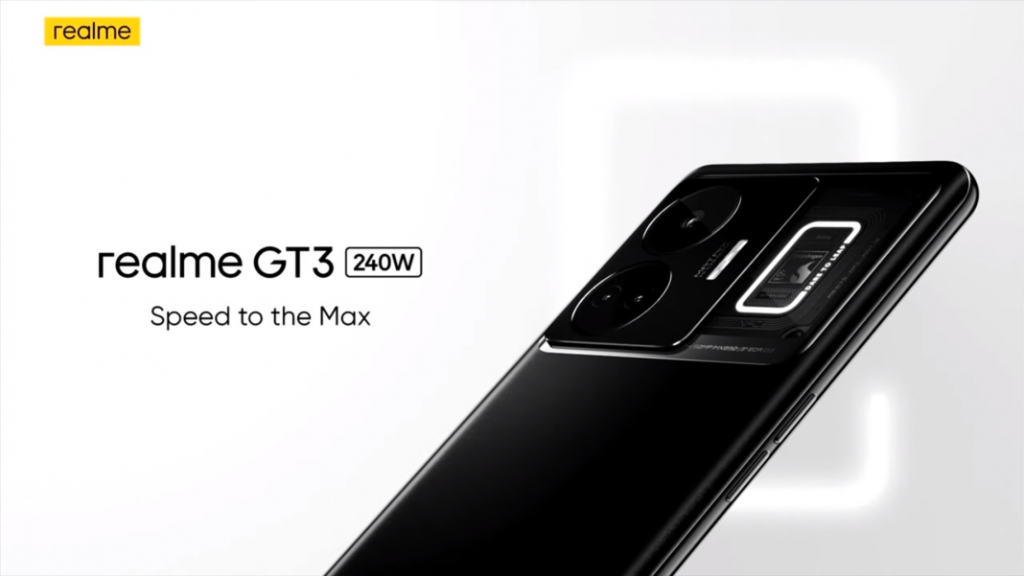
Last month, the Realme GT 3 went official for the global market at the MWC 2023 tech trade show. The device has now been approved by the Bureau of Indian Standards (BIS), which indicates that it will be released soon in the Indian market.
The Realme GT 3 has surfaced in BIS’ database with model number RMX3709. The specifications of the device are no secret since it has already debuted in Europe with a starting price of 649 euros. In Europe, it will be available in multiple variants, such as 8 GB RAM + 128 GB storage, 12 GB RAM + 256 GB storage, 16 GB RAM + 256 GB storage, and 1 GB RAM + 1 TB storage.
It is expected to go on sale in the European markets by May or June. There is a possibility that it will debut in the global market in the second quarter of 2022.
The USP of the Realme GT 3 is that it is the first-ever phone to support 240W fast charging in markets outside of China. For those who don’t know, the GT 3 is a rebranded version of the Realme GT Neo 5 240W available in the Chinese market.
Realme GT 3
The Realme GT 3 has a 6.74-inch OLED display that offers a 1.5K resolution and a 144Hz refresh rate. It is powered by the Snapdragon 8 Plus Gen 1 chipset, has up to 16 GB of LPDDR5x RAM, and up to 256 GB of UFS 3.1 storage. It runs on the Realme UI 4.0-based Android 13 OS.
The GT 3 houses a 4,600mAh battery with 240W fast charging. It has a 16-megapixel front-facing camera and a 64-megapixel (Sony IMX890) + 8-megapixel (ultra-wide) + 2-megapixel (macro) triple camera unit.
The United States-based technology giant Intel has been a prominent player in various fields, with 5G and LTE technologies being among them. However, recent news indicates that Intel will cease its efforts in these areas. Here are the details…
Intel to Halt 5G and LTE Research: Prioritizing IDM 2.0 Strategy
Numerous sources reported a few days ago that Intel would soon stop working on 5G modems, and by 2025, it would halt research on LTE modems. Recent announcements from the company confirm these intentions.In a statement to More than Moore, the tech giant confirmed the rumors while explaining the reason behind the decision: “We made the difficult decision to exit both our LTE and 5G WWAN (Wireless Wide Area Network) businesses as we continue to prioritize investments in our IDM 2.0 strategy.”
The IDM 2.0 technology was announced in 2021. With this strategy aimed at expanding production, the company sought to design and manufacture the best products. Intel expressed its intention to be a leader in process, product, supply, and cost through this approach.Three years ago, Intel sold its 5G modem business to Apple for $1 billion. Subsequently, it formed a partnership with MediaTek to start producing 5G modems for computers. The first products hit the shelves in 2021.
However, the recent news suggests that the life of these products may not be very long. On the 4G side, Intel collaborated with Fibocom for 4G LTE modems. The latest statements suggest that the company may be planning to transfer its 4G and 5G businesses to these two firms. Intel is expected to exit the 5G market by July and the entire WWAN market by 2025.
A report that surfaced last month claimed that the model number of the upcoming Nothing Phone (2) is A065. Since Nothing’s Phone (1) came out in India last year, its follow-up is also likely to come out in the country. A new Nothing device with model number AIN065 has appeared in the database of the BIS authority. It appears to be the Indian variant of the Phone (2). The BIS listing is a good hint that the company could be planning to launch the smartphone in the coming weeks.
The BIS listing has no information on the specifications of the device. However, recent reports have revealed some of its details. First of all, earlier this month, a Qualcomm executive accidentally revealed that the Phone (2) will be powered by the Snapdragon 8 Plus Gen 1 chipset. Hence, it appears that the device will be packed with top-notch specifications.
There have been rumours that the Nothing Phone (2) will have an AMOLED screen with a refresh rate of 120Hz. It is likely to support an FHD+ resolution and feature an in-screen fingerprint scanner. It will run on Nothing OS-based Android 13.
The SoC is likely to be paired with 12 GB of RAM and 256 GB of built-in storage. It is expected to pack a 5,000mAh battery. However, there is no information available on the fast charging capabilities of the Phone (2). Like the predecessor, the Phone (2) is expected will support wireless charging.
Also, the rumor mill is yet to leak details about the Phone (2)’s design and cameras. It is likely to come equipped with an enhanced version of the Glyph interface that was made available in the previous generation. It is expected to launch in the third quarter of 2023.
Apple enthusiasts and developers alike eagerly await the annual World Wide Developers Conference (WWDC), which traditionally takes place during the first week of June. According to the latest rumors, Apple is expected to hold its WWDC 2023 event on June 5. Last year’s conference occurred on June 6, making the rumored date for this year’s event unsurprising. Here are the details…
Apple’s WWDC 2023 Keynote Rumored To Take Place On June 5Apple’s WWDC 2023 Keynote Rumored for June 5: What to Expect
Rumors of the WWDC 2023 date have emerged from an unlikely source: flight app details. Flighty app developer Ryan Jones shared on Twitter the dates of several flights converging on California on June 4, with California being the home of Apple’s headquarters and Apple Park.
Following Jones’s tweet, well-known tipsters in the Twitter space chimed in with their commentary. ShrimpApplePro, who has a substantial following for accurately providing Apple product details, stated that WWDC 2023 will take place on June 5. SnoopyTech also shared the same date, emphasizing the importance of the first week of June.
Typically, Apple announces the official WWDC event date a month prior. Last year, Apple announced the WWDC 2022 on April 6, and the event took place exactly a month later, on June 6. For WWDC 2023, we can anticipate a similar timeline, with a possible press release on April 5.
While the main focus of WWDC is software, there is a chance that this year’s event could include a surprise hardware announcement. The much-speculated AR headset could make its debut at WWDC 2023. If not, attendees can at least expect a preview of a new operating system.
It is important to remember that these rumors are just that—rumors. In the past, many such speculations have proven to be unfounded. As such, we encourage readers to treat this information with caution and stay tuned for the official Apple WWDC 2023 press release.
The Realme GT Neo5 SE Black Edition has been revealed on Weibo, showcasing a 64MP (aperture f/1.79) triple rear camera along with a large glass module. The smartphone also comes with a 5500mAh battery. The device, with the model number “RMX3700,” has had its AnTuTu benchmark score leaked. It is expected to be equipped with the second-generation Qualcomm Snapdragon 7+ flagship chip, codenamed “Godslayer” for the Realme GT Neo5 SE. Here are the details…
Realme GT Neo5 SE Black Edition Unveiled with 2nd Gen Snapdragon 7+, and Triple Rear Camera
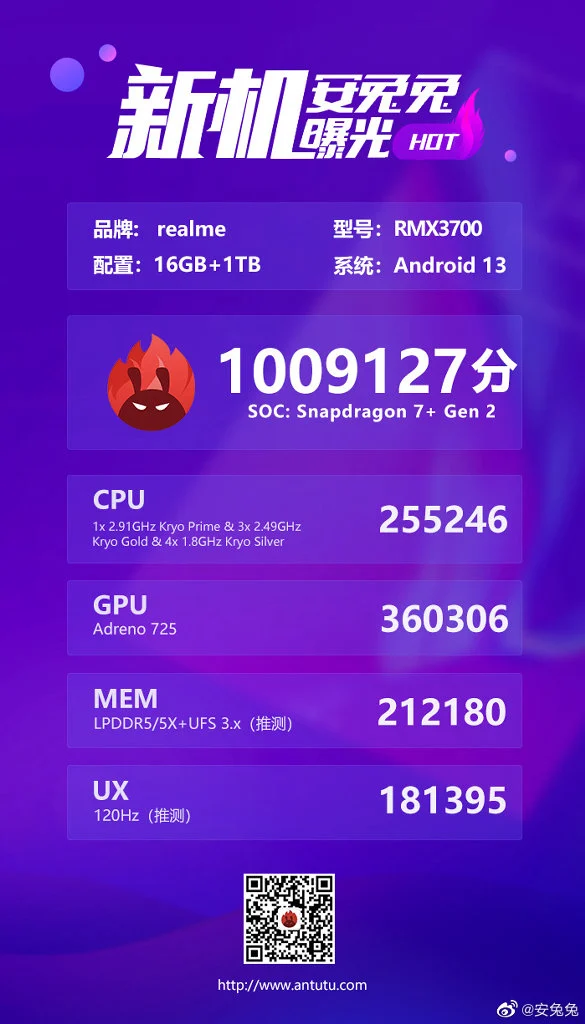
Realme GT Neo5 SE Black Edition offers 16GB of memory and 1TB of storage, with a screen resolution of 2772×1240 and running on an Android 13-based system. The total AnTuTu score is 1,009,127, with CPU scoring 255,246, GPU scoring 360,306, MEM scoring 212,180, and UX scoring 181,395. The new device’s performance is on par with MediaTek Dimensity 9000, proving to be the strongest Snapdragon 7 series mobile platform ever.
Realme’s Vice President, Global Marketing Director, and China President, Xu Qi, shared an actual image of the second-generation Snapdragon 7+ chip. The Realme GT Neo5 SE is the first device to feature the second-generation Snapdragon 7+ flagship chip (Snapdragon 7+ Gen 2 specifications: 1x 2.91GHz Cortex-X2, 3x 2.49GHz Cortex-A710, 4x 1.8GHz Cortex-A510, and Adreno 725 GPU at 580MHz, with Snapdragon X62 5G modem).
The new device will utilize a 1.5K 144Hz flexible OLED display from Tianma T7+ with a centered punch-hole design, 2160Hz PWM dimming, and a 64MP OV64M large matrix module for the rear camera. Compared to the Realme GT Neo5, the SE edition has removed the RGB lighting and transparent cover while maintaining the same lens arrangement and flash layout.
The lens information on the side is labeled “MRTRIX PORF 1.79F / EFL 25MM.” The smartphone comes with a 5500mAh battery + 100W fast charging and supports innovative battery technology. It will come pre-installed with the Android 13 operating system. Realme claims that the device will feature a seamless glass camera DECO with upgraded texture and layers, an ultra-narrow curved waistline for an exceptional grip, and a lightweight design at 193.1g. The phone employs nano-level light-dumb fusion technology for a matte, iridescent finish and incorporates a dual-stripe racing design.
AYANEO is set to launch an INDIEGOGO fundraising campaign for its latest handheld gaming console the AYANEO AIR Plus. The device will be one of the lightest AMD 6800U handheld consoles available in the market. Please note that an early subscription will give you a chance to get a secret discount on the launch day. To know more about this offer check out the campaign page here.
AYANEO AIR PLUS is the latest addition to the famous AYANEO AIR series which is known for its thin and lightweight gaming consoles. Air Plus offers a variety of optional CPUs, including AMD 6800, Intel, and Mendocino, and is equipped with the best screen in a 6“ gaming console. The device features a 6″ IPS display with 1920x1080p resolution that provides a sharp and vibrant image with excellent color accuracy and wide viewing angle so that players can enjoy crisp and clear gameplay.
It comes with 8GB / 16GB / 32GB LPDDR5 RAM options and SSD 128GB / 512GB / 1TB / 2TB storage options. The device features premium RGB lights that add to the excitement of your game and comes with an advanced fingerprint sensor that keeps your device secure. Other interesting features include Hall Sensing Mini Joystick + Hall trigger, RGB joystick lighting effect, X-axis motor, TF card slot, 28W heat dissipation system, etc.
AIR PLUS features Wi-Fi 6 and Bluetooth 5.2 and Type-C interface. The device is fueled by a 46wh battery that offers a long-lasting battery life and supports PD3.0 65W Fast Charge.
Available in Glacier Blue, Starlight Black, and Classic Grey color options, you can pre-order AYANEO AIR PLUS for a starting price of $599 on the official website.
For more information on such exciting deals and offers check out our deals hub.
Samsung has consistently impressed consumers with its range of first-party watch bands for its Galaxy Watch series. From basic silicone straps to premium metal loop options, there’s a band for every taste and preference. With standard connectors, Galaxy Watches allow users to swap bands with ease, catering to diverse style choices. The Galaxy Watch 4 and Watch 5 series have now leveled up in luxury with a new carbon fiber band option from Pitaka.
Pitaka’s Carbon Fiber Watch Band Compatibility and Features
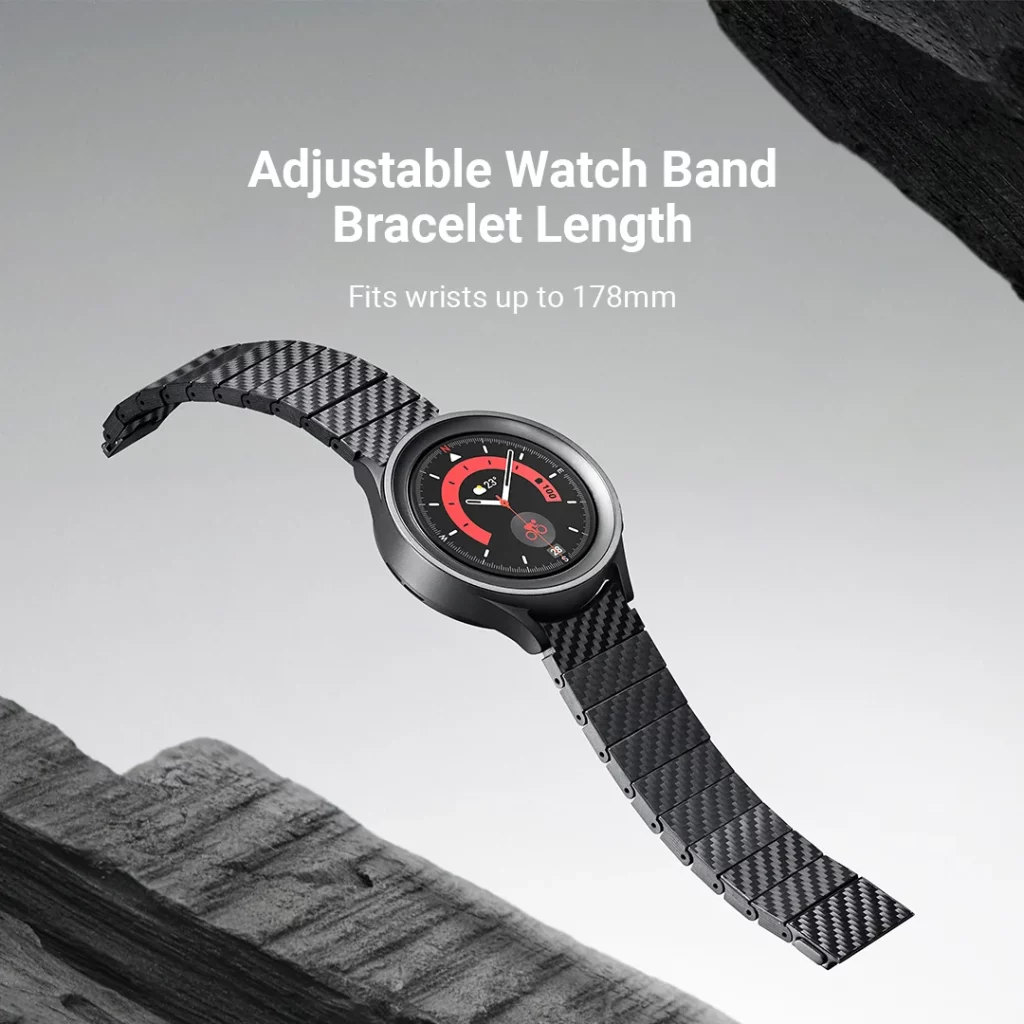
Pitaka’s Carbon Fiber watch band is designed to be compatible with the Galaxy Watch 4, Galaxy Watch 4 Classic, Galaxy Watch 5, and Galaxy Watch 5 Pro. The band is lightweight, weighing only 28 grams, and offers a contemporary and stylish appearance. Made from 100% carbon fiber, this watch band is highly durable, ensuring it can withstand daily wear and tear.
One of the key features of Pitaka’s Carbon Fiber watch band is its adjustable length. The band comes with the necessary tools to modify its length, ensuring a comfortable fit for every user. The metal clasp provides a secure fit and attaches magnetically, making it easy to wear and remove the watch.
The Carbon Fiber watch band for the Galaxy Watch series is priced at $89 in the US. Customers who are unsatisfied with their purchase can take advantage of a seven-day return policy, allowing them to return the band and receive a full refund. Shipping is available worldwide, but customers will be responsible for any customs charges.
Unfortunately, the Carbon Fiber watch band is currently available only in black. While this color matches perfectly with black Galaxy Watches, it may not complement silver or other color variants as effectively. Although limited in color options, this band is a stunning addition to the Galaxy Watch lineup for those seeking a modern and stylish upgrade.
Qualcomm announced the Snapdragon 7+ Gen 2 only recently as its latest mid-range mobile processor. The chipset is yet to make its debut on a smartphone but early benchmarking scores have revealed it offers an impressive improvement over other Snapdragon 7 series chipsets. The processor will seemingly rival last year’s Qualcomm Snapdragon 8+ Gen 1 SoC, which powers many flagship phones out there.
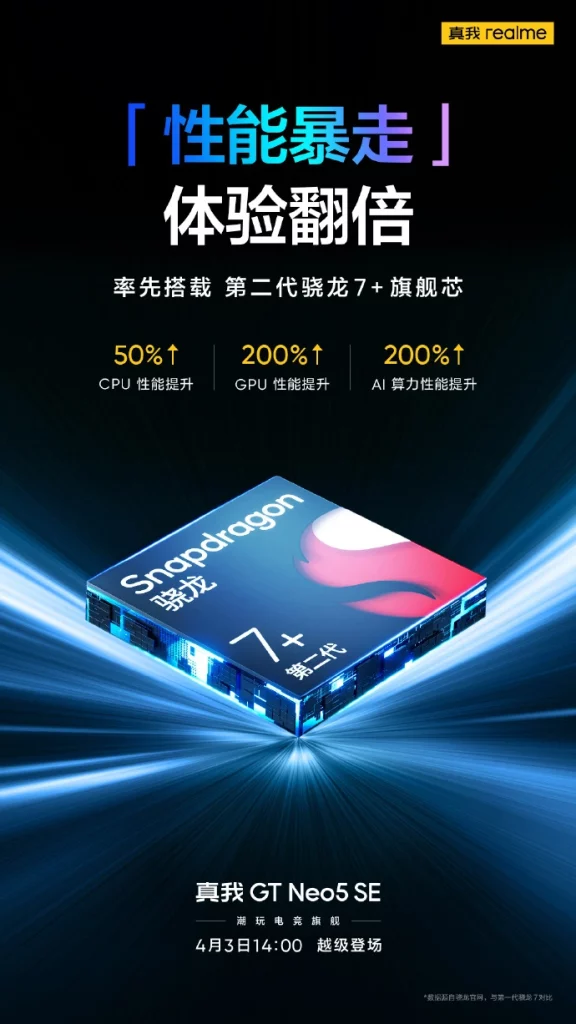
Snapdragon 7+ Gen 2 has been unveiled as the successor to Snapdragon 7 Gen 1. Now if you think the name is confusing, you are not alone. The brand did not release the Snapdragon 7+ Gen 1 and Snapdragon 7 Gen 2. The new processor promises significant performance and power efficiency improvements. Its main Kryo CPU core is clocked at 2.91GHz and has a 1+3+4 CPU architecture that delivers over a 50% increase in performance compared to the SD7 Gen 1.
The new Snapdragon chipset is going to make its debut on the Redmi Note 12 Turbo, and will later power the Realme GT Neo 5 SE as well. Early benchmarking scores of the two devices suggest the SD 7+ Gen 2 will offer a massive performance upgrade. An AnTuTu v9 benchmark test shows that a Realme GT Neo5 SE device has achieved a total score of 1,009,127, with CPU and GPU scores of 255,246 and 360,306, respectively. AnTuTu’s report confirms that the Adreno 725 GPU powers the Snapdragon 7+ Gen 2, while the Snapdragon 8 Gen 1 and Snapdragon 8 Gen 2 feature Adreno 730 and Adreno 740 GPUs, respectively.
As rightly pointed out by Notebookcheck, the Snapdragon 7+ Gen 2 goes head-to-head against even the Snapdragon 8 Gen 2 in CPU lead tasks. However, the publication also points out that the Adreno 725 GPU, while delivering more than twice the performance of the Adreno 642L found in the Snapdragon 778G, still lags behind the Adreno 730 GPU found in the Snapdragon 8 Gen 1.
Xiaomi has released its latest vacuum cleaners to the global market. The Xiaomi S10 and S10+ robot vacuum cleaners have been listed on the brand’s global website. The new robot vacuums can deliver suction up to 4,000 Pa and have dual functions of mopping and cleaning.
The Xiaomi S10 and S10+ robot vacuums are offered in four power options. They use LDS laser navigation for an efficient route mapping of the task area. The S10 features a simple collision sensor for obstacle avoidance while the S10+ uses 3D obstacle avoidance and AI technology. Both devices can carry out mopping action but the S10+ comes with a more powerful mopping system. The Xiaomi S10 has a 3,200mAh battery while the more advanced S10+ has a 5,200mAh battery.
The Xiaomi S10 can operate for up to 130 minutes on a single charge, compared to 120 minutes for the larger battery of the S10+. The stated runtimes are in standard and quiet mode respectively for the two models. The robots are supported by the Xiaomi Mi Home app which allows users to control various settings of the robots.
The models are currently available in some South East Asian countries like Malaysia, but availability in Europe is unclear at this time. It is noted that the Xiaomi E10 and X10 robot vacuums were also recently announced in the global market. The price of the Xiaomi S10 in Malaysia is RM 1,299 (~$293) while the S10+ currently retails for RM 2,099 (~$474).
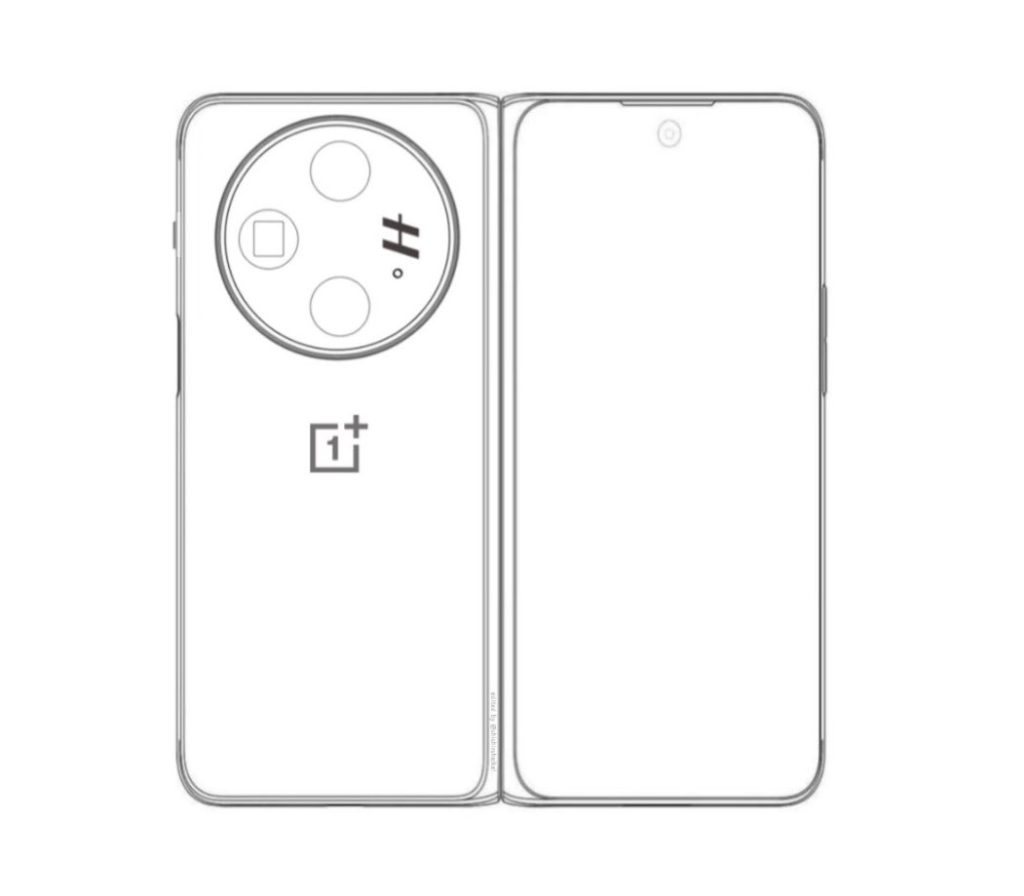
The OPPO Find N3 foldable smartphone is expected to be released later this year. The next-generation foldable has been the subject of a few leaks and yet another leak has surfaced. Digital Chat Station has provided more details of the Find N3 relating to the camera setup. It is rumored that the Find N3 will be equipped with three Sony IMX890 sensors as part of its camera setup.
The Oppo Find X6 Pro uses the Sony IMX890 sensors for its ultra-wide-angle and telephoto cameras. The smartphone deploys the Sony IMX989 sensor for its main camera. The Oppo Find N3, as per the Digital Chat Station latest leak, will come with Oppo’s MariSilicon X NPU and Hasselblad camera tunings. The front-facing camera will be the 32MP Omnivision OV32C sensor also present in the Find N2. The Find N3 will come with a 4,800mAh battery, slightly bigger than the 4,520mAh in the Find N2.
A previous leak has hinted that the Find N3 was codenamed PHN110 and will feature three 50MP rear cameras. The Find N3 is also expected to debut with the Snapdragon 8 Plus Gen 2 chipset. Qualcomm will release the Snapdragon 8 Plus Gen 2 this summer. The latest Qualcomm Snapdragon 8 Plus Gen 2 comes with improvements over the Snapdragon 4 series mid-cycle iterations.
There are still lots of details lacking for the next-gen foldable smartphone, Find N3. It would be interesting to see the folding mechanism and how it compares with current foldable flagships from Samsung, Xiaomi, and others. There are no official details yet on the release date and specs of the Oppo Find N3 flagship.
Xiaomi is ready to announce its highly anticipated Redmi Note 12 Turbo series in China this week on March 28, as the mid-range Android smartphone market heats up in 2023. This time around, the smartphone brand is bold enough to claim that the upcoming affordable Redmi Note 12 Turbo will offer the “flagship smartphone experience” at a much lower price than its competitors.
Redmi Note 12 Turbo
Xiaomi Group President and Redmi General Manager, Lu Weibing, posted on his Chinese social media Weibo recently, announcing that the company is serious about bringing the flagship-level performance and smartphone experience to a wider and more price-conscious audience.
Alongside the announcement, the President also shared that the Redmi Note 12 Turbo series will bring much beloved features such as the 3.5mm headphone jack, the infrared IR sensor, multifunctional NFC support, and support for the latest Bluetooth 5.3. These user beloved features are typically omitted in flagships that cost almost 5 times as much as the price range that the Redmi Note 12 Turbo is competing. Other notable additions include Dolby Atmos certified stereo speakers and an X-axis linear vibration motor normally found on more expensive smartphones.
The Redmi Note 12 Turbo is also the world’s first smartphone to be equipped with the Qualcomm Snapdragon 7+ Gen 2 processor, which brings significant improvements to performance and power consumption compared to its predecessor the Snapdragon 7 Gen 1. In fact, the 7+ Gen 2 is comparable to the flagship Snapdragon 8+ Gen 1 SoC launched last year.
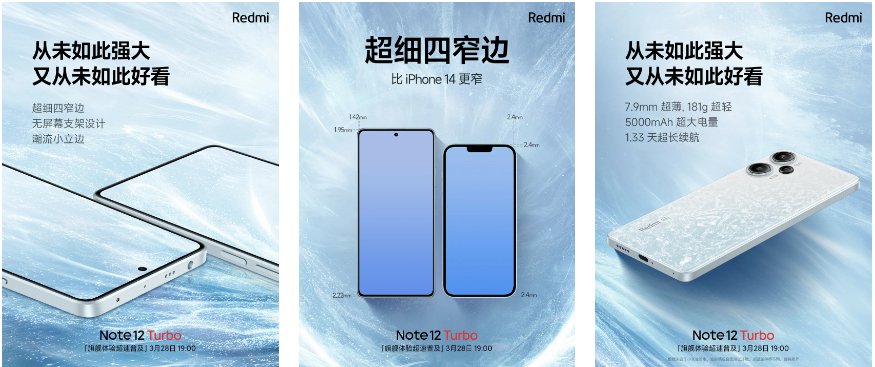
Redmi Note 12 Turbo teasers, alongside comparison against iPhone 14
And according to teasers revealed by the company, the front of the Redmi Note 12 Turbo sports a 6.67-inch OLED screen that supports a refresh rate of 120Hz and Full HD+ resolution. It also supports 68.7 billion colours, 100% of the DCI-P3 colour gamut, 1920Hz PWM dimming and HDR10+ certification. It is said that its screen-to-body ratio has reached 93.45%. The chin thickness of the Redmi Note 12 Turbo is 2.2mm, which is 0.2mm slimmer than the iPhone 14. The side frame thickness is 1.42mm and the top frame thickness is 1.95mm. There is also a small hole in the centre of the screen for the front selfie camera.
To learn more about Xiaomi’s purportedly upcoming affordable flagship killer, you can read more via our roundup article here.
At present, Yamaha sells TW-E3B, TW-E5B, TW-ES5A, and TW-E7B TWS earbuds in India. Each of them is aimed at different price segments. The TW-E3B variant is the most affordable model; it was priced at Rs 8,490 (~$103) when it debuted in June 2022. Currently, it is selling for Rs 6,490 (~$79) on Amazon. One of the attractive features that the TW-E3B offers is the audio clarity. In addition, it offers a good battery life. Here is our unboxing and hands-on post about the Yamaha TW-E3B TWS earbuds.
Yamaha TW-E3B TWS earbuds: What’s in the box?
Yamaha TW-E3B TWS earbuds
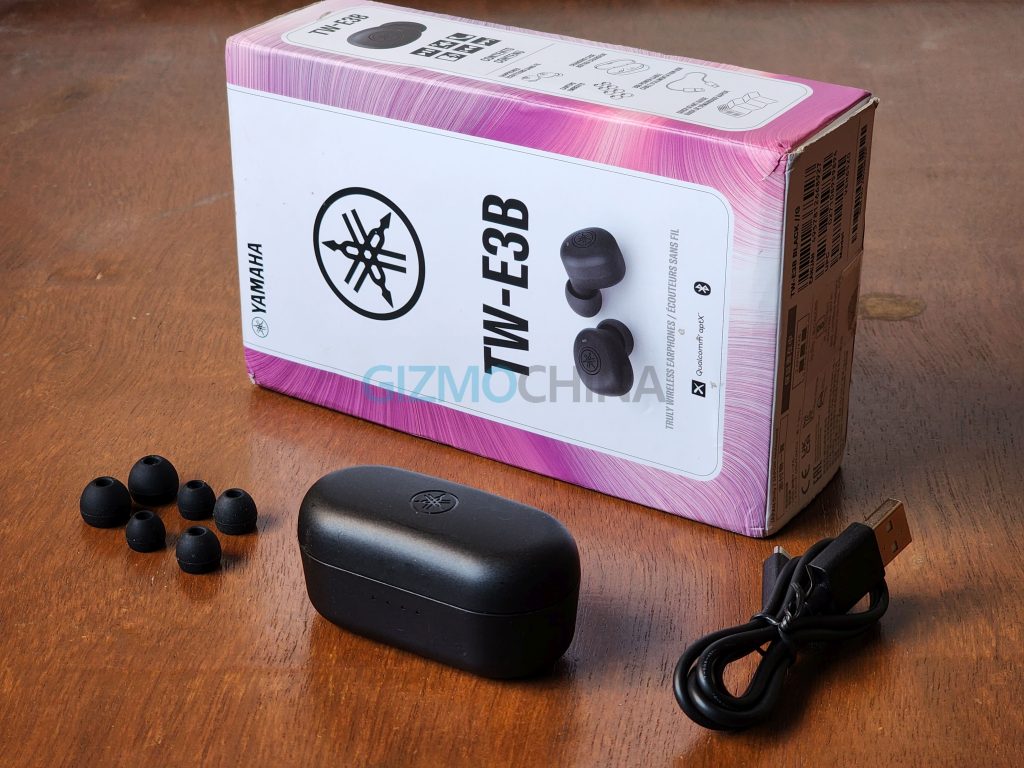
The Yamaha TW-E3B TWS earbuds retail package includes the following items:
Yamaha TW-E3B TWS earbuds with charging case
Eartips (extra small / small / medium / large)
USB-A to USB-C cable
Quick Start Guide
Design and Comfort
Yamaha TW-E3BYamaha TW-E3BYamaha TW-E3B
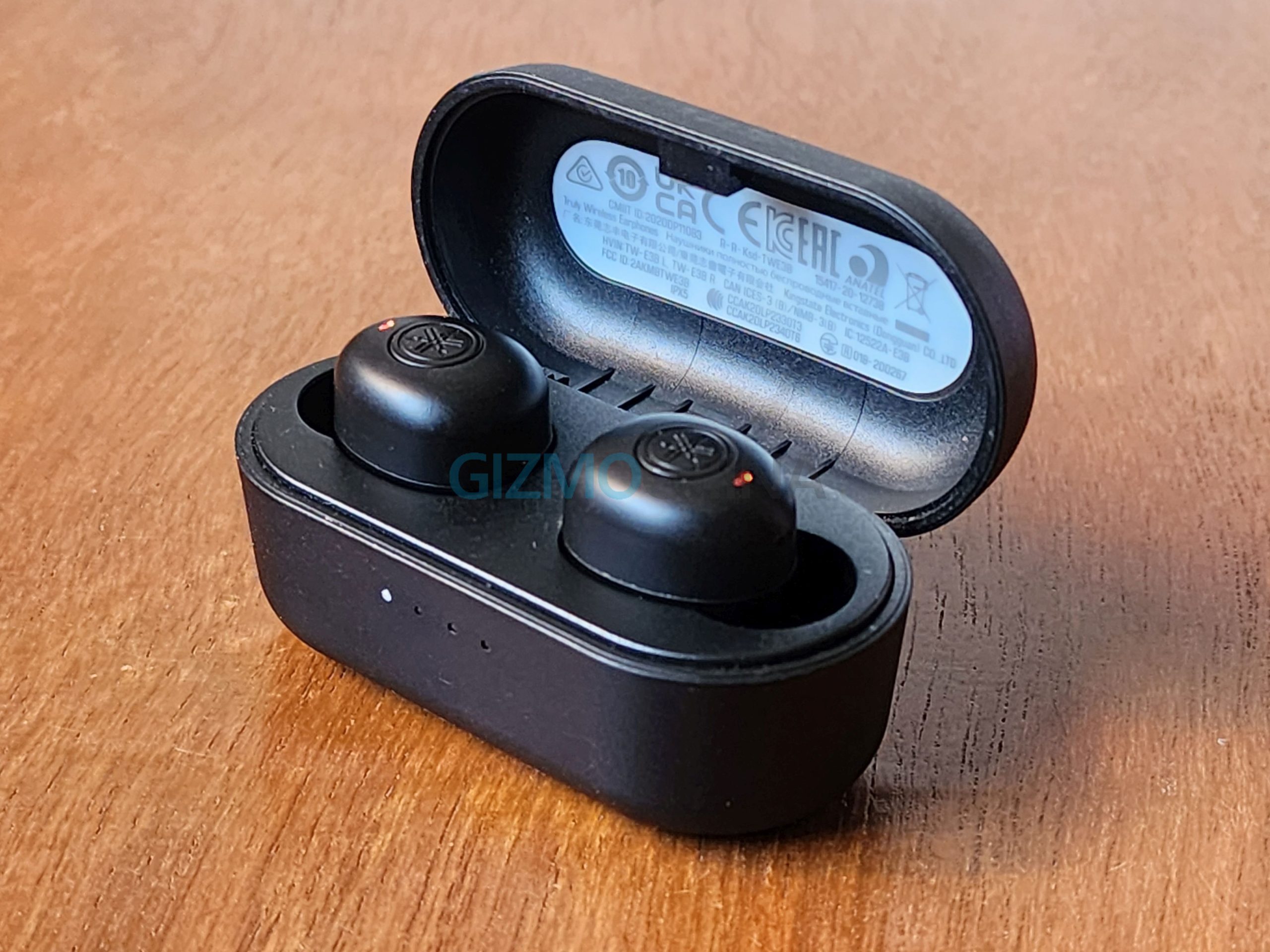
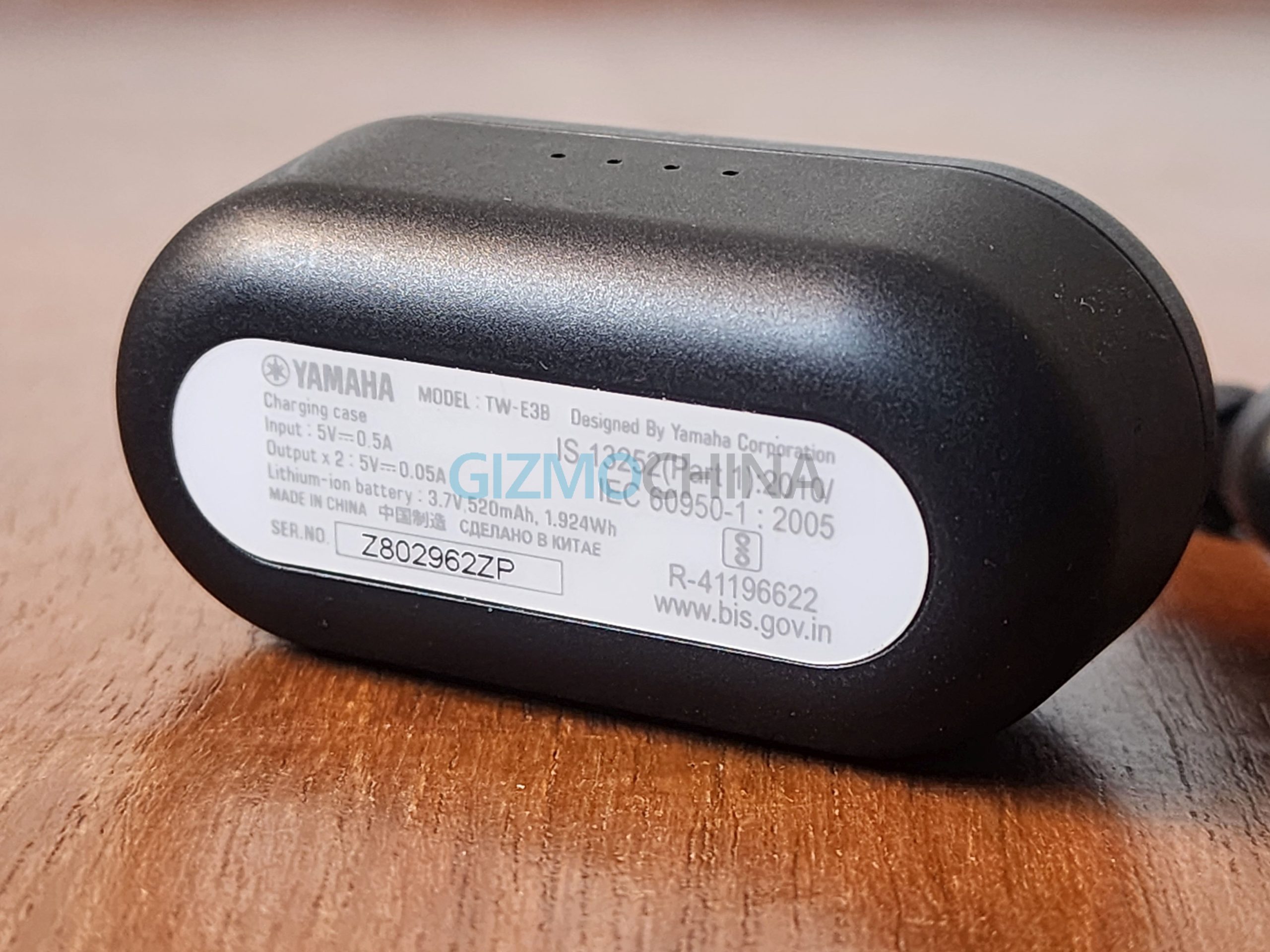
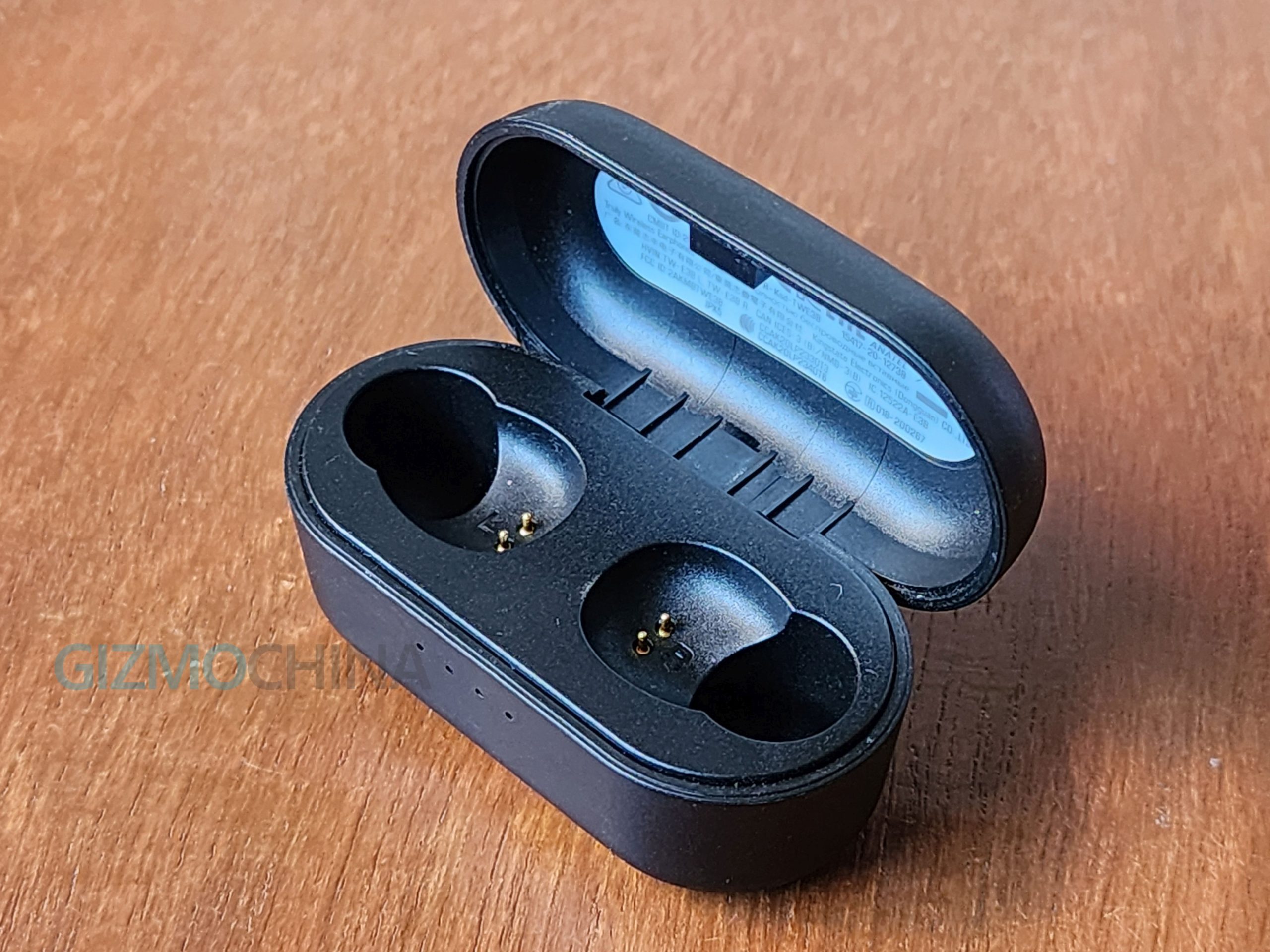
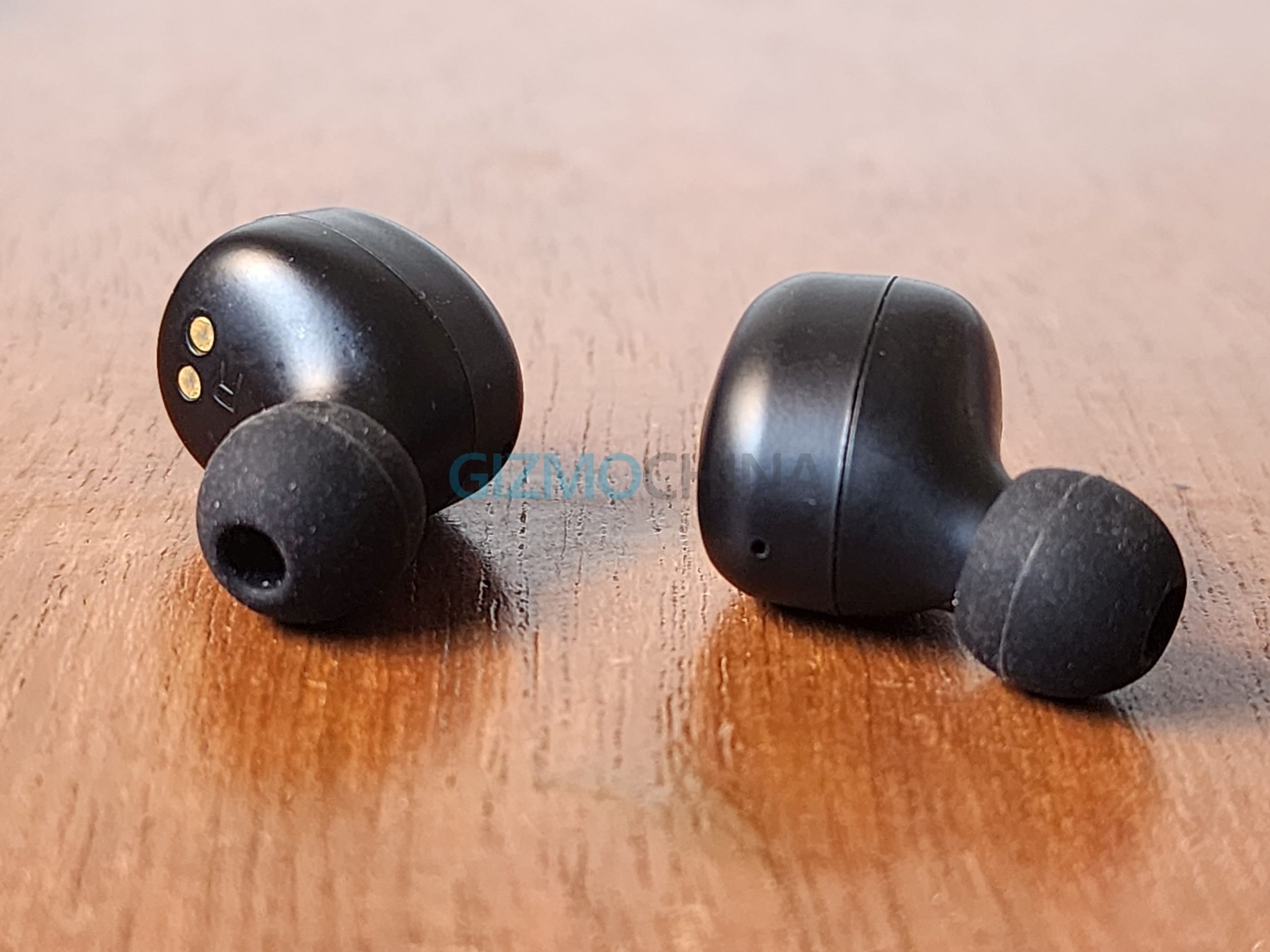
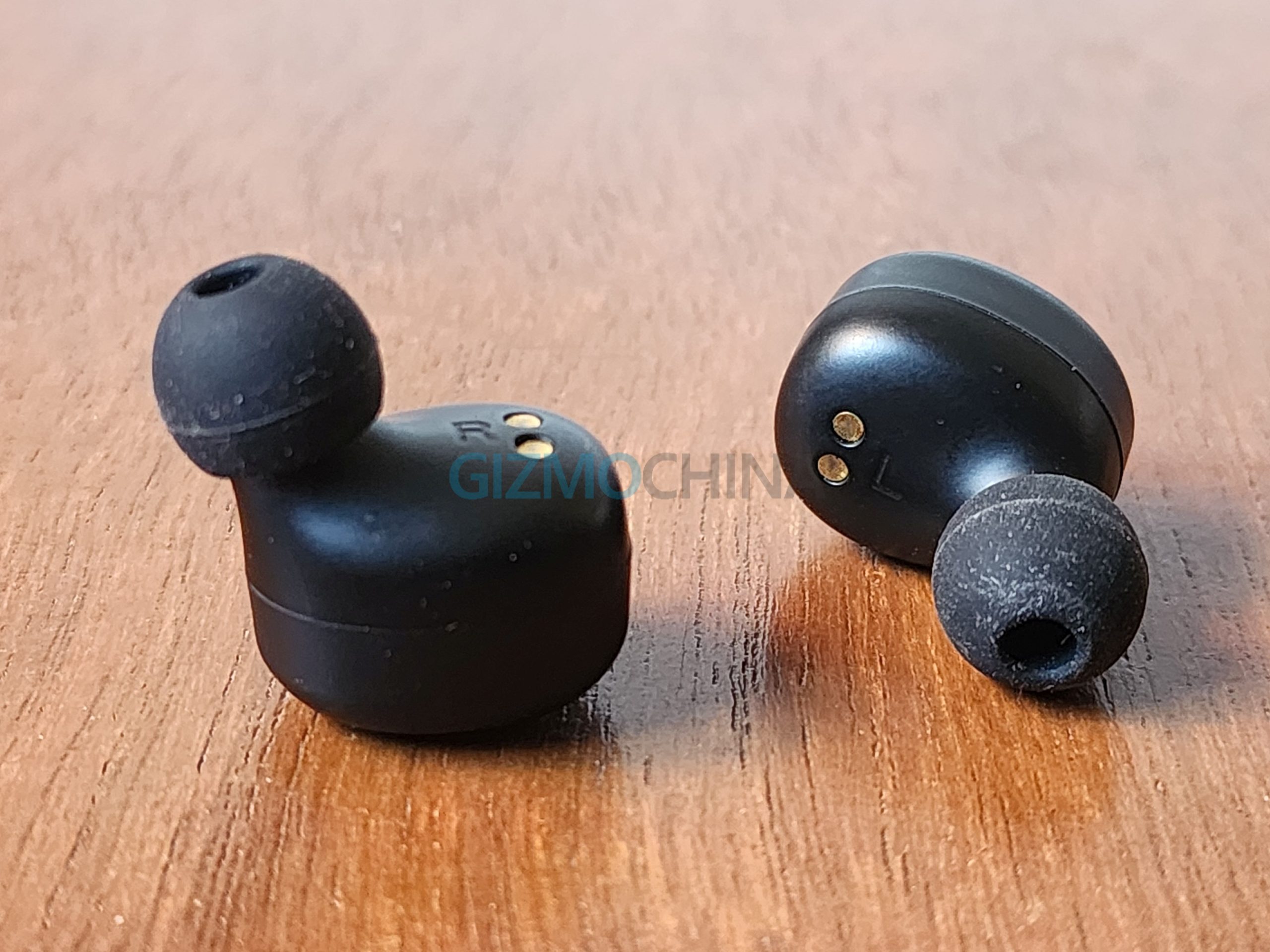
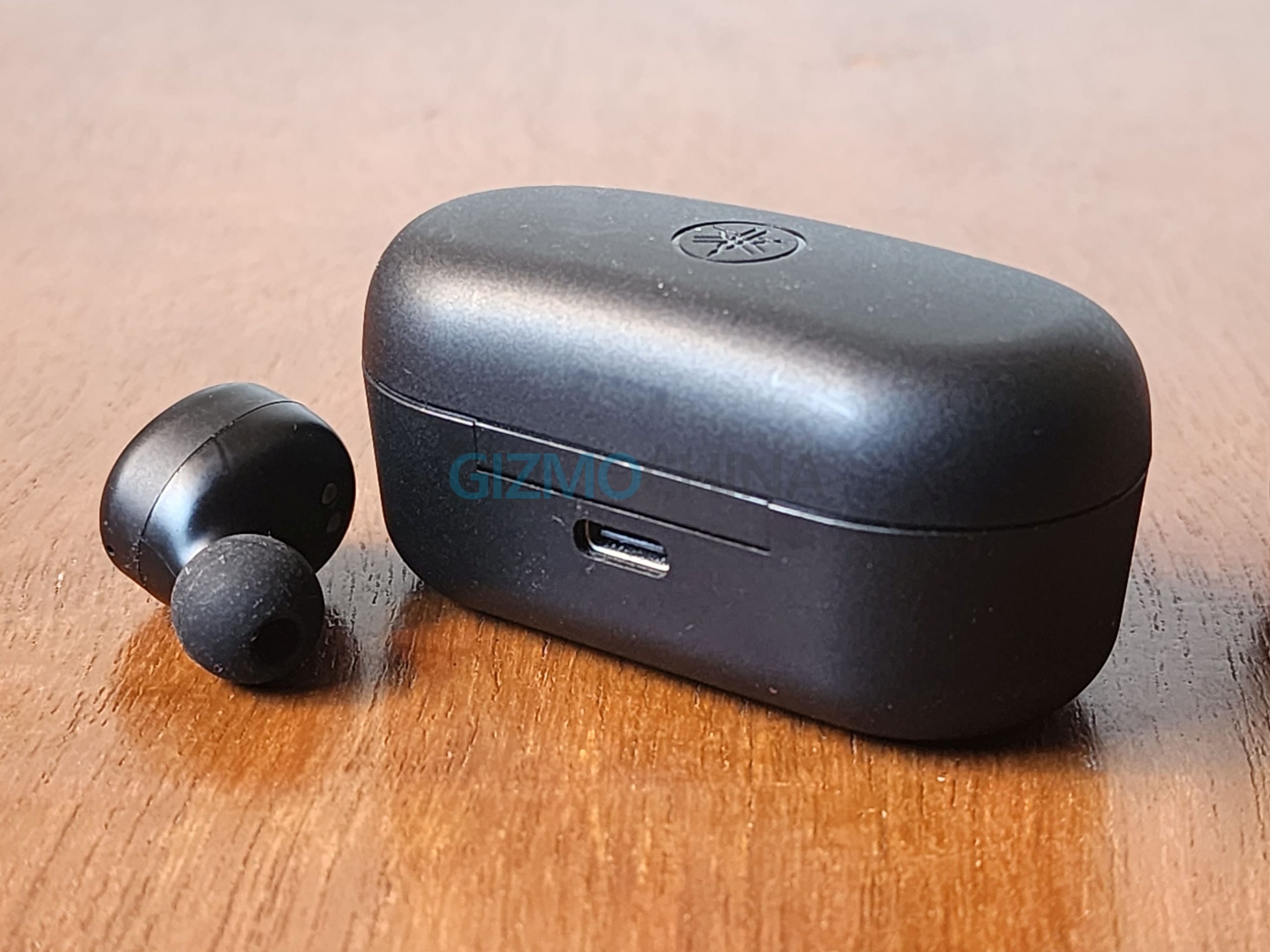
The Yamaha TW-E3B comes in multiple colors, such as black, pink, blue (limited edition), and purple (limited edition). The black variant, of the TW-E3B, that we received has a simple yet sleek design and a matte finish. Since it is the most affordable pair of Yamaha TWS earbuds, the build quality does not feel premium, but is good enough for the price it offers. The case makes a nice snappy sound when it is closed. Each earbud weighs 5.0 grammes, and the entire thing with the case weighs 45 grams.
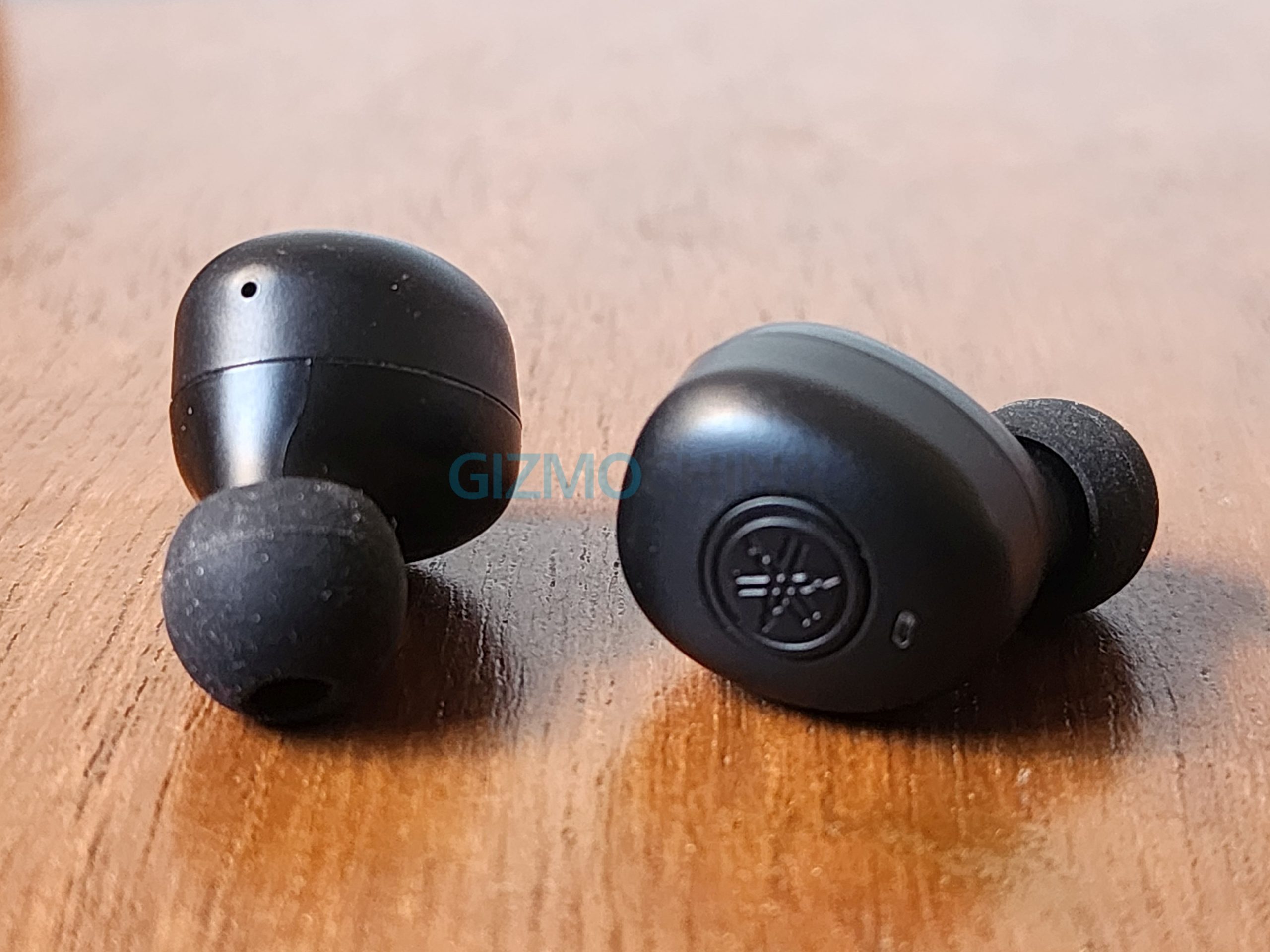
The TW-E3B has four LED indicators on the front, and the back has a USB-C port. The Yamaha logo can be seen on the lid of the case. Both earbuds have a microphone, a physical function key with the Yamaha logo on it, and an LED indicator for pairing. The underside of each earbud has a charging connector, which can be connected to the charging pins available inside the case. Both earbuds offer an IPX5 rating, which makes them ideal for use during workouts. As far as comfort is concerned, the earbuds fit well inside the ear canals thanks to the different-sized eartips they come with.
Connectivity and Controls
Yamaha TW-E3BYamaha TW-E3B Yamaha TW-E3B
The TW-E3B comes with support for Bluetooth 5.0 connectivity, which brings support for audio codecs, such as SBC, AAC, and aptX. In order to establish a connection between the TW-E3B and a phone for the first time, one needs to take out the right earbuds and long press the button available on it. This will let the TW-E3B enter pairing mode, and its LED indicator will flash blue. Next, one needs to scan for new Bluetooth devices on a phone and look for “Yamaha TW-E3B R.” The LED indicator will then glow in purple, meaning it is ready for use. Next, take out the left earbud from the case, and it will show a prompt on the phone to connect with “Yamaha TW-E3B L,” this way the left earbud can be connected. Once the device has been paired with a smartphone, the earbuds will instantly connect to the phone when they are taken out of the case.
The specifications sheet for the TW-E3B on the official website mentions that it does not support gaming mode or active noise cancellation. However, it offers a feature called Listening Care. According to Yamaha, “Listening Care provides a more sophisticated solution by using a 4-band parametric equalizer (PEQ) to apply precise settings at each level in order to produce the best tonal balance at every volume.This means that you (and earbud guy) don’t have to crank up the volume to hear the bass drops or the cymbal crashes.” Here is how the function key on each earbud work.
Controls
Functions
Single press on right / left earbud
Play / Pause | Answer / End call
Long press on right / left on an incoming call
Reject call
Double press on right earbud
Increase volume
Double press on left earbud
Decrease volume
Triple press on right / left earbud
Access Google Assistant / Siri
Long press on right earbud until here a beep
Next Song
Long press on left earbud until here a beep
Previous Song
Long press on right earbud
Power on / off
Long press on left earbud
Power on / off
I sometimes prefer to listen to music using only one earbud. Some mid-tier earbuds offer smart wear detection, which can automatically play / pause music when an earbud is removed from the ear. This feature is unavailable on the TW-E3B. However, in its absence, the Yamaha TW-E3B offers a nifty feature that allows the user to turn off / on to the left or right by long pressing the function key.
Most earbuds with smart wear detection require users to remove one of the earbuds to play / pause. On such TWS devices, once the earbud is removed, it should be placed inside the case to make sure you don’t lose it. However, on the TW-E3B, one can continue wearing the turned off earbud and turn it on whenever required. Another thing that I liked about the TW-E3B is that it provides a way to adjust the volume through the earbuds.
Sound Output and Battery Life
Yamaha TW-E3BYamaha TW-E3B
There is a dedicated app called “Headphones Controller” available on Apple App Store and Google Play Store. It shows the battery status of the earbuds, offers a toggle to turn on Listening Care, and an auto power off timer. It also lets users search for the latest firmware for the TW-E3B. The Listening Care adjusts the frequency balance, offering rich sound quality playback even at a low volume.
The TW-E3B will be liked by those who prefer to listen to every detail. The 6mm audio drivers onboard produce crisp audio output. The bass is good enough and does not appear overoptimized. One of the impressive features of the TW-E3B is that the audio sounds very clear when played at low volume.
The built-in microphone is good enough for voice memos and voice assistants. As far as call quality is concerned, it is unable to cut down noise in a busy environment since it lacks ANC. However, it is still usable for calls in scenarios with less background noise.
Coming to the battery life of the TW-E3B, the moment the earbuds are worn, they will sound one of the following battery status messages.
Battery High: plenty of charge remaining
Battery Medium: moderate charge remaining
Battery Low: small amount of charge remaining
In addition, if the battery is low, the LED indicator on the earbuds flashes three times in red. As claimed by the brand, the TW-E3B takes around two hours to achieve a full charge. The official page of the device states that the earbuds can last for up to 6 hours once they are fully charged. With the charging case, it can last for up to 24 hours. The charging case promises up to three charging cycles.
I used the TW-E3B for a couple of weeks. Since I used them for an hour or two each time, the earbuds could easily last for 3 to 4 hours. Hence, it required me to charge the TW-E3B once a week. I can conclude that the audio output and battery life are the strengths of the Yamaha TW-E3B.
Price and Availability
The Yamaha TW-E3B and TW-E5B debuted last year for Rs 8,490 (~$103) and Rs 14,200 (~$17), respectively. At the time of writing this review, the TW-E3B was priced at Rs 6,490 (~$79) It can be purchased through Amazon India and the Yamaha Music Store website. To conclude, the TW-E3B, which is powered by Yamaha’s decades of experience in acoustic and electric technologies, offers an impressive audio experience in the affordable price segment.
Disclaimer: All of the opinions in this Yamaha TW-E3B TWS earbuds unboxing and hands-on post are mine and based on my own experiences. There has been no editorial input from Yamaha.
Microsoft is reportedly cracking down on Bing-powered search engines that are using its search data to power their AI chatbots. According to a report from Bloomberg, the tech giant has informed two unnamed search engines that if they continue to use Bing’s search data with their AI tools, Microsoft will restrict their access to the data altogether. This move by Microsoft is seen as an attempt to make its search data exclusive to Bing’s chatbot, which is powered by OpenAI’s GPT-4 language model and can answer questions, create summaries, generate code, and write social media posts.
While Microsoft licenses out Bing’s search data to several search engines, including DuckDuckGo, Yahoo, and You.com, it apparently draws the line at using its data in AI chatbots, which it views as a violation of its contract. Sources close to the situation claim that Microsoft may choose to terminate its agreements with the search engines accused of misusing the information.
Although it’s unclear which search engines Bloomberg is referring to in its report, it’s worth noting that DuckDuckGo recently launched a tool called DuckAssist that provides AI-generated summaries for certain searches, while You.com and Neeva both offer AI-powered tools that generate annotated summaries and provide answers to users’ questions. Microsoft’s decision to restrict Bing’s search data for use in AI chatbots could impact the functionality and capabilities of these search engines’ chatbots.
This crackdown by Microsoft is significant because it highlights the increasing importance of AI chatbots in the search engine landscape. With more companies like Google introducing their own takes on OpenAI’s ChatGPT chatbot, there is a growing demand for access to high-quality search data to power these tools. Microsoft’s decision to restrict access to its search data could potentially put it at a competitive advantage, as it seeks to make its chatbot stand out in a crowded marketplace.
This move could also have implications for the wider AI industry. It remains to be seen how this situation will unfold, but it underscores the importance of access to high-quality data in the development of AI technologies.
We use cookies on our website to give you the most relevant experience by remembering your preferences and repeat visits. By clicking “Accept”, you consent to the use of ALL the cookies.
This website uses cookies to improve your experience while you navigate through the website. Out of these, the cookies that are categorized as necessary are stored on your browser as they are essential for the working of basic functionalities of the website. We also use third-party cookies that help us analyze and understand how you use this website. These cookies will be stored in your browser only with your consent. You also have the option to opt-out of these cookies. But opting out of some of these cookies may affect your browsing experience.
Necessary cookies are absolutely essential for the website to function properly. This category only includes cookies that ensures basic functionalities and security features of the website. These cookies do not store any personal information.
Any cookies that may not be particularly necessary for the website to function and is used specifically to collect user personal data via analytics, ads, other embedded contents are termed as non-necessary cookies. It is mandatory to procure user consent prior to running these cookies on your website.