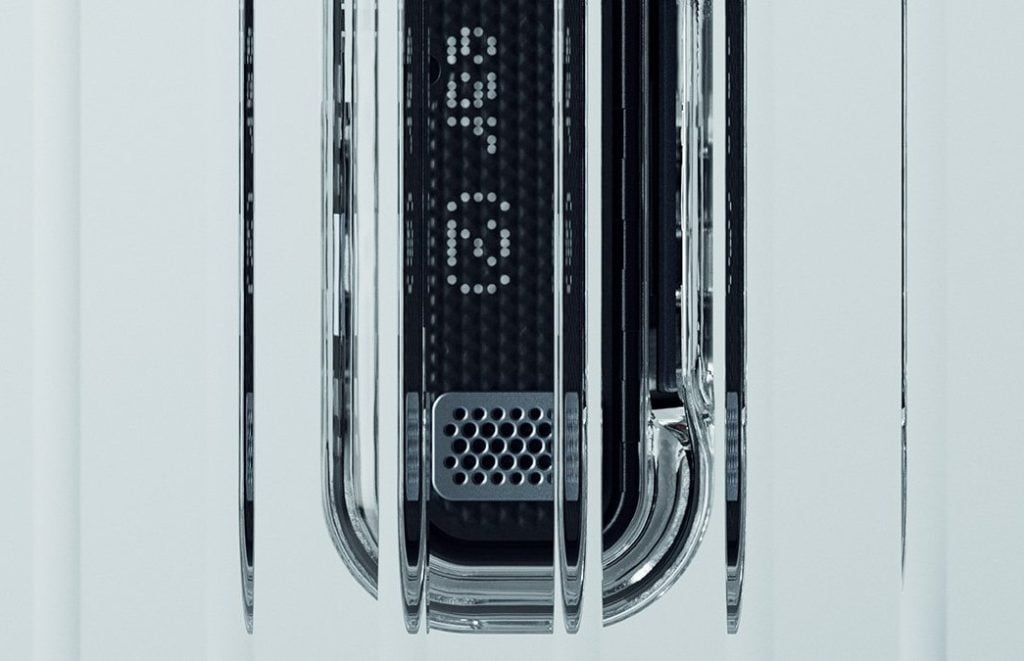
Nothing is gearing up to announce the successor to its first product, the Ear (1), later this month. But ahead of the Ear (2)‘s official launch, the company’s CEO has confirmed some of its features. So let’s have a look.
The company’s CEO Carl Pei revealed certain features of the upcoming Ear (2) truly wireless earbuds in an interview earlier this week. Here, he claimed that the next gen hearables will seek to offer a more premium experience. Furthermore, he confirmed two of the features that the Ear (2) will ship with. One of them is the Ip54 water and dust resistance, which is a welcomed upgrade over the Ear (1) that only came with IPX4 rating. Meanwhile, the Ear (Stick) also offers IP54 protection.
Apart from this, the executive also added that the new Nothing Ear (2) model will also support LHDC 5.0 audio codec. This means that it will feature hi-res audio streaming, which is again an upgrade over the AAC audio codec support on the company’s existing 2 earbuds. Unfortunately, this was all the information shared by the brand’s CEO in the interview. Although, previous reports have hinted at some of their other specifications.
Based on what we know so far, the Ear (2) will house an 11.6mm audio drivers similar to its predecessor and retain its transparent design as well. The earbuds will likely still support wireless charging and offer up to 36 hours of battery life with 6 hours from the earbuds alone when ANC is turned off. The company will launch the Ear (2) on March 21, so stick around for more as we will be covering the launch event.
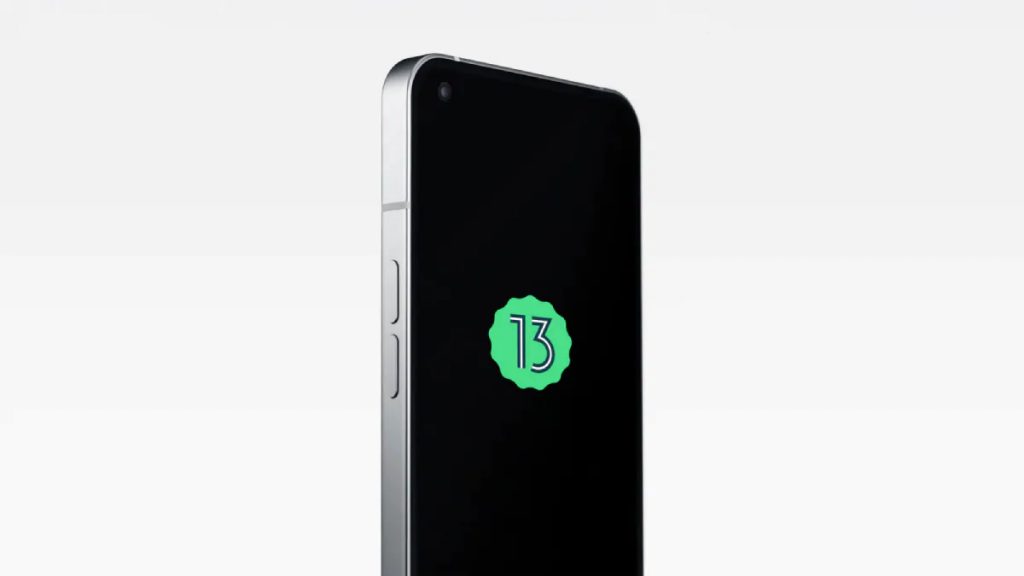
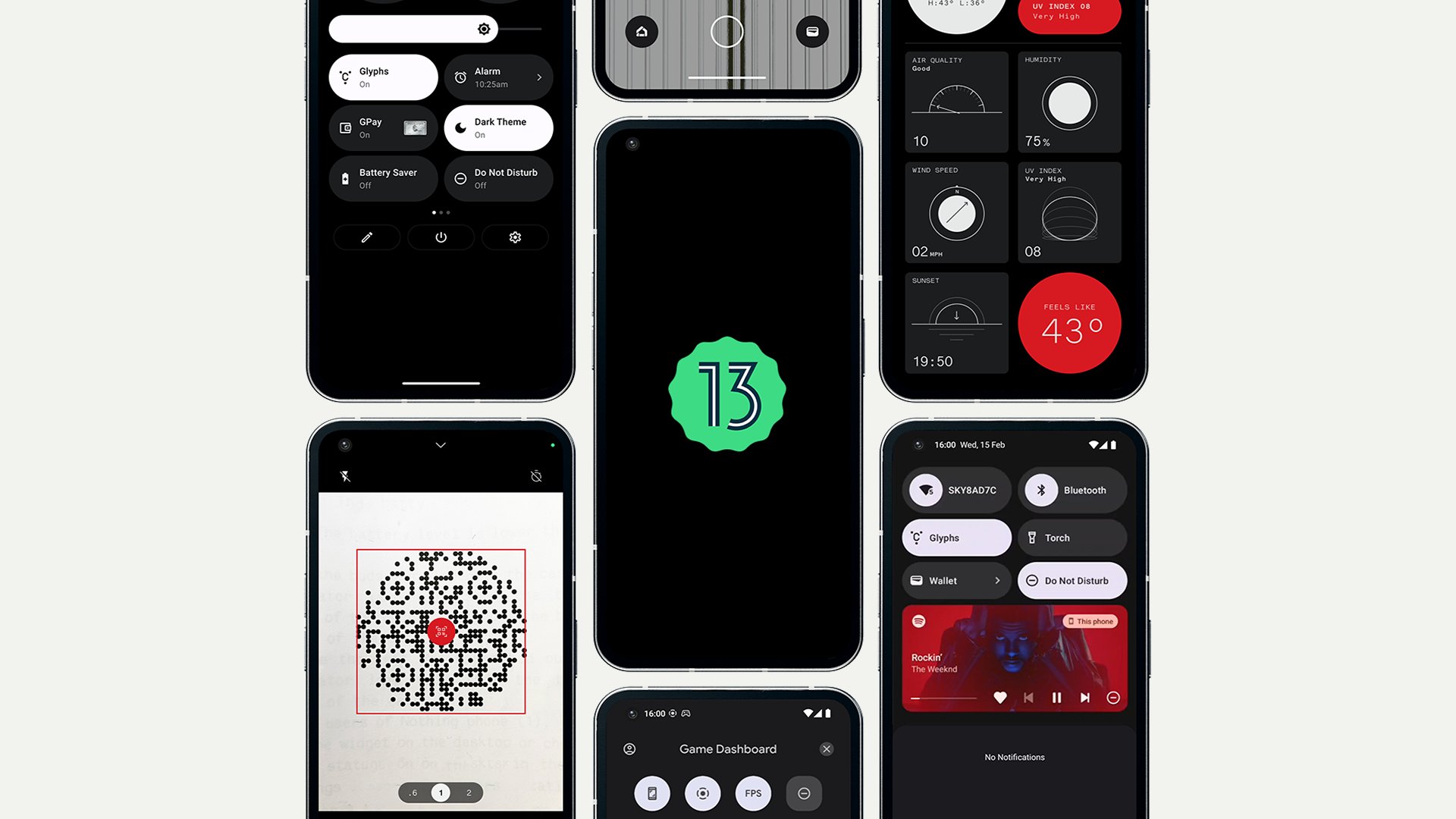
Back in February, Nothing officially debuted the Android 13-based Nothing OS 1.5 for all users. The update brought along a mountain of changes to performance, privacy, and the overall user experience. Now, the company has started seeding out another update which squashes some bugs while improving performance and adding a couple of new features.
The Nothing OS 1.5.3 update adds support for manually adding games to Games Mode. Furthermore, the update also brings smoother animation for the popup view and improved fingerprint transition between the lock screen and AOD. The newest update comes with an innovative memory management algorithm that decreases app restart duration by more than 35% and minimizes CPU usage for better battery performance. You can read the detailed changelog with all the changes coming with the new update below.
Nothing OS 1.5.3 Changelog
What’s New
New support for manually adding games to Game Mode (games not installed from Play Store will not be able to be used with the Game Dashboard).
Smoother animations for pop-up view.
Improved fingerprint transition between the lock screen and AOD.
New wallpapers.
Added support for Ear (2).
New memory management algorithm that reduces app restart times by over 35% and lowers CPU consumption to improve overall battery life. Improved system stability.
Bug fixes
Fixed abnormal appearance of Night Light mode in certain scenarios.
Fixed the flashing charging prompt on the AOD interface.
Fixed issue where Glyph lights did not show for incoming WhatsApp calls.
Fixed freeze issues during YouTube video playback.
Fixed issue where weather data did not show in the Quick Look widget.
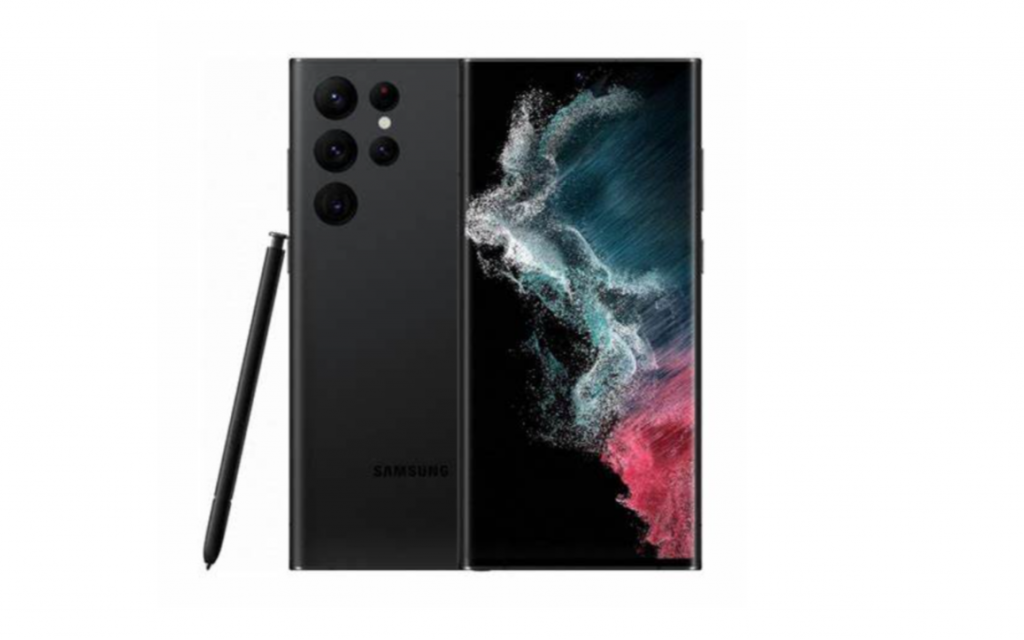
The Samsung Galaxy S23 range of smartphones is known for being one of the most advanced and feature-rich products on the market, created by the Korean technology giant. However, there appears to be a group of users who are dissatisfied with its performance. Based on information shared on social media and forums, some Galaxy S23 users have reported encountering jittery animations when scrolling through third-party applications like Reddit, WhatsApp, Twitter, and YouTube.
It seems that the problem is not widespread and only impacts certain users, and its root cause may or may not be connected to the security update released in February 2023. There is a possibility that the issue might be associated with a third-party application or another factor that has not been identified yet. Moreover, the problem is not confined to third-party apps, since some users have observed scrolling delays even on Samsung’s own Galaxy Store application.
According to SamMobiles‘ report, the refresh rate of the screen falls below 60Hz in Samsung’s proprietary app store. This leads to a slower scrolling experience on the Galaxy Store compared to mid-range Samsung devices that do not have a refresh rate greater than 60Hz.
Animations that are jittery and inconsistent can be an unpleasant and aggravating experience for users who expect a seamless and effortless operation from their high-end device. Some users have put forward a couple of potential fixes to address the problem, such as restarting the phone, erasing the cache, deactivating RAM Plus, or switching to a 60Hz refresh rate. Nevertheless, these remedies may not be effective for everyone or may necessitate compromising on other functionalities.
Samsung has yet to formally recognize or confront the problem at hand. We trust that the corporation will promptly release a software update to resolve the problem of unsteady animations for all Galaxy S23 users. In the meantime, if you are experiencing this difficulty on your device, you may experiment with some of the suggested solutions or seek help from Samsung support.
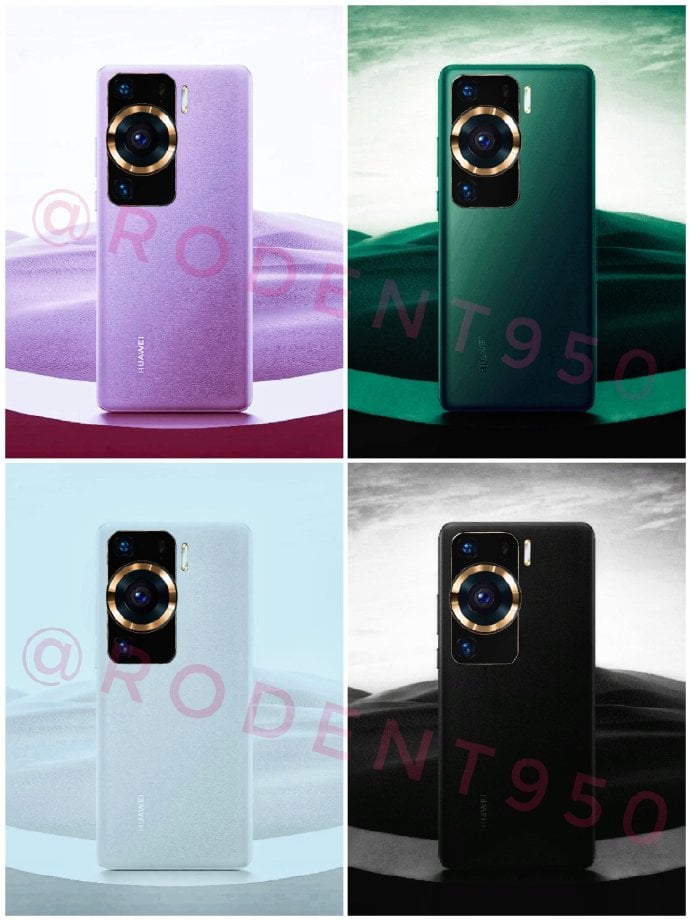
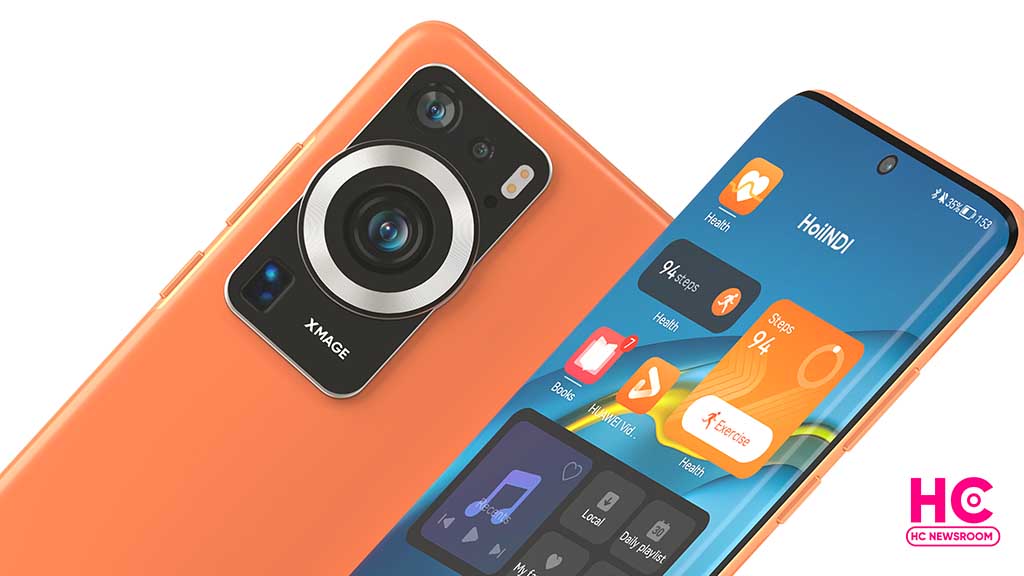
Huawei is set to unveil its latest P60 series on March 23, and new color variants have recently been leaked. According to a Weibo tipster, the P60 Pro will come in four new color variants: Emerald Green, Rococo White, Feather Purple, and Feather Black. These colors are said to be eye-catching and will be complemented by a metal aperture around the camera module.
The P60 Pro is expected to have a premium design, and it is rumored that Huawei may use frost or new glass material for its construction. While there have been many leaks about the P60 series, these new color variants are particularly exciting. Huawei is known for its sleek and minimalist designs, and the addition of bold color options could attract a new demographic of consumers.
However, it’s worth noting that the authenticity of the leaked color variants has not been confirmed. In the past, Huawei has not typically offered bright and bold color options, so it remains to be seen if these leaked color variants will make it to the final product.
Previous leaks have shown six different color options for the P60 series, including Black, White, Pink, Grey, Blue, and Orange. The new color variants appear to be an upgrade to these options, with more vibrant and striking choices.
It’s unclear if the new color variants will be available for both the P60 and P60 Pro models. However, given that the leaked images show a metal aperture around the camera module, it’s likely that these new color options are for the higher-end P60 Pro model.
The highly anticipated P60 Pro is rumored to feature a 6.6-inch 2K BOE OLED display and the powerful Snapdragon 8 Gen 2 processor, along with a memory combination of LPDDR5X+UFS4.0.
Additionally, reports suggest that the P60 Pro will have an impressive triple-camera setup with an upgrade to XMAGE 2.0. The primary 50MP Sony IMX888 sensor, 50MP Sony IMX858 ultra wide-angle sensor, and a third telephoto camera featuring a 64MP OV64B Omnivision sensor with 3.5x optical zoom, promise to offer a range of photography options.
Google has been working to catch up to OpenAI since the release of ChatGPT, which took the generative AI industry by storm. After the underwhelming response to its first attempt at a conversational bot, Bard AI, Google has announced a new approach: adding AI features to all of its Workspace products, much like it did with social features during the Google+ era. These features will allow users to draft, reply, summarize, prioritize emails, brainstorm, proofread, write, and rewrite text documents, autogenerate images and even video with Slides, have Sheets create formulas autonomously, automate transcription notes in Meet, and enable workflows in Chat. For example, users can type the subject of their assignment into Docs and Google’s generative AI suite will quickly generate additional text. The Rewrite function can also rework existing content, even if it’s just bullet points. The new “I’m feeling lucky” option in Gmail is another addition to the suite.
Following the Bard debacle, Google has doubled down on its commitment to ensuring that its AIs are not like Microsoft‘s. The company is building its products within the bounds of its AI Principles, which are legally binding like its old “Don’t be evil” motto. Johanna Voolich Wright, VP of Product at Google Workspace, emphasized that “AI is no replacement for the ingenuity, creativity, and smarts of real people,” and that the company’s AI-enabled Workspace suite requires guidance to function correctly. The suite is expected to roll out to English language users in the US by the end of the month, with additional languages and regions arriving in the near future.
However, some concerns have been raised about the implications of Google’s new approach. Critics worry that the over-reliance on AI could lead to a decrease in the quality of work, with users becoming overly dependent on AI-generated content. Others argue that the company’s AI Principles are not enough to ensure that AI is used ethically and responsibly. Regardless, it is clear that Google is betting big on AI, and the company’s new approach could have significant implications for the future of work and productivity.
Xiaomi Pad 5 is one of the most popular tablets on the market, offering specifications like a Qualcomm Snapdragon 860 chipset, a 2k resolution display, quad speakers and much more. The device helped to revive the tablet market in many countries like India. There’s good news for that user of the Xiaomi Pad 5 – the device is now receiving the latest Android 13-based MIUI 14 update.
Since its official announcement, owners of the Xiaomi Pad 5 have been eager to test the MIUI 14 user interface on their tablets. They no longer have to wait because they can now access the latest update on their device. The build number for the MIUI 14 version of the Xiaomi Pad 5 is V14.0.3.0.TKXMIXM. Due to the addition of numerous features tailored specifically for tablets, MIUI 14 for Xiaomi Pad 5 differs significantly from the standard MIUI 14.
Unlike the changelog for updates for smartphones, the changelog for this product is brief and straightforward. Here is the full changelog:
System
Stable MIUI based on Android 13 Updated Android Security Patch to February 2023. Increased system stability.
More features and improvements
Search in Settings is now more advanced. With search history and categories in results. everything looks much crisper now.
When the Xiaomi Pad 5 was introduced in 2021, it came pre-installed with MIUI 12.5 based on Android 11. It has a 10.9-inch IPS LCD screen with a refresh rate of 120Hz and a resolution of 2560×1600 pixels. It has a Qualcomm Snapdragon 860 CPU with up to 256GB of storage and 8GB of RAM. It sports a single 8-megapixel front camera and a single 13-megapixel back camera. It boasts a huge 8720 mAh battery with quick charging capabilities of up to 33W.
Through recent reports, we already know that Xiaomi‘s Pad 6 series tablets are on their way. Rumored to launch in the month of March or April, the series will offer at least two different models with varying hardware. Ahead of the launch, one of these models has appeared on 3C certification with fast charging details in tow.
The Xiaomi Pad 6 with the model number 23046P50C (C representing the Chinese variant) was recently spotted in a test conducted by tipster Mukul Sharma. The test utilized a charging adapter with the model number MDY-12-EF, which supports power outputs of 5V/3A and 5V-20V/62.A-3.25A. This indicates that the Xiaomi Pad 6 will have the capability of supporting 67W fast charging. The listing does not reveal any other specifications. Let’s look at what’s known about the Xiaomi Pad 6 series so far.
According to previous leaks, the upcoming tablets from Xiaomi will likely feature MediaTek’s Dimensity 9000 or Snapdragon 8+ Gen 1 chipset. This will likely be the Pro model, whereas the Xiaomi Pad 6 (base variant) will likely feature a Snapdragon 870 chipset.
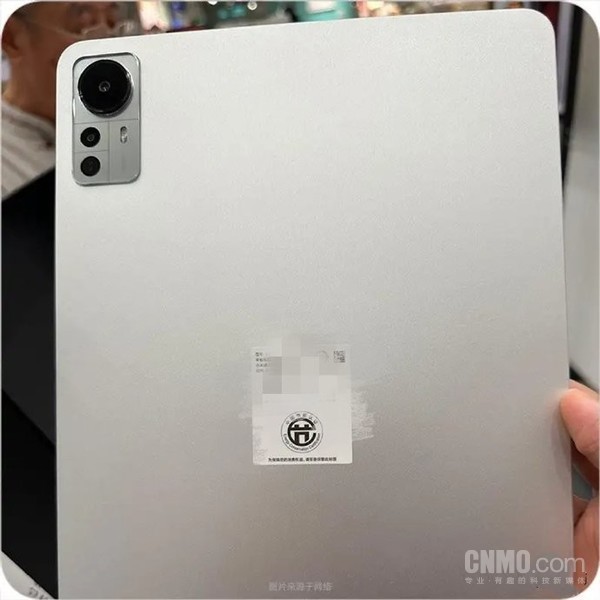
Rumors suggest that the Xiaomi Pad 6 series may feature upgraded displays with resolutions up to 2.8K or 3K, surpassing the 2.5K screens of the Pad 5 series. Previous design leaks have also revealed that the camera module on the Xiaomi Pad 6 will bear a striking resemblance to the one present on the Xiaomi 12 smartphone.
The display on the Xiaomi Pad 6 could offer a refresh rate of 120Hz or 144Hz, and it may support Dolby Vision and HDR10+. Meanwhile, the battery is expected to be a dual-cell unit with a 10,000mAh capacity and provide support for 67W fast charging.
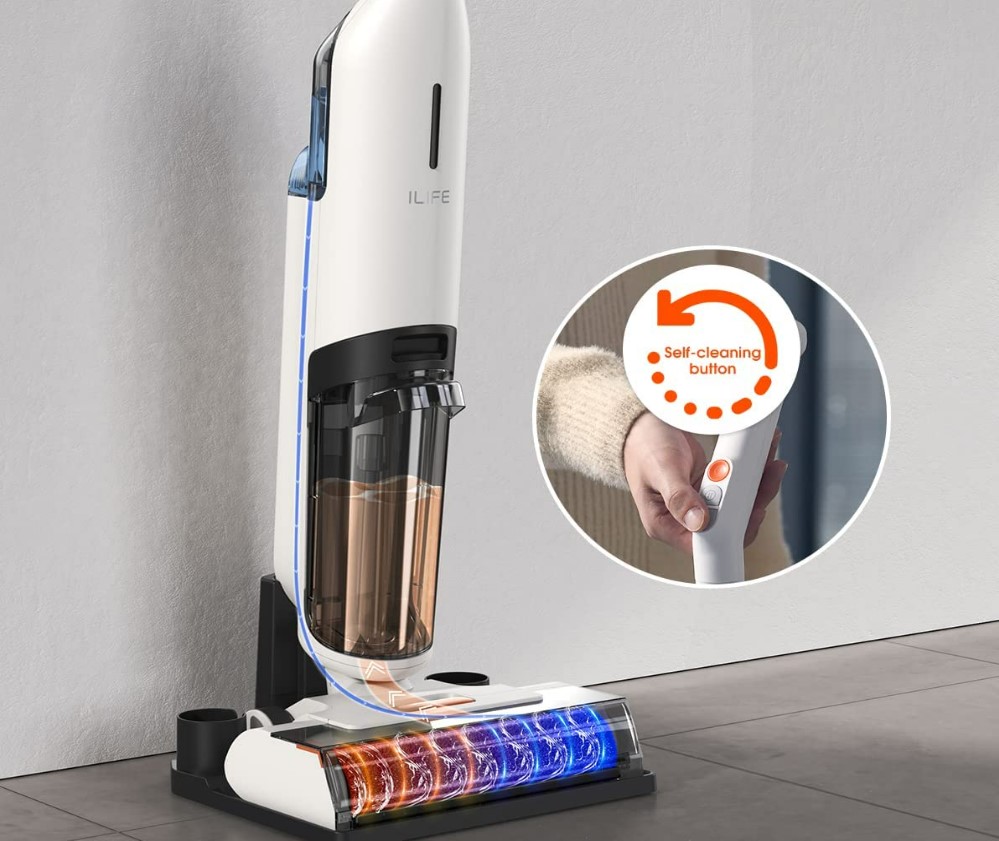
ILIFE W90 Cordless Wet and Dry Vacuum Cleaner is a 3-in-1 vacuum, mop and wash cleaner that can be used on multiple surfaces. The vacuum cleaner can be used to clean your floors and carpets as well as sofas and upholsteries. The device comes with a hands-free self-cleaning function that automatically flushes the brush roller for mess-free maintenance.
ILIFE W90 features a powerful suction and a brushless motor that easily picks up fine and large particles like dust, crumbs, pet hair, and debris from different surfaces like cement, tile, carpet, wood, etc.
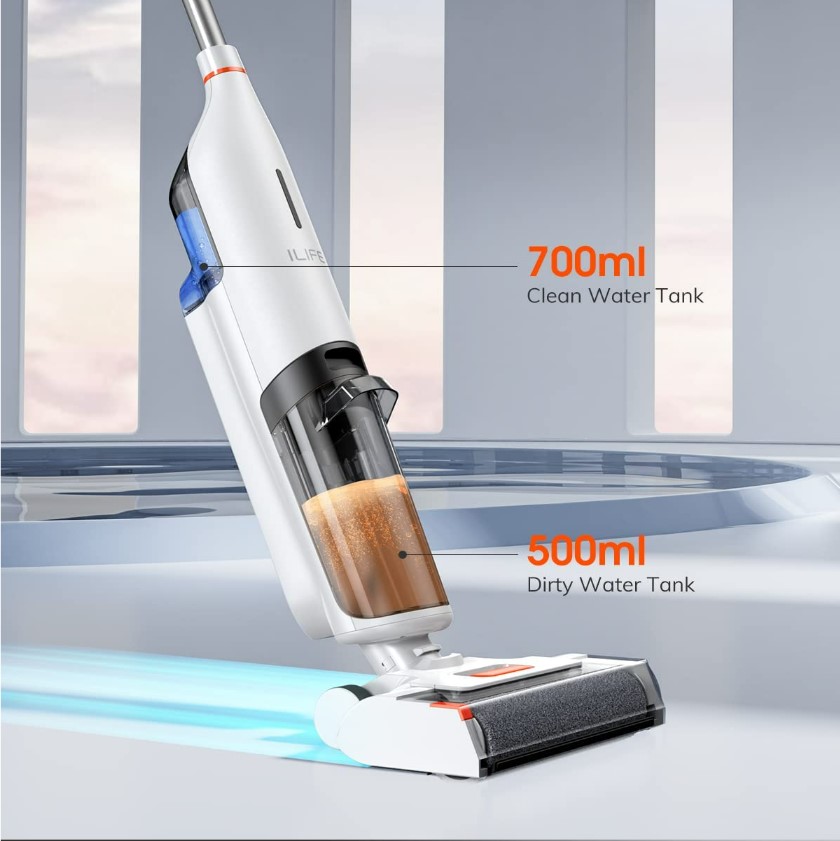
The vacuum cleaner can simultaneously clean and mop the surface and is ideal for cleaning the bathroom, kitchen, balcony, and areas where wet and dry dirt usually occurs. The device comes with a double water tank system that can store 700ml of clean water and 500ml of dirty water. This means you can always clean using fresh water without frequent trips to change it.
One of the highlight features of ILIFE W90 is its self-cleaning function. With the click of a single button, the device will automatically clear the debris, hair, and dirt from the roller brush and tube within a minute. This keeps you from doing all the dirty work.
The 3-in-1 vacuum cleaner comes with a 6300mAh lithium battery that can work for up to 30 minutes and cover 200㎡ areas on a single charge. This means you can easily clean your large house without interruptions using the ILIFE W90.
This vacuum cleaner is a smart device that comes with light prompts and a smart voice assistant. The voice assistant gives real-time guidance as you clean, including battery status, power level, and other operational information. And light prompts will let you know its real-time working status.
ILIFE W90 is now available on Amazon.com. The device generally retails for $249.99. However, for a limited period, the company is giving a $110 discount coupon for this product. Thus you can buy ILIFE W90 at a heavily discounted price of $139.99 only. The coupon is available as a page clip-on at the website.
Xiaomi 11T Pro is one of the most popular Xiaomi smartphones in the global market. The smartphone boasts a 6.67-inch AMOLED screen with a Full HD+ resolution of 1080×2400 pixels and a 120Hz fast refresh rate. The Qualcomm Snapdragon 888 5G chipset powers it. The device has 120W fast wired charging capabilities, which sets it apart from the competition.
The device was launched running the Android 11 operating system out of the box. The gadget has already received its first major update i.e. Android 12, and now, the brand is rolling out the second major update to the device i.e., Android 13. The update brings the latest MIUI 14 update to the device along with a slew of other optimizations and bug fixes.
The MIUI 14 update for the device comes with the build number V14.0.1.0.TKDINXM. The Indian, European and Global variant of the device is receiving the latest build. All the new features of MIUI 14 have been added to the device. Here is the complete changelog of the update, if you are interested:
Highlights
MIUI uses less memory now and keeps being swift and responsive over much more extended periods.
Attention to detail redefines personalization and brings it to a new level.
Basic experience
MIUI uses less memory now and keeps being swift and responsive over much more extended periods.
Personalization
Attention to detail redefines personalization and brings it to a new level.
Super icons will give your Home screen a new look. (Update the Home screen and Themes to the latest version to be able to use Super icons.)
Home screen folders will highlight the apps you need most making them just one tap away from you.
More features and improvements
Search in Settings is now more advanced. With search history and categories in results, everything looks much crisper now.
System
Stable MIUI based on Android 13
Updated Android security patch to February 2023. Increased System security.
The update is rolling out in stages and so, if you have not received the update yet, we suggest you wait for a few more days. Further, you can check for it manually by going into Settings >> About Phones >> Tap on the MIUI icon >> Check for updates. Are you excited about the MIUI 14 update? Do let us know by dropping a comment in your words down below.
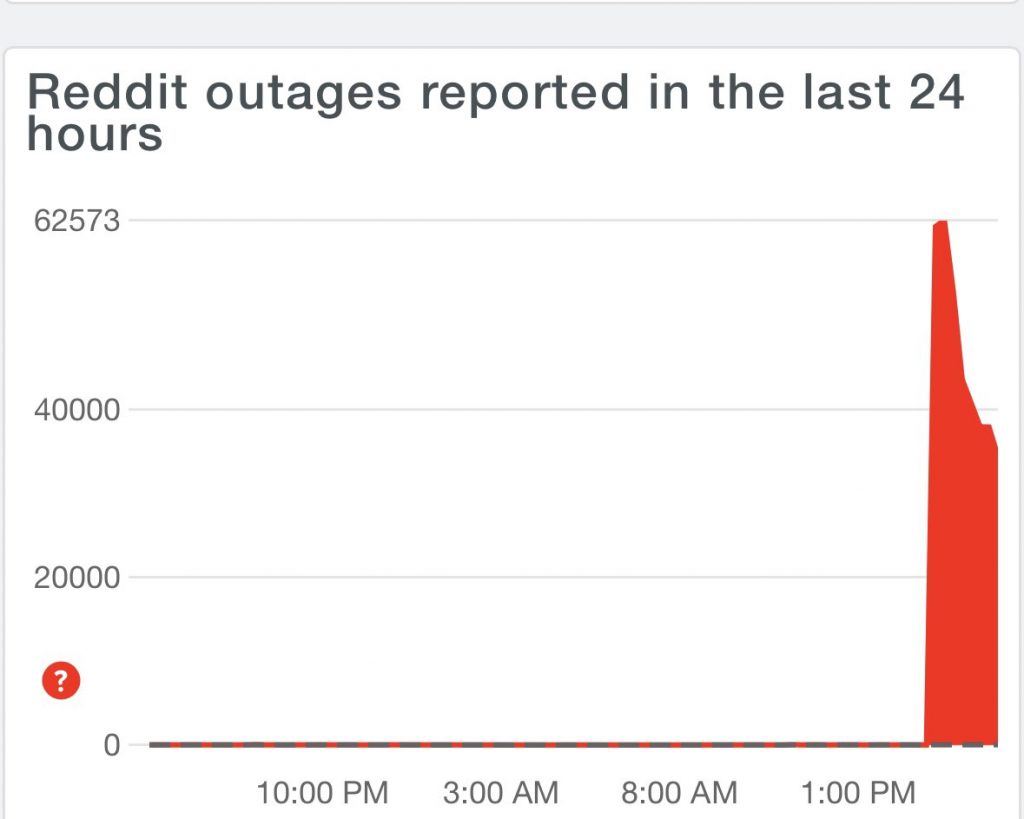
Reddit is a social media platform where users can create communities, or “subreddits,” to share content and engage in discussions about a wide range of topics. Users can submit links, images, and text posts, and other users can upvote or downvote content to determine its popularity. Over time, Reddit has become a significant platform for news, entertainment, and discussion, with subreddits dedicated to everything from niche hobbies to global politics. Millions of users were, however, facing a lot of issues with the platform as it went through an outage yesterday.
These outages can occur due to a variety of reasons, including technical glitches, server maintenance, or even cyber-attacks. When an outage occurs, users are unable to access the platform, post new content, or interact with other users. Social media outages can have significant consequences for individuals, businesses, and organizations that rely on these platforms for communication, marketing, and networking. They can also lead to frustration and anxiety for users who feel disconnected from their online communities.
According to Reddit’s system status page, both desktop and mobile web access was offline, and the native mobile app was having a partial outage. Users were reporting that they cannot access Reddit on either the web or the mobile app. As of 3:12 PM EDT on Tuesday, Reddit was listed as “Investigating,” with a message indicating that they are working to identify the issue. By 3:56 PM, the status was updated to “Identified,” and Reddit reported that they are working to determine a fix for an internal systems issue. DownDetector, a third-party site, has shown a significant increase in reported problems around 2:50 PM.
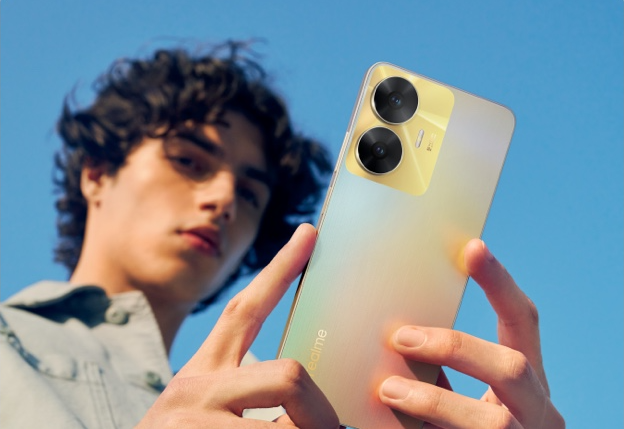
The much-awaited budget-friendly Realme C55 smartphone is set to launch in India on March 21, following its earlier release in Indonesia. The phone boasts a respectable spec sheet, including a unique dynamic island-like feature similar to that found in iPhone 14 Pro models. Recently, the Indian pricing details for the Realme C55 have been leaked.
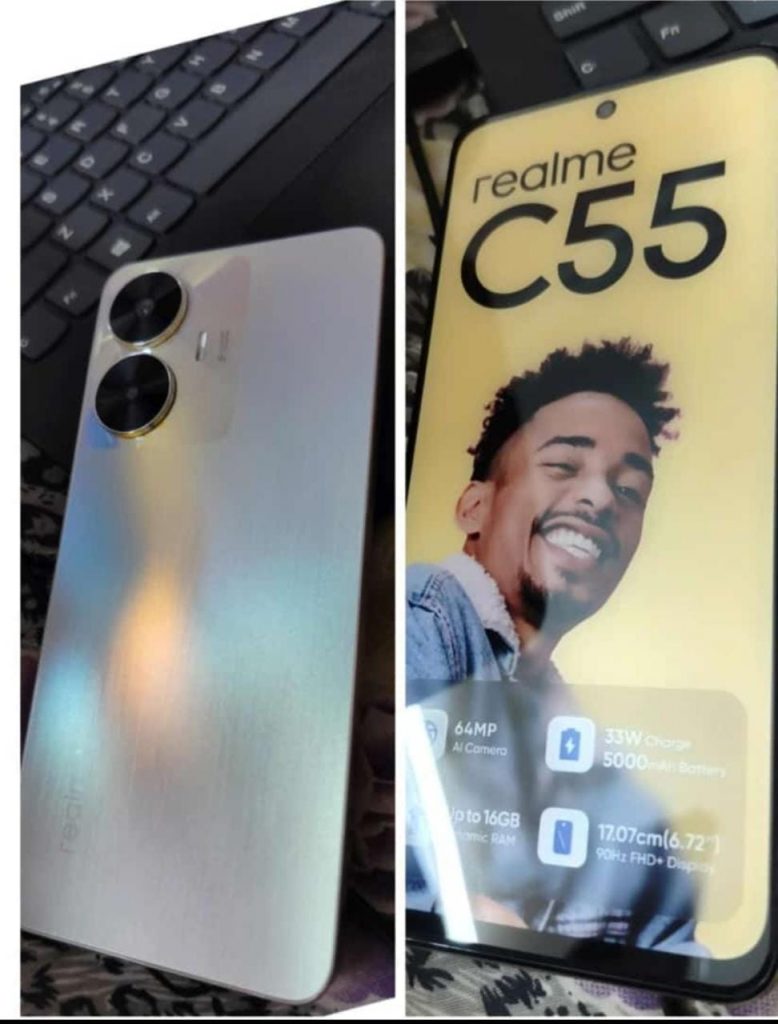
Tipster Sudhanshu Ambhore has shared live images and specifications of the device, as well as divulged details about its storage options and pricing. As we eagerly await the official release, let’s delve into the leaked information about the Realme C55, including its design, specifications, and expected price in India.
According to the tipster, the Realme C55 smartphone will be available in three different configurations. The entry-level model will feature 4GB of RAM and 64GB of storage, while a second variant will offer the same 4GB of RAM but with 128GB of storage. For those seeking the highest storage capacity, the top-tier option will include 8GB of RAM and 128GB of storage.
As per the leak, the starting price of the Realme C55 smartphone will be slightly above Rs 10,000, while the highest-end variant with 8GB of RAM will be priced under Rs 20,000. Let’s take a look at the specs of the smartphone.
Realme C55 specs
The Realme C55 is equipped with a 6.52-inch LCD display that boasts a high refresh rate of 90Hz, a Full HD+ resolution, a 180Hz touch sampling rate, and a peak brightness of 680nits. The front-facing camera is conveniently located within a punch-hole notch, providing an unobstructed view of the display.
The smartphone is powered by an octa-core MediaTek Helio G88 processor, which works alongside a Mali G52 graphics unit. It offers up to 8GB of RAM and up to 256GB of internal storage, with the option to expand the storage further through the use of virtual RAM. The device runs on Realme UI 4.0, which is based on Android 13.
The Realme C55 impresses in the camera department with a dual-rear camera setup featuring a 64MP primary sensor, a 2MP depth sensor, and an LED flash. For selfies and video calls, the phone includes an 8MP front-facing camera.
A 5000mAh battery with 33W SuperVOOC fast charging support powers the device, which also features a USB Type-C port for charging and data transfers. Additional features include a side-mounted fingerprint scanner, a dedicated microSD card slot, and a 3.5mm audio jack.
Microsoft has been in the news lately, since the company is trying to buy Activision Blizzard – a move that’s not being received well by other companies such as Sony. Sony previously stated that Call of Duty will be ruined for PlayStation users if the deal goes through. In spite of that, Microsoft is continuing to put in a lot of effort to persuade antitrust regulators that its acquisition of Activision Blizzard won’t cause harm to competition in the gaming industry. In an effort to demonstrate to EU, UK, and US regulators that it won’t use the deal to squeeze out competitors and stifle competition, Microsoft has entered into a 10-year agreement with Boosteroid, a cloud gaming provider, to stream Activision’s PC titles if the deal goes through.
Boosteroid is currently the biggest independent cloud-gaming service in the world. It supports multi-device streaming access and requires the purchase of paid games on other platforms. Its library includes popular games such as Fortnite, Grand Theft Auto V, Red Dead Redemption 2, and Activision’s Call of Duty: Warzone. It can stream games in web browsers and offers native apps for Windows, macOS, Android, Android TV, and Linux.
This latest move is part of Microsoft’s ongoing efforts to relieve regulatory concerns and follows the company’s 10-year agreements with Nintendo and Nvidia to bring the Call of Duty franchise to platforms such as the Switch and GeForce Now. Microsoft has also offered Sony a similar agreement for PlayStation licensing, but this offer has not yet been accepted. Microsoft has committed to supporting Steam availability at the same time as Xbox, and as mentioned previously, Sony expressed its concerns about the deal earlier this month.
According to Microsoft President Brad Smith, the reason Microsoft wants to buy Activision Blizzard is to round out their titles to have a fuller, more diverse library. They are looking to include more mobile titles where they don’t have a strong presence, and build a stronger gaming business.
The European Commission has not yet publicly stated whether it is satisfied with Microsoft’s commitments or not, but it has until April 25th to decide. The UK regulators’ decision is expected the following day. Deals like the Boosteroid one are a key part of Microsoft’s fight to avoid missing out on Activision’s publishing unit, which it has indicated it has no interest in doing.
The Huawei P60 series is set to launch on March 23, and rumours suggest that the company may be renaming the “Ultra” version to “Art”. According to a tipster, the P60 Ultra may be replaced with a premium version called the Huawei P60 Art. This speculation arose after the company recently trademarked the name “P60 Art” with the Chinese trademark office. Just like the case with “Ultra” variants, it is believed that this new version may have unique design features and camera advantages over the Pro version.
While it is still unclear if Huawei has changed its plans entirely, it seems likely that the new naming convention will be used for the upcoming release. The Huawei P60 series is expected to include a variety of new technologies in the camera section, with other features waiting to be unveiled at the launch event. The P60 Art is expected to be a standout in terms of design and features, and it will be interesting to see how it compares to the standard and Pro devices. Huawei has a strong reputation for producing high-quality smartphones, and the P60 series is sure to be no exception. Some recent renders have even shown that the P60 may feature an iPhone-style Dynamic Island notch, which will be quite interesting.
With the launch date fast approaching, tech enthusiasts are eagerly awaiting more information about what the P60 series will offer. Huawei has been quite secretive about the specifics, but we can expect to see some impressive camera features and other cutting-edge technologies when the new devices are unveiled. As always, the tech world is buzzing with excitement over the latest release from Huawei, and we can’t wait to see what the P60 series has in store.
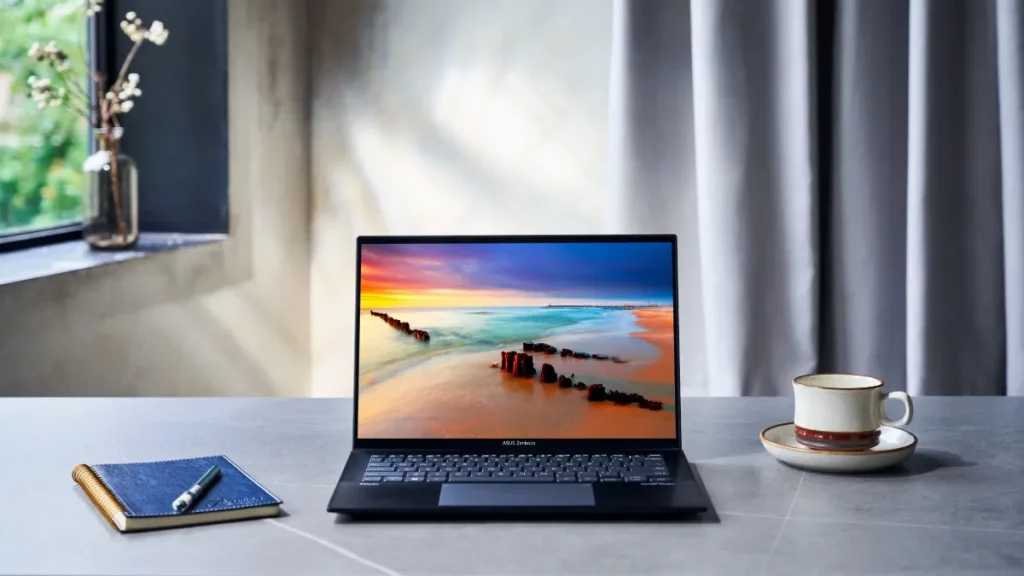
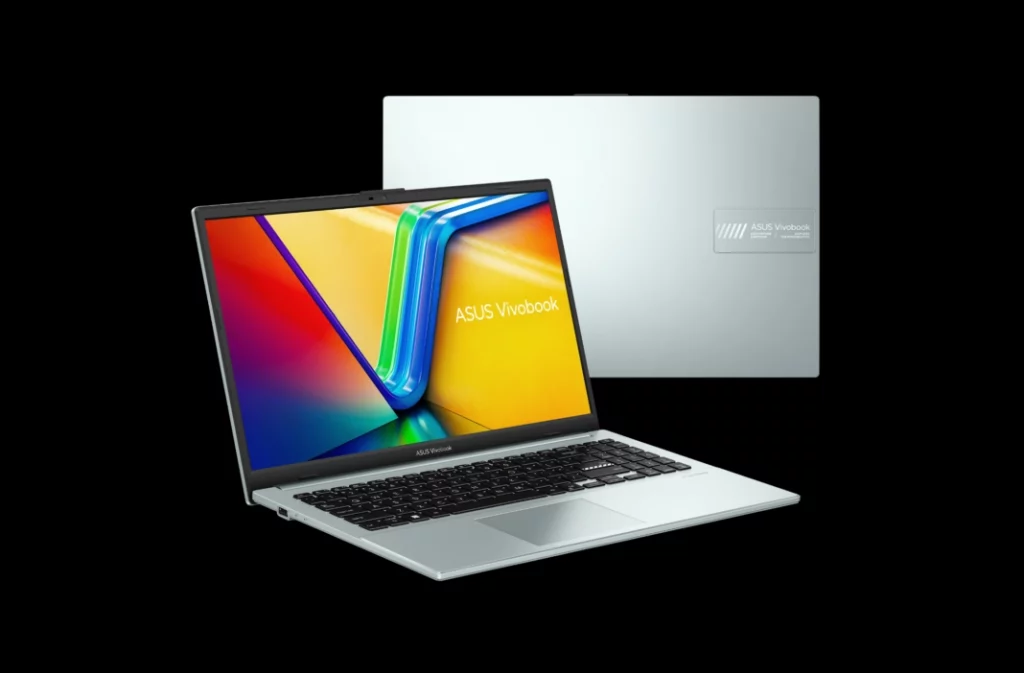
Asus has launched its latest range of laptops featuring AMD Ryzen 7000 series processors. The lineup includes various models such as the ZenBook 14, VivoBook Go 14 and 15, VivoBook 14, 15, and 16 with OLED displays, VivoBook 15X, and VivoBook S14 Flip. Each model comes in multiple variants and is available at their respective stores and online today onwards. Prices for the laptops in the lineup begin at Rs 42,990 (~$522) and go up to Rs 89,990 (~$1094).
Here is a roundup of the pricing and availability of all the new ASUS notebooks.
ZenBook 14 OLED: Rs 89,990; available at Asus store and Flipkart online, multi-brand and Asus retail stores offline
ZenBook 14: Rs 86,990; available at Amazon online, Asus retail stores offline
VivoBook 14 OLED: Rs 67,990; available only at Asus stores online and offline
VivoBook 15X OLED: Rs 66,990; available only at Asus stores online and offline
VivoBook S14 Flip: Rs 66,990; available at Asus store, Amazon and Flipkart online, Asus stores offline
VivoBook 15 OLED: Rs 65,990; available at Amazon online, Asus stores offline
VivoBook 16: Rs 55,990; available at Flipkart online, Asus and multi-brand retail stores offline
VivoBook Go 15 OLED: Rs 50,990; available at Asus, Amazon and Flipkart online, Asus and multi-brand retail stores offline
VivoBook Go 14/15: Rs 42,990; available at Asus online, Asus and multi-brand retail stores offline
The ZenBook 14 is available with or without an OLED display, with the OLED variant costing an additional Rs 3,000. It offers a choice between AMD Ryzen 5 7530U or Ryzen 7 7730U processors with integrated Radeon graphics, 16GB LPDDR4 memory, and 512GB or 1TB of PCIe Gen3 SSD storage. The OLED display has 2.8K screen resolution and HDR certification, with a 90Hz refresh rate and 100 percent DCI-P3 colour gamut coverage. The non-OLED panel uses an IPS screen with 2.5K screen resolution, standard 60Hz refresh rate, and 100 percent sRGB colour gamut coverage.
The VivoBook Go 14 is the most affordable option and features a 14-inch full HD IPS display, with a choice between the AMD Ryzen 3 7320U or Ryzen 5 7520U processors, and 8GB or 16GB of LPDDR5 memory. It also comes with a 512GB PCIe Gen3 SSD that is user-upgradable, an HD webcam, Wi-Fi 6E, Bluetooth 5, and three USB 3.2 Gen2 ports. The VivoBook Go 15 and Go 15 OLED have the same specifications, except for the display and battery. The Go 15 features a 15.6-inch full HD IPS panel with 250nits peak brightness, while the Go 15 OLED has a 15.6-inch HDR-rated OLED display with 100 percent DCI-P3 colour gamut coverage and 600 nits peak brightness.
The VivoBook portfolio features the same processor, RAM, and storage options as the ZenBook series. However, they feature 42Whr battery packs with 45W chargers, HD webcams, and dedicated number pads. The VivoBook 16 offers a 16-inch WUXGA 16:10 IPS display with 300nits peak brightness.
The VivoBook 15X features the same performance specs as the ZenBook lineup and the 15-inch OLED display from the spec sheets above. It gets a 50Whr battery with 65W charging, and an aluminium lid with US military-grade certification.
The S14 Flip is the only convertible in the lineup and offers up to Ryzen 5 7530U processors with 16GB RAM and 512GB SSD storage. It has a 14-inch full HD IPS display that supports touch inputs. Overall, the lineup includes a variety of models with multiple variants, offering various display sizes, resolutions, and features. With affordable prices for every budget, the new Asus notebook lineup is available for purchase at the companies’ listed stores and online from today.
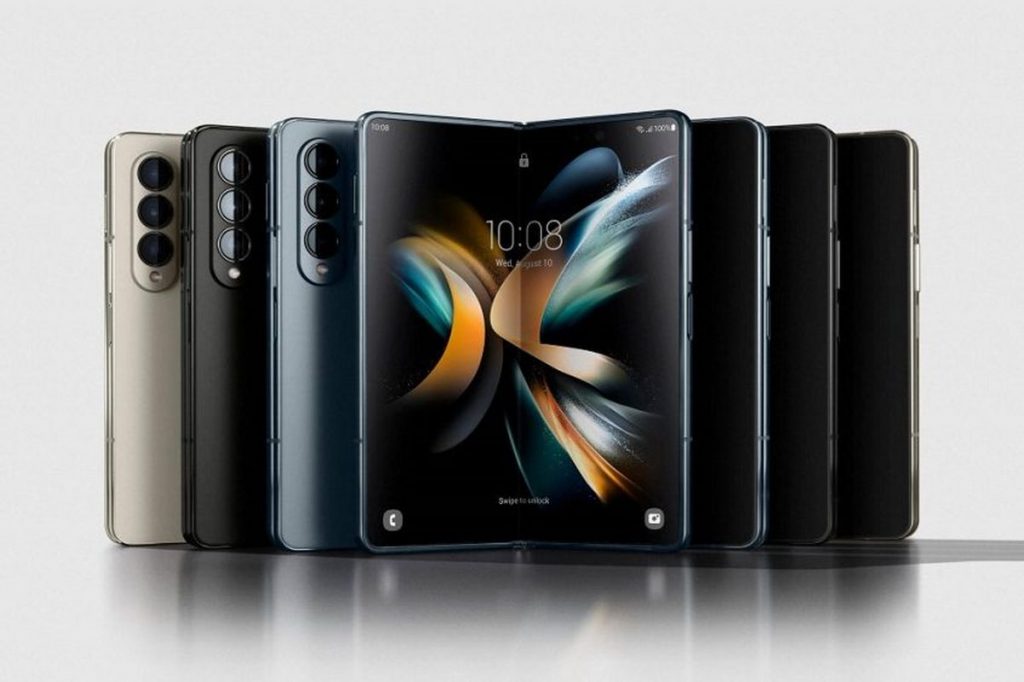
Rumors are rife that Samsung will unveil the Galaxy Z Fold 5 in August this year. According to tipster Chun, the Z Fold 5 will have the same camera setup that is available on the Galaxy S23 Plus. Hence, it appears that the main camera setup of the Z Fold 5 may not offer any significant upgrade over the Galaxy Z Fold 4.
The Galaxy S23 Plus’s rear camera setup compromises a 50-megapixel main camera with OIS support, a 12-megapixel ultra-wide lens, and a 10-megapixel telephoto camera with OIS and a 3x optical zoom. The same set of cameras is also available on the Galaxy Z Fold 4.
Samsung Galaxy Z Fold 4
Chun’s leak is in line with a tweet from tipster Ice Universe from last week, which said that the Galaxy Z Fold 5 will continue to use the same camera module as the Z Fold 4. There is no information available on the other internal or selfie camera of the Z Fold 5.
It appears that the design of the Z Fold 5 will also be similar to that of its predecessor. A recent leak revealed that it will arrive with a 6.2-inch cover display, and other reports have claimed that it will be equipped with a 7.6-inch foldable AMOLED screen on the inside. It may come equipped with a new hinge, which will significantly reduce the crease on the foldable display. Both screens are expected to come equipped with Gorilla Glass Victus 2 protection.
The Galaxy Z Fold 5 is expected to feature the custom version of the Snapdragon 8 Gen 2, which was made available on the Galaxy S23 series. It is likely to come in UFS 4.0 storage options like 256 GB, 512 GB, and 1 TB. It will lack a dedicated slot for the S Pen, but will carry support for it.
In February, Lava announced the Lava Yuva 2 Pro, an entry-level smartphone in India. The device has been available for purchase through offline stores and Lava India’s online store. Starting today at 12 pm (local time), the device can also be purchased through Amazon India.
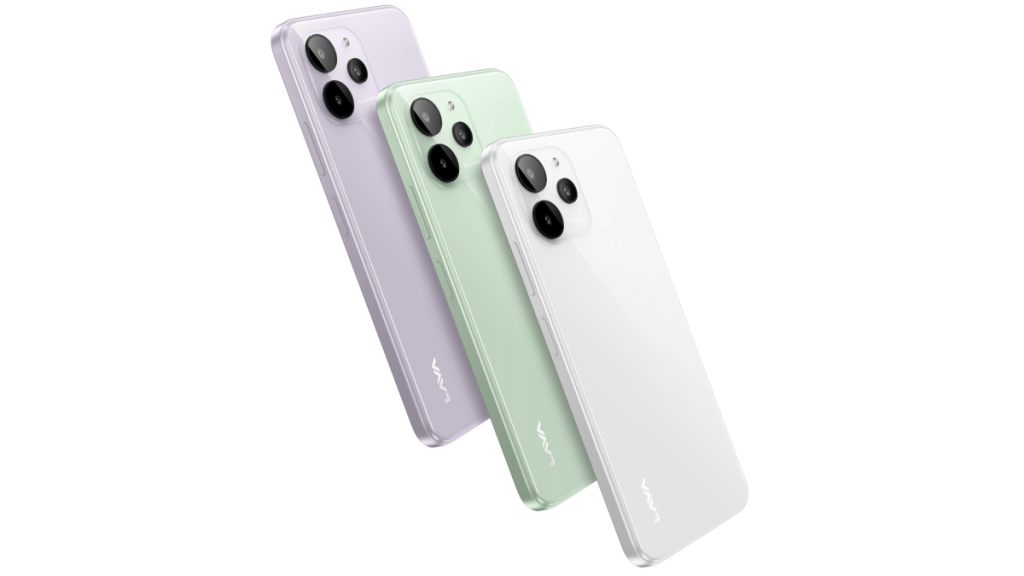
The Yuva 2 Pro will be available for Rs 7,999 (~$97) via Amazon. For the buyers of the device, Lava has partnered with the EdTech platform Doubtnut to provide free educational material worth up to Rs 12,000 (~$146) to students in 9th to 12th classes. The device can be purchased in three shades, such as Glass White, Glass Green, and Glass Lavender.
Lava Yuva 2 Pro specifications
Lava Yuva 2 Pro
The Lava Yuva 2 Pro features a 6.5-inch LCD panel with an HD+ resolution, 269 ppi pixel density, and a refresh rate of 60Hz. It is fitted with a 5-megapixel selfie camera on the front. The device’s back panel houses a 13-megapixel main camera, as well as two VGA cameras.
The Yuva 2 Pro is powered by the Helio G37 chipset and has 4GB of RAM. In addition to the 64 GB of storage that comes with it, it has 3 GB of virtual RAM. It is powered by a 5,000mAh battery and can be charged at 10W via the USB-C port.
The phone runs a nearly stock version of the Android 12 OS and supports anonymous call recording. The other features that are available on the device include dual 4G VoLTE, Wi-Fi 802.11ac, Bluetooth 5.1, GPS, a 3.5mm audio jack, and a side-facing fingerprint scanner. Lastly, it is equipped with a glass back.
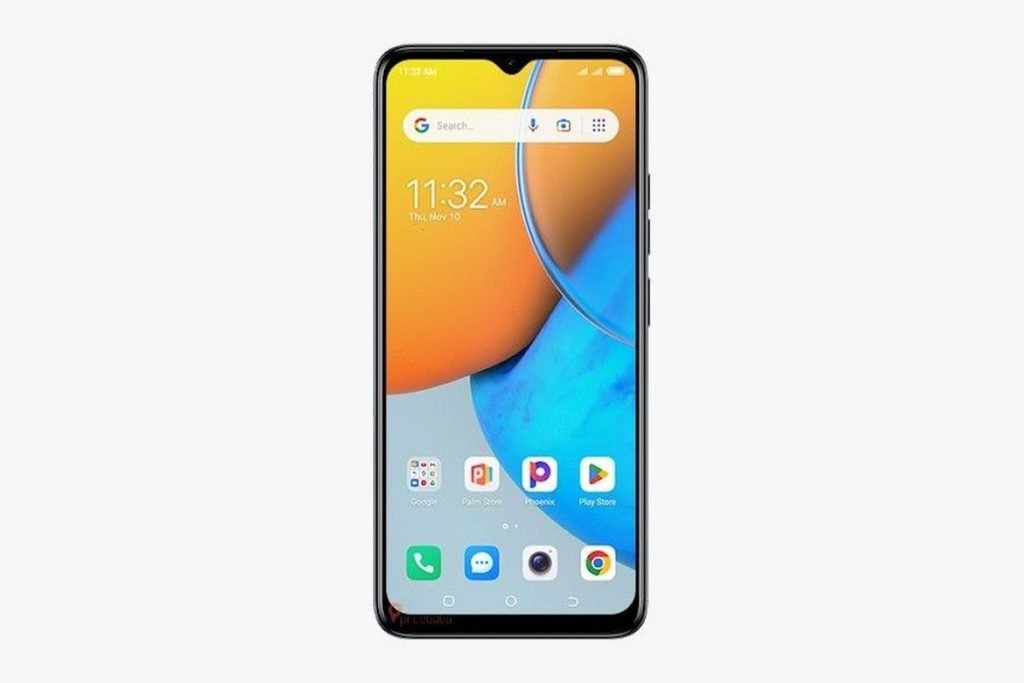
Tecno Pop 7 could be the next entry-level offering from Tecno. As the moniker reveals, it will be positioned lower than the Pop 7 Pro, which was announced last month. It appears that the Pop 7 may launch soon as it has appeared with some of its key specifications in the database of the Google Play Console. The listing also revealed the front appearance of the device.
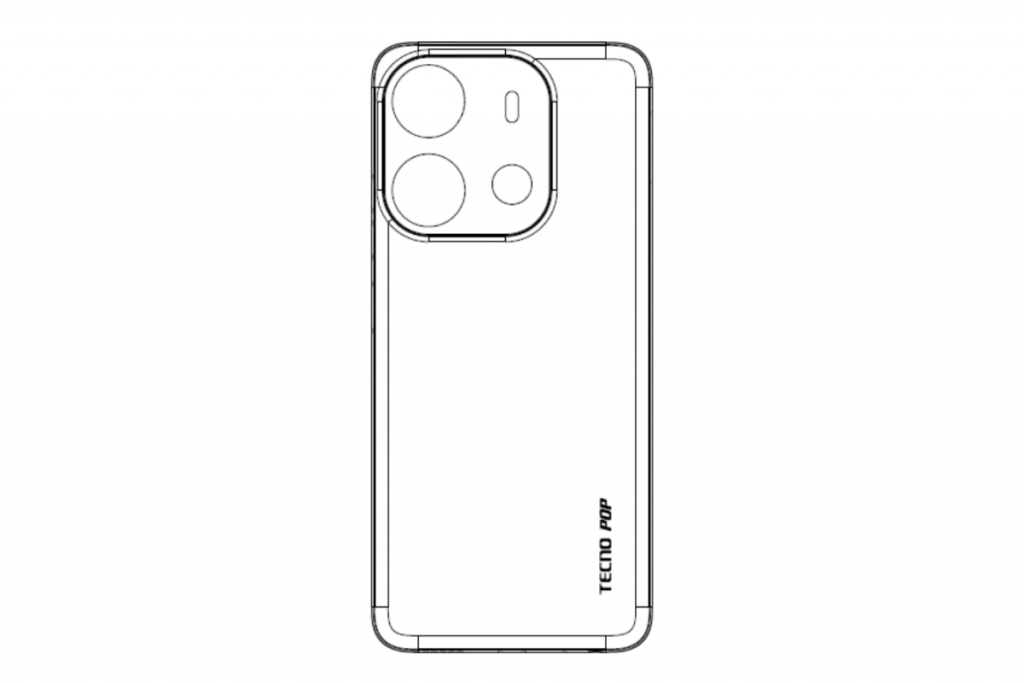
When it comes to appearance, the Tecno Pop 7 can be seen sporting a teardrop notch display on the front. A schematic of the phone that surfaced in its FCC documents, which surfaced in December last year, revealed that it will arrive with a square-shaped camera module, which will house a dual-camera system with LED flash and a fingerprint scanner.
Tecno Pop 7 image from Google Play Consol
Coming back to the Play Console listing, it has revealed that its display offers an HD+ resolution of 720 x 1600 pixels. It further mentions that the device has a Unisoc SC9863A chip, 2 GB of RAM, and an Android 12 Go edition. In comparison, the Pop 7 Pro features an Helio A22 chip, 3 GB of RAM, and Android 12 OS.
Tecno Pop 7 FCC schematic
The FCC listing of the device revealed that the Pop 7 has 164 x 74 x 8mm dimensions. Since its measurements are similar to the Pop 7 Pro, it appears that the Pop 7 could be equipped with a 6.56-inch IPS LCD panel. It has also been revealed through the FCC listing that Pop 7 is equipped with 64 GB of storage and supports 10W charging. At present, there is no word on the battery size of the device.
The other specifications of the Tecno Pop 7 are yet to be revealed. It remains to be seen whether the device goes official this month.
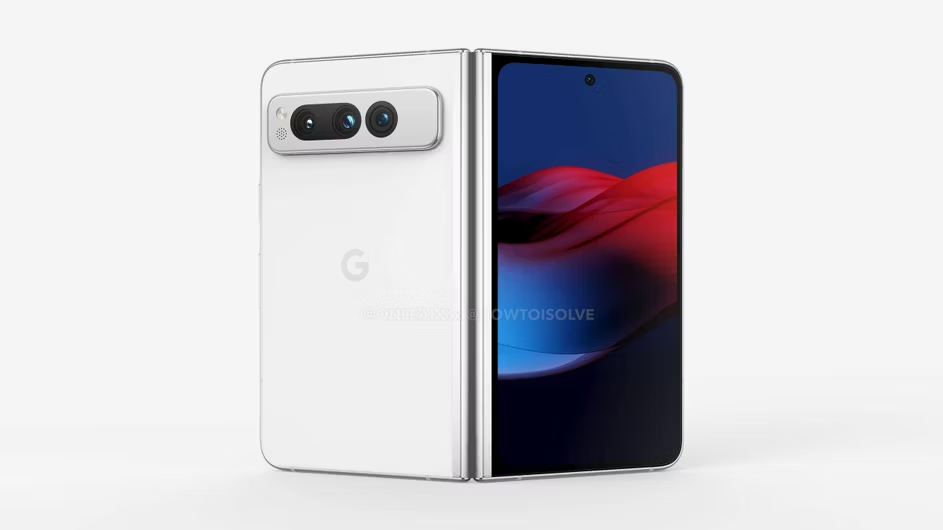
Several reports have claimed that Google will announce its first foldable phone this year. Rumors have it that it will have the “Google Pixel Fold” marketing name. It is speculated that the device may get showcased at the Google I/O 2023 developers conference, which will be held on May 10 this year. Citing dealer data as its source, a new report by Winfuture.de reveals that the Pixel Fold may go on sale in June. The report has also revealed the storage and color variants of the device.
Google Pixel Fold
Google Pixel Fold render
According to the report, the Pixel Fold will come with 256 GB of storage and be priced around 1,700 euros. It will be available in two shades, such as Carbon and Porcelain.
The company may announce three colored covers for the Pixel Fold. While the leak claims that the device will come in a 256 GB version only, well-known tipster Max Weinbach claims that it will also arrive in a 512 GB version.
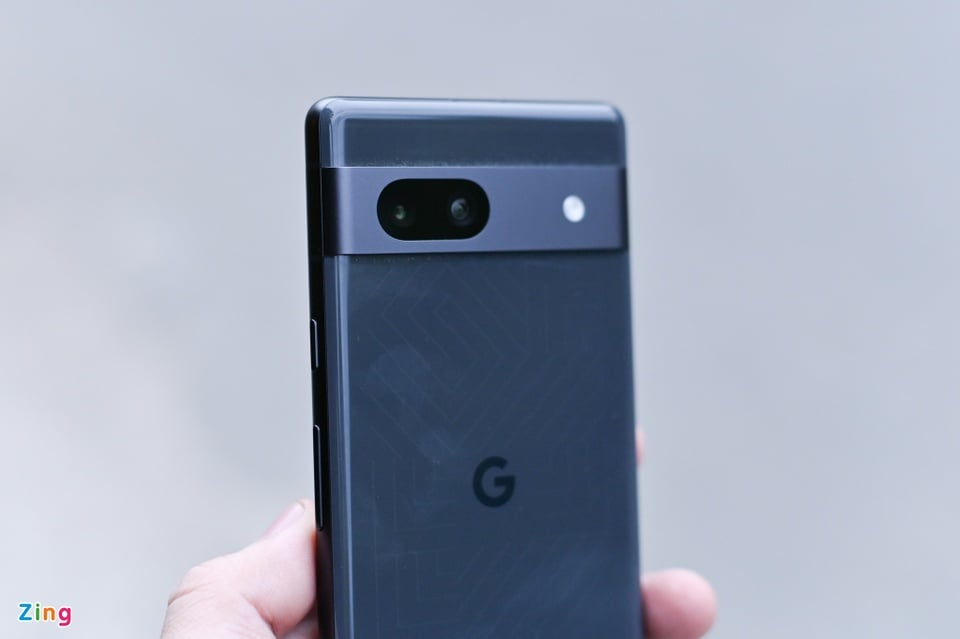
Google Pixel 7a
Google Pixel 7a
The Pixel 7a is expected to arrive in a 128 GB storage version only in Europe. The mid-range phone is likely to arrive in three colors, such as Arctic Blue, Carbon, and Cotton. There could be a fourth color variant called Jade.
The dealer data reveals that the Pixel 7a will also go on sale in June. It could be priced at around 500 euros. The 7a is also expected to go official in May this year.
Apart from the Pixel Fold and Pixel 7a, Google is also expected to announce a couple of other products at the I/O 2023 event. These include the Android 14 beta, the Pixel Tablet, Bard, and a new version of the Pixel Buds Pro.
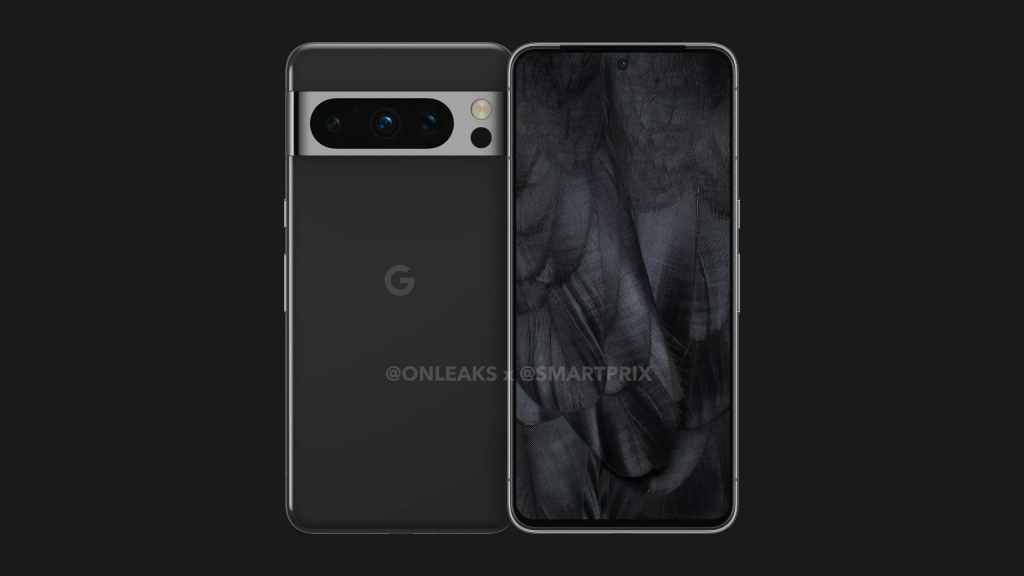
Google is known for announcing its Pixel-branded flagship phones in October each year. This year too, the Pixel 8 and Pixel 8 Pro are expected to break cover in October. Well before the expected launch, reputed tipster Steve Hemmerstoffer has teamed up with SmartPrix to share the CAD renders of the Pixel 8 Pro. Without further ado, here’s the first look at the next-generation Pixel flagship.
Google Pixel 8 Pro CAD renders by OnLeaks / SmartPrix
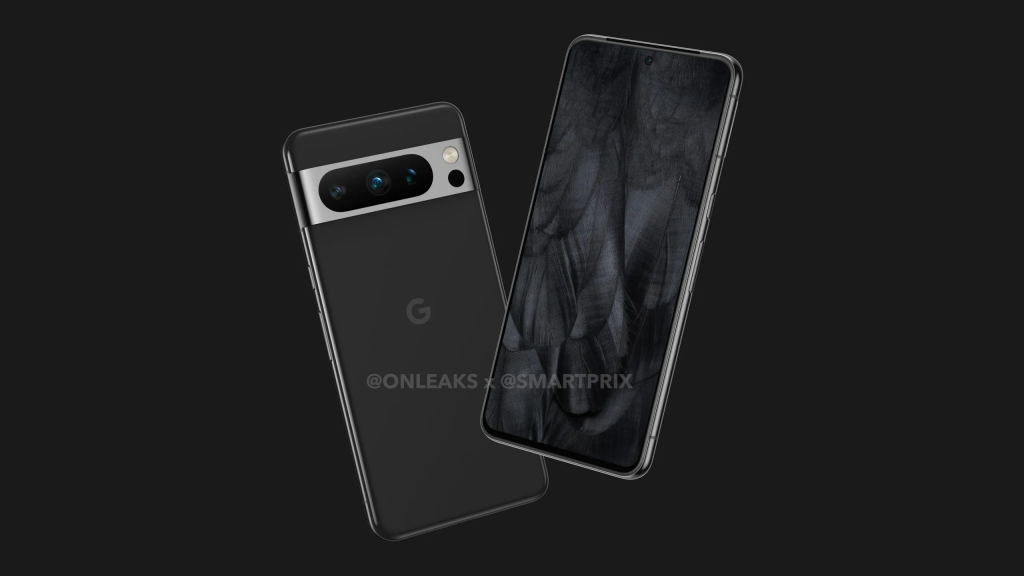
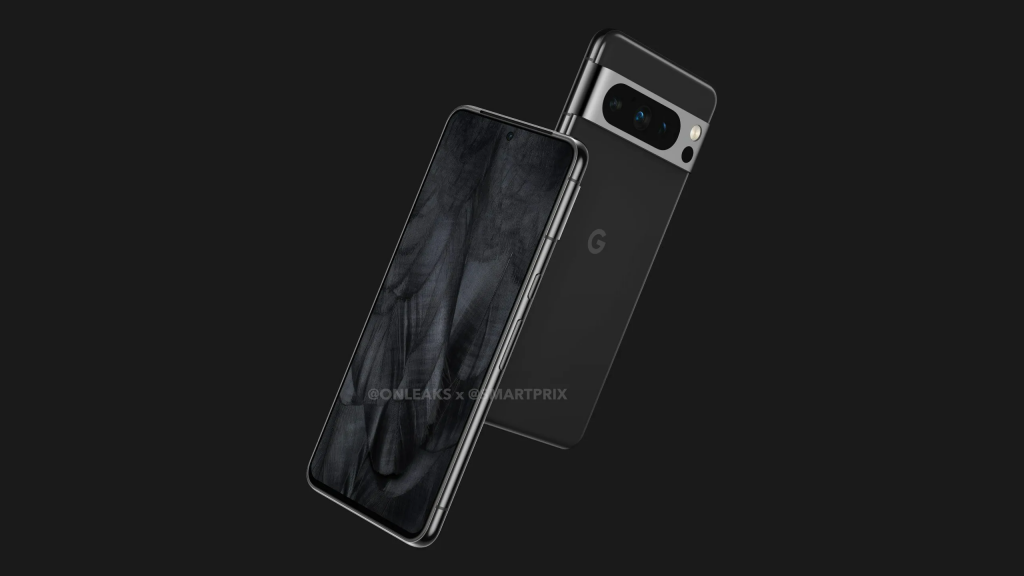
The Pixel 8 Pro renders reveal that it will no longer have a boxy design as its predecessors did. The handset can be seen sporting rounded corners. Its back panel has a raised camera bar, which houses the three cameras inside an oval-shaped module. The camera bar also has an LED flash and an unknown new sensor toward the right. The company’s logo is available toward the centre of the rear shell.
Google Pixel 8 Pro CAD renders by OnLeaks / SmartPrix
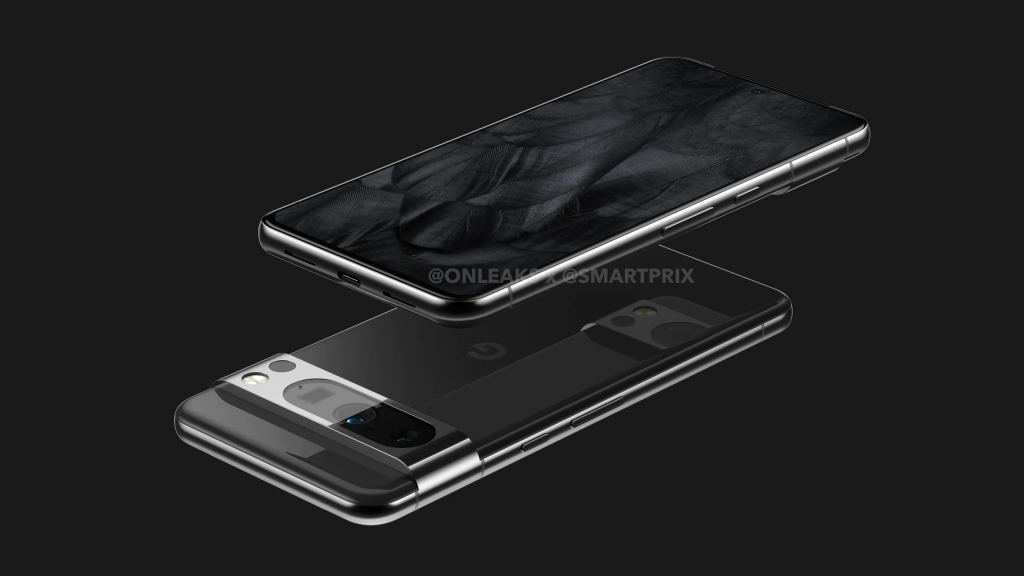
The front side of the phone has a 6.52-inch flat display with slim bezels on the top, left, and right sides. The bottom bezel of the device is slightly thick. The top edge of the device seems to house a microphone, whereas its opposite end has a USB-C port placed between a pair of speaker grilles.
Google Pixel 8 Pro CAD renders by OnLeaks / SmartPrix
The SIM tray is available on the left side of the Pixel 8 Pro, whereas its right edge has a power button and a volume rocker. The leak reveals that the device measures 162.6 x 76.7 x 8.7mm. At the camera bump, the thickness of the device increases to 12mm.
Google Pixel 8 Pro CAD renders by OnLeaks / SmartPrix
Reports have revealed that the Pixel 8 and 8 Pro are codenamed Shiba and Husky, respectively. Both phones are likely to feature the next-generation Google Tensor G3 chipset. It is speculated that the Pixel 8 series will come equipped with staggered HDR technology for capturing short and long exposure scenes at the same time. The Pro model may come equipped with an ultrasonic in-display fingerprint scanner.
ChatGPT Plus is a subscription service provided by OpenAI to allow users to chat with OpenAI’s chatbot service, ChatGPT more effectively. It costs 20 USD a month, and besides gaining access to the latest GPT-4, Plus subscribers also enjoy benefits such as:
General access to ChatGPT, even during peak times
Faster response times, and
Priority access to new features and improvements.
Khan Academy
Khan Academy, the online education non-profit organisation launched Khanmigo – its GPT-4 powered AI learning that functions as both a virtual tutor for students and a classroom assistant for teachers. Khanmigo is set to be revolutionary in the self-learning space because Khanmigo can mimic a writing coach by giving prompts and suggestions to move students forward as they write, debate, and collaborate in exciting new ways. In addition, Khanmigo’s interactive experiences and real-time feedback will help learners hone their computer science skills.
The nonprofit began testing the newest version of OpenAI’s language model in 2022 and will initially make the Khanmigo pilot program available to a limited number of participants, though the public is invited to join the waitlist.
Duolingo
Duolingo is a free language-learning app available on Android, iOS and on its official desktop site. However, today the company is introducing a new paid subscription service called Duolingo Max. Launched today, Duolingo Max is available for 29.99 USD per month, and is now on the iOS version of the Duolingo app in the following regions: Australia, Canada, Ireland, New Zealand, United Kingdom, United States.
Powered by OpenAI’s GPT-4, Duolingo Max gives learners two new AI-powered features. These new features are what Duolingo calls Explain My Answer and Roleplay. Explain My Answer offers learners to get a simple explanation of why their answer was right or wrong, and learners can ask for examples or further clarification.
Roleplay allows learners to practice real-world conversation skills with world characters in the app. Duolingo states that although learners aren’t actually talking to a live human, the AI behind this feature is responsive and interactive, meaning no two conversations will be exactly alike! After the interaction, learners get AI-powered feedback from Duo on the accuracy and complexity of their responses, as well as tips for future conversations.
Morgan Stanley
Morgan Stanley is an American-based investment bank that specialises in Institutional Securities, Wealth Management and Investment Management. It is the 6th largest bank in the US, with 1.555 trillion USD in assets alone.
With the help of OpenAI’s GPT-4, Morgan Stanley announced it is changing how its wealth management personnel locate relevant information. In a form of a chatbot, Morgan Stanley wealth management deploys GPT-4 to organize its vast knowledge base.
Morgan Stanley states that the company maintains a content library with hundreds of thousands of pages of knowledge and insights spanning investment strategies, market research and commentary, and analyst insights. This vast amount of information is housed across many internal sites, largely in PDF form, requiring advisors to scan through a great deal of information to find answers to specific questions. Such searches can be time-consuming and cumbersome.
But now with GPT-4, the upgraded AI can perform a comprehensive search of wealth management content within minutes and “effectively unlocks the cumulative knowledge of Morgan Stanley Wealth Management”, says the company. The move is said to improve efficiency within the company, alongside its financial advisors and clients will be able to gather insights to take action more swiftly in the coming future.
OpenAI also announced that Stripe and the Icelandic government is currently implementing GPT-4 into their day-to-day operations as well, and to learn more about how powerful GPT-4 is, you can read our previous article here.
We use cookies on our website to give you the most relevant experience by remembering your preferences and repeat visits. By clicking “Accept”, you consent to the use of ALL the cookies.
This website uses cookies to improve your experience while you navigate through the website. Out of these, the cookies that are categorized as necessary are stored on your browser as they are essential for the working of basic functionalities of the website. We also use third-party cookies that help us analyze and understand how you use this website. These cookies will be stored in your browser only with your consent. You also have the option to opt-out of these cookies. But opting out of some of these cookies may affect your browsing experience.
Necessary cookies are absolutely essential for the website to function properly. This category only includes cookies that ensures basic functionalities and security features of the website. These cookies do not store any personal information.
Any cookies that may not be particularly necessary for the website to function and is used specifically to collect user personal data via analytics, ads, other embedded contents are termed as non-necessary cookies. It is mandatory to procure user consent prior to running these cookies on your website.