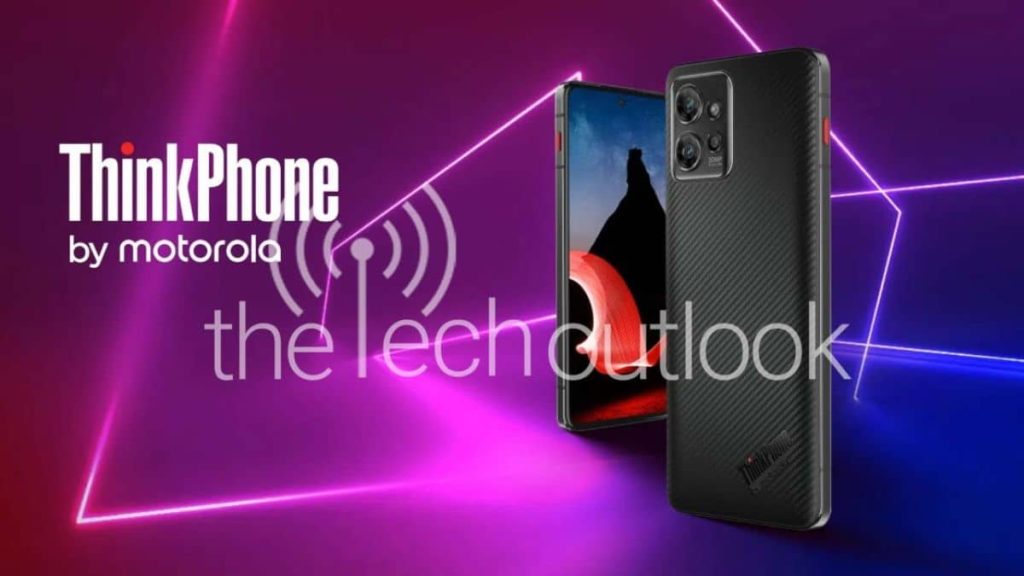
In October, the Lenovo ThinkPhone was spotted in leaked renders. Now, new information about the smartphone has surfaced online courtesy of reliable tipster OnLeaks in collaboration with publication TechOutlook. The report reveals key specifications of the Motorola ThinkPhone in a series of images. We also get a better look at the device compared to previous render.
Beginning with the design, the Motorola ThinkPhone has a slightly compact form factor. There are three buttons on the right edge whereas an additional button accentuated in Red colour is located on the top left side of the device. The back panel has a squarish camera module housing 50MP, 13MP, and 2MP sensors along with an LED flash. It also has diagonal stripes and it is called an Aramid Fibre Inlay body as per the report. One of the images reveals that the smartphone will be IP68 dust and water-resistant.
The Motorola ThinkPhone has a centre-aligned punch-hole cutout. It is tipped to feature a 6.6-inch pOLED display bearing a resolution of 1,800 x 2,400 pixels, 144Hz refresh rate, 1,200nits peak brightness, and HDR+ support. The device will have an in-screen fingerprint scanner.
The Motorola ThinkPhone will come with ‘Ready For’ feature for multi-screen collaboration. It is seen with a 68W Type-C charger (also spotted on 3C) that will likely power up the 5,000mAh battery unit. The device will also reportedly support 15W wireless charging. Other core specifications of the Motorola ThinkPhone are expected to include a Snapdragon 8+ Gen 1 SoC and up to 12GB RAM and 512GB storage.
The Motorola ThinkPhone is expected to debut sometime in 2023.
DxOMark is a website that provides independent analysis and benchmarking for image and video quality on cameras and smartphones. The company is best known for its in-depth testing and scoring of cameras and lenses, using a range of scientific and engineering methods to evaluate performance across a range of metrics, including exposure, color, autofocus, and noise. DxOMark’s scores and reviews are widely regarded as a reliable and impartial guide to the performance of cameras and lenses. Lastly, DxOMark has named the Huawei Mate 50 Pro as the best smartphone for selfies, awarding it a score of 145 points.
Huawei Mate 50 Pro named top smartphone for selfies by DxOMark
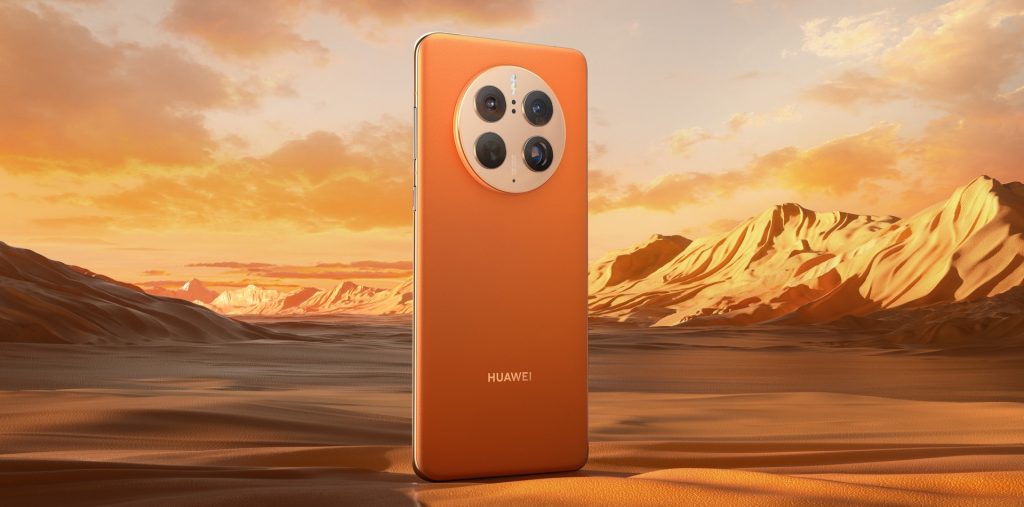
Huawei Mate 50 Pro has been hailed as the best smartphone for selfies by DxOMark. The camera benchmarking website awarded the Chinese smartphone 145 points for its front-facing camera, the same score as the Apple iPhone 14 Pro.The Mate 50 Pro features a 13-megapixel f/2.4 front-facing camera, which sits alongside a dedicated depth camera in a wide notch. The camera has an equivalent focal length of 18mm, and can record 4K footage at up to 60fps, or 1,080p slow motion at 240 frames per second.
In its analysis, DxOMark praised the Mate 50 Pro’s front camera for its accurate exposure, large dynamic range, and correct representation of skin tones. The camera also performed well in group shots, thanks to its sharp depiction of people. However, the small sensor and effective noise reduction meant that detail was lost in low light, and the video had some issues with saturation, contrast, and ghosting artifacts.
Despite its strong performance in the camera department, Huawei has almost disappeared from the international smartphone market due to tough US sanctions. The company continues to produce some of the best smartphone cameras in the world, however, with the Mate 50 Pro’s rear camera also taking the top spot in DxOMark’s rankings.
Huawei has now started rolling out the December patch update to its Huawei P50 series which reportedly adds a new turbo fast charging mode. The brand is rolling out a major update of HarmonyOS to its Huawei P50 phones with the build number 3.0.0.190/191. The new update is currently rolling out for the Huawei P50 and Huawei P50E smartphones. The update weighs around 1.09GBs in size, and since it’s a major update, being large in size is nothing extraordinary.
Reference Image
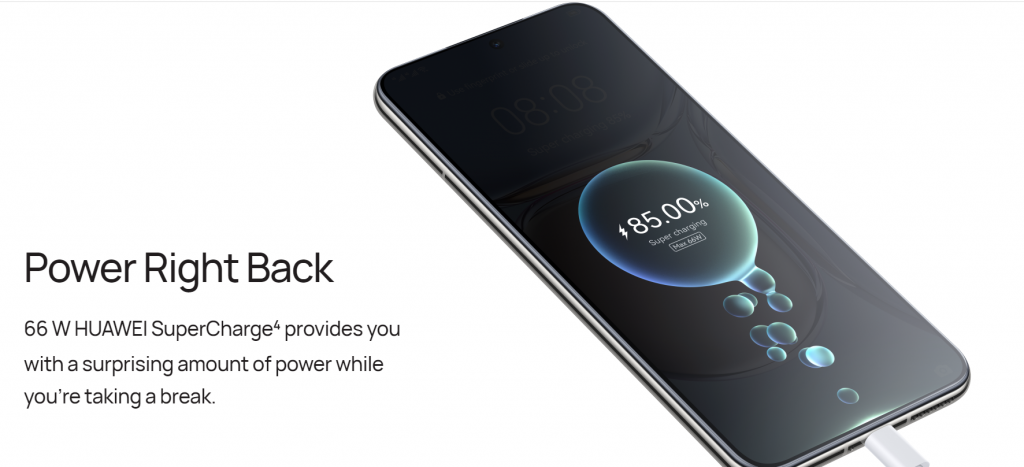
It should be noted that P50 units running the HarmonyOS 3.0 software version are now compatible with the software upgrade. The changelog is interesting, though, as it adds a new, incredibly fast turbocharging option for the Huawei P50 line. Based on the information that is currently available, this charging mode will increase charging speed to improve the smartphone charging experience. The update reportedly improves the software algorithms for charging to provide a better charging option. Here is the complete changelog of the update:
Charge
Added super fast charging Turbo mode, after entering Turbocharging mode, you can enjoy an accelerated charging experience.
App
Optimize the user experience of the application clone function.
Safety
Integrates the December 2022 security patch to enhance system security.
In addition to the charging mode, the update makes improvements to the app clone feature’s user interface. Additionally, it will direct you to the HarmonyOS security patch for December 2022. We advise you to download this firmware because it features the most recent security patch for secure user interactions. Although some users claim that this upgrade is only announced for the Kirin version, there is no proof of such. Some users in the Huawei community made the assumption that the phone’s charging capacity would now rise. That is dependent on the hardware, though, and a software update might make that happen.
Motorola X40 has launched in China today. It arrives as the successor to the Moto X30 that debuted last year. The latest offering comes with top-of-the-line specifications. Some features of the smartphone were teased before today’s launch. The Moto X40 competes goes up against the likes of the recently launched Xiaomi 13, iQOO 11, and Vivo X90 in the market. Read on to know what the device offers out of the box.
Beginning with the display, the Motorola Moto X40 sports a 6.7-inch AMOLED screen bearing an FHD+ resolution and a 165Hz refresh rate. There is a centre-aligned punch-hole camera cutout and curved edges. The display features 10-bit colours, HDR support, and an integrated fingerprint scanner.
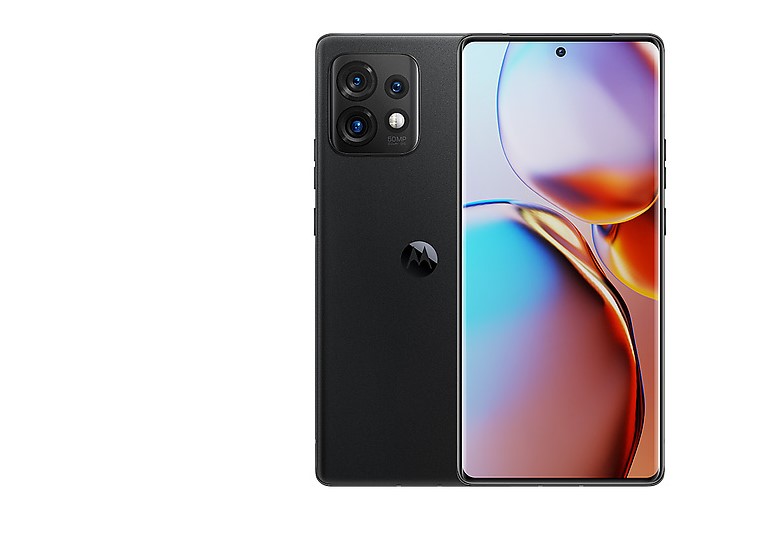
Design-wise, the Moto X40 has a small rectangular camera module. It is IP68-certified dust and water-resistant. For audiophiles, it has stereo speakers tuned by Dolby Atmos.
On the imaging front, the Moto X40 features triple rear cameras. The setup comprises a 50MP main sensor with OIS support, a 50MP ultra-wide-angle lens, and a 12MP telephoto unit. There is a 60MP front-facing selfie snapper. The smartphone packs support for 4K HDR video recording and there is a horizontal lock feature while clicking action scenes.
Under the hood, the Moto X40 is powered by the Snapdragon 8 Gen 2 chipset. It packs up to 16GB of LPDDR5x RAM and up to 512GB of UFS 4.0 storage. The device is equipped with a three-dimensional liquid cooling system. The smartphone is backed by a 4,600mAh battery unit with support for 125W wired and 15W wireless charging. Software-wise, the device runs on Android 13 OS with MY UI 5.0 skinned on the top.
Connectivity options on the Moto X40 include dual SIM, 5G, WiF 6E, Bluetooth 5.3, dual-frequency GPS, NFC, and a USB Type-C port.
The Moto X40 is offered in Smoky Black and Tourmarine Blue colours. The smartphone starts at RMB 3,399 (~$487) for the base 8GB + 128GB variant. The 8GB + 256GB and 12GB + 256GB models are priced at RMB 3,699 (~$530) and RMB 3,999 (~$573). The higher 12GB + 512GB configuration carries a price tag of RMB 4,299 (~$617).
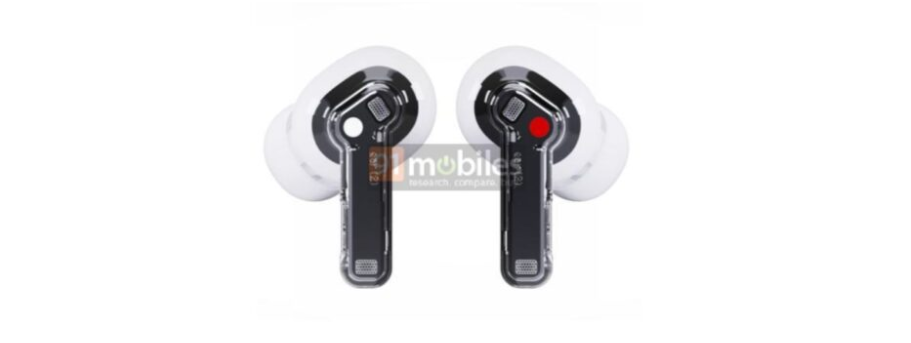
Nothing recently introduced its brand-new Nothing Ear (Stick) TWS earphones to the market. The original Nothing Ear (1) TWS was removed from the market shortly after a new product was introduced. Now, it appears that the company is getting ready to introduce a second new pair of TWS earbuds, which might very well be the upcoming Nothing Ear (2) TWS. Anyhow, new details regarding the forthcoming Nothing device have been discovered in a certification post that was found in the database of the Bluetooth Special Interest Group (SIG), which registers and certifies each Bluetooth product that is scheduled to be released in nations all over the world.
Image Credit-91Mobiles
According to the listings, Nothing B155, a new product with that model number, has been found. The certification doesn’t actually tell us much about the product other than its model number and Bluetooth V4.2 support. But it’s possible that the item is the forthcoming Nothing Ear (2) TWS, which is the replacement for the Nothing Ear (1), which has already been discontinued. Don’t expect the device to be released within a few days or weeks, even if the assumption proves to be accurate. Although the device hasn’t been launched yet, this is presumably the first online appearance of the item.
Anyway, 91Mobiles long ago published the first image of the upcoming Nothing Ear (2) TWS online. The earphones’ entire appearance is visible at first glance, and strangely, there aren’t many differences between them and their predecessor. But there was no picture of the case, which suggests that the company might remodel it and make some hidden hardware tweaks. All of them, however, appear to be rumours and pieces of speculation, and nothing has been officially confirmed as of yet. Perhaps a few months will pass before we learn more about the product.
It appears that Apple has saved more human lives yet again. This time around, the company’s iPhone 14 helped in getting a couple rescued thanks to its dedicated set of emergency features that rushed the rescue efforts.
The news arrives from a tweet from the Montrose Research and Rescue Team. As per official notes, the incident took place on the Angeles Forest Highway in the Angeles National Forest in California, US. The couple faced a single vehicle accident that had their car fall 300 feet down the side of a mountain. This had them be stranded in a damaged car in a remote side of the canyon. This is where the iPhone 14 came into play.
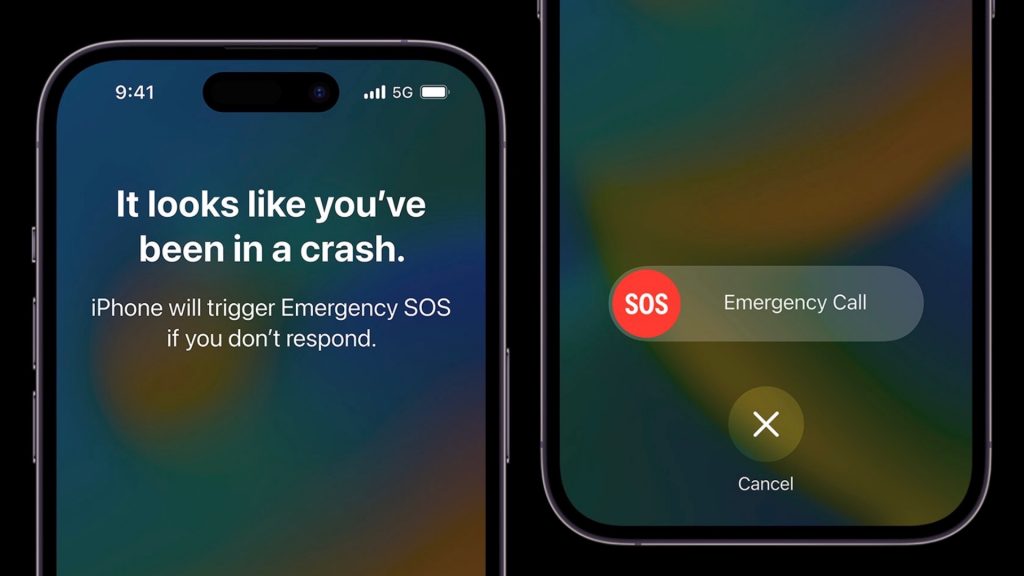
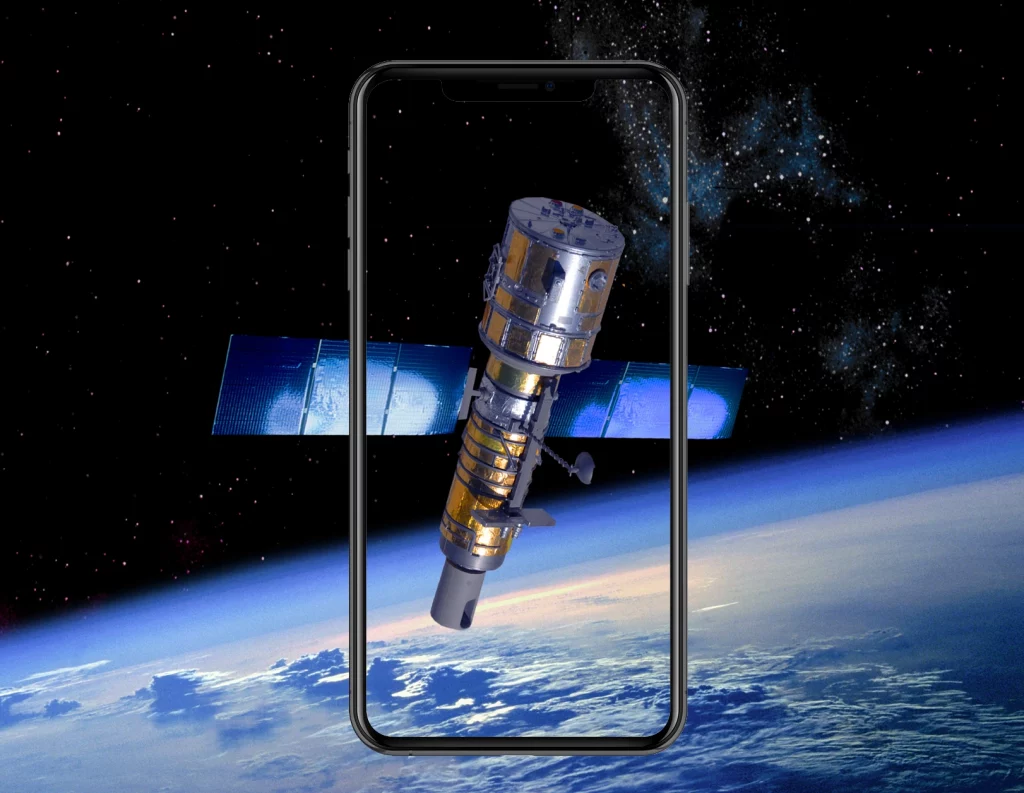
For those unaware, the Cupertino based giant’s offers Crash Detection feature on the iPhone 14 series that can determine whether you’ve faced an vehicular accident. Furthermore, this information is then shared to the relevant authorities to make rescue efforts quick and accurate. Notably, this feature was also supplemented by another emergency feature that Apple had marketed during its iPhone 14 launch event, which is the Satellite SOS feature.
After the accident, the iPhone didn’t have even single cell of service, so the emergency SOS via Satellite service helped contact the rescuers. The satellite connectivity helped in sending a text message to one of Apple’s relay centers that then placed a call to the L.A County Sheriff’s department. The tweet also showcased a video of the rescue being conducted, so it appears that the emergency feature is already being quite effective in real life.
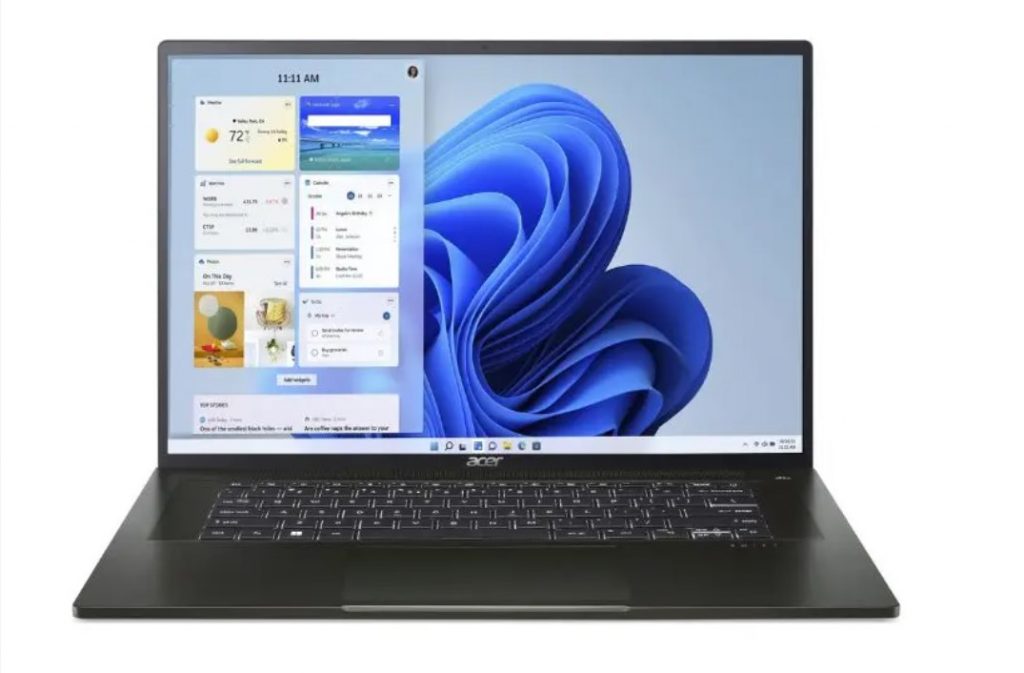
Acer launched the Swift Edge OLED laptop in the global markets in October this year. Now the brand has brought the device to the Indian market. It is touted to be the lightest 16-inch OLED laptop. The machine packs premium specifications. Read on to know what it offers out of the box.
The Acer Swift Edge boasts a 16-inch OLED display bearing a resolution of 3,840 x 2,400 pixels. It offers a 92 percent screen-to-body ratio, 500 nits brightness, and a 100 percent DCI-P3 colour gamut. The display also supports DisplayHDR and is TUV Rheinland eyesafe certified.
In terms of design, the Acer Swift Edge is made up of aluminium alloy that is 20 percent lighter and 2x as strong as normal aluminium. Dimension-wise, It is slim and lightweight measuring 12.95mm thin and weighing just 1.16 kg. The laptop features a backlit keyboard, stereo speakers, and an FHD webcam with temporal noise reduction and AI noise reduction. There is also Windows Hello authentication.
Under the hood, the Acer Swift Edge houses the AMD Ryzen 7 6800U processor. It packs 16GB LPDDR5 RAM and 1TB SSD storage. There is Microsoft’s Pluton security processor to shield the device and user against sophisticated attacks. The laptop draws its power from a 54WHr battery unit with support for 65W charging.
The Acer Swift Edge comes with connectivity options like two USB-C ports, two USB-A ports, HDMI 2.1 port, a headphone jack, WiFi-6E, and Bluetooth 5.4.
The Acer Swift Edge carries a price tag of Rs 1,24,999. It is offered in Olivine Black colour and can be purchased from the brand’s website and Amazon.
There are only a couple of brands in the smartphone market that offer a foldable phone model. However, all of these arrive with a heft price tag. Now, a new report has revealed what it actually costs to build a foldable phone from Samsung, so let’s see if its actually worth their exorbitant price tags.
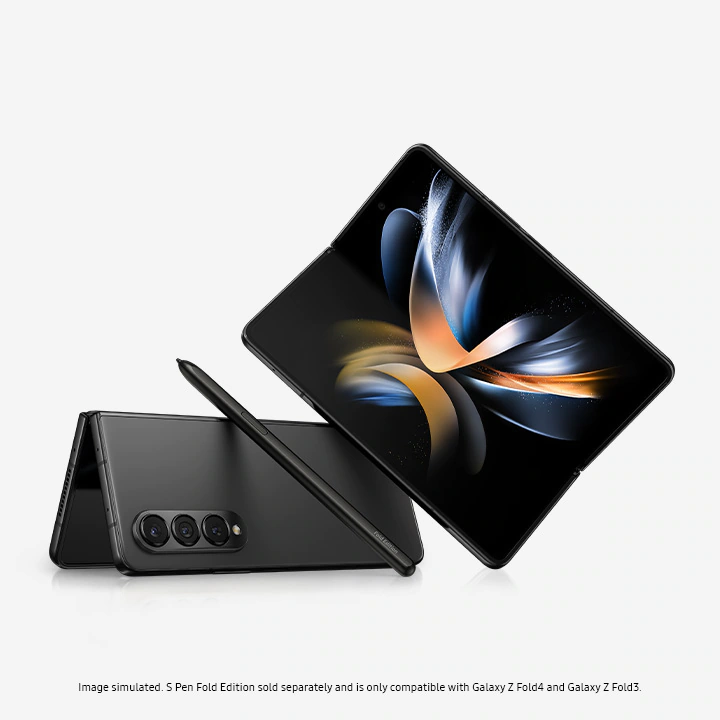
The foldable handset is a fairly recent breed of smartphones with its unique flexible display technology. In the foldable segment, the South Korean tech giant is the leader in this category with its latest Galaxy Z Fold 4 5G model being its flagship model. This foldable phone had been first launched for an eye watering price tag of 1,799 US Dollars. But this is the official pricing and not its official production cost.
However, a new report has found the official cost of actually building a Galaxy Z Fold 4. As oer an independent teardown from Fomalhaut Techno Solution, Samsung has to spend around 670 US Dollars for each unit of this model. In other words, the manufacturing expense of the flagship foldable smartphone is around 40 percent of its actual retail price tag. This means that the company still has a larger left for its profit margin.
Although, this profit margin is still nothing compared to the margins brought in by a brand like Apple. Furthermore, this cost would likely include the company’s efforts in marketing and advertising as well as other operations cost. Regardless, with cutting edge technology and other features, the hefty price tag for the Galaxy Z Fold 4 seems understandable now.
ChatGPT is a large pre-trained language model developed by OpenAI. This is a variant of the GPT-3 model that can engage in conversation-like interactions with humans, answering probing, sequential questions, acknowledging errors in its answers, pointing out incorrect premises when a human asks a question and refusing to answer inappropriate questions. However, seems like not everyone is happy with the app. WeChat has restricted the ChatGPT and related applets, according to latest reports. The applet has been suspended by WeChat due to its content falling outside of the platform’s service scope.
WeChat blocks access to ChatGPT chatbot
After ChatGPT was launched, it quickly gained popularity and many related small programs appeared on WeChat. Some users even managed to connect ChatGPT to WeChat, allowing everyone to play “answer questions” in the WeChat dialog box. However, the good times didn’t last long. WeChat has now restricted the ChatGPT related applets and they cannot be found in the search keywords on the platform.
The ChatGPT applet also shows a message stating that “the service has been suspended because the content belongs to the platform’s unopened service scope.”
It is unclear why WeChat has taken this action, as ChatGPT has been widely popular and has been used by many people to engage in conversation-like interactions with the chatbot. It is possible that WeChat has restricted the applet due to concerns about the accuracy and reliability of the answers provided by ChatGPT, or due to concerns about the applet being used for malicious purposes.
In any case, the restriction of ChatGPT on WeChat is likely to be a disappointment to many users who have enjoyed interacting with the chatbot. It remains to be seen whether the applet will be restored on the platform in the future.
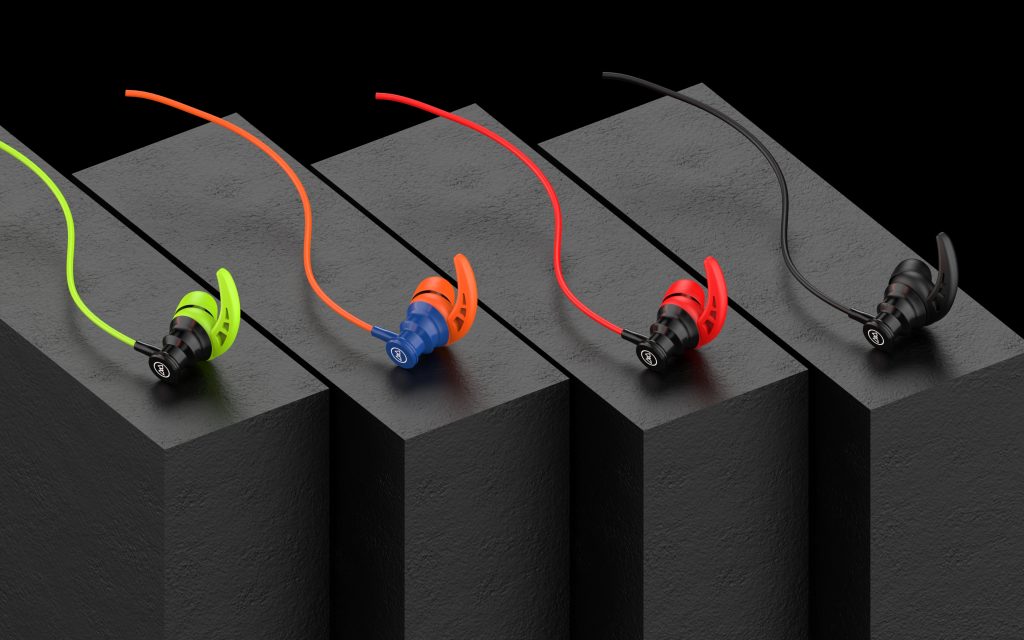
Wings has just released a new audio based product in the Indian market. The company has launched the Phantom 110 Gaming neckband earphones. So let’s have a look at the new hearable.
The brand had just recently unveiled its Phantom 200 truly wireless gaming earbuds in the region just last month. Now, the latest hearable products unveiled by the company is the Phantom 110 Gaming earphones. As the name suggests, it features a neckband format with an in ear design for the eartips. The wireless earphones is launched for mobile gamers thanks to its ultra low latency mode that reduces delay down to 50ms and a dedicated Gaming Mode with zero audio lag.
Under the hood, the Phantom 110 is also equipped with the latest Bluetooth version 5.3 chipset that offers dual pairing and Speed Sync high speed connectivity. This basically lets users switch between two paired devices. Furthermore, the earphones also offers the company’s proprietary Open and On tech that automatically connects the neckbands when turned on. This makes auto pairing faster as well. The Phantom 110 Gaming Neckband also houses 13mm drivers that promises to offer high bass and improved audio quality.
The earphones comes with tactical buttons on the stem control, with bass boost, volume, and multi function buttons switch modes. This also contains an ENC mic for noise cancellation when the users make calls. As per official notes, the Phantom 110 will offer up to 20 hours of audio playback that supports Bullet Charge technology through a USB Type C port. With a 15 minute charge, the earphones offer an impressive 7 hours of playback. Other features include, battery level indicators, voice assistant support, and IPX5 water and sweat resistance.
Apple’s Emergency SOS via Satellite feature, which allows users to send text messages to emergency services in areas with no cellular or WiFi coverage, has been expanded to four new countries. The service launched in the US and Canada last month and was recently extended to the UK, France, Germany, and Ireland. More countries are expected to be added in the future. But Apple’s plans go beyond that.
Apple satellite plans could go further than emergency services
While the emergency service is currently limited to text-based communications, a patent granted on the same day suggests that Apple’s plans for satellite communications may extend beyond emergency use. The patent describes how the company could use satellite comms for voice, video, and other media data. Here’s how Apple describes its new patent:
“If a user is not able to reach emergency services because no cellular or Wi-Fi coverage is available, an easy-to-use interface appears on iPhone to get the user help utilizing a satellite connection. A short questionnaire appears to help the user answer vital questions with a few simple taps, which is transmitted to dispatchers in the initial message, to ensure they are able to quickly understand a user’s situation and location…
Following the questionnaire, the intuitive interface guides the user where to point their iPhone to connect and sends the initial message. This message includes the user’s questionnaire responses; location, including altitude; iPhone battery level; and Medical ID, if enabled. The questionnaire and follow-up messages are relayed directly via satellite to dispatchers that accept text messages, or to relay centers staffed by Apple‑trained specialists who can call for help on the user’s behalf. The transcript can also be shared with the user’s emergency contacts to keep them informed.”
Apple has currently committed $450m to support the satellite communications feature, a significant amount of money even by Apple’s standards for a service that will only be used by a small fraction of iPhone owners. However, if the service is the start of something bigger, then the investment could look rather modest.
Apple satellite communications technology is evolving from being used only by adventurers and yacht owners to being accessible to ordinary internet users. As such, there may be sense in Apple investing in the technology. Of course, as with all patents, it’s important to note that Apple patents many more ideas than ever make it into actual products and services.
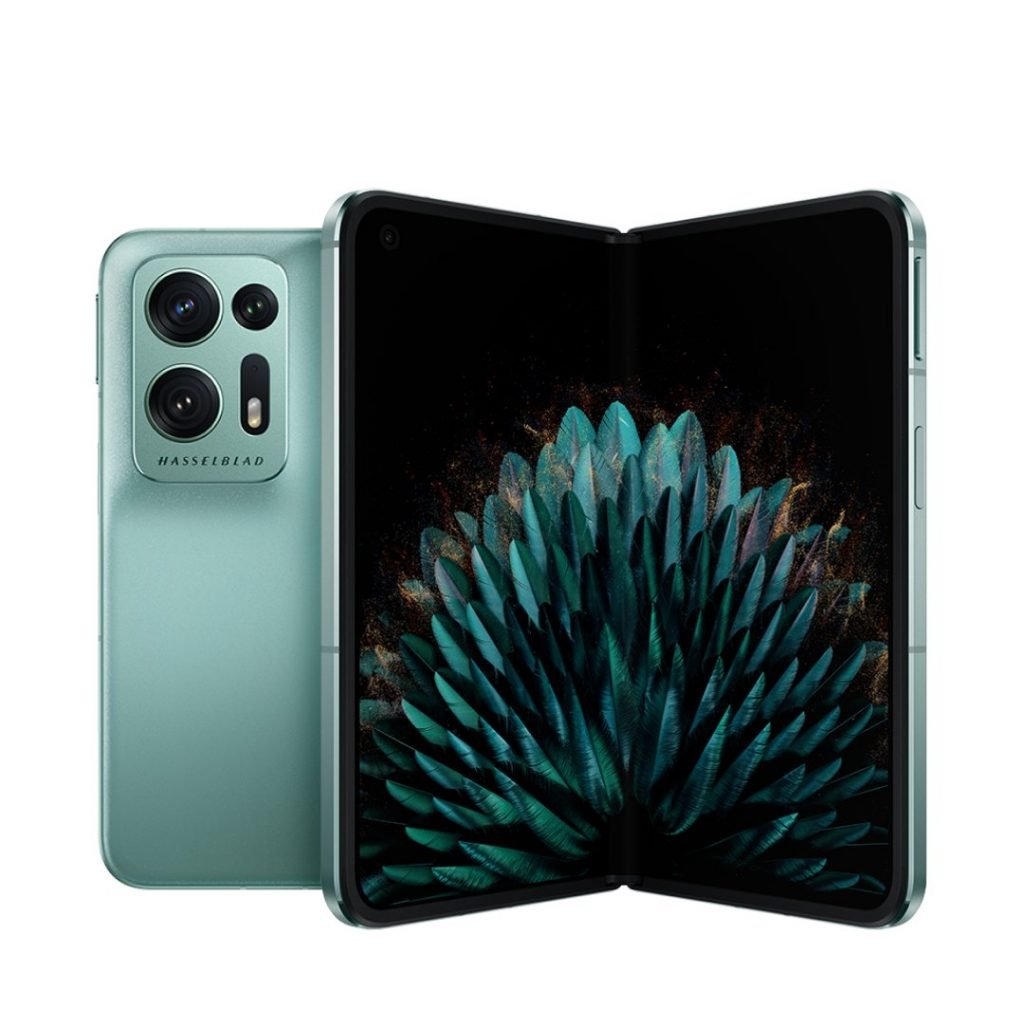
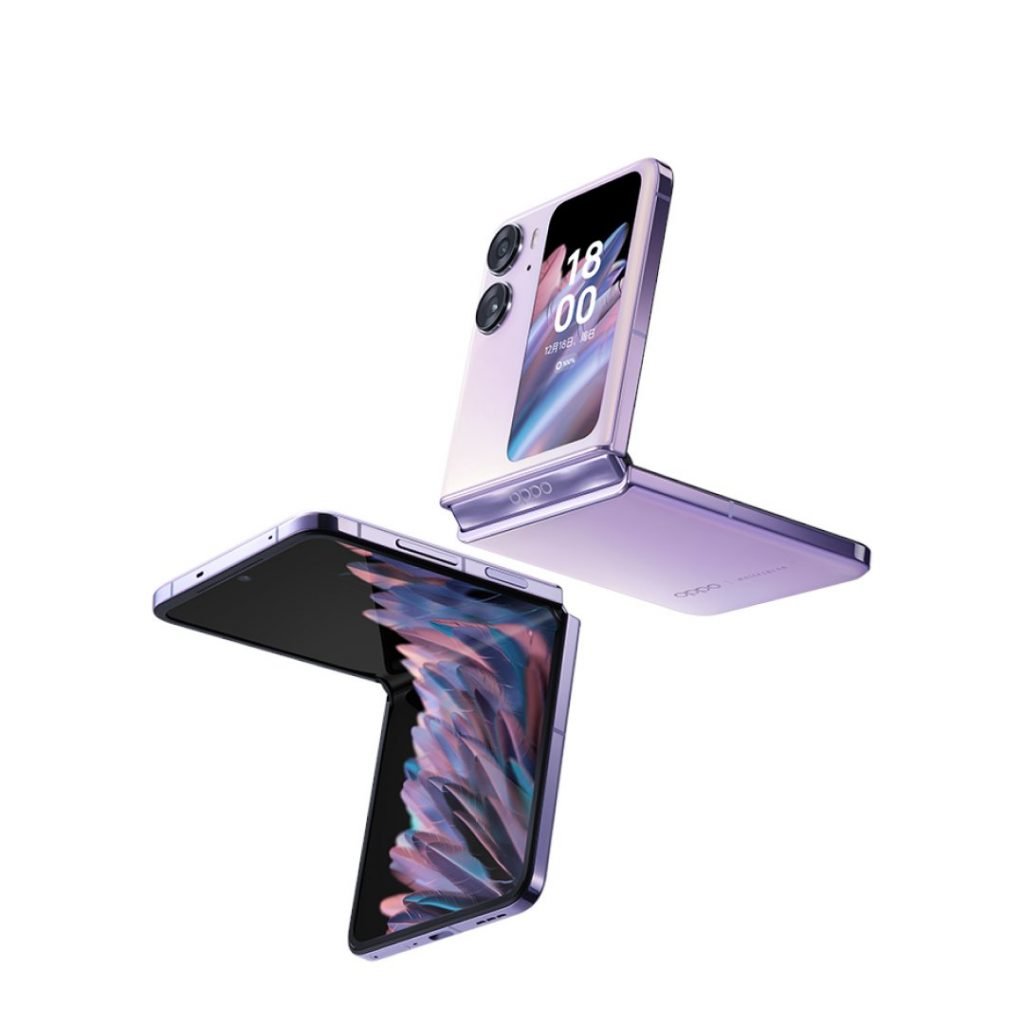
Oppo has just announced its latest generation of foldable smartphones in its home country of China. The two new foldable phones include the Find N2 and the Find N2 Flip. The former is a direct successor to the original Find N, while the latter is a new Flip model. So let’s have a look.
Oppo Find N2
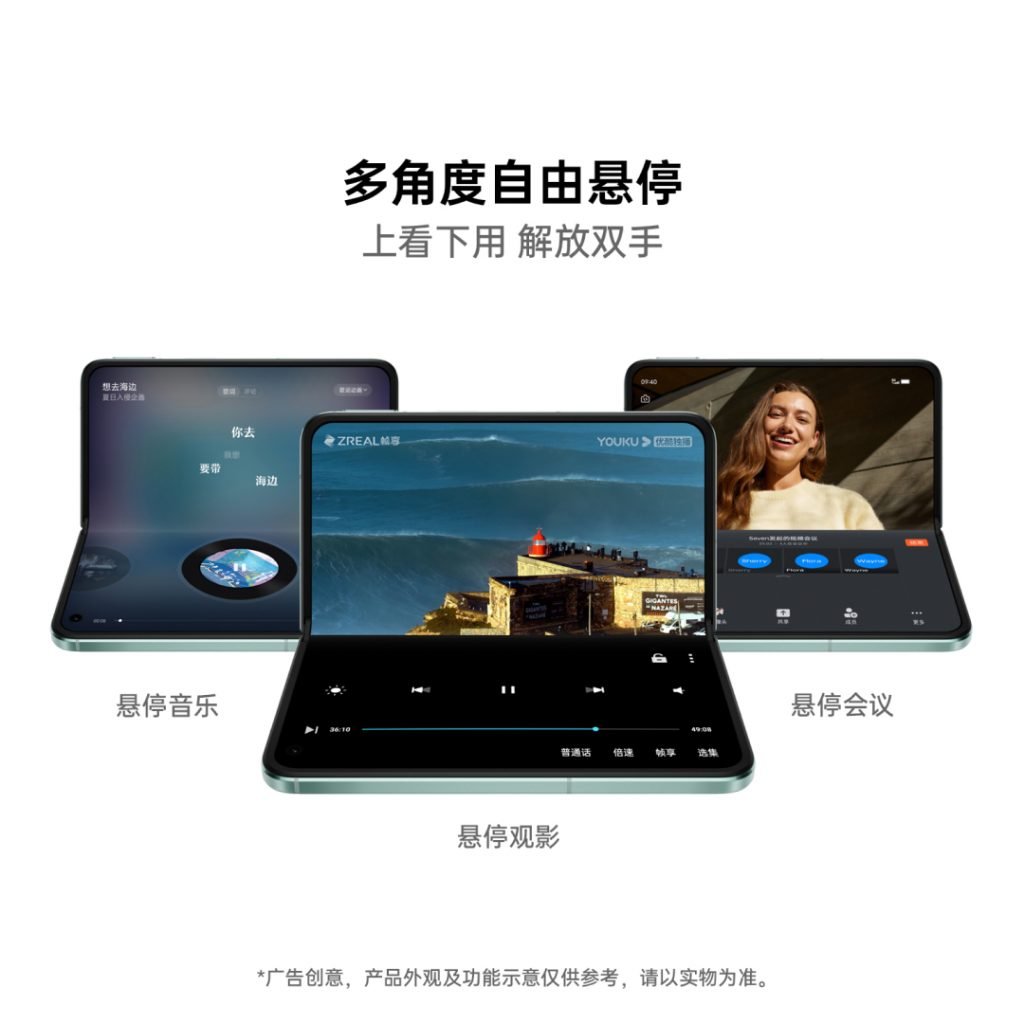
The Find N2 is the higher end model between the two and features a dual display setup. The foldable smartphone has a notebook like inward folding design for its primary display while the external panel is a smaller regular screen. The rear sports a triple camera setup on the rear, with the Hasselblad branding. The dimensions of the design include 132.2×72.6×14.6mm and it weighs the 237 grams.
The primary display is a tall 7.1 inch 120HZ LTPO display that has a 1920 x 1792p resolution, while the outer panel is a 5.54 inch panel with a Full HD+ resolution. Both of these are AMOLED displays and support HDR10+. Under the hood, the Find N2 is equipped with a Qualcomm Snapdragon 8+ Gen 1 SoC that will be paired with either 12GB or 16GB of RAM, and either 256GB or 512GB of internal storage. The new flagship foldable phone will be powered by a 4,520mAh battery pack that supports up to 67W fast charging.
On the rear, the Find N2 features a triple camera setup that consists of a 50 megapixel primary Sony IMX890 sensor, paired with a 48 megapixel ultra wide angle lens, and a 32 megapixel telephoto shooter that offers 2x optical zoom. Meanwhile, the front houses a 32 megapixel dual camera setup, with the two 32 megapixel selfie cameras being housed in both the internal and external display. This device also houses the company’s proprietary ISP, which is the MariSilicon X that was co developed with Hasselblad. The device also runs on Android 13 OS based ColorOS 13 out of the box.
Oppo Find N2 Flip
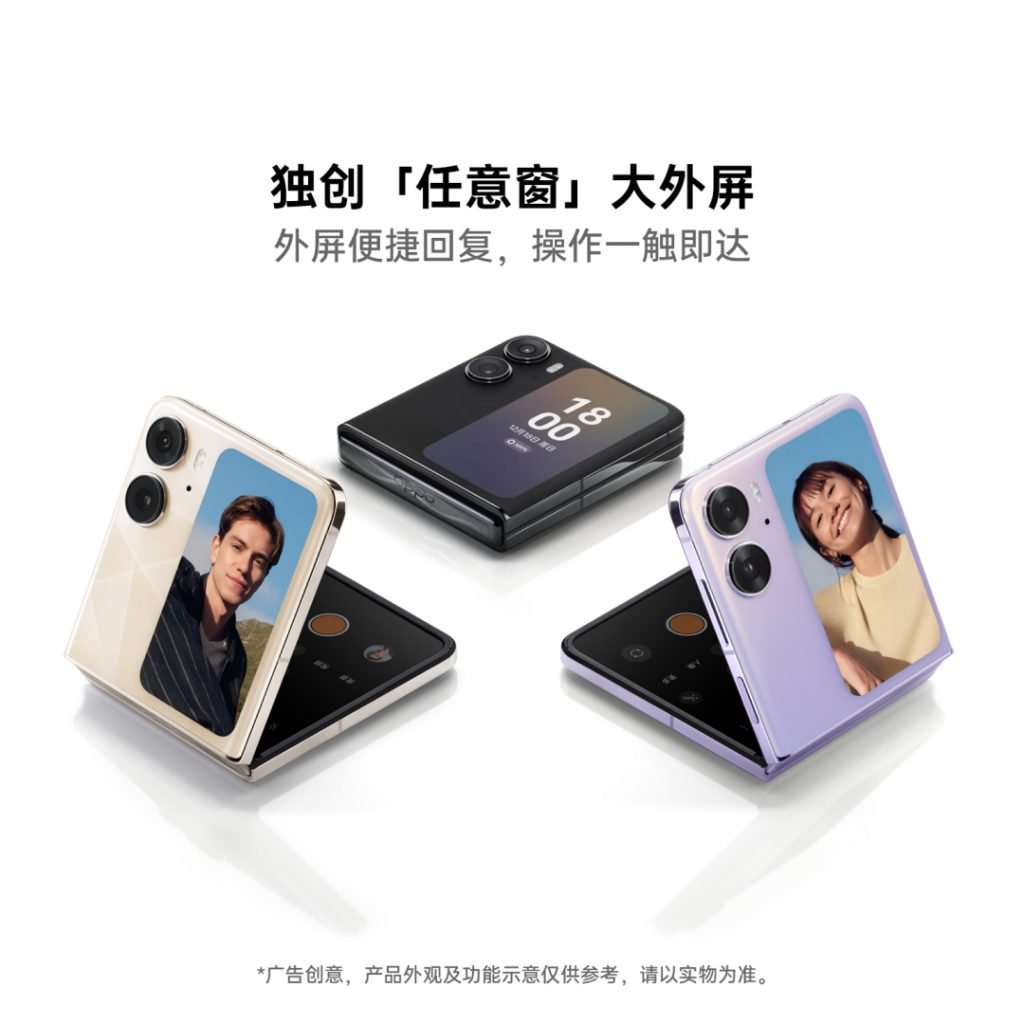
The Chinese smartphone maker didn’t just launch a successor to the Find N, but even launched its very own Flip model as well. Similar to the Moto Razr or the Samsung Galaxy Z Flip 4, the company has launched a clamshell like folding handset. The foldable phone also has twin displays, but the cover display offers fewer functionalities like notification browsing and acting as a camera viewfinder for both the front and rear cameras. There are various other functions as well, but the main highlight of this phone is undoubtedly its flip folding screen.
The main screen is a 6.8 inch 120Hz AMOLED display that has a Full HD+ resolution, HDR10+, and DCI P3 color gamut, while the external panel is a much smaller 2.26 inch 60Hz OLED display that has a 720p resolution. The dimensions of this device are 166.2×75.2×7.45mm and it weighs just 191 grams. Under the hood, this device is equipped with a MediaTek Dimensity 9000+ SoC that is paired with a either 8GB, 12GB, or 16GB of LPDDR5 RAM and 256GB or 512GB of internal storage.
For optics, this device offers a 50 megapixel primary camera that is paired with an 8 megapixel ultra wide angle lens. On the other hand, the front houses a 32 megapixel selfie shooter on the internal display. Similar to the Find N2, this model also houses the MariSilicon X for improved camera performance. The device is powered by a 4,300mAh battery pack that support 44W fast charging.
Pricing, Availability, & Color
Oppo has also revealed the pricing for both devices. So let’s have a look:
Find N2
12GB + 256GB – 7,999 Yuan (roughly 1,146 US Dollars)
16GB + 512GB – 8,999 Yuan (roughly 1,433 US Dollars)
Find N2 Flip
8GB + 256GB – 5,999 Yuan (roughly 859 US Dollars)
12GB + 256GB – 6,399 Yuan (roughly 917 US Dollars)
16GB + 512GB – 6,999 Yuan (roughly 1,003 US Dollars)
The Find N2 arrives in multiple color variants, which includes a matte white and a green model with a glass back while there is a black option as well, but with a vegan leather material. On the other hand, the Find N2 Flip offers a black, purple, and a gold color option as well. The Find N2 Flip is confirmed to be released in the global market soon, although, the company has yet to reveal the official release date for both models in the Chinese market.
Samsung has a new budget-range smartphone in the pipeline called the Galaxy M14 5G. This device has already made appearances on Geekbench and BIS, indicating that it will launch soon in India. Now, it has been spotted on Bluetooth SIG, confirming its moniker.
The listing reveals that the device with model number SM-M146B_DSN is indeed the Galaxy M14 5G. The device supports Bluetooth 5.2 connectivity, according to the Bluetooth SIG listing. Other than this, there are no more specs disclosed in the listing. The Samsung Galaxy M14 5G will, however, some details regarding the device have already surfaced via the Geekbench listing.
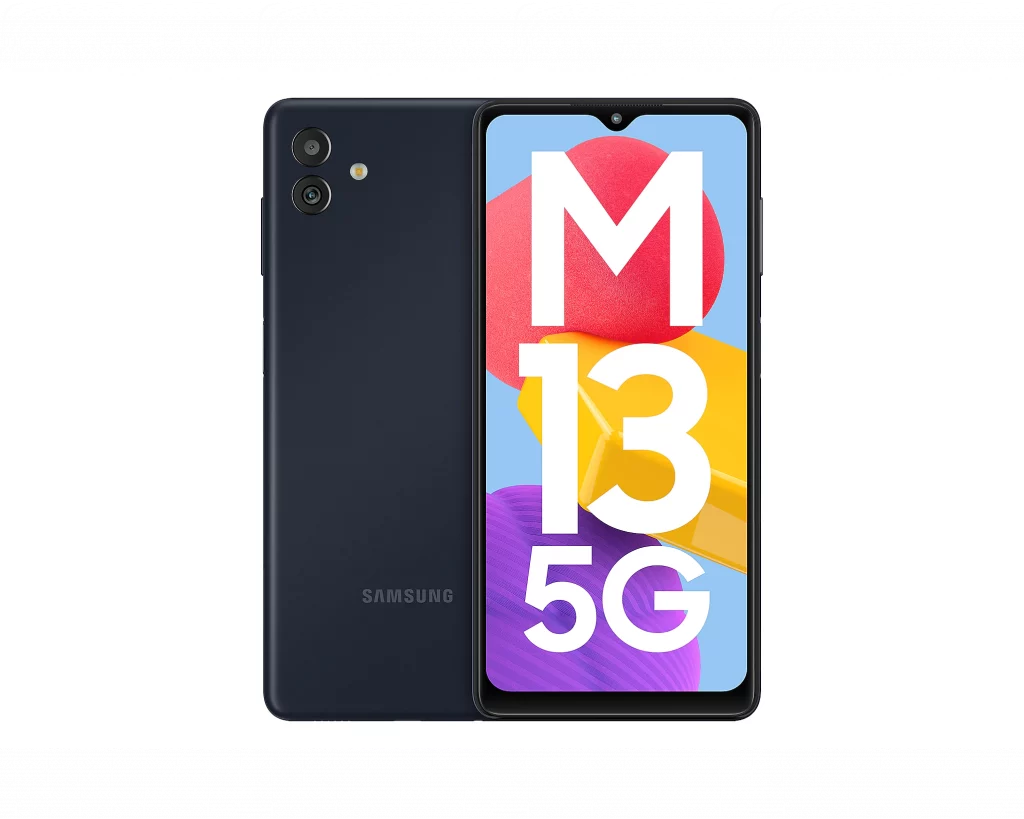
Samsung Galaxy M13 5G
The Galaxy M14 5G has the Exynos s5e8535 SoC, which could be the forthcoming Exynos 1330 chipset, according to the Geekbench listing. The Geekbench score demonstrates that the chipset is pretty capable considering that it is being used in a device in the low-cost bracket. It has two 2.4GHz-clocked cores and six 2.00GHz-clocked cores. The company may provide more RAM and storage options in addition to the 4GB of RAM that is included with this. According to the Geekbench listing, the Galaxy M14 5G will ship with the One UI 5.0 skin and Android 13 pre-installed.
Other features are still unknown, however, we can expect some incremental improvements over its predecessor, the Galaxy A13 5G. For those unaware, the Galaxy A13 5G features the entry-level Dimensity 700 chipset paired with up to 6GB RAM. It has a 5,000mAh battery with 15W fast charging and a 6.5-inch HD+ display with a 90Hz refresh rate.
The Galaxy M13 5G features a 50MP primary camera and a 2MP depth sensor when it comes to cameras. It uses a 5MP front camera for selfies. It sports a Type-C charging connector and a side-mounted fingerprint scanner as well.
For years Samsung phones have stood out by featuring the firm’s own Exynos chips. However, recent reports have suggested that Samsung’s approach to mobile silicon is changing, taking Exynos out of the spotlight. Now, a new industry report further reaffirms suspicions that Samsung could be moving away from Exynos chips for smartphones.
Samsung forms AP development team to rival Exynos processors
Samsung’s Mobile Experience (MX) Business has formed an application processor (AP) solution development team within the business. The team will be led by executive vice president Choi Won-joon, who was also named the head of MX Development during Samsung’s annual reorganization earlier this month.
The AP solution development team was likely formed by MX to design their own processors. A similar position exists already with Samsung System LSI, which designs logic chips such as Exynos that MX uses on its Galaxy phones. It is likely that the MX Business is making its own team to develop its own processors going forward.
The AP is the smartphone’s most important component, handling data communication and calculation. It determines the performance and power consumption of the handset. Samsung’s MX Business uses a variety of suppliers for these, including Qualcomm and Mediatek as well as Samsung System LSI. However, the performance of the Exynos chips used in Galaxy phones has been criticized, leading Samsung to use only Qualcomm’s Snapdragon for the Galaxy S23.
The poor performance of Exynos chips has been pointed out as the cause of recent issues with Galaxy phones. Samsung is now opting to use only Qualcomm’s Snapdragon for the Galaxy S23 because of this. In contrast, the APs used in iPhones are consistently shown to perform better than Samsung’s Galaxy phones. This is because Apple uses its own A-series of chips that it designs on its own.
Samsung’s MX division appears to share users’ disappointment with Exynos chips and their efficiency, performance, and thermal profile. Thankfully, the department isn’t firing blind with this plan to make its own SoCs. The VP heading up this effort, Won-Joon Choi, worked at Qualcomm before joining Samsung in 2016, where he’s also headed the Flagship Product R&D team and the Technology Strategy team.
It remains to be seen whether Samsung will fully transition away from Exynos chips in the future, but the company’s plans to develop its own processors independent of System LSI suggest that a change could be on the horizon.
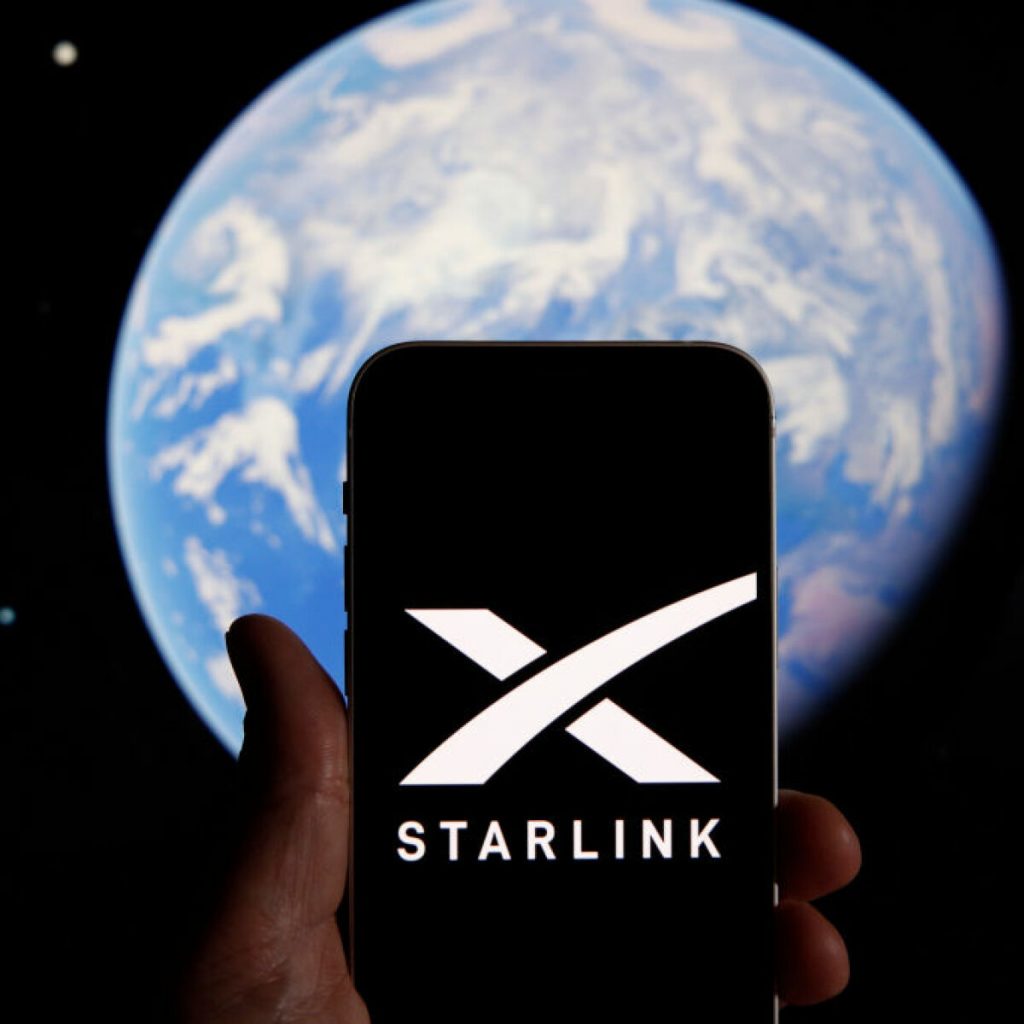
Starlink is a satellite-based internet service developed by SpaceX that aims to provide high-speed internet access to remote and underserved areas. The network consists of a constellation of small, low-Earth orbit satellites that work together to provide broadband internet access. As of September 2022, the constellation consists of over 3,000 satellites, with plans to deploy nearly 12,000 in total. The service has over 500,000 subscribers as of June 2022, but Elon Musk wants more. Apparently, SpaceX is working on allowing users to connect their smartphones directly to the Starlink network.
SpaceX’s Starlink: Revolutionizing smartphone connectivity with direct satellite connections
In order to use SpaceX’s Starlink, a user needs to have certain equipment, such as an antenna and receiver. However, SpaceX is working on technology that will allow users to connect their smartphones directly to the Starlink network, eliminating the need for specialized equipment. This will make it easier for users to access high-speed internet from space and take advantage of Starlink’s capabilities.
SpaceX has filed an application with the US Federal Communications Commission (FCC) to equip some of its second-generation Starlink satellites with “direct-to-cellular” hardware. This will allow users to connect their smartphones directly to the Starlink network, providing them with high-speed internet access from space.
SpaceX has already launched 3,500 first-generation Starlink satellites, and has received approval from the FCC to launch 7,500 more “Gen2” satellites before the end of the decade. With the new “direct-to-cellular” hardware, the company hopes to provide voice, messaging, and basic web browsing services to users with theoretical peak speeds of up to 18.3 Mbps on the downlink.
The application is a key step towards SpaceX’s goal of offering service for smartphones via T-Mobile. In August, the company announced plans to connect the two data networks in an effort to eradicate mobile dead zones in the US.
Other companies, such as Texas-based AST SpaceMobile, are also working on offering space-based mobile broadband services. However, SpaceX’s large constellation of satellites and its partnership with T-Mobile give it a significant advantage in the race to provide reliable internet access from space. If all goes according to plan, SpaceX could offer “full and continuous” smartphone coverage with 2,000 equipped Gen2 satellites as soon as 2024.
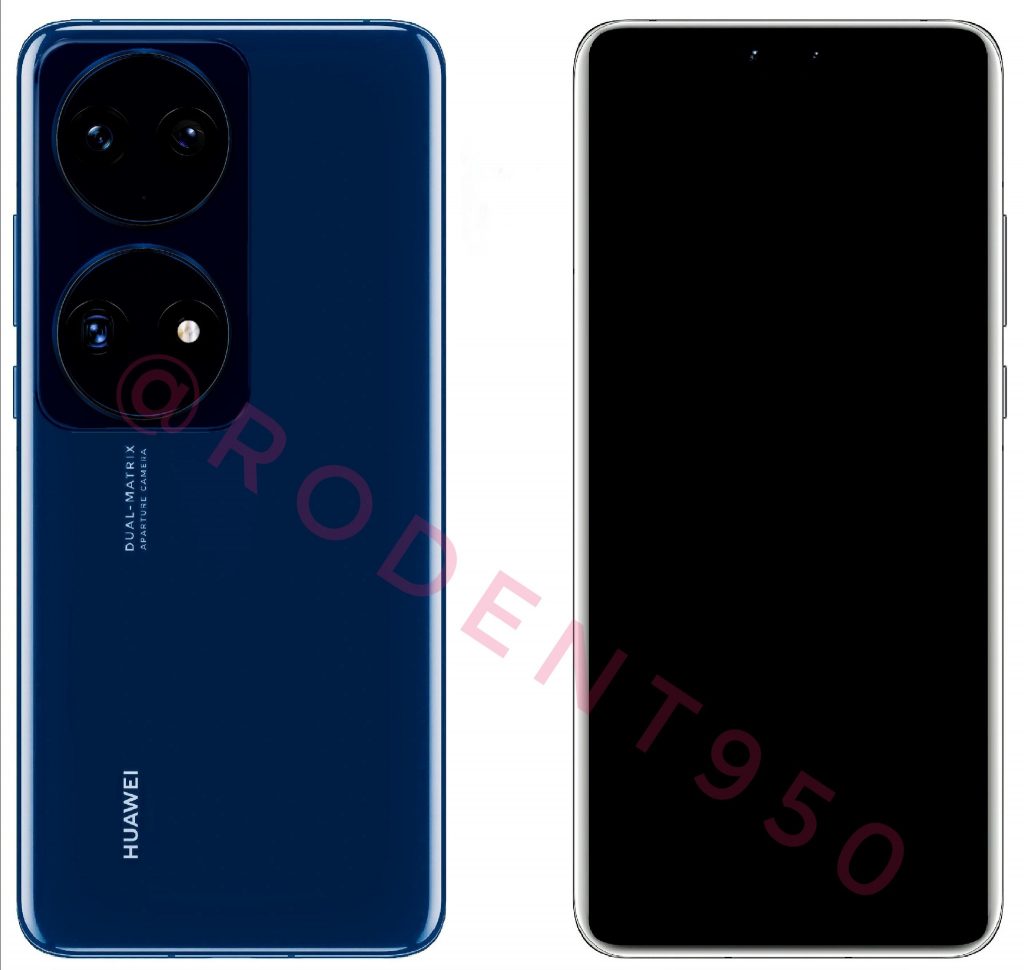
In our recent reports, we had covered news regarding Huawei apparently gearing up to launch its newest generation of P60 series and Mate 60 series of smartphones. Now, the latest information has revealed the possible launch timeline for the two flagship lineup of devices.
As per a previous report, a number of key specifications regarding the Chinese tech giant’s upcoming flagship phones were revealed. A known tipster has shared images for the Mate 60 and even shared some of its features. The device will reportedly be equipped with a 4G only Qualcomm Snapdragon 8 Gen 2 SoC, while the P60 is expected to launch with a 4G only Snapdragon 8+ Gen 1 chipset.
Now, sources close to the matter have claimed that Huawei might be releasing both devices in the first quarter of next year, with the launch month believed to be in Match 2023. Initially, there were rumors regarding the brand possibly reviving its HiSilicon Kirin series of chipsets. But this might not be the case, as the company is expected to offer its flagship phones with just Snapdragon processors.
Furthermore, the sources have further added that the new high end smartphone will enter into mass production soon. Unfortunately, finer details regarding both devices are still unknown, so stick around for more as we will be providing updates when additional information is available regarding the two flagship series of handsets.
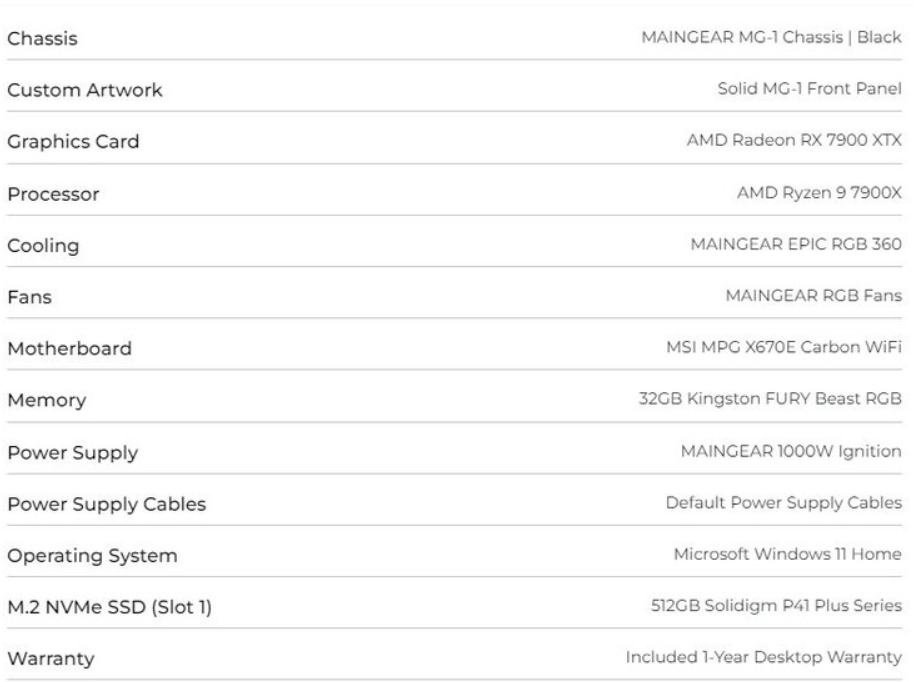
There are AMD Radeon RX 7000 graphics card alternatives, according to the Maingear. Maingear will expand its array of gaming desktop PCs and workstations by including RX 7900 XT/XTX GPU options in the upcoming MG-1 desktop in addition to the current selection. Maingear is already announcing the availability of these cards as hardware choices for its gaming desktop PCs and workstations on the same day AMD debuts the Radeon RX 7900 XT and RX 7900 XTX.
The cost to upgrade from the NVIDIA GeForce RTX 3050 option to the AMD Radeon RX 7000 series is US$730 for the 7900 XT and US$860 for the 7900 XTX, as shown by the configurator for the next-generation MG-1 gaming desktop PC. Along with the previously mentioned MG-1, the F131, Rush, and R1|Razer Edition custom desktops from Maingear now support AMD Radeon RX 7000 series GPU options.
In multi-GPU setups, the Pro RS, Pro WS, and Pro WS Max can support up to 64 CPU cores, 2 TB of RAM, and no less than 192 GB of visual memory. A desktop PC featuring an AMD Ryzen 9 7900X processor, Maingear Epic RGB 360 AIO liquid cooler, Maingear RGB fans, MSI MPG X670E CARBON WIFI mainboard, 32 GB DDR5 5600 MHz RAM, Maingear 1000 W Ignition PSU, and AMD Radeon RX 7900 XTX costs $3,681. The Maingear MG-1 units that have been ordered during this week, regrettably, arrive after Christmas.
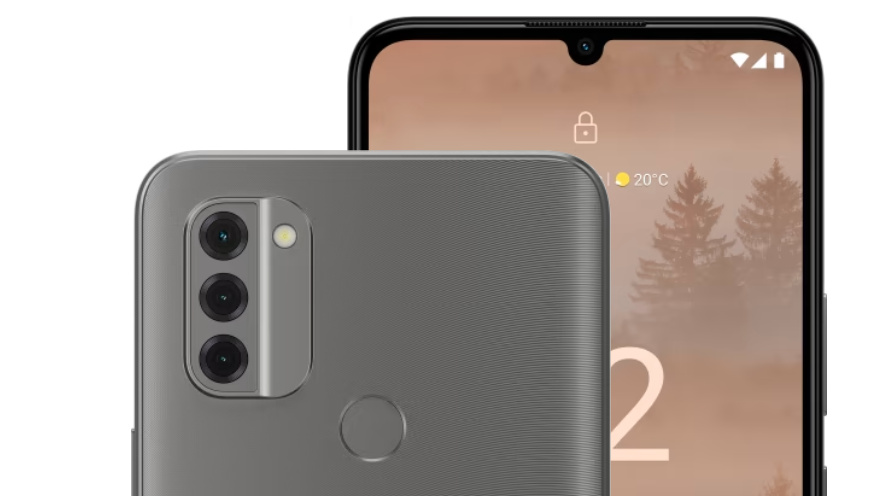
Nokia has now launched a new member in the Nokia C-series of smartphones; Nokia C31. It’s an entry-level smartphone offering some pretty decent specifications like a 5050mAh battery and a 6.7-inch display. It flaunts a 6.7-inches HD+ display with 1200*720 pixel resolution, 20:9 aspect ratio, waterdrop notch cutout for the selfie camera and standard 60Hz refresh rate. It is powered by an unknown octa-core chipset having 4X Cortex A55 clocked at 1.6Ghz primary cores and 4X Cortex A53 clocked at 1.2Ghz performance cores.
As for the cameras, it has got triple rear cameras at the back with a 13-megapixel primary sensor coupled with a 2-megapixel secondary depth sensor and a 2-megapixel tertiary macro lens. On the front, we get a 5-megapixel selfie snapper housed inside the waterdrop notch cutout. It also comes with some software-based camera features such as portrait mode, HDR mode, night mode, and storage smart. It packs a 5050mAh battery with support for 10W standard charging.
Regarding connectivity, it comes with a MicroUSB 2.0 charging port, a 3.5mm headphone jack, Bluetooth 4.2 support, WiFi 802.11 b/g/n and GPS/AGPS/Galileo-based location tracking support. It comes with up to 4GB of RAM and 64GB of onboard storage support. One can also expand its storage up to 256GB using the dedicated microSD card provided. It will boot up on the Android 12-based operating system right out of the box.
The brand promises up to 2 years of quarterly security patches to the device. It also comes with a rear-mounted fingerprint scanner. Nokia C31 will be available in the country in two different variants; 3GB+32GB and 4GB+64GB. It has been priced at INR 9,999 and INR 10,999 respectively. The device will be available in Charcoal, Mint and Cyan colour variants. It will be soon available for purchase in the country through the official e-commerce retail outlets of the brands.
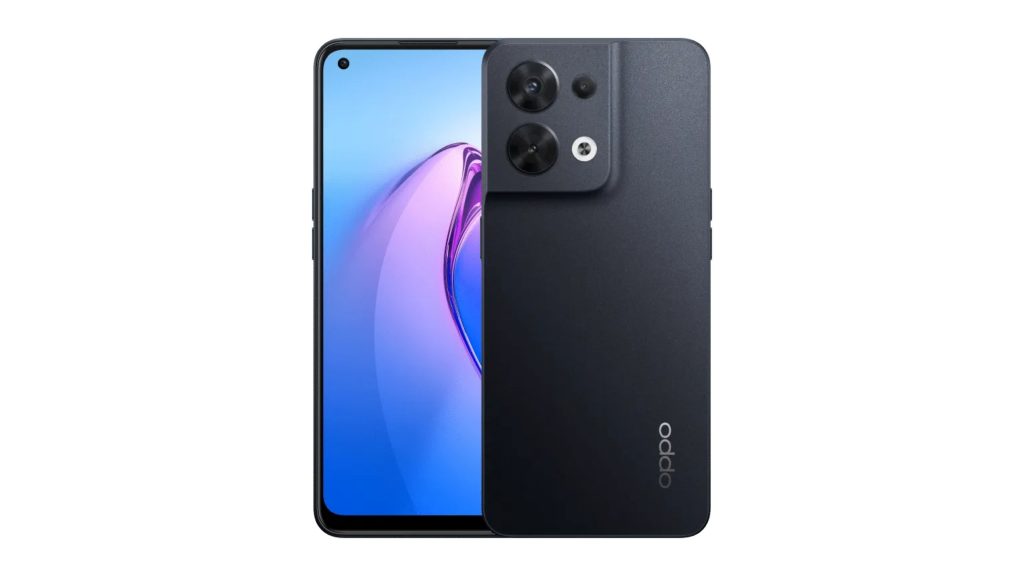
The Oppo Reno 9 series just wentofficial in China. These phones are expected to debut in global markets in Q1 2023. But the company may launch yet another Reno 8 series handset in international markets ahead of the Reno 9 lineup.
The device we are talking about is Oppo Reno 8T. It was spotted on the websites of multiple certification agencies earlier this month. Today, it receives one more certification.
Oppo Reno 8
The upcoming Oppo Reno 8T bears model number CPH2481. It has now been certified by Bluetooth SIG.
As per the listing, the smartphone will come with Bluetooth 5.3 connectivity. On the software front, it will boot ColorOS 13. Though the Android version is not mentioned, it could be mostly Android 13 as Oppo did not release its latest ColorOS software based on last-gen Android, unlike previous years.
According to other certifications, we know that the device will support 33W fast wired charging. Further, the handset is expected to launch in markets like Southeast Asia, Europe, and India.
Usually, Reno phones with an alphabet in their names are limited to certain countries. But the forthcoming Oppo Reno 8T may see a wider release, unlike previous such smartphones.
We look forward to learning more about the Reno 8T in the coming days. Until then, let us know your thoughts on this product in the comment section below.
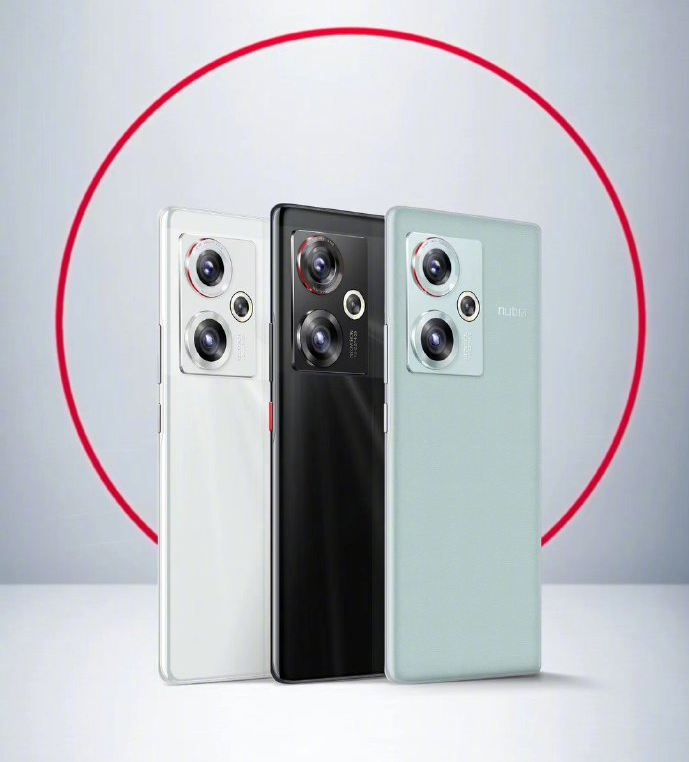
Nubia is getting ready to launch the Nubia Z50 smartphone in its domestic market in China. The majority of the key features of this device have already leaked. Now, the brand has shared the official images of the Nubia Z50, completely revealing the design.
The image reveals that the smartphone will come with a boxy design, however, it will feature curved sides. The display on the device will also be curved. The back will have three camera cutouts on a rectangular camera module. Two of these lenses will be quite large, while the smaller lens will feature the LED flash module outlining its diameter. The bezels on the device will be quite thin, giving it a premium look. The color options available will include Black, White, and Green.
In addition to the design reveal, the teaser also confirms that the device will come with the Snapdragon 8 Gen 2 chipset, a custom 35m optical system, and a 5,000mAh battery. Previous information on the device mentions that it will feature 80W fast charging and it would support Starry Sky Photography, among other photo modes. Further information on the device is still under wraps. So, let’s take a look at the specifications of the Nubia Z40S Pro to get an idea of what to expect from the Z50.
Nubia Z40S Pro specs
The Nubia Z40S Pro, which is Z50’s immediate predecessor, debuted with a 6.67-inch OLED screen with Full HD+ resolution, 144Hz refresh rate, 480Hz touch sampling rate, and a maximum brightness of 1,000 nits. It houses a Qualcomm Snapdragon 8+ Gen 1 CPU, LPDDR5 RAM, and UFS 3.1 internal storage.
The smartphone has three cameras: a 50-megapixel ultra-wide sensor, an 8-megapixel periscope telephoto sensor, and a custom-made 35mm 64-megapixel Sony IMX787 primary camera with an f/1.6 aperture and OIS capability. A 16-megapixel camera is available for selfies and video calls.
The gadget is powered by the Android 12 operating system with a custom skin called MyOS 12 applied by the manufacturer. A 5,000mAh battery with compatibility for 80W/120W rapid charging powers the device.
We use cookies on our website to give you the most relevant experience by remembering your preferences and repeat visits. By clicking “Accept”, you consent to the use of ALL the cookies.
This website uses cookies to improve your experience while you navigate through the website. Out of these, the cookies that are categorized as necessary are stored on your browser as they are essential for the working of basic functionalities of the website. We also use third-party cookies that help us analyze and understand how you use this website. These cookies will be stored in your browser only with your consent. You also have the option to opt-out of these cookies. But opting out of some of these cookies may affect your browsing experience.
Necessary cookies are absolutely essential for the website to function properly. This category only includes cookies that ensures basic functionalities and security features of the website. These cookies do not store any personal information.
Any cookies that may not be particularly necessary for the website to function and is used specifically to collect user personal data via analytics, ads, other embedded contents are termed as non-necessary cookies. It is mandatory to procure user consent prior to running these cookies on your website.