Samsung Display has shown off a new OLED panel technology that could make future laptops noticeably thinner and lighter.
The company unveiled its “Ultra Slim” laptop OLED panel at Computex Taipei 2026, where it demonstrated a design that reduces the panel’s outer-edge thickness by roughly 20% compared to current mass-produced OLED laptop displays.
That might not sound like a huge difference at first, but shaving millimeters from a laptop is rarely straightforward.
According to Samsung, the improvement comes from reducing the thickness of both the TFT substrate glass and the encapsulation glass by more than 30%. The challenge, of course, is maintaining durability. Thinner glass can be more susceptible to flexing, warping, or other structural issues, which is why Samsung says it had to develop additional manufacturing techniques to make the design practical.
The display itself does not appear to sacrifice any of the characteristics OLED panels are known for. Samsung says the technology supports refresh rates ranging from 165Hz to 240Hz and carries VESA DisplayHDR True Black 1000 certification.
That combination makes it particularly relevant for gaming laptops, where manufacturers are constantly trying to balance performance, portability, battery size, cooling requirements, and display quality. Saving space inside the chassis can have a ripple effect on the rest of the design.
In recent years, laptop makers have spent a lot of effort trimming bezels, reducing motherboard footprints, and developing more compact cooling systems. Displays have not always received the same attention, partly because there are physical limits to how thin panel structures can become.
Samsung’s latest prototype suggests there may still be room to push that further.
The company has not announced any products that will use the panel yet, nor has it shared a timeline for mass production. For now, the technology remains a preview of what future premium and gaming laptops could look like.
Still, if manufacturers can cut display thickness without introducing durability concerns, users may eventually end up with lighter machines without giving up screen size, battery capacity, or performance. That’s usually a trade-off laptop makers are happy to avoid.
Hisense has released a new line of 4K Mini-LED TVs in India. The U7SE series is available in five screen sizes: 55-inch, 65-inch, 75-inch, 85-inch, and 100-inch. Pricing starts at Rs. 63,990 for the 55-inch base model, and the company is distributing the lineup primarily through offline retail partners.
Hisense U7SE Specifications
The displays use Mini-LED backlighting paired with full-array local dimming. This hardware setup divides the backlight into specific dimming zones, allowing the TV to control brightness independently across different areas of the screen. This generally improves contrast and reduces the halo effect around bright objects in dark scenes compared to standard LED panels. Hisense is also using quantum dot technology, branded here as Hi-QLED, to handle color reproduction.
On the processing side, the TVs are powered by Hisense’s Hi-View AI Engine, which handles real-time picture adjustments, upscaling, and tone mapping. The 100-inch model gets a slightly upgraded Pro version of this processor to handle the larger display area. The series also includes an AI RGB Light Sensor that dynamically tweaks the picture based on the ambient lighting in the room. Format support is comprehensive, covering Dolby Vision IQ, HDR10+ Adaptive, and a dedicated Filmmaker Mode.
For gaming, the U7SE series includes the standard specifications expected for use with current-generation consoles and PCs. The panels have a native 144Hz refresh rate, while the 100-inch model includes a 165Hz game mode. The TVs are equipped with HDMI 2.1 connectivity, variable refresh rate (VRR), and AMD FreeSync Premium to reduce screen tearing and input lag during gameplay.
Audio is handled by a built-in system featuring a dedicated subwoofer, and the sound profile has been tuned in collaboration with the French audio company Devialet. The TVs also support Dolby Atmos for spatial audio processing.
On the software side, the U7SE series runs on Hisense’s proprietary VIDAA Smart OS instead of a more common platform like Google TV. The operating system supports standard streaming applications and includes hands-free voice control functionality. The physical design of the TV features a slim unibody frame with thin bezels, intended to fit cleanly into standard living room setups.
In related news, Hisense has recently unveiled the Xplorer X1 Pro laser TV, featuring a foldable 120-inch screen and built-in Harman Kardon audio.
For more daily updates, please visit our News Section.
Redmi has finally put an end to speculation surrounding the arrival of the Turbo 5 in India. After teasing the handset for several days, the brand has now confirmed when the device will make its debut, giving prospective buyers a clearer timeline for its launch.
Redmi Turbo 5 India launch date confirmed
Redmi Turbo 5 India launch date
A teaser page on Amazon India confirms that the Redmi Turbo 5 will launch in the country on June 16. The promotional material describes it as the fastest Redmi smartphone to date, indicating that performance will be one of its key selling points. While the company has locked in the launch date, it has not yet revealed whether any additional products will accompany the smartphone at the event.
The confirmation comes after Redmi began teasing the device on Amazon India in May. Early teasers revealed the rear design of the handset, which closely matches the Redmi Turbo 5 version introduced in China earlier this year. The phone features a dual-camera setup on the back, with LED lighting integrated into the camera rings, along with a black colour option.
Redmi Turbo 5: What to expect?
Although Redmi has not officially disclosed the Indian variant’s specifications, the device is expected to retain the hardware offered in China. The Turbo 5 features a 6.59-inch OLED display with a 1.5K resolution, a 120Hz refresh rate, and peak brightness of up to 3,500 nits. It runs on HyperOS 3 based on Android 16 and is powered by the MediaTek Dimensity 8500-Ultra chipset.
The smartphone is also expected to pack a 7,560mAh battery with support for 100W wired charging and 27W reverse wired charging. For photography, it includes a 50-megapixel primary camera paired with an 8-megapixel ultra-wide lens, while a 20-megapixel front camera handles selfies and video calls. Other expected features include an in-screen fingerprint scanner, dual speakers, an X-axis linear motor, an IR blaster, a metal middle frame, and IP68/IP69-rated dust and water resistance.
Reports have also suggested that Redmi could unveil the Redmi 17 alongside the Turbo 5, although the company has yet to confirm any details. Readers can visit this post to know the leaked specs of the Redmi 17.
For more daily updates, please visit our News Section.
Asus has announced a new all-in-one desktop, the ExpertCenter P200 (PM240FA). It is a 24-inch Windows PC built specifically for standard office use, such as reception desks, shared workspaces, or standard cubicles. It is not a high-end machine, but rather a practical option for companies that just need a screen and a computer combined into one compact unit to save desk space.
Asus ExpertCenter P200 AiO Specifications
The screen is a 23.8-inch 1080p IPS panel with a standard 16:9 aspect ratio. It has a maximum brightness of 300 nits, which is typical and generally sufficient for indoor office lighting. The display has a TÜV Rheinland certification for low blue light. Above the display is a 2-megapixel 1080p webcam with a physical privacy shutter.
Inside, the P200 uses AMD’s lower-power processors. The top configuration comes with a Ryzen 5 40 chip running at a 15W TDP, though buyers can also configure it with a Ryzen 3 30 or a baseline Athlon Silver 10 processor. For memory and storage, it supports up to 16GB of LPDDR5X RAM and a 512GB PCIe 4.0 SSD.
The port layout is split to help keep cables organized. On the side, there is a single USB-C 3.2 port and a headphone jack for devices you need to plug in temporarily. The back panel holds the permanent connections: one USB-A 3.2 port, two older USB-A 2.0 ports (likely for the optional mouse and keyboard), an Ethernet jack, and an HDMI 2.1 port if you want to connect a second monitor. For wireless networking, it supports Wi-Fi 6E and Bluetooth 5.4.
Because it is a business-focused PC, Asus included standard enterprise security and durability features. There is a discrete TPM chip for hardware encryption and a NIST SP 800-155-compliant BIOS. The PC meets MIL-STD-810H durability standards, meaning it is tested to handle the usual bumps and temperature variations of a normal work environment.
The entire unit weighs 5.5kg, making it relatively easy to move if an office layout changes. Asus has not shared pricing or release dates yet.
In related news, Asus recently unveiled the V700 Mini Tower, a desktop that stands out with its striking design, and the ROG NUC 16 Edition 20, a compact gaming PC featuring an RTX 5090 and a semi-transparent chassis.
For more daily updates, please visit our News Section.
OnePlus 15 is a spec-heavy smartphone and one of the best flagships in the under INR 100K (~ $1000) price segment. It features a high-quality AMOLED screen, a powerful Snapdragon 8 Elite Gen 5 processor, a high-end camera setup, and a large 7300mAh battery with fast charging support.
While the OnePlus 15 delivers excellent value for the price, there are some great alternatives in the market that are just as good as the OnePlus phone and even offer superior capabilities.
Top 5 alternatives to OnePlus worth paying attention to
If you’re looking for a performance-heavy smartphone, the iQOO 15 (review) delivers big. The smartphone features the same Snapdragon 8 Elite Gen 5 processor inside the OnePlus 15, but iQOO phones are generally optimized to deliver superior performance.
The iQOO 15 is also a better choice for high-end gaming as it has a dedicated Q3 chip for frame interpolation and graphic upscaling, a bigger display with 144Hz high refresh rate, a touch sampling rate of 3200Hz for immediate response times, and a massive 8,000 sq. mm vapor chamber to keep it cool during heavy gaming. Furthermore, there are extensive software optimizations to deliver low-latency gaming at high frame rates with a bypass charging feature.
The rear camera setup has three sensors, all featuring 50MP resolution. It includes a primary shooter, a periscope telephoto lens with 3x optical zoom, and an ultrawide camera. There’s a 32MP camera unit for front photography.
The 7000mAh battery on the iQOO 15 is slightly smaller compared to the OnePlus 15’s 7300mAh, but it’s still a solid offering, paired with 100W wired and 40W wireless charging. The iQOO phone also promises an extra major OS upgrade.
The Xiaomi 17 (review) is an excellent package overall, featuring the Snapdragon 8 Elite Gen 5 at its core that ensures excellent performance and power efficiency. The device ships with Android 16 out of the box and promises 5 major Android OS upgrades and 6 years of security patches.
It’s a compact flagship phone with a 6.3-inch AMOLED screen, but it has a powerful camera setup on both sides. The rear features a triple-camera setup, including a 50MP main sensor, a 50MP telephoto camera, and a 50MP ultrawide camera. The selfie camera is also a 50MP sensor.
The Xiaomi phone packs a 6330mAh battery, while the Chinese model gets a much bigger 7000mAh battery. It supports 100W wired and 50W wired charging, as well as reverse wired and wireless charging.
Vivo X300 (review) might not be the best-performing phone on the list, but it’s an excellent option for a camera person. The rear camera setup is led by a massive 200MP sensor, which is paired with a 50MP 3x periscope telephoto lens and a 50MP ultrawide camera. The 50MP selfie camera also takes photos and videos with great detail.
The smartphone is powered by the Dimensity 9500 chipset, MediaTek’s most powerful mobile processor. It delivers excellent performance and battery efficiency. However, the Vivo X300 lacks a robust cooling system, and therefore, high-end gaming for long sessions may result in overheating. Regular tasks and casual gaming are always smooth.
The X300 packs a 6,040mAh battery and supports 90W wired and 40W wireless charging. It has robust connectivity features just like any other phone on the list.
The Oppo Find X9 (review) is another great flagship phone, featuring a capable triple camera setup. On the rear side, it features a 50MP primary camera, a 50MP 3x periscope telephoto unit, and a 50MP ultrawide camera. The selfie camera has a 32MP resolution.
At the core is the Dimensity 9500 flagship processor, ensuring all your apps and games run smoothly. The smartphone ships with Android 16 right out of the factory and promises five major Android OS updates. Along with a high-quality AMOLED screen, the Find X9 houses a big 7025mAh battery with support for 80W wired, 50W wireless, and 10W reverse wireless charging.
The Realme GT 8 Pro is also a spec-heavy smartphone, featuring a top-tier Snapdragon 8 Elite Gen 5 processor. It boasts a 6.79-inch AMOLED screen with a 144Hz high refresh rate and a peak brightness of 7000nits. The device comes with Android 16 out of the box, like any other phone on the list, and guarantees four major Android OS updates.
Around the back, it features a high-end triple camera setup, comprising a 50MP main sensor, a 200MP 3x periscope telephoto shooter, and a 50MP ultrawide unit. There’s a 32MP snapper for selfies and video calls. Furthermore, the device packs a 7000mAh battery and supports 120W wired and 50W wireless charging, as well as reverse charging.
Battery capacities have been climbing surprisingly quickly over the past year, and Oppo may be preparing one of the biggest jumps yet.
According to Digital Chat Station, the company is testing a new mid-range smartphone equipped with a battery rated at around 9,700mAh, with typical capacity reportedly reaching the 10,000mAh mark. If the leak proves accurate, the device would comfortably exceed most of today’s battery-focused smartphones.
Reports dating back to late 2025 mentioned a massive single-cell battery entering trial production, carrying a rated capacity of roughly 9,750mAh and a typical value close to 10,000mAh. At the time, it felt more like a glimpse of future hardware than something that might show up in a commercial phone anytime soon.
The leaked device is said to use a 4nm-based chipset, paired with a flat LTPS display carrying a resolution around the 1.5K mark.
The phone reportedly uses high-polymer impact-resistant materials and elements of the company’s “diamond architecture” design, which has appeared in several recent devices aimed at improving drop resistance.
The rumored price is perhaps the most surprising detail. Digital Chat Station claims the device is being positioned around the 2,000 yuan range (roughly €253 at the current exchange rate), which would place it firmly in the mid-range segment rather than the premium category.
Of course, battery capacity alone never tells the whole story. Software optimization, charging speeds, thermal management, and overall efficiency matter just as much. Still, the idea of a mainstream smartphone approaching the 10,000mAh mark would have sounded unrealistic not very long ago.
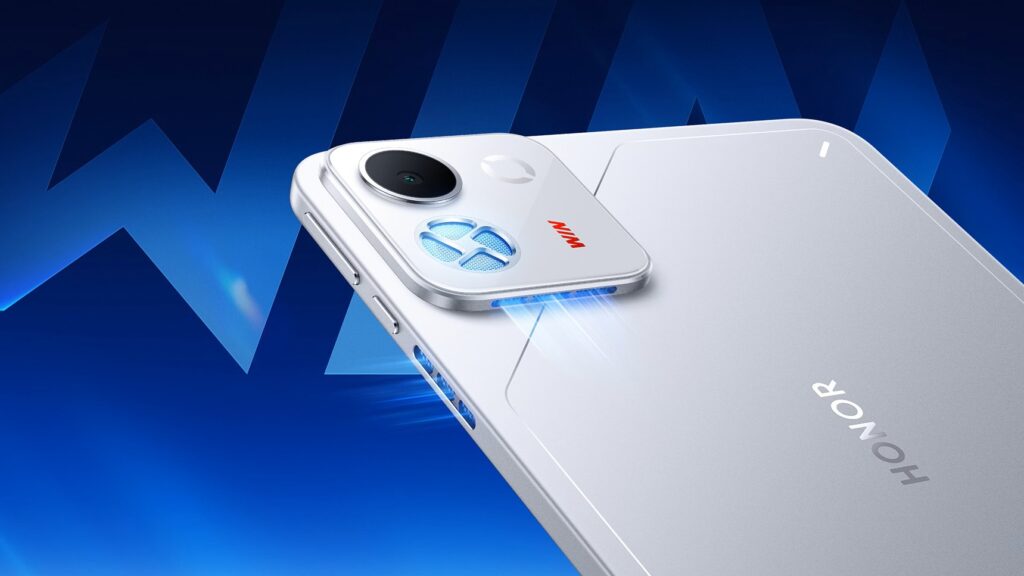
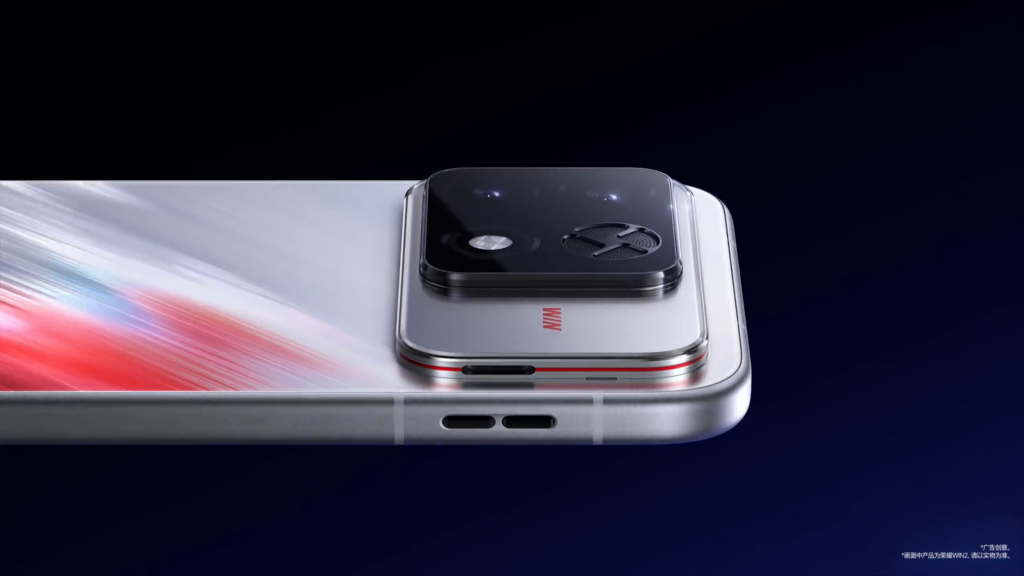
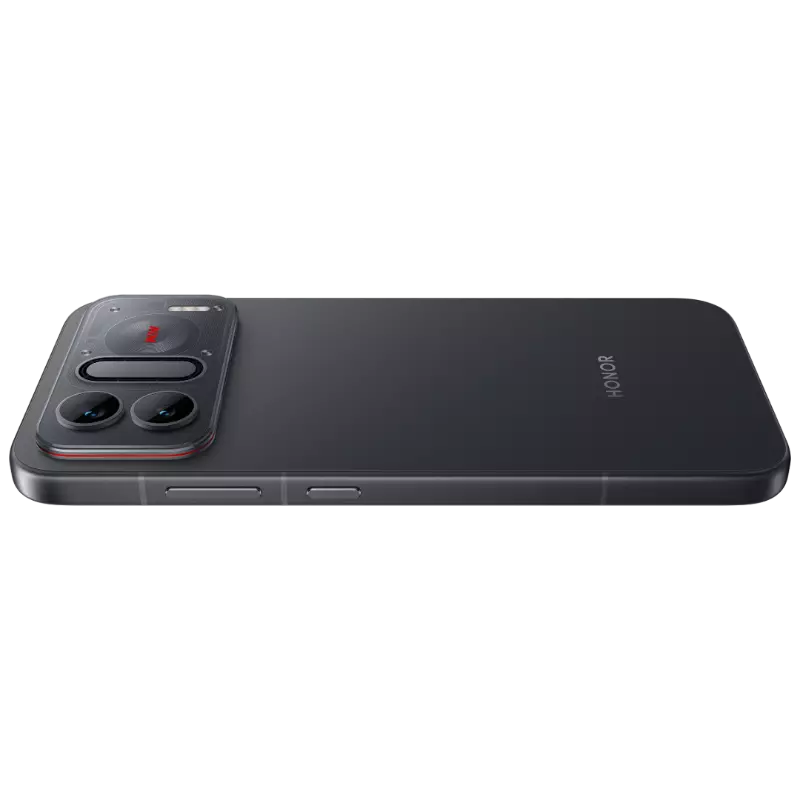
There are already a handful of smartphones from Realme and Honor that ship with 10,000mAh batteries, including the Realme P4 Power, Realme Narzo Power, Honor Power 2, Honor Win, and Honor WIN RT. It will be interesting to see how quickly the rest of the industry follows, if at all, once 10,000mAh batteries become commonplace in Chinese smartphones.
Asus introduced the V700 Mini Tower (V701ML) at Computex 2026, bringing a fresh design approach to traditional desktop PCs. Instead of the usual industrial-looking tower, it features clean lines, soft contours, and a wood-grain finish designed to blend into modern homes and shared workspaces, making it one of the most beautiful desktop PCs on the market.
The company says the V700 Mini Tower is aimed at users who want a desktop that can remain visible in living rooms, home offices or study areas without looking out of place. While the exterior adopts a warmer aesthetic, Asus has paired it with high-end desktop hardware, including Intel’s latest Core Ultra HX processors and optional Nvidia GeForce RTX 50 Series graphics.
Designed for modern homes
Asus V700 Mini Tower
The V700 Mini Tower stands out from conventional desktop PCs with its furniture-inspired styling. Asus has opted for a minimalist look that resembles home décor more than office equipment, making the system suitable for placement on desks, media units or open shelving.
The move reflects a broader trend in consumer electronics, where devices such as smart speakers, routers and gaming consoles are increasingly designed to complement interior spaces rather than hide within them.
Up to Intel Core Ultra 9 275HX processor
Under the hood, the desktop can be configured with up to an Intel Core Ultra 9 275HX processor featuring 24 cores, 24 threads and boost speeds of up to 5.4GHz. Other configuration options include the Core Ultra 7 255HX, Core Ultra 7 251HX and Core Ultra 5 235HX processors.
The system supports up to 64GB DDR5 memory through two SO-DIMM slots and offers SSD storage capacities ranging from 256GB to 1TB. Users can further expand storage through additional M.2 slots and three SATA ports.
Key specifications
Asus V700 Mini Tower
Up to Intel Core Ultra 9 275HX processor
Intel AI Boost NPU with up to 13 TOPS
Up to 64GB DDR5 memory
Up to 2TB PCIe 4.0 SSD storage
Optional Nvidia GeForce RTX 50 Series graphics
Wi-Fi 6E and Bluetooth 5.4 connectivity
PCIe 5.0 x16 expansion slot
Windows 11 Home operating system
Quiet cooling and expansion options
Asus has equipped the V700 Mini Tower with triple-channel heat pipes and a larger cooling fan to maintain low noise levels during everyday use. The company claims the cooling solution helps deliver whisper-quiet operation while handling productivity, entertainment, and creative workloads.
Connectivity options include four USB 3.2 Gen 1 Type-A ports, two USB 2.0 ports, HDMI 2.1b, DisplayPort 1.4, Gigabit Ethernet, and multiple audio connections. Expansion options include PCIe slots, dual M.2 storage slots, and support for dedicated graphics cards.
Price and availability
Asus V700 Mini Tower
Asus announced the V700 Mini Tower during Computex 2026, but has not yet disclosed pricing, release dates, or market availability. Additional details are expected closer to launch in individual regions.
For more daily updates, please visit our News Section.
Asus has announced a special anniversary version of its ROG NUC, and the hardware inside is about as excessive as you would expect.
Called the ROG NUC 16 Edition 20, the compact gaming PC was unveiled to celebrate 20 years of the Republic of Gamers brand. At first glance, the biggest difference is the design. Asus has given the system semi-transparent side panels and gold-colored accents, making it look noticeably different from the standard ROG NUC 16.
The more interesting changes are on the inside.
Like the regular model, the Edition 20 uses Intel’s Core Ultra 9 290HX processor, a 24-core chip based on Arrow Lake-HX. Memory can be configured up to 128GB of DDR5-6400, which is a surprisingly large amount for a machine this size.
The graphics upgrade is where things get serious. Instead of the RTX 5080 Laptop GPU found in the standard model, Asus has opted for NVIDIA’s RTX 5090 Laptop GPU with 24GB of GDDR7 memory.
For a mini PC, that is a lot of graphics horsepower. Only about 15% to 20% of all Mini PCs on the market pack truly capable graphics for gaming.
The system itself occupies roughly three liters of space, making it closer in size to a small console than a traditional gaming desktop. Keeping that kind of hardware cool is not a trivial task, so Asus relies on a triple-fan cooling system and a vapor chamber design. According to the company, the RTX 5090 can operate at power levels up to 175W.
Connectivity is about what you would expect from a premium gaming machine. Thunderbolt 4, Wi-Fi 7, dual HDMI 2.1 ports, dual DisplayPort 2.1 outputs, multiple USB ports, and 2TB of PCIe 5.0 storage all come standard. There is also room for an additional M.2 SSD.
What’s interesting about products like this is that they blur the line between gaming laptops and desktops. The hardware is clearly laptop-derived, but the form factor behaves more like a desktop that happens to be unusually small.
Whether that trade-off makes sense will depend largely on pricing, which Asus has not disclosed yet. Limited-edition ROG products rarely come cheap, and a mini PC carrying an RTX 5090 was never going to be a budget option anyway.
Still, if the idea of fitting flagship gaming hardware into something barely larger than a game console sounds appealing, the ROG NUC 16 Edition 20 is probably one of the more extreme examples we’ve seen so far.
ASUS has unveiled a special-edition gaming mouse to celebrate the 20th anniversary of its Republic of Gamers (ROG) brand. Called the ROG Harpe II Extreme Edition 20, the new mouse was introduced at Computex Taipei 2026 and combines esports-grade performance with a premium collector-focused design.
Premium Design With 24K Gold Accents
The anniversary edition is based on the ROG Harpe II Extreme launched in late 2025, but features a unique semi-transparent black shell and a 24K gold-plated internal metal frame. ASUS has also added gold-colored side buttons, a gold scroll wheel, and gold-accented mouse feet.
A special engraving reading “ROG 06 ←→ ∞” appears on the left mouse button, highlighting the brand’s 20-year milestone. Despite its premium construction, the mouse weighs just 82g. ASUS also uses Corning Gorilla Glass mouse feet for smoother movement and improved durability.
Built for Competitive Gaming
Under the hood, the ROG Harpe II Extreme Edition 20 packs ASUS’ AimPoint Pro 65K optical sensor. The sensor supports up to 65,000 DPI, tracking speeds of 800 IPS, and 70G acceleration.
The mouse uses ROG SpeedNova 8K wireless technology, delivering up to an 8,000Hz polling rate and wireless latency as low as 0.2ms. ASUS has also equipped it with ROG 100M optical switches rated for up to 100 million clicks.
Price and Availability
The ROG Harpe II Extreme Edition 20 is priced at $259.99. Sales begin on June 2, 2026, through Best Buy and Newegg, while Amazon and Micro Center will start offering the mouse from July 19, 2026. ASUS says the model will be available only through the end of 2026 as part of a limited anniversary production run.
Specifications
Feature
Specification
Sensor
ASUS AimPoint Pro 65K
DPI
65,000
Tracking Speed
800 IPS
Acceleration
70G
Polling Rate
Up to 8,000Hz
Wireless Latency
0.2ms
Switches
ROG 100M Optical
Weight
82g
Mouse Feet
Corning Gorilla Glass
Internal Frame
24K Gold-Plated Metal
Price
$259.99
Box Contents:
ROG Harpe II Extreme Edition 20 Mouse
SpeedNova 8K Wireless Receiver
Receiver Extender
ROG Paracord Cable
Grip Tape
Spare Mouse Feet
ROG Stickers
Cleaning Cloth
User Manual
With its gold-plated internals, premium presentation, and flagship gaming hardware, the ROG Harpe II Extreme Edition 20 stands out as one of the most exclusive gaming mice ASUS has released to date.
Disclaimer: Specifications, box contents, pricing, and availability are based on available information and may vary by region; please verify details with ASUS or authorized retailers before purchase.
NVIDIA has officially pulled the wraps off RTX Spark, a new Arm-based PC platform that could end up being one of the more interesting Windows launches of the year.
Announced by Jensen Huang during his Computex 2026 keynote, RTX Spark combines an NVIDIA Grace CPU, a Blackwell-based RTX GPU, and a large pool of unified memory into a single platform aimed at laptops and compact desktops.
The hardware itself is what makes the announcement stand out.
The CPU uses a 20-core Arm design developed in collaboration with MediaTek. According to NVIDIA, it combines ten Cortex-X925 performance cores with ten Cortex-A725 efficiency cores, a configuration that should look familiar to anyone following the smartphone chipset market. In a way, RTX Spark feels like NVIDIA taking ideas that worked well in flagship phones and scaling them up for PCs.
Then there is the GPU.
RTX Spark integrates a Blackwell graphics processor with 6,144 CUDA cores and fifth-generation Tensor Cores. NVIDIA claims up to 1 PFLOP of AI performance, which is the sort of figure that would have sounded absurd for a thin laptop not all that long ago.
Perhaps the most interesting part is the memory architecture. Instead of treating system memory and graphics memory as separate pools, RTX Spark uses up to 128GB of unified LPDDR5X memory shared across the entire system. For AI workloads especially, that could end up being just as important as the raw processing power.
NVIDIA is also leaning heavily on its existing software ecosystem. CUDA, TensorRT, DLSS, Reflex, ray tracing, and the rest of the RTX stack are all part of the package. That gives the platform an advantage that many Windows-on-Arm efforts have struggled with in the past: software support.
The company showed plenty of AI-focused demos during the keynote, but realistically, many buyers will probably care just as much about battery life and gaming performance. NVIDIA says RTX Spark devices can be as thin as 14mm while still delivering high-end graphics capabilities, although we’ll have to wait for independent testing to see how those claims hold up.
The first systems are expected from ASUS, Dell, HP, Lenovo, MSI, and Microsoft’s Surface division later this year.
There is still a lot we don’t know, including pricing and real-world battery life. But one thing is fairly clear already: NVIDIA is no longer content with supplying GPUs for PCs.
Last month, Oppo unveiled the Reno 16 and Reno 16 Pro in China. Around the same time, the global versions of these devices were spotted on multiple certification platforms across different countries. Now, in a surprising development, a new leak has revealed key specifications and renders of the global Reno 16, Reno 16 Pro, and a new Reno 16 FS model, suggesting that these devices could make their debut in some international markets as early as this month.
Oppo Reno 16 Pro
Oppo Reno 16 Pro Oppo Reno 16 Pro Oppo Reno 16 Pro
According to details shared by tipster Sudhanshu and reported by 91mobiles, the Reno 16 Pro could arrive with a compact 6.32-inch AMOLED display featuring a 1.5K resolution, a 144Hz refresh rate, and Gorilla Glass 7i protection.
The device is said to be powered by the MediaTek Dimensity 8550 chipset and may feature a camera setup consisting of a 200-megapixel primary sensor with OIS, a 50-megapixel telephoto camera with 3.5x optical zoom and OIS, and a 50-megapixel ultra-wide lens. A 50-megapixel front-facing camera is also expected. The handset could pack a 6,700mAh battery with 80W charging, alongside an aluminium frame, stereo speakers, NFC, and an IP69 rating.
Oppo Reno 16
Oppo Reno 16 Oppo Reno 16
The standard Reno 16 is tipped to share much of the same design language. It may feature a 6.32-inch AMOLED panel with a 120Hz refresh rate and could be powered by the Snapdragon 7 Gen 4 chipset. The phone is expected to include a 50-megapixel primary camera, a 50-megapixel telephoto lens with 3.5x optical zoom, a 50-megapixel ultra-wide camera, and a 50-megapixel selfie shooter. A 6,000mAh battery with 80W charging support is also said to be onboard.
Oppo Reno 16 FS
Oppo Reno 16FSOppo Reno 16FS
The leak also points to the arrival of a new Reno 16 FS variant. This model is expected to feature a 6.57-inch AMOLED display with FHD+ resolution and a 120Hz refresh rate. Power could come from the Dimensity 7300 chipset, paired with LPDDR5X RAM and UFS 3.1 storage.
Camera hardware may include a 50-megapixel primary sensor with OIS, a 50-megapixel telephoto camera with 3.5x optical zoom, and an 8-megapixel ultra-wide lens. The device is also tipped to feature a 50-megapixel front camera and a 6,500mAh battery with 45W charging.
All three models are expected to ship with Android 16-based ColorOS 16.1 and may receive five Android version upgrades along with six years of security updates. The leaked renders show that the Reno 16 series’ design will be almost identical to the previous generation.
For more daily updates, please visit our News Section.
The list of Android phones that can exchange files more easily with iPhones is still fairly short, but it is slowly growing. The recently launched Xiaomi 17T Pro has joined that list, with Xiaomi demonstrating a file transfer to an iPhone using Android’s Quick Share system, which Google has been gradually expanding to work more smoothly with iOS devices.
The process is not quite the same as native AirDrop-to-AirDrop transfers. Instead, Android generates a QR code that can be scanned by a nearby iPhone, allowing the file to be sent through a cloud-assisted workflow. It adds an extra step, but it is still considerably more convenient than messaging files to yourself or relying on third-party apps.
What makes the announcement interesting is that it addresses one of those small but persistent annoyances people run into when Android and iPhone users end up in the same group.
Anyone who has attended a family gathering, wedding, or group trip has probably seen the problem firsthand. Someone takes a photo, someone else wants it, and suddenly the conversation turns into figuring out which app everyone has installed.
Google has been working to reduce that friction for a while now, and Xiaomi appears to be among the latest brands to adopt the expanded functionality.
Support is still limited to a relatively small number of devices, but the list is gradually growing:
Samsung Galaxy S26 series
Google Pixel 10 series
Google Pixel 9 series
Google Pixel 8a series
OPPO Find X9 series
OPPO Find N6
vivo X300 Ultra
Xiaomi 17T Pro
Google has already confirmed a second wave of support for:
Samsung Galaxy S25 series
Samsung Galaxy S24 series
Various Galaxy Z Fold and Galaxy Z Flip models
OPPO Find X8 series
OnePlus 15
Honor Magic 8 Pro and Magic V6
Realistically, this is not the sort of feature that sells a smartphone on its own. But it is one of those quality-of-life improvements that becomes surprisingly useful once it is there.
Oppo’s next major software update appears to be taking shape as new information about ColorOS 17 has surfaced online. While the company has yet to officially discuss the Android 17-based interface, a fresh leak suggests that visual changes could be among the biggest highlights of the upcoming release.
ColorOS 17 may bring a major visual refresh
As can be seen in the above screenshot, the tipster Digital Chat Station claims that ColorOS 17 will incorporate more liquid glass-like interface elements throughout the system. The update is expected to feature a more refined design language with smoother and more consistent rounded corners across different parts of the user interface.
The tipster also mentions additional light-field rendering effects, which could make interface animations appear more dynamic. Real-time lighting effects are said to be integrated into notifications, pop-up alerts, the Dynamic Island-style interface, and music playback screens.
While no screenshots of these individual features have surfaced yet, the leak suggests that Oppo is focusing heavily on visual polish and system-wide consistency. The tipster even hinted that the software could carry a stronger Apple-inspired design influence than before.
ColorOS 16 design
Interestingly, this is not the first time information about ColorOS 17 has emerged. A leak from February indicated that Oppo’s upcoming software could include improved CPU resource allocation, enhanced memory management, and better app retention in multitasking scenarios. The same report also claimed that users may see smoother system animations, fewer frame drops across the interface, and refined camera performance with more seamless zoom transitions during photography and video recording.
Although these details remain unconfirmed, they paint a picture of an update that focuses on both aesthetics and everyday usability. If accurate, ColorOS 17 could combine visual enhancements with under-the-hood optimisations to deliver a more polished experience.
ColorOS 17 is expected to debut first on the Oppo Find X10 series, which is reportedly scheduled to launch in China this October. Following that launch, Oppo is likely to announce the rollout plan for additional devices.
For more daily updates, please visit our News Section.
A new leak suggests Vivo could be experimenting with a much longer zoom camera for its next Ultra flagship.
According to the leak, Vivo is currently testing a 10x telephoto camera for what is believed to be the Vivo X500 Ultra. If true, it would represent a fairly significant change in strategy for Vivo’s Ultra lineup.
The current X300 Ultra relies on a single 200MP periscope camera that offers around 3.7x optical zoom, while rival devices have started pushing much further. Oppo’s Find X9 Ultra, for example, combines a 200MP 3x telephoto with a separate 50MP 10x periscope camera, giving it a clear advantage when it comes to long-range photography.
Huawei also made headlines last year with the Pura 80 Ultra, which featured a 9.4x periscope solution and demonstrated just how much reach modern smartphone cameras can achieve. With Huawei now rumored to be skipping a Pura Ultra successor in 2026, and competitors continuing to push zoom capabilities, it would not be surprising to see Vivo experimenting with a dedicated 10x periscope of its own.
Over the past few years, the Ultra segment has gradually become a camera race. Sensor sizes increased first. Then came larger periscope cameras, variable apertures, and increasingly complex computational photography systems.
Vivo has traditionally been one of the more aggressive brands when it comes to mobile photography, particularly through its long-running partnership with Zeiss. That alone makes the rumor a little easier to believe.
For now, though, the 10x camera remains just that: a test configuration. Whether Vivo ultimately ships it is another question entirely. But if the company can make a 10x telephoto camera work without significantly increasing size, weight, or cost, it could end up being one of the more interesting hardware upgrades in the next wave of camera-focused flagships.
China-based SmartSens has announced a new smartphone camera sensor called the SCC62HS, signalling its ambitions in the high-resolution imaging segment. The new component is aimed at mobile devices and combines a 200-megapixel resolution with several imaging technologies designed to improve photo and video capture across different lighting conditions.
SmartSens enters the 200MP segment
SmartSens SCC62HS
The SCC62HS is the first 200-megapixel image sensor built on SmartSens’ domestic high-performance Stacked BSI platform. It uses a 55nm Stacked BSI manufacturing process and features 0.5μm pixels within a 1/1.55-inch optical format. According to the company, the sensor is designed to preserve fine details in scenes ranging from landscapes to group shots, while also keeping manufacturing costs under control for wider smartphone adoption.
The sensor incorporates technologies such as PixGain HDR, SFCPixel and AllPix ADAF. SmartSens says the combination enables higher dynamic range, reduced noise levels and faster focusing performance. The sensor supports image output at up to 200 megapixels and can capture ultra-high-resolution content while maintaining detailed image quality.
One of the headline features is PixGain HDR technology, which can deliver a dynamic range of up to 86.3dB while reducing motion-related artefacts. The sensor also supports on-chip dual-frame fusion, which helps lower processing demands on the smartphone chipset during HDR video recording and can contribute to lower power consumption. Compatibility with Staggered HDR and NDOL HDR modes adds further flexibility for different shooting scenarios.
For low-light photography, SmartSens claims a sensitivity rating of 3574mV/lux*s and a read noise level as low as 0.92e-. The company says this helps preserve image clarity and detail in darker environments. The SCC62HS also supports both AllPix ADAF and Sparse PDAF autofocus systems. The former uses full-pixel focusing for challenging lighting conditions, while the latter relies on partial phase-detection pixels to reduce power consumption during everyday use.
SmartSens has already started sampling the SCC62HS to partners, and mass production is expected to begin in the third quarter of 2026.
For more daily updates, please visit our News Section.
Recent reports have suggested that there could be two Redmi K100 series phones powered by the Snapdragon 8 Elite Gen 5 chip. While these are expected to launch in September this year, the brand may later unveil a Snapdragon 8 Elite Gen 6-powered Redmi K100 Pro Max.
The two Snapdragon 8 Elite Gen 5-powered phones are expected to feature 6.59-inch and 6.9-inch displays. While their official monikers remain under wraps, these models are being dubbed the Redmi K100 and K100 Pro. Today, reliable tipster Digital Chat Station published a Weibo post to share key details of what appears to be the Pro model.
Redmi K100 Pro key details tipped
According to the leak, the Redmi K100 Pro will feature a large display with support for an ultra-high refresh rate. Based on previous reports, it could arrive with a 6.9-inch OLED panel offering a 1.5K resolution and a 185Hz refresh rate.
The leak further claims that this Snapdragon 8 Elite Gen 5-powered phone may pack a 200-megapixel large-sensor primary camera, paired with a 50-megapixel periscope telephoto camera designed for long-range zoom photography. In terms of multimedia, the handset is tipped to offer flagship-grade stereo speakers, symmetrical dual-speaker tuning, and a large vibration motor for enhanced haptics.
The K100 Pro is said to house a battery in the 9,000mAh class. It may support 100W wired charging as well as full-speed wireless charging. Other expected features include an ultrasonic in-display fingerprint scanner, top-tier water resistance, and a design said to draw inspiration from Apple’s aesthetic. The tipster suggests that the device could offer nearly every premium feature expected from a next-generation flagship smartphone.
For more daily updates, please visit our News Section.
Asus is returning to the mainstream tablet market after several years with the launch of the new Asus Pad. Interestingly, the announcement comes just months after the company officially confirmed its exit from the smartphone market.
The Asus Pas is built around a 12.2-inch dual-layer OLED display that offers a 2.8K resolution (2800 x 1840) and a 144Hz refresh rate. Asus says the tandem (or dual-layer) OLED technology uses two OLED emission layers, helping improve brightness, power efficiency, and panel lifespan compared to traditional OLED screens. The display also covers 100% of the DCI-P3 color gamut and reaches up to 600 nits of typical brightness.
Powering the device is MediaTek’s Dimensity 8300 chipset, built on a 4nm process. It is paired with 8GB of LPDDR5X RAM and up to 256GB of UFS 3.1 storage. Users can further expand storage through a microSD card slot that supports cards up to 1TB.
For entertainment, Asus has equipped the tablet with a quad-speaker system featuring Dolby Atmos support. The company says the setup is designed to deliver a more immersive audio experience while watching videos, playing games, or listening to music.
The Asus Pad packs a 9,000mAh battery and supports 45W USB-C fast charging. According to Asus, the battery can reach 50% charge in about 30 minutes.
Asus Pad runs on Android 16 and supports a stylus
On the software side, the tablet runs Android 16 and includes several AI-powered features. Circle to Search with Google allows users to search for information directly from on-screen content, while Google Gemini integration provides AI assistance for various tasks. Asus GlideX support also enables screen sharing, file transfers, and cross-device workflows between compatible devices.
The tablet supports Asus Pen 2.0 for note-taking and drawing, along with Bluetooth keyboard connectivity for productivity-focused users. Additional features include Wi-Fi 6E, Bluetooth 5.3, Face Login, a 13MP rear camera, and a 5MP front-facing camera.
Despite its large display, the Asus Pad remains relatively portable, with a 6.5mm-thin profile and a weight of 523 grams. The device uses a magnesium chassis paired with a fiberglass back cover.
Samsung’s upcoming Galaxy Z Fold 8 Ultra has reportedly surfaced in certification records, offering an early indication of the company’s plans for the next generation of foldable smartphones. The listing appears to confirm the device’s existence and suggests that Samsung could be preparing a broader launch strategy for the Japanese market.
Samsung Galaxy Z Fold 8 Ultra Bluetooth SIG certified
According to a report by Sumahodigest, the Galaxy Z Fold8 Ultra has been spotted in the Bluetooth SIG database. The publication claims that multiple model numbers linked to the device have appeared in certification records, pointing to availability through several major Japanese mobile operators as well as an unlocked version.
As can be seen in the image above, the reported model numbers include:
– SC-56G for NTT Docomo
– SCG39 for Au
– SM-F976C for Rakuten Mobile
– SM-F976Q for the SIM-free variant
– SM-F976Z for SoftBank
If accurate, this would mean Samsung plans to make the device available through all major carrier channels in Japan. However, we were unable to locate the Galaxy Z Fold8 Ultra listing on the Bluetooth SIG database independently, so this report should be taken with a pinch of salt until further confirmation emerges.
One of the most notable aspects of the leak is the use of the “Ultra” branding. Samsung’s Fold series has traditionally followed a simpler naming strategy, making this the first time an Ultra-branded Fold model has been linked to the lineup.
Previous rumors have suggested that the Galaxy Z Fold 8 Ultra could retain a design philosophy similar to earlier Fold models, while a separate Galaxy Z Fold 8 variant may adopt a wider display format. This has led to speculation that Samsung could be reorganizing its foldable portfolio based on form factor and screen proportions rather than following a straightforward premium-versus-standard approach.
The wider Fold 8 model remains surrounded by uncertainty, particularly regarding its availability outside select markets. For now, the certification record appears to focus only on the Galaxy Z Fold 8 Ultra. With Samsung expected to unveil its next foldables in the coming months, more details about specifications, pricing and the differences between the two models could surface soon.
For more daily updates, please visit our News Section.
During his COMPUTEX 2026 keynote in Taipei, Qualcomm CEO Cristiano Amon introduced Dragonfly, a new brand that will cover the company’s future data center products. That includes server CPUs, AI accelerators, and custom silicon projects developed with partners.
If the name sounds unfamiliar, that’s because it is. Dragonfly joins Snapdragon, which powers everything from smartphones to Windows laptops, and Dragonwing, Qualcomm’s newer brand focused on AIoT, industrial applications, and robotics.
At first glance, it might seem like just another branding exercise. But the announcement says quite a bit about where Qualcomm sees its future.
For years, the company has been best known for smartphone chips. More recently, it has expanded into PCs with Snapdragon X processors. Now it is making a much more direct push into data center hardware, a market that has become one of the biggest battlegrounds in the AI era.
Amon said Qualcomm is already working with hyperscalers and industry partners on Dragonfly-related projects, although the company stopped short of revealing specific products during the keynote.
The broader idea is fairly straightforward. Qualcomm wants to have a presence across the entire computing stack, from edge devices all the way to the data centers that power AI services behind the scenes. Dragonfly is effectively the missing piece in that strategy.
There were also a few big-picture predictions during the presentation. Amon spoke about a future where AI agents become increasingly common and move seamlessly between devices, creating a huge increase in demand for computing infrastructure over the next several years.
For now, though, Dragonfly is mostly a name and a direction rather than a product announcement. Qualcomm is expected to share more concrete details during its Investor Day event on June 24.
Still, the launch of a dedicated data center brand is notable on its own. It suggests Qualcomm sees enough opportunity in AI infrastructure to build an entirely separate identity around it rather than simply extending the Snapdragon name into another category.
The iPhone 18 Pro has been making multiple headlines over the past few days. Its dummy units recently surfaced in four colors, including a new dark red option, while the device is also expected to feature a variable-aperture camera.
A fresh leak from Chinese tipster Digital Chat Station (DCS) now adds more details to the picture.
iPhone 18 Pro series AI-generated render
Earlier this year, we reported that the iPhone 18 Pro models are tipped to debut the A20 Pro chip built on a 2nm process. Camera upgrades, including a variable-aperture system and improved image sensors, were also said to be in testing.
A separate report further noted that Apple is expected to retain a triple 48MP camera setup, with the biggest change centered on the primary camera. Apple was also said to be considering absorbing the added cost of the pricier camera hardware rather than passing it directly on to buyers.
iPhone 18 Pro battery will vary in China vs Global
Now, DCS has added a key piece to the puzzle: battery capacity. According to the leaker, the prototype battery for the Chinese version of the iPhone 18 Pro is rated at around 4,056mAh, while the U.S. version is larger at approximately 4,288mAh.
Put it all together, and you’ve got a notable hardware jump over the current generation. DCS suggests this should, in theory, push the price up noticeably. The big question is whether Apple will hold the line on pricing to stay competitive, especially in key markets like China, where local rivals are gaining ground quickly.
We use cookies on our website to give you the most relevant experience by remembering your preferences and repeat visits. By clicking “Accept”, you consent to the use of ALL the cookies.
This website uses cookies to improve your experience while you navigate through the website. Out of these, the cookies that are categorized as necessary are stored on your browser as they are essential for the working of basic functionalities of the website. We also use third-party cookies that help us analyze and understand how you use this website. These cookies will be stored in your browser only with your consent. You also have the option to opt-out of these cookies. But opting out of some of these cookies may affect your browsing experience.
Necessary cookies are absolutely essential for the website to function properly. This category only includes cookies that ensures basic functionalities and security features of the website. These cookies do not store any personal information.
Any cookies that may not be particularly necessary for the website to function and is used specifically to collect user personal data via analytics, ads, other embedded contents are termed as non-necessary cookies. It is mandatory to procure user consent prior to running these cookies on your website.