Advertisement

Xiaomi leads Indian Smart TV market, as region sees 38% growth in Q3 2022

The smart TV market in India has seen some notable growth in the third quarter of this year, when compared to the same time last year. During this period, Xiaomi took the lead in the market while other brands also saw growth as well. So let’s have a look.
Xiaomi

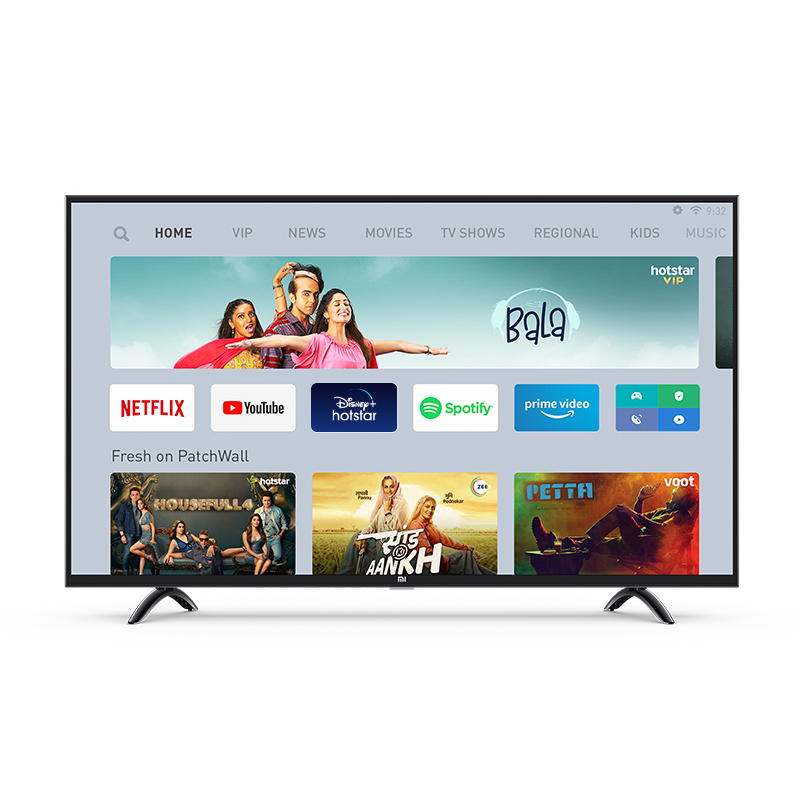
According to a Counterpoint Research report, the Chinese tech giant has continued to lead the smart TV market in Q3 2022, with a sizeable 11 percent market share. The company saw great sales, especially with its 4K display and Dolby Audio & Vision offerings on its products. The company’s PatchWall software also offered over 300 live channels, which helped models like the Xiaomi Mi 4A Horizon Edition, 5A series, and even Redmi Smart TV series to see great sales during this period.

Overall, the Indian smart TV market saw a notable growth of 38 percent YoY in this quarter. Global brands had dominated the market with a 40 percent market share, while Chinese brands came in second with a 38 percent market share. Lastly, the Indian brands only accounted for 22 percent of the total shipments in the region, but saw their shares more than double in this category in Q3 2022.
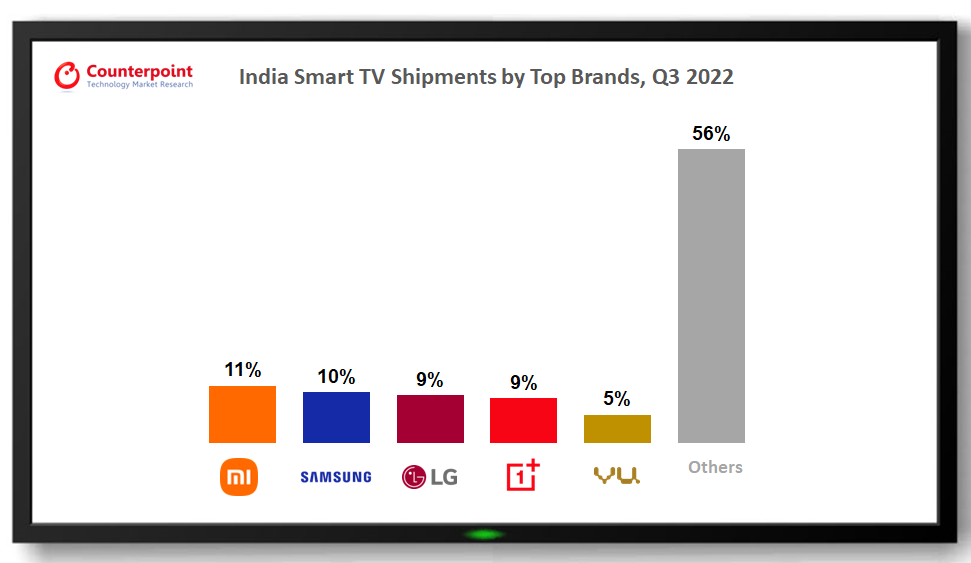
As per Senior Research Analyst Anshika Jain, “OnePlus, Vu and TCL were the fastest growing brands in the smart TV segment in Q3 2022. Xiaomi led the overall smart TV market with an 11% share, followed by Samsung. LG once again secured the third spot due to the introduction of new models, especially in the INR 20,000-INR 30,000 ($250 – $400) price range. Other emerging brands in the top 10 included realme, Sony and Haier.”

RELATED:

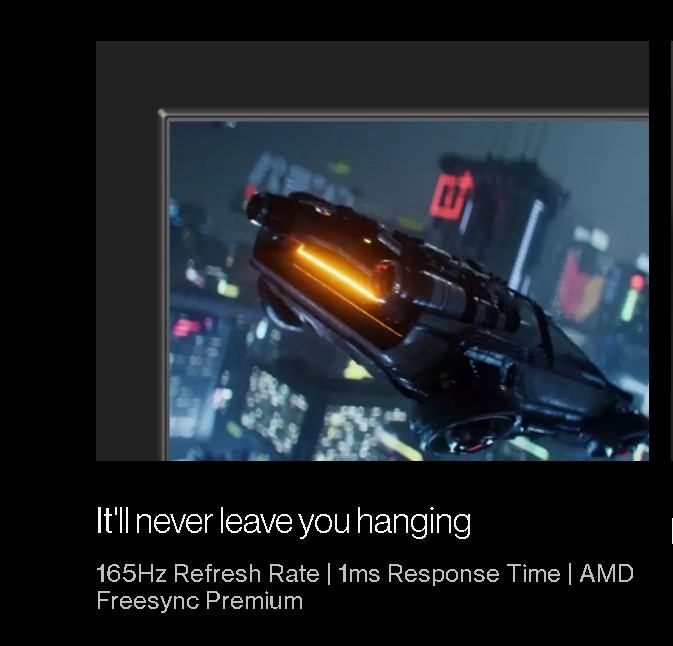
OnePlus Monitors Confirmed To Come With 165HZ Refresh Rate, AMD Freesync Premium

OnePlus is set to launch two new monitors in India on December 12th. The brand will be expanding its product portfolio with the upcoming offerings. The two new monitors are X 27 with a 27-inch display and E 24 with a 24-inch screen. Today, OnePlus has revealed a key specification of the upcoming monitors. However, it remains to be seen whether the feature will be available on both models i.e. X 27 and E 24.

The OnePlus newest monitors are confirmed to come with a 165Hz refresh rate. This would result in smoother animations and an immersive viewing experience. The device will have a 1ms response time for smooth gameplay. The OnePlus monitors are also confirmed to feature AMD’s Freesync Premium technology which is capable of eliminating stuttering and screen tearing in games and videos by locking a display’s refresh rate to the frame rate of the graphics card. 

OnePlus has already revealed that the X 27 monitor will be a premium offering whereas the E 24 will be a mid-range device. The former will offer a superior display and performance ideal for both work projects and gaming. The E 24 is said to provide great features at an affordable price tag for regular everyday usage. Previous teasers showed the OnePlus monitors with thin bezels across the display and a sleek premium stand. 

OnePlus will be revealing more features of the X 27 and E 24 monitors in the coming days leading up to the launch event. Alongside the monitors, OnePlus is also launching the TV Y1S Pro 55-inch variant. 

Related:

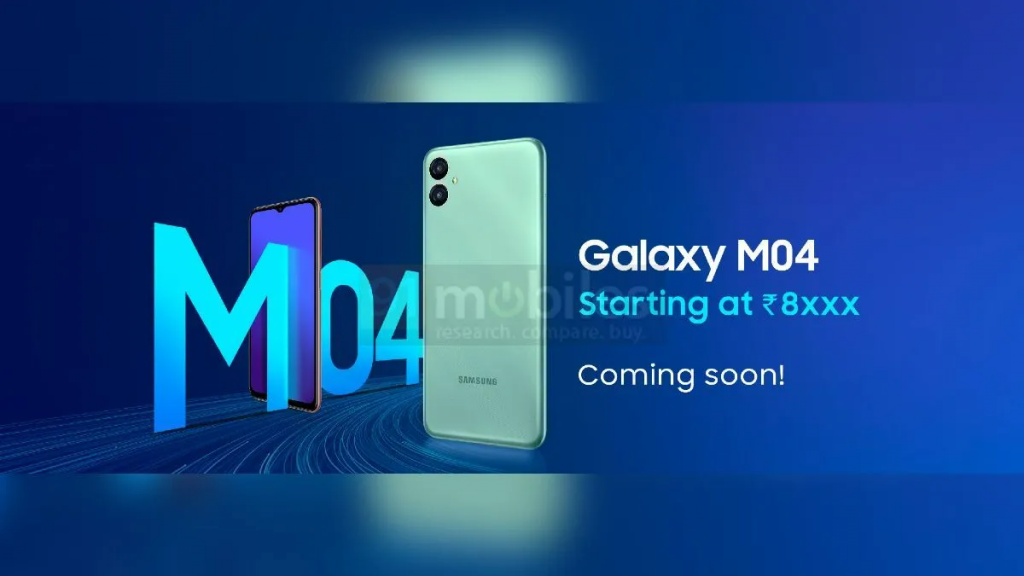
Samsung Galaxy M04 Tipped to Launch in India Soon Under Rs 10,000

Samsung Galaxy M04’s launch timeline and price in India have been tipped. 91Mobiles has learnt the information from industry sources. The publication has also obtained poster images which Samsung may use to promote the upcoming phone in the coming days. The Galaxy M04 has bagged various certifications in the past including Bluetooth SIG, BIS, Geekbench, and was recently spotted on the Google Play Console listing. This suggests an imminent launch of the smartphone. 

The Samsung Galaxy M04 will arrive as the successor to the Galaxy M03. Past reports indicated that it may be a rebadged Galaxy A04 that is available in some markets. Now, the poster image indeed confirms the Galaxy M04 as the rebranded A04. The upcoming smartphone has a waterdrop notch display and dual camera rings on the back panel. It is seen in the Mint Green colour option. The device is said to pack 8GB RAM but we assume it to be after including virtual RAM technology. 

Another poster reveals that the Samsung Galaxy M04 could be priced under Rs 8,999. It could compete against the likes of the Realme C-series, entry-level Redmi phones, and others in the market. 

Reports suggest that the Samsung Galaxy M04 is expected to feature a 6.5-inch HD+ display. It will be powered by MediaTek Helio G35 processor. The device is tipped to pack 3GB RAM and run on Android 12 OS. If the upcoming offering indeed arrives as the rebranded Galaxy A04, we can expect a 13MP+2MP back camera and a 5MP front snapper. The smartphone will be backed by a 5,000mAh battery with 10W charging.  

Related:

Via

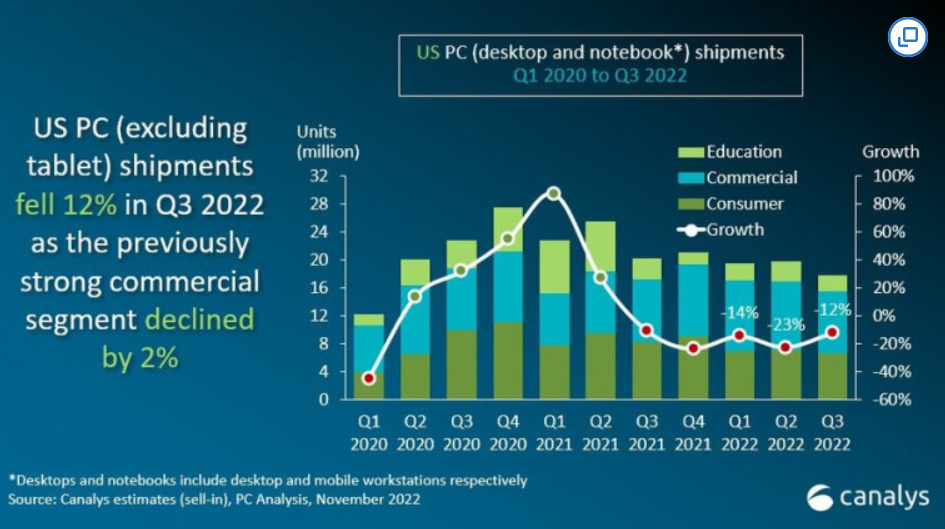
PC Shipments Drops in the US Markets During the Third Quarter; Claims Canalys Report

Canalys has published its report for the PC shipment in the US market during Q3 of 2022. The report claims that the PC shipments in the market fell sharply by 12.1% in the third quarter over year-on-year growth. The report further reveals that laptops, in particular, have been around a 12% decline in the market and the desktop market, on the other hand, has seen a small 1% rise in the number of shipments. Dell, HP, Apple, Lenovo and Acer were among the top manufacturers.

Surprisingly, only Apple and Acer have witnessed some shipment growth. The remaining brands on the list have all seen a significant drop in their market share. More conservative business expenditures, along with weaker demand from the consumer and education sectors, were the main causes of the significant decline in laptop shipment volume. Although the consumer and education sectors are two of the product’s biggest clients, their demand in the third quarter was not actually sufficient.

Even though the third quarter was extremely difficult for PC suppliers, the fourth quarter’s prospects aren’t any better. The American holiday season should boost sales a little, but generally, Canalys predicts that the market will continue to decline. People are reducing back on their purchases of technology devices as a result of rising prices. The claims seem to be a little disappointing for the manufacturers present in the US markets.

PC shipments

According to the analyst, things will start to improve in 2023. It predicts that demand from the educational sector will begin to slowly increase in the following year, with the bulk of equipment upgrades taking place in 2024. There’s a long way to go until that. From a macroeconomic standpoint, the Federal Reserve is continuing to raise interest rates, which could result in additional job losses and increase loan costs, further reducing disposable income. The length of the recovery period will determine when consumer demand for PCs will start to increase.

According to Brian Lynch, a Canalys Research Analyst, “the U.S. PC market was already in a protracted phase of recession as both consumer and educational demand suffered with inflation and saturation.” The business sector, which was once robust, has now started to dwindle and posted its first year-over-year loss in 2022.

Related

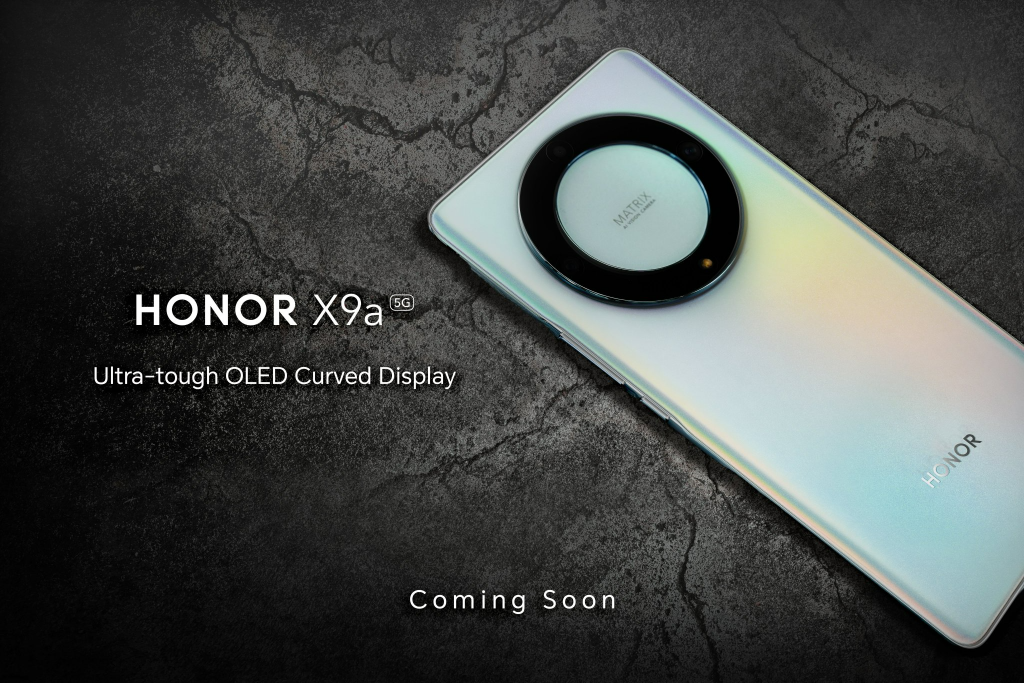
Honor X9a Teasers Released, Could be Rebranded Version of This Phone for Global Market

Honor has started teasing a new phone named the Honor X9a in Malaysia. The first teasers of the phone have revealed its front and rear designs. The official images suggest that it could be a rebranded version of a phone that was recently released in China.

Honor X9a 5G

Honor is already offering the Honor X9 and Honor X9 5G in Malaysia. These devices are powered by the Snapdragon 680 and Snapdragon 695 chipsets, respectively. Both phones have a curved-edge display on the front and a circle-shaped camera module on the back.

The upcoming Honor X9a 5G has the same design language as the Honor X9 and X9 5G. In the video shared by Honor Malaysia, the X9a can be seen sporting an attractive curved-edge display. The company claims that it is an “ultra-tough OLED curved display.” It features a large camera ring on the back.

Honor is yet to confirm the specifications of the Honor X9a 5G. In all likelihood, the X9a 5G could be a rebranded version of the Honor X40, which debuted in September in China. The Chinese manufacturer is expected to launch the phone as early as next week in Malaysia.

Honor X40 Specifications

The Honor X40 has a 6.67-inch AMOLED display that offers a Full HD+ resolution of 1080 x 2400 pixels. It is powered by the Snapdragon 695 chipset, up to 12 GB of RAM, and a 5,100mAh battery that supports 44W fast charging.

The X40 has an 8-megapixel camera on the front for selfies and video calls. On the back, it has a 50-megapixel primary camera, a 2-megapixel macro camera, and an LED flash.

For security, it features an under-display fingerprint scanner. It runs on Android 12 OS and Magic UI 6.1.

RELATED:

Vivo X90 Pro+ debuts the Snapdragon 8 Gen 2, sale starts December 6

Earlier today (2nd December 2022), Vivo officially updated its official website to announce that its X90 Pro+ debuts Qualcomm’s latest and greatest Snapdragon 8 Gen 2 SoC. The company has already launched the smartphone but did not reveal the chipset that powered this device till today.

For those unaware, Xiaomi was set to be the first smartphone brand to sell its flagship smartphone with the Snapdragon 8 Gen 2. However, following the delay in the Xiaomi 13 series announcement, it seems like Vivo is taking over this mantle with the news going official. So now, the Vivo X90 Pro+ is the first device to feature the Snapdragon 8 Gen 2, after its announcement on November 22. This device is expected to go on sale starting from December 6. Prior to this, the company only listed the X90 Pro+ with a 4nm TSMC chipset.

Vivo

Although the pre-orders for the smartphone is currently live in China. As of right now, it is also unclear when exactly Xiaomi will announce its Xiaomi 13 series, but we can expect an official announcement regarding this matter soon. Talking about the X90 Pro+, it sports a 6.78 inch OLED display that has a 2K resolution, 120Hz refresh rate, and 1,300 nits of peak brightness with HDR10+. The display also houses an in display fingerprint scanner with the device’s body also being IP68 certified. On the rear, it feature a quad camera setup (50MP+48MP+50MP+64MP) while the front has a 32 megapixel selfie shooter.

RELATED:

Upcoming Smartphones: Xiaomi 13, iQOO 11, Realme 10 Pro Plus, and More

The number of smartphone launches next week is expected to be too many. That’s because some of the big-name launches intended for this week have been postponed. These events are now expected to take place as early as next week.

A total of 5 brands may hold press conferences in the upcoming days. Three of them will take place in China, while the remaining two will be held in global markets.

The companies that will be debuting new handsets are Xiaomi, iQOO, Huawei, Tecno, and Realme. Let’s take a look at all the phones that are expected to go official next week.

Upcoming Smartphones Next Week

1. Tecno Phantom X2

Tecno Phantom X2

The Tecno Phantom X2 is scheduled to launch on December 7. The press conference will be held in Dubai. We are not sure whether there will be a live stream.

Thanks to leaks and official teasers, we know a lot about the successor of the original Phantom X. Its main highlights will be MediaTek Dimensity 9000 chipset and 6.8-inch FHD+ 120Hz curved Super AMOLED display.

Other expected features include a 64MP triple camera system, a 32MP selfie camera, Android 12, and a 5,100mAh battery.

2. Realme 10 Pro Series

Realme 10 Pro Plus
Realme 10 Pro Plus

The Realme 10 Pro series is set to launch in global markets, including India, on December 8. These phones are already official in China, and therefore, we know everything about them.

The Realme 10 Pro Plus arrives with a 6.7-inch FHD+ 120Hz curved AMOLED display, MediaTek Dimensity 1080 chip, 108MP main camera, 16MP selfie camera, Android 13, 5,000mAh battery, and 67W fast wired charging support.

On the other hand, the Realme 10 Pro comes with a 6.72-inch FHD+ 120Hz LCD screen, Qualcomm Snapdragon 695 SoC, 108MP main camera, 16MP selfie camera, Android 13, 5,000mAh battery, and 33W fast wired charging support.

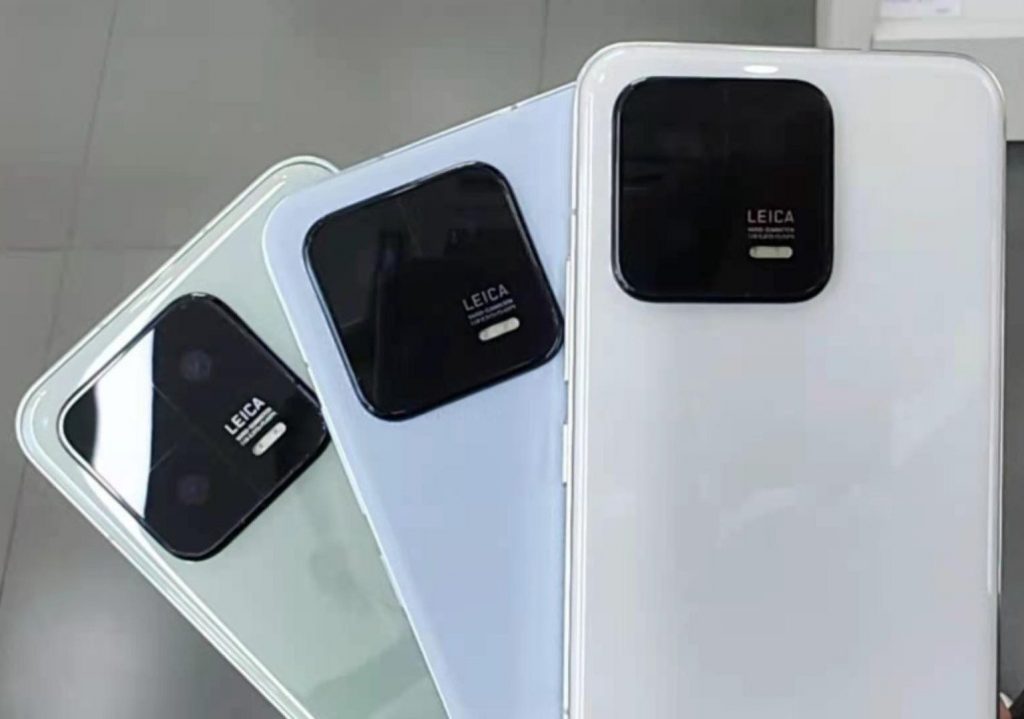
3. Xiaomi 13 Series

Xiaomi 13 renders
Xiaomi 13

The Xiaomi 13 series was supposed to go official on December 1. But it has been now delayed. Though the company is yet to announce the new launch date, we believe that it may mostly make its debut next week.

As per teasers and leaks, the lineup consists of two models, namely Xiaomi 13 and Xiaomi 13 Pro. Both will have a similar design, however, the vanilla variant will be smaller and sport a flat display instead of a curved panel like the pro version.

The duo will be powered by a Qualcomm Snapdragon 8 Gen 2 chipset. They will sport a Leica-powered triple-camera system. The sensors will be different on the two but they will have three proper lenses (wide, 75mm telephoto, and ultra-wide).

The duo will be IP68-rated for dust and water resistance. They will have support for 67W (standard)/120W (pro) wired charging, 50W wireless charging, and 10W reverse wireless charging.

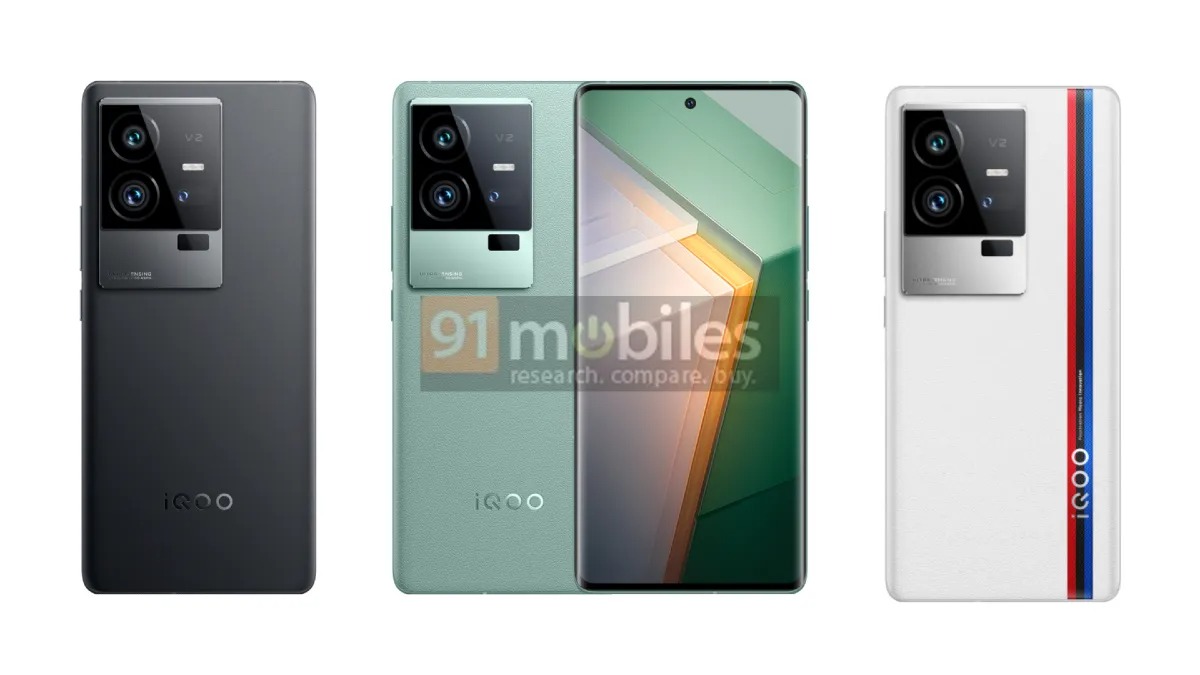
4. iQOO 11 Series and iQOO Neo 7 SE

iQOO 11 Pro
iQOO 11 Pro

The iQOO 11 series and iQO Neo 7 SE were scheduled to launch on December 2. But unfortunately, the event has been now delayed and the new launch date is yet to be announced. The devices will likely debut next week.

According to official teasers and leaks, the iQOO 11 family will consist of iQOO 11 and iQOO 11 Pro. They will look similar with one major difference. The pro model will flaunt a curved display instead of a flat screen like the regular model.

The Pro variant is said to come with a 6.78-inch QHD+ 120Hz Samsung E6 curved AMOLED display, Qualcomm Snapdragon 8 Gen 2 chipset, ultrasonic fingerprint sensor, 50MP Sony IMX866 main camera, 4,700mAh battery, 200W fast wired charging support, and more.

Whereas, the iQOO Neo 7 SE is expected to arrive with a 6.78-inch FHD+ AMOLED display, MediaTek Dimensity 8200 SoC, 64MP primary camera, Android 13, 5,000mAh battery, 120W fast wired charging support, and more.

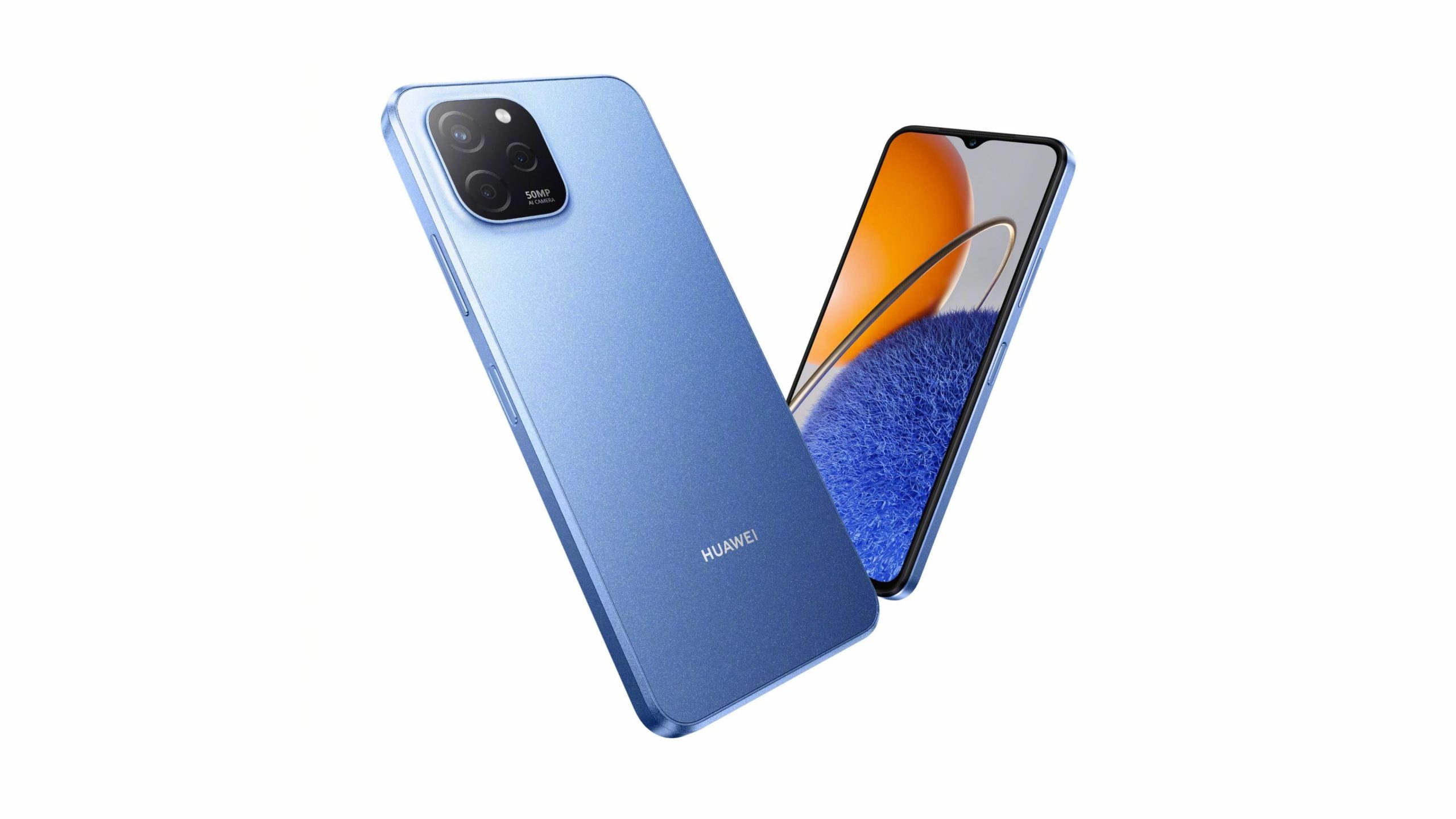
5. Huawei Enjoy 50z and Nova 10 SE

Huawei Enjoy 50z
Huawei Enjoy 50z

Huawei scheduled a press conference in China for December 2. This event has been postponed, just like the previously discussed two events. There’s no new date announcement from the company yet but it will most probably take place next week.

The company has confirmed to unveil two handsets at this event, namely Huawei Enjoy 50z and Huawei Nova 10 SE. Both of them are already official in global markets. The former goes by Huawei Nova Y61.

These 4G budget smartphones will be accompanied by Huawei Watch Buds, Huawei Watch Kids 5X, and Huawei FreeBuds 5i.

RELATED:

Heliconia Spyware Hitting Chrome, Firefox and Microsoft Defender; Google Warns

A commercial malware known as Heliconina has been identified as affecting various browsers, including Google Chrome, Firefox, and, strangely, the Microsoft Defender security programme. This information was provided by a threat analysis group owned by Google. The researchers from the team added that they learned about the framework from a bug report submitted anonymously by a Chrome user that contained instructions and source code with the names “Heliconia Noise,” “Heliconia Soft,” and “Files.”

Google’s Threat Analysis Group adds that the spyware is specifically developed to take advantage of flaws in the Chrome and Firefox browsers. The spyware has also been observed to have an impact on Windows Defender, which comes preinstalled with Microsoft Windows. The researchers arrived at the conclusion that the spyware tools for spreading exploit code had references to a potential creator of the frameworks after closely examining the problem reported by an anonymous user.

Spyware

TAG claims that in 2021 and the beginning of 2022, Google, Microsoft, and Mozilla patched the vulnerabilities that were being targeted, so as long as you’re patched, safety should be guaranteed. In order to protect themselves from attacks, TAG has urged internet users to keep their browsers and software up to date and has also introduced a Heliconia detection mechanism to Google’s Safe Browsing service.

In a blog post, Clement Lecigne and Benoit Sevens stated that “TAG’s research highlights that the commercial surveillance business is booming and has increased dramatically in recent years, presenting a risk for Internet users around the world.” Commercial spyware gives governments access to sophisticated surveillance tools, which they then employ to spy on journalists, human rights defenders, members of the political opposition, and dissidents.

The team has started every action that can be done in order to patch and report the spyware that is propagating online. Let’s wait and see when the OEMs can repair the security hole. Their users will be safer the earlier they take action. We firmly anticipate a patch update from the company in the future days, or to put it another way, as soon as possible!

Related

Xiaomi 13 Series Cameras, Battery Sizes, and Key Details Tipped

The Xiaomi 13 series was originally scheduled to launch yesterday (Dec. 1). However, its arrival has been reportedly delayed due to the death of former Chinese leader Jiang Zemin. The new launch date for the Xiaomi 13 lineup is expected to be confirmed in the next few days. In all likelihood, the company may unveil the Xiaomi 13 and 13 Pro early next week. Before the expected launch, Chinese leaker Panda is Bald revealed (via. TechGoing) critical details about the cameras and batteries of the Xiaomi 13 and 13 Pro.

The new leak states that the Xiaomi 13 will be equipped with an OIS-ready 54-megapixel Sony IMX800 sensor. The main snapper will be paired with a 12-megapixel OmniVision ultra-wide lens and an OIS-assisted 10-megapixel Samsung S5K3K1 telephoto camera that will offer 3.2x optical zoom and OIS support. The leaker claimed that the same telephoto lens can be found on the Xiaomi 13.

Xiaomi
Xiaomi 13 Pro leaked photo

The primary snapper on the Xiaomi 13 Pro will be an OIS-enabled 50-megapixel Sony IMX989 1-inch camera. The camera setup will also have a 50-megapixel ultra-wide lens and a 50-megapixel 3.2x optical zoom telephoto lens with OIS.

The leaker mentioned in another Weibo post that the Xiaomi 13 will include a 4,500mAh battery with 67W rapid charging. The Xiaomi 13 Pro, on the other hand, will have a 4,820mAh battery with 120W fast charging. Both phones will support 50W wireless charging and 10W reverse wireless charging. For better power management while charging, the Xiaomi 13 series will be equipped with the Surge G1 chip.

In the comments section of his Weibo posts, the tipper gave more details about the specs of the Xiaomi 13 and 13 Pro. He claimed that the Xiaomi 13 has a 6.3-inch display that offers FHD+, while the Xiaomi 13 Pro houses a 6.73-inch display with 2K resolution. Both have a 32-megapixel front camera for taking selfies.

The Xiaomi 13 Pro has a cyber-engine linear motor, which was first seen on the Redmi K50 Gaming, claims the tipster. The blue variant of the Xiaomi 13 will have a plain leather back. The other models will have a glass / ceramic back. For more details, readers can visit our Xiaomi 13 series roundup story.

RELATED:

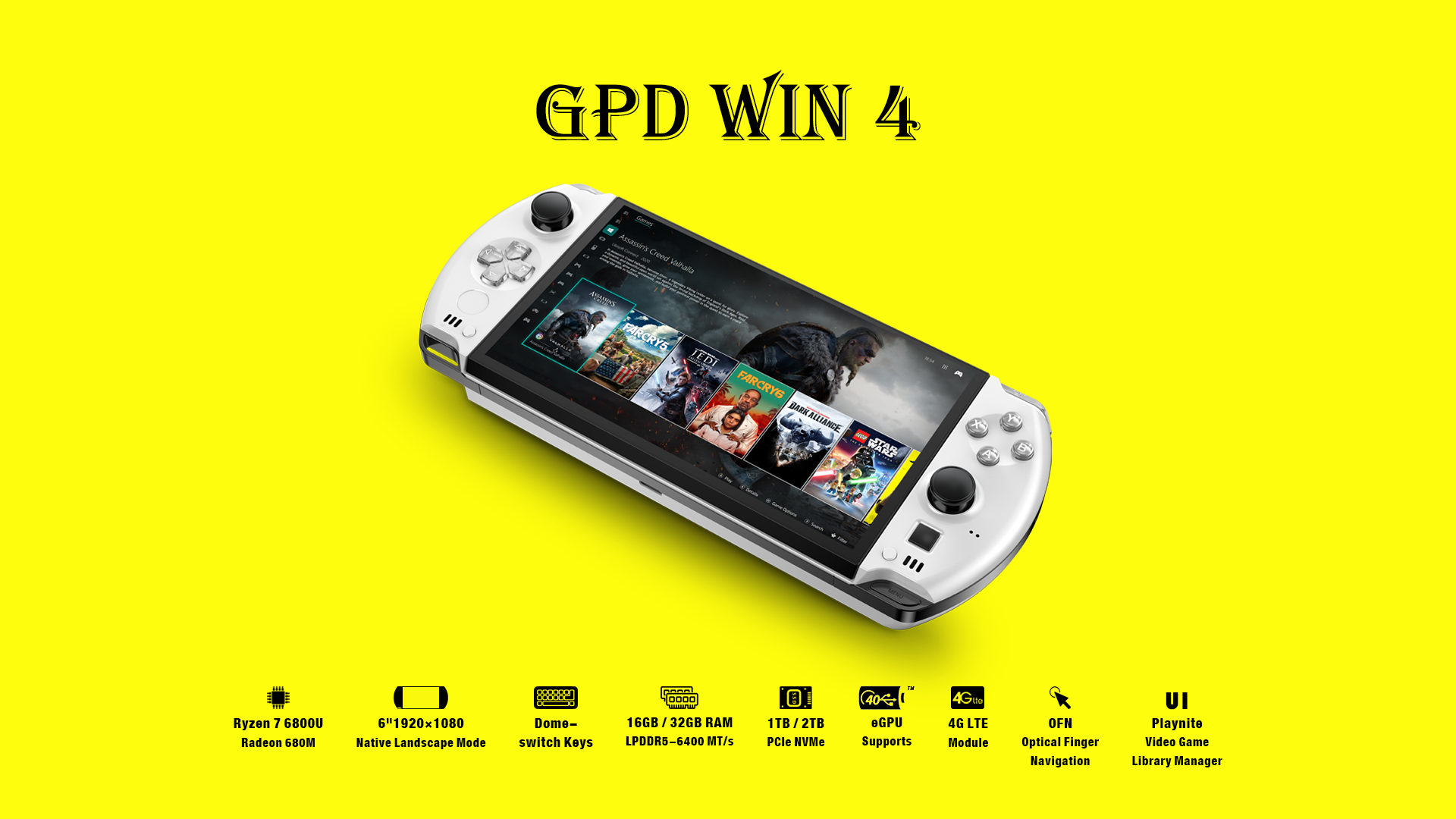
GPD Win 4 Windows Gaming Handheld pricing & launch windown revealed

Back in September, the China-based GPD announced the GPD Win 4 Windows handheld gaming console for the global market. The brand announced that it will start selling the console by the end of November; however, that date has come to pass and the consoles are still not up for purchase.

GPD Win 4 thumbnail

The brand has now announced a new date of mid-December, with its Indiegogo campaign already viewable in preview mode. Additionally, the company has also revealed the pricing of the console. According to the brand, the GPD Win 4 will cost US$799 when equipped with 16 GB of RAM and 512 GB of storage. GPD will add US$100 for 1 TB of storage.

The Win 4 with 32 GB of RAM will also be offered by the company, but it will cost US$999. The 32 GB of RAM and 2 TB of storage version will cost US$1,199 on Indiegogo. A 4G module will also be offered by GPD for $100 USD. The firm emphasises that these prices will not be “super early bird” or “early bird” prices that only a select few can access, but rather will be in effect for the whole crowdfunding campaign.

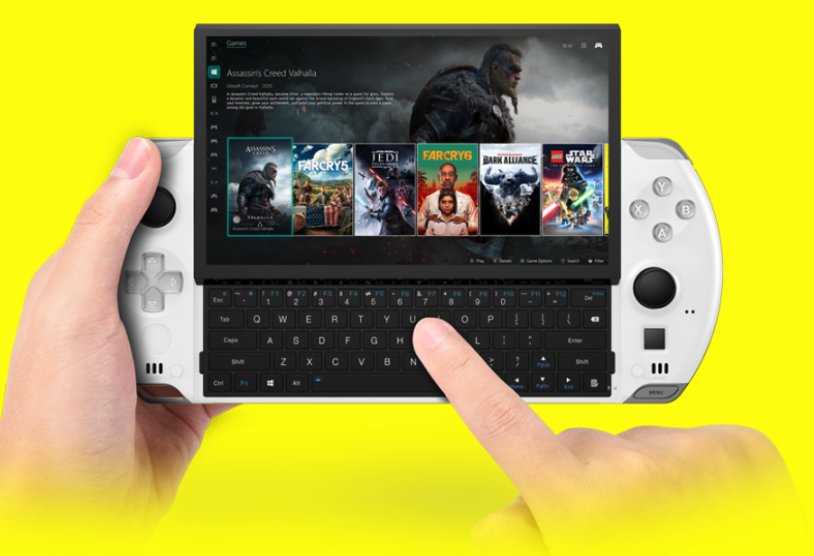
GPD Win 4 White Silver

Specs-wise, the GPD Win 4 has a 6-inch Full HD display that has an aspect ratio of 16:9 with a resolution of 1920 x 1080 pixels. Under the hood, it has an AMD Ryzen 7 6800U APU with a Radeon 680M available onboard. Users also get the option to hook up an eGPU to their console using its USB-C ports if they want additional graphics power.

The console will come with up to 32GB of LPDDR5 (6400 MT/s) RAM and up to 2 TB PCIe NVME SSD option. If physical buttons are not your style of gaming, the GPD Win 4 also boasts GPD “optical finger navigation,” which is effectively a touchpad made for smaller handheld devices like these. Once you slide the display up, the console also has a built-in keyboard underneath.

RELATED:

Tesla finally delivers Electric Semi Trucks following a 3 year delay

Tesla had first announced the first announced its Electric Semi Trucks around 5 years ago. Since then, the company is finally delivering the Electric Semi Trucks to its customers, but these deliveries are a whole 3 years old.

The EV maker giant had first unveiled the concept back in 2017, with production planned to begin in 2019. However, following various issues like component shortages and even the Coronavirus pandemic, the company saw major delays in its schedule from its Gigafactory in Sparks, Nevada, US. Interestingly enough, the representatives from PepsiCo were one of the first customers to reserve 100 Electric Semi Trucks following the official announcement.

tesla

But before the company could make its deliveries, Tesla got trolled by Renault who already made deliveries of its Electric Delivery Trucks to Coca Cola. Talking about the Tesla Semi Trucks, are powered by four independent motors on the rear axles, can reach 0-60mph in just 20 seconds, and has a battery range of an impressive 500 miles. The pricing for these trucks starts from 150,000 US Dollars and have already been ordered by other big names like Walmart and FedEx.

These trucks will feature a new 1,000 volt powertrain architecture along with traction control to prevent jackknifing, regenerative braking for increased battery efficiency, and even an automatic clutch for seamless highway driving. Just recently, Musk stated that one of Tesla’s battery powered class 8 semi trucks had completed a 500 mile trip fully loaded with 81,000 pounds of cargo. The trip was made between the Tesla’s factory in Fremont, California, to San Diego.

RELATED:

Huawei Watch Kids 5X launched in China with a detachable dual sided display

Earlier this week, Huawei announced a new smart wearable product for the Chinese market. The new smartwatch was built specifically for children and is called the Huawei Watch Kids 5X, which comes with a very unique design.

The official promotional slogan states that the Watch Kids 5X was built to offer “safety protection on more than one side.” This basically hints at its interesting design philosophy, which consists of a dual display. Looking at the images of this smartwatch, it is clear that the device’s main body is completely detachable from the housing that connects to the band. While one would think that most smartwatches come with detachable bands, the new Watch Kids 5X is special since it can be removed from its housing to reveal a second screen underneath the first one.

Huawei

The Chinese tech giant let’s kids flip the smartwatch to have the other display come and top and replace the other one. In other words, its basically like having two smartwatches on a single device with one strap. The first display is the primary panel that has a color screen, while the other feature the more traditional black and white LCD panel. Furthermore, both sides of the smartwatch houses a camera, which allows children to take video calls.

The Watch Kids 5X is a direct successor to the Watch Kids 4 Pro that Huawei had launched last year. The brand is set to officially begin sales of the new Kids 5X smartwatch starting today (2nd December 2022), so you can check it out on their official Chinese website.

RELATED:

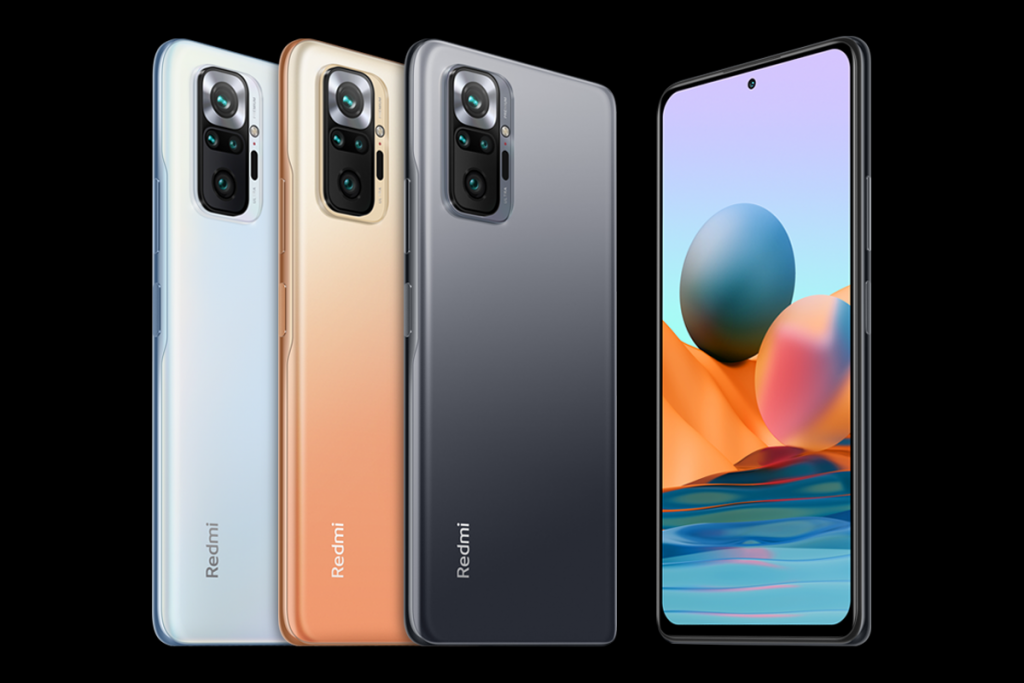
Redmi Note 12 Pro 4G coming soon, IMEI database listing spotted

Redmi has started teasing the arrival of the Redmi Note 12 series for the global market. Recent certifications have revealed that at least the Redmi Note 12 5G and Redmi Note 12 Pro+ 5G will be heading to the global markets soon. The lineup is also expected to include a couple of other models. One of them appears to be the Redmi Note 12 Pro 4G, which has appeared in the IMEI database.

In October, a Xiaomi device with a 2209116AG model number and the marketing name “Redmi Note 11 Pro 2023” surfaced in the IMEI database. It was also spotted on multiple platforms, such as Google Play Console, Geekbench, the FCC, the EEC, and SIRM (Malaysia). Xiaomiui has spotted the same device again in the IMEI database. This time, its name has been changed to the “Redmi Note 12 Pro.”

Reports suggest that the Redmi Note 12 Pro could be similar to the Redmi Note 10 Pro. Hence, there is a possibility that it may look like other Note 12 devices, but its internals could be similar to the Note 10 Pro.

The Redmi Note 10 Pro’s shortened model number is K6 and has the “sweet_global” codename. The publication revealed that the Redmi Note 12 Pro’s shortened model number is K6A, and it has the “sweet_k6a_global” codename. Hence, it appears that the Redmi Note 12 Pro 4G may borrow most of its specs from the Note 10 Pro.

Redmi Note 12 Pro 4G

The different certifications of the Redmi Note 12 Pro 4G have revealed that it is equipped with a Full HD+ display, the Snapdragon 732G mobile platform, and 8 GB of RAM. It may come preloaded with the MIUI 13-based Android 13 OS.

To recall, the Redmi Note 10 Pro features a 6.67-inch AMOLED FHD+ 120Hz display, a SD732G chip, 8 GB of LPDDR4x RAM, 128 GB of UFS 2.2 storage, and a 5,020mAh battery with 33W charging. For photography, it has a 16-megapixel selfie camera and 108-megapixel quad cameras.

India is a major market for Redmi phones. However, it is unclear whether the Redmi Note 12 Pro 4G will be released in India.

RELATED:

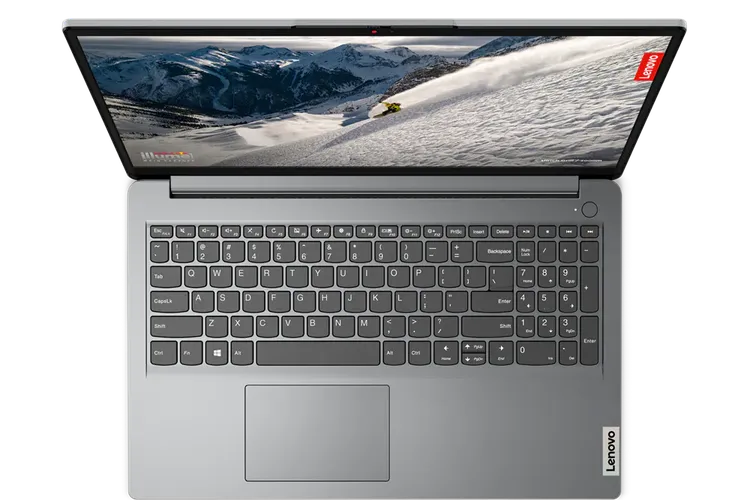
AMD quietly releases RDNA 2 in budget laptops

AMD had announced its latest lineup of mobile chips from its Ryzen 7000 series (Mendocino) of mobile processors. Now, the company has even quietly released its RDNA 2 powered graphics on certain budget laptops that were recently launched.

AMD

For those unaware, the RDNA 2 graphics is being offered on the “everyday” laptop, which combines the last gen Zen 2 CPU cores and RDNA 2. The RDNA 2 architecture is the platform that powers some very capable hardware like the PlayStation 5 and the Xbox Series X and Series S. Now, the graphics technology is arriving on some affordable notebook models too. The chipmaker giant’s new Ryzen 7000 series with the RDNA 2 was only announced on some Acer Aspire 3 series laptops.

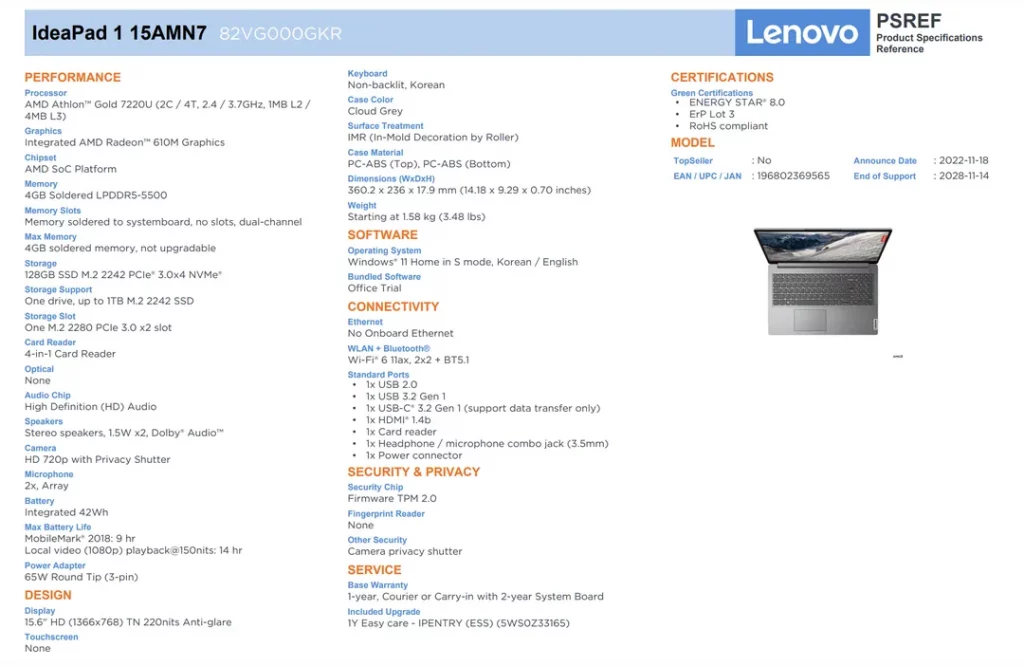
But now, the latest and greatest mobile CPU and GPU combination are also making its way to Lenovo’s laptops as well. It is being offered on the Ideapad 1 and it features the Ryzen 5 7520U, the Ryzen 3 7320U, and the Athlon Gold 7220U. Based on the official website, Lenovo has yet to offer these Mendocino powered laptops in the US market, but these were found on other regions like the South Korea and even Hong Kong.

AMD

While these RDNA 2 powered laptops won’t offer top notch gaming performance due to their configuration, but these would still make these notebooks capable of running most competitive titles. It is also an indication that a much wider roll out will begin soon as well.

RELATED:

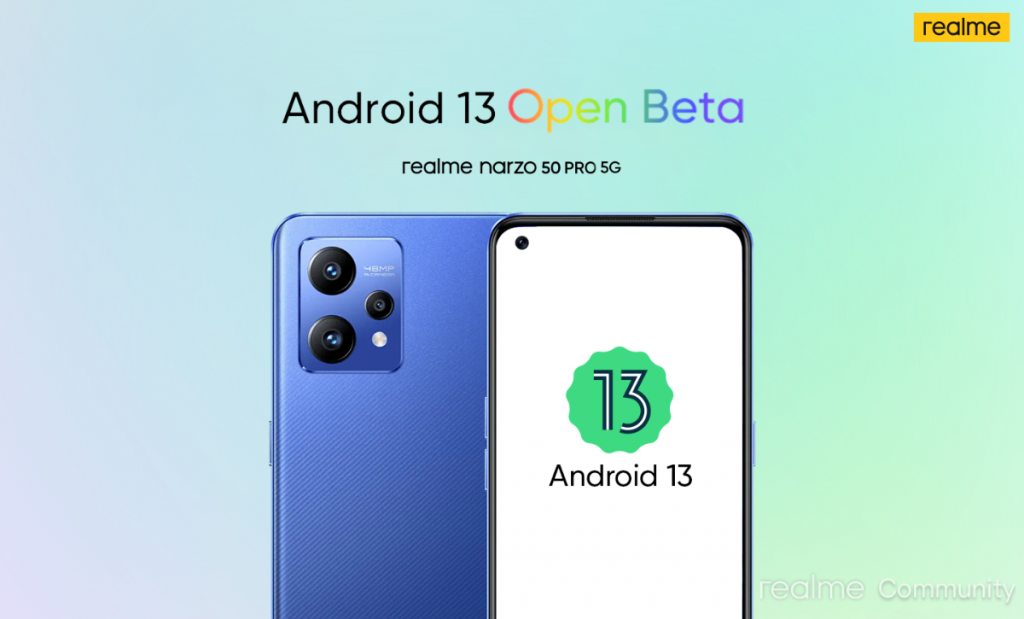
Realme Narzo 50 Pro 5G gets Android 13 Open Beta program

Realme launched the Narzo 50 Pro 5G smartphone back in May 2022. At launch, the smartphone was equipped with Android 13-based Realme UI 3.0. Now, it is one step closer to getting the stable Android 13 update since the company has announced the Android 13 x Realme UI 3.0 Open Beta for the device.

The brand has officially announced the Android 13 Beta program for the device in a community post which invites users to participate in it and enjoy the new features, along with providing their feedback on any issues or suggestions.

Please keep in mind that you must first update your Narzo 50 Pro 5G to the required UI version – RMX3395 11 A.05, RMX3395 11 A.06, RMX3395 11 A.07. Furthermore, the application for the Android 13 Open Beta for the device is open from today (December 1, 2022) and can be accepted in batches.

Those meeting the criteria can head over to Settings > Software Update > Tap on the settings icon in the top right corner > Trial Version > Submit your details > Apply Now to apply for the Realme Narzo 50 Pro 5G Android 13 Open Beta program. As it is an Open Beta program, you will most likely receive the update in a few days to try out Android 13 if your device meets the requirements.

Realme has advised customers to back up their important data in the event that they receive the Android 13 update. Furthermore, the company has advised customers to ensure that they have at least 5GB of free internal storage and that their battery is at least 60% charged before installing the Android 13 Open Beta firmware. Users who have rooted their devices will not be able to participate in the program.

Because it is a Beta build, it may have stability issues and bugs, so readers should avoid installing it on their primary devices. If you are dissatisfied with the Android 13 build and want to revert to Android 12, Realme has provided users with the option to do so.

RELATED:

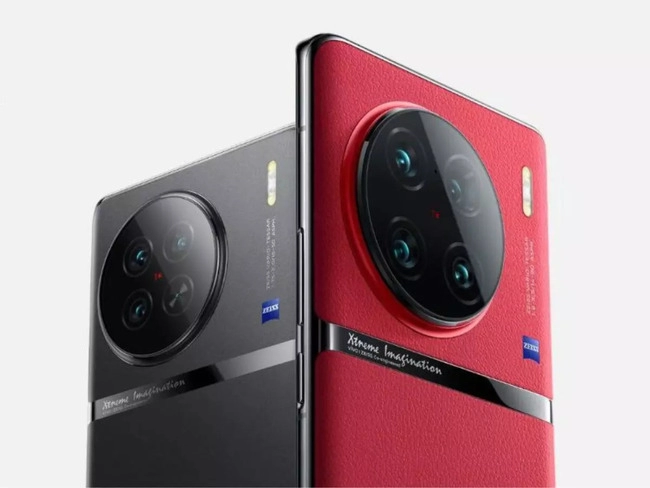
Vivo X90 India variant spotted on Bluetooth SIG, launch imminent

Vivo had just recently announced its X90 series of flagship smartphones in its home market of China. Now, it appears that the company is gearing up for an Indian launch as well, after the Indian variant of the X90 was spotted receiving certification online. So here are all the details.

Vivo

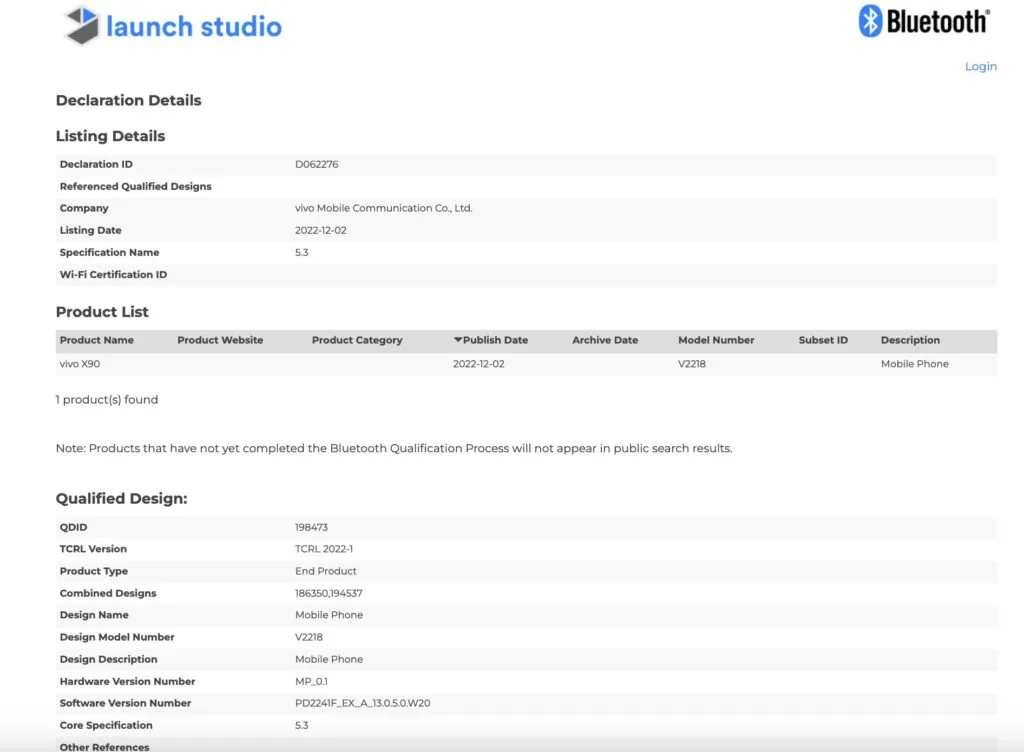
For those unaware, the X90 lineup consists of three models, which includes the X90, X90 Pro, and X90 Pro+. The base X90 model for the Indian market was just spotted on the Bluetooth SIG website, which hints at its imminent launch. Looking at the online listing, the Vivo X90 was certified on the Bluetooth SIG with the model number V2218. This also hints at the launch of the device in the global market as well.

While the certification shows a global and Indian variant, this model is likely not different in terms of specifications from the model released in China. Unfortunately, the Bluetooth SIG listing does not reveal any finer details regarding the premium grade smartphone, but we already have the Chinese model for such details. The device will likely sport a 6.78 inch Q9 OLED Display that has a Full HD+ resolution, HDR10+, 120Hz refresh rate, and up to 1,300 nits of peak brightness.

Vivo

Under the hood, the device is equipped with a MediaTek Dimensity 9200 SoC that is paired with up to 12GB of RAM and up to 512GB of internal storage. The Vivo X(0 runs on Android 13 OS based OriginOS 3.0 out of the box. The rear features a 50 megapixel triple camera setup on the rear and a 32 megapixel selfie shooter on the front. The device has a large 4,810mAh battery pack that also supports an impressive 120W fast charging as well.

RELATED:

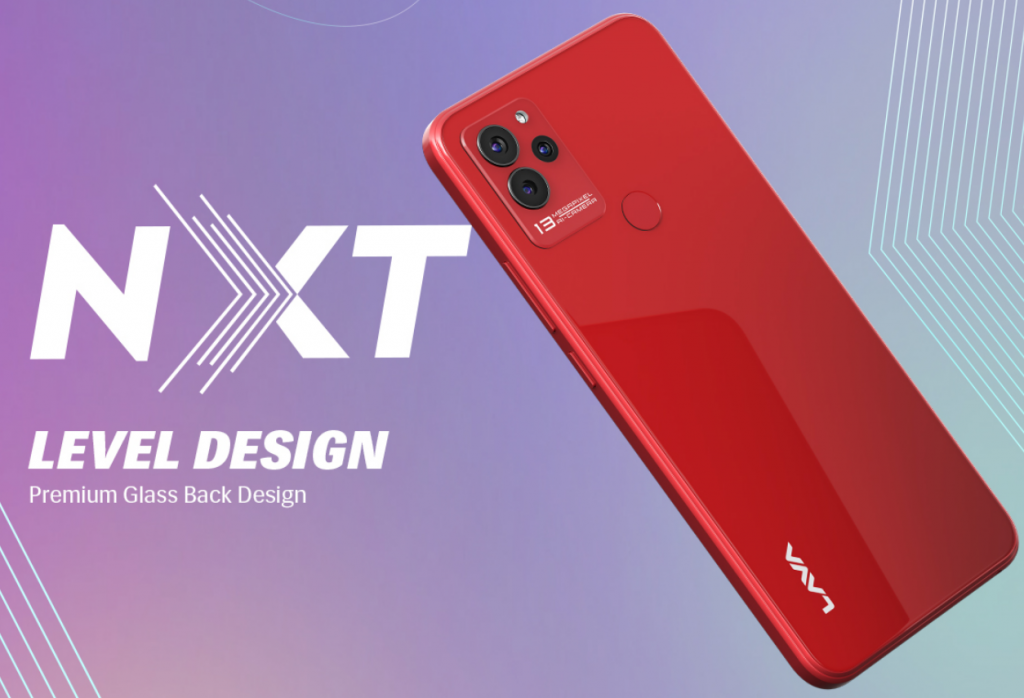
Lava Blaze NXT can now be purchased in India – Check pricing, specs & more

Last week, Lava debuted the Lava Blaze NXT smartphone in the Indian market. The smartphone is essentially a Lava Blaze (4G), but with a different chipset and more RAM. Now, the new smartphone has gone for sale for the first time in the country. So let’s check out its pricing, availability, and other details.

Lava Blaze NXT

Lava Blaze NXT pricing & availability

The Lava Blaze NXT costs Rs 9299 in India for the 4GB + 64GB configuration. It will be available for purchase exclusively through Amazon, Lava India Store, and other retail stores beginning at 12:00 PM today (December 2).

Lava Blaze NXT specifications

The Lava Blaze NXT has a 6.5-inch IPS panel with an HD+ resolution. The screen’s waterdrop notch houses an 8-megapixel camera. The primary camera on its rear-facing triple camera unit is 13 megapixels. The specifics of its auxiliary cameras are unknown at this time, but it appears that the primary camera will be accompanied by a 2-megapixel depth sensor and a VGA camera.

The Blaze NXT is powered by the Helio G37 chipset and has 4 GB of RAM. The device comes with 3 GB of virtual RAM and 64 GB of storage space. It has an onboard microSD card slot for additional storage.

The Blaze NXT runs a near-stock version of the Android 12 operating system. The device has a 5,000mAh battery that can be charged via a USB-C port to keep the lights on. The company claims that once fully charged, the Blaze NXT will provide an all-day experience. It also has a 3.5mm audio jack and a fingerprint scanner on the back.

The all-new Lava Blaze NXT is available in three colors: Glass Green, Glass Blue, and Glass Red. It weighs 203.5 grams and measures 164.75 76.3 8.9mm in length. The device’s connectivity options include Dual-SIM, 4G, WiFi 802.11 b/g/n/ac, and Bluetooth 5.0.

RELATED:

Google Wallet Adds Support For ID And Driver’s License In The US

Earlier this year, in May, Google announced the new Google Wallet with a bunch of new features, including support for adding digital IDs, but the feature wasn’t supported at first and the plan was to add it at a later date.

Now, it appears that Google Wallet finally has added support for storing digital IDs and driver’s licenses on the application for selected states in the United States.

Google Wallet

In a new update for Google Wallet, which appears to be rolling out with Google Play Services v48.22 for December, the company has suggested opening up Digital IDs as a part of the beta feature on the application.

The changelog posted to the Google System Updates support page reads: “[Phone] Beta feature to allow users from selected US state(s) to digitize their state ID/driver’s license into the Google Wallet for convenient, private and secure presentation.”

It says that the feature will be limited to selected US states, which means that most states in the US won’t be supporting this new feature, at least not initially. As of now, there are no details available about which states are included in the test or how users can enroll in the beta test when it launches. The beta version may simply be available for those enrolled in the Play Services beta via the Play Store.

Apple has also introduced support for Digital IDs on Apple Wallet, which is currently limited to three states, but nine more states have committed to supporting the feature at a future date. We expect a similar situation for Google Wallet, where it will support selected states at first and then add support for more in the future.

RELATED:

Apple’s Upcoming AR/VR Headset To Run xrOS Operating System

Apple has been working on its AR/VR headset for years now and if the reports are to be believed, then the company is set to launch the device in a couple of months. There have been reports about the device being powered by its own operating system.

Now, as per the latest report, the AR/VR headset from Apple will come powered by xrOS, which is a dedicated operating system for the mixed reality headset from the Cupertino-based tech giant.

Apple AR/VR Headset Concept Design Render

According to the report from Bloomberg, Apple has decided to call the software powering the augmented reality and virtual reality headset xrOS instead of the previously rumored RealityOS or rOS.

This new information about the software comes at a time when the technology giant is expected to be preparing for the launch of the headset sometime in 2023. Along with the headset having its operating system, it will also have a dedicated app store, similar to the Apple TV and Apple Watch.

If the rumors are to be believed, then the device from Apple will be a Mixed Reality device similar to the Microsoft HoloLens, which will support both Augmented Reality and Virtual Reality. The XR term stands for Extended Reality, which includes both augmented and virtual reality.

Apple has redesigned some of its applications like Maps and Messenger for a better experience on an AR/VR headset, but the company is also developing a Software Development Kit, allowing third-party developers to create applications for the new platform.

While there’s no solid information about the device getting launched, some reports indicate that the product could get launched in the first half of 2023 and will be available for purchase from the second half of the year. We expect to get more information in the coming months.

RELATED:

Samsung Galaxy Z Flip 5 Smartphone Could Feature A Larger Cover Display

Samsung launched the Galaxy Z Flip 4 foldable smartphone earlier this year, which is an improvement over its predecessor not only in terms of specifications but also in design. Now, the company is gearing up to launch the Galaxy Z Flip 5.

The upcoming Samsung Galaxy Z Flip 5 smartphone is now expected to come with a few design changes, and one of them includes a larger cover display on the phone’s back panel.

Samsung Galaxy Z Flip 4

According to display analyst Ross Young (via TomsGuide), the upcoming Samsung Galaxy Z Flip lineup will come with a larger 3-inch cover display compared to the 1.9-inch screen on the current-gen Galaxy Z Flip 4.

A larger cover display has been one of the demands of a set of users, and it appears that the South Korean giant has listened to the users. However, it’s just a rumor at this point in time, but we will wait for a couple of more such reports to confirm if it’s true.

The upcoming Galaxy Z Flip foldable smartphone would become more appealing if the device gets a larger display, allowing users to see more content and be much clear to read. Apart from the cover display, the company is also expected to upgrade the hinge mechanism to make it less noticeable.

As of now, not much is known about the upcoming foldable smartphone from Samsung, but we expect to know more details in the coming months as the device’s launch nears and rumors and leaks start surfacing online, revealing specs, features, and other key details.

RELATED: