Samsung Galaxy S22 was launched back in February alongside the S22+ and S22 Ultra. While it is no longer among the fastest phones out there, the excellent camera and compact design mean it is still the ideal choice for many users. If you have been looking to buy the S22 for a while, Amazon has a deal you should not miss. The e-commerce giant is offering as much as Rs. 23,000 discount on the Galaxy S22, and you can get one for under Rs 50,000. Here are the details.
Samsung Galaxy S22 debuted in India with a price tag of Rs 72,999 and is currently available on Amazon for Rs 59,999. That’s not it, the e-commerce giant is offering an Rs. 10,000 discount coupon, which brings its price down to Rs 49,999. And wait, you can also avail of up to Rs 1,500 of additional discount using select Credit cards.
At the discounted price, it is hard to beat the value that the Galaxy S22 offers. It is made for you if you like compact smartphones but don’t want to compromise on the specs. Samsung will also roll out the Android 13 update to the device very soon, so that’s one more reason to get it.
To recall, the vanilla Galaxy S22 comes with a 6.1-inch Full HD+ AMOLED display that offers a 120Hz refresh rate and 1300 nits peak brightness. Under the hood, it is powered by the Snapdragon 8 Gen 1 SoC. It features a triple-camera setup consisting of a 50MP primary camera, a 12MP ultrawide camera sensor, and a 10MP telephoto camera with 3x optical zoom. It is fueled by a 3700 mAh battery that supports only 25W fast charging and 15W wireless charging support. On the software front, the handset runs Android 12-based One UI 4.1 out of the box.
Earlier this year, iQOO launched the iQOO Neo 6 in China as well as India. The handset became very popular among consumers due to its top-notch features and affordable price. Now, the company is reportedly gearing up to bring the successor of the Neo 6— the iQOO Neo 7— to China later this month. Ahead of its formal debut, the handset has been the subject of various leaks. And the recent one reveals details about its battery and charging specifications.
The latest specifications leak arrives from a known Chinese tipster Panda, with the new information revealing details regarding the iQOO Neo 7’s battery and charging (via). He claims the device will come equipped with a 5,000mAh battery and support 120W fast charging. The charging is no surprise since the device’s 3C listing has already confirmed the same.
iQOO Neo 7
Neo 7’s 120W fast charging is a significant upgrade over its predecessor, which came with 80W charging support. Just like the Neo 6, the upcoming handset will likely not support wireless charging.
As per a recent leak, the iQOO Neo 7 will be powered by MediaTek Dimensity 9000+ SoC. On the front, it is said to feature a 6.78-inch AMOLED display that will offer a Full HD+ resolution and 120Hz high refresh rate.
In terms of optics, the device is rumored to be equipped with a triple camera setup on the back consisting of a new 50-megapixel primary camera, which is reportedly a Sony IMX766V image sensor. The same sensor is also found on the iQOO 8 Pro. The device is also expected to have a 13-megapixel ultra-wide-angle lens and a 12-megapixel portrait telephoto unit.
iQOO is yet to confirm any details about the upcoming smartphone. We hope to learn more about it in the coming days.
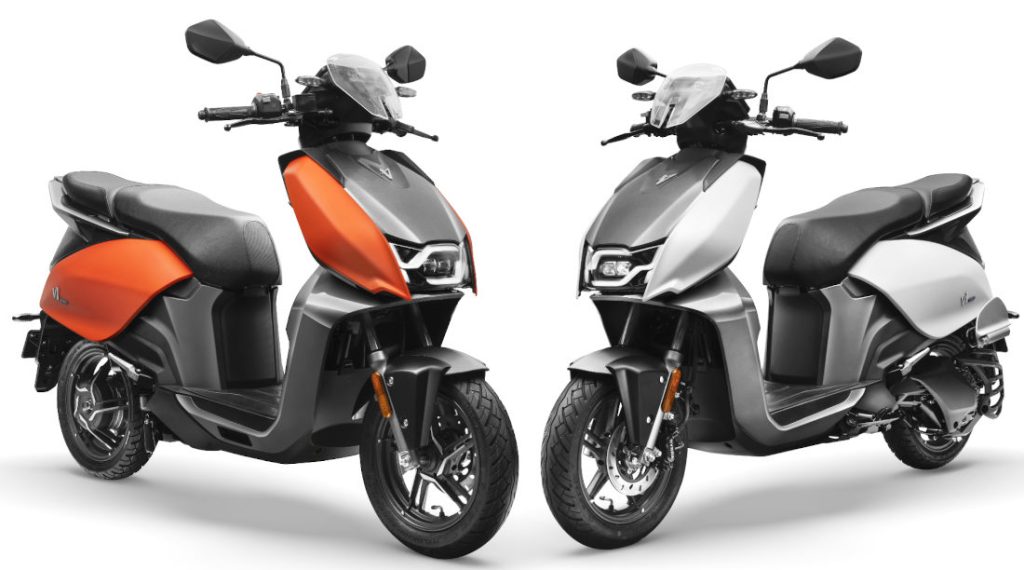
The Vida V1 Plus and V1 Pro electric scooters have been launched in India by Hero MotoCorp. The new Hero Vida e-scooter series comes in two battery options namely 3.44kWh and 3.94kWh. The smaller battery delivers a range of `143km while the latter offers up to 165km on a single charge.
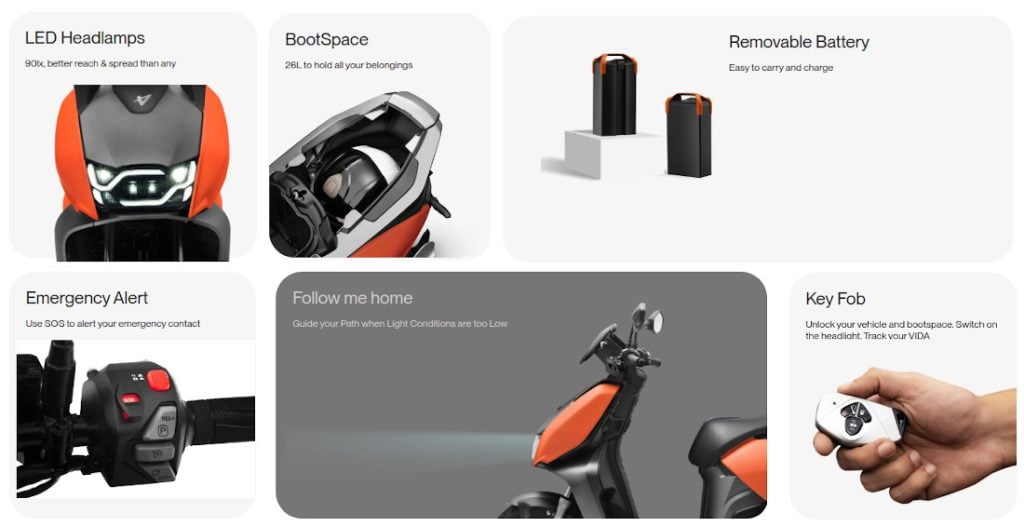
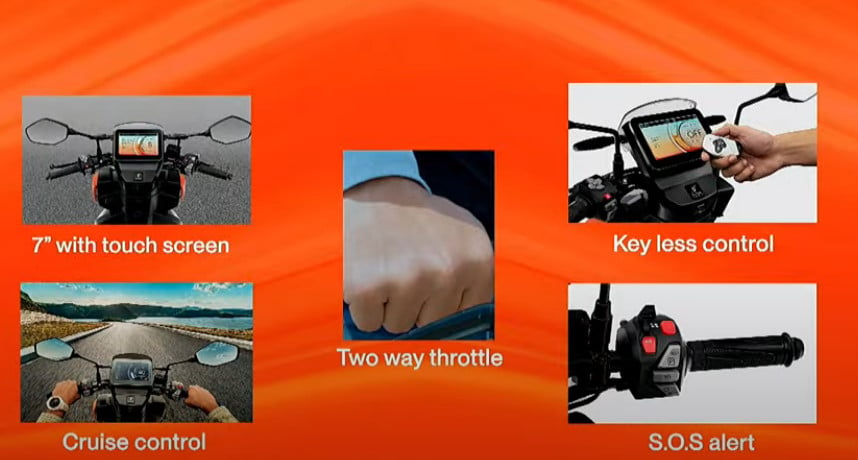
The Vida V1 series have removable batteries and had gone through stringent tests to assure their optimal performance. The batteries also feature the lifetime adaptive learning architecture for enhanced longevity. The e-scooters have 7-inch screens that provide navigation and other notifications for the user. The scooters also feature cruise control, SOS alert, and a reverse mode via a two-way throttle.
The e-scooters have three riding modes – Eco, Ride, and Sport and there are over 100 combinations of custom modes. Both models can achieve a top speed of 80km/h. While the V1 Plus can go from 0-40km/h in 3.4 seconds, the Pro model does the same in 3.2 seconds. The batteries can charge fully in less than 90 minutes via Vida’s fast charging network. When done at home using the accompanying charger, 0-80% charging is achieved in 6 hours.
There are LED headlamps, follow me home light, and a key fob for unlocking the EV. A 26L boot space is also present in the scooters. The scooters have app support which enables users to view the scooter’s health parameters, charging stations locations, and trip analytics.
The Vida Plus e-scooter is priced at 1.45 Lakhs (~$1,755) and the V1 Pro costs 1.59 Lakhs (~1,925) with its portable charger bundled into the package. Hero MotoCorp will open bookings on October 10 while the first units will arrive in mid-December 2022.
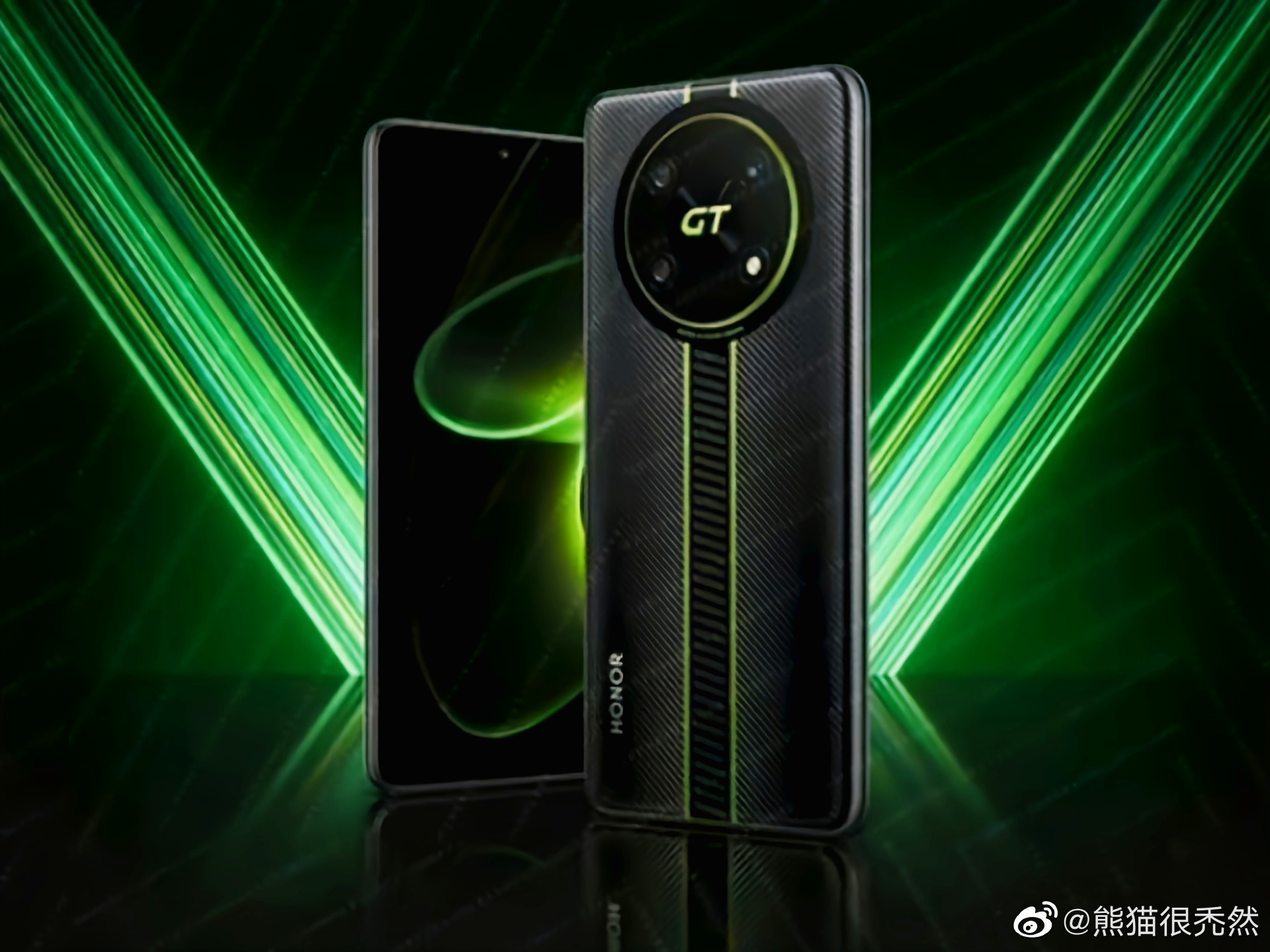
Honor has started teasing the arrival of the Honor X40 GT smartphone in China. Now that the first teaser released, it appears that it will go official in a week or two. At the same time, a render of the X40 GT has now started doing the rounds on social media handles. The image suggests that it will be a performance-focused device.
The teaser released by the brand does not reveal anything about the Honor X40 GT. According to some reports, the device will have the Snapdragon 888 4G mobile platform.
The Honor X40 GT render shown above shows that it has a punch-hole display. It is unclear whether it is an LCD or OLED panel. It has two green vertical lines at the center, with a textured pattern on either side. It has a round-shaped camera module, which seems to house a triple camera unit and an LED flash. At the centre of the camera module is the “GT” branding.
Honor X40 GT render
The Honor X40 GT is likely to be positioned higher than the existing X40-series models, such as the Honor X40 and the Honor X40i. Hopefully, the rumor mill will reveal more details on the X40 GT in the coming days.
In related news, Honor is working on the Magic 5 series of flagship phones, which is likely to feature the Snapdragon 8 Gen 2 chipset. The lineup is likely to include the Magic 5 and Magic 5 Pro handsets. Honor is likely to announce the Magic 5 series in March or April 2023.
As far as this year is concerned, the company may unveil the Honor Magic V2 in December this year. The foldable phone is tipped to arrive with the Snapdragon 8 Plus Gen 1 and Magic UI 7.0.
The Infinix Hot 20 5G, which recently went official in Europe, has arrived in Thailand. At the same time, the company has also unveiled the Hot 20i and Hot 20s handsets alongside. Here is all the information on the specifications, features, and price of the Infinix Hot 20i and Hot 20s.
Infinix Hot 20i specifications and features
The Infinix Hot 20i has a 6.6-inch IPS LCD panel that produces 720 x 1612 pixels and up to 500 nits of brightness. It is powered by the Helio G25 chipset and 3 GB of RAM. The device comes with up to 6 GB of extended RAM and a microSD card slot for additional storage.
Infinix Hot 20i
On the front, the Hot 20i has an 8-megapixel selfie camera. Its back panel has a 13-megapixel main camera and a pair of auxiliary cameras. It houses a 5,000mAh battery that offers only 10W charging.
Infinix Hot 20s specifications and features
The Hot 20s has a bigger 6.78-inch IPS LCD screen, which offers an FHD+ resolution of 2,460 x 1,080 pixels, a refresh rate of 20.5:9, up to 500 nits of brightness, and a 2800:1 contrast ratio. The screen carries support for a 120Hz refresh rate. Under the hood, the Hot 20s has the Helio G96 chipset.
Infinix Hot 20s
The SoC is accompanied by 8 GB of RAM and up to 5 GB of virtual RAM. It offers 128 GB of storage and a microSD card slot for more storage. It is backed by a 5,000mAh battery with 18W charging. For heat dissipation, the device is equipped with a Bionic Cooling System. The Hot 20s’ back panel has a 50-megapixel main camera, a 2-megapixel depth sensor, and a 2-megapixel macro camera.
The Hot 20i and 20s run on Android 12 with Infinix’s XOS 10.6 UI on top. Both models offer dual 4G VoLTE, Wi-Fi 802.11ac, Bluetooth, a DTS Audio-optimized speaker, and a 3.5mm audio jack.
Infinix Hot 20i, Hot 20s price
The Infinix Hot 20i comes in two options 4 GB RAM + 64 GB storage and 4 GB RAM + 128 GB storage. Both models are priced at THB 3,699 (~$98) and THB 3,999 (~$106). Its color variants include Wilderness Black, Luna Blue, Energy Green, and Sunset Gold.
The Hot 20s comes in a single version that offers 8 GB of RAM and 128 GB of storage. It costs THB 5,999 (~$160) and can be bought in colors like Sonic Black, Tempo Blue, Fantasy Purple, and Light-Riders White.
The Honor Play 6C has been quietly announced in China. It is an affordable 5G phone. It features a waterdrop notch display, a Snapdragon 4-series chip, a single rear-facing camera, and a big battery with fast charging support. Here is a look at all the specifications and price of the Play 6C.
Honor Play 6C specifications and features
The Honor Play 6C houses a 6.517-inch IPS LCD display that produces an HD+ resolution of 720 x 1600 pixels, an aspect ratio of 20:9, and a refresh rate of 90Hz. Under the hood, it has the Snapdragon 480 5G chipset.
Honor Play 6C
The Play 6C has a 5-megapixel front-facing camera. Its back panel has a single 13-megapixel camera with LED flash. It comes preloaded with Magic UI 5.0 based on Android 12 OS. For security, it has a side-facing fingerprint scanner.
Honor Play 6C
The Play 6C is backed by a 5,000mAh battery with 22.5W fast charging support. It comes with up to 8 GB of RAM and 128 GB of built-in storage. The handset offers other features such as dual SIM, 5G, Wi-Fi 802.11ac, Bluetooth 5.1, GPS, a USB-C port, and a 3.5mm headphone jack.
Honor Play 6C price and availability
The Honor Play 6C comes in two options: 6 GB RAM + 128 GB storage and 8 GB RAM + 128 GB storage. Both models are priced at 1,099 Yuan (~$154) and 1,299 Yuan (~$182). It comes in three colors: Magic Night Black, Aurora Blue, and Titanium Silver.
In related news, Honor is planning to launch its next X40-series phone called the Honor X40 GT. Unconfirmed reports have claimed that it may feature the Snapdragon 888 4G chipset.
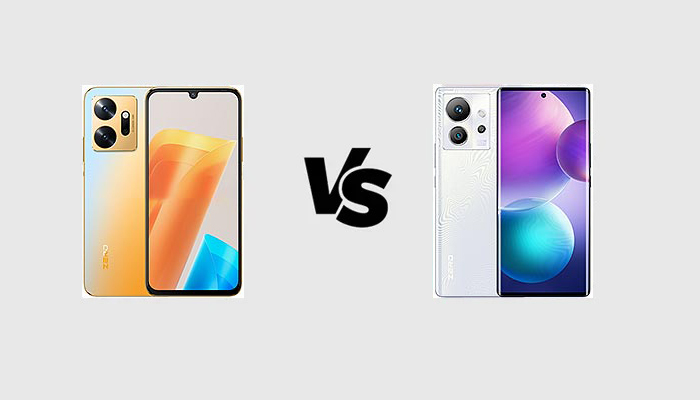
Even though it is a local smartphone manufacturer, Infinix is currently surprising the whole world with the incredibly advanced technologies integrated into its latest phones. Take the Infinix Zero Ultra, for example. It is one of the world’s first phones with a 200 MP camera and it has one of the fastest charging technologies ever seen on a mobile device. It is definitely one of the most interesting phones of this year, but it has an internal rival that is making people save much money while still getting a great phone: the Infinix Zero 20. They are both midrange phones belonging to the same series, but with very different specifications. This is a comparison between the main specifications of the Infinix Zero 20 and the Infinix Zero Ultra.
Triple 200 + 13 + 2 MP, f/2.0 + f/2.4
32 MP front camera
BATTERY
4500 mAh, fast charging 45W
4500 mAh, fast charging 180W
ADDITIONAL FEATURES
Dual SIM slot, front-facing LED flash
Dual SIM slot, 5G
Design
Despite it being a mid-ranger, the Infinix Zero Ultra is definitely one of the most beautiful phones of this year. Unlike almost every mid-ranger out there, it comes with a display sporting curved edges at the sides, as well as premium materials. The screen to body ratio is very high and this allowed the manufacturer to put a very wide display in a pretty compact body. The Infinix Zero 20 has a good build quality, but not the best design. It is equipped with a sturdy aluminum frame, but the presence of a waterdrop notch above the display is a bit anachronistic for a midrange phone released in 2022. So, if you are looking for the most beautiful design, you should choose the Infinix Zero Ultra without thinking twice.
Display
The displays of these two phones are very similar in terms of image quality, but they are not the same. The Infinix Zero Ultra has a wide 6.8-inch panel with AMOLED technology, a Full HD+ resolution of 1080 x 2400 pixels, a 120 Hz refresh rate, an in-display fingerprint reader, and a punch hole placed in the central part. The Infinix Zero 20 has an AMOLED display too, with a Full HD+ resolution of 1080 x 2400 pixels, but it comes with a lower refresh rate of 90 Hz and a diagonal of 6.7 inches. It even loses the in-display fingerprint reader: on this device, it is side-mounted. On the other hand, unlike its internal rival, it is equipped with stereo speakers as the earpiece doubles as a secondary speaker. Now, you know which one has the best display and which one has the best audio.
Hardware/Software
The hardware department of the Infinix Zero Ultra is way better. First of all, it is the only one in the duo with 5G connectivity. Further, it has a superior chipset: a Dimensity 920 by Mediatek built with a 6 nm production process and sporting an octa-core architecture composed of two Cortex A78 CPUs running at a max frequency of 2.5 GHz, six Cortex A55 CPUs running at 2 GHz, and a Mali G68 MC4 GPU. The SoC is paired with 8 GB of RAM and 256 GB of native storage and the internal storage is expandable with a micro SD. You can get the same memory configuration with the Infinix Zero 20, but with an inferior chipset and without the 5G connectivity. The SoC is an Helio G99 by Mediatek built with a 6 nm production process and with an octa-core architecture including two Cortex A76 CPUs running at a max frequency of 2.2 GHz, six Cortex A55 CPUs running at 2 GHz, and a Mali G57 MC2 GPU. The operating system installed is Android 12, customized by XOS 12 user interface.
Camera
The Infinix Zero Ultra is one of the most incredible camera phones released this year and it wins the camera comparison. It has a triple camera setup with the world’s first 200 MP main camera (supporting optical stabilization too), with a 13 MP ultrawide camera and a 2 MP macro lens. The Infinix Zero 20 has an inferior triple camera including a 108 MP main sensor, a 13 MP ultrawide lens, and a 2 MP macro camera, but the selfie shooter is definitely better with its 60 MP resolution, OIS support, and front-facing LED flash.
Battery
The battery capacities of these two phones are the same: 4500 mAh. The energy consumption of their components does not differ too much, so they should provide similar battery life. What changes is the charging speed: the Infinix Zero Ultra wins because it supports 180W fast charging, it is the fastest technology out there if we exclude iQOO’s 200W fast charging.
Infinix Zero 20 vs Infinix Zero Ultra: Price
The starting price of the Infinix Zero 20 in the Asian market roughly translates into €275 or $275, while the Infinix Zero Ultra starts from $520 or €520 at the actual change. The Zero 20 has a better front camera, but overall, it is an inferior phone. The Ultra offers a better display, superior chipset, 5G connectivity, better rear cameras, and faster charging.
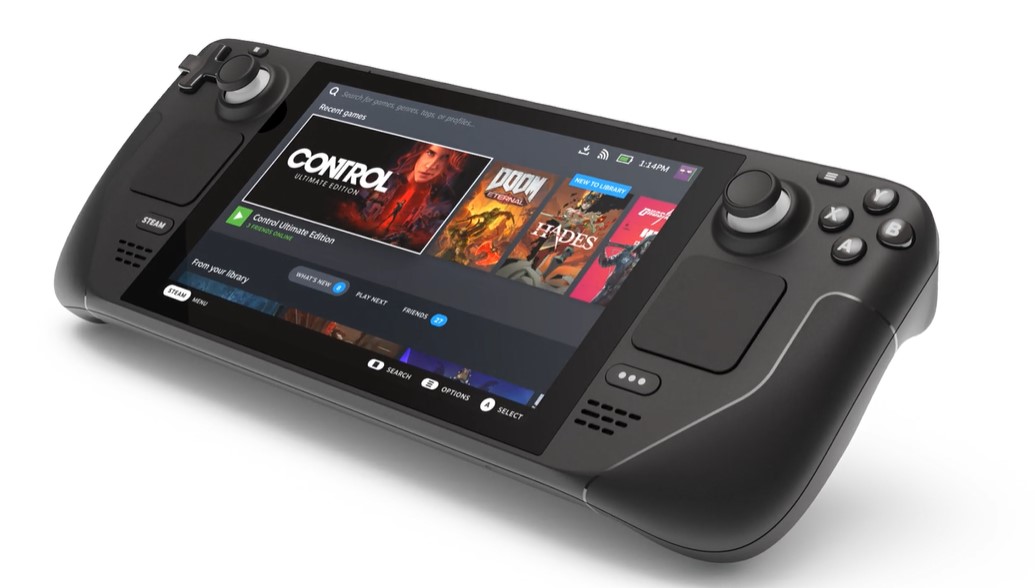
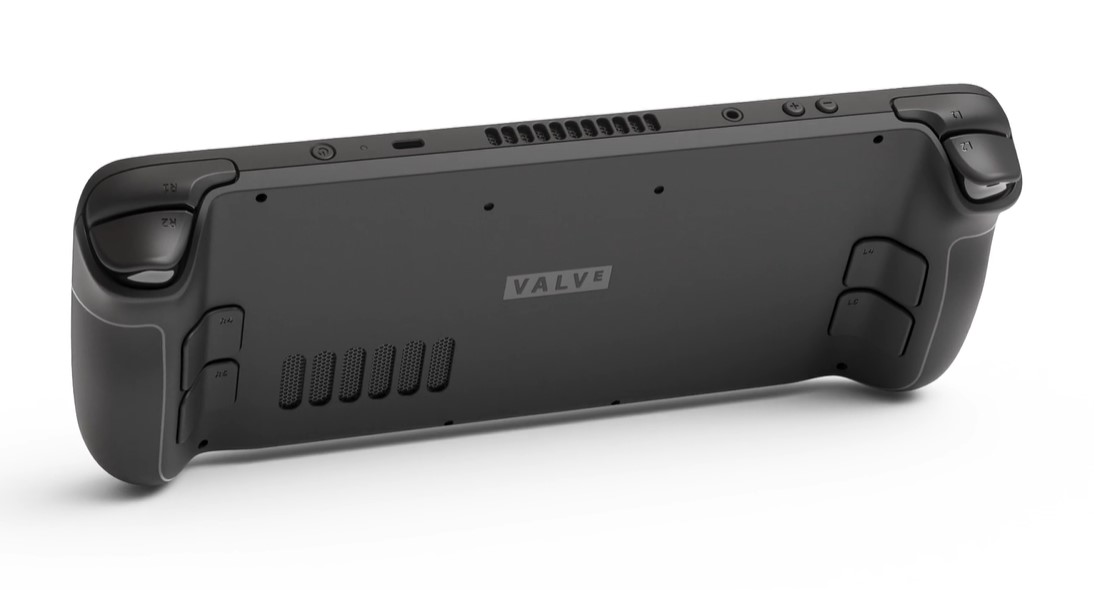
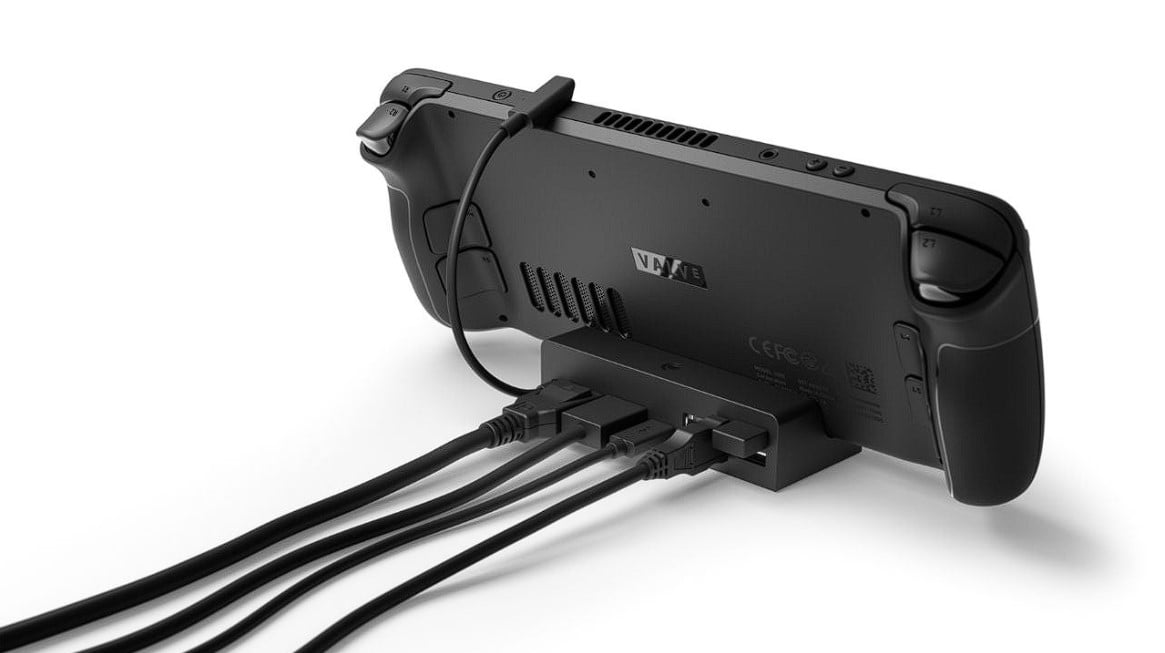
Last year, Valve launched the Steam Deck handheld console. The consoles were exclusively sold via the pre-reservation method up until now, but now the Steam Deck is finally available for direct purchase.
The company revealed in a blog post that it has been dealing with supply chain issues and component shortages, but thanks to Valve’s efforts, the ever-increasing reservation rate has been surpassed. Of course, the manufacturer reserves the right to return to taking reservations if demand is too high, citing “production, processing, and shipping bandwidth as still finite.”
The Steam Deck has a starting price of €419; however, this configuration only has 64 GB of eMMC storage. The 256GB SSD variant is priced at €549, while the top-end model, which has the “fastest storage,” anti-glare etched glass, an exclusive carrying case, and a virtual keyboard theme, has a price tag of €679. The most affordable option will be available for orders later this year, while users who purchase the latter two varieties will start receiving their consoles within 1-2 weeks.
Valve has also launched the Steam Deck Docking Station, which features three USB 3.1 ports, one HDMI 2.0 port, a DisplayPort 1.4, and a Gigabit Ethernet jack. It can be used to connect the Steam Deck to two external displays and multiple other Valve devices, and it can also charge the console simultaneously.
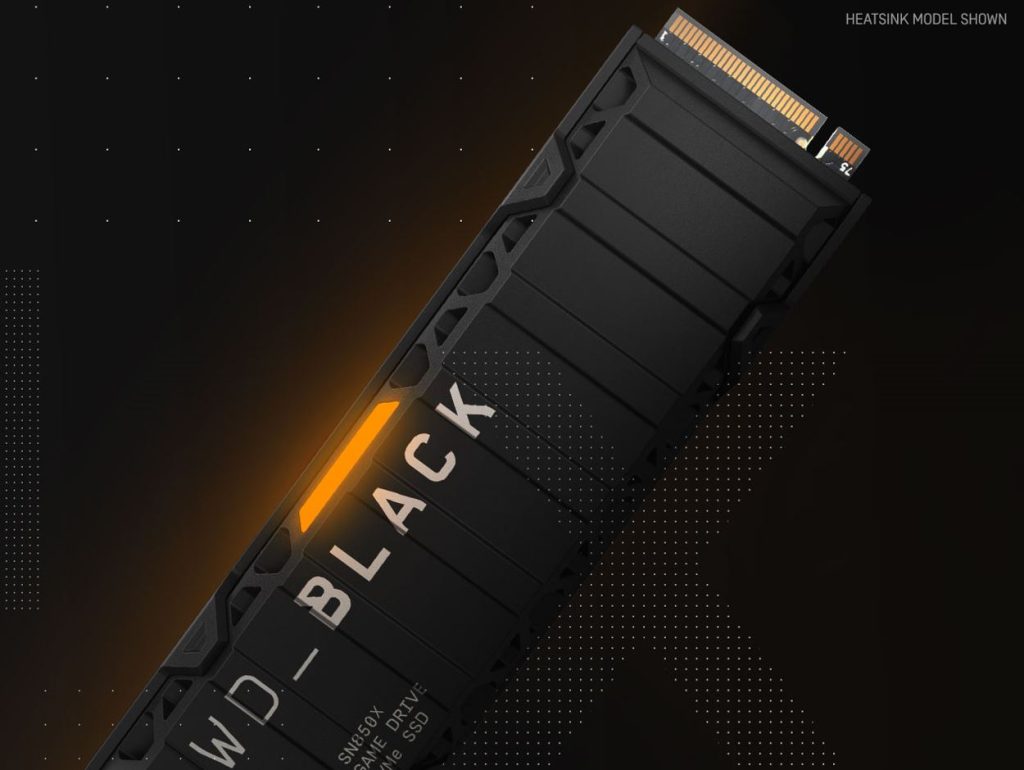
The WD BLACK SN850X NVMe SSD, a new addition to Western Digital’s WD BLACK gaming collection, is now available for shipping in India. The new SSD is tuned to provide unmatched gaming performance.
This is a PCIe Gen4 SSD with fast read rates of up to 7,300 MB/s. The WD BLACK SN770 NVMe SSD, which can read data at speeds of up to 5150 MB/s and store data for up to 2TB, was previously introduced in India. Downloads on the drive also have no chance of bottlenecking, as the SSD offers 6,300 MB/s sequential write speeds.
Thanks to reduced latency, predictive loading, and adaptive thermal management, gamers can look forward to a fantastic gaming experience with speedy load times and uncompromised thermal performance. The downloadable WD BLACK Dashboard includes a new Game Mode 2.0 and additional PC performance-enhancing tools. An optional heatsink (1TB and 2TB variants) is available to help maintain top performance, with RGB illumination to match the theme of your gaming setup. The heat sink models are officially licensed for PS5.
Price & availability
The WD BLACK SN850X NVMe SSD is available in 1TB, 2TB, and 4TB storage capacities, with prices starting at Rs. 13,119 for 1TB models and going up to Rs. 25,109 for 2TB models. It will be sold at Western Digital Stores, online stores like Amazon, resellers, system integrators, and other locations.
OnePlus announced the OxygenOS 12 Open Beta initiative for the 7 and 7T series back in July. Now, after months of beta testing, the OnePlus 7, 7 Pro, 7T, and 7T Pro are receiving a stable build of OxygenOS 12 based on Android 12. The update brings several enhancements as well as new features to the phones. Here are the details.
According to the official community post, the update is labeled H.28 for the OnePlus 7 and 7 Pro, and F.16 for the OnePlus 7T and 7T Pro (via XDA). Aside from everything Android 12 offers, OxygenOS 12 will also give these OnePlus devices an entirely new look. It comes with the August 2022 security patch level, which is already two months old at this point.
The OxygenOS update brings loads of new changes such as a dark mode with three levels, new style options for Cards in Shelf, an algorithm-based Smart Battery Engine, new app icons, and more. You can find the detailed changelog below:
Changelog:
System
Newly added Smart Battery Engine, a feature that prolongs your battery life based on smart algorithms and biomimetic self-restoration technology
Redesigns app icons using new materials to give more depth and a greater sense of space and texture to the icons
Revamps the page layout based on the principle of reducing visual noise and optimizes the presentation of text and color to make key information stand out
Optimized desktop icons with improved textures, by using a design inspired by brand-new materials and uniting lights and layers
Optimized spam block rules: Adds a rule for blocking MMS messages
Games
Newly added the HyperBoost end-to-end frame rate stabilizer
Newly added Voice effect preview to allow you to record your voice effect or check your voice effect in real time
Dark mode
Dark mode now supports three adjustable levels, bringing a more personalized and comfortable user experience
Shelf
New additional style options for Cards, making data contents more visual and easier to read
Newly added access to OnePlus Scout in Shelf, allowing you to search multiple contents on your phone, including Apps, Settings, Media Data, etc
Work Life Balance
Work Life Balance feature is now available to all users, allowing you to effortlessly switch between Work and Life mode via quick settings
WLB 2.0 now supports automatic Work/Life mode switching, based on specific locations, Wi-Fi network, and time, also bringing customized App notification profiles according to the personalization
Gallery
Gallery now allows you to switch between different layouts with a two-finger pinch gesture, intelligently recognizing the best-quality pictures, and cropping the thumbnail based on the content, making the gallery layout more pleasing
Canvas AOD
Canvas AOD brings you new diverse styles of lines and colors, for a more personalized lock screen experience with inspiring visuals
Newly added multiple brushes and strokes and support for color adjustment
Optimized software algorithm and improved face recognition to better identify the features and skin color of different figures
Accessibility
Optimized categorization of functions by grouping them into vision, hearing, interactive actions, and general
TalkBack supports more system apps including Photos, Phone, Mail, and Calendar
The release is currently restricted to existing Open Beta participants only, even though it is the inaugural stable build. Several users have reported that the software could use a bit more polish before it can be used on a daily basis.
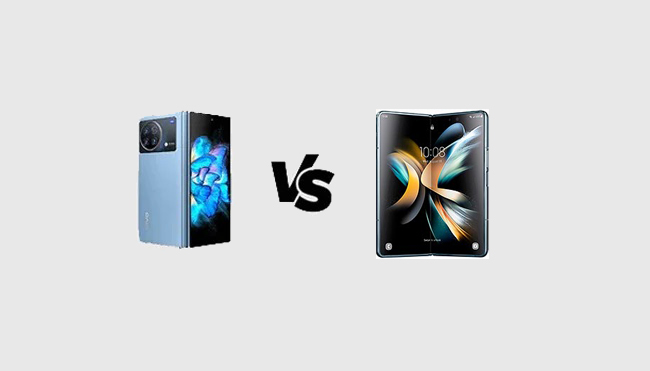
A few months after releasing its first foldable phone ever, Vivo came up with another model which is essentially a small upgrade of the first one. We are talking about the Vivo X Fold+: as we told you in a previous comparison, this model differentiates from the predecessor because of a bigger battery, better charging technologies, and an upgraded processor. With its specifications, it is definitely on par with the latest foldable phone from the most important brand in the niche: Samsung. We are obviously referring to the Samsung Galaxy Z Fold 4, available in the global market. Which one is the best of these two flagships? We will try to let you find out through this comparison between the main specifications of the Vivo X Fold+ and the Samsung Galaxy Z Fold4.
Vivo X Fold+ vs Samsung Galaxy Z Fold4
Vivo X Fold+
Samsung Galaxy Z Fold4
THICKNESS
14.6 mm when folded, 6.3 mm when unfolded
15.8 mm when folded, 6.3 mm when unfolded
DISPLAY
Main display: 8.03 inches, 1916 x 2160p (Quad HD+), Foldable LTPO AMOLED
External display: 6.53 inches Full HD+ (1080 x 2520p), AMOLED
Foldable display, secondary external display, 5G, reverse wireless charging, S Pen support
Design
The Vivo X Fold Plus and the Samsung Galaxy Z Fold 4 have exactly the same form factor, with a big foldable display placed internally and a smaller external display for the moment in which you want to use these devices like normal phones. From an aesthetical point of view, I prefer the Samsung Galaxy Z Fold 4 simply because it has a more minimalistic look: as you can see from the images of this device, its camera module is smaller and less invasive. But there are several people who prefer the amazing red color option of the Vivo X Fold Plus, very attractive due to its leather back. In each case, you are looking at very futuristic foldable phones and you won’t remain disappointed.
Display
The Vivo X Fold Plus and the Samsung Galaxy Z Fold 4 are equipped with foldable internal displays able to transform these phones into tablets. The internal displays are very similar in terms of specifications: they are AMOLED panels with Quad HD+ resolution, a 120 Hz refresh rate, HDR10+ certification, and very high peak brightness. But there are two important differences: the first is that the Samsung Galaxy Z Fold 4 has a smaller panel (7.6 inches vs 8.03 inches), while the second is the support for the S Pen on the Samsung foldable, while the Vivo does not support a stylus. The external display is better on the Vivo X Fold+: it is an OLED panel with a 6.53-inch diagonal, a Full HD+ resolution, and a 120 Hz refresh rate. Both devices are equipped with an in-display fingerprint reader.
Specs & Software
You won’t find important differences between the performances of these two handsets because they are powered by the same mobile platform and they are equipped with the same amount of RAM. The chipset is a Snapdragon 8 Plus Gen 1 by Qualcomm built with a 4 nm production process and sporting an octa-core architecture composed of a Cortex X2 CPU running at a max frequency of 3.19 GHz, three Cortex A710 CPUs running at 2.75 GHz, four Cortex A510 CPUs running at 1.8 GHz, and an Adreno 730 GPU. Further, there are 12 GB of RAM and at least 256 GB of internal storage. The Samsung Galaxy Z Fold 4 goes up to 1 TB of internal storage, while the Vivo X Fold+ stops at 512 GB. These phones run Android 12 out of the box and they are customized by Funtouch OS and One UI, respectively. However, the Z Fold 4 is the only one with Android 12L, a special version of the green robot for big displays.
Camera
The best camera phone in this comparison is definitely the Vivo X Fold+. It comes with a quad rear camera setup including a 50 MP main sensor with laser autofocus and OIS, an 8 MP periscope sensor with 5x optical zoom and OIS, a 12 MP telephoto lens with 2x optical zoom for portraits, and a 48 MP ultrawide sensor. On the other hand, the Samsung Galaxy Z Fold 4 offers two front cameras able to record 4K videos: one with a 4 MP resolution and one with a 10 MP resolution.
The Vivo X Fold + has a bigger battery and its battery life will surely be longer in a lot of scenarios thanks to this. Further, it charges quicker thanks to the presence of 80W fast charging and 50W wireless charging.
Price
The Samsung Galaxy Z Fold 4 debuted in the global market with a starting price of $1399 or €1399, while the Vivo X Fold + launched in China with a €1450 or $1450 starting price. The Vivo won’t be launched in the global market. While Samsung adds the S Pen support and better software, the Vivo has superior cameras and a bigger battery, as well as faster charging technologies. Which one would you pick?
Vivo X Fold+ vs Samsung Galaxy Z Fold4: PRO and CONS
Google unveiled the new Pixel 7 and 7 Pro yesterday at an event in New York. The new phones are powered by the Tensor G2 SoC and bring some exclusive features that set them apart from the rest of the Android pack. However, a new report claims the search giant will be bringing some of these features to the Pixel 6 series and older devices via the upcoming Feature Drop.
With Google’s quarterly Feature Drops, Pixel phones gain exciting new features and enhancements. According to PhoneArena, the company’s next Feature Drop will take place in December and will bring some of the exclusive features seen on the newly launched Pixel 7 smartphones. The majority of the new features will arrive only to Tensor-powered smartphones, meaning the Pixel 6, 6 Pro, and 6a. However, the non-tensor phones will not be totally left out, they will also be receiving some interesting stuff.
As per the publication, the Pixel 6 series will get Clear Calling in the upcoming Feature Drop. For the uninitiated, the Clear Calling feature reduces background noises during phone calls. In addition, the Pixel 6 lineup will also get a new quick phrase, which will enable users to stop an incoming call by saying “silence.”
Furthermore, the Pixel 6 devices will get the Guided Frame accessibility feature, which was announced with the Pixel 7 lineup. This feature allows people with poor vision to take selfies using voice commands while positioning the phone.
Google’s Real Tone enhancements will also be available for last year’s models. With this feature, you are able to take photos with more accurate skin tones on your Pixel 6 and Pixel 7 devices. Real Tone improvements produced for the new models will be made available to last year’s Pixels and will be combined with Night Sight and Portrait mode.
After a long wait, a Google-made watch is finally here. It’s called the Pixel Watch. The wearable runs on Wear OS 3.5 and brings the best of both Google and Fitbit. The smartwatch will go on sale next week, but ahead of that, the device’s official app is now available for download on Google Play.
Google Smartwatch’s Wear OS does not support the new user interface of the Pixel Watch, so it has its own app for setup and settings configuration. Currently, the application is only available on Google Play. It cannot be paired with iPhones because the watch requires an Android 8.0 or newer phone and a Google Account.
With the Pixel Watch app, users will be able to customize the watch face and configure phone notifications. Furthermore, it supports Google Maps for better navigation. The exercise and daily heart rate will be linked with the Fitbit app. The app isn’t of much use unless you have a Pixel Watch, which you, of course, don’t have at this moment.
As mentioned, Google launched its first-ever smartwatch yesterday alongside the Pixel 7 series. The smartwatch comes with a domed, circular glass display and is comparatively smaller than most premium smartwatches launched this fall. The watch’s case measures 41mm and is 12.3mm thin.
The watch is powered by Samsung’s older Exynos 9110 chip, which is also found under the hood of the Galaxy Watch 3. However, the Pixel Watch also features an additional Cortex M33 co-processor to optimize battery life. It packs 2GB of RAM and 32GB of storage.
The Pixel Watch has a 294mAh battery and is claimed to last for 24 hours of usage. It is also water resistant to up to 5 ATMs and supports Bluetooth 5.0, LTE, Wi-Fi, and NFC for contactless payments.
Japanese brand Yamaha is entering the electric bike market with the release of three new e-bikes. The bikes are for mountain, gravel, and urban commuting, respectively. The Moro 07, Wabash RT, and Crosscore RC will bear the imprimatur of the iconic and long-standing motorcycle brand.
Yamaha has previously announced its plans to introduce its lineup of e-bikes, mopeds, and other e-mobility machines as it seeks a foothold in the e-mobility segment. The Moro 07 has a special dual twin frame and is powered by Yamaha’s PW-X3 electric motor. The PW-X3 is a light and powerful drive unit that uses zero cadence technology for instant torque production. The powertrain weighs 2.75kg and the Moro 07 can reach a top speed of 15.5mph. The Moro 07 comes with solid handling and improved stiffness due to its dual twin frame. There are multiple tubes at the top and down of the frame for greater stability. The e-bike has a 500Wh battery, Maxxis 27.5-inch tires, Rockshox Lynk Select front forks, and a Shimano XT 1×12 group set.
The Wabash RT is a gravel e-bike with a sturdy frame design for a comfortable and stable ride. It is a lightweight bike with a PW-ST drive unit. The unit features zero cadence technology and a 500Wh battery is also fitted. Shimano GRX gears, an LCD, and an automated assistance mode are all featured in the Wabash RT. The Crosscore RC has a different set of Shimano gears and it is an all-rounder for urban riding. The automatic support mode assists the rider when pedaling uphill similar to the other two Yamaha models.
Yamaha provided the optics of the three bikes via a YouTube video but pricing and availability information are lacking at this time. It is expected however that the three Yamaha e-bikes could enter select markets by the year’s end.
Snapdragon 7 Gen 1 processor was announced earlier this year and so far it has been found on a couple of smartphones. Now the chip maker is reportedly working on a processor with model number SM7475. The chipset’s position the Snapdragon family remains unclear however, it is expected to be the Snapdragon 7 Gen 2 as per leakster Roland Quandt.
The SM7475 could also be labelled as Snapdragon 7+ Gen 1 as we have seen the case with the Snapdragon 8+ Gen 1 which is an enhanced version of the Snapdragon 8 Gen 1. The upcoming CPU is said to have a tri-cluster design with one prime, three gold, and four silver cores. The prime core will run at 2.4GHz whereas the gold is said to peak at roughly the same frequency. The silver core will be clocked at 1.8GHz. This seems to be exactly the same as Snapdragon 7 Gen 1.
There aren’t any hardware details about the Snapdragon 7 Gen 2 SoC. If it is the new chipset, we can expect new core designs. This means Cortex A715 for Prime and Gold cores and A510 for Silver cores compared to A710 and A510 on the Snapdragon 7 Gen 1.
The Snapdragon 7 Gen 2 could come with a small performance bump but a solid improvement in efficiency.
Qualcomm’s Snapdragon Summit is taking place next month and the chipmaker is expected to announce the Snapdragon 8 Gen 2 at the event. Thus we can expect some details about the Snapdragon 7 Gen 2 that time as well.
La Vita has kicked off an Indiegogo crowdfunding campaign for the Boost e-bike conversion kit. The Boost e-bike conversion kit has a rear wheel with an integrated 250W motor. The kit also contains a battery and handlebar display. The Indiegogo campaign will last for the next 26 days and various discount offers are available for the kit.
The rear wheel motor of the conversion kit has a peak power of 350W and can reach a top speed of about 25km/h. La Vita says the rear position of the motor enhances stability and provides a cleaner ride. The battery is rated 216Wh and La Vita claims it can achieve up to 50km assistance range. A key-operated lock helps to secure the power pack to the bike frame. The battery can be fully recharged in four hours while a USB port provides access to power the lights or charge your smartphone.
The Boost e-bike system can be controlled via an app available on both Android and iOS devices. You can also use the display to control the bike’s settings. The UK-built Boost e-bike conversion kit is compatible with many bicycle models. La Vita is offering a 2,000km warranty for the battery and motor of the conversion kit.
Customers can get the Boost e-bike conversion kit for £549 (~$614). There are other discount offers including purchasing two units at a lower price. The original price of the Boost e-bike conversion kit is £745 (~$834). There are no availability details for interested buyers outside the UK for now.
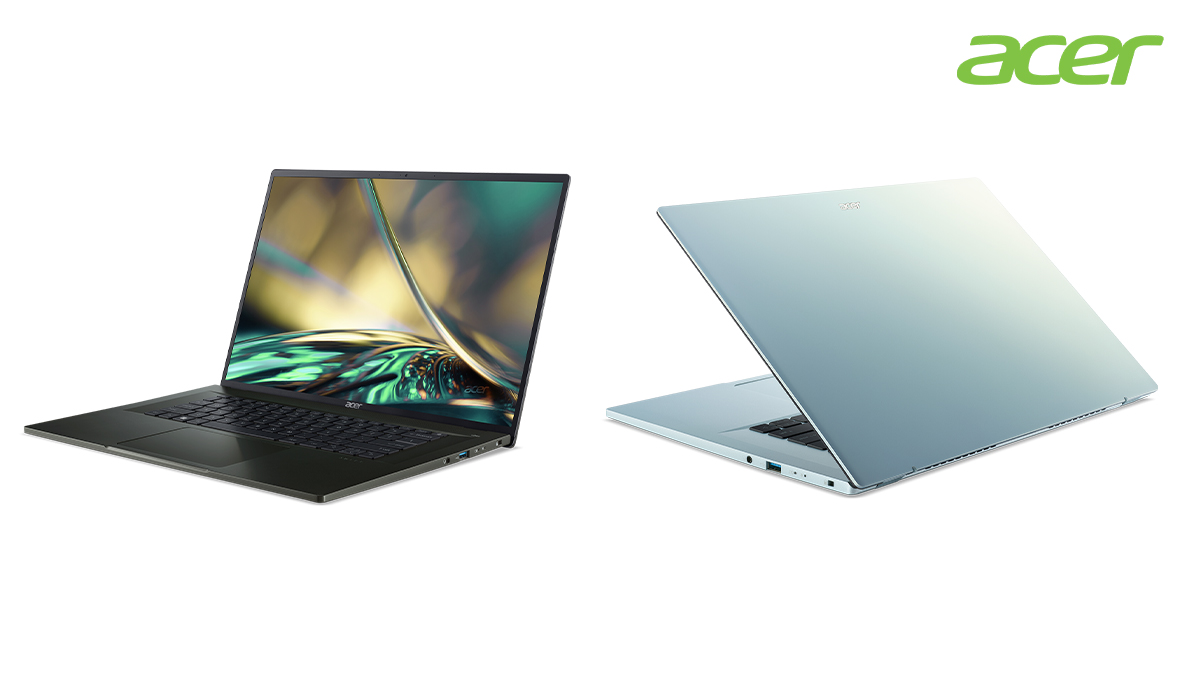
Acer Swift Edge has launched in the global market. It arrives as the world’s lightest 16-inch OLED laptop. The machine packs flagship specifications. Acer says that the Swift Edge is designed maximise the productivity and creativity demands of the modern hybrid workforce. Read on to know what it offers out of the box.
The Acer Swift Edge boasts a 16-inch OLED screen bearing a resolution of 4K pixels. It offers a 92 percent screen-to-body ratio, 500 nits brightness, and a 100 percent DCI-P3 colour gamut. The display also bags various certifications like VESA DisplayHDR True Black 500 and TUV Rheinland Eyesafe. Design-wise, the Acer Swift Edge is made up of alloy that is 20 percent lighter and 2x as strong as regular aluminium. It is slim and lightweight measuring just 1.16 kg.
The Acer Swift Edge features a backlit keyboard and an FHD webcam. There is also a fingerprint reader for security.
Under the hood, the Acer Swift Edge is equipped with AMD Ryzen PRO and Ryzen 6000 series processors. It is coupled with AMD Radeon graphics onboard. The laptop packs up to 32GB LPDDR5 RAM and 1TB SSD storage. The machine comes with Microsoft’s Pluton security processor to shield the device and user against sophisticated attacks.
The Acer Swift Edge comes with connectivity options like two USB-C ports, two USB-A ports, HDMI 2.1 port, headphone jack, WiFi-6E, and Bluetooth.
The Acer Swift Edge starts at RMB 7,999. It will be available for purchase from Acer.com and other official resellers. The device will first go on sale in North America starting this month at $1,499.
BenQ has released a new portable projector running on Android TV 10 and with up to 160 minutes of battery life. The BenQ GV11 portable projector features the treVolo sound system and is capable of streaming content from streaming several streaming services. It also features screen casting via Chromecast and you can use Google Assistant voice commands to control the projector.
The BenQ GV11 has a lens that can rotate over a wide range of projection angles. It has an automatic vertical keystone that ensures the projection is perfect. The projector outputs 480p images with up to 200 ANSI Lumens. Its 1.3 throw ratio allows the device to project images up to 80 inches in width over a distance of 2.3 meters.
The treVolo sound system provides several audio modes and bass extensions. Furthermore, sound diffusers on the sides of the portable smart projector enhance the audio output. Apart from Chromecast, you can also use Apple AirPlay to cast content from an iOS device. The BenQ GV11 has an HDMI port as well as a USB-A port. It has a 51ms input lag at 1080p resolution with a 60Hz rate.
The portable projector weighs about 1kg and operates with minimal noise at 23dBA. The projector is available for pre-order from the BenQ website at a discounted price of $279. The price of the portable smart projector will revert to its original price of $379 by November when it becomes available from e-commerce platforms.
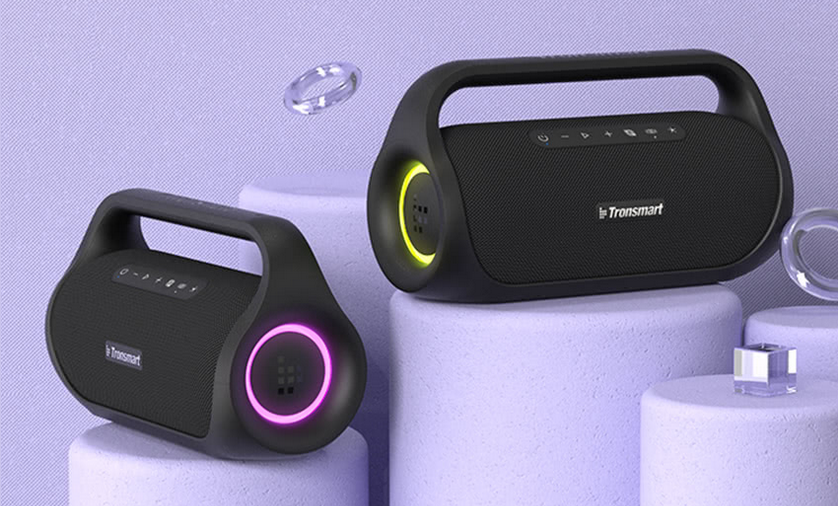
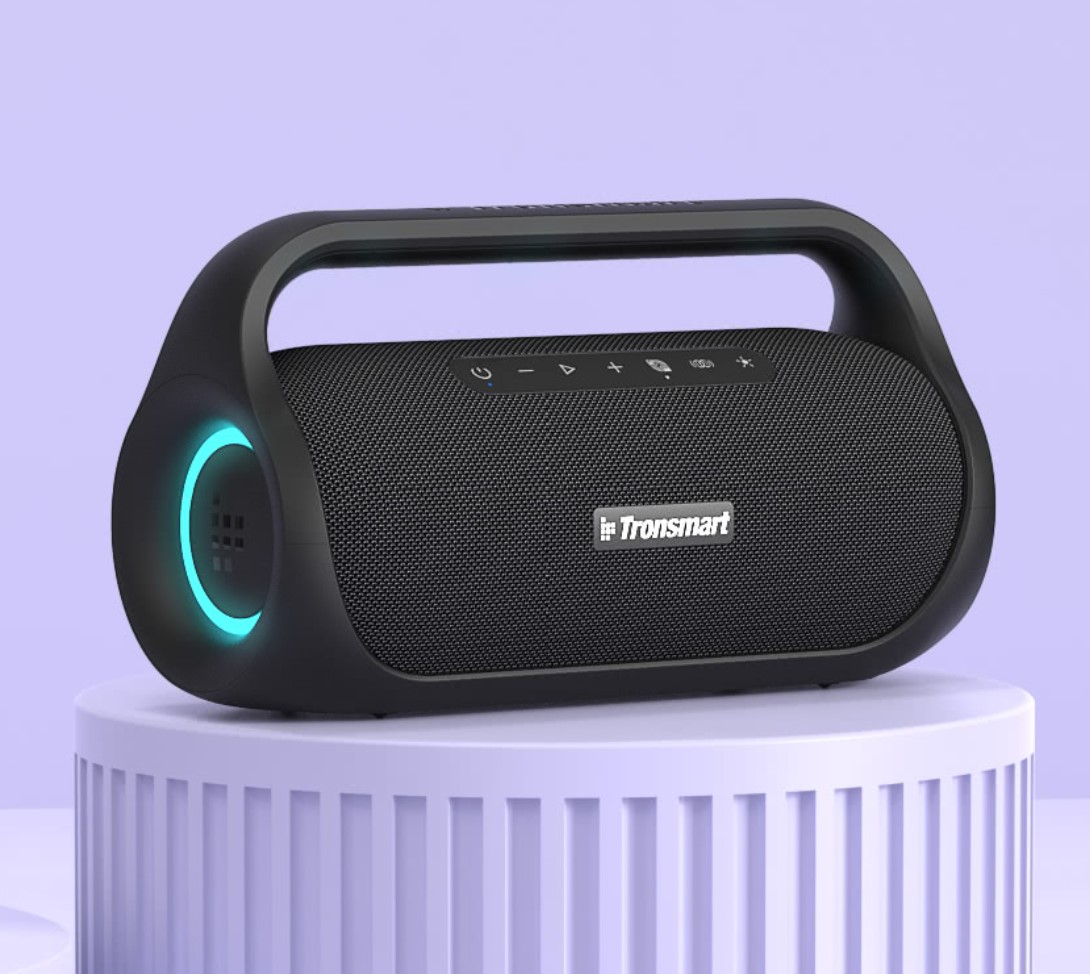
The Tronsmart Bang Mini speaker has been unveiled and it comes with a compact design. The Bang Mini is the latest iteration of the Tronsmart Bang RGB-enabled Bluetooth speaker. The new portable speaker has an in-built power bank and it retains about 83% of the audio power of its bigger sibling. It also retains the same form factor as the Bang.
The Bang Mini has the same maximum playback time as the Bang even with a smaller onboard battery. The new speaker outputs 50W audio as compared to the 60W output of the Bang. The Bang Mini has a 4-speaker system with dual 25W woofers. It offers deep bass close to that of its bigger version. It retains the same charging ingress-protection, SoundPlus Audio, and NFC features as the Bang. The Bang Mini, however, supports Bluetooth 5.3 connectivity and is lighter than its predecessor. It also features RGB lighting with different modes like its predecessor.
The Tronsmart Bang Mini has a 4,000mAh battery that delivers up to 15 hours of playback with RGB lighting inactive. It has a significantly reduced battery capacity compared to the Bang’s 10,000mAh battery. This means that there is less power to share with another device. The Bang Mini, however, lacks the SoundConnect functionality that allows up to 100 compatible units to sync up the audio output.
The Bang Mini TWS portable speaker is priced at $89.99 on Geekbuying or Amazon, while a 15% discount is also available for buyers until October 13.
Xiaomi had been facing friction in its operations in India, after facing allegations of tax evasion by the Enforcement Directorate (ED), Income Tax Department and the Customs Department. Following all of this, a new rumor had suggested that the company is moving its operations from India to Pakistan. However, it appears that this rumor is false.
For those unaware, the Indian government had seized the Chinese tech giant’s assets that were valued around 5,551 crore INR. The government cited illegal remittances to three foreign based entities, which allegedly also included one Xiaomi group entity that was “in the guise of royalty.” The company has denied these accusations in the Indian high court. However, a day after this court order, a rumor surfaced regarding the brand shifting its operations from Pakistan to India.
But now, Xiaomi India has officially denied this rumor, stating that the news is “completely false & baseless.” The brand further added that “Xiaomi entered India in 2014 & in less than a year, we embarked on our Make in India journey. 99 percent of our smartphones & 100 percent of our TVs are made in India. We’ll take all measures to protect our reputation from false & inaccurate claims.”
This statement was shared on its official Indian unit’s Twitter handle. Since the seizure of assets worth over 5,551 crore INR, the company has claimed that this move has “effectively halted” its operations in the second largest smartphone market in the world. Furthermore, the Karnatake High Court has also declined to provide any relief on the seizure until the investigation is over.
We use cookies on our website to give you the most relevant experience by remembering your preferences and repeat visits. By clicking “Accept”, you consent to the use of ALL the cookies.
This website uses cookies to improve your experience while you navigate through the website. Out of these, the cookies that are categorized as necessary are stored on your browser as they are essential for the working of basic functionalities of the website. We also use third-party cookies that help us analyze and understand how you use this website. These cookies will be stored in your browser only with your consent. You also have the option to opt-out of these cookies. But opting out of some of these cookies may affect your browsing experience.
Necessary cookies are absolutely essential for the website to function properly. This category only includes cookies that ensures basic functionalities and security features of the website. These cookies do not store any personal information.
Any cookies that may not be particularly necessary for the website to function and is used specifically to collect user personal data via analytics, ads, other embedded contents are termed as non-necessary cookies. It is mandatory to procure user consent prior to running these cookies on your website.