Advertisement

OnePlus Pad Go 2 launches in India with Dimensity 7300-Ultra, 10,050mAh battery, and 5G connectivity

OnePlus has launched a new tablet in India called the OnePlus Pad Go 2. It was announced alongside the OnePlus 15R and sits in the mid-range category, aimed at users who want a large display and long battery life without moving into premium pricing.

The Pad Go 2 is available in Lavender Drift and Shadow Black. That said, the Shadow Black colour is only offered on the 5G model. Powering the tablet is the MediaTek Dimensity 7300-Ultra, which is built on a 4nm process. OnePlus is offering the tablet with 8GB of RAM, paired with either 128GB or 256GB of UFS 3.1 storage.

Up front, the tablet gets a 12.1-inch LCD screen with a 2.8K resolution. It supports an adaptive refresh rate of up to 120Hz and goes up to 600 nits manually and 900 nits in HBM. Dolby Vision support is included, along with 98% coverage of the DCI-P3 colour space.

On the software side, the Pad Go 2 runs OxygenOS 16, based on Android 16. OnePlus has added features like Open Canvas for multitasking, along with AI tools such as AI Writer and AI Recorder. Audio output comes from a quad-speaker setup.

Battery capacity has also been increased compared to the earlier Pad Go. The new model packs a 10,050mAh battery and supports 33W SuperVOOC fast charging. There’s also 6.5W reverse wired charging, which can be used to charge smaller accessories if needed. For cameras, the tablet includes an 8MP unit on the back and an 8MP camera on the front for video calls.

Pricing and availability:

Pricing starts at Rs. 26,999 for the 8GB + 128GB Wi-Fi variant. The 8GB + 256GB Wi-Fi version is priced at Rs. 29,999, while the 5G model with 256GB storage costs Rs. 32,999. Sales begin in India on December 18.

OnePlus is also selling the Pad Go 2 Stylo for Rs. 3,999 and a Folio Case for Rs. 1,499 separately. The stylus supports 4,096 levels of pressure sensitivity.

Tech enthusiast? Get the latest news first! Follow our Telegram channel and subscribe to our free newsletter for your daily tech fix!

For more daily updates, please visit our News Section.

(Source: OnePlus)

Counterfeit RAM Scam Hits Amazon: Fake DDR5 Kits Sold in Sealed Packaging

A sophisticated new scam targeting high-end computer hardware has emerged on Amazon, specifically focusing on expensive DDR5 memory kits. According to a report by VideoCardz, fraudsters are deceiving buyers by placing ancient DDR2 modules inside counterfeit packaging designed to look like brand-new, high-performance retail kits.

The issue came to light when a consumer identified as BravoNorris purchased four ADATA XPG Caster DDR5-6000 32GB kits from Amazon Spain. While the exterior packaging arrived in factory-sealed plastic wrap and appeared entirely legitimate, the contents inside the third kit were a different story. Upon opening the box, the buyer discovered old DDR or DDR2 memory sticks that had been glued to metal blocks to mimic the weight of modern modules. These fake units were finished with low-quality counterfeit stickers to further the deception.

This seems to be a classic case of return fraud executed with high precision. In this scenario, a scammer purchases a genuine high-end RAM kit and carefully swaps the expensive DDR5 modules with worthless old hardware and weights. The package is then professionally resealed to look factory-new and returned to Amazon. Because the packaging appears untouched, the automated logistics systems often restock the item as new inventory without a technical inspection of the internal components.

ADATA has responded to the incident by advising customers to buy memory products only from authorized retail partners instead of unknown third-party marketplace sellers. The company also pointed to its online verification portal and said it will step up consumer education around genuine packaging and security features to help curb counterfeit products.

The rise in hardware fraud is closely linked to the current economic climate in the tech industry. As AI-related demand consumes the global supply of DRAM and NAND flash memory, prices for DDR5 and SSDs have climbed significantly. This scarcity has made high-end memory a lucrative target for organized scammers, and the industry is now bracing for ripple effects that could impact the pricing and security of motherboards, GPUs, and upcoming gaming consoles.

To safeguard against these sophisticated scams, it is recommended to record a continuous, uncut video of the unboxing process. This footage serves as essential evidence if a refund dispute arises. Additionally, buyers should physically inspect the module notch, as DDR5 has a specific alignment that differs from older generations, and use manufacturer websites to verify that the serial numbers on the modules match the retail box.

For more daily updates, please visit our News Section.

Stay ahead in tech! Join our Telegram community and sign up for our daily newsletter of top stories! 💡

(Source)

OnePlus 15R launches with Snapdragon 8 Gen 5, 7400mAh battery, & 165Hz Display for Rs 47,999

A month after releasing its flagship phone, OnePlus has finally dropped its value flagship. The OnePlus 15R has just made its global debut, packing high end specs and features at a more affordable price point. So here’s everything you need to know about its hardware, design, pricing, and launch offers.

OnePlus 15R
OnePlus 15R

1. OnePlus 15R: Design & Display

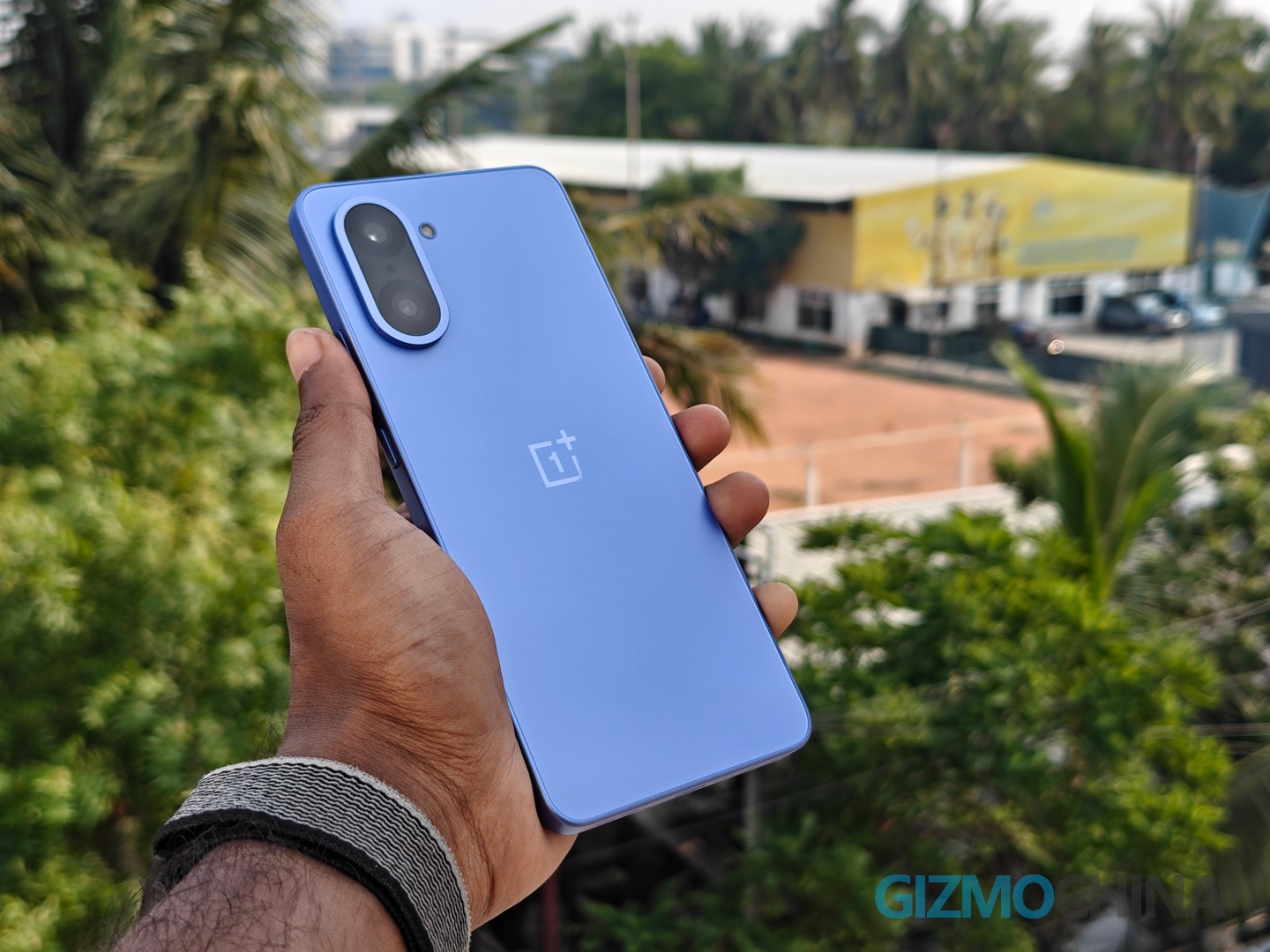
Starting with the OnePlus 13s, the Chinese brand has settled on a new signature design. While the flat rear and front aren’t new, the raised metallic camera module is the most recognizable aspect of the OnePlus 15 series. So at first glance, it looks like a cut down version of the flagship OnePlus 15. The Indian market is also getting an exclusive purple variant that uses fiberglass, but all variants get an IP66 + IP68 + IP69 + IP69K rating for water and dust resistance. It arrives with Corning’s Gorilla Glass 7i for protection.

The OnePlus 15R measures around 8.1mm thick and weighs about 213 grams. Moving to the front, you get a tall 6.83-inch AMOLED display with a 1.5K resolution, TÜV Rheinland Intelligent Eye Care 5.0 certification, 3840Hz PWM dimming, and DC dimming. You get a peak brightness of 1800 nits, although it can go as low as 2 nits (1 nit with Reduce White Point enabled). There is also up to 165Hz refresh rate on select apps, so the phone typically runs a 120Hz. For gaming fans, OnePlus offers a dedicated chip for a 3200Hz touch sampling rate.

2. Performance

Under the hood, the OnePlus 15R is equipped with Qualcomm’s latest Snapdragon 8 Gen 5 SoC, which offers performance similar to last year’s Snapdragon 8 Elite. The chip is coupled with 12GB LPDDR5X RAM and up to 512TB UFS 4.1 storage. A massive 7400mAh battery pack powers this device, which supports 80W wired fast charging.

Keeping these hefty specs cooled is a 360° Cryo-Velocity Cooling System that includes a 5,704mm² 3D vapor chamber and an aerospace grade aerogel insulation layer for improved heat dissipation. Other notable features include Bluetooth 6, Wi-Fi 7, NFC, stereo speakers, an in-display ultrasonic fingerprint scanner, an infrared sensor, and dual nano SIM support. Out of the box, the OnePlus 15R runs on the Android 16 OS based OxygenOS 16 custom skin.

3. Camera

For photography, this budget flagship packs the 50MP Sony IMX906 main camera that supports OIS (Optical Image Stabilization), which is the same 1/1.56-inch sensor that is also found on the flagship OnePlus 15. This is paired with an 8MP ultra wide angle lens and a 32MP selfie camera on the front with autofocus. The brand’s DetailMax Engine imaging tech returns on this model, and there is even support for 4K120fps video recording.

4. Pricing, Availability, & Launch Offers

The OnePlus 15R just debuted in the Indian market in three color options, namely Charcoal Black, Mint Breeze, and Electric Violet. It is also selling in two storage configurations, so here are the pricing details:

This model is available for purchase from the brand’s official website, OnePlus Store app, Amazon India, offline retail stores, and OnePlus’ Experience Stores as well. First sales are set to kick off on 22nd December 2025, with pre-orders already live. Notably, customers who pre-order get the OnePlus Nord Buds 3 TWS for free. As a part of the introductory launch offer, the OnePlus 15T can be purchased with an instant bank discount of up to Rs 3,000. OnePlus is giving 180 day phone replacement plan as well as a Lifetime Display Warranty for OnePlus 15R owners.

Please Note: When you buy something using the links in our articles, we may earn a small commission at no cost to you.

For more daily updates, please visit our News Section.

Don’t miss a thing! Join our Telegram community for instant updates and grab our free daily newsletter for the best tech stories!

Are Value Flagships Worth It? Here’s What You Sacrifice

Value flagships are all the rage in 2025, becoming the tech industry’s new buzzwords. For a relatively affordable price tag, you can get flagship level performance, powerful camera systems, and a premium design. Sounding too good to be true? It probably is since there is always a slight catch (or two). On paper, these devices seem like “no brainer” buys, but there are always compromises to consider. So in this article, we unpack where brands trim costs and what it means for you as a buyer.

1. Flagship Performance on a Budget*

OnePlus 15R
OnePlus 15R

At the heart of most value flagships is a powerful SoC, which is often a recent Snapdragon or Dimensity flagship chip. This is coupled with plenty of RAM and storage as well. So you get impressive benchmark scores, smoother everyday performance, and a great gaming experience. But there are a few ways brands can cut corners in this regard.

One of the most common aspects is choosing an older generation flagship chip. An example is the Snapdragon 8 Elite/8 Gen 5 powered devices that are coming out now. While these are still quite powerful, the Snapdragon 8 Elite Gen 5 stands out as the most powerful Android chipset. Similarly, we have the Dimensity 9500 SoC, which is basically just as powerful.

Another area that can impact performance is the thermal dissipation system. A top tier smartphone brings advanced cooling solutions like vapor chambers, heat pipes, and graphite layers. You might find these on gaming or performance focused value flagships, but other models could skip or simplify such a feature entirely. This can lead to thermal throttling, which leads to an inconsistent experience during sustained performance.

Please Note: When you buy something using the links in our articles, we may earn a small commission at no cost to you.

2. Where Display Quality Gets Trimmed

Samsung Galaxy S25 FE

Another common corner cut in value flagships is the display. Premium devices typically use high-end AMOLED panels with top-tier brightness, colour accuracy, and adaptive refresh technologies. To keep costs down, value flagships might employ panels with lower peak brightness, less refined calibration, lower resolution, and a few other downgrades.

In-display fingerprint scanners are quite common for smartphones, but there are different types here as well. An ultrasonic sensor is typically reserved for flagship phones, while anything below these carries an optical scanner. LTPO is another display tech that enables variable refresh rates. This helps conserve battery life without compromising on display smoothness. Fortunately, more and more smartphones are beginning to shift to the more advanced fingerprint scanning tech, but only Chinese brands are leading this shift.

Please Note: When you buy something using the links in our articles, we may earn a small commission at no cost to you.

3. Camera Trade-Offs

Poco F7
Poco-F7

Cameras are one of the biggest battlegrounds for mid-range smartphones. Many value flagships boast high megapixel counts and multi-lens arrays that sound flagship-level on spec sheets. However, delivering truly flagship-class imaging is about more than megapixels. A true premium phone offers larger sensor sizes, better image processing, and software optimizations. Some models even offer special tuning from major camera brands like Hasselblad.

Please Note: When you buy something using the links in our articles, we may earn a small commission at no cost to you.

4. Durability & Wireless Charging

Brands trying to make value flagships cheaper often take out certain features related to charging or use materials weaker materials for the build quality. Wireless charging is one of the first aspects that don’t make the cut. Similarly, Corning Gorilla Glass is often used for a more robust build quality. The Gorilla Glass Victus 2 is a high end glass solution that is better against scratches and shattering. But more affordable models get the weaker and cheaper Gorilla Glass 7i that is often found on mid range phones.

For more daily updates, please visit our News Section.

Tech enthusiast? Get the latest news first! Follow our Telegram channel and subscribe to our free newsletter for your daily tech fix! ⚡

ZTE launches WenTian BE7200 Max octopus router with Wi-Fi 7 & RGB lighting

ZTE has announced a new high-performance router under its WenTian series, the BE7200 Max, priced at 773 yuan during its initial sale period. The device will go on sale on December 25 through ZTE’s official Tmall store. The listed retail price is 879 yuan ($124).

ZTE WenTian BE7200 Max Wi-Fi 7 router

ZTE WenTian BE7200 Max Specs

The WenTian BE7200 Max is designed as a fully loaded Wi-Fi 7 router aimed at home users and gamers. It supports dual-band connectivity with a combined maximum wireless speed of up to 7200 Mbps. ZTE uses its self-developed Wi-Fi 7 main chipset alongside an 8-core, 64-thread acceleration engine to ensure stable performance under high traffic loads.

The router features eight external antennas and supports eight spatial streams, each backed by an independent high-power amplifier. ZTE has integrated its high-gain signal enhancement technology to improve signal stability across larger households and through walls.

The device includes four 2.5GbE Ethernet ports for wired connections and one 10GbE SFP+ port. This allows direct access to 10G optical modems or high-speed NAS setups. It supports dual-WAN and dual-dial configurations for improved load balancing and network redundancy.

ZTE WenTian BE7200 Max Wi-Fi 7 router

ZTE equips the router with 1GB of RAM, enabling support for up to 512 connected devices at the same time. The router also includes a USB 3.0 port that supports light NAS functions, allowing users to connect external storage for private file sharing across smartphones, PCs, and smart TVs via SMB or FTP.

The router includes customizable RGB lighting that adjusts based on network activity, acceleration modes, and system events. ZTE supports up to 250 days of free access to partnered game acceleration platforms. The Smart Life app provides users with real-time latency tracking, interference analysis, mesh networking, and advanced parental controls. The app also supports AI-assisted Wi-Fi placement simulation to help optimize router positioning.

The BE7200 Max features a futuristic design with a passive cooling system. ZTE claims the internal heatsink has a heat dissipation area of 86,904 mm².

In related news, Asus has recently launched the RT BE58 Go Wi-Fi 7 travel router with built-in power bank support, while Ubiquiti has introduced the Dream Router 5G Max featuring Wi-Fi 7, a 10G SFP+ port, and full UniFi OS support.

For more daily updates, please visit our News Section.

Stay ahead in tech! Join our Telegram community and sign up for our daily newsletter of top stories! 💡

HKC M10 Ultra Introduces RGB Mini LED With 4,788 Dimming Zones and 1,600 Nits Brightness

HKC has announced the M10 Ultra, which it calls the world’s first RGB Mini LED monitor. The launch marks a shift from single light control to combined light and color control, with HKC positioning the panel as a step beyond conventional Mini LED and closer to OLED-level performance without OLED’s drawbacks.

HKC M10 Ultra

Traditional Mini LED monitors rely on white or blue LEDs paired with color filters. This approach wastes light energy and introduces color interference, especially in high contrast scenes. RGB Mini LED changes the structure at the backlight level. Red, green, and blue Mini LED chips are integrated directly into the backlight module. When the screen displays red, only the red LEDs are activated. No color filters are required, which reduces light loss and improves color purity.

HKC M10 Ultra

According to HKC, the M10 Ultra uses 4,788 independently controlled dimming zones. Combined with separate control algorithms for red, green, and blue light, the panel forms a micro level light and color control matrix. This design significantly reduces halo effects that often appear on traditional Mini LED displays and allows the LCD panel to deliver deeper blacks closer to OLED. The attached comparison image highlights this difference, showing cleaner blacks and higher color performance than both standard Mini LED and OLED, while avoiding OLED burn in risk.

Color performance is a key focus. HKC claims 100 percent coverage of sRGB, DCI P3, Adobe RGB, and BT.2020. This exceeds typical Mini LED panels and matches professional grade display standards. The image data notes that RGB Mini LED can exceed 98 percent BT.2020 coverage, compared to around 85 percent for traditional Mini LED and about 90 percent for OLED.

Brightness and efficiency also improve. The M10 Ultra reaches 1,600 nits peak brightness and sustains 1,000 nits full screen. RGB Mini LED systems have shown over 20 percent lower power use compared with QD OLED and standard Mini LED solutions. The monitor uses a low reflection dark coating to reduce glare and prevent washed out images.

The panel measures 31.4 inches and supports 4K at 165Hz and 1080p at 330Hz with dual mode switching. It supports DIC 2.0 and FreeSync simultaneously. For creators, it offers 3D LUT calibration, Delta E below 1 across all color modes, and HDR PQ and HLG curves. Connectivity includes dual HDMI 2.1, full bandwidth DisplayPort 2.1, and a 98W Type C port, paired with an adjustable ergonomic stand.

For more daily updates, please visit our News Section.

Tech enthusiast? Get the latest news first! Follow our Telegram channel and subscribe to our free newsletter for your daily tech fix!

(Source)

WiFi 7 or WiFi 6E: Does Your Home Really Need the Upgrade?

As 2026 gets closer, home internet use is evolving quickly. Homes now stream more high-resolution content, depend on cloud services for work and gaming, and connect many devices at once. Wi-Fi 6E improved performance by opening the 6 GHz band, but Wi-Fi 7 is already appearing in new routers and devices. With faster internet plans and growing network congestion, the real question is whether users should upgrade now or if Wi-Fi 6E will still be sufficient for the next few years.

HUAWEI WiFi Mesh X3 Pro (Wi-Fi 7)

1. What Wi-Fi 7 Brings Over Wi-Fi 6E

Wi-Fi 7 brings several upgrades that help increase capacity and reducing congestion. It supports channel widths of up to 320 MHz, doubling what Wi-Fi 6E offers. Wider channels allow more data to move simultaneously, improving performance when multiple devices are active. Wi-Fi 7 also increases modulation efficiency, allowing each signal to carry more data, which boosts overall throughput.

2. Multi-Link Operation and Lower Latency

One of the most practical improvements in Wi-Fi 7 is Multi-Link Operation. This feature lets compatible devices use multiple frequency bands at the same time instead of relying on a single connection. The result is lower latency, faster response times, and more stable connections, especially in homes with heavy network traffic. For gaming and real-time communication, this leads to fewer lag spikes and connection drops.

3. Real-World Benefits for Streaming and Gaming

For basic use, Wi-Fi 6E already handles 4K streaming and video calls reliably. Wi-Fi 7 becomes more noticeable in homes with several users streaming high-quality content at once or downloading large files. Online gaming benefits from reduced latency, while cloud gaming and high-frame-rate streaming see smoother performance when network traffic increases.

4. Smart Homes and Multiple Connected Devices

Modern homes often include dozens of connected devices, from cameras and speakers to appliances and sensors. Wi-Fi 7 improves how networks handle many active connections at once, reducing slowdowns caused by congestion. This makes it better suited for large smart homes or households planning to add more connected devices over time.

5. Cost, Compatibility, and Upgrade Timing

Wi-Fi 7 routers still cost more than comparable Wi-Fi 6E models, and support across devices is not yet widespread. While these routers work with older phones, laptops, and tablets, you only get the full performance gains when paired with Wi-Fi 7-enabled devices.

At the entry level, Wi-Fi 7 routers start at about $100 to $120. Models such as the TP-Link Archer BE3600 offer advertised speeds of up to 3.6 Gbps. For larger homes or office setups, mesh systems like the TP-Link Deco BE25 three-pack are priced from around $180.

Higher-end Wi-Fi 7 routers with faster throughput, such as up to 6.5 Gbps, and added features like 10GbE ports, are typically priced between $180 and $400 or more.

6. Who Should Upgrade and Who Should Not

Should upgrade now:

  • Households on multi-gigabit internet plans that want to use that speed over Wi-Fi.
  • Large homes with many simultaneous users who stream, game, or work from home.
  • Users who move large files over the local network often, such as content creators editing video.
  • Early adopters who want the longest practical future proofing and who do not mind paying a premium.

Should not upgrade now:

  • Users with sub-gigabit internet or a single household user who streams and browses.
  • People on a tight budget who can get all needed performance from a good Wi-Fi 6E router.
  • Homes where most client devices do not yet support Wi-Fi 7 and will not for some time.

7. Conclusion

Wi-Fi 7 brings real technical gains that matter most under heavy load and for future high-bandwidth uses. For many households, Wi-Fi 6E still delivers excellent performance today. If you have fast internet, many users, or plan to keep your router for several years, Wi-Fi 7 is a sensible upgrade. If your needs are modest, you can wait and buy a cheaper Wi-Fi 7 system later when prices and device support improve.

Here’s the latest devices getting HyperOS 3 update in India: Xiaomi 14, POCO F7, POCO M7 Pro, & More

Xiaomi just announced that the HyperOS 3 update for the Xiaomi 15 and Xiaomi 15 Ultra in India earlier this month. And just yesterday, we even got the update arriving for the Redmi Note 14 5G in the region. Now, a company executive has confirmed that the next set of devices will get this major software upgrade.

HyperOS 3 arrives on Xiaomi 14, Redmi 13, POCO F7, POCO M7 Pro, & more in India

According to Sandeep Sarma, Associate Director of Marketing and PR at Xiaomi India, the Chinese tech giant is bringing the HyperOS 3 upgrade to a fresh batch of new devices. The new Android 16 OS based custom skin is rolling out on multiple models, so check if your device is eligible for this update:

  • Xiaomi 14
  • Xiaomi Pad 7
  • Redmi Note 14 5G
  • Redmi 13
  • POCO F7
  • POCO M7 Pro 5G
Xiaomi 14 series
Xiaomi 14

We already knew that the Redmi Note 14 5G was receiving this update, but now we finally have official confirmation of the update coming to the high end tablet, along with Redmi and POCO branded smartphones. The HyperOS 3 update brings smoother and more stable performance, along with a refined user interface. There are a bunch of changes to Xiaomi’s Android 16 skin and smoother animations across the board.

One of the biggest new additions to Xiaomi’s HyperOS 3 is the HyperIsland feature that is inspired by Apple’s Dynamic Island. It functions as a pill shaped feature on the top that shows all live activities like music, calls, timers, navigation, and more. In related news, Xiaomi is getting ready to celebrate Christmas with a new watermark in China.

For more daily updates, please visit our News Section.

Don’t miss a thing! Join our Telegram community for instant updates and grab our free daily newsletter for the best tech stories!

NexDock’s latest lapdock is a full-fledged laptop without a processor

Ever wanted to pair your smartphone’s processing power with a larger screen for a more PC-like multitasking setup? Most recent flagship phones are powerful enough for this, and some — like Samsung‘s Galaxy flagships and Google‘s newer Pixel flagships — even include dedicated desktop-style software.

You still need the basics, though: a keyboard, trackpad, ports, speakers, and a battery. That’s where NexDock comes in. The company has been working on lapdocks for nearly a decade, and its latest model, the NexDock 6, is now officially in stock and shipping worldwide. According to the brand, it is designed to work with both smartphones and gaming handhelds.

A much-improved display and trackpad

The biggest upgrade comes in the display. The NexDock 6 features a 14-inch WUXGA (1920 × 1200) touchscreen with a 16:10 aspect ratio. It’s rated for up to 400 nits of brightness, covers 100% of the sRGB color space, and includes a low blue light coating.

The trackpad has also been reworked from the ground up, addressing one of the weaker points of earlier models. According to the company, the new trackpad offers improved responsiveness, better palm rejection, and more reliable multi-finger gesture support across Android desktop modes, Windows, Linux, and SteamOS.

Audio has seen a modest upgrade as well, with dual 2W bottom-firing speakers. Battery capacity is rated at 38Wh, with NexDock claiming around six to seven hours of “real-world use” at medium brightness. The USB-C video port can charge a connected device at up to 5V/2A, up from 5V/1A on the previous generation, meaning your phone can actually gain charge while you’re using it.

The NexDock 6 is priced at $229, with shipping, taxes, and duties included for supported regions. Orders ship from Hong Kong to more than 30 countries, including the US, much of Europe, Asia, and Oceania. NexDock says local US inventory is expected to arrive in early 2026.

Don’t miss a thing! Join our Telegram community for instant updates and grab our free daily newsletter for the best tech stories!

For more daily updates, please visit our News Section.

Sennheiser Adds Sakura Pink Option to ACCENTUM Open Open-Ear Earbuds

Sennheiser has launched a new Sakura Pink color option for its ACCENTUM Open true wireless earbuds in India. The new variant sits alongside the Black and Cream models and keeps the same design, features, and pricing. This update only adds a new color and does not change the hardware or software.

Sennheiser ACCENTUM Open Wireless Earbuds

The ACCENTUM Open uses an open ear design that sits outside the ear canal. This allows users to hear their surroundings while listening to music or taking calls. Each earbud weighs 4.35 grams and uses a custom 11mm dynamic driver. The earbuds support a frequency range of 25 Hz to 15 kHz and offer a sensitivity of 109 dB SPL.

The earbuds connect using Bluetooth 5.3 with Class 1 support and offer multipoint connectivity for pairing with two devices at the same time. Supported Bluetooth profiles include A2DP, AVRCP, and HFP. Audio is handled through SBC and AAC codecs. Touch controls are built into each earbud and allow users to control music playback, calls, and volume.

For calls, the ACCENTUM Open is equipped with dual MEMS microphones on each earbud. These microphones use beamforming noise reduction to improve voice clarity. The earbuds carry an IPX4 rating, which provides protection against sweat and light splashes. The charging case does not have a water resistance rating.

Battery life remains unchanged across all color options. The earbuds deliver up to six hours of playback on a single charge. With the charging case, total battery life goes up to 24 hours. A full charge takes about one hour. A 10 minute quick charge adds up to one hour of playback. Each earbud has a 36mAh battery, while the charging case includes a 400mAh battery.

The charging case and earbuds together weigh 38 grams. The charging case measures 51.77 x 50.18 x 25.36 mm. Sennheiser offers a one year warranty with the ACCENTUM Open.

Pricing & availability

The Sakura Pink ACCENTUM Open is priced at Rs. 9,990 (~$111) and is available in India through Sennheiser’s official website and Amazon.in.

For more daily updates, please visit our News Section.

Tech enthusiast? Get the latest news first! Follow our Telegram channel and subscribe to our free newsletter for your daily tech fix!

Dyson launches Airwrap Origin for hair styling and quick drying

Dyson has officially launched the Airwrap Origin in the Indian market. This small tech product is a one stop solution for those looking for quick hair drying, hair styling, and more. So here’s everything you need to know about its features, pricing, and other key details.

Dyson Airwrap Origin Specs and Features

The brand just announced the Airwrap Origin with three attachments that bring access to different functions. You get a 40mm Barrel, Fast Dryer, and Anti Snag Loop Brush, which allow for quick hair drying, curling, smoothening, and shaping your hair, respectively. The new Airwrap Origin is powered by Dyson’s Digital Motor V9 that spins up to 110,000rpm. This generates Coanda airflow for better hair styling.

Dyson Airwrap Origin

To prevent any hair damage caused by heat, it measures air temperature over 40 times per second that keeps the temperature below 150°C. There are three airflow speeds to pick from, along with three temperature levels, and even a Cold Shot function to set styles. The Fast Dryer attachment provides fast hair drying, while the 40mm Barrel allows you to create curls and use the cool mode. Lastly, the Anti Snag Loop Brush helps smoothen your hair and reduce snagging.

Dyson just announced the Airwrap Origin in India in the Nickel/Copper color scheme. It is currently listed for purchase for Rs 39,900. You can buy this product via Amazon India, the brand’s official website, and even physical Dyson stores. This release also arrives shortly after the brand launched the HP2 De-NOx and HP1 air purifiers in India with integrated heating and cooling, and the company has also introduced the Purifier Cool PC1 with 99.95% air filtration.

For more daily updates, please visit our News Section.

Tech enthusiast? Get the latest news first! Follow our Telegram channel and subscribe to our free newsletter for your daily tech fix! ⚡

Motorola Signature (Edge 70 Ultra) Leaks With an Elegant New Look

Motorola’s next premium flagship smartphone just had its full design revealed. While recent rumors had pointed to the company rebranding the Edge 70 Ultra to the Motorola Signature, a new leak has finally offered us a proper look at this upcoming device. So let’s check it out.

Motorola Signature/Edge 70 Ultra Full Design Leaked

Motorola Signature Edge 70 Ultra in Carbon
Motorola Signature (Edge 70 Ultra) in Carbon

The latest leak arrives from known tipster Evan Blass, who shared official press renders of the Motorola Signature on X (formerly Twitter). To recall, Motorola Signature carries the internal codename “Urus” and is set to bring high end specs and features. Looking at the pictures in the tweet, this flagship phone will arrive in at least two color options, namely Carbon and Martini Olive. Just like the base Edge 70, the Motorola Signature also features metal camera module.

That’s not all, the leaked renders also appear to feature a textured rare panel. This is in line with another recent design leak that we previously covered. The textured panel might have a matte finish or vegan leather, which the brand has used quite often for its various smartphone models. Based on what we know so far, the Motorola Edge 70 Ultra/Signature is expected to sport a tall 6.7-inch flat OLED with a 1.5K resolution and a 120Hz refresh rate.

Motorola Signature (Edge 70 Ultra) in Martini Olive

Under the hood, it might be equipped with the new Snapdragon 8 Gen 5 SoC. The rear could pack a 50P triple camera setup that includes a main, ultra wide, and a periscope telephoto shooter. Other notable features likely include up to 16GB of RAM, Android 16 OS out of the box, and an IP rating for water and dust resistance.

For more daily updates, please visit our News Section.

Don’t miss a thing! Join our Telegram community for instant updates and grab our free daily newsletter for the best tech stories!

Portronics launches new Iron Beats 5 Prime party speakers with a karaoke mic & RGB lights

Portronics has just released a brand new wireless speaker to bring energy to your next party. The Iron Beats 5 Prime 250W wireless party speakers dropped in India with large, powerful audio drivers, RGB lighting, and karaoke functions right from the get-go. So here’s everything you need to know.

Portronics Iron Beats 5 Prime 250W Specifications

The brand released the new party speakers to meet the various needs of the modern customer. It was designed for parties at your home, outdoor events, and other kinds of big gatherings. The Iron Beats 5 Prime deliver a powerful audio output of 250W through its dual 8 inch subwoofers that support the brand’s bass boost technology. But that’s not all, as Portronics also brings a visual experience thanks to RGB LED lighting strips.

Portronics Iron Beats 5 Prime 250W wireless party speakers

The brand shaped these RGB strips in the shape of a smiley, which brings dynamic lighting to your parties. Taking your parties to the next level, you also get a UHF karaoke microphone and Echo Control for a fun and clear karaoke experience with your friends and family. A sizeable 8,000mAh battery capacity powers these wireless party speaker, which promises up to 6 hours of audio playback. These speakers connect via Bluetooth 5.3, but also support physical connections via USB, Aux-in, and more.

Another notable aspect of this audio product is its portable design that includes a handle and wheel that allow you to drag it along. Portronics has announced the Iron Beats 5 Prime in the Indian market in a lone Black color option. The wireless party speakers are available for an introductory price of just Rs 13,999. You can purchase this model via the brand’s official website, Amazon India, an offline retail stores.

For more daily updates, please visit our News Section.

Tech enthusiast? Get the latest news first! Follow our Telegram channel and subscribe to our free newsletter for your daily tech fix! ⚡

Do We Still Need Dedicated Gaming Phones in 2026?

The year 2025 marked a decisive turning point for mobile gaming. Rapid advances in silicon technology, led by Qualcomm’s Snapdragon 8 Elite Gen 5 and Apple’s A19 Pro, fundamentally changed what mainstream smartphones can deliver. Performance gains combined with improved efficiency and AI-assisted upscaling pushed flagship phones into territory once reserved for dedicated gaming hardware. As the industry looks ahead to 2026, the line between a gaming phone and a flagship phone has become increasingly difficult to define.

This convergence raises a pivotal question for 2026: Do niche gaming phones still have a place in the market?

Red Magic 11 Pro

1. Rise of the All-Rounder Gaming Flagship

Mainstream flagships have closed the performance gap that once separated them from gaming-focused devices. Phones such as the OnePlus 15 and iQOO 15 sustain 120fps gameplay in demanding MOBA and battle royale titles without the frame drops or thermal throttling that plagued earlier generations. These gains are not limited to peak benchmarks but extend to long, uninterrupted gaming sessions.

The iPhone 17 Pro / Pro Max reflects the same shift. Hardware-level cooling upgrades, including a proper vapor chamber system, allow the A19 Pro to maintain high performance for longer periods. These changes address historical limitations such as heat buildup and brightness reduction during extended gameplay.

Flagship phones also offer a level of balance that gaming phones often lack. Camera systems remain a priority, software experiences feel refined for daily use, and long-term update support adds real value. For users who keep their phones for several years, a device that performs well across every scenario makes more sense than one optimized for a single task.

2. Why Dedicated Gaming Phones Still Exist

Dedicated gaming phones have not vanished, but their relevance has narrowed. Devices like the Red Magic 11 Pro+ target a specific audience that prioritizes sustained peak performance over versatility. Active cooling systems with internal fans and advanced heat dissipation allow these phones to run at maximum output for hours without noticeable performance drops.

Gaming phones also integrate features that mainstream flagships rarely match. Physical shoulder triggers provide precise, low-latency input. Displays push refresh rates beyond 144Hz, paired with extremely high touch sampling rates. Dedicated gaming software enables deep system-level control over performance, thermals, network behavior, and notifications.

These advantages matter most in competitive environments where consistency and responsiveness outweigh everyday convenience.

3. Gaming Phones in 2026: Niche Over Necessity

For the majority of users, a modern flagship already delivers more gaming performance than required. Phones like the OnePlus 15, iQOO 15, and iPhone 17 Pro Max provide stable frame rates, controlled thermals, and a polished daily experience that extends well beyond gaming.

Dedicated gaming phones now serve a narrow group of esports players and enthusiasts who treat gaming as a primary use case. For everyone else, gaming has become a standard capability of premium smartphones rather than a defining category.

As silicon efficiency continues to improve and brands focus on sustained performance instead of short-lived benchmark peaks, the concept of the gaming phone is shifting. In 2026, gaming is no longer a niche feature. It is an expected part of the flagship experience.

For more daily updates, please visit our News Section.

Stay ahead in tech! Join our Telegram community and sign up for our daily newsletter of top stories! 💡
Ai+ Nova Flip teased as the brand’s first flip-style foldable in India

Ai+, the smartphone brand led by Madhav Sheth, is preparing to step into the foldable phone space in India. The company has officially teased its first flip-style foldable smartphone, called the NovaFlip, marking a new direction for the young brand.

The teaser was shared by Madhav Sheth himself on X, where he posted a short video along with the lines “Some things are better when flipped”. The video carries the tagline “SEE YOU ON THE FLIP SIDE” and ends with a clear “Coming Soon” message, confirming that the launch isn’t too far away.

While Ai+ Smartphone hasn’t revealed specifications yet, the teaser does give us a brief look at the phone’s design. The NovaFlip appears in a Silver or Grey finish and looks clean and minimal. On the right side, the volume buttons sit above a power key that also seems to house a fingerprint scanner. Interestingly, the power button is highlighted with a red accent, which adds a bit of contrast to the otherwise muted colour scheme. Antenna lines can also be seen along the frame, and the camera module slightly sticks out from the back panel.

More details are expected to surface in the coming days as Ai+ continues its teaser campaign. The NovaFlip will be the brand’s third smartphone overall, following the launch of the Pulse and Nova 5G in July. Recently, both of those phones also received a new Red colour option, expanding on the five colours they were originally available in.

With the NovaFlip, Ai+ Smartphone is clearly looking to tap into the growing interest around foldable phones in India. The brand is likely positioning the phone as a more accessible alternative to premium flip phones from Samsung and Motorola — a segment that’s still fairly niche in India.

Don’t miss a thing! Join our Telegram community for instant updates and grab our free daily newsletter for the best tech stories!

For more daily updates, please visit our News Section.

(Source)

How Snapdragon 8 Elite is Raising the Bar for Tablets

Tablets are faster than ever before, and at the heart of this improvement is Qualcomm’s Snapdragon 8 Elite. Borrowing the powerful chipset from flagship smartphones, the 8 Elite powers premium tablets from various brands, promising not just faster performance but smarter efficiency and next-gen AI capabilities. But does this chip truly move the needle for tablets? From productivity to gaming, here’s a quick breakdown of what makes the Snapdragon 8 Elite special and why it could be a defining platform for high end tablets.

1. What’s Under the Hood: A Performance and Efficiency Beast

OnePlus Pad 3 with Snapdragon 8 Elite

At its core, the Snapdragon 8 Elite brings a substantial evolution over its predecessors. Built on TSMC’s 3nm process with Qualcomm’s custom Oryon CPU architecture, it offers a significant uplift in raw processing power. Compared to its predecessor, it offers up to a 45 percent jump in CPU performance, while also cutting power consumption.

This all-new architecture isn’t just about peak performance. It’s designed so that tablets can sustain heavier workloads like editing and gaming. For tablet users, that means apps and services feel snappier and more responsive across the board.

2. Gaming and Graphics

legion y700 2025
Lenovo Legion Y700 Gen 4 (2025)

One of the most striking advancements of the Elite platform is its Adreno GPU. With roughly 40 % faster graphical performance and enhanced efficiency, it brings console-like visuals to mobile devices. Games that once struggled on tablets can now run at higher fidelity, smoother frame rates, and with improved hardware accelerated ray-tracing support. This marks a real level-up for tablets that double as portable gaming rigs.

For Android tablets, this isn’t just about benchmarks. It’s about delivering deeper, richer experiences in high fidelity titles. Fans of esports titles like COD Mobile can now hit triple digit frame rate, which translates to a more smoother gameplay experience that gives a competitive edge.

3. Smarter Tablets Through On-Device AI

Xiaomi Pad 8 Pro
Xiaomi Pad 8 Pro

Apart from just raw speed, the Snapdragon 8 Elite flexes its AI prowess. The Hexagon Neural Processing Unit (NPU) is dramatically more capable, offering up to 45 percent faster AI performance per watt than previous generations. What does this mean in practice? Expect more responsive voice assistants, enhanced real-time language translation, smarter photography, and on-device generative AI that doesn’t require the cloud. Tablet makers can leverage this for everything from adaptive UI features to smarter multitasking.

4. Real-World Impact

Tablets like the OnePlus Pad 3 show how the Snapdragon 8 Elite translates in the real world. Beyond benchmarks, users benefit from fast app switching, lightning-quick rendering of complex spreadsheets, and creative workflows that don’t bog down under load.

The chipset also plays nicely with larger RAM configurations and UFS 4.0 storage, ensuring fast loading and efficient caching of big files. Combined with big batteries on modern tablets, this means sustained performance over hours of use.

For more daily updates, please visit our News Section.

Don’t miss a thing! Join our Telegram community for instant updates and grab our free daily newsletter for the best tech stories!

Xiaomi 17 Ultra camera watermarks point to new Leica branding for global markets

Camera watermark leaks are offering an early look at Xiaomi’s upcoming Xiaomi 17 Ultra, and they suggest changes to both branding and camera hardware. The details appear to come from internal testing builds.

One notable point is the naming. In China, the phone is expected to launch as Xiaomi 17 Ultra by Leica, which fits Xiaomi’s current branding. Outside China, however, the watermark references Leitzphone powered by Xiaomi, hinting at a different name for global markets. Xiaomi hasn’t confirmed whether this branding will be used at launch, but the Leitzphone name lines up with a previous leak.

Model numbers also line up with this split. Xiaomi 17 Ultra variants are listed under codes 2512BPNDAG, 2512BPNDAI, and 2512BPNDAC, while the Leitzphone-powered models carry separate identifiers, including 25128PNA1G and 25128PNA1C.

The camera setup also appears to have changed since earlier leaks. Instead of a quad-camera layout, recent leaks point to a triple-camera system. The main camera is said to use a 50MP OmniVision OVX10500U (OV50X) Light Hunter 1050U sensor with a 1-inch format. It’s joined by a 50MP ultra-wide camera using Samsung’s S5KJN5 sensor and a single 200MP telephoto camera based on the S5KHPE sensor.

For reference, the Xiaomi 15 Ultra used a dual telephoto setup: a 50MP IMX858 (1/2.51-inch) sensor for 70mm shots, alongside a 200MP Samsung HP9 (1/1.4-inch) sensor at 100mm. It’s still unclear how Xiaomi plans to compensate for the missing 70mm telephoto this time.

Up front, the selfie camera is listed at 50MP, up from 32MP on the previous Ultra model. Powering the phone is likely to be Qualcomm’s Snapdragon 8 Elite Gen 5 chip, which should bring more room for AI-assisted image processing.

As always with early leaks, details could still change. That said, the watermark data suggests Xiaomi is finalizing both the camera hardware and how the 17 Ultra will be branded in different regions.

Stay ahead in tech! Join our Telegram community and sign up for our daily newsletter of top stories!

For more daily updates, please visit our News Section.

OnePlus Turbo series may redefine performance smartphones

Yesterday, OnePlus President Li Jie Louis confirmed that the brand will unveil the all-new OnePlus Turbo series in January 2026 in China. While the company has not officially revealed full specifications yet, multiple credible sources suggest that the upcoming series will target users who prioritize sustained performance and endurance. A recent leak by tipster Digital Chat Station has shared few more details about the new series

OnePlus Turbo series: What to expect?

According to DCS, the OnePlus Turbo series will introduce a newly developed native 165Hz refresh rate display. This panel is said to be exclusive within its price category and has reportedly been redesigned with larger rounded corners for improved visual consistency. Unlike previously used high-refresh panels, this screen is believed to be a fresh implementation rather than a reused solution.

The device is tipped to run on a Snapdragon 8-series chipset, with several reports pointing towards a customised Snapdragon 8s Gen 4 variant, also referred to as a performance-tuned version. Built on a 4nm process, the platform is said to work alongside OnePlus’ in-house gaming optimization engine, enabling better thermal control and more stable output during extended gaming sessions.

Other reports indicate that the phone may pack a battery close to the 9,000mAh range, a figure rarely seen in performance-focused smartphones. OnePlus President has previously hinted that the Turbo series will deliver unusually strong performance and battery life for its segment, positioning it directly against similarly priced performance-centric phones.

For more daily updates, please visit our News Section.

Stay ahead in tech! Join our Telegram community and sign up for our daily newsletter of top stories.

Why You Should Be Excited for the Vivo X300 FE

Compact smartphones took off this year with a rising trend of devices that are easier to hold and use with one hand. In particular, small premium phones were quite popular with various brands launching their own offerings. Earlier this year, we got the Vivo X200 FE that blended high end specs, capable cameras, and a massive battery in a compact form factor. Now with the release of the Vivo S50 Pro Mini, the successor might be even better. So here’s everything you need to know.

Vivo S50 Pro Mini
Vivo S50 Pro Mini

1. Vivo S50 Pro Mini: Design & Display

To recall, the Vivo S30 Pro Mini debuted in China in May 2025, with this model getting rebranded as the Vivo X200 FE model for the global market. Considering how the X200 Pro Mini didn’t see a wider release, this was the first taste of a premium compact phone from Vivo. So we expect the brand to make a similar move for the next gen model as well. The S50 Pro Mini just launched with a big design overhaul earlier this week.

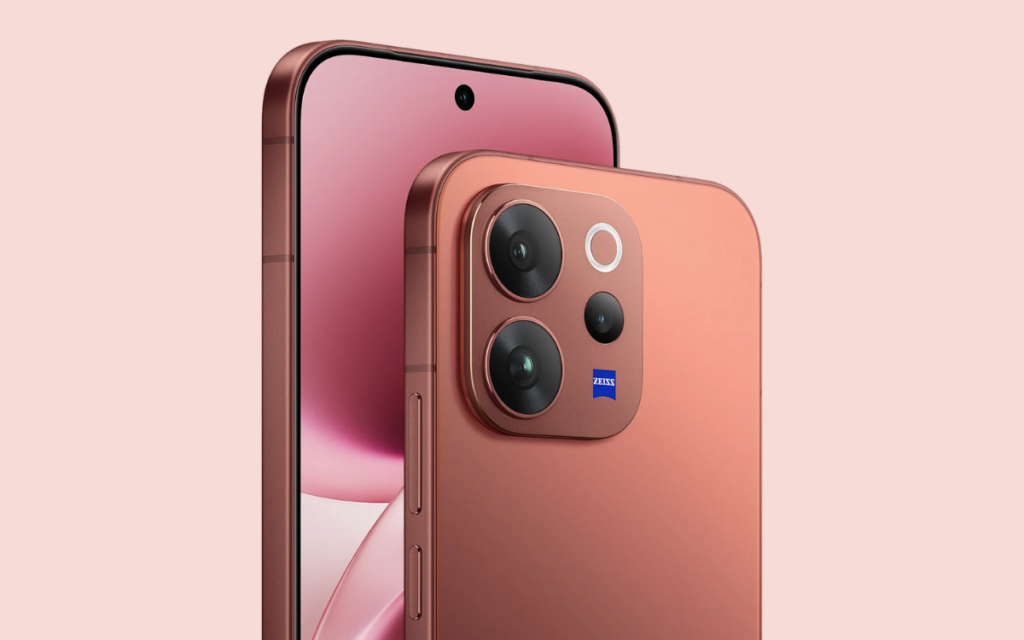
Gone is the vertically stacked camera module and the contrasting frame. You now get an iPhone Air inspired horizontal camera island and a metallic frame that blends with the color panel. Meaning, the Vivo X200 FE is also getting a similar new look along with an IP68 + IP69 rating for water and dust resistance. The device could measure just 8.1mm thick and weigh around 192 grams.

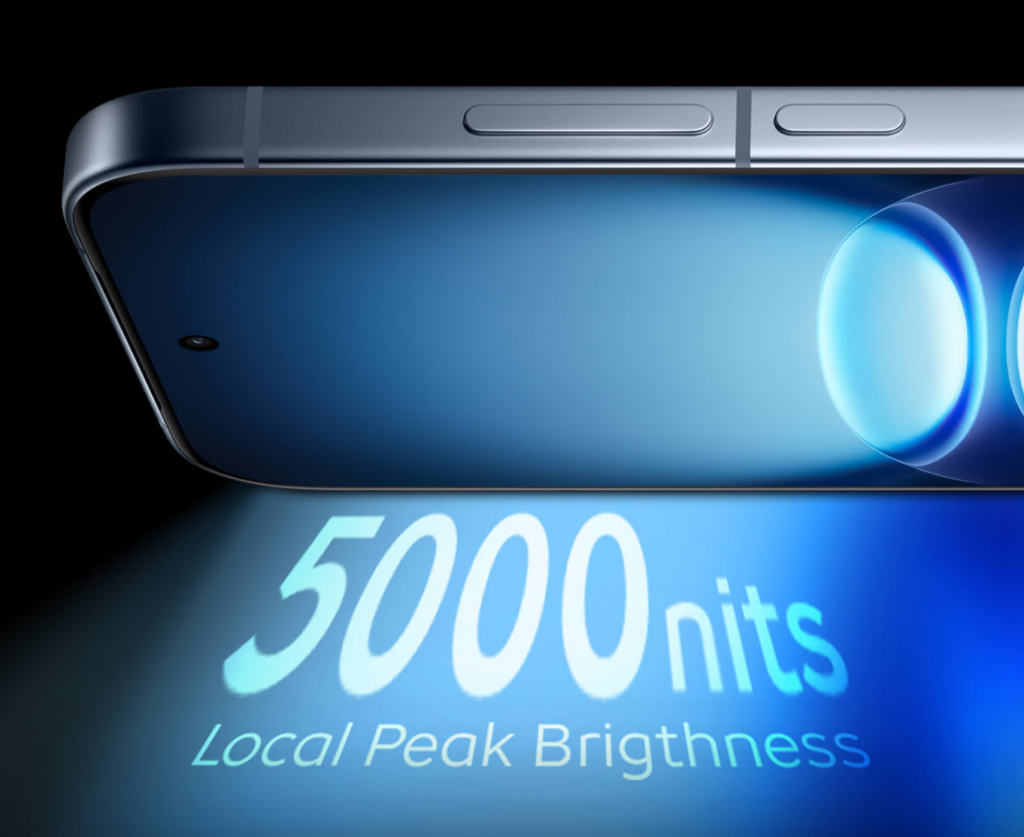
Meanwhile, the X300 FE likely sports an identical 6.31-inch LTPO AMOLED display with a 1.5K resolution (2640 x 1216p), a 120Hz refresh rate, 5000 nits of peak brightness, 4320Hz PWM dimming, and an ultrasonic fingerprint scanner for security.

2. Faster Performance

The older Vivo X200 FE was a premium phone but packed an older MediaTek Dimensity 9300+ SoC, which was already a generation behind the Dimensity 9400 and Snapdragon 8 Elite. But its successor is bringing a notable upgrade in performance thanks to Qualcomm’s new Snapdragon 8 Gen 5. In terms of performance, this chip is on par with the Snapdragon 8 Elite. So you get a true flagship experience. The S50 Pro Mini paired the processor with up to 16GB of LPDDR5X Ultra RAM and 512GB of UFS 4.1 storage.

3. Impressive Battery Now Meets Wireless Charging

The Vivo X200 FE impressed with its massive 6,500mAh battery pack, which returned on the new S50 Pro Mini, and by extension, the X300 FE as well. Battery capacity and the 90W wired fast charging remain unchanged between the two generations. But this time around, Vivo included 40W wireless fast charging, which makes it in line with other premium compact phones in the market.

4. Zeiss Camera Tuning

Vivo barely made any changes in the camera department, bringing back the same 50MP triple cameras. Although, Zeiss could be the big game changer here. The one big difference between the S30 Pro Mini and X200 FE was the Zeiss branding on the rear and tuning on the camera system. So the brand may once again bring back the collaboration to make the Vivo X300 FE more in line with the flagship X300 series.

For more daily updates, please visit our News Section.

Tech enthusiast? Get the latest news first! Follow our Telegram channel and subscribe to our free newsletter for your daily tech fix! ⚡

Lenovo Android 16 update: Eligible devices list and rollout timeline

Lenovo Android 16 update

Lenovo isn’t a popular brand when it comes to software updates. However, it does offer major OS upgrades to many of its devices, albeit with some delay, and Android 16 is no exception.

Some Lenovo devices are already receiving the Android 16 update. For the remaining ones, we now have official confirmation (via) on the list of eligible devices and rollout schedule. Review the details below to find out when your Lenovo device will get the update.

Lenovo Android 16 update rollout schedule

2025

  • Lenovo Yoga Tab Plus – TB520FU
  • Lenovo Tab Plus – TB351FU
  • Lenovo Tab – TB311FU
  • Lenovo Idea Tab / Lenovo Tab K11 Gen 2 – TB336FU
  • Lenovo Idea Tab / Lenovo Tab K11 Gen 2 – TB336ZU
  • Lenovo Tab Extreme – TB570FU
  • Lenovo Idea Tab Pro – TB373FU
  • Lenovo Legion Tab (8.8″, 3) – TB321FU

Q1, 2026

  • Lenovo Tab K11 Gen 2 – TB336ZA
  • moto pad 60 pro – XT2571-1

Q2, 2026

  • moto pad 60 lite – XT2573-1

Q3, 2026

  • moto pad 60 neo WIFI – XT2575-1
  • moto pad 60 neo 5G – XT2575-3

Q4, 2026

  • Lenovo Idea Tab Plus / Lenovo Tab K12 – TB361FU
  • Lenovo Idea Tab Plus / Lenovo Tab K12 – TB361ZU

It doesn’t take long to realize that there are no smartphones on the list. Well, that’s because Lenovo hasn’t released phones in the last few years. It primarily focuses on tablets.

The above list doesn’t include Motorola smartphones, as we have a separate post for that. You can check Motorola’s Android 16 eligible devices on this page.

So, if you have a Lenovo or Moto tablet that’s on the list, it’s guaranteed to receive the Android 16 update. This major upgrade, however, doesn’t bring too many visual upgrades or groundbreaking changes. Still, there are some new features to look forward to, such as Live updates, Desktop Window, Group notifications, Embedded Photo Picker, APV codec support, New Emojis, Predictive Back upgrades, HDR screenshots, and Advanced Protection Mode.

You can visit the Lenovo section regularly for the latest updates. If you prefer your news instant and on-the-go, hop into our Telegram channel for the software updates and all the biggest tech headlines, and don’t forget to sign up for our daily newsletter of top stories.