Apple has just recently launched its new top end Watch Ultra model that is also by far its most expensive smartwatch till date. Now, a YouTuber put it under a durability test and the results were surprising to say the least.
The Cupertino based giant’s Watch Ultra is the latest flagship smartwatch, and now, YouTuber TechRax put its durability to the test. Looking at this video, we can see the Watch Ultra smartwatch undergo a number of different endurance tests. This includes a drop from a height of four feet. The Watch Ultra did not have any cracks but did have a few minor dents on its casing. Following this, the Watch Ultra was even thrown in a jar of nails, but it still was able to survive without any scratches.
But these were just the start, the YouTuber also had one final durability test in mind. The device got hammered on its sapphire crystal display a number of times. Despite going through such physical trauma, the Watch Ultra was capable of enduring these hits before it finally got cracked. However, there was one interesting thing to note here. The table on which the Apple Watch was placed actually started showing signs of damage before the Watch Ultra.
Meaning, it started breaking before the smartwatch’s display got a crack. Although, the Watch Ultra didn’t fair much better either since the multiple hits had the device fail to turn on after the test. This implies that it suffered from some major damage on its internal hardware. But realistically speaking, a user’s Watch would never actually face such a tough situation.
Redmi recently unveiled the Note 11 SE and 11 Prime 5G smartphones in India with impressive specs and affordable price tags. Now it seems the firm’s popular Note 11 series is going to get a new member. The upcoming handset in question is the Redmi Note 11R, which was recently spotted on the China Telecom website, revealing its design, features, and key specifications. Here are the details.
The new Redmi Note 11R was spotted on the China Telecom website with model number 22095RA98C (via MySmartPrice). This model number was previously associated with the Redmi 11A, but the listing confirmed that it belongs to the Note 11R.
Redmi Note 11R Specifications
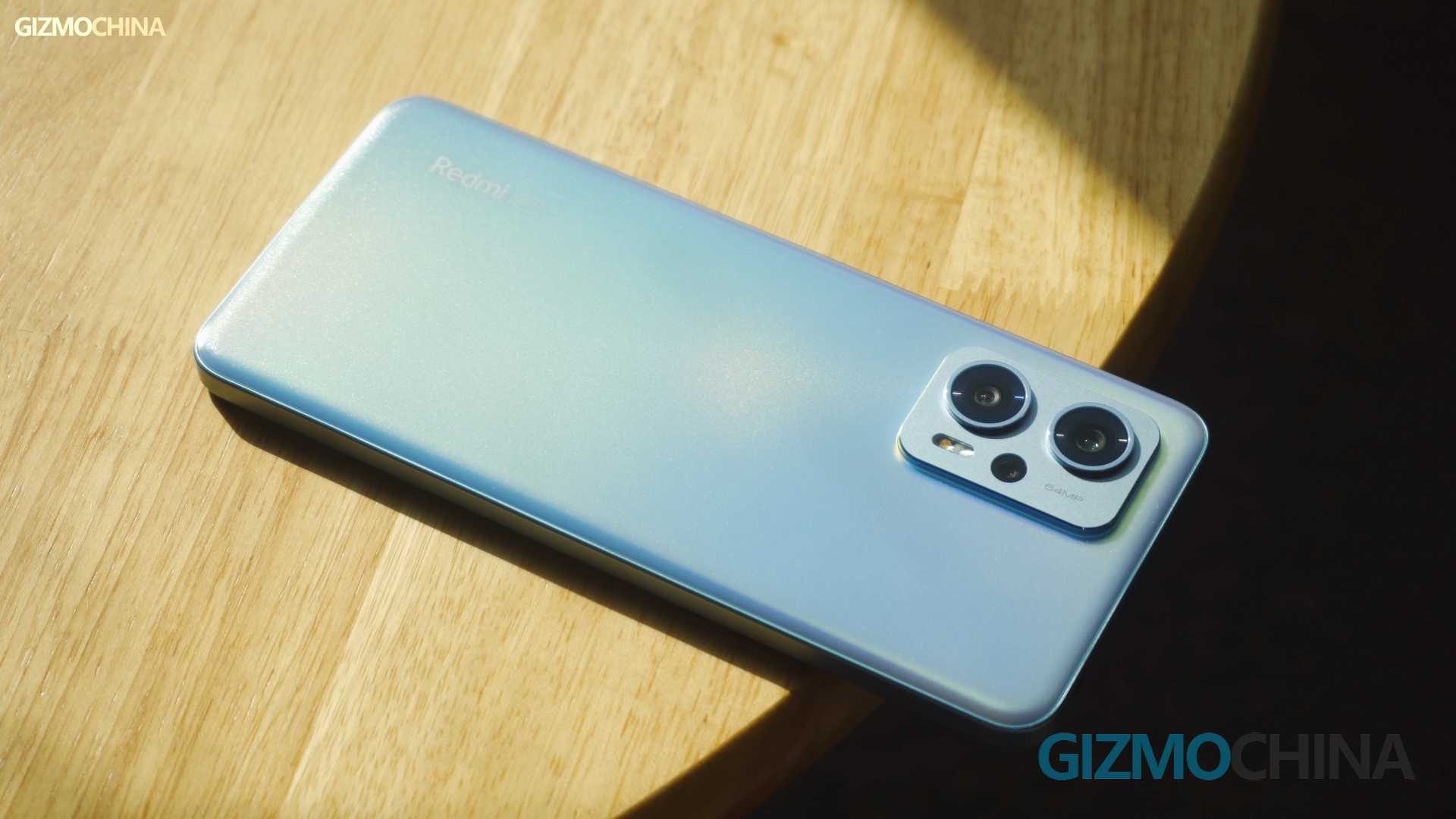
According to the listing, the Redmi Note 11R will feature a 6.58-inch display. Design-wise, the smartphone looks very similar to the Poco M5. It has the same large camera module that stretches to the end, and the back also appears to have a leathery finish.
1 of 2
As seen in the images, the Note 11R will come with a dual camera setup featuring a 13-megapixel main camera and a 2-megapixel unit. At the front, it will have a 5MP selfie camera fitted in a dew-drop notch.
In addition, the device will be equipped with a side-mounted fingerprint scanner based. On the software front, it will run on Android 12, which will likely be based on MIUI 13. It will probably be a 4G smartphone.
Redmi Note 11R Price
The Redmi Note 11R is listed to come in three storage variants—4GB + 128GB, 6GB + 128GB, and 8GB + 128GB. As per China Telecom, the device will be priced at 1,299 yuan (roughly Rs 14,800/ $182). However, we are not sure whether this price is for the lower or higher-end model.
Samsung has been running the Android 13-based One UI 5.0 beta program for multiple smartphones across different regions for the last few weeks. However, the company is yet to reveal the list of eligible devices and update rollout plan.
Ahead of that, a report has now emerged detailing the handsets that may get access to the latest version of Android before 2023. Let’s check out which Samsung phones will be the first to receive the One UI 5.0 stable update.
According to a report by SamMobile, Samsung will update two generations of its flagship smartphones to One UI 5.0 stable based on Android 13 by the end of 2022. What’s more interesting is that the South Korean tech giant will also deliver this update to a mid-ranger during this same period.
The device in question is none other than Galaxy A53. If this is true, then, the A53 will become the first A series phone to receive the latest Android update alongside the flagships.
With that out of the way, here’s the list of Samsung handsets that are said to get Android 13 stable update before 2023.
Galaxy Z Fold 4
Galaxy Z Fold 3
Galaxy Z Flip 4
Galaxy Z Flip 3
Galaxy S22 Ultra
Galaxy S21 Ultra
Galaxy S22 Plus
Galaxy S21 Plus
Galaxy S22
Galaxy S21
Galaxy A53
Though Samsung’s update plan seems good based on this report, it actually falls behind Oppo’s. The latter has already rolled out the Android 13 stable update for its as well as OnePlus’ 2022 flagships.
Anyway, Samsung is ahead of all Android OEMs in terms of longer support. It is the only brand to offer 4 generations of Android updates and 5 years of security updates.
Apple has started manufacturing iPhone 14 in India and the company has also confirmed the same. The recently unveiled latest generation flagship is the first iPhone model to be produced in the country soon after its launch. The smartphone is been made at the Foxconn plant near Chennai.
Till now, Apple has been manufacturing four iPhone models in India through its contract partners for several years now. However, the production cycles of the phones were delayed by a quarter or two after launching. Locally producing the new iPhone 14 will save Apple import duties and taxes but the brand won’t reduce the price of the smartphone in the country as it has not happened with the older models either. Foxconn is a pioneer when it comes to manufacturing electronics globally.
The iPhone 14 produced in India will be sold in the country and globally with a ‘Made in India’ tag. However, the device manufactured in India will take a few weeks to reach the hands of customers.
In a statement, Apple said “We’re excited to be manufacturing iPhone 14 in India, the new iPhone 14 lineup introduces groundbreaking new technologies and important safety capabilities.”
Previously, a report by JP Morgan stated that Apple is expected to relocate 5 percent of iPhone 14 manufacturing to India by the end of 2022 and 25 percent of production of all iPhones in the country by 2025.
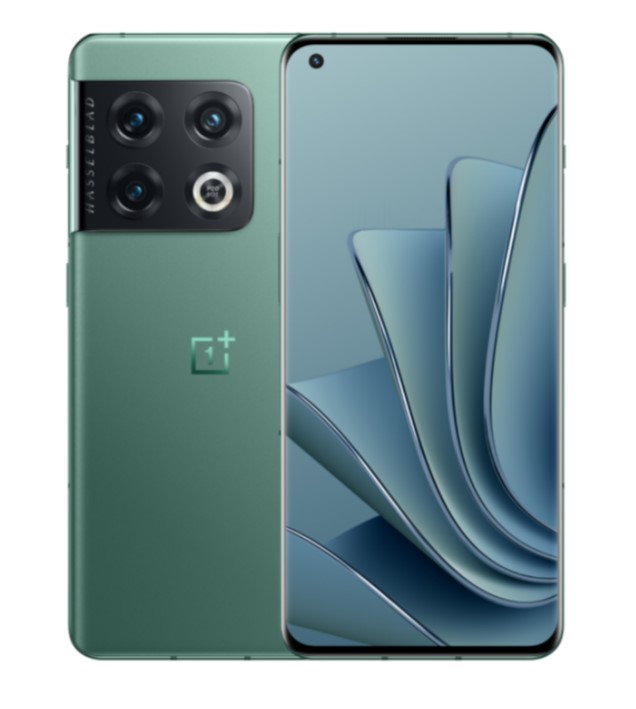
The OnePlus 10 Pro has finally started receiving the Android 13 OS based OxygenOS 13 update in China. The company’s flagship smartphone had already received the update in other regions, and around the same time, the update was also made available in the brand’s home market as well.
For those unaware, the Chinese smartphone maker had started rolling out the OxygenOS 13 upgrade for its users outside of China a couple of days ago. Although, this update was only exclusive to all the users that had participated in the beta program for the major update. Now, the official version of the OxygenOS 13 stable build has made its way to China. So for those looking forward for the update, make sure to backup any important personal data before making the update.
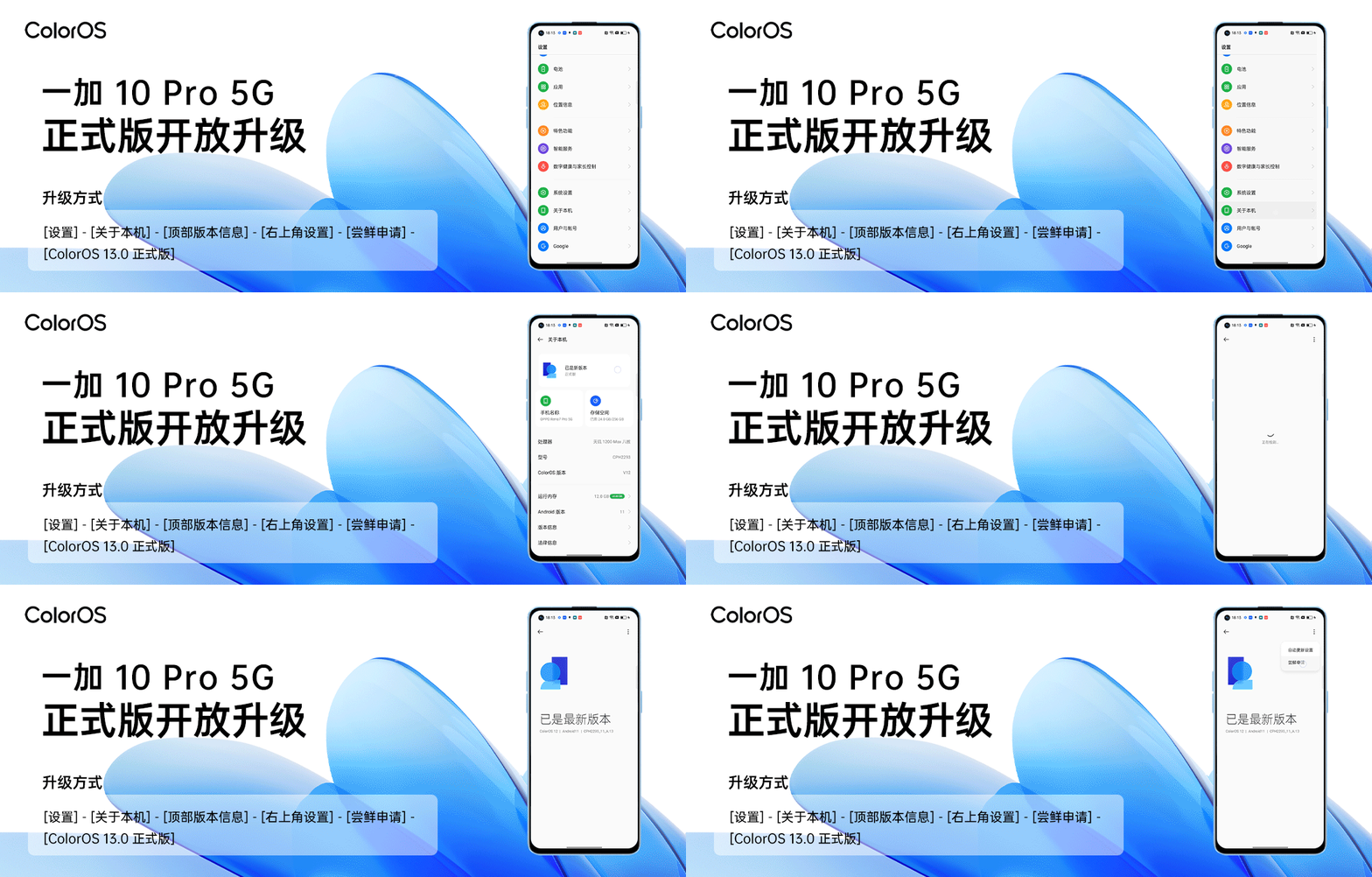
In an official thread, the company also stated that public beta build users do not need to register for the official version and can directly upgrade to the official version through system push notification. So those interested, you have to make sure that your OnePlus 10 Pro is already update to the basic version A.18. Following this, click on Settings > About This Machine > Version Information (above the phone name) > Settings in the upper right corner > Early adopters application > ColorOS 13.0 official version > Check.
Keep in mind, that there are some popular third party application that are still incompatible with the Android 13 operating system right now. So, you can expect some applications to crash or not work as intended.
Earlier this month, OnePus launched a special gift box of OnePlus Ace Pro in collaboration with Razer. Within weeks, the brand has now announced yet another partnership for the same phone.
This time the company has joined hands with Bottled Joy, a brand known for water bottles. Interestingly, there seems to be no gift box for now. Instead, the two companies have released a co-branded water bottle for marketing the OnePlus Ace Pro in China.
According to the official announcement on Weibo, OnePlus is promoting the 16GB RAM of the OnePlus Ace Pro with this new collaboration. The special co-branded Bottled Joy’s 1 Gallon water bottle features the OnePlus logo, Ace Pro branding, and a red-colored lanyard.
Unfortunately, there’s no info on the pricing and availability of this limited edition water bottle. Also, we are not sure if there will be a gift box version.
Anyway, you can buy the OnePlus Ace Pro outside mainland China. For the unaware, the device goes by the name of OnePlus 10T.
The key highlights of this smartphone include Qualcomm Snapdragon 8 Plus Gen 1 chipset, 6.7-inch FHD+ 120Hz OLED display, OIS-assisted 50MP Sony IMX766 primary camera, 4,800mAh battery, and 150W fast wired charging support.
In regions like India, the UK, and the US, the handset starts at $699, £629, and ₹49,999, respectively.
Xiaomi is gearing up to launch the CIVI 2 on September 27 in China. The highly anticipated female-centric smartphone is scheduled to debut at a launch held at 2 pm Beijing Time (GMT +8)/11:30 am New Delhi Time (GMT +5:30)/8 am Berlin Time (GMT +1). So here’s how you can watch the launch event live from your home.
Xiaomi will stream the launch event live on its Weibo account. Other than that, the event will also be streamed on Xiaomi China’s website. Other than the smartphone itself, the brand also plans to launch many other products like the Xiaomi Lipstick Power Bank, Xiaomi Noise Cancelling Bluetooth neckband earphones, eight electrode body fat scale, MIJIA Transparent Steam Rice Cooker and the new MIJIA Modular Robot.
Coming back to the smartphone itself, the device is expected to have a 6.56-inch OLED FHD+ display offering a 120Hz refresh rate. It is confirmed to feature a Snapdragon 7 Gen 1 chipset. The chipset is expected to be paired with 12 GB of LPDDR5 RAM and up to 256 GB of UFS 3.1 storage.
For optics, the CIVI 2 will feature a 50MP Sony IMX766 primary sensor (with OIS) paired with an 8-megapixel ultra-wide lens and a 2-megapixel macro unit. The front-facing camera will have a 32MP sensor. Lastly, the device will come with a 4500mAh battery and support 67W fast charging.
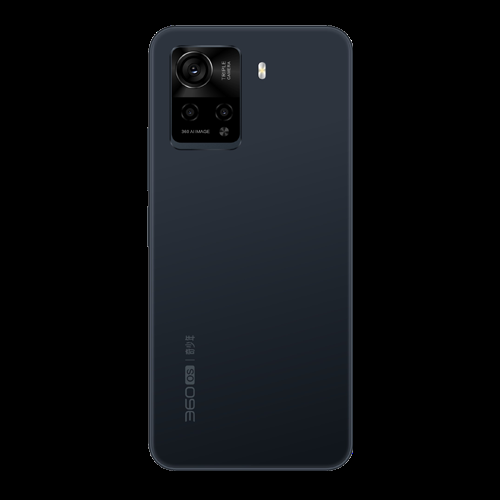
Earlier today (26th September 2022), 360 Mobile has announced a new smartphone in China. The new smartphone is the 360 Q20 Pro that has launched for a very particular reason, which is to combat Game Addiction.
For those unaware, addiction to video games has become a big issue in certain Asian nations, like China. Thus, the new Q20 Pro smartphone has just been launched as a device for video game addicts. To put it simply, this smartphone is made to prohibit games from being played on the device while also promoting education and learning. Talking about the specs of the smartphone, it is equipped with a MediaTek Dimensity 900 SoC that runs on Android 11 OS based 360OS custom skin.
Furthermore, this handset was built exclusively as an anti game addiction device for teenagers and young adolescents. On the front, the device sports a 6.58 inch LCD panel that has a FHD+ resolution and a 120Hz refresh rate that has a waterdrop notch to house an 8 megapixel selfie camera. Meanwhile, the rear feature a 50 megapixel triple camera setup. The Q20 Pro is powered by a 4,500mAh battery pack that also supports 33W fast charging as well. The company built the phone to target students, with an emphasis on anti addition, eye protection, remote management by parents, and even some free classes from famous teachers.
Other features include, a side mounted fingerprint scanner, 8.3mm thickness, weighs 193 grams, and a 3.5mm headphone jack. Notably, the smartphone has also been launched in two storage configurations, with a 6GB RAM + 128GB storage and an 8GB RAM + 256GB storage variant. It is even offered in two colors, namely Twilight Gray and Fantasy White options. The pre-orders are live right now, with the pricing for the smartphone starting from 2198 Yuan.
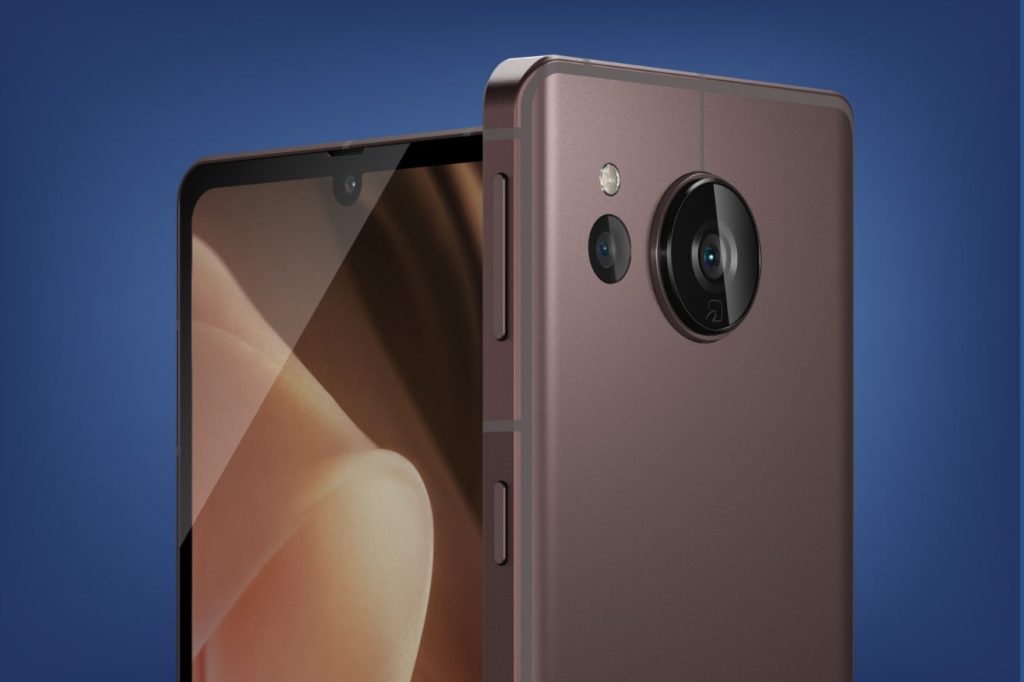
Sharp has launched two new smartphones in Japan. They are called Aquos Sense 7 and Aquos Sense 7 Plus. As their names suggest, the latter is a larger version of the former sporting a bigger screen and battery.
The company is yet to reveal the pricing and availability of the handsets. However, it has disclosed all the features. Let’s take a look at what these phones have to offer.
Sharp Aquos Sense 7
Sharp Aquos Sense 7 Series Specifications
The Sharp Aquos Sense 7 series comes powered by a Qualcomm Snapdragon 695 SoC. The chipset is paired with 6GB RAM and 128GB storage. On the software front, the devices boot Android 12.
The handsets sport an IGZO OLED display with a resolution of 2432 x 1080 pixels (FHD+), 10-bit color depth, 1,300 nits peak brightness, and a dewdrop notch. The vanilla model has a 6.1-inch panel with a 60Hz refresh rate. Whereas, the Plus variant flaunts a 6.4-inch screen with a 120Hz refresh rate and supports up to 240Hz MEMC.
The phones arrive with a dual camera system on the rear. The setup includes a 50.3MP 1/1.55-inch sensor and an 8MP sensor with an ultra-wide lens. On the front, there’s another 8MP shooter for selfies and video calls.
Sharp Aquos Sense 7 Plus
Like almost all smartphones sold in Japan, the duo is IP68-rated (dust and water resistance) and features NFC along with support for FeliCa. The devices also come with a 3.5mm headphone jack, a MicroSD card slot, a fingerprint sensor, and dual stereo speakers.
They offer 5G support, dual-band WiFi, Bluetooth 5.1, and GNSS. Finally, the vanilla and the Plus versions are backed by 4,570mAh and 5,050mAh batteries, respectively.
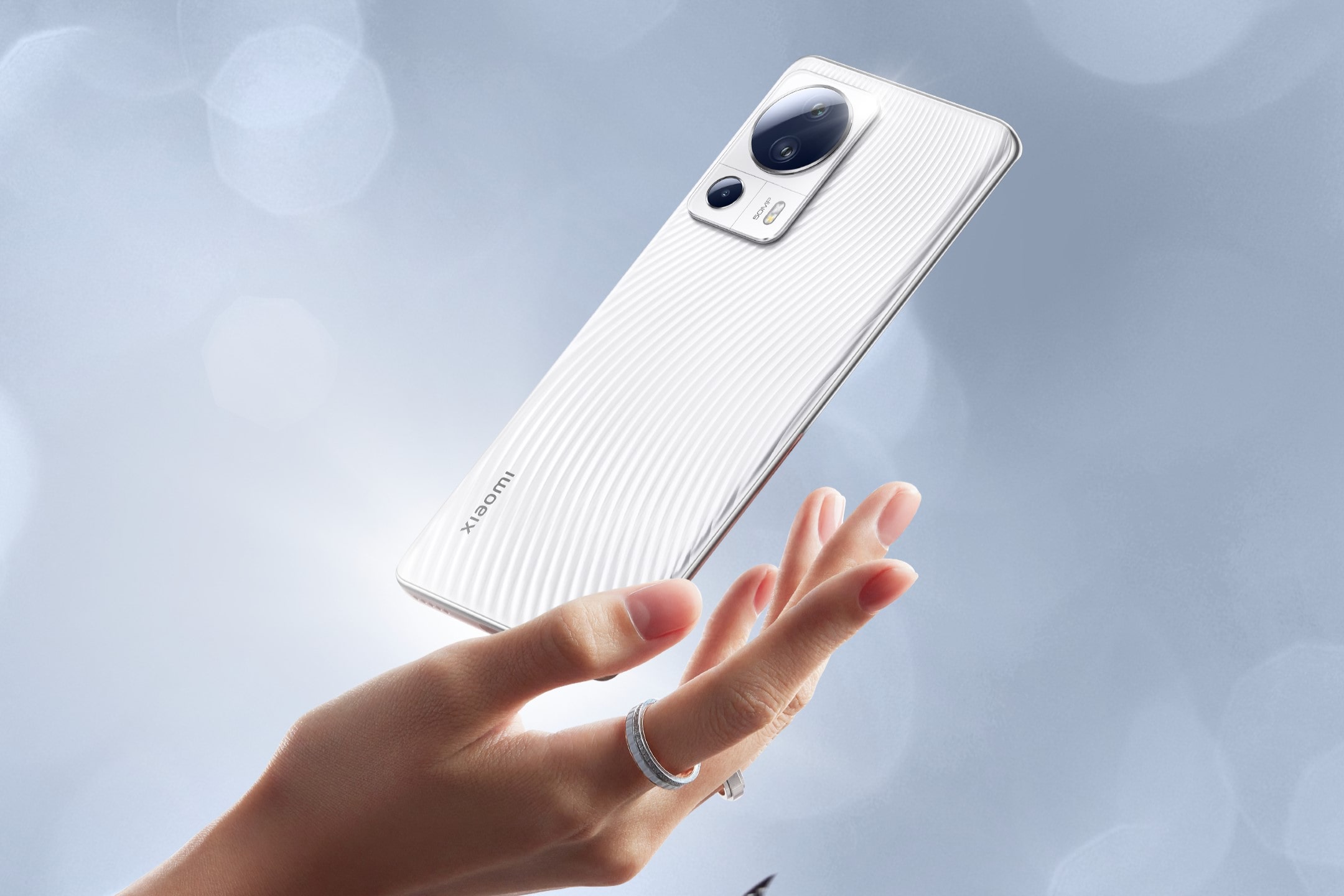
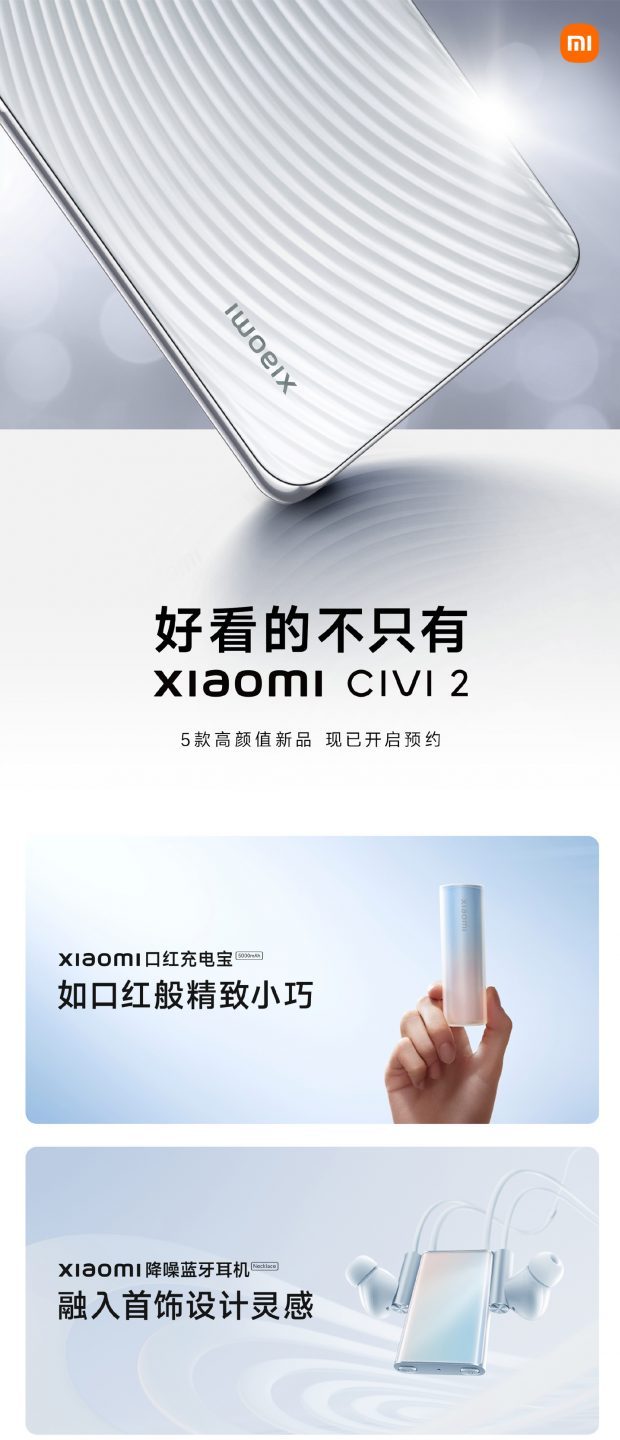
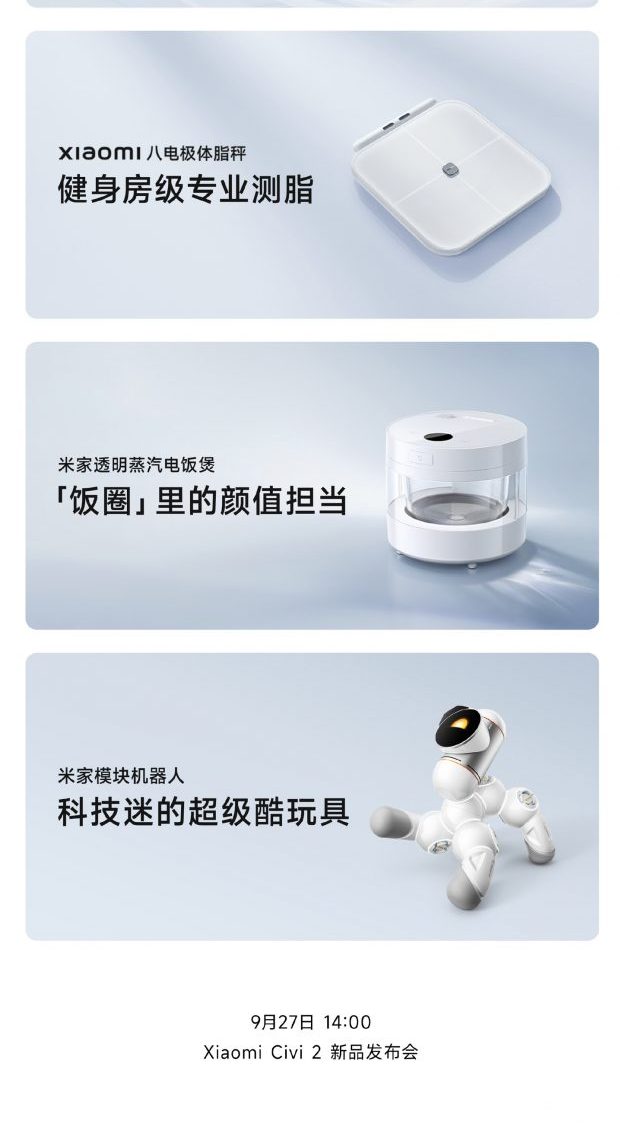
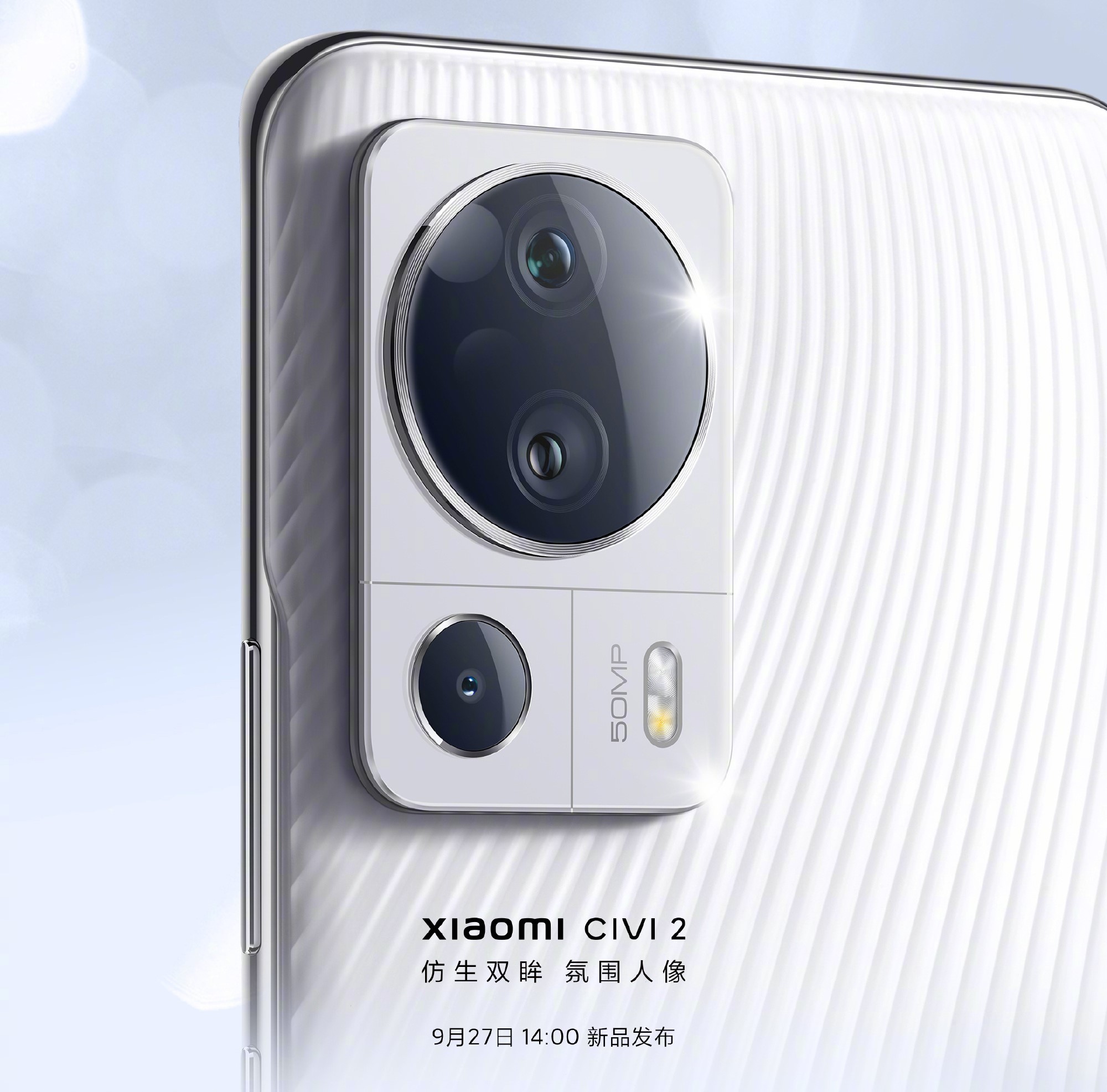
Xiaomi is gearing up to launch the highly anticipated CIVI 2 in the Chinese market tomorrow (27th September 2022). Although, prior to the launch event, the company shared new promotional images that revealed that the company will also be launching new accessories and gadgets alongside the new smartphone. So let’s have a look.
The Chinese tech giant will be launching the CIVI 2 tomorrow, but will also be accompanies with five other products along with it. The first device is the Xiaomi Lipstick Power Bank, which as the name suggests has a body similar to a lipstick. So its quite small and compact, with a unique design. Apart from this, the brand is also planning releasing a new Xiaomi Noise Cancelling Bluetooth neckband earphones as well, which also has a sleek and attractive design.
While the first two products out of the five can be considered the usual peripherals, the rest three are smart products. This includes the new eight electrode body fat scale, which offers a professional gym level fat measurement as well. Furthermore, the company has also launched two new MIJIA products too, including the MIJIA Transparent Steam Rice Cooker and the new MIJIA Modular Robot.
The former is a conventional product, while the latter is a smart robot that features a modular design. Unfortunately, the exact details regarding these devices and their specifications are still unclear at the moment. But stick around for more, as we will be covering the launch event tomorrow.
Infinix has confirmed that the Infinix Zero Ultra will launch on October 5 for the global market. Some key specifications of the device leaked earlier this month, and now a new report has revealed live images and renders of the Zero Ultra 5G ahead of the launch.
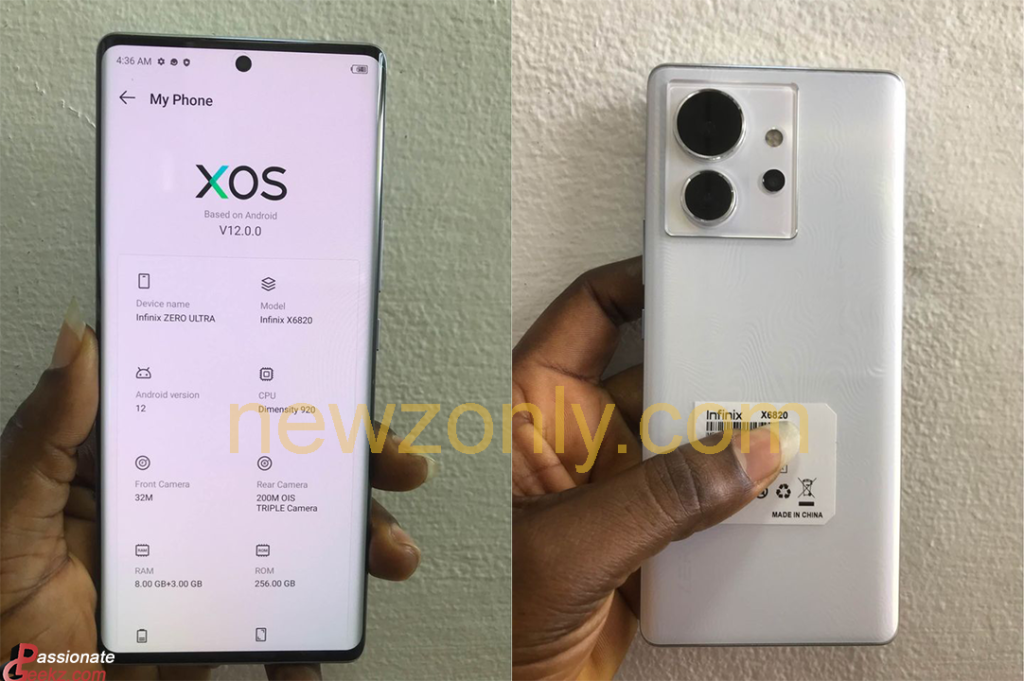
According to Newzonly, tipster Paras Guglani (passionategeekz) has shared live images and renders of the upcoming Infinix Zero Ultra 5G.
Infinix Zero Ultra live image
Taking a look at the image, the device bears some similarities to the recently launched Motorola Edge 30 Ultra in the design department. It has a curved display with slim top and bottom bezels and a centered punch hole for the front camera, On the back, it has two large cutouts and one small cutout for the triple camera setup. The larger cutout is said to house a 200MP primary camera sensor. Other than that, the top and bottom of the device feature flat edges.
The report also shares renders of the Zero Ultra, confirming two color options-Black and White.
Infinix Zero Ultra 5G specs
The live image of the device confirms that the Infinix Zero Ultra 5G will be powered by the Dimensity 920 chipset. It also confirms that the device will come with up to 256GB of storage and 8GB of RAM. It will have an Android 12-based XOS 12 operating system that will allow for virtual RAM expansion up to 3GB.
The image also confirms that the device will feature a 200MP triple camera on the back while it will have a 32MP selfie snapper on the front. Other than that, the device is expected to have an 8MP telephoto lens and another 8MP lens. It is also said to feature a 6.7-inch curved AMOLED display with a 5000mAh battery, and 180W fast charging.
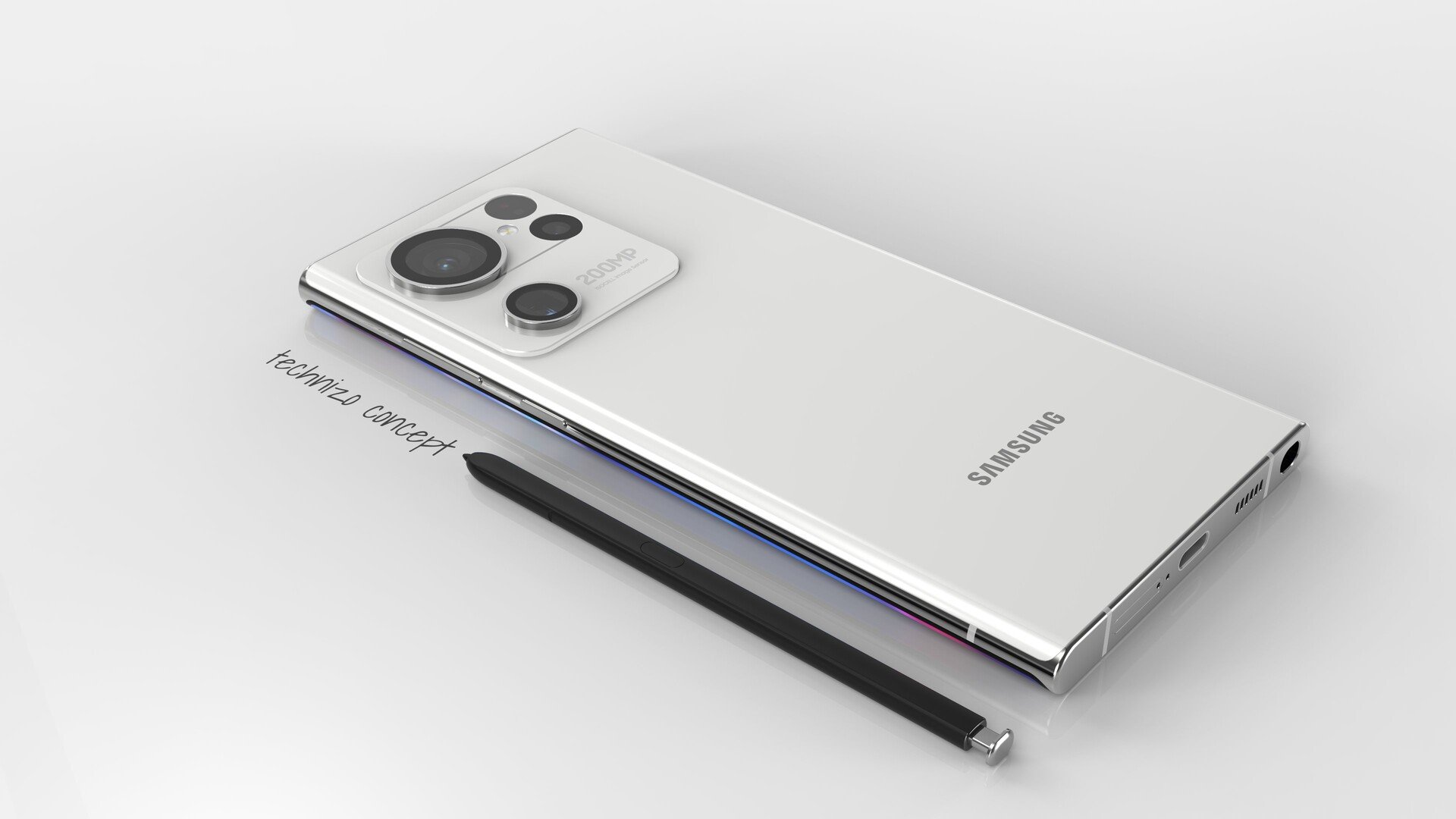
As we edge closed to the year end, there have been new rumors and reports surfacing regarding Samsung and its next generation of flagship smartphones. Now, a new leak has revealed has some interesting detail regarding the company’s Galaxy S23 Ultra smartphone, which would likely be its top end model for next year.
Galaxy S23 Ultra Concept Render by Technizo Concept
The news arrives from a known tipster Ice Universe who shared the information on his Twitter account. Looking at the tweet, he stated that as per the details he has, there will be no real change between the Galaxy S22 and Galaxy S22+ and the Galaxy S23 and Galaxy S23+ models. Apparently, the only major difference will be the upgrade to a newer more powerful chipset. Furthermore, this will reportedly also be true for the flagship Galaxy S23 Ultra as well.
This varaint will bring no real change except for the chip and screen and the primary camera on the rear. In other words, this also implies that the South Korean tech giant has no plans on bringing any major design overhauls this year. The tipster also added that due to the lack of any major changes loyal Samsung fans all across the globe should rally together and ask for the company to lower the price of the Galaxy S23 series.
Although, this seems like an unlikely scenario. Keep in mind that this is still just an unconfirmed report so take this information with a grain of salt. But based on the reports we have covered so far, it does appear that the shift to a 200 megapixel camera and the latest chipset generation upgrade will be the two major changes in 2023, with the design likely being similar to this year’s Samsung flagship.
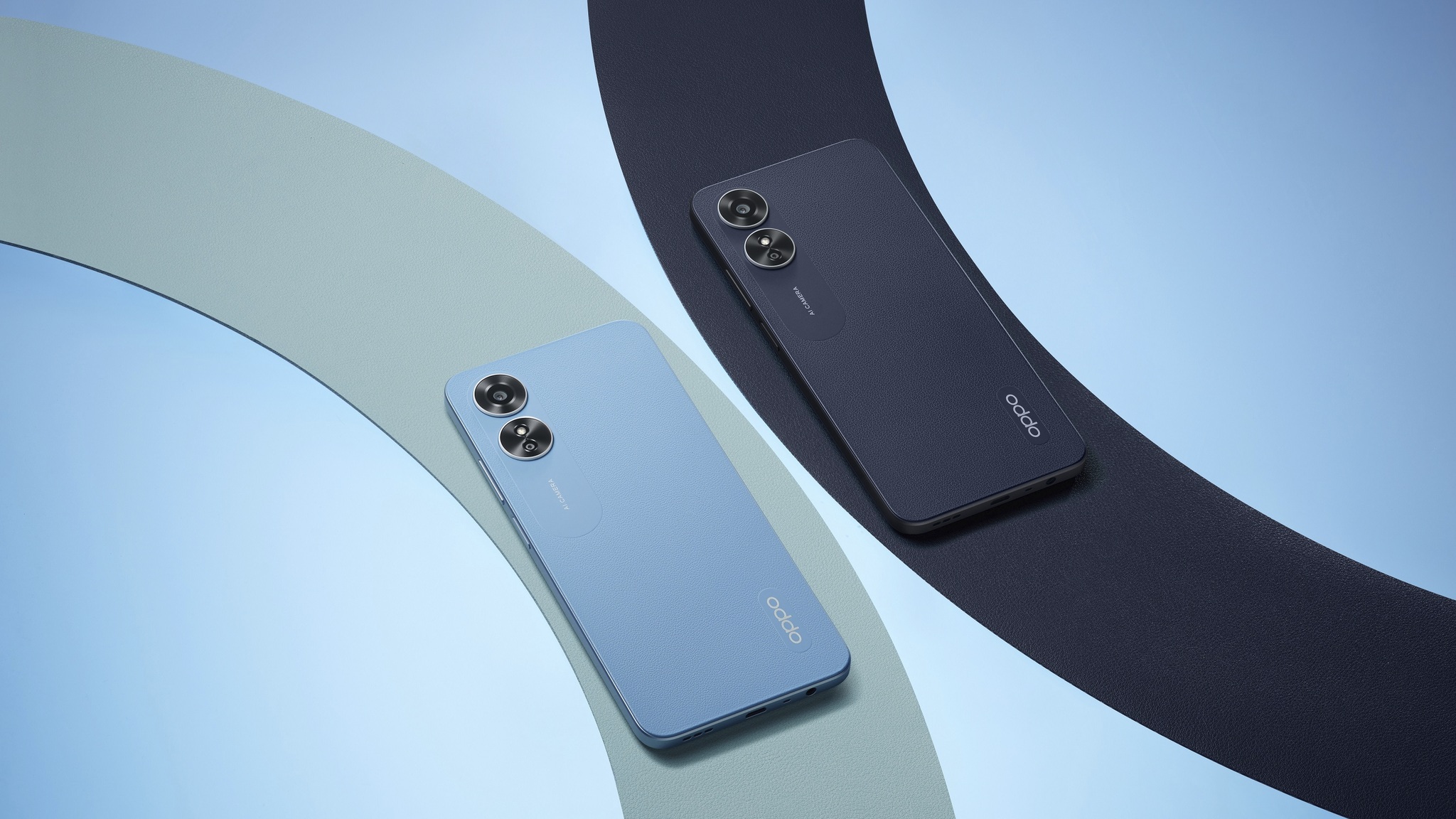
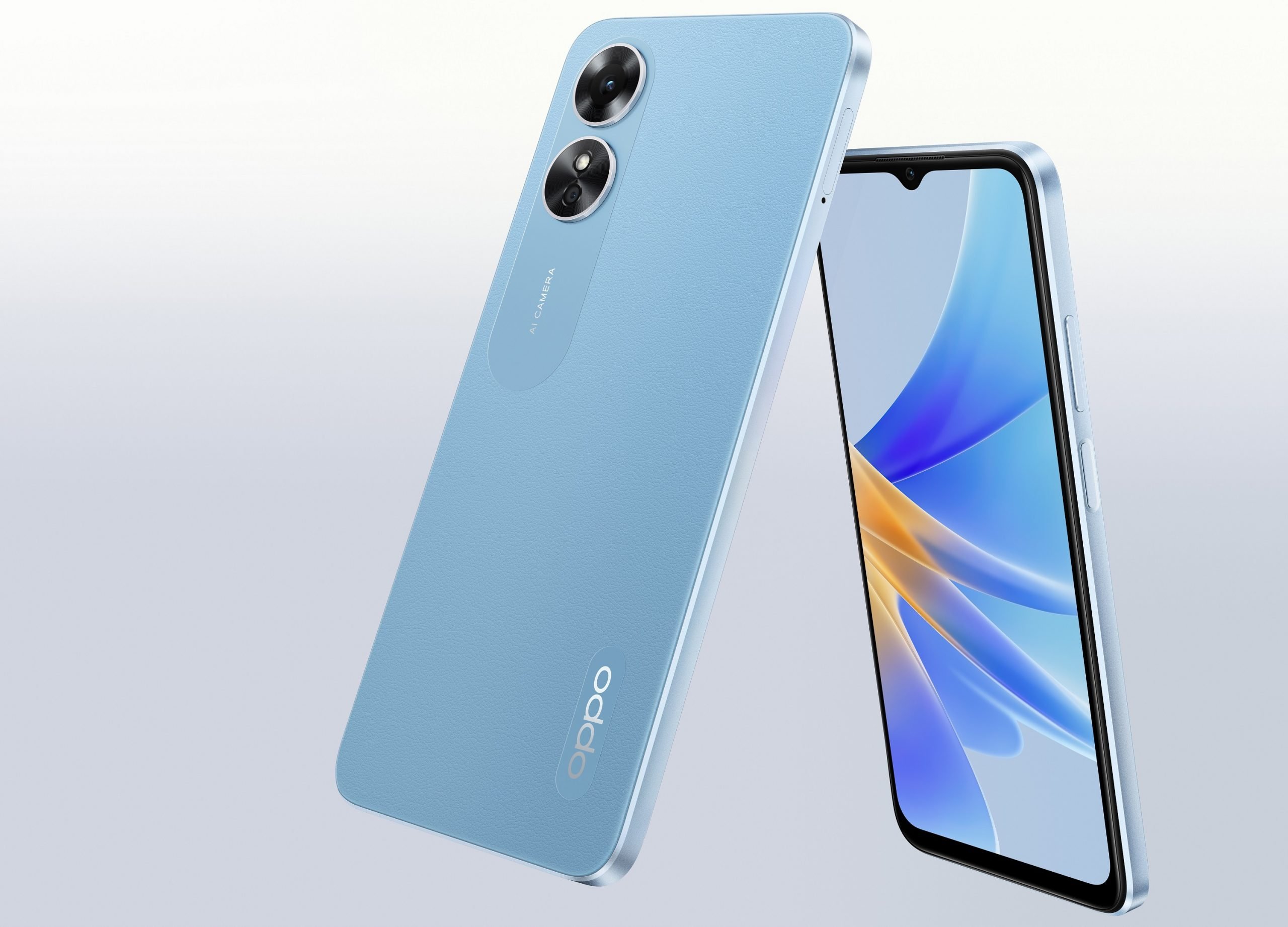
Oppo has launched a new budget-range smartphone in its A series called the Oppo A17. The device features an attractive design with two camera islands, a flat back, and flat edges. So let’s take a look at it in more detail.
Oppo A17 specs
The Oppo A17 features a 6.56-inch LCD display with HD+ resolution and a standard 60Hz refresh rate. The display has 100% DCI-P3 color gamut coverage. It has a water-drop notch and sizable bezels around the screen.
Under the hood, the device has a MediaTek Helio G35 powering the device. The chipset is complemented by 4GB of RAM and 64GB of storage. For optics, the smartphone has a dual camera setup on the back, made up of a 50MP f/1.8 main camera and a 2MP depth sensor. Up front, we get a 5MP f/2.2 selfie camera with fixed focus. The main camera setup sports several imaging features, including AI, 360-degrees Fill Light, Portrait Retouching, HDR, and more.
The A17 draws power from a 5000mAh battery with a couple of features to extend battery life, including Super Power Saving Mode and Super Nighttime Standby. Other notable specs include Android 12 via ColorOS 12.1, IPX4 water resistance, and USB-C.
Availability & pricing
The Oppo A17 comes in two color options – Lake Blue and Midnight Black. The price of the phone is presently MYR599 ( roughly $130) in Malaysia. It is also available for pre-order in Singapore, but the price there has not yet been determined.
Apple recently launched the iPhone 14 series phones and the new Apple Watch Series 8, as well as Watch SE and Watch Ultra, which are now available for purchase. The company is also expected to launch another event by the end of this year, where it is expected to announce new iPad models.
Now, ahead of the launch of the new iPad models, a new report from Mark Gurman of Bloomberg in the Power On newsletter has revealed information about the Mac devices that are expected to get launched next year, i.e., in 2023.
As per the report, Apple is expected to launch a new 15-inch MacBook Air along with the new M3 chips that will power the iMac. The company has also lined up Mac Pro, HomePod, Reality Pro, and a larger iPad to go official sometime next year. There is also a possibility that the company will launch a combined product of Apple TV, HomePod, and Facetime cameras towards the end of 2023.
The reports about a new 15-inch MacBook Air have been making rounds for some time now, and the Cupertino-based giant is also expected to increase the size of the 13.3-inch MacBook Air, but it will remain under 14-inch.
If this latest report is to be believed, then Apple will be skipping the M2-powered iMac and will directly launch new iMac devices next year, which will come powered by the yet unannounced Apple Silicon’s M3 chipset.
There’s also a possibility of a larger iPad Pro making its debut in the year 2023, which will likely have a 14.1-inch display. The new HomePod is expected to come powered by the S8 processor, which also powers the new Apple Watch Series 8.
The highly-anticipated and long-rumored Apple Glasses are set to be released next year, and the Mixed Reality Headset is believed to feature a three-display configuration, featuring two Micro OLED 4K displays and another AMOLED panel for low-resolution peripheral vision.
After launching multiple devices in the Note 11 series, it appears that Redmi is gearing up to debut the Note 12 series of smartphones soon.
According to a new report, the Redmi Note 12 series is said to launch ahead of the Double 11 shopping festival in China. For those unaware, the Double 11 shopping festival is China’s biggest shopping festival, which falls on November 11. It is also known as “Singles’ Day” in the country.
Redmi Note 11T Pro
Going by this, we can expect the Note 12 series to debut in October, with sales starting from November 11th. The Redmi Note 12 series would be the company’s “small flagship” after the Redmi Note 11T was introduced as the “performance flagship” for 2022 (via MyDrivers). This approach of launching two Note series every year was announced by Xiaomi Group China president Lu Weibing earlier this year.
Rumor has it that the Redmi Note 12 and a Note 12 Pro model with better performance characteristics will be at least two of the series’ variants. A third device dubbed the Redmi Note 12 Pro Plus could also join the lineup. However, it is yet to be confirmed.
As for specifications, the Redmi Note 12 series is expected to be powered by the Dimensity 1300 chipset. Other than that, we can expect 120W fast charging capability on the device along with a 50MP triple camera setup. Reports from Digital Chat Station on Weibo have also mentioned that the series could debit with a 50MP ultrawide camera, which would be a first for the Note series and will likely be reserved for the Pro or Pro Plus model.
Finer details are expected to emerge as we get closer to the rumored launch, so stay tuned.
Apple recently launched the iPhone 14 series, but the rumors and leaks about the next-generation iPhone 15 lineup have already started surfacing online, and the latest report hints at a change in naming convention for the upcoming lineup.
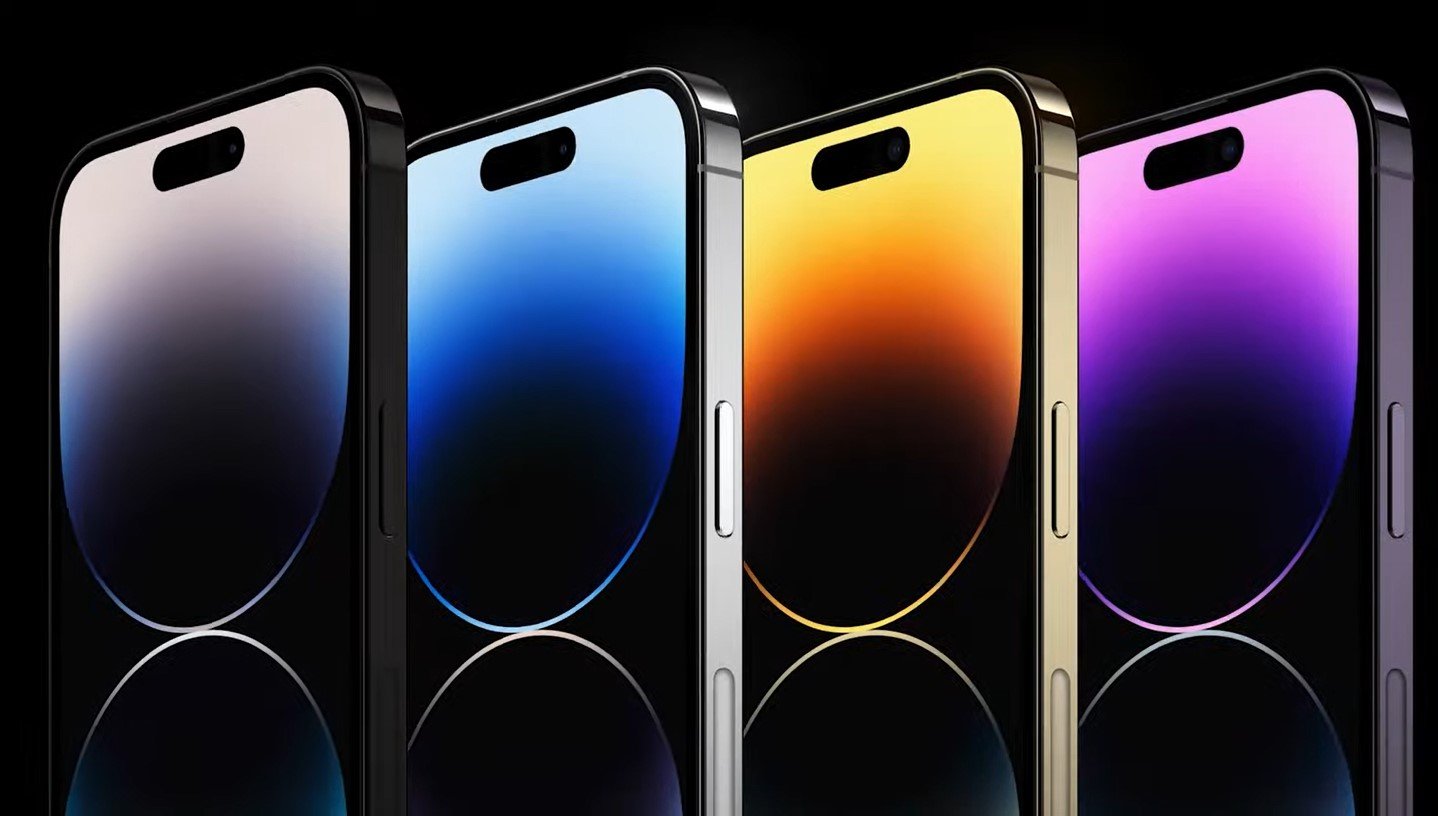
If the latest report coming from Mark Gurman of Bloomberg is to be believed, then the Cupertino-based tech giant has started working on a new Apple iPhone 15 Ultra model that will be replacing the Max model.
Apple iPhone 14 Pro
The report also adds that the iPhone 15 series would see the biggest change in the design of the iPhone series since the iPhone 12 launched in 2020. Among some major changes, the company could start offering USB-C ports on iPhones. There are also reports that all the models in the iPhone 15 series will come with Dynamic Island.
The changing of the name from Pro Max to Ultra isn’t surprising and makes sense given the Apple Watch series now includes an Ultra model. The company has been experimenting with the iPhone models for a years now. After launching the Mini model two years, the company ditched it for the Plus model with the new iPhone 14 Plus.
The sales for the Mini model weren’t great, so the company switched to the Plus model, assuming that customers aren’t interested in a compact form. But reports indicate that the sales numbers for the new iPhone 14 Plus are also not good, and the company has cut down the production for the iPhone 14 to boost production of the Pro models.
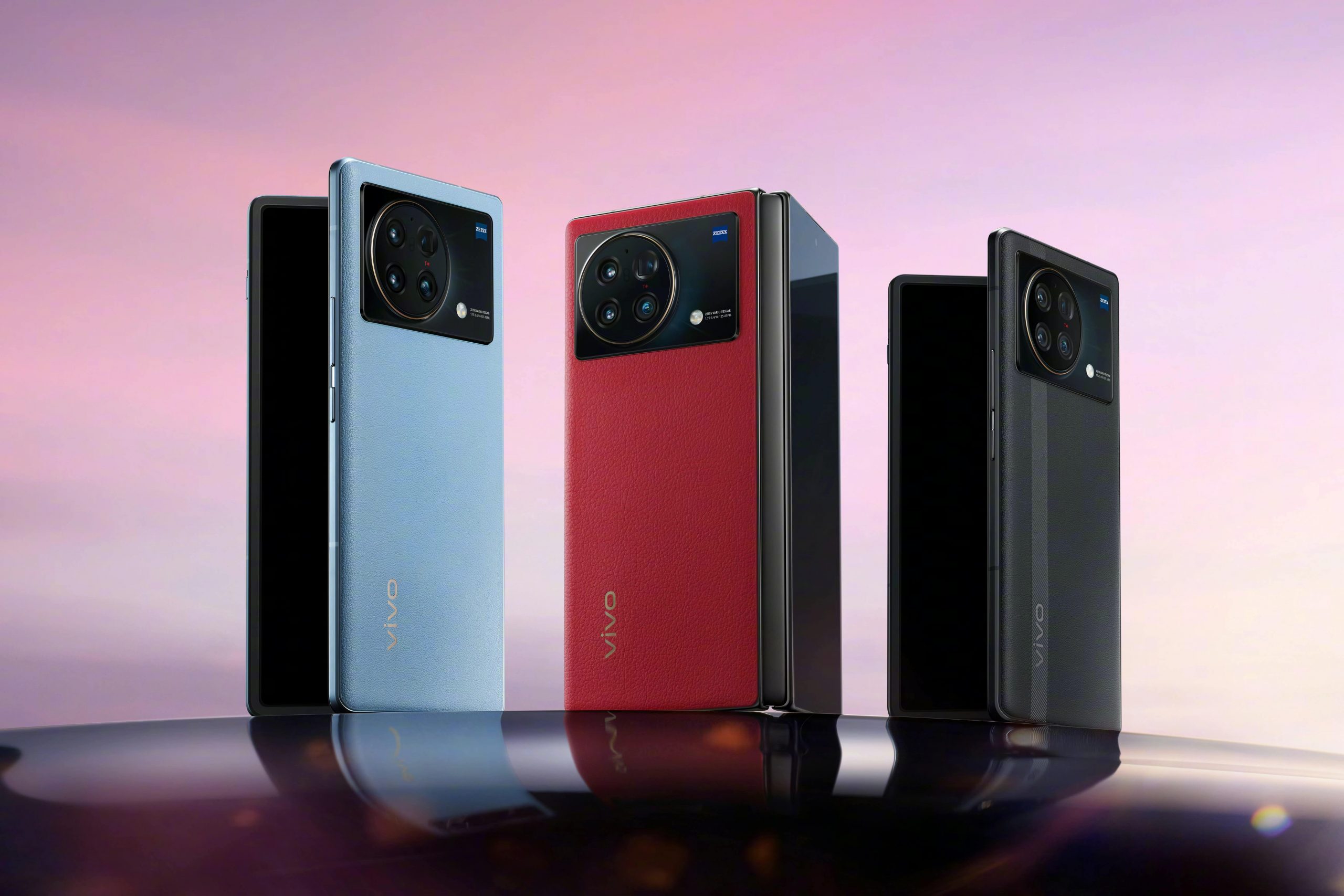
Vivo will launch its new foldable smartphone, called the Vivo X Fold+, later today. The device has a lot in common with the Vivo X Fold that launched earlier this year, including the design.
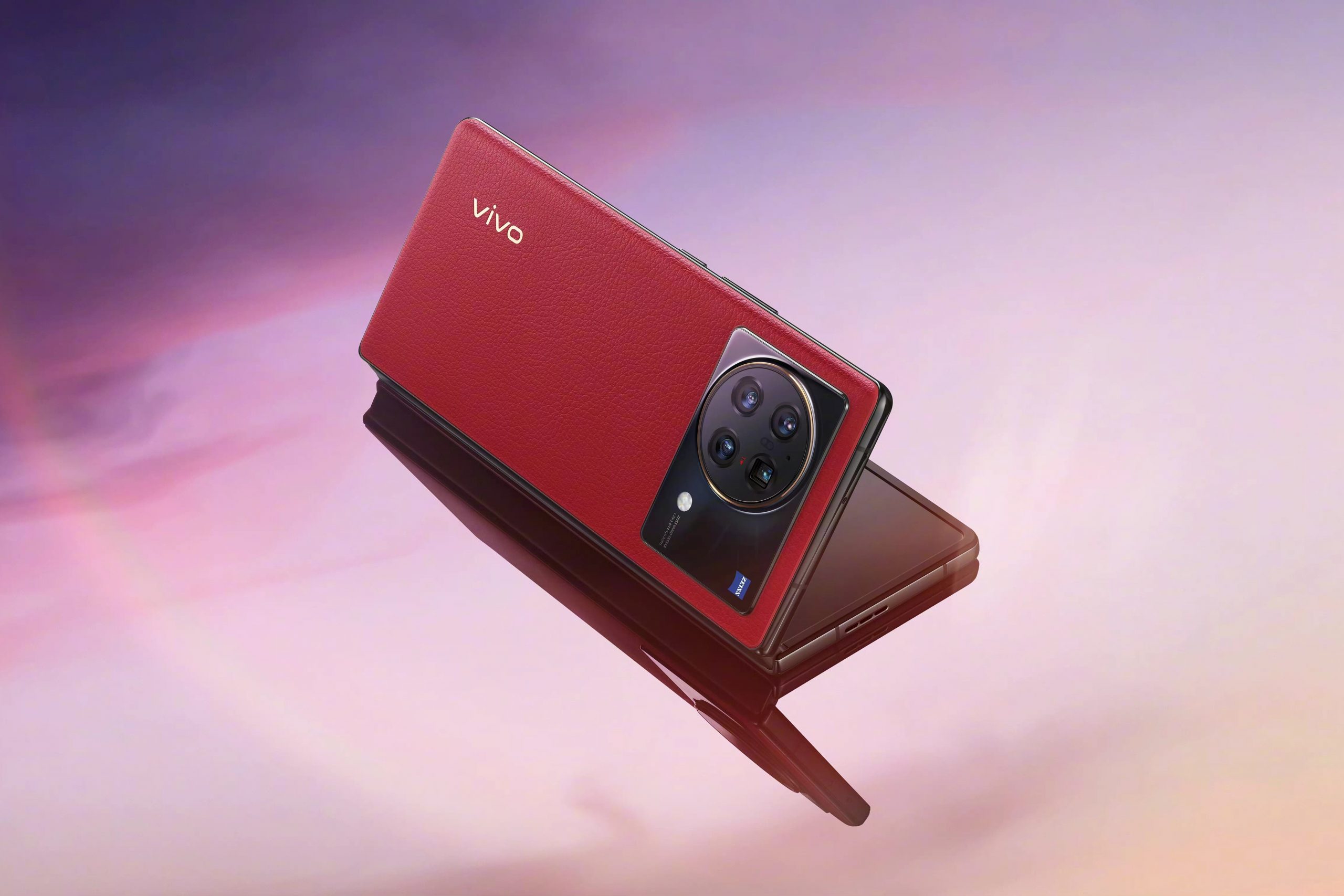
Ahead of the launch, a live image of the X Fold+ has leaked online. Weibo user iDealPark理想公园 shared an image of the Vivo X Fold+ Red color variant. The image reveals that the device has Zeiss branding on the camera module and an in-display fingerprint sensor on the cover screen. The Red color of the back is accompanied by a Gold color Vivo branding.
Vivo X Fold+ specs
The Vivo X Fold+ is said to have similar display panels as the X Fold, which means that we can expect a large 8.03-inch E5 LTPO OLED 3.0 inner display with 2K resolution, 120Hz refresh rate, and 4:3.5 aspect ratio. The cover screen will likely be a 6.53-inch E5 OLED panel that has a Full HD+ resolution, 120Hz refresh rate, and HDR10+ support.
Under the hood, the foldable is confirmed to house the Snapdragon 8+ Gen 1 chipset. As for RAM and storage, the device is said to come in two configurations – 12 GB RAM + 256 GB storage and 12 GB RAM + 512 GB storage.
For optics, we can expect a Samsung GN5 50-megapixel primary sensor paired with a 48-megapixel ultra wide-angle lens, a 12-megapixel portrait lens, and a 5-megapixel periscopic telephoto lens with 5x optical zoom and up to 60x digital zoom. On the front, the device will likely have a 16-megapixel sensor.
Other than that, the device will have a 4730mAh battery with 80W of wired charging and 50W of wireless charging.
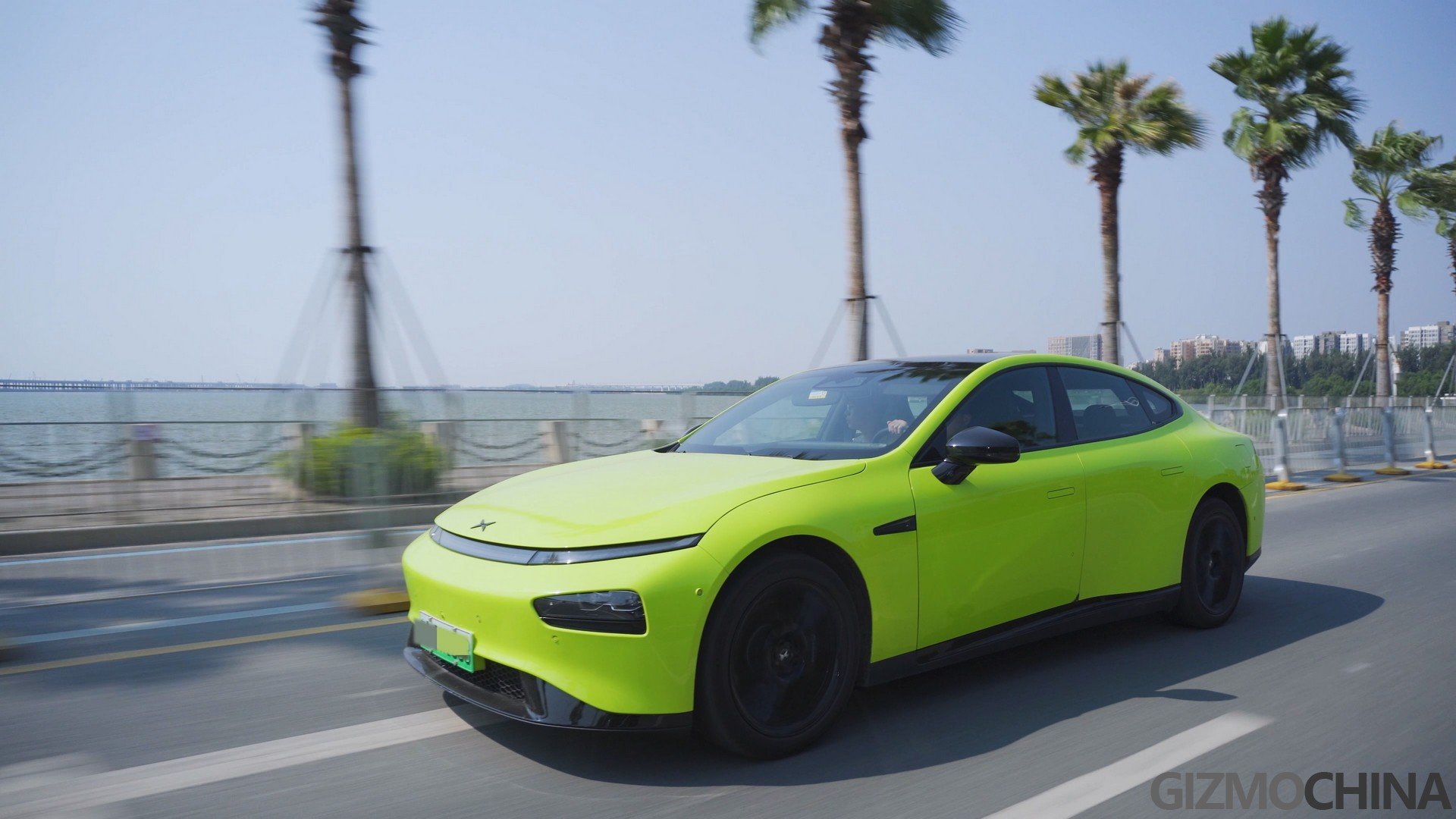
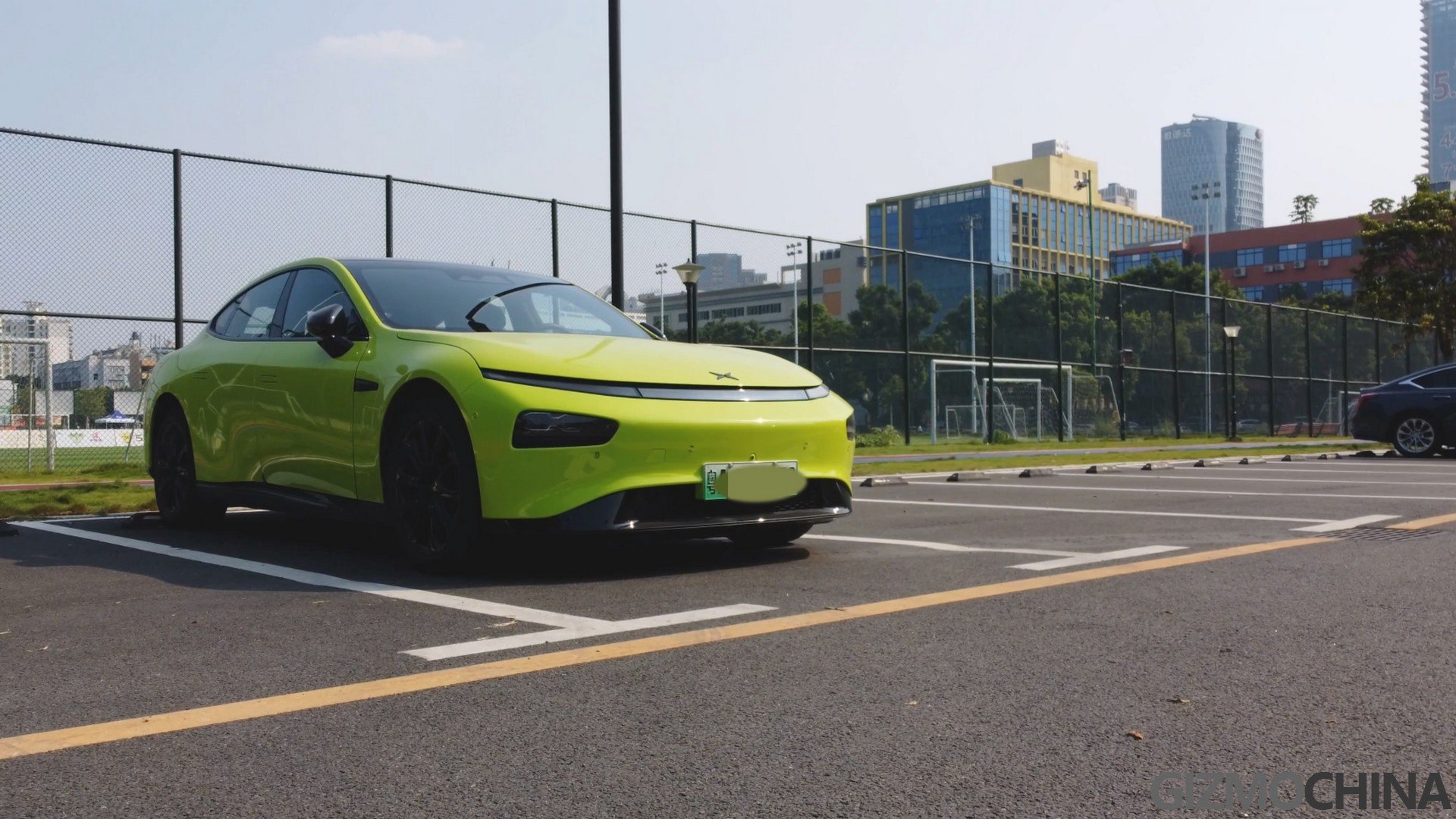
China’s electric-vehicle industry is so crazy. It reminds us of the smartphone industry 10 years ago, and they are on the rise. XPeng, as one of the most compelling electric-vehicle brands in China, has been considered a strong challenger to Tesla’s dominance. And finally, the brand is widely believed to be launching its latest Flagship SUV with all its new technologies in the US, the XPeng G9. But until then, we want to show you another star model on sale manufactured by the brand, which is right behind me, the XPeng P7 Wing Limited Edition.
Maybe after watching the video, you will understand why it’s one of the lucky winners of the brutal market. And perhaps you will also be looking forward to the release of the G9.
XPENG P7 Wing Profile
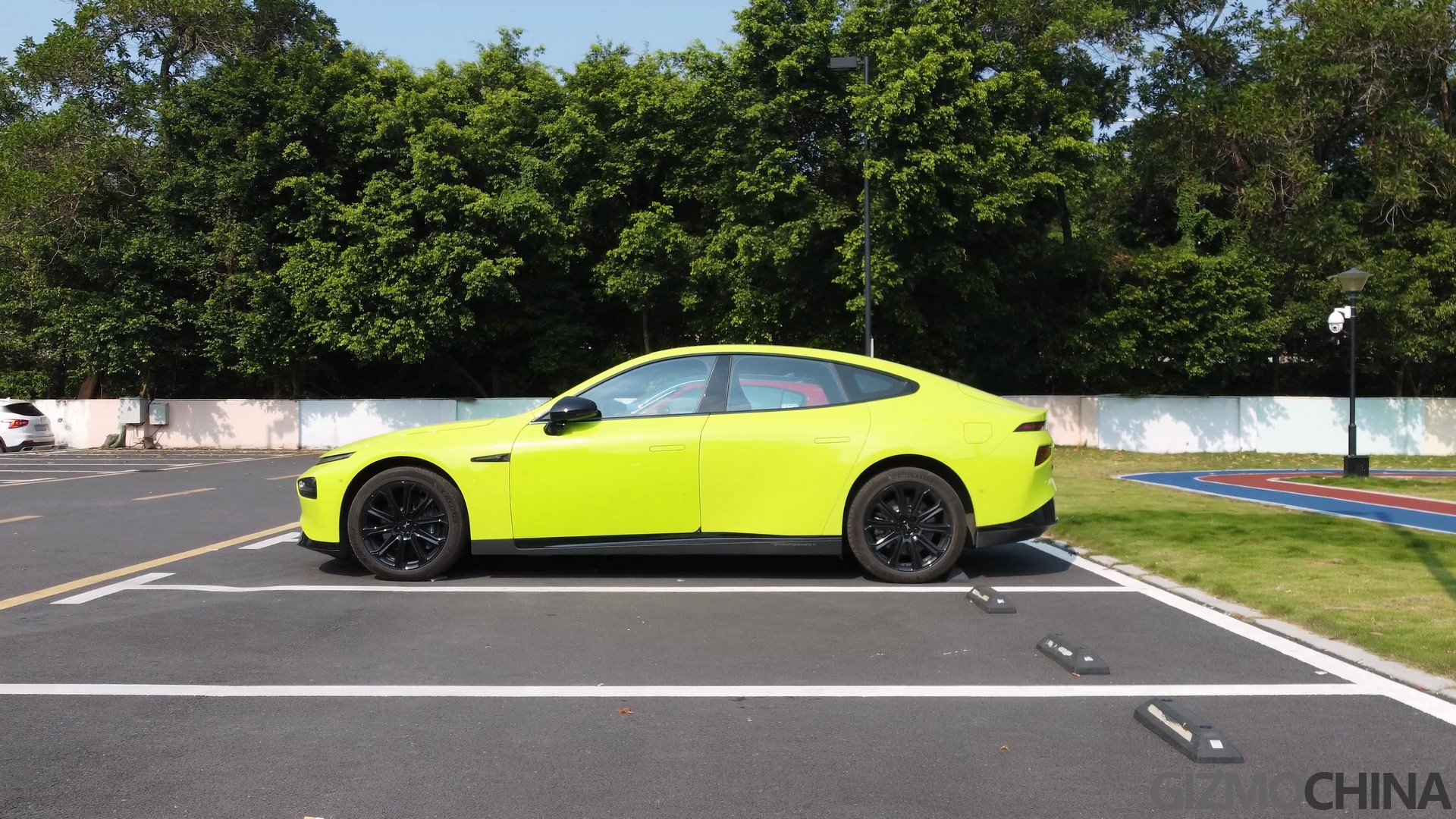
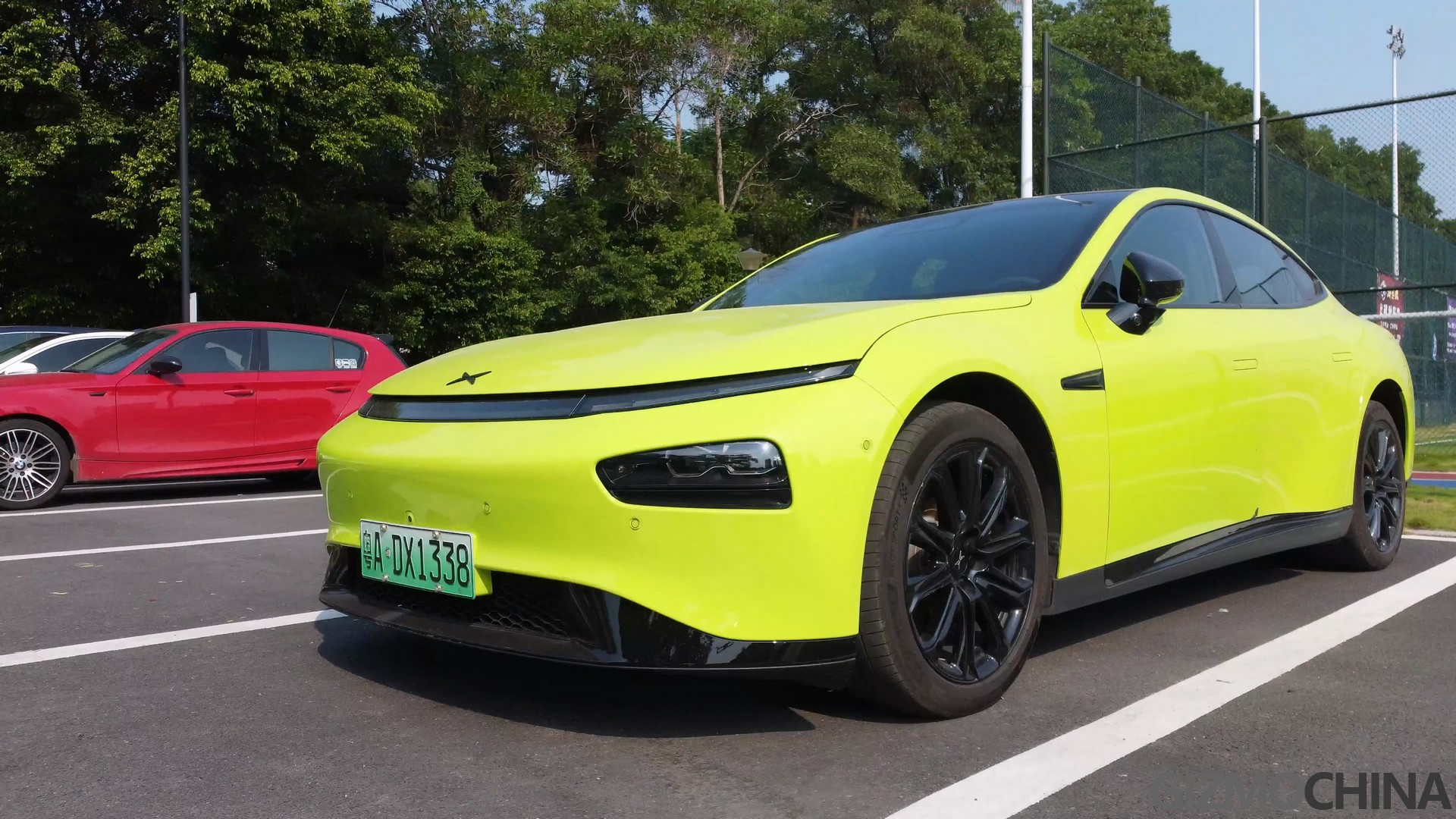
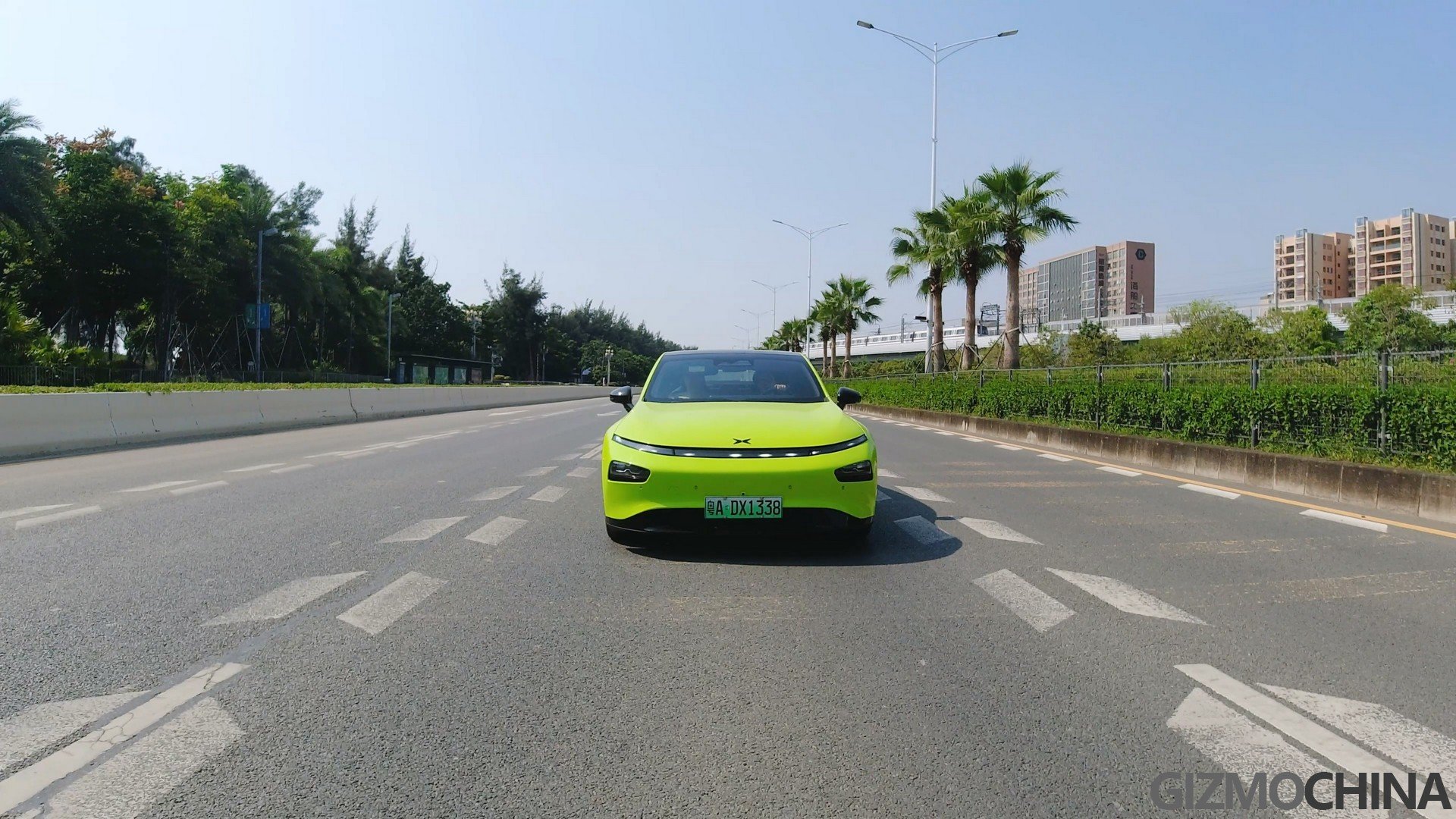
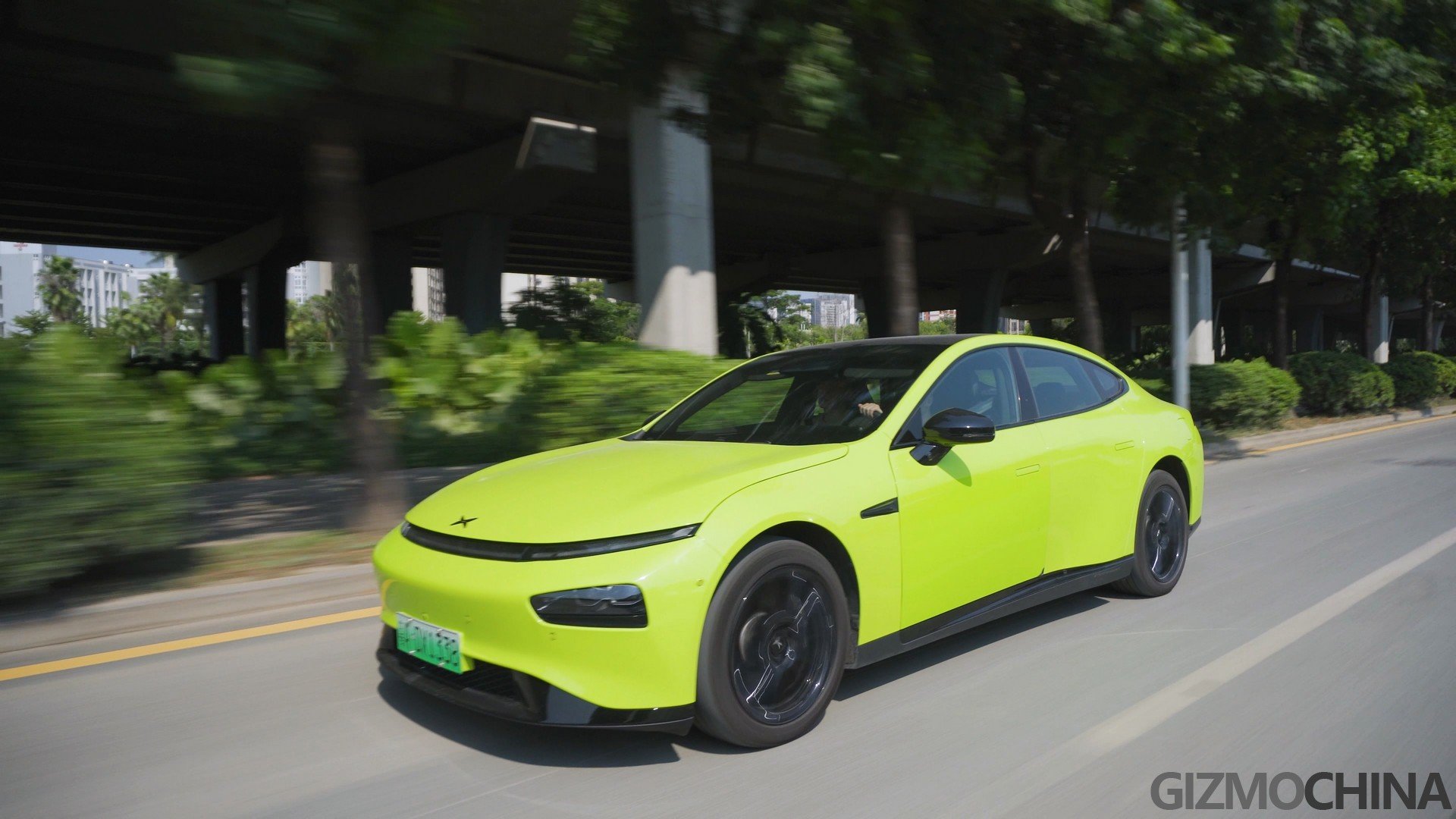
The XPeng P7 debuted as a semi-concept car at the Auto Shanghai show in April 2019, and the production version has achieved notable sales and good reviews for over 2 years. Last year XPeng brought the Wing limited edition. Compared to the production version, the Fluorescent P7 maintains the sleek Italianate flair in its design.
The low front face creates a nice sporty impression, and the curved light strip across the front makes me classify it more firmly as a sizable but minimalistic sport sedan. It has a dark-glass roof, frameless windows, retracting door handles, and exterior-mounted surround vision cameras, which does remind us of the Tesla Model 3.
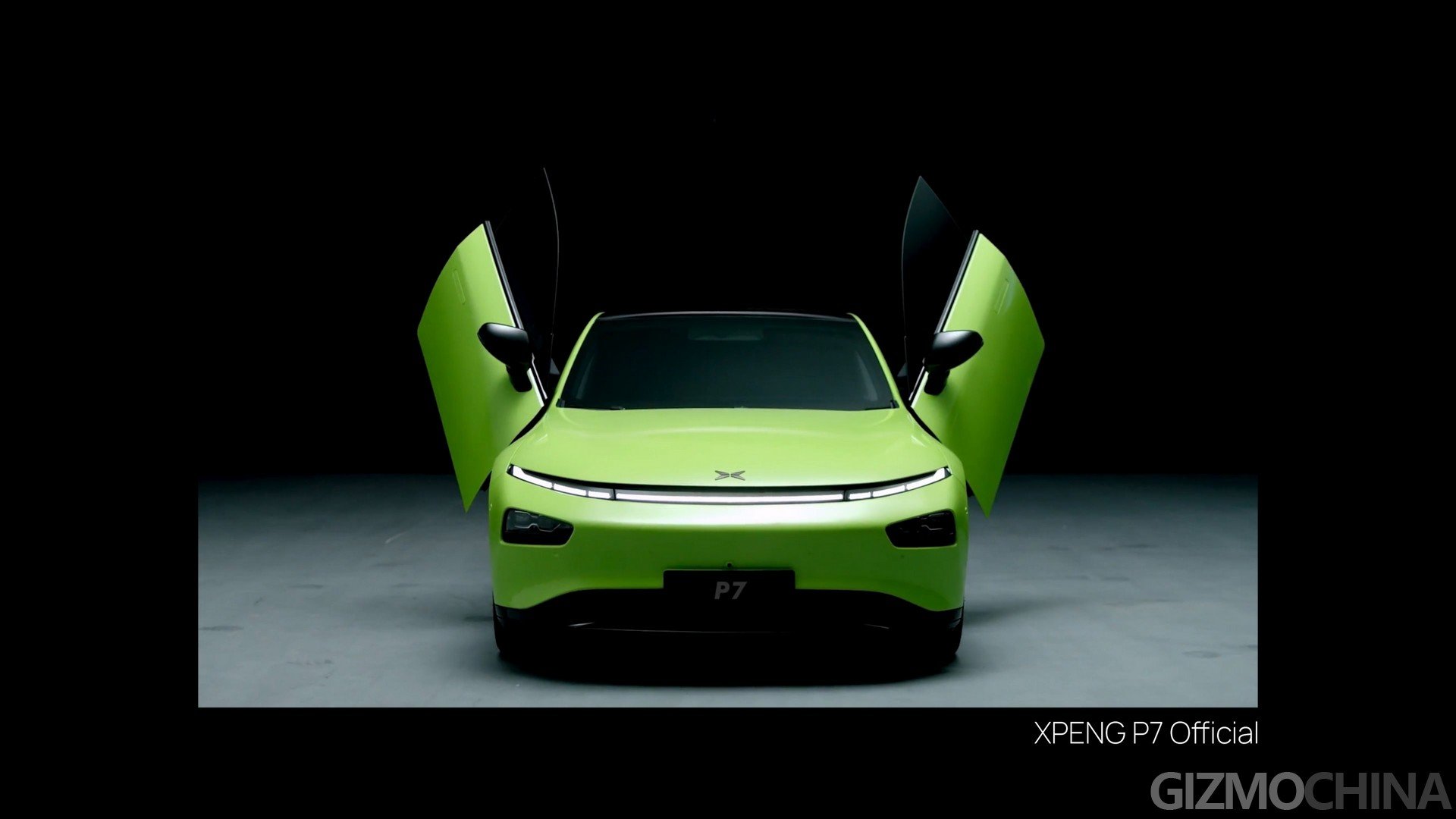
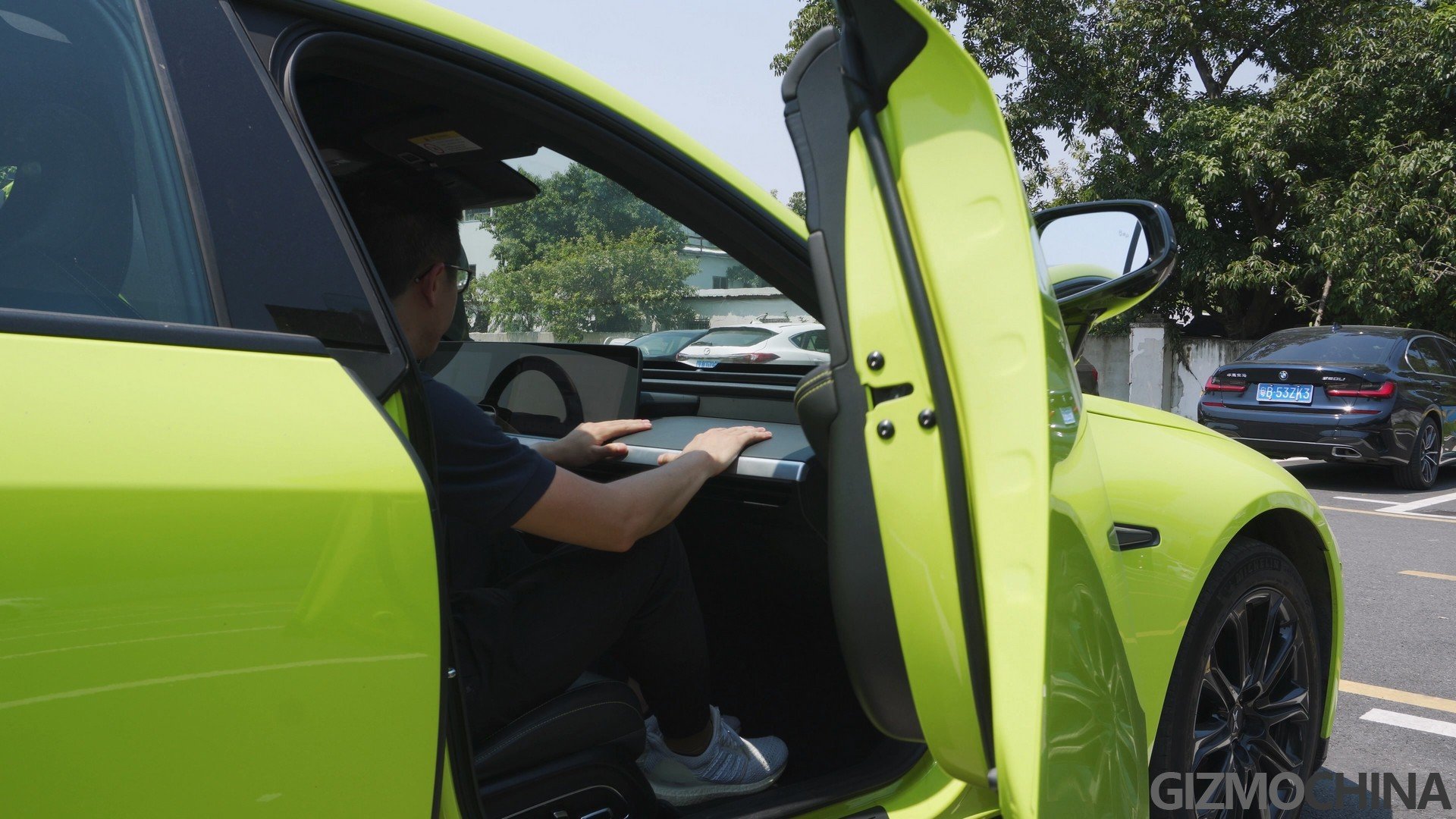
The size of the P7 is pretty close to the BMW 5 series. If have to compare it with Tesla’s products, I prefer to believe that its size and design are in the same class as the Model S. it’s 7 inches longer than the Model 3, with 5 inches of extra wheelbase. As for the Wing edition we experienced, what really makes it different is the classic coupe profile in the special color and the X-wing doors. It will definitely draw some attention.
Interior
In tune with the minimalist body, the internal design looks comfortable and clean. Most of the details are just right and not confusing. For example, you won’t see those bulky grille air vents found in traditional sedans anymore. They are just hidden below your eye line.
Although it features a panoramic glass roof similar to Tesla’s models, it filters UV rays well, allowing passengers to enjoy the hot-summer sunlight comfortably. And it’s great that most rear passengers can get comfortable head space and enough room for leg comfort.
Test Drive
XPeng describes the P7 as a stylish, luxurious all-electric sedan, emphasizing comfort rather than sportiness. But it still provides three driving modes, including Eco mode, standard mode, and sport mode, which can also be switched by voice commands. The sport mode keeps the car with enough torque, starting and stopping with quicker responses. You can feel the stiffer suspension and stronger support with higher electric power sensitivity. But meanwhile, it would correspondingly increase power consumption.
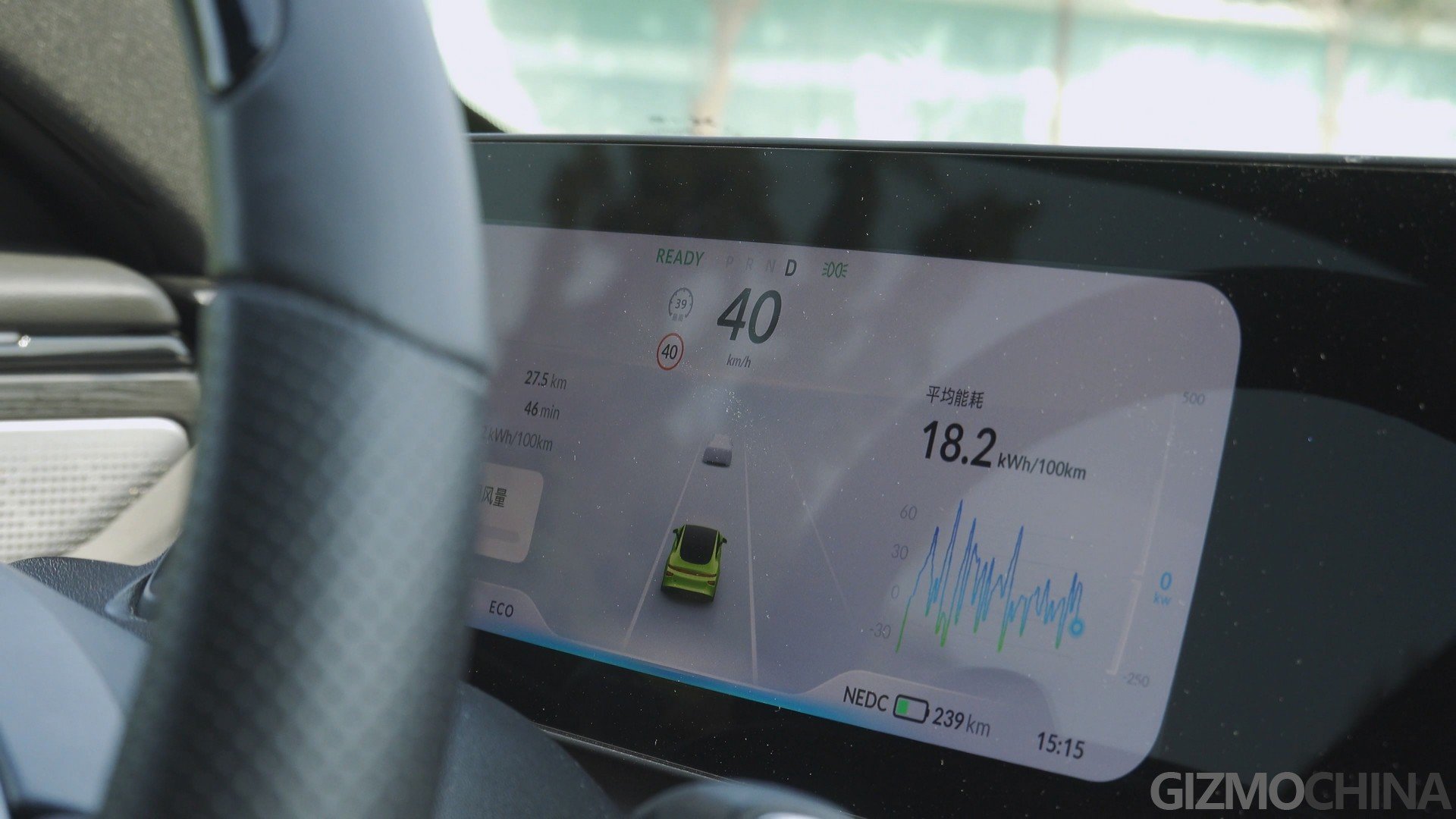
During these few days, I prefer to drive under the Eco mode, as it offers a driving experience close to that of a fuel car, with softer braking and acceleration. More importantly, it can effectively extend the driving range.
Driving experience
It may not be the sportiest sedan with fantastic performance, but the P7 is one of the most impressive E-cars we’ve ever driven. It still offers what we expected from an electric car, such as the silent but punchy acceleration under the sport mode, but what really makes it stand out is how comfortable and stress-free for both driver and passengers.
The noise levels are impressively low; the suspension is refined and stable to support the inner cabin from harsh body motions; the steering is accurate and light-weighted; you don’t need to worry about the regenerative discomfort when you make the switch from a conventional car to it, as there’re two regen modes for options, including High and Low. Both of them have pretty smooth transitions to mechanical braking. Especially under low regen mode, you don’t even have to take time to get used to its slowing effect.
Range
The quoted NEDC range of the P7 was about 349 miles. But you might already know that the number coming from the NEDC is not realistic at all. The actual range for our urban driving is about 20%-30% lower since we had a lot of in-car entertaining and air conditioning all the time, and were inevitably trapped in traffic jams several times.
Car software
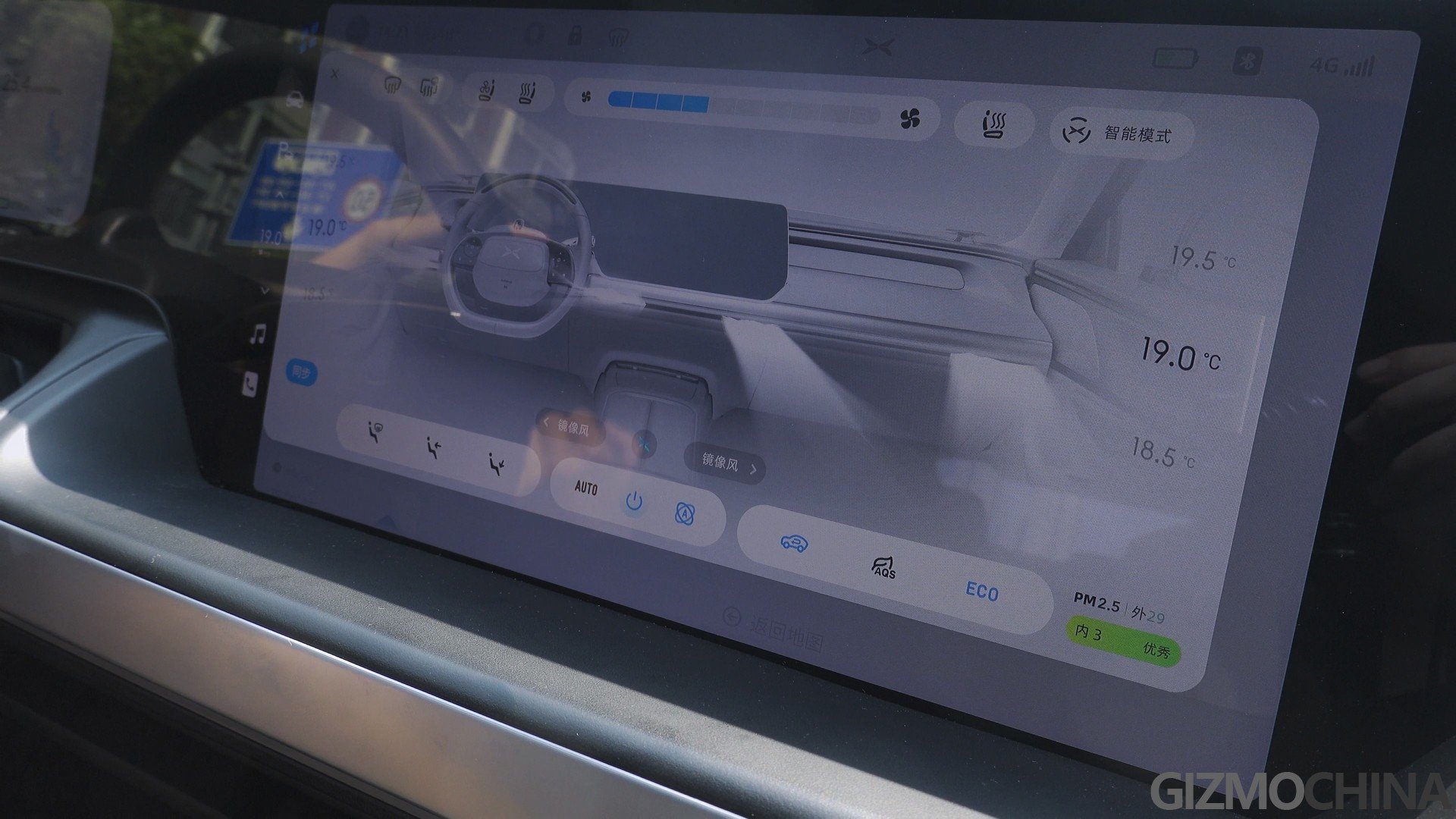
The P7’s intelligence is powered by the Xmart OS, which has been upgraded with successive versions via OTA updates. It’s also one of the most desirable in-car operating systems.
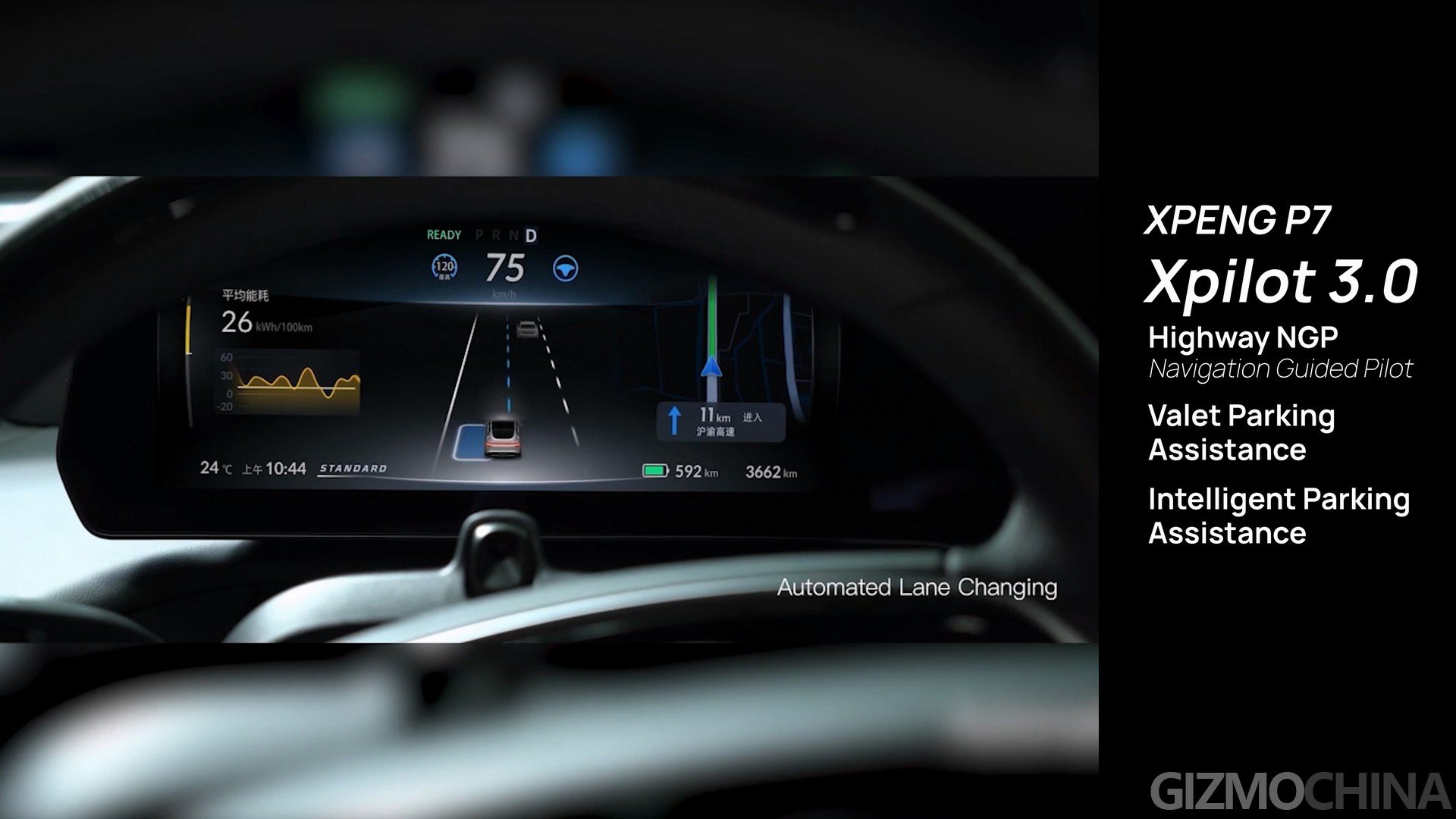
On the P7, the latest software offers the XPeng’s autonomous driving assistance, the XPilot 3.0, which works like the Autopilot from Tesla. It includes the Highway Navigation Guided Pilot (NGP) for a stress-free highway drive, the Valet Parking Assist (VPA) and the Intelligent Parking Assist (IPA) for an effortless parking experience. You can even access it without any driving operation and just activate it via a click on the car key, or just through the phone or voice commands. The car will find its own way to the parking space for you.
As a new E-car equipped with the latest technology, there’re a few features that ensure security, including Adaptive Cruise control, Lane Keep Assist, Forward Collision Warning, and Autonomous Emergency Braking.
Both at low speeds in town and when speeding on the highway, the ride is good and stress-free.
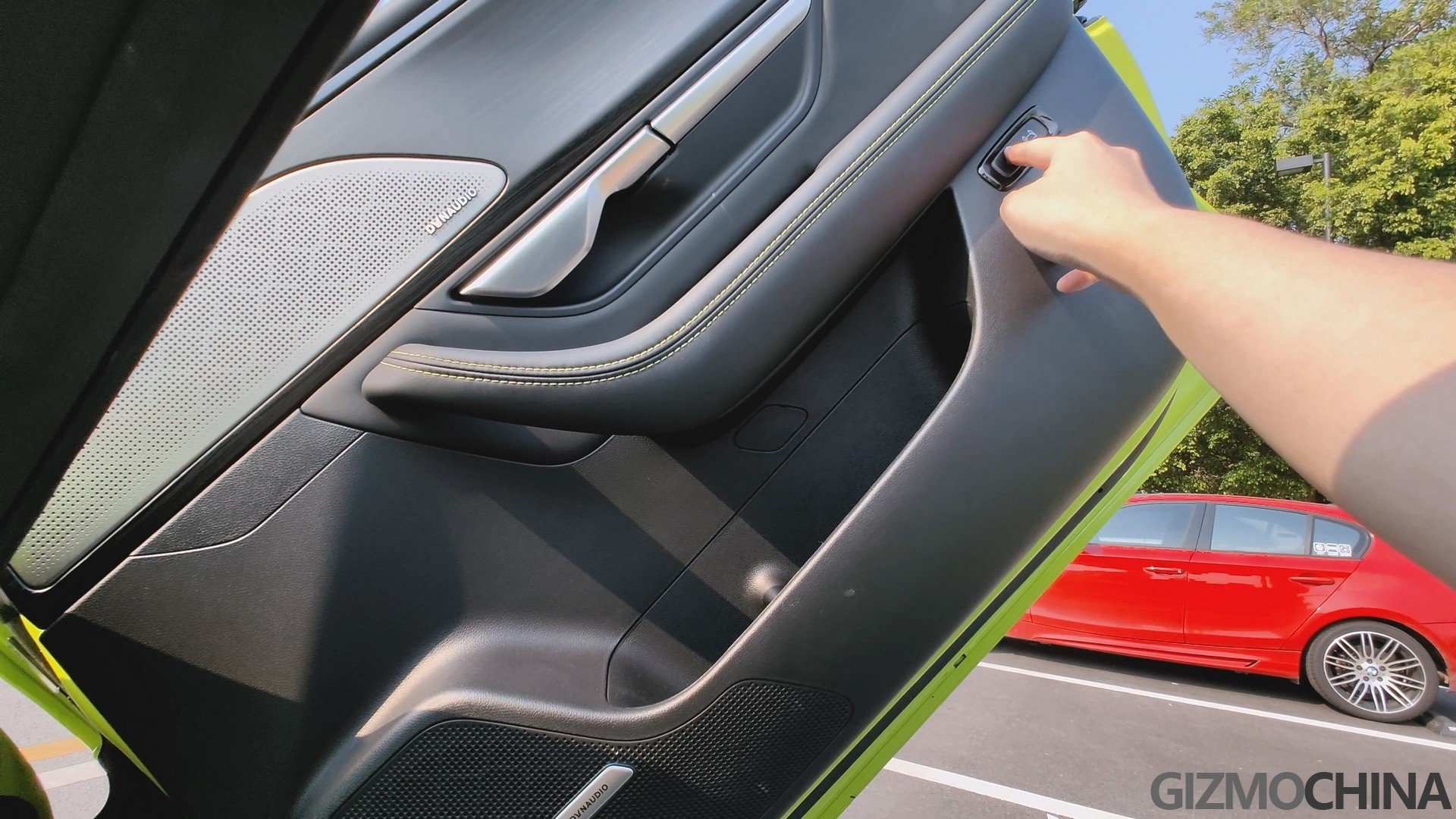
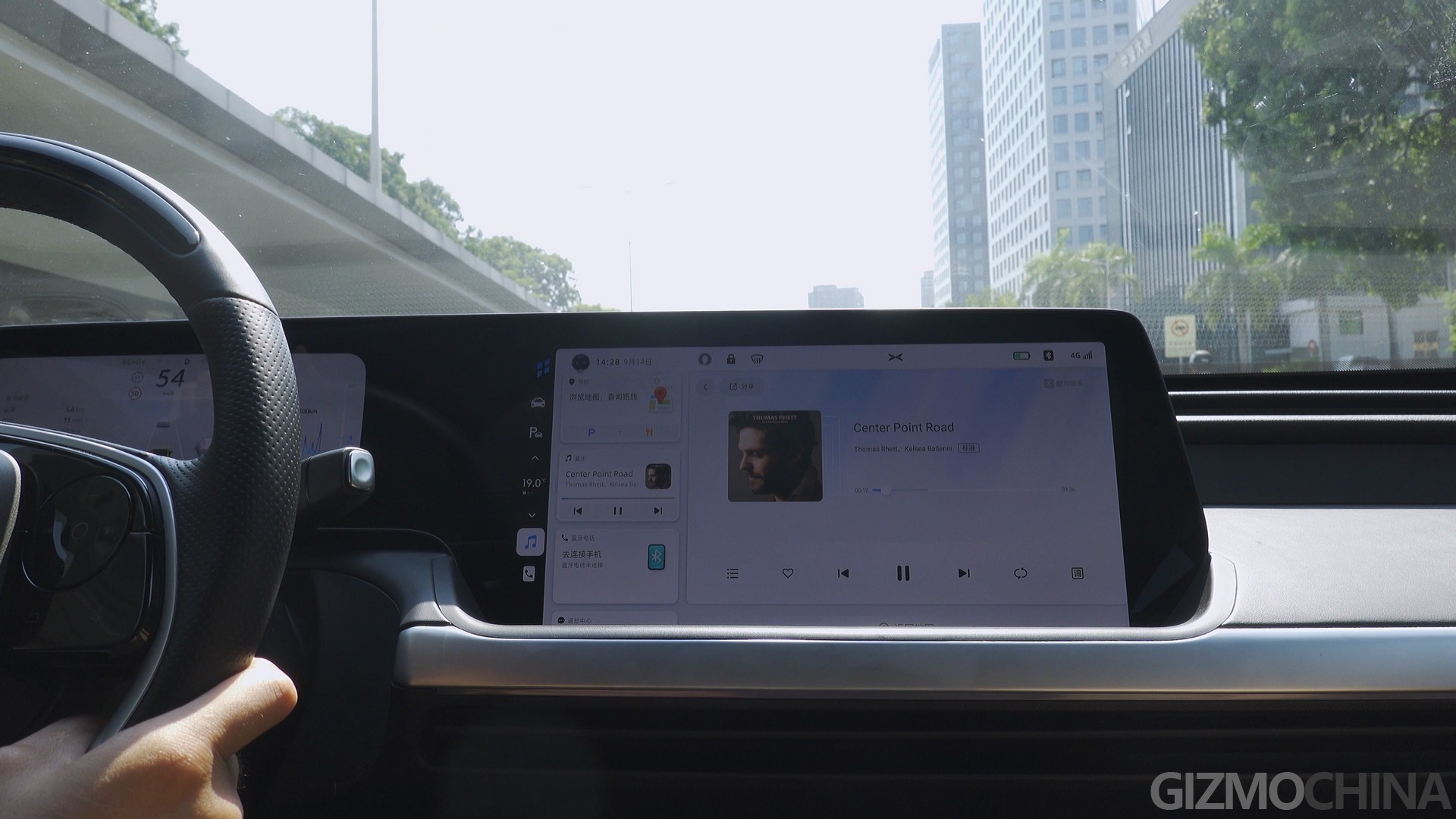
It also surprises us with its in-car entertaining system. You can play music or watch video streaming with the powerful Dynaudio speakers. When parked, the built-in games can be played by using the steering wheel. There’s a wireless charging station for your phone, which is securely positioned so you don’t have to worry about it interfering with your driving.
Conclusion
The Wing edition of the P7 is pretty impressive, and of course, I think it proves it deserves to run on any road in the world. During these few days, the good-looking external design and spacious internal arrangement reminded us in many moments of some better-known electric rivals in higher price segments.
Another straight feeling I got from it was that, unlike a hardware-driven conventional vehicle, it showed the possibilities of a new type of software-driven electric car, inspiring a more reliable driving experience, better performance, or intelligent function like auto-driving capacities in the future. Our only hope is that they will continue to develop and not stagnate like some smartphone manufacturers. After all, the EV brands have a longer way to go.
ZTE has a lineup of premium smartphones under its Axon lineup and the company has today launched a new device in the series, dubbed ZTE Axon 30S. The naming of the phone is a little odd, given that the company has already launched the Axon 40 series.
The newly launched ZTE Axon 30S comes in two memory variants — 8GB RAM with 128GB internal storage costing 1,698 yuan (~$237) and 12GB RAM with 256GB of internal storage for the price of 2,198 yuan (~$307).
Apart from some minor changes, the Axon 30S smartphone is very much similar to the Axon 30 that was launched last year. Compared to the Axon 30, the company has updated the software and added some camera functions, and reduced the pricing of the device.
The ZTE Axon 30S features a 6.9-inch Full HD+ AMOLED 10-bit display that offers a screen resolution of 2460 x 1080 pixels, a DCI-P3 color gamut, and a 120Hz refresh rate. Under the hood, the device is powered by the Qualcomm Snapdragon 870 processor.
In the camera department, the phone has a quad-camera setup on the back that includes a 64-megapixel primary camera, an 8-megapixel ultrawide sensor, a 5-megapixel macro lens, and a 2-megapixel depth sensor. On the front side, there’s a 16-megapixel snapper for taking selfies and video calling.
The highlight of the smartphone is that the front-facing camera has been placed under the display, meaning that the phone doesn’t have any kind of notch or punch-hole cutout on top of the screen. Not just the camera but the company has also tucked in the fingerprint sensor under the screen.
As for the software, the device is running the Android 12 operating system out-of-the-box with the company’s own MyOS custom interface. The smartphone is powered by a 4,200mAh battery and supports 55W fast charging.
Xiaomi is gearing up to launch the CIVI 2 on September 27 in China. The device is also rumored to come to the global market with a different moniker later down the line.
The brand has already confirmed many details of the upcoming smartphone, like its camera sensor, battery capacity, and fast charging. Now, new teasers by the brand have confirmed more details about the device. So let’s take a look.
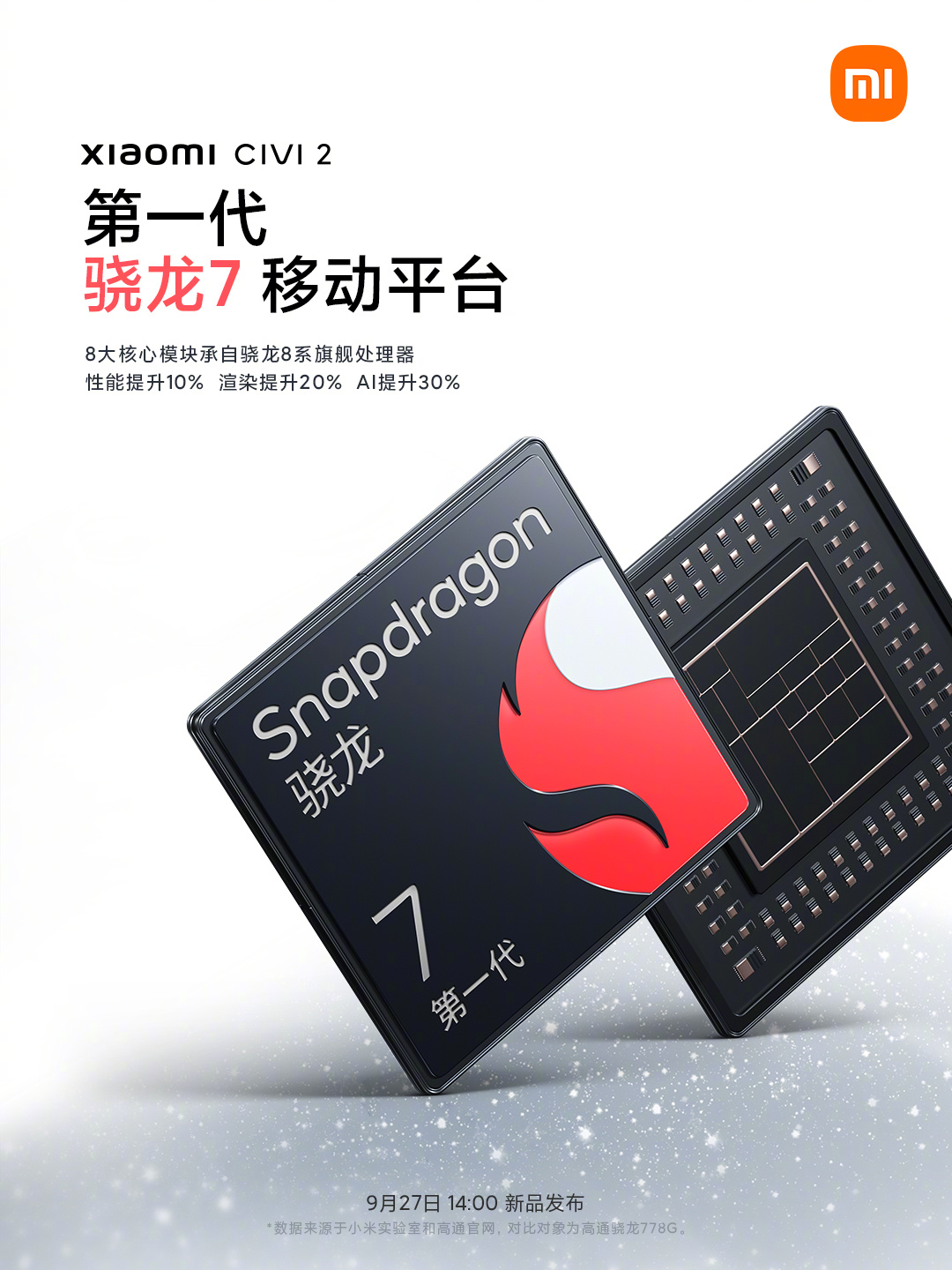
Starting off, the brand has confirmed that the device will be powered by the Snapdragon 7 Gen 1 chipset. The chipset is the successor of Snapdragon 700 series chipsets like the Snapdragon 778G and comes with many improvements in efficiency and performance thanks to the Samsung 4nm process.
The brand has also confirmed that this device will be cooled by a new custom stainless steel VC liquid cooling unit with a surface area of 2387mm². It is said to have a 200% increased heat dissipation capacity compared to last year’s Xiaomi CIVI. Paired with a more powerful chip, the device will likely provide better sustained performance in tasks like gaming.
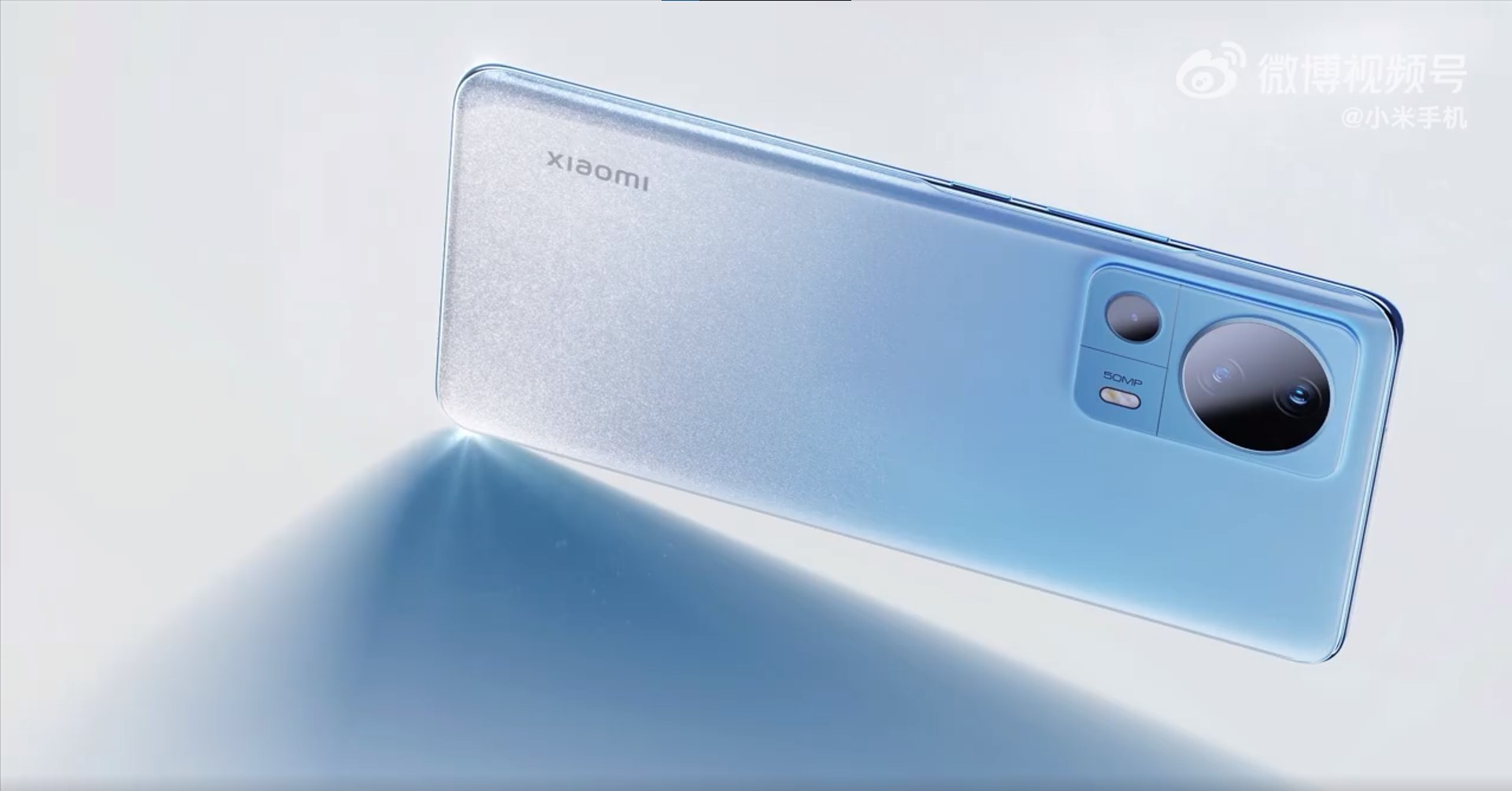
Xiaomi CIVI 2 Ice Blue
Xiaomi has also teased that the device will debut in four color options, and a video reveals that the ‘Ice Blue’ color variant will come with the popular glitter design on the back panel. We can assume that the glitter design will also be present in the pink and black color options.
To know more about the device, you can check out our rumor roundup of the Xiaomi CIVI 2.
We use cookies on our website to give you the most relevant experience by remembering your preferences and repeat visits. By clicking “Accept”, you consent to the use of ALL the cookies.
This website uses cookies to improve your experience while you navigate through the website. Out of these, the cookies that are categorized as necessary are stored on your browser as they are essential for the working of basic functionalities of the website. We also use third-party cookies that help us analyze and understand how you use this website. These cookies will be stored in your browser only with your consent. You also have the option to opt-out of these cookies. But opting out of some of these cookies may affect your browsing experience.
Necessary cookies are absolutely essential for the website to function properly. This category only includes cookies that ensures basic functionalities and security features of the website. These cookies do not store any personal information.
Any cookies that may not be particularly necessary for the website to function and is used specifically to collect user personal data via analytics, ads, other embedded contents are termed as non-necessary cookies. It is mandatory to procure user consent prior to running these cookies on your website.