In July last year, American video game development company Valve launched its first portable handheld gaming console. The Steam Deck as it is called has been available in certain markets including the US, UK, Canada, and more. Previously, it was reported that Valve would expand the regional availability of its console.
Steam Deck hitting India via the grey market. Prices (approx):
In a new development, Indian industry gaming insider Rishi Alwani revealed that Steam Deck will soon make its way in to the country’s gaming market. The portable handheld console will be available in the local stores via the grey market. Alwani also mentioned the estimated pricing of the device. It will start at Rs 62,500 for the base 64GB model whereas the 256GB and 512GB variants are tipped to carry price tags of Rs 77,000 and Rs 90,000. The gaming console has already reached a few outlets since it has been imported.
The Steam Deck’s prices seem to be quite inflated compared to the US pricing as it is coming via the grey market. Alwani believes that the prices are expected to drop further when Valve starts shipping more units across various regions. This will help parallel importers to get the device at a lower rate and thus reducing the price for consumers. Readers are warned to avoid purchasing the gaming console from retailers who have listed at a price higher than the estimated one.
As for the core specifications, the Steam Deck comes with a 7-inch IPS display bearing an HD resolution and a 60Hz refresh rate. It is powered by an AMD Zen 2 processor paired with an RDNA 2 GPU. It packs 16GB LPDDR5 RAM and 512GB SSD storage with support for microSD card slot. It supports Bluetooth 5.0, Wi-Fi, USB-C, USB 3.2, 3.5mm audio jack, and DisplayPort 1.4. The gaming console offers access to Steam’s library as well as Xbox Game Pass and Epic Games Store.
There weren’t many smartphone launches for about a month. This is going to change in the next few days. Three are going to be three prominent events next week.
Chinese major brands Vivo, Honor, and Oppo have scheduled press conferences for the next week. They have confirmed to announce multiple phones at these events.
These products will be made official in China. They are expected to make their way to other markets later.
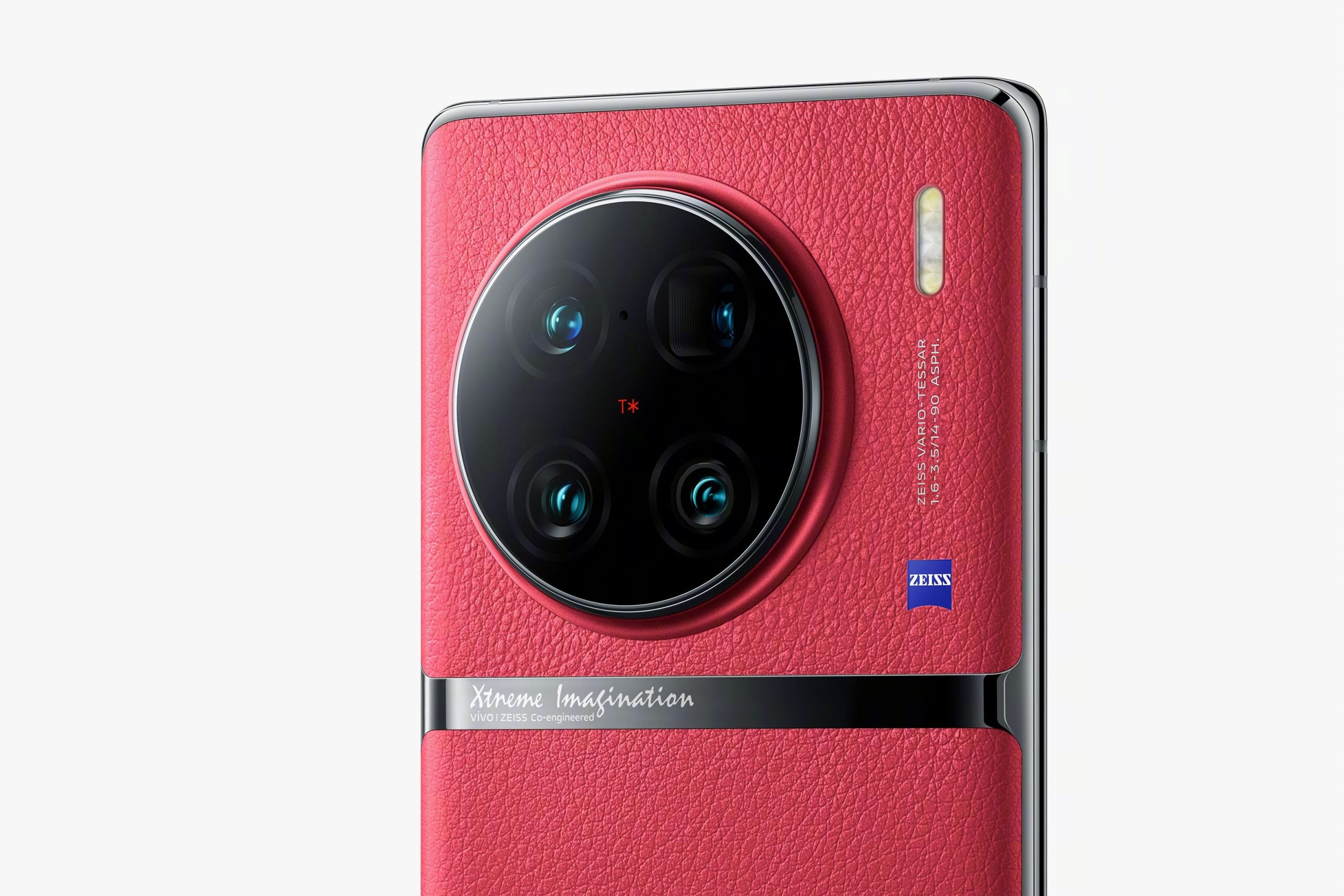
The Vivo X90 series launch event is scheduled for November 22 (Tuesday). It will begin at 7 PM GMT+8 and will be live-streamed on popular Chinese video streaming platforms and social media.
The lineup is expected to include three models, namely Vivo X90, Vivo X90 Pro, and Vivo X90 Pro Plus. The former two are said to be powered by MediaTek Dimensity 9200 SoC, while the latter will house a Qualcomm Snapdragon 8 Gen 2 underneath it.
All three phones are expected to come with a dedicated Vivo V2 ISP chip. Though they will have different camera setups, all of them will feature Zeiss T* coating lenses and software Zeiss image processing.
The Vivo X90 series is said to boot OriginOS 3 based on Android 13 and will carry support for 120W fast wired charging.
2. Honor 80 Series and Honor Magic Vs
Honor’s launch conference is planned for November 23 (Wednesday). It will start at 2:30 PM GMT+8. The event will be live-streamed on Chinese social media and video streaming platforms.
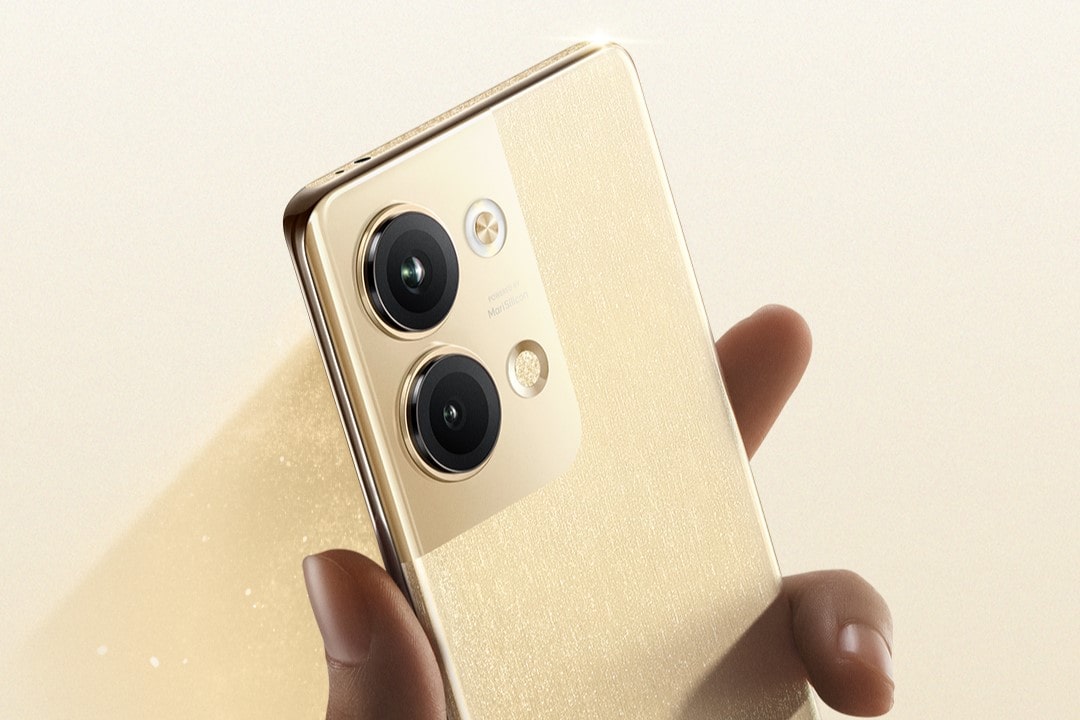
Honor has confirmed to unveil the Honor 80 series and Honor Magic Vs. The former is a lineup of upper mid-range smartphones, whereas the latter is a foldable phone.
At least two Honor 80 models are expected, such as Honor 80 and Honor 80 Pro. There could be a third one called Honor 80 Pro Plus. The former two are said to be powered by Qualcomm’s Snapdragon 782G (unannounced) and Snapdragon 8 Plus Gen1 chipsets, respectively.
The Honor 80 Pro or Pro Plus is expected to feature dual 50MP front-facing cameras and a 160MP primary camera. On the other hand, the Honor Magic Vs will be a refreshed Honor Magic V with some spec upgrades.
3. Oppo Reno 9 Series
The Oppo Reno 9 series is scheduled to launch in China on November 24 (Thursday). The conference will be live-streamed on leading Chinese video streaming platforms and social media from 2:30 PM GMT+8.
The Oppo Reno 9 series is tipped to consist of three handsets, namely Oppo Reno 9, Oppo Reno 9 Pro, and Oppo Reno 9 Pro Plus. These three phones are said to be powered by Snapdragon 778G, Dimensity 8100-Max, and Snapdragon 8 Plus Gen 1 chips, respectively.
The vanilla and Pro variants will be backed by a 4,500mAh battery with support for 67W fast wired charging. While the Pro Plus model will house a 4,700mAh battery and carry support for 80W fast wired charging.
All three of them will flaunt a curved 120Hz display. However, only the Pro versions will come with the MariSilicon X ISP chip.
Honor is gearing up to launch the Honor 80 series on November 23 in China. Along with the mid-range device, the company will also be launching the Honor Magic Vs foldable smartphone, which will come with some upgrades over the Honor Magic V, which launched earlier this year. So let’s take a look at what we can expect from the improved foldable.
Design & Display
Going by all the teasers and official images of the smartphone so far, not much appear to have changed in the design department. The back remains the same with a triple camera setup placed vertically. There are rumors that Honor has improved the hinge design to reduce the crease that usually occurs with foldable smartphones. The drive is also said to be thinner and lighter compared to the Magic V. It is said to weigh 261g, which is a decent reduction in weight compared to the 288-293g (based on color variant) weighing Magic V.
The display is expected to be the same, meaning that we will likely get an outer display that measures 6.45-inches and offers an FHD+ resolution with a 21:9 aspect ratio, and a 120Hz refresh rate. The inner display could be a 7.9-inch OLED panel with 2272 x 1984 pixel resolution, 381 PPI pixel density, and 90Hz or 120Hz refresh rate. It is rumored to feature a side-mounted fingerprint scanner.
Specs
Spec-wise, the device is mostly expected to remain the same as the Magic V, with a couple of changes. Firstly, the SoC is getting bumped up from the Snapdragon 8 Gen 1 to the Snapdragon 8+ Gen 1. This improvement is expected to significantly improve energy efficiency and thermals on the new foldable, with minor bumps in performance.
The second upgrade is expected to be a slight bump in the battery capacity. The device is said to have a 5,000mAh battery now, compared to 4,750mAh on the Magic V. The fast charging will remain the same at 66W. Recent official images have also hinted at stylus support, however, it will likely not come with an in-built stylus silo.
In terms of photography, we can expect a triple snapper setup at the back, consisting of 50MP primary (f/1.9 aperture), 50MP spectrally enhanced (f/2.0 aperture), and 50MP ultrawide (f/2.2 aperture) cameras. For selfies, we can anticipate dual 42MP cameras, one on the outside and one on the inside of the display.
RAM and storage options are expected to be 12GB+256GB and 12GB+512GB and the device may come pre-loaded with Android 13 OS and Magic UI 7.0.
Pricing & availability
Pricing of the Honor Magic Vs has been kept strictly under wraps, however, we can expect it to start around 9,999 Yuan, which was the launch price of the Honor Magic V. So far, a single Gold color option with a wavy pattern on the back has been revealed, but the device will likely come with a couple more color options.
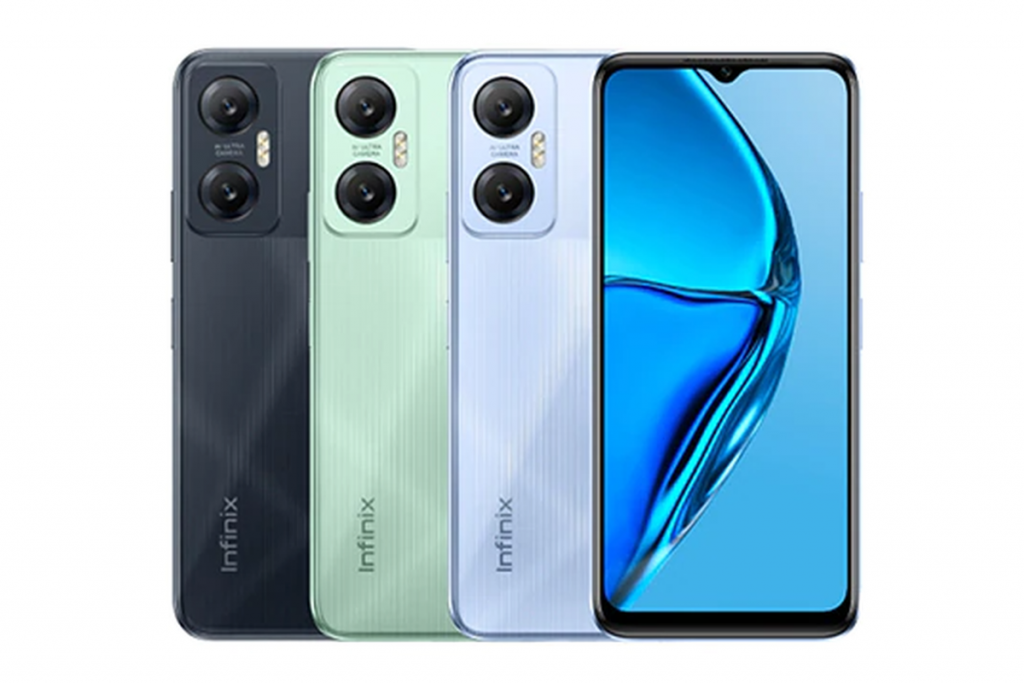
After multiple teasers, Infinix has finally announced the India launch date of the upcoming Hot 20 series. The lineup has already debuted in various global markets, and it includes the Hot 20 Play, Hot 20i, Hot 20, Hot 20S, and Hot 20 5G. The company may, however, only bring some of these handsets to India.
Infinix recently took to Twitter to announce the India launch date of the upcoming Infinix Hot 20 series. As per the tweet, the series will debut in the country on December 1. It will be available for purchase on Flipkart. It is unclear which smartphones will be included in the forthcoming lineup.
Smartphones ka Hero No. 1 aa raha hai, dene aapko aise features ki aap bolenge #AbAurKyaChahiye 🥵
The all amazing #HOT205GSeries is launching on 1st December, exclusively on @flipkart, taiyaar rehna! 🔥
The hashtag “Shuddh5G” has been used in the company’s recent tweets, which almost confirms that Infinix will launch the Infinix Hot 20 5G in India. The company is also expected to introduce the Hot 20 Play smartphone in the country.
The Infinix Hot 20 5G comes powered by MediaTek Dimensity 810 processor and features a 6.6-inch IPS LCD panel that offers a full HD+ resolution along with a refresh rate of 120Hz and 240Hz touch sampling rate. The device is backed by a 5,000mAh battery that supports 18W charging.
The handset features a dual camera setup on the back, which includes a 50MP Samsung JN1 main sensor accompanied by a depth sensor. For selfies, it has an 8MP shooter. Infinix Hot 20 5G comes preloaded with XOS 10.6 based on the Android 12 operating system. It packs 4GB RAM and 128GB onboard storage.
Talking about the Infinix Hot 20 Play, it features a MediaTek Helio G37 processor under the hood and packs a particularly large 6,000mAh battery. The smartphone has a 13MP primary rear camera and an 8MP shooter on the front for selfies and video calls.
According to a Cybermedia Research report that was released in March this year, Lenovo is leading the Indian tablet market, accounting for 36 percent of market share in the country. The company has been consistently launching new tablets in the country. In the second half of this year, Lenovo launched the Lenovo Tab P12 Pro, Tab P11 Plus, and P11 Tab Pro (Gen 2) at different price points. The P11 Tab Pro (Gen 2) is the most recent tablet from the brand, which is not only available in India but also in the global market.
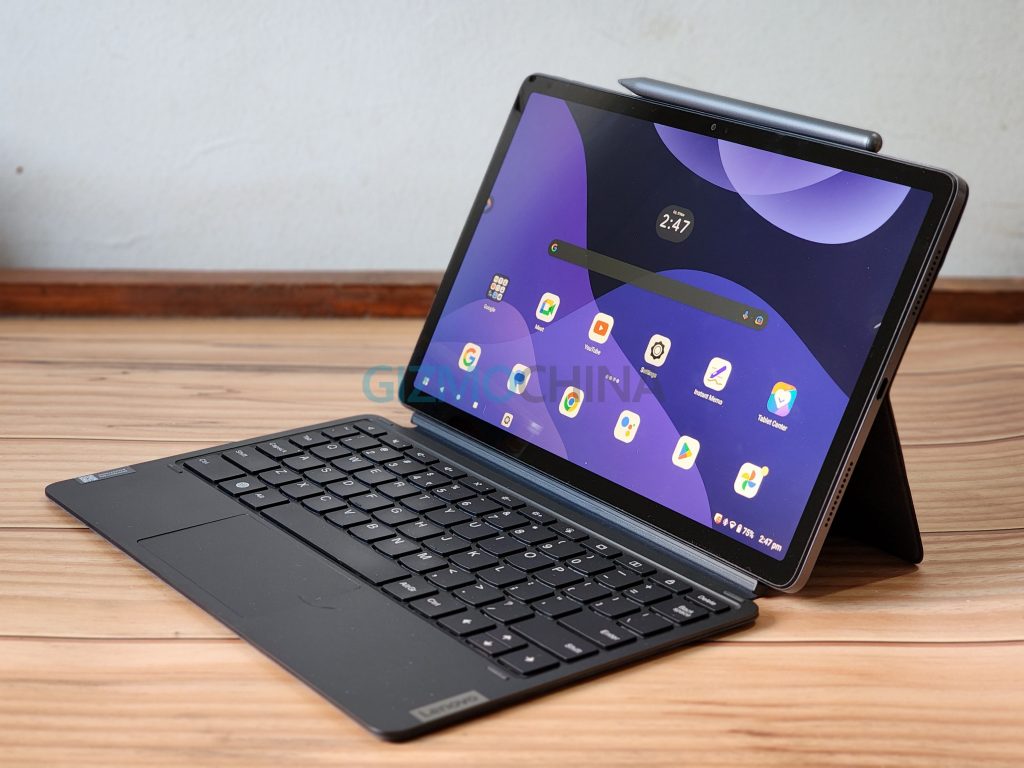
Like the Tab P11 Pro from last year, its successor can be used as a tablet as well as a laptop by attaching a keyboard. With a price tag of Rs 39,999, it competes with similarly priced tablets such as the Galaxy Tab S7 FE and the 10th generation iPad. Here is our review of the Lenovo Tab P11 Pro (Gen 2) to see if it’s worth spending your money on.
What’s in the box?
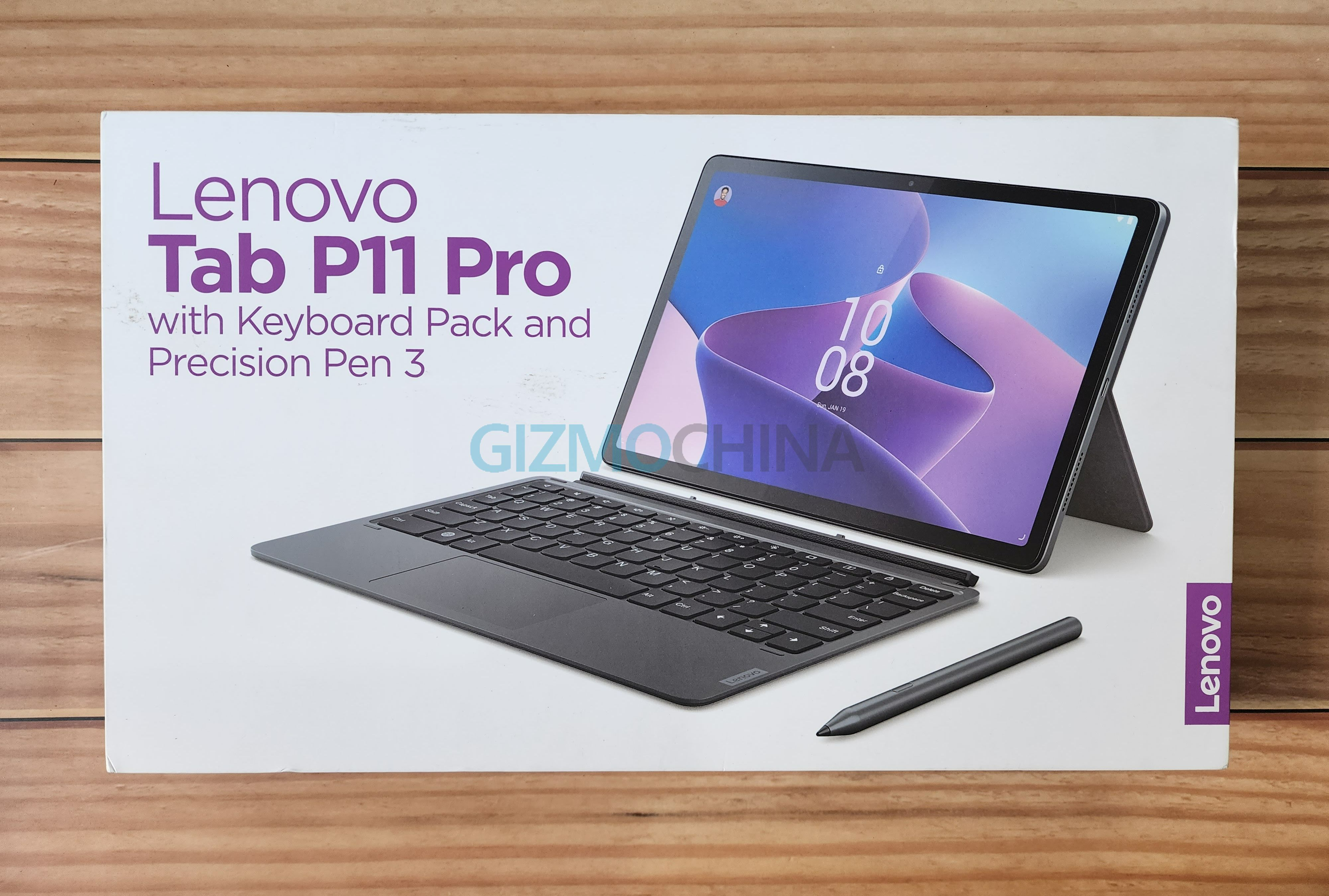
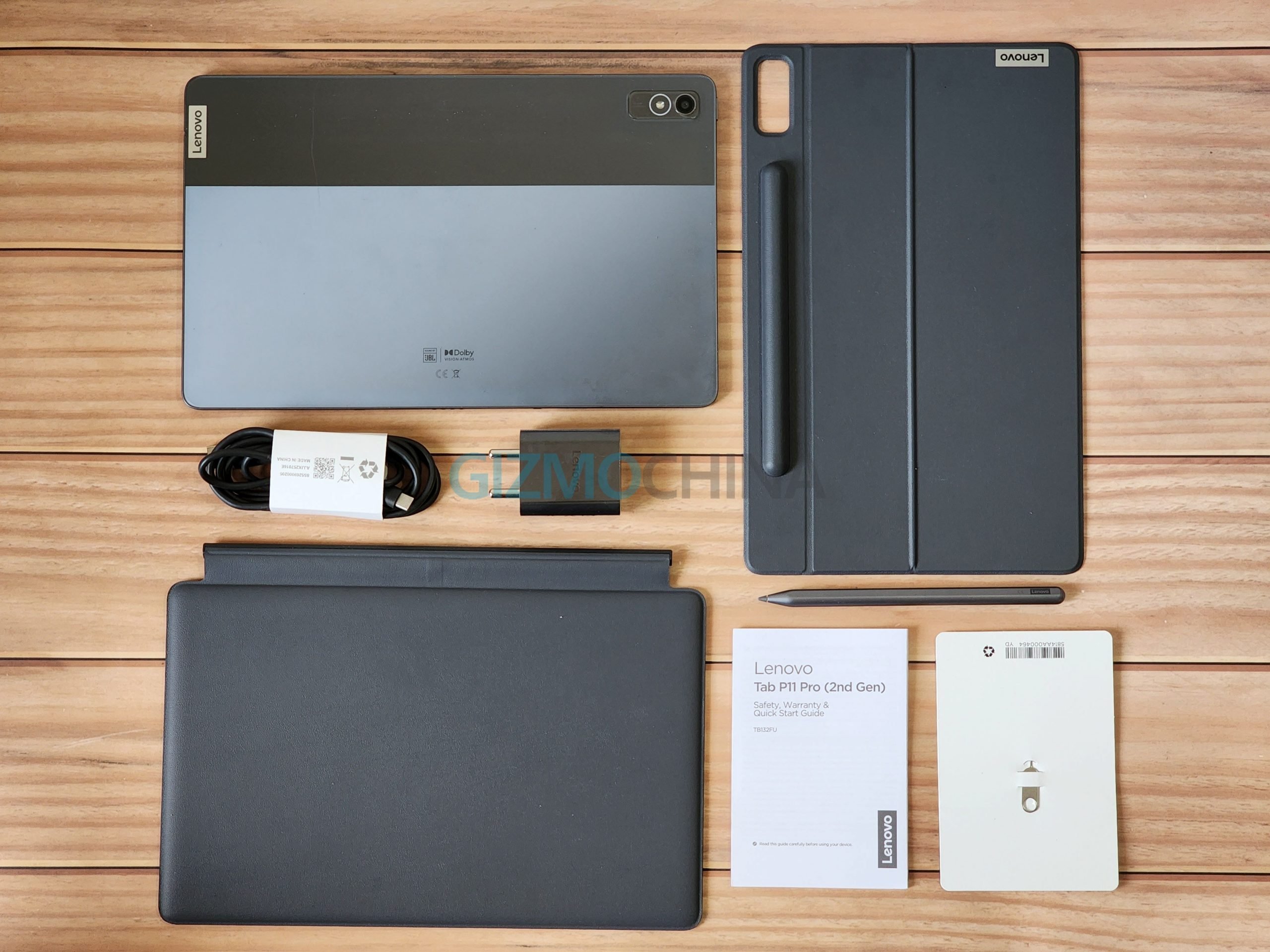
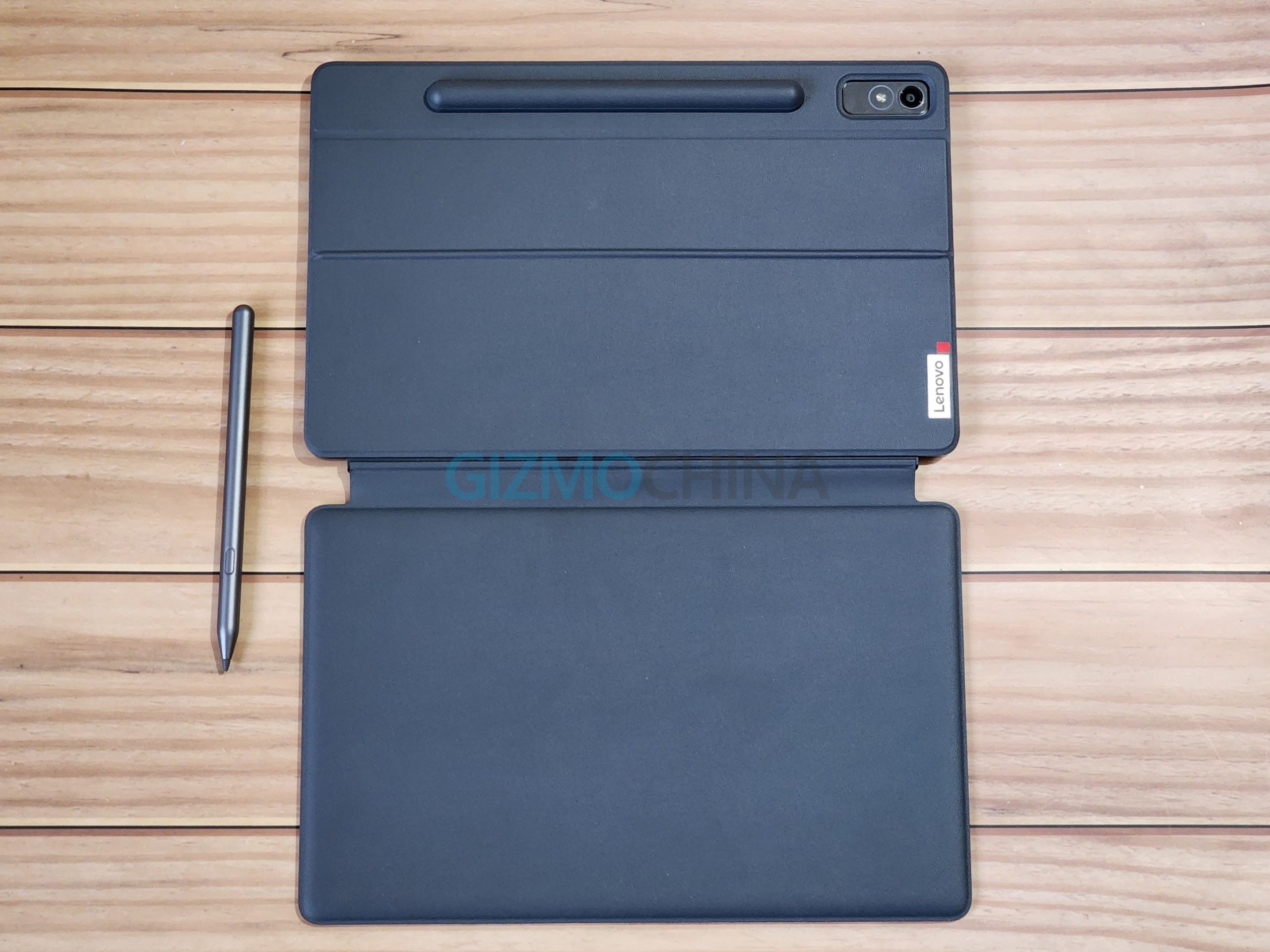
Lenovo sent us the Lenovo Tab P11 Pro (Gen 2) with a keyboard pack and Precision Pen 3. The package includes:
Lenovo Tab P11 Pro (Gen 2) tablet
Keyboard
Precision Pen 3
Back cover with a built-in kickstand
20W charging adapter
USB to USB-C charging cable (1 meter)
Memory card tray pin
Quick Start Guide and Safety Warranty
Lenovo Tab P11 Pro (Gen 2) costs Rs 39,999 and comes with a Precision Pen 3 stylus and a leather back cover. In the US, the device is priced at $329. The optional keyboard folio costs Rs 5,499.
Design and Display
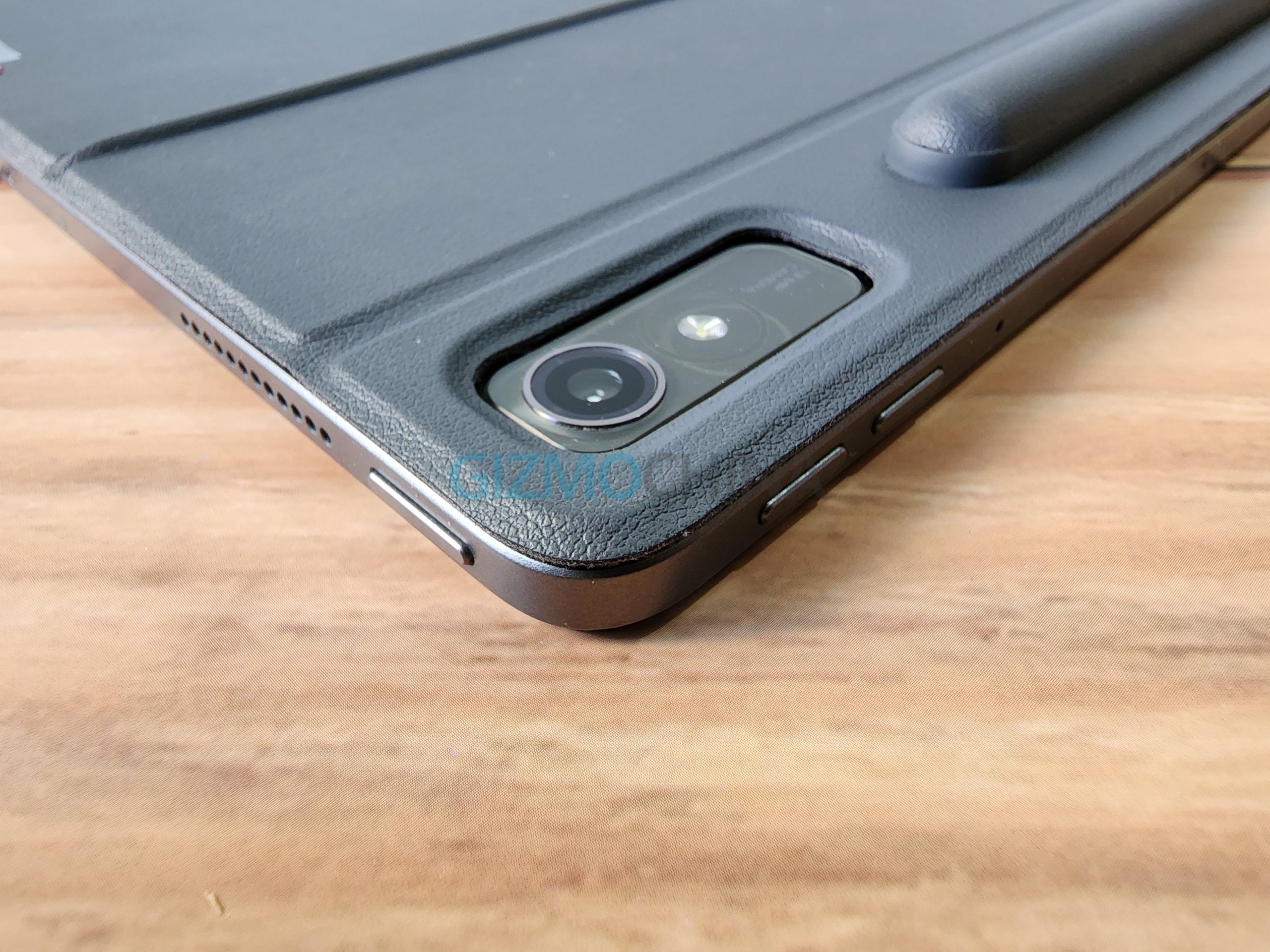
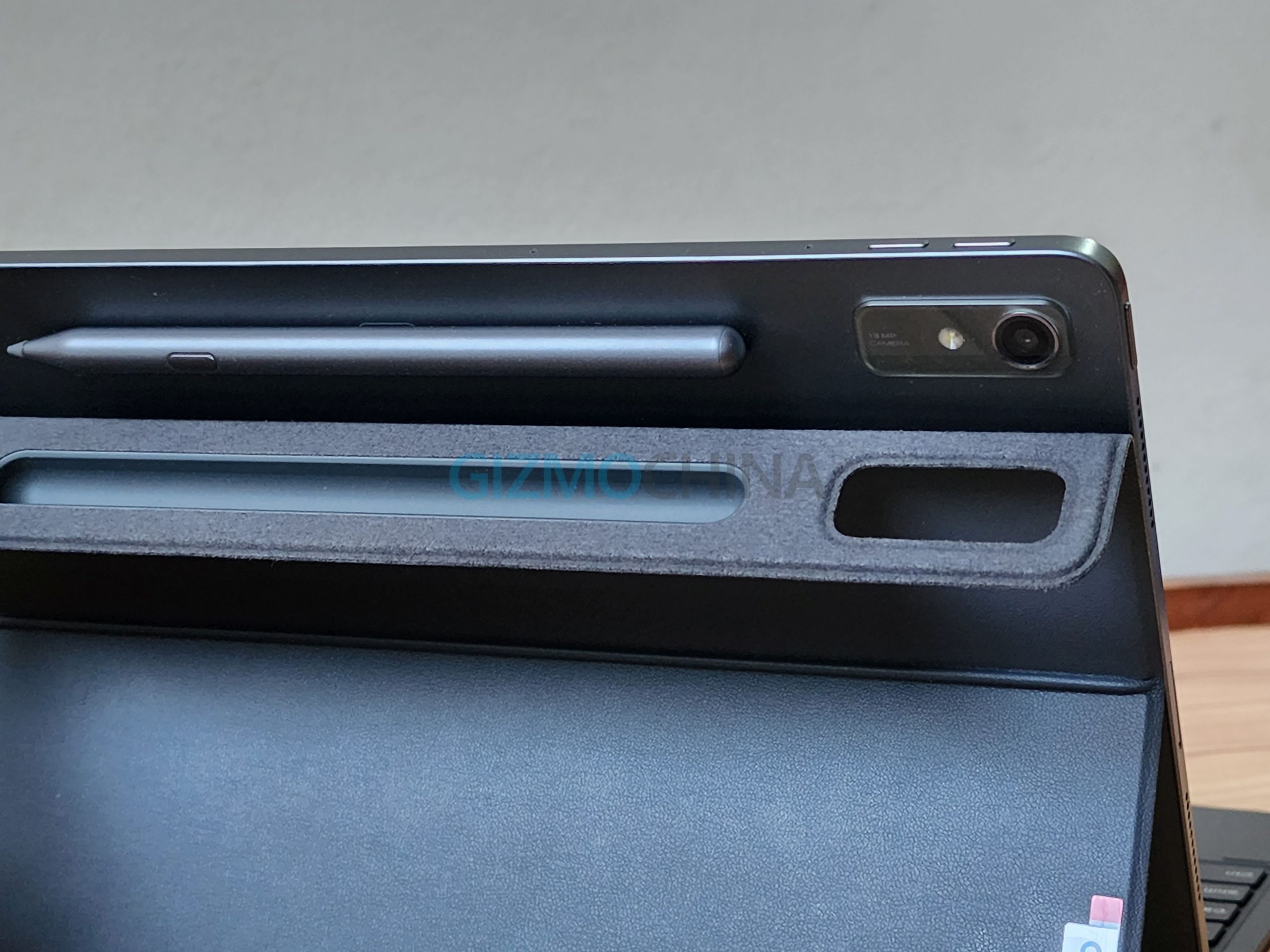
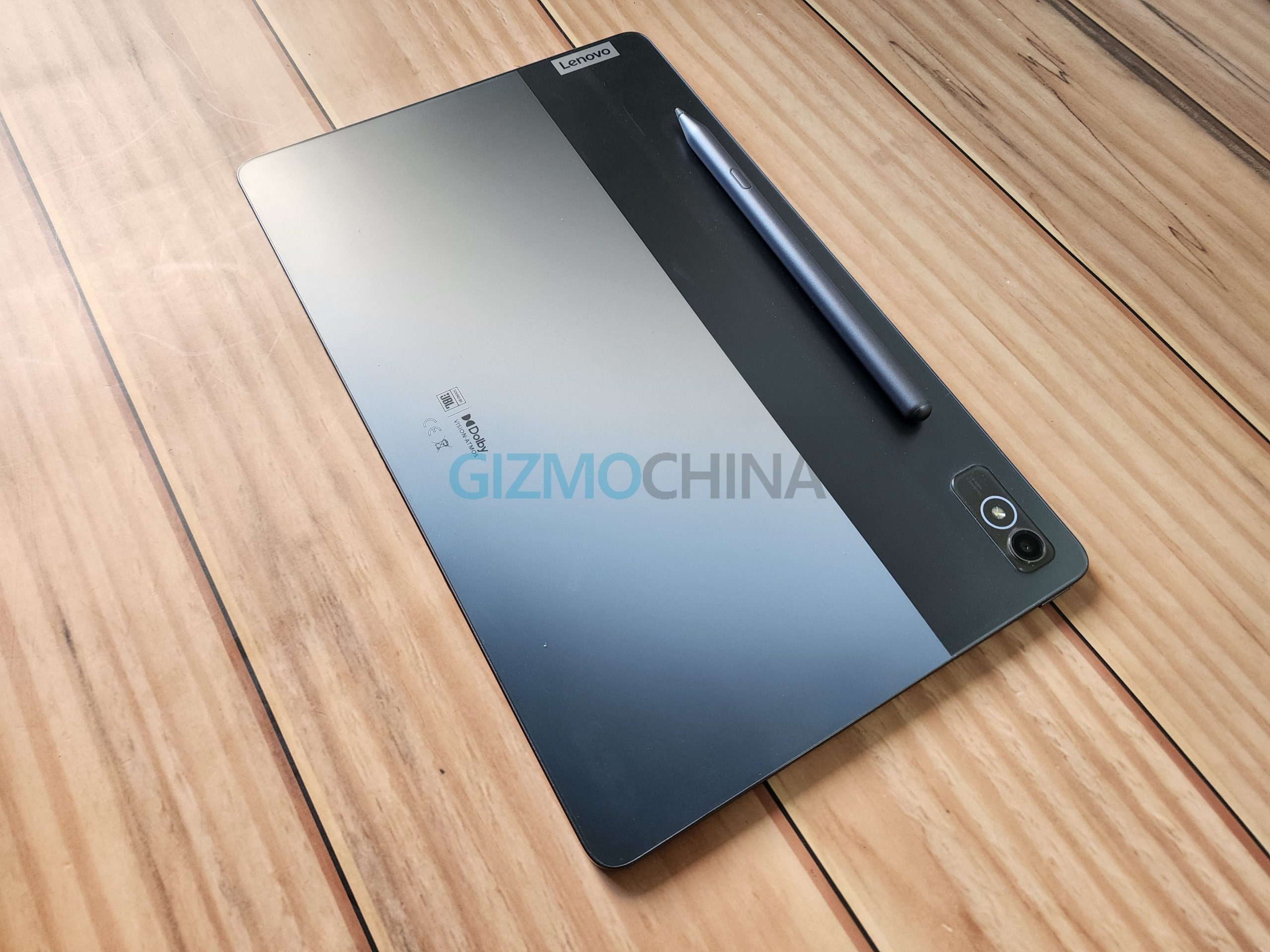
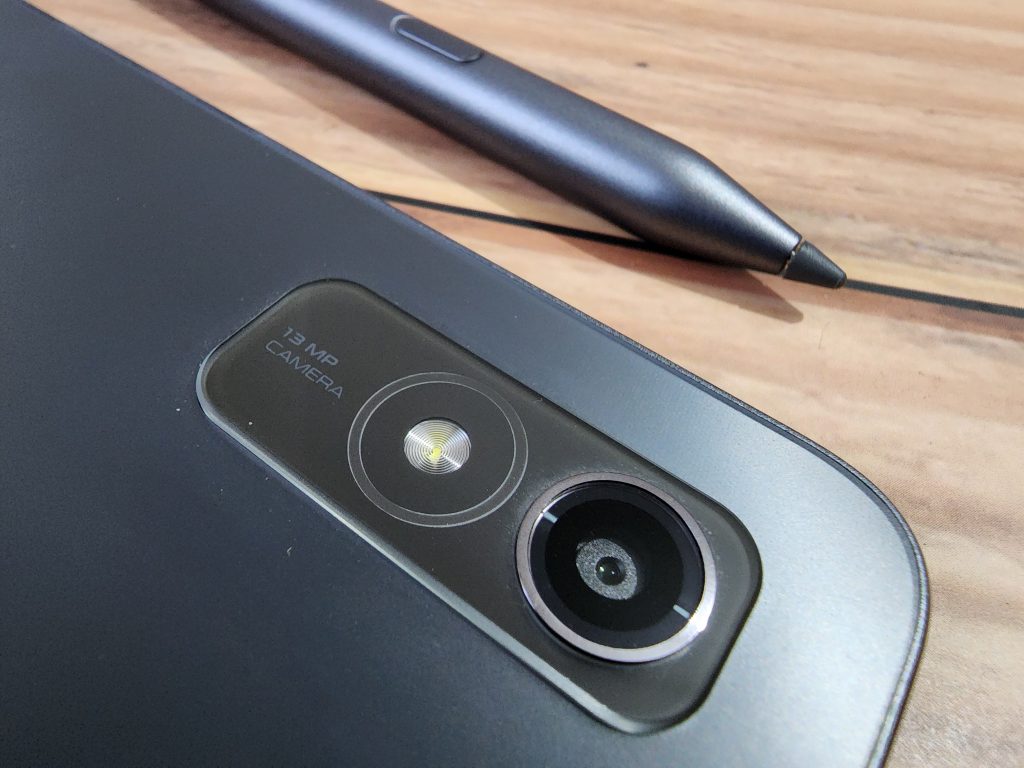
The Lenovo Tab P11 Pro (Gen 2) is an elegant device with a polycarbonate back and a dual-tone design. The back of the Lenovo Tab P11 Pro from last year, which was its predecessor, was made of metal. The camera module on the successor model is raised and has an LED flash in the top left corner. Users can charge the Precision Pen 3 by putting it on the magnetic part below the camera array. Lenovo, JBL, and Dolby Vision Atmos logos can also be seen on the tablet’s rear panel. The back panel is a bit slippery and easily attracts fingerprint marks. Hence, it is advisable to use it with the bundled back cover.
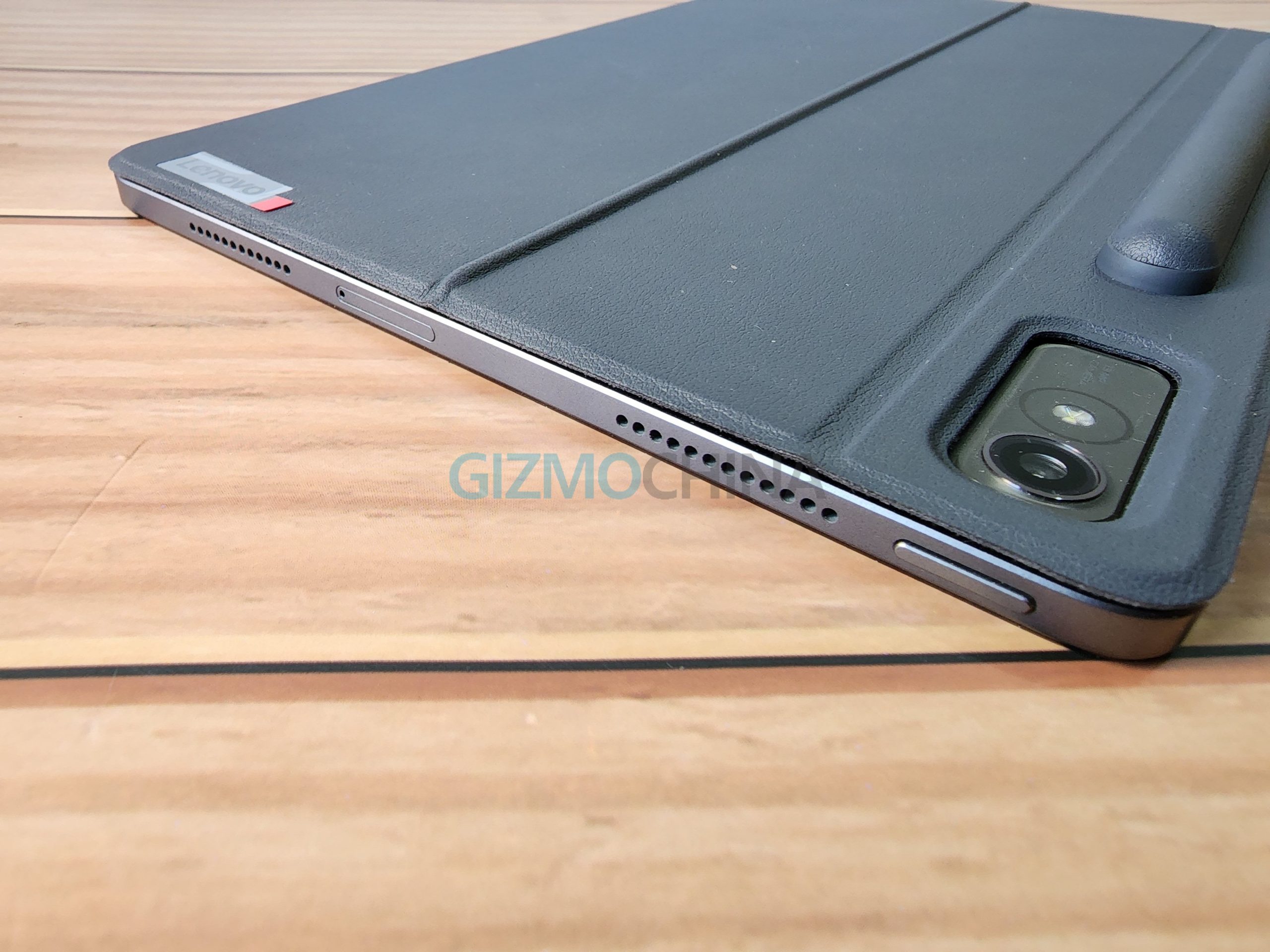
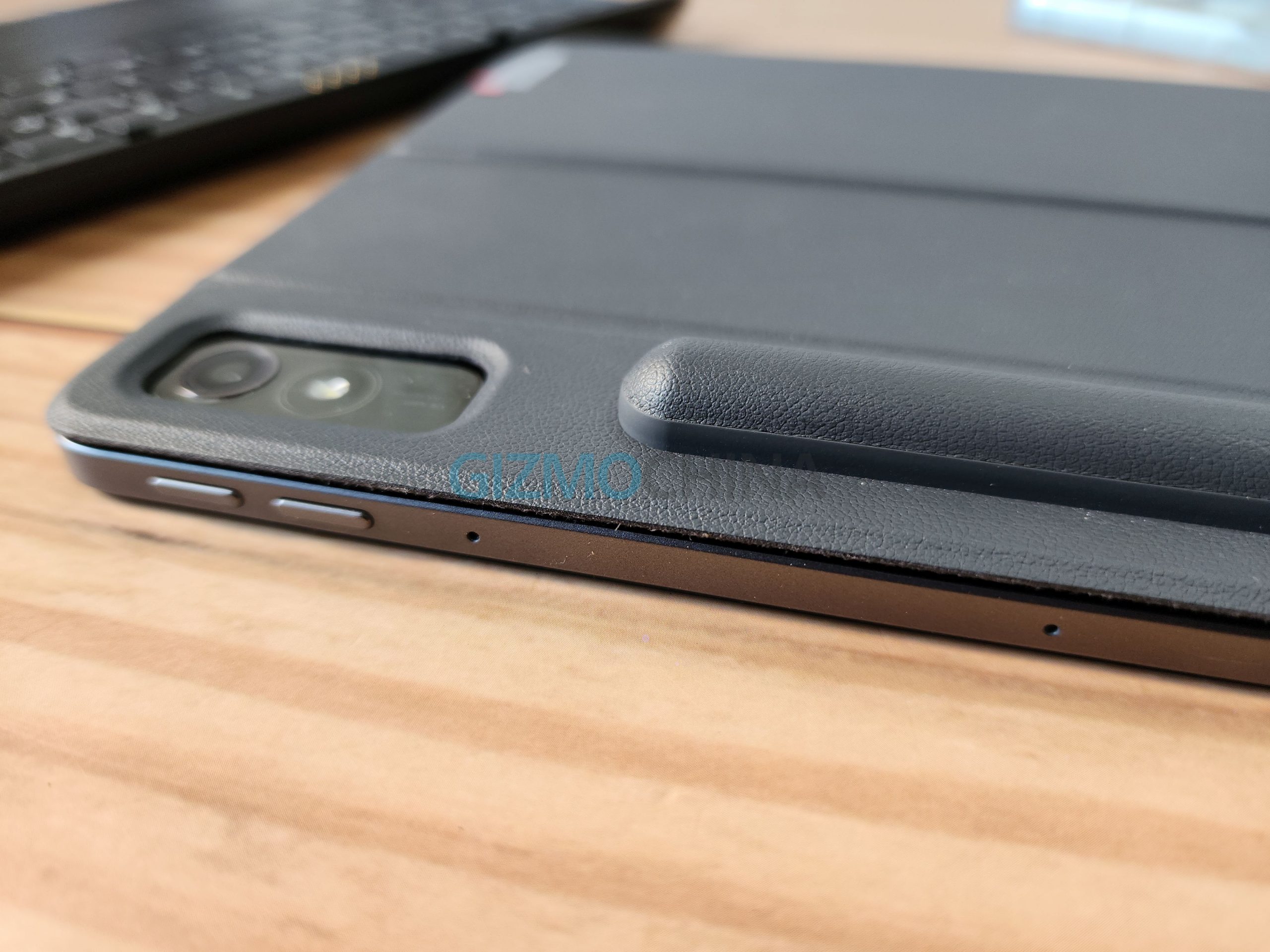
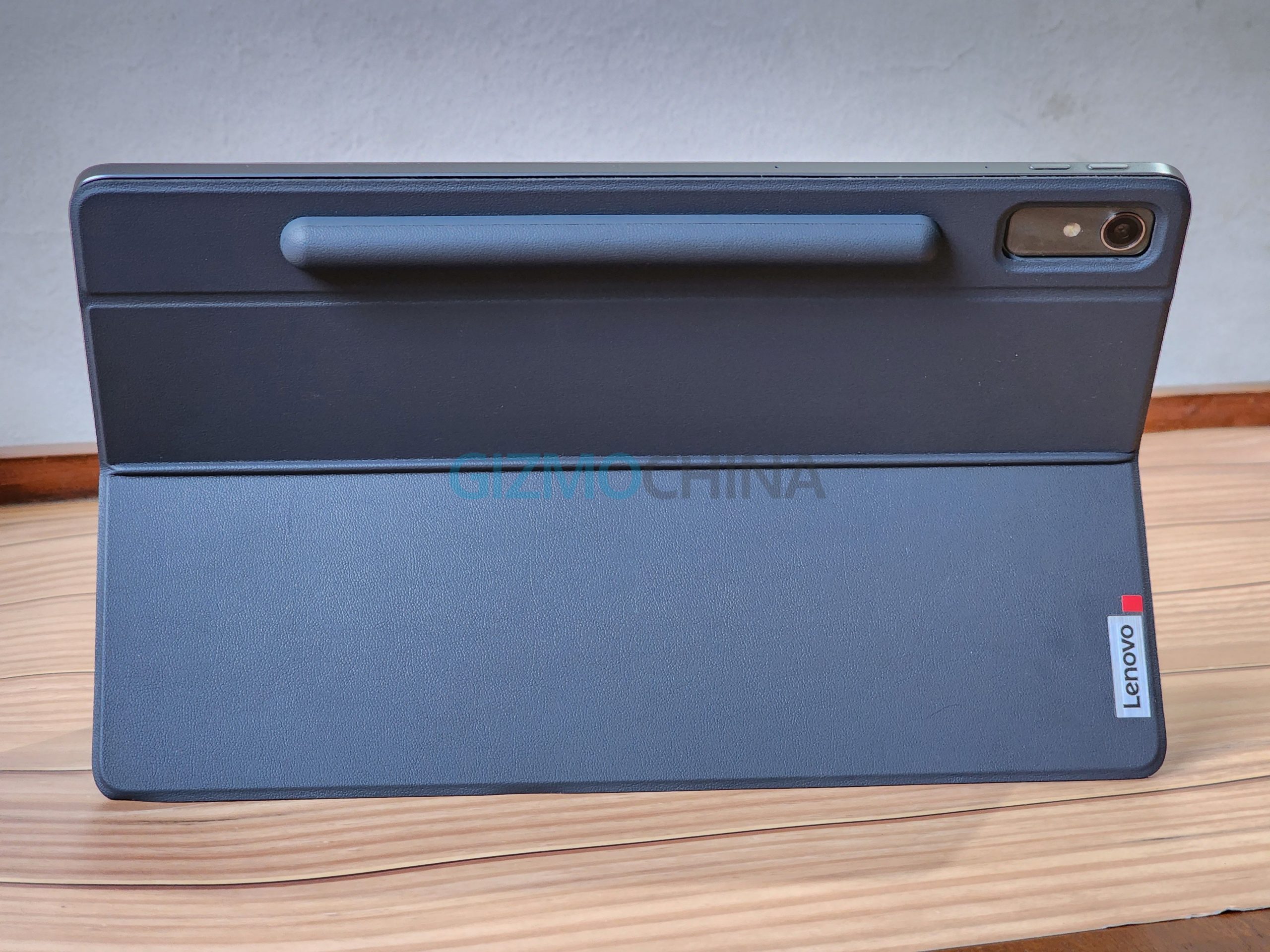
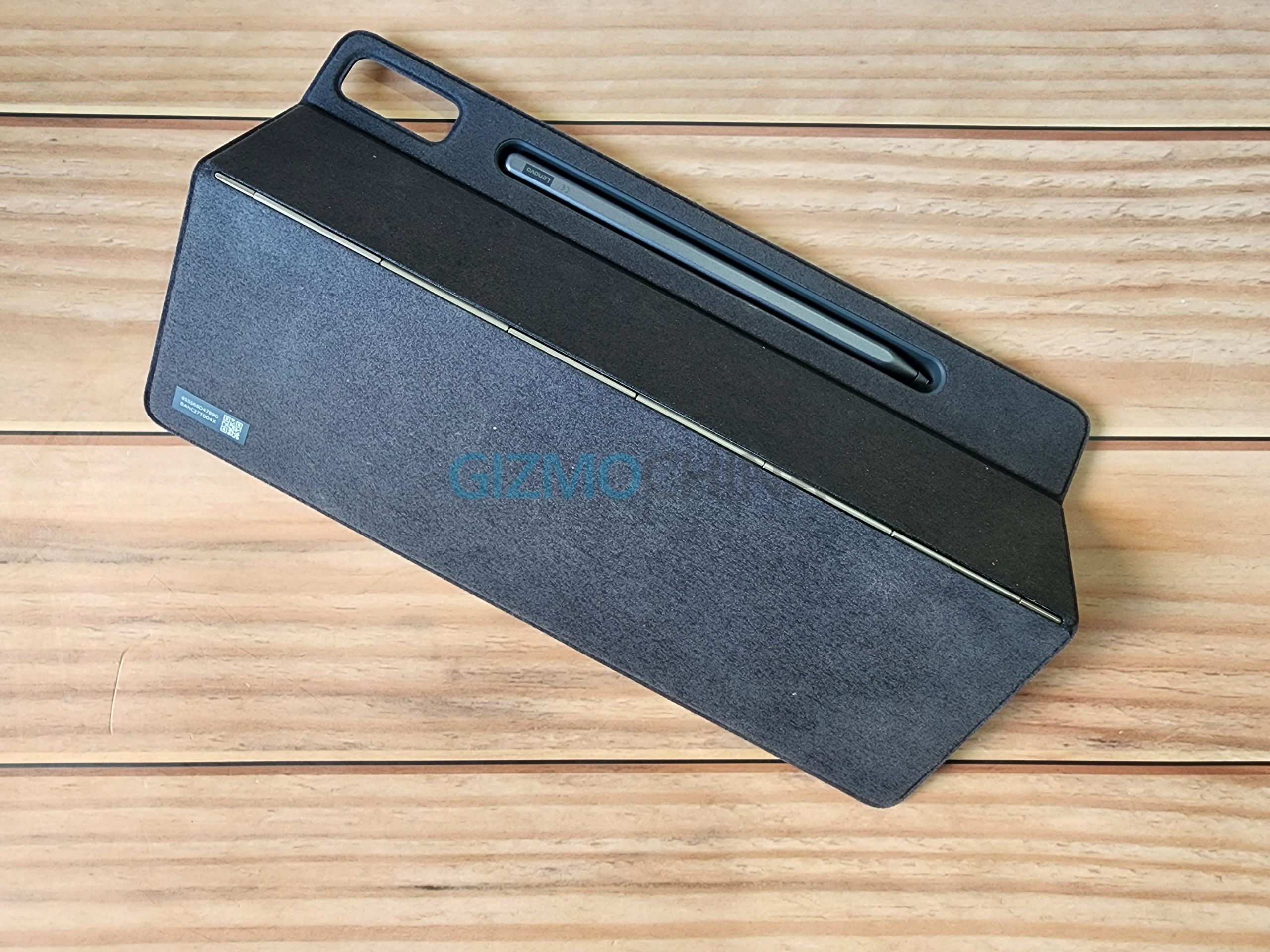
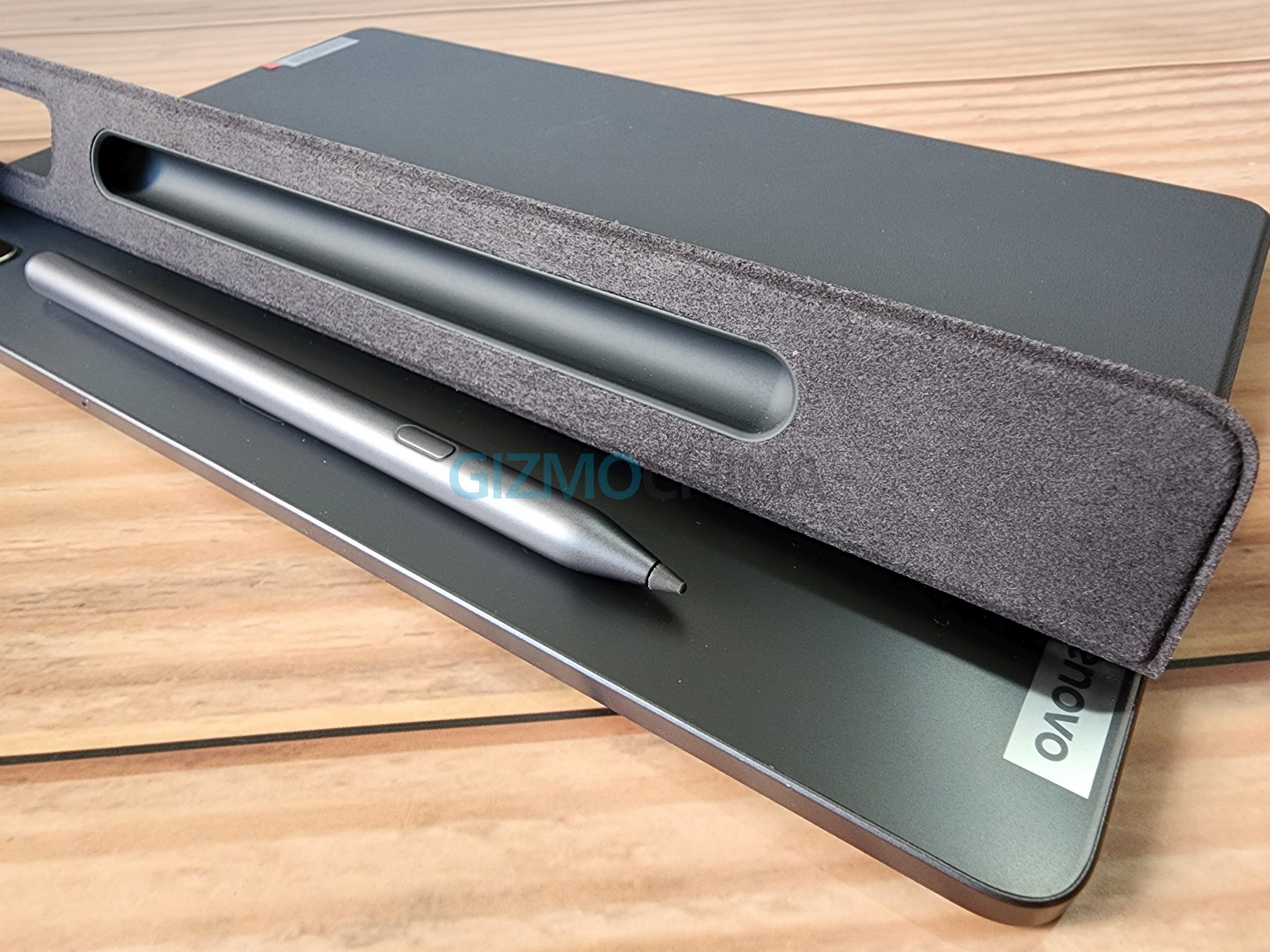
The back cover, which is made from leather, snaps onto the back of the tablet by means of a magnet. The left portion of the cover has a hollow space for housing the stylus, and there is a flexible hinge towards the center, which functions as a kickstand for using the device at the desired viewing angle. The quality of the back cover is good, and it does well in protecting the back panel. Without the case, the protruding camera can touch the surface when placed on a flat surface. The back cover makes it possible for the camera to lay flat against the rest of the back panel.
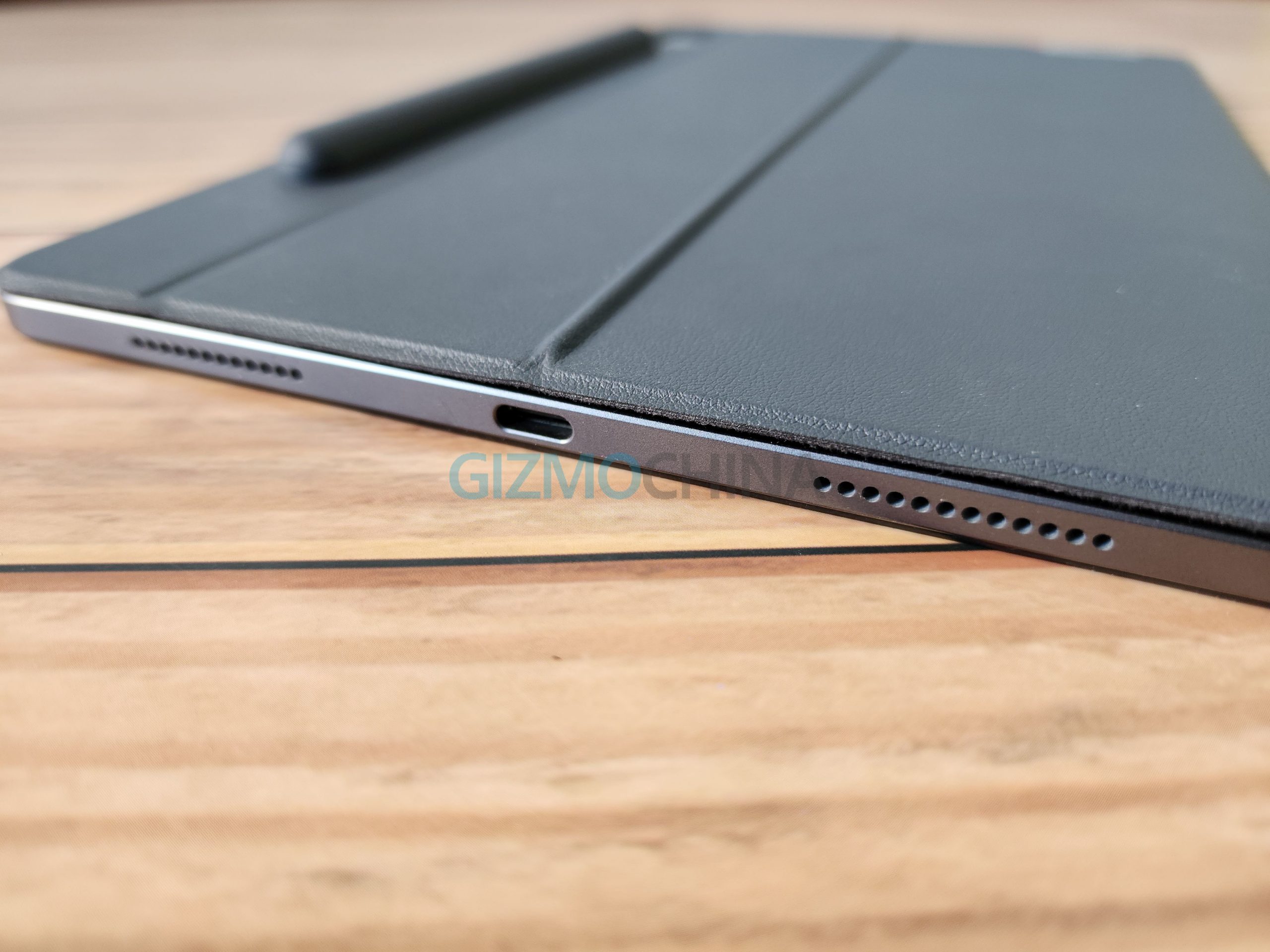
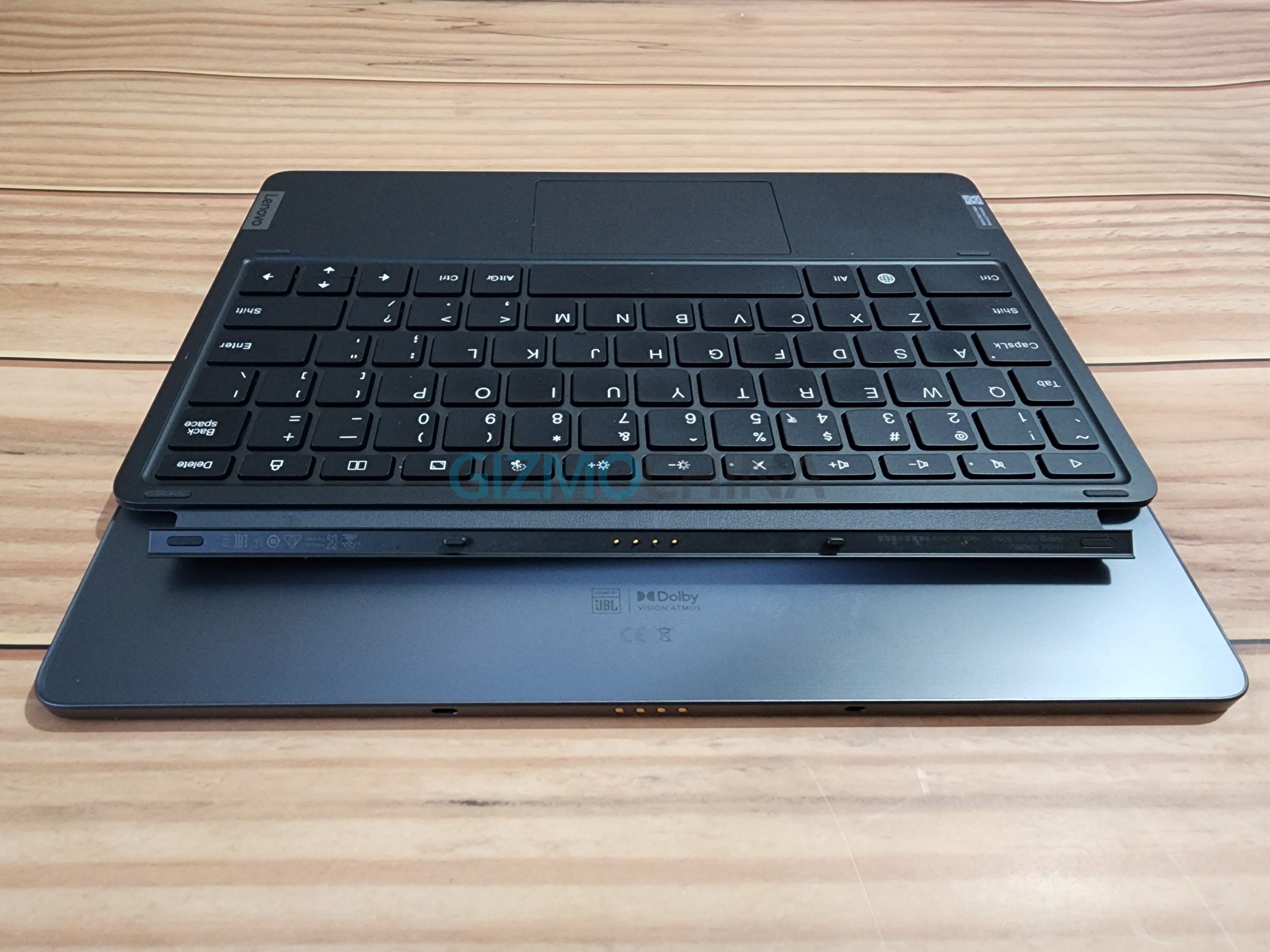
A pair of speaker grilles, a microSD card slot, and a power button can be found on the top edge of the device. On the bottom edge of the device, it features another pair of speaker grilles and a USB-C 3.2 Gen 1 port. The left side of the tablet has pogo pin connectors slotted between a pair of dimples for attaching the keyboard folio. On the right, there are volume up and down buttons and a pair of microphones. Since the device does not support LTE connectivity, it does not feature a SIM slot. The device does not feature a fingerprint scanner or a 3.5mm audio jack.
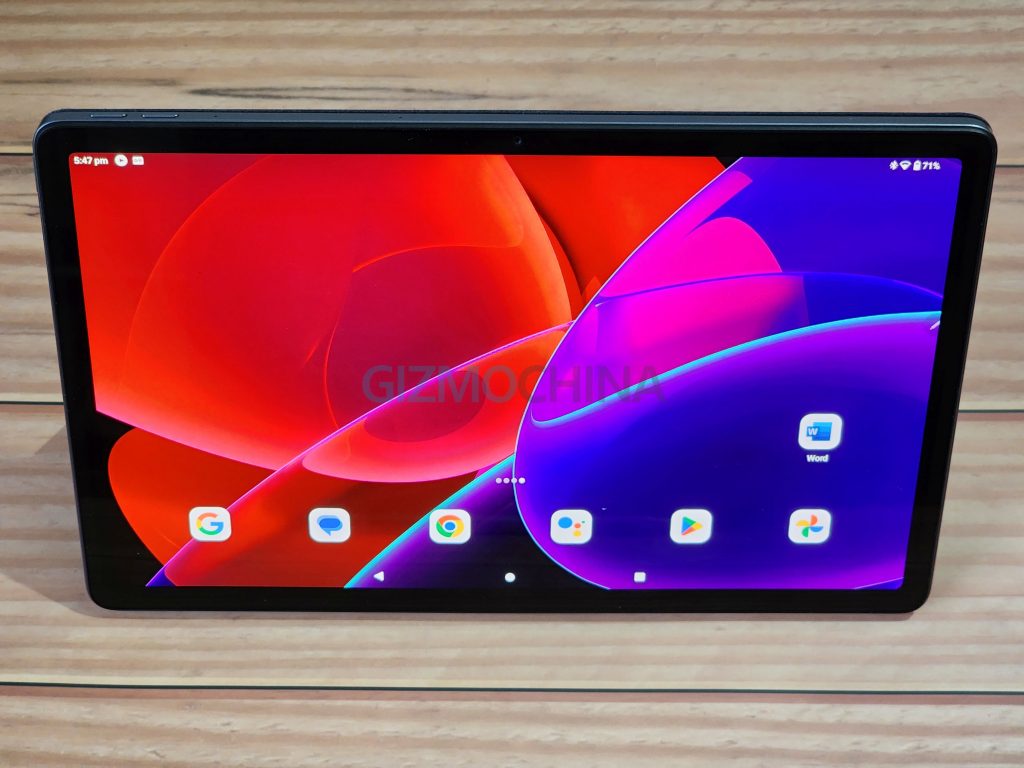
Moving to the front, the Lenovo Tab P11 Pro (Gen 2), features an 11.2-inch display with slim bezels. According to Lenovo, it offers an 85 percent screen-to-body ratio. The right bezel of the device houses the selfie camera. All in all, it is a well-built device that comes with good quality accessories like a back cover and keyboard folio.
The tablet weighs 480 grams and has a slim profile of 6.8mm. It measures 263.33 x 166.67mm. After attaching the stylus, back cover, and keyboard folio, its weight increases to 908 grams. It is only available in “Stormy Grey” in India. In some markets, it is also available in “Oat” color.
One of the strengths of the Lenovo Tab P11 Pro (Gen 2) is its 11.2-inch OELD display that supports a 2.5K resolution of 2560 x 1536 pixels, a 5:3 aspect ratio, up to a 120Hz refresh rate, a 360Hz touch sampling rate, a DCI-P3 color gamut, 1,000,000:1 contrast ratio, and up to 600 nits of brightness. It supports Dolby Vision and HDR10+, so you can watch HD streaming content on OTT platforms like Netflix, Prime Video, Disney+ Hotstar, and Hotstar.
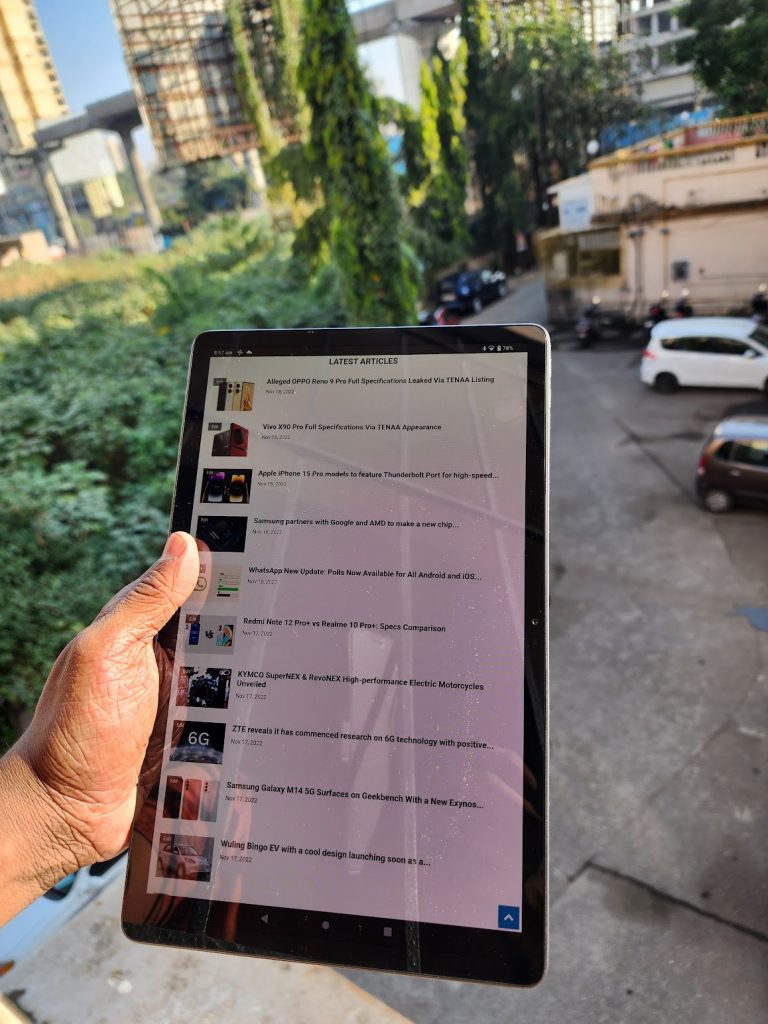
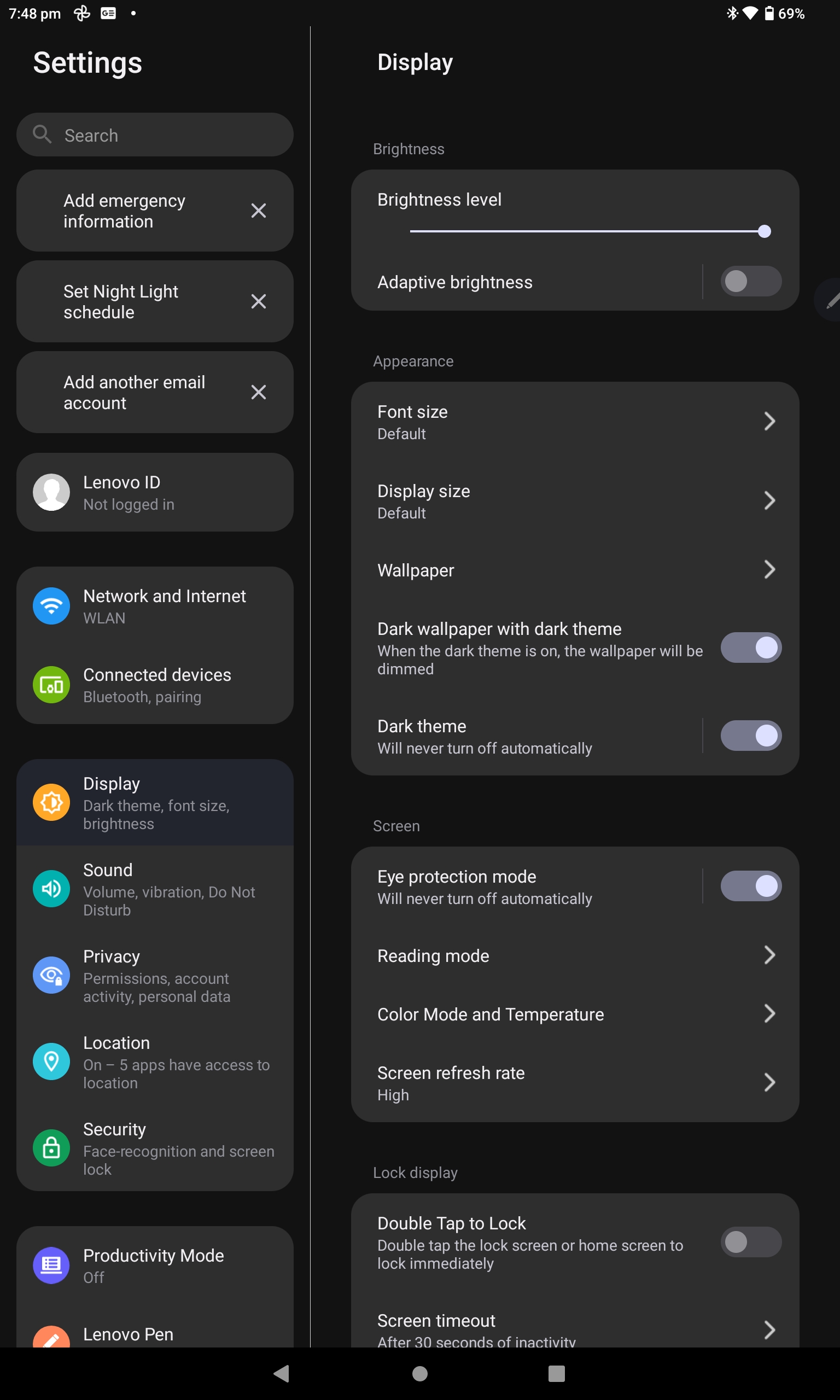
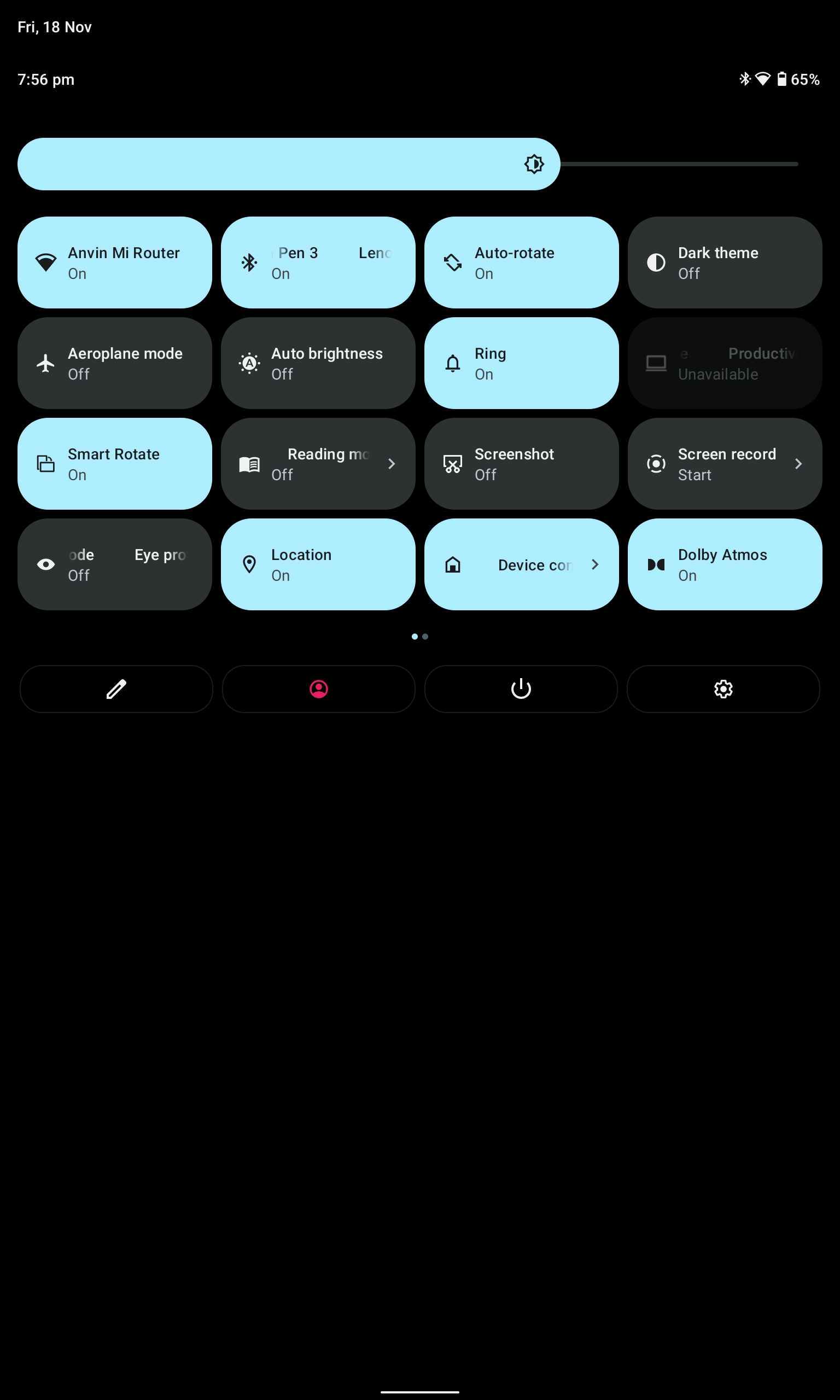
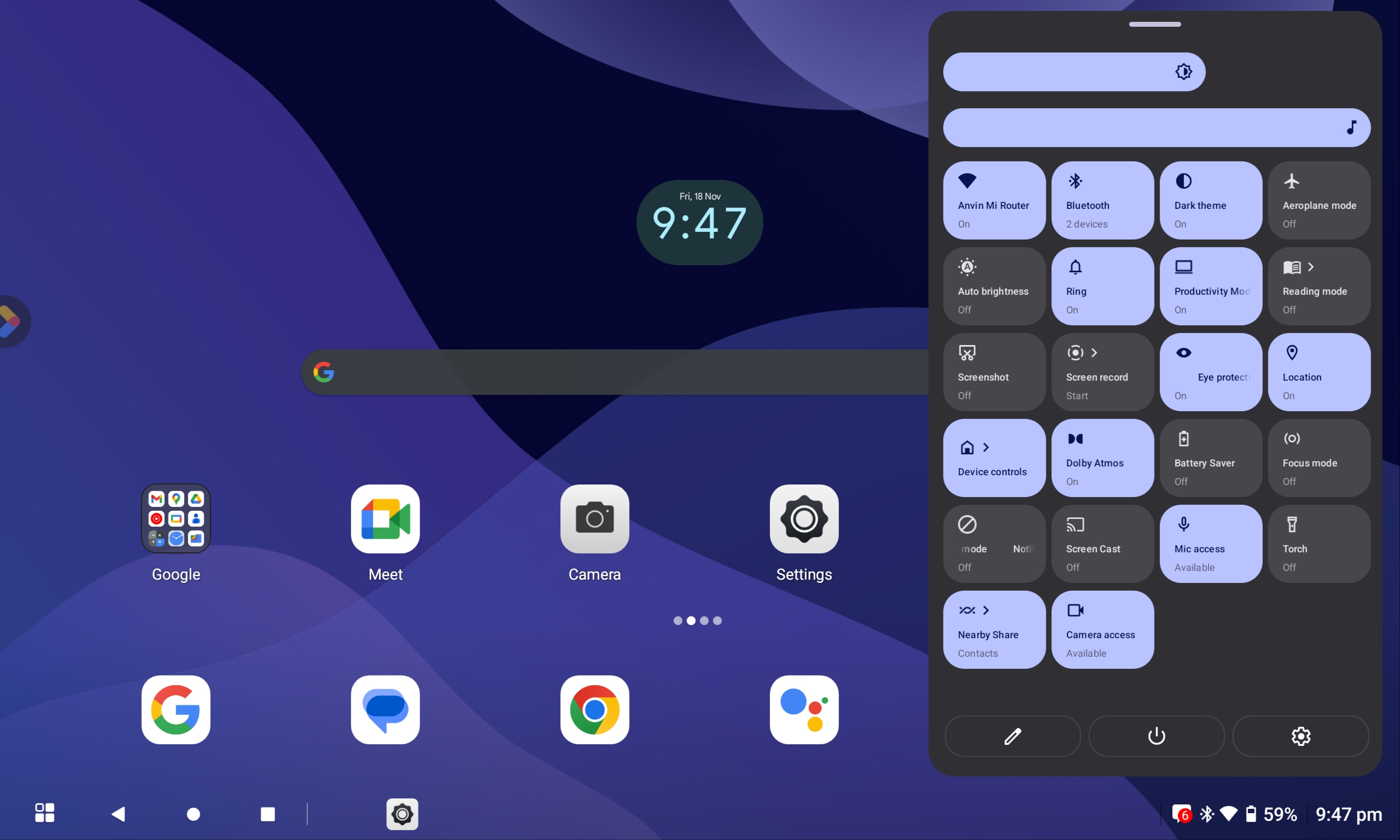
The display can produce rich images with crisp colors even when it is viewed from different angles. It is bright enough to be used in bright sunlight. Users will have no trouble viewing the display for extended periods of time while working or watching videos because it has TÜV Rheinland Full Care Display Certification for protection against eye fatigue. By navigating to Settings on the device, users can access features like adaptive brightness, eye protection mode, reading mode, color mode and temperature. Users can choose between 60Hz (standard) and 120Hz (high) refresh rates. The screen on the Tab P11 Pro (Gen 2) is without a doubt one of the best in the Android tablet market.
The JBL quad speakers, which have been optimized with Dolby Atmos, offer satisfying audio output while watching videos or playing games on the Tab P11 Pro (Gen 2). Users will not feel the need to connect with an external speaker to enjoy their shows or movies.
Keyboard and Precision Pen 3
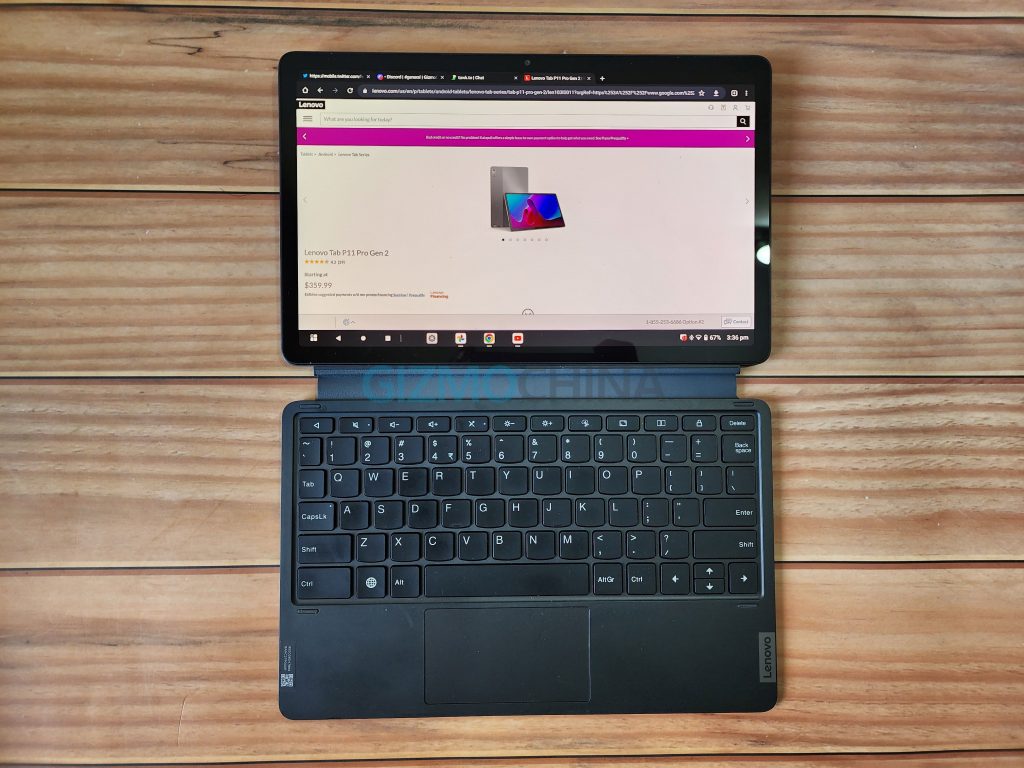
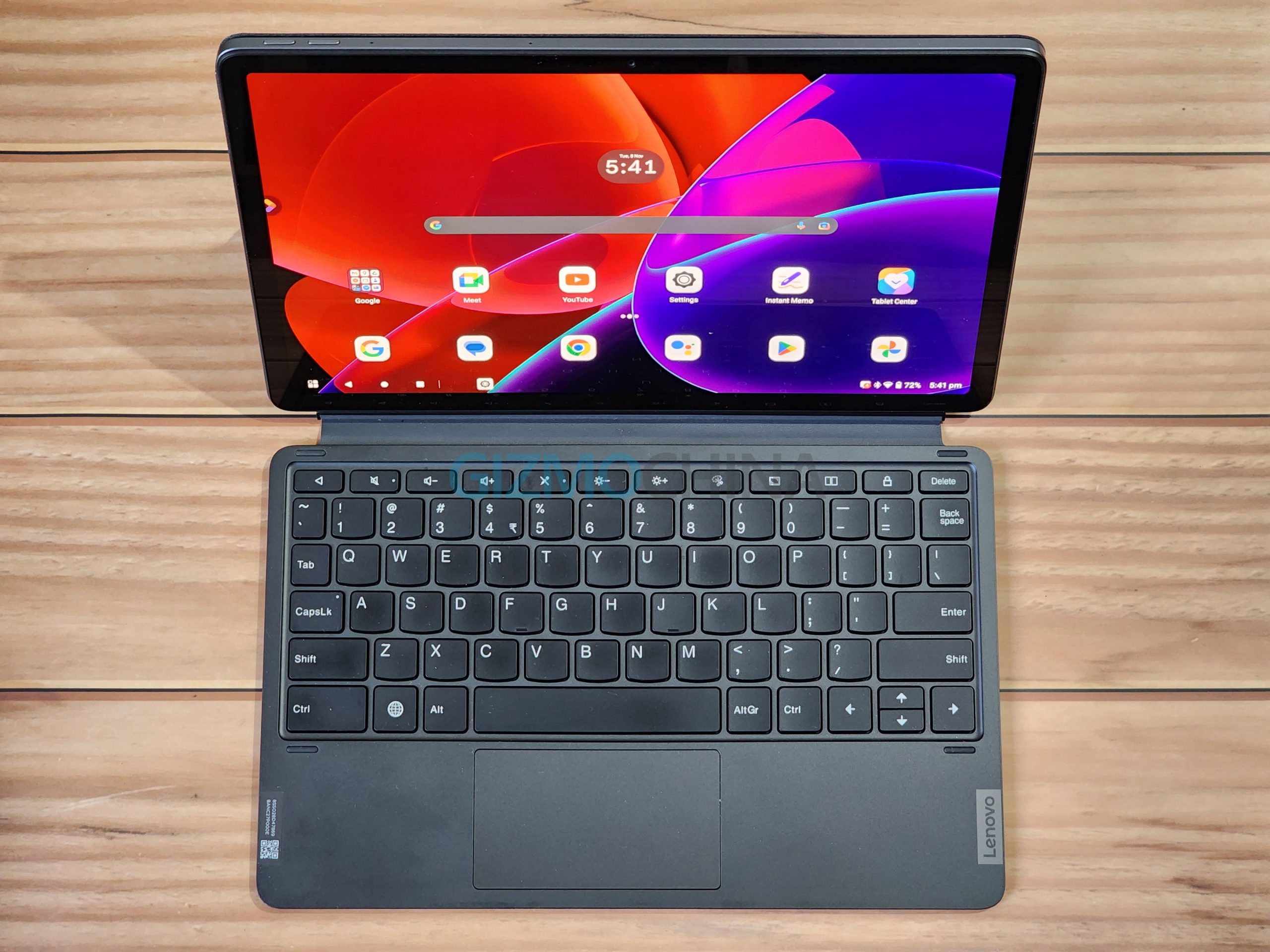
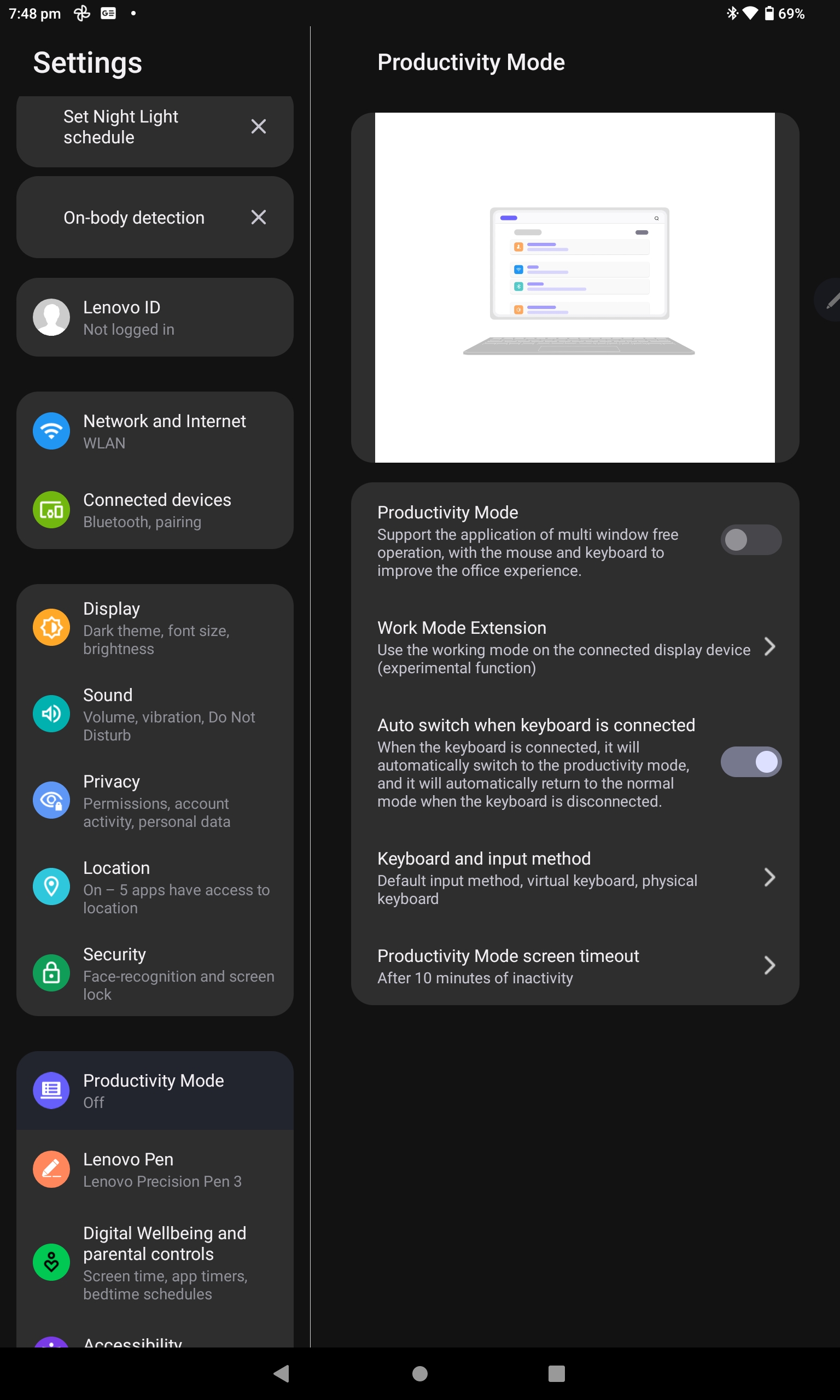
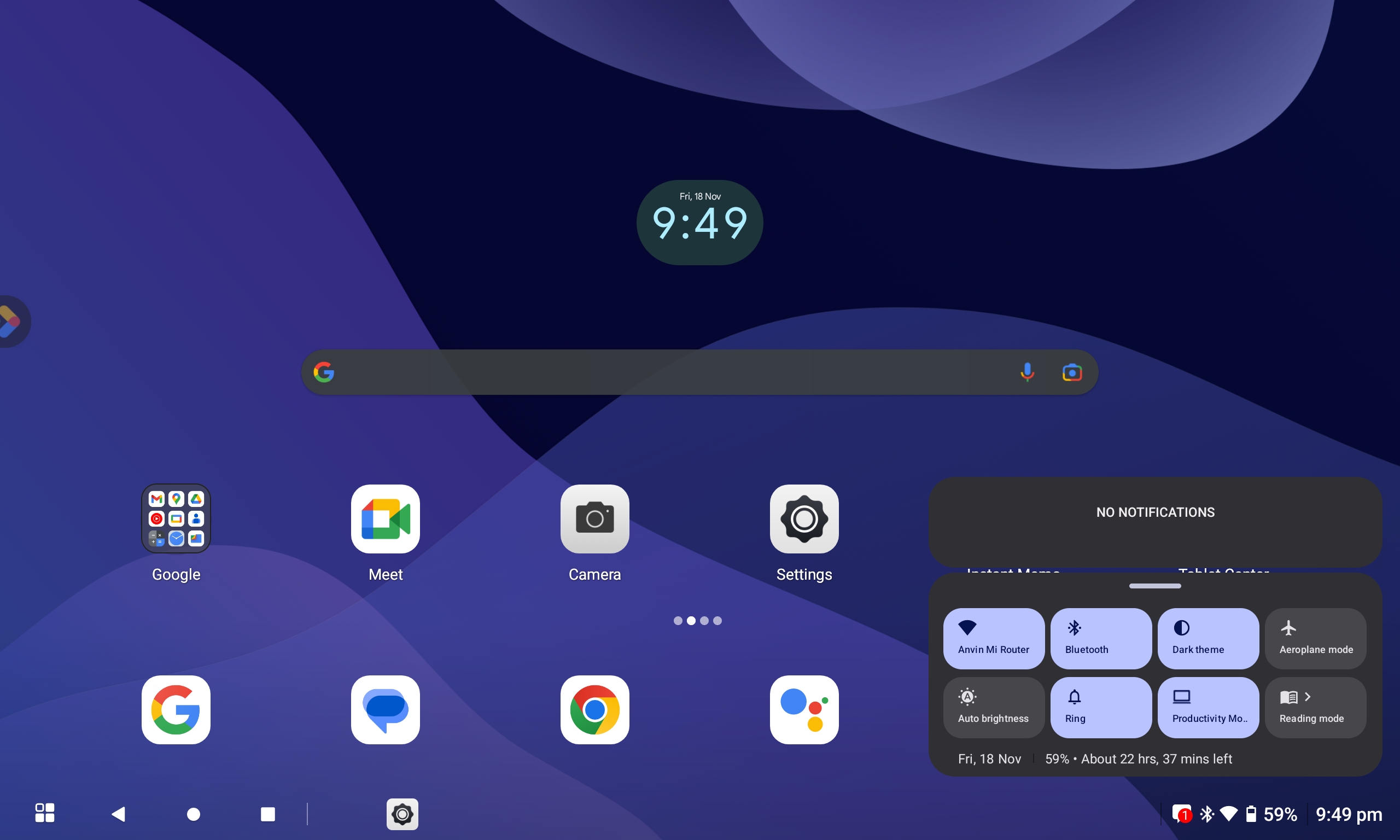
For a better user experience, it is advisable to get the Lenovo Tab P11 Pro (Gen 2) with the optional ThinkPad-inspired keyboard folio. Once it’s connected, the device turns on Productivity Mode, which gives the user an interface that looks like a desktop PC, with desktop icons and a taskbar at the bottom.
When the keyboard is not in use, the tablet can be used in portrait mode by flipping it over on the back without detaching it. The keyboard has dedicated buttons for back, volume up / down, mute, microphone on/off, brightness increase/decrease, screenshot, window resizing, split screen, and display lock. The keyboard with its well-spaced keys offers an easy typing experience, and after receiving the review unit, I have used it for a couple of days to churn out multiple new stories a day.
The keyboard has a trackpadwith support for multi-gesture control. It does not have its own battery, which means it consumes the tablet’s battery juice. It lacks support for backlighting, which means users may find it difficult to type in dim environments. The keyboard is quite thin, which could be the reason why the company has not offered a backlight on it.
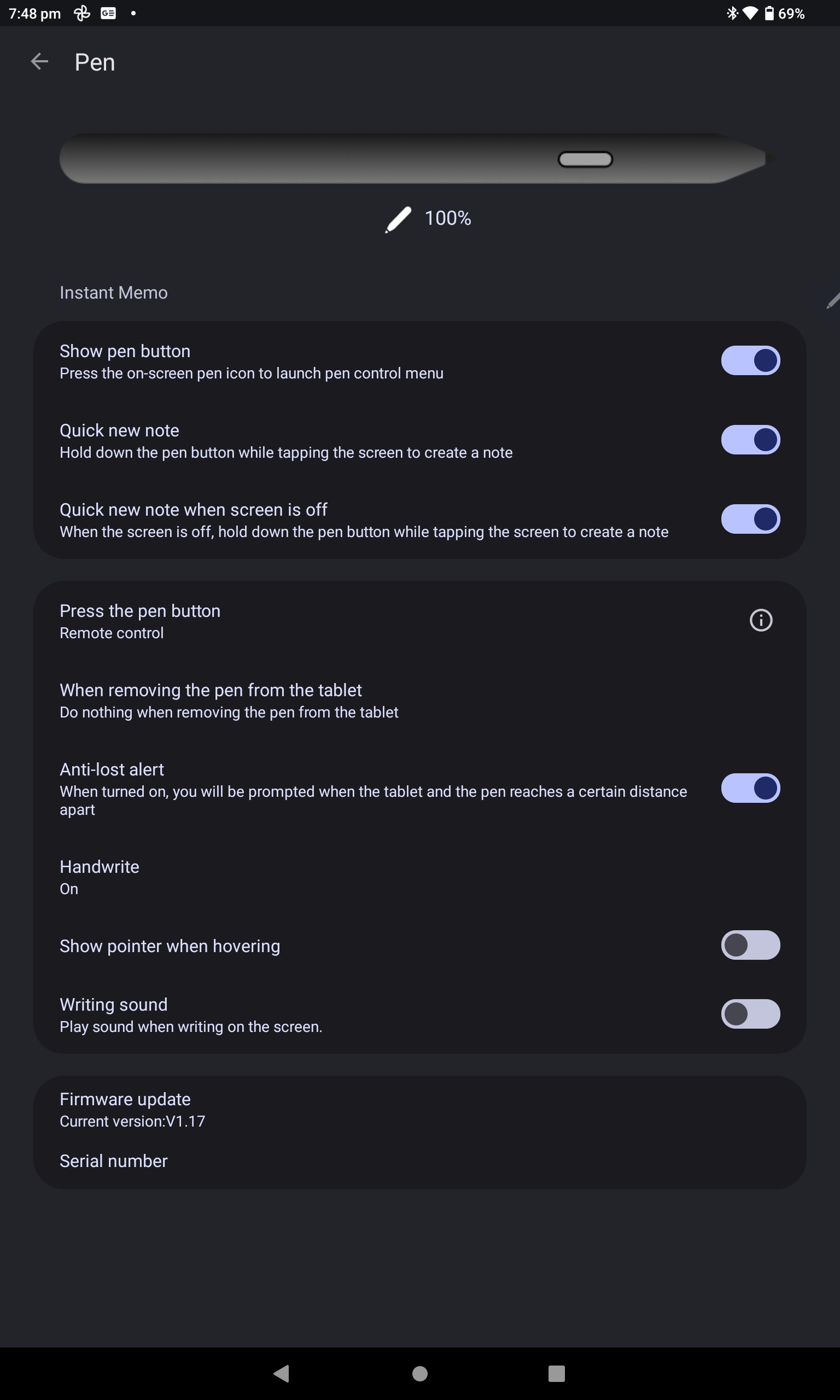
The Precision Pen 3 comes free with the Tab P11 Pro (Gen 2). The Bluetooth-enabled stylus can be used for taking notes or casual drawing. There is a customizable button on Pen 3. It can be used as a remote control or to show / hide the pen control menu. The remote-control function allows users to switch to the next / previous slide on a slideshow, control music / video playback, and shoot photos / videos. A nifty feature of the device is that it will show an alert when the tablet and pen reach a certain distance apart. The stylus can be attached magnetically to the top edge of the device for easier access.
I love using a stylus, whether it is on my phone or iPad. The Precision Pen 3 can register changes in pressure, and I did not experience any lag while using it. Initially, using the Precision Pen 3 felt as if I were writing on a glass surface. However, after using it several times, using it felt more like a realistic writing experience.
Cameras
Lenovo Tab P11 Pro (Gen 2) camera sampleLenovo Tab P11 Pro (Gen 2) camera sampleLenovo Tab P11 Pro (Gen 2) camera sampleLenovo Tab P11 Pro (Gen 2) camera sample with 2x zoomLenovo Tab P11 Pro (Gen 2) selfie camera sampleLenovo Tab P11 Pro (Gen 2) – scanned document
The Tab P11 Pro (Gen 2) has an autofocus-enabled 13-megapixel main camera with an LED flash. The main camera manages to capture decent photos only when there is enough light. On the front, it has a 5-megapixel camera, which is good enough for online meetings on Google Meet or Zoom. The front camera is coupled with dual microphones (available on the right edge). The Document Scanning feature is a good addition to the device.
Performance
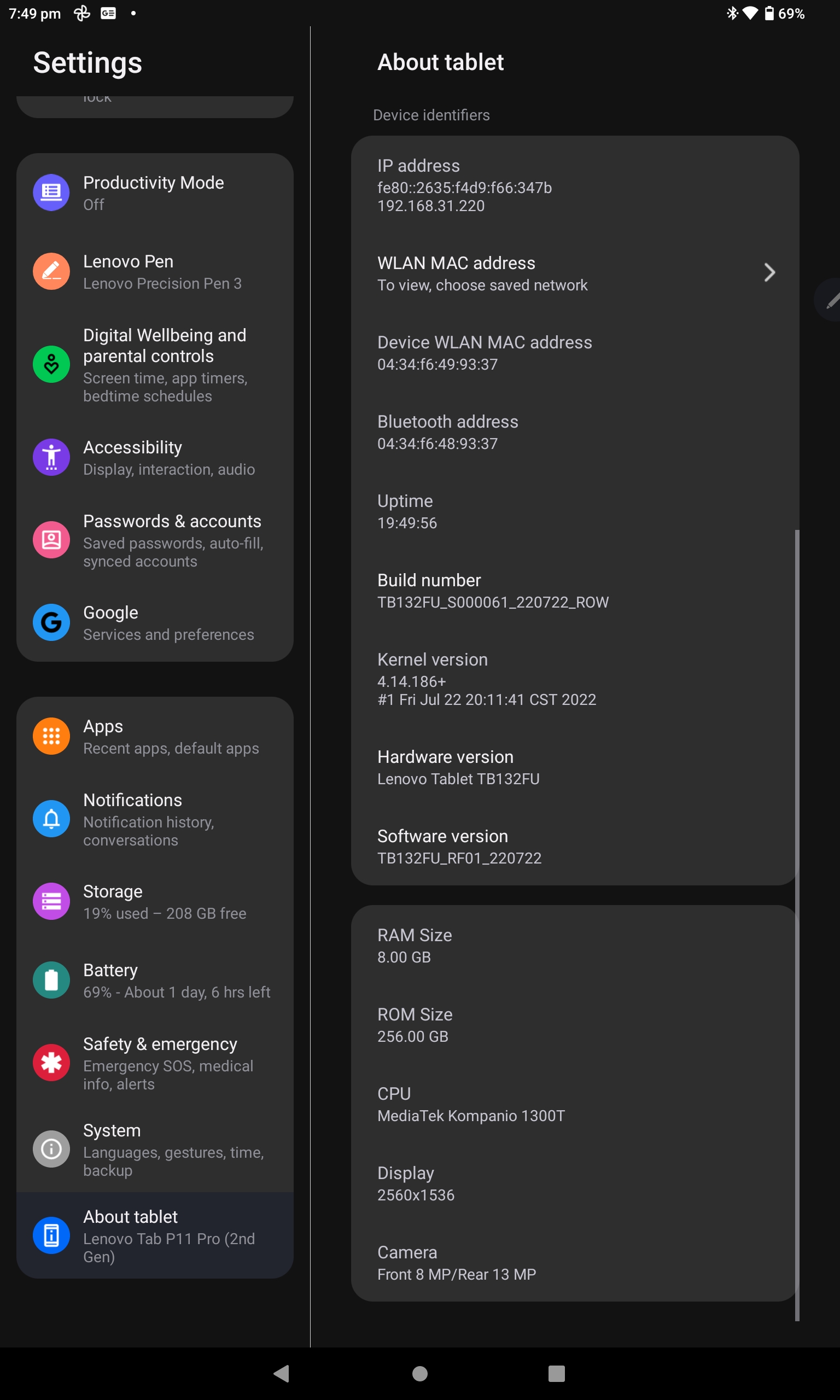
The Lenovo Tab P11 Pro (Gen 2) is powered by the 6nm MediaTek Kompanio 1300T, a chipset tailored for Android tablets. The device comes with 8 GB of LPDDR4x RAM and 256 GB of UFS 3.1 storage. For additional storage, it has an external storage slot that supports up to 1TB of microSD card.
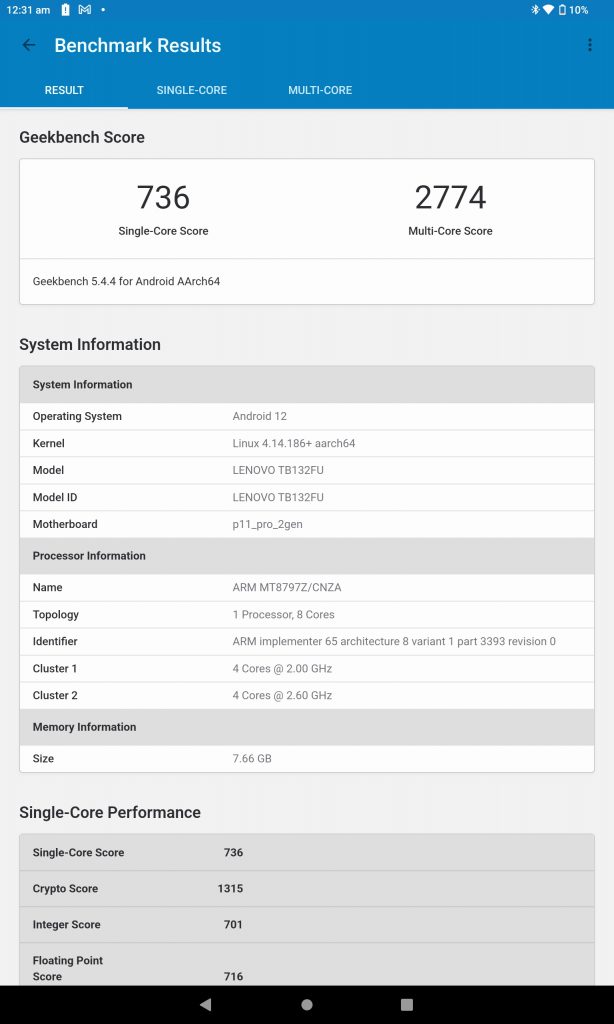
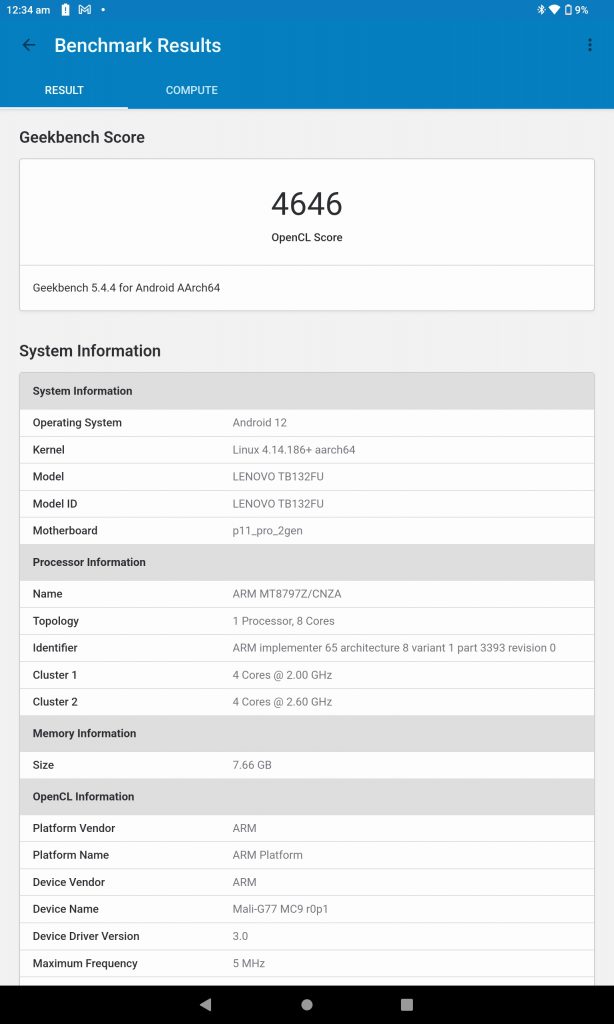
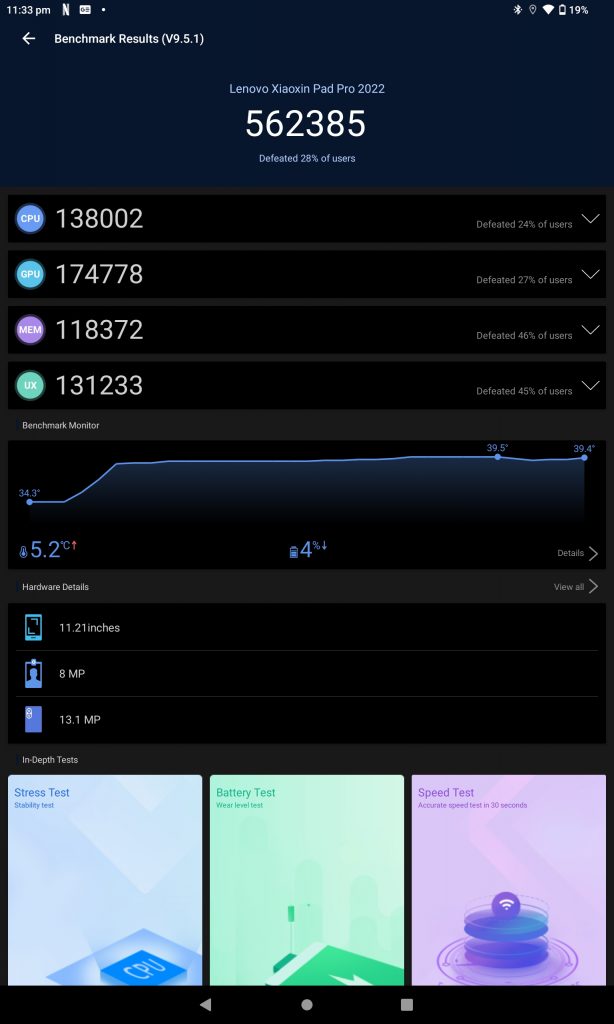
Running multiple apps at the same time and switching between them does not affect the performance of the tablet. The overall experience is quite smooth and good enough for basic computing. The performance of the Kompanio 1300T is similar to the Snapdragon 778G. On Geekbench 5, it scored 736 points in the single-core test and 2774 in the multi-core test. On AnTuTu, the P11 Tab Pro (Gen 2) scored 562,385 points.
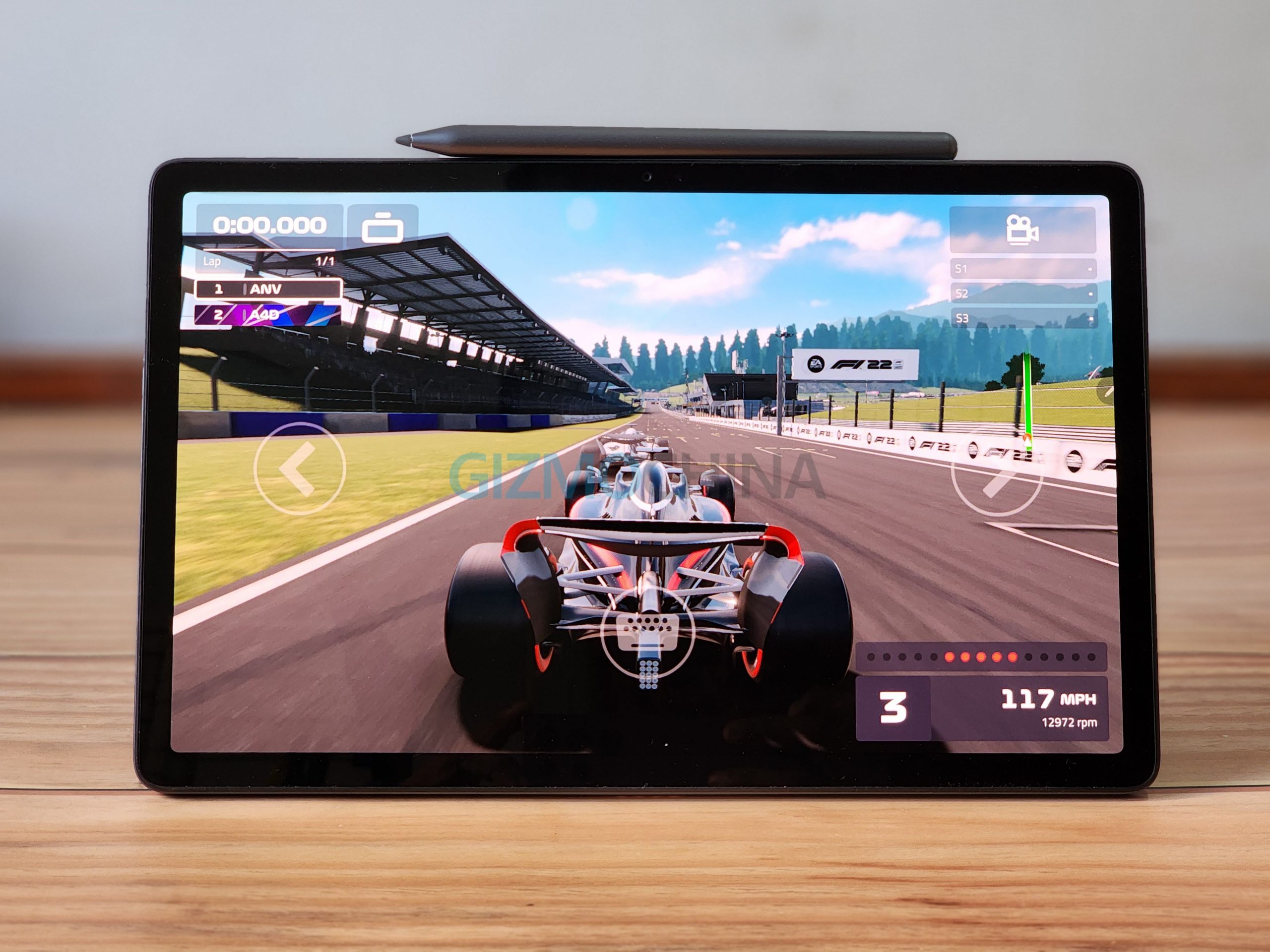
The tablet can handle games like Asphalt 9, NFS No Limits, Mortal Kombat, and Free Fire Max smoothly. Even after playing for around an hour, it only became slightly hot, which is normal, I think.
It takes slightly more than 2 hours to fully charge the Tab P11 Pro (Gen 2). In my video playback test, the tablet lasted for over 11 hours. It involved continuous video playback on YouTube and Prime Video at 50 percent brightness and 50 percent volume. In regular usage, which involved using multiple tabs on Chrome, basic image editing, and writing on MS Word, a fully charged Tab P11 Pro (Gen 2) lasted around 12-13 hours for me.
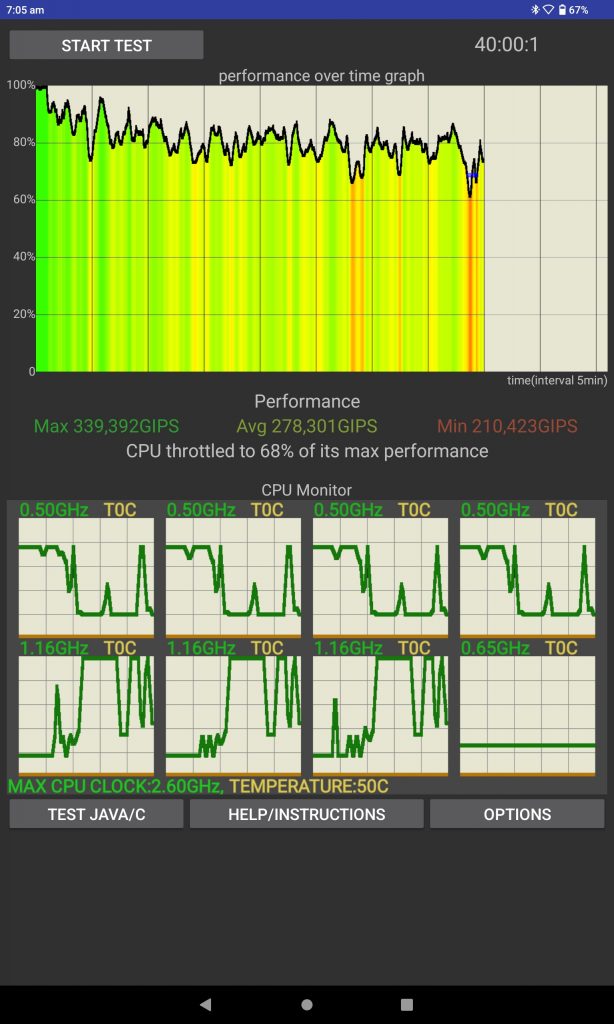
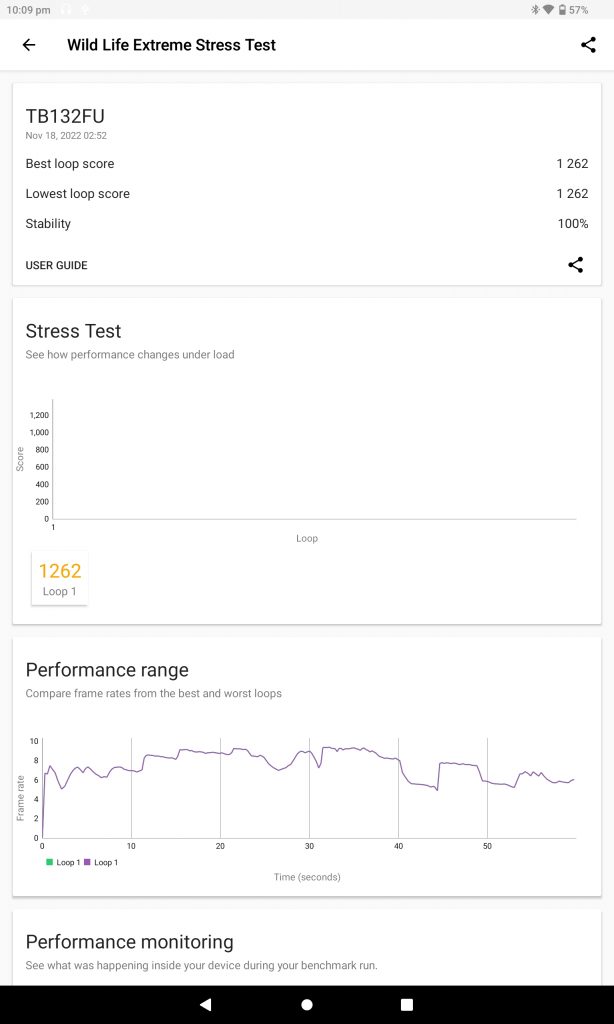
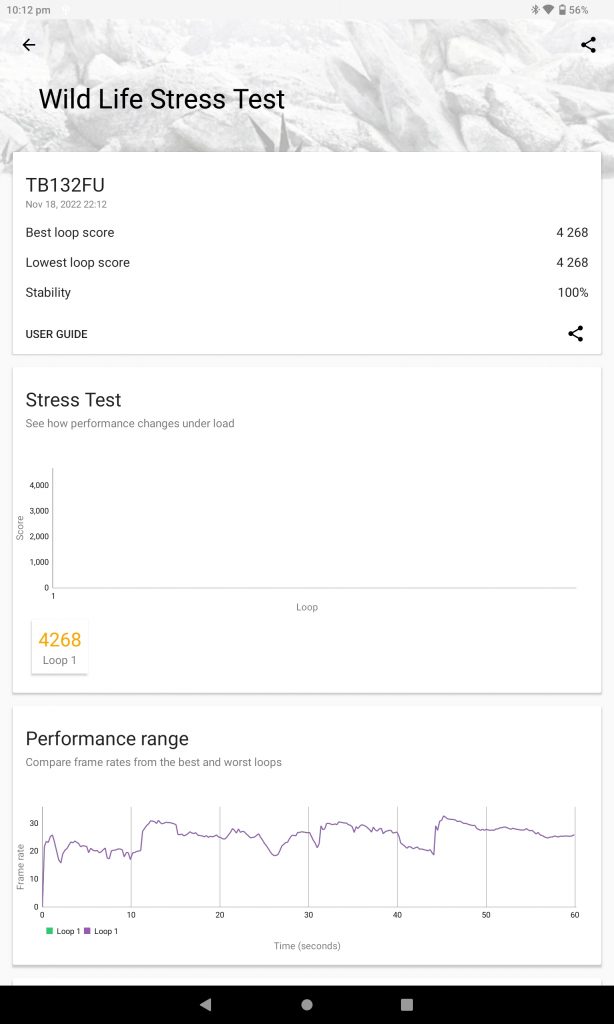
Lenovo Tab P11 Pro (Gen 2) GeekbenchLenovo Tab P11 Pro (Gen 2) GeekbenchLenovo Tab P11 Pro (Gen 2) AnTuTuLenovo Tab P11 Pro (Gen 2) CPU ThrottleLenovo Tab P11 Pro (Gen 2) 3D MarkLenovo Tab P11 Pro (Gen 2) 3D Mark
The Tab P11 Pro (Gen 2) is here to offer a stock Android experience. Unfortunately, some of the apps and websites are still not optimized for Android tablets. For instance, the Disney+ Hotstar will always open in portrait mode, and not in landscape orientation. The MS Word app appeared confused, as it used to change its user interface quite often. Another software glitch I faced was in the Productivity Mode, when I had a physical keyboard connected, the on-screen keyboard popped up even when it was turned off in the Settings app.
The Tab P11 Pro (Gen 2) device runs on Android 12L (Android version optimized for large-screen devices). It is promised to receive two years of OS upgrades and three years of security updates. What I mentioned above are major issues. With many brands entering the tablet market, it appears, it may not take too long for most apps to work fine on an Android tablet.
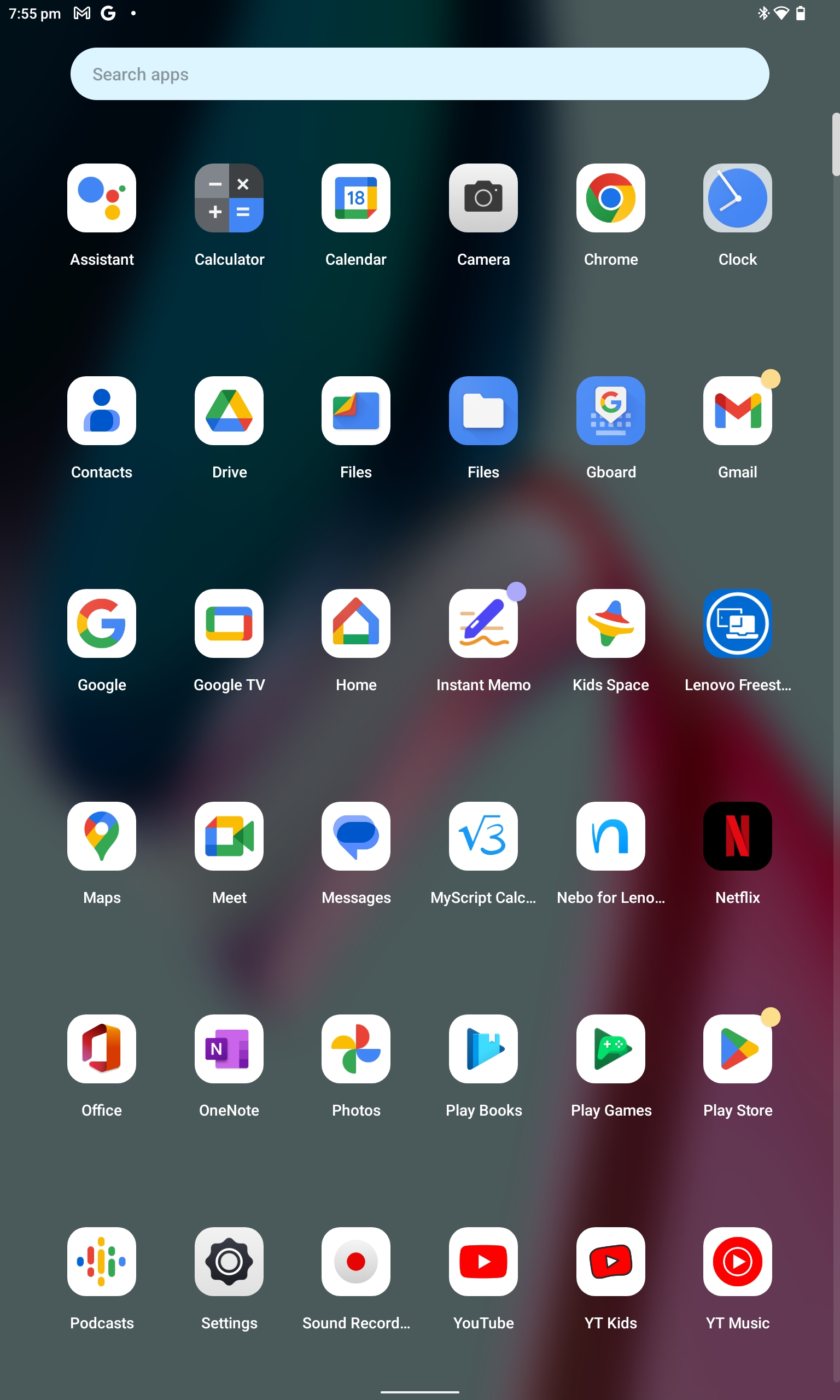
The tablet is packed with a couple of apps from Google, Microsoft, and Lenovo. There is no bloatware on the device. Apps can be resized, and two apps can be run beside each other in split-screen mode. However, resizing apps is not a seamless experience.
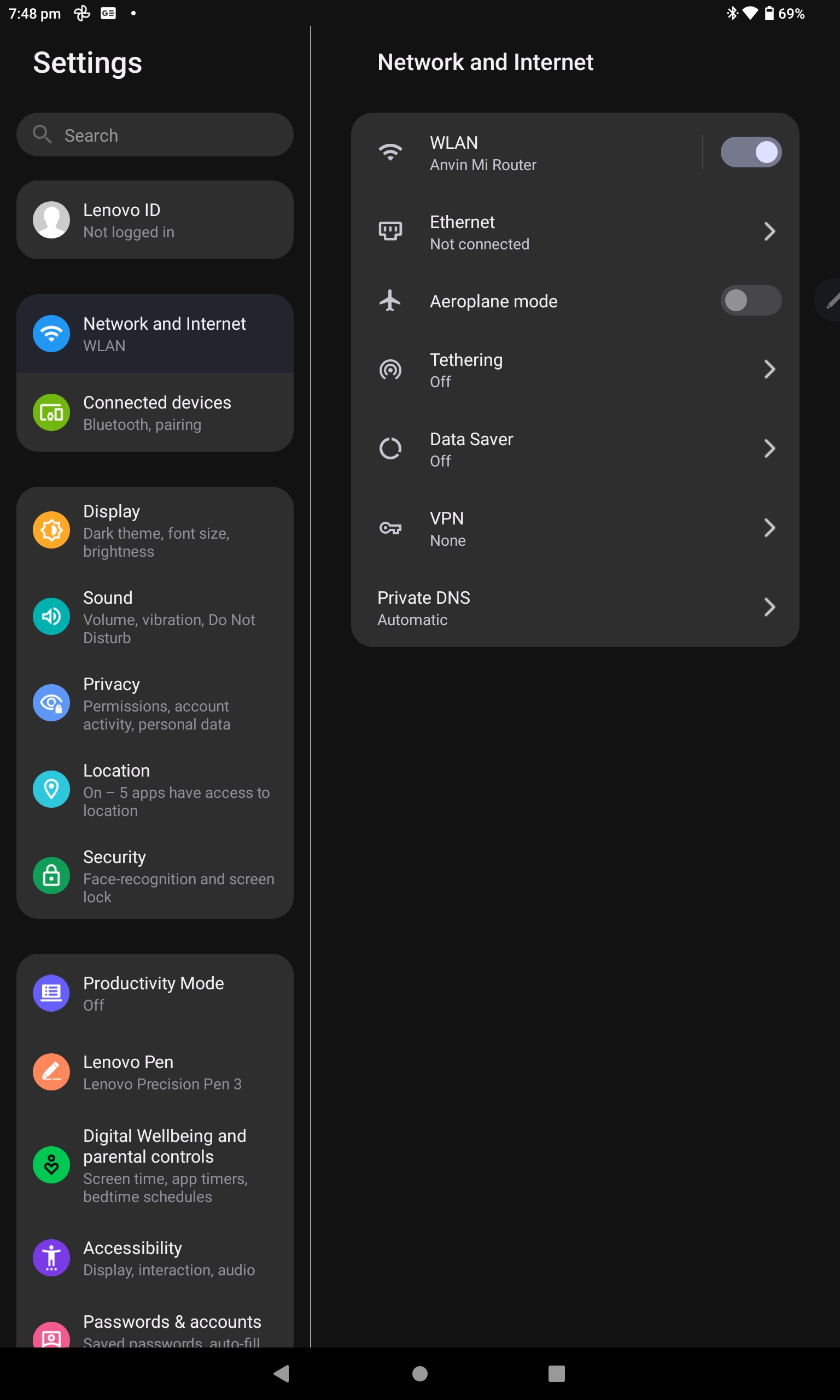
Lenovo Tab P11 Pro (Gen 2) all preloaded appsLenovo Tab P11 Pro (Gen 2) SettingsLenovo Tab P11 Pro (Gen 2) SettingsLenovo Tab P11 Pro (Gen 2) SettingsLenovo Tab P11 Pro (Gen 2) SettingsLenovo Tab P11 Pro (Gen 2) SettingsLenovo Tab P11 Pro (Gen 2) Notifications PaneLenovo Tab P11 Pro (Gen 2) User AccountsLenovo Tab P11 Pro (Gen 2) Productivity ModeLenovo Tab P11 Pro (Gen 2) Productivity Mode
The tablet can be shared with family members or others using the guest or new user profile, a feature that is still not available on iPads. Each user can have their own space linked to their Google account where they can use their own home screen, apps, settings, files, messages, and more. The Productivity Mode, which gives a Windows PC-like desktop view with a taskbar and desktop icons, is only available to main users, meaning it is unavailable for other user profiles. A few other features that I would like to mention include parental controls and reading mode.
Connectivity and Other Features
The face unlock feature works fine and can quickly recognize the face and unlock the device. When there isn’t enough light, it won’t be able to find the user’s face. In that case, it will ask the user to enter a passcode or pattern to unlock the device.
On the connectivity front, the Lenovo Tab P11 Pro (Gen 2) offers Wi-Fi 802.11ax, Bluetooth 5.1, GPS, and a USB-C port with DP-out. The device supports USB OTG. There is no 3.5mm audio jack on the device. What sensors are packed inside the device? The marketing material for the tablet states that it has an accelerator, ambient light sensor, hall sensor, e-compass, gyroscope, Coulomb counter, and vibrator.
Verdict
A tablet packed with impressive specs like a 120Hz display, the Kompanio chipset, Precision Pen 3 support, and a big battery should have been provided with faster charging support. Still, the fact that it takes a few minutes over 2 hours to fully charge at 20 watts is not a deal breaker. On a side note, the predecessor model supported LTE connectivity, but the Tab P11 Pro (Gen 2) lacks it. I believe the software experience, which is generally an issue with all Android tablets, can be refined through software fixes or OS upgrades on the Tab P11 Pro (Gen 2). I am not going to talk about the shortcomings of the camera since it is not designed to offer a top-notch photography experience.
Last year’s Lenovo Tab P11 Pro was priced at Rs 44,999. Compared to the predecessor, the Gen 2 model offers a better 120Hz OLED display, a tablet-optimized Kompanio chipset, a larger 8GB of RAM, a bigger 256 GB of storage, and up to an Android 14 OS upgrade. While it lacks SIM support, it carries a cheaper price of Rs 39,999. In the absence of Wi-Fi networks, users can make use of their phone’s Wi-Fi hotspot to access the internet on the Tab P11 Pro (Gen 2).
The Tab P11 Pro (Gen 2) is ideal for those who are looking for a tablet that can be used for entertainment, light gaming, and basic computing by using it as a laptop. Obviously, it is not a replacement for a laptop. For those who are looking forward to purchasing the device, I would recommend that they also purchase its keyboard folio.
Disclaimer: The opinions expressed in this Lenovo Tab P11 Pro (Gen 2) review are solely mine based on my experience, and there has been no editorial input from Lenovo.
For the past few days, the Vivo X90 series has been circulating online. The gadgets are in the works and won’t be released officially for some time. Up until now, the unreleased Vivo X90 family of smartphones has been the subject of countless renders and leaks. Now that some of the upcoming Vivo X90 lineup’s specifications have been officially verified. We now have some information that we can properly rely on.
The Vivo has officially confirmed that the vanilla Vivo X90 from the lineup will bring support for up to 120W fast wired charging. Moreover, the brand also confirms that the users will get an option to choose between two different displays; the Samsung E6 and BOE Q9 panel. Both displays will bring support 2,160Hz high-frequency PWM dimming. The official teasers also reveal the overall look of the device, which is in line with the recently leaked renders.
The Geekbench listing of the device confirms that it will be powered by the MediaTek Dimensity 9200 SoC. It will be available in 8GB, 12GB and 16GB of RAM options and 128GB, 256GB and 512GB of storage configurations. The device will flaunt a 6.78-inches OLED panel with 1260*2800 pixel resolution with a 20:9 aspect ratio. It will further come with an in-display fingerprint scanner for added biometrics and security.
As for the cameras, the Vivo X-series of smartphones are well known for that, Vivo X90 will feature a triple rear camera setup with a 50-megapixels Sony IMX758 primary camera, a 12-megapixels secondary ultrawide lens and a 12-megapixel tertiary telephoto lens. The ZEISS*T coating and the new Vivo V2 ISP will be further added for an upgraded camera experience.
Motorola has been silently preparing for the launch of an all-new smartphone in the market. The unreleased device has now been listed up on the 3C authority of China and the TENAA certification website. The certification website does reveal some of the key specifications of the upcoming smartphone. The device has been listed on both websites with the same model number; XT2335-3. This confirms that it’s the same device. Anyway, there is no information on the marketing name of the product yet.
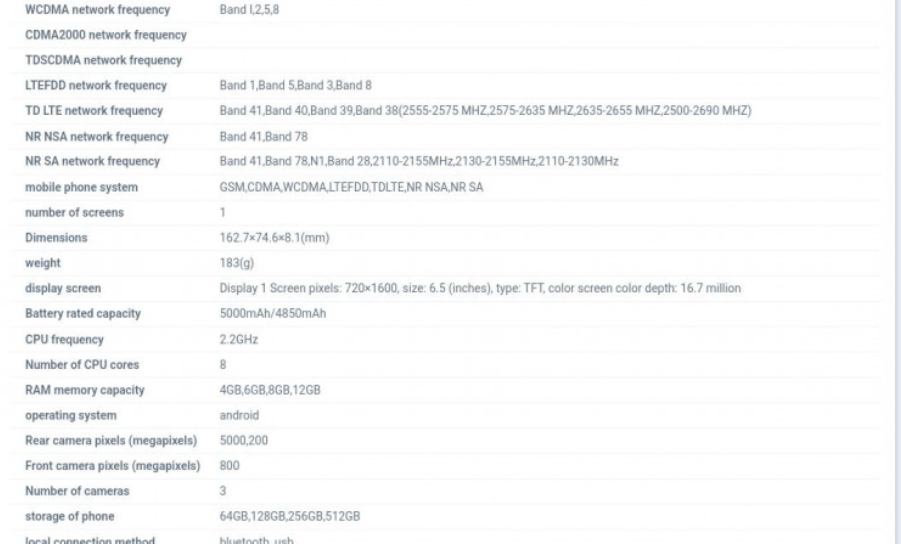
Regarding the device, the Chinese 3C Authority offers no confirmation. Through it, only the smartphone’s existence has been confirmed. Moving on, the device’s TENAA listing does confirm a number of details about the upcoming smartphone. The gadget will feature a 6.5″ inch LCD screen with a resolution of 720*1600 pixels, following TENAA certification. It will include an 8-core chipset with a 2.2GHz CPU.
TENAA listing of XT2335-3
The device will come in 4GB, 6GB, 8GB and 12GB of RAM options. And as for the storage, we’ll get to choose between 64GB, 128GB, 256GB and 512GB. It will pack a 5000mAh battery. The device will measure the dimension of 162.7×74.6×8.1(mm) and will weigh 183gms. On the rear, we will have a dual rear camera setup with a 50-megapixels primary lens and a 2-megapixel secondary lens. On the front, we will have an 8-megapixels selfie snapper.
3C certification – XT2335-3
That is the information we currently have on the next Motorola smartphone. Other than this, there isn’t much information available about the forthcoming smartphone. In the upcoming months, an official teaser of the device is expected. According to the TENAA standards, it appears to be a low-cost smartphone, but once again, there’s not much information available about the smartphone.
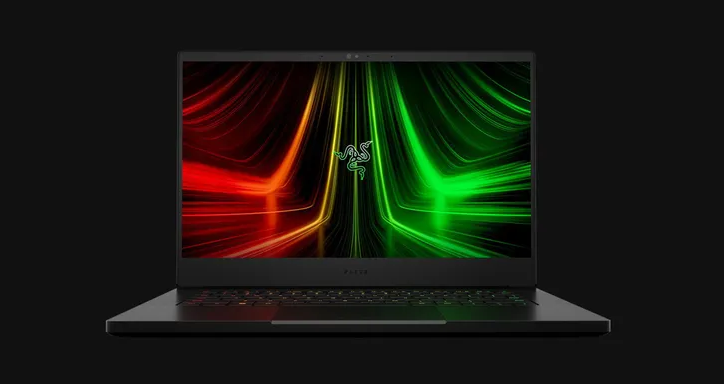
The latest 14-inch variant of Razor Blade laptops which are powered by the AMD Ryzen 6000 chipset will be soon getting a new OTA update which will reportedly bring some noticeable changes under the hood. According to the latest report shared by TheVerge, Razor will be soon rolling out a BIOS update for the aforementioned laptops that will add the support of the latest USB 4 to the USB Type-C ports, therefore doubling up its transfer speeds from 20GBPS to 40GBPS.
Support for high-bandwidth and Thunderbolt-compatible external accessories such as external GPU docks is also reported to be included in the update. Razer isn’t doing anything new or unique to enhance USB speeds. Instead, it makes use of the USB 4 capabilities found in every Ryzen 6000 CPU. Any laptop manufacturer can upgrade to USB 4 via a firmware update and a chipset driver issued by AMD over the summer, assuming the laptop manufacturer included the hardware required to support USB 4 speeds.
The update further unlocks the Ryzen 6000 processors’ Microsoft Pluton security processor, which doesn’t enhance performance but adds new hardware-based security measures on top of the ones that Windows 11 already mandates. Similar to USB 4, any Ryzen 6000 CPU can support Pluton capabilities if the maker of your laptop makes them available.
With regard to feature compatibility, Thunderbolt and USB 4 are sorts of kind of compatible. A fully functional USB 4 connector offers data transfer rates of up to 40GBPS and PCIe tunnelling enabling support of external GPUs and other high-speed accessories, just like Thunderbolt 3 and 4. While some USB 4 ports only handle the minimum 20GBPS speed required by the specification, which is USB 3.2 Gen 2 speed, Razer’s ports do seem to be fully functional 40GBPS ports.
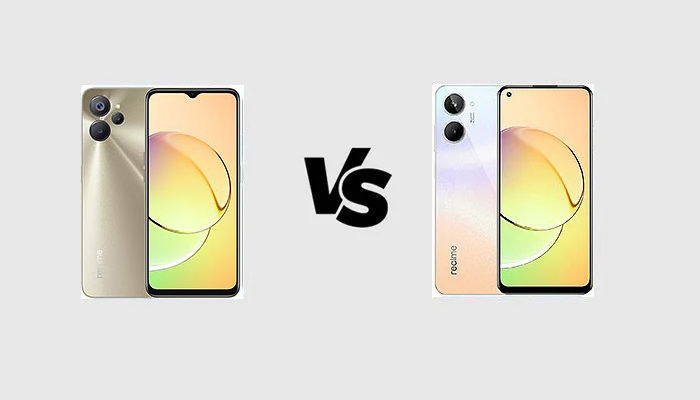
The Realme 10 Series is official with four different variants, but the first one announced is the vanilla version Realme 10 4G. Right after that, the Chinese giant decided to announce a 5G variant, obviously called Realme 10 5G. Apparently, these two devices may look the same, but they are very different from each other. It is very important to learn the differences between these two handsets in order to understand which one to buy, especially because they belong to the same price range. Several people may prefer the 5G variant due to the 5G connectivity, but they should know that the 4G has something very important to offer. You will learn all the main differences in this comparison between the specifications of the Realme 10 4G and the Realme 10 5G.
Realme 10 5G vs Realme 10 4G
Realme 10 5G
Realme 10
DIMENSIONS AND WEIGHT
164.4 x 75.1 x 8.1 mm,
191 g
159.9 x 73.3 x 8 mm,
178 g
DISPLAY
6.6 inches, 1080 x 2408 pixels (Full HD+), IPS LCD
Triple 50 + 2 MP, f/1.8 + f/2.8 + f/2.4
8 MP f/2.0 front camera
Dual 50 + 2 MP, f/1.8 + f/2.4
16 MP front camera
BATTERY
5000 mAh, fast charging 33W
5000 mAh, fast charging 33W
ADDITIONAL FEATURES
5G, dual SIM
Dual SIM slot
Design
The designs of the 4G variant and the 5G variant are very similar to each other: they both come without a camera island and with cameras positioned directly on the rear cover, and they both come with flat borders. But if you need the most beautiful one, then you should go for the Realme 10 4G. Besides being slightly thinner and lighter than the 5G counterpart, it has a more minimalistic camera module and it is the only one with a punch hole on the display (the hole is placed in the upper left corner). The 5G variant has an uglier waterdrop notch instead of the punch hole. The rest does not differ so much, they are entirely built with polycarbonate and they have a side-mounted fingerprint reader. Note that the 4G variant is actually more compact than the 5G one because it has a smaller display.
Display
The display is probably the most important advantage of the Realme 10 4G over the 5G variant. It has an AMOLED panel with a diagonal of 6.4 inches, a Full HD+ resolution of 1080 x 2400 pixels, a 90 Hz refresh rate, and a peak brightness of 1,000 nits. As already mentioned above, despite being an AMOLED display, it does not include an in-display fingerprint reader as the fingerprint scanner is placed on the right, to be accurate on the power key. The Realme 9 5G has an IPS LCD panel, so it is not able to provide the bright colors and deep blacks provided by the AMOLED panel of the 4G version. This display has a diagonal of 6.6 inches, a Full HD+ resolution of 1080 x 2408 pixels, a 90 Hz refresh rate, and a typical brightness of 400 nits. It is a wider display, but the quality is inferior. And it comes with a waterdrop notch instead of a punch hole.
Specs & Software
The performance levels of the Realme 10 4G and the Realme 10 5G are very similar: the big difference is the absence of 5G connectivity on the former, while for the rest, they are almost the same. With the Realme 10 4G, people can get the new Helio G99 mobile platform by MediaTek. It is an SoC built with a 4 nm production process and sporting an octa-core architecture composed of two Cortex A76 cores running at a max frequency of 2.2 GHz, two Cortex A55 cores running at 2 GHz, and a Mali G57 MC2 GPU. The chipset is paired with up to 8 GB of RAM and up to 256 GB of UFS 2.2 native storage. There is exactly the same configuration of cores on the Dimensity 700 chipset found on the Realme 10 5G, but with a 7 nm production process and without 5G. Even the top-end memory configuration is the same. These handsets run Android 12 out of the box, customized by Realme UI 3.0, and they will get two major updates to the next Android versions.
Camera
The Realme 10 4G and the Realme 10 5G are both equipped with a 50 MP main camera and a 2 MP macro shooter, but the 5G variant adds a third depth sensor, even though it is not so useful. The 16 MP selfie snapper found on the Realme 10 4G, definitely better than the 8 MP shooter of the 5G variant, is a lot more useful.
The battery capacities are the same, with 5000 mAh, but the Realme 10 4G is able to provide a longer battery life thanks to its more efficient display and chipset.
Price
The Realme 10 5G starts from €180/$180, while the 4G variant starts from €230/$230 (prices vary depending on the market). The 4G variant is actually superior due to its display and front camera, so it wins the comparison.
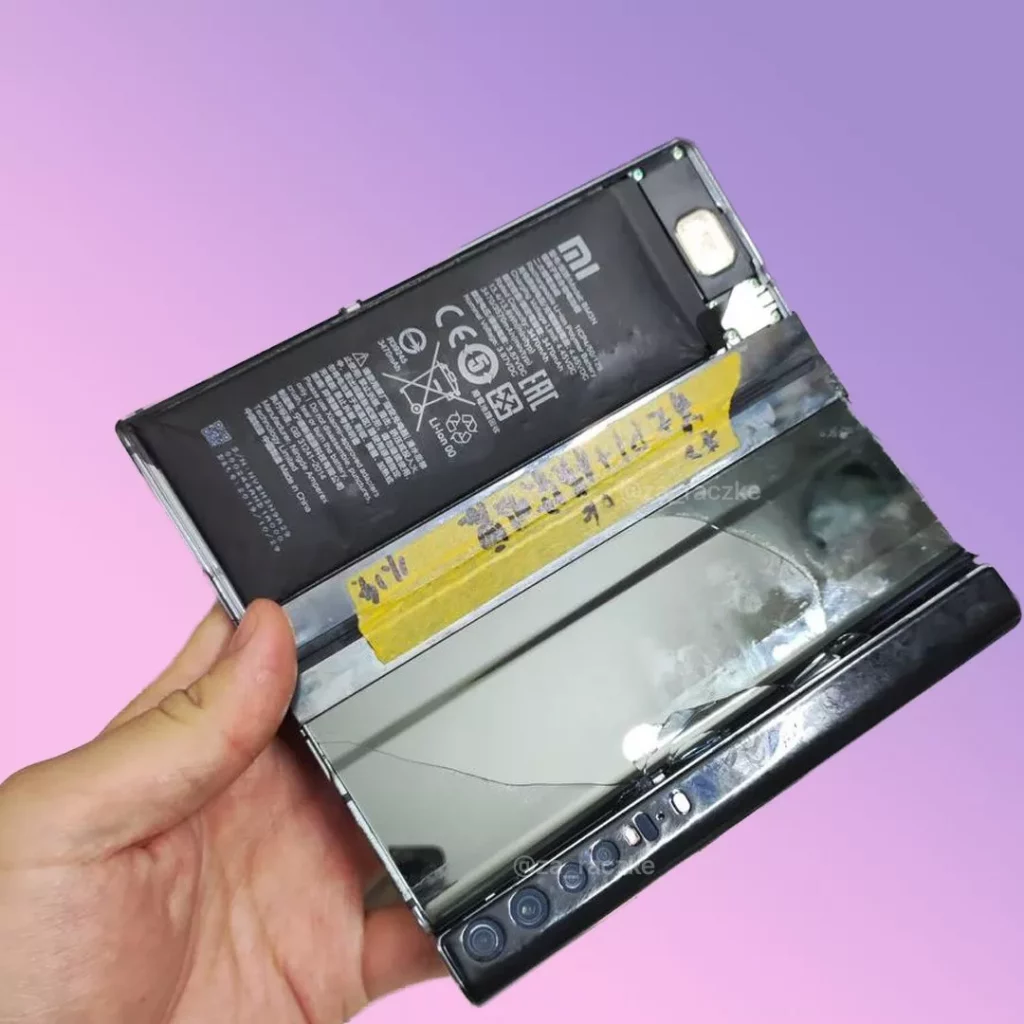
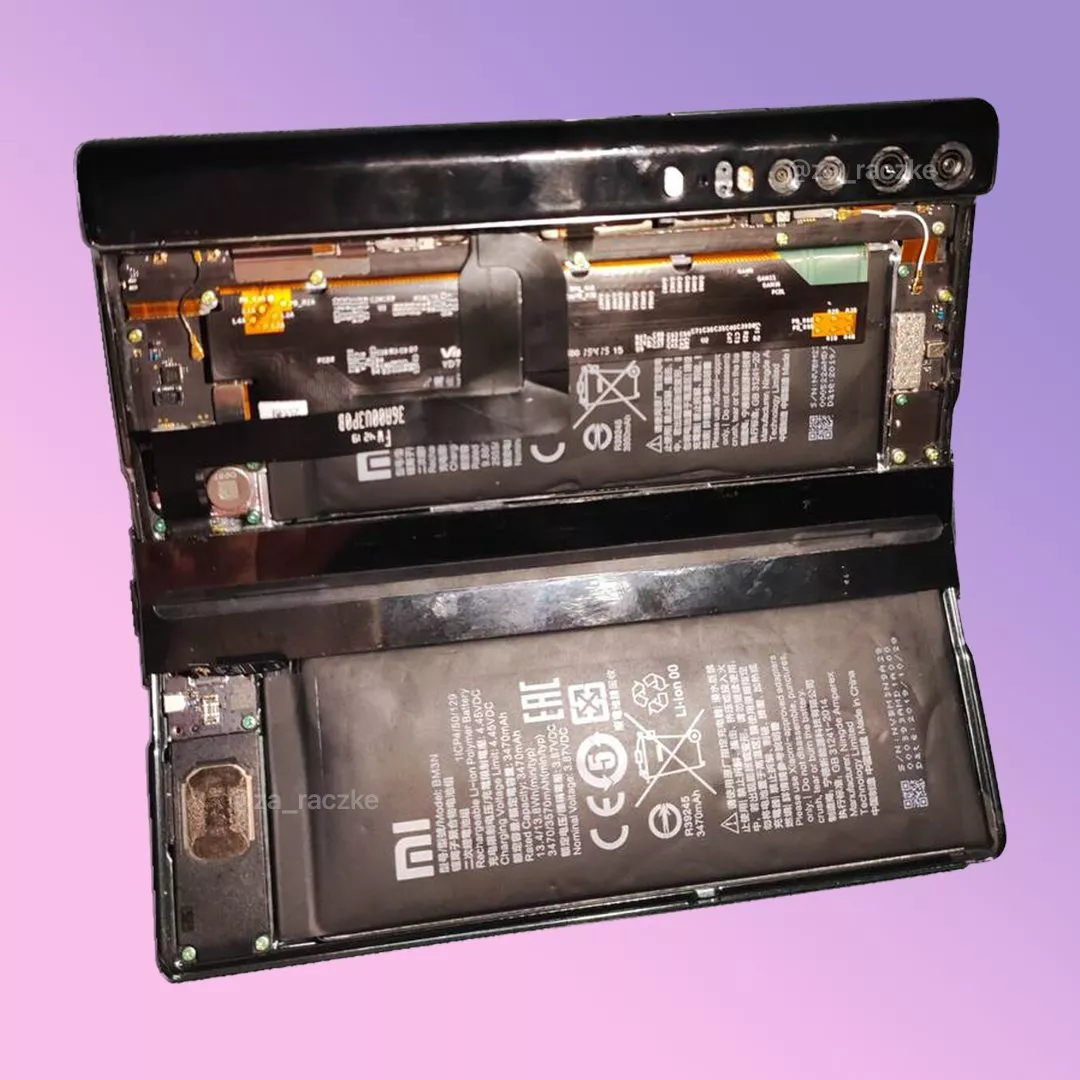
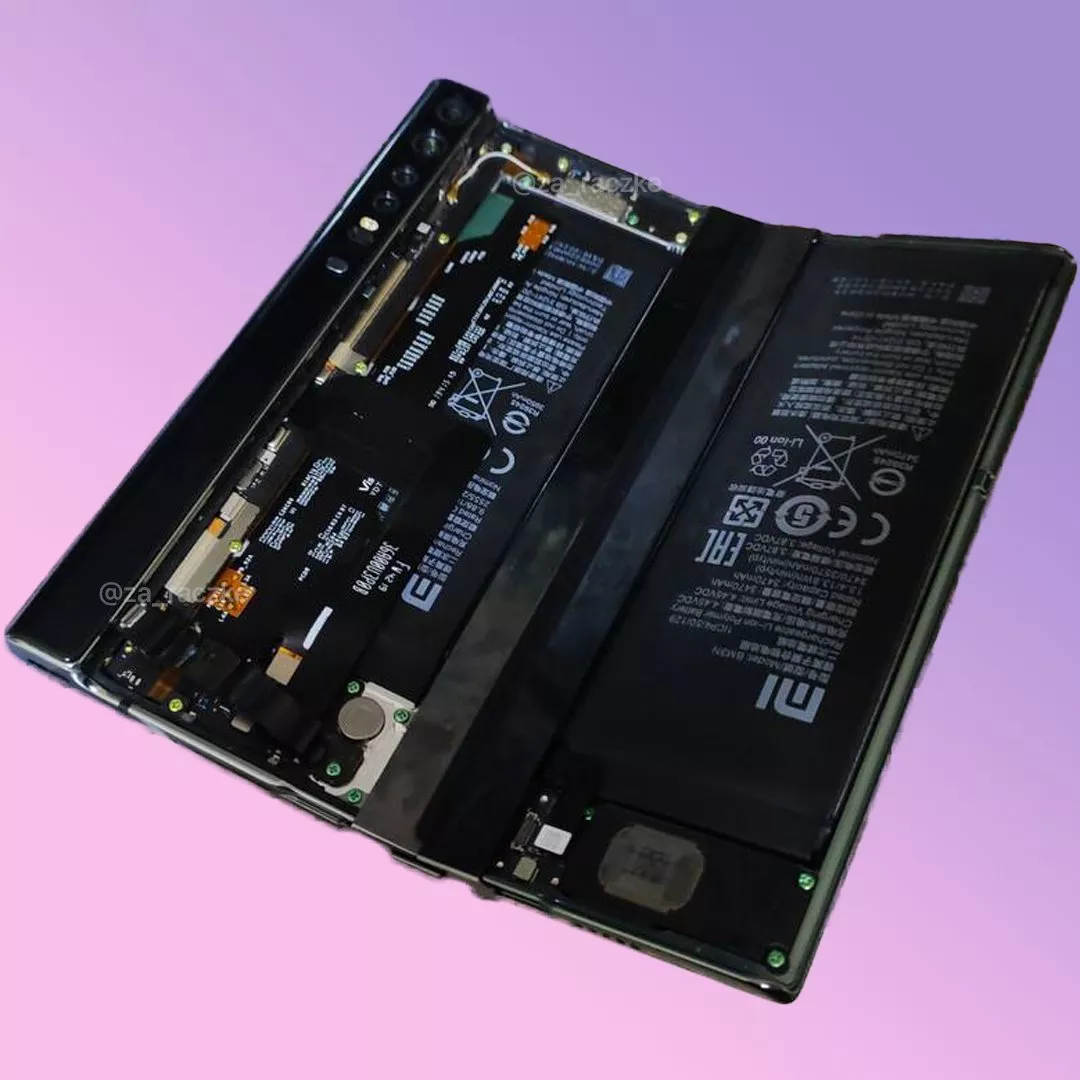
A prototype of a Xiaomi foldable smartphone with an outward folding ability has been leaked. Tipster Kuba Wojciechowski posted photos of the alleged Xiaomi foldable via his Twitter account. The device bears some telling resemblance with the Huawei Mate X series and joins a very small class of outward folding smartphone displays.
The Huawei Mate X lineup and the Royole FlexPai series are the few devices that sport an outward foldable display. Xiaomi’s existing pair of foldables (Mi Mix Fold and Mix Fold 2) are both inward folding, as the outward folding system is more complicated. The leaked images provide the first sight of the intriguing Xiaomi foldable. Wojciechowski’s photos show an outward folding design of the prototype. The photos indicate the presence of a rear camera bar similar to that of the Huawei Mate X.
As per the leaked images, there are at least four cameras in the camera bar. The pictures also show some internals of the phone including its batteries, circuitry, and other components. The tipster notes that the prototype is likely powered by the Snapdragon 856 and the X50 5G modem. Wojciechowski also says there are a few units of the model already in the public domain but was silent about why the model did not progress to commercial production. A logical reason for Xiaomi abandoning the prototype could be durability. An outward folding smartphone has to grapple with lots of problems and is less durable than inward designs. It is also prone to scratches, cracks, and other damage.
Redmi Smart Band, the brand’s first-ever fitness tracker, debuted in China back in 2020. It later arrived in select global markets as Mi Smart Band 4C. The wearable comes with a 1.08-inch TFT LCD color panel, touch input, 24-hour heart rate monitoring, a 14-day battery life, and more. Now, it seems the company will soon launch the Redmi Smart Band 2, as it is reportedly in the serial production stage in Asia and Europe. Here are the details.
Tipster Mukul Sharma claims the serial production of the Redmi Smart Band 2 as well as its charging dock has begun in various Asian and European regions. He says the fitness tracker may launch in early 2023. The specifications and other details about the smart band are yet to be known.
More details about the upcoming Redmi band should emerge soon. Meanwhile, let’s check out the specs of the first-generation Redmi Smart Band to get a better idea of what to expect.
Redmi Smart Band Specifications
The Redmi Smart Band comes with a 1.08-inch 16-bit color TFT LCD panel that offers a 128 x 200 pixel resolution and supports touch input. The screen has a maximum brightness of 200 nits, which is decent but not impressive.
The device measures heart rates in real-time throughout the day and alerts users if abnormalities occur. It features 5 professional sports modes to monitor outdoor running, cycling, treadmill, power walking, and freestyle exercise. It comes with more than 50 screen customization options and direct USB charging. The wearable packs a 130mAh battery that is claimed to last up to 14 days. Redmi Smart Band comes with a price tag of $22.
Edifier has launched the Lolli Pro 2 truly wireless noise-cancelling earbuds in China. The new headphones come with substantial improvements from its previous iteration the Lolli Pro. It has a headphone location search function that helps you locate your device via the app.
The Lolli Pro 2 has a coaxial dual dynamic coil consisting of a 6mm titanium-plated dynamic coil and a 10mm composite dynamic coil for enhanced audio quality. This is supported by LDAC audio decoding compatibility and Hi-Res wireless gold standard certification. The Lolli Pro 2 is capable of noise reduction levels up to -45 decibels, better than previous models. The noise reduction bandwidths of the new headphones are 100% higher than that of the previous generation of Edifier headphones. In addition, there is a 3-mic AI call noise reduction architecture, together with anti-wind noise technology to improve audio fidelity and clarity.
The Lolli Pro 2 has a 6-hour battery life and with the charging case, this extends to 24 hours. The headphones feature smart wearing detection, control settings, timing shutdowns, and other ancillary functions. In terms of connectivity, the Edifier Lolli Pro 2 true wireless headphones support Bluetooth 5.3 with a minimum delay of 0.08 seconds. The headphones have an IP54 waterproof and dustproof rating.
The gadget is now on sale in China at a starting price of 379 yuan (~$53). It can be purchased from Jingdong as well as other online e-commerce platforms in China.
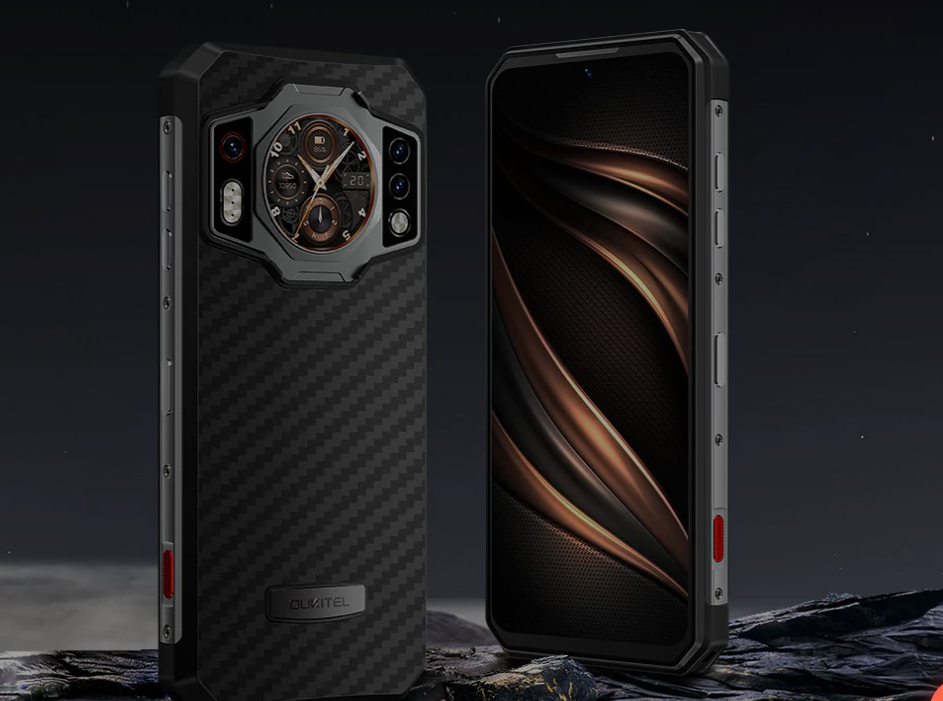
There are some folks who want a smartphone that could take a beating but still keep going like nothing happened. If you are one of them, Oukitel’s latest handset might interest you. The Oukitel WP21 is a rugged smartphone that comes with impressive specs, such as a large 9,800 mAh battery, a 120hz AMOLED panel, a MediaTek Helio G99 chipset, and more. Let’s have a closer look at its specs and pricing.
Oukitel‘s WP21 features a 6.78-inch display with FHD+ resolution and a 120Hz refresh rate. Interestingly, there’s a second display on the back of the handset that supports AOD and can show notifications, music controls, and act as a camera viewfinder. You can also change the look of the watch-like external screen using several distinct watch faces that the company is offering.
For photography, the rugged handset has a triple rear camera setup that consists of a 64MP Sony IMX 686 main sensor, a 20MP night vision camera, and a 2MP macro unit. Oukitel’s WP21 comes with IP68 water resistance and IP69K dust resistance. It is also MIL-STD-810H compliant, making it suitable for usage in all kinds of climates.
Under the hood, the smartphone is powered by the Helio G99 chipset, which is built on a 6nm process. It packs a 9,800 mAh battery that is claimed to last up to 1,150 hours of standby time and 12 hours of continuous video playback. The device comes with 12GB RAM and 256GB storage which can be expanded further using a microSD card.
The phone measures 177.3 x 84.3 x 14.8mm and weighs 398 grams. It supports NFC, GNSS positioning, and Bluetooth 5.2. On the software front, it runs Android 12 OS. The new Oukitel WP21 comes with a starting price of $280 and it will be available for purchase through AliExpress from November 24.
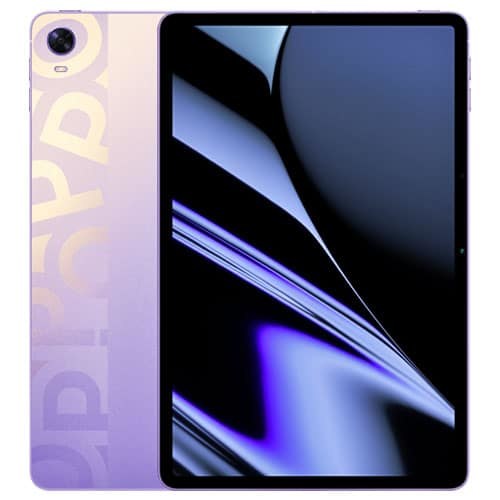
Earlier this year, Oppo launched its first tablet, the OPPO Pad, with an 11-inch LCD panel, a Snapdragon 870 processor, and a 13MP rear camera. Now, a popular tipster claims the successor of Oppo’s first-gen tablet is in the works. The alleged tablet is reported to feature MediaTek’s Dimensity 9000 chipset and a high-resolution screen. Here are the details.
Chinese tipster Digital Chat Station claims Oppo is working on a new flagship tablet, which will debut as the successor of the previously launched Oppo Pad. He says the device will be powered by the octa-core MediaTek Dimensity 9000 chipset and will have a 2800x2000px resolution screen. DCS suggests the tablet might launch soon. However, he didn’t share the exact launch timeline.
We can expect the tablet to offer smooth performance since it packs the flagship Dimensity 9000 chipset. The SoC is manufactured on TSMC’s 4nm process and includes one fast Cortex-X2 core clocked at up to 3 GHz, three A710 cores with up to 2.85 GHz, and four power-efficiency cores (Cortex-A510) with up to 1.8 GHz.
Oppo is yet to confirm any details about the rumored device, so it’s best you digest this leak with a pinch of salt. We should be learning more details about the tablet in the coming days. We’ll keep you posted.
To recall, the first-generation Oppo Pad debuted earlier this year in February. It features an 11-inch LCD panel that offers a resolution of 2560×1600 pixels with a pixel density of 275 PPI. The panel supports a 120Hz refresh rate, a 1500:1 contrast ratio, HDR10, and a P3 wide color gamut.
The device comes powered by the Qualcomm Snapdragon 870 processor, paired with up to 8GB of RAM and 256GB of onboard storage. For photography, there’s a 13MP rear camera and an 8MP selfie snapper.
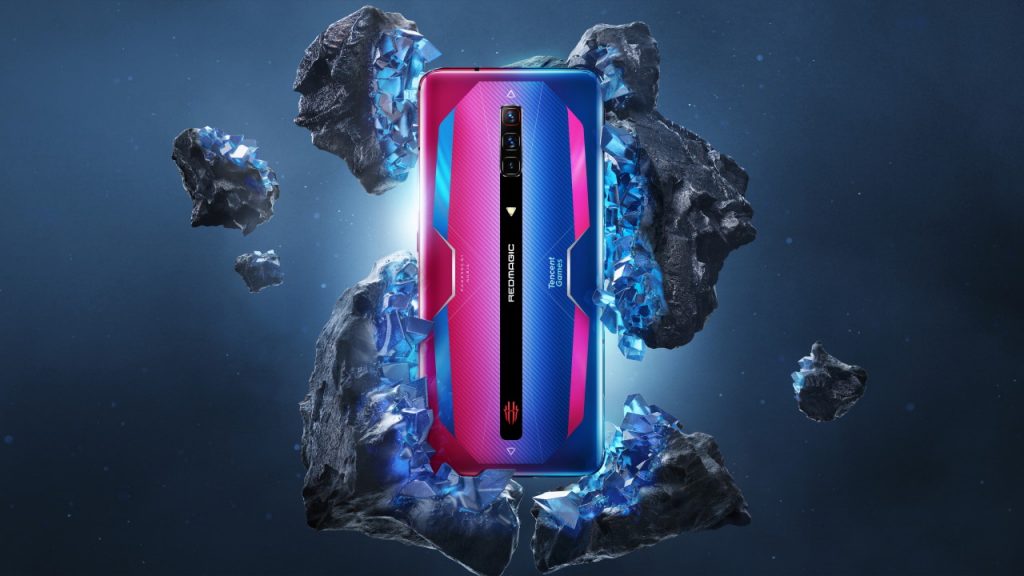
Black Friday discounts continue at full speed. As usual, we see the biggest discounts on technology products. Red Magic, which we know with its player-oriented smartphones, announced its Black Friday campaign. Red Magic has three super flash sales available with huge discounts for all gaming smartphones and accessories, including lucky prizes. The company offers customers up to a $155 discount and a full refund, valid on all smartphones and accessories.
How long will Red Magic’s Black Friday sales last
The discounts offered by Red Magic will be between 16-30 November. Customers who shop on these dates will receive a discount of up to $150. Some lucky people will even get a full refund. The list of discounts to be applied throughout the campaign is as follows:
Black Friday offers from November 16th to 30st
$20 off on all Red Magic 7 series gaming smartphones
$5 off on all Red Magic gaming accessories
Plus, purchases between those dates can join the lottery prizes for 9 lucky winners.
Get a Full refund on your purchase on those dates
Get Free a Red Magic Keyboard and Mouse
Get Free a Turbo Cooler
Here is the first round of flash sales surprises from November 16th to 18th
$90 off in all Red Magic 7 editions
$120 off in all Red Magic 7 Pro editions
$50 off in all Red Magic 7S Pro editions
Incredible discounts during Black Friday from November 25th to 27th
$90 off in all Red Magic 7 editions
$120 off in all Red Magic 7 Pro editions
$50 off in all Red Magic 7S Pro editions
High discounts for CyberMonday Bundles from November 28th to 30th
$95 off for all Red Magic 7 and Cyberpods bundle
$125 off for Red Magic 7 Pro and Cyberpods bundle
$155 off for Red Magic 7S Pro and Cyberpods bundle
You can check out the company’s official websiteto see all the products in REDMAGIC’s Black Friday campaign.
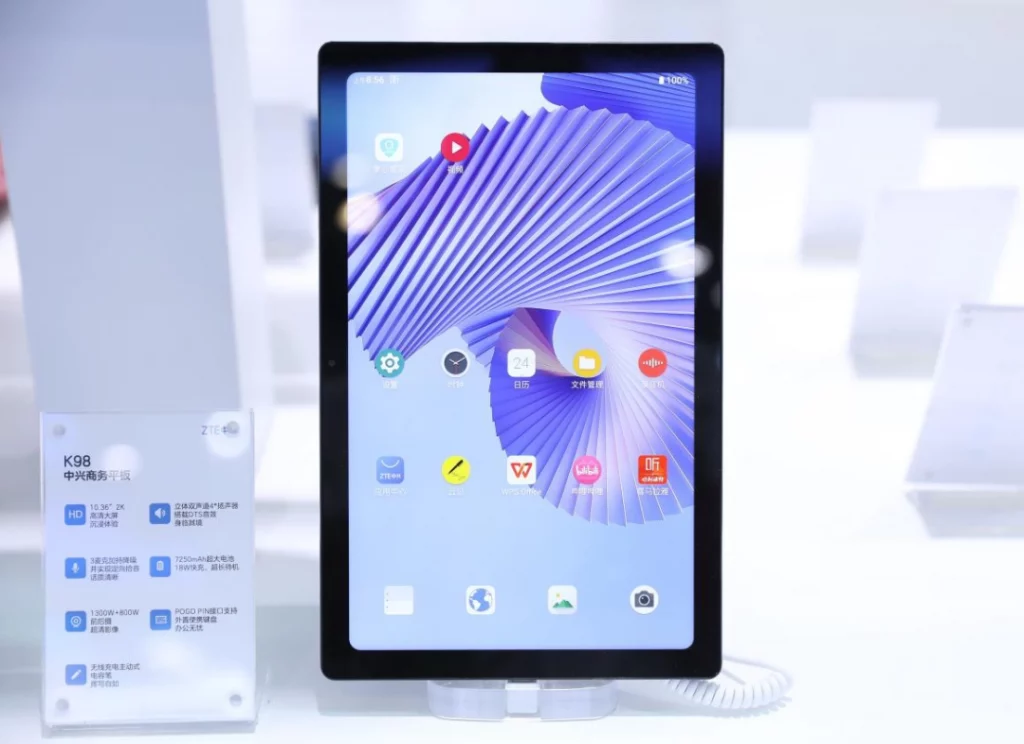
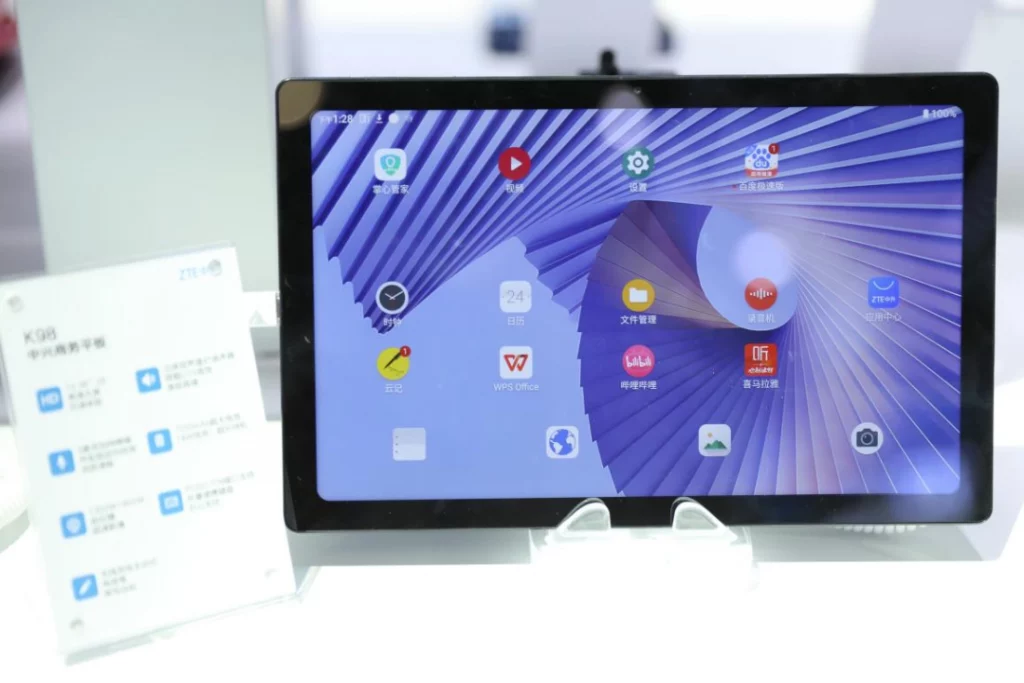
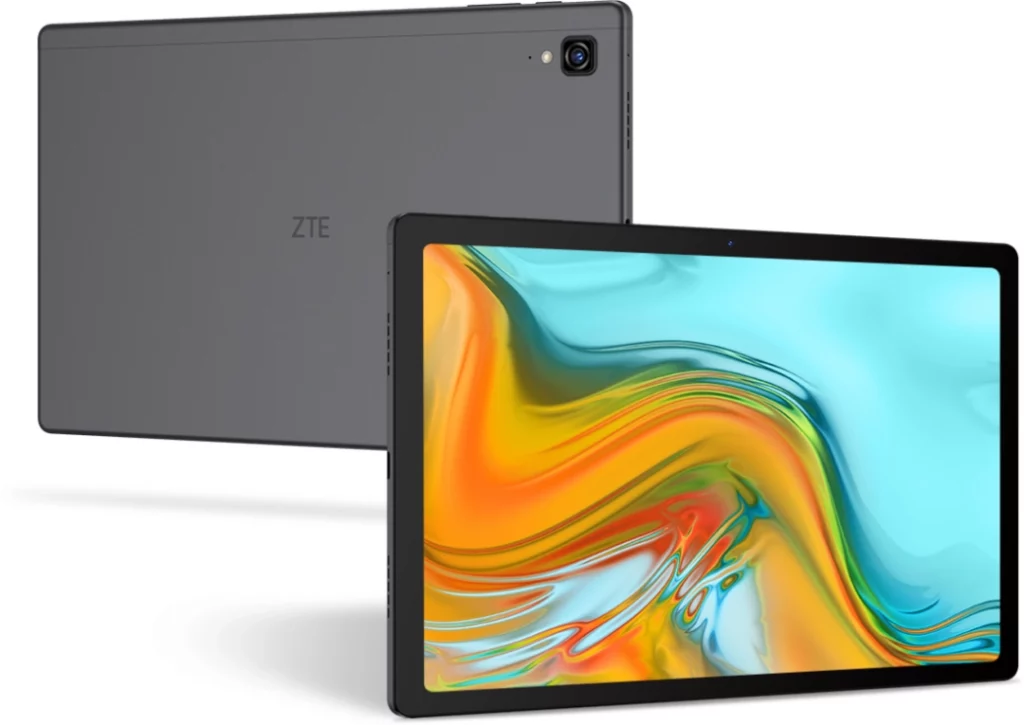
In July this year, ZTE reportedly announced a new tablet known as ZTE K98. The company has now officially launched the slate in China. The K98 tablet is specially designed for government and enterprise users. It will be sold on online platforms such as Jingdong. ZTE is also offering companies the leverage to customize the model to suit their firm’s needs.
The ZTE K98 tablet features a 10.4-inch 2K high-definition display. The back panel is made of metal with a Nebula grey finish. The entire device weighs 490g and is just 7.9mm thick. The slate is powered by a Qualcomm Snapdragon 680 processor but the memory configuration is unknown at this time.
For photography, the slate packs a 13MP camera at the rear while at the front, there is an 8MP sensor. It is equipped with Pogo Pin for wireless charging but there is a USB-C port for fast wired charging. The tablet also comes with a 3.5mm audio jack.
Under the hood, the ZTE K98 tablet crams a huge 7250mAh battery. The tablet also packs a magnetic suction wireless charging stylus K-pencil, which fully meets the needs of paperless office. ZTE K98 is also equipped with an exclusive protective case and portable keyboard.
The product is equipped with four speakers symmetrically distributed. With the DTS:X Ultra immersive 3D sound effect, it presents a three-dimensional and live-level sound effect. The tablet comes with three microphones that accurately pick up sound while reducing ambient noise. The K98 supports smart screen projection, smart split screen, preset note software, and office software, and supports multi-scenario office needs.
ADO EBike is a company that creates powerful and stylish electric bikes, electric scooters and accessories that can be your urban companion. They have specially designed bikes for different venues and needs. The highlight features of every ADO Ebike lie in its quality, built, localized service, and worry-free after-sales. Within a year, not only did the brand create a name for its high-quality products but also got various strategic partners including Ali International, Xiaomi international, JD.com, HIMO, Insta360, etc. to jointly create a green community ecology for its users.
ADO EBike, one of the first brands that come to mind regarding electric bicycles, has not forgotten Black Friday. The company, which wants to celebrate the discount period with a special event, has prepared a campaign to offer the lowest prices of the year until 30 November (23:59:59 UTC). Moreover, the discount is not the only opportunity offered by ADO EBike. Thanks to the Buy Together Save More campaign, you can have the battery pack (1 bicycle + 1 extra spare battery) with additional discounts.
In addition, fast delivery (ships locally in Europe, free shipping. DE/UK/AT 48H Delivery, other EU country 72H Delivery) is waiting for you. One of the most extensive services offered by Ado EBike is VIP Service. A dedicated 1-to-1 customer service install adviser will contact you via email or WhatsApp. Any questions you may have, the installation adviser will answer patiently until you are satisfied!
So let’s see which products have the best discounts
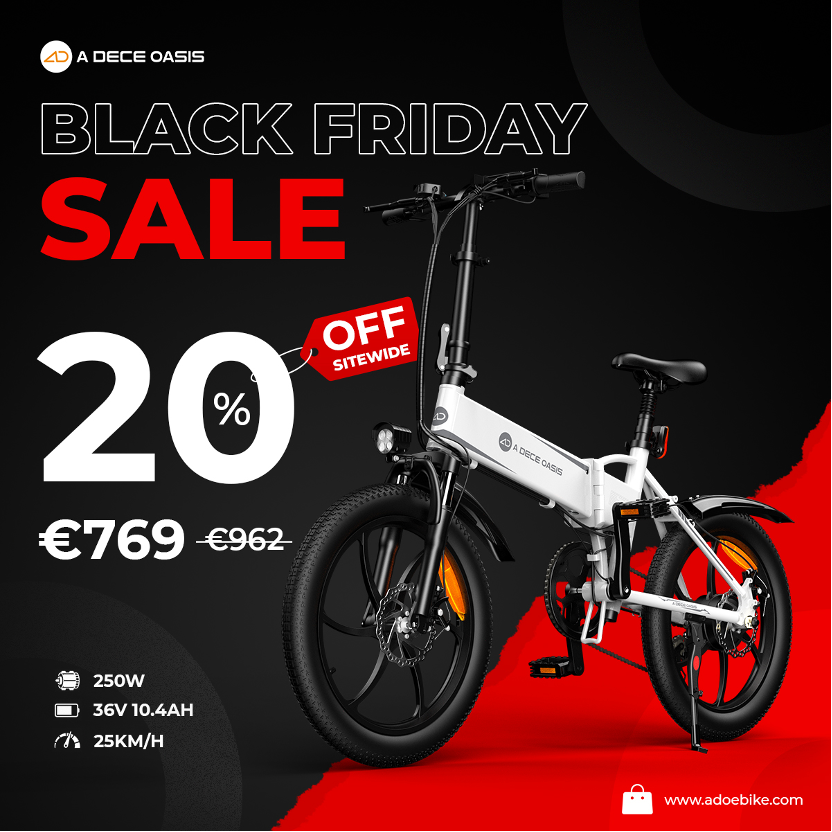
ADO EBike A20+
A20+, which is among the campaign products of Ado, is 769€/£719 instead of €962/£899 with discounts up to 20%. The convenient tri-fold design quickly folds in 10 seconds. You can effortlessly fit into the trunk for an easy ride anytime, anywhere. Ultra-light frame material, easy to lift and effortless, easy access to commuting places such as elevators and offices. This bike has a G-DRIVE pedal assist control system and a removable 10.4AH lithium battery. This battery retains 80% of its capacity even after 1000 recharges.
Click here to go to the product page and place your order.
ADO EBike A20F+
Another remarkable product in ADO EBike’s Black Friday campaign is the A20F+. This model, which cannot be stopped by roads, paths, sand and even snowy ground, can be purchased for €949/£869 with a 20% discount instead of €1187/£1087 during the campaign period. The A20F+ also has a 250W geared hub motor, 36V 10.4 mAh battery capacity and a maximum range of 70 km.
Click here to go to the product page and place your order.
The Black Friday campaign is not limited to these two models. Almost every product and service of ADO EBike has discounts that will catch your attention.
A20XE Black Friday price: €1199/£1069 €1499 /£1339
Battery is one of the most important parts of e-bikes. However, a single battery may not be enough for you if you are a heavy user. Fortunately, ADO EBike’s Black Friday campaign also saves you from this problem. For example, if you want to buy an extra battery for A20+ or A20F+, you normally have to pay €299, but during the campaign period, you can get your extra battery for €149 with a %50 discount. Click here to purchase A20+, and click here to purchase A20F+‘s battery pack bundle.
There are also discounts on the batteries of different models. For example, byclicking here, instead of paying €/£299 for the A20 XE, you can get the chance to pay €/£100. You can click here if you want a similar campaign for the A20F XE.
If you want to be informed about all the campaigns of ADO EBike and take advantage of the opportunities, you can click here.
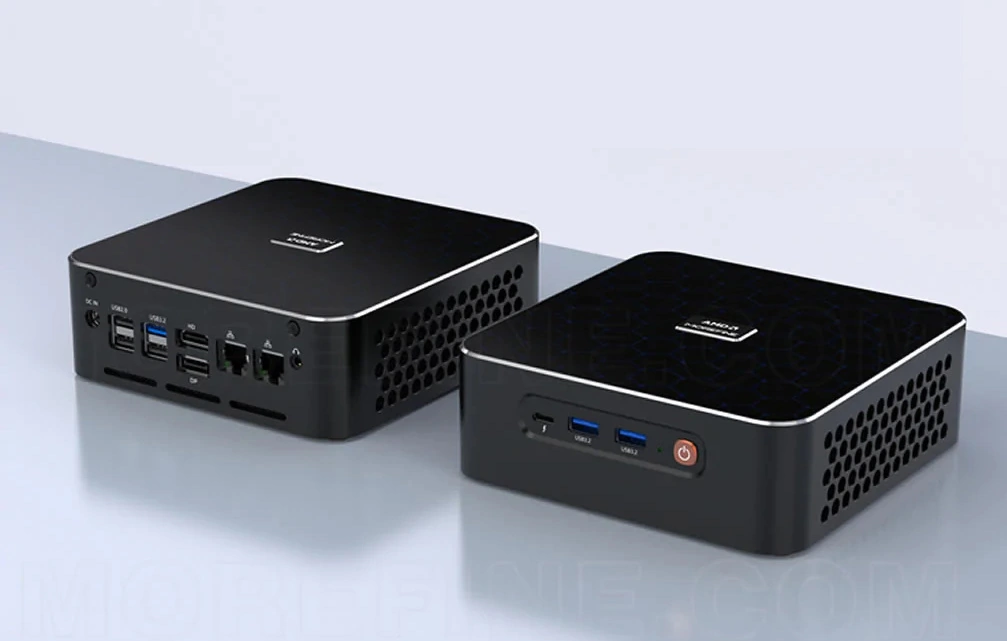
The Morefine M600 Mini-PC powered by AMD Ryzen processors have been launched. The M600 mini-PC comes in several configurations with up to 64GB of RAM and 1TB of storage.
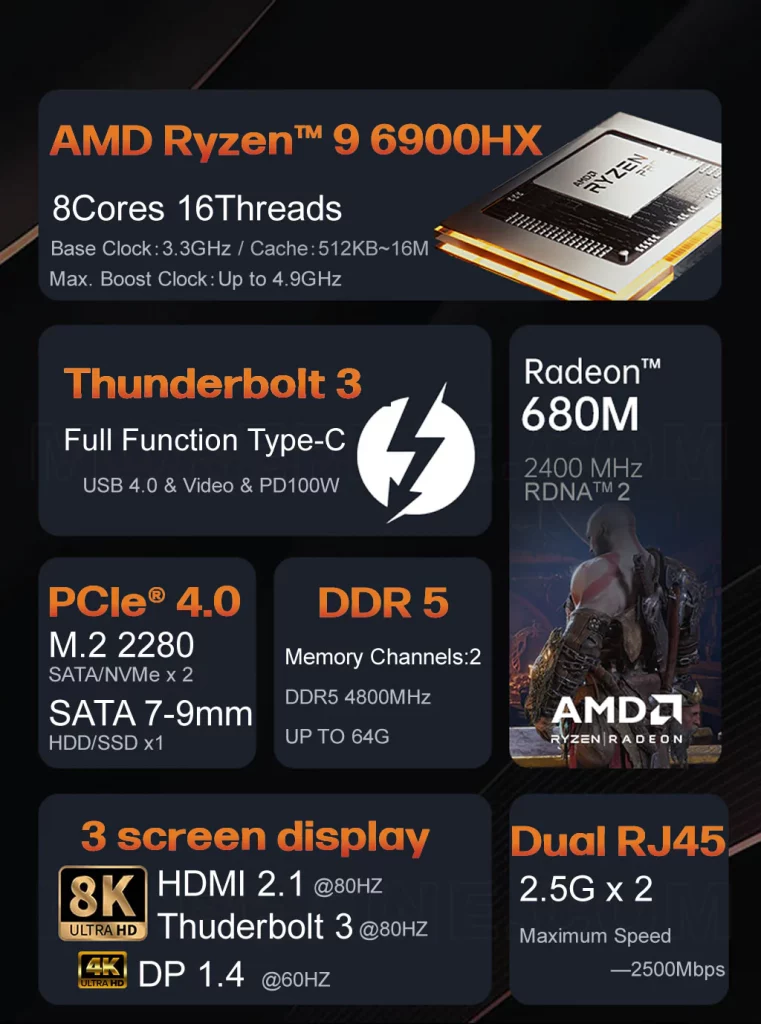
The Morefine M600 processor options include the Ryzen 5 6600U, Ryzen 7 6800U, Ryzen 9 PRO 6950H, and Ryzen 9 6900HX. There are also several memory configurations to go with the processors. Apart from the Ryzen 5 APU, all others have the Radeon 680M and its 12 RDNA 2 Compute Units. On the other hand, the Ryzen 5 6600U come with the Radeon 660M which is less powerful.
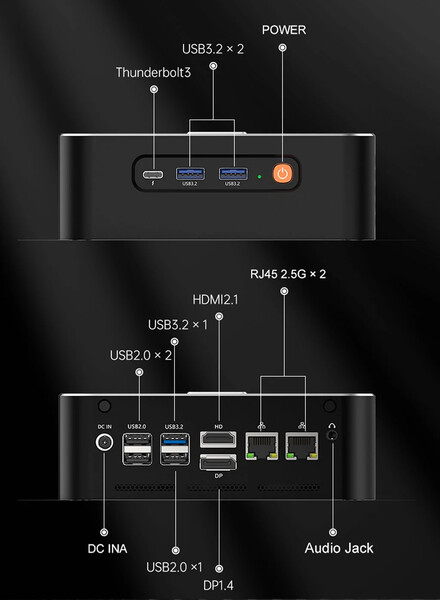
In terms of connectivity and ports, the Moefine M600 has two Ethernet ports (each 2.5GBit/s), DisplayPort 1.4, HDMI 2.1, and a Thunderbolt 3 port. There are also three USB-A 3.2 ports and USB-A 2.0 ports, as well as a 3.5mm audio jack. The device is powered by a DC input. The M600 also has an M.2 2280 slot for connecting external cards. The Morefine M600 is offered in a variety of purchase options including its components. It has a starting price of $438 for the entry-level Ryzen 5 6600U without RAM and storage.
The prices range between $859 and $1,109 when you opt for the monster 64GB/1TB RAM/ storage configuration. Morefine offers a complementary power adapter that will be shipped with the orders. The full details of the pricing and shipping dates for the M600 can be gotten on Morefine’s website.
Call of Duty Warzone Mobile is finally arriving on iOS devices or iPhones soon. Activision has just started the pre-registrations for the popular battle royale game, which is the mobile port for its PC and game console counterparts.
The developers behind the game had already released the title for Android users around two months ago. Now, the iOS powered iPhones will soon also be able to join in on the action as well. For those unaware, the game had garnered over 25 million pre-registrations on Google Play Store alone, which offered the operator skin of the character called Ghost, which was titled Condemned. Talking about the game itself, the COD Warzone Mobile is a battle royale game that has a gameplay experience mirroring the game available on consoles and PC.
Activision also just recently announced the COD Modern Warfare 2 and Warzone 2 on the two platforms. The studio started the pre-registrations on the Apple App Store back on November 17 and based on the details listed on the App Store, COD Warzone Mobile will be available for download starting from 15th May 2023. With the release of Warzone Mobile, the iconic map Verdansk is also returning. The iPhones compatible with the game ranges from the iPhone XS all the way to the latest iPhone 14 series.
Some iPads will also support the game, but need to have at least the iPadOS 15 or A12 Bionic chipset. The game will have a size of around 529MB, although this will likely change by the time the game nears its launch. The title will follow the classic last man/team standing format of battle royales but with 120 players in a single match.
iQOO Neo 7SE RAM and storage configurations have been tipped. The information has been shared by tipster Anvinraj (@Zionsanvin) on Twitter. Additionally, another tipster Digital Chat Station has also revealed some detail about the upcoming offering. The iQOO Neo 7S and 7SE are expected to debut next month in China alongside the iQOO 11 series. Both smartphones have already been certified by China’s 3C authority.
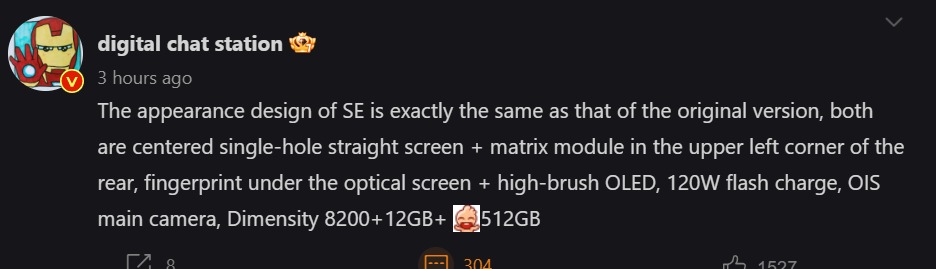
As per Anvinraj, the iQOO Neo 7SE will be available in four RAM and storage variants. These include 8GB + 256GB, 12GB + 256GB, 12GB + 512GB, and 16GB + 256GB. On the other hand, DCS states that the upcoming smartphone will look similar to the original Neo 7 that debuted last month. However, the Neo 7SE will be powered by a Dimensity 8200 processor which is yet to be announced.
The iQOO Neo 7SE was spotted in leaked live image earlier this week with a flat centre-aligned punch-hole cutout display. DCS says that the smartphone will feature a 6.78-inch Samsung E5 AMOLED screen bearing an FHD+ resolution, 120Hz refresh rate, and an integrated fingerprint scanner. The device will have a main camera with OIS support. The iQOO Neo 7SE is tipped to be backed by a 5,000mAh battery unit with support for 120W fast charging. It will run on OriginOS 3 out of the box.
As for the iQOO Neo 7S, the device is expected to pack the same specifications as the Neo 7SE apart from different chipsets. We will know more details about the smartphones in the coming weeks.
We use cookies on our website to give you the most relevant experience by remembering your preferences and repeat visits. By clicking “Accept”, you consent to the use of ALL the cookies.
This website uses cookies to improve your experience while you navigate through the website. Out of these, the cookies that are categorized as necessary are stored on your browser as they are essential for the working of basic functionalities of the website. We also use third-party cookies that help us analyze and understand how you use this website. These cookies will be stored in your browser only with your consent. You also have the option to opt-out of these cookies. But opting out of some of these cookies may affect your browsing experience.
Necessary cookies are absolutely essential for the website to function properly. This category only includes cookies that ensures basic functionalities and security features of the website. These cookies do not store any personal information.
Any cookies that may not be particularly necessary for the website to function and is used specifically to collect user personal data via analytics, ads, other embedded contents are termed as non-necessary cookies. It is mandatory to procure user consent prior to running these cookies on your website.