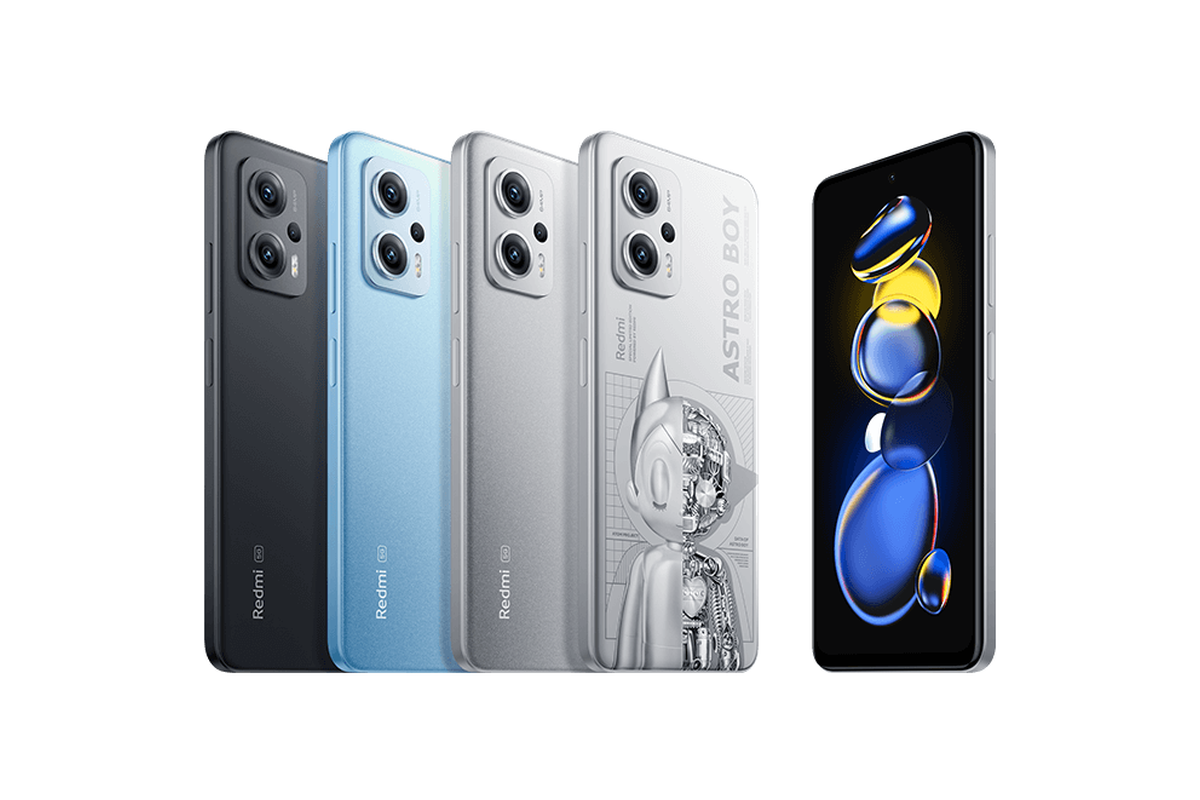
Redmi India has confirmed that it will announce the Redmi K50i 5G smartphone on July 20 in India. A fresh report by Pricebabahas revealed the configurations and color editions of the Redmi K50i 5G. In addition, it has also revealed the sale date of the device.
The publication has learnt from a trusted source that the Redmi K50i 5G will be available for purchase from July 22. The base model of the device will offer 6 GB RAM + 128 GB storage and its higher edition will have 8 GB of RAM and 256 GB storage. It will come in shades like Phantom Blue, Stealth Black, and Quick Silver. At present, there is no word on the pricing of the device.
Redmi Note 11T Pro series
Redmi K50i 5G specifications (rumored)
The Redmi K50i 5G will house a 6.6-inch IPS LCD screen that delivers a Full HD+ resolution of 1,080 x 2,460 pixels, a 20.5:9 aspect ratio, and a refresh rate of 120Hz. It will be equipped with a side-mounted fingerprint scanner. The K50i 5G will boot to the Android 12 OS and MIUI 13.
Under the hood, the Redmi K50i 5G will feature the Dimensity 8100 chipset. It is equipped with up to 8GB of LPDDR4x RAM and up to 256 GB of storage. The handset will be backed by a 5,080 mAh battery that supports 67W fast charging.
The Redmi K50i 5G will get a 16-megapixel camera for snapping selfies. Its rear-mounted triple camera setup will have a 64-megapixel main camera, which will be coupled with an 8-megapixel ultra-wide snapper and a 2-megapixel macro camera.
The Redmi K50i 5G will be a rebranded version of China’s Redmi Note 11T Pro. The same device is available with the POCO X4 GT name in other markets.
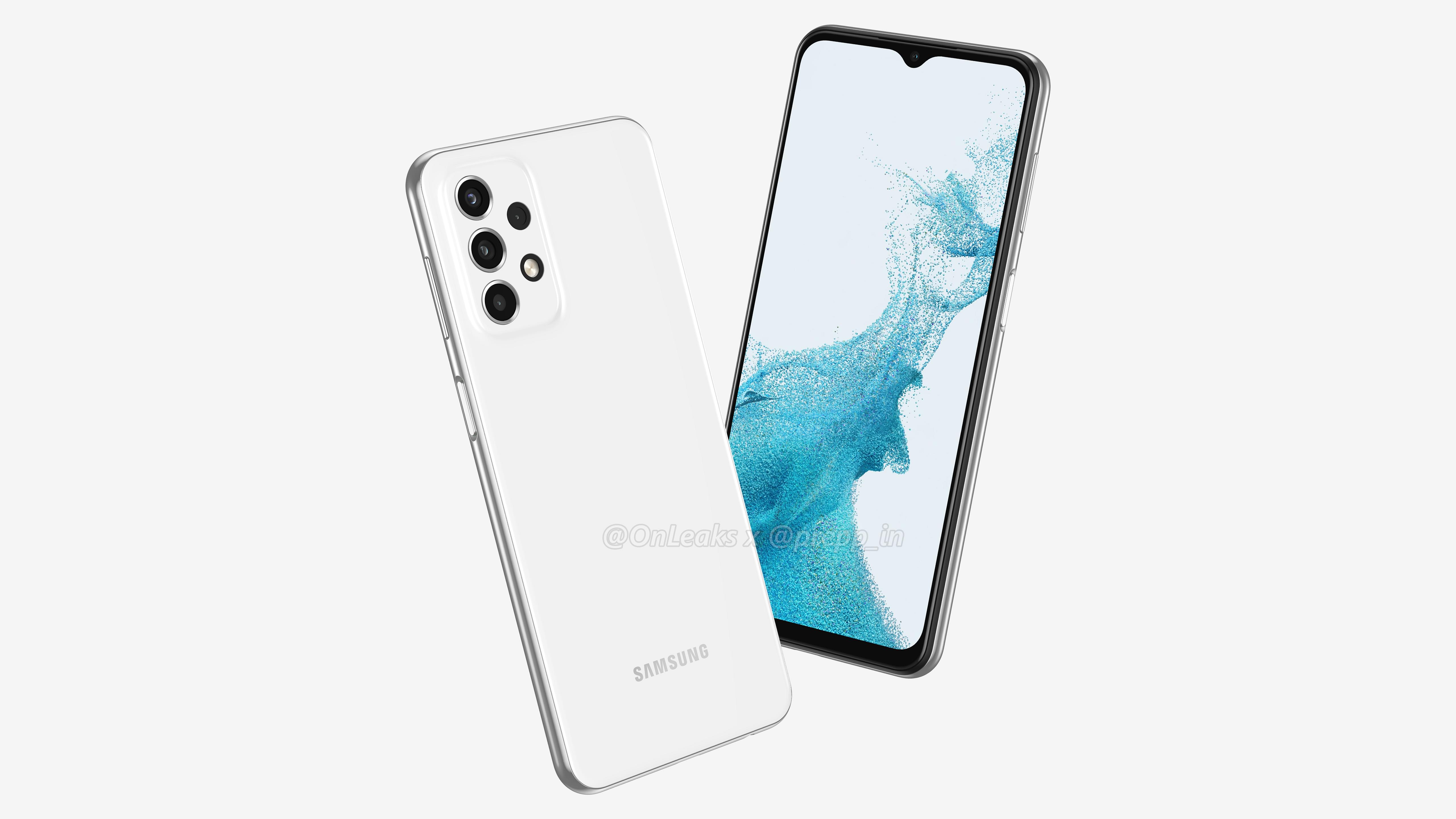
Two new Samsung smartphones, dubbed Galaxy A23 5G and Galaxy A04s, have been spotted on the Bureau of Indian Standards (BIS) certification website. The BIS listing did not reveal any specifications of the smartphones, however, it hints at their imminent launch in India. Previously, both devices were spotted on Geekbench which revealed the processor and a few other specifications of the handsets. They will be launched as mid-range smartphones and will offer a decent performance.
According to a report from MySmartPrice, Samsung is going to launch the Samsung Galaxy A23 5G and Galaxy A04s smartphones in the Indian market soon as both handsets have been spotted on the BIS India certification website with the model numbers SM-A236E/DS and SM-A047F/DS, respectively. The smartphones have also appeared on multiple certification websites in the past so we have gotten a whiff of their specs.
Samsung Galaxy A23 5G renders
Both Galaxy devices are expected to be introduced in the mid-range segment. According to the Geekbench listings of devices, the Galaxy A23 5G will be powered by an octa-core Snapdragon 695 processor coupled with Adreno 619 GPU and 4GB RAM. The device will likely run Android 12 with OneUI 4.1 on top.
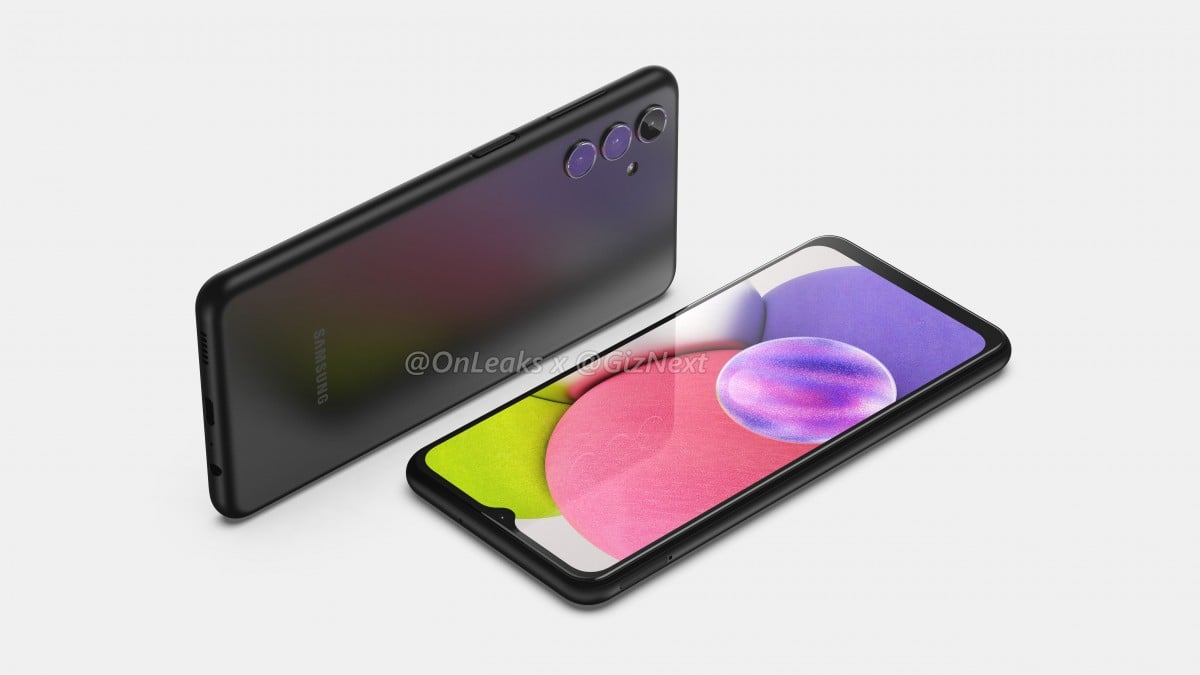
The Galaxy A04, on the contrary, is a 4G device and will likely be priced lower than A23 5G. The device will feature an Exynos 850 processor under the hood. The processor will be accompanied by ARM Mali-G52 MP1 GPU as well as 3GB RAM. We can expect it to run Android 12 out of the box.
Samsung Galaxy A04s CAD renders by Steve Hemmerstoffer / GizNext
Samsung is yet to make the Galaxy devices official. The company hasn’t revealed any details from its side. We hope to learn more details in the coming days.
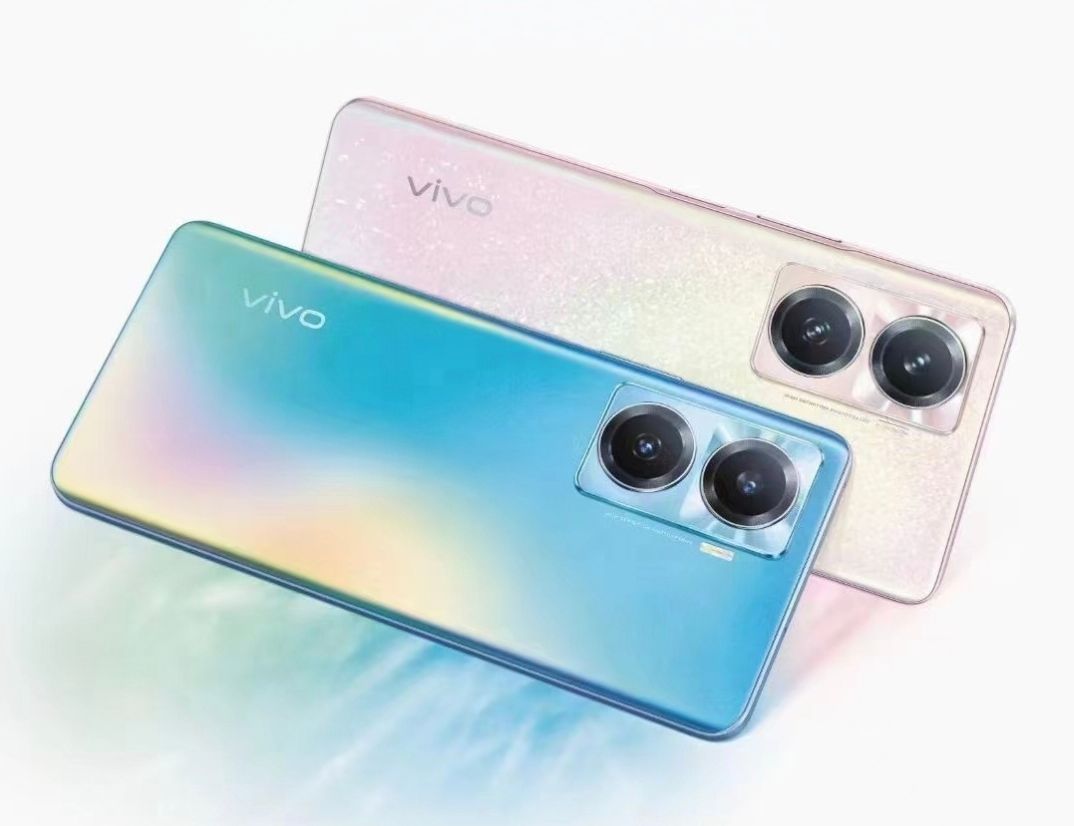
The Vivo Y77 5G has been launched in China as the most powerful Y-series phone. It features the Dimensity 930, which was announced in May this year. In addition, it offers other key features such as a high refresh rate LCD display, 50-megapixel dual rear cameras, and 80W fast charging support.
Vivo Y77 5G specifications and features
The Vivo Y77 5G has a 6.64-inch LCD display that produces an FHD+ resolution and a 120Hz refresh rate. The front side of the device is fitted with an 8-megapixel selfie snapper, and its back panel has a 50-megapixel (main) + 2-megapixel dual-camera system.
Vivo Y77 5G
The Y77 5G features the Dimensity 930, which is a successor to the Dimensity 920. The chip includes 2 Cortex-A78 CPU cores working at 2.2GHz, 6 x Cortex-A55 CPU cores ticking at 2.0GHz, and an IMG BXM-8-256 GPU. The device ships with 8 GB of LPPDR4x RAM and 256 GB of built-in UFS 2.1 storage.
The device is backed by a 4,500mAh dual-cell battery. It is the first-ever Y-series phone to carry support for 80W fast charging. For security, it has a side-facing fingerprint scanner. It is equipped with a side-facing fingerprint scanner and a 3.5mm audio jack. The handset measures 164.17 x 75.8 x 8.59mm and weighs around 194 grams.
Vivo Y77 5G price and availability
The Vivo Y77 5G costs 1,999 Yuan ($298) and is available in blue and pink. The smartphone is not yet listed on Vivo China’s website or on known Chinese retailer sites like JD and Suning. It is said to go on sale soon in the offline market of China.
In November 2021, Vivo unveiled the Vivo Y76 5G mid-range phone powered by the Dimensity 700 chip in Malaysia. The Malaysian wing of the brand has confirmed that it will be announcing the Vivo Y77 5G in Malaysia tomorrow at 7:07 PM (local time). Here is all the information on the specifications and features of the device.
𝑻𝒉𝒂𝒕'𝒔 𝒀 𝒘𝒆 𝒂𝒓𝒆 𝒆𝒙𝒄𝒊𝒕𝒆𝒅 𝒂𝒃𝒐𝒖𝒕 𝒊𝒕! 🛹
Our #vivoY775G will be unveiled tomorrow! Who's pumped? 🤘🔥
Continue to spread the word to your family and friends! Don't forget to tune in to Y77 5G online launch tomorrow, July 7th, 2022, at 7.07 PM. pic.twitter.com/nnG1HShsiY
Ahead of the launch, the Vivo Y77 5G is listed on Lazada and Shopee Mall in Malaysia. Both listings have confirmed the key specifications of the device. Here is everything that is known about the device.
Vivo Y77 5G specifications (expected)
The Vivo Y77 5G will have a 6.58-inch IPS LCD display with a teardrop notch. It will offer a Full HD+ resolution of 1080 x 2408 pixels and a 60Hz refresh rate. A fingerprint reader is built into the power button on the right side of the device.
Vivo Y77 5G
The Vivo Y77 5G will be powered by the Dimensity 810 chipset. It will arrive with 8 GB of RAM, 4 GB of virtual RAM, and 256 GB of internal storage. The smartphone will pack a 5,000mAh battery with 18W fast charging support.
Vivo Y77 5G
The rear camera setup of the Y77 5G has a 50-megapixel main camera with an f/1.8 aperture and a 2-megapixel macro camera. For selfies, it will have a 16-megapixel front camera. It will come with a microSD card slot for additional storage. The smartphone will run on Android 12 OS with FunTouch OS 12 UI on top. It will measure 164 x 75.8 x 8.25mm and weigh 194 grams. The Y77 5G will be arriving in two colors: Starlight Black and Glowing Galaxy.
Vivo is also planning to launch another Vivo Y77 5G in China. This phone is expected to pack different specs. It is likely to debut as the world’s first Dimensity 930 smartphone.
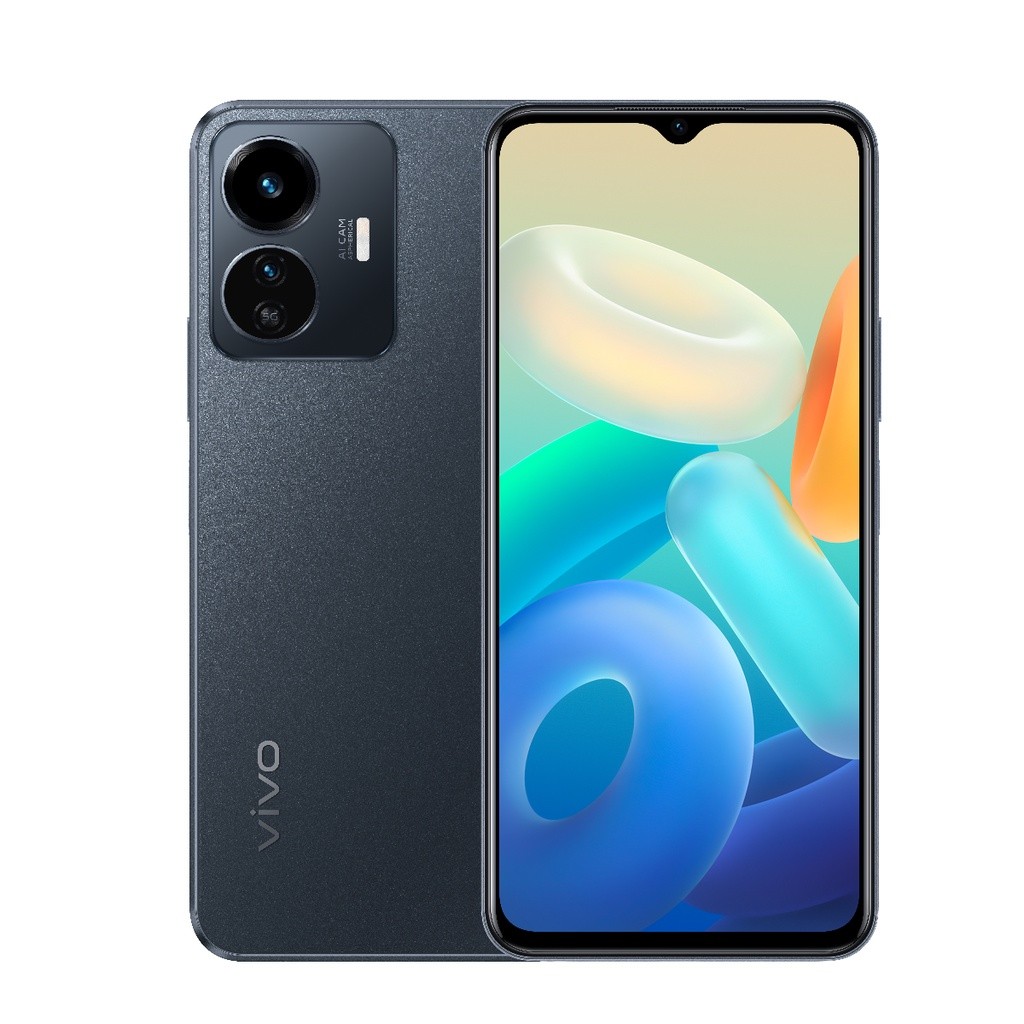
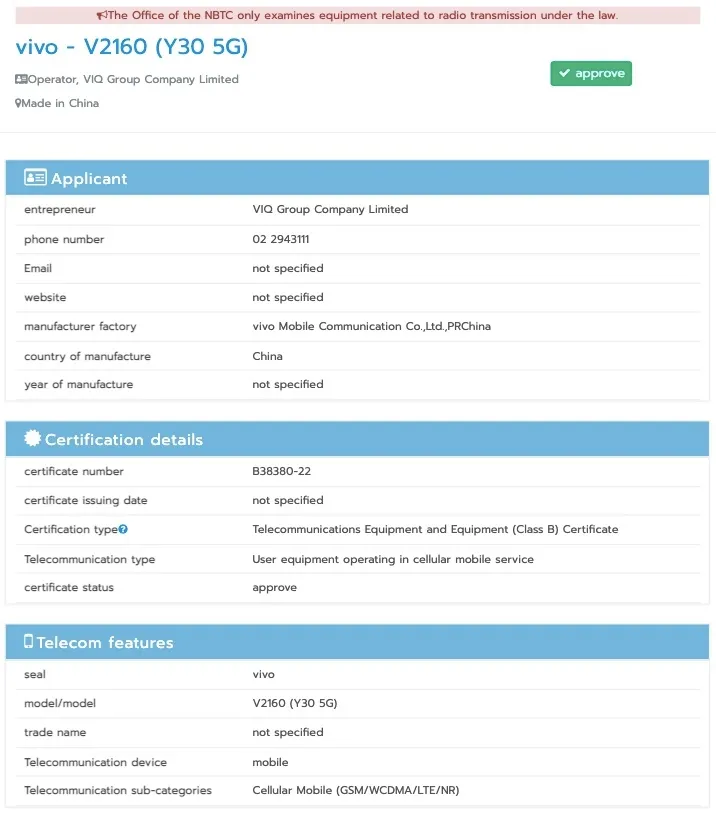
Vivo is planning on launching a new smartphones from its Y series. This model is the Y30 5G, which is expected to launch soon after it was spotted on the National Broadcasting and Telecommunications Commission (NBTC) in Thailand.
For those unaware, the company had launched the original Vivo Y30 Standard Edition back in December 2020. So as the name suggests, this model could be a 5G enabled variant of the same handset. Looking at the NBTC listing, the upcoming handset carries the V2160 model number. Furthermore, this certification sighting also confirms that the smartphone will support GSM/WCDMA/LTE/NR networks. Apart from this, no finer details regarding the Y30 5G was revealed on the website’s database.
Although, considering that the model is the 5G enabled model of the Y30 Standard Edition, it might feature some similar specifications. The Y30 Standard Edition sported a 6.51 inch HD+ IPS LCD panel. Under the hood, it was equipped with a MediaTek Helio P35 SoC. Although, the Y30 5G will likely have a 5G enabled chipset. Additionally, the Standard Edition packs 6GB of RAM and 128GB of internal storage. The device was powered by a large 5,000mAh battery pack that supported 10W charging.
Y30 Standard Edition
Other features include a side mounted fingerprint scanner, 13 megapixel dual camera setup on the rear, 8 megapixel selfie shooter, and more. Since the Y30 5G is a budget mid range model, we can expect it to feature a Dimensity series or Snapdragon 600 series chipset. However, we have no way of confirming this at the moment, so stick around for more updates.
There is great hype surrounding Nothing and its products. The company entered the tech world with a pair of earphones that were pretty decent but not earth-shattering. Next in the line is the Nothing Phone (1) which, without a doubt, is the most hyped piece of hardware we’ve seen. However, it seems Nothing will not stop at smartphones and accessories and will also venture into the realm of smart home ecosystem.
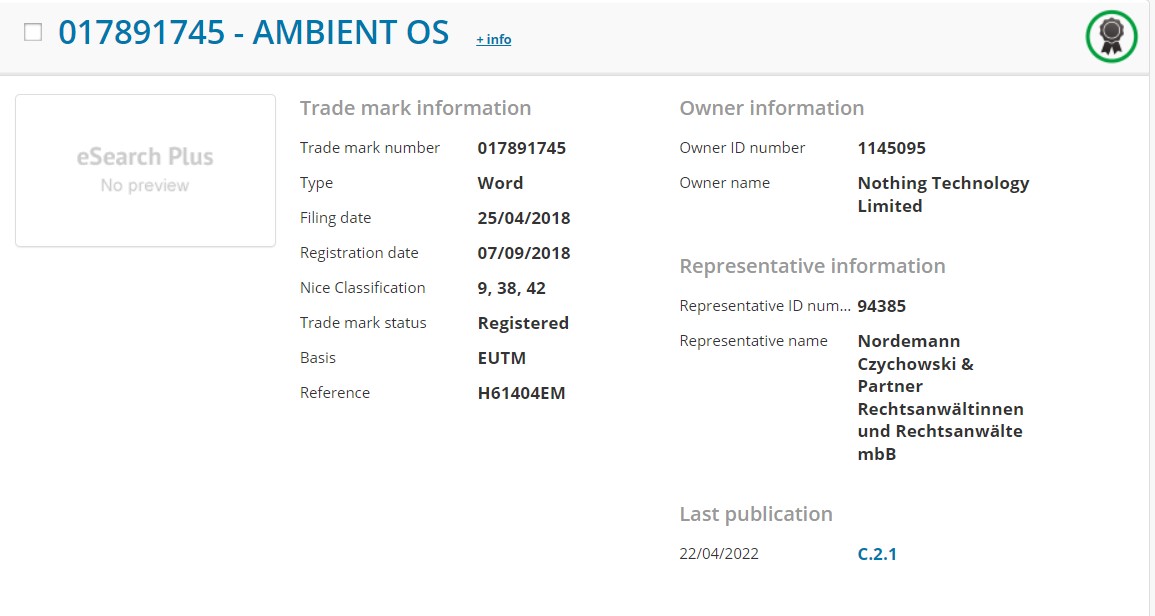
According to a tweet by tipster Mukul Sharma, Nothing has registered a trademark for Ambient OS from the European Union Intellectual Property Office (EUIPO). The tipster further adds that Nothing may launch several AIoT devices after the debut of Phone (1).
For the unversed, Ambient OS is an operating system for smart home products developed by a company called Essential. You may not have heard about the company itself but you might know its founder Andy Rubin, the guy who developed our beloved Android OS and sold it to Google.
Details about the Ambient OS are pretty short. From what we know, it is similar to the operating systems used in products like Amazon Echo and Google Nest. However, Ambient OS is claimed to be a lot better at automating tasks.
A website dedicated to smart home products describes Ambient OS as “IFTTT on steroids”. IFTT (If This Then That) is an application used to automate tasks on smartphones and other devices. You can use Ambient OS to perform automated tasks. For instance, you can command it to turn your living room smart lights on when your phone is connected to your home’s Wi-Fi network or you can have your bedroom’s lights off at a particular time.
Basically, it will make smart home devices perform like gadgets of a utopian dream. Anyways, it will be interesting to see what Carl Pei and his team do with the operating system.
After teasing for days, Xiaomi India has officially confirmed the launch date of the Redmi K50i. The latest Redmi-branded smartphone for the country will go official exactly two weeks later. Let’s check out everything that’s known about it.
The Redmi K50i is planned to launch in India on July 20. The phone is expected to go official via a live stream, which will likely begin at 12 PM IST. At the moment, we are not sure whether the company will be hosting a physical media event as it did with the Redmi Note 11 series announcement.
Talking about the device, the Redmi K50i is nothing but a rebranded Redmi Note 11T Pro. It also goes by the name of Poco X4 GT in some markets. Hence, we know almost everything about it, except for pricing and availability.
The Redmi K50i will be powered by a Mediatek Dimensity 8100 chipset paired with LPDDR5 RAM and UFS 3.1 storage. It will sport a 6.6-inch FHD+ LCD screen with up to 144Hz refresh rate, 650 nits peak brightness level, and Dolby Vision support.
The handset will house a triple rear camera system comprising a 64MP primary sensor, an 8MP ultra-wide unit, and a 2MP macro snapper. On the front, it will nest a 20MP shooter for selfies and video calls.
Other features of the Redmi K50i will include Dolby Atmos-supported dual stereo speakers, 3.5mm headphone jack, x-axis linear vibration motor, side-mounted fingerprint sensor, VC liquid cooling, MIUI 13 based on Android 12, 5,080mAh battery, and 67W fast charging support.
Last but not least, the Redmi K50i is tipped to arrive in 6GB + 128GB and 8GB + 128GB memory configurations in India.
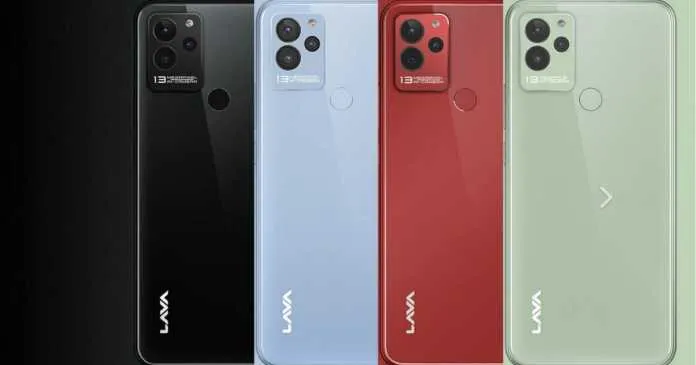
Lava is preparing to release a new smartphone for the Indian market soon. The device in question is the Blaze smartphone that is set to be launched in India on the 7th of July 2022. But prior to its release, the key specifications of the handset and its hands on images have been leaked. So let’s take a look.
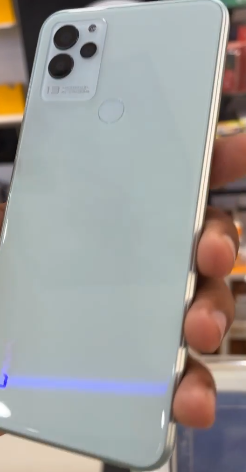
Looking at the image that was spotted on the company’s official website, we can see that the Blaze model will arrive in multiple color options. This includes a Black, Blue, Red, and Green variant. On the rear, it will feature a triple camera setup, which will consist of a 13 megapixel primary sensor. The back panel also features a rear mounted fingerprint scanner as well. Interestingly, a video on Instagramalso showcased the full design of the upcoming handset as well.
This video shows that the Blaze model has a glossy glass back panel. Other features include USB Type C port and a 3.5mm headphone jack. While finer details are currently unknown, the smartphone is rumored to be equipped with a UNISOC chipset. Furthermore, we can expect the Blaze model to sport an HD+ display and house at least 3GB to 4GB of RAM and up to 32GB or 64GB of internal storage.
The new Lava device is set to launch on July 7 and 12 pm IST. It is a new budget level smartphone and will be available for purchase on Flipkart and even the company’s official website. The device will likely be priced around 10,000 INR price tag (roughly 126 US Dollars).
Russia, the largest country in the world, has seen major changes in its phones, tablets, laptops, and household appliances market due to the withdrawal of western brands like Apple, Samsung, DJI, Ericsson, and more. As a result, experts are predicting that 90% of the brands sold in Russia will soon be Chinese.
The ongoing Ruso-Ukrainian War has forced the United States and the EU to take restrictive measures against Russia, significantly changing the smartphone and tech landscape in the country.
The smartphone market has been the most dynamic of all, considering the top 7 selling brands in the first half of 2022 have all been Chinese. Namely, Realme, Vivo, Xiaomi,Tecno,Infinix, ITel and Nokia.
Kommersant, a Russian media outlet was told in Marvel Distribution- one of the largest broad-line IT distributors in Russia and the Commonwealth of Independent States, that more than 100% year-on-year growth was shown by the Tecno, Infinix, Realme, and Xiaomi devices in 2022.
Xiaomi Store in Murmansk, Russia
Notably, Realme had sold only 498,000 units in the first half of 2021 in the country. However, this year, it has already sold more than 1.1 million units.
Growth in Chinese smartphone sales
Year-on-year unit sales grew significantly for brands like POCO (16%), Nokia (40%) while Apple’s and Samsung’s market share decreased by 14% and 15% year-on-year respectively.
Unit sales of brands like Tecno grew more than 20X in the last couple of months. Digma Electronics also saw positive growth of 8X in the same period. According to Yandex Market, the share of Chinese IT brands increased twofold year over year in the first quarter.
If experts are to be believed, the market may open its arms to brands such as Kimtigo, Akimojeba, Domfy, and Chuwi. According to M.Video-Eldorado, the largest Russian consumer electronic retail chain, “considering the shifting market conditions,” buyers are more inclined to pay attention to obscure or new brands mostly produced by Chinese, Turkish, or Russian companies.
There is a shortfall of spare components on the market in addition to the lack of ready-made devices. As a result, on June 28, the Russian Federation’s President signed legislation legalizing parallel imports in the country. Parallel Import enables you to import goods into the country without the official permission of the brand.
On May 6, the Ministry of Industry and Trade authorized a list of such goods, which included smartphones and electronics (Apple, Asus, HP, GoPro, Samsung, Dell, LG, Toshiba), household appliances (Electrolux, Dyson, Philips), and other items. Remarkably, smartphone deliveries have already begun under the parallel import approach.
Apple is gearing up to launch its highly anticipated iPhone 14 series in just a couple of months. The new 2022 iPhones have been spotted in various rumors and leaks, and now, the latest report hints that its pricing might see one of the more ‘drastic’ changes.
iPhone 14 Series prototypes
According to a Bloomberg report, one of the material suppliers for Apple’s primary chip maker (TSMC) has warned that there might be major rise in price for the iPhones. The supplier stated that it has already had to implement various hikes in materials cost. This warning is from Japanese chemical supplier Showa Denko K.K, which added that it expects the price to rise even further “as it grapples with a barrage of economic challenges confronting the $550 billion semiconductor industry.”
The report adds that there have already been at least around a dozen of hikes already within this year. The primary reason for this was the impacts of the coronavirus on the supply chain. Apart from this, the Russian invasion into the Ukraine and even the fall of the yen played a part in these price hikes. In an interview, the CFO of the supplier warned that the problem might not improve until next year.
Chief Financial Officer Hideki Somemiya stated that the company “has been forced to drastically increase the cost it passes on to customers.” Now, the supplier is asking for “twice the amount” it had previously estimated. Although, it remains to be seen how these raw materials cost rise impacts the overall pricing for the upcoming iPhone 14 series.
Samsung has finally confirmed to launch the Galaxy M13 series in India next week. The lineup will consist of two models. One of them will offer 5G connectivity, while the other one will be limited to 4G connectivity. Let’s take a look at all the known details about these phones.
The Galaxy M13 4G and the Galaxy Galaxy M15 5G are scheduled to launch in India on July 14. The devices are expected to go official via a live stream at 12 PM IST.
Samsung has put up teaserpages on Amazon India. The webpage reveals the design of the handsets along with a couple of features.
According to the images, the Galaxy 13 4G heading to India will be different from the Galaxy M13 4G sold elsewhere. It will not only differ in terms of design but also specs.
The Indian variant will not feature an island for the rear cameras. Further, it will be backed by a larger 6,000mAh battery instead of a 5,000mAh battery. It is also tipped to use a 5MP ultra-wide camera by replacing the 2MP macro camera.
However, it will share the Exynos 850 SoC, 6.6-inch FHD+ Infinity-V display (LCD), 50MP primary camera, 2MP depth sensor, and an 8MP selfie. The smartphone will also carry support for 15W fast charging and up to 12GB RAM via RAM Plus feature.
On the other hand, the Galaxy M13 5G is expected to arrive with a 6.5-inch HD+ Infinity-V display (LCD), Mediatek Dimensity 700 SoC, 11 5G bands, up to 12GB RAM via RAM Plus, 50MP + 2MP dual-camera system, 5MP selfie camera, 5,000mAh battery, and 15W fast charging support.
Nubia Red Magic 7S series is launching on July 11. Ahead of the launch, the company has shared the AnTuTu benchmarking score of the upcoming series. The score surpassed the 1.15 million mark which is higher than any Android smartphone in the market. The Red Magic 7S series is equipped with the latest Snapdragon 8+ Gen 1 accompanied by MAGIC GPU.
The Red Magic series consists of two powerful smartphones in the face of Red Magic 7S and Red Magic 7S Pro. It has been expected that the upcoming Red Magic series will provide top-of-the-line performance and will dominate the benchmarking charts. Now, Nubia has gone ahead and confirmed that upcoming gaming phones will indeed offer monstrous performance.
The company has shared a new teaser on its Weibo handle that showcases the AnTuTu benchmarking score of the upcoming Red Magic 7S series. The AnTuTu benchmarking score of the device is at a combined total of 1,156,044. This is more than the Motorola Moto X30 Pro and Xiaomi 12S Pro which scored 1,114,761 and 1,113,135 points respectively. Note that Motorola and Xiaomi devices are also equipped with Snapdragon 8+ Gen 1.
Red Magic 7S Pro
The Red Magic 7S series is expected to have extreme specs on paper. The Red Magic smartphones will come with top-end LPDDR5+UFS3.1 storage and will have a unique heat dissipation system called ICE 10.0 magic cold heat dissipation. The smartphones are expected to offer around 18GB RAM which is even more than an XBOX (Not technically).
The Red Magic 7S Pro is likely to be fueled by a 5000mAh battery supporting 135W or 165W fast charging. The smartphone is also rumored to have a 165Hz refresh rate. Red Magic 7S, on the other hand, is expected to have a 4500mAh battery, 120W fast charging, and 120Hz refresh rate.
The Realme Pad X tablet box comes with a 33W charger, a USB cable, quick start guide and an ejection pin.
Realme Pad X Design
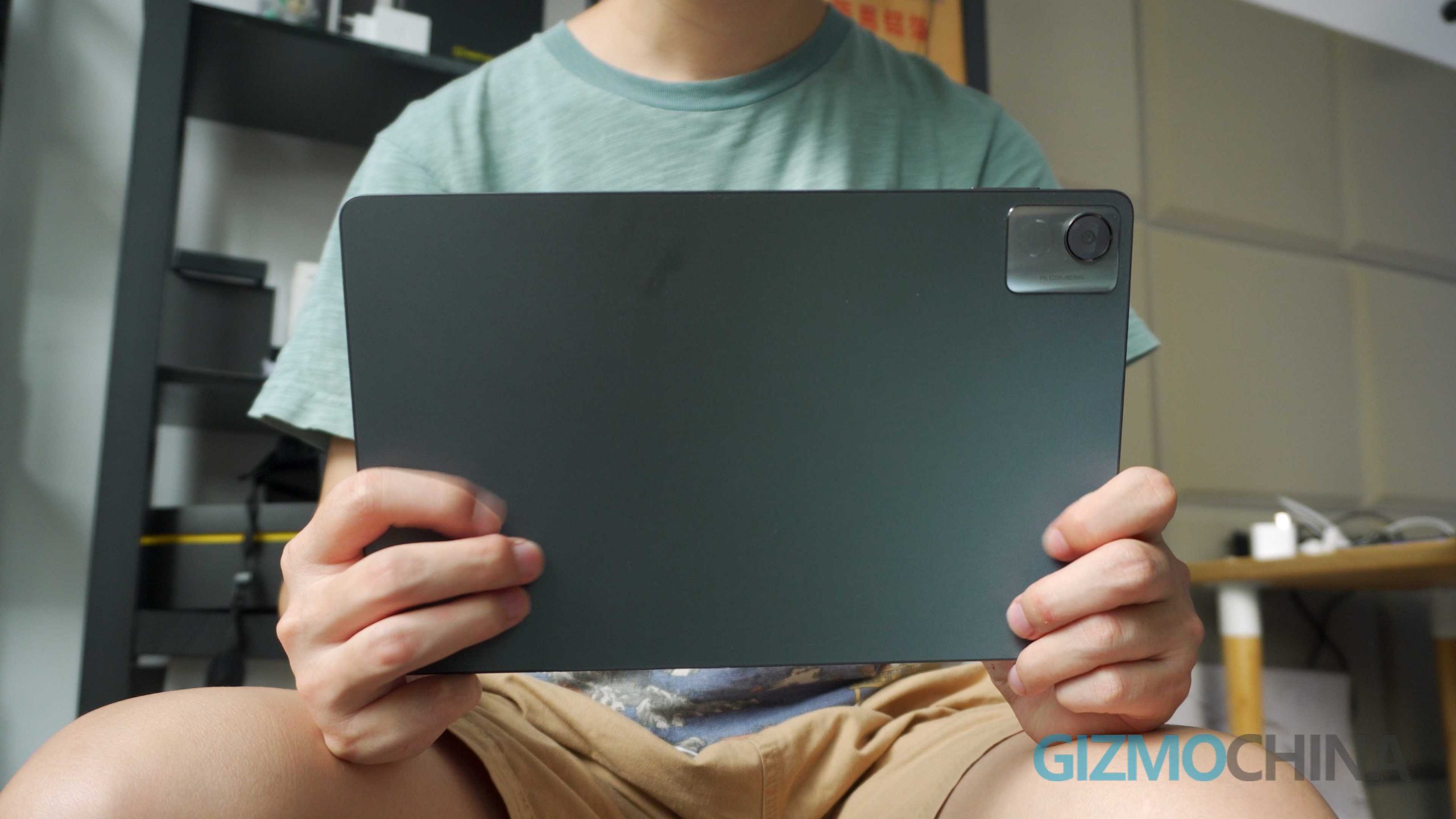
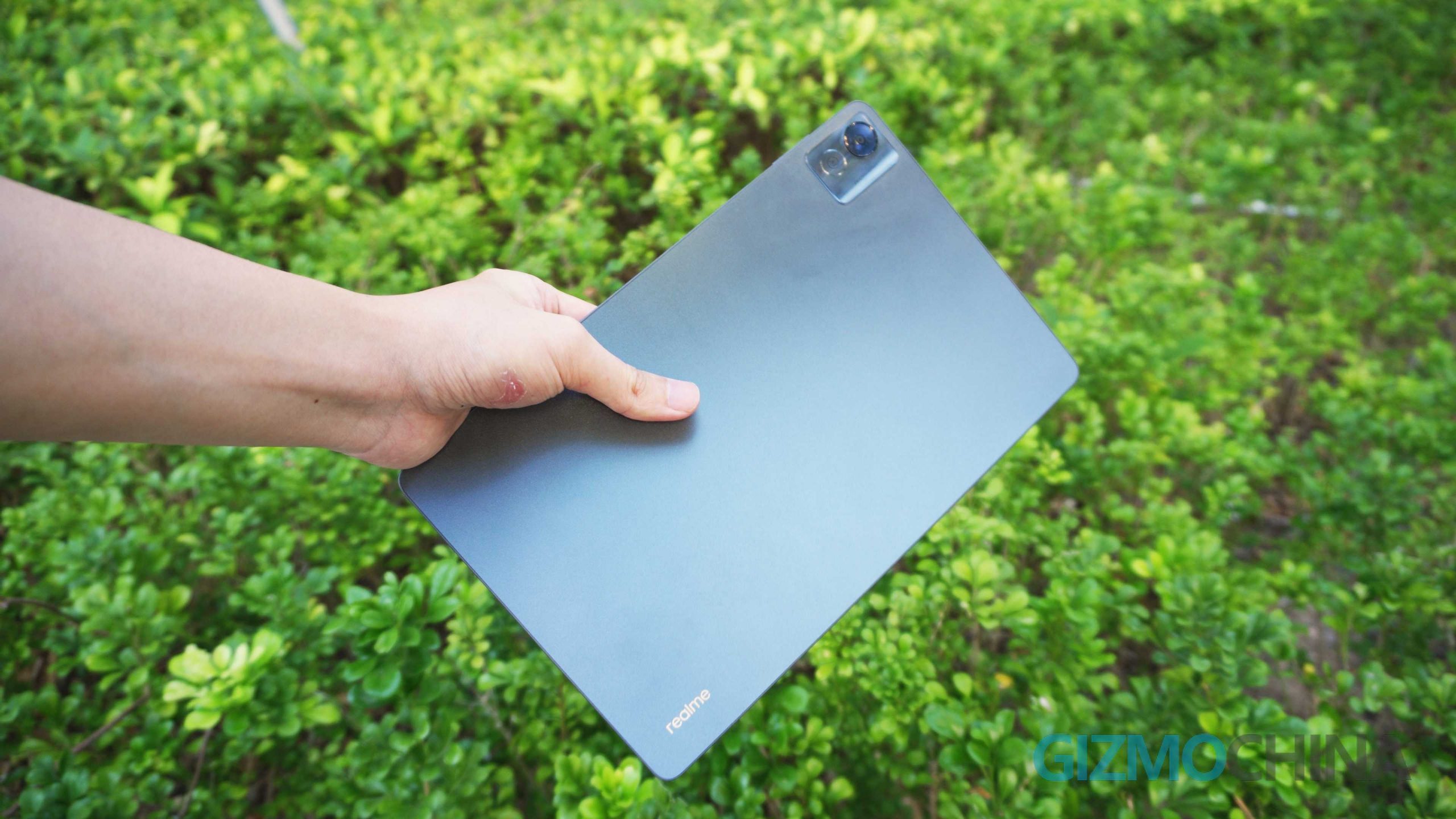
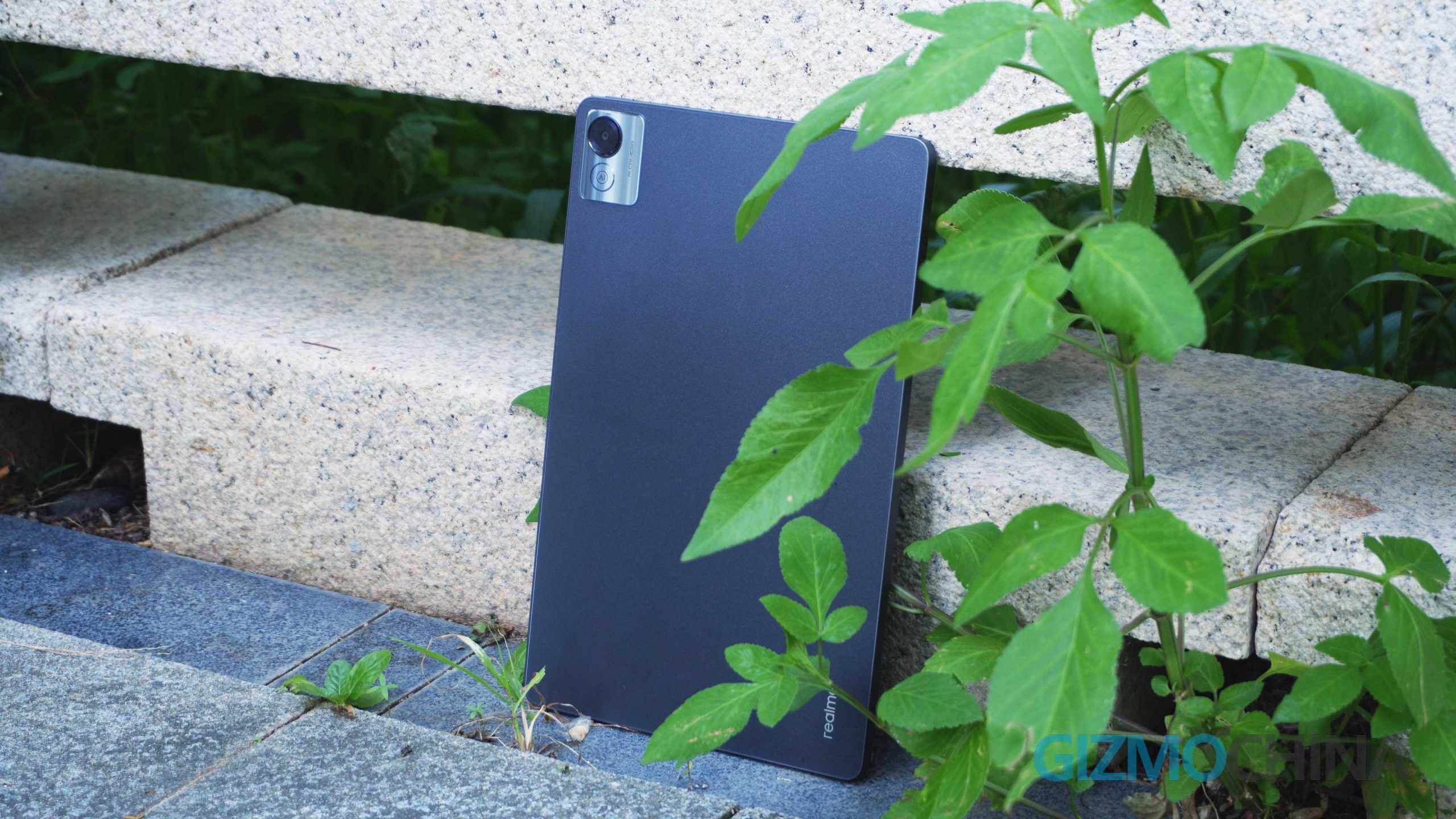
The model we’ve got is the gray variant. Unlike the OPPO Pad, it has a very clean design with only a Realme logo and a camera module on the back, which is a 12 MP camera. Considering the very limited use of the camera, actually, it’s still acceptable. And of course, the back cover uses a plastic material, but it still looks good.
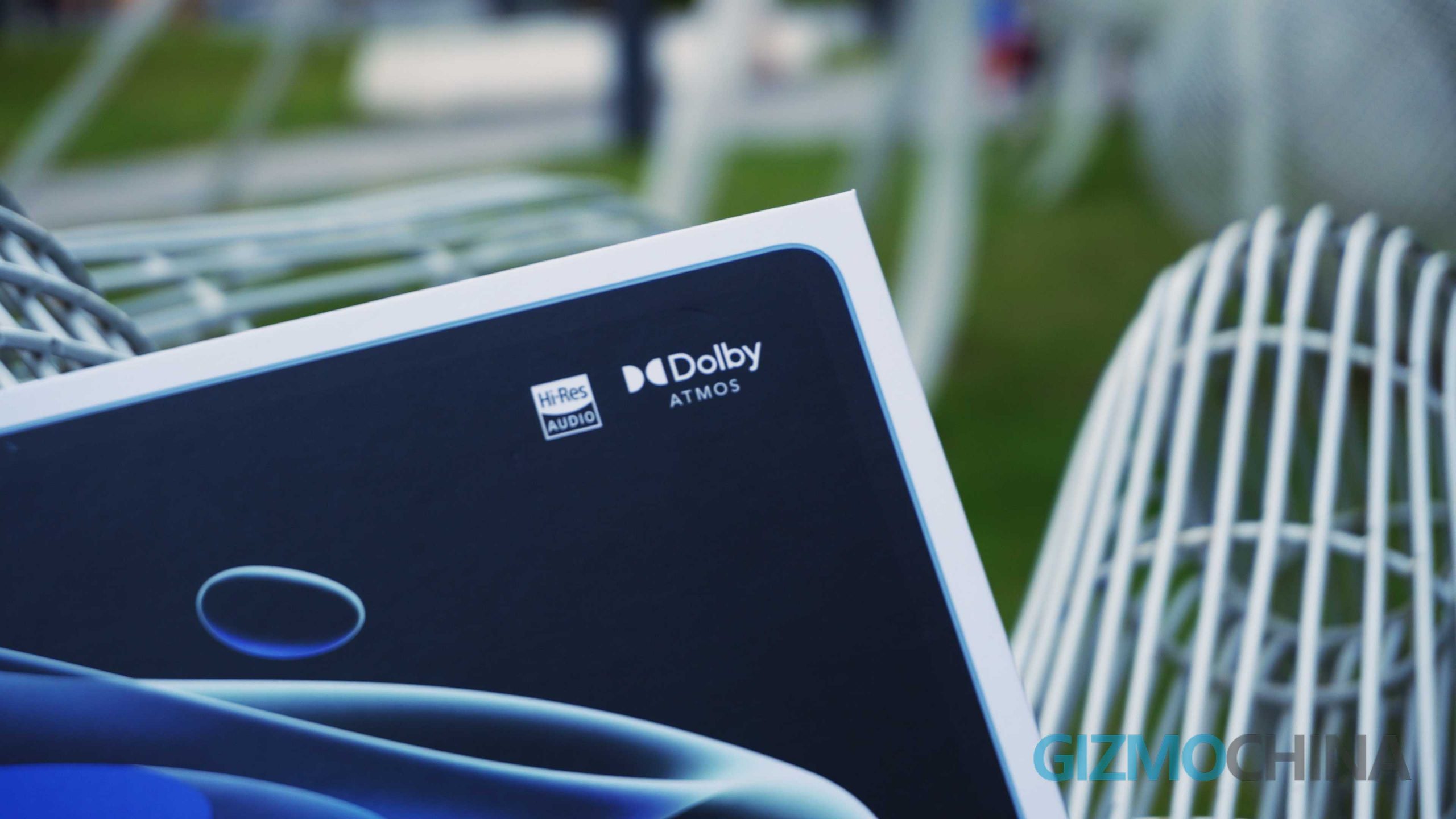
Although it’s just a budget tablet, there are still four speakers and two microphones on both sides, and it even supports Dolby Atmos!
And you can see the power and volume buttons are next to the camera module. But unfortunately, there’s no fingerprint reader equipped on the tablet.
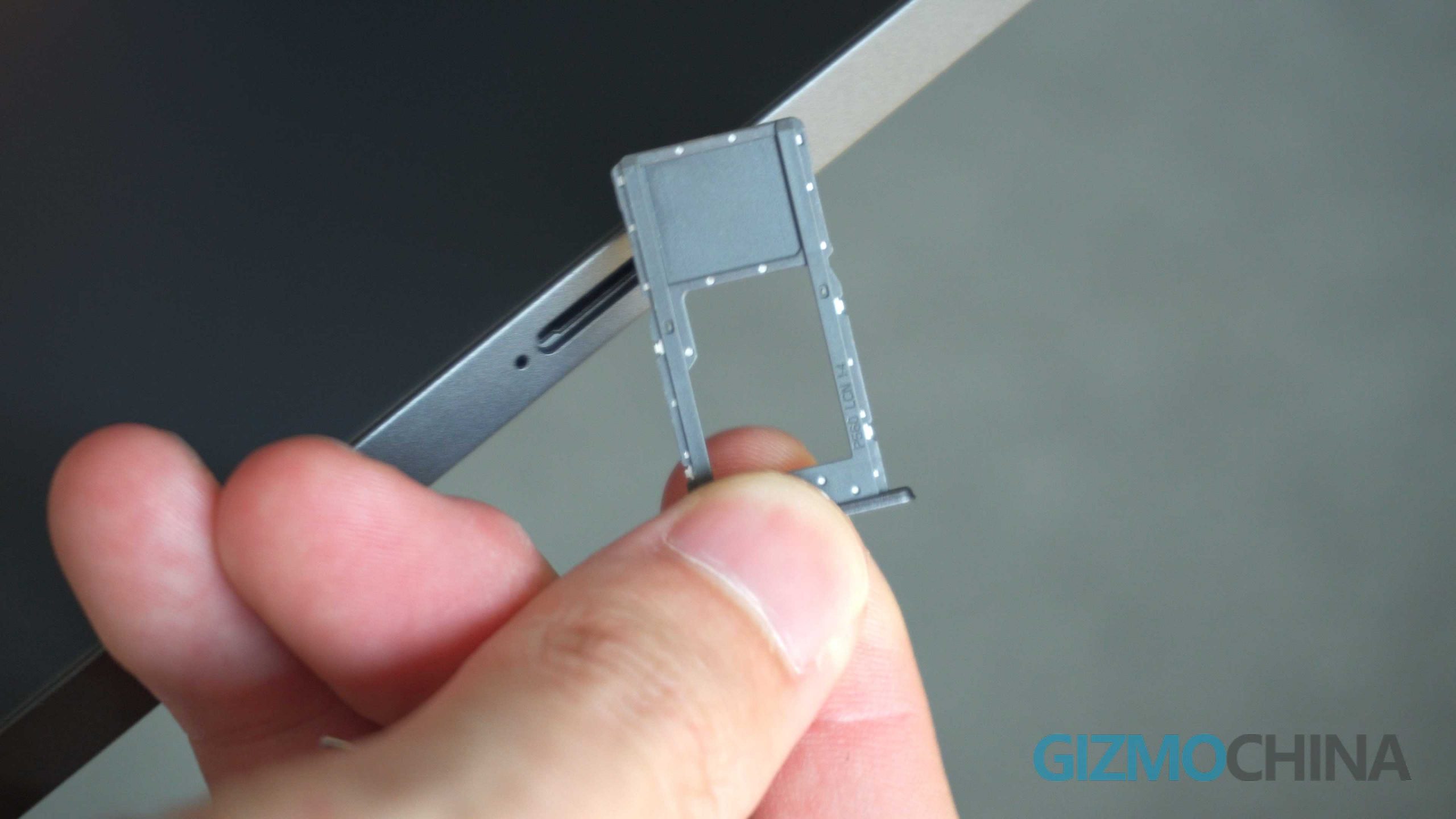
Removing the SIM-card slot, we were surprised to find that the Realme Pad X actually supports up to 512GB storage expansion. Guys, that’s absolutely a rare design on today’s phones and tablets.
Realme Pad X Display
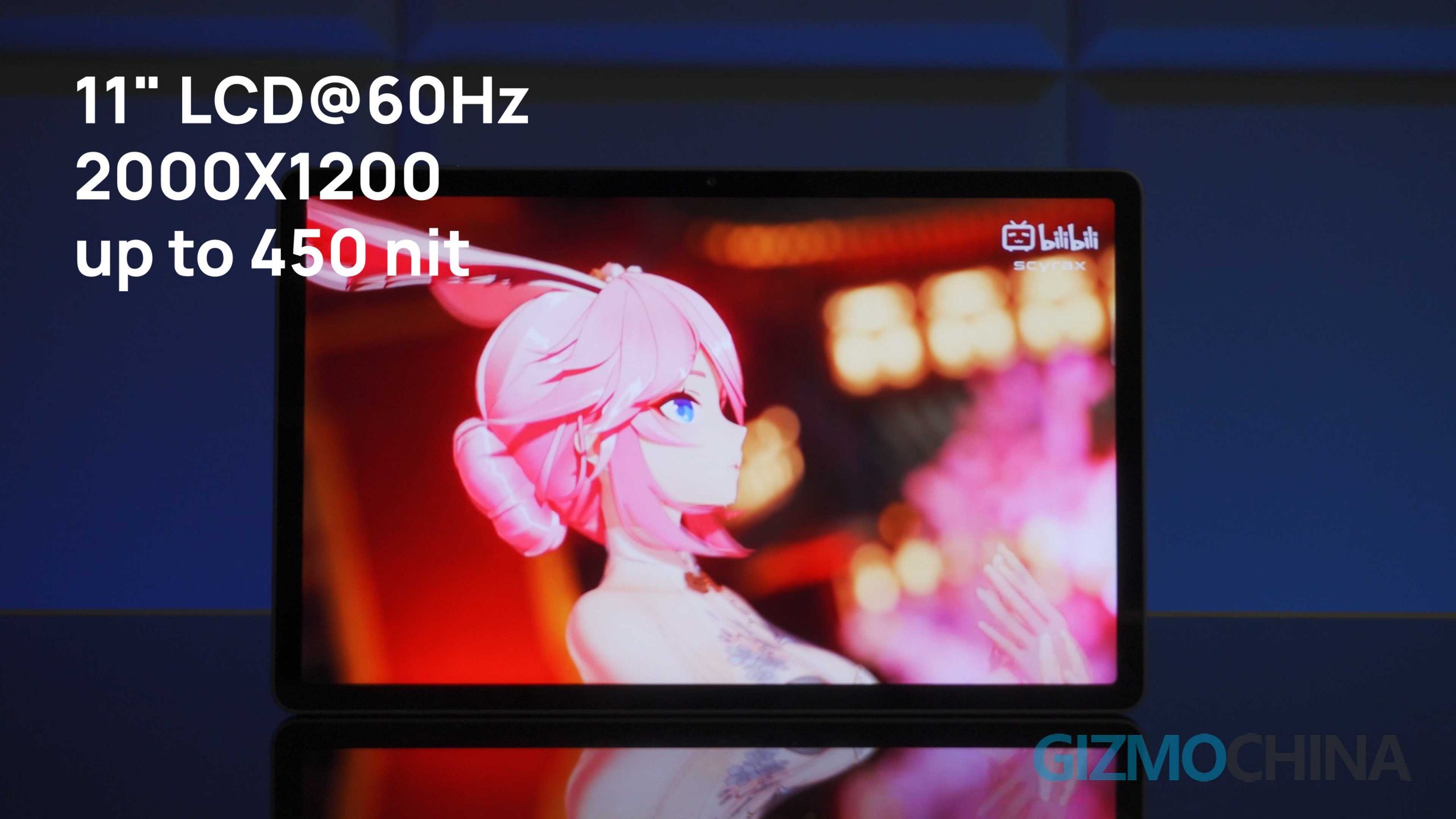
Realme Pad X comes with an 11-inch 2K LCD screen, it doesn’t support HDR or high refresh rate. But you have to know that the 2K resolution is already a surprise for such a budget model.
You can see that its colors and contrast are not especially outstanding. And because it just supports a 60Hz refresh rate, if you’ve been used to the higher refresh rate on your phone, you may need to take a little time to get used to these changes. However, it’s more than good enough to watch most videos or films, or just have online classes.
There is an 8MP wide-angle front camera at the top of the screen with the Limelight feature, which allows your face to always stay in the center of the picture during video calls.
There’s no special biosensor for unlock on the Realme Pad X, so you can only use normal facial recognition to unlock the Pad. Thankfully, it could be successfully unlocked in both portrait and landscape ways.
Realme Pad X Performance
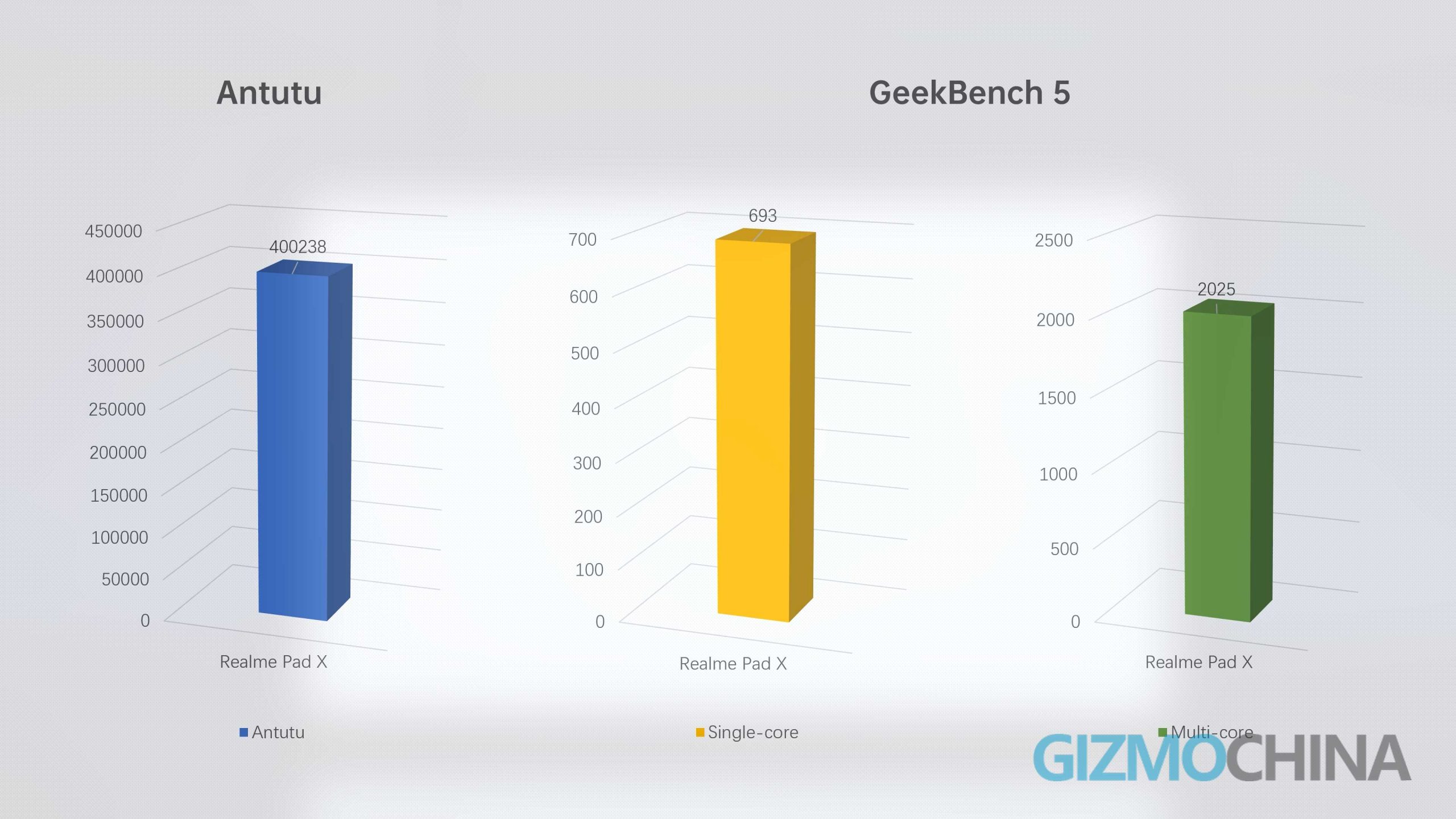
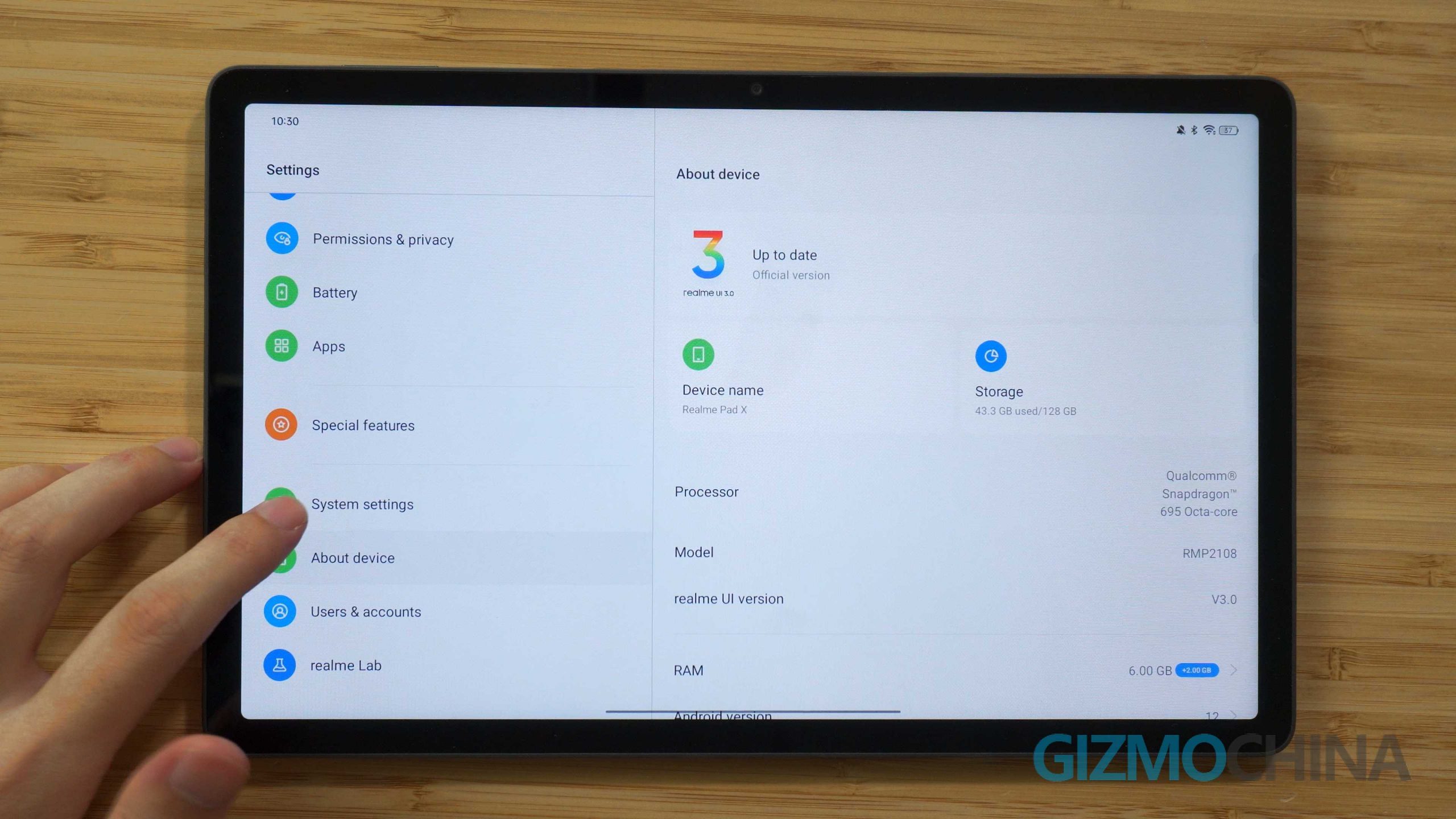
There are a lot of Snapdragon 870 tablets released this year, but Realme chose a more economical solution for the budget version. But that doesn’t mean this tablet performs poorly.
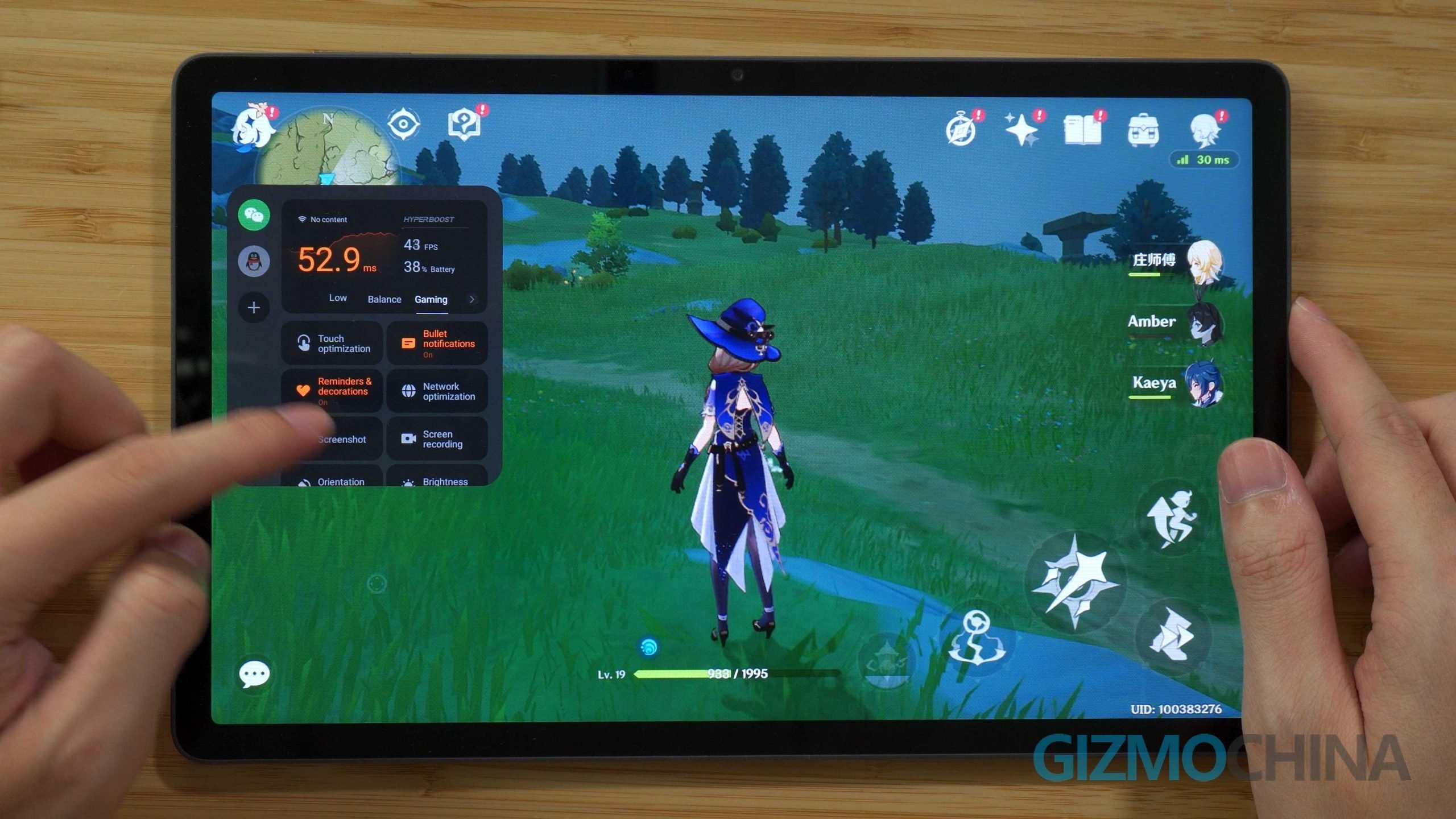
It comes with a Snapdragon 695 chip. From the benchmarks, we can learn that the performance is basically equal to half of a Snapdragon 888 model. So I didn’t really expect it to have a good gaming experience, but surprisingly in Genshin Impact, it can still run at about 45 FPS with a medium graphic setting. So if you don’t have that high demand for graphic quality, you can play most mobile games on it.
Due to the low power consumption of the chipset, it can maintain a low surface temperature no matter how long you play games.
You may be more concerned about the performance of the four speakers on the Realme Pad X since it officially claims the support of Dolby Atmos, so now let’s hear how it sounds.
I’m not sure if Realme is ready to send constant updates for the tablet software as a new player in the tablet market. The UI looks quite familiar with what we have on a Realme Phone. But it did feel smooth and responsive.
The software is based on Android 12, and personally, I think its user experience is similar to ColorOS For Pad.
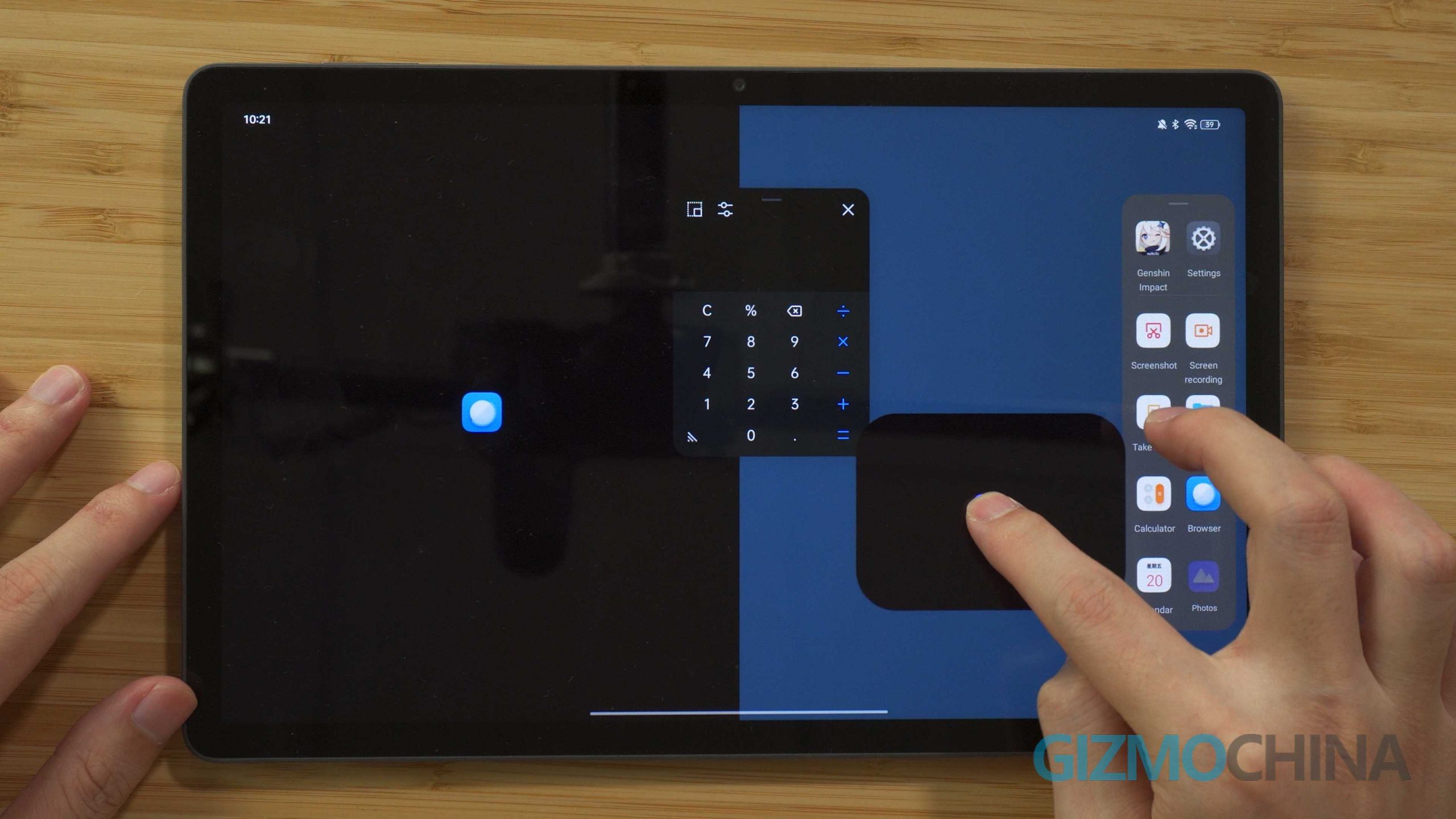
Smart Side Bar is one of my favorite features. You can access many shortcuts and apps quickly on any interface, or start the split-screen mode for multitasking.
The Game Assistant is also reserved for the Pad, and Bullet notification will show you messages in a non-intrusive way when you are playing games. You can also instantly reply to them with the floating window.
In some ways, it may provide a better gaming experience than most other budget tablets, or even the cheap variants of the iPad.
Realme Pad X Battery Life & Charging
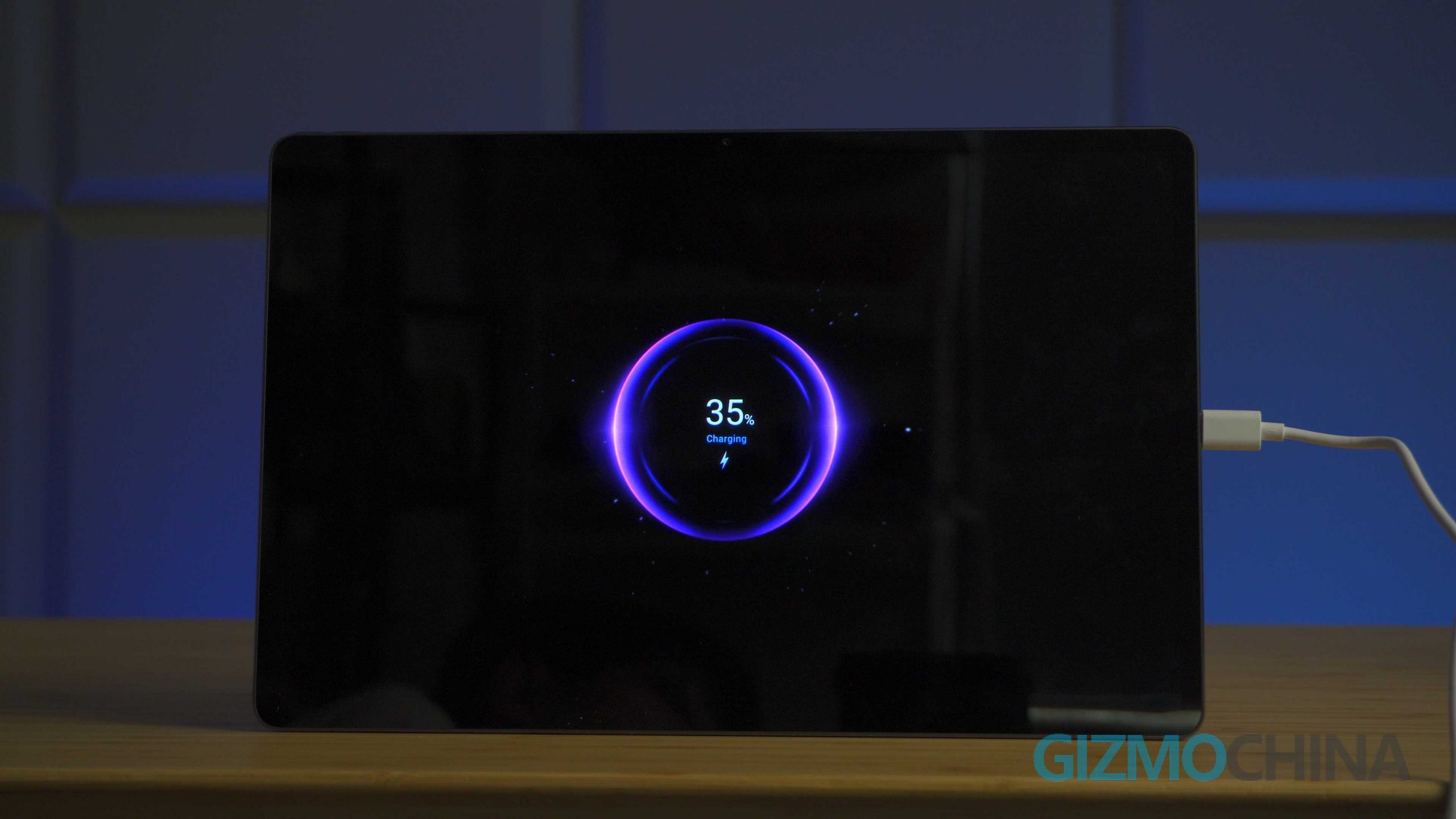
Like the OPPO Pad, the Realme Pad X supports up to 33 watts of charging and takes about two hours to get fully charged.
Thanks to the Snapdragon 695’s low power consumption, you don’t really need to care too much about its battery life, it can even reverse-charge your phone when you need.
So this is all about the unboxing and quick preview of Realme Pad X. It’s not a powerful flagship, but the elegant design and the Realme software make it more than good enough for daily use.
The biggest drawback I can find is that the current Realme UI doesn’t support parental control yet. Well, I’m not sure whether you need it or not. Anyway, we’re still looking forward to Realme’s flagship tablet later on. But by far, if you need a budget tablet for light uses, I think the Realme Pad X is one of the best options.
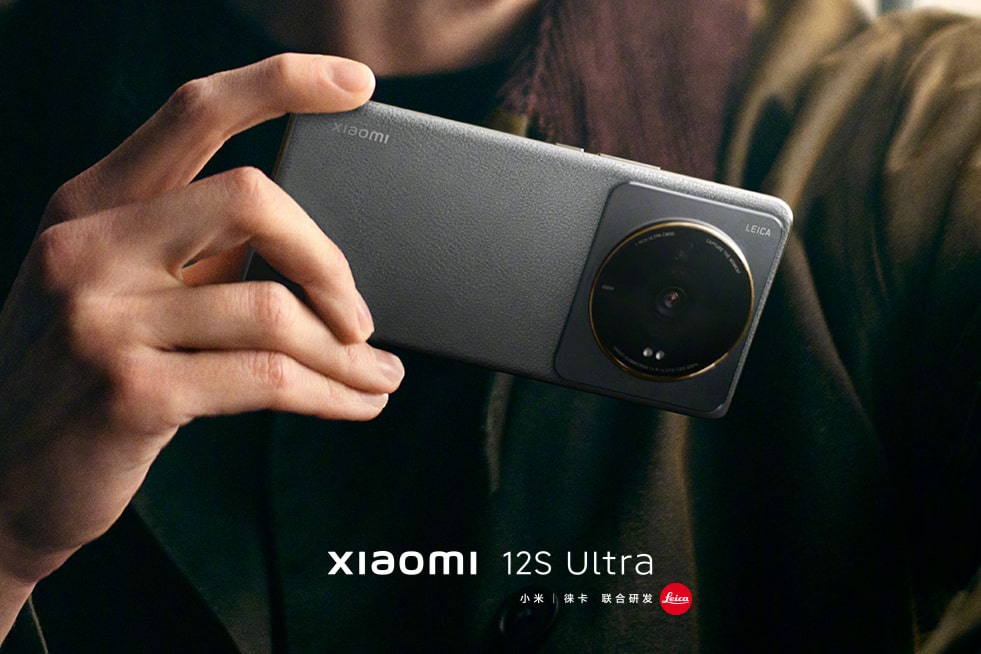
Elliptic Labs, a provider of artificial intelligence (AI) software and virtual smart sensors, debuted “INNER BEAUTY,” AI-powered proximity sensors, on Xiaomi‘s most recent flagship products, the Xiaomi 12S Ultra and Xiaomi 12 Pro Dimensity Edition. The former is powered by Qualcomm’s Snapdragon 8 Gen 1 chipset, while the latter is supported by MediaTek’s Dimensity 9000+ chipset. Also, Qualcomm is a partner of Elliptic Labs.
(Source: Elliptic Labs)
The Norwegian company’s CEO Laila Danielsen said-“Xiaomi’s continued selection of our AI Virtual Proximity Sensor for its leading smartphones, and our companies’ collective success, highlights just why the AI Virtual Smart Sensor Platform is a solid solution for smartphone proximity sensing. The AI Virtual Smart Sensor Platform is a 100% software-only solution that makes devices smarter, greener, and more human-friendly, enabling the best and most innovative smartphone designs.”
The Chinese smartphone brand Xiaomi recently launched the Xiaomi 12S series on the 4th of July this year in China. The Xiaomi 12S Ultra is the top model in the new flagship series, therefore it comes equipped with Qualcomm’s cutting-edge Snapdragon 8+ Gen 1 SoC, which is built on a 4nm technology. This chipset supports up to 12GB of LPDDR5 RAM and 512GB of UFS 3.1 internal storage.
Xiaomi 12S Ultra
Elliptic Labs’ AI Virtual Proximity Sensor turns off the display and disables touch capability on the screen when people hold their smartphone up to their ear during a phone conversation. This reduces the possibility of hanging up a call or dialing numbers when the phone is close to the ear or cheeks, while also conserving battery life by automatically turning off the screen.
The sensor also provides strong proximity detection without the need for a dedicated hardware sensor. As one of their core functions, all cellphones on the market today use proximity detection. By replacing hardware sensors with software ones, the AI Virtual Proximity Sensor reduces device costs and eliminates sourcing risk.
Notably, almost all Xiaomi devices use Elliptic Labs’ AI Virtual Proximity Sensor.
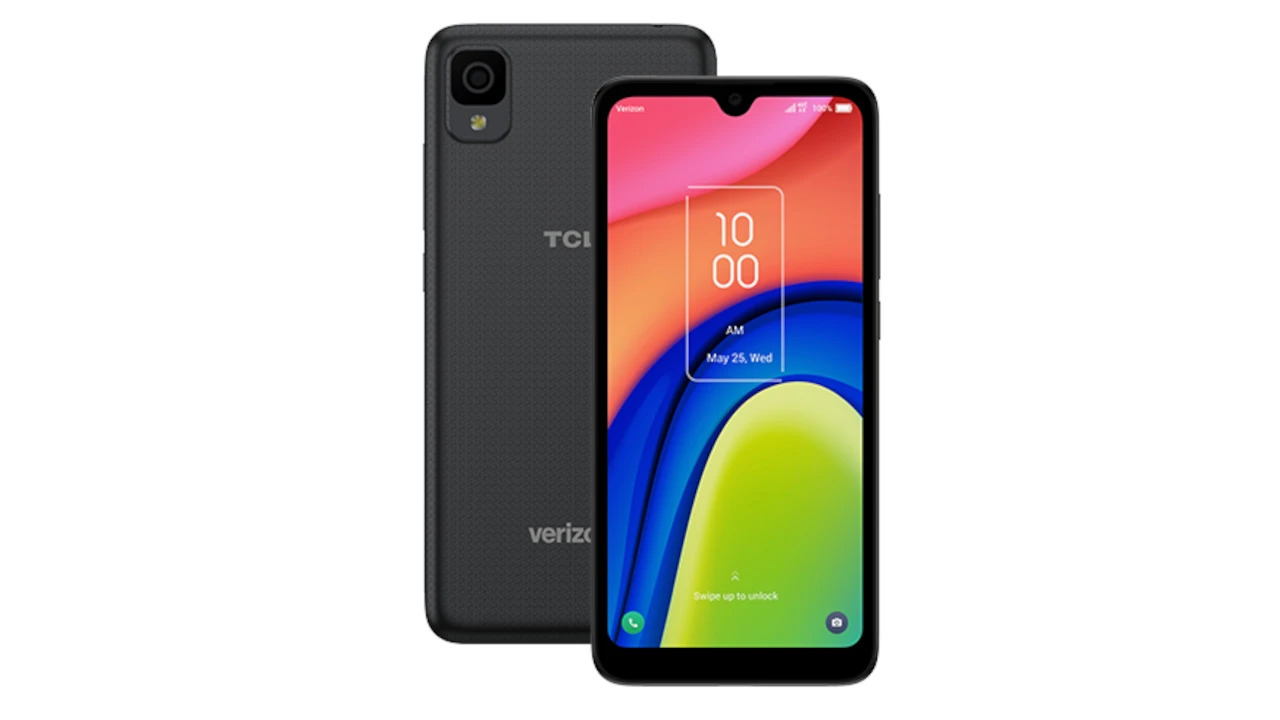
TCL is known for making TVs but the company also has a lineup of smartphones that mostly fall in the entry-level or budget category. The company previously launched the TCL 30 series phones and now has added a new phone to the series — TCL 30 LE.
The TCL 30 LE smartphone was first announced a couple of months ago, but it has now made its way to the United States. This new entry-level smartphone from the company is now available for the price of $104.
The smartphone features a 6.1-inch HD+ display that offers a screen resolution of 1560 x 720 pixels. The display, which is powered by NXTVISION, comes with a notch for housing the front-facing camera.
Under the hood, the device is powered by the MediaTek Helio A22 processor, coupled with 3GB of RAM and 32GB of internal storage. There’s also a microSD card slot, allowing users to expand the storage up to 512GB.
There’s a 13-megapixel camera sensor on the back of the phone, placed in the top-left corner. The smartphone also features an 8-megapixel camera sensor on the front side for taking selfies and video calling.
It runs the Android 12 operating system out-of-the-box, but there is no information available about the possibility of the phone receiving any major updates. The device is powered by a 3,000mAh battery and offers 24 hours of usage on a single charge.
The TCL 30 LE smartphone, which is priced at $104, is available in the United States exclusively through Verizon and Walmart.
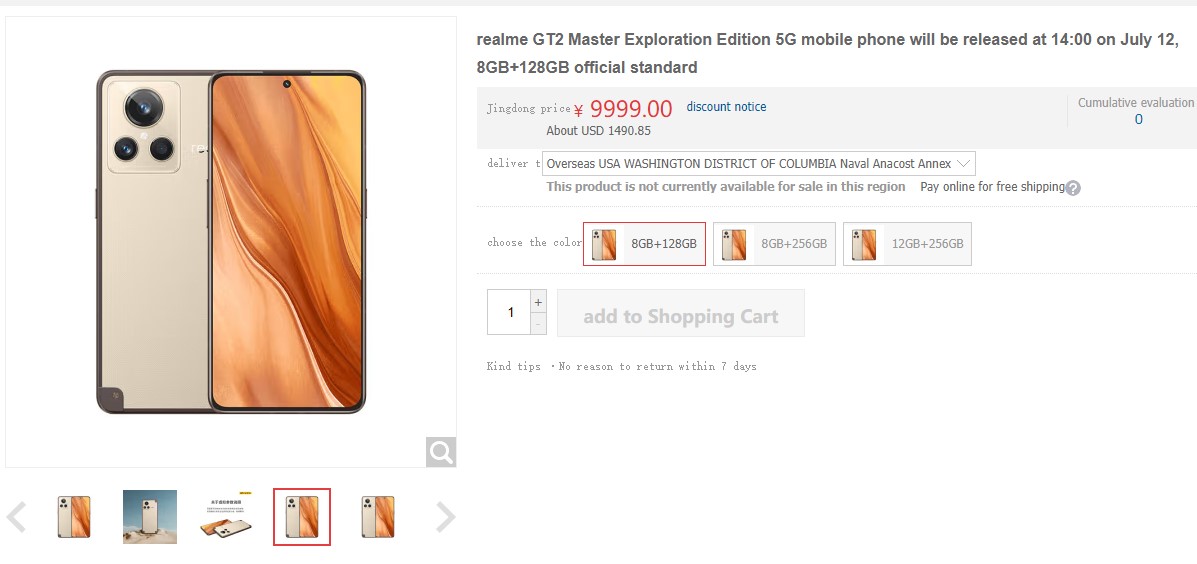
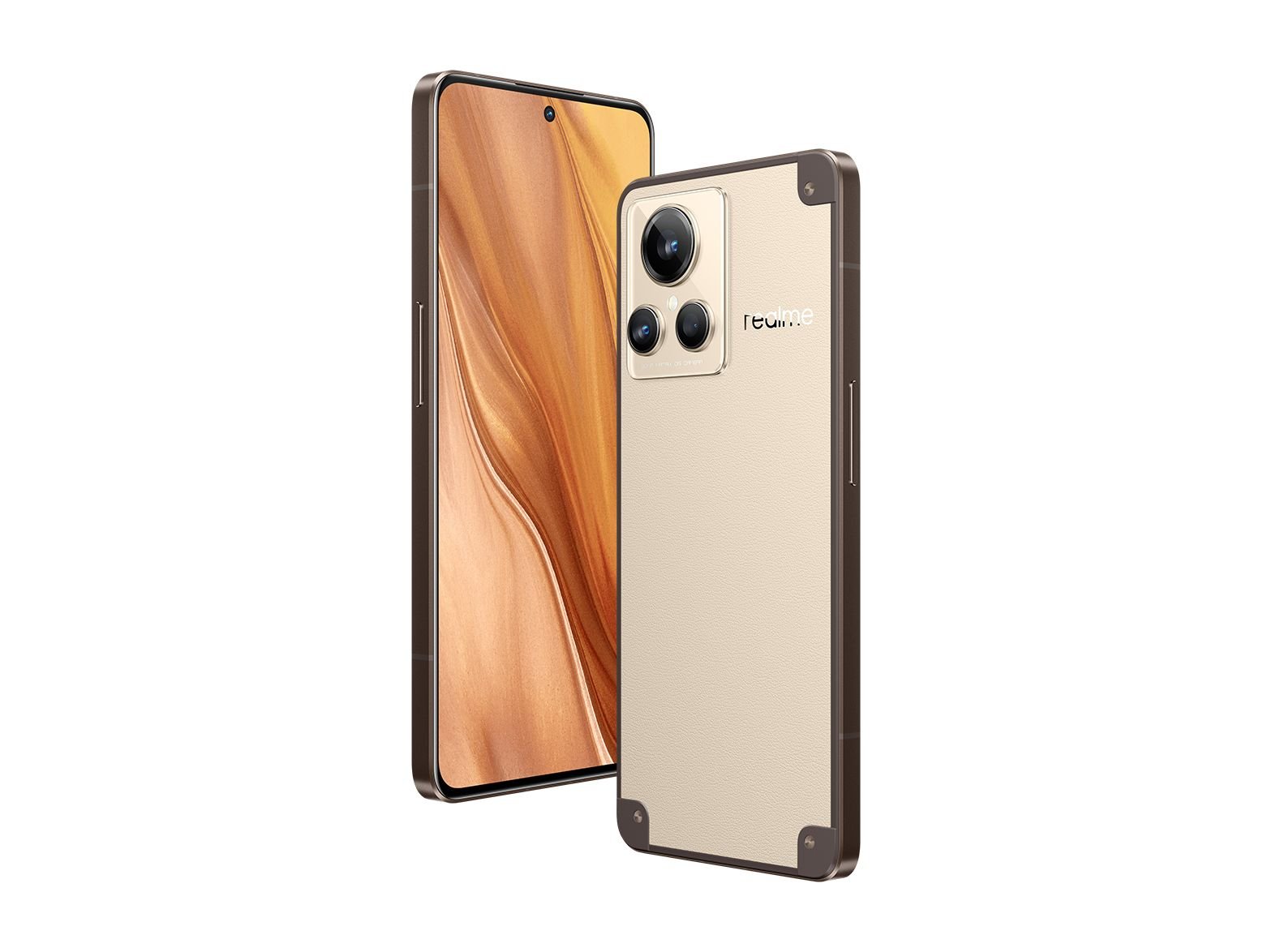
Realme will be launching the Realme GT 2 Master Explorer edition smartphone on July 12 in China. Yesterday, the company revealed the design of the smartphone. Ahead of the launch, a couple of reservation listings for the device appeared on JD.com (via). Some of these listings have revealed the configurations of the smartphone.
As can be seen in the screenshot below, the Realme GT 2 Master Explorer edition will come in three configurations: 8 GB RAM + 128 GB storage, 8 GB RAM + 256 GB storage, and 12 GB RAM + 256 GB storage. It is speculated that the device may carry a starting price of 3,999 Yuan (~$596).
Realme GT 2 Master Explorer variants listed on JD.com
The Realme GT 2 Master Explorer edition will sport a leather back with a hard metal casing. As per the TENAA listing of the device, it may arrive in green and white colors. Apart from launching the Master Explorer phone on July 12, the company will also announce the Realme Buds Air Neo 3 and a laptop, which is likely to be called the Realme Book Air. The earbuds will arrive in two colors as per its JD listing, such as Starry Night Blue and Streamer White.
Realme GT 2 Master Explorer specifications (rumored)
The Realme GT 2 Master Explorer will sport a 6.7-inch AMOLED FHD+ 120Hz display, which will be embedded with a fingerprint scanner. It will have a 16-megapixel camera for selfies. Its rear panel will have a 50-megapixel main snapper, a 50-megapixel ultra-wide camera, and a 2-megapixel lens. The device will come preloaded with Android 12 OS and Realme UI 3.0.
Realme GT 2 Master Explorer
The device will come equipped with the Snapdragon 8+ Gen 1 chipset, up to 12 GB of LPDDR5 RAM, and up to 256 GB of UFS 3.1 storage. It will pack a 5,000mAh battery, which will carry support for 100W charging.
A couple of days ago, Xiaomi announced its latest flagship smartphone in its home country China — Xiaomi 12S and 12S Pro, along with a couple of other products.
Today, both the smartphones — Xiaomi 12S and Xiaomi 12S Pro are officially available for purchase in the Chinese market for a starting price of 3,999 yuan (~$595).
The 8GB + 128GB model is priced at 3,999 yuan while the 8GB + 256GB model costs 4,299 yuan. The 12GB + 256GB model costs 4,699 yuan while the 12GB + 512GB model is priced at 5,199 yuan.
As for the Xiaomi 12S Pro, the 8GB + 128GB model costs 4,699 yuan while the 8GB + 256GB model is priced at 4,999 yuan. The 12GB + 256GB model costs 5,399 yuan while the 12GB + 512GB is available for 5,899 yuan.
Coming to the specifications, the Xiaomi 12S features a 6.28-inch display while the 12S Pro model has a 6.73-inch display, both of them offering an AMOLED panel with Full HD+ resolution and a 120Hz refresh rate.
Under the hood, the devices are powered by the Qualcomm Snapdragon 8 Plus Gen 1 processor, coupled with LPDDR5 RAM and UFS 3.1 internal storage.
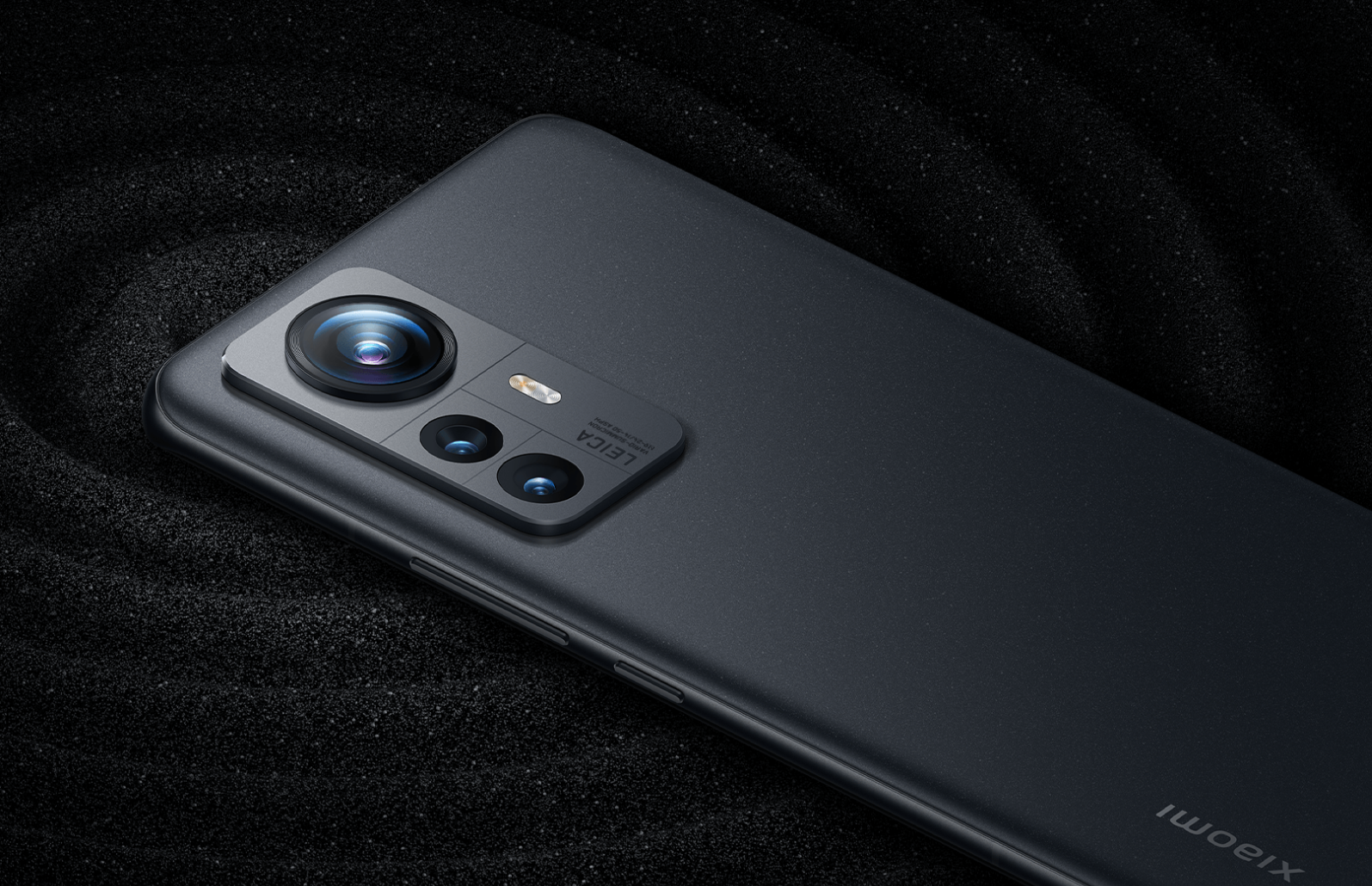
In the camera department, the phones have a Leica-branded camera setup on the back. The regular model has a 50MP primary sensor, a 13MP ultra-wide lens, and a 5MP telephoto sensor. On the other hand, the Pro model features a 50MP Sony IMX707 primary sensor coupled with a 50MP ultra-wide lens and a 50MP telephoto lens. Both the phones have a 32MP snapper on the front for taking selfies and video calling.
The Xiaomi 12S series runs the Android 12 operating system out-of-the-box with the company’s own MIUI custom interface on top. The 12S is powered by a 4,500mAh battery with 67W fast charging while the 12S Pro is powered by a 4,600mAh battery and supports 120W fast charging, 50W wireless charging, and 10W reverse wireless charging.
iQOO has finally confirmed the launch date of the iQOO 10 series. The Chinese manufacturer will announce it at 7:30 PM (local time) on July 19 in China. The lineup will include two models: the iQOO 10 and the iQOO 10 Pro.
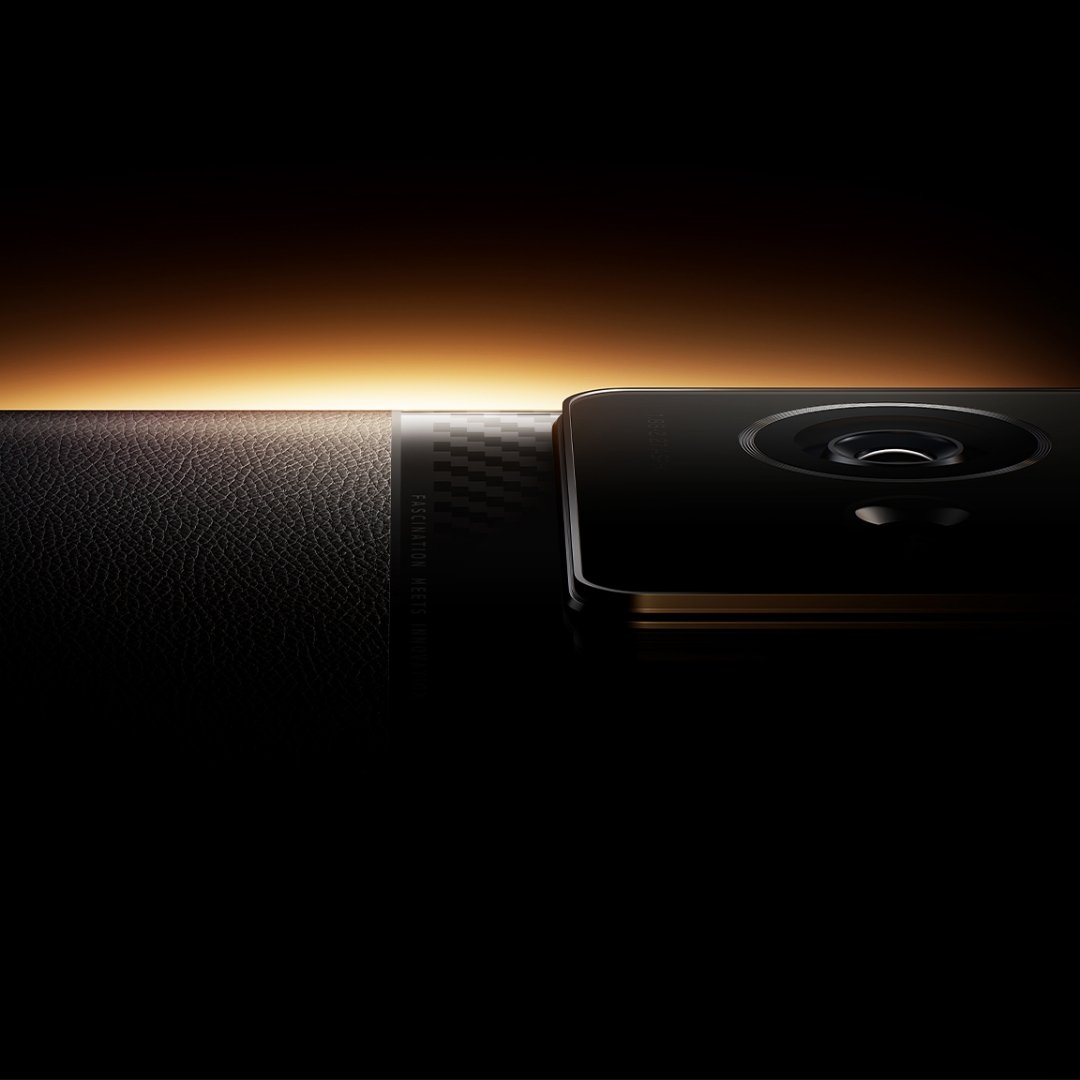
The below image released by the brand gives a glimpse of iQOO 10. It reveals that the device will sport a dual-tone design. While the upper portion housing the camera module could be made up of glass, the remaining path is made out of leather. Now that nearly two weeks remain until the iQOO 10 series launch event, the company is expected to confirm more details about the iQOO 10 and 10 Pro in the coming days.
IQOO 10 series teaser image
Recently, the alleged iQOO 10 Pro was spotted at the TENAA certification site with all its major specs. The listing revealed that the device would be equipped with a 6.78-inch AMOLED display. It is expected to offer a Quad HD+ resolution, a 120Hz refresh rate, and an ultrasonic in-display fingerprint scanner. It will come preloaded with Android 12 OS, which will be overlaid with iQOO UI.
There are two 50-megapixel cameras and one 14.6-megapixel camera on the back of the device. It is speculated that the latter could be a telephoto snapper with support for 3x optical zoom. It will feature a 16-megapixel camera for shooting selfies.
The device will be equipped with a 4,550mAh battery. Speculations are rife that it will be the world’s first smartphone to support 200W fast charging. In addition, it will also offer 65W wireless charging. The Snapdragon 8+ Gen 1 will power the device with up to 16 GB of RAM and up to 512 GB of built-in storage. While the vanilla model will also feature the SD8+G1 chip, its detailed specs are not available yet.
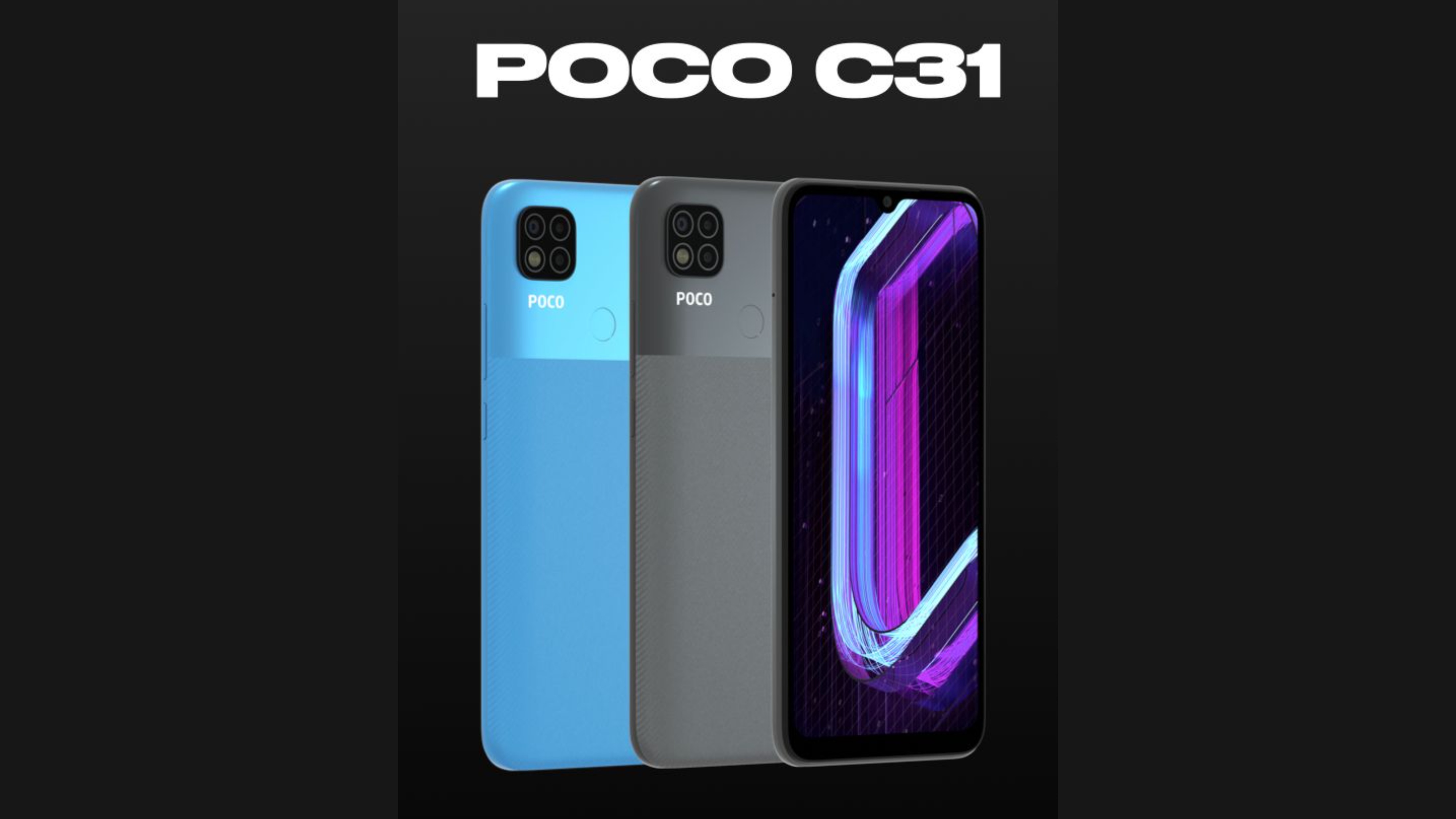
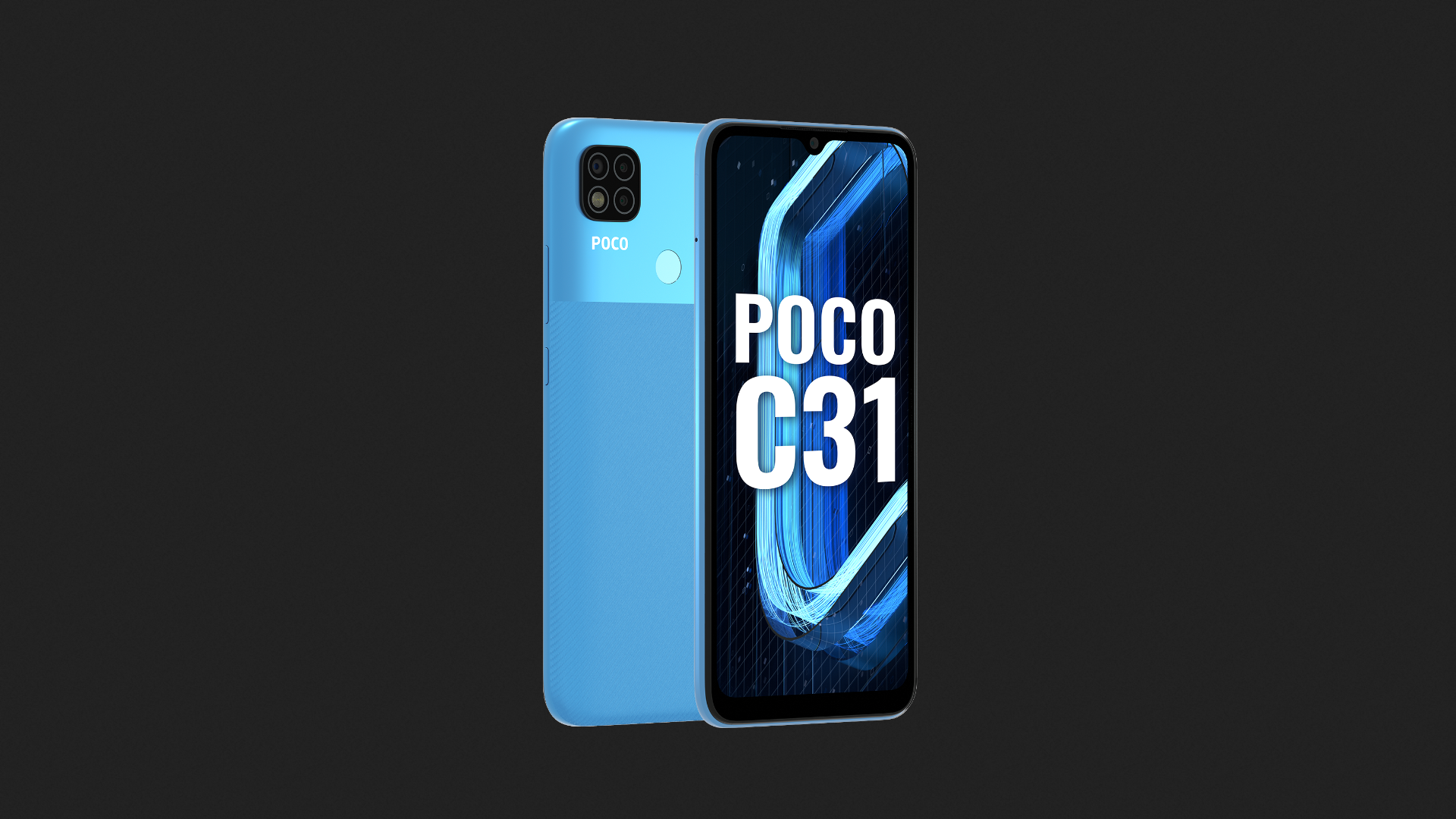
POCO C31 smartphone is the entry-level device the company launched in September last year in India. The company recently announced that the phone has crossed the 1 million sales mark by the second quarter of 2022.
The POCO C31 delivered a value disruption unheard of in its market thanks to its premium chipset, triple camera system, and big 5,000mAh battery. With its distinctive look and extensive feature set, POCO C31 was the second C-series product, following POCO C3, to reach 1 million sales.
The POCO C series has consistently offered good value-for-money specifications at that price point and is targeted at the sub-ten thousand rupee market in India. Recently, the POCO C3sold more than 2 million units in January 2022.
Notably, the POCO C31 is identically similar to the POCO C3 when it comes to the build of the two devices, with only one major difference being the newer device does not sport the rear-mounted fingerprint sensor. Consequently, the device has the same 6.53-inch LCD display with a 20:9 aspect ratio, 720 x 1600 (HD+), and a dewdrop notch. It is driven by a MediaTek Helio G35 SoC with 32GB/64GB of eMMC 5.1 storage and 3GB/4GB of LPDDR4x RAM.
On the rear of the device are three cameras: a 13MP primary sensor, a 2MP macro camera, and a 2MP depth camera. It conceals a 5MP selfie camera inside the notch on the front.
The phone offers dual-SIM, 4G, VoLTE, VoWiFi, single-band Wi-Fi, and Bluetooth 5.0 in terms of connectivity. Its operating system is MIUI 12, which is based on Android 10. The phone also has a dedicated MicroSD card slot, a MicroUSB connector, a 3.5mm headphone socket, a P2i nano-coating for splash protection, a 5,000mAh battery, and 10W charging.
This sales record seems to be a really strong performance for both POCO and the series. Sales numbers like this might influence other OEMs to develop a smartphone that is both affordable and offers an excellent user experience, offering consumers additional options.
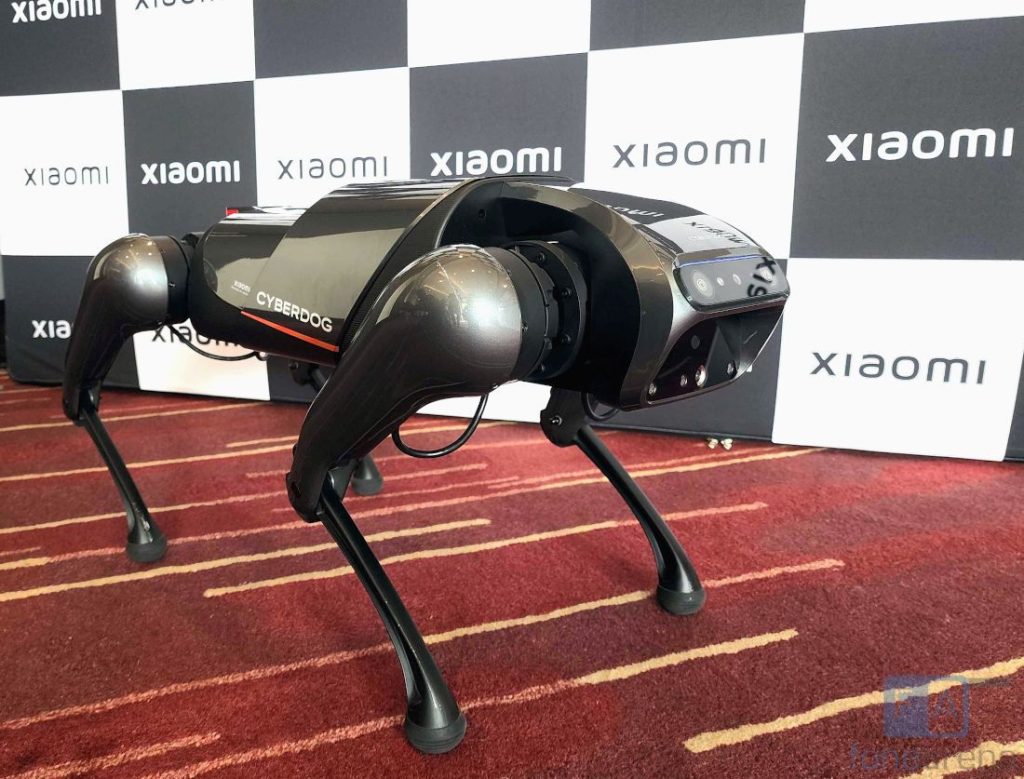
Xiaomi has showcased its CyberDog open-source robot in India as part of its 8th anniversary in the country. The CyberDog is a quadruped robot that was introduced in China in 2021. The Xiaomi CyberDog is designed as an open-source robot and could provide a rich resource for developers globally. The Chinese company will be displaying the CyberDog at Mi Home outlets in Delhi, Mumbai, Kolkata, Chennai, and Ahmedabad.
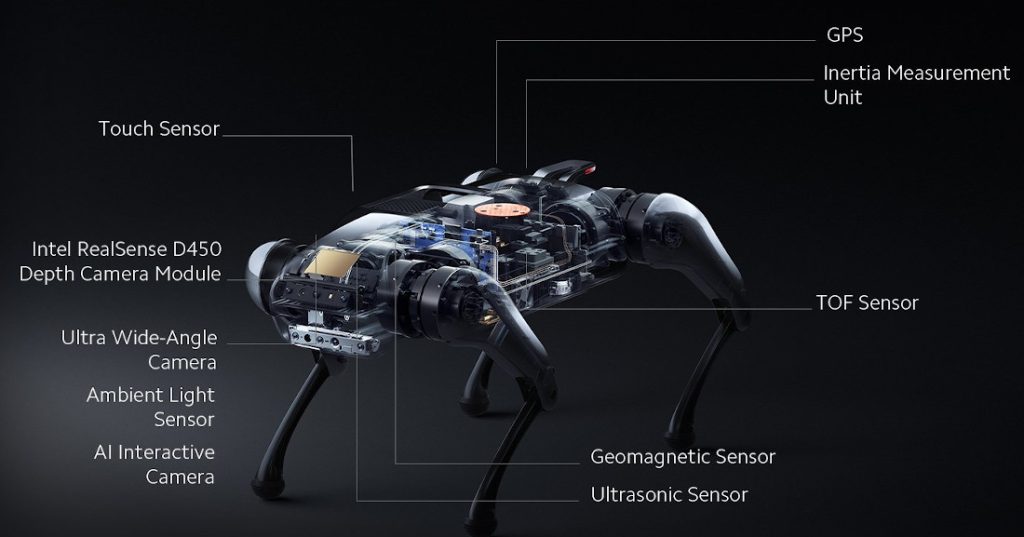
The CyberDog is Xiaomi’s first foray into this segment of robotics and is a culmination of the research efforts of the company. Quadruped robotics is an area of growing research and Xiaomi hopes to expand its lineup within the field. The CyberDog is powered by the Jetson Xavier NX AI Supercomputer for Embedded Edge Systems. It has an SSD storage capacity of 128GB and is equipped with 11 high-precision sensors. The sensor provides instant feedback that helps the robot to navigate the terrain seamlessly. Xiaomi CyberDog is agile and easily adapts to complex terrain. Xiaomi says the CyberDog is the perfect partner for assisted living due to its versatility.
CyberDog comes with Xiaomi’s smartphone imaging technology enabling it to smartly perceive its environment. Its complement of cameras includes AI interactive sensors, binocular ultra-wide-angle fisheye cameras, and an Intel Depth module. CyberDog can be trained using its computer vision algorithm.
The robot also features autonomous object tracking, human posture, face recognition, obstacle avoidance, and SLAM. CyberDog can expertly analyze and navigate through its surroundings using real-time information. It can create navigational maps and plot its destination while avoiding obstacles.
The open-source potential of the Xiaomi CyberDog can unlock the robot to greater functionality. It can be customized by developers via its USB and HDMI ports. Both hardware and software add-ons and functions are possible with such an opening. The Xiaomi CyberDog is calibrated with Xiaomi’s servo motors offering the robot speed, agility, and variety in its movement. The CyberDog can reach a speed of 3.2m/s (equivalent to 11.52km/h) and it can perform complicated actions like backflipping. Xiaomi is silent on whether the CyberDog will be up for sale in India.
We use cookies on our website to give you the most relevant experience by remembering your preferences and repeat visits. By clicking “Accept”, you consent to the use of ALL the cookies.
This website uses cookies to improve your experience while you navigate through the website. Out of these, the cookies that are categorized as necessary are stored on your browser as they are essential for the working of basic functionalities of the website. We also use third-party cookies that help us analyze and understand how you use this website. These cookies will be stored in your browser only with your consent. You also have the option to opt-out of these cookies. But opting out of some of these cookies may affect your browsing experience.
Necessary cookies are absolutely essential for the website to function properly. This category only includes cookies that ensures basic functionalities and security features of the website. These cookies do not store any personal information.
Any cookies that may not be particularly necessary for the website to function and is used specifically to collect user personal data via analytics, ads, other embedded contents are termed as non-necessary cookies. It is mandatory to procure user consent prior to running these cookies on your website.