Advertisement

Xiaomi 12S Ultra vs Xiaomi 11 Ultra: Specs Comparison

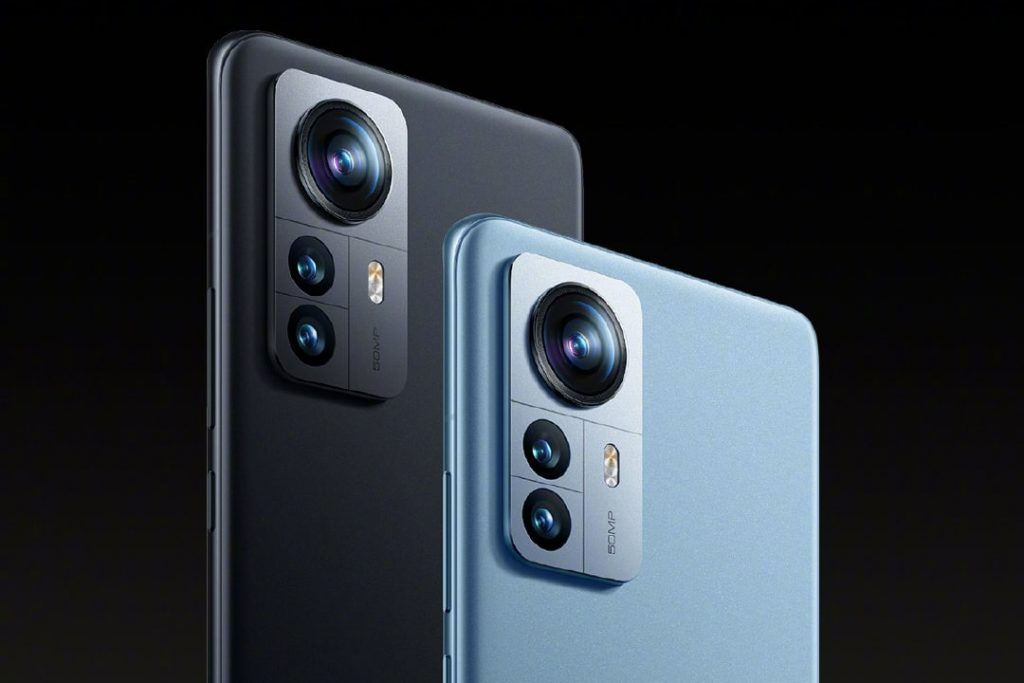
Xiaomi just came up with another top tier, Ultra flagship: the Xiaomi 12S Ultra. The latest Ultra device from the brand debuted more than a year ago: the Xiaomi Mi 11 Ultra was officially announced on March 2021 and finally, we got its successor. The new flagship is also the first phone from the brand after the beginning of its cooperation with Leica: one of the most important brands in the world of photography. But if we exclude the cameras, what else is different between the new flagship and the older one? Is it worth spending more for the 12S or its predecessor is still a great option available at a very interesting price? This comparison between the specifications of the Xiaomi 12S Ultra and the Xiaomi Mi 11 Ultra will give you the answer.
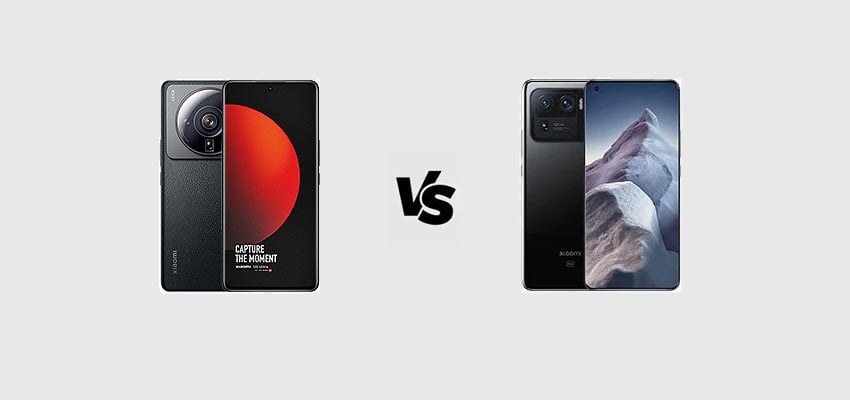
Xiaomi 12S Ultra vs Xiaomi Mi 11 Ultra

Xiaomi 12S Ultra Xiaomi Mi 11 Ultra
DIMENSIONS AND WEIGHT 163.2 x 75 x 9.1 mm, 225 g 164.3 x 74.6 x 8.4 mm, 234 g
DISPLAY  6.73 inches, 1440 x 3200p (Quad HD+), LTPO2 AMOLED  6.81 inches, 1440 x 3200p (Quad HD+), AMOLED
PROCESSOR Qualcomm Snapdragon 8+ Gen 1, octa-core 3.19 GHz Qualcomm Snapdragon 888, octa-core 2.84 GHz
MEMORY 8 GB RAM, 256 GB – 12 GB RAM, 256 GB – 12 GB RAM, 512 GB 12 GB RAM, 256 GB – 8 GB RAM, 256 GB – 12 GB RAM, 512 GB
SOFTWARE  Android 12, MIUI  Android 11, MIUI
CONNECTIVITY  Wi-Fi 802.11 a/b/g/n/ac/6e, Bluetooth 5.2, GPS  Wi-Fi 802.11 a/b/g/n/ac/ax/6e, Bluetooth 5.2, GPS
CAMERA Quad 50.3 + 48 + 48 MP + TOF 3D, f/1.9 + f/4.1 + f/2.2
32 MP f/2.5 front camera
Triple 50 + 48  + 48 MP, f/2.0 + f/4.1 + f/2.2
20 MP f/2.2 front camera
BATTERY 4860 mAh, fast charging 67W, wireless charging 50W  5000 mAh, fast charging 67W, fast wireless charging 67W
ADDITIONAL FEATURES Dual SIM slot, 5G, IP68 waterproof, reverse wireless charging Dual SIM slot, 5G, water resistant (IP68), reverse wireless charging 10W, secondary display

Design

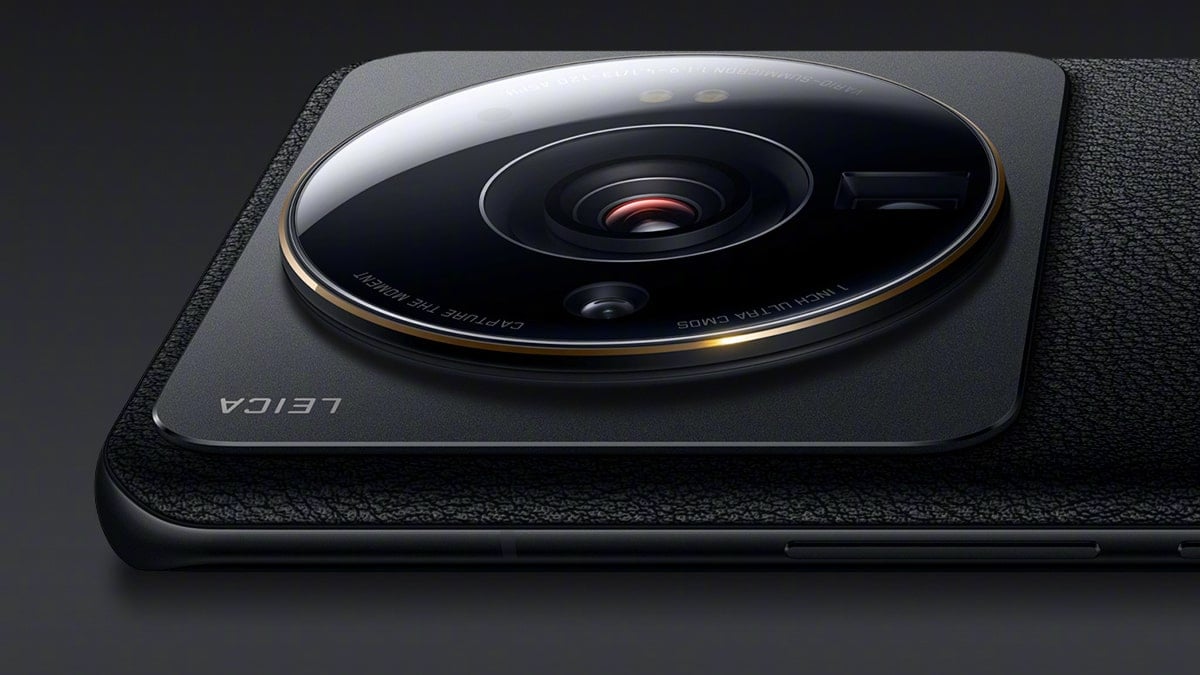
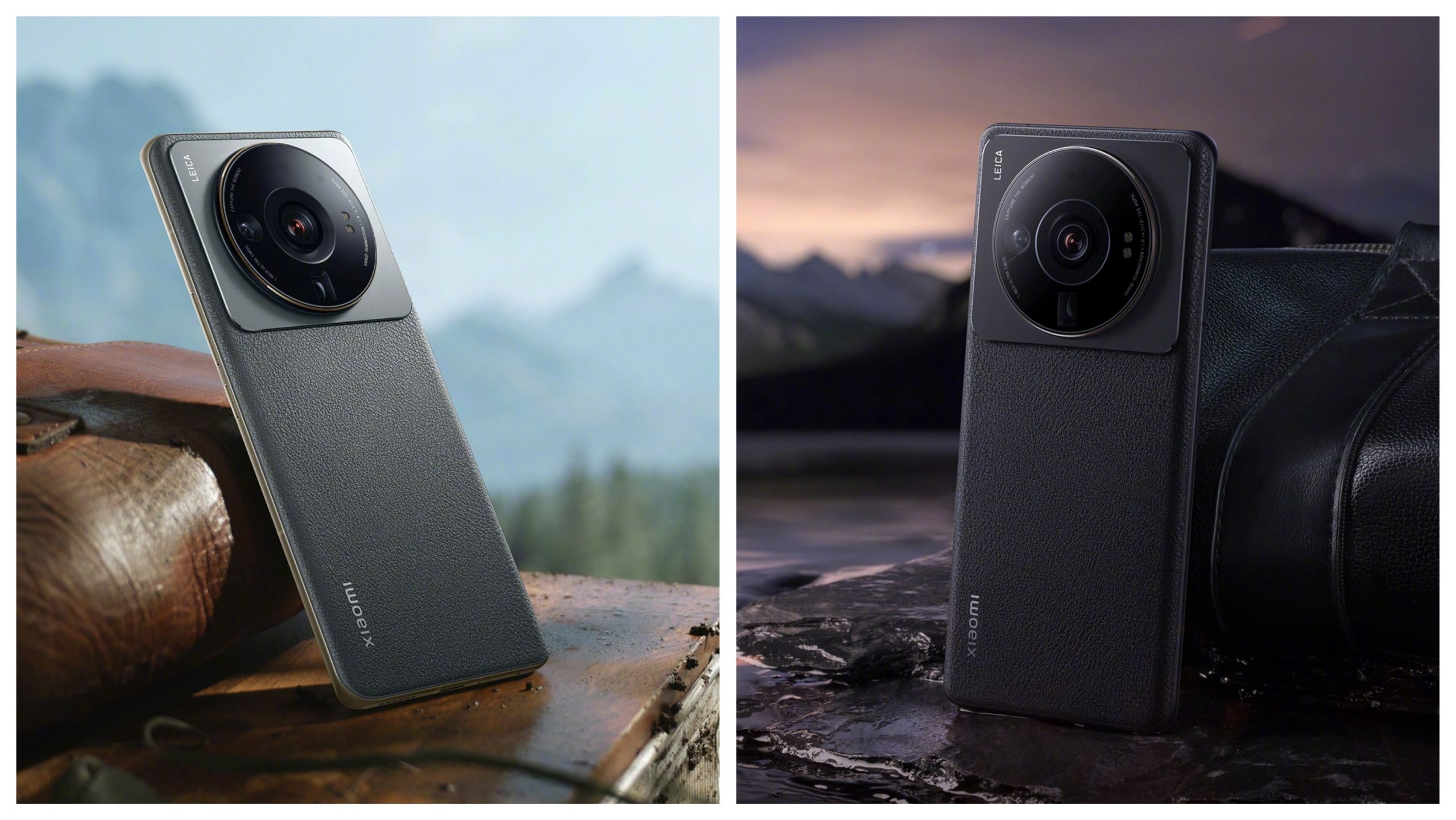
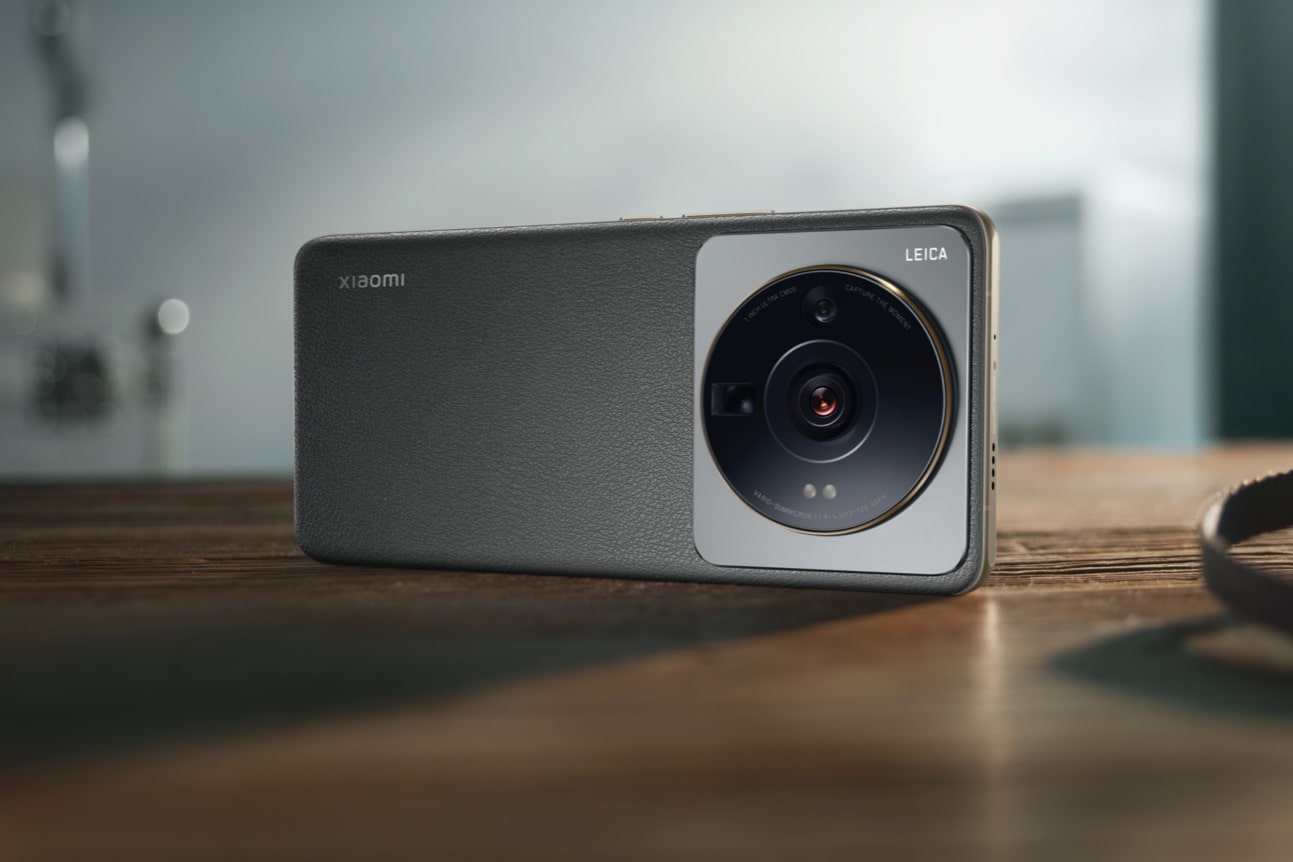
The Xiaomi 12S Ultra is a very beautiful phone. Its design reminds me of a real Leica camera thanks to its big and round camera module, as well as its outstanding leather back. It is definitely more attractive than its predecessor thanks to its leather back and, even though it features this impressive material, it is a waterproof phone with the IP68 certification allowing you to put it underwater up to 1.5 meters deep for a max time of 30 minutes. Besides its leather back, there is a frame made of aluminum and a glass front protected by Gorilla Glass Victus. The Xiaomi Mi 11 Ultra does not stand a chance against the new model, but it is made with a ceramic back, a very premium material, and an aluminum frame.


Display

The Xiaomi 12S Ultra brings interesting upgrades in terms of display, even though it has a smaller 6.73-inch panel compared to its predecessor. This display is an AMOLED panel with a diagonal of 6.73 inches, a Quad HD+ resolution of 1440 x 3200 pixels, one billion colors, a 120 Hz refresh rate (adaptive refresh rate from 1 to 120 Hz), the HDR10+ certification, Dolby Vision, the Gorilla Glass Victus protection by Corning, and an in-display fingerprint reader. The Xiaomi Mi 11 Ultra has almost the same specifications, but without the LTPO 2.0 technology and with a larger 6.81-inch diagonal. However, the Xiaomi Mi 11 Ultra wins the display comparison because it adds a secondary display on the rear side which can be used to save energy or to shoot selfies with the rear cameras. This is an impressive feature you can rarely find on other phones, so it deserves to be mentioned.


Specs & Software

The Xiaomi 12S Ultra is equipped with a superior hardware department. First of all, it is powered by the Snapdragon 8+ Gen 1 mobile platform: a chipset built at 5 nm with a max frequency of 3.19 GHz and an octa-core architecture. It is a better chipset than the Snapdragon 888 found on the Mi 11 Ultra and it is paired with up to 12 GB of RAM and up to 512 GB of UFS 3.1 internal storage. The Xiaomi Mi 11 Ultra has the same configuration but with a weaker chipset. The Xiaomi 12S Ultra also wins the software comparison because it runs Android 12 out of the box instead of Android 11, so it will get longer software support.


Camera

The Xiaomi 12S Ultra is a better camera phone not only thanks to the cooperation with Leica but also because it has superior camera hardware. Its main camera is a 50.3 MP sensor with OIS and an f/1.9 focal aperture. It is paired with a 48 MP periscope sensor with 5x optical zoom, a 48 MP ultrawide camera, and a TOF 3D sensor for depth calculation. The Xiaomi Mi 11 Ultra has a 50 MP main camera with a darker f/2.0 focal aperture, the same periscope sensor, and the same ultrawide camera, but it lacks a TOF 3D sensor and it comes with an inferior front camera (20 MP vs 32 MP).


Battery

The Xiaomi Mi 11 Ultra wins the battery comparison because it has a bigger battery with a capacity of 5000 mAh and because it features faster wireless charging speeds thanks to a power of 67W. However, you should note that the 12S Ultra has a more efficient chipset and a smaller display, so its battery life could be better in a few scenarios, even though it has a smaller battery.


Price

You can currently find the Xiaomi 12S Ultra for about $1200/€1170, while the Xiaomi Mi 11 Ultra is available for $649/€630 thanks to online street prices. Naturally, the 12S wins the comparison, but the Mi 11 Ultra has a much higher value for money.


Xiaomi 12S Ultra vs Xiaomi Mi 11 Ultra: PRO and CONS

Xiaomi 12S Ultra

PRO

  • Better chipset
  • Superior cameras
  • Nice design
  • Superior display
  • Android 12 out of the box

CONS

  • Smaller battery


Xiaomi Mi 11 Ultra

PRO

  • Secondary rear display
  • Bigger battery
  • Faster wireless charging speeds
  • More affordable

CONS

  • Inferior chipset


RELATED

Check the latest videos from our YouTube channel and subscribe:
 

Xiaomi 12S Ultra Preview: Will it be really good?

Yesterday, Xiaomi debuted the Xiaomi 12S Ultra, which is the successor of the highly acclaimed Xiaomi 11 Ultra. Going by Xiaomi’s launch presentation, the device appears to be one of the top contenders for the best smartphone of this year.

Xiaomi 12S Ultra

However, many of you might remember the hype surrounding the Xiaomi 12 Pro, and how the device failed to live up to it. So can the brand be trusted this time? Is the device really as good as it’s made out to be? Let’s find out by going over each upgrade one by one.

Starting with the biggest upgrade of the device, the new camera main camera packs the Sony IMX989 sensor that has a large 1-inch sensor size and a 50-megapixel resolution. The increased sensor size will allow for more light to be captured resulting in sharper and more color-accurate images. However, what grabs our attention, even more, is the brand’s partnership with Leica in co-developing this camera.

As many of you would know, Leica recently ended its partnership with Huawei to join hands with Xiaomi. While with Huawei, Leica provided its custom tuning on devices like the Huawei P50 Pro which is currently one of the best camera smartphones in the world.

Xiaomi 12S Ultra camea sample

Xiaomi 11 Ultra’s camera is known to produce pictures that are a bit bland and lack contrast and saturation. The white balance on the device is also a bit much on the cooler side. But going by Xiaomi’s sample pictures clicked on the 12S Ultra, these shortcomings appear to have been dealt with and probably have Leica to thank for it.

The second major upgrade is the new chipset. The 12S Ultra houses a Snapdragon 8+ Gen 1 chip which promises many improvements over its predecessor, mainly thanks to TSMC’s 4nm node that it’s manufactured on. However, the brand made similar promises with the release of the Snapdragon 888 and the Snapdragon 8 Gen 1, and we remember how that turned out.

Xiaomi 11 Ultra performace dip after a year
Xiaomi 11 Ultra performance dip after a year

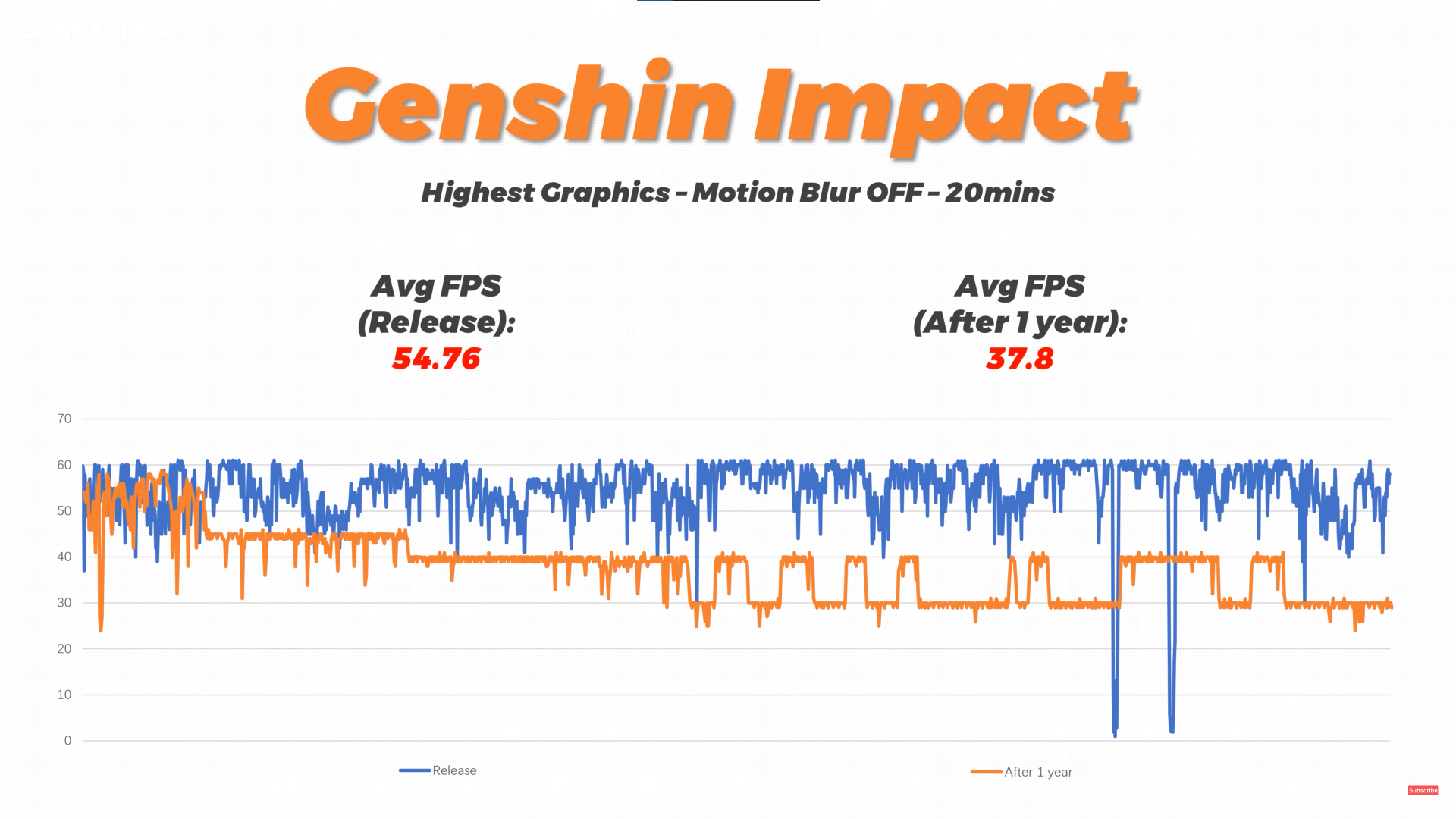
Another issue with Xiaomi phones is the decay in performance over time. Last year, we bought a Xiaomi 11 Ultra which averaged 55 FPS in Genshin Impact on the Highest settings. Now, the same device is only able to run the game at a meager 38 FPS.

So, before giving an opinion on the performance, we will conduct our personal testing on a device bought from a Xiaomi offline store and not one given to us by the brand to make sure it’s as close as possible to a device that a normal user will get.

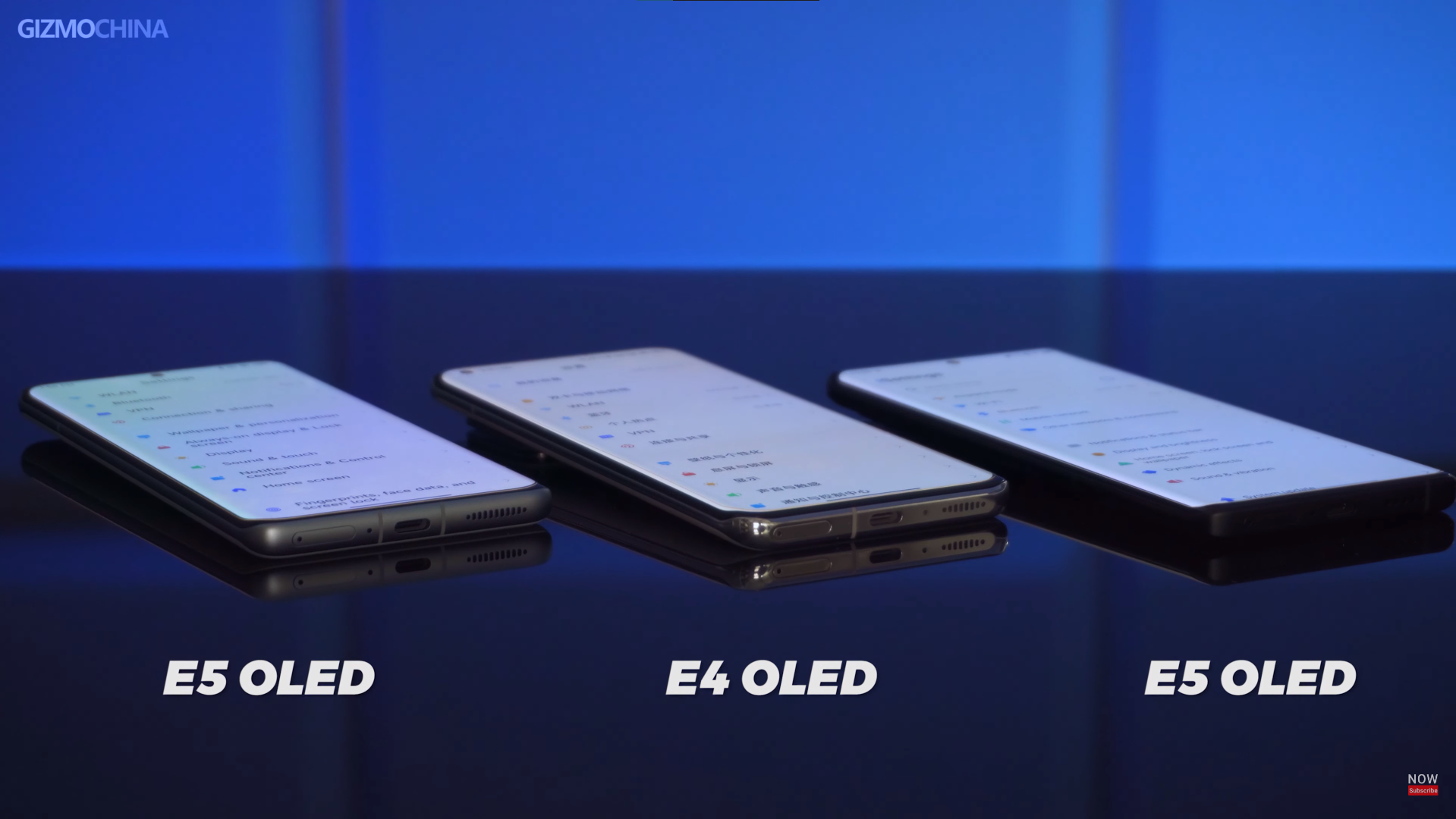
2022 E5 AMOLED display on the left

We are also not excited about the Samsung E5 AMOLED panel on the Xiaomi 11S Ultra as all the E5 panels made by Samsung this year have had an issue where they appear green if you look at it from the side. The panel also has an LTPO function which makes DC dimming impossible making the panel rougher on the eyes.

Xiaomi 12S Ultra

The back design of the Xiaomi 12S Ultra has so far gotten mixed reviews with some loving while others not so much. However, what we find dissatisfactory about this back panel is the lack of options. Xiaomi has only released the phone with a vegan leather back, leaving out materials like glass or ceramic. This makes a phone case pretty much a necessity for the 12S Ultra as the vegan leather material is not as scratch-proof as either of the two mentioned above.

The battery of the device has also received a reduction in capacity compared to its predecessor at 4860mAh. This is 300mAh less than the last-gen device. Xiaomi has promised that the new Surge P1+G1 chip will allow the device to have a longer battery life than its predecessor, but that claim might be a little far-fetched and the additional battery capacity would’ve been better for the long run.

If we consider these facts and uncertainties, the Xiaomi 12S Ultra doesn’t look that much impressive compared to last year’s Xiaomi 11 Ultra. However, if all the claims made at the launch turn out to be true, we might have the most all-rounded flagship of the year on our hands. So stay tuned for our upcoming full review of the device.


RELATED:


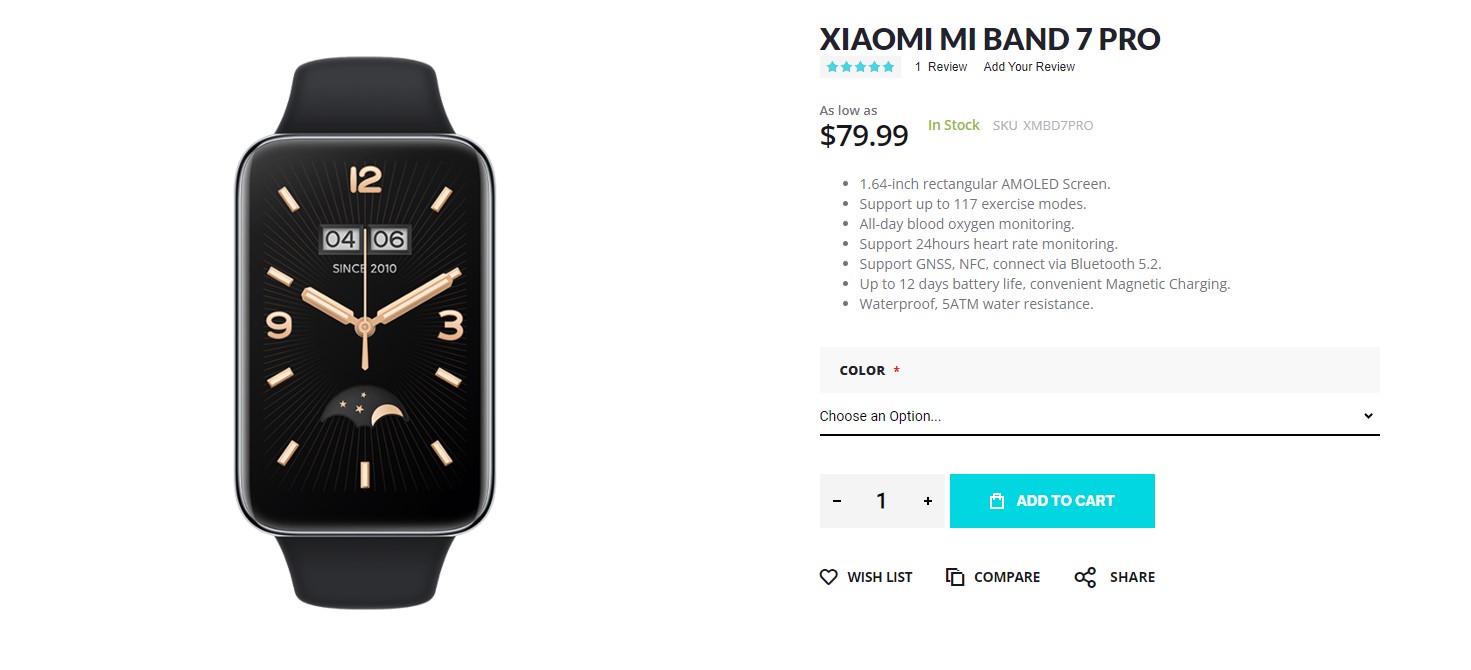
Get Xiaomi Mi Band 7 Pro for $79.99 on Giztop

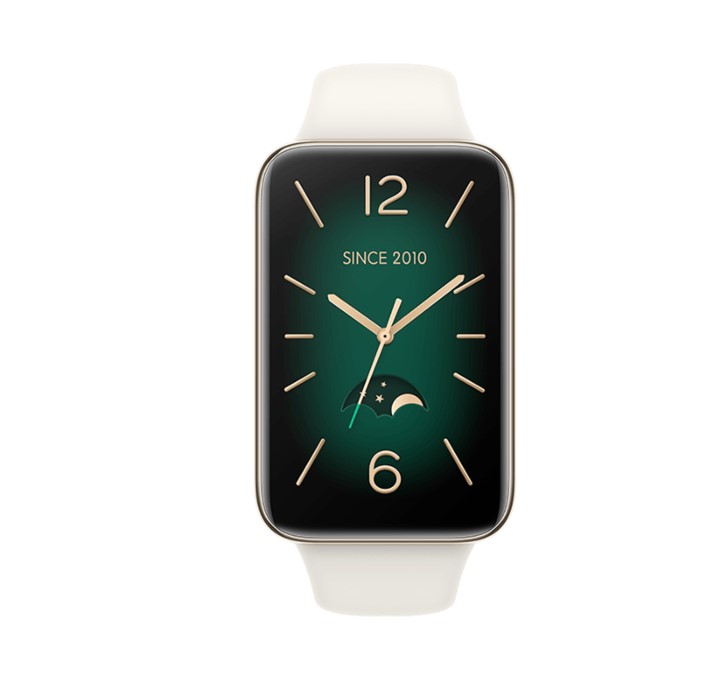
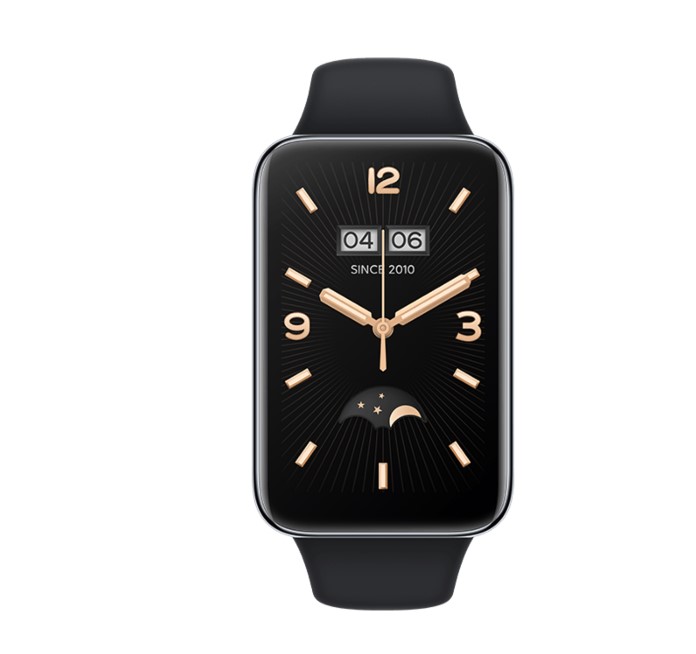
The brand new Xiaomi Mi Band 7 Pro is now available on Giztop for $79.99 only. Available in standard Black and White colors, the smart band comes with many advanced features and functions making it almost as good as a smartwatch on your wrist. 

WHERE TO BUY
Xiaomi Mi Band 7 Pro at $79.99 @Giztop

Xiaomi Mi Band 7 Pro

Xiaomi Mi Band 7 Pro features a 1.64-inch rectangular AMOLED display that supports 280 x 456p resolution and comes with a 2.5D glass cover. The smart band comes with 180 plus watch faces and an Always-On display, that enhances your visual experience and helps you to customize your band as per your desire. 

Xiaomi Mi Band 7 Pro

Xiaomi Mi band 7 Pro comes with a complete health management package including a 24×7 heart rate monitor, all-day blood oxygen monitor, stress monitor, and sleep tracker with a REM, nap time, and sleep breath quality analyzer, female health tracker, Personal activity intelligence (PAI), etc. Moreover, the smart band also supports 117 exercise modes including auto-detection for some activities like running, walking, elliptical, etc. 

The smart band is 5ATM waterproof which means you can easily use it in your bath and pool and comes with a smart home control function that helps you to switch on your supported devices using the smart band. 

Xiaomi Mi Band 7 Pro

Xiaomi Mi Band 7 Pro comes with 12 days of battery life and supports magnetic charging. Other interesting features include GNSS, NFC, Bluetooth 5.2, etc. The newly launched smart band is now available for $79.99 only on Giztop. 

For more information on such exciting deals and offers check out our deals hub.

IKEA SYMFONISK Shelf with an 18W wireless charger launched in Europe

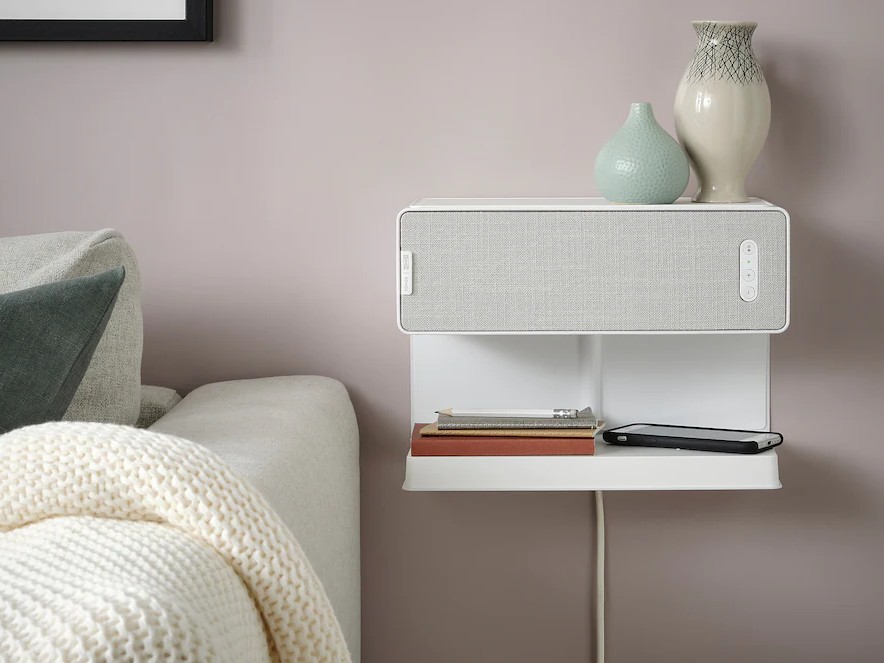
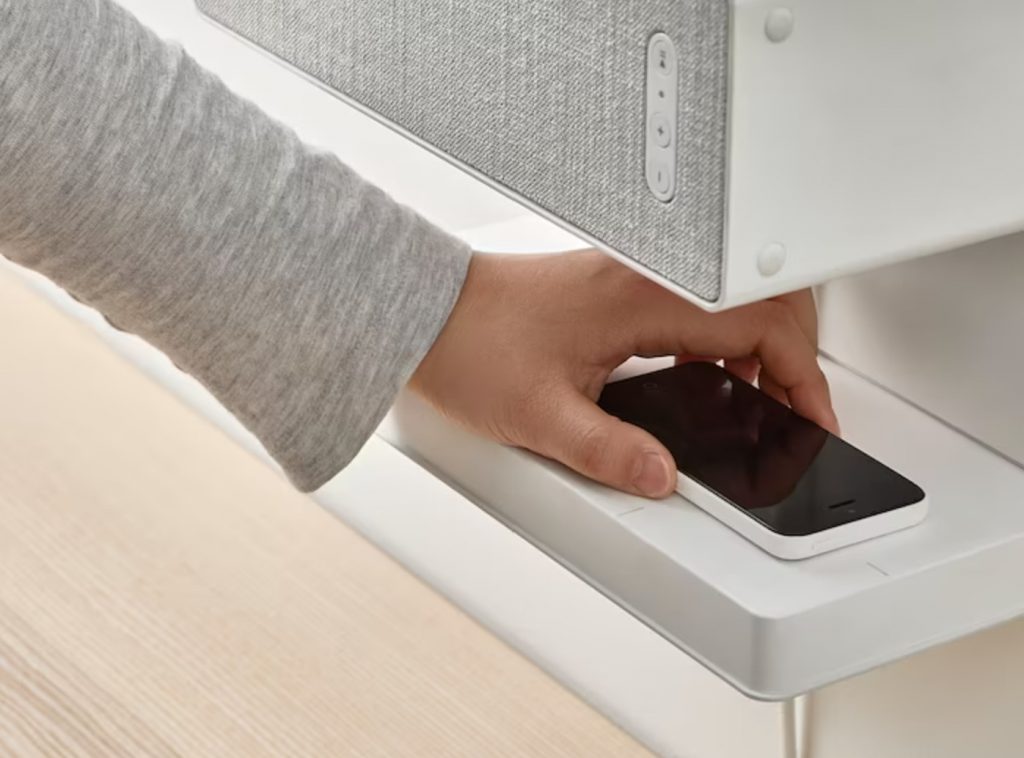
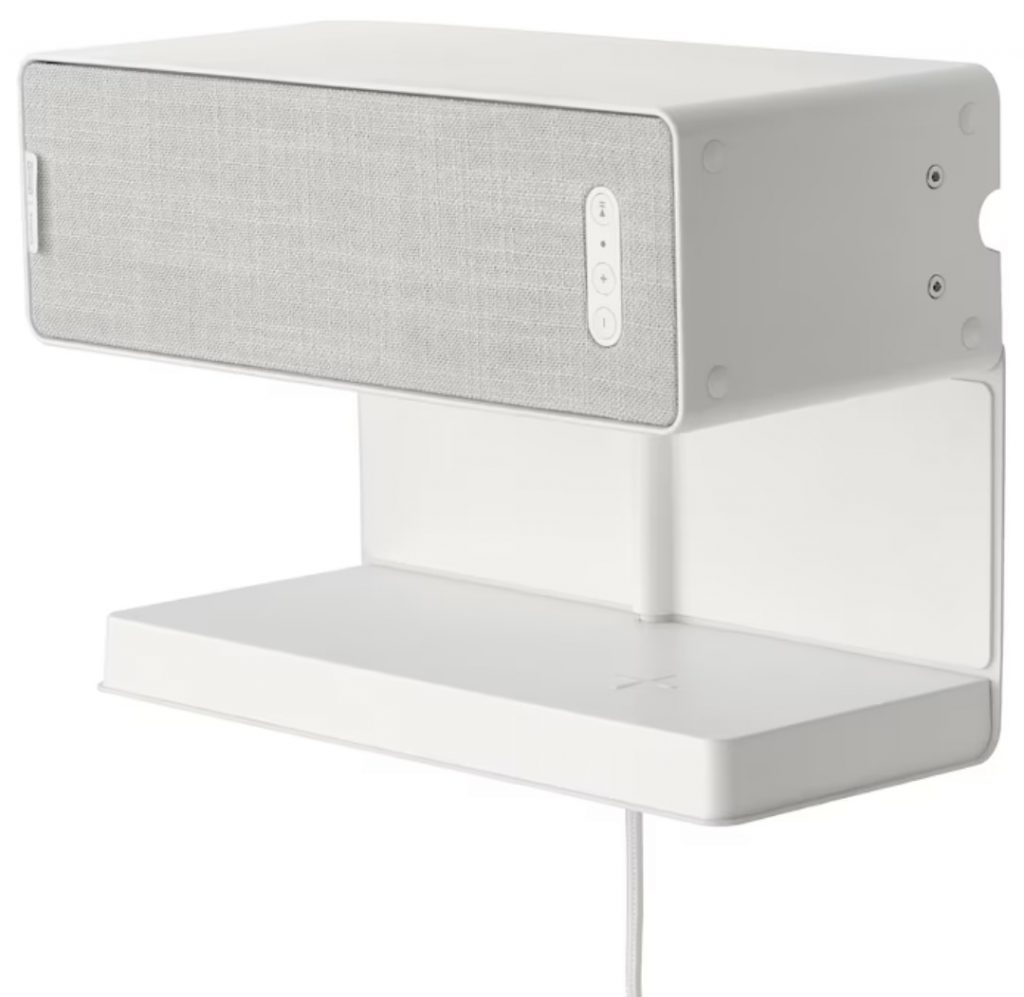
IKEA has launched the SYMFONISK shelf equipped with a wireless charger in Europe. The product comes with a wireless charging pad for Qi-compatible devices. It also has an 18W USB-C charging port for simultaneously charging another compatible device.IKEA SYMFONISK shelf with a wireless charger

The new IKEA SYMFONISK shelf is an adapter for the IKEA SYMFONISK shelf speaker. The shelf speaker is currently available in the UK and Australia. You can use the device to charge compatible smartphones and smartwatches. There is an LED notification that indicates whether the device is charging or not.IKEA SYMFONISK shelf with a wireless charger

The SYMFONISK Speaker is the culmination of IKEA’s partnership with Sonos. Four screws are used to connect the two products. The steel attachment of the shelf measures 12 x 5.2 x 8.7 inches. It offers enough space to store a few other things apart from charging your smartphone.IKEA SYMFONISK shelf with a wireless charger

The IKEA SYMFONISK shelf with wireless charger is already on sale in the Netherlands, France, and Italy. Two color options for the IKEA SYMFONISK shelf are available – white and black. The gadget is priced at €40 (~$41) in the countries mentioned earlier. There are no details yet on the global availability of the IKEA SYMFONISK shelf with a wireless charger.

RELATED:


Ducati V21L MotoE e-bike prototype with a top speed of 275km/h unveiled

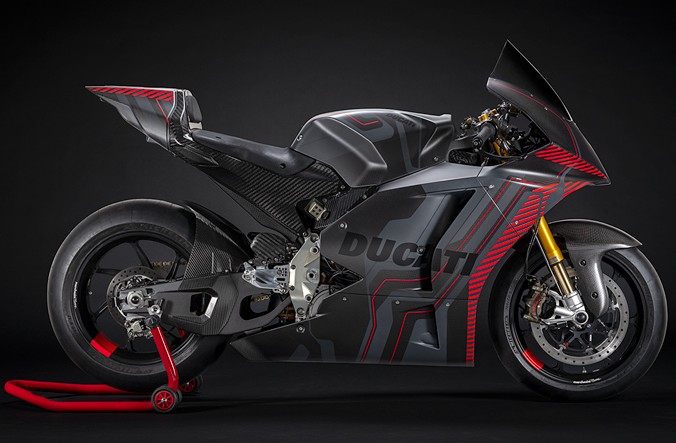
Two-wheeler brand Ducati has unveiled the V21L MotoE prototype which has a top speed of 275km/h. The Ducati V21L MotoE electric motorcycle will race in the 2023 FIM MotoE World Cup, according to Ducati.Ducati Motoe electric bike

The Ducati V21L MotoE weighs 225kg and its 18kWh battery pack offers enough range to complete a 7-Circuit Grand Prix race. The battery pack has 1,152 cylindrical cells and can be recharged from 0 to 80% in less than an hour (45 minutes).Ducati Motoe electric bike

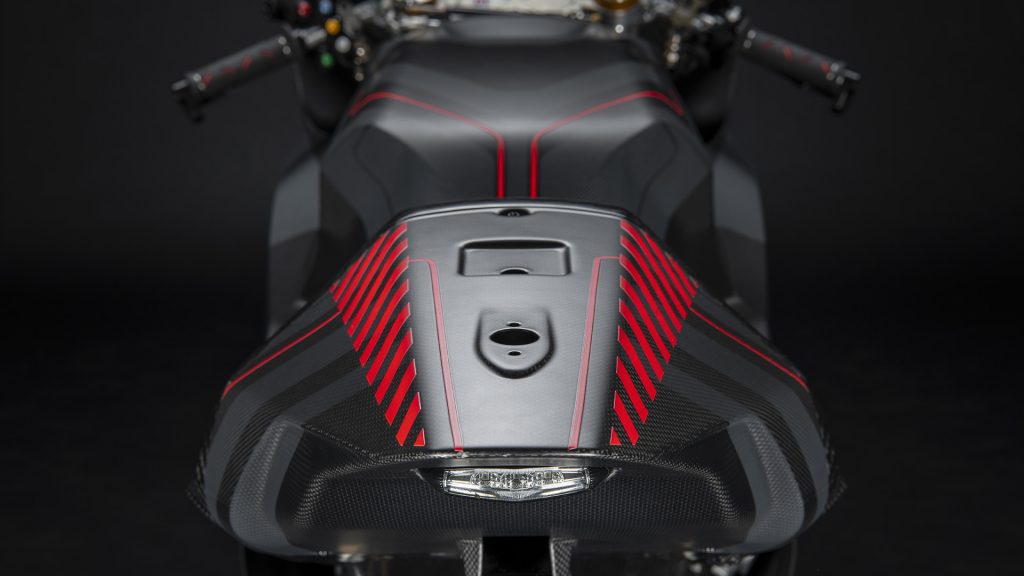
The Ducati MotoE has a 21kg motor that delivers up to 110kW of power and 140Nm of torque. The electric motor has a maximum rotation speed of 18,000rpm with a recorded top speed of 275km/h. The frame of the Ducati MotoE consists of aluminum and fiber. The electric bike can be charged with a 20kW charging socket on its tail.

The Ducati V21L MotoE is fitted with an advanced cooling system, according to the company. A liquid system with a double circuit regulates the temperature of the battery and the electric motor. Ducati is making its entry into the electric motorcycle segment with the V21L MotoE. Ducati will supply all the 18 units of the V21L MotoE that will race in the FIM races up to 2026. The Ducati MotoE will debut in the FIM MotoE World Cup in 2023.

RELATED:


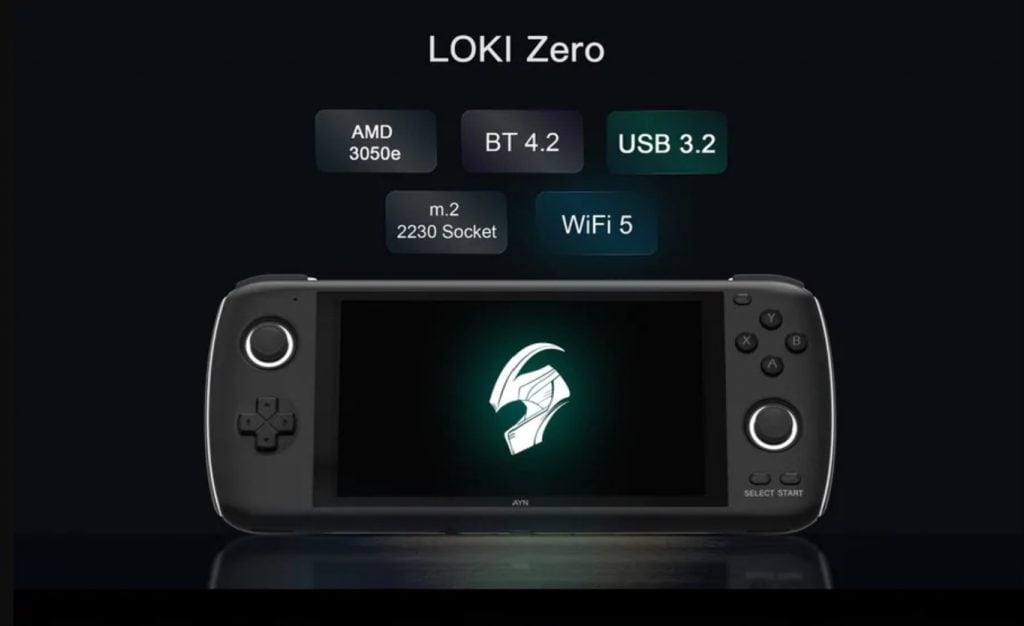
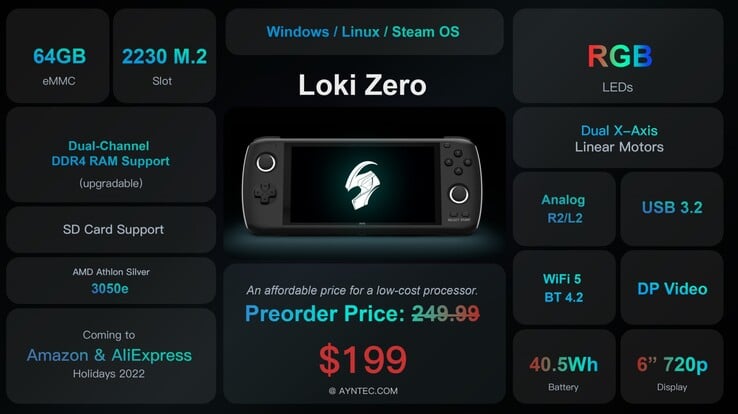
AYN LOKI Zero gaming handheld with AMD Athlon Silver APU starts at $199

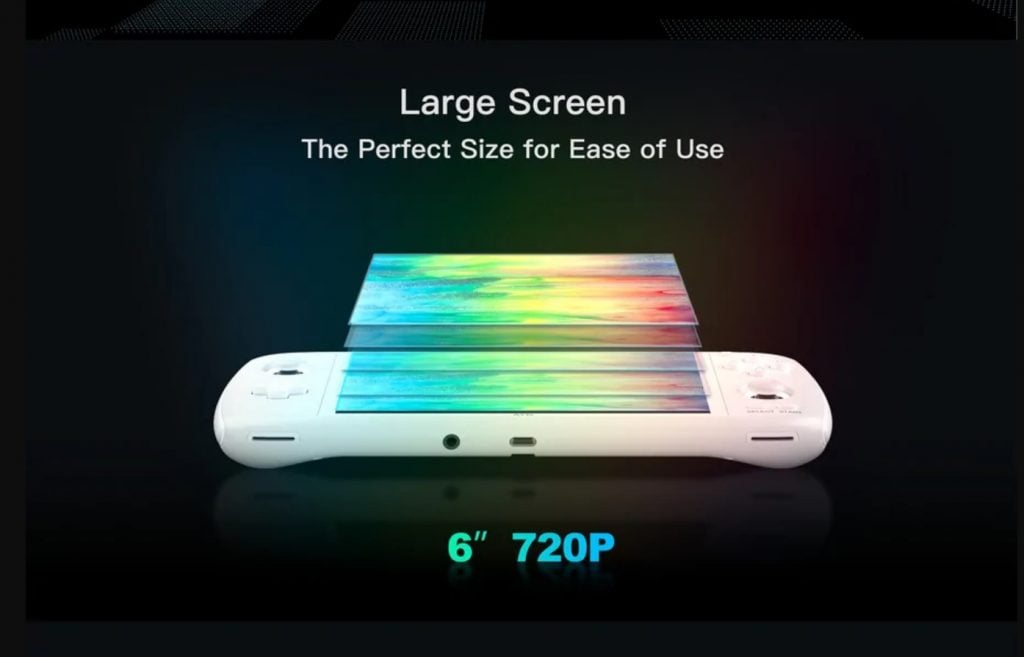
Chinese gaming console manufacturer AYN has launched the LOKI Zero gaming handheld device with a starting price of $199. AYN LOKI Zero has a 6-inch IPS display and is equipped with the AMD Athlon Silver 3050e APU. It also comes with either 4GB or 8GB DDR4 RAM.AYN LOKI Zero gaming handheld

The AYN LOKI Zero is coming on the heels of the launch last week of the LOKI Mini Pro with Intel Core i3-1215U chip. The Athlon Silver APU has a Radeon RX Vega 3 GPU and two CPU cores. It supports Simultaneous Multi-Threading. The LOKI Zero offers a screen resolution of 1,280 x 720 pixels, which is lower than its predecessors. The device comes with 64GB storage which is expandable via an optional 128GB M.2 2230 drive.AYN LOKI Zero gaming handheld

The LOKI Zero gaming handheld has a 40.5Wh battery. The LOKI Zero supports Bluetooth 4.2 and Wi-Fi 5 connectivity. As per images from the company, the LOKI Zero has a similar controller layout to the Xbox, together with a support, a gyroscope, and a hall sensor. There are some details still lacking for the AYN LOKI Zero. It will however be available for purchase from Amazon and AliExpress.AYN LOKI Zero gaming handheld

The original price of the LOKI Zero is $249.99 but AYN Technologies is offering a pre-order discount that slashes $$0 off the price. The company says the LOKI Zero will begin shipping orders in the final quarter of 2022. The LOKI Zero with 64GB storage is priced at $199 and the optional 128GB NVMe drive will cost $22. Shipping costs will depend on location and the retailer.

RELATED:


(source)


OPPO Reno 8 Pro to have the Golden Ratio from Sacred Geometry

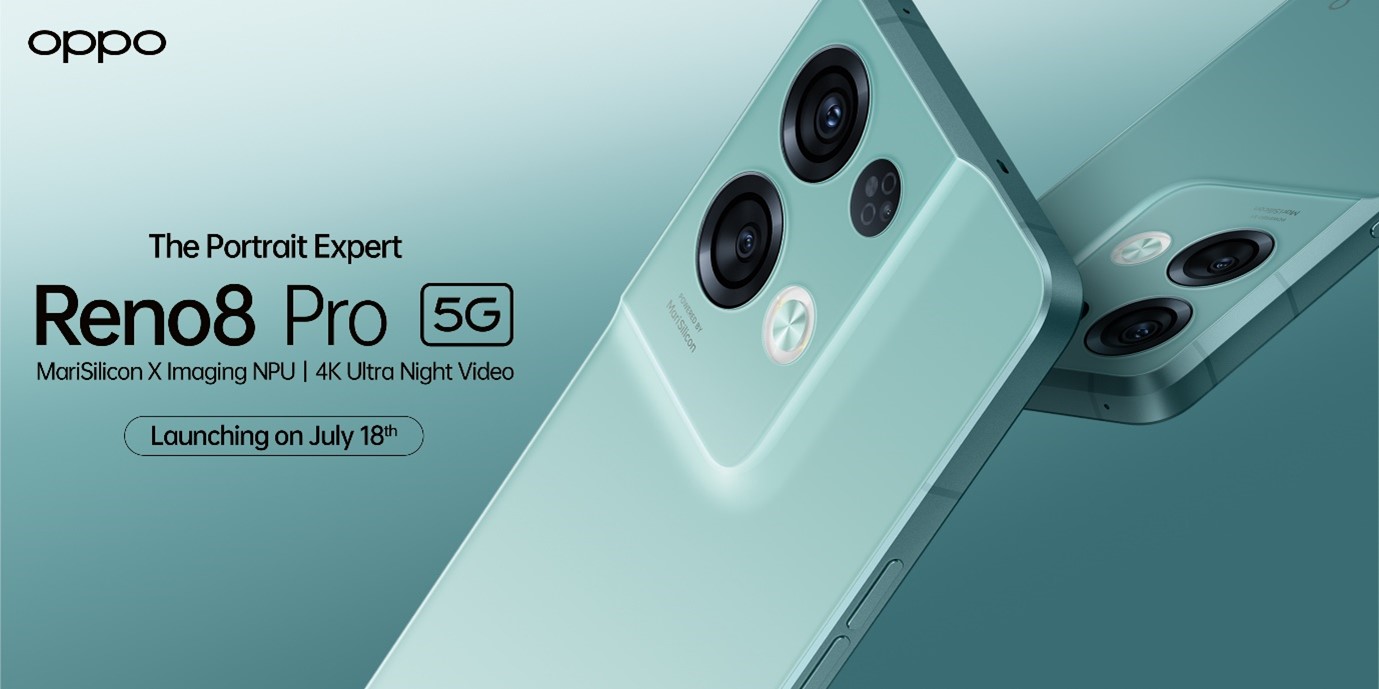
OPPO has confirmed that the Reno 8 series will be available in India on July 18th. It stated that the Reno 8 Pro’s philosophy is based on the Golden Ratio from Sacred Geometry.

Reno 8 New Poster

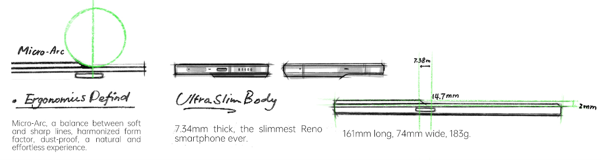
OPPO said that it employed an aluminum frame and Gorilla Glass 5 for its construction to be durable. Additionally, the camera module has been integrated with the rest of the handset’s back thanks to heat-forged and molded glass that creates an ergonomically streamlined unibody. This new design is the result of more than a hundred revisions and more than 400 days of work.

The company shared today that Reno 8 Pro’s design is based on the Golden Ratio (1:.618), a mathematical proportion that is in its nature aesthetically attractive. OPPO added that its designers used the same proportion to section the rear camera module on the handset—both laterally and vertically—to create a similarly pleasing aesthetic.

Reno is sleeker than its predecessors

To create the Reno 8 Pro’s streamlined unibody design, OPPO’s engineers observed how users hold their phones. The entire back of the phone is made of a single piece of glass that has been heat-forged and pressure molded to form the soft curves needed for the camera module.


Reno 8 sleek design

To ensure smoothness, a graphite mold was created and hand-polished with three diamond sheets of varying roughness. OPPO used eight nanometer-scale polishing processes to remove wrinkles caused by high-temperature forging and molding around the camera module, ensuring a surface fineness of 1-2 nanometers.

Additionally, the camera module was created by OPPO’s designers to mirror the Reno 8 Series’ image capabilities. The crew created the famous binocular camera setup to imitate two film reels as a tribute to the classic. This also uses the infinity sign and the number “8” to signify the smartphone’s position in the Reno Series and its extensive imaging power.

Likewise, the nearby ring flash is visible and seamlessly integrates into the lens. A system capable of producing appropriate fill light when the camera is in use and has been built using two circular dual flashes.

Reno 8 camera module

The OPPO Reno 8 Pro will be available in two colors: Glazed Green and Glazed Black while the Reno 8 will be available in two colors: Shimmering Gold, which is achieved through a precise combination of dual textures and coatings, as well as OPPO Glow printing, and Shimmering Black, which is distinct from pure black because it resembles a starry night sky.

According to the company, the 4K Ultra Night Video feature will provide professional-grade night image quality with sharp details and vibrant colors. The company has set the phone’s launch in Malaysia for July 21st, even though it has yet to formally tease further features in India and has teasers for feature revelation until July. There, it was verified that the phone sports a streamlined unibody design, where the camera and back cover are perfectly combined into a new, attractive one-piece design, as well as 80W SuperVOOC charging, which can charge the phone up to 50% in 11 minutes.

RELATED

[embedyt] https://www.youtube.com/watch?v=fSyjPAyZc9M[/embedyt]

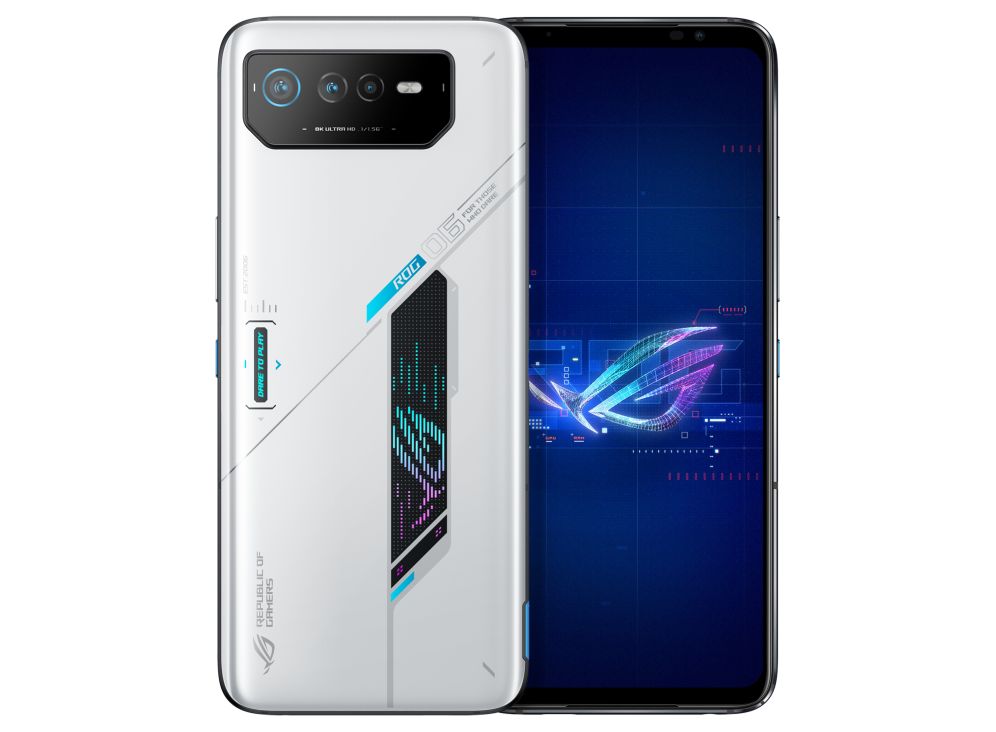
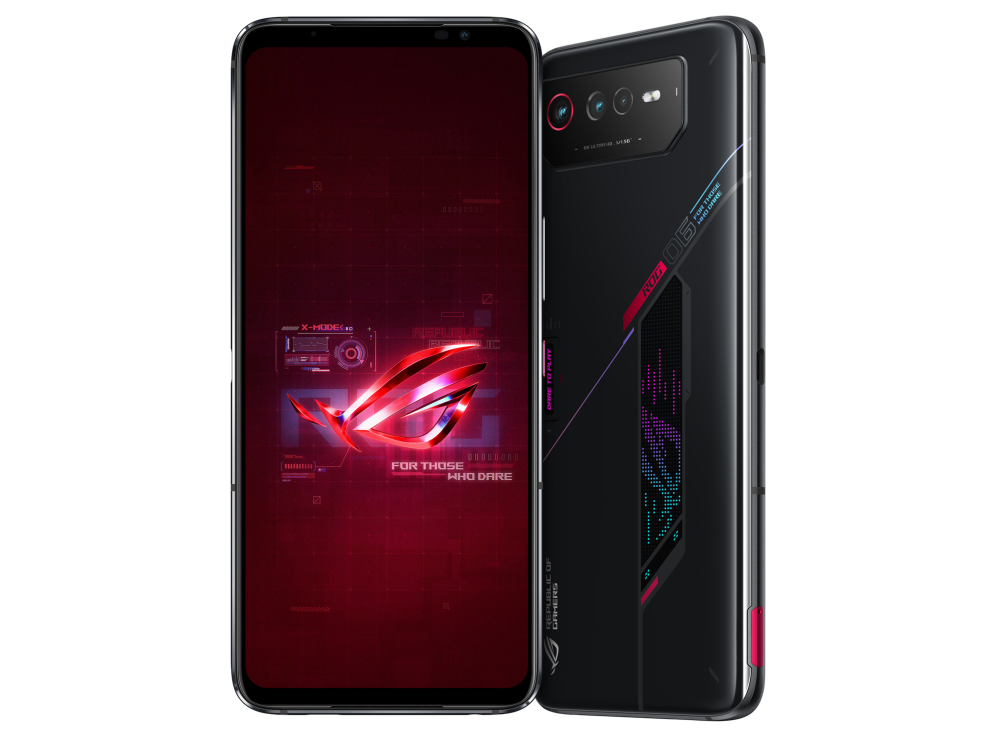
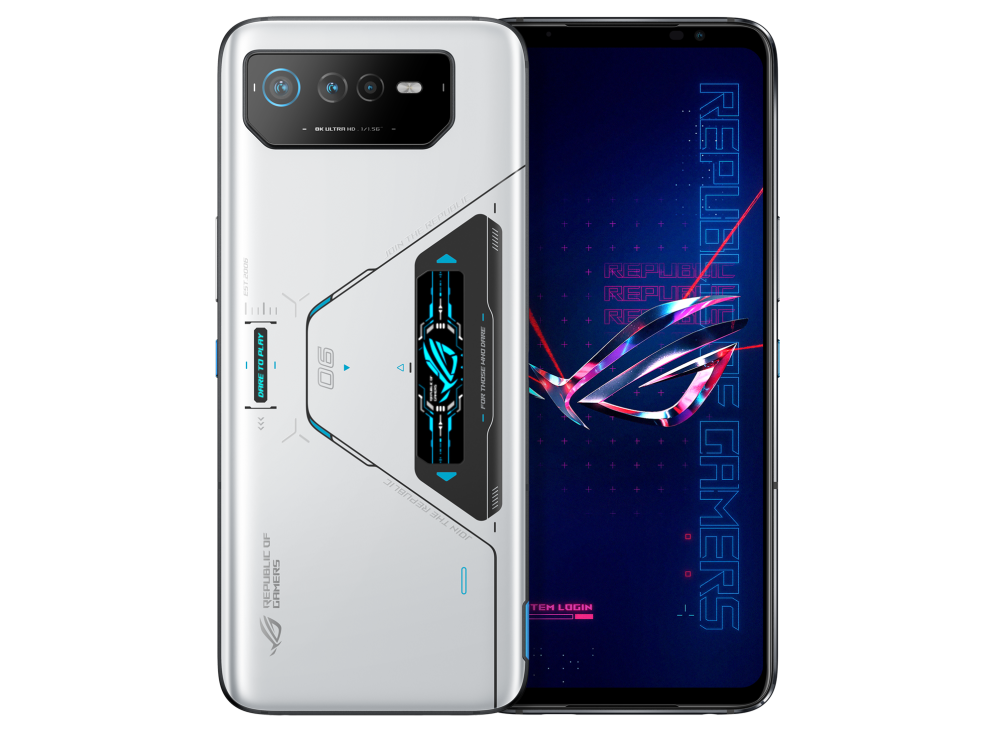
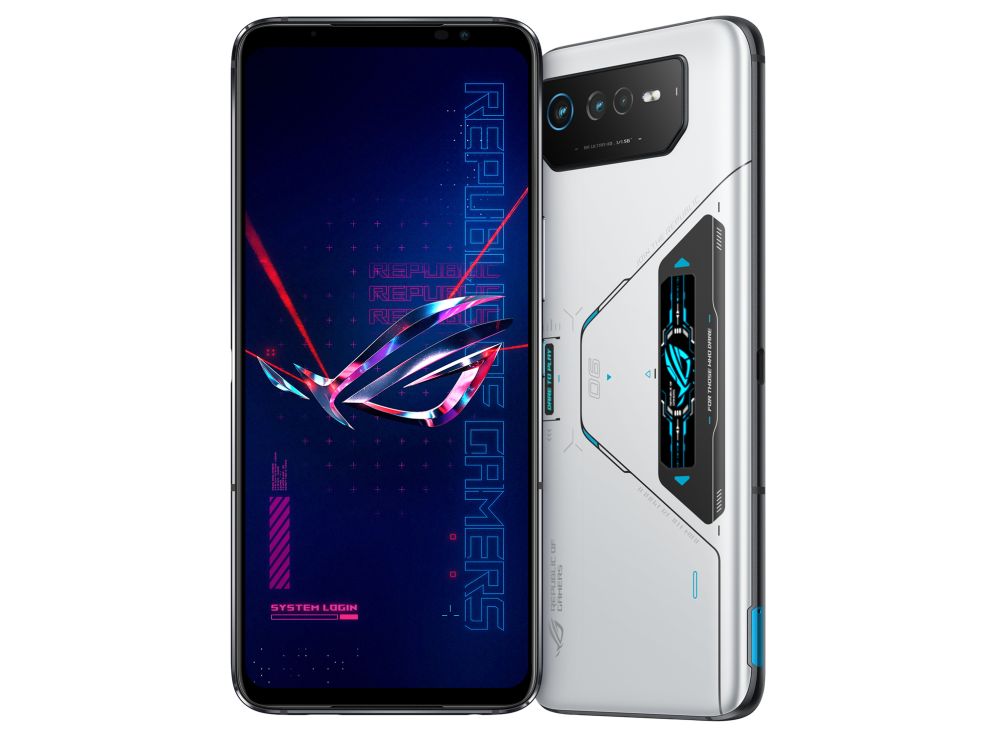
Asus ROG Phone 6 & 6 Pro launched with Snapdragon 8+ Gen 1 globally

Earlier today, Asus debuted its latest flagship gaming smartphones dubbed the Asus ROG Phone 6 and the ROG Phone 6 Pro. So let’s check out what these devices are all about.

Design & display

Starting with the design, since users loved the look of the ROG Phone 6 series, the company has kept the winning formula of the futuristic design. The vanilla model has a vertical RGB strip on the back that can light up in two different colors at once.

On the other hand, the Pro model gets a second display on the back that can be configured with multiple animations and can be used to show notifications or system metrics. The camera bump is slightly bigger than the last generation, however, it holds the same

The curved edges of the devices make them easy and more comfortable to hold. The right edge of the device houses the power button, the volume rocker, and a couple of Air Triggers on both ends.

Coming to the display, both the vanilla and Pro models get a 6.78-inch Full HD+ AMOLED panel with 165Hz refresh rate, 720Hz touch sampling rate, and an in-display fingerprint scanner for security. It offers 111% DCI-P3 color gamut coverage, HDR10+ support, and comes with Corning Gorilla Glass Victus protection.

Specs

Under the hood, we get a Snapdragon 8+ Gen 1 chipset on both devices. This chipset carries massive improvements in thermals and efficiency over the Snapdragon 8 Gen 1, however, Asus has gone the extra mile to ensure maximum cooling for maximum performance. With their 360 degrees of CPU cooling combined with a 30% larger vapor chamber, the thermals of the device remain under the throttling limit for up to 30 minutes.

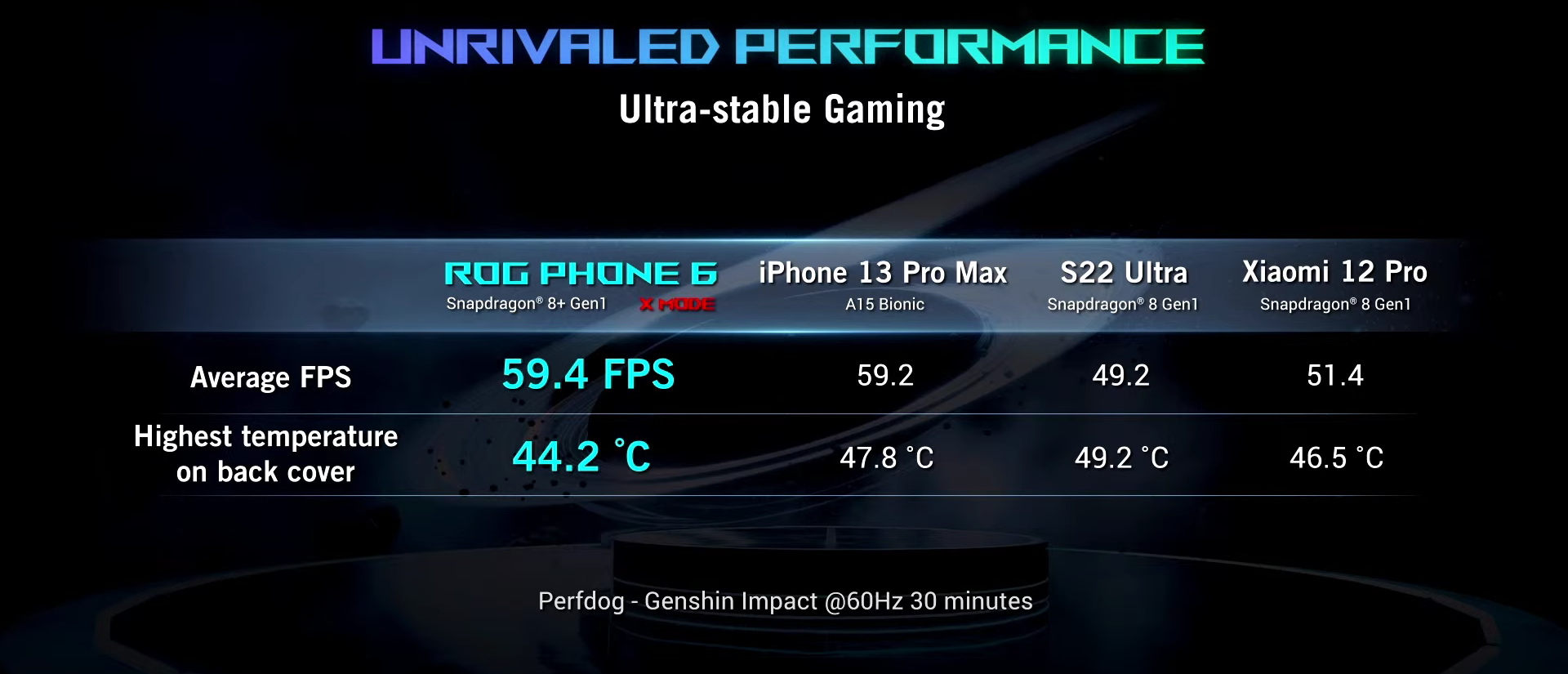
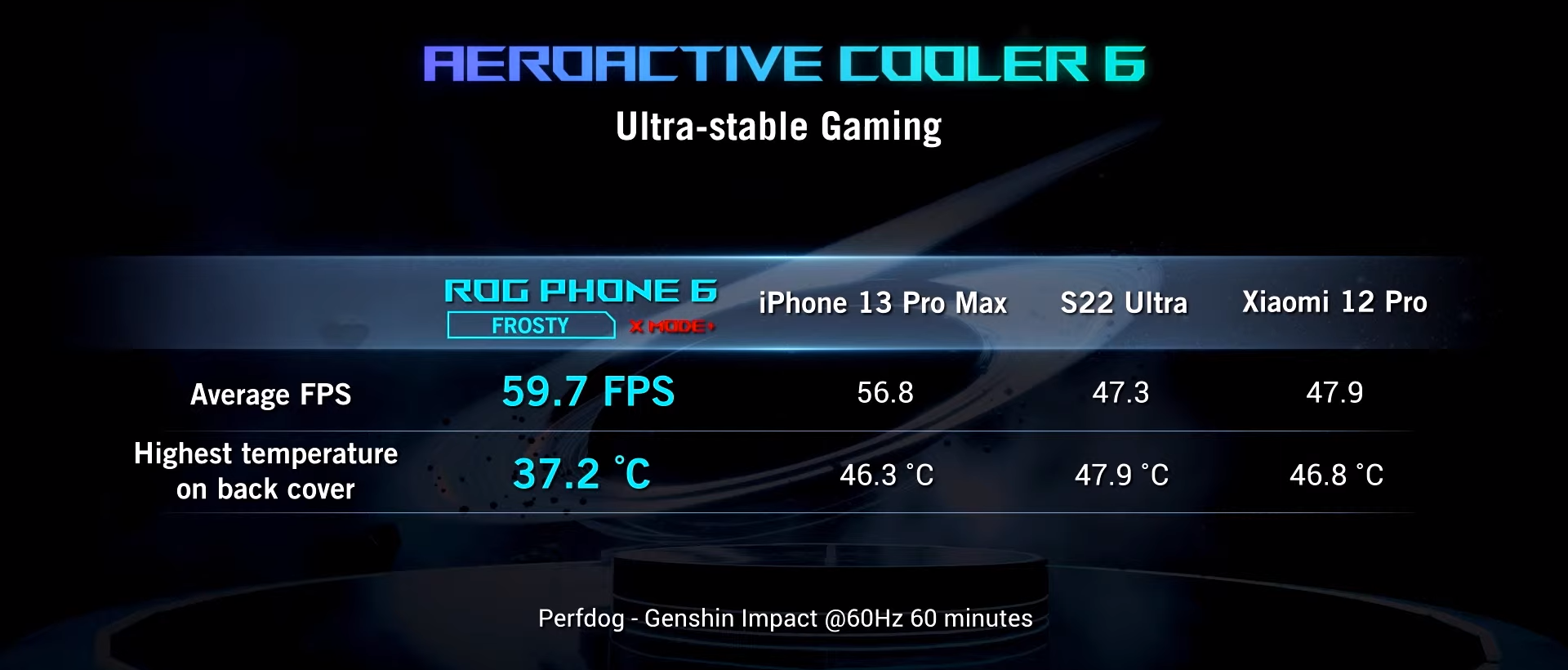
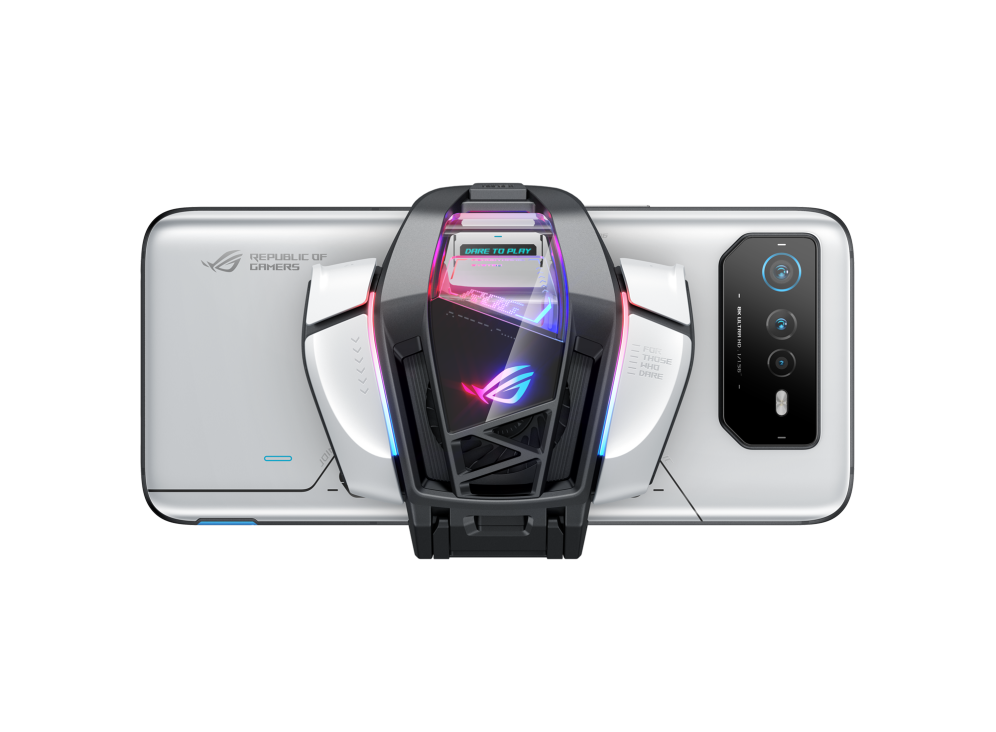
For consistent performance above and beyond that point, Asus has unveiled an upgraded active cooling solution in the form of the AeroActive Cooler 6. Using the inbuilt passive cooling, the smartphone was able to achieve an average of 59.4 FPS on Genshin impact while keeping the back panel temperatures around 44.2 degrees celcius (30-minute session). On the other hand, with the Active Aero Cooler 6 attached, the device managed an average FPS of 59.7 FPS with average temperatures (back panel) of just 37.2 degrees (1-hour session).

The vanilla ROG Phone 6 offers up to 16GB of LPDDR5 RAM and 521GB of UFS 3.1 storage. The ROG Phone 6 Pro on the other hand comes with 18GB of RAM and 512GB of storage. The phone also packs dual front-facing speakers, triple microphones, Dirac Virtuo spatial audio, and a headphone jack. For battery, it gets a dual cell unit with a total capacity of 6000mAh paired with 65W fast charging.

There are two USB-C ports for charging and the side port even has support for USB-C to HDMI enabling users to play their mobile games on a bigger screen. It also has a 3.5mm jack for gamers who want zero latency audio. Last but not the least, the device operates on Android 12-based ROG UI and offers IPX4 water resistance.

Cameras

Coming to the optics, the smartphones feature a triple camera setup headlined by a 50MP Sony IMX766 primary sensor. It is paired with a 13MP ultrawide lens and a 5MP macro camera. On the front, we get a 12MP Sony IMX663 sensor for selfies.

Accessories

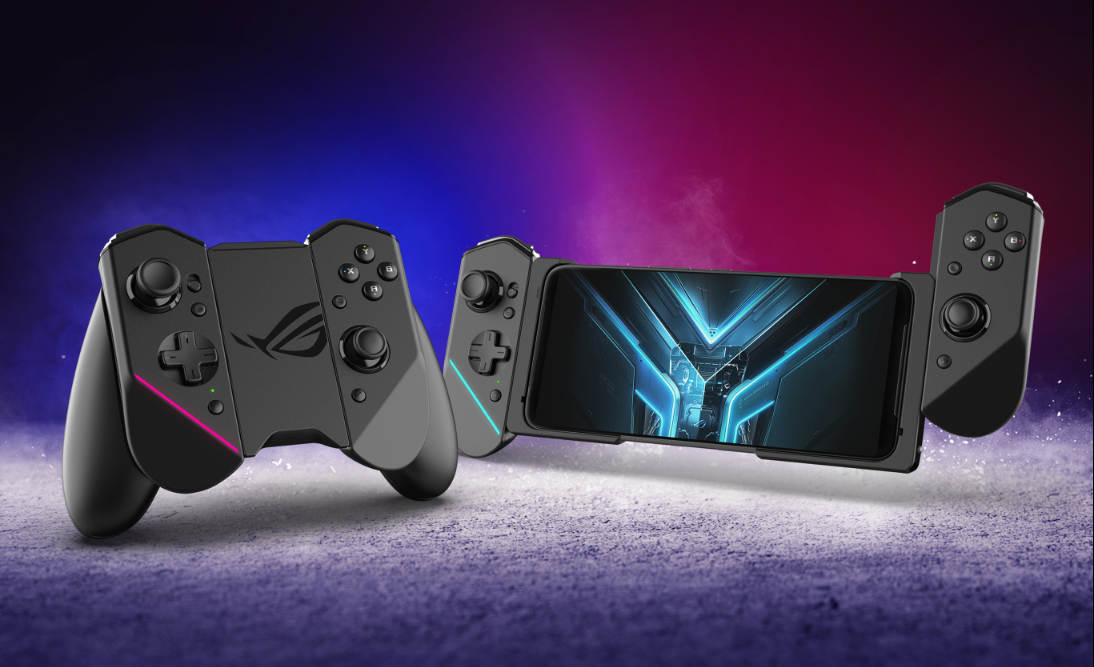
Asus has launched a couple of accessories with the smartphone including the AeroActive Cooler 6 and the ROG Kunai 3 gamepad.

AeroActive Cooler 6

The AeroActive Cooler 6 is a snap-on style cooler for the back panel that helps in keeping the temperatures low. Other than that, it also has a couple of buttons and triggers on the back that helps it double as a dedicated controller.

Asus ROG Kunai 3 gamepad

The Kunai 3 on the other hand is a dedicated gamepad that can either be attached to the smartphone to turn it into a hand-held console or can also be used as a Bluetooth controlled for the phone or other devices.

Pricing & availability

The pricing of the ROG Phone 6 for various models, configurations, and regions is listed below:

Europe region

  • Asus ROG Phone 6 (12GB + 256GB) – €999/£899
  • Asus ROG Phone 6 (16GB + 256GB) – €1,149
  • Asus ROG Phone 6 Pro (18GB + 512GB) – €1,299/£1,099

India

  • Asus ROG Phone 6 (12GB + 256GB) – ₹71,999
  • Asus ROG Phone 6 Pro (18GB + 512GB) – ₹81,999

Both the vanilla and pro models will come in Black and White color variants in Europe, however, in India, the Pro model will only come in a White color option.


RELATED:


Huawei Children’s Watch 4 Pro with a front camera, GPS & more launched in China

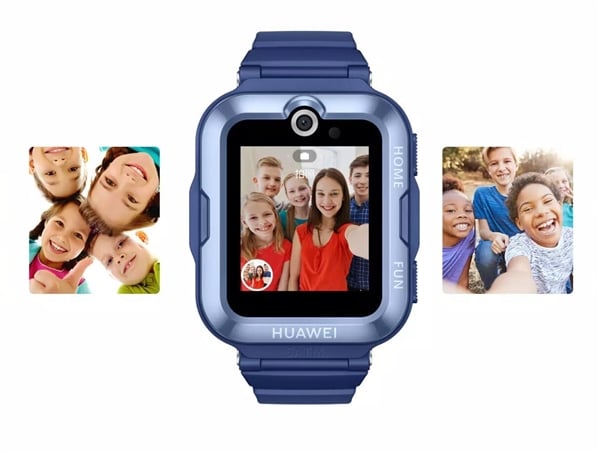
Huawei Children’s Watch 4 Pro has been released in China. The Children Watch 4 Pro supports HD video calls and is available in two options. The latest Huawei children’s smartwatch is priced at ¥998 (~$149).Huawei Children's Watch 4 Pro

The options available for the Huawei Children’s Watch 4 Pro are Deep Sea Fantasy and Dasheng Hero. Parents can communicate with their kids via it 5MP HD video call. The kids can call their friends using the smartwatch. Video calls between multiple devices are also possible with the Children’s Watch 4 Pro.

The Watch 4 Pro uses sensors and its natural light recognition algorithm to accurately determine the duration. It has an ambient light sensor (ALS) and a UV sensor. The watch can intelligently adjust screen brightness according to ambient conditions for maximum visibility. These light management features ensure eye protection for the kids even at night.

Huawei Children's Watch 4 ProThe Huawei Children’s Watch 4 Pro has a 1.41-inch AMOLED with a screen resolution of 341 PPI. The watch features smart counting and several sports modes. These one-minute challenges include sit-ups, rope skipping, and other exercises. It has a step counter and the watch can measure the intensity of the kid’s activity. The Huawei Children’s Watch 4 Pro supports GPS, Beidou, GLONASS satellite positioning, base station positioning, WLAN, and indoor positioning. This provides very accurate positioning results that determine a child’s location at a glance.Huawei Children's Watch 4 Pro

The Huawei Children’s Watch 4 Pro has an 800mAh battery that can be fully charged within 40 minutes. The Huawei Children’s Watch 4 Pro will be available in China from August 3. Global availability details are lacking at this time.

RELATED:


Zebronics Drip smartwatch with Bluetooth calling launched for Rs. 1,999 ($25)

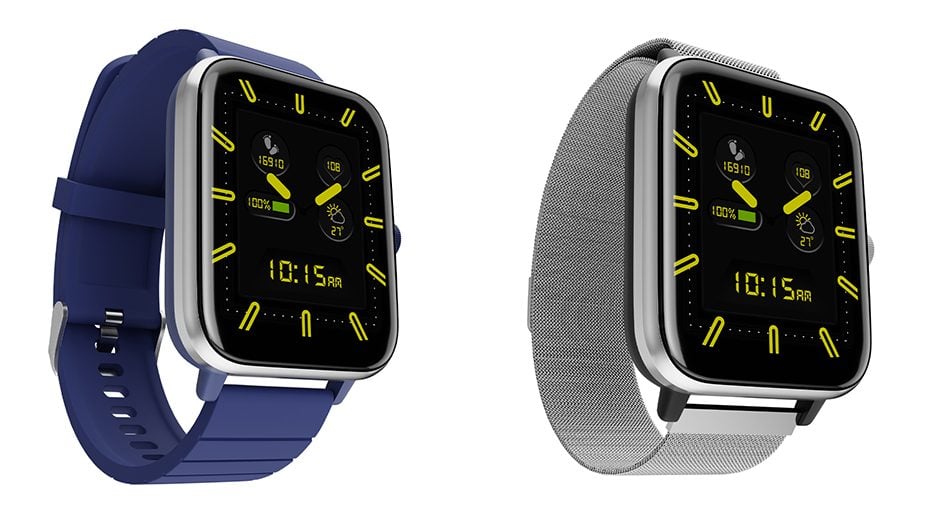
Zebronics has launched the Drip smartwatch featuring Bluetooth calling in India. The Zebronics Drip is a smart wearable well-suited as a fitness device. It is selling in India at an introductory price of Rs. 1,999 (~$25).Zebronics Drip smartwatch

The Zebronics Drip has a sleek and stylish design with its metal frame. It has a 1.69-inch square Touch Display and IP67 rating for water resistance. The Zebronics Drip can operate for 7 days on a single charge. Two strap options are available for the Drip – silicone and metallic. The magnetic loop design makes it very easy to wear the smartwatch while also elegant. Health and fitness features on the Drip include 100+ sports modes, meditation mode, blood pressure, SpO2, and heart rate monitoring. There are four built-in games in the Zebronics Drip. It comes with 10 watch faces, but more than 100 could be downloaded via the app.Zebronics Drip smartwatch

The Zebronics Drip has quick-access buttons for features you often use. It has an 8 Menu UI and supports Bluetooth 5.0 connectivity for calls. The Zebronics Drip is compatible with Siri and Google voice assistants.

Four colors are available for the Zebronics Drip in India. These are Beige, Blue, Black, and Silver. The silver and black color options are available in the metal strap model while beige, black, and blue are available for the silicone model.Zebronics Drip smartwatch

The Zebronics Drip will be available for purchase from Amazon India. The silicone strap model is priced at Rs. 1,999 (~$25) while the metal strap model will sell at Rs. 2,399 (~$30).

RELATED:


Apple files patent that could enable future iPhone users to operate device in wet conditions

Apple has filed a patent with the US Patent and Trademark Office (USPTO) that would allow iPhone users to use the device in the rain. Smartphones are built to withstand some moisture, however, most of them fail in conditions such as rain or even underwater. This makes it difficult for users to operate the device with wet fingers or on a wet display. 

Apple Patent

Apple’s patent suggests that future iPhones could adapt to moisture events by automatically adjusting the on-screen display, control buttons, and sensors. The pressure and moisture sensors will help detect and eliminate any false touches that may be triggered by liquid on the screen. The on-screen controls will be arranged accordingly by moving them apart, changing their size, or removing them. 

Additionally, the iPhone’s capacitive display would change to a pressure-sensitive screen similar to the brand’s no longer used Force Touch and 3D Touch technologies. This means that a user will need to apply greater pressure than the predetermined threshold depending on the type of moisture event. 

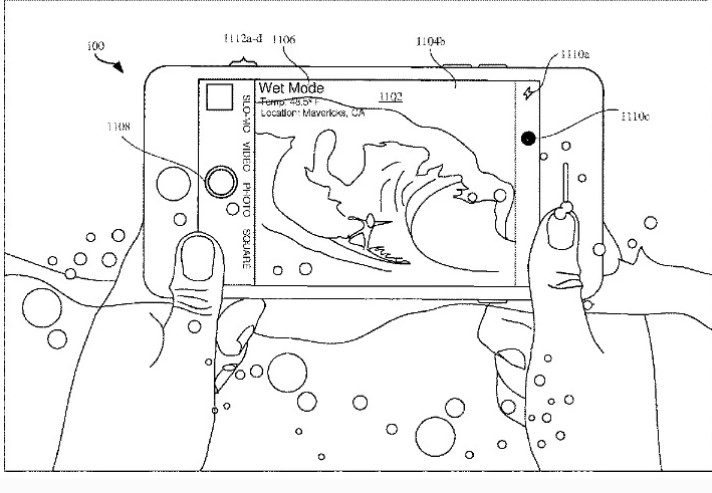
Apple’s patent document shows the iPhone’s camera app working in dry, wet, and underwater modes. Depending on the modes, changes are made to the camera UI. In the wet mode, some camera features are automatically removed from the UI so that they can’t be activated. On the other hand, in underwater mode, the buttons are extra large in size and without access to any other settings. The smartphone’s display will also show the current depth of the device to keep it within the limits of water resistance. 

This is just a patent filing so readers must take this article with a grain of salt. Not every patented technology makes it to the final product. It also might take some time before we start seeing this feature in smartphones. 

Related:

Xiaomi ends software support for Redmi K20 Pro/Mi 9T Pro

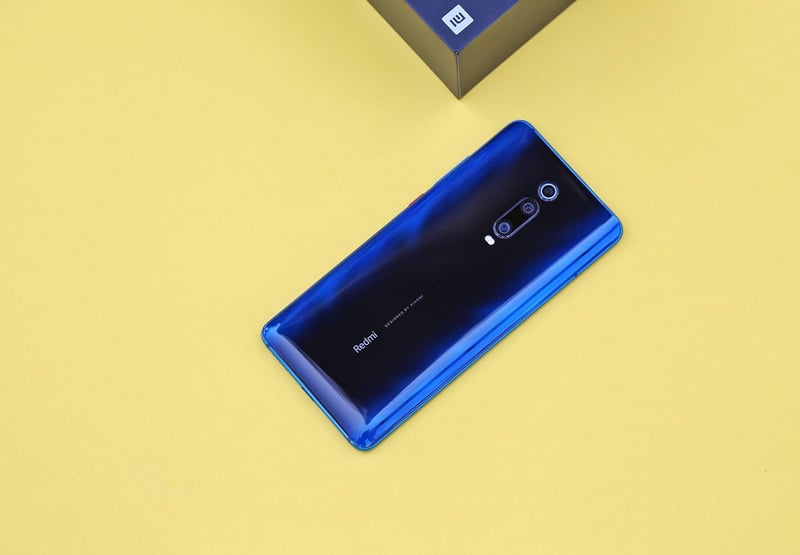
Xiaomi India is preparing to launch a new Redmi K series smartphone in the country. On the other hand, the company has dropped software support for the Redmi K20 Pro. This occurs a month after the vanilla Redmi K20 met with a similar fate.

Redmi K20 Pro Review
Redmi K20 Pro (Review)

The Redmi K20 Pro was the first premium smartphone with Redmi branding. It was launched in early 2019. The device is also known as Mi 9T Pro in several markets.

The phone was regarded as a successor of the original Poco F1 aka Pocophone F1 due to its set of features and price tag. In fact, if alleged pictures and rumors are to be believed, Xiaomi was actually considering to rebranded this handset as Poco F2 for markets outside mainland China.

The Redmi K20 Pro features a 6.39-inch FHD+ AMOLED display, Qualcomm Snapdragon 855 SoC, LPDDR4x RAM, UFS 2.1 storage, 48MP (wide) + 13MP (ultra-wide) + 8MP (2x telephoto) triple cmaera system, 20MP pop-up selfie camera, in-screen fingerprint sensor, 4,000mAh battery, and 27W fast charging.

The device was truly a flagship killer smartphone during its time in the market. But unfortunately, its software support hasn’t been spectacular.

The phone debuted with MIUI 10 based on Android 9.0 Pie. Throughout its lifetime, it only received two MIUI and Android updates. Currently, it runs Android 10-based MIUI 12.5.

However, it is worth noting that two major OS updates were the norm for handsets released during those times. But what’s not acceptable is the buggy software for which there will be no fixes since the support has now officially ended.


RELATED:


OnePlus 10T listed on Amazon UK (now deleted) with key specifications and pricing

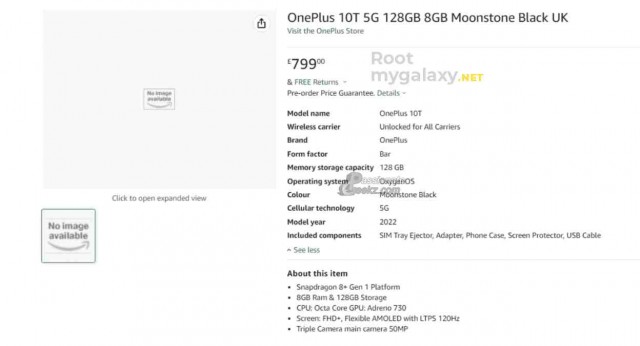
OnePlus 10T has been spotted on the Amazon UK website. However, the listing has now been deleted. Thankfully publication Rootmygalaxy took a screenshot and shared it on the web. It reveals the key specifications as well as the pricing of the OnePlus 10T. OnePlus is yet to confirm any details of the upcoming offering. 

OnePlus 10T Amazon UK listing

As per the Amazon listing, the OnePlus 10T will come with a curved AMOLED display bearing an FHD+ resolution and a 120Hz refresh rate. It will likely have a 6.7-inch screen and a centre-aligned punch-hole camera cutout. Under the hood, the device will be powered by a Snapdragon 8+ Gen 1 processor. It is listed with 8GB RAM and 128GB storage. The smartphone is said to feature a triple rear camera setup comprising a 50MP main sensor. 

The OnePlus 10T is listed with a price tag of EUR 799 (~Rs 65,000) for the base variant. It will be available in Moonstone Black colour option and ship with a bundled charger, a USB cable, phone case, and a SIM ejector. 

Apart from the Amazon listing, the OnePlus 10T is expected to not come with Hasselblad cameras. It will reportedly be backed by a 4,800mAh battery with support for 150W charging. The smartphone is tipped to debut later this month. We will know more details in the coming weeks. 

Related:

Microsoft Surface Laptop Go 2 launched in India for ₹73,999 ($933)

Last month, Microsoft launched its new line of laptops called the Microsoft Surface Laptop Go 2 in the US market. Now, the laptops have officially made their Indian debut, so let’s take a look at what they have to offer.

Microsoft Surface Laptop Go 2

Microsoft Surface Laptop Go 2 specs

Starting off, the Surface Laptop Go 2 has a premium and slim design featuring an aluminum exterior and metal finish in Platinum. It features a 12.4-inch PixelSense touchscreen display with a screen resolution of 1536 x 1024 pixels, 330 nits brightness, and a 3:2 aspect ratio.

Under the hood, the laptop comes powered by Intel‘s 11th Gen Core i5 quad-core processor. For graphics, it has the Intel Iris Xe GPU, and it comes configured with up to 8GB of LPDDR4x RAM and 256GB of SSD storage. The laptop also has a fingerprint reader for security, however, this is not available in the base model (4GB RAM + 128GB storage).

Microsoft Surface Laptop Go 2

Other features of the Surface Laptop Go 2 include a 720p webcam, a 3.5mm audio jack, and a Surface Connect port for charging. It has Omnisonic Speakers with Dolby Audio Premium and dual far-field studio mics. On the software front, it comes preloaded with Microsoft 365 Apps, Microsoft 365 Family 1- month trial, and Xbox Game Pass Ultimate 1-month trial.

For connectivity, it has Wi-Fi 6 802.11ax and Bluetooth 5.1 LE. Physical ports include a USB-C and a USB-A port. Lastly, the company claims that the laptop can last up to 113.5 hours on a single charge with typical usage.

Pricing & availability

The Surface Laptop GO 2 laptop is available for consumers in two configurations. The 8GB RAM + 128GB storage model has a price tag of ₹73,999 while the 8GB RAM + 256GB storage variant is priced at ₹80,999.


RELATED:


Boult unveils Cosmic and Drift smartwatches at Rs. 1499 in India with blood-oxygen monitor

Boult Audio expanded its portfolio of millennial-targeted products by breaking into the Indian wearable market. The smartwatches by Boult Audio dubbed Boult Drift and Boult Cosmic, have capabilities for tracking your heart rate, steps, blood oxygen levels, and even menstrual cycles. 

The smartwatches have a standby time of up to 10 days. Both iOS and Android devices can use the Boult Drift (BOULTFIT App) and Boult Cosmic (BOULTTRACK App) watches. So, let’s focus on the features of the two smartwatches.

Boult Drift

The Boult Drift offers a 1.69-inch screen size, 240×280 resolution, 218 ppi pixel density, 500 nits high brightness a rectangular display, 60 preset sports modes, and 150+ watch faces, making it the only smartwatch to offer these features. You can check your heart rate at any moment thanks to its heart rate monitor, sleep tracker, and 24/7 heart rate monitoring capabilities. In addition to having a dual module and an integrated microphone and speaker, it also contains an automatic sleep monitor that offers a thorough analysis of your sleep quality (deep sleep, light sleep, and wake-up time) to help you understand your health and make sensible lifestyle choices. 

Boult Cosmic

The Boult Cosmic has a 1.69-inch TFT screen, 240×280 resolution, 218 ppi pixel density, 500 nits high brightness rectangular display, and more than 100 watch faces. It has a menstrual cycle tracker, blood pressure monitor, blood saturation tracker, heart rate monitor, water resistance, and multiple sports modes. It helps you lead a healthier life by having cutting-edge HR sensors for precise and effective heart rate monitoring, calorie counting, and step counting.

Boult Drift Smartwatch
Boult Drift Smartwach


Pricing and availability

The Boult Drift and Boult Cosmic have an introductory price of INR 1999 and INR 1499, respectively, rather than Rs. 7,999 and Rs. 5,999.

From July 9th, 2022, the watch will be available on the leading e-commerce platform, Flipkart, as well as in select retail stores and on their website. 

Boult Drift is available in Blue, Black, and Gray, whereas Boult Cosmic is available in Rose Gold, Blue, and Black. The Boult Audio AirBass XPods Pro, the company’s newest audio offering, was also displayed last week.


RELATED

[embedyt] https://www.youtube.com/watch?v=fSyjPAyZc9M[/embedyt]

Here’s why Xiaomi 12 Pro Dimensity Edition is cheaper than Snapdragon variant

Last evening, Xiaomi held a conference in China for the Xiaomi 12S series launch. Ahead of the event, it was rumored that the company will introduce a variant of the Xiaomi 12S Pro with a Mediatek chipset. 

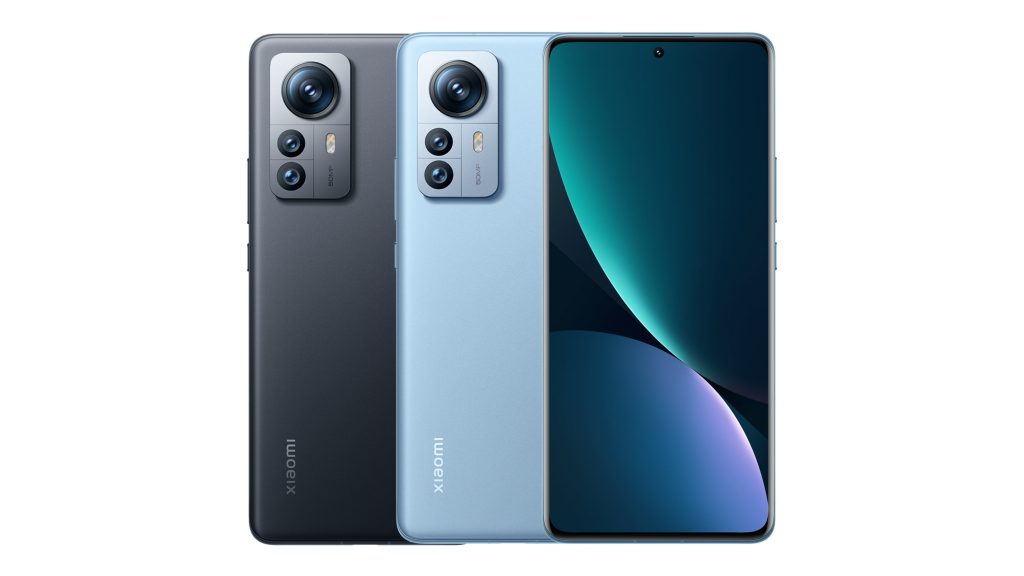
But in reality, the said device turned out to be a version of the Xiaomi 12 Pro instead, dubbed as Xiaomi 12 Pro Dimensity Edition. It comes with some differences, and for that reason, it is priced lower.

Here in this article, let’s check out how the Xiaomi 12 Pro Dimensity Edition differs from the Xiaomi 12 Pro. At the same time, let’s try to draw a conclusion about whether it is a better deal purely based on on-paper specs.

Xiaomi 12 Pro Dimensity Edition

Same Look, Limited Colors

In terms of design and dimensions (163.6 x 74.6 x 8.16 mm), the Xiaomi 12S Pro is identical to the Xiaomi 12 Pro. The only difference is that it weighs slightly lower at 201g as compared to 205g.

Since the device’s availability is limited, Xiaomi is offering it in only two colors (black, and blue). Whereas, the original comes in four colors (black, blue, purple, and green).


Dimensity replaces Snapdragon

As the name suggests, the Xiaomi 12 Pro Dimensity Edition is powered by a Mediatek chipset. To be precise, it is run by a Dimensity 9000 Plus SoC.

Thus, Xiaomi has become the first OEM to utilize both Snapdragon 8 Plus Gen 1 (Xiaomi 12S series) and Dimensity 9000 Plus chips on smartphones.

The Mediatek Dimensity 9000 Plus inside the Xiaomi 12 Pro Dimensity Edition is a more stable chipset than the Qualcomm Snapdragon Snapdragon 8 Gen 1 housed in the Xiaomi 12 Pro.

The new chip is not only more power-efficient but also provides better thermal performance. Hence, the device should offer an overall better experience in the above factors.


Downgraded Camera System

The main highlight of the Xiaomi 12 Pro is its cameras. That’s not the case with the Xiaomi 12 Pro Dimensity Edition as it comes with a watered-down camera system.

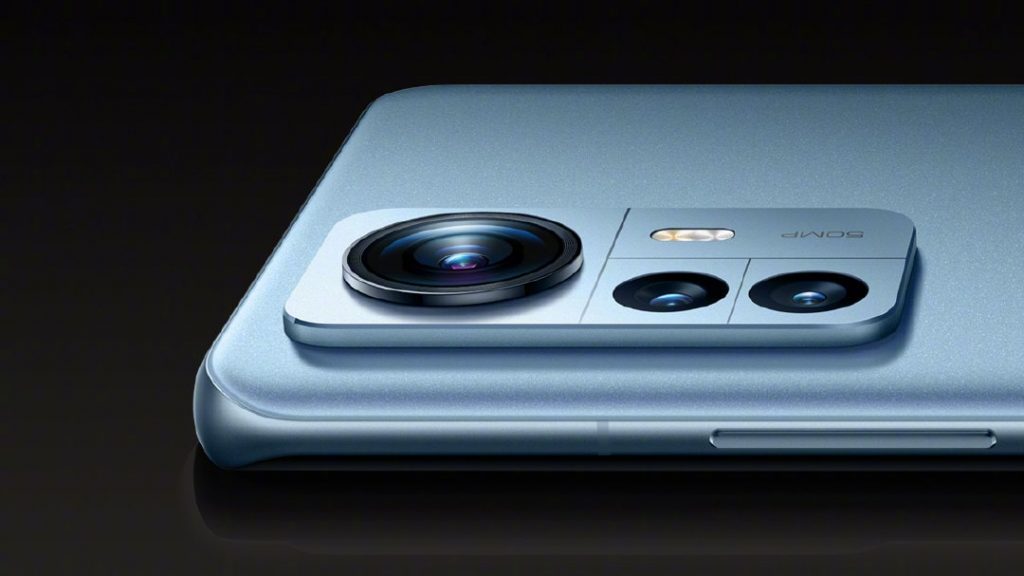
The Dimensity variant retains the OIS-assisted 50MP Sony IMX707 primary sensor and the 32MP selfie camera from the Snapdragon model. However, the remaining two sensors are a weaker 13MP ultra-wide unit and a 5MP telemacro snapper instead of two different 50MP sensors for ultra-wide and 2x optical zoom.

Xiaomi 12 Pro Dimensity Edition Cameras

The camera setup on the Xiaomi 12 Pro Dimensity Edition is identical to the one found on the compact Xiaomi 12S sans Leica image processing.


Bigger Battery, Slower Charging

The Xiaomi 12 Pro Dimensity Edition is fueled by a 5,160mAh battery. On the other hand, the Xiaomi 12 Pro uses a smaller 4,600mAh battery.

But the Snapdragon version carries support for 120W wired charging, while the Dimensity model is limited to 67W wired charging.

Additionally, Xiaomi has dropped support for wireless charging on the Dimensity version. For the unaware, the Snapdragon variant carries support for 50W wireless charging and 10W reverse wireless charging.


Cheaper Pricing, Limited Availability

The Xiaomi 12 Pro Dimensity Edition comes in 8GB + 128GB and 12GB + 256GB memory configurations priced at ¥3,999 ($597) and ¥4,499 ($671), respectively. It will be sold exclusively in China, and even there, it will be made available in limited quantities.

Meanwhile, the Xiaomi 12 Pro is sold in almost all the markets where Xiaomi has its presence. In China, it is priced at ¥4,699 ($701), ¥4,999 ($746), and ¥5,399 ($805) for 8GB + 128GB, 8GB +256GB, and 12GB + 256GB memory variants, respectively.


Conclusion

The Xiaomi 12 Pro Dimensity Edition is ¥700 cheaper than the Xiaomi 12 Pro. Therefore, it sounds like a good deal at first sight as the phones look identical.

Xiaomi 12 Pro Dimensity Edition

But based on the above comparison, one can clearly say that the Dimensity model lacks so many features for the lower price tag. At the same time, we cannot deny the performance, thermal, and battery issue with the Snapdragon version.

Hence, if the improvements on the Xiaomi 12 Pro Dimensity Edition are of more value to you than the overall feature set of the Xiaomi 12 Pro, then the newer model is likely a better option for you.


RELATED:


Huawei released its first anti-lost device with one+ year of battery backup

Huawei recently rolled out two new colors for their P50 Pocket smartphone that went on sale on the 4th of July. Alongside the smartphone, the Chinese smartphone giant has released its first anti-lost device. In an attempt to explore smartphone accessories further, Huawei launched the device.

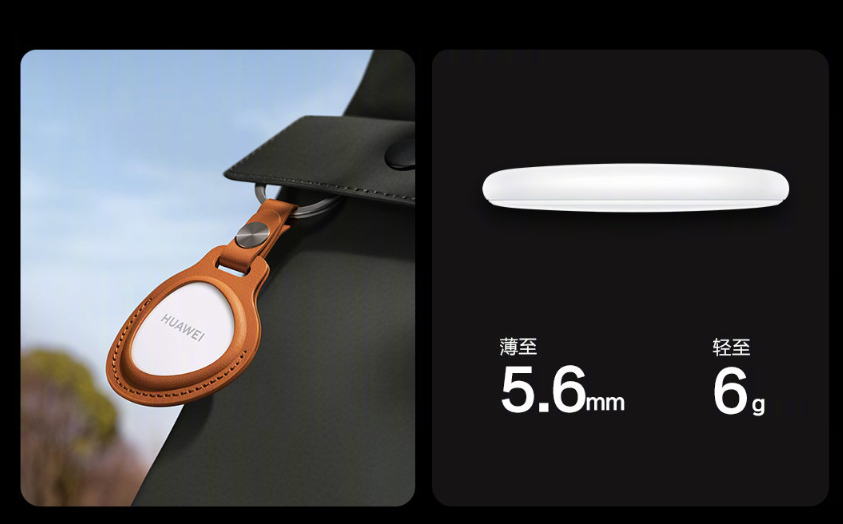
The first of its kind in Huawei’s lineup, the anti-lost device has been officially named Huawei Tag Anti-Lost Wizard. The device weighs 6g and has a 5.6mm thickness, per the official introduction. It supports near-field search technologies with a maximum 92-decibel siren and a pop-up window that may swiftly notify you when goods are left behind.

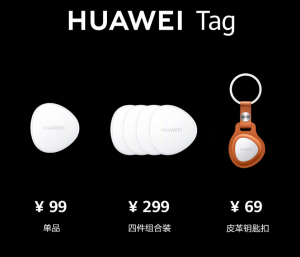
The Huawei Tag Anti-Lost Wizard costs 69 Chinese Yuan ($10 approx.) for a leather keychain, 299 Chinese Yuan ($45 approx.) for a four-piece combination, and 99 Chinese Yuan ($15 approx.) for a single unit, making it three times less cheap than the Apple AirTag. On July 30, it will be formally introduced.

The Huawei Tag Anti-Lost Wizard provides great functionality with long-distance object detection, remote location via Huawei’s “find” network, and positioning via hundreds of millions of Huawei devices. The Huawei Tag Anti-Lost Wizard allows encrypted reporting of location data, can be anonymous in both directions and includes a long-term security reminder function for unknown Huawei Tags to deter tracking.

Huawei Tag Anti-Lost Wizard also supports IP67 dust and water resistance, NFC connectivity, and has a battery life of more than a year, making the device suitable for long-term use and ensuring durability. It also comes with an optional leather keychain.

Anti-lost devices have become a common accessory for smartphone users. The Huawei Tag Anti-Lost Wizard will be competing with the Apple AirTag and the Samsung Galaxy Smart Tag, which retail for around 200 Chinese Yuan ($30) and 249 Chinese Yuan ($39), respectively. Both of them were launched in the first half of 2021.


RELATED

[embedyt] https://www.youtube.com/watch?v=fSyjPAyZc9M[/embedyt]


Red Magic 7S Pro appears on Geekbench ahead of July 11 launch, checkout the scores

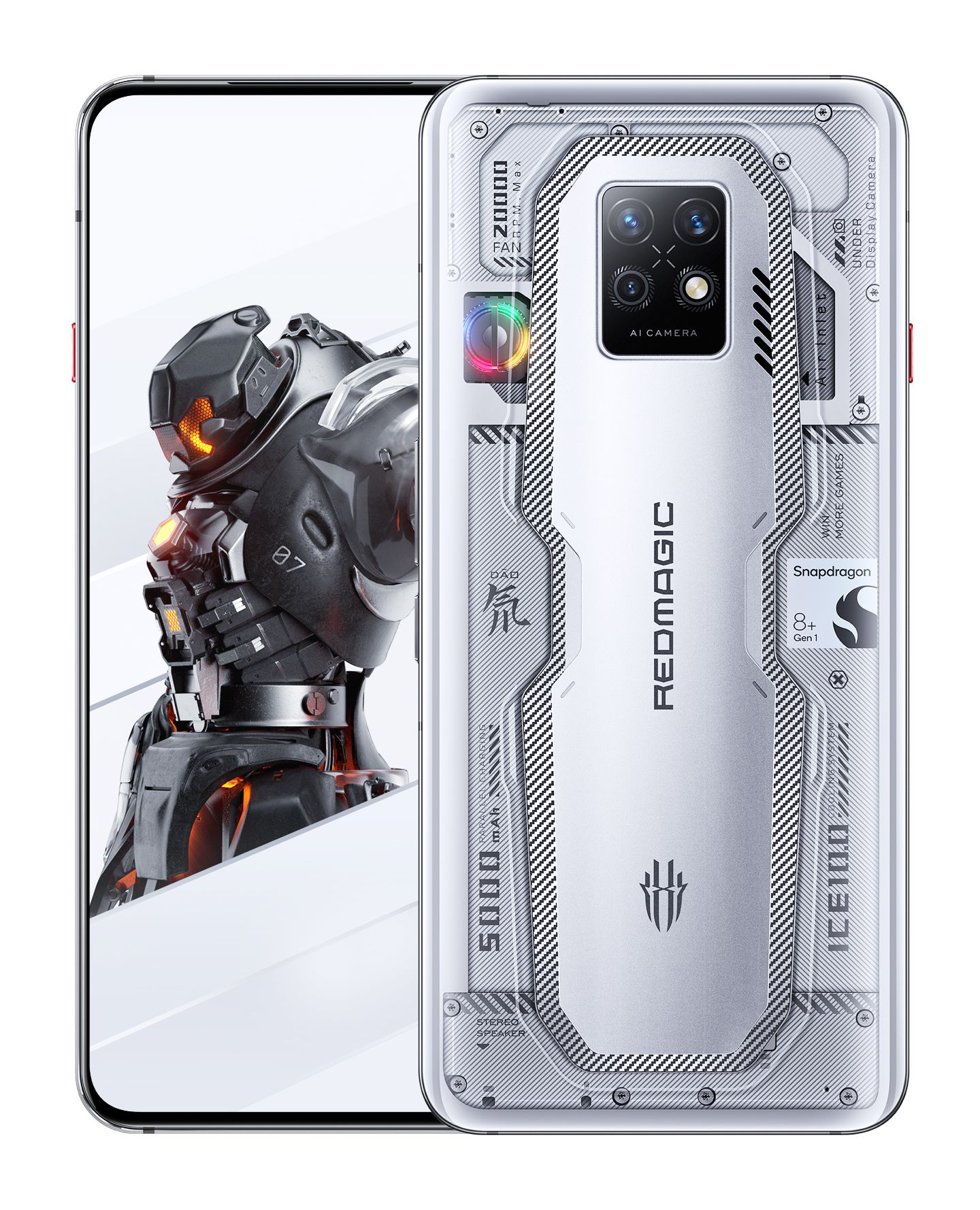
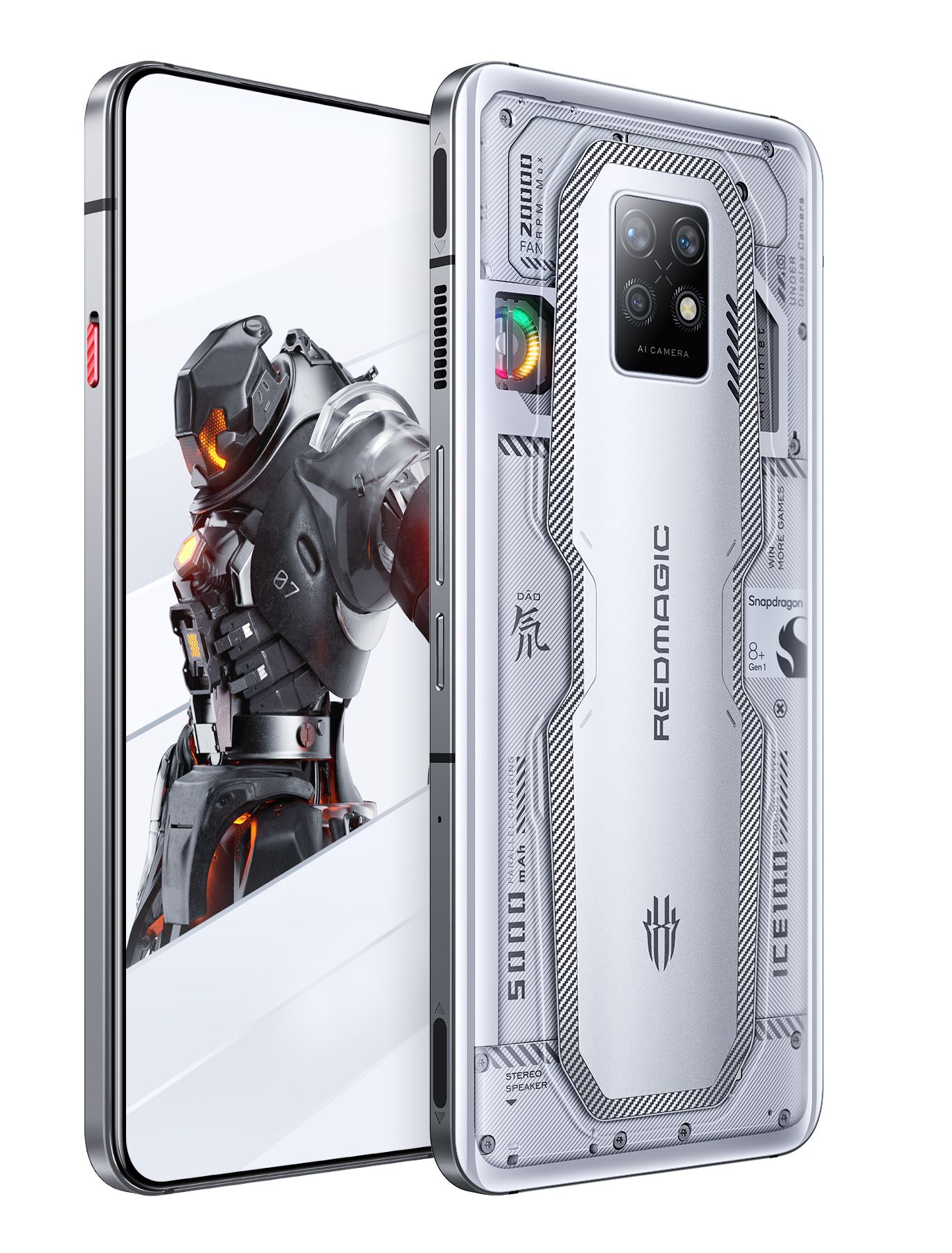
After the global debut of the Red Magic 7 Pro earlier this year, Nubia is planning to debut the Red Magic 7S series consisting of the Red Magic 7S and the Red Magic 7 Pro on July 11. The devices have already appeared on TENAA and 3C certifications revealing some of the specifications.

Red Magic 7S Pro
Red Magic 7S Pro official renders

Now, PriceBaba has spotted the Red Magic 7S Pro on Geekbench. So let’s take a look at its specs and performance.

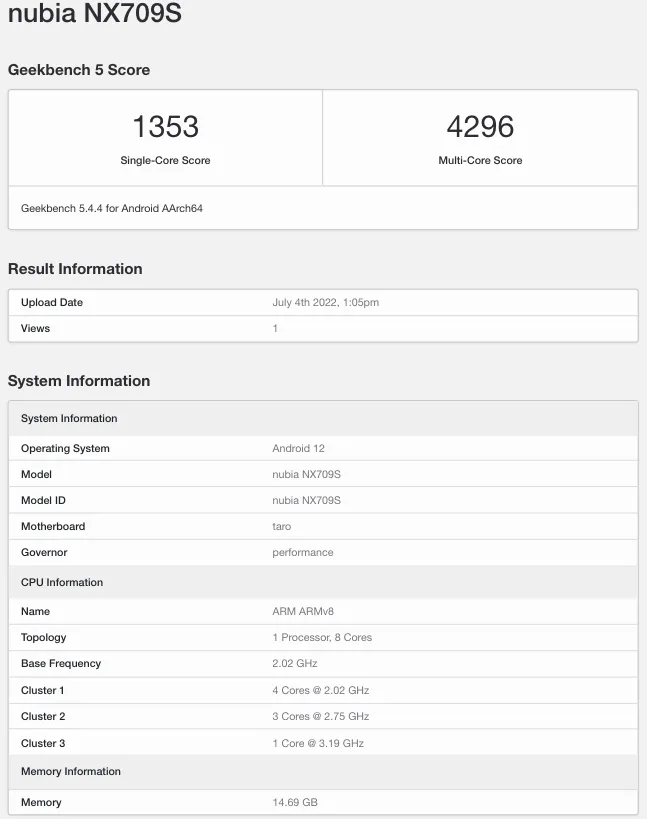
RedMagic 7S Pro Geekbench

As per Geekbench, the device has the model number NX709S and it operates on a quad-core processor with a base clock of 2.20GHz and a boost clock of 3.19GHz. It also comes with the Adreno 730 GPU making it pretty clear that this chipset is the Snapdragon 8+ Gen 1.

Other than that, the listing states that the device has 16GB of RAM and operates on an Android 12-based operating system. Coming to the benchmark results, the 7S Pro gets 1353 points on the single-core test and 4296 points on the multi-core test of Geekbench 5.

Red Magic 7S Pro
Red Magic 7S Pro

The benchmark listing does not reveal any other information, but previous rumors and listings state that the device will come with a 6.8-inch OLED FHD+ display panel with 165Hz refresh rate. It is expected to arrive in four different RAM variants 8GB / 12GB / 16GB / 18 GB and four different internal storage variants – 128GB/ 256GB /512 GB/ 1TB.

For optics, the device will likely have a 64-megapixel primary camera along with two auxiliary cameras. On the front, it is expected to feature an 8-megapixel selfie snapper. Lastly, the device is revealed to have a 4500mAh battery with 120W fast charging.


RELATED:


Vivo investigated for money laundering, several India locations gets raided

Vivo has come under scrutiny of the Indian government. The company is currently under investigation for money laundering charges. And now, several locations related to its have been raided by the Enforcement Directorate (ED).

According to a Live Mint report, ED has conducted raids at offices and firms that are linked to the Chinese smartphone maker in India. Interestingly, this news follows after another Chinese brand, Xiaomi, was also subject to similar raids in the country. As of right now, the ED has not revealed any official details regarding the search operations, but these were reportedly carried out under the Prevention of Money Laundering Act (PMLA) at Vivo India’s office.

A separate report from Economic Times revealed that one of the brands distributor in Jammu and Kashmir have also come under the radar of the ED after the government found that at least two of the company’s shareholders had submitted forged documents with false Indian addresses. Vivo India has yet to respond to any statements regarding the ED raids as of right now. The company is one of the top five smartphone brands in the country and has had a strong presence in the offline market.

Vivo Logo

Similarly, the ED had also conducted raids into Xiaomi and its related locations over charges of tax evasion case by the Income Tax Department. The government ended up seizing 5,550 crore INR (roughly 701 million US Dollars) in total assets. The investigation began in February and the ED claimed that Xiaomi India remitted foreign currency equivalent to 5551 crore INR to three foreign based entities under the “guise of royalty.”

RELATED:


Realme to launch Buds Air 3 Neo alongside the Realme GT2 Master Explorer Edition

Realme recently confirmed the launch date of GT 2 Explorer Master Edition. The smartphone will be unveiled at an event on July 12. However, the handset will not be launched alone. It will be accompanied by Realme’s new Buds Air 3 Neo. The TWS earbuds will be introduced as the successor of the Buds Air 2 Neo that were launched back in April last year. The company hasn’t divulged any specs of the earphones but it did reveal their design.

Realme announced the upcoming launch of the Realme Buds Air 3 Neo in China via its official Weibo handle. The launch of the new Realme earphones will take place on July 12 alongside the GT2 Master Explorer edition. The company also revealed the design and appearance of the new earbuds. As per the teaser, the Neo buds will have an in-ear design with a stem for the earphones. The teaser showcases the earphones in White color. However, the possibility of other color options cannot be zeroed.

Realme Buds Air 3 Neo

Moreover, the lid of the earphone case seems to be translucent, and the overall appearance is very different from the previous generation buds.

As mentioned, the Realme Buds Air 3 Neo will succeed the Buds Air 2 Neo that were unveiled in April last year. The new earbuds are expected to carry significant upgrades as compared to the previous year’s model. For reference, the Realme Buds Air2 Neo headset came with an in-ear stem-less design. They support 25dB active noise reduction and 88ms low-latency gaming mode. The earphones have a long-lasting battery life of 28 hours (With case). They were launched at a price of 199 yuan (roughly $30). The new Air 3 buds will be priced higher than this and will likely offer better specs and sound quality.

Related: