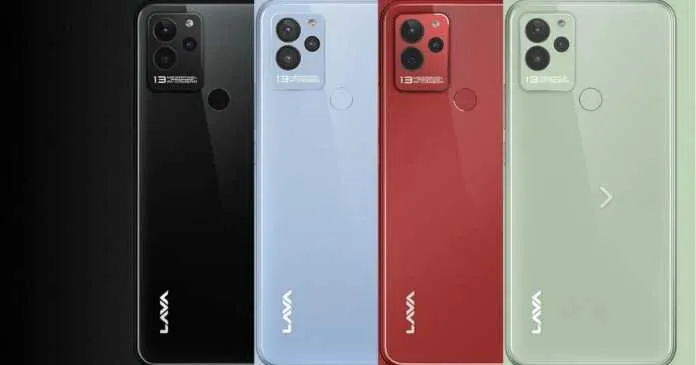
Lava is preparing to release a new smartphone for the Indian market soon. The device in question is the Blaze smartphone that is set to be launched in India on the 7th of July 2022. But prior to its release, the key specifications of the handset and its hands on images have been leaked. So let’s take a look.
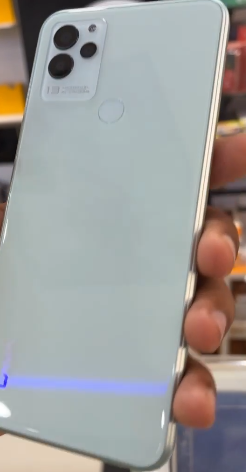
Looking at the image that was spotted on the company’s official website, we can see that the Blaze model will arrive in multiple color options. This includes a Black, Blue, Red, and Green variant. On the rear, it will feature a triple camera setup, which will consist of a 13 megapixel primary sensor. The back panel also features a rear mounted fingerprint scanner as well. Interestingly, a video on Instagramalso showcased the full design of the upcoming handset as well.
This video shows that the Blaze model has a glossy glass back panel. Other features include USB Type C port and a 3.5mm headphone jack. While finer details are currently unknown, the smartphone is rumored to be equipped with a UNISOC chipset. Furthermore, we can expect the Blaze model to sport an HD+ display and house at least 3GB to 4GB of RAM and up to 32GB or 64GB of internal storage.
The new Lava device is set to launch on July 7 and 12 pm IST. It is a new budget level smartphone and will be available for purchase on Flipkart and even the company’s official website. The device will likely be priced around 10,000 INR price tag (roughly 126 US Dollars).
Russia, the largest country in the world, has seen major changes in its phones, tablets, laptops, and household appliances market due to the withdrawal of western brands like Apple, Samsung, DJI, Ericsson, and more. As a result, experts are predicting that 90% of the brands sold in Russia will soon be Chinese.
The ongoing Ruso-Ukrainian War has forced the United States and the EU to take restrictive measures against Russia, significantly changing the smartphone and tech landscape in the country.
The smartphone market has been the most dynamic of all, considering the top 7 selling brands in the first half of 2022 have all been Chinese. Namely, Realme, Vivo, Xiaomi,Tecno,Infinix, ITel and Nokia.
Kommersant, a Russian media outlet was told in Marvel Distribution- one of the largest broad-line IT distributors in Russia and the Commonwealth of Independent States, that more than 100% year-on-year growth was shown by the Tecno, Infinix, Realme, and Xiaomi devices in 2022.
Xiaomi Store in Murmansk, Russia
Notably, Realme had sold only 498,000 units in the first half of 2021 in the country. However, this year, it has already sold more than 1.1 million units.
Growth in Chinese smartphone sales
Year-on-year unit sales grew significantly for brands like POCO (16%), Nokia (40%) while Apple’s and Samsung’s market share decreased by 14% and 15% year-on-year respectively.
Unit sales of brands like Tecno grew more than 20X in the last couple of months. Digma Electronics also saw positive growth of 8X in the same period. According to Yandex Market, the share of Chinese IT brands increased twofold year over year in the first quarter.
If experts are to be believed, the market may open its arms to brands such as Kimtigo, Akimojeba, Domfy, and Chuwi. According to M.Video-Eldorado, the largest Russian consumer electronic retail chain, “considering the shifting market conditions,” buyers are more inclined to pay attention to obscure or new brands mostly produced by Chinese, Turkish, or Russian companies.
There is a shortfall of spare components on the market in addition to the lack of ready-made devices. As a result, on June 28, the Russian Federation’s President signed legislation legalizing parallel imports in the country. Parallel Import enables you to import goods into the country without the official permission of the brand.
On May 6, the Ministry of Industry and Trade authorized a list of such goods, which included smartphones and electronics (Apple, Asus, HP, GoPro, Samsung, Dell, LG, Toshiba), household appliances (Electrolux, Dyson, Philips), and other items. Remarkably, smartphone deliveries have already begun under the parallel import approach.
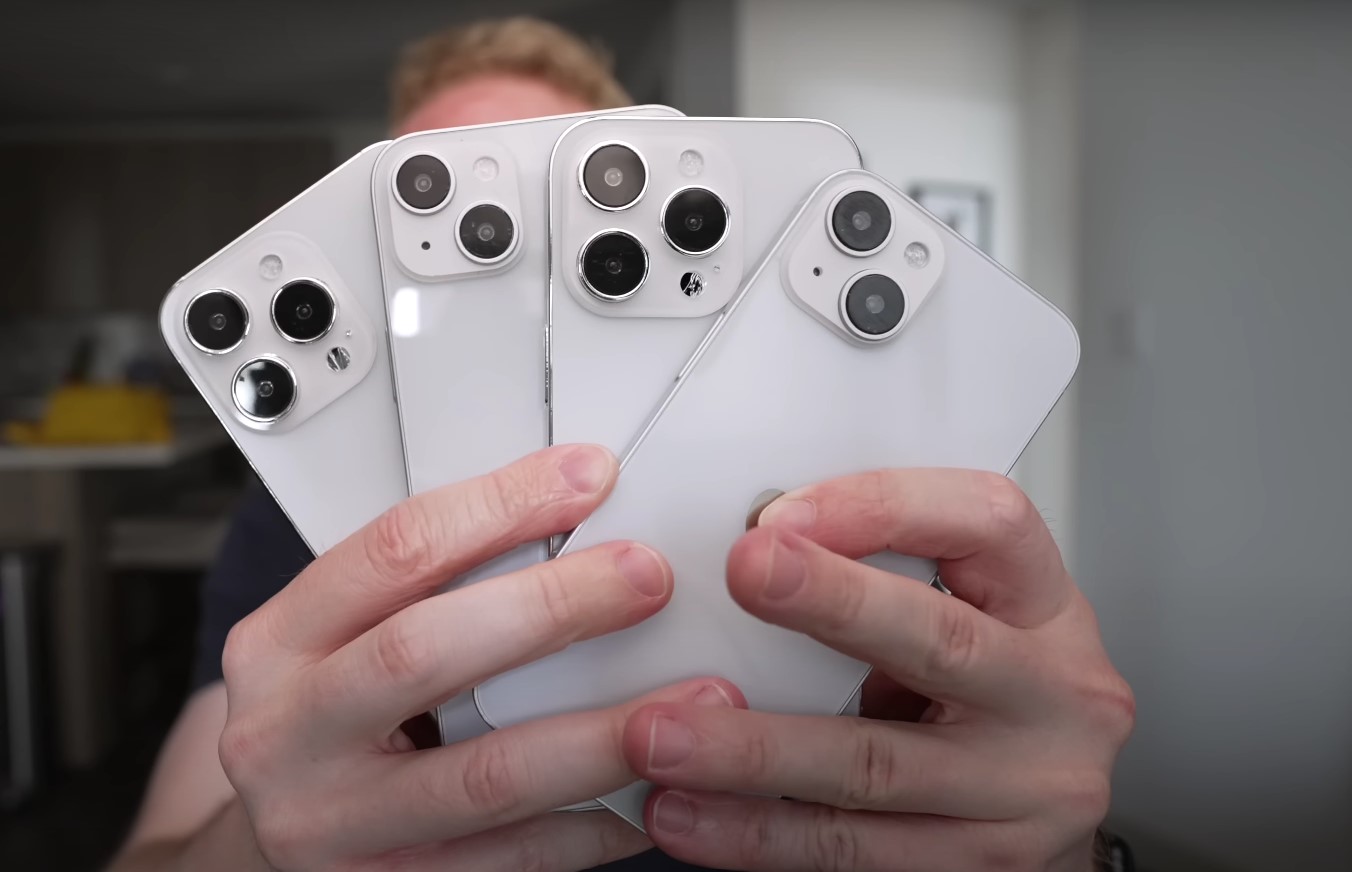
Apple is gearing up to launch its highly anticipated iPhone 14 series in just a couple of months. The new 2022 iPhones have been spotted in various rumors and leaks, and now, the latest report hints that its pricing might see one of the more ‘drastic’ changes.
iPhone 14 Series prototypes
According to a Bloomberg report, one of the material suppliers for Apple’s primary chip maker (TSMC) has warned that there might be major rise in price for the iPhones. The supplier stated that it has already had to implement various hikes in materials cost. This warning is from Japanese chemical supplier Showa Denko K.K, which added that it expects the price to rise even further “as it grapples with a barrage of economic challenges confronting the $550 billion semiconductor industry.”
The report adds that there have already been at least around a dozen of hikes already within this year. The primary reason for this was the impacts of the coronavirus on the supply chain. Apart from this, the Russian invasion into the Ukraine and even the fall of the yen played a part in these price hikes. In an interview, the CFO of the supplier warned that the problem might not improve until next year.
Chief Financial Officer Hideki Somemiya stated that the company “has been forced to drastically increase the cost it passes on to customers.” Now, the supplier is asking for “twice the amount” it had previously estimated. Although, it remains to be seen how these raw materials cost rise impacts the overall pricing for the upcoming iPhone 14 series.
Samsung has finally confirmed to launch the Galaxy M13 series in India next week. The lineup will consist of two models. One of them will offer 5G connectivity, while the other one will be limited to 4G connectivity. Let’s take a look at all the known details about these phones.
The Galaxy M13 4G and the Galaxy Galaxy M15 5G are scheduled to launch in India on July 14. The devices are expected to go official via a live stream at 12 PM IST.
Samsung has put up teaserpages on Amazon India. The webpage reveals the design of the handsets along with a couple of features.
According to the images, the Galaxy 13 4G heading to India will be different from the Galaxy M13 4G sold elsewhere. It will not only differ in terms of design but also specs.
The Indian variant will not feature an island for the rear cameras. Further, it will be backed by a larger 6,000mAh battery instead of a 5,000mAh battery. It is also tipped to use a 5MP ultra-wide camera by replacing the 2MP macro camera.
However, it will share the Exynos 850 SoC, 6.6-inch FHD+ Infinity-V display (LCD), 50MP primary camera, 2MP depth sensor, and an 8MP selfie. The smartphone will also carry support for 15W fast charging and up to 12GB RAM via RAM Plus feature.
On the other hand, the Galaxy M13 5G is expected to arrive with a 6.5-inch HD+ Infinity-V display (LCD), Mediatek Dimensity 700 SoC, 11 5G bands, up to 12GB RAM via RAM Plus, 50MP + 2MP dual-camera system, 5MP selfie camera, 5,000mAh battery, and 15W fast charging support.
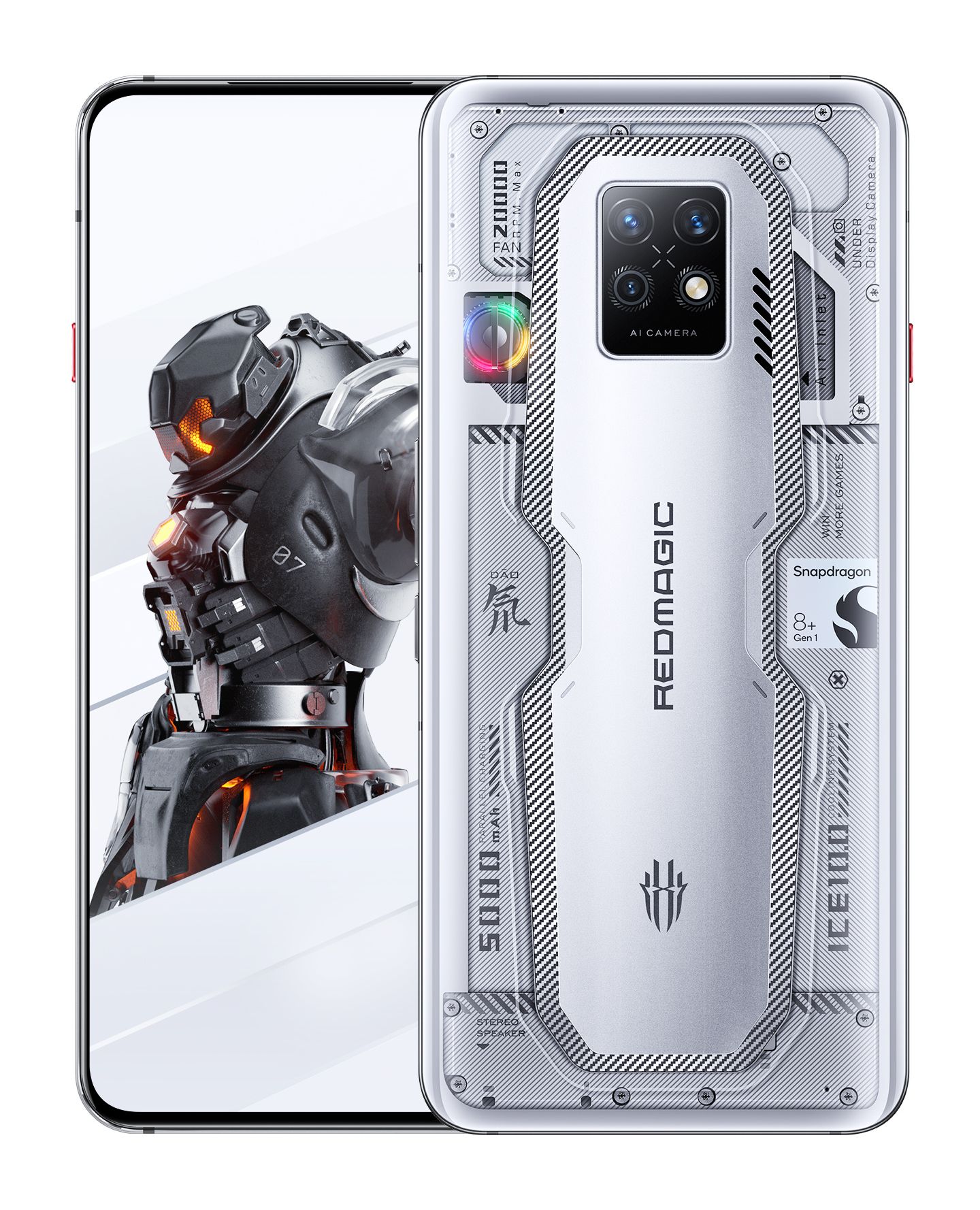
Nubia Red Magic 7S series is launching on July 11. Ahead of the launch, the company has shared the AnTuTu benchmarking score of the upcoming series. The score surpassed the 1.15 million mark which is higher than any Android smartphone in the market. The Red Magic 7S series is equipped with the latest Snapdragon 8+ Gen 1 accompanied by MAGIC GPU.
The Red Magic series consists of two powerful smartphones in the face of Red Magic 7S and Red Magic 7S Pro. It has been expected that the upcoming Red Magic series will provide top-of-the-line performance and will dominate the benchmarking charts. Now, Nubia has gone ahead and confirmed that upcoming gaming phones will indeed offer monstrous performance.
The company has shared a new teaser on its Weibo handle that showcases the AnTuTu benchmarking score of the upcoming Red Magic 7S series. The AnTuTu benchmarking score of the device is at a combined total of 1,156,044. This is more than the Motorola Moto X30 Pro and Xiaomi 12S Pro which scored 1,114,761 and 1,113,135 points respectively. Note that Motorola and Xiaomi devices are also equipped with Snapdragon 8+ Gen 1.
Red Magic 7S Pro
The Red Magic 7S series is expected to have extreme specs on paper. The Red Magic smartphones will come with top-end LPDDR5+UFS3.1 storage and will have a unique heat dissipation system called ICE 10.0 magic cold heat dissipation. The smartphones are expected to offer around 18GB RAM which is even more than an XBOX (Not technically).
The Red Magic 7S Pro is likely to be fueled by a 5000mAh battery supporting 135W or 165W fast charging. The smartphone is also rumored to have a 165Hz refresh rate. Red Magic 7S, on the other hand, is expected to have a 4500mAh battery, 120W fast charging, and 120Hz refresh rate.
The Realme Pad X tablet box comes with a 33W charger, a USB cable, quick start guide and an ejection pin.
Realme Pad X Design
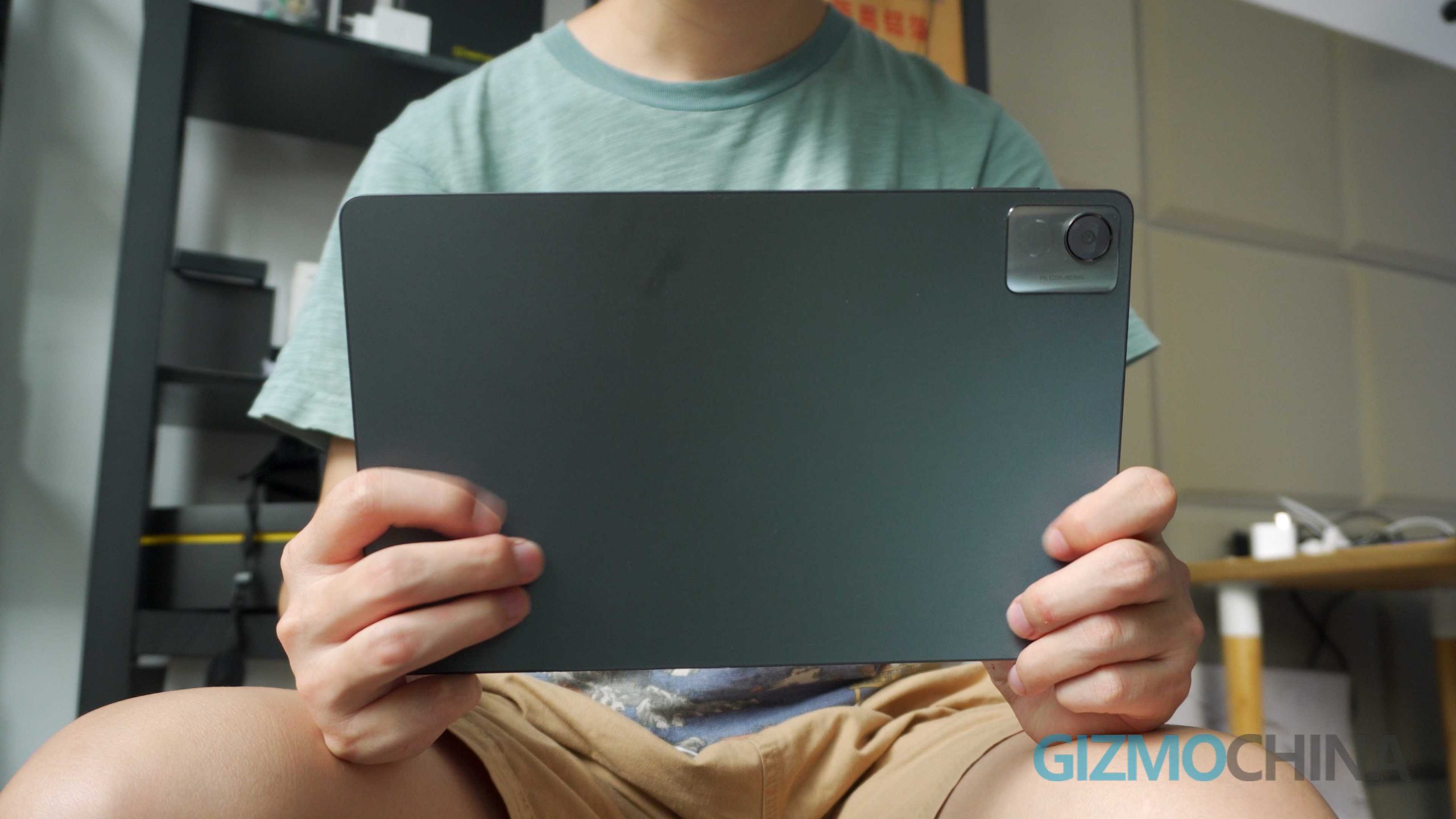
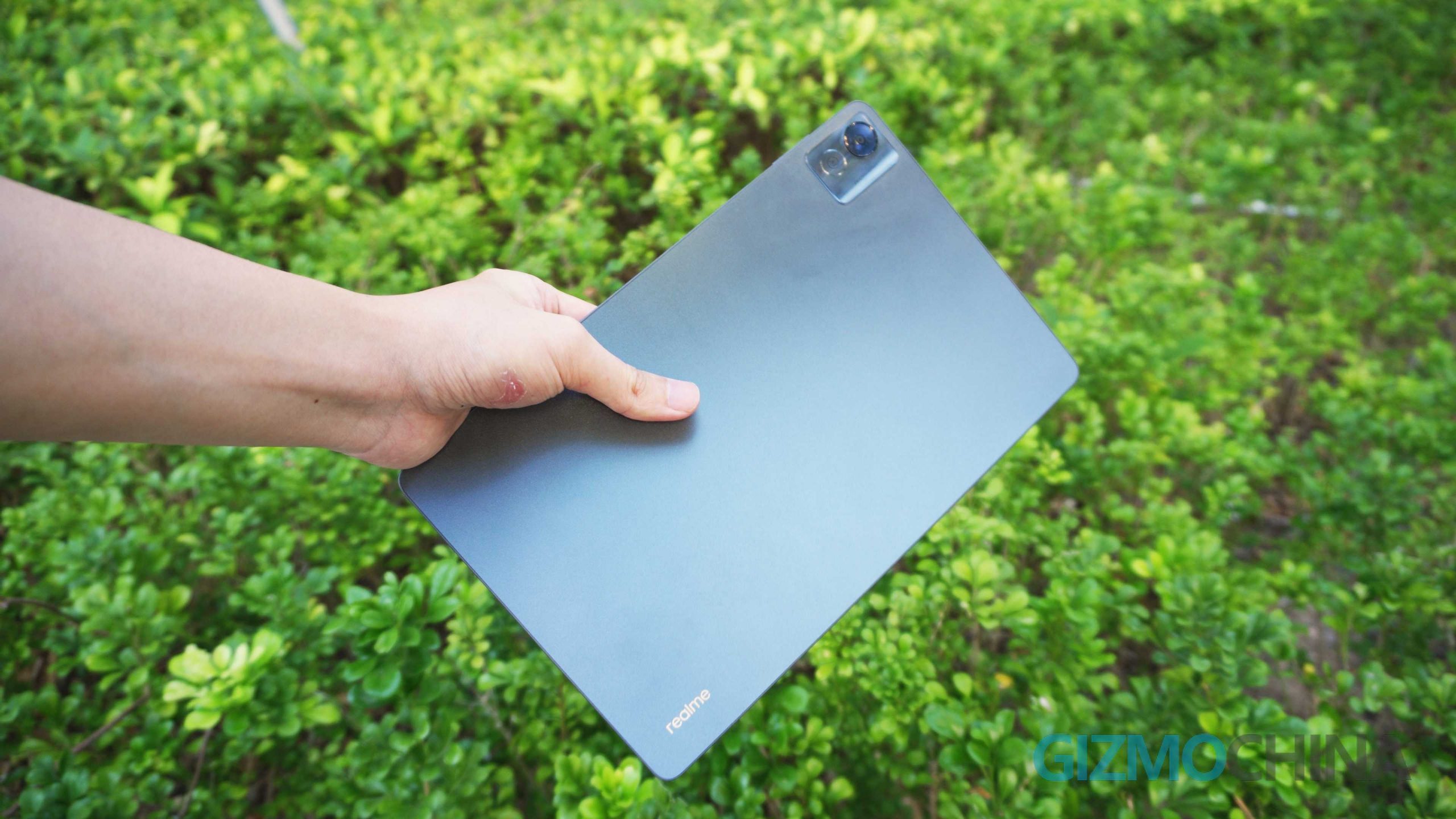
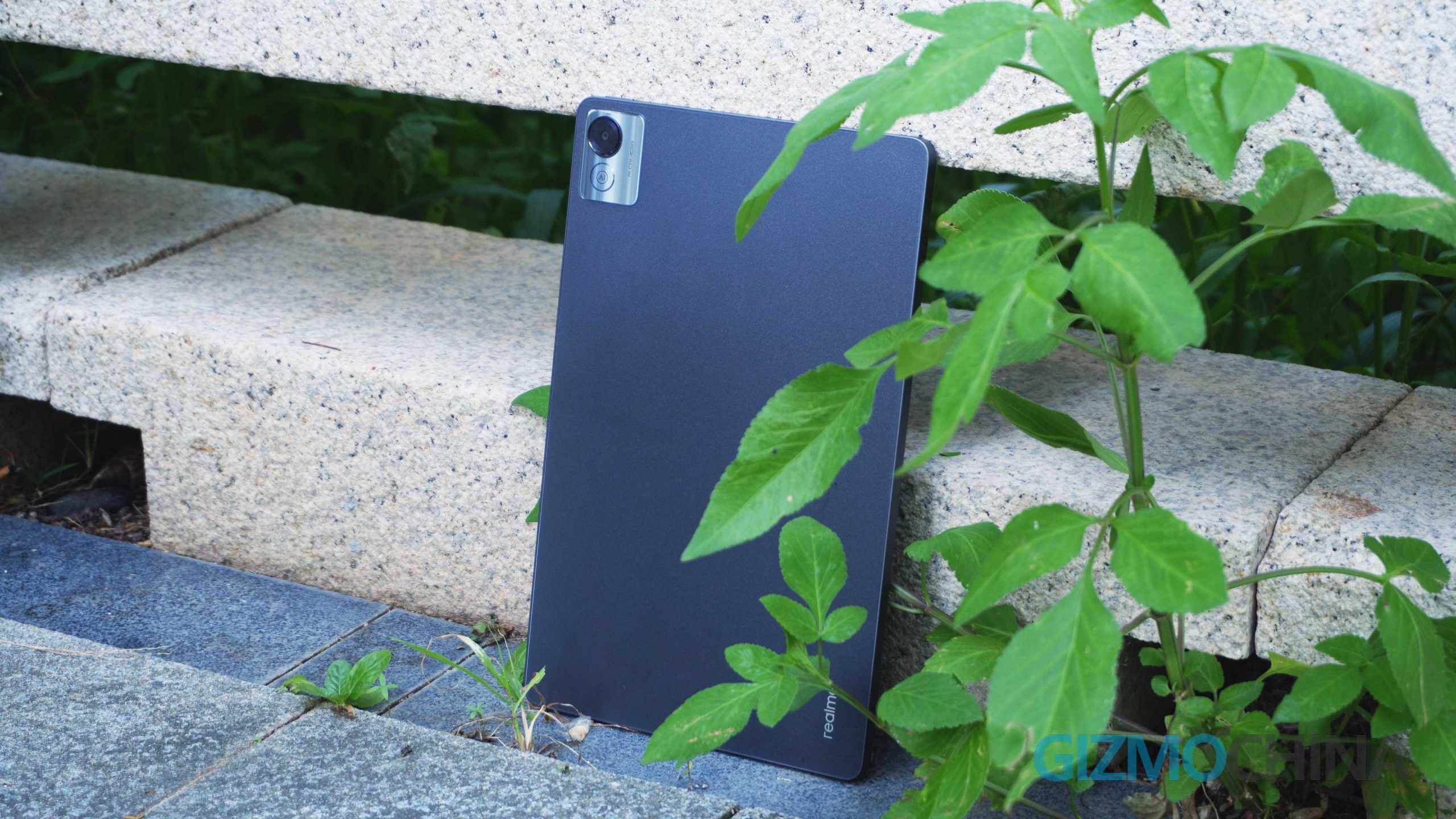
The model we’ve got is the gray variant. Unlike the OPPO Pad, it has a very clean design with only a Realme logo and a camera module on the back, which is a 12 MP camera. Considering the very limited use of the camera, actually, it’s still acceptable. And of course, the back cover uses a plastic material, but it still looks good.
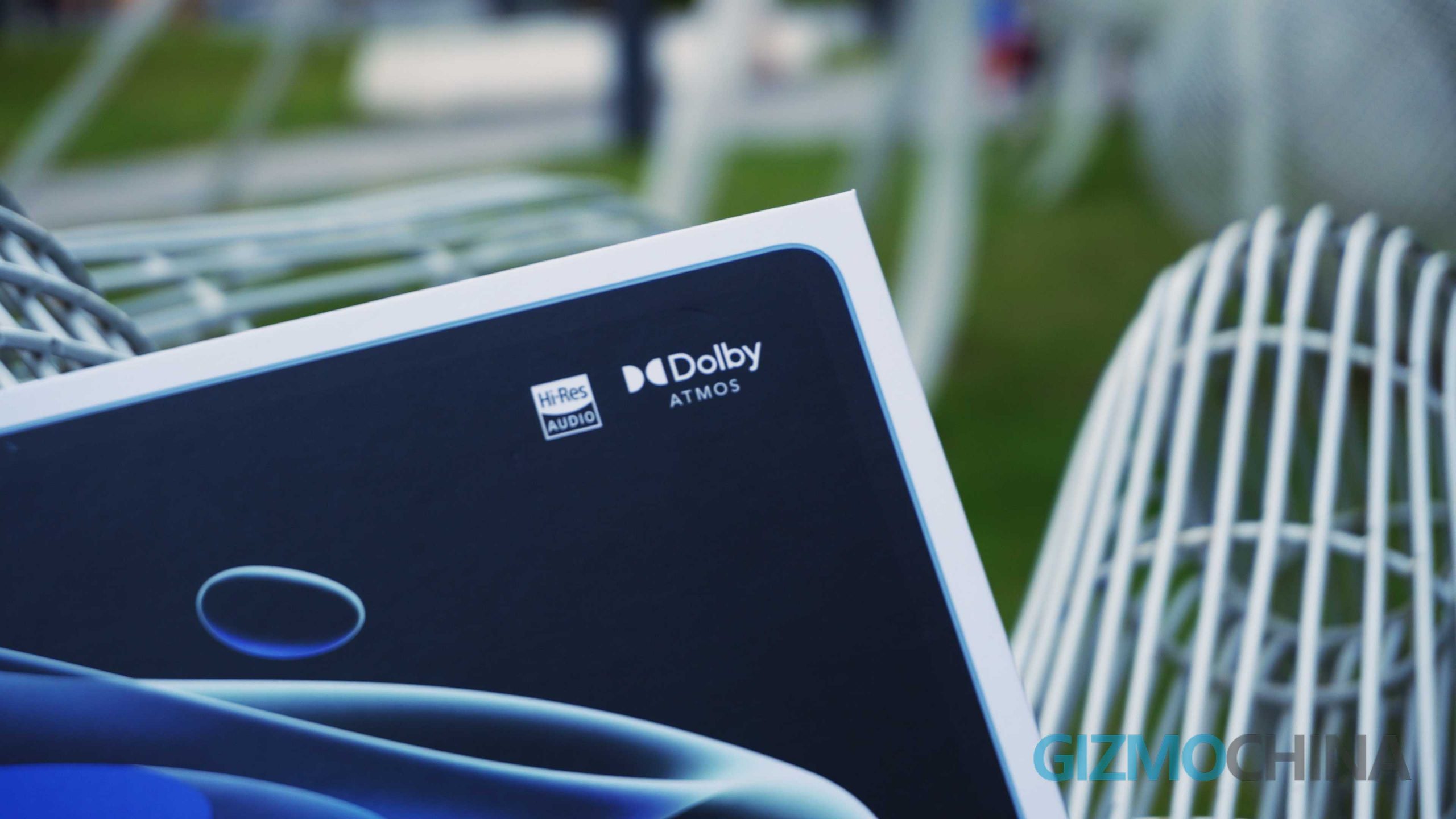
Although it’s just a budget tablet, there are still four speakers and two microphones on both sides, and it even supports Dolby Atmos!
And you can see the power and volume buttons are next to the camera module. But unfortunately, there’s no fingerprint reader equipped on the tablet.
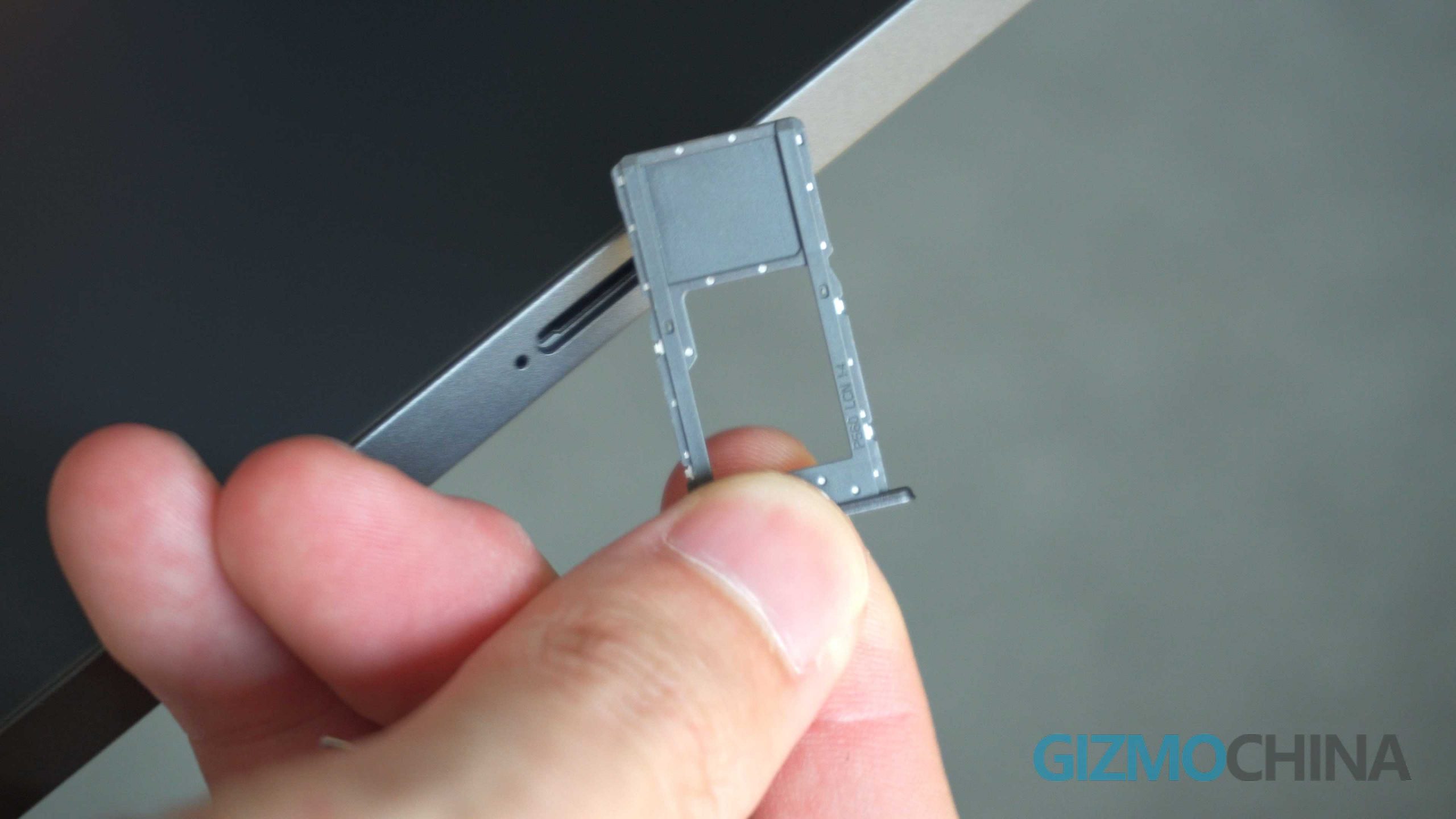
Removing the SIM-card slot, we were surprised to find that the Realme Pad X actually supports up to 512GB storage expansion. Guys, that’s absolutely a rare design on today’s phones and tablets.
Realme Pad X Display
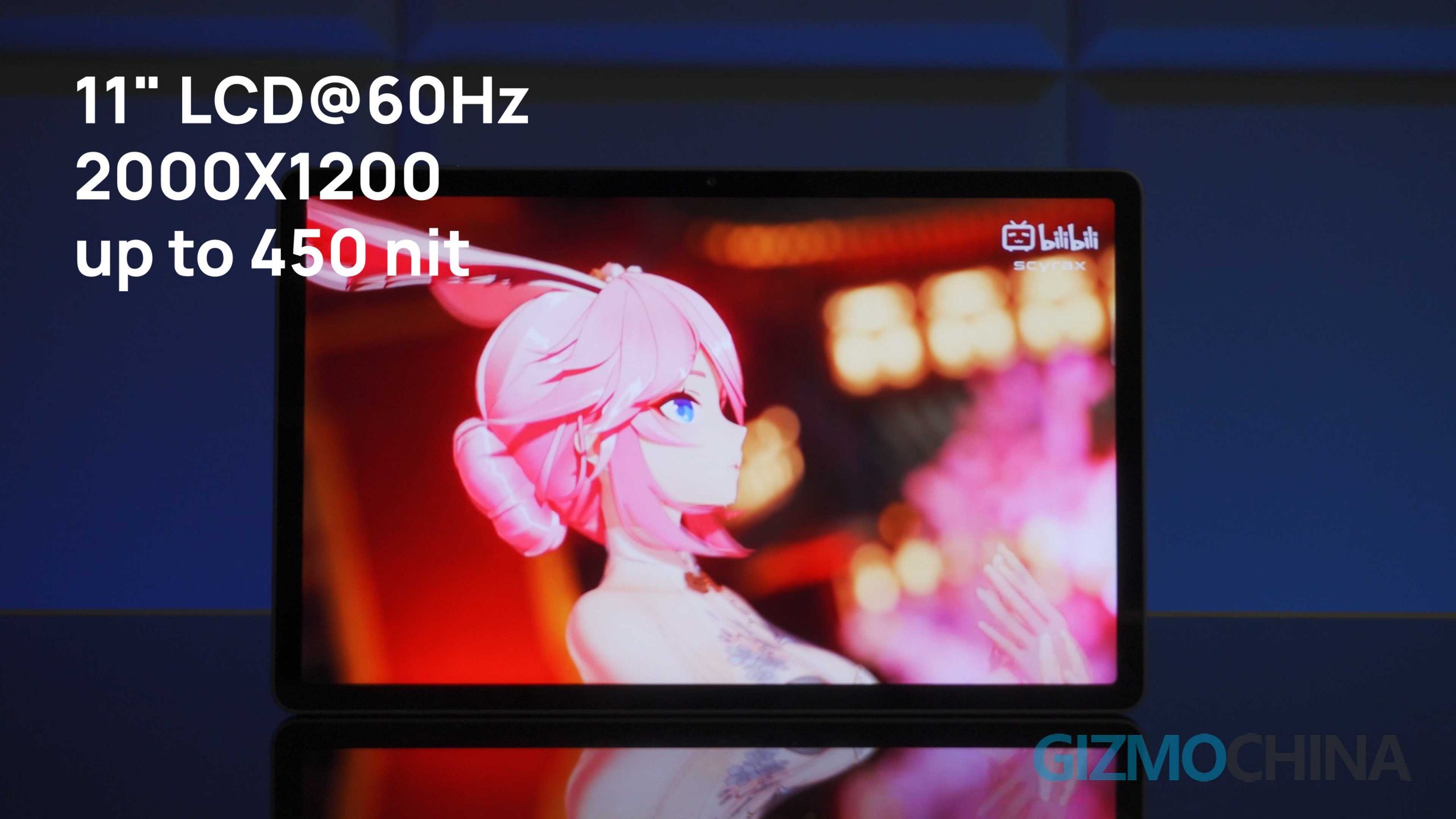
Realme Pad X comes with an 11-inch 2K LCD screen, it doesn’t support HDR or high refresh rate. But you have to know that the 2K resolution is already a surprise for such a budget model.
You can see that its colors and contrast are not especially outstanding. And because it just supports a 60Hz refresh rate, if you’ve been used to the higher refresh rate on your phone, you may need to take a little time to get used to these changes. However, it’s more than good enough to watch most videos or films, or just have online classes.
There is an 8MP wide-angle front camera at the top of the screen with the Limelight feature, which allows your face to always stay in the center of the picture during video calls.
There’s no special biosensor for unlock on the Realme Pad X, so you can only use normal facial recognition to unlock the Pad. Thankfully, it could be successfully unlocked in both portrait and landscape ways.
Realme Pad X Performance
There are a lot of Snapdragon 870 tablets released this year, but Realme chose a more economical solution for the budget version. But that doesn’t mean this tablet performs poorly.
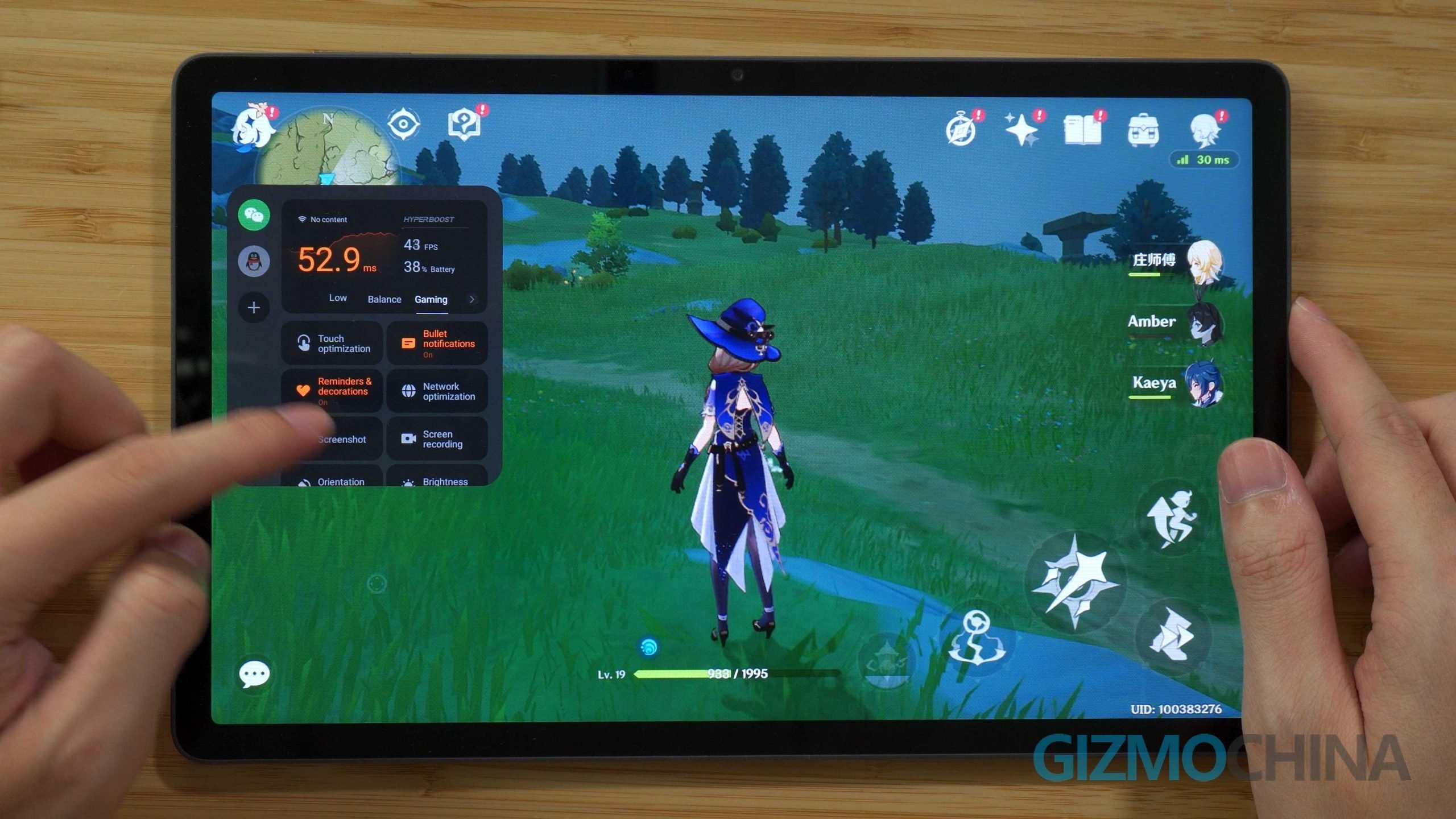
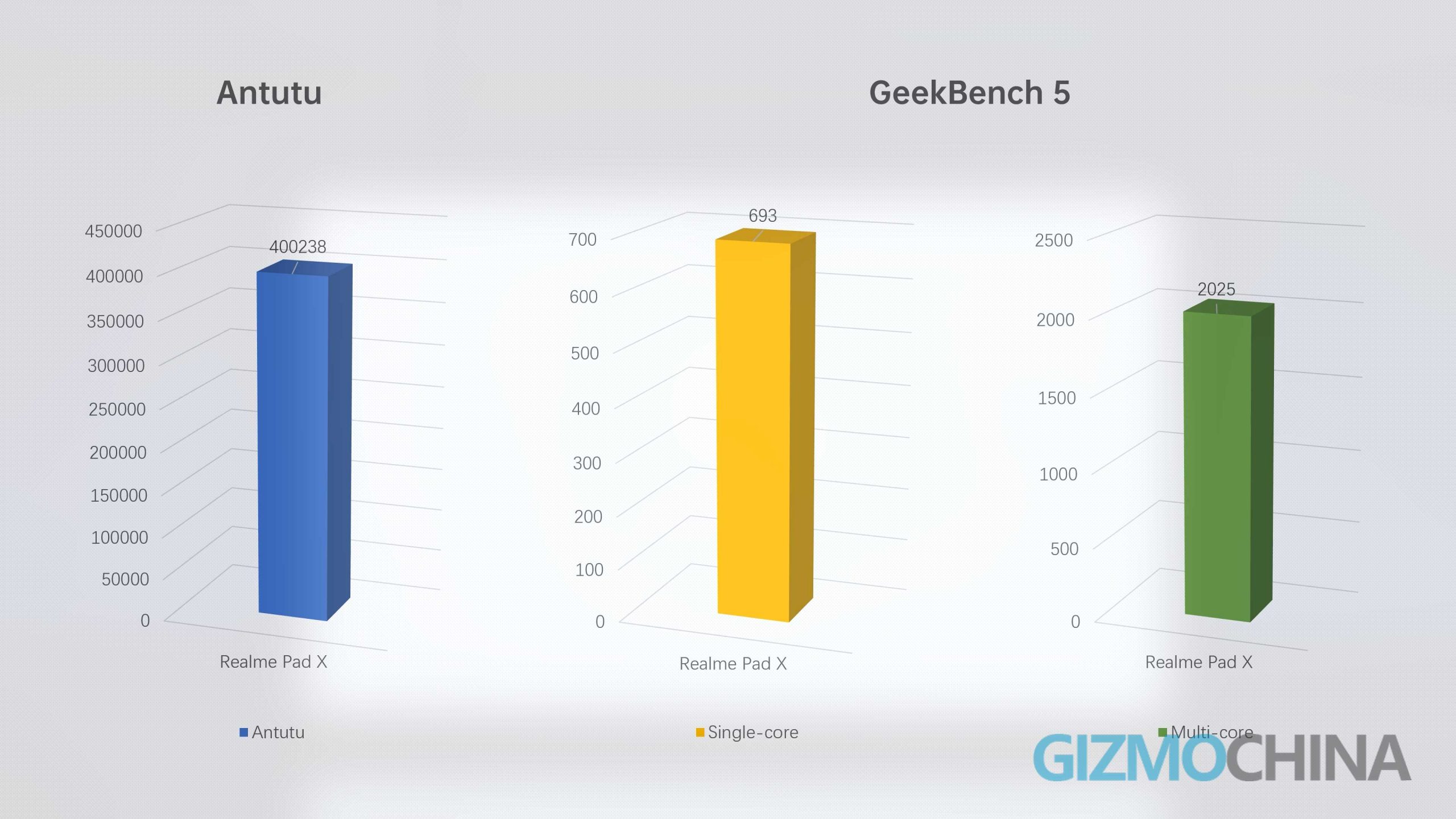
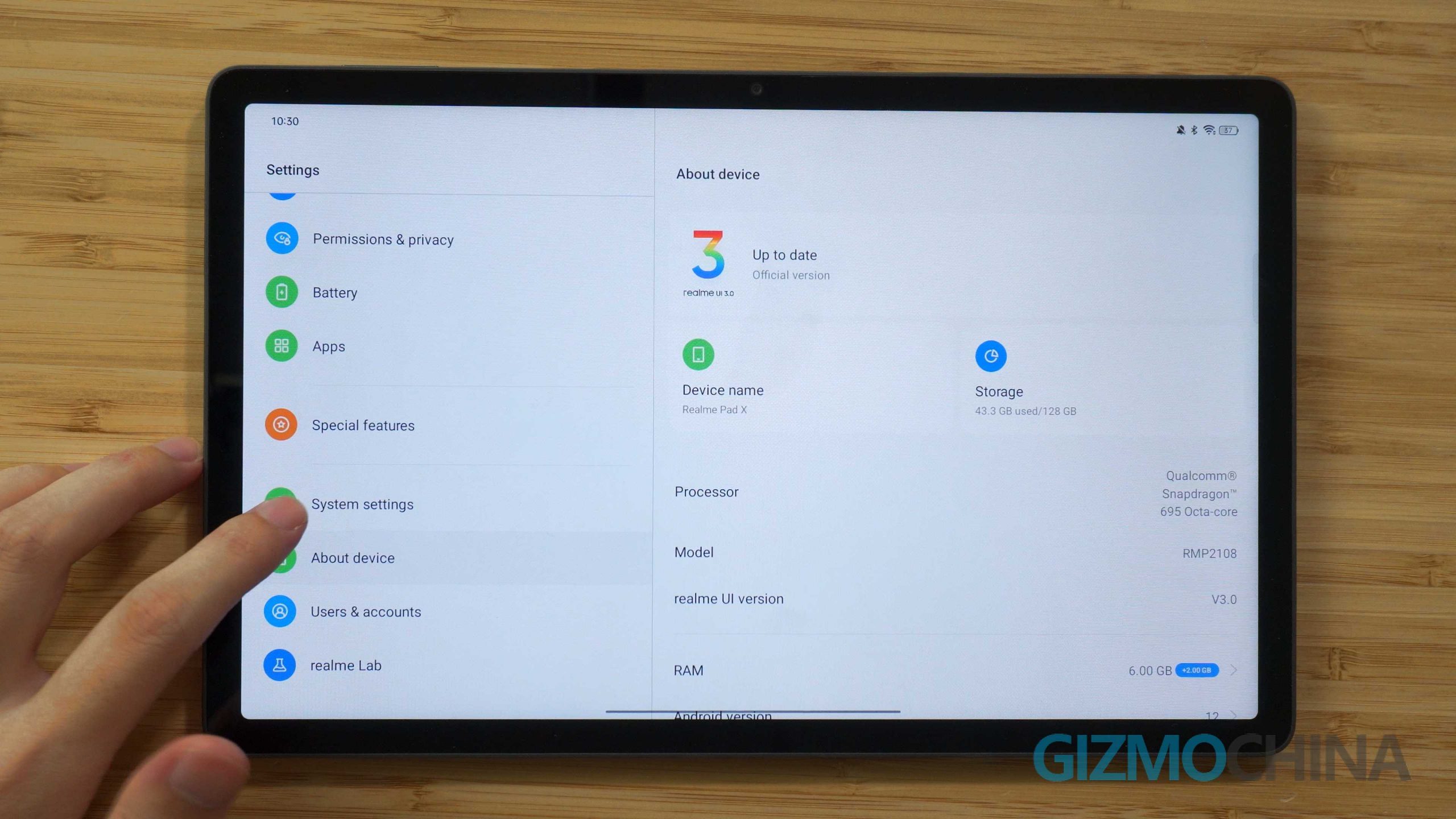
It comes with a Snapdragon 695 chip. From the benchmarks, we can learn that the performance is basically equal to half of a Snapdragon 888 model. So I didn’t really expect it to have a good gaming experience, but surprisingly in Genshin Impact, it can still run at about 45 FPS with a medium graphic setting. So if you don’t have that high demand for graphic quality, you can play most mobile games on it.
Due to the low power consumption of the chipset, it can maintain a low surface temperature no matter how long you play games.
You may be more concerned about the performance of the four speakers on the Realme Pad X since it officially claims the support of Dolby Atmos, so now let’s hear how it sounds.
I’m not sure if Realme is ready to send constant updates for the tablet software as a new player in the tablet market. The UI looks quite familiar with what we have on a Realme Phone. But it did feel smooth and responsive.
The software is based on Android 12, and personally, I think its user experience is similar to ColorOS For Pad.
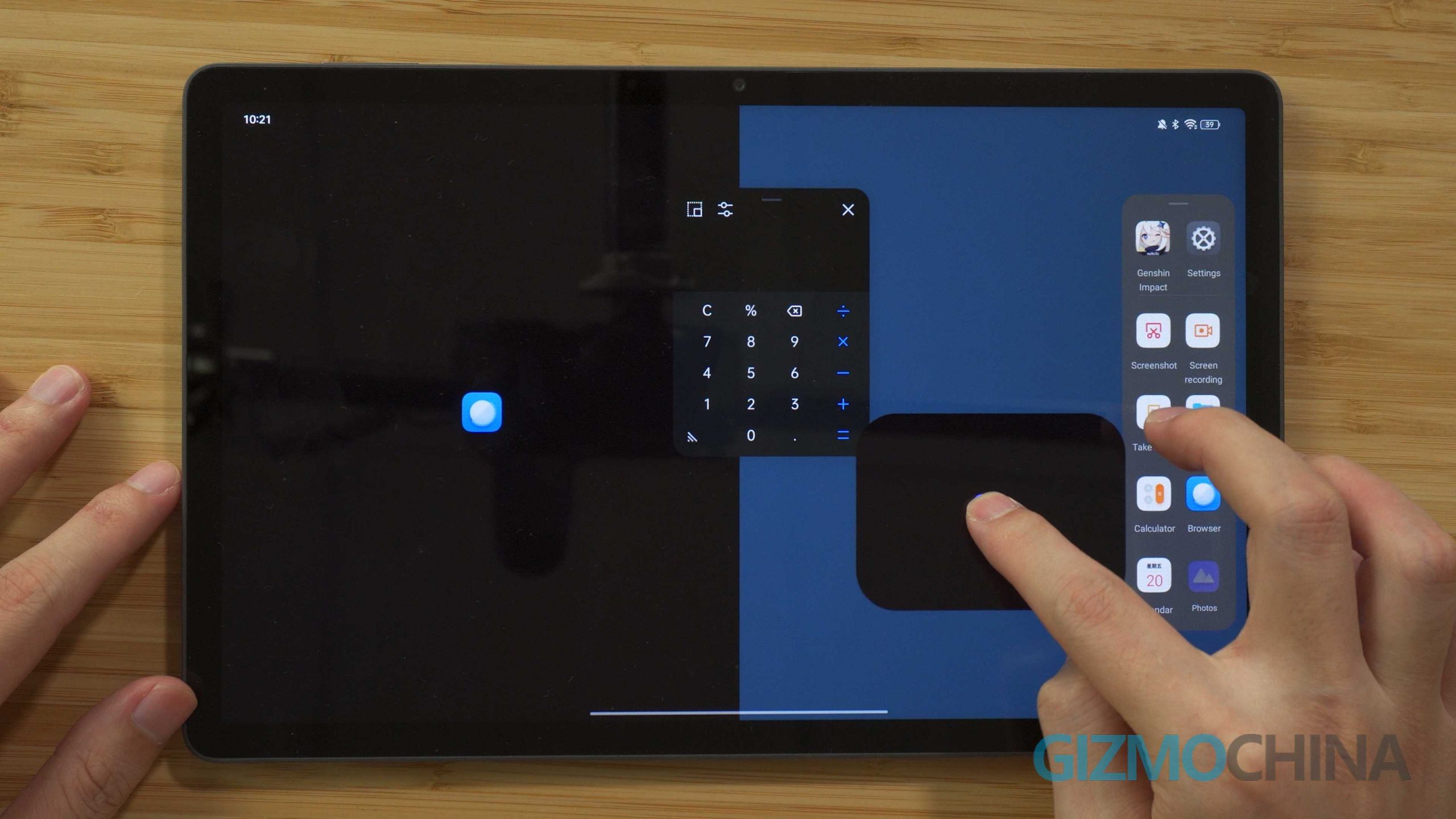
Smart Side Bar is one of my favorite features. You can access many shortcuts and apps quickly on any interface, or start the split-screen mode for multitasking.
The Game Assistant is also reserved for the Pad, and Bullet notification will show you messages in a non-intrusive way when you are playing games. You can also instantly reply to them with the floating window.
In some ways, it may provide a better gaming experience than most other budget tablets, or even the cheap variants of the iPad.
Realme Pad X Battery Life & Charging
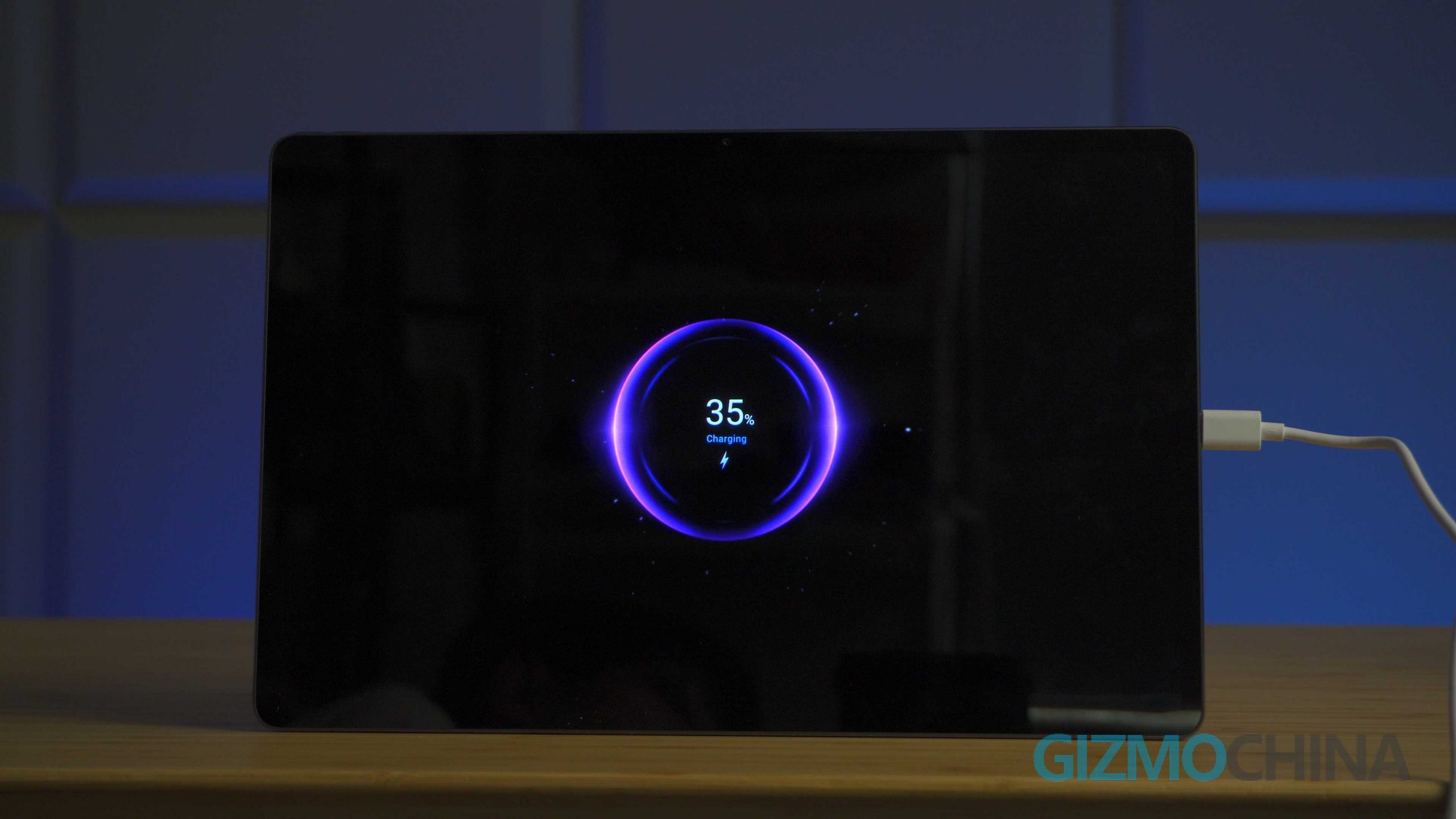
Like the OPPO Pad, the Realme Pad X supports up to 33 watts of charging and takes about two hours to get fully charged.
Thanks to the Snapdragon 695’s low power consumption, you don’t really need to care too much about its battery life, it can even reverse-charge your phone when you need.
So this is all about the unboxing and quick preview of Realme Pad X. It’s not a powerful flagship, but the elegant design and the Realme software make it more than good enough for daily use.
The biggest drawback I can find is that the current Realme UI doesn’t support parental control yet. Well, I’m not sure whether you need it or not. Anyway, we’re still looking forward to Realme’s flagship tablet later on. But by far, if you need a budget tablet for light uses, I think the Realme Pad X is one of the best options.
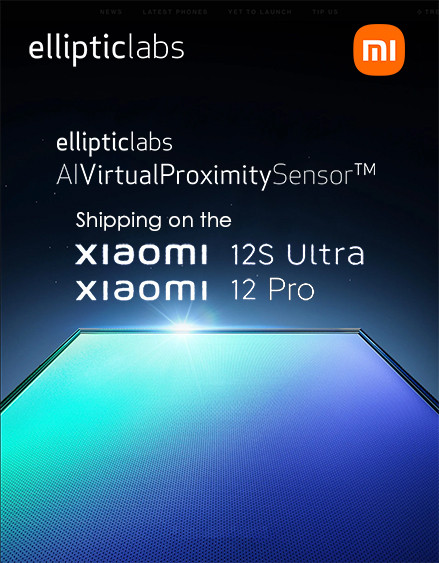
Elliptic Labs, a provider of artificial intelligence (AI) software and virtual smart sensors, debuted “INNER BEAUTY,” AI-powered proximity sensors, on Xiaomi‘s most recent flagship products, the Xiaomi 12S Ultra and Xiaomi 12 Pro Dimensity Edition. The former is powered by Qualcomm’s Snapdragon 8 Gen 1 chipset, while the latter is supported by MediaTek’s Dimensity 9000+ chipset. Also, Qualcomm is a partner of Elliptic Labs.
(Source: Elliptic Labs)
The Norwegian company’s CEO Laila Danielsen said-“Xiaomi’s continued selection of our AI Virtual Proximity Sensor for its leading smartphones, and our companies’ collective success, highlights just why the AI Virtual Smart Sensor Platform is a solid solution for smartphone proximity sensing. The AI Virtual Smart Sensor Platform is a 100% software-only solution that makes devices smarter, greener, and more human-friendly, enabling the best and most innovative smartphone designs.”
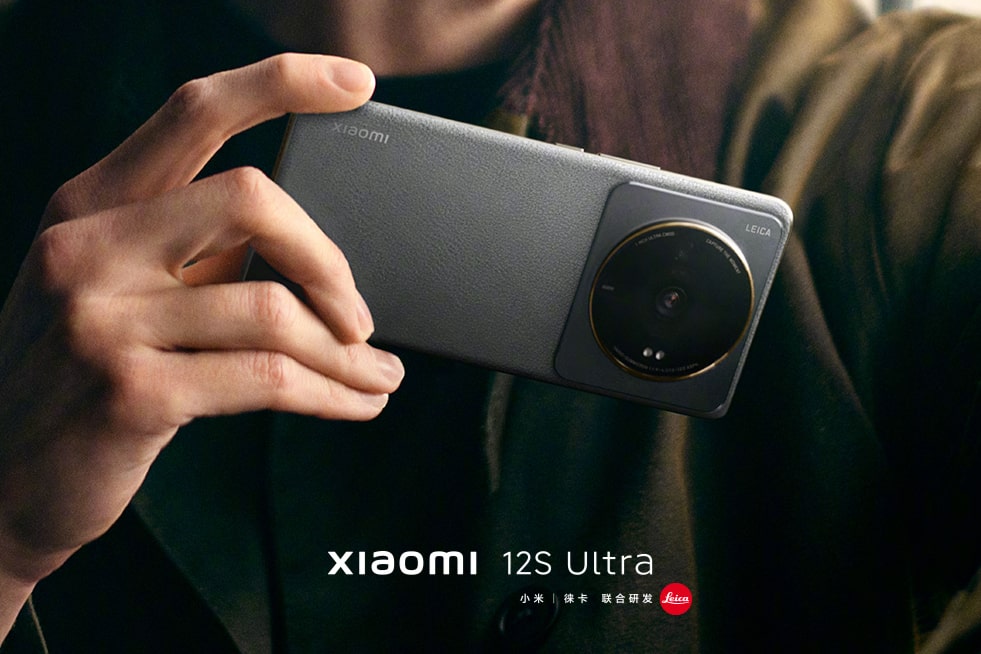
The Chinese smartphone brand Xiaomi recently launched the Xiaomi 12S series on the 4th of July this year in China. The Xiaomi 12S Ultra is the top model in the new flagship series, therefore it comes equipped with Qualcomm’s cutting-edge Snapdragon 8+ Gen 1 SoC, which is built on a 4nm technology. This chipset supports up to 12GB of LPDDR5 RAM and 512GB of UFS 3.1 internal storage.
Xiaomi 12S Ultra
Elliptic Labs’ AI Virtual Proximity Sensor turns off the display and disables touch capability on the screen when people hold their smartphone up to their ear during a phone conversation. This reduces the possibility of hanging up a call or dialing numbers when the phone is close to the ear or cheeks, while also conserving battery life by automatically turning off the screen.
The sensor also provides strong proximity detection without the need for a dedicated hardware sensor. As one of their core functions, all cellphones on the market today use proximity detection. By replacing hardware sensors with software ones, the AI Virtual Proximity Sensor reduces device costs and eliminates sourcing risk.
Notably, almost all Xiaomi devices use Elliptic Labs’ AI Virtual Proximity Sensor.
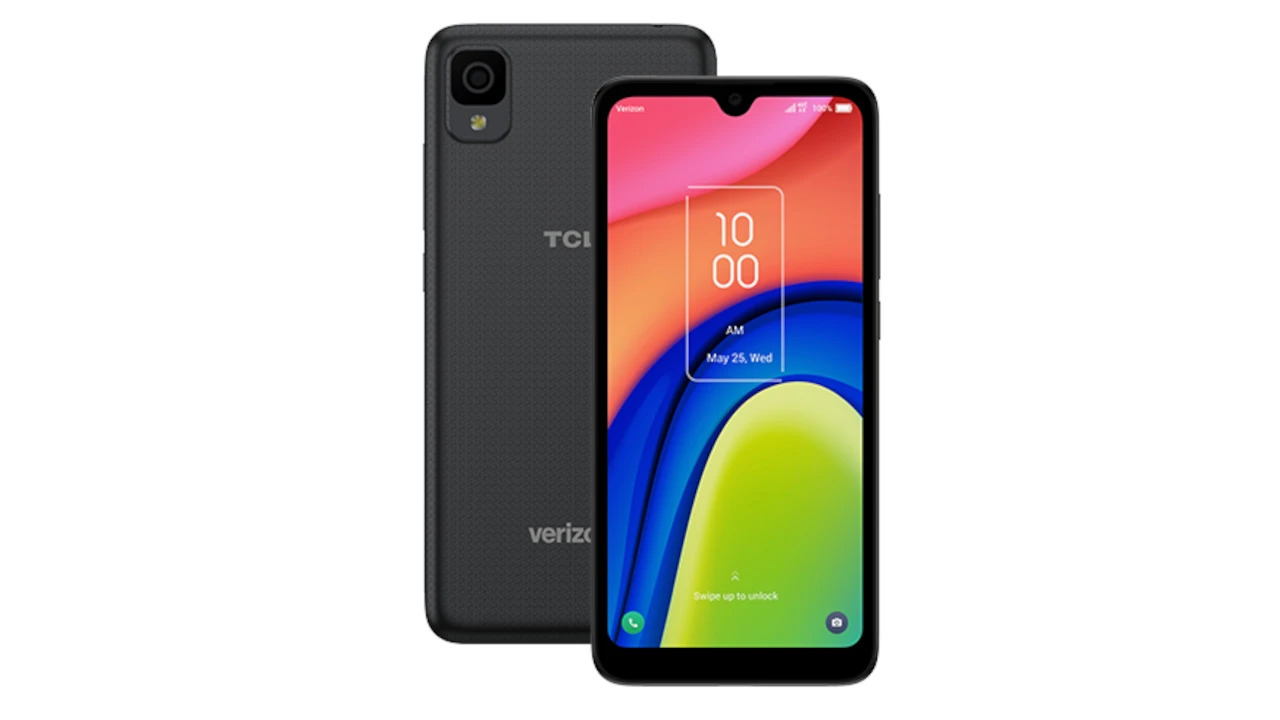
TCL is known for making TVs but the company also has a lineup of smartphones that mostly fall in the entry-level or budget category. The company previously launched the TCL 30 series phones and now has added a new phone to the series — TCL 30 LE.
The TCL 30 LE smartphone was first announced a couple of months ago, but it has now made its way to the United States. This new entry-level smartphone from the company is now available for the price of $104.
The smartphone features a 6.1-inch HD+ display that offers a screen resolution of 1560 x 720 pixels. The display, which is powered by NXTVISION, comes with a notch for housing the front-facing camera.
Under the hood, the device is powered by the MediaTek Helio A22 processor, coupled with 3GB of RAM and 32GB of internal storage. There’s also a microSD card slot, allowing users to expand the storage up to 512GB.
There’s a 13-megapixel camera sensor on the back of the phone, placed in the top-left corner. The smartphone also features an 8-megapixel camera sensor on the front side for taking selfies and video calling.
It runs the Android 12 operating system out-of-the-box, but there is no information available about the possibility of the phone receiving any major updates. The device is powered by a 3,000mAh battery and offers 24 hours of usage on a single charge.
The TCL 30 LE smartphone, which is priced at $104, is available in the United States exclusively through Verizon and Walmart.
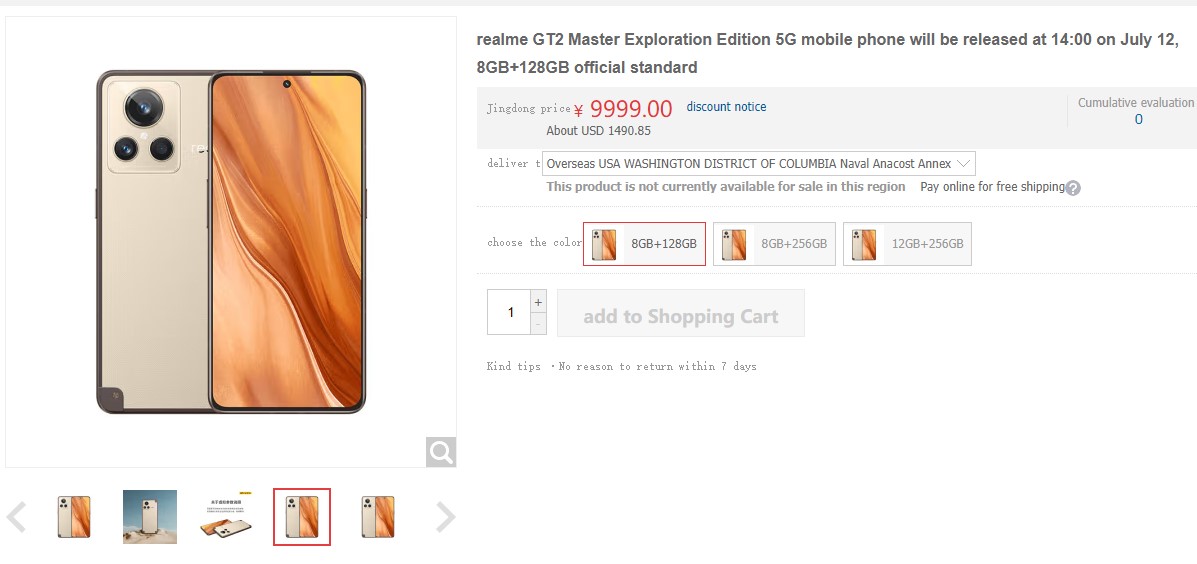
Realme will be launching the Realme GT 2 Master Explorer edition smartphone on July 12 in China. Yesterday, the company revealed the design of the smartphone. Ahead of the launch, a couple of reservation listings for the device appeared on JD.com (via). Some of these listings have revealed the configurations of the smartphone.
As can be seen in the screenshot below, the Realme GT 2 Master Explorer edition will come in three configurations: 8 GB RAM + 128 GB storage, 8 GB RAM + 256 GB storage, and 12 GB RAM + 256 GB storage. It is speculated that the device may carry a starting price of 3,999 Yuan (~$596).
Realme GT 2 Master Explorer variants listed on JD.com
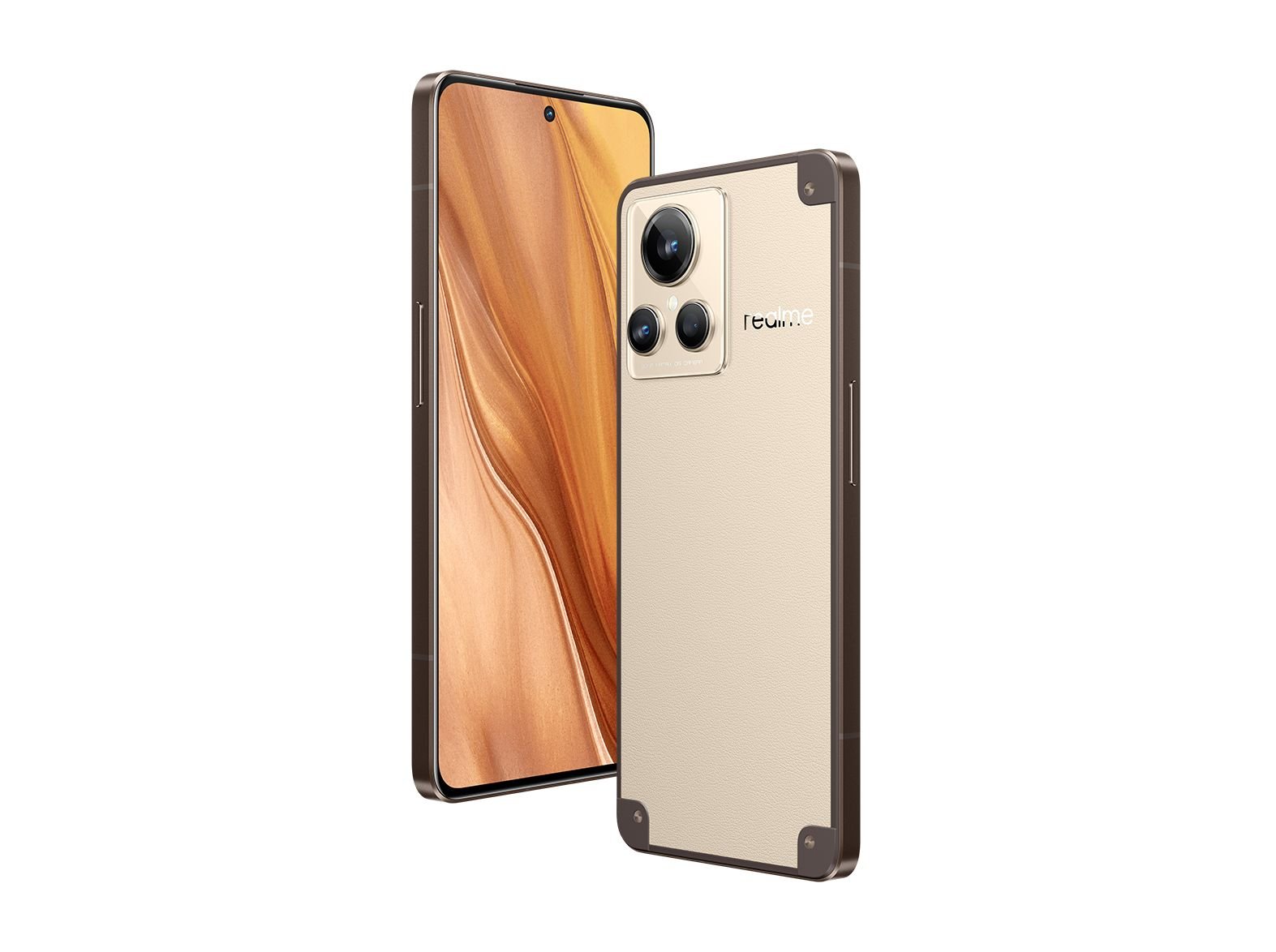
The Realme GT 2 Master Explorer edition will sport a leather back with a hard metal casing. As per the TENAA listing of the device, it may arrive in green and white colors. Apart from launching the Master Explorer phone on July 12, the company will also announce the Realme Buds Air Neo 3 and a laptop, which is likely to be called the Realme Book Air. The earbuds will arrive in two colors as per its JD listing, such as Starry Night Blue and Streamer White.
Realme GT 2 Master Explorer specifications (rumored)
The Realme GT 2 Master Explorer will sport a 6.7-inch AMOLED FHD+ 120Hz display, which will be embedded with a fingerprint scanner. It will have a 16-megapixel camera for selfies. Its rear panel will have a 50-megapixel main snapper, a 50-megapixel ultra-wide camera, and a 2-megapixel lens. The device will come preloaded with Android 12 OS and Realme UI 3.0.
Realme GT 2 Master Explorer
The device will come equipped with the Snapdragon 8+ Gen 1 chipset, up to 12 GB of LPDDR5 RAM, and up to 256 GB of UFS 3.1 storage. It will pack a 5,000mAh battery, which will carry support for 100W charging.
A couple of days ago, Xiaomi announced its latest flagship smartphone in its home country China — Xiaomi 12S and 12S Pro, along with a couple of other products.
Today, both the smartphones — Xiaomi 12S and Xiaomi 12S Pro are officially available for purchase in the Chinese market for a starting price of 3,999 yuan (~$595).
The 8GB + 128GB model is priced at 3,999 yuan while the 8GB + 256GB model costs 4,299 yuan. The 12GB + 256GB model costs 4,699 yuan while the 12GB + 512GB model is priced at 5,199 yuan.
As for the Xiaomi 12S Pro, the 8GB + 128GB model costs 4,699 yuan while the 8GB + 256GB model is priced at 4,999 yuan. The 12GB + 256GB model costs 5,399 yuan while the 12GB + 512GB is available for 5,899 yuan.
Coming to the specifications, the Xiaomi 12S features a 6.28-inch display while the 12S Pro model has a 6.73-inch display, both of them offering an AMOLED panel with Full HD+ resolution and a 120Hz refresh rate.
Under the hood, the devices are powered by the Qualcomm Snapdragon 8 Plus Gen 1 processor, coupled with LPDDR5 RAM and UFS 3.1 internal storage.
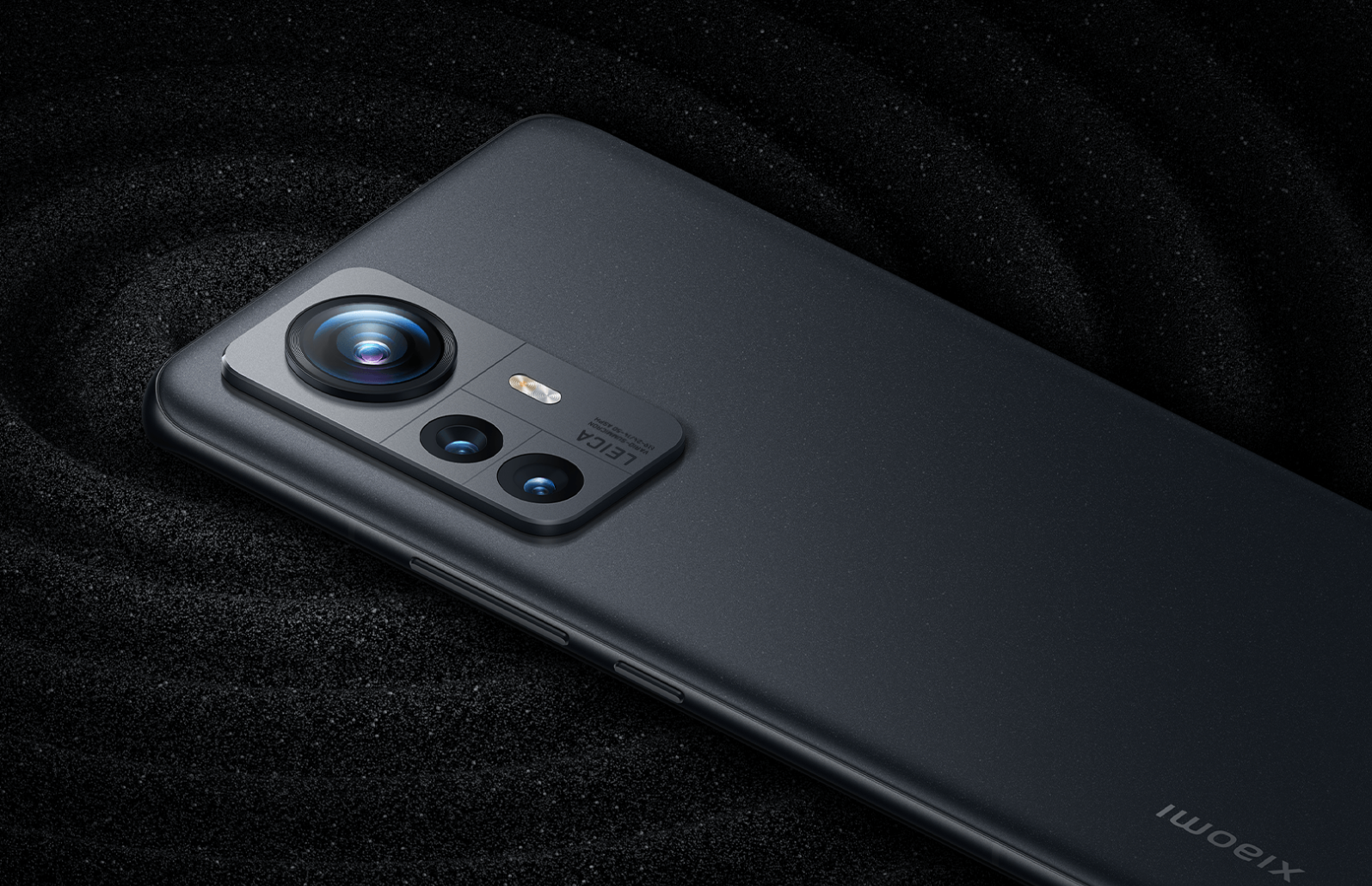
In the camera department, the phones have a Leica-branded camera setup on the back. The regular model has a 50MP primary sensor, a 13MP ultra-wide lens, and a 5MP telephoto sensor. On the other hand, the Pro model features a 50MP Sony IMX707 primary sensor coupled with a 50MP ultra-wide lens and a 50MP telephoto lens. Both the phones have a 32MP snapper on the front for taking selfies and video calling.
The Xiaomi 12S series runs the Android 12 operating system out-of-the-box with the company’s own MIUI custom interface on top. The 12S is powered by a 4,500mAh battery with 67W fast charging while the 12S Pro is powered by a 4,600mAh battery and supports 120W fast charging, 50W wireless charging, and 10W reverse wireless charging.
iQOO has finally confirmed the launch date of the iQOO 10 series. The Chinese manufacturer will announce it at 7:30 PM (local time) on July 19 in China. The lineup will include two models: the iQOO 10 and the iQOO 10 Pro.
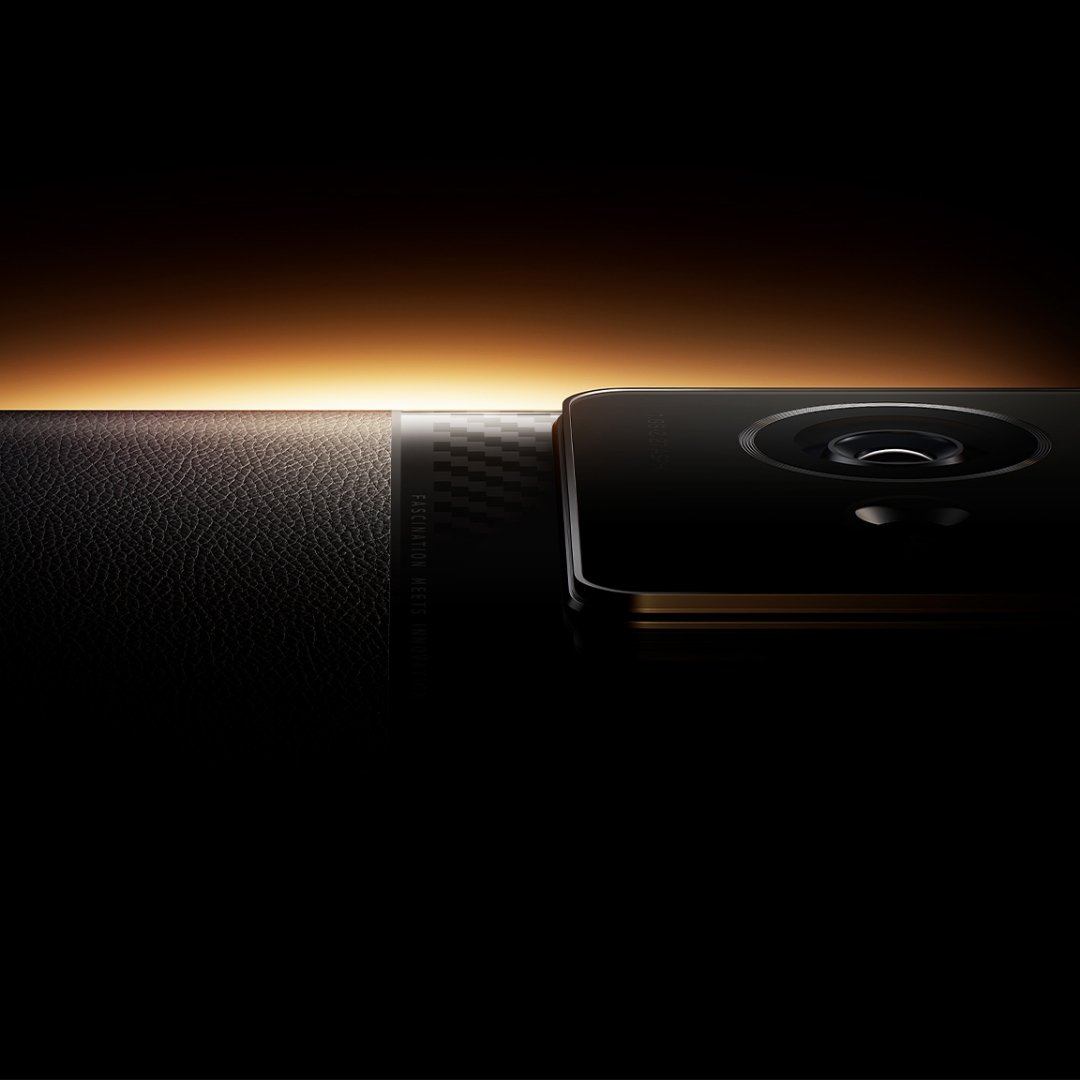
The below image released by the brand gives a glimpse of iQOO 10. It reveals that the device will sport a dual-tone design. While the upper portion housing the camera module could be made up of glass, the remaining path is made out of leather. Now that nearly two weeks remain until the iQOO 10 series launch event, the company is expected to confirm more details about the iQOO 10 and 10 Pro in the coming days.
IQOO 10 series teaser image
Recently, the alleged iQOO 10 Pro was spotted at the TENAA certification site with all its major specs. The listing revealed that the device would be equipped with a 6.78-inch AMOLED display. It is expected to offer a Quad HD+ resolution, a 120Hz refresh rate, and an ultrasonic in-display fingerprint scanner. It will come preloaded with Android 12 OS, which will be overlaid with iQOO UI.
There are two 50-megapixel cameras and one 14.6-megapixel camera on the back of the device. It is speculated that the latter could be a telephoto snapper with support for 3x optical zoom. It will feature a 16-megapixel camera for shooting selfies.
The device will be equipped with a 4,550mAh battery. Speculations are rife that it will be the world’s first smartphone to support 200W fast charging. In addition, it will also offer 65W wireless charging. The Snapdragon 8+ Gen 1 will power the device with up to 16 GB of RAM and up to 512 GB of built-in storage. While the vanilla model will also feature the SD8+G1 chip, its detailed specs are not available yet.
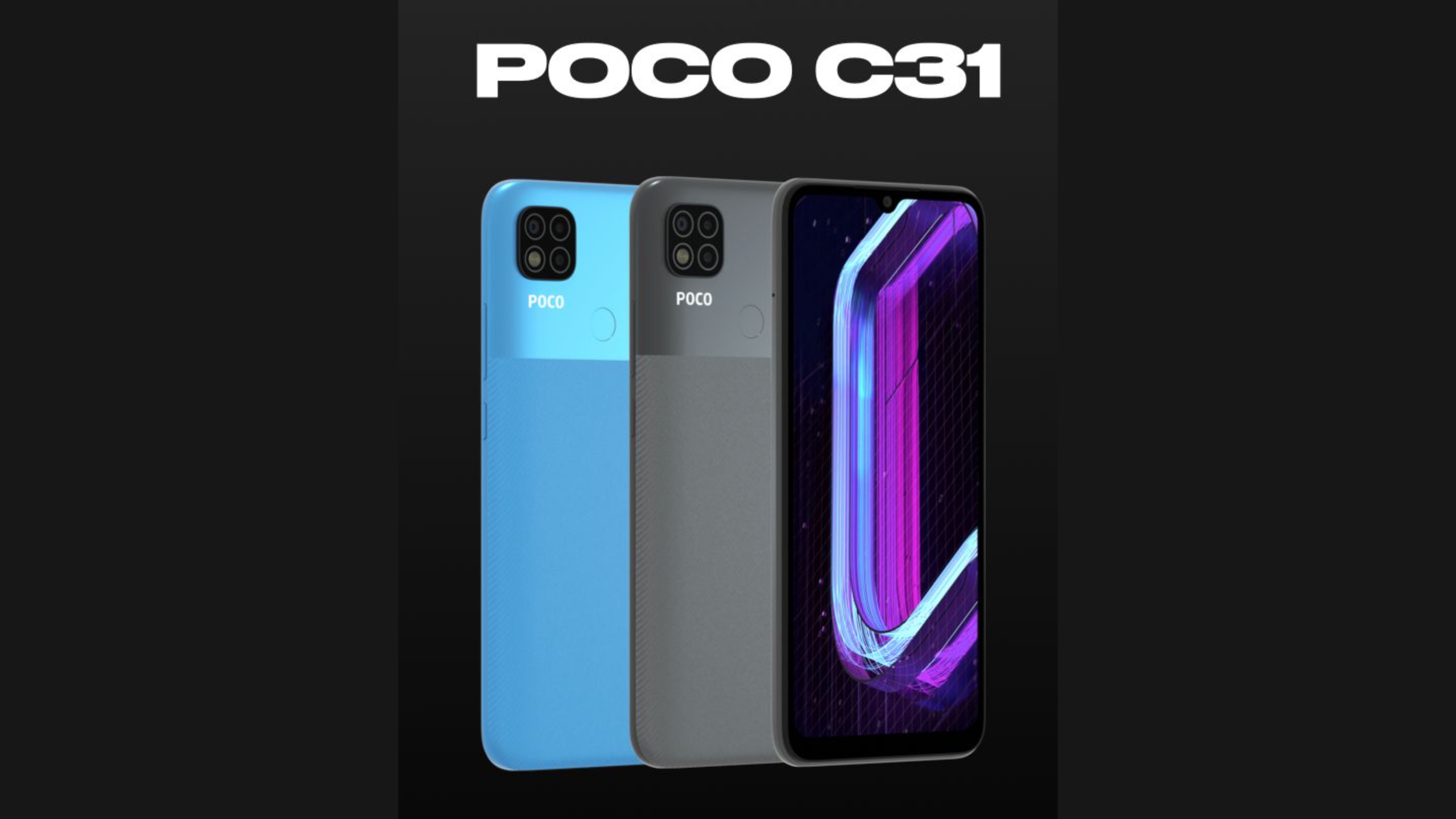
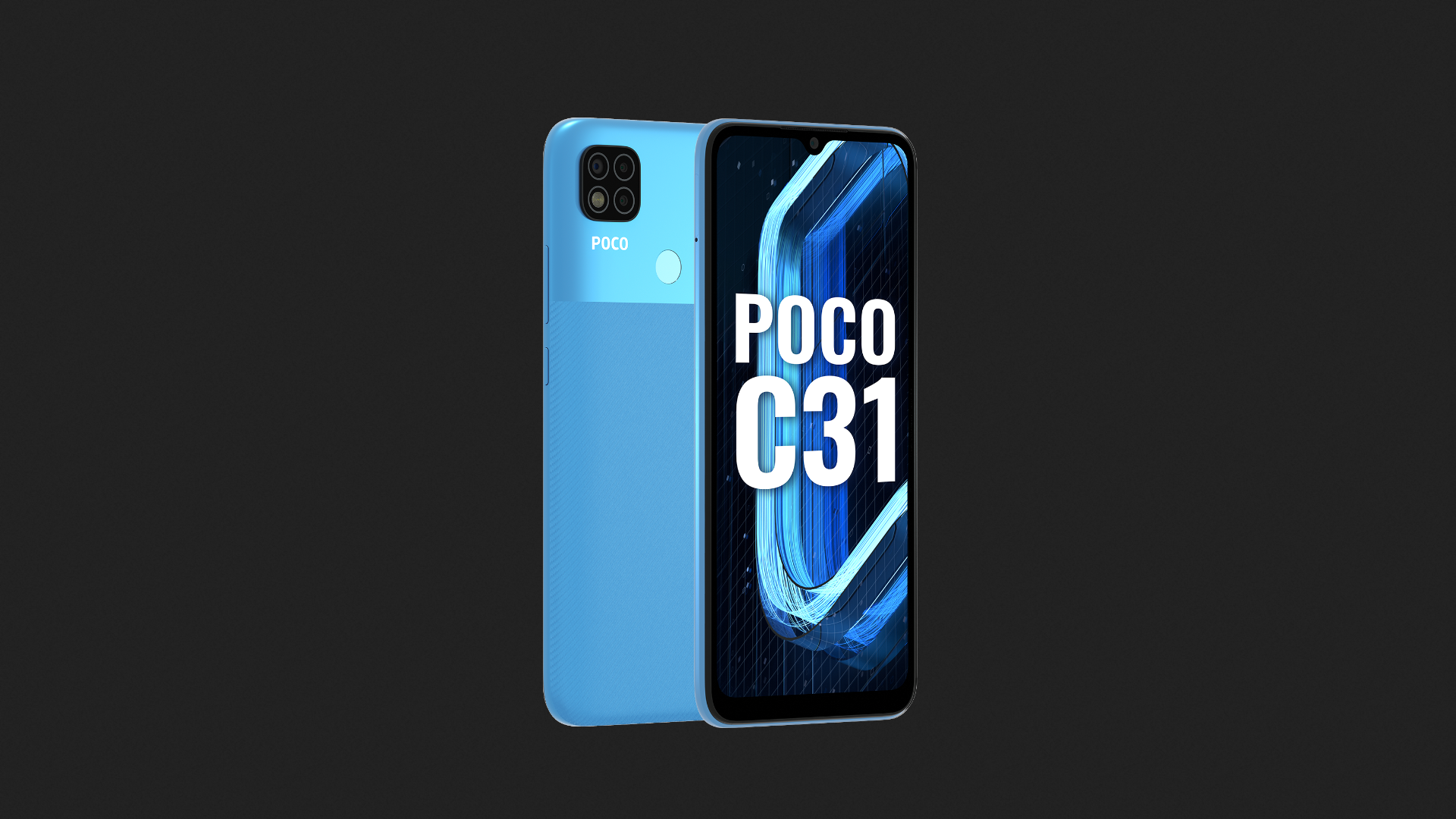
POCO C31 smartphone is the entry-level device the company launched in September last year in India. The company recently announced that the phone has crossed the 1 million sales mark by the second quarter of 2022.
The POCO C31 delivered a value disruption unheard of in its market thanks to its premium chipset, triple camera system, and big 5,000mAh battery. With its distinctive look and extensive feature set, POCO C31 was the second C-series product, following POCO C3, to reach 1 million sales.
The POCO C series has consistently offered good value-for-money specifications at that price point and is targeted at the sub-ten thousand rupee market in India. Recently, the POCO C3sold more than 2 million units in January 2022.
Notably, the POCO C31 is identically similar to the POCO C3 when it comes to the build of the two devices, with only one major difference being the newer device does not sport the rear-mounted fingerprint sensor. Consequently, the device has the same 6.53-inch LCD display with a 20:9 aspect ratio, 720 x 1600 (HD+), and a dewdrop notch. It is driven by a MediaTek Helio G35 SoC with 32GB/64GB of eMMC 5.1 storage and 3GB/4GB of LPDDR4x RAM.
On the rear of the device are three cameras: a 13MP primary sensor, a 2MP macro camera, and a 2MP depth camera. It conceals a 5MP selfie camera inside the notch on the front.
The phone offers dual-SIM, 4G, VoLTE, VoWiFi, single-band Wi-Fi, and Bluetooth 5.0 in terms of connectivity. Its operating system is MIUI 12, which is based on Android 10. The phone also has a dedicated MicroSD card slot, a MicroUSB connector, a 3.5mm headphone socket, a P2i nano-coating for splash protection, a 5,000mAh battery, and 10W charging.
This sales record seems to be a really strong performance for both POCO and the series. Sales numbers like this might influence other OEMs to develop a smartphone that is both affordable and offers an excellent user experience, offering consumers additional options.
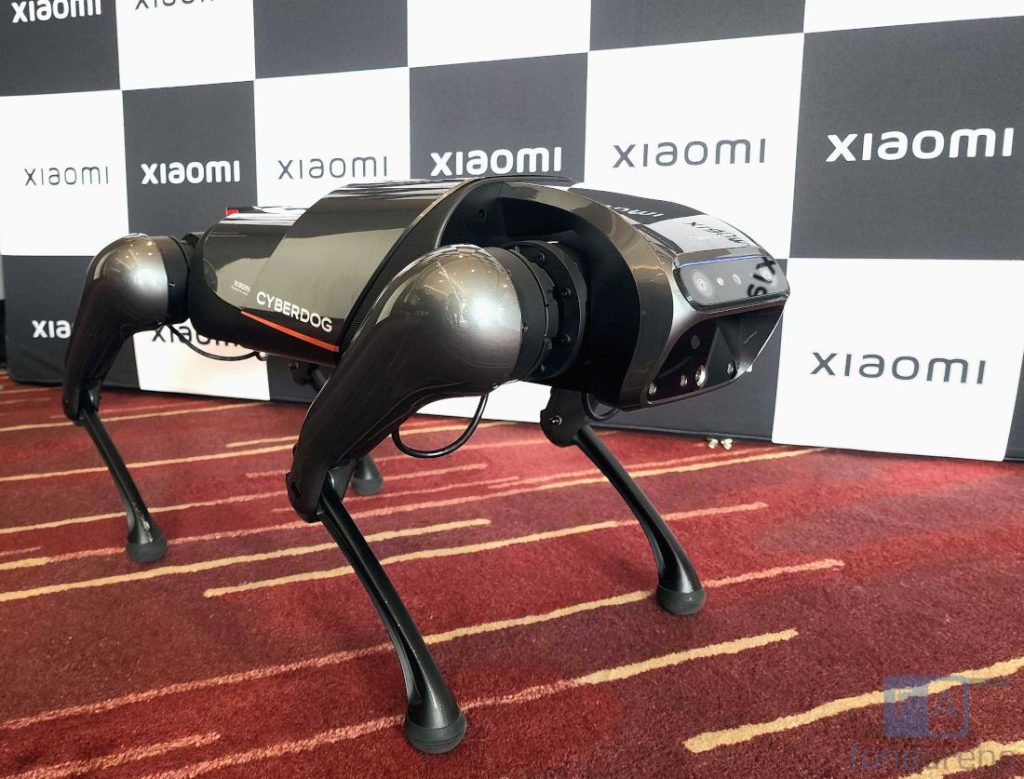
Xiaomi has showcased its CyberDog open-source robot in India as part of its 8th anniversary in the country. The CyberDog is a quadruped robot that was introduced in China in 2021. The Xiaomi CyberDog is designed as an open-source robot and could provide a rich resource for developers globally. The Chinese company will be displaying the CyberDog at Mi Home outlets in Delhi, Mumbai, Kolkata, Chennai, and Ahmedabad.
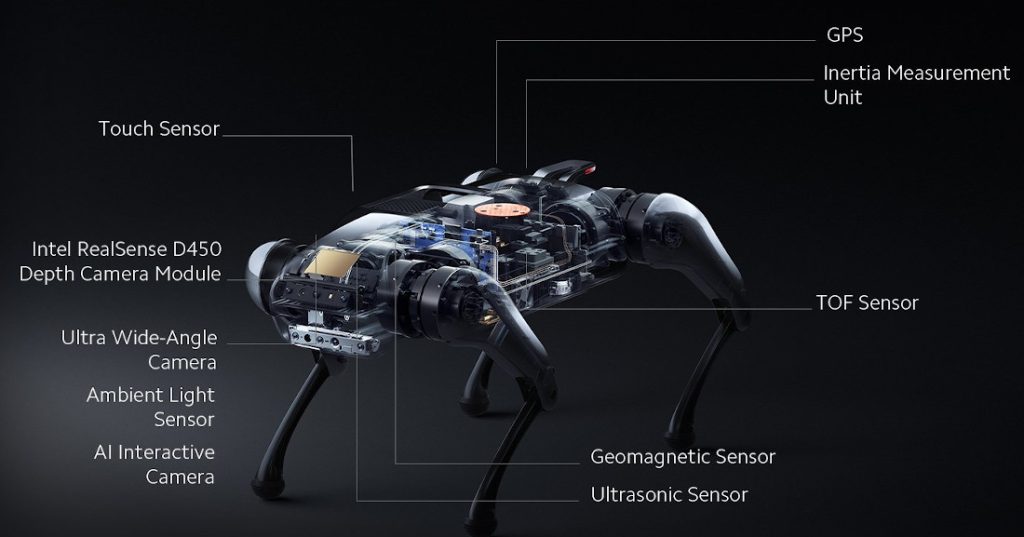
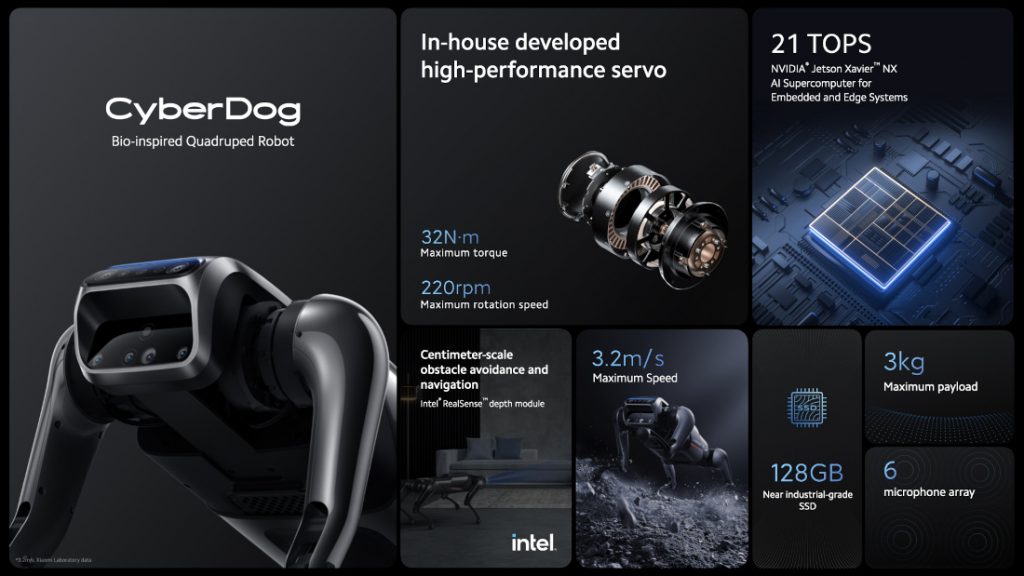
The CyberDog is Xiaomi’s first foray into this segment of robotics and is a culmination of the research efforts of the company. Quadruped robotics is an area of growing research and Xiaomi hopes to expand its lineup within the field. The CyberDog is powered by the Jetson Xavier NX AI Supercomputer for Embedded Edge Systems. It has an SSD storage capacity of 128GB and is equipped with 11 high-precision sensors. The sensor provides instant feedback that helps the robot to navigate the terrain seamlessly. Xiaomi CyberDog is agile and easily adapts to complex terrain. Xiaomi says the CyberDog is the perfect partner for assisted living due to its versatility.
CyberDog comes with Xiaomi’s smartphone imaging technology enabling it to smartly perceive its environment. Its complement of cameras includes AI interactive sensors, binocular ultra-wide-angle fisheye cameras, and an Intel Depth module. CyberDog can be trained using its computer vision algorithm.
The robot also features autonomous object tracking, human posture, face recognition, obstacle avoidance, and SLAM. CyberDog can expertly analyze and navigate through its surroundings using real-time information. It can create navigational maps and plot its destination while avoiding obstacles.
The open-source potential of the Xiaomi CyberDog can unlock the robot to greater functionality. It can be customized by developers via its USB and HDMI ports. Both hardware and software add-ons and functions are possible with such an opening. The Xiaomi CyberDog is calibrated with Xiaomi’s servo motors offering the robot speed, agility, and variety in its movement. The CyberDog can reach a speed of 3.2m/s (equivalent to 11.52km/h) and it can perform complicated actions like backflipping. Xiaomi is silent on whether the CyberDog will be up for sale in India.
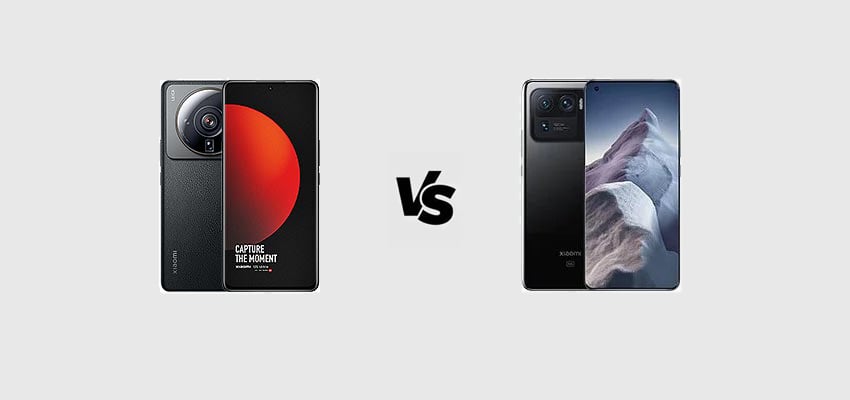
Xiaomi just came up with another top tier, Ultra flagship: the Xiaomi 12S Ultra. The latest Ultra device from the brand debuted more than a year ago: the Xiaomi Mi 11 Ultra was officially announced on March 2021 and finally, we got its successor. The new flagship is also the first phone from the brand after the beginning of its cooperation with Leica: one of the most important brands in the world of photography. But if we exclude the cameras, what else is different between the new flagship and the older one? Is it worth spending more for the 12S or its predecessor is still a great option available at a very interesting price? This comparison between the specifications of the Xiaomi 12S Ultra and the Xiaomi Mi 11 Ultra will give you the answer.
Xiaomi 12S Ultra vs Xiaomi Mi 11 Ultra
Xiaomi 12S Ultra
Xiaomi Mi 11 Ultra
DIMENSIONS AND WEIGHT
163.2 x 75 x 9.1 mm, 225 g
164.3 x 74.6 x 8.4 mm, 234 g
DISPLAY
6.73 inches, 1440 x 3200p (Quad HD+), LTPO2 AMOLED
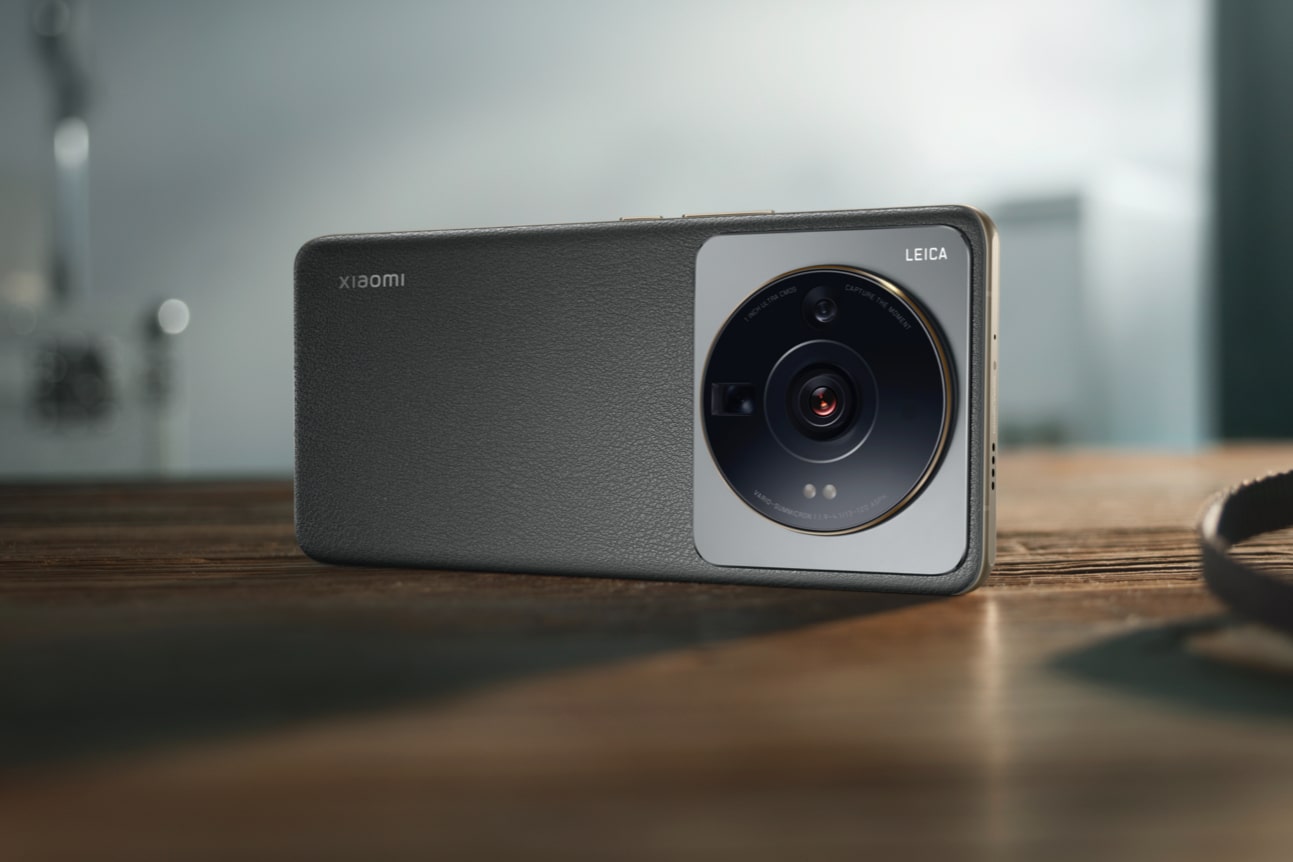
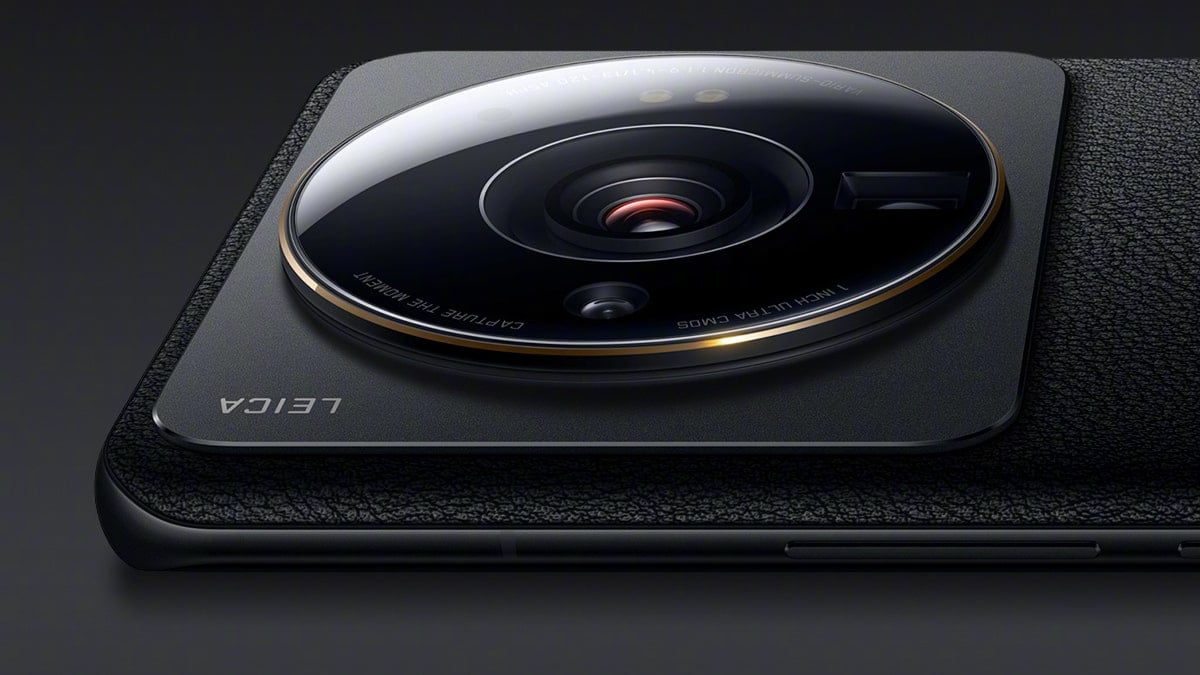
The Xiaomi 12S Ultra is a very beautiful phone. Its design reminds me of a real Leica camera thanks to its big and round camera module, as well as its outstanding leather back. It is definitely more attractive than its predecessor thanks to its leather back and, even though it features this impressive material, it is a waterproof phone with the IP68 certification allowing you to put it underwater up to 1.5 meters deep for a max time of 30 minutes. Besides its leather back, there is a frame made of aluminum and a glass front protected by Gorilla Glass Victus. The Xiaomi Mi 11 Ultra does not stand a chance against the new model, but it is made with a ceramic back, a very premium material, and an aluminum frame.
Display
The Xiaomi 12S Ultra brings interesting upgrades in terms of display, even though it has a smaller 6.73-inch panel compared to its predecessor. This display is an AMOLED panel with a diagonal of 6.73 inches, a Quad HD+ resolution of 1440 x 3200 pixels, one billion colors, a 120 Hz refresh rate (adaptive refresh rate from 1 to 120 Hz), the HDR10+ certification, Dolby Vision, the Gorilla Glass Victus protection by Corning, and an in-display fingerprint reader. The Xiaomi Mi 11 Ultra has almost the same specifications, but without the LTPO 2.0 technology and with a larger 6.81-inch diagonal. However, the Xiaomi Mi 11 Ultra wins the display comparison because it adds a secondary display on the rear side which can be used to save energy or to shoot selfies with the rear cameras. This is an impressive feature you can rarely find on other phones, so it deserves to be mentioned.
Specs & Software
The Xiaomi 12S Ultra is equipped with a superior hardware department. First of all, it is powered by the Snapdragon 8+ Gen 1 mobile platform: a chipset built at 5 nm with a max frequency of 3.19 GHz and an octa-core architecture. It is a better chipset than the Snapdragon 888 found on the Mi 11 Ultra and it is paired with up to 12 GB of RAM and up to 512 GB of UFS 3.1 internal storage. The Xiaomi Mi 11 Ultra has the same configuration but with a weaker chipset. The Xiaomi 12S Ultra also wins the software comparison because it runs Android 12 out of the box instead of Android 11, so it will get longer software support.
Camera
The Xiaomi 12S Ultra is a better camera phone not only thanks to the cooperation with Leica but also because it has superior camera hardware. Its main camera is a 50.3 MP sensor with OIS and an f/1.9 focal aperture. It is paired with a 48 MP periscope sensor with 5x optical zoom, a 48 MP ultrawide camera, and a TOF 3D sensor for depth calculation. The Xiaomi Mi 11 Ultra has a 50 MP main camera with a darker f/2.0 focal aperture, the same periscope sensor, and the same ultrawide camera, but it lacks a TOF 3D sensor and it comes with an inferior front camera (20 MP vs 32 MP).
The Xiaomi Mi 11 Ultra wins the battery comparison because it has a bigger battery with a capacity of 5000 mAh and because it features faster wireless charging speeds thanks to a power of 67W. However, you should note that the 12S Ultra has a more efficient chipset and a smaller display, so its battery life could be better in a few scenarios, even though it has a smaller battery.
Price
You can currently find the Xiaomi 12S Ultra for about $1200/€1170, while the Xiaomi Mi 11 Ultra is available for $649/€630 thanks to online street prices. Naturally, the 12S wins the comparison, but the Mi 11 Ultra has a much higher value for money.
Yesterday, Xiaomi debuted the Xiaomi 12S Ultra, which is the successor of the highly acclaimed Xiaomi 11 Ultra. Going by Xiaomi’s launch presentation, the device appears to be one of the top contenders for the best smartphone of this year.
However, many of you might remember the hype surrounding the Xiaomi 12 Pro, and how the device failed to live up to it. So can the brand be trusted this time? Is the device really as good as it’s made out to be? Let’s find out by going over each upgrade one by one.
Starting with the biggest upgrade of the device, the new camera main camera packs the Sony IMX989 sensor that has a large 1-inch sensor size and a 50-megapixel resolution. The increased sensor size will allow for more light to be captured resulting in sharper and more color-accurate images. However, what grabs our attention, even more, is the brand’s partnership with Leica in co-developing this camera.
As many of you would know, Leica recently ended its partnership with Huawei to join hands with Xiaomi. While with Huawei, Leica provided its custom tuning on devices like the Huawei P50 Pro which is currently one of the best camera smartphones in the world.
Xiaomi 12S Ultra camea sample
Xiaomi 11 Ultra’s camera is known to produce pictures that are a bit bland and lack contrast and saturation. The white balance on the device is also a bit much on the cooler side. But going by Xiaomi’s sample pictures clicked on the 12S Ultra, these shortcomings appear to have been dealt with and probably have Leica to thank for it.
The second major upgrade is the new chipset. The 12S Ultra houses a Snapdragon 8+ Gen 1 chip which promises many improvements over its predecessor, mainly thanks to TSMC’s 4nm node that it’s manufactured on. However, the brand made similar promises with the release of the Snapdragon 888 and the Snapdragon 8 Gen 1, and we remember how that turned out.
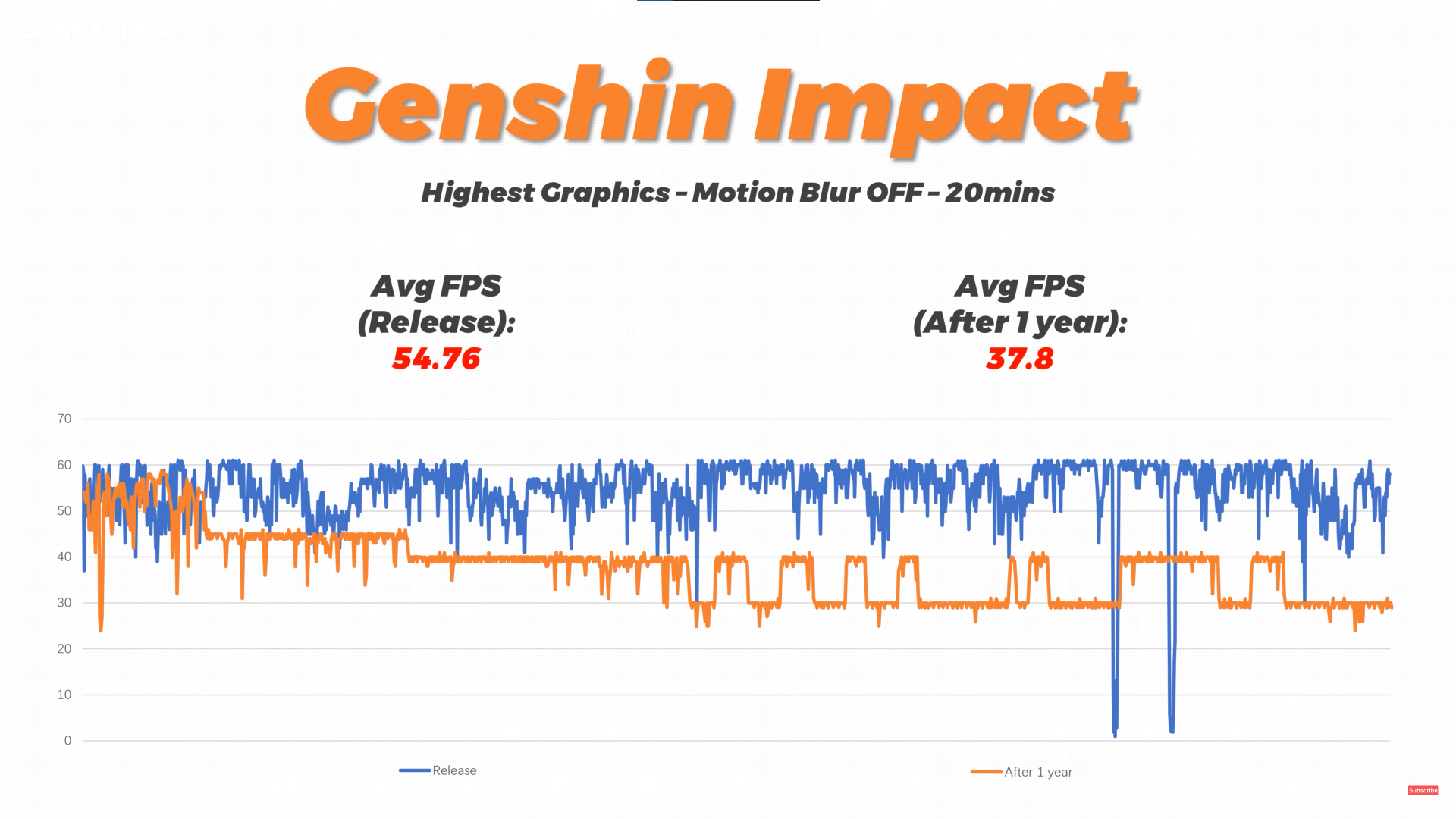
Xiaomi 11 Ultra performance dip after a year
Another issue with Xiaomi phones is the decay in performance over time. Last year, we bought a Xiaomi 11 Ultra which averaged 55 FPS in Genshin Impact on the Highest settings. Now, the same device is only able to run the game at a meager 38 FPS.
So, before giving an opinion on the performance, we will conduct our personal testing on a device bought from a Xiaomi offline store and not one given to us by the brand to make sure it’s as close as possible to a device that a normal user will get.
2022 E5 AMOLED display on the left
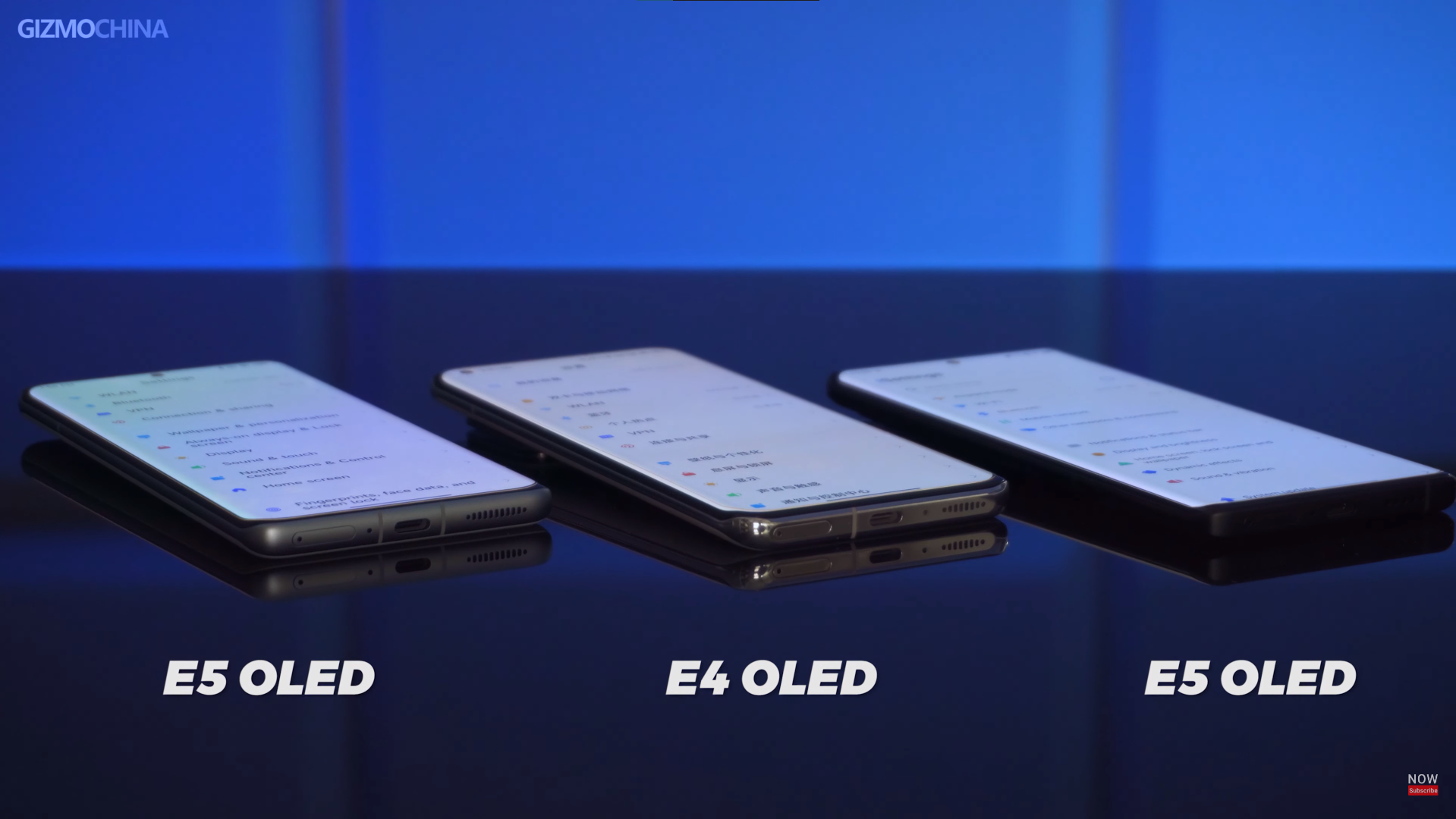
We are also not excited about the Samsung E5 AMOLED panel on the Xiaomi 11S Ultra as all the E5 panels made by Samsung this year have had an issue where they appear green if you look at it from the side. The panel also has an LTPO function which makes DC dimming impossible making the panel rougher on the eyes.
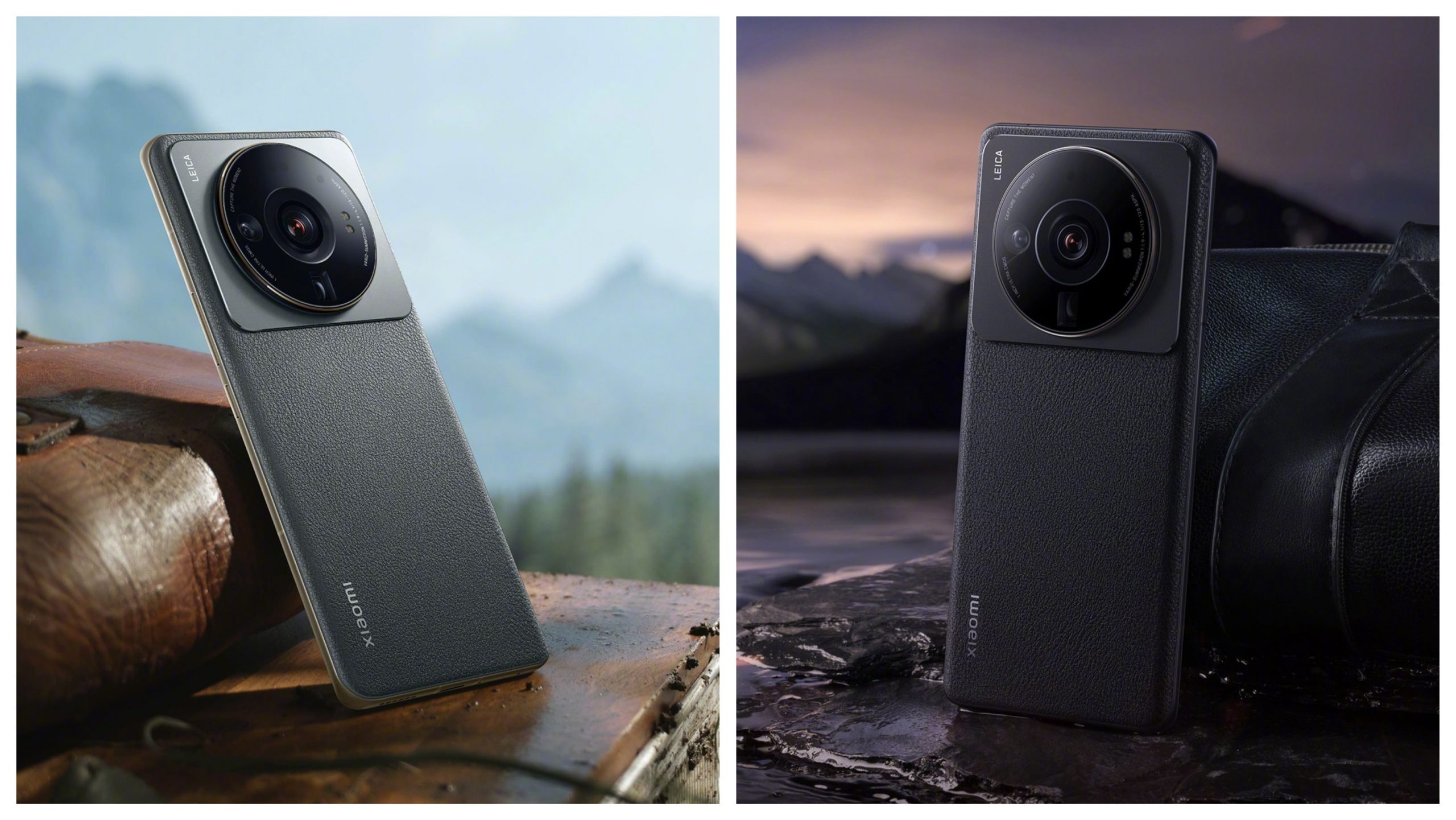
The back design of the Xiaomi 12S Ultra has so far gotten mixed reviews with some loving while others not so much. However, what we find dissatisfactory about this back panel is the lack of options. Xiaomi has only released the phone with a vegan leather back, leaving out materials like glass or ceramic. This makes a phone case pretty much a necessity for the 12S Ultra as the vegan leather material is not as scratch-proof as either of the two mentioned above.
The battery of the device has also received a reduction in capacity compared to its predecessor at 4860mAh. This is 300mAh less than the last-gen device. Xiaomi has promised that the new Surge P1+G1 chip will allow the device to have a longer battery life than its predecessor, but that claim might be a little far-fetched and the additional battery capacity would’ve been better for the long run.
If we consider these facts and uncertainties, the Xiaomi 12S Ultra doesn’t look that much impressive compared to last year’s Xiaomi 11 Ultra. However, if all the claims made at the launch turn out to be true, we might have the most all-rounded flagship of the year on our hands. So stay tuned for our upcoming full review of the device.
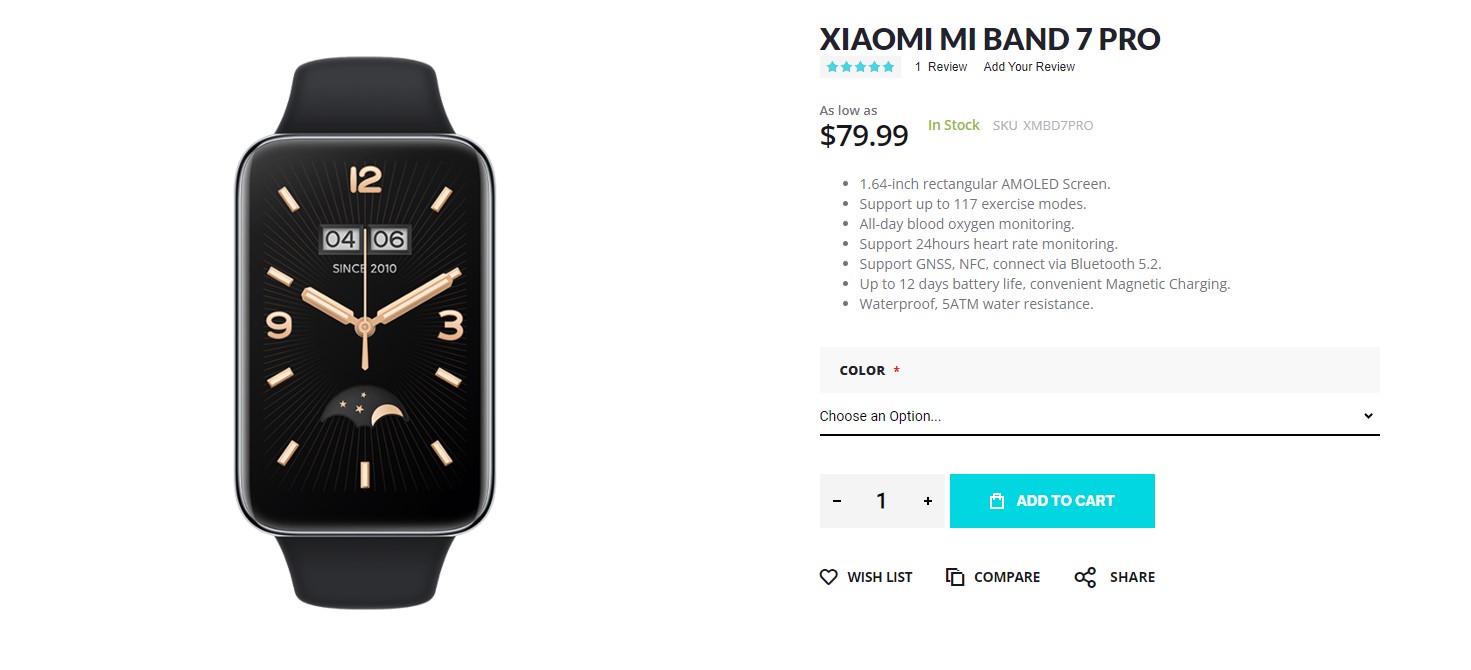
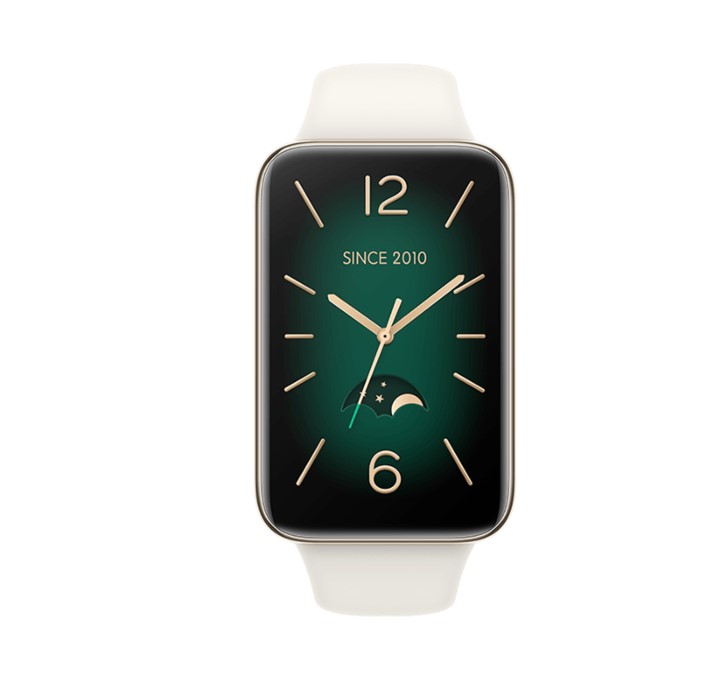
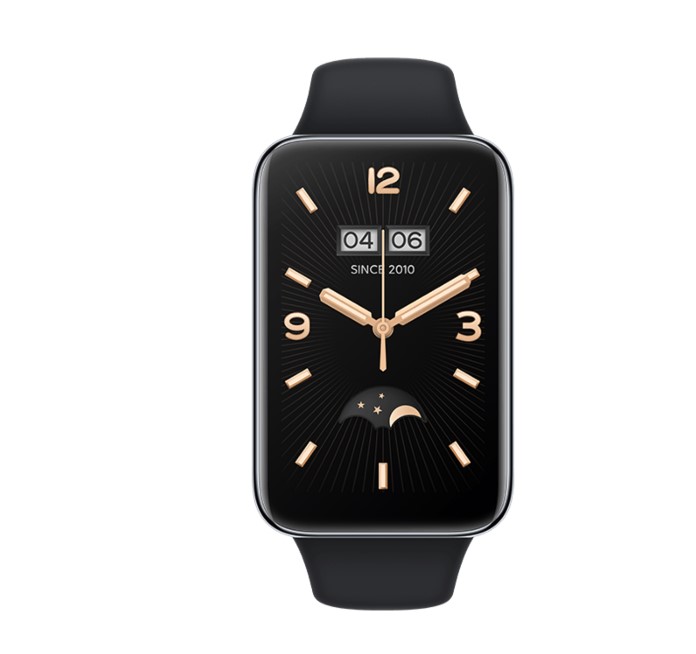
The brand new Xiaomi Mi Band 7 Pro is now available on Giztop for $79.99 only. Available in standard Black and White colors, the smart band comes with many advanced features and functions making it almost as good as a smartwatch on your wrist.
Xiaomi Mi Band 7 Pro features a 1.64-inch rectangular AMOLED display that supports 280 x 456p resolution and comes with a 2.5D glass cover. The smart band comes with 180 plus watch faces and an Always-On display, that enhances your visual experience and helps you to customize your band as per your desire.
Xiaomi Mi band 7 Pro comes with a complete health management package including a 24×7 heart rate monitor, all-day blood oxygen monitor, stress monitor, and sleep tracker with a REM, nap time, and sleep breath quality analyzer, female health tracker, Personal activity intelligence (PAI), etc. Moreover, the smart band also supports 117 exercise modes including auto-detection for some activities like running, walking, elliptical, etc.
The smart band is 5ATM waterproof which means you can easily use it in your bath and pool and comes with a smart home control function that helps you to switch on your supported devices using the smart band.
Xiaomi Mi Band 7 Pro comes with 12 days of battery life and supports magnetic charging. Other interesting features include GNSS, NFC, Bluetooth 5.2, etc. The newly launched smart band is now available for $79.99 only on Giztop.
For more information on such exciting deals and offers check out our deals hub.
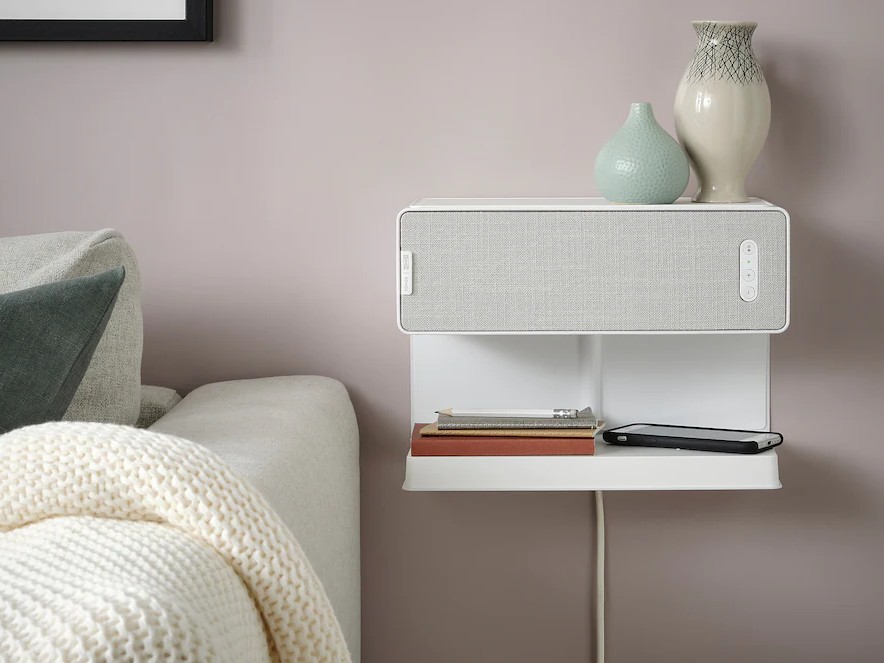
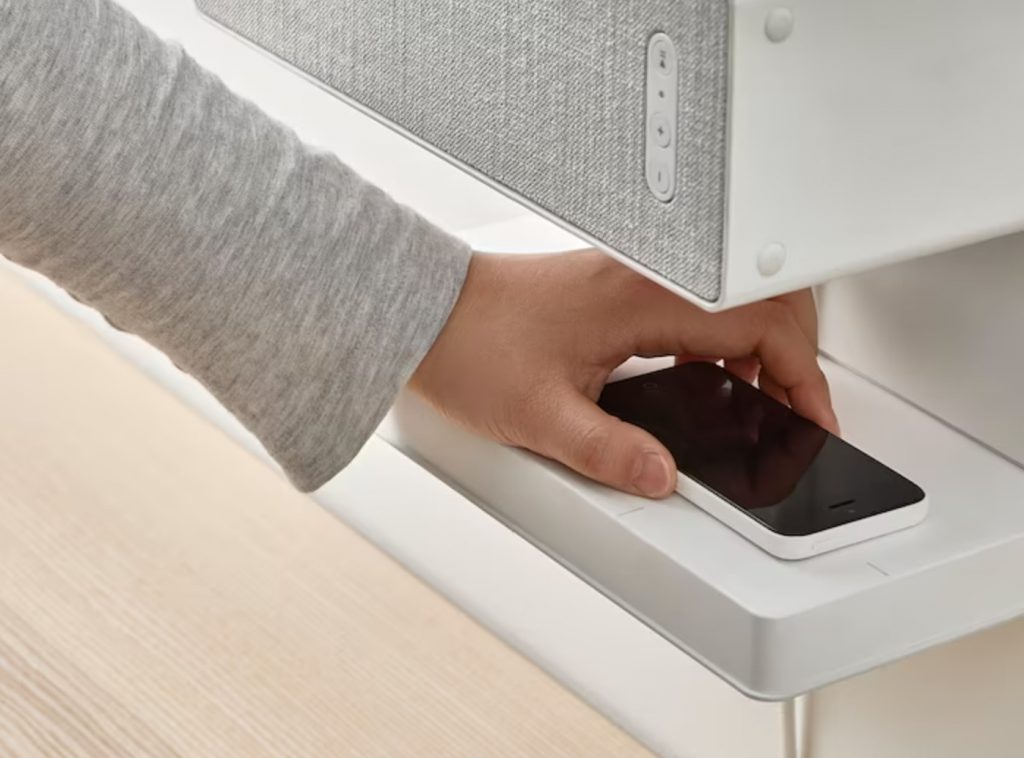
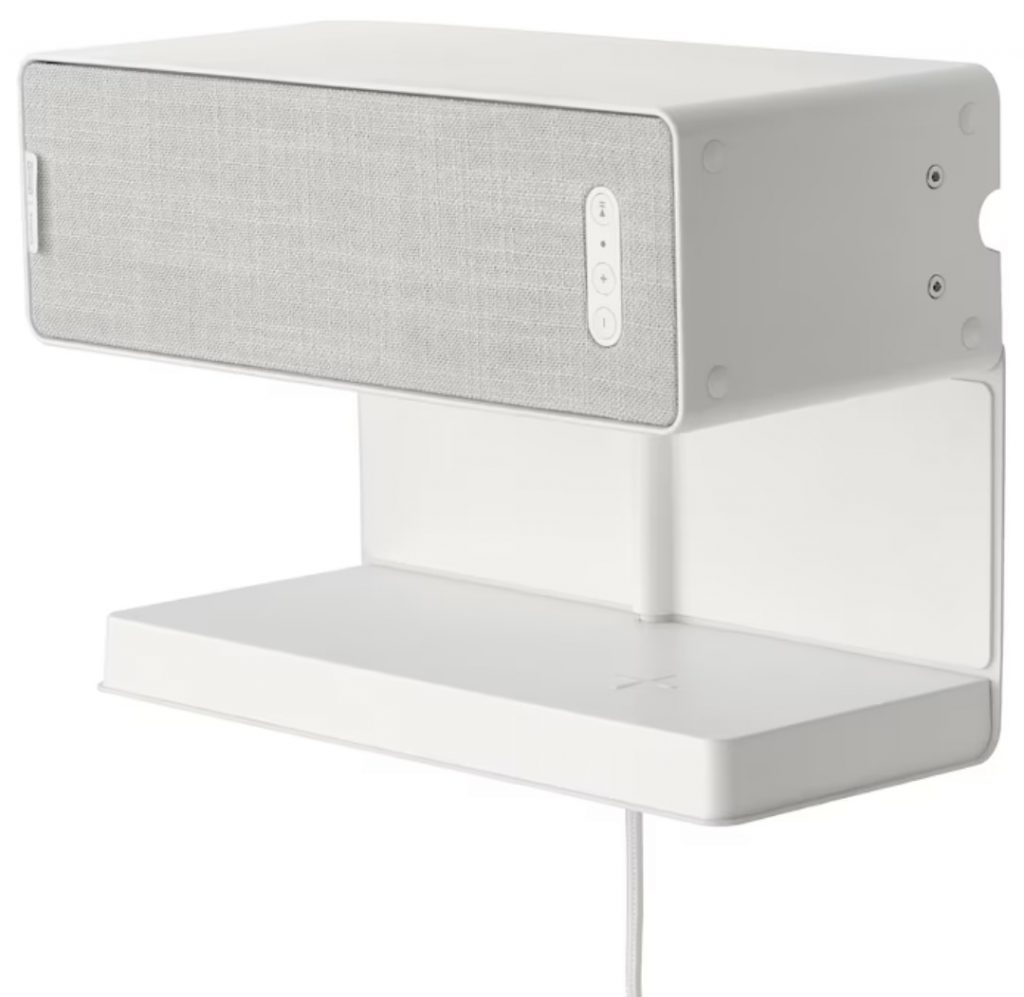
IKEA has launched the SYMFONISK shelf equipped with a wireless charger in Europe. The product comes with a wireless charging pad for Qi-compatible devices. It also has an 18W USB-C charging port for simultaneously charging another compatible device.
The new IKEA SYMFONISK shelf is an adapter for the IKEA SYMFONISK shelf speaker. The shelf speaker is currently available in the UK and Australia. You can use the device to charge compatible smartphones and smartwatches. There is an LED notification that indicates whether the device is charging or not.
The SYMFONISK Speaker is the culmination of IKEA’s partnership with Sonos. Four screws are used to connect the two products. The steel attachment of the shelf measures 12 x 5.2 x 8.7 inches. It offers enough space to store a few other things apart from charging your smartphone.
The IKEA SYMFONISK shelf with wireless charger is already on sale in the Netherlands, France, and Italy. Two color options for the IKEA SYMFONISK shelf are available – white and black. The gadget is priced at €40 (~$41) in the countries mentioned earlier. There are no details yet on the global availability of the IKEA SYMFONISK shelf with a wireless charger.
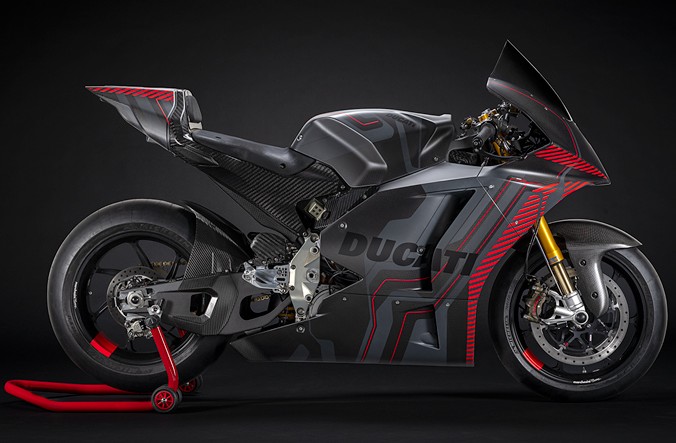
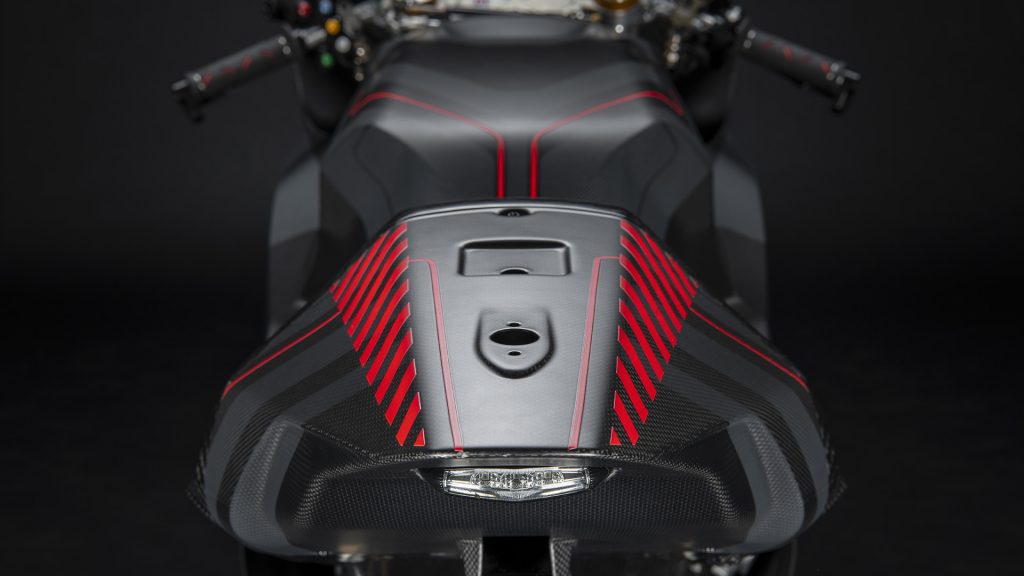
Two-wheeler brand Ducati has unveiled the V21L MotoE prototype which has a top speed of 275km/h. The Ducati V21L MotoE electric motorcycle will race in the 2023 FIM MotoE World Cup, according to Ducati.
The Ducati V21L MotoE weighs 225kg and its 18kWh battery pack offers enough range to complete a 7-Circuit Grand Prix race. The battery pack has 1,152 cylindrical cells and can be recharged from 0 to 80% in less than an hour (45 minutes).
The Ducati MotoE has a 21kg motor that delivers up to 110kW of power and 140Nm of torque. The electric motor has a maximum rotation speed of 18,000rpm with a recorded top speed of 275km/h. The frame of the Ducati MotoE consists of aluminum and fiber. The electric bike can be charged with a 20kW charging socket on its tail.
The Ducati V21L MotoE is fitted with an advanced cooling system, according to the company. A liquid system with a double circuit regulates the temperature of the battery and the electric motor. Ducati is making its entry into the electric motorcycle segment with the V21L MotoE. Ducati will supply all the 18 units of the V21L MotoE that will race in the FIM races up to 2026. The Ducati MotoE will debut in the FIM MotoE World Cup in 2023.
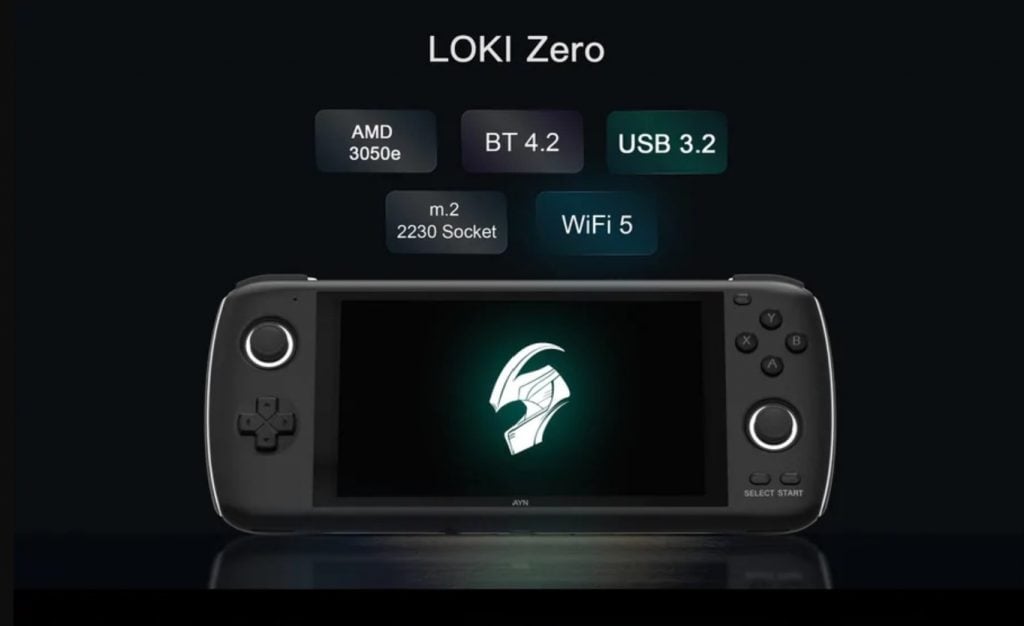
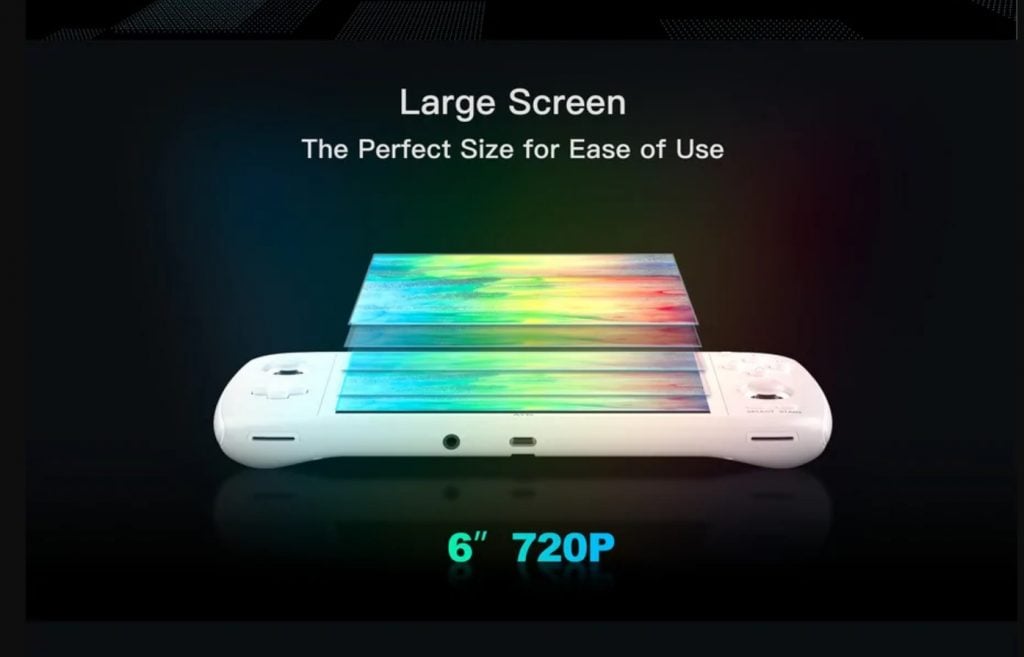
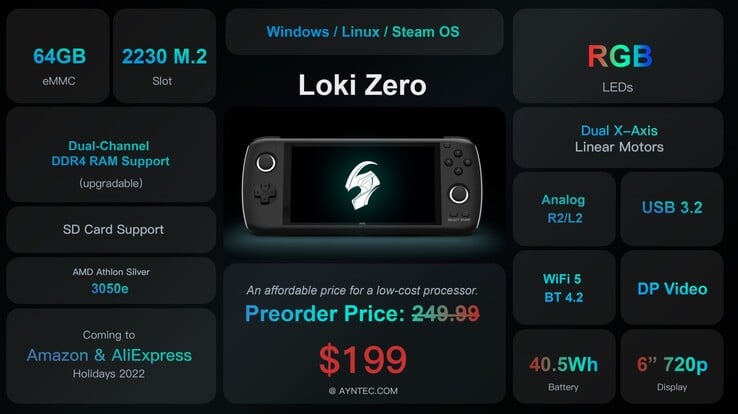
Chinese gaming console manufacturer AYN has launched the LOKI Zero gaming handheld device with a starting price of $199. AYN LOKI Zero has a 6-inch IPS display and is equipped with the AMD Athlon Silver 3050e APU. It also comes with either 4GB or 8GB DDR4 RAM.
The AYN LOKI Zero is coming on the heels of the launch last week of the LOKI Mini Pro with Intel Core i3-1215U chip. The Athlon Silver APU has a Radeon RX Vega 3 GPU and two CPU cores. It supports Simultaneous Multi-Threading. The LOKI Zero offers a screen resolution of 1,280 x 720 pixels, which is lower than its predecessors. The device comes with 64GB storage which is expandable via an optional 128GB M.2 2230 drive.
The LOKI Zero gaming handheld has a 40.5Wh battery. The LOKI Zero supports Bluetooth 4.2 and Wi-Fi 5 connectivity. As per images from the company, the LOKI Zero has a similar controller layout to the Xbox, together with a support, a gyroscope, and a hall sensor. There are some details still lacking for the AYN LOKI Zero. It will however be available for purchase from Amazon and AliExpress.
The original price of the LOKI Zero is $249.99 but AYN Technologies is offering a pre-order discount that slashes $$0 off the price. The company says the LOKI Zero will begin shipping orders in the final quarter of 2022. The LOKI Zero with 64GB storage is priced at $199 and the optional 128GB NVMe drive will cost $22. Shipping costs will depend on location and the retailer.
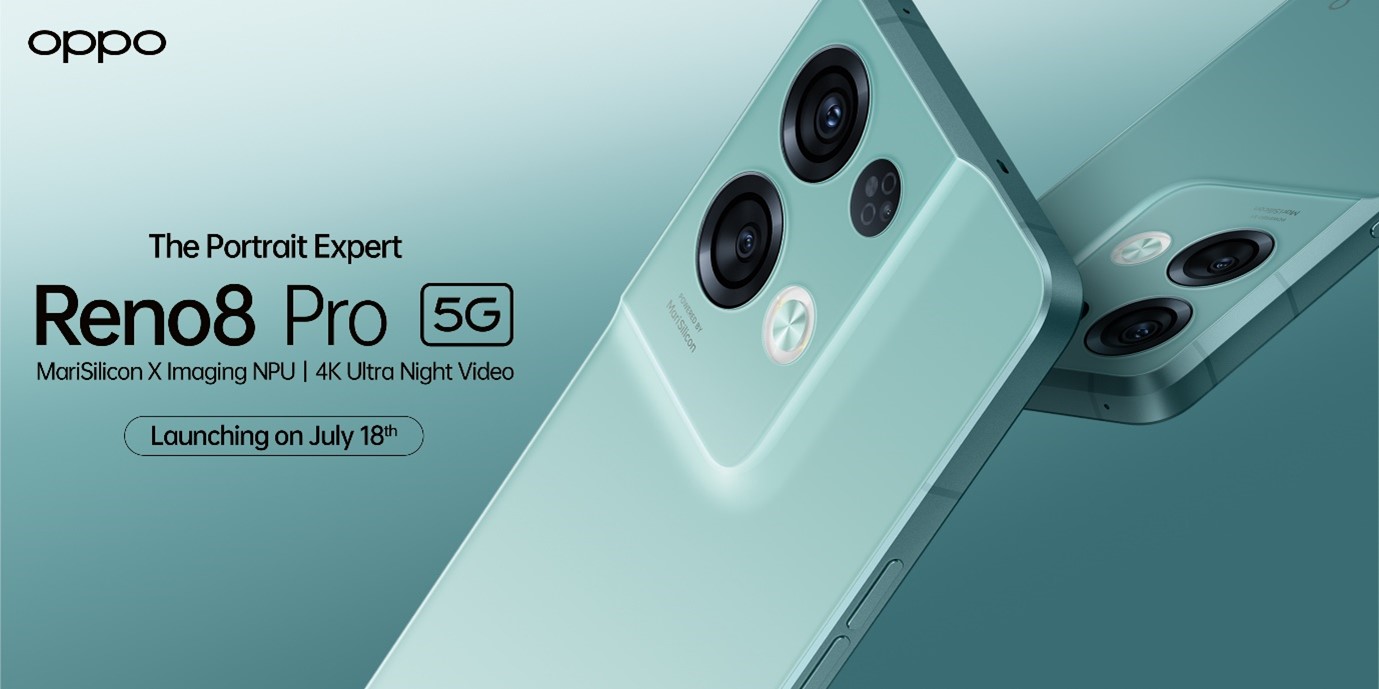
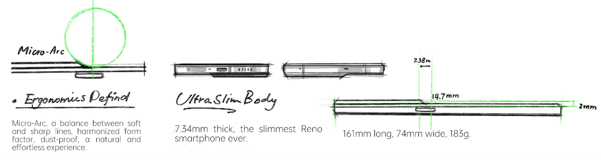
OPPO said that it employed an aluminum frame and Gorilla Glass 5 for its construction to be durable. Additionally, the camera module has been integrated with the rest of the handset’s back thanks to heat-forged and molded glass that creates an ergonomically streamlined unibody. This new design is the result of more than a hundred revisions and more than 400 days of work.
The company shared today that Reno 8 Pro’s design is based on the Golden Ratio (1:.618), a mathematical proportion that is in its nature aesthetically attractive. OPPO added that its designers used the same proportion to section the rear camera module on the handset—both laterally and vertically—to create a similarly pleasing aesthetic.
Reno is sleeker than its predecessors
To create the Reno 8 Pro’s streamlined unibody design, OPPO’s engineers observed how users hold their phones. The entire back of the phone is made of a single piece of glass that has been heat-forged and pressure molded to form the soft curves needed for the camera module.
To ensure smoothness, a graphite mold was created and hand-polished with three diamond sheets of varying roughness. OPPO used eight nanometer-scale polishing processes to remove wrinkles caused by high-temperature forging and molding around the camera module, ensuring a surface fineness of 1-2 nanometers.
Additionally, the camera module was created by OPPO’s designers to mirror the Reno 8 Series’ image capabilities. The crew created the famous binocular camera setup to imitate two film reels as a tribute to the classic. This also uses the infinity sign and the number “8” to signify the smartphone’s position in the Reno Series and its extensive imaging power.
Likewise, the nearby ring flash is visible and seamlessly integrates into the lens. A system capable of producing appropriate fill light when the camera is in use and has been built using two circular dual flashes.
The OPPO Reno 8 Pro will be available in two colors: Glazed Green and Glazed Black while the Reno 8 will be available in two colors: Shimmering Gold, which is achieved through a precise combination of dual textures and coatings, as well as OPPO Glow printing, and Shimmering Black, which is distinct from pure black because it resembles a starry night sky.
According to the company, the 4K Ultra Night Video feature will provide professional-grade night image quality with sharp details and vibrant colors. The company has set the phone’s launch in Malaysia for July 21st, even though it has yet to formally tease further features in India and has teasers for feature revelation until July. There, it was verified that the phone sports a streamlined unibody design, where the camera and back cover are perfectly combined into a new, attractive one-piece design, as well as 80W SuperVOOC charging, which can charge the phone up to 50% in 11 minutes.
We use cookies on our website to give you the most relevant experience by remembering your preferences and repeat visits. By clicking “Accept”, you consent to the use of ALL the cookies.
This website uses cookies to improve your experience while you navigate through the website. Out of these, the cookies that are categorized as necessary are stored on your browser as they are essential for the working of basic functionalities of the website. We also use third-party cookies that help us analyze and understand how you use this website. These cookies will be stored in your browser only with your consent. You also have the option to opt-out of these cookies. But opting out of some of these cookies may affect your browsing experience.
Necessary cookies are absolutely essential for the website to function properly. This category only includes cookies that ensures basic functionalities and security features of the website. These cookies do not store any personal information.
Any cookies that may not be particularly necessary for the website to function and is used specifically to collect user personal data via analytics, ads, other embedded contents are termed as non-necessary cookies. It is mandatory to procure user consent prior to running these cookies on your website.