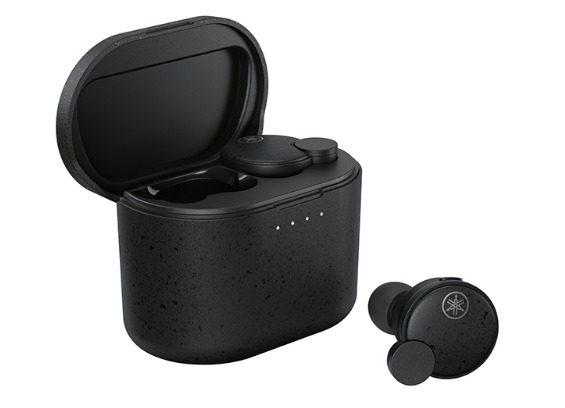
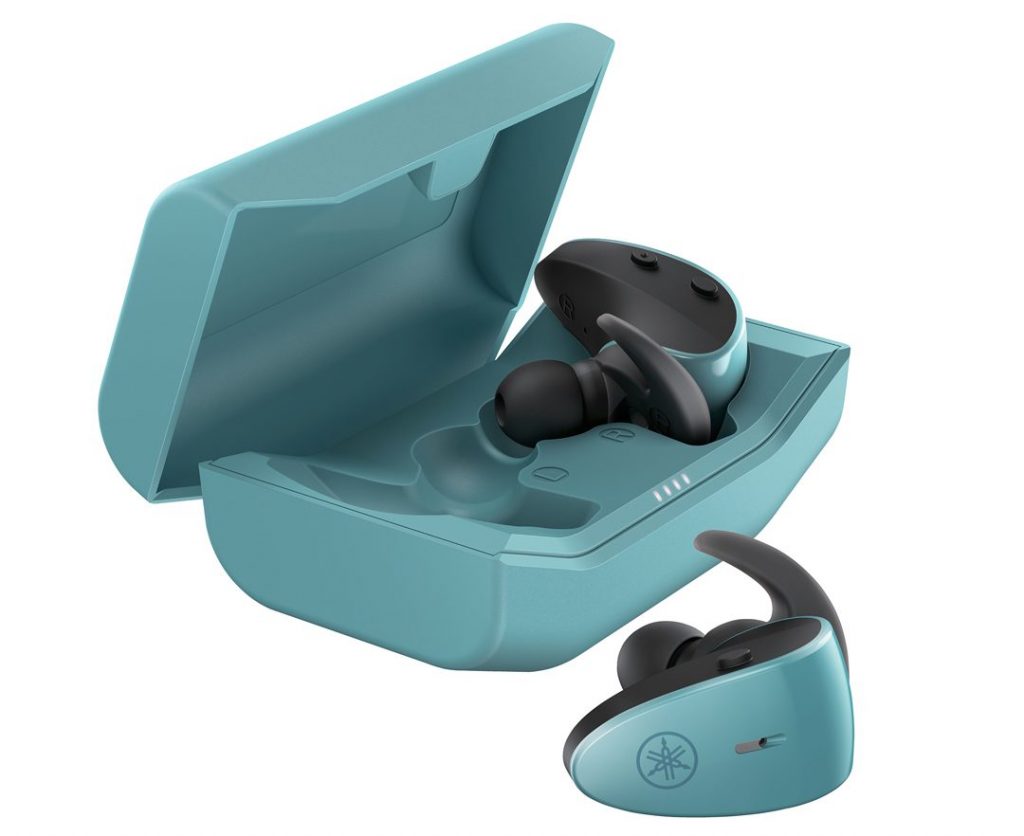
Yamaha has launched two new TWS earphones in India. The brand has expanded its range of audio devices with the TW-E7B and TW-ES5A. Both the latest offerings are premium TWS earphones and the former had debuted in the US market last month. The audio devices compete against other premium earphones offered by brands like Apple, Samsung, Sony, Bose, and more.
Beginning with the Yamaha TW-E7B, the TWS earbuds come with an oval-shaped design that comfortably fit in the user’s ear. On the other hand, the TW-ES5A is a sports-centric earbud with a unique shape and a shark fin for a secure fit. Both TWS earbuds are IPX7 certified waterproof.
In terms of audio, the Yamaha TW-E7B are equipped with a 10mm large dynamic driver. It features active noise cancellation as well as the brand’s Listening Care Advanced technology that intelligently adjusts frequencies in real time to maintain full range sound at lower volumes. Meanwhile, the Yamaha TW-ES5A features 6mm dynamic drivers and comes with an ambient mode that allows the user to listen to music while being aware of surrounding noise. This one also comes with listening care advanced technology.
Both the Yamaha TW-E7B and ES5A come with Qualcomm cVc (Clear Voice Capture) that offers noise suppression and echo cancellation for crystal clear voice quality on calls. They also pack Bluetooth 5.2, gaming mode and an instant voice assistant. The TW-E7B is claimed to deliver 22 hours of battery life whereas the ES5A is said to offer up to 34 hours of usage on a single charge.
The Yamaha TW-E7B is priced at Rs 24,200 and available in Black and White colours. The TW-ES5A costs Rs 14,200 and is offered in Black, Green, and Blue colours. Both TWS earphones can be purchased from the brand’s official website, select e-commerce platforms and retail outlets.
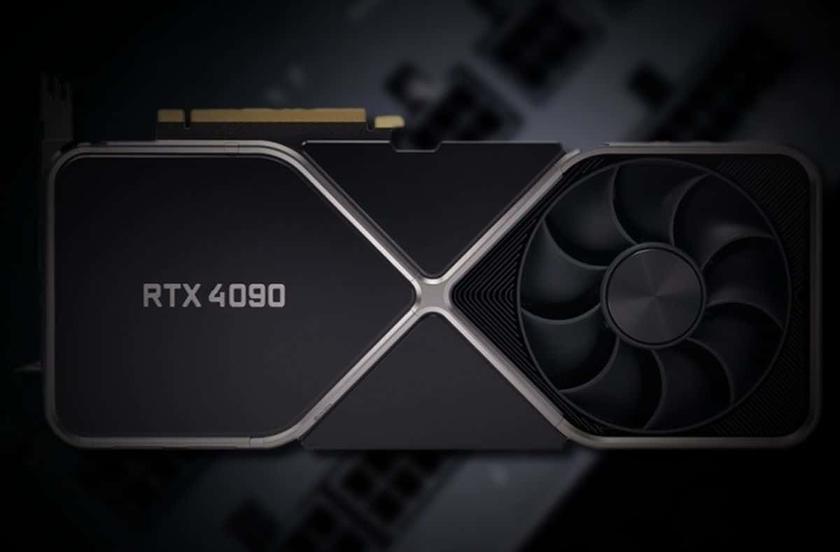
Nvidia had just recently announced the GeForce RTX 4000 series of graphics card, as its latest annual GPU release. These cards bring a number of improvements over the previous generation and had been highly anticipated across the globe. However, the pricing for these new GPUs in India has just been revised in India due to major online backlash. So here’s all the details.
Soon after its official announcement of the RTX 4000 series, Team Green unveiled the pricing for its two high end GPUs, namely the RTX 4090 and RTX 4080. The top end RTX 4090 had a retail price tag of a whopping 177,000 INR (roughly 2,190 US Dollars), while the RTX 4080 costs 133,000 INR for the 16GB VRAM model (roughly 1,643 US Dollars) and 99,500 INR (roughly 1,230 US Dollars) for the 12GB VRAM variant. However, this price reveal lead to the company facing major backlash in India.
The exorbitant price tag lead to the brand facing criticism on various social media platforms. The primary reason for the backlash was due to the significantly higher difference in pricing of the new graphics card in India, when compared to their rates in the US market. This was even more surprising when taking the various taxes and import duty into account. For comparison, the RTX 4090 costs just 1,599 US Dollars in America, while the RTX 4080 is available for 1,199 US Dollars and 899 US Dollars.
This basically meant that there was almost a 600 US Dollar hike in pricing between the two regions, which is worth an entire new graphics card on its own. But it seems like the backlash actually worked since Nvidia has officially revised the pricing for the RTX 40 series down to 155,000 INR (roughly 1,915 US Dollars) for the RTX 4090, while the 16GB RTX 4080 costs 116,000 INR (roughly 1,433 US Dollars) and 12GB variant costs 87,000 INR now (roughly 1,075 US Dollars).
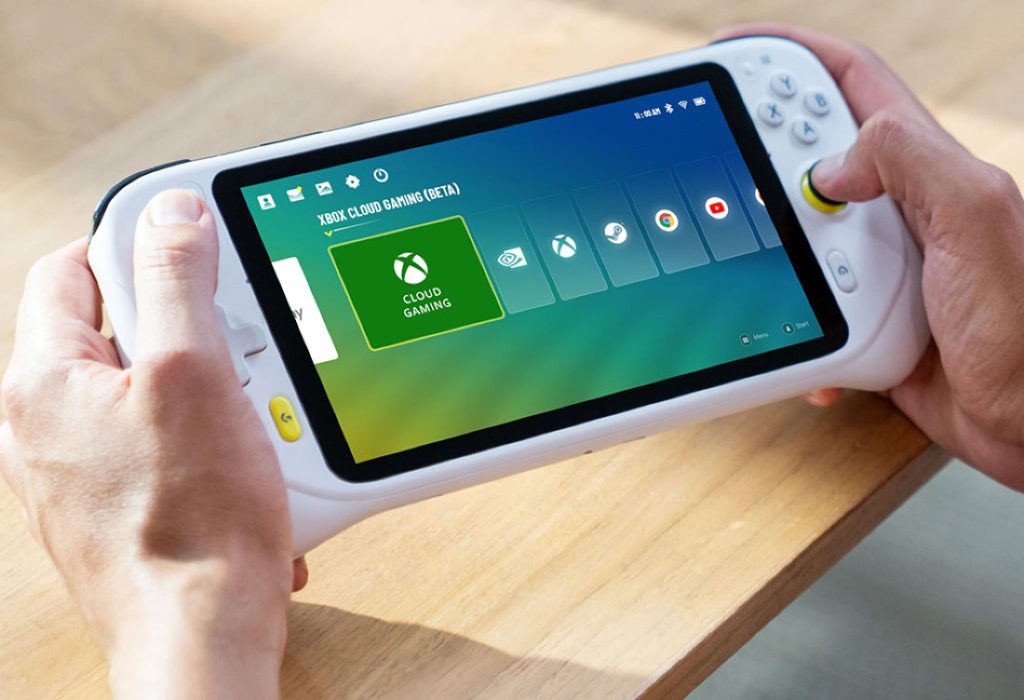
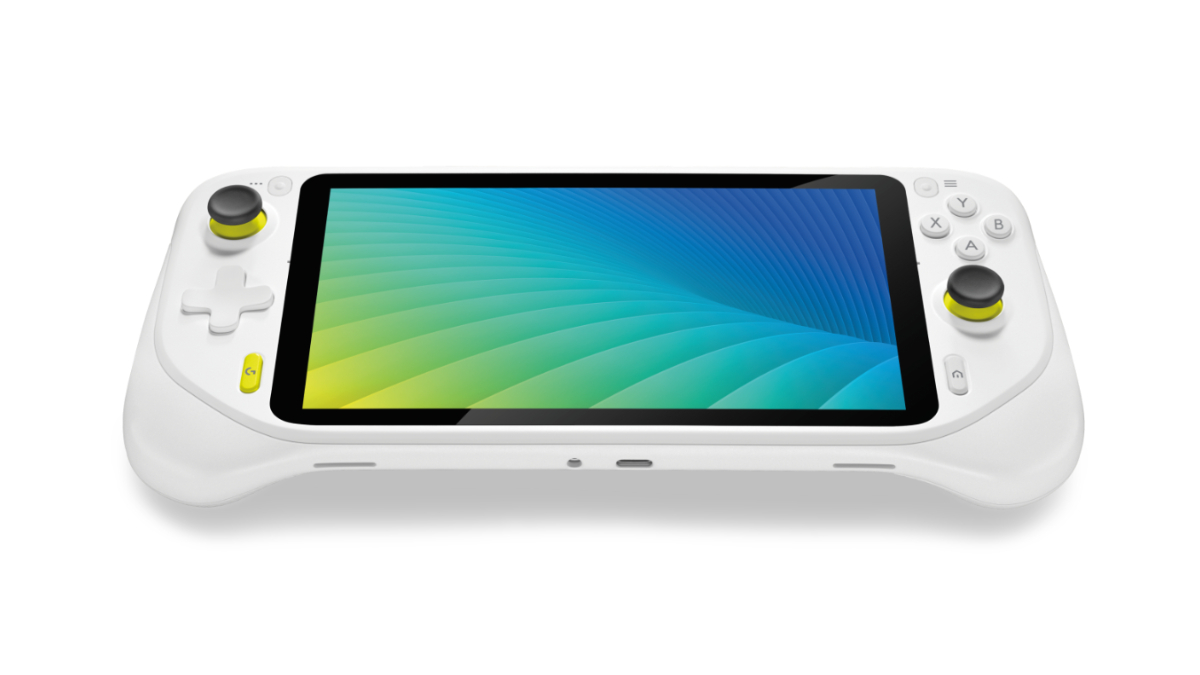
Logitech has finally launched the Logitech G Cloud Gaming Handheld Console, which it has developed in partnership with Tencent.
The console has a similar design to the Nintendo Switch and Steam Deck and features the A/B/X/Y buttons, the D-Pad, two analog joysticks, two bumpers, two analog triggers, and L & R option buttons, along with the G button and the Home button.
The device is a cloud gaming machine, meaning that users will need a WiFi connection as the actual game will be rendered on remote servers. This will enable the device to play AAA titles beyond the capabilities of compact handheld consoles. The console will require a subscription to the Xbox Game Pass Ultimate, Nvidia GeForce NOW, or Steam Link to play games on it.
The console has an Android-based operating system, enabling the Google Play Store, Chrome, YouTube, and more. Coming to the internals, the console is powered by the Qualcomm Snapdragon 720G chipset, paired with 4GB of RAM and 64GB of storage. It has support for Bluetooth 5.1 and Wi-Fi 802.11a/b/g/n/ac. It comes with a stereo speaker Linear Haptics motor, a 3.5mm audio jack, and digital USB-C headphone support. Other than that, the console also has a gyroscope and remappable controls.
Pricing & Availability
The Logitech G Cloud Gaming Handheld is presently available for pre-order in the US and Canada and will ship in October. It currently costs $299 (about Rs 24,100), but that amount is projected to rise soon to $349.99 (around Rs 28,200).
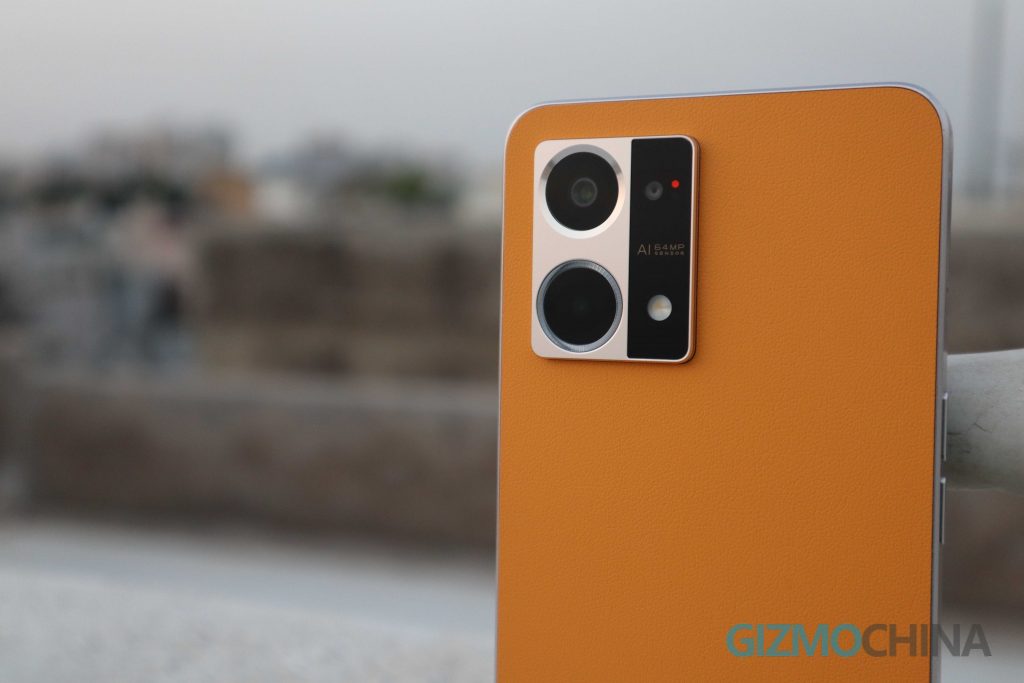
Oppo has been running the Android 13-based ColorOS 13 alpha and beta programs for multiple smartphones worldwide. So far, all of these phones have been either flagships or upper mid-range models.
Hence, this makes the Oppo F21 Pro the first mid-range smartphone to join the ColorOS 13 open beta initiative. Yes, you heard it. Out of nowhere, Oppo starts recruiting beta testers for the F21 Pro in India.
For the unaware, Oppo did not list the F21 Pro in its September update rollout plan. Therefore, this comes as a surprise.
As per the official announcement post, the company is allocated 5000 seats for the open beta program. The registrations will remain open until September 28.
In order to enroll, users need to be on firmware version A.16 or A.17. Then, they will have to go to Settings > About Device > Tap on ColorOS Logo > Tap Icon on Top Right > Trial Versions and fill in the details.
Selected applicants will receive the ColorOS 13 beta update via OTA. The brand suggests that there could be at least one more batch of recruitment. Therefore, you can try again.
Going by Oppo’s track record, the handset may receive the Android 13 stable update in a month or two from now.
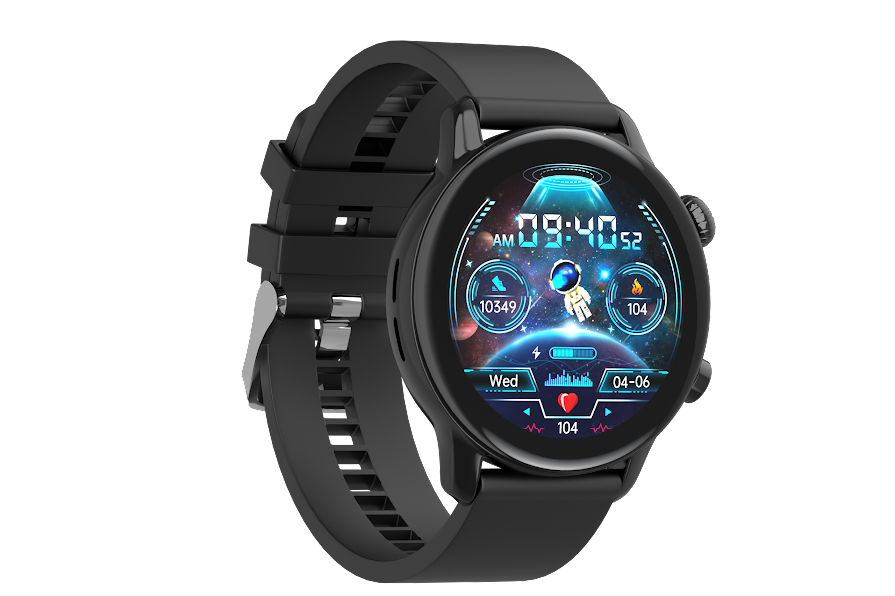
With the Flipkart Big Billion Days Sale officially set to kick start in a matter of hours, there are a number of quite attractive deals on the e-commerce website. And now, Gizmore has launched its new GIZFIT Glow during this event, which offers the new smartwatch at a special discounted price for a limited time. So let’s have a look at all the details.
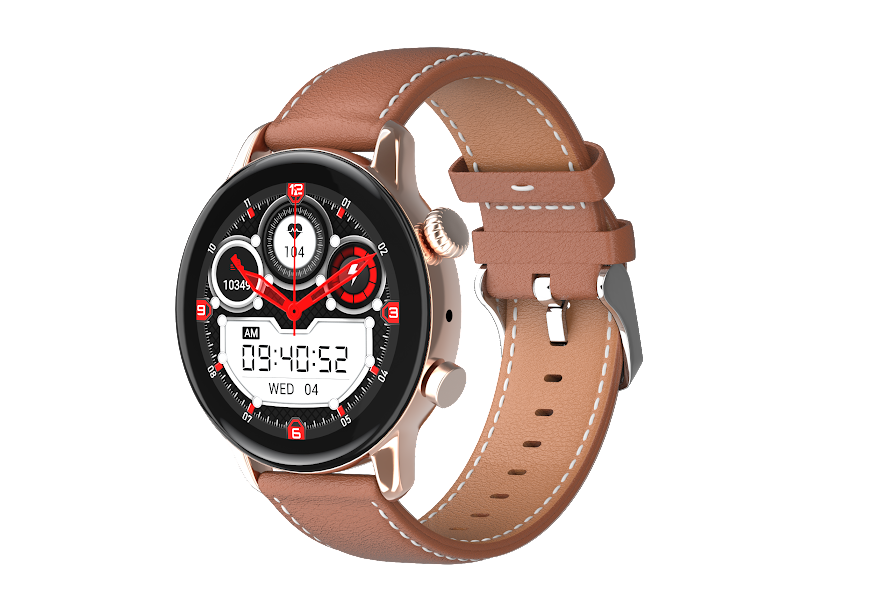
Talking about the design of the new smartwatch first, the GIZFIT Glow features a sleek, light, and sporty design thanks to its aluminium alloy body that helps offer a balance between fashion and utility. It sports a 1.37 inch circular AMOLED display that has a 420 x 420 pixel resolution and 550 nits peak brightness. The smartwatch also comes with leather straps as well for a more premium feel.
Notably, the device also comes with IP68 protection rating, which makes it resistant to water, sweat, and is even dustproof. Meanwhile, the display itself comes with support for multiple watch faces. The new Gizmore GIZFIT Glow also comes with a suite of biometric sensors that enables heart rate monitoring, SpO2 mapping, stress tracking, female health mapping, and even sleep and meditative tracking features as well. Apart from this, there are also support for several sports modes.
As of right now, the company has launched the GIZFIT Glow for a price tag of just 2,499 INR on Flipkart. Although, this is just a limited time special deal that will only last during the duration of the Flipkart Big Billion Days Sale in India. Following this, its price tag will rise to its actual price tag of 3,499 INR. The new smartwatch is offered in multiple colors as well, including Black, Brown, Burgundy options and other various strap color options too.
ZTE is gearing up to release a new smartphone dubbed ZTE Axon 30S in China. The company is yet to reveal the launch date. However, it has started teasing the features.
So far, the brand has teased the phone’s display and its form factor. Let’s take a look at these details.
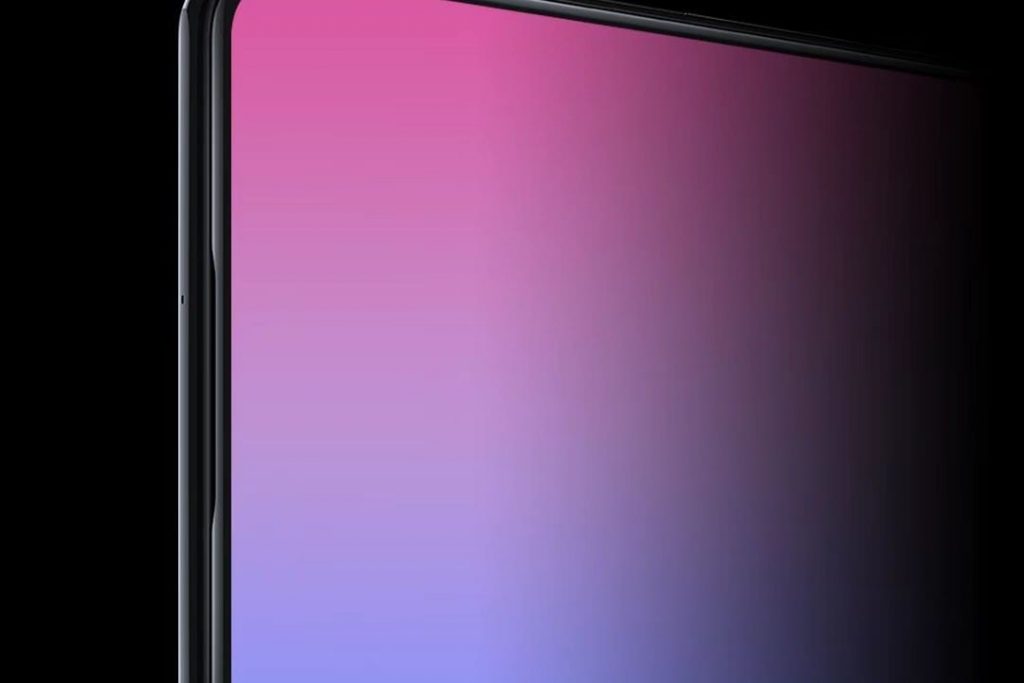
The upcoming ZTE Axon 30S has been confirmed to arrive with an under-display camera. It is not surprising as last year’s Axon 30 also had it.
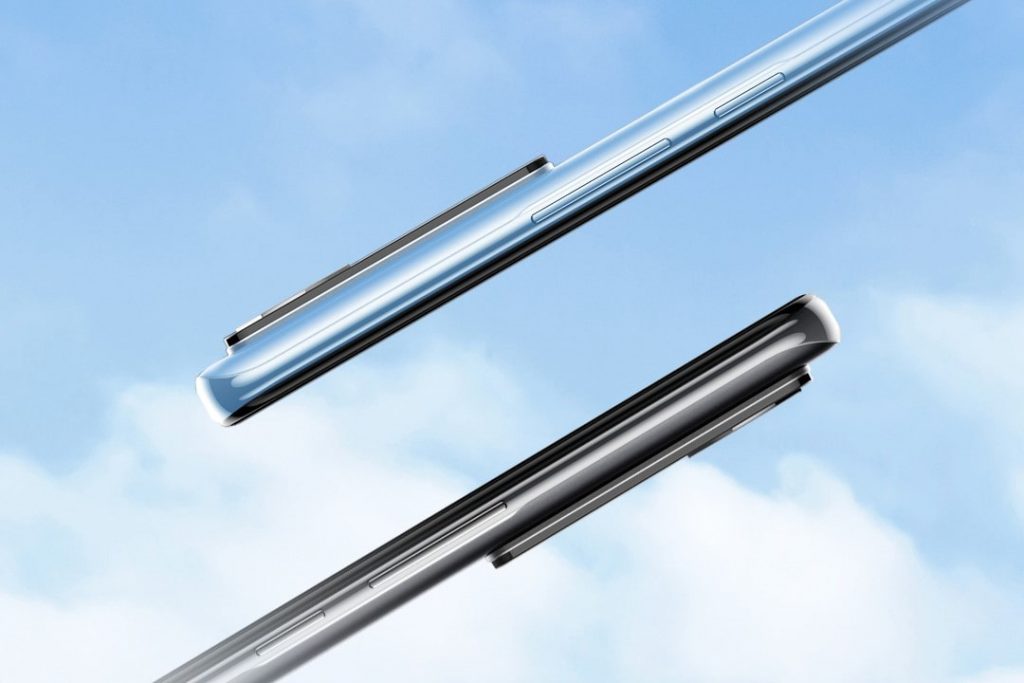
Further, the handset has been disclosed to measure 7.8mm in thickness and weigh 192g. The teaser renders show no side-mounted fingerprint sensor. Hence, the biometric sensor will likely be underneath the display, just like the selfie camera.
Unfortunately, that’s all the information we have on the ZTE Axon 30S. Unlike most devices, this one is yet to leak. Perhaps, it may leak soon in the coming days. At the same time, we are also looking forward to more official teasers and launch date announcement from the company.
Talking about its predecessor, the ZTE Axon 30 sports a 6.92-inch 10-bit 120Hz OLED display, Qualcomm Snapdragon 870 SoC, 64MP primary camera, 16MP under-display selfie camera, 4,200mAh battery, and supports 65W fast wired charging. We expect the Axon 30S to come with a similar set of features.
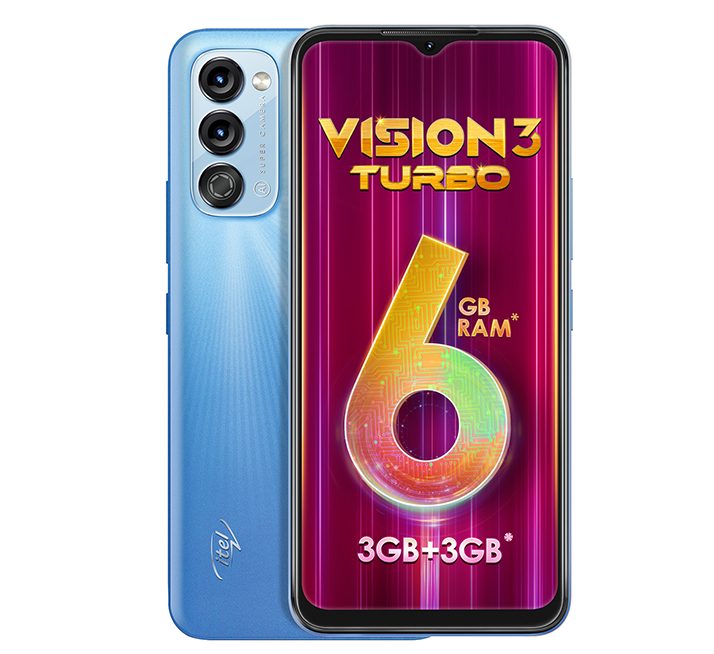
itel has just announced a new smartphone for the Indian market earlier today (22nd September 2022). The new device is the Vision 3 Turbo, which was just unveiled with some decent specs and features for its price tag. So let’s have a look.
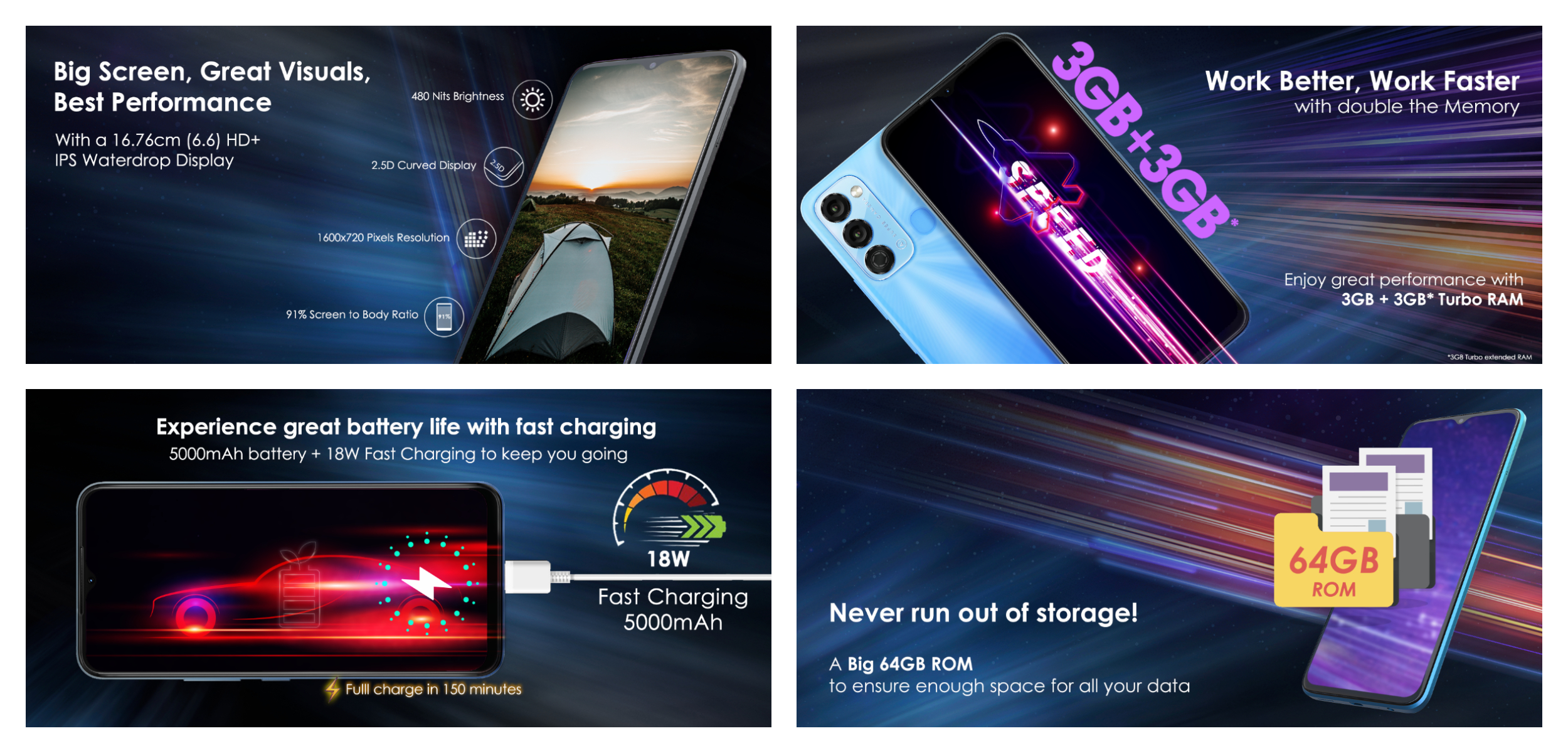
The new handset from the company is an entry level affordable smartphone. However, it still offers some decent specs. Notably, one of the most highlighting aspect of this device is that the brand is advertising the Vision 3 Turbo as the only device in its price segment to offer 6GB of RAM. Although to be completely fair, the actual RAM is just 3GB, while it virtually borrows an additional 3GB from idle memory to improve overall performance of the smartphone. It runs on a UNISOC SC9863A octa core processor and Android 11 OS out of the box.
The larger storage should offer a more smoother experience and improved speeds as well. Furthermore, the device sports a 6.6 inch LCD IPS panel on the front that has a HD+ resolution and a 2.5D curved display that offers 480 nits of peak brightness and houses a 5 megapixel selfies shooter. On the other hand, the rear packs an 8 megapixel AI dual camera setup. Under the hood, the device is equipped with 64GB of internal storage and is powered by a large 5,000mAh battery pack that supports 18W fast charging as well.
Notably, it even supports reverse charging, intelligent power management, and an AI Power Master that boosts battery backup by 20 percent. For security, it offers rear mounted fingerprint scanner as well as a smart face unlock. itel is even giving buyers a service guarantee of a “One Time Screen Replacement Offer,” which lets users basically avail a screen replacement of a broken screen within 100 days of purchasing the device for free. The device is available in three colors, Multi Green, Jewel Blue, and Deep Ocean Blue and is priced at just 7,699 INR.
Vivo’s mid-range Y series lineup can be quite confusing. The brand has announced upgrades to various Y series smartphones released earlier this year like the vivo Y16, Y22, vivo V52t, Y75S, and so on.
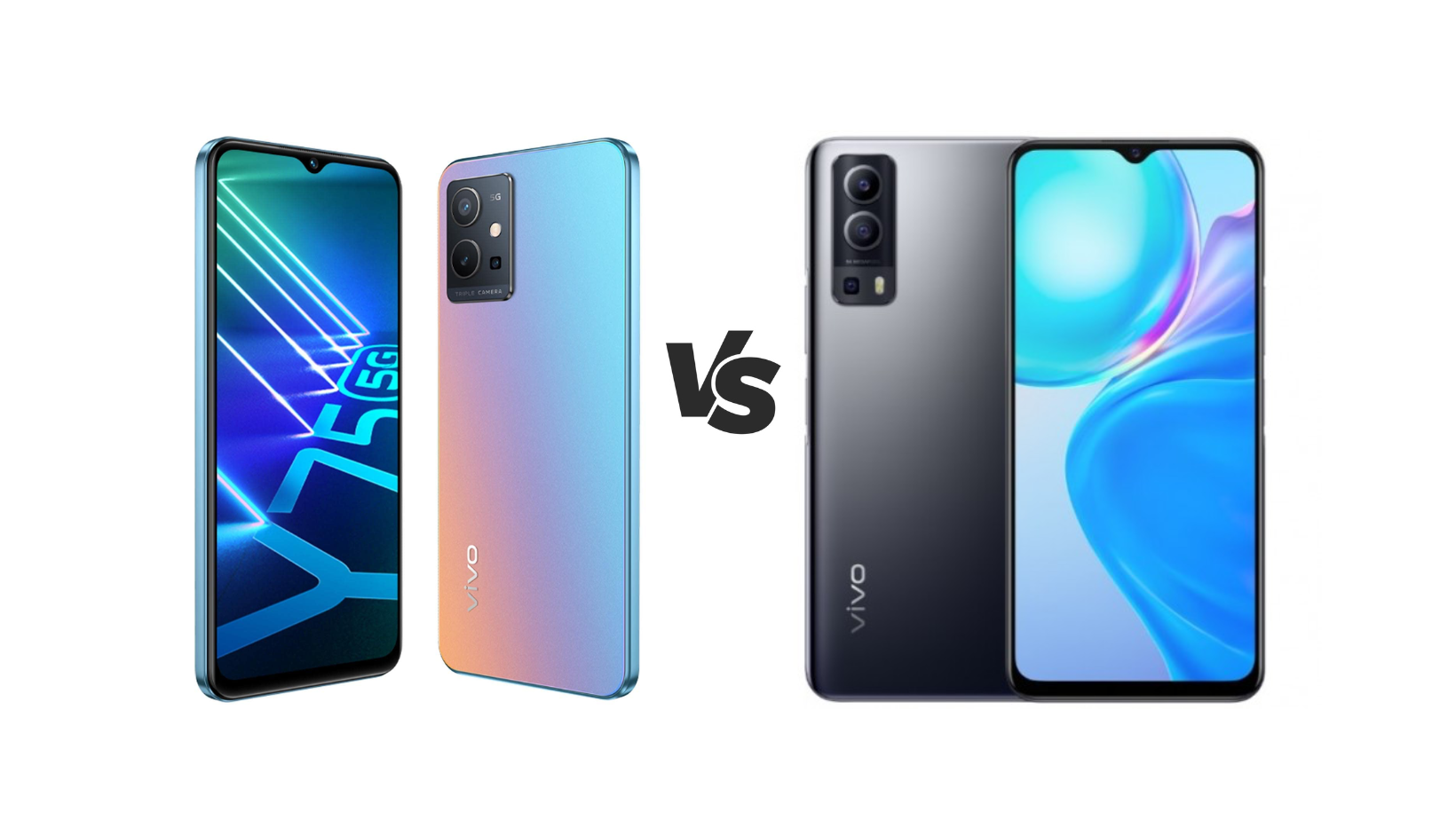
The basic rule is as you go higher up in the series, the Y series phones get more powerful and expensive. But numbers aren’t the ideal naming scheme for smartphones. As a result, we have decided to compare a new model in the Y series lineup, the vivo Y75S vs its predecessor, the vivo Y75 that launched earlier this year.
The two phones have a lot of similarities, but there are a bunch of upgrades as well. So let’s take a closer look at how the Y75S fares against the Y75. Note that the vivo V75 5G was launched back in January in India while the Y75S was recently announced in China. It’s possible that the Y75S makes it to the Indian market at a later date. As you might have already figured from its name, one of the biggest highlights of these two phones is the support for the latest 5G networks.
vivo Y75 vs vivo Y75S
vivo Y75 vs Y75S
vivo V75 vs vivo Y75S
vivo Y75
vivo Y75S
DIMENSIONS AND WEIGHT
164 x 75.9 x 8.3 mm ,
187 g
164 x 75.3 x 8.5 mm,
193 g
DISPLAY
6.58 inches, 1080 x 2408 pixels (Full HD+), IPS LCD
6.58 inches, 1080 x 2408 pixels (Full HD+), IPS LCD
There are very subtle differences between the vivo V75 and the 75S models. One of the biggest changes in the design is in its rear camera module, which is narrower and smaller than the rectangular one found on the older Y75 model. While the camera module is narrower than before, the number of cameras at the back remains the same – three. In fact, the camera setup has been upgraded, but more on that later.
Coming to the front, both phones feature identical designs. There is a waterdrop front camera and a relatively thick chin at the bottom of the display.
Coming to the dimensions, there are very subtle differences. The Indian vivo Y75 model came with 164 x 75.9 x 8.3 mm dimensions, which is slightly wider but thinner than the 164 x 75.3 x 8.5 mm body of the new Y75S. Honestly, there’s nothing major to differentiate between these two devices, which is not surprising given that they are both phones from 2022 and from the same lineup.
Similar to the two color options on the Y75 model, namely Glowing Galaxy and Starlight Black, the Y75S too comes in two color options – one black and another gradient variant.
DISPLAY
The two vivo Y75 series smartphones are essentially mid-rangers. So don’t expect anything out of the ordinary in their displays. In fact, both the phones still come with an IPS LCD display but the panels are competent for their pricing.
The two phones share a 6.58-inch display with 1080 x 2408 pixel resolution, a 20:9 aspect ratio, a refresh rate of 60Hz, and a touch sampling rate of 120Hz. Again, this is a pretty good display for its price tag but doesn’t stand out in their segments. So in the display department, the two phones are identical.
SPECS
Again, these two phones share the exact same processor underneath. Both of them are powered by the MediaTek MT6833 Dimensity 700 mid-range octa-core chip clocked at 2.2GHz. The chip offers pretty decent performance in the entry-level to mid-range segment but its biggest highlight is its ability to bring 5G support at an affordable price point.
But what really sets the new Y75S model apart from the older Y75 is the memory configurations available. Given that Chinese consumers often prefer a specs-heavy smartphone, vivo is offering up to 12GB of RAM and 256GB of storage on the Y75S in China. In comparison, the vivo Y75 only offers a maximum of 8GB RAM and 128GB of storage options.
Another surprise on the new model is that it is still running an older Android 11 fork with OriginOS Ocean UI on top. This is the same version found on the Indian vivo 75 model which was launched with Functouch 12 UI on top.
CONNECTIVITY
In the connectivity department, the two phones offer good value for money. Both devices come with support for 5G networks. They also have security features like face unlock and a side-facing fingerprint scanner in addition to traditional features like Wi-Fi 802.11 a/b/g/n/ac support, Bluetooth 5.1, MicroSD card support (hybrid SIM slot), and a 3.5mm headphone jack.
CAMERA
So far, the changes on the vivo Y75S might seem very subtle, but the camera department is where you’ll find the real upgrade.
Despite featuring the same triple camera setup as the Y75, the individual cameras have been upgraded in terms of resolution.
For example, the Indian vivo Y75 model came with a triple camera setup featuring an f/1.8 50MP primary camera but very basic 2MP macro and depth cameras. However, the new Y75S features a larger resolution 64MP f/1.8 primary camera, paired with another 8MP ultra-wide shooter, and a 2MP macro shooter. This is a significantly better combination featuring a more useful ultra-wide lens.
Another big upgrade is in terms of video resolution. The Y75S brings 4K video recording while the earlier model was limited to just 1080p recording.
On the other hand, the front camera on the Y75S might seem like a downgrade given that it features an 8MP sensor instead of the 16MP one found on the Indian Y75 model.
BATTERY
The batteries on both devices are identical. The two phones come with a 5000mAh battery with 18W charging on board.
VERDICT
Given the similar pricing in the Indian vivo Y75 and the Chinese Y75S, the newer model looks like a better product in the 2022 market. The Y75S brings a much better camera setup with up to 12GB of RAM, giving users a better photography and memory experience when compared to the older Indian variant.
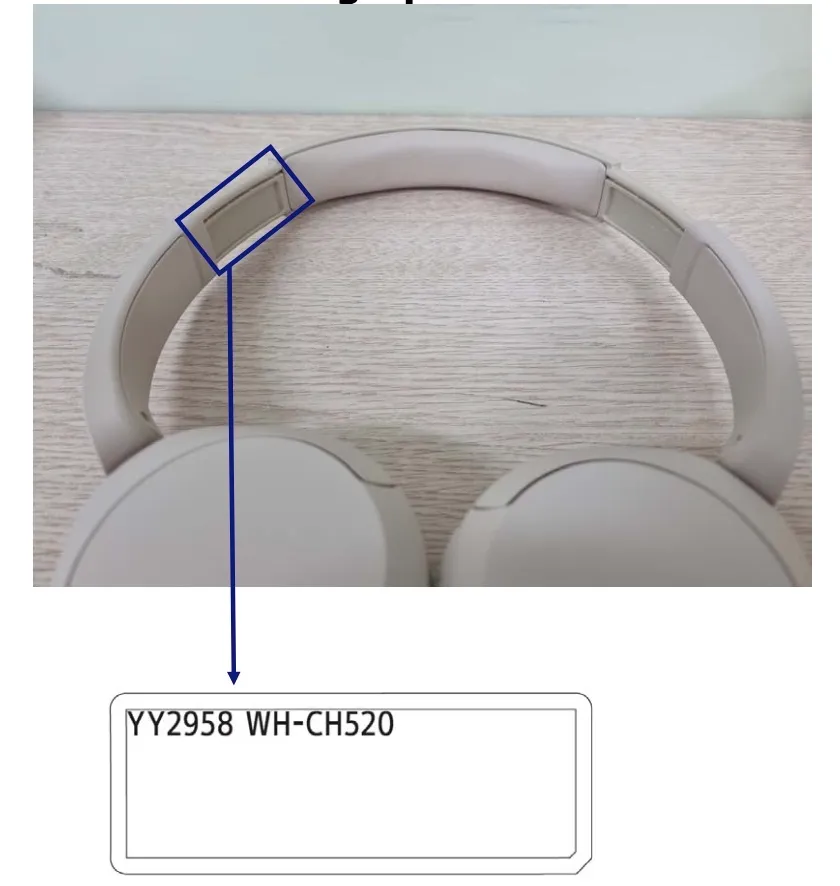
Sony is apparently planning on unveiling new wireless headphones in the market soon. The new audio product is the WH-CH520, which was just spotted on FCC that revealed its full design through live images.
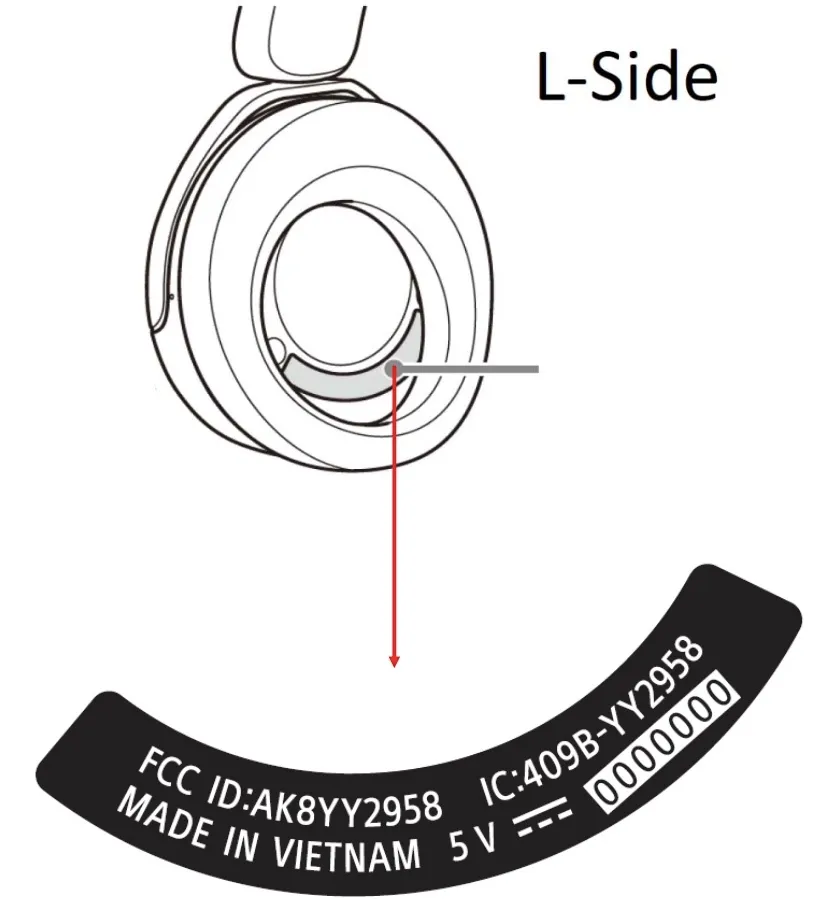
For those unaware, the Japanese tech giant had just recently launched its latest flagship WH-1000XM5 wireless headphones, which recently made its way to India as well. Now, it appears that the company is also working on a new budget model as well. Looking at the FCC listing, the upcoming headphones could be launching soon and carried the model number YY2958. The certification also showcased that the device will feature support for Bluetooth LE, BDR, and EDR.
Notably, the online listing also included live images of this device as well, which revealed that it will arrive with an over the ear design. We can see that the Sony WH-CH520 will launch with at least one color option that is Beige. So, we can expect the brand to launch these new pair of wireless headphones in multiple other color variants.
Unfortunately, this was all the information revealed through the new FCC sighting. In other words, finer details regarding these new hearables is still unknown. But the FCC listing does hint at its launch being just around the corner and we can expect more information regarding this model to surface soon. So stick around for more updates.
Tecno launched the Pop 6 Pro smartphone in Bangladesh a few days ago, and the company is now preparing to launch the same low-cost phone in India. The Tecno Pop 6 Pro budget phone microsite is now live on Amazon, confirming the phone’s availability on the e-commerce platform ahead of its launch in India.
Tecno Pop 6 Pro
Ahead of the launch, MySmartPrice has revealed that the device will debut in India next week. This means that the phone could launch any day between September 26th to September 30th. Apart from this, the Amazon listing has revealed all the key specs of the Tecno Pop 6 Pro.
Tecno Pop 6 Pro specs
The Tecno Pop 6 Pro features a 6.6-inch screen with a waterdrop notch. It has a 720 x 1612 pixel HD+ resolution. The fingerprint scanner is integrated into the power button on the phone’s right side.
There is an unnamed quad-core processor within the Pop 6 Pro. 32 GB of storage and 2 GB of RAM are included. It features a microSD card slot for additional storage. It has a 5,000mAh battery that can be charged at 10W. In addition, it has a 3.5mm audio jack, face unlock, dual 4G VoLTE, Wi-Fi, Bluetooth, and GPS.
For optics, the device has an 8-megapixel main camera, a depth sensor, and a 5-megapixel selfie camera. Lastly, the smartphone runs on Android 12 Go edition, which has the HiOS 8.6.
Motorola has just announced the Moto Razr 2022 in the Chinese market back in August and it is the latest foldable smartphone from the company. The company has yet to launch this model in the global market, but a new leaked press render has revealed its full design and hints at its possible release in other regions as well.
The leak arrives from known tipster Evan Blass (AKA EvLeaks), who shared the press renders, which highlight the key features of the new Razr 2022. For those unaware, this device comes with a clamshell foldable screen with a larger outer display compared to its predecessor. The new cover display is 2.7 inch and brings additional support for select games, message replies, and even lets you answer calls and more.
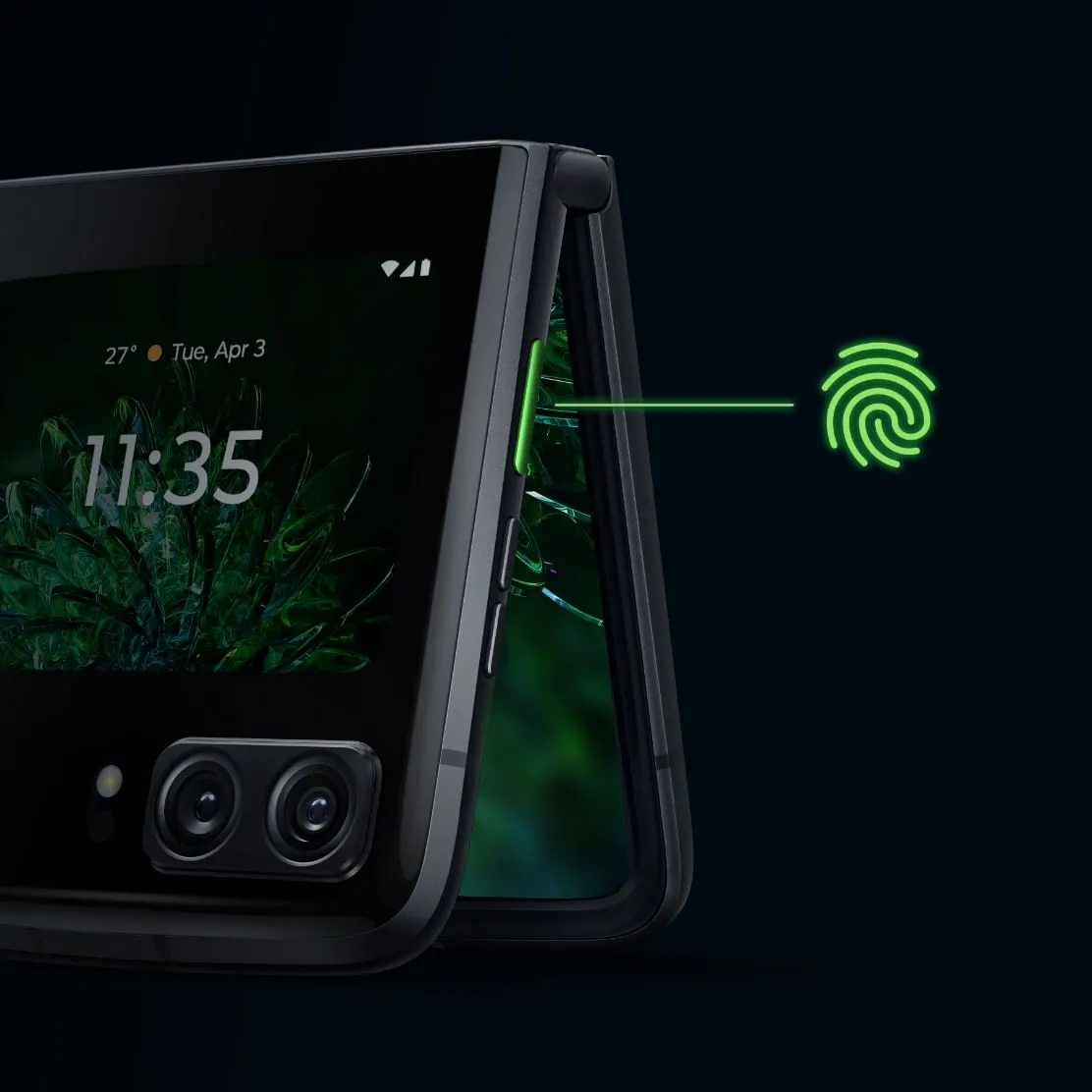
Looking at the leaked press renders, we can also see that the device sports a dual camera setup on the rear, which consists of a 50 megapixel primary sensor and a 13 megapixel ultra wide angle lens. Meanwhile, the front will house a 32 megapixel selfie camera housed in a punch hole cutout. The marketing images also reveal that the device also comes with water resistant protection and a side mounted fingerprint scanner as well.
On the front, the primary folding display has a 6.7 inch with a 144Hz refresh rate. Under the hood, the Moto Razr 2022 is equipped with a Qualcomm Snapdragon 8+ Gen 1 SoC and is powered by a 3,500mAh battery pack that supports 33W fast charging. The device also runs on Android 12 OS based MyUX 4.0 custom skin out of the box.
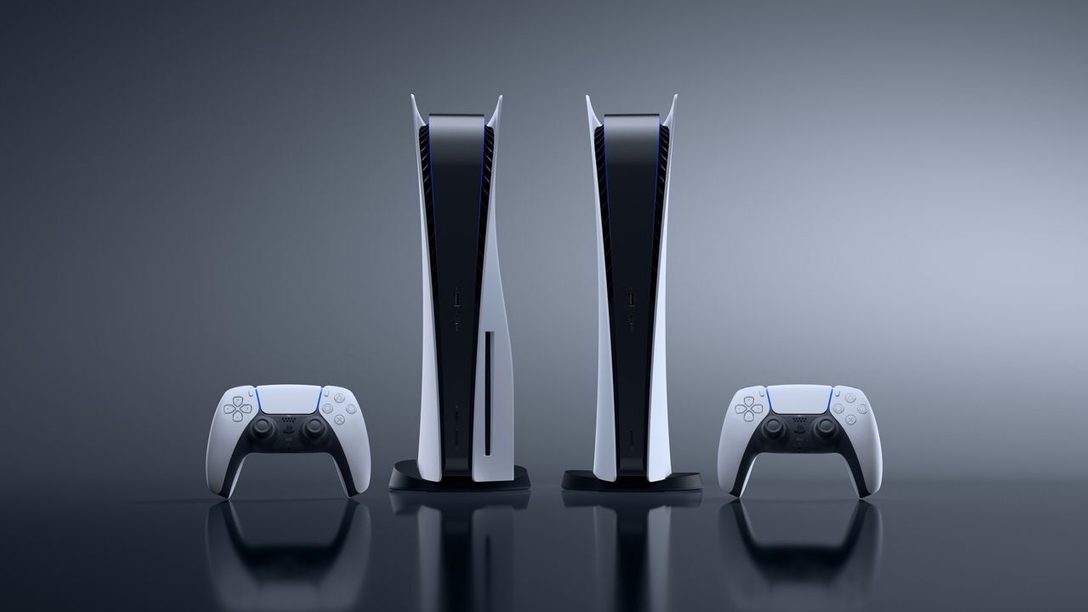
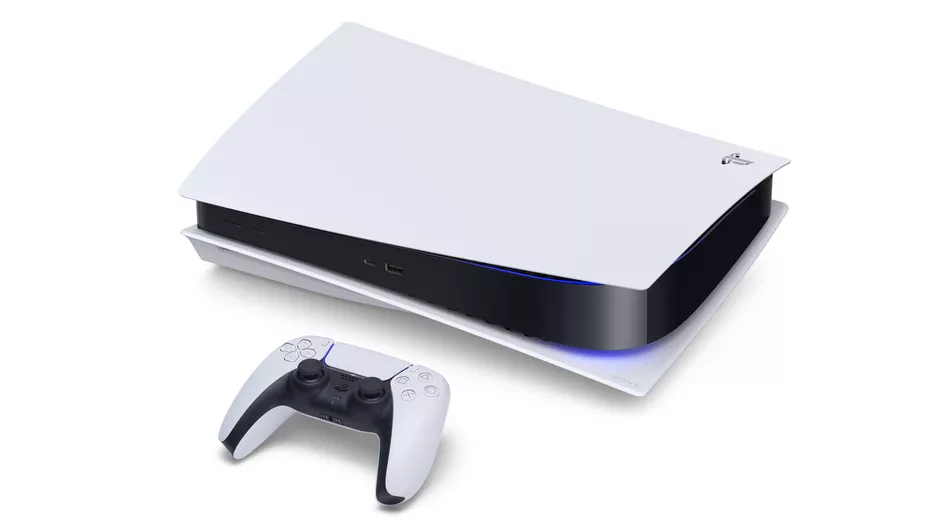
PlayStation 5 stocks in India have been improving in recent times. However, they are still usually out of stock on major online retailers. Now, Amazon has teased that the next PS5 restock will be happening on September 26th.
According to screenshots shared by netizens, the next restock will happen pretty soon. Interested customers can place their pre-orders on Amazon on September 26th at 12 PM. The console should also be available on all other major retailer websites during the restock for a limited period.
Do note that both the PS5 disc edition and the Digital Edition will be available during the upcoming PS5 restock. To recall, the restocks in the last few months have only included the Digitial Edition of the console.
Although Amazon is the only website currently showing the PS5 restock date, the console will likely be available to pre-order on ShopAtSC, Flipkart, Vijay Sales, Reliance Digital, Croma, and Games The Shop as well. Because PS5 supplies may be limited, it is recommended that you log into these websites a few minutes before 12 PM to ensure that you check out as soon as possible.
The PlayStation 5 Digital Edition is priced at Rs 39,990, while the disc edition retails in India at Rs 49,990.
TECNO is all set to launch its new POVA-series smartphone in the Indian market, and the company has already announced that the TECNO POVA Neo 5G will be officially launched in India on 23rd September, i.e. tomorrow.
Ahead of the official launch, the company has confirmed some of the key specifications of the upcoming smartphone, including processor, battery, and charging speed, while other details have been leaked online.
As per the report, the TECNO POVA Neo 5G smartphone will feature a 6.9-inch AMOLED display, but more details about the screen aren’t available. The company had previously revealed that the phone would come powered by the MediaTek Dimensity 810 processor.
In terms of memory, the device is likely to come packed with 4GB of RAM and 128GB of internal storage. In the camera department, there will be a dual-camera setup on the back, consisting of a 50-megapixel primary sensor. On the front side, there will be an 8-megapixel snapper for taking selfies and video calling.
The company recently confirmed through the teaser poster that the smartphone will be powered by a 6,000mAh battery and have support for 18W fast charging.
The smartphone will be offered in two color options — Saphire Black and Sprint Blue. We expect the device to be priced somewhere around ₹17,000-19,000. To know for sure, we will have to wait for the official launch in a few hours.
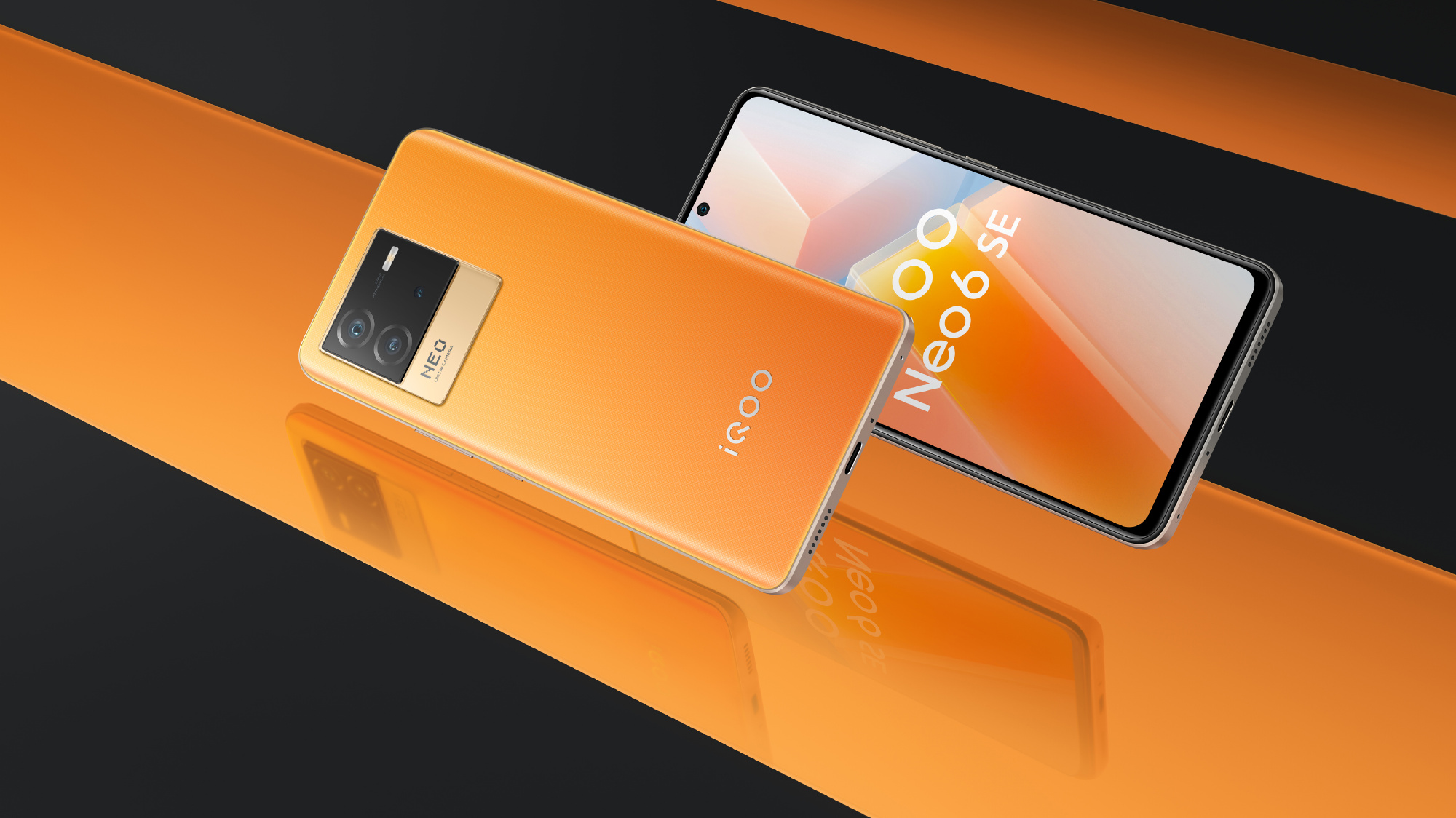
iQOO, the sub-brand of Vivo, has been actively launching new devices in the market at regular intervals. Now, the company is gearing up to launch yet another smartphone in the market, dubbed iQOO Neo 7.
As per the latest report from tipster Digital Chat Station, the upcoming iQOO Neo 7 smartphone is set to get officially launched in the month of October, i.e. next month, but the exact date of the launch is not yet known.
IQOO Neo6 SE
Based on the leaks and reports so far, the smartphone will feature a flat E5 AMOLED display that will offer Full HD+ screen resolution and a 120Hz refresh rate. Under the hood, the device will come powered by the MediaTek Dimensity 9000+ processor.
In the camera department, it is expected to feature an OIS-assisted Sony IMX766 50-megapixel main camera. If the reports are to be believed, then the phone will borrow specifications from the iQOO 10 5G.
The phone is likely to come packed with up to 12GB of LPDDR5 RAM and up to 256GB of UFS 3.1 internal storage. In the software department, it will be running the Android 12 out-of-the-box with the company’s own iQOO UI on top. While the battery capacity is not yet known, it has been revealed that the phone will support 120W fast charging.
Xiaomi is set to launch the Xiaomi Civi 2 in China on September 27. Ahead of that, the company is teasing the features of its next-gen lifestyle smartphone.
Yesterday, the firm revealed the rear design of the handset. Today, it has disclosed the phone’s front design as well as selfie camera specs.
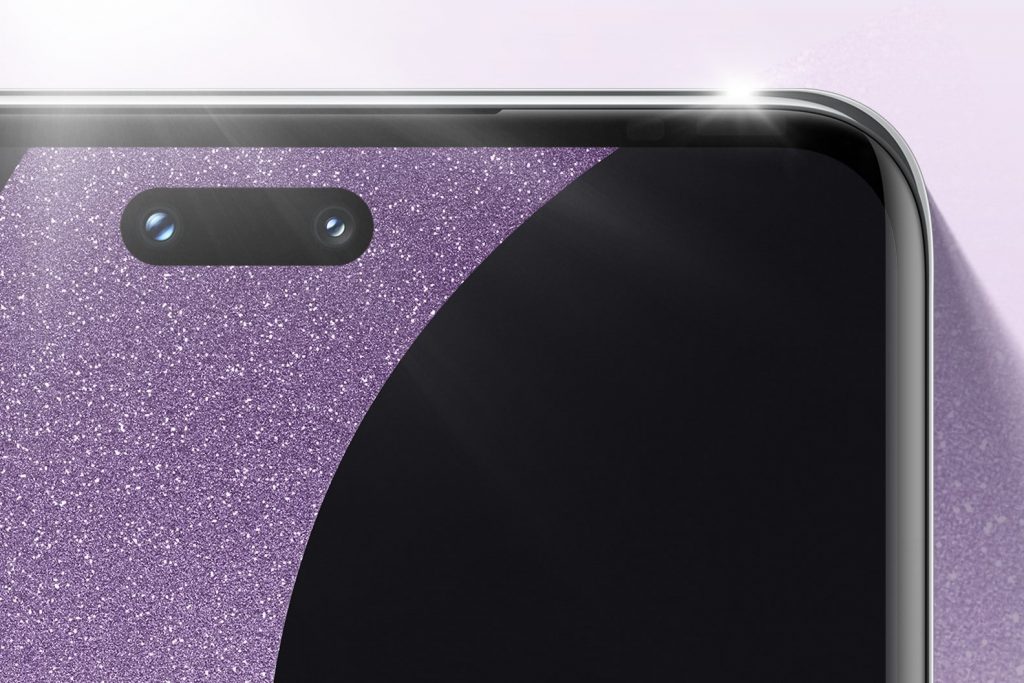
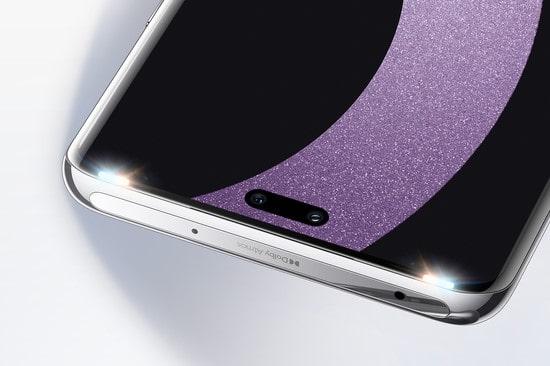
As per the details shared by the brand today, the Xiaomi Civi 2 will sport a pill-shaped cutout for two front-facing cameras. This pill will be located at the top center, just like on iPhone 14 Pro and iPhone 14 Pro Max.
Android smartphones have had pill-shaped holes for cameras in the past. But the Xiaomi Civi 2 will be the first handset with the pill at the center. On previous phones, the pills were either on the top left or top right sides.
Further, Xiaomi says that the cutout will house dual 32MP cameras. The primary sensor will feature ALD anti-glare coating, f/2.0 aperture, and autofocus support. While the secondary sensor will be equipped with an ultra-wide lens.
The two cameras will be accompanied by quad-LED flashlights. A pair of LED lights will sit on either side of the earpiece.
As per previous teasers, the phone will measure 7.23mm in thickness and weigh 171.8g. Reports say that it will be powered by a Qualcomm Snapdragon 7 Gen 1 SoC, which the company is yet to officially confirm.
Unlike the original Xiaomi Civi and Xiaomi Civi 1S, the upcoming Xiaomi Civi 2 will likely launch outside China. However, the actual marketing name is a mystery for now.
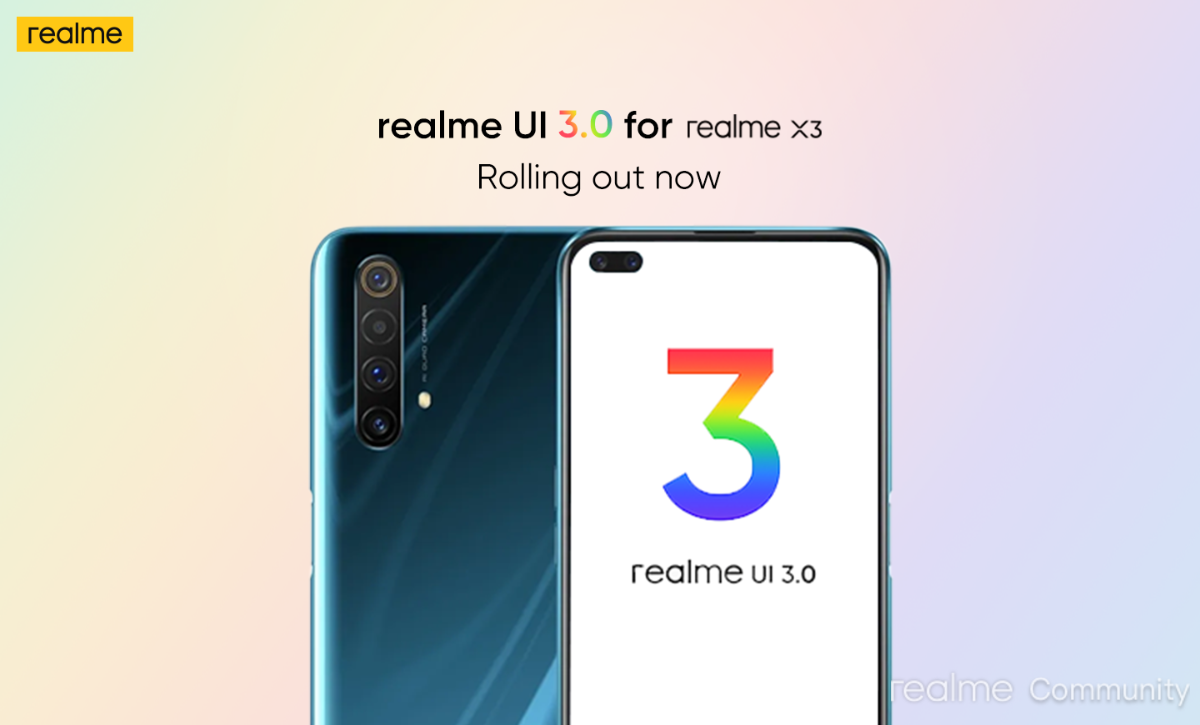
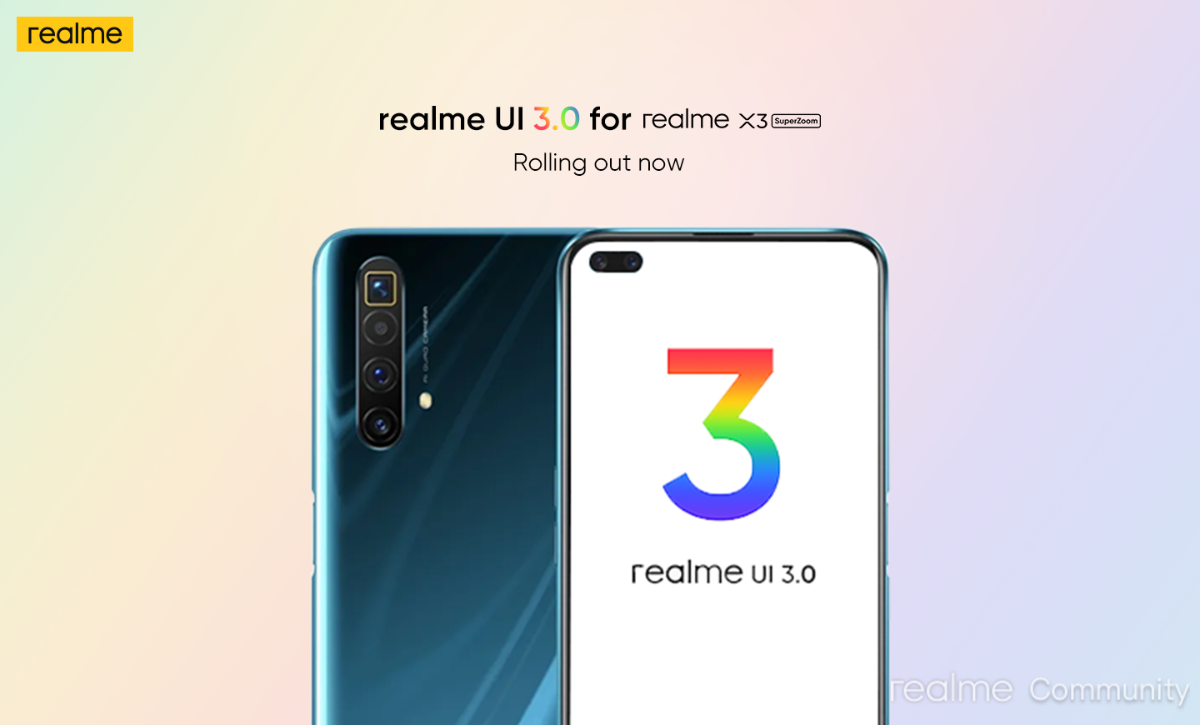
Last month, Realme initiated the open beta testing of the Realme UI 3.0 build for the Realme X3 and Realme X3 SuperZoom. Now, the company is rolling out the stable Android 12 update for regular users.
The latest Android 12 update for the Realme X3 and Realme X3 SuperZoom is now available, with firmware versions RMX2081 11 F.05 and RMX2085 11 F.05, respectively. This is the handsets’ final major update. X3 users need to make sure that their device is on firmware version RMX2081NV1B_11.C.15 / RMX2081NV1B_11.C.14 / RMX2081NV1B_11.C.13 before proceeding with the update.
Similarly, X3 SuperZoom users need to have their devices on firmware version RMX2085_11.C.15 / RMX2085_11.C.14 / RMX2085_11.C.13 before updating to Realme UI 3.0.
To know what’s new with this update, you can check out the changelog given below.
Changelog
New design
The new design, which emphasizes the feeling of space, offers a simple, clean, and comfortable visual and interactive experience.
Smart Assistant widgets are added that show key information about the applications and provide instant access to their functions.
The design of the page is renewed based on the principle of reducing visual noise and spacing the elements, and prioritizes the information with different colors so that the key information stands out.
The icons have been redesigned using new materials to give more depth and a greater sense of space and texture to the icons.
The Quantum Animation Engine has been optimized with version 3.0, which implements the concept of mass to make the animations more realistic and optimizes more than 300 animations to provide a more natural user experience.
Comfort and efficiency.
The method of switching floating windows between different sizes is optimized.
Security and privacy
Spam blocking rules have been optimized so that you can add a rule to block MMS messages.
Performance
Quick Start is added, a function that detects the applications you use frequently and preloads them so that you can open them quickly and a graph to show battery usage.
Games
In team fighting scenes, games run more smoothly at a stable frame rate.
The average CPU charge is reduced, and battery usage is reduced.
Camera
Now you can decide which camera modes are displayed in the menu bar and in what order they do so.
System
The automatic brightness algorithm has been optimized to adapt the brightness of the screen to more scenes for a comfortable screen reading experience.
Accessibility
Images have been added to the text instructions for an intuitive understanding of accessibility features.
The categorization of functions has been optimized by grouping them into vision, hearing, interactive, and general actions.
The TalkBack feature supports more system applications, including Photos, Phone, Mail, and Calendar.
The update will be rolling out in batches, so users can expect the OTA notification to pop up in the coming days. If you happen to miss the notification, you can check for the update by navigating to Settings > Software update.
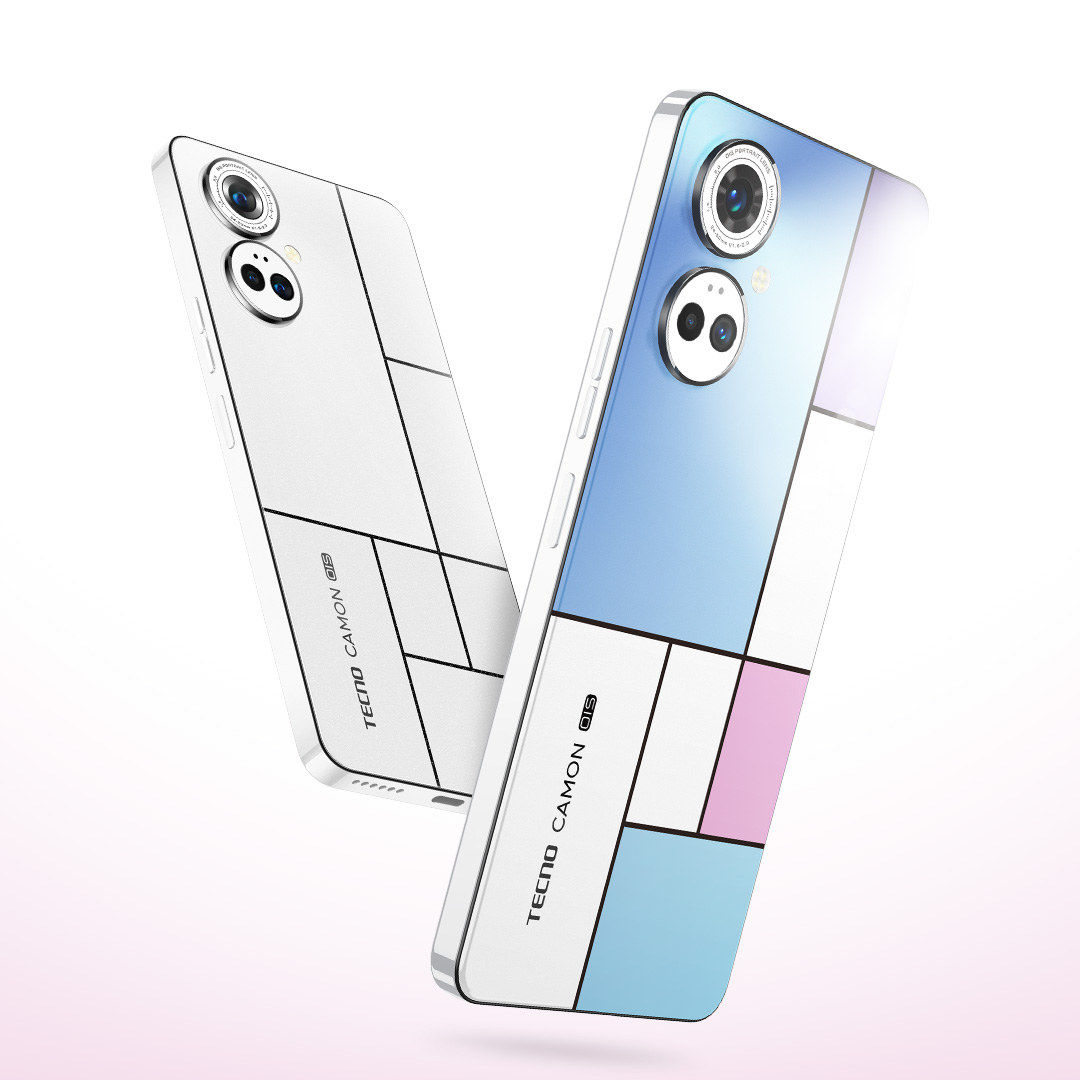
Last week, Tecno launched the Camon 19 Pro Mondrian Edition smartphone in the Indian market. The device will finally be available for pre-order starting later today. So, let’s check out the pricing and offers on the device.
Tecno Camon 19 Pro Mondrian Edition price & offers
The Tecno Camon 19 Pro Mondrian Edition will be available for pre-order on Amazon India beginning September 22 at a special price of Rs. 17,999. As a launch promotion, Tecno is offering a 10% instant discount to SBI Card users.
Tecno Camon 19 Pro Mondrian Editionspecs.
The Camon 19 Pro Mondrain Edition comes with a special color-changing back panel that changes color from white to mirror the works of Mondrain when it comes into contact with sunlight.
It features a 6.8-inch IPS LCD display with a Full HD+ resolution of 1080 x 2460 pixels, a 20.5:9 aspect ratio, and a refresh rate of 120Hz. It has super slim bezels, a centered punch-hole for the selfie camera, and a side-facing fingerprint scanner.
The device is powered by a MediaTek Helio G96 chipset with up to 8GB of RAM, 5GB of virtual RAM, and 128GB of built-in storage. The device is powered by Android 12 with the HiOS 8.6 skin on top. The battery has a capacity of 5,000mAh and supports 33W fast charging.
The device has an OIS-enabled 64-megapixel main camera, a 50-megapixel telephoto snapper, and a 2-megapixel depth-assist lens for optics. A laser autofocus unit and a quad-LED flash are also housed on the back. The device has a 32-megapixel selfie camera on the front.
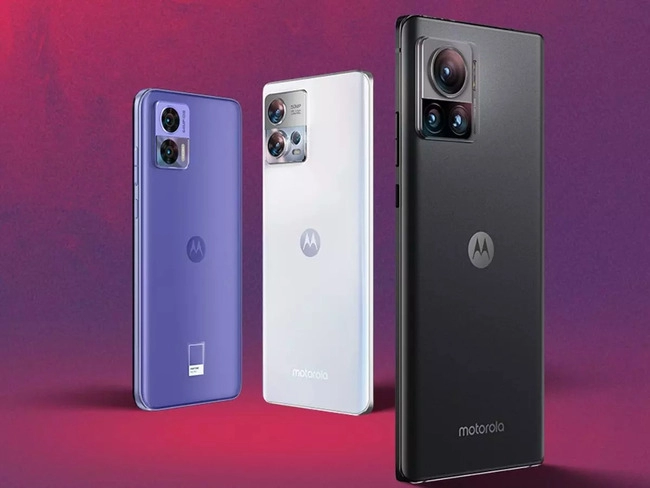
Last week, Motorola launched the Edge 30 Ultra and Edge 30 Fusion smartphones in India. Now, the devices are finally up for grabs on Flipkart. So, let’s take a look at the pricing and launch offers.
Motorola Edge 30 Ultra and Edge 30 Fusion price, offers
The Edge 30 Ultra is available in an 8GB + 128GB configuration and is priced at Rs. 59,999. However, it will cost Rs. 54,999 till the end of Flipkart’s Big Billion Days Sale (ends Sep 30).
The Edge 30 Fusion, on the other hand, has a price tag of Rs 42,999 for the 8GB + 128GB configuration, and similar to the Edge 30 Ultra, the Edge 30 Fusion will also have a discounted price tag of Rs. 39,999 during the Big Billion Days sale.
Both of these devices are available exclusively on Flipkart. ICICI and Axis bank card users will get an instant discount of Rs. 3,000 on their purchases.
Motorola Edge 30 Ultra specs
The Edge 30 Ultra features a 6.67-inch 10-bit curved pOLED display with a resolution of 2400 x 1080 pixels, a 144Hz refresh rate, a 1250 nits peak brightness level, and HDR10+ support.
Under the hood, the device houses a Snapdragon 8+ Gen 1 chipset complemented by LPDDR5 RAM and UFS 3.1 storage. It boots Android 12 out of the box and supports the Ready For feature. for optics, it has a triple camera setup comprising of an OIS-assisted 200MP primary sensor, a 50MP ultra-wide unit with auto-focus for macro vision, and a 12MP 2x telephoto shooter. On the front, the device has a 60MP selfie snapper.
It has a 4,610mAh battery with support for 125W fast wired charging, 50W fast wireless charging, and 10W reverse wireless charging. Other features include Dolby Atmos-powered dual stereo speakers, an x-axis linear vibration motor, an in-screen fingerprint sensor, an IP52 rating, and Corning Gorilla Glass 5 protection.
Motorola Edge 30Fusion specs
The Edge 30 Fusion has a 6.55-inch 10-bit curved pOLED display with a 2400 x 1080p resolution, a 144Hz refresh rate, 1100 nits of peak brightness, and HDR10+ support. The display also has a fingerprint reader built in.
Powering the device is a Snapdragon 888+ chipset complemented by LPDDR5 RAM and UFS 3.1 storage. On the software front, we get Android 12 with support for the Ready For feature. For photography, the phone has an OIS-assisted 50MP primary sensor, a 13MP ultra-wide unit with auto-focus for macro vision, and a 2MP depth sensor. As for the front camera, the device comes with a 32MP sensor.
The device has a 4,400mAh battery with 68W wired fast charging. Other features include Dolby Atmos-supported dual stereo speakers, an IP52 rating, and Corning Gorilla Glass 5 protection.
OnePlus has announced that the company will be hosting festive season sale for its customers in the Indian market. Simlar to other brands, the company is offering discounts on its products along with a “Flip and Win” challenge.
As a part of the Flip and Win challenge, users can check the company’s official website and visit the Diwali offer page to get access to the challenge. If you were waiting for good deal to get your hands on a OnePlus device, then now is the time to go ahead.
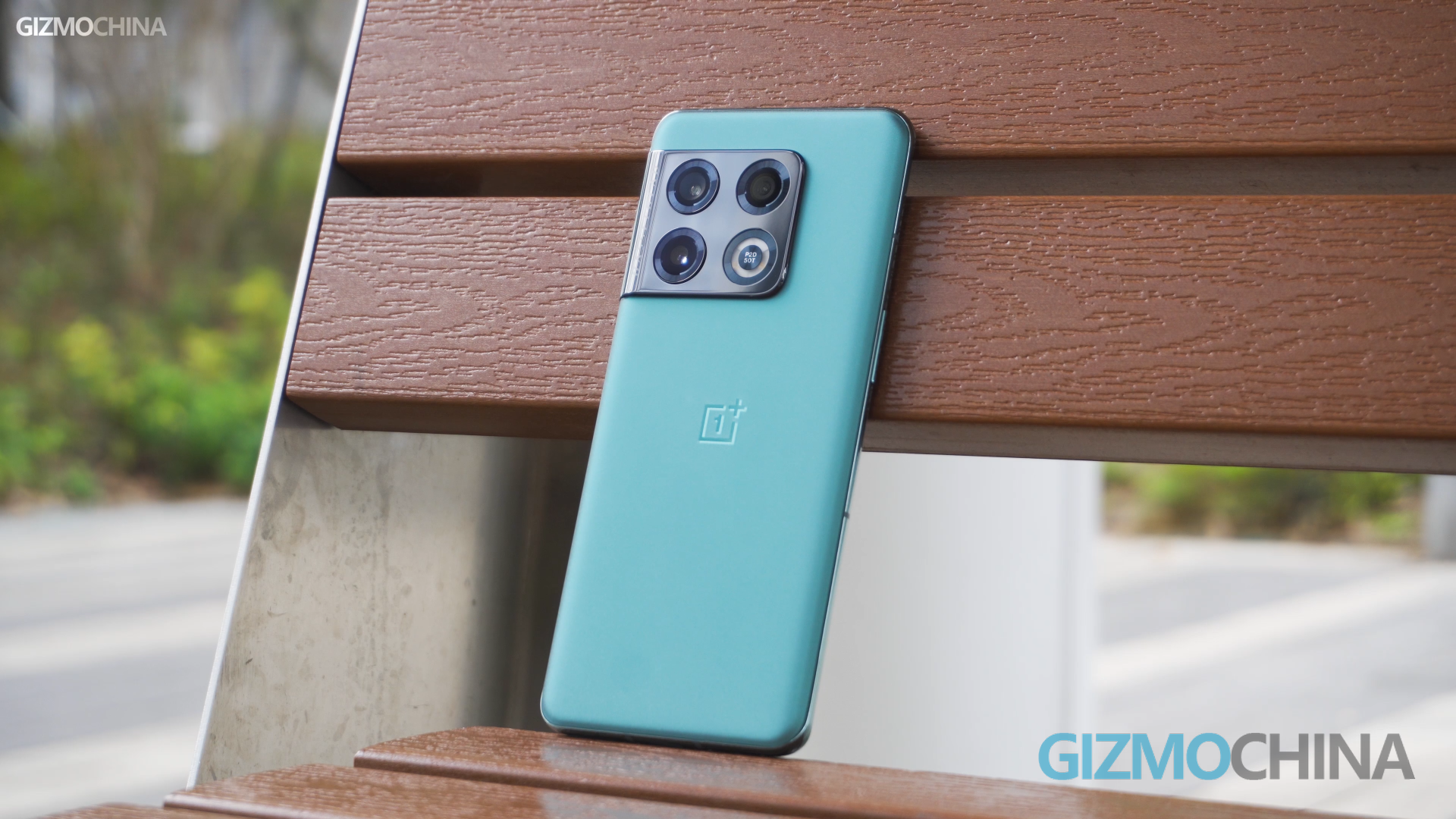
OnePlus 10 Pro 5G
The flagship smartphone from the company is available at a discount of ₹10,000 as well as bonus for exchanging your old device. The phone’s price has been reduced from ₹66,999 to ₹55,999, including the bank discount.
Additionally, those who purchase the OnePlus 10 Pro 5G smartphone, will be able to get the OnePlus Buds Pro for ₹5,999 only.
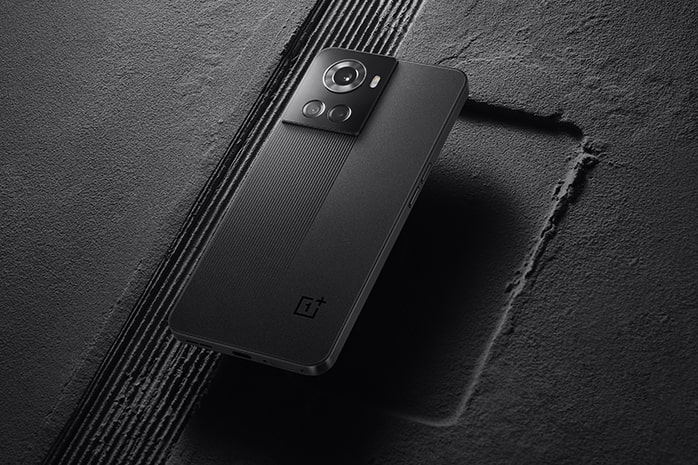
OnePlus 10R 5G
The smartphone now starts at ₹29,999 including bank discounts instead of its regular price of ₹34,999. Further, the company is offering additional ₹1,000 discount for the members with the RedCoins.
OnePlus Nord CE 2 Lite 5G
As a part of the offer, the OnePlus Nord CE 2 Lite 5G starts at ₹17,499, which includes the bank discount. There’s also a coupon using which users will be able to save additional ₹500 on the device. The company is also offering a 12-month extended warranty for ₹99.
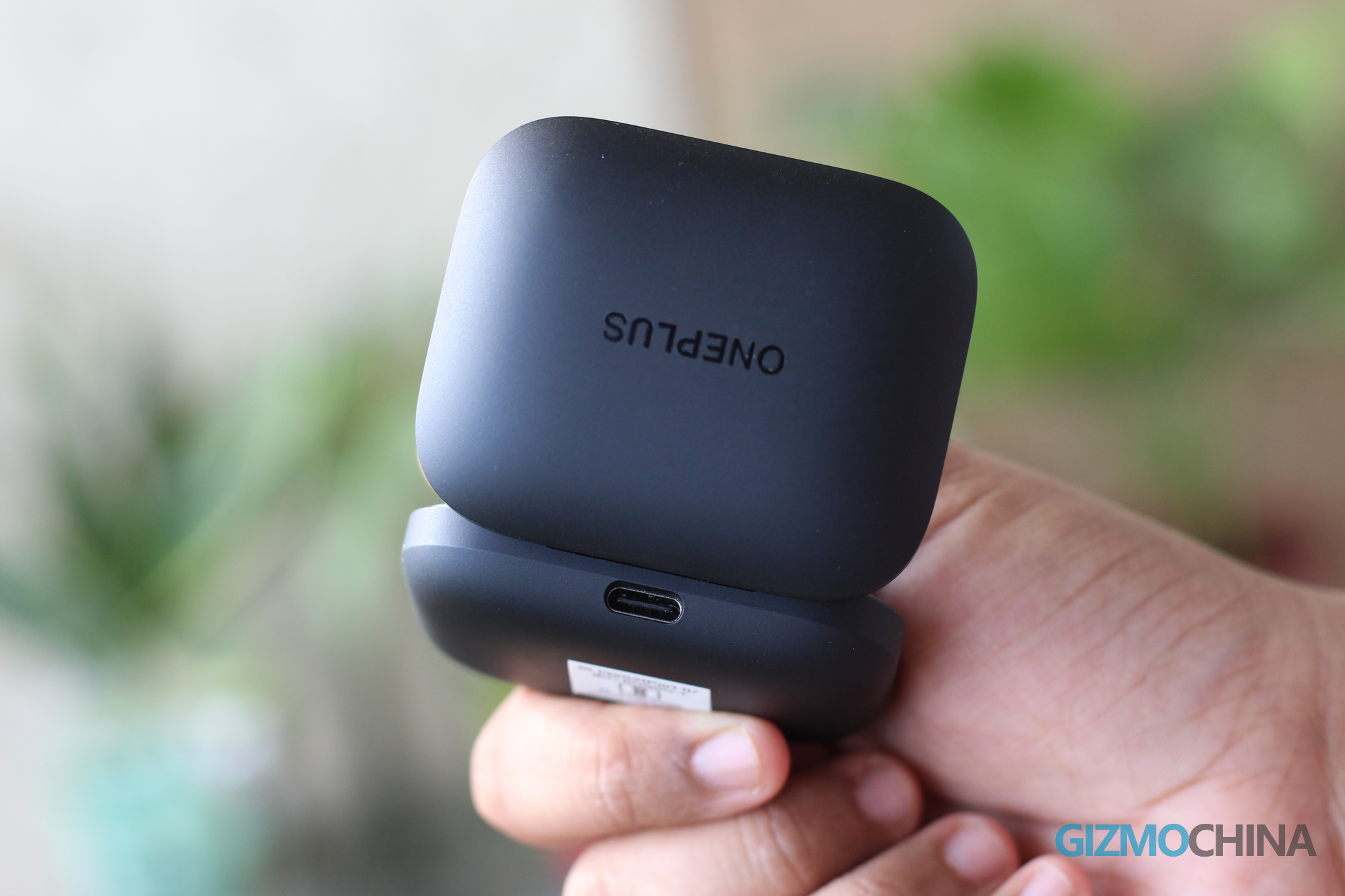
OnePlus Buds
The company is also offering discounts on its earphones. The OnePlus Nord Buds now start at ₹2,099, which includes bank discount, instead of its regular price of ₹2,799. On the other hand, the OnePlus Buds Pro have been discounted to ₹6,490.
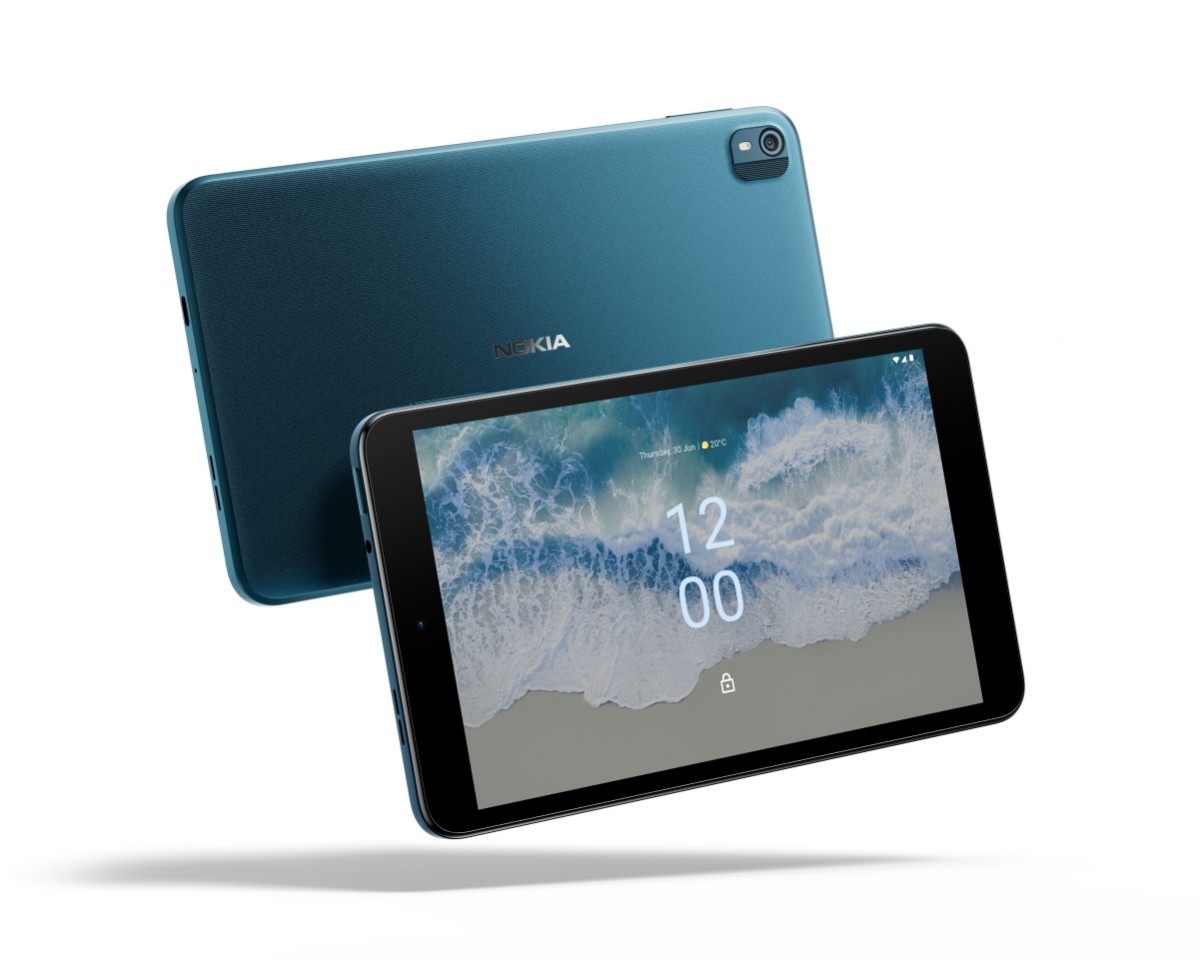
The Nokia T10 tablet was made official for the global market in July this year. It appears that the tablet will be launched soon in India. The reason behind it is that the Nokia Power Userhas spotted the unannounced Nokia T10 tablet on Amazon India.
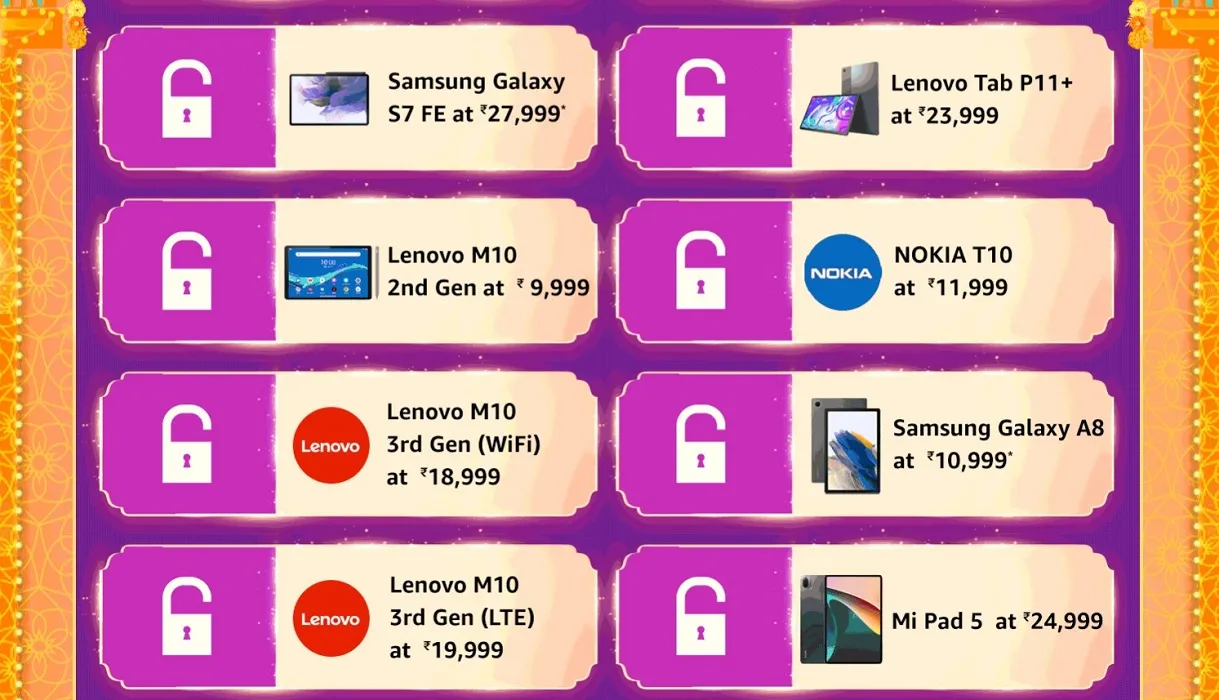
The Nokia T10 is not yet listed on Nokia India’s website or Amazon India. However, Amazon’s Great India Festival 2022 landing page for tablets mentions the T10 with a price of Rs 11,999. The tablet is available in Europe in Wi-Fi only and Wi-Fi + 4G variants. It is unclear whether India will be receiving both editions of the tablet. In all likelihood, the affordable tablet will debut in the next few days in the country.
Nokia T10 spotted on Amazon India
Nokia T10 specifications
The Nokia T10 has an 8-inch LCD display that offers a resolution of 1280 x 800 pixels. The tablet is certified for Netflix HD. The device is powered by the Unisoc T606 chipset. It runs on Android 12 OS. The company has confirmed to offer 2 years of OS upgrades and 3 years of monthly security updates.
The tablet comes with 3 GB / 4 GB of RAM and 32 GB / 64 GB of built-in storage. There is a hybrid SIM slot on the device for adding a microSD card. It is backed by a 5,250mAh battery with 10W charging support via the USB-C port.
The T10 has a 2-megapixel front camera, an 8-megapixel rear camera with autofocus and LED flash, dual stereo speakers with OZO audio playback, Wi-Fi 802.11ac, Bluetooth 5.0, a 3.5mm audio jack, and IPX2 rating. The LTE variant is equipped with a proximity sensor. It comes in the Ocean Blue color only.
We use cookies on our website to give you the most relevant experience by remembering your preferences and repeat visits. By clicking “Accept”, you consent to the use of ALL the cookies.
This website uses cookies to improve your experience while you navigate through the website. Out of these, the cookies that are categorized as necessary are stored on your browser as they are essential for the working of basic functionalities of the website. We also use third-party cookies that help us analyze and understand how you use this website. These cookies will be stored in your browser only with your consent. You also have the option to opt-out of these cookies. But opting out of some of these cookies may affect your browsing experience.
Necessary cookies are absolutely essential for the website to function properly. This category only includes cookies that ensures basic functionalities and security features of the website. These cookies do not store any personal information.
Any cookies that may not be particularly necessary for the website to function and is used specifically to collect user personal data via analytics, ads, other embedded contents are termed as non-necessary cookies. It is mandatory to procure user consent prior to running these cookies on your website.