Advertisement

How does Sony’s 200MP sensor compare to Samsung’s?

Sony has officially entered the 200MP mobile camera sensor race with the launch of the LYTIA 901, a large-format sensor designed to prioritize in-sensor zoom, AI remosaicing, and superior dynamic range.

Samsung, which already dominates this segment with its ISOCELL HP2, HP5, and HP9 sensors, continues to focus on flexible multi-camera setups and ultra-compact designs. Here’s a detailed comparison between Sony’s and Samsung’s latest 200MP image sensors.
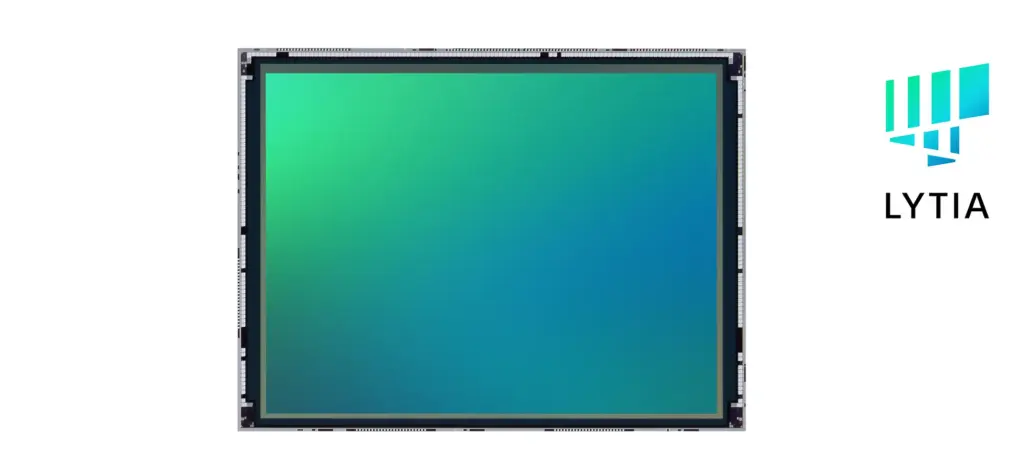
Sony-LYTIA-901

1. Sensor Size and Pixel Architecture

Sony’s LYTIA 901 uses a 1/1.12-inch optical format with a 14.287mm diagonal, making it the largest sensor in the 200MP class. It features a pixel size of 0.7μm and uses a Quad-Quad Bayer Coding (QQBC) filter arrangement. This setup boosts light-gathering performance and provides improved dynamic range. Sony aims to deliver flagship-level performance with a single main sensor instead of relying on additional telephoto modules.

Samsung has released multiple 200MP sensors with varying sizes. The ISOCELL HP2, found in the Galaxy S25 Ultra, uses a 1/1.3-inch format and 0.6μm pixels. The HP5, used in the Vivo Y500 Pro, measures 1/1.56 inches with 0.5μm pixels.

The HP9, optimized for telephoto cameras in models like the Vivo X100 Ultra and Xiaomi 15 Ultra, uses a 1/1.4-inch format with 0.56μm pixels. Samsung’s sensors prioritize compactness and modularity, supporting thinner device designs and hybrid zoom setups.

2. Pixel Binning and Zoom Technologies

Sony’s LYTIA 901 features a QQBC structure that clusters 16 adjacent pixels of the same color. It captures 12.5MP images in low-light scenarios and switches to full-resolution imaging through a remosaicing process when zooming. The sensor also supports 2×2 binning for 50MP output.

Sony has embedded AI-driven remosaicing directly into the sensor. This allows high-quality 4x in-sensor zoom and smooth video capture without offloading processing to the ISP.

Samsung relies on its Tetra²pixel binning. The sensors combine pixels to operate at 50MP (1.0μm) or 12.5MP (2.0μm), depending on lighting. The ISOCELL HP5 and HP9 also support 2x or 4x in-sensor zoom.

When paired with a 3x optical telephoto lens, these sensors can achieve up to 12x hybrid zoom. Samsung’s design works well in multi-camera arrays and supports various zoom configurations depending on the module.

3. HDR and Color Reproduction

Sony integrates multiple layers of HDR processing. It supports DCG-HDR and Fine12bit ADC to enhance tonal depth and dynamic range even at 4x zoom. Furthermore, Sony’s Hybrid Frame HDR (HF-HDR) blends short-exposure and high-gain data, enabling performance over 100dB in additive mode, useful for capturing scenes with both intense highlights and deep shadows.

Samsung’s HDR stack features Smart-ISO Pro, staggered HDR, and dual-slope gain (DSG), particularly in the HP2 and HP9 sensors. The HP9 even achieves 14-bit color depth, delivering trillions of color combinations. However, Sony’s in-sensor AI processing arguably allows for more accurate remosaicing and real-time tone mapping, giving it an edge in scenarios like document scanning or pattern recognition.

4. Frame Rates and Video Performance

Sony’s LYTIA 901 can shoot at 10fps in full 200MP RAW, 30fps at 50MP binned, and 60fps at 12.5MP. Video recording supports 8K at 30fps and 4K at 120fps, with AI-accelerated remosaicing allowing 4x zoom during 4K video. This makes it ideal for scenarios where a single sensor must handle zoom, wide-angle, and video tasks without switching modules.

Samsung matches or exceeds this in some areas. The HP2 supports 15fps at 200MP, and the HP5 and HP9 offer up to 480fps at Full HD, 120fps at 4K, and 30fps at 8K. Samsung sensors also support up to 90fps at 12.5MP (HP5/HP9), giving them an advantage in super-slow-motion video recording.

5. Use Cases and Market Positioning

Sony positions the LYTIA 901 for premium flagships that aim to simplify camera hardware. Its focus on in-sensor AI processing, remosaicing, and large-format performance suits devices like the Oppo Find X9 Ultra and Vivo X300 Ultra. The sensor reduces the need for multiple rear cameras while maintaining competitive zoom and video features.

Samsung’s 200MP lineup covers a wider range of use cases. The HP2 targets high-end primary cameras like the Galaxy S25 Ultra. The HP5 is designed for balanced mid-high range devices, while the HP9 powers periscope and telephoto modules in multi-camera flagships. Samsung emphasizes flexibility, allowing OEMs to customize zoom setups based on device thickness and budget.

For more daily updates, please visit our News Section.

Stay ahead in tech! Join our Telegram community and sign up for our daily newsletter of top stories! 💡

DJI Osmo Pocket 4 appears on FCC with a bigger battery

Pocket 3 owners have been pretty vocal about one thing: they want longer battery life. And now it looks like DJI has heard them. The next Pocket camera — the Osmo Pocket 4 — has quietly made its way through the FCC, hinting that a launch isn’t too far off.

The listing doesn’t give us glossy product images, but it does name a model number that lines up with earlier leaks. The real story, though? The battery. DJI appears to be bumping it up to 1,545 mAh while keeping the same 7.7 V setup as before. That’s roughly an 18% jump over the Pocket 3’s 1,300 mAh pack.

Factor in the usual rated vs. advertised capacity difference, and it’s very likely DJI will market this thing at around 1,600+ mAh. In real-world use, we’re probably talking about more than 20% extra shooting time — a pretty meaningful upgrade.

Not everything in the filing screams “brand-new design,” though. The connectivity still tops out at Wi-Fi 5, and Bluetooth Low Energy is sticking around — although there’s no clear mention yet of whether DJI is moving past BLE 5.2. And the outline shown in the documentation looks almost identical to the Pocket 3, so don’t expect a totally reimagined look.

But between the FCC approval and this overdue battery boost, it feels like an official reveal isn’t too far off now. If the rumored upgrades — things like better night footage, and a brighter screen — come along for the ride, the Pocket 4 could end up being the go-to vlogging camera again by the time 2025 wraps up.

Don’t miss a thing! Join our Telegram community for instant updates and grab our free daily newsletter for the best tech stories!

For more daily updates, please visit our News Section.

(Source)

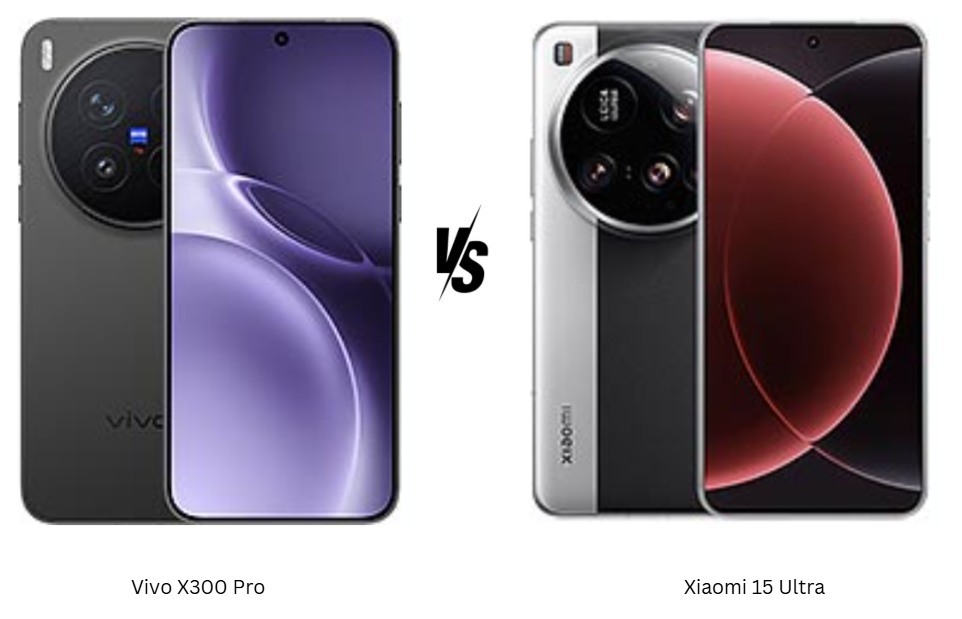
Vivo X300 Pro vs Xiaomi 15 Ultra: Is Xiaomi Really Worth Double the Price?

Vivo X300 Pro and Xiaomi 15 Ultra stand out as two powerful flagship options aimed at users who want premium performance, top-tier cameras, and long-term value. This comparison matters because both phones target different types of buyers: Vivo appeals to those seeking balanced practicality at a more accessible price, while Xiaomi focuses on photography enthusiasts and power users who want the absolute best hardware available. Understanding how they differ helps buyers choose the flagship that truly fits their priorities.

Major Features:

FeatureVivo X300 ProXiaomi 15 UltraWinner
Display ExperienceBrighter peak brightness, smoother high-frequency PWMSharper resolution, more detailed visualsTie (Vivo for brightness, Xiaomi for sharpness)
PerformanceDimensity 9500 – efficient, well-balancedSnapdragon 8 Elite – stronger raw power & graphicsXiaomi 15 Ultra
Battery & ChargingBigger global battery, better efficiencyFaster wireless charging, versatile charging supportTie (Vivo for endurance, Xiaomi for charging speed)
Rear Camera SystemZeiss optics, high-res periscope, strong Log video1-inch sensor, Leica tuning, superior zoom rangeXiaomi 15 Ultra
Selfie Camera50MP AF, sharper detail32MP, good tonesVivo X300 Pro
Price~$800~$1500Vivo X300 Pro

1. Design and Display

Build and Feel

Both smartphones take a premium approach, but they express it differently. The Vivo X300 Pro leans toward a sleek, modern finish with a clean glass aesthetic, while the Xiaomi 15 Ultra offers a more rugged, photography-centric design with its reinforced materials and optional eco-leather back. Xiaomi’s build tends to feel more “pro-grade,” especially for users who prioritize grip and durability, whereas Vivo feels more polished and refined for everyday comfort. Both phones are fully water-resistant, adding reassurance for long-term use.

Display Quality

Vivo’s AMOLED panel focuses on extreme brightness and smooth HDR capabilities, giving it an edge for outdoor visibility and vivid content. Xiaomi counters with a sharper display that appeals to users who appreciate finer detail and crispness. Xiaomi’s color tuning looks slightly more cinematic, making it a stronger choice for movie-watching or creators who want a truer reference look. Vivo, however, shines in eye comfort due to higher-frequency PWM dimming.

Verdict

Xiaomi 15 Ultra offers a more durable feel and a sharper screen, while Vivo X300 Pro delivers superior brightness and smoother eye comfort. Vivo favors everyday users, while Xiaomi suits enthusiasts and creators.

2. Specifications 

Performance

The Xiaomi 15 Ultra brings Qualcomm’s latest Snapdragon 8 Elite platform, delivering top-tier processing for heavy apps, high-end gaming, and creator workflows. Its GPU is particularly strong, making it ideal for users who push graphics. The Vivo X300 Pro’s Dimensity 9500 is also powerful, and its custom cores give it efficient, stable performance that feels more balanced. While Xiaomi offers raw power for demanding tasks, Vivo delivers consistent responsiveness that feels better tuned for daily multitasking and thermal control.

Battery and Charging

Vivo offers a larger global battery and cleaner power efficiency, allowing it to last longer during extended streaming or photography sessions. Xiaomi strikes back with faster wireless charging and strong endurance, especially in its China variant with the larger battery. Xiaomi’s charging ecosystem feels more versatile, but Vivo’s slower drain gives it a practical advantage for users who spend long hours away from a charger.

Verdict

Xiaomi wins for peak performance and charging versatility, while Vivo appeals to users wanting longer, steadier battery life and efficient operation.

3. Camera 

Main and Secondary Lenses

Both phones are built for camera enthusiasts, but they lean in different directions. Xiaomi 15 Ultra pushes a true flagship-camera experience with its 1-inch-type main sensor, Leica tuning, and flexible telephoto system. Its color output feels more cinematic, and its periscope module delivers stronger zoom clarity at medium to long ranges. Vivo X300 Pro, however, counters with a higher-resolution periscope lens and Zeiss optics that excel in sharpness and consistent tones. Its video features, including advanced Log capture, make it appealing for mobile filmmakers who want more control.

Selfie Camera

Vivo’s 50MP autofocus selfie camera offers exceptionally crisp detail and stable focusing even in challenging lighting, giving it a more professional feel. Xiaomi’s 32MP unit performs well with natural tones and strong stabilization, but Vivo’s edge in resolution and AF gives it a more refined look for portraits and video calls.

Verdict

Xiaomi delivers the more versatile and cinematic rear-camera system overall, while Vivo leads in selfie performance and video-focused creative tools.

4. Pricing 

The pricing gap between these two devices is significant. Vivo X300 Pro sits around $800, placing it firmly in the high-end category without entering ultra-premium pricing. This makes it attractive for buyers wanting flagship features without a steep investment. 

In contrast, the Xiaomi 15 Ultra lands near $1500, reflecting its role as a no-compromise photography-centric flagship. Xiaomi’s price positions it closer to luxury-tier smartphones, which naturally narrows its target audience to enthusiasts and professionals seeking the best imaging hardware available.

Verdict 

For value-driven users, the Vivo X300 Pro clearly provides a far better price-to-performance ratio. It offers top hardware, long software support, and premium capabilities at nearly half the cost. Xiaomi 15 Ultra is worth the premium only for users who truly need its advanced camera system and peak performance. Most mainstream buyers will find Vivo the more sensible purchase.

5. Conclusion 

Xiaomi 15 Ultra stands out with its Leica camera system, 1-inch-type sensor, advanced zoom range, and two-way satellite connectivity, making it ideal for creators and outdoor explorers who want versatility and reliability. Its optional filter ring attachment adds a professional layer rarely found on smartphones. 

Vivo X300 Pro differentiates itself with exceptional brightness, advanced video logging tools, high-resolution selfie capabilities, and strong battery efficiency. Features like optional satellite support and ultrasonic fingerprint scanning reinforce its premium identity.

Verdict

Both smartphones excel in different ways, but their target audiences are clearly distinct. The Xiaomi 15 Ultra is the better choice for photography enthusiasts and power users who want the absolute best imaging hardware and flagship performance. 

Vivo X300 Pro provides a more balanced, value-driven experience with impressive display brightness, long endurance, and creator-friendly video tools, making it the more practical pick for most users. 

Ultimately, Xiaomi wins on elite hardware, while Vivo wins on overall value and everyday usability.

Read More:

Oppo Find X9 Gets New Velvet Red Color in India With Added Launch Offers

Oppo has added a new Velvet Red color to the Find X9 in India, just 10 days after the series launched. This gives the standard Find X9 three color options in total: Velvet Red, Titanium Grey and Space Black. Oppo says the new shade was introduced because many buyers wanted a more bold and expressive option.

The company also shared early sales data. According to Oppo, the Find X9 series has seen three times higher sales compared to the previous Find lineup in the first seven days of availability.

The Velvet Red variant comes in a single 12GB RAM and 256GB storage model priced at ₹74,999. With bank offers, buyers can bring the price down to ₹67,499. Oppo is also giving a Black Gold Gift Box worth ₹5,198 that includes the Oppo Enco Buds 3 Pro Plus and a premium phone case. Open sales start on 8 December on the Oppo India website, Flipkart and authorised retail stores.

Peter Dohyung Lee, Head of Product Strategy at Oppo, said the Find X9 series has received strong consumer interest and that the new color aims to add a more distinct identity for users who want something different.

The Find X9 features a 6.59 inch AMOLED display with a 120Hz refresh rate, 1.5K resolution, 3840Hz PWM dimming, Dolby Vision support, Gorilla Glass 7i protection and up to 3600 nits peak brightness. It is powered by the Dimensity 9500 chipset and comes with up to 16GB RAM and up to 512GB internal storage.

The phone runs on a 7,025mAh battery that supports 80W wired charging and 50W wireless charging. On the back, the camera system includes a 50MP Sony LYT808 main sensor with OIS and f/1.6, a 50MP Sony LYT600 periscope telephoto camera with OIS, 3x optical zoom and f/2.6, a 50MP Samsung JN5 ultra wide lens and a 2MP multi spectral sensor. The front has a 32MP Sony IMX615 selfie camera.

Other features include WiFi 7, Bluetooth 6.0, stereo speakers, an infrared sensor, an in display ultrasonic fingerprint scanner and IP66, IP68 and IP69 ratings for dust and water resistance.

For more daily updates, please visit our News Section.

Don’t miss a thing! Join our Telegram community for instant updates and grab our free daily newsletter for the best tech stories!

Apple M7 could become Intel’s trophy customer in 2027

This is something most people in the industry would’ve laughed off not too long ago: Apple is reportedly considering Intel as the manufacturer for its next baseline M7 chip — skipping TSMC entirely for that specific model.

The info comes from analyst Ming-Chi Kuo, who says the regular M7 — the one likely bound for future MacBook Airs, iPads, and maybe a more affordable Vision Pro down the line — could be built on Intel’s 18A process. Intel is apparently branding the version tailored for Apple as “18AP.” Production wouldn’t kick off until 2027, so we’re still a few years away from seeing the results.

The more powerful M7 Pro and M7 Max? Those are still expected to stick with TSMC on its next-gen N2P or an upgraded A18 process. Basically: Apple spreads the workload while keeping its best silicon close to its most reliable partner.

If this all pans out, the base M7 would become a showcase for Intel’s big foundry comeback attempt — something the company badly wants after years of struggling with delayed nodes and lost clients. And Apple’s name alone would probably help Intel attract others (like Qualcomm) that are also looking for alternatives to TSMC.

On Apple’s side, the move seems like a supply strategy. Shipping millions of lower-tier Macs and iPads means Apple needs serious manufacturing capacity. Handing that chunk to Intel gives TSMC more room to focus on the high-margin stuff, and it gives Apple a second source that might grow into a real option long-term.

We’ll get a better idea of how good Intel’s 18A tech actually is when the first Panther Lake laptops hit the market next year. But the rumor that Apple is even considering betting real products on Intel’s foundry work says a lot — especially given the history between these two.

Don’t miss a thing! Join our Telegram community for instant updates and grab our free daily newsletter for the best tech stories!

For more daily updates, please visit our News Section.

(Source)

AOC’s Agon 25G4KUR Hits Europe Featuring 400 Hz Display and Fast IPS Panel

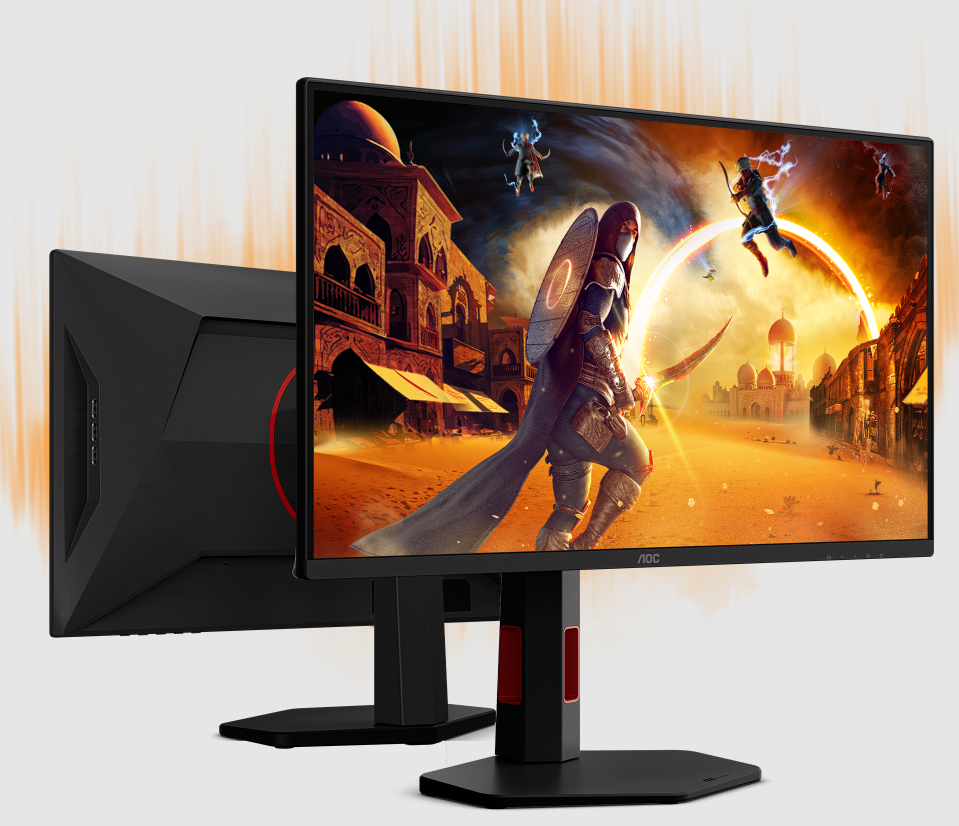
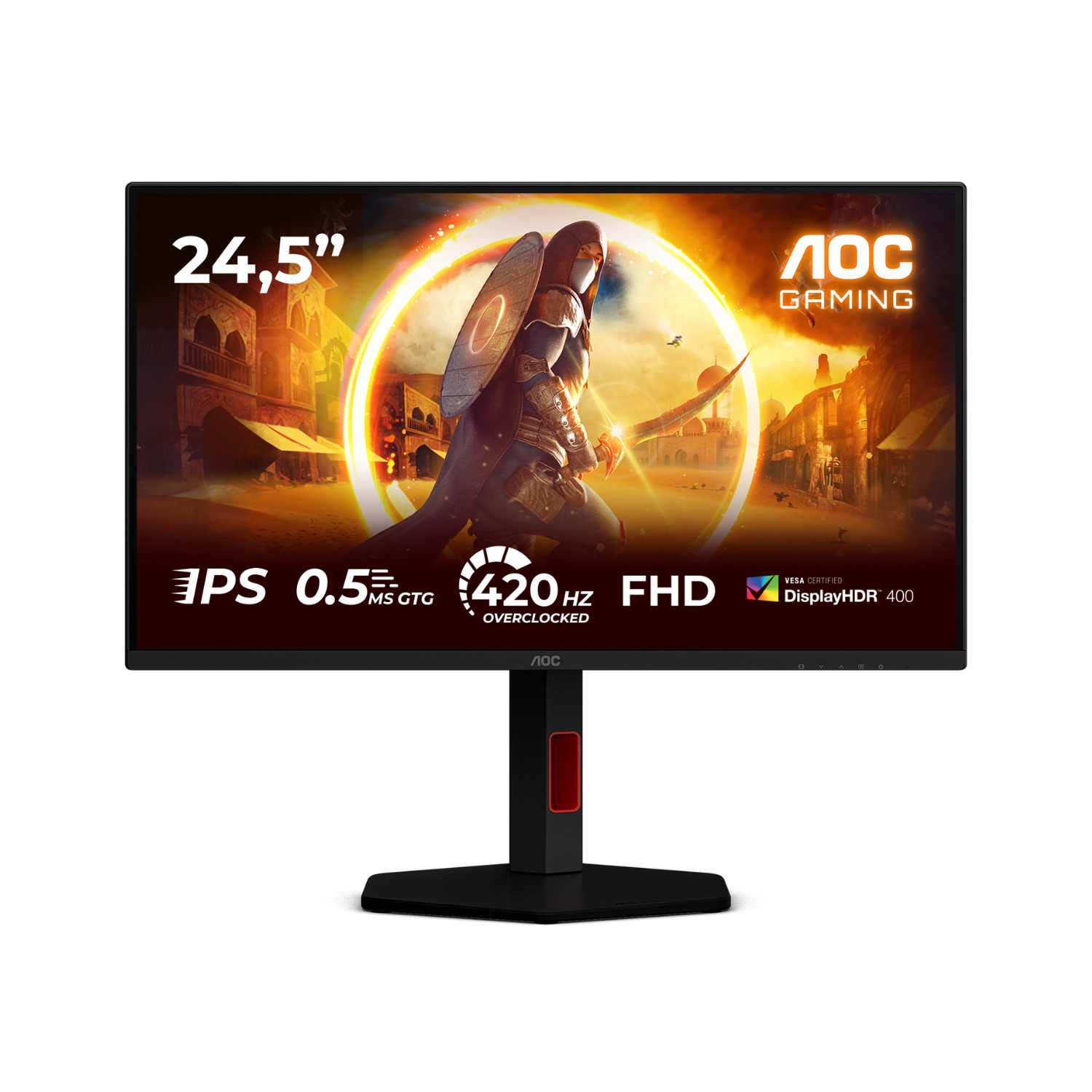
AOC has launched the Agon 25G4KUR gaming monitor in Europe. It is built for players who want speed above everything else. The launch comes after the recent announcement of the 27-inch 320Hz Q27G4SP model which offers QHD resolution.

AOC AGON 25G4KUR

The monitor has a 24.5-inch Full HD Fast IPS panel. It runs at 400 Hz with a 1 ms GtG response time, and with overclocking the refresh rate can reach 420 Hz. This makes it a suitable choice for esports players who depend on motion clarity and low latency. The panel covers 92 percent of the DCI-P3 colour space, offers 121 percent sRGB coverage, and reaches 350 nits of brightness in SDR and 400 nits in HDR. It is VESA DisplayHDR 400 certified and includes TUV Low Blue Light hardware and Flicker-Free support.

AOC uses a Fast IPS panel backed by WLED lighting, offering wide viewing angles of 178/178 degrees and a static contrast ratio of 1000:1. Motion performance is further supported by a 0.3 ms MPRT mode, Adaptive Sync, and NVIDIA G-SYNC Compatibility. Low Input Lag mode is also included for faster response during competitive play.

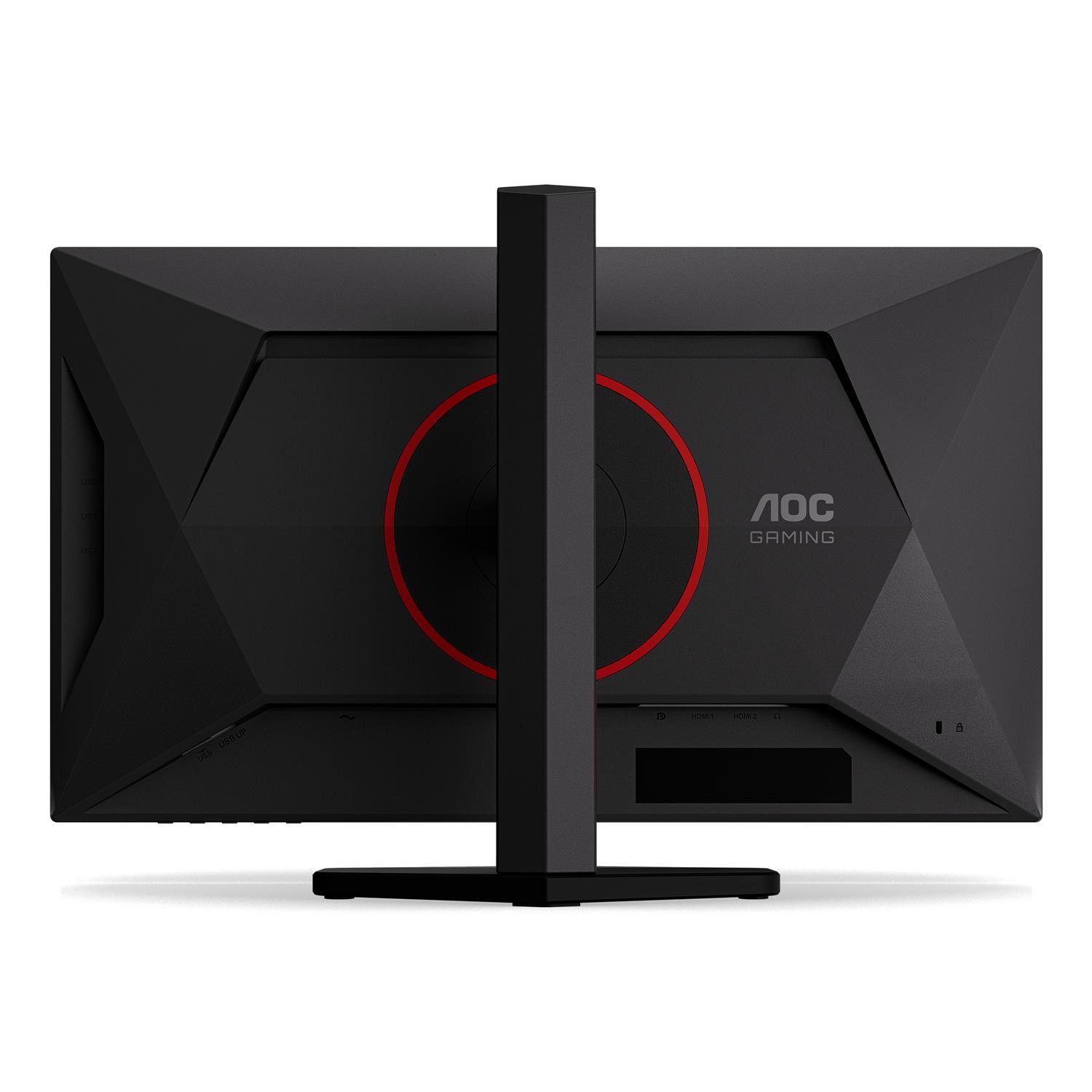
Connectivity includes two HDMI 2.0 ports, one DisplayPort 1.4, four USB 3.2 Gen 1 Type-A ports, one USB-B upstream port, and a 3.5 mm audio out. HDMI supports refresh rates up to 240 Hz, while full 400 or 420 Hz operation requires DisplayPort. The monitor also integrates a USB hub and works with AOC’s G-Menu software for adjustments.

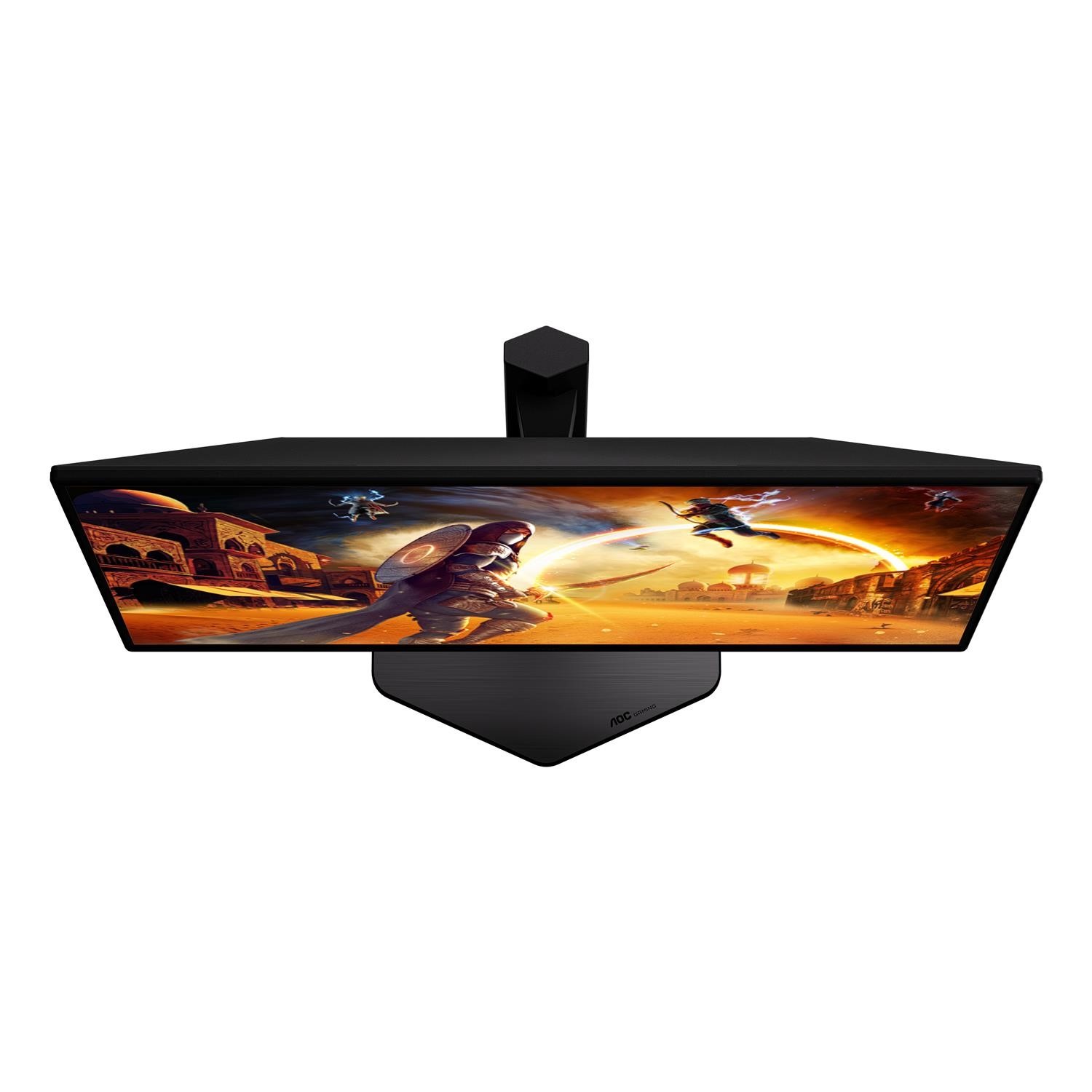
The stand is built with esports input and offers tilt (-3/21°), 130 mm height adjustment, swivel (±30°), and 90° pivot. It is designed to take up less desk space and includes cable management. The monitor has a 3-sided frameless design, a 100×100 VESA mount option, and weighs 4.77 kg without packaging.

Pricing & availability

The AOC Agon 25G4KUR will be available in Europe toward the end of November at a starting price of £209.99. AOC has not confirmed if it will launch in other regions.

For more daily updates, please visit our News Section.

Stay ahead in tech! Join our Telegram community and sign up for our daily newsletter of top stories.

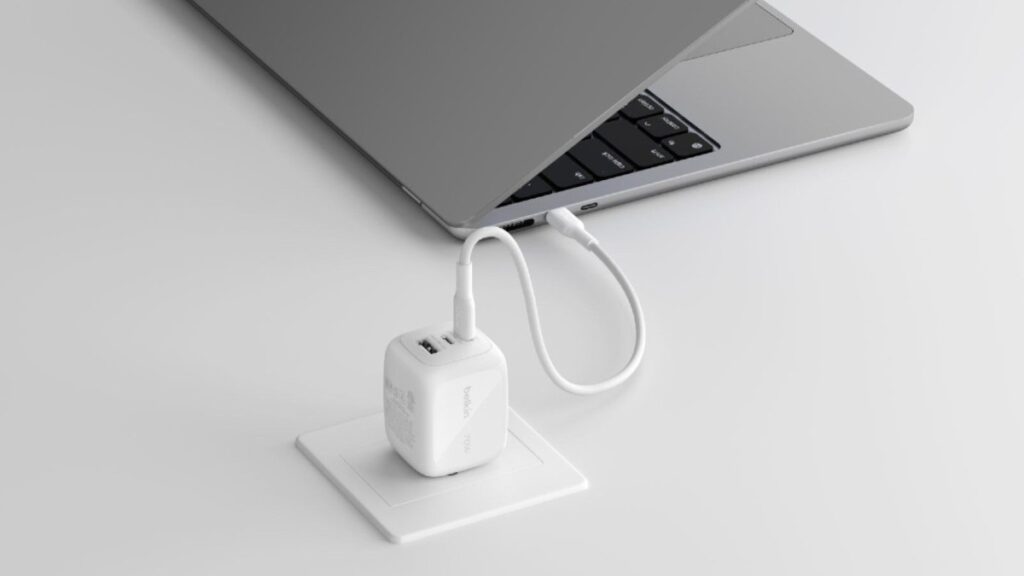
Belkin launches BoostCharge Pro: a tiny 70W 3-Port GaN charger

Belkin is taking a swing at Anker’s dominance in the compact charger space with a new 70-watt wall adapter that checks all the familiar boxes — but comes in cheaper.

The BoostCharge Pro 3-Port GaN Wall Charger 70W just popped up on Amazon for $39.99 (Rs. 3,577). That’s roughly ten bucks less than a similarly specced Anker Nano model. And on paper, the feature set is basically the same: two USB-C ports, one USB-A, and enough juice to keep a MacBook and a couple of smaller gadgets happy at the same time.

Running a single USB-C device lets you pull the full 70W from this GaN charger. When charging two devices simultaneously, power gets split to 45W and 25W (or 45W and 22.5W, depending on what you plug in). Fill all three ports, and it maxes out at 45W for a laptop plus 12W/12W for accessories. Nothing groundbreaking there, but it’s right in the sweet spot for everyday travel setups.

It supports universal charging protocols such as PD 3.1 and PPS for wider compatibility. The company claims it supports “all PD-enabled devices (laptops, tablets, smartphones); and supports earbuds, watches, power banks,” and can take an iPhone 16 Pro from dead to 50% in around 27 minutes, or a Galaxy S25 in about 26. Pretty typical numbers, but still reassuring if you’re always racing the battery percent.

The real win here is size. It’s tiny — just 1.65 × 1.5 × 2.13 inches — and the foldable prongs finally mean one less thing snagging in a backpack.

There’s one small catch: Belkin doesn’t include a cable in the box. For a lot of people, that’s no big deal — most of us already have more USB-C cords than devices at this point. But if you’re still relying on the single cable that came with your phone or laptop, you’ll probably want to grab an extra or two to actually use all three ports at once.

If you regularly travel with a laptop, phone, and something like earbuds or a watch, this might be the kind of accessory you stick in your bag and forget about — until the moment you’re grateful it’s there. For now, Belkin’s new 70W GaN charger looks like one of the better value picks in a very crowded field.

Don’t miss a thing! Join our Telegram community for instant updates and grab our free daily newsletter for the best tech stories!

For more daily updates, please visit our News Section.

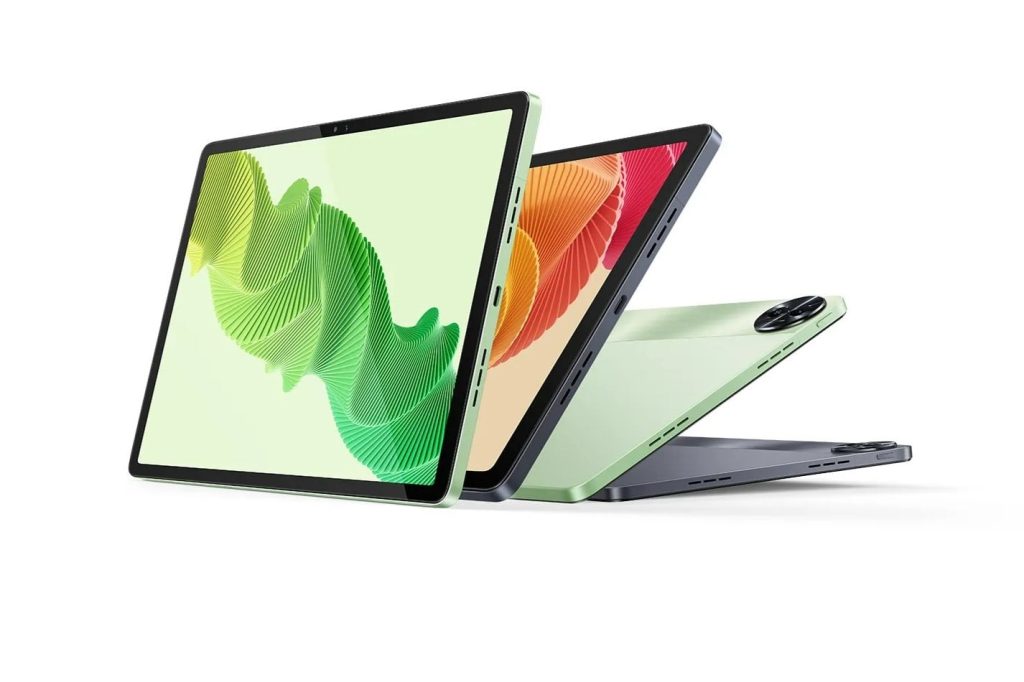
Realme to re-enter the tablet segment with Pad 3: Storage and color options surface online

Realme hasn’t launched a new tablet in quite a while. The company introduced the Realme Pad 2 back in 2023 and has been completely silent in the tablet space since then. That might be changing soon, as a new leak suggests the company is finally preparing the Realme Pad 3.

According to reliable tipster Abhishek Yadav on X, Realme is gearing up to launch the Realme Pad 3 in India. The timing is still a little foggy, but the launch could take place in December 2025 or January 2026. 

Realme Pad 3 early specs

Yadav’s leak includes more than just a hint at the launch window. He also shared the model numbers, color options, and storage variants of the upcoming tablet. 

The Realme Pad 3 is expected to come in two versions: a 5G and a WiFi-only model.

Realme Pad 3 5G reportedly carries the model number RMP2501 and will arrive in Space Grey and Champagne Gold. Realme is keeping storage options simple here. The 128GB model is paired with 8GB RAM, or the 256GB model with 8GB RAM.

The WiFi-only version has model number RMP2502 but keeps the same color choices and storage options. In other words, both versions keep parity, which should make deciding between WiFi and 5G the only major choice for buyers.

There’s still no word on specs like display size, processor, or battery life, but the leak does at least confirm that Realme is circling back to its tablet plans.

To take a quick look back, the Pad 2 is powered by MediaTek’s Helio G99 chipset, which means connectivity was limited to 4G. It features an 11.52-inch TFT LCD panel with a 2K resolution and a 120Hz refresh rate. The device is backed by a sizable 8,360mAh battery that supports 33W wired fast charging.

Don’t miss a thing! Join our Telegram community for instant updates and grab our free daily newsletter for the best tech stories!

For more daily updates, please visit our News Section.

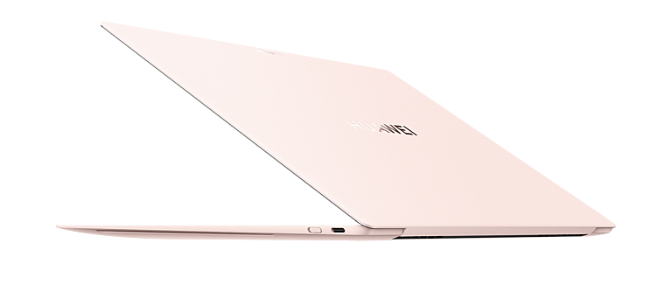
Huawei MateBook Pro welcomes a soft new Dawn Pink edition

Huawei is adding a bit more flair to its flagship HarmonyOS-powered laptop. After giving the MateBook Fold a burst of color recently, the company is now offering a new Dawn Pink finish for the 14.2-inch MateBook Pro.

The MateBook Pro originally launched in Inkstone Black, Sunny Blue, and White, and the new pink option joins the lineup as a fourth choice. For now, it’s limited to the top-spec model with 32 GB of RAM and 1 TB of storage. Pricing in China starts at ¥8,899 for the standard glossy display, or ¥9,899 if you want the PaperMatte anti-glare version.

Visually, the Dawn Pink trim stands out a bit compared to the rest of the family. The lid and trackpad are color-matched in pink, while the keyboard area stays black.

Aside from the new paint job, everything else about the laptop stays the same. The MateBook Pro still features a 3:2 OLED screen with 3120 × 2080 resolution, 120 Hz refresh rate, up to 600 nits of typical brightness, and up to 1,000 nits peak brightness in HDR. Inside, it continues to run Huawei’s latest Kirin chipset on HarmonyOS, paired with the same storage and memory options available in the original colors.

All connectivity and hardware features carry over as well:

• Three USB-C 3.2 Gen 1 ports
• 140 W fast charging for the 70 Wh battery
• Six speakers + four microphones
• 1080p webcam
• Fingerprint power button
• Physical privacy switch

For now, the Dawn Pink model remains exclusive to China and is already available through Huawei’s online and retail channels.

If the earlier colors felt a bit too serious, Dawn Pink gives the MateBook Pro a softer, more playful personality — while keeping everything that made the laptop a standout in the first place.

Don’t miss a thing! Join our Telegram community for instant updates and grab our free daily newsletter for the best tech stories!

For more daily updates, please visit our News Section.

(Source)

Vivo X300 Pro vs Pixel 9 Pro: Is Google’s Flagship Worth the Extra Price?

Vivo X300 Pro and Google Pixel 9 Pro compete for buyers who want a true flagship experience but prioritize very different strengths. This comparison matters because one phone leans heavily into powerful hardware and photography versatility, while the other focuses on smart software, long-term updates, and consistent everyday performance. Shoppers deciding between these two are typically weighing raw capability against refined user experience, making it essential to understand which device better fits their style, priorities, and long-term needs.

Major Features :

FeatureVivo X300 ProGoogle Pixel 9 ProWinner
PerformanceDimensity 9500 + UFS 4.1Tensor G4 + UFS 3.1Vivo X300 Pro
Display QualityBrighter, richer AMOLEDCalibrated, natural OLEDVivo X300 Pro
Camera SystemBetter telephoto hardware + Zeiss opticsStrong computational imagingTie (Hardware vs Software)
Battery & ChargingLarger battery + 90W wired + 40W wirelessSmaller battery + slower chargingVivo X300 Pro
Software & Updates5 major updates7 major updatesPixel 9 Pro

1. Design and Display

Build and Feel

The Vivo X300 Pro presents a more premium aesthetic with its metal-and-glass construction and a polished frame that gives it a flagship-level presence. Its overall shape is designed for a confident grip, and the inclusion of enhanced durability ratings adds to its sense of toughness. The Pixel 9 Pro leans toward a minimal, refined style, maintaining Google’s signature clean look with smooth curves and a lighter, more compact footprint. It feels more convenient for long-term handheld use, and its balanced proportions make it easy for casual users who prioritize comfort.

Display Quality

Vivo’s LTPO AMOLED panel delivers richer brightness and deeper contrast, making content pop more dramatically, especially outdoors or in HDR playback. Its high-frequency PWM support offers smoother visual comfort for sensitive users. The Pixel 9 Pro counters with a sharp LTPO OLED screen known for consistent calibration and dependable color accuracy. Google’s tuning favors realism, giving the Pixel a more natural tone that enthusiasts often appreciate.

Verdict

The Vivo X300 Pro offers a more visually striking display and a more luxurious feel, while the Pixel 9 Pro provides a balanced, compact design with excellent color accuracy. Vivo suits media-heavy users; Pixel suits those who prefer clean aesthetics and a more comfortable in-hand experience.

Please Note: When you buy something using the links in our articles, we may earn a small commission at no cost to you.

2. Specifications 

Performance

Vivo’s Dimensity 9500 chipset brings higher peak processing power, making it better suited for heavy multitasking and demanding gaming scenarios. Its UFS 4.1 storage further boosts responsiveness, giving the phone an edge in sustained performance. The Pixel 9 Pro’s Tensor G4 focuses on smarter AI-driven tasks, enhancing voice, image, and text processing. While not the fastest, its real-world fluidity feels optimized, especially within Google’s integrated software ecosystem. Users who value speed will lean toward Vivo, while those who prefer AI benefits and software cohesion may appreciate the Pixel’s approach.

Battery and Charging

The Vivo X300 Pro features a significantly larger battery and much faster wired and wireless charging, making it ideal for heavy users who want minimal downtime. Its longevity comfortably stretches through power-intensive days. The Pixel 9 Pro offers moderate endurance and slower charging, but its power efficiency and bypass charging help reduce long-term battery wear. It is engineered for consistent, predictable endurance rather than raw capacity.

Verdict

Vivo leads in raw performance, faster storage, and far better battery endurance and charging speeds. The Pixel is tailored for users who value AI features, system efficiency, and stable everyday performance.

3. Camera

Main and Secondary Lenses

The Vivo X300 Pro brings a stronger hardware advantage with its high-resolution periscope lens and Zeiss-tuned optics. The combination delivers sharper zoom images, richer low-light performance, and higher flexibility for creative shooting. Its color spectrum sensor enhances accuracy, giving images a more cinematic character. The Pixel 9 Pro, however, leans on computational power, using Google’s imaging algorithms to deliver balanced shots with reliable consistency. Its 5x optical zoom performs well, and features like Best Take and Zoom Enhance add convenience for non-professionals. Vivo feels more suited for enthusiasts seeking tangible hardware depth, while Pixel appeals to point-and-shoot users who prefer software-driven results.

Selfie Camera

Vivo’s higher-resolution front camera offers exceptional clarity, especially in challenging lighting, and autofocus ensures crisp results. The Pixel’s ultrawide selfie lens excels at group shots and delivers predictable dynamic range, making it ideal for social media users.

Verdict

Vivo wins for hardware-driven photography and superior zoom. Pixel remains a strong contender for users who want consistent computational results with minimal effort.

4. Pricing

The Vivo X300 Pro enters the market at approximately $800, making it the more affordable flagship in this comparison despite offering stronger hardware in several areas. Its price-to-performance ratio feels more aggressive, especially for users prioritizing camera versatility, battery life, and charging speed.

The Google Pixel 9 Pro, priced around $900, costs more but offers an extended seven-year software update promise, a key advantage for long-term ownership. Its clean Android experience, AI-powered enhancements, and highly optimized ecosystem justify the premium for users who value stability and longevity.

While the Pixel delivers better long-term support, Vivo provides more tangible hardware value upfront. Budget-conscious buyers and power users may find Vivo the better deal, whereas those seeking long-lasting software reliability may prefer Pixel despite the higher price.

Disclaimer:
Prices are approximate and may vary based on country, region, and applicable taxes.

5. Conclusion

For most users, the Google Pixel 9 Pro stands out as the more dependable long-term choice. Its clean software, extended update commitment, and consistently polished performance make it better suited for buyers who value stability and seamless everyday use. The Vivo X300 Pro, however, remains the stronger option for those who prioritize cutting-edge hardware, faster charging, and more versatile camera capabilities.

Verdict

Ultimately, the Pixel 9 Pro offers broader reliability, while the Vivo X300 Pro excels for performance-driven users seeking maximum value.

Read More:

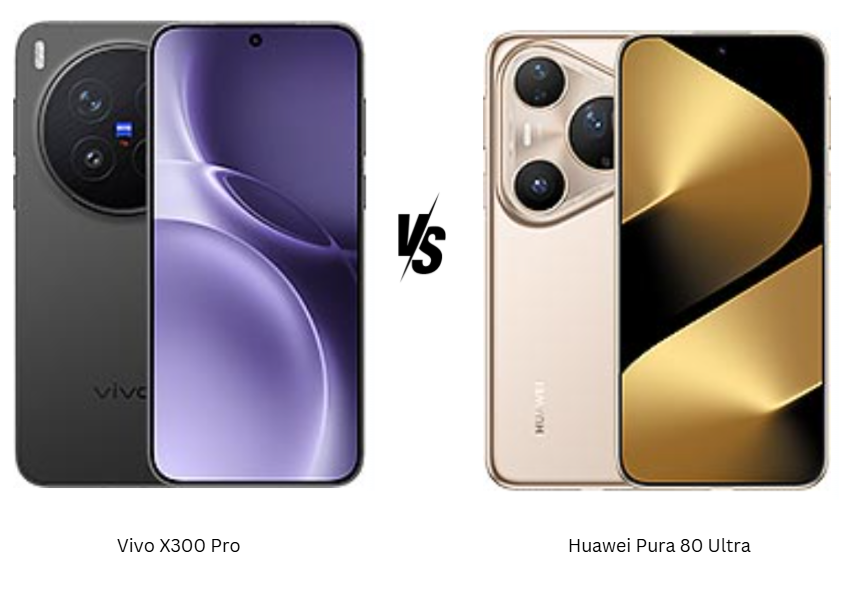
Vivo X300 Pro vs Huawei Pura 80 Ultra: Which Premium Phone Is Truly Worth It?

Vivo X300 Pro and Huawei Pura 80 Ultra represent two very different flagship philosophies, making this comparison essential for buyers choosing between raw performance value and high-end luxury innovation. These phones appeal to users who want the best photography, premium design, and future-ready software experiences. Comparing them helps performance-focused buyers understand where Vivo offers stronger practicality, while Huawei’s ultra-premium approach attracts those seeking standout design and advanced imaging capabilities. This matchup matters because both devices redefine what modern flagships can deliver, but for very different kinds of users.

Major Features:

FeatureVivo X300 ProHuawei Pura 80 UltraWinner
PerformanceDimensity 9500 (3nm), faster CPU + stronger GPUKirin 9020 (7nm), weaker overall performanceVivo
Display QualityBrighter panel (up to 4500 nits), Dolby Vision, HDR10+Slightly sharper panel, cinematic tone, 3000 nits peakVivo
Camera System50MP main + 200MP periscope + 50MP ultrawide; better selfies50MP main + 50MP 3.7x periscope + 12.5MP 9.4x periscope + 40MP ultrawide (1-inch main sensor + dual periscope zoom with 9.4x reach)Huawei
Battery & ChargingLarger global battery + 90W wired + 40W wirelessFaster charging: 100W wired + 80W wirelessHuawei
Price~$800~$1500Vivo

1. Design and Display

Build and Feel

Both phones offer premium materials and strong protection ratings, giving them the durability expected from ultra-premium flagships. The Vivo X300 Pro feels slightly more polished with its refined curves and minimalistic aesthetic, while the Pura 80 Ultra carries a more striking and artistic rear design. Huawei’s physical finish leans toward a bolder, more iconic identity, making it appealing to buyers who want a visually standout device. Vivo, however, offers a more balanced grip and a cleaner overall feel.

Display Quality

Vivo’s LTPO AMOLED panel delivers extremely high brightness and Dolby Vision support, making it ideal for HDR-heavy content and outdoor usage. Huawei counters with its LTPO OLED display offering slightly higher pixel density and a crisp, elegant visual tone. Vivo’s motion handling feels smoother thanks to its PWM tuning and wide HDR format support, while Huawei’s panel has a more cinematic look that appeals to users who prefer softer, natural contrast.

Verdict

Vivo wins for overall brightness and versatility, while Huawei is better for users who love a bold design and a more cinematic display experience.

2. Specifications 

Performance

The X300 Pro’s Dimensity 9500 chipset brings a clear advantage in raw speed, efficiency, and GPU strength, making it better suited for demanding apps, long-term fluidity, and gaming. Huawei’s Kirin 9020 prioritizes stability and thermal control but lacks the sheer performance capability of newer flagship chipsets. EMUI and HarmonyOS run smoothly, though Vivo’s combination of faster CPU and UFS 4.1 storage contributes to a more responsive feel during multitasking and heavy workloads.

Battery and Charging

Vivo’s larger battery capacity ensures better endurance during long days of mixed usage, particularly for camera, social media, and streaming. Huawei compensates with faster wired and wireless charging, appealing to users who value quick top-ups over all-day battery longevity. Both support reverse charging, though Huawei offers more robust reverse speeds, making it more convenient for accessories.

Verdict

Vivo is the stronger option for sustained performance and battery life, while Huawei appeals to users who prioritize faster refueling and broader charging versatility.

3. Camera

Main and Secondary Lenses

Vivo focuses on balanced image quality with Zeiss optics, excelling particularly in low light and portrait accuracy. Its 200MP periscope camera offers stronger detail and a more natural telephoto look. Huawei, on the other hand, pushes boundaries with a 1-inch-type main sensor and a dual-periscope setup that delivers extraordinary zoom versatility. Its long-range telephoto output feels more dramatic and better suited for travel, events, and distant subjects.

Selfie Camera

Vivo provides a high-resolution 50MP selfie shooter with autofocus, delivering consistently sharp and cinematic shots. Huawei’s 13MP ultrawide selfie camera offers flexibility for group photos and wider framing, but trades off fine detail. Users who prioritize crisp clarity will lean toward Vivo, while those who value wider coverage may prefer Huawei’s approach.

Verdict

Huawei wins in zoom versatility and main-sensor power, while Vivo leads in natural color accuracy and superior selfie performance.

4. Pricing

With a price difference of nearly double, the value proposition becomes a key factor. The Vivo X300 Pro, priced around $800, delivers flagship-grade performance, a versatile camera system, and top-tier display capabilities at a significantly lower cost. The Huawei Pura 80 Ultra, roughly $1500, charges a premium for its advanced zoom hardware, luxurious design identity, and ultra-fast charging. 

While Huawei undeniably feels more “exotic,” the premium is substantial, making it harder to justify for buyers focused on balanced value. For most users, Vivo offers a more complete flagship package at a far friendlier price.

5. Conclusion

Vivo brings Zeiss enhancements, Dolby Vision video recording, and strong HDR performance, giving it a more creator-friendly personality. Huawei stands out with its dual-periscope configuration, satellite connectivity (region-dependent), and a distinctive design language that feels luxurious and instantly recognizable. Each device targets a different type of premium buyer: Vivo caters to performance-focused users and content creators, while Huawei appeals to those who want exceptional zoom capabilities and a high-end artistic aesthetic.

Verdict

Overall, the Vivo X300 Pro emerges as the more practical and well-rounded flagship for most buyers. The Huawei Pura 80 Ultra remains a compelling choice for zoom enthusiasts and luxury-focused users willing to pay a premium for unique hardware.

Read More:

Exciting Black Friday Deals on Portable NAS Devices

Black Friday is here, and it is the perfect time to take control of your digital life with deep discounts on Portable Network Attached Storage(NAS) devices. So,  now you can stop relying on expensive monthly cloud subscriptions and unreliable external hard drives.

Black Friday Deals on Portable NAS Devices

These portable powerhouses offer centralized, secure, and fast data access wherever you go, and this weekend, they are available at their lowest prices of the year. Check below some of the most reliable storage devices and their offer prices below:

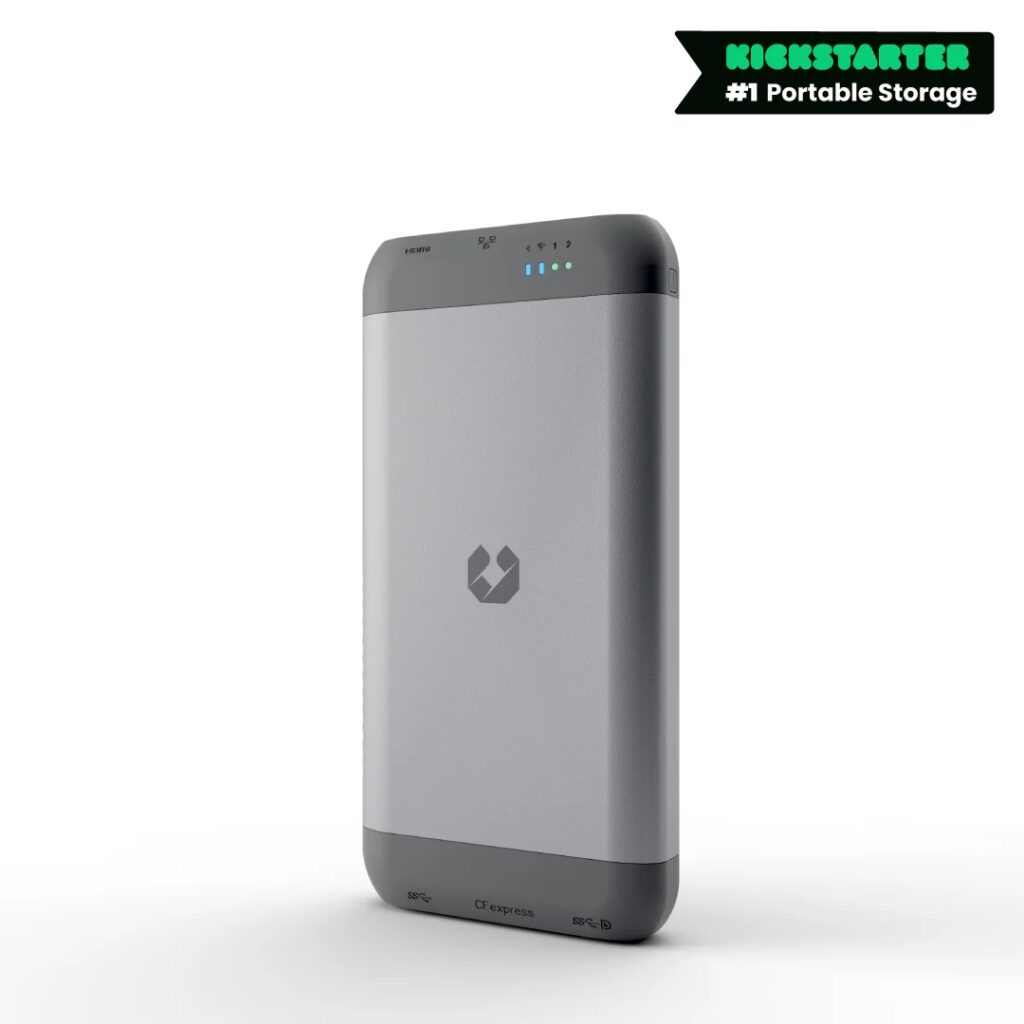
UnifyDrive UT2

Offer Price: $399 $599

For the ultimate blend of portability and performance, look no further than the UnifyDrive 2. This is an all-in-one media center and data management hub.

Normally retailing for much higher, the UT2 is currently available for $399 USD, making its advanced feature set surprisingly affordable.

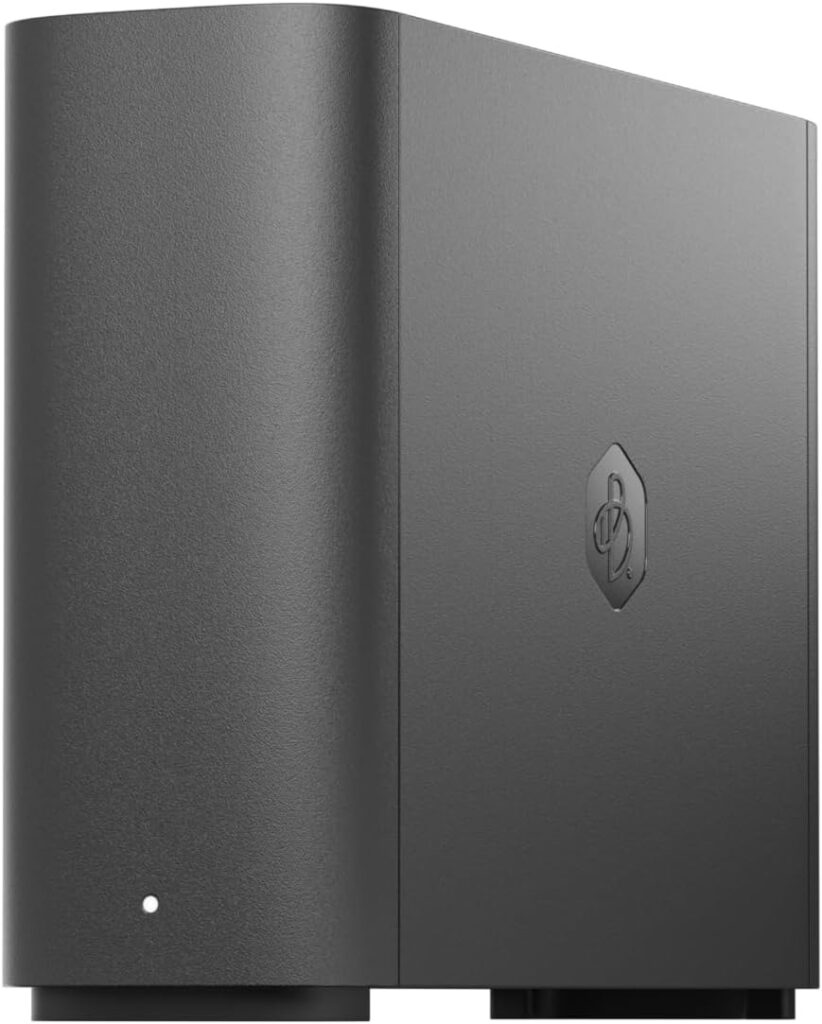
Synology BeeStation 4TB

Offer Price: $219.99

The Synology BeeStation 4TB is designed for those who want a personal cloud without the complexity of traditional NAS. It comes pre-configured with 4TB of storage, offering a streamlined, dedicated solution for backing up and sharing photos and files across all your devices with zero hassle.

We beleive, it’s one of the simplest path to setting up a home cloud and is a must-buy for users seeking a quick, reliable personal vault.

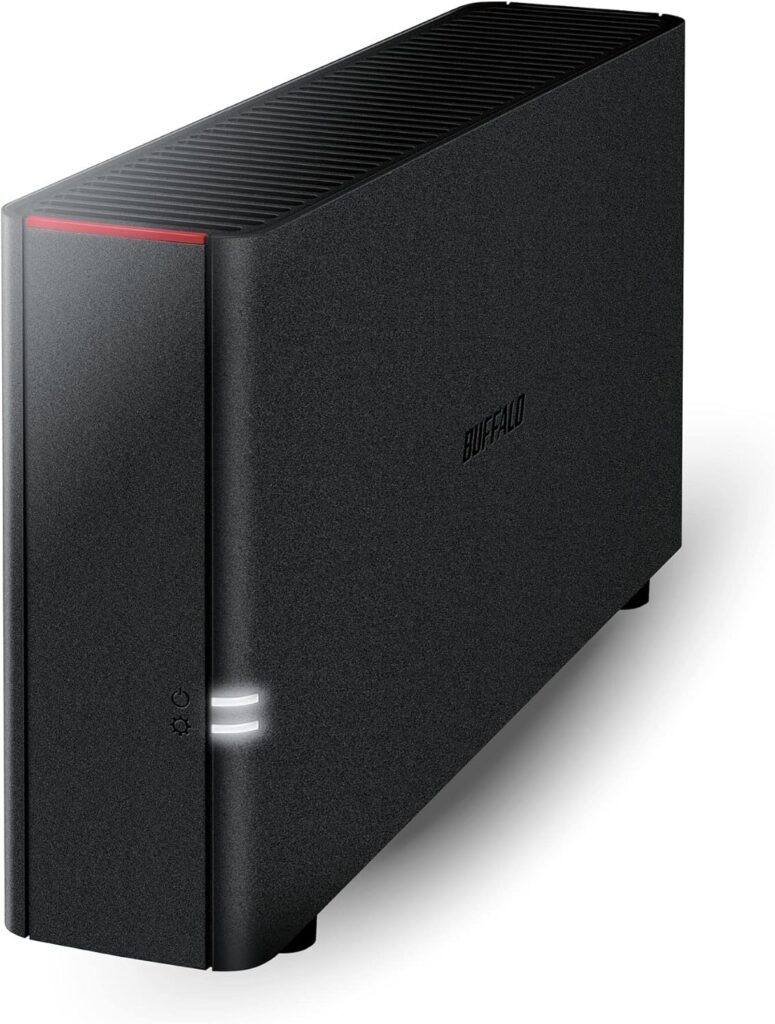
BUFFALO LinkStation 2TB Private Cloud Storage

Offer Price: $139.99 $159.99

The BUFFALO LinkStation 2TB offers proven reliability for home office setups. Known for its robust and secure personal cloud capabilities, this device provides centralized storage, remote access, and includes easy-to-use backup software for both PC known as NovaBACKUP and Time Machine for MAC. Indeed, it is all in an affordable package ideal for basic data consolidation and media streaming.

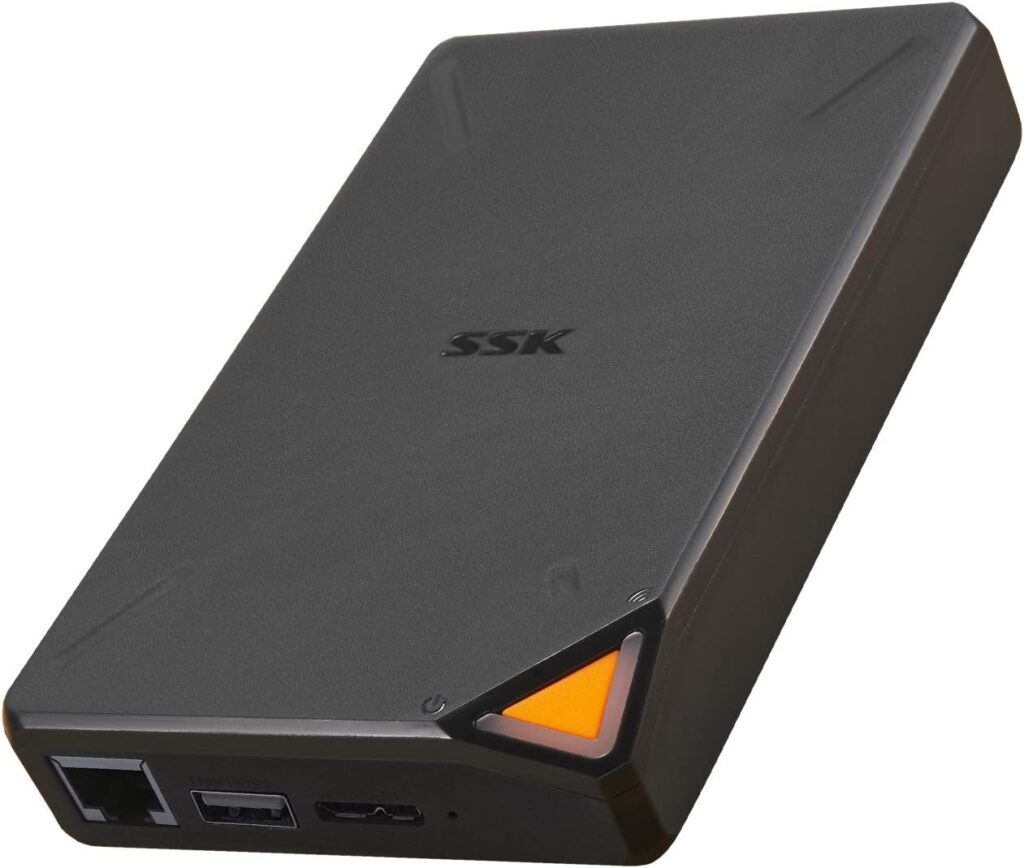
SSK Portable External Wireless Hard Drive

Offer Price: $107 $125.99 (apply 15% off coupon)

For professionals constantly on the move, portability is vital. The SSK 2TB Portable External Wireless Hard Drive stands out as the ideal travel companion. This device offers a portable storage solution with built-in wireless access, allowing you to quickly offload, backup, and access files from your camera, phone, or laptop without needing a tethered connection or an internet signal.

Its auto-backup feature makes it a lifesaver for photographers and videographers who need reliable data redundancy in the field.

Don’t forget to apply the 15% coupon on the Amazon listing before checkout.

Kirin 9030 vs Kirin 9030 Pro: Here’s how Huawei decided to differentiate them

Huawei has been getting more comfortable putting its in-house processors back in the spotlight. This year’s Pura 80 lineup is the first time in a while to list its chip again.

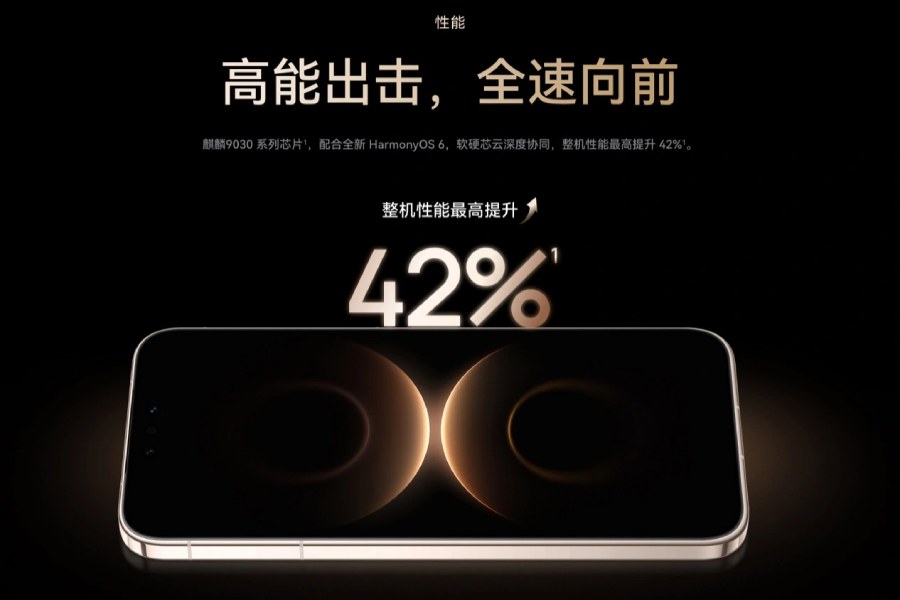
With the Mate 80 series, Huawei is now openly talking about its new Kirin SoCs. In fact, the company announced two new chips that power the Mate 80 phones: the Kirin 9030 and Kirin 9030 Pro.

Huawei revealed the performance jump of the Kirin 9030 over its predecessor, but it kept under wraps what differences the two new processors actually have.

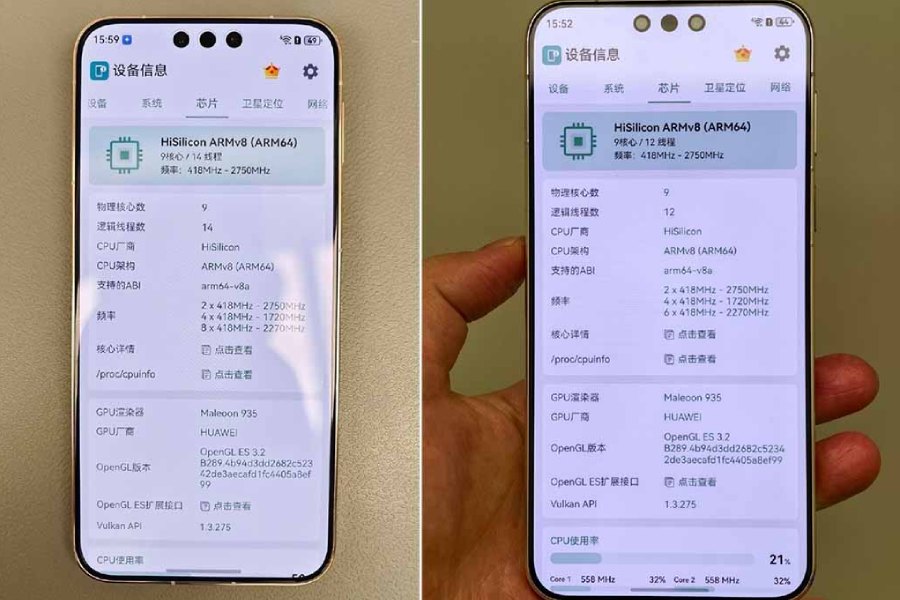
A few images of the new Huawei Mate 80 Pro showing their chip specifications have cleared the doubt now. 

Kirin 9030 vs Kirin 9030 Pro

On the surface, the chips appear almost identical. Each uses the same Maleoon 935 GPU, and each has a 9-core CPU layout. But the Pro model stretches that design a little further.

The Kirin 9030 Pro comes with 14 threads, while the standard Kirin 9030 settles for 12 threads. The core arrangement is familiar across both: two big cores at 2.75GHz and four mid cores at 1.72GHz. The difference shows up in the smallest cluster. The Pro version carries eight efficiency cores clocked at 2.27GHz, while the regular model drops that number to six.

It’s not a dramatic split, but it’s enough for Huawei to push the Pro chip into its more premium devices. According to the latest listings, Huawei pairs 12GB RAM variants with the baseline 9030, while 16GB RAM units get the 9030 Pro.

The highest-end Mate 80 models, including the Pro Max and RS Ultimate Design, ship with the Pro chip no matter which RAM configuration you choose.

And Huawei isn’t limiting the upgrade to slab phones. The full Mate X7 foldable lineup is also running the 9030 Pro.

Don’t miss a thing! Join our Telegram community for instant updates and grab our free daily newsletter for the best tech stories!

For more daily updates, please visit our News Section.

HMD is working on its first laptop: a “Flip” Chromebook

HMD, the company that took over Nokia’s phone business and later began building its own smartphones, seems to be eyeing a surprising new product category: laptops.

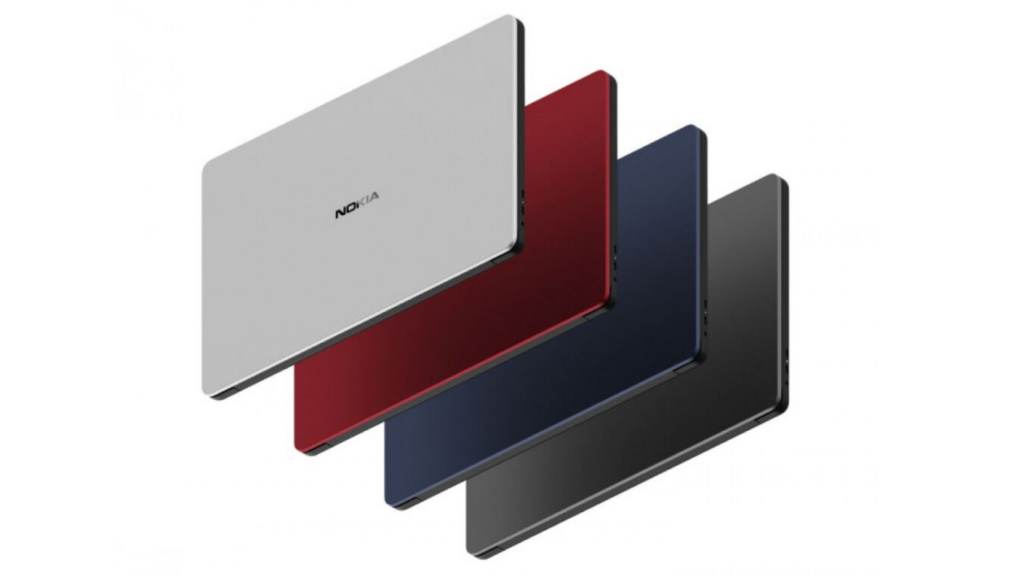
A new leak from X user @smashx_60 claims HMD is working on its first computer, a 2-in-1 Chromebook called the HMD (Chrome)Book CS-1 Flip — or just HMD Book CS-1 Flip for short. The “Flip” name points to a 360-degree hinge and touchscreen, similar to the familiar ASUS Chromebook Flip lineup and other convertible machines.

Over the last couple of years, HMD has expanded from basic feature phones into Android tablets and a growing accessories business. But laptops? That’s a first for the Finnish company. Technically, we’ve seen “Nokia” laptops before, like the PureBook models, though those were built by a now-shuttered licensing partner and not by HMD itself. This time, the company finally appears ready to put its own brand into the PC space.

Specs are still mostly a mystery, but the leak suggests the CS-1 Flip will use an Intel processor — interesting since many entry-level Chromebooks rely on ARM-based chips like MediaTek’s Kompanio line.

What we don’t know: the display size, exact Intel chip, RAM and storage configurations, price, or who HMD is targeting with this machine. And once it does launch, it’ll be stepping straight into a very competitive corner of the market currently dominated by Acer, Asus, Lenovo, and Samsung.

For now, nothing is official. But a leak that includes a full product name usually means things are further along than early speculation. If this laptop is real, it could mark HMD’s biggest shift yet since breaking away from Nokia-only branding. More details are almost certainly coming — probably sooner than expected.

Don’t miss a thing! Join our Telegram community for instant updates and grab our free daily newsletter for the best tech stories!

For more daily updates, please visit our News Section.

(Sources 1, 2)

Realme 16 Pro+ surfaces with RAM, storage, colors; Realme 16 Pro images leak

Realme fans were disappointed when the Realme 15 series skipped the Pro Plus variant entirely. A new leak courtesy of tipster Abhishek Yadav now confirms that the Realme 16 Pro+ is in the works. The device carries the model number RMX5131, and the tipster has shared its full RAM and storage combinations along with color choices, setting the stage for what to expect next.

Realme 16 Pro+ configurations and possible design

Realme 16 Pro front and back

According to the leak, the Realme 16 Pro+ 5G for India will come in Master Grey, Master Gold, and Camellia Pink. The available configurations include 8GB+128GB, 8GB+256GB, 12GB+256GB, and 12GB+512GB.

While the company has not shown the device yet, the Realme 16 Pro+ may share the same overall styling as the Realme 16 Pro seen in newly surfaced images.

Realme 16 Pro design revealed

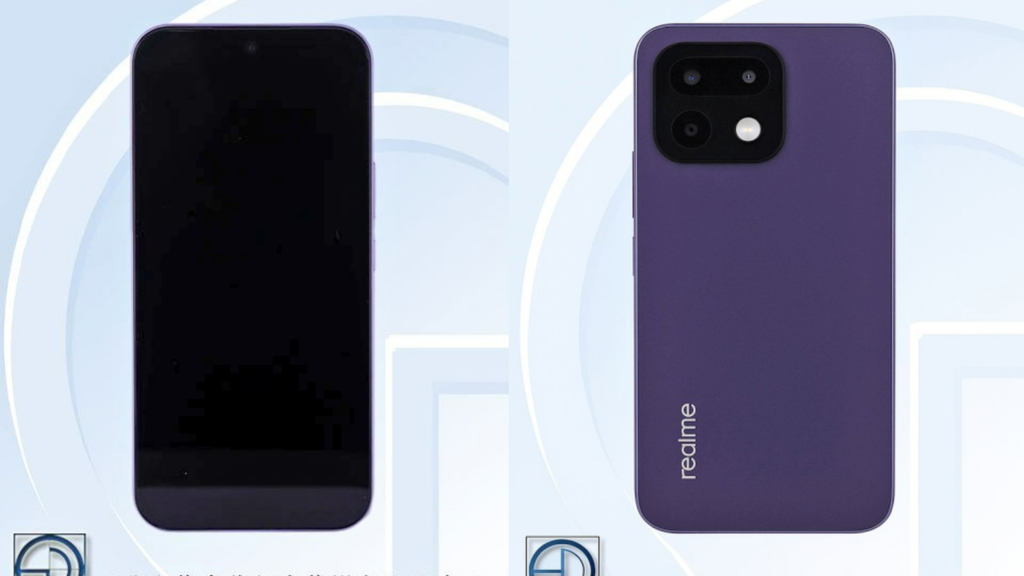
Last week, the Realme 16 Pro appeared in TENAA’s certification database in China. The listing initially revealed its full specifications, although images were missing at that time. The updated entry now includes images, confirming a flat front panel and a square rear camera island with rounded corners. It appears to contain three lenses and an LED flash, but TENAA data confirms a dual-camera arrangement.

The Realme 16 Pro measures 162.6 x 77.6 x 7.75mm and weighs 192 grams. It has a 6.78-inch OLED screen delivering a 1.5K resolution of 2772 x 1272 pixels and may support a 144Hz refresh rate. The rear setup includes a 200-megapixel main camera and an 8-megapixel secondary lens, while the front houses a 50-megapixel camera.

It runs Android 16 with Realme UI 7 and features an unidentified 2.5GHz chip. Storage options range from 128GB to 1TB, with RAM options from 8GB to 16GB depending on the region. The phone includes a 7,000mAh typical battery, an ultrasonic in-screen fingerprint sensor, an IR blaster, and expected 80W charging.

In India, it will be available in options, such as 8GB+128GB, 8GB+256GB, 12GB+256GB, and 12GB+512GB. The country will receive the device in shades like Pebble Grey, Master Gold, and Orchid Purple.

Realme C81 4G details

The same leak by Yadav reveals the existence of an entry-level Realme C81 4G phone. As per the leak, the phone is set to launch in 64GB and 128GB variants with 4GB of RAM in Storm Black and Glacier Blue.

For more daily updates, please visit our News Section.

Stay ahead in tech! Join our Telegram community and sign up for our daily newsletter of top stories.

Vivo S50 Pro Mini revealed with iPhone Air-like design, all major specs confirmed

Vivo is all set to announce the Vivo S50 Pro Mini next month in China. Reports suggest that this device will be rebranded as the Vivo X300 FE globally. Vivo has confirmed several details about the S50 Pro Mini, giving us a clear idea of what to expect from the X300 FE.

Vivo S50 Pro Mini design, specifications

Vivo S50 Pro Mini
Vivo S50 Pro Mini

As can be seen above, the Vivo S50 Pro Mini sports a horizontal camera bar on the back, which houses three cameras and an LED flash. The company has confirmed that it features a large primary sensor, paired with an ultra-wide lens and a 50MP Sony IMX882 periscope telephoto camera.

A previously seen front design of the Vivo S50 Pro Mini shows that it will have a flat screen with rounded corners. Since it is a compact offering, it features a 6.31-inch OLED panel offering a 1.5K resolution and a 120Hz refresh rate. For selfies, it has a 50MP camera on the front, and the screen is integrated with an ultrasonic in-screen fingerprint sensor for robust security.

Inside, the Vivo S50 Pro Mini packs the all-new Snapdragon 8 Gen 5 chip, paired with LPDDR5x RAM, UFS 4.1 storage, and a 6,500mAh battery. The phone is confirmed to support 90W wired and 40W wireless charging.

It goes without saying that the device will run on Android 16 with a layer of OriginOS 6 on top. It is also confirmed to feature dual speakers, an x-axis linear motor, an aerospace-grade metal frame, and an IP68/69-rated body.

In related news, Vivo will also announce the standard Vivo S50 equipped with the Snapdragon 8s Gen 3 chip, up to 16GB of RAM, and a 6.59-inch OLED 1.5K 120Hz screen in China next month. A teaser image revealed that its rear design will be completely different from the S50 Pro Mini.

For more daily updates, please visit our News Section.

Stay ahead in tech! Join our Telegram community and sign up for our daily newsletter of top stories.

EcoFlow’s new power bank packs 10,000mAh battery, wired & wireless charging, and a kickstand

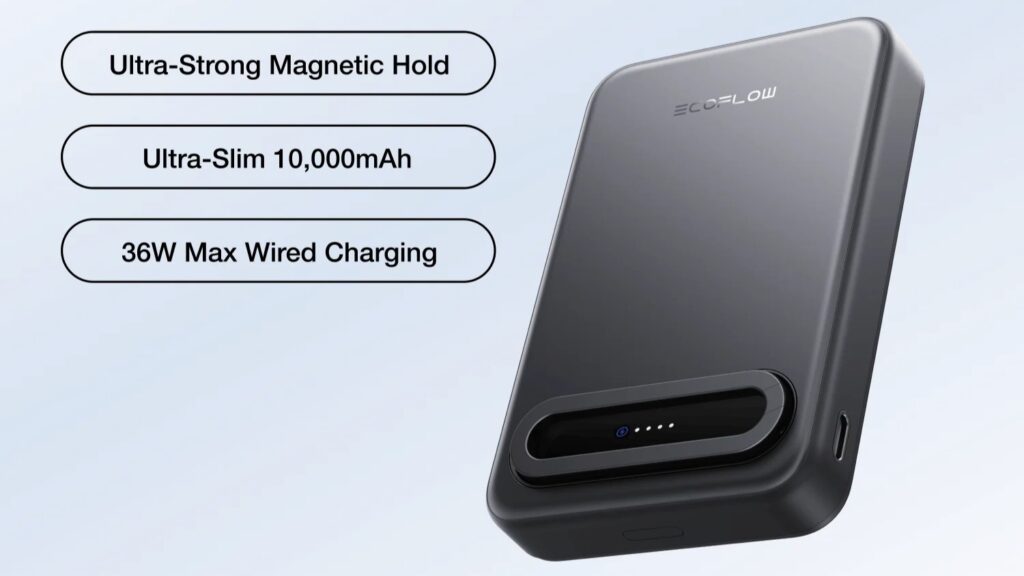
EcoFlow has just released a new Qi2-ready wireless power bank that shows you don’t need to spend a fortune to get the features most people actually use — including a built-in stand and MagSafe-style snap-on convenience.

The new Rapid Mag Qi2 Magnetic Power Bank (10,000 mAh, 15 W) is a budget-friendly sibling to EcoFlow’s earlier Rapid Mag series. It sacrifices the full 25 W Qi2.2 wireless charging speed of the premium model, but maxes out at 15 W. According to EcoFlow’s own tests, that slightly slower rate only adds about eight minutes to reaching 50 % on a dead iPhone 16.

Sure, most recent Chinese flagships now support 50 W wireless charging — far beyond what this power bank can push. But for Samsung users, even with a Galaxy S25 Ultra, 15 W is the maximum the phone accepts wirelessly anyway. In that case, you’re still getting peak performance without paying extra.

And it can also deliver up to 36W of power through its USB-C port. It even supports pass-through charging, so you can top up both the power bank and your phone from a single power adapter overnight.

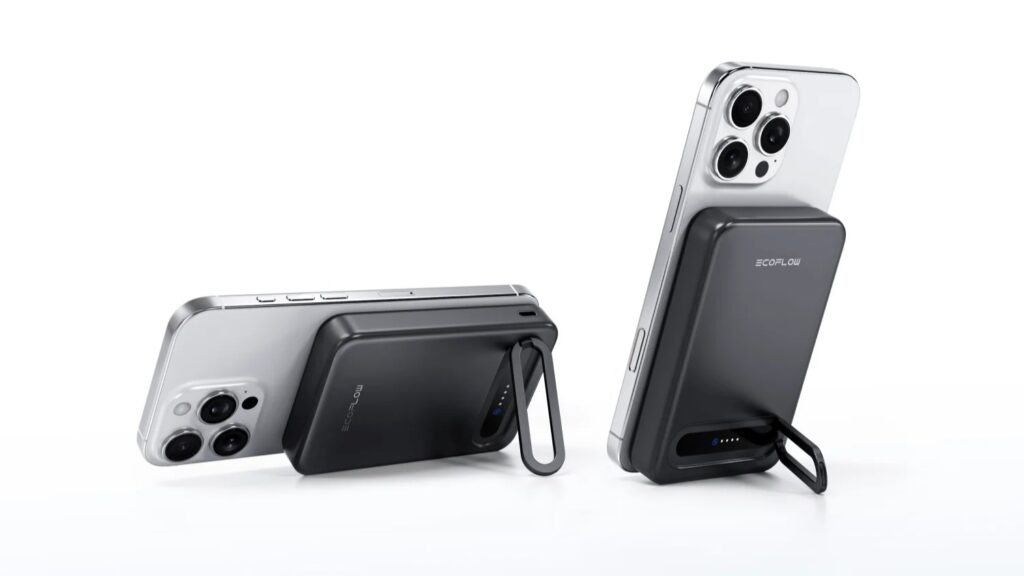
At just 220 g (7.76 oz) and 15.95 mm thick, it’s slim enough to stay attached to your phone without making it bulky.

What makes it special is a built-in kickstand

Perhaps the most distinctive feature is the fold-out metal kickstand. It locks firmly in either portrait or landscape mode — perfect for video calls or streaming content while charging. Even if your phone is not asking for power, the kickstand may still come in handy.

Instead of an OLED screen like on the pricier model, this version uses four simple LED indicators to show remaining battery capacity.

EcoFlow has priced the new Rapid Mag aggressively: it’s currently available on Amazon and the official EcoFlow store for an introductory $54.99 — a full $35 less than its typical $89.99 retail price. For anyone in search of a practical, no-nonsense MagSafe-compatible battery that won’t break the bank, EcoFlow’s latest offering may finally deliver the sweet spot.

Don’t miss a thing! Join our Telegram community for instant updates and grab our free daily newsletter for the best tech stories!

For more daily updates, please visit our News Section.

(Source: EcoFlow)

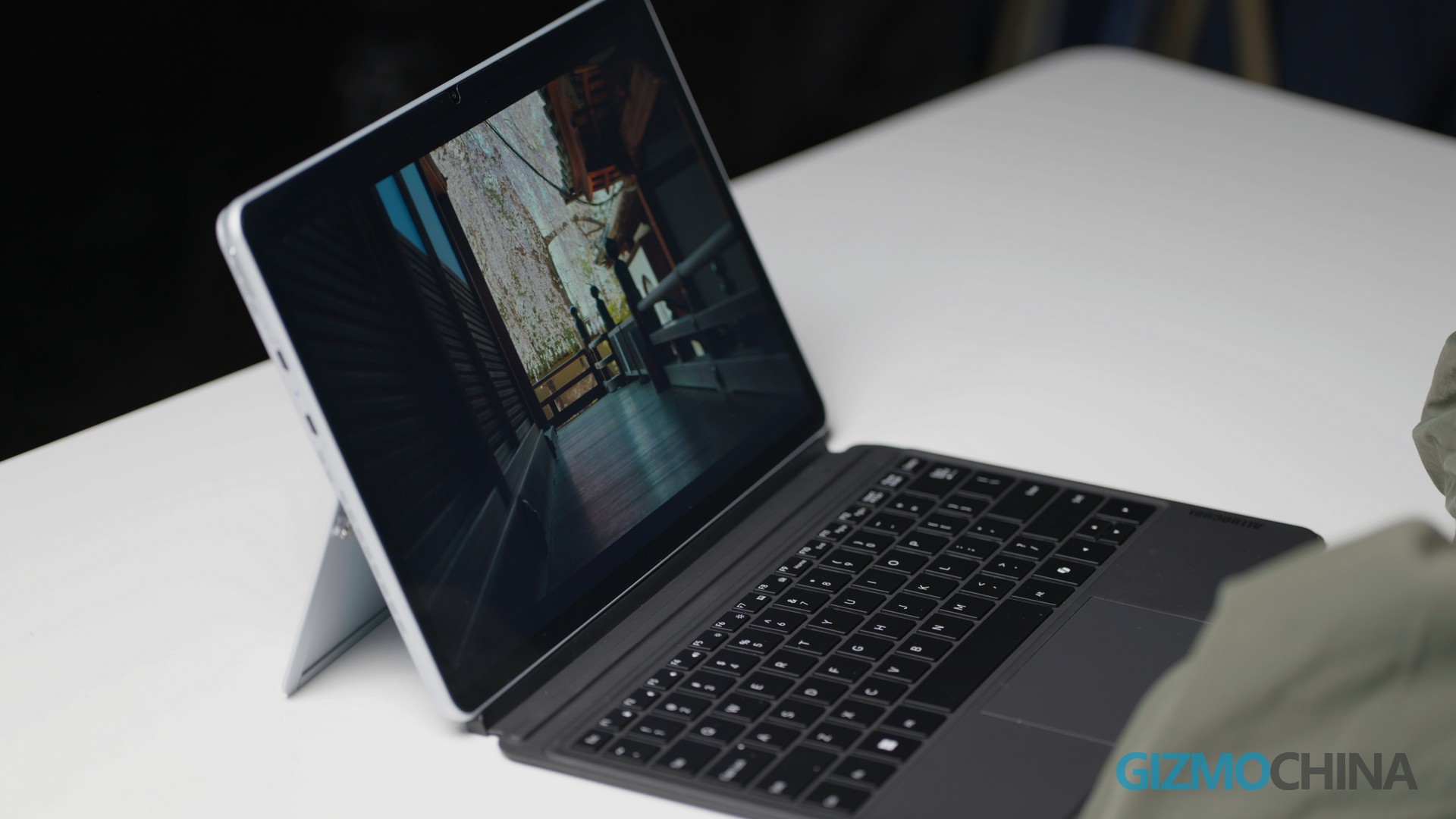
ALLDOCUBE iWORK GT Ultra 2025 Review: Windows 11 2-in-1 for Productivity

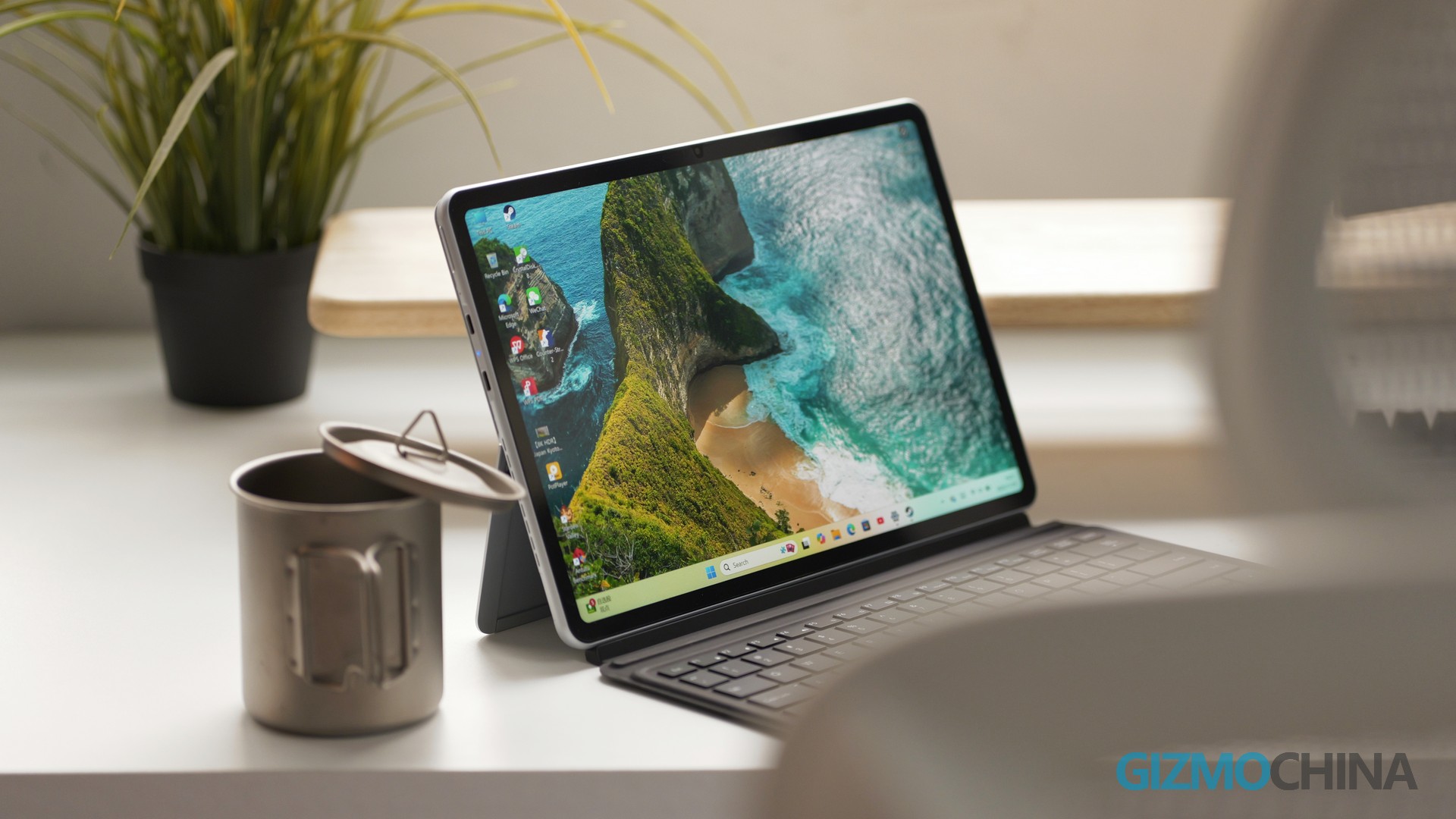
For owners of the previous-generation ALLDOCUBE iWork GT, the tradeoffs were unavoidable: its 600g ultra-lightweight design made it effortless to carry, but the 11-inch screen felt cramped for document work, and 8GB of RAM struggled with even basic multitasking. If you’re new to 2-in-1 devices and seek Windows 11’s seamless office compatibility without sacrificing screen size or performance, the ALLDOCUBE iWORK GT Ultra is tailor-made for your needs.

As a purpose-driven iterative upgrade, it delivers on three core promises: a larger display, enhanced processing power, and expanded storage. After the daily testing—spanning commutes, back-to-back meetings, and late-night report sessions—we’re breaking down how these upgrades translate to real-world usability.

Design & Portability

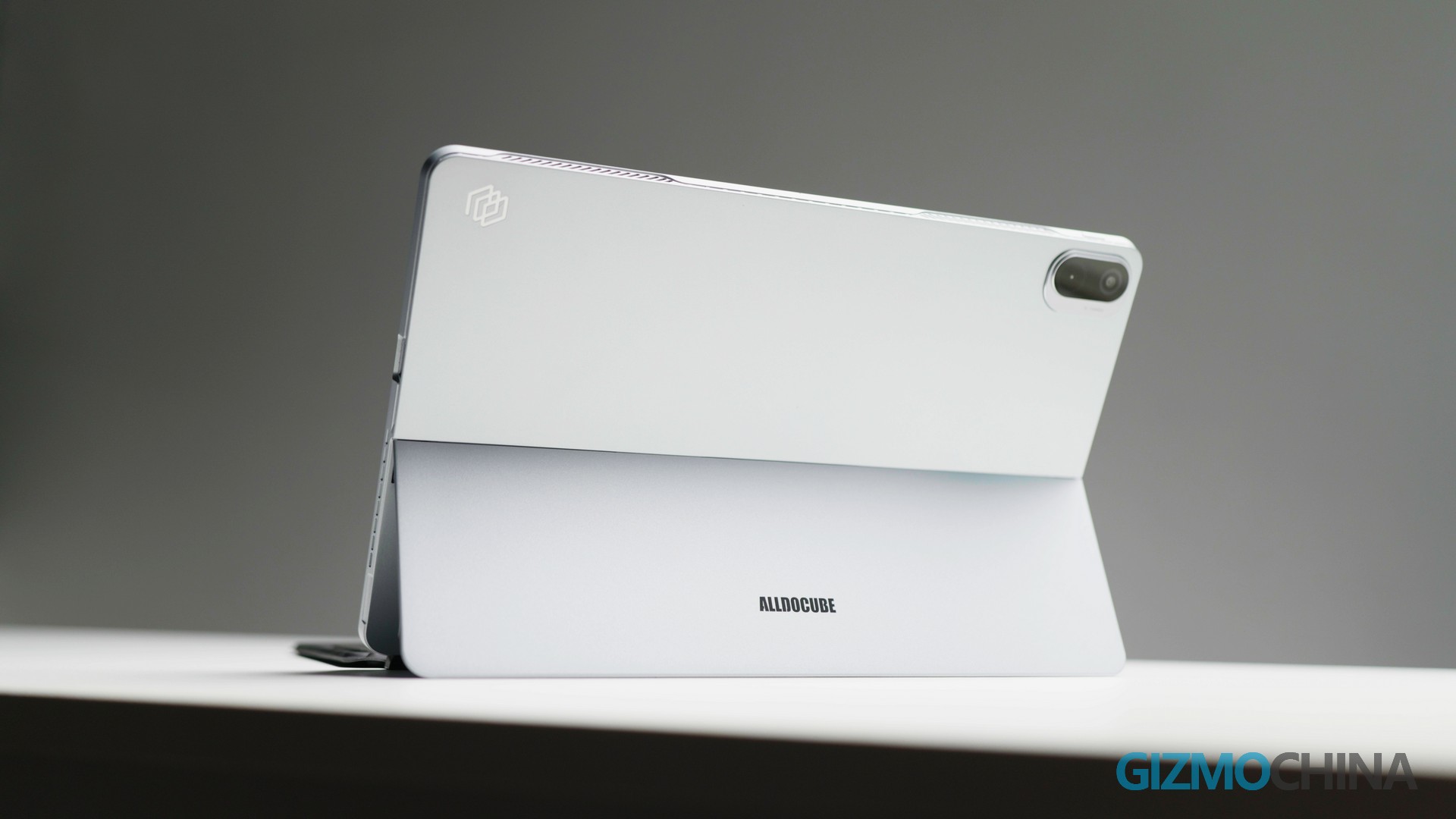
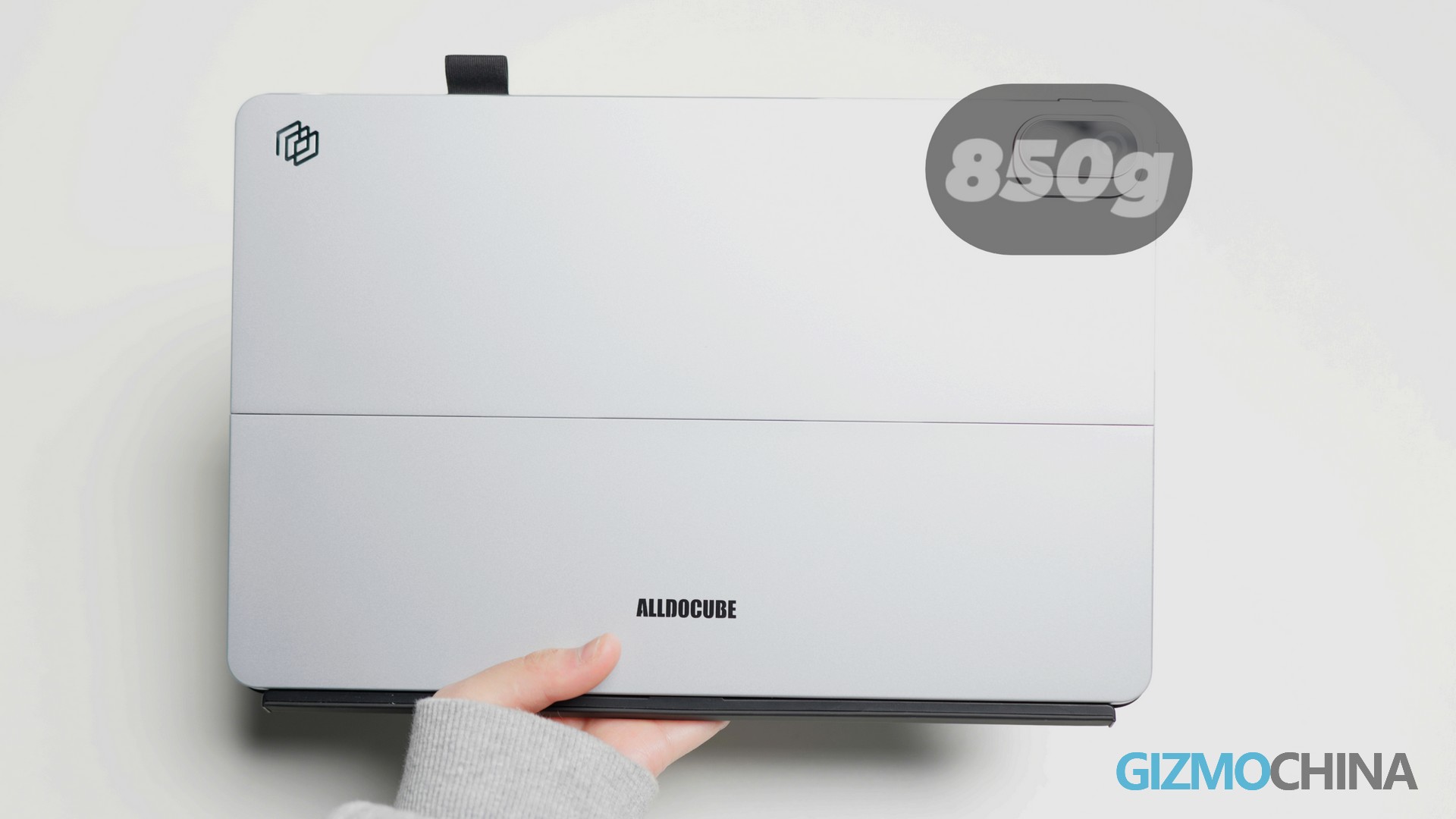
The previous iWork GT stood out for its 600g frame—slim enough to slip into a backpack side pocket and light enough for 30 minutes of one-handed video viewing without wrist strain. To accommodate the 13-inch display, the Ultra gains 250g (now 850g)—a deliberate tradeoff that prioritizes productivity without sacrificing portability:

One-handed usability: Holding it for more than 10 minutes causes mild wrist fatigue, but it still fits seamlessly into a 13-inch laptop bag. At 850g, it’s 35g lighter than the Microsoft Surface Pro 10, making it a more comfortable choice for frequent travelers.

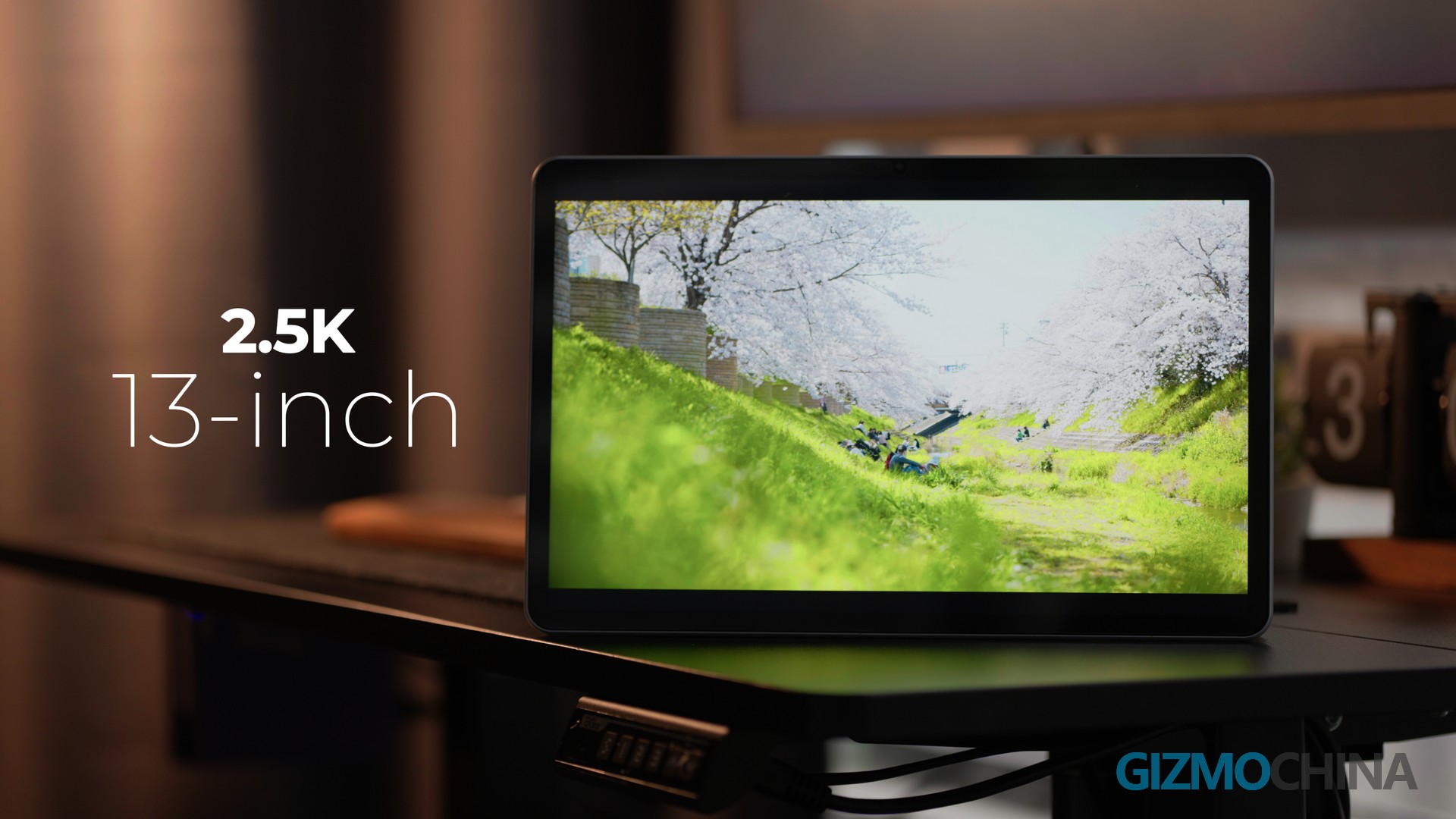
Game-changing display upgrade: Jumping from an 11-inch to a 13-inch 2.5K panel transforms multitasking. Split-screen work—Excel on one side, reference documents on the other—finally feels intuitive, with 1-2 extra columns of data visible at once. This cut our report-writing time by ~20% during testing, eliminating the need for constant window switching.

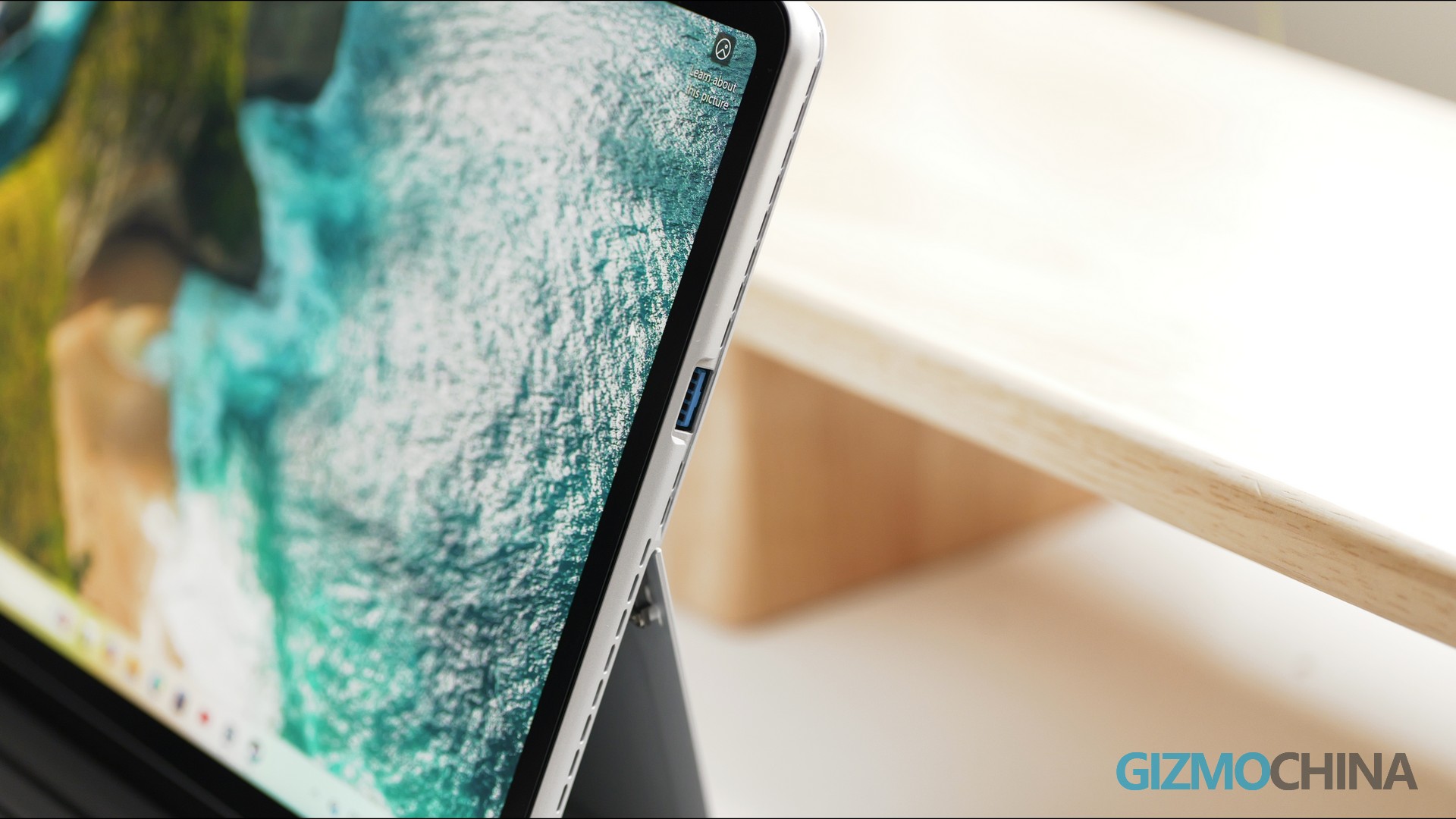
Practical port refinement: Retaining the matte aluminum alloy chassis (fingerprint-resistant as ever), the Ultra streamlines its ports to two full-function USB-C and one USB-A. While the older model’s SD card slot, mini-HDMI, and 3.5mm headphone jack are discontinued (a minor inconvenience for photographers), the USB-A port is a lifesaver for direct connections to U disks and portable printers—no adapters needed for business trips.

Display Performance

The 13-inch 2.5K screen builds on the previous 11-inch 2K panel, with upgrades that directly improve daily workflows: Expanded viewing real estate: PDFs and Excel spreadsheets are fully readable at 100% zoom, eliminating repetitive horizontal scrolling. The wider 16:10 aspect ratio makes editing long documents or analyzing datasets far less tedious. Enhanced color accuracy: Lab tests confirm 92% sRGB and 85% DCI-P3 gamut coverage—an upgrade from the older model’s unspecified color performance. It’s reliable for PPT design and casual photo editing, with red tones rendering true-to-life.

Brightness & glare control: 400 nits of brightness works seamlessly in offices and homes, and the matte finish reduces reflections better than the older model—usable under shaded outdoor conditions, though direct sunlight still requires max brightness.

The 60Hz compromise: Like its predecessor, the Ultra sticks with a 60Hz refresh rate. If you’re upgrading from the older iWork GT, this won’t feel like a downgrade. However, users switching from 120Hz devices will notice a slight lag when scrolling webpages or e-books. This tradeoff prioritizes battery life—a sensible choice for productivity-focused users, as high refresh rates offer minimal benefit for static tasks like document editing.

Processing Power

The Ultra’s most impactful upgrade lies under the hood: swapping the 11th-gen Intel Core i3/i5 for the Intel Core Ultra 5-125H, paired with 16GB LPDDR5 RAM and 512GB/1TB PCIe SSD. The performance leap is tangible in every workflow: Gaming & creative use: The integrated Intel Arc Graphics handles a smooth experience in Stardew Valley, as well as low image quality “Counter-Strike 2” —enough for lunch-break gaming, but 3A games still cannot run, consistent with the old mode. For casual creators, 16GB RAM eliminates lag when editing 20MB RAW photos in Photoshop or running Photoshop + Premiere Pro simultaneously, no more crashes from insufficient memory, a common frustration with the 8GB older model.

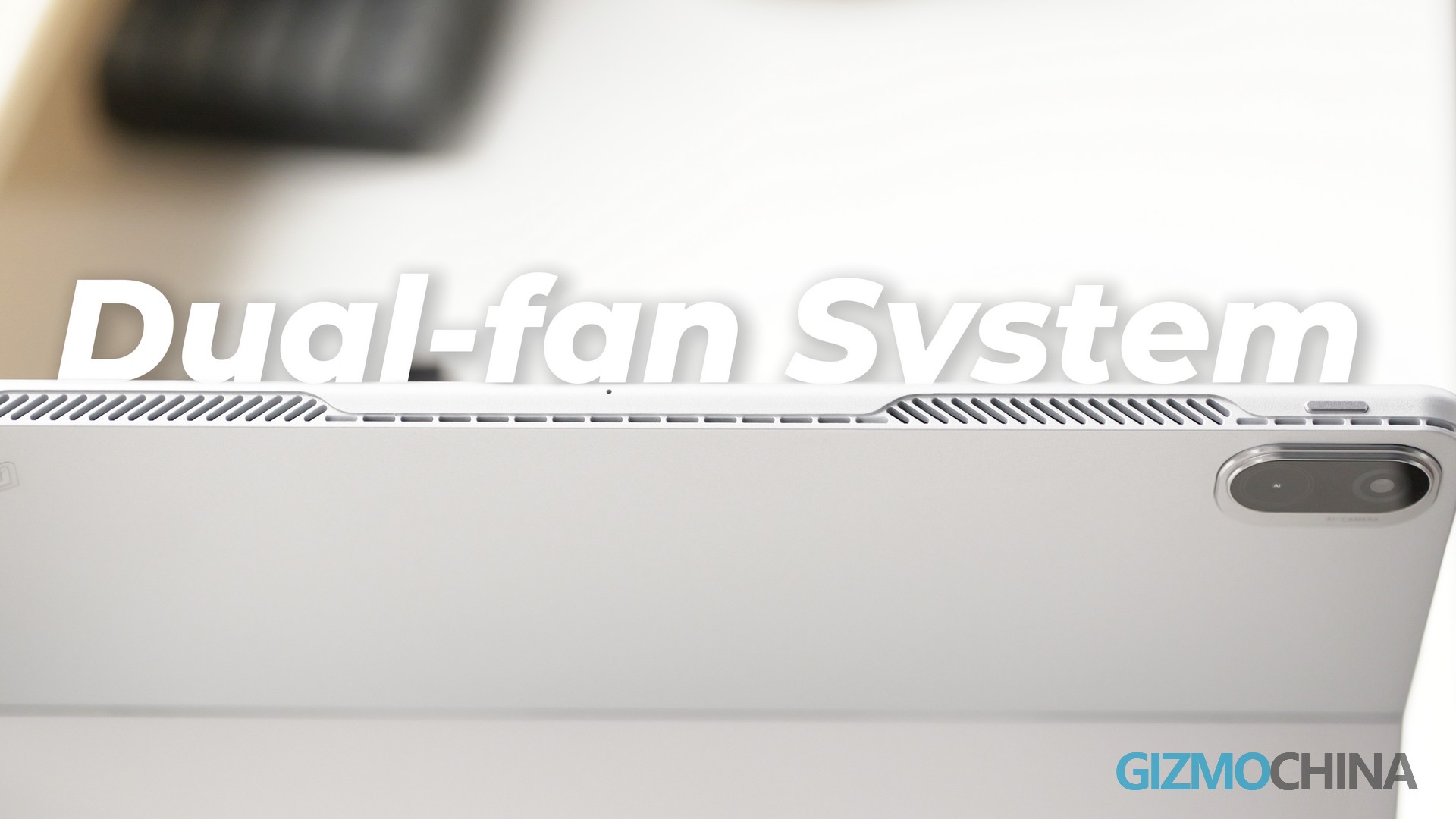
Cooling & noise management: During a 30-minute 4K video export stress test, the Ultra’s dual-fan system kept temperatures warm to the touch, not uncomfortable. Fan noise peaked at 42 decibels—barely audible in a quiet office, making it suitable for open workspaces.

Battery Life & Charging

The Ultra swaps the older model’s battery for a 42.72Wh unit, delivering transformative Battery Life improvements:
Scenario-based battery performance: 1080P video playback: 7.5 hours – enough for a full afternoon of streaming or in-flight entertainment.
Office workload: 4 hours 10 minutes – sufficient for a morning of back-to-back meetings without hunting for an outlet.
Web browsing: 5 hours 20 minutes – ideal for research-heavy workdays.

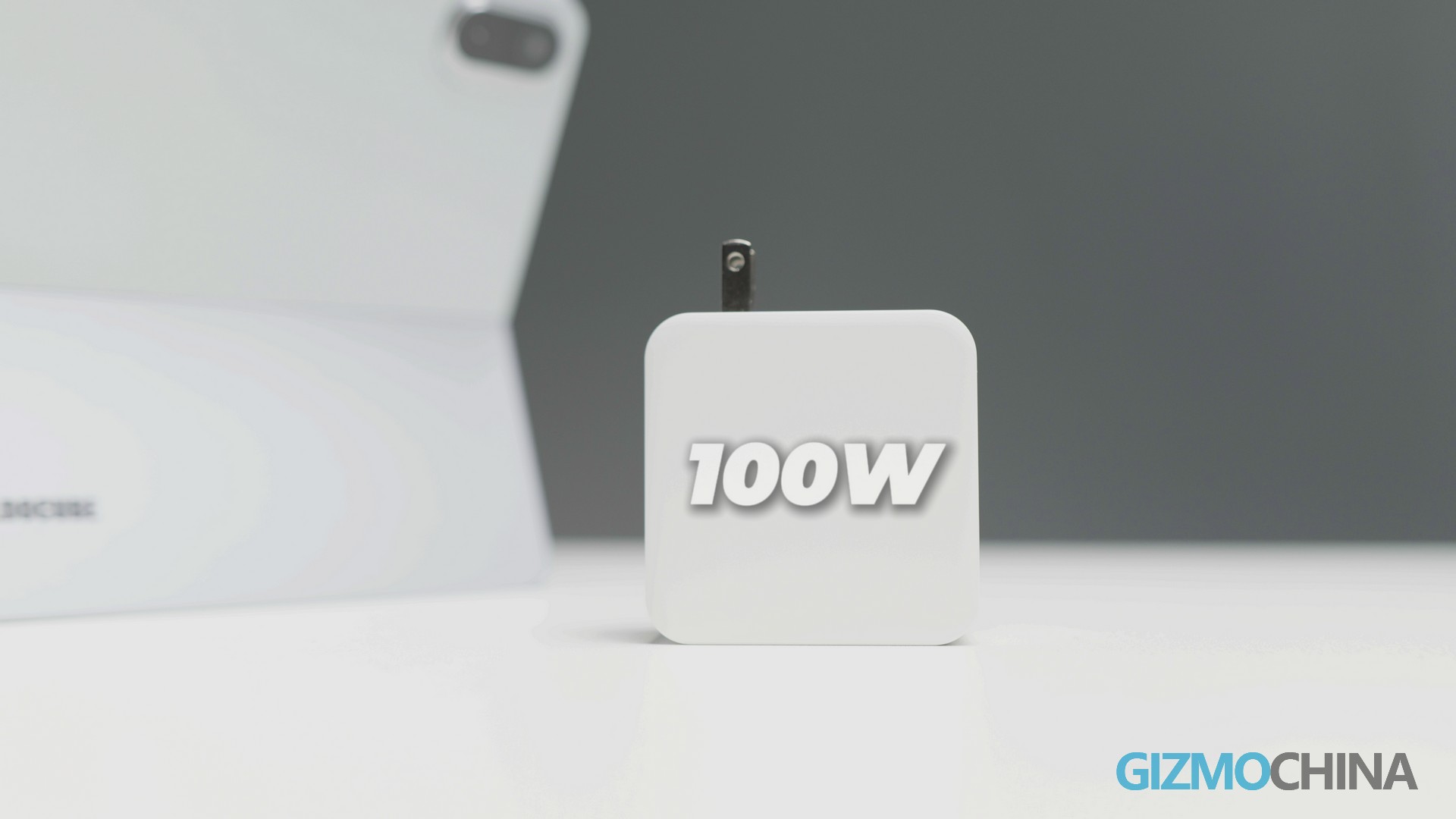
Charging tradeoff: The Ultra supports 65W PD fast charging, down from 45W on the older model, reaching 50% battery in 45 minutes and full charge in 1 hour and 50 minutes. While slower than its predecessor, the larger battery capacity means less frequent charging overall. For rushed mornings, a 30-minute top-up delivers ~35% battery—enough for 2 hours of office use.

Input Ecosystem

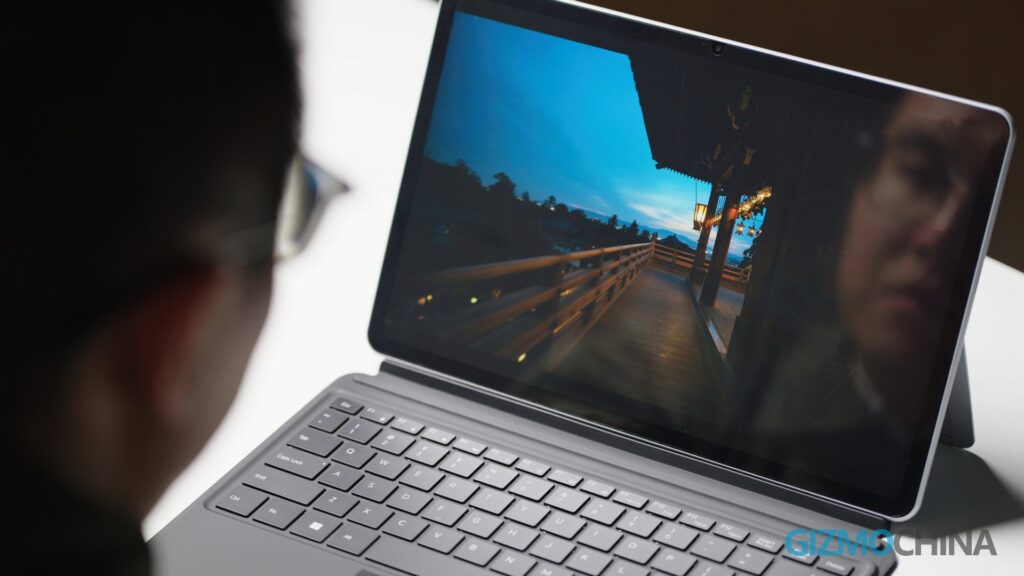
Magnetic Pogo pin keyboard: This device comes with a keyboard, the keyboard attaches more securely than the older model’s floating design, with no wobble during typing. The 1.2mm key travel offers better tactile feedback, making 3000-word essays or long emails more comfortable.

The touchpad, 20% larger than the older model’s, supports smooth three-finger gestures, reducing reliance on an external mouse. Pressure-sensitive stylus: Retaining 4096-level pressure sensitivity and 18ms latency. However, two drawbacks persist: no eraser function on the stylus body and no magnetic attachment to the device.

Who Should Buy It?

Previous iWork GT owners: Frustrated by the small screen, limited RAM, or multitasking lag—this upgrade fixes all core pain points.
Students: Need Windows 11 for assignments, note-taking, and occasional vlog editing; value the large display and long battery life without the Surface Pro 10’s premium price tag. Mobile professionals: Travel frequently, hate carrying adapters (USB-A is a game-changer), and prioritize lightweight design for commutes or business trips.

Final Verdict

The 2025 ALLDOCUBE iWORK GT Ultra isn’t a revolutionary device—it’s a refined, user-centric upgrade that solves the previous model’s most frustrating flaws. The 13-inch 2.5K display, Intel Core Ultra 5 performance, and 15000mAh battery directly enhance productivity, while the pragmatic port selection and lightweight design cater to mobile users.

For students, mobile professionals, and previous iWork GT owners seeking a Windows 11 2-in-1 that balances performance, portability, and affordability, this is one of 2025’s strongest contenders.

Where To Buy

This ALLDOCUBE iWORK GT Ultra is now available on Amazon: Amazon Europe | Amazon Japan.

What was reported as Moto G Stylus (2026) could actually be the G Power (2026)

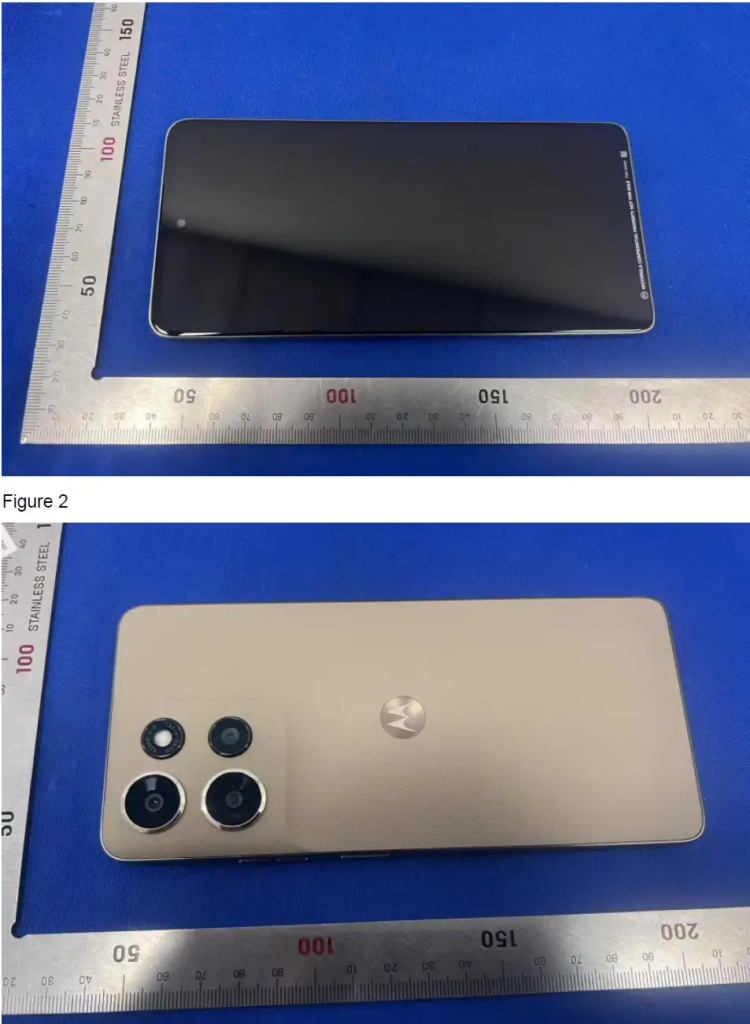
Tipster claims a recent Motorola leak wasn’t what most people thought it was. A few days ago, a set of clean-looking renders popped up online, and it was reported to be the successor to the Moto G Stylus (2025).

Reliable leaker Evan Blass now claims the phone in those images is actually the Moto G Power (2026) — the follow-up to the Moto G Power (2025), which has been on sale since Q1 2025.

This lines up with some breadcrumbs from earlier in the year too. The exact same blue and cream finishes showed up in promotional material spotted by Android Headlines back in May, and those images were specifically tied to the G Power line.

Design-wise, not much is changing. The new model sticks closely to Motorola’s current template — flat sides, centered punch-hole camera, and a familiar rear layout. The biggest update visible so far? New paint jobs. The refreshed colors replace the options offered with the 2025 version and give the phone a slightly cleaner look.

Motorola usually refreshes the G Power series in the first few months of the year, so an early-2026 launch still feels likely. Specs are a mystery for now, so we’ll have to wait and see whether Motorola boosts the battery capacity, swaps in a more capable chipset, or just keeps things modest.

Still, if you were expecting a redesign or major reinvention, don’t hold your breath. Motorola seems happy to stick with the same big battery, low-cost formula — with a fresh coat of paint to keep things moving into 2026.

Don’t miss a thing! Join our Telegram community for instant updates and grab our free daily newsletter for the best tech stories!

For more daily updates, please visit our News Section.

Galaxy S27 Ultra camera detail disappoints

Samsung fans hoping for a big camera upgrade in 2027 might want to lower their expectations a bit.

There’s been plenty of speculation that the Galaxy S27 Ultra would finally move past the familiar 1/1.3″ 200-megapixel sensor Samsung has been using since the S23 Ultra. The most exciting rumor pointed to Sony’s new LYT-901 — a 1/1.12-inch 200 MP sensor unveiled recently and already being hyped as the next big thing in Android photography.

Galaxy S25 Ultra
Galaxy S25 Ultra

But according to well-known tipster Ice Universe, Samsung isn’t planning to use it. While that may sound obvious considering Samsung makes its own sensors, his prediction that the S27 Ultra’s sensor size will remain unchanged does seem reasonable. In fact, Samsung has steadily been shrinking its 200MP sensor generation after generation since the very first one. In other words, it’s highly unlikely we’ll see a near-1-inch (or even slightly larger) 200MP ISOCELL sensor anytime soon.

  • ISOCELL HP1: 1/1.22″
  • ISOCELL HP2: 1/1.3″
  • ISOCELL HP3: 1/1.4″
  • ISOCELL HPX / HP9: 1/1.4″

And for those wondering why it matters, a smaller sensor with smaller pixels produces less accurate signals, which generally results in relatively poorer image quality. This aligns with what we’ve seen in camera comparison tests between the Galaxy S25 Ultra and its Chinese counterparts such as the vivo X300 Pro.

Samsung’s top-tier phone in 2027 could once again rely on a slightly “updated” version of the 1/1.3-inch ISOCELL sensor we’ve seen for several years now.

Over the past few generations, the company has leaned heavily on software processing to squeeze improvements out of largely unchanged camera hardware. Meanwhile, rivals have been pushing ahead with bigger sensors, and many of the phones, such as the Oppo Find X9 Pro (our review) and vivo X300 Pro, are nicely tuned for those sensors as well.

For now, the latest leak suggests the next few Ultra phones won’t be the generational camera jump many are hoping for — even when the rest of the industry keeps moving forward.

Don’t miss a thing! Join our Telegram community for instant updates and grab our free daily newsletter for the best tech stories!

For more daily updates, please visit our News Section.

(Source: Ice Universe)