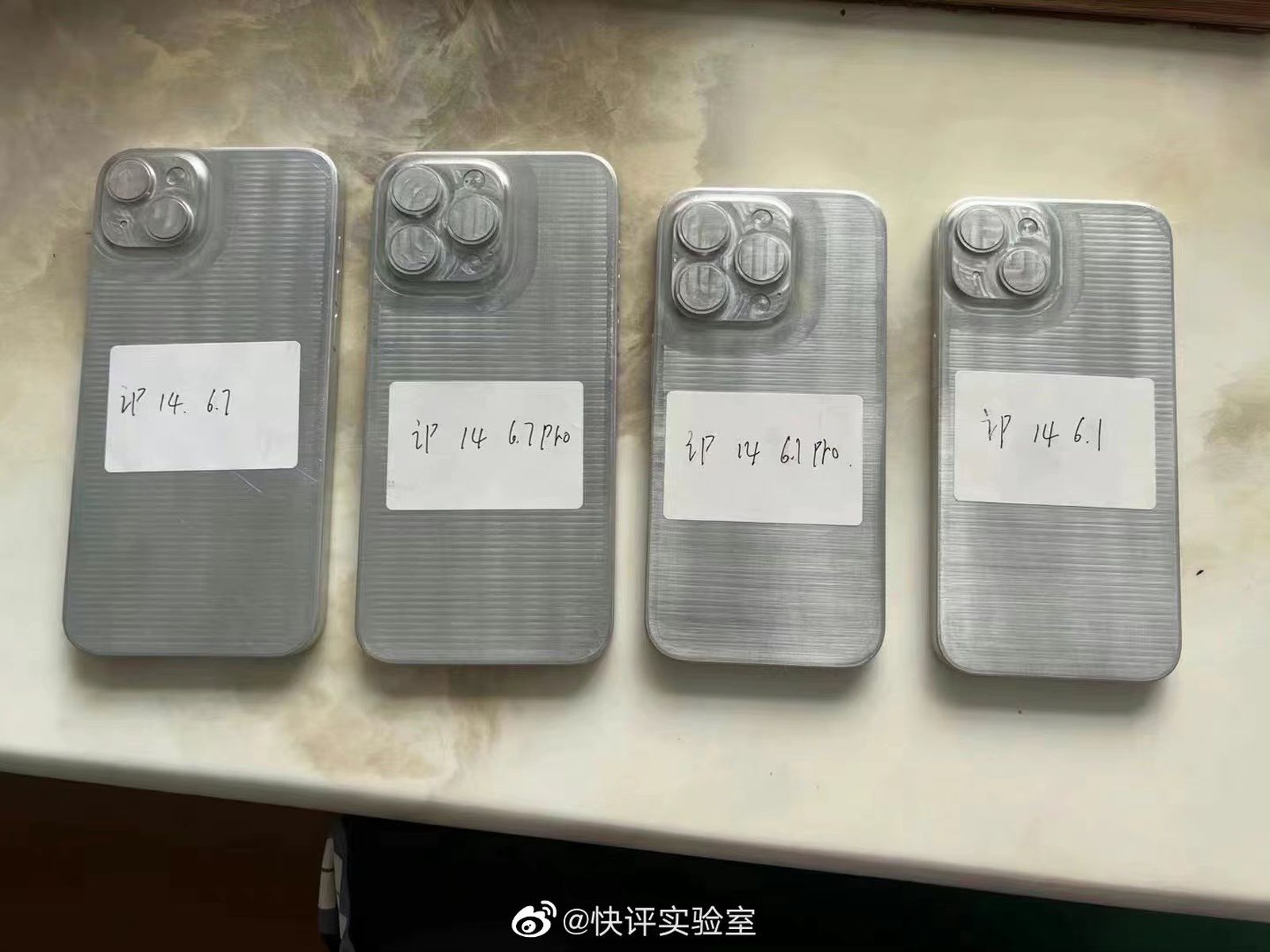
The Apple iPhone 14 series is set to launch in the second half of this year. But prior to its release, there has been a number of rumors and reports regarding the upcoming models. And now, the latest leak has revealed some of the possible specifications and price of the new iPhone 14 Max.
According to tipster @shadow_leak on Twitter, the Cupertino based giant’s iPhone 14 Max will sport a 6.68 inch flexible OLED panels that has a resolution of 2,248×1,284 pixels. Furthermore, this screen will have a 458ppi pixel density and a 90Hz refresh rate. For those unaware, the Max model is reportedly the new entry that sits between the base and Pro variant and features a display similar to the Pro Max variant. It also replaces the Mini model, which was unpopular in the smartphone market.
The tipster added that the iPhone 14 Max will feature the A15 Bionic chipset and will be paired with 6GB of LPDDR4X RAM and either 128GB or 256GB of internal storage. Only the higher end iPhone 14 Pro and Pro Max are rumored to feature the A16 Bionic chipset. On the rear, the iPhone 14 Max will house a dual camera setup, which consists of two 12 megapixels sensors. Notably, previous reports have hinted at improvements in the front facing camera and the inclusion of satellite connectivity.
While the smartphone is still months away from launch, the tipster also shared the pricing of the iPhone 14 Max. Apparently, the 6GB + 128GB model will be priced at 899 US Dollars. Going by Apple’s usual pricing strategy, we can expect the higher end model to easily cross the 1,000 US Dollar mark as well. Keep in mind that this is still an unconfirmed report so take it with a pinch of salt and stick around for more updates.
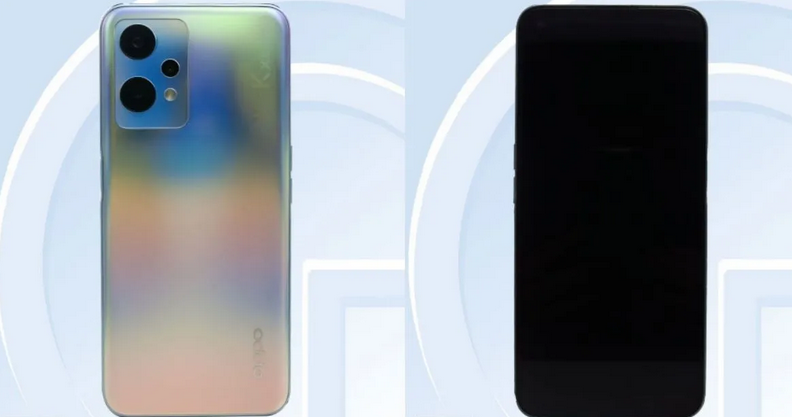
Just last month, Oppo had launched its K10 series of smartphone, which included a base, a 5G enabled, and Pro variant. Now, it seems that the company plans on releasing another entry in the series, dubbed the Oppo K10x.
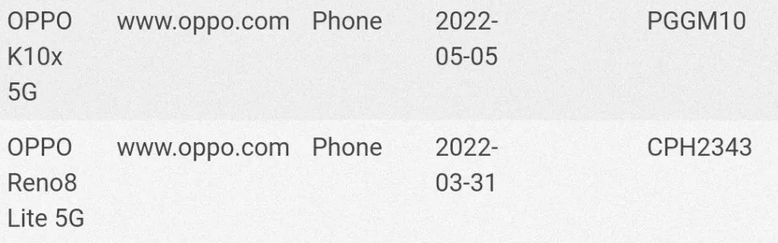
The news arrives from a TENAA listing, which confirmed its moniker and also hints that its launch is imminent. Looking at the listing on the Chinese certification website, the handset will carry the model number PGGM10 and arrives with features quite similar to another model from Realme. As of right now, it also appears that the Chinese smartphone maker plans on silently releasing the device rather than announcing it in a press conference.
The listing also revealed its specifications, which includes a 6.59 inch TFT display with a Full HD+ resolution. Under the hood, the handset is powered by a large 4,880mAh battery pack and is equipped with a Qualcomm Snapdragon 695 SoC. This chipset is paired with either 6GB or 8GB of RAM and 128GB or 256GB of internal storage. For photography, the Oppo K10x features a triple camera setup on the rear, with a 64 megapixel primary sensor and two 2 megapixel shooter for depth and macro.
Thus, the smartphone seems quite similar to the Realme V25, in terms of both design and specifications. So, we can expect the handset to arrive in a Silver and Black color option as well. It is unclear if the device supports high refresh rate as well, but if it is a rebranded V25, we can expect to see a 120Hz panel.
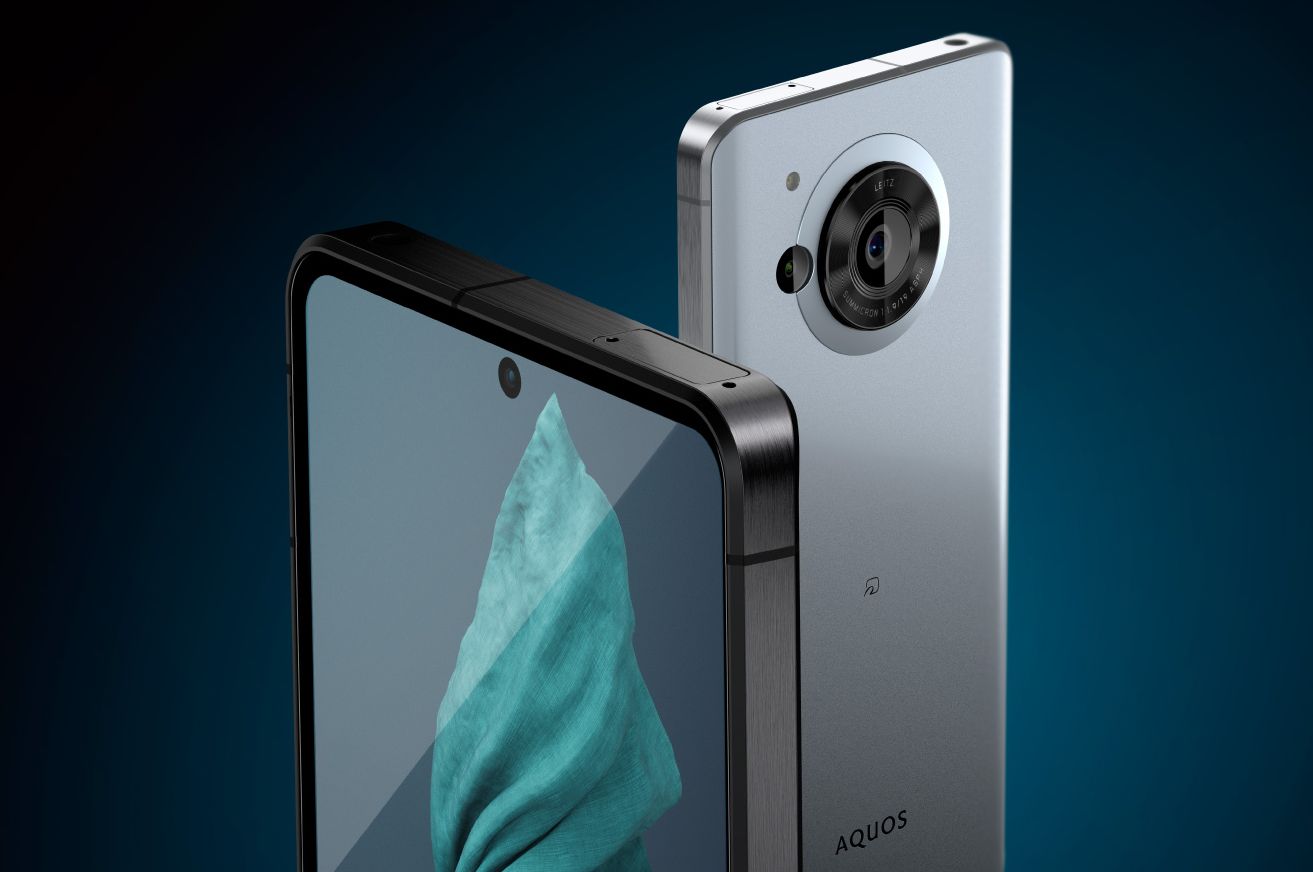
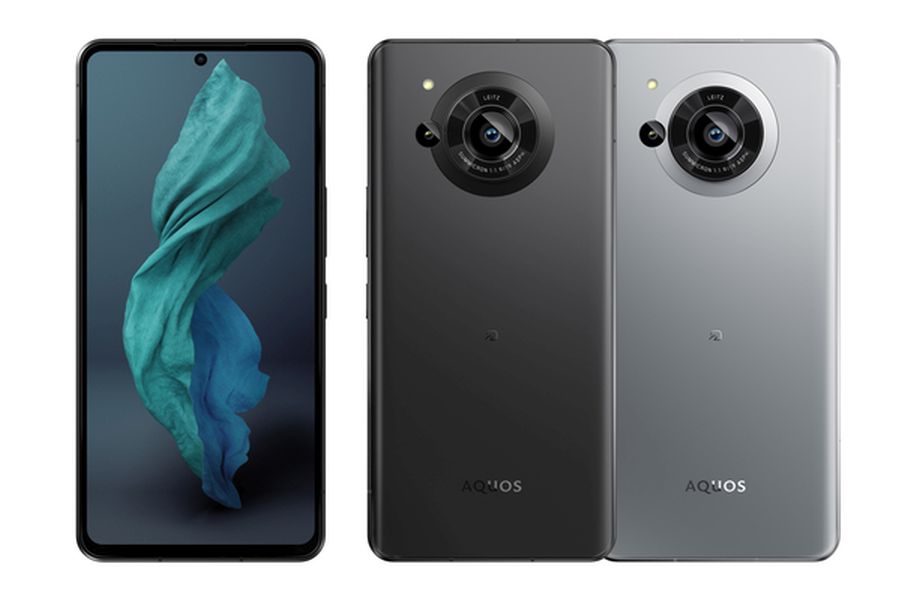
Sharp has announced the AQUOS R7, its first flagship phone powered by the Snapdragon 8 Gen 1 mobile platform. Some of its other notable features include a 240Hz IGZO OLED panel, a Leica optimized rear camera, and a 5,000mAh battery. Here is all the information on the specifications available on the AQUOS R7.
Sharp AQUOS R7 specifications and features
The Sharp AQUOS R7 has a 6.6-inch Pro IGZO OLED screen that offers a resolution of 1260 x 2730 pixels, 2000 nits of brightness, a 1Hz to 240Hz variable refresh rate, 10-bit colors, and Dolby Vision support. Like the predecessor AQUOS R6 model, the R7 continues to sport a display with a centrally positioned punch-hole. It is equipped with an ultrasonic in-display fingerprint scanner. The device runs on the Android 12 OS, which is overlaid with Sharp’s custom UI.
Sharp AQUOS R7
Placed on the front is a 12.6-megapixel selfie camera. Its rear camera setup has a 47.2-megapixel 1-inch camera with an LED flash and an f/1.9 aperture. It comes with support for all-pixel octa PD autofocus, which promises twofold fast AF speed than conventional autofocus. It can quickly focus on moving subjects, and it can detect the whole body, face, and eyes of a person in real-time. The official images show that there is another lens accompanying the main rear camera. However, there are no details available on it yet.
Sharp AQUOS R7
The Snapdragon 8 Gen 1 powered AQOUS R7 comes with 12 GB of RAM and 256 GB of storage. It packs a 5,000mAh battery. There is no word on the fast-charging capabilities of the device. It offers other features such as 5G connectivity, Wi-Fi 802.11ac, Bluetooth 5.2, NFC, and a USB-C port. Lastly, the AQUOS R7 is a waterproof and dust-resistant device.
Sharp AQOUS R7 price and availability
There is no information available on the pricing of the AQUOS R7. The handset is expected to release in the Japanese market in July this year. It will be available in black and silver on the home market. The device is unlikely to launch in markets outside Japan.
POCO F4 Indian variant appeared on the IMEI database of the GSM Association, as per a tipster. The new development comes just a day after the first sale of POCO M4 Pro 5G in India. It is speculated that the upcoming POCO phone is nothing but a rebranded K40S.
Tipster Mukul Sharma, who goes by the username @stufflistings on Twitter, spotted the POCO F4 Indian variant listing on the IMEI database. He shared the screenshot of the listing which indicates that although the database does not directly mention the name of the device, it does carry model number 220212111RI which is believed to be associated with the upcoming POCO F4.
The model number includes the letter ‘I’ which suggests that the smartphone is for the Indian market. This hints that POCO F4 would soon make its way to India.
POCO has been a massive success for Xiaomi. In just 4 years, the brand has marked a significant presence in India. The Xiaomi sub-brand was known for offering top-of-the-line specifications at an affordable price. However, POCO appears to have copied moves from OnePlus’ playbook. The brand is focusing more on rebranding rather than innovating.
POCO F4 Specifications (Expected)
The POCO F4 will likely feature a 6.3-inch FHD+ AMOLED display with a 120Hz refresh rate. It is expected to house a triple camera set up on the back consisting of a 50MP primary sensor, a 13MP ultra-wide sensor, and a 5MP tele-macro snapper. On the front, it may have a 32MP sensor for selfies and video calls.
POCO F4 GT
The device will likely have Qualcomm Snapdragon 870 processor under the hood, the same as its predecessor POCO F3. The chipset will be paired with LPDDR5 RAM and UFS 3.1 storage.
The POCO F4 will run MIUI 13 based on Android 12. It will likely get fueled by a 4,5000mAh battery, which will be able to charge at 67W.
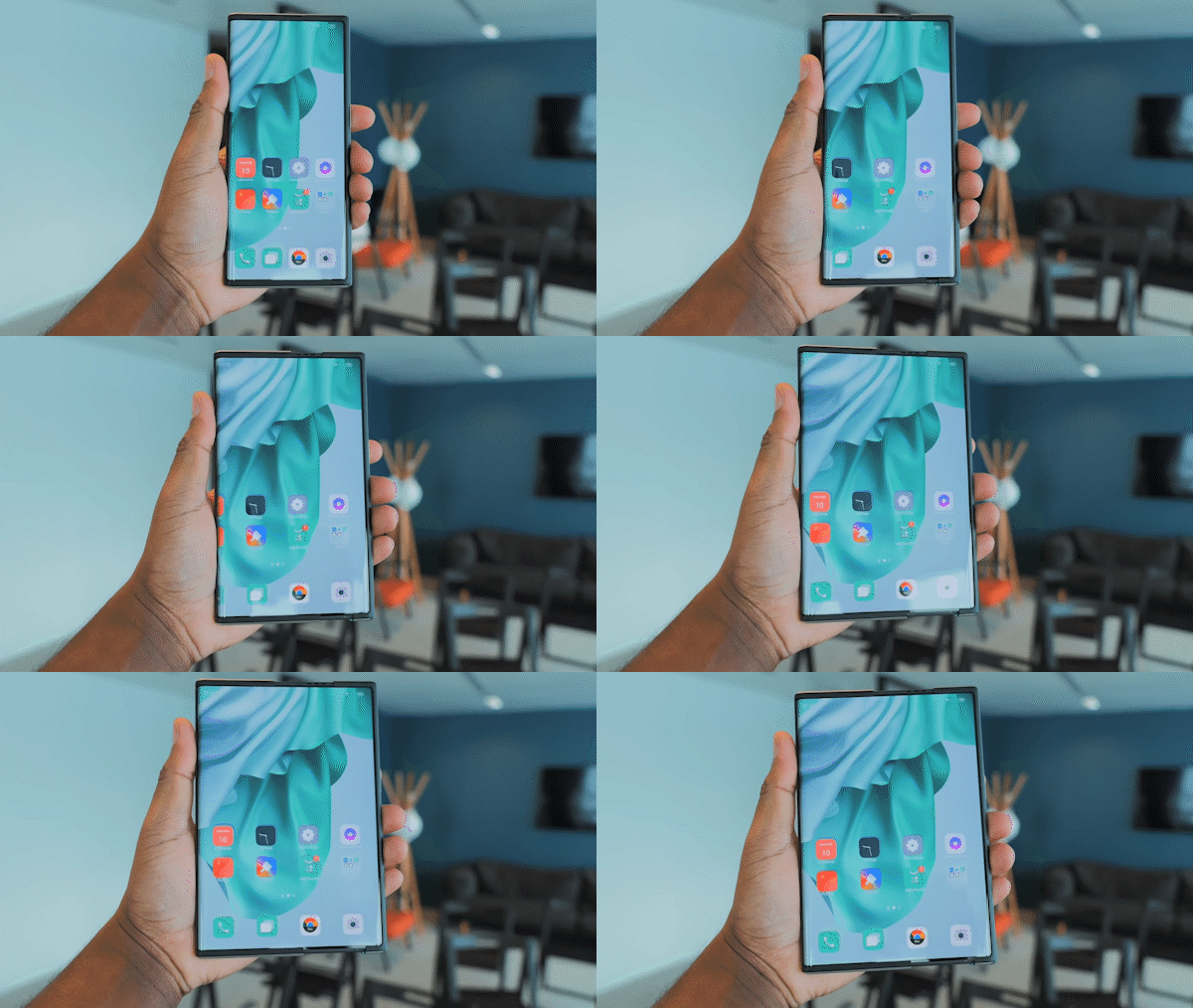
Which brand will launch the first smartphone featuring a rollable display? LG was reported to be working on the so-called LG Rollable phone with rollable screen, but the company abruptly exited the smartphone market. OPPO developed a concept phone with a rollable display in 2020 and is rumored to launch its commercial version this year. However, a new report suggests that a Motorola phone codenamed Felix featuring a rollable display is in the works. It remains to be seen whether the device ends up as the world’s first rollable display smartphone.
According to 91mobiles, the Felix device by Motorola is significantly different from LG’s and OPPO’s rollable devices. From the outside, these devices appear to be regular smartphones. The screen on these devices was bendable, so it could be spread out horizontally to make it wider, like a tablet.
OPPO X 2021 concept phone with rollable display
The report reveals that Motorola’s first rollable smartphone has a flexible screen that expands vertically. In the compact mode, a third of its screen can be wrapped around a spindle at the bottom and facing backwards. This indicates that the Motorola Felix will be a pocket-friendly device. However, there is no word on the specifications and final marketing name of the device.
The report claims that the Motorola Felix is in the very early stages of development. Since the company does not have a working hardware prototype for the Felix, the software designed for it is tested on a modified version of the Motorola Edge 30 Pro. Hence, it appears that the Motorola Felix will take around a year to make its debut and hit the shelves.
Since the product is in the very early stages of development, Motorola may make some design changes before its launch. Hopefully, the rumor mill will spill more information on the Felix device in the coming months.
Realme Pad 5G launch date could be drawing near. A new leak has claimed that the tablet could be arriving in two CPU variants, featuring different Snapdragon 8-series chipsets. Here is all the information on the Realme Pad 5G specifications that are known so far.
Tipster Digital Chat Station has said that the next thing to watch out from Realme is the Realme Pad 5G, which indicates that it may launch soon. He claimed that the prototype of the tablet is powered by different chipsets.
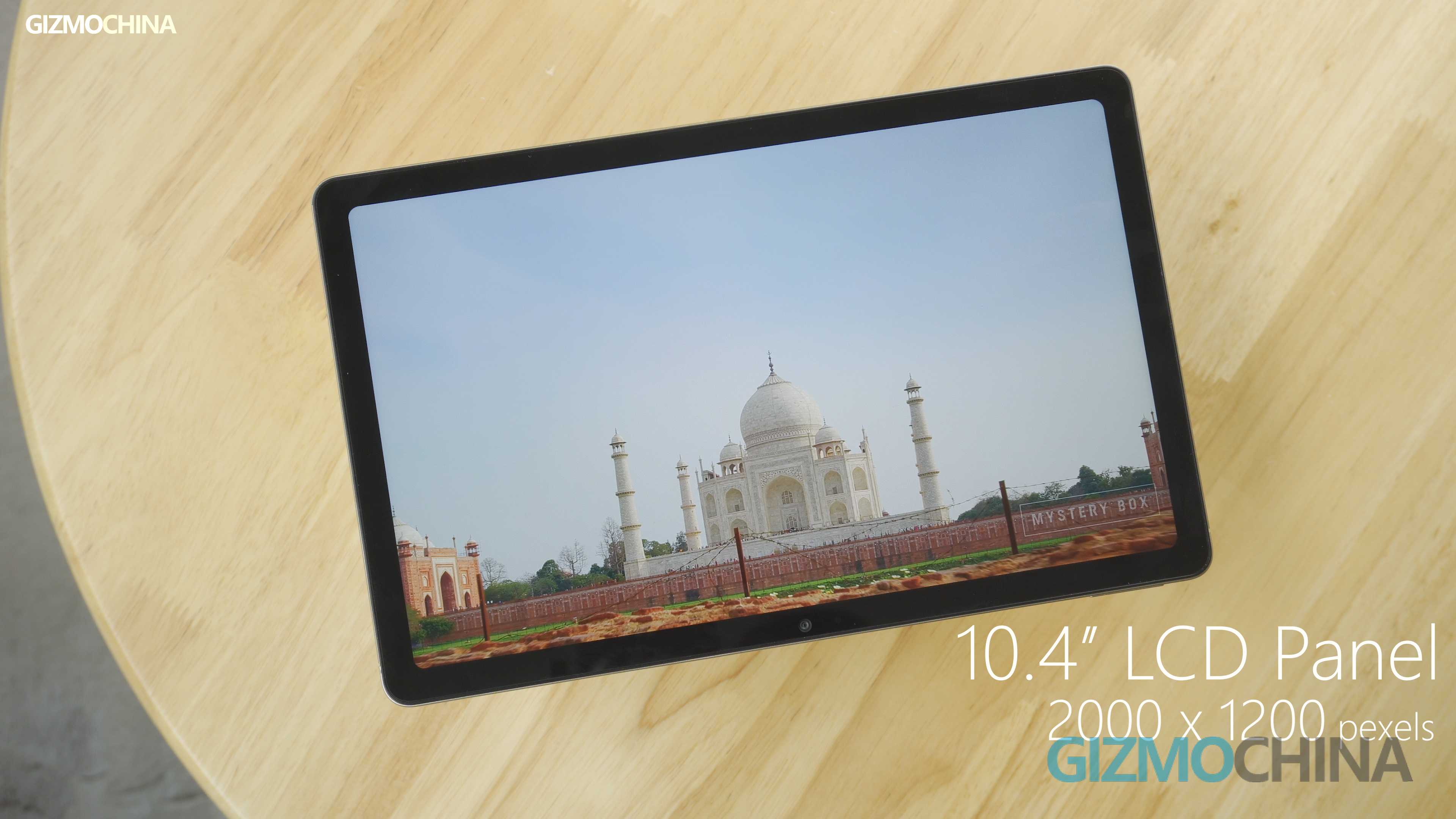
The Snapdragon 870 SoC variant of the tablet is fitted with an LCD screen that produces a 2.5K resolution. The device will be backed by an 8,360mAh battery. He did not share any details on the cameras or the fast charging capabilities of the device. However, he added that the tablet will come with support for a stylus.
Realme Pad
He then went on to speak about the other prototype of the Realme Pad 5G. This model is likely to feature the Snapdragon 8 Gen 1+, which hasn’t gone official yet. A recent report claimed that the SD8G1+ chip is likely to debut in the second half of 2022. Unfortunately, there is no information on the other specs of the tablet. However, the only other thing that is known about this variant is that it may debut in the Chinese market with the Realme Pad 5G Master Explorer Edition name.
Realme entered the tablet market last year with the launch of the Helio G80 powered Realme Pad, which was a 4G device. In April, Realme announced the Realme Pad Mini in some markets, like the Philippines and India. Since Realme CEO, Madhav Sheth, has confirmed the arrival of the Realme Pad 5G, it appears that it will also be available in global markets apart from China.
Realme entered the tablet market last year with the launch of the Helio G80 powered Realme Pad, which was a 4G device. In April, Realme announced the Realme Pad Mini in some markets like the Philippines and India. Since Realme CEO, Madhav Sheth has confirmed the arrival of the Realme Pad 5G, it appears that it will also in global markets apart from China.
Apple’s lineup of audio products under the AirPods series has been widely successful, accounting for billions in revenue. The company is now gearing up to launch the next-generation products in the coming months.
The Apple AirPods Pro 2 has been making rounds for months now and was expected to go official last year, but the rumored launch of the TWS earbuds didn’t happen that time. A new report from Mark Gurman of Bloomberg in the Power On newsletter hints at its launch in the fall of this year.
Earlier, it was rumored that the next-generation Apple AirPods Pro would be launched in the market in the second half of this year, i.e., H2 2022. We now have a narrower timeframe for the launch of the earphones.
The report further adds that along with the AirPods Pro 2, the company will also launch a new AirPods Max headphones with a refreshed design and new color options.
The launch timeline of fall makes sense given that the original models of the AirPods Pro were also launched by Apple in fall 2019. As it has been around three years, users are not looking to upgrade, and some buyers of the original model may be facing battery issues.
As for the earphones, they are expected to come packed with motion sensors for the fitness tracking capabilities alongside the Apple Watch. It will have a revamped design, eliminating the stems that drop below the earbuds.
It is also expected to be powered by an upgraded chip that brings advanced audio-related functions like active noise cancellation and more improvements, resulting in improved battery life. There could be support for Apple Lossless Audio Codec (ALAC) and if that happens, then it would be the first TWS earphones from the Cupertino-based tech giant to support lossless audio.
Xiaomi‘s ecological chain partner roborock has launched a new robot vacuum cleaner packing a more powerful suction power. The Roborock T8 Plus robot vacuum cleaner is an upgraded version of the Roborock T8 that was launched in March this year.
The Roborock T8 Plus series comes in two variant – the Roborock T8 Plus and Roborock T8 Plus Smart Dust Collection. The vanilla variant starts at 2,799 yuan(~$419) and 3,598 yuan (~$539) respectively.
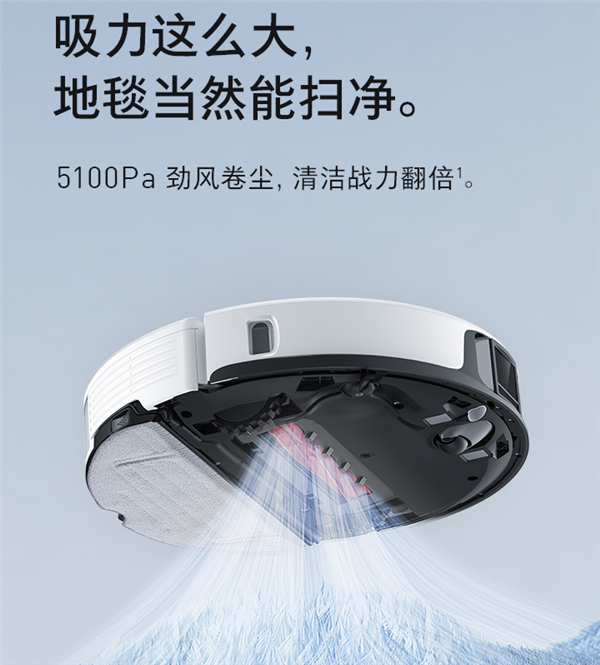
The major highlight of the Roborock T8 Plus is the massive suction power of 5100Pa. With the main brush that is not easy to entangle hair and the adjustable speed side brush, it can easily handle ground dust, floor gap dust, carpet dust, etc.
Roborock T8 Plus also uses TPU soft rubber material omnidirectional floating glue brush. The brush is designed with five long and five short strands that ensures effective wind pressure and dust removal. It is more suitable for the carpet/hair environment than the rubber-hair integrated main brush, and it is not easy to get stuck.
The T8 Plus equally packs a large 2.5L dust bag and can automatically collect dust from the robot vacuum for up to 60 days without a need for evacuation. The dust bag adopts a sliding dust bag mouth sealing design to avoid dust and ash leakage.
Furthermore, the T8 Plus supports sonic vibration and constant humidity mopping. It is equipped with a liftable pallet and a sonic vibration mopping module. The high-frequency vibration design of up to 3000 rpm motors can effectively disintegrate the dirt on the ground.
The vacuum cleaner also comes with a flat vibrating mop with antibacterial properties. Specifically, the built-in electronically controlled water tank of the Roborock T8 Plus can be used for constant-humidity wiping, full-width floor cleaning.
The T8 Plus adopts a structured light active ranging and obstacle avoidance, reaching millimeter-level 3D structured light ranging. With the help of infrared light, the robot can recognize obstacles and avoid obstacles in dark environments. The mapping speed is also increased up to 6 times as a result of an upgrade to RR mason 9.0 software.
In other respects, the new product supports functions such as regular cleaning, automatic recharging, child lock protection, voice control, and multi-floor switching.
Last month, Realme launched its latest Q-series flagship smartphone in the market, which has three models — Realme Q5 Pro, Q5i, and Q5. Along with that, the company had also announced the Realme Q5 Pro Gift Box Limited Edition.
Now, the Realme Q5 Pro “Time Agent” Gift Box Limited Edition smartphone is available for purchase in the Chinese market for the price of 2,299 yuan, which is about $345.
The Gift Box Edition comes with a custom-designed box and a few accessories, including a phone case with Time Agent anime characters. The phone has the same design on the back panel as the regular model with a yellow-colored square pattern.
As for the specifications, the Realme Q5 Pro features a 6.62-inch AMOLED E4 screen that has a punch-hole cutout at the upper-left corner. It supports a Full HD+ screen resolution, a 120Hz refresh rate, 1.300 nits of brightness, and a 92.6 percent screen space.
Under the hood, the device is powered by the Qualcomm Snapdragon 870 processor, coupled with up to 12GB of RAM LPDDR4X RAM, up to 5GB of Virtual RAM, and up to 256GB of UFS 3.1 internal storage.
In the camera department, there’s a triple-camera setup on the back that includes a 64-megapixel primary camera, an 8-megapixel ultrawide lens, and a 2-megapixel macro sensor. On the front side, it has a 16-megapixel snapper for taking selfies and video calling.
The Realme Q5 Pro runs the Android 12 operating system out-of-the-box with the company’s own Realme UI 3.0 on top. It is powered by a 5,000mAh battery which comes with support for 80W fast charging.
Chinese tech company iFLYTEK has launched its first C-end medical product series dubbed iFLYTEK Smart Hearing Aids. The pair of hearing aid comes in two models Pleasure and Privilege, both having core functions such as digital multi-channel, autonomous app fitting, and adaptive scene recognition.
Compared with most 6-channel analog products on the market, iFLYTEK Smart Hearing Aid supports digital 16-channel WDRC technology and combined with professional medical fitting calculations, it can achieve better language understanding and comfort according to the hearing loss of different patients.
The digital 16 channels used by iFLYTEK smart hearing aids can cover the voice range of 0Hz-8000Hz, bringing more accurate speech understanding and better hearing comfort to hearing loss patients, making communication smooth and unimpeded. In addition, iFLYTEK’s smart hearing aid uses dual-mic array pickup and software algorithms to enable the hearing aids to accurately focus on the voices in front of them when working, remove ambient noise, and make face-to-face communication easier.
The smart hearing aid also comes with built-in multiple frequency points for audiometry. With the efficient and easy-to-use mobile app, users can complete the hearing test anytime and anywhere. It can also track the user’s environment in real-time through the self-developed AiScene scene recognition system, perform equalization channel noise reduction adjustment, and finally obtain a perfect environmental noise suppression solution.
With as many as 6561 noise reduction modes automatically switched, iFLYTEK smart hearing aids can dynamically process various scenes in life, bringing users a natural and perfect listening experience. Based on iFLYTEK’s advanced artificial intelligence voice technology, users can also intuitively see the results of voice dialogue to text through the mobile app, and achieve double protection of communication through subtitles for hearing aids.
Furthermore, the iFlytek smart hearing aid has a built-in AiClear whistle suppression algorithm, which tracks whistling signals all the time, combined with shock absorbers to eliminate the vibration of the moving iron.
At the same time, the fuselage is equipped with an independent in-ear detection sensor, which can judge the wearing switch status of the hearing aid in real-time, and achieve a reliable howling suppression effect throughout the whole process.
The iFLYTEK smart hearing aid adopts the popular TWS earphone shape, with the ear canal fit and anti-drop design, bringing a more stylish and comfortable wearing experience to hearing-impaired users and also has various functions of TWS Bluetooth earphones. In terms of material, the earplugs of the smart hearing aids are added with a silver ion antibacterial agent, which has passed the safety certification of the Guangdong Provincial Microbiological Analysis and Testing Center, and the antibacterial rate is as high as 99.9%.
In order to ensure sound quality is at the optimum level, iFLYTEK smart hearing aids have built-in professional moving iron units, which have a high-frequency resolution of more than 10,000Hz, the sense of hearing is more distinct, and the human voice is more stable and real.
The hearing aids also features a charging storage compartment. While the hearing aids can provide up to 14 hours of continuous use on a single charge, the charging compartment extends to usage to up to 64 hours.
As for the pricing, the iFLYTEK smart hearing aids Pleasure is priced at 1699 yuan (~$255) while the Privilege model is priced at 999 yuan (~$150).
Vivo Y15c has quietly launched in India. The new Y-series device is a second offering after the Y15s that debuted in February this year. The Vivo Y15c is a budget smartphone and it comes with similar specifications as the Y15s.
The Vivo Y15c is a budget offering
Vivo Y15c specifications and features
The Vivo Y15c has a 6.51-inch LCD display bearing an HD+ resolution and a waterdrop notch. The device comes with a gradient back panel featuring vertical stripes. It also houses a square-shaped camera module accommodating a 13MP main sensor and a 2MP secondary lens. There is an 8MP front-facing selfie snapper. The phone comes with various photography-related features.
Internally, the Vivo Y15c is equipped with a MediaTek Helio P35 processor. It is coupled with 3GB RAM and offered in either 32GB or 64GB storage options. There is a dedicated microSD card slot for additional storage expansion. The smartphone draws its power from a 5,000mAh battery unit with support for 10W charging speed. Software-wise, the device runs on Funtouch OS 12 based on Android 12 out of the box.
The Vivo Y15c comes with a side-mounted fingerprint scanner embedded in the power button. Connectivity options on the smartphone include a micro USB port, dual 4G VoLTE, GPS, 3.5mm headphone jack, WiFi, and Bluetooth 5.2.
Vivo hasn’t announced the pricing and availability of the latest Y15c smartphone yet. The smartphone is available in Mystic Blue and Wave Green colours.
Taiwanese manufacturer KYMCO is making a bold entry into the electric scooter market in Europe. The company will launch its lonex electric scooters with battery swapping functionality in Italy. There seems to be direct competition for leadership in the swappable batteries e-scooter market. Gogoro, KYMCO, and Honda are ahead of other competitors in the market.
Gogoro is the leader in this segment but has focused its niche offerings in Asia, with China, India, and Indonesia at the fore. KYMCO’s move to enter Europe will deliver e-scooters with swappable batteries to Europe at a much larger scale than the others. While Gogoro already has its electric scooters on a smaller scale in Europe, KYMCO hopes to swoop on Italy. The lonex scooters will be distributed by KMI di Padana Sviluppo.
The KYMCO lonex lineup includes the lonex Many 110 EV with a top speed of 50km/h and a range of 200km. The 200km range is achieved thanks to 5 swappable lonex battery packs which can be carried in the scooter. The battery can easily be charged from mains electricity or swapped at a swapping station. The lonex Many 110 EV is an urban e-scooter and could prove an instant hit in Italy. One thing however with the swappable battery system is the need for infrastructure for swapping stations across the country.
The magnitude of KYMCO’s entry into Italy will unfurl in the coming weeks, as we expect the expansion to other countries in the region.
As one of the world’s largest smartphone markets, China with its population of over 1 billion reflects several of the future trends that we may see in the smartphone industry, with one of them being the brand of the SoC (System on a Chip) used in our smartphones.
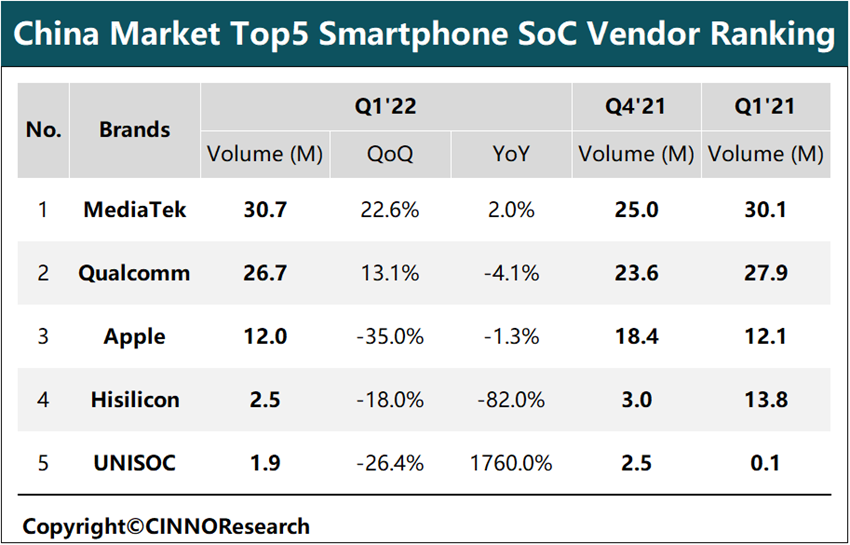
As we are almost halfway into 2022, data analytics firm, CINNO Research, has recently published a report on the Top 5 Smartphone SoC Vendors in the China market for Q1 2022, and it seems that MediaTek is the popular SoC brand used in smartphones for the quarter.
According to the report (via ITHome), smartphone SoC shipments in Q1 2022 were 74.39 million units, down 14.4% year-on-year, and down 0.7% quarter-on-quarter. And the top 5 vendors for the smartphone SoC vendors are MediaTek in the first place, Qualcomm in second, Apple in third, with Huawei’s HiSilicon and UNISOC in fourth and fifth respectively.
Source: CINNO Research
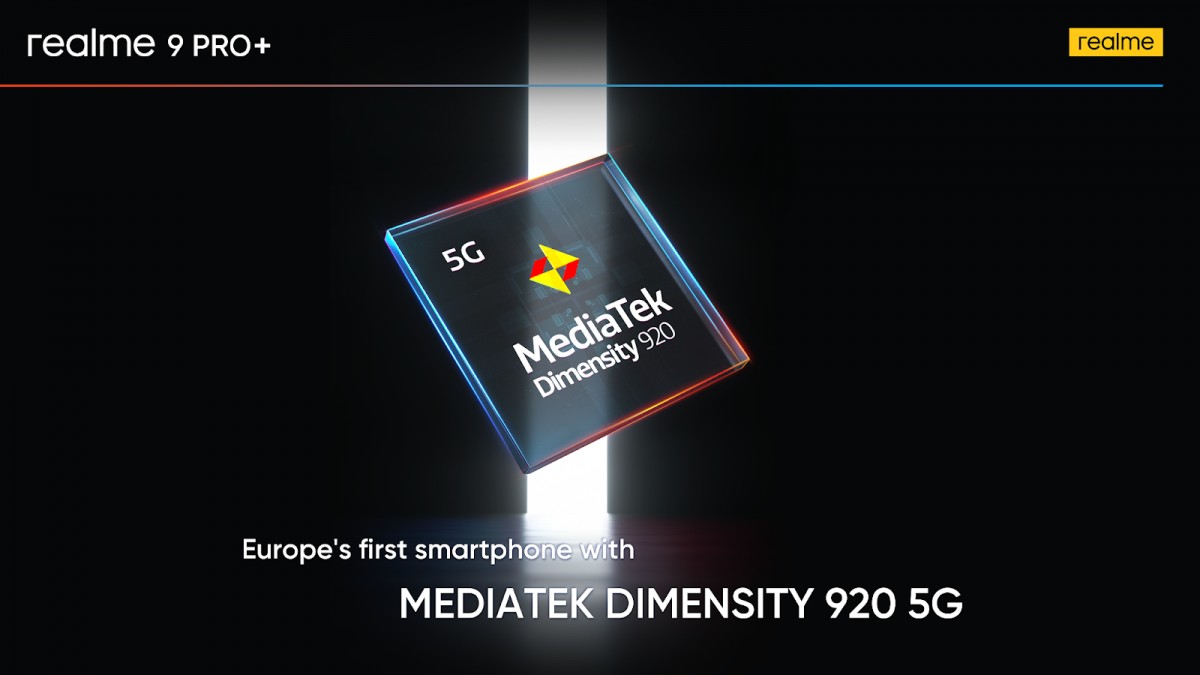
Let’s start from top to bottom, MediaTek saw 30.7 million smartphone chipsets shipped out in Q1 2022, which was higher than its 25 million shipments from last quarter, and 30.1 million shipments from Q1 2022. The rise in smartphone SoC shipments MediaTek can be mainly attributed to the semiconductor firm’s strategy and chipset catalogue that it had offered in the last 6 months, which included the brand’s popular Dimensity 920 5G chipset found on the Redmi Note 11 Pro+, Realme 9 Pro+ and Xiaomi 11i Hypercharge.
For Qualcomm, the brand remained relatively stable at second with 26.7 million smartphone SoC shipments in Q1 2022, higher than the 23.6 million figure from last quarter, but lower than the 27.9 million shipments from Q1 of last year. Coupled with the ongoing chip shortage, Qualcomm had earlier announced that it will gradually shift its focus to flagship chipsets instead of entry-level and mid-range chipsets due to flagship chipsets providing higher profit margins. However, the one caveat of this strategy is losing market share in mid-range and entry-level markets, which leads to lower shipments overall but higher revenues for the company.
Apple on the other hand, had only shipped 12 million smartphone SoCs in Q1 2022, down 15.8% from its 18.4 million figure from Q4 2021. As the iPhone nears the end of its release cycle, shipments are also expected to go down as well, because consumers are already expecting a new iPhone release soon, and therefore would hold off buying the current model and wait for the next iteration instead.
Huawei’s HiSilicon continues its gradual exit from the China smartphone SoC market as the firm had only shipped out 2.5 million units this quarter, down from 13.8 million in Q1 2021. As stocks for HiSilicon Kirin are not replenished due to the still ongoing supply sanctions against the company, the brand is expected to drop out of the top 5 as late as next year or as soon as the next quarter.
Squeezing just into the Top 5 is the rapidly growing UNISOC semiconductor company. UNISOC saw shipments of 1.9 million smartphones SoCs in Q1 2022, up 1760% from 0.1 million in Q1 2021. The main cause for the exponential growth behind UNISOC is the entry-level smartphone market. As the bigger players like Qualcomm and Apple’s main focus area is in the high-end, UNISOC aims to tackle the low end with its relatively much more affordable chipsets sold off to Realme, Motorola and Samsung to sell in their sub 100 dollar device market.
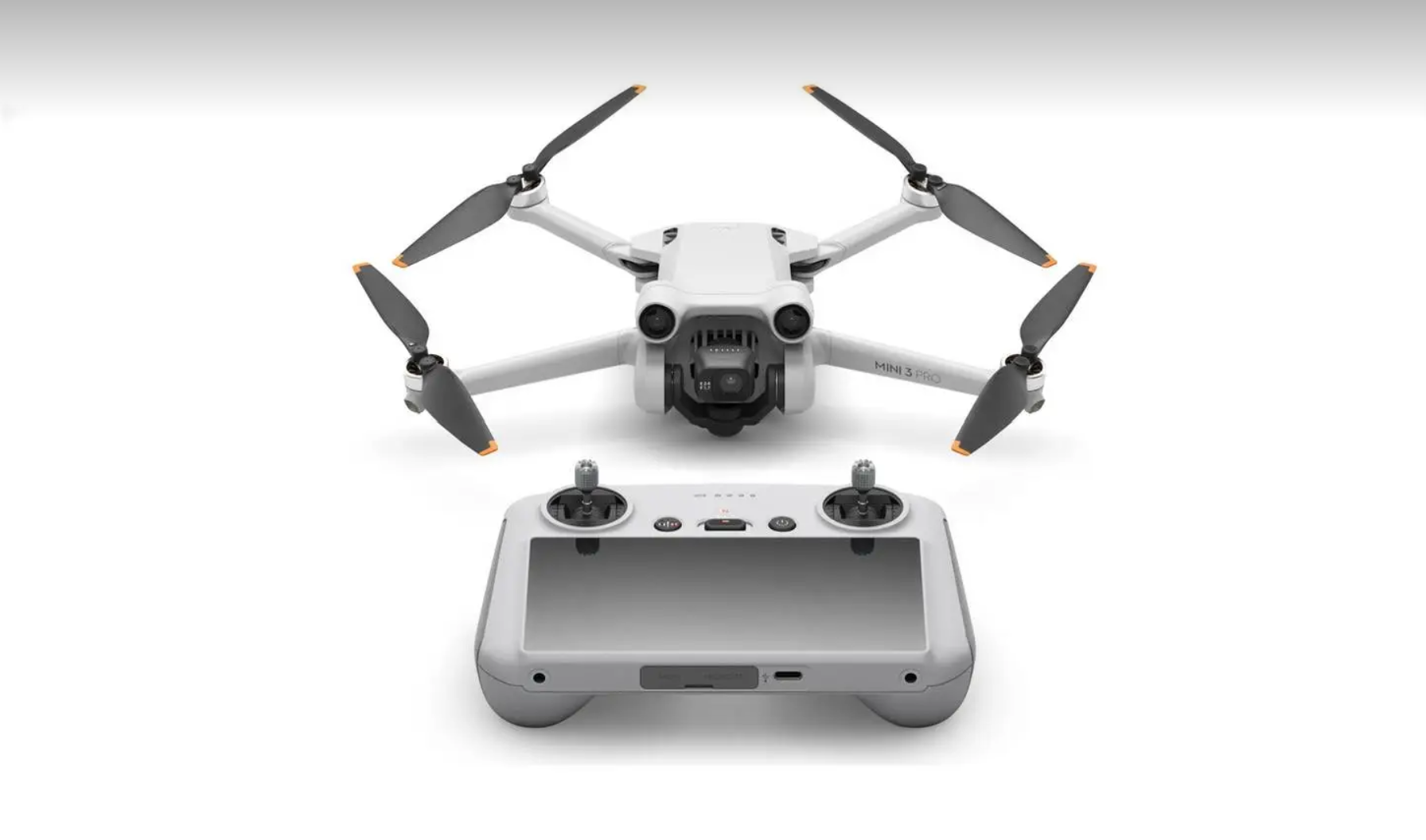
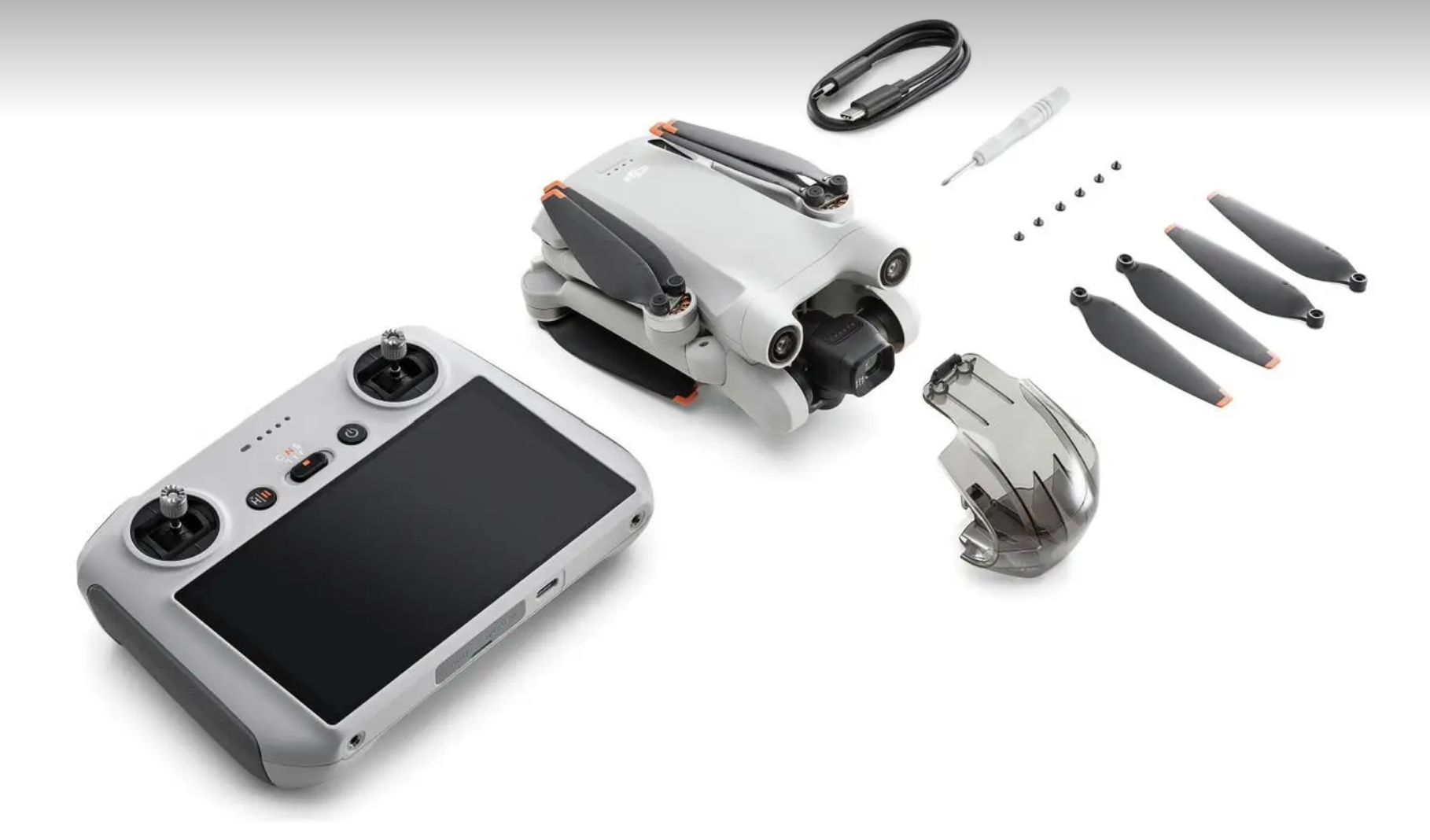
An unboxing video and retail post of the DJI Mini 3 Pro have provided insights about the drone. The official specs and other marketing details of the DJI Mini 3 Pro could be out within days. The latest details come from a YouTube video showing the unboxing of the new drone and its controller.
DJI tweeted a teaser this week for a big announcement on May 10. Remarkably, the YouTube video unboxing of the Mini 3 Pro and the DJI tweet was released on the same day. The video was made by DM Productions and noted that the footage was received from an early recipient of the new drone. The video shows lots of the external features that feature in the new drone. There are several obstacle avoidance sensors in the DJI Mini 3 Pro.
The Controller of the DJI Mini 3 Pro seems to follow the same design as that of the RC Pro. However, it comes with some observable omissions and modifications. There are no visible antennas sticking out in the Mini 3 Pro’s controller, unlike the RC Pro. A few buttons and ports are also absent from the new controller. There could still be some twists in the plot, which was the theme of DJI’s tweet relating to the Mini 3 Pro. It is speculated that the Mini 3 Pro users can switch seamlessly between shooting in landscape and portrait format, which could be interesting. The drone will also be able to shoot vertical content, which is also an added advantage.
A previous leak has stated that the DJI Mini 3 Pro will weigh less than 0.25kg and will cost around $1,000. The camera setup of the Mini 3 Pro is also expected to have substantial improvements over its predecessors. It has a much bigger sensor and the lens offers a wider aperture for its 4K 60fps videos. The DJI Mini 3 Pro is rumored to have a 2,453mAh battery and front-facing avoidance detection capabilities. It will be interesting to see what is left of the details when the official announcement is made on May 10.
A rare gold-plated Nintendo Wii gaming originally meant as a gift for Queen Elizabeth II is now being auctioned. The one-of-its-kind Wii was produced by game developer THQ in 2009. It was meant as a promotion of the Big Family Games collection of mini-games. It could not scale Buckingham Palace’s strict royal gift policy and therefore returned back to THQ.
After THQ went into bankruptcy, the 24-karat gold-plated Wii finally found its way to the hands of Dutch collector, Don who is now putting the piece on auction. This will be the second auction of the Wii after it was initially put on auction on eBay last October. At that time, the asking price of $300,000 was flagged and the auctioning account was shut down. This time, the Goldin auction is going on smoothly until May 21.
The item is not mint-fresh and its utility as a gaming device is absent since Nintendo shut out the Wii Shop years ago. It has signs of scattered gold chipping and will likely end as a collector’s item inside a glass case. It is a genuinely unique device, unlike many limited-edition consoles. It is a snapshot of the history of gaming and an audacious publicity stunt leveraging on the British Monarch. The auction is progressing at some pace, but whether it will achieve the $300,000 mark remains to be seen.
ZTE is launching the Axon 40 series of smartphones tomorrow (May 9). The Chinese manufacturer has not confirmed the number of Axon 40 models that will be unveiled tomorrow, but it appears that there could be as many as three devices: the Axon 40, Axon 40 Pro, and Axon 40 Ultra. Readers can visit the dedicated post on the Axon 40 series roundup to know what to expect from these devices.
How to watch the ZTE Axon 40 series launch event
The Axon 40 series launch event will be held at 2 PM (local time) tomorrow. The event will be held in China, and it will be live-streamed through ZTE’s Weibo handle. It is unclear whether ZTE has any plans to sell the Axon 40 lineup outside China. Hence, there is no word on its global launch.
ZTE Axon 40 series – what to expect?
ZTE Axon 40 Ultra
It goes without saying that tomorrow’s major attraction could be the Axon 40 Pro flagship phone. ZTE is the only brand that has been launching phones with an under-display camera since 2020. The Axon 20 5G that debuted as the first phone with an in-screen camera could not capture top-notch selfies and one could easily see its front camera. However, the Axon 40 Pro’s under-display camera is almost invisible.
Thanks to rearranged pixel structure, the area where the front camera lies is said to be indistinguishable from the remaining part of the screen. This allows the phone to deliver a full-screen experience. In addition, the screen has extremely curved edges. Other notable features of the smartphone include the Snapdragon 8 Gen 1 chipset and 64-megapixel triple rear cameras.
The Axon 40 lineup has other models such as the Axon 40 and Axon 40 Pro, but details on their specifications are not clear. For more information on each of these, please read our roundup post.
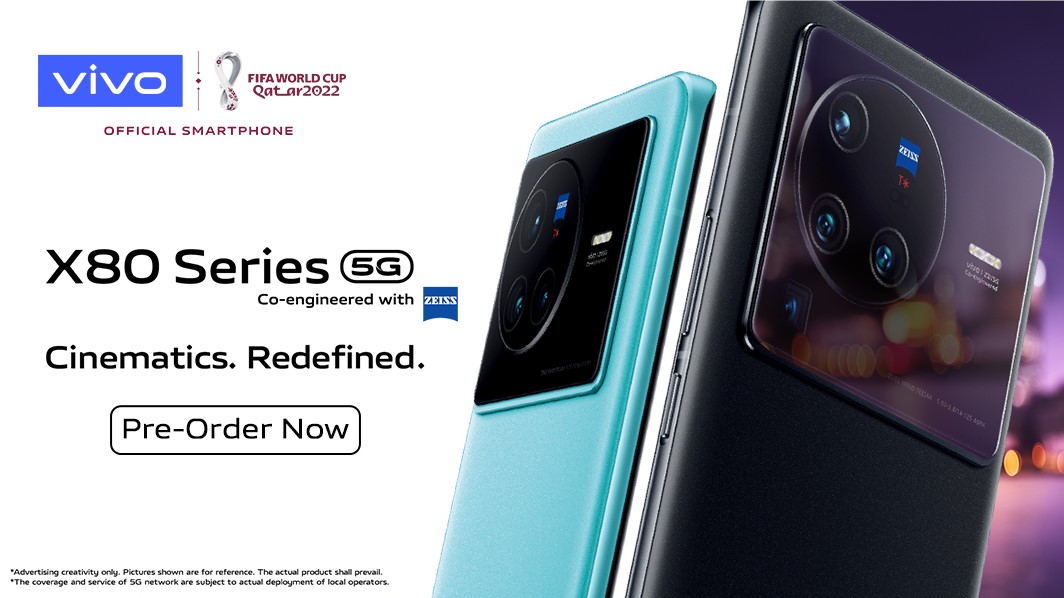
The Vivo X80 Series has been officially launched in its first global market outside of China today, in none other than the tropical Southeast Asian country of Malaysia.
Source: Vivo Malaysia
As an industry-leading flagship from Vivo, the Vivo X80 series brings in several firsts to the global smartphone market which include the 1st flagship to sport a MediaTek Dimensity 9000 processor, the 1st flagship to sport its Vivo V1+ imaging processor and the 1st flagship to sport a Sony IMX866 sensor.
Vivo X80
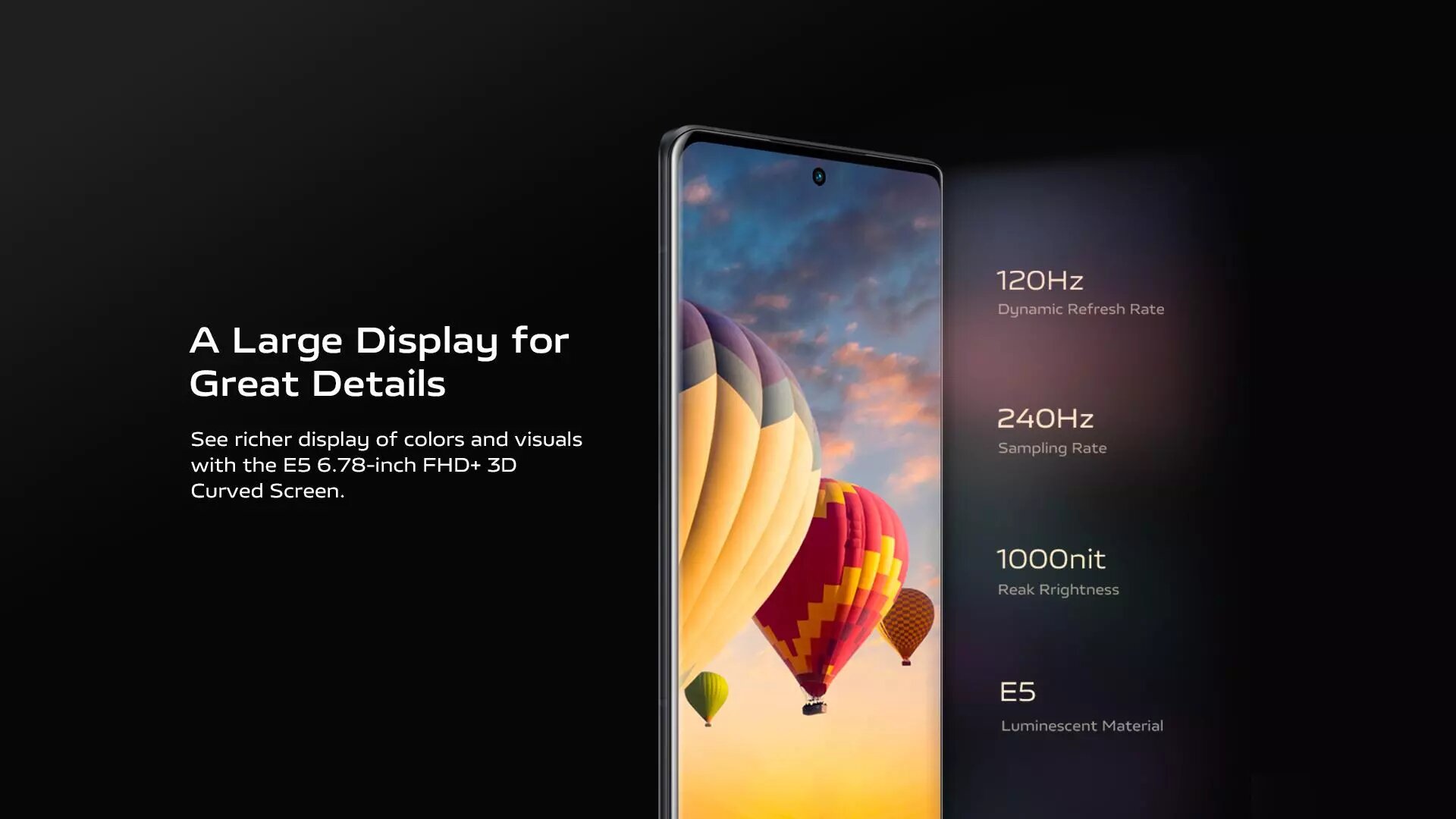
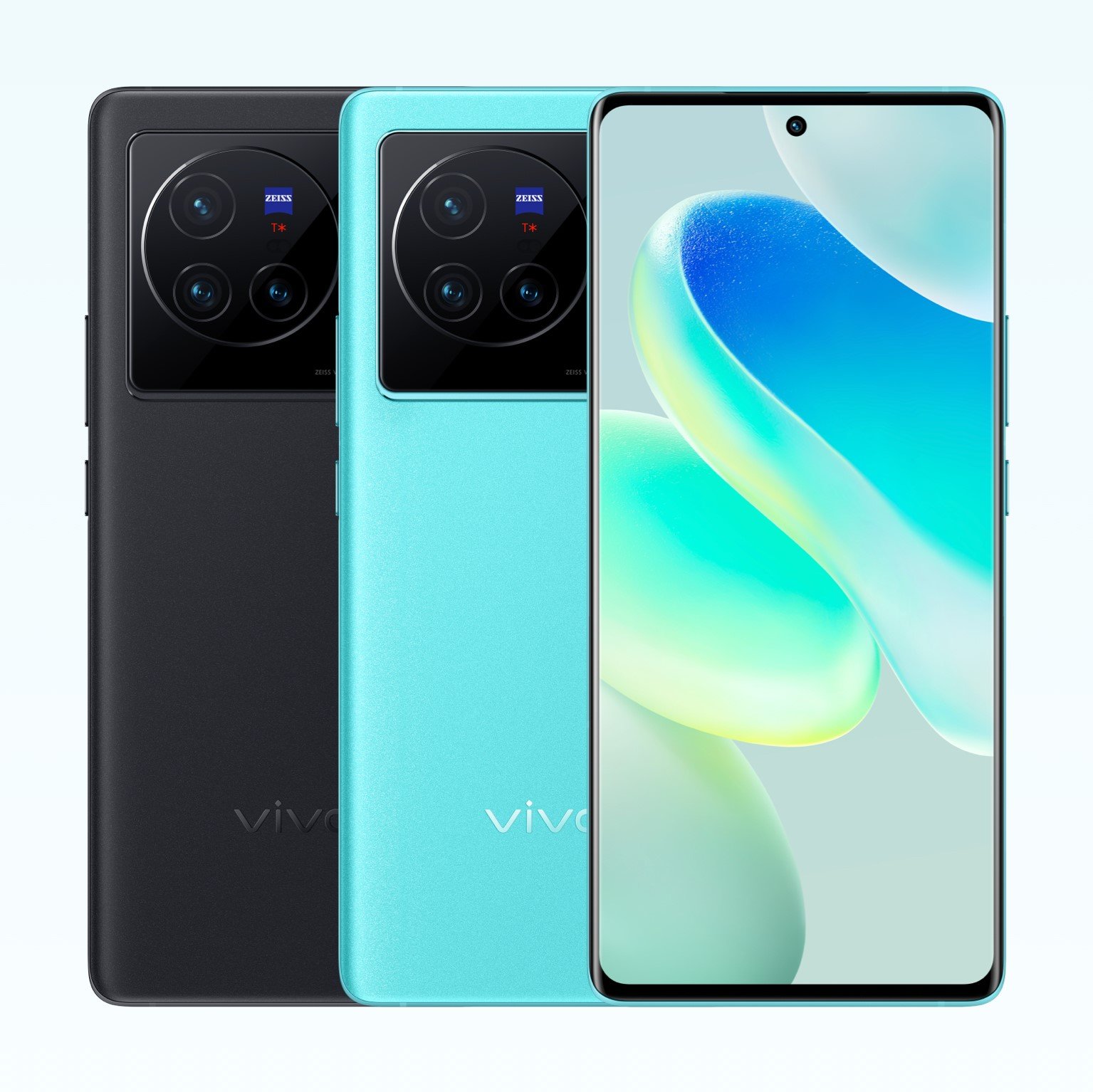
Starting with the design, the Vivo X80 features a curved AMOLED screen at the front and a flat glass back panel with a rectangular ceramic camera island on top. The front display is a 6.78-inch FHD+ 120Hz E5 Samsung curved AMOLED that goes up to 1000 nits of brightness covering 100% DCI-P3 colour gamut. The front display is then complimented with a centered hole punch housing the 32MP selfie camera.
Powering the standard Vivo X80 is MediaTek’s top-of-the-line Dimensity 9000 SoC, with 12GB of onboard LPDDR5 RAM, 4GB of extendable RAM and 256GB of blazing-fast 256GB UFS 3.1 storage. Keeping the lights on is the device’s generous 4,500mAh battery, paired with Vivo’s class-leading 80W fast charging. Vivo claims that its 80W fast charging will be able to charge from 0% to 50% within 11 mins and 0% to 100% within 34 mins.
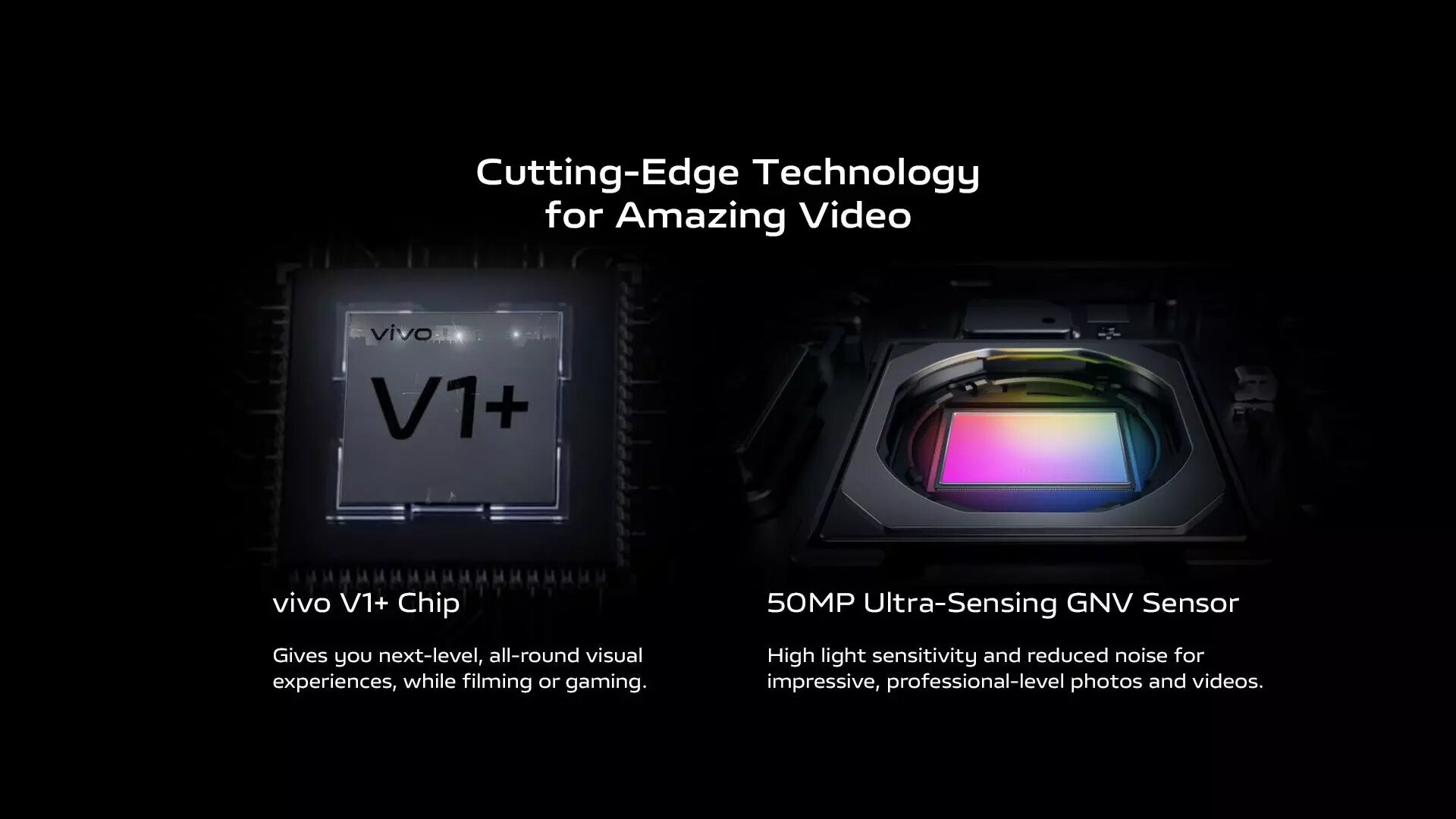
Coming to the photography, besides the ISP on the MediaTek Dimensity 9000, the Vivo X80 also comes with Vivos first in-house ISP, the Vivo V1+. Vivo proudly exclaims that the Vivo V1+ ISP paired with the MediaTek Dimensity 9000 allows the company to produce newer and more advanced smartphone camera algorithms to ensure that the best camera shot comes out of your smartphone.
As for the cameras, the Vivo X80 features a triple rear camera setup. The main sensor is Sony’s latest 50MP IMX866 sensor. The 50MP sensor comes with a wide f/1.75 aperture, OIS stabilisation, and an RGBW colour arrangement. The setup is then supported with a 12MP ultra-wide-angle lens and a 12MP telephoto lens with 2x optical zoom. All lenses are also equipped with Zeiss’ T* coating technology to reduce ghosting and stray light to capture more natural colours and finer details when you are using the device.
Vivo X80
For haptics and audio, the Vivo X80 is included with a linear X-axis haptic motor and features dual top-bottom firing stereo speakers for an immersive mobile gaming experience. The device weighs in at a hefty 206g and is sporting Android 12 with Vivo’s Funtouch OS 12 user interface on top.
Vivo X80 Pro
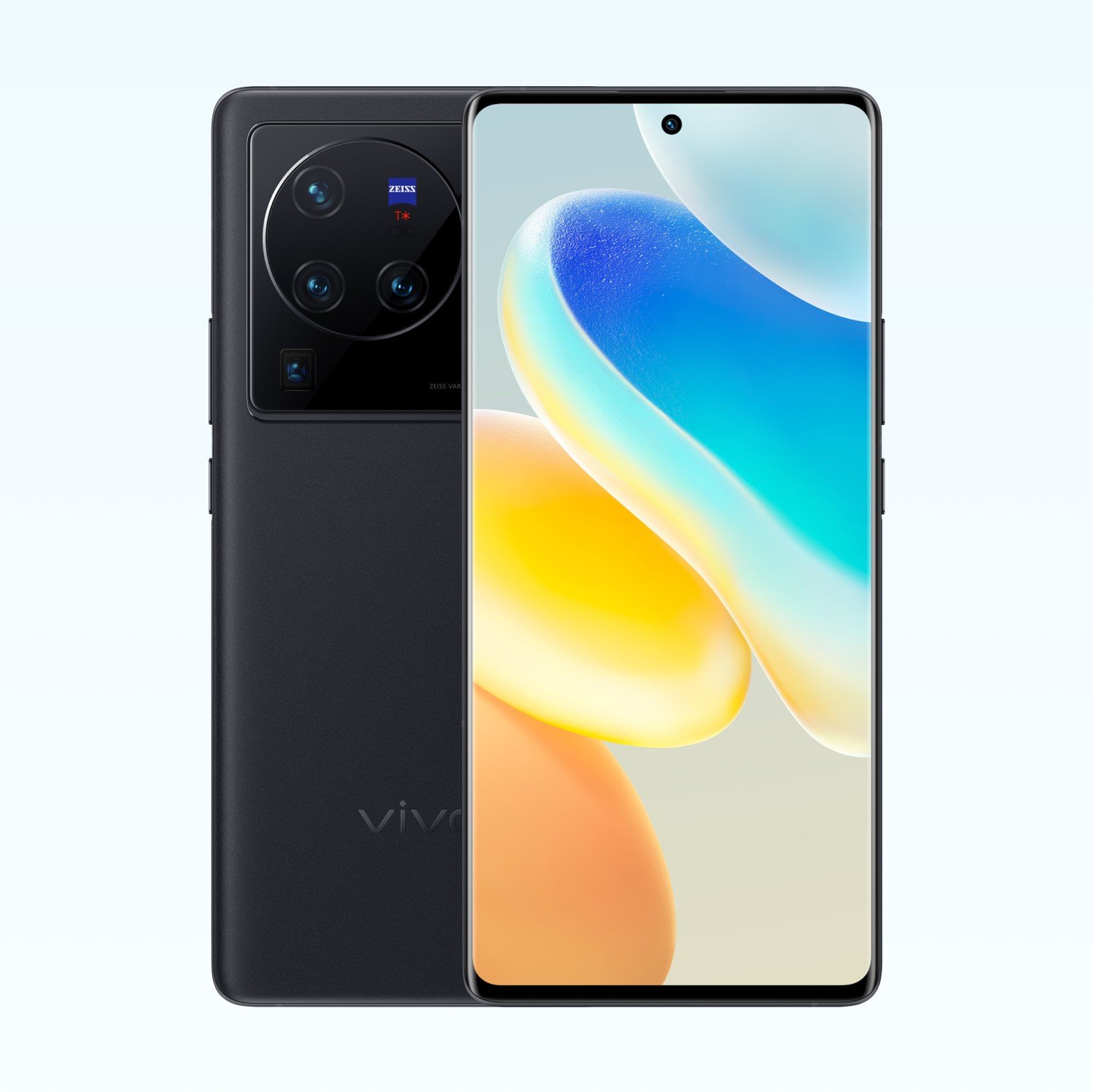
The Vivo X80 Pro features a similar design as the Vivo X80 with the same curved AMOLED panel at the front, a flat matte glass panel at the back, and is rated for IP68 water and dust resistance. The display up front is upgraded to a 6.78-inch 2K 120Hz LTPO E5 Samsung AMOLED over the standard model and also houses a 32MP front camera in the punch hole at the top centre of the display. The display also supports up to 1500 nits of brightness, 10-bit colours and HDR10+ content.
Vivo X80 Pro
The Vivo X80 Pro is coming to global markets with only the Qualcomm Snapdragon 8 Gen 1 onboard, and with 12GB of onboard LPDDR5 RAM, 4GB of extendable RAM, and 256GB of UFS 3.1 storage. The Vivo X80 Pro is equipped with a larger 4700mAh battery, with 80W wired fast charging, and 50W Vivo FlashCharge wireless charging. In turn, the device weighs in at a heavier 219g.
As for the cameras, the Vivo X80 Pro is also equipped with the new Vivo V1+ ISP and features a more capable quad-camera setup on the rear. The main sensor is a 50 MP ultra-sensing Samsung GNV sensor with OIS stabilisation. As the first Android flagship to sport the Samsung GNV sensor, Vivo claims that with this new technology, the Vivo X80 Pro will be able to reveal the colours of the night, making the night look brighter and more natural.
The other 3 rear cameras are also flagship highlights as well, with the 48MP ultra wide-angle sensor being the Sony IMX598, the 12MP telephoto sensor being the Sony IMX663 sensor, and an 8MP periscope lens that boasts 5x optical zoom and 60x hybrid zoom. All lenses are equipped with Zeiss’ T* coating technology which aims to provide photos with true to life colours and finer details in the dark.
The Vivo X80 Pro is equipped with the same flagship linear X-axis motor and dual top-bottom firing stereo speakers as its X80 sibling and will run Android 12 with Funtouch OS 12 out of the box.
Pricing and Colour Options
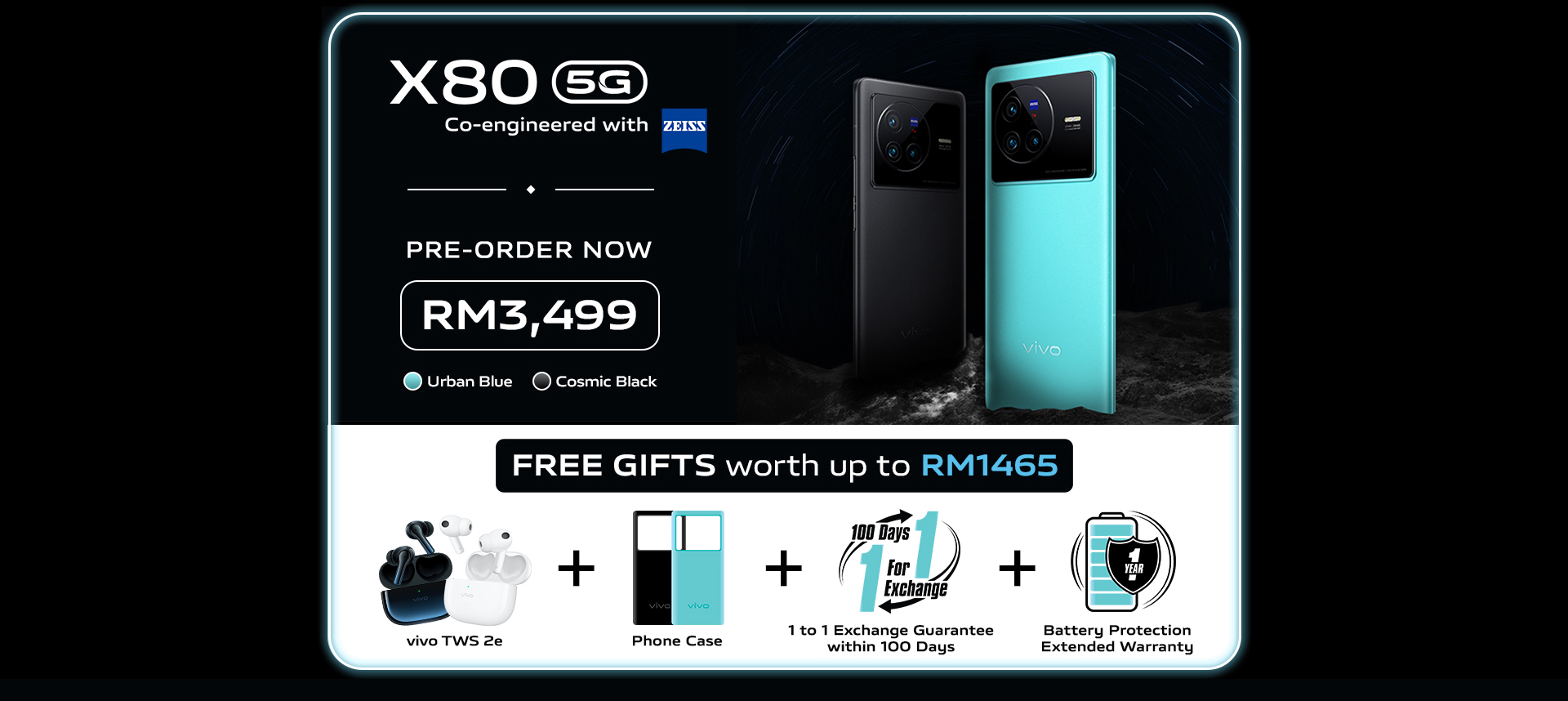
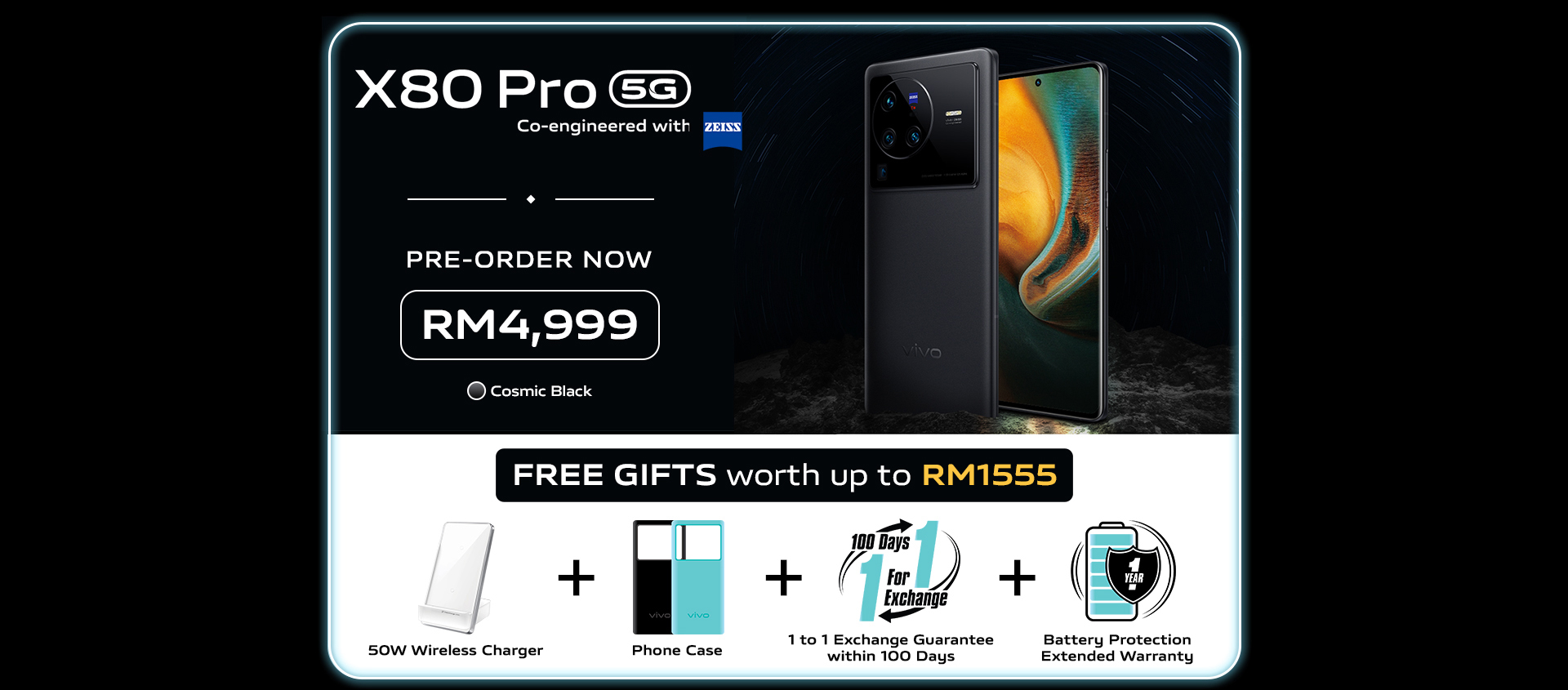
For the Malaysia market, the Vivo X80 will be arriving in two gorgeous colour options: Cosmic Black and Urban Blue, meanwhile the Vivo X80 Pro will be only available in Cosmic Black.
The Vivo X80 series is available for pre-order starting May 8th in Malaysia starting from RM 3,499 (800 USD) for the standard Vivo X80 (12GB+256GB), and RM 4,999 (1,144 USD) for the Vivo X80 Pro (12GB+256GB). Both devices come included with free gifts and a 2-year local manufacturer warranty.
The Vivo X80 series is due to come to more global markets soon this month, with the Indian launch of the Vivo X80 series happening next week on May 18th.
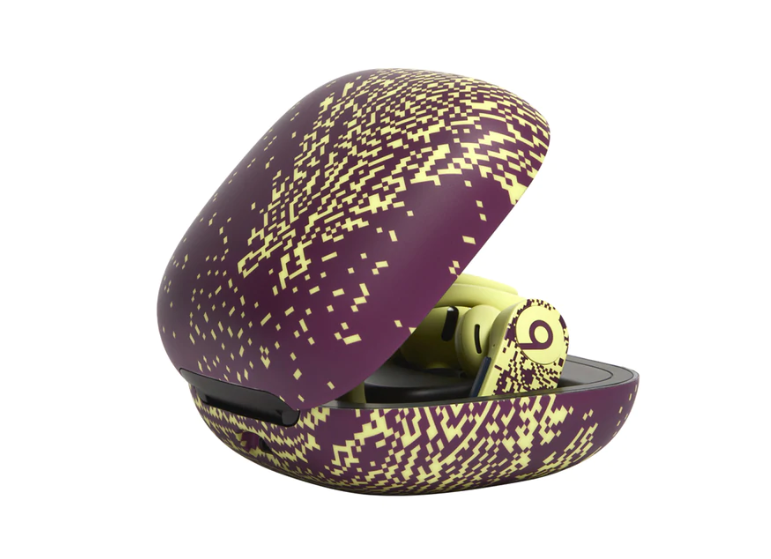
Apple subsidiary Beats, also known as Beats by Dre launched the Powerbeats Pro TWS earphones back in 2019. Since then, the brand has launched many special editions of sports-focused earbuds like the Powerbeats Pro NBA75 ivory limited edition.
Now, the brand has launched another limited edition of the Powerbeats Pro in collaboration with London-based English-Iranian fashion designer Paria Farzaneh.
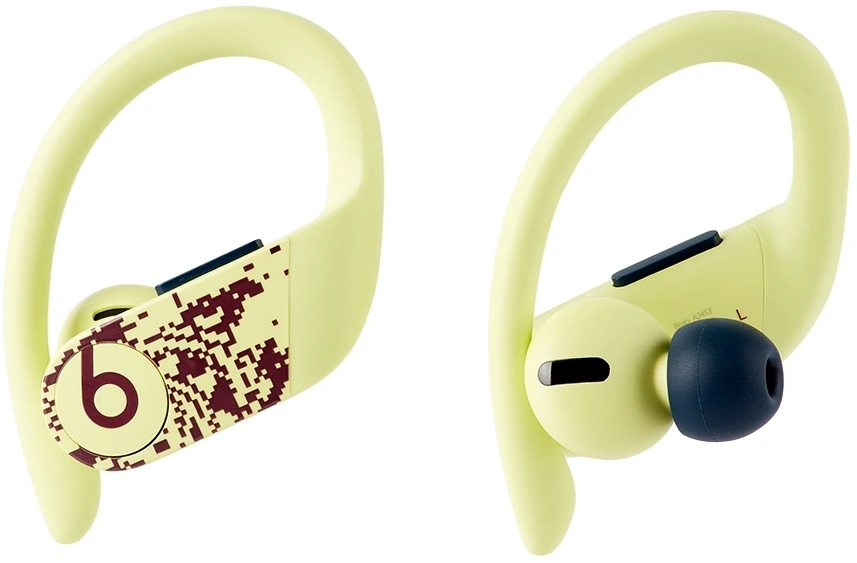
The Paria Farzaneh limited edition earbuds feature the same ear-hook design as any other Powerbeats Pro, however, they come with a special yellow paint job with purple-colored patterns. The limited-edition earbuds come in a special package and also include a set of special Paria Farzaneh stickers.
Spec-wise, the earbuds are powered by the Apple H1 chip for better connectivity and IPX4 sweat resistant rating making them perfect for workouts.
The earbuds feature a 12mm rigid aluminum linear piston driver providing balanced audio, commendable dynamic range, and enhanced clarity. The earbuds do not offer active noise cancellation functionality but do provide limited noise isolation.
The device offers a physical button for controlling media, answering calls, and accessing the built-in Siri voice assistant. coming to the battery life, the Powerbeats Pro Paria Farzaneh limited edition offers up to 9 hours of playback on a single charge, and the playback could go up to 24 hours when attached to its charging case.
The Powerbeats Pro Paria Farzaneh special edition earphones can be purchased from SSENSE for $250. It is also available on Farzaneh’s website at a lower price of $220 for a limited time.
So far, Vivo is offering three kinds of Vivo T1 5G smartphones. The Snapdragon 778G SoC powered model was first announced in China in October 2021. Next, came the Snapdragon 695 variant, which debuted in India in February this year. A different Vivo T1 5G with Snapdragon 778G landed in Malaysia in April. Now, the company has unveiled yet another Vivo T1 5G in Indonesia. This one is powered by the Dimensity 810. Here is all the information on the specifications, features, and pricing of the new T1 5G for the Indonesian market.
Vivo T1 5G specifications (Indonesian variant)
The Vivo T1 5G has a 6.58-inch IPS LCD screen that offers a Full HD+ resolution of 1080 x 2408 pixels. The company claims that its waterdrop notch screen offers a 90.6 percent screen-to-body ratio. The device has a fingerprint scanner on the side and runs on the Android 12 OS with the FunTouch OS 12 on top of it.
The Dimensity 810 5G chipset powers the Vivo T1 5G. It comes in two RAM variants. The 4 GB RAM edition offers 1 GB of extended RAM, whereas the 8 GB RAM model provides 4 GB of extended RAM. Both RAM variants come equipped with 128 GB of native storage.
Vivo T1 5G
The rear shell of the device has a 50-megapixel main camera. It is assisted by a 2-megapixel depth assist lens and a 2-megapixel macro camera. For selfies, it has a 16-megapixel front camera.
The Vivo T1 5G packs a 5,000mAh battery, which carries support for 18W charging. The handset offers other features such as dual SIM support, 5G, Wi-Fi 802.11ac, Bluetooth 5.1, GPS, NFC, liquid cooling, a USB-C port, and a 3.5mm audio jack.
Vivo T1 5G pricing (Indonesian variant)
In Indonesia, the 4 GB RAM + 128 GB storage and 8 GB RAM + 128 GB storage variants of the Vivo T1 5G are priced at IDR 2,999,000 (~$207) and IDR 3,399,000 (~$234), respectively. The smartphone comes in two colors: Rainbow Fantasy and Starlight Black.
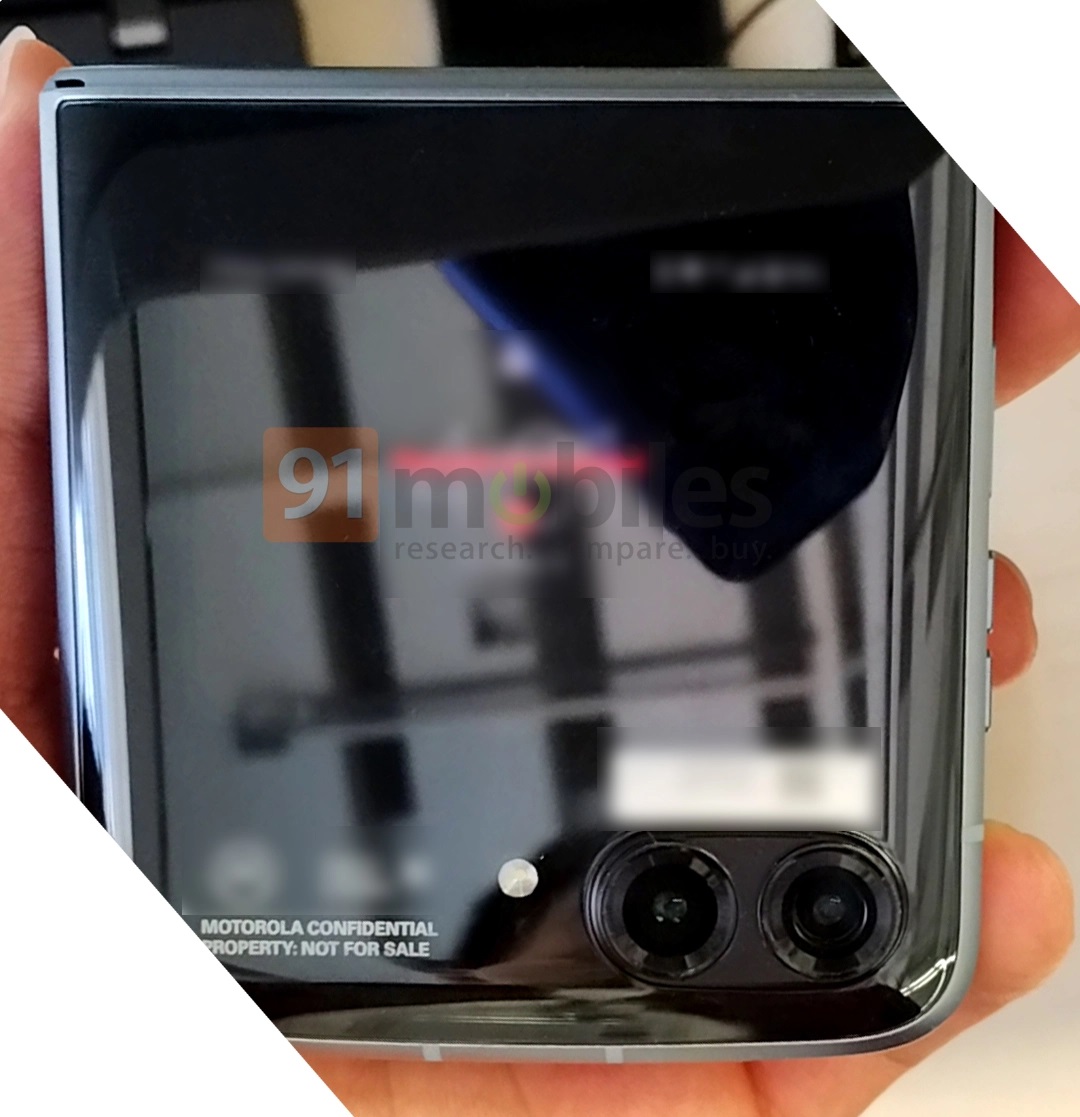
Motorola is expected to announce a new Razr-series clamshell phone this year. A new report by 91moblieshas revealed that the upcoming Razr clamshell has a “Maven” codename. The publication has also shared live shots of the device to give a first look at its appearance.
The upcoming Motorola Razr (Maven) looks similar to the Samsung Galaxy Z Flip3 from last year. The device has a slightly boxy and squarish appeal, and it does not have a chin like the previous Razr clamshells. The fingerprint scanner is now available on the side embedded in the power button.
Motorola Razr (Maven) live shot by 91mobiles
The backside of the device has a dual-camera setup. The report claims that it has a 50-megapixel main camera with an f/1.8 aperture and a 13-megapixel ultrawide camera, which may double up as a macro sensor. For selfies, it has a 32-megapixel camera placed in the inner display’s punch-hole.
The Motorola Maven will be powered by the Snapdragon 8 Gen 1 chipset. The device is also expected to come with another SoC variant featuring the upcoming Snapdragon 8 Gen 1 Plus chipset. The device is expected to arrive in memory configurations such as 8 GB / 12 GB RAM and 256 GB / 512 GB.
Motorola Razr (Maven) live shot by 91mobiles
The leak only mentions that it has a Full HD+ foldable screen on the inside. However, it does not mention anything about the size of inner and outer displays. Also, there is no word on the battery size in this leak. A previous report claimed that it will house a 2,800mAh battery.
The device is expected to arrive in Quartz Black and Tranquil Blue color options. It is likely to launch first in China by late July or early August and eventually it may also release in the global markets. At present, there is no word on the pricing of the device.
We use cookies on our website to give you the most relevant experience by remembering your preferences and repeat visits. By clicking “Accept”, you consent to the use of ALL the cookies.
This website uses cookies to improve your experience while you navigate through the website. Out of these, the cookies that are categorized as necessary are stored on your browser as they are essential for the working of basic functionalities of the website. We also use third-party cookies that help us analyze and understand how you use this website. These cookies will be stored in your browser only with your consent. You also have the option to opt-out of these cookies. But opting out of some of these cookies may affect your browsing experience.
Necessary cookies are absolutely essential for the website to function properly. This category only includes cookies that ensures basic functionalities and security features of the website. These cookies do not store any personal information.
Any cookies that may not be particularly necessary for the website to function and is used specifically to collect user personal data via analytics, ads, other embedded contents are termed as non-necessary cookies. It is mandatory to procure user consent prior to running these cookies on your website.