Advertisement

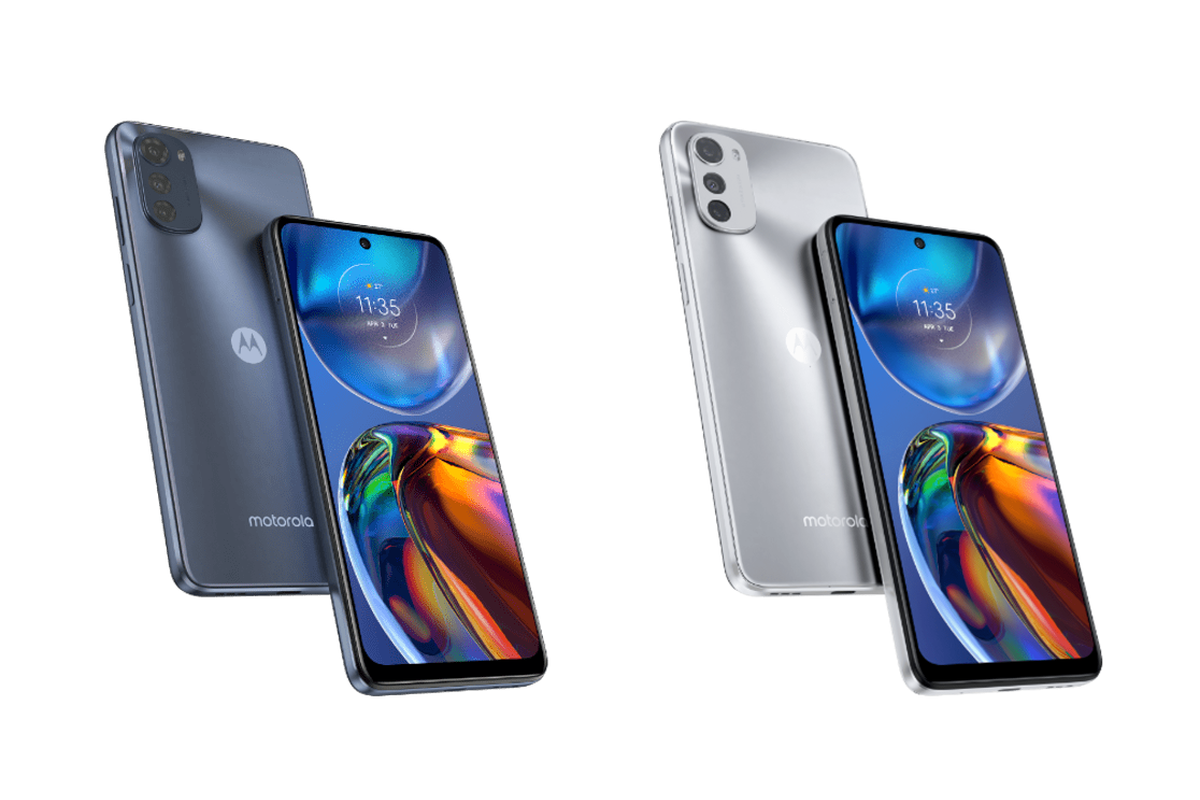
Moto E32 launched with 90Hz display, Unisoc T606, 5,000mAh battery

Motorola has silently unveiled the Moto E32 smartphone in Europe. It has arrived as the successor to the Moto E30. However, as compared to the E30, the E32 offers some downgraded specs. The budget-friendly device features a display with a centrally positioned punch-hole, a Unisoc chip, and a big battery. Here is all the information on the specifications, features, and price of the E32.

Moto E32 specifications and features

The Moto E32 has a 6.5-inch IPS LCD screen that offers an HD+ resolution of 720 x 1600 pixels, a 20:9 aspect ratio, and a 90Hz refresh rate. The device is equipped with security features such as a side-mounted fingerprint scanner and face unlock.

The predecessor model came with a Unisoc T700 chip, 2 GB of RAM, 32 GB of storage, and an Android 11 Go Edition OS. The E32 is equipped with the Unisoc T606 SoC, 4 GB of RAM, and 64 GB of built-in storage. The device comes preinstalled with the My UX flavored Android 11 OS and offers a dedicated slot for adding a microSD card.
Moto E32
Moto E32

Like the predecessor model, the Moto E32 comes with a 5,000mAh battery and a 10W in-box charger. However, the device supports up to 18W of fast charging.

The E30 featured a 48-megapixel (main) + 2-megapixel (depth) + 2-megapixel (macro) triple camera unit. The main snapper has been replaced by a 16-megapixel shooter on the E32. For selfies, the E32 features an 8-megapixel front camera. The device comes with an IP52 rated water repellent chassis. It measures 163.95 x 74.94 x 8.49mm and weighs 184 grams.

Moto E32 price

The Moto E32 has arrived with a price tag of 159 euros (~$167). It may come in colors like Misty Silver and Slate Gray

RELATED:

TCL Reveals Its Ultra-Thin Active High Privacy Display Technology

Besides Samsung, the Chinese Huizhou-based electronic giant, TCL is also a major player in the smartphone display industry, specifically under its display department, the TCL China Star Optoelectronics Technology(CSOT) Corporation.

Recently TCL’s CSOT Department made a revolutionary display breakthrough for smartphones as the company has successfully developed ultra-thin active high privacy display technology. The technology is a mouthful to read but the science behind it is rather quite interesting.

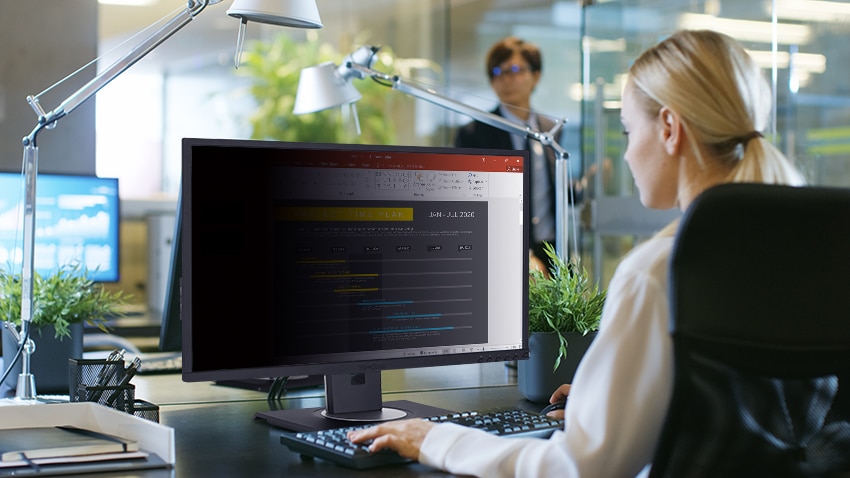
Privacy Screen
Privacy Screen for illustration purposes only.

Conventionally, those privacy screen protectors you currently see in the market utilise low refraction highly reflective material to ensure that the confidential content you are reading is protected from the surrounding people. However, there is one caveat to the current conventional privacy screen protectors on the market currently which is that it only reduces the visibility of the screen at certain angles, and at some angles, the content although difficult to read is still legible to the naked eye if someone were standing near to you.

This is because currently there are no inherent electronics inside your privacy screen protector, it is only a passive technology. TCL aims to solve the problem with active technology by instead changing the screen, instead of the screen protector. TCL aims to make the screen itself to be an active high privacy display.

Not only does the active privacy display boast better privacy-focused reflective angular efficiency compared to the passive privacy screen protectors, but also since the screen is utilising active technology, the display can change privacy modes with a simple click.

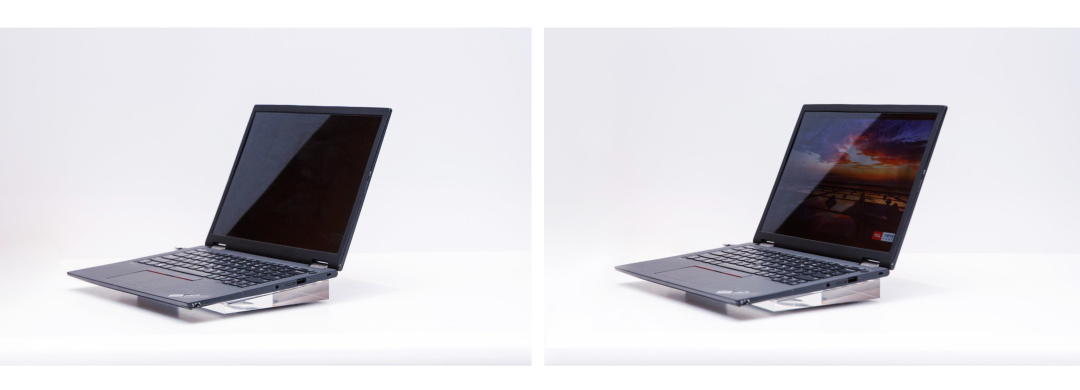
TCL-Privacy-Screen-Laptop
TCL Illustration of Privacy Screen. Source: TCL

TCL has illustrated the technology as shown where the 13-inch laptop screen can change from a privacy screen to a normal screen instantaneously without changing the laptop’s orientation or viewing angle.

Currently, TCL has proudly exclaimed that its CSOT Display department has successfully developed the display technology for smartphones. The company is proud that with its team of engineers, it has achieved to produce an ultra-thin active high privacy 6.58-inch smartphone display.

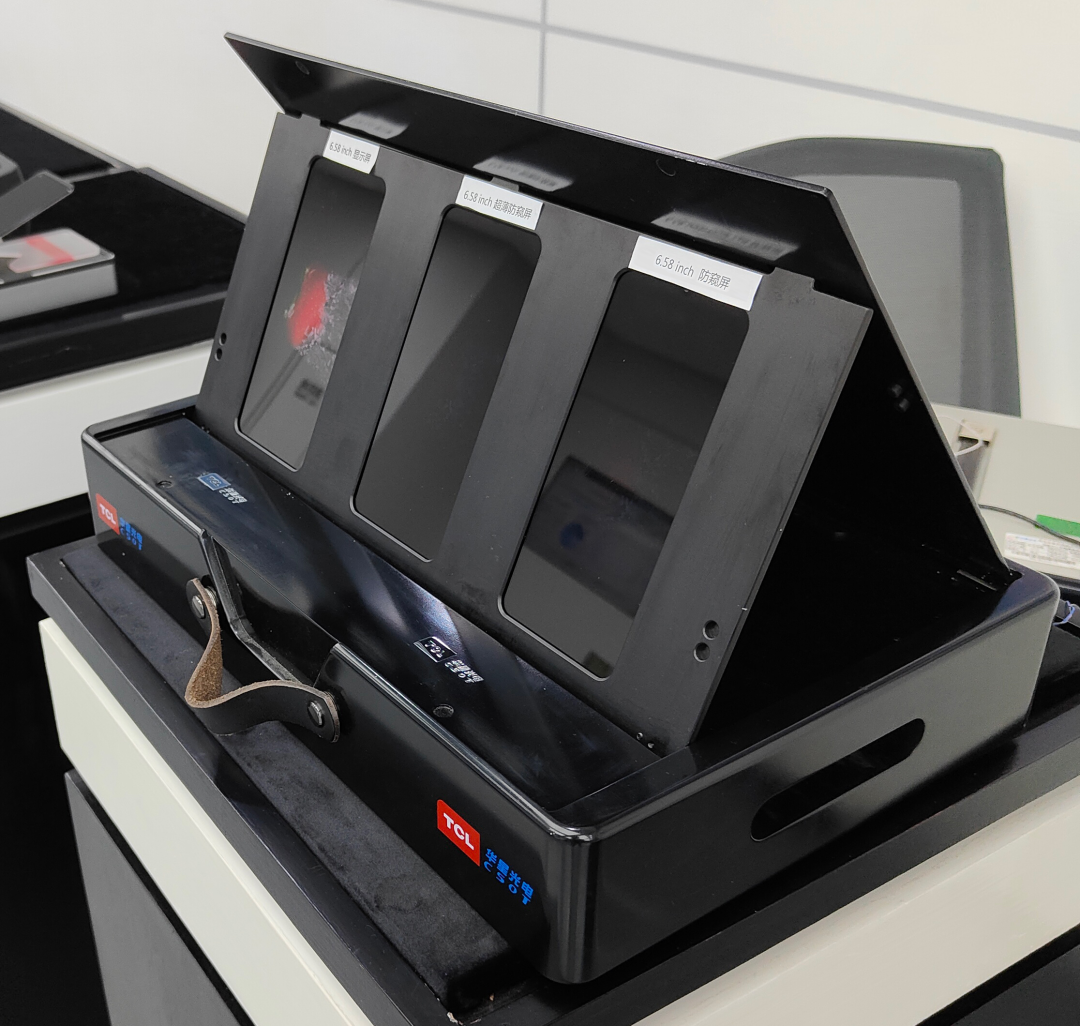
TCL-Privacy-Screen-Smartphone
Left to Right: Conventional Screen vs Ultra-Thin High Privacy Display vs High Privacy Display. Source: TCL

At a 45 degree angle with privacy mode turned on, the nearest side-looker will not able to see your screen as with the display’s electronic configuration and chemical properties, the screen shall only let through 1.12% of the display’s light through to the side-looker. Despite all the technology crammed into the panel, this high privacy active smartphone display comes in at only 0.1mm thicker than your conventional smartphone AMOLED screen. 

TCL mentions that the technology is currently at the end of its prototype testing phase, and the company is looking start production of these high privacy active displays very soon once it is ready.

For more news on the latest technology breakthroughs from China, stay up to date with us here at Gizmochina!


RELATED:

(Via)

Xiaomi Civi 1S vs Realme 9 Pro+: Specs Comparison

Last year Xiaomi announced a brand new series of phones: the Civi series. It replaces the old CC series and includes sleek phones with amazing designs. A few days ago, the second device of the series went official: the Xiaomi Civi 1S. It brings to the market a stunning design and great upper-midrange specifications. If you want to find a competitor of this phone, you should definitely look at the Realme 9 Pro+, another phone with a beautiful design providing high performance. Are you wondering which one should you choose? This is a comparison between the specifications of the Xiaomi Civi 1S and the Realme 9 Pro Plus which will hopefully answer your question.

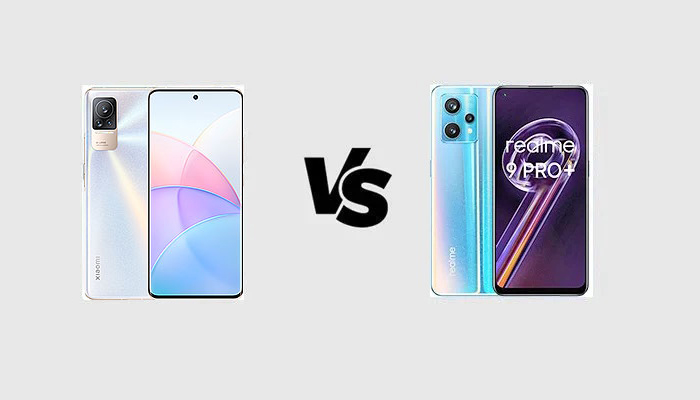
Xiaomi Civi 1S vs Realme 9 Pro+

Xiaomi Civi 1S Realme 9 Pro+
DIMENSIONS AND WEIGHT 158.3 x 71.5 x 7 mm,
166 g
160.2 x 73.3 x 8 mm,
182 g
DISPLAY 6.55 inches, 1080 x 2400 pixels (Full HD+), OLED 6.4 inches, 1080 x 2400 pixels (Full HD+), Super AMOLED
PROCESSOR Qualcomm Snapdragon 778G+, octa-core 2.5 GHz Mediatek Dimensity 920 5G, octa-core 2.5 GHz
MEMORY 8 GB RAM, 128 GB – 8 GB RAM, 256 GB – 12 GB RAM, 256 GB 6 GB RAM, 128 GB – 8 GB RAM, 128 GB – 8 GB RAM, 256 GB
SOFTWARE Android 12, MIUI Android 12, Realme UI
CONNECTIVITY Wi-Fi 802.11 a/b/g/n/ac/ax, Bluetooth 5.2, GPS Wi-Fi 802.11 a/b/g/n/ac, Bluetooth 5.2, GPS
CAMERA Triple 64 + 8 + 2 MP, f/1.8 + f/2.2 + f/2.4
32 MP front camera
Triple 50 + 8 + 2 MP, f/1.8 + f/2.2 + f/2.4
16 MP f/2.4 front camera
BATTERY 4500 mAh, fast charging 55W 4500 mAh, fast charging 65W
ADDITIONAL FEATURES dual SIM slot, 5G dual SIM slot, 5G

Design

The battle between these two phones is very hard when it comes to design. The Xiaomi Civi 1S is one of the thinnest and most lightweight phones you can find in the whole market, with a thickness of just 7 mm and a weight of just 166 grams. It is made of premium materials including a glass back and an aluminum frame, it has a great look and suggestive color variants. The Realme 9 Pro+ is thicker and heavier, but it is more compact and, in the Sunrise Blue variant, it has a rear side able to change its color in a few seconds when the user puts the smartphone under direct sunlight or UV rays. Which design do you prefer? In my personal opinion, the Xiaomi Civi 1S has better aesthetics.


Display

If you are looking for the best display, then you should opt for the Xiaomi Civi 1S. It has a 6.55-inch OLED panel with one billion colors, a Full HD+ resolution of 1080 x 2400 pixels, a 120 Hz refresh rate, the HDR10+ standard, an in-display fingerprint reader, and Dolby Vision, protected by Gorilla Glass 5. The Realme 9 Pro+ has an OLED Full HD+ panel as well, but without Dolby Vision and HDR10+, with a lower 90 Hz refresh rate, and with a smaller 6.4-inch diagonal. But there is an interesting killer feature of this device that you should know: the in-display fingerprint reader doubles as a heart rate sensor.


Specs & Software

The Xiaomi Civi 1S are very close in terms of hardware and performance, but we have to pick a winner. The Snapdragon 778G Plus mobile platform found on the Xiaomi Civi 1S is actually more powerful than the MediaTek Dimensity 920 found on the Realme 9 Pro+. Further, the Xiaomi mid-ranger comes with up to 12 GB of RAM, while you get only 8 GB of RAM with the Realme one. So you will get better CPU, GPU, and multi-tasking performance with the new Civi. Both the phones come with Android 12 out of the box and custom user interfaces on top: MIUI 13 and Realme UI 3.0 based on ColorOS 12, respectively.


Camera

The best camera phone in this comparison is the Realme 9 Pro+ for one single reason: it has a flagship-class main camera. We are talking about the Sony IMX766 sensor with a 50 MP resolution and OIS. Both the handsets come with an 8 MP ultrawide lens and a 2 MP macro sensor, but the Xiaomi Civi 1S has an inferior 64 MP main camera. On the other hand, the Civi comes with a better 32 MP front camera, so it is a better phone for selfies.


Battery

Xiaomi Civi 1S and Realme 9 Pro Plus are equipped with good 4500 mAh batteries: the capacity is exactly the same and even the production process of the processors are the same, so we do not expect a big difference in terms of battery life. Maybe the Realme device will last a bit longer because of its smaller display. The charging speeds are similar too because they feature 55W fast charging and 60W fast charging, respectively.


Price

Xiaomi Civi 1S starts from €330/$347, while you can find the Realme 9 Pro+ at €400/$421 globally. The Civi is still not available globally. Which of these phones is the best? There is no definitive answer: the Civi 1S has a better design, display, and chipset, while the Realme 9 Pro+ is a better camera phone with faster charging.


Xiaomi Civi 1S vs Realme 9 Pro Plus: PRO and CONS

Xiaomi Civi 1S

PRO

  • Thinner and lighter
  • Better chipset
  • More RAM
  • Superior display
  • Better selfie camera

CONS

  • Inferior rear camera


Realme 9 Pro Plus

PRO

  • Better camera
  • More compact
  • Color-changing back
  • Heart rate sensor

CONS

  • Inferior chipset and RAM

RELATED

Check the latest videos from our YouTube channel and subscribe:

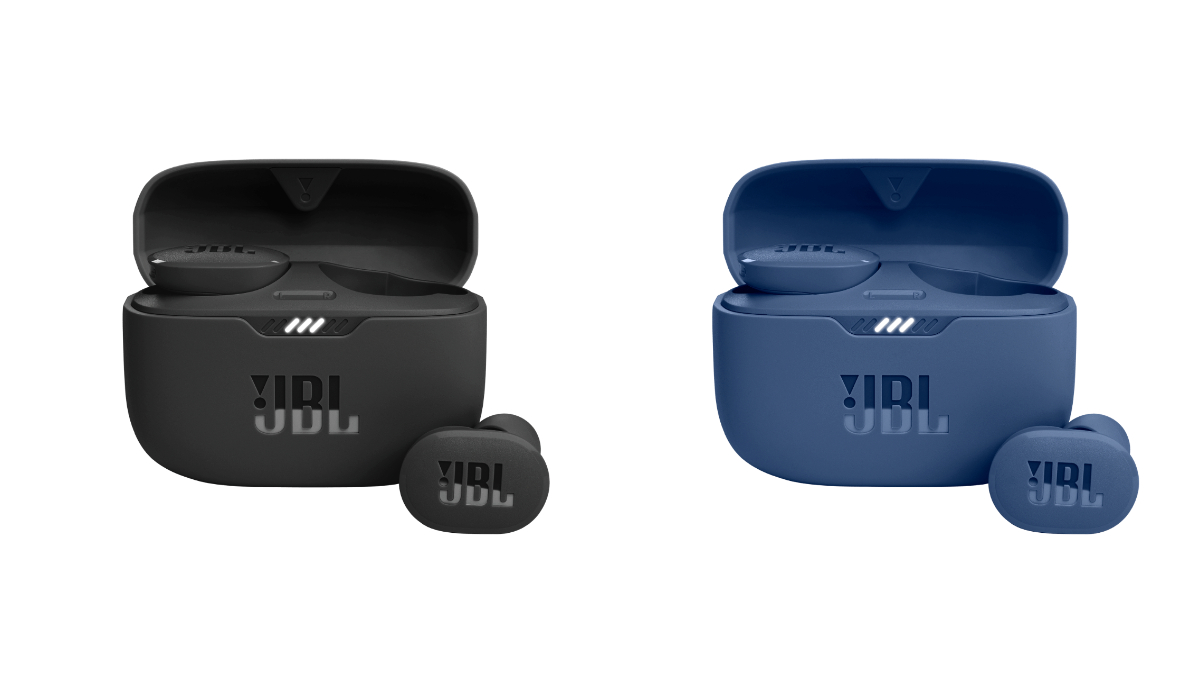
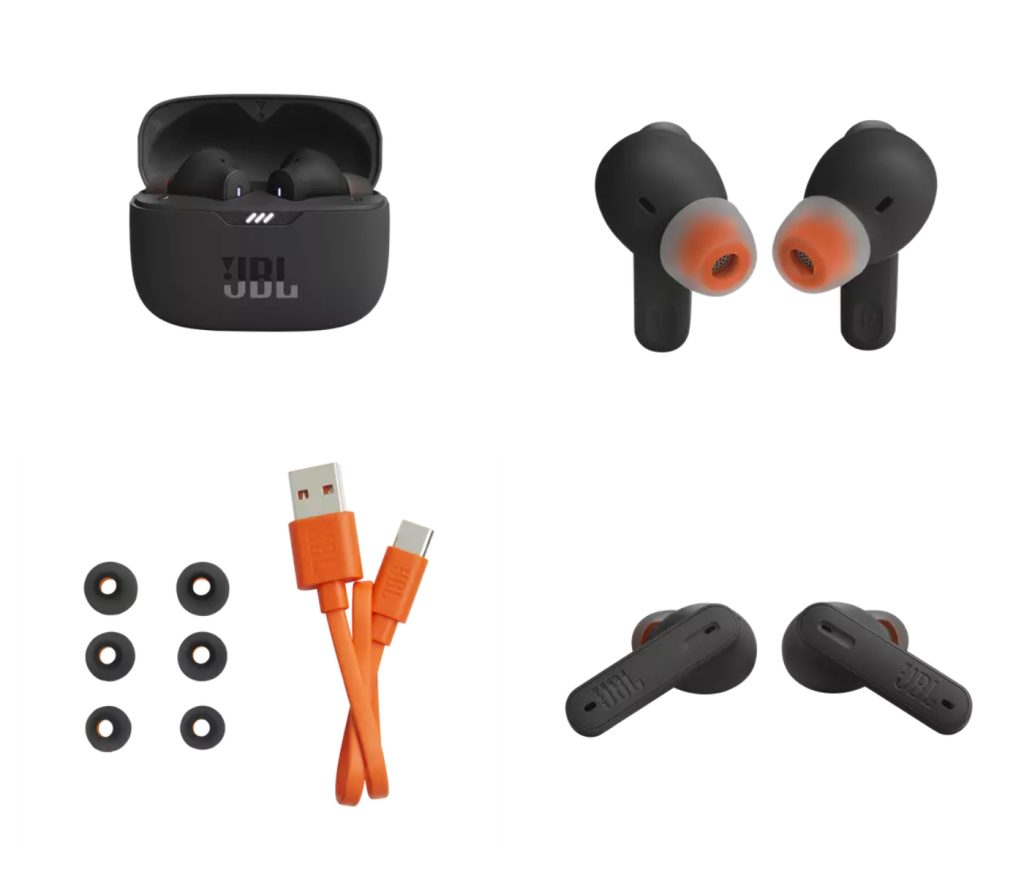
JBL Tune 230NC, Tune 130NC TWS ANC earbuds launched in India – check specs, prices & more

JBL has just launched two new Tune series TWS earbuds in India. The new earbuds are the JBL Tune 230NC and Tune 130NC which come with active noise cancellation (ANC) and offer up to 40 hours of battery life. So let’s check out their specs and features.

JBL Tune 230NC specs & features

The Tune 230NC comes with a stem design that holds the microphones for clear audio input while calling. It features 6.0mm drivers to deliver JBL’s signature Pure Bass sound.

The earphones feature a total of four mics and offer a crisp calling experience along with Active noise cancellation using two of these mics. The mics also provide a transparency feature dubbed Ambient Aware to help users be aware of their surroundings.

JBL Tune 230NC TWS

The earbuds get access to JBL Headphones App which lets users customize their listening experience including equalizer, music or video mode, activating or deactivating Active Noise Cancellation, Ambient Aware, Talk-through, and many more to opt from.

It uses Bluetooth 5.2 with Google Fast Pair for connectivity and is capable of connecting with two devices at once. The Tune 230NC also features touch controls for answering or rejecting calls, controlling media playback, and accessing the built-in Google and Alexa voice assistants.

Coming to the battery, the earbuds are capable of up to 10 of playback on a single charge with ANC turned off and up to 40 hours with the charging case. With ANC turned on, the battery life is said to be around 8 hours on a single charge and 32 hours total with the charging case. JBL claims that a 10-minute charge will net users around 2 hours of playtime. The earbuds also come with IPX4 sweat and water resistance.

JBL Tune 130NC specs & features

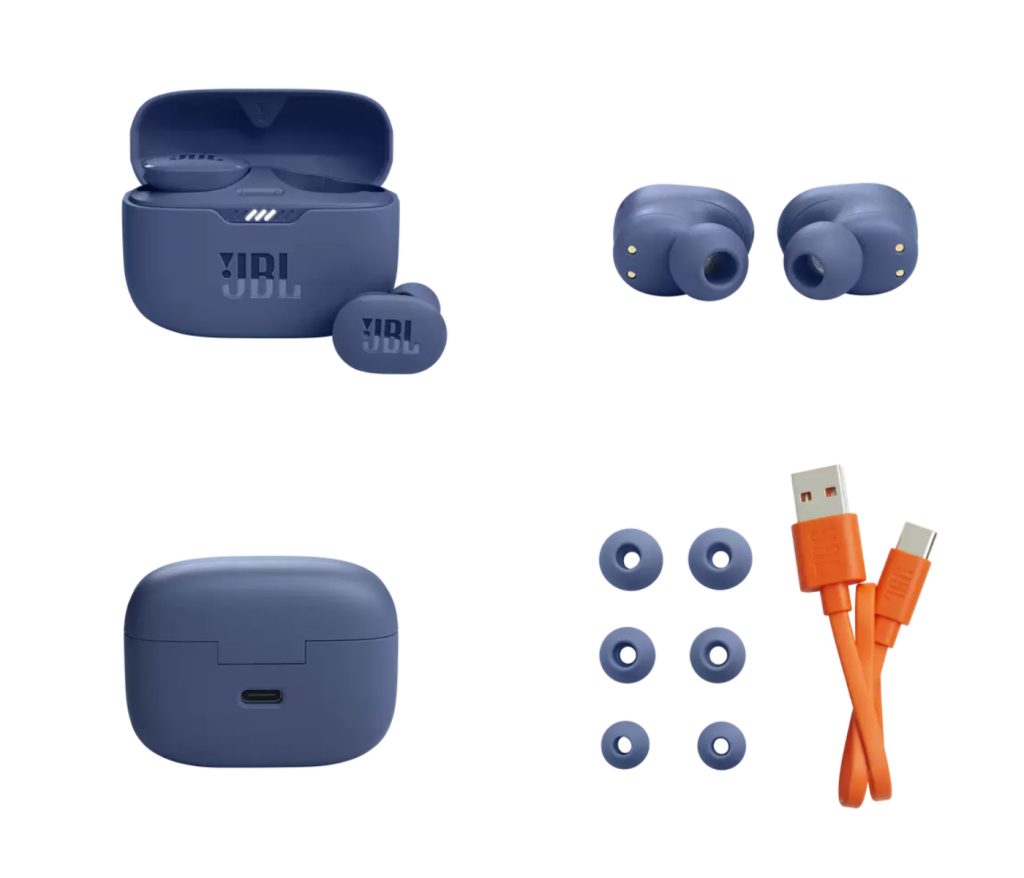
JBL Tune 130NC

The Tune 130NC comes with a dot design and is shaped appropriately to snugly fit in your ear. The earbud features 10mm drivers and comes equipped with two mics on each earbud to offer ANC and sharp audio input.

Other features of the JBL Tune 130NC include Ambient Aware, access to the JBL Headphones App for a customized listening experience, Bluetooth 5.2 with Google Fast Pair, Touch controls, 40 hours of total battery backup (10 hours on a single charge) with ANC off and 32 hours total playback (8 hours on a single charge) with ANC on. Like the Tune 230NC, the Tune 130NC also has an IPX4 water and sweat resistance.

Pricing and availability

JBL Tune 230NC and Tune 130NC have retail price tags of Rs. 7999 and Rs. 6999 respectively. However, the brand is offering them at Rs. 5999 and Rs. 4999 respectively for a limited time.

The new JBL tune series earbuds can be purchased at the HARMAN Brand Stores and in.JBL.com, as well as at all major retail and online stores. Both models have been made available in black, blue, and white colors.


RELATED:

Download FRP Bypass Tool – Unlock Smartphone Easily

Our Smartphones know more about us than all our friends and family combined. That’s why the protection of our smartphones should be of utmost priority to us. Google has put up some AZ5 buttons on Android to keep our data and device safe. FRP (or Factory Reset Protection) is one such AZ5 button. However, it does come with its problems, which is why in this guide, we’ll show you some of the best FRP bypass tools for your Android device.

Ever tried to reset your device and got stuck in the process. We bet you’ll likely be interrupted by Google to type in the credentials for the Google account you linked your device, which you probably won’t remember. FRP is the feature responsible for this, and it can also be a pain while setting up a refurbished phone. FRP bypass tools will help us with this. However, keep in mind that you can end up compromising your data. So follow along at your own risk.

Must See: Download Xiaomi Mi Unlock Tool [Latest Version]

Best FRP bypass tools for your Android device

There are numerous FRP bypass tools in the market you can use to unlock your phone. Here are our top picks. However, feel free to go with any other software that feels safe to you. We recommend that you always go with reputed ones to avoid getting hacked (or even scammed).

Pangu FRP unlocker for Android

If your device runs on anything lower than Android Oreo, this one might be for you. The unlocker is free of cost and works well with brands like Samsung, Motorola, Micromax, and SPD. We highly recommend this software if your device runs on Marshmallow or Nougat. Check out the official website for additional information and guides.

Samsung Reactivation Lock/FRP Removal Service

If you own a Samsung device and need the simplest and easiest means to unlock your device, this one might be for you. The service works well with Samsung flagships up to the Galaxy S9 line-up. All you need to do is select your model and type in the IMEI number of your phone. You will receive a unique user ID and password that will help you reset your Galaxy device. Visit their website to unlock your device.

D&G Password Unlocker

D&G Password Unlocker is a multi-utility desktop application that lets you bypass FRP or re-flash the firmware. The software works with almost all Windows versions, including Windows XP. You can use it to unlock phones from the brands like Motorola, Xiaomi, Samsung, Lenovo, Huawei, HTC, etc. You can get information on the same from here.

GSM Flasher FRP Tool

GSM Flasher FRP Tool is very much like D&G Password Unlocker. It’s a Windows application that you can use to unlock your Android device. AllFlashFiles.net does a neat job explaining how to install and use the software. However, unlike the D&G Password Unlocker, you can only use this tool to bypass FRP on your Android device.

FRP Hijacker by Hagard v1.0

An FRP bypass tool that looks modern. The software is well suited for Samsung users who have a hard time unlocking their phones. You can download the software from Mediafire.

That should wrap things up for now. As we said, you can find a plethora of FRP bypassing tools on the internet. But pay caution not to end up losing your data and device. Also, keep in mind that as you came in here after searching for an FRP tool using the Google search engine, chances are the ones listed here might not work at that time.

Global smartphone design operations shipments rise 6.4 percent year-on-year

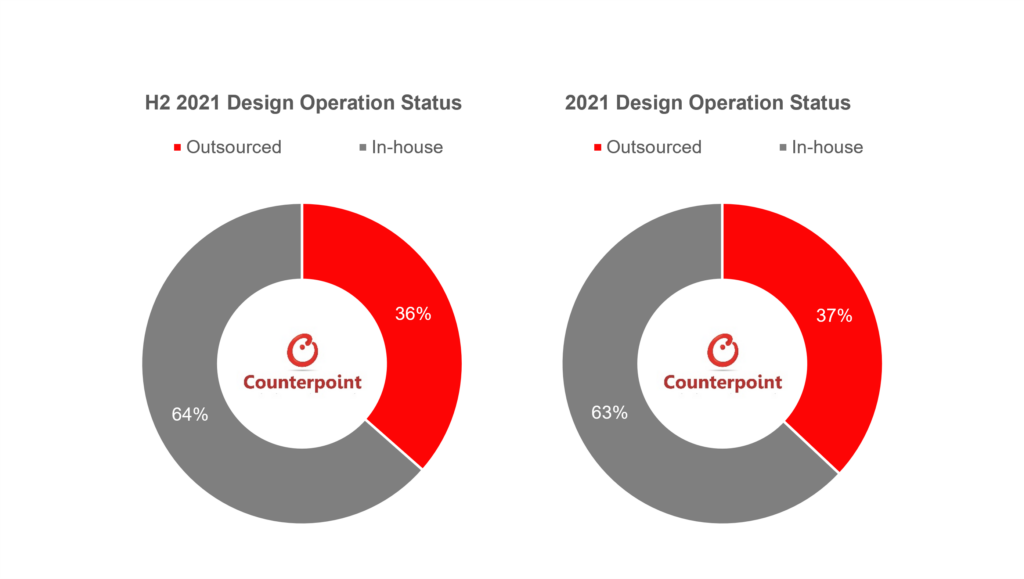
As per Counterpoint Research’s Global Smartphone ODM Tracker and Report, smartphone shipments from original design manufacturer (or independent design house) companies grew 6.4 percent year-on-year basis in 2021. This is due to the pickup of 4.5 percent YoY in the overall global smartphone market in 2021. The rise in ODM/IDH shipments is also in times of COVID-19 and component shortages. 

The report also adds that the share of smartphone shipments from outsourced designs increased to 37 percent, which is 1 percent up from 36 percent in 2020. 

Counterpoint Research ODM/IDM shipments
Source: Counterpoint Research

Senior Research Analyst Ivan Lam stated that the ODMs managed to achieve decent growth despite the impact of the COVID-19 pandemic and the supply of 4G chipsets on the global smartphone market. The growth was driven by brands like Xiaomi, Lenovo/Motorola, and Transsion. Since Xiaomi logged a 31 percent year-on-year growth in shipments in 2021, key ODMs for the brand benefitted the most. Another analyst added that Huawei’s decline impacted the big three, as the brand’s outsourced orders dropped 78 percent YoY. However, these were offset by Honor in the second half of 2021 whose orders dropped 11 percent YoY. Referring to the ‘Big 3’, Huaqin, Longcheer, and Wingtech dominated the market with 70 percent of the global ODM/IDH smartphone shipments. 

Smartphone OEMs are aggressively investing in India with companies like Foxconn, Pegatron, Wistron, and more setting up manufacturing facilities and expanding assembly lines to India, North Korea, and Southeast Asia. 

Original Design Manufacturers seem to be moving away from IDH services and focusing more on production and assembly services. Leading ODMs are also setting up production lines in India, Southeast Asia, and Brazil. 

Related:

List of Upcoming Snapdragon 8 Gen1+ Xiaomi Devices Revealed via Internal MIUI Source Code

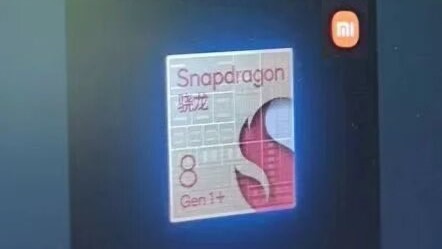
As the rumour mill for Qualcomm’s upcoming Snapdragon 8 Gen 1+ turns faster, it seems that more leaks have surfaced online regarding Android phone manufacturers opting for the Snapdragon 8 Gen 1+ SoC as their preferred chipset for their upcoming flagships that are planned to launch in the second half of 2022.

Xiaomi-snapdragon-8-gen-1-plus-poster
For illustration purposes only

So far, it seems that Xiaomi may be the biggest customer for Qualcomm’s Snapdragon 8 Gen 1+ SoC as a recent leak shows that the tech giant may have at least 6 upcoming 2022 flagships that will sport the unannounced chipset which is respectively the Xiaomi 12 Ultra, Xiaomi Mi Mix Fold 2, Xiaomi 12S, Xiaomi 12S Pro, Redmi K50S Pro and the Xiaomi 12T Pro.

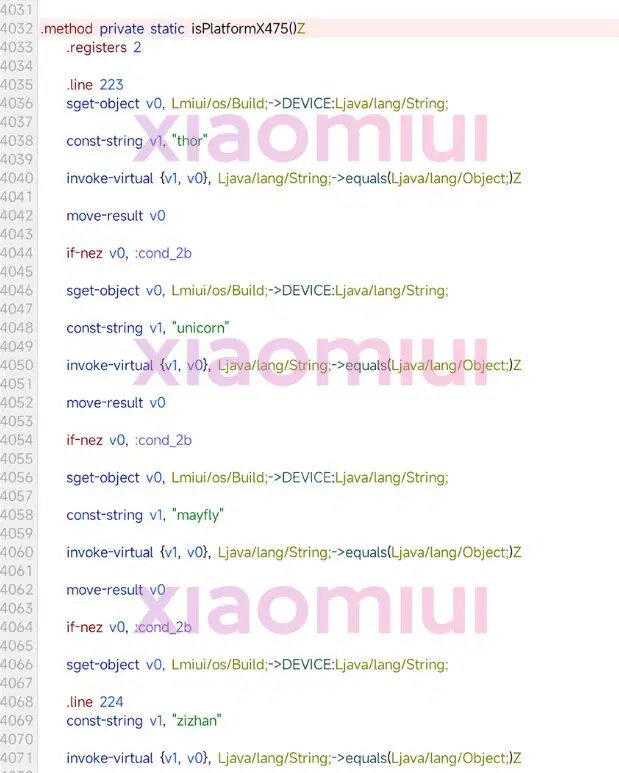
The leaks come from the team over at Xiaomiui, as the team has discovered several Snapdragon Xiaomi devices that are currently in development, most notably the ones with the Snapdragon 8 Gen 1+ chipset, via Xiaomi’s MIUI Internal Source Code. 

Xiaomiui-snapdragon8gen1plus-source-code
Internal MIUI Source Code. Source: xiaomiui

The internal source code references a list of devices that are utilising an unannounced SM8475 chipset, in which SM8475 is the codename for the Snapdragon 8 Gen 1+. The list mentions 5 internal codenamed devices, which can then be traced back to 6 upcoming Xiaomi devices with their respective marketing names that will be sporting the unannounced flagship chipset: 

  • Xiaomi 12 UItra (thor)
  • Xiaomi Mi MIX FOLD 2 (zizhan)
  • Xiaomi 12S (diting)
  • Xiaomi 12S Pro (unicorn)
  • Xiaomi 12T Pro / Redmi K50S Pro (mayfly)

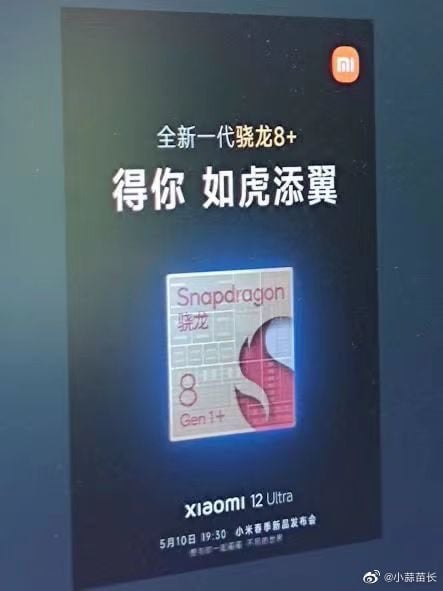
Out of the 6 devices, the Xiaomi 12 Ultra is expected to be the brand’s first flagship to sport the Snapdragon 8 Gen 1+, as an earlier leaked poster of the Xiaomi 12 Ultra was circulating around in April citing that the device is due to be launched on May 10th. 

xiaomi 12 ultra alleged poster
Leaked poster of the Xiaomi 12 Ultra. Source: Weibo

Although we have heard the Xiaomi Mi Mix FOLD 2 and Xiaomi 12T Pro popped up in earlier leaks, it seems that Xiaomi still has 2 more flagships, the Xiaomi 12S and 12S Pro to launch in 2022, which could provide a very crowded competition in 2022’s Android flagship space.

The reason why the Snapdragon 8 Gen 1+ is so highly anticipated over the Snapdragon 8 Gen 1 is that industry insiders have been hearing that Qualcomm will be switching from Samsung’s 4nm chip fabrication process to TSMC’s 4nm process for its next flagship chip. 

Predictions indicate that the switch to TSMC’s process could lead to higher yields, better power efficiency and lower thermal throttling for the Snapdragon 8 Gen 1+ chipsets, making it a very attractive prospect for Android phone manufacturers in the market.


RELATED:

(Via)

Amazfit Super Summer Smartwatch Sale is now live on Amazon India

If you are in the market for a good quality smartwatch, then check out the deals and offers given by Amazfit under Super Summer Sale on Amazon India. 
Amazfit

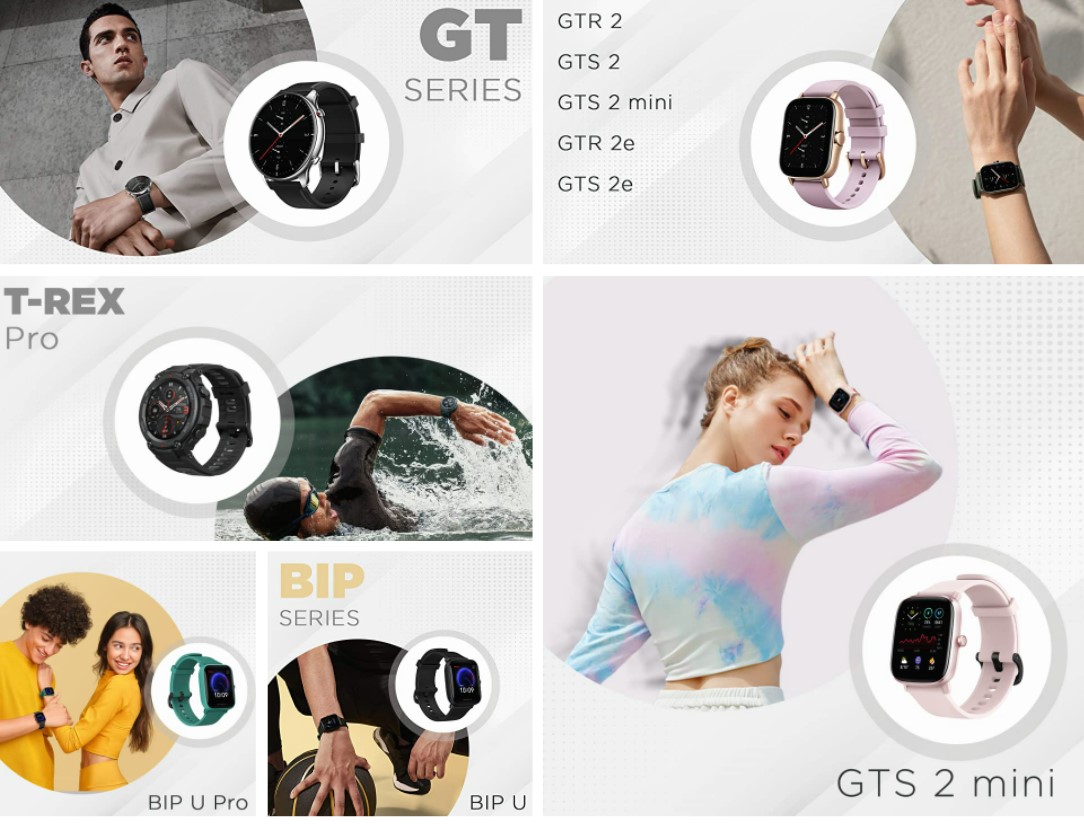
The highlight feature of this sale is that it offers great discounts on the older Bip and GT series as well as the upgraded variants and latest launches. The Amazfit Super Summer sale starts on 2 May and ends on 6 May 2022. So let’s check out some of the best offers under the sale. 

Amazfit

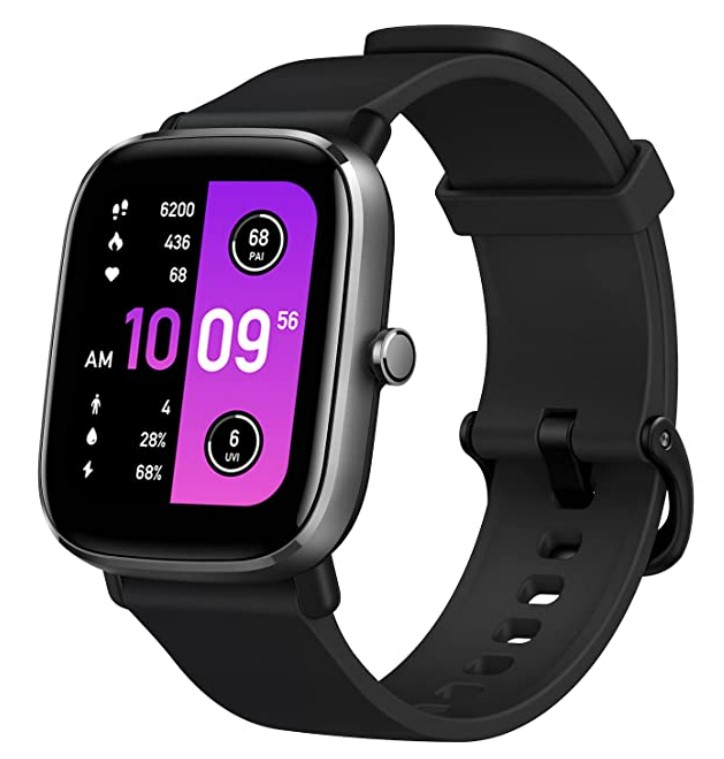
Amazfit GTS2 Mini ( New Version)

Retail Price: ₹5998      Sale Price: ₹4999

Amazfit GTS2 Mini

Key Features:

  • 1.55 inch AMOLED Always-on display
  • 341ppi resolution gives you crystal clear and sharp images
  • Ultra-slim, lightweight, and borderless design
  • 80+ watch faces
  • Heart Rate, SPO2, Sleep, and Stress Monitor
  • 68 sports mode
  • Built-in Alexa 
  • Bluetooth camera
  • 5 ATM water-resistant
  • 14-day battery life
  • Colors: Black, Pink, and Blue


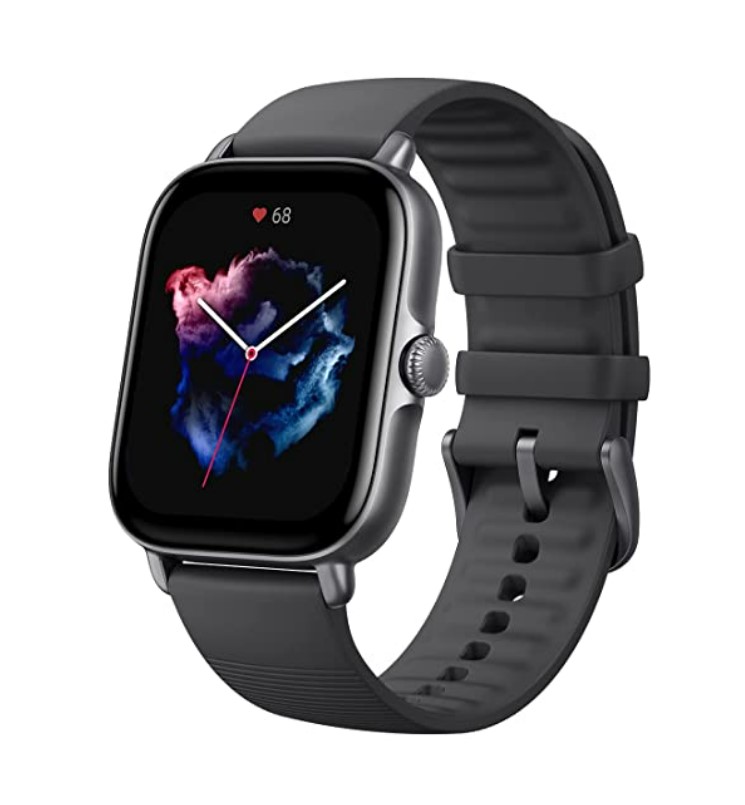
Amazfit GTS 3 Premium Smartphone (Square Dial)

Retail Price: ₹13990     Sale Price: ₹12990

Amazfit GTS 3

Key Features:

  • 1.75-inch Ultra HD AMOLED Always-on display
  • Gorgeous curved glass screen
  • Classic Navigation crown to navigate apps and other features
  • 100+ watch faces
  • 24 hrs health management
  • Zepp OS and APP support
  • Alexa and offline voice assistant
  • 150 sports mode
  • Heart rate, blood oxygen saturation, stress level, and breathing rate 
  • 5 ATM Water-resistant
  • High precision GPS
  • Virtual pacer and sports pal 
  • Female cycle monitor
  • 12 days battery life
  • Colors: Black, Terra rose, Ivory white


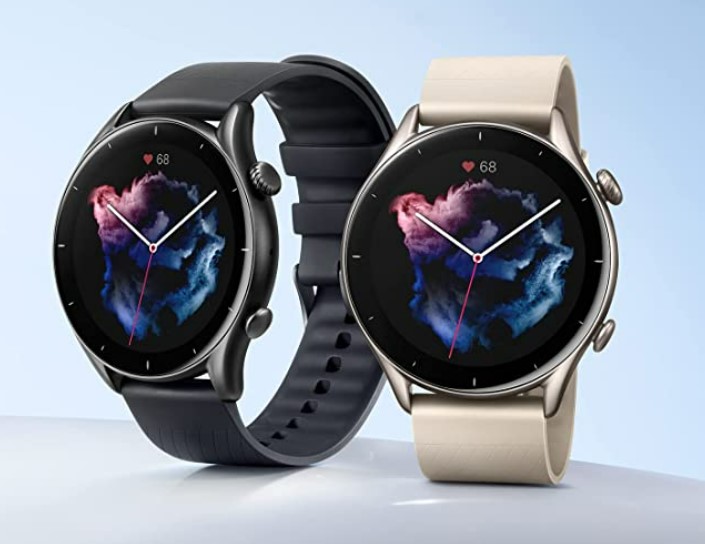
Amazfit GTR 3 Premium Smartphone ( Round Dial)

Retail Price: ₹13990     Sale Price: ₹12990

Amazfit GTR 3

Key Features:

  • 1.39  inch HD AMOLED Always-on display
  • Classic Navigation crown to navigate apps and other features
  • Heart rate, blood oxygen saturation, stress level, and breathing rate 
  • 100+ watch faces
  • 24 hrs health management
  • Zepp OS and APP support
  • Alexa and offline voice assistant
  • 150 sports mode
  • Heart rate, blood oxygen saturation, stress level, and breathing rate 
  • Monitor heart rate even while swimming
  • 5 ATM Water-resistant
  • High precision GPS
  • Female cycle monitor
  • 21 days battery life
  • Colors: Black, Grey

Other interesting Amazfit deals

SmartwatchRetail PriceDiscounted Price
Amazfit Bip U₹3499₹2999
Amazfit Bip U Pro₹4999₹3999
Amazfit T-Rex Pro₹12999₹10999
Amazfit GTS 2₹12999₹11999

For more information on such exciting deals and offers check out our deals hub.

* Please Note: When you buy something using the links in our articles, we may earn a small commission at no cost to you.

Lenovo YOGA 7000 smart projector announced, colour options revealed

Lenovo YOGA 7000 smart projector has been announced. It is expected to be launched alongside the 2022 YOGA and Xiaoxin series notebooks in the country. The brand is also slated to announce the Xiaoxin 520 Chocolate Smart Projector at the event. 

The Lenovo YOGA 7000 smart projector will be available in Cherry Blossom White and Storm Gray colors. It has a striped pattern on the top surface. The specifications of the device remain a mystery as of now, however, it is expected to be a higher offering compared to the projector under the Xiaoxin brand. 

Lenovo YOGA 7000 smart projector
Source: ITHOME


The launch poster of the Xiaoxin 520 Chocolate Smart Projector reveals a slim and portable design that looks similar to a set-top box. It will arrive in Black and White colours. The projector features 860 ANSI Lumens that is capable of producing bright lights and is good enough for homes. On the audio front, it will be equipped with Nordic acoustics. The Xiaoxin 520 Chocolate Smart Projector also packs a smart system that turns it on immediately after it is powered on. 

We will know more details about the Lenovo YOGA 7000 and Xiaoxin 520 Chocolate Smart Projector in the coming weeks at the launch event. As for the brand’s laptops, the specifications of the Xiaoxin Air and Pro series notebooks have already been revealed. 

The Xiaoxin Air 2022 will come in 14 and 15-inch display sizes as well as Intel Core i5 and AMD Ryzen 5/ Ryzen 7 processor options. On the other hand, the Pro model will also be available in 14 and 16-inch screen sizes. It will be offered in the 12th generation Intel Core i5/ i7 chipset option and AMD Ryzen 5/Ryzen 7. The device is teased to feature a 2.8K resolution display with support for a 120Hz refresh rate. 

RELATED:

Smartphone sales in the US dropped 6% YoY in Q1 2022 as the pandemic stabilizes: Counterpoint Research

US smartphones saw unusually high demand in Q1 2021. The demand was driven by various factors, including the pandemic. But as the pandemic situation is stabilizing, smartphone sales are also declining.

A new report by Counterpoint research reveals that the US smartphone market declined by 6% YoY in Q1, 2022. This data came from the firm’s US Monthly Smartphone Channel Share Tracker.

“While Q1 2022 did see weaker sales compared to last year, this needs to be seen in context. It is not a sign of the market contracting because last year’s Q1 was unusually high due to several factors driving demand,” said Jeff Fieldhack, Research Director with Counterpoint.

Premium device sales dropped post the holiday quarter. Persistent supply bottlenecks impacted both 5G and LTE devices. The tax season sales were also lower as Q1 2021 saw an additional stimulus money bump, as per the report.

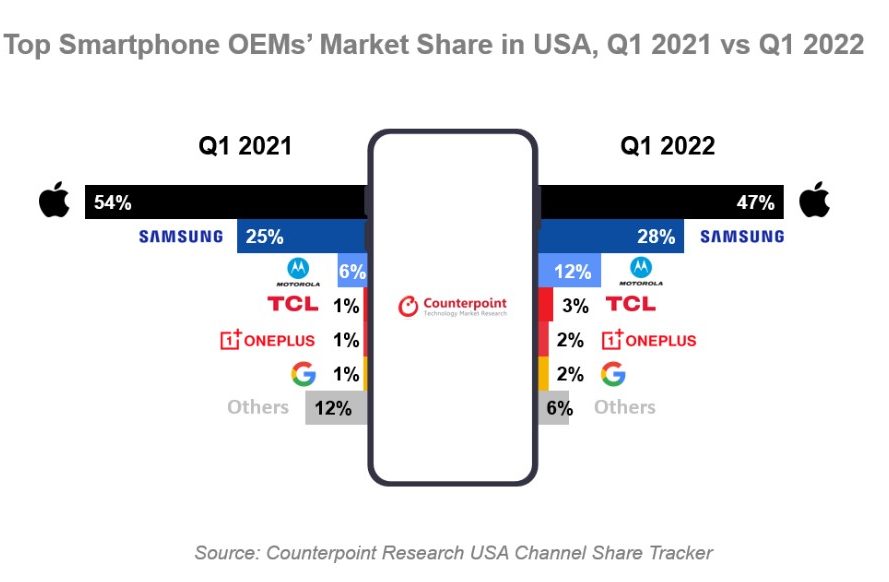
Apple dominated the US smartphone market with a 47 percent market share, followed by Samsung with a 28 percent market share and Motorola with a 12 percent market share.

Top smartphones OEM in USA 2021 vs 2022

Apple’s iPhone 12 series sales pushed into Q1 2021 due to its staggering launch. This resulted in more premium demand in a typically slow quarter.

Apple’s revenue surpassed $14 billion. iPhone 13 sales accounted for over 80% of total sales in the quarter.

“Looking at Q1 2022, there were still solid performances from Apple and Samsung, with Motorola, Google, TCL and OnePlus seeing YoY increases in volumes due to LG’s exit,” Fieldhack added.

The report also sheds light on smaller manufacturers who are beginning to capture more market share due to LG’s exit. Motorola has seen significant growth this year. It has become the third-largest smartphone brand in the country, with a 12% market share.

OnePlus witnessed a comparatively slower quarter overall as the increased low-end competition resulted in fewer sales.

“There will also be massive network migrations occurring as 2G and 3G sunsets come to fruition this year. This will certainly give a lift to smartphone sales as carriers will need to move millions of subscribers to LTE or, preferably, 5G smartphones,” said Senior Research Analyst, Maurice Klaehne.

Related:

Apple considered an Edge-to-Edge display for the iPod Nano a decade before releasing the iPhone X

Apple released the iPod Nano in various designs throughout its wheel of life. The Nano models ballooned and shrunk with each new generation. Now, a tweet by a former Apple executive reveals that the Cupertino tech giant even considered an edge-to-edge design for the iPod Nano. It was years before the first iPhone was released.

To prepare the way for his upcoming book “Build”, former Apple executive Tony Fadell took to Twitter and revealed various mockups of the iPod Nano. Fadell posted an image on his Twitter that shows six different iPod mockups.

According to the former Apple Exec, the mockups were just 3D printed dummies. As he explained, the dummies were “something to hold in your hand, but they’re what made the project real”.

Fadel further wrote, “creating a model is a technique to trick the brain and kick start the imagination – once you make it concrete, once you see and feel it, you can start to imagine how it will fit into your life or the lives of your customers”.

The first iPod Nano was launched in 2005, 13 years before the All-screen iPhone X. Although its edge-to-edge model was only a mockup and never got released, still it’s interesting to think that Apple at least considered the design.

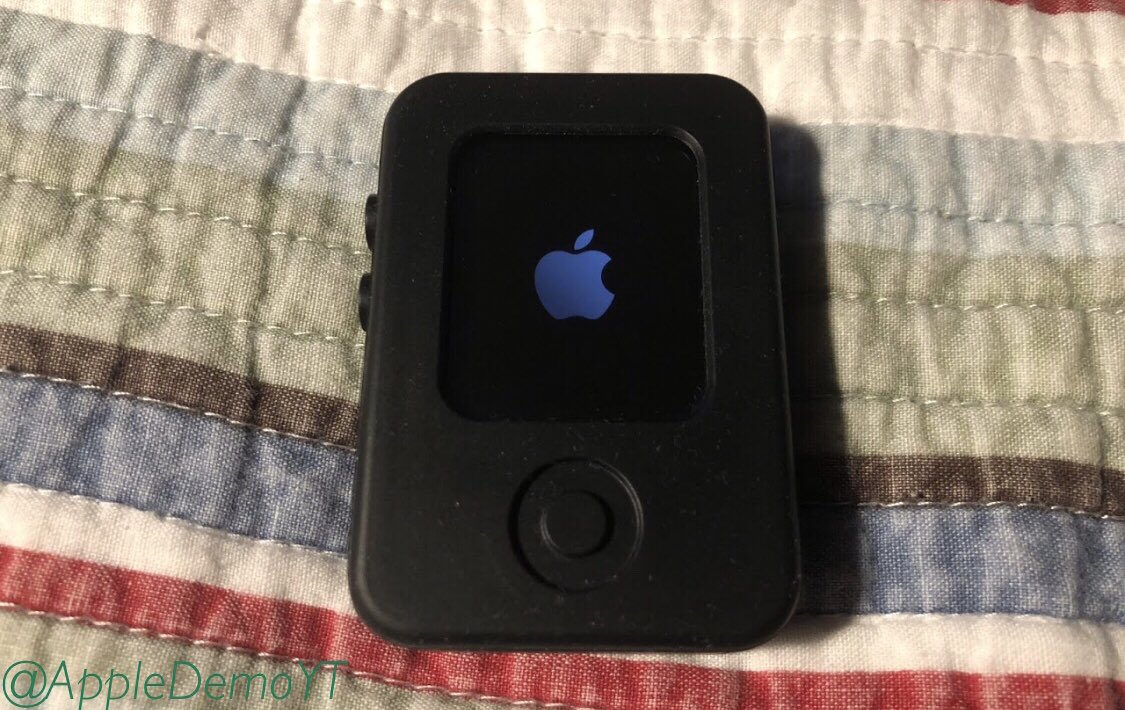
First-Generation Apple Watch Prototype iPod nano Disguise


Fadell said he wrote an entire chapter about the iPod Nano in his book. So, if you’d like to learn more about Tony Fadell or the iPod Nano, his book goes on sale today.

For those of you who don’t know, Tony Fadell is the inventor of the iPods. In 2001, Apple Computers hired him as an independent contractor. He was tasked to supervise a team of 30 employees in developing a new MP3 player that would later be called the iPod.

Fadell collaborated with PortalPlayer, a firm that had been working on their own MP3 player, to build the software for the new Apple Music player. Tony Fadell’s team and PortalPlayer created a prototype iPod in eight months. Apple improved the overall user interface by including the well-known scroll wheel.

Related:

The ZTE Axon 40 series has an Infrared Sensor along with its Underscreen Camera

As ZTE prepares the launch for its flagship ZTE Axon 40 series in May, the company is not shy in teasing the highlighting features of the flagship Axon 40 lineup before the official launch next Monday.

The 2 latest teasers ZTE has revealed today highlight what the Axon 40 offers for the avid mobile gamer out there.

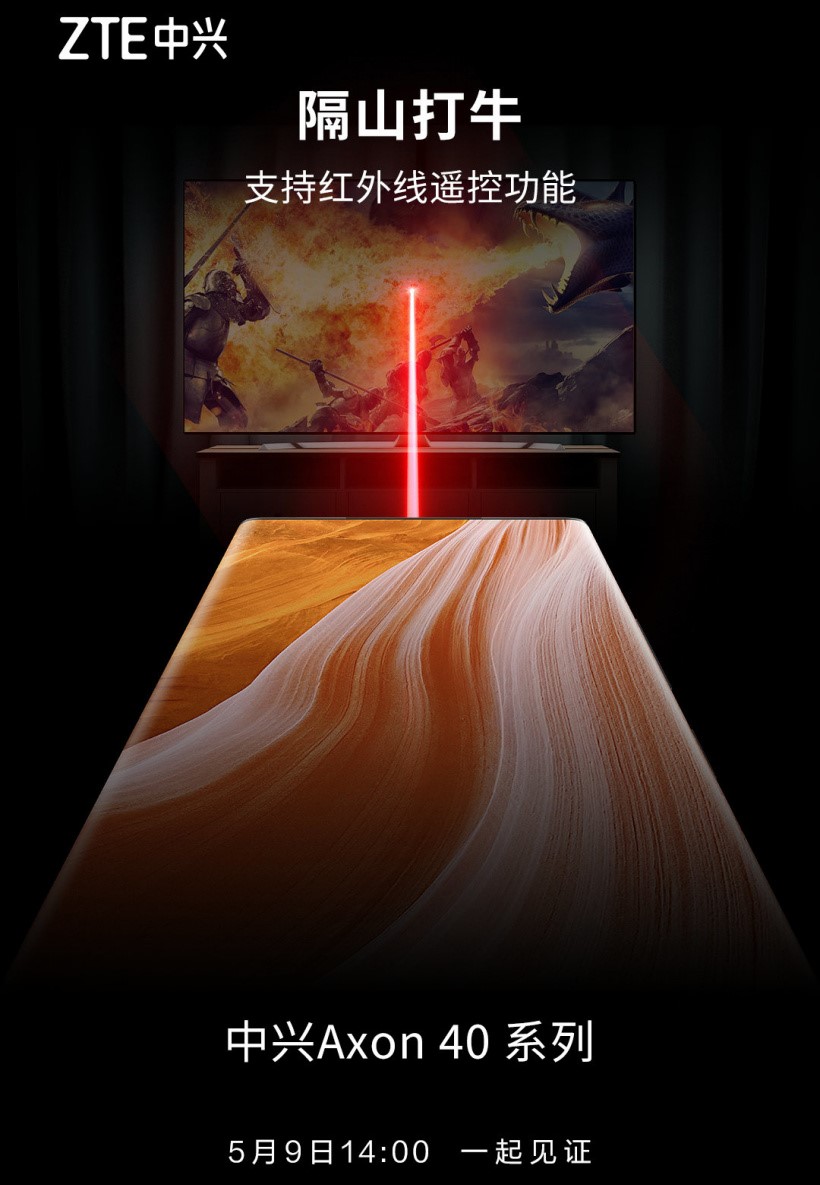
ZTE Axon 40 infrared sensor
Teaser 1. Source: ZTE

The first teaser confirms the ZTE Axon 40 series will be equipped with an infrared sensor. The reason for this feature is that gamers can screen share their smartphone content easily on the big screen like monitors or smart TVs without worrying about controls being affected. 

To illustrate, to reduce the latency of the game controls, instead of the higher latency Bluetooth and WiFi connections, ZTE makes use of the infra-red spectrum to give you a console-like experience like the Nintendo Switch and PS5 Controller which both utilise infrared sensors on their remote controllers as well. The gaming content on the other hand is screen shared via Bluetooth or WiFi technology to reduce signal interference.

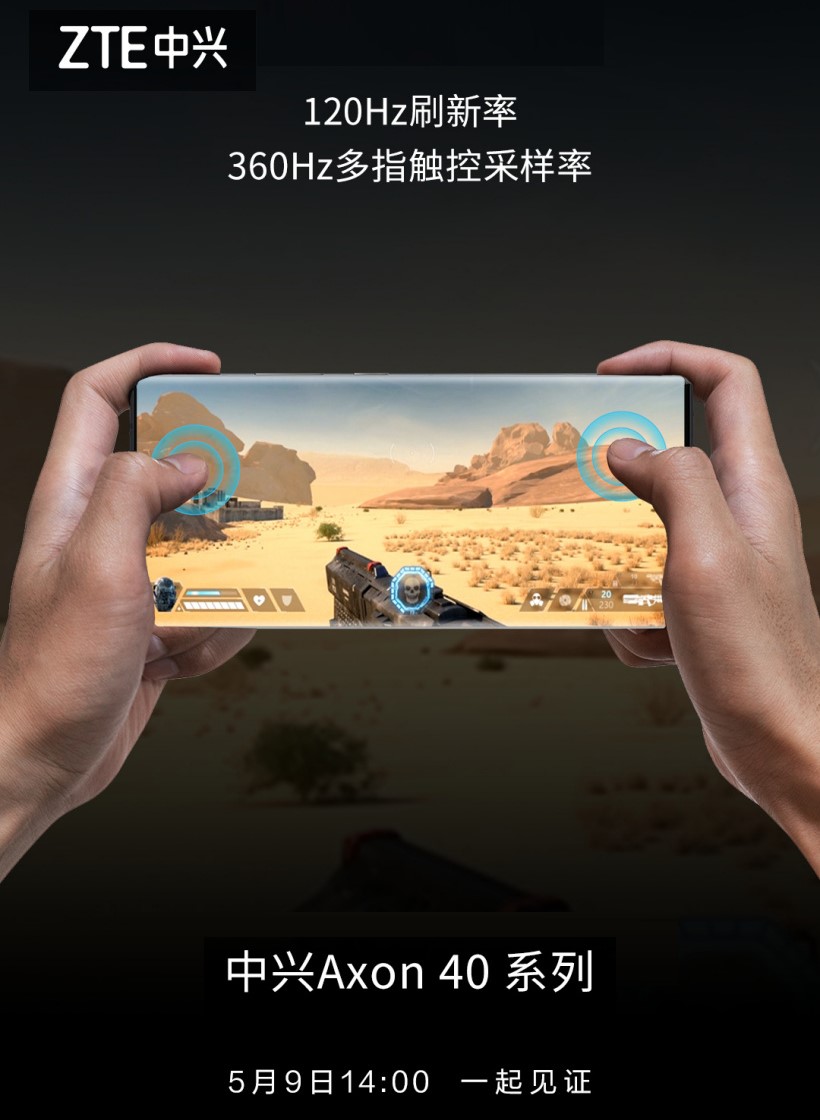
ZTE Axon 40 refresh rate
Teaser 2. Source: ZTE

The 2nd teaser is regarding the screen of the ZTE Axon 40 series. As announced earlier by ZTE, the Axon 40 series will be featuring ZTE’s next-gen under-screen camera, which pushes the screen-to-body ratio of the device to near 100%. The latest teaser shows that the Axon 40 series will also be featuring 120Hz flat AMOLED displays with a 360Hz touch sampling rate. The ZTE Axon 40 series will not only provide an uninterrupted gaming experience on your smartphone with no notches or punch holes, but also a smooth gaming experience with its high refresh rate display.

The ZTE Axon 40 launch event will be held online on May 9th Monday at 2 PM Beijing Time (UTC +8) / 11:30 AM IST (UTC +5:30). For more news coverage on the ZTE Axon 40 series, stay tuned to Gizmochina for the latest updates on the revolutionary technology within China.


RELATED:

(Via)

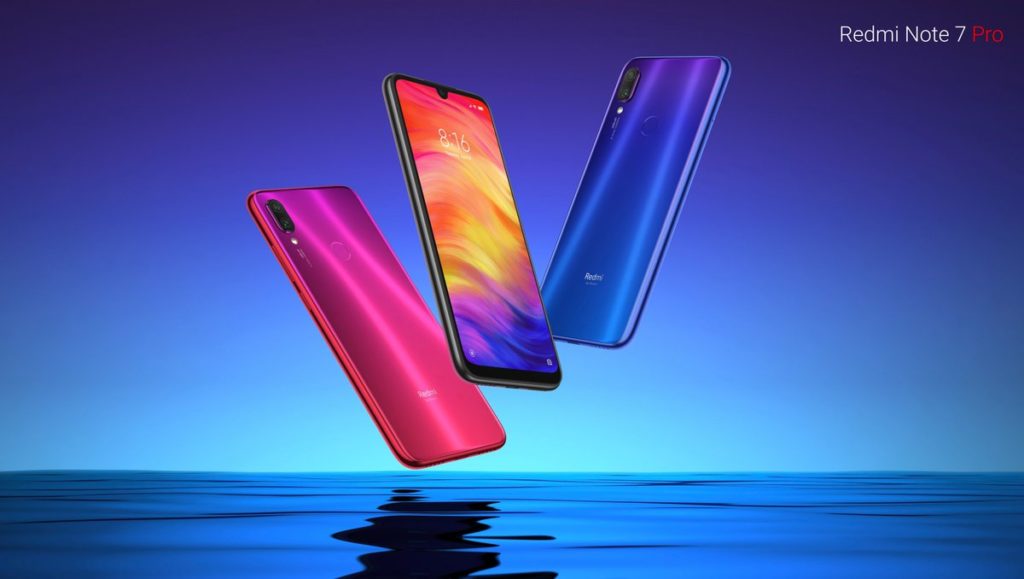
Xiaomi ends software support for Redmi Note 7/7 Pro, Redmi Go

The Redmi Note series is Xiaomi’s most popular smartphone lineup worldwide. The company is known for introducing the masses to some of the high-end features with this product lineup. For instance, the Redmi Note 7 Pro was the first budget smartphone to feature a 48MP camera. This handset along with Redmi Note 7 and Redmi Go have now reached their end of life.

Xiaomi Redmi Note 7 Pro

According to Xiaomiui, Xiaomi has ended software support for three of its popular phones from 2019. These handsets are Redmi Note 7 (aka Redmi Note 7S), Redmi Note 7 Pro, and Redmi Go. They are officially over 3 years old now.

The Redmi Note 7 lineup was introduced with MIUI 10 based on Android 9.0 Pie. Throughout their lifetime, the phones have received two MIUI updates (MIUI 11 and MIUI 12) and a single Android update (Android 10). They currently run MIUI 12.5.

On the other hand, the Redmi Go debuted with MIUI 10 based on Android 8.1 Oreo Go Edition. Three years after its launch, the entry-level smartphone still runs on the same software. It only received security patches throughout its lifetime.

Having said that, though Xiaomi did not provide Android 11 for the Redmi Note 7 series, users can experience not only Android 11 but also Android 12 via custom ROMs. The two phones are still popular in the third-party development community. The Redmi Go also has a number of custom ROMs based on Android 10 and Android 11.

Anyway, third-party software is not recommended for everyone. If you are one of those niche audiences, you should definitely try it to breathe a new life into your aging out of support handsets.


RELATED:


Apex legends mobile launching globally later this month

Back in February, the popular PC and console battle royale title Apex Legends was launched for smartphones in limited regions. The game dubbed Apex Legends Mobile is made by Tencent and Respawn Entertainment.

Apex Legends Mobile

Global pre-registration of the game commenced back in March, and now, an official announcement has been made on Twitter confirming that Apex Legends Mobile will be launching globally later this month.

The game will be available on both Android and iOS platforms and will require at least 2GB of RAM on iOS devices and 3GB of RAM on Android devices.

The core gameplay of Apex Legends mobile is similar to its PC PC/console counterpart however, it has been built from scratch for mobile devices and therefore has some changes in gameplay like a shift from first person to third-person perspective by default.

For those unaware, Apex Legends Mobile is the mobile adaptation of the popular PC/Console Battle Royale title Apex Legends. Similar to the PC game, the mobile version also offers players the option to form teams of up to three players. It has a capacity of 60 players total in a match and encourages firefights to boost armor levels.

The game mechanics have a high skill ceiling due to its fast-paced movement, and the most attractive and interesting aspect of the game is its different characters that arrive with different active and passive abilities.

If you are interested in trying this game out as soon as it launches, you can pre-register by following this link for Android or iOS.


RELATED:


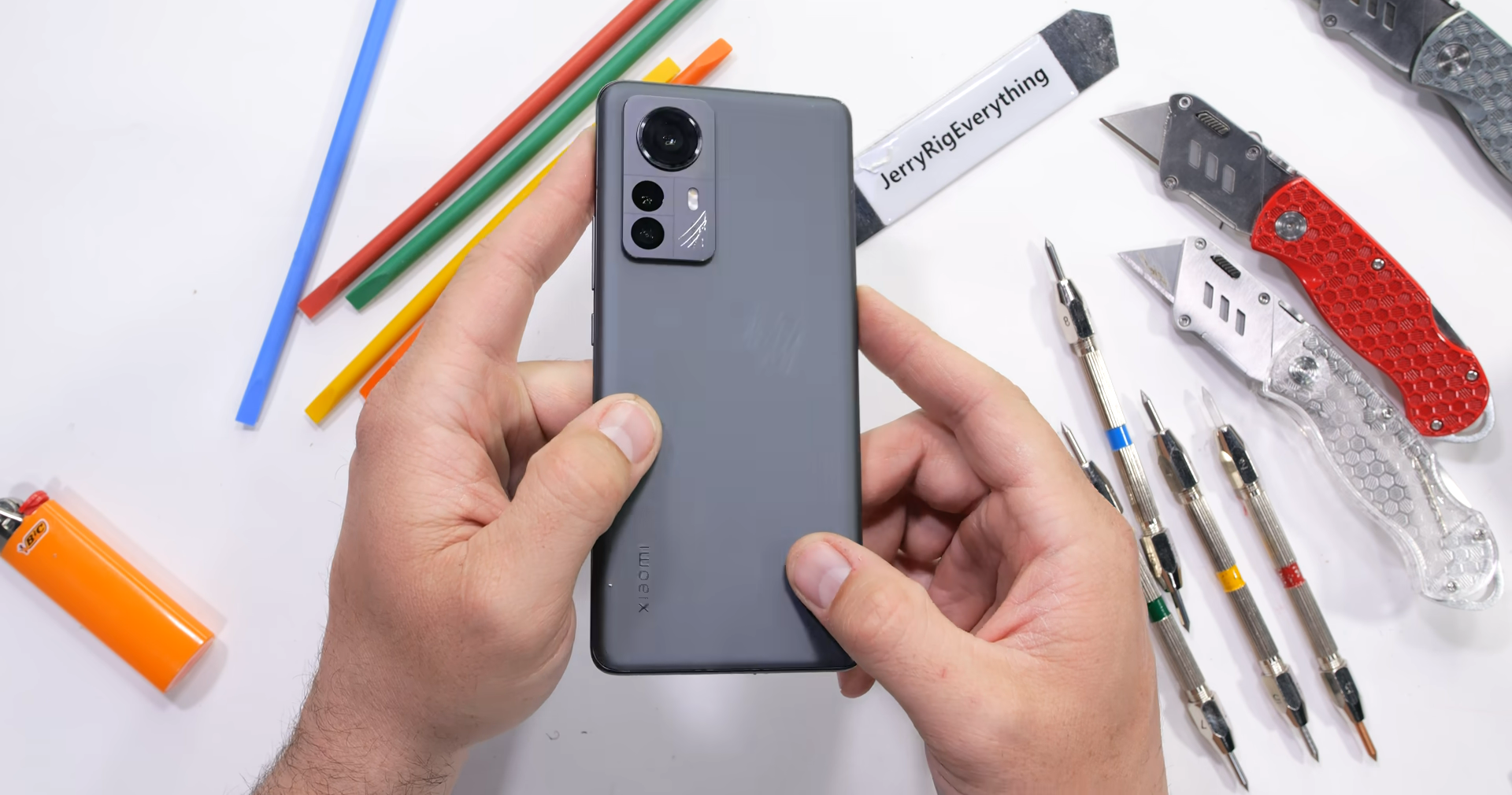
Xiaomi 12 Pro outperforms the OnePlus 10 Pro in JerryRig’s durability tests

The Xiaomi 12 Pro and OnePlus 10 Pro flagships have been paired in the series of durability and stress tests, appearing in JerryRigEverything’s video. Both the Xiaomi 12 Pro and the OnePlus 10 Pro come with similar components like their chipset and displays. However, the OnePlus flagship appeared to have performed woefully when it went through the durability tests. On the other hand, the Xiaomi flagship seems to have weathered the storm in the new video, coming out pretty fine.Xiaomi 12 Pro durability test

Zach Nelson released the latest version of his JerryRigEverything video featuring the Xiaomi 12 Pro. It performed well in most of the stages including scratches (level 6), burn, and bend tests. The burn test produced a white mark on the 12 Pro’s OLED display, The razor scraping revealed that the branding on one side of the device for its quad stereo showed susceptibility to heavy wear and tear.

One of the most rigorous tests in the JerryRigEverything video is the bend test. A device could possibly unravel under the bending process. However, the Xiaomi 12 Pro earned its stripes over the OnePlus 10 Pro in this area. It has to be noted that the 12 Pro remained intact when a bend from the back was attempted. It however emitted some clicking noises in all the instances it withstood the back bending. The screen of the device remained on during the entire process and was seemingly unaffected overall.

In comparing the optics of the two devices in the JerryRigEverything tests, the Xiaomi 12 Pro fared better than the OnePlus 10 Pro across several segments. The two smartphones are 2022 flagship models from Xiaomi and OnePlus respectively. They are both powered by the Snapdragon 8 Gen 1 chipset.

RELATED:


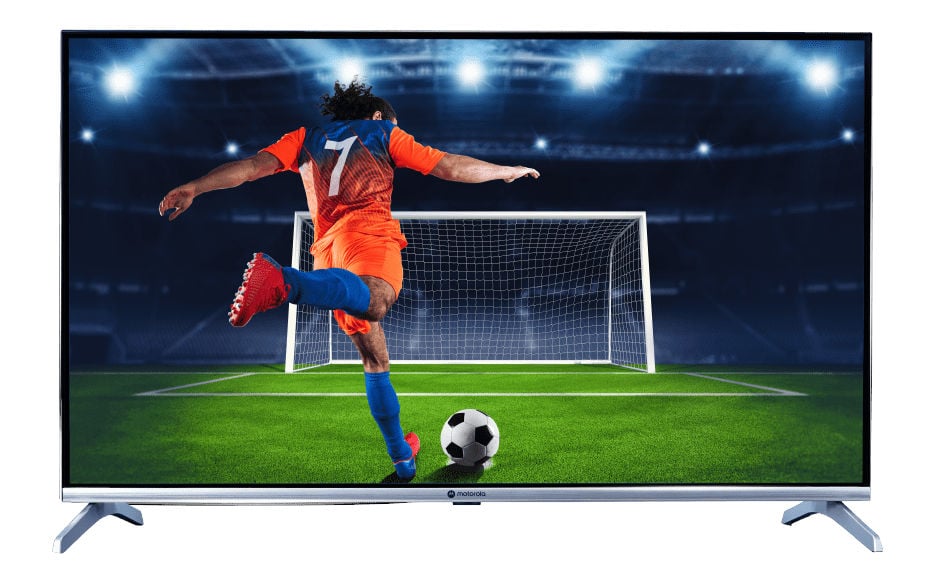
Motorola revou 2 4K, FHD & HD Ready Android TVs launched in India

Motorola has launched new revou 2 series TVs in India. The new smart TVs are available in HD, Full HD, and 4K resolutions, so let’s take a closer look at their specs and features.

Motorola revou 2

Motorola revou 2

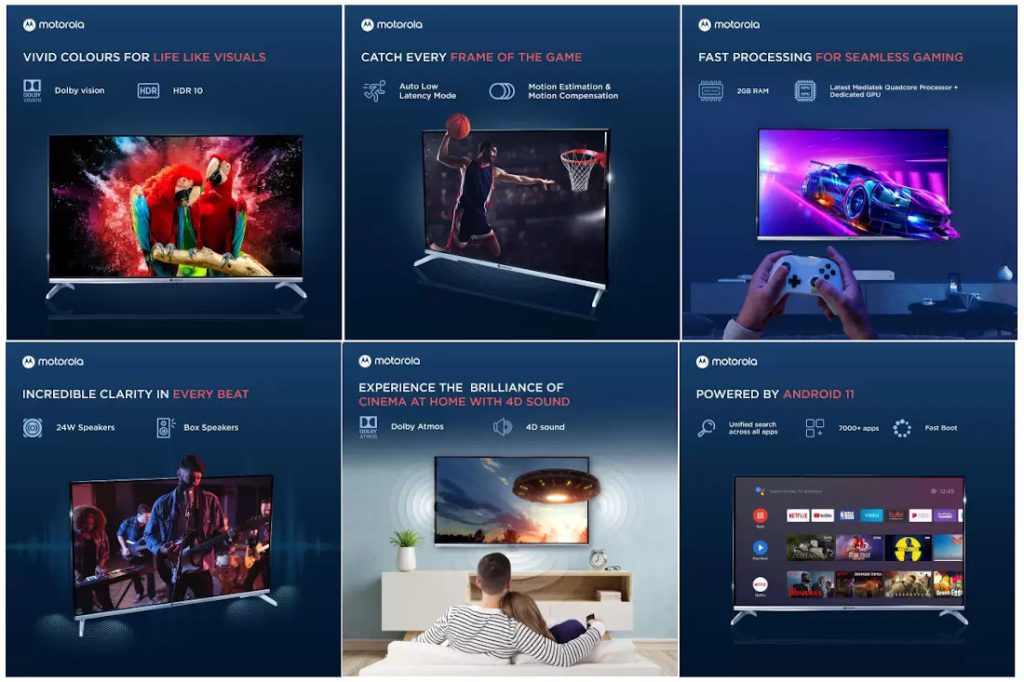
Motorola revou 2 smart TVs are offered in three resolutions with different sizes. The HD ready TV is available with a 32-inch screen, the Full HD resolution TVs come with 40-inch and 43-inch panels and the 4K resolution revou 2 smart TVs are offered with 43-inch, 50-inch, and 55-inch panel sizes. All of the Motorola revou 2 series runs Android TV 11 operating system and feature 24W speakers with Dolby Audio (HD and Full HD) and Dolby Atmos (4K).

Motorola-revou 2

4K resolution TVs

The 4K variants feature 3840 × 2160 pixels resolution with 60Hz refresh rate. They come with Dolby Vision and Dolby Atmos support, HDR10, 4D sound, MEMC, and ALLM features. They have a contrast ratio of 5000:1 and come with Low Blue Light Emission technology. Under the hood, the TVs come with a quad-core MediaTek processor with Mali G52 MP2 GPU. The SoC is paired with 2GB RAM and 8GB storage.

Full HD resolution TVs

The Full HD variants have a 1920 x 1080 pixels resolution with a 60Hz refresh rate and a viewing angle of 178°. It has a 5000:1 (Dynamic) contrast ratio and 300 nits brightness with Low Blue Light Emissions technology. It features a MediaTek quad-core processor with Mali G31 MP2 GPU, 2GB RAM, and 8GB storage.

HD Ready resolution TVs

The 32-inch HD Ready TV comes with a 1366 x 768 pixels resolution, 178° viewing angle with 5000:1 (Dynamic) contrast, 300nits of brightness, and Low Blue Light Emission technology. It has a quad-core MediaTek processor with Mali G31 MP2 GPU, 2GB RAM, 8GB storage.

Connectivity options offered on the Motorola revou 2 series smart TVs are –  Wi-Fi 802.11 ac (2.4GHz), Bluetooth, 2 (HD and Full HD) / 3 (4K) x HDMI ports, 2x USB 2.0, Ethernet.

Motorola revou 2 pricing and availability

The smart TVs are available with the price tags given below:

  • 32-inch HD Ready TV – Rs. 13,999 ($183)
  • 40-inch Full HD TV – Rs. 20,990 ($276)
  • 43-inch Full HD TV – Rs. 23,990  (315)
  • 43-inch 4K TV – Rs. 26,999 ($354)
  • 50-inch 4K TV – Rs. 31,990 ($420)
  • 55-inch 4K TV – Rs. 37,999 ($499)

These TVs are available form today as a part of Flipkart’s Big Savings days sale.


RELATED:


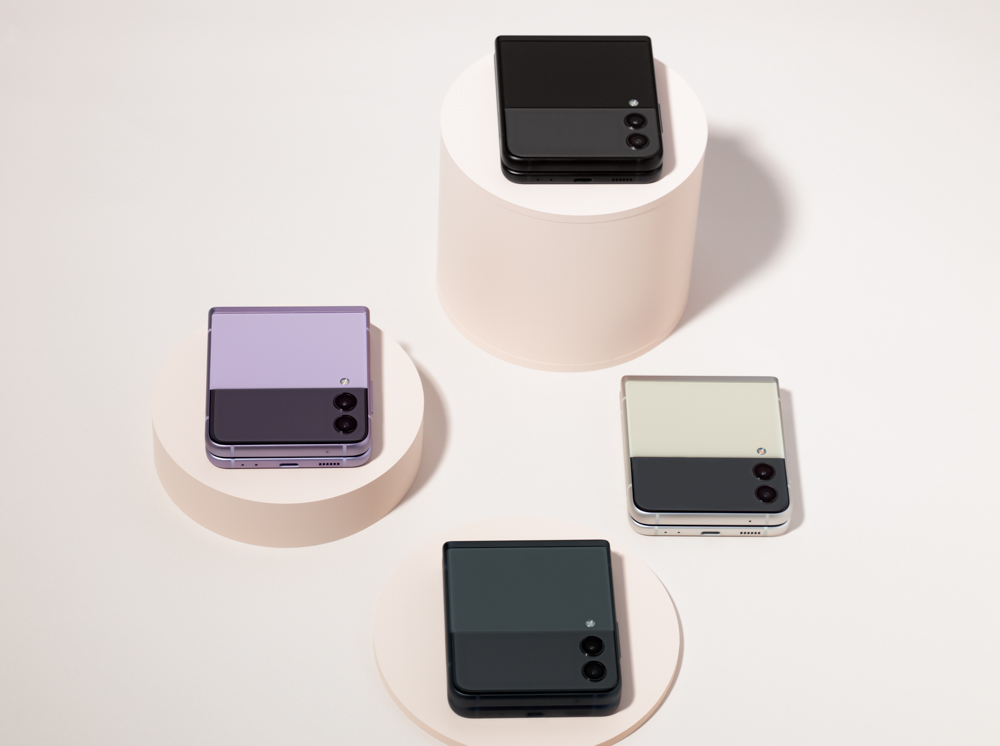
Samsung Galaxy Z Flip 4 tipped to sport a larger cover display than Galaxy Z Flip 3

Though there are multiple OEMs selling foldable smartphones, it is Samsung who is leading the market. Primary reasons for this include wider availability, better durability, good software, and most importantly affordability. The Galaxy Z Flip 3 is currently the best-selling foldable phone in the world due to the aforementioned reasons. It looks like the South Korean tech giant wants to continue this momentum with the Galaxy Z Flip 4 by introducing improvements.

Samsung Galaxy Z Flip 3 Featured A

One of the drawbacks of the Galaxy Z Flip 3 is its 1.9-inch cover display. Though the external screen is larger than the 1.1-inch panel of the original Galaxy Z Flip and the Galaxy Z Flip 5G, it is still small for better usability.

Samsung wants to fix this issue by implementing a larger cover screen on the upcoming Galaxy Z Flip 4. According to Ross Young of Display Supply Chain Consultants (DSCC), the external display on the successor of the Galaxy Z Flip 3 will be bigger than 2-inch.

If this turns out to be true, we can expect the company to allow users to make good use of the larger outer canvas with new software features. Additionally, the Galaxy Z Flip 4 is also said to house a slightly larger battery than its predecessor.

Having said that, we are still months away from the launch of the new Samsung foldables. Hence, we are looking forward to learning more about them in the coming days. We expect more rumors, leaks, and certifications to emerge soon.


RELATED:


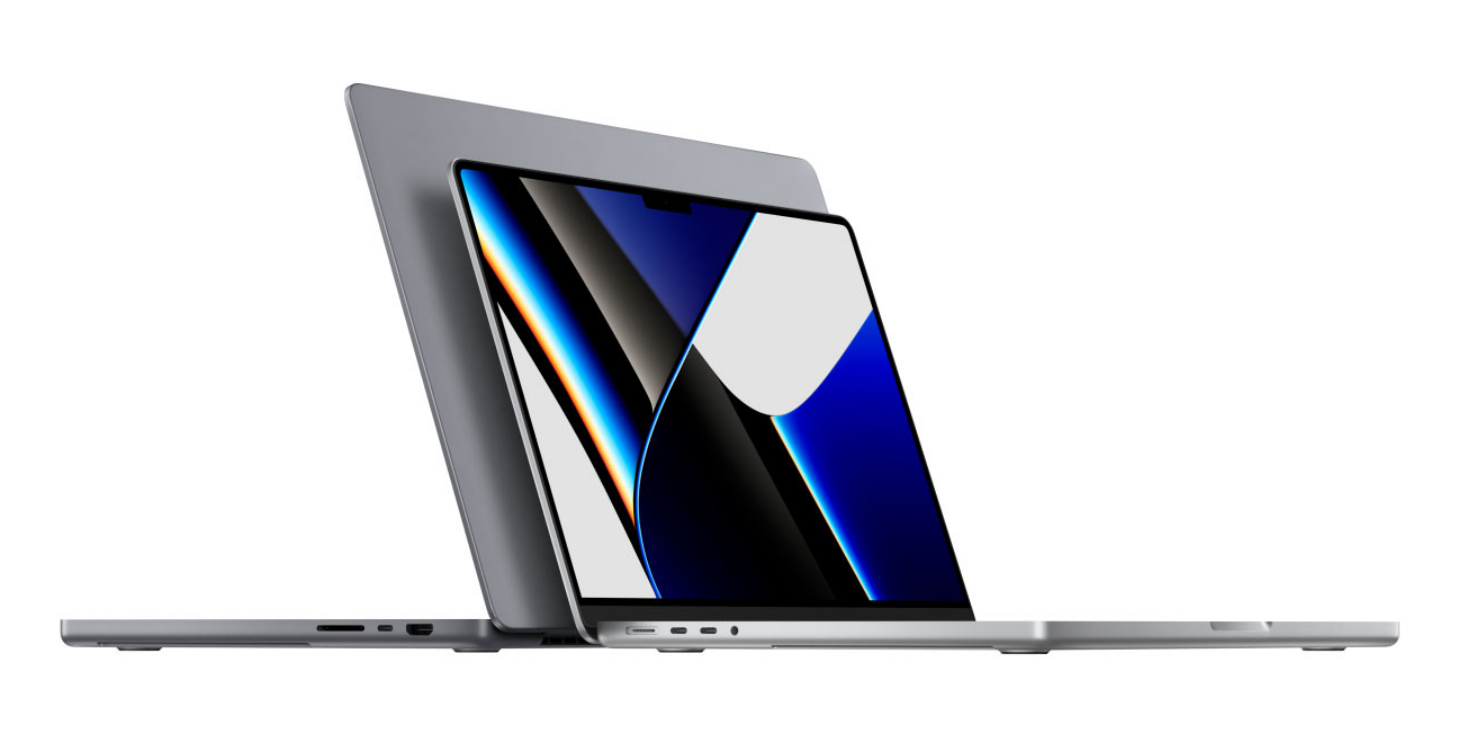
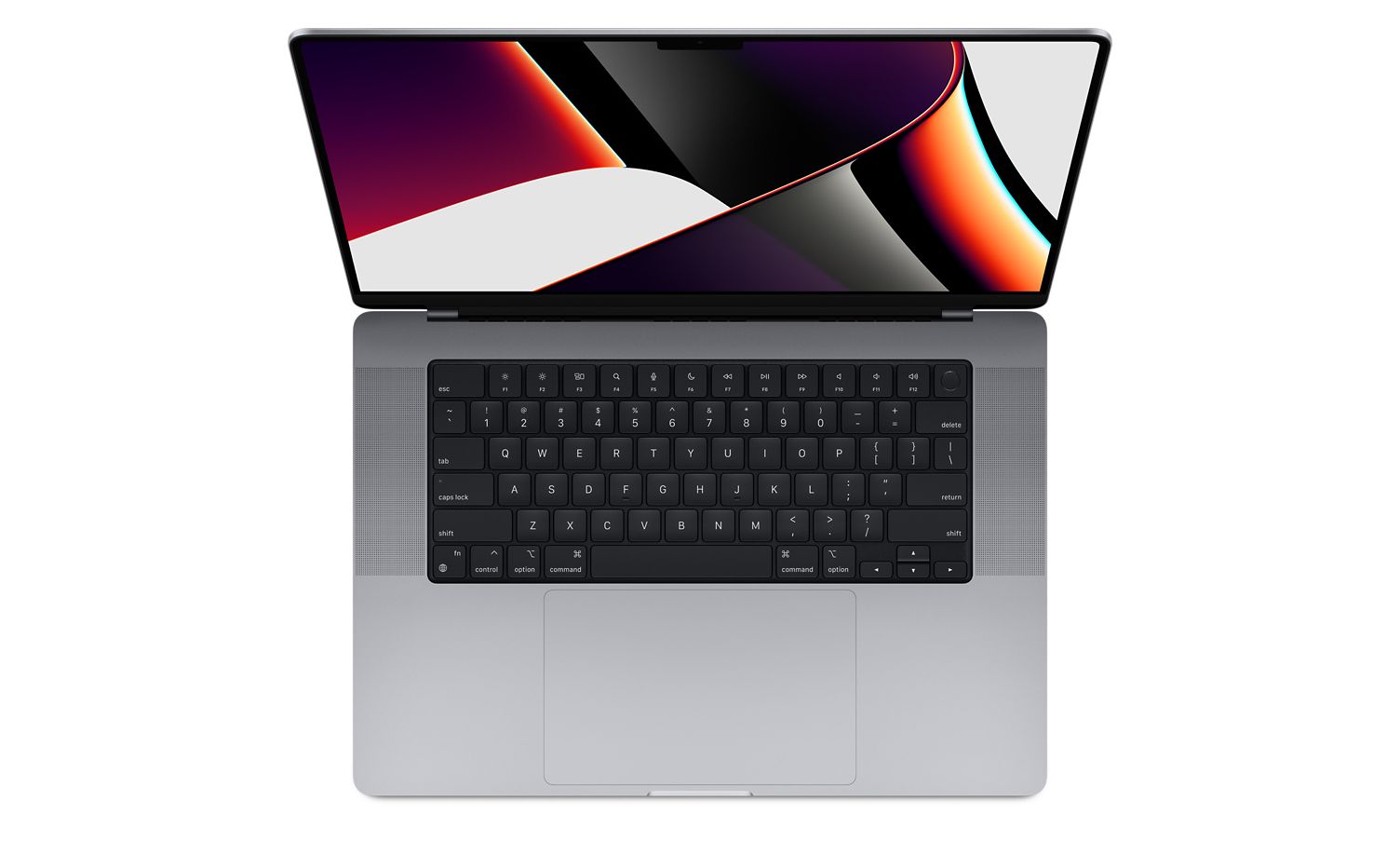
Apple supplier resumes MacBook Pro production at Shanghai plant

Apple supplier, Quanta, is apparently planning to resume production in a staggered manner for the MacBook Pro notebooks from its plant in Shanghai, China. Notably, the news arrives after the region saw a lockdown.

Apple

According to a DigiTimes report, sources close to the matter stated that the supplier of the Cupertino based giant is seeing higher order pull ins from its production site in Shanghai. In other words, the production of MacBook Pro models will likely rise in the near future, which should also imply that lead times for Apple customers will also be shorter. For those unaware, the delivery time of the new MacBook Pro models has been stretched following lockdowns in China in recent weeks.

As per known analyst Ming-Chi Kuo, Quanta is the sole supplier of the company’s MacBook Pros. Thus, the delivery times for the higher end laptops rose by around three to five weeks due to the lockdowns in China. Meanwhile, some MacBook Pro configurations are not even available for delivery until late June 2022 or possibly till early July 2022.

Apple

While the production of the MacBook Pros is slowly resuming again, supply issues are still expected to affect the product sales for the third quarter of this year. Just last week, Apple had also stated that lockdowns in China, rising price of raw materials, and even shortages of semiconductors have made it difficult for the company to keep up with the high market demand.

RELATED:


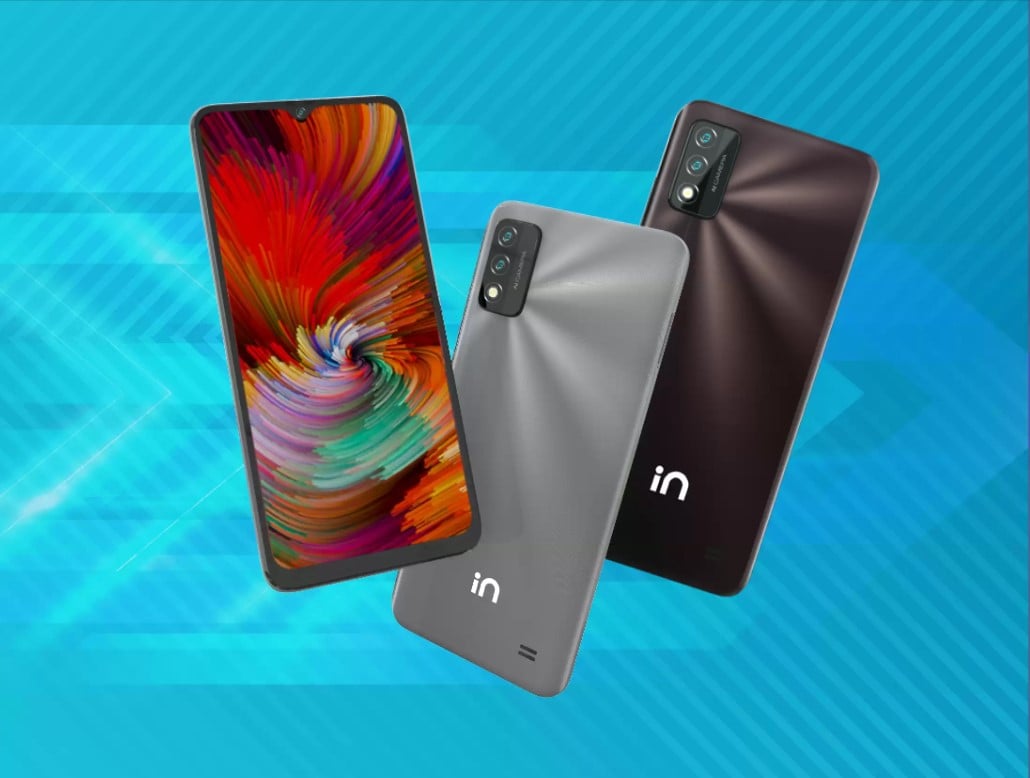
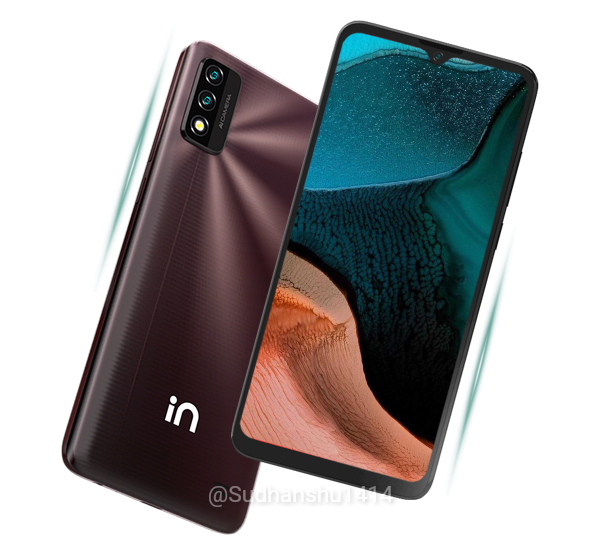
Micromax In 2C goes on sale in India through Flipkart, Here’s price & specs

Back in April 2022, Micromax had announced a new entry level smartphone for the Indian market. Now, the In 2C model recently went on sale and is currently available for purchase on Flipkart, a known e-retailer in the region.

Micromax In 2c

The Micromax In 2C sports a 6.52 inch LCD panel that has a 1600 × 720 pixel HD resolution. This panel has a maximum brightness of 420 nits, a 20:9 aspect ratio, and a waterdrop notch on the front. Under the hood, the In 2C is equipped with a UNISOC T610 SoC, which is paired with a Mali G52 GPU, 3GB of LPDDR4X RAM, and 32GB of emmc 5.1 storage as well. The brand is also offering users an option to further expand storage by up to 512GB through a microSD card slot.

On the back, the new smartphone features a dual camera setup that consists of an 8 megapixel primary camera and a 2 megapixel depth sensor and LED flash. Meanwhile, the front comes with a 5 megapixel selfie shooter. The smartphne is powered by a large 5,000mAh battery pack that supports standard 10W charging support from a USB Type C port. Other features include, rear mounted fingerprint scanner and a 3.5mm headphone jack.

Micromax In 2c

The smartphone runs on Android 11 OS out of the box and is available in two color models, namely Brown and Silver. The device is currently priced at 7,499 INR (roughly 98 US Dollars) for its lone 3GB + 32GB configuration, although, this is the introductory price tag. Its actual price tag is 8,499 INR (roughly 111 US Dollars). At the moment, the handset is available for purchase on Flipkart, along with some special bank offers as well.

RELATED:


Crossbeats Ignite Lyt with heart rate monitor launched for ₹1,999 in India

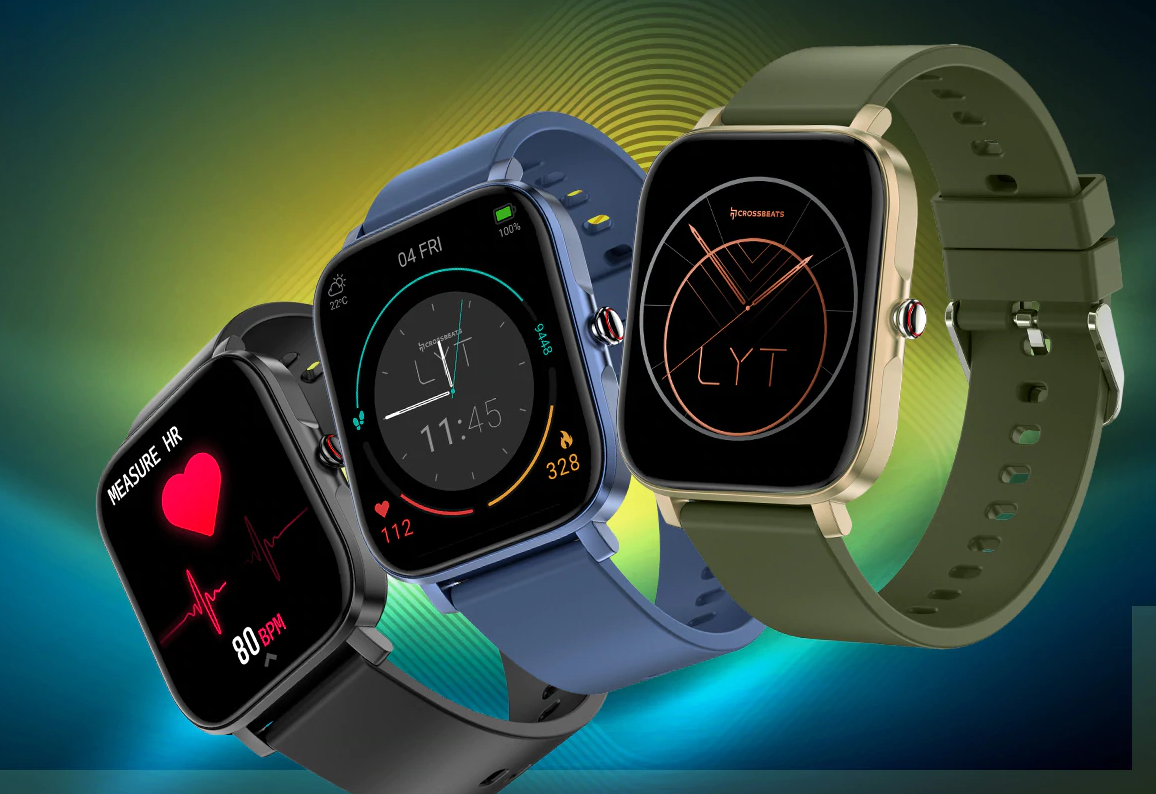
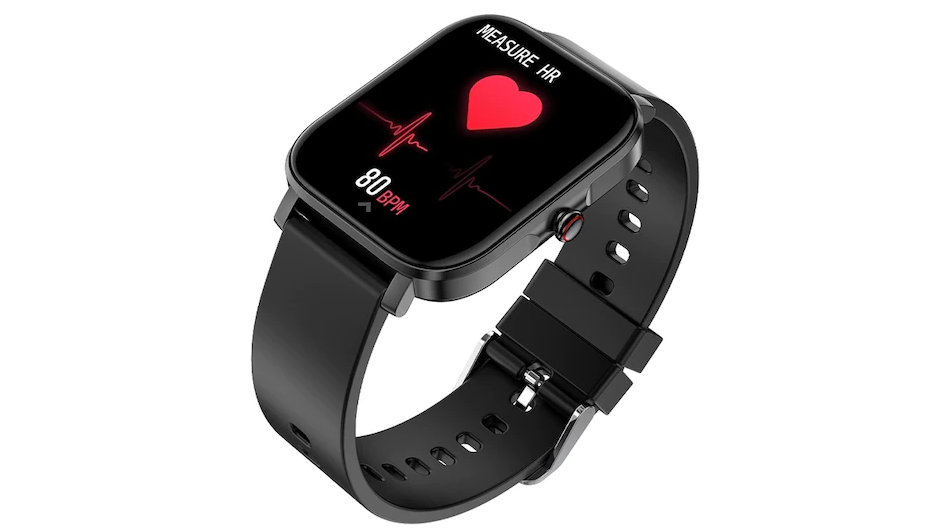
Crossbeats, the India-based audio company has expanded its AIoT portfolio with the recent launch of the Crossbeats Ignite Lyt smartwatch. As the name suggests, the smartwatch is lightweight and is aimed at youngsters, so let’s take a look at its specs and features.

Crossbeats Ignite Lyt

Crossbeats Ignite Lyt specs & features

The smartwatch features a rectangular dial design with a 1.69-inch display with contoured 2.5D edges. It has a crown button for ease of navigation through the smartwatch’s UI.

The smartwatch has many health-related features baked into it, like a SpO2 sensor for blood oxygen tracking, a heart rate tracker with 24-hour data logs, a sleep tracking feature that logs your sleep cycles and quality for up to 7 days, and many other features.

Crossbeats Ignite Lyt

It is also packed with multiple sports and workout modes and has unique features like a Theatre mode and a DND mode.

Crossbeats has also launched the Crossbeats Xplore app, which can be paired with the smartwatch to get easy access to your smartwatch analytics and enhance the user experience. The company claims that the app is 100 percent secure and offers complete privacy to users.

The smartwatch is IP68-certified, making it fit enough to withstand dust, dirt, and sand, and is resistant to submersion up to a maximum depth of 1.5m underwater for up to thirty minutes. Crossbeats claims that the battery of this smartwatch can last up to 15 days once fully charged.

Crossbeats Ignite Lyt pricing & availability

The Crossbeats Ignite Lyt smartwatch is currently available for an introductory price of Rs.1,999 (~$26) in India. It can be purchased from the official Crossbeats website. The smartwatch is available in three colors – Carbon Black, Sapphire Blue, and Zenith Gold.


RELATED: