Motorola has officially launched the Moto G 5G (2022) and Moto G Stylus 5G (2022) phones in North America. The phones are currently available in the US and can be picked up in unlocked versions on Amazon, Best Buy, and Motorola’s official website.
The Motorola Moto G 5G (2022) costs $400 and comes in the Grey color variant. The Moto G Stylus 5G (2022) is priced at $500 and has Steel Blue and Seafoam Green color options.
Motorola Moto G 5G (2022)
The Motorola Moto G 5G (2022) sports a 6.5-inch LCD display with a modest HD+(1600 x 720p) resolution. It has a 90Hz refresh rate and a 20:9 aspect ratio. It has a triple camera system at the rear with a 50MP main lens. It is accompanied by a macro sensor and a depth unit.
Moto G 5G 2022
The device is powered by the MediaTek Dimensity 700 chipset that supports Sub-6 5G. It has 6GB of RAM and 256GB of internal storage. It houses a 5,000mAh battery with a 10W charging speed. It has an IP52 rating and features a microSD card slot for additional storage of up to 1TB. It boots on Android 12 OS and will be upgradable to the Android 13 OS.
Motorola Moto G Stylus 5G (2022)
The Motorola Moto G Stylus 5G (2022) comes with a 6.8-inch Max Vision display. It is a punch-hole panel with a 120Hz refresh rate and Full-HD+ resolution. It has a 50MP main lens, an 8MP ultra-wide lens with a 118-degree FoV, and lastly a 2MP macro sensor.
Moto G Stylus 5G 2022
Under the hood, it is powered by the Qualcomm Snapdragon 695 SoC which is an upgrade over the predecessor’s Snapdragon 480 chipset. It has 8GB of RAM and 256GB of internal storage. The device packs a 5,000mAh battery with TurboPower 10 support. Just like the G (2022), the G Stylus (2022) also has an IP52 rating and boots on Android 12 OS, with Android 13 OS upgradability.
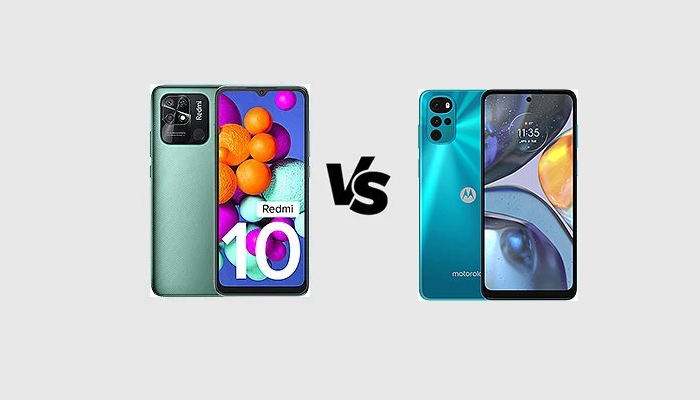
The Redmi 10 already existed, but the Xiaomi sub-brand decided to launch a new version for the Indian market. It is definitely a great budget phone with those new specifications, but it has a lot of competitors. One of these is surely the Motorola Moto G22: one of the best camera phones in the entry-level segment. Given that you can currently find these two devices in the same price range, it is very hard for a lot of people to choose the best for their actual needs. This comparison between the specifications of the Redmi 10 and the Motorola Moto G22 will help you to understand which one is the best for you and which one has the highest value for money.
The design of the Motorola Moto G22 is a bit more elegant thanks to its reflective back and its camera module with the same color as the rest of the body. You should also consider the presence of a punch-hole display instead of that waterdrop notch found on the Redmi 10. Further, the Motorola Moto G22 is a thinner and lighter phone than its Xiaomi rival, and it has a water repellent body. Last but not least, it is more compact because it sports a smaller display. Are these reasons enough to let the Moto G22 win the design comparison or do you need more?
Display
The Redmi 10 and the Motorola Moto G22 are not so impressive if we talk about the displays. The Redmi 10 comes with a wider 6.7-inch panel, better for productivity, and it is more resistant thanks to the Gorilla Glass 3 protection. The Motorola Moto G22 has a smaller display but it adds the 90 Hz refresh rate instead of the standard 60 Hz, so you can get a smoother viewing experience, and that is great for gaming. For the rest, they are pretty much the same: two below-average (but sufficient) IPS LCD panels with HD+ resolutions. The fingerprint reader of the Xiaomi budget phone is rear-mounted, while the Motorola handset has a side-mounted fingerprint scanner.
Hardware/Software
If you are looking for better CPU and GPU performance, as well as lower energy consumption, then you should opt for the Redmi 10. It is powered by the Snapdragon 680 4G mobile platform built at 6 nm and running at a max frequency of 2.4 GHz. A definitely better chipset than the MediaTek Helio G37 found on the Motorola Moto G22, built at 12 nm and with a max frequency of 2.3 GHz. The Redmi 10 also offers more RAM (up to 6 GB) and more native storage (up to 128 GB, expandable with a micro SD slot). On the other hand, the Motorola Moto G22 comes with Android 12 out of the box instead of the older Android 11.
Camera
The Motorola Moto G22 is a superior camera phone. The main cameras of these two devices are the same, with a 50 MP resolution, but the Moto G22 adds an 8 MP ultrawide sensor and a 2 MP macro camera, while the only secondary sensor of the Redmi 10 is a 2 MP depth sensor. Further, the Motorola budget phone has a better 16 MP selfie camera, while the Xiaomi low cost is pretty disappointing with its 5 MP snapper.
Battery
The Redmi 10 wins the battery life comparison thanks to the presence of a huge 6000 mAh battery supporting 18W fast charging. But with its 5000 mAh, the Motorola Moto G22 is still a good battery phone.
Xiaomi Redmi 10 vs Motorola Moto G22: Price
The Motorola Moto G22 is available in India with a listing price of Rs. 10,999 / $144, while the Redmi 10 starts from Rs. 11,999 / $157. The prices are referred to the memory configurations with 4 GB of RAM and 64 GB of internal storage (and it is the only configuration available for the G22). While the Redmi 10 offers a better processor and battery, the Motorola device comes with better cameras and display: which one would you pick? It mostly depends on your needs, but generally, better cameras give mobile phones a higher value.
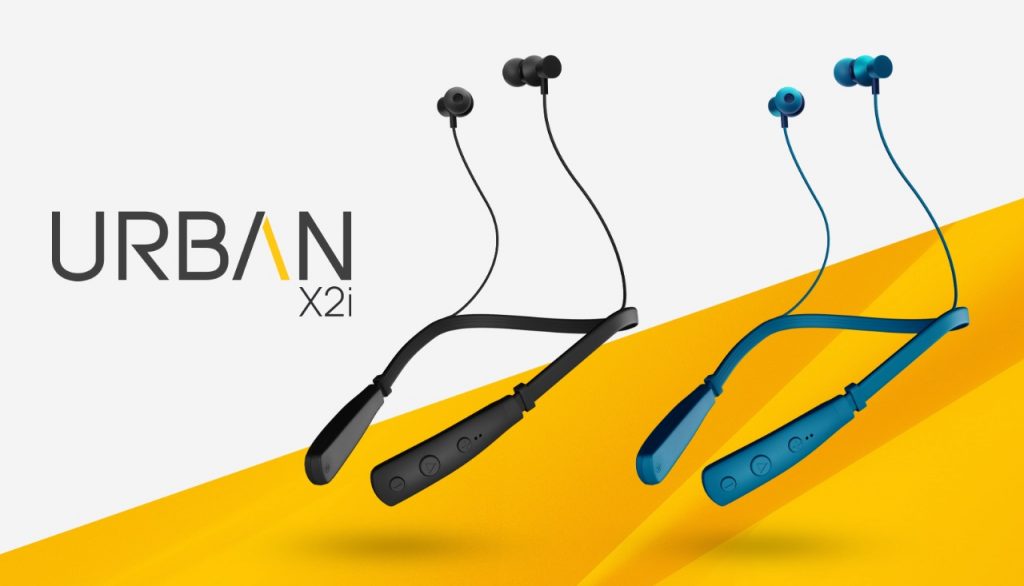
The Indian smartphone accessories manufacturer Inbase has launched a new wireless neckband earphone called the Inbase Urban X2i. The neckband promises up to 200 hours of standby time and 24 hours of non-stop calls and music, so let’s take a look at its specs and featurs.
Inbase Urban X2i specs & features
The neckband earphones feature 10mm rugged titanium drivers to deliver crisp and clear sound with powerful bass. The X2i is crafted using premium materials and lightweight ABS providing water & sweat resistance. The neckband has an adjustable cable design for added comfort and ease of use. The control panel is on the left side of the neckband. It has buttons to change the volume, change the track, and answer calls.
One unique feature of the Urban X2i is the built-in TF card support that’s not offered in any other wireless neckband. Users can easily plug in a MicroSD card to enjoy their favorite songs even if the smartphone is unavailable or runs out of battery.
The large rechargeable battery onboard the Inbase Urban X2i promises to deliver 24 hours of playback time. It gives a standby time of 200 hours when not in use. The earphones support fast charging that can refill the battery from 0 to 100% in 2 hours.
Inbase Urban X2i Price In India
The Inbase Urban X2i is available on the company’s official website Inbasetech.in and leading retail stores at a price of Rs 2999 with a 1-year warranty.
It seems Samsung has made sufficient progress that could see it release a Galaxy VR headset. A new trademark filing by the Korea-based tech powerhouse shows that it is working on a virtual reality headset. Samsung will be joining the class of brands that are developing or have such products including Google and Apple and Facebook (now Meta).
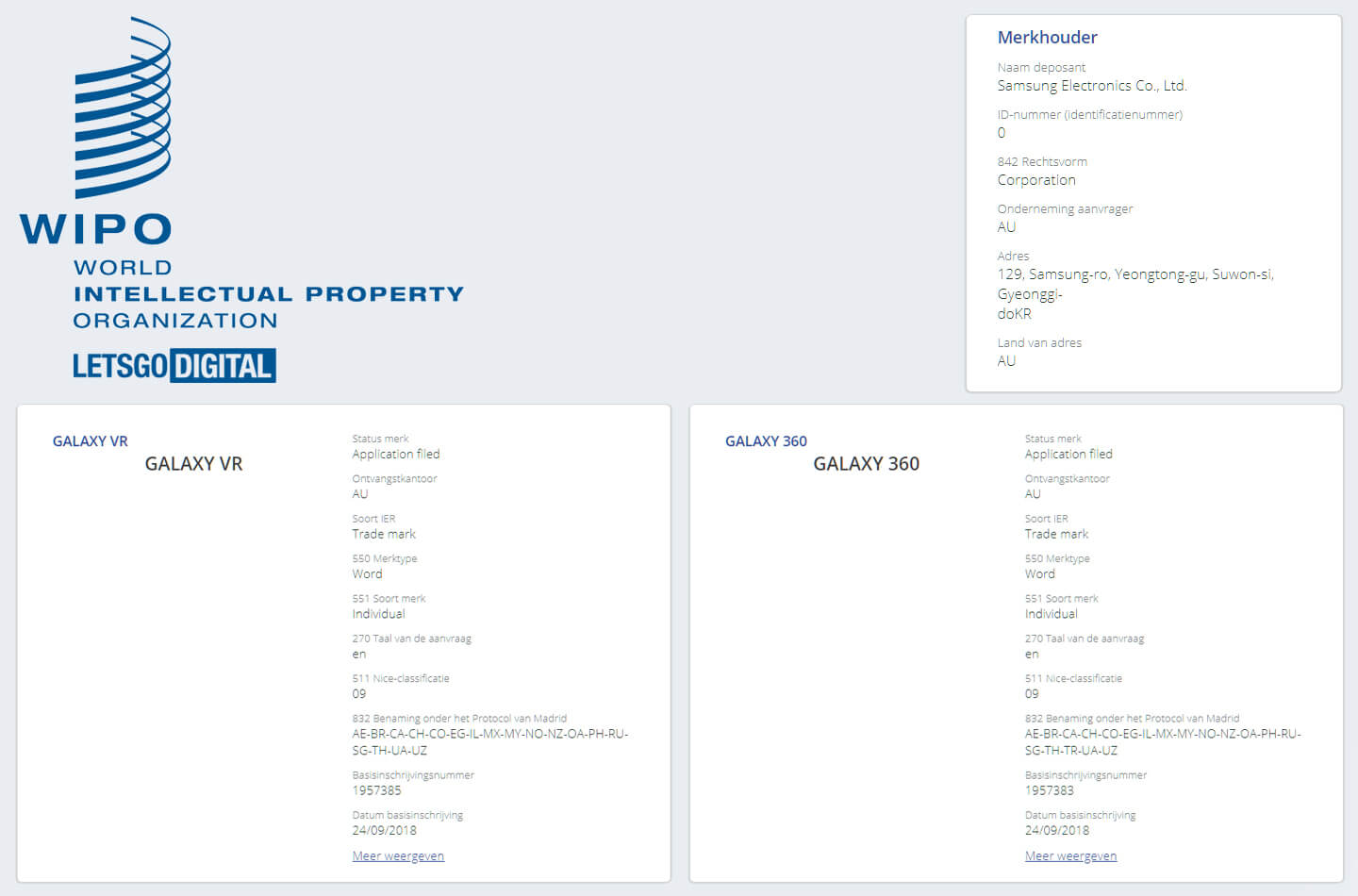
The trajectory of the development of virtual reality has been a mixed bag of successes and drawbacks, but Samsung seems to be making significant progress in this regard. Samsung’s Gear VR headsets were its first products when it forayed into the VR space. The company seems to be investing in further developments of VR functionality with a Galaxy VR headset in the offing. The trademark filing was revealed by LetsGoDigital.
The latest trademark filing was on March 30, 2022, at the World Intellectual Property Office (WIPO). Another Samsung filing has been traced to 2018 in Austria bearing the same name. There have been indications that Samsung was working on a Galaxy VR headset for some time now. Indeed, back in February during the Mobile World Congress, Samsung’s CEO Han Jong-hee gave the hint of a VR device. The latest trademark filing could be a pointer to the imminent launch of the Galaxy VR headset.
There has not been any official confirmation yet from Samsung on the VR headset in development. The coming weeks will provide better illumination on the current trajectory of Samsung’s VR project.
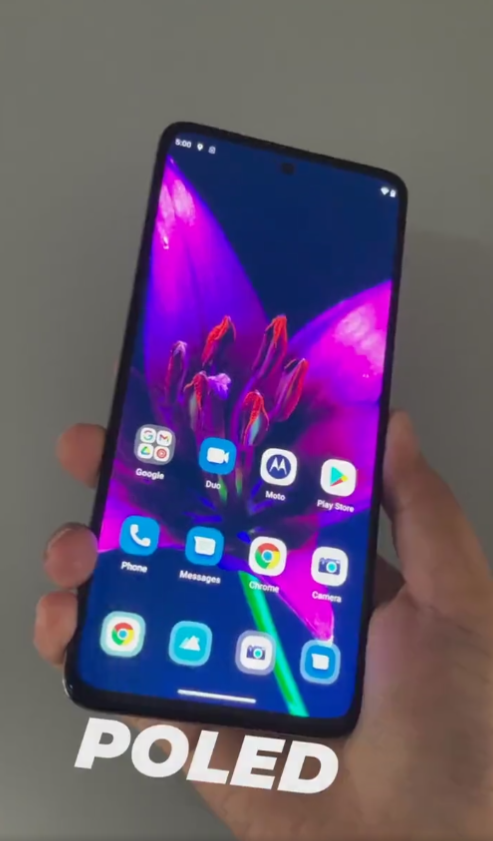
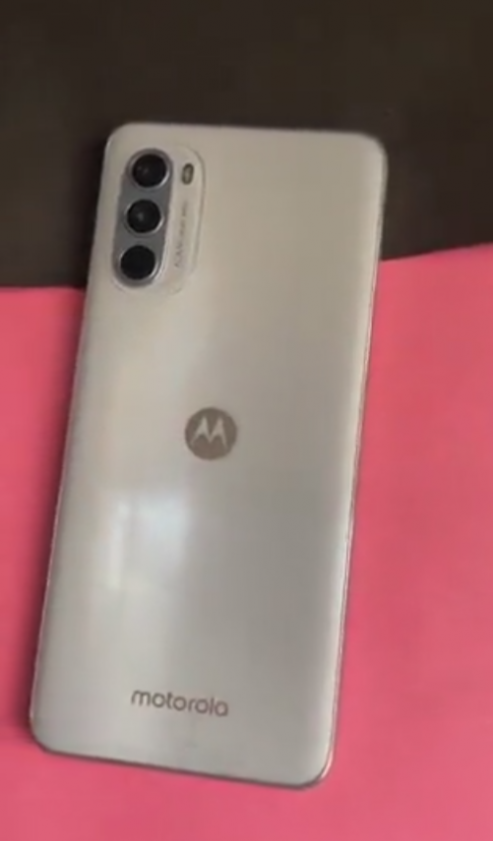
Motorola is all set to launch the Moto G52 budget smartphone on April 25 in India. So far, we know that the device will arrive with 4G connectivity and will be priced under Rs. 20,000. Now, the leaker Mukul Sharma has shared the hands-on video of the device giving us a closer look at the smartphone.
The Motorola Moto G52 can be seen in the White shade. It has the pOLED panel and is claimed to have super-thin bezels. The phone’s 50MP triple camera system can be seen on the back. There’s also an LED flash beside the main lens. The Motorola logo is placed at the center on the back. As per the leaker, it will be the slimmest phone in the segment. Recent teasers have confirmed it to be 7.99mm in thickness.
Apart from this, the phone’s specs are known as the device was recently launched in the European region. The Motorola Moto G52 sports a 6.6-inch punch-hole display with Full-HD+ resolution and a 90Hz refresh rate. It has 403 PPI pixel density and a DCI-P3 color gamut.
The device has a 16MP selfie snapper and a 50MP + 8MP + 2MP triple camera system. It is powered by a Qualcomm Snapdragon 680 SoC paired with 4GB/6GB of RAM and 128GB/256GB of internal storage.
It packs a 5,000mAh battery with 30W TurboPower fast charging support. The device boots on Android 12 out of the box and has a side-mounted fingerprint scanner. Lastly, it has dual speakers and boasts an IP52 rating.
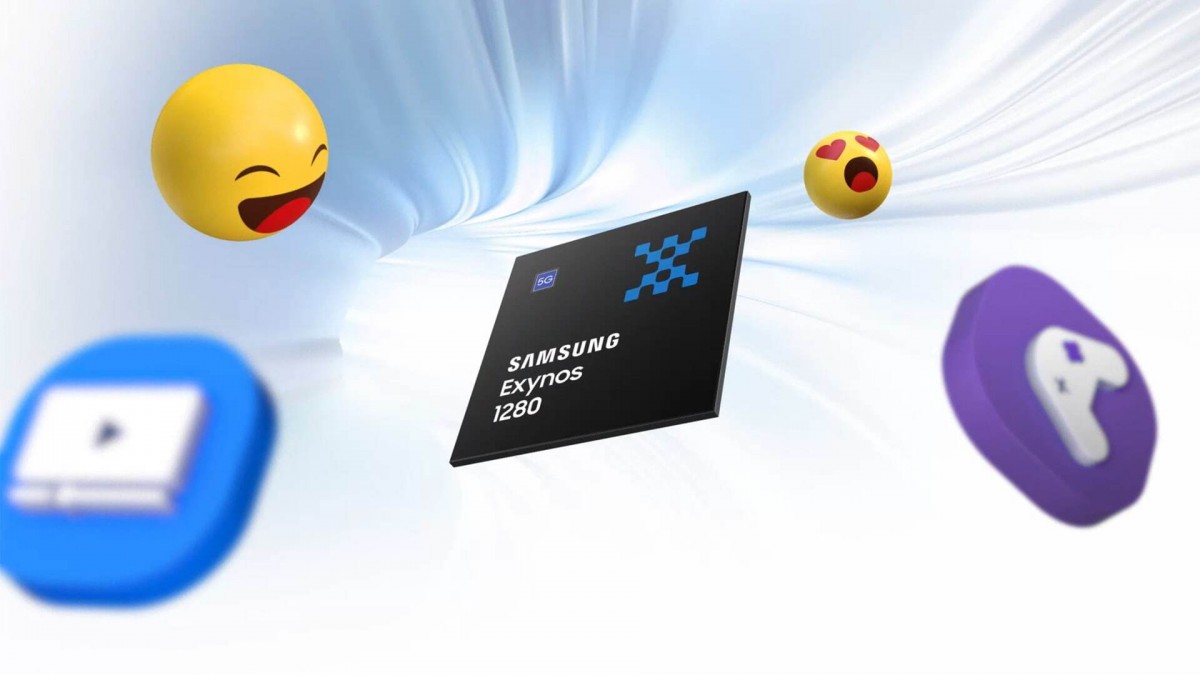
South Korean tech giant Samsung has now officially announced its Exynos 1280 chipset which has already been deployed in some Galaxy smartphones. The Exynos 1280 powers the Galaxy A33, Galaxy A53, and Galaxy M33 mid-range smartphones.
The Exynos 1280 is produced from the 5nm EUV process. It has 2 Cortex-A78 which clock at 2.4GHz and 6 Cortex-A55 at 2.0GHz. The CPU is 64-bit, while its GPU is Arm Mali-G68. The AI engine comes with an onboard neural processing unit (NPU) 4.3 TOPS. The Exynos 1280 has a 5G modem and supports Wi-Fi and Bluetooth 5.2 connectivity. The specs also include a 108MP camera, 16MP triple camera setup, and 4K video recording. The display is FHD+ with a 120Hz display refresh rate. The memory and storage of the chip are LPDDR4x/UFS 2.2.
The Samsung Exynos 1280 is produced by Samsung Foundry and it is optimized with Fused Multiply-Add (FMA) technology. Power consumption and battery life are also enhanced with the new chipset due to its efficient setup. The multi-frame image processing capabilities of the Exynos 1280 provide clearer images with less noise. The chipset has already debuted in some Samsung Galaxy mid-rangers and other brands may tap it into their architecture.
The Android OS, for a long time, has a feature that the competitor OS – iOS – lacks. We are talking about none other than the call recording feature. While some Android users rely on the native call recording feature, others have to depend on the third-party apps available on the Play Store. However, call recording on Android phones will soon stop, but now entirely.
Google recently updated its Play Store policy which has several changes that will come into effect from May 11. One of the significant changes that the policy brings will have a major effect on call recording applications that are available on the Play Store.
As per Google’s new Play Store policy (via), the Accessibility API cannot be requested for remote call audio recording, meaning that apps won’t be allowed to get permission for call recordings. This could mean that popular apps like TrueCaller, Automatic Call Recorder, Cube ACR, and others won’t work.
However, if your Android phone’s dialer has a call recording feature by default, then you can still record calls. Google has revealed that a pre-loaded call recording app or a feature does not require accessibility permissions, thus the native call recordings will work.
“If the app is the default dialer on the phone and also pre-loaded, accessibility capability is not required to get access to the incoming audio stream, and hence, will not be in violation,” said a presenter of a webinar held by Google.
As of now, the Google Pixel, Xiaomi , Oppo, OnePlus, and Samsung come with a default call recorder on their native dialer apps. So, if you own phones from any of these brands, you don’t need to panic.
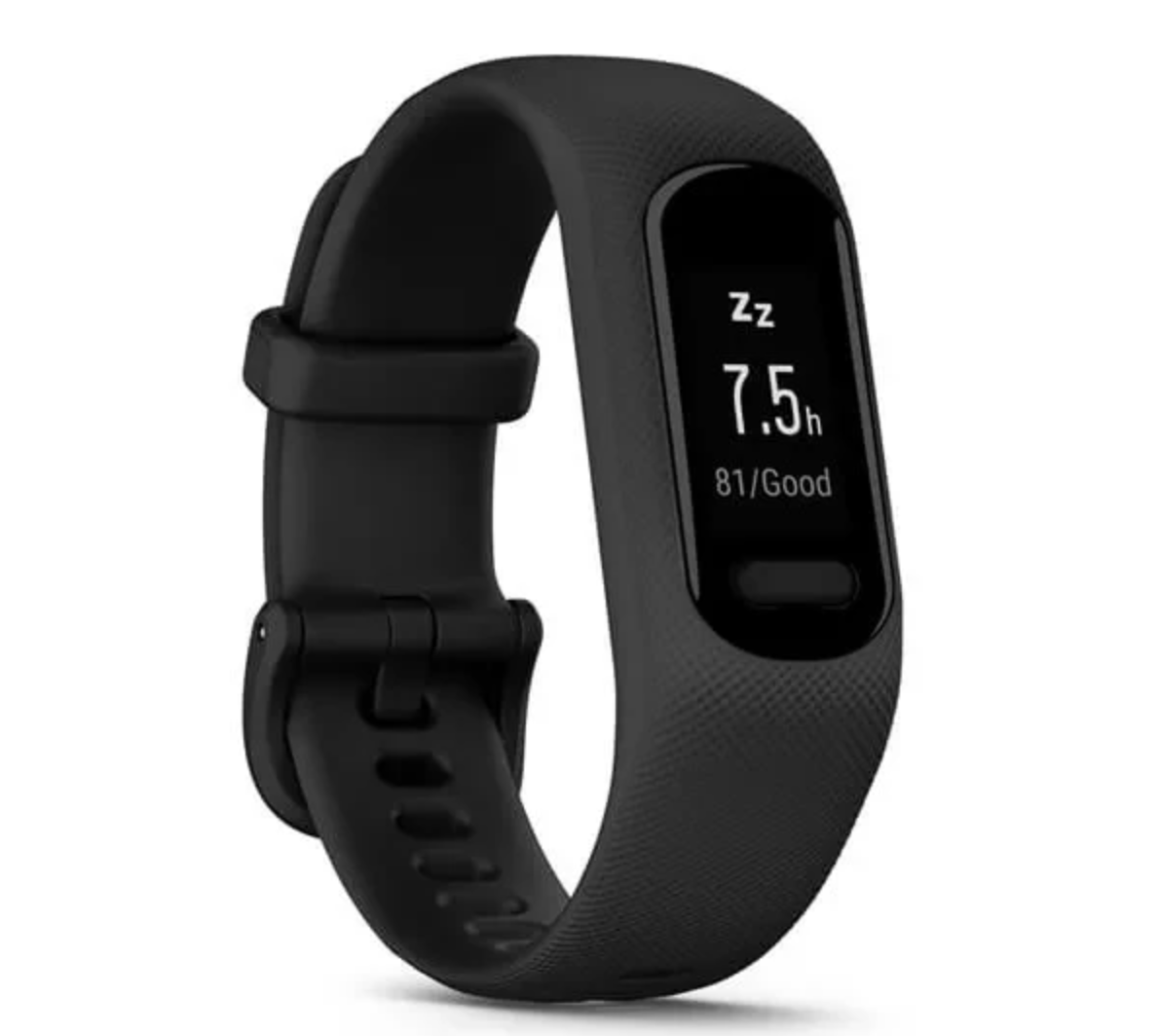
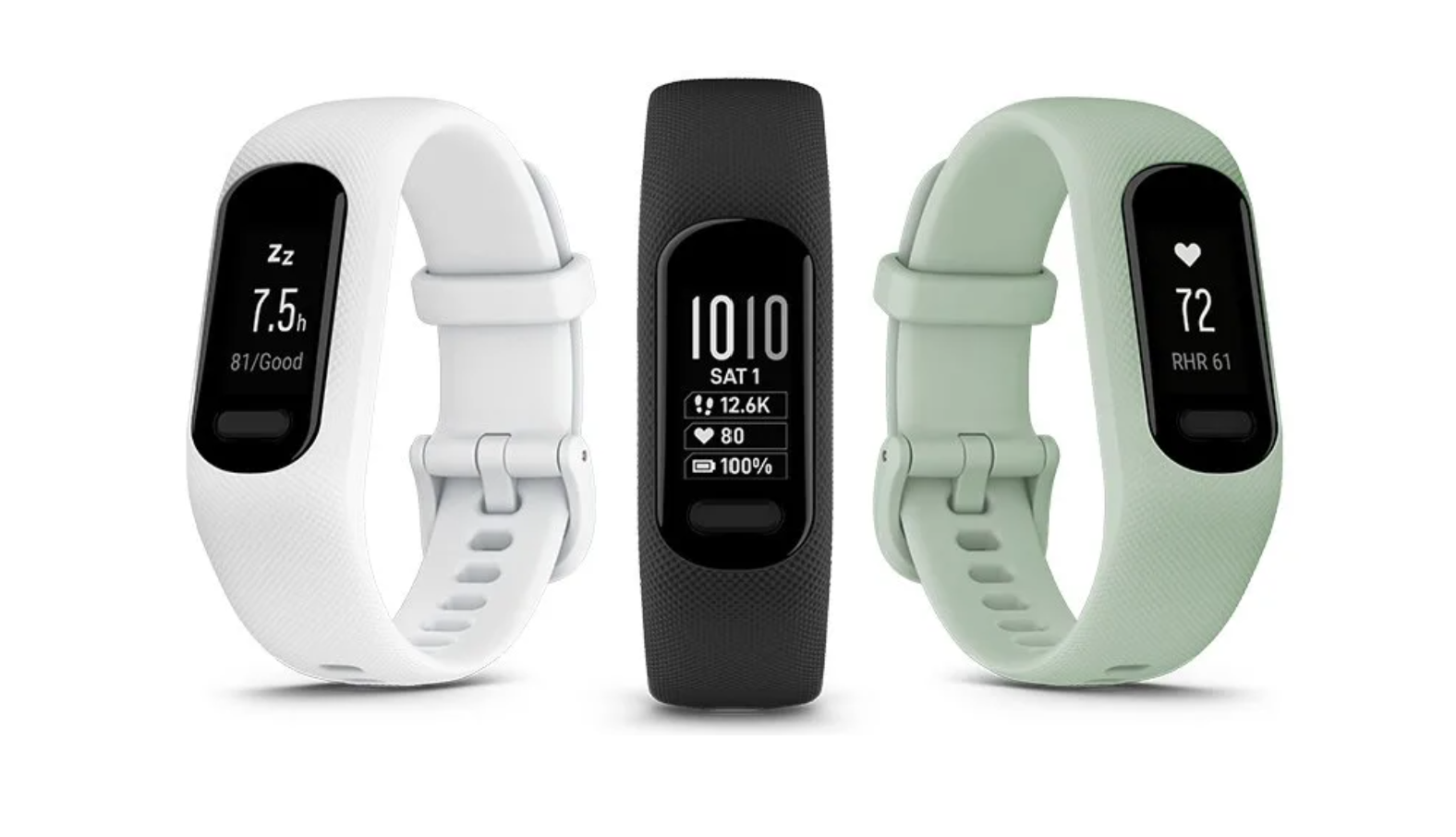
The Garmin Vivosmart 5 smartwatch has been launched and it comes with some improvements from its predecessor. The Vivosmart 5 sports a larger OLED display, replaceable straps, and a physical button. The new Garmin smartwatch comes in two sizes and has a battery that offers up to 7 days of activity on a full charge. The Garmin Vivosmart 5 is available on order from Amazon for $149.99.
With a 66% improvement in the display size from its predecessor, the Garmin Vivosmart 5 measures 10.5mm x 18.5mm. It has a resolution of 88 x 154 pixels. The OLED panel thus offers a better display of text than the Vivosmart 4. The larger display also means that the touchscreen is easier to use. The physical button in the Garmin Vivosmart 5 is below the display, but this is absent in the Garmin Vivosmart 4.
Owners of the Garmin Vivosmart 5 can replace the bracelets of their unit, in addition to extended use of the smartwatch for up to 7 days before needing to recharge. The battery life is reduced with pulse ox sleep tracking functional. The Vivosmart 5 is well-suited for swimming activities and it is capable of storing up to two weeks of activity data. Apart from pulse ox and sleep tracking, the Vivosmart 5 also offers heart rate monitoring, SpO2, and other health and fitness features. A GPS module is however lacking in the device for enhanced fitness tracking.
Both the small/medium and large sizes of the Garmin Vivosmart 5 are sold at $149.99 on Garmin’s website. The smaller model comes in black, cool mint, and white options of the bracelet. The larger smartwatch comes only in black for now. It remains to be seen how the Garmin Vivosmart 5 sits in the market and whether it will have decent reception.
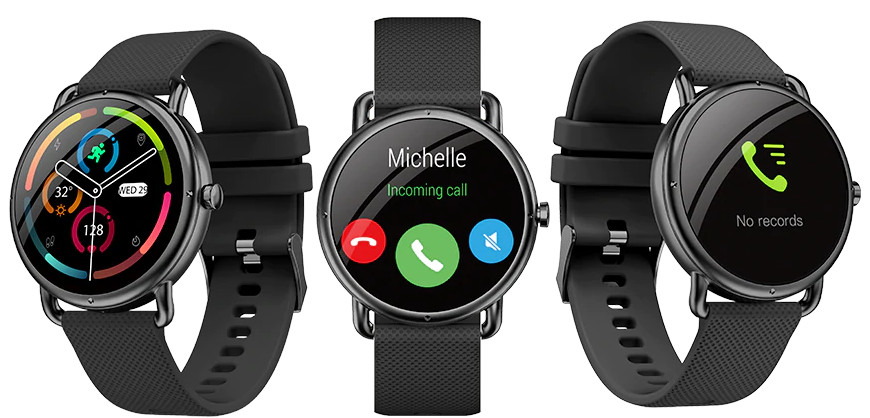
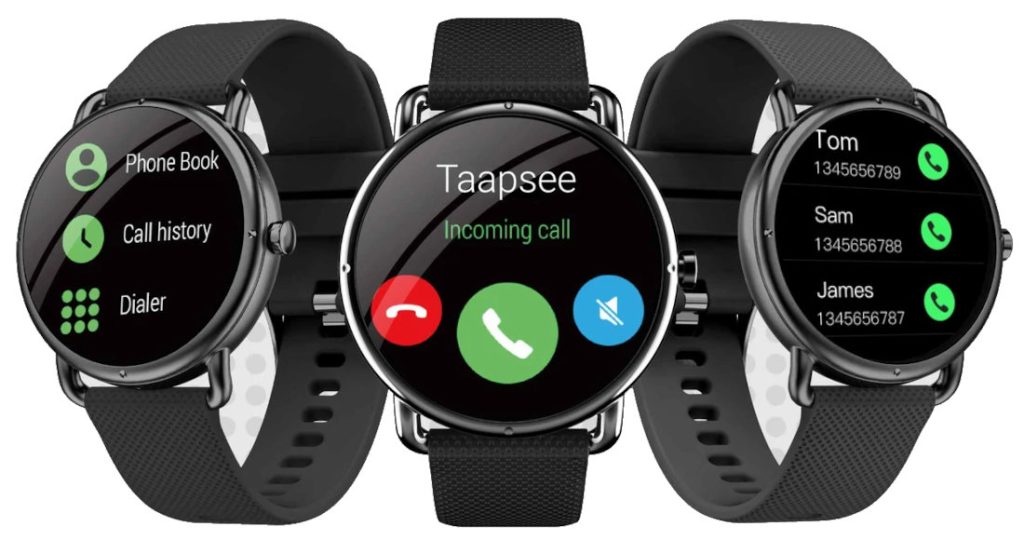
Popular Indian audio and wearable manufacturing company has launched a new smartwatch in India. The NoiseFit Buzz is a follow-up to the ColorFit Icon Buzz that was launched in February this year. Just like its predecessor, the NoiseFit Buzz comes with support for Bluetooth calling.
The NoiseFit Buzz smartwatch packs a 1.32-inch full-touch flat TFT LCD touch screen with a resolution of 360 x 360 pixels. The display also comes with support for customizable & cloud-based watch faces.
The smartwatch comes with up to 9 sports modes such as running, treadmill, walking, spinning, cycling, yoga, hiking, fitness, and climbing. It also comes with 24 hours heart rate monitoring, SpO2 monitoring, sleep monitoring, and female health tracking. There is also voice assistance onboard, allowing users to perform certain functions via voice prompt such as making calls, playing music, check the weather, among others.
In terms of the build, the Buzz features IP67 ratings for water resistance. There is also a durable battery onboard that can last for up to 5 days on a single charge.
As for the price, the NoiseFit Buzz carries a starting price of 2,999 yuan (~$39). The smartwatch comes in a single Jet Black colour and will be available from Flipkart from April 28th.
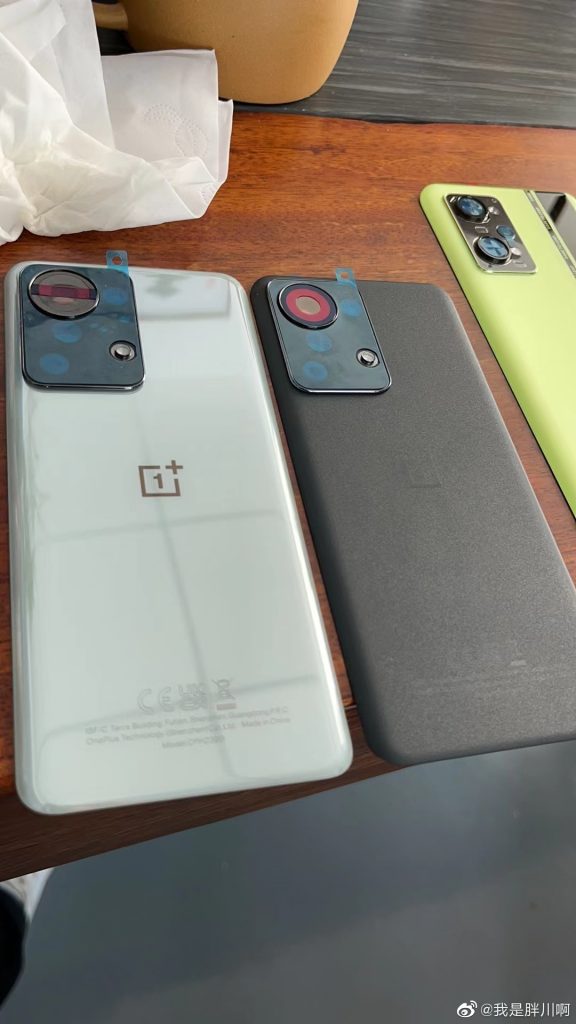
OnePlus has just launched the OnePlus Ace in the Chinese market which is confirmed to come to the global market with the OnePlus 10R moniker. Now, a new report has emerged revealing that OnePlus is also working on the vanilla OnePlus 10.
Alleged OnePlus 10 back panel
According to a Digit report, popular tipster OnLeaks has provided some details regarding the upcoming OnePlus 10. The report states that the OnePlus 10 is currently in the testing phase and is being tested with chips from both Qualcomm and MediaTek.
The models being tested are running the MediaTek Dimensity 9000 SoC and the Snapdragon 8 Gen 1 Plus SoC. Currently, it is unclear as to which out of the two SoCs will make it into the final product. However, given that the phone is still in the testing phase, the OnePlus 10R is expected to debut in the second half of 2022.
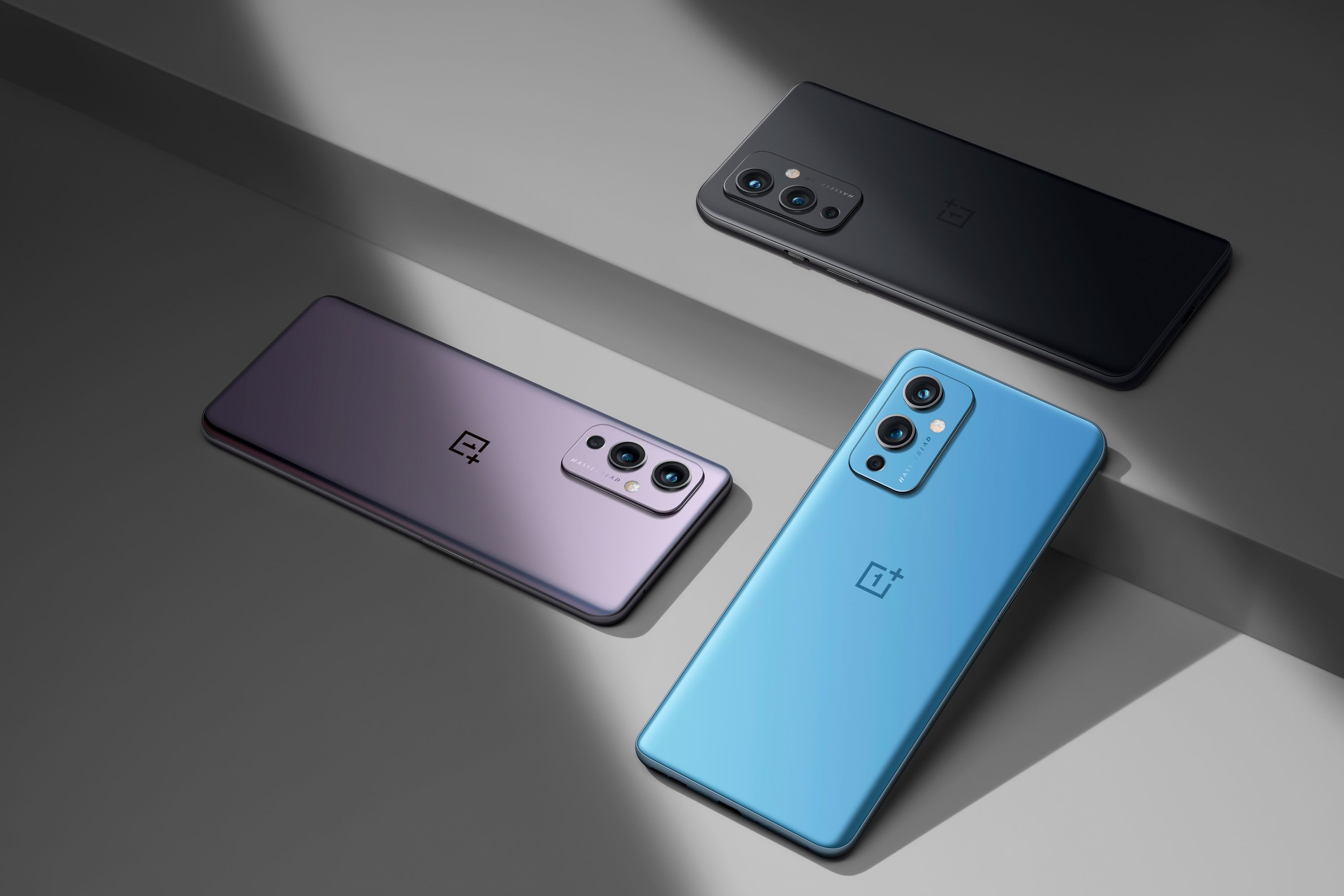
OnePlus 9
The device is said to get a 6.7-inch Full HD+ AMOLED display panel offering support for 120Hz refresh rate. Just like the OnePlus 10 Pro, the vanilla variant’s panel is also expected to support LTPO 2.0 technology for dynamic refresh rates ranging from 1Hz to 120Hz.
The device will come with 8GB/12GB RAM and 128GB/256GB storage options and will be running the latest Android 12-based OxygenOS 12 version. It is rumored to come with a 4,800mAh battery with the 150W SUPERVOOC fast-charging.
Coming to its camera configuration, the OnePlus 10 is expected to feature a triple camera setup headlined by a 50MP primary sensor. The other two cameras present on the back will house a 16MP ultra-wide sensor and a 2MP macro camera. Like previous flagship devices, the OnePlus 10 will have the Hasselblad branding for its cameras. On the front, the device will have a 32MP selfie camera.
To compare, the OnePlus 9 came with a 50MP ultra-wide camera which makes it look like the ultra-wide camera is getting a downgrade, but we’ll wait before drawing any conclusions as megapixels aren’t everything in a smartphone camera.
LIZHI, the audio-based social and entertainment company is bringing its in-car audio product to the operating system of Chinese EV and smart car automaker Leapmotor’s vehicles.
The company is partnering with Xiaomi’s Quick App platform to launch LIZHI’s in-car audio product for Leapmotor vehicles, a smart electric vehicle (EV) automaker based in China, which will be the first smart car company to integrate LIZHI’s in-car audio product through the Xiaomi Quick App Platform.
Through this partnership with the Xiaomi Quick App Platform, LIZHI brings premium podcast content and immersive audio experiences to a broader user demographic and satisfies users’ varied in-car entertainment demands through the company’s in-house suite of technologies. Leveraging LIZHI’s own real-time communication (RTC) technology, dubbed DOREME, for audio and video streaming, as well as LIZHI’s instant messaging (IM) platform VoderX, the company aims to improve car users’ interactive audio experiences.
Mr. Jinnan (Marco) Lai, Founder and CEO of LIZHI, said, “We are very pleased to collaborate with the in-car Xiaomi Quick App Platform to bring an expansive library of audio content to even more users.”
He added, “We will also continue to cooperate with Internet of Vehicles (IoV) platforms to provide a wider user base with high-quality, diverse, and customized in-car audio experiences and further implement LIZHI’s in-car audio initiatives.”
LIZHI INC. which has been listed on Nasdaq since January 2020, has created a comprehensive audio-based social ecosystem with a global presence. The Company aims to cater to users’ interests in audio entertainment and social networking through its product portfolios with a vision to create an audio ecosystem where everyone can be connected and interact through voices.
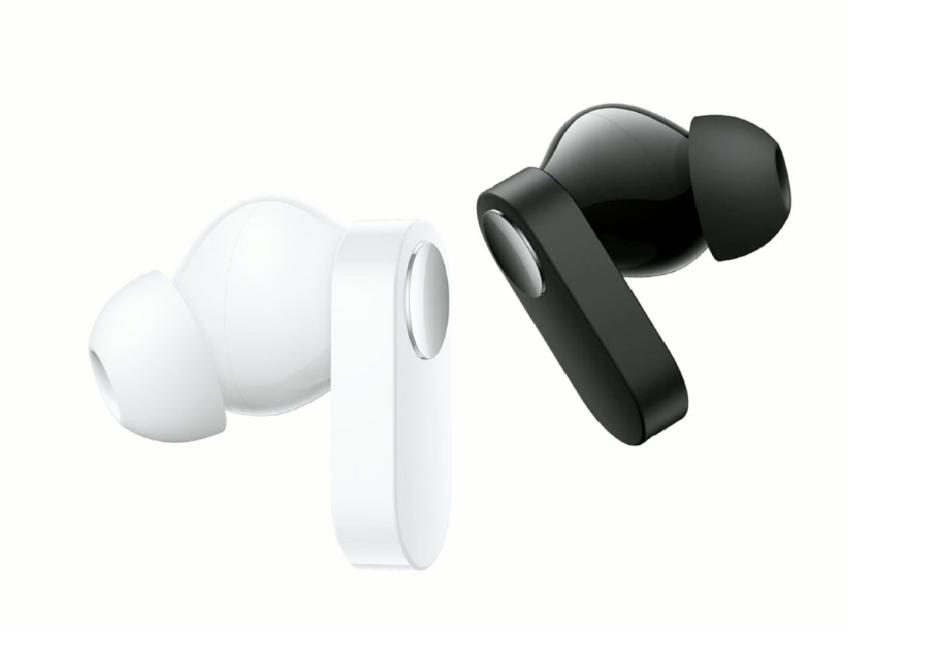
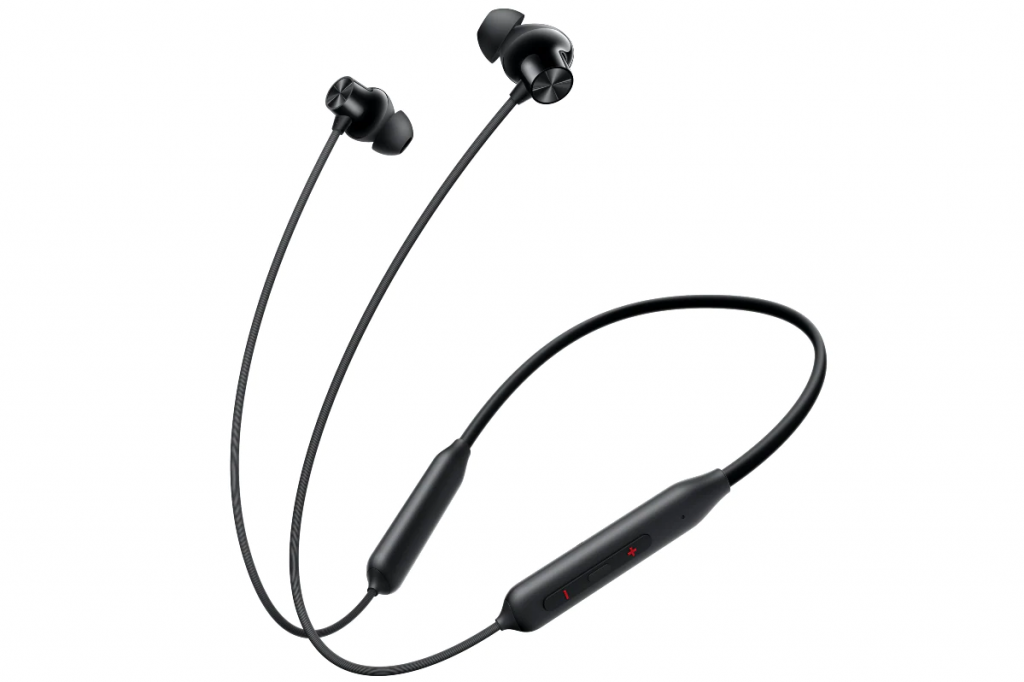
OnePlus today officially launched the all-new OnePlus Buds N earbuds and Bullets Wireless Z2 earphones in China. The latter are neckband earphones succeeding the Wireless Z2, while the former is a pair of TWS earbuds. Both come with features like an IP55 rating, up to 30 hours of battery life, and Bluetooth v5.2 support.
The OnePlus Buds N costs CNY 199(~$31) and comes in Black and White color variants. The OnePlus Bullets Wireless Z2 is priced at CNY 199(~$31) and has Black and Blue color options. Both will go on pre-order starting tonight and will be on sale from April 26 in China.
OnePlus Buds N
The OnePlus Buds N come with an in-ear design with a flat-style stem. The earbuds have 12.4mm dynamic drivers that are claimed to offer ultra-clear sound. The earbuds feature Dolby Atmos audio with custom equalizer support. There are dual microphones on the earbuds for noise cancellation during calls.
OnePlus Buds N
The earbuds have 94ms low-latency support and has Bluetooth v5.2. Each earbud packs a 41mAh battery, while the charging case with which the buds come, packs a 480mAh cell. As per OnePlus, the earbuds can offer up to 30 hours of total music playback. Charging the earbuds will also be quick, thanks to the fast charge support. The earbuds are advertised to offer up to 5 hours of music with just 10 minutes of charging.
The earbuds come with touch controls for playing, pausing, and skipping to the next track. The earbuds have an IP55 water and dust resistance rating, offering added durability.
OnePlus Bullets Wireless Z2
The OnePlus Bullets Wireless Z2 is a successor to the Bullets Wireless Z that launched two years back. The all-new neckband earbuds come in 12.4mm dynamic drivers that are tuned to offer more Bass. The ear tips on the earbuds are said to be made out of skin-friendly silicone material.
The earbuds offer a magnetic quick-pair feature, where the earbuds get instantly connected to the last paired device. The earbuds pack a 200mAh battery and offer a total of 30 hours of battery life, which is the same as the Buds N, but an upgrade over the 20 hours of battery life from their predecessor, the Bullets Wireless Z.
There’s also fast charging support, where the earbuds can offer up to 20 hours of music playback with just 10 minutes of charging. Lastly, there’s the IP55 rating for water and dust resistance.
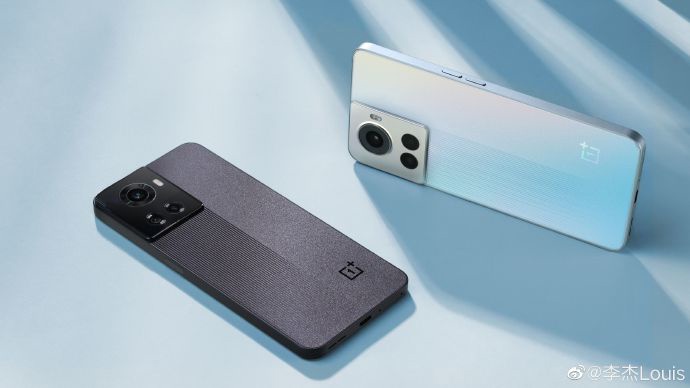
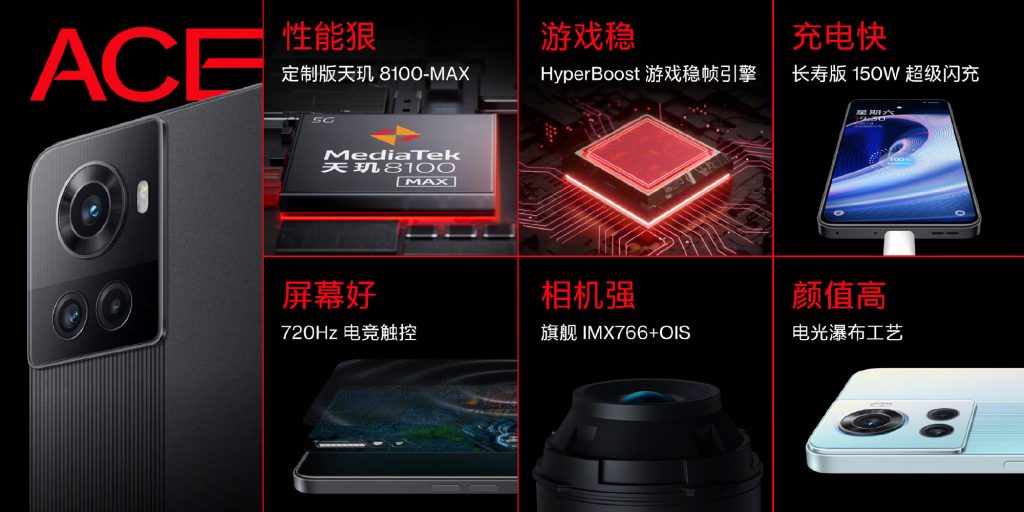
The Chinese smartphone manufacturer OnePlus has launched the OnePlus Ace in China. The smartphone comes sporting a fresh look and is clad with the new MediaTek Dimensity 8100-MAX premium mid-range SoC. So let’s take a look at what the new device has in store for us.
Display & Design
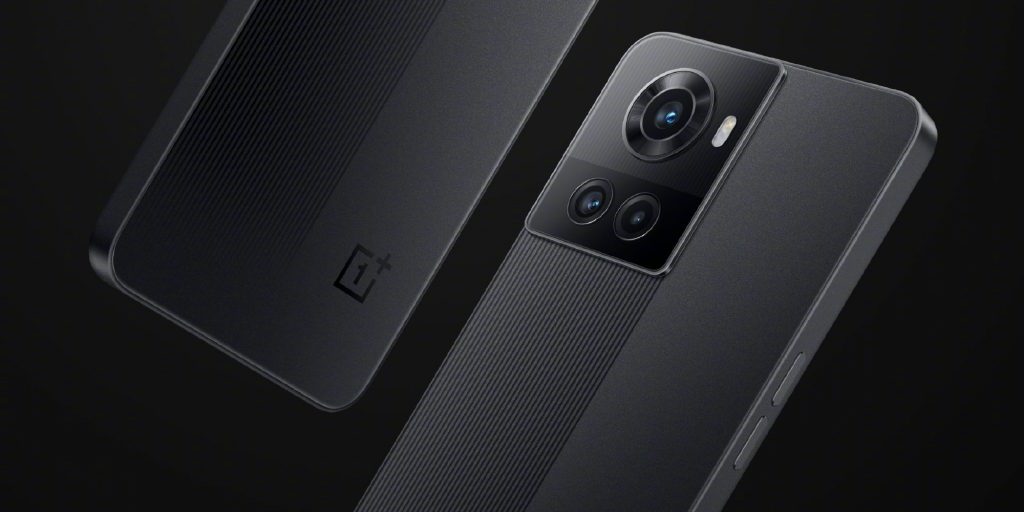
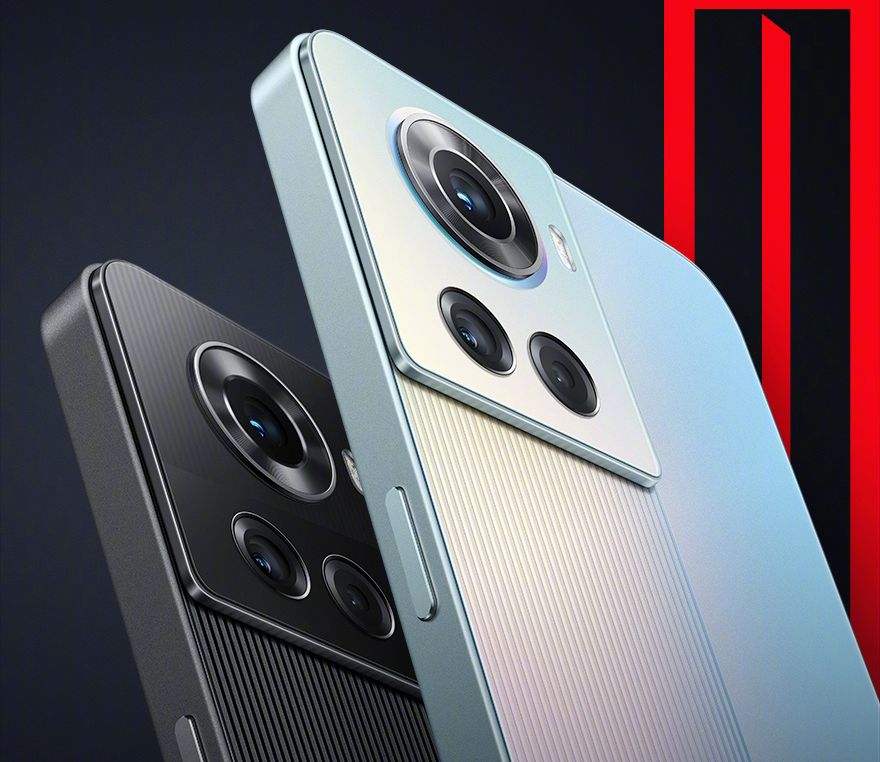
Design-wise, the smartphone is quite distinct from the previous OnePlus devices. It features a design inspired by straight lines and has a flat-edged frame with rounded corners. The rear panel has a two-tone color scheme with vertical lines going all the way down like a waterfall. The camera island of the device also comes with a unique look, occupying the top-left edge of the back panel to house the triple camera and LED flash.
To make the device easier and more comfortable to hold, the brand has included a subtle edge arc on the back using “2.5D step processing.” OnePlus has officially revealed that the Ace measures 8.2mm in thickness and weighs 186 grams.
On the front, it sports a 6.7-inch OLED display that has an FHD+ resolution and also supports a 120Hz refresh rate, 360Hz touch sampling rate, and even a 720Hz gaming touch sampling rate as well. It also offers 100 percent DCI P3 color gamut, HDR10+ support, and a maximum brightness of 1000 nits. The screen has a punch-hole cutout in the top center for the front camera.
Specs
At its heart, the OnePlus Ace has the new MediaTek Dimensity 8100-MAX SoC. The new SoC comes paired with up to 12GB of LPDDR5 RAM and 512GB of UFS 3.1 storage. Along with the onboard graphics, OnePlus has also included an independent graphics chip on the device to boost the ingame framerates.
OnePlus has also provided the HyperBoost game frame stabilization engine to reduce frame drops and jittering during long gaming sessions. The device has passed “hell-level” game test certifications, which include approval from Tail Lab, the League of Legends mobile game professional league, and the Peace Elite Professional League (PUBG).
The device runs Android 12-based ColorOS 12 out of the box and has a 4,500mAh battery coupled with jaw-dropping 150W SuperVOOC fast charging. With this charging solution onboard, users will be able to charge their devices from 0% to 100% in less than 17 minutes. The battery comes with TÜV Rheinland certification of safe fast charging and is claimed by the company to retain 80% battery health after 4 years of use.
Connectivity options include 5G, dual 4G LTE, Wi-Fi 6E, Bluetooth 5.2, GPS, NFC, and a USB Type-C port for charging and data sync. The device also has an in-display fingerprint reader for security and features an X-axis linear motor and a Vapor Chamber with the largest cooling area in the history of OnePlus.
Cameras
OnePlus Ace
For optics, the OnePlus Ace features a triple camera setup headlined by a 50-megapixel Sony IMX766 primary sensor (with OIS, 4K, night mode, and more). Accompanying the primary sensor, the phone brings an 8-megapixel Sony IMX355 ultra-wide lens and a 2-megapixel macro sensor. On the front side, the smartphone will have a 16-megapixel Samsung ISOCELL S5K3P9SP lens for taking selfies and video calling.
Accessories
OnePlus has also debuted a cooling back clip with the device dubbed the OnePlus 18W Freezing point cooling back clip. Equipped with dual-channel overclocking cooling, ultra-high thermal conductivity materials, and the industry’s first super strength heat dissipation capacity, the company claims that pairing this external cooler with the OnePlus Ace will net its users an average 59.1 frames even after an hour of gaming. The OnePlus Freezing point cooler is claimed to keep the temperature of the device down to only 36.4 ℃ even during a long gaming session. Its energy consumption is rated at 18W.
Price & Availability
The OnePlus Ace has been made available in two colors – Black and a color-shifting shade of Light Blue.
The OnePlus Ace is priced as follows in China:
8GB + 128GB – 2499 Yuan ($387)
8GB + 256GB – 2699 Yuan ($418)
12GB + 256GB – 2999 Yuan ($465)
12GB + 512GB – 3499 Yuan ($542)
Pre-orders of the device have begun in China, and the official open sale is scheduled for April 26 at 10:00 AM local time.
OnePlus 18W Freezing point cooling back clip is on sale for 199 yuan ($31).
A new report has revealed that Huawei has just delivered a batch of telecommunications based equipment to Russia. The company had shipped these equipments to a Russian telecom operator.
The news arrives from sources close to the matter (Via ITHome). Apparently, the Chinese tech giant shipped telecommunications equipment to Russia’s VimpelCom (AKA VEON). The sources said that the deliveries were made under a previously signed contract, although, a new contract has yet to be approved. A couple of days ago, VimpelCom received a large batch of telecom equipment made by Huawei.
These are apparently worth around 15 million US Dollars, as per people close to the terms of the contract. As per the two sources, the supply contract was lengthy and was initially signed back on February 24. However, sanctions that were imposed caused issues in deliveries. As of right now, various governments across the globe has been against Russia following its invasion of Ukraine. The US has banned exports of high tech products in the region, especially technology related to defense, aerospace, and shipbuilding.
Furthermore, these also included the supply of semiconductors, computers, telecommunications, and information security equipment as well. Back in February 2022, the US Department of Commerce’s Bureau of Industry and Security had also issued a clarification that the export or transfer of goods to maintain civilian telecommunications infrastructure will be excluded from this rule.
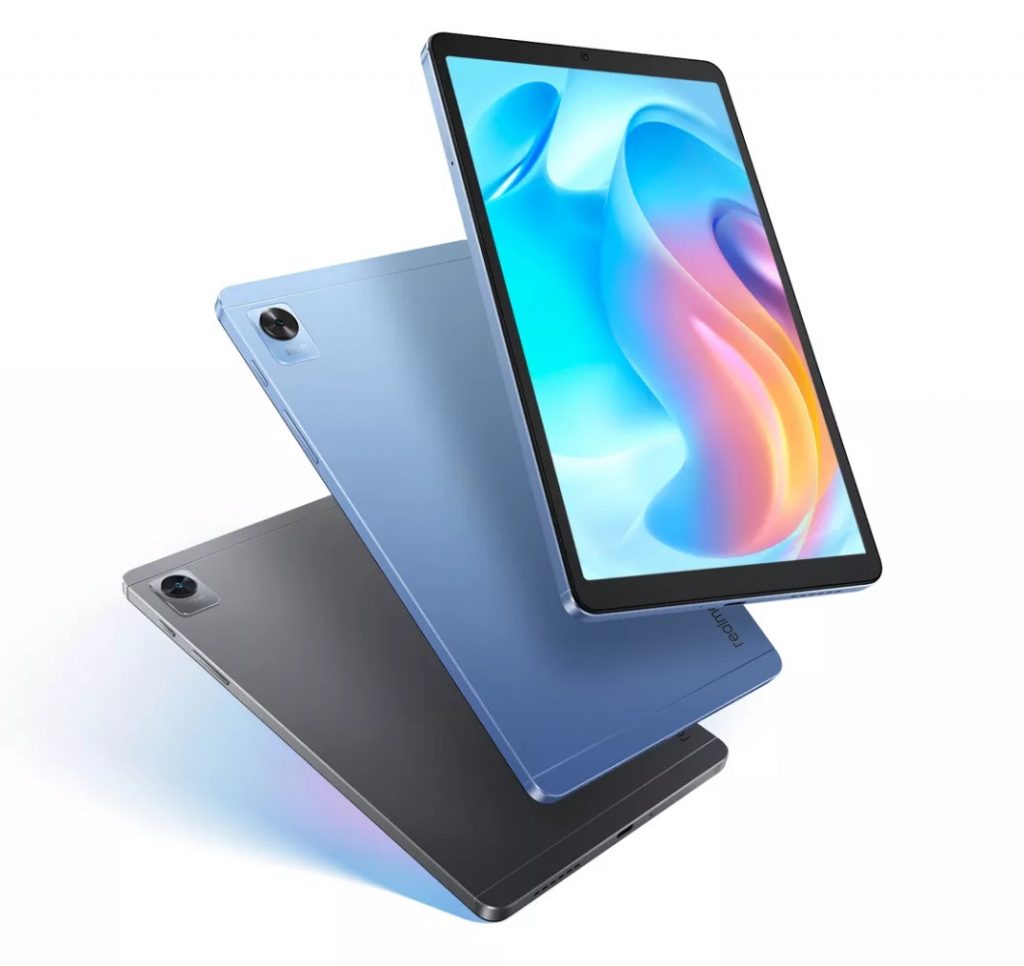
A few days back, Realme teased the Realme Pad Mini in India. The device has now been confirmed to launch in India on April 29th. The latest tablet from Realme which was previously launched in the Philippines, will debut alongside the Realme GT Neo3, Realme Buds Q2s, and the Realme Smart TV X in India.
Realme Pad mini specs and features
The Pad mini comes with an 8.7-inch LCD display with a resolution of 1340 x 800 pixels. The display has trimmed down bezels at the side edges, while the top and bottom edges are quite prominent to make for easy handling when using the tablet in landscape mode.
Powering the tablet is the entry-level Unisoc T616 with an octa-core processor bundled with a Mali-G57 MP1 GPU. The processor is paired with 3GB/4GB of RAM, while there are two storage options: 32GB and 64GB.
For optics, the Pad mini packs a single 8 MP f/2.0 camera at the rear, housed in a rectangular module. At the front, there is a 5MP selfie camera with an f/2.2 aperture. There is no LED flash. The slate also crams a 6,400 mAh battery under the hood with support for 18W fast charging and reverse charging via a USB-C port. The tablet ships with an 18W charger inside the retail box.
For connectivity, the Realme Pad mini comes with Bluetooth 5.0 and Wi-Fi 802.11 a/b/g/n/ac support. The tablet also comes with a 3.5 mm audio jack.
Realme Buds Q2s Specifications and Features
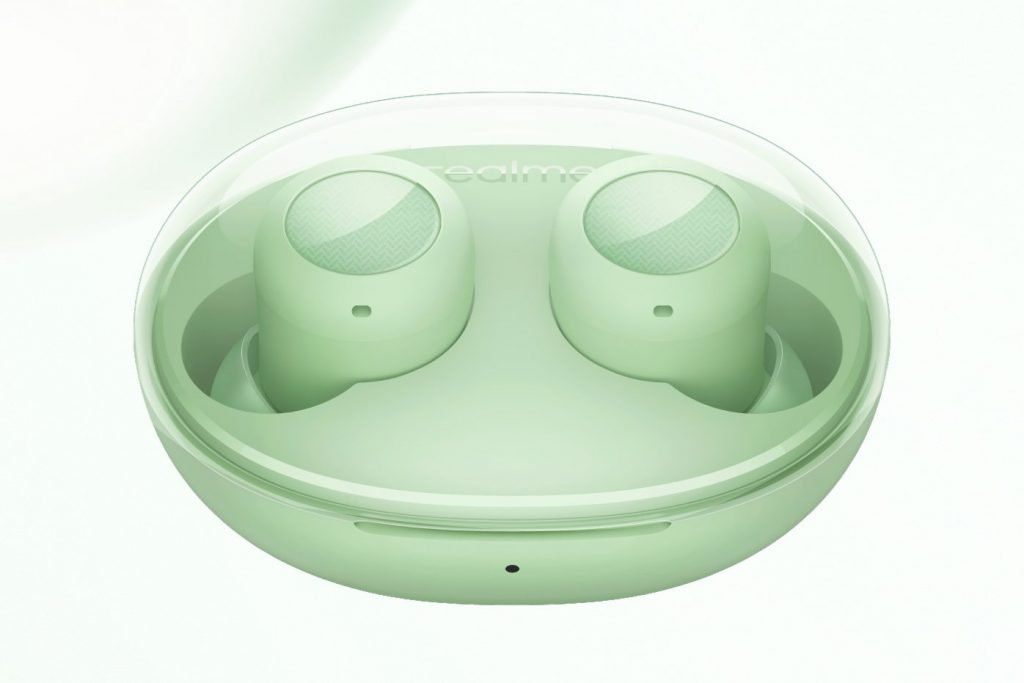
The Buds Q2s sport a transparent design (case) and look nearly identical to the original Realme Buds Q2 and Realme BudsQ2 Neo.
The buds house 10mm drivers each and they are IPX4-rated for splash resistance. They connect via Bluetooth 5.2 and offer up to 10m range. They have support for the two popular audio codecs, AAC and SBC.
However, these new earbuds lack ANC (Active Noise Cancellation). Anyway, they do come with AI ENC (Environmental Noise Cancellation) for calls. Interestingly, apart from 88ms low latency gaming mode, the buds also support Dolby Atmos.
As far as endurance is concerned, the earbuds are rated to last for 7 hours on a full charge and up to 30 hours with the charging case that refills via USB Type-C. Unsurprisingly, the buds have support for touch gesture controls as well as the realme Link app.
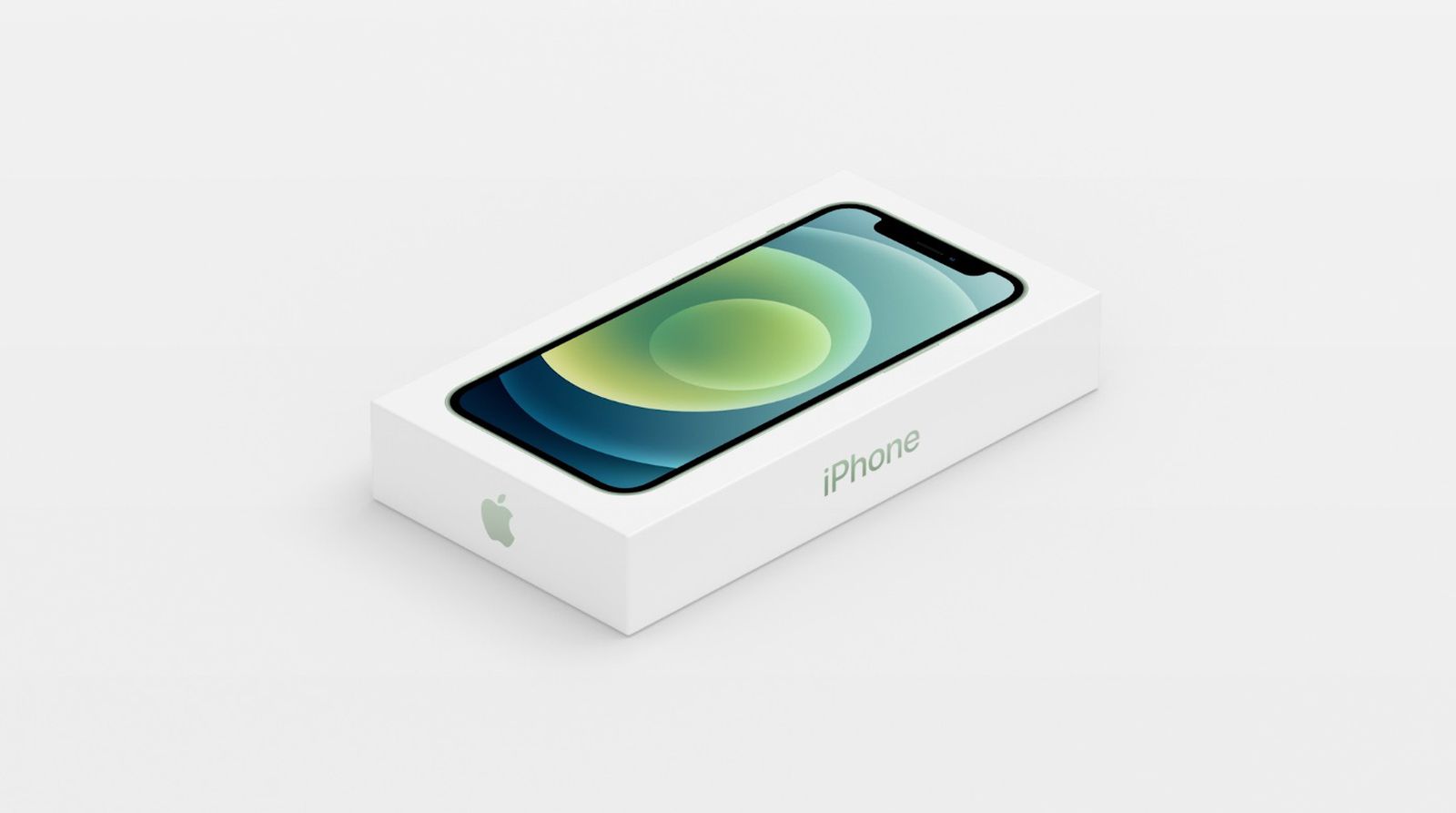
A judge has ruled against Apple and has said that the company must compensate a customer in Brazil for selling the person an iPhone without a charger included in the box.
According to a MacRumors report, the Cupertino based giant selling an iPhone without a charger in the box violates consumer laws. For those unaware, the iPhone maker had removed the charger in the box back in 2020. The company cited environmental reason for this decision, however, many believe that the company made the move to save up on shipment costs thanks to smaller retail boxes. Not shipping chargers also help further reduce their costs as well.
Thus, the move sparked controversy with certain governments even taking steps against the company, requiring them to ship its iPhones with the chargers. Now, a judge in Brazil, which is a region that has been against Apple’s move, is now forcing the company to compensate the customer for more than 1,000 US Dollars for the lack of a charger. Back in 2021, Brazil had also fined the company 2 million US Dollars for violating consumer laws.
This dispute continued and, at one point, it seemed that Apple would be required to ship every iPhone with a charger in the country. However, the company argued that many customers already have chargers in their homes. The brand even stated the environmental benefits of removing chargers and the reduced footprint of the iPhone box.
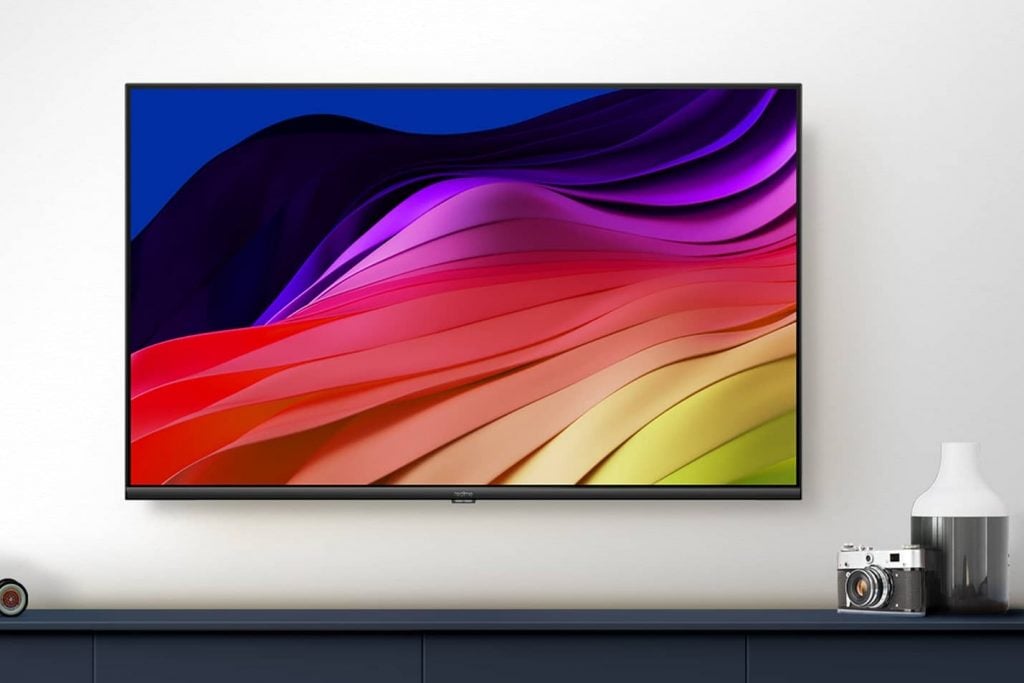
Realme has an event scheduled for April 29 in India. The main star of the conference will be Realme GT Neo 3. The brand will be also unveiling multiple other products on the same stage. One of them will be Realme Smart TV X Full HD.
Realme Smart TV X Full HD
Realme has revealed to debut a new television in India on April 29. This product is officially called Realme Smart TV X Full HD. The company has disclosed some of its features on its official website.
According to the teaser page, the upcoming Realme-branded TV will be offered in two sizes (40-inch, 43-inch) with an FHD resolution. The panel will have support for HDR10 and HLG HDR formats. It will also feature the brand’s ‘Chroma Boost Picture Engine’ display profile.
The television will be powered by a Mediatek SoC paired with 1GB RAM and 8GB internal storage. This chip will consist of a quad-core ARM Cortex-A55 CPU and an ARM Mali-G31 GPU. Though the brand hasn’t confirmed it yet, the TV will most likely boot Android TV.
Finally, it will arrive with Dolby Audio-supported 24W quad-speaker system and a bezel-less design featuring a thick bottom bezel compared to other sides.
As we are still days away from the launch, we are looking forward to learning more about this product through leaks and official teasers.
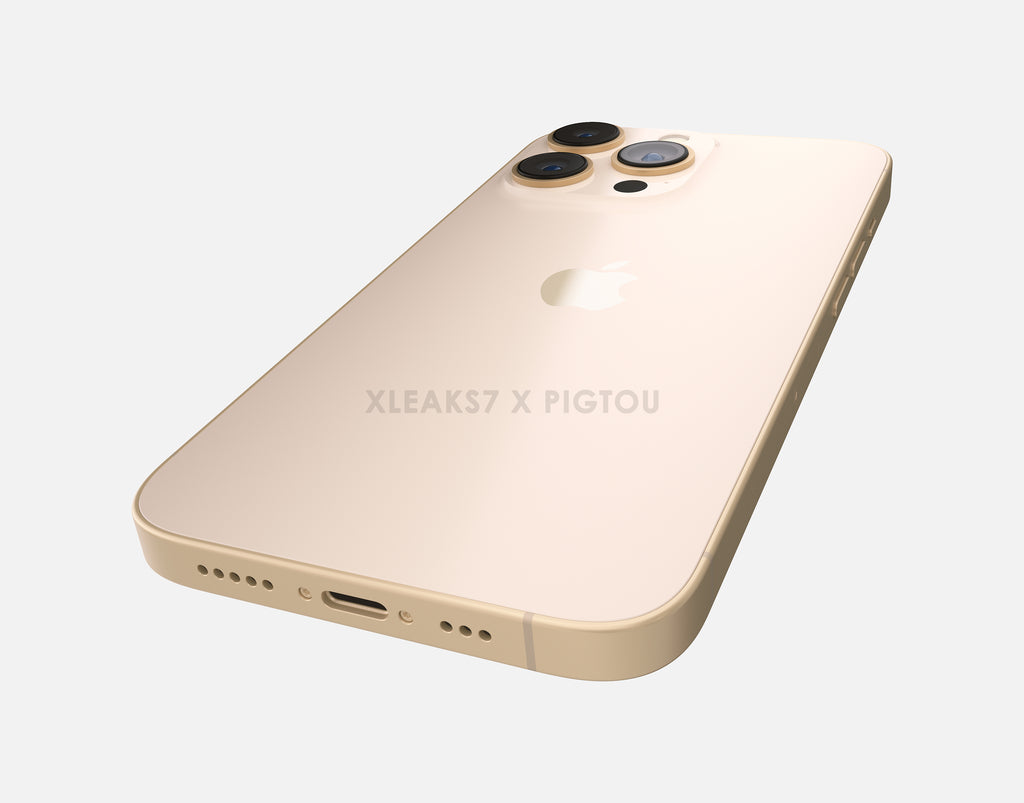
Back in November 2021, we had reported on Apple possibly launching its upcoming iPhone 14 Pro series with USB Type C ports instead of the usual Lightning port. But unfortunately, this might not be the case.
According to iDropNews, the Cupertino based giant might retain the dated Lightning port for its iPhone 14 Pro and iPhone 14 Pro Max models this year. The report adds that the reason for the brand not shifting to USB Type C ports is profits. While some had initially claimed that the iPhone maker is waiting since it planned to eventually shift to a portless design, the latest report says that Apple is solely driven by money, which isn’t exactly surprising.
For those unaware, the brand can charge royalties to any third party manufacturer that seeks to sell any cable that has a Lighting port. In other words, shifting to the universal standard USB-C would have it lose out on a steady stream of revenue. So as it stands, it is highly likely that the company will stick to its proprietary design till the time a portless iPhone is finally released in the market. Although, it’s not all bad, as the brand at least plans on upgrading the Lightning port on the iPhone.
The Lightning port in the new iPhone 14 Pro series will feature USB 3.0 speeds rather than the aging USB 2.0 speeds that has been common in past iPhones. Meaning, the next gen iPhone will support faster data transfer speeds, which should be a big plus for creators. With the brand launching ProRes, videos quality and size have both risen on iPhones. The news arrives from sources close to the matter, who added that this feature will not be arriving on the base iPhone 14 and the new iPhone 14 Max model.
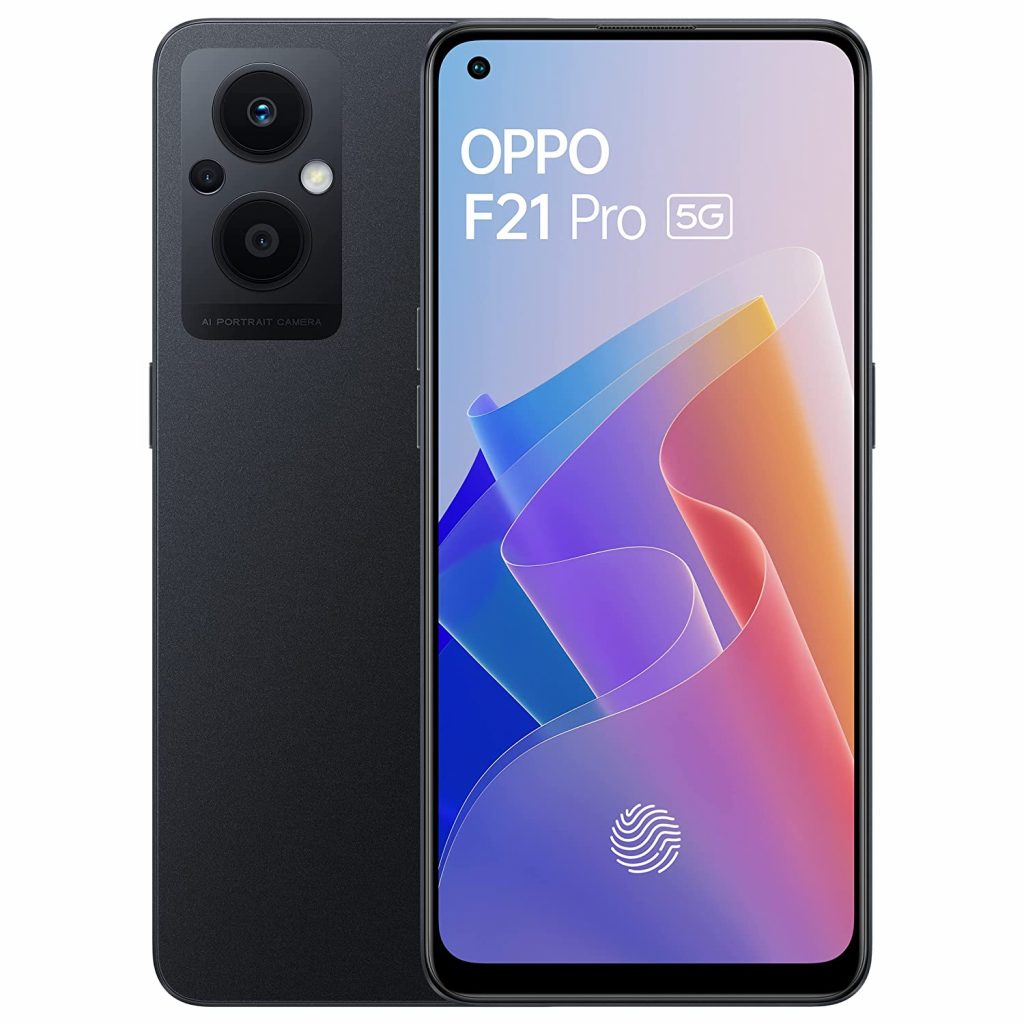
Last week, OPPO launched the F21 Pro series in India which consists of the F21 Pro 4G and the F21 Pro 5G models. The company opened sales of the 4G variant a couple of days after the launch. Now, the F21 Pro 5G has officially been made available for purchase in India.
OPPO F21 Pro 5G
Oppo F21 Pro 5G Indian price, availability & offers
The OPPO F21 Pro 5G is priced at Rs 26,999 (~$354) for the 8GB + 128GB variant. The device is offered in two color options namely Rainbow Spectrum and Cosmic Black and is available for purchase exclusively on Amazon India.
As a launch offer, OPPO is offering a Rs 2,500 (~$33) instant discount to customers making their purchase using bank cards from ICICI, HDFC and Bank of Baroda. There is even an option to bundle in the OPPO Enco M32 earbuds for a combo price of Rs 28,798 (~$377).
Oppo F21 Pro 5G specs & features
The F21 Pro 5G has a 6.43-inch Full HD+ AMOLED display with a 2400 × 1080 pixel resolution and 600nits peak brightness. The panel offers a 60Hz refresh rate coupled with a 180Hz touch sampling rate. For the selfie shooter, the display comes with a punch hole on the top left corner.
At the heart of the device is a Snapdragon 695 SoC with Adreno 619 GPU on board. The SoC comes paired with 8GB of LPDDR4x RAM and 128GB of UFS 2.2 storage. The handset boots ColorOS 12 out of the box and gets a 4,500mAh battery unit and 33W SuperVOOC fast charging support.
For photography, the F21 Pro 5G has a 64MP primary camera, a 2MP monochrome sensor, and a 2MP macro camera. On the front, the device houses a 16MP snapper.
Other details and features of the smartphone include an in-display fingerprint scanner, a (hybrid) micro-SD card slot, and a 3.5mm audio jack. The device measures 159.9×73.2×7.5mm and weighs 173grams. For connectivity, it offers Dual-SIM, 5G, Dual-band Wi-Fi 802.11 ac, Bluetooth 5.1, GPS, Glonass, and more.
Xiaomi has scheduled a launch event in India for April 27. The conference will be primarily for the announcement of Xiaomi 12 Pro. However, the company will be also unveiling other products. One of them is going to be Xiaomi Pad 5, which the firm disclosed earlier this week. Today, it has been revealed that a new smart TV will be also debuting at this event.
Xiaomi has confirmed to launch a new television in India called Xiaomi Smart TV 5A. This TV will be unveiled at the ‘Xiaomi Spring Summer Flagship Event’ on April 27. The conference is planned to begin at 12 PM IST.
The company has a teaser page on its website for the said product. However, it does not reveal much about the television, except for its design and a hint at the chipset.
The upcoming Xiaomi Smart TV 5A will have thin bezels on three sides with a thick bottom bezel. The large bezel will sport the ‘Xiaomi’ branding and LED indicator.
Talking about specifications, the webpage suggests that the TV will be powered by a chip comprising ARM Cortex-A55 cores. Further, like any other Xiaomi or Redmi-branded televisions sold in India, it will also arrive with PatchWall content aggregation service on top of Android TV.
Unfortunately, that’s all the information Xiaomi has shared till now. Anyway, we are looking forward to learning more about this television in the coming days via leaks and teasers.
We use cookies on our website to give you the most relevant experience by remembering your preferences and repeat visits. By clicking “Accept”, you consent to the use of ALL the cookies.
This website uses cookies to improve your experience while you navigate through the website. Out of these, the cookies that are categorized as necessary are stored on your browser as they are essential for the working of basic functionalities of the website. We also use third-party cookies that help us analyze and understand how you use this website. These cookies will be stored in your browser only with your consent. You also have the option to opt-out of these cookies. But opting out of some of these cookies may affect your browsing experience.
Necessary cookies are absolutely essential for the website to function properly. This category only includes cookies that ensures basic functionalities and security features of the website. These cookies do not store any personal information.
Any cookies that may not be particularly necessary for the website to function and is used specifically to collect user personal data via analytics, ads, other embedded contents are termed as non-necessary cookies. It is mandatory to procure user consent prior to running these cookies on your website.