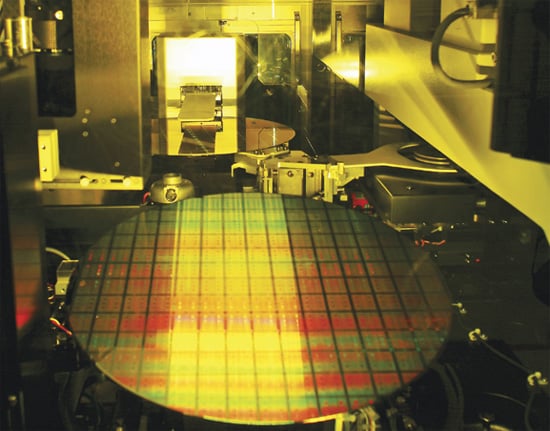
Samsung is planning to move 300 workers from its closed LCD TV panel manufacturing division to its semiconductor manufacturing unit. Industry sources familiar with the matter told South Korean publication The Korean Herald.
The move is due to the South Korean brand’s decision to stop the production of LCD panels for televisions earlier this month because of the falling prices and steep competition from Chinese LCD panel manufacturers. Samsung has also scaled down its TV LCD business since mid-2010. The company started producing LCD panels for TVs in 1992. In 2020, Samsung also said that it will gradually end its display unit and shift towards more profitable high-end products like
developing OLED panels. In the same year, the company moved 200-400 workers to its Electronics device solutions division.
The relocation also highlights the growing demand for engineers and highly skilled workers in the chip business. The semiconductor industry is also seeing a scarcity of workers as chip demand is at an all-time high.
Samsung Display is expected to gradually increase the production of OLED panels going forward.
In other news, Samsung recently launched Crystal 4K Neo smart TV in India at Rs 35,990. Read more about it here.
Last month, Realme officially teased the Realme GT 2 Master Explorer Edition smartphone, stating that it will be the brand’s first Snapdragon 8+ Gen 1 flagship. Since then, some specs of the device have been leaked and it also recently appeared on the TENAA certification database.
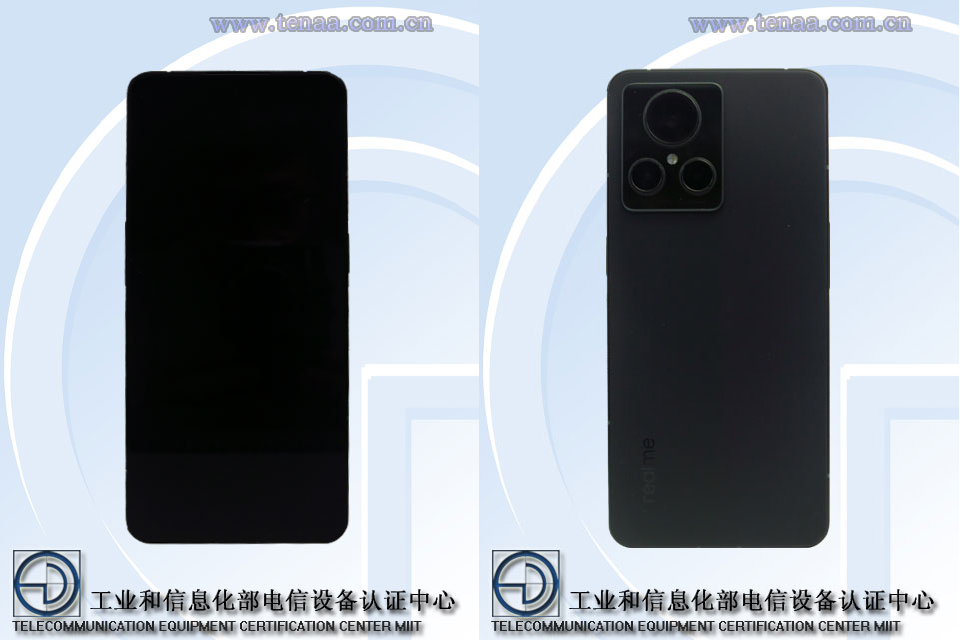
Realme GT 2 Master Explorer Edition TENAA images
Now, tipster Yogesh Brar has tweeted out the entire spec sheet of the upcoming GT 2 Master Explorer Edition, so let’s take a look at what the smartphone has in store for us.
Starting with the display, the tipster states that the GT 2 Master Explorer Edition will come with a 6.7-inch Full HD+ AMOLED panel. The panel will offer up to a 120Hz refresh rate.
Under the hood, we will get the latest Snapdragon 8+ Gen 1 SoC which is manufactured by TSMC on their 4nm node, making the chip more energy efficient. Memory options available for the device will be 8GB and 12GB of LPDDR5 RAM, and it will be offered in 128GB and 256GB UFS 3.1 storage configurations. A large 5,000mAh battery pack will power the smartphone and it will have 100W fast charging support. Other than that, the device will operate on Android 12-based Realme UI 3.0.
Coming to optics, the tipster informs that the GT 2 Master Explorer Edition will have a triple camera setup headlined by a 50-megapixel Sony IMX766 sensor (with OIS. It will be paired with a 50-megapixel ultra-wide-angle camera and a 2-megapixel macro camera. For now, the launch date of the device is still under wraps, however, rumors have claimed that Realme is planning to launch the smartphone sometime in June.
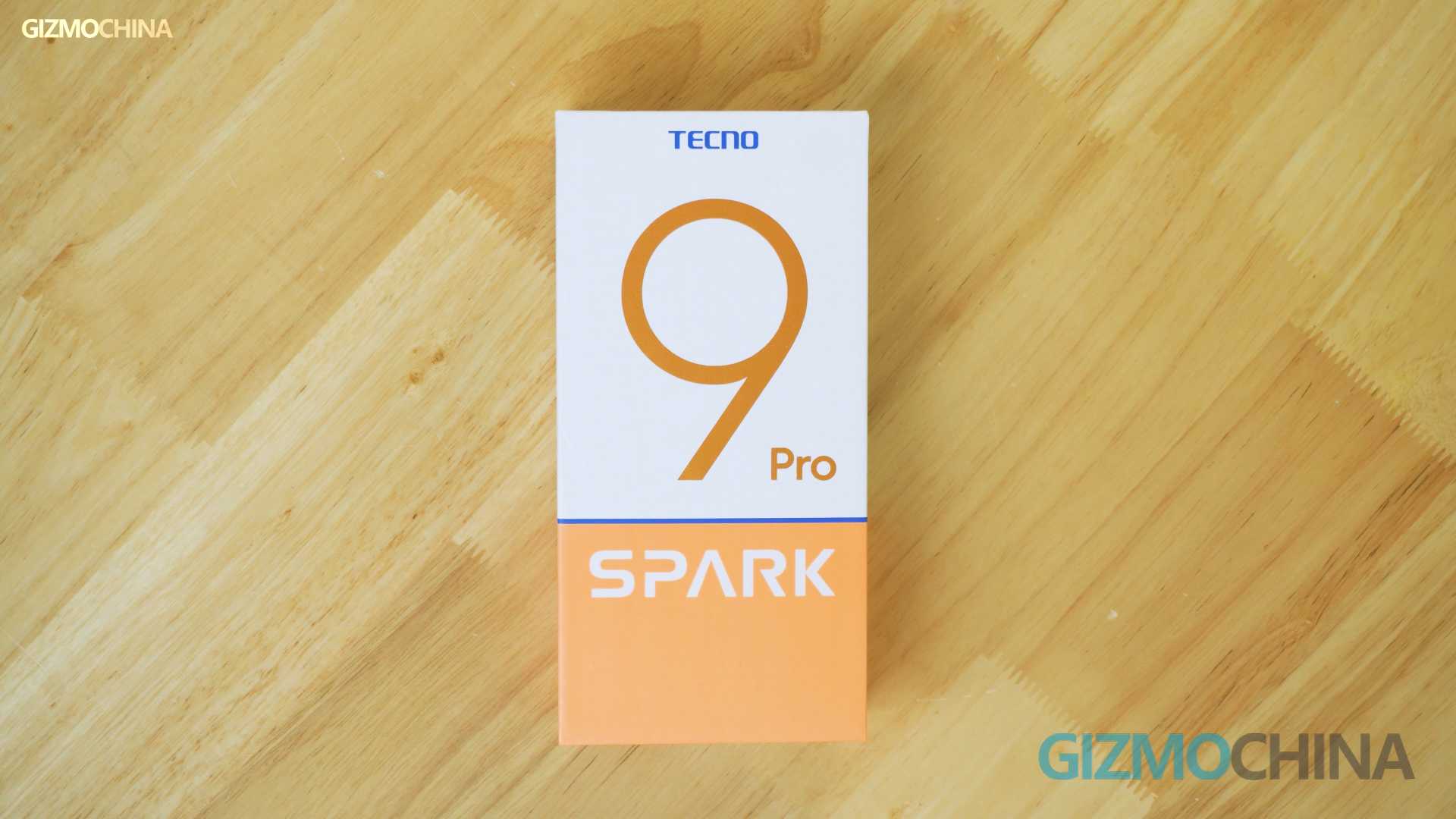
Today we are going to introduce a new phone from Tecno, the SPARK 9 Pro. Tecno is a brand that I’m sure no one is unfamiliar with. Their phones are selling very well in emerging countries and regions. The SPARK 9 Pro is one of their new entry-level phones, which is available for only around $170. Interestingly, after using the SPARK 9 Pro for a while, it gave me a new perspective on entry-level phones.
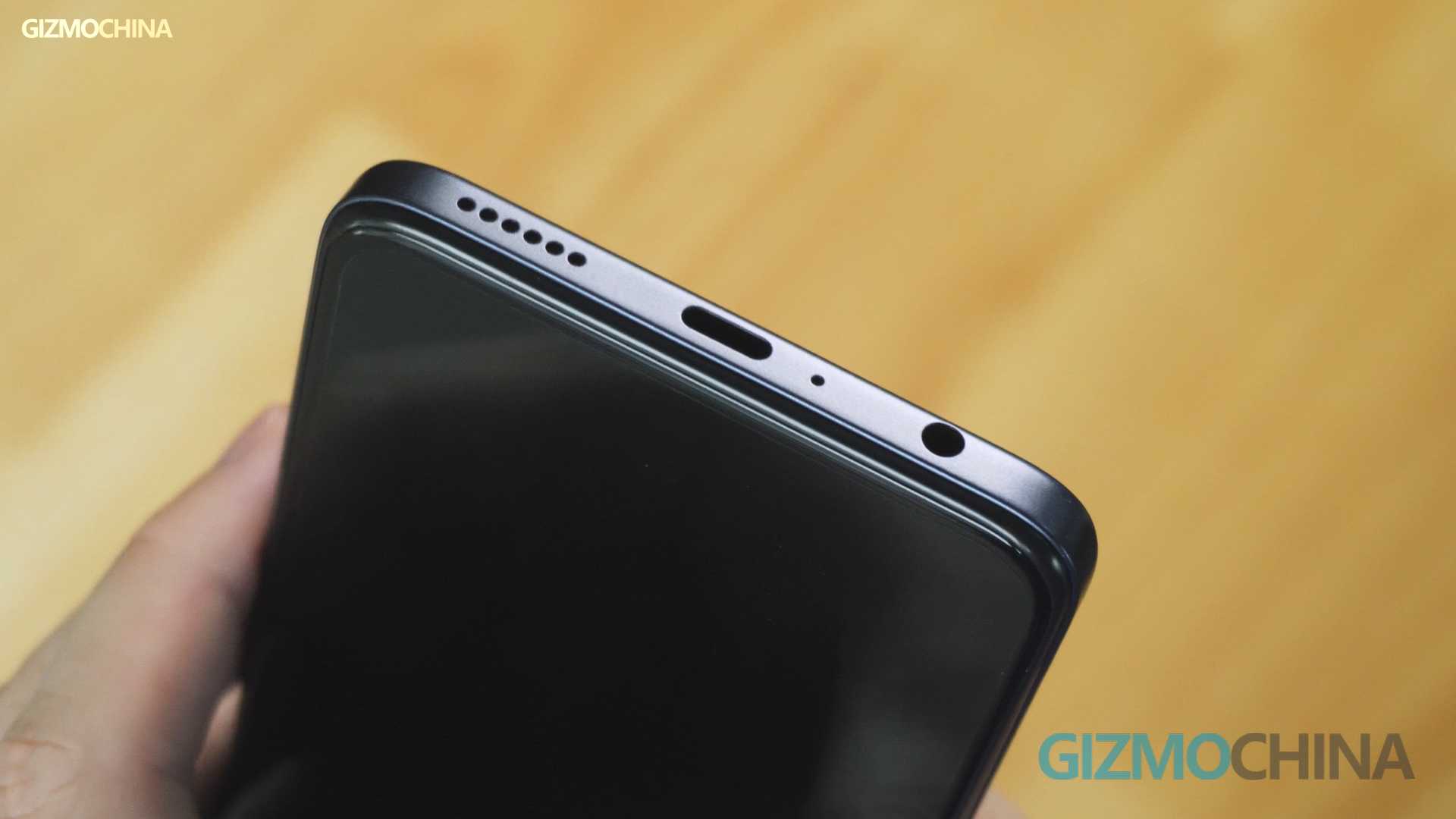
Let’s take a quick look at what’s in the box for the SPARK 9 Pro. A hard PC case. I really like this case because usually soft cases will turn yellow after a while, PC cases do not. Then there is a 18w charger. Card pin and charging cable, and a wired headset. Yes, it has a headphone jack. And there’s an even rarer feature than the headphone jack: the message alert light.
This is very useful on phones without AOD. In addition, the SIM card slot supports both dual SIM and SD Card, and has a red rubber ring to prevent water and dust ingress, indicating that the SPARK 9 Pro is to some extent waterproof. Even though it is sold at a low price, it does not use the Micro-B charging port. The fingerprint recognition is also on the side instead of on the back. And it looks really good.
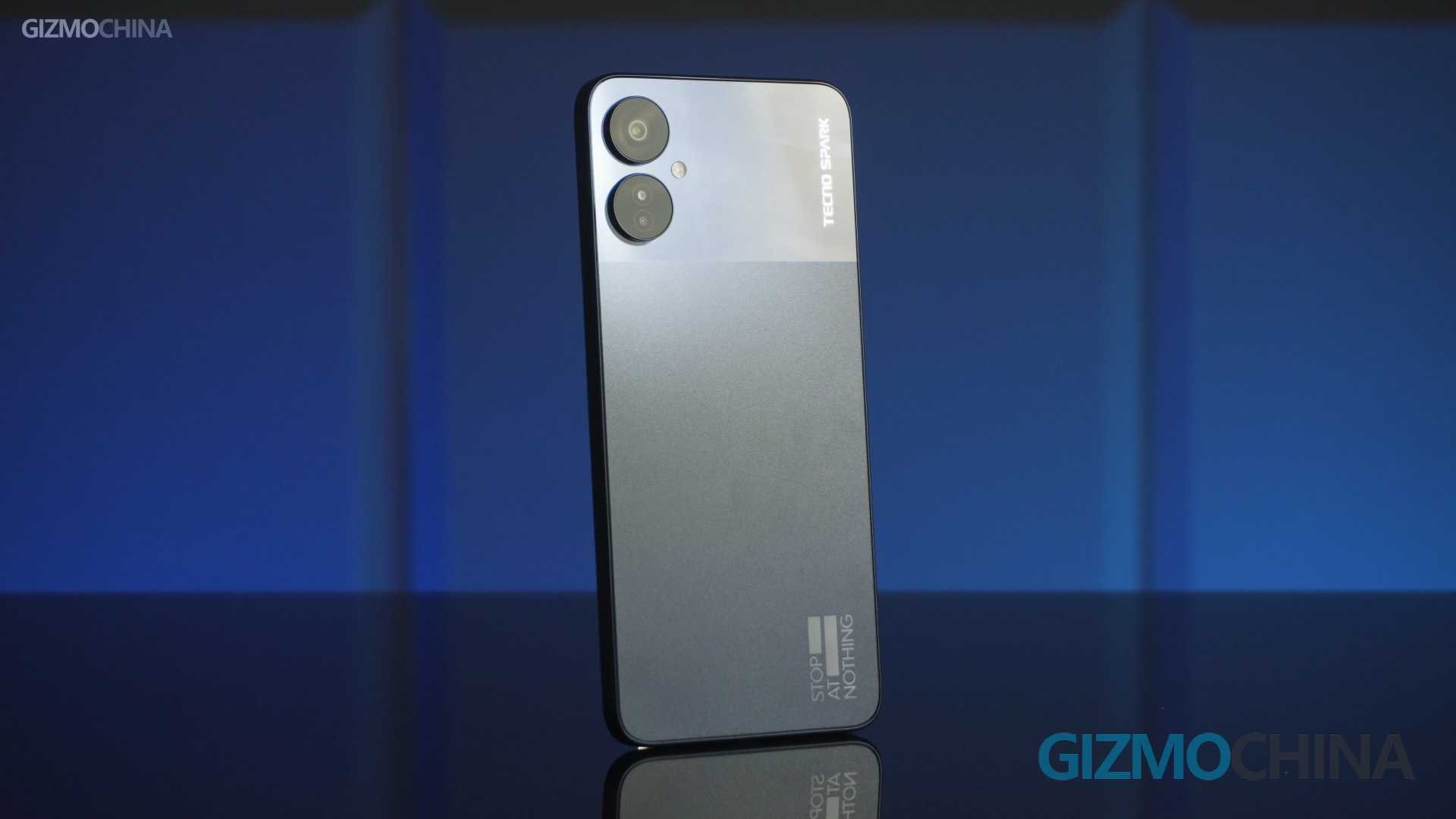
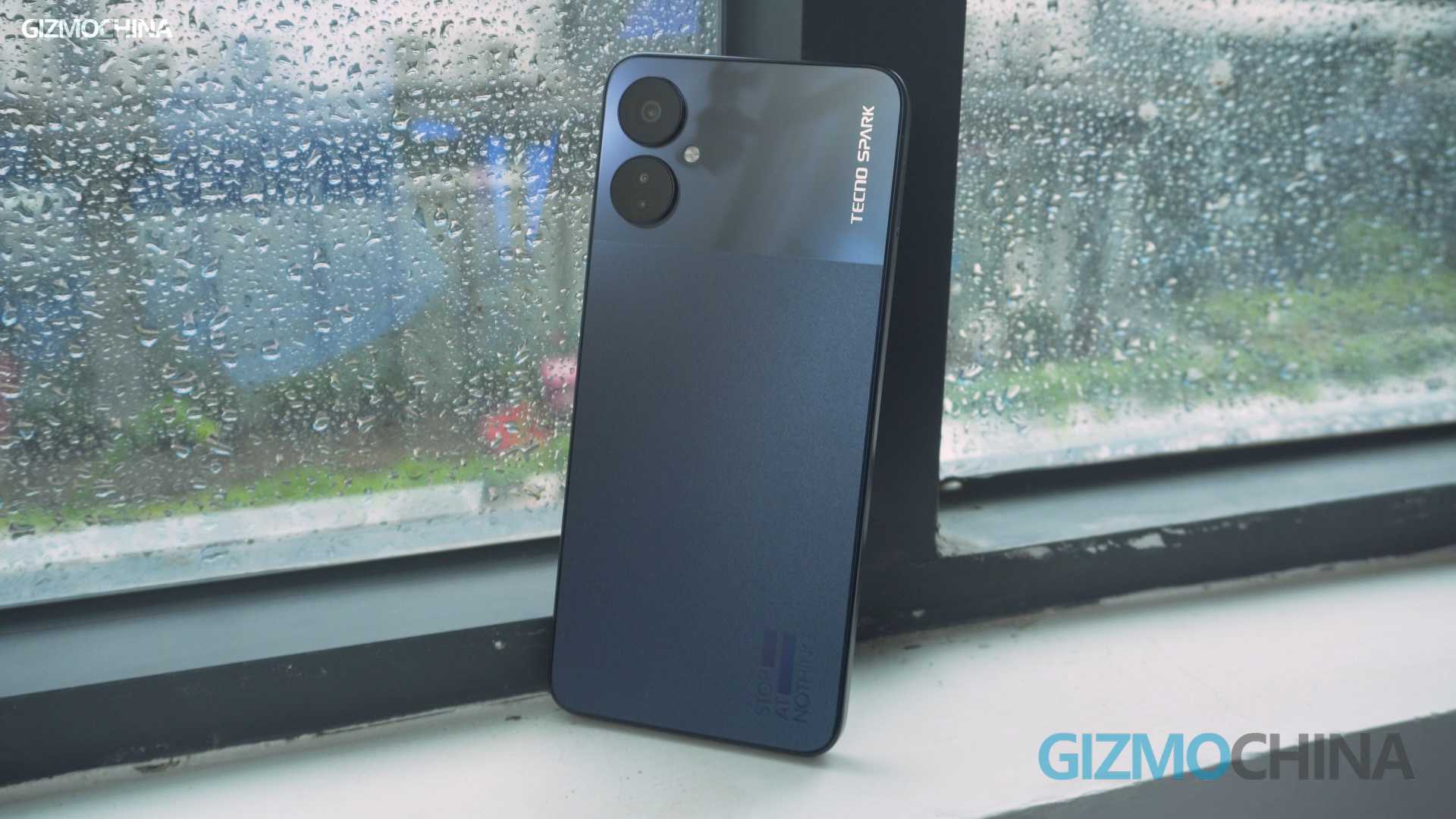
The back and bezel are purely flat, and the part of the hand grip is frosted. The logo and slogan are on the right side, I prefer this way of putting them in the corner than the practice of enlarging the slogan. The camera module has only two circles, very simple. That’s right, an entry-level phone camera does not need to have much-exaggerated design, simple is the best.
TECNO SPARK 9 Pro Review: Cameras
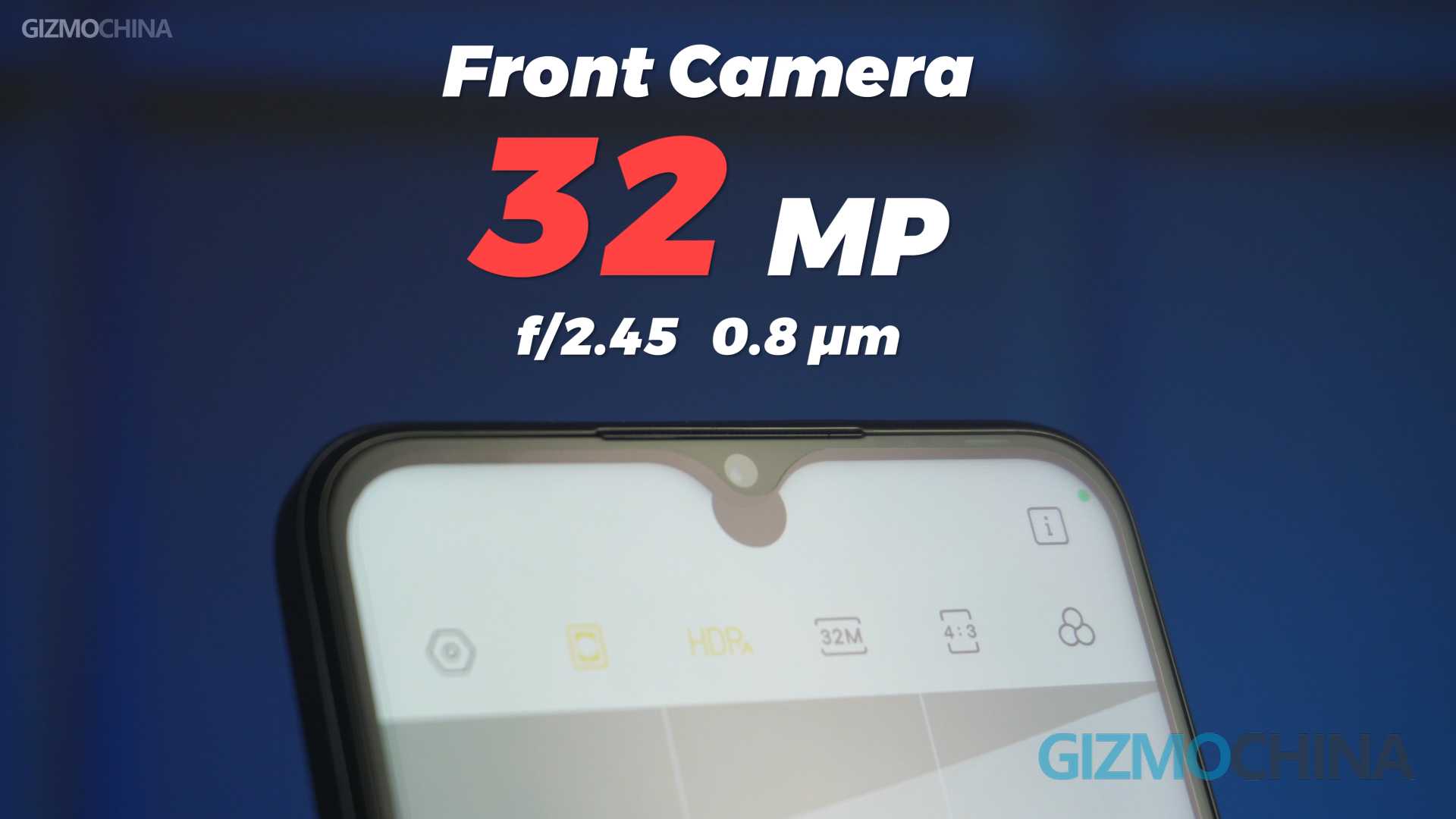
SPARK 9 Pro comes with a 32MP front camera. Compared to many 8MP or 16MP front cameras, it wins at least in the number of pixels. And there’s an AI Portrait enhancer feature that will make your photos sharper even in low light conditions. It’s not a gimmick, it really enhances the clarity of the photo. And in its beauty mode, as you can see in this photo, the mole is removed from the face.
Beauty mode
Its front camera even works with Super Night mode, which improves exposure and reduces noise at night. It also has the Ring Screen Fill-in Light, a message alert light that can be used as a front-facing flash, which is only available on some phones that focus on selfies.
flash light + night mode
It simply turned my perception of entry phones upside down. It’s not recommended to turn on the flash when it’s very dark, because your hair might blend in with the background. Many flagship phones have a front camera that can only record 1080P video, but this 32MP front camera supports video recording at up to 2K resolution. It doesn’t have EIS, but once you think about its price, you feel that the Tecno SPARK 9 Pro’s front camera is way ahead of phones in its price range.
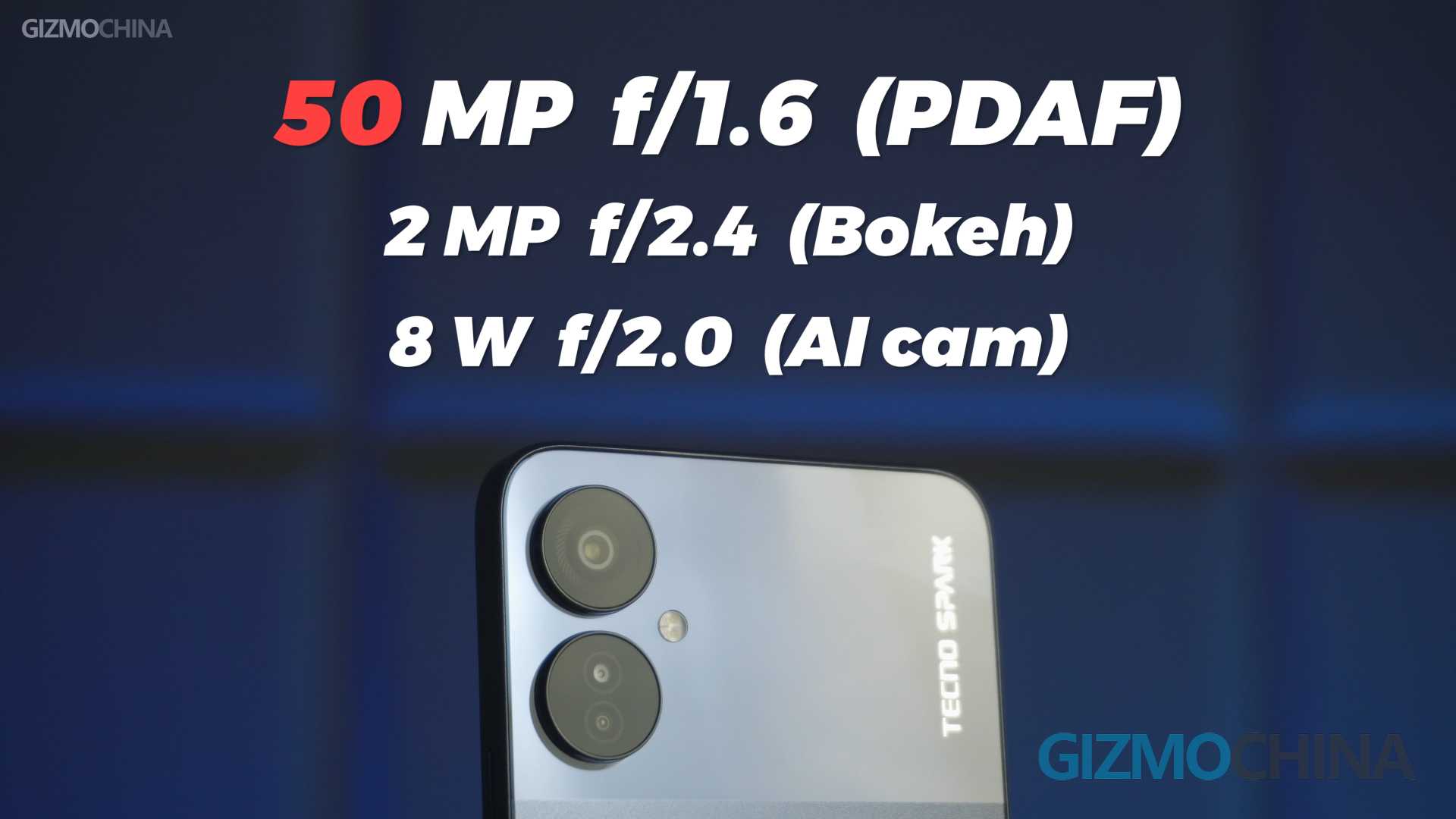
After introducing the front camera, let’s take a look at the rear camera. The rear camera of SPARK 9 Pro is a bit more ordinary compared to the front. There is only one 50MP main camera, the other two are auxiliary lenses. But the main camera is a bit surprisingly good in everyday use. The dynamic range is excellent, and the images are clear. Perhaps because of the Bokeh camera, the bokeh effect in portrait mode is very good. I really like the effect of this bokeh background, as long as it does not go wrong, it is very much like a photo taken by a professional camera.
1 of 3
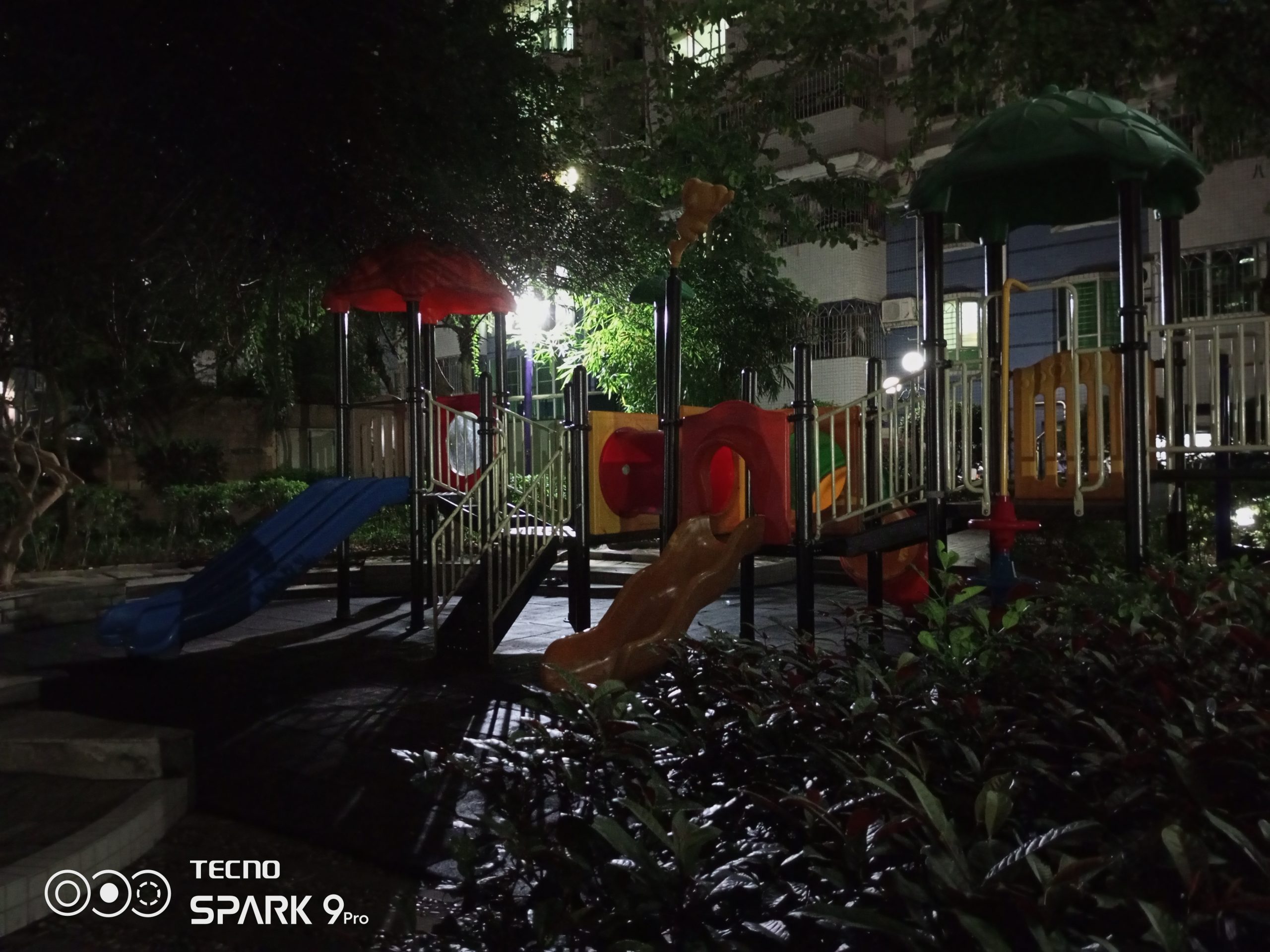
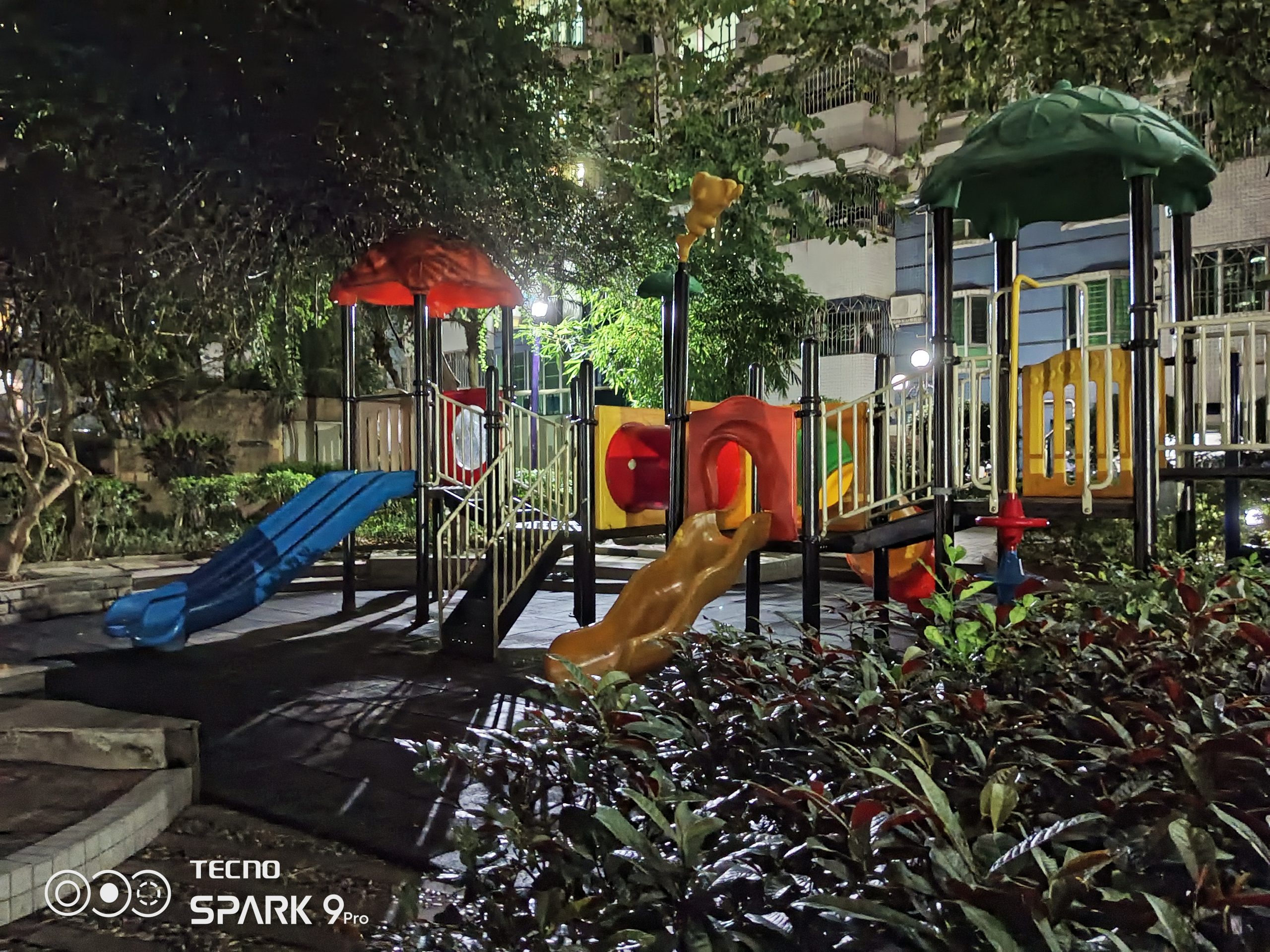
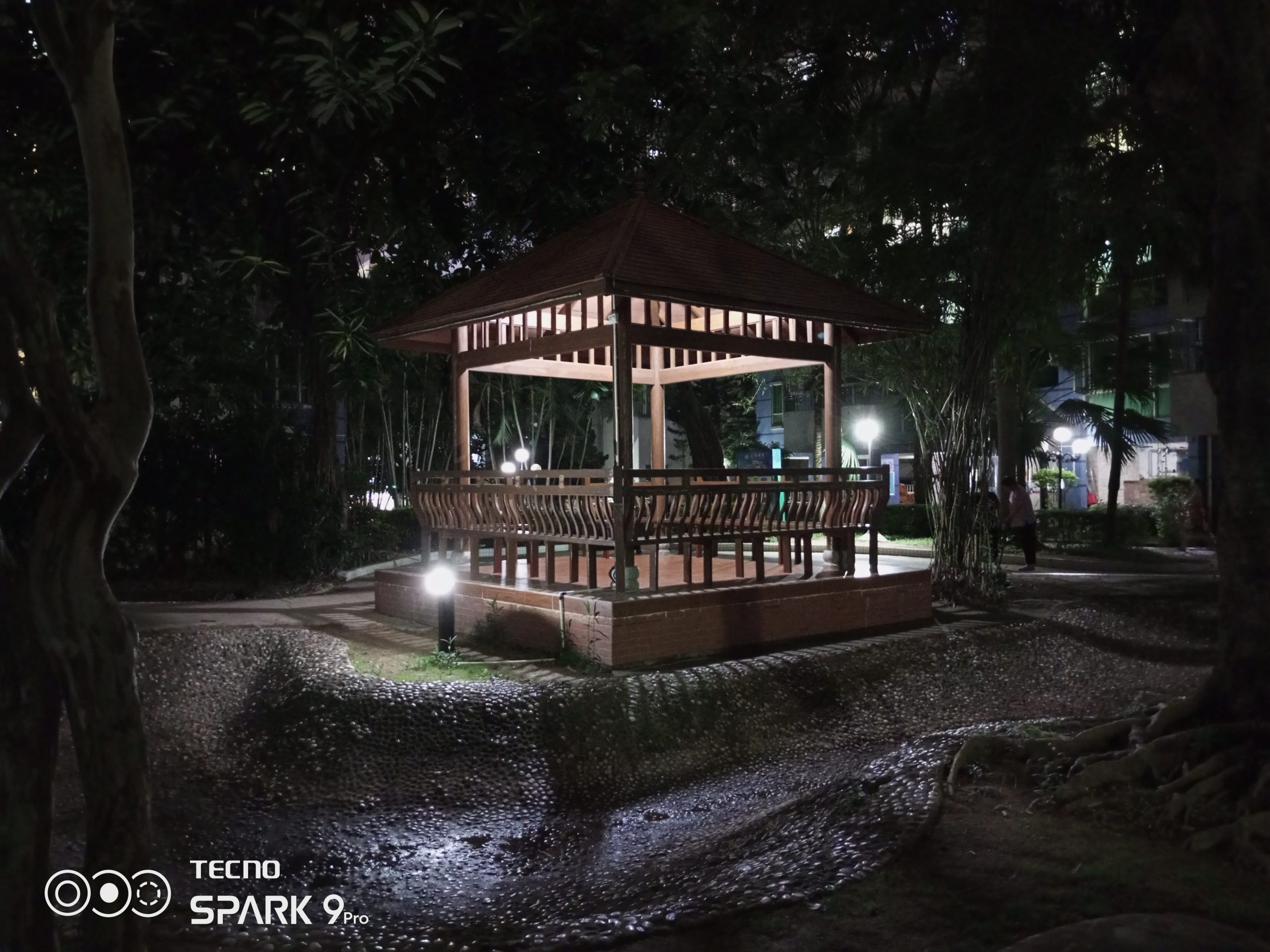
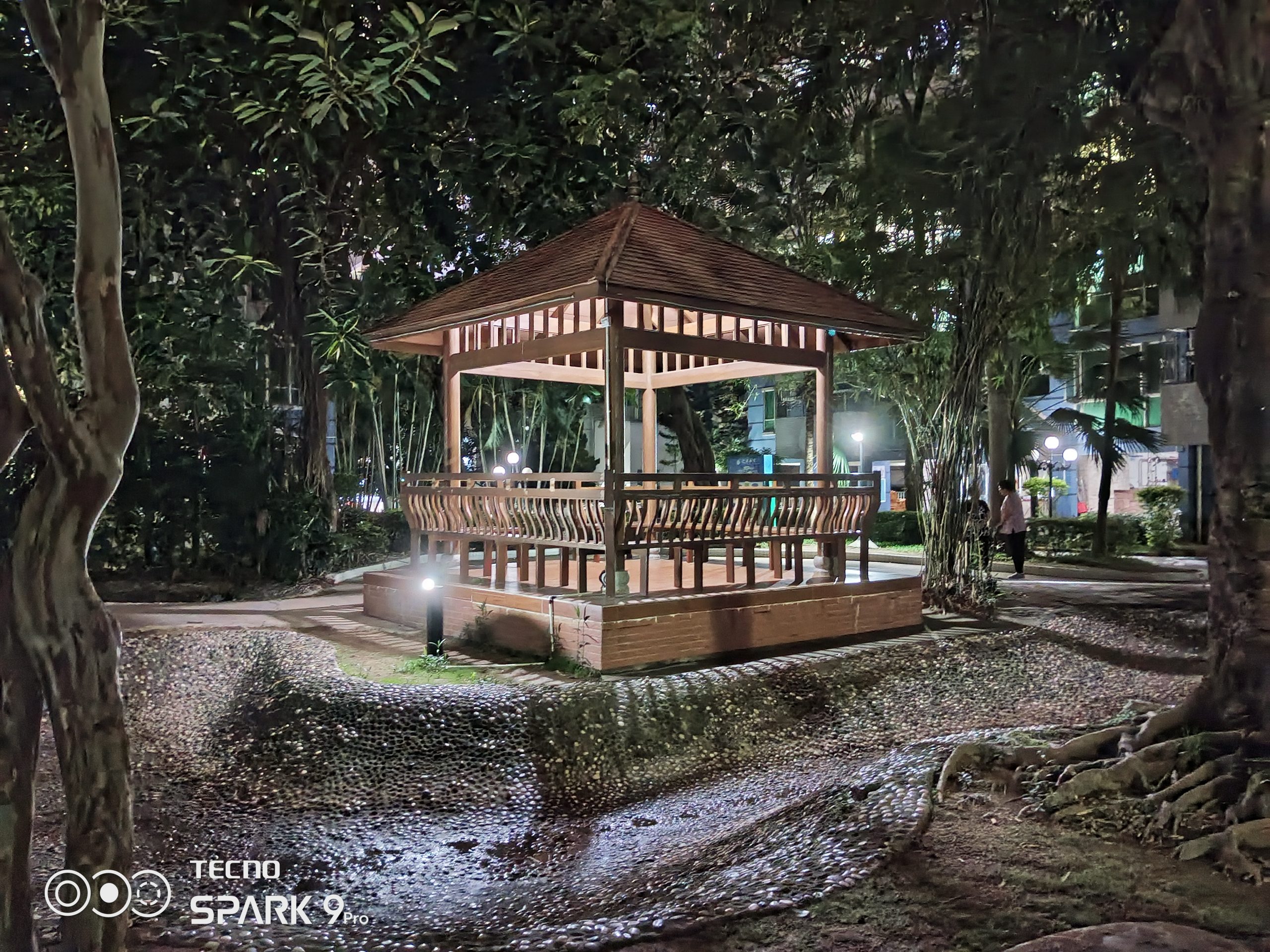
While the daytime photos are not much better than other brands, the photos in the dark light will surely surprise you. Night photos in auto mode are just like any other entry phone, easily partially overexposed, which is a normal performance at this price point. But once you turn on super night mode, the quality of your photos will soar. Dynamic range is improved and exposure in low light is back to normal, looking like a photo taken by a $300+ phone. Generally speaking, entry-level phones can’t do this, so it seems that TECNO has really worked hard on the night mode algorithm.
1 of 7
By the way, the main camera of SPARK 9 Pro also supports 2K 30fps video recording. Because there is no EIS, you better not record while walking.
TECNO SPARK 9 Pro Review: Performance & Battery
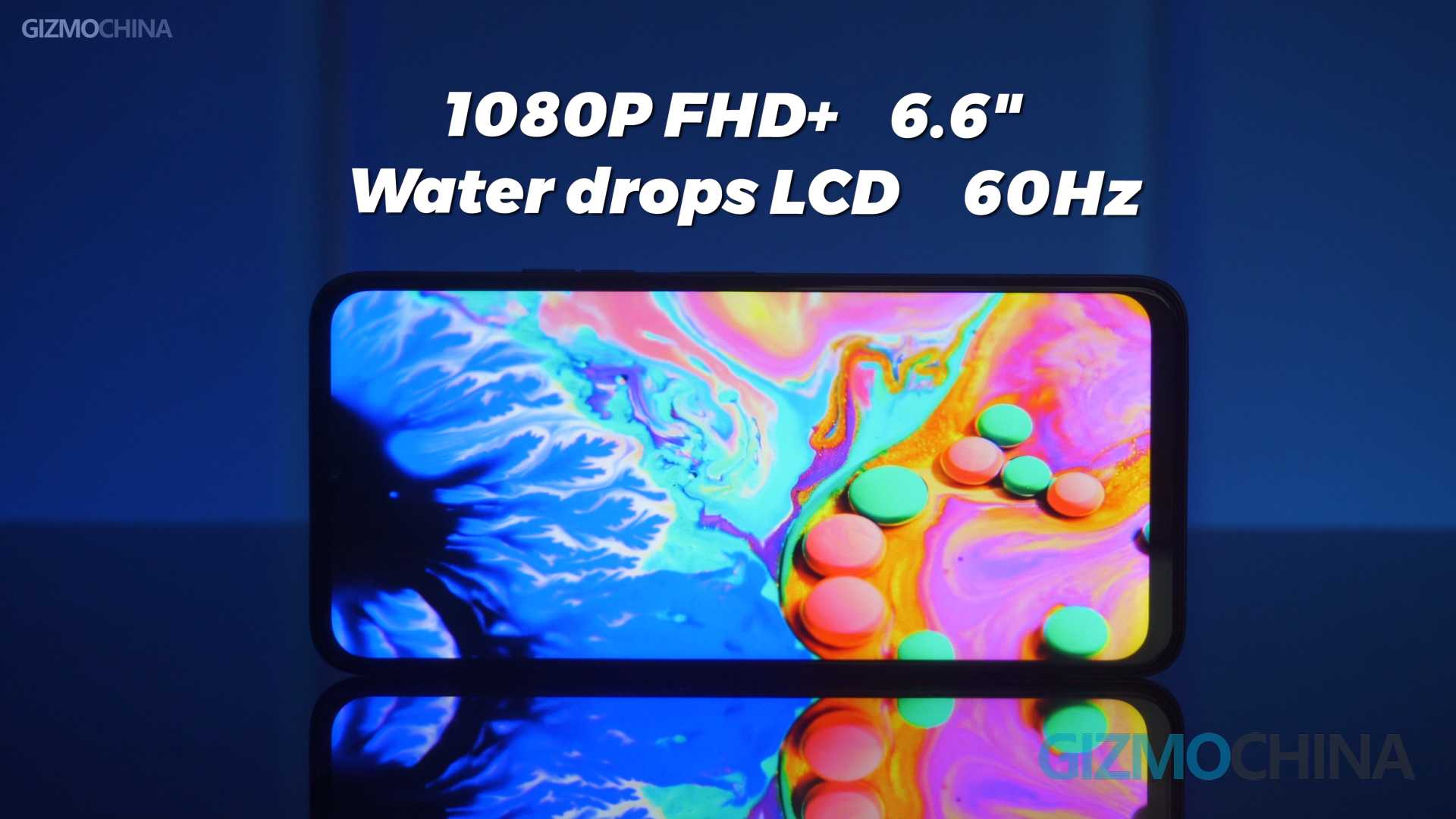
The screen of SPARK 9 Pro is an FHD+ LCD screen. This waterdrop LCD screen is the standard specification for entry-level phones.
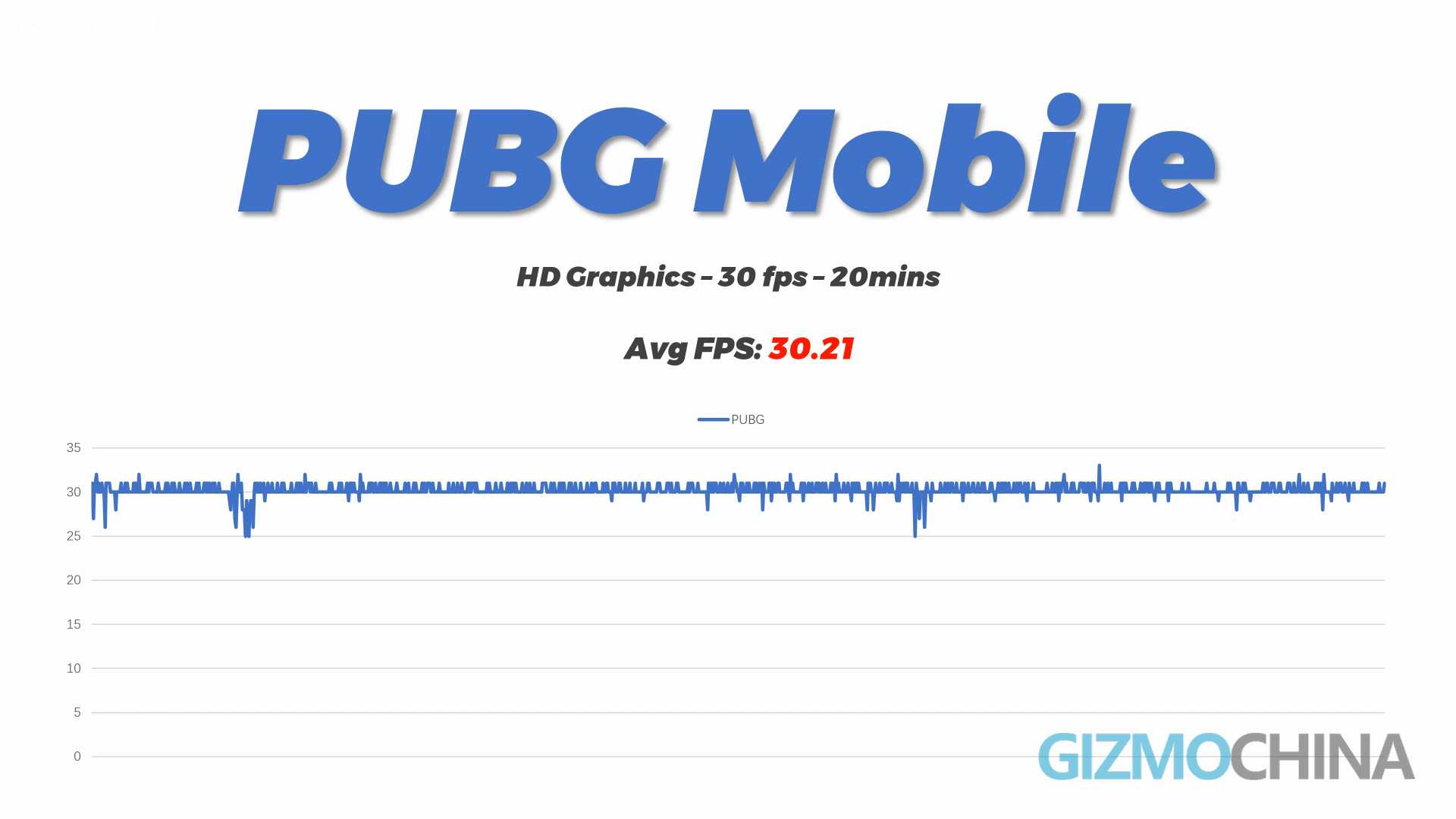
The processor is MTK’s G85, also an entry processor and PUBG can only be turned on at 30fps, but the good news is that the game frame rate is stable.
And it’s very power saving, with its big 5000mAh battery, 20 minutes of PUBG only consumes 4%. 30 minutes of Tiktok consumes 4%. 1080P online video consumes 5%. Anyway, I wasn’t able to drain its battery in a day.
Most of the starter phones we’ve seen are pretty much the same, except for slightly different designs. But the SPARK 9 Pro is the only entry phone I’ve seen that focuses on selfies. And the rear camera is also so good that it’s hard to believe this is an entry-level phone that only sells for $170.
If you have higher requirements for photos and selfies, then it’s definitely worth buying at this price point.
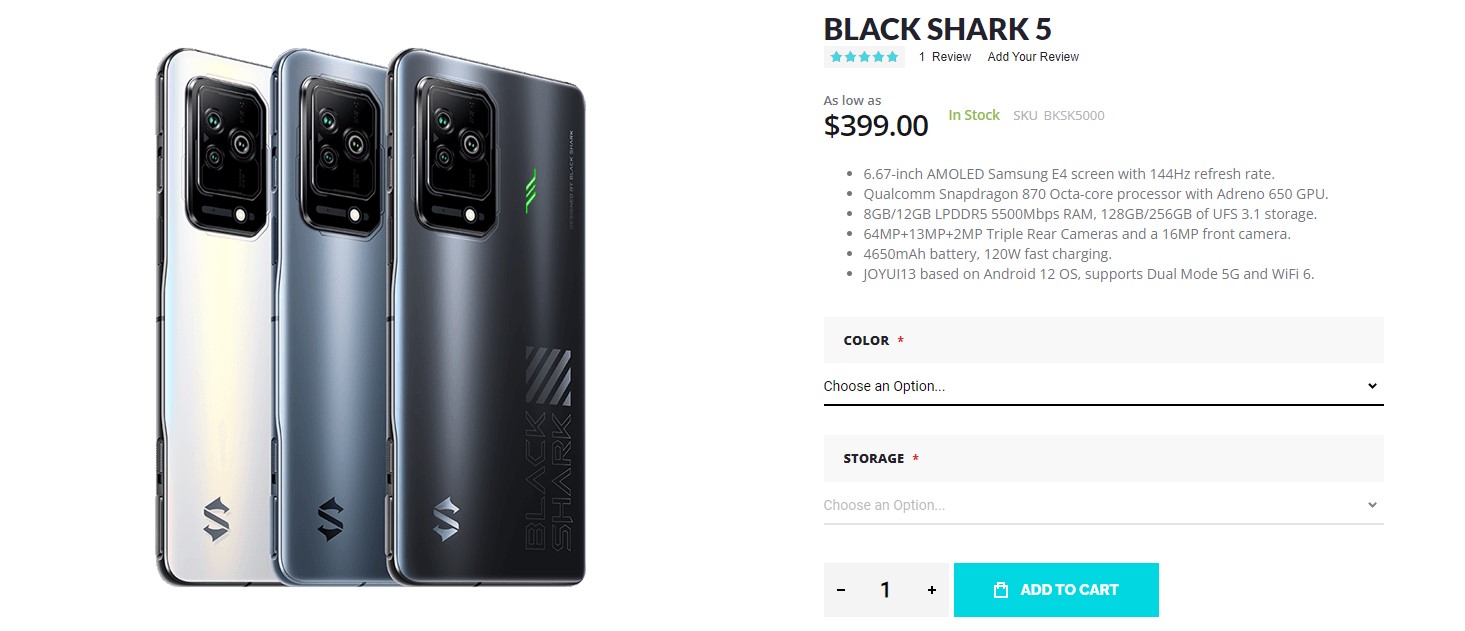
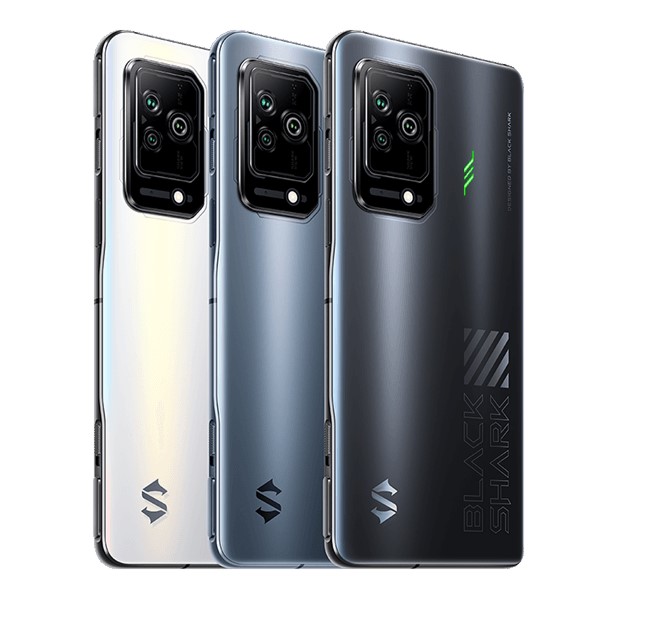
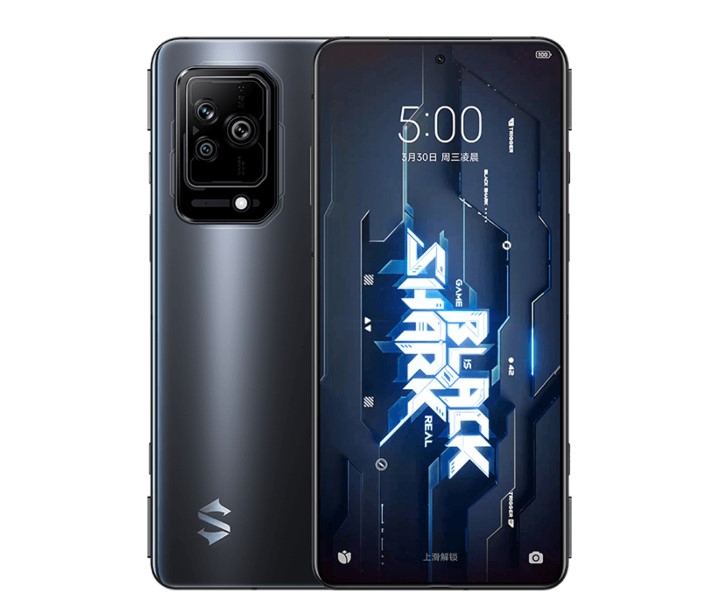
Giztop is giving a huge discount on the latest Black Shark 5 gaming phone. You can now buy the phone for $399 only. Please note that this is a limited-time offer.
Black Shark 5 features a 6.67-inch AMOLED Samsung E4 display and supports a 144Hz refresh rate. The powerful gaming phone comes with Qualcomm Snapdragon 870 Octa-core processor and Adreno 650 GPU. You have multiple memory options viz. 8GB / 12GB LPDDR5 RAM and 128GB / 256GB UFS 3.1 storage.
Black Shark 5 sports a triple rear camera setup with a 64MP main camera and 13MP + 2MP secondary sensors. For your selfies, you have a 16MP sensor in the front. Fueled with a 4650mAh battery, the phone supports 120W fast charging and runs on Android 12 OS-based JOYUI 13.
Generally retailing for $599, you can now buy the Black Shark 5 Gaming phone for a discounted price of $399 only at Giztop. This price is applicable to the base variant only. This is a limited-time offer so place your order before the deal expires.
For more information on such exciting deals and offers check out our deals hub.
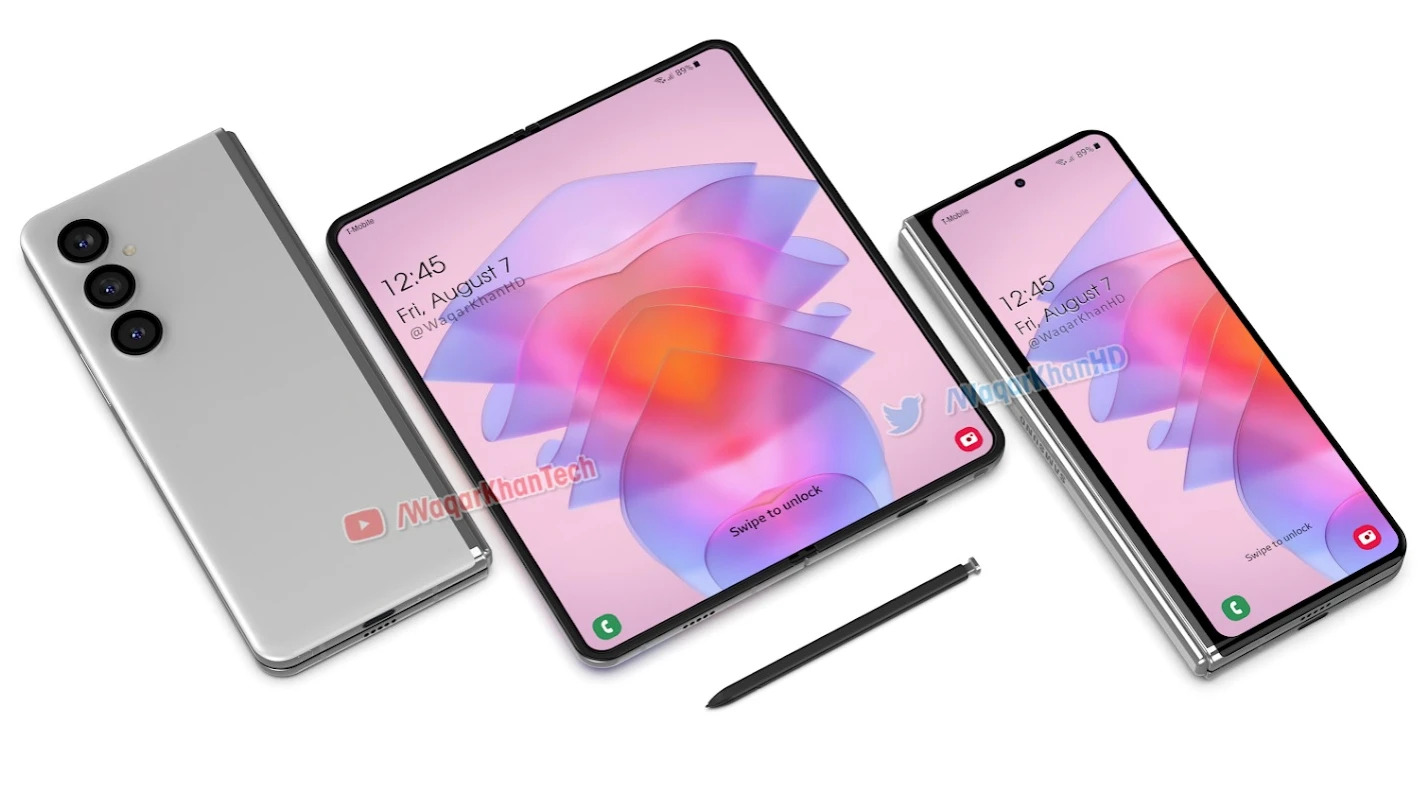
The next-generation foldable smartphones from Samsung are rumored to debut on August 10, 2022. This includes the Samsung Galaxy Z Fold 4 and the Galaxy Z Flip 4.
Galaxy Z Fold4 concept render by Apple Lab 2
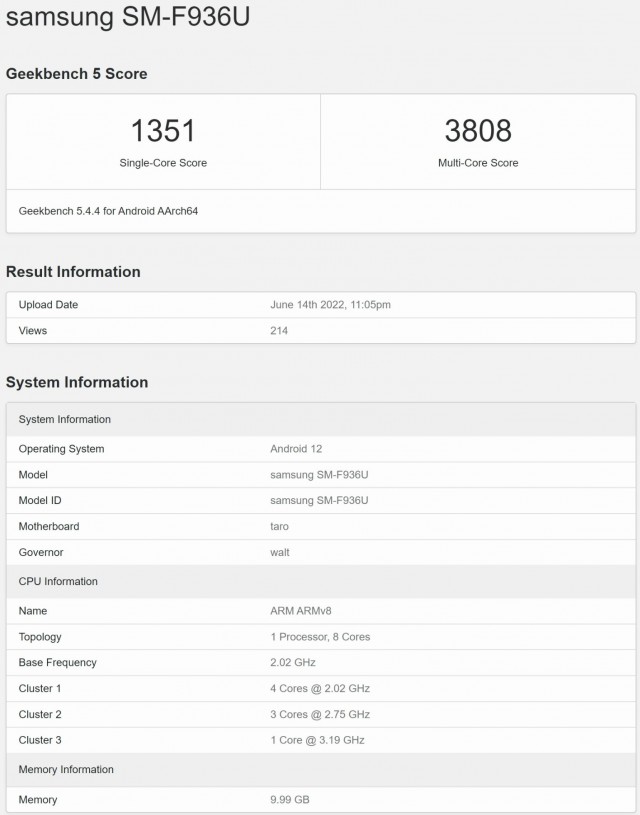
The Galaxy Z Flip 4 appeared on Geekbench last month, revealing the device’s key specifications. Now, the Galaxy Z Fold 4 has made an appearance on the benchmarking website.
The Geekbanch listing reveals that the Galaxy Z Fold 4 has the model number SM-F936U. It has an octa-core processor with one core clocked at 3.19 GHz, three cores clocked at 2.75GHz, and four cores clocked at 2.02GHz. The processor is paired with the Adreno 730 GPU making it pretty clear that the device houses a Snapdragon 8+ Gen 1 chipset.
Other than that, the listing reveals that the smartphone has 12GB of RAM and runs on Android 12-based operating system (OneUI 4.1). The listing does not reveal any other details, but thanks to an earlier leak by tipster Yogesh Brar, we already know what to expect from the device.
According to previous leaks, the Galaxy Z Fold 4 will come with a 7.6-inch QXGA+ AMOLED inner panel and a 6.2-inch HD+ AMOLED panel for the outer screen. Both the outside and inside displays will offer a 120Hz refresh rate.
The Snapdragon 8+ Gen 1 chipset will come paired with either 12GB or 16GB RAM and will be available in 256GB and 512GB storage options.
For optics, the smartphone will have a triple camera setup on the rear headlined by a 50-megapixel primary sensor. It will be paired with a 12-megapixel ultra-wide unit and a 12-megapixel telephoto lens with 3x zoom. The inner screen camera will be a 16-megapixel under-display unit, and on the front, the device will have a 10-megapixel snapper. Other than that, the device is said to feature a 4,400mAh capacity battery with 25W fast charging and operate on Android 12-based One UI.
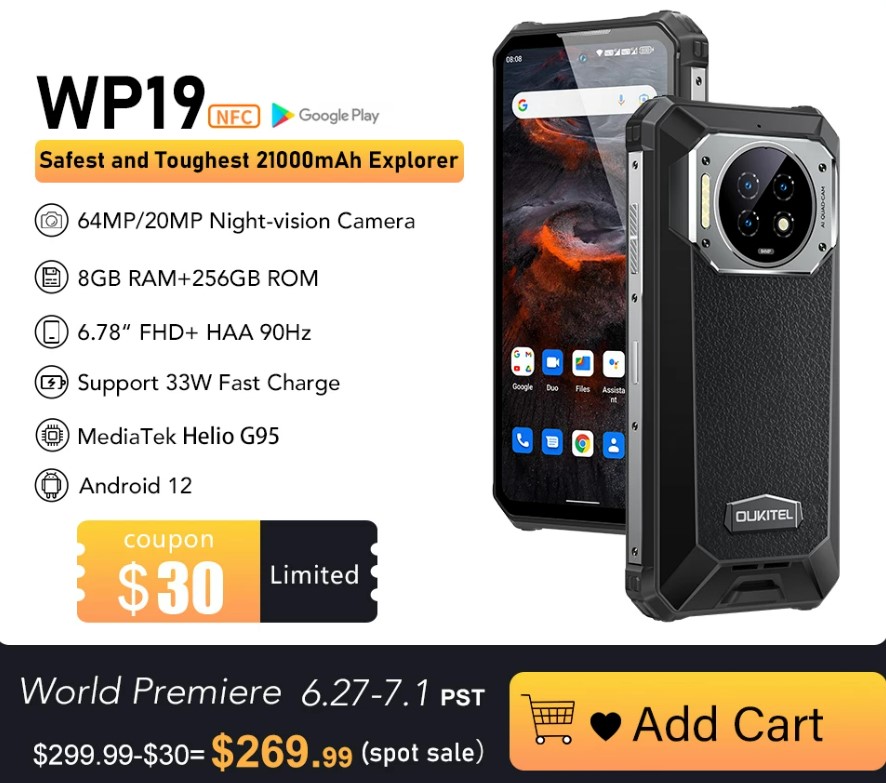
Oukitel WP19 rugged smartphone will launch globally on 27 June 2022. The device with the world’s largest battery on a rugged phone comes with a retail price of $599. However, under the world premiere deal, you can buy Oukitel WP19 for as low as $269.99 only on AliExpress. Please note that this deal starts on 27 June and ends on 1 July 2022.
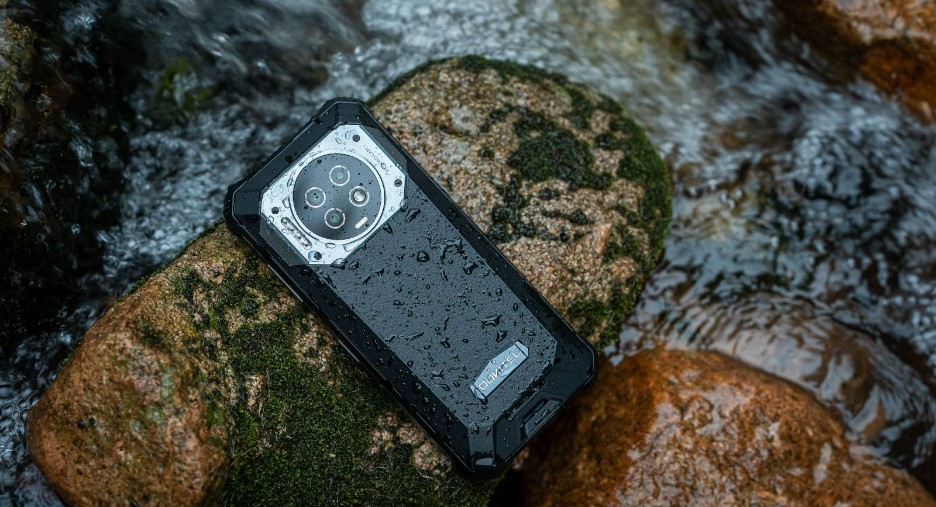
Oukitel phones are designed to survive the extreme outdoors and hence the WP19 comes with all the necessary certifications like IP68/IP69K & MIL-STD-810H that makes this phone waterproof, dustproof, and drop-proof. But the highlight feature of Oukitel WP19 is its massive battery. It is the first rugged smartphone in the world to feature a 21000mAh battery which can last for up to 7 days on a single charge. This makes it especially useful for adventure enthusiast, globe trotters and people who work outdoors. Moreover with 33W fast charging you can charge your phone within couple of hours and then forget about charging for almost a week. Also with the reverse charging function, the phone can be easily converted into a mini power bank.
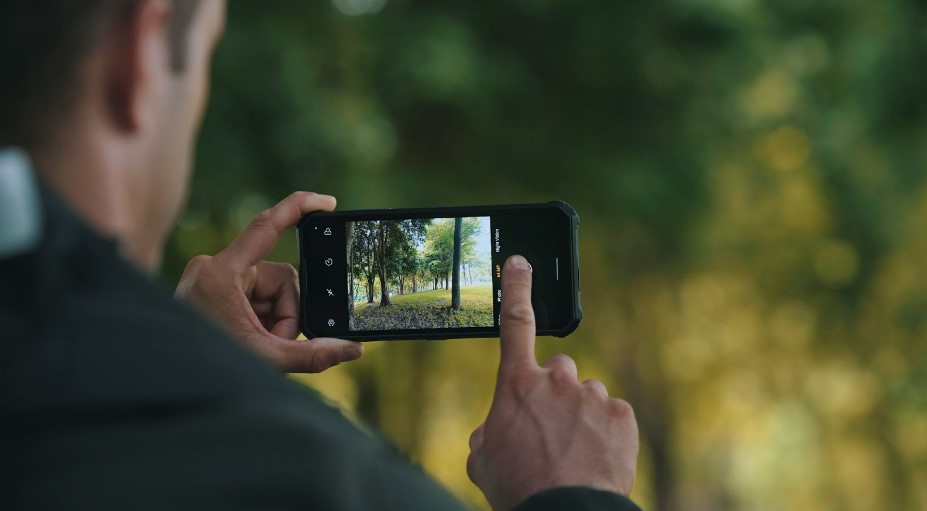
Unlike other rugged phones in the market, Oukitel WP19 does not compromise on the camera and image quality. The phone features a triple rear camera setup with a 64MP SAMSUNG S5K main camera, SONY IMX350 20MP night vision Camera, and 2MP macro camera. It comes with a 6.78-inch FHD+ anti-scratch display and supports 90Hz refresh rate. The phone is powered by MediaTek Helio G95 4G chipset and comes with 8GB RAM and 256GB internal storage. Other interesting features include a customized key, fingerprint & face ID, NFC Google Pay, digital outdoor toolkit, etc.
You can get Oukitel WP19 rugged smartphone for a heavily discounted price of $269.99 only under the world premiere deal at AliExpress. The deals tart on 27 June but you can add the product to your cart right now, even before the sale starts for faster checkout.
Please note that the above price is region-specific and the final price may vary according to your shipping region, warehouse, and regional taxes.
For more information on such exciting deals and offers check out our deals hub.
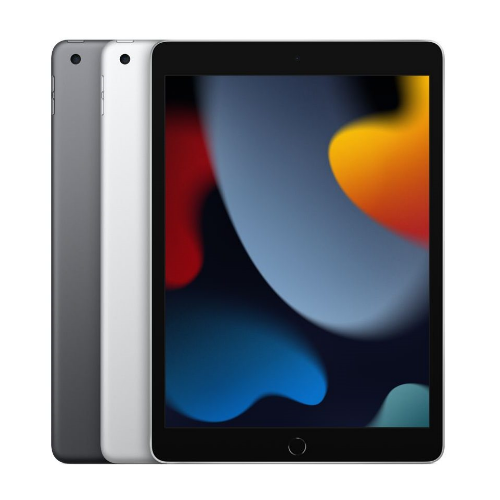
Apple’s entry-level iPads are great devices, in fact, they are the company’s most popular tablet. They are ideal for someone who wants a balance of features and affordability. The newest affordable iPads come with an A13 Bionic chip, a decent front-facing camera, and more. But its next-gen could be even better as it is reported Apple is working on a revamp of the low-cost entry-level iPad that will improve the device’s feature set.
According to a report by 9to5mac, Apple is planning to bring a number of upgrades to its entry-level iPad that will bring it up to speed with the rest of the iPad series. As per the report, the 2022 iPad, which is codenamed J272, will include a USB-C port instead of a Lightning port. This indicates that Apple will finally add USB-C to the whole iPad series. The iPad Pro received the Type-c port in 2018, the iPad Air in 2020, and the iPad Mini in 2021.
Apple iPad 10.2 (2021)
The publication states that Apple intends to upgrade the entry-level iPad with the A14 Bionic chip, which is used in the 4th-generation iPad Air. When compared to the A13 Bionic used in the current entry-level iPad, the A14 chip offers approximately 30% performance benefits. Apple will also introduce 5G network capabilities for cellular models.
According to the report, the new entry-level iPad will have a Retina display with the same resolution as the iPad Air, but it may have a 10.5-inch or even 10.9-inch display rather than the present model’s 10.2-inch LCD. But the more advanced display specifications, such as a wide color gamut with DCI-P3 and increased brightness, will, however, be reserved for more expensive iPads.
There’s not much information available about the rest of the features of the device. We can expect it to launch in the fall of this year.
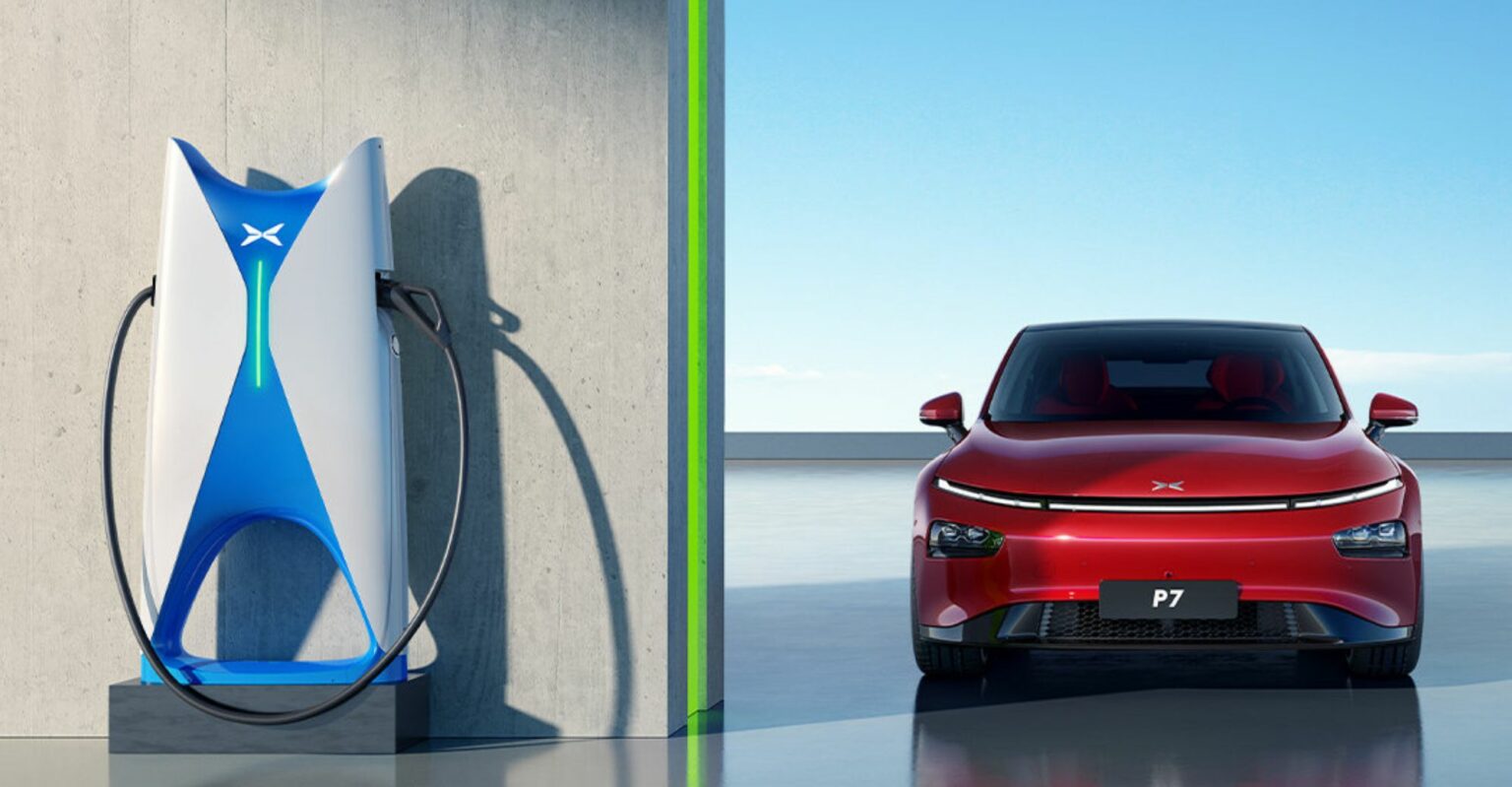
As gasoline prices rise in China, a discussion arose in the country regarding the future of automobiles. Xpeng Motors CEO He Xiaopeng also weighed in with his own comments and even announced the arrival of the next generation of superchargers for EVs.
The senior executive stated that EV (Electric Vehicle) users typically focus on the efficiency and convenience of charging their vehicles. So, the Chinese EV maker has plans to launch a new generation of superchargers for EVs that will be up to four times faster than the current generation of superchargers offered in the market. Through this, the next gen superchargers will be able to charge an electric vehicle from 10 percent to 80 percent in just 12 minutes.
With NEV (New Energy Vehicles) becoming increasingly more popular, improvements in supplementing technology would only help boost their sales even further. Current standards of EVs would have you charging for a couple of hours to even under an hour depending on the charging rates. But that still is quite a bit longer than a gasoline refill at a gas station. So, these next gen superchargers might help EVs better solidify their position in the automobile industry.
Earlier this year He Xiaopeng had announced that XPeng’s supercharging stations were the most extensive among other Chinese EV brands with a total of 169 self operated stations in China and a total of 954 charging networks available al across the country. So this improvement in charging technology should soon be reflected on these stations as well.
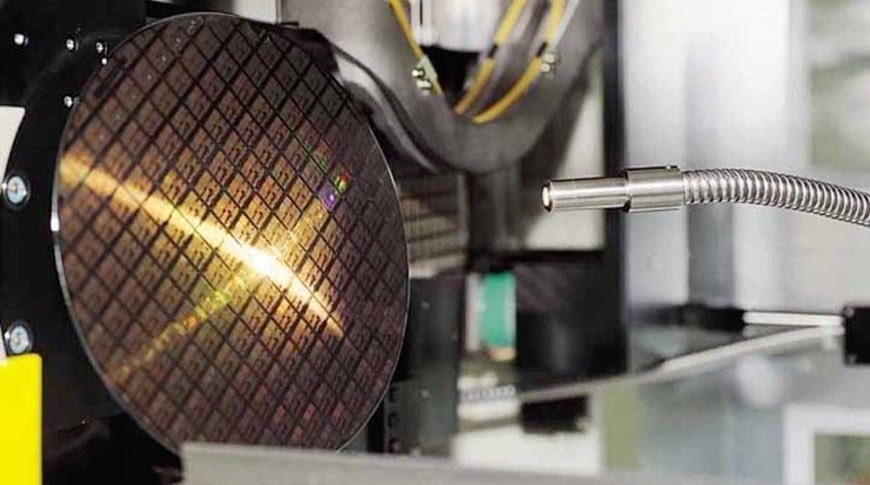
Japan is planning on setting up a domestic manufacturing base that will produce cutting edge 2nm process based chips. The country will also be working with the US to help realize these plans by the year 2025.
According to a NikkeiAsiareport, Japan is gearing up to join the race in commercializing the next generation of advanced chipsets. Thus, Tokyo and Washington will be providing support to each other through a semiconductor technology partnership. Furthermore, this cooperation will also involve private companies from both countries as well, which will help in research on design and mass production as well. Notably, the TSMC (Taiwan Semiconductor Manufacturing Company) is already on its way to developing mass production technology for its advanced 2nm process.
Meanwhile, Japan is seeking to secure a stable supply of semiconductors through domestic production of next gen chips. At the same time, the partnership with the US might also include the establishment of a new company or Japanese corporations may even set up a new manufacturing hub as well. As of right now, the nation’s Ministry of Economy, Trade, and Industry is offering subsidies to lower the cost of research and development into advanced semiconductors.
The joint research will begin this year, with a research and mass production center planned to be formed between 2025 and 2027. Notably, the world’s largest contract chipmaker, TSMC, is also setting up a chip fab in Japan’s Kumamoto Prefecture. However, this plant will not produce advanced chips and focus on chip technology ranging from 10nm to 20nm processes.
Apple launched its new iPhone 13 variants recently. Apart from the new colors, these devices are the same iPhone 13 devices we saw last year. However, the colors make the new iPhones stand out from their similar counterparts from last year. But it is not a good practice to use the phone as it is without any protection. Something as basic as a back cover is necessary for an iPhone. Otherwise, broken back glass could set you back well over half the price of the iPhone.
So let’s look at some of the best iPhone 13 cases to protect your smartphone.
Choosing a case might be more confusing than choosing a smartphone. There are countless brands and options when it comes to iPhone 13 cases in the market right now. Official cases from Apple are easy choices to start. Or you could get yourself a fancy case from a third-party dealer.
Best iPhone 13 cases and covers
Official Apple Cases
There are countless choices for you to choose from the vast collection of smartphone cases. Apple sells cases under the “official iPhone cases” label through their retail stores and website. You can purchase these official accessories if you don’t like to stray out of the Apple ecosystem. Apple offers its cases in materials including silicone, leather, and transparent materials. You can also buy cases from third-party dealers from the Apple store. However, keep in mind that these cases come at a premium like all other Apple products. Here are the models from Apple that are worth giving a try.
Apple Silicone Case with MagSafe
The silicone case from Apple is available for almost all iPhones, and they’ve now updated it with MagSafe. Even though the silicone cases cost in the range of 50s, they do feel premium for what you’re paying. These cases have a smooth texture that won’t compromise the grip. There is an inner microfiber layer to protect the phone from scratches. Also, you can choose from a plethora of colors while buying a silicone case for your iPhone 13.
If you’re someone who isn’t interested in spoiling the native color and look of your smartphone, you might get yourself a clear case. The clear case from Apple follows a minimalist design and offers sufficient grip. These cases use optically clear polycarbonate and other flexible materials. A scratch-resistant coating on either side of the case guarantees some degree of scratch resistance. Apple claims they’ve optimized these cases to prevent yellowing over time.
Leather is one of the best choices if you’re looking for a premium phone case. No one knows this better than Apple. Their custom Leather cases feel soft to the touch. Genuine leather will develop a natural patina over time. Patina will further enrich the look and feel of the material.
With the Apple official cases out of the way, let’s see some of the best protective cases for your brand new iPhone 13. As we said, choosing a smartphone case can be more confusing than choosing a smartphone. Rugged phone cases offer unmatched protection, but they often add half a pound to the overall weight of the package. Clear phone cases are a great way to show off the Apple logo without actually showing off the Apple logo. Thin phone cases protect your device without taking up too much real estate. Wallet and kickstand cases offer additional functionality. Silicone cases keep a low profile while ensuring extreme comfort for extended periods of use. Fancy and colored phone cases are a great way of mirroring your thoughts.
Best Rugged Cases for iPhone 13
There is no denying that rugged phone cases offer the best possible protection for any smartphone. However, you should sacrifice certain aspects of a smartphone if you’re seriously into such phone cases.
Urban Armor Gear UAG Case for iPhone 13
This multilayer iPhone 13 case is ideal for users who have the habit of drop testing their iPhones. It uses a combination of an armor frame along with polycarbonate, metal, and rubber. The top-grain leather on the top offers comfort and grip. However, you might struggle with third-party or even official wireless chargers while using this case. The case has been drop tested for up to 20 feet.
Screen protectors are more important than a case, and SUPCASE did a neat job with theirUnicorn Beetle Pro Case. This one comes with a built-in screen protector and a detachable swiveling belt clip holster for a pocket-free experience. The included TPU bumper and raised bezels will keep your device in one piece even during falls of up to 20 feet.
This one is arugged phone case with a clear back. The Aluminum frame can protect your phone from falls of up to 10 feet. Raptic claims they’ve taken measures to prevent yellowing over time of the clear part of the case.
Clear phone cases are ideal for people who don’t wish to ruin the phone’s look and feel. iPhone users, in particular, might know the struggle of hiding the Apple logo on their devices. Most leading clear case manufacturers have managed to get rid of the yellowing of these cases.
Spigen Ultra Hybrid Clear Case for iPhone 13
This one is aclear hardcover that uses a TPU bumper with a PC layer at the back. The raised edges ensure protection to the edges and screen of the phone. However, the combination of TPU and PC might mean it won’t be a pleasant experience to hold the phone for extended periods.
Here is yet anotherphone case that comes with a built-in screen protector. The hardcover uses TPU for the frame and PC for the back. However, this clear case has more flexibility than the previous one. It can also withstand drops of up to 20 feet.
This one is aclear case that offers near glasslike transparency. Acrylic is responsible for this unique property of the clear case. The material has the reflective properties of glass while not breaking as fast as glass. However, the material is still prone to scratches. A TPU frame protects the acrylic back and the phone from dents and scratches.
Silicone cases might be the best choice when it comes to comfort. The user can hold their phones with a silicone case for hours without numbing their palm. These cases often come in a minimal design that could attract many who want a simple case.
K TOMOTO Silicone Case for iPhone 13
A simple silicone case with a silky texture looks and feels premium in hand. The user can choose from over 18 solid-color designs to match any occasion. Raised edges and shockproof nature of the silicone ensures your device stays protected from accidental bumps.
The Miracase silicone case is best suited for users looking for thin silicone cases. Measuring only 2.3mm, this one comes with a smooth surface that offers unmatched comfort. The case also features raised edges for all-around protection.
This soft silicone case features an anti-scratch microfiber lining. It makes it the best of the three that can take some abuse. The case has sufficient grip, which in no way has altered the smoothness and comfort of a silicone case.
Thin phone cases are for those who aren’t interested in adding a phone case that would add mass to their phones. If you’ve made up your mind about a thin case, remember that these cases aren’t the best for protecting your phone from the unexpected.
ESR Cloud Soft Case for iPhone 13
A thin silicone case for your iPhone 13 that looks and feels minimal. It features an anti-scratch microfiber lining to protect the device from scratches. The case will also not obstruct the wireless charging feature of the phone.
This slim hardcover comes in a frosted black design. Unlike other cases in our list, this one lets the user swap the button color to anything they like. Even though it is a hardcover case, the TORRAS thin case feels surprisingly light in hand.
This thin case comes with a frosted translucent PC layer at the back. TPU is used to strengthen the edge of the case. Also, this 2.3mm case can withstand falls from up to 10 feet.
Kickstand phone cases are best suited for users who often watch movies and show in landscape mode. This way, they could stop holding the phone upright for the entire time.
Ruky Kickstand Case for iPhone 13
This one comes with a kickstand along with a belt clip. The kickstand is in the form of a ring. The user can rotate it in any orientation for a portrait or landscape viewing experience. Ruky is also marketing this one as a rugged phone case.
The TORRAS MarsClimber is a translucent matte case for your iPhone 13 equipped with a kickstand. It features an adjustable kickstand made from metal and uses flexible TPU in combination with rubber as the primary build material.
Spigen uses TPU and Polycarbonate as the primary build materials, and they’ve managed to pull it off cleanly. The kickstand tucks up neatly in the bottom left corner of the case. Thecase is MIL-STD 810G-516.6 certified.
Smartphones have replaced many things in our life. And now wallet cases for smartphones seem to be slowly replacing our wallets. It is good to keep money in our hands rather than our pockets.
Taporse Flip Case for iPhone 13
The case uses leather in combination with TPU as the primary materials. It features multiple cardholders and small pockets to keep money or anything small. Also, the cardholders double up as a kickstand.
The ONETOP wallet case also features multiple cardholders at the back. It also comes with dedicated pockets for keeping the change. However, you might find some discomfort accessing your cards and valuables from the back of your phone. Faux leather is the material used for making the case.
The TUCCH wallet case is a PU leather case that folds from the front of the phone. It will make it easier for the user to access the contents of the wallet. The wallet also doubles up as an excellent kickstand.
It’d be best if we left this one for you to choose. Colors are subjective, and the choice will vary from person to person. However, here are some of our picks if you’re having difficulty choosing one.
GVIEWIN Glossy Marble Case for iPhone 13
This TPU case features a glossy marble design that could attract many. The case is surprisingly hard, so you can slap it to your iPhone with confidence. It should be able to absorb the most impact during a hit or fall.
This one features a breath-taking starry design that could grab the attention of anyone who sees it for the first time. It might be an ideal choice to gift for your partner, even if Valentine’s day has passed. The case is made from TPU and comes with a raised edge.
This case has a transparent TPU design with an imprinted floral pattern. It also comes with a dedicated screen protector for your iPhone, so we’d say it’s worth a try. Also, women might find the design more appealing.
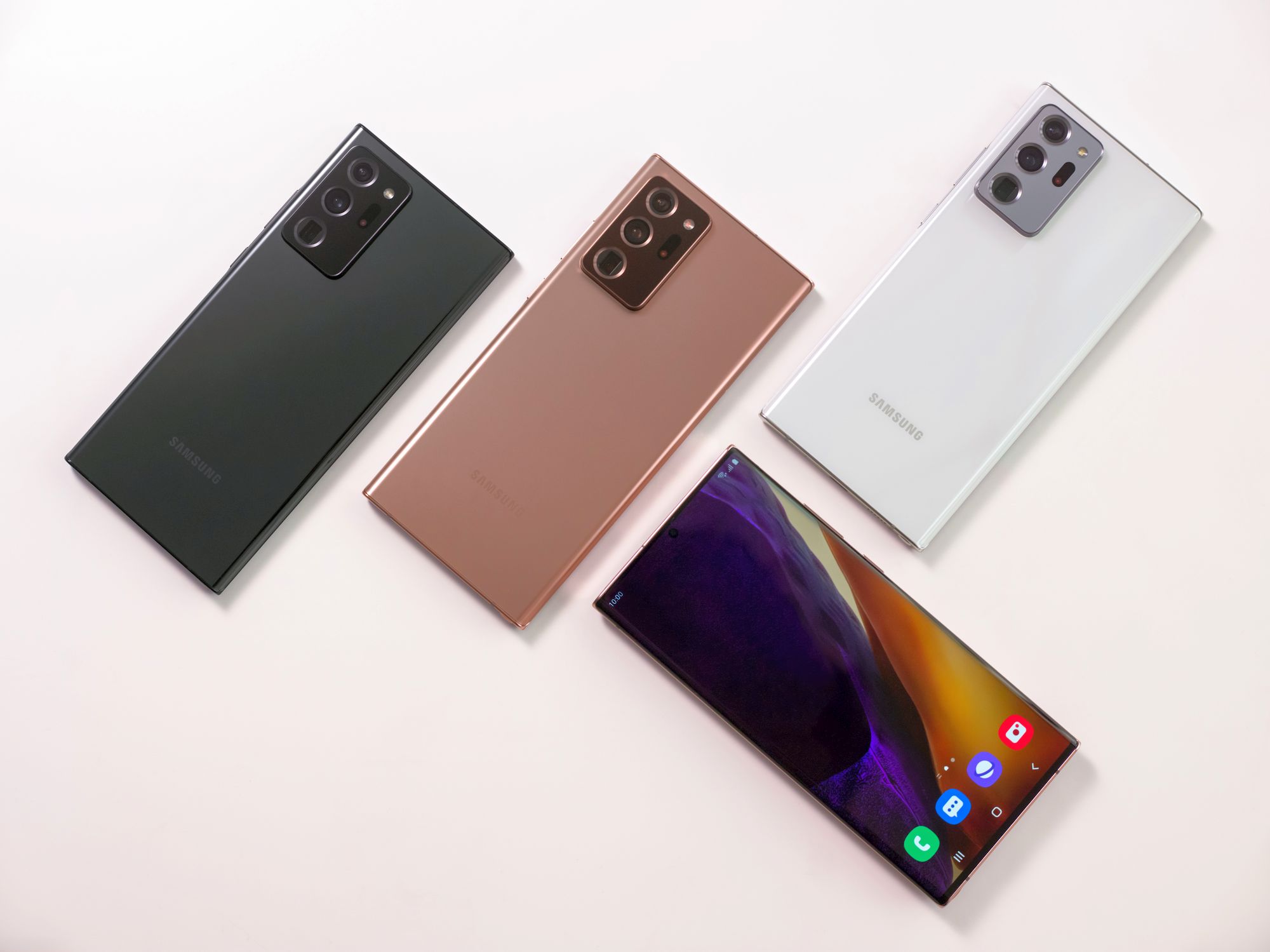
Samsung Galaxy Note 20 series smartphones have started receiving the June 2022 security update. The software update for the Samsung Galaxy Note 20 and 20 Ultra smartphones has initially rolled out in the US last week, however, it may have also reached other regions by now. The update not only carries stability and security changes but also brings several camera improvements to these smartphones.
According to a report by Sammobile, Samsung has started rolling out the June 2022 update to its recent flagship smartphones, the Galaxy Note 20 and Note 20 ultra. The latest software update comes with firmware version N98xU1UEU2FVEB. As per the report, the update has been initially released in the US.
The security update brings much more than just the usual bug fixes and security patches. It is even evident by the size of the update, which is 1GB. According to the changelog, the update brings some small but important camera improvements.
Samsung claims that the latest update also enhances the phone’s Night portrait feature, which means that you can now click better quality portraits even in low light conditions. The changelog also mentions some overall stability and security fixes.
If you are an eligible Galaxy Note 20 or Galaxy Note 20 Ultra user, you can download and install the latest software update by going to Settings > Software update and tapping on Download and install. It is advisable to update your Samsung Galaxy smartphones while connected to strong Wi-Fi and charging.
To recall, the Galaxy Note 20 series was launched in 2020 with Android 10 OS. The smartphone has already received its promised Android 12 update and will also receive the upcoming Android 13 update.
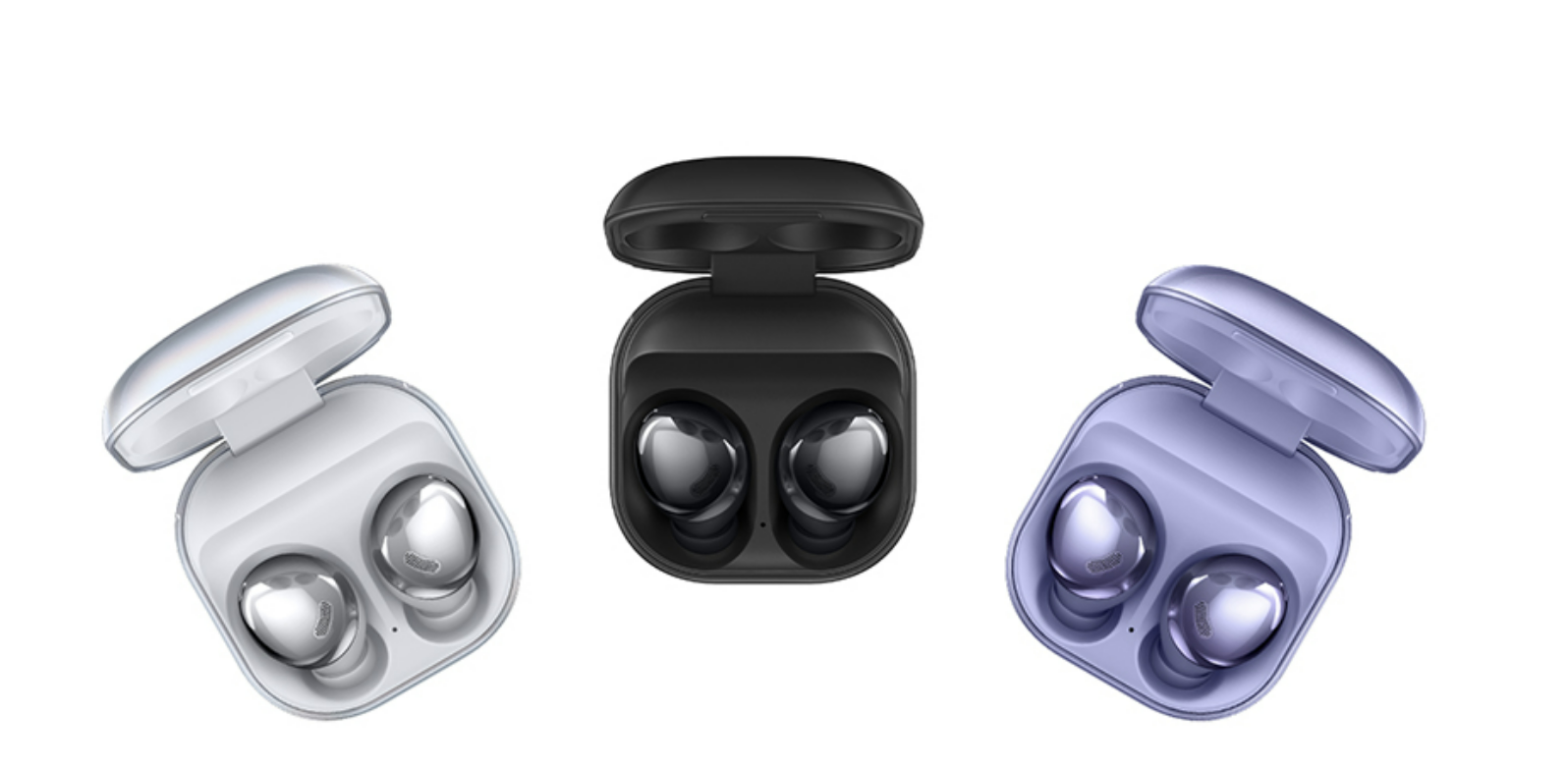
Samsung is gearing up to launch its latest generation of high end truly wireless earbuds in the market soon. But prior to its release, the upcoming Galaxy Buds Pro 2 was spotted on a certification website, which further hints at its imminent launch.
The next gen Galaxy Buds Pro 2 was previously revealed to launch in multiple color variants in a recent leak. Now, the high end truly wireless earbuds were spotted on the FCC certification database. At the moment, the earbuds are expected to launch sometime in July 2022, which is next month. As the name suggests, the Galaxy Buds Pro 2 will be the successor to the original Galaxy Buds Pro.
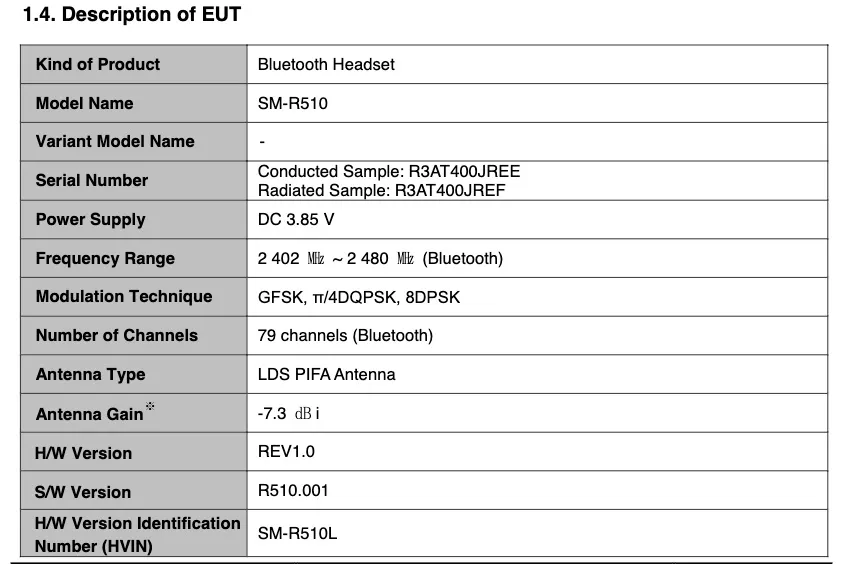
Looking at the FCC listing, we can see that the South Korean tech giant’s earbuds will carry the model number SM-R510. Furthermore, the new wireless earphones wi have a Bluetooth frequency range of 2402MHz to 2480MHz. Based on our previous report, the Galaxy Buds Pro 2 will launch in multiple color options, including a Zenith White, Zenith Bora Purple, and a Zenith Graphite variant.
Similar to its predecessor, the Samsung Galaxy Buds Pro 2 will likely offer high end features like Active Noise Cancellation and wireless charging from its charging case. As of right now, the new TWS earbuds are set to be announced in the market next month. So stick around for more, as we will be providing updates when additional information is available regarding this product.
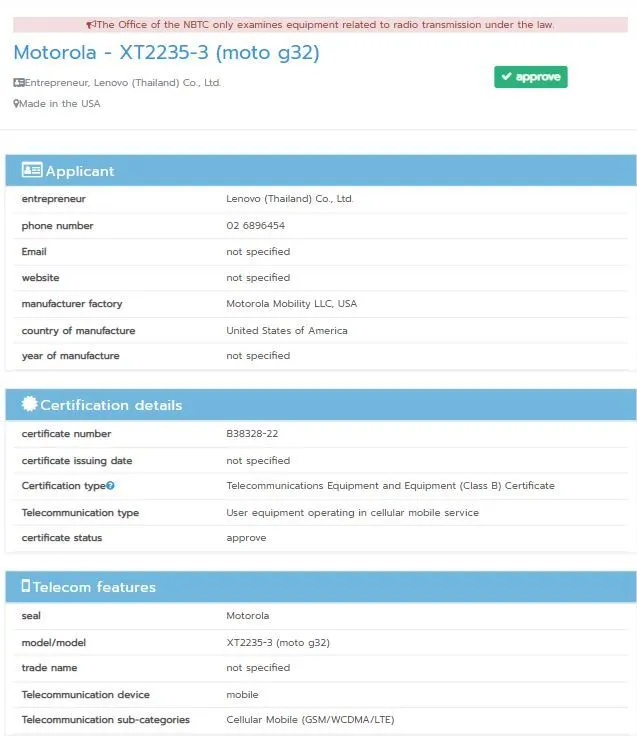
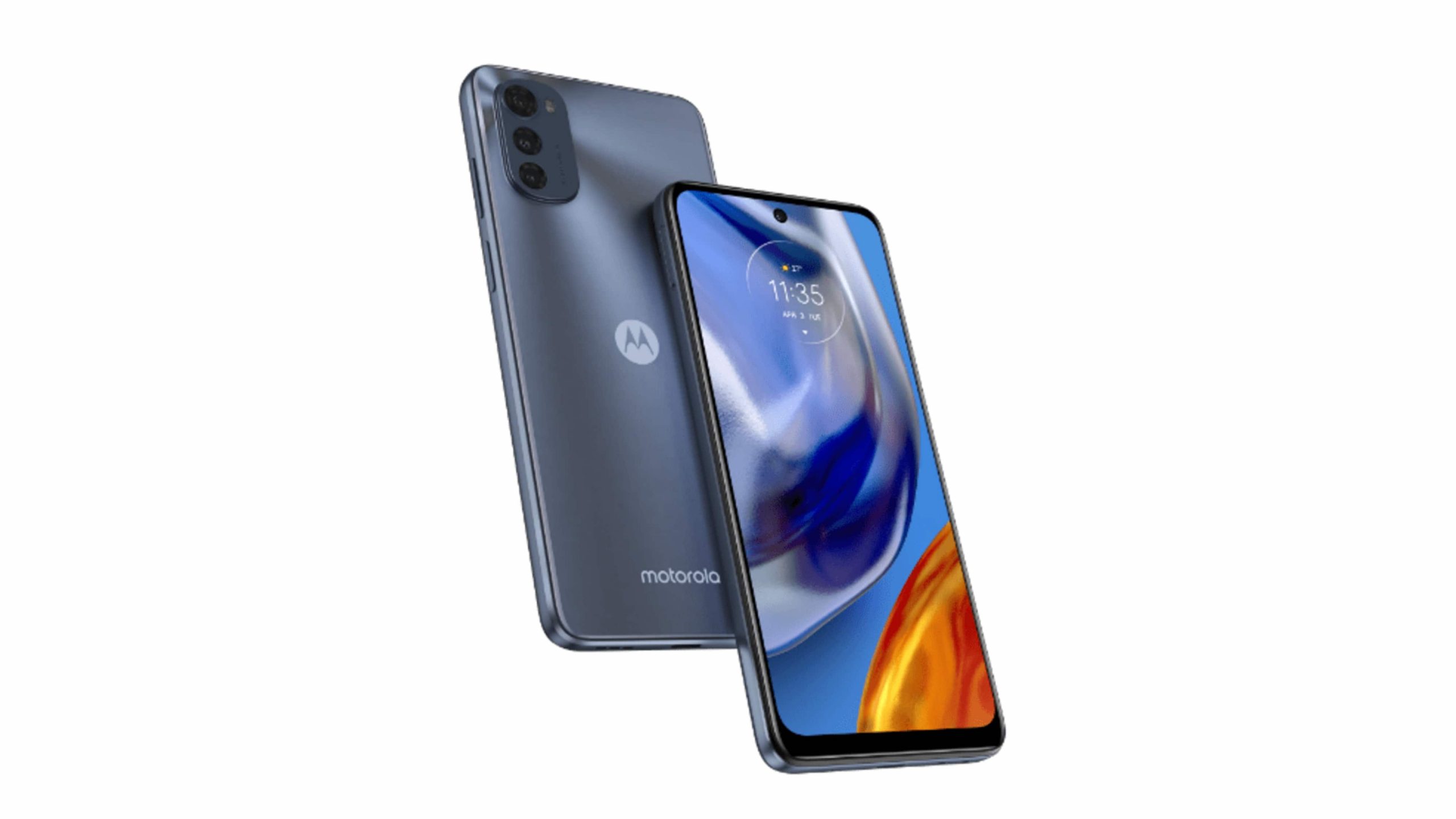
Motorola had recently launched a couple of new smartphones from its G series of mid range models and even the E series of budget phones as well. Now, it seems that another G series model is on its way, with the G32 being spotted receiving online certification.
According to a MySmartPricereport, the upcoming Moto G32 was listed on the NBTC certification website. This basically also hints at its imminent launch, which might be sometime next month. Looking at the certification database, the smartphone carries the model number XT2235-3 and is confirmed to have the Moto G32 moniker. Furthermore, it was also listed as a 4G only model that comes with support for GSM/WCDMA/LTE networks.
Talking about its rumored specifications, the Moto G32 will sport a 6.5 inch LCD panel that has an HD+ resolution, 90Hz refresh rate, and a 20:9 aspect ratio. Under the hood, the device will likely be equipped with a UNISOC T606 processor and a Mali G57 GPU. For memory, it may even offer 4GB of RAM and up to 64GB of internal storage, while running on Android 11 or possibly even Android 12 OS.
Moto E32s
These aforementioned specs are based on a rumor that suggests that the Moto G32 is a rebranded Moto E32 model. So, we can also expect a triple camera setup that consists of a 16 megapixel primary shooter, 2 megapixel depth sensor, and another 2 megapixel macro shooter. On the front, the E32 houses an 8 megapixel selfie camera. It also pack a large 5,000mAh battery pack that supports 18W fast charging.
Over the last couple of weeks, we have reported on various rumors regarding the upcoming Nothing Phone (1). This is the company’s first ever smartphone, and recently it was even spotted in a BTS (Behind the Scene) video.
The highly anticipated Phone (1) was spotted in the video, in the hands of the brand’s founder Carl Pei. The senior executive has been behind the brand’s strategy for creating hype behind all of its products and the new video upload on YouTube was also a part of this plan. The video was titled “Preparing phone (1) ft. Carl Pei” and was shared on the company’s official YouTube channel.
While the video does not directly show off the smartphone, it does offer a glimpse at the handset ahead of its official announcement right at the end of the video. Looking at the image above, we can see that the Nothing Phone (1) has a white color tone on the back underneath its transparent rear panel. The smartphone’s vertically stacked dual camera setup on the rear is also clearly visible, housed in the top left corner.
Nothing might have dropped additional hints in the video regarding the device or some other easter eggs. Although, there weren’t many details to go on. Talking about its rumored specs, the smartphone is expected to sport a 6.55 inch FHD+ 90Hz OLED display. Under the hood, it will be equipped with a Snapdragon 7 Gen 1 SoC and will boot on Android 12 OS based Nothing OS.
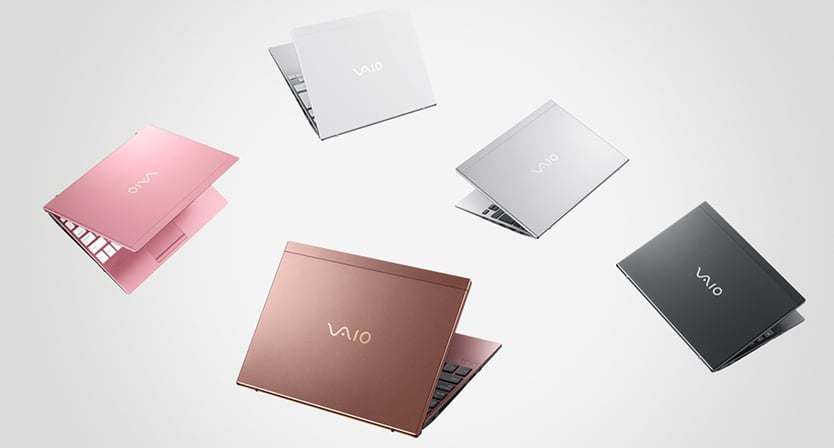
Japanese PC maker VAIO has launched the latest SX12 Notebook in Japan. The new VAIO SX12 is a 12.5-inch thin notebook with a weight of less than 1Kg. It supports up to an Intel Core i7-1260P processor and has a slew of ports. The latest SX12 also comes in a special All Black Edition with a Core i7-1280P processor and optional support for 5G.
VAIO SX12 Notebook
The new VAIO SX12 is a 12.5-inch compact notebook that can easily be carried around. It is ideal for people who prefer to have a laptop with them all the time. However, don’t confuse its small size with weak performance, the new VAIO SX12 has 1.5 times the CPU performance of previous models thanks to an upgrade to the 12th generation Intel Core processor.
The laptop incorporates original VAIO TruePerformance tuning, which optimizes power supply and heat dissipation capacity, resulting in prolonged peak performance. It boasts a full HD wide liquid crystal display, as well as a Core i7-1260P CPU with 12 cores / 16 threads, memory LPDDR4X 16GB, 512GB PCIe SSD storage, and many other features. The laptop will run Windows 11 OS out of the box.
The VAIO SX12 is small but its Keyboard key placement is quite normal and matches the universal standards so you won’t really face difficulty in typing. The ports on this one are near perfect, it has two Thunderbolt 4, two USB 3.0, Gigabit Ethernet ports, HDMI, and a sweet 3.5mm headphone jack.
It has a 2.07-megapixel camera and supports face recognition. In addition, the laptop comes with Wi-Fi 6E compatibility. The new VAIO SX12 features the lightest configuration that meets the MIL-STD-810H quality standard, with a body weight of around 899g and a battery life of up to approximately 26 hours.
It is available in five color options: Urban Bronze, Fine White, Fine Black, Bright Silver, and Rose Gold.
VAIO has also launched a VAIO SX12 ALL BLACK EDITION with a 14-core / 20-thread Core i7-1280P processor and an optional 5G modem.
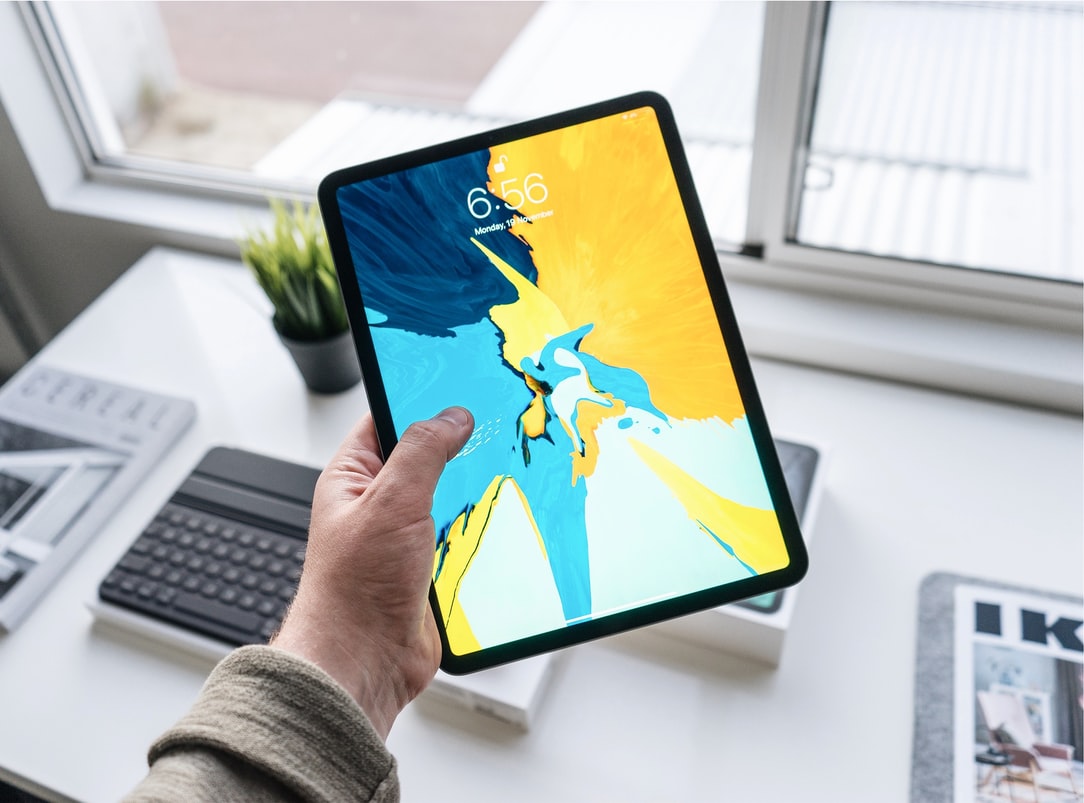
Apple recently announced the new MacBook Air and MacBook Pro laptops powered by the latest M2 processor and now the technology giant is expected to launch new iPad Pro models powered by the new Apple Silicon M2 chip in the coming months.
It is rumored that the company could launch a new 14.1-inch model of the iPad Pro but now a new report from Ross Young claims that the device may not be a Pro model but could be a standard iPad.
It has now been confirmed by Ross Young that the upcoming 14.1-inch iPad will not come with a mini-LED display. Further, the device is also unlikely to get the ProMotion screen which means there won’t be support for an adaptive 120Hz refresh rate.
This development led to believe that the upcoming tablet may not be a part of the iPad Pro series given that the Pro models come with support for ProMotion screens since 2017.
He has also reiterated that the next 11-inch iPad Pro is not expected to feature mini-LED backlighting even though the 12.9-inch model has already adopted the technology last year. The company is expected to update both the 11-inch and 12.9-inch iPad Pro with the M2 chip and more later this year.
As for the launch of the 14.1-inch iPad, after the reports of the device going official sometime later this year, the reports now claim that the tablet won’t be launched until the first quarter of 2023.
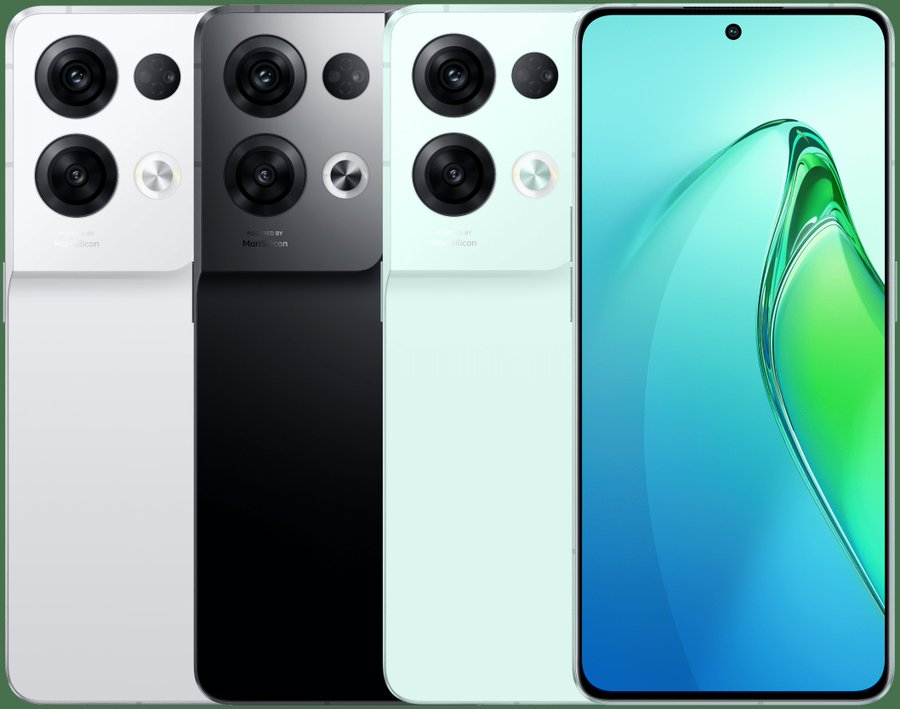
Popular tipster Digital Chat Station has shared (via) leaked renders of an upcoming OnePlus flagship phone. He also shared the key specs of the device. Based on recent reports, it can be said that it may debut on the market with the OnePlus 10T name.
The alleged OnePlus 10T can be seen in three colors, such as white, black, and light mint, in the leaked renders. The front view of the phone shows that it has a flat display, which seems to be integrated with a fingerprint sensor. It has slim bezels and a punch-hole positioned at the top-centre position.
Alleged OnePlus 10T renders
It reportedly houses a 6.7-inch AMOLED display that produces a Full HD+ resolution and a 120Hz refresh rate. The device will come equipped with the Snapdragon 8 Plus Gen 1 chipset. It will be backed by a 4,800mAh battery. It may come with a 160W charger in the box, but it will be able to quickly charge at 150W.
The rear appearance of the device is more like the OPPO K10 series of smartphones that have launched in recent months in China. The camera module of the device has three cameras and an LED flash. The volume buttons are on the left side of the device. Its right side features a power key. There is no alert slider on the device.
Past reports revealed that this device would sport a 32-megapixel camera for snapping selfies. Its back panel will feature a 50-megapixel primary camera, a 16-megapixel ultrawide snapper, and a 2-megapixel macro camera. According to the tipster, the alleged OnePlus 10T will cost between 3,000 Yuan (~$446) and 4,000 Yuan (~$595). The handset is likely to debut as early as next month in China. Readers should wait for more reports to find out what the device will be called in the end.
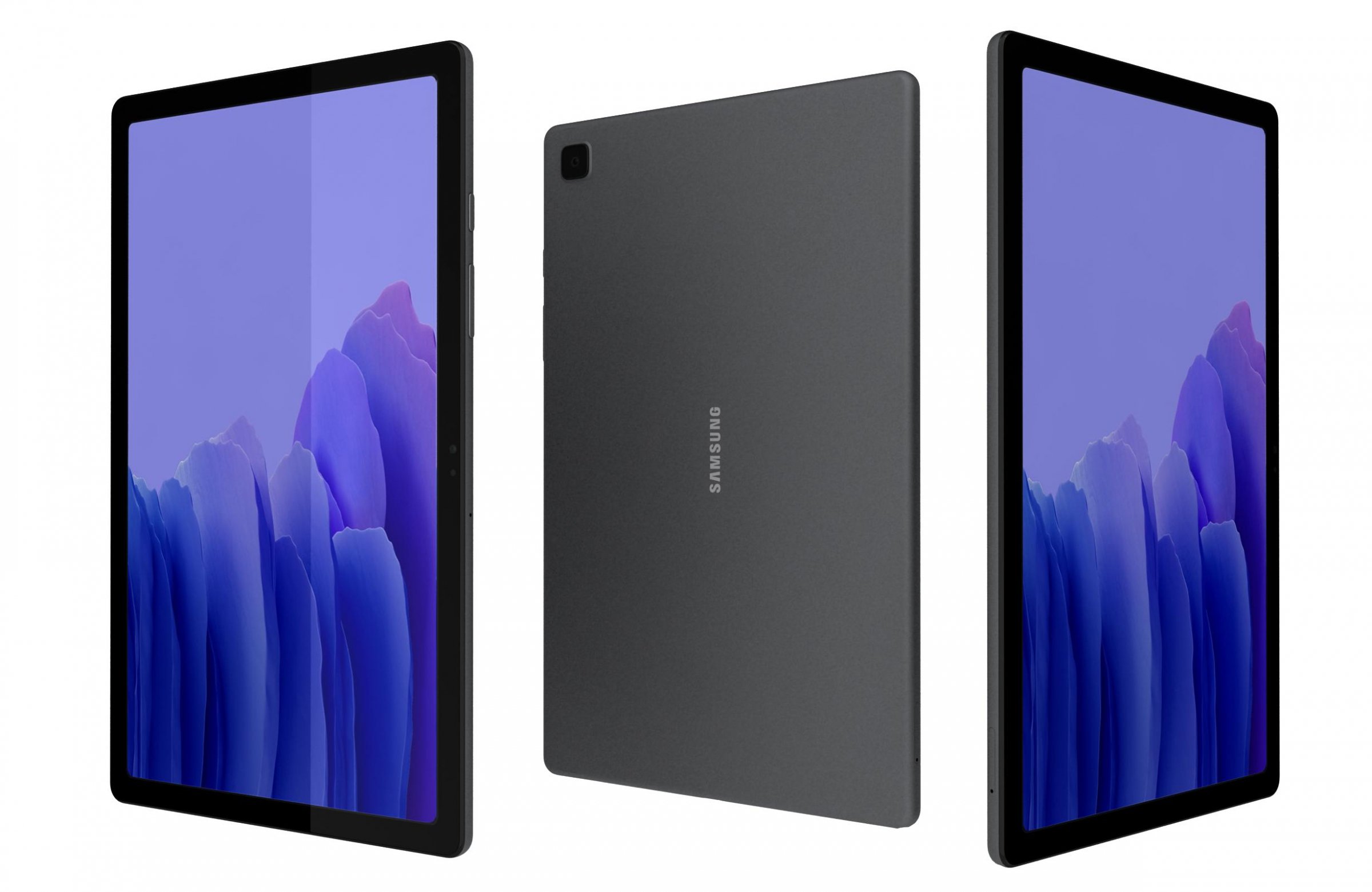
Samsung has finally started rolling out the new Android 12 update for the LTE version of its popular mid-range tablet in the market — Samsung Galaxy Tab A7 10.4 which was launched by the company in the year 2020.
Apart from the new version of the Android operating system, the update also brings One UI 4.1 custom user interface and June 2022 security patch. Currently, this new update is available in European countries and could soon be expanded to other regions.
The new update for the Samsung Galaxy Tab A7 10.4 (2020) comes with the firmware version T505XXU3CVE7. It is currently available in Austria, Baltic, Bulgaria, France, Germany, Greece, Hungary, Italy, Luxembourg, Nordic countries, Poland, Portugal, Romania, Slovakia, Slovenia, Spain, Southeast Europe, Switzerland, the Czech Republic, the Netherlands, and the UK.
This is the second and the last major Android version update for the device. When the tablet was launched, it was running the Android 10 operating system with One UI 2, and last year, it received the Android 11 update with One UI 3.1.
As for the specifications, the Samsung Galaxy Tab A7 10.4 features a 10.4-inch LCD display with a 2,000 x 1,200 pixels screen. Under the hood, it is powered by the Qualcomm Snapdragon 662 processor, coupled with 3GB RAM and up to 64GB of internal storage.
It has an 8-megapixel camera sensor on the back and a 5-megapixel snapper on the front side for taking selfies and video calling. There are four speakers that support Dolby Atmos. The device is powered by a 7,040mAh battery but it does not come with support for any type of fast charging.
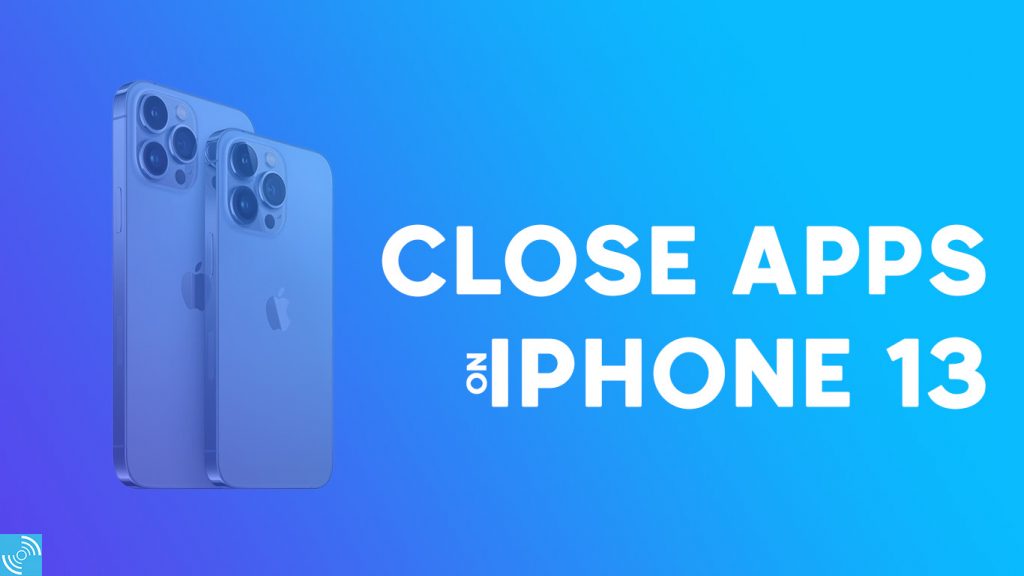
The Cupertino giant unveiled the iPhone 13 with several new additions and enhancements. However, some users who preferably shifted from iPhone 8 or previous generation iPhones might be puzzled about how to Close Apps on iPhone 13. Apple has changed the iOS User Interface a lot since the launch of the iPhone X and is even further improved to match the aesthetics of other UI elements on the iPhone 13. The process to Close Apps on iPhone 13 is further improved as requires fewer taps.
Due to the presence of an edge-to-edge display on the iPhone 13, Apple shipped the device without a Touch ID. However, they implemented Face ID to offer better security. All the devices including iPhone 13 series, iPhone 12 series, iPhone 11 series, iPhone XS, iPhone XR, and iPhone X supports Face ID over the Touch ID.
It comes quite cumbersome to close the frozen or unresponsive app on iPhone. The only option is to close it and then open it once again. Here’s a small step-by-step procedure to do so.
How to Close App on iPhone 13 without the Home button
Before closing apps, make sure you have saved any of your work, as closing it may result in loss of data. Moreover, it is advised to keep running the apps which you open frequently ass it may save battery life and saves the CPU from unnecessary throttling.
Closing an App on the iPhone 13 is quite an easy task, as Apple has introduced some gestures to accomplish the task.
Steps to Close Apps on iPhone 13
While using your smartphone, always swipe up from the bottom and pause in the middle of the screen to open the Recent app’s interface.
Now you can toggle between apps by swiping left and right, or can close by flicking upward the app you want to close.
That’s it!
Steps to Close Apps on iPhone 8, iPhone SE
As these smartphones rely on Touch ID and have a dedicated home button, the procedure to close apps on these devices is a bit different.
Double-click the Home Button to open the Recents App menu.
Then, toggle between the apps that are opened using the left and right gestures.
Flick the app upwards that you want to close.
We hope you have successfully managed to close the App on your iPhone. It becomes quite tedious sometimes to close and open an app that is not responding. However, the chances of app stopping are quite low on iPhone, but it is advisable to always save your work before minimizing the app on your iPhone. If you get any issues while closing the app on your iPhone 13, then do let us know via the comments below.
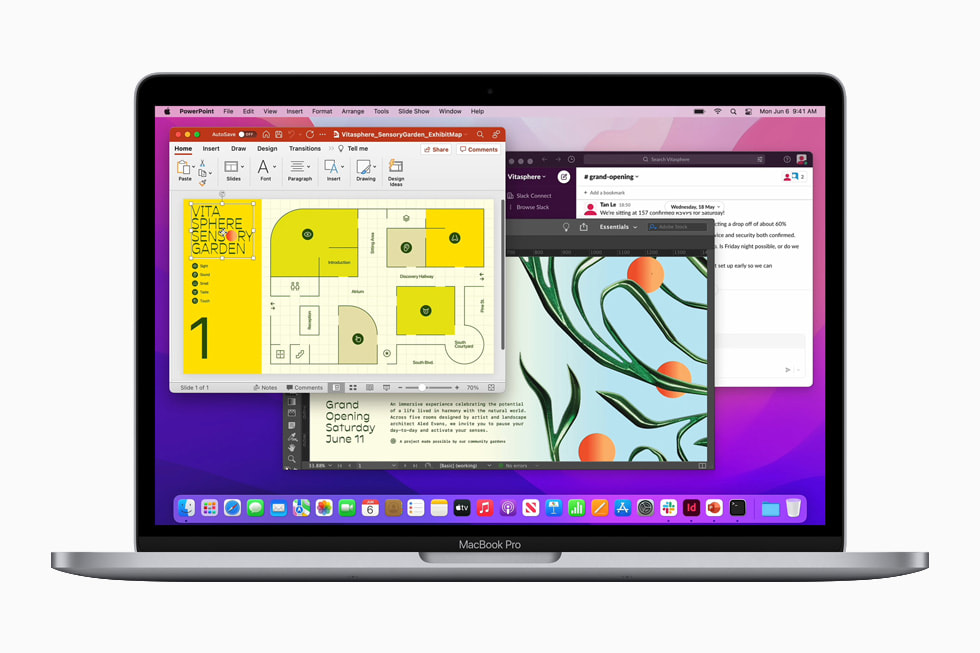
Apple unveiled the updated MacBook Pro and MacBook Air laptops which come powered by the company’s new Apple Silicon M2 processor. At the time of the announcement during WWDC, the company had not revealed the launch date.
Now, Apple has confirmed that the new 13-inch MacBook Pro will be available for pre-orders starting on 17th June and will start shipping on 24th June. The order can be placed through apple.com, the Apple Store app, and through Apple Authorized Resellers.
In terms of design, the new version of the 13-inch MacBook Pro mostly remains unchanged compared to its predecessor. It still comes with a Touch Bar at the top of the keyboard, a feature that has been removed from the 14-inch and 16-inch models.
Under the hood, the laptop is powered by the Apple M2 processor which is built on the second-generation 5m process. It is claimed to offer an 18 percent faster CPU, a 35 percent more powerful GPU, and a 40 percent faster Neural Engine.
Apple says that with a faster 8-core CPU and 10-core GPU, working with RAW images in Affinity Photo is nearly 40 percent faster than the previous generation, and up to 3.4x faster for users who are upgrading from a model without Apple Silicon.
It features a 13.3-inch Retina display, with a P3 wide color gamut and TrueTone technology with up to 500 nits of brightness. At the top of the screen, there’s a 720p FaceTime HD camera, making it the lowest resolution webcam in the entire MacBook series product.
Unlike the new MacBook Air, this laptop does not come with support for a MagSafe charger. Instead, there are two Thunderbolt/USB 4 ports for both charging and peripherals. As for the battery life, it offers up to 20 hours of video playback on a single charge.
We use cookies on our website to give you the most relevant experience by remembering your preferences and repeat visits. By clicking “Accept”, you consent to the use of ALL the cookies.
This website uses cookies to improve your experience while you navigate through the website. Out of these, the cookies that are categorized as necessary are stored on your browser as they are essential for the working of basic functionalities of the website. We also use third-party cookies that help us analyze and understand how you use this website. These cookies will be stored in your browser only with your consent. You also have the option to opt-out of these cookies. But opting out of some of these cookies may affect your browsing experience.
Necessary cookies are absolutely essential for the website to function properly. This category only includes cookies that ensures basic functionalities and security features of the website. These cookies do not store any personal information.
Any cookies that may not be particularly necessary for the website to function and is used specifically to collect user personal data via analytics, ads, other embedded contents are termed as non-necessary cookies. It is mandatory to procure user consent prior to running these cookies on your website.













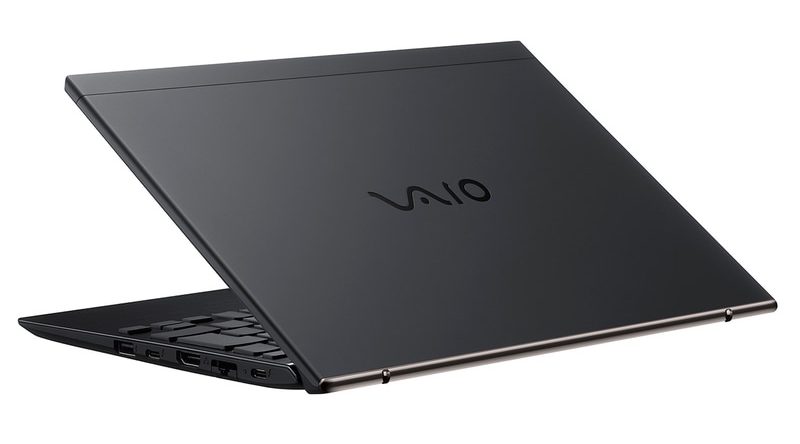 The laptop incorporates original VAIO TruePerformance tuning, which optimizes power supply and heat dissipation capacity, resulting in prolonged peak performance. It boasts a full HD wide liquid crystal display, as well as a Core i7-1260P CPU with 12 cores / 16 threads, memory LPDDR4X 16GB, 512GB PCIe SSD storage, and many other features. The laptop will run Windows 11 OS out of the box.
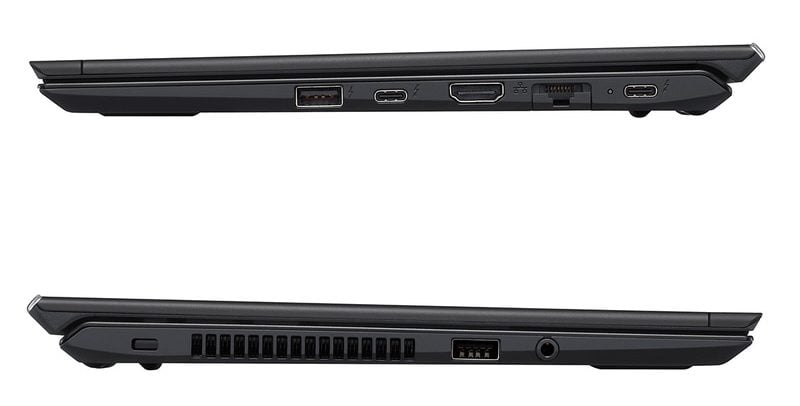 It has a 2.07-megapixel camera and supports face recognition. In addition, the laptop comes with Wi-Fi 6E compatibility. The new VAIO SX12 features the lightest configuration that meets the MIL-STD-810H quality standard, with a body weight of around 899g and a battery life of up to approximately 26 hours.