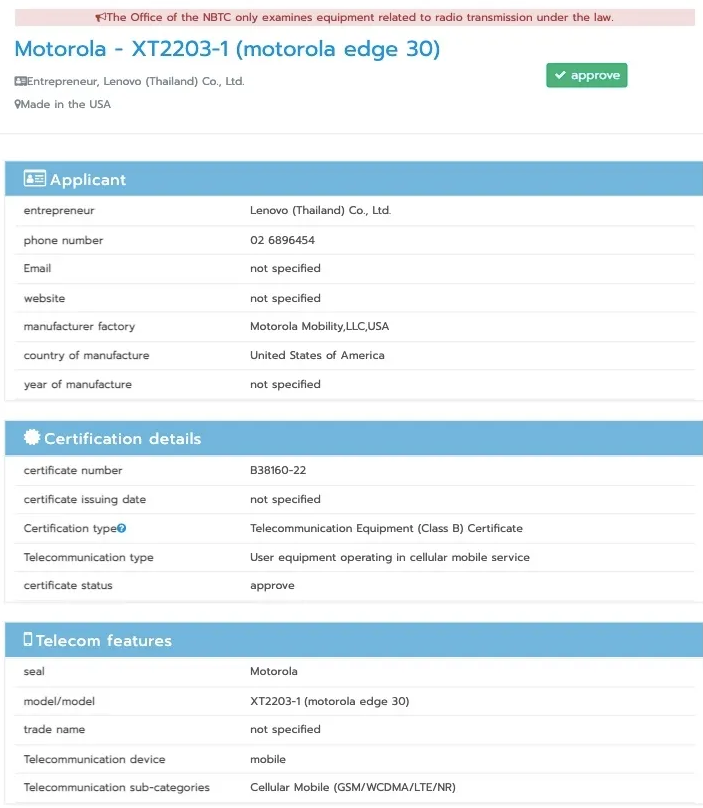
Motorola is gearing up to launch a new Edge 30 series smartphone soon. We had recently reported on the Edge 30 being spotted on various certification websites, and now, the handset has also surfaced on NBTC with support for 5G networking.
Previously, we had reported on the device receiving certification on various websites like TDRA database, Wi-Fi Alliance, EEC, and even GeekBench. And now, the Moto phone with the model number XT2203-1 has been listed on the NBTC certification website as well (Via MySmartPrice). Looking at this listing, we can see that the device is manufactured in the United States and is confirmed to support GSM, WCDMA LTE, and NR networks.
This basically confirms that the smartphone will arrive with support for 5G networking, similar to the previously launched Edge 30 Pro. Unfortunately, the listing does not reveal any other finer details regarding this device apart from this information. Although, as per previous reports, we do have some speculations to go on. The Edge 30 is expected to run the Qualcomm Snapdragon 778G Plus processor and will boot Android 12 OS out of the box. This chipset will be paired with 8GB of LPPDDR4X RAM and 128GB of UFS 3.1 storage.
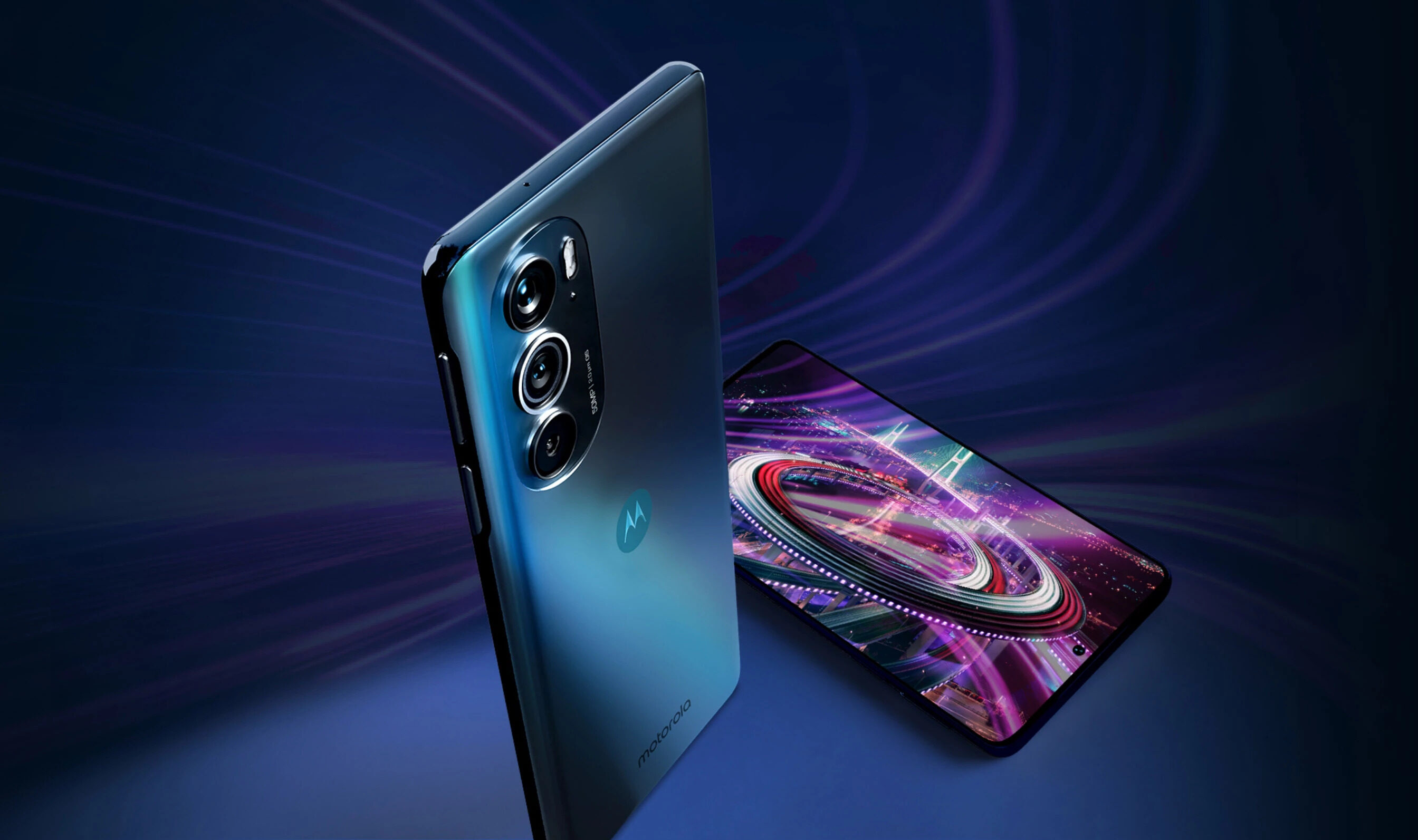
Edge 30 Pro
On the front, it may sport a 6.7 inch FHD+ POLED display with a 32 megapixel selfie shooter and 144Hz refresh rate. Meanwhile, the rear could feature a 108 megapixel primary camera, that is paired with a 16 megapixel ultra wide angle lens, a macro sensor, and even an 8 megapixel 3x telephoto sensor as well with OIS support. Under the hood, the device is rumored to be powered by a 4,000mAh battery pack that supports 30W fast charging. Keep in mind that this is still speculation, so take these specifications with a pinch of salt for now and stay tuned for more updates.
After announcing the Galaxy S22 series of flagship phones, Samsung India is working on releasing its A-series of smartphones in the country. The company recently unveiled the Galaxy A53 5G. Fresh information shared by tipster Mukul Sharma reveals that the South Korean company will soon release the Galaxy A23 and Galaxy A13. Here’s what to expect from the two smartphones.
Samsung Galaxy A23 specifications for India
Sharma claimed that the Galaxy A23’s Indian variant will feature a 6.6-inch FHD+ display (LCD), Snapdragon 680 chipset, a 5,000mAh battery that supports 25W fast charging. It will come with an 8-megapixel front camera and a 50-megapixel + 5-megapixel + 2-megapixel + 2-megapixel quad-camera unit.
Samsung Galaxy A23
The device will come in variants such as 6 GB RAM + 128 GB storage and 8 GB RAM + 128 GB storage. It will be equipped with up to 8 GB of RAM+ (virtual RAM). The device measures 165.3 x 76.9 x 8.4mm and weighs 194 grams.
Samsung Galaxy A13 specifications for India
The Galaxy A13 heading to India will be equipped with a 6.6-inch FHD+ screen (LCD) and is powered by the Exynos 850 chipset. It will draw power from a 5,000mAh battery with 15W charging support. It will feature an 8-megapixel selfie camera and a 50-megapixel + 5-megapixel + 2-megapixel + 2-megapixel quad-camera setup.
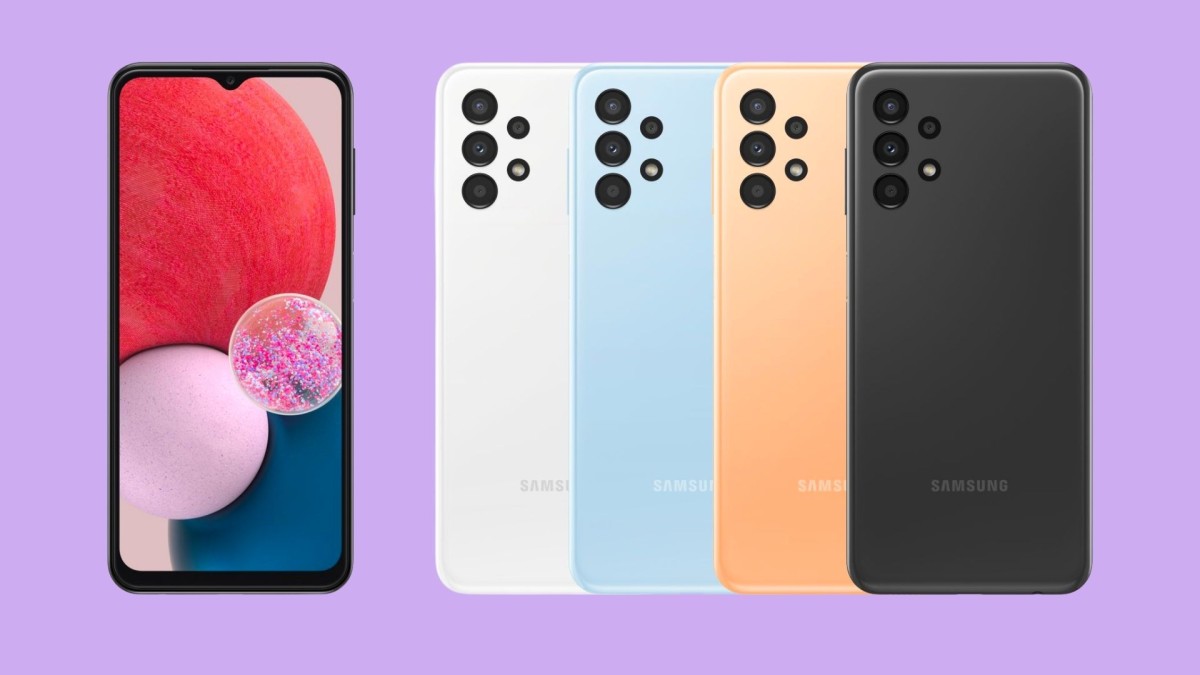
Samsung Galaxy A13 4G
The A13 will arrive in three configurations like 4 GB RAM + 64 GB storage, 4 GB RAM + 128 GB storage, and 6 GB RAM + 128 GB storage. It will also offer up to 6 GB of RAM+ and a 3.5mm audio jack. The device measures 165.1 x 76.1 x 8.8mm and weighs 195 grams. It will be available in four colors, such as black, white, blue, and peach.
OPPO has finally announced the released date for its recently launched Watch Free smartwatch for the Indian market. During the official announcement, the company had announced the pricing of the new wearable but did not reveal its release date.
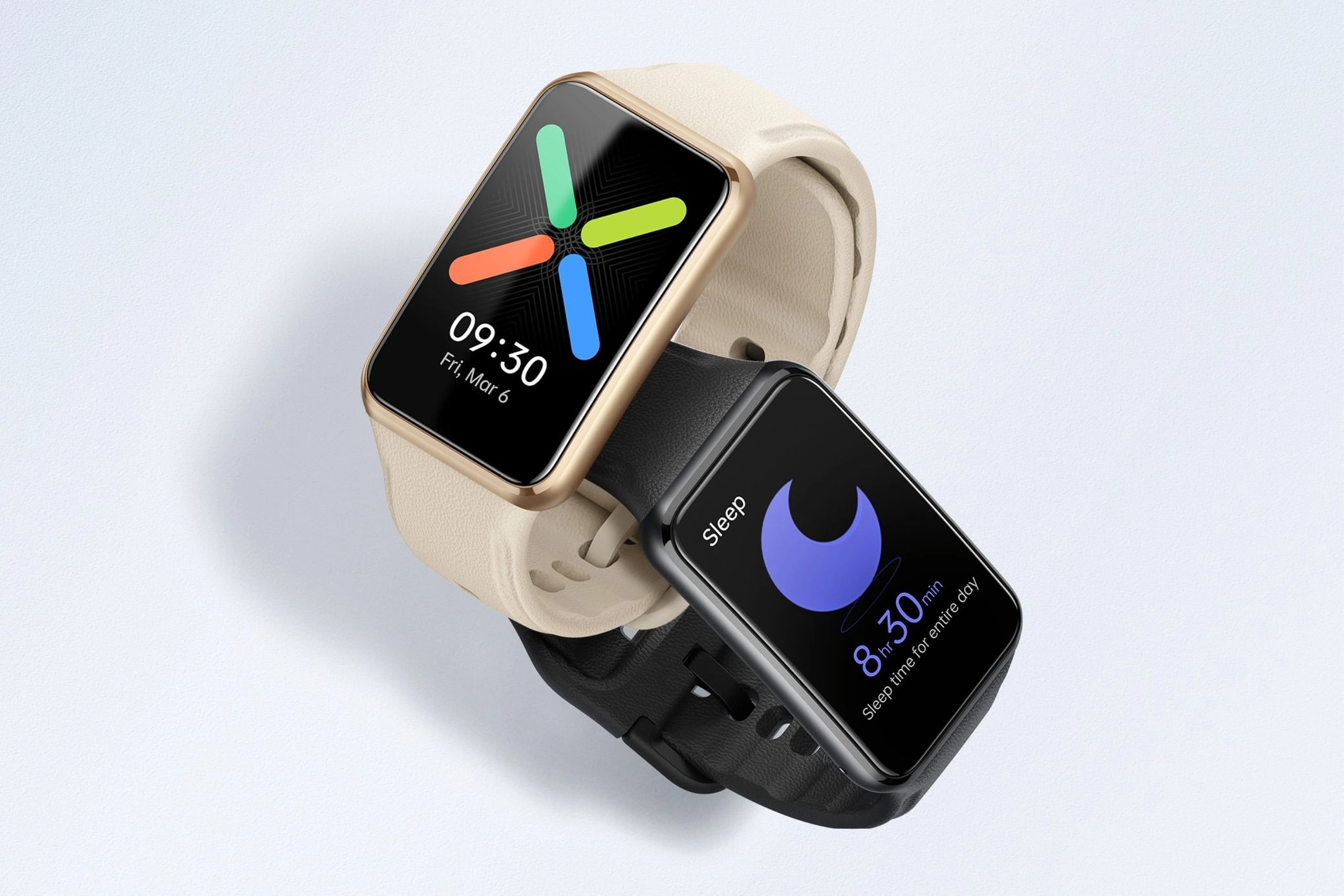
Previously, the only known availability detail was that it will be available for purchase on Flipkart. Now, we finally have its date of sale. The smartwatch that was announced back almost two months ago will be going on sale in India Flipkart on 29th March 2022 at 12 pm noon. Furthermore, the Watch Free will be available in the Class Black color option only and is priced at 5,999 INR (roughly 80 US Dollars).
Talking about the smartwatch itself, it sports a 1.64 inch AMOLED display with a 280 x 456 resolution, 100 percent DCI P3 color gamut, and a 2.5D glass. Notably, it also has a silicone strap that measures 19mm in terms of width and it can also be swapped for any other strap as well. It offers the usual health monitoring systems as well, including heart rate tracking, SpO2 sensor, sleep mapping, and more.
The OPPO Watch Free also comes with support for more than 100 sports modes and is powered by Apollo 3.5 and ST32L4R9 processors. It can offer a battery life of up to 14 days on a single full charge, with just 5 minutes of charge offering a full day of use. On the other hand, it just takes 30 minutes to charge fully. Other features include smart notifications, 5ATM water resistance rating, music controls, find my phone, and more.
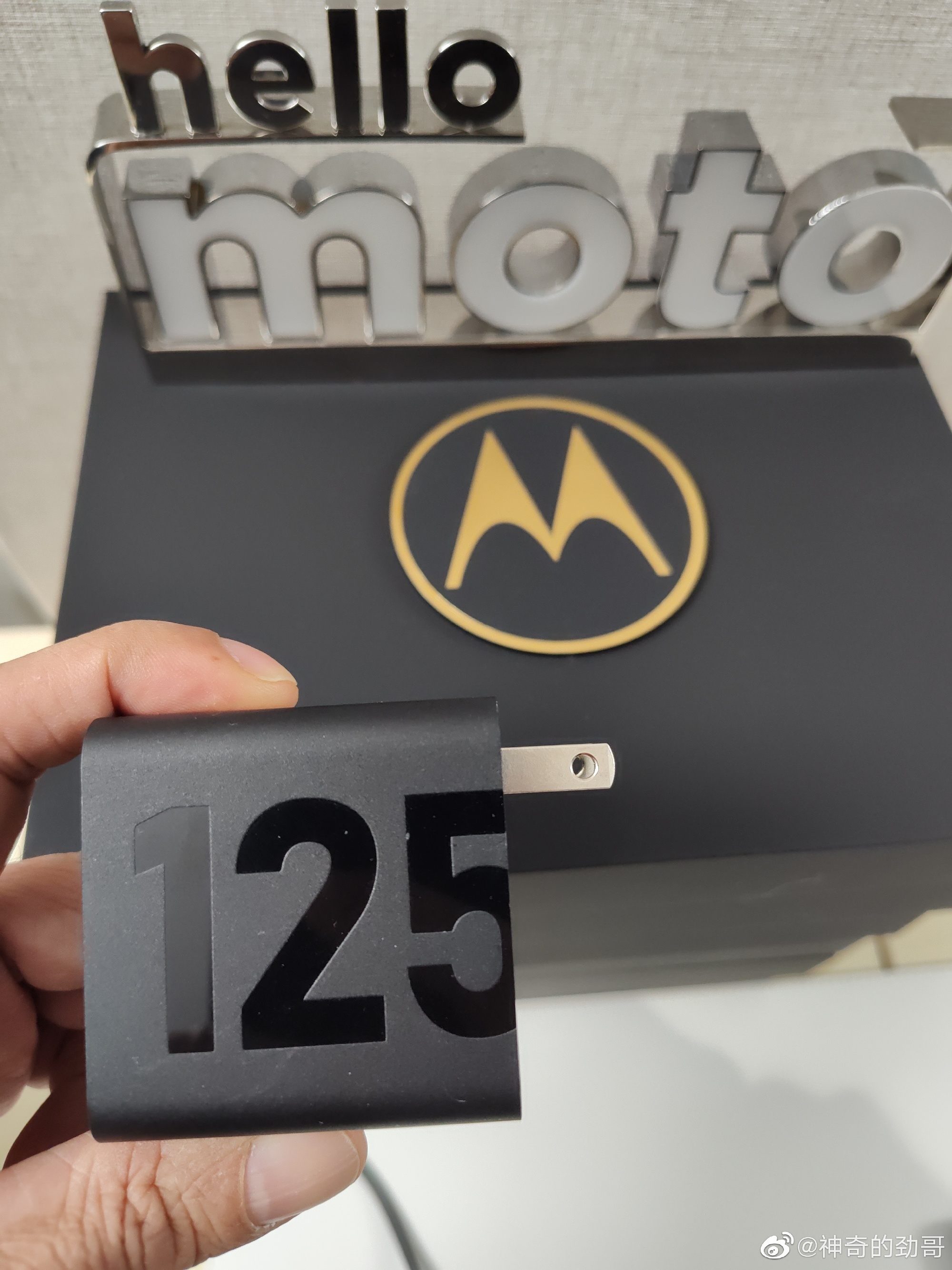
Back in December 2021, Motorola launched the Motorola Edge X30 to become the first brand to launch a Snapdragon 8 Gen 1 powered smartphone. A tweaked version of the same phone was recently introduced in the global market as the Motorola Edge 30 Pro. Recent reports have revealed that the Lenovo-owned brand is working on a new flagship phone whose final marketing product name is yet to be confirmed. However, leaks have revealed that it has the ‘Frontier’ codename. Lenovo China’s General Manager for the Mobile Phone Business Department shared an image of a new 125W Motorola charger. This charger is likely to come with the Motorola Frontier device when it goes on sale.
Motorola Frontier 125W charger
Reports have revealed that the upcoming Frontier device will be Motorola’s first smartphone to carry support for 125W fast charging. Jin mentioned that the company’s 125W charger weighs about 130 grams. Now that he has revealed the Frontier’s charger, its launch could be imminent. It has been said in the past that Motorola may announce the Motorola Frontier in July of this year.
Motorola Frontier specifications (rumored)
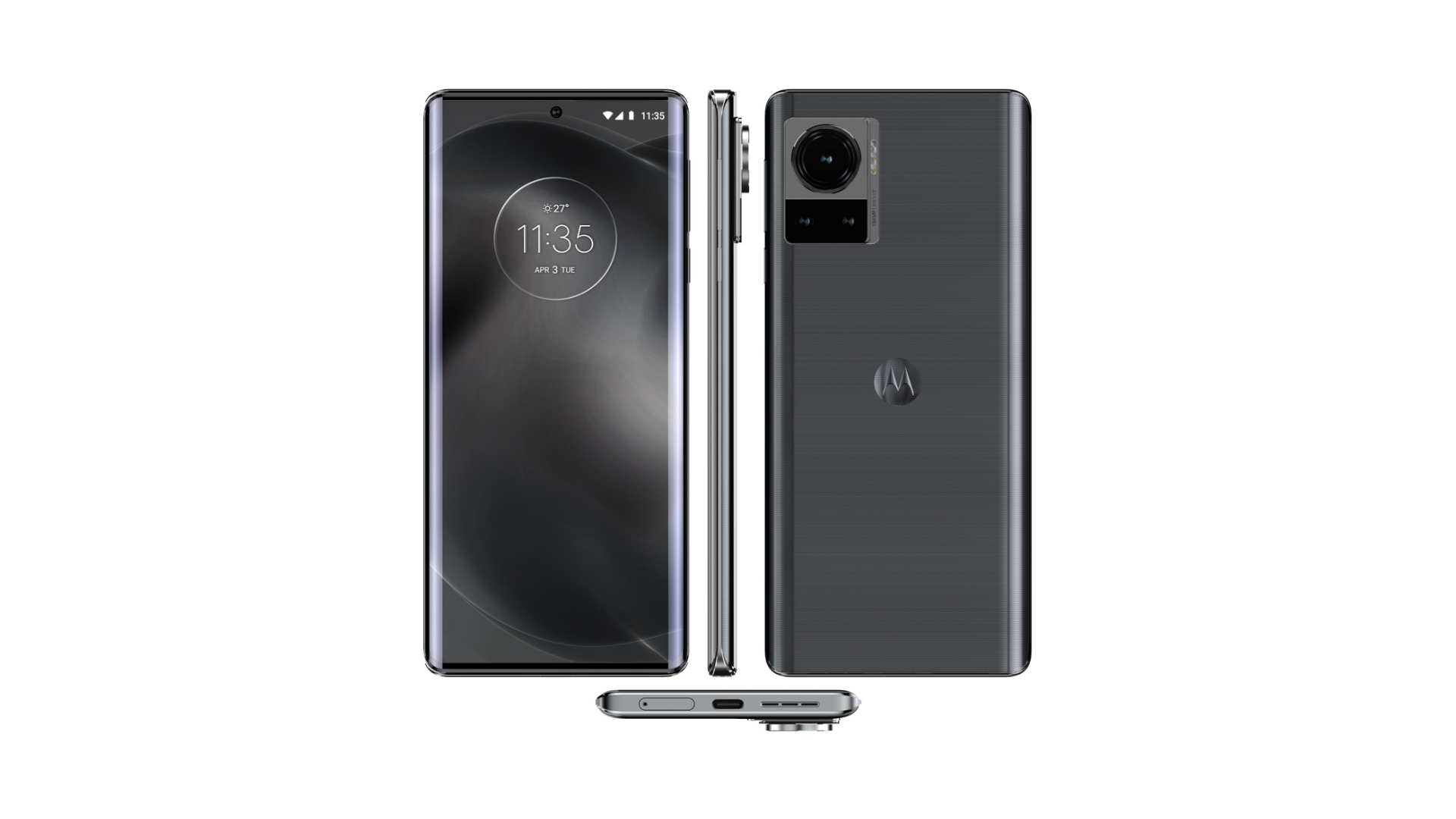
The Motorola Frontier leaked renders have revealed that it will be a curved edge panel with a centrally positioned punch-hole. It will sport a 6.73-inch P-OLED screen that offers an FHD+ resolution and a 144Hz refresh rate. SM8475 is the part number for the “Plus” version of the Snapdragon 8 Gen 1. The Motorola Frontier is likely to be powered by this chipset.
Motorola Frontier leaked render by Evan Blass
The Frontier is expected to arrive with up to 12 GB of LPDDR5 RAM and up to 256 GB of UFS 3.1 storage. The device will come preinstalled with the Android 12 OS and house a 4,500mAh battery. It is expected to carry support for 125W fast charging and 50W wireless charging.
A 60-megapixel camera will be available on the device for snapping selfies. Its rear camera setup will have an OIS-assisted 194-megapixel primary camera, a 50-megapixel ultrawide shooter, and a 12-megapixel telephoto lens. For security, it will be equipped with an in-screen fingerprint scanner.
Xiaomi announced the Xiaomi 12, Xiaomi 12X, and Xiaomi 12 Pro in China in December 2021. These devices were recently announced for the global markets. Now, the world is eagerly waiting for the arrival for the successor for last year’s Xiaomi 11 Ultra. Reports have claimed that it will be launching in Q2 2022. A new report by Pricebabathat cites reliable tipster Mukul Sharma as the source has revealed in which month it will be made official.
According to the publication, the Xiaomi 12 Ultra will be debuting in May. The device is expected to release in global markets, but it will be debuting first in China in the said month. The leak has no information on the launch timeline of the Xiaomi 12 Ultra for the global markets.
Xiaomi 12 Ultra concept render by LetsGoDigital
Recent reports have revealed that the Xiaomi 12 Ultra will be equipped with a 6.73-inch E5 AMOLED display, which uses LTPO 2.0 technology. It is expected to carry support for 10-bit colors and a 120Hz refresh rate.
The Snapdragon 8 Gen 1 chipset is present under the hood of the Xiaomi 12 Ultra. It is likely to pack a 5,000mAh battery that may carry support for 120W rapid charging. It may also carry support for wireless charging. The device is expected to run on Android 12 OS and MIUI 13.
The Xiaomi 12 Ultra is likely to feature a large round-shaped camera module on its back. It may comprise a 50-megapixel Sony IMX766 primary camera, a 50-megapixel Sony IMX766 ultrawide lens, a 16-megapixel portrait lens, and a 48-megapixel Sony IMX586 telephoto camera. The Xiaomi 11 Ultra featured a secondary display on its back. It appears that the successor edition may not feature a rear-facing display.
Foxconn, the Taiwanese contract manufacturer best known for manufacturing Apple’s iPhone, entered the electric vehicles market in 2020 and last year, the company unveiled three cars, including an SUV called Foxtron Model C.
The company had unveiled its electric vehicles on 18th October 2021 at the Foxconn Technology Day and now it is said that the brand will start taking pre-orders for the Model C at this year’s Foxconn Technology Day, i.e. from 18th October.
Further, it is said that once the company starts taking pre-orders for the affordable Foxtron Model C SUV in the fourth quarter of this year, the product will go into mass production sometime in the first half of next year.
The car measures 4.64 meters in length and has a 112.6-inch-long wheelbase. The model will be available as a seven-seater with a 2+3+2 seating layout optionally, which will make it suitable for large families.
The company says that it can accelerate from 0 to 100 km/h or 0 to 62 mph in just 3.8 seconds. This acceleration time applies to its performance variant with 400 horsepower, 700 Nm (516 lb.-ft.) of torque, and AWD drivetrain layout.
For those who are unaware, Foxconn set up a joint venture with Taiwan-based automaker Yulon Group and the newly formed entity is called Honghua Advanced while the English name of the company is Foxtron.
The EV platform from the company, called MIH Open Platform, is an open-source solution for OEMs to develop new electric cars. The Taiwanese company is also making its own cars using the same platform and aims to become the Android of EVs for OEMs.
Apple is gearing up to launch the next-generation iPhone 14 series smartphone later this year in the market. Ahead of the launch, some key details about the upcoming iPhone models have leaked online.
Now, a new report coming from South Korea-based The Elec reveals details about the design of the Apple iPhone 15 which will get launched next year.
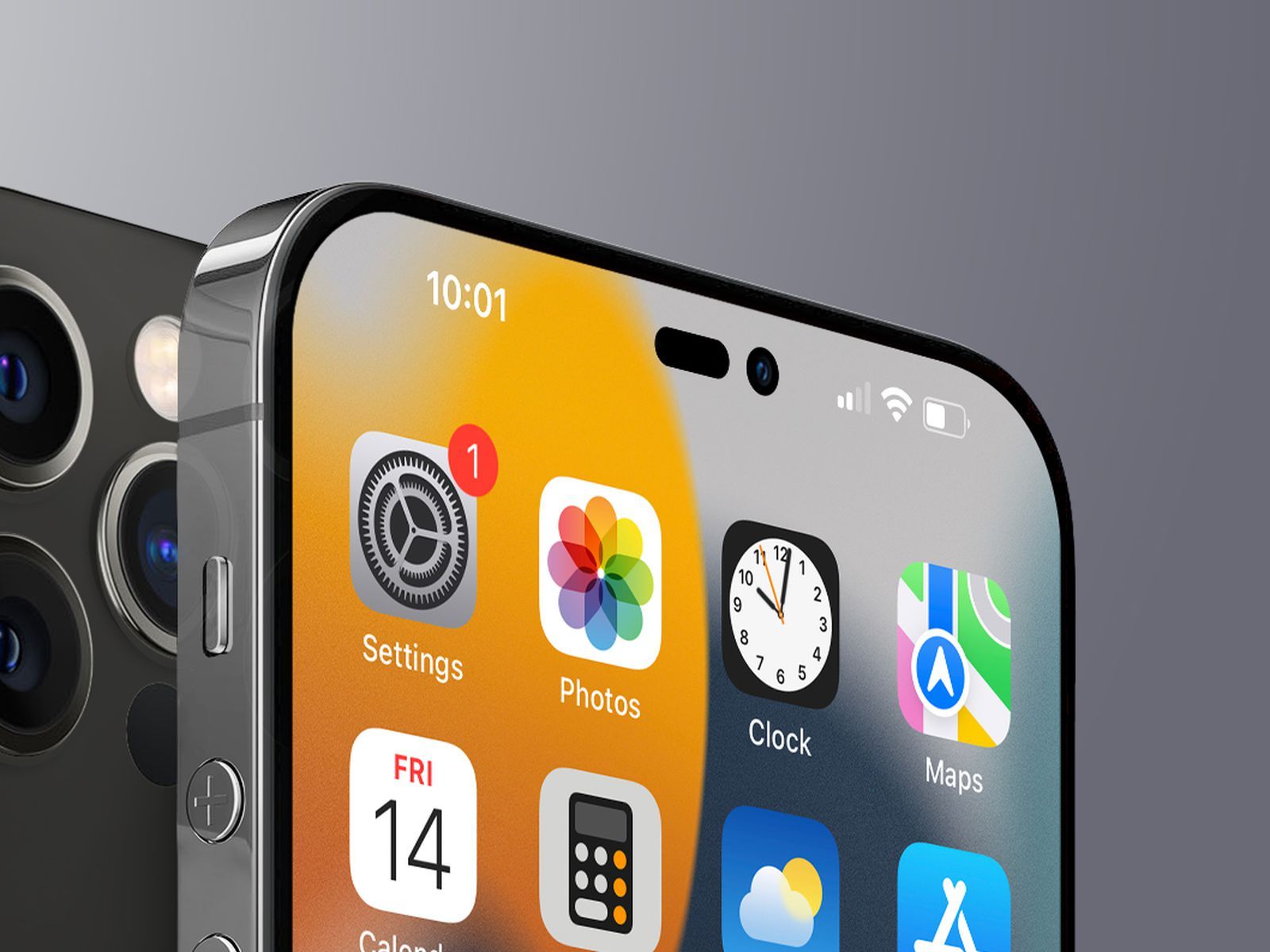
It is being claimed that the next year’s iPhone 15 will have an OLED display and the Face ID sensors won’t be visible as they will be tucked inside the screen. This means that it will be a true punch-hole display smartphone from Apple.
The report adds that the Cupertino-based technology giant will rely on Samsung’s under-panel camera (UPC) technology that made an appearance with the internal screen of the Samsung Galaxy Z Fold3.
However, there are reports that the South Korean company is developing a new under-display camera technology along with OTI Lumionics which should debut with the Galaxy Z Fold5 smartphone as the Galaxy Z Fold4 will use the current technology.
The Apple iPhone 15 will only have the front-facing camera visible which will result in the smartphone looking at what the majority of the Android smartphones have been design-wise from the past few years. Also, it is being speculated that this major design change could be only for the iPhone 15 Pro models and not the regular ones.
The upcoming Apple iPhone 14 series is expected to have four models — iPhone 14, 14 Max, 14 Pro, and 14 Pro Max. The Pro models are expected to come with a dual pill-shaped cutout for the front-facing camera and Face ID sensors but the non-Pro models will continue to have a notch on top of the screen.
Further, there are reports which claim that only the iPhone 14 Pro models will come with an Apple A16 Bionic processor while the regular models will continue using the A15 processor while there will also be differences in terms of the memory technology.
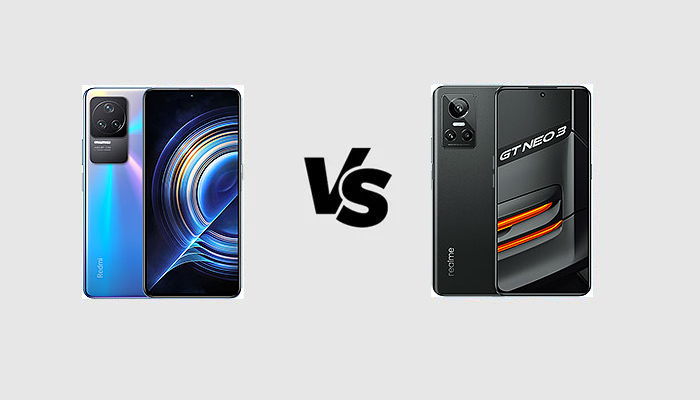
The flagship killer segment became a battle between phones powered by the latest high-end MediaTek chipsets. MediaTek already released three flagship SoCs this year: the Dimensity 9000, the Dimensity 8100, and the Dimensity 8000, while Qualcomm has just one single high-end mobile platform for 2022. The Redmi K50 and the Realme GT Neo 3 are the world’s first phones with the Dimensity 8100 mobile platform: a chipset that can be compared to the Snapdragon 888. Thanks to the presence of this chipset and a few other interesting specifications, these devices carry very good price tags. But which one is the best for your needs? This comparison will let you find out.
Triple 48 + 8 + 2 MP, f/1.8 + f/2.2 + f/3.0
20 MP front camera
Triple 50 + 8 + 2 MP, f/1.9 + f/2.3 + f/2.4
16 MP f/2.5 front camera
BATTERY
5500 mAh, fast charging 67W
4500 mAh, Fast Charging 150W or 5000 mAh with 80W fast charging
ADDITIONAL FEATURES
5G, dual SIM
5G, dual SIM
Design
The Realme GT Neo 3 has the most original design, at least in the Le Mans Blue and Silverstone color variants. These color options come with a double racing stripe letting this phone look like a sports car just like the predecessors GT and GT Neo2. Thanks to this solution, this device is perfect for young people and gaming lovers. Besides being more catchy, the Realme GT Neo 3 is also thinner and lighter than the Redmi K50. And it is slightly more compact thanks to its narrower bezels around the display. It is the first Realme phone with a centrally-placed punch hole. On the other hand, the Redmi K50 is better in terms of build quality: it has a glass back, a front glass protected by Gorilla Glass Victus, and the IP53 certification making it dust resistant and splash resistant.
Display
Each of these two displays has its pro and cons, but they are both high-end displays. The Redmi K50 comes with a higher resolution: it has a Quad HD+ panel (1440 x 3200 pixels) and it adds Dolby Vision support. On the other hand, the Realme GT Neo 3 is able to show up to one billion colors, but with a lower Full HD+ resolution of 1080 x 2400 pixels and without Dolby Vision. Both the handsets sport OLED displays with a 120 Hz refresh rate and the HDR10+ certification, but the GT Neo 3 is the only one with an in-display fingerprint reader, while the Redmi K50 has a side-mounted biometric sensor. In both cases, you get good stereo speakers.
Specs & Software
As already mentioned, both Redmi K50 and Realme GT Neo 3 are powered by the MediaTek Dimensity 8100 chipset paired with up to 12 GB of RAM and up to 256 GB of UFS 3.1 internal storage. The performances they can provide are simply amazing and they can be used to play any game with great frame rate and stability. There is no winner if we talk about the hardware departments. Both the phones run Android 12 with highly customized user interfaces on top. They do not feature expandable storage and they do not have an audio jack.
Camera
The Realme GT Neo 3 wins the camera comparison. Its rear camera setup is composed of a 50 MP Sony IMX766 main camera (including OIS), an 8 MP ultrawide lens, and a 2 MP macro camera. The Redmi K50 is still a good camera phone with its 48 MP main camera, OIS, an 8 MP ultrawide camera, and a 2 MP macro lens, but it does not reach the performance provided by the Sony IMX766 found on the Realme flagship.
The Redmi K50 has the biggest battery with a capacity of 5500 mAh and it is able to provide a longer battery life. On the other hand, the Realme GT Neo 3 charges faster thanks to its 150W fast charging technology: the fastest commercial technology for wired charging. The GT Neo 3 also comes in a variant with a 5000 mAh battery and 80W fast charging.
Price
The starting price of the Redmi K50 in China si €340/$375, while you need just €290/$320 to purchase the base variant of the Realme GT Neo 3. While the Redmi flagship offers a higher display resolution and bigger battery, the Realme GT Neo 3 offers one billion colors, a better main camera, and faster charging. The GT Neo 3 wins the comparison, at least on the paper.
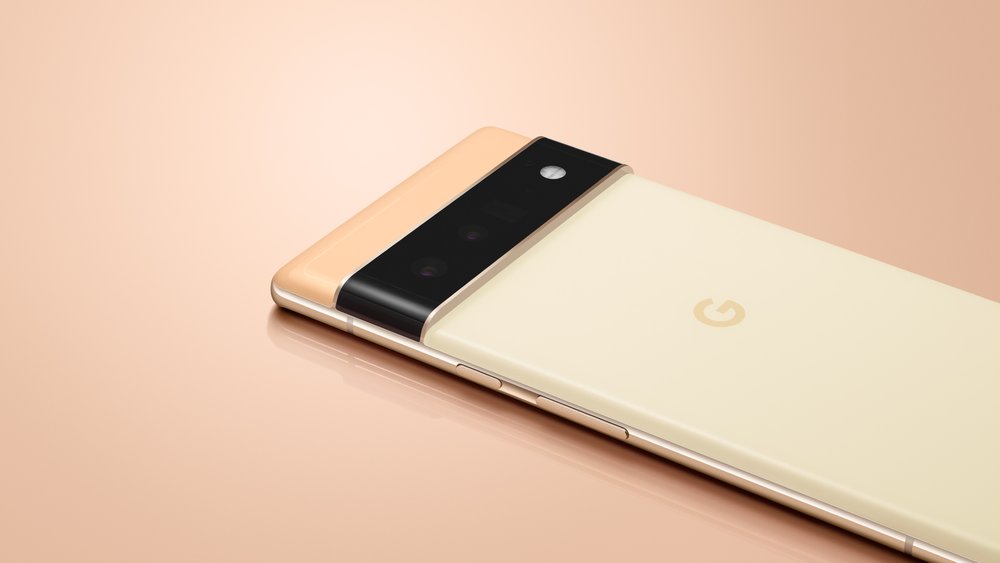
Last month, we reported on numerous Google Pixel 6 users facing issues with their smartphone’s WiFi. The search giant officially confirmed the issue later that month and stated that they are working on a fix that will arrive with the march update.
Now, the update has been made available to Pixel 6 and Pixel 6 Pro users which brings along the March feature drop, Android 12L, the March security patch, and many bug fixes. In a tweet, Mishaal Rahman had listed all the features that were coming to the Pixel 6 devices with the March feature drop, and now, the update is finally rolling out to users after being delayed for two weeks.
The changelog for the March update is quite long, but it notably mentions fixing the notorious WiFi bug on the Pixel 6 devices.
For those unaware, Pixel 6 users have been facing troubles with Wi-Fi, like not being able to turn it on, in the first half of this month. The issue began appearing after people updated their devices to the second February update that was released previously. And now, the brand has stated that they are working on a fix, and users can see a software update rolling out sometime in March 2022.
Additionally, the phones are also gaining support for Verizon’s 5G C-Band network, which gives the devices access to the full power of the 5G Ultra-Wideband (UEB). However, this is a feature that’s specific for US users only.
Tata increased the price of its popular Nexon EV last week in India, and as per reports, the Tata Tigor EV has now got a price hike in the country as well. Just like the Nexon EV, the Tigor EV’s price has been increased by Rs. 25,000 in India.
Tigor EV is another popular EV by Tata after the Nexon EV. It comes in three models– Tigor XE, Tigor XM, and Tigor XZ+. All models have got a price hike. The old price of the Tiger XE was Rs.11,99,000 and it has now increased to Rs. 12,24,000. The Tigor XM now costs Rs. 12,74,000 over its old price of Rs. 12,49,000. Lastly, the top model Tigor XZ+ now costs Rs. 13,24,000, which is Rs. 25,000 higher than the old Rs. 12,99,999 price.
The Tata Tigor Electric car offers a sedan EV experience on a budget. It comes with the gasoline Tigor design and employs an Electric motor that has 74bhp of peak power and 170Nm of torque. It has a 26kWh battery, which is claimed to offer a range of 306km. This is slightly less than the 315km claimed range on the Tata Nexon.
The battery can be charged from 0% to 80% in 8.5 hours with the regular charger. It can be charged quickly in just 65 minutes with the fast charger. It has a 7-inch touchscreen panel paired with a quad-speaker setup tuned by Harmon audio. It can go up to 60kmph in 5.7 seconds and has an 8-year or 1.6 lakh kilometre warranty.
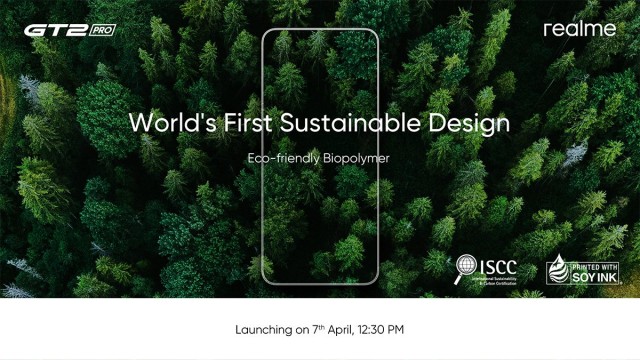
Chinese startup Realme launched the GT2 and GT2 Pro for the global market but there hasn’t been any word on the Indian launch, well, until now. The company has shared a teaser on Twitter which revealed the launch date of the Realme GT2 Pro in India. The tweet was later deleted, but not before it was grabbed by eagle-eyed netizens.
Although the teaser poster featured the GT2 Pro, the now-deleted tweet has the hashtag #realmeGT2series which is an indication that the company will launch the GT2 as well. The models are scheduled to be launched
As a reminder, the Realme GT2 series packs an “innovative bio-based design” for the rear panel and that is the main teaser on the poster. The GT2 Pro packs a 6.7-inch AMOLED LTPO 2.0 display with a Quad HD+ resolution and support for a 120Hz refresh rate. The models are powered by Qualcomm’s latest Snapdragon 8 Gen 1 chipset is present under which is paired with LPPDR5 RAM and UFS 3.1 storage. There is a 5,000mAh battery under the hood of the GT2 Pro that supports 65W fast charging.
For optics, the GT2 Pro packs a triple camera setup at the rear comprising of a 50-megapixel Sony IMX766 main shooter, a 50-megapixel ultrawide lens with a 150-degree FOV, and a 2-megapixel microscope camera. For selfies, there is a 32-megapixel front camera. The GT2 series run on the Android 12-based Realme UI 3.0 and packs an in-screen fingerprint scanner.
Swedish startup Stillride has developed a cutting-edge technology that uses recyclable steel to produce a lightweight and durable frame for electric scooters. The Stillride technology yields steel that is called industrial origami and is currently used in the production of the Stillride Sport Utility Scooter One (SUS1) that will grace the European market from autumn 2022.
Stillride is a Swedish design and technology startup that opened shop in 2019. It says the industrial origami method of producing the structure and chassis of electric scooters minimizes waste, reduces labor costs, and results in a less severe environmental impact. The company’s mission is to rethink how electric mobility products are manufactured using cutting-edge technology including robotics, design, and steelwork. The Stillride proprietary industrial origami method is called Stillfold and it involves using the origami technique to fold the recyclable steel to the form desired for an e-scooter.
The SUS1 is unlike a traditional e-scooter and it is constructed with folding sheets of stainless steel over curves. A tubular frame and plastic body are some of the core parts of a traditional scooter. The SUS1 is aesthetically neat, durable, and smooth, and much of its structure is created by robots. The SUS1 has a top speed of 100km/h (62mph) and a range of 119km (74 miles) on a single charge.
Stillride is planning to fine-tune its technology and scale up the production of the SUS1 while also creating the template for other e-scooter models. It is working on a production process that allows the steel sheets to be flat-packed and transported to other plants across Europe for folding and fitting with the necessary hub motor and battery packs. No pricing details are available for the SUS1 at this time but the prospects of the Stillfold technology are great.
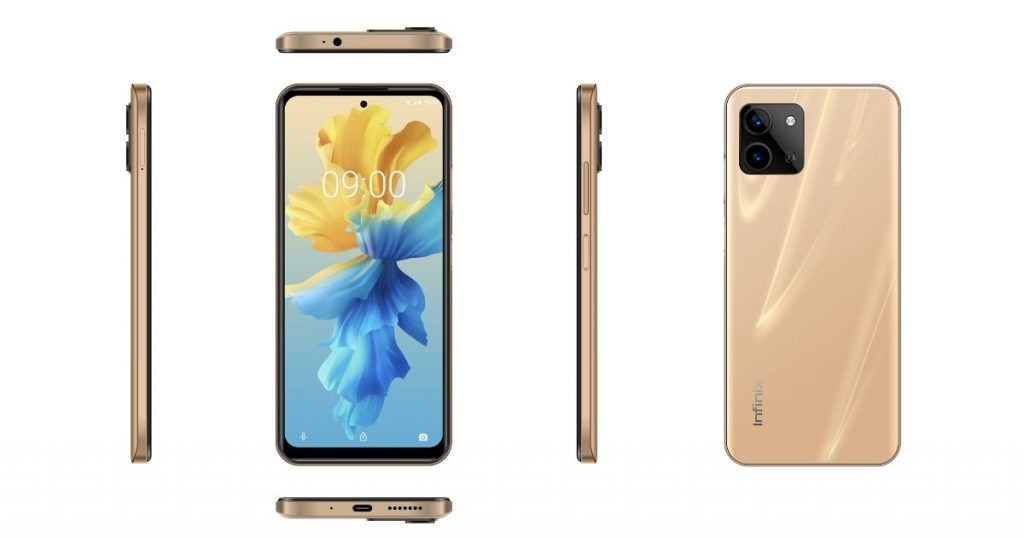
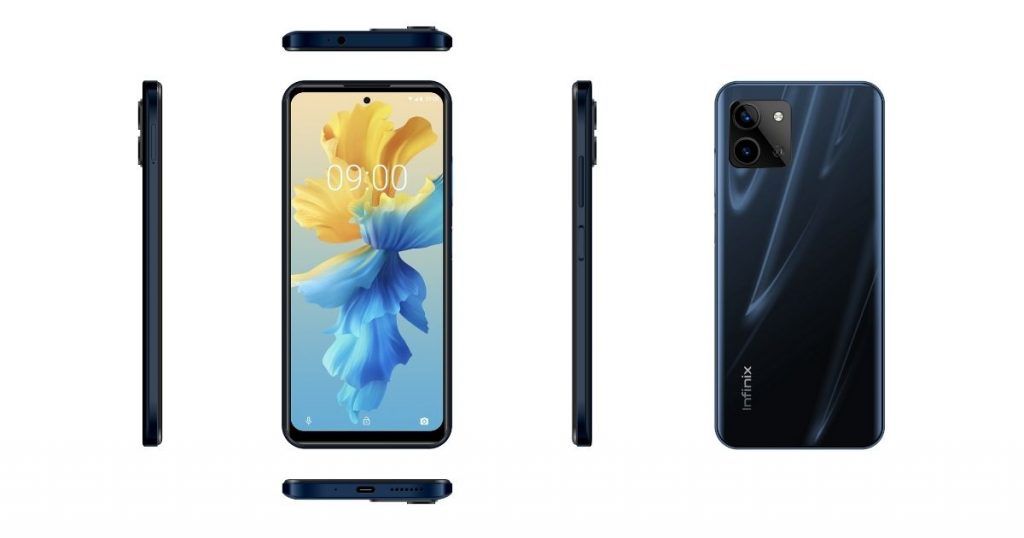
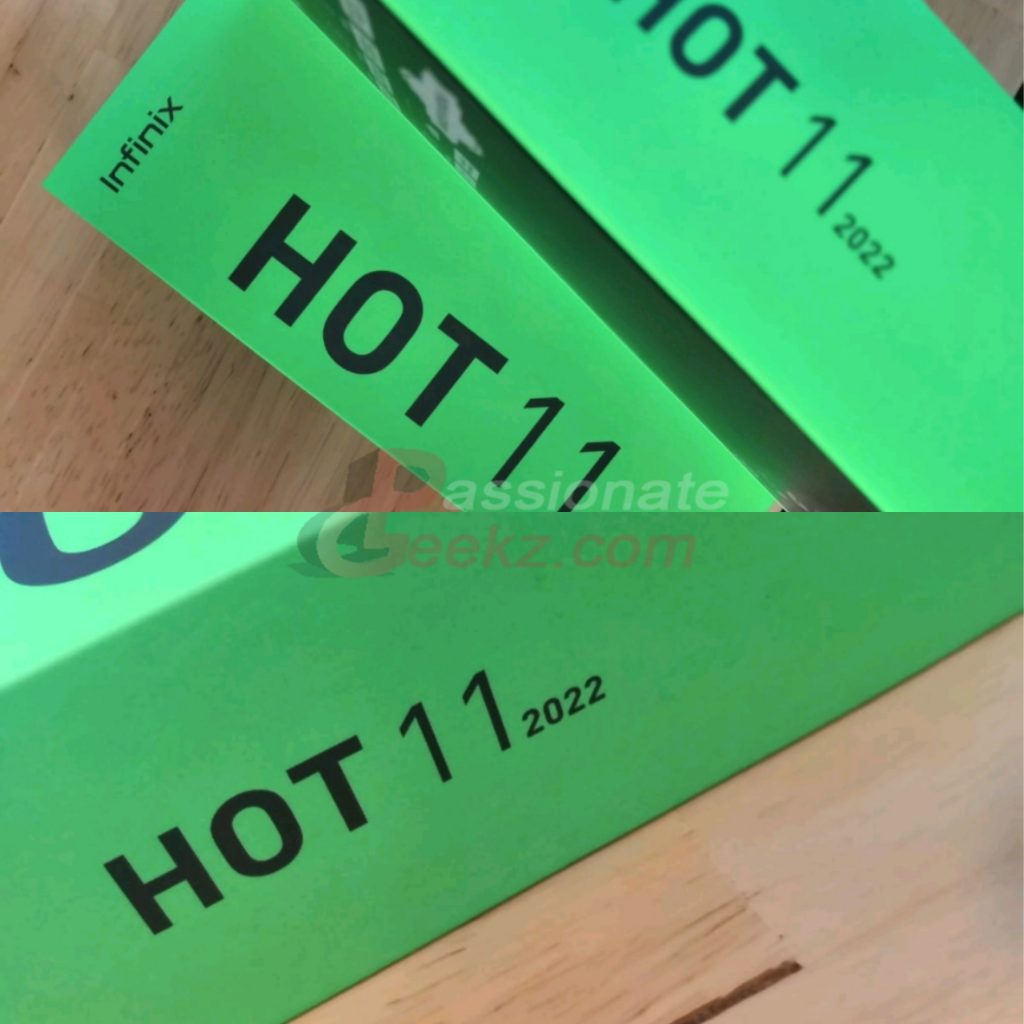
Infinix Hot 11 2022 is the brand’s next budget smartphone due for its debut. The smartphone’s key details were leaked back in January, and now finally, the company CEO has started teasing the device. Additionally, the live image of the retail box, renders, launch date, and colors have been revealed.
The Infinix India CEO Anish Kapoor has shared the back panel of the upcoming Inifnix Hot 11 2022. The smartphone appears to have a holographic design. It boasts a cut-out for the rear camera at the top left and features the brand logo at the bottom left.
In addition to this, some of the phone’s renders (via) were shared on the Internet. The device appears in the Aurora Green, Sunset Gold, and Polar Black colors. it has a punch-hole panel and a dual-rear camera system. It has the USB Type-C port, speaker grille, microphone at the bottom, and the 3.5mm headphone jack at the top.
1 of 3
Moreover, PassionateGeekz has shared the retail box of the smartphone. The box is colored in Green and has the Hot 11 2022 moniker on it. The publication also reveals that the phone could arrive on March 31 in the Indian market and will go on sale via Flipkart and offline stores. It is expected to arrive between Rs. 10,999 (~$145) and Rs. 11,999 ($158) in the country.
Coming to the specs, the Infinix Hot 11 2022 is expected to come with a 6.8-inch punch-hole display with a 90Hz refresh rate. It will be an IPS LCD panel with Full-HD+ resolution. It is touted to be powered by the UNISOC T700 SoC paired with 4GB of RAM and up to 128GB of internal storage. The device is expected to house a 5,000mAh battery with 18W fast charging support. It may have a 48MP dual-camera system and an 8MP selfie snapper. The phone is expected to run on Android 11 OS out of the box.
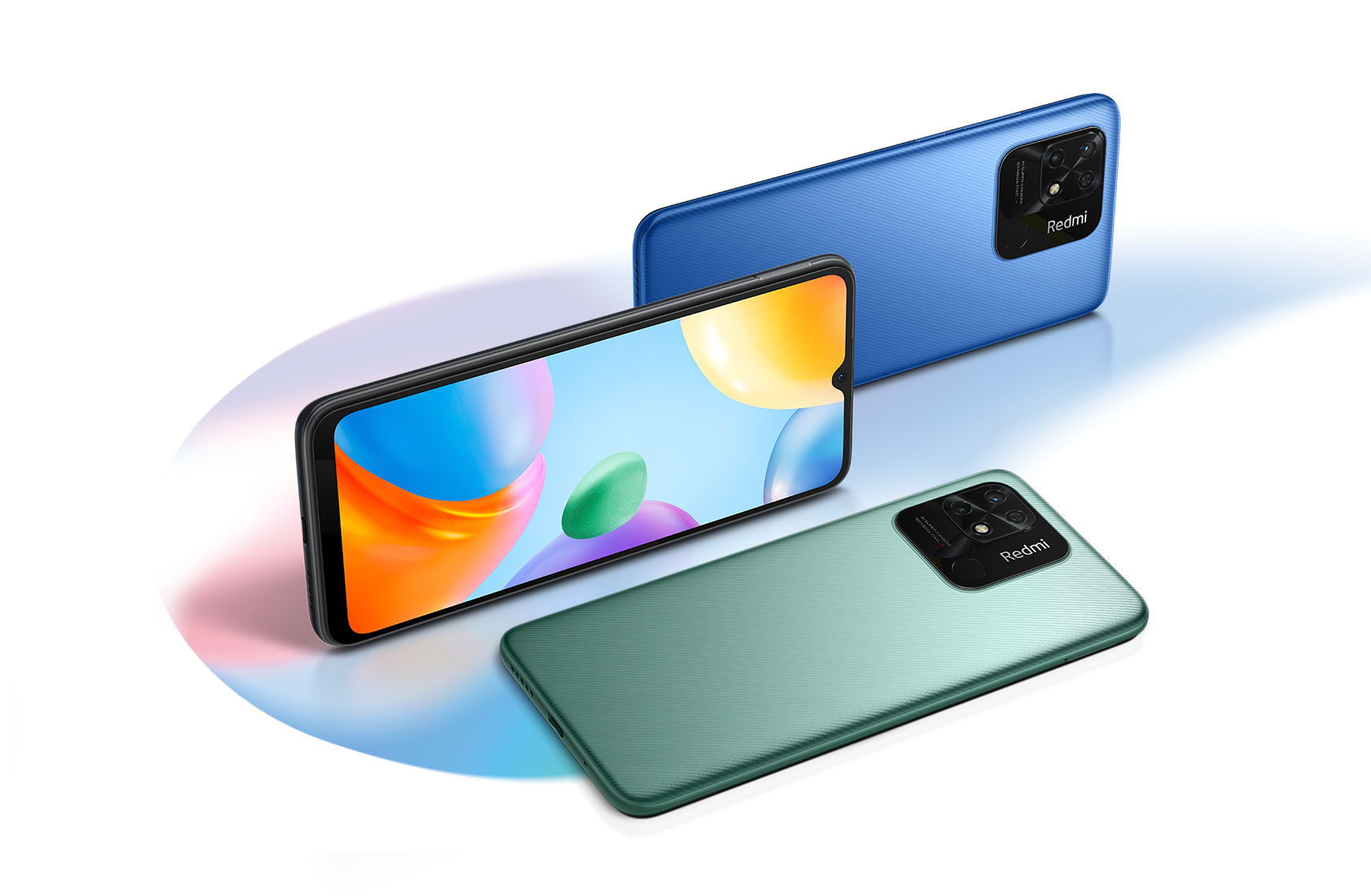
A few days back, Redmi launched the Redmi 10C entry-level phone in Nigeria with a large 6.71-inch LCD display, 50MP cameras, and a big battery. Now, the device has arrived in the Malaysian market, but the model in Malaysia comes with a faster-charging speed. The phone also has a new design as opposed to its predecessor.
Redmi 10C Specifications
The Redmi 10C comes with a 6.71-inch water-drop notch display with an HD+ resolution. It is an IPS LCD panel with a modern aspect ratio, but it still has a thicker bottom bezel. It sports a single camera on the front, which is a 5MP unit for selfie shots.
Xiaomi Redmi 10C
At the back, it has a dual-camera system with a 50MP main lens and a 2MP depth sensor. It has a Qualcomm Snapdragon 680 SoC paired with 4GB of RAM and 64GB, 128GB of internal storage. It packs a 5,000mAh battery and has an 18W fast charging support. This is different from the 10W charging speed in the Redmi 10C launched in Nigeria.
The smartphone comes with a microSD card slot for additional storage requirements. It has a 3.5mm headphone jack and a charging port at the bottom. The phone has a power button and a volume rocker on the sides.
Colors and Pricing
The Redmi 10C comes in three colors namely Graphite Gray, Ocean Blue, and Mint Green. The pricing is yet to be revealed for the market.
[Update: The tipster BaldPanda has revealed that this device isn’t the ZTE Axon 40, rather it is an upcoming ZTE phone for government and enterprises. The ZTE Axon40 will offer different specs and will bring a new design.]
Original Story…
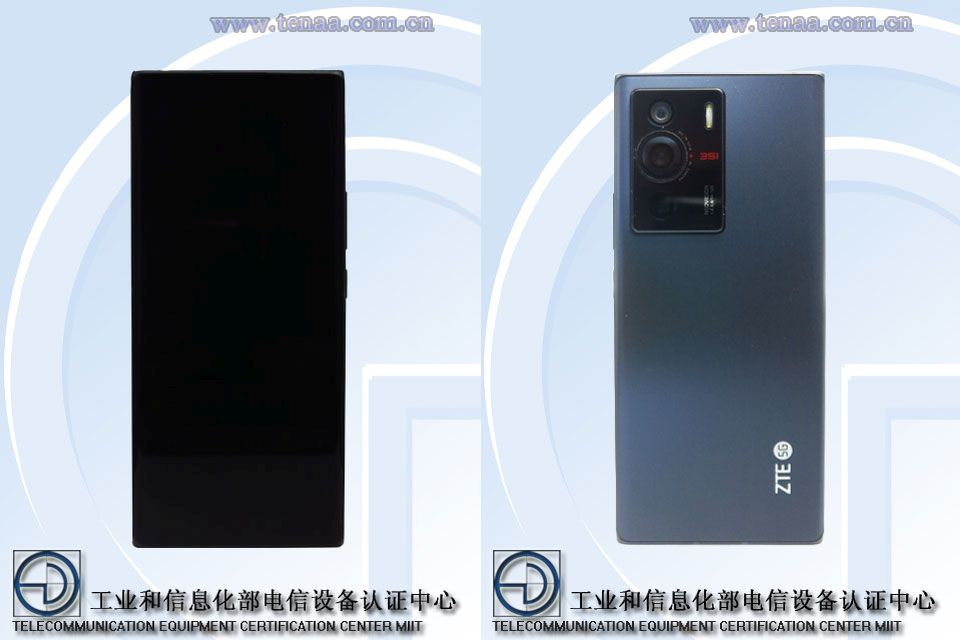
A ZTE phone with model number A2023H was spotted on TENAA. The device has a similar appearance to the recently launched Nubia Z40 Pro.
As per the listing, the smartphone has a tall design with a 6.67-inch OLED display. It features a FullHD+ resolution with 1080 x 2400 pixels. The smartphone has a new camera module at the rear with a triple camera system. The rear setup goes by a 64MP main lens, a 50MP secondary unit, and an 8MP tertiary unit. Upfront has a 44MP selfie snapper.
ZTE Axon 40
At the helm, it has the Qualcomm Snapdragon 8 Gen 1 SoC clocked at 3GHz. It is paired with 8GB, 12GB, 16GB, of RAM and 128GB, 256GB, 512GB, and 1TB of internal storage. Unfortunately, the phone lacks a microSD card slot for additional storage needs. It packs a 4,900mAh battery with 55W fast charging support.
The device has an in-display fingerprint scanner for security and boots on Android 12 OS out of the box. The phone has the following measurements – 161.93 x 72.89 x 8.46mm and weighs 199 grams.
Zomato is aiming to deliver food to its customers in 10 minutes. This new model of instant delivery will be first tested in Gurugram from April.
Deepinder Goyal, Co-founder, Zomato said in a blog post, “After becoming a frequent customer of Blinkit (backed by Zomato), I started feeling that the 30-minute average delivery time by Zomato is too slow, and will soon have to become obsolete.
The company announced “Zomato instant” which will guarantee 10 minute delivery of 20-30 bestseller dishes from restaurants around your area. The delivery system will work by relying on a dense network of finishing stations (delivery hubs). The model follows in the footsteps of the dark store model implemented by quick commerce startups such as Zepto, Blinkit, and even Swiggy.
Each finishing station will have approximately 20-30 dishes based on the demand and preferences of customers in the area. Zomato will be using the existing data of 1.35 billion orders to help figure out the bestseller dishes in a particular area. Zomato will use sophisticated dish-level demand prediction algorithms and in-station robotics at each warehouse to ensure quick deliveries.
Goyal said that “The fulfillment of our quick delivery promise relies on a dense finishing stations’ network, which is located in close proximity to high-demand customer neighborhoods. Sophisticated dish-level demand prediction algorithms and future-ready in-station robotics are employed to ensure that your food is sterile, fresh, and hot at the time it is picked by the delivery partner.”
On the question of safety of its delivery partners, Deepinder Goyal said, “That Zomato would not compromise the safety of delivery partners, and partners won’t be pressurized to fulfill Zomato’s 10-minute delivery promise.”
Goyal also added, “Before we even talk about this, we will start with a clarification – to fulfill our quick delivery promise, we do not put any pressure on delivery partners to deliver food faster. Nor do we penalize delivery partners for late deliveries. The delivery partners are not informed of the promised time of delivery. Time optimization does not happen on the road, and does not put any lives at risk.”
This new delivery system will be a revolutionary change and would reduce the price for the customers by almost 50 percent.
Earlier this month, Carl Pei’s Nothing revealed that the brand will be holding “The Truth” keynote event on March 23 where it will unveil new products and their first smartphone, which is expected to be the showstopper of the event. So let’s take a look at what we know so far about the upcoming smartphone.
Surprisingly, the company has been able to keep the upcoming smartphone under lock and key leaking almost no information. However, Nothing teased a transparent frame earlier this month which is most likely a hint towards the transparent back panel of the upcoming device.
As we know, the company’s debut product and their only one to date is the Nothing Ear (1) TWS earphones featuring a transparent design which made it an instant hit among the younger consumer base. The company’s first smartphone dubbed the Nothing Phone (1) is also expected to follow the same design philosophy giving it a transparent back panel which will likely show off some of the components inside the smartphone.
The Nothing Phone (1) is also teased to be powered by a Qualcomm Snapdragon chipset, however, it is unclear if the chipset in the smartphone will be a mid-ranger like the Snapdragon 778G or something more flagship tier like the Snapdragon 888 or even the latest Snapdragon 8 Gen 1. One thing is for certain the device will feature an Android-based operating system which was also teased by some cryptic tweet exchange that took place between Nothing’s CEO Carl Pie and Android’s official Twitter handle.
Other than that, Carl Pei was spotted with is believed to be a prototype model of the Nothing Phone (1). It isn’t very clear from the leaked image what the smartphone looks like but it reveals a black color for the back panel and a circular camera module with an LED flash.
The smartphone is not the only new Nothing device that is expected to debut at “The Truth” launch event as rumors about the brand working on a total of five new products have been making the rounds online. These include a power bank which could be named Nothing Power (1) and the brand’s first as well as a new wireless earphone offering from the brand. The new wireless earphones can be the second generation Nothing Ear TWS earbuds.
How to watch the Nothing live stream event
Nothing is live-streaming its ‘The Truth’ event on YouTube, and you’ll be able to watch it when the stream goes live at:
Chinese innovative tech company Hisense has a long history with eBook readers and even smartphones with e-ink displays. The company has now launched a new gadget dubbed Hisense Hi Reader e-book reader. The product carries a decent price tag of 1799 yuan (~$282) but availability details are not known at the moment.
As the name implies, the device is a dedicated e-Book reader but it features a compact, smartphone-sized build. It comes with a thickness of 7.5mm, weighing 177g making it about 20% e-readers. Thus, users won’t get fatigued easily if the gadget is held for long.
In terms of display, the Hisense Hi Reader is equipped with a 6.7-inch e-ink screen with a pixel density of 300ppi, a right-angle frame design, a screen ratio of up to 84%. The display also supports 36-level DC dimming, and automatically adjusts without flicker. According to reports, the reader can adapt to the surrounding environment in automatic mode, automatically adjust the reading brightness in order to meet the reading needs of various ambient light.
The gadget is powered by a UNISOC T610 Octa-core chipset clocked at 1.8GHz. The processor is paired with 4GB of RAM. There is 64GB of storage onboard the device. Under the hood, it crams a built-in 3000mAh battery. It runs on the Android 10 operating system.
In terms of system experience, Hisense Hi Reader adopts a minimalist, efficient, and easy-to-use style, and performs scene-based UI processing on the desktop frame of the reader. The four tabs of bookshelf, bookstore, application, and settings are arranged in sequence, and slide to select, support User personal preferences, custom label attributes.
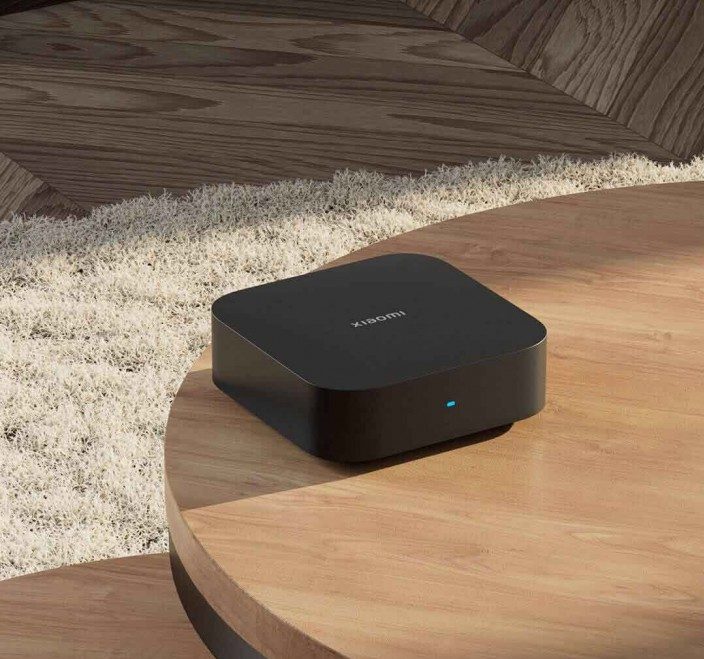
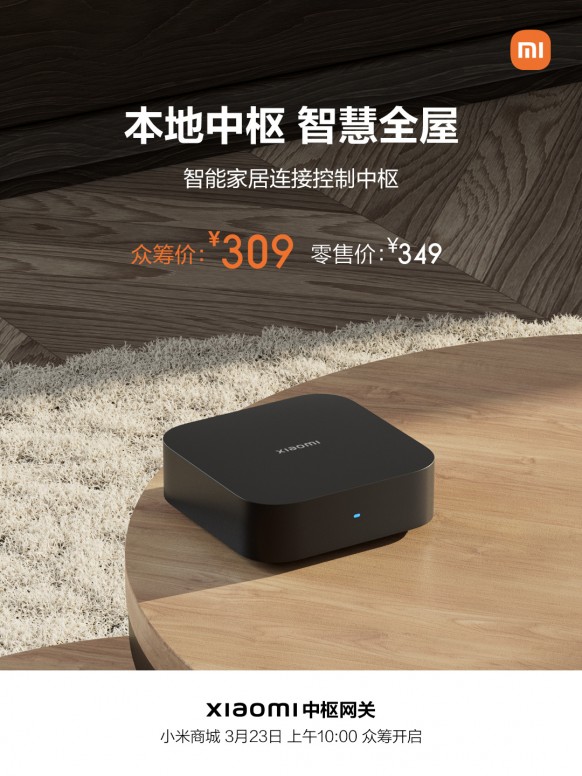
Xiaomi Hub Gateway has been unveiled in China. The gadget will be launched via a crowdfunding campaign on March 23. The latest Xiaomi smart home connection control center is capable of catering to hundreds of connected devices. The retail price for the Xiaomi Hub Gateway is 349 yuan (~$55) but a discount is available during the Crowdfunding of what Xiaomi has described as the central brain of its smart home ecosystem, bringing down the price to 309 yuan (~$50).
The Hub Gateway provides a hub for different types of smart devices to receive instructions and scheduling information for a seamless smart home. It is an interface for various smart home devices that creates a richer and more efficient application environment. The built-in Bluetooth Mech gateway can connect 200 Bluetooth Mesh devices and 100 Bluetooth devices at any time. The built-in Bluetooth signal amplifier in the Xiaomi Hub Gateway enables the device to receive Bluetooth signals from a distance within the precincts of the home, connecting multiple rooms to the system.
Hub management is achieved through the new local hub architecture in the Xiaomi Hub Gateway. It means that devices in the same local area network are centered on a hub gateway, thus providing local automatic linkage for devices in the same family. According to Xiaomi, fluctuations in the external network will not prevent the Hub Gateway from executing preset automation tasks in advance. The device is powered by a quad-core processing chip and has 4GB of storage space. Wired and Wi-Fi connections are possible with the Xiaomi Hub Gateway, and the multiple hubs provide complimentary backup for themselves.
As earlier hinted, the launch and Crowdfunding of the Xiaomi Hub Gateway is on March 23 in China with a price of 309 yuan (~$50). Although there are no details at this time, other markets could subsequently get the Xiaomi Hub Gateway after its China launch
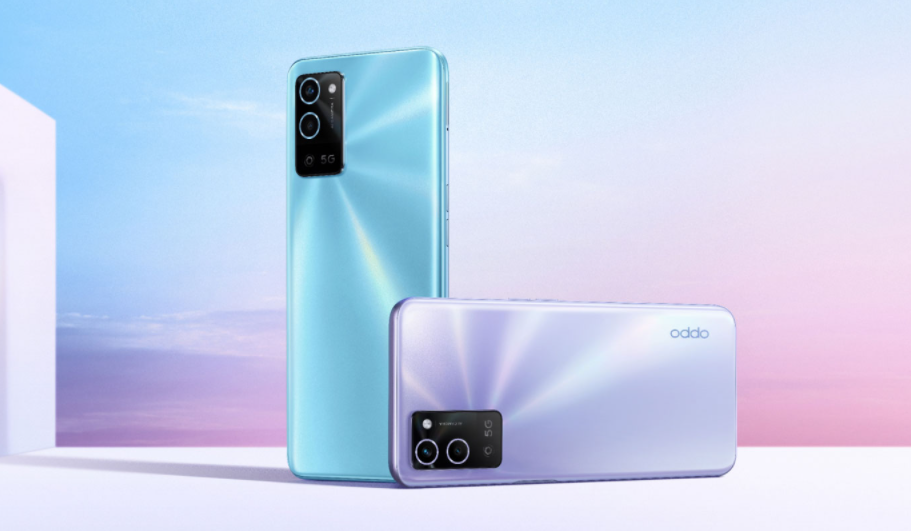
Android 12-based ColorOS 12 beta is now available for two more devices, namely OPPO A56 5G and OPPO A93s 5G. Both of these are budget 5G smartphones sold in China. They were unveiled in October and July respectively.
Oppo A56 5G
The ColorOS 12 beta registrations for the OPPO A56 5G and the OPPO A93s 5G were supposed to begin today. However, the company opened applications yesterday itself and has already stopped enrollment today.
The only requirement was that the A56 5G and the A93s 5G users should be on firmware versions A.10 and A.09 respectively. The applications will be reviewed within 5 working days. Further, the selected applicants will get the Android 12-based ColorOS 12 beta build via OTA within 3 working days from the day of selection.
We do know if there will be a second round of beta registrations. If there’s any, then the interested users can try their luck next time.
As far as stable release is concerned, OPPO hasn’t revealed when these handsets will be receiving it. Going by the Android 12 update rollout so far, the phones will likely get the stable update a month or more from now.
We expect OPPO to disclose the exact release date in its ColorOS 12 monthly update plan.
We use cookies on our website to give you the most relevant experience by remembering your preferences and repeat visits. By clicking “Accept”, you consent to the use of ALL the cookies.
This website uses cookies to improve your experience while you navigate through the website. Out of these, the cookies that are categorized as necessary are stored on your browser as they are essential for the working of basic functionalities of the website. We also use third-party cookies that help us analyze and understand how you use this website. These cookies will be stored in your browser only with your consent. You also have the option to opt-out of these cookies. But opting out of some of these cookies may affect your browsing experience.
Necessary cookies are absolutely essential for the website to function properly. This category only includes cookies that ensures basic functionalities and security features of the website. These cookies do not store any personal information.
Any cookies that may not be particularly necessary for the website to function and is used specifically to collect user personal data via analytics, ads, other embedded contents are termed as non-necessary cookies. It is mandatory to procure user consent prior to running these cookies on your website.