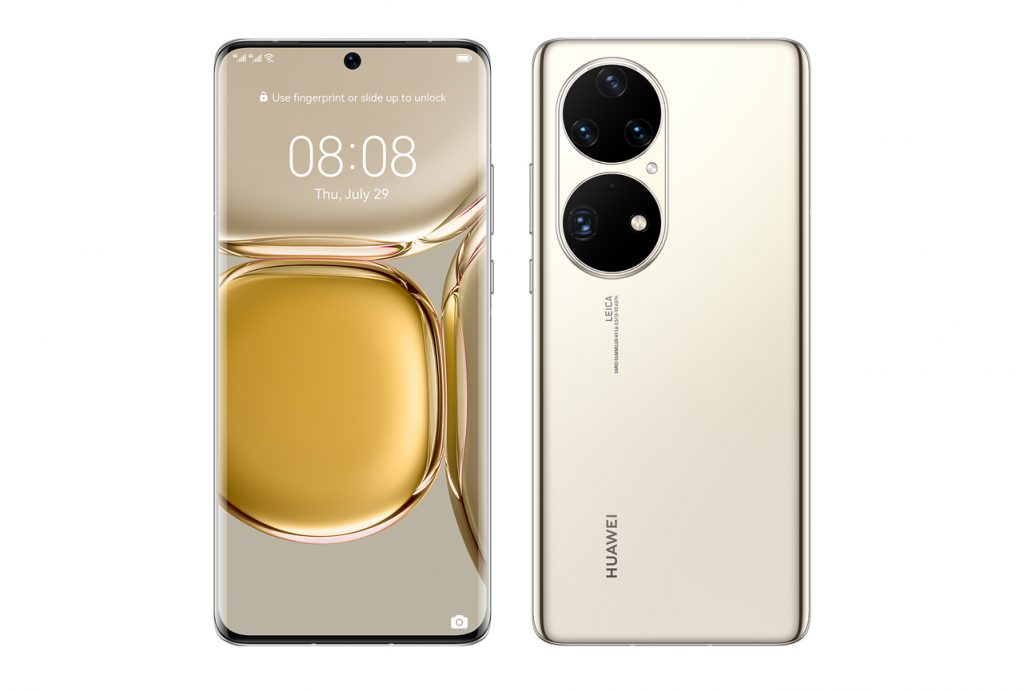
Huawei has officially confirmed that the company’s flagship smartphone — Huawei P50 Pro and its wearable device named Huawei Watch GT Runner will be officially available for purchase in the United Kingdom from next month.
The company has revealed that the Huawei P50 Pro will go on sale in the UK from 22nd March in two color options — Cocoa Gold and Golden Black for the price of £1099.99. On the other hand, the Huawei Watch GT Runner will be available for £259 and will go on sale from 22nd March in Black and Grey color options.
As for the specifications, the Huawei P50 Pro flagship smartphone features a 6.6-inch OLED display with a screen resolution of 2700 x 1228 pixels and a 120Hz refresh rate. Under the hood, the device is powered by the Qualcomm Snapdragon 888 SoC with support for only 4G connectivity and not 5G. It packs 8GB of RAM and 256GB of internal storage.
In the photography department, there’s a quad-camera setup which is co-developed with Leica. It consists of a 50-megapixel primary sensor, a 40-megapixel monochrome lens, a 13-megapixel ultra-wide sensor, and a 64-megapixel periscope telephoto lens. On the front side, it features a 13-megapixel snapper for taking selfies and video calling. The device is powered by a 4,360mAh battery and supports 66W wired and 50W wireless charging.
On the other hand, the Huawei Watch GT Runner features a 1.43-inch round AMOLED screen and runs HarmonyOS which brings support for a variety of third-party applications. It comes with Huawei’s TruSeen 5.0 Plus heart rate sensor, support for 100+ workout modes, all-day SpO2 monitoring, and an AI-driven running coach.
There are also Huawei TruSport analytics-powered features like the Running Ability Index (RAI) and Professional Running Programme. Coming to the battery life, the company promises up to 14 days with normal use and around 7 days of battery life with heavy use.
You can find several pearls in the entry-level segment if you know how to search. One of them is undoubtedly the Motorola Moto G41: a phone offering a few specifications impossible to find in the low-end segment. Did Motorola release one of the best last-generation budget phones? There is no better way to understand it than comparing it to the other recent affordable phones released by mainstream brands. For this comparison, we chose, the Realme 9i just launched in the global market and the Vivo Y33 which debuted just a few days ago.
Motorola Moto G41 vs Realme 9i vs Vivo Y33
Motorola Moto G41
Realme 9i
Vivo Y33
DIMENSIONS AND WEIGHT
161.9 x 73.9 x 8.3 mm,
178 g
164.4 x 75.7 x 8.4 mm,
190 g
164 x 75.5 x 8.4 mm,
191 g
DISPLAY
6.4 inches, 1080 x 2400 pixels (Full HD+), AMOLED
6.6 inches, 1080 x 2412 pixels (Full HD+), IPS LCD
6.58 inches, 1080 x 2408 pixels (Full HD+), IPS LCD
Triple 48 + 8 + 2 MP, f/1.7 + f/2.2 + f/2.4
13 MP f/2.2 front camera
Triple 50 + 2 + 2 MP, f/1.8 + f/2.4 + f/2.4
16 MP f/2.1 front camera
Triple 48 + 2 + 2 MP, f/1.8 + f/2.4 + f/2.4
16 MP f/2.0 front camera
BATTERY
5000 mAh, fast charging 30W
5000 mAh, fast charging 33W
5000 mAh, Fast Charging 18W
ADDITIONAL FEATURES
dual SIM
dual SIM
dual SIM
Design
The Realme 9i has the most elegant design. Its body reminds a lot of the Realme GT Neo2 which is a high-end phone, even though the materials are cheap just like other entry-level phones. On the other hand, the Motorola Moto G41 is very compact and its body is water-repellent. Given that it has a waterdrop notch, the Vivo Y33 is not the most beautiful device of the trio. Which is your favorite design?
Display
The Motorola Moto G41 gives you all the great colors of an AMOLED panel in a price range in which you can usually find only LCD phones. Thanks to the AMOLED panel, the Moto G41 is able to show richer colors and deeper blacks. With the Realme 9i, you can get a higher refresh rate, but it has an IPS panel and the image quality is inferior. The Vivo Y33 loses the comparison with a 60 Hz IPS display. Despite the Motorola Moto G41 having an AMOLED display, all of these phones come with a side-mounted fingerprint reader.
Specs & Software
If you need the handset with the best hardware and performance, go for the Realme 9i. It is powered by the Snapdragon 680 4G chipset built at 6 nm, running at a max frequency of 2.4 GHz, and paired with up to 6 GB of RAM and up to 128 GB of native storage. It is the only 6 nm chipset, while the two rivals come with a 12 nm chipset, meaning a lower level of efficiency and higher energy consumption. The Motorola Moto G41 beats the Vivo Y33 with its Helio G85 chipset paired with up to 6 GB of RAM; the Y33 offers an Helio G80 and just 4 GB of RAM. All the phones run Android 11 out of the box.
Camera
The Motorola Moto G41 is equipped with the best camera setup, a setup that you can never find in the entry-level segment. This handset comes with a 48 MP main camera including OIS, an 8 MP ultrawide lens, and a 2 MP macro camera. The silver medal goes to the Realme 9i and its 50 MP triple camera, but the Vivo Y33 has the best selfie camera with a 16 MP resolution and a bright f/2.0 focal aperture.
These phones come with the same battery capacity: 5000 mAh. But the Realme 9i should be able to last more in several scenarios because it has a 6 nm chipset. Further, it charges faster thanks to 33W fast charging.
Price
The prices vary a lot depending on the market: Moto G41 starts from €280/$318 in Europe, while Realme 9i begins at €249/$283. The Vivo Y33 is not available in Europe and it starts from €270/$307 in Asia. The winner of this comparison is the Moto G41 due to its superior display and cameras, but the Realme 9i offers higher performance and faster charging, so do not underestimate it.
Motorola Moto G41 vs Realme 9i vs Vivo Y33: PRO and CONS
Recently, Realme rolled out an early access Android 12-based Realme UI 3.0 build for their budget-friendly Realme C25 devices, and now, the brand has announced Realme UI 3.0 Open Beta for three popular devices.
Users of these devices can now try out the Android 12 based custom skin before its stable release by participating in the Beta program. To join the Open Beta program, follow the instructions given below.
Make sure you update your device to the software version specified in the Open Beta announcement post for your device.
After installing the update, navigate to the Software Update section in the device settings and tap on the settings cog in the top right corner
Tap on the Trial version on the following page and then select the Open Beta option
Tap on the Apply now button on the next page and then provide all the required details to complete your application
If your application passes Realme’s review process, you should receive the Realme UI 3.0 Open Beta release via an OTA update
Before installing the Beta update, make sure that your device is not rooted, has at least 5GB of storage free, and has at least 60 percent battery charge. Making a backup of your data is also advised to avoid data loss in case of technical difficulty. Also be warned that since its a Beta build, it might contain some bugs, and might some third-party apps might not work properly on the beta build.
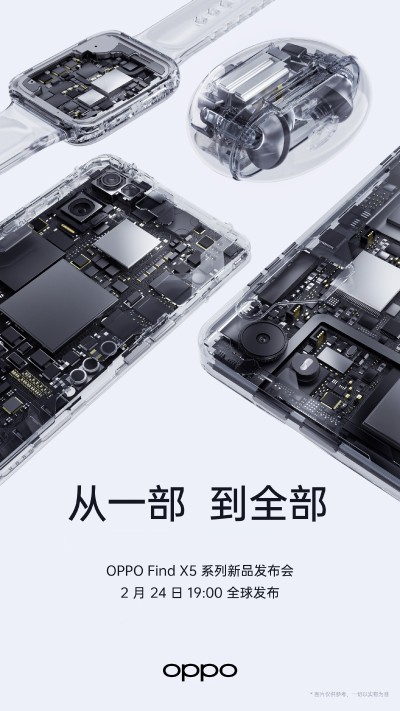
Ahead of its scheduled February 24 unveiling of the Oppo Find X5 series, there are strong indications that the Chinese tech company may have a few other products lined up for unveiling as well. A new seemingly official teaser points in the direction of multiple products being released on February 24.
The teaser is coming from Oppo’s official Weibo account and it suggests a pair of wireless buds, a new smartwatch, and a tablet will be birthed. Indeed, there has been speculation since November 2021 about a possible Oppo tablet and the teaser could be the clearest indication yet of the impending launch of the product.
The buds are probably the Enco X2 TWS that surfaced via a leak in January, while not much is known about the watch hitherto. It could however possibly be a successor to the Oppo Watch 2 which was launched in 2021.
While February 24 is barely a week away, we expect to see more details about the three products in the coming days. For now, the Oppo Find X5 series is the main product but the scenario remains fluid as it could be upended by one of these other products – at least in terms of hype.
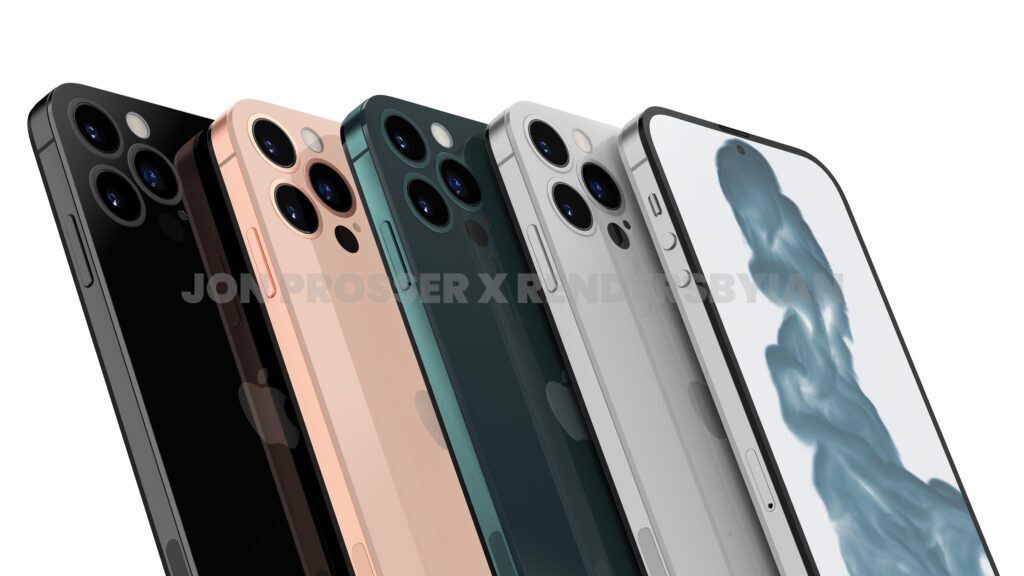
Apple‘s upcoming iPhone 14 series will likely launch in about 7 months, however, the device has already been subject to multiple rumors regarding its design, screen, and cameras. And now, a fresh new leak has arrived hinting at its RAM capacity.
According to a recent MacRumors report, a Korean blogger “yeux1122” has stated that the iPhone 14 will contain 8GB RAM. The tipster has made this claim citing the domestic supply chain. He adds the iPhone 14 Pro’s memory components have now been confirmed and the schedule for mass production appears to be accelerating.
Recently, supply chain analyst Jeff Pu of Haitong International Securities who previously claimed that the iPhone 14 Pro will come with 6GB RAM has also corroborated this new information. The analyst had previously reported that the iPhone 14 and the iPhone 14 Max will come with 6GB memory and 120Hz LTPO display, similar to the iPhone 14 Pro. So it makes sense that Apple would give the Pro model extra ram to make the differentiation clear between the models.
So far, the rumors regarding the iPhone 14 Pro have stated state that the smartphone will feature a 48MP camera, which will be the highest pixel count sensor released featured on an iPhone yet. It is also rumored that the iPhone 14 series will be making a switch to eSIM only models, effectively eliminating another port from the smartphone and making it even more waterproof.
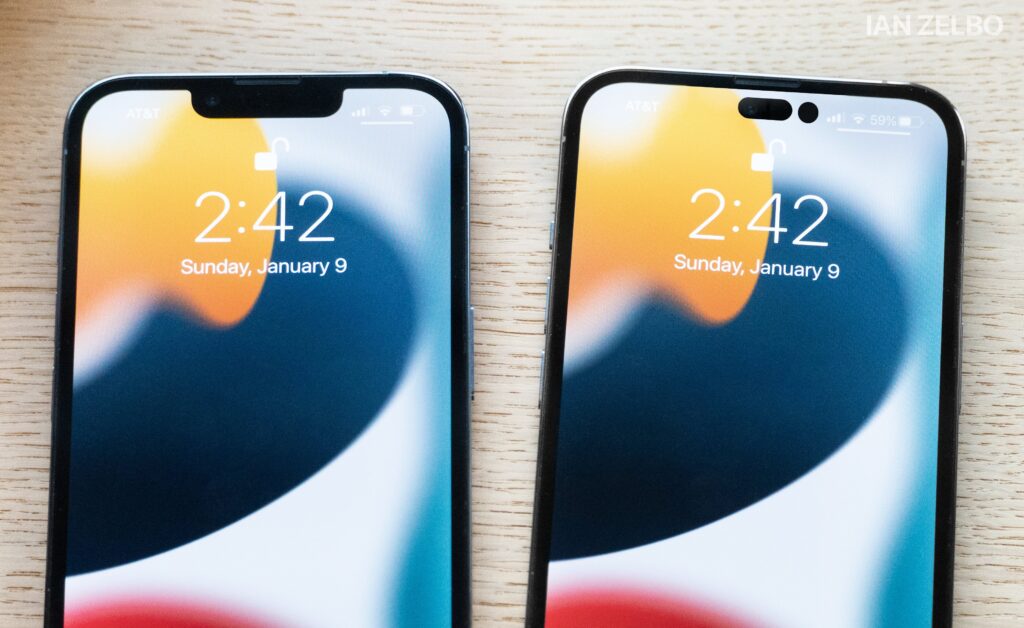
A potential design change coming to the iPhone 14 series can be the front camera notch which has till now been bulky due to it housing all the necessary hardware for Apple’s Face ID unlocking feature. The device is said to come with two smaller cutouts, one in a traditional punch-hole shape and the other in a pill shape.
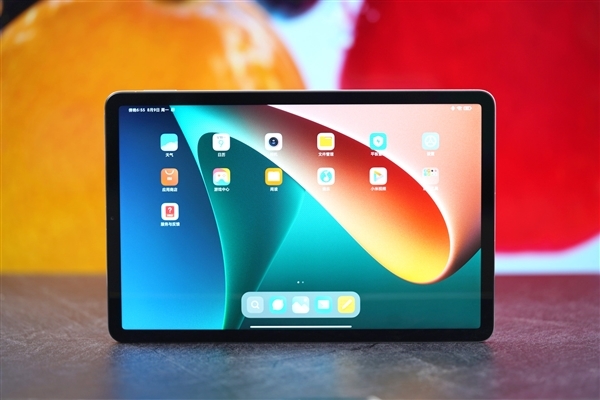
The ongoing global pandemic has created a high demand for Android tablets as people are stuck, working and learning from home. Multiple brands have taken advantage of this growing demand by releasing new tablet devices. Vivo is also rumored to soon release the Vivo Pad and NEX branded tablet.
Representative Image
Now, in a new MySmartPrice report tipster Mukul Sharma has revealed that the upcoming Vivo pad and the Vivo NEX branded tablet will come with stylus support and the tablet will be initially launched in China.
The inclusion of stylus support to the tablet hints at the possibility that these devices might not just be aimed towards the general users as Vivo might be trying to cater to professionals like designers and content creators with their upcoming Vivo Pad and Vivo NEX branded tablet.
Vivo Pad specifications (rumored)
A recent leak has revealed that the Vivo Pad has an 11-inch display that can produce a resolution of 2560 x 1600 pixels. In addition, it will offer a refresh rate of 120Hz.
The Snapdragon 870 chipset is present under the hood of the Vivo Pad. It will be backed by an 8,040mAh battery that supports 44W fast charging.
The leak claims that the Vivo Pad’s rear shell will have a dual-camera setup featuring a 13-megapixel main camera and 8-megapixel lens. The front side of the device will be flanked by an 8-megapixel camera. The tablet will lack a fingerprint scanner, which indicates that the company may offer a face unlock security feature on it.
Past reports have claimed that the tablet will be equipped with a punch-hole display with slim bezels. Last month, a Vivo tablet with model number PA2170 was spotted at the 3C certification site with a 44W charger. It appears that the same device will hit the Chinese markets soon with the Vivo Pad moniker. As far as the pricing is concerned, the tipster has speculated that it may cost around 1,599 Yuan (~$252).
Although we saw several improvements to foldable smartphones since their origin, the market still feels juvenile. As enticing as it seems, the foldable phone market isn’t everyone’s bet, at least as of yet. Since the market currently only caters to the premium segment. Despite this, as per a report, over 7.1 million foldable devices were shipped in 2021. Isn’t that an impressive figure? Well, this figure is expected to increase by 2025(as per IDC).
According to Internation Data Corporation(IDC), the foldable smartphone market has seen significant growth. In 2020, a total of 1.9 million foldable phones were shipped. This number increased, rather more than tripled in 2021. As for the 2021 stats, the foldable market shipment grew by 264.3% making it a total of 7.1 million shipped devices.
These figures are expected to increase even further as the foldable technology advances and caters even the lower-range segment. IDC says that the foldable phones market will see a compound annual growth rate(CAGR) of 69.9% by 2025.
Samsung plays a major role in the growth of the foldable market as it has two different foldable offerings targeted towards two different markets. Currently, the company has its Galaxy Z Flip3 that offers a compact design while having foldable technology. On the other hand, the Z Fold3 eliminates the need for having a tablet by bringing a large form factor in a foldable phone.
Not just the looks, both devices come powered by the powerful Snapdragon 888 chipset. Both offer good cameras and start at a $999 price tag.
Oppo’s ColorOS has improved a lot since its official release. The recent ColorOS 12 offers a finer user interface and has features like 3D icons, Privacy Dashboard, and Flexible Windows. Now, Oppo took it to Twitter revealing that the ColorOS has over 500 Million global monthly active users.
As per the company, the ColorOS monthly active users have exceeded 500 million all over the world. This is impressive considering that last year its smartphone shipment fell by 2%. Although the shipment declined, Oppo still managed to overtake other Chinese, as per research done by CINNO. It seems that Oppo’s ColorOS is really doing the magic here.
Thank you for being one in 500 MILLION! 🤯
All of us here at ColorOS is incredibly grateful to be by your side 💙
The Find X5 duo will have AMOLED screens with a 6.55-inch FHD+ display on the vanilla model and a 6.7-inch QHD+ screen on the Pro model. Both will have 32MP selfie cameras and a 50MP triple rear camera system. Unlike the Pro model, the Find X5 will be powered by either the Snapdragon 888 or 888+ SoC.
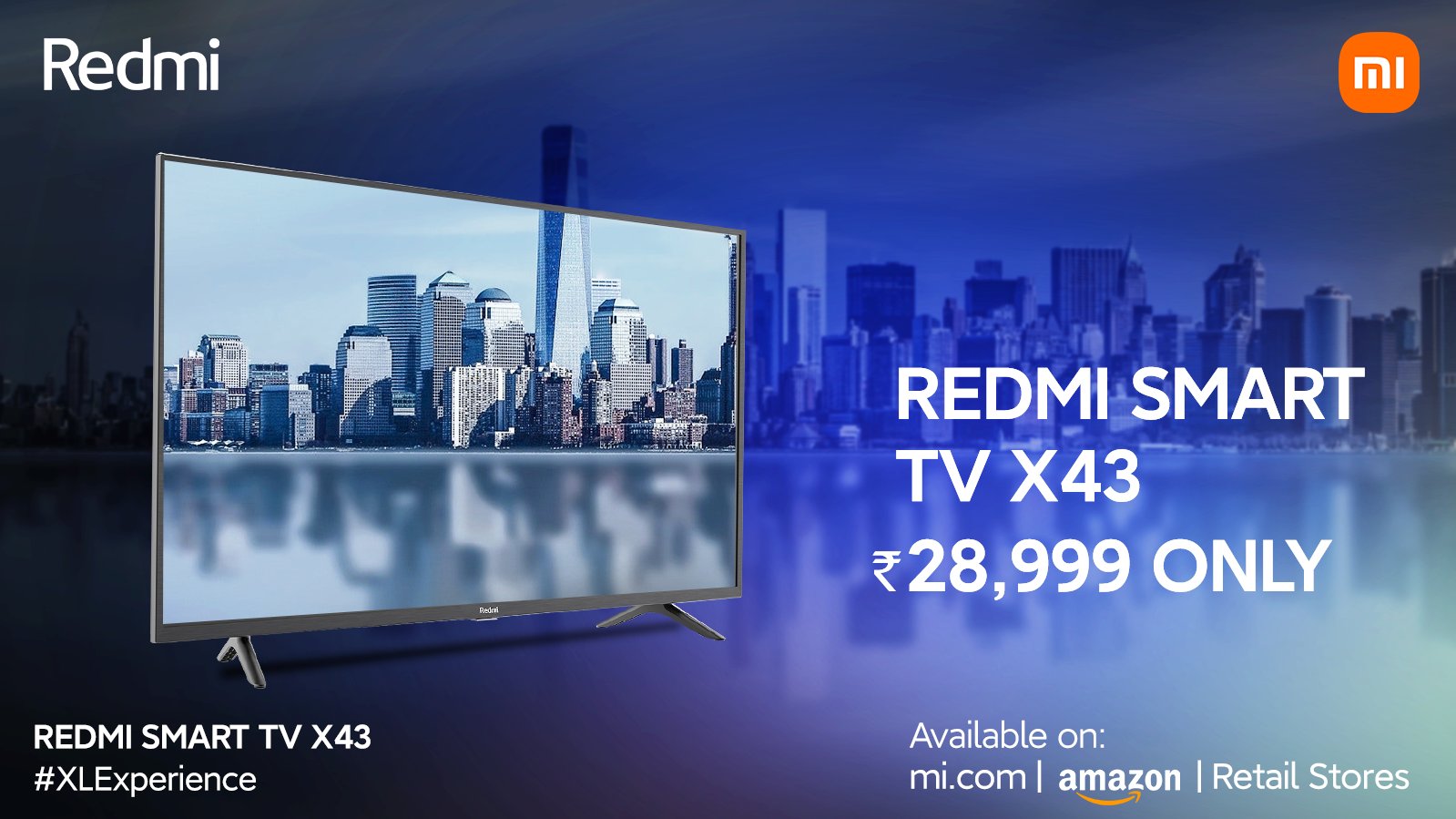
The Redmi Smart TV X43 has made its entry into the Indian market, having gone on sale in the country. The latest smart TV from Redmi comes with some impressive specifications and functionalities. The Redmi Smart TV X43 was launched about a week ago and it sports the smallest display among the Redmi X series lineup with its 43-inch 4K OLED display. The Redmi Smart TV X43 is priced at Rs. 28,999 (~$387) and it is available from Redmi’s official website Mi.com, as well as retail outlets across India. It is understood that the product will also be available via Amazon India.
The Redmi Smart TV X43 will run on Android TV 10, supports Auto Low Latency Mode (ALLM), DTS Virtual X, and Dolby Atmos. It has 30W speakers and the TV features Redmi’s proprietary PatchWall 4 UI. The smart TV is available atop some exciting discounts for customers in India. Up to Rs. 4,000 discount could be gotten using Citibank credit cards and EMI, while about Rs. 1,500 is up for grabs when customers purchase the TV with Kotak Bank credit cards. The discount regime goes with a one-year warranty starting from Rs. 1,119.
Two HDMI 2.1 ports are present in the Redmi Smart TV X43 in addition to two USB ports, an Ethernet port, a 3.5mm jack, and optical audio out port. The ALLM support in the Redmi Smart TV X43 makes it possible to reduce lag down to 5ms at 4K 60fps, which is excellent for gaming consoles. Overall, Redmi hopes that the compact and affordable Smart TV X43 will have a great run in the Indian market. The early sales could point to the direction of the smartphone.
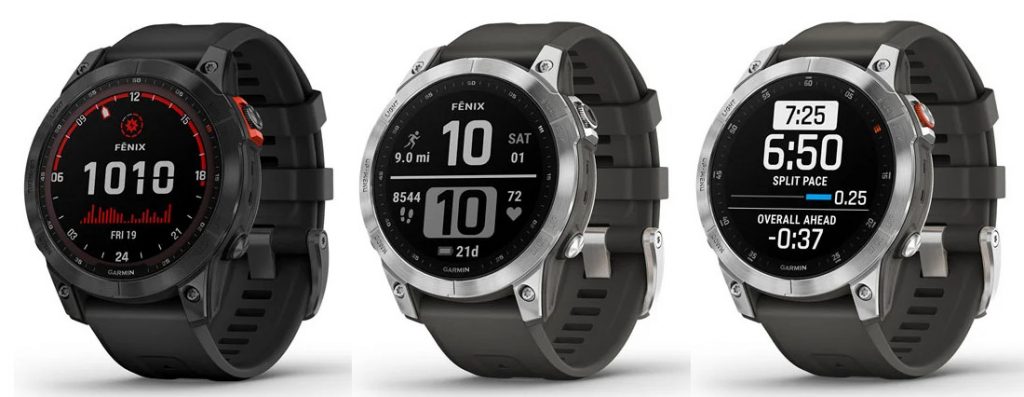
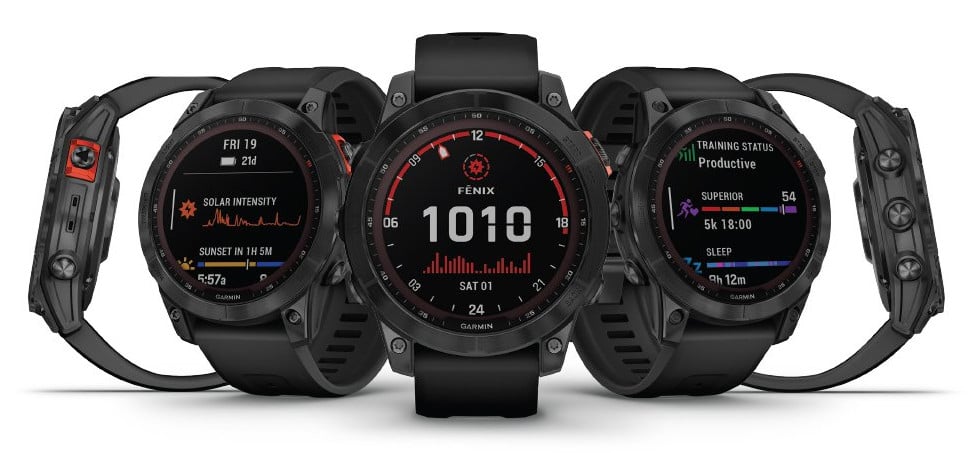
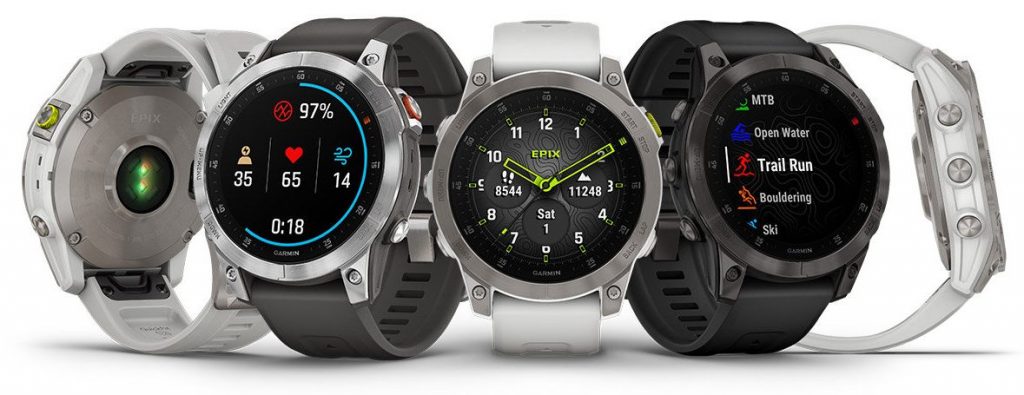
Garmin Fenix 7 series and Epix outdoor smartwatches with loads of impressive features have been unveiled in India. Garmin India has released the Garmin Fenix 7, Fenix 7 Solar, Fenix 7 Sapphire Solar, Fenix 7X Sapphire Solar, and the Garmin Epix smartwatches are the products in the latest Garmin India collection.
The models in the Garmin Fenix 7 series come with enhanced battery performance, a significantly improved solar charging mechanism in some models, and a built-in flashlight, which is not something common with smartwatches. The Garmin Epix comes with a high definition AMOLED touch screen, improved battery life, and multi-sport functionality. In addition to the four brightness levels for the flashlight present in the Fenix 7 series, they are also adorned with a red strobe light that displays an SOS signal in critical situations upon activation. The smartwatches are quite rugged and made to be wear-resistant, scratch-resistant, as well as come with a highly permeable proprietary solar panel, which can boast of up to 200% improvements than previous models.
According to Garmin, the Power Manager function of the Fenix 7X Sapphire Solar has been upgraded with massively improved efficiency and battery life. Up to 24 days of battery life can be gotten under the UltraTrac Mode, while battery life could be as high as 122 hours when using GPS and 37 days in smartwatch mode with solar charging. Several other impressive features include up to 40 sports modes, pre-loaded workouts, and the Real-Time Stamina feature that allows users to adjust their speed and intensity based on their current strength levels.
The built-in sports modes in the Garmin Epix support over 42,000 golf course maps and 2,200 ski resorts scattered globally. Both the Garmin Fenix 7 series and Epix have the US MIL-STD-810 specifications and support Multi-GNSS positioning, in addition to other health and fitness monitoring 24/7.
The prices of the models range from Rs. 67,990 (~$906) for the Fenix 7 to Rs. 1,29,990 (~$1,732), for the Fenix 7X Sapphire Solar with carbon grey DLC titanium and carbon grey DLC vented titanium band. The smartwatches are available on Amazon India, Flipkart, and several other retail outlets across the subcontinent.
There are indications that chipmaker, MediaTek plans to release its first 6nm G-series chip by the third quarter of the year. Inside sources say that the company plans to release the new chip based on the highly advanced 6nm manufacturing process to replace the Helio G96, which in itself, is a quite popular chipset.
Although, we are still in the realm of speculation as there is no official confirmation yet on the upcoming MediaTek chips, what we know at this time is that the chip is currently only referred to as Next-G and employs the same CPU configuration as the Helio G96. The Helio G96 is produced through the 12nm process which presents several restrictions, some of which have been overcome with the 6nm improved process. The new G-series 6nm chip will have two Cortex-A76 cores running above 2.0 GHz and six Cortex-A55 cores powering at 2.0 GHz.
As per the performance capabilities of the new MediaTek chip, it is capable of handling cameras with resolutions up to 108MP, 2K video recording at 30fps, and a few other metrics similar to the latest G96 iteration. That may be true, as there are indications that the very first MediaTek 6nm chip will not support 5G network connectivity. Chinese phone maker, Doogee has also been mentioned as one of the first brands to debut the Next-G chip. For now, we await further details from official quarters on the product.
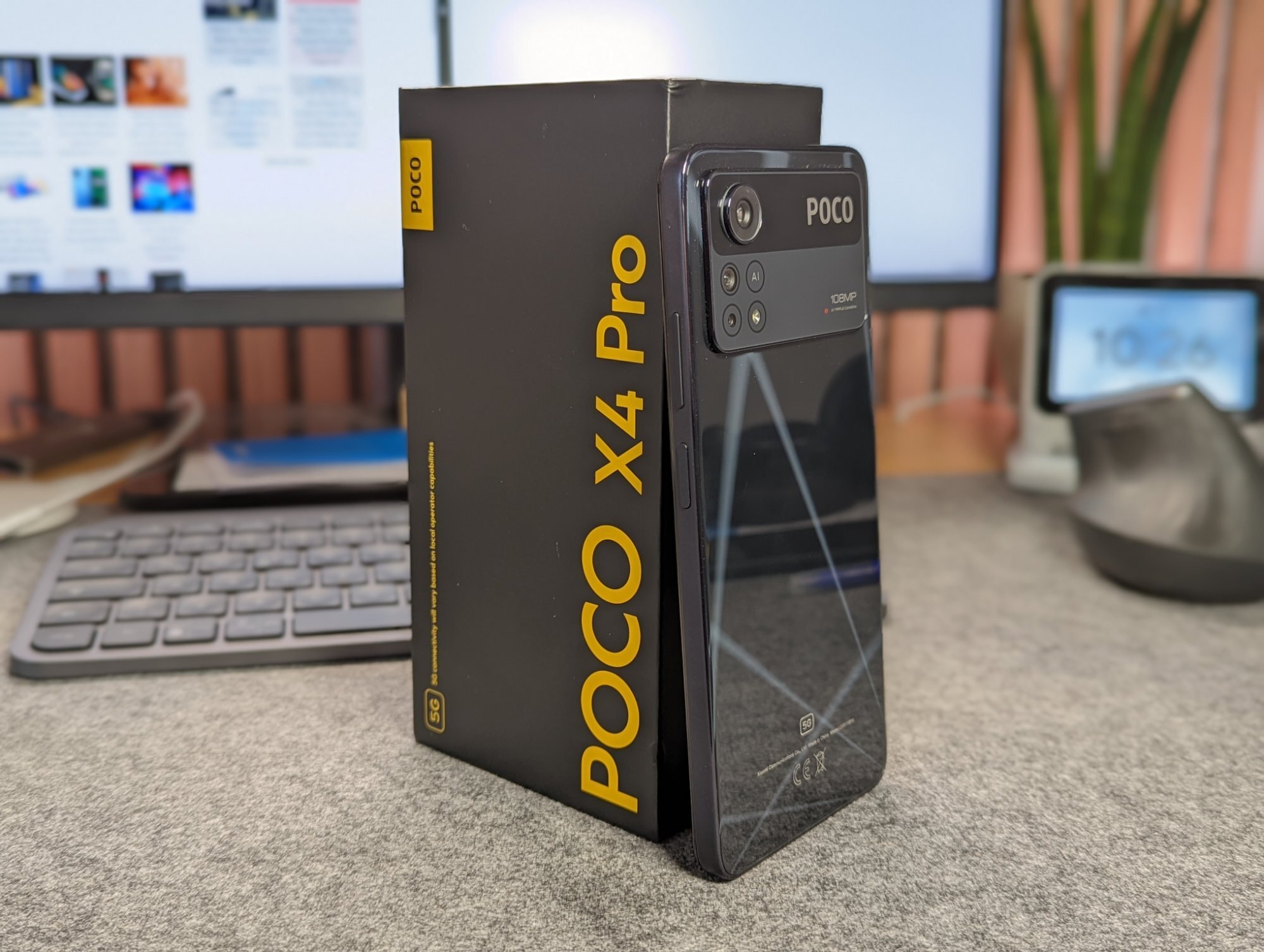
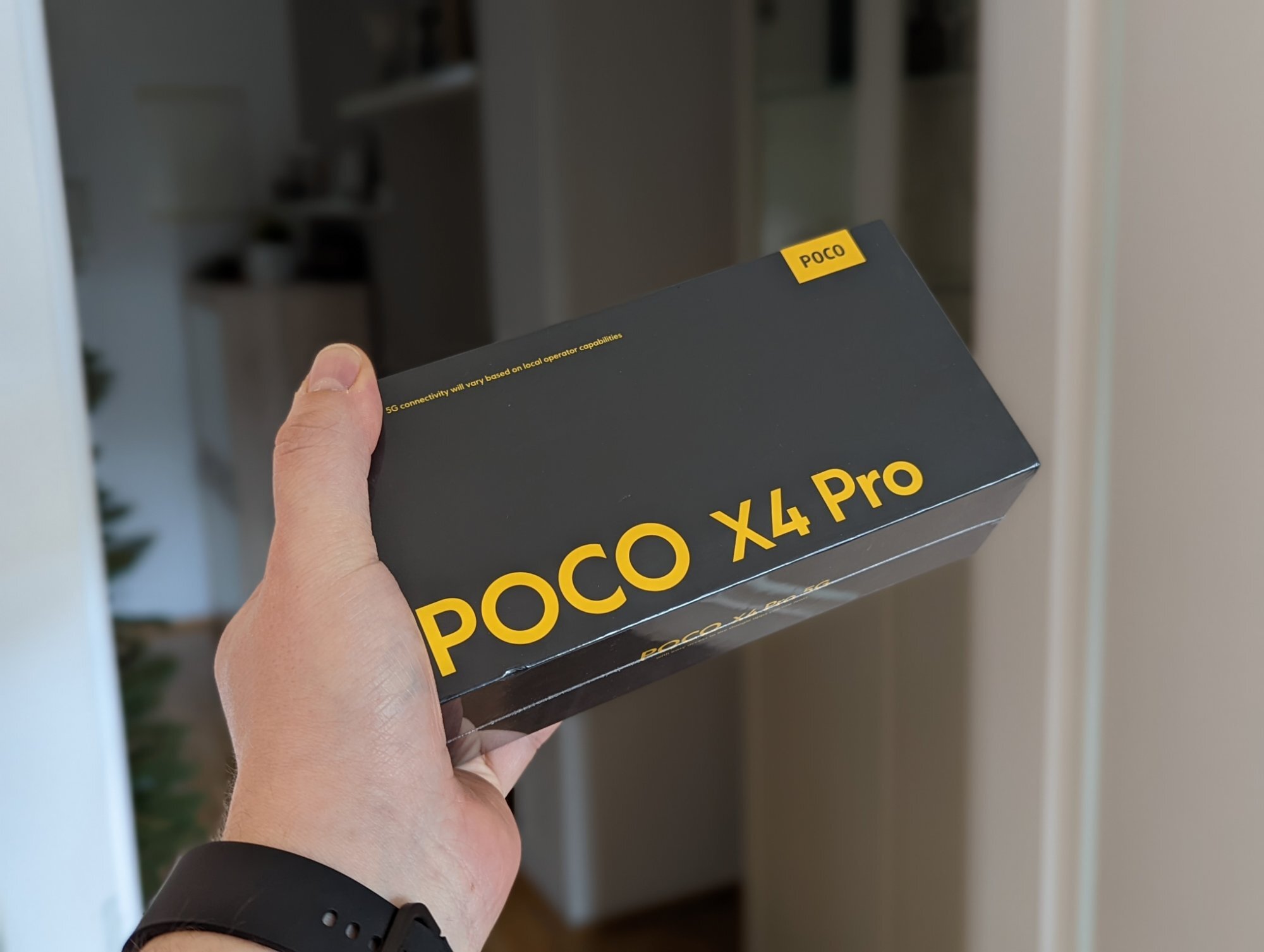
Xiaomi’s POCO launched the M4 Pro this week in the budget segment. Now, the company is gearing up for the launch of a mid-range series dubbed the POCO X4 5G. Earlier today, we learned some specs of the POCO X4 Pro 5G, and now, SmartDroid has shared the hands-on images of the phone.
Unfortunately, the publication seems to have removed the images, however, the tipster Abhishek Yadavhas managed to share the images online. As per the images, the Poco X4 Pro 5G has an entirely new design.
The phone replaces the circular rear camera module of the X3 Pro with a wide island that holds three cameras, an LED flash, and has the Poco branding. Interestingly, if we zoom in, we also get to see the “108MP” mentioned on the right-side. The publication reveals that is an HM2 primary sensor.
To recall, the existing Poco X3 Pro has a 48MP primary lens. Having a 108MP sensor on the X4 Pro will surely be a big upgrade, at least on paper. However, this is contrary to what the tipster Yogesh Brarrevealed recently.
As per the tipster, the Poco X4 Pro 5G will feature a 64MP primary lens, an 8MP ultra-wide sensor, and a 2MP macro lens.
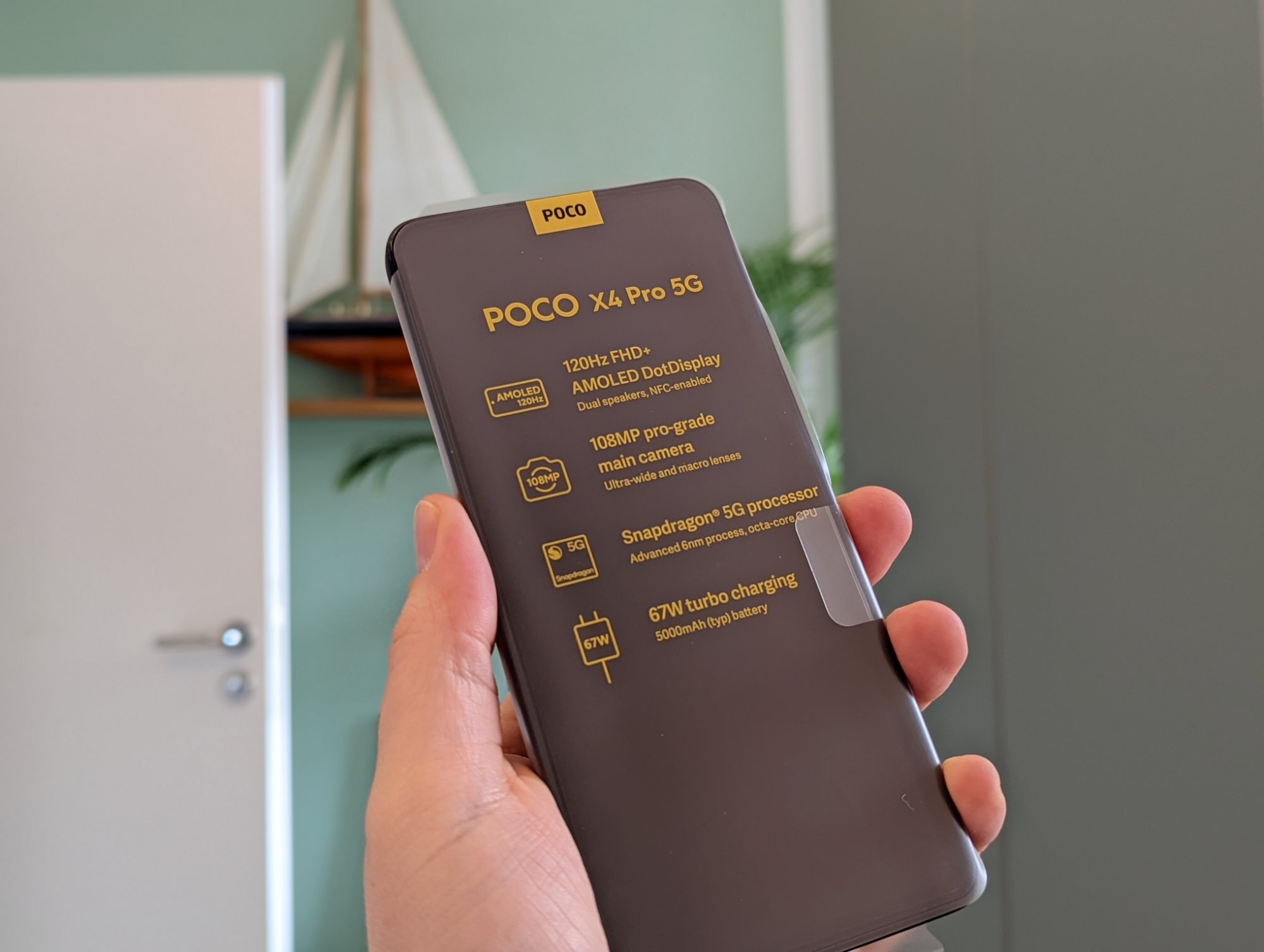
The publication has all other specs in line with what the tipster revealed. The Poco X4 Pro 5G will come with a 6.7-inch AMOLED DotDisplay. In the images, we get to see the punch-hole screen with thin bezels. Furthermore, the smartphone packs a 5,000mAh battery and supports 67W fast charging support.
On the protective film, we can read that the device has dual speakers, NFC support, and has a Snapdragon 5G chipset. The phone will be powered by the Snapdragon 695 chipset and come with up to 8GB of RAM and 256GB of internal storage. The device will boot on Android 11 OS and run on the MIUI 13.
Xiaomi has several phones lined up for launch. The company recently launched the Redmi K50G a.k.a the K50 Gaming Edition in China. We are expected to see the standard K50 models in the coming weeks. The company also has the Xiaomi Mix 5 and Xiaomi 12 Ultra’s launch in the pipeline. Now, the tipster DigitalChatStation reveals that there’s another phone that’s expected to release soon.
The tipster has shared a transparent case of the smartphone. The clear case reveals the camera design of the device. The phone seems to have two big lenses placed one after another vertically. The case has two more cutouts possibly for a lens and an LED flash. Having said that, it could be a triple camera setup.
This camera module looks somewhat similar to the last year’s Poco F3 GT. As of yet, we don’t know what will the handset be called. Also, it is way too early to speculate its internals.
As said earlier, Xiaomi’s next big phone launces are expected to be the launch of Xiaomi Mix 5 series and the Xiaomi 12 Ultra. The Mix 5 Pro was recently spotted, it has a 6.73-inch WQHD+ AMOLED display with 120Hz refresh rate. The phone is expected to have quad-camera system with a 48MP periscope camera as its highlight.
The Xiaomi 12 Ultra, on the other hand, is expected to bring 2K 120Hz screen and triple cameras. Since both will be flagship offerings, they will come powered by the powerful Snapdragon 8 Gen 1 chipset.
After months of rumors and a week-long teaser campaign, OnePlus has finally launched the latest addition to their core series smartphones dubbed the OnePlus Nord CE 2. The smartphone offers many improvements over its predecessor at an enticing price point, so let’s take a look at its specs and features.
Design and Display
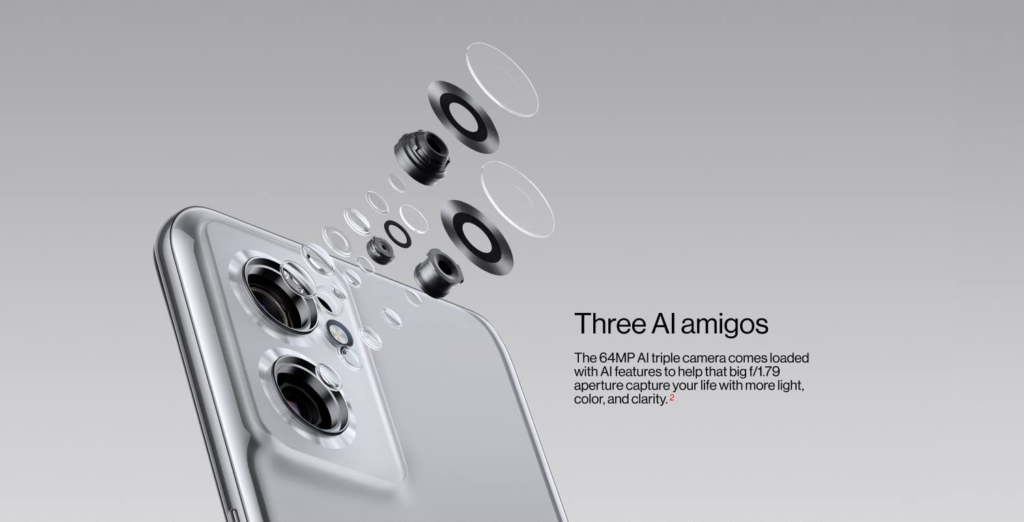
Design-wise, the OnePlus Nord CE 2 is pretty similar to the Nord CE, with the only difference being the camera bump. This time, the camera module design is noticeably influenced by the OPPO Find X3 Pro. The Nord CE 2 has the volume rocker located on the left, and the power button on the right side. And like its predecessor, it appears to be missing the iconic OnePlus alert slider. The phone is also the slimmest OnePlus smartphone since the OnePlus 6T, measuring at just 7.8 mm thick.
On the front, it features slim bezzles on three sides with a sizable chin on the bottom. The device comes with a 6.43-inch FHD+ AMOLED HDR10+ certified display with a 90Hz refresh rate. The display has a punch-hole cutout located in the top left for the front camera.
Cameras
For photography, the smartphone houses a triple camera system comprising of a 64MP primary sensor, an 8 MP ultra-wide camera, and a 2 MP macro lens. The primary 64MP sensor has a large f/1.7 aperture which helps it capture vibrant images even in low light environments.
Talking about low light imaging, the Nord CE 2 gets AI-based Nightscape support which basically takes up to nine different pictures at varying exposures and intelligently, weaving them together to produce clearer, brighter, and more dramatic photos.
The Nord CE 2 gets the improved Portrait Mode 2.0 which offers more accurate edge detection compared to its predecessor and also offers there ability to adjust the level of software-produced depth of field when capturing a subject for greater creative control. The new Portrait mode is supported on both the primary camera as well as the front camera of the device.
But that’s not the end of camera improvements as low light video capturing gets a bump in performance too. The Nord CE 2 comes with Improved AI background lighting and color optimization that improves the video quality while filming in low light and unevenly lit environments. Additionally, the phone gets another quirky feature called the Dual-View Video, which essentially allows you to record with both its front and rear cameras simultaneously.
Performance
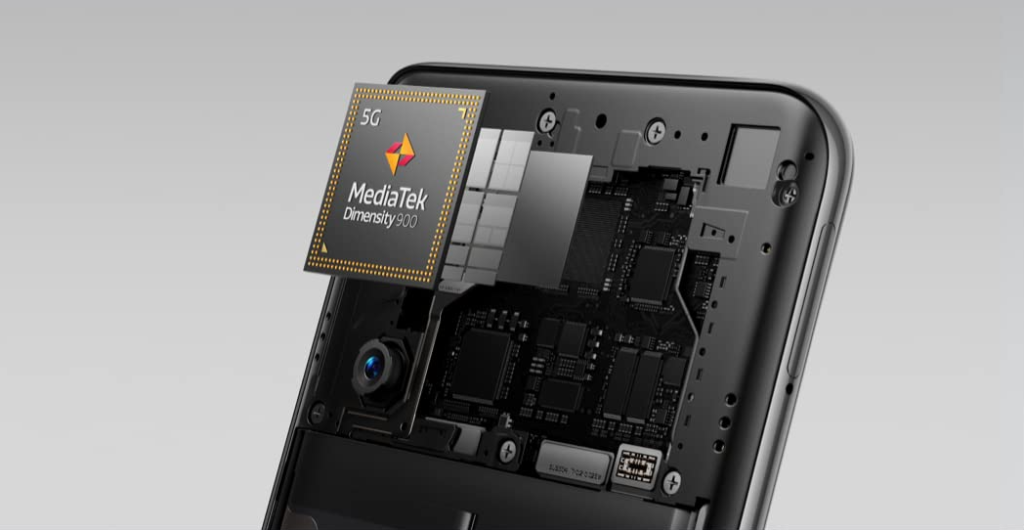
The device comes powered by the MediaTek Dimensity 900 octa-core SoC that features inbuilt 5G and WiFi 6 modems. The SoC is boasted to have been optimized for power efficiency which in turn offers improved thermals and system stability making it ideal for gaming.
The device is offered in up to 8GB of LPDDR4x RAM and 128GB UFS 2.2 storage, which can be further expanded by 1TB using a TF card. A major improvement over the last-gen Nord CE is the charging capabilities of this device. The company has claimed that using the 65W SUPERVOOC fast charging, the Nord CE 2 can be charged from 20%-75% in just 15 minutes and can charge the device from 1% to 100% in just 32 minutes.
The OnePlus Nord CE 2 comes pre-installed with OxygenOS 11.3, complete with an improved dark mode, new one-handed usage features, and more. OxygenOS 12 will be available for the device in the second half of 2022. In total, the OnePlus Nord CE 2 will receive 2 years of Android version updates and 3 years of Android security patches.
Other features of the device include a 3.5mm headphone jack, a SIM tray capable of housing two SIM cards, and a dedicated MicroSD card slot.
Pricing and Colors & Availability
The OnePlus Nord CE 2 will be offered in two colors namely Gray Mirror and Bahama Blue. As the name suggests, Grey Mirror has a mirror-like finish with flashy overtones that looks like polished metal while the Bahama Blue offers a gradient finish that provides mesmerizing color transitions of blue and yellow.
For Indian customers, the Nord CE 2 is priced at Rs. 23,999 for the 6GB + 128GB variant and Rs. 24,999 for the 8GB + 128 GB variant. The device will go live for sale on February 22nd in India and can be purchased at OnePlus.in, OnePlus Store App, Amazon.in, OnePlus Experience stores and authorized partner stores. OnePlus & Amazon India are also giving bank offers and other discounts on the purchase of the Nord CE 2 which you can check out by visiting their respective sites.
European customers can pre-order the Nord CE 2 starting March 3rd and the device will go on sale starting March 10th. In UK, the 6GB + 128GB variant will cost £299. For the rest of Europe, the device will come with a starting price of €349.
OnePlus today held a launch event that saw the company unveil the premium mid-range Nord CE 2 5G smartphone. The Chinese tech giant has also launched two new smart TVs – OnePlus TV Y1S and Y1S Edge under the OnePlus TV Y series, with a few features separating the two models.
The OnePlus TV Y1S and Y1S Edge feature a bezel-less display design with the Edge having a metallic coating on the bottom bezel delivering a unique shimmer touch. The two models are both available in two sizes – 43 inches and 32 inches models but the resolutions are different. The 32-inch model comes with an HD resolution while the 43-inch variant has a Full HD display. Both TVs have support for HDR10+, HDR10, as well as HLG format support for a superior viewing experience.
The smart TVs are equipped with advanced Gamma Engine features which deliver real-time image quality optimization. The smart TVs are TÜV Rheinland certified meaning they are safe for the eyes.
For optimization, the smart TV runs Android TV 11.0 bringing several new features including serving as a smart hub of the owner’s home entertainment. The operating system also features a special Auto Low Latency Mode which promotes an exciting gaming experience on their new OnePlus TVs. Smart voice control is also supported on the TVs thanks to Google Assistant. Further, the new OnePlus TV Y1S and Y1S Edge equally come with the Smart Manager feature which allows users to boost the TV’s system speed, free up storage space, and perform other actions. There is also a Remote Diagnosis feature that allows owners to identify and resolve issues remotely. If the user isn’t able to resolve the issue, the Remote Diagnosis feature allows the OnePlus service team to remotely access the smart TV.
As for the pricing, the OnePlus TV Y1S 32-inch model starts at Rs. 16,499 (~$220) while the 43-inch model is priced at Rs 26,999 (~$360). The OnePlus TV Y1S Edge starts at Rs 16,999 (~$226) while the 43-inch model will retail for Rs. 27,999 (~$373).
The OnePlus TV Y1S 32-inch will be available online from February 21 via OnePlus.in, Amazon.in and Flipkart.in. The OnePlus TV Y1S 43-inch will also be available across these online channels soon. On the other hand, the OnePlus TV Y1S Edge 43-inch and 32-inch variants will be sold via offline channels including OnePlus Experience Stores, Reliance Digital, MyJio, Croma, Sangeetha Mobiles, Poorvika, Pai International, Happi Mobiles, SS Mobiles, Poojara Telecom, BigC Mobiles, LOT Mobiles, and others from February 21, 2022
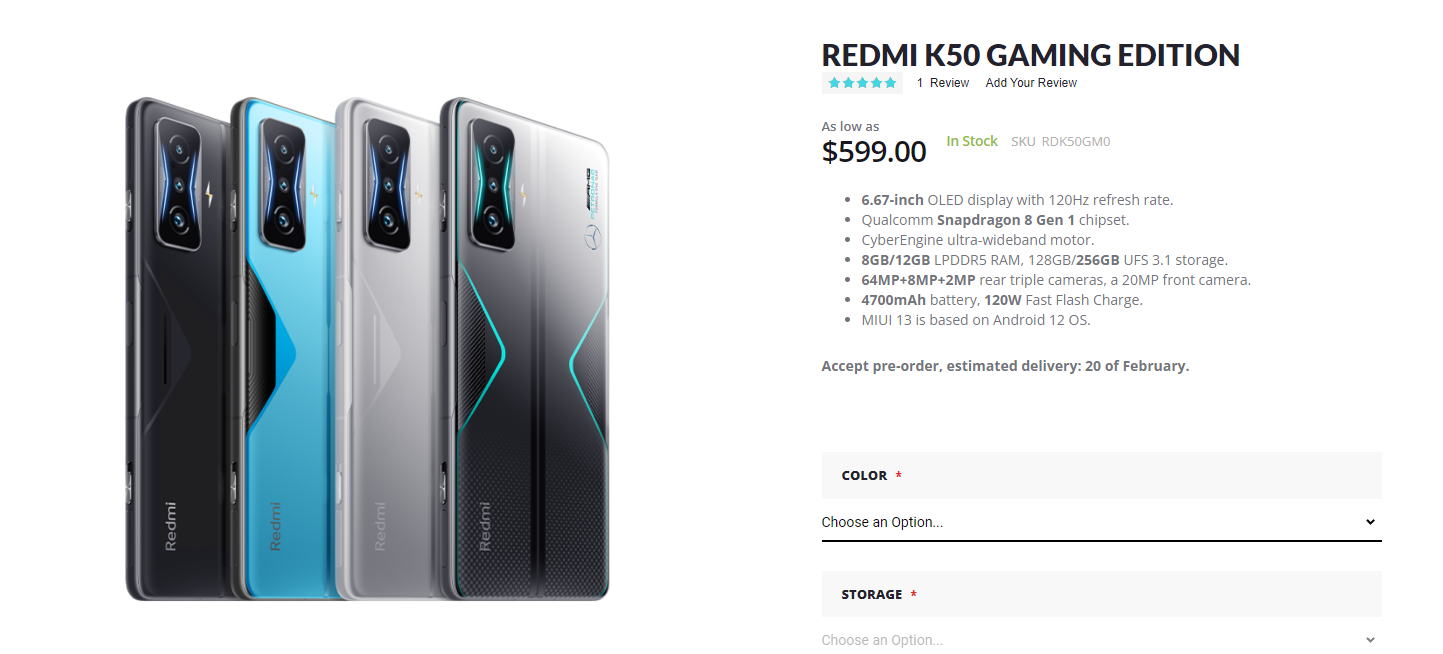
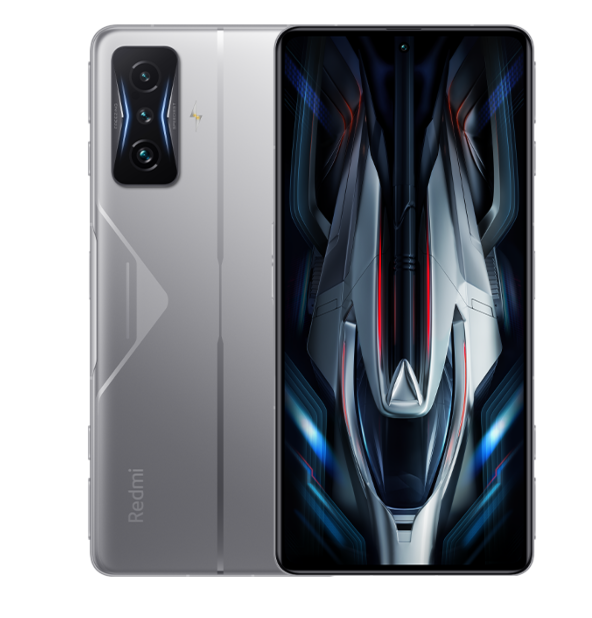
Redmi K50 Gaming Edition features a 6.67” OLED display with 2400x1080p resolution and 120Hz refresh rate. Powered by the latest Qualcomm Snapdragon 8 Gen 1 Chipset it comes with 8GB /12GB LPDDR5 RAM options and 128GB /256GB internal storage options.
Redmi K50 Gaming edition comes with a triple rear camera setup with a 64MP main camera and 8MP + 2MP secondary sensors. For your selfies, you have a 20MP sensor in the front. Fueled by a 4700mAh battery it supports a 120W fast flash charge and runs on the Android 12 OS-based MIUI 13.
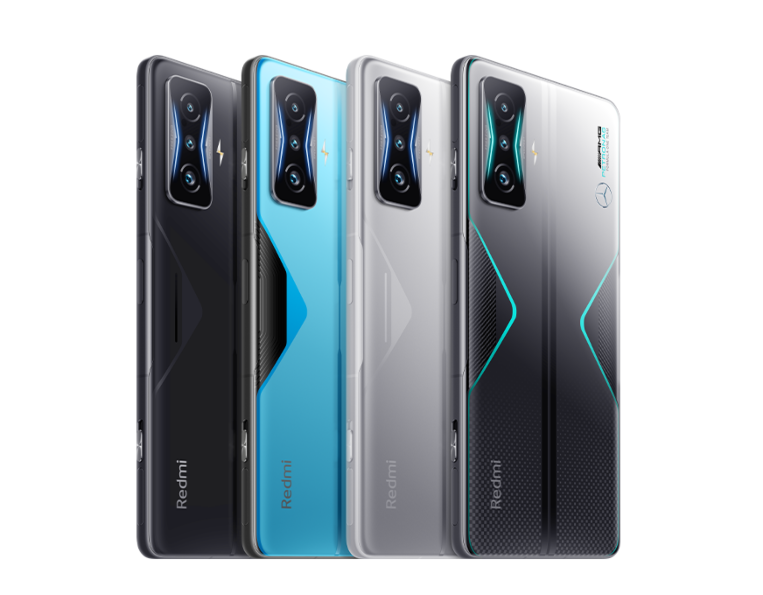
Available in three exciting colors of Silver, Black, and Blue, you can now buy Redmi K50 Gaming Edition for $599 only at Giztop. Please note that this price is for the base variant only.
For more information on such exciting deals and offers check out our deals hub.
In the past couple of years, Work from Home has become mainstream. While this brings convenience, it also adds a new set of challenges like handling important documents at home, and scanning and editing them, which were once done in a secure office environment. Plus, everything is handled online, which means you need the right tools to perform these tasks securely.
This is where iScanner comes into the picture, bringing in a wide set of tools to manage your routine tasks like document scanning, editing, along with a bunch of add-on features based on their OCR technology. One of the highlight features of the iScanner app is its ability to save all the documents locally on your phone instead of syncing them to the cloud.
Let’s take a closer look at how the features work on the app.
iScannerAppUI
The iScanner app is available for both Android and iOS and both versions share more or less the same features. However, the iOS app feels a lot more polished, with the app featuring tutorials for each feature as well as a dedicated Actions section. Also, presently, the Area Calculator function is exclusive to the iOS app.
1 of 4
iScanner App - UI
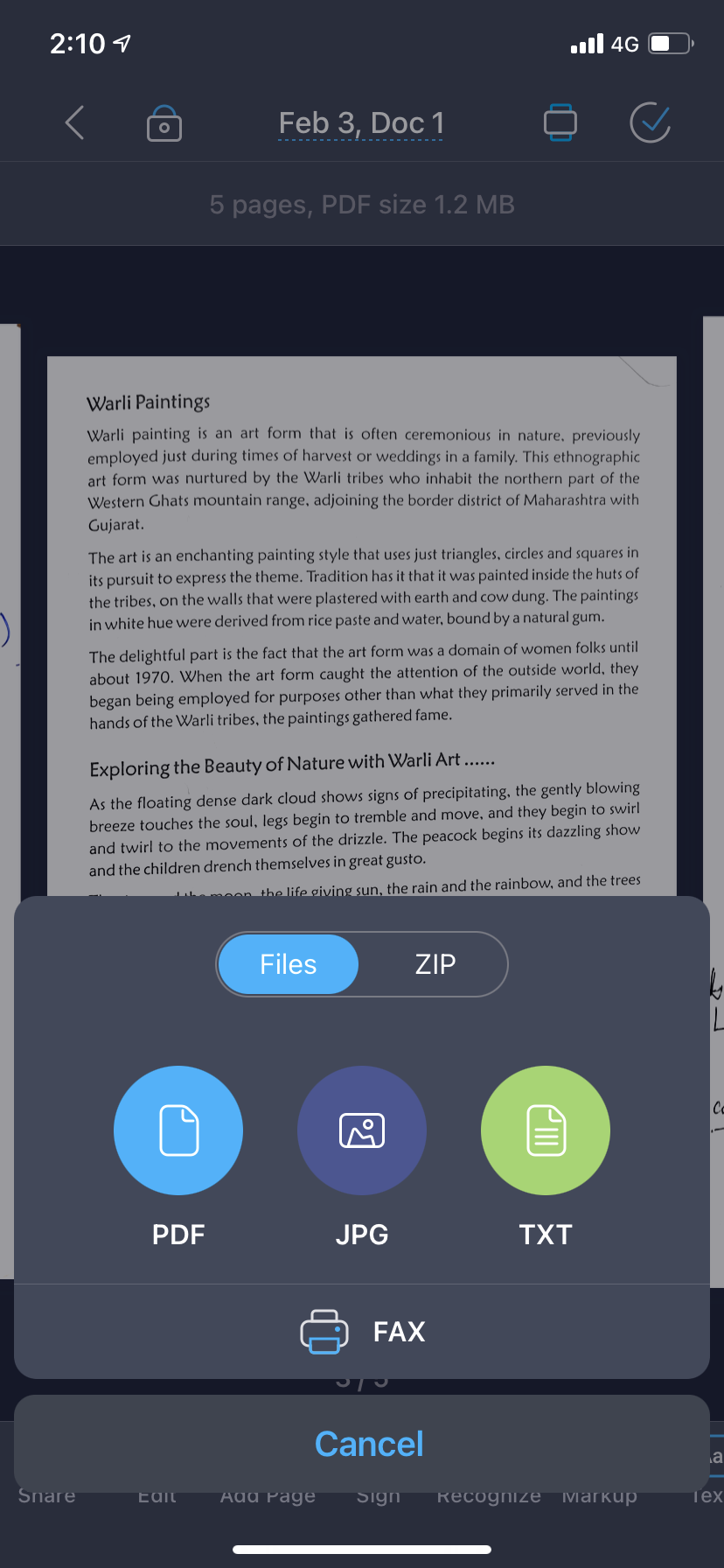
Export options
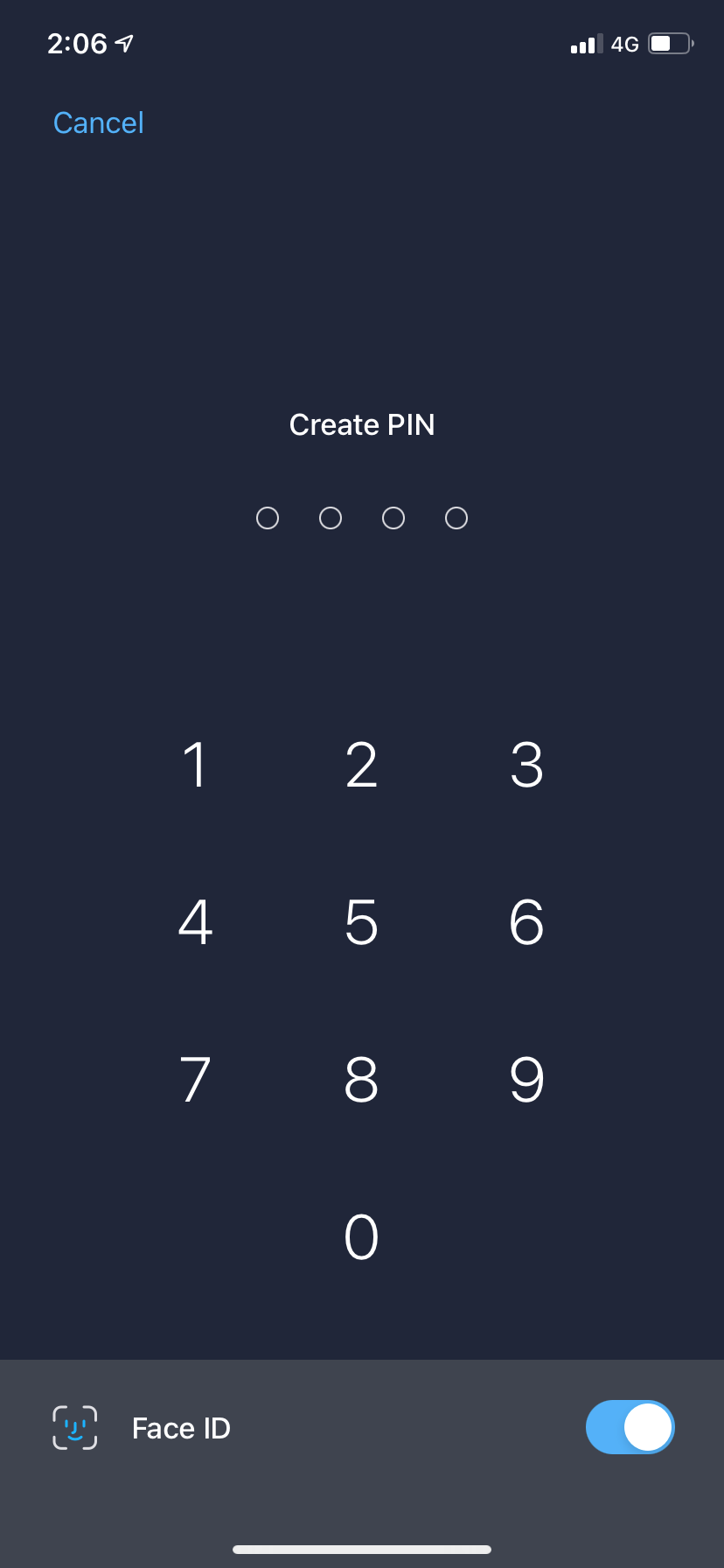
iScanner App - PIN (you can lock your docs with a pin)
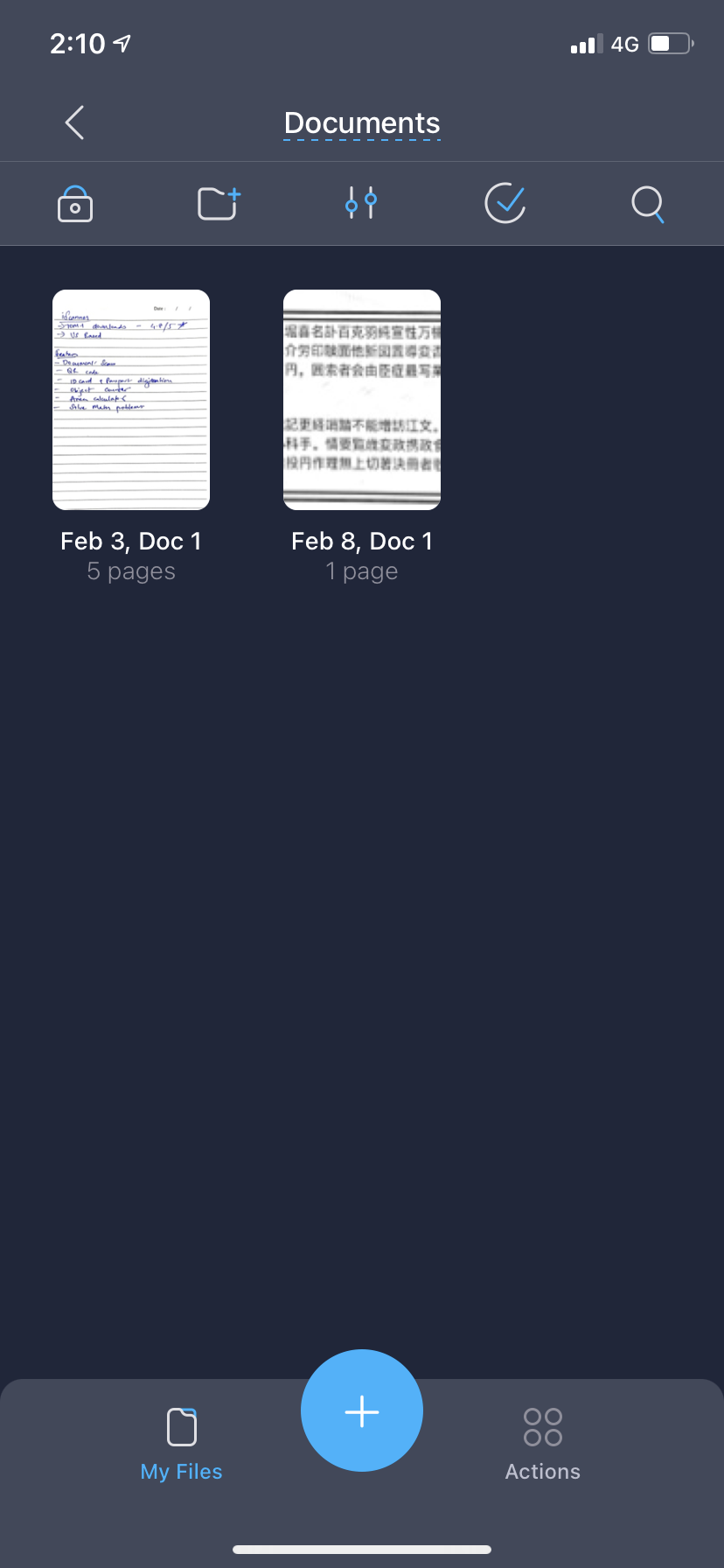
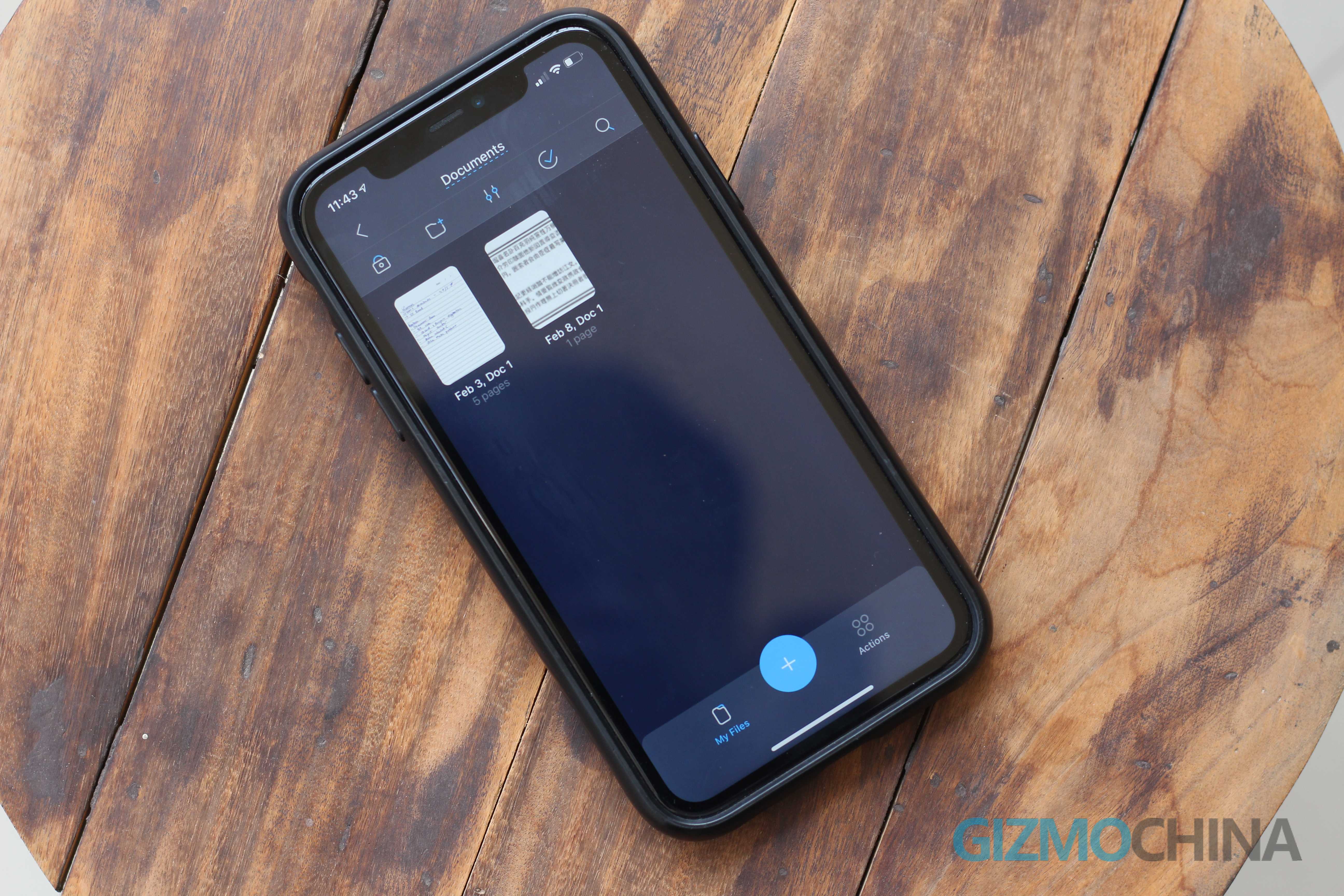
iScanner App - Docs folder
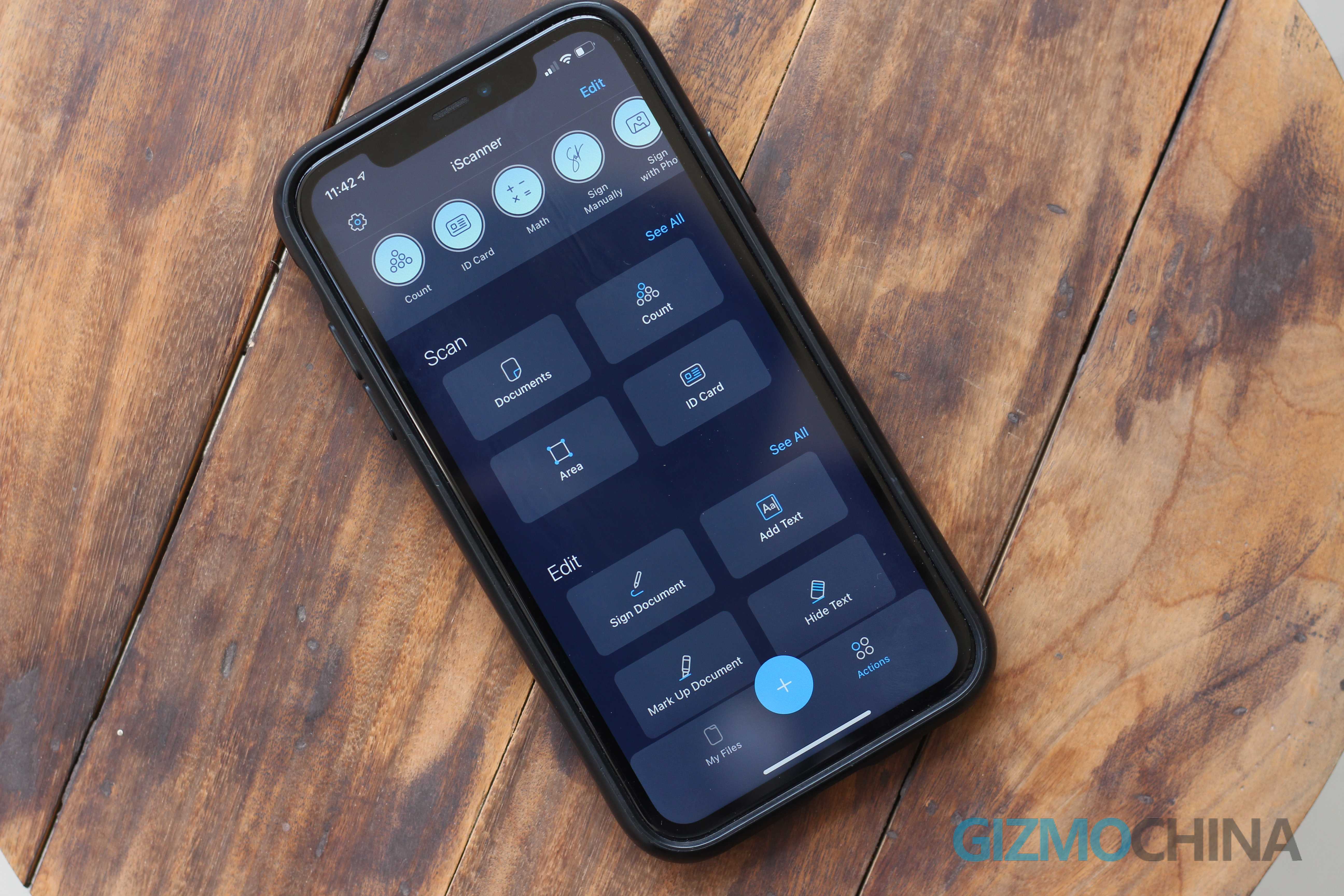
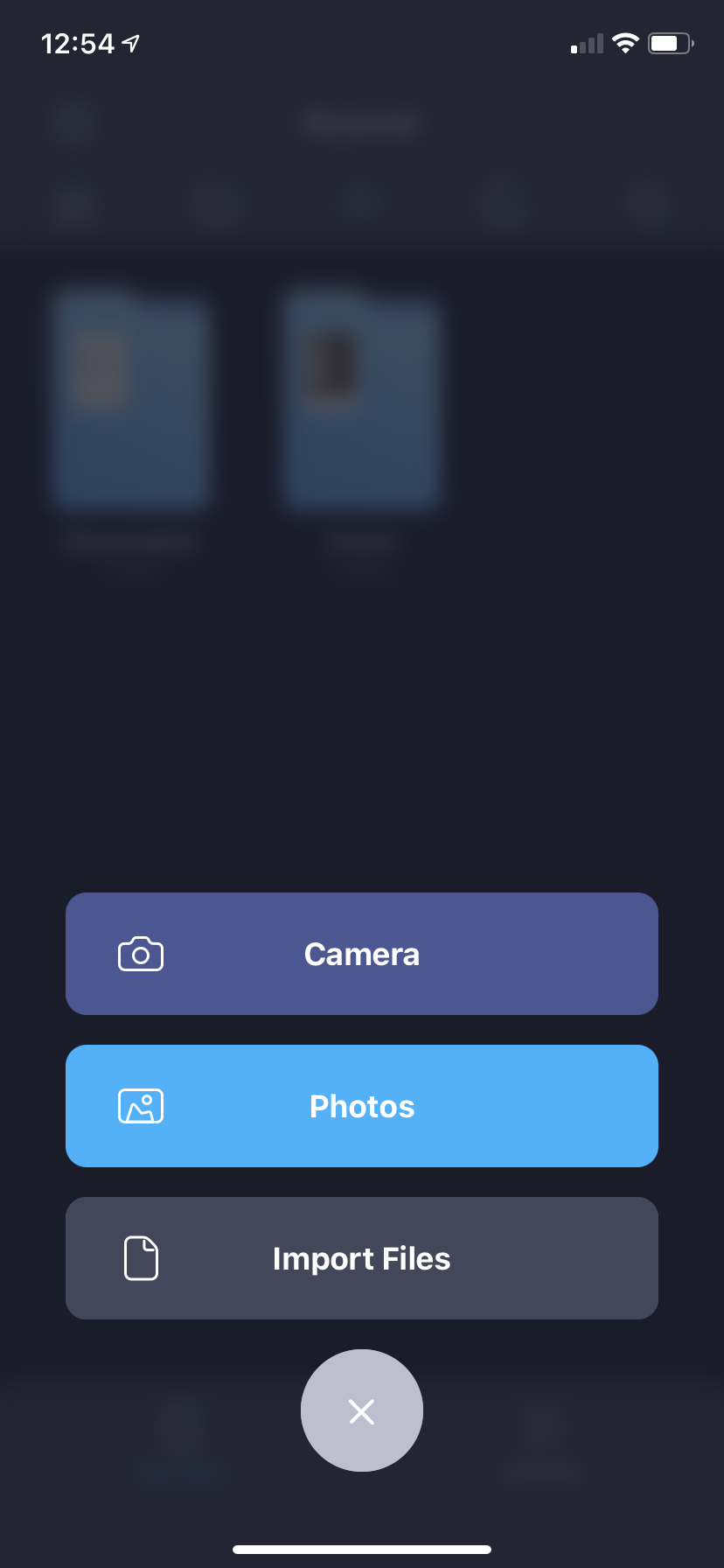
The iScanner app has a pretty simple UI with a + button at the center allowing you to immediately add a document via your camera, photos (gallery), or import (files or other apps) method.
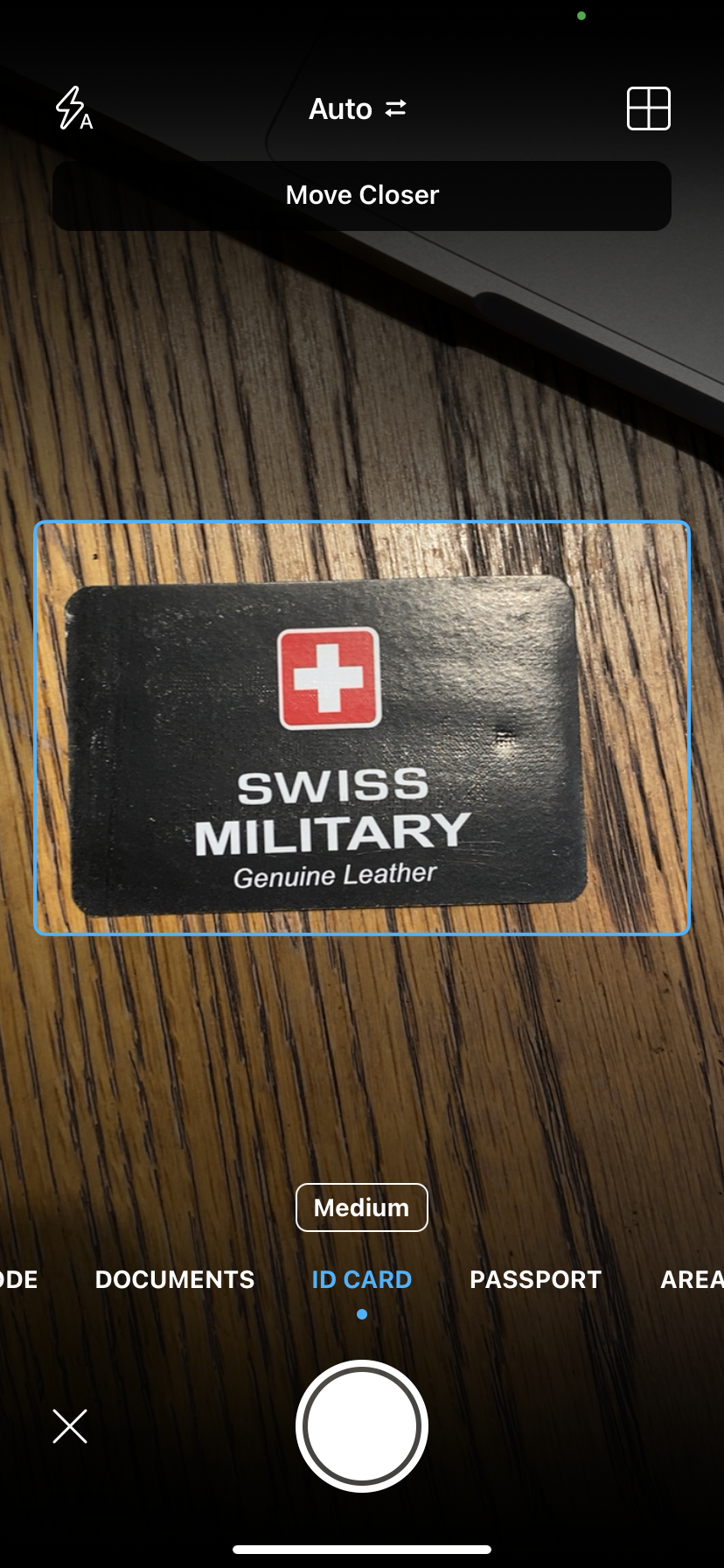
What I love about the app is that you can simply swipe between different options right inside the camera menu. These functions include a QR Code scanner, Documents scanner, ID Card Scanner, Passport scanner, Area Calculator, Object Counter, and Math Problem solver. The app comes with preset borders for each of these modes, so using them is pretty easy and straightforward.
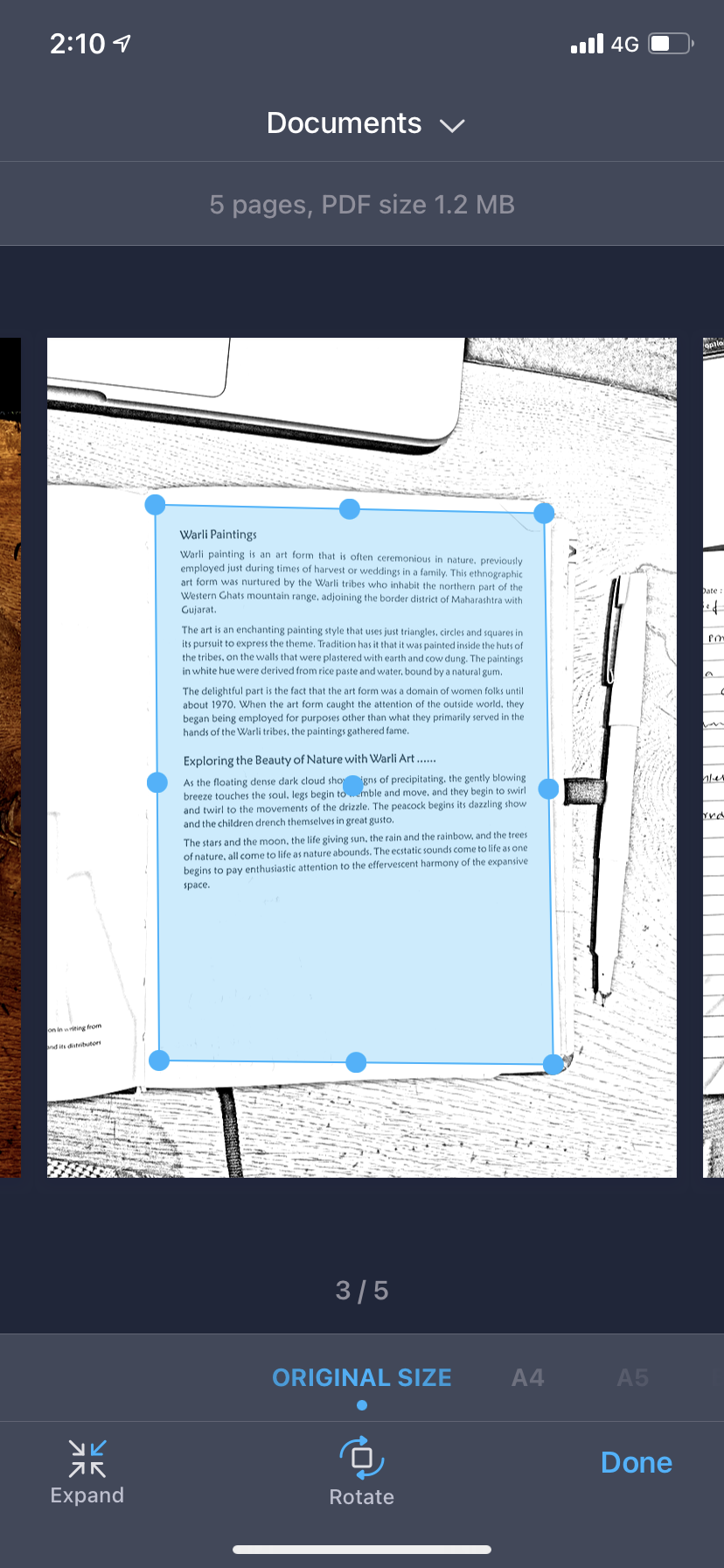
iScanner App – Preset Crop options
Once you add the image, you are greeted with options to edit the document. Note that the added documents are available via the Documents folder on the homepage of the app.
Once you are in a document, the scanning and editing tools are available in the bottom row of the app.
Document Scanning Features
iScanner supports a bunch of document scanning and editing features such as adding signatures and text, cropping and straightening a document, and even optical character recognition of written text in 23 languages.
When it comes to editing tools, the app offers pretty decent features like crop, straighten, color (B/W or colors). I tried out all of them, including the straighten tool, and they work without any issues. AI cropping for ID cards and documents is also fairly accurate and if you are unhappy with the final result, you can manually tweak the borders for your desired result in a few seconds. The B/W color tool is especially good, as you can tweak it to enhance the document’s text, giving a real scanned image feel.
Next to the edit function, you’ll find the Add Page button, which is a simple tool to add more pages to the same document file.
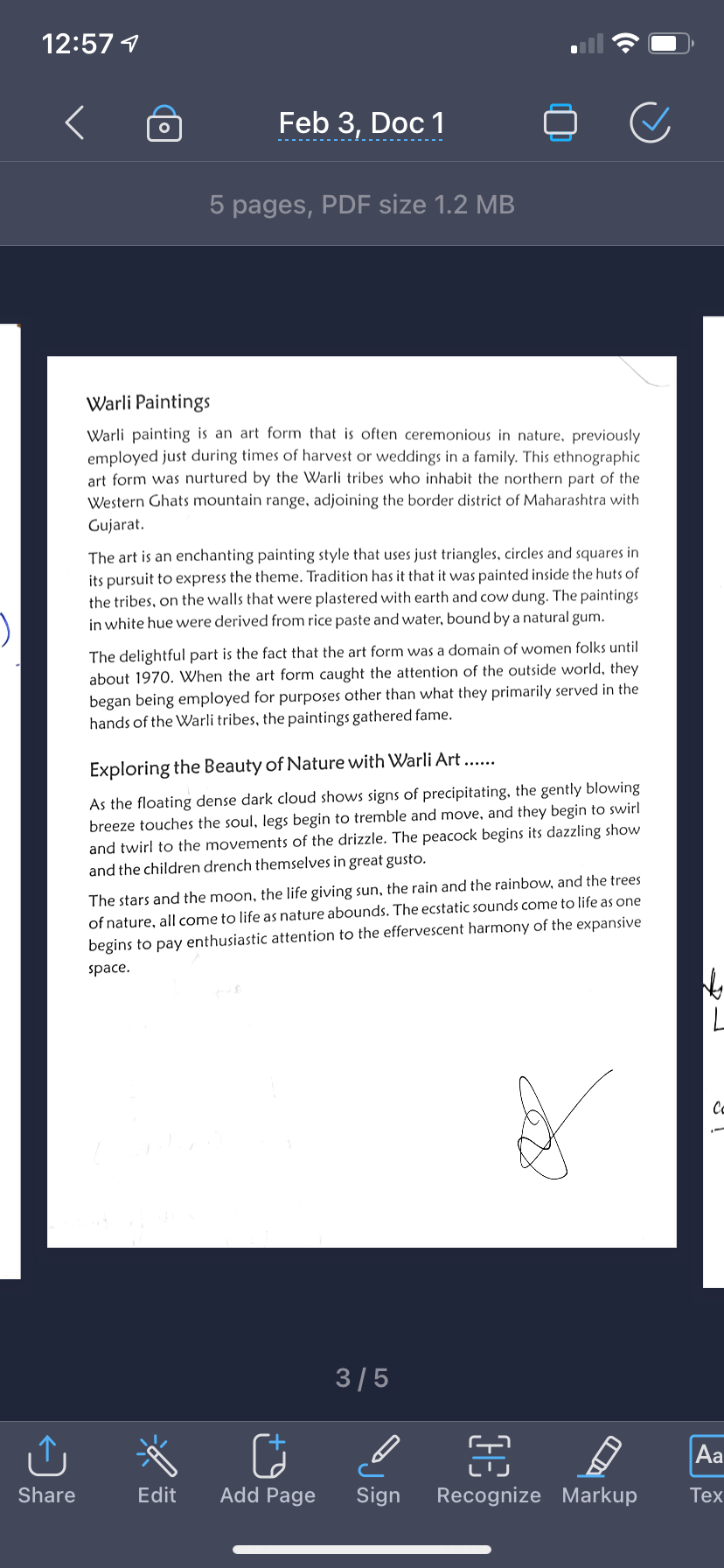
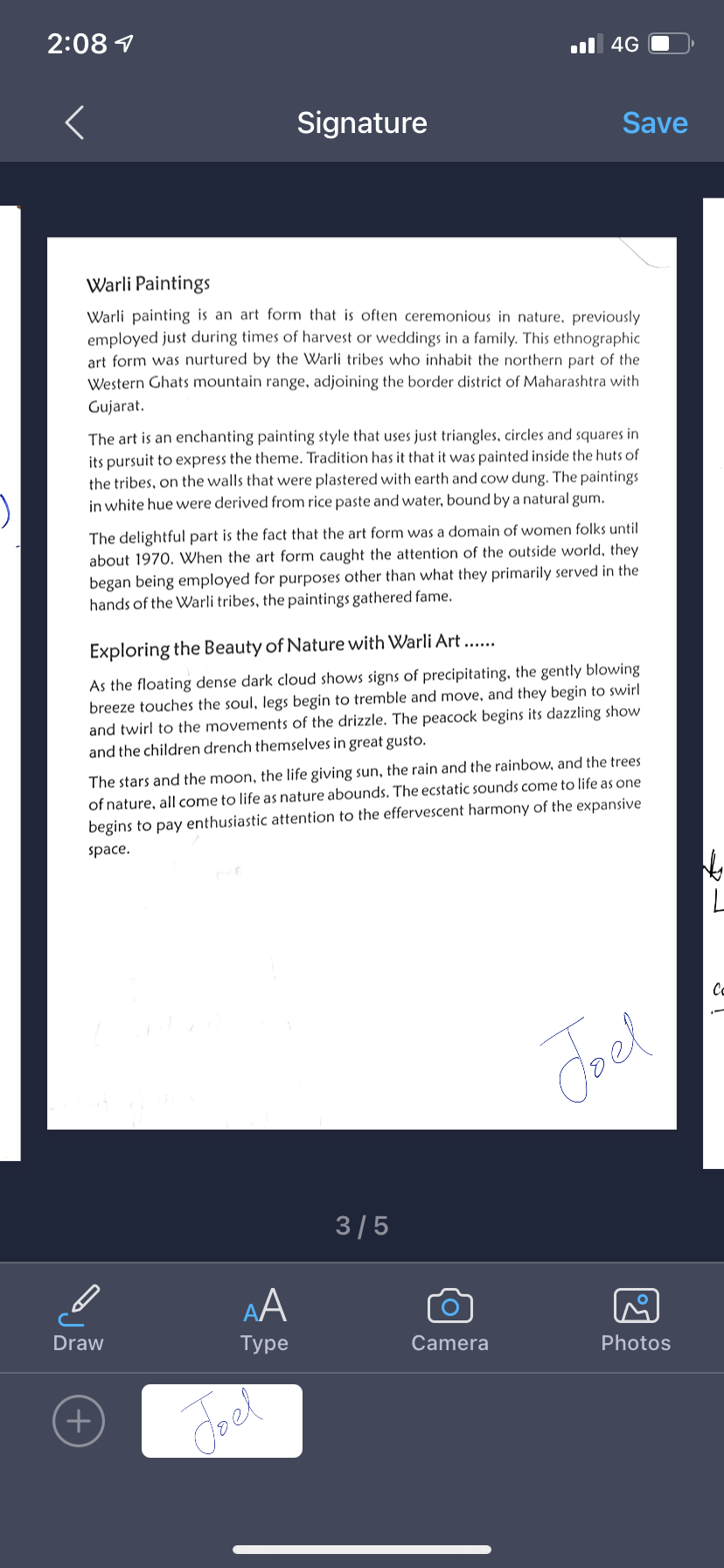
iScanner App – Sign
Then you get an option to add an e-Signature to the document. You can use a freehand tool to draw your signature, add a text on the document, or even add it via the camera or photo option. The app auto aligns the signature in the bottom right corner of the document, but you can move it around to anywhere you want.
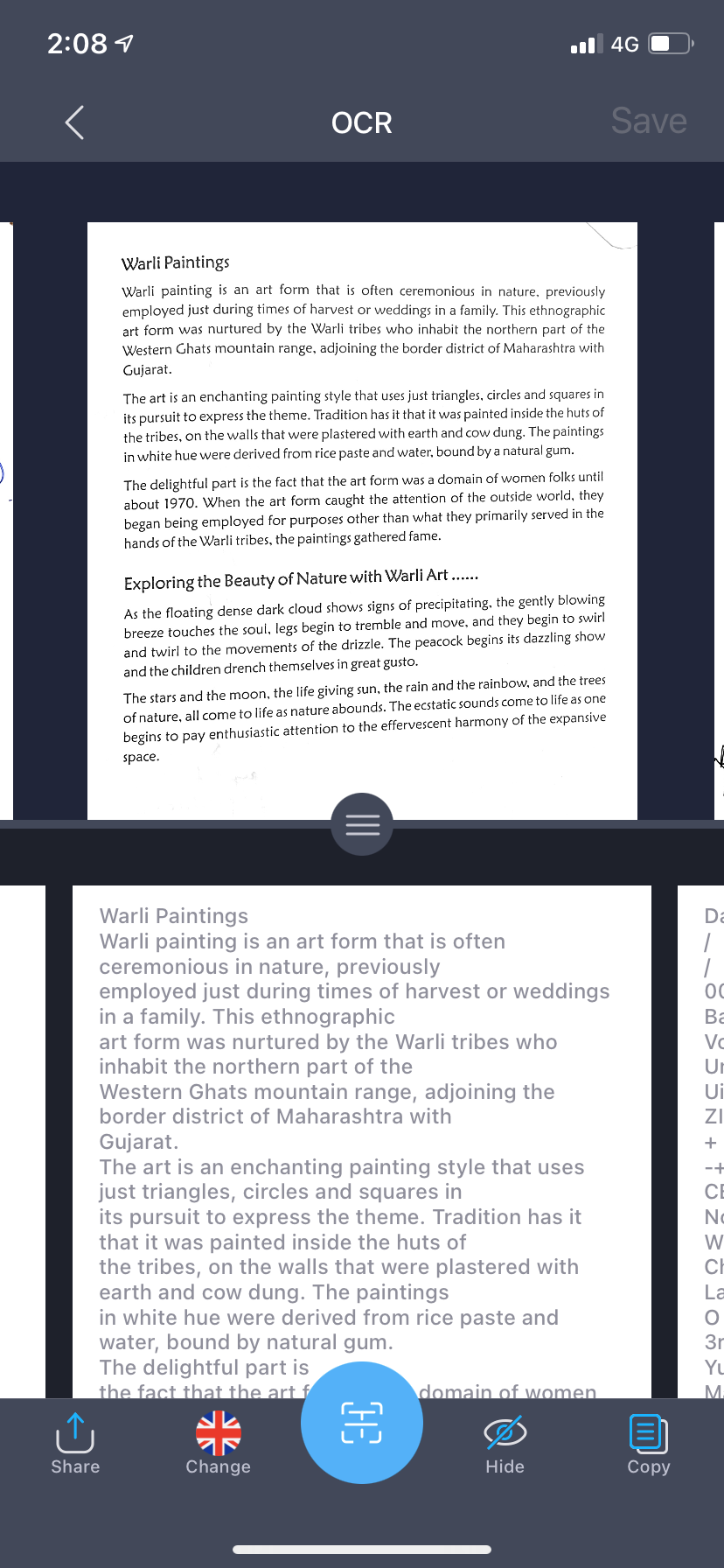
iScanner App – OCR
Next up is the OCR button, which works really well if it’s a printed document. However, handwritten docs (unsurprisingly) don’t fare so well, unless you have perfect handwriting. The app supports nearly 23 languages for OCR (the app downloads the selected language files separately).
iScanner App – Markup
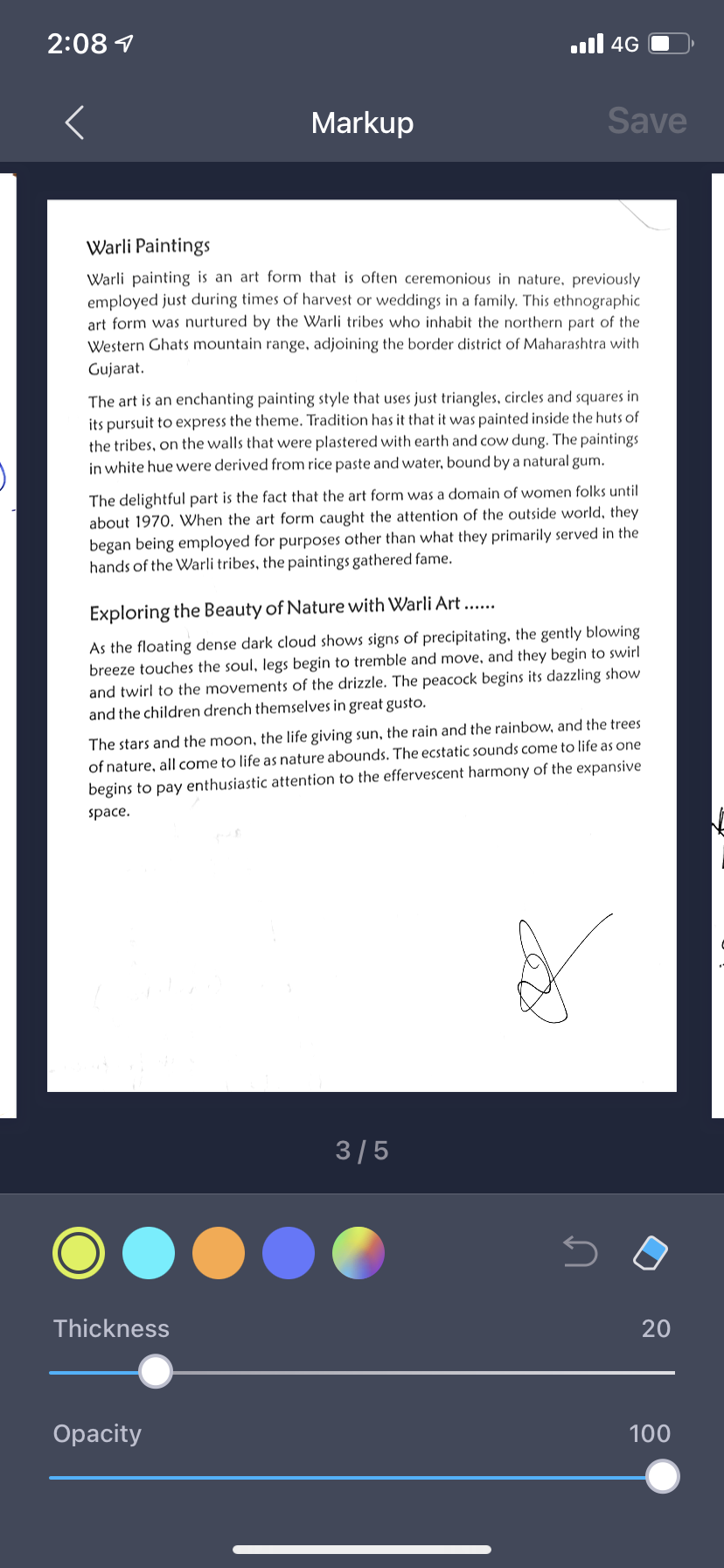
Then we have another useful tool called Markup which allows you to add highlights to the document. It works as advertised and is pretty useful, especially if you have to mark certain sections of the document for work.
iScanner App – HIDE
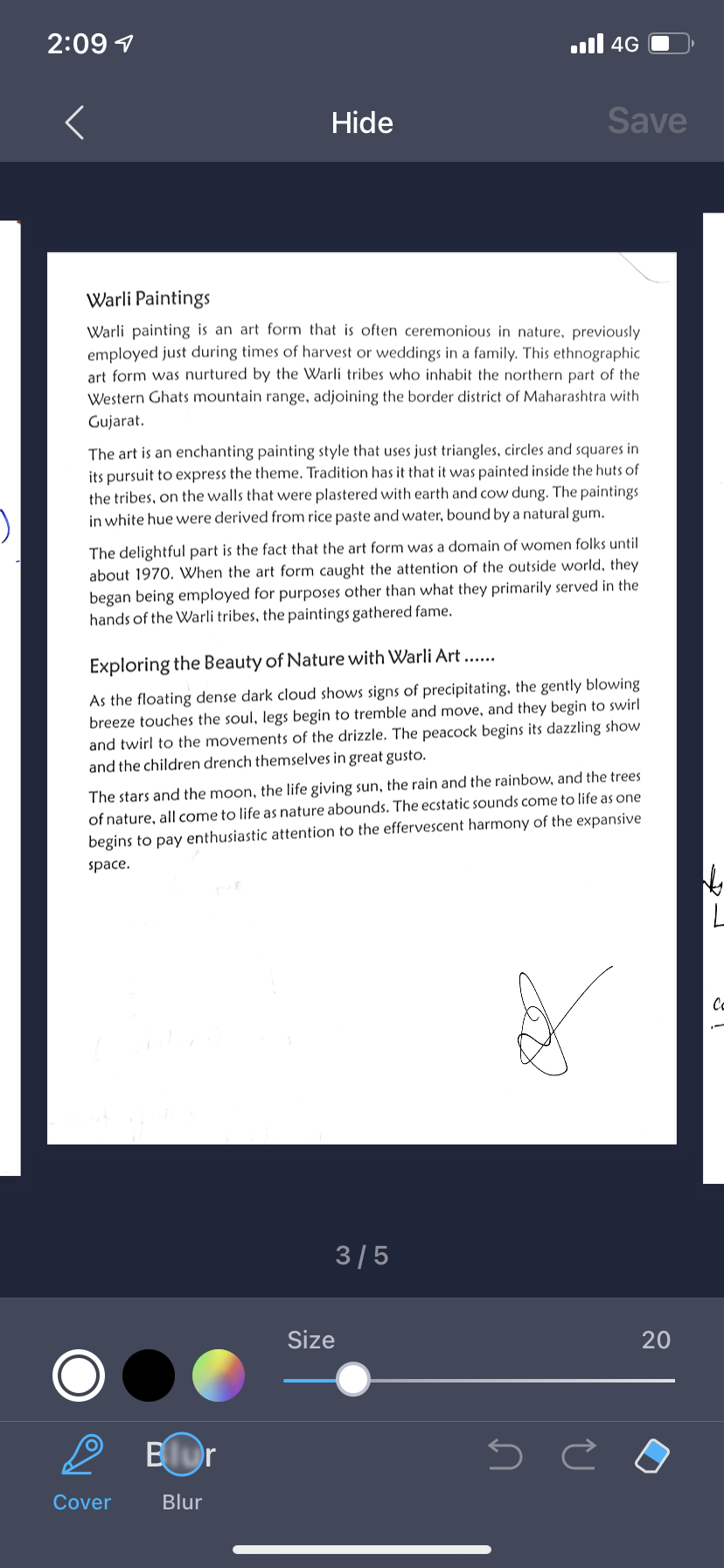
If you want to hide certain parts of the document, you can use the Hide button. Under this button, you get options to blur out certain sections, or you can simply cover certain areas of the document.
iScanner App – Insert
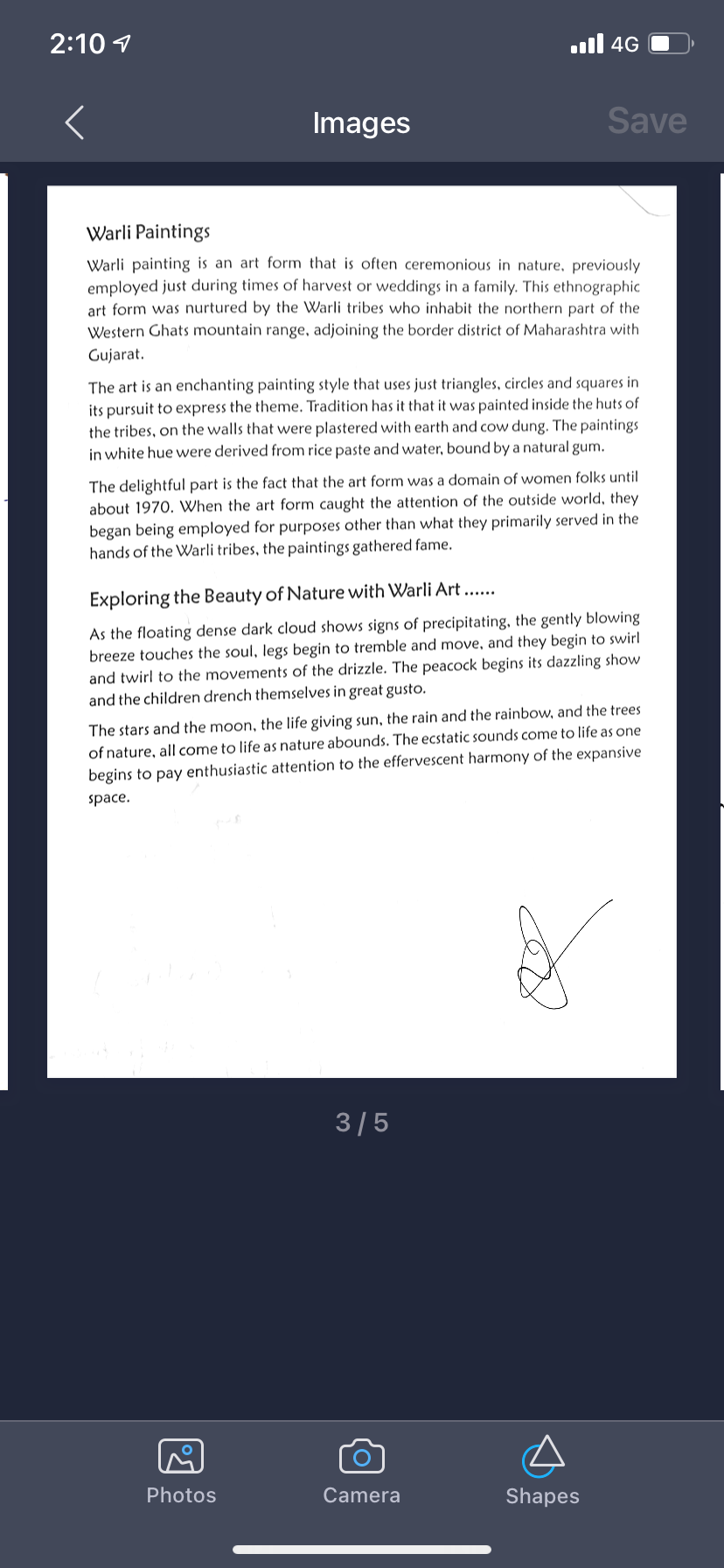
Finally, there’s also an Insert button that allows you to insert shapes or photos into the document.
Overall, when it comes to document scanning and editing, the iScanner app comes with a good set of practical and useful options. The UI as well as the number of features make it one of the best document scanning apps in the market right now.
But apart from document editing tools, iScanner has also added a couple of interesting features that are worth checking out.
Area Calculator
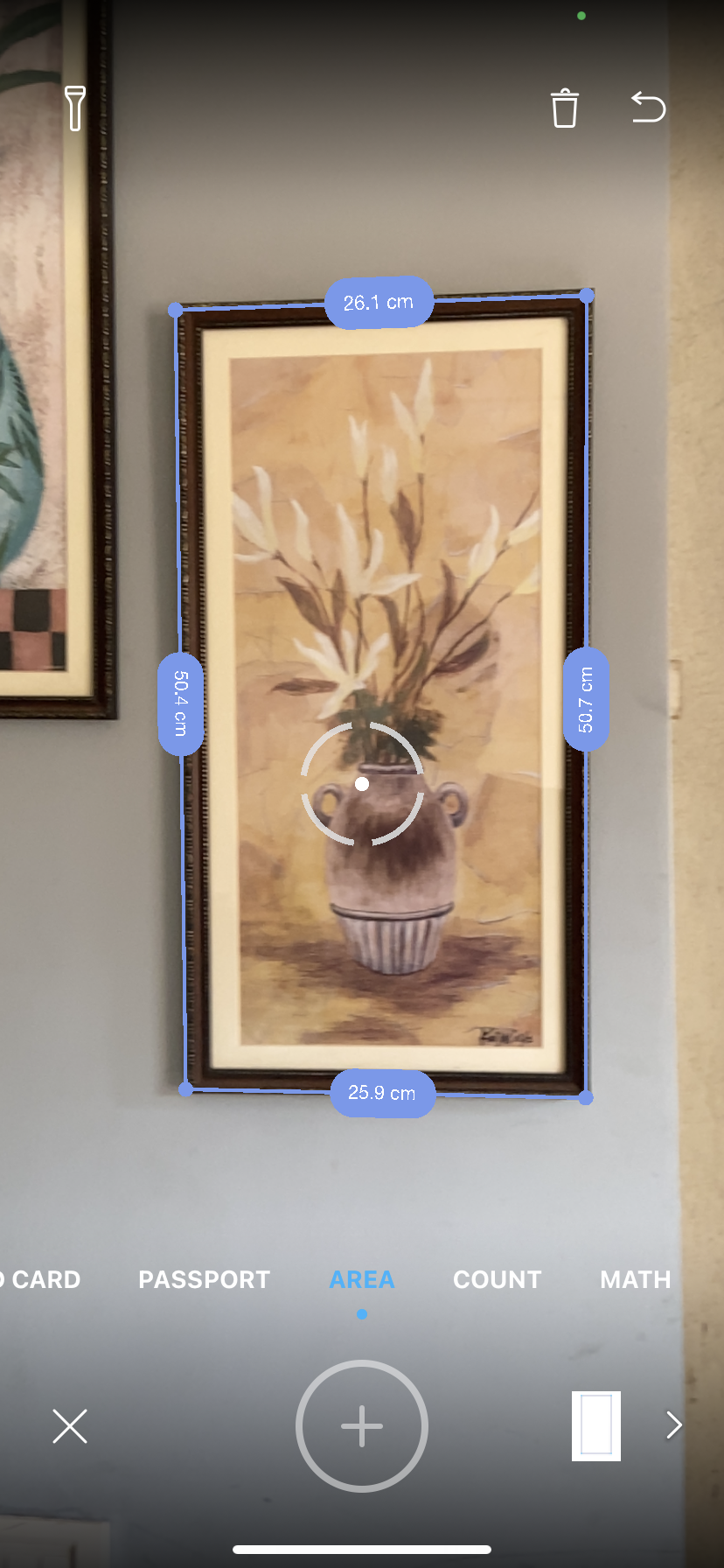
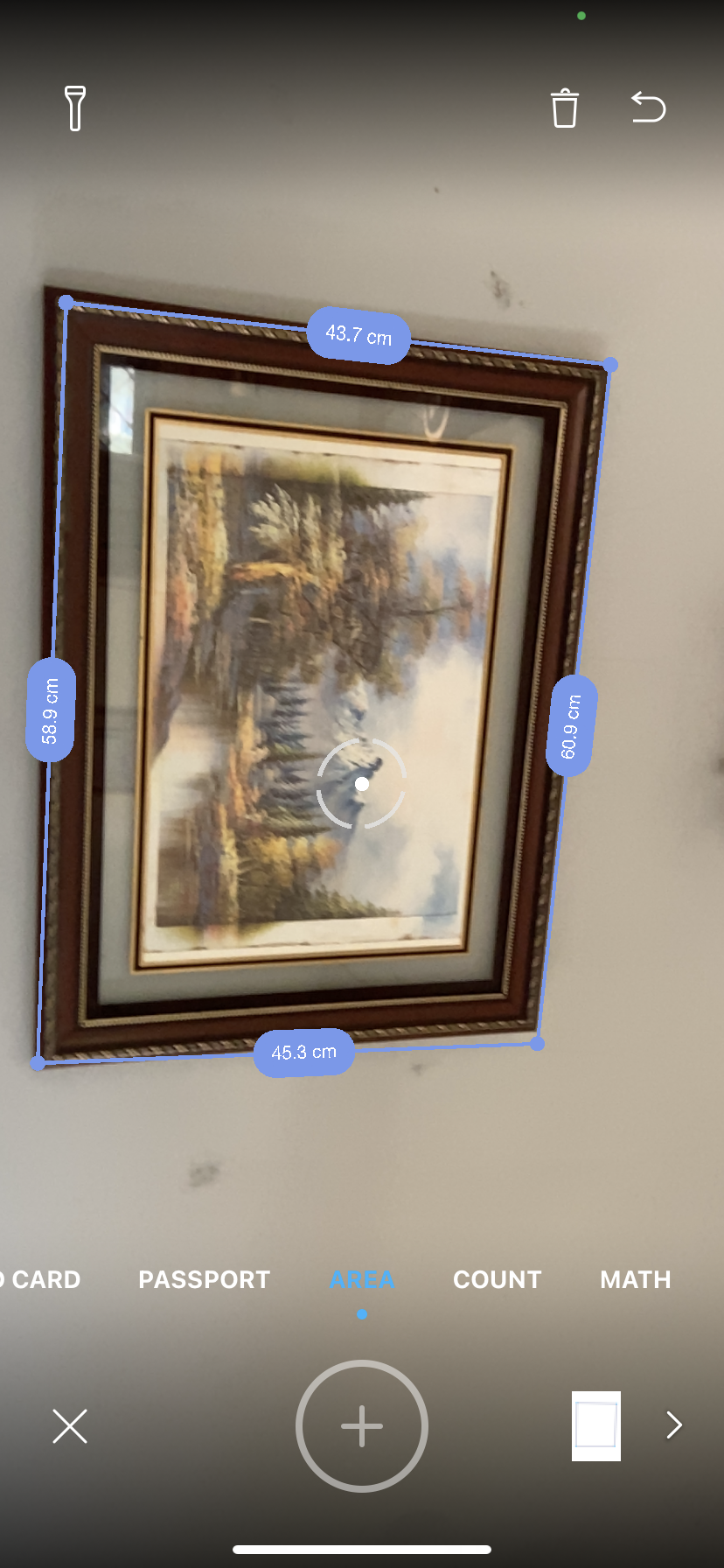
The app comes with an Area calculator function that can calculate the dimensions of a surface (flat) with approximate measurements.
iScanner App – Area Calculator 1
iScanner App – Area Calculator 2
This feature can be very handy to find the length or breadth of a surface quickly. I personally found it to be pretty accurate. Note that the accuracy depends on your selected start and endpoints of the surface. And if you can pinpoint the borders properly, the resulting measurement will be very close to the real one.
You can even find out the area of the room by pointing the app to one corner and connecting the other corners of the room to find its dimensions. Again, the results were surprisingly accurate, and if you set the dimensions properly, you’ll get results very close to the real figure.
Math Problem Solver
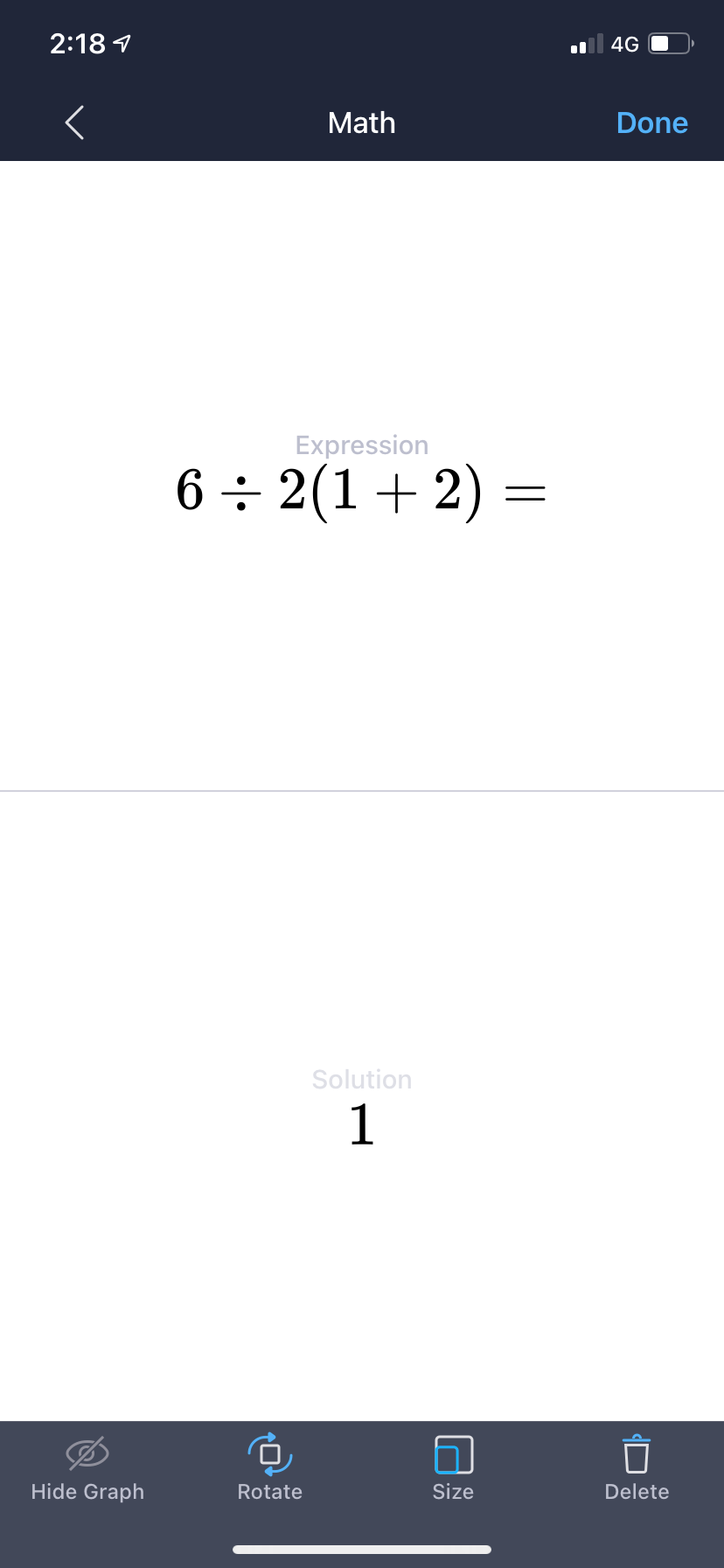
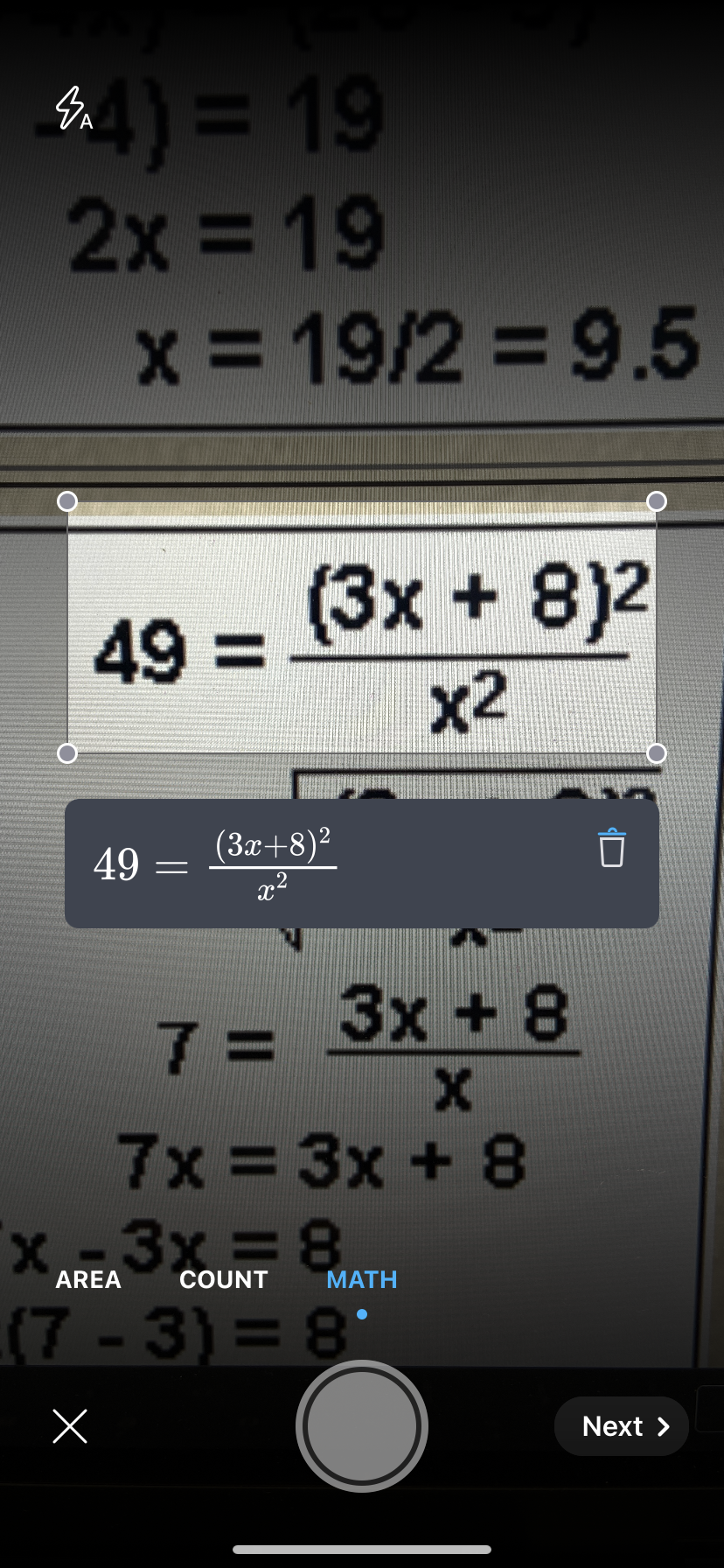
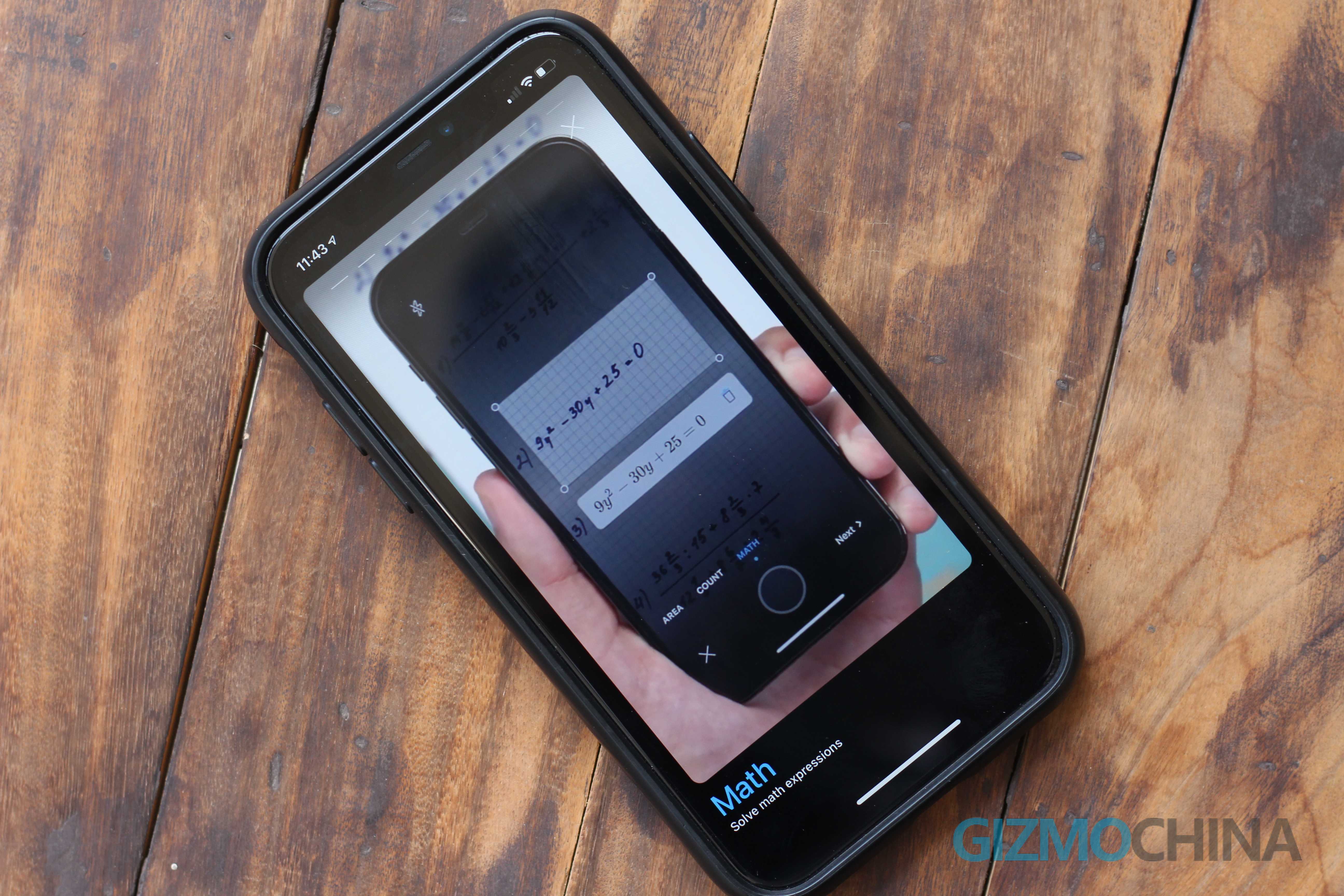
This is another useful feature wherein the app will use OCR to recognize the math problem and then solve it for you. iScanner supports a bunch of arithmetic problems like the root of a number, decimals, factorials, simple, square, and cubic equations, and logarithms. However, complicated equations like systems of equations (simultaneous equations) can’t be solved by the app, at least not yet.
1 of 4
iScanner App - Math OCR
That said, most of the basic equations and arithmetic problems were recognized accurately when I tested the app. The results were accurate too! The app even recognized my handwritten equations, which was a pleasant surprise.
Overall, I can say that the math problem-solving feature of the iScanner app is not a gimmick and can be very useful for students as well as professionals.
Object Counter
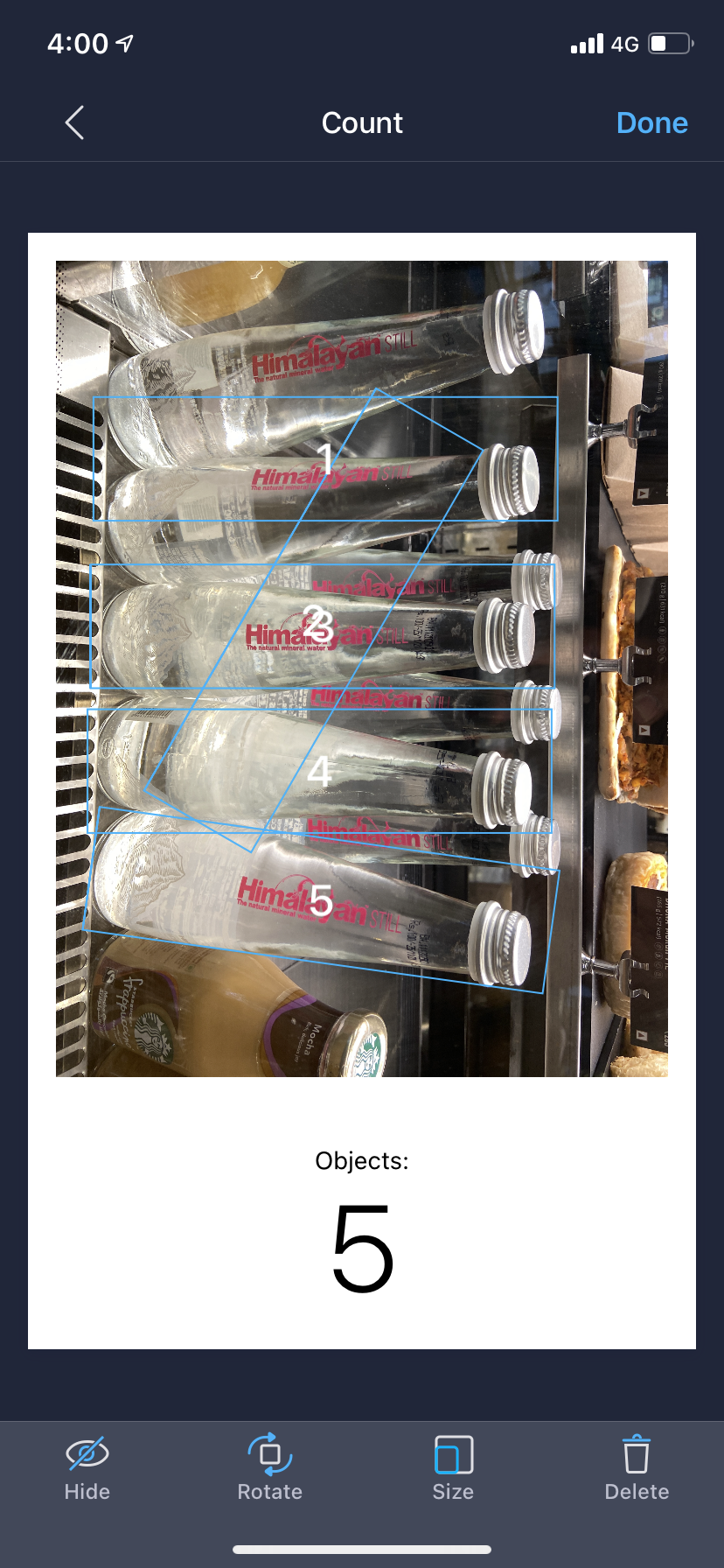
Unfortunately, the object counter feature failed to work properly in my testing. I tried the counter with different objects, but clearly, the app struggled to give me an accurate figure.
Whether it was a bunch of objects with identical designs or slightly dissimilar ones, the app failed to accurately count all the objects in the image. So for most purposes, you may not be able to rely on this counter feature for an accurate reading. The company did say that they are working on improving this feature but right now, I personally can’t recommend users to rely on it to get an accurate object count.
iScanner App Pricing
To conclude, BP Mobile’s iScanner is an excellent app with a user-friendly interface and features that work really well. However, these features don’t come cheap, especially considering the free version has a lot of limitations. If you need the above features only for a couple of days, you can get their trial version, but again, it’s available only for 3 days, which is quite limited.
But for those who require a professional document editing and scanning app for regular use, the iScanner app can be a good choice, especially if you can get their yearly subscription.
The subscription to the app costs 9.99 USD per month or 19.99 USD per year. Note that your documents are stored within your smartphone itself and do not sync to the cloud. While this makes transferring the app and its docs to another smartphone a bit of a hassle, it’s something you have to accept for better security.
So, if you want a powerful document editor and scanner for personal or professional use or even an app with an excellent OCR feature, the iScanner app is a fantastic option.
Honor has already confirmed that the company will be hosting a launch event during Mobile World Congress, on 28th February and it has also been revealed that the Honor Magic4 series smartphones will be officially announced at the event.
Now, the company has shared on Weibo that the Honor Earbuds 3 Pro true wireless earphones will also get launched at the same event on 28th February.
Making the announcement about the product’s launch date, Honor has also teased that the earbuds will be the world’s first to come with a temperature sensor. It is also touted to have flagship quality sound and support for Active Noise Cancellation.
Currently, not much is known about the Honor Earbuds 3 Pro in terms of specifications and features, nor about its pricing and availability details. But the poster showcases its design, which looks quite similar to the Honor Earbuds 2 SE.
We expect the Honor Earbuds 3 Pro to come with some advanced features like low-latency mode, touch controls, multiple audio modes, smart wear detection, a long-lasting battery, and support for fast charging, among others.
It’s been a couple of years since Honor split from Huawei to become an independent company and the strategy seems to have paid off. The company is now ranking among the top two smartphone brands in China, capturing 16.7 percent of the Chinese smartphone market, with a 100 percent year-on-year growth.
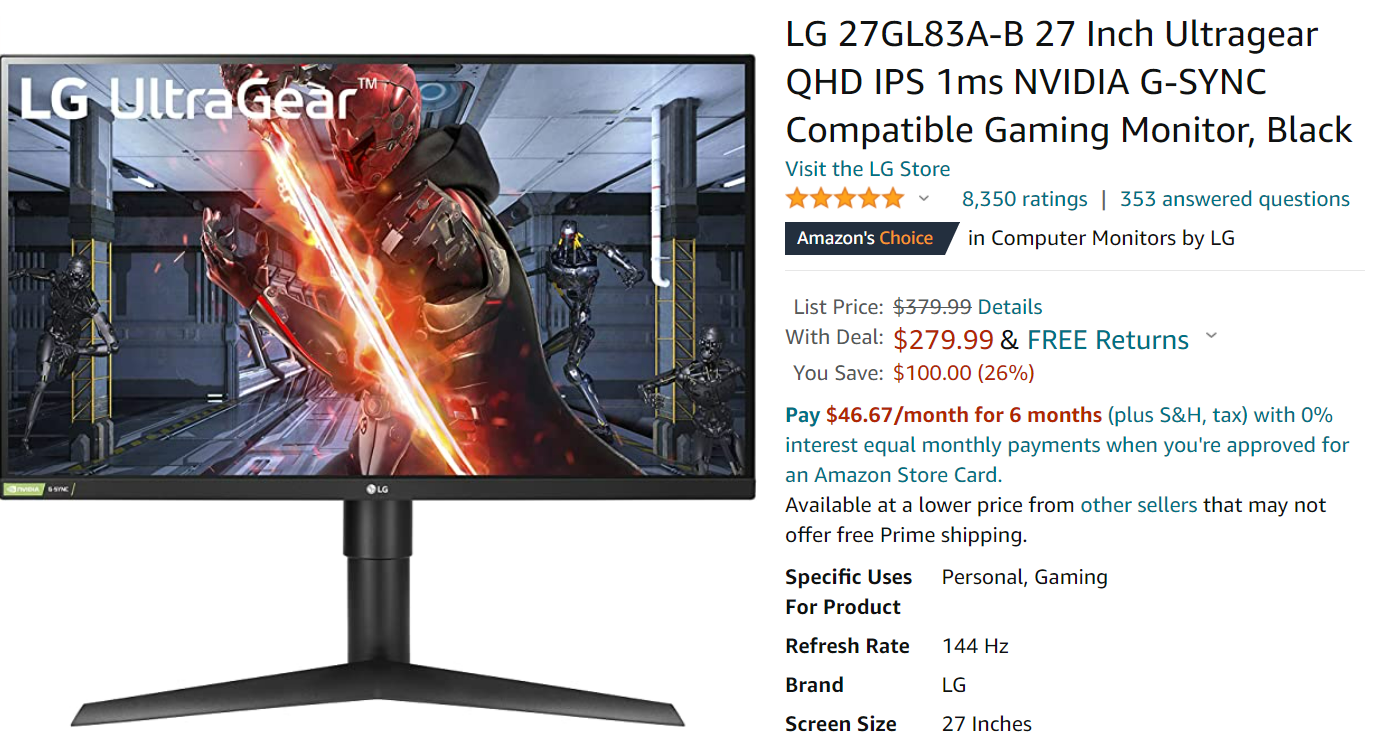
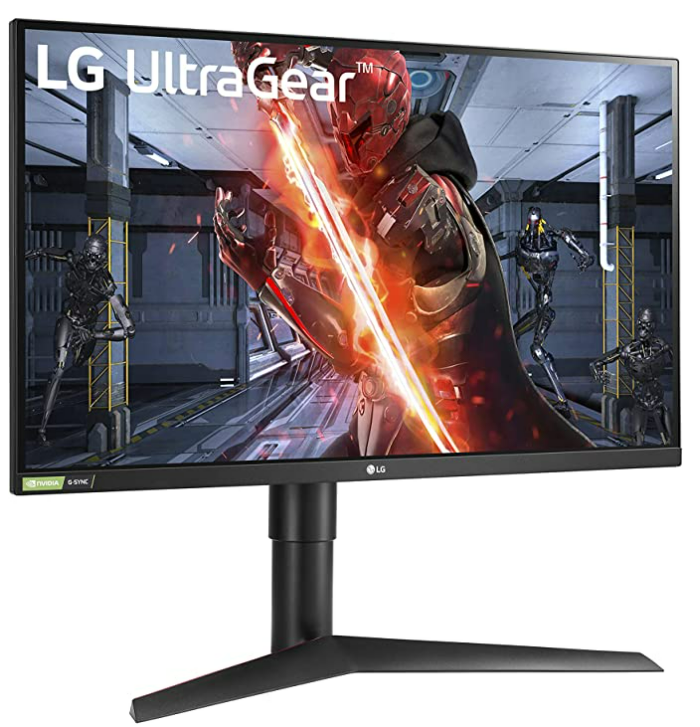
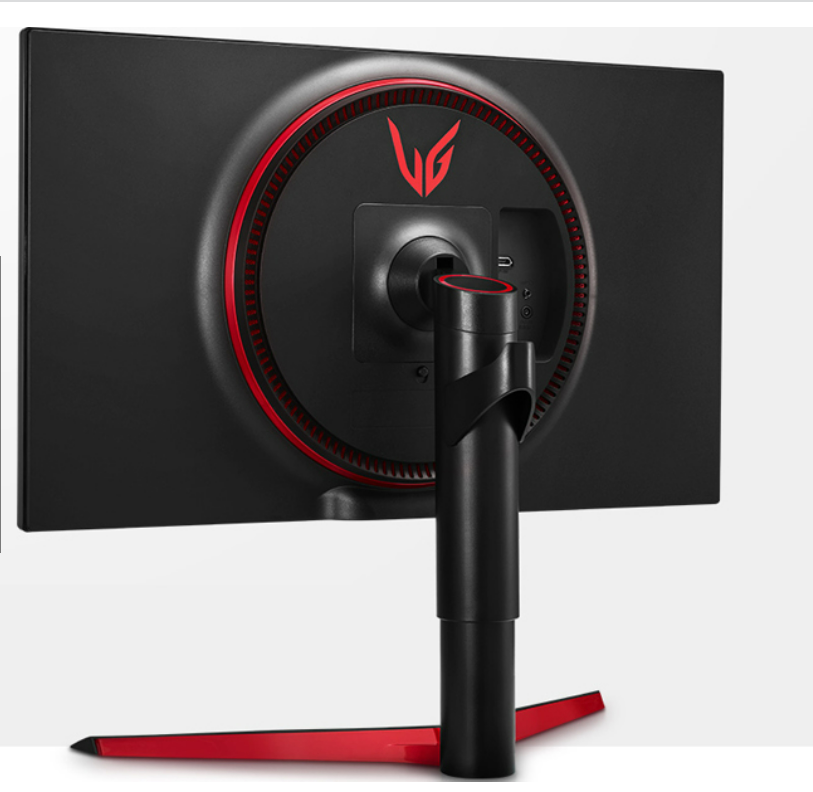
LG store is giving a $100 discount on LG 27GL83A-B 27” Ultragear Gaming Monitor only at Amazon US. The monitor which generally retails for $379.99 is now available for a discounted price of $279.99 only. This is a limited-time discount.
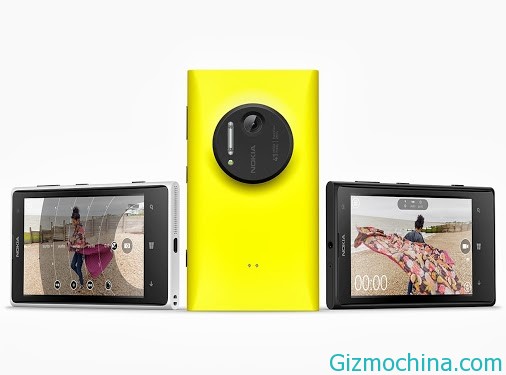
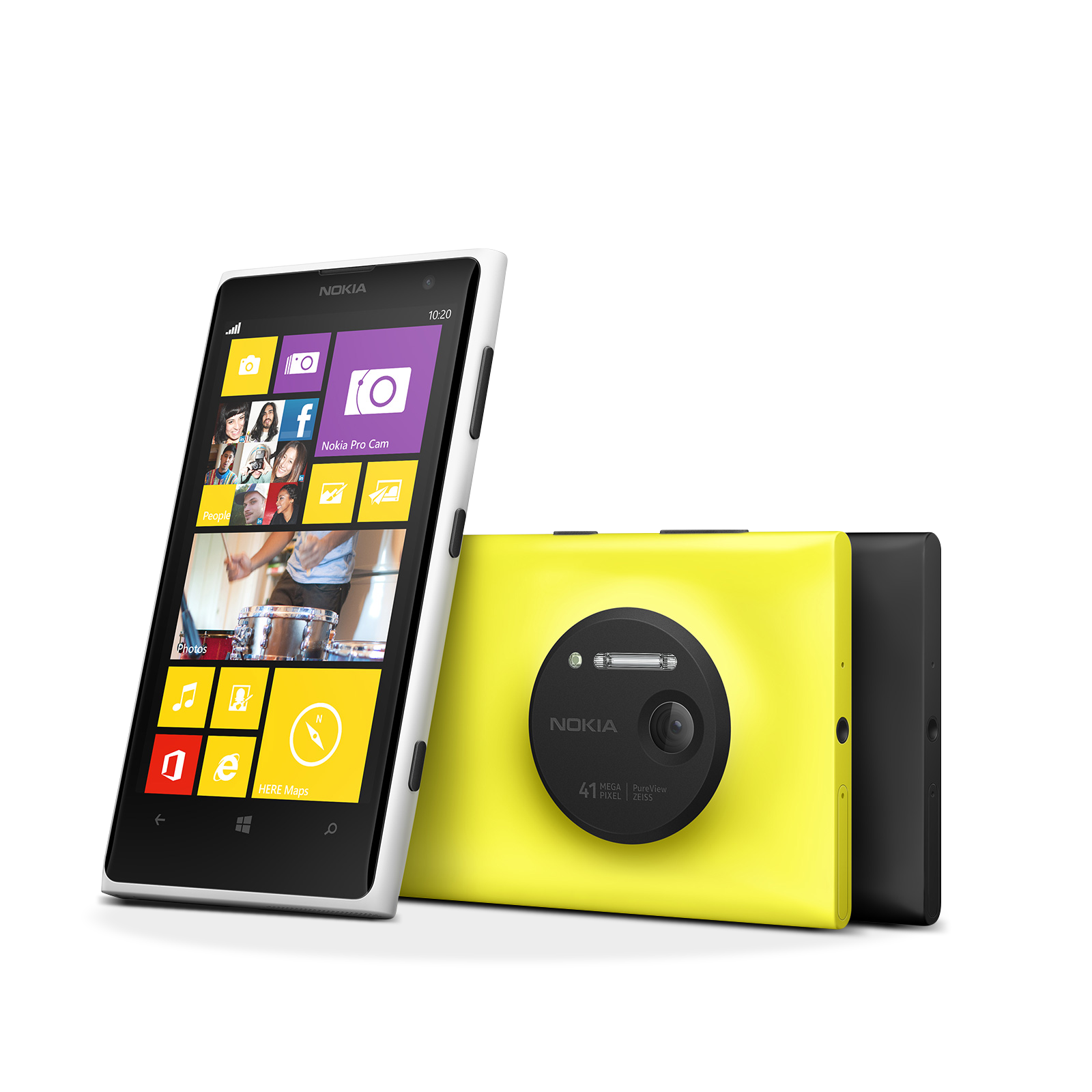
This week, we are going to revisit a very unique Nokia smartphone. It is the Lumia 1020, which was a part of the brand’s Windows Phone lineup. However, the reason this device is fondly remembered isn’t for its design or software. Its was unique because of its large DSLR like camera on the rear. So lets take a look.
What made the Nokia Lumia 1020 Special?
Back when the Lumia 1020 launched, smartphone camera weren’t as great as they are now. Furthermore, cameras were barely breaking past 13 to 16 megapixel sensors range. But then came the Lumia 1020, with a whopping 41 megapixel sensor on the rear. Again, this might not seem too impressive but back in 2013, this device was easily often crowned as one of the best camera smartphones in the market and was constantly compared to DSLR cameras that offered a similar megapixel count sensor.
The device was quite recognizable back then as well. Nowadays we are used to seeing large island sized camera modules on the rear, but in 2013, you saw a lone sensor on the back sitting almost seamlessly with the rear panel. In other words, camera bump wasn’t as prominent yet. However, the Finnish phone maker launched the device with a huge circular module. While some found it unsightly, it housed the large camera module that was its most highlighting feature. This camera was also complemented by a camera app that received a lot of praise owing to its great user interface that was quite easy to use. Meaning, even beginners could shoot great pictures in manual mode thanks to the intuitive camera app design.
While megapixel count isn’t everything when it came to image quality, Nokia employed a number of techniques to make sure that the Lumia 1020 fully utilized the camera’s potential. The idea behind the sensor was to capture as much details that was possible to create the single best shot. Despite having a 41 megapixel sensor, the image output was only 5 megapixel as the device combined 8 megapixels into one. Nokia called this super sampling technology and marketed it as PureView. This even enabled the device to offer 4x zoom without losing quality and save images in RAW format as well.
Impact & Future Influence
I’m sure at this point you’ve realized that all of these features are not ground breaking now, since it is practically a standard in modern smartphones. But, the process of combining multiple megapixels into one for better quality and lossless zoom was quite innovative. Some would even say, this camera technology was popularized by Nokia. Now, we see smartphones arriving with 64 megapixel sensors that output shots in 16 megapixel through pixel binning.
In other words, the Lumia 1020 was one of the earliest examples of brands using larger megapixel count for better image quality. The camera app’s manual mode (commonly known as Pro mode nowadays) was also quite innovative back then. A lot of the interface elements can still be traced back to the Lumia 1020. While the smartphone wasn’t one of the best selling models back in 2013, it still held its own against other favorites in the same year, like the HTC One (M7) and the Samsung Galaxy S4.
Design, Specs, & Price
Although the camera was the highlighting aspect of the smartphone, it wasn’t as fondly remembered for a lot of other aspects. While the device did stand out, it wasn’t as impressive like the HTC One in terms of design, but it wasn’t terrible either. It feature a rectangular design with rounded edges that was mostly smooth except the camera bump. The rear panel is made by polycarbonate materials and arrived in Black, White, and Yellow color options.
It sported a 4.5 inch display PureMotionHD+ AMOLED display that had Gorilla Glass 3 protection on top. On the rear, it featured the large 41 megapixel camera that featured Carl Zeiss optics, paired with a Xenon and LED flash. This sensor had a 1/1.5 inch sensor size along with optical image stabilization. The front only offered a 1.2 megapixel selfie camera. Under the hood, the device packed Qualcomm Snapdragon S4 Plus paired with 2GB of RAM and up to 64GB of internal storage.
The Nokia Lumia 1020 was powered by a 2,000mAh battery pack. Notably, the device ran on Microsoft Windows Phone 8, which was upgradable to 8.1. Back when it first launched in July 2013, the device was available for 299 US Dollars, which was thought to be quite expensive. Although, the company soon slashed prices owing to the model struggling in the market. So, some were even able to grab the device for around 99 US Dollars on contract.
We use cookies on our website to give you the most relevant experience by remembering your preferences and repeat visits. By clicking “Accept”, you consent to the use of ALL the cookies.
This website uses cookies to improve your experience while you navigate through the website. Out of these, the cookies that are categorized as necessary are stored on your browser as they are essential for the working of basic functionalities of the website. We also use third-party cookies that help us analyze and understand how you use this website. These cookies will be stored in your browser only with your consent. You also have the option to opt-out of these cookies. But opting out of some of these cookies may affect your browsing experience.
Necessary cookies are absolutely essential for the website to function properly. This category only includes cookies that ensures basic functionalities and security features of the website. These cookies do not store any personal information.
Any cookies that may not be particularly necessary for the website to function and is used specifically to collect user personal data via analytics, ads, other embedded contents are termed as non-necessary cookies. It is mandatory to procure user consent prior to running these cookies on your website.






 This camera module looks somewhat similar to the last year’s
  Design-wise, the OnePlus Nord CE 2 is pretty similar to the Nord CE, with the only difference being the camera bump. This time, the camera module design is noticeably influenced by the