itel has officially unveiled its new A58 entry-level smartphone series in Nigeria. The itel A58 series includes the vanilla A58 and A58 Pro. Both of these devices come with a new design over the processor A48 and have UNISOC SoC, under the hood.
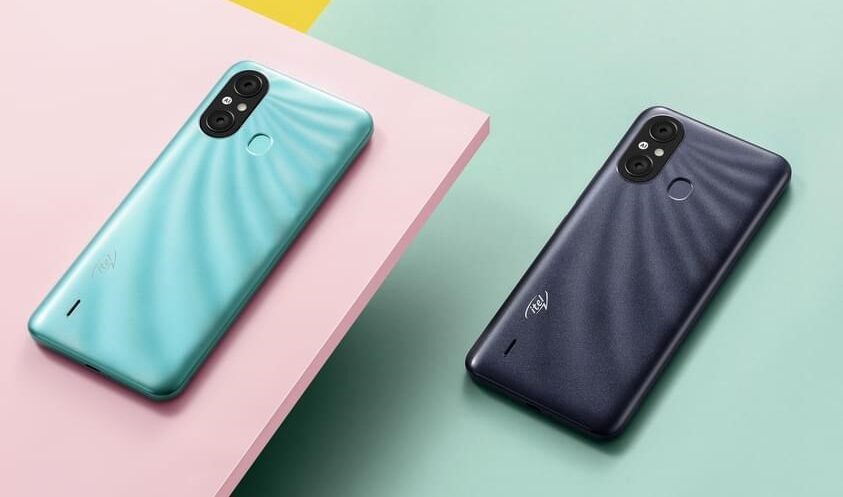
The itel A58 and A58 Pro come in Black, Green, and Purple colors and will go on sale starting this week(via DroidAfrica). The pricing details, however, are yet to be known. Having said that, let’s straight up take a look at its specifications.
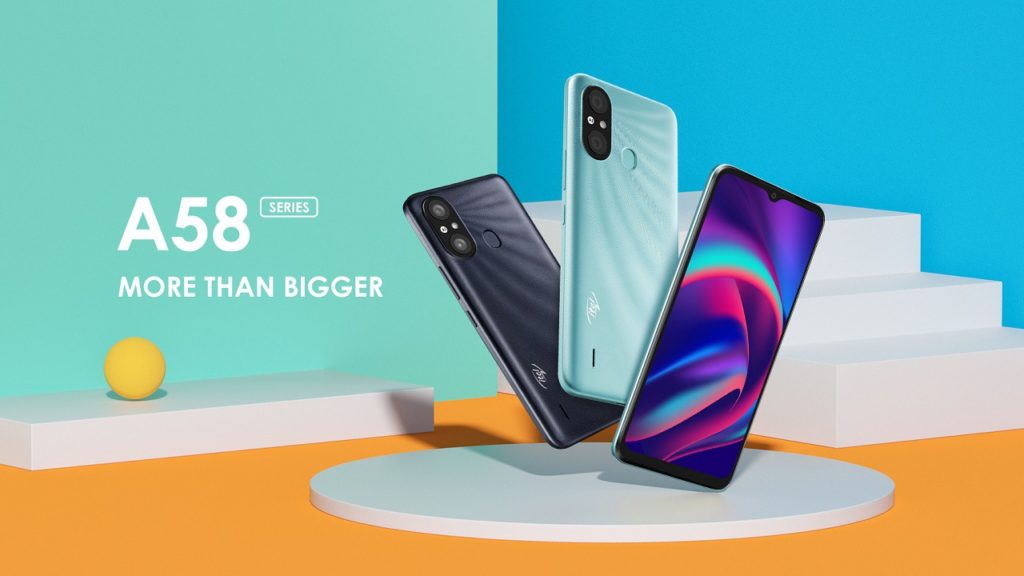
itel A58 series Specifications
The itel A58 duo comes with a plastic build featuring a 6.6-inch water-drop notch display. It has an HD+ resolution and a standard 60Hz refresh rate. This time around, itel seems to have created a good-looking camera island. The series has a dual-camera system at the rear, out of which the primary sensor is a 5MP lens and the secondary lens is an AI sensor.
1 of 2
The series is powered by the UNISOC SC7731E SoC clocked at 1.3GHz. The vanilla A58 has 1GB of RAM and the Pro has got you covered with 2GB RAM. The storage also differs between the two, the non-Pro variant has 16gigs of internal storage, whereas, the Pro gets 32gigs of internal storage. Both come with a microSD card slot for additional storage up to 32GB.
It packs a 4,000mAh battery, and as you’d expect, the phones don’t come with any sort of fast charging support. The duo runs on Android 11 Go Edition. In terms of security, the phones have a rear-facing fingerprint scanner.
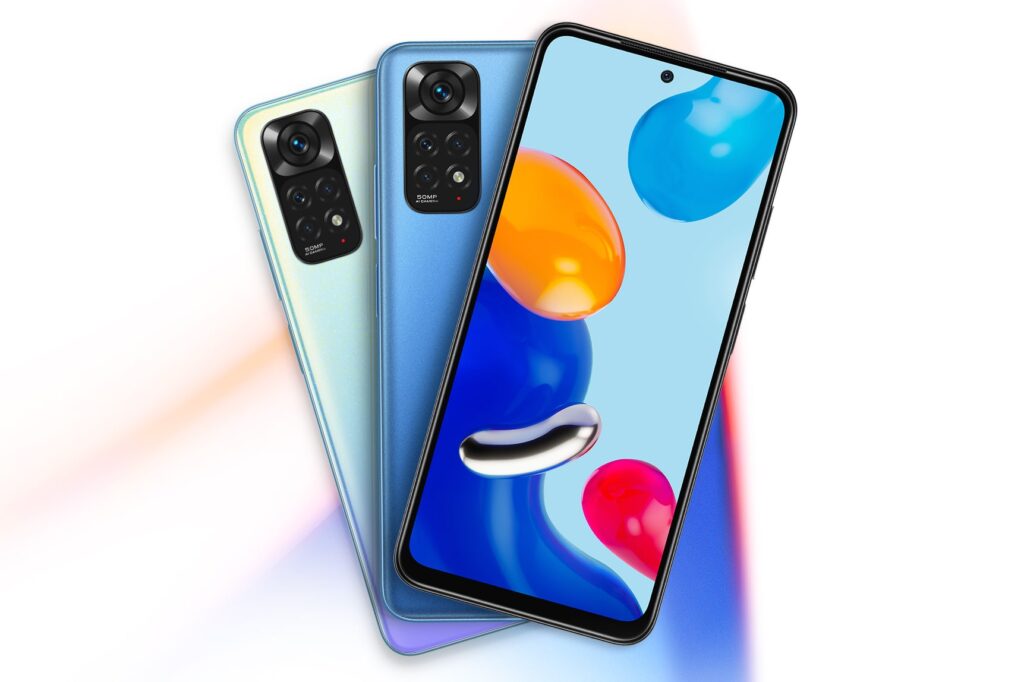
Recently, Xiaomi took the wraps off the international Redmi Note 11 series. The lineup consists of four models. However, we only found one of them to be the best deal of all. We are talking about the Redmi Note 11S here. This phone bridges the gap between the Redmi Note 11 and the Redmi Note 11 Pro with a balanced set of features, which makes it an irresistible offering from Xiaomi.
Here in this opinion piece, we explain why we feel that most people should opt for the Redmi Note 11S instead of the Redmi Note 11 Pro, especially the 4G variant.
Almost the Same Inside Out
The Redmi Note 11 series brings a new design to Xiaomi’s best-selling smartphone lineup worldwide. The phones now have a flat frame like the newer iPhones.
However, the one on the Redmi Note 11 Pro 4G/5G is more pronounced than on the Redmi Note 10/10S. Because the latter two handsets have a curved rear panel instead of flat like the former models.
Redmi Note 11
But the Pros are longer, thicker, and heavier. They even have a larger and better display. More on that later.
Like the previous generation, all four devices arrive with dual stereo speakers, a 3.5mm headphone jack, a z-axis linear vibration motor, a side-mounted fingerprint sensor, an IR blaster, and NFC (market dependent).
Interestingly, all of them are backed by an identical 5,000mAh battery. They also feature the same LPDDR4x RAM and UFS 2.2 storage.
Is the Pro really a PRO?
Pro in the consumer electronics market means better. But it does not say how much better. This is where the problem lies. Neither everyone requires a Pro model, nor every Pro variant offers better value than the vanilla version.
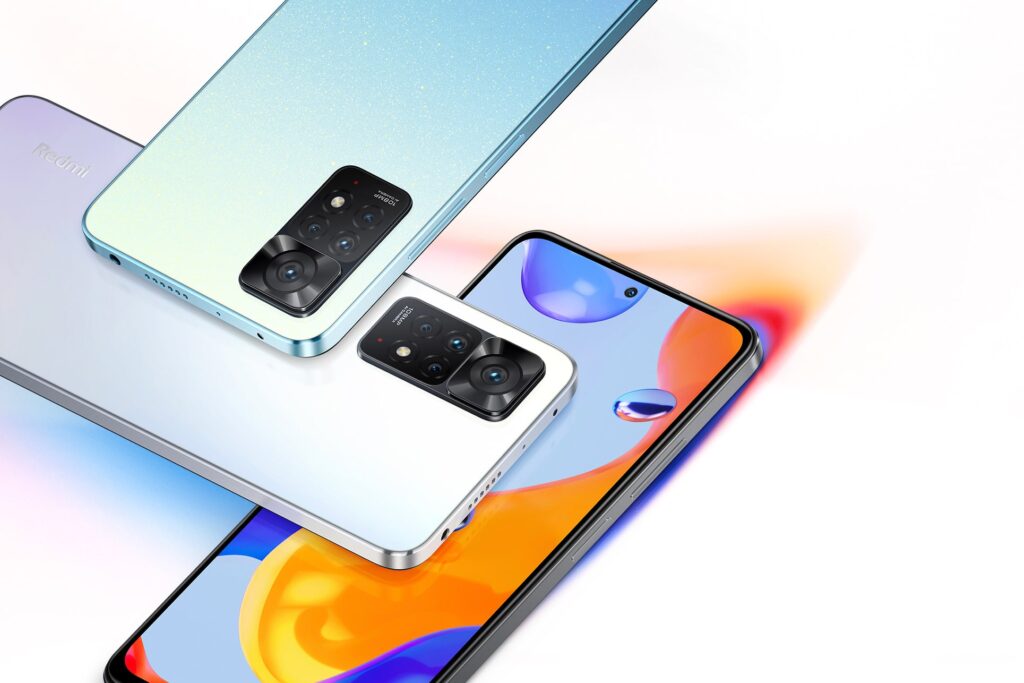
Redmi Note 11 Pro 4G
Unfortunately, both the above-mentioned attributes are applicable to the Redmi Note 11 series. This isn’t the case with the previous generation. The Redmi Note 10 Pro (aka Redmi Note 10 Pro Max) offers much more than the lower variants for the asking price.
The Redmi Note 11 Pro duo only offers upgrades in very few categories. As mentioned earlier, the Pros flaunt a larger and better display. They sport a 6.67-inch FHD+ AMOLED display with a 120Hz refresh rate and 1,200 nits peak brightness. On the other hand, the vanilla and S versions come with a smaller 6.43-inch FHD+ AMOLED display with a 90Hz refresh rate and 1000 nits peak brightness.
Further, the Pros support 67W fast charging as opposed to 33W fast charging on the other two. Additionally, the Pro 5G has a better and faster Qualcomm Snapdragon 695 chipset.
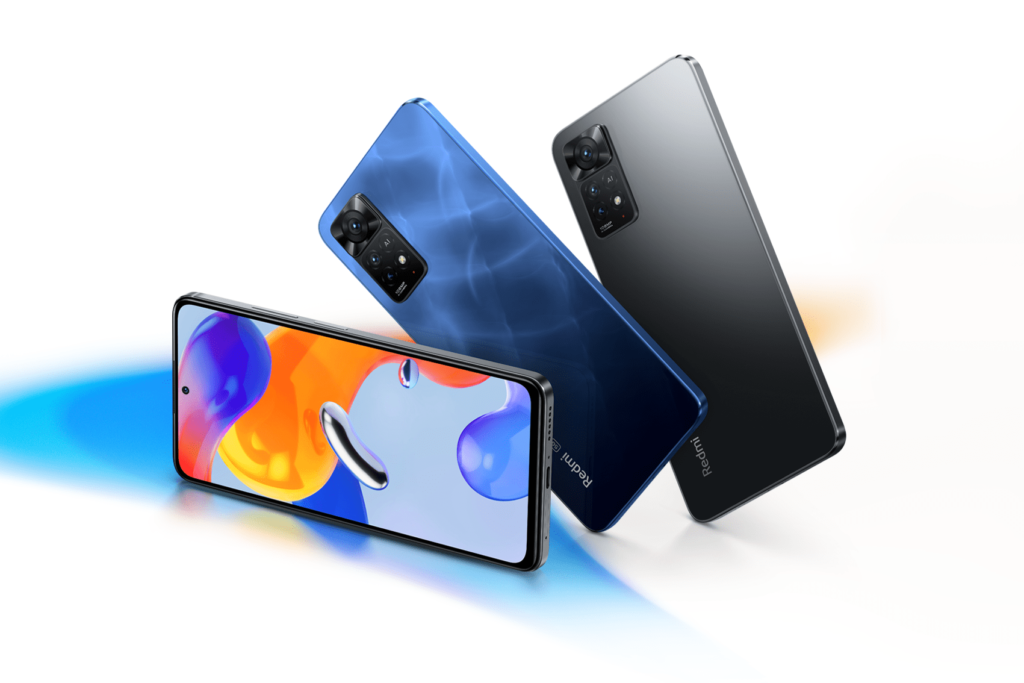
Redmi Note 11 Pro 5G
Apart from the aforementioned features, the Pros literally don’t offer anything else. The Pro 4G in particular has the exact same MediaTek Helio G96 chip as the S.
What’s more bizarre is that all four phones sport the same 8MP ultra-wide camera and 2MP macro camera. Except for vanilla, the remaining three also come with an identical 108MP primary camera. Finally, for some reason, the Pros don’t include the well-received telemacro camera from their predecessors.
The True Champion
We found the Redmi Note 10S to be an unnecessary offering in the Redmi Note 10 series. Because just by spending a bit more, one could get the Redmi Note 10 Pro with a better set of features.
Interestingly, the tables have turned for the Redmi Note 11 series. For this generation, we think the Redmi Note 11S offers better value than the Redmi Note 11 Pro. When compared to their predecessors, Xiaomi has improved the former, while at the same time, it sort of downgraded the latter.
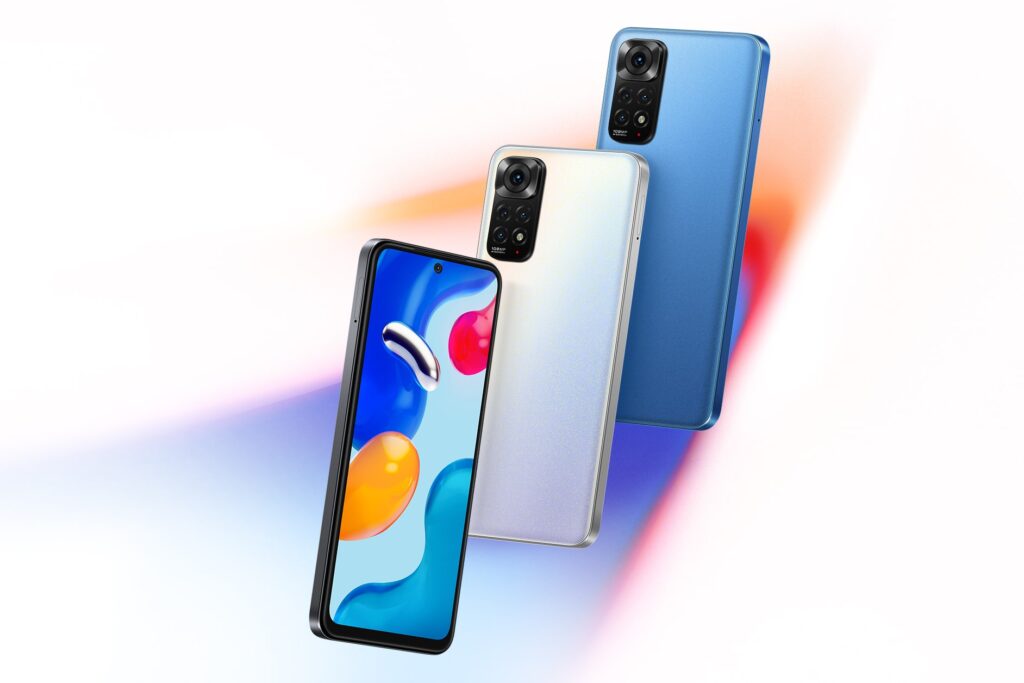
Redmi Note 11S
As a result, we crown the Redmi Note 11S as the true champion of its family. Having said that, unlike the Redmi Note 11 Pro 4G, the Redmi Note 11 Pro 5G is still worth considering if you live somewhere with good 5G coverage.
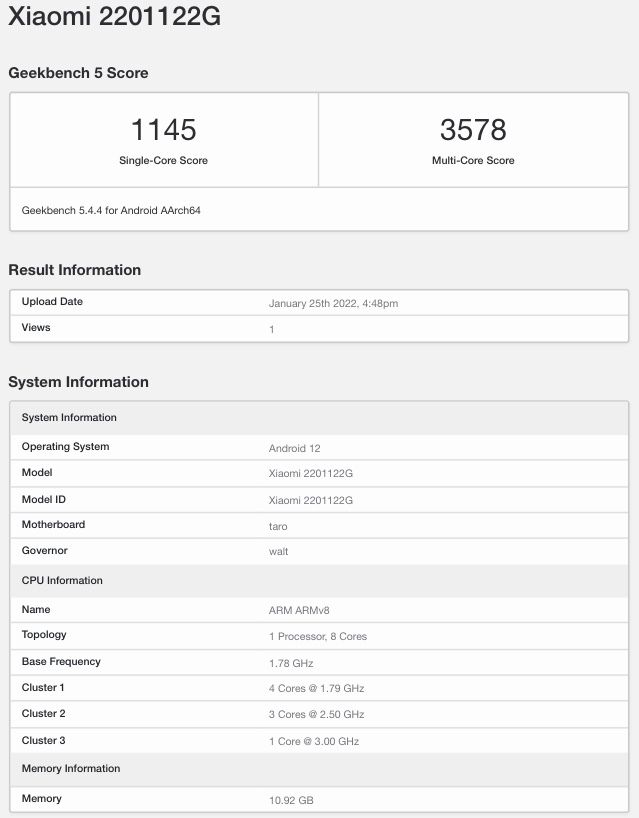
Xiaomi has already launched the Xiaomi 12 series in the Chinese market offering three models — Xiaomi 12, Xiaomi 12X, Xiaomi 12 Pro. Now, the series is expected to get a global release soon as the phones are slowly emerging on several certifications. Last time, the vanilla 12 appeared on Geekbench, and now, the Pro model has passed the same certification site.
As per Geekbench v5, the Xiaomi 12 Pro global version has the model number 2201122G. It scored 1145 points in the single-core department and 3578 points in the multi-core department. The device runs on Android 12 out of the box and has 12GB of RAM. The handset is powered by the Snapdragon 8 Gen 1 SoC clocked at up to 3GHz.
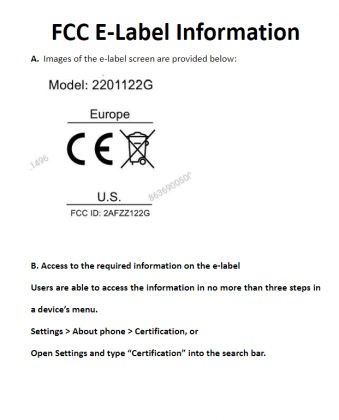
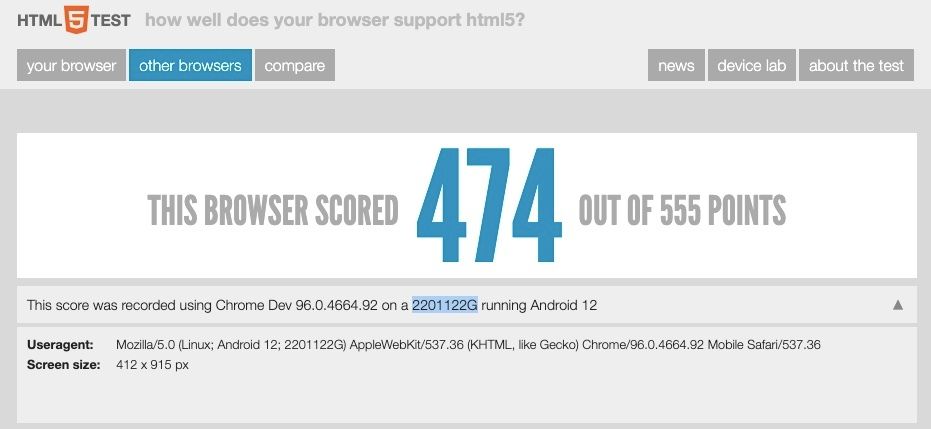
In addition to this, the device also passed HTML 5 and FCC certification. These listings haven’t revealed any significant details apart from reaffirming the Android 12 OS. The FCC certification reveals the NFC support and presence of 5G and dual-band Wi-Fi.
As of now, Xiaomi has not revealed the date for the series’ global launch. But given that the phone is appearing quite frequently in such certifications, we can expect a release in February or March this year.
1 of 2
The Xiaomi 12 global variants are expected to have similar specs as the Chinese models. Taking a look at the Pro model, the phone has a 6.73-inch 2K AMOLED display. It has a dynamic refresh rate that can switch from 1Hz to 120Hz depending on the content on the screen.
It has a 50MP + 50MP + 50MP triple rear camera system and a single 32MP selfie snapper. It is powered by the Snapdragon 8 Gen 1 SoC and has a 4,600mAh battery. It has support for 120W wired, 50W wireless, and 10W reverse wireless charging support. The device runs on Android 12 out of the box and has the MIUI 13 on top of it.
Chinese phone maker Tecno launched the Camon 18 series last year including multiple models for different regions namely the Camon 18, 18P,18i, and 18 Premier. Now, in less than six months of the series’ debut, the company seems to be prepping for its successor, the Tecno Camon 19. Today, the tipster Paras Guglani has revealed a few key details about the Camon 19 series.
According to Guglani, the upcoming Tecno Camon 19 is in the development phase and will release later this year. This time around, the Camon 19 series will have four models including the Camon 19 Pro 5G and Camon 19 Neo.
Tecno Camon 19 NEO, Sadly it's a LTE device. This time Camon 19 series is powerful and will be having 4 devices atleast….we will see #TecnoFuturelens in Camon 19 Pro 5G …. 🤞🤞 Currently in development phase…..will take some months to came out for indian markets… https://t.co/yjHbfc7yrn
Furthermore, the Tecno Camon 19 Neo will be an LTE model. On the other hand, the Camon 19 Pro 5G will be a superior handset with the rumored Tecno future lens. For those unaware, the company recently teased the Tecno future lens which is the industry’s first 5X telescopic macro lens.
Apart from this, there are no other details about the Camon 19 phones. However, we could see the phones passing some random certification sites in the coming months.
Tecno Camon 18 Specifications
The Tecno Camon 18 was launched in late 2021 in India. It comes with a 6.8-inch LCD display with an FHD+ resolution. It has a 120Hz refresh rate, 500 nits of brightness, and a 396 PPI pixel density.
It has a 48MP selfie camera and a triple rear camera system. The rear setup goes by a 48MP main lens, a 2MP depth sensor, and an AI lens. It is powered by the MediaTek Helio G85 SoC coupled with 4GB of RAM and 128GB of internal storage. The device packs a 5,000mAh battery and supports 18W fast charging technology.
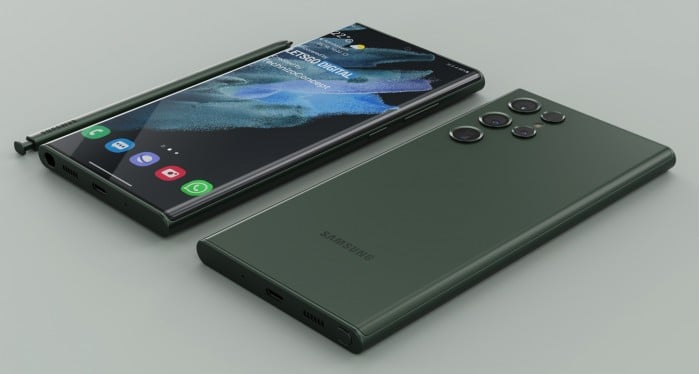
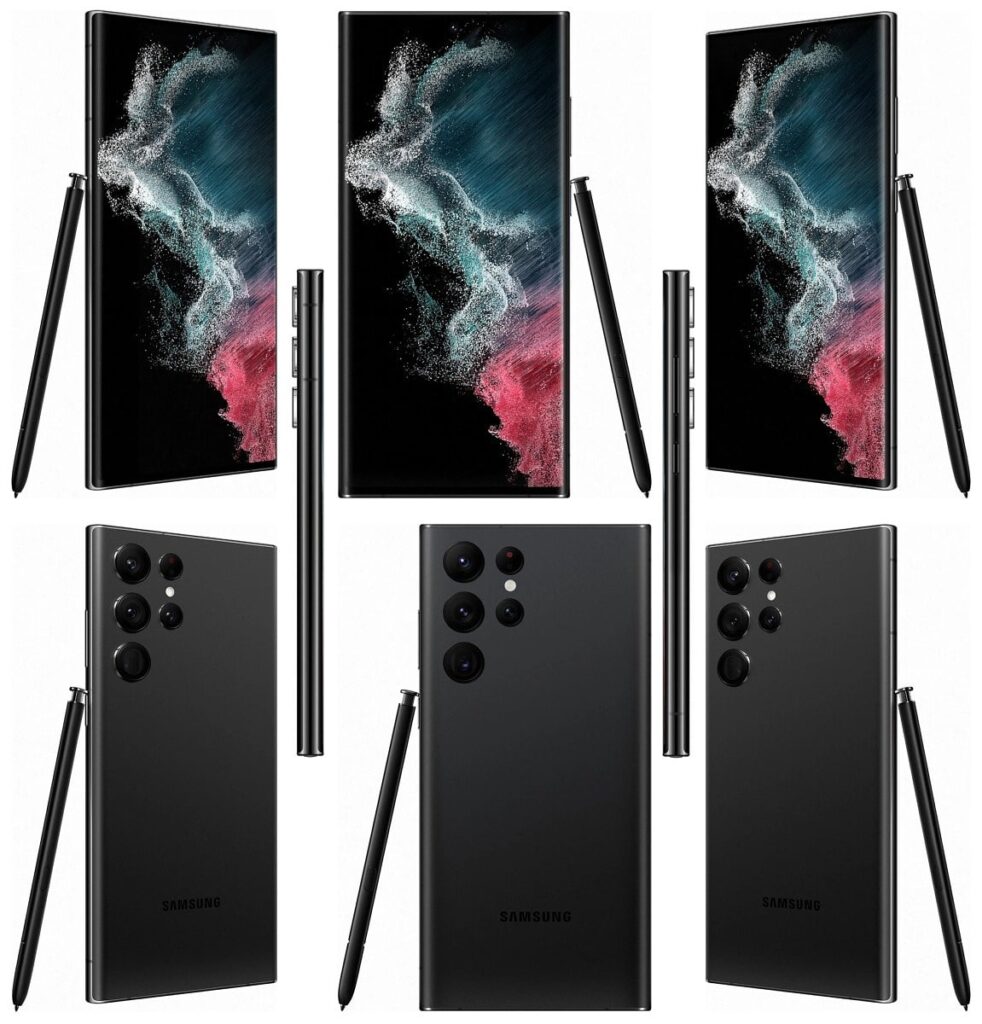
Yesterday, Samsung confirmed that the next Galaxy Unpacked event will be held on 9th February where it will launch its next-generation Galaxy S22 series flagship smartphones. However, rumors have surfaced that the Galaxy S22 Ultra deliveries might be delayed for up to 3 months due to high demand.
According to tipster Dohyun Kim, Samsung is expecting the demand for their flagship Galaxy S22 Ultra to be considerably higher than their production yield, which could leave some customers hanging for up to 3 months before the device can be delivered to them.
Samsung is expecting that the Galaxy S22 Ultra will be sold A LOT compared to the production yield. They are also expecting that the delivery might take about 3 months if bad, which is worse than Galaxy Z Fold3. pic.twitter.com/POuFyorquC
The tipster has claimed to get this information from Samsung representatives. Kim did not reveal any information about the said “production yield” issue, but it might be due to the ongoing global chip shortage that has been plaguing multiple industries around the globe for more than a year now.
Earlier this month, Samsung began the reservation process of the upcoming Galaxy S22 series smartphones which offers perks in form of special offers like a $50 credit. It may be that the customers around the globe reserved more S22 Ultra devices than Samsung had expected leading to this concern.
A previous report from Dohyun Kim revealed that this time around, the majority of regions will be receiving the Snapdragon 8 Gen 1 variant of the Galaxy S22 series devices, which might have also have played a role in causing these alleged supply issues. However, skeptics have stated that the rumors might just be a way for Samsung to generate hype for their upcoming devices.
Samsung Galaxy S22 Ultra specifications (rumored)
The Galaxy S22 Ultra rumors have revealed that it will feature a 6.8-inch Dynamic 2X AMOLED display that offers a Quad HD+ resolution, a 120Hz refresh rate, and a 1,750 nits brightness. It will come preinstalled with One UI 4 based Android 12 OS.
On the front side, the S22 Ultra will feature a 40-megapixel selfie camera. Its rear camera setup may include a 108-megapixel main camera with an OIS support, a 10-megapixel telephoto camera with 3x zoom and OIS, a 10-megapixel periscope telephoto snapper with OIS, and a 12-megapixel ultrawide camera.
The S22 Ultra will come with 8 GB / 12 GB of RAM and 128 GB / 256 GB / 512 GB of storage. It may house a 5,000mAh battery, which will carry support for 45W fast charging. The device will include a dedicated slot for storing an S-Pen. It may come in colors like Phantom White, Phantom Black, Green, and Burgundy.
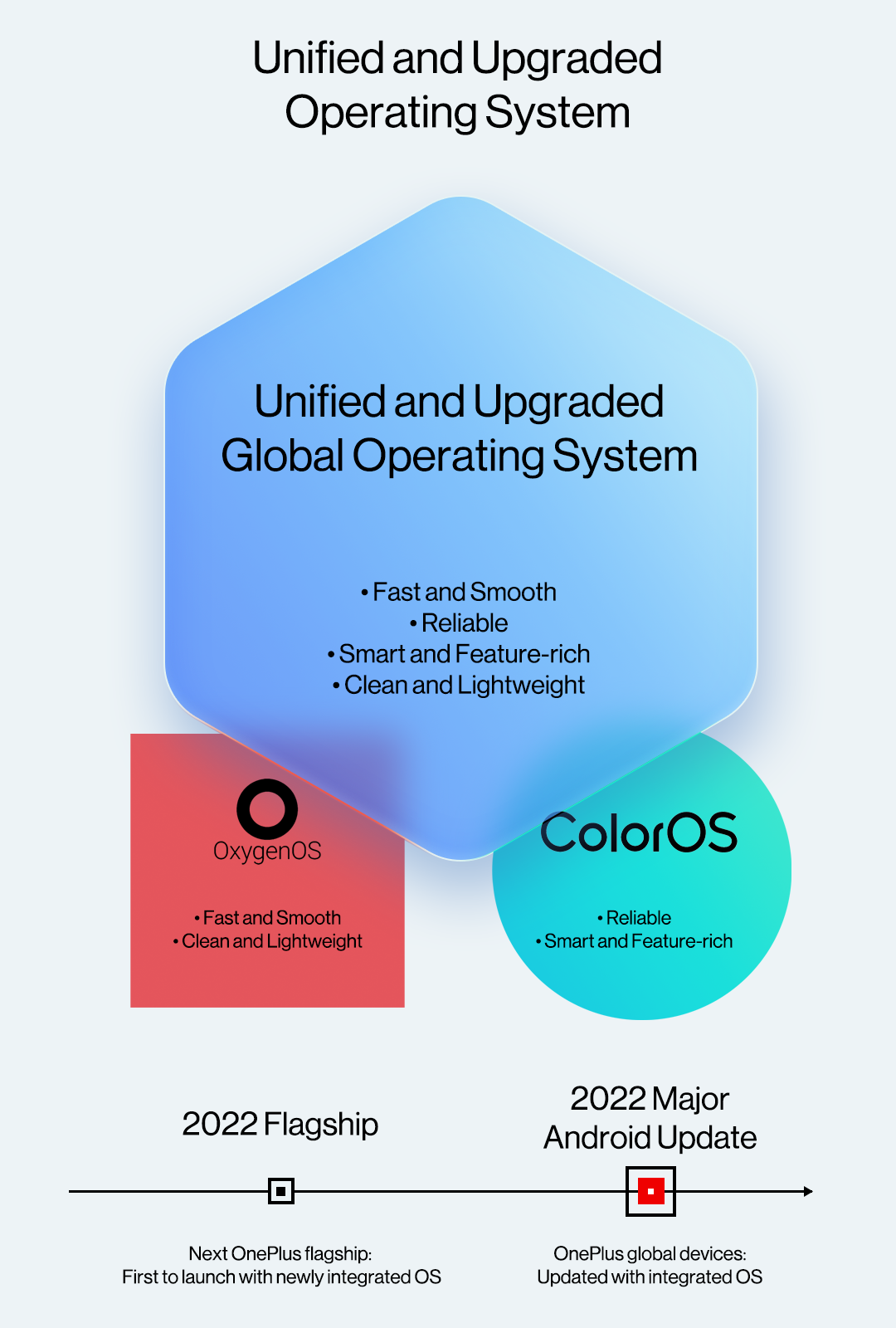
Last year, OPPO‘s sub-brand, OnePlus, announced the integration of the OxygenOS team with the ColorOS and stated that the OxygenOS would share an integrated codebase with ColorOS. The brand also revealed that these operating systems’ individual names would be dropped, and the unified OS would soon get a new name. Now, tipster Mukul Sharma has revealed that the OS might be renamed to H₂OOS.
OnePlus giving Chemistry lessons. After OxygenOS and HydrogenOS, its H2OOS now 👀 pic.twitter.com/1qz9objAQi
According to Mukul, OnePlus has recently filed a trademark for the “H₂OOS,” which can potentially be the new name for the unified OS that OnePlus is rolling out to its devices with the Android 12 update. This naming scheme combines the chemical symbol for Oxygen (OxygenOS) with Hydrogen (Hydrogen OS) to give the chemical symbol of Water, i.e., H₂O.
For those unaware, HydrogenOS was the operating system on OnePlus devices in the Chinese market, which was later dropped in favor of ColorOS.
A previous report has stated that the change will be coming to both OnePlus and OPPO devices. So we can expect the ColorOS naming scheme to be dropped from OPPO smartphones in the future. The OnePlus CEO has previously stated that the unified OS will be separately customized for OnePlus devices to keep them clean and lightweight and also maintain support for unlocking bootloaders.
Other than the name change, the H₂OOS is expected to remain the same ColorOS based operating system and is expected to roll out for all users around the globe. No timeline of this potential name change has been provided as of yet. However, if the report pans out to be accurate, we can expect the H₂OOS to debut in the upcoming months.
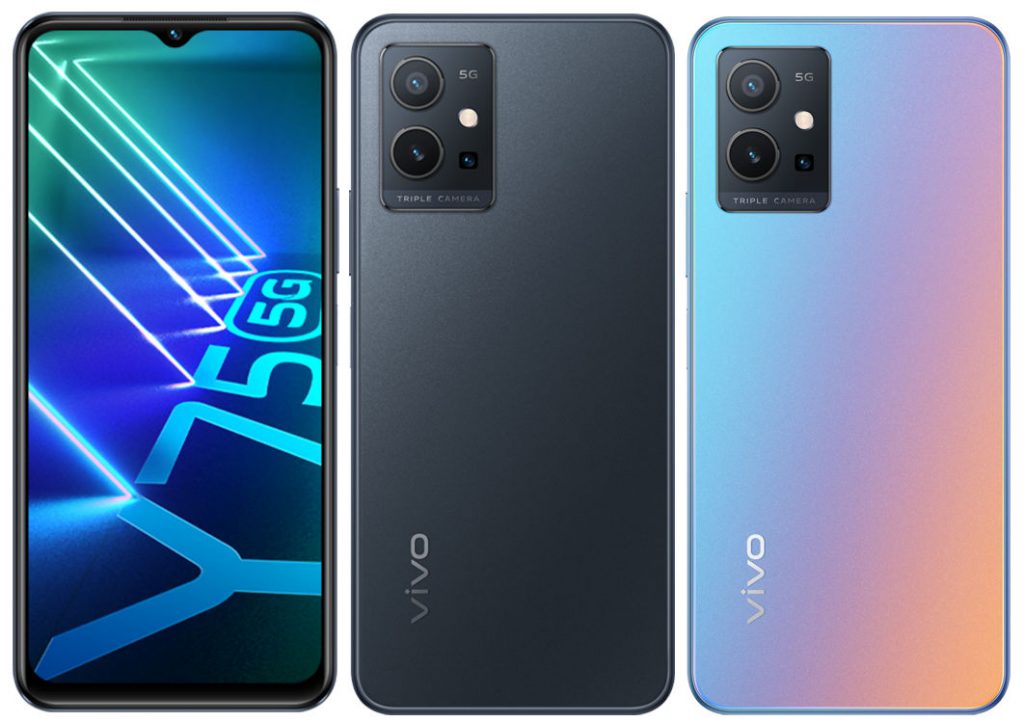
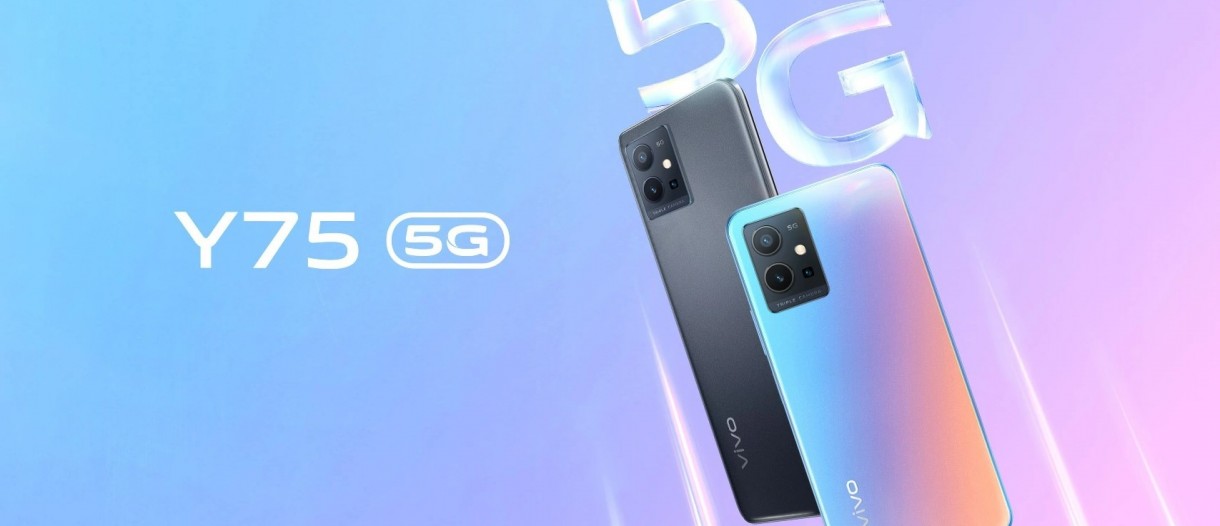
After passing multiple certifications, Vivo has officially launched the Vivo Y75 5G in the Indian market. The smartphone’s major highlights are Dimensity 700 SoC, 5,000mAh battery, and Android 12 OS.
The Vivo Y75 5G is priced at Rs. 21,990(~$293) for the sole 8GB RAM and 128GB storage variant. It has two color variants – Starlight Black and Glowing Galaxy. The device is already available for purchase on the Vivo India website and authorized retail stores in the country.
Vivo Y75 5G Specifications
The Vivo Y75 5G comes with a 6.58-inch IPS LCD notch display with a Full-HD+(1080 x 2408 pixels). The notch holds a 16MP selfie camera with an aperture of f/2.0.
It sports a triple camera system at the rear and has a 50MP primary lens, a 2MP macro sensor, and a 2MP bokeh lens. The rear camera supports Vivo’s Extreme Night AI-based algorithm.
It is powered by the MediaTek Dimensity 700 octa-core SoC paired with 8GB of RAM and 128GB of internal storage. The device has support for virtual RAM, where users can get 4GB of additional RAM from the storage.
It packs a 5,000mAh battery and has support for 18W fast charging support. It has a USB Type-C port for charging and has a 3.5mm headphone jack. It runs on Android 12 OS and has Vivo’s Funtouch OS on the top.
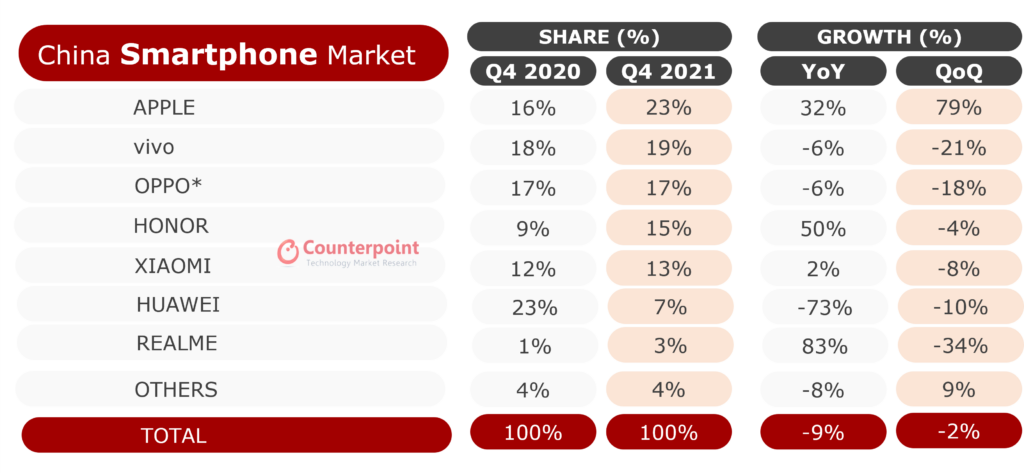
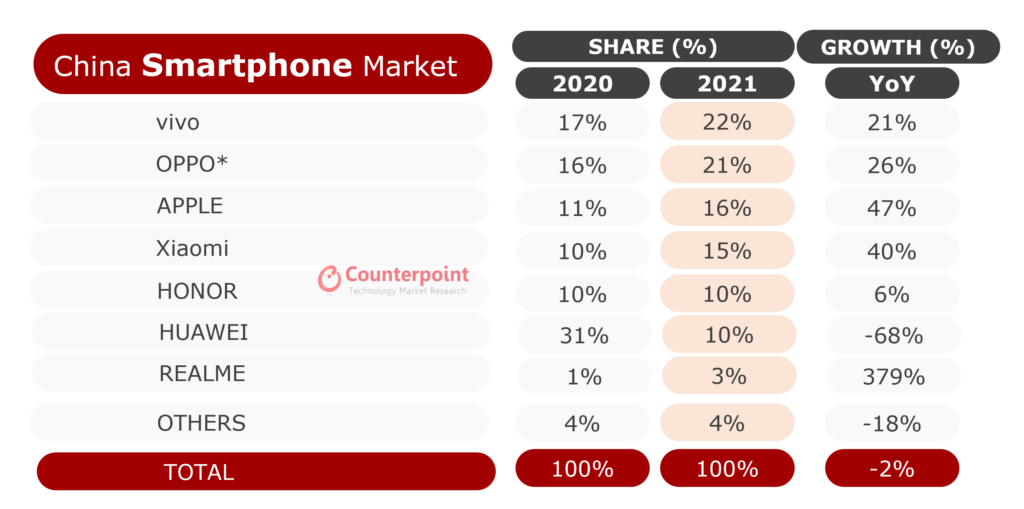
Apple has surpassed vivo to become the #1 brand in China in terms of market share. The last time the company achieved this was six years ago when the iPhone 6 was selling at its peak. An impressive QoQ growth rate of 79% was recorded in Q4 2021 while YoY growth stood at 32%.
However, China’s overall smartphone sales declined 2% QoQ and 9% YoY in Q4 2021 (via Counterpoint). The reasons for this are a couple — ongoing shortages and the fact that China’s average smartphone replacement cycle is becoming longer. The latter is due to smartphone designs within brands becoming more homogeneous, which has reduced the consumer incentive to upgrade.
Source: Counterpoint Research Market Pulse, January 2022
Commenting on Apple’s performance, Research Analyst Mengmeng Zhang said, “Apple’s stellar performance was driven by a mix of its pricing strategy and gain from Huawei’s premium base. Apple rose to first place in China right after the iPhone 13 was released (week 39) in September.”
“Afterwards, it remained in the leading position for most of the fourth quarter. The new iPhone 13 has led the success due to a relatively lower starting price at its release in China, as well as the new camera and 5G features. Furthermore, Huawei, Apple’s main competitor in the premium market, faced declining sales due to the ongoing US sanctions,” he added.
Source: Counterpoint Research Market Pulse, January 2022
vivo and OPPO took the second and third spots respectively, driven by their strong offline penetration and expansive product portfolio strategy. Most of the former’s gains were driven by the X70 series and S series, while for OPPO, it was the Reno7 series that did the job.
HONOR’s performance has been especially impressive, with the company reaching a YoY growth rate of 50% in Q4 2021 to grab the fourth spot.
Xiaomi was especially hurt by component shortages. This, paired with slower penetration in offline channels, led it to fifth place in the Chinese smartphone market.
2021 also proved to be quite a milestone in terms of Chinese companies and their progression with advanced technology. OPPO, vivo, and Xiaomi launched self-developed chips to showcase their investments in semiconductors. Foldable smartphones were launched for the first time by OPPO and HONOR, and more OEMs will likely be joining.
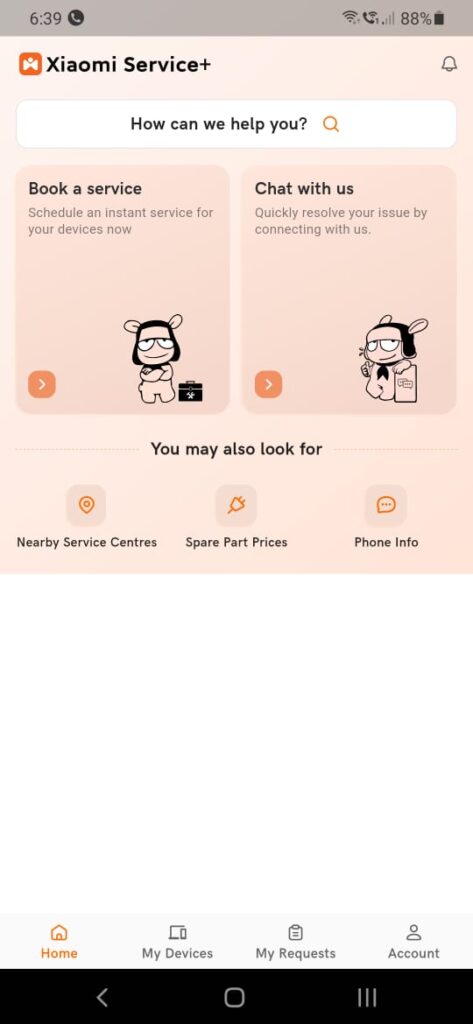
Xiaomi India has just unveiled a one-stop solution for all the service requirements of its customers. According to Xiaomi, with the new Xiaomi Service+ app, customers will be able to get assistance over chat, check price quotes of different spare parts, and book repairs for all of their Xiaomi devices.
Introducing Xiaomi Service+, a 1 stop solution for all your service requests.
From 24*7 customer support to getting warranty information for your devices, from finding service centres to getting spare part prices and more.
— Xiaomi India | #Xiaomi11TPro ⚡️ (@XiaomiIndia) January 27, 2022
As mentioned above, Xiaomi customers will be able to get assistance with their Xiaomi brand gadgets on this app. The customers can book repairs, check spare part prices, absolve any queries over chat, and also book installation appointments and demos for their device through the app.
To get started with the Xiaomi Service+ app, users need to sign in with a MI account onto the app. Once signed in, users can add their devices under the ‘My devices’ tab by scanning or entering their IMEI or serial number. This will result in the device being added to your list along with its purchase date. Users can also access the ‘My Requests’ tab to access support tickets for repair and installation. These are displayed under the ‘Active’ and ‘Completed’ sections and show the date that the request was made and the token number.
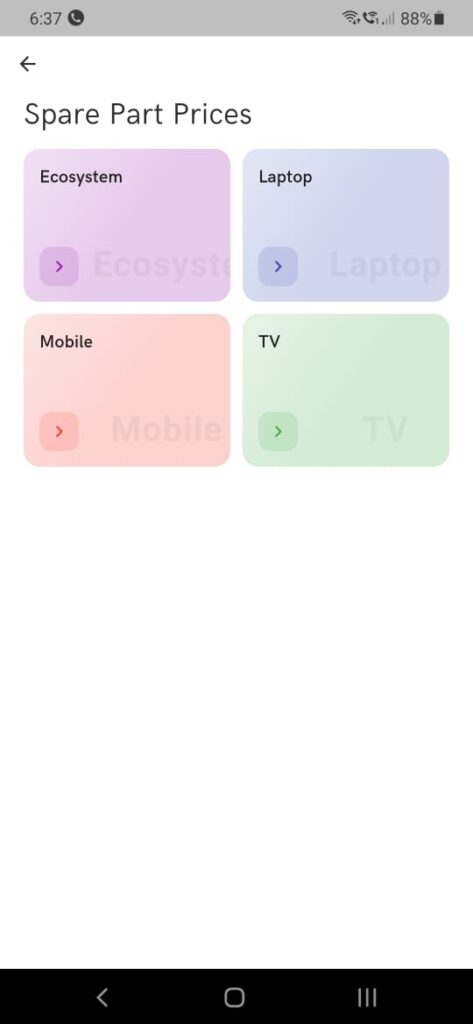
The app even allows you to locate nearby service centers by granting it your location permission or entering in a Pincode (postal code). Coming to spare parts price quotations, currently, the Xiaomi Service+ app offers four categories for spare parts prices including Mobile phones, TVs, Laptops, and Ecosystem products (only includes Mi Robot vacuum and Mi Water Purifier as of yet).
The Xiaomi Service+ app is available to download via Google Play and Xiaomi’s GetApps. The app can be installed on any Android smartphone and only requires you to sign in with your MI account to access all its services.
Looking at the voting results from our last two Throwback Tech Thursday, we noticed that you guys asked us to revisit the Motorola Rokr Z6 twice. So now, we are looking back at another one of Moto’s iconic phones from back in the day.
What made the Moto Rokr Z6 Special?
We had previously covered the popular Moto Razr V3 under our Throwback Tech category. That model was the definition of style in the early 2000s. However, with the Rokr series, the company placed its focus on multimedia tools, which did not break the bank. The Rokr Z6 was launched back in January 2007 and was even well received for its design, despite not being made from the same all metal build as the Razr. Reviewers back then praised its straight layout, which made it easy to use but with a look that turned heads.
Apart from just featuring a polished design, it also came with the latest generation of user interface and Linux based operating system as well, which was dubbed MOTOMAGX. It also offered text and multimedia messaging, a calculator, a calendar, and an alarm clock. Unlike the Nokia 6600 and N95, it did not offer a whole suit of smartphone like features, but its unique design and was definitely popular back in the day when specs weren’t everything and phones were more “fun.”
Impact & Future Influence
In our previous Moto throwback, we had talked about how the brand had made waves in the industry with the premium design on some of its phone. So, while the Razr series changed the game with their unique build, the Rokr series paired the company’s experience of making attractive phones with multimedia functionality at a relatively affordable price. In the early 2000s, phones usually resembled bricks and were unwieldy at times. But Motorola clearly took a different path. During the time of the Rokr Z6 launch, you would see a number of its advertisements on TV highlighting its slider design and multimedia features, which led to new successors launching with similar design later down the road.
Design, Specs, & Price
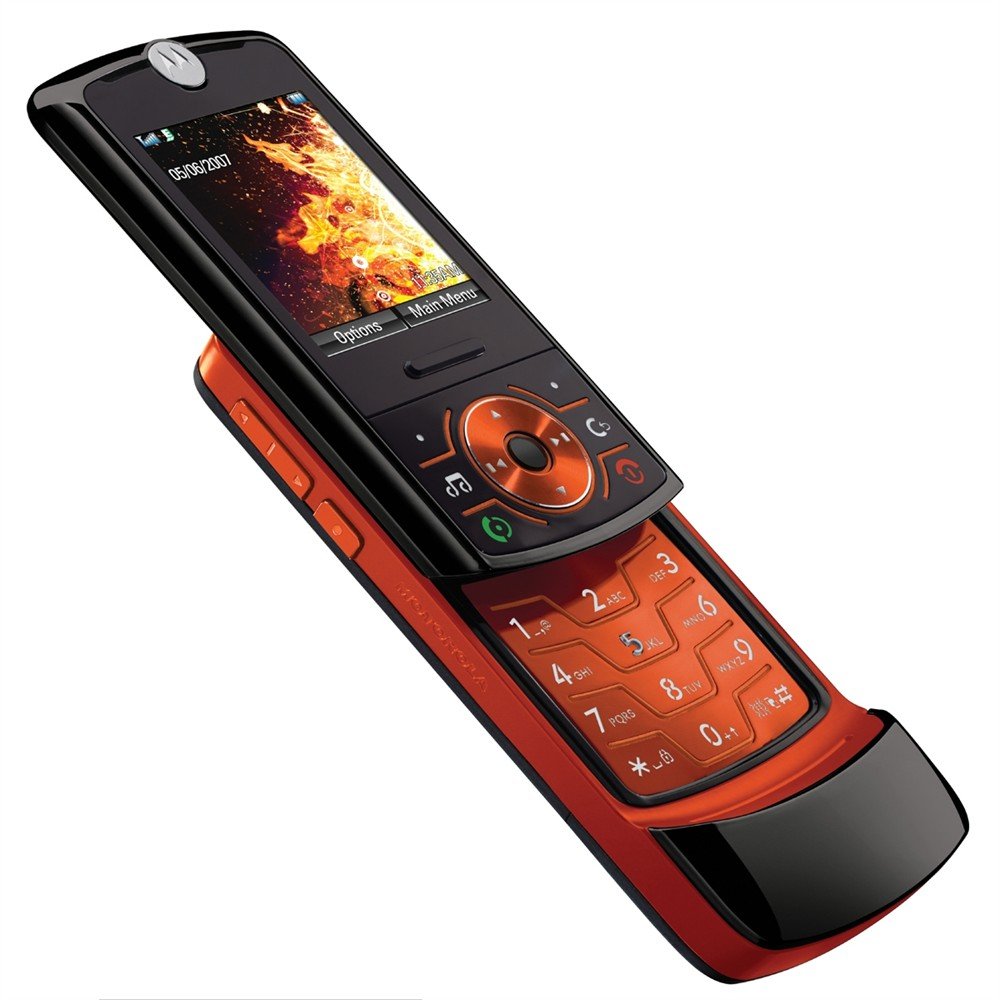
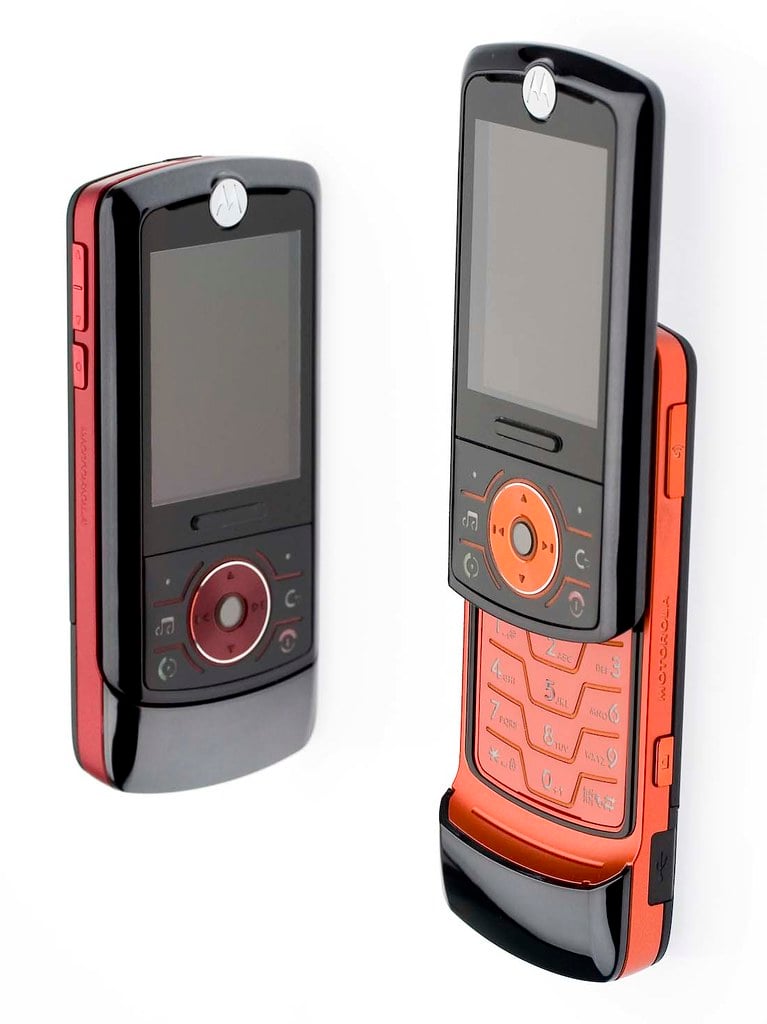
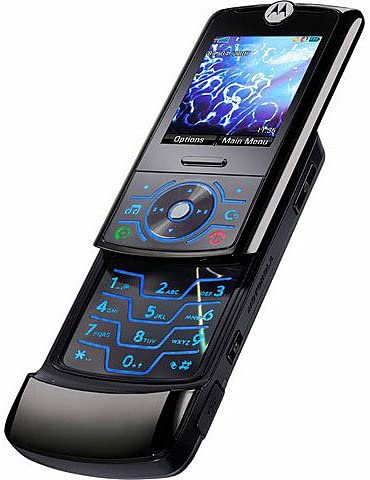
While the Razr featured the flip phone design that was beloved by many, the Rokr Z6 sported a sliding one. The device was quite compact thanks to its slider mechanism that hides its keypad when not in use. On the front, it featured a 2.1 inch TFT LCD screen that had a 320 x 250px resolution. Meanwhile, the rear housed a 2 megapixel camera with LED flash. Being a music phone, it featured a dedicated Music button along with the usual back key, four way D-pad, and the answer and cancel buttons as well.
Under the hood, a 528 MHz CPU powered the device, which also featured 64MB of SDRAM and 64MB of storage that can be expanded up to 2GB via a microSD card slot. Other features include, Bluetooth, 3.5mm headphone jack, a mini USB port, and even had Windows Media Player 11 on the Z6m model (CDMA enabled version). It housed a 720mAh battery pack and also weighed 105 grams. This was believed to be heavy in those days. At launch, the Moto Rokr Z6 was available for around 90 Euros or around 120 US Dollars in 2007.
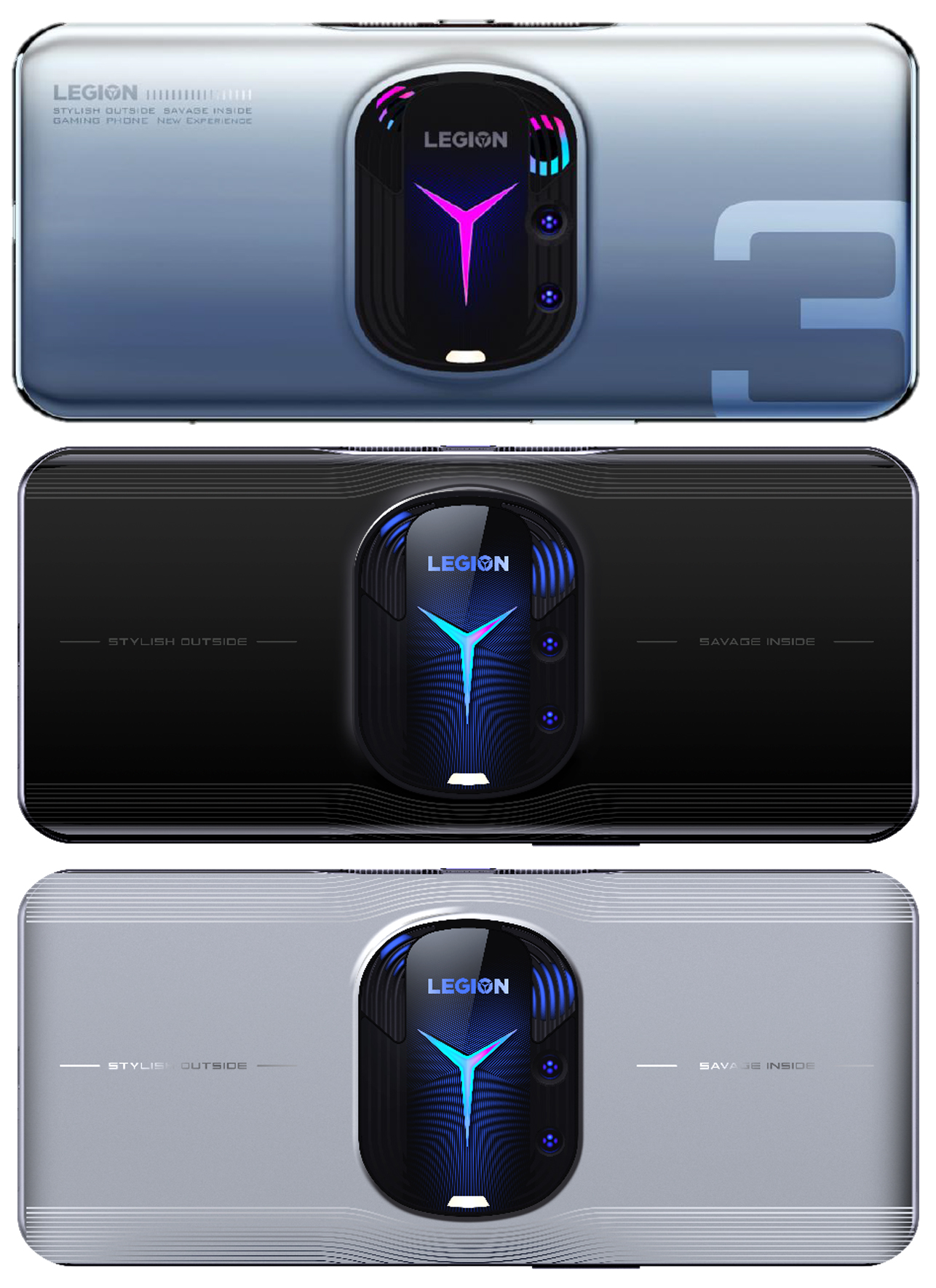
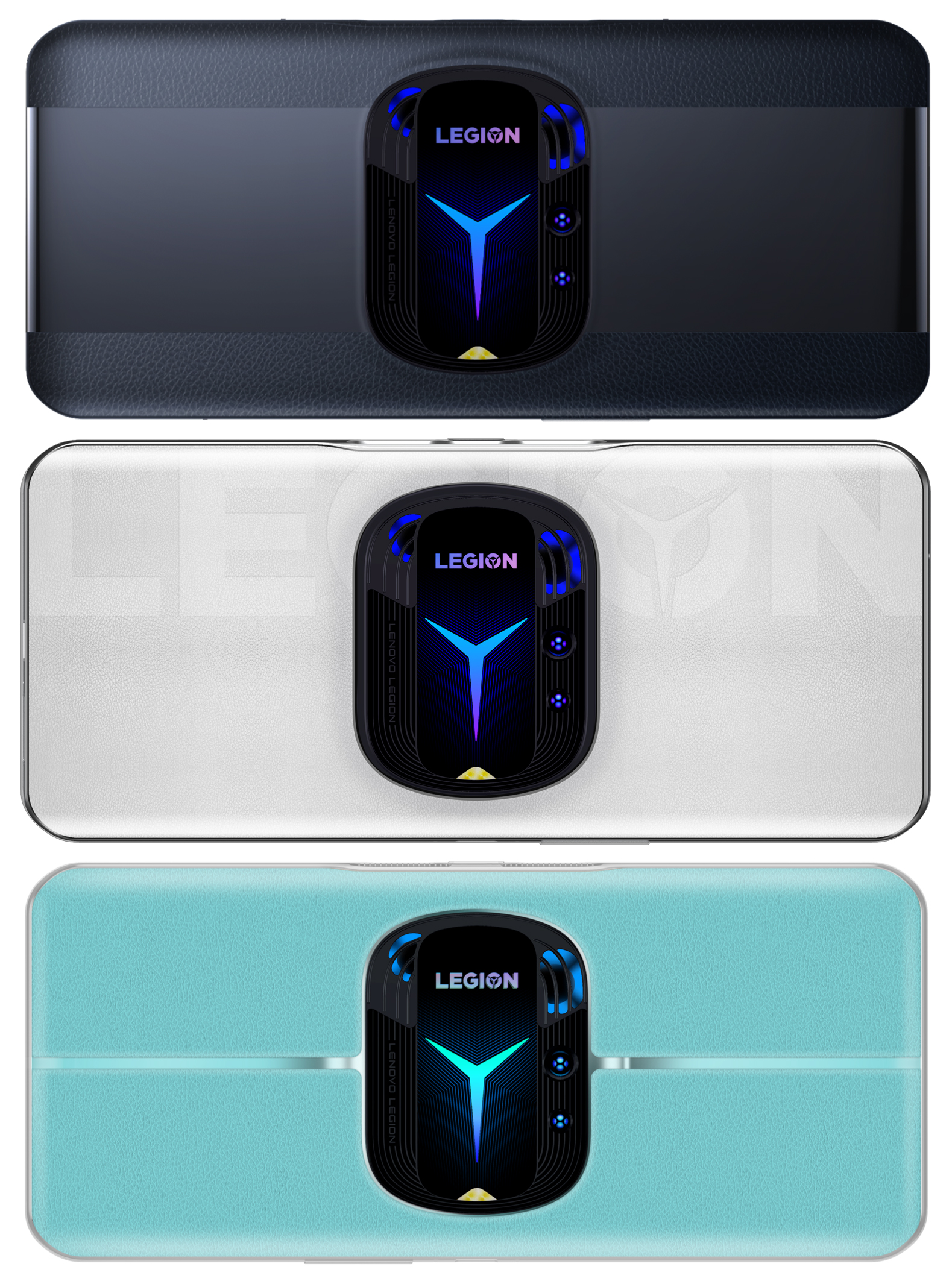
The Lenovo Legion Y90 series has been making rounds for a while now, but according to a new leak, it will be launched as the Legion Legion Phone 3 series globally. Included in it will be two models — the Legion 3 Elite and the Legion 3 Pro. The leak shows the duo in their clearest images yet, while also revealing all of the color options.
According to Evan Blass, the Legion Phone 3 series could be released soon. While it is a sequel to last year’s Legion Duel 2, it has dropped the “Duel” from its name, going for Pro and Elite suffixes instead. The codename of the series appears to be “Diablo.”
Lenovo Legion Phone 3 Elite
Lenovo Legion Phone 3 Pro
Both devices come with perhaps the most extensive gaming-specific features on any Android gaming phone to date. The first thing you would notice is the extremely rad design with a huge center-aligned module that appears to be built for the cameras, but also packs some elaborate RGB lights and even a twin cooling fan system.
Other gamer-boy stuff includes four ultrasonic shoulder keys and two rear capacitive buttons. The rear also features a leather texture that should help with a better grip during extended gaming sessions.
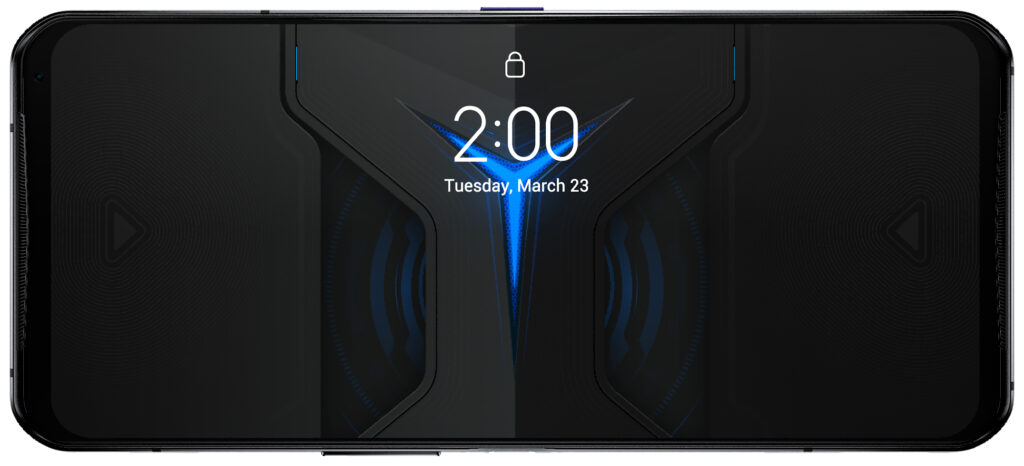
Upfront, there is a 6.92-inch AMOLED with a 144Hz refresh rate, 720Hz touch sampling rate, and a peak brightness of 1,300nits. The display is surrounded by bezels on top and the bottom, both of which house a front-firing, Dolby Atmos-certified, stereo speaker setup. Notches and punch-holes are absent as the camera is stuffed into the top bezel.
Inside, you get the Snapdragon 8 Gen 1 chip that’s paired with up to 18GB of LPDDR5 RAM and 640GB of storage. The storage appears to be a combination of a 512GB UFS 3.1 drive and a 128GB SSD.
Both Legion 3 Elite and Legion 3 Pro pack dual 2,800mAh batteries, totaling at 5,600mAh, with support for 68W charging. Two USB-C ports mean you can charge from either side while gaming, per your convenience.
For photography, you get a dual-camera setup comprised of 64MP and 13MP sensors. Selfies will be handled by the single 16MP sensor upfront.
The Lenovo Legion Phone 3 series will be unleashed sometime in Q1 2022.
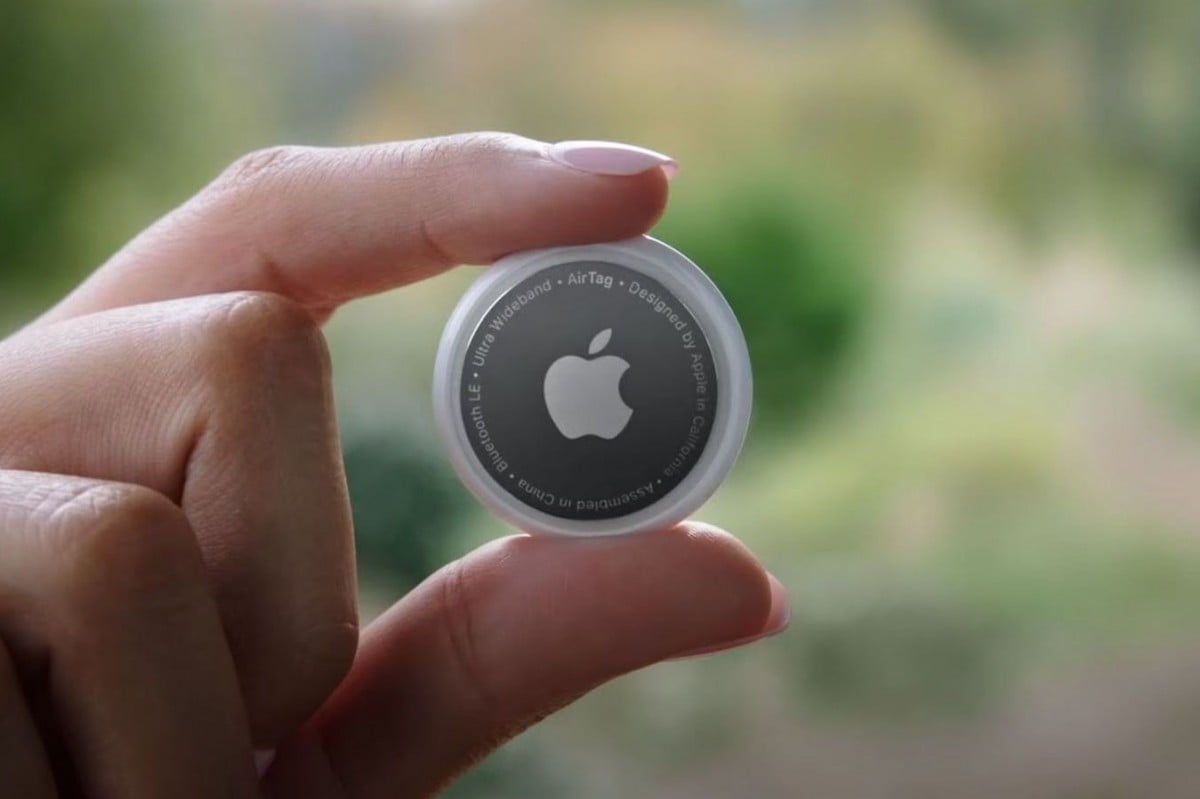
Apple AirTag has been deployed for different purposes than what Apple apparently envisages including criminal purposes, as several stories relating to stalking and stealing using the device have been reported. Technology has come a long way but it is still a serious challenge when tech gadgets are put to criminal use away from the design philosophy for the gadget. Apple has now responded to the issue by updating its Personal Safety User Guide with new information on steps that consumers should take when they find an unknown Air Tag in their environment or hear the sound of an Air Tag which is not theirs. The updated User Guide explains what an alert from an AirTag means and gives the user useful tips on what to do when an AirTag or any other device is noticed following them using the app. Instructions for Android users are also contained in the updated Personal Safety User Guide.
Although there had been some information on safety steps to do to safeguard a user’s account from intruders, the new criminal venture of using an AirTag as a guide to steal expensive vehicles or commit other crimes may not have been factored in before now. Some users have also reported getting alerts of being tracked after they left a public place, while some parents use the device to track their teenage children without permission. However, Apple’s proactive measure to notify an AirTag user that he is being tracked may have provided some illumination of the issue. Other similar devices from other manufacturers are yet to provide such details to users and that could affect user safety.
The new measures which also have integrated Android users into the mix will help to enhance user privacy and safety from stalking. The user is instructed on how to use the Tracker Detect app for Android. The updated User Guide is available online and it has also been primed to be visible in Google searches for greater coverage. Overall safety and privacy are enhanced a bit although experts still insist there must be a change in functionality of the device itself.
Sony has unveiled a new soundbar dubbed Sony HT-S400. The soundbar seems to be a departure from the lineup of high-end soundbars recently released by the company. It is priced at $300 and will be a great addition to the mid-level or low-end user who just wants to have a better sound experience while watching his favorite TV show. It seems Sony had done a pretty decent job of having a nice mix of affordability and functionality with the HT-S400 soundbar.
The HT-S400 soundbar is a 2.1-channel system capable of producing virtual surround sound for an immersive audio experience while watching TV. It comes with a powerful 130Wwireless subwoofer and the system has an overall output of 330W, which is impressive for its price. The soundbar has seamless integration with Sony TV models due to its settings integration and wireless connectivity support. It is also possible to stream content in the HT-S400 via other input using Bluetooth. There are options for HDMI ARC and optical audio although we expect clarity and voice optimization may not reach the dizzying heights of the premium Sony soundbars.
Although it is known that the Sony HT-S400 soundbar will be available from April 2022, it is not yet clear whether there will be differentials on the pricing globally and even its availability in some regions. The coming months will however illuminate the dark ends of the HT-S400 soundbar. Its affordability is however a strong point for the model.
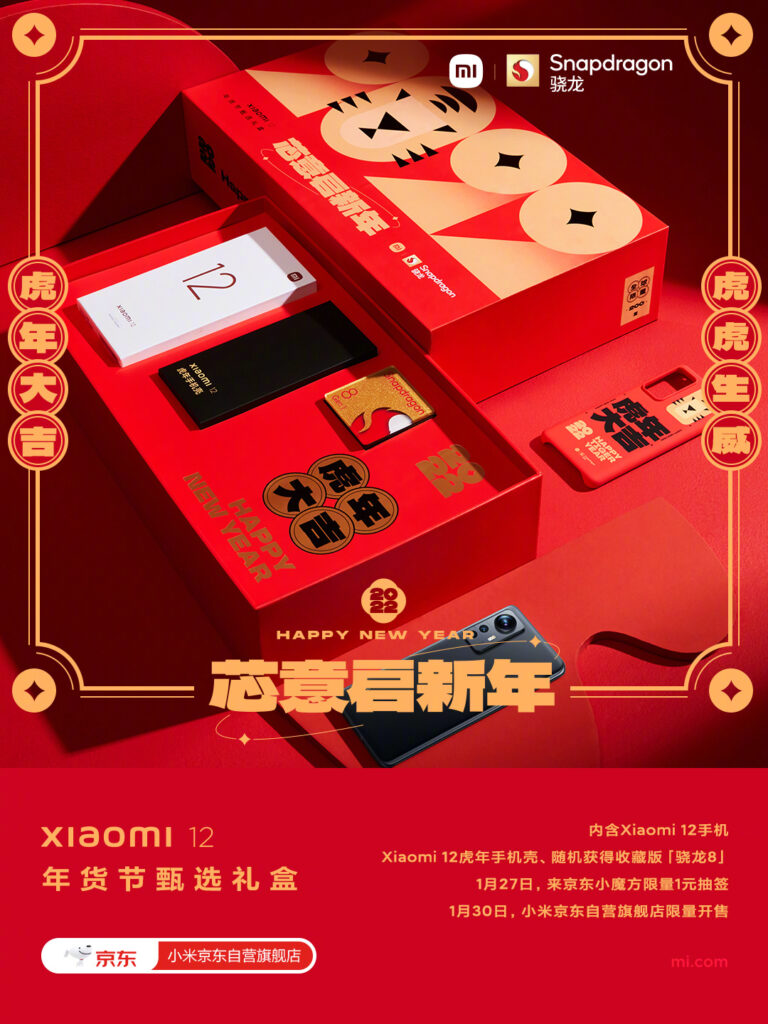
Xiaomi today announced that it has collaborated with Qualcomm to launch the “Xiaomi 12 Years Shopping Festival Selection Gift Box.” The special package contains a Xiaomi 12 along with a bunch of other souvenirs.
Goodies you get in the box include the Xiaomi 12 mobile phone (of course), a special red-colored case, and a glittery Snapdragon 8 Gen 1 commemorative piece.
The box itself is a whole lot larger than the ordinary Xiaomi 12 box and comes with “2022” written atop in some nice, funky text. You also get some tiger abstract art here and there to signify the Chinese Year of the Tiger.
The Xiaomi 12 unit you will find inside looks unchanged and it seems that purchasing the gift box will only get you the device in its black color.
The “Xiaomi 12 Years Shopping Festival Selection Gift Box” will be available in limited quantities on January 30th. Chinese e-commerce site JD.com also got a lottery going on where you can participate for 1 Yuan and have the opportunity to win the gift box. Of course, the limited edition will only be selling in China and will most likely not be made available for the global market.
The Xiaomi 12 was launched on December 28th with the Xiaomi 12X and 12 Pro. It is equipped with the Snapdragon 8 Gen 1 processor and a 6.28-inch 120Hz AMOLED display with an FHD+ resolution. At the rear, there’s a triple camera setup with the primary one sporting a 50MP IMX766 sensor. The battery is sized 4500mAh and supports 67W wired and 50W wireless charging.


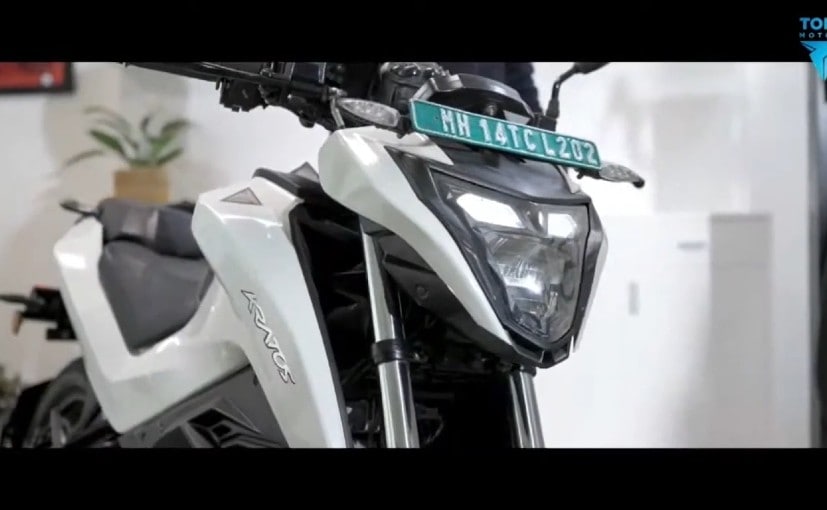
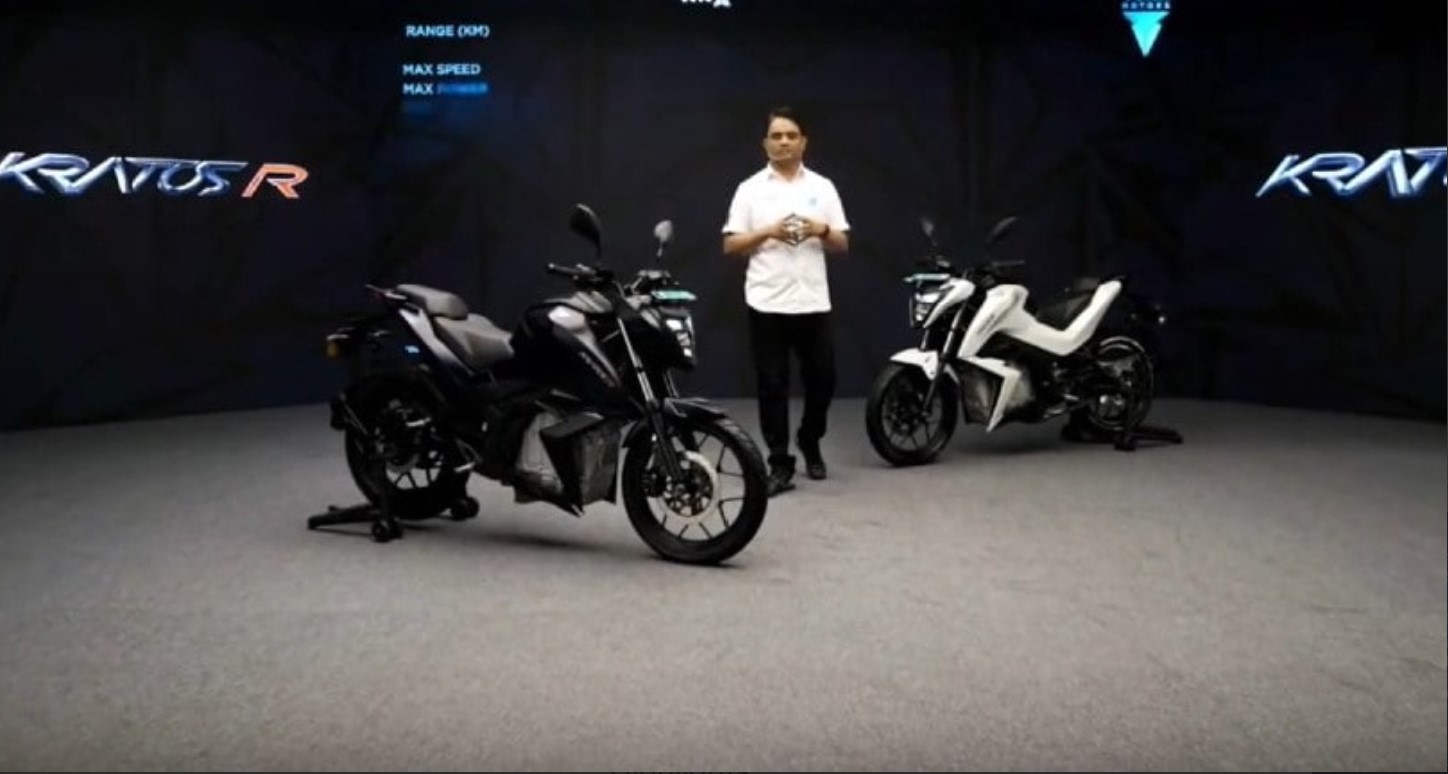
Indian startup Tork Motors has released the Kratos electric motorcycle in India and it is priced from Rs. 1.08 Lakh ($1,442) which is a bit more affordable than some of the current bikes with similar configurations. The new e-bike packs several impressive features including having a range of 120km on a single charge and a new battery technology.
The Tork Kratos electric motorcycle can deliver a top speed of 100km/h while the Kratos R which is also launched, will deliver a top speed of 105km/h. Both the Kratos and Kratos R will begin deliveries from April 2022, while preorders have begun for Rs. 999. It is noted that the more powerful Tork Kratos R electric motorcycle is priced at Rs. 1.23 Lakh ($1,642). Both model prices are ex-showroom and they will both enjoy some degree of subsidies from the state and FAME II.
The Tork Kratos electric motorcycle had evolved within the past six years when the concept design was showcased in 2016. The new models are a clear departure from the T6X prototype that was showcased by the company, with several modifications and improvements done. These include a new design language, the battery pack, and a newly designed electric motor for the e-bike. The Tork Kratos lineup is wholly designed and manufactured in India thus aligning with the Make in India initiative.
While the Tork Kratos has a 4kW motor, the Kratos R comes with a 9kW motor. In addition, the Kratos R supports fast charging and its owners will be offered a two-year free charging network access. There are loads of features present in both models and Tork Motors says it will undertake a phased sales strategy of both models in the Indian market.
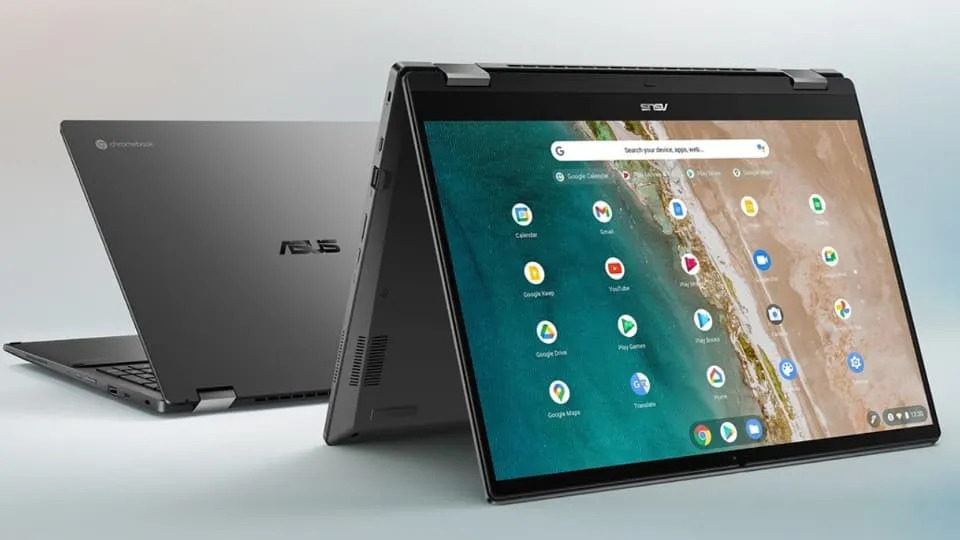
The next generation of Chromebooks will apparently include models that are built for gaming. These new Chrome OS models would feature full RGB lighting on their keyboards as well.
According to a 9To5Googlereport, a number of Chrome OS devices are set to launch in the market soon, and will be built for gaming. 9To5Google stated that they have been tracking the progress of gaming on Chromebooks and believes that these new models are just around the corner. As of right now, gaming streaming services like Google Stadia, Nvidia GeForce Now, and others are the only way to experience games from the Steam library.
But now, it seems that Chrome OS will soon support Steam and other Linux compatible PC games, similar to how it supports Linux and Android apps. This will be a part of a long running project that is codenamed Borealis. Although, there has not been any official announcement of Steam games being supported on Chromebook. But this hints at Google’s plan on expanding in gaming through both Steam games and other game streaming services as well.
Well, since Chromebooks with gaming are believe to launch in the near future, it arrives as no surprise that the new Chrome OS devices will support RGB as well. The report stated that the Search Engine giant is working on offering full color RGB support on keyboards on Chromebooks. With Nvidia and MediaTek working together to bring RTX graphics to the platform, its only a matter of time that dedicated gaming Chromebooks launch Steam games and RGB software support.
Samsung today released the financial results for Q4 2021 and all of last year, reporting KRW 279.6 trillion (~$232.43 billion) in revenue, which is an all-time high, and an operating profit of KRW 51.63 billion (~$42.92 billion). This was mainly thanks to strong semiconductor sales and good smartphone shipments.
For the fourth quarter of 2021, the South Korean company reported that its revenue touched KRW 76.57 trillion (~$63.64 billion), while the operating profit stood at KRW 13.87 trillion (~$11.52 billion).
The December quarter revenue growth was mostly driven by improved sales of its premium smartphones, including foldables, as well as TVs and home goods. The operating profit declined slightly compared to Q3 2021 due to special bonus pay for employees but was still higher than that of Q4 2020.
Samsung’s memory business saw a decline in earnings due to a fall in prices, the company reported. But this was made up for by the foundry business that posted a new quarterly revenue record, although profitability took a hit due to costs associated with “ramping up advanced process nodes.”
Samsung Display’s revenue rose for small-sized OLEDs, but losses increased in the large-sized display segment due to declining LCD prices and increased manufacturing costs for QD-OLED panels. However, mobile displays are expected to deliver improved results year-on-year, driven by new smartphone releases and an expansion of the foldable market.
The company aims to be the first foundry to adopt the 1st generation gate-all-around (GAA) process. Mass production of such 3nm chips is scheduled for the first half of 2022.
Back in July 2020, Realme launched a power bank with 30W fast charging support in India. This accessory is officially called ‘realme 30W Dart Charge 10000mAh Power Bank’. One and a half years later, details about the possible successor of this product emerge.
Realme 30W Dart Charge 10000mAh Power Bank
According to Twitter user Yash (@i_hsay), a new Realme power bank with model number RTX2109 has been certified by BIS (Bureau of Indian Standards). This means the product may release in India.
According to the accessory’s TÜV Rheinland certification, it will have support for up to 33W input as well as output. The battery pack will be also able to output current at 15W, 27W, and 30W.
Going by the information available, this upcoming power bank could be the successor of the Realme 30W Dart Charge 10000mAh Power Bank. Therefore, we expect it to have at least 10,000mAh capacity.
Unfortunately, we don’t have any more detail on this accessory. But we think that it will have USB Type-C and USB Type-A ports, in addition to support for multiple charging protocols like USB PD (Power Delivery), VOOC, Warp, Dart, and Qualcomm QC (Quick Charge).
Finally, the power bank may hit the markets in multiple colors with unique patterns in a typical Realme fashion.
Earlier this week, Elon Musk, the CEO and Founder of Tesla, has just announced that the highly anticipated Cybertruck has been delayed. Now, the vehicle will be launching sometime next year.
The Cybertruck from the American electric vehicle manufacturer was rumored to face a launch delay, and now, the brand’s exec has officially confirmed it. Notably, the news also arrives as the carmaker shared its quarterly report revenue and delivery details that showcased more than 50 percent rise of its EV shipments, despite the ongoing shortages in the supply chain. For those unaware, the futuristic Cybertruck was first unveiled back in 2019.
Since then, the company had to delay its production to late 2021, which got further pushed back to late 2022. And now, its production has been postponed for the third time. This also means 2023 will be a big year for Tesla, who will be launching its Cybertruck, Semi, Roadster, and even its humanoid robot next year. Musk stated that “We will not be introducing new vehicle models this year. It would not make any sense because we’ll still be parts constrained.”
Been driving latest Cybertruck prototype around Giga Texas. It’s awesome!
He further explained that unveiling new models “would then require a bunch of attention and resources on that increased complexity of the additional product, resulting in fewer vehicles actually being delivered this year.” Musk said that he hopes to manufacture around 250,000 Cybertrucks annually, however, this target is suffering from various hurdles owing to a number of new technologies being introduced. He reassured that “Batteries will probably not be the limiting factor in Cybertruck production,” rather, “I worry more about like how do we make the Cybertruck affordable despite having awesome technology.”
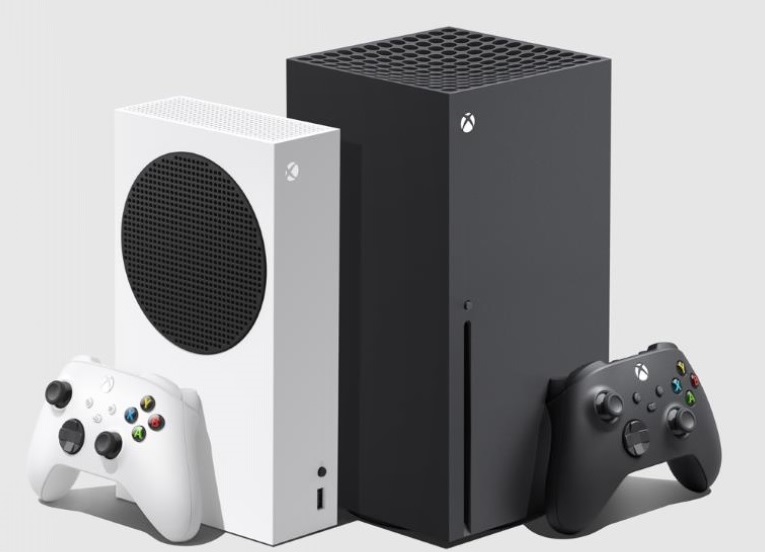
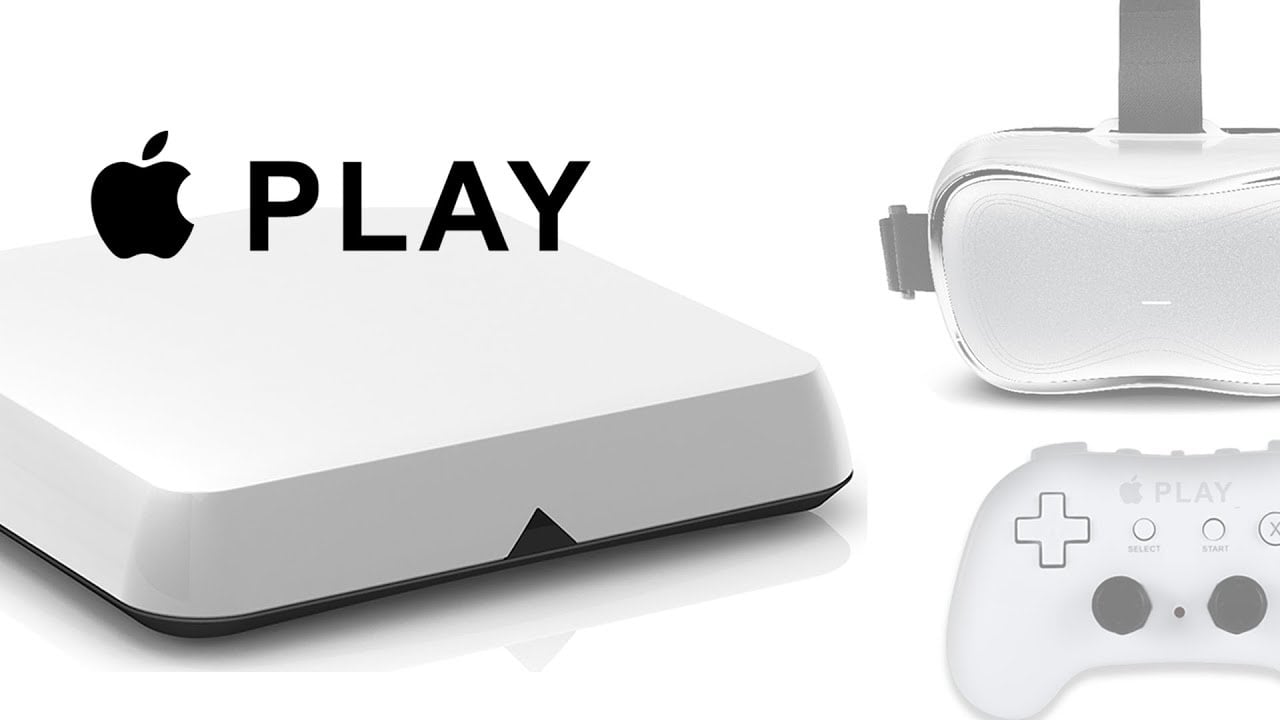
A new rumor has just surfaced about Apple and it hints at some of its future plans. The company is apparently eyeing the video gaming console market, and has apparently even tried to bring in engineers from Microsoft Xbox.
Microsoft Xbox Series S and Xbox Series X
The news arrives from the latest podcast on Xbox Two on YouTube. In the latest episode, Windows Central writer Jez Corden shared the interesting information. He stated that the source isn’t quite reliable and he doesn’t have any particular evidence or documentation to back it as of right now. However, if the rumor is even remotely true, it is big news within the gaming industry.
Corden stated that “I’ve been hearing for a while that Apple has been poaching Xbox engineers to make its own console. I’ve heard that for ages, that Apple was exploring making a video game console, and I don’t know if it’s going to be a VR play or a metaverse thing or something like that, but some of the engineers that Apple’s poached from Microsoft were because they wanted to explore making their own console.” Keep in mind, the Cupertino based giant is known for canceling big projects, so its entirely possible that we may never see an Apple branded gaming console.
It is also reasonable to believe that a console was planned in the past and could already have been cancelled as well. Although, the iPhone maker has been raising its focus in gaming, with its Apple Arcade that are playable on its TV. So, the brand at least has some experience in a console like product. Unfortunately, this is still an unconfirmed report, so take it with a pinch of salt for now and stay tuned for more updates.
We use cookies on our website to give you the most relevant experience by remembering your preferences and repeat visits. By clicking “Accept”, you consent to the use of ALL the cookies.
This website uses cookies to improve your experience while you navigate through the website. Out of these, the cookies that are categorized as necessary are stored on your browser as they are essential for the working of basic functionalities of the website. We also use third-party cookies that help us analyze and understand how you use this website. These cookies will be stored in your browser only with your consent. You also have the option to opt-out of these cookies. But opting out of some of these cookies may affect your browsing experience.
Necessary cookies are absolutely essential for the website to function properly. This category only includes cookies that ensures basic functionalities and security features of the website. These cookies do not store any personal information.
Any cookies that may not be particularly necessary for the website to function and is used specifically to collect user personal data via analytics, ads, other embedded contents are termed as non-necessary cookies. It is mandatory to procure user consent prior to running these cookies on your website.