Advertisement

Tecno Spark 8 Pro with 33W fast charging officially launching in India on December 29

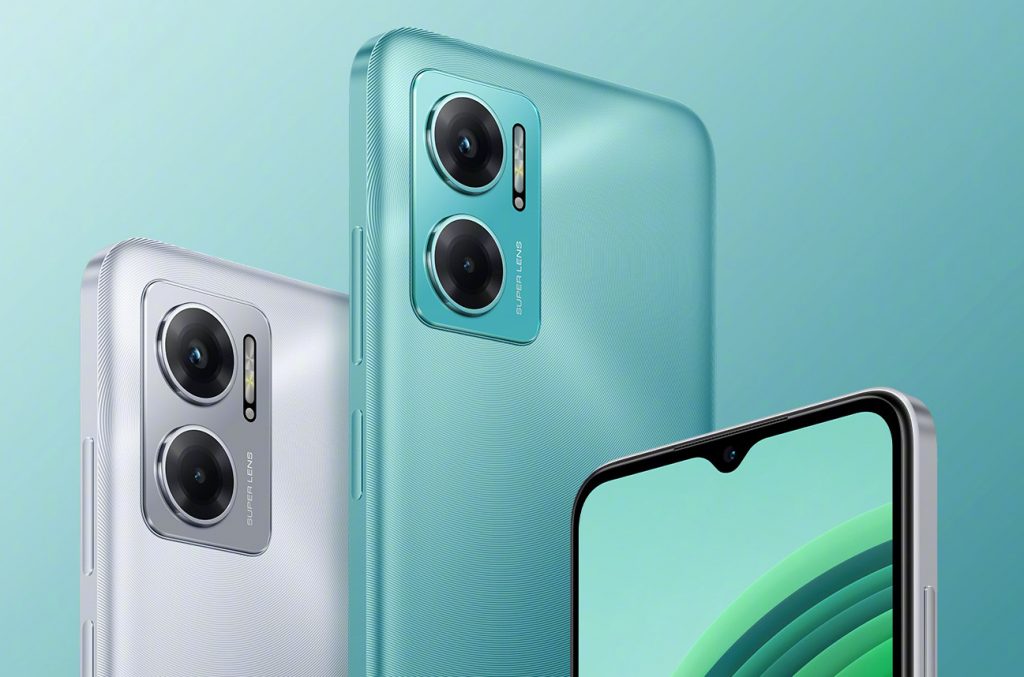
Transsion Holdings subsidiary Tecno has officially revealed that the Spark 8 Pro premium mid-range smartphone will be launched in India on December 29. This comes after a first tweet in wich the company only promoted the impending launch without specifying a launch date. A second tweet has now been posted, revealing the smartphone will be launched on December 29.  Tecno Spark 8 Pro

The Tecno Spark 8 Pro is expected to emerge as the successor to the Spark 8 that was launched in August this year. The company did tease that the device will arrive with support for 33W fast charging support. The “super-fast charger” is expected to deliver a charge of 85% of the battery capacity in just one hour.  For comparison, the vanilla Spark 8 comes with a disappointing 10W charger.

Furthermore, the teaser poster hints at a punch-hole display design onboard the Spark 8 Pro. The device will also pack a triple camera setup consisting of a 48MP main camera. Other specs of the device can be gotten from the Bangladesh launch last month. The device will be powered by a Helio G85 chipset paired with 6GB RAM and 64GB storage.

The Spark 8 Pro will feature a 6.82-inch IPS LCD FHD+ display with a massive 5,000mAh battery under the hood as well as a side-mounted fingerprint scanner. We bring you more details of the Spark 8 Pro especially the Indian pricing and availability details when it is announced in some hours’ time.

RELATED:


Xiaomi aiming to be the World No.1 Smartphone maker in 3 years!

Xiaomi held a massive launch event earlier today where they unveiled multiple new products from the brand, including the Xiaomi 12 smartphone lineup, MIUI 13, Xiaomi Watch S1, and many more. But the products were not the only thing revealed in this conference as Xiaomi’s CEO and Founder Lei Jun took to the stage to announce the company’s future plans.

Earlier this year, Xiaomi briefly overtook Apple in the total global shipment volume, making it the 2nd largest global smartphone manufacturer for a while. Now, the CEO of Xiaomi announced that the company intends to take on the global leaders in the smartphone industry and become the number one smartphone brand in the next three years.

A similar statement was made earlier in November by Lu Weibning, the Senior VP of Xiaomi Group China and GM of Redmi, who posted on Weibo clarifying Xiaomi’s goals in the future. Lu Weibing explained that Xiaomi’s Founder Lei Jun had put forward a goal of No.1 sales of Xiaomi smartphones in the world by 2024. And to achieve this, Xiaomi will first focus on increasing their sales in the Chinese market. Since 70% of the smartphone sales in China are done through physical stores, Xiaomi plans to increase their brick and mortar outlets to 30,000 in the next three years. He also stated that since Xiaomi plans to be the king of smartphone sales globally, they will not specifically target any single brand (Apple) and focus on making products that can rival all the top brands.

Xiaomi

The announcement by Xiaomi’s founder Lei Jun has also raised some questions about how they plan to achieve global dominance in the smartphone market. Recently, Xiaomi has constantly ranked 3rd, trailing closely behind Apple. However, Samsung still has a sizable lead over the two brands. If Xiaomi plans to reach this goal they have set for themselves, we might see the brand strengthening its position in the European market, where Samsung has recently been losing ground. Additionally, the company has a perfect opportunity to consume the market share conceded by Huawei due to recent chip bans imposed on them by the U.S.

Only time will tell if Xiaomi can overcome this challenge and achieve the milestone of the leading global smartphone producer in the next three years, and we will be here to bring you the latest news on their progress, so stay tuned.

RELATED:

Zeeker T100 is a new rugged phone with Infrared rangefinder

Chinese smartphone manufacturer Zeeker has officially launched a new rugged phone dubbed Zeeker T100 in the market. The Zeeker T100 comes with a unique feature called infrared rangefinder which allows the device to measure range or distance up to 40 meters or 131 feet.

The Zeeker T100 sports a 6.0-inch display with a Full-HD+ resolution. It has an 18:9 aspect ratio and a standard 60Hz refresh rate. In terms of cameras, it features an 8MP camera at the front and has a triple camera array at the rear. The rear setup has a 16MP main lens, an 8MP ultra-wide unit, and a 0.08MP depth sensor.

Zeeker T100

It is powered by the MediaTek Helio G80 SoC paired with 6GB of LPDDR4X RAM and 128GB eMMC 5.1 internal storage. It has a microSD card slot with support of up to 1TB of storage expansion. It houses a big 6,000mAh battery with 18W wired fast charging and 15W wireless fast charging support.

Since it is a rugged phone, it has bagged MIL-STD-810G military-grade protection. It is built out of an Aerospace-grade metal frame and has reinforced corners. It also has an IP68 and IP69K resistance offering enhanced protection. One of its highlights is the infrared rangefinder. It has a laser pointer at the top of the device that can be used to measure range or distance up to 40 meters or 131 feet.

The smartphone has a side-facing fingerprint scanner for security. The power button is also customizable meaning that it can be toggled for different actions. Single-click, double-click, and long-press can be used for setting several actions like SOS, screenshot, flashlight, sound recording, push-to-talk, etc. It runs on Android 11 OS out of the box and has ZEEKER UI on top of it.

As for the price, the Zeeker T100 is currently listed for $312 on AliExpress for the 6GB RAM and 128GB storage variant. It comes in a single Meteorite Black color variant.

RELATED:

Xiaomi unveils MIUI 13: Everything You Need to Know

Xiaomi has finally unveiled MIUI 13 at the Xiaomi 12 series launch event in China. Although it sounds like a major upgrade, it doesn’t bring any significant changes over MIUI 12. That’s because MIUI 12.5 and MIUI 12.5 Enhanced Edition have already introduced certain changes. Above all, almost all the new exciting features will most likely remain exclusive to China. With that being said, let’s take a look at what MIUI 13 has to offer.

MIUI 13 Logo Featured B

Unlike previous generations, Xiaomi now has three branches of MIUI for its Android devices. They are called MIUI 13, MIUI 13 Pad, and MIUI 13 Fold. As the names suggest, the software is now optimized specifically for smartphones, tablets, and foldables respectively. For the foldables, MIUI is a combination of both regular MIUI for MIUI Pad.

MIUI 13

MIUI 13

MiSans Font

MIUI 13 brings new font called MiSans. Xiaomi claims that this is a simple font optimized for Chinese and English languages to offer clear visibility and comfortable reading.

MIUI 13 MiSans Font

The font is part of Dynamic Font System 2.0. As it inherits OpenType features, the height of hyphens automatically adapts to uppercase and lowercase letters.

This minimalistic font is already available for download on the MIUI Themes app in China for devices running previous iterations of MIUI.

Widgets

Ever since Apple introduced widgets with iOS 14, Android OEMs are playing catch-up although the feature has been present on Google’s operating system for years. That’s because it has been dormant without any interesting development so far.

Now, Xiaomi has also joined the new race for dynamic widgets with MIUI 13. For the unaware, the company has been testing this feature since August 2021.

The widgets in MIUI 13 are sort of similar to those found on vivo’s OriginOS Ocean and OPPO’s ColorOS 12. In other words, they probably won’t make their way to international markets.

MIUI 13 Widgets

Because these widgets are offered by prominent Chinese applications. Additionally, Xiaomi is also offering widgets for mini-games, countdowns, reminders to drink water, what to eat today suggestions, and more.

Although we don’t have much hope for the availability of new widgets outside mainland China, it would be wonderful if the firm somehow manages to bring them.

Beauty of Science Wallpapers

MIUI 12 set the bar high for live wallpapers with the introduction of MIUI Super Wallpapers. For MIUI 13, the company has partnered with Beauty of Science for a new set of wallpapers.

MIUI 13 Beauty of Science Wallpapers

These latest wallpapers display the crystal structure of various minerals. The new wallpapers are a result of 8K time-lapse photography using a polarization microscope.

Just like the MiSans font, the Beauty of Science Wallpapers are also up for download in China.

Customizable Xiao AI Virtual Assistant

Users can create their own customized avatar of Xiaomi’s Xiao AI virtual assistant in China. They can choose from over 50 sets of clothing and accessories.

MIUI 13 Customizable Xiao AI Avatars

That’s not all, users can also choose from different voices and set a custom wake word.

Privacy

MIUI 13 is certified by even more agencies than MIUI 12 for privacy. The new interesting feature in the last iteration was ‘Virtual ID’. Whereas, MIUI 13 brings changes to the face authentication system.

MIUI 13 Privacy

Previously, only the face is scanned by the system. But now, the upper body is included in the scan for more data. Further, users can opt for a watermark while scanning important documents.

The system also protects users from spam calls/texts, malicious applications, and harmful file transfers

Optimizations

MIUI 13 brings improvements for Focus Computation, Atomic Memory, and Liquid Storage. These three self-developed technologies debuted on MIUI 12.5 Enhanced Edition.

MIUI 13 Optimizations

Xiaomi claims that the fluency of system applications and third-party applications are now improved by 20-26% and 15-52% respectively when compared to MIUI 12.5 Enhanced Edtion.

Devices like Xiaomi Mix 4 can now easily hold an average of 14 apps in the background. Finally, read-write performance only drop by 5% on handsets like Mi 11 Pro after 36 months of usage.

Mi Magic Center

The new Mi Magic Center is Xiaomi’s answer to Huawei’s HarmonyOS Super Device. Users can manage their Xiaomi ecosystem products from this single place.

MIUI 13 Mi Magic Center They can cast/stream screen content or music from one device to another by simply dragging. Unlike Huawei, Xiaomi also lets users customize their devices with stickers to add a personal touch and for easier recognition.

Only select devices are compatible with Mi Magic Center.

MIUI 13 Pad

MIUI 13 Pad

Multitasking

MIUI 13 Pad brings support for floating windows. The application windows can be also resized as per requirements. Hence, users can perform multiple tasks at a given time.

Just like devices from Apple, Samsung, Huawei, and Honor, Xiaomi products running MIUI 13 are also now in synchronization with each other. Hence, users can continue their tasks on their tablet from where they left off on their smartphone and vice versa.

Keyboard and Stylus

Keyboards now support default as well as custom shortcuts. Whereas, users can start taking notes and screenshots on any screen by using the official stylus accessory.

App Compatibility

When Xiaomi unveiled MIUI for Pad in August, it set a target to adapt 2,000 applications for tablets by the end of 2021. Surprisingly, the firm managed to adapt 3,000 apps with MIUI 13 Pad.

MIUI 13, MIUI 13 Pad, MIUI 13 Fold Eligible Devices and Update Plan

MIUI 13 and MIUI 13 Pad stable update will be available for the first batch of devices in China from the end of January 2022. On the other hand, it will be available in international markets from Q1 2022.

As for MIUI 13 Fold stable update, it will be rolled out at the end of April 2022.

MIUI 13 Stable Update Eligible Devices – First Batch

China

Late January 2022
  • Xiaomi 12 Pro
  • Xiaomi 12
  • Xiaomi 12X
  • Mi 11 Ultra
  • Mi 11 Pro
  • Mi 11

International Markets

Q1 2022
  • Mi 11 Ultra
  • Mi 11
  • Mi 11i
  • Mi 11X Pro
  • Mi 11X
  • Redmi 10
  • Redmi 10 Prime
  • Xiaomi 11 Lite 5G NE
  • Xiaomi 11 Lite NE 5G
  • Redmi Note 8 (2021)
  • Xiaomi 11T Pro
  • Xiaomi 11T
  • Redmi Note 10 Pro
  • Redmi Note 10 Pro Max
  • Redmi Note 10
  • Mi 11 Lite 5G
  • Mi 11 Lite
  • Redmi Note 10 JE

MIUI 13 Pad Stable Update Eligible Devices – First Batch

China

Late January 2022
  • Xiaomi Pad 5 Pro
  • Xiaomi Pad 5

International Markets

Q1 2022
  • Xiaomi Pad 5

MIUI 13 Fold Stable Update Eligible Devices

China

Late April 2022
  • Mi MIX Fold
RELATED:

MIUI 13: Here’s the list of all supported devices and the release dates

After a long wait, Xiaomi has officially announced the MIUI 13 at an event in China. This time around, the new UI focuses on stability and bug fixes. Xiaomi claims that the MIUI 13 has improved fluency by 15% to 52% compared to the older MIUI 12.5.

Some of the highlights of the new UI include system-level anti-fraud protection and faster app opening speeds. In this article, we are sharing the list of all supported devices that will get the MIUI 13 update from Xiaomi.

MIUI 13 Logo Featured B

MIUI 13 Update Plan(Global)

Global users can expect the OTA update of the MIUI 13 starting from Q1 2022. The first batch to get the update are as follows:-

  • Xiaomi Mi 11
  • Xiaomi Mi 11i
  • Xiaomi Mi 11 Ultra
  • Xiaomi Mi 11X
  • Xiaomi Mi 11X Pro
  • Xiaomi Pad 5
  • Redmi 10
  • Redmi 10 Prime
  • Xiaomi 11 Lite 5G NE
  • Xiaomi 11 Lite NE
  • Redmi Note 8 2021
  • Xiaomi 11T
  • Xiaomi 11T Pro
  • Redmi Note 10 Pro
  • Redmi Note 10 Pro Max
  • Redmi Note 10
  • Xiaomi Mi 11 Lite
  • Xiaomi Mi 11 Lite 5G
  • Redmi Note 10 JE

The details for the other batches will be released soon.

MIUI 13 Update Plan(China)

December 28 – Pre-installed

  • Xiaomi 12
  • Xiaomi 12X
  • Xiaomi 12 Pro

First Batch of Public Beta – January 2022

  • Xiaomi Mi 11
  • Xiaomi Mi 11 Pro
  • Xiaomi Mi 11 Ultra
  • Xiaomi Mi 11 Youth Edition
  • Xiaomi Mi CIVI
  • Xiaomi Mi MIX 4
  • Redmi K40 Game Enhanced Edition
  • Redmi Note 10 Pro
  • Xiaomi Mi Pad 5(MIUI 13 Pad OS)
  • Xiaomi Mi Pad 5 Pro(MIUI 13 Pad OS)
  • Xiaomi Mi Pad 5 Pro 5G(MIUI 13 Pad OS)
  • Xiaomi 10S
  • Redmi K40 Pro
  • Redmi K40
  • Redmi K30S Extreme Edition
  • Redmi K30 Extreme Edition
  • Xiaomi 10 Extreme Edition
  • Xiaomi 10
  • Xiaomi 10 Pro
  • Redmi K30 Pro
  • Redmi Note 11 5G
  • Redmi Note 9 4G
  • Redmi Note 9
  • Redmi Note 10X Pro
  • Redmi 10X
  • Xiaomi CC9 Pro

Second Batch of Public Beta – (Release date not confirmed)

  • Redmi Note 11 Pro
  • Redmi Note 11 Pro+
  • Redmi K30 5G
  • Redmi K30i 5G
  • Redmi K30
  • Xiaomi 10 Youth Edition
  • Redmi Note 9 Pro
  • Redmi Note 10

In case you’re wondering about Poco devices, Xiaomi didn’t officially confirm MIUI 13 update for Poco phones, but you can expect recent models like Poco F3, Poco F3 GT, Poco F2 Pro, Poco X3 GT, and Poco X3 Pro to get the update in the coming months.


RELATED:

Do MediaTek phones take worse photos than Snapdragon phones? Here’s what one exec has to say

When choosing a high-end camera flagship in the Android market as of 2021, your options are normally the Samsung Galaxy S21 Ultra, Vivo X70 Pro Plus, Oppo Find X3 Pro or the Xiaomi Mi 11 Ultra. Besides their outstanding camera performance, another similarity they have is that all the camera phones mentioned above are using Qualcomm Snapdragon flagship chipsets, namely the flagship Snapdragon 888.

But Qualcomm is not the only manufacturer supplying flagship chipsets, MediaTek also has a series of flagship chipsets under its belt, namely the MediaTek Dimensity 1100, Dimensity 1200, and the recently announced Dimensity 9000 coming to smartphones next year. Since that is the case, then why do suppliers prefer to put Qualcomm Snapdragon chipsets compared to the MediaTek counterpart?

Vivo-senior-product-manager-han-boxiao
Vivo’s Senior Product Manager, Han Boxiao

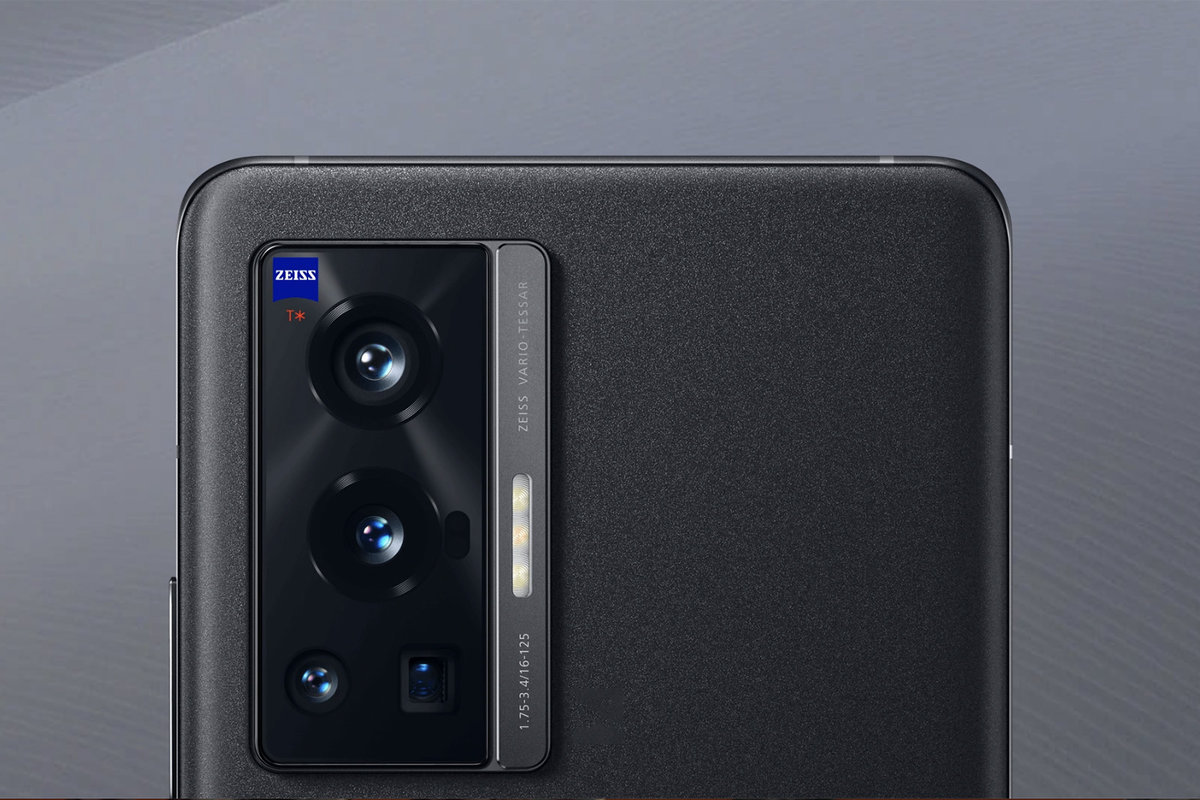
In a press meeting today, Vivo Senior Product Manager, Mr. Han Boxiao, mentioned that from his experience in the industry, smartphones equipped with MediaTek chipsets actually do not take worse photos than smartphones equipped with Snapdragon chipsets. He mentions that the days of MediaTek being a worse performer than Qualcomm in terms of ISP processing and camera lens support have long been over, ever since the release of the MediaTek Helio P70 in 2018.

For reference, Vivo used the MediaTek Helio P70 in the standard model of the Vivo S1, the debut smartphone for Vivo’s new S series which would then be known as Vivo’s upper mid-range smartphone lineup with a focus on design and camera. 

Mr Han Boxiao also mentions that the reason why the myth that MediaTek smartphones don’t perform as well as compared to the Snapdragon counterparts in the camera department, is the lack of research and development from phone manufacturers themselves on their MediaTek smartphones. He notes that he found many MediaTek phones not being equipped even with the most important and fundamental factor of great smartphone photography — smartphone lenses equipped with OIS. The OIS not only enables better video stabilization, but it also provides better low-light photos, as better stabilisation helps to capture more colours in the scene within a shorter exposure time.

From the statements said by Mr. Han Boxiao, it can be deduced that if smartphone manufacturers are willing to pour in better camera hardware, as well as better research and development for its MediaTek smartphones, MediaTek phones may even outshine flagships equipped with Snapdragon chipsets.

vivo-mediatek-dimensity-9000-0

This comes right after Vivo was confirmed to be one of the first phone manufacturers to use the MediaTek Dimensity 9000 in its next flagship smartphone. To refresh your memory, the MediaTek Dimensity 9000 is equipped with a fifth-generation six-core APU for AI processing. The 18-bit ISP can shoot 4K HDR videos with three cameras simultaneously. Devices powered with the Dimensity 9000 can support a massive 320-megapixel camera.


RELATED:

(Via)

Xiaomi Watch S1 with blood oxygen monitoring, AMOLED & sapphire glass screen launched

Xiaomi today held one of its biggest events for the year, dropping several top-notch products during the event. The event, no doubt, marks the climax of a highly successful year for the Chinese tech giant. Apart from the flagship Xiaomi 12 series, MIUI 13, and the Xiaomi Buds 3, the Chinese giant has also unveiled a new smartwatch designed for the business class. The watch is dubbed Xiaomi Watch S1 and despite its classic design style, the watch comes with all the dressings of a complete smartwatch. Xiaomi Watch S1

The Xiaomi Watch S1 features an elegant and stylish design that still retains the minimalist design philosophy of the company. The watch has a 1.43-inch AMOLED touchscreen display with 326PPI surrounded by a refined stainless steel frame. The display is covered by a layer of sapphire glass. Users also get the option of choosing from a comfortable leather wristband and a fluorine rubber strap.Xiaomi Watch S1

The AMOLED display provides a crystal-clear viewing of the screen even under sunlight. This will make it easy for users to check messages, incoming calls, notifications, calls, and use apps while on the go. The provides comprehensive health insights while supporting up to 117 fitness modes and 5ATM water resistance.

In terms of the features, the Watch S1 brings up to 117 sports modes, supports sleep tracking, heart rate, and blood oxygen monitoring. It also comes with NFC for contactless payment and supports Bluetooth calls, and dual-frequency GNSS positioning. Xiaomi Watch S1

The timepiece crams a 470mAh battery with a battery life of up to 12 days on a single charge. The watch also offers up to 24 days of standby time. It uses magnetic charging.

In addition, Mi Watch S1 supports third-party apps, including NetEase Cloud Music, Baidu Maps, etc., but iOS users cannot use third-party apps at the moment.

Speaking of the pricing and availability, fans in Mainland China will be able to get the Xiaomi Watch S1 from RMB 1,099 (~$173, Rs 12,883) through Xiaomi official channels. The leather strap will cost an extra 100 yuan. The Watch S1 is available in two colors, obsidian black, and streamer silver and is now on pre-sale. It will officially go on sale in China on December 31.

RELATED:

Xiaomi Pad 5 Pro 8GB+256GB variant launched alongside new protective case

Xiaomi has just revealed a plethora of new devices in their launch event which was held earlier today. The event was headlined by the Xiaomi 12 series smartphone launch as well as the MIUI 13 but also revealed a new memory variant of the Xiaomi Pad 5 Pro.

Mi Pad 5 Pro

The device is the same Mi Pad 5 Pro WiFi-only version that was launched this year in August and offered 6GB RAM and 128GB/256GB of storage. The newly revealed variant however comes with 8GB of RAM and 256GB storage.

As a reminder, the Mi Pad 5 Pro features an 11-inch LCD screen with a resolution of 2560X1600 pixels, a high refresh rate of 120Hz, a PPI of up to 275, and a contrast ratio of 1500:1. The Mi 5 Pro is powered by a Snapdragon 870 processor and crams an 8,600mAh battery under the hood with support for 67W ultra-fast wired charging.

Xiaomi Pad 5 ProThe launch event revealed that the Xiaomi Pad 5 Pro will be available for pre-order in China starting 10:00 pm CST, at an initial price of 2999 yuan ($471), and will start sales on December 31 at 8:00 pm CST. After the initial price period ends, the device will have a retail price of 3099 yuan ($487).

Along with the Xiaomi Pad 5 Pro, the company is also introducing a new white color variant for the Mi Pad 5 protective case which also doubles as a keyboard. The case will also be made available for pre-order today at 10:00 pm CST and will cost the buyers 399 yuan ($63).

RELATED:


Xiaomi 12, Xiaomi 12 Pro, and Xiaomi 12X flagship phones officially launched

After years of large-sized flagship phones, with this year’s Mi 11 even breaching the 6.8-inches mark, Xiaomi appears to be heading back to a more compact form factor. The launch event today that also unveiled MIUI 13, dedicated a large part of itself to simply explaining how comfy the Xiaomi 12’s compact body feels in the hand.

The device with its 6.28-inch AMOLED display is, after all, considerably smaller than most of the other Android flagships out there whose screen sizes have lately stabilized at around 6.7-inches. A curved display helps the Xiaomi 12 further shave off a few millimeters from its width and the phone effectively measures just 152.7 x 69.9 x 8.16 mm.

Other display specs include FHD+ resolution, 120Hz refresh rate (variable from 1Hz to 120Hz), 480Hz touch sampling rate, peak brightness of 1100nits, 12bit colors, HDR10+, and Dolby Vision support. Notably, the FHD+ resolution is a drop from the Mi 11’s 2K display but that’s okay considering the smaller screen. Also, the display is a top-notch one otherwise, as a Xiaomi official had earlier argued, and even offers Gorilla Glass Victus protection.

The inclusion of the 4nm Snapdragon 8 Gen 1 processor is another highlight of the Xiaomi 12 and should offer a significant performance upgrade. The chip comes with a much-improved GPU and AI engine, which are claimed to be 52% and 400% faster respectively over the last-gen. Temps are kept under control with a 2600mm² super large VC liquid cooling unit.

Moving on to the camera department, the Xiaomi 12 comes with a triple camera setup at the rear with the primary one sporting a 50MP IMX766 sensor (1/1.56″, 1.0µm). Advanced tracking tech has been added for better snaps of fast-moving objects, supported by the new ‘Xiaomi Image Brain’ that helps reduce processing times. The primary is joined by 5MP macro and 13MP ultrawide cameras. And upfront, you get a 32MP shooter for selfies.

xiaomi 12 color options

The Xiaomi 12’s battery is sized 4500mAh and supports 67W wired, 50W wireless, and 10W wireless reverse charging. An under-display fingerprint is present for security.

The device is available in black, blue, purple, and field green color options. RAM and storage variants include 8GB+128GB, 8GB+256GB, and 12GB+256GB, priced at CNY 3,699 ($580,) CNY 3,999 ($628), CNY 4,399 ($690), respectively.

Xiaomi 12 Pro

The Xiaomi 12 Pro, just like its name implies, is the beefier version of the vanilla model and offers a number of boosted specs.

xiaomi 12 pro green

For starters, you get a larger 6.73-inch display with a 2K resolution. The charging rate has also been increased nearly two-fold and stands at 120W. The speakers are in a four-unit setup which should offer better audio than the Xiaomi 12’s stereo arrangement.

A larger display means a larger body as well and the Xiaomi 12 Pro measures 163.6 x 74.6 x 8.16 mm, although the thickness remains exactly the same. Weight is also a tad more compared to the non-Pro model, standing at 205g.

Another significant difference is in the cameras with the Xiaomi 12 Pro coming with three 50MP snappers comprised of 50MP IMX707 primary (1/1.28″, 1.22µm), 50MP telephoto, and 50MP ultrawide cameras.

RAM and storage variants include 8GB+128GB, 8GB+256GB, and 12GB+256GB, priced at CNY 4,699 ($738), CNY 4,999 ($785), CNY 5,399 ($848), respectively.

Xiaomi 12X

The Xiaomi 12X is aimed at those looking for the best experience from Xiaomi but without blowing a hole in their wallet. As such, it is exactly the same as the vanilla Xiaomi 12 in literally every aspect, except that it is powered by the more humble Snapdragon 870 chip, gives a miss to wireless and reverse charging, and lacks the fancy CyberFocus tech found on both of its pricier siblings. Available color options are black, blue, and purple and its price starts at CNY 3,199 ($502).

xiaomi 12x colors
Xiaomi 12X color options

All of the three devices will be booting into MIUI 13 based on Android 12 out of the box, and are actually the very first from the company to run a stable version of the update. The series will be available to purchase from December 31st in China and a global launch should follow sometime in early 2022.

RELATED:

Xiaomi Buds 3 with Active Noise Cancellation & HiFi sound launched in China for 499 CNY ($78)

The Xiaomi 12 series has just been announced in China today (28th December 2021). Alongside the flagship lineup of handsets, the company even unveiled a number of new products. One of these new launches was the Xiaomi Buds 3 (we had previously referred to this as the Mi True Wireless 3 Earbuds), which is the company’s latest TWS earphones.

Xiaomi

The new Buds 3 is the base model within the series, with the Pro variant launching earlier this year (You can check out our review for the Buds 3 Pro by clicking Here). Similar to the Pro model, the vanilla variant also offers up to 40 decibels active noise cancellation along with HiFi audio support. The Chinese tech giant’s latest TWS earbuds also feature pressure sensitive touch control and can connect with two devices at the same time as well.

Notably, the Buds 3 can run for up to 32 hours when paired with its charging case, while a single full charge offers 7 hours from the earbuds alone. Each individual bud weighs just 4.6 grams and is equipped with a dual magnetic dynamic driver that enables it to deliver HiFi audio. For its noise cancellation, the newly launched wireless earphones also support three ANC modes that users can choose depending on the scenario.

Xiaomi

The Xiaomi Buds 3 will be available in China for a price of 499 Yuan (roughly 78 US Dollars) but will be sold for an introductory price of 449 Yuan (roughly 70 US Dollars). It will be available for purchase starting from 31st December 2021. Alongside the new TWS, the company has also released a new blue color variant for the Buds 3 Pro that will also be launching around the new year for a discounted price of 649 Yuan (roughly 100 US Dollars).

RELATED:


GIZMOCHINA GIVEAWAY: Win a Free Xiaomi 12 smartphone

Xiaomi has finally announced its flagship smartphone lineup for 2022, the Xiaomi 12 series. The phones are powered by Qualcomm’s latest Snapdragon 8 Gen1 processor and come with a beautiful design, fast charging, and a vibrant OLED display. With these specs, the Xiaomi 12 is likely going to be a bestseller like its predecessor.

So we’ve decided to give away a unit of the Xiaomi 12 to one lucky Gizmochina reader.

One of the biggest selling points of the Xiaomi 12 is its compact form factor, making it even more compact than the iPhone 13 model. The phone comes with a 6.28-inch OLED display with 419 PPI and Snapdragon 8 Gen 1 chipset inside. You also get a 4500mAh battery with 67W fast charging, 50W wireless charging, and even 10W reverse charging.

WHERE TO BUY

The Xiaomi 12 comes with a 50MP IMX766 primary camera sensor with OIS which is supported by a 13MP telephoto macro shooter. You also get a 32MP front camera for selfies.

Overall, the Xiaomi 12 is a capable smartphone in its price segment, and you have a chance to win this phone by participating in the giveaway below!

Xiaomi 12 Pro

Xiaomi 12 GIVEAWAY:

Giveaway: Win A Xiaomi 12 Phone


Terms & Conditions:

1. This is an international giveaway.
2. Gizmochina is not responsible for lost shipments.
3. Gizmochina is not responsible for any duties, import taxes that you may incur.
4. We reserve all rights to make any changes to this giveaway.
5. The prize will be shipped in a month when the giveaway ends. We will announce the winner by Twitter, if the winner doesn’t contact us in a week, the winner is deemed to have given up the prize automatically.

UK man orders £1,000 iPhone 13 Pro Max, gets two Cadbury chocolate bars instead

An Apple customer from the UK excitedly opened up his iPhone 13 Pro Max parcel only to find what may very well be the priciest couple of Cadbury chocolate bars ever inside, that too wrapped up in “stinky” toilet paper.

Daniel Caroll, the customer behind the order, claimed through a post on Twitter that had he had been chasing the delivery of his iPhone after it got delayed by around two weeks. After no fruitful result, he decided to become the delivery man himself and headed straight to the DHL Warehouse in West Yorkshire. While the stunt did help him finally get his hands on the parcel, unwrapping it revealed two 120g Dairy Milk Oreo chocolates instead of the latest and greatest phone from Apple (via Mirror UK).

iphone 13 pro max cadbury

Carroll, infuriated, took to Twitter and wrote: “After a long weekend of a brand new iPhone 13 Pro Max being stuck in @DHLParcelUK network, failing any delivery attempt Friday-Sun, I finally picked up the parcel yesterday from DHL Leeds to find the package tampered with and the new phone (Christmas present) replaced with this.”

Sure, one can argue here that Cadbury chocolates aren’t too bad of a Christmas present either. But the delightful piece of confectionery isn’t exactly the kind that one orders online for over a thousand pounds, and can easily be purchased from the nearest grocery store.

iPhone 13 Pro series featured

“When I got home I could tell the box had been tampered with as the tape was quite loose, but because I could feel some weight I just opened it. Inside there was cheap industrial toilet roll, which stunk, and two bars of Dairy Milk Oreo in there,” he added.

So far, Caroll hasn’t received his iPhone 13 Pro even after repeated contact with the delivery service, although a DHL spokesperson did state that they’re investigating the case and have been in touch with the sender to ensure a replacement.

RELATED:

Yamaha E01 and E02 Electric Scooter Concepts will be launched in 2022

Japanese motorcycle giant Yamaha will release the E01 and E02 electric scooters for the European and Asian markets in 2022. The Yamaha E01 and E02 electric scooter concepts will both be headed for production having undergone the needed transformation from the concepts they were when first introduced.Yamaha E01 Electric Scooter

Yamaha first unveiled the E01 and E02 electric scooter concepts at the 2019 Tokyo Motor Show, as the first concrete steps to electric and clean energy options. The company had been slow in embracing electric scooter development and had partnered with established e-scooter maker Gogoro.

There had been virtually no details on Yamaha’s progress in the development of the E01 and E02 since 2019 when they were announced. This has fueled speculation thàt the project might have hit a rough patch or possibly abandoned. But the R&D unit of Yamaha was working hard to transform the concept into a commercial product. The goal was to sustain Yamaha’s track record as a leading light in the two-wheeler market.

The E01 electric scooter is a 125cc class scooter with specs that will match the regulatory requirements in Europe and Asia for its class. It will likely have a power output of 11 kW (15 hp) or less and may reach top speeds of 90km/h.Yamaha E02 Electric Scooter

The Yamaha E02 e-scooter is smaller than the E01 and is expected to fall into the 50cc class. It offers seats for two persons and has a single-sided rear swingarm. The Yamaha E02 could have removable batteries which are meant to enlarge its range. The smaller battery packs are lighter and have a lower capacity.

Yamaha’s past partnerships with Gogoro might mean that Gogoro will be providing its batteries in the models. No definitive date in 2022 has been penciled yet for the unveiling of the two Yamaha e-scooters.

RELATED: 


(via)


Motorola Edge X30 to launch in India by early February 2022

This month, Motorola launched the Edge X30 as the world’s first smartphone with the latest Qualcomm Snapdragon 8 Gen 1 chipset. As of now, the flagship phone is limited to the Chinese market and its global presence was a question. Today, a report revealed the launch timeline of the Edge X30 for the Indian market.

According to 91Mobiles, the Motorola Edge X30 will hit the Indian market by late January or in early February. If this is to be believed then it could be a tough competition to the flagships from popular Chinese phone brands like Xiaomi, Realme, and OnePlus.

Snapdragon 8 Gen1 on Moto Edge X30 Performance featured

As far as the specs are concerned, the Indian unit is expected to have the same internals as the Chinese model.

Motorola Edge X30 Specifications 

The Moto Edge X30 comes with a 6.7-inch OLED display with an FHD+ resolution. It has a crazy high 144Hz refresh rate and a 576Hz touch sampling rate. The phone features 100% DCI-P3 colour gamut and HDR10+ support.

Other specs of the phone include a triple camera system with a 50MP main sensor, a 50MP ultra-wide lens, and a 2MP tertiary sensor. One of its highlights is the 60MP selfie shooter.

In addition, the phone is powered by the Qualcomm Snapdragon 8 Gen 1 octa-core chipset paired with up to 12GB of LPDDR5 RAM and 256GB of UFS 3.1 internal storage. It packs a 5,000mAh battery with support for 68W fast charging technology. It runs on Android 12 out of the box and has MYUI 3.0 custom skin in China.

RELATED:

Nokia G50 approved in Brazil; launch seems imminent

Nokia G50 was announced back in September in the budget segment offering an HD+ screen, 48MP cameras, and a 5,000mAh battery. The device seems to now launch in other markets as well, as the phone has been certified by the National Telecommunications Agency in Brazil.

According to the certification, a Nokia phone with model number TA-1370 was approved. Unfortunately, it doesn’t reveal any specs of the G50 but it confirms that the phone will soon launch in Brazil.

Nokia G50

Previously, the phone’s battery with model number P660 was also approved in Brazil. It revealed that the battery is produced by Guangdong Fenghua New Energy in China and is a 5,000mAh cell. These certifications corroborate that the Brazilian launch of the smartphone is imminent.

Nokia G50 Specifications 

The Nokia G50 comes with a 6.82-inch water-drop notch display with an HD+ resolution. It has a 60Hz standard refresh rate and boasts a 19.5:9 aspect ratio. It has an 8MP selfie camera and a triple rear camera system. The device has a 48MP primary lens, a 5MP ultra-wide sensor, and a 2MP depth unit.

Nokia G50 Ocean BlueUnder the hood, the smartphone is powered by the Qualcomm Snapdragon 480 octa-core SoC. For those who are unaware, it is a 5G-enabled chipset. It packs a 5,000mAh battery with support for 18W fast charging technology. It has 4GB, 6GB of RAM and 64GB of 128GB of onboard storage. The phone comes with a microSD card slot for storage expansion up to 512GB. It has a USB Type-C for charging and a 3.5mm headphone jack for audio needs. As for security, it has got a side-mounted fingerprint scanner.

RELATED:

OPPO Reno6 5G, Reno5 5G receive ColorOS 12 stable update

OPPO kickstarted the Android 12-based ColorOS 12 Beta program for the OPPO Reno6 5G and the OPPO Reno5 5G at the end of November. Within a month, the two smartphones have now started receiving the stable update.

OPPO Reno 6 5G Review Rear 02
OPPO Reno6 5G

According to official announcement posts on OPPO Community, OPPO has begun to seed the ColorOS 12 stable update for the OPPO Reno6 5G and the OPPO Reno5 5G as scheduled. The latest system update for these handsets is currently live in the following regions.

  • OPPO Reno6 5G

    • Region: China, India, Indonesia, Vietnam
    • Required Firmware: A.17/A.18/A.20
    • Firmware Version: C.26
  • OPPO Reno5 5G

    • Region: Indonesia
    • Required Firmware: A.30
    • Firmware Version: C.41

In order to install the fresh software update, users need to go to Settings > Software Updates > Gear Icon > Trial Version and follow the on-screen instructions. The company recommends backing up important data before proceeding. Also, it warns about compatibility issues with some third-party applications on Android 12.

As with any system update, the device may heat up and power consumption may rise for some time due to background optimization after the installation of the update. OPPO says that this will get fixed by itself.

Having said that, if you own either of these phones and have already installed the update, then do share your experience in the comment section below. This way users who are yet to download the update can get an idea about the new software release.


RELATED:


OPPO patents three smartphone designs with Mi 11 Ultra-style secondary displays

OPPO had filed a patent in April 2021 in China describing three smartphone models, each with a unique secondary rear display implementation housed within the camera module itself.

The patent was published recently on December 23rd for all to see and was spotted by LetsGoDigital, which has also produced a few images to better depict the unique designs within. These are given below.

As seen in the photos, OPPO is interested in both squarish and circular camera modules. While the squarish module will only have two cameras that sit atop a display, the circular design is a bit more exotic, comprised of four lenses surrounding the secondary display.

Some will recognize the design as being obviously inspired by the Xiaomi Mi 11 Ultra with its ginormous camera module that ate up most of the device’s rear and housed a tiny display. However, there are a few differences — OPPO’s design integrates the display with the rear cameras better, allowing the camera module to be much smaller. The shrinkage, however, does not appear to affect the display as it looks to be nearly the same size as the Mi 11 Ultra.

Xiaomi Mi 11 Ultra Rear Screen Selfies
Mi 11 Ultra’s rear display

There are other perks as well. The display when fitted into the middle of the camera system allows the user to automatically look straight into the camera when they look at it.

More advantages that rear displays in general offer are effortless high-res, rear camera quality selfies, and of course, info when the phone is lying on its front.

However, for OPPO, there is an extra incentive — under-display cameras. While UD cameras have improved greatly since their advent, they still in no way match the quality of regular front cameras. A secondary display at the back should help overcome this shortcoming by giving users a high-quality alternative.

A realme executive had earlier hinted that 2022 would be the year of foldable phones and under-display cameras and it’s obvious that OPPO will be hopping on to the bandwagon. We may thus perhaps see a phone from the company with both a secondary screen and an under-display camera. If yes, then the likely candidate for it will be the Reno series which historically has been an ideal experimentation ground for OPPO.

RELATED:

‘Astro Boy’ anime NFT sold for a whopping 56 million yen(~$487,528) in Japan

NFTs are trending lately as they possess a sole value of a digital product, item, game, or artwork and they cannot be interchanged with any other NFT. A single NFT is only one and it cannot be exchanged like crypto coins such as Bitcoin and Etherium.

That said, the NFTs have seen huge demand, so much so that even a small artwork is getting sold for millions of dollars. Similarly, in Japan, an NFT work of the famous anime Astro Boy was put forth for auction and it was sold for a whopping 56 million yen(~$487,528).

astro boy nft

The Astro Boy NFT is on the anime’s main character. It has several small drawings of the events in the anime. Reportedly, it has over 840 original color drawings of the illustrator, Osamu Tezuka. It has a black and white original drawing of the main character created into mosaic artwork.

Earlier, the starting price of the Astro Boy NFT was only 10 Ether but the final price reached 120 Ether. At the time of writing this story, 120 Ether is somewhere above ~$470,000.

In related news, Twitter’s former CEO, Jack Dorsey recently put up his autographed tweet for sale as an NFT. American digital artist, Mike Winkelmann sold his artwork called Beeple for a whopping $69 million. Filmmakers are also moving towards creating and selling a film on the NFT market. Several blockchain companies are also reportedly reaching out to famous celebrities to create their own personal NFT, which would mutually benefit both the celeb and the blockchain company.

RELATED:

Elon Musk & SpaceX faces criticism after its satellites nearly crash into Chinese space station

Elon Musk and SpaceX have recently come under fire from Chinese citizens, with people criticizing the individual and his space faring company online. The latest backlash in China arrives after its satellites nearly crashed into the Chinese space station.

Elon Musk

According to a CNBC report, SpaceX and its CEO Elon Musk are being criticized after satellites from Starlink Internet Services had two near misses with the Chinese space station earlier this year. For those unaware, Starlink is an ISP (Internet Service Provider) unit of SpaceX. The news of the near crashes arrives after China recently submitted a document to the UN space agency earlier this month.

In the document published on the website of the United Nations Office for Outer Space Affairs, China stated that “For safety reasons, the China Space Station implemented preventive collision avoidance control.” Unfortunately, the validity of the claim is yet to be confirmed and SpaceX has yet to respond to this matter publicly. Weibo users (a Chinese microblogging website similar to Twitter) even began criticizing the company, with one calling Starlink’s satellites “just a pile of space junk,” while another called it “American space warfare weapons.”

Elon Musk Featured

Over the years, the number of space debris and artificial satellites that are orbiting the Earth has grown. Thus, scientists have urged various governments to share data to reduce the risk of any dangerous accidents caused by potential collisions. As of right now, SpaceX alone has deployed nearly 2,000 satellites for its Starlink internet service. Notably, the latest backlash also arrives as Elon Musk’s Tesla has recently been caught up with a number of issues in China. These range from security risks to lawsuits over false advertising among others.

RELATED:


Giztop is taking Pre-orders for Xiaomi 50W Wireless Car Charger Pro at $75.99

Giztop is now accepting pre-orders from Global customers, for Xiaomi 50W Wireless Car Charger Pro. The brand new car charger from Xiaomi is now available for pre-order for $75.99 only

WHERE TO BUY
Xiaomi 50W Wireless Car Charger Pro at $75.99 @Giztop

Xiaomi 50W Wireless Car Charger Pro

Xiaomi 50W Wireless Car Charger Pro is specially designed for single-hand operations. It uses the new generation microwave sensors that can automatically open up the clamp arms as you hover the phone near it. Also, you can easily remove the smartphone from the stand by simply pressing either of the two buttons present on the side of the clamp. This means you get a hassle-free and safe driving experience with this new Xiaomi charger. 

Xiaomi 50W Wireless Car Charger Pro

This advanced wireless fast car charger is compatible with multiple devices and brands like Xiaomi, Samsung, iPhone, etc. However, please note that the charger does not support wireless charging for Mi 10 Ultra.  You can also charge the phone with a case (up to 4mm thick) as the vise arms can reach up to 84mm and the charging range is 4mm.

Xiaomi 50W Wireless Car Charger Pro comes with a built-in supercapacitor and a hidden direct air duct that helps in actively cooling down the phone, thereby improving efficiency and reducing the overall charging time. 

Giztop is now taking pre-orders for Xiaomi 50W Wireless Car Charger Pro at $75.99 only. Please note that the actual shipment of the product will begin in late January 2022.

For more information on such exciting deals and offers check out our deals hub.