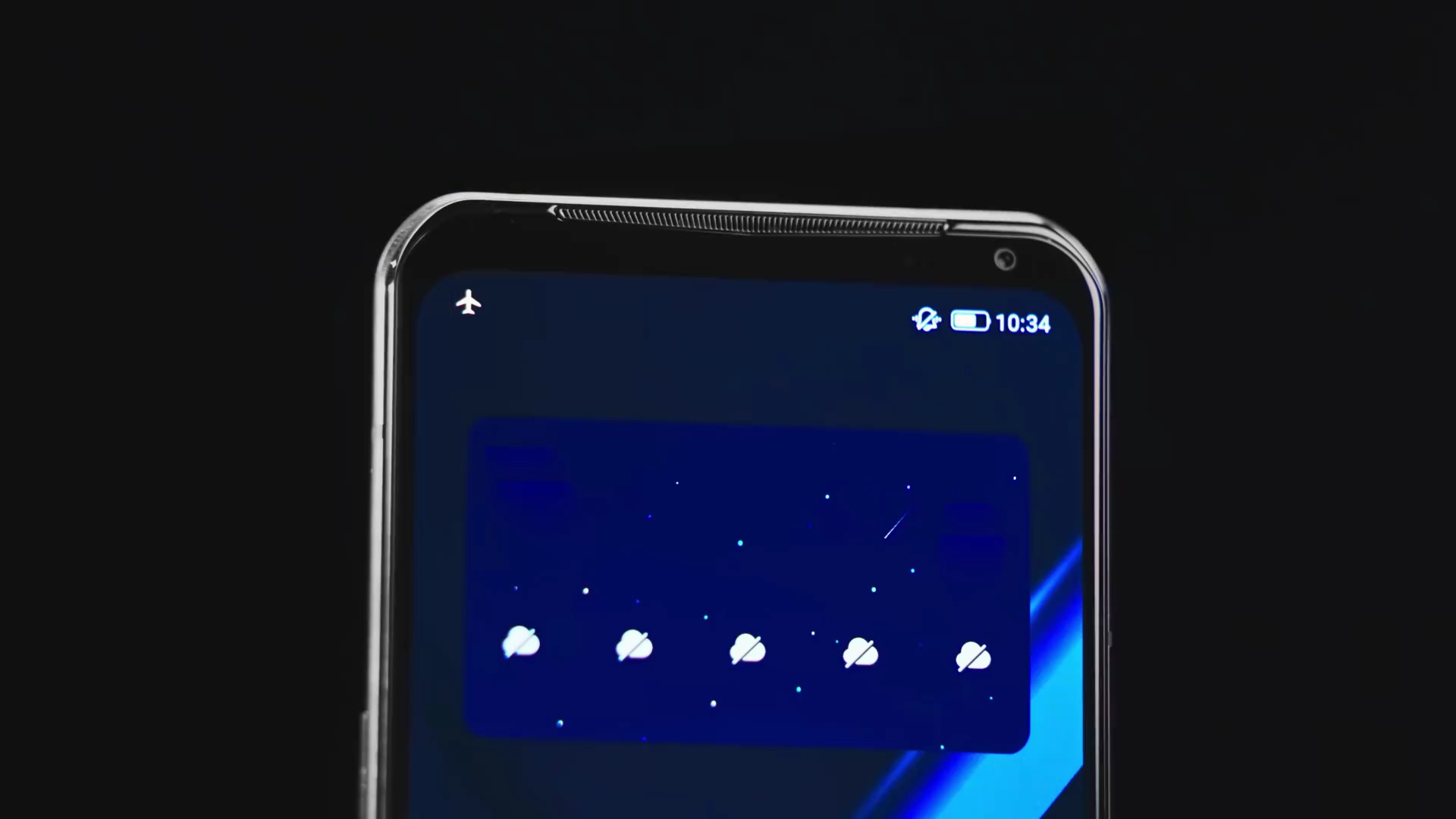
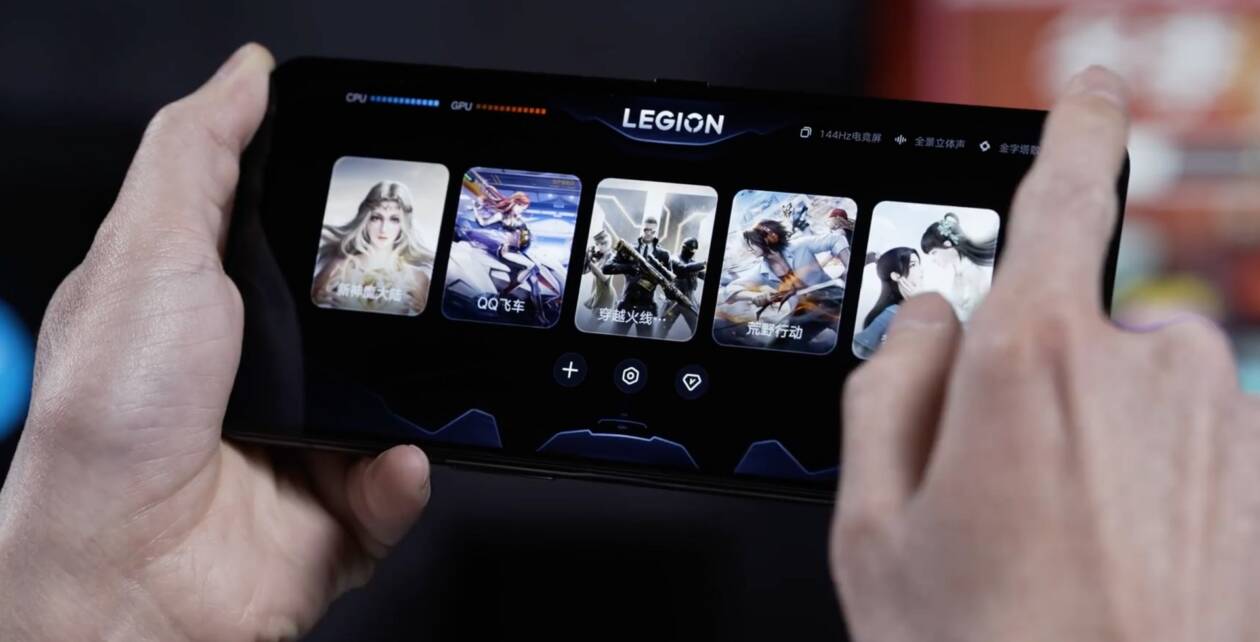
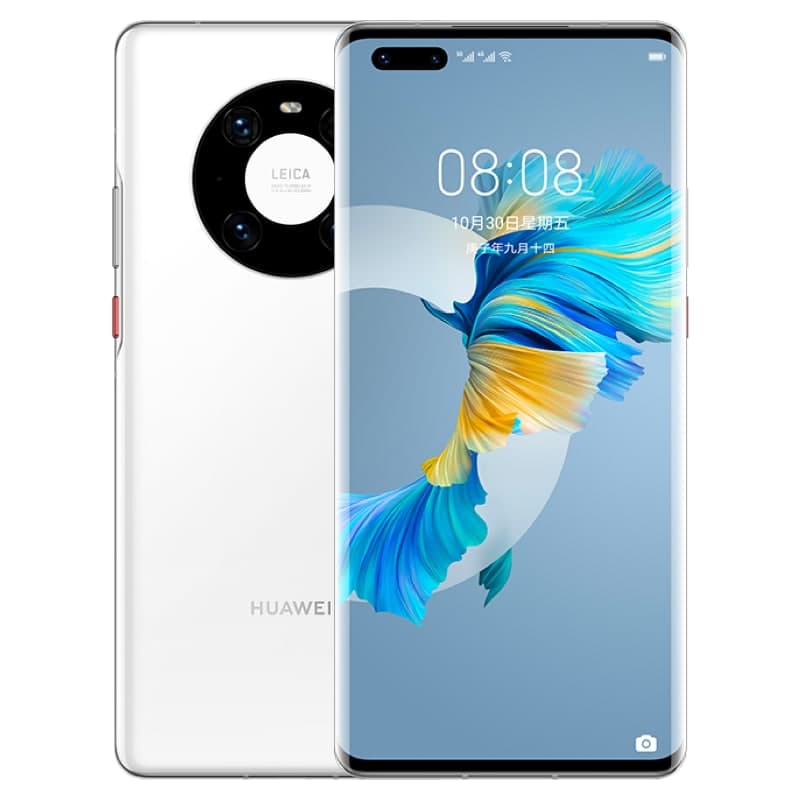
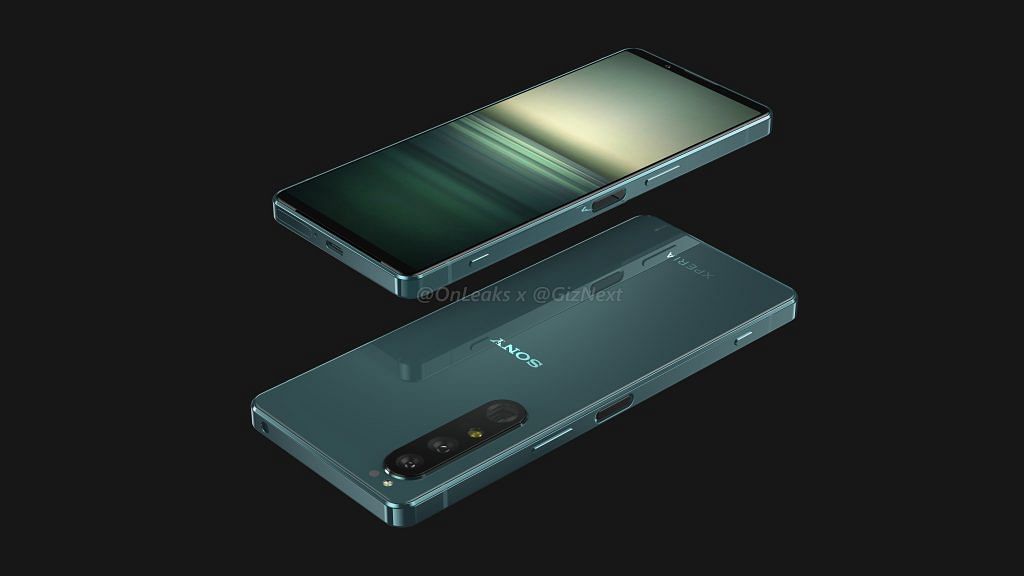
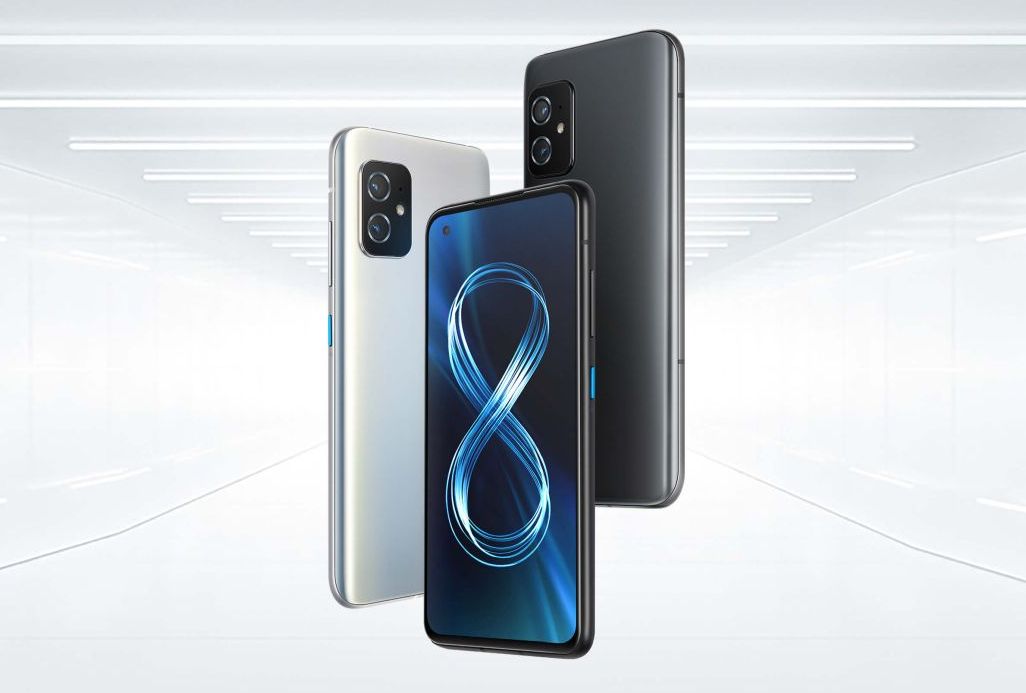
Earlier this month, vivo unveiled OriginOS Ocean based on Android 12 in China. The latest version of the company’s mobile software will be available for a vast number of vivo and iQOO-branded handsets. Just as promised, the firm has now started recruiting open beta testers for the first batch of eligible devices.
Chinese smartphone brand vivo has scheduled to release OriginOS Ocean open beta update for the first batch of eligible phones on December 30. Ahead of that, the company has opened registrations for testers.
The recruitment process began on December 24 and will continue until January 3. Applicants who apply on or before December 29 will receive the update via OTA on December 30. On the other hand, those who apply by December 3 will get the update within 24 hours from registration.
In order to enroll, interested users will have to go Settings > System Update > Gear Icon > Update Early Access > Public Beta and follow on-screen instructions. Users who were part of the closed beta program do not need to register for open beta as they will receive the new update automatically on December 30.
Having said that, the below-listed devices are part of first batch for OriginOS Ocean open beta update.
vivo X70 Pro+
vivo X70 Pro
vivo X70
vivo X60 Pro+
vivo X60t Pro+
vivo X60 Pro
vivo X60 Curved Screen Edition
vivo S10 Pro
vivo S10
vivo S9
iQOO 8 Pro
iQOO 8
iQOO 7
The second batch of smartphones are planned to get the update in late January, whie the third and fourth batches are expected to receive the update in February-March and April respectively.
Last week, an official promo image of the Samsung Galaxy S22 Ultra emerged online, confirming its back design as well as a burgundy color scheme. Thanks to some fresh leaks, we get to see another color variant of this upcoming device.
Tipster @hypark22 took to Twitter to post pictures of the Samsung Galaxy S22 Ultra in a black color variant. The device in the pictures is a dummy model of the Galaxy S22 Ultra. However, it gives us a good idea of how the smartphone will look and feel in our hands.
Samsung Galaxy S22 Ultra black
1 of 4
Image via @hypark22
Image via @hypark22
Image via @hypark22
Image via @hypark22
The device is seen to feature a minimalist ultra-premium matte-black look without any glass on its back panel. It has a moderate thickness with squared-off edges and a boxy look akin to the Galaxy Note 20 Ultra. The phone has a large Super AMOLED Infinity-O display with thin bezels, an S Pen with a built-in slot, and a USB Type-C port.
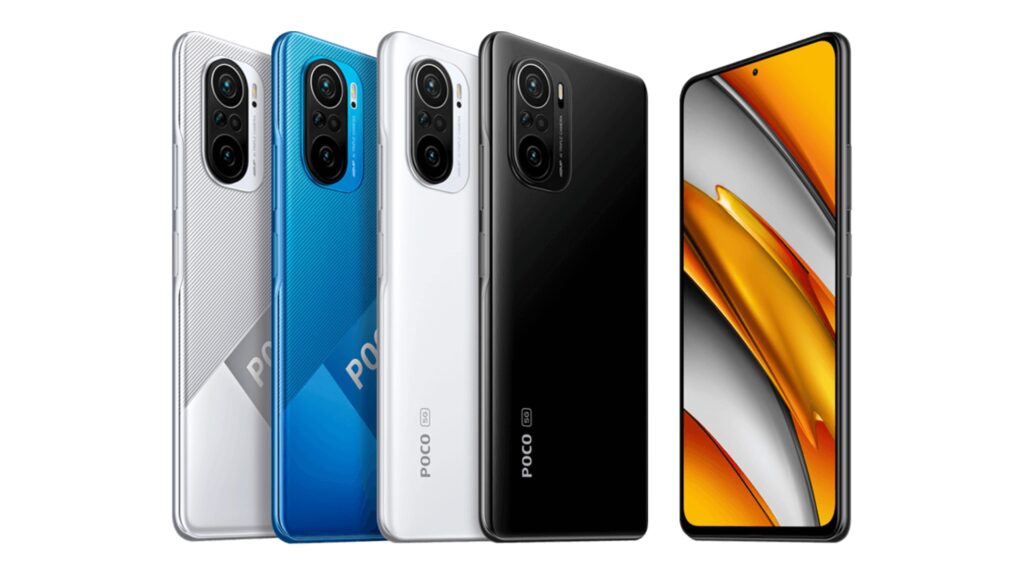
The S22 Ultra has completely ditched the camera island design of its predecessor and has instead opted for a more clean and minimalist looking design with camera lenses protruding directly from the rear panel.
The upcoming Samsung Galaxy S22 Ultra is rumored to launch in February of 2022 with four color variants: Black, Burgundy, Dark Green, and White. Previous reports suggest that the smartphone features a 6.8-inch display with a 120Hz variable refresh rate, HDR10+, stereo speakers, and an IP68 rating for dust and water resistance. Depending on the region, the phone is said to feature the Snapdragon 8 Gen 1 processor or Exynos 2200. And is powered by a 5,000mAh battery and supports 45W fast charging.

For photography, the phone is equipped with an enhanced 108MP ISOCELL HM3 (could be ISOCELL HM4) primary camera, which has been revealed to be powered by artificial intelligence, offering better photos with quality enhancement mode. The device has a 12 MP ultrawide sensor and two new 10MP Sony telephoto sensors with 3x and 10x zoom capabilities. Additionally, the phone is expected to feature a 40MP front camera.
The Indian electric vehicle market has been booming lately as many India-based companies have moved towards the Electric vehicle counterpart. One such brand named Okaya, the battery manufacturer has launched its own Electric scooter dubbed Okaya Electric Faast.
The Electric Faast is priced at ₹89,990(~$1,200) and it will compete with the likes of the popular Ather 450x, Ola Electric S1, Bajaj Chetak, TVS iQube, and Bounce Infinity E1. The scooter is currently up for booking in India for Rs. 1,999(~$27). It will soon be up for booking at the nearest Okaya dealer or from the official website.
The Okaya Electric Faast was showcased at the EV Expo 2021 held in Greater Noida, Delhi, India. The electric scooter comes with 150-200 km of range even at its top speed of 60-70 kmph. With this range, it is one of the longer-running scooters in the market. It utilizes a 4.4kW lithium phosphate battery which offers the claimed extended range.
It has LED lights at the front and sports digital cluster DRLs, combined braking system. It has a maxi-scooter style design that offers a bold look from the fronts. The scooter’s built details, seat storage capacity, and other specs aren’t known. But we expect the company to list it soon on its portal.
Okaya already has three electric vehicles, the AVIONIQ, CLASSIQ, AND FREEDUM. With the Electric Faast’s launch, the company’s EV portfolio has expanded. At the EV Expo 2021, the company also revealed that it will soon launch an Electric motorcycle called Okaya Ferrato. Since it will be a motorcycle, it will have a higher 80-90 kmph speed and up to 100km range.
Xiaomi officially announced a new branch of MIUI 13 built specifically for tablets called ‘MIUI 13 Pad’ with a number of optimizations designed to make Android and some of its apps look better on a larger screen.
A teaser was posted by company CEO Lei Jun yesterday who revealed that MIUI 13 Pad will be going big on multitasking, allowing at least two apps to be visible at the same time. On top of that, the OS has also adapted the top 3000 apps for larger screens so that not even a single inch is wasted.
A few other tablet-specific optimizations and features are likely there too but we would have to wait until tomorrow to see them. For the uninitiated, Xiaomi has scheduled a major end-of-year launch event where a number of new products are expected to be launched, including Xiaomi 12, Watch S1, and of course, MIUI 13 along with MIUI 13 Pad.
The unveiling of MIUI 13 Pad comes at a time when smartphone OEMs are increasingly focusing on enhancing their Android skins to better adapt to larger screens – the reason for this being the pandemic that has acted as a major accelerator for tablet sales due to increased emphasis on WFH culture and online learning. And what good is a tablet if its UI can’t make use of the additional screen estate?
As for MIUI 13 itself, the update is bringing a number of new features but is prioritizing fluidity and privacy over everything else. Still, a few meaningful changes have been done including entirely reworked widgets for system apps.
BBK subsidiary OPPO has expanded its budget offering segment with the launch of the OPPO A11s in China. The smartphone has been in the loop since September when the key specifications and renders first leaked.
The OPPO A11s comes powered by a Qualcomm Snapdragon 460 paired with 4GB of RAM with a higher 8GB RM version. There are 64GB and 128GB storage options available.
The smartphone features an expansive 6.5-inch LCD screen with an HD+ resolution of 720 x 1600 pixels. It also comes with a 269ppi pixel density and support for a 90Hz refresh rate. The phone crams a 5,000mAh battery with support 18W charging.
On the camera aspect, the A11s packs a triple camera setup made up of a 13-megapixel main camera with a 2-megapixel depth sensor and a 2-megapixel macro camera. For selfies, the device packs an 8-megapixel front camera housed inside the punch-hole located at the top left corner of the screen.
In addition, the A11s also packs a rear-mounted fingerprint sensor. For interface, it boots Android 10-based ColorOS 7.2 out of the box. The phone has a dimension of 163.9 x 75.1 x 8.4 mm weighing in at 188 grams. It is available in black and white colors.
As for the pricing and availability, the Oppo A11s is priced at 999 yuan (~$156) for the 4GB RAM and 64GB storage variant. The higher 8GB RAM + 128GB storage version is priced at 1,199 yuan (~$188). The sleek smartphone is already up for grabs on OPPO’s official online store and other authorized retail channels in China.
Meizu launched the Meizu 18 series comprising Meizu 18 and Meizu 18 Pro in March 2021. A few days after the debut of the handsets, the company promised that the smartphones will offer a pure OS experience without ads, bloatware, and push notifications. However, the firm went against its word by showing ads in November. As a result, Meizu is now facing a penalty from the government.
Meizu 18 Pro
According to a report by ITHome, Zhuhai Meizu Technology Co., Ltd. has been fined more than ¥25,000 ($3,923) by the Zhuhai Market Supervision and Administration Bureau. Because the company, despite promoting no ads on Meizu 18 and Meizu 18 Pro, went on displaying ads for a short period of time.
Back in November, due to a configuration mismatch, users of Meizu 18 and Meizu 18 Pro were exposed to banner ads and full-screen app opening ads in the stock Weather app of Flyme, an Android-based operating system found on Meizu smartphones. However, the firm did fix it in a few hours.
But at the end of the day, it was not supposed to happen. Hence, the Chinese government had to impose a fine on Meizu for not keeping up with its words.
For the unaware, Meizu heavily promoted Meizu 18 series as ‘Three Zero Mobile’, which stands for no ad, no bloatware, and no push notifications. It even trolled other brands as part of its April Fools’ day joke.
But one fine day, Meizu deleted social media posts containing these promotions. When questioned, the firm explained that it could not continue this move for its future products as it is not a sustainable business decision. Hence, the Meizu 18 and the Meizu 18 Pro are currently the only Meizu smartphones that offer a ‘pure OS experience’.
Xiaomi’s biggest launch event for 2021 is finally upon us and is scheduled to commence tomorrow from 07:30 pm Chinese Time (11:30 am GMT). A number of products are set to be unveiled and the company’s socials have already started dropping teasers for them. Of course, the biggest highlights are the Xiaomi 12 lineup and the MIUI 13 update, but the event will also be lifting the curtains on other much-awaited products including the Xiaomi Pad 5 Pro, TWS Earphones 3, and the Buds 3, all of which have been described below.
Xiaomi 12 series
The Xiaomi 12 series is undoubtedly one of the most highly anticipated launches of this year and has been making rounds all over the internet for the past couple of months. With extensive leaks already having revealed most about it, the only thing that remains is a release, and we are now closer than ever to it.
Xiaomi 12
The Xiaomi 12 series is comprised of the Xiaomi 12, Xiaomi 12 Pro, Xiaomi 12 Ultra, and the Xiaomi 12X, but it appears that the latter two’s launch event is reserved for 2022. The Xiaomi 12 has been revealed to have a very manageable 6.28-inch display, making it the first compact flagship from the company in years. On the other hand, the Xiaomi 12 Pro goes for a more prevalent screen size of 6.73-inches. Both phones have been marketed as having made some notable strides in the camera department, thanks to the inclusion of a new ‘Xiaomi Image Brain’ tech. The devices are also expected to be one of the first to come with the Snapdragon 8 Gen 1 chipset.
MIUI 13
Xiaomi fans would be more excited for the Android skin upgrade, however, especially since the company has been rather late in rolling out Android 12 for its devices.
Judging from screenshots, not much seems to have been changed in terms of the UI except for the system app widgets that have gotten reworked entirely. Apart from this, Xiaomi claims that the update is a whole lot more fluid and brings a number of improvements to security and privacy.
Xiaomi Pad 5 Pro
The Xiaomi Pad 5 Pro isn’t exactly a new launch as it was released in August this year but it now gets a new variant with 8GB of RAM and 256GB of internal storage. It was earlier selling in only 6GB+128GB and 6GB+256GB RAM and storage options, so the new variant should be a treat for workaholics that have to constantly switch between a hundred apps or for the gamers out there. Full specifications of the tablet can be inspected from here.
Xiaomi Watch S1
The Xiaomi Watch S1 will be a part of an entirely new lineup of smartwatches and will feature a circular design. Teasers from today say that it’s aimed at “business professionals” and that the S in its name stands for ‘strong,’ which is quite appropriate considering it got sapphire glass up front.
Xiaomi TWS Noise Cancelling Earbuds 3
The Xiaomi TWS Noise Cancelling Earbuds 3 or the Xiaomi Buds 3, whatever you wish to call them, are the non-Pro variant of the Xiaomi Buds 3 Pro released earlier this year. They have been revealed to have a Hi-Fi sound quality, made possible through super dynamic dual magnetic units. The ANC feature has been claimed to reduce noise by 40dB.
Xiaomi has established itself as one of the leaders in the smartphone business and its great brand image in that market has bled into its other ventures as well, resulting in good overall sales no matter what the product. It’s thus safe to assume that all of the Xiaomi products to be launched with the December launch event will be selling like hotcakes too.
It seems that Foxconn‘s, a major Apple supplier, issues have yet to subside as it extends the shut down of its factory in India. The news arrives as the local government has begun inspecting the hostels and living quarters of the factory workers.
Previously, we had reported on Foxconn shutting down its plant in India over a case of food poisoning that had affected more than 250 women that were working at the plant and were living in one of the hostels. This causes protests to erupt near the factory, which lead to the suspension of operations in the site. Now, the prior week long closure has been further extended as an investigation has begun into the workers’ hostels.
According to a Gadgets360 report, the recent incident had revealed the living conditions of these workers, especially women, that were staying in these hostels in South India. Thus, Apple’s Taiwanese supplier and others tech firms, including some contractors that provided food and living facilities, were summoned for a meeting by local authorities. The latest update arrives from an official close to the matter who added that the state government has asked Foxconn to review services being provided to the workers.
This includes necessities like power backup at the hostels, food, and water. The Directorate Of Industrial Safety And Health also recommended providing recreational facilities like TVs, a library, and indoor games as well. Another source revealed that Foxconn told government officials that it had “ramped up production too quickly” but will now first upgrade workers’ living standards before pushing for full capacity at its factory again.
With Android 12 OS releasing a while back, Google likely began working on the next iteration that will succeed it. Now, a new report has revealed some interesting information related to the Android 13 operating system way ahead of its eventual launch.
The new changes in the next gen Android platform will offer major improvements in audio streaming through Bluetooth. This was first spotted by Mishaal Rahman on a commit in the Android Open Source Project (AOSP). Looking at this, it appears that the Search Engine giant plans to merge the LE Audio codec (LC3) and has added it to system settings as an option. In other words, this codec will be able to take the highest priority when pairing with an audio device.
Rahman noted that he is unsure if these patches will be capable of getting LE audio running already, but seemed confident that the feature will be ready by the time of Android 13’s official launch. For those unaware, Bluetooth LE Audio is quite notable since it can potentially massively improve battery life while still offering a stable connection that doesn’t compromise on audio quality either. Furthermore, Bluetooth LE Audio would also enable support for multiple streams through more than one pair of headphones.
Android 13 may be the first release to add full support for Bluetooth LE Audio.
Google recently merged an LC3 (the LE Audio codec) encoder and is adding the codec as an option in settings. It'll be the highest priority A2DP source codec.
Apart from just hearables based products, essentials like hearing aids will also benefit from the newer technology as it would make them on par with consumer products in terms of functionality and practicality. As of right now, Bluetooth LE Audio API has already been introduced with Android 12, although, it is just the basic foundation and does not fully support it. However, the upcoming version would likely be the first to support it when it finally arrives.
Earlier this month, HiSilicon, the chip designing unit of Huawei, unveiled new technology related to the field of photography. The company has self developed a new ISP (Image Signal Processor) that is touted to offer smarter, sharper, and clearer images.
The Chinese tech giant’s chip subsidiary announced the new ISP during the China Security Expo. It is called the HiSilicon Yueying ISP Engine, which is run by artificial intelligence and will power a new generation of smart IoTs (Internet of Things) products. In other words, it is an intelligent image processing engine that will be arriving in new smart products soon. The AI in the new ISP Engine is deeply integrated to ensure image quality whilst also establishing a new benchmark for AI powered imaging.
Meaning, it will enable breakthroughs for smarter and clearer picture quality in every scene. HiSilicon also showcased the new ISP’s capabilities in a number of tests, which highlighted its super sensitivity noise reduction that users deep earning to intelligently sharpen images in extremely low light scenes. This was demonstrated in a dark room where one couldn’t even properly discern between objects and their overall shape.
The HiSilicon Yueying ISP Engine is built with an NPU (Neural Network Processing Unit) and VPU (Vector Processing Unit), both of which are closely integrated with another to better supplement different functions while offering end to end AI solutions. At the moment, it remains to be seen just how well the new ISP Engine from the chip designing unit of Huawei performs. So stick with us, as we will be providing updates if any notable developments surface.
Chinese smartphone giant Xiaomi has kept an event on December 28 for the launch of its much-awaited flagship smartphone series, the Xiaomi 12, and for its Xiaomi Watch S1 smartwatch. The Xiaomi 12 series was in the leak-stage for a while and most of its details have been learned. So much so that recently, the company CEO Lei Jun shared a video of the phone’s box locked up with multiple key locks, in order to prevent any further leaks. The Watch S1, on the other hand, was teased a few times.
Today, we’re rounding up all the details learned so far about the upcoming Xiaomi 12 series and the Watch S1. Let’s have a look.
Xiaomi 12 Series Rumor Roundup: What to Expect?
Xiaomi is touted to have multiple models in the Xiaomi 12 series. Rumours reveal that the company may launch the Xiaomi 12, 12X, 12 Pro, and 12 Ultra. However, recently, it was confirmed that not all devices will land up at the December 28’s event. It was reported that Xiaomi may launch the Xiaomi 12, Xiaomi 12 Pro, and the Xiaomi 12X while keeping the Ultra for a release in 2022. But, the Xiaomi 12X’ details are very limited and it may or may not end up at the event. That said, let’s have a look at the vanilla 12 and 12 Pro’s details.
Display and Design

Xiaomi 12 series is expected to come with a new design, especially at the back. The fronts will have only little changes like the front punch-hole cut-out shifted to the top middle instead of its left positioning seen in the last year’s Xiaomi Mi 11. This time around, Xiaomi will go with a cleaner design with the camera island placed vertically.
Xiaomi 12 render by Evan Blass
The Xiaomi 12 will come with a 6.28-inch centre-punch-hole AMOLED display with a Full-HD+ resolution. On the other hand, the 12 Pro will have a slightly larger 6.73-inch Samsung E5 AMOLED LTPO display with 2k(1440 x 3200 pixels) resolution. The duo is expected to feature a high 120Hz refresh rate and 10-bit colour depth.


A recent leak revealed that the Xiaomi 12’s display has gained DisplayMate A+ certification and has Gorilla Glass Victus protection. The phones will come with a 20:9 aspect ratio and a thin-bezel design.

Cameras on the Xiaomi 12 and 12 Pro
As said earlier, the phones will come with a vertical camera module featuring a triple camera system. The vanilla model will feature a 50MP primary lens, a 13MP ultra-wide lens, and a 32MP telephoto camera, while the Pro model will have a 50MP primary, 50MP telephoto lens, and a 50MP ultra-wide sensor.
Upfront, the duo is expected to come with a 32MP selfie lens. The camera features of the phones include an f/1.9 aperture sensor and the 115-degree FOV on the ultra-wide lens.
Hardware and Software
Under the hood, the duo is expected to come powered by the latest Qualcomm Snapdragon 8 Gen 1 SoC. It will be paired with 12GB of LPDDR5 RAM and up to 256GB of UFS 3.1 onboard storage. The Xiaomi 12 Pro is touted to have a 4,600mAh battery with a 120W fast charging support, while the vanilla 12 will get a 4,500mAh battery limited to 67W fast charging technology. In case the Xiaomi 12X lands at the event, it is touted to come powered by the Snapdragon 870 SoC.
The 12 and 12 Pro will have wireless and reverse wireless charging support with 30W wireless charging on the vanilla and 50W wireless charging support on the Pro model. The series was recently confirmed to come with Harmon Kardon tuned speakers. The Pro will have a quad-speaker setup, whereas, the vanilla will boast a stereo-speaker setup. The Pro model is tipped to house a vapour chamber liquid-cooled temperature control system. Interestingly, the phones will have Xiaomi’s in-house Surge P1 chip, which is said to be useful for power management.
Xiaomi 12 will be the first smartphone series from Xiaomi to run on MIUI 13 out of the box. Xiaomi will also release the MIUI 13 software tomorrow and it will be based on Android 12 OS for the Xiaomi 12 series. It will bring features like virtual RAM support, better stability, and fewer bugs, as revealed by the company.
Pricing, Color variants, and Availability
The series will be officially released tomorrow and is expected to be on sale from the first or second week of January 2022. A previous leak revealed that the Xiaomi 12 may launch at a starting price of CNY 3,699(~$580).
[Update] – Now, a known tipster revealed that the Xiaomi 12 may come at a price of CNY 4,299(~$675), while the Pro may cost CNY 4,999(~$785). The Xiaomi 12X is tipped to start at CNY 3,499(~$550).

However, the authenticity of the pricing is still a question, so do take it with a pinch of salt.
1 of 4
Xiaomi 12 Pro black
Xiaomi 12 Pro blue
Xiaomi 12 Pro green
Xiaomi 12 Pro pink
The Xiaomi 12 Pro’s renders were leaked earlier today. The phone was seen in four color variants – Black, Blue, Green, and Pink(not official names). The live images of three of these colours were also surface.
Xiaomi Watch S1 Rumor Roundup: What to Expect?
Watch S will be an entirely new lineup of smartwatches. The Watch S1 will be the first smartwatch in the lineup and it will feature a circular design. It will have a metal-body construction and physical buttons. As per a recent poster, the smartwatch will feature two physical buttons.
These buttons could be a home button and sports or an action button similar to the Xiaomi Mi Watch Revolve Active. Unfortunately, there aren’t any explicit specs leak of the watch. But we expect the smartwatch to sport a large colour display. It may come with features like a 24-hour continuous heart rate monitor, sleep tracking, water resistance, and sports modes, similar to the Mi Watch Revolve Active.
Xiaomi has just teased a new audio based product earlier today (27th December 2021). The new product in question is the Mi True Wireless 3 Earbuds. As the name suggests, it is a truly wireless earphones that will be launching in China soon.
The company shared the new teaser on its official Weibo account (a Chinese microblogging website) with an image poster. Looking at the teaser poster, we can see the upcoming Mi True Wireless 3 Earbuds in a black color variant. Notably, the design of these earphones charging case and earbud tip also resembles another product, namely the Buds 3 Pro that we had reviewed back in November. In other words, the individual buds may also arrive with a small stem.
While finer details about the Mi True Wireless 3 Earbuds is still unknown, the teaser hints at the earphones featuring “flagship level noise reduction capability.” Meaning, we might see either active noise cancellation or other forms of noise reduction on the new earbuds. Additionally, the Mi True Wireless 3 Earbuds will offer HiFi sound quality for an improved audio experience. The Chinese tech giant is set to announce the hearables tomorrow (28th December 2021) in a launch event. So stay tuned for more, as we will be covering the conference.
Xiaomi has launched a new wireless car charger in China. The product is officially called Xiaomi Wireless Car Charger Pro. Its main highlight is support for 50W fast wireless charging.
Xiaomi Wireless Car Charger Pro Specifications and Features
The newly released wireless car charger from Xiaomi is compatible with a wide variety of smartphones from Xiaomi, Samsung, and Apple. But for some reason, the battery of the Mi 10 Ultra cannot be filled with this charger. The company explicitly mentions this incompatibility.
The firm claims that this wireless charger is designed for one-hand usage. Users can simply remove their phone from the stand by pressing either of the two buttons on each side of the clamp.
As the clamp is adjustable, customers can place handsets of various sizes. In fact, they can even charge devices with a case (up to 4mm thickness).
As mentioned in the beginning, the charger can output up to 50W. By fixing the charger in the AC window, users can minimize the heat generated while charging smartphones that support fast wireless charging.
Last but not least, the accessory ships with a dual-port adapter consisting of a USB Type-C port and a USB Type-A port along with a cable.
Xiaomi Wireless Car Charger Pro Price and Availability
The Xiaomi Wireless Car Charger Pro is priced at ¥369 ($58). But for a limited time, it will be sold at ¥349 ($55) as part of a crowdfunding campaign, which kickstarts at 10 AM (local time) on December 28.
We had previously reported on Samsung working on a new foldable device that had a display that can bend three times. Now, a new patent further hints that the company appears to be fleshing out its plans for a unique upcoming handset. It also offers us a look at new details and visuals of its Tri Folding Galaxy phone.
According to a LetsGoDigital report, the South Korean tech giant filed an extensive patent with the WIPO (World Intellectual Property Organization) that details its new foldable smartphone. For those unaware, we had covered a number of patents related to a Tri Folding smartphone from Samsung back in 2020. This year, we had even reported on the brand working on a tri folding tablet as well. Now, the latest patent is for a smartphone that has a display that bends in a “Z” format.
All of these documents only point that Samsung is clearly planning on building this triple folding device. The newest patent showcases even more details about the new breed of foldable phones. This handset features three separate screens that can unfold out to become one large and seamless display. Furthermore, this smartphone also features two hinges, with one folding inward while the other folding outward to form the “Z” shape, similar to certain previous patents. This model will reportedly arrive with S Pen support, under display camera, an HDMI connector, and more.
As of right now, the company is the market leader in the foldable smartphone segment. So it arrives as no surprise that Samsung is looking to further expand its presence to maintain its dominance. It is still unknown if the brand is actually working on this device or covering all bases, but looking at the number of tri folding patents we have covered, we can speculate that at least one of these will likely be worked on even further.
OPPO and vivo have been unofficially referred to as Green Factory and Blue Factory respectively in China, based on the colors of their logos, but the companies have now made the nicknames official by trademarking them.
The trademarks were filed back in May 2020 but got registered only this year, or on March 2021, to be precise. They are valid until 2031.
The trademark filing (via My Drivers) further reveals that the Green Factory label will cover a total of nine types of scientific equipment while the Blue Factory label will keep seven mechanical equipment under its umbrella, although details about them weren’t available.
Public information shows that OPPO was founded in 2004, with Chen Mingyong as its founder. The company entered the field of smartphones in 2011 and launched OPPO X903 – the first Chinese sliding Android smartphone.
vivo, on the other hand, was founded by Shen Wei, who was earlier responsible for the BBK Electronics mobile phone business. It made its entry into the world of smartphones with the launch of the vivo V1 in 2011.
OPPO recently completed a merger with OnePlus with the two companies agreeing to integrate their research and development capabilities. The most noticeable resultant change of the move has been OnePlus devices now shipping with ColorOS.
A day before Christmas, iQOO confirmed to launch the iQOO 9 series on January 5 in China. Today, one of the brand executives revealed that the company will continue its partnership with BMW M Motorsport for the new generation of smartphones as well. Hence, there will be a special edition, which has been already exposed by the first-look teaser.
According to Justin Jian, product manager of iQOO, the iQOO 9 series will have a BMW M Motorsport Limited Edition like the previous generations. At the same time, he also says that the new logo of the high-performance car manufacturer is ‘really cool’ and he is not wrong at all.
Anyway, this logo will not be embossed on the special edition smartphone just like its predecessors. But it will be found in promotional materials. Further, although the brand has not confirmed it yet, the special edition will be most likely based on iQOO 9 Pro, similar to older models.
Since we are still a little over a week away from the launch, we expect to learn more about the iQOO 9 series in the coming days via certifications, leaks, and teasers. So far, we know that at least, one of the phones will be powered by a Snapdragon 8 Gen 1 chipset.
With the launch of the Xiaomi 12 series being just around the corner, various rumors and leaks have been surfacing online. In response to this, the company’s founder and CEO, Lei Jun, released a new anti-leak parody video.
The new video was shared on his official Weiboaccount (a Chinese microblogging website) and even teases the retail box, in which the flagship series will be packaged and shipped in. This video is purely for entertainment purposes and is clearly not meant to be taken seriously as we can see the Xiaomi 12 series box is secured with a number of small locks. These locks are in place just to prevent the smartphone from being leaked and are not actually practical.
But it is still amusing to see the Chinese tech giant’s executive attempt to prevent these numerous leaks in the parody video. The caption of the video even states that secrecy is hard and its marketing department was forced to come up with a new idea to prevent any information from getting out. Looking at the packaging, we can observe the usual branding on the black box, with a large “12” at the front. Notably, the official had to go through a number of larger boxes to get to the official retail box.
Talking about leaks, we had recently covered one, which revealed certain specifications and even some images as well. Apparently, the base model will sport a 6.28 inch display, while the Pro variant will have a larger 6.73 inch Samsung E5 AMOLED LTPO display. This panel will feature 2K resolution, a 120Hz refresh rate, and a single punch hole selfie camera for a 32 megapixel sensor. On the rear, the device will house a triple camera setup with a 50 megapixel primary sensor, 50 megapixel telephoto shooter, and another 50 megapixel ultra wide angle lens. Under the hood, it is powered by Qualcomm’s latest Snapdragon 8 Gen 1 5G chipset.
Xiaomi’s official Weibo account dedicated to MIUI yesterday continued its barrage of dropping teasers for MIUI 13, saying that the soon-to-release software skin upgrade will come with a “Privacy Security Goalkeeper” paired with a system-level anti-fraud feature.
While further elaboration is needed to know what that exactly means, part of the new feature’s scope extends to protection against telecom fraud. Telecom fraud is the abuse of telecommunications products and services with the intention of stealing money from customers and/or their communications providers. It’s usually done through unrestricted access to outbound calls or by sending links to web pages designed to steal your data through SMS. Privacy Goalkeeper will supposedly be screening against these.
Additionally, the post highlights the December 28th launch date for the Android skin version again, which is the same day the Xiaomi 12 series will be going live as well.
MIUI appears to have ‘matured’ lately and isn’t going big on features and UI changes like it did with some earlier releases. Instead, the focus this year is once again on improving performance, stability, and security. Judging from some leaked screenshots and videos, the update doesn’t seem to be bringing much to the table in terms of changes to the UI. The main highlight appears to be enhanced widget support, with multiple system apps getting new iOS-style widgets, complete with cool opening/closing animations.
Just take a look at the latest leaked screenshots and see for yourself:
1 of 5
Apart from this, the latest teasers once again promise nothing but improved fluency – something that we have already seen with MIUI 12.5 and MIUI 12.5 Enhanced. MIUI 13 has been claimed to boost system fluency by 15% to 52%, and there is also a mention of Focus Computing 2.0, liquid storage, and atomic memory that should result in faster read and write times.
Earlier this week, Huawei had launched its latest foldable smartphone, the P50 Pocket. It is a clamshell style flip phone that arrived with a number of notable features. And now, we even have the repair prices for the new device, and to no one’s surprise, it is quite expensive.
Typically, a flagship smartphone usually has a high cost of repair for its different components like the display, rear panel, or motherboard; and this holds especially true for the Chinese tech giant’s P50 Pocket as well. Talking about the device in question, it sports a 6.9 inch foldable display that has a 21:9 aspect ratio, 120Hz refresh rate, and more. Under the hood, it is powered by a 4G enabled Qualcomm’s Snapdragon 888 SoC and 4,000mAh battery pack.
Apparently, the pricing for the base P50 Pocket and its premium edition is the same for certain. However, this doesn’t include the display, which costs up to a whopping 4,379 Yuan (roughly 690 US Dollars) for the premium version while the base variant’s display costs 3,579 Yuan to repair (roughly 560 US Dollars). In other words, the display alone is worth two capable mid range smartphones. Although, it isn’t something expected considering the specifications of the foldable OLED panel.
Via ITHome
Similarly, the repair price for the 8GB + 128GB variant’s motherboard is 3,399 Yuan (roughly 535 US Dollars) while the 512GB variant on the Premium edition costs 4,599 Yuan (roughly 720 US Dollars). So, its clear that breaking your new Huawei P50 Pocket might set you back quite a bit due to these eye watering costs.
Xiaomi is all set to launch the Xiaomi 12 series tomorrow (December 28). The company is expected to unveil three devices in the lineup, namely Xiaomi 12, Xiaomi 12X, and Xiaomi 12 Pro. However, the firm has been only teasing the vanilla and Pro models. The latest teaser for the latter phone reveals some details about its speakers.
Xiaomi 12 Pro and Xiaomi 12
Yesterday, the official Weibo account of Xiaomi smartphones shared an image highlighting all the key features of the upcoming Xiaomi 12 Pro. According to this picture, the device will make a breakthrough in sound quality.
The image says that the handset will arrive with a dual-core four-unit speaker system tuned by Harmon Kardon. In simpler words, the phone will house quad speakers to offer an immersive sound experience.
This type of speaker system is usually only found on tablets. Therefore, tipster Digital Chat Station says that the handset’s speakers should sound very good.
The same picture also reiterates other features of the smartphone that were teased separately earlier. Such as the device will arrive with Snapdragon 8 Gen 1 chipset, 2K LTPO display, 120W fast charging support with Surge P1 chip, and Sony IMX707 primary camera with self-developed CyberFocus focus technology.
The entire specs of the Xiaomi 12 Pro also leaked recently. You can learn all about that from here.
We use cookies on our website to give you the most relevant experience by remembering your preferences and repeat visits. By clicking “Accept”, you consent to the use of ALL the cookies.
This website uses cookies to improve your experience while you navigate through the website. Out of these, the cookies that are categorized as necessary are stored on your browser as they are essential for the working of basic functionalities of the website. We also use third-party cookies that help us analyze and understand how you use this website. These cookies will be stored in your browser only with your consent. You also have the option to opt-out of these cookies. But opting out of some of these cookies may affect your browsing experience.
Necessary cookies are absolutely essential for the website to function properly. This category only includes cookies that ensures basic functionalities and security features of the website. These cookies do not store any personal information.
Any cookies that may not be particularly necessary for the website to function and is used specifically to collect user personal data via analytics, ads, other embedded contents are termed as non-necessary cookies. It is mandatory to procure user consent prior to running these cookies on your website.