Advertisement

Latest OriginOS Ocean teaser shows off re-designed apps…and a new iPhone-like device

vivo recently announced that OriginOS Ocean will be going live on December 9th, and ahead of its release, the company has been busy sharing teasers and showcasing highlights. It was only yesterday that a new teaser was dropped, showing the Android skin’s home and lock screen for the first time. And today, vivo is already back with more.

A new poster has been posted, continuing to promote OriginOS Ocean but this time showing the “Hi Health” app which appears to have received a major UI overhaul. This is paired with two more screenshots, one of which shows a news feed of sorts and the other an infographic card on the lock screen.

vivo originOS ocean poster

The latter is likely a part of the major re-design the lock screen has received with OriginOS 2.0. It now features multiple shortcuts for taking pictures, payment, and even some reminders that show up in the form of cards, making it possible to perform certain actions quickly without the need for unlocking the device first.

But the most interesting bit of the teaser is, quite unexpectedly, not the software. Rather, it’s the device the screenshots of OriginOS Ocean have been showcased in. The phone is unmistakenly an apparition of the iPhone 12/13 with its equal ultra-thin bezels, sharp edges, and a lustrous metallic frame. It could have easily been passed off as an iPhone had it also featured a notch, but there is a centrally aligned punch-hole for the selfie camera instead.

Whether the render is actually an upcoming device or just a virtual dummy to show off OriginOS Ocean is unknown, but it’s still a great example of what’s to come. Chinese OEMs have recently begun to favor iPhone-like flat edges for some of their devices. And with bezel sizes shrinking each year, there’s no doubt that vivo will soon be launching a phone that looks exactly like the one on the teaser.

Coming to OriginOS Ocean itself, a recruitment program has already commenced for multiple vivo devices. These are the vivo X70 Pro+, X70 Pro, X70, X60 Pro+, X60t Pro+, X60 Pro, X60 curved-screen version, S10 Pro, S10, S9, iQOO 8 Pro, iQOO 8, and iQOO 7.

RELATED:

Xiaomi & Motorola in a heated race to see who launches Snapdragon 8 Gen 1 phone first

With Qualcomm just announcing its latest Snapdragon 8 Gen 1, a number of smartphone brands have announced their own upcoming offerings that will feature the chipset. While Xiaomi was usually the first to feature Snapdragon’s latest flagship SoCs, it seems that Lenovo might be the one to beat this time around.

Earlier today (2nd December 2021), Xiaomi CEO and Founder Lei Jun shared a post on his Weibo account (a Chinese microblogging website). In this social media post, the senior official even shared a long message to its customers. Jun stated that the Chinese tech giant is working on polishing the performance of the latest Snapdragon 8 Gen 1 SoC on its upcoming Xiaomi 12 series. The executive also emphasized that an early launch is not just to showcase “PPT skills”; it aims to stay true to its commitment towards its customers in offering a top end user experience with its upcoming flagships.

Xiaomi

Following this statement, Lenovo General Manager, Chen Jin, offered a response to this on his Weibo account as well. The official stated that the December 9th launch conference for its Moto Edge X30 series, which also features the Snapdragon 8 Gen 1 chip, is not just a “PPT release.” Furthermore, the official also revealed that the Edge X30 series will be officially available via first sale in China on December 15. In other words, this basically confirms that the device will be the first mass produced smartphone to feature new SoC.

RELATED:


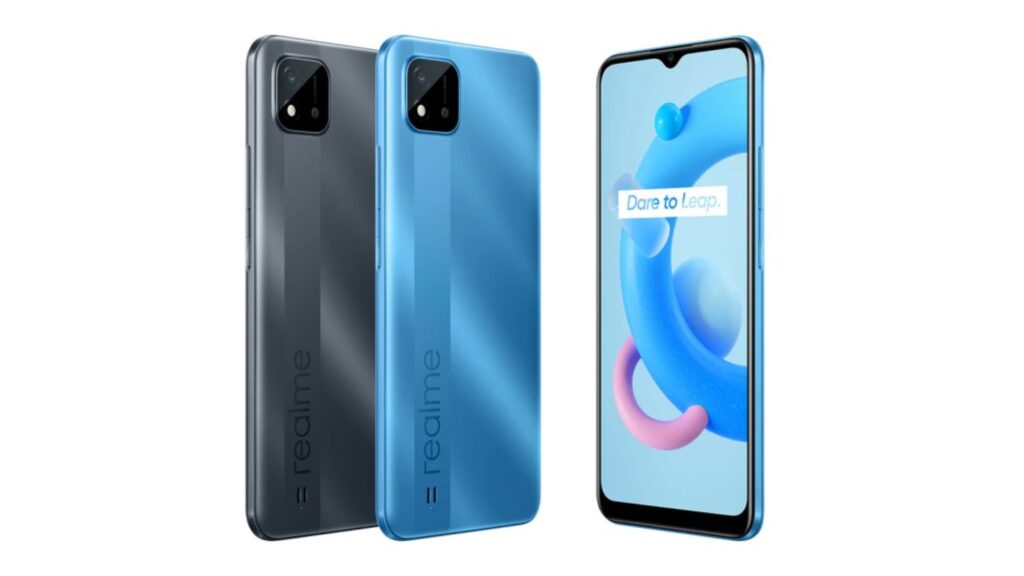
realme C11 (2021) receives its second price hike in India

The realme C11 (2021) made its debut in India at the end of June 2021. The handset’s price was hiked sometime after its launch. Now, almost half a year later, the device’s price has been increased once again.

realme C11 2021 Iron Grey Lake Blue Featured
realme C11 (2021)

According to a report by 91Mobiles, realme has incremented the price of realme C11 (2021) in India by up to ₹500. The base 2GB + 32GB valiant now retails at ₹7,499, while the higher 4GB + 64GB costs ₹8,999.

These models have received a price hike of ₹500 and ₹200 respectively. Up until now, they were being sold at ₹6,999 and ₹8,799, which itself was ₹200 more than the smartphone’s launch price.

The realme C11 (2021) is inferior to the original handset, which was released in 2020. The device comes with features like a 6.52-inch HD+ display (LCD) with a dewdrop notch, UNISOC SC9863 SoC, LPDDR4x RAM, eMMC 5.1 storage, and a MicroSD card slot.

It has an 8MP rear camera, 5MP selfie camera, dual SIM card slots, 4G connectivity, single-band WiFi, Bluetooth 4.2, a MicroUSB port, and a 3.5mm headphone jack. It runs realme UI based on Android 10 and gets its juice from a 5,000mAh battery with support for 10W charging.

Last but not least, the phone measures 8.9mm in thickness, weighs 190g, and arrives in two colors (Cool Grey, Cool Blue).


RELATED:


Google announces multiple new Android features: new widgets, Emoji Kitchen combos, digital car keys

Google has gotten into a festive mood this time of the year, just like any other normal human, and has announced a number of new Android features to make your life easier or simply more fun.

The most significant feature, objectively, is digital car key functionality. Starting today, you can use your Android phone to lock, unlock, and even start your compatible car. It’s only available in select countries on the Pixel 6, Pixel 6 Pro, and the Samsung Galaxy S21 for compatible BMW cars for now.

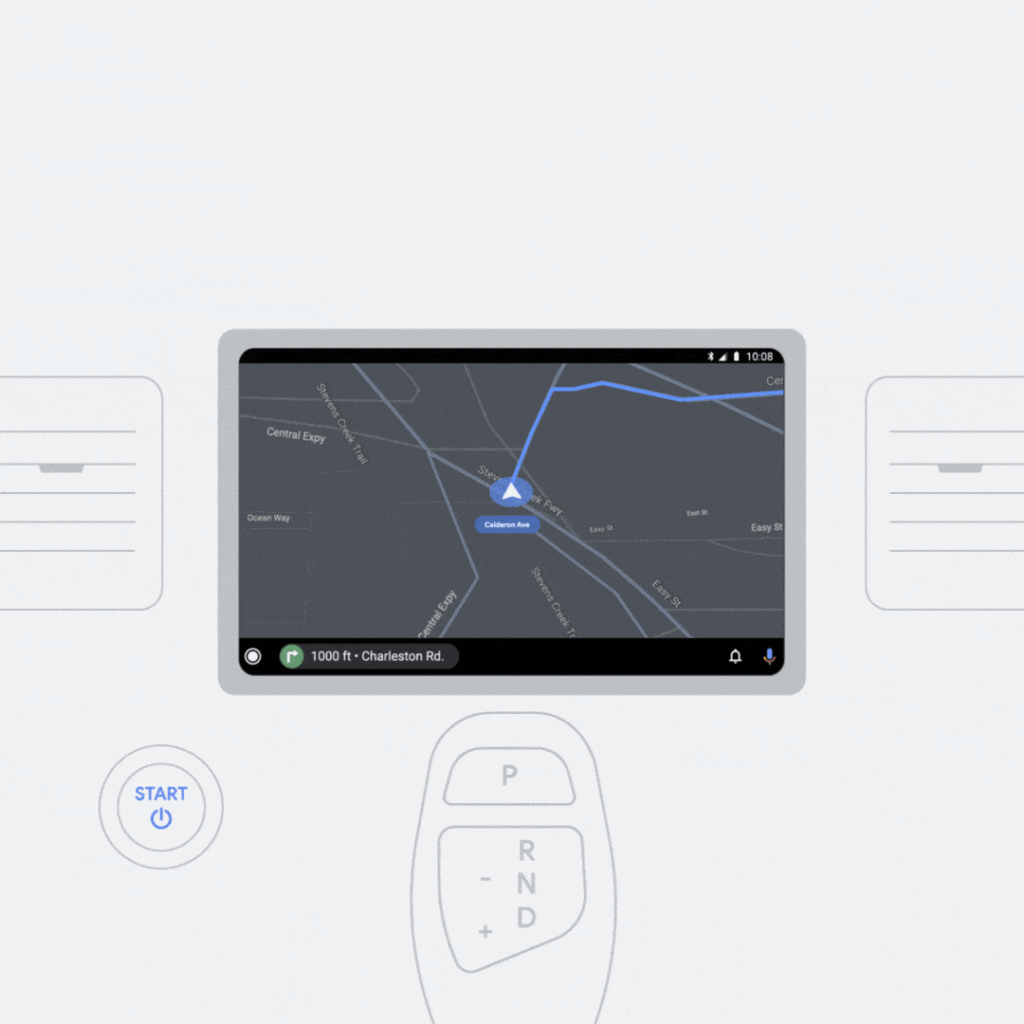
Digital car key is paired with an update to Android Auto, which can now be set to launch automatically when you connect your Android phone to your compatible car. You also get smart reply options, set to arrive pretty soon, using which you can respond to texts with Google Assistant, so that your focus remains where it should while driving – on the road.

Coming to Android itself, a new Family Bell feature will alert you and your family about important events throughout your day and help keep you keep in track with your daily schedules. Various smart home devices like home speaker or smart displays will be supporting the feature and will throw reminders for set events, like for say, picking up your kids from sports practice.

FamilyBell_Thumbnail_02.max-1000x1000

Three Google apps are getting new widgets, namely Google Play Books, YouTube Music, and Google Photos. Google Play Books’ new widget lets you access your library and keep track of your audiobook progress. YouTube Music widget puts playback controls and recently played tracks right on your Home screen. And finally, the Google Photos People & Pets widget lets you play slideshows of select faces on your home screen.

PhotoWidget_Thumbnail_08.max-1000x1000

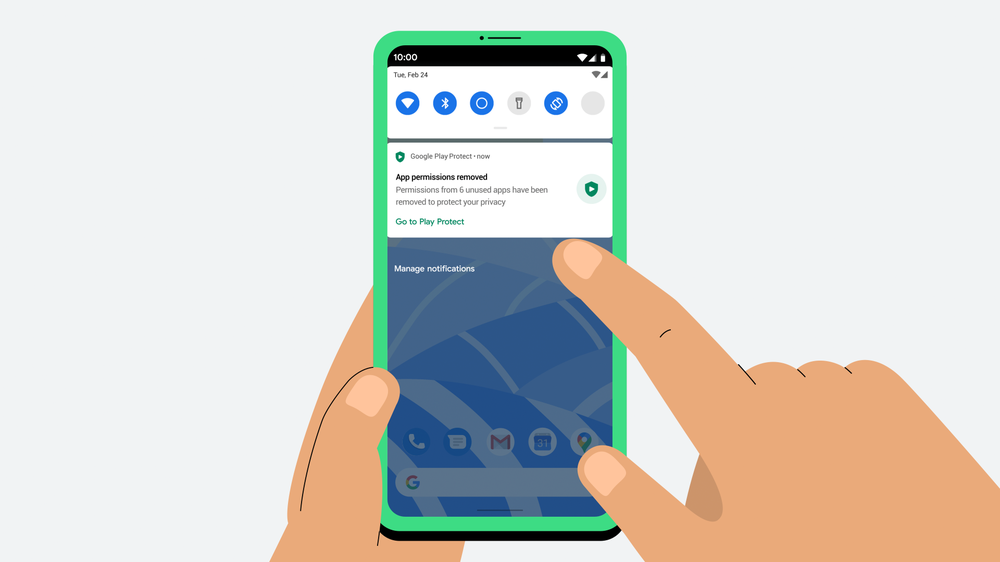
Your Android 6.0+ device will also be getting more secure next month or so through auto-resetting app permissions. The feature will be pushed through Google Play Services and will automatically turn off runtime permissions for apps that have been lying dormant for a while. The permissions get restored though with the next time you open the app.

Last but not least, Gboard’s Emoji Kitchen has received a flurry of new combinations to help express emotions that just aren’t there on the system emojis. These have been rolled out to Gboard Beta users and will be available for all in the coming weeks.

RELATED:

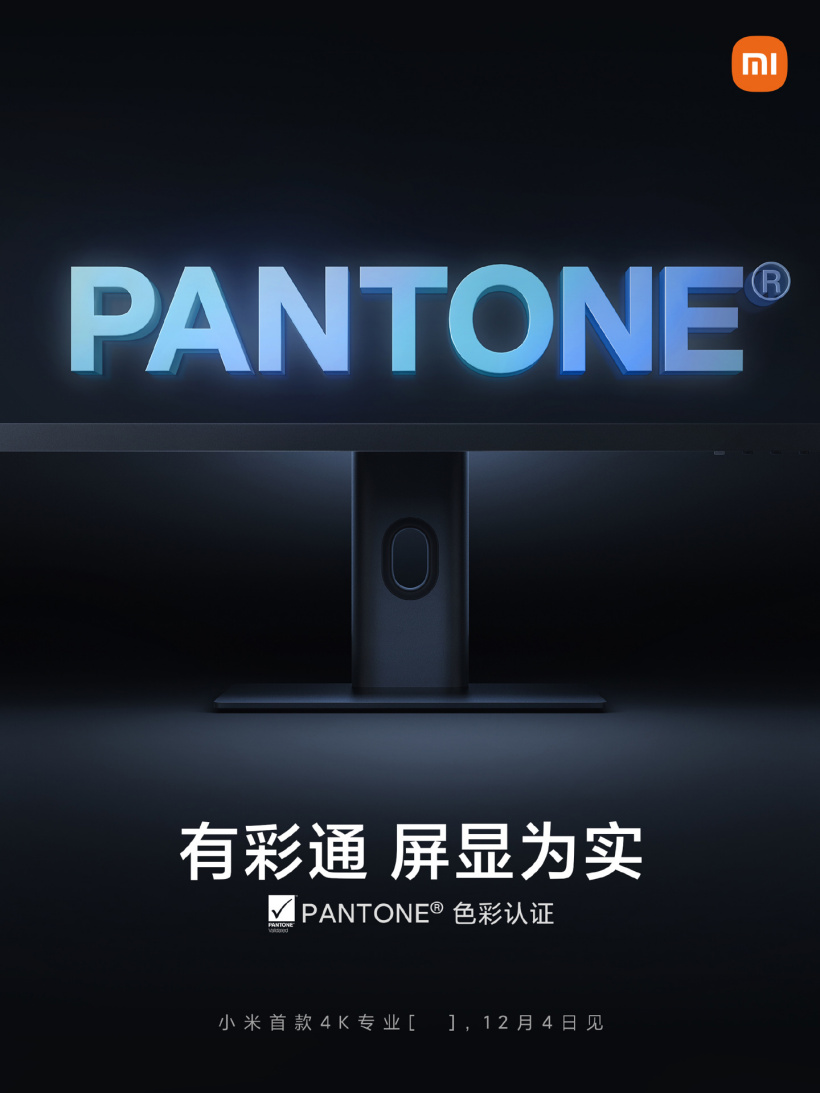
Xiaomi’s first 4K professional monitor receives PANTONE color certification

Earlier today (2nd December 2021), Xiaomi had officially announced that its first 4K professional monitor has just received a new certification prior to its launch. The monitor has now received a color certification from PANTONE.

Just yesterday, we had reported on the company officially teasing its first 4K professional monitor on Weibo (a Chinese microblogging website). Now, the brand has teased its monitor again. This time, it showcased the monitor receiving a PANTONE color certification. As per the previous teaser, the monitor in question is set to be unveiled on 4th of December 2021. While the Chinese tech giant has been selling various models of monitors, this would mark the first 4K professional monitor in its home country of China.

Xiaomi

Furthermore, the PANTONE color certification was also teased on its official Mi Notebook Weibo account. Unfortunately, the company has yet to reveal any finer details regarding this product as of right now. Although, the previous teasers have revealed some notable features regarding the upcoming monitor. Being a display being targeted towards professionals, the screen has a 4K resolution along with support for 99 percent Adobe RGB and DCI P3 color gamuts.

Talking about the design, teaser images have revealed a notable bottom bezel while the sides have a relatively slimmer profile. The frame itself appears to be made from either plastic or metal, although, we have no way of knowing at the moment. While the previous teasers did not reveal the stand of this monitor, the latest one offers us a look at its base. We can see it has a flat rectangular base with a wide stem holding the monitor upright. It even features a oval cutout on this stand, however, its exact functionality is currently unknown.

RELATED:


OnePlus 9RT India price, launch timeline tipped yet again

The OnePlus 9RT made its initial debut in China in October. It is being rumored to launch in India for months. Recent reports have suggested that the device will make its entry into the country with a different name. However, a new report now says that the smartphone will retain its original name with minute changes and will be available in two memory configurations.

OnePlus 9RT review featured 3
OnePlus 9RT

According to a report by The Mobile Indian, the OnePlus 9RT will launch in India as ‘OnePlus 9 RT’. There will be a space between the 9 and the RT in the branding.

For the last few days, we have been hearing that the handset will go official in India as OnePlus RT. If the new report is to be believed, it won’t be the case.

Further, the report states that the phone will be sold in 6GB + 128GB and 8GB + 128GB variants. These SKUs are said to retail at ₹39,999 and ₹34,999 respectively. There’s a chance that the top version could cost even lower at ₹37,999.

At the same, tipster Yogesh Brar says that there will not be a 6GB RAM variant. He continues to stand by his word that the handset will cost between ₹40,000 and ₹44,000.

Lastly, the OnePlus 9RT is expected to release in India in mid-December along with the OnePlus Buds Z2. With its debut, OnePlus is tipped to reduce the price of the OnePlus 9R to ₹34,999.


RELATED:


Vivo S12 Pro specs leak reveals 50MP dual cameras, 108MP main camera, upgraded chip, and more

Vivo announced the selfie-focused Vivo S10 and Vivo S10 Pro smartphones earlier this year. Recent reports have claimed that these models will be succeeded by the Vivo S12 and Vivo S12 Pro later this month. Reliable tipster Digital Chat Station has leaked the main specs of the Vivo S12 Pro. The leak reveals that the S12 Pro will come with improvements in departments like display, front cameras, and processor as compared to the predecessor model.

Vivo S12 Pro specifications (Rumored)

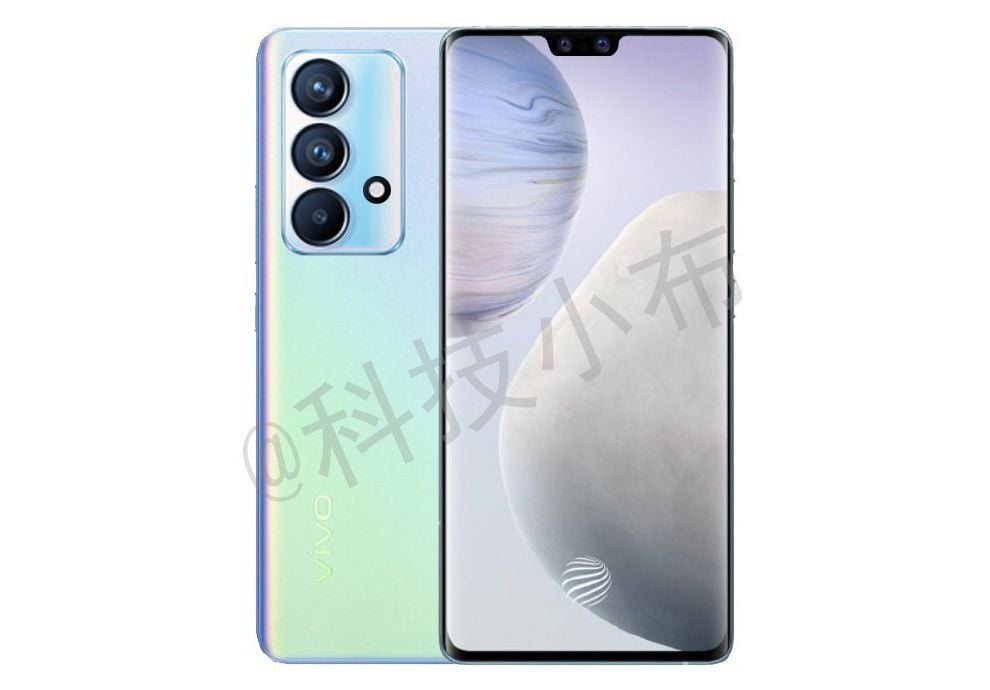
The Vivo S12 Pro is expected to house an OLED panel that offers a high refresh rate, a Full HD+ resolution, and an in-screen fingerprint scanner. Unfortunately, there is no word on the display size of the S12 Pro. Leaked renders of the S12 Pro have revealed that its screen will have a centrally positioned punch-hole and curved edges. In addition, it will feature a larger notch to accommodate a pair of selfie cameras. To recollect, the S10 Pro had a 6.44-inch flat AMOLED screen.

Vivo S12 Pro render
Vivo S12 Pro’s alleged render

The S10 Pro’s dual selfie camera setup included a 44-megapixel primary camera and an 8-megapixel ultrawide lens. It is speculated that the S12 Pro will have a 50-megapixel Samsung JN1 lens as the main selfie camera. It could be accompanied by an 8-megapixel superwide lens.

The new leak claims that the S12 Pro has a 108-megapixel triple camera unit. There is a possibility that it may retain the 108-megapixel + 8-megapixel + 2-megapixel triple camera unit that was made available on the S10 Pro. The device is expected to run on the latest OriginOS Ocean UI.

The Vivo S12 Pro’s battery size is not known yet, but it is expected to support 44W fast charging. The new leak mentions that the device will be equipped with the Dimensity 1200, instead of the Dimensity 1100 that was available on the S10 Pro. It is speculated that the device will be priced around 3,000 Yuan (~$471) in China and it will be competing with the likes of the OPPO Reno7 series and Honor 60 lineup.

RELATED:

Realme GT 2 Pro has been certified for the European markets

Realme has confirmed that the upcoming Realme GT 2 Pro will be debuting as one of the first phones powered by the all-new Snapdragon 8 Gen 1 chipset. The GT 2 Pro is heading to markets like China and China. It can be said based on the tweet by reliable tipster Mukul Sharma that the GT 2 Pro is also heading to Europe.

According to the tipster, the Realme GT 2 Pro has now been certified for the European markets. The variant heading to Europe has the RMX3301 model number. The RMX3300 model number, which was recently seen at the AnTuTu benchmarking site is also associated with the GT 2 Pro.

Realme GT 2 Pro specifications (rumored)

The Realme GT 2 Pro rumors have revealed that it has a 6.51-inch S-AMOLED display that supports a Full HD+ resolution and a 120Hz refresh rate. The device will feature an in-screen fingerprint sensor for security.

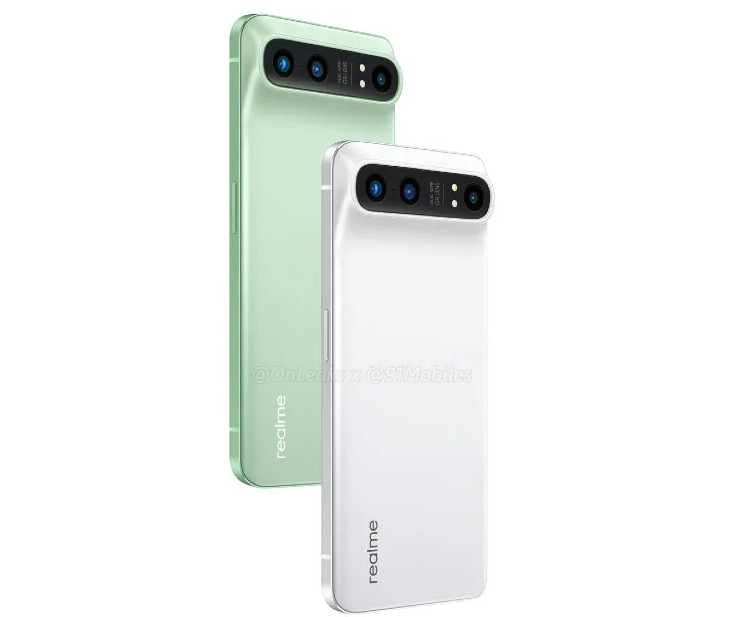
Realme GT 2 Pro
Realme GT 2 Pro renders by 91mobiles / Steve Hemmerstoffer

The GT 2 Pro will have a front camera of 32-megapixel for selfies. It remains to be seen whether it will be the same Sony IMX709 lens that was introduced on the Reno 7 series. The rear camera setup of the phone may feature a 50-megapixel Sony IMX766 primary camera with OIS support, an 8-megapixel ultrawide lens, and a 5-megapixel macro/depth camera.

The Realme GT 2 Pro was seen with Snapdragon 8 Gen 1, 12 GB of LPDDR5 RAM, and 256 GB of UFS 3.1 storage at AnTuTu. It may run on Realme UI 30 based Android 12 OS. The device is expected to house a 5,000mAh battery, which may support 125W UltraDart fast charging technology. It is likely to be priced around 4,000 Yuan (~$627) in China. The handset is expected to debut in India in Q1 2022.

RELATED:

Samsung Galaxy A13 5G ships without a charger in the US

Yesterday, Samsung unveiled the Galaxy A13 5G. It made its debut in the US as the most affordable 5G smartphone from the company. Interestingly, the budget device shares a trait with the premium handsets.

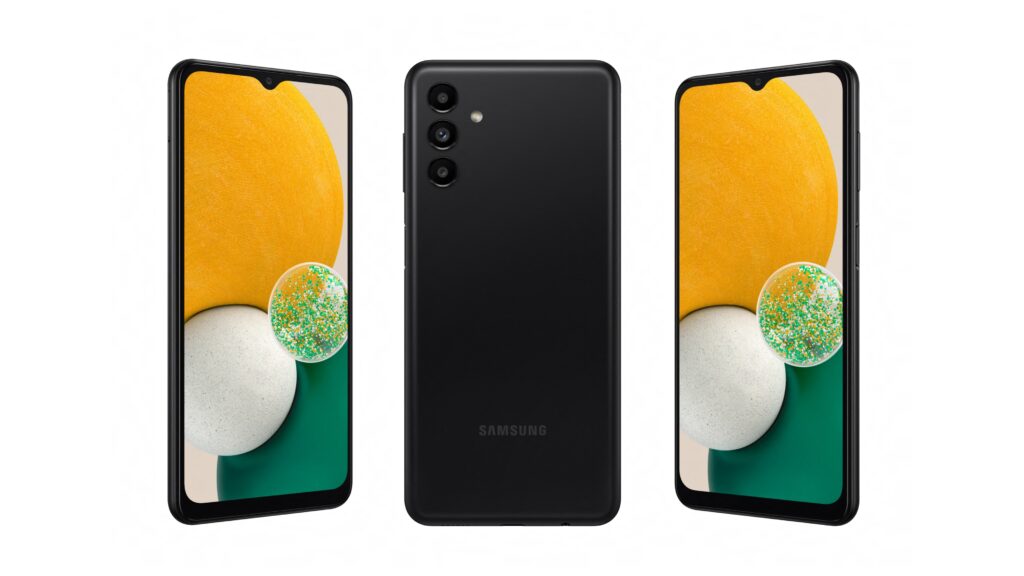
Samsung Galaxy A13 5G Featured A
Samsung Galaxy A13 5G

Last year, Apple decided to stop bundling chargers with its iPhones. Soon, other smartphone manufacturers chose to do the same for their expensive phones.

Over a year later, Samsung has now quietly revealed its plans to ship its newly announced Galaxy A13 5G without a charger in the US. The South Korean tech giant has mentioned this at the end of the press release.

The Galaxy A13 5G is a $249.99 smartphone with a modest set of specs. Usually, Samsung bundles a charger and a pair of earphones with phones in this price segment. But for some reason, the firm has opted to include neither of these for the new model

The device will be available for purchase online starting tomorrow (December 3) through AT&T and Samsung.com in the US. If you are about to order the handset, then make sure to buy a charger if you don’t already have one. The company recommends using ‘Samsung-approved chargers and cables’.

The highlights of the Galaxy A13 5G includes a 6.5-inch HD+ 90Hz display, MediaTek Dimensity 700 SoC, 50MP (wide) + 2MP (macro) + 2MP (depth) triple camera setup, 5MP selfie camera, USB Type-C port, 3.5mm headphone jack, MicroSD card slot, side-mounted fingerprint sensor, Samsung Pay via NFC, Android 11, 5,000mAh battery, and 15W charging.


RELATED:


Red Magic 7 gaming smartphone’s 3C certification reveals 165W charging support

Soon after Qualcomm announced its next-gen Snapdragon 8 Gen 1 chipset for the flagship smartphones, brands like Xiaomi, Motorola, and Realme confirmed they will be among the first to launch devices powered by this new processor.

ZTE also announced that the company will be launching Snapdragon 8 Gen 1-powered smartphones under its ZTE, Nubia, and Red Magic brands. Among these brands, it has been revealed that the company is working on the Red Magic 7 series of gaming phones.

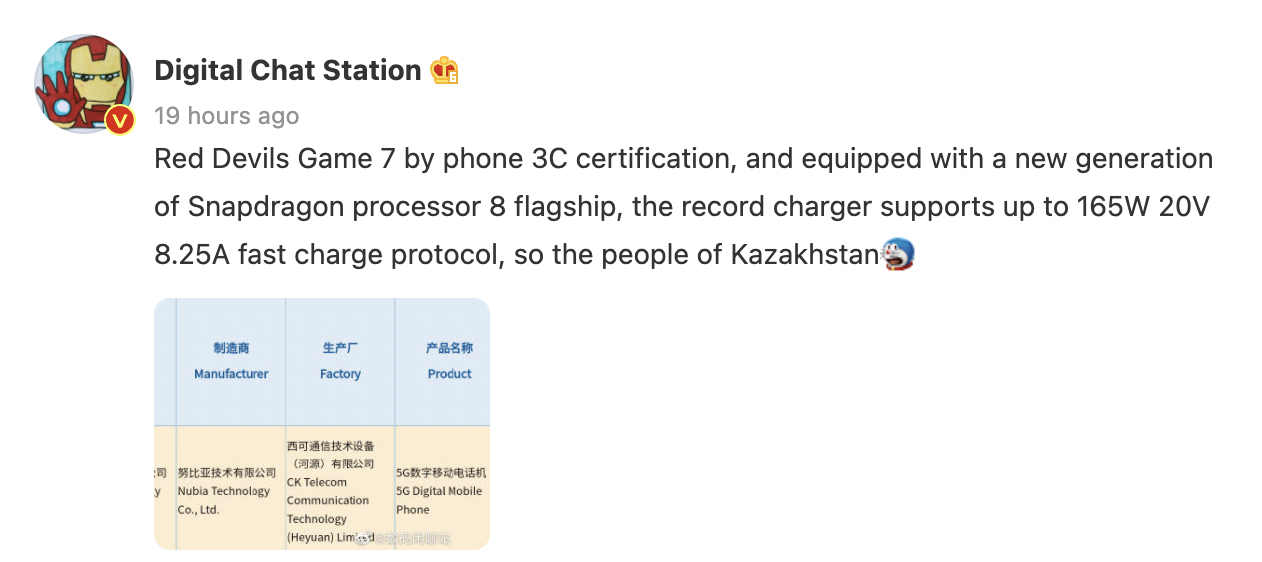
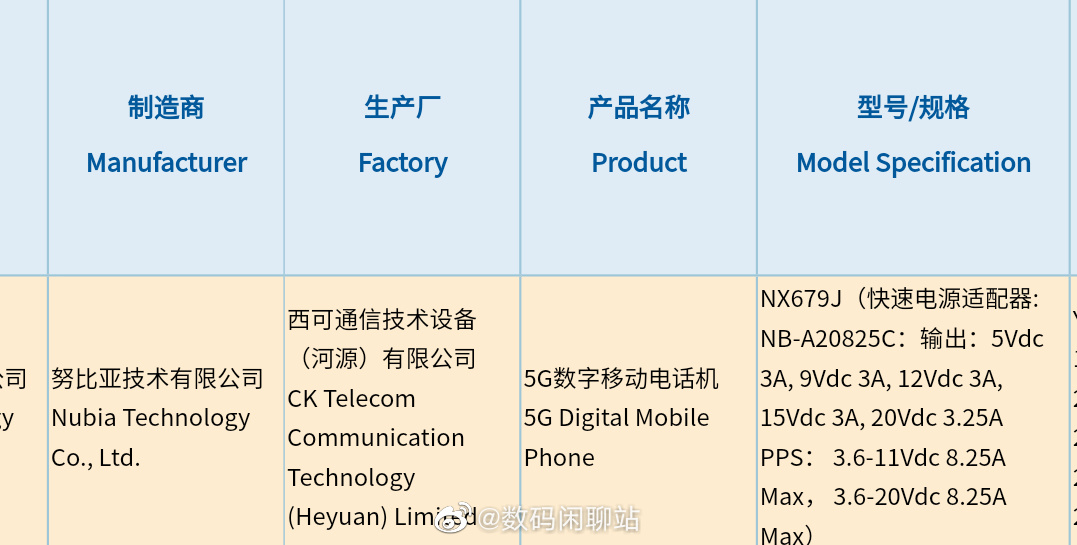
Nubia Red Magic 7 3C Certificate Leak

Nubia Red Magic 7 3C Certificate Leak

Now, ahead of the launch, the Red Magic 7 Gaming Smartphone has passed through the 3C certification process. It reveals that the phone carries model number NX679J and comes with support for up to 165W fast charging technology.

Recently, the same device was spotted on Bluetooth SIG, confirming the device’s name to be the Red Magic 7, and revealed that the smartphone will come with support for Bluetooth 5.2 for connectivity, along with 5G support.

If the reports are to be believed, then the smartphone could feature an industry-leading 165Hz OLED panel and 16GB of RAM. As for the cameras, there’s a possibility that it could feature the same 64-megapixel triple-camera setup as the current model.

The China-based company is expected to launch two models in the upcoming lineup, dubbed Red Magic 7 and Red Magic 7 Pro. We expect to know more details about these devices in the coming days.

RELATED: 

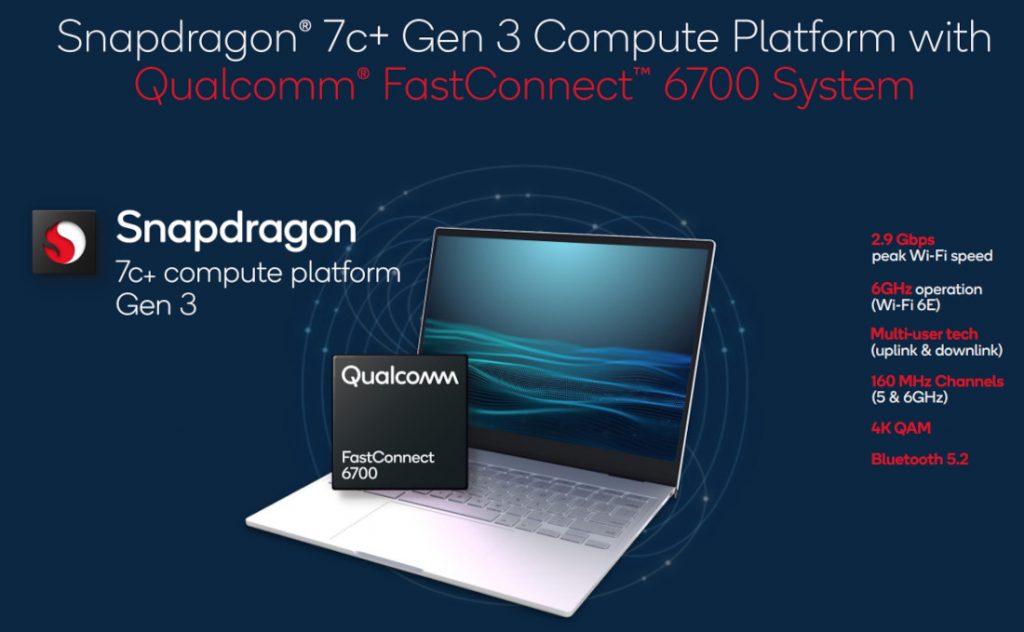
Qualcomm Snapdragon 7c+ Gen 3 unveiled for entry-level Windows PCs and Chromebooks

On the second day of the Snapdragon Tech Summit, Qualcomm has announced a few products and one of them is the Snapdragon 7c+ Gen 3 Computer Platform for the entry-level laptops in the market.

As the name indicates, it is a successor to the Snapdragon 7c Gen 2 launched last year. The chipset is built using the 6nm process and is claimed to be offering 60 percent faster CPU performance and up to 70 percent faster GPU performance.

Qualcomm Snapdragon 7c+ Gen 3

It packs support for 5G connectivity for sub 6GHz and mmWave with Snapdragon X53 5G Modem-RF which offers a peak download speed of up to 3.7Gbps. Thanks to Qualcomm FastConnect 6900, it offers speeds up to 2.9Gbps on Wi-Fi 6 and 6E.

The Snapdragon 7c+ Gen 3 comes with Qualcomm Spectra ISP that supports triple cameras up to 22-megapixel, dual cameras up to 36-megapixel and 22-megapixel, single camera up to 64-megapixel, and has support for 4K HDR video capture.

There’s also Qualcomm AI Engine which enables AI-accelerated experiences through 6.5 TOPS of performance. There is support for Qualcomm Voice Suite for AI-based Echo-cancellation and noise suppression (ECNS) to deliver clear audio.

It also supports Microsoft PlayReady 3.0 and modern video streaming services. Qualcomm says that the improved connectivity in Snapdragon 7c+ Gen 3 will enable fast, advanced, efficient always-connected laptops for entry-tier Windows PCs and Chromebooks. Devices powered by the Snapdragon 7c+ Gen 3 are expected to launch in the first half of 2022.

RELATED: 

ColorOS 12 global update plan for December 2021 is here

OPPO China recently announced ColorOS 12 update plan for December 2021. Now, the international division of the company also unveils its Android 12 update schedule for this month. Let’s take a look at which devices get access to the beta and the stable releases.

ColorOS 12 Logo Featured A

According to the official Twitter account of ColorOS, 9 smartphones will receive ColorOS 12 beta in December 2021. At the same time, 7 handsets will be updated to ColorOS 12 stable.

In the home country, OPPO has scheduled to deliver the beta update for some phones from 2020 this month. But in global markets, beta builds will be limited to 2021 devices for now. Further, the phones that received the beta update in November will get the stable update.

ColorOS 12 Global Update Plan December 2021

Open Beta

From December 10

  • OPPO Reno6 Z 5G
    • Thailand
    • Cambodia
  • OPPO Reno5 Pro 5G
    • India
  • OPPO Reno5 Pro
    • Pakistan
  • OPPO F19 Pro+ 5G
    • India

From December 15

  • OPPO A73 5G
    • Saudi Arabia

From December 28

  • OPPO Reno6
    • Indonesia
  • OPPO Reno5
    • Indonesia
  • OPPO Reno5 Marvel Edition
    • Indonesia
  • OPPO A74 5G
    • India
    • Indonesia

Stable

From December 20

  • OPPO Find X2 Pro Automobili Lamborghini Edition
    • India
    • Indonesia
  • OPPO Find X2 Pro
    • India
    • Indonesia
  • OPPO Find X2
    • India
    • Indonesia

From December 22

  • OPPO Reno6 Pro 5G Diwali Edition
    • India
  • OPPO Reno6 Pro 5G
    • India
    • Indonesia
    • Saudi Arabia
    • Pakistan
  • OPPO Reno5 Pro 5G
    • Saudi Arabia

From December 28

  • OPPO Reno6 5G
    • India
    • Indonesia
    • Vietnam

Although the above-mentioned timeline is to the point, it is subject to change. For those unaware, OPPO is known for recruiting beta testers earlier than the planned date at times.

We will be posting stories whenever the Chinese smartphone marker releases new software builds for these handsets throughout December. Stay tuned.


RELATED:


OPPO Find X4’s alleged specifications emerge well before launch

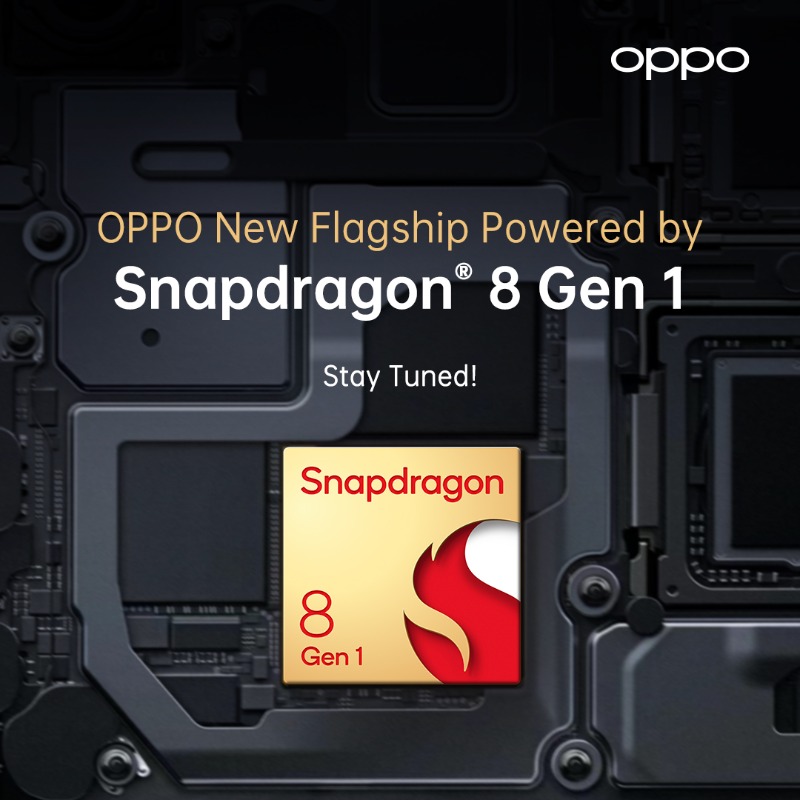
Qualcomm announced the Snapdragon 8 Gen 1 flagship chipset earlier this week. After the announcement, various brands confirmed that it will be launching flagship phones powered by the Snapdragon 8 Gen 1 chip. OPPO also took to its Twitter handle to confirm that it will be launching a new flagship phone featuring the SD8G1 chip. Reports suggest that the company may announce the Find X4 series of flagship phones by Q1 2022. Well ahead of the launch, a Chinese tipster has shared the alleged specs of the Find X4.

OPPO Find X4 specifications (rumored)

The Find X4 may come with a 6.78-inch Samsung E4 AMOLED LTPO panel that offers a 2K resolution. It is expected to support a 1Hz to 120Hz dynamic refresh rate and 10-bit colors. The predecessor Find X3 and Find X3 Pro models were powered by the Snapdragon 870 and Snapdragon 888 SoC. The tipster has speculated that the Dimensity 9000 will be fueling the Find X4, which indicates that the Snapdragon 8 Gen 1 could be reserved for the Find X4 Pro.

OPPO's Snapdragon 8 Gen 1 phone coming

The Find X4 may come with 8 GB / 12 GB of LPDDR5 RAM and 256 GB of UFS 3.1 storage. The device may house a 5,000mAh battery that carries support for 80W fast charging technology and 50W wireless charging.

For selfies, it may feature the Sony IMX709 32-megapixel cat-eye lens, which was introduced on the Reno7 and Reno7 Pro. The rear camera setup of the phone may include an OIS-enabled Sony IMX766 50-megapixel primary camera, a Sony IMX766 50-megapixel ultrawide freeform camera, and an OIS-ready Samsung S5K3M5 13-megapixel telephoto camera with 2x zoom.

The Find X4 may offer other features such as Gorilla Glass Victus protection on front and rear sides, aluminium alloy middle frame, dual speakers, X-axis linear motor, in-display fingerprint scanner, NFC, and IR blaster. It is likely to come preinstalled with Android 12.

OPPO Find X4 pricing (rumored)

It is too early to speculate on the pricing of the Find X4. However, the tipster has made an estimated guess that the X4’s 8 GB RAM + 256 GB storage and 12 GB RAM + 256 GB storage variants could be priced at 4,999 Yuan (~$785) and 5,499 Yuan (~$863).

RELATED:

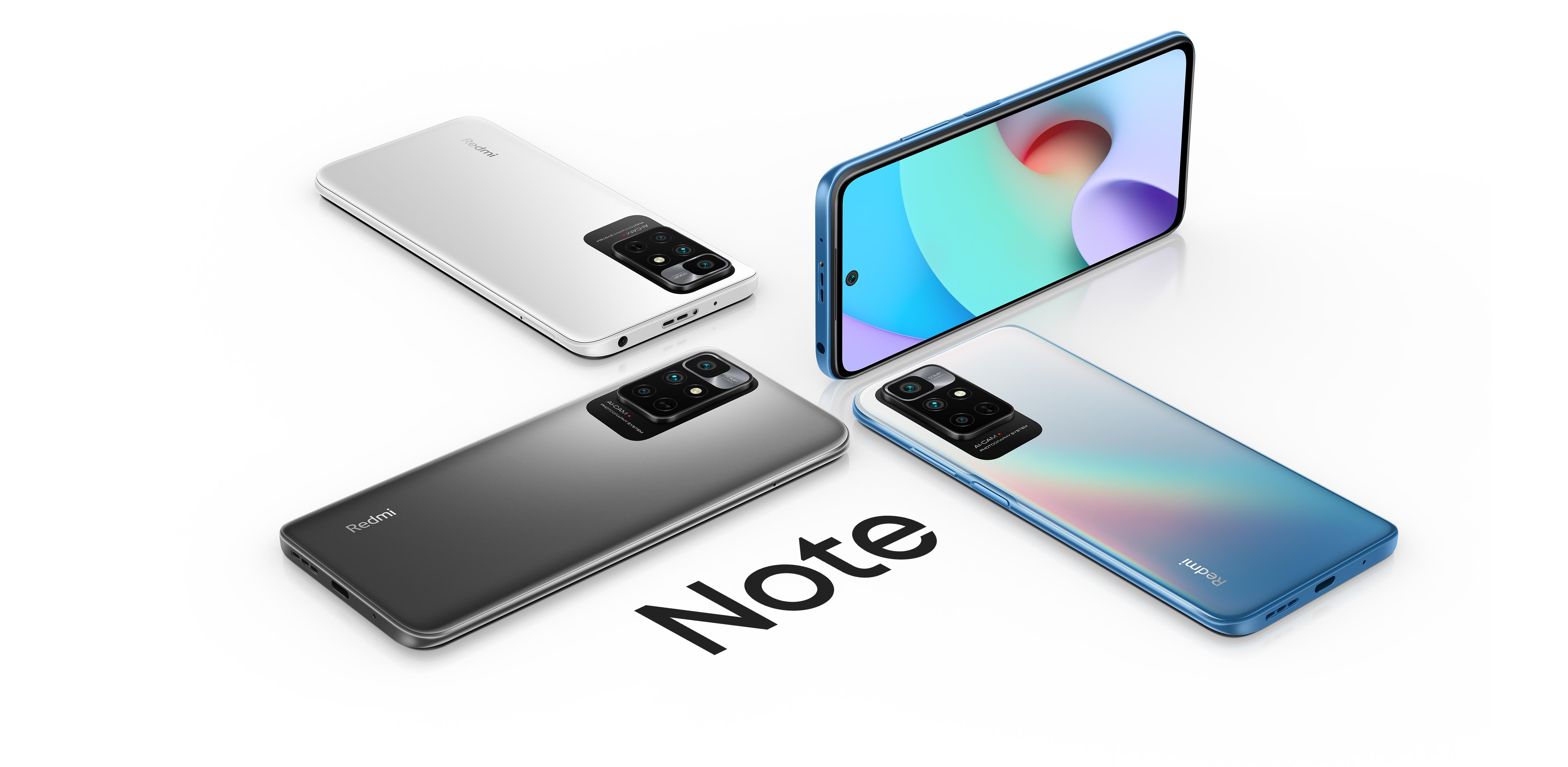
Redmi 10 Prime 2022 could be in the works

So far, the Redmi 10 series incldues two models such as Redmi 10 and Redmi 10 Prime. The Prime model is available in India, whereas the Redmi 10 is aimed towards other markets. Interestingly, both phones are packed with almost identical specs. A few weeks back, tipster Kacper Skrzypek tipped about the existence of a phone named Redmi 10 2022. His latest tweet states that the Redmi 10 Prime 2022 could also be in the works.

According to the tipster, the Redmi 10 Prime 2022 will be aimed towards to India. Unfortunately, there is no information on the specs of this device. Last month, the tipster revealed that the Redmi 10 2022’s rear camera setup has a 50-megapixel main camera, an 8-megapixel ultrawide lens, and a 2-megapixel macro camera.

Redmi Note 11 4G
Redmi Note 11 4G

Recently, Xiaomi unveiled the Redmi Note 11 4G phone in China with a slightly downgraded rear camera setup as compared to the Redmi 10/10 Prime. The Note 11 4G has a 6.5-inch IPS LCD display that offers a 20:9 aspect ratio, an FHD+ resolution, and a 90Hz refresh rate. It has a side-facing fingerprint scanner.

The Helio G88 chipset powers the Redmi Note 11 4G with 4 GB / 6 GB of RAM and 64 GB / 128 GB of storage. It has a 5,000mAh battery that carries support for 18W fast charging. For photography, it has an 8-megapixel front-facing camera and its rear camera setup has a 50-megapixel main camera, an 8-megapixel ultrawide snapper, and a 2-megapixel macro camera.

The Note 11 4G is likely to get rebranded as the Redmi 10 2022 in global markets. Hopefully, newer reports will reveal more details on the Redmi 10 Prime 2022 handset.

RELATED:

Redmi Note 10S new variant likely to launch soon in India

Xiaomi announced the Redmi Note 10S in two variants back in May this year. The company introduced a new color variant called Starlight Purple in August in August. Fresh information shared by My Smart Price claims that the company is gearing up to add a introduce Note 10S’ new configuration in the country.

According to the publication, the Redmi Note 10S’ new variant with 8 GB of RAM and 128 GB of storage will be introduced soon. Since launch, the Note 10S has been available in two variants such as 6 GB RAM + 64 GB storage and 6 GB RAM + 128 GB storage. These models were priced at Rs 14,999 (~$200) and Rs 15,999 (~$213), respectively.

Currently, these variants are available for Rs 14,999 (~$200) and Rs 16,499 (~$220) on Xiaomi India’s website. At present, there is no word on the pricing of the forthcoming 8 GB RAM + 128 GB storage edition of the Note 10S. Probably, it will carry a sub-Rs 18,000 (~$240) pricing in the country. The handset is available in colors such as Cosmic Purple, Deep Sea Blue, Frost White, and Shadow Black.

Xiaomi Redmi Note 10S

Redmi Note 10S specifications and features

The Redmi Note 10S has a 6.43-inch AMOLED FHD+ display with Gorilla Glass 3 protection. It runs on MIUI 12.5 based Android 11 OS. The Helio G95 chip powers the device with LPDDR4x RAM and UFS 2.2 storage.

The Note 10S has a 13-megapixel front camera. Its back panel has a 64-megapixel (main) + 8-megapixel (ultrawide) + 2-megapixel (depth) + 2-megapixel (macro) quad-camera unit. It has a 5,000mAh battery that carries support for 33W fast charging. For security, the handset features a side-facing fingerprint scanner.

RELATED:

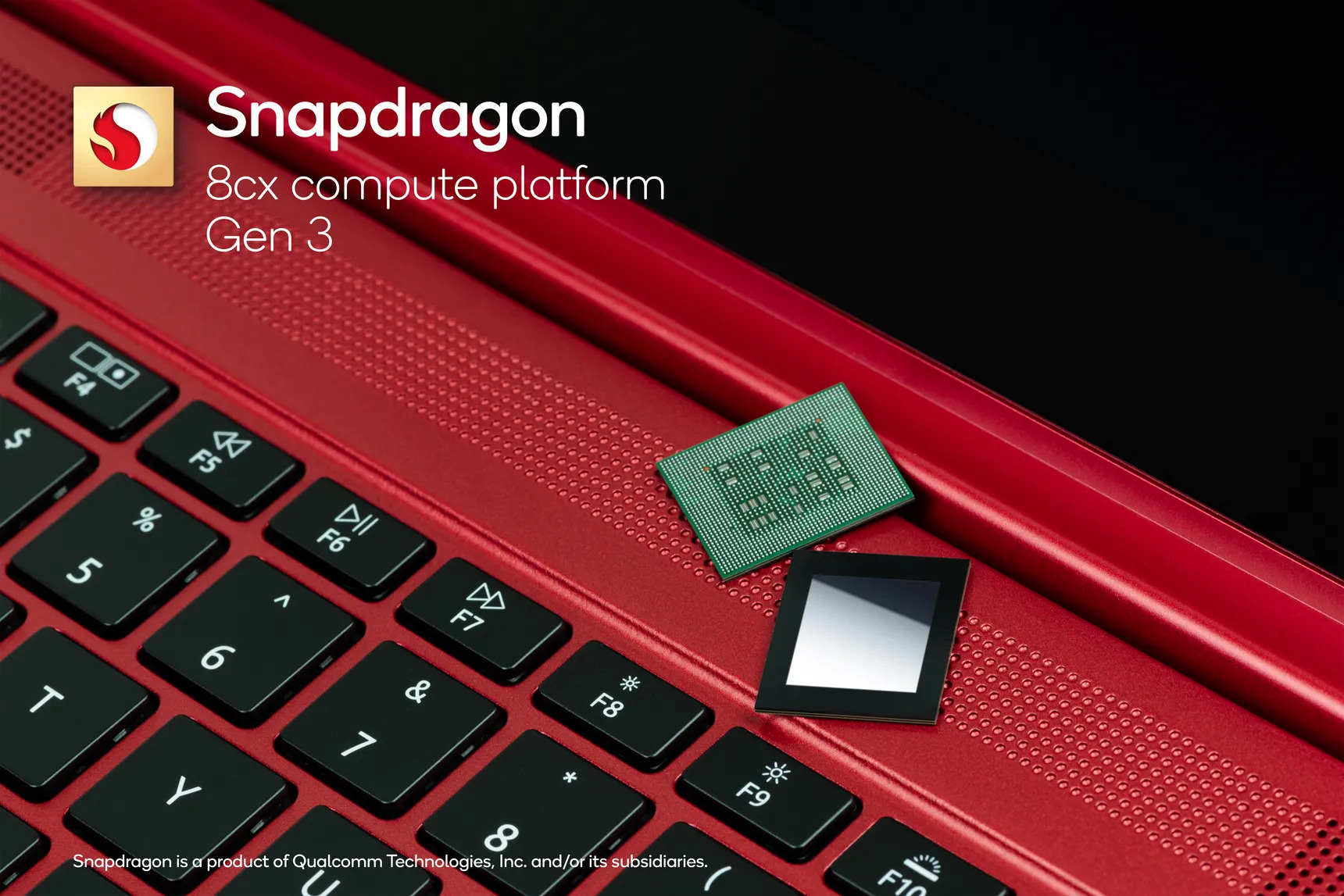
Qualcomm Snapdragon 8cx Gen 3 announced for next-gen Windows on ARM devices

Qualcomm has been announcing several new products at its annual Snapdragon Tech Summit and after unveiling the Snapdragon 8 Gen 1 chip for smartphones and Snapdragon G3x Gen 1 for gaming devices, the company has now taken the wraps off the Qualcomm Snapdragon 8cx Gen 3 computing platform.

As the name implies, the Snapdragon 8cx Gen 3 is a successor of the 8cx Gen 2 model that was launched last year. It is built using the 5nm process, a first for a chip made for Windows devices. The company has also promised an 85 percent improvement in CPU performance and 60 percent faster GPU performance.

Qualcomm Snapdragon 8cx Gen 3

For connectivity, the chipset offers support for Qualcomm’s Snapdragon X55, X62, and the X65 5G modems. To recap, the Snapdragon X65 offers peak download speeds of up to 10Gbps, Snapdragon X55 delivers up to 7.5Gbps speeds while the Snapdragon X62 offers up to 4.4Gbps speed.

It packs Qualcomm’s Spectra ISP, which promises better autofocus, auto-white balance, and auto-exposure for videoconferencing. It supports a single camera up to 24MP, along with up to 4 concurrent cameras, and also has support for 4K HDR video capture at 30fps, slow motion 720p video at 480fps.

The chip now supports UFS 3.1 storage which offers faster read and write speeds. There’s also Qualcomm Voice Suite, which has Qualcomm Noise and Echo Cancellation technology to cancel out unwanted background sounds.

Qualcomm Snapdragon 8cx Gen 3

The company is claiming that the chip supports “multi-day battery life” but it has not provided any more details related to this. Devices powered by Qualcomm Snapdragon 8cx Gen 3 are expected to launch in the first half of 2022.

Qualcomm is also working on its next-generation chips for Windows PC that are expected to be powering devices from 2023. Those chips are designed by Nuvia, a company that was acquired by Qualcomm for $1.4 billion earlier this year. The next-generation Nuvia designed chips launching in 2023 are aimed to compete against Apple’s M-series chips.

RELATED: 

Qualcomm Snapdragon G3x Gen 1 announced for Android-based handheld gaming devices

Qualcomm recently unveiled its next-generation flagship smartphone processor, dubbed Snapdragon 8 Gen 1 which will be powering the upcoming premium smartphones, starting with flagship phones from Xiaomi and Motorola later this month.

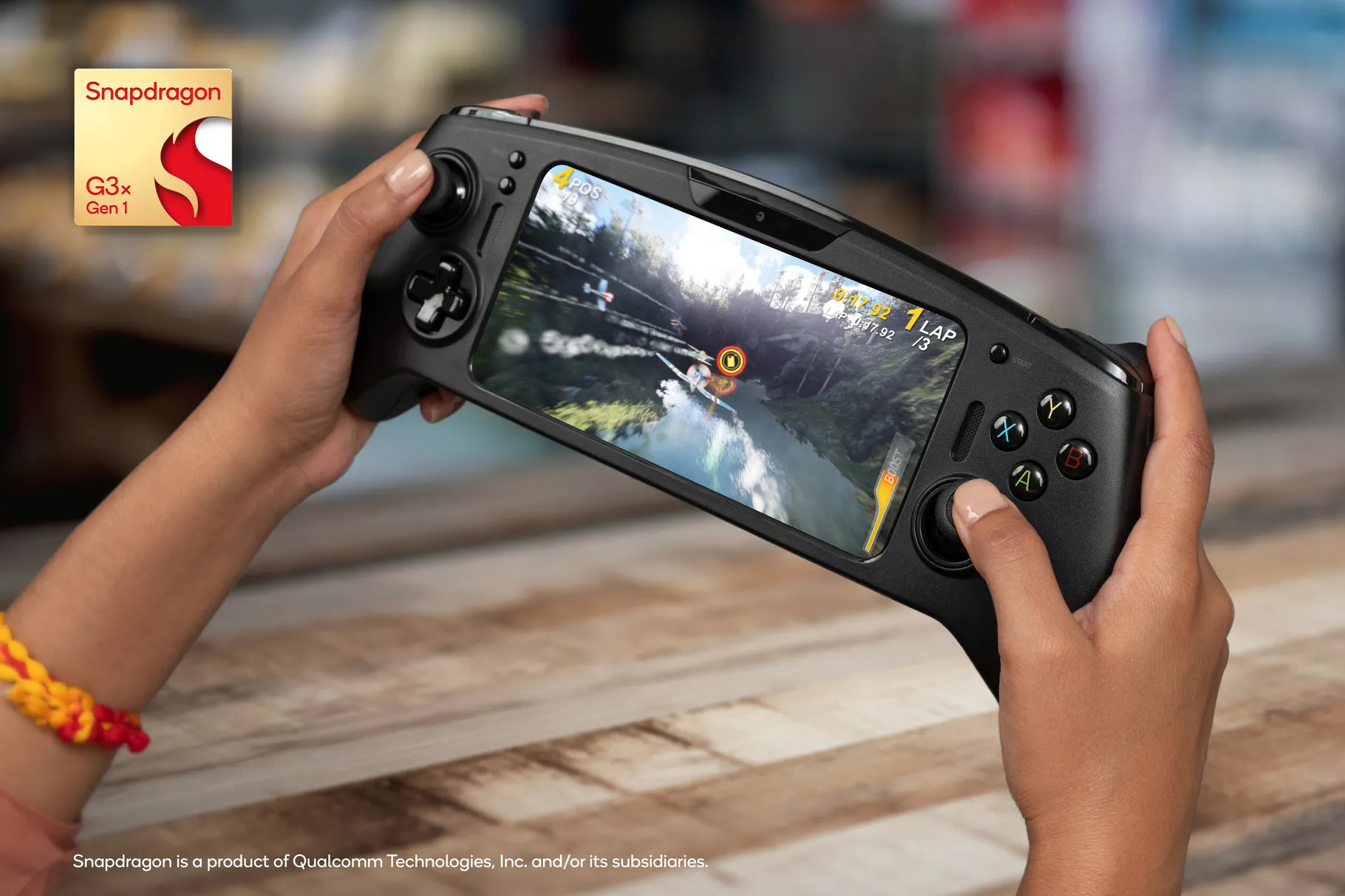
Today, at its annual Snapdragon Tech Summit, the company has unveiled several new products and one of them is the Snapdragon G3x Gen 1 Gaming Platform. It is an Android-based platform that is designed to allow you to play Android games and stream them from a console or PC or play games through cloud services.

Qualcomm Snapdragon G3x Gen 1 Gaming Platform

The Snapdragon G3x Gen 1 platform can be used to make handheld gaming consoles like Nintendo Switch or Steam Deck. It packs the new G3x chip which has Kryo CPU and an Adreno GPU that lets you play games at 144fps.

It supports output to a 4K display or tethering to a mixed reality headset over a USB-C port. As for the connectivity, the platform supports Wi-Fi 6, 6E, and 5G sub-6 GHz and mmWave for faster speeds. It also comes packed with Snapdragon Sound which is designed to improve audio quality.

Qualcomm has partnered with Razer to showcase this new gaming platform. It has built the first Snapdragon G3x Handheld Gaming Developer Kit that features a 6.65-inch OLED screen with support for 120Hz refresh rates and has a 5MP webcam on the front so that players can livestream while playing a game.

So far, there’s no information available about which other manufacturers will be launching devices powered by this new Snapdragon G3x Gen 1 Gaming Platform. Qualcomm’s Micah Knapp says that the company is currently focusing on the developer community and launching devices is up to OEMs.

RELATED: 

Redmi Note 11 4G now available for purchase in China; price starts at 999 yuan ($157)

A couple of weeks ago, Xiaomi-backed Redmi had announced the Redmi Note 11 4G smartphone in the Chinese market. As the name indicates, the phone is a watered-down version of the Redmi Note 11 5G that was launched in October this year, along with the Redmi Note 11 Pro and Redmi Note 11 Pro+.

The recently launched Redmi Note 11 4G is a tweaked version of the Redmi 10 (aka Redmi 10 Prime) which is available in other markets. Now, the smartphone is officially available for purchase in China.

Redmi Note 11 4G
Redmi Note 11 4G

The 4GB RAM model is priced at 999 yuan (~$157) while the 6GB RAM model is available for purchase at a price of 1,099 yuan (~$173). If you are looking to purchase this device outside of China, then you can grab it from Giztop.

The smartphone features a 6.5-inch FHD+ LCD display that offers a 90Hz refresh rate, a 180Hz touch sampling rate, and a 1,500:1 aspect ratio. Underneath, the device is powered by the MediaTek Helio G88 chipset, coupled with 4/6 GB LPDDR4x RAM and 128GB storage.

In the camera department, the phone has a triple-camera setup on the back that consists of a 50-megapixel primary camera, an 8-megapixel ultrawide lens with a 120-degree FOV, and a 2-megapixel macro camera. On the front side, there’s an 8-megapixel snapper for taking selfies and video calling.

The device runs the MIUI 12.5 operating system which is based on Android 11. For connectivity, it supports dual SIM, 4G VoLTE, Wi-Fi 802.11ac, Bluetooth 5.1, GPS, IR blaster, dual stereo speakers, and a 3.5mm audio jack. It is powered by a 5,000mAh battery that supports 18W fast charging and 9W reverse charging.

RELATED: 

Redmi Note 11 5G vs Redmi Note 11 4G: Specs Comparison

After releasing the Redmi Note 11 5G in the Chinese market, Xiaomi launched the Redmi Note 4G as well for those who do not need the 5G connectivity and need to save some money. But 5G is not the only difference between these two handsets: there are other changes in the 4G variant which are worth knowing if you are evaluating the purchase. This is a comparison between the Redmi Note 11 5G and the Redmi Note 11 4G thanks to which you will know all the important differences between the latest Xiaomi budget phones. Note that the Redmi Note 11 5G has been recently launched in the Indian market under the Redmi Note 11T 5G moniker.

Xiaomi Redmi Note 11 5G vs Xiaomi Redmi Note 11 4G

Xiaomi Redmi Note 11 5G Xiaomi Redmi Note 10 4G
THICKNESS AND WEIGHT 8.8 mm and 195 grams 8.9 mm and 181 grams
DISPLAY  6.6 inches, 1080 x 2400p (Full HD+), IPS LCD  6.5 inches, 1080 x 2400p (Full HD+), LCD
PROCESSOR Mediatek Dimensity 810, octa-core 2.4 GHz MediaTek Helio G88, octa-core 2 GHz
MEMORY 4 GB RAM, 128 GB – 6 GB RAM, 128 GB – 8 GB RAM, 128 GB – 8 GB RAM, 256 GB 4 GB RAM, 128 GB – 6 GB RAM, 128 GB – micro SD slot
SOFTWARE Android 11, MIUI Android 11, MIUI
CONNECTIVITY Wi-Fi 802.11 a/b/g/n/ac, Bluetooth 5.2, GPS Wi-Fi 802.11 a/b/g/n/ac, Bluetooth 5.1, GPS
CAMERA Dual 50 + 2 MP
16 MP front camera
Triple 50 + 8 + 2 MP, f/1.8 + f/2.2 + f/2.4
8 MP f/2.0 front camera
BATTERY 5000 mAh, fast charging 33W 5000 mAh, fast charging 18W
ADDITIONAL FEATURES Dual SIM slot, 5G, IP53 certification Dual SIM slot

Design

Redmi Note 11 5G and Redmi Note 11 4G are very similar in terms of design, but not identical. The 4G variant has a bigger camera module and a lower screen to body ratio, that is the reason why I prefer the Redmi Note 11 5G. But note that, due to its wider display, the Redmi Note 11 5G has bigger dimensions. On the other hand, it offers the IP53 certification making it splash resistant and dust resistant. For the rest, the two variants of the Redmi Note 11 are pretty much the same: they have a similar design for the camera module, a punch-hole display with the hole placed centrally, and a side-mounted fingerprint scanner for the authentication.


Display

Redmi Note 11 5G and Redmi Note 11 4G have the same technical specifications for the displays. They sport an IPS LCD panel with a Full HD+ resolution of 1080 x 2400 pixels and a 90 Hz refresh rate. The diagonals are slightly different: the 5G version has a bigger 6.6-inch panel, while the 4G variant stops at 6.5 inches. As mentioned above, there is no in-display fingerprint reader as it is mounted on the power key. These displays are positioned in the midrange segment: they are nothing special in terms of image quality, but they are sufficient for every kind of user.


Hardware/Software

The most important pro of the Redmi Note 11 5G is the hardware. First of all, it features a better Mediatek Dimensity 810 chipset built at 6 nm and running with a max frequency of 2.4 GHz. This chip provides higher CPU and GPU performance than the Mediatek Helio G88 found on the Redmi Note 11 4G, as well as lower energy consumption. Further, the Mediatek Dimensity 810 features the 5G connectivity, while the Helio G88 does not. Last but not least, the Redmi Note 11 has more advanced memory configurations: up to 8 GB of RAM and up to 256 GB of internal storage, while the most advanced memory configuration of the 4G variant comes with 6 GB of RAM and 128 GB of native storage.


Camera

The rear camera departments of the Redmi Note 11 5G and the Redmi Note 11 4G are exactly the same, with the exception of an additional 2 MP macro camera. Both the handsets have a 50 MP main camera and an 8 MP ultrawide camera. The Redmi Note 11 5G has a superior front camera with a 16 MP resolution, while the 4G variant has an entry-level 8 MP sensor.


Battery

The batteries of these devices have exactly the same capacity: 5000 mAh. But the Redmi Note 11 5G can provide a longer battery life because its processor is more energy-efficient thanks to the 6 nm production process. Further, the 5G variant has a faster charging technology with a power of 33W, while the 4G variant stops at 18W. The 4G version also supports reverses charging with a power of 9W, but only through a cable and not wirelessly.


Xiaomi Redmi Note 11 5G vs Xiaomi Redmi Note 11 4G: Price

The price of the Redmi Note 11 5G roughly translates into $188/€166 at the actual change, while the Redmi Note 11 4G starts from €140/$159. If we exclude the processor and the front camera, these handsets are more or less the same, so if you do not need 5G and higher performance, the 4G variant might be enough for your needs.


Xiaomi Redmi Note 11 5G vs Xiaomi Redmi Note 11 4G: PRO and CONS

Xiaomi Redmi Note 11 5G

PROS

  • 5G
  • Wider display
  • Better chipset
  • Superior front camera
  • Faster charging

CONS

  • Price


Xiaomi Redmi Note 11 4G

PROS

  • More affordable
  • Macro camera
  • Reverse charging

CONS

  • Inferior hardware


RELATED

Check the latest videos from our YouTube channel and subscribe:

China PC market set a record while US market declined in Q3 2021

The PC Market exploded in 2020 as a result of lockdowns due to the global pandemic. Even after a year, it continues to grow in certain regions. But in others, it has begun to drop as it has reached the point of saturation. Let’s talk about two such nations in this article, namely China and the US.

Lenovo YOGA 5G Featured 02
Lenovo YOGA 5G

Recently, Canalys released reports on China and US PC markets for Q3 2021. According to them, the former grew by 3% YoY with more than 15 million units in shipments, while the latter shrunk by a 16% YoY with shipments of 30.3 million units.

China set a Q3 record, whereas the US fell for the first time after multiple quarters with double-digit growth. However, the shipments in both markets are still more than the pre-pandemic level.

Canalys points out that the decline in the United States is due to the sharp drop of shipments in the education and consumer segments as they have now reached the point of saturation. Only desktops went up by 6% as people have started moving to work/education premises. Hence, notebooks (especially Chromebooks) and tablets decreased by 15% and 24% respectively.

On the other hand, in China, the desktop and notebook segments increased by 3.9% and 1.8% respectively. This helped the market to beat Q3 2020’s record of 14.7 million units of overall shipments.

As far as brands are concerned, Dell led the US PC market, followed by HP, Lenovo, Apple, and Acer. Whereas, Lenovo aced the China PC market, followed by Dell, HP, ASUS, and Acer.

Last but not least, despite witnessing negative growth, the US PC market is expected to grow positively with the return of educational and enterprise procurement in the upcoming months.


RELATED: