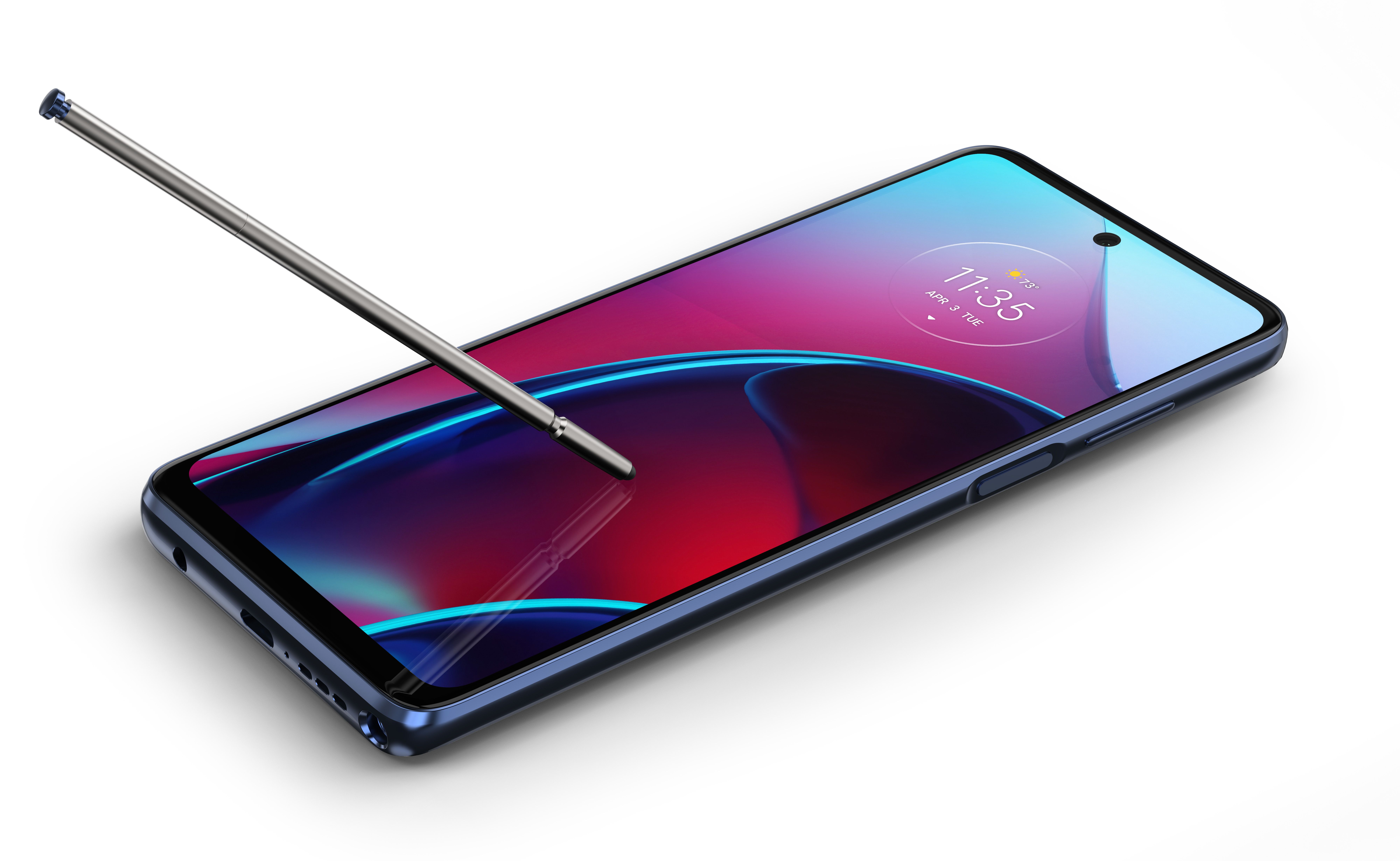
Moto G Stylus 2022 has been launched in the U.S. The stylus-totting handset has arrived as the successor for last year’s Moto G Stylus 2021. The device features a punch-hole display on the front, a side-facing fingerprint scanner, and a 50-megapixel triple camera unit on the back. Here is all the information on the specs, features, and pricing of the G Stylus 2022.
Moto G Stylus 2022 specifications and features
The Moto G Stylus 2022 features a massive 6.8-inch IPS LCD display that offers an FHD+ resolution, a 20:9 aspect ratio, and a 90Hz refresh rate. The display punch-hole houses a 16-megapixel front camera.
Moto G Stylus 2022
Placed on the back is a 50-megapixel main camera. It is coupled with an 8-megapixel ultrawide lens and a 2-megapixel macro camera. The right side frame of the phone has a power button, which is integrated with a fingerprint scanner.
The Helio G88 is placed under the hood of the Moto G Stylus 2022. The device ships with 6 GB of RAM and up to 256 GB of internal storage. It is packed with a 5,000mAh battery that is promised to last for up to 2 days.
The G Stylus 2022 runs on Android 11 OS, which is customized with Motorola’s My UX interface. The stylus that accompanies the device is mainly for writing notes and drawing sketches on the large display of G Stylus 2022.
Moto G Stylus 2022 pricing and availability
The Moto G Stylus 2022 comes in two colors such as Twilight Blue and Metallic Rose. The device carries a price tag of $399 for the 6 GB RAM + 128 GB storage edition. It is now up for pre-orders in the U.S. with the sale commencing on Feb. 17.
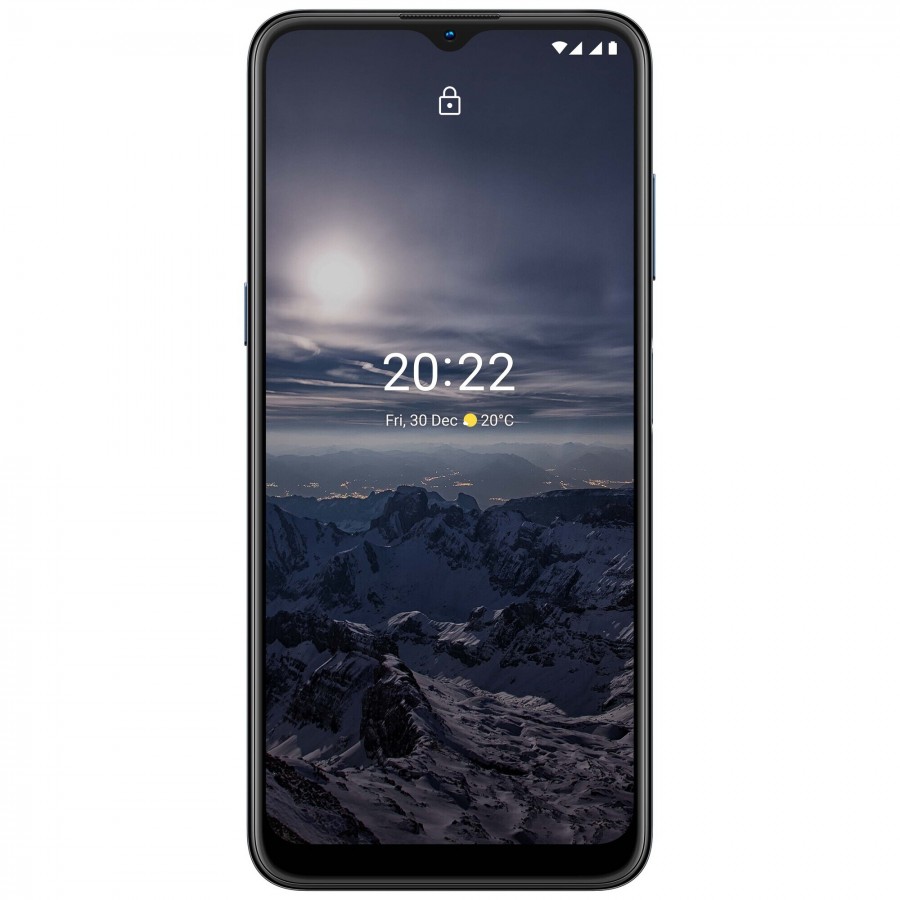
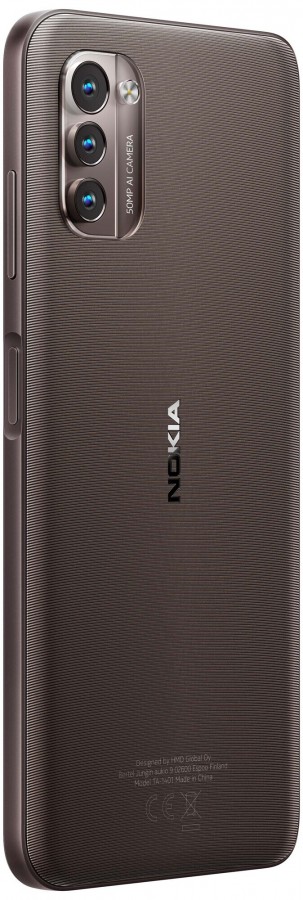
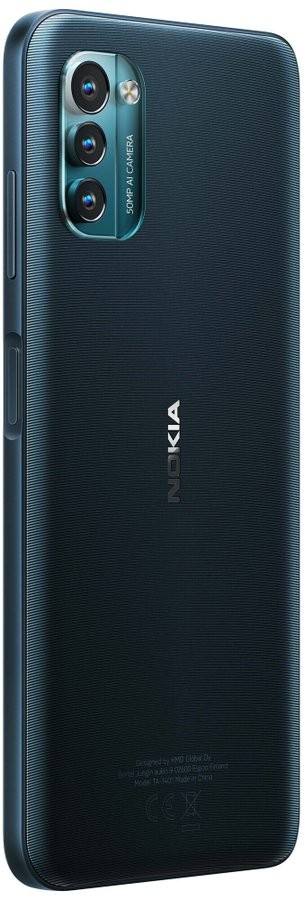
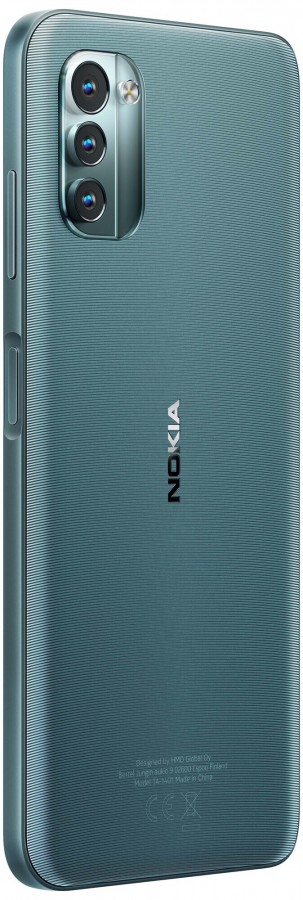
The hype around the yet-to-be-released Nokia G21 has been raised some notches higher with the release of some official renders of the device by Roland Quandt. The images add to the Geekbench listing of the device that was spotted earlier this week. The tweet by the tipster shows three color options for the device namely dark green, dark brown, and light green.
The Nokia G21 will be powered by a Unisoc T606 chipset paired with 4GB of RAM and 128GB storage. It is expected to come with a camera setup that includes a 50MP primary sensor and a couple of auxiliary sensors. The Nokia G21 could come with a 6.5-inch LCD with HD+ resolution and a waterdrop notch in the front.
1 of 3
The Nokia G21 is expected to draw from the traditional ruggedness of Nokia, with some degree of durability. There are no details yet on the potential release date and price of the model. We are also in the dark as to whether there will be different configurations of the RAM/ memory combination or just the single 4GB/128GB specified for the model.
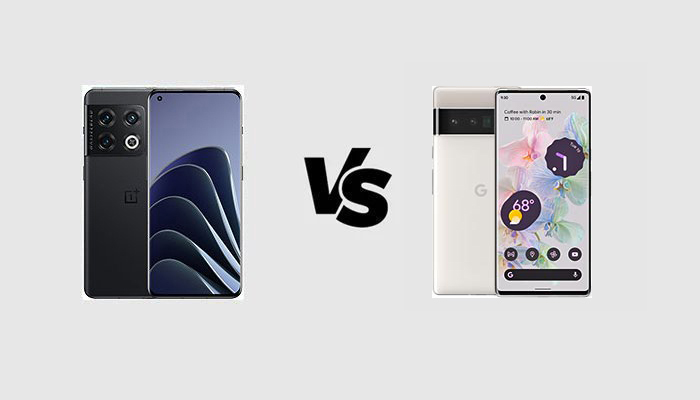
Finally, Pixel phones are flagships again. Google released the Pixel 6 Pro last year and it is currently expanding to more regions, even though there are actually limited quantities available in some of them. Recently, data showed that OnePlus has beaten Google in its own country in terms of sales: the USA. But can OnePlus phones compete with Google ones in every aspect? This comparison will highlight the differences between the best flagships of each brand: the OnePlus 10 Pro and the Google Pixel 6 Pro. If you are having a hard time choosing between these two devices, this comparison between their specifications will make your life easier.
OnePlus 10 Pro vs Google Pixel 6 Pro
OnePlus 10 Pro
Google Pixel 6 Pro
DIMENSIONS AND WEIGHT
163 x 73.9 x 8.6 mm,
200.5 g
163.9 x 75.9 x 8.9 mm,
210 g
DISPLAY
6.7 inches, 1440 x 3216 pixels (Quad HD+), AMOLED
6.71 inches, 1440 x 3120 pixels (Quad HD+), AMOLED
Triple 48 + 8 + 50 MP, f/1.8 + f/2.4 + f/2.2
32 MP f/2.2 front camera
Triple 50 + 48 + 12 MP, f/1.9 + f/3.5 + f/2.2
11.1 MP f/2.2 front camera
BATTERY
5000 mAh, fast charging 80W, fast wireless charging 50W
5003 mAh, Fast Charging 30W, fast wireless charging 23W
ADDITIONAL FEATURES
5G, dual SIM, reverse wireless charging
Optional eSIM, IP68 waterproof, UWB support
Design
I love the design of the Google Pixel 6 Pro because it is very original. Its horizontal camera module and its bicolor rear cover are simply amazing. But the OnePlus 10 Pro is another stunning phone if we talk about aesthetics, especially thanks to its curved screen at the sides. Both the phones have a body made of glass and an aluminum frame, but the only waterproof phone is the Google Pixel 6 Pro with its IP68 certification. Unlike the OnePlus 9 Pro, the 10 Pro does not offer any certification against water and dust. It is very hard to choose the best design, but according to my tastes, the Pixel 6 Pro has something more to offer thanks to its original look.
Display
On the paper, it looks like the OnePlus 10 Pro has a better display. It is an AMOLED panel with the LTPO 2.0 technology providing very low energy consumption and an adaptive refresh rate from 1 to 120 Hz. The screen shows up to one billion colors with a Quad HD+ resolution of 1440 x 3216 pixels, it has a diagonal of 6.7 inches, the HDR10+ certification, and the Gorilla Glass Victus protection. Despite the OnePlus 10 Pro looks to have better specs, the Google Pixel 6 Pro still comes with one of the best displays out there: an AMOLED panel with a Quad HD+ resolution of 1440 x 3120 pixels, the LTPO technology, a 120 Hz refresh rate, and the HDR10+ standard.
Specs & Software
The Google Pixel 6 Pro is equipped with the first Google’s proprietary chipset: the Google Tensor with very advanced machine learning capabilities, paired with 12 GB of RAM and up to 512 GB of UFS 3.1 internal storage. However, the Snapdragon 8 Gen 1 mobile platform found on the OnePlus 10 Pro is actually more powerful. It is built with a 4 nm production process and runs at a max frequency of 3 GHz. It is paired with up to 12 GB of RAM and up to 256 GB of UFS 3.1 native storage. The real advantage of the Pixel 6 Pro is the software: it ships with a stock version of Android 12 and it will be the fastest phone to get the new major update to the next Android version because it is a Google device. However, the OnePlus 10 Pro will still get great software support and it is rumored to get the unified operating system created by OPPO and OnePlus.
Camera
It is very hard to establish which is the best camera phone of this duo and software optimization will play a very important role in this aspect. The Google Pixel 6 Pro has a definitely better telephoto sensor with its 48 MP resolution and 4x optical zoom. Even the main camera is more interesting. On the other hand, the OnePlus 10 Pro has a superior ultrawide camera with a 50 MP resolution and a 150° FOV, as well as the Hasselblad optimizations. I personally prefer the Pixel 6 Pro.
The Google Pixel 6 Pro and the OnePlus 10 Pro have more or less the same battery capacity and I do not expect big differences in terms of battery life. But the OnePlus flagship features faster charging technologies: 80W wired charging and 50W wireless charging.
Price
OnePlus 10 Pro is priced at €650/$744 in China and it is still not available globally, while the Google Pixel 6 Pro costs €900 in Europe and $760 in the U.S. The OnePlus 10 Pro has a lot of better specifications on paper, but the Pixel 6 Pro comes with great software features and cameras. Which device would you pick?
OnePlus 10 Pro vs Google Pixel 6 Pro: PRO and CONS
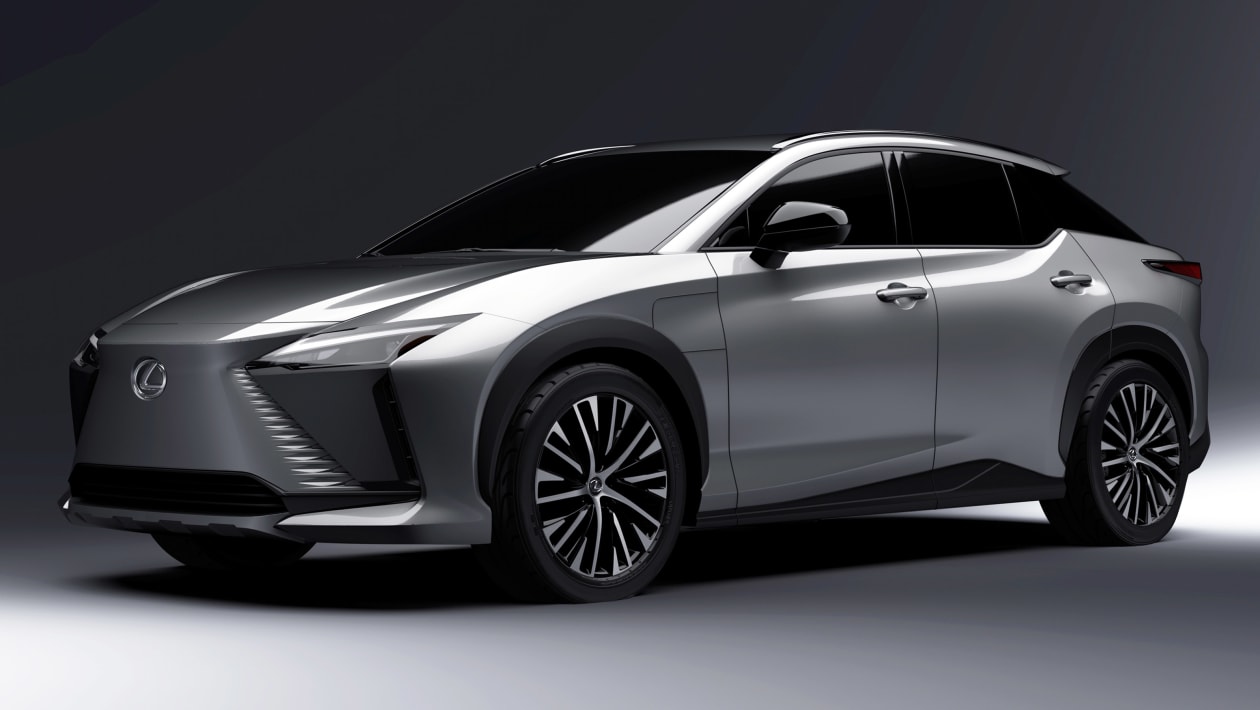
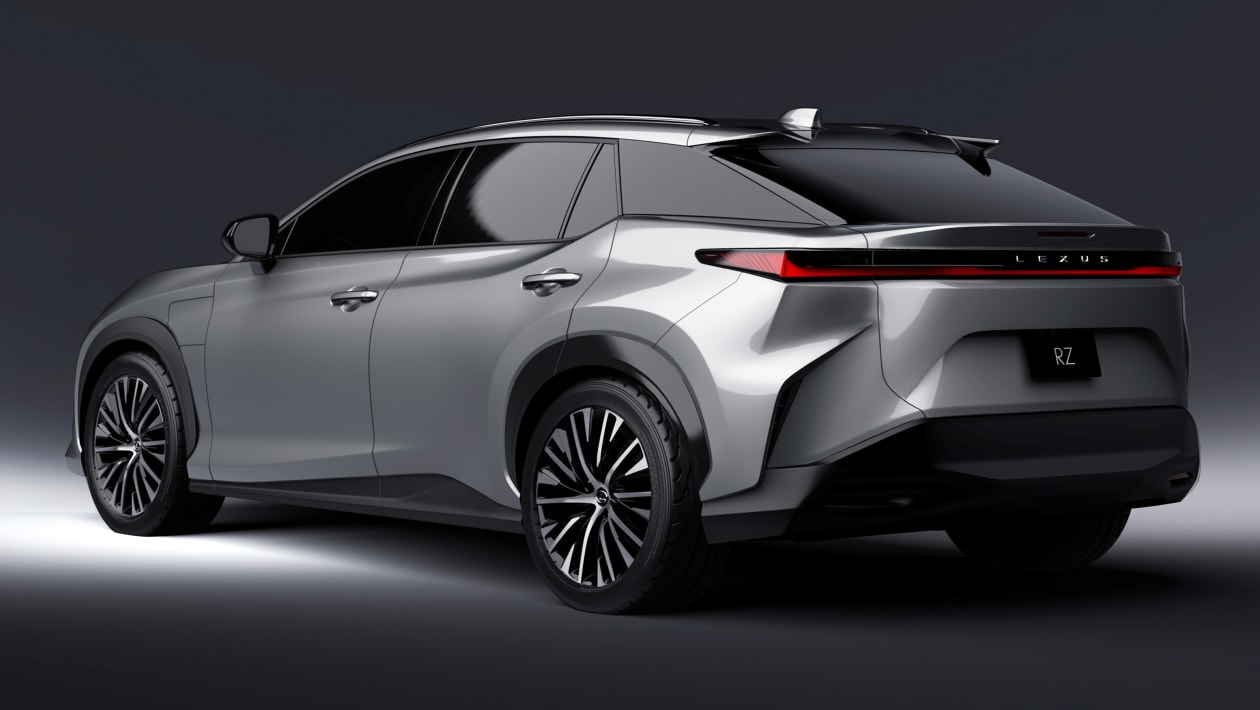
Ahead of its scheduled sale later this year, Lexus has provided an official teaser of the 2022 Lexus RZ 450e electric SUV. The new pictures are the sequel to earlier ones already released providing some stunning details of the electric SUV. The Lexus RZ 450e is built around the same philosophy underpinning the Toyota bZ4X, although there are some exterior design departures noticeable in the new images.
The Lexus RZ 450e is scheduled to be released in the spring and it will be the company’s first all-electric SUV. The company hopes that the new model could rival some of the established electric SUVs like the Tesla Model Y and the Skoda Enyaq. The Lexus RZ 450e seems to be the culmination of extensive development in the conceptualization of a unique vehicle that retains the luxury and premium appearance attached to the Lexus brand.
The new images do not include any details about the interior of the Lexus RZ 450e. The company may be holding the details for a subsequent teaser most probably, as it continues to hype the model and build momentum for its spring release. Lexus provided a sneak peek of the interior when it released a video of its CEO driving inside the vehicle, although the little details indicate a similar layout to the Toyota bZ4X. There is a five-seat configuration and a high center console. We expect a little deviation from the infotainment system, although there could be some tech innovations that the company may want to debut on the RZ 450e.
The Lexus RZ 450e electric SUV will have a range of about 280 miles (534km), with the capacity to gallop from 0-100km/h in 7.7 seconds. The RZ 450e will probably have the same 71.4kWh battery as the bZ4X and a dual-motor powertrain. The transmission mechanism of the electric SUV will revolve around the DIRECT4 which will make the car very versatile in transiting from four-wheel drive to rear-wheel drive and other options as determined by the driving conditions.
There are no details at this time about the pricing of the Lexus RZ 450e electric SUV, but this could be a premium offering in the SUV segment pitched higher than some of the current models.
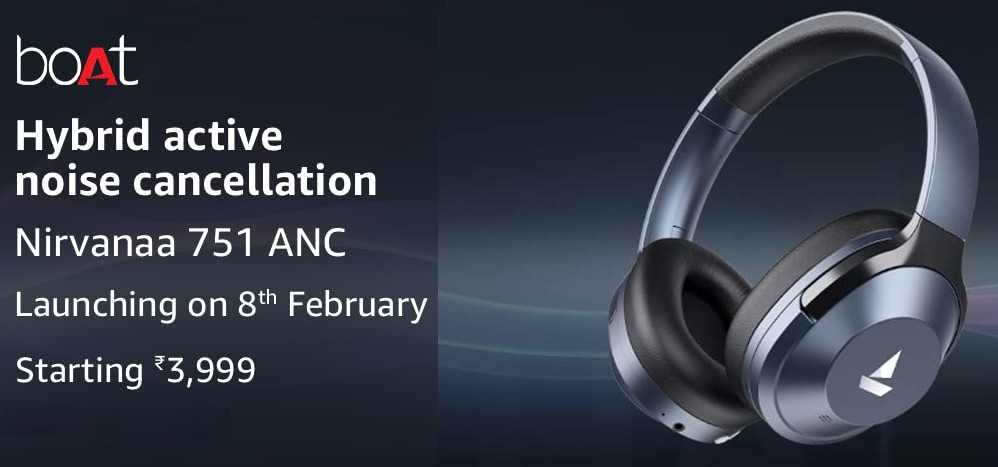
Ahead of its February 8 unveiling in India, audio accessories maker boAt has been serenading the expectant public with more details of the boAt Nirvanaa 751 ANC headphones. The boAt Nirvanaa will be available on Amazon India and will start from Rs. 3,999 ($54), which may be a limited launch price offer.
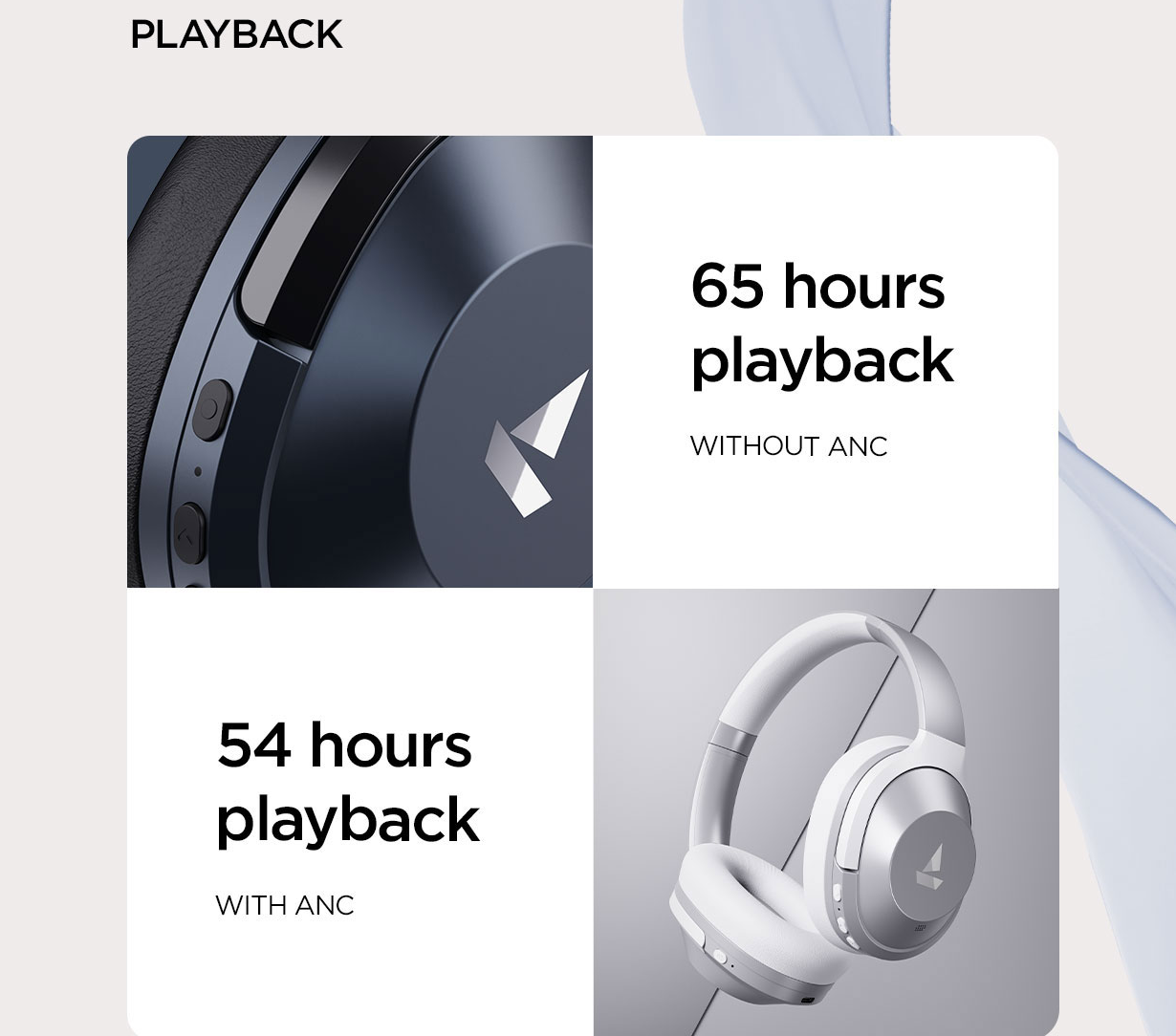
The boAt Nirvanaa 751 ANC headphones boasts up to 65 hours of playback, fast charging support and it is the company’s first budget headphone that comes with active noise cancellation functionality. The hybrid ANC in the new boAt headphone is capable of canceling noise up to 33dB and there is a dedicated ANC button in the headphone.
The device is compatible with Bluetooth 5.0, together with an AUX port for listening to audio even when the battery is flat. The ASAP fast charge technology is present in the Nirvanaa 751 and promises up to 10 hours of playback with 10 minutes of charge.
The images indicate that the boAt Nirvanaa 751 ANC headphones will come in black, silver, and blue colors. In a matter of days, however, the full picture of the device and its functions will be established with its launch on February 8 in India.
A new video showing a teardown and torture process for the recently released iQOO 9 phones may be indicative of the durability of the device. The iQOO 9 series were released recently and the new test video adds to the growing stories about the durability and ruggedness of iQOO smartphones generally.
The tests began with a 30-second water immersion of the phone to determine its water-resistance capabilities even without any official IP rating. The device came out unscathed from the immersion test and was then put through a scratch test with light imprints observed at levels 6 and 7 and deeper groves at levels 8 and 9. Some scratches were also noticed on the buttons and side frame of the device. In terms of its overall durability score, the iQOO 9 was excellent with a 9/10. This shows that the iQOO 9 is structurally rigid and holds firm even when force is applied from the front or back.
The video also showed the teardown of the iQOO 9. The large graphite film strip around the phone after removing the back panel provides sufficient heat dissipation and keeps the phone cool. The dual-cell battery offers a total of 4700mAh battery capacity. The internal components of the phone did not indicate any damage from water or any severe impact of the torture test. The repairability score of the iQOO 9 was given as 4.5/10 due to difficulties in the screen replacement which could be quite tasking.
There is no indication of the identity of the person that carried out the torture test and teardown, while iQOO has not made any statement on the results at this time.
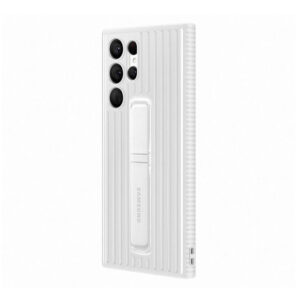
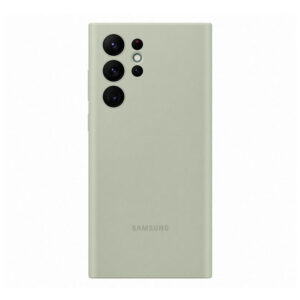
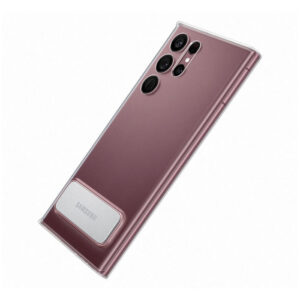
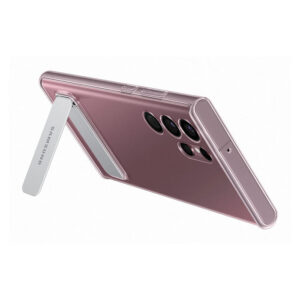
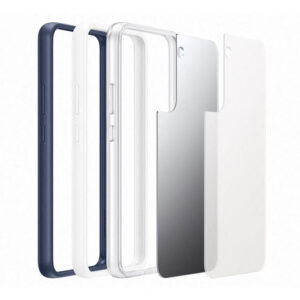
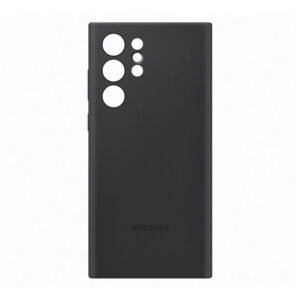
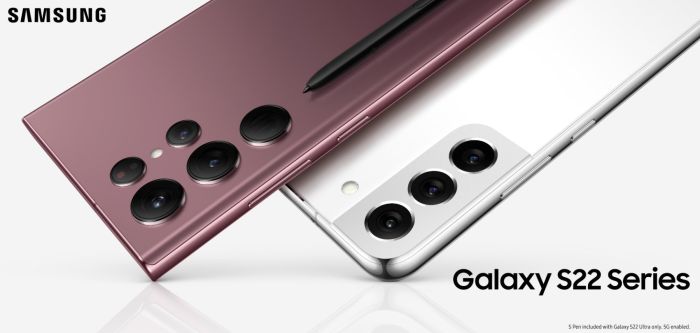
Samsung has scheduled to launch the Galaxy S22 series on February 9. The smartphone series will have the Samsung Galaxy S22, S22+, and S22 Ultra. Ahead of the series’ debut, we have learned most of its details including the specifications, pricing, and shipping dates. In fact, some first-party cases were also leaked recently. Now again, we have another case leak, and this time, we get to see way more cases of all the phones in the series.
TechInsider has shared multiple images of all these cases from different angles. These cases include simple silicone protective cases, kickstand-design cases, clear cases, and even textured cases.
Unsurprisingly, the cases do show the design of the phones. But, at this point, we have already seen the phones from all angles in the past leaks.
Apart from these cases, Samsung is also expected to launch the Smart LED View case and some leather case options. Although we are seeing these many case options, not all will be available in your region. Most of them would land up only in the US.
Samsung Galaxy S22, S22, S22+ Specifications
We know pretty much all the specs of the trio. The Samsung Galaxy S22 will feature a 6.1-inch FHD+ Dynamic AMOLED 2X panel with a 120Hz refresh rate. The Galaxy S22+ will have a larger 6.6-inch panel with the same display type and refresh rate. The S22 Ultra will have a 6.8-inch QHD+ LTPO AMOLED panel with a 120Hz refresh rate.
Samsung Galaxy S22 series
The S22 and S22+ will be equipped with 12MP UW + 50MP W + 10MP telephoto triple rear cameras. The Ultra, on the other hand, will have a 108MP W+ 10MP telephoto+ 10MP periscope + 12MP UW quad rear camera setup.
The trio will be either powered by the Exynos 2200 or Snapdragon 8 Gen 1 SoC, depending on the region. 3700mAh, 4500mAh, and 5000mAh will be the battery capacities of the S22, S22+, and S22 Ultra, respectively. The S22 will have a 25W fast charging support, whereas, the other two models will support 45W fast charging support.
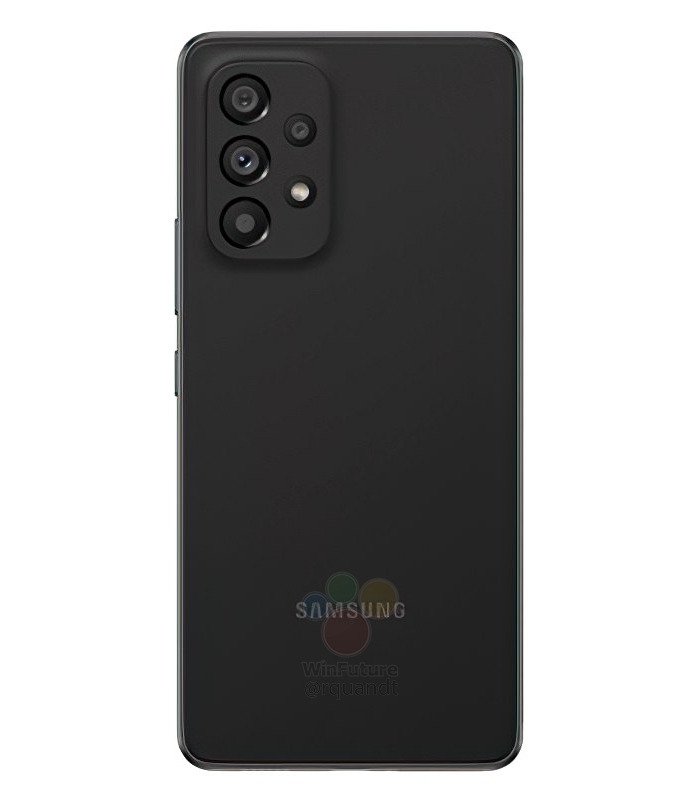
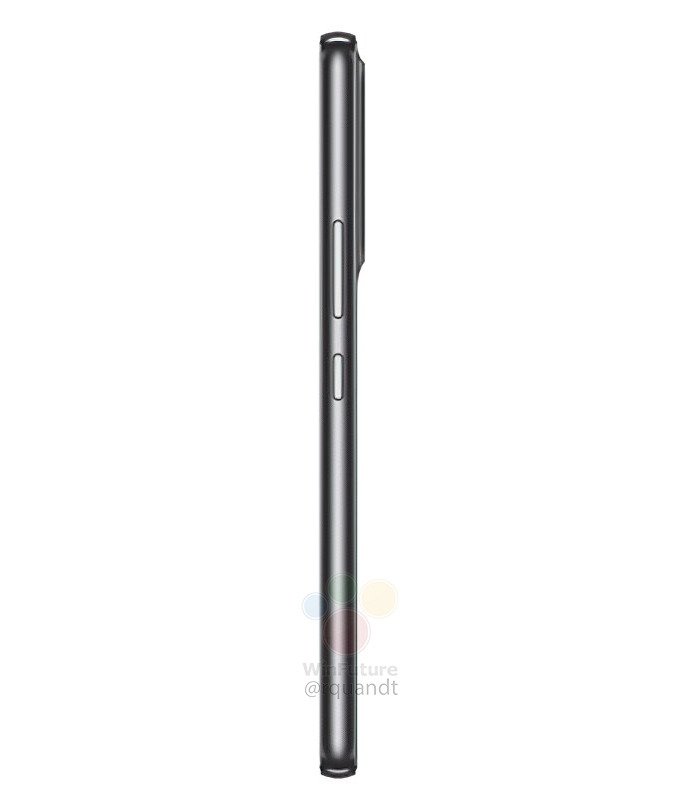
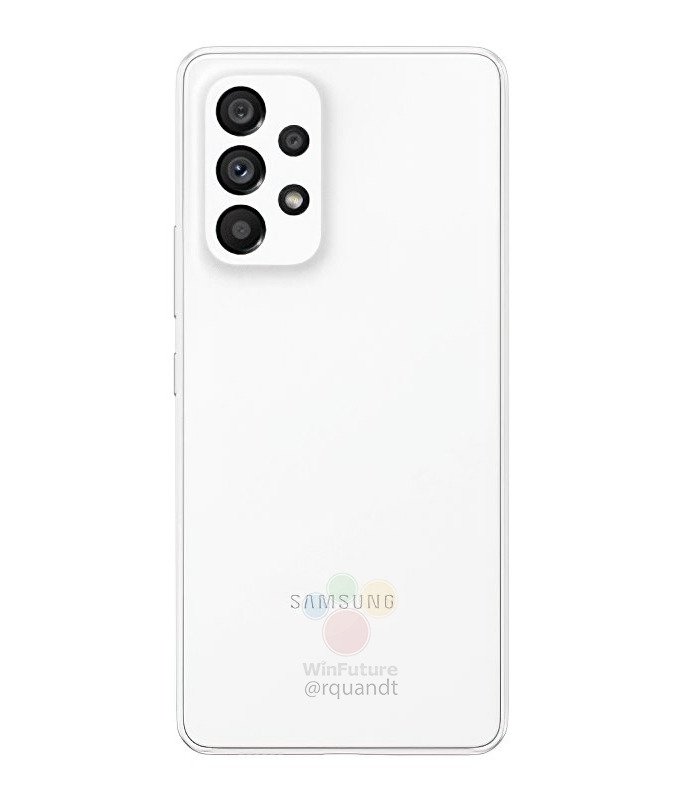
The upcoming mid-ranger from Samsung dubbed the Galaxy A53 5G recently received the NBTC and FCC certification hinting towards a near-future launch. Now, alleged official pictures of the upcoming device have been leaked ahead of its launch.
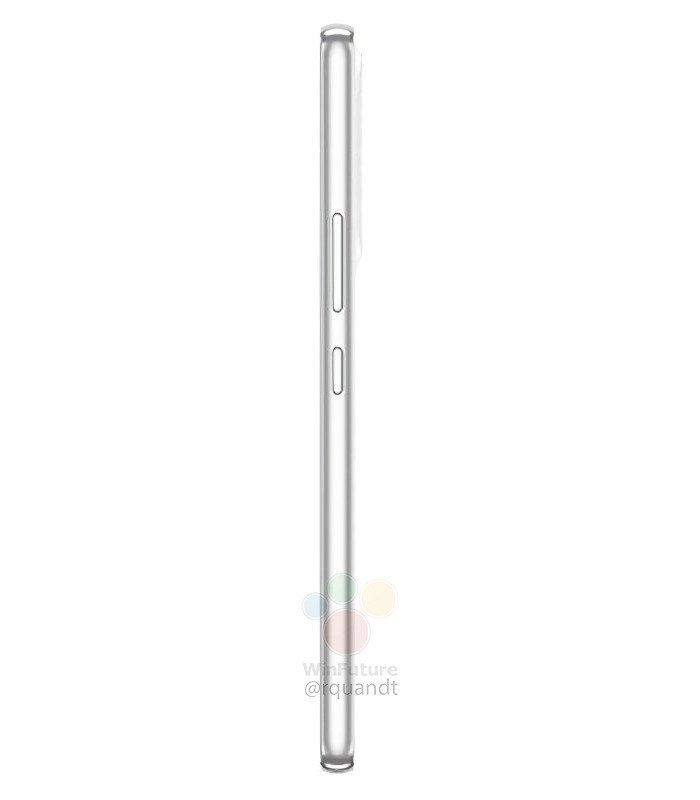
German publication WinFuture has leaked new images of the Samsung Galaxy A53 model, which it claims to be the official images of the device. So let’s take a look at these pictures.
Samsung Galaxy A53 5G Black color variant
1 of 4
Image via WinFuture
Image via WinFuture
Image via WinFuture
Image via WinFuture
Samsung Galaxy A53 5G White color variant
1 of 4
Image via WinFuture
Image via WinFuture
Image via WinFuture
Image via WinFuture
The images reveal that the design and stylistic profile are in line with the previous render leaks. The back panel is also quite similar in design with the Galaxy A52 apart from the slightly redesigned camera island which has a much smoother-looking protrusion from the pack panel compared to its predecessors. The front features noticeable bezzles and a centrally aligned punch-hole cutout for the selfy snapper. The device is revealed to weigh 189 grams with a thickness of 8.9mm.
Samsung Galaxy A53 5G specs (rumored)
Other than design, the report also reveals some specifications of the upcoming mid-ranger. The publication states that the Galaxy A53 5G has a 64-megapixel camera which is in line with the previous rumors about the primary sensor. The quad-camera setup will also feature a 12-megapixel ultrawide camera along with two 5-megapixel lenses that will be used for depth effects and macro shots.
The Galaxy A53 will have a 6.5-inch Super AMOLED 2400 x 1080 pixels display with a maximum refresh rate of 120Hz. The device will come equipped with an unreleased Samsung midrange SoC dubbed the Exynos 1200. The SoC will have two high-performance cores clocked at 2.4 GHz and six cores with a maximum clock speed of 1.8 GHz.
The device will come in two ram variants, namely 6GB and 8GB. It is also touted to at least have 128GB of internal storage which can be further expanded by up to 1TB with a microSD card.
In the battery department, the Galaxy A53 will get a 5000mAh capacity battery with 25W fast charging support. The fast-charging Other than 5G, the phone will come with Bluetooth 5.x, WLAN, and NFC for connectivity.
Previous reports have claimed a couple of new A-series of smartphones such as Galaxy A73, and Galaxy A53 are likely to go official by the end of this month or in March in multiple markets. The Galaxy A53 is also said to come with a Snapdragon chipset in some regions. The pricing of the Galaxy A53 remains shrouded in mystery however, tipsters have speculated that it will likely arrive with a $499 price tag.
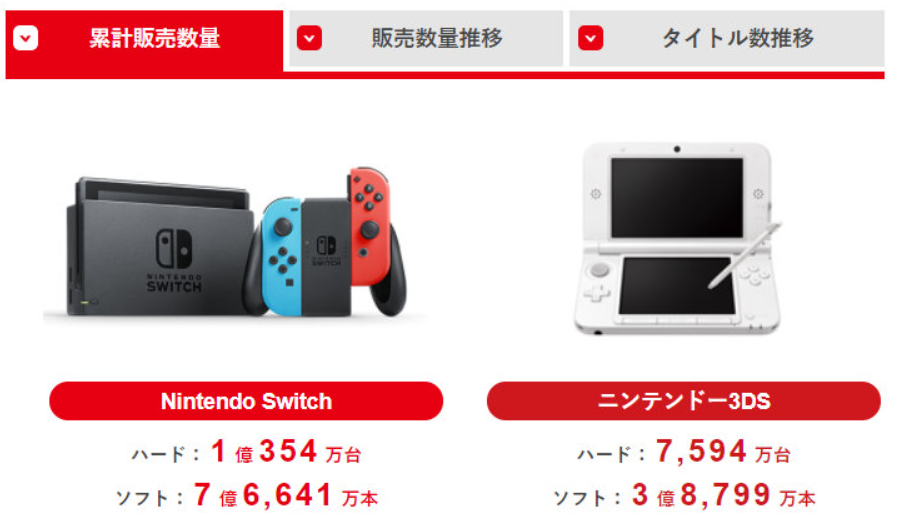
Japanese video game maker Nintendo has today published its sales data for the fourth quarter of 2021. The data shows that the company sold a total of 103.54 million units of the Switch game console which is knocks of the Wii console as the best-selling console ever. For com[arison, the brand sold a total of 101.63 million units of the Wii console before it was discontinued in 2013.
Nintendo first launched the Switch gaming console in March 2013. Thus, it took just five years for the console to achieve this enormous feat of becoming Nintendo’s best-selling console. Apart from the Wii, the Switch also surpassed the original Playstation which had a total sales of 102.5 million. jumped to fifth place in the history of game console sales.
Sales of the Switch slumped in the fourth quarter of 2021, though, with the company only able to ship 10.67 million units, a year-on-year decrease of nearly 8%. However, when compared with the latest PlayStation 5 which recorded just 3.9 million units, the Switch is still quite popular for a gadget that has been on sale for 5 years.
However, Nintendo did lower its forecast for the Switch’s shipments this fiscal year by a further 1 million units. It now expects shipments of 23 million, down from the 24 million it forecast in November.
Just as the console is popular, the Switch games are equally popular with figures reaching 760 million copies. The iconic Mario Kart 8 Deluxe Edition alone saw a cumulative sales of 43.35 million copies, making it the best-selling game from the brand.
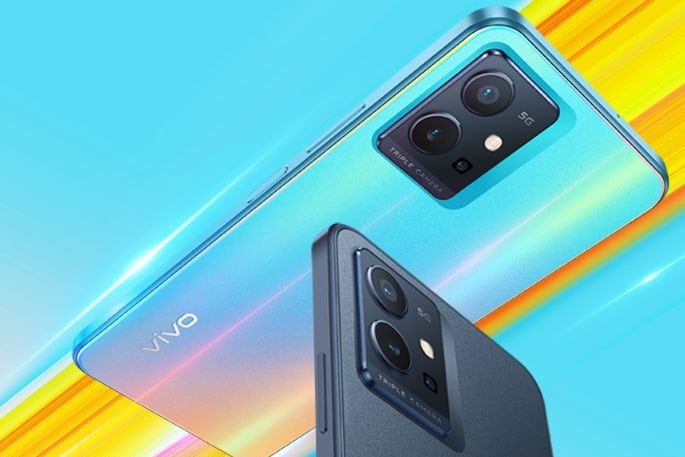
Vivo has confirmed to launch a new handset in India dubbed as Vivo T1 5G. This device will go official on February 9. Ahead of that, the company has started teasing its features. Amidst this, a tipster has disclosed the key specs of the phone.
vivo T1 5G
The Vivo T series is the company’s second attempt at online-specific smartphones in India after the discontinued Vivo Z series. The latter was quite popular, however, the firm had to abandon the lineup due to pressure from offline retailers.
Therefore, we are not sure how long the band will continue to sell the new Vivo T series. Anyway, going by the specifications shared by Yogesh Brar, the Vivo T1 5G does sound interesting.
According to the leaker, the handset will be built around a 6.58-inch FHD+ 120Hz display (LCD). It will be powered by a Qualcomm Snapdragon 695 chipset like the recently announced Redmi Note 11 Pro 5G and the upcoming Realme 9 Pro.
Further, the chip will be paired with 4GB/6GB/8GB LPDDR4x RAM and 128GB UFS 2.2 storage. For photography and videography, the device will house a 50MP + 2MP + 2MP triple camera setup on the rear and a 16MP selfie camera on the front.
The phone will arrive with a side-mounted fingerprint sensor and a 3.5mm headphone jack. Finally, despite featuring a slim & light form factor, it will be backed by a 5,000mAh battery with support for 18W fast charging.
As far as price is concerned, the Vivo T1 5G is said to retail under ₹20,000.
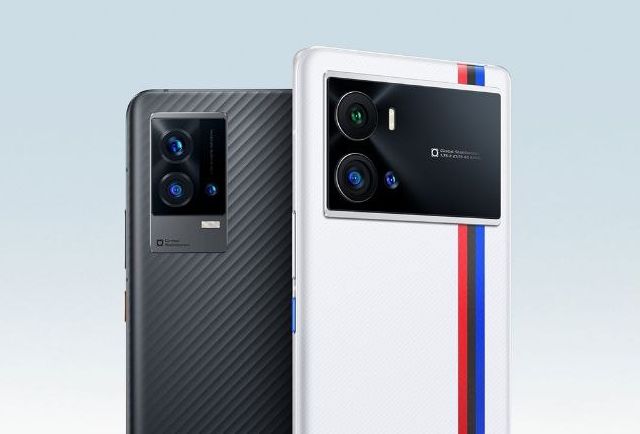
iQOO has already launched the iQOO 9 and 9 Pro in China and now it’s time for the phones to head to the Indian market. In India, the phones were touted to be tweaked versions but so far, rumors only revealed two models in the series. Now, however, the Youtuber Technical Gurujireveals that there will be three models in the iQOO 9 series for India — iQOO 9 SE, iQOO 9, and iQOO 9 Pro. The specifications and pricing details have also been revealed.
As per the Youtuber, there will be another phone apart from the 9 and 9 Pro called the iQOO 9 SE. The iQOO 9 SE will come powered by the Qualcomm Snapdragon 888 SoC. He further reveals that the iQOO 9 will have the Snapdragon 888+ chipset while the iQOO 9 Pro will have the latest Snapdragon 8 Gen 1 SoC. The trio will run on Android 12 out of the box and have Funtouch 12 OS on the top.
iQOO 9 and iQOO 9 Pro India varaints
The iQOO 9 SE will feature a 6.62-inch FHD+ AMOLED panel, while the iQOO 9 will sport a 6.56-inch FHD+ AMOLED panel with a 10-bit color depth. The iQOO 9 Pro, on the other hand, will have a 6.78-inch QHD+ curved E5 AMOLED display. The trio has a 120Hz refresh rate and gets an in-display fingerprint scanner.
As for the cameras, the iQOO 9 Pro has a 50MP Samsung GN5 + 50MP UW + 16MP triple camera system. The primary sensor will have gimbal stabilization support and the tertiary lens will have a 2.5x optical zoom support. Talking about iQOO 9, it will have a 48MP triple camera system with again, gimbal stabilization support. Unfortunately, we do not learn the camera details of the iQOO 9 SE.
Apart from the specs, the pricing details have also been revealed. As per the Youtuber, the iQOO 9 SE could start at around Rs. 35,000(~$468) in India.
After Introducing Angry Birds 2 back in July 2021 to the AppGallery, Huawei has now made another massive inclusion to its proprietary app ecosystem.
Kiloo, the co-developer, and publisher of the massively successful Subway Surfers (between 2012-2020) has exclusively launched their new game on the Huawei AppGallery dubbed MetroLand. The game is quite similar to Subway Surfers as it is an endless runner game and applies the same core mechanics as its predecessor. However, it incorporates new design trends, polished gameplay, and adds new meta elements to appeal to a wider variety of user profiles.
MetroLand, as the title suggests, has a metropolitan setting. The gameplay takes place across a number of cities and includes seven different areas that unlock as progress is made. It aims to illustrate busy, modern city life with an emphasis on momentum, speed, and excitement. You can play as one of the many characters offered by the game in their quest to rebel against the evil MegaCorp.
The game is targeted at a broader audience and therefore will bring regular updates themed around annual events like Halloween, and other holidays as well as weekly events to keep players engaged. The game also offers character progression by introducing mechanics such as evolving characters by sending them on missions and evolving them as you go through the levels.
This new addition to Huawei’s AppGallery is sure to attract new users and fans of endless running games. It will also offer an increased variety of games available on the platform for existing users.
On the release of MetroLand on the AppGallery, Dr. Jaime Gonzalo, VP of Huawei Mobile Services states “Games can be longer or shorter, easier or harder, cartoonish or realistic. But ultimately what separates good games from the great ones is their level of fun. And that´s precisely the key criteria for the AppGallery editors to cherry-pick the best games in the market for our users. With that logic in mind, we are extremely pleased to offer to all AppGallery users across all Android smartphones, the next generation of endless runners, from the hands of those who hold the crown in that genre, the outstanding Kiloo team.”
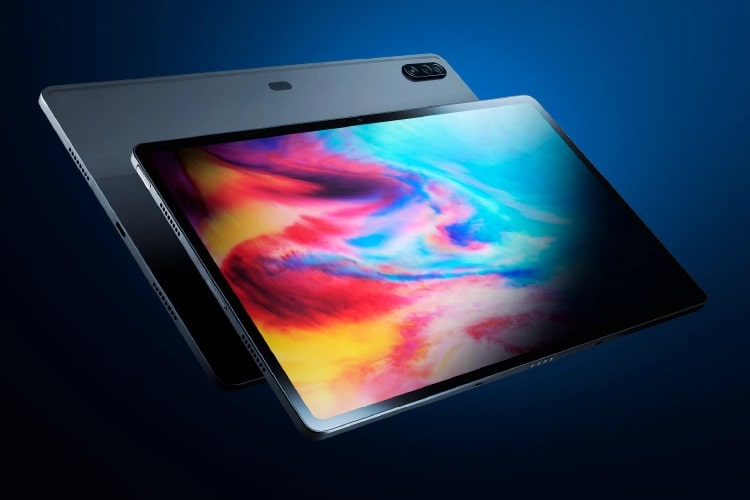
Japanese IT company NEC has launched a new tablet in its home country called LAVIE Tab T12. Upon evaluating the specifications properly, we found that the new NEC tablet is essentially a rebranded Lenovo Tab P12 Pro, which is also known as Lenovo Xiaoxin Pad Pro 12.6. The release of this product was first reported in English by PlayfulDroid.
The NEC LAVIE Tab T12 is priced at ¥96,580 ($840) in Japan. It is already up for sale in the region. According to the official website, it can be purchased from retail stores.
Talking about specs, the device has a 12.6-inch OLED display with a resolution of 2560 x 1600 pixels, 120Hz refresh rate, HDR10, and Dolby Vision. It is powered by a Qualcomm Snapdragon 870 SoC paired with 8GB LPDDR5 RAM and 256GB UFS 3.1 storage.
Further, the product sports a 13MP + 5MP dual-camera setup on the rear and another 8MP + ToF dual-camera system on the front. It also houses Dolby Atmos-supported quad stereo speakers tuned by JBL.
The tablet offers connectivity options like dual-band WiFi 6, Bluetooth 5.2, USB Type-C (USB 3.1 Gen2). Other features include a side-mounted fingerprint sensor, MicroSD card slot, Android 11, and 10,200mAh battery.
Last but not least, customers can opt for official stylus and keyboard accessories if required.
Tata recently announced that its Nexon EV has reached a new milestone, selling over 13,500 units in India since the vehicle’s launch in January 2020 (via 91mobiles). Several bits have worked out well in favor of the EV, including the 8 years warranty on battery and motor, great sizing, extremely attractive design, and of course, the significantly low running costs compared to its petrol counterparts.
Thanks to our 13,500+ customers for being a part of this electrifying journey and joining in the EVolution to #EvolveToElectric!
— Tata Passenger Electric Mobility Limited (@Tatamotorsev) January 29, 2022
Today, the Tata Nexon EV enjoys a dominant 70% of the total sales in the electric passenger car segment, beating various new players at the game. There are other offerings in the sub-Rs 25 lakh segment like MG ZS and Hyundai Kona but their higher prices haven’t helped them achieve Nexon’s popularity.
A more affordable offering comes from Tata itself and this one’s a proper saloon car. The Tigor EV was launched more recently in August 2021 and starts at Rs 11.99 lakh. Again, this one’s yet to surpass the Nexon’s success.
The Tata Nexon EV is a tad more expensive, starting at Rs 14.29 lakh, and goes up to Rs 16.90 lakh (ex-showroom) for the top-end variant. Its motor is capable of accelerating the car to 100kmph from a standstill in just 9.14 seconds. The battery comes with a claimed range of 312km on a single charge, although a new updated model is on the way with 400km range capabilities. An hour’s charge on the current model should get you to 80% battery.
The 2022 Tata Nexon EV has been spotted a couple of times testing city driving conditions and is expected to be launched quite soon.
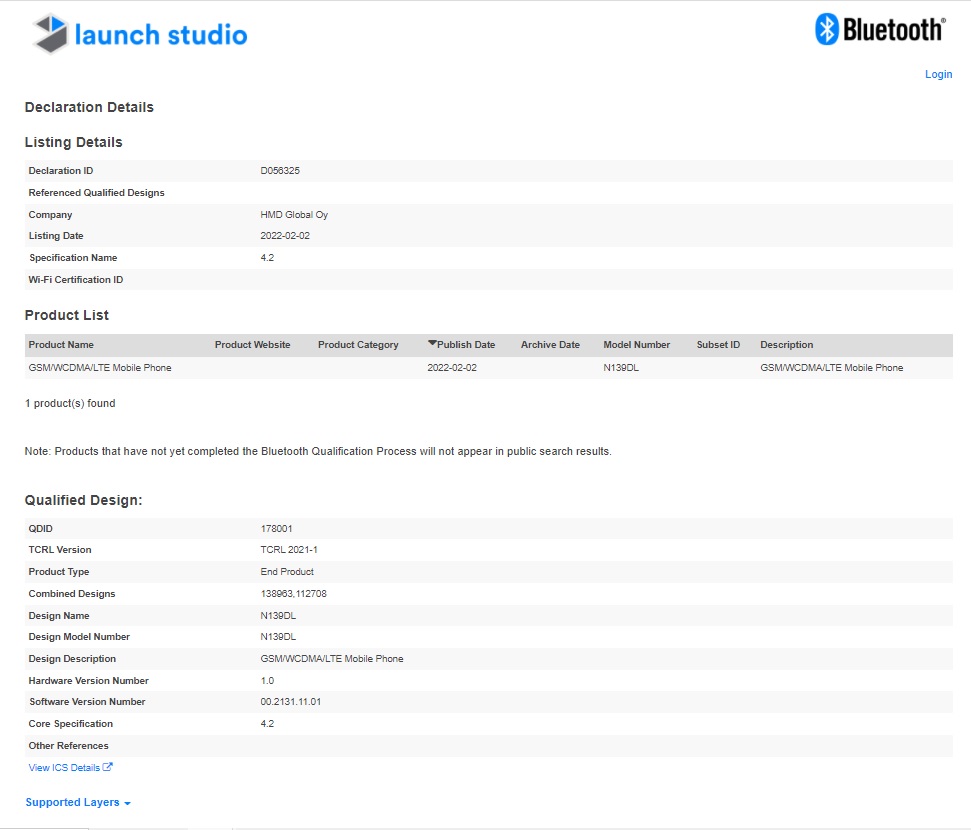
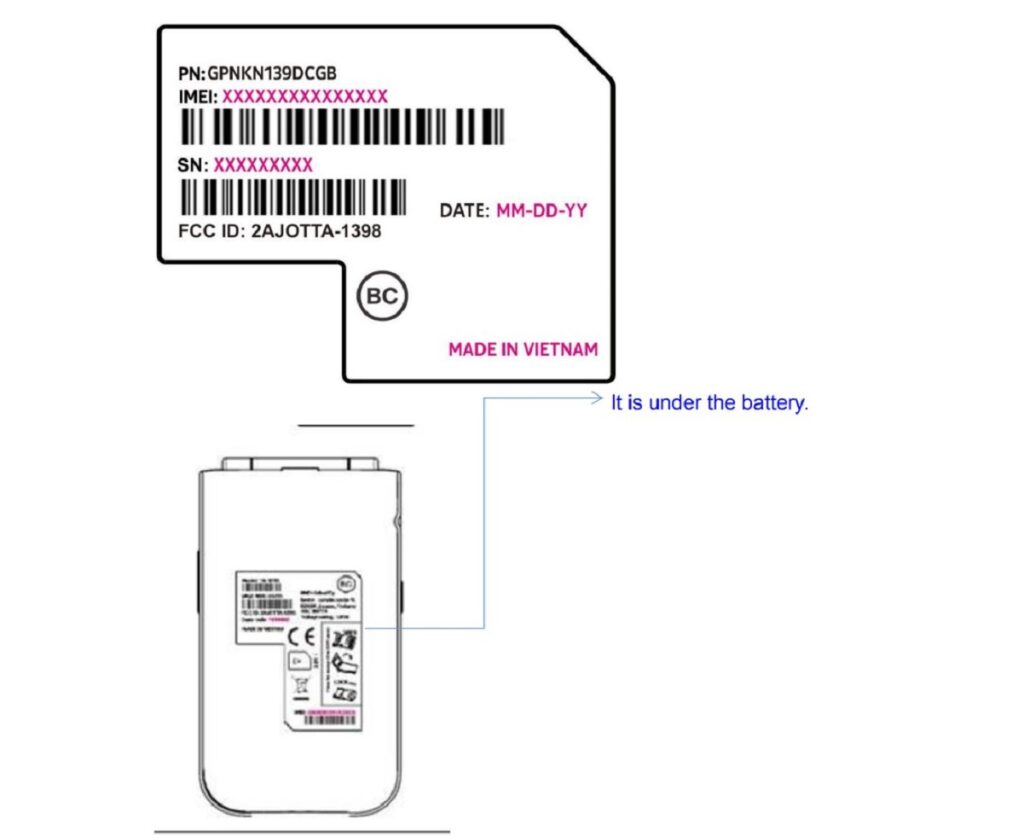
Back in December 2021, a Nokia feature phone with model number TA-1398 and moniker Nokia N139DL was spotted on the FCC certification site confirming its existence. Now, the phone has appeared on the Bluetooth SIG authority revealing its Bluetooth version.
The Bluetooth SIG certification confirms that the Nokia N139DL will have support for Bluetooth v4.2. We also get to learn that it is an LTE phone. Unfortunately, there’s nothing else to learn from this listing.
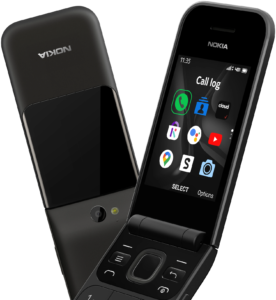
Previously, we learned that the Nokia N139DL will be a feature phone with the iconic flip-phone design. It will be booting on the KaiOS 3.0. Its FCC certification revealed that the device packs a 1,450mAh battery and has support for Wi-Fi.
That being said, it will be a smart feature phone. Also, considering that it will come with the KaiOS 3.0, we expect the phone to have Google Assistant support.
Other than this, the company’s last smart flip phone was the Nokia 2720 4G. The smartphone was launched in May 2021 featuring two displays. The smartphone has a 2.8-inch primary screen inside and a 1.3-inch outer display. It is powered by the Qualcomm 205 SoC and has 512GB of RAM and 4GB of internal storage.
Since it is a KaiOS phone, the device supports apps like Youtube, Whatsapp, Facebook, and other popular apps. The phone packs a 1,500mAh battery and has up to 26 days of standby time.
Now that the Nokia N139DL will be another flip phone, we expect it to have a similar design to the Nokia 2720 4G. The Nokia 2720 4G was launched at a price tag of $80.
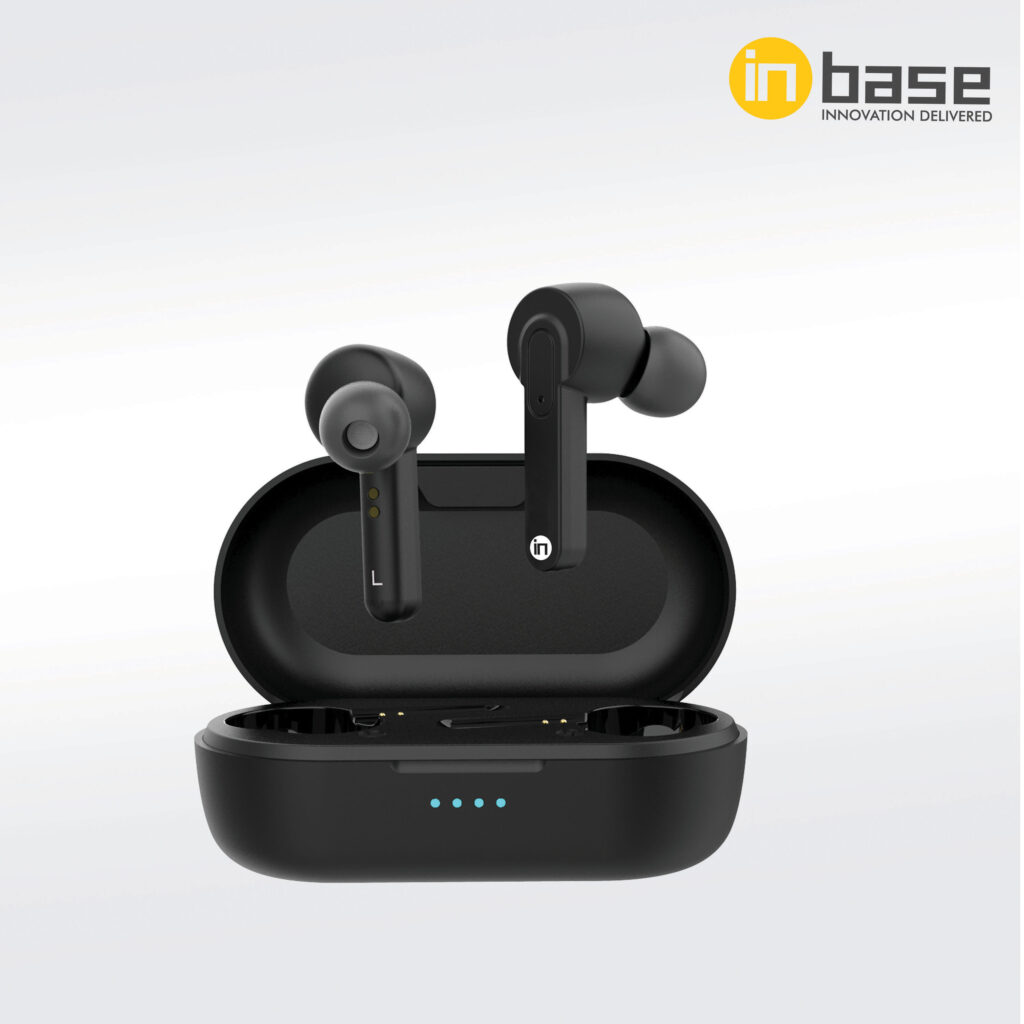
The Indian smartphone accessories manufacturer Inbase has launched a new range of earbuds. The new range offers three TWS earphones namely the Buds Mini Pro, the Free Buds Active, and the Free Buds 3 Pro. So let’s take a look at what these new products have to offer.
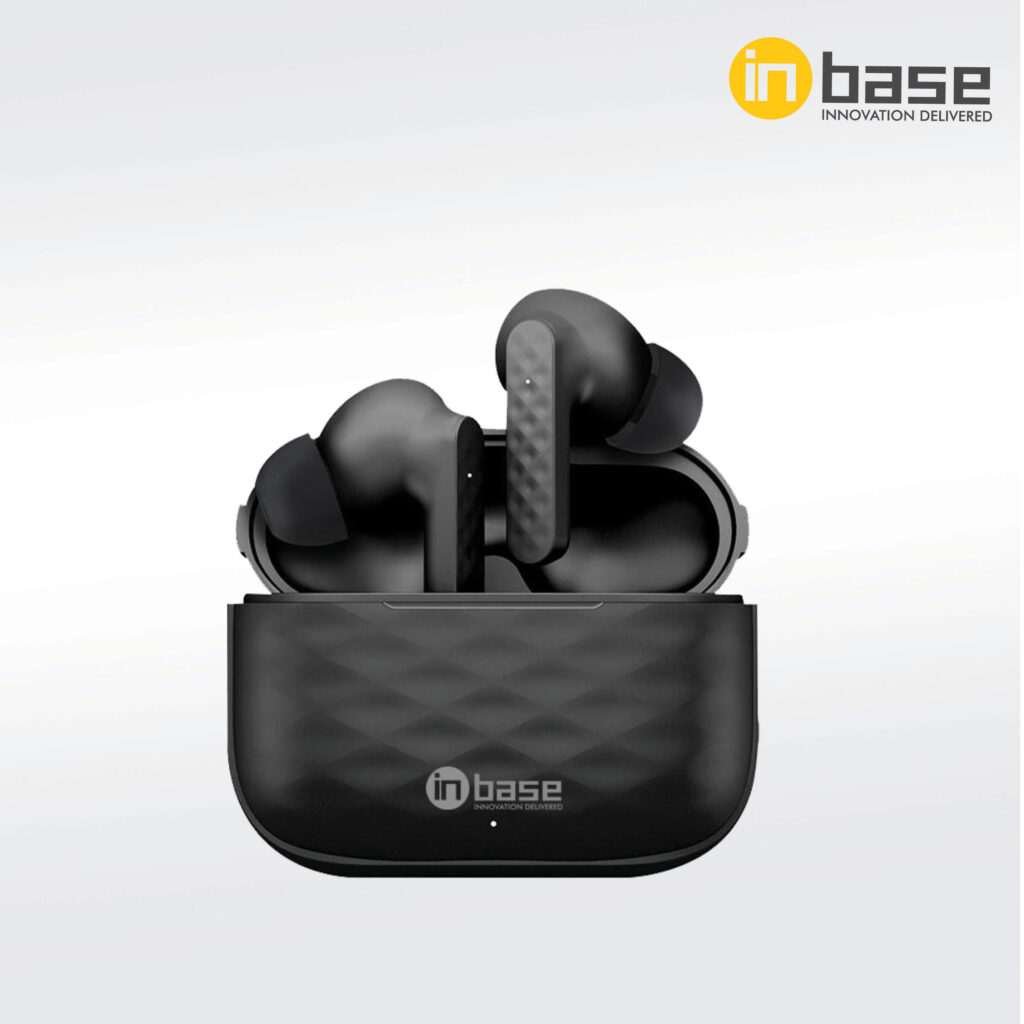
Inbase Buds Mini Pro specs and features
The Inbase Buds Mini Pro are compact lightweight TWS earbuds that are crafted to fit snugly in your ears. They come equipped with 10mm drivers and have a great balance of treble and bass. Bluetooth 5.9 powers the connectivity of the Buds Mini Pro and offers a transmission range of up to 10 meters.
The TWS earbuds provide up to 5 hours of playback time on a single charge which can be further extended to 35 hours with the charging case. Additionally, the TWS earbuds offer a total standby time of up to 480 hours.
The Buds Mini Pro support USB-C fast charging and feature a smart touch function that can be used to play or pause or change the tracks of music. You can even answer or reject incoming calls with just one tap. The TWS earbuds also offer sweat and water resistance with their IPX5 certification.
Buds Mini Pro price and availability
Available in Black and White color variants, the Buds Mini Pro is retailing for just Rs.999 ($13) with a 1-year warranty period. The earbuds can be purchased from the Inbase official website or leading retail stores in India.
Inbase Free Buds Active specs and features
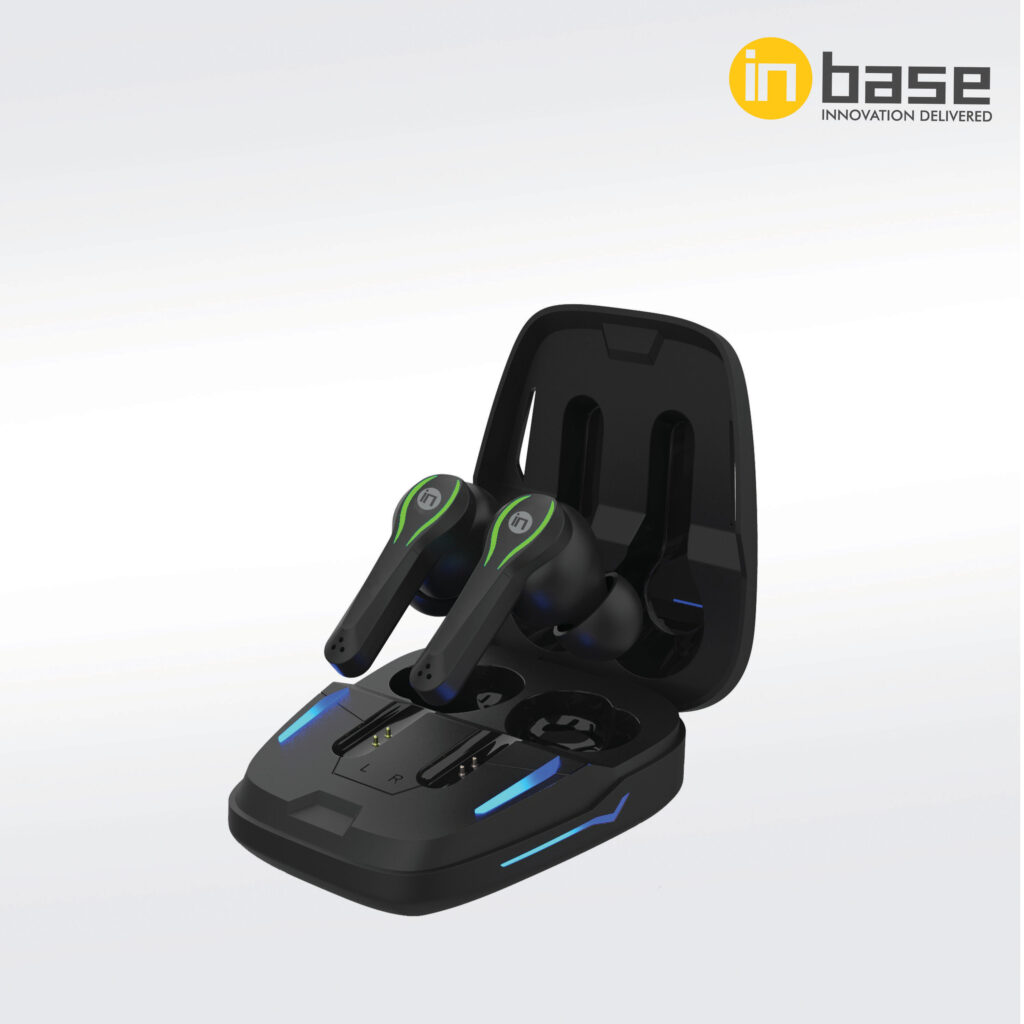
The Inbase Free Buds active has been made with multiple use cases in mind. Focused on a younger audience, the Free Buds Active offers a balanced sound profile with deep bass. It also offers low latency mode and surround sound effects making it perfect for gaming. The case of the earbuds features an unorthodox yet stylish design with LED lights to enhance the gaming aesthetic.
Talking about the technicalities of the product, it comes with 10mm drivers and weighs just 35 grams. For connectivity, it comes with Bluetooth 5.0 offering up to 10 meters of transmission range. On a single charge, the TWS earbuds are capable of outputting audio for up to 4 hours. This can be further increased to 20 hours with the charging case. The earbuds feature touch controls which can even activate the voice assistant on your device. For protection against sweat and light drizzles, the earbuds are equipped with an IPX5 certification.
Inbase Free Buds Active price and availability
The Free Buds Active is available in Black and White color variants for a price of Rs 1,499 ($20) with a 1-year warranty period. The earbuds can be purchased from the Inbase official website or leading retail stores in India.
Inbase Free Buds 3 Pro
The Inbase Free Buds 3 Pro holds a simplistic design and offers great audio performance thanks to its fine-tuned 10mm dynamic drivers. The Free Buds 3 Pro delivers crystal clear immersive sound with Super Bass crisp highs. The buds are designed in a shape to snugly fit in your ear with the silicone tips creating a passive noise isolation layer.
The TWS earbuds can run for 4 hours on a single charge which can be further increased up to 30 hours with the charging case. It uses Bluetooth 5.0 for connectivity and offers a transmission range of 10 meters. It also comes with smart touch functionality, supports voice assistance, and also offers auto-pairing when you flip open the lid of the charging case. To protect against sweat and water splashes, the earbuds come with an IPX5 certification.
Inbase Free Buds 3 Pro price and availability
The Free Buds 3 Pro is available in Black and White color variants for Rs 1,499 ($20) with a 1-year warranty period. The earbuds can be purchased from the Inbase official website or leading retail stores in India.
Realme is gearing to launch the Realme 9 Pro series in the Indian market on February 16, which is a day after the global unveiling. While the budget-centric Realme 9 series is on its arrival, there’s also a slew of devices waiting to be released in India. These phones include the flagship Realme GT2, Realme Narzo 50 phones, and Realme C-series devices. Now, in a recent #AskMadhav session, Realme’s VP Madhav Sheth has officially confirmed the arrival of the flagship GT2 and Narzo phones.
As per the new Ask Madhav video, Sheth revealed that the Realme GT2 series will indeed get an Indian release and it will be pretty soon. He also confirmed that the Realme Narzo phones would also debut soon in India.
Furthermore, he revealed that the Narzo lineup will offer devices at various price segments. Although not confirmed, it could be the vanilla Realme Narzo 50 that arriving. Some rumors also point out at the budget Realme Narzo 50A Prime smartphone.
Unfortunately, Sheth did not reveal the exact launch date or month. But given that both the flagship GT2 and Narzo 50 phones have been spotted on several certification sites, we can expect an imminent launch.
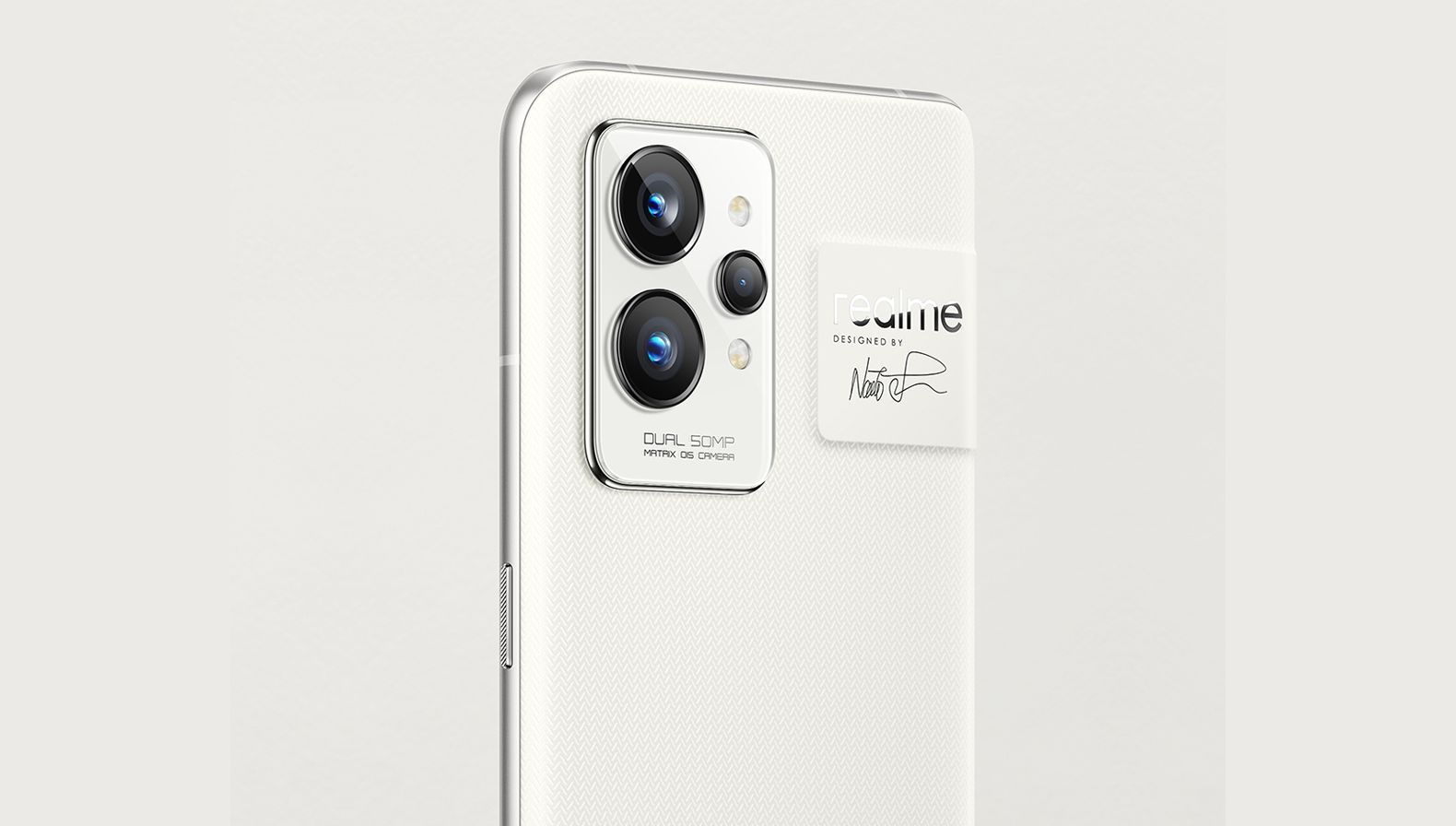
Realme GT2 Pro
The Realme GT2 series has two phones — Realme GT2 and GT2 Pro. The former has the Snapdragon 888 SoC, whereas, the latter is powered by the latest Snapdragon 8 Gen 1 chipset. The Narzo series will have Narzo 50A Prime and the Narzo 50. Both the phones will have a similar design to the Narzo 50A that launched in India last year.
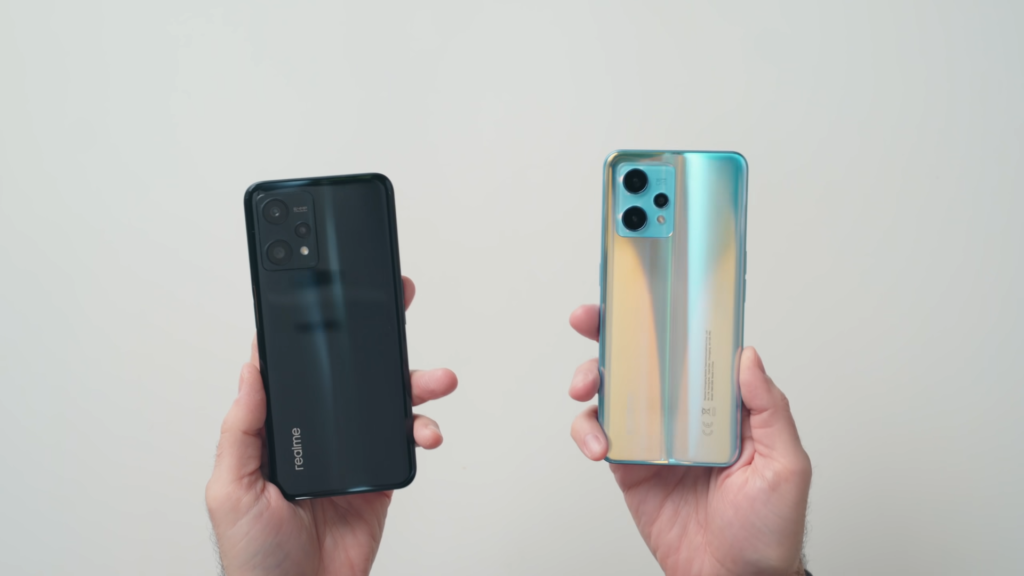
The realme 9 Pro and realme 9 Pro+ are all set to be launched in India on February 16th, and ahead of the launch, a new unboxing video has provided perhaps our most detailed real-life look at the devices yet.
The unboxing video from “The Box” on YouTube reveals the complete in-box contents you get with both devices for the first time. In the realme 9 Pro+ box, there’s a standard TPU case, a SIM tool, the phone itself, a 65W SuperDart charging brick, and finally a USB-C cable. You get similar contents in the realme 9 Pro box as well, although the charging brick has been switched for a more standard 33W unit.
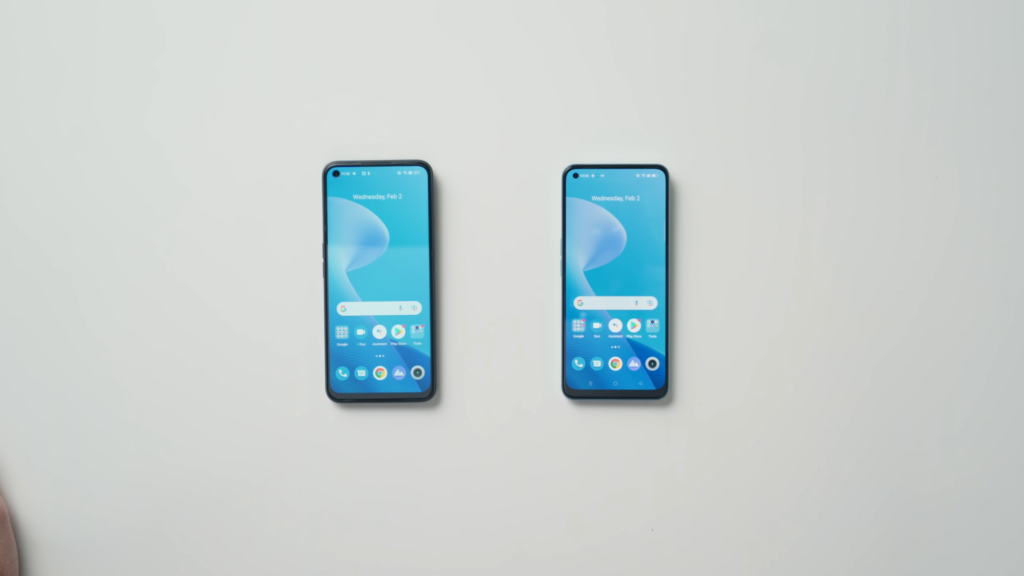
realme 9 Pro (L), realme 9 Pro+ (R)
The realme 9 Pro+ has been described as slim and light in hand and its left edge features the volume rocker along with the SIM tray while the right has the power button. On top, there’s a noise cancellation mic while on the bottom you get a headphone jack, a speaker unit, and a USB-C port.
On placing the devices side by side, the reviewer right away noted a difference in the display quality between the two, with the realme 9 Pro+ not only appearing brighter but also a lot punchier. The Pro+ also appears to have slimmer bezels, although there is quite a bit of chin at the bottom. The 9 Pro model does offer a higher refresh rate though — 120Hz compared to 90Hz on the 9 Pro+.
The realme 9 Pro+ opts for an in-display fingerprint sensor while the 9 Pro keeps it on the right edge within the power button. Both work fairly fast, so no problems there. However, on the Pro+, there’s another nifty feature that allows using the in-display fingerprint sensor as a heartrate monitor, which can turn out to be quite useful if you don’t own a smartwatch/fitness band.
Also revealed was that the realme 9 Pro+ comes with a stereo speaker setup which is a step up from the single speaker unit on the realme 9 Pro, and gets sufficiently loud.
Finally, a quick camera comparison was performed but you’ll have to watch the video for that:
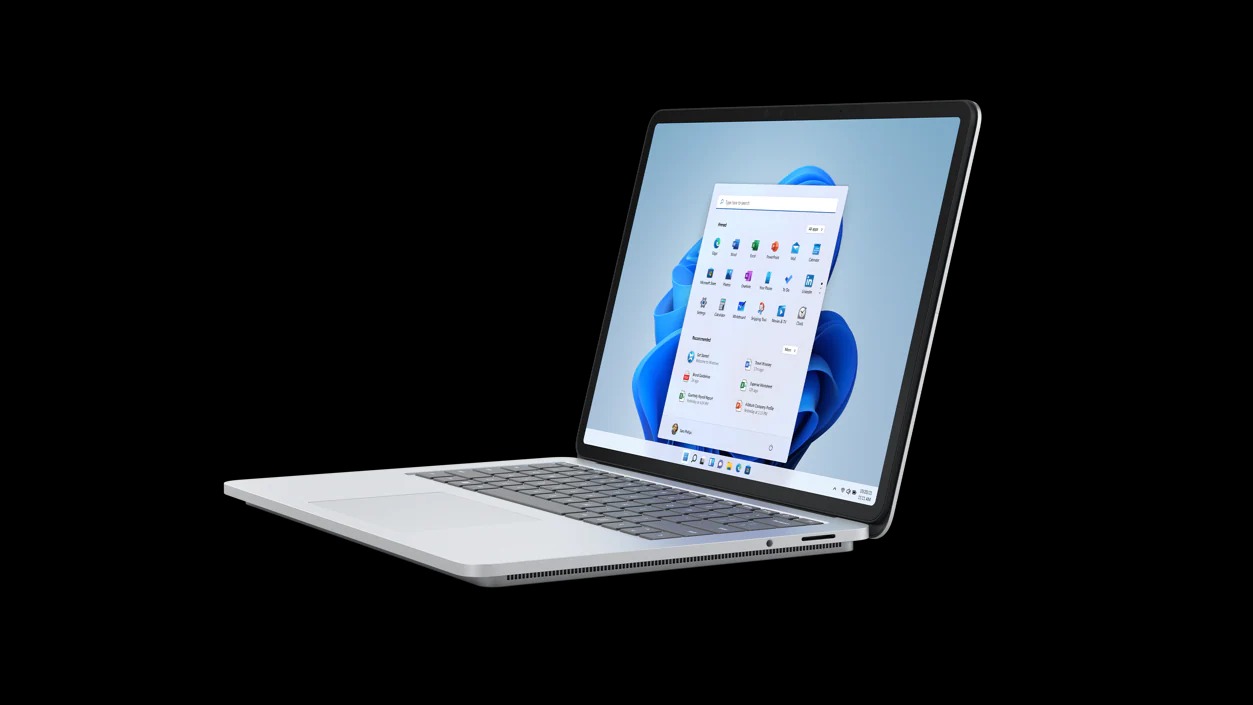
The Microsoft Surface Laptop Studio is now available outside North America and Microsoft may have pleasantly surprised its customers with a much lower than the expected price for the model. It is available from €1,699 ($1,910) in the EU and from £1,449 ($1,950) in the United Kingdom.
The Microsoft Surface Laptop Studio was launched in North America back in 2021 and it is seen as a successor to the Surface Book 3 although with a different form factor and display resolution, with some improvement from the predecessor. The Microsoft Surface Laptop Studio boasts of 120Hz display refresh rate, although the base model lacks a dedicated GPU, which may be hugely inadequate in some gaming applications. On the other hand, the higher model variant of the Surface Laptop Studio will come with a GeForce RTX 3050 Ti GPU. The higher variant of the Surface Laptop Studio cone with the Intel Core i7-11370H processor and a 102 W charger. In addition, it weighs an extra 80g.
Microsoft Surface Laptop Studio Laptop Mode
Microsoft will begin shipping all Surface Laptop Studio configurations from February 22. Additionally, buyers who pre-order the product will receive a complimentary Surface Slim Pen 2.
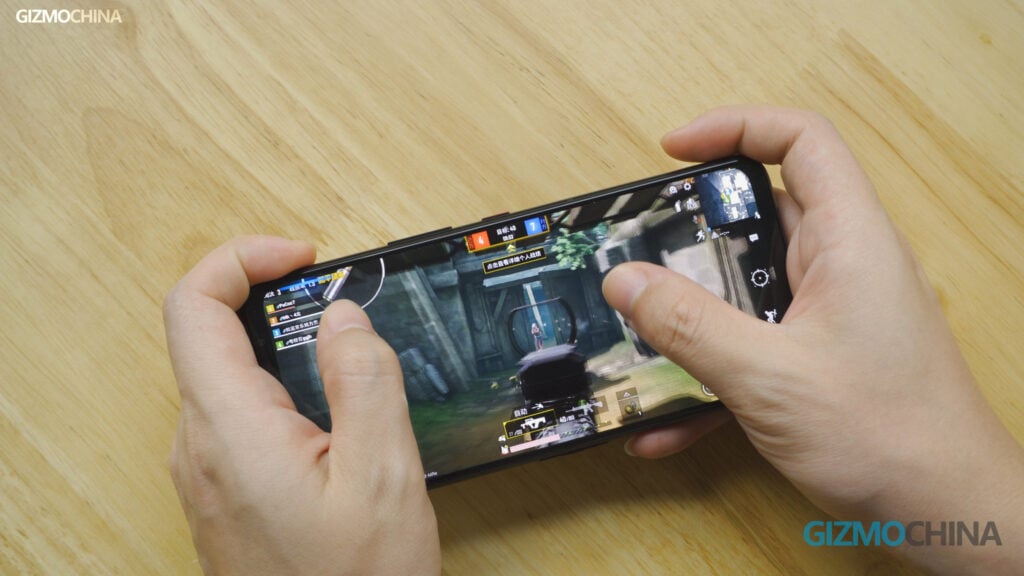
The video gaming market was always dominated by consoles and PCs and even arcades from decades ago. Mobile gaming arrived much more recently but has since changed the gaming landscape forever. Fast forward to now, and over 6 billion people own a smartphone, making it no surprise that mobile gaming today has a market share of around 53%, generating over $90 billion in revenue last year.
The figures come from a report by gaming industry analyst Newzoo (via Android Authority), which highlights that mobile gaming is not only larger than consoles and PCs combined but is also the fastest-growing segment.
Moreover, as PC and console sales continue to dip due to the easing of workplace restrictions, the overall industry revenue has kept up its growth. This means that mobile gaming is not only extremely popular but is encouraging the industry’s growth as a whole.
Of course, the main factor behind this is the explosive rise of the smartphone market since 2021. Android’s popularity has made it easier for developers to make their games available across a variety of devices.
A larger part of the $90 billion market revenue came from the Asia-Pacific region, with China accounting for over a third of it ($30 billion vs $15 billion from the US). The most notable players were Tencent with CODM and PUBG and Mihoyo with its Genshin Impact, which together reeled in $18 billion in revenue.
But China isn’t the only major source of the gains as regions like Latin America, Africa, and the Middle East have also been showing some really great growth figures.
All in all, with smartphone ownership expected to exceed 7 billion by 2024, there are even better times for the mobile games market up ahead.
We use cookies on our website to give you the most relevant experience by remembering your preferences and repeat visits. By clicking “Accept”, you consent to the use of ALL the cookies.
This website uses cookies to improve your experience while you navigate through the website. Out of these, the cookies that are categorized as necessary are stored on your browser as they are essential for the working of basic functionalities of the website. We also use third-party cookies that help us analyze and understand how you use this website. These cookies will be stored in your browser only with your consent. You also have the option to opt-out of these cookies. But opting out of some of these cookies may affect your browsing experience.
Necessary cookies are absolutely essential for the website to function properly. This category only includes cookies that ensures basic functionalities and security features of the website. These cookies do not store any personal information.
Any cookies that may not be particularly necessary for the website to function and is used specifically to collect user personal data via analytics, ads, other embedded contents are termed as non-necessary cookies. It is mandatory to procure user consent prior to running these cookies on your website.