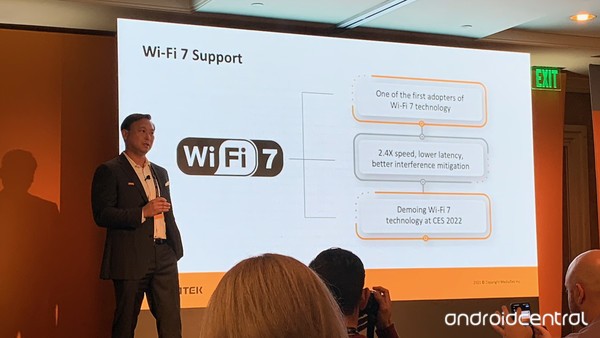
The upcoming next gen standard of Wi-Fi would arrive with various improvements over the last generation, with James Chen, MediaTek’s Associate VP of Product Marketing, stating that the Wi-Fi 7 would be 2.4 times faster than Wi-Fi 6 and 6E standards that are currently available. Apart from just an increase in speeds, the new standard is also claimed to offer much lower latency. This would be especially useful in fields like gaming, with fast paced multiplayer titles requiring milliseconds to be as low as possible.
Image Via AndroidCentral
Furthermore, Chen added that Wi-Fi 7 would “play nice” with your neighbor’s Wi-Fi 7 network as well. To put things simply, it would use new technology to reduce interference from signals outside of your home. Chen did note that while the Taiwanese chipmaking giant will demo the new technology at CES 2022, it is still “very early in the Wi-Fi 7 standardization process.” The official refrained from offering any finer details, although, he did say that we might see a Q2 2022 launch. In other words, we can expect an official release sometime in 2023.
Just a couple of weeks ahead of the Qualcomm Tech Summit, MediaTek kicked off its Executive Summit in California and is set to make a series of announcements at the same event throughout the week.
MediaTek is known for making smartphone chips and is now claimed to be the market leader with around 40 percent of the market share. But now, the company is looking to make chips for powering Windows PCs.
Companies are planning to move from x86 to ARM chips and it’s clear that MediaTek doesn’t want to miss out on this opportunity. The Taiwanese company is expected to launch its ARM-based chips for Windows-powered computers in a few years.
The company already has a presence in the computer category as it is offering chips for low-end or entry-level Chromebooks. But to establish itself in the Windows PCs market, MediaTek will have to determine what is it that the company can offer.
Apart from these, the Taiwanese company is also building 5G modems for Intel-powered PCs and has entered into a partnership with the company in 2019.
While it seems that it’s inevitable that MediaTek will start offering chips for Windows-powered computers but do note that the development is still quite early stage and we expect the company to make some kind of announcement related to this at the ongoing Executive Summit event.
Qualcomm has already announced its plans of launching new chips for computers in the year 2023, which are designed by Nuvia, a startup founded by former Apple executives working on A-series chips that have been acquired by Qualcomm. With these new chips, the company aims to take on Apple’s M-series chipsets.
MediaTek just announced new Filogic 130 and Filogic 130A system-on-chips (SoCs) for IoT devices, which integrate microprocessor (MCU), AI engine, Wi-Fi 6 and Bluetooth 5.2 subsystems, and a power management unit (PMU) into a single chip.
The Filogic 130A also integrates an audio digital signal processor to allow device manufacturers to easily add voice assistants and other services into their products.
Both processors integrate an ARM Cortex-M33 microcontroller, supported by embedded RAM and external flash and an integrated front-end module (iFEM). The Filogic 130A also gets an integrated HiFi4 DSP on top for more accurate far-field voice processing, trigger word support, and always-on microphone capability.
Advanced Wi-Fi and Bluetooth coexistence is supported by both chips to ensure that connectivity remains reliable even when Wi-Fi is used with multiple Bluetooth devices. All the current Wi-Fi standards are supported namely Wi-Fi 6 and dual-band 2.4GHz and 5GHz, along with advanced Wi-Fi features such as target wake time (TWT), MU-MIMO, MU-OFDMA, quality of service (QoS), and WPA3 Wi-Fi security.
Alan Hsu, MediaTek Corporate Vice President & General Manager, believes that advanced connectivity technologies like Wi-Fi 6 and Bluetooth 5.2 will become a must-have for smart home devices, thanks to the ever-increasing rise in the need for AI processing power and energy efficiency. MediaTek’s Filogic 130 and Filogic 130A chips, he believes, meet these requirements perfectly.
After all, the MediaTek Filogic 130 and Filogic 130A chips are designed to maximize power efficiency in the smallest and lowest-power form factor. Security has also been prioritized with support for a variety of interfaces including general-purpose IOs such as SPI, I2C, I2S, IR input, UART, AUXADC, PWM.
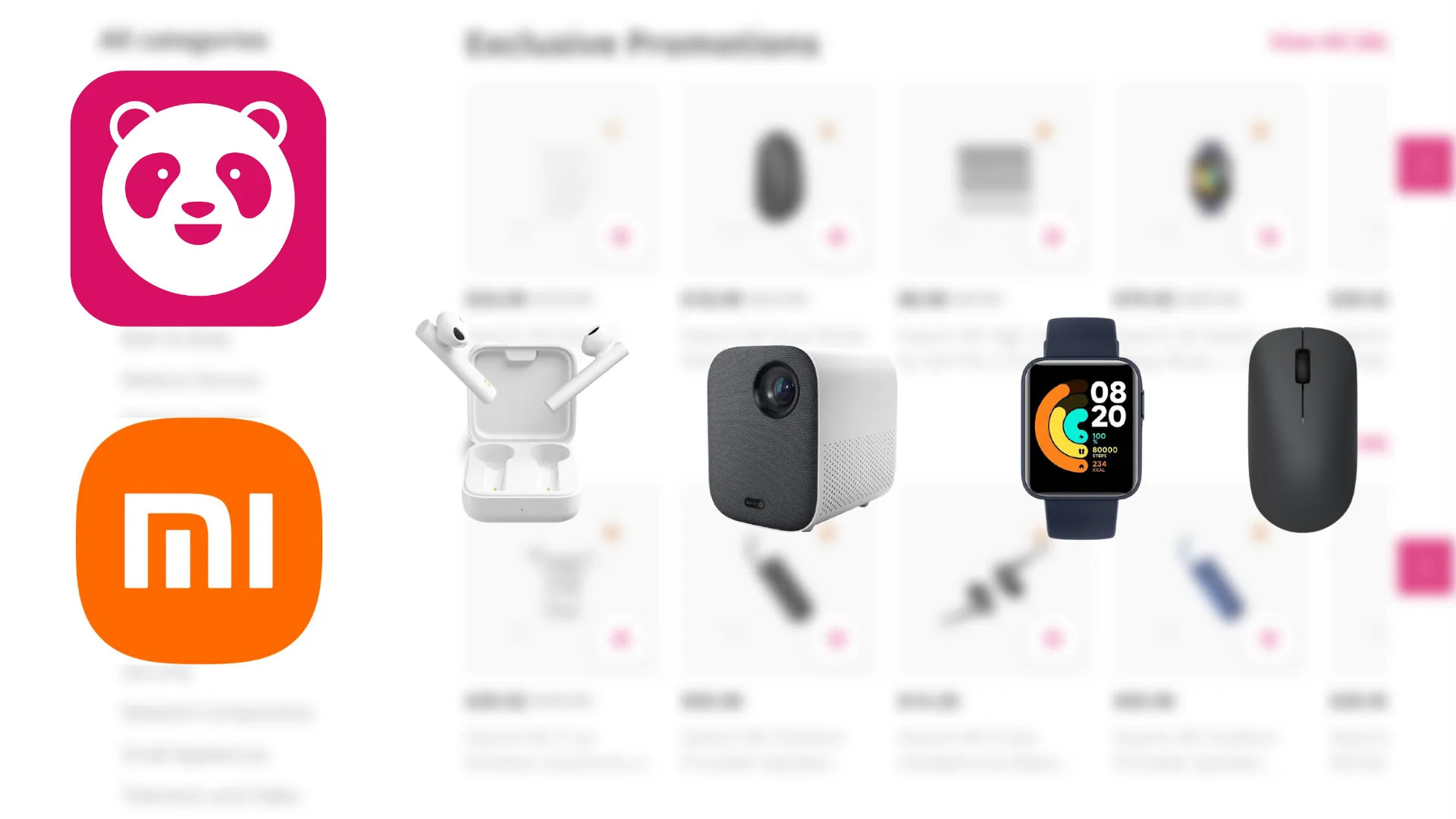
Xiaomi has just entered into a strategic partnership that will have it sell its products through on-demand delivery service, foodpanda. Now, hundreds of electronic products from the company will be available for purchase on the foodpanda shops in Singapore and Thailand.
For those unaware, foodpanda is currently Asia’s largest food and grocery delivery network outside of China. The brand has now entered into a partnership with the Chinese tech giant and will offer a vast variety of consumer electronic products and appliances for on-demand deliveries in its shops in Singapore and Thailand. Furthermore, the foodpanda application will also be pre loaded in new smartphone from Xiaomi in 10 markets within Asia.
Notably, this marks Xiaomi’s first quick commerce partnership in Asia outside of China. So, you can now purchase hundreds of products like smart devices, audio, mobile accessories, household appliances, and more, which will all be delivered to your doorstep within just 30 minutes. Interestingly, the partnership also marks foodpanda’s move in diversifying and expanding to the non grocery category that will seek to fulfill every need of its customers.
The partnership arrives as more customers in both regions have shift their spending habits to the mobile platforms. foodpanda recorded a whopping 18 fold rise in orders for computers and mobile devices this year, compared to 2020. Additionally, the delivery service has even partnered up with 1,000 electronics stores across Asia in 2021 alone to offer more than 289,000 products from local brands to major tech giants like Huawei, Logitech, Asus, TP Link, Remax, Philips, and more.
According to Abhishek Sahay, Senior Director of New Verticals at foodpanda, “On demand deliveries are increasingly an essential part of people’s everyday lives. Beyond traditional e commerce, brands are now already looking for the next phase of growth — with quick-commerce, foodpanda shops provides a new way for retailers to deliver their products to customers almost instantly, whenever they need it. We’re proud to be Xiaomi’s first quick commerce partner in Asia, helping them connect more instantaneously with their customers in the region.”
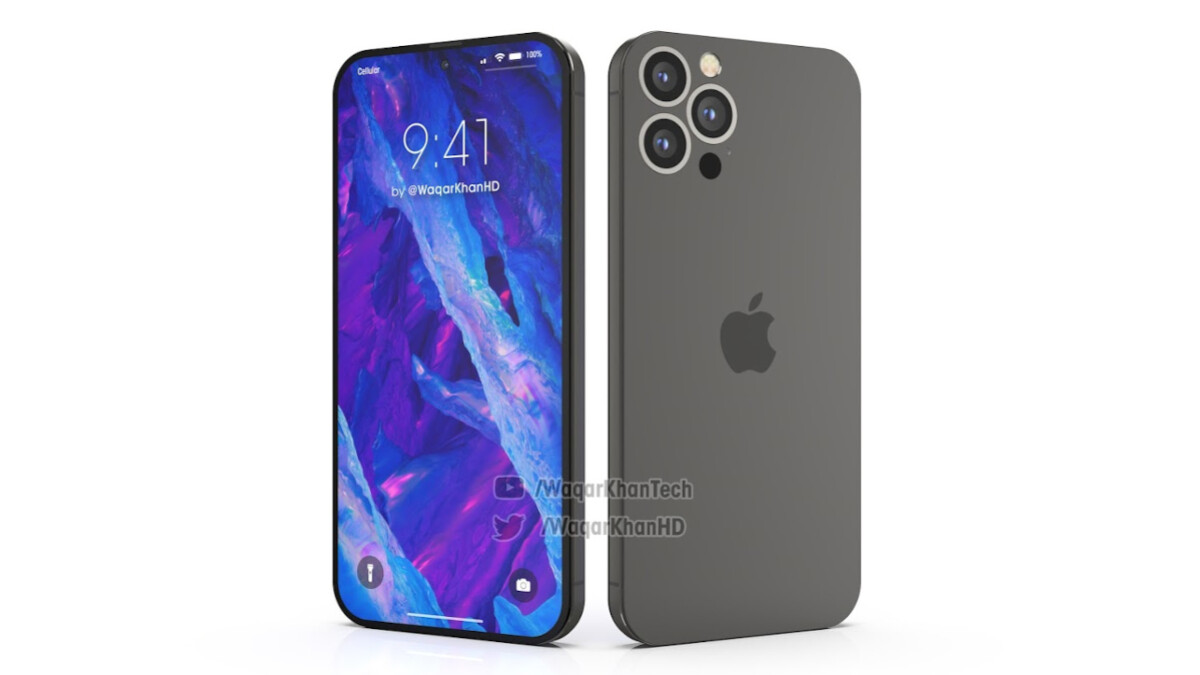
Reports have revealed that the Apple iPhone 14 series arriving in September 2022 will feature models such as 6.1-inch iPhone 14, 6.1-inch iPhone 14 Pro, a 6.7-inch iPhone 14 Max, and a 6.7-inch iPhone 14 Pro Max. iDrop Newshas learnt through several sources that the iPhone 14 Pro and Pro Max will finally include a USB-C port.
Apple has been offering the Lightning port which offers USB 2.0 speeds since 2021. It appears that the Cupertino company is going to finally offer the USB-C port on the iPhone 14 Pro and iPhone 14 Pro Max. As it is known that the ProRes available on the iPhone 13 Pro and 13 Pro Max consumes a lot of storage.
iPhone 14 Pro concept renders by Waqar Khan
When professionals connect the iPhone 13 Pro / Pro Max to PCs to export the ProRes videos, it takes a lot of time to transfer those files because of the USB 2.0 transfer speeds. For instance, a 720GB unedited 4K is likely to take around 3 hours and 45 minutes to get transferred from iPhone 13 Pro / Pro Max to a PC. If the same file is exported using USB-C available on the iPad Pro 2021, it takes only nearly 3 minutes to perform the data transfer.
The report further claims that the Biden-Harris Administration and the European Union want all upcoming devices including iPhones to feature a USB-C port. If companies don’t adhere to the new decision, they may face a fine. This could be the other reason why the upcoming Pro iPhones are likely to feature a USB-C port.
Apple has stopped providing chargers with iPhones in a bid to protect the environment. The company removed the charger stating that people already have chargers from older or other devices. It believes that the change will cut down carbon emissions. The inclusion of a USB-C port will mean that there will be only one type of charger connector on iPhones and other devices.
At the end of May, Coolpad launched a new smartphone called Coolpad COOL 20. Almost six months later, the brand has now confirmed to release a better version of this handset dubbed as Coolpad COOL 20 Pro.
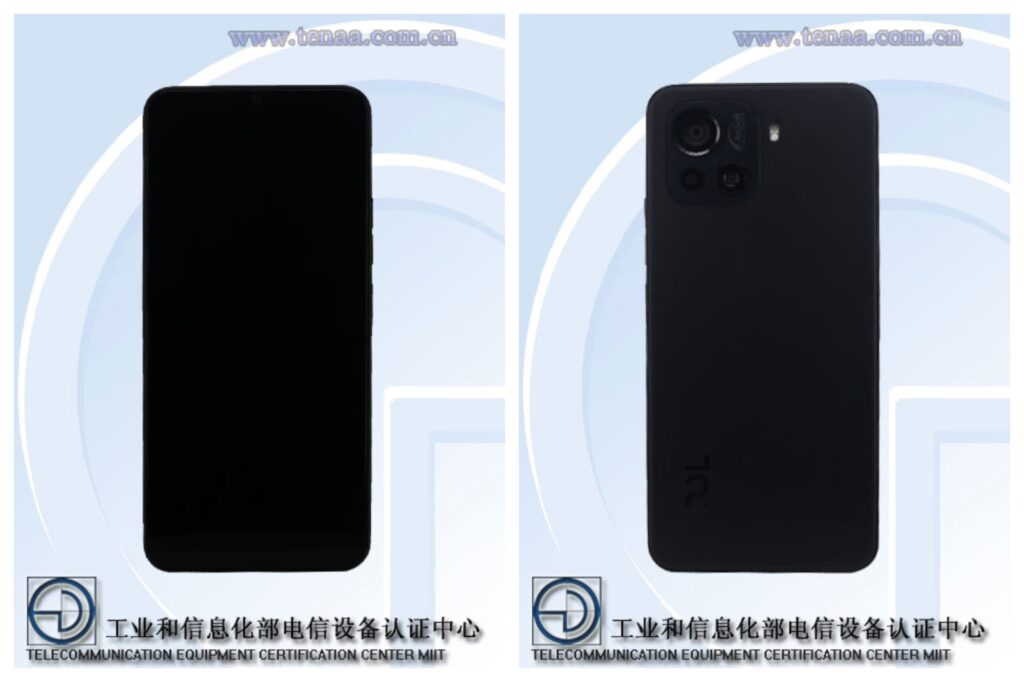
Coolpad COOL 20 Pro | Source: TENAA
Coolpad has announced to launch the Coolpad COOL 20 Pro on December 1 in China. The phone will be unveiled at a conference that will begin at 7 PM (local time).
The company is yet to tease all the highlights of the device. So far, it has only hinted at the presence of dual stereo speakers.
But thanks to TENAA, we know some important details about this phone. According to the listing, the Coolpad COOL 20 Pro will sport a 6.59-inch FHD+ LCD panel with a dewdrop notch. It will be powered by a 2.4GHz octa-core processor.
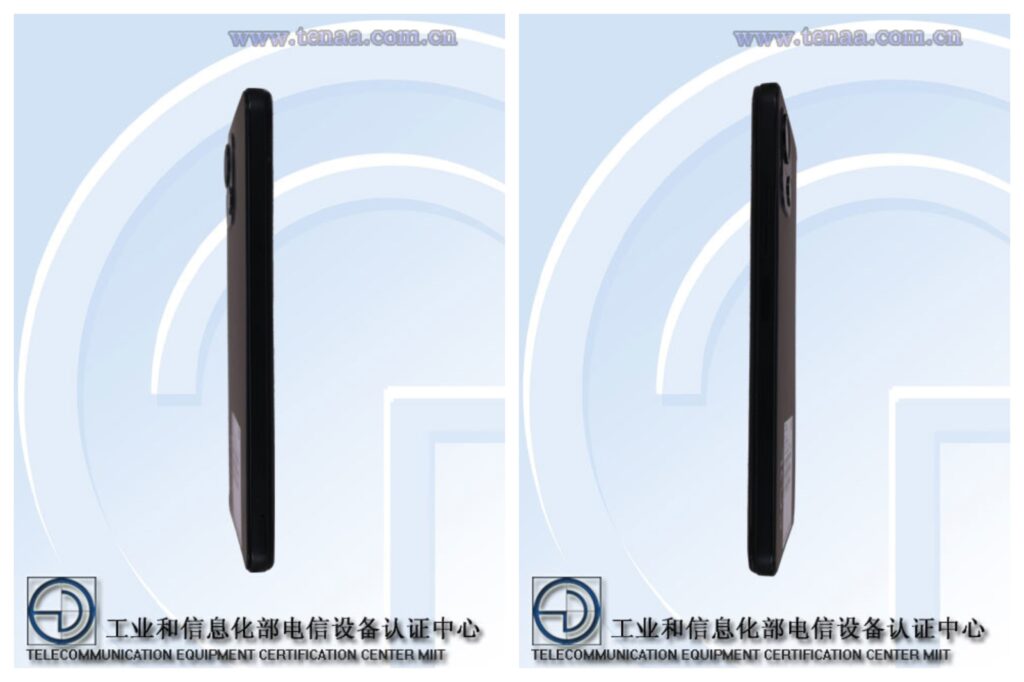
Coolpad COOL 20 Pro | Source: TENAA
The handset will have a 50MP triple camera setup on the rear and an 8MP front-facing camera. As per the images, the rear cameras will be placed in an L-shaped pattern above a square module.
Since it will be a budget smartphone, the device will come with a 3.5mm headphone jack as well as a MicroSD card slot. Last but not least, the phone will be backed by a 4,400mAh battery, and therefore, it will measure 8.3mm in thickness and weigh 193g.
We expect Coolpad to officially tease the above-mentioned features in the next few days before the launch.
Yesterday, Motorola silently announced a slew of G-series smartphones such as the Moto G200, Moto G71, Moto G51, Moto G41, and Moto G31 in Europe. It appears that the Lenovo-owned brand will announce some of these devices in India.
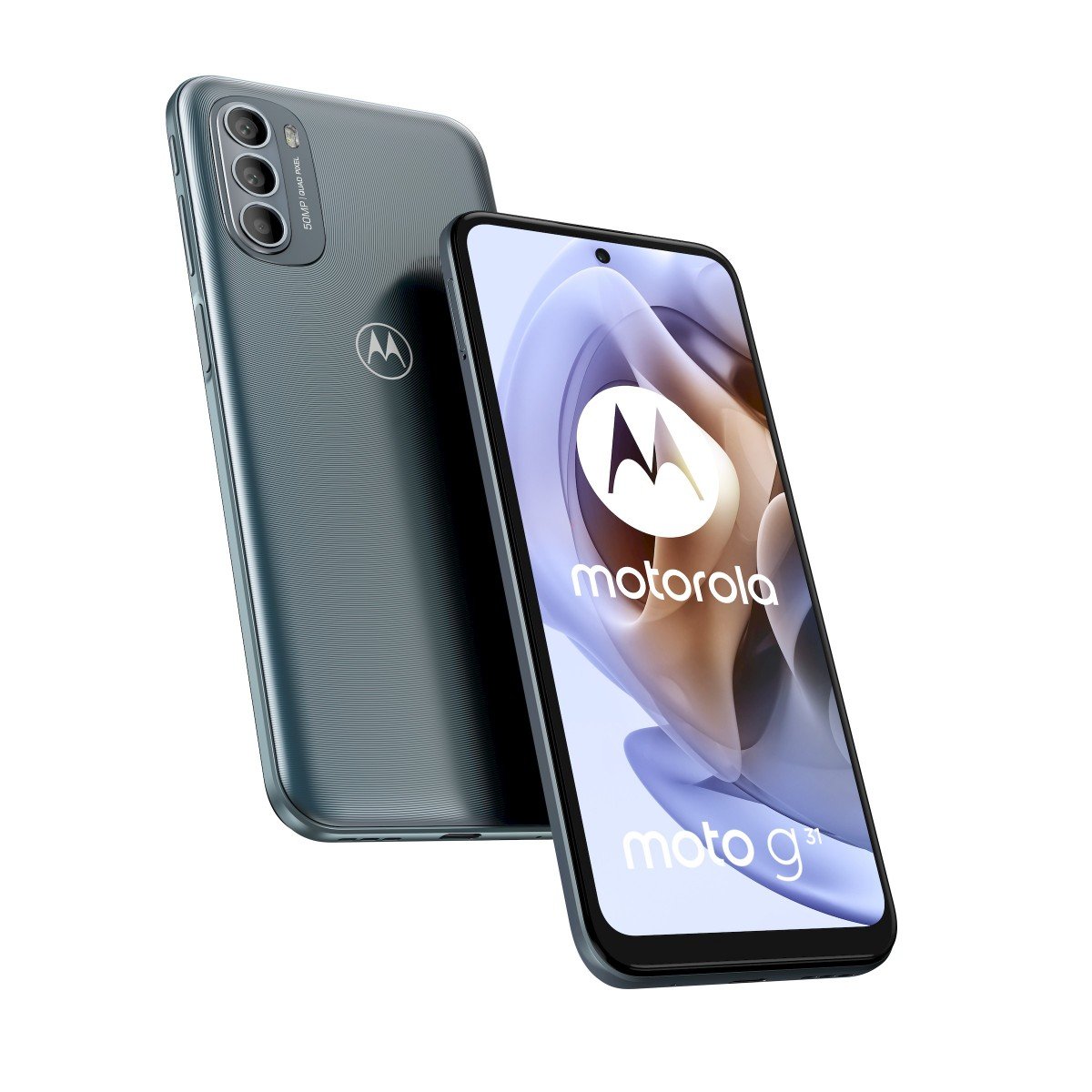
As revealed by a tipster Yash, Motorola phones with model numbers such as XT2169-1, XT2171-2, and XT2173-2 have been listed in the database of the Bureau of Indian Standards. These phones are nothing but the recently unveiled Moto G71, Moto G51, and Moto G31 handsets. The official press release of these phones had also confirmed that these phones will be also landing in India.
Moto G71 specifications and price
Moto G71
Priced at €299, the Moto G71 offers specs like a 6.4-inch OLED FHD+ display, Snapdragon 695, 6 GB of RAM, a 5,000mAh battery with 30W charging. It has a 16-megapixel front camera and a 50-megapixel + 8-megapixel + 2-megapixel triple camera unit. Motorola will be releasing an 8 GB RAM variant of the phone in India.
Moto G51 specifications and price
Moto G51
The Moto G51 has a 6.8-inch LCD FHD+ display that offers a 120Hz refresh rate, Snapdragon 480 Pro, 4 GB of RAM, 64 GB of storage, and a 5,000mAh battery with 10W charging. It has a 13-megapixel camera and a 50-megapixel + 8-megapixel + 2-megapixel triple camera unit. It is priced at €229.
Moto G31 specifications and price
Moto G31
Priced at €199, the Moto G31 has a 6.4-inch LCD FHD+ screen, Helio G85 chipset, 4 GB of RAM, 64 GB / 128 GB of storage, and a 5,000mAh battery with 10W charging. It has the same front and rear cameras that are available on the G31.
It’s been some time since Xiaomi launched its two new tablets in the market — Mi Pad 5 and Mi Pad 5 Pro, powered by the Qualcomm Snapdragon 860 and Snapdragon 870 chipset respectively, and come running the Android-based MIUI for Pad operating system.
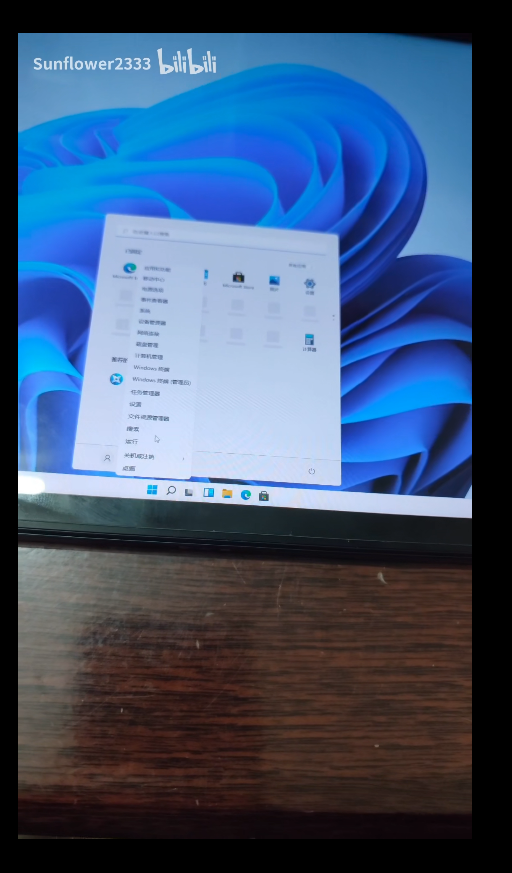
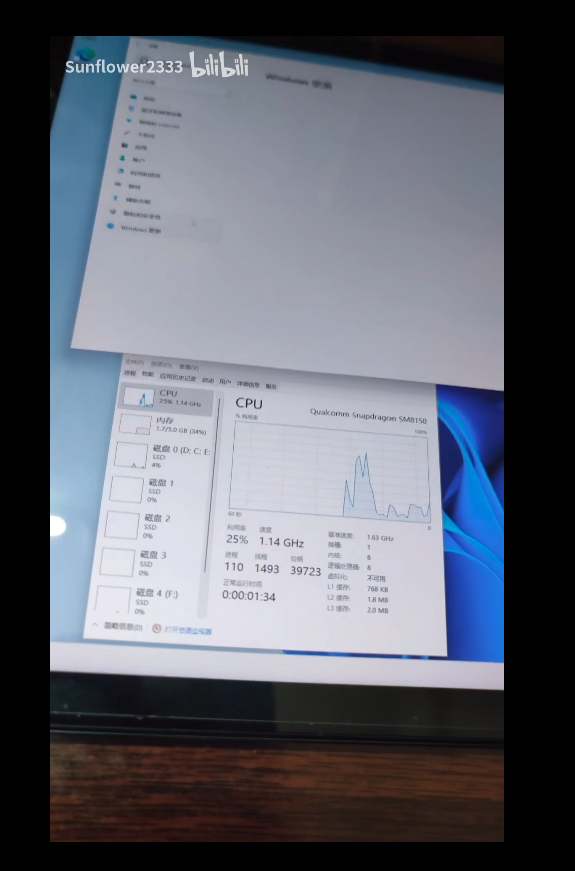
Now, a video shared by B station UP master @Sunflower2333 showcases the Xiaomi Mi Pad 5 running the latest Windows 11 ARM operating system from Microsoft. This means that running the Windows 10 ARM is also possible on the Mi Pad 5.
The device is smoothly running the Windows 11 ARM at 2K screen resolution. The user adds that the CPU cores frequency has been reduced to effectively have a Power Saving Mode to increase the battery life for usage.
Prior to this, developers have managed to install the new Windows 11 ARM operating system on a few other devices, including Lumia 950, Lumia 950 XL, Mi 8, OnePlus 6T, Mi MIX 2, Mi 6, and other smartphones.
There’s no way Windows 11 operating system on the Mi Pad 5 gets official support or approval from Xiaomi. But the good thing is that such experiments imply that the development is still ongoing and the developers are making progress for Windows on ARM.
In related news, Microsoft has been testing x64 emulation for Windows 10 on Arm for about a year now, but the company is now limiting the feature to Windows 11. It now allows x64 apps that haven’t been compiled for Arm-powered machines to run, allowing devices like the Surface Pro X to access more apps.
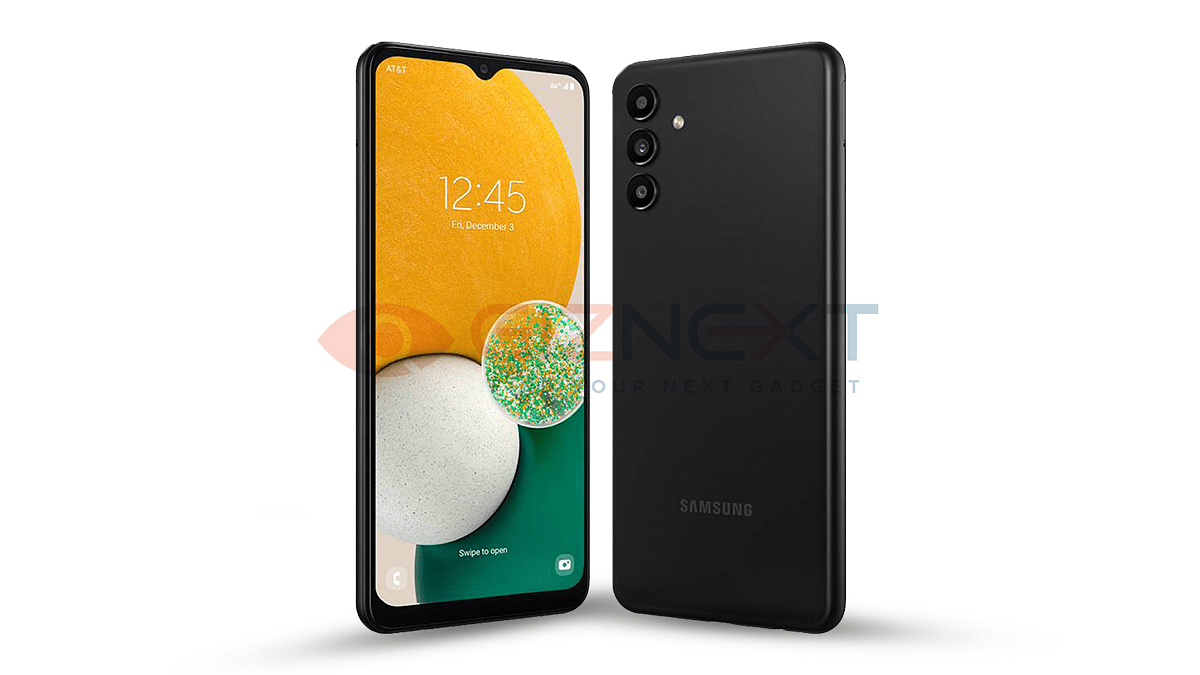
Samsung Galaxy A13 launch date may not be far away. The recent reports have spilt a lot of information about the successor device for the Galaxy A12, which went official in November 2020. Now, GizNexthas leaked the official renders of the A13 to reveal its design.
The Galaxy A12 sported a waterdrop notch display, a side-facing fingerprint scanner, and a square-shaped camera module. The Galaxy A13 renders show that it will retain the front design but sport a vertical triple camera unit.
Samsung Galaxy A13 5G renders by GizNext
The left edge of the device is fitted with a SIM tray slot, whereas its opposite side has a volume rocker and a power button, which is integrated with a fingerprint sensor. As per reports, the smartphone will come in multiple hues such as black, white, blue, and orange.
Samsung Galaxy A13 specifications (Rumored)
The Galaxy A13 5G will sport a 6.48-inch IPS LCD panel that produces an FHD+ resolution. It is unclear whether the device will support a high refresh rate. For selfies, it will offer an 8-megapixel front camera, and its back panel will a 50-megapixel primary camera, a 2-megapixel depth sensor, and a 2-megapixel macro shooter.
The A13 will be driven by the Dimensity 700. It is speculated that the company may also introduce a 4G variant of the device. The 5G edition is expected to arrive in options like 4 GB RAM + 64 GB storage, 6 GB RAM + 128 GB storage, and 8 GB RAM + 128 GB storage. It will run on One UI 3.1 based Android 11. The handset may draw power from a 5,000mAh battery that supports 15W fast charging.
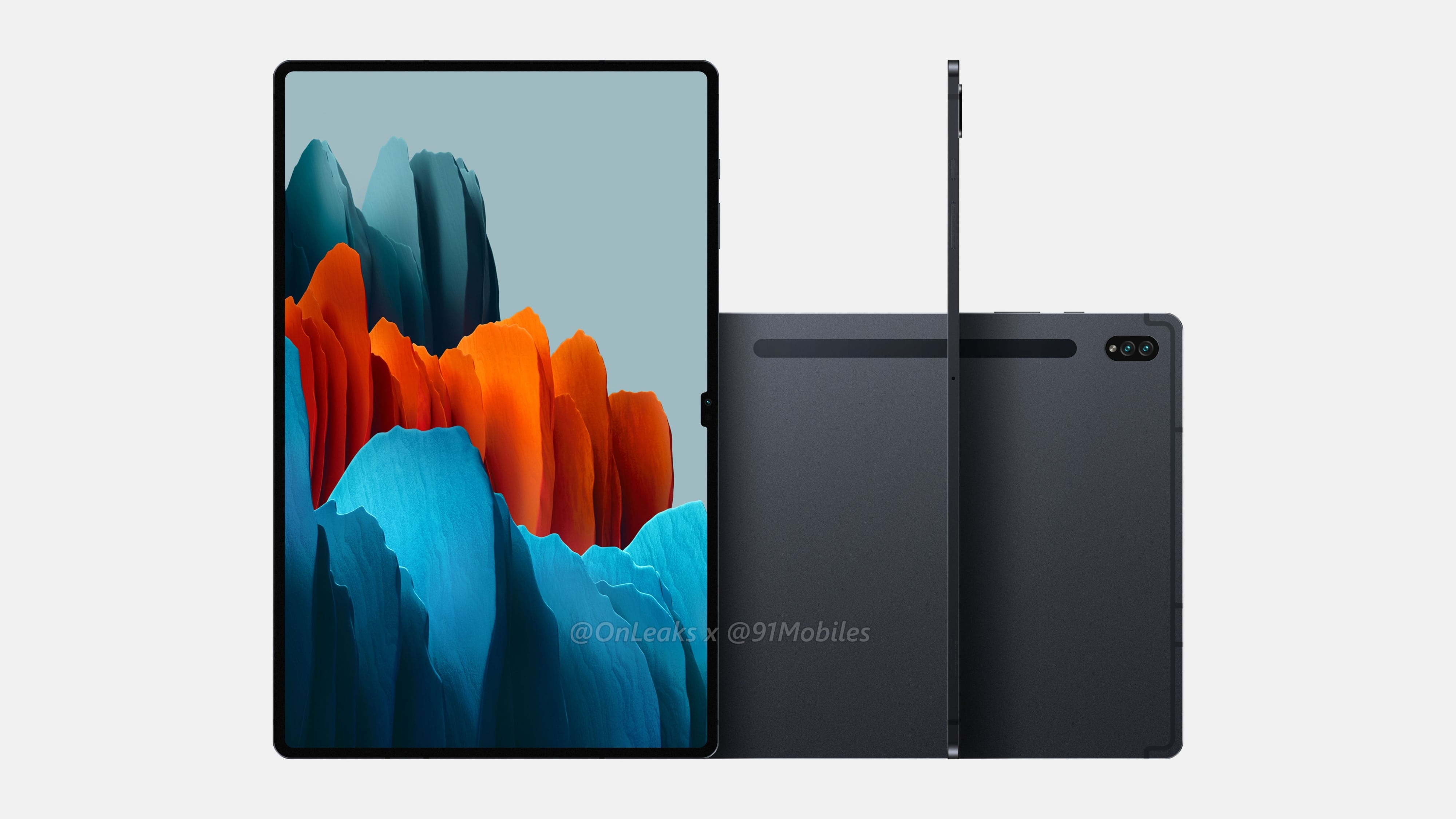
When OnLeaks shared the CAD renders of the upcoming Galaxy Tab S8 Ultra last month, it took the internet by surprise as the flagship tablet was seen sporting a display notch. Reliable tipster Ice Universe has claimed that the display notch exists for a certain reason on the Samsung Galaxy Tab S8 Ultra.
According to the tipster, the Galaxy Tab S8 Ultra’s screen notch is equipped with two cameras. One of them is an ultrawide lens that can shoot 4K videos at 60fps. The tipster did not share the information on the other camera of the device.
To recollect, the predecessor Galaxy Tab S7 and Tab S7+ featured a single 8-megapixel camera, which can capture 1080 videos at 30fps. Leaked information that appeared back in March claimed that the dual front camera setup of the Tab S8 Ultra includes an 8-megapixel main camera and a 5-megapixel ultrawide lens.
Samsung Galaxy Tab S8 Ultra renders by OnLeaks / 91mobiles
The Tab S8 Ultra may come in Wi-Fi only and 5G editions. It may come with in 8 GB / 12 GB RAM variants and storage choices like 128 GB / 512 GB. The flagship tablet will carry support for S Pen stylus. It appears that Samsung will be rivaling the Apple iPad Pro 2021 with the Galaxy Tab S8 Ultra.
Honor is long-rumored to launch foldables. The brand itself has confirmed the same codenamed HONOR Magic X. Months later, a tipster now suggests a release timeline for not one but two Honor foldable smartphones.
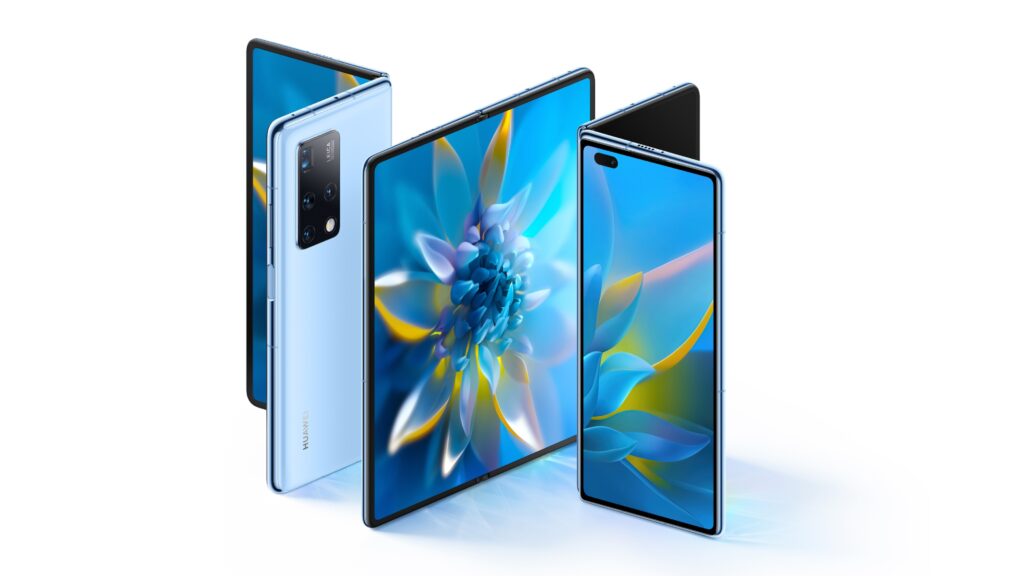
HUAWEI Mate X2
According to Changan Digital King, Honor will launch two foldable smartphones before spring in China. If everything goes as planned, the first HONOR-branded foldables will be out in Q1 2022.
As per the tipster, one of these phones will unfold up and down, while the other will unfold left and right. In other words, the company will be releasing clamshell as well as tablet-style foldables like Samsung’s Galaxy Z Flip3 and Galaxy Z Fold3.
Previous reports have suggested that Honor’s large-screen foldable will be similar to HUAWEI Mate X2. It is not surprising as almost all devices launched by Honor after being sold off by Huawei still resemble its former parent company’s products. That’s mostly because the development of these devices might have started when the two brands were under one roof.
According to DSCC’s Ross Young, Honor will use foldable panels supplied by BOE and Visionox. The tablet-style foldable is expected to sport an 8-inch inner display and a 6.5-inch cover screen.
Honor was anticipated to release its first foldable in Q4 2020. But now, it doesn’t appear to be the case.
Lastly, although the official names of these upcoming devices are a mystery, there’s a chance that they might be called HONOR Magic Fold and HONOR Magic Wing, as per recent trademarks by the brand.
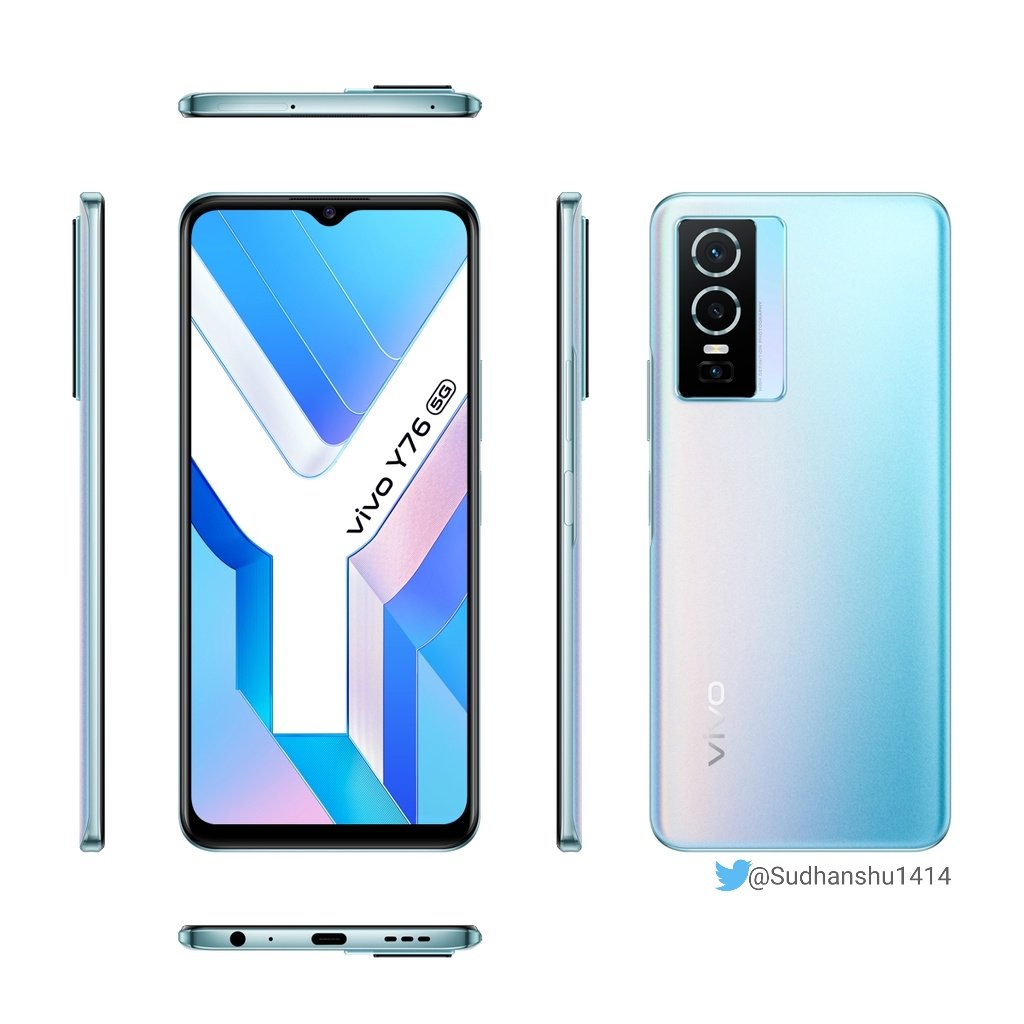
The Vivo Y76 will feature a 6.58-inch LCD panel that produces a Full HD+ resolution and a 60Hz refresh rate. It will feature a 16-megapixel front-facing camera and its rear camera setup has a 50-megapixel main camera, a 2-megapixel bokeh, and a 2-megapixel macro shooter.
Vivo Y76 Cosmic Aurora
The Dimensity 700 chip will be powering the Vivo Y76. It will be accompanied by 8 GB of RAM and 4 GB of extended RAM. The device will offer 128 GB of internal storage.
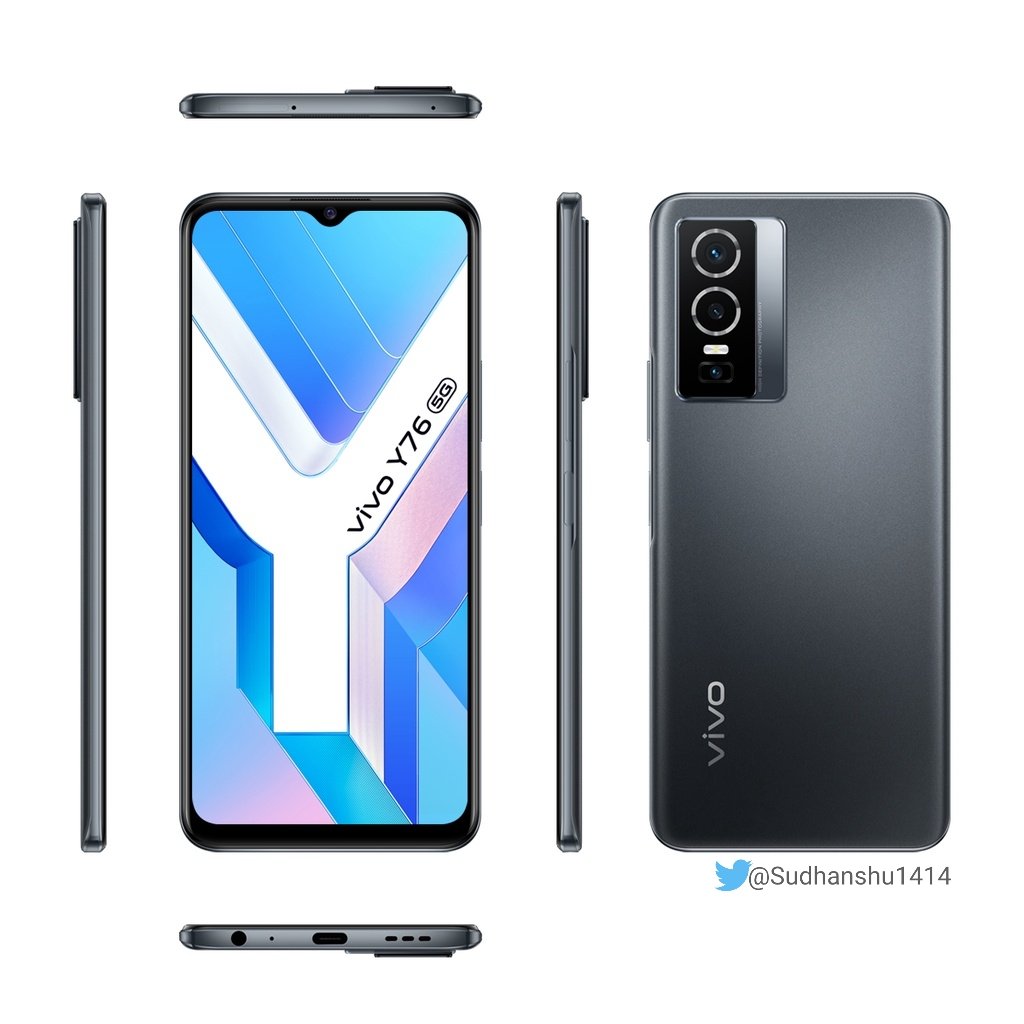
Vivo Y76 Midnight Space
The device will come preinstalled with FunTouch OS and Android 11. It has a 4,100mAh battery that will carry support for 44W FlashCharge technology. The device will offer other features such as a side-facing fingerprint scanner and a 3.5mm audio jack.
There is no information on the pricing of the Vivo Y76. As shown above, it will be available in two colors such as Cosmic Aurora and Midnight Space.
Recent reports have claimed Xiaomi is working on at least two phones powered by the Snapdragon 870l. One of them is expected to carry Redmi branding, while the other one is coming as a Xiaomi device. Fresh information leaked by tipster Kacper Skrzypek reveals that the latter will debut with the Xiaomi 12X moniker. The tipster has also shared the key specifications of the device.
Several reports in the past have claimed that one Xiaomi 12 series phone is codenamed as Psyche. The model number of this device for the Chinese market is 2112123G and for the global market is 2112123AC. It has been found through the IMEI database listing that the global edition will be launching as the Xiaomi 12X in the global markets.
Xiaomi Mi 10S
The Xiaomi 12X was spotted at TENAA and 3C certification platforms recently. The TENAA listing is yet to be populated with its specs, but 3C certification has revealed that it is likely to carry support for 67W fast charging. While India is one of the major markets for smartphones, it seems that the company does not have any plans to launch the 12X in the country.
Xiaomi 12X Specifications (Rumored)
According to Kacper, the Xiaomi 12X will feature a 6.28-inch AMOLED display that offers a Full HD+ resolution of 1080 x 2400 pixels. It also supports a 120Hz refresh rate, HDR10, and in-screen fingerprint scanner.
The Snapdragon 870 chip fuels the Xiaomi 12X. It has a 50-megapixel main camera on the back. The other specs of the device are yet to be revealed. Lastly, it seems to measure 145.4 x 65.4 mm.
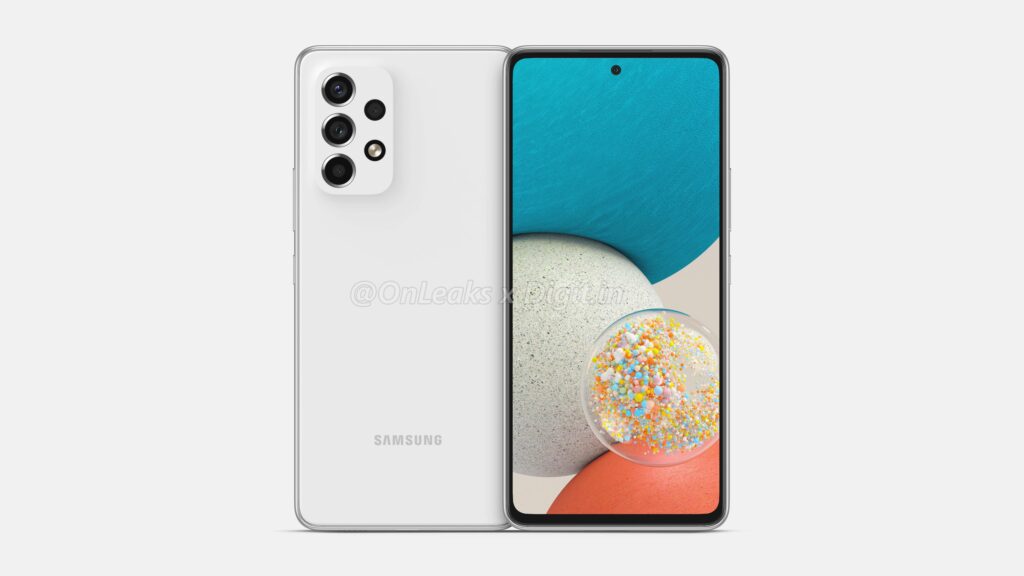
Samsung is expected to launch the Galaxy A53 early next year as the successor of the popular Galaxy A52 series. This smartphone is in the news for the past few days. The latest information about the handset reveals its battery capacity and an alleged official picture in low quality.
Samsung Galaxy A53 | Source: @OnLeaks via Digit
According to GalaxyClub, the upcoming Samsung Galaxy A53 will get its juice from a 5,000mAh battery with model number EB-BA536ABY as compared to a smaller 4,500mAh battery inside the Galaxy A52 series. This battery has a rated capacity of 4,860mAh. Although the publication does not mention the source of these details, we think they come from Saftey Korea, just like the battery specs of Galaxy A33.
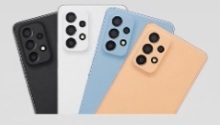
Further, tipster @FrontTron has shared a low-quality image on Twitter allegedly showcasing all four colors of the smartphone. A previous report had already stated that the device will be available in black, white, blue, and orange hue options.
Alleged Samsung Galaxy A53 in all four colors | Source: @FrontTron
A few days back, 3D CAD renders by @OnLeaks have confirmed that the phone will be only slightly different than the Galaxy A52/A52 5G/A52s 5G and will lack a 3.5mm headphone jack. Other reports have revealed that the handset will feature a 64MP primary camera and will be powered by an Exynos chipset.
Last but not least, we can expect the Galaxy A53 to retain all the goodies from the Galaxy A52 series, like 3 OS upgrades, 4 years of security updates, water resistance, stereo speakers, OIS, and Samsung Pay.
Apple’s most-awaited self-driving electric car was in the news a few months ago and now once again, the upcoming vehicle from the technology giant, which has not yet been officially announced, is in the news, hinting at the Apple Car roadmap.
A new report coming from Bloomberg, citing sources aware of the development, claims that the upcoming Apple Car — an electric vehicle with support for a fully autonomous self-driving feature — will debut by 2025.
It is being reported that this Apple Car project from the Cupertino-based tech giant, which is called Project Titan, being headed by Kevin Lynch, will be a fully automated self-driving offering without any pedals or steering.
Earlier, it was claimed that the company was stuck between two different developments paths — a traditional EV with some enhanced driver-assist features, or a more sophisticated EV capable of truly autonomous driving with no input from its passengers. It now seems that the technology giant has chosen the latter option.
However, there’s a possibility of Apple adding some kind of an emergency takeover mode for the car, which is still being discussed internally. It is said to have open-concept seating and a larger iPad-like infotainment system.
The company has still not locked in the business model for this project. The Bloomberg report hints about Apple considering to have its own fleet of self-driving cars operating like Uber or Lyft instead of selling the cars to individuals. However, it is more likely that Apple will sell its car to individuals.
Apple is reportedly not looking to develop a proprietary charging system for the car as the company could make it compatible with the “combined charging system” or CCS standard so that it is possible to charge the vehicle at most public fast-charging stations.
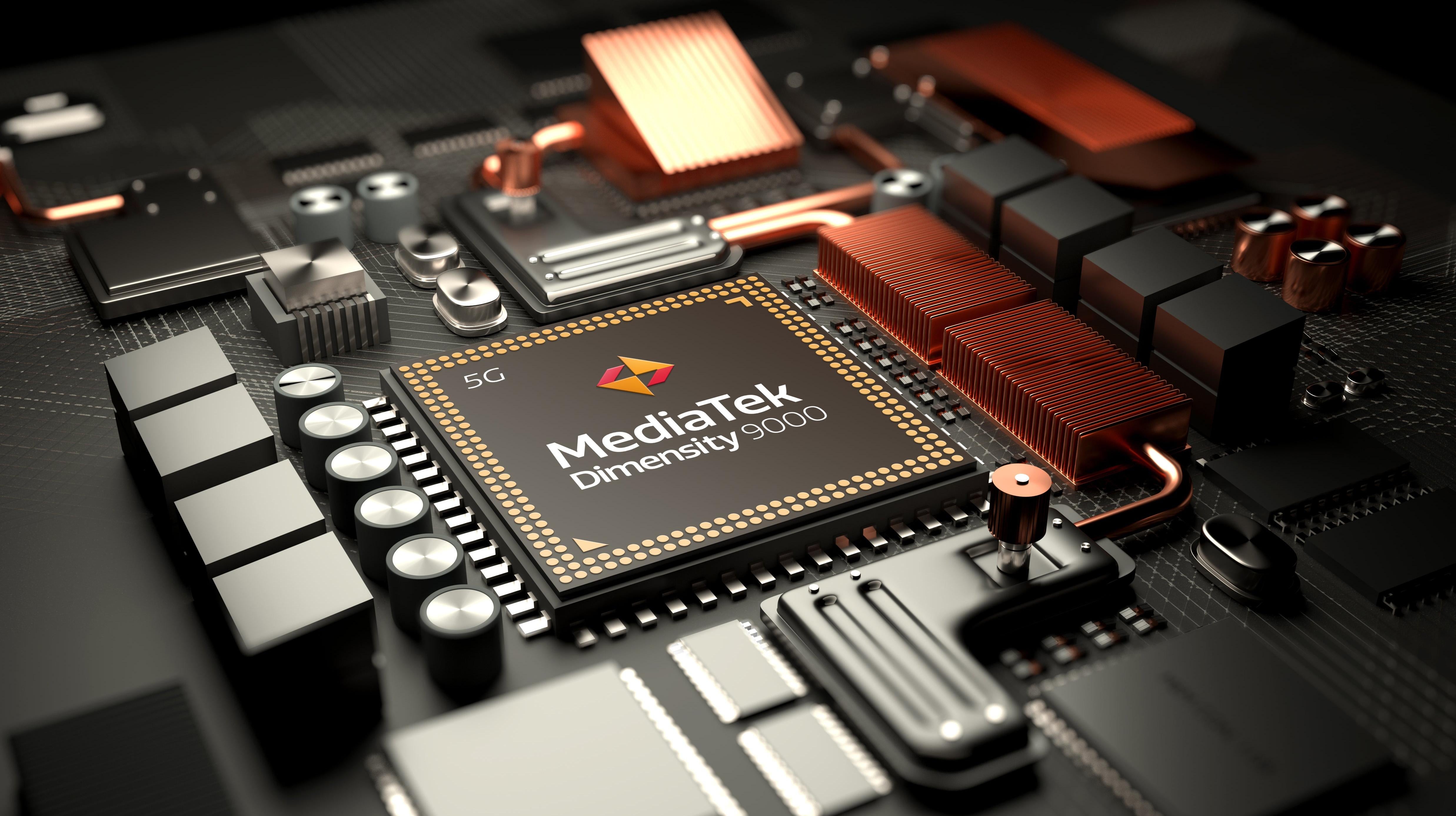
MediaTek has announced its latest flagship smartphone processor — the Dimensity 9000 which is the company’s most powerful chip so far and is aiming to compete against the best chips from companies like Qualcomm and Samsung.
The MediaTek Dimensity 9000 is the world’s first chipset to be manufactured using TSMC’s 4nm process and is also the first to use ARM’s new v9 architecture. Not just that, it is also the first chipset announced with ARM’s new core designs.
It comes with a single Cortex-X2 performance core clocked at 3.05GHz, three Cortex-A710 cores at 2.85GHz, and four Cortex-A510 efficiency cores at 1.8GHz. For graphics, the chipset features a 10-core Arm Mali-G710.
There’s also MediaTek’s fifth-generation APU with six total cores for AI processing. It is claimed by the company to offer four times the performance and power efficiency compared to its previous generation.
The Dimensity 9000 will support LPDDR5x memory at bandwidths of up to 7,500 Mbps. It is also said to be able to handle screens with up to a 180Hz refresh rate at FHD+ resolutions.
Coming to the photography department, the chipset supports the first 18-bit image signal processor, which offers the ability to capture 4K HDR video using up to three cameras at the same time, or still photos using up to a massive 320MP sensor.
For connectivity, the Dimensity 9000 supports Wi-Fi 6E as well as Bluetooth 5.3. There’s no integrated modem with mmWave 5G support but the company says it supports 3CC carrier aggregation for sub-6HZ 5G with top data speeds of up to 7Gbps.
Devices powered by this new Dimensity 9000 SoC are expected to be available in the market as soon as the first quarter of 2022. To know for sure how the chipset performs, we will have to wait to test a real smartphone powered by this new SoC.
The launch of the MediaTek Dimensity 9000 flagship chipset comes when the Taiwan-based company has seen impressive results in the year 2020 and 2021 and is now the world’s largest smartphone chipset maker with around 40 percent of the market share. It is also claimed to be growing at 28 percent in the 5G SoC market.
Motorola surprised everyone by launching an amazing flagship killer powered by the latest flagship chipset released by Qualcomm. We are talking about the Moto G200 5G, the successor of the G100 with even more impressive specifications. Placed in the €600 price range and launched in the global market where it will be available starting from the coming weeks, this device is the perfect rival for the latest Xiaomi flagship: the Xiaomi 11T Pro. This comparison will highlight the differences between the two flagships and let you understand which one is worth buying for your actual needs.
Motorola Moto G200 5G vs Xiaomi 11T Pro
Motorola Moto G200 5G
Xiaomi 11T Pro
DIMENSIONS AND WEIGHT
168.1 x 75.5 x 8.9 mm,
202 g
164.1 x 76.9 x 8.8 mm,
204 g
DISPLAY
6.8 inches, 1080 x 2460 pixels (Full HD+), LCD
6.67 inches, 1080 x 2400 pixels (Full HD+), AMOLED
Triple 108 + 8 + 2 MP, f/1.9 + f/2.2 + f/2.4
16 MP f/2.2 front camera
Triple 108 + 8 + 5 MP, f/1.8 + f/2.2 + f/2.4
16 MP f/2.5 front camera
BATTERY
5000 mAh, fast charging 33W
5000 mAh, Fast Charging 120W
ADDITIONAL FEATURES
5G, dual SIM, water-repellent
5G, dual SIM, IP53 splash resistant
Design
The design of the Motorola Moto G200 5G is unconventional but very attractive: on the rear side, it does not sport a classic camera module like the other last generation phones, but it has sensors placed directly in the rear cover. However, it does not shine in terms of material: it is made of polycarbonate like budget phones, but it has a water-repellent body. The Xiaomi 11T Pro is actually better because it is built with premium materials: it has a glass back and an aluminum frame, and it is dust resistant and splash resistant with the IP53 certification. Further, it is a more compact phone due to the presence of a smaller display.
Display
The display found on the Xiaomi 11T Pro is way better than the panel of the Moto G200 5G. It is an AMOLED display with one billion colors, Dolby Vision, the HDR10+ certification, and a 120 Hz refresh rate sporting a Full HD+ resolution, the Gorilla Glass Victus protection, and a diagonal of 6.67 inches. The Motorola Moto G200 5G has a wider 6.8-inch panel with a higher 144 Hz refresh rate, but it is just an LCD display with less impressive image quality. Further, note that Xiaomi 11T Pro comes with stereo speakers tuned by Harman Kardon, while the Moto G200 5G has just a traditional mono speaker.
Specs & Software
The Motorola Moto G200 5G is equipped with the best processor by Qualcomm: the octa-core Snapdragon 888+ running at a max frequency of 2.99 GHz, which is actually better than the Snapdragon 888 mobile platform offered by the Xiaomi 11T Pro. However, the Xiaomi 11T Pro offers more RAM in its high-end configuration: up to 12 GB, while you get just 8 GB with the Moto G200 5G. The RAM difference is more noticeable than the difference between Snapdragon 888 and 888+, that is why we still recommend the Xiaomi 11T Pro. Both the phones run Android 11 but the Moto G200 5G will only get one major Android update, while Xiaomi 11T Pro will get two.
Camera
On the rear side, the Xiaomi 11T Pro has a superior camera department: the 108 MP main camera is the same, and the 8 MP ultrawide camera too, but the Xiaomi 11T Pro has a better 5 MP macro camera and, unlike the Motorola Moto G200 5G, it is able to record videos with 8K resolution and 4K videos at 60 fps. On the other hand, the Moto G200 5G provides a better front camera thanks to a brighter focal aperture.
The battery capacities of Xiaomi 11T Pro and Motorola Moto G200 5G are exactly the same: 5000 mAh. But the 11T Pro should last more on a single charge in most of the scenarios because it comes with an AMOLED display. Further, it supports faster charging thanks to a power of 120W, while Moto G200 5G stops at 33W.
Price
Currently, it is not hard to find the Xiaomi 11T Pro for €600/$680, and the Motorola Moto G200 5G will be available in the coming weeks with the same starting price tag. Given that the price is the same, the differences between their specifications are very important. Despite the Moto G200 5G having a better chipset, the Xiaomi 11T Pro wins this comparison because of its great AMOLED display, faster 120W charging technology, and its premium design.
Motorola Moto G200 5G vs Xiaomi 11T Pro: PRO and CONS
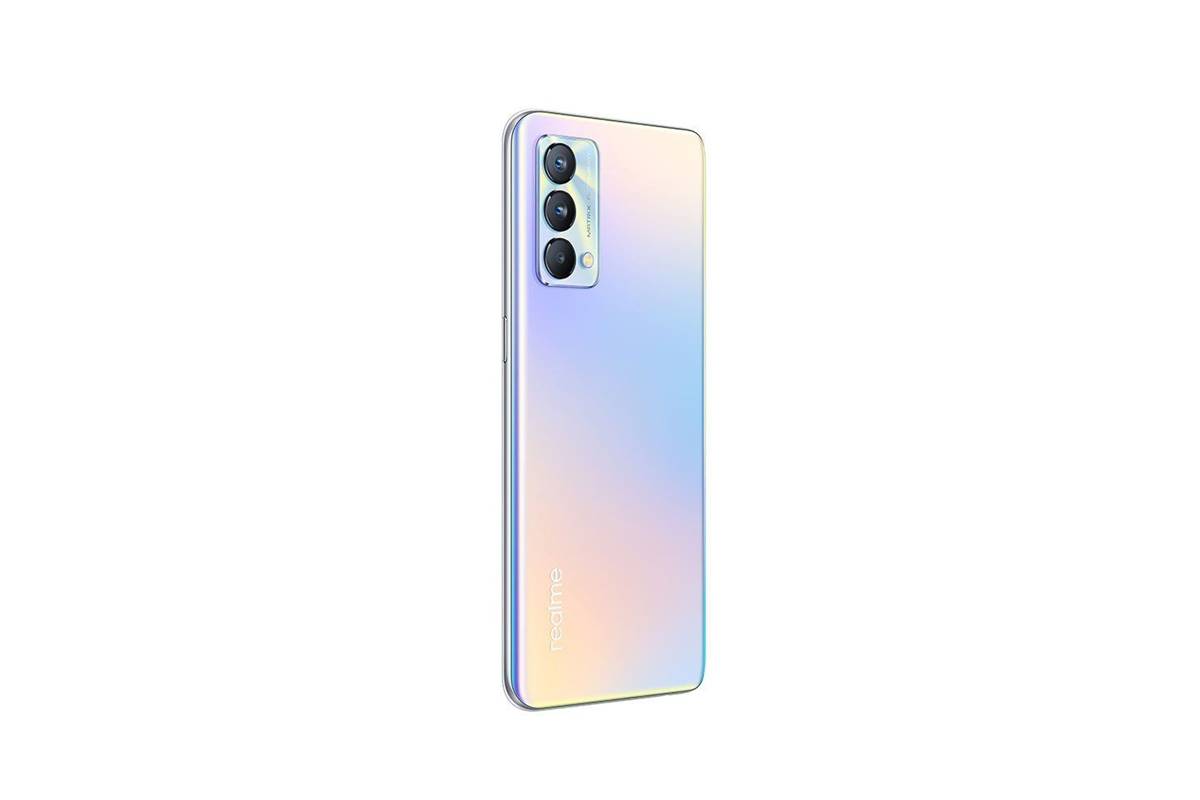
In August this year, Realme launched the GT Master Edition smartphone in the Indian market. Initially, at the launch, the device was available in Voyager Grey, Luna White, and Cosmos Black. Now, an exclusive report from 91mobiles reveals that there will soon be a new colour in the palette.
According to the report, the Realme GT Master Edition will get the Daybreak Blue colour variant. The Daybreak Blue seems to be a fancy gradient color with a mix of blue and daylight. It is worth noting that this colour is already available in other regions like Malaysia where it was available from its launch.
In terms of the launch date, the report suggests that the Realme GT Master Edition Daybreak Blue will be available in India by the end of November or early December. The color will be launched in two configurations – 6GB RAM + 128GB storage variant and an 8GB RAM + 128GB storage variant.
The Realme GT Master Edition comes with a 6.43-inch display featuring a 120Hz refresh rate. The AMOLED screen has FHD+ resolution and holds a 32MP selfie sensor at the top of the screen. At the rear, it has a 64MP main, an 8MP ultra-wide, and a 2MP macro sensor.
Under the hood, the Master Edition is powered by the Qualcomm Snapdragon 778G SoC and has a 4,300mAh battery. It has support for 65W fast charging as well. The 5G phone boots on Android 11 out of the box and has Realme UI on top of it.
Earlier this month, Vivo unveiled the Y76s smartphone in the Chinese market with impressive specs like 50MP cameras and 44W fast charging support. Today, the company has revealed that another device with a similar moniker will debut soon. The smartphone will be called the Vivo Y76 5G and it has just got teased.
Vivo Malaysia on its Facebook page has teased the upcoming Vivo Y76 5G smartphone. The device will debut on November 23 in the Malaysian market. It will be available for purchase from Lazada and Shopee.
As of now, there’s very little detail that we have learned since the device has not passed any major certifications. However, it is worth noting that it does look similar to the recently launched Vivo Y76s. Not just that, the teaser also reveals a similar camera setup. The smartphone will come with a 50MP main sensor, just like the Y76s, but, will have two more lenses – a 2MP portrait, and a 2MP macro lens.
For those who are unaware, the Y76s has only two sensors, a 50MP main and a 2MP macro. That said, the Y76 5G will bring an extra lens for the fancy portrait images.
Apart from this, the device passed the NCC, IMDA, SIRIM, and NBTC certifications which revealed its design and minor specs. The smartphone will come with NFC support and have fast charging technology similar to the Y76s.
The Y76s is fueled by the MediaTek Dimensity 810 SoC and has a 4,100mAh battery. Rumours have it that the Y76 5G will have the same internals as the Y76s, majorly because the Y76s is limited to China, and Vivo may cover its global presence with the upcoming Y76 5G.
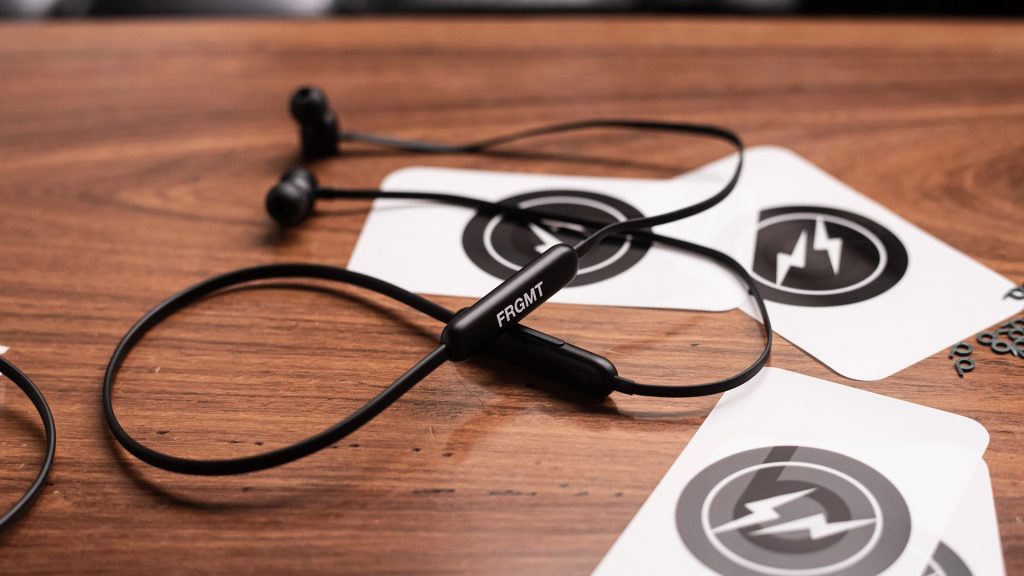
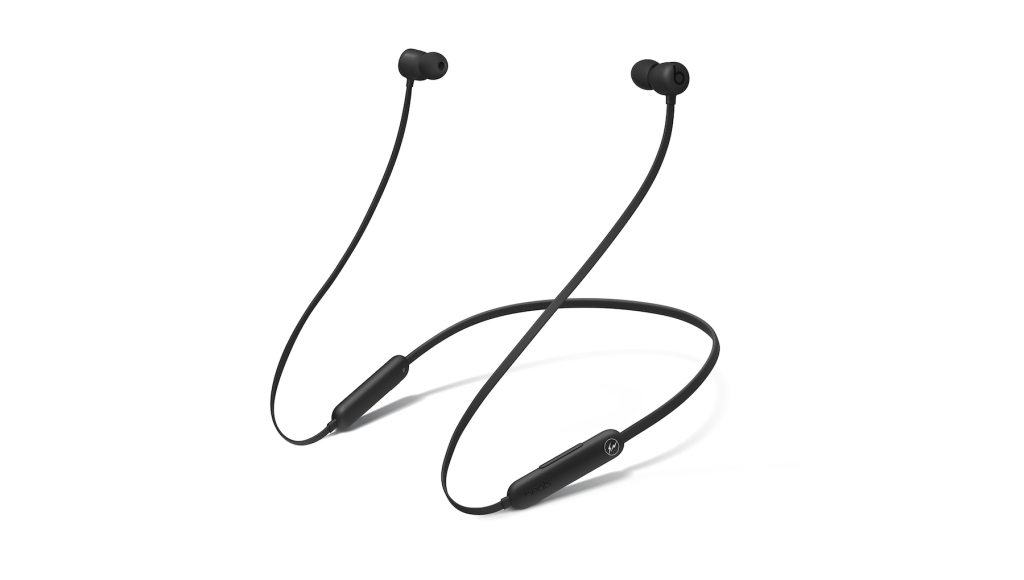
Apple Beats has launched a new special edition earbud. The new Beats Flex earbuds special edition is the culmination of a partnership between Japanese musician/ designer Hiroshi Fujiwara and fashion retailer SSENSE. The limited-edition Beats Flex earbuds come with a minimalist, tonal black design and are not different hardware-wise from the original Beats Flex earbuds.
The new Beats Flex earbuds special edition is adorned with Fujiwara’s fragment design logo which is a twin-lighting icon on the earbuds. This is the first such partnership between Beats and Fujiwara’s company. Beats says its collaboration with Fujiwara comes as the musician and designer named the Beats Flex as his favorite product in the Beats portfolio.
The original Beats Flex earbuds had caught the fancy of Fujiwara who said he likes the lightweight neckband for listening to music. Fujiwara also says that the new black-on-black design of the Beats Flex earbuds special edition is extremely sophisticated and refined. He also said that the new Beats Flex special edition will have an instant appeal in the market.
The Apple company Beats has had some previous engagements with Fujiwara and he has always added his touch of innovation and design excellence. On the other hand, apart from Apple, retailer SSENSE will be the sole retailer of the Beats Flex earbuds special edition, and the product is priced at $69.99.
We use cookies on our website to give you the most relevant experience by remembering your preferences and repeat visits. By clicking “Accept”, you consent to the use of ALL the cookies.
This website uses cookies to improve your experience while you navigate through the website. Out of these, the cookies that are categorized as necessary are stored on your browser as they are essential for the working of basic functionalities of the website. We also use third-party cookies that help us analyze and understand how you use this website. These cookies will be stored in your browser only with your consent. You also have the option to opt-out of these cookies. But opting out of some of these cookies may affect your browsing experience.
Necessary cookies are absolutely essential for the website to function properly. This category only includes cookies that ensures basic functionalities and security features of the website. These cookies do not store any personal information.
Any cookies that may not be particularly necessary for the website to function and is used specifically to collect user personal data via analytics, ads, other embedded contents are termed as non-necessary cookies. It is mandatory to procure user consent prior to running these cookies on your website.