Advertisement

Amazfit GTR 3, GTR 3 Pro, GTS 3 renders and Key Specs leaked

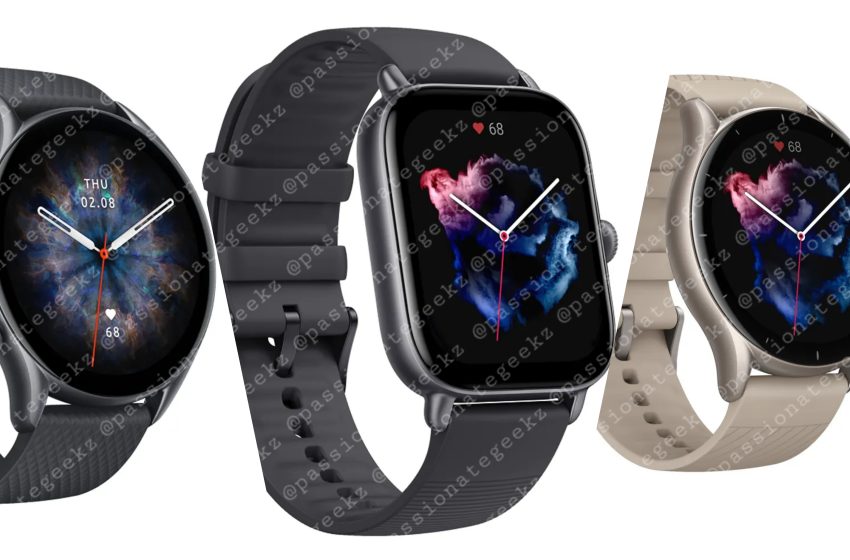
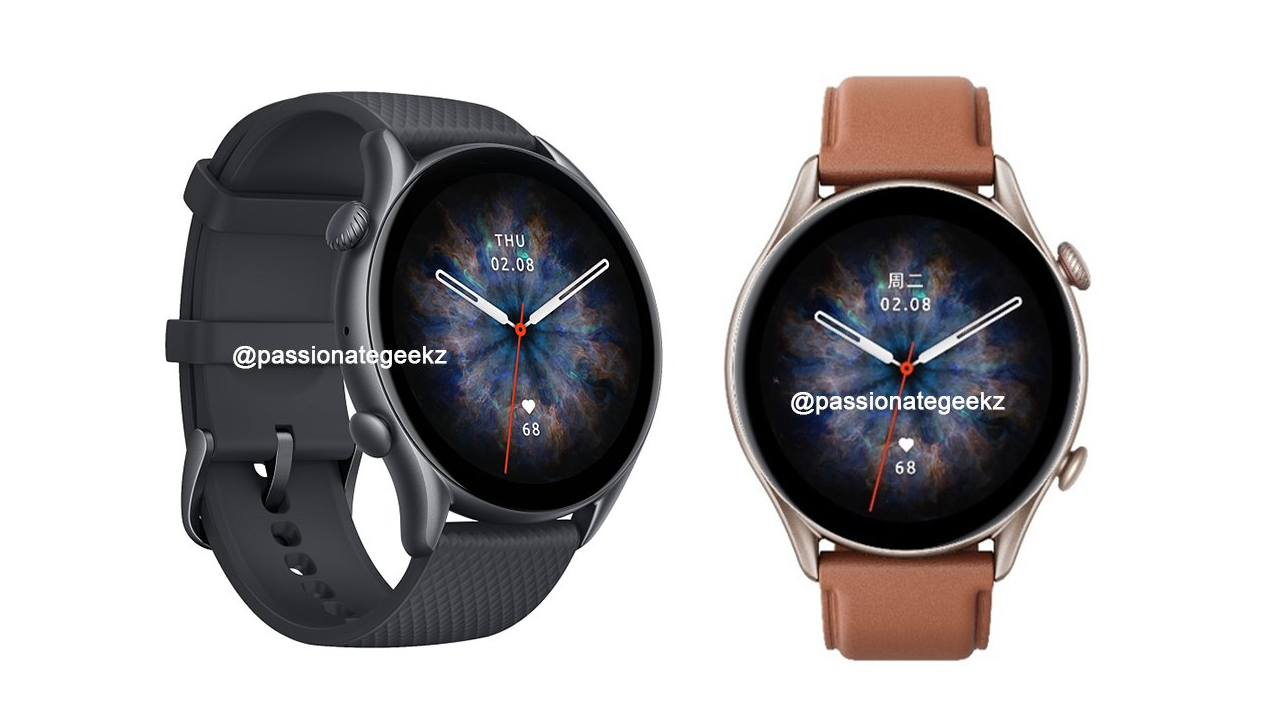
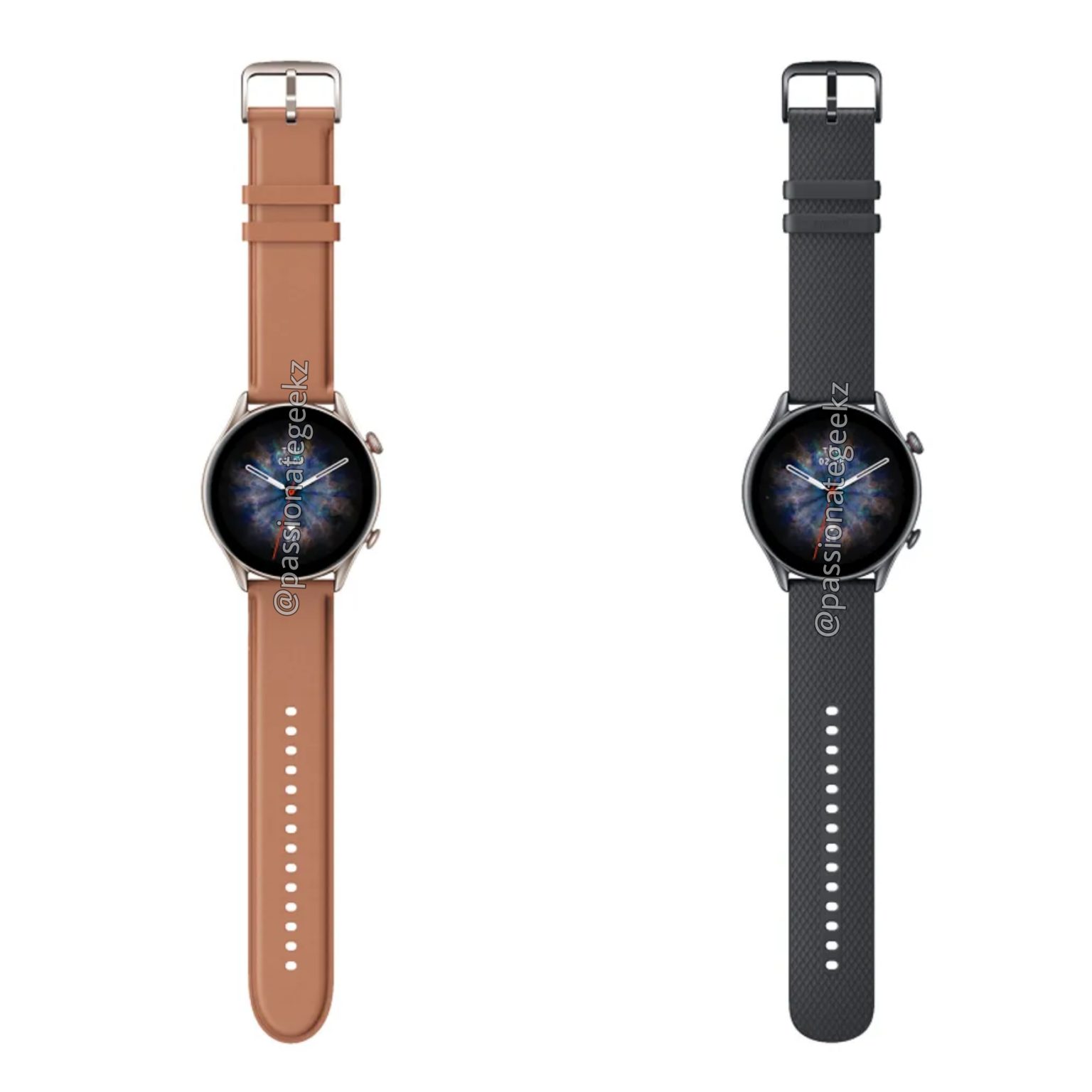
Amazfit is gearing up for the launch of its new smartwatches. Now, a new leak has showcased the renders of the GTR 3, GTR 3 Pro, and GTS 3, along with some of their specifications.
Amazfit

The renders and information regarding the upcoming smartwatches from the Chinese smart wearables maker arrives from PassionateGeekz. For those unaware, Amazfit is planning on releasing new products on 11th October 2021 globally and also aims on hosting a launch conference on October 12 for the Chinese market. During this event, the GTR 3 series, which includes the base and Pro models, will be announced along with the GTS 3 as well.

The report adds that all three watches will support 150 sports modes, feature an aluminum alloy body, and Bluetooth 5.1. Furthermore, the wearables will also offer Breathing Exercises, Sports Modes, Biometric Sensor, Respiratory Rate Measurement, Swimming Pulse Measurement, SpO2, Speaker, Bluetooth calls, Music storage, and more. The GTR 3 model sports a 1.39 inch display with 454 x 454px resolution that is powered by a 450mAh battery that can last for up to 24 days.
Amazfit GTR 3 Pro Render Leak

Furthermore, the smartwatch will be similar to its predecessor in terms of features and will launch in two color variants, namely thunder black and moonlight gray. Although, a notable inclusion this time around is the inclusion of Amazfit’s proprietary software, the ZEPP OS, which aims to deliver a significantly faster and more responsive interface over the OS it offered in previous generations. Now, even the animated watch faces will run at 60 frames per second.

Talking about the GTR 3 Pro, it will feature a design similar to the GTR 2 Sport and Classic models. However, there are certain changes like an increased display size from 1.39 inch to 1.45 inches along with an improved screen to body ratio of 70.59 percent. In other words, its bezels are now narrower, measuring just 3.5mm while its display has a pixel density of 331ppi.
Amazfit

Not a lot is known about the GTS 3 at the moment, but it will feature a 1.75 inch display and launch in three colors, including tera rose, ivory white and graphite black.  Arriving at the pricing, the GTS 3 is expected to be sold around 205 US Dollars, while the GTR 3 and GTR 3 Pro are expected to launch in the 215 US Dollars and 225 US Dollars price segment respectively.

RELATED:


Some iPhone 14 models may retain the notch, no under-display Touch ID next year, claims report

The Apple iPhone 14 series won’t rely entirely on the hole punch camera setup and may retain the notch for yet another year, at least on some of the models, as per a new rumor from Weibo.

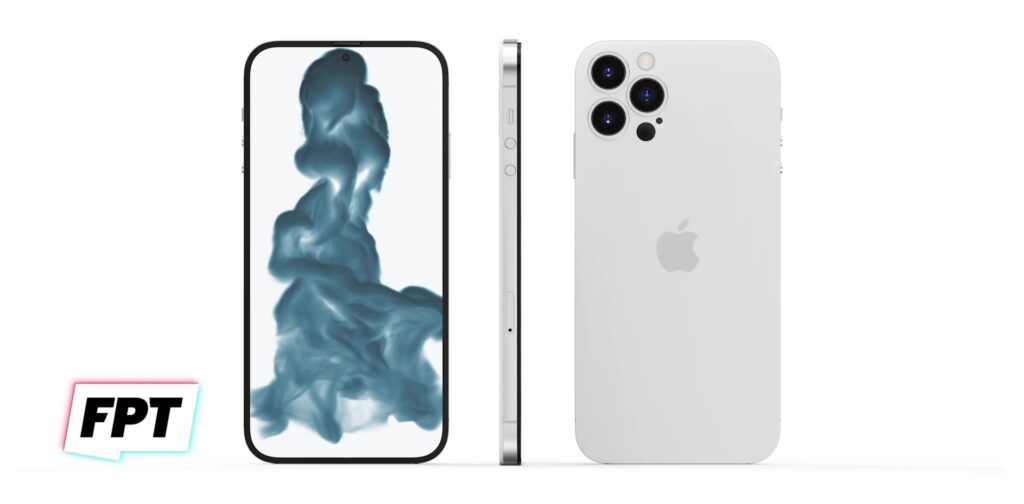
Apple analyst Ming-Chi Kuo reported (via: MacRumors) that Apple will be bringing the hole-punch design to the higher-end iPhone 14 models, similar to the one that’s now almost standard on Android devices. Following the report, leakster Jon Prosser dropped renders of what he believes the iPhone 14 would look like.

iPhone-14-renders-Jon-Prosser
Image: FRONT PAGE TECH

Further, a now-deleted post from @PandaIsBald on Weibo stated that it will be difficult for Apple to adopt the hole punch for all of the models and abandon the notch completely. Instead, the iPhone 14 will be extending the usage of the notch by yet another year, only with yet another reduction in size.

What remains to be seen is how Apple will be implementing Face ID if it ditches the notch considering the elaborate hardware that is required for the same to work.

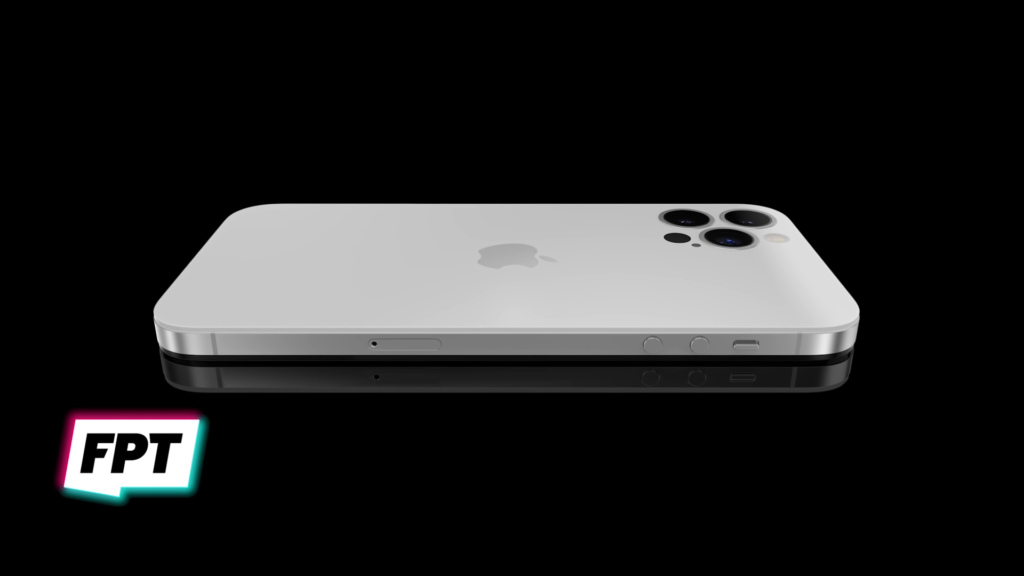
iPhone-14-rear-front-page-tech

Apple did reduce the width of the notch with the iPhone 13 and iPhone 13 Pro but increased its height. This was achieved by reducing the TrueDepth camera system’s component sizes and reengineering the internals. The earpiece was also moved to the top bezel from its prior position within the notch, thus freeing up a whole lot of width.

Last but not the least, the said post claims that Touch ID will not be going under-display next year, meaning Face ID may continue to be the sole way to unlock iPhone 14 devices.

RELATED:

Tipster reiterates 120W fast charging on Redmi Note series

There are only a couple of companies that offer 120W fast charging – Xiaomi and vivo. Unlike the latter, the former’s charging solution is available globally with the recent launch of the Xiaomi 11T series. Back in June, a reliable tipster revealed that this fast charging tech will make its way to the Redmi Notes series. Months later, he reiterates the same.

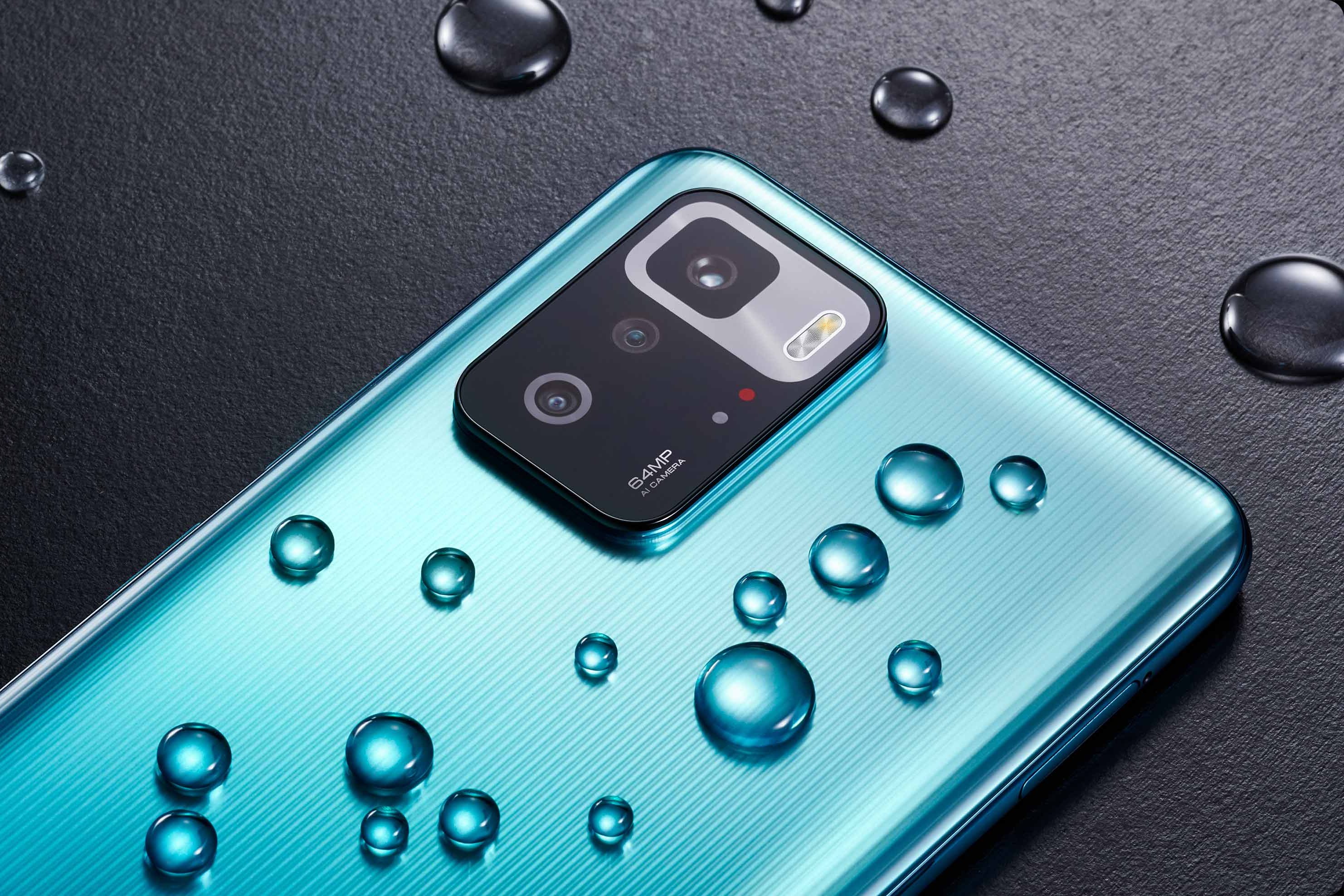
Redmi Note 10 Pro 5G Featured H
Redmi Note 10 Pro 5G

Digital Chat Station was the leaker who said that 120W fast charging will be made available for the Redmi Note series a few months back. Today, the tipster reveals the device that will be bringing the high-end charging solution to the mid-range segment.

According to him, the top model in the next-gen Redmi Note series will have support for 120W charging. The successor of the Redmi Note 10 series should be ideally called Redmi Note 11 series. But since this is Xiaomi we are talking about, there’s a chance that the upcoming Redmi Note lineup may have new branding.

Having said that, the leaker here means the Chinese version of the upcoming Redmi Note series. The last two generations of the Redmi Note series have been different in China and international markets.

Hence, this device could be known by some other name outside mainland China. Anyway, we cannot rule out the possibility of Xiaomi merging the Redmi Note series for all markets once again.

The Redmi Note 10 Pro 5G is currently the fastest charging Redmi Note device with support for a 67W charging protocol. The handset is sold as POCO X3 GT in some markets.


RELATED:


Realme Buds Air 2 Green color option to launch in India on October 13

Earlier this year, in March, Realme had launched the Buds Air 2 true wireless earbuds as one of the most affordable TWS earphones to come with active noise cancellation support in the Indian market.

Now, the Chinese company is all set to launch a new color option for the Realme Buds Air 2 in India — Green. It will get launched in India on 13th October, along with the Realme GT Neo2 smartphone. The product already comes in three different colors — Closer White, Closer Black, and Closer Gold.

Realme Buds Air 2 Green

Those who purchase the Green colored model will get a charging case with green color on the outside and black color on the inside. Additionally, the earbuds also have a green color paint job but the part that goes into the ear has a black paint job.

Apart from the new color, everything else will remain the same. The earbuds come with 10mm DLC (Diamond-like Carbon) drivers and connect via Bluetooth 5.2. They are powered by the company’s own Realme R2 chip and comes with support for Google Fast Pair, wear detection as well as touch gesture controls.

It features ANC (Active Noise Cancellation) and the brand claims that these buds can reduce the external noise up to 25dB, just like the Xiaomi Mi Neckband Bluetooth Earphones Pro. There’s also support for low-latency mode for gaming sessions.

As for the battery life, the company says that the product offer up to 25-hour battery life with ANC turned off and up to 22.5 hours with ANC turned on. Further, the buds themselves offer up to 5-hour battery life. It is claimed that 10 minutes of charging can deliver 2 hours of playback, while the TWS takes up to 2 hours to charge completely.

RELATED: 

Apple MacBook Pro 2021 prototype leak reveals some key details ahead of launch

Apple has been working on its next-generation MacBook Pro devices for some time and the technology giant is expected to officially launch the new laptops, powered by the unannounced M1X chipset by Apple Silicon later this month.

Now, ahead of that, a prototype of the upcoming Apple MacBook Pro has leaked online, confirming the MacBook Pro model with serial number DVT-X88102C where DVT refers to Design Validation Testing (DVT), a prototyping stage before Production Validation Testing.

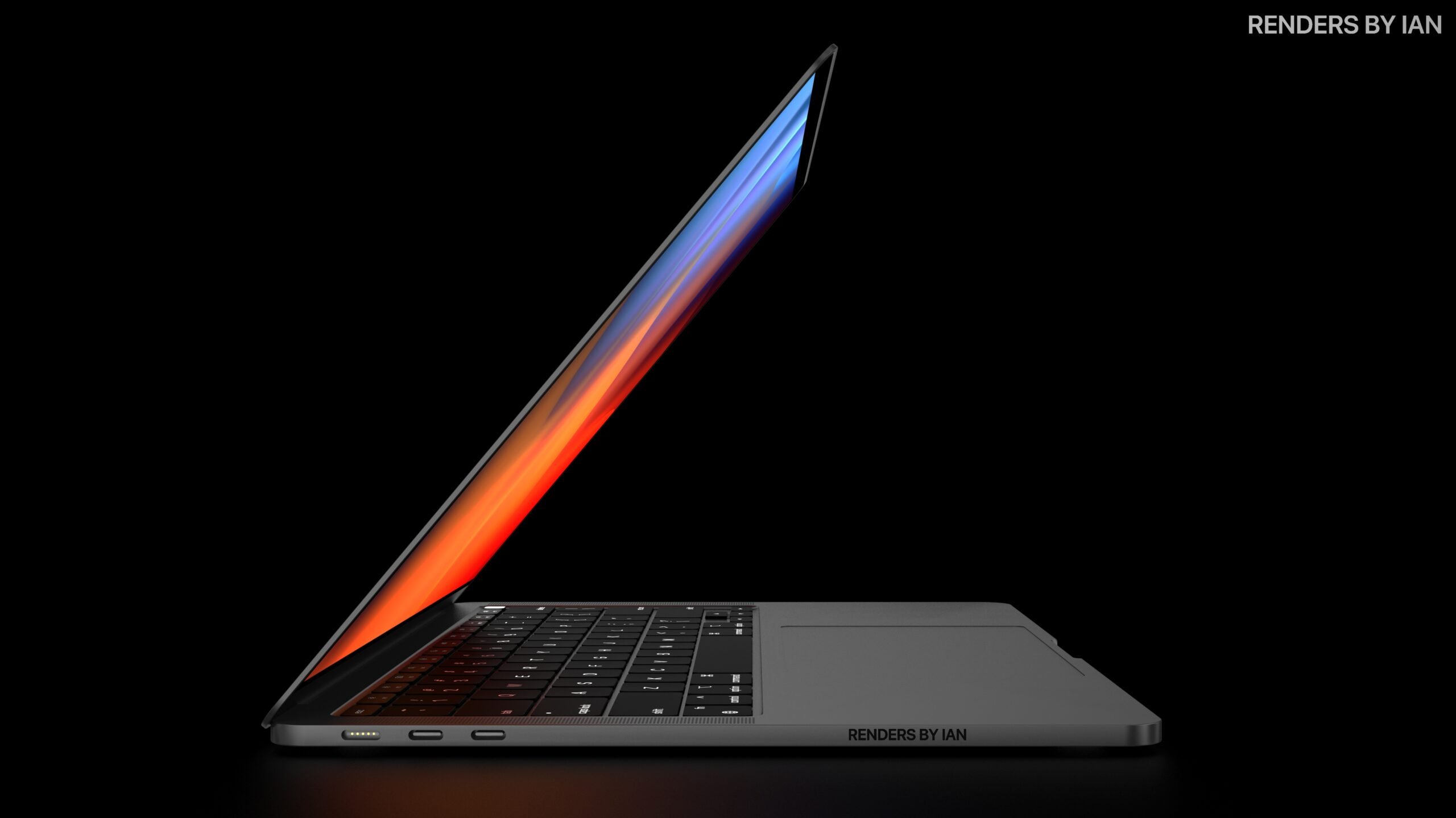
Apple MacBook Pro 2021 Render
Image Credit: Renders By Ian

It has also been revealed that the device packs 32GB of RAM and the company is expected to offer up to 2TB of storage. The upcoming laptops are also expected to come with a revamped design.

The new M1X chipset from Apple, along with two new MacBook Pro models, have been reported to get launched in the past few months but it kept getting delayed because of the production issues and are now expected to go official in the coming weeks.

The upcoming Apple MacBook Pro models are expected to come with an all-new design and two display options — 14-inch and 16-inch, featuring a Mini-LED screen. They are expected to feature a flat-edged design, a MagSafe charging port, and a few more ports, including HDMI and an SD-card slot reader.

As for the M1X chipset, it could come packed with a 10-core CPU with eight high-performance cores and two energy-efficient cores, along with 16 or 32-core GPU options and support for up to 64GB RAM.

If the reports are to be believed, then Ruiyi Optoelectronics will be the exclusive supplier of the new Mini-LED panels while Quanta Computer will be responsible for the final assembly of the upcoming MacBook devices.

Apart from the MacBook, there are a few other Mac devices planned by Apple. Previously it was reported that soon after the MacBook Pro launch, the Cupertino-based tech giant could launch a new high-end Mac Mini, followed by a new iMac and Mac Pro next year.

RELATED: 

Dutch authority finds Apple’s in-app purchase rules anticompetitive; demands App Store changes

Troubles for Apple just keeps piling on. After the report that Korea could make Apple pay $46 million in undeclared benefits and the company facing charges over NFC chip in iPhones and Apple Pay Europe’s antitrust regulators, Dutch antitrust authority has now found the Cupertino-based giant involved in anti-competitive behavior.

According to the latest report from Reuters, the Dutch antitrust authority has found that Apple’s rules requiring software developers to use its own in-app payment system are anti-competitive and has ordered it to make changes.

Apple Logo

While Apple is facing similar challenges in several countries, the Netherlands’ Authority for Consumers and Markets (ACM) last month informed the US-based technology giant of its decision, making it the first antitrust regulator to make a finding of Apple having abused market power in the app store.

Interestingly, ACM has not levied any fine against Apple but has demanded changes to the in-app payment system. The decision is expected to get published in the coming weeks.

For those who are unaware, Apple has an in-app-store payment policy, which requires the application developers to exclusively use Apple’s payment system where the company takes out commissions, ranging from 15 percent to 30 percent.

The Dutch antitrust authority initiated an investigation in 2019 to find out if Apple’s practices amounted to an abuse of a dominant market position. However, it later reduced the scope of the investigation to focus only on dating market apps.

It was after a complaint filed by the Match Group, which owns the popular dating platform Tinder. The company had said that Apple’s rules were hindering it from direct communications with its customers about payments.

Recently, South Korea enacted a law that bars app store operators from forcing developers to use their official payment systems. Apple as well as Google are due to respond this month on how they plan to comply with the new rule.

RELATED: 

Redmi K50 Pro+ key specifications leak reveals Snapdragon 898, 108MP camera, and more

Xiaomi’s sub-brand Redmi is reportedly working on the Redmi K50 series of smartphones. It is speculated that the lineup will include three models such as Redmi K50, Redmi K50 Pro, and Redmi K50 Pro+. A Chinese tipster has shared the key specifications of the Pro+ handset.

According to the tipster, the display of the Redmi K50 Pro+ will feature a top-center positioned punch-hole. The AMOLED panel will be integrated with an in-screen fingerprint reader. Like the K40 Pro+, the K50 Pro+ may come equipped with support for a 120Hz refresh rate.

Redmi K40 Pro+
Redmi K40 Pro+

The upcoming Snapdragon 898 mobile platform is expected to power the K50 Pro+. It could be backed by a 5,000mAh+ battery. It can be said based on previous leaks that the smartphone may carry support for 67W rapid charging.

The rear camera setup of the Redmi K50 Pro+ may feature a 108-megapixel primary camera and a periscope zoom lens. Probably, it will come equipped with a triple camera unit. The Redmi K50 lineup is expected to launch by February 2022 in China.

It is speculated that the Redmi K50 may feature the Snapdragon 888 SoC, while the K50 Pro will be coming with the Snapdragon 898 SoC. With the K50 lineup expected to arrive by next year, the rumor mill is expected to reveal more details in the coming days.

RELATED:

Samsung Electronics indicates 28% growth in operating profit in Q3 2021

Samsung Electronics has announced that the company’s operating profit in the third quarter of this year rose by around 28 percent — the highest growth for the South Korean giant registered in three years.

Semiconductors accounted for about half of Samsung’s operating profit in the first half of the year. The rise in the operating profit is likely because of the rising prices of memory chips in the market and the spike in sales for display, catering to the need of smartphone manufacturers for their flagship models.

Samsung Logo

Samsung estimated that its profit in the third quarter of this year, meaning in the months of July to September, could stand at 15.8 trillion won, which is approximately $13.3 billion. The numbers are below the estimate of 16.1 trillion won by Refinitiv SmartEstimate.

According to industry analysts, the rising memory chip prices and shipments, along with a jump in profitability at Samsung’s chip contract manufacturing business, likely raised the chip division’s operating profit by about 79 percent from a year earlier.

Samsung also benefited from the demand for its recent foldable smartphones and is increasing its market share in this category. The company reportedly sold over two million units of its new flagship smartphones within a month.

The company’s operating profit for the current quarter is expected to be similar or slightly below the third quarter. Analysts are pointing to expectations that prices for memory chips used in personal computers will tumble from the fourth quarter as global lockdowns ease, and the smartphone shipments may also decline.

Samsung’s chip manufacturing business is also showing positive signs and the company recently announced that it’ll start working on the 3nm process for smartphone chips from next year and will shift to the 2nm process in 2025.

RELATED: 

Black Shark 4S is launching on October 13

Recent reports have revealed that Black Shark is working on the Black Shark 4S and Black Shark 4S Pro as updated versions for the Black Shark 4 and 4 Pro phones that were made official earlier this year. Today, the company revealed through its Weibo handle that the Black Shark 4S will be debuting at 3 PM (local time) on Oct. 13 in China.

The below-shown poster only mentions the arrival of the Black Shark 4S. However, it is likely that the company may also unleash a Pro variant alongside it. A closer look at the poster reveals that the Black Shark 4S is equipped with a horizontally aligned triple camera unit like the predecessor series. The company is yet to confirm the key specs of the smartphone.

Black Shark 4S launch date

The Black Shark 4S Pro is rumored to feature a 144Hz refresh rate display, the latest Snapdragon 888 Plus mobile platform, and 120W fast charging support. To recollect, the Black Shark 4 Pro was powered by the Snapdragon 888 SoC.

It is also rumored to arrive with a 64-megapixel (main) + 8-megapixel (ultrawide) + 5-megapixel (macro) triple camera unit. Probably, it will feature the same triple camera system that was made available on the Black Shark 4 Pro.

It is likely that the Black Shark 4S may also feature a 144Hz display and 120W rapid charging. The Black Shark 4 was powered by the Snapdragon 870. It is unclear which SoC will be fueling the 4S. It may retain the same 48-megapixel (main) + 8-megapixel (ultrawide) + 5-megapixel (macro) triple camera unit that was offered on the Black Shark 4.

RELATED:

Mobicel Legend Max with massive 6.8-inches screen launched in South Africa

Mobicel, a South African smartphone maker, has added one more device to its portfolio and has called it the Legend Max. The model is the successor of the previous vanilla Legend that was launched back in 2020.

The company has worked on the design and other internals to make it look like an actual upgrade from the previous models but it still remains outdated when put against today’s fast-growing tech. However, the display is the USP of this device as it is a massive 6.8-inches screen which is a notable upgrade from the previous gen’s 6.5-inch panels.

Mobicel Legend Max

The phone draws its power from the UNISOC SC9863A CPU, which has an 8-core CPU, clocked at a maximum frequency of 1.6GHz. The GPU unit is the PowerVR GE8322. The RAM is still on the lower side as only a mere 2GB RAM with 32GB of internal ROM has been offered on the Legend Max but gladly, there is a slot for an SD card.

Mobicel Legend Max packs three sensors on the rear where the main lens is a 13MP shooter, along with two additional auxiliary lenses. The front camera is a single 8MP lens.

The phone has a decent 4000mAh battery and has a fingerprint scanner placed on the rear. The operating system is Android and doesn’t offer much variety when it comes to colors as it is only available in Green color. Mobicel has priced the Legend Max at RMB. 1,799 in South Africa, an equivalent of about $119 US Dollars.

Related:

[embedyt] https://www.youtube.com/watch?v=5jM1gtthnDU[/embedyt]

(via)

OnePlus 9RT launch date confirmed, design revealed

OnePlus introduced the Snapdragon 870 SoC powered OnePlus 9R as an affordable flagship earlier this year. Multiple reports claimed that an updated version of the 9R will debut this month. Today, OnePlus’ Weibo released an official confirmation that it will be announcing the OnePlus 9RT smartphone at 7:30 PM (local time) on Oct. 13 in China.

A landing page for the OnePlus 9RT is now live on OnePlus China’s website. The official images available on the site has revealed the rear design of the phone. The handset is now up for registrations in the home market.

The images of the OnePlus 9RT show that its camera island looks somewhat different as compared to the 9R. While the front design of the phone is not known, it is likely to retain the punch-hole display, which was made available on the original model. Apart from the silver variant, the 9RT is rumored to arrive in black and blue colors.

OnePlus 9RT launch date

OnePlus 9RT specifications (Rumored)

The OnePlus 9RT has a 6.55-inch Fluid AMOLED FHD+ 120Hz display, ColorOS 12 based Android 11 OS, a 16-megapixel front camera, a Sony IMX766 50-megapixel + 16-megapixel (ultrawide) + 5-megapixel (macro) + 2-megapixel (mono) quad-camera system on the back. The Snapdragon 888 SoC will power the device with up to 12 GB of LPDDR5 RAM and up to 256 GB of UFS 3.1 storage. It will house a 4,500mAh battery that supports 65W rapid charging. It is likely to be priced between 2,000 Yuan (~$310) and 3,000 Yuan (~$465) in China.

OnePlus 9RT is also expected to debut in India. However, it is unclear whether the company will be unleashing the 9RT on the same Oct. 13 date in the country.

RELATED:

Vintage Apple iMac G4 turned into an M1 Mac Machine by a fan

There are no boundaries, no limitations when you truly desire something and it has recently been proved by Colby Sheets, an Apple fan and an iOS developer, who paid tribute to Steve Jobs on his 10th death anniversary by turning a 20-year old Apple iMac G4 into an M1 Mac machine.

Sheets posted a video of his M1 iMac G4 on October 5 and shared how he went on to build this. He says, “I’ve always wanted the iMac G4 since I was a kid and I knew a few people made some hackintosh’s with them but I didn’t want that, I wanted a real Mac. I always thought about putting the Mac mini internals in it but with intel chips, it wouldn’t work for a couple of reasons (size, heat/airflow). Well now with the M1 how thermally cool it runs, I thought I’d give it another shot!”

Not being an engineer, he had to reach out to a lot of people including YouTuber Pendleton115’s video of how to turn the iMac G4 into an external monitor. In his tweet, Colby explained that he how combined together the Apple M1 Mac components to create an iMac G4 with 8GB of RAM powered by the M1 processor. There was also a scope to replace the display but he chose to stick with the stock one as it had nothing wrong with it.

A little history, The iMac G4 was officially launched in January 2002 powered by a PowerPC chip, and carried SDRAM of up to 256MB, 80GB of storage. Nicknamed as iLamp, iMac G4 was discontinued after two years.

Related:

[embedyt] https://www.youtube.com/watch?v=5jM1gtthnDU[/embedyt]

(via)

Apple Watch Series 7 pricing details leak hours before it becomes available for pre-order

Last month, along with the new iPhone 13 series smartphones, the Cupertino-based tech giant had unveiled the Apple Watch Series 7 but instead of revealing its pricing and availability details, the company just said that the smartwatches will go on sale this fall.

Now, the latest smartwatch lineup from the company will be available to pre-order globally which will reveal almost everything related to the devices. But, just hours before that, the pricing details have leaked online.

apple-watch-series-7-featured

The company had already confirmed that the Apple Watch Series 7 will have a starting price of $399. There are basically four models — Aluminium, Stainless Steel, Titanium, and Nike. All those models come in GPS and GPS + Cellular variants as well as two different sizes — 41mm and 45mm.

Here are the pricing details:

  • 41mm Aluminum (GPS) – $399
  • 45mm Aluminum (GPS) – $429
  • 41mm Aluminum (GPS + Cellular) – $499
  • 45mm Aluminum (GPS + Cellular) – $529
  • 41mm Stainless Steel with Sport band (GPS + Cellular) – $699
  • 45mm Stainless Steel with Sport band (GPS + Cellular) – $749
  • 41mm Stainless Steel with Milanese Loop (GPS + Cellular) – $749
  • 45mm Stainless Steel with Milanese Loop (GPS + Cellular) – $799
  • 41mm Titanium (GPS + Cellular) – $799
  • 45mm Titanium (GPS + Cellular) – $849
  • 41mm Nike (GPS) – $399
  • 45mm Nike (GPS) – $429
  • 41mm Nike (GPS + Cellular) – $499
  • 45mm Nike (GPS + Cellular) – $529

From this leak, it appears that the pricing of the new Apple Watch Series 7 is quite similar to the pricing of the Watch Series 6 models launched last year. Also, it seems that the Stainless Steel and Titanium customers won’t be getting a GPS-only option.

While the smartwatches will be up for pre-order from today (i.e. 8th October), it remains to be seen how the company manages to keep up with the demand. For those who are unaware, Apple faced production issues because of the “quality issues” and if the company has managed to fix that, it will be difficult to meet the demand globally.

Ahead of the pre-orders starting, the India pricing for the upcoming watches from Apple had already been revealed through a listing on the online marketplace Flipkart. Interestingly, the pre-orders for the Apple Watch Series 7 models are already live on the Chinese platform JD.com, a day before the company starts officially taking orders.

RELATED: 

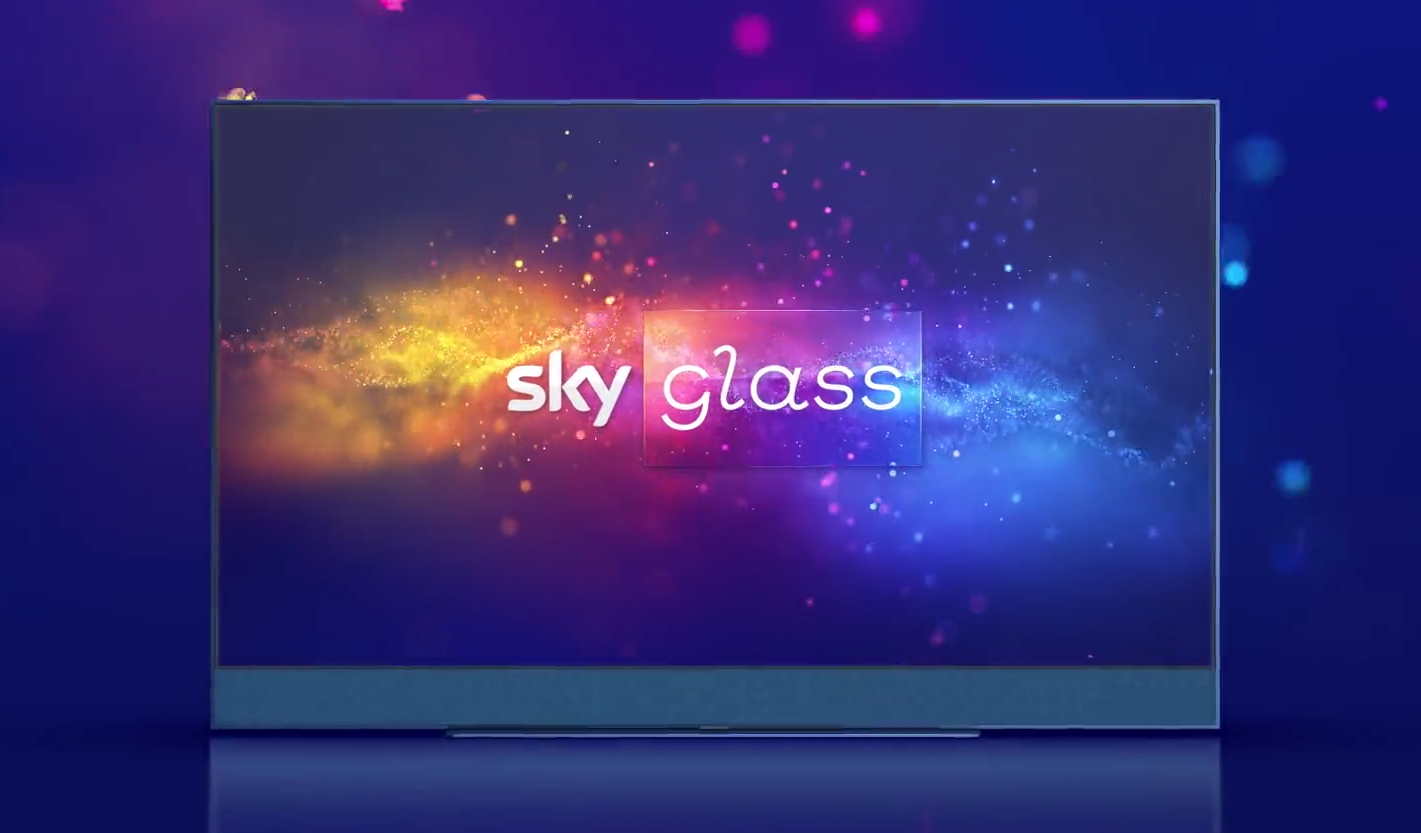
Sky Glass TVs launch in the UK with an iMac-like design

Sky is a British satellite broadcaster and internet service provider, and a popular one at that. Today, it announced its first smart TV, the Sky Glass, whose design reminds us of the new iMac announced earlier this year.

Sky Glass featured

The Sky Glass TV is available in three sizes – 43-inch, 55-inch, and 65-inch. All have a Quantum Dot UHD display with slim bezels on three of the sides save for the bottom which houses the built-in 215W six-speaker (3 front-facing speakers, 2 upward-firing speakers, and a subwoofer) soundbar with 360º Dolby Atmos. The TV also has HDR110, HLG, and Dolby Vision.

Sky says the TVs are made from premium-grade anodized aluminum with woven acoustic mesh and they are all available in five colors – Ceramic White, Dusty Pink, Racing Green, Ocean Blue, and Anthracite Black. It uses a special mounting bracket that is integrated into the TV. For connectivity, there are three HDMI 2.1 ports (eARC and CEC supported) and a USB-C port. There is also Bluetooth 5.0 (LE and Classic).

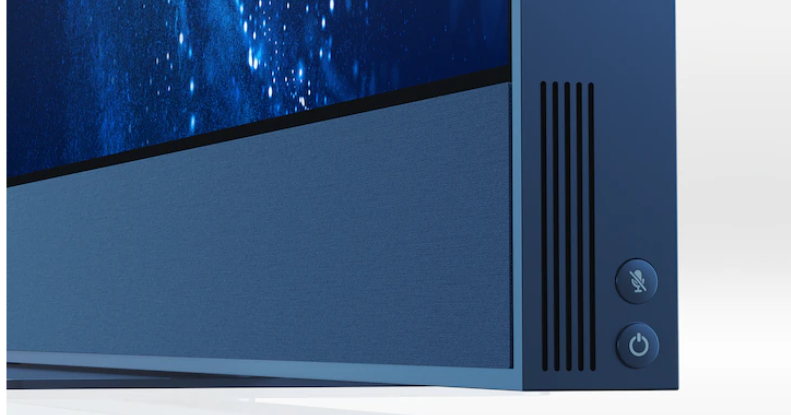
The Sky Glass TV comes with Sky’s own TV stations, up to 140, as well as 21 pre-installed apps including Netflix, Spotify, Disney+. There is a remote but you can also control the TV with your voice thanks to far-field microphones built-in. It has its own assistant, so you can simply say “Hello Sky” followed by your command. Don’t worry, there is a microphone mute button on the TV.

Sky Glass microphone mute

Sky has put a price tag of £649 on the 43-inch version, £849 for the 55-inch model, and £1049 for the 65-inch version if you want to pay upfront. You can choose to pay over 48 months or 24 months too. Of course, there is a monthly subscription to access Sky’s own channels as well as those of the other streaming platforms.


According to The Verge, Sky is developing a 4K smart camera that attaches to the top of the Sky Glass TVs. The camera will support body tracking and motion controls and Sky says it will “transform how we chat, play games, workout, and share entertainment at home.” There is no mention of when it will launch and how much it will cost.


RELATED:

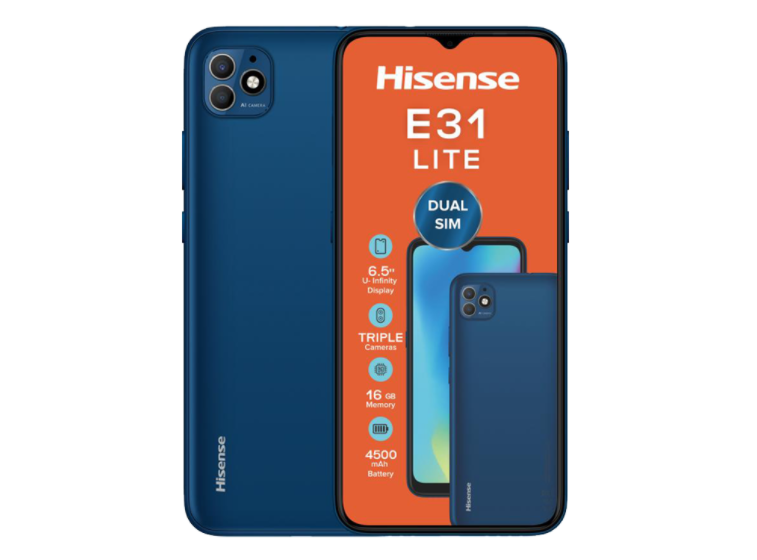
HiSense E31 Lite with 4,550mAh battery and 1GB of RAM launched for $114

Chinese tech manufacturer HiSense has officially launched a new entry-level smartphone dubbed HiSense E31 Lite in the African market. The smartphone comes with a dew-drop notch display and dual rear cameras.

HiSense E31 Lite Pricing and Specifications 

The HiSense E31 Lite is priced at 1,699 SAR(~$114) for the only variant with 1GB of RAM and 16GB of internal storage. It comes in a Blue colour variant. The smartphone will be available for purchase from authorised stores in the region.

HiSense E31 Lite announced with Unisoc SC9863A chipset

The HiSense E31 Lite sports a polycarbonate built with a 6.52-inch IPS LCD display. It comes with an HD+(1600 x 720 pixels) resolution and 16.7 million colours. It has an 8MP front camera placed in the dew-drop notch and features a dual-camera system at the rear. It has an 8MP main sensor and CIF rear camera lens. The camera island also has an LED flash and a secondary microphone.

Under the hood, the smartphone is powered by the UNISOC SC9863A SoC paired with 1GB of RAM and 16GB of internal storage. The internal storage is expandable up to 512GB via the microSD card slot. It packs a 4,550mAh battery and runs on Android 11 out of the box. a

It is a dual-SIM phone with support for 4G connectivity. The smartphone has Bluetooth v4.2, Wi-Fi, and micro USB support. It supports face unlock for added security. The phone’s dimensions are 166.21 x 76.69 x 9.65mm and weigh 211 grams.

RELATED:

ZTE Blade A71 with UNISOC chipset and 4,000mAh battery launched in Malaysia

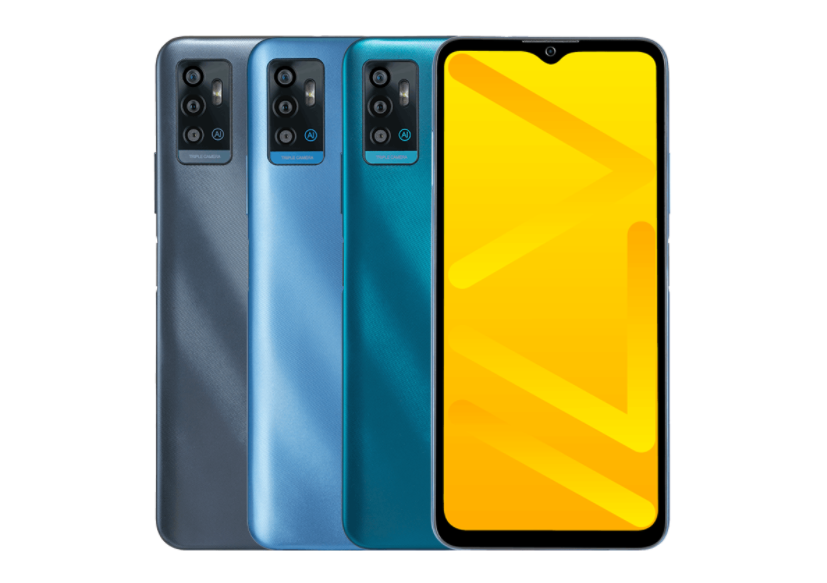
ZTE has officially launched the all-new ZTE Blade A71 smartphone in Malaysia. The device comes with a large IPS LCD panel, triple cameras, and a 4,000mAh battery.

The ZTE Blade A71 is priced at RM499(roughly $119) for the sole 3GB RAM and 64GB internal storage. It comes in three colour variants – Black, Blue, and Green. Unfortunately, there are no sale details of the device. But, we’ll update once we receive more information.

ZTE Blade A71 with UNISOC chipset and 4,000mAh battery launched in Malaysia

ZTE Blade A71 Specifications 

The ZTE Blade A71 features a 6.52-inch water-drop notch screen with thin bezels. It is an IPS LCD panel with HD+ resolution and a 60Hz refresh rate. It comes equipped with an 8MP selfie camera and a triple rear camera array. It has a 16MP main camera lens with f/1.8 aperture, an 8MP ultra-wide sensor, and lastly a 2MP depth sensor.

Under the hood, the smartphone is powered by the Unisoc SC9863A chipset paired with 3GB of RAM and 64GB of internal storage. It has a dedicated microSD card slot for additional storage up to 512GB.

It packs a 4,000mAh battery which can be charged by the USB Type-C port present at the bottom. It also has a 3.5mm headphone jack for audio requirements. As for security, it has both Face Unlock and a side-facing fingerprint scanner.  It has NFC, GPS, Wi-Fi, and VoLTE support. The device runs on Android 11 out of the box with ZTE’s custom skin on top of it.

RELATED:

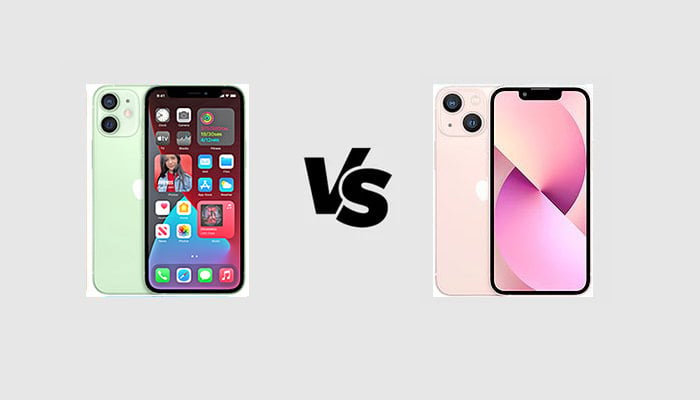
iPhone 12 mini vs iPhone 13 mini: Specs Comparison

For the first time, with the iPhone 12 series, Apple started releasing Mini variants of its phones with compact dimensions but still flagship-class specifications. The iPhone 12 mini was the first model and it represented a perfect replacement for the SE series, even though it is more expensive due to its higher-end specifications. Now, Apple released another mini variant with the 13 series: the iPhone 13 mini. While the iPhone 13 mini went on sale, the price of its predecessor dropped. And now it became hard for non-experts to understand which one offers the best value for the money asked. This comparison between iPhone 12 mini and 13 mini will hopefully help you understand which one is the best.

Apple iPhone 12 mini vs Apple iPhone 13 mini

Apple iPhone 12 mini Apple iPhone 13 Mini
DIMENSIONS AND WEIGHT 131.5 x 64.2 x 7.4 mm,
135 g
131.5 x 64.2 x 7.7 mm,
141 g
DISPLAY 5.4 inches, 1080 x 2340p (Full HD+), Super Retina XDR OLED 5.4 inches, 1080 x 2340p (Full HD+), Super Retina XDR OLED
PROCESSOR Apple A14 Bionic hexa-core 3.1 GHz Apple A15 Bionic hexa-core 3.22 GHz
MEMORY 4 GB RAM, 64 GB – 4 GB RAM, 128 GB – 4 GB RAM, 256 GB 4 GB RAM, 512 GB – 4 GB RAM, 128 GB – 4 GB RAM, 256 GB
SOFTWARE iOS 14 iOS 15
CONNECTIVITY Wi-Fi 802.11 a/b/g/n/ac/ax, Bluetooth 5, GPS Wi-Fi 802.11 a/b/g/n/ac/ax, Bluetooth 5, GPS
CAMERA Dual 12 + 12 MP, f/1.6 + f/2.4
Dual 12 MP + SL 3D f/2.2
Dual 12 + 12 MP, f/1.6 + f/2.4
Dual 12 MP + SL 3D f/2.2
BATTERY 2227 mAh, fast charging 20W and Qi wireless charging 7.5W 2438 mAh, Fast Charging 20W, Qi wireless charging 7.5W
ADDITIONAL FEATURES 5G, optional dual SIM, optional eSIM, MagSafe 15W, IP68 waterproof 5G, optional dual SIM, optional eSIM, MagSafe 15W, IP68 waterproof

Design

There are two important improvements in the design of the new iPhone 13 mini. The first is the notch: it is 20 percent smaller than the one of its predecessor, so the display covers a larger area of the front panel. Further, there is a better placement for the rear cameras: the sensors are placed diagonally instead of vertically, which is a more beautiful placement for a device with a square-shaped camera module. On the other hand, the iPhone 12 mini is slightly thinner and lighter because it packs a smaller battery. Further, the iPhone 12 mini has a less protruding camera module.


Display

The displays of the iPhone 12 mini and the iPhone 13 mini have almost the same specifications. They are Super Retina XDR OLED panels with a diagonal of 5.4 inches, the HDR10 certification, a standard refresh rate, and Dolby Vision support. But there are two differences between these panels: the first one, as already mentioned, is the notch, smaller on the iPhone 13 mini. Further, the iPhone 13 mini provides a higher brightness with a peak of 1200 nits. Despite its smaller notch, the new iPhone features an SL 3D sensor for 3D facial recognition available through Face ID technology.


Specs & Software

The iPhone 13 mini is powered by a stronger processor if compared to the iPhone 12 mini. We are talking about the Apple A15 Bionic built at 5 nm with a clock frequency of 3.22 GHz and a 4-core proprietary GPU. Thanks to this chipset, the Apple iPhone 13 mini is able to provide up to 50 percent better CPU performance and 30 percent better GPU performance. The 13 mini comes in three memory configurations: 128 GB, 256 GB, and 512 GB, all with 4 GB of RAM. The iPhone 12 mini comes in a base variant with 64 GB of internal storage, a 128 GB variant, and a 256 GB configuration. The most recent model ships with iOS 15 out of the box, while the 12 mini is based on iOS 14.


Camera

When it comes to the camera hardware, there is not any difference between these two phones if we talk about the basics camera specifications. They have a dual rear camera including a 12 MP main sensor with OIS and a 12 MP ultrawide camera. But if you dig deeper, you will find out that the iPhone 13 mini has a better stabilization (sensor-shift OIS) and a bigger pixel size allowing it to capture more light. The front camera is exactly the same: a 12 MP sensor paired with an SL 3D biometrics sensor.


Battery

Last but not least, the iPhone 13 mini is able to provide a longer battery life on a single charge because it packs a bigger battery. The capacity of its battery is 2438 mAh, while the iPhone 12 mini stops at 2227 mAh. The improvement in terms of battery life is important, but the charging speeds remain the same.


Price

The starting price of the iPhone 12 mini in the U.S. is $499, while it launched for no much less than €600 in Europe. The iPhone 13 mini costs $699 in the U.S. and it starts from around €800 in Europe. There are a lot of improvements with the iPhone 13 mini making it better than its predecessor: it has a better design, a bigger battery, superior cameras, and way better hardware. Would spend more on these improvements?


Apple iPhone 12 mini vs Apple iPhone 13 mini: PRO and CONS

Apple iPhone 12 mini

PRO

  • Thinner
  • Lighter
  • More affordable

CONS

  • Inferior hardware


Apple iPhone 13 Mini

PRO

  • Smaller notch
  • Better chipset
  • Bigger battery
  • iOS 15 out of the box

CONS

  • Higher price

RELATED

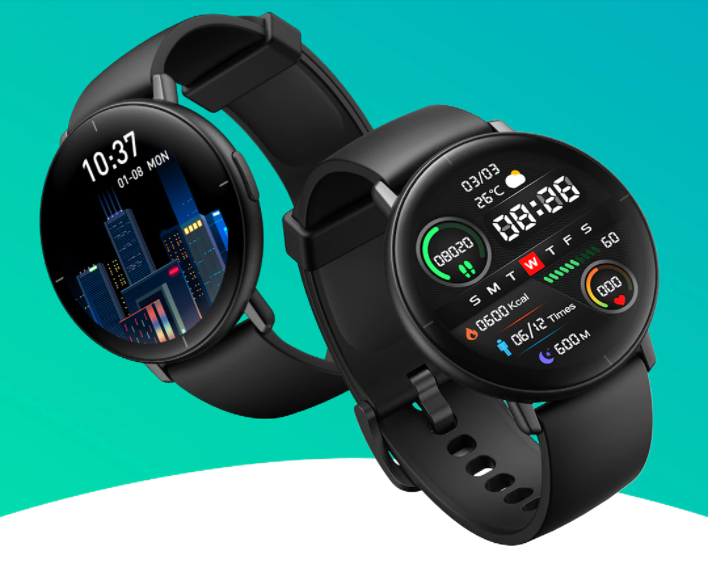
Xiaomi’s Mibro Lite is an affordable smartwatch with 2.5D glass and slim bezels

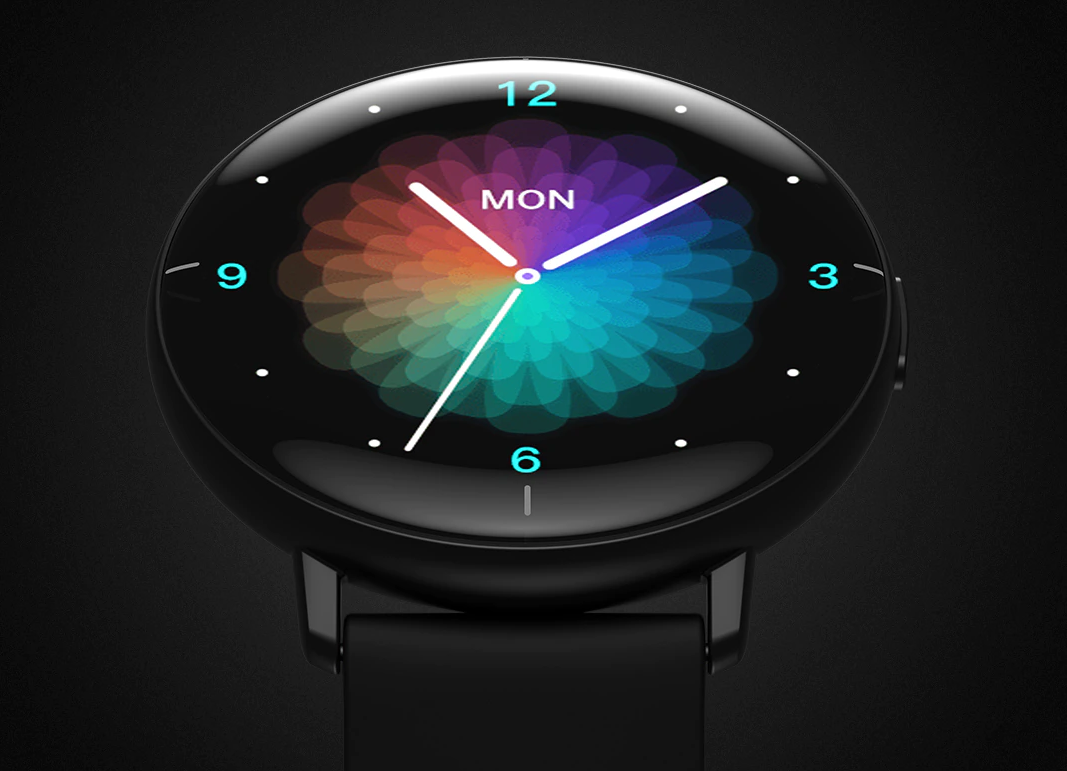
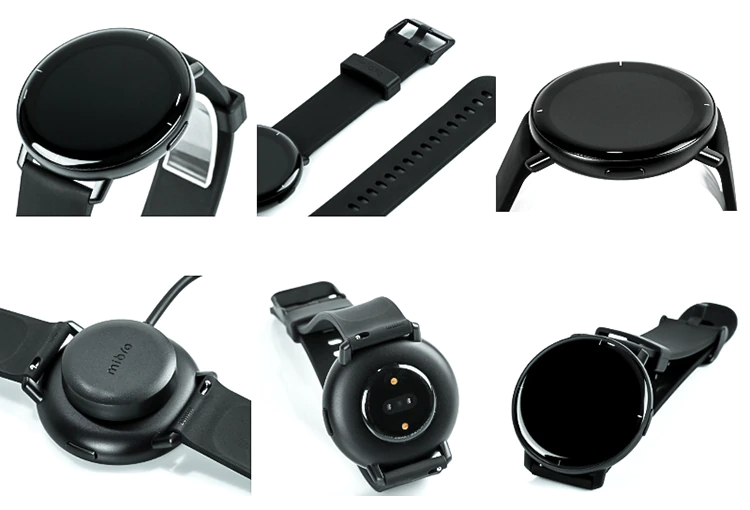
Xiaomi‘s ecological chain company Mibro has launched another smartwatch, the Mibro Lite. The watch sports a 1.3-inch AMOLED display, which fits within the 43 mm watch body. The Mibro Lite smartwatch has slim bezels and the display is protected by 2.5D glass.Mibro Lite

The Mibro Lite is fairly affordable while still retaining a modern look further accentuated by the slim display bezels. It costs less than $60, has IP68 certification against dust and water, as well as a 230 mAh battery which offers up to 8 days of activity on a full charge. With a weight of 48g, the Mibro Lite is 9.8 mm thick and comes with a watch strap. The smartwatch has a heart rate sensor, 15 sports modes, and IP68 certification against dust and water. When the sensor is operating 24/7, the smartwatch will not last as long between charges.Mibro Lite

The Mibro Lite also can track SpO2 levels and assess sleep quality. It can also be used as a remote camera shutter and to play locally stored music. The Mibro Lite is compatible with Android and iOS devices through the Mibro app, for reference.

The Mibro Lite smartwatch is available on AliExpress priced at $59.99. You can also purchase the smartwatch with five additional watch straps for $62.54.

RELATED:


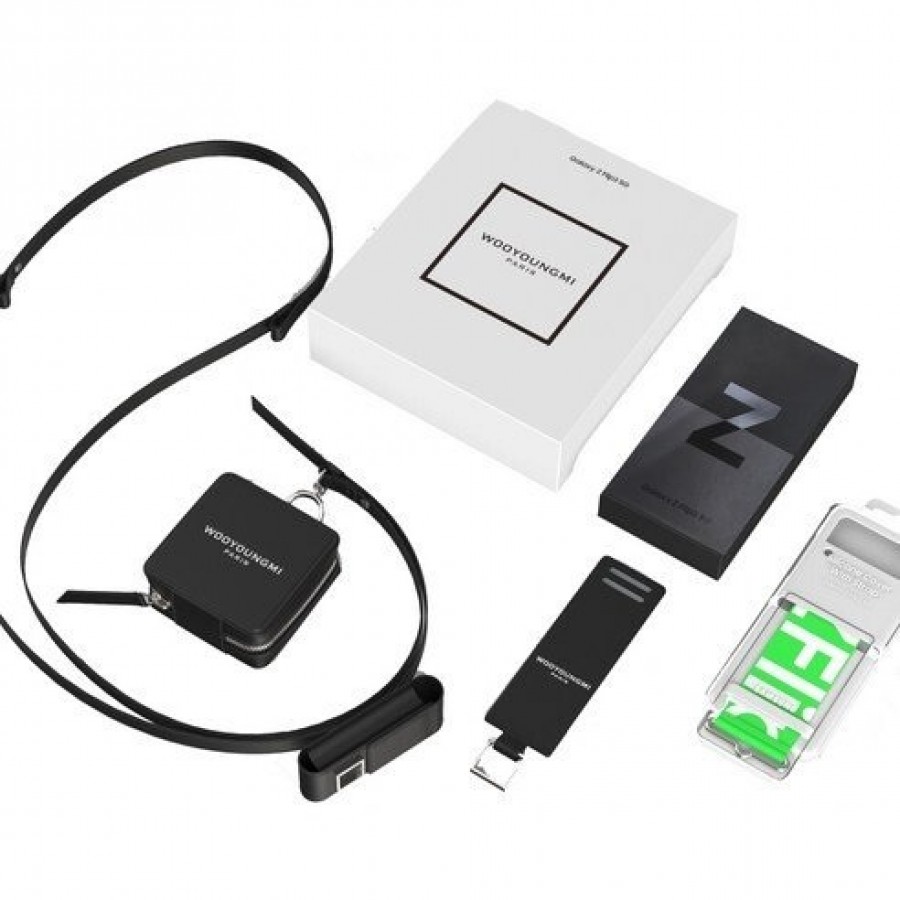
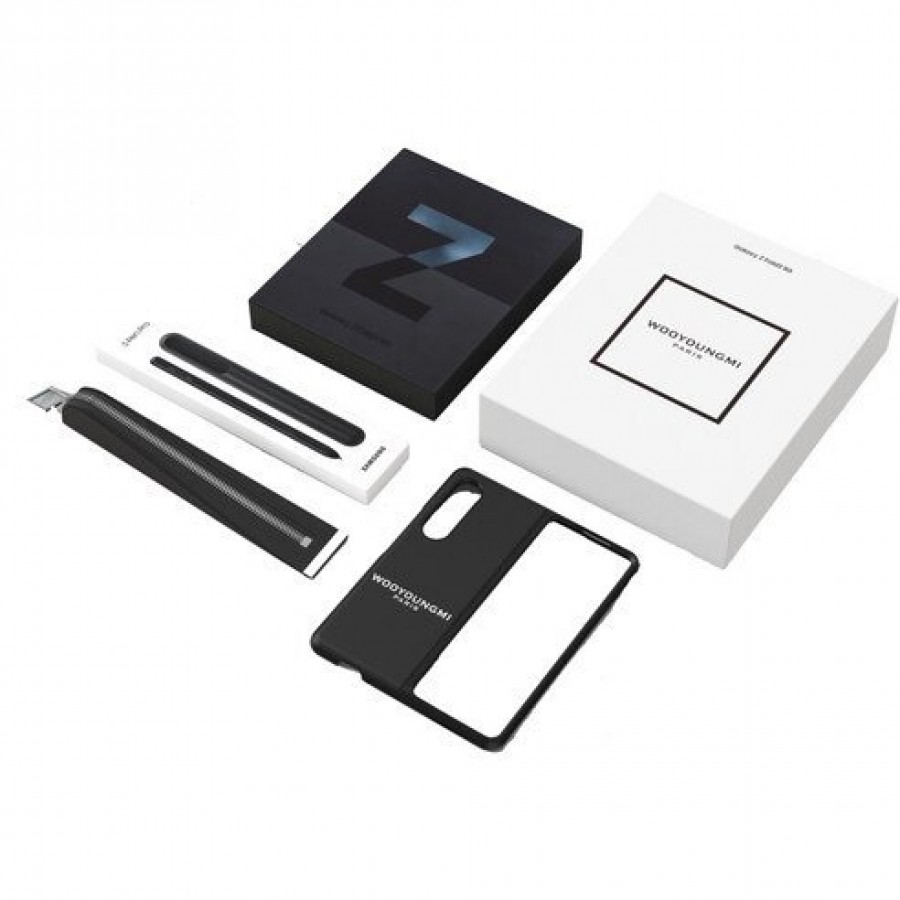
Samsung may unveil the Galaxy Z Flip3, Galaxy Z Fold3 Wooyoungmi Edition soon

It was a trend of the sort a few years back for phone makers to team up with popular figures or characters to launch customized editions of their phones. That practice isn’t so common anymore but in recent times, we have seen quite a number of classic customized models. In the past two years, Samsung has been consistent in unveiling the Thom Browne custom edition of its flagship foldable phones – the Galaxy Z Flip and Z Fold. We may likely see a second customized edition for the latest Galaxy Z Fold3 and Z Flip3 if the latest leak is anything to go by.

According to the leak, the Galaxy Z Fold3 and Z Flip3 Thom Browne editions will soon be joined by the Wooyoungmi Edition. In case you don’t know, Wooyoungmi is a Paris-based South Korean menswear clothing brand launched by the designer Youngmi Woo. The brand has garnered a reputation as one of the critically acclaimed clothing brands in his home country – South Korea. Thus, it shouldn’t be surprising that Samsung is working on a customized edition of the Galaxy Z Fold 3 and Galaxy Z Flip 3 with the brand.Samsung Galaxy Z Fold3 Wooyoungmi Edition

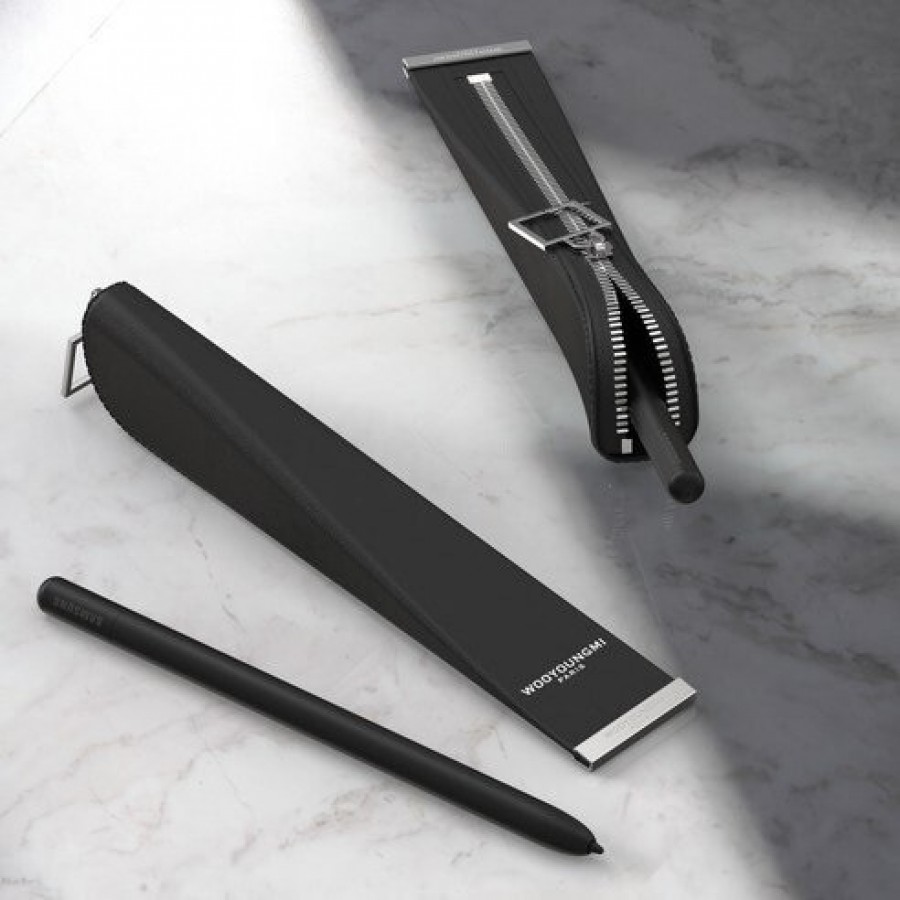
The leak which emerged on Twitter via a tipster named GaryeonHan, also gives us a glimpse of the design of the product and its accessories. It seems to have a lot of accessories, by the way. Some of the stuff spotted include a leather carrying case for the Galaxy Z Flip 3, a lanyard of sorts, and a clear protective case. On its part, the Galaxy Z Fold 3 will feature a bog-standard phone case and a holster for the S Pen Pro.Samsung Galaxy Z Fold3 Wooyoungmi Edition

There is no information on the release date but we expect the custom edition to make its debut in South Korea soon.

Related:


Oppo A54s leaked render gives us our first look of the device

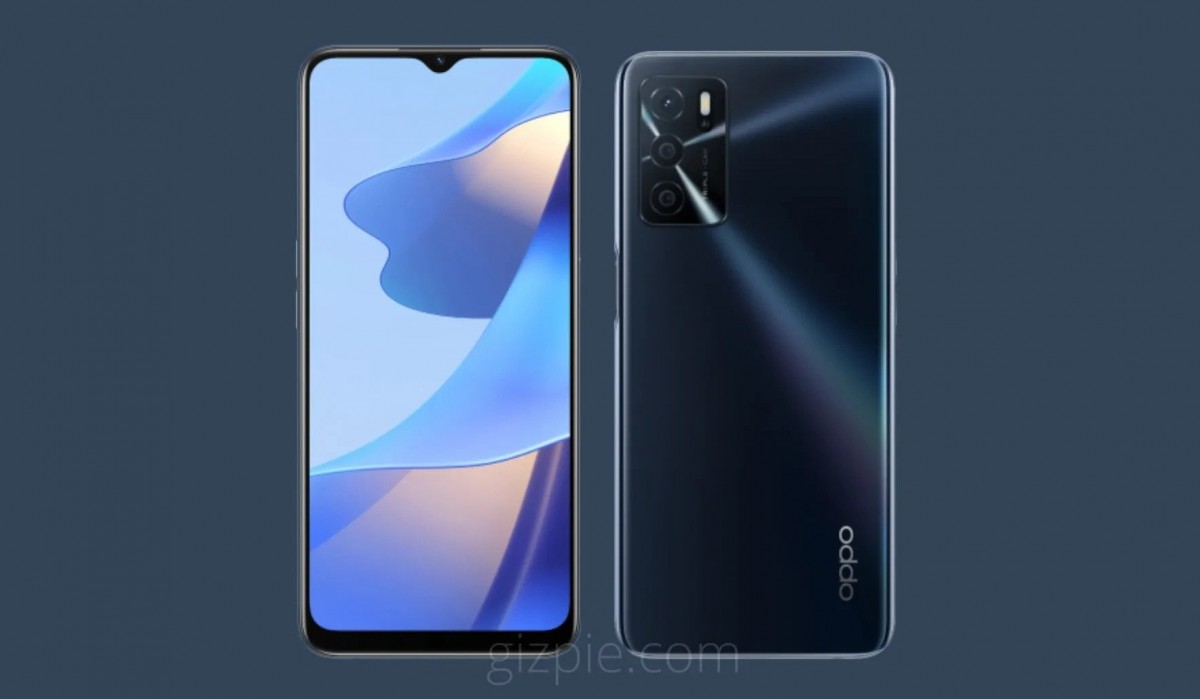
Chinese smartphone manufacturer Oppo could be unveiling the Oppo A54s smartphone soon and renders from Gizpie show that the A54s bears a close semblance with the Oppo A16.

The A54s is expected to be an upgrade of the OPPO A54 that was released back in March 2021 but it is unclear when the A54s will be launched. The images reveal that the A54s has a 6.52-inch IPS LCD with HD+ resolution. The waterdrop notch for the 8MP selfie camera is retained.OPPO A54s render

The Oppo A54s will come with a massive improvement in the rear camera setup, as the main camera is a 50MP device that replaces the 13MP sensor in the A54 and A16. The device will also pack a 2MP macro sensor also part of the setup.

The A54s will be powered by MediaTek’s Helio G35 chipset with 4GB of RAM and 128GB of internal storage. The model will come with Android 11 out of the box together with Color OS 11 on the top.

The smartphone will be available in two color variants – Pearl Blue and Crystal Black. Both color choices will help to further accentuate the design of the A54s.

Although we are not certain about the launch date, the A54s is expected to be available in Europe and will be priced at €219 ($253).

Some of the details released for the Oppo A54s including European pricing information may not be definitive. Oppo can indeed tweak the availability and pricing details. The name of the device could also change. At this time, there is no scheduled Oppo launch event. We shall keep close tabs on Oppo for new developments on the issue.

RELATED:


(source)