Advertisement

Red Magic 6S Pro will have 120W air-cooled fast charging and ship with a GaN charger

The Red Magic 6S Pro is an upcoming gaming smartphone that is scheduled to launch this month. The manufacturer has been teasing some of the phone’s features ahead of the launch event on September 6. The latest one confirms the phone’s battery capacity and fast charging features.

The official Red Magic (Red Devil) Weibo account shared a poster earlier today that confirms the Red Magic 6S Pro will have a 4500mAh dual-cell battery. Thanks to having support for 120W fast charging, owners will be able to charge the phone in just 17 minutes according to the manufacturer.

Red Magic 6S Pro battery and fast charging

Red Magic says that the fast charging technology uses air-cooling to keep the temperature down. And unlike some manufacturers that have decided not to include a charger in the box, Red Magic will ship a 120W GaN charger with its new phone.

So far, we know the Red Magic 6S Pro will have a 6.8-inch OLED screen, 1080p resolution, Snapdragon 888+ processor, 64MP triple rear cameras, and a built-in cooling fan with RGB lights. It will be available in multiple configurations with the highest configuration having 16GB of RAM and 512GB of storage.

Earlier this week, Nubia confirmed that the phone will have a 720Hz touch sampling rate and a touch response rate of 7.4ms. The refresh for the screen will remain 165Hz like that of the Red Magic 6 Pro.


RELATED:

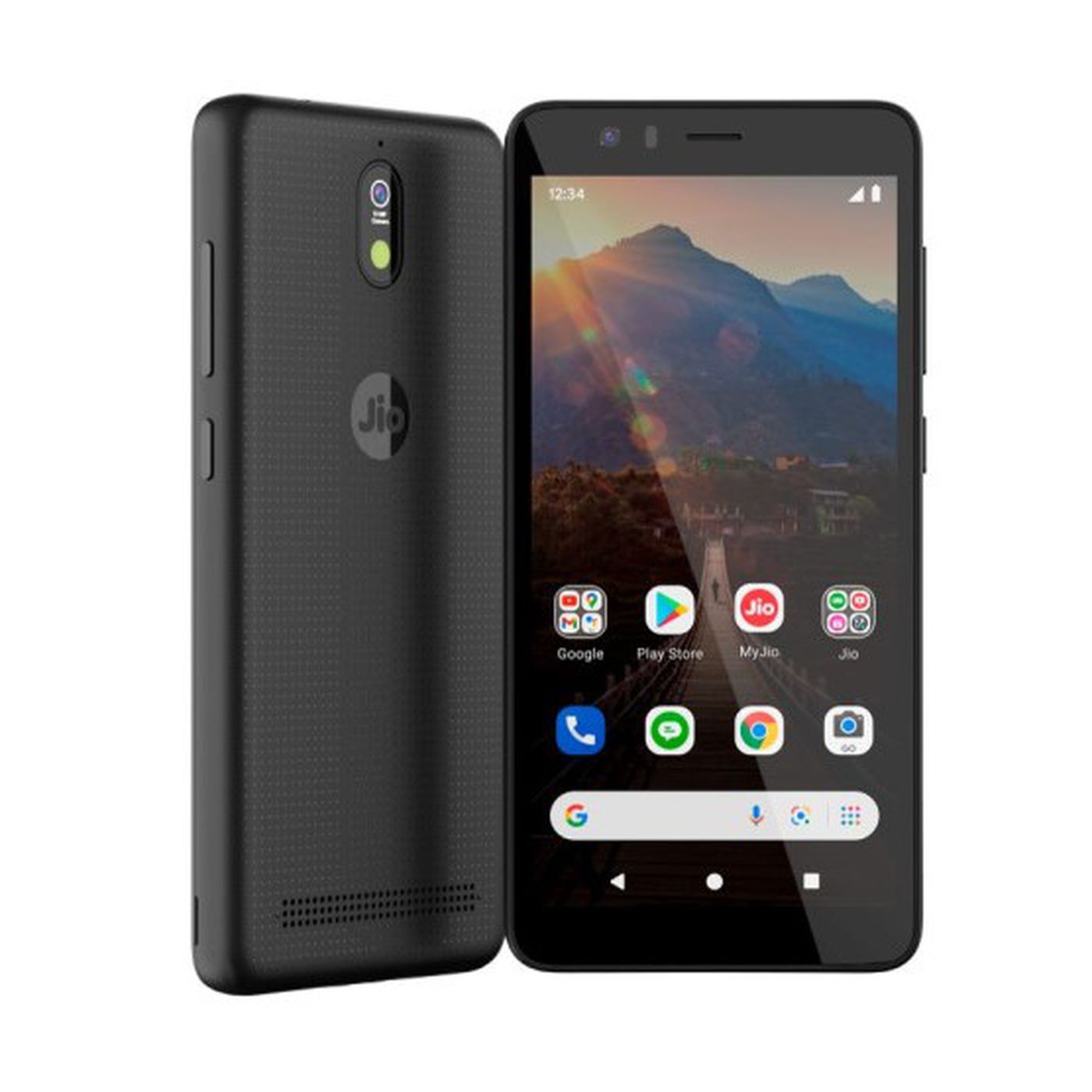
JioPhone Next price in India leaked ahead of sale next week

Indian telecom giant Reliance Jio is expected to release its new entry-level 4G smartphone dubbed as JioPhone Next very soon. This handset is developed in partnership with Google. A few days back, we learned that the device might be available for pre-order starting this week. But unfortunately, there’s still no update on it. However, a TV news channel seems to have reported on the pricing details of the JioPhone Next earlier this week.

JioPhone Next

According to Economic Times (via 91Mobiles), ET Now (business and finance news channel) shared details of JioPhone pricing and offers on Monday (August 30) citing sources.

As per the report, the JioPhone Next will be available in two variants, namely Basic and Advanced. These versions are said to be priced at ₹5,000 ($68) and ₹7,000 ($96) respectively. Customers buying the phone will have to only pay 10% cost upfront, while the remaining amount will be financed by the partner lenders.

The report says that Jio has partnered with five banks like State Bank of India, Piramal Capital, IDFC First Assure, and DMI Finance for financing the sales of its upcoming handset. Each of these banks has reportedly assured business worth ₹10,000 crores. That’s not all, Jio is also reported to have assured ₹2,500 crores worth of credit support for four other Non-Banking Financial Companies (NBFC).

Further, Reliance Jio is aiming to sell a whopping 50 million units of JioPhone Next in the first 6 months. The telecom company has already set internal targets with distributors and financiers for sales.

The Jiophone Next is manufactured by UTL Neolyncs, a joint venture between UTL Group and Neolync Solutions. The smartphone is scheduled to go on sale from September 10.


RELATED:


Red Magic 6S Pro design revealed, features transparent back and RGB fan

Nubia is set to launch its latest smartphone, the Red Magic 6S Pro on September 6. Although, prior to its release the company has officially revealed the design of the upcoming device.

Nubia Red Magic 6S ProEarlier today (2nd September 2021), we had reported on a TENAA certification, which revealed the images of the 6S Pro along with certain specifications of the handset as well. Now, the Chinese smartphone maker’s President, Ni Fei, has officially revealed the design of the device. Similar to the Red Magic 6 Pro Deuterium Transparent Edition, the 6S Pro will also feature a transparent rear panel. This offers us a glimpse at some of the internal components of the smartphone.

This includes its heat dissipation system and the fan. On the rear panel, we can also see the branding of the smartphone along with the Tencent Games branding as well, while the brand logo can be spotted at the bottom. Notably, the transparent half of the device also offers also tells us where the various components of the smartphone is housed, like the Qualcomm Snapdragon 888+ SoC, the LPDDR5 RAM, and the stereo speakers.

Nubia Red Magic 6s Pro TENAA images

Recently, the company had also teased the thermal management system of the upcoming smartphone. It has highlighted the space grade materials used to reduce the device’s temperature and the cooling fan that can run at 20,000rpm. Notably, this fan also featured RGB lighting that lights up, which likely to further supplement the gaming aesthetic of the smartphone.

RELATED:


Deal: Get ROMOSS 10000mAh Stylish Candybox Power Bank for $23 (Retail Price $36)

ROMOSS 10000mAh Candybox Power Bank which generally retails for $36 is now available at a discounted price of $22.98 only at AliExpress. Limited Stock Deal

WHERE TO BUY
ROMOSS 10000mAh Candybox Power Bank at $22.98 (after discount)@AliExpress

ROMOSS 10000mAh Candybox Power Bank

ROMOSS 10000mAh Candybox Power Bank

ROMOSS 10000mAh Candybox Power Bank

Key Features:

  • Beautiful and unique candy box style
  • Elegant and stylish fabric design
  • Lightweight: 190g
  • Highly portable: Easily fits in your purse or pocket
  • 10000mAh high capacity battery
  • 2.1A Fast Charging
  • Input: 2.1A Micro USB
  • Dual Output: 2.1A + 1A 
  • Simultaneously charge two devices
  • LED indicator: shows charging status
  • Convenient hanging ring
  • Charges: iPhone8 – 4 charges, Galaxy S9 – 2.5 charges, iPad Air – 1 charge
  • Colors: Pink and Green

ROMOSS 10000mAh Candybox Power BankGenerally retailing for $36, you can now buy ROMOSS 10000mAh Candybox Power Bank at a discounted price of $22.98 only at AliExpress. Please note that this can make a great gift for your girlfriend, sister, or mom. This price is applicable to orders made from German and France warehouses. However, you can also place orders from the Russian and US warehouse at a slightly different price. This is a limited-stock deal. So place your order asap. 

ROMOSS 10000mAh Candybox Power Bank

For more information on such exciting deals and offers check out our deals hub.

* Please Note: When you buy something using the links in our articles, we may earn a small commission at no cost to you.

Samsung projected to ship 7.2 million foldable smartphones in 2021

Samsung is reportedly projected to ship 7.2 million units of foldable smartphones in this year. The news arrives as the company saw higher than expected demand for its two new foldable phones, the Galaxy Z Fold3 and Galaxy Z Flip3.

Samsung Galaxy Z Fold 3 Featured 001

According to TheElec report, the projection is from an analyst firm Display Supply Chain Consultants (DSCC). As per this report, the firm forecasts that the South Korean tech giant will ship more than 7 million units of its foldable smartphones at the higher end estimate. This marks a significant rise in shipments over last year, in which the company shipped just 2.5 million units. With the launch of the Galaxy Z Fold3 and Galaxy Z Flip3, the brand saw pre orders reaching 920,000 units.

Notably, the pre orders for these two devices is even higher than its mainstream flagship Galaxy S21 and the previously launched Galaxy Note 20. Although, DSCC added that most of these orders for the foldable smartphone is from the company’s home country, South Korea. The report adds that Samsung is spending an exorbitant amount on the marketing and promotion of the new smartphones.

Galaxy Z Fold3 and Galaxy Z Flip3 featured

DSCC believes that the company is planning on spending 2 billion US Dollars to promote the new devices, which is equal to about 53 percent of the company’s mobile unit’s operating income in the third quarter and 69 percent of its operating income in the second quarter. It remains to be seen whether the massive high budget marketing strategy will effect the Samsung Mobile’s operating income for the second half of this year.

RELATED:


MediaTek retains its top spot in Global App Processor market in Q2 2021

A new report has revealed the global application processor market for smartphones in the second quarter of this year. This report reveals that MediaTek has managed to retain its top spot with a sizeable 38 percent market share.

According to a CounterPoint Research report, the Taiwanese chipmaking giant continued to lead the global AP market in this quarter, with its Dimensity 700 series dominating the 5G market. On the other hand, the Helio P35 and Helio G80 were quite popular in the 4G LTE segment. This report also marks the sizeable growth of MediaTek in recent times as the company’s latest Dimensity chipsets have become increasingly more popular across both mid range and entry level smartphones.

MediaTek Chipset White

Meanwhile, its rival Qualcomm arrived second with a market share of 32 percent. The company saw a notable market share due to its processor’s popularity in the high end 5G market. Furthermore, Apple managed to capture the third spot with 15 percent market share thanks to the strong demand for its iPhone 12 and continued sales momentum. Samsung and UNISOC took the fourth and fifth spot with a 7 percent and 5 percent respectively. The latter saw a strong first half performance as it gained design wins with Honor and Realme in the 4G LTE smartphone market.

RELATED:


Deal: Get KEYSION 10W Wooden Fast Wireless Charger for $13 (Retail Price $25)

KEYSION 10W Wooden Fast Wireless Charger which generally retails for $25 is now available at a discounted price of $13.09 only at AliExpress. This is a limited-time offer. 

WHERE TO BUY
KEYSION 10W Wooden Fast Wireless Charger at $13.09 @AliExpress

KEYSION 10W Wooden Fast Wireless Charger

KEYSION 10W Wooden Fast Wireless Charger 

KEYSION 10W Wooden Fast Wireless Charger

Key Features:

  • Beautiful Walnut Wood design
  • Aesthetically pleasing and minimalist look
  • Safe and intelligent wireless fast charging
  • Indicator light: to know the charging status
  • Compatible with devices that support Qi Wireless Charging standard
  • 3 modes: 10W (Android fast charge), 7.5W (Apple fast charge), 5W (Ordinary charging)
  • Smart auto-detection of charging mode according to your phone 
  • Needs QC3.0/2.0 charger to achieve fast charge function
  • Advanced NPO capacitor: Less energy loss, low heat generation, and safe charging
  • Built-in magnetic shield to protect from radiation
  • Foreign object detection
  • 10 advanced safety features like protection from over-heating, short-circuit, over-voltage, anti-reverse, etc
  • Supports charging with the phone case (up to 8mm)
  • Non-Slip silicone pad for the bottom

KEYSION 10W Wooden Fast Wireless Charger

Generally retailing for $25, you can now buy KEYSION 10W Wooden Fast Wireless Charger at a discounted price of $13.09 only at AliExpress. This is a limited-time offer and comes with free shipping. So place your order asap. 

KEYSION 10W Wooden Fast Wireless Charger

For more information on such exciting deals and offers check out our deals hub.

* Please Note: When you buy something using the links in our articles, we may earn a small commission at no cost to you.

Xiaomi Redmi Note 10T 5G, 10S price hiked in India along with Redmi 9, 9i, 9 Power

Lately, smartphone OEMs have been increasing the price of their handsets due to the component shortage. Some of the popular models have received multiple price hikes in the past few months. Today, the price of five more Xiaomi phones has been incremented.

Redmi Note 10S Featured 03
Redmi Note 10S

Xiaomi has quietly hiked the price of the following Redmi 9 series and Redmi Note 10 series smartphones in India.

This is the first-ever price hike for the  Redmi Note 10 models listed above. Whereas, the price of these Redmi 9 devices has already been increased many times in the past.

Here’s a table to understand how much these handsets used to cost and how much they cost now.

Device

Variant

Old Price

Price Hike

New Price

Redmi 9i

4GB + 64GB

₹8,299 ₹500

₹8,799

4GB + 128GB

₹9,299

₹9,299

Redmi 9

4GB + 64GB

₹8,999 ₹500

₹9,499

4GB + 128Gb

₹9,999

₹9,999

Redmi 9 Power

4GB + 64GB

₹10,999 ₹500

₹11,499

4GB + 128GB

₹11,999

₹11,999

6GB + 128GB

₹12,999 ₹500

₹13,499

Redmi Note 10T 5G

4GB + 64GB ₹13,999 ₹1,000 ₹14,999

6GB + 128GB

₹15,999 ₹1,000 ₹16,999
Redmi Note 10S 6GB + 64GB ₹14,999

₹14,999

6GB + 128GB ₹15,999 ₹500

₹16,499

The new price of the phones in the tabular column is live across all online as well as offline retailers.


RELATED:


Vivo X70 Pro Plus to arrive in a Blue color variant: Leak

Vivo is gearing up for the September 9 launch of its upcoming X70 series. We have already reported on certain notable leaks and official teasers. Now, a new leak has revealed that the higher end X70 Pro+ model will also arrive in a blue color variant as well.
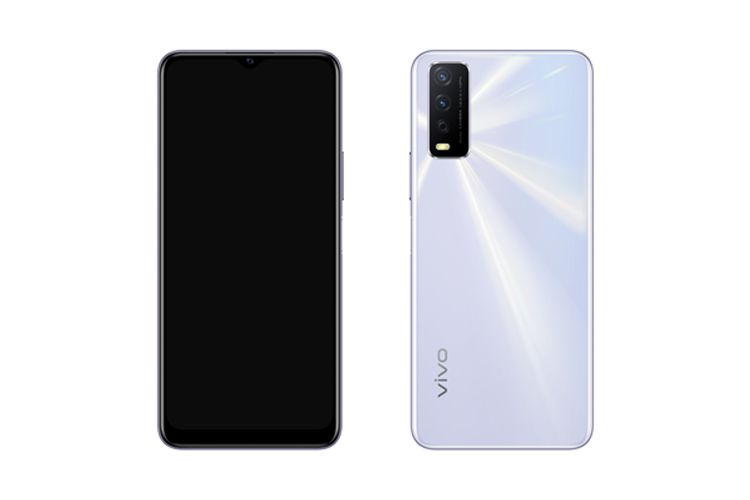
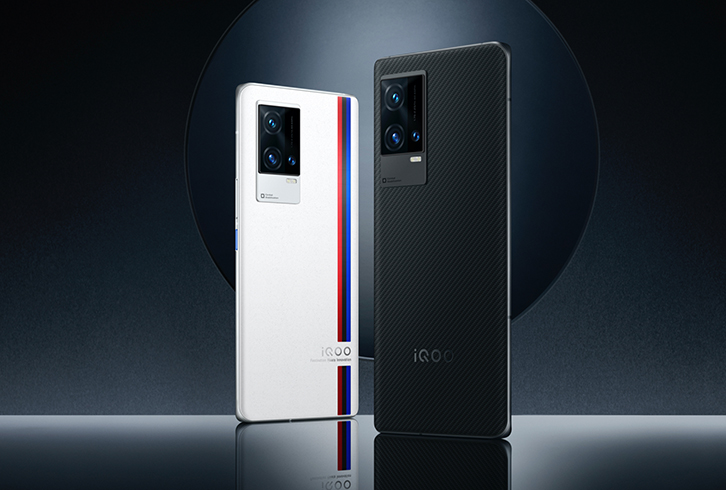
The leaks arrives from a known tipster @熊猫很禿然 on Weibo, a Chinese microblogging website. In the social media post, the leak also arrived with an image. This image reveals various smartphones and the new Vivo TWS 2. Notably, the X70 and X70 Pro can also be observed in various color versions, while the X70 Pro+ can be seen in three colors as well. While we already known that the high end model will be available in an orange and black variant, this poster reveals a blue variant as well.
Vivo

The tipster called this version of the device as “Plain Blue.” Furthermore, we can also see the X70 series’ front side, which sports a narrow bezels an a center aligned punch hole selfie camera. Earlier today (2nd September 2021), we even covered a TENAA certification listing that revealed certain key specifications of the X70 Pro. We can expect to see more leaks and teasers surfacing as we get closer to the September 9 launch date. So stay tuned for ore updates.

RELATED:


Mi Pad 5 Pro vs Xiaoxin Pad Pro 2021 tablet comparison: Unexpected Results

In the past few weeks, we reviewed the Xiaoxin Pad Pro 2021 (review here) as well as the Mi Pad 5 Pro (review here). And I’m sure there are some people who would be interested to see how these two tablets compare with each other.

So today, let’s look deeper into these two tablets and find out whether the Mi Pad 5 Pro is worthy of its title as the ultimate value for money tablet, or whether the Xiaoxin Pad Pro can withstand the challenge.

Lenovo Xiaoxin Pad Pro 2021 vs Xiaomi Mi Pad 5 Pro: Design

Let’s start with their designs. If you just look at the pictures on your screen, you may prefer the minimal design of the Mi Pad 5 Pro rather than the splicing back design of the Xiaoxin Pad.

Mi Pad 5 Pro vs Xiaoxin Pad PRo featured However, if you look closer and, in fact, use them for a while, you would come to the opposite conclusion. The Xiaoxin Pad Pro uses a metal unibody design which not just looks premium but significantly improves the holding experience. And strangely, although the Mi Pad 5 Pro features an 11-inch display which is slightly smaller than the size of the 11.5-inch Xiaoxin Pad Pro, the Xiaoxin Pad Pro is still thinner and lighter. And the Xiaoxin Pad Pro is also one of the thinnest tablets that you can have on the market.

Mi Pad 5 Pro vs Xiaoxin Pad PRo weight thickness
Black – Mi Pad 5 Pro / Silver – Xiaoxin Pad Pro

As for the Mi Pad Pro, its back cover is made of plastic with matte finish, which is slightly inferior to the Xiaoxin Pad in terms of the built quality. And its edges of the side frame are really sharp, which also causes slight discomfort when holding it.

So in terms of the body design and build quality, we think the Xiaoxin Pad Pro is the better option.

DisplaysMi Pad 5 Pro vs Xiaoxin Pad PRo Front cameras

Let’s now look at their large displays, which is probably the most important part of this comparison. The Xiaoxin Pad Pro features an OLED screen with a 2.5K resolution and a 90Hz refresh rate, while the Mi Pad 5 Pro comes with an LCD panel featuring the same resolution and a 120Hz refresh rate. One of the most intuitive differences is that the OLED display of the Xiaoxin Pad supports Always on Display while the Mi Pad doesn’t. By far, Xiaoxin Pad Pro is still the only Android tablet at its price point that comes with an OLED screen.

Mi Pad 5 Pro vs Xiaoxin Pad PRo screen quality


In terms of color performance, the Mi Pad Pro supports Dolby vision and HDR with a peak brightness of 485nits. But looking back to the OLED panel of the Xiaoxin Pad, it brings a much better color presentation with higher contrast, and the brightness can reach at 589 nits. And it also has the wide support of Dolby Vision and HDR contents, with a slightly higher peak brightness. Even in our video, here, you can see the gap between the two displays. The Xiaoxin Pad Pro did look a little better during video playback.

Mi Pad 5 Pro vs Xiaoxin Pad PRo text sharpness
Text sharpness

However, when it comes to text display, the OLED panel of the Xiaoxin Pad loses out due to its pixel arrangement. When we zoom into the display, it’s not difficult to find that the text edges are not as clear as the LCD display of the Mi Pad Pro. But in actual use, I believe most users would not perceive this difference. Still, if you are going to enjoy a lot of reading on a tablet, the Mi Pad will be a slightly better option for you.

Mi Pad 5 Pro vs Xiaoxin Pad PRo black levels
Black Levels

After two weeks of using these two tablets, I must admit that I spent more time on the Xiaoxin Pad’s OLED display. In addition to its excellent display quality, the screen experience is pretty assuring as I didn’t feel discomfort like I do on using some OLED screens when using for a long time.

On the other hand, the Mi Pad 5 Pro has a better audio department, thanks to the presence of 8 speakers tuned by Harman Kardon, while the Xiaoxin Pad Pro has 4 speakers tuned by JBL Audio. About their audio performance, you can check it here.

Lenovo Xiaoxin Pad Pro 2021 vs Xiaomi Mi Pad 5 Pro: Performance, Gaming

Both of them are powered by the same chipset: the Snapdragon 870, which is also the best processor that you can get in the market for Android tablets. And the Mi Pad Pro offers three optional memory configurations with up to 8GB RAM and up to 256GB ROM, while the Xiaoxin Pad Pro only has one version with 6GB RAM and 128GB ROM. But the good news is that the Xiaoxin Pad Pro supports MicroSD-card extension of up to 512GB.

Mi Pad 5 Pro vs Xiaoxin Pad PRo Benchmarks
Benchmarks

We’ve actually used the Xiaoxin Pad Pro for over a month. In the past one month, due to the limit of 6GB RAM, the tablet experienced a few minor lags when we opened too many apps. But fortunately, it was only for a few seconds. On the other hand, we have only used the Mi Pad Pro for over a week. There’s no such issue that we experienced with the Mi Pad during this time.

Apart from that, the tablets both could perform well in daily use, including light office work. And honestly, I can’t really pick which one has smoother performance. Even in benchmarks, their results are almost the same.

Mi Pad 5 Pro vs Xiaoxin Pad PRo Gaming GI NL
Gaming Performance

In actual gaming test, it seems that the Xiaoxin Pad’s metal unibody brings a better thermal performance. In games like Genshin Impact and Nimian Legends, the Xiaoxin Pad Pro could maintain a higher framerate stably without much fluctuation or any performance throttling. The Mi Pad Pro’s gaming performance was not bad though, but it’s more likely to meet the threshold in long-time gaming.

Like we said in the review of the Mi Pad Pro, the USB-C port is only compatible with USB-2 standard, which neither supports video output, nor high-speed data transfer. On the other hand, the Xiaoxin Pad Pro has a much more user-friendly USB port with support for USB3.1 and video output. So it’s unsurprising that the Xiaoxin Pad Pro completes our file transfer test much faster than the Mi Pad.

Lenovo Xiaoxin Pad Pro 2021 vs Xiaomi Mi Pad 5 Pro: Keyboard, Stylus

Now let’s talk about their official accessories – the keyboard and the stylus. The leather-like keyboard case of Mi Pad feels more premium than the woven case of the Xiaoxin Pad. And it’s also a bit lighter. If you are going to carry the tablet with the keyboard case, the compact size of Mi Pad would be a bit more convenient.

Mi Pad 5 Pro vs Xiaoxin Pad PRo keyboard cases

Both of them only support contact connection and has no Bluetooth wireless connection.

There’s only one way to use the Mi Pad’s keyboard, which is to put them together under a fixed angle. And the back attachment of the keyboard case is so weak that the back cover often came off the tablet when packing up.

Mi Pad 5 Pro vs Xiaoxin Pad PRo Keyboard Case

But for the Xiaoxin Pad Pro, things were better. The back protection can be used as a stand for the tablet, and it can achieve almost any placement angle that you want on the table. By the way, the back protection is removable, so if you don’t like to work with the keyboard, it still a great Tablet Stand for you.

Mi Pad 5 Pro vs Xiaoxin Pad PRo keyboard case 2

In addition, when compared to the Mi Pad’s keyboard, the Xiaoxin Pad’s has 12 more shortcut keys and a touchpad. With the Keyboard, the Xiaoxin Pad can work much more like a laptop under the PC Mode. On the other hand, the Mi Pad Pro doesn’t yet support the PC mode as they claimed at the launch event.

Mi Pad 5 Pro featured

Although in terms of drawing latency, almost all the Android tablets’ styluses we experienced don’t compare to the Apple Pencil for iPad, we still could see the improvement on the Xiaoxin Pad Pro and the Mi Pad Pro. The gap has been reduced greatly. However, it’s strange that the Mi Pad Pro’s stylus has slightly lower latency in third-party apps than its performance in the official note app. Emmm… does it have something to do with MIUI? During our limited experience, we only found the WPS Office app and the official note app supporting a 120Hz refresh rate on the Mi Pad Pro.

Mi Pad 5 Pro vs Xiaoxin Pad PRo Stylus line
stylus performance


On the other hand, the Xiaoxin Pad Pro actually has a very close performance overdrawing latency to the Mi Pad’s stylus under most scenarios. And when it comes to writing experience, both feel good and are very close to each other. But thanks to the higher refresh rate, it was a close win for the Mi Pad Pro in this round.

What’s a bit disappointing is that the Xiaoxin Pad’s stylus doesn’t support magnetic charging and is not able to attach on the side of the tablet like the Mi Pad’s stylus. As a result, to charge the stylus, you have to open the flap at the end of the pen, and connect to a USB-C cable, which is really inconvenient.

Lenovo Xiaoxin Pad Pro 2021 vs Xiaomi Mi Pad 5 Pro: Software

Now let’s talk about their software. Well, as we mentioned in the review video of the Mi Pad Pro, MIUI is still the main issue that confuses us. Until now, Xiaomi hasn’t pushed any significant updates to fix the issues we mentioned, such as no PC Mode and unoptimized multi-app experience. There were also some other details that often annoyed me, such as the gesture of going back to home-screen. You need to swipe up from the bottom of the screen to achieve the gesture. But when we horizontally hold the tablet with single hand, it’s almost impossible to do it without the help of the other hand.

Mi Pad 5 Pro stylus magnetic

On Android tablets, the optimization of horizontal display for some apps is still a problem. These apps didn’t originally support landscape mode, and the tablet would still display the apps vertically even when you use it horizontally. But the PC Mode somehow can reduce this discomfort with its window mode for apps, and this is also the most significant advantage when compared with the Mi Pad Pro, even though it’s not perfect. More importantly, the touchpad of the keyboard is really a big plus, no matter for the Pad mode or the PC mode. We also found that there were a few complaints on the internet about crashes on the Xiaoxin Pad Pro. But so far it only happened once on our model.

Xiaoxin Pad PRo PC Mode

For software experience, we want to mention another competitor, the HUAWEI MatePad 11 (review here). By far it has the best software performance that we’ve experienced, no matter for its powerful multi-device collaboration or Multi-tasking capability. But if we are to bring in all the three tablets for a comparison, I will still choose the Xiaoxin Pad Pro.

Lenovo Xiaoxin Pad Pro 2021 vs Xiaomi Mi Pad 5 Pro: Battery & Charging

Mi Pad 5 Pro vs Xiaoxin Pad PRo Charging

After a few software updates, the Xiaoxin Pad Pro’s battery performance has got improved. So we re-tested its battery performance in this comparison. The new result shows that they both took great advantage of the 8600mAh big battery. But pay attention that the Mi Pad Pro comes with 67W fast charge. It only took 1 hour to fully charge the big battery, while we spent over 2 hours to finish the test on the Xiaoxin Pad Pro with its 20W charging efficiency.

Mi Pad 5 Pro vs Xiaoxin Pad PRo Battery Life

Verdict

To be honest, we’re pretty surprised by this comparison. The Mi Pad 5 Pro didn’t crush its rival in this competition. On the contrary, the Xiaoxin Pad Pro showed a more balanced performance. It’s also worth mentioning that the Xiaoxin Pad Pro has been in the market for over 2 months.

Mi Pad 5 Pro vs Xiaoxin Pad PRo featured tablets

But anyway, both of them are still the top options in the Android tablet market. Although we mentioned a few differences between them, honestly we think that the experience gap is not that obvious. After all, most issues that we experienced in these two tablets stems from the nature of the Android platform.

So that’s all for today’s comparison. How do you like these two tablets?


RELATED:


realme 8i, 8s India launch date officially revealed, realme Pad might tag along

Last month, realme confirmed that it will be launching the realme 8i and realme 8s in India soon. A couple of days back, the release timeline for these handsets was leaked. Today, the brand has officially revealed their launch date.

Realme 8s Design and Key Specs leaked in full glory
realme 8s

The upcoming realme 8i and realme 8s have been confirmed to launch in India on September 9. As per the landing page on Flipkart, the company might also debut the realme Pad at this event. Since all these products have leaked multiple times, we know almost everything about them. 

The realme 8i will be a 4G-only smartphone powered by a MediaTek Helio G96 SoC. It will be the first handset with this chipset in India. On the other hand, the 5G-enabled realme 8s will be the world’s first smartphone with a MediaTek Dimensity 810 smartphone.

realme 8i Render Leak Featured A
realme 8i

The duo will have a similar design as other models in the realme 8 series. This means they will have a plastic build with a matrix camera array at the top left corner on the back. You can learn more about their features from here (realme 8i, realme 8s).

Apart from the phones, realme might also announce its first tablet at this event dubbed as realme Pad. As per recent reports, this device will be a budget tablet featuring a MediaTek Helio G80 SoC and a 10.4-inch AMOLED display.

Realme Pad AMOLED Display hint
realme Pad

Having said that, since these products will be unveiled officially next week, we expect to learn even more about them (including price) before the launch event.


RELATED:


Samsung Galaxy Tab S7 FE (Wi-Fi) launched in India, specifications, features and price

Samsung announced the Galaxy Tab S7 FE in June in India. At that time, it only introduced the LTE edition of the device. Today, the South Korean company has launched its Wi-Fi only version in the country. Here is all the information on the pricing and specifications of the tablet.

Samsung Galaxy Tab S7 FE (Wi-Fi) price in India

The Wi-Fi-only edition of the Galaxy Tab S7 FE has arrived in India in a single variant of 4 GB RAM + 64 GB storage, which is priced at Rs 41,999 (~$576). It comes in colors like Mystic Black, Mystic Silver, Mystic Green, and Mystic Pink. To recollect, the LTE edition of the Tab S7 FE comes in options such as 4 GB RAM + 64 GB storage and 6 GB RAM + 128 GB storage. These variants are priced at Rs 46,999 (~$644) and Rs 50,999 (~$699).

Samsung Galaxy Tab S7 FE (Wi-Fi)

Customers of Tab S7 FE (Wi-Fi) can avail of offers like Rs 4,000 instant cashback from HDFC Bank, Rs 10,000 on keyboard cover, and an exchange offer of up to Rs 14,200. It is available for purchase through Samsung India’s online store and Amazon India.

Samsung Galaxy Tab S7 FE (Wi-Fi) specifications

The Galaxy Tab S7 FE (Wi-Fi) only edition has a 12.4-inch TFT screen that offers a resolution of 2560 x 1600 pixels. It runs on One UI 3.1 based Android 11 OS. It is backed by a 10,090mAh battery that supports 45W fast charging. The retail box of the device has a 15W charger and an S-Pen stylus.

The Tab S7 FE is powered by the Snapdragon 778G chipset. It comes with 4 GB of RAM and 64 GB of storage. For photography, it features a rear camera of 8-megapixel and a front camera of 5-megapixel.

RELATED:

DJI Osmo Mobile 5 and Osmo Mobile 4 SE gimbal leaks; could launch on September 8

DJI, the company known for its drones, already has a few smartphone gimbals in the market. Now, the brand is gearing up to launch a new model with a telescoping selfie stick built into its handle, reports WinFuture.

The upcoming smartphone gimbal from DJI, dubbed Osmo Mobile 5, will be a successor to last year’s Osmo Mobile 4. It is likely to get announced at a launch event on 8th September for a price of €159, which roughly translates to $188.

DJI Osmo Mobile 5 Leak

If the reports are to be believed, then the upcoming Osmo Mobile 5 folds down to around 17cm (6.7 inches) and can also be extended when you need to get closer to the subject. But don’t expect it to extend as much as a selfie stick but the distance should be enough for extra flexibility.

Unfortunately, the new feature seems to be taking a toll on the battery life as it will reportedly offer a battery life of 6 hours and 20 minutes, a massive decrease from 15 hours of battery life on the Osmo Mobile 4.

DJI Osmo Mobile 5 Leak

It is being reported that the battery can be fully recharged within around 1.5 hours. As for the design, the company seems to have retained a magnetic mounting system, making it easier to quickly attach and detach the smartphone from the gimbal.

Along with the new Osmo Mobile 5, DJI is also reportedly planning to launch a cheaper Osmo Mobile 4 SE which gets rid of the magnetic mounting system to lower the cost. It will reportedly cost $99, which is $50 cheaper than the price of the current model.

RELATED: 

Confirmed: Samsung Galaxy Watch4 series doesn’t support HarmonyOS either

The Galaxy Watch4 and the Galaxy Watch4 Classic are the latest smartwatches from Samsung. Unlike their predecessors, these wearables run a new version of Wear OS co-developed by Google, Samsung, and Fitbit. Though the latest software comes with improvements, there are some caveats with compatibility.

Samsung Galaxy Watch 4 Classic Featured 01
Samsung Galaxy Watch4 Classic

When the Galaxy Watch4 series went official, we learned that these smartwatches cannot be paired with iOS devices. Last night, Samsung announced these wearables in China and confirmed that they don’t support HarmonyOS either.

This means the Galaxy Watch4 and the Galaxy Watch4 Classic can be only used with Android devices as of now. The minimum requirements set by Samsung are Android 6.0 or above with more than 1.5GB RAM.

That’s not all, many features of these wearables only work with Samsung smartphones running Android 10 or above. Additionally, some features are limited to certain regions.

Samsung Galaxy Watch 4 Featured 01
Samsung Galaxy Watch4

When Google announced the new Wear OS 3.0 at Google I/O 2021, the tech community got excited. Because the search giant’s wearable operating system needed changes due to its long list of issues.

As one of the leading Android OEMs, Samsung partnered with Google to merge its Tizen with Wear OS as the South Korean tech giant’s operating system had its own problem of third-party app support.

But unfortunately, though the main concerns of these two platforms got fixed, the end product (Galaxy Watch4 series) comes with a new set of complications like the above-discussed compatibility issues and lack of popular apps like Google Assistant.


RELATED:


Samsung announces 200MP ISOCELL HP1 and 50MP ISOCELL GN5 camera sensors for smartphones

Earlier this year, there were reports about Samsung gearing up to launch a new smartphone camera sensor of 200-megapixel. Now, the South Korean giant has officially announced two new camera sensors.

Samsung has announced ISOCELL HP1 as the world’s first 200-megapixel image sensor with a 0.64μm pixel sensor. Along with that, the company has also announced ISOCELL GN5 50-megapixel as the first image sensor to adopt all-directional focusing Dual Pixel Pro technology with two photodiodes in a single 1.0μm pixel.

Samsung ISOCELL HP1 200MP Camera Sensor

Samsung ISOCELL HP1 Pixel Layout

The Samsung ISOCELL HP1 features an all-new ChameleonCell technology, a pixel-binning technology that uses a two-by-two, four-by-four, or full pixel layout depending on the environment. It can take 8K videos at 30fps with minimum loss in the field of view.

The HP1 merges four neighboring pixels to bring the resolution down to 50MP to take 8K videos without the need to crop or scale down the full image resolution. In a low-light environment, the HP1 transforms into a 12.5-megapixel image sensor with large 2.56μm pixels by merging 16 neighboring pixels, capable of more light absorption and sensitivity, as well as producing brighter and clearer photos. However, in bright outdoor environments, the sensor can capture ultra-high-definition photos.

Samsung ISOCELL GN5 50MP Camera Sensor

On the other hand, the Samsung ISOCELL GN5 sensor is the industry’s first 1.0μm image sensor to integrate Dual Pixel Pro technology. It is an all-directional autofocusing technology that can substantially boost autofocusing capabilities.

The technology places two photodiodes within each 1.0μm pixel of the sensor either horizontally or vertically to recognize pattern changes in all directions. With one million phase-detecting multi-directional photodiodes covering all areas of the sensor, the autofocusing becomes instantaneous, says Samsung.

Samsung ISOCELL GN5 Dual Pixel FDTI

It uses Samsung’s proprietary pixel technology, which applies Front Deep Trench Isolation (FDTI) on a Dual Pixel product — a first in the industry. Despite the microscopic photodiode size, FDTI enables each photodiode to absorb and hold more light information, improving the photodiodes’ full-well capacity (FWC) and decreasing crosstalk within the pixel.

Samsung is already shipping ISOCELL HP1 and ISOCELL GN5 sensors to device manufacturers. This means that we can expect new smartphones with these sensors sometime later this year or early 2022. There’s also a possibility that the upcoming Galaxy S22-series may come equipped with this new 200-megapixel camera sensor.

RELATED: 

Samsung Galaxy S21 FE smartphone to reportedly launch in October

Samsung has launched its Galaxy S-series flagship smartphones, which include the Galaxy S21, S21 Plus, and S21 Ultra. The company is now gearing up to launch a new model in the lineup — Samsung Galaxy S21 FE.

The phone’s status has been switched a couple of times between getting canceled and not canceled. There have been several rumors related to its launch and the most recent one suggesting 8th September as its launch date. However, a new report claims that the smartphone will launch in October.

Samsung Galaxy S21 FE

The report from Jon Prosser reveals that the Samsung Galaxy S21 FE will be up for pre-orders from 20th October while the actual sale of the device will begin from 29th October. It’s noteworthy that these are dates of the phone’s availability but the report does not mention when the company plans to announce this new smartphone model.

This comes at a time when some reports indicate about the smartphone’s launch getting delayed yet again because of the production issues faced by the global shortage of chips.

It is also being claimed in the new report that the smartphone will come in two storage options — 128GB and 256GB. As for the color options, the device will be made available in four colors to choose from — Graphite, White, Olive Green, and Lavender.

As per the previous reports, the smartphone will feature a 6.4-inch 120Hz FHD+ Super AMOLED display. Depending on the region of availability, the device will be powered by the Qualcomm Snapdragon 888 chipset or the Samsung Exynos 2100 SoC.

In the camera department, it will have a triple-camera setup on the back, consisting of a 12-megapixel wide camera sensor, a 12-megapixel ultra-wide sensor, and an 8-megapixel telephoto lens. On the front side, the device will be featuring a 32-megapixel snapper for taking selfies and video calling.

It will be running the Samsung One UI 3.1 based on the Android 11 operating system. The device will come powered by a 4,500mAh battery along with support for 25W fast wired charging and 15W wireless charging, and 4.5W reverse wireless charging.

RELATED: 

Samsung Galaxy Watch 4 turns into a Walkie Talkie with Samsung’s new App

The merger of Wear OS and Tizen was probably the most momentous news of 2021, leveling up the entire game in the smartwatch domain. Wear OS 3 lived up to the high hopes and delivered a feature-studded interface to the Samsung Galaxy Watch 4. Things become more interesting when we claim that these pieces of machines can further be turned into Walkie Talkies. Well, Samsung has worked it out to make this a reality.

samsung-walkie-talkie-app-screenshot
(Source)

It is the Samsung WalkieTalkie app that makes it possible for two Galaxy Watch 4s to turn into Walkies. It couldn’t have been any simpler, all you are supposed to do is to pair both watches using the WalkieTalkie app. Once paired with the smartphone, watches can straight away begin to work independently. Apple has had its fair share with a similar walkie-talkie feature, but the experience isn’t as seamless as one would expect. As for this WalkieTalkie app, it was well speculated even before the Wear OS 3 launch that the feature was in the works. This, however, is only limited to the newest member in the Galaxy Watch series and does not extend to the older models of Galaxy Watches.

The Samsung Galaxy Watch 4 stands out in more than one way. With plenty of features on top of a smooth UI, versatility, the premium build, this smartwatch checks all the boxes. With continuous improvements in terms of feature additions and routine updates from Samsung, Galaxy Watch 4 is going to be the indisputable king in the smartwatch domain.

Related:

[embedyt] https://www.youtube.com/watch?v=5IRY-_IjDkg[/embedyt]

Vivo X70 Pro specifications leaked emerge through TENAA listing

Vivo is all set to launch the Vivo X70, Vivo X70 Pro, and Vivo X70 Pro+ smartphones on Sept. 9 in China. Before the official announcement, the X70 Pro has paid a visit to the TENAA certification platform of China with all the important specs. It has emerged at the Chinese certification site with the V2134A model number. The X70 and X70 Pro+ have also appeared at TENAA, but their specifications are not yet available in their listings.
Vivo X70 Pro specifications (Rumored)

The Vivo X70 Pro has a 6.56-inch AMOLED display that delivers an FHD+ resolution of 1080 x 2376 pixels. For security, it has an in-screen fingerprint scanner. The images of the device are not yet available at TENAA. However, the leaked renders of the device that appeared last month revealed that it will be sporting a centrally positioned punch-hole display.
The X70 Pro is powered by a 2.8GHz octa-core processor, which appears to the Exynos 1080 chipset The Geekbench and Google Play Console listings of its global variant that appeared last month revealed that it is fueled by the Dimensity 1200 chipset. The smartphone boots to Android 11 OS and Origin OS UI.

vivo X70 Pro Render Leak 03
Vivo X70 Pro render by 91mobiles/OnLeaks

The rear-mounted quad-camera system of the Vivo X70 Pro features a 50-megapixel primary camera. It is coupled with a pair of 12-megapixel cameras and an 8-megapixel lens. The X70 Pro will carry support for 8K video recording. There is a 32-megapixel front camera on the device for selfies and video calls.

The X70 Pro is backed by a 4,380mAh (rated value) battery. It can be said based on its 3C listing that it may ship with a 44W rapid charger. In China, Vivo may release it in 8 GB / 12 GB RAM options and 128 GB / 256 GB / 512 GB storage choices. As far as the international launch of the X70 lineup is concerned, Vivo will be holding a dedicated global launch for it on Sept. 10.

(via)

RELATED:

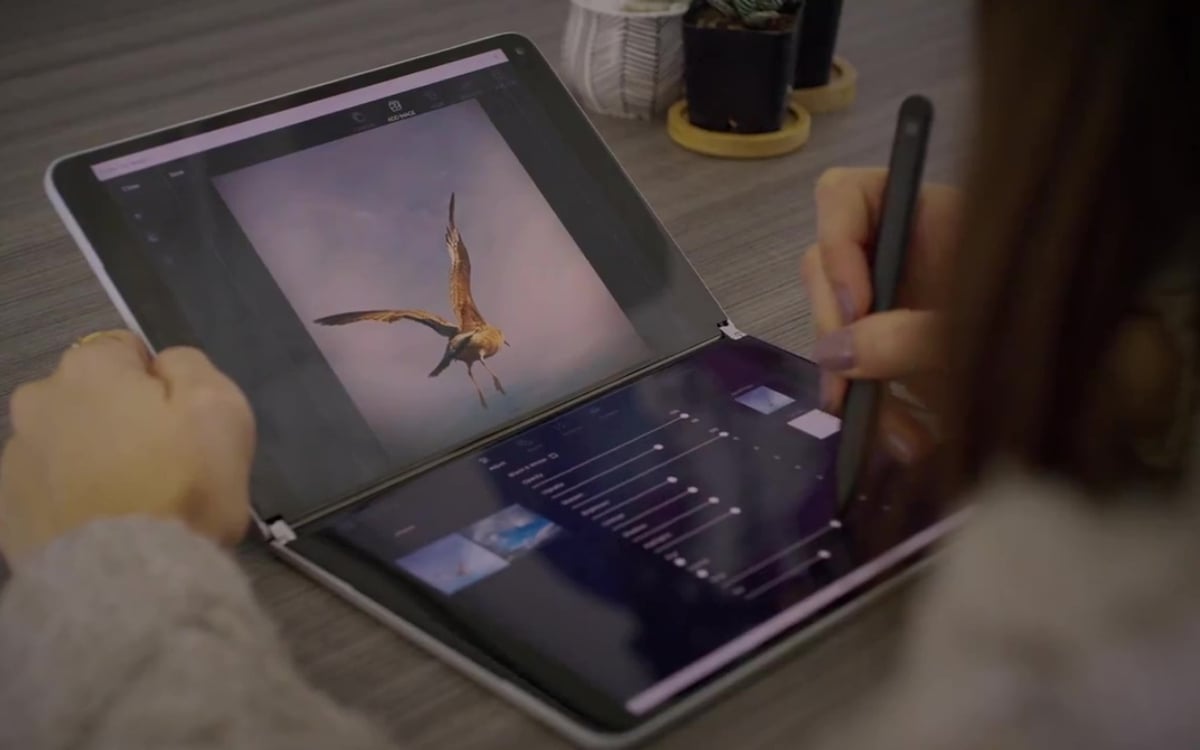
Microsoft confirms September event for Surface devices ahead of Windows 11 launch

After announcing the launch date for the next generation of Windows, Microsoft has added more to the streak by confirming that new Surface devices will also be finding their way to the stage. A dedicated page is now live that confirms the next-gen Microsoft Surface launch date to be September 22. Not only does this page talk about the launch details, but also gives out a glimpse of how one of the new Surface devices is going to look like. With these two big reveals lined up, Microsoft is certainly going to be at the center of discussion, at least for a couple of weeks.

Microsodt Surface Sep. 22 event

After having chalked up an impressive 9-year journey, Surface is once again set to stir enthusiasts. However, what remains to be seen is that how many of these Surface devices are in the pipeline. Microsoft has kept it short and crisp with no major hints whatsoever, so relying on leaks and smart guesses is the only way to find it out.

As speculated by Slashgear, we may finally get to see the Surface Duo 2 for which there were leaks sporadically throughout the year. If history is anything to go by, there will be more devices tagging along with Surface Duo 2. Seen in the teaser image is, what appears to be, the successor of Surface Pro 7 that comes with a similar detachable stand and keyboard as accessories which means the Surface Pro 8 is in sight. The portfolio may further expand with the new Surface Book 4.

It’s about time we mark our calendars for September 22 at 11 AM ET to live stream the big event. Microsoft will certainly air it on the website, but watching the launch on YouTube is something that is always an alternative.

Since Windows 11 has a dedicated day for its introduction, we do not expect much to be highlighted on September 22. The stage is only going to be occupied by the Surface lineup.


RELATED:

[embedyt] https://www.youtube.com/watch?v=5IRY-_IjDkg[/embedyt]


Nubia Red Magic 6S Pro specifications, images leaked before September 6 launch

Earlier this year, Nubia announced the Red Magic 6, Red Magic 6 Pro, and Red Magic 6R gaming smartphones in China. The Red Magic 6 series was also made available in global markets. Last month, the company confirmed that it will be announcing the Red Magic 6S Pro powered by the latest Snapdragon 888 Plus chipset on Sept. 6 in China. Before the official announcement, the handset has appeared in the database of the TENAA certification site with full specifications and images.

Red Magic 6S Pro specifications

The Nubia NX669J-S smartphone that has bagged 3C and TENAA certifications is expected to break cover as the Red Magic 6S Pro in China. It has a massive 6.8-inch OLED screen that offers 1080 x 2400 pixels Full HD+ resolution and an in-screen fingerprint sensor.

The Snapdragon 888 Plus power phone will come with 8 GB / 12 GB / 16 GB of RAM and 128 GB / 256 GB / 512 GB of storage. It will boot to Red Magic UI-based Android 11 OS.

Nubia Red Magic 6s Pro TENAA images

For photography, it has an 8-megapixel selfie camera and a 64-megapixel triple camera unit. The exact battery capacity is not mentioned in the listing. It is likely to feature the same 4,500mAh battery that came with the Chinese edition of the Red Magic 6 Pro. The 3C listing of the device had revealed that it may carry support for 120W fast charging.

The company has already confirmed that its display will offer a 720Hz touch sampling rate and a 7.4ms response rate. For heat dissipation, it will be equipped with an aerospace-grade cooling system. For gaming, it will feature 450Hz dual gaming trigger shoulder buttons.

RELATED: