Earlier this year, Nubia unveiled the Red Magic 6 series including the Red Magic 6 and Red Magic 6 Pro smartphones. The phones came with a flagship chipset and gaming-oriented hardware like a 165Hz refresh rate and up to 120W fast charging support. Now, a new phone from the series has arrived on China’s 3C sporting the same 120W fast charging support.
The Nubia phone arrived on 3C certification carrying the model number NX669J-S. It is believed to be the upcoming Red Magic 6S smartphone. It has a crazy fast 120W fast charging support. Unfortunately, the certification does not reveal any other details about its battery.
The Red Magic 6S is expected to come with some upgrades over the predecessor. The smartphone may come with a similar 165Hz high refresh rate display. We speculate it to have a flagship chipset paired with some cooling system. Rumors are rife that it may arrive with the latest Snapdragon 888+ SoC.
Nubia Red Magic 6 series Specifications
The Nubia Red Magic 6 and 6 Pro phones are powered by Qualcomm’s Snapdragon 888 SoC with LPDDR5 RAM and UFS 3.1 onboard storage. The phones boast up to 500Hz touch sampling rate and come with features like RAM Boost and Frame Optimization 2.0.
The series has a 6.8-inch AMOLED display with a 10-bit color depth and 100% DCI-P3 color gamut. The display doubles up as an in-display fingerprint scanner.
The phones boast a triple rear camera system with a 64MP main, an 8MP ultra-wide, and lastly a 2MP macro sensor. The Red Magic 6 has a 5,050mAh battery, whereas the Red Magic 6 Pro has a 4,500mAh battery.
Motorola is reportedly working on a new tablet called the Moto Tab G20. A listing of the device has appeared at the Google Play Console (via) to reveal its design and key specifications. The tablet is likely to go official soon.
The Moto Tab G20’s Play Console listing shows that it supports a resolution of 1280 x 800 pixels. The device is powered by the Helio P22T chipset, which is mentioned as MT8768A in the listing. The device is equipped with 3 GB of RAM.
Moto Tab G20
The device can be seen with thick bezels in the image that has appeared in the Play Console listing. It is expected to come equipped with a near-stock version of Android 11 OS. The Tab G20 appears to be a rebranded version of the Lenovo Tab M8 (3rd Gen), which recently went official in some markets like Japan.
Lenovo Tab M8 (3rd Gen) has an 8-inch IPS LCD panel that offers 1280 x 800 pixels resolution. It features a 2-megapixel front camera and a rear camera of 5-megapixel.
The Helio P22T powered tablet features 3 GB of LPDDR4x RAM and 32 GB of built-in storage. It is backed by a 5,000mAh battery that promises up to 12 hours of usage time. It offers other features such as Dolby Atmos powered speaker, a microSD card slot, Wi-Fi, Bluetooth 5.0, and a 3.5mm microphone/headphone combo jack. It lacks support for LTE connectivity. The device measures 21.1 x 13 x 3.7cm and weighs 305 grams.
Vivo is expected to launch new X-series phones in the market dubbed Vivo X70, X70 Pro, and X70 Pro+. The series will succeed the current Vivo X60 smartphones. Previously, the Pro and vanilla variant arrived on Geekbench and now, the Vivo X70 Pro+ has reached the 3C certification.
Earlier, the Vivo X70 was seen with model number V2104, whereas, the X70 Pro carried the model number V2015. Now, as per Digital Chat Station, the V2145 which happened to be seen on China’s 3C is none other than the third device in the series, the Vivo X70 Pro+.
According to its 3C certification, the smartphone has support for 66W fast charging. This is an upgrade over the 55W fast charging seen in the predecessor Vivo X60 Pro+.
Although the specs are scarce for the X70 Pro+, the device’s Indian pricing was tipped. The Vivo X70 Pro+ was touted to come at a price tag of ₹70,000(~$941) in India. We expect the phone to cost similarly in other markets.
Vivo X70 series Specifications
The Vivo X70 series is expected to come with a 6.56-inch AMOLED display with a high 120Hz refresh rate and 1080 x 2376 pixels resolution. According to the Geekbench listing, the X70 and X70 Pro will come with up to 12GB of RAM. Both the phones are expected to come powered by Dimensity 1200 SoC in the international markets, whereas, an Exynos 1080 SoC in the Chinese market.
The phones arrived on 3C certification recently, which revealed that the X70 and X70 Pro will have 44W fast charging support. On the other hand, the X70 Pro+ will bag a 66W fast charging support.
The series is expected to come with multiple cameras, the Pro models are expected to feature a micro-gimbal stabilization feature.
A few days ago, a new Gionee phone with a GNS2112Y model number was certified by the TENAA telecom authority. The listing has all the information on its specs and design. Interestingly, the GNS2112Y phone can be seen sporting a design similar to Xiaomi’s Redmi Note 10 series.
The Gionee GNS2112Y’s TENAA listing shows that it measures 174 x 81 x 11 mm and weighs 214.5 grams. The device is quite thick even though it does not house a massive battery. It is expected to release in China in black, white, blue, and red colors.
The handset houses a massive 6.81-inch punch-hole screen that offers an HD+ resolution of 720 x 1600 pixels. It is a 4G phone powered by a 2.0GHz octa-core processor. Sadly, it runs on the obsolete Android 9 Pie OS, and it is backed by a 3,920mAh rated battery.
The smartphone is likely to arrive in 4 GB and 6 GB RAM variants in China. It may come in storage options like 64 GB, 128 GB, and 256 GB. The device for a microSD card slot for additional storage.
The images of the GNS2112Y suggest that it is equipped with a side-facing fingerprint scanner. The TENAA listing does not clearly mention the details of the front and rear cameras of the smartphone. It seems to be fitted with a triple camera setup. The design of the rear camera setup is similar to Redmi Note 10 series.
There is no information available on the final marketing name of the device. The company may unveil it later this month.
Intel, one of the world’s leading chipset manufacturers, has announced a brand new lineup of high-performance graphics cards — Intel Arc. The first generation product under this new series will be launched in Q1 2022.
The codename of the first upcoming Intel Arc graphics processor is Alchemist and will be based on the Intel Xe HPG microarchitecture, with performance rumored to be capable of taking aim at the Nvidia GeForce RTX 3070.
The company has also announced that the Arc range will cover multiple generations of graphics hardware, with Battlemage, Celestial, and Druid listed as the codenames for future generations of Intel gaming GPUs.
Intel had previously launched DG1 — a card that was released only to system builders which performs a lot like the GDDR5 version of Nvidia’s GeForce GTX 1030.
Currently, there’s no information available about the specifications for the upcoming Intel Arc graphics card but the trailer from the company confirms that it will come with support for modern features like real-time ray tracing and “AI Accelerated Super Sampling” that will compete with Nvidia’s DLSS and AMD‘s FidelityFX upscaling technologies.
If the current shortage of graphics cards extends to next year, then Intel has a unique opportunity of attracting gamers desperately trying to get their hands on anything in the GPU space that they can get their hands on.
As of now, we don’t have any information about the performance, pricing, or availability of any Arc cards yet but we should know more about the new Intel’s dedicated graphics cards before they go official early next year.
Last month, Nubia announced a bunch of minion cobranded accessories. The brand products such as the new Minion themed 22.5W chargers, 30W gallium nitride chargers, 65W gallium nitride chargers, and more.
Now, the company has announced a new Minion-themed USB Type C to Lightning cable. The cable is 1 meter long and comes with Apple’s MFi certification. The cable is made out of TPE material, and the ends are made uses the C94 material with an anti-oxidized rhodium-plated nail terminal head.
According to the company, the cable has gone through 15,000 bending tests to ensure its strength. Further, the outer shell comes with an anti-fingerprint coating, and there’s a small Minion eye printed on the lightning end.
The Nubia C2L co-branded cable will retail for 69 yuan (~$11) with introductory pricing of 59 yuan (~$9). The cable is up for preorders, and the final payment has to be made on August 23. The delivery is scheduled to begin on August 26.
Everything you need to know about Apple MFi Certification
Under the MFi program, Apple provides third-party companies with the technical specifications and resources needed to manufacture accessories for Apple products. The MFi program offers a wide range of wireless and wired technologies that third-party brands can use to manufacture accessories for Apple devices.
Manufacturers can apply for the MFi license through Apple and start developing third-party accessories. However, manufacturers dealing with non-electronic accessories, non-MagSafe cases, and Apple Watch bands do not need to apply for MFi certification.
It is always advised to use MFi certified accessories with your Apple products. The MFi program ensures users’ safety as it provides an easy way of finding out counterfeit products. Counterfeit accessories can harm your product. Moreover, non-certified accessories won’t be as durable as the MFi certified ones.
Motorola is working on a couple of new phones such as Moto E20, Moto E40, and Moto G50 5G (Saipan). Popular tipster Evan Blass has shared leaked renders of an upcoming Motorola phone. The images suggest that it could be a low-budget E-series smartphone.
The mysterious Motorola phone can be seen sporting a tall aspect ratio display with a teardrop notch and a very thick bottom bezel. The device seems to lack a fingerprint scanner. Its right side is fitted with three buttons, which could be a power key, a volume rocker, and a Google Assistant key. A SIM card slot appears to be present on its left spine.
A 3.5mm audio jack can be seen on the top. The bottom side of the device seems to feature a speaker grille and a USB port. The rear-facing camera unit has a pair of cameras and an LED flash. These renders may belong to the upcoming Moto E20 handset.
Recently, the alleged Moto E20 with model number XT2155 was approved by Brazil’s Anatel certification agency, Bluetooth SIG, and TUV Rheinland. These listings have revealed that it supports Bluetooth 5.0, and it includes a 3,760mAh battery with 10W charging support.
According to Blass, the E20 is codenamed Aruba. Reports have also revealed that this device may get rebranded as the Lenovo K14 in some markets.
Xiaomi Mijia 4 Jack 4 Switch Power Strip which generally retails for $35 is now available at a discounted price of $28.99 only at Tomtop. Price is inclusive of VAT. This is a limited-time sale with free shipping.
Generally retailing for $35, you can now buy Xiaomi Mijia 4 Jack 4 Switch Power Strip at a discounted price of $28.99 only at tomtop.com. Please note that this limited-time price is inclusive of VAT and comes with free shipping from the China warehouse. So place your order asap.
For more information on such exciting deals and offers check out ourdeals hub.
* Please Note: When you buy something using the links in our articles, we may earn a small commission at no cost to you.
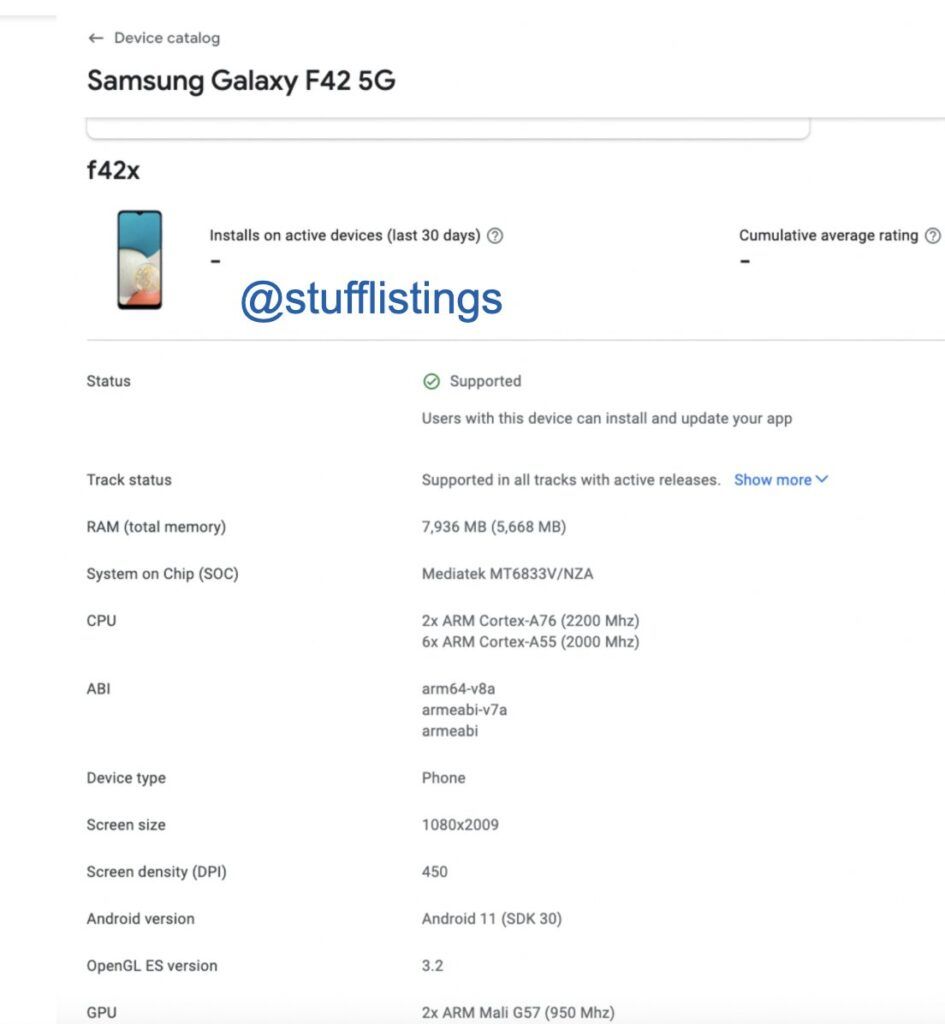
Earlier this week, a Samsung phone with model number SM-M526B/DS was seen in the database of the Bureau of Indian Standards (BIS). This phone is expected to arrive in India as the Galaxy M52 5G. According to tipster Debayan Roy that the South Korean company will be announcing it in September in India. The tipster further revealed that a new F-series phone will be also launching in India next month.
Samsung Galaxy M52 5G to launch by September end
A variant of the Samsung Galaxy M52 5G with SM-M526GBR was spotted at the Geekbench benchmarking site. It revealed that the device is equipped with the Snapdragon 778G chip, 6 GB of RAM, and Android 11 OS. The SM-M526GBR variant was spotted at China’s 3C certification site last month. It revealed that the smartphone has a 4,860mAh rated battery. Its typical value could be 5,000mAh.
The Galaxy M52 5G is also expected to feature a 32-megapixel front camera, and a 64-megapixel (ISOCELL GW3 as main sensor) + 12-megapixel (ultrawide) + 5-megapixel (macro) + 5-megapixel (depth) quad-camera unit. Apart from India and China, this device is also expected to arrive in some European markets. It could be arriving in colors like white, black, and blue in Europe.
Galaxy A52s 5G is the first Samsung phone with Snapdragon 778G
Samsung has recently launched the Galaxy A52s 5G in the U.K. Probably, the Galaxy M52 5G could be a rebranded version of the A52s 5G with a few changes.
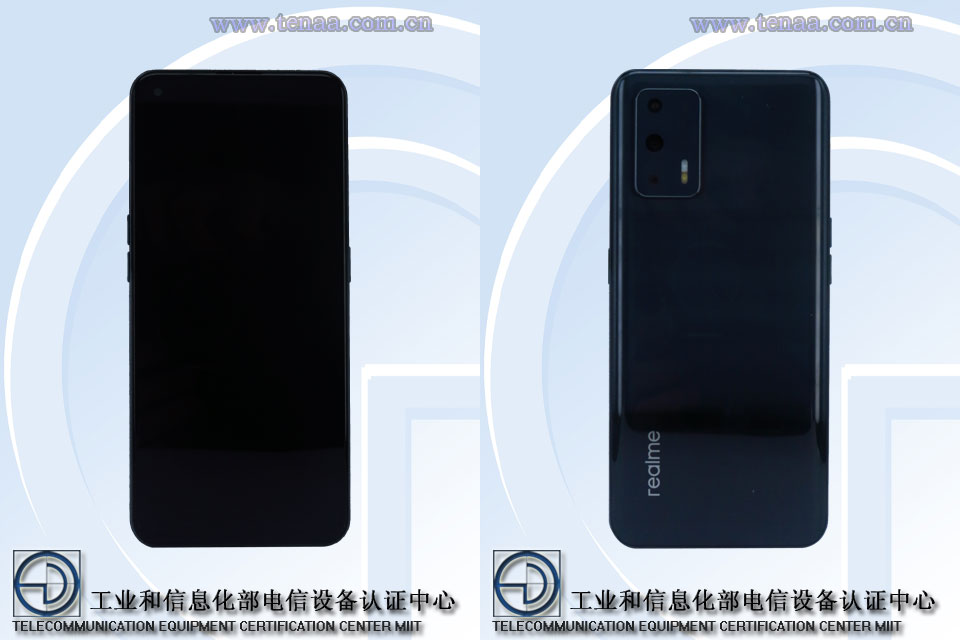
Earlier this week, an upcoming Realme phone with RMX3125 model number was certified by the TENAA telecom authority of China. The listing revealed its entire specifications. However, its design was not known as its images had not appeared. Now, the TENAA listing of the Realme RMX3125 has been updated with its images.
Realme RMX3125 design
The Realme RMX3125’s TENAA images suggest it could be sporting a teardrop notch display. The volume up and down buttons are available on the left edge of the device, whereas its right spine features a power key, which doubles up as a fingerprint sensor. The rectangle-shaped camera module has a dual-camera setup and an LED flash.
The handset measures 163.9 x 75.7 x 8.4mm and weighs 189 grams. It is likely to release in colors like gold and purple in China.
Realme RMX3125 specifications
The Realme RMX3125 is a 5G smartphone featuring a 6.52-inch HD+ display. It is powered by a 2.4GHz octa-core processor and 4 GB / 6 GB / 8 GB of RAM. The handset will come with 64 GB / 128 GB / 256 GB of built-in storage and a microSD card slot. It will come preinstalled with Android 11 OS.
For photography, it features an 8-megapixel front camera and a 13-megapixel + 2-megapixel dual rear cameras. It is backed by a 4,990mAh rated battery. There is no word on the fast charging capabilities of the smartphone. It will at least offer 18W fast charge support.
The final product name of the RMX3125 is not known yet. Probably, it will end up as a Q or V series smartphone.
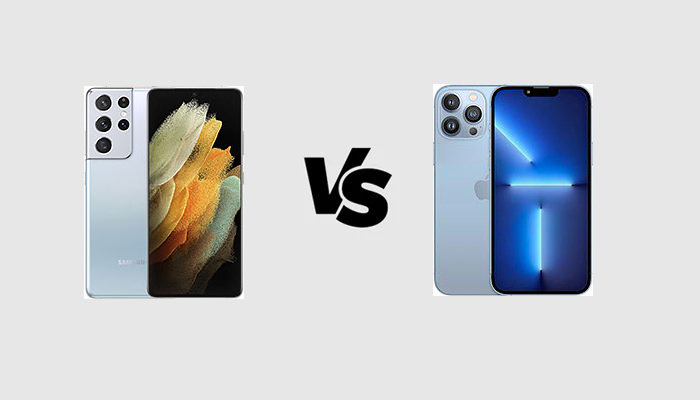
The foldable phones by Samsung reached the third generation. The Korean giant just launched the Samsung Galaxy Z Fold3 which solves all the problems of the previous generations and adds a lot of really interesting features such as the S Pen borrowed from the Samsung Galaxy Note series. But is it really the best foldable phone in the market that can transform into a tablet or you can find something better from other brands? The only foldable phone which is able to compete with the Samsung Galaxy Z Fold3 globally is the Xiaomi Mi Mix Fold and this is a comparison between their specifications.
Xiaomi Mi Mix Fold vs Samsung Galaxy Z Fold3
Xiaomi Mi Mix Fold
Samsung Galaxy Z Fold 3
THICKNESS
17.2 mm when folded, 7.6 mm when unfolded
16 mm when folded, 6.4 mm when unfolded
DISPLAY
Main display: 8.01 inches, 1860 x 2480p (Quad HD+), 387 ppi, Foldable AMOLED
External display: 6.52 inches HD+ (840 x 2520p), 27:9 ratio, AMOLED
The Xiaomi Mi Mix Fold is very attractive because it has a design with a ceramic back, while Samsung Galaxy Z Fold3 has the classic glass back paired with an aluminum frame. On the other hand, the Samsung Galaxy Z Fold3 is waterproof with the IPX8 certification and it also comes with the Gorilla Glass Victus protection by Corning. Last but not least, it is more compact and has a more elegant design: just look at the camera module in order to notice how minimal its design is. Note that Samsung Galaxy Z Fold3 supports the S Pen and the eSIM technology, while Xiaomi Mi Mix Fold does not have a pen. The Mi Mix Fold is a dual SIM phone (unlike its rival) but it does not have an eSIM.
Display
Samsung Galaxy Z Fold3 is the first display coming with an Eco2OLED panel which is able to improve efficiency in order to provide a lower energy consumption. The internal foldable display has a diagonal of 7.6 inches and a Quad HD+ resolution, as well as the HDR10+ certification, the highest brightness, and a 120 Hz refresh rate. The Xiaomi Mi Mix Fold still comes with an outstanding foldable panel sporting a diagonal of 8.01 inches, a Quad HD+ resolution, up to one billion colors, HDR10+, and Dolby Vision. The Samsung Galaxy Z Fold3 has a more interesting display, but the Mi Mix Fold remains amazing. Both the phones have an external OLED display for those who want to use them as normal phones, as well as side-mounted fingerprint readers.
Specs & Software
Samsung Galaxy Z Fold3 and Xiaomi Mi Fold have almost the same hardware. They are powered by the Snapdragon 888 mobile platform, but with the Xiaomi Mi Mix Fold, you can get more RAM: up to 16 GB instead of just 12 GB. In both cases, the internal storage goes up to 512 GB. The phones run Android 11 with a customized user interface on top. These phones are flagship and they provide astonishing performance thanks to their flagship-class hardware, as well as the complete 5G support.
Camera
The Samsung Galaxy Z Fold3 has the most complete camera department. It has a triple rear camera including three 12 MP sensors: the main camera with OIS, a telephoto lens with 2x optical zoom, and an ultrawide camera. It also comes with a 4 MP cover camera and an under-display camera with a 10 MP resolution able to record 4K videos. The Xiaomi Mi Mix Fold has a great 108 MP main camera, an 8 MP telephoto lens with 3x optical zoom, and a 13 MP ultrawide camera, as well as a 20 MP front camera on the external display.
The Xiaomi Mi Mix Fold has a bigger battery with a capacity of 5020 mAh and it can provide a longer battery life. It also supports a faster charging technology with a power of 67W (wired). However, unlike the Samsung Galaxy Z Fold3, it lacks wireless charging and reverse wireless charging. You can only charge the Mi Mix Fold with a cable, while you can choose Qi wireless chargers if you go for the Galaxy Z Fold3.
Price
Samsung Galaxy Z Fold3 has a $1799/€1799 starting price in the global market, while Xiaomi Mi Mix Fold begins at €1300/$1522 in Asia. The Samsung Galaxy Z Fold3 wins the comparison because it is waterproof, it comes with wireless charging, more interesting cameras, the under-display camera technology, S Pen support, and more. But the Xiaomi Mi Mix Fold remains a valid choice with its 67W fast charging technology, 3x optical zoom, and bigger battery.
Xiaomi Mi Mix Fold vs Samsung Galaxy Z Fold 3: PRO and CONS
Almost all smartphones available globally come with some sort of advertisement. Although ads on phones are mostly associated with devices from Chinese OEMs, especially Xiaomi, South Korean tech giant Samsung is no innocent either. But thankfully, Samsung has now confirmed to remove those annoying ads from its phones.
Samsung revamped its Android-based mobile operating system with the introduction of One UI. Unfortunately, slowly and steadily, the company put ads in some of the most used system apps like Samsung Weather, Galaxy Themes, and Samsung Pay.
Users around the world have been complaining about this for some time now. In fact, even Samsung employees are frustrated about it.
According to a report by Yonhap News Agency (via The Verge), one of these employees questioned Dr. TM Roh, President and Head of Mobile Communications Business at Samsung, regarding ads on the company’s smartphones in a recent ‘town hall meeting’ with employees held at Samsung Electronics’ Suwon Digital City on August 17.
To this, the top executive replied that Samsung has been seeking new growth opportunities in the fields of content and advertising services. The company is aiming to provide useful information that customers need through search and recommendation in the content service or Galaxy Store.
At the same time, he also said that criticism from employees is necessary for the growth and development of the company. Hence, Samsung will be removing ads from its smartphones via future One UI software update.
The South Korean tech giant even issued an official statement to The Vergesaying that the above-mentioned update will be ready by later this year.
This means the ads on stock Samsung apps will likely go away with the release of One UI 4.0 based on Android 12.
The ROG Phone 5s series was announced on Monday in Taiwan. The two new phones, which are powered by the Snapdragon 888 Plus processor and come with up to 18GB of RAM, have now made their way to China. Here are the details on their prices and availability:
ROG Phone 5s
ROG Phone 5s
The ROG Phone 5s will be available in five configurations, unlike in Taiwan, where it is available in only two:
8GB RAM + 256GB = ¥3999 (~$617)
12GB RAM +128GB = ¥4299 (~$663)
12GB RAM + 256GB = ¥4699 (~$725)
16GB RAM + 256GB = ¥4999 (~$770)
18GB RAM + 512GB = ¥5899 (~$910)
ROG Phone 5s Pro
ROG Phone 5s Pro
The ROG Phone 5s Pro will be available in only one configuration:
18GB RAM + 512GB = ¥8499 (~$1310)
ASUS has revealed that the ROG Phone 5s series will be available for purchase starting August 24 at 10:00 AM.
The ROG Phone 5s has a 6.78-inch Samsung E4 AMOLED display with a 144Hz refresh rate, 1ms response time, 360HZ touch sampling rate, and a 24ms touch response rate. It also has DC Dimming, HDR10+, SGS eye protection, and Gorilla Glass Victus.
The Snapdragon 888+ processor draws juice from a dual-cell 6000mAh battery. There is support for 65W fast wired charging too, so you can recharge and get back to gaming in the shortest possible time.

For cameras, there is a 64MP Sony IMX686 f/1.8 primary sensor, a 13MP 125° ultrawide angle sensor, and a 5M macro camera. A 24MP camera is in front for video calls and selfies. The phone can record in 8K and also record time-lapse videos in 4K UHD.
ASUS has equipped the phone with dual front-facing 7-magnet speakers. There is also an audio jack, and four microphones with ASUS noise reduction technology. There is Wi-Fi 6E, NFC, Bluetooth 5.2, an in-display fingerprint scanner, ultrasonic AirTriggers, and dual-SIM support. It runs ROG UI 5.0 based on Android 11 out of the box and is available in Aurora White and Phantom Black.
The ROG Phone 5s Pro has practically the same specs as the standard version but with the addition of a PMOLED screen and two touch sensors on the back of the device. It also comes in a single color – Phantom Black. Both phones will ship with a 65W adapter and a protective case.
Nokia has launched the BH-805 Noise Cancelling TWS earbuds for sale in China. The earbuds are the brand’s first-ever Active Noise Cancellation-packing earbuds. It was earlier launched in Europe priced at €99.99 ($118). The Nokia BH-805 earbuds carry a far cheaper 499 yuan (~$77) in China.
Nokia BH-805 Noise Cancelling TWS earbuds
The Nokia BH-805 is powered by 13 mm graphene buds that can actively cancel and modulate the noise in the environment up to 25 decibels. The earbuds also feature an Ambient mode that enables the user to listen to the surrounding.
Each of the earbuds is equipped with a 45mAh battery that provides up to 5 hours of playback. It comes with a 400mAh charging case which extends the usage time up to 20 hours. When Active Noise Cancellation is activated on the BH-805, the battery capacity is slightly reduced.
Nokia BH-805 Noise Cancelling TWS earbuds
Furthermore, the BH-805 charges via a USB-C port for quick charging. It also features support for Bluetooth 5.0 connectivity, IPX5 waterproof rating, and Google Assistant.
The headsets are available in Charcoal and Polar sea color variants and are already on sale in China via Jingdong (JD.com).
The Xiaomi Mi Pad 5 and Mi Pad 5 Pro will go on sale at 10 AM in China via authorized retails partners and Xiaomi’s official website. The Mi Pad 5 is priced at CNY 1,999(~$308) and the Mi Pad 5 Pro costs CNY 2,499(~$385) in China. The Pro variant can be picked up in Black, Dazzling White, and Deep Scalloped, and the vanilla model will be available in Dark Green, Black, and Dazzling White.
The Mi Pad 5 series comes with an 11-inch display with a 120Hz refresh rate and 2560 x 1600 pixels resolution. The screen has a 275 PPI pixel density and supports anti-blue light with a contrast ratio of 1500:1.
The Pro variant features a 13MP + 5MP dual rear camera system, whereas, the Pad 5 has a 13MP single camera system. The series has an 8MP front camera for selfies. The Pro comes powered by the Qualcomm Snapdragon 870 SoC and the vanilla has a Snapdragon 860 inside. Both the tablets come with 6GB of RAM and 128GB of onboard storage.
Both the tablets also differ in the battery. The Mi Pad 5 Pro houses an 8,600mAh battery with 67W fast charging support On the other hand, the Mi Pad 5 packs an 8,720mAh battery with 33W fast charging technology. The tablets run on MIUI for Pad OS and have software features like parallel windows, split-screen, and custom input methods.
See Audio, the new entrant in the Audio business has been the talk of the town since its dawn. The stupendously designed and tremendously sounding IEMs: Yume, Neo, and Kaguya from See Audio succeeded in grabbing the eyeballs (as well as ears of the masses). Setting a new milestone, the company has launched the brand-new See Audio Bravery.
What’s exciting is that the See Audio Bravery is up for pre-order starting today if you’ve been waiting for the moment. See Audio Bravery is exceptional on its own and the partnership See Audio had with the audio community to finalize the tuning curve, the design, and look of the pair with a series of votings on their official social media account did seem fruitful. As per the official documentation, the Bravery features a multi-BA driver configuration consisting of four high-performance Balanced Armature drivers(3 Knowles+1 Sonion BA units).
See Audio Bravery Features
Specially designed four balanced armature driver configuration.
Premium range of Knowles and Sonion BA drivers.
Clean, accurate, and smooth sound reproduction.
Electronic frequency crossover for smooth distortion-free performance.
Specially customized 6N OCC Hakugei cable.
Premium Azla Xelastec Sednafit ear tips.
Impedance: 18ohm.
Frequency response range: 20Hz-20kHz.
Sensitivity: 110dB/mW.
THD+N: <1%.
2-pin 0.78mm connectors.
See Audio specially designed a new logo for Bravery in a stacked lotus decorative pattern. See Audio has given attention to every single thing in the package in order to present a rich and premium experience with the pair. Bravery comes packed with premium Azla Xelastec Sedna ear tips and a custom-designed high-purity earphone cable by Hakugei(a premium IEM upgrade cable brand).
HiFiGo is the official online partner for See Audio, the pre-order for Bravery starts today at an introductory price of $249 which will be increased to SRP $279 upon official release on 23rd August. So what are you waiting for?? Order the See Audio Bravery today!! A special bonus for pre-order includes a special Rinko Stand included in the package.
Ulefone is a brand behind some of the finest rugged smartphones to date. The brand makes phones that ensure safety without compromising performance. Ulefone Power Armor 13 is the brand’s latest launch, and Ulefone is now promoting the device through performance testing and teardown videos. The phone is compared side by side to iPhone 12 during the performance testing. On the other hand, the teardown video of the phone will give you a better understanding of the underlying hardware and safety features.
As we said, Ulefone is comparing the Power Armor 13 to iPhone 12. The video gives you a better idea of the capabilities of the rugged phone. Ulefone Power Armor 13 uses the Helio G95 processor, a CPU capable of handling most of what the user throws at it. Paired with the onboard 8gigs of RAM and 256gigs of fast storage, the device puts on a tight competition. Opening apps on both devices felt quicker, and gaming also yielded similar frame rates. You can check the comparison video to get a better understanding of the Ulefone Power Armor 13. The larger 6.81-inch FHD+ screen and the bigger 13200mAh battery give Armor 13 an edge over iPhone 12.
Ulefone Power Armor 13 Teardown Video
Smartphone repair is a concern these days, and Ulefone has got you covered. The brand has released a teardown video that gives you a better idea of the safety and protective features of the phone. The phone follows a metallic design compared to traditional rugged phones. The back is secured using screws, and you won’t be needing a heat gun. Still, the inner rubber ring ensures safety from water damage. The speaker is also waterproof with its protective rubber ring, and the battery is further enforced with a steel case to withstand more abuse. The Armor 13 comes with four cameras in the rear. The 48MP primary sensor, an 8MP wide-angle camera, a 2MP macro, and the 2MP depth sensor won’t go unnoticed during the teardown.
The device features an array of five LED flashes. As for the front cam, Armor 13 uses a single 16MP shooter. Armour 13 supports 33W fast charging and 15W wireless charging. The device also features the “rare” 3.5mm earphone jack, NFC+ wireless charging, an external FM antenna, a noise-cancelling mic, and Baroceptor.
The device features an IR sensor for measuring distance, and we hope it might come in handy for professionals planning to purchase a rugged phone. Ulefone Power Armor 13 now is on sale. You could buy it from its official website or AliExpress.
There is no shortage of laptops to choose from if you are on the lookout for a computer. However, that is not stopping new players from entering the market. The latest brand to join the PC market is Realme with its Realme Book Slim announced today. The notebook has an interesting design and pretty great specs.
11th Gen Intel Core i3-1115G4 Processor (Dual-core quad-thread)
11th Gen Intel Core i5-1135G7 Processor (Quad-core Octa-thread)
11th Gen Intel Core i3-1115G4 Processor

11th Gen Intel Core i5-11300H
10th Gen Intel Core i7-10510U
Dedicated GPU
No
No
No
NVIDIA GeForce MX350 2GB GDDR5 RAM
RAM
i3 version: 8GB 3733MHz
i5 version: 8GB 4266MHz
8GB 3200MHz
8GB 3200MHz
8GB 2666MHz
Storage
256GB PCIe SSD
512GB PCIe SSD
256GB PCIe NVME SSD
512GB PCIe NVME SSD
512GB PCIe NVME SSD
512GB PCIe NVME SSD
Ports
i3 version:
2x USB-C 3.2 Gen 2x2
1x USB-A 3.1 Gen 1
3.5mm microphone + headphone combo jack
i5 version:
1x Thunderbolt 4/USB 4
1x USB-C 3.2 Gen 2x2
1x USB-A 3.1 Gen 1
3.5mm microphone + headphone combo jack
1x USB 2.0
2x USB 3.2 Gen 1
HDMI 1.4
RJ45 LAN port
3.5mm headphone jack
SD Card reader
1x USB 2.0
2x USB 3.2 Gen 1
HDMI 1.4
RJ45 LAN port
3.5mm headphone jack
SD Card reader
1x USB-C USB 3.1 Gen 1
2x USB 3.1 Gen 1
1x USB 2.1
1x HDMI
3.5mm microphone + headphone combo jack
Connectivity
i3 version: Bluetooth 5.1 and Wi-Fi 5
i5 version - Bluetooth 5.2 and Wi-Fi 6
Bluetooth 5.0 and Wi-Fi 5
Battery and Battery Life
54Wh Battery
Up to 11 hours of video playback
65W USB-C power adapter
46Wh Battery
Up to 10 hours of of battery life
65W power adapter
46Wh Battery
Up to 10 hours of of battery life
65W power adapter
46Wh Battery
Up to 10 hours of of battery life
65W power adapter
Additional Features
Backlit keyboard (3-level)
Fingerprint scanner (power button)
PC Connect
No backlit keyboard
No fingerprint scanner
No backlit keyboard
No fingerprint scanner
No backlit keyboard
No fingerprint scanner
Webcam bundled separately
Colors
Real Gray and Real Blue
Charcoal Gray
Charcoal Gray
Charcoal Gray
Weight
1.38 kilograms
1.8 kilograms
1.8 kilograms
1.35 kilograms
Price
i3 version 8+256GB = ₹46,999
i5 version 8+512GB = ₹59,999
8+256GB = ₹41,999
8+512GB = ₹44,999
8+512GB = ₹49,999
8+512GB = ₹54,999
Build
The Realme Book Slim and Mi Notebook Horizon Edition are the only two models with an aluminum body. They are also the lightest, which is no surprise since they are both 14-inch computers.
While Xiaomi (and Redmi) are offering their PCs in just one colorway, Realme provides two, one of which is an eye-catching blue.
Display size
All four notebooks use an LCD display but the Realme Book Slim which has a 14-inch panel has a higher 2K resolution. However, its viewing angle of 170° is lesser than the 178° the Mi Notebook 14 Horizon Edition boasts of.
Processor and RAM
The Mi Notebook 14 Horizon Edition is the only one of the four computers with a 10th gen processor, although it is a Core-i7 processor. The advantage it has over the 11th gen CPUs is its lower TDP which should translate to longer battery life. However, Realme cancels this out by shipping its computer with a bigger battery capacity.
The Realme Book Slim also uses a faster type of RAM than the other computers.
GPU
This is one area where the Mi Notebook 14 Horizon Edition shines. Unlike the other computers with an integrated GPU, it also packs a dedicated GPU via the NVIDIA GeForce MX350. This gives it an added boost in graphic performance and multitasking.
Ports and Connectivity
Xiaomi and Redmi have stuck to USB-A ports for their computers. There are ample ports on all three of them, so you should not need a dock. However, if a USB-C port is important to you, you won’t find them on any of these computers.
Realme, on the other hand, goes for fewer ports, though you do get two USB-C ports that serve for charging and display output. There is no LAN port, so if you require this, you will have to get a dock. The Core i5 version of the Realme Book Slim has a Thunderbolt 4 port that also doubles as a USB 4 port, so you can output 2 x 4K displays at the same time. Realme also gets a plus with the addition of the much faster Wi-Fi 6 and also Bluetooth 5.2.
Battery life and fast charging
The Realme Book Slim boasts up to 11 hours of battery life which is just a little over the 10 hours the other devices claim. All four ship with a 65W adapter, but Realme’s own is a USB-C charger which should also work for your phone. All four boast of fast charging – up to 50% in about half an hour.
Additional features
The Realme Book Slim has extra features such as a backlit keyboard with three levels of brightness and a fingerprint scanner integrated into the power button. There is also PC Connect, a feature that allows you to connect your compatible phone with your PC. Users will be able to preview notifications, open their mobile apps on their PC, and also transfer files from one device to the other by dragging and dropping. They can also use a shared clipboard feature for copying and pasting text from one device to the other.
Price
The RedmiBook 15 e-Learning Edition is the cheapest of them all, which is no surprise since it uses an 11th Gen Core i3 processor. However, the Realme Book Slim’s Core i3 equivalent costs a few thousand more and justifies the increase with features such as a backlit keyboard, fingerprint scanner, Wi-Fi 6, and a sharper display.
The importance of the aforementioned features and a Thunderbolt 4 port also comes into consideration when comparing the higher-specced Realme Book Slim to the RedmiBook 15 Pro. Are these features worth the extra ₹10,000 or not?
The Mi Horizon Edition Notebook sits in a tricky spot with its older processor and lack of an integrated webcam. It costs ₹4,999 more than the RedmiBook Pro and for that, you get a dedicated GPU and an aluminum build.
Conclusion
All of these computers are great options for anyone with a budget of ₹60,000, but they might not necessarily be the best. They do have their individual strengths and weaknesses which will determine which one of them you decide to go for.
The Realme Book Slim has a better display, a fingerprint scanner, and a backlit keyboard. There is also Wi-Fi 6, and its slim and lightweight design will also appeal to a lot of people. However, its limited number of ports means you will need to get a dock that adds the ports you need which is an extra purchase on top of a device that already costs more.
The RedmiBook 15 e-Learning Edition doesn’t look as good and is also heavier but has the same processor as the base model of the Realme Book Slim for a lower price tag. It also has all the ports you may need. Even the 512GB version costs less than the Realme Book Slim.
The RedmiBook 15 Pro has all the features of the RedmiBook 15 e-Learning Edition including its demerits (no backlit keyboard, no USB-C, and no fingerprint scanner) but adds a more powerful processor and 512GB of storage. So you get an identical performance to the Core i5 version of the Realme Book Slim but for significantly less.
The Mi Notebook Horizon Edition is the other option for those who want a lightweight computer with a metallic build. It costs a lot more than the Redmi notebooks and has a less powerful processor but its dedicated RAM may appeal to casual gamers.
Which of these computers do you prefer? Let us know in the comments box.
Chinese electric scooter manufacturer NIU has got a new e-scooter under its wing dubbed NIU GOVA C0 and said to have been designed for females. The GOVA C0 is one of NIU’s latest low-cost, lightweight and comfortable electric scooters released to the Chinese market. The new e-scooter evinces memories of the iconic Vespa model, one of the first two-wheelers that were designed mainly for women.
NIU is a leader in the two-wheeler EV market and caters to the needs of a wide array of customers, from the low end to the premium segment. It has a few flagship e-scooter models, some costing up to 17,000 yuan (2,625). it also has some mid-tier M-series while the GOVA C0 lineup makes up the low-cost end of the spectrum.
The GOVA line was launched in 2019 and has continued to drive sales in the industry as alluded to by the GOVA C0 chief executive recently. The C0 comes with a new pair of C-shaped headlights that provide greater aesthetic appeal, which makes the model to be heavily favored by a segment of consumers.
The lightweight e-scooter is just 75kg, has a low seat height of just 29 inches, and also offers a smaller battery that offers up to 60km in range. The battery is well protected from overheating and other undesirable effects. The e-scooter is powered by a 400W motor which offers a top speed of 25kmph. The functional pedals also offer additional driving options. There is also a small seat at the back and can seat a child comfortably. The GOVA C0 e-scooter has support for a smartphone app, updates are available and it also has an anti-theft mechanism.
The GOVA C0 is already on sale in China for 3,399 yuan ($525). Global pricing and availability are not known at this time.
Huawei’s first standalone monitor, the MateView, will be available for pre-order in the UK starting today. The MateView will be up for pre-order until August 30, with sales starting a day later on September 1.
The MateView monitor brings quite some exciting features. It comes with a 28.2-inch 3:2 panel with a resolution of 3840 x 2560 pixels. The monitor supports 98-per cent of the DCI-P3 color gamut and 100-per cent of the sRGB gamut. Moreover, the Mateview comes with VESA DisplayHDR 400, TUV Rheinland Low Blue Light and Flicker Free certifications. The monitor offers a 94 per cent screen-to-body ratio.
Source: Huawei
The monitor comes with a wide range of connectivity options. To start with, it has 2x USB-C ports, 2x USB-A ports, an HDMI port, a Mini DisplayPort, and a 3.5mm headphone jack. The monitor also allows users to wirelessly connect their mobile phone, notebook and tablet with the monitor. Users can also connect mice and keyboards to control their connected notebooks and smartphones. This eliminates the need for connecting, again and again, offering flexibility to users to switch between multiple devices.
Source: Huawei
The monitor features two high powered front-firing speakers embedded in the stand. It also has two inbuilt microphones with built-in noise reduction algorithms.
The MateView comes with Huawei’s proprietary UI control experience dubbed Smart Bar. The Smart Bar offers a touch UI to adjust display settings, input and volume.
The MateView monitor will be retailing for £599.99 in the UK through Huawei’s online store. Customers pre-ordering the monitor will be getting a free Huawei product under the pre-order bundle offer. The company is offering choice between Huawei Sound X Speaker, Huawei FreeBuds Studio wireless earbuds, or a Huawei MatePad 10.4. Huawei is also offering free delivery and flexible payment options.
Interested customers can visit Huawei’s Stafford store on August 21 for a live demo of MateView and MateView GT.
We use cookies on our website to give you the most relevant experience by remembering your preferences and repeat visits. By clicking “Accept”, you consent to the use of ALL the cookies.
This website uses cookies to improve your experience while you navigate through the website. Out of these, the cookies that are categorized as necessary are stored on your browser as they are essential for the working of basic functionalities of the website. We also use third-party cookies that help us analyze and understand how you use this website. These cookies will be stored in your browser only with your consent. You also have the option to opt-out of these cookies. But opting out of some of these cookies may affect your browsing experience.
Necessary cookies are absolutely essential for the website to function properly. This category only includes cookies that ensures basic functionalities and security features of the website. These cookies do not store any personal information.
Any cookies that may not be particularly necessary for the website to function and is used specifically to collect user personal data via analytics, ads, other embedded contents are termed as non-necessary cookies. It is mandatory to procure user consent prior to running these cookies on your website.