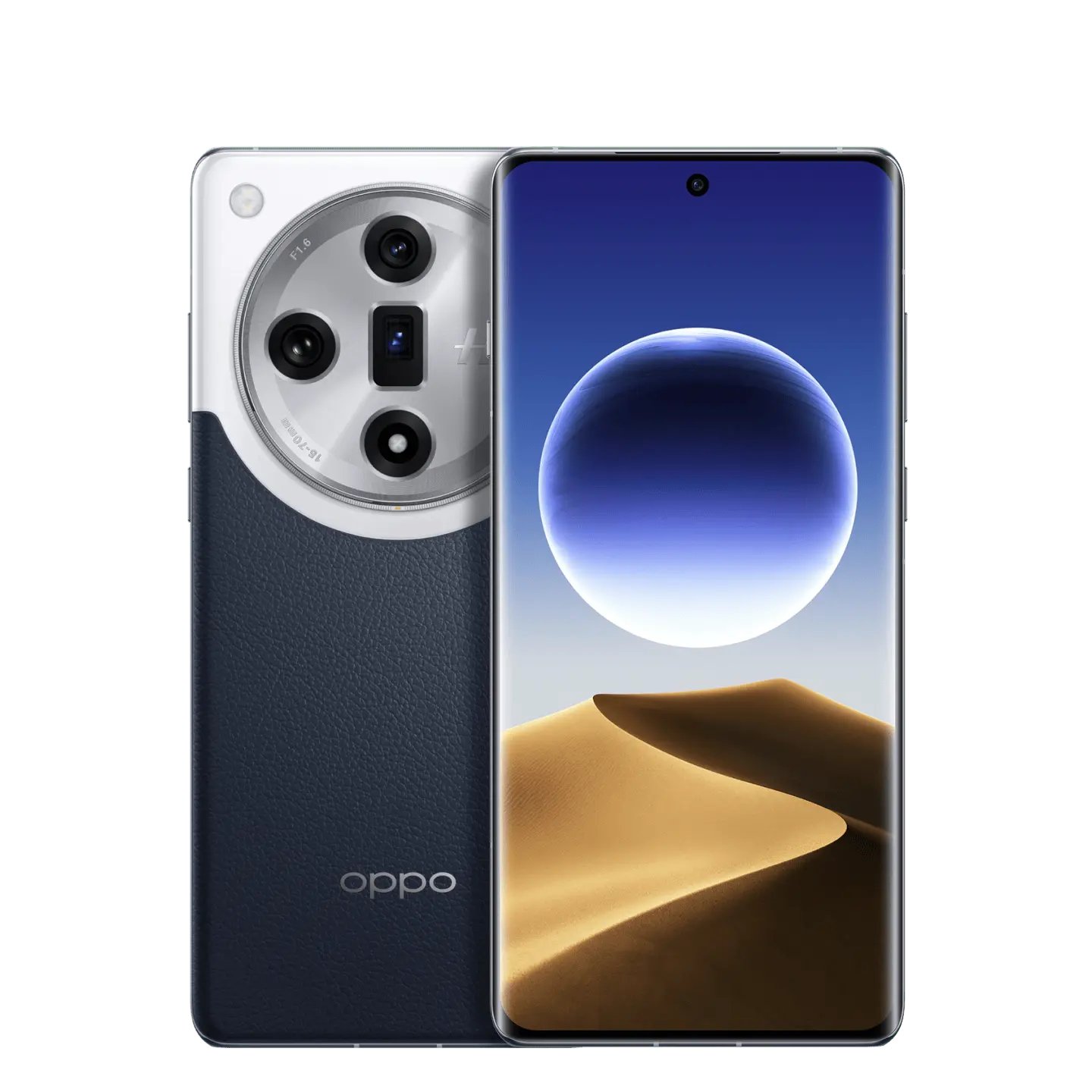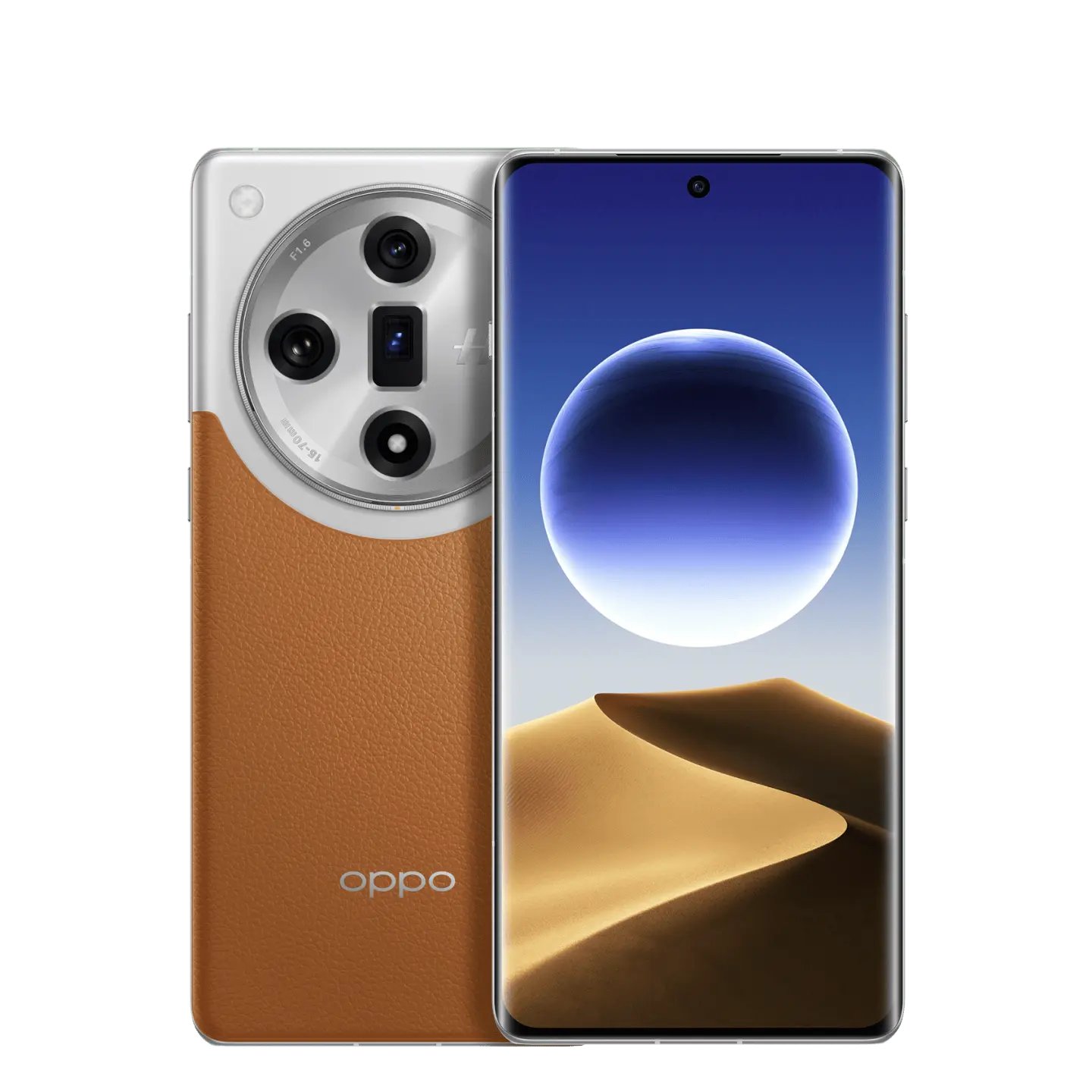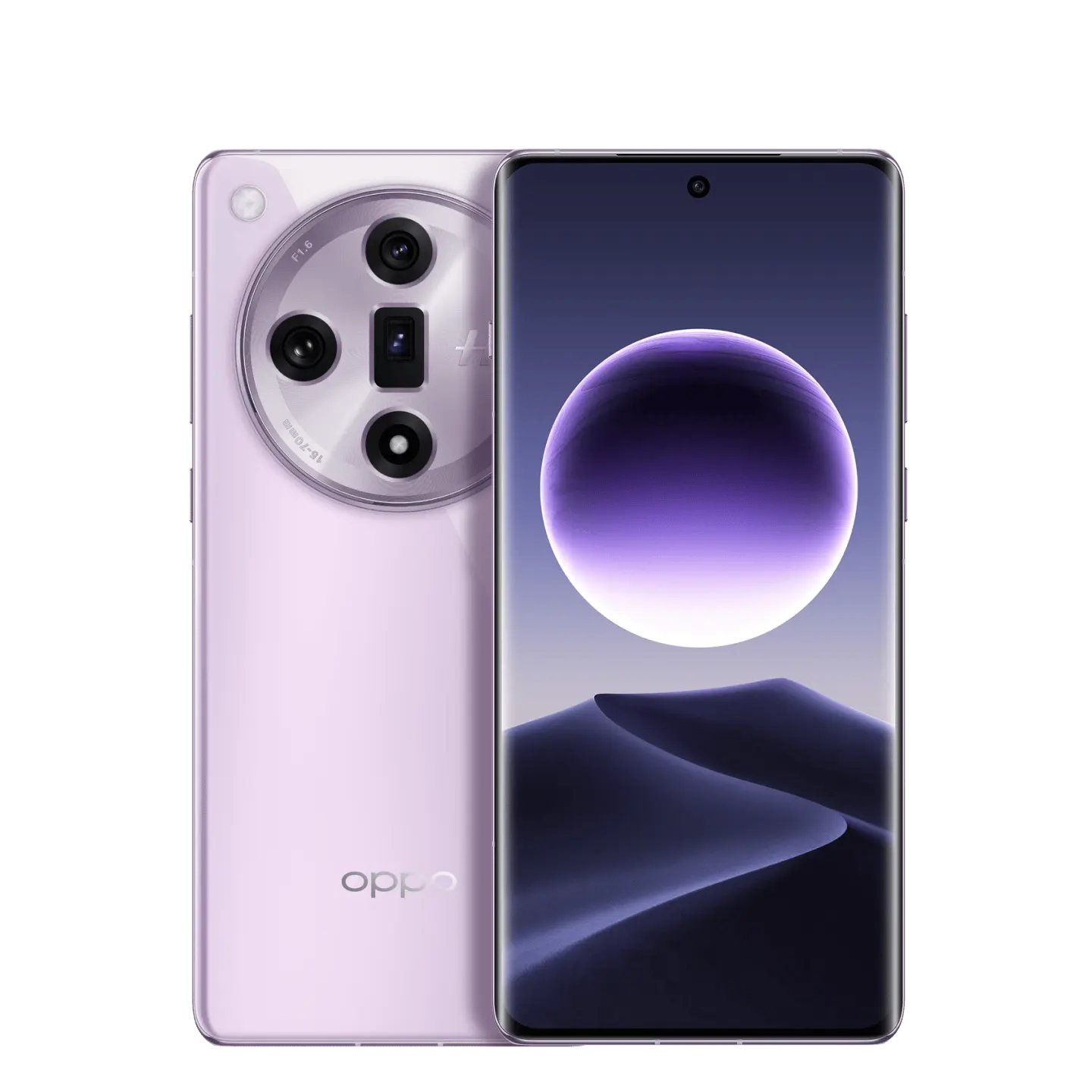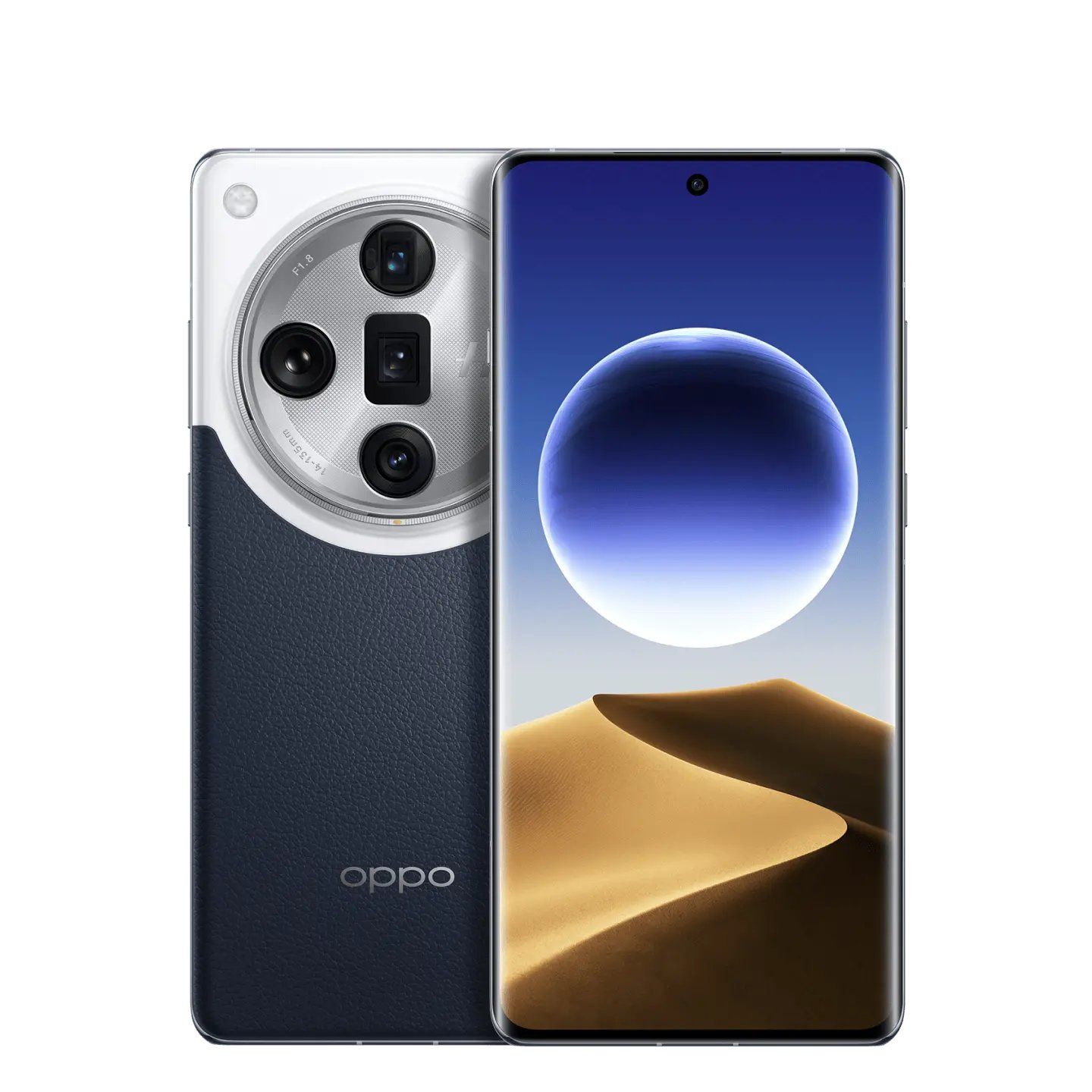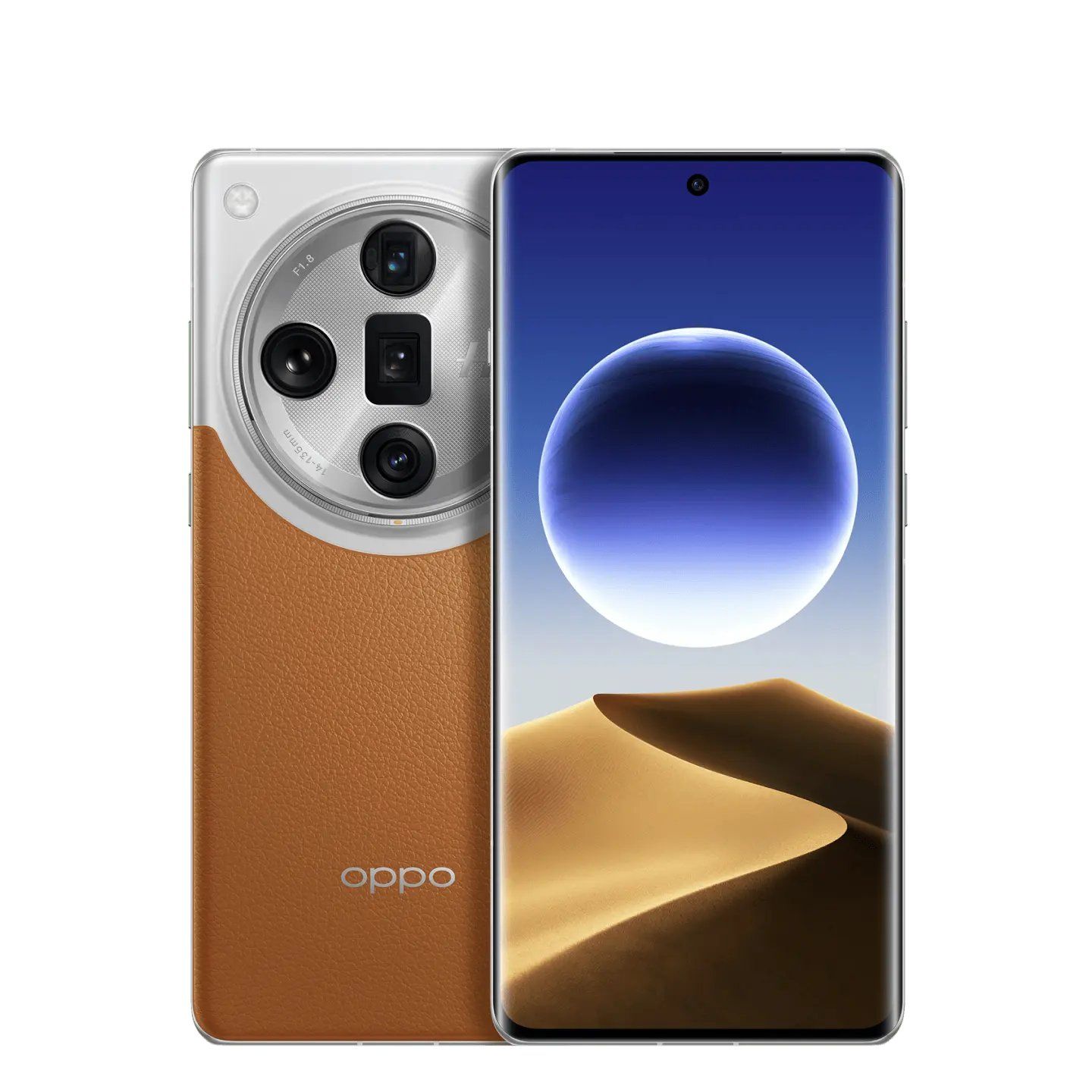
Oppo has officially confirmed that it will unveil the Find X7 series of smartphones at 2:30 pm (local time) on Jan. 8, 2024, in China. In addition, the Find X7 and Find X7 Ultra smartphones are now listed on Oppo China’s online store for reservations. The official listings have confirmed the configurations and color options of both smartphones well ahead of the official announcement.
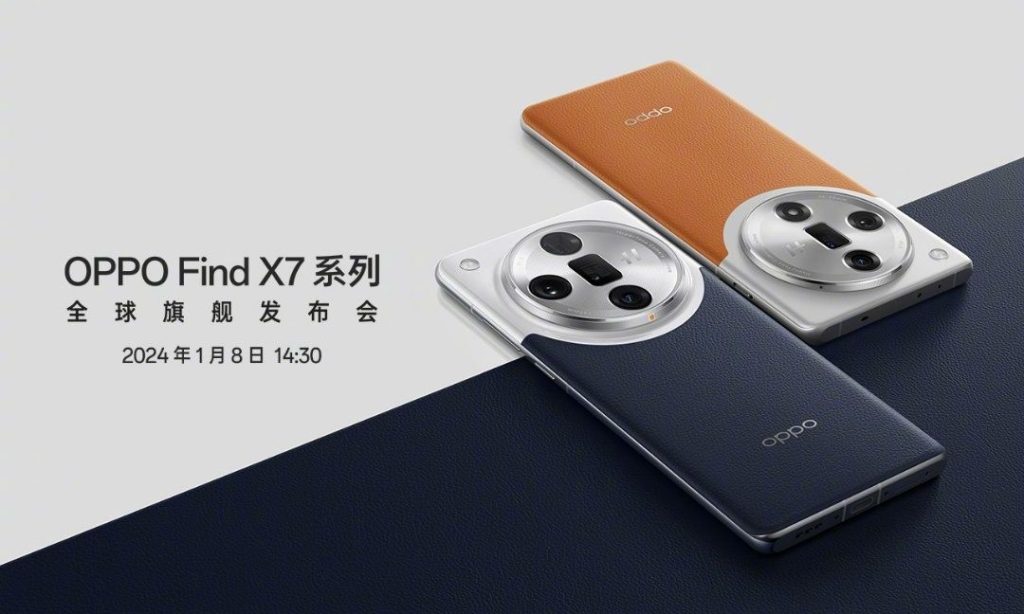
Oppo Find X7 series launch date
Oppo Find X7
Reports have revealed that the Find X7 will come equipped with the Dimensity 9300 chipset. The official listing reveals that it will come in four configurations, such as 12 GB RAM + 256 GB storage, 16 GB RAM + 256 GB storage, 16 GB RAM + 512 GB storage, and 16 GB RAM + 1 TB storage.
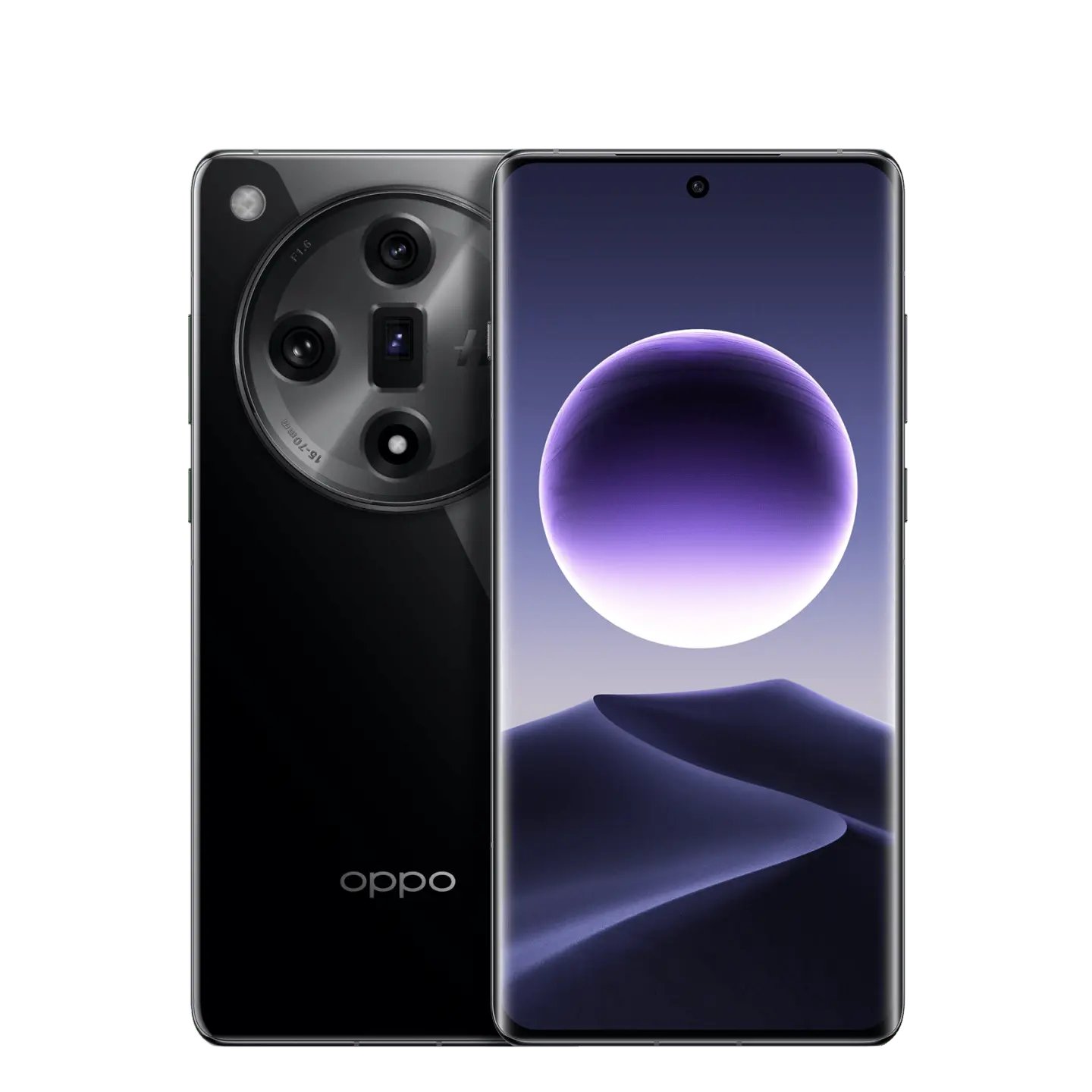
The Find X7 will be available in four shades, such as Starry Sky Black, Sea and Sky, Desert Moon Silver, and Smokey Purple.
Oppo Find X7 Ultra
The Find X7 Ultra is expected to come equipped with the Snapdragon 8 Gen 3 SoC. It will be available in three variants, such as 12 GB RAM + 256 GB storage, 16 GB RAM + 256 GB storage, and 16 GB RAM + 512 GB storage.
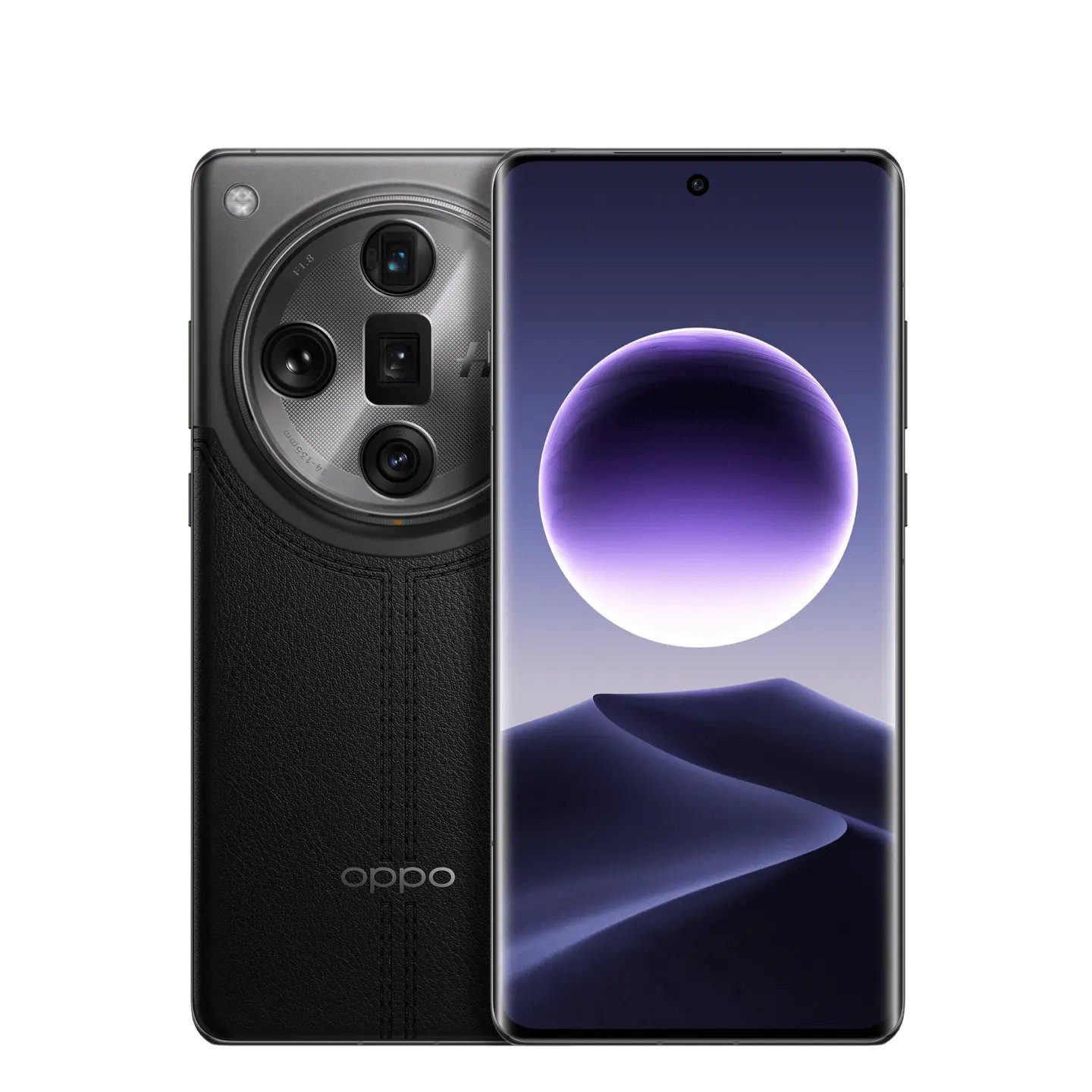
Find X7 Ultra: Pine Shadow InkFind X7 Ultra: Sea and SkyFind X7 Ultra: Desert Moon Silver.
When it comes to color options, the Find X7 Ultra will come in choices such as Pine Shadow Ink, Sea and Sky, and Desert Moon Silver.
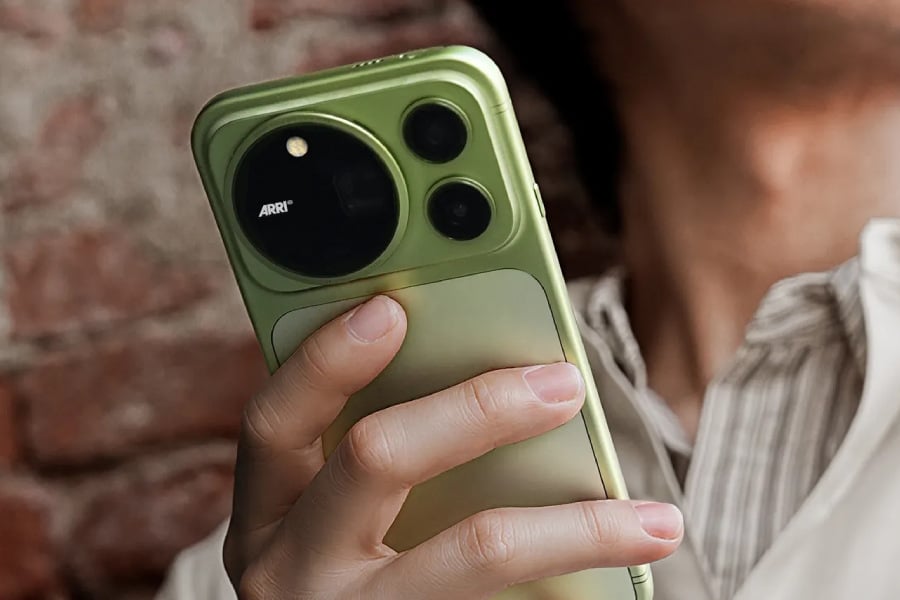
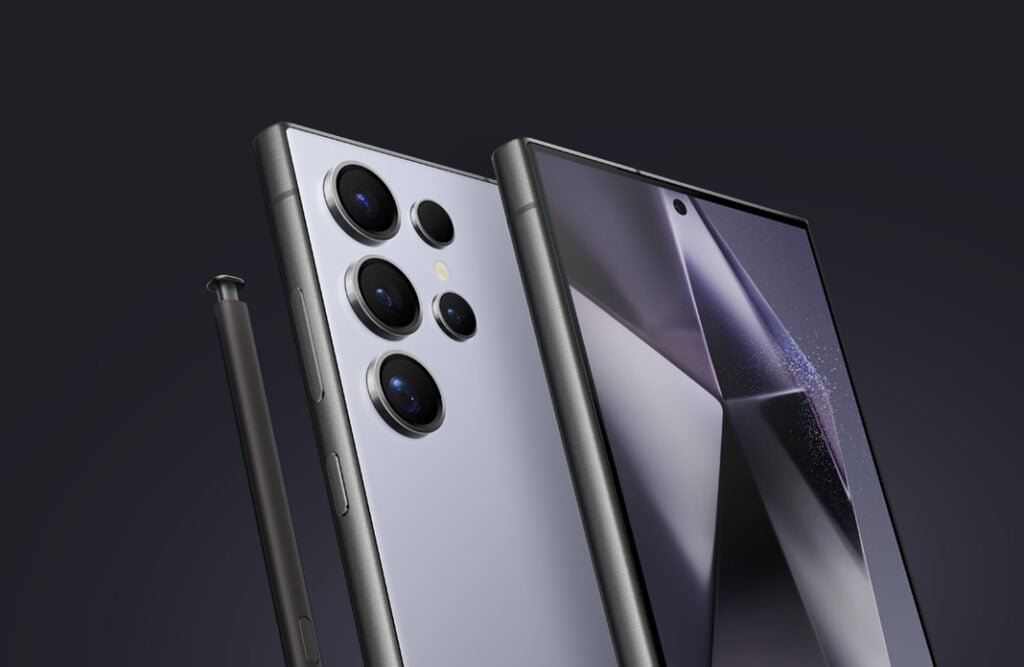
The Find X7 and Find X7 Ultra have a similar design, with the front featuring a punch-hole display with curved edges and a dual-tone back panel with a massive camera module. The Find X7 has a triple-camera unit, whereas the Find X7 Ultra has a quad-camera system. The Ultra variant will be the world’s first smartphone to feature dual periscope telephoto cameras. In addition, it will also be the first-ever phone to feature the one-inch Sony LYT-900 50-megapixel camera sensor as the primary snapper.
It is said that there will be a third device called the Oppo Find X7 Ultra Satellite Communication Version, which will come with support for two-way satellite communication. The rest of its specs will be identical to the Find X7 Ultra.
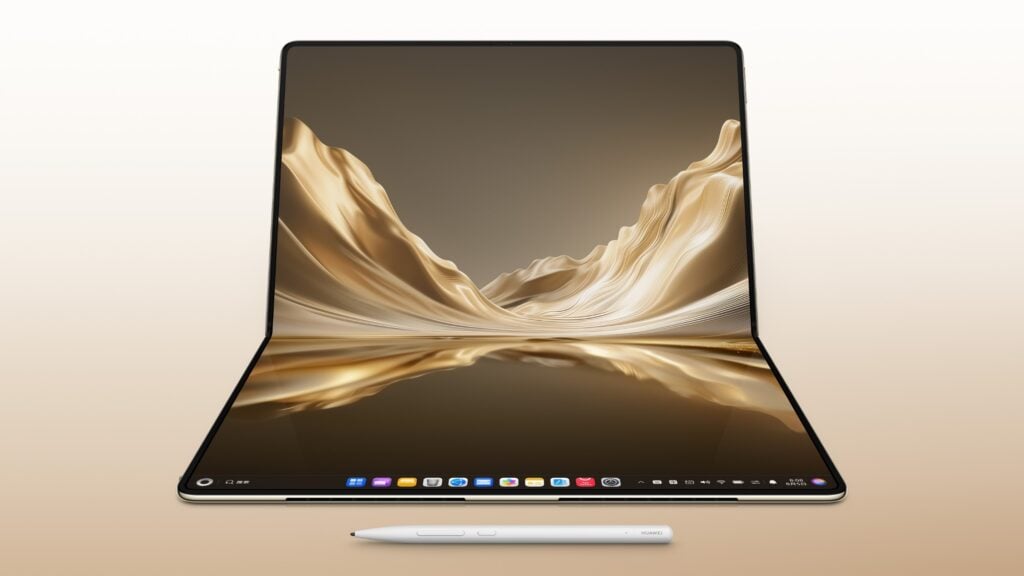
Huawei set the trend for foldable phone design by launching the Huawei Pura X last year. This year, it unveiled the Pura X Max as an updated version of the existing model. Since the first-generation product was launched, there have been reports that other brands will follow suit. In fact, the first Apple foldable phone, which is tentatively called the iPhone Ultra and launching in September, is also expected to sport the same design. Meanwhile, Samsung has already launched its iteration with the same design called the Galaxy Z Fold 8.
Yes, the Galaxy Z Fold 8 is not a large foldable phone like last year’s Z Fold 7. It sports the new wide foldable form factor, as is expected to take Samsung’s lead in the foldable market even further ahead. Here’s a look at the comparison between the Galaxy Z Fold 8 and Huawei Pura X Max to know which wide-style foldable truly reigns supreme.
Samsung leaned heavily into ergonomics this cycle, drastically trimming down weight while shifting toward a shorter, wider passport shape. The Galaxy Z Fold 8 slides effortlessly into pockets and eliminates hand fatigue during extended one-handed use. Huawei’s Pura X Max maintains a slightly larger footprint with premium glass textures and an ultra-durable hinge frame. However, the additional weight makes holding the Pura X Max noticeably heavier over long periods.
Winner: Samsung Galaxy Z Fold 8 | Lighter, more pocketable frame.
Samsung has officially announced its next generation of wearables: the Galaxy Watch Ultra 2 and the Galaxy Watch 9. Both smartwatches are built around Qualcomm’s new 3nm Penta-Core Snapdragon Wear Elite (SDW6100) chipset, bringing significant bumps to battery capacity, display brightness, and processing efficiency.
Galaxy Watch Ultra 2 Specifications
The Galaxy Watch Ultra 2 is Samsung’s high-end, rugged offering, positioned directly against the Apple Watch Ultra 3. Available in a single 47mm size, it retains the shock-resistant titanium casing of its predecessor but manages to shave off 12% of its thickness.
The display is a 1.52-inch Sapphire Crystal Super AMOLED panel that now peaks at an intense 5,000 nits of brightness. Inside, Samsung has packed in a massive 800mAh battery, a 35% increase over the previous Ultra model.
For outdoor and extreme sports tracking, the Ultra 2 includes a new Trail Run mode that monitors elevation and terrain impact, alongside a Nutrition Alert system that estimates sweat loss to provide hydration guidance.
It is fully dive-ready with IP69K, 10ATM, and EN13319 certifications, and includes the Ultra 2 Diving app that automatically tracks depth, dive duration, and water temperature underwater.
Galaxy Watch 9 Specifications
The mainstream Galaxy Watch 9 focuses on everyday health tracking and comfort. It comes in 40mm and 44mm sizes, featuring an aluminum case and a display that peaks at 3,000 nits. Battery capacities sit at 390mAh for the 40mm model and 445mAh for the 44mm version.
Both watches run on Wear OS 7 with Samsung’s One UI 9 Watch on top, and both feature 2GB of RAM (with 64GB of storage on the Ultra 2 and 32GB on the Watch 9).
They also share AI-powered health tracking features powered by Samsung’s BioActive sensor. These include an FDA-cleared Sleep Apnea detection feature, a Heart Health Score, Daily Cardio Load tracking for workout recovery, and a Hearing feature that monitors environmental noise exposure.
Pricing and Availability
Both the Galaxy Watch Ultra 2 and Galaxy Watch 9 are available for preorder starting today, with general availability beginning on August 7.
In the US, the Galaxy Watch Ultra 2 is priced at $699 for the LTE model. The standard Galaxy Watch 9 starts at $379 for the 40mm Bluetooth variant, while the LTE version starts at $430.
In Europe, the Ultra 2 is priced at €749, and the Watch 9 starts at €409. For the Indian market, the Watch Ultra 2 costs Rs. 69,999, and the 40mm Bluetooth Watch 9 is Rs. 38,999, with regional pre-order discounts of Rs. 5,000 and Rs. 1,000, respectively.
Additionally, eligible customers who purchase either watch will receive a 60-day trial for Strava and a two-month trial for iFIT.
Alongside these watches, Samsung has also launched the Galaxy Z Flip 8, featuring a 4.1-inch cover display, AI-powered software, and either the Snapdragon 8 Elite Gen 5 or Exynos 2600 chipset, depending on the market.
For more daily updates, please visit our News Section.
Alongside the Fold 8 series, Samsung has introduced the Galaxy Z Flip 8. The company’s latest clamshell foldable brings a larger cover screen, a thinner chassis, and a heavy emphasis on system-level AI features. However, these hardware and software updates come with a price hike.
Samsung Galaxy Z Flip 8 Specifications
The Galaxy Z Flip 8 is 6.1mm thick when unfolded and weighs 180 grams. The internal folding display is a 6.9-inch 120Hz OLED, but the more prominent hardware change is on the outside. The cover display, which Samsung continues to brand as the FlexWindow, has expanded to 4.1 inches. The device maintains an IP48 water and dust resistance rating and features an upgraded hinge mechanism housed within an Armor Aluminum frame.
Under the hood, the device is powered by the Exynos 2600 in most markets, including India, while select regions will receive the Snapdragon 8 Elite Gen 5. Just like last year, all variants come with 12GB of RAM.
Storage options are also limited to 256GB or 512GB. The battery capacity sits at 4,300 mAh, supporting 25W wired charging and 15W wireless charging, specs that remain relatively conservative compared to the broader smartphone market.
The camera system includes a 50-megapixel primary sensor with OIS, paired with a 12-megapixel ultrawide lens. The internal display houses a 10-megapixel front-facing camera. Samsung has added a Camcorder Grip interface that utilizes the folding hinge for handheld video, alongside a Horizontal Lock feature designed to stabilize footage during movement.
In terms of software, the Flip 8 runs on Android 17 with One UI 9 and brings deeper Gemini Intelligence integration. Samsung has enhanced the cover screen experience with features like Now Brief for notifications, reminders, and alerts, while also enabling voice-controlled actions across more than 40 supported apps.
To address privacy concerns associated with persistent AI features, Samsung has introduced an AI Assistant Activity Dashboard. This centralized hub allows users to monitor background AI processes, review automated actions, and manage individual app permissions. The device also includes a six-month trial of Google AI Pro, which bundles 5TB of cloud storage.
Pricing and Availability
The Galaxy Z Flip 8 is available for pre-order starting today and will begin shipping on August 8th. Pricing starts at $1,199 for the 256GB model, while the 512GB variant costs $1,399.
In Europe, the models are priced at €1,299 and €1,499, respectively, and in India, they will cost Rs. 1,24,999 and Rs. 1,44,999.
It comes in Graphite, Cream, and Pink color options, with a Mint variant available exclusively through Samsung’s website.
For more daily updates, please visit our News Section.
OnePlus 15 is now available at a discounted price on Giztop, making it a compelling option for anyone looking for a flagship Android smartphone. Packed with Qualcomm’s latest Snapdragon 8 Elite Gen 5 processor, a vibrant 6.78-inch LTPO display, powerful cameras, and a massive 7000mAh battery, the phone delivers premium performance for gaming, photography, and everyday use.
Premium Display and Flagship Performance
The OnePlus 15 features a 6.78-inch 2K LTPO AMOLED display with a smooth 165Hz refresh rate and a DisplayMate A++ rating for excellent color accuracy and image quality. The panel also supports HDR10+, up to 1300 nits of peak brightness, and includes useful features such as Reading Mode, Night Mode, and Vibrant Color Effect for a comfortable viewing experience. An in-display fingerprint scanner provides quick and secure unlocking.
Powering the device is Qualcomm’s flagship Snapdragon 8 Elite Gen 5 processor, paired with either 12GB or 16GB of LPDDR5X RAM. This combination delivers fast app launches, smooth multitasking, responsive gaming, and low-latency performance. The phone also supports dual 5G connectivity, helping users stay connected with fast mobile networks.
Storage, Software, and Cameras
The OnePlus 15 comes with UFS 4.0 storage, offering up to 1TB of internal storage depending on the variant. The high-speed storage allows apps, games, and files to load quickly while providing plenty of space for photos, videos, and documents.
The smartphone runs ColorOS 16, which brings a refreshed interface along with Dark Mode 2.0 and support for more applications. The software focuses on speed, productivity, and a clean user experience.
For photography, the OnePlus 15 includes a versatile triple rear camera system featuring a 50MP Sony LYT-808 main camera, a 50MP Samsung JN5 secondary sensor, and a 48MP Sony IMX581 ultra-wide camera. The setup is designed to capture detailed photos across different lighting conditions and shooting scenarios. On the front, there is a 16MP selfie camera that supports 1080p video recording and fast face unlock.
Large Battery with Fast Charging
Battery life is one of the highlights of the OnePlus 15. The phone packs a large 7000mAh battery that easily supports extended gaming sessions, video streaming, and daily productivity without frequent charging.
When it’s time to recharge, the device supports 100W SuperVOOC wired charging for quick top-ups. It also supports 50W AirVOOC wireless charging for added convenience. An Ultra Power Saving mode helps extend battery life even further by reducing background activity and unnecessary power consumption.
Deal and Availability
OnePlus 15 is currently available at Giztop in the Titanium 12GB RAM + 256GB storage variant. While the smartphone is generally sold for around $900, Giztop is offering it at a discounted price of $749, saving buyers around $150. For users looking for a flagship smartphone with a premium display, powerful Snapdragon 8 Elite Gen 5 processor, capable cameras, generous battery life, and ultra-fast charging, this limited-time offer delivers excellent value.
HMD Global, the company behind modern Nokia phones and its own HMD lineup, might be tapping into nostalgia around the old Windows Phone days.
Leaks suggest the company is experimenting with a tile-style user interface that brings back memories of those colorful, glanceable Live Tiles from the Lumia era. According to reports shared on X by accounts like smashx_60 that follow HMD closely, this could be a fresh take on the old Windows Phone and Nokia X Software Platform feel. It would be a pretty big departure from the usual Android launchers, giving users those dynamic, at-a-glance updates in a vibrant, Metro-inspired layout.
This fits right in with HMD’s love for honoring Nokia’s heritage. We’ve already seen them pay tribute to classic Lumia designs through squared-off looks inspired by the old Fabula design language (think Nokia N9 and early Lumias). Phones like the HMD Skyline have drawn direct comparisons to the Lumia 920 for their colorful unibody style.
Adding more fuel to the fire, there have been reports that HMD is looking into acquiring the Lumia trademark and related patents from Microsoft. If that happens, we could eventually see an official “Lumia remake”, probably running Android, but carrying that beloved branding. HMD is also rumored to be doing something similar with the Asha name.
As HMD grows its own brand alongside Nokia licensing, leaning into nostalgia like this could be a smart move. Windows Phone’s typography, live updates, and intuitive navigation had a special charm that many people still miss in today’s very similar-looking Android and iOS interfaces. A tile-based launcher running on Android could give HMD phones a unique personality while still offering full access to important apps.
Of course, software differentiation is tough, but if they nail a fun, customizable tile experience, especially paired with good cameras (echoing PureView roots) and durable, repairable hardware, it could really stand out in a crowded market.
HMD seems to understand that legacy brands still have plenty of emotional pull, even years after the original platforms faded away.
Redmi Note 17 Pro is now available at Giztop with a starting price of $299. The smartphone is designed for users looking for a large display, long battery life, and reliable everyday performance without spending too much. It also ships with Xiaomi HyperOS 3, based on Android 16, bringing a smooth and modern software experience.
Large AMOLED Display
The Redmi Note 17 Pro features a 6.83-inch FHD+ AMOLED display with a resolution of 2772 × 1280 pixels. The panel supports up to 3500 nits peak brightness, making it easier to view content outdoors. It also includes HDR10+, 3840Hz high-frequency PWM dimming, DC dimming, a 240Hz touch sampling rate, and a 3200Hz instant touch sampling rate for smoother scrolling and responsive touch controls.
Snapdragon Processor and Cameras
Powering the Redmi Note 17 Pro is the Qualcomm Snapdragon 6s Gen 4 octa-core processor. It delivers dependable performance for daily tasks, entertainment, and multitasking while also offering improved AI capabilities. For photography, the phone comes with a 50MP main rear camera paired with a 2MP depth sensor for portrait shots. On the front, an 8MP selfie camera handles video calls and self-portraits. The device also provides ample storage space for apps, photos, videos, and files.
Massive Battery and Connectivity
One of the biggest highlights of the Redmi Note 17 Pro is its huge 9000mAh battery. It supports 67W fast charging for quicker top-ups and also offers 22.5W wired reverse charging, allowing you to charge compatible devices. Additional features include dual SIM support, Bluetooth 5.4, Wi-Fi 6, NFC 3.0, a 3.5mm headphone jack, and an infrared sensor, making it a well-equipped smartphone for everyday use.
Price and Availability
The Redmi Note 17 Pro is now available for purchase through Giztop with prices starting at $299. Buyers can choose from available memory configurations and have the device shipped internationally, making it an attractive option for users looking for a feature-packed smartphone at an affordable price.
Light, the hardware startup known for its stripped-down, distraction-free mobile devices, has announced its next product: the Light Flip. The new device adopts the classic clamshell form factor while retaining the company’s core philosophy of intentional, minimalist technology.
Light Flip Specifications
The device features a 2.8-inch OLED display with a matte finish and a 480 x 640 resolution. It comes in six color options: Black, Navy, Red, Pink, Yellow, and Light Gray.
It also includes a lanyard loop for attaching accessories. For audio and charging, it has a 3.5mm headphone jack, stereo speakers, and a USB-C 2.0 port. The device is powered by a user-replaceable 1800mAh battery. It weighs 160 grams and carries an IP54 rating, meaning it can handle basic dust exposure and light splashes.
Internally, the Light Flip runs on a MediaTek MT8873 octa-core processor, paired with 6GB LPDDR4X RAM and 128GB UFS 2.2 internal storage. It supports 5G networks, Wi-Fi 6, and Bluetooth 5.0. It also includes dual SIM functionality through a physical nano-SIM slot and an eSIM. For photography, there is a 50-megapixel rear camera that captures 12-megapixel images, alongside an integrated flashlight.
The phone operates on LightOS, a custom interface that excludes web browsers and social media. Instead, the software provides a specific set of utilities: an alarm, calculator, calendar, directory, directions, hotspot, music player, notes, podcast player, weather, a timer, and a 2FA authenticator.
Communication relies on voice calls, audio messaging, and texting via predictive T9 or voice-to-text. Light has also introduced a developer program to allow community-built, open-source tools onto the operating system.
Pricing and Availability
The Light Flip is priced at $299 for an unlocked model. The company is also offering the device through its own service plans, starting at $39 per month on a two-year contract for 1GB of data and unlimited talk and text, or $69 per month for an unlimited plan. Pre-orders are currently open. The company says that shipping will occur in four batches, beginning in early April 2027.
For more daily updates, please visit our News Section.
While there are many mid-range chipsets in the market, the Snapdragon 7s Gen 4 and Dimensity 7400 have quickly become popular picks among buyers, as they deliver solid performance and excellent power efficiency at an affordable cost. However, choosing one over the other isn’t straightforward.
Neither of them is entirely ahead of the other. So, whether Snapdragon 7s Gen 4 is good for you or the Dimensity 7400 depends on your priorities. In this post, we’ll look at the benchmark scores and important differences to help you find the right one.
Let’s begin with the spec sheet:
Snapdragon 7s Gen 4
Dimensity 7400
Announced
August 2025
February 2025
Process node
4nm (TSMC)
4nm (TSMC)
CPU
1 x 2.7 GHz — Cortex-A720 3 x 2.4 GHz — Cortex-A720 4 x 1.8 GHz — Cortex-A520
Qualcomm Spectra Triple ISP (12-bit) up to 200MP single camera up to 64MP camera with zero shutter lag up to 32MP + 21MP dual cameras with zero shutter lag up to 21MP triple cameras with zero shutter lag 4K HDR video recording at 30fps
MediaTek Imagiq 950 ISP (12-bit) up to 200MP single camera up to 4K video recording at 30fps Google Ultra HDR support hardware-based noise reduction (MCNR)
Connectivity
Snapdragon 5G modem download speed: up to 2.9 Gbps (cellular) Wi-Fi 6E (peak speed: 2.9 Gbps) Bluetooth 5.4 mmWave & sub-6 GHz
MediaTek 5G modem download speed: up to 3.27 Gbps (cellular) Wi-Fi 6E Bluetooth 5.4 sub-6 GHz only
Snapdragon 7s Gen 4 vs Dimensity 7400: Benchmark scores
Note: The benchmark tests were performed on the Vivo T5 Pro (powered by the Snapdragon 7s Gen 4) and the iQOO Z10R (powered by the Dimensity 7400).
In the CPU test on Geekbench 6, the Snapdragon pulls off an 18% higher score in the single-core test. The multi-core score is also higher for the Snapdragon chip, but the lead reduces to 6%.
Geekbench scores clearly show the Snapdragon 7s Gen 4 delivers a more powerful CPU performance than Dimensity 7400, particularly for tasks that rely on a single core, such as app launching, UI scrolling, and file compression. Even multi-core tasks should offer noticeably better performance.
On the AnTuTu v11 platform, the Snapdragon 7s Gen 4 achieves a total score of over 1.1 million, while the Dimensity 7400 could reach just over 900K. That’s a solid gain of about 26% for the Snapdragon chip. However, this number doesn’t give a clear picture until you look at the breakdown.
The Snapdragon 7s Gen 4 maintains an edge across all AnTuTu tests. The CPU score is 32% higher, and the GPU score is 30% higher. The memory and UX scores also favor the Snapdragon chip.
To better examine the gaming performance, we put both chips through the Wild Life Extreme Stress test, which is designed to evaluate sustained GPU performance and thermal throttling under heavy graphical loads.
The Snapdragon 7s Gen 4 obtains a 30% higher overall score compared to the Dimensity 7400, which aligns with the AnTuTu test. The average FPS is also 30% higher on the Snapdragon chip.
Snapdragon 7s Gen 4
Dimensity 7400
Overall score
1108
850
Average FPS
6.64
5.09
While the Snapdragon 7s Gen 4 dominates performance benchmarks, there are aspects in which the Dimensity 7400 holds the edge. More on that in the following section.

Snapdragon 7s Gen 4 vs Dimensity 7400: Key differences you should know
CPU, GPU & NPU
While both are octa-core chips built using TSMC’s 4nm process, they have a completely different set of cores and core structure. The Snapdragon 7s Gen 4 has a traditional ‘1+3+4’ CPU structure, which focuses on balanced performance and power efficiency. In contrast, the Dimensity 7400 has a ‘4+4’ structure, thereby focusing on raw performance.


The Snapdragon chip uses newer-generation CPU cores that are more powerful and performance-friendly than those in the Dimensity 7400. Plus, the Snapdragon chip offers higher peak speed, further boosting the overall performance.
Furthermore, the Snapdragon 7s Gen 4 brings a more powerful Adreno 810 GPU to maintain sustained frame rates and optimized power efficiency, even during extended gaming sessions. On the other hand, the dual-core Mali-G615 GPU in the Dimensity 7400 chip relies on an older architecture optimized for peak bursts.
The Snapdragon chip also excels at on-device tasks such as text summarization, live call translation, and local generative image expansions via the integrated Qualcomm AI Engine. The Dimensity 7400 also has a capable MediaTek NPU 655 AI unit that handles on-device tasks and enhances camera results.
Camera & Imaging
While both chips support 200MP single-camera sensors and 4K recording at 30 fps, they handle image signal pipelines (ISPs) and computational photography tasks differently.
The Snapdragon 7s Gen 4 features a Triple ISP configuration that can process data streams from three individual sensors simultaneously with zero switching lag, while the Dimensity 7400 relies on a streamlined pipeline optimized for raw execution speed.
The Snapdragon chip delivers superior shadow detail via multi-frame raw stacking, while the Dimensity 7400 offers blazing-fast photo processing and instant zero-shutter-lag capture.
Connectivity
Both Snapdragon 7s Gen 4 and Dimensity 7400 bring powerful connectivity stacks, but there are some key differences worth noting. The Dimensity chip offers higher peak speeds over a cellular connection (3.27 Gbps vs 2.9 Gbps). On the other hand, the Snapdragon chip offers mmWave spectrum, which isn’t supported by Dimensity 7400.
Snapdragon 7s Gen 4 vs Dimensity 7400: Which is better?
The Snapdragon 7s Gen 4 is a better choice over the Dimensity 7400 for most people. The chip delivers superior CPU performance, smoother gaming with higher sustained frame rates, advanced triple camera processing, and support for mmWave 5G networks. The Snapdragon chip dominates across all the synthetic benchmarks we tested it on.
The Dimensity 7400, on the other hand, offers faster peak cellular download speeds and a capable ISP with fast photo processing and instant zero-shutter-lag capture. While it doesn’t match the performance offered by Snapdragon 7s Gen 4, it’s powerful enough to deliver smooth, lag-free performance for everyday tasks, as well as smooth gaming at moderate settings.
Back in 2023, Honor unveiled the Honor Pad X9, followed by the Pad X9a in 2025. If you thought the company was done with the lineup, it has now surprised everyone by introducing another model in the series called the Honor Pad X9 Max. Announced in the UK, the new tablet brings a large 13-inch display, a 10,100mAh battery, Android 16, and a Snapdragon chipset. Here’s everything you need to know about its specifications, features, and pricing.
Honor Pad X9 Max specifications and features
The Honor Pad X9 Max has a 13-inch LCD screen with a resolution of 2500 x 1560 pixels, a 120Hz refresh rate, 700 nits of HBM brightness, and support for 1.07 billion colors. The screen also offers a paper-like viewing mode, DC dimming, TÜV Rheinland certifications for low blue light and flicker-free viewing, and an 88 percent screen-to-body ratio.
Under the hood, the tablet is powered by the Snapdragon 6s 4G Gen 2 chipset. It comes up to 6GB of RAM and up to 256GB of storage, with support for microSD cards up to 2TB. Keeping the device running is a 10,100mAh battery with support for 45W fast charging. Honor says the battery can deliver up to 16 hours of video playback or up to 13 hours of reading on a single charge.
The Pad X9 Max runs MagicOS 10 based on Android 16 and includes features such as AI Memo, desktop-style file management, and cross-platform file sharing with Android, iOS, HarmonyOS, Windows, and macOS devices. The tablet offers a 5-megapixel rear camera with autofocus and a 5-megapixel front-facing camera.
Other features include four speakers with IMAX Enhanced support, Wi-Fi 5, Bluetooth 5.1, USB Type-C, and support for the optional Honor Magic Pencil 4s stylus and Smart Bluetooth Keyboard. Finally, it features a slim aluminum body measuring 297.62 x 192.72 x 6.72mm and weighs approximately 618 grams.
Honor Pad X9 Max price and availability
The Honor Pad X9 Max is available in Gray. In the UK, the 4GB+128GB variant is priced at £349.99 (~$470), while the 6GB+256GB model costs £449.99 (~$600). The tablet is currently listed on Honor’s UK website, although sales have not yet begun. The company has not announced any launch offers or availability details for other markets at this time.
For more daily updates, please visit our News Section.
Vivo has started the first sale of the Vivo T5 Lite 44W in India, making its latest budget 5G smartphone available through online and offline channels. Alongside the sale, the company is offering limited-time launch benefits, making the handset more attractive for buyers looking for a battery-focused smartphone with AI-powered features.
Vivo T5 Lite 44W: Price and offers
Vivo T5 Lite 44W
The Vivo T5 Lite 44W is available in three variants. The 4GB+128GB model is priced at Rs 19,999, while the 6GB+128GB and 6GB+256GB variants cost Rs 21,999 and Rs 24,999, respectively. It is offered in Twilight Shadow and Wave Blue color options.
Customers purchasing the device today can avail an instant discount of Rs 1,500 using HDFC Bank, SBI Bank or Axis Bank cards. This brings the effective prices down to Rs 18,499 for the base model, Rs 20,499 for the 6GB+128GB variant, and Rs 23,499 for the top-end version.
Vivo is also offering up to three months of no-cost EMI. The smartphone is available via Flipkart, the Vivo India e-store and authorized retail stores across the country.
Vivo T5 Lite 44W specifications
The Vivo T5 Lite 44W features a 6.74-inch display with up to 120Hz refresh rate, 1200 nits peak brightness, and TÜV Rheinland Low Blue Light certification. It is powered by the MediaTek Dimensity 6300 chipset and runs OriginOS 6 based on Android 16.
Keeping the lights on is a 6,500mAh battery with support for 44W FlashCharge. Vivo says the battery is designed to maintain its health for up to five years. The phone includes several AI-powered tools such as AI Creation, AI Captions, AI Transcript Assist, AI Screen Translation, vivo DocMaster and Google Gemini.
For photography, the handset features a 50-megapixel Sony IMX852 main camera assisted by AI imaging features, while selfies are handled by a 5-megapixel front camera. Other highlights include IP65 dust and water resistance, military-grade durability, and triple anti-drop SGS certification.
For more daily updates, please visit our News Section.
Cuktech has released a new car charging accessory in China that integrates both magnetic wireless charging and a retractable USB-C cable into a single unit. The Cuktech 10 Car Magnetic Wireless Charger with Retractable Cable is currently available on JD.com for 149 yuan ($22).
Cuktech 10 Car Charger Specs
The wireless charging output is standard, maxing out at 15W for supported devices. For iPhone users, the wireless output is limited to 7.5W. The charger does not support the newer Qi2 standard, which means it cannot provide 15W magnetic wireless charging to recent Apple hardware.
To access faster charging speeds, the mount includes a built-in 0.7-meter USB-C cable. The cable sits inside the housing and can be pulled out when needed, using an alloy mechanism to retract back into place to keep the car interior organized. Cuktech says the mechanism has been tested for 20,000 pulls and the cable for 10,000 bends.
When using the wired connection, the charger can output up to 90W. It supports several fast-charging protocols, including USB PD, PPS, QC, and Xiaomi’s HyperCharge. Based on the specs, it delivers up to 90W for compatible Xiaomi phones, 65W for select laptops, 60W for Samsung devices, and 43W for Huawei hardware.
Power is delivered through an included dual-circuit 12V to 24V car adapter. Because the circuits operate independently, you can charge one device via the mount and another via the adapter’s separate USB-A port without the two channels interfering with each other’s power output.
The main unit measures 80 x 59 x 42 mm. The front panel is made of 6H-rated 2.5D tempered glass to resist scratches, while the rest of the housing uses flame-retardant materials. It attaches to the car using a standard 17mm ball joint, allowing for 360-degree rotation.
The package includes a TPE air vent clip, and select bundles come with a 3M adhesive dashboard base. Internal safety features include a separated structure for heat dissipation, temperature management, and standard protections against overvoltage, overcurrent, and short circuits.
In related news, Cuktech has recently launched the Power Bank 600, which delivers up to 600W output and can power appliances and tools outdoors.
For more daily updates, please visit our News Section.
Motorola is clearly serious about tablets in India. Just after launching the Moto Pad 70 series, the company is now ready to introduce the Moto Pad 70 Groove, a model that puts audio front and center for a more immersive experience.
The tablet is officially launching in India on July 31, and a dedicated Flipkart microsite has already given us a good look at what’s coming. The design stands out with a cool circular mesh grille on the back featuring the JBL logo, plus a built-in fold-out stand that’s surprisingly versatile. It supports portrait, landscape, lean, stand, hanging, and even theatre modes. Motorola has teased it in a nice green color, and the volume buttons are conveniently placed on the rear.
What makes the Groove special is its sound system. Motorola is calling it India’s first nine-speaker JBL setup: four tweeters, three woofers, and two passive radiators. It’s backed by a big 43cc acoustic chamber, dedicated bass units, Dolby Atmos tuning, and Hi-Res Audio support (including wireless). The whole thing pumps out up to 48W in a 7.2-channel setup. If the claims hold up, this could be one of the best-sounding tablets around for movies, music, and gaming, with no extra speakers needed.
On the display side, you’re getting a big 12.1-inch 2.5K panel with a smooth 120Hz refresh rate. It supports HDR10 and Dolby Vision, and can hit up to 800 nits in High Brightness Mode. That should make it great for streaming and everyday use. Power comes from a hefty 10,200mAh battery that Motorola says can deliver up to 15 hours of video playback, along with a 68W charger in the box for fast charging.
The Groove fits into the broader Pad 70 family, which has been focusing on large, high-refresh-rate screens and decent performance in the Indian market. The heavy focus on JBL-tuned audio makes this one feel like a strong pick for entertainment lovers.
Motorola seems to be carving out its own space in India by mixing practical design with features that actually matter to everyday users.
Chargers have come a long way, and if you’re buying one today, chances are you’ll come across plenty of GaN chargers. But what exactly does GaN mean, how is it different from a regular charger, and which ones are worth buying? Read on to find out.
Gallium Nitride, or GaN, is a semiconductor material that replaces traditional silicon inside modern chargers. And unlike conventional silicon chargers, GaN components produce less heat despite their size. This allows manufacturers to build chargers that are significantly smaller without compromising on charging speed.
Having said that, GaN chargers can fast charge smartphones, tablets, handheld consoles, and even laptops, simultaneously. So, you don’t need to carry a separate charger for each gadget you own.
How to choose a GaN charger
The first thing to check is the charger’s power output. A 30W or 40W charger is enough for most iPhones, while a 45W or 65W is enough for most Android phones, unless you own a Chinese flagship, which supports over 100W fast charging.
For tablets and ultrabooks, a 65W GaN charger is a better choice if you also want to charge a tablet or an ultrabook. If you own a power-hungry laptop like a MacBook Pro or a gaming laptop, look for a 100W or higher GaN charger to ensure it can deliver enough power.
Apart from the speed, the next thing to consider is the number of ports and charging standards. If you charge multiple devices at once, choose a charger with two or more USB-C ports, or a mix of USB-C and USB-A ports.
It’s also worth checking for support for USB Power Delivery (PD) and PPS, as these standards help compatible phones and tablets charge at their fastest supported speeds.
If you’ve just bought a new phone that doesn’t include a charger in the box, the Samsung 25W Type-C GaN Charger is a safe budget pick. It’s designed for smartphones, including iPhones and Android devices, and supports USB Power Delivery (PD) for fast charging. Despite its compact size, it remains cool during everyday use, which makes it a reliable GaN charger on a budget.
If you want one charger for almost everything, the Spigen ArcStation Pro is one of the safest picks. It delivers up to 70W of power and includes two USB-C ports, making it suitable for charging a MacBook Air alongside a smartphone. Despite its output, it’s compact enough to slip into a backpack without adding much bulk.
Belkin is a reliable brand for accessories, and its BoostCharge Pro GaN charger is currently the best seller on Amazon. The sole reason for this is its super compact size. It’s one of the most compact GaN chargers with 65W output. It supports USB Power Delivery and works well with MacBooks, Windows laptops, iPhones, Samsung Galaxy phones, and tablets.
If you’re looking for a fast charger that won’t burn a hole in your pocket, the AeroSync GaN charger is worth considering. Priced under Rs 2,000, it delivers up to 65W fast charging and comes with two USB-C ports and one USB-A port.
That makes it a handy option for charging multiple devices, including your smartphone, smartwatch, tablet, or even a compatible laptop. The only downside here is the six-month warranty, unlike some other chargers that come with a one year warranty.
If you own power-hungry devices, like a gaming laptop, tablet, and a flagship-grade phone, the 100W Ambrane charger is a great pick for the price. It comes with four ports, including three USB-C ports and a USB-A port, offering more headroom for times when you want to charge all your devices at once. It also supports universal charging.
The UGREEN Nexode is one of the most reliable and versatile chargers on this list. With four output ports, it can charge a laptop, smartphone, smartwatch, and earbuds simultaneously. It also supports intelligent power distribution, which automatically allocates power depending on the connected devices. For added peace of mind, UGREEN’s Thermal Guard technology helps monitor temperature and protects the charger from overheating.
The Nomad Pro from Stuffcool is a great pick for frequent travellers. It comes with interchangeable plugs for over 150+ countries and delivers up to 140W of power, making it suitable for laptops, tablets, and even smartphones.
It also includes multiple USB-C ports and a USB-A port for charging several devices at once. There’s also a built-in digital display that shows the real-time charging output, so you can easily check if your devices are actually fast charging.
Yes. GaN chargers are safe to use as long as you buy one from a reputable brand. Most include protections against overheating, overcharging, overcurrent and short circuits.
Does Vivo support GaN chargers?
Yes. Vivo smartphones can be charged with GaN chargers, but they’ll only charge at the maximum speed supported by the phone and charger.
GaN charger vs PD charger: What’s the difference?
GaN and USB Power Delivery (PD) aren’t the same thing. GaN is the technology used to make chargers smaller and more efficient, while PD is the fast-charging standard that determines how power is delivered to compatible devices.
Which is the best budget GaN charger?
The Ambrane AeroSync 65W GaN Charger is one of the best budget options, offering just the right fast charging speeds, multiple ports, and excellent value for money.
Which is the best 25W GaN charger?
The Samsung 25W charger is the best GaN charger for smartphones, including Android and iPhones, as it offers a compact design with reliable USB PD fast charging. And it’s usually available at massive discount on Amazon.
Which is the best premium GaN charger?
The UGREEN Nexode 100W is the best premium GaN charger, thanks to its high power output, four charging ports, and ability to charge multiple devices simultaneously.
Best overall GaN charger for travelling?
The Stuffcool Nomad Pro 140W is the best GaN charger for travelling, thanks to its interchangeable international plugs, compact design, and built-in power display.
So, which of these GaN chargers is your pick? Let us know in the comments below.
Rumors have been circulating for some time that Poco is preparing to add another smartphone to its X8 family. While the lineup already includes the Poco X8 Pro and Poco X8 Pro Max, speculation suggested that a standard Poco X8 was also in development. That possibility has now gained credibility after the handset surfaced on a well-known certification platform.
Poco X8 moniker confirmed
Poco X8 NBTC certified
Poco X8 IMDA certified
Thailand’s NBTC and Singapore’s IMDA authorities have certified a new Poco smartphone carrying the model number 2607DPC18G. The NBTC listing confirms that the device will be marketed as the Poco X8.
Apart from identifying it as a 5G handset, the certification does not disclose any hardware details. On the other hand, the IMDA listing reveals few more details like support connectivity features, such as NFC, Bluetooth, and Wi-Fi.
Poco X8 specifications (expected)
A recent report revealed that the Poco X8 could be a rebadged version of the Redmi Note 17 Pro 5G, which recently went official in China. Therefore, the Poco X8 5G may feature a 6.83-inch OLED display with a 1.5K resolution, a 120Hz refresh rate, 3840Hz high-frequency PWM dimming and up to 3200 nits of peak brightness. It may house a 9,000mAh battery with 67W fast charging support.
Under the hood, the X8 could feature the Snapdragon 6s Gen 4 chip, coupled with LPDDR4x RAM and UFS 3.1 storage. The device could feature a 50-megapixel primary camera, a 2-megapixel depth sensor, and an 8-megapixel selfie camera. It may come with other features, such as an in-display fingerprint sensor, dual speakers, and an IP66/68/69/69K-rated body.
Apart from the Poco X8, the brand is gearing up to launch the Poco M8 Power. The brand has already started teasing this device, and is expected to launch either by the end of this month or early August.
For more daily updates, please visit our News Section.
Recent developments have brought major changes to Oppo’s smartphone strategy. After confirming that OnePlus will stop launching new products in Europe and North America while continuing in China and India, Realme also announced that it is pausing new product launches in China. Now, well-known tipster Digital Chat Station has shared additional details that paint a clearer picture of what lies ahead.
Realme’s China lineup has reportedly come to an end
According to the tipster, production of all current Realme smartphones for the Chinese market has already stopped, with existing inventory expected to sell out by around November. If this information proves accurate, it also means the company is unlikely to introduce the Realme GT 9 or Neo 9 series in China this year.
Realme has already said it will shift its focus to overseas markets, where it sees greater growth opportunities, especially in the performance and gaming segments. The tipster also claims that Realme’s overseas portfolio differs significantly from its China lineup.
According to DCS, international markets will not receive new GT or Neo series models, with the numbered series taking their place in several regions. The company is also focusing only on smartphones and audio products in the overseas markets, with no tablets or laptops available at present. However, a gaming tablet is reportedly being considered for the future.
OnePlus to focus on gaming performance
The same leak adds that OnePlus currently has no plans to collaborate with Ricoh for camera technology and will instead continue focusing on gaming performance. This is also reflected in recent reports, which claim that the upcoming OnePlus 16 will feature a 185Hz refresh rate display, a larger battery, and the Snapdragon 8 Elite Gen 6 Pro chip, highlighting the brand’s continued emphasis on raw performance.
This also aligns with Oppo’s recently announced global strategy, under which eligible OnePlus and Realme devices will eventually be able to switch to the latest version of ColorOS as software integration across the brands moves forward.
If Realme is indeed stepping away from the Chinese smartphone market for now, it would mark one of the company’s biggest strategic changes in recent years.
What do you think about this decision, and would you have liked to see the Realme GT 9 or Neo 9 series launch this year?
For more daily updates, please visit our News Section.
Apple is gearing up for its most exciting iPhone in recent years. Fresh code found in the latest iOS 27 developer beta is getting everyone talking about the long-rumored foldable device, expected to arrive as the iPhone Ultra this September.
The biggest clue comes from the Battery Health section in Settings. Apple has added new text that refers to “batteries” in the plural, which is a big departure from the usual singular “battery” language used on every current iPhone. You’ll now see lines like “The batteries in this iPhone are performing as expected,” “The health of the batteries in this iPhone has significantly degraded,” and even a warning about “one of the batteries” not being a genuine Apple part.
This plural wording is a strong hint that Apple is preparing software support for a phone with two separate battery cells, a common setup in foldables to work around the hinge and keep the weight balanced.
According to supply chain leaks from Digital Chat Station, the iPhone Ultra could feature two cells: one at 1,921 mAh and another at 2,962 mAh, for a combined total of 4,883 mAh. That’s lower than some earlier rumors that suggested a massive 5,400-5,800mAh battery, but it would still edge out Samsung’s latest Galaxy Z Fold 8 (Wide), which packs a 4,800mAh battery.
On the display side, rumors point to a large 7.76-inch inner screen and a 5.49-inch cover display. Camera-wise, expect a 48 MP main sensor and 48 MP ultra-wide, though it looks like there might not be a telephoto lens due to space limitations.
This battery discovery lines up with earlier iOS 27 code mentions of fold states, multiple displays, and multitasking features built for a bigger, foldable screen. Apple reportedly has mass production elements moving forward after ironing out hinge issues.
If it all comes together, the iPhone Ultra could be a game-changer for Apple users. Yes, it’ll probably come with a very premium price tag (rumored to be between $2,000 and $2,500), but Apple’s tight hardware-software integration could make it one of the best foldable experiences yet.
Huawei is reportedly working on a new powerful mid-range phone for the Chinese market. What’s interesting about this device is that it is said to pack the largest battery seen on a Huawei phone, surpassing that of the Huawei Enjoy 90 Pro Max, which packs an 8,500mAh battery. Here’s a look at what to expect from the mysterious phone.
Huawei phone with 10,000mAh battery in the works
As per the leak, the mysterious mid-range offering from Huawei will house a 6.84-inch flat OLED panel that offers a 1.5K resolution. This could be the same display that’s available on the Enjoy 90 Pro Max.
For photography, the device will be equipped with a 50-megapixel main camera. Under the hood, it will have an 8-series chip, which could be the existing Kirin 8020 chip. The leak also reveals that the device will house a massive 10,000mAh battery.
Huawei Nova 16 SE in the works
Another tipster, Fixed Focus Digital, has revealed that Huawei is working on a new Nova SE-branded phone, which is presumed to be part of the Nova 16 lineup. The tipster revealed that the device will be equipped with Huawei’s first-generation multispectral sensor and could be priced between 2,000 Yuan (~$300) and 3,000 Yuan (~$450). It is expected to be available in multiple color options, including black, white, blue, and orange.
The tipster did not share any additional details about the alleged Huawei Nova 16 SE. Among the existing Nova series, the Nova 16z is the only model to feature the Kirin 8020, whereas the entire Enjoy 90 lineup uses variants of the Kirin 8000 chip. Hence, it remains to be seen whether the mysterious device revealed by DCS turns out to be the Nova 16 SE or the top-end model in the Enjoy 90 lineup.
For more daily updates, please visit our News Section.
Google is getting ready to announce its next generation of smartphones. The company has scheduled its Made by Google hardware event for August 12 in New York City, with an Indian launch following on August 13.
While the official reveal is still a few weeks away, a steady stream of leaks has already provided a clear picture of what to expect from the Pixel 11, Pixel 11 Pro, Pixel 11 Pro XL, and the Pixel 11 Pro Fold.
Here is a roundup of everything we know so far about Google’s upcoming phone lineup.
The Pixel 11 series is getting more expensive. According to a report by Droid Life, which cited prematurely published Amazon listings, the base price for the Pixel 11 series is increasing by about $100 across the board. However, this price bump comes with a storage upgrade. Google is reportedly dropping the 128GB tier entirely, making 256GB the new standard starting point.
Based on the leaked listings, the standard Pixel 11 will start at $899. The Pixel 11 Pro is expected to cost $1,099, while the larger Pixel 11 Pro XL will start at $1,299. For the foldable model, the Pixel 11 Pro Fold is listed with a starting price of $1,899.
We also have a good idea of the color options. As first spotted by 9to5Google, the standard Pixel 11 will be available in Midnight, Fuchsia (referred to as Hibiscus in some listings), Moss (Pistachio), and Frost. The Pro models will feature slightly different tones, including Dune, Light Fog, Midnight, and Pine.
2. Internal Hardware
On the inside, the Pixel 11 series will be powered by Google’s new Tensor G6 processor. While a new chip is standard for a yearly upgrade, the more significant internal change is the modem. Leaks indicate that Google is moving away from Samsung’s Exynos modems and switching to the MediaTek M90. Pixel phones have occasionally struggled with cellular connectivity and standby battery drain in the past, so a more efficient modem could be a very practical improvement for daily use.
Battery capacities are also seeing some adjustments. The leaked Amazon listings point to a 4,985 mAh battery for the base Pixel 11 and a 5,115 mAh battery for the Pixel 11 Pro XL. Interestingly, the Pixel 11 Pro Fold is listed with a 4,750 mAh battery, which is slightly smaller than the battery found in the previous generation.
3. Design Upgrades
The overall design language of the Pixel 11 remains similar to the Pixel 10, featuring flat displays and the familiar horizontal camera bar. However, Google is removing the infrared temperature sensor that was present on previous Pro models.
In its place, the company is introducing a feature called Pixel Glow. Confirmed by Google’s own teaser materials, Pixel Glow is a circular, color-shifting LED light integrated into the camera bar. It is designed to serve as a visual indicator for notifications and alerts when the phone is placed face down.
4. Looking Ahead to the Pixel 11a
For those who prefer Google’s mid-range offerings, details about the Pixel 11a are already surfacing. According to the tipster Mystery Leaks on Telegram (via 91mobiles), the Pixel 11a (codenamed Formosan) will feature a 6.3-inch 120Hz display and will also utilize the new Tensor G6 chip and MediaTek M90 modem.
It is expected to include a 4,870 mAh battery and a new front-facing camera sensor for better video calls. While the flagship Pixel 11 series launches in August, the Pixel 11a is expected to arrive a few months later.
Asus just listed a new monitor aimed specifically at competitive gamers, the ROG Strix XG259QNSR Ace. If you are looking for a high-resolution display for cinematic single-player games, this isn’t it. Instead, Asus is leaning entirely into speed, pairing a 24.5-inch 1080p panel with a 420Hz overclocked refresh rate.
Asus Strix XG259QNSR Ace Specifications
In 2026, releasing a 1080p monitor might sound outdated to casual players, but it remains the standard for esports titles like Counter-Strike 2 and Valorant. In those games, pushing the highest possible frame rate and minimizing input lag is the priority. To that end, Asus is using a Fast IPS panel that it claims can reach a minimum response time of 0.3ms.
To help with motion clarity at 420Hz, the monitor includes Asus’s ELMB Sync technology. This allows backlight strobing to work at the same time as variable refresh rate (VRR) features like G-Sync and FreeSync Premium. It also features Variable Overdrive 2.0 to adjust pixel response times on the fly as your frame rate changes.
The color specs are fairly standard for a modern IPS display. It covers 90% of the DCI-P3 color space and 115% of sRGB. It has a VESA DisplayHDR 400 certification, though you shouldn’t expect much from HDR on a standard edge-lit IPS panel.
Asus is also leaning into the current industry trend by marketing ROG Gaming AI features. In practice, this translates to a dynamic crosshair that changes color so it doesn’t blend into the background, and a shadow boost feature that brightens dark corners without blowing out the rest of the image. You can control these settings through the DisplayWidget Center desktop app.
Physically, the monitor has a smaller stand footprint. It supports standard tilt, swivel, pivot, and height adjustments. For connectivity, you get DisplayPort 1.4, which you will need to use to actually hit 420Hz, and HDMI ports.
Pricing and Availability
Asus hasn’t announced pricing or a specific release date yet, but the monitor will be available in standard black, with a white version offered as an option.
Garmin has announced the CIRQA, a $199.99 smart band that tracks health and fitness metrics without a display. It relies entirely on the Garmin Connect smartphone app for viewing data and changing settings, aiming at people who want to track their daily stats without wearing another screen on their wrist. It goes on sale July 24th.
Garmin CIRQA Specifications
The device is small and lightweight. The case is made of fiber-reinforced polymer, measuring 27 x 47 x 9mm, and the whole unit weighs just over 20 grams with the strap attached. Garmin uses 14mm quick-release fabric bands, which are meant to be comfortable enough to wear all day and night. You can wear it on your wrist or upper arm depending on what is most comfortable for your current activity. Because there is no screen to power, the battery lasts up to 10 days between charges.
Inside, it has the standard hardware found in most current fitness trackers. There is a continuous heart rate monitor, a Pulse Ox sensor for measuring blood oxygen, and an accelerometer. The band tracks heart rate variability (HRV), breathing rate, skin temperature, and stress. It also logs sleep stages and naps. For women’s health tracking, the overnight skin temperature sensor provides past ovulation estimates. This data can sync with the FDA-cleared Natural Cycles app, though using that app requires a separate subscription.
For workouts, the CIRQA automatically detects basic movements like walking and running. You can check and edit these logs in the Garmin Connect app, and the device will use those corrections to classify activities better over time. If you want to manually track one of the 80 supported activities, you can assign a favorite workout and start it by pressing the single physical button on the side of the band.
The band does not have built-in GPS. It uses Connected GPS, which means you have to bring your paired iOS or Android phone with you to track distance and location on outdoor runs or bike rides. It does track standard Garmin metrics like VO2 Max, Training Readiness, and Recovery Time, and it includes a wheelchair mode for tracking pushes rather than steps.
Most of the core health and fitness tracking features work without a monthly fee, which sets it apart from subscription-heavy competitors like Oura or Fitbit. The data syncs to the free Garmin Connect app over Bluetooth or ANT+. However, Garmin is putting some software features, like guided breathwork, live activity metrics, and Garmin Coach training plans, behind an optional Garmin Connect+ subscription.
The CIRQA comes in two sizes (S-M and L-XL) and is available in several colors, including Black, Captain Blue, French Gray, and Mauve.
In related news, Rogbid has unveiled the Loop, a screen-free health band featuring advanced ECG tracking and up to 15 days of battery life.
We use cookies on our website to give you the most relevant experience by remembering your preferences and repeat visits. By clicking “Accept”, you consent to the use of ALL the cookies.
This website uses cookies to improve your experience while you navigate through the website. Out of these, the cookies that are categorized as necessary are stored on your browser as they are essential for the working of basic functionalities of the website. We also use third-party cookies that help us analyze and understand how you use this website. These cookies will be stored in your browser only with your consent. You also have the option to opt-out of these cookies. But opting out of some of these cookies may affect your browsing experience.
Necessary cookies are absolutely essential for the website to function properly. This category only includes cookies that ensures basic functionalities and security features of the website. These cookies do not store any personal information.
Any cookies that may not be particularly necessary for the website to function and is used specifically to collect user personal data via analytics, ads, other embedded contents are termed as non-necessary cookies. It is mandatory to procure user consent prior to running these cookies on your website.