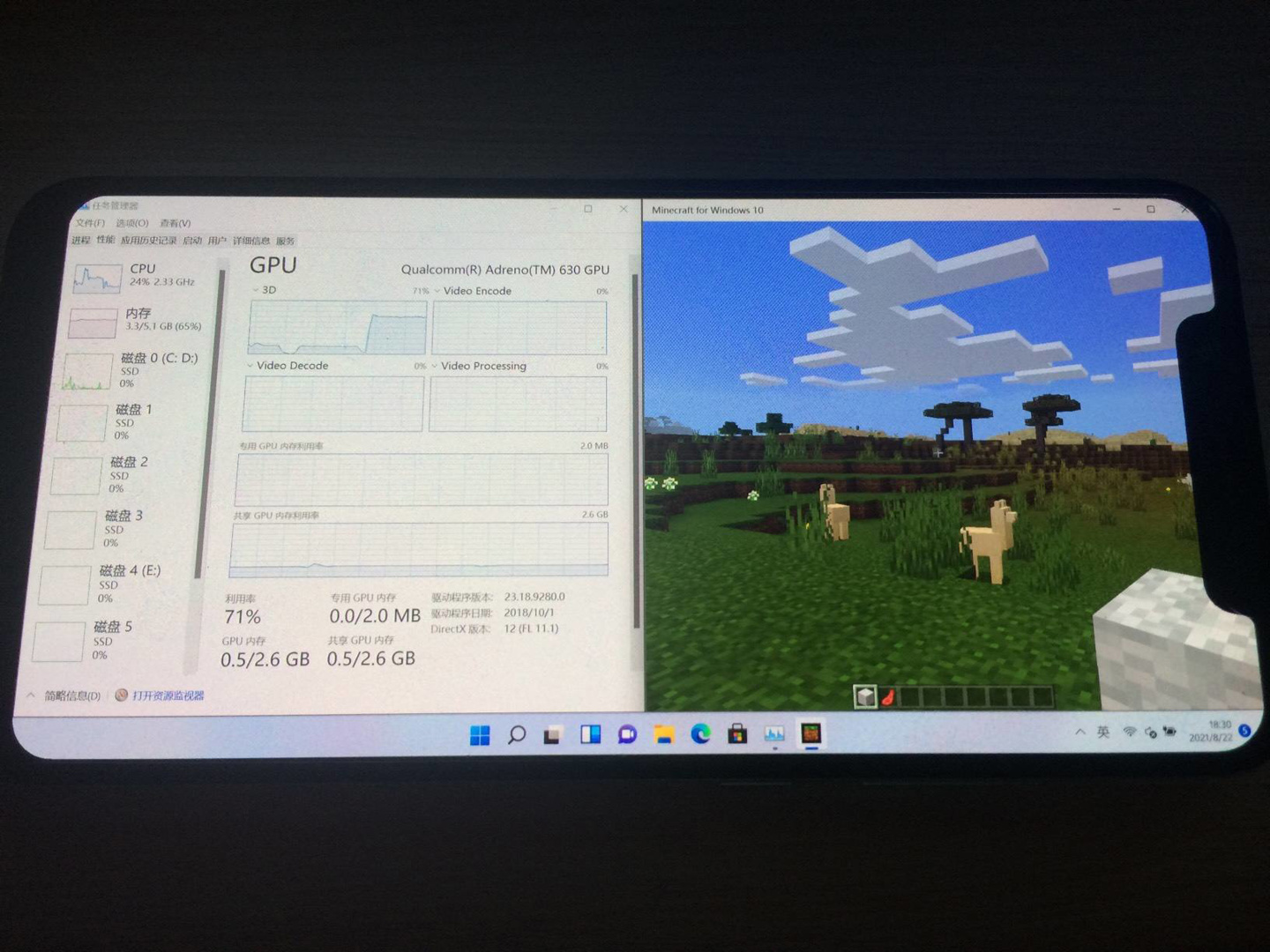
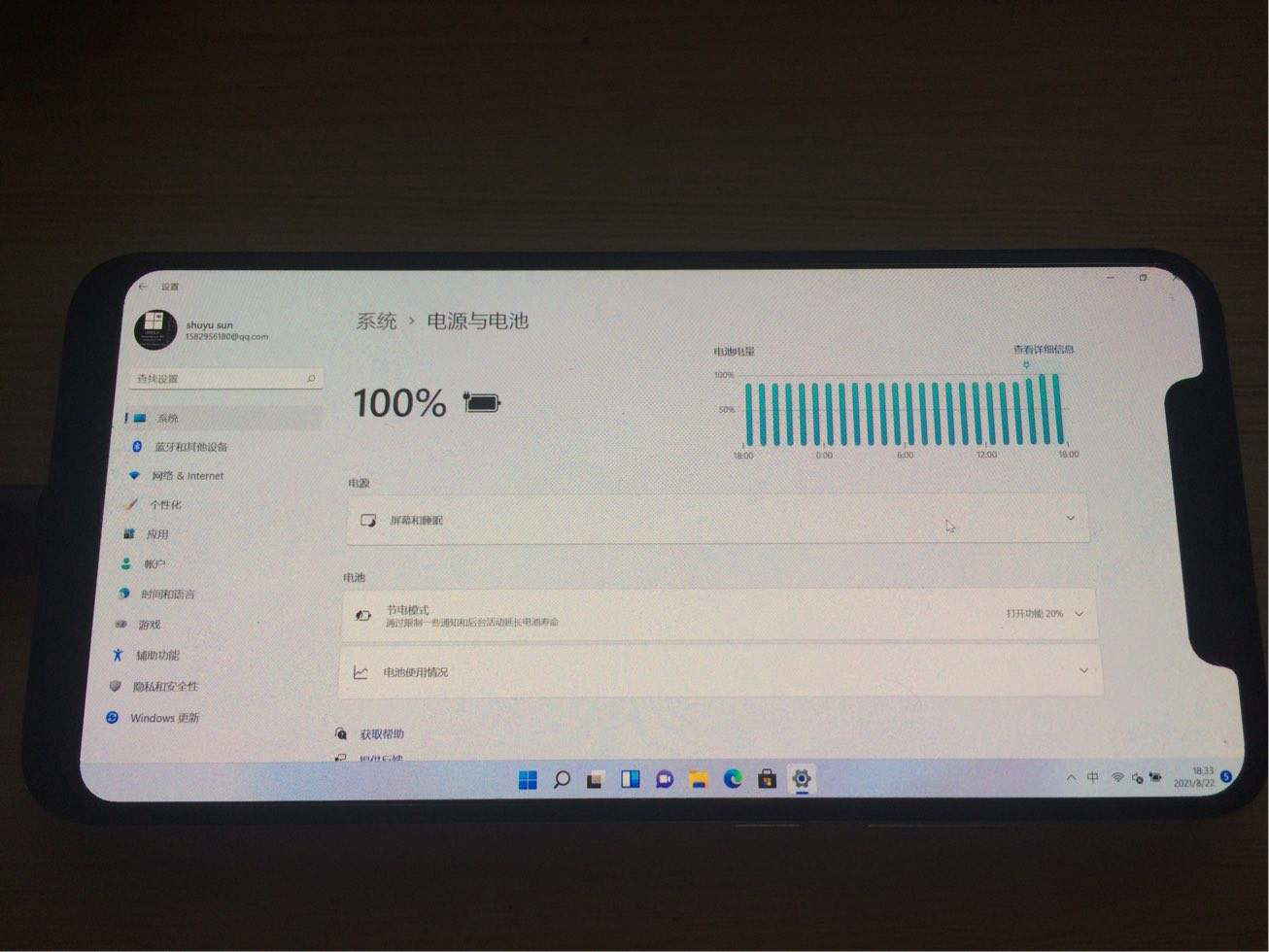
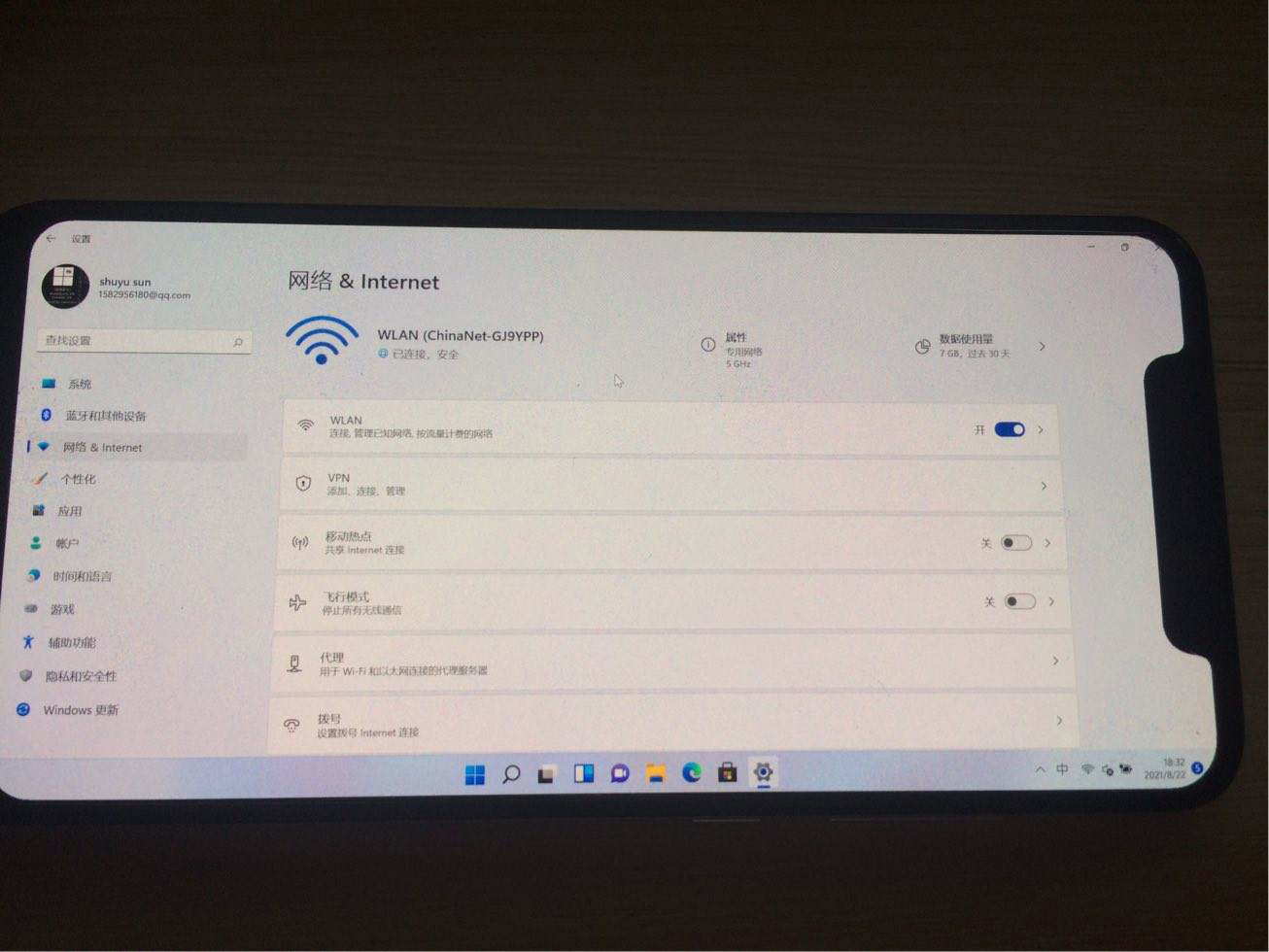
Now, a new report claims that the project of flashing the Windows 11 operating system on the Xiaomi Mi 8 smartphone has made significant progress. A video related to the project reveals support for GPU, power management, Wi-Fi, and some other features working normally on the device.
However, nothing everything is working as intended. For instance, there are still issues with the Bluetooth driver and the graphics processor cannot render x64 programs. But we expect many of the issues will get resolved in the coming weeks or months, as the development keeps going on.
The Microsoft Lumia 950 XL and the Xiaomi Mi 8 aren’t the only smartphones running the Windows 11 operating system. As per the report, several devices powered by the Qualcomm Snapdragon 845 SoC have successfully run the latest Windows OS.
The list of such smartphones includes OnePlus 6, OnePlus 6T, Xiaomi Mi MIX 3, Xiaomi Pocophone F1, Meizu 16th, Meizu 16th Plus, Hammer Nut R1, Black Shark Phone 1, OPPO Find X, Xiaomi MIX2S, LG G7, Samsung S9+, Nubia X, Nokia 9 PureView, ASUS ZenFone 5Z, and Vivo NEX dual-screen version, among others.
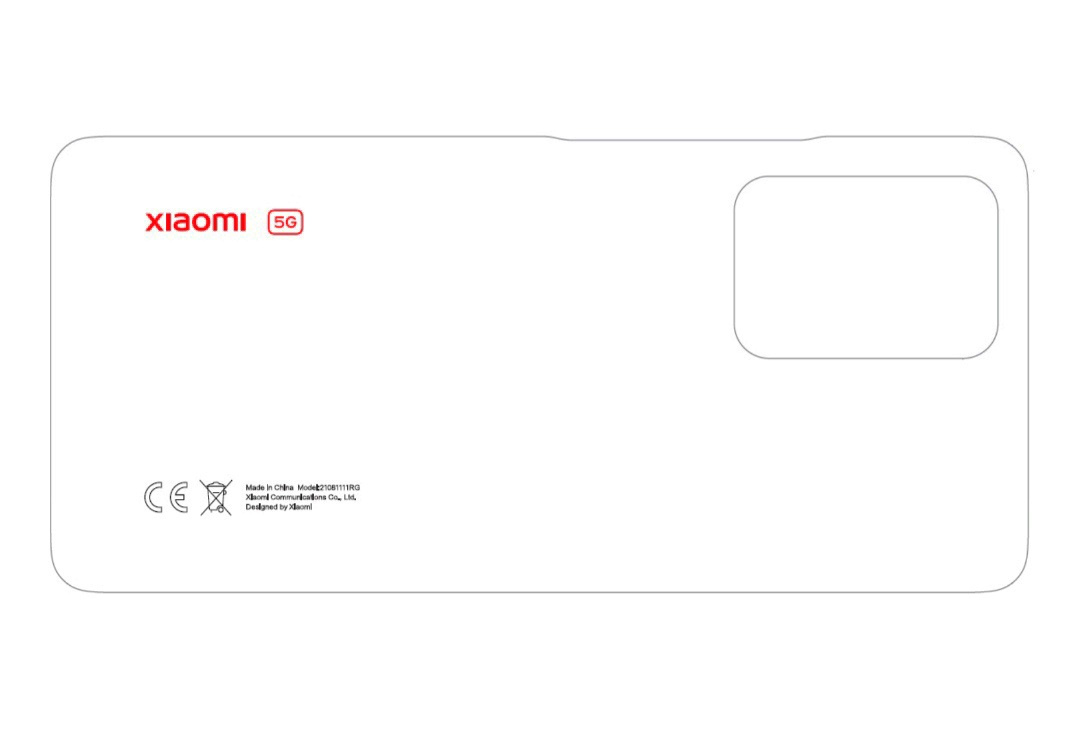
Over the weekend, a new Xiaomi phone with model number 20181111RG was certified by the Federal Communications Commission (FCC). This same device was previously seen at an Indonesian certification site. It is believed that the 20181111RG will be debuting in the market as Xiaomi Mi 11T. The FCC listing revealed a little information on its specs.
The FCC listing only revealed that it is a 5G-ready device that carries support for 5G bands such as n5, n7, n38, n41, n66, n77, and n78. It runs on MIUI 12.5 and carries support for NFC connectivity.
Shown below is a schematic of the phone that has appeared in the FCC documents. It reveals that the Mi 11T will arrive with a larger camera module as compared to its predecessor.
Xiaomi Mi 11T specifications (Rumored)
Reports have claimed that the Xiaomi Mi 11T will be sporting an OLED panel that offers a 120Hz refresh rate. The Dimensity 1200 chip could be present under the hood of the device.
For photography, it may come equipped with a 64-megapixel triple camera setup. It is speculated that this device may get rebranded as Redmi K40S or K40 Ultra in China.
The Mi 11T Pro (model number M2107113SG) that is expected to debut alongside the Mi 11T is likely to feature a 120Hz OLED screen, Snapdragon 888, and a 5,000mAh battery that supports 120W fast charging. For photography, it may feature a 108-megapixel triple camera unit.
Xiaomi will be holding a global launch event on Sept. 15. It is likely that the company may unleash the Mi 11T series and the Mi Pad 5 lineup for the global markets.
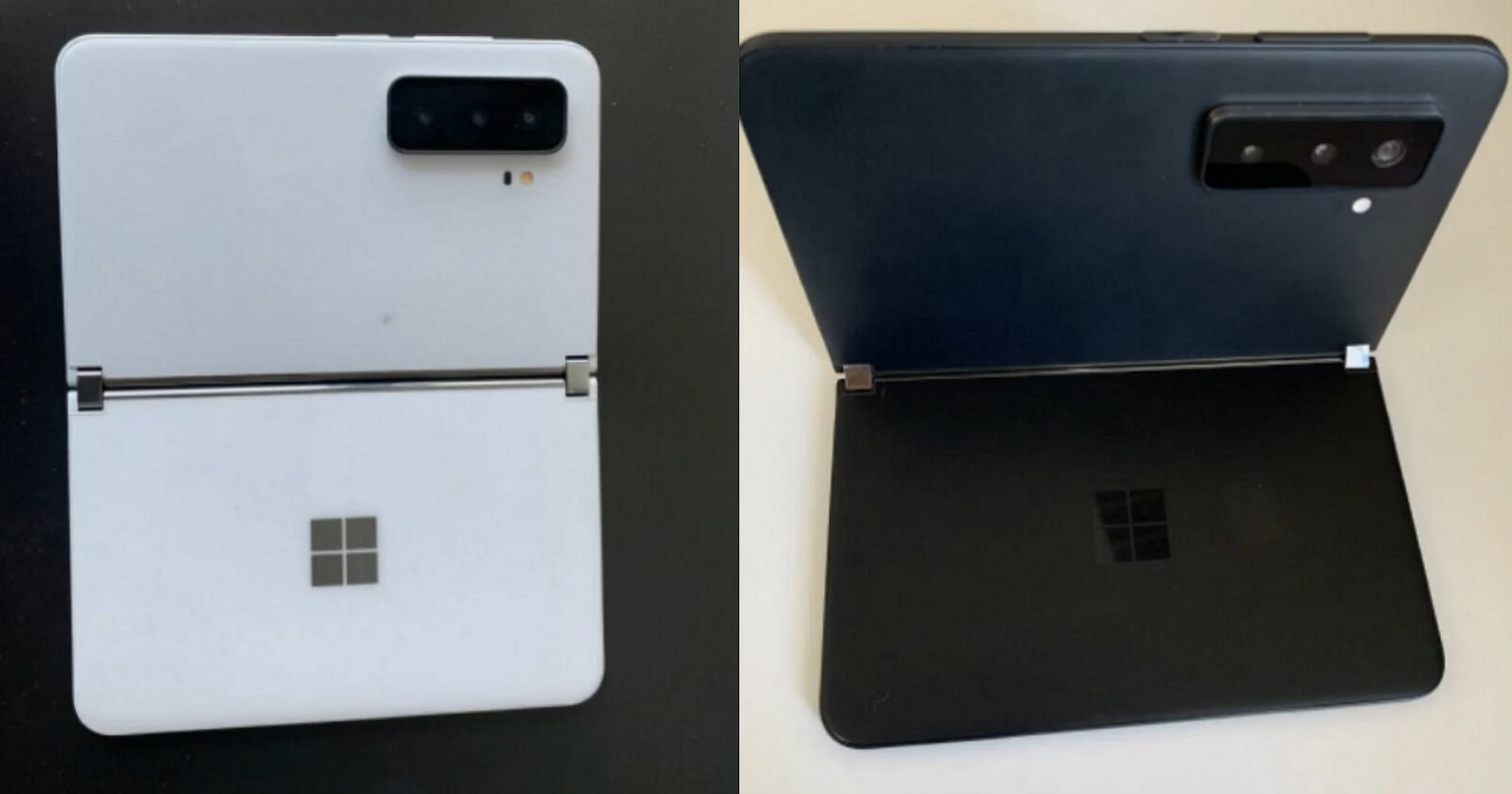
Microsoft unveiled the Surface Duo last year and it still runs on the older Android 10 OS with Microsoft launcher on top of it. Now, the company is expected to launch Microsoft Surface Duo 2 this year with an upgraded specs sheet and an improved UI. New leaks suggest that the company will bring major improvements to the Microsoft launcher and also sheds light on the phone’s specs.
According to WindowsLatest, Microsoft is planning to optimize the Microsoft launcher especially for the upcoming Surface Duo 2. Additionally, Microsoft’s Program manager Vishnu Nath revealed on Twitter that new updates to the launcher are coming. He also inexplicitly agreed to the ongoing October launch rumors of the next Duo.
Speaking of the Microsoft launcher, it is expected to bring some new features and some of those could be inspired by Android 11 OS. As said earlier, the current Microsoft Surface Duo runs on Android 10 OS, but it will also get the upgraded Microsoft launcher(Android 11) later after the launch.
Apart from this, the Microsoft Surface Duo is expected to come with major camera upgrades. It will come with triple rear cameras featuring a main lens, a telephoto sensor, and an ultra-wide lens. As per recent leaks, it will have the same folding design as the original Duo but will be upgraded in performance.
Rumors are rife that it will come powered by the Qualcomm Snapdragon 888 SoC and will have NFC and 5G support.
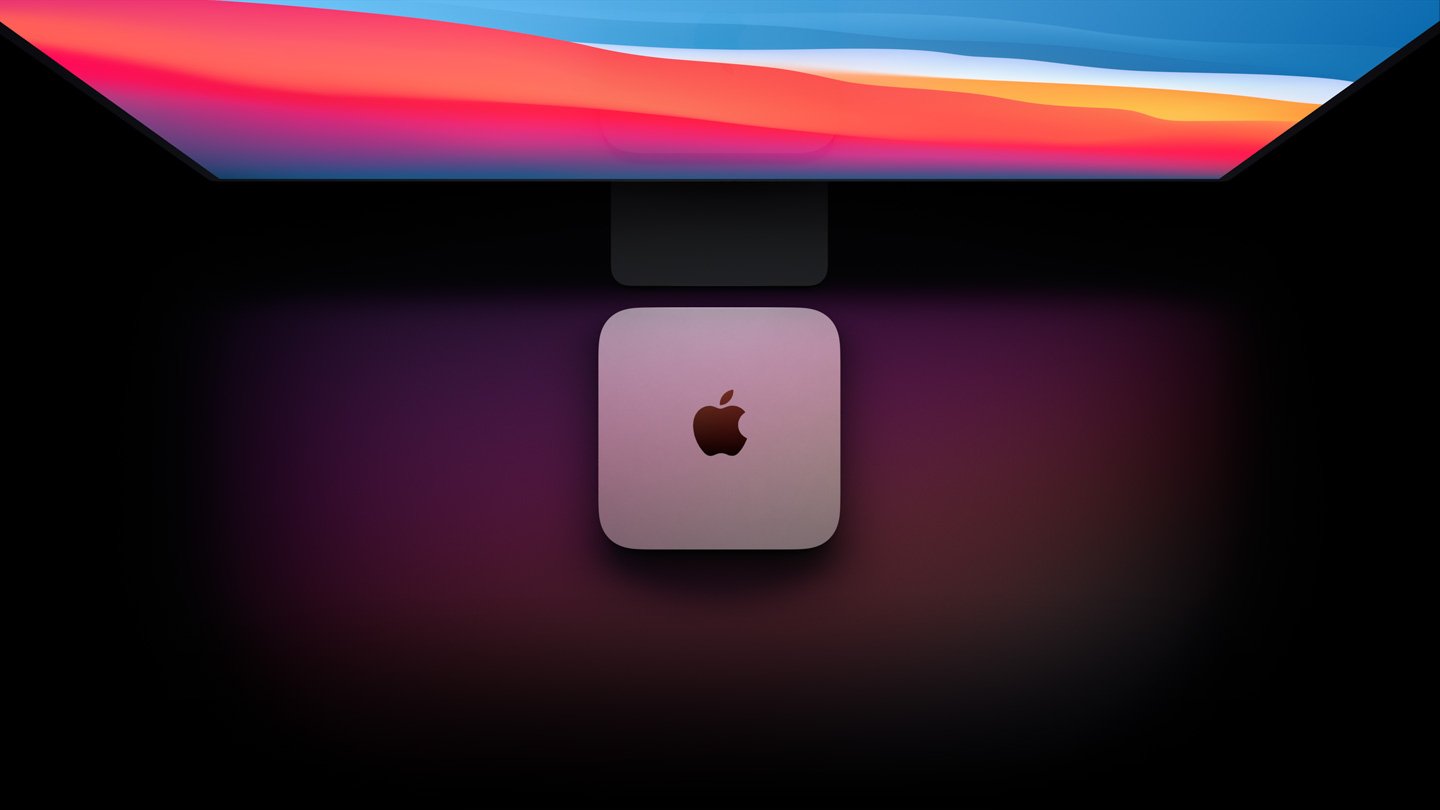
Apple launched its new Mac Mini last year, powered by the company’s own Apple Mi1 chipset. There are reports about the Cupertino-based tech giant working on the successor of the M1 chipset, dubbed Apple M1X.
Reports claim that Apple is also working on a new version of Mac Mini, which will come powered by the upcoming M1X chipset. The latest development indicates that the product could get launched in the coming months.
The new report coming from Mark Gurman through his Power On newsletter contradicts a recent report which hinted that the M1X-powered Mac Mini may have been delayed by Apple to launch next year because of “marketing reasons.” Although it didn’t provide a timeline about the release date.
Do note that the M1X chipset has not been announced yet by Apple but from what’s known so far, the chipset is said to be a more advanced version of the M1. Apart from Mac Mini, it will be powering other Mac devices, including the upcoming MacBook Pro models.
Apple is expected to redesign Mac Mini and add more ports, including a magnetic power port. The product is said to be focusing on the power users and will feature a “plexiglass” top. A recent report also indicated that the Mac Mini with 16GB RAM and 512GB SSD could have a starting price of $1,299.
Given the updated specs and targeted audience, the pricing of the M1X Mac Mini will be higher compared to the current M1-powered Mac Mini. So, the current model will stick around even if a newer model gets launched, giving an affordable option to regular users.
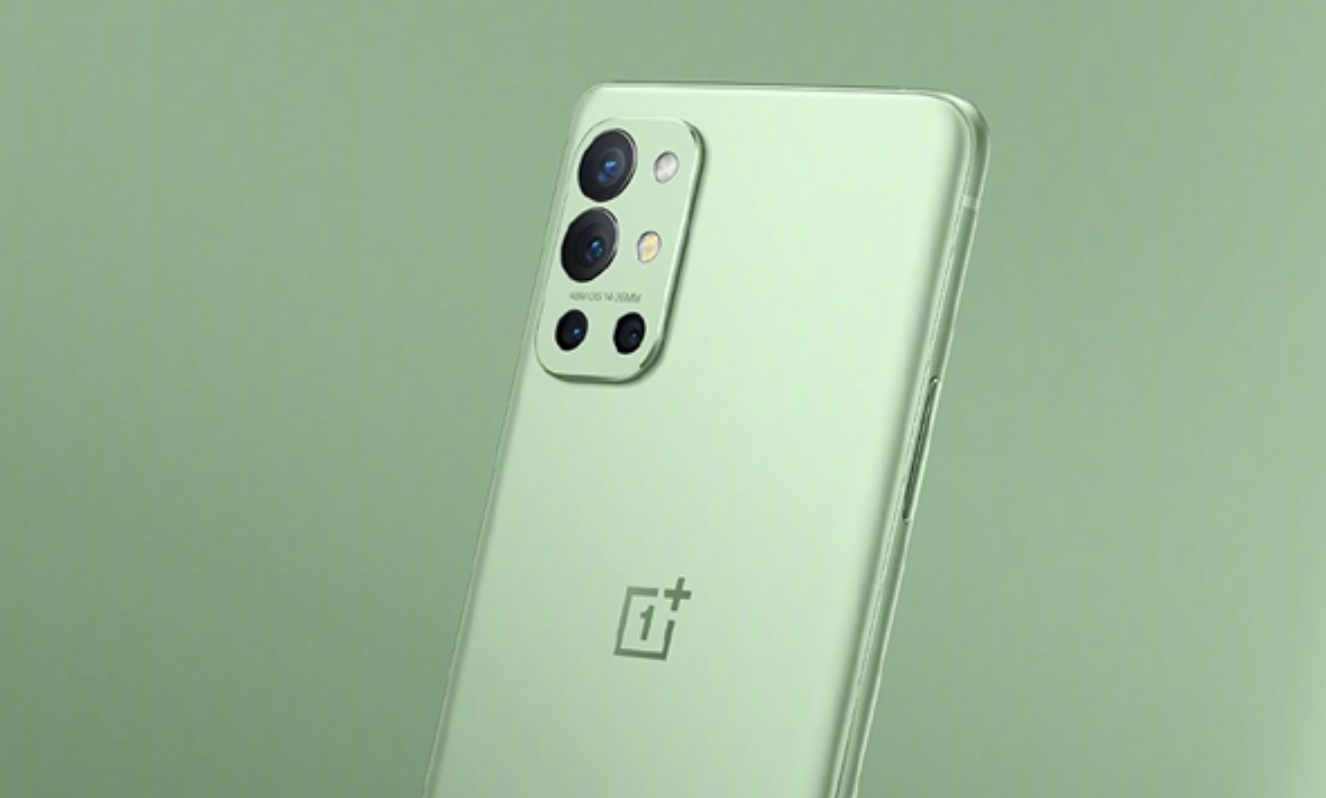
A recent report by Android Central revealed that OnePlus will announce a new flagship phone called the OnePlus 9 RT in October. The publication also shared the key specifications of the smartphone, which is likely to release in select markets like India and China. A tipster from China has speculated on the specifications of the OnePlus 9 RT.
Android Central revealed that the OnePlus 9 RT will be an updated version of the existing OnePlus 9R smartphone. It claimed that the smartphone will be equipped with an AMOLED panel that offers a 120Hz refresh rate and it will be powered by the Snapdragon 870 chipset. For photography, it will feature a Sony IMX766 50-megapixel primary camera, and it will be the company’s first phone to arrive with OxygenOS 12 preinstalled.
OnePlus 9R
OnePlus 9 RT specifications (Rumored)
New information shared by the tipster reveals that the OnePlus 9 RT will feature a 6.55-inch Samsung E3 S-AMOLED FHD+ 120Hz display, The SD870 chip will be accompanied by 8 GB / 12 GB of LPDDR4x RAM and up to 256 GB of UFS 3.1 storage.
It may house a 4,500mAh battery that supports 65W fast charging technology. For selfies, it may possess a 16-megapixel camera on the front, and its rear camera setup may include a Sony IMX766 50-megapixel main camera with OIS support, a 16-megapixel ultrawide lens, and a 2-megapixel B&W lens. Other features that the smartphone may include Gorilla Glass 5 on the front, AG frosted Gorilla Glass back, 6-series aluminium alloy midframe, an in-screen fingerprint scanner, dual speakers, X-axis linear motor, and NFC.
The above specs may not be accurate since the tipster has only mentioned what she believes will be available on the OnePlus 9 RT. It is likely that the device may arrive in variants like 8 GB RAM + 128 GB storage, 8 GB RAM + 256 GB storage, and 12 GB RAM + 256 GB storage. These models may cost 2,999 Yuan (~$462), 3,299 Yuan (~$509), and 3,599 Yuan (~$555), respectively.
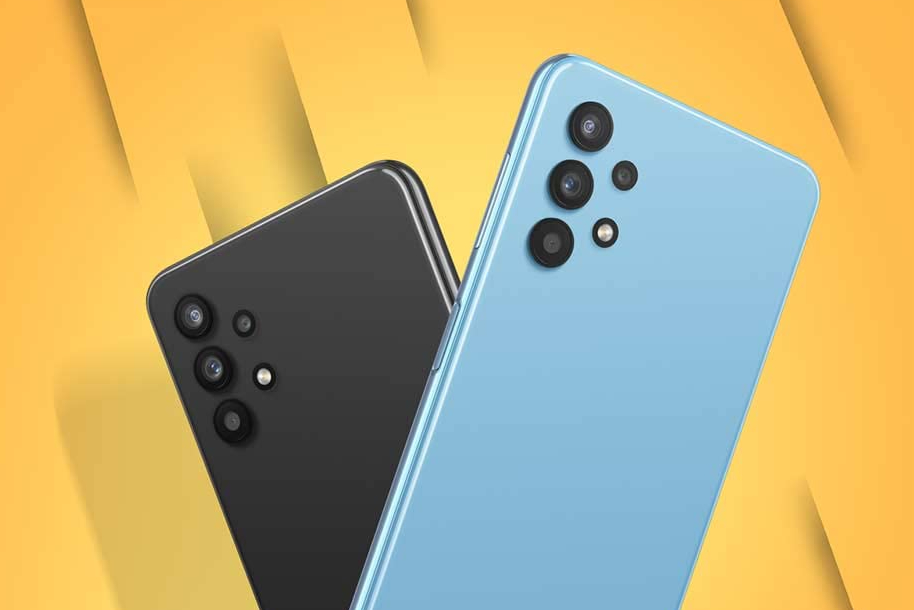
Samsung will be announcing the Galaxy M32 5G smartphone in India at 12 pm (local time) tomorrow. It will be the South Korean company’s second M-series smartphone after the Galaxy M42 5G to arrive with support for 12 5G bands. Ahead of the launch, IANS has revealed the pricing and availability of the device.
Samsung Galaxy M32 5G price in India
The new report reveals that the Galaxy M32 5G will be priced between Rs 20,000 (~$270) and Rs 25,000 (~$337). The handset is likely to go on sale starting from Sep. 2.
Samsung Galaxy M32 5G
Samsung Galaxy M32 5G specifications
The Galaxy M32 5G has a 6.5-inch TFT display that offers an HD+ resolution of 720 x 1600 pixels. The Dimensity 720 chipset is present under the hood of the device. It is expected to arrive with up to 6 GB of RAM and up to 128 GB of internal storage.
The M32 5G is backed by a 5,000mAh battery that may carry support for 15W charging. For security, it has a side-mounted fingerprint scanner. It has a front camera of 13-megapixel, and its rear camera setup includes a 48-megapixel main camera, an 8-megapixel ultrawide lens, a 5-megapixel depth sensor, and a 2-megapixel macro camera.
The One UI 3.1 based Android 11 OS will come preinstalled on the M32 5G. For additional storage, it has a dedicated microSD card slot. It is likely to arrive in two colors like black and blue. The M32 5G will be arriving as a rebranded version of the Galaxy A32 5G that went official back in December.
By announcing the Realme Book models in India and China, Realme entered ventured into the laptop market this month. The company is also expected to soon announce the Realme Pad as its first tablet. A well-known Indian YouTuber Sahil Karoul has seemingly tipped the launch date of the Realme Pad.
Karoul’s tweet suggests that the Realme Pad will be announced on Sept. 9 in India. He did not specify whether the tablet will be made official in India or China. If the Sept. 9 launch date is true, the company will soon start teasing its arrival later this week or in the coming week.
Reports have revealed that the Realme Pad measures 246 x 156 x 6.8mm and it houses a 10.4-inch AMOLED panel. It is unclear which processor is present under the hood of the device, but it is speculated that it may ship with 6 GB of RAM and 64 GB of built-in storage.
The tablet may house a 7,100mAh battery, which could be coupled with the company’s fast charging technology. It will run on Android 11 and Realme UI. It may feature a front camera of 8-megapixel and a rear camera of 8-megapixel with autofocus support.
The Realme Pad is expected to arrive in Wi-Fi and Wi-Fi + LTE variants. There is a possibility that the device may carry support for a stylus. There is no information available on its pricing yet, but its leaked renders have revealed that it may arrive in hues like grey and gold.
In the second half of 2021, a lot of unexpected flagships hitten the market. Among them, there is the first Qualcomm phone: manufactured by Asus, the Smartphone for Snapdragon Insiders is born to let Qualcomm’s fans try all the new technologies for Snapdragon processors in advance. Recently, Asus also came up with the ROG Phone 5s, an upgrade of the ROG Phone 5. And if you are searching for another of the most powerful phones out there, you can also opt for the newly-announced iQOO 8 Pro. If you want to know which is the most complete flagship killer for gamers and power users, you are in the right place: this is a comparison between the specifications of these three beasts.
Asus ROG Phone 5s vs Vivo iQOO 8 Pro vs Asus Smartphone for Snapdragon Insiders
The most elegant and modern design belongs to the iQOO 8 Pro, especially in the BMW M Motorsport color option with a leather back. It has a curved edge to edge display, a very high screen to body ratio, and a very original look. It is even the thinnest phone of the trio. Given that it is a phone meant mainly for gamers, the Asus ROG Phone 5s has a gaming-centric design with an RGB logo which includes the Air Triggers to enhance the gaming experience. The Smartphone for Snapdragon Insiders does not have a very elaborate design, but just like the ROG Phone 5s, it comes with the Gorilla Glass Victus protection which is the best one by Corning.
Display
The most advanced display belongs to the iQOO 8 Pro. It has a higher Quad HD+ resolution with 1440 x 3200 pixels, and it also comes with the LTPO technology enabling an adaptive refresh rate that goes from 1 to 120 Hz. You do not get these features with the Asus ROG Phone 5s and the Smartphone for Snapdragon Insiders, but both these phones come with a higher 144 Hz refresh rate which is more interesting for gamers. The Asus ROG Phone 5s also sets a new touch sampling rate record with a max of 360 Hz.
Hardware/Software
The Asus ROG Phone 5s and the iQOO 8 Pro come with a more powerful processor: the Snapdragon 888+ mobile platform by Qualcomm which is actually an upgraded Snapdragon 888. The Smartphone for Snapdragon Insiders comes with the inferior Snapdragon 888, but it is the only one to offer 16 GB of RAM (instead of just 12 GB). Note that the Smartphone for Snapdragon Insiders runs stock Android, while the other two rivals come with customized UIs.
Camera
All of these devices are great camera phones, but on paper, the iQOO 8 Pro looks like a slightly better device due to its superior 48 MP ultrawide camera. However, the Smartphone for Snapdragon Insiders is great with its 3x optical zoom and an advanced main camera with OIS.
Battery
The Asus ROG Phone 5s is the handset providing the longest battery life thanks to a capacity of 6000 mAh. iQOO 8 Pro is an average battery phone with 4500 mAh, but it has faster 120W charging.
Asus ROG Phone 5s vs Vivo iQOO 8 Pro vs Asus Smartphone for Snapdragon Insiders: Price
We still do not know the price of the Asus ROG Phone 5s, iQOO 8 Pro starts from €660/$775 in China, and the Snapdragon Phone costs more than €1200/$1200. If we exclude the amazing battery life and gaming-centric features of the Asus ROG Phone 5s, the winner of the comparison is the iQOO 8 Pro as it is a more complete flagship. But if you are a gamer, the Asus ROG Phone 5s is a better choice.
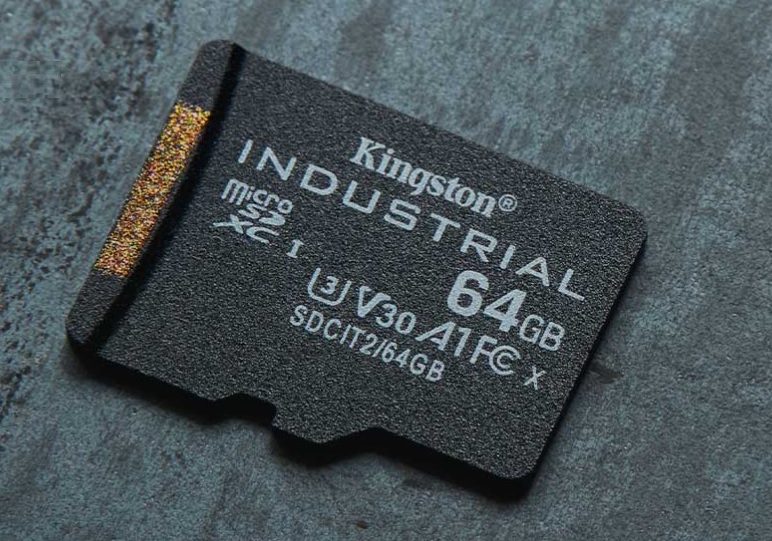
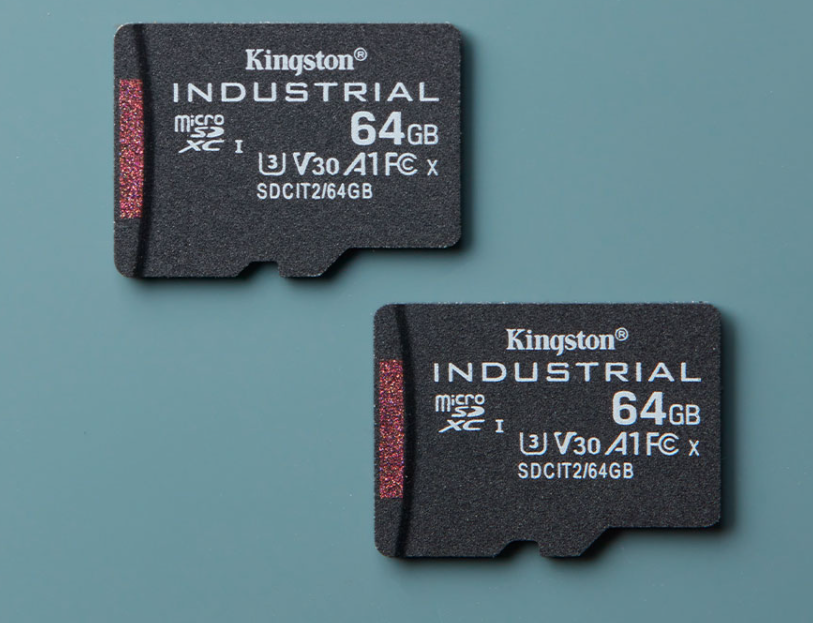
Kingston, the American company best known for its wide range of storage products such as MicroSD cards, SSDs, and flash drives has announced in China a new line of MicroSD cards designed to work under extreme conditions. The new memory cards are under the Industrial line, and as you will see below, the name is quite fitting.
The Kingston Industrial line of memory cards is available in four storage options – 8GB, 16GB, 32GB, and 64GB. They have a write speed of 100MB/s, up to 1920 TBW and 30,000 P/E cycles, are built with long-lasting Pseudo SLC (pSLC) flash memory and can work at a temperature range between -40ºC and 85ºC.
They are also UHS Speed Class 3 rated, and their Video Speed Class V30 rating means they are great for recording and playing 4K and 8K content. Below are other industrial features listed on the product page:
Bad block management
Powerful ECC engine
Power failure protection
Wear leveling
Automatic refreshing read distribution protection
Dynamic data refreshing
SiP-System-in-package
Garbage collection
Operation monitoring
These types of memory cards are designed for industrial equipment that has a MicroSD card slot. So while they will work well for your everyday electronics such as phones, tablets, or computers, they are best suited for devices that are used under extreme conditions where the use of a regular memory card may result in loss of data.
Kingston is yet to reveal the prices of the new MicroSD cards in China.
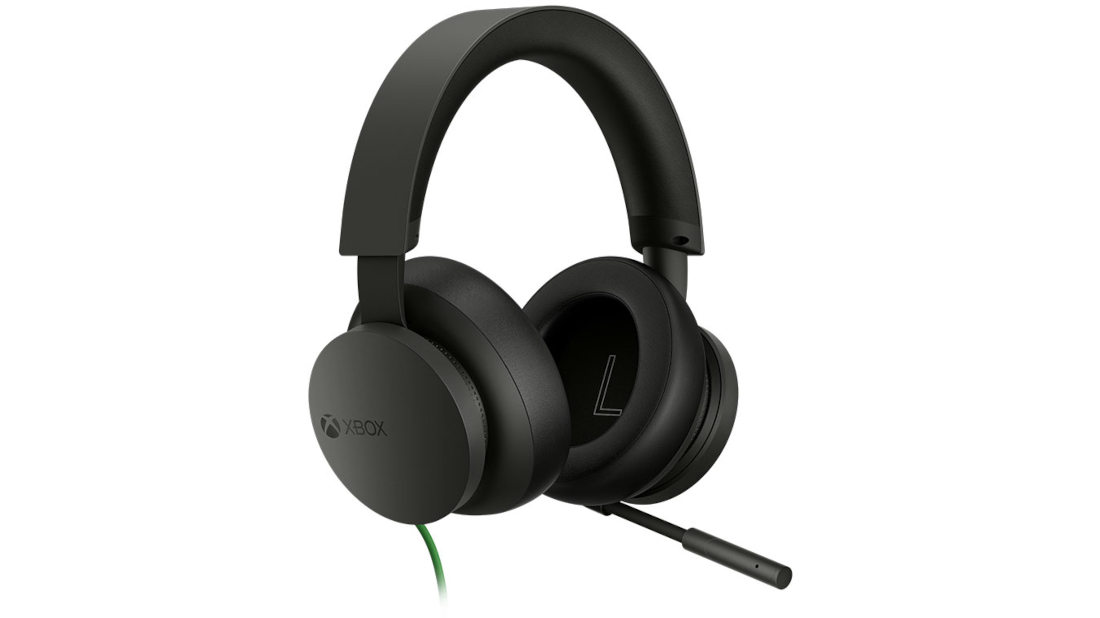
Gaming enthusiasts in India have enjoyed an array of games, consoles, and accessories that puts the gaming population in India at par with some of the leading markets. A new Microsoft Xbox stereo headset has been announced to the Indian audio market.
The Microsoft Xbox stereo headset with Dolby Atmos is well primed to give crisp, clear, and solid audio output. It is ergonomically designed to be friendly to the head and ears. The actual date of release of the Microsoft Xbox Stereo Headset to the Indian market is not known at this time. Although we do not know of its date of unveiling, the price of the cloth has been stated: Rs. 5,990 ($81).
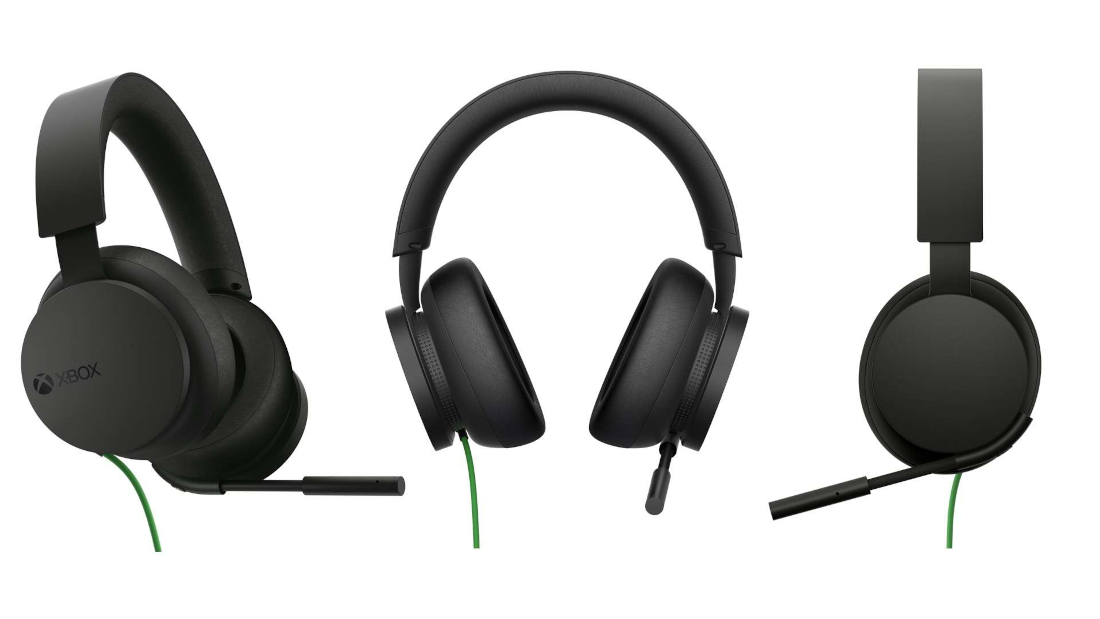
The newly unveiled Microsoft Xbox stereo headset bears a close semblance with the recently-released Xbox wireless headset which came on board this year. Designed with the ultimate comfort of the user guaranteed, the new Microsoft Xbox stereo headset features a lot of elements that transform the listening experience into something top-notch. It has a lightweight design, an adjustable headband, as well as revamped and uses very comfortable large ear cups. It also features controls for regulating the volume. The 3.55mm audio jack makes it possible for the headset to connect to the Xbox console for an excellent audio experience while playing your favorite games.
Microsoft would expect the new Xbox stereo headset will have decent reception in India. The headset is well-kitted to deliver high-quality sound with support for multiple spatial sound technologies in the mold of Dolby Atmos, DTS Headphone X, and Windows Sonic. It should be a boon for gaming enthusiasts in the subcontinent.
The global chip shortage bedeviling the electronic industry at present isn’t expected to go away until 2023 but smartphone companies seem to have found a way around, or so we thought. Turns out the chip shortage is critically affecting the industry as Xiaomi Indonesia has come out to announce the discontinuation of the Redmi Note 10 smartphone’s production.
According to a report carried by the local arm of CNBC International, the company is encouraging fans to buy other models in the Redmi Note 10 lineup instead. The Redmi Note 10’s production is reportedly affected by chip shortage and there is hardly any doubt that the discontinuation will spread to other markets soon.
Already, Xiaomi has repeatedly increased the price of the Redmi Note 10 in India. The company has also increased the pricing of the Pro variant twice by ₹500 each time since the launch of the series smartphones in the Indian market. These increments are attributed to a shortage of components. Also, the 6GB+64GB variants of the Redmi Note 10 Pro and Redmi Note 10 Pro Max were discontinued entirely in India.
Buyers are encouraged by Xiaomi Indonesia to buy the Redmi Note 10 Pro, Redmi Note 10S, and the Redmi Note 10 5G instead. However, there is no guarantee those models won’t sell out soon as well.
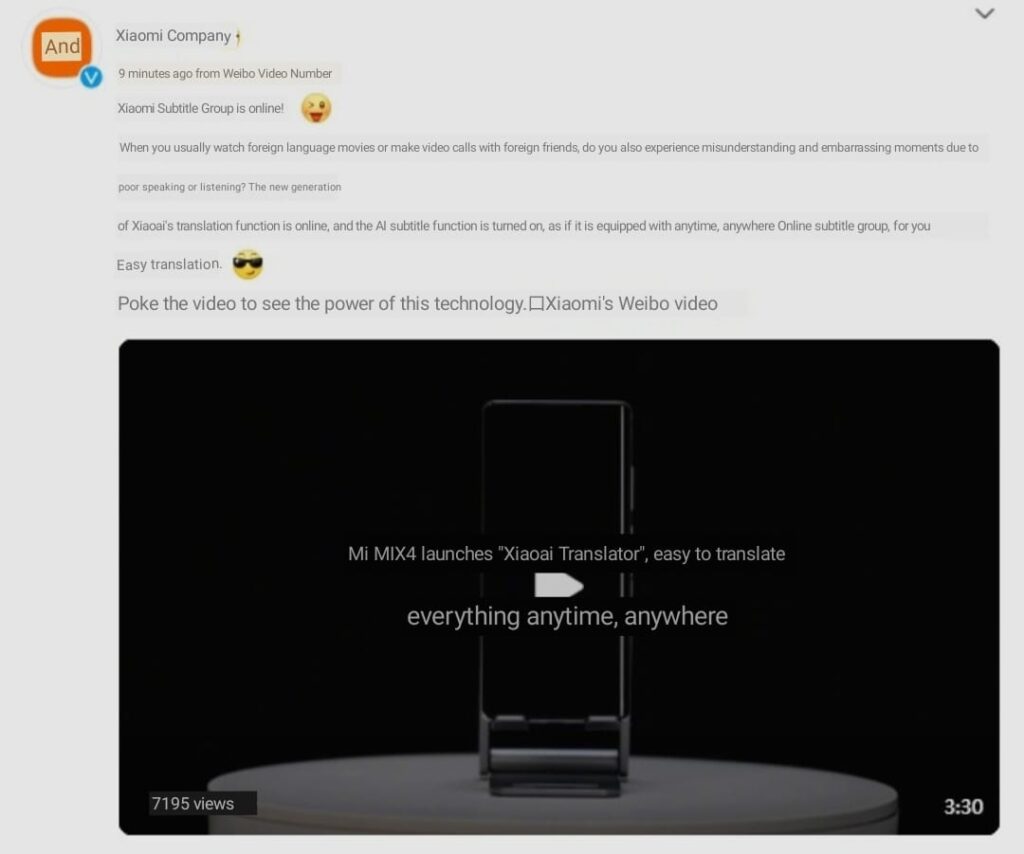
Earlier this month, Xiaomi launched its latest Mix smartphone, Mi Mix 4. But did you know that Xiaomi’s latest smartphones come with an upgraded Xiaoai Translation offering a live AI subtitles feature?
According to a recent post on Weibo, the Mi Mix 4 brings a new feature dubbed Xiaoai Translation, enabling a live AI subtitle feature on the Mi Mix 4. The feature is similar to Google’s Live Caption feature on Android.
Source: Weibo
As per engineers at Xiaomi, the updated Xiaoai Translation is built on the company’s own self-developed simultaneous interpretation technology and is said to be the most advanced AI technology. The new Xiaoai Translation will help users translate quickly anytime, anywhere. Users can use the translation tool by pulling down the control centre.
Source: Weibo
The Xiaoai Translation can be used to translate live videos, online meetings, or voice calls. Xiaomi claims that the Translation is stable, fast, and has little interference with reading. Also, it is compatible with a bunch of English accents.
Xiaomi says that the Xiaoai Translation will continuously build translation vocabulary based on known scenes required by users, improving the translation mechanism. Moreover, the Xiaoai Translation will bring support for more minor languages.
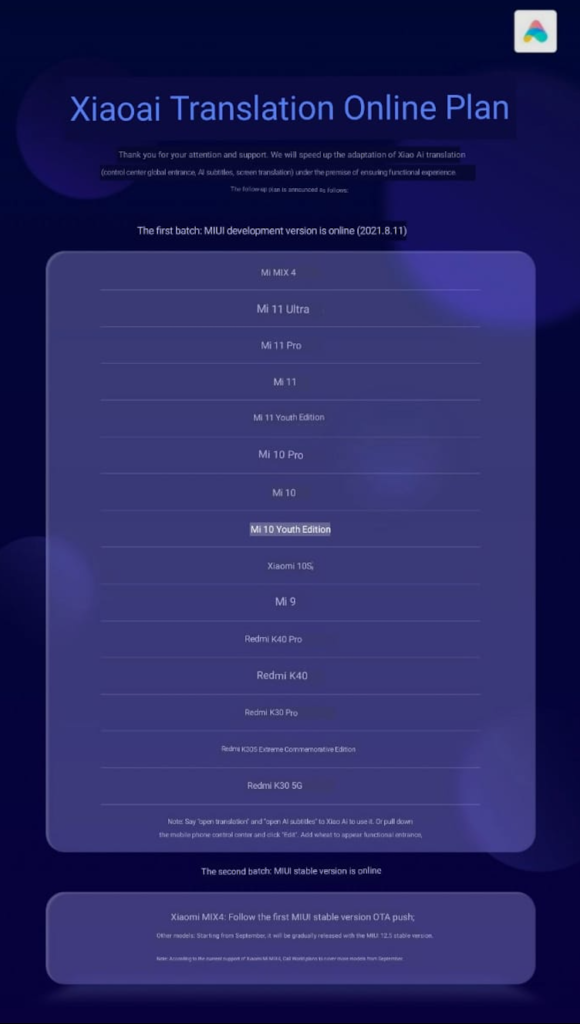
Xiaomi has also released a roadmap for the the Xiaoai Translation. The translation feature will be rolled out with the MIUI 12.5 stable update starting September to bunch of Xiaomi smartphones.
Source: Xiaomi
Mi Mix 4 Features and Specifications
The Mi Mix 4 sports a 6.67-inch curved OLED panel with a 20MP camera under display. It is powered by Snapdragon 888+ coupled with 8GB/12GB of RAM and 128GB/ 256GB/512GB/1TB of internal memory. The new Mix smartphone runs MIUI 12.5 based on Android 11 and boasts a 5000mAH battery with 120W wired and 50W wireless charging support. Further, it comes with a triple rear camera setup, including a 108MP main camera, 50x periscope camera and 13MP ultrawide camera with free form lens. The Mi Mix 4 starts at CNY 4,999 ($772) for the 4GB/128GB storage variant.
The Mi Mix 4 brings a slew of unique features, including anti-lost mode, deep binding of the SIM card and the handset, adaptive signal optimization, manual signal entry and point, control always on UWB and smart charging.
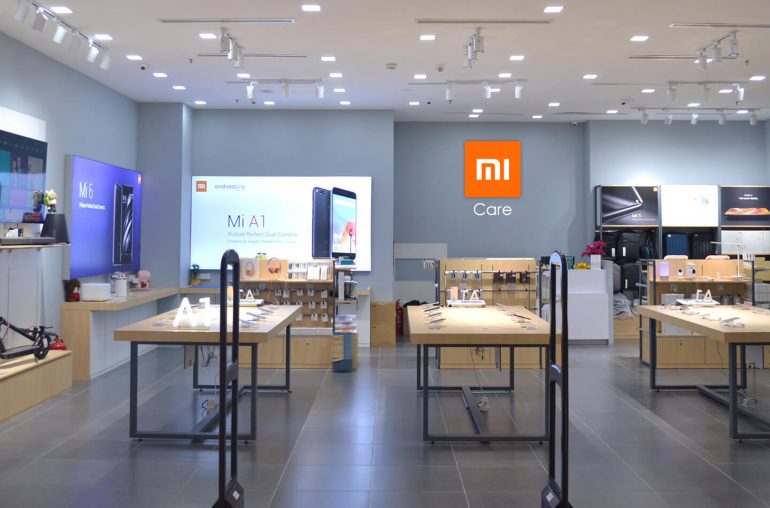
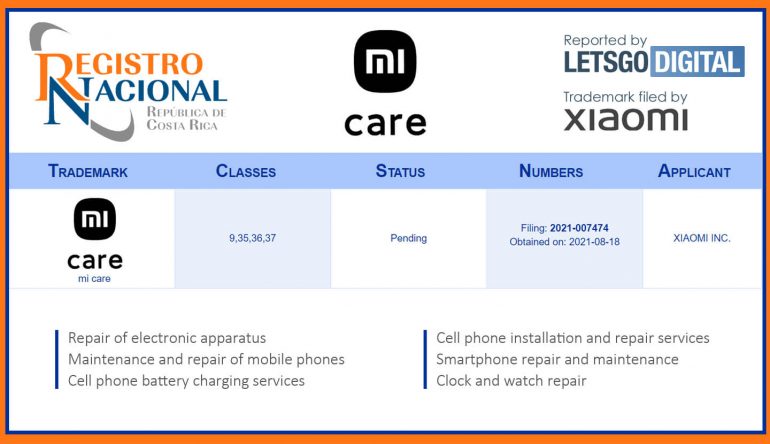
It is likely that the Xiaomi Mi Care service, which was launched in China in November 2020, will soon be rolled out to Europe and other international markets. A new trademark filing by the company in Costa Rica might indicate that Xiaomi is planning to establish these repair centers in Europe and the Americas.
Chinese smartphone brand Xiaomi has seen its fortunes blossom with a substantial market share both in China and overseas. It has continued to expand since 2018 when the popular Mi range of affordable and tech-friendly smartphones debuted in Europe, partly due to the competitive price/quality ratio that Xiaomi manages to deliver always.
The Xiaomi Mi Care is a comprehensive online after-sales service, with a warranty available. For a small additional amount, users can Insure their device including coverage for two screen replacements per year. You also get an extra year of warranty (3 years instead of 2 years) and a discount coupon to swap the device for another model after one year.
Xiaomi has seen a meteoric rise in its fortunes globally possibly as a result of its unique business model which has seen it establish the Mi Care and experience center for after-sales services across China, with plans afoot to scale up the operation and expand to Europe. The care and Warranty service is a hub for providing solutions to a wide array of issues relating to repairs, customer support, and all other aspects of the Mi service architecture. This after-sales service increases the chance that customers will make subsequent purchases.
The European incursion of the Mi Care and Warranty service will bring the company closer to its bubbling European customers, yielding the opportunity of a greater share of the market. Xiaomi comes well-kitted for the service center as it has garnered several awards for excellent service delivery across its centers in China, as well as the Mi Store in parts of Asia, including India.
The Redmi Note 10 family is about to get a new member. The series which launched this year already has eight models in total, some of which are exclusive to select markets. Now, a new model is coming to India and it will launch as the Redmi Note 10 Lite.
Evidence of the device’s existence was found by Kacper Skrzypek (@kacskrz), and from one of the two images he shared, the phone has the model number 2109106A1I. The more interesting info is the second image which reveals that the Redmi Note 10 Lite has the codename “curtana”. Doesn’t ring a bell?
For those who don’t know, “curtana” is the codename of the Redmi Note 9 Pro (India) which is also the device sold in other markets as the Redmi Note 9S. What this means is that the Redmi Note 10 Lite is a rebadged Redmi Note 9 Pro (India)/Redmi Note 9S! Yes, Redmi is relaunching last year’s phone under a new name.
There are speculations that the Redmi Note 10 Lite may be slightly different from the Redmi Note 9 Pro (India)/Redmi Note 9S. It remains to be seen what this difference is and if it will result in a higher price tag.
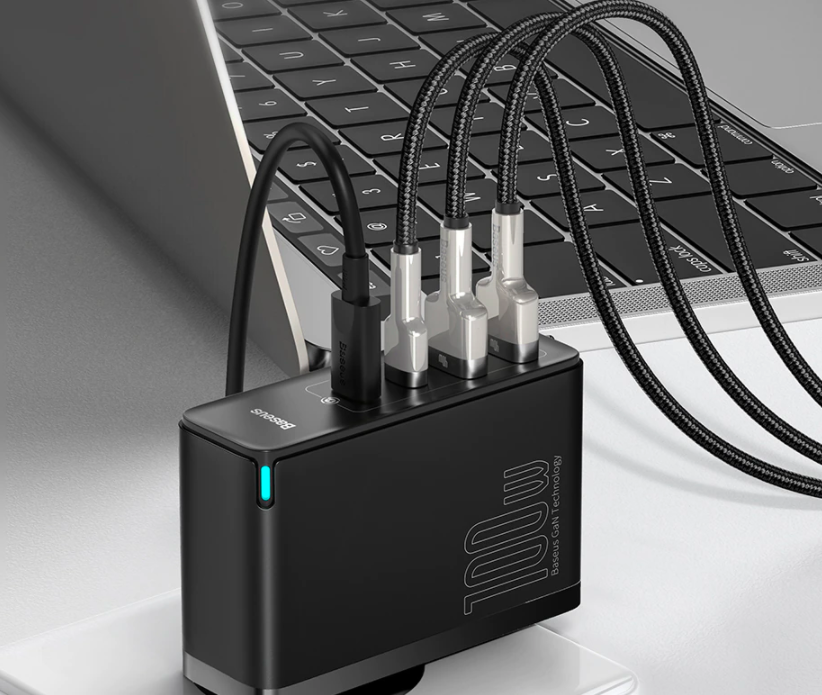
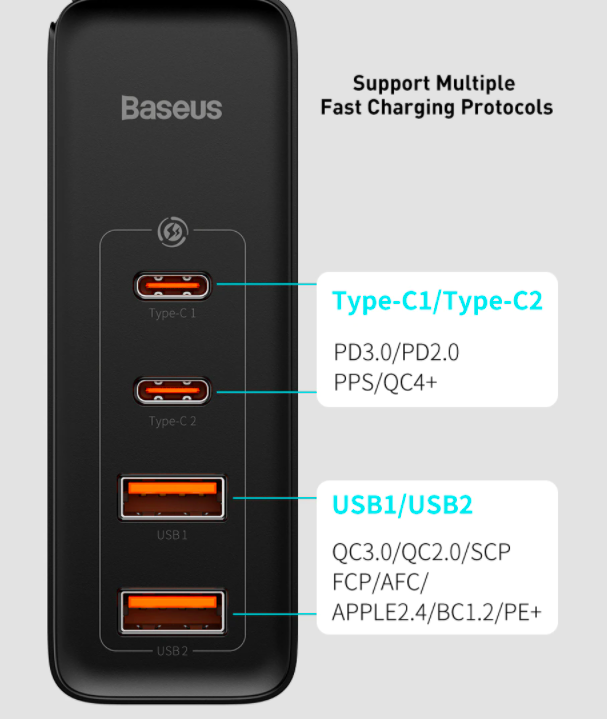
Baseus 100W 4 port GaN Charger which generally retails for $50 is now available for as low as $30.11 only at AliExpress EOS Sale. This deal ends on 27 August at 11:59 PM PT.
Simultaneously charge your laptop, smartphone, earphone, tablet, etc
Multiple safety features like over-voltage protection, over current protection, short circuit protection, etc.
Small and portable design
You can now buy Baseus 100W 4 port GaN Charger for as low as $30.11 only at AliExpress. Please note that this price is region-specific and the final price may vary according to the shipping region and warehouse. This deal ends on 27 August. So place your order asap.
For more information on such exciting deals and offers check out ourdeals hub.
* Please Note: When you buy something using the links in our articles, we may earn a small commission at no cost to you.
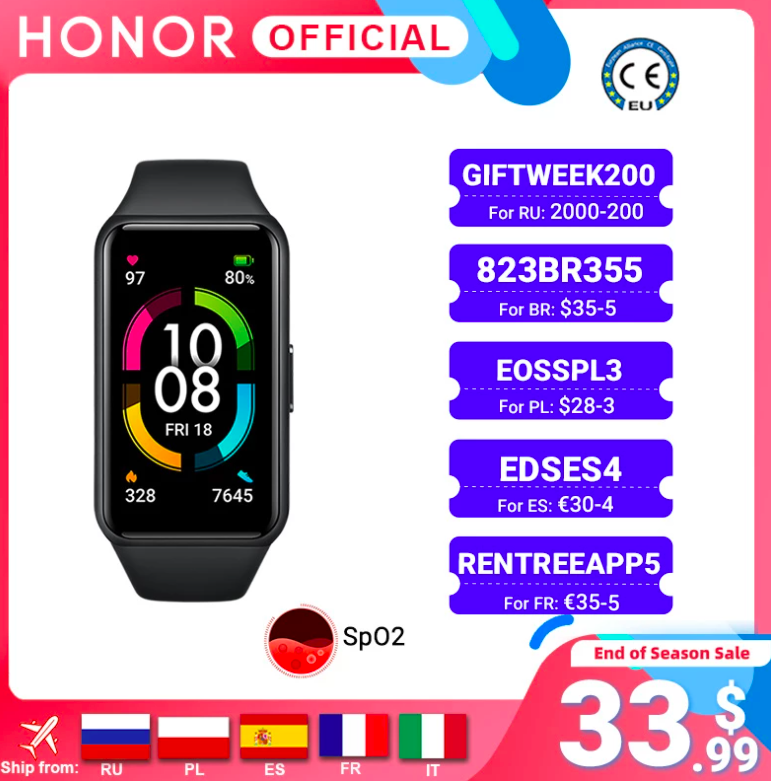
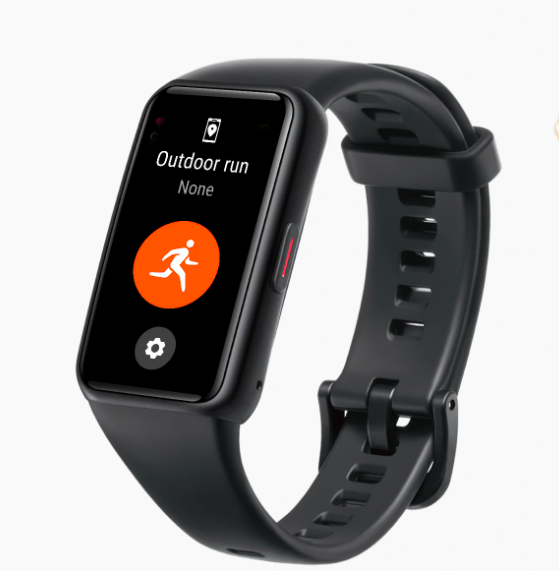
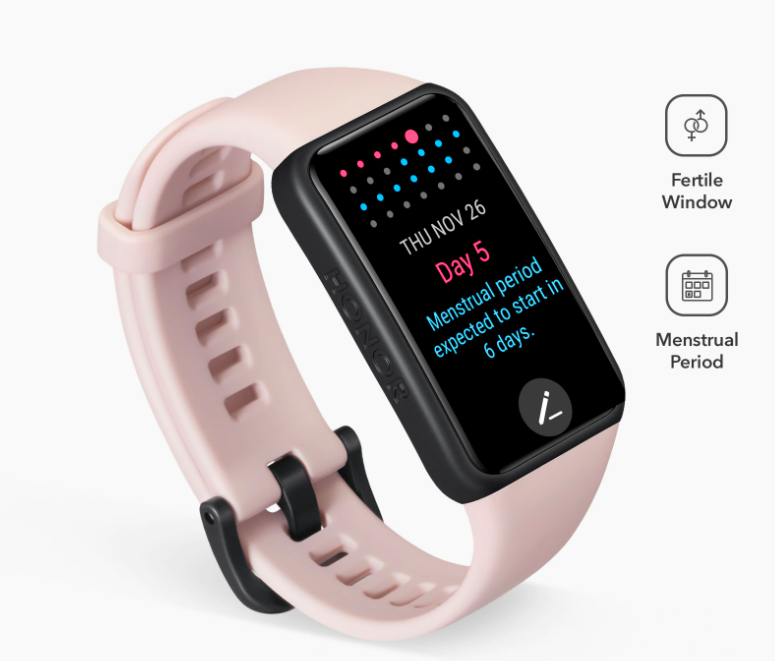
Honor Band 6 which generally retails for $50 is now available for as low as $33.99 only at AliExpress EOS Sale. This deal ends on 27 August at 11:59 PM PT.
Generally retailing for $50, you can now buy the Honor Band 6 for as low as $33.99 only at AliExpress. Please note that the above price is region-specific and the final price may vary according to your shipping region and warehouse. This deal ends on 27 August at 11:59 PM PT. So place your order asap.
For more information on such exciting deals and offers check out ourdeals hub.
* Please Note: When you buy something using the links in our articles, we may earn a small commission at no cost to you.
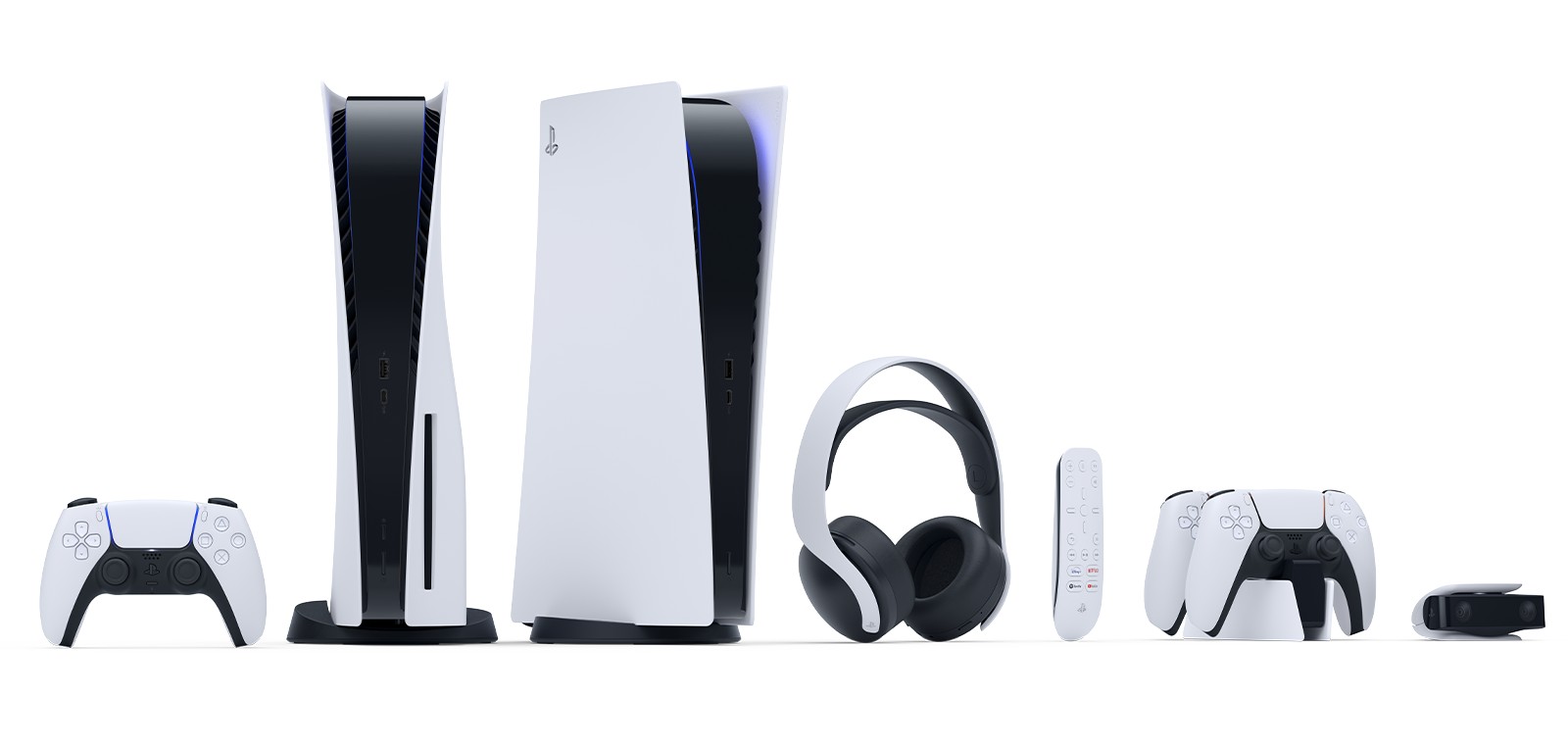
Sony is known to release updated versions of its consoles. These updated versions are usually smaller and lighter than the original, thanks to improvements in the design. For example, both the PS3 and PlayStation 4 (PS4) got slim models that are thinner than the original. Now, Sony has announced a new version of the PlayStation 5 (PS5) that has a very slight design change and is also lighter than the original.
PlayStation 5 and accessories
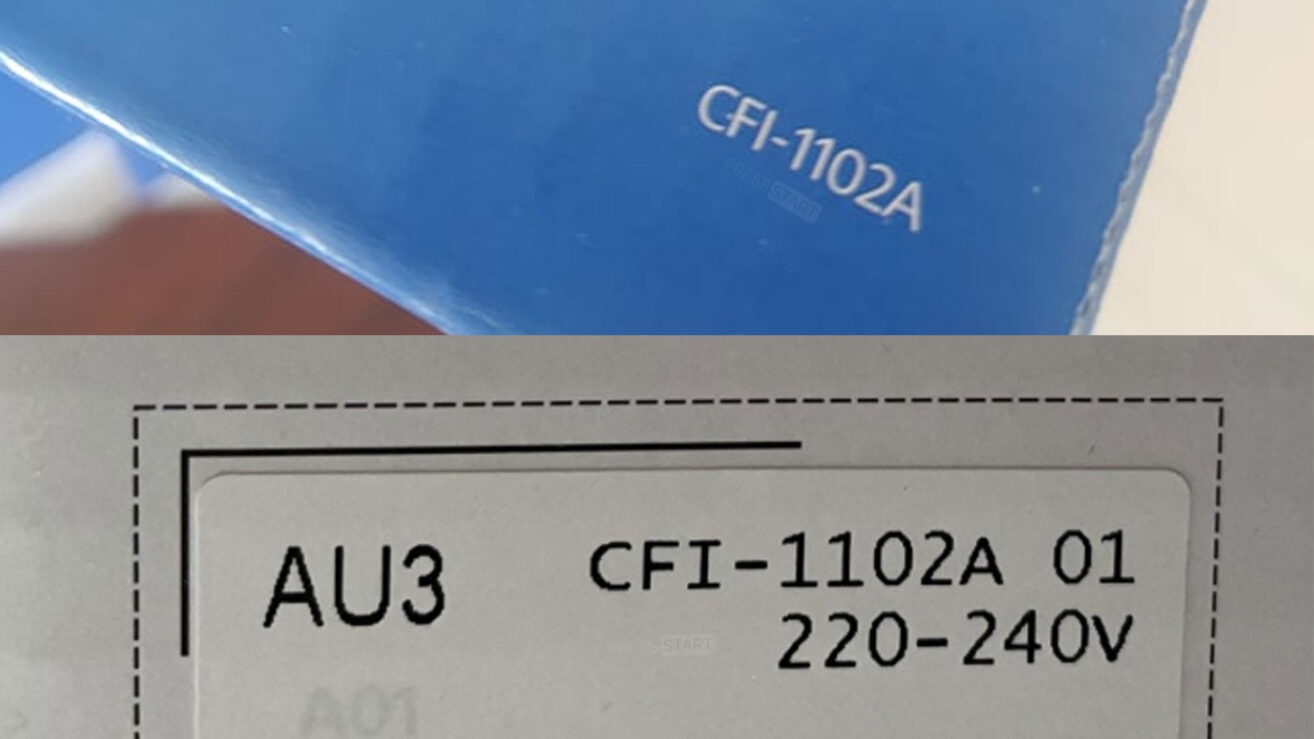
The new PS5 has made its way to Australia according to the Australian gaming site, Press Start (via The Verge). The new console which has the model number CFI-1102A (the original has the model number CFI-1000) is reported to be 300 grams lighter than the original that went on sale last year.
1 of 2
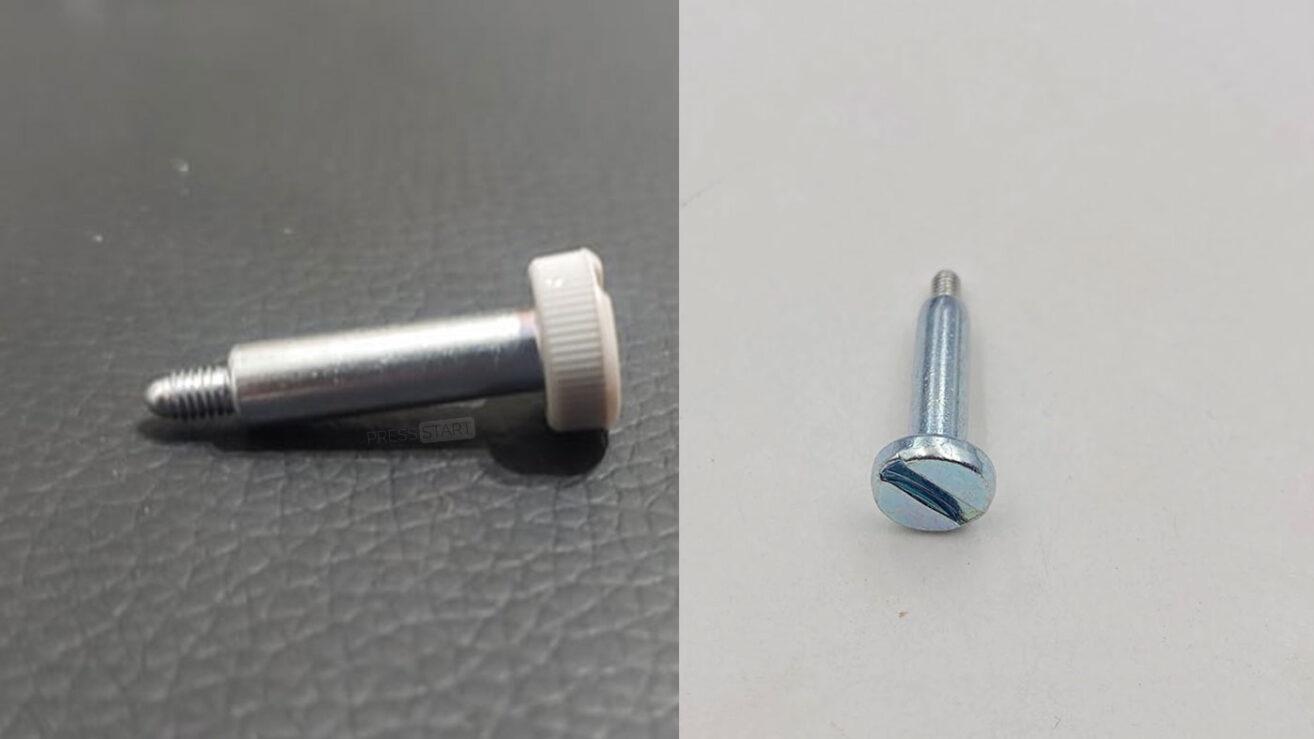
There is no info on what changes resulted in the reduction in weight. However, one design change that is visible is the new screw for the base stand. Unlike the one that ships with the original model that needs a screwdriver to tighten it, the revised model has a plastic cap with a grip that can be tightened with your hand. This is a minor change and we believe the new screw should even work with the CFI-1000 model.
The new PS5 is already available in stores in Australia according to the source. We expect more details about what makes it different from the original will surface soon.
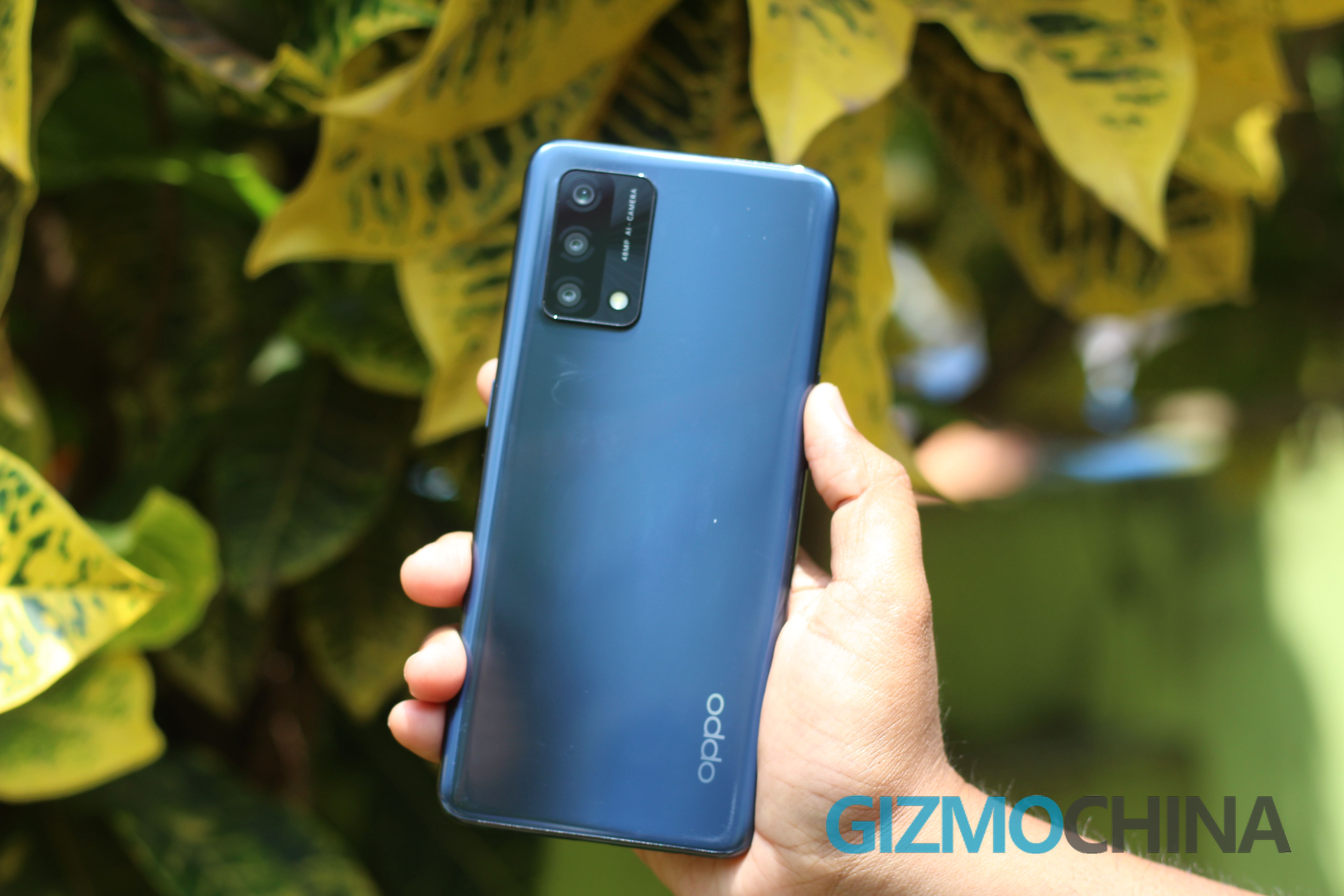
The Chinese smartphone manufacturer Oppo has announced its plan to further strengthen its presence in India by expanding its service center network across the country. The company plans to increase the number of service centers to 600+ stores by 2022. As of now, Oppo offers service across 500+ cities in India with over 500+ stores.
Oppo is looking to reach the remote areas of the country with its new service centers. Recently, the company expanded its after-sales service centers in remote areas of Kudal, Modasa, Nangal, Udhampur, Mayiladuthurai, Dharmapuri, Hingoli, and Thootupupudi. The company said, “With an aim to deepen consumer connect and build brand loyalty, the announcement follows Oppo’s efforts to give its users more reasons to buy products with more convenience and accessibility” in a press release.
Upon the announcement, Oppo India’s Chief Market Officer, Mr Damyant Singh,said, “Customer centricity is at the heart of how we build our products and craft consumer experiences. The expansion of our After-Sales Service network to over 500 cities in India is an endeavour to offer consumers an amazing and unparalleled experience with our products, no matter what part of India they live in.”
According to a 2020 report from Counterpoint, Oppo ranked No. 1 in after-sales service experience with a 93% satisfaction rate. The customer rated their experience as “very good” or “excellent”. The report highlights that customers waited an average of 15 minutes to be attended by the executives at the centers. Also, the report shows that Oppo has the fastest turn-around time and maintained its inventories.
Source: Oppo
Oppo also recently announced an AI chatbot, Ollie. Customers can reach out to Ollie 24×7 and get their queries resolved. Oppo says that the chatbot resolved 94.5% of consumers’ queries. The company also provides an exclusive Platinum care hotline for Reno & Find users. The hotline operates throughout the year, and customers can call in anytime and get their queries resolved.
Oppo added in its press release that the company will ensure customer and staff’s safety during the pandemic. The stores are said to be regularly sanitized, with staff adhering to COVID-19 guidelines.
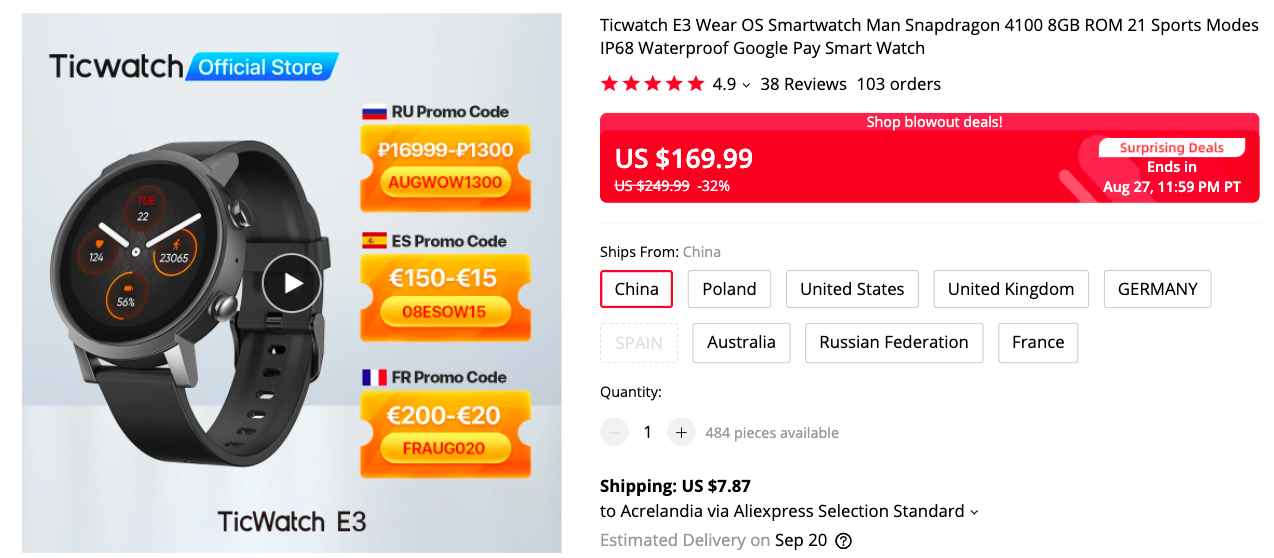
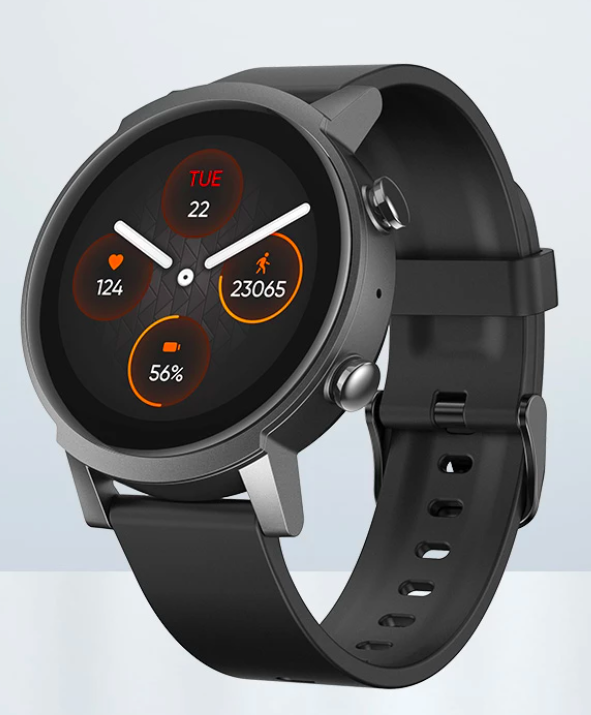
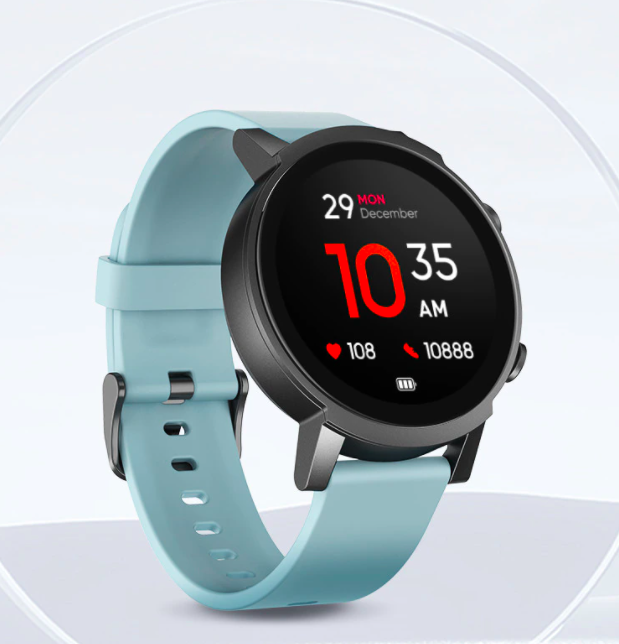
TicWatch E3 Smartwatch which generally retails for $200, is now available at a heavily discounted price of $169.99 only at AliExpress EOS Sale. This deal ends on 27 Aug, 11:59 PM PT.
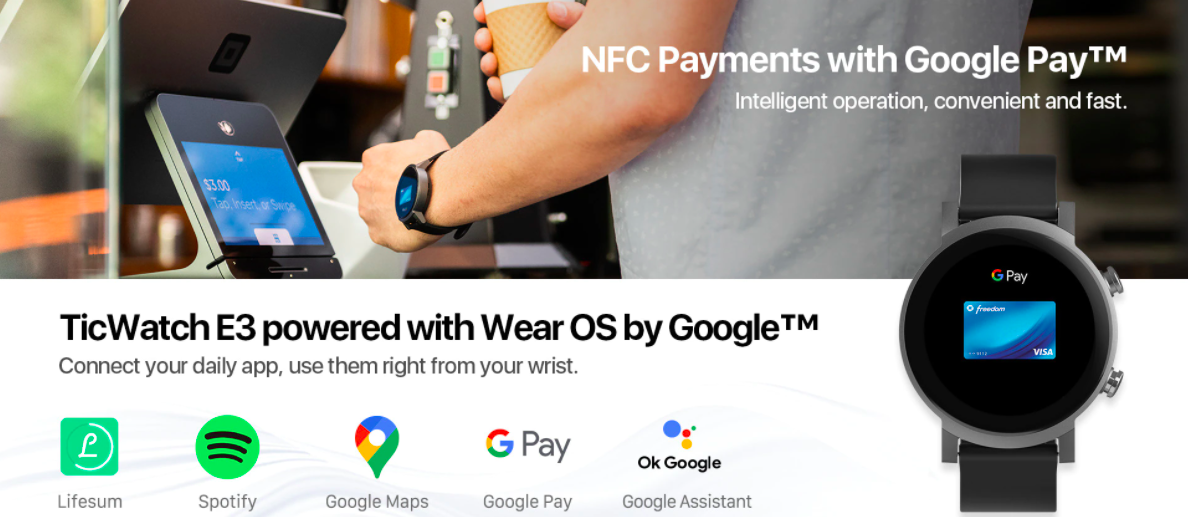
Supports google apps: Maps, G Pay, Google Assistant, Spotify, etc
NFC Payments with Google Pay
1GB RAM + 8GB ROM
Bluetooth 5.0
Built-in mic and speaker
20+ workout modes
24 x 7 Heart rate monitor
Blod oxygen saturation detection
Sleep tracking
IP68 waterproof (Can be used in the pool and bath)
GPS navigation
Family care: Data sharing
Essential mode and battery saving screen
Generally retailing for $200, you can now buy TicWatch E3 Smartwatch at a discounted price of $169.99 only at AliExpress. Please note that this price is limited to certain regions. This super deal ends on 27 August. So place your order asap.
For more information on such exciting deals and offers check out ourdeals hub.
* Please Note: When you buy something using the links in our articles, we may earn a small commission at no cost to you.
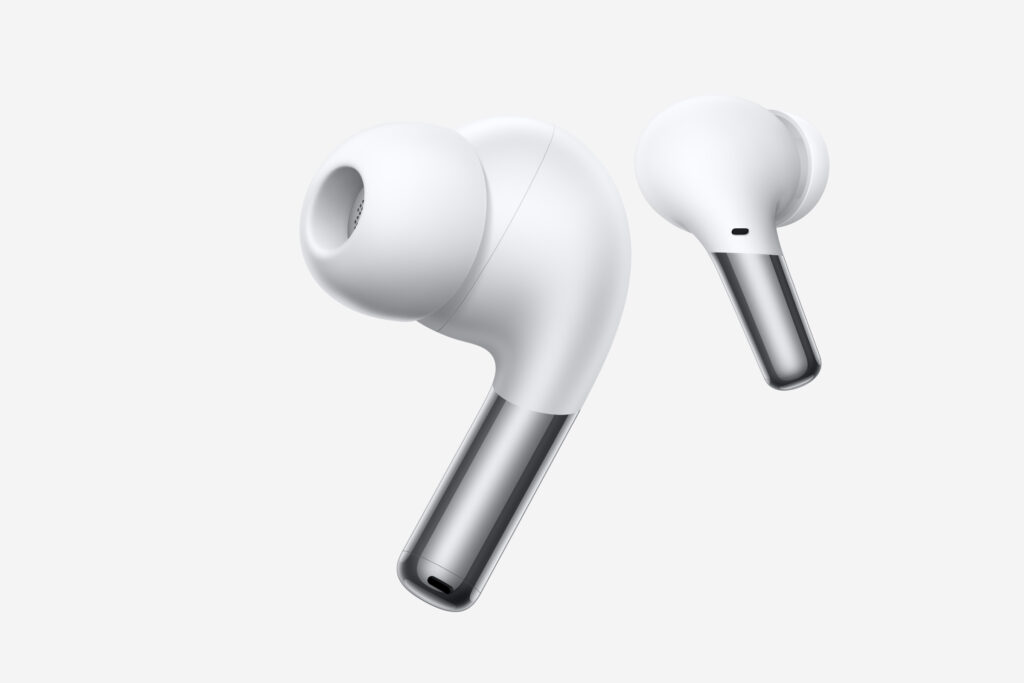
OnePlus Buds Pro pricing has been announced in India.
Last month, OnePlus launched its third TWS, the Buds Pro, alongside the Nord 2. The Buds Pro is the first smart adaptive noise cancellation (ANC) earbuds from the company.
Today, OnePlus announced the pricing for the Buds Pro in India. The OnePlus Buds Pro is priced at Rs. 9,990. It brings a bunch of features, including adaptive noise cancellation, superior call quality, Warp Charge.
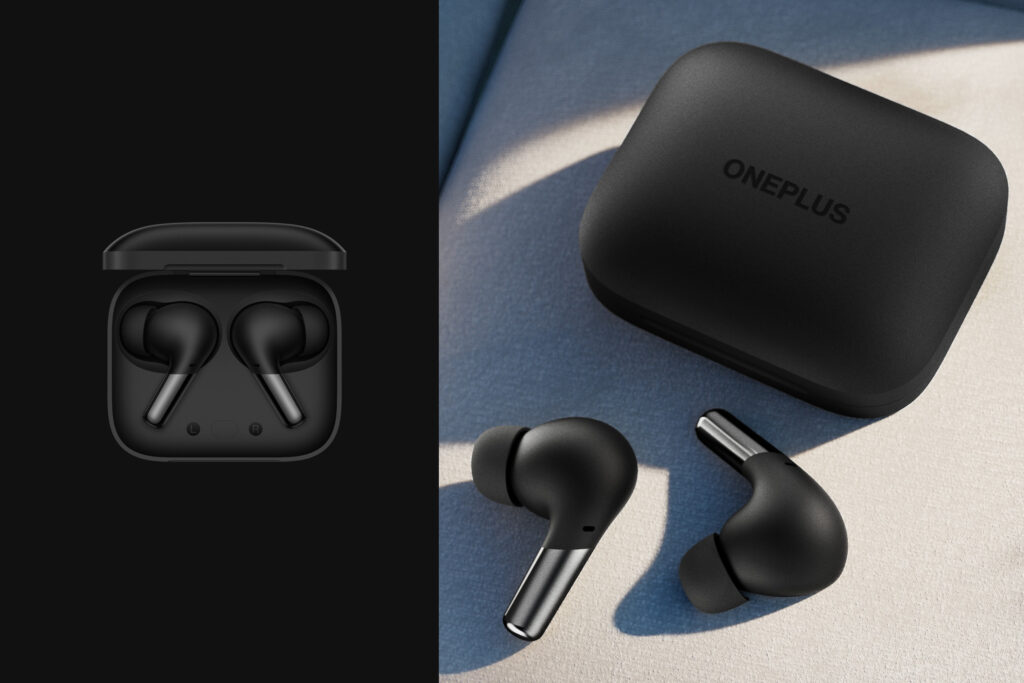
The buds offer an in-ear design with a short stem. These earbuds come in a new look featuring both glossy and matte textures. OnePlus says that the new design gives earbuds a sleek and ergonomic look with a secure, comfortable wearing experience.
The OnePlus Buds Pro features two 11mm, dynamic drivers, with improved bass performance and Dolby Atmos support. The new earbuds come with a smart ANC noise cancellation system with three different levels. The ANC is said to cancel out undesired sound frequencies in real-time with up to 45db noise cancellation in Extreme Mode and 25db in the ambient mode. The Buds Pro comes with Bluetooth 5.2 support, with a latency as low as 4ms. You can control the playback or change the mode using the touch controls provided on the stem.
The Buds Pro promises to deliver a battery life of up to 38 hours on a full charge and 10 hours of continuous playback on a 10-min charge. The case comes with Qi certification, allowing users to charge the buds wirelessly. The buds come with IP64 certification, while the charging case offers IPX4 ensuring resistance against sweat and dust. The Buds Pro comes with Zen mode, allowing users to choose a list of white noise during different activities such as yoga, meditation, or sleeping.
The OnePlus Buds Pro will be available in India starting 26 August 2021 in two colors, Matte Black and Glossy White. The buds will be going on sale through OnePlus.in, Amazon.in, OnePlus Experience Stores and partner stores across the country.
We use cookies on our website to give you the most relevant experience by remembering your preferences and repeat visits. By clicking “Accept”, you consent to the use of ALL the cookies.
This website uses cookies to improve your experience while you navigate through the website. Out of these, the cookies that are categorized as necessary are stored on your browser as they are essential for the working of basic functionalities of the website. We also use third-party cookies that help us analyze and understand how you use this website. These cookies will be stored in your browser only with your consent. You also have the option to opt-out of these cookies. But opting out of some of these cookies may affect your browsing experience.
Necessary cookies are absolutely essential for the website to function properly. This category only includes cookies that ensures basic functionalities and security features of the website. These cookies do not store any personal information.
Any cookies that may not be particularly necessary for the website to function and is used specifically to collect user personal data via analytics, ads, other embedded contents are termed as non-necessary cookies. It is mandatory to procure user consent prior to running these cookies on your website.