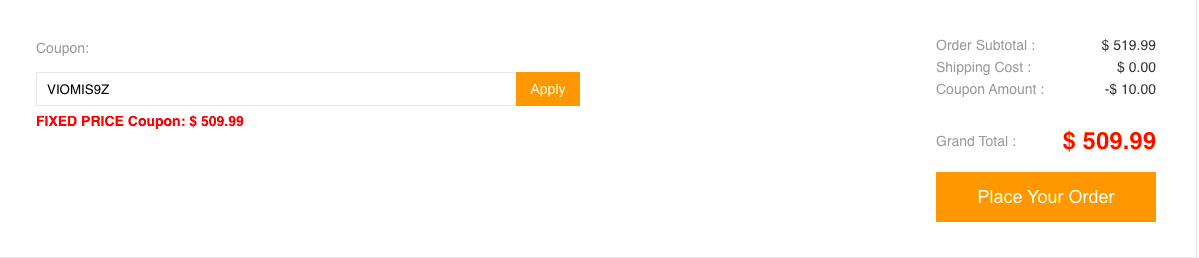
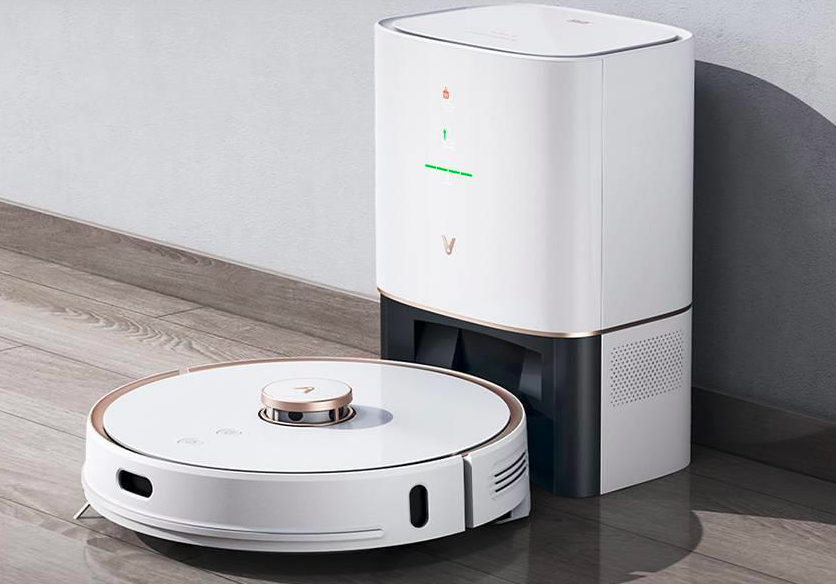
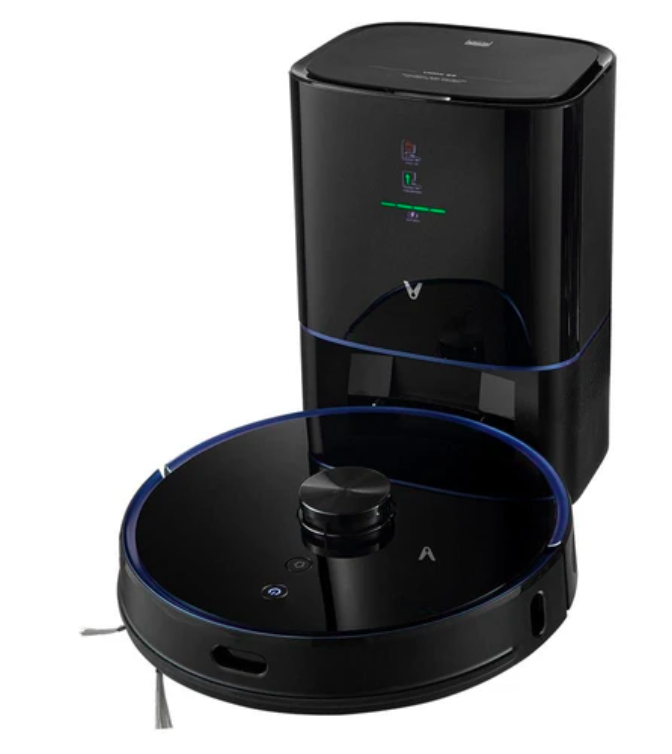
VIOMI S9 Robot Vacuum Cleaner which generally retails for $700 is now available at a heavily discounted price of $509.99by using the coupon code: VIOMIS9Z only at Geekbuying.com. This is a limited-time offer.
Generally retailing for $700, you can now buy VIOMI S9 Robot Vacuum Cleaner at a discounted price of $509.99 by using the coupon code: VIOMIS9Z only at Geekbuying.com. Please note that this flash sale comes with free shipping from the Europe warehouse. This is a limited-time offer. So place your order asap.
For more information on such exciting deals and offers check out ourdeals hub.
* Please Note: When you buy something using the links in our articles, we may earn a small commission at no cost to you.
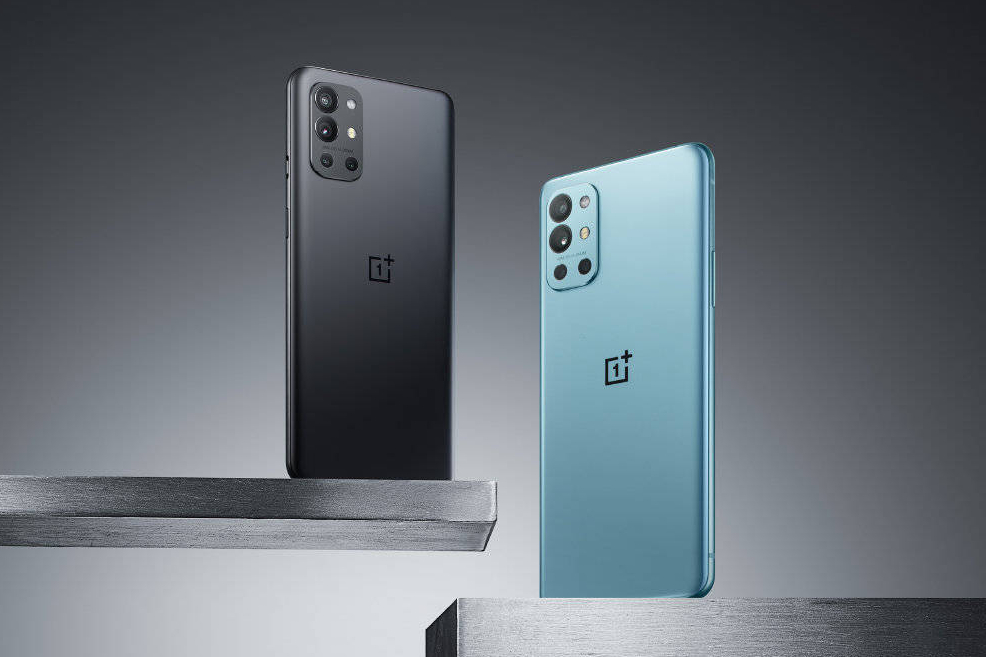
It was revealed late last month that there won’t be a OnePlus 9T phone. While that appears to be true, it turns out there is one more OnePlus 9 phone coming, and a new report has revealed it will launch as the OnePlus 9 RT.
The OnePlus 9R is getting a T-variant
OnePlus 9 RT
Yes, the OnePlus 9R, the new addition to OnePlus’s numbered series is getting the T-treatment. The info comes from Android Central and they say the phone will be launching in October along with a new version of OxygenOS.
The OnePlus 9 RT will share most of its specifications with the OnePlus 9R which in itself shares a lot of its specifications with the OnePlus 8T. So it will have a 6.55-inch 120Hz AMOLED display, a 4500mAh battery capacity, and 65W fast charging.
The upgrades include a new 50MP primary sensor, the same one on the OnePlus Nord 2, and which was originally borrowed from the OnePlus 9’s ultrawide angle camera. It has also been reported that the phone will feature a higher-binned version of the Snapdragon 870 which means Qualcomm has another Snapdragon 800 series chipset launching soon. We don’t know what it will be called but our guess is Snapdragon 870+ or Snapdragon 875.
The source reiterates that the OnePlus 9 RT will be the only numbered flagship launching in the second half of the year. The phone will also be exclusive to India and China.
OxygenOS 12
The software is also something to look forward to as the phone will be the first to launch with OxygenOS 12. There are lots of interesting new features that will come along with the new software such as a theme store; a private safe for keeping sensitive data including documents, videos, and photos; and a redesigned settings page similar to what you will find on the OnePlus Nord 2 which runs OxygenOS 11.3.
Other features mentioned are a privacy setting that alerts you when an app accesses your clipboard and floating windows that can be resized. One feature OxygenOS 12 won’t get is the new Material You design. Familiar features such as Zen Mode, Scout, and Shelf will return.
OnePlus is expected to roll out a closed beta of OxygenOS 12 for testers soon. It should have been released but it is trying to fix several bugs hence the delay.
Two New Nord Phones
OnePlus also has two new Nord phones scheduled to arrive before the end of the year. At the moment, we can only think of a successor to the OnePlus Nord N10 which should launch as the Nord N20. We are eager to know what the other Nord phone is.
At the end of July, OnePlus released the last-ever OxygenOS 11 Open Beta builds for the OnePlus 8, the OnePlus 8 Pro, and the Oneplus 8T. Almost a month later, these handsets are now receiving a new stable update. The new update brings some features as well as fixes.
The new software update for these smartphones brings support for OnePlus Buds Pro and adds screenshot feature as well as Bitmoji option for AOD (Always-on Display). Indian variants also get the OnePlus Store application, which can be uninstalled.
Other than the above-mentioned additions, the latest update also bumps up the security patch level to August 2021, optimizes portrait mode for the front camera, fixes navigation gestures, and improves system stability by fixing some known issues.
Having said that, just like any other OTA software update, this one is also being seeded out in batches. Hence, some users might receive it quicker than others, while others may have to wait a bit longer.
According to a report from 91Mobiles, the Pixel 6 and 6 Pro may come with support for 33W wired fast charging. This would be a welcoming change as Google smartphones have been stuck with 18W charging for quite some time now. At the same time, Chinese manufacturers are upping their game with 65W and 120W charging.
Pixel 6
The report also mentions that Google HQ is full of 33W charging bricks; however, they are just for testing purposes, so google is collecting them back, maybe to prevent leaks. As per the report, the 33W chargers would be sold separately, so you need to pay more to fast charge your Pixel 6.
Pixel 6 Pro
Moreover, the report also suggests that the rumored Pixel 6 Foldable has been delayed. There’s not much information surrounding why it has been delayed or when it will be launching. But we can expect Google to give us a sneak peek of the device later at its fall event.
Earlier this month, Google teased the Pixel 6 duo giving us a first look at their design and specifications. Google’s also confirmed that its custom Tensor chipset will power the Pixel 6 and 6 Pro. The upcoming Tensor chipset is rumoured to be the unreleased Exynos 9855 SoC. The processor is expected to be built on a 5nm process node, matching Snapdragon 870’s performance. The vanilla Pixel 6 would be featuring a triple dual-camera setup, while the Pro model would be coming with a triple camera setup, including a 4x telephoto camera.
The Pixel 6 series is expected to be released later in the fall this year.
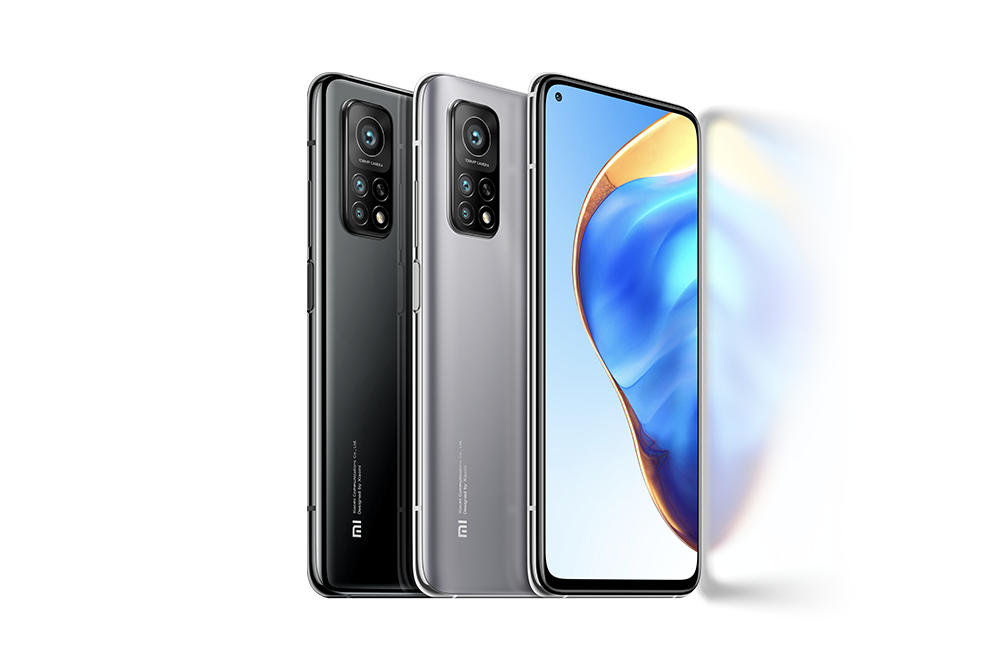
Just like OnePlus, Xiaomi has made it a tradition to launch a T-variant of its flagship phones in the second half. This year will be no different as details of the Mi 11T series have been floating around. Now, we have gotten info on when the launch will happen.
Xiaomi Mi 10T 5G series
According to our source, the Mi 11T is scheduled to be announced on September 23 at a global launch event. The Mi 10T series launched on September 30 last year, so there isn’t a wide gap in the dates. While our source says the date is pretty much certain, we won’t rule out the possibility of a change happening due to unforeseen circumstances.
The global launch should be followed by individual announcements in countries such as India, Indonesia, and Nigeria. These are all markets that the Mi 10T series was announced, so we expect the Mi 11T series will also get unveiled there. They may also launch in China under different names.
Leaked specs have revealed that the Mi 11T will have a 120Hz display which is lower than the 144Hz refresh rate of its predecessor. However, the display is said to be OLED this time around and not LCD. It has also been reported that it will have 64MP triple rear cameras and a MediaTek processor. There is also going to be a Mi 11T Pro but its specifications are currently unknown.
The China Evergrande Group, a Chinese property developer, is in talks with Xiaomi and Shenzhen state backed investment firms to sell a part of its stake in its electric vehicle unit.
According to a Reutersreport, Evergrande is looking to sell part of its 65 percent stake in the Evergrande New Energy Vehicle (NEV) Group as per sources close to the matter. As of right now, the NEV has a market capitalization of 12.5 billion US Dollars and a source stated that the Chinese tech giant and investment firms are looking to buy a significant minority stake in the business. Unfortunately, Evergrande, Xiaomi, and the state asset regulators have yet to offer any comments regarding this matter.
As per the sources, the talks regarding the acquisition of stakes is apparently still at the early stages and might undergo changes as well. Earlier this month, Evergrande stated that it was in discussions with several independent third party investors for the proposed sale of certain assets, which included the stakes of its New Energy Vehicle unit. This move is an effort to reduce its debts.
For those unaware, Xiaomi has recently been raising its investment into the electric vehicle based firms and technology ever since it revealed its 10 billion US Dollar plan for entering the EV market. This had also followed closely after it was revealed that even Apple and Huawei were eyeing the electric vehicle industry as well. So, the new acquisition would give Xiaomi EV production facilities for its own automobile business.
The Redmi Note 9 aka Redmi 10X 4G started receiving MIUI 12.5 based on Android 11 in July. A month later, the update is now available for all the regional variants of the handset, except for one. Let’s take a look at the status of the latest system update for this smartphone.
Redmi Note 9
The Redmi 10X 4G in China got access to Android 11 way back in February. However, the international version of this phone called Redmi Note 9 is receiving last year’s Android along with MIUI 12.5 only now.
The Indian variant of the Redmi Note 9 was first to get MIUI 12.5 update based on Android 11 a few weeks after the update was released for the original Redmi 10X 4G in China. In the following weeks, Xiaomi rolled out the same update for other regional variants of the device.
At present, the Redmi Note 9 (Redmi 10X 4G) MIUI 12.5 update is live for the following regional variants of the phone.
China – V12.5.2.0.RJOCNXM
India – V12.5.1.0.RJOINXM
Global – V12.5.1.0.RJOMIXM
Turkey – V12.5.1.0.RJOTRXM
Indonesia – V12.5.1.0.RJOIDXM
Russia – V12.5.1.0.RJORUXM
EEA – V12.5.1.0.RJOEUXM
The only regional variant yet to receive this update is ‘Taiwan’. We expect that version of the smartphone to also get the update in the coming days.
Having said that, even for the above-listed variants, the latest software update is being rolled out in batches. In simpler words, the update will take some time to reach every user.
Chuwi CoreBook XPro notebook is now available for sale via the online Chuwi store. Chuwi introduced the powerful Notebook at an affordable price of $599, but under the back to school promo, you can get it for a discounted price of $549. It is an outstanding price for any notebook featuring an Intel i5 -8259U processor.
Metal-clad Chuwi CoreBook XPro offers a durable design that purely goes in line with the present-day style. The minimalist style is directly proportional to the business aesthetics. However, the high-end texture over the top gives it a premium look. Chuwi used diamond edge cut, sandblasting oxidation, 3D integrated moulding process to enhance the overall design quality of the laptop. It is 17mm thick and weighs 1.78Kg in size.
Chuwi CoreBook XPro features a 5.6-inch IPS LCD panel having 1920 x 1080 pixels resolution and a 16:9 aspect ratio. The device is duly compatible with Windows 11 Operating system. A dedicated camera sits on the front featuring a quality camera. There are multiple microphones to reduce the noise while having a video call.
The device comes with a backlit keyboard having 16x16mm keys which offer a smooth typing experience. In connectivity, there’s a 3x USB Type-C, HDMI, DC power, and a 3.5mm audio jack.
Chuwi CoreBook X Pro comes with an Intel i5-8259U processor consisting of a quad-core CPU having 8 threads. The Intel processor offers a turbo boost up to 3.8GHz having 28W TDP. The processor performs really well as confirmed with different benchmark scores. An 8GB DDR4 RAM at 2400 MHz frequency and 512GB SSD storage enhances the multitasking and makes the notebook responsive. To further enhance the performance, the company provided an X2 NVMe storage option on the motherboard.
The notebook can easily handle CPU and GPU intensive tasks. CoreBook XPro comes with a 70WH high-capacity battery which can last for 6.5 hours upon extensive use. Overall, it is a high-end notebook that offers an HD display, metal chassis, comprehensive hardware configuration and excellent performance.
Chuwi CoreBook XPro is now available for $549 via Chuwi Official website under the Back to Scool promotion. The discount is applicable only from 20-31 August.
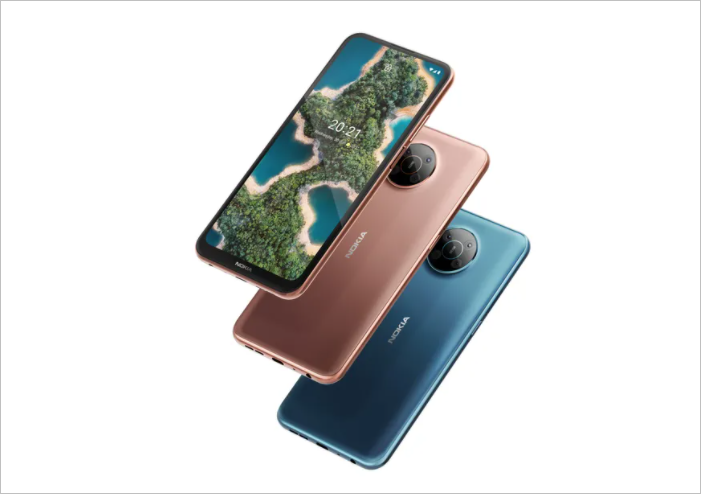
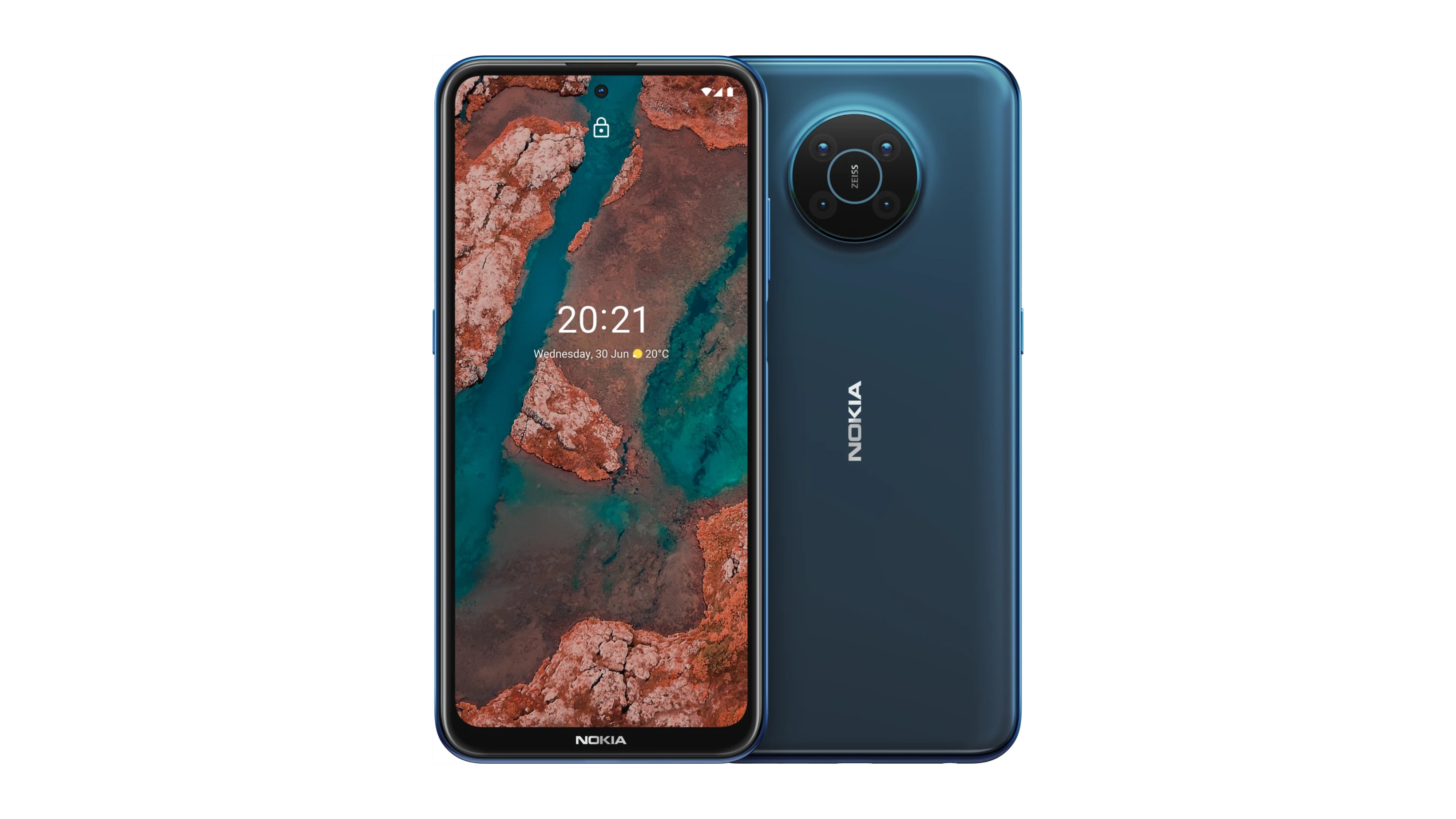
Nokia has just launched a new mid range smartphone in Kenya. The new handset is the Nokia X20, which will be available in the region in a two storage variant but will arrive without a charger.
The news regarding the Finnish smartphone maker doesn’t arrives as a surprise considering the company did announce that it will not be shipping the smartphone with a charger in certain markets like Europe. Furthermore, it had also stated that the move is to reduce the electronic waste since many users already have chargers at home. Talking about the specs of the device, the Nokia X20 sports a 6.67 inch FHD+ display with a 32 megapixel punch ole selfie camera on the front.
On the rear, the handset features a 64 megapixel triple camera setup with a 2 megapixel macro lens and 2 megapixel depth sensor. Under the hood, it houses a Qualcomm Snapdragon 480 SoC which is paired with either 6GB or 8GB of RAM along with 128GB of internal storage that can be expanded via a MicroSD card slot. It is powered by a large 4,470mAh battery pack that supports 18W charging through a USB Type C port.
The Nokia X20 runs Android 11 OS out of the box and has a 3.5mm headphone jack, features 5G support, Bluetooth 5.0, NFC, and more. The device will be available in Kenya for a starting price of 40,000 KES (roughly 365 US Dollars) and will be available through local stores as well.
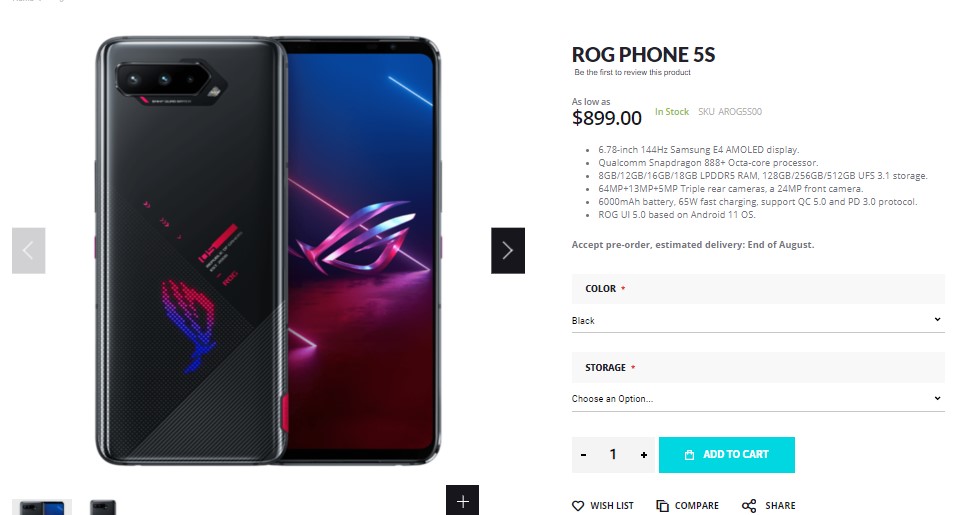
The Asus Rog series is a well-decorated gaming smartphone series that recently received new siblings with the name Asus Rog Phone 5s and Rog Phone 5s Pro. Both the smartphones carry decent upgrades over the Rog Phone 5 which was launched earlier this year for mobile gaming enthusiasts. The new smartphones are currently limited in China, but interested users can get them anywhere around the globe via Giztop.
Asus Rog Phone 5s is now retailing via the Giztop in both Black and White colour options. You can enjoy the smartphone’s powerful hardware in three different storage options of 12GB RAM + 256GB storage, 16GB RAM + 256GB storage and 18GB RAM + 256GB storage options. You can grab it now and the retailer will ship it within few days.
Asus Rog Phone 5s comes with a 6.78-inch Samsung E4 AMOLED display having a 144 Hz refresh rate for a smooth gaming experience. The display supports 2448 x 1080 pixels resolution and offers 24.3ms touch latency. Over the top, it is well-protected by Corning Gorilla Glass Victus.
Qualcomm’s recently announced flagship SoC Snapdragon 888+ is on board coupling an octa-core processor and Adreno 660 GPU. It clocks at 3Ghz which is higher than that of the Snapdragon 888. The smartphone bundles 8/12/16/18GB RAM and 128/256/512GB internal storage options.
Apart from the outstanding hardware, the phone houses fully optimized software to enhance the gaming experience. It carries an AirTrigger 5 system that allows the user to enjoy the ultrasonic touch sensors across the long edges of ROG Phone 5. Apart from the basic gestures, the Airtrigger 5 adds gestures including slide, swipe, and inner/outer button detection. The presence of a dedicated GameFX Audio System offers balanced stereo sound effects with impressive audio quality.
The smartphone houses a triple-rear camera which houses a 64MP primary sensor, a 13MP ultra-wide sensor, and a 5MP macro lens. It bundles a 24MP selfie camera on the front for selfies.
However, the presence of an exclusive Gamecool system enables efficient heat dissipation. A dedicated LED-lit ROG logo gives a stunning looking while gaming on the smartphone. It can also be customised for notifications.
It may take some weeks for Asus to launch the ROG Phone 5S globally, but you can get it via Giztop without any further delay.
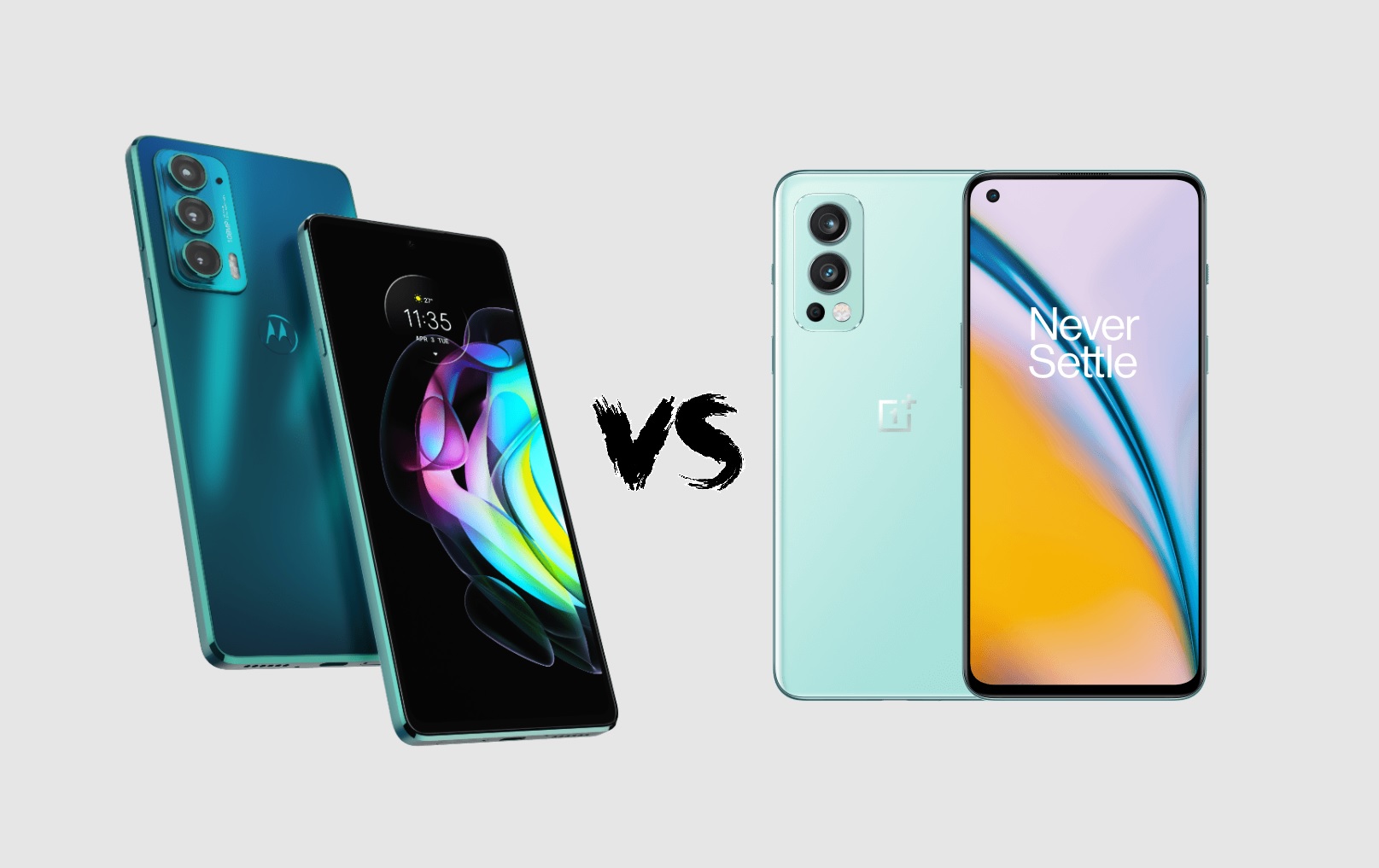
A few days ago, Motorola announced two new phones – the Motorola Edge 20 and the Motorola Edge 20 Fusion – for the Indian market. The former is the more powerful model with more features and of course, a higher price tag of ₹29,999 (~$404). This is the same price as the 8+128GB version of the OnePlus Nord 2.
And if you are wondering which of these two devices deserve your money, then this post should help you make that decision.
IP52 rating
Ready For
Dedicated Google Assistant button
My UX based on Android 11
Dual stereo speakers
Alert slider
OxygenOS 11.3 based on Android 11
Design
Both phones are rocking flat displays with hole punches, albeit in different positions, and triple rear cameras stacked vertically. Both are also available in multiple colors. However, there are some pretty significant differences in the way these two phones have been made.
The Motorola Edge 20 is one of the lightest and thinnest phones in its class, weighing just 163 grams and measuring 6.9 millimeters in thickness. It also has an aluminum alloy frame, but settles for a plastic back panel. The OnePlus Nord 2 settles for a plastic frame but gets a Gorilla Glass 5 back and is heavier and thicker too, but for justifiable reasons.
Display
This is another area where both devices differ significantly. OnePlus has equipped the Nord 2 with a 6.43-inch FHD+ AMOLED display that has a 90Hz refresh rate. There is also Gorilla Glass 5 for protection.
No matter how much OnePlus likes to brag about its smooth display, it definitely can’t match the 144Hz refresh rate on the Motorola Edge 20’s 6.7-inch FHD+ OLED screen. This is also a 10-bit panel and with HDR10+ (no HDR on the OnePlus Nord 2). There is protection for the screen, but it’s Gorilla Glass 3.
Processor
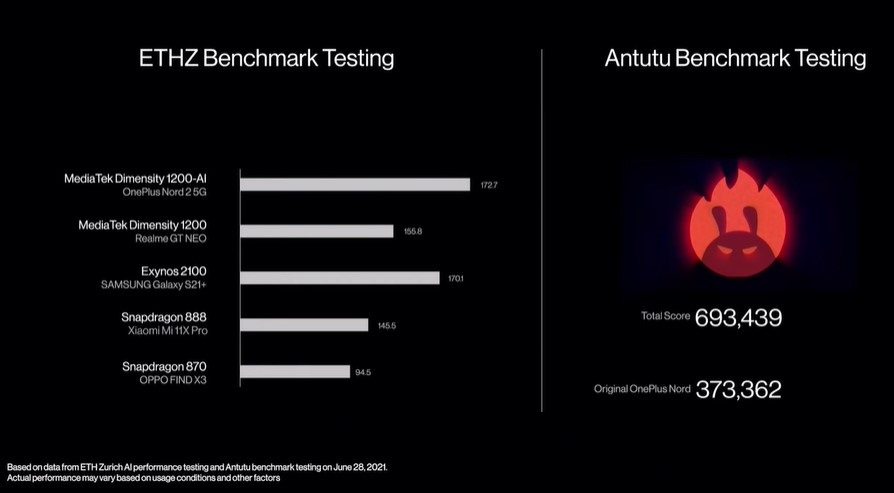
Both the Snapdragon 778G and Dimensity 1200-AI are 6nm chipsets, but one of them is the king here and it is not the Qualcomm chip.
OnePlus has not only chosen MediaTek’s most powerful mobile chipset for the Nord 2, but it has also tweaked its AI features, putting it miles ahead of the Snapdragon 778G in terms of AI performance.
However, that isn’t to say that the Snapdragon 778G is not a good processor. It is actually very good and offers impressive performance. If you want to know how well it measures up to the Dimensity 1200, MySmartPrice has done a good comparison.
Cameras
This is one of the features that can either be a dealmaker or dealbreaker for buyers.
Motorola goes all out with a 108MP f/1.9 primary rear camera with 9-in-1 pixel binning technology. There is no optical image stabilization, which is a feature the 50MP Sony IMX766 sensor on the Nord 2 boasts of. While a camera shootout will determine which phone has the better main camera, the Nord 2 has the odds in its favor.
For the other cameras, Motorola clearly wins. It has an ultrawide angle camera with a higher resolution and can also take macro photos. Further, its third camera, an 8MP telephoto camera provides 3x optical zoom and 30x superzoom which is vastly superior to the 2MP sensor on the Nord 2.
Both phones have a 32MP front-facing camera and similar app features such as dual capture, night mode, and portrait mode.
Battery and Fast charging
The OnePlus Nord 2 not only has a bigger battery at 4500mAh but also charges significantly faster at 65W, leaving the Motorola Edge 20’s 30W TurboPower in the dust. Thankfully, both phones ship with a charger in the box.
Connectivity
The OnePlus Nord 2 has NFC, Bluetooth 5.2, Wi-Fi 6, dual SIM support, and even more 5G bands than the OnePlus 9. The Motorola Edge 20 also has NFC, Bluetooth 5.2, and dual SIM support but adds the improved Wi-Fi 6E and packs a total of 11 5G bands!
Software
Both phones run Android 11 out of the box but are significantly different. Motorola’s My UX is close to stock Android with the addition of useful features such as Attentive Display and Moto Actions. OnePlus on the other hand ships the Nord 2 with OxygenOS 11.3 which uses the integrated ColorOS codebase. There are lots of customizations available and features such as AOD, One-handed mode, Super Resolution, and an optimized Game Mode.
However, what is more important is software support. Both companies have their issues with this, but OnePlus is promising two OS upgrades for the Nord 2 and three years of security updates while Motorola, which is worse at updates, says it will provide OS upgrades and security updates for two years.
Other features
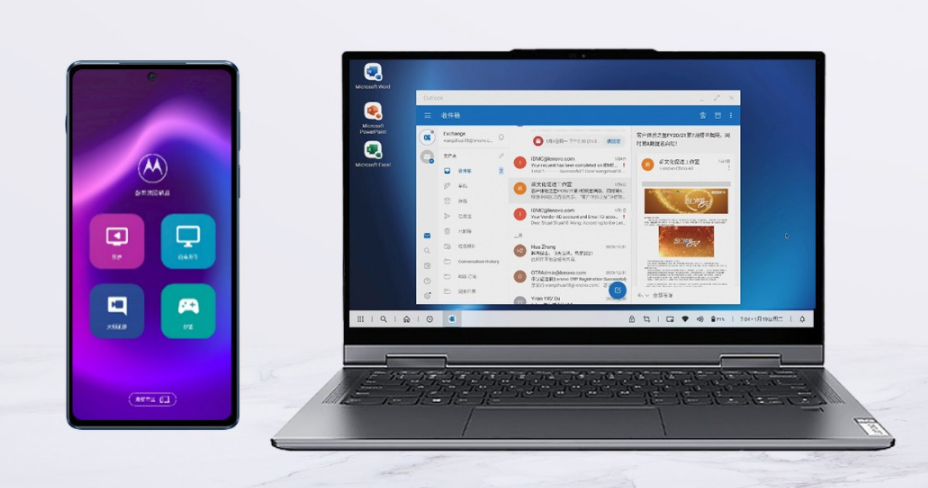
Both phones have some unique features that are also worth mentioning. The Motorola Edge 20 has Ready For, a feature that allows you to connect it to an external display and use it as a desktop computer. You can also use the phone as a webcam with movement tracking for video calls while connected to your TV or for a console-like experience to enjoy your mobile games on your TV with a connected Bluetooth controller.
Motorola Ready For
Motorola also says the Edge 20 has an IP52 rating and there is a dedicated Google Assistant button too.
The Nord 2 has stereo speakers with custom Dirac drivers for an improved audio experience. OnePlus also brags about the new Haptics 2.0 which it claims is significantly improved. There is also an Alert Slider for easily switching between ring modes.
Conclusion
OnePlus and Motorola have made pretty impressive phones with outstanding features. However, there are significant differences that will determine the one you buy.
If you prefer a phone that is lightweight and slim, boasts the best-in-class display, packs all-around better cameras, offers a near-stock Android experience, and moonlights as a desktop computer, then the Motorola Edge 20 is the device for you. Let’s also not forget that with its 11 5G bands, there is no reason to worry about supported bands. However, Motorola’s poor attitude to software updates is something you should keep at the back of your mind.
For those who want performance, a great primary rear camera in its class, longer battery life, incredible fast charging, better speakers, and more reliable software support that will end in 2024, the OnePlus Nord 2 is the device for you.
Which one of these two phones do you prefer? Do let us know in the comment box.
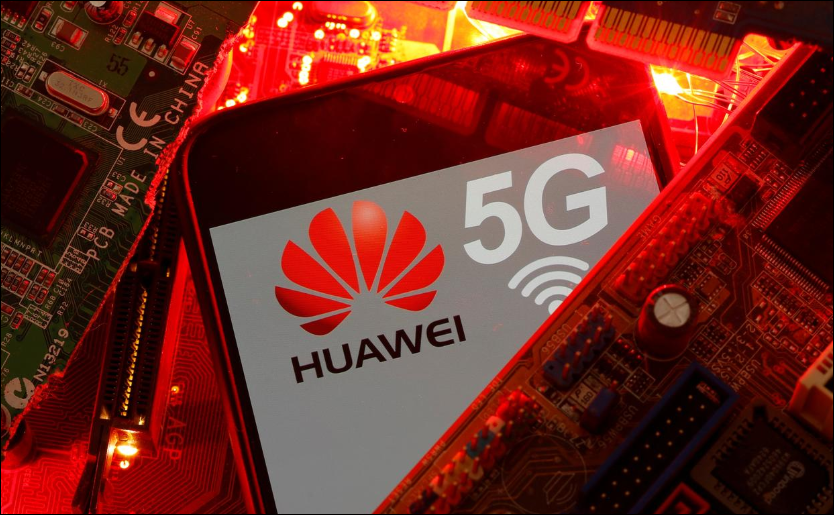
Huawei Technologies is shifting its focus on emerging markets to expand its presence outside of China. The company’s overseas operations once accounted for around 70 percent of its total revenue, which took a significant hit due to various sanctions from the US.
Earlier this year, the Chinese tech giant helped build a data center in Senegal. This site cost 70 million EUR (roughly 83 million US Dollars) and was built through a load from the Chinese government and telecom infrastructure from Huawei (Via NikkeiAsia). The company’s focus on these emerging markets arrives as the US has urged various nations to exclude the brand from their fifth generation of wireless networks (5G). The US had cited national security concerns against the company, especially to governments in the West like the UK and certain European nations.
Despite this, Huawei still has a strong presence in the emerging markets in Africa and the Middle Eastern regions. As of right now, the equipment made by the company is around 20 to 30 percent more affordable than those made by its European competitors like Ericsson and Nokia. Furthermore, the telecom equipment maker has also not given up on expanding its presence in developed nations, although, it is focusing more on emerging markets.
For those unaware, Huawei is a major player in the telecom industry and supplies its networking gear to many countries across the globe. As of 2020, it is estimated that the company has started smart city projects in over 700 cities in more than 40 nations. This includes places such as Dubai, in which the company was involved with the construction of 5G infrastructure. Meanwhile, the US is working on pressuring more developed nations like the UK, with Japan, and Australia also excluding Huawei from their 5G infrastructure.
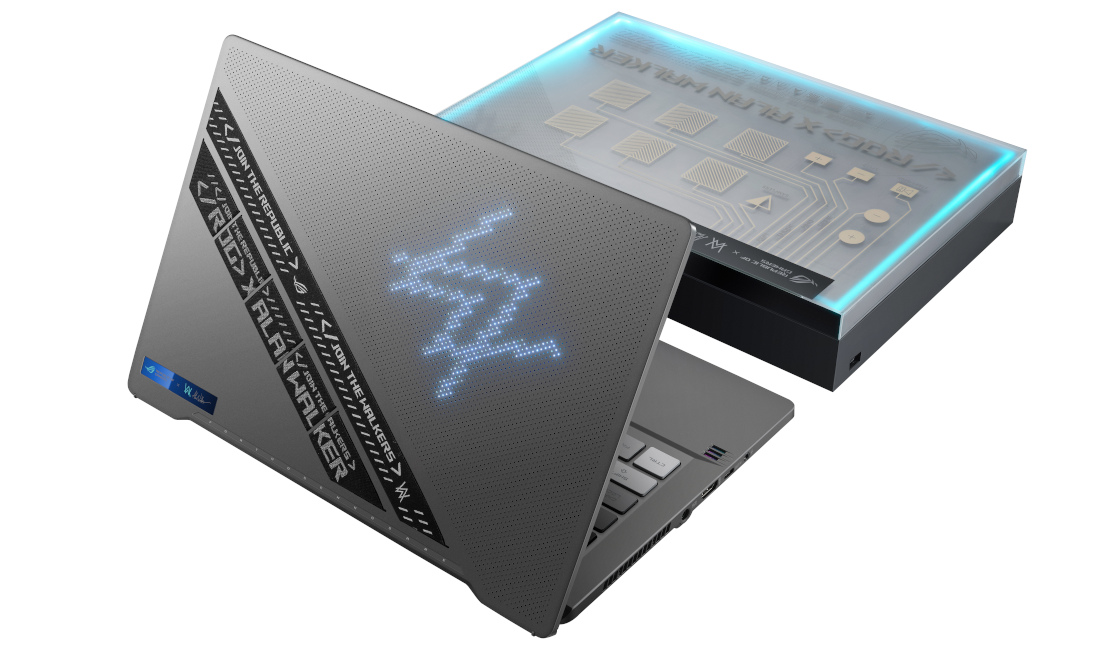
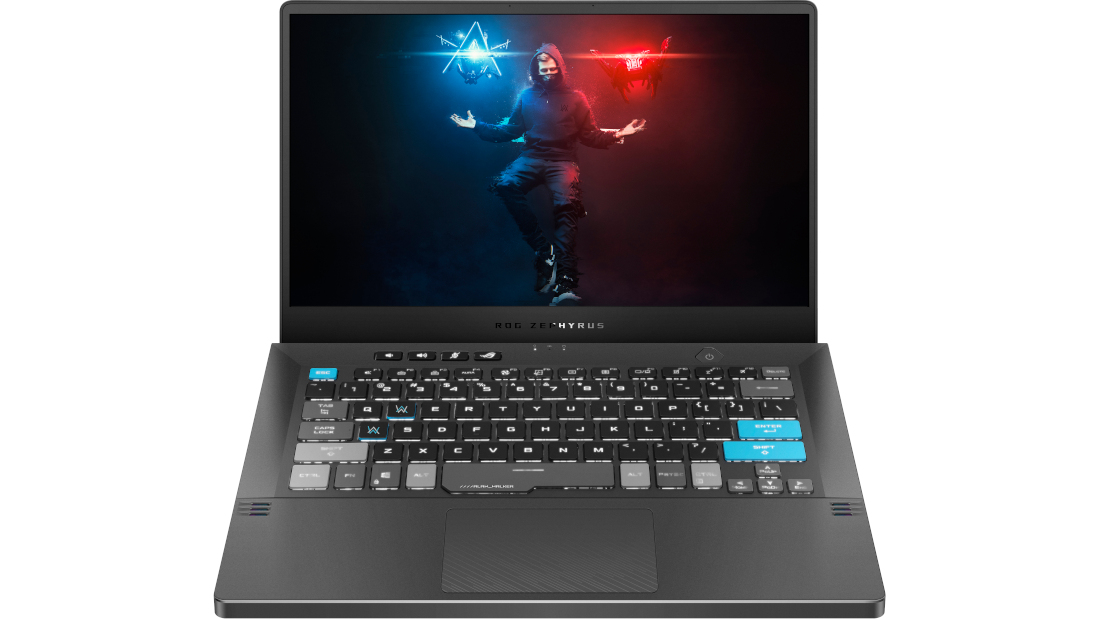
ASUS has launched a new special edition model of the ROG Zephyrus G14 gaming laptop in India. The ASUS ROG Zephyrus G14 Alan Walker Special Edition is the outcome of a partnership between ASUS and renowned artist Alan Walker.
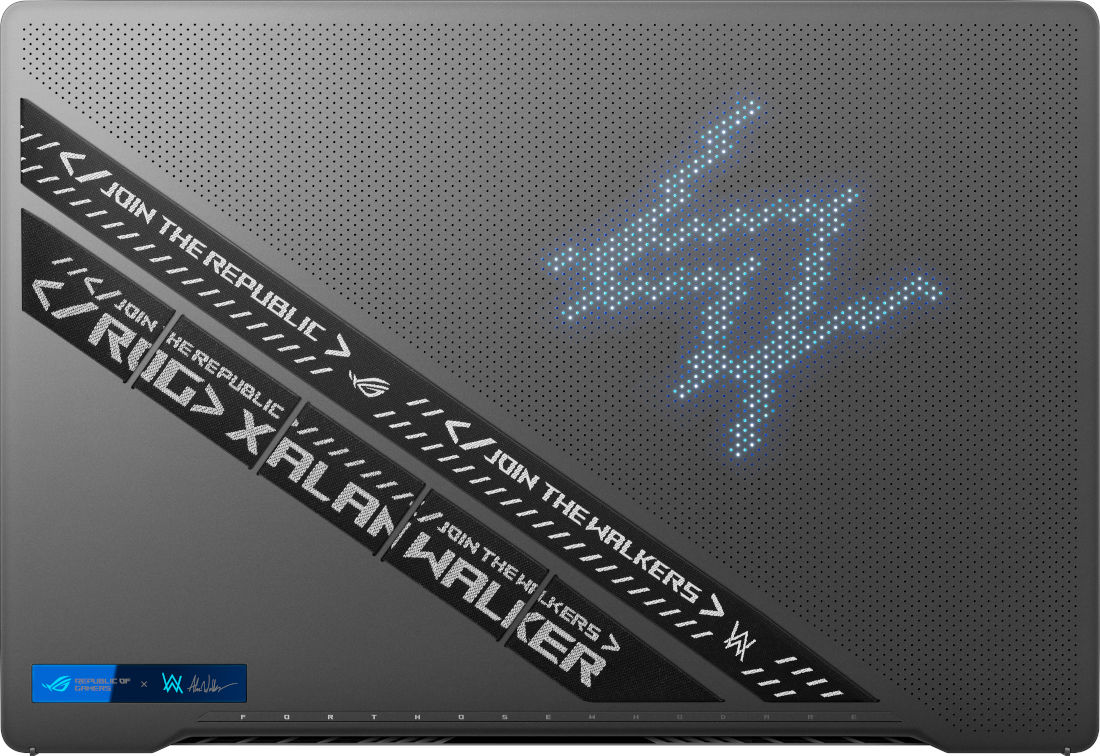
The gaming laptop features an exclusive design with a unique mix of various colors to enhance the overall aesthetic appeal of the laptop. Alan Walker’s signature is adorned on the laptop next to the ROG logo. There are two fabric belts in the design across the lids – one of them uses reflective texts which blend seamlessly with the Matrix LED lights.
The unique acrylic packaging of the gaming laptop also has capacitive pads which can function as a music sampler and remix kit. The mechanism also includes up to 18 of Alan Walker’s sound effects and animations. There is also a custom boot animation and Alan Walker wallpaper as well.
The gaming laptop is powered by an AMD Ryzen R9 processor, with 4GB of RAM and up to 1TB SSD. It has a 14-inch QHD display with a 120Hz refresh rate, with the display Pantone Validated with Adaptive Sync. The laptop offers a powerful sound output with two 2.5W speakers with Smart AMP technology, together with two 0. 7W tweeters and an Array microphone.
In terms of connectivity, the ASUS ROG Zephyrus G14 supports Bluetooth 5.1, Wi-Fi 6, and offers several input ports from USB to HDMI and a headphone jack.
The ASUS ROG Zephyrus G14 Alan Walker Special Edition is available via Amazon India for Rs. 149,990 (around $2,020).
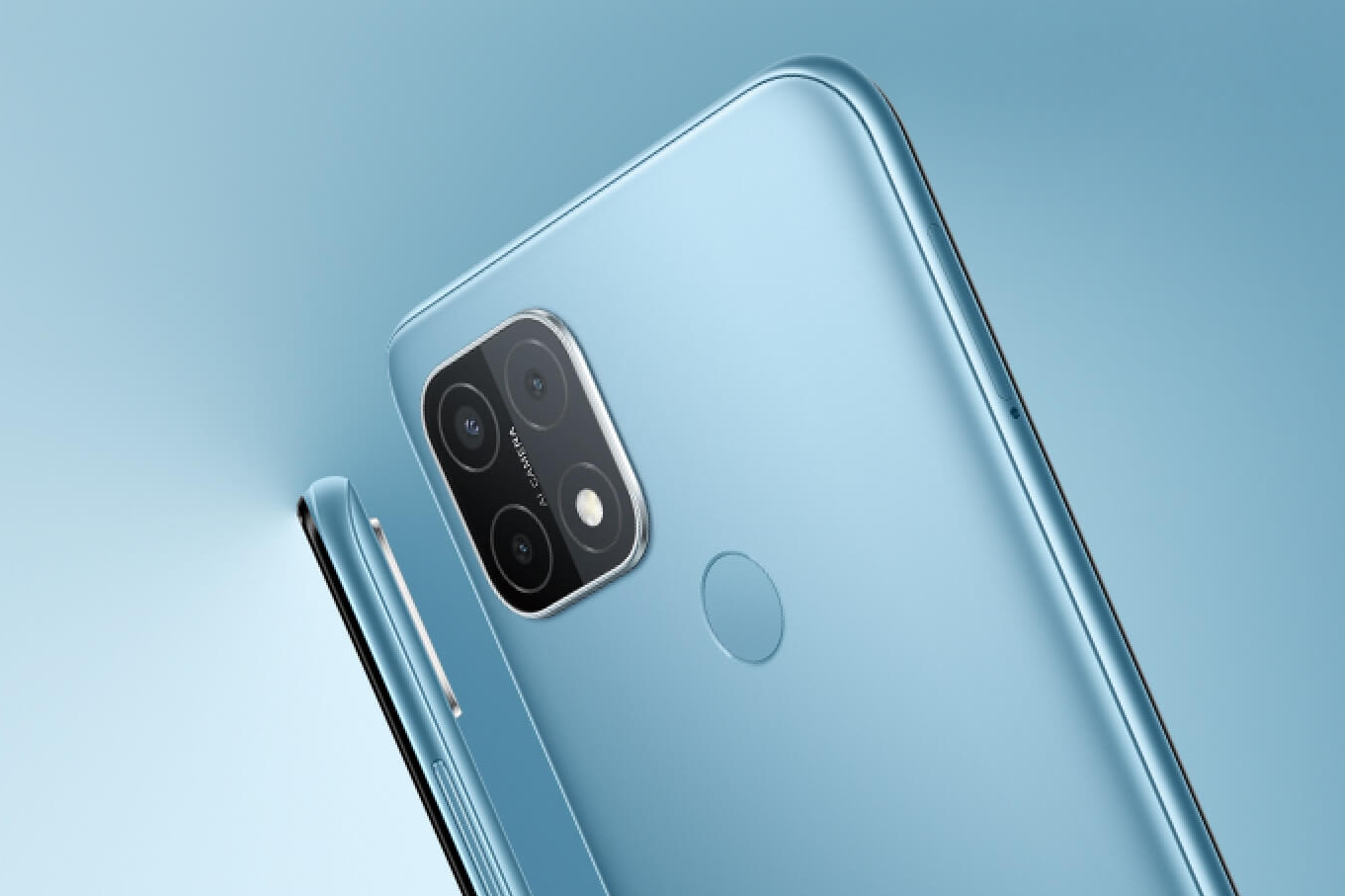
OPPO has partnered with telecom operator Jio in India to offer a price cut on the 3GB + 32GB variant of the 10-month-old OPPO A15. This version of the device carries a price tag of ₹10,990. But now, it can be purchased at ₹9,991 (₹999 off). Additionally, users can avail Jio recharge benefits worth ₹7,000 as well as no-cost EMI plans.
As far as the handset is concerned, the OPPO A15 sports a plastic build and a 6.52-inch HD+ LCD panel. It is powered by a MediaTek Helio P35 SoC coupled with LPDDR4x RAM.
The phone houses a triple camera setup on the back consisting of a 13MP primary sensor, a 2MP macro shooter, and a 2MP depth sensor. It also has a 5MP selfie camera inside a dewdrop notch.
Other features include a rear-mounted fingerprint sensor, dual-SIM, 4G, dual-band WiFi, Bluetooth 5.0, GNSS, 3.5mm headphone jack, MicroSD card slot, and a MicroUSB port. Last but not least, the smartphone runs ColorOS 7.2 based on Android 10 and it gets its juice from a 4,230mAh battery with support for 10W charging.
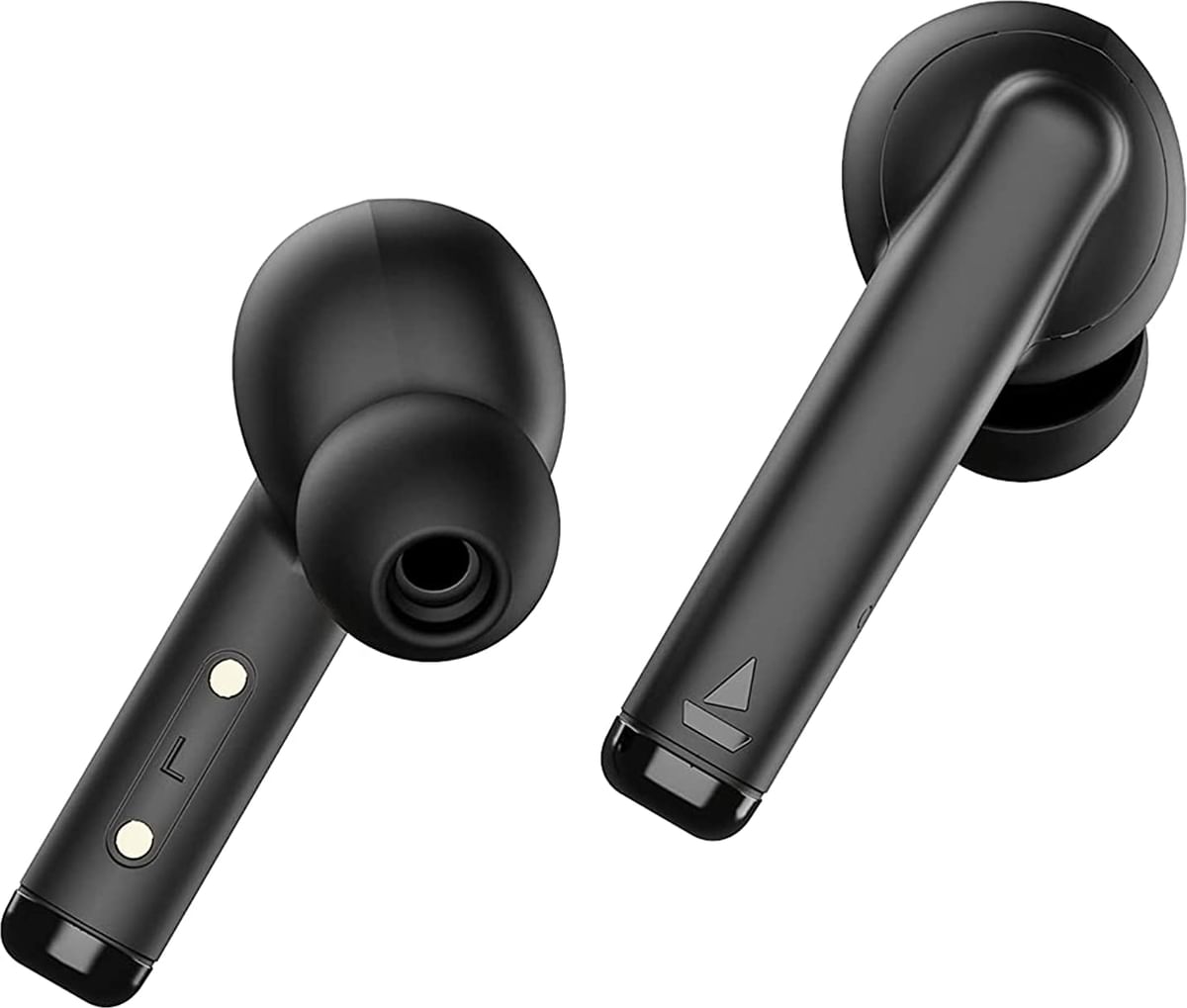
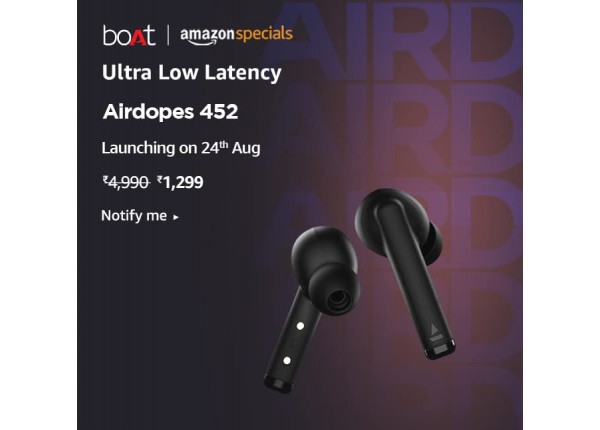
boAt has just revealed the launch date for its upcoming true wireless earbuds. The hearables in question are the new Airdopes 452 earbuds that will be available in India starting from 14th August 2021.
The Airdopes 452 will be the successor to the previously launched Airdopes 451 and arrive with various features common in current generation of TWS earbuds. This includes a new low latency mode along with improvement in audio quality. The boAt Airdopes 452 will offer users 65ms ultra low latency along with 3D Spatial Audio. The new wireless earphones arrive with a familiar design that includes a stem and will support one touch vocie assistant that is compatible with both Apple Siri and Google Assistant.
Other features include Bluetooth 5.2, touch controls, IPX4 water resistance, and a Type C charging interface. The Airdopes 452 is clearly targeted towards a more wider demographic like gamers as the low latency mode helps in reducing any lag between gameplay and audio. The new Airdopes 452 offers up to 20 hours of audio playback in a single full charge when paired with the charging case. Notably, just 10 minutes of charging can offer up to 60 minutes of playback. The earbuds will released in India through Amazonalong with its other retail partners and its own official website for a launch price of 1,299 INR (roughly 17 US Dollars).
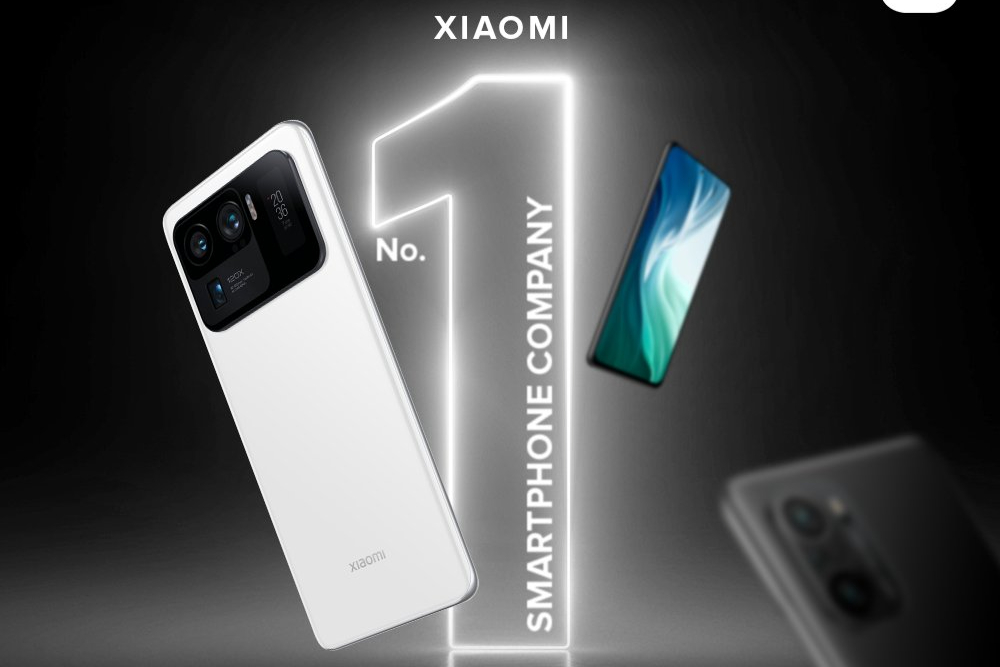
It’s a known fact that Xiaomi is the leading smartphone brand in India. According to a new announcement by the company, it has been India’s largest smartphone brand for the past 4 years. What’s more interesting is that the firm is still registering growth.
As per a tweet by Manu Kumar Jain, Managing Director of Xiaomi India, Xiaomi is India’s largest smartphone brand for the last 4 years (16 quarters). This data comes from research firm IDC.
The tweet also says that the company had a market share of 29.2% in Q2 2021. During the same quarter, the firm registered 84% YoY growth.
The company’s top executive is celebrating this achievement by running a giveaway on his Twitter handle. He says that he will be giving away Mi Smart Band 6, Mi 11X, and the upcoming Mi Notebook on reaching 500, 1000, and 4,000 retweets respectively on the announcement post. Interestingly, he does not mention the number of units for the giveaway.
Recently, Xiaomi also became the world’s largest smartphone brand surpassing both Apple and Samsung. Although the company is expected to hold this place for a short period of time, it clearly has the potential to lead the global smartphone market.
What are your thoughts on Xiaomi’s strong presence in India? Do let us know in the comment section below.
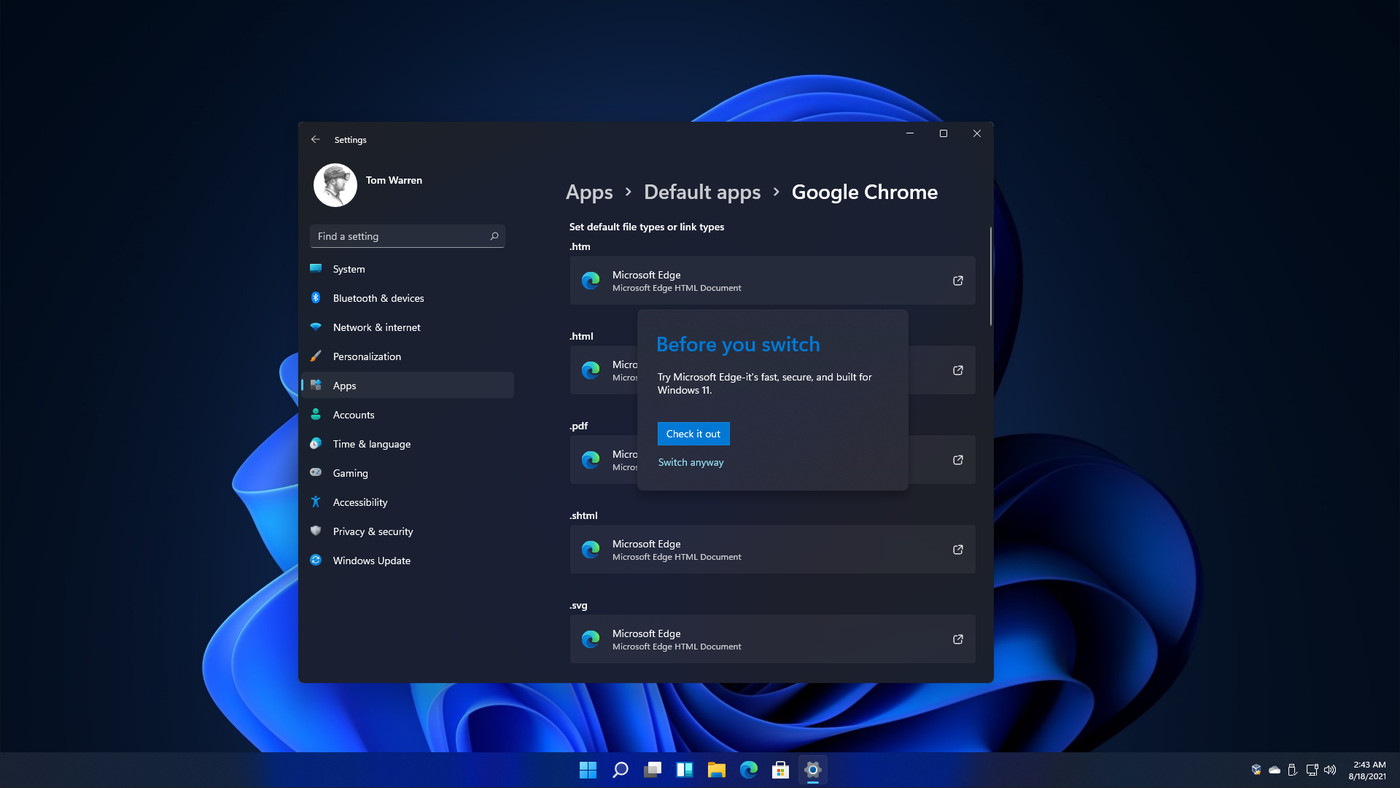
The upcoming release of Microsoft Windows 11 will apparently make the task of switching default browsers even more tedious. The latest build of the OS would make it even harder to switch browsers while also ignoring browser defaults in different areas.
According to a report from TheVerge, the American tech giant is working on bringing a lot of positive changes to the Windows 11 UI to improve user experience. However, the company is making certain changes that makes the default browser even harder to switch out for any other third party browser. In other words, those who use Mozilla Firefox, Opera, Vivaldi, or others might face inconveniences while switching to other browsers on Windows 11.
The way that the company made it harder to switch out the default Edge browser is through the OS itself. Similar to Windows 10, installing a new browser and opening a web link for the first time will offers users an easy switch browsers option. Although, this is the only easy way to switch browsers. If a user does not enable the “always use this app,” Microsoft Edge will remain as the default system browser. While in Windows 10, simply forgetting to enable this might have offered you this prompt every time you opened a link, Windows 11 has now changed this and made it even more difficult for the users.
Now, one must go the settings to set defaults by file or link type, instead of a simple single switch. Taking Google Chrome as an example, you have to now change the default file type for HTM, HTML, PDF, SHTML, SVG, WEBP, XHT, XHTML, FTP, HTTP, and HTTPS individually to Chrome rather than a single switch. This makes the process of switching unnecessarily complex and time consuming.
In the last few years, OPPO has been at the forefront of smartphone imaging. The company has invested millions of dollars in smartphone camera R&D, and we have seen the fruits of those investments through technologies like the 10X Hybrid Zoom and Under Screen Camera system. And today, at the 2021 OPPO Future Imaging Technology Launch Event, OPPO has announced three more imaging solutions for smartphones. This includes a brand new RGBW (white) sensor, a system that offers continuous Optical Zoom, and five-axis OIS technology for smartphones.
OPPO RGBW CMOS Sensor
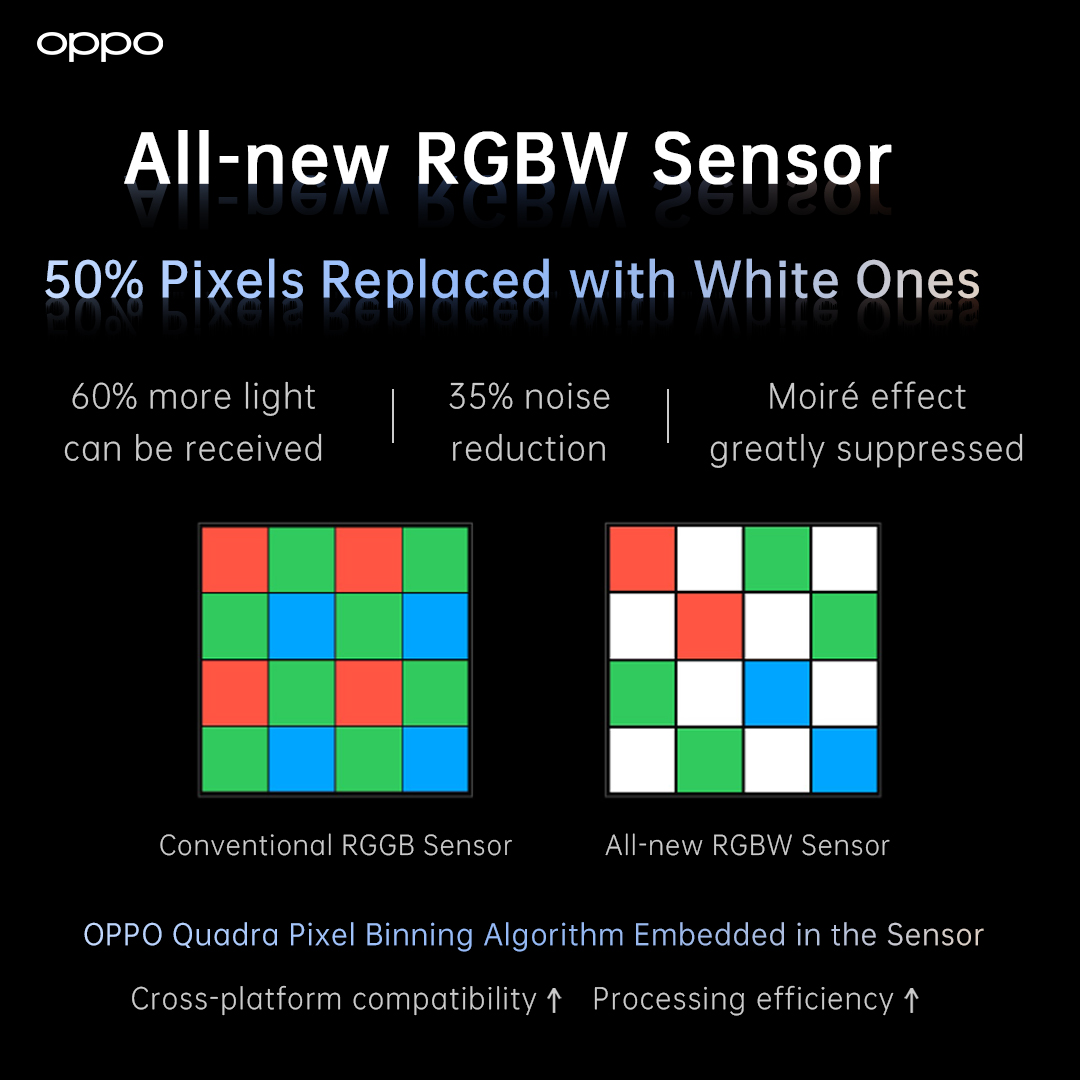
For years, companies have tried to tweak the camera sensors inside your smartphones to improve the overall image quality. Huawei developed its own RYYB sensor which did wonders for the brand and now OPPO is out with its own custom CMOS sensor featuring an additional white sub-pixel (W). The company’s new RGBW sensor will significantly increase the light sensitivity (up to 60% more light) by replacing half of the original pixels with the new white pixels along with changes in the pixel position.
Introducing white pixels to boost the light sensitivity of a CMOS sensor isn’t a novel concept. In fact, back in 2015, OPPO’s R7 series featured a similar custom RGBW pixel arrangement, but the results were less than satisfactory. One of the big reasons being, the additional white pixels can reduce the color accuracy as well add moiré effect in the photos captured, due to an increase in the sub-pixel crosstalk.
OPPO RGBW Sensor
However, after years of development, the company seems to have polished this technology by introducing a new pixel isolation tech called Deep Trench Isolation (DTI). This reportedly reduces signal cross talk and improves the overall image quality.
Further, OPPO says it’s the first smartphone company to embed a self-developed algorithm (Quadra Pixel Binning) inside a CMOS sensor, which greatly improves cross-platform compatibility as well as enhances image processing effectiveness.
How will the new RGBW sensor improve smartphone photography?
OPPO says that the new RGBW sensor will not only improve low-light photography but also enhance skin, texture, and contrast features in both photos and videos.
The OPPO RGBW sensor will be released commercially from Q4 2021.
OPPO’s Five-axis OIS for smartphones
Remember when OPPO revealed the first sensor-based (instead of lens) stabilization technology for smartphones back at MWC 2016?
OPPO Five-axis OIS
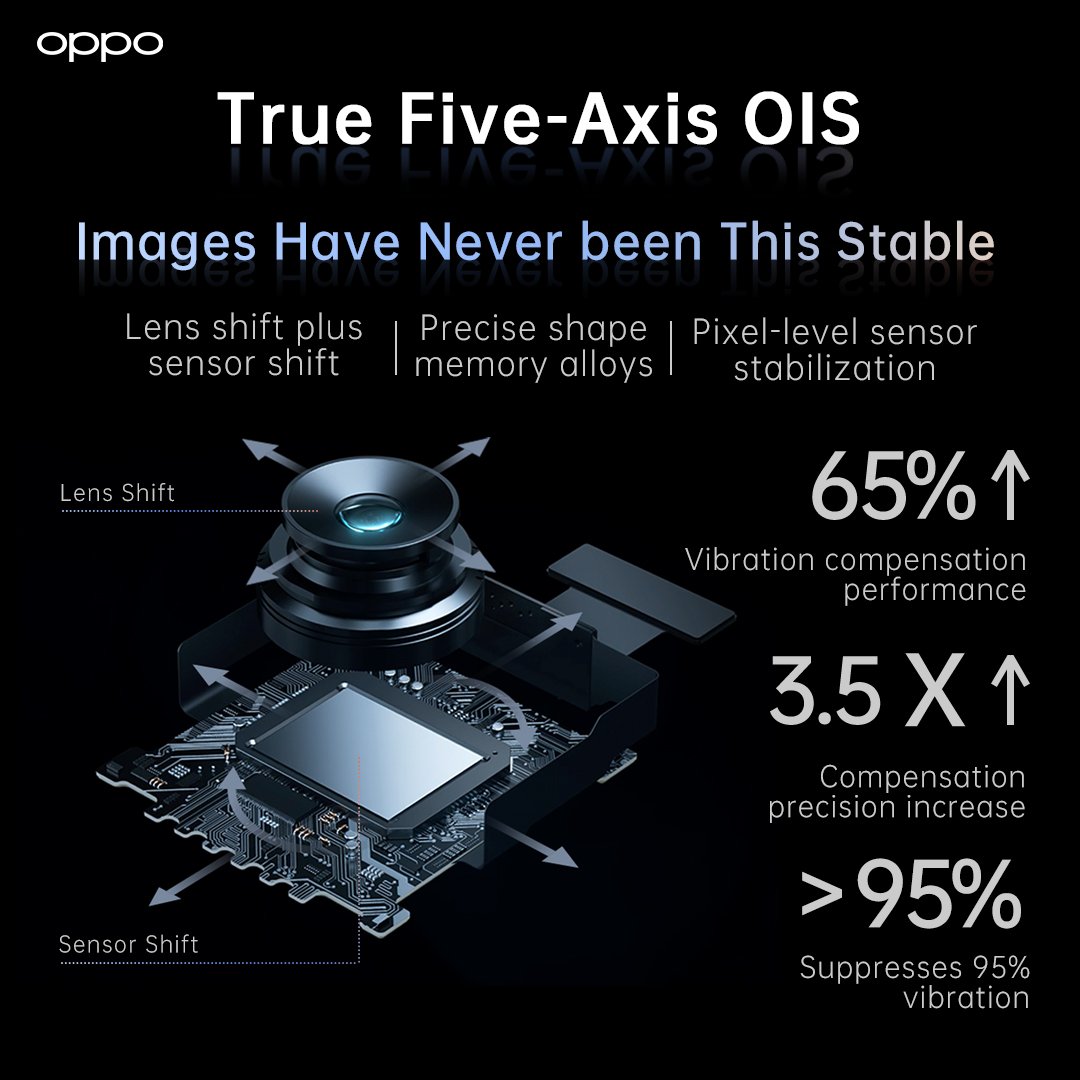
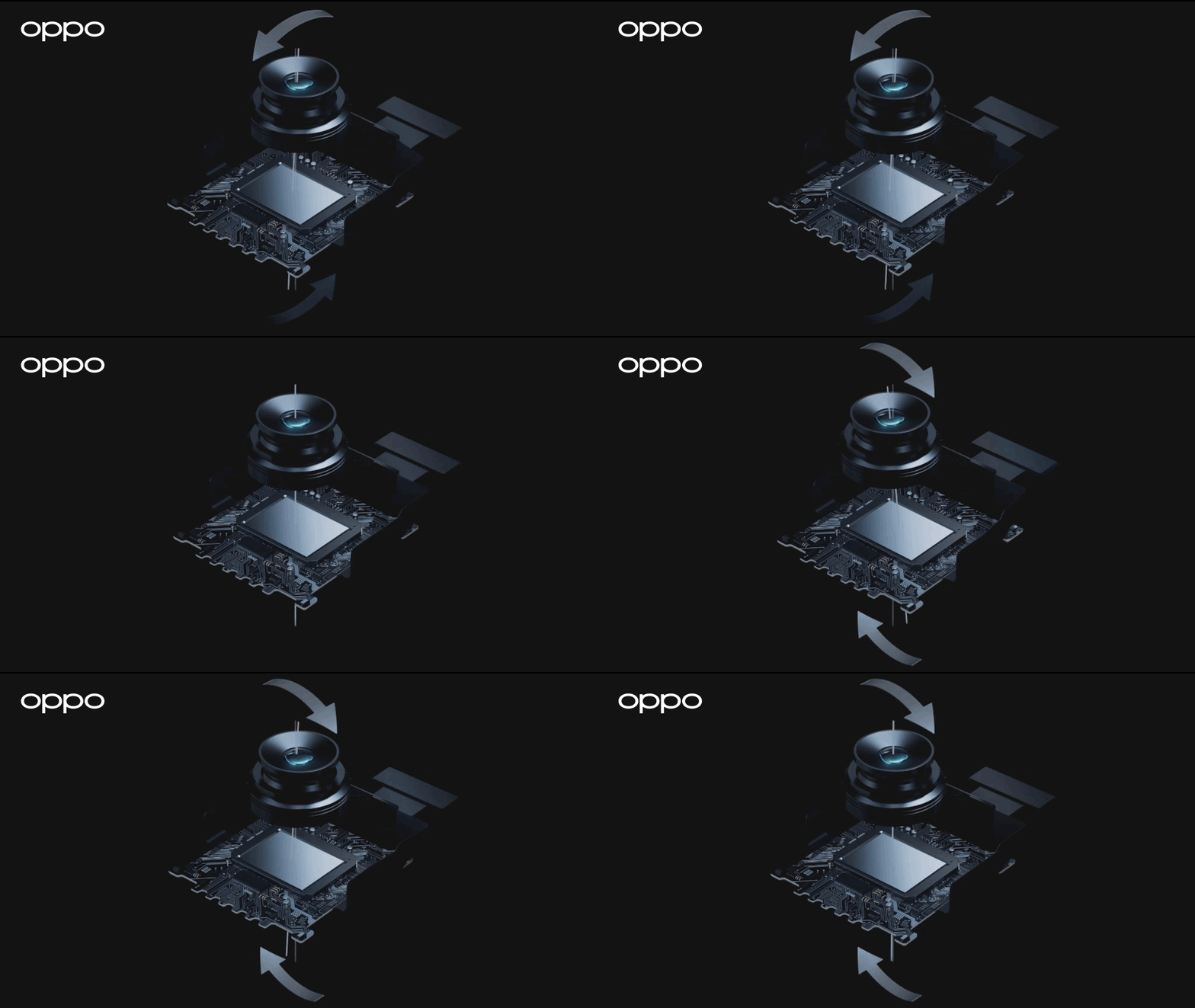
Now the company has announced the world’s first Five-axis stabilization technology for smartphones. This is made possible by using two moveable components in the stabilization system – the lens, and the image sensor. The lens is driven by ball-bearing motors, while the sensor gets shape memory alloys. As the system receives movement data from the gyroscope, it will analyze this data through algorithms and make necessary stabilization movements via its lens and image sensor.
If the movement is relatively small, only the lens-shift OIS comes into the picture, covering horizontal (X) and vertical (Y) shifts. However, when the movement is large, the sensor-shift OIS comes to the aid and covers horizontal (x), vertical (y), and rolling shifts to achieve Five-axis stabilization on the phone.
How will the Five-axis stabilization improve smartphone photography?
OPPO’s Five-axis stabilization allows a maximum angle of ±3° thereby improving OIS capabilities by 65%.
OPPO says this technology can significantly improve the stability, clarity, and color performance of the camera system for night-time or motion shots.
OPPO 85-200mm Continuous Optical Zoom
Current smartphone optical zoom solutions often utilize multiple cameras with different apertures and sensor sizes. As a result, when you are zooming into an object, the smartphone will shift between these sensors. But, as you might have noticed, there’s often a sudden jump in the Field of View, color, and white balance when shifting between two telephoto sensors.
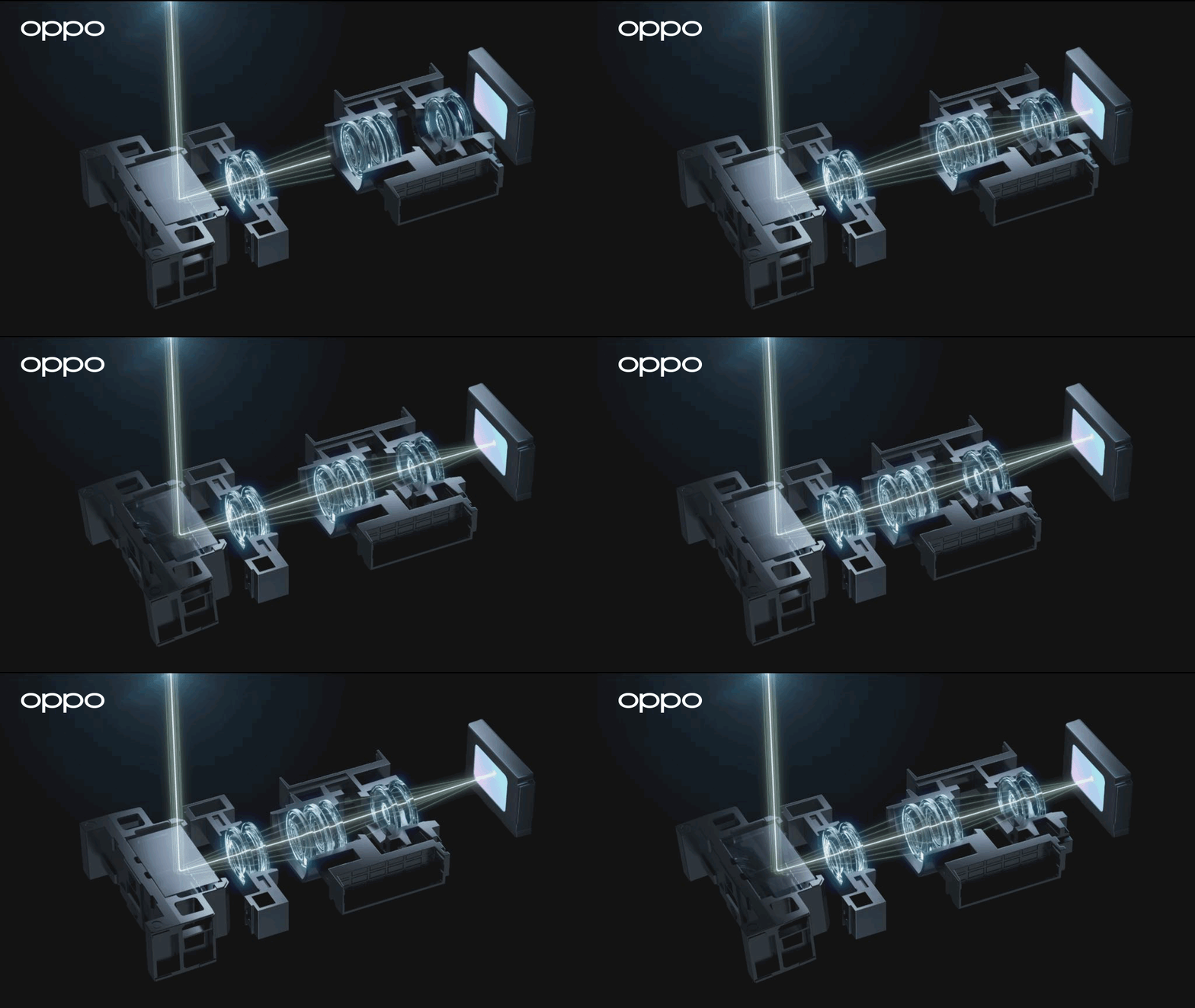
To solve this issue, OPPO has developed a continuous 85-200mm zoom system, which will offer true continuous optical zoom without the need for digital zoom or crops in between. The company utilizes a G+P (glass + plastic) lens technology (for the first time) for better optical effects, as well as a tunnel magnetoresistance sensor (TMR) that allows the lenses to move with better stability and precision. The focal length range is also pretty wide, allowing for a wide range of magnification. In short, with OPPO’s new hardware, smartphones can rely on one single system for the entire optical zoom range.
How will OPPO’s 85-200mm Continuous Optical Zoom system improve smartphone photography?
It solves the major pain point of smartphones that utilizes multiple sensors for their telephoto setup. With this system, smartphones can have a smooth transition throughout the zoom range, offering consistent and better image quality.
Unfortunately, OPPO hasn’t revealed when this technology will be available on commercial smartphones.
OPPO Next-Gen Under Screen Camera Solution
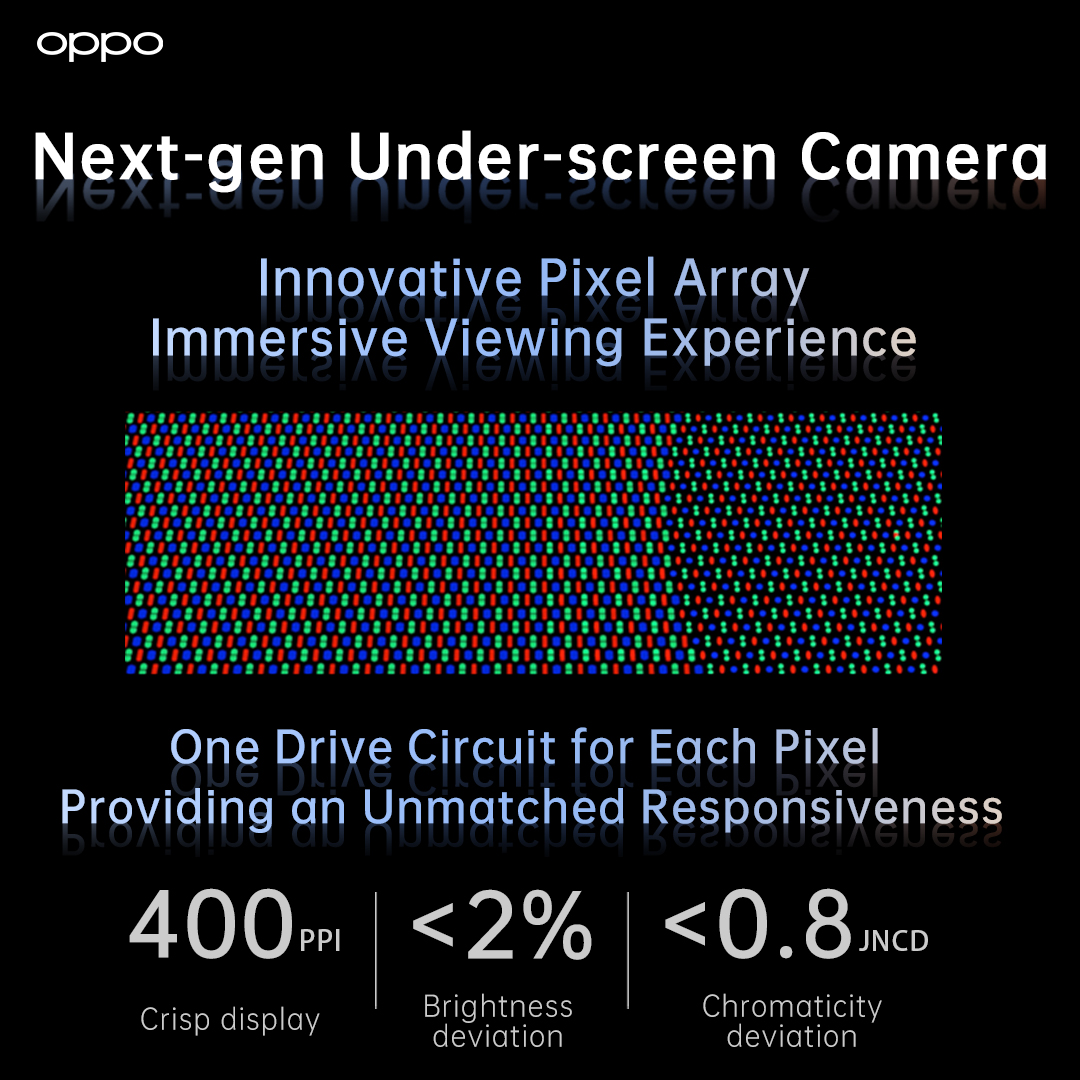
OPPO had already detailed its under-screen camera solution a couple of weeks ago. Today, the company revealed that its U.S. Research Institute has developed a set of AI algorithms like diffraction reduction, anti-condensation, HDR, and AWB (auto white balance) to optimize its under-screen camera system.
Interestingly, OPPO said in its event video that it has the best under-screen camera solution so far.
However, OPPO hasn’t revealed a time frame for its release. All we know is that the technology will be available on smartphones in the near future.
Amazon has just announced that Amitabh Bachchan will be its first Indian celebrity who’s voice will be available on Alexa earlier today (19th August 2021). Now, Indian users can add the Indian superstar’s voice to their Echo smart displays and smart speakers by pressing the mic icon on the company’s shopping application.
The e-retailing tech giant has just released the voice of one of the most influential actors of Indian cinema for its Echo devices. Keep in mind, this feature is only available for the company’s Android app. To enable this feature, the company has launched this with an introductory price of 149 INR or about roughly 2 US Dollars per year. Furthermore, users can also simply give a command to the company’s voice assistant by saying “Alexa, introduce me to Amitabh Bachchan” to purchase this ‘voice pack’ and start interacting with him through the wake command “Amit Ji.”
Notably, the Amitabh Bachchan voice for Alexa will also arrive with select content that were handpicked by the Indian celebrity himself. Users will be able to listen to stories from his life, a selection of poems from his father, tongue twisters, motivational quotes, and more. Through the “Amit Ji” command, one can also ask to play songs, set alarms, and get weather updates among other features.
Echo devices will even support commands in Hindi as well while you can now also ask the superstar to wish you on your happy birthday by saying “Amit ji, it’s my birthday.” Amitabh Bachchan also stated that “Working with Amazon to introduce my voice on Alexa was a new experience in bringing together the magic of voice technology and artistic creativity. I am excited that my well-wishers can now interact with me via this new medium, and looking forward to hearing how they feel about this.”
Samsung is tipped to launch the Galaxy M52 5G and the Galaxy F42 5G in India in September. Ahead of that, the company has officially confirmed to release the Galaxy M32 5G in the country. In fact, the firm has already revealed all the key features of this handset on Amazon India.
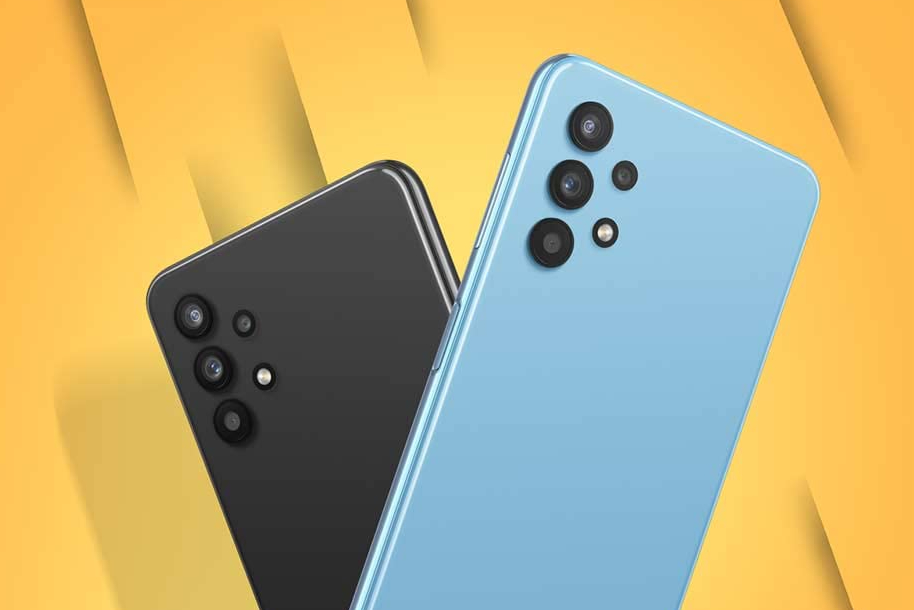
According to a promotional page on Amazon India, the Samsung Galaxy M32 5G will launch in India on August 25 at 12 PM. As per the images of the phone as well as its features, it will be nothing but a rebranded Galaxy A32 5G.
Anyway, the company has confirmed that the device will come with 12 5G bands, 2 years of OS updates, and Knox security, just like the recently launched Galaxy A22 5G in the country.
As far as specs are concerned, the Galaxy M32 5G will sport a 6.5-inch HD+ TFT LCD panel with a dewdrop notch. It will be powered by a MediaTek Dimensity 720 SoC, however, the storage variants for India are a mystery for now.
Further, the handset will have a quad-camera setup consisting of a 48MP primary sensor, an 8MP ultra-wide unit, a 5MP macro shooter, and a 2MP depth sensor. As for selfies and video calls, it will use a 13MP snapper.
Other features of the device will include a side-mounted fingerprint sensor, 3.5mm headphone jack, MicroSD card slot, USB Type-C port, 5,000mAh battery, 15W fast charging, and One UI Core 3.1 based on Android 11.
We use cookies on our website to give you the most relevant experience by remembering your preferences and repeat visits. By clicking “Accept”, you consent to the use of ALL the cookies.
This website uses cookies to improve your experience while you navigate through the website. Out of these, the cookies that are categorized as necessary are stored on your browser as they are essential for the working of basic functionalities of the website. We also use third-party cookies that help us analyze and understand how you use this website. These cookies will be stored in your browser only with your consent. You also have the option to opt-out of these cookies. But opting out of some of these cookies may affect your browsing experience.
Necessary cookies are absolutely essential for the website to function properly. This category only includes cookies that ensures basic functionalities and security features of the website. These cookies do not store any personal information.
Any cookies that may not be particularly necessary for the website to function and is used specifically to collect user personal data via analytics, ads, other embedded contents are termed as non-necessary cookies. It is mandatory to procure user consent prior to running these cookies on your website.