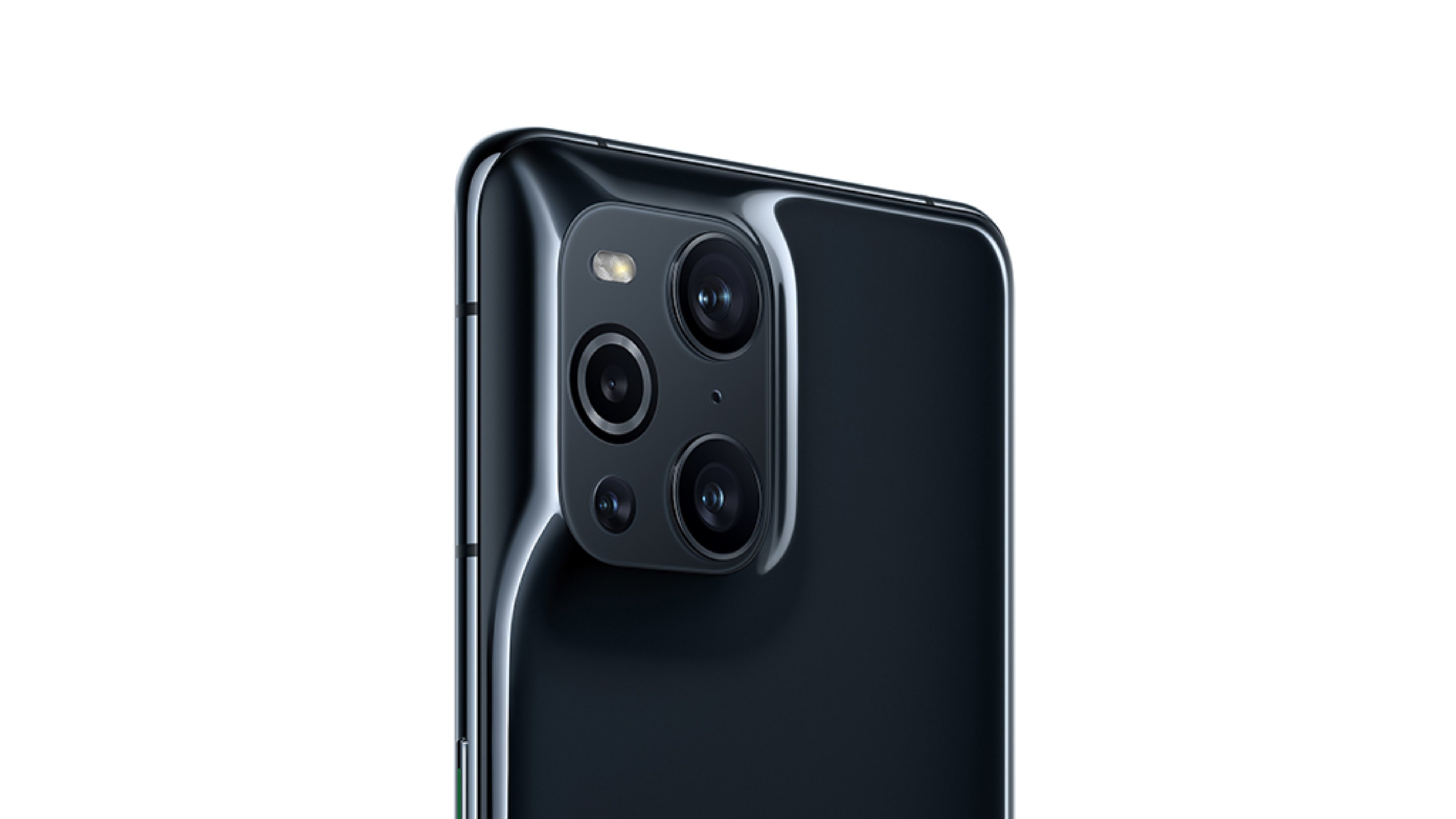
Chinese smartphone brand iQOO is expected to launch the iQOO 8 series as soon as early August. Ahead of that, these handsets will be showcased at an upcoming conference in China. This piece of information comes directly from the company’s official Weibo account.
A few hours back, the official iQOO Weibo account shared a teaser poster for the next iQOO series of smartphones. As per the teaser image, the forthcoming handsets will be presented at the ChinaJoy conference, which is scheduled to take place from July 30 to August 2 in Shanghai.
The company is yet to officially reveal the name of these devices. However, multiple leaks have suggested them to carry iQOO 8 branding.
According to previous reports, one of the iQOO 8 series models will sport a QHD+ display with a resolution of 3200 x 1440 pixels. It will be powered by a Qualcomm Snapdragon 888+ SoC paired with 12GB RAM, 4GB virtual RAM, and 256GB storage. As for software, it will run OriginOS 1.0 for iQOO based on Android 11.
Since the current-gen iQOO 7 series features a similar design and specs as the vivo X60 series, the upcoming iQOO 8 will be mostly identical to the vivo X70 series.
What do you expect from the iQOO 8 series? Do let us know in the comment section below.
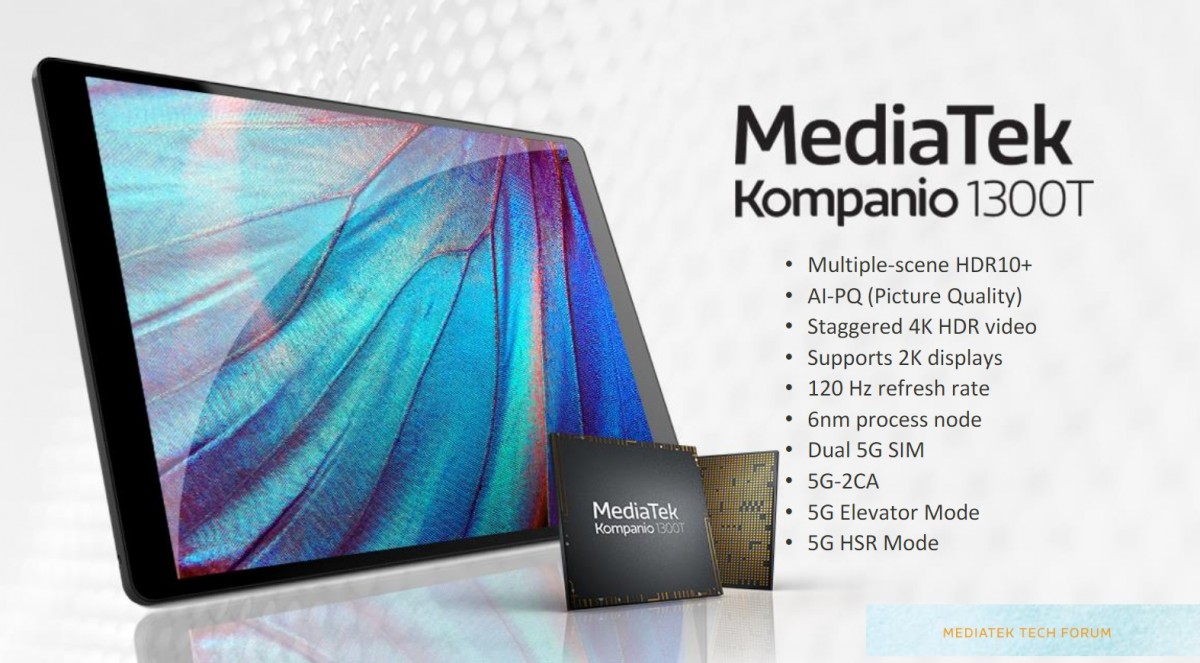
Taiwanese semiconductor manufacturer MediaTek has announced a new chipset for tablets and ARM-powered laptops dubbed Kompanio 1300T. The chipset takes over from the Kompanio 1200 with model number MT8195 which was unveiled in November last year.
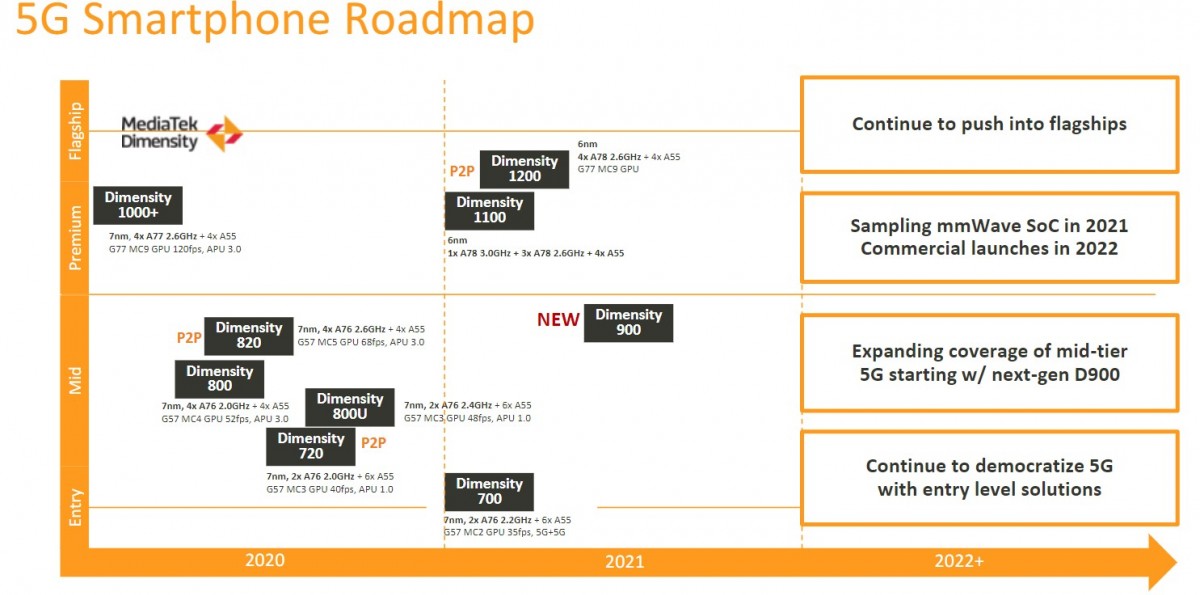
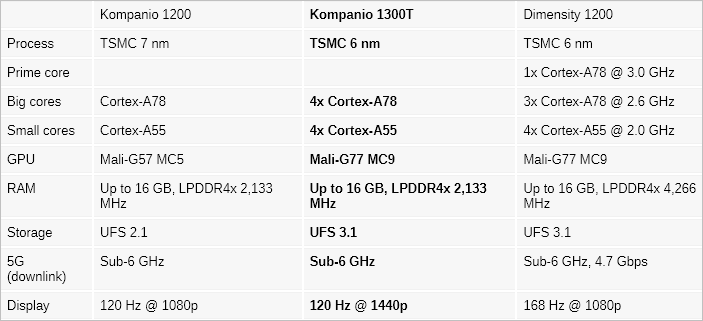
The new chipset features a flagship architecture similar to the Dimensity 1200 smartphone chipset. In this light, it is built on TSMC’s 6nm node and utilizes an octa-core processor. The processor consists of four big Cortex-A78 cores and four small Cortex-A55 cores. The GPU saw the major upgrade as the chipset bundles a nano-core Mali-G77 MC9 GPU which is superior to the Mali G57 MC5 utilized by the Kompanio 1200.
Furthermore, the Kompanio 1300T is integrated with a sub-6 GHz bands 5G modem which supports dual-SIM and dual-channel carrier aggregation. It features support for two 1080p displays which isn’t bad considering that it is a chipset for tablets and laptops and not for dual-screen smartphones. However, for a single display, it supports a resolution of up to 1440p with a 120Hz refresh rate, as well as HDR10+ video playback. Combined with the 5G connectivity which brings a low-latency connection for video gaming, the display is well suited for gaming.
Kompanio 1300T vs Dimensity 1200 vs Kompanio 1200 (source GSMArena)
The new chipset also brings support for cameras with a maximum of 108MP sensors and 4K video recording at up to 60 fps. It also integrates an APU that enables features like AI Picture Quality (AI-PQ) and voice commands. The chip also supports Wi-Fi 6 and Bluetooth 5.2.
MediaTek did reveal that the Kompanio 1300T will feature in tablets from the third quarter of this year (July-September). The company didn’t reveal the first tablet that would feature the chipset but a popular tipster Digital Chat Station had earlier confirmed that the Honor V7 Pro that is expected to be launched in mid-August will feature the 1300T.
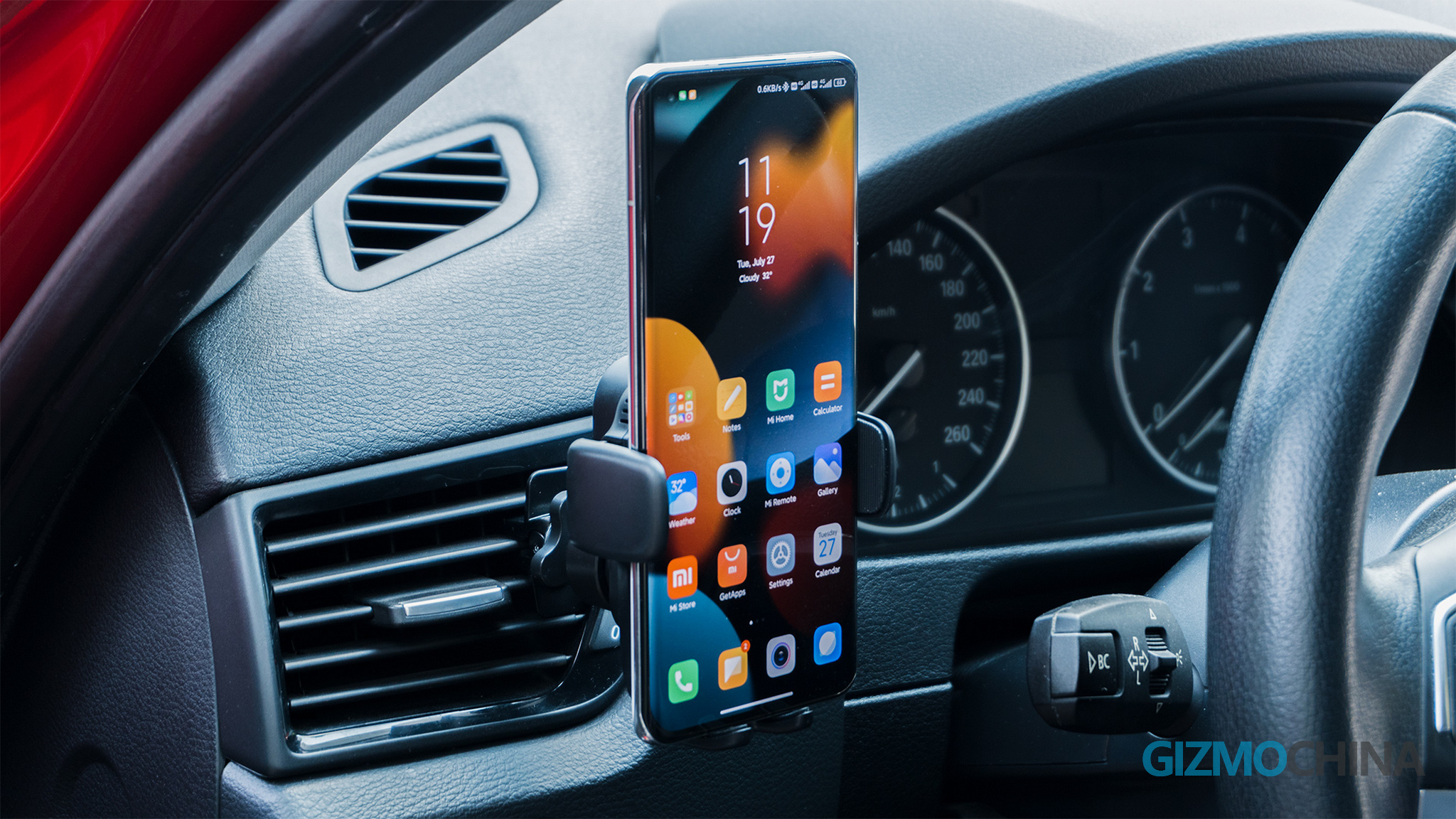
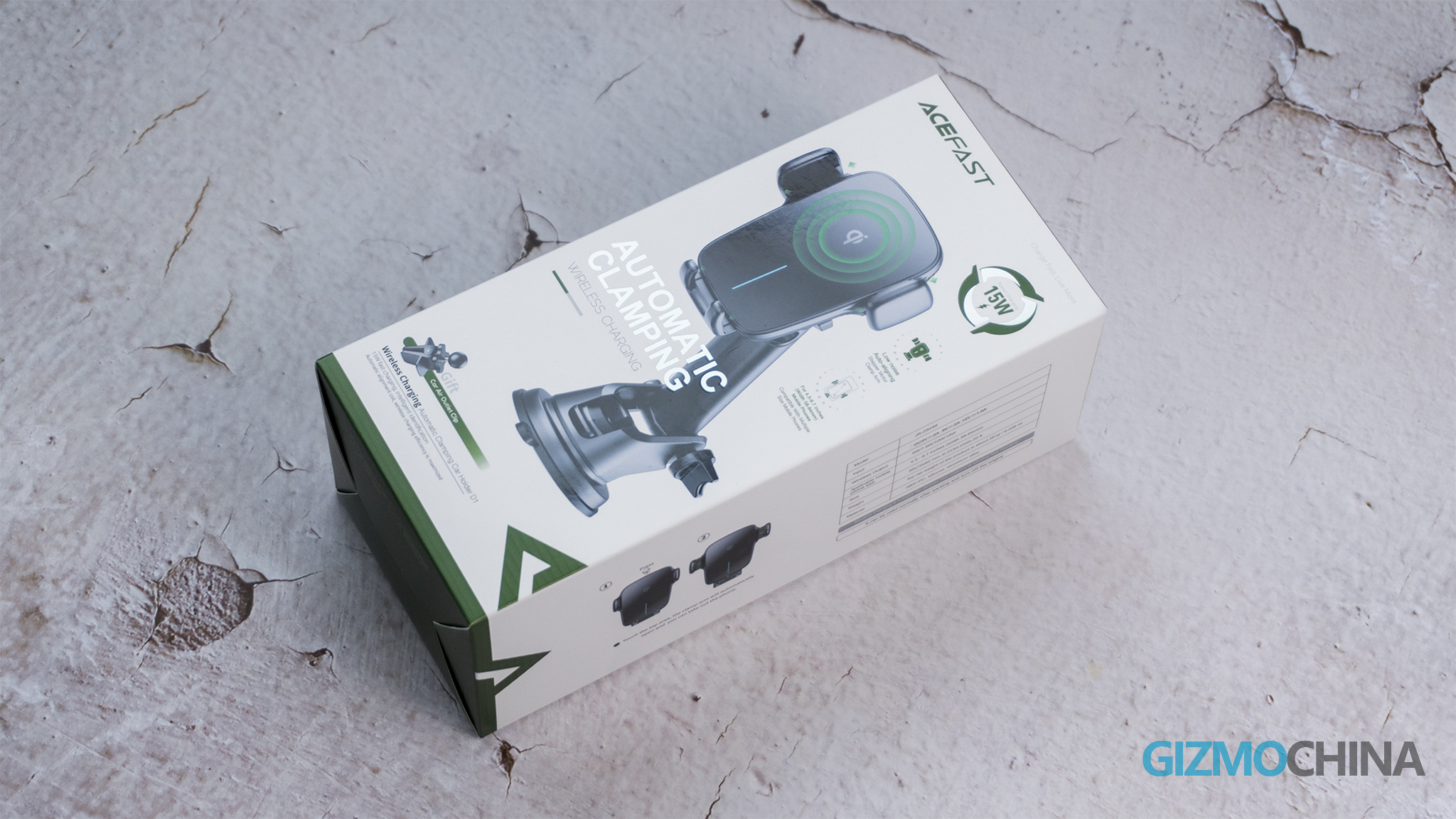
Wireless car chargers have become popular among car owners. And if you were wondering which wireless car charger to get this year, the ACEFAST’s D1 Fast Wireless Car Charger can be a good option. Personally, I think the ACEFAST D1 meets all my needs for a wireless car charger.
ACEFAST D1 Hands-on: Unboxing
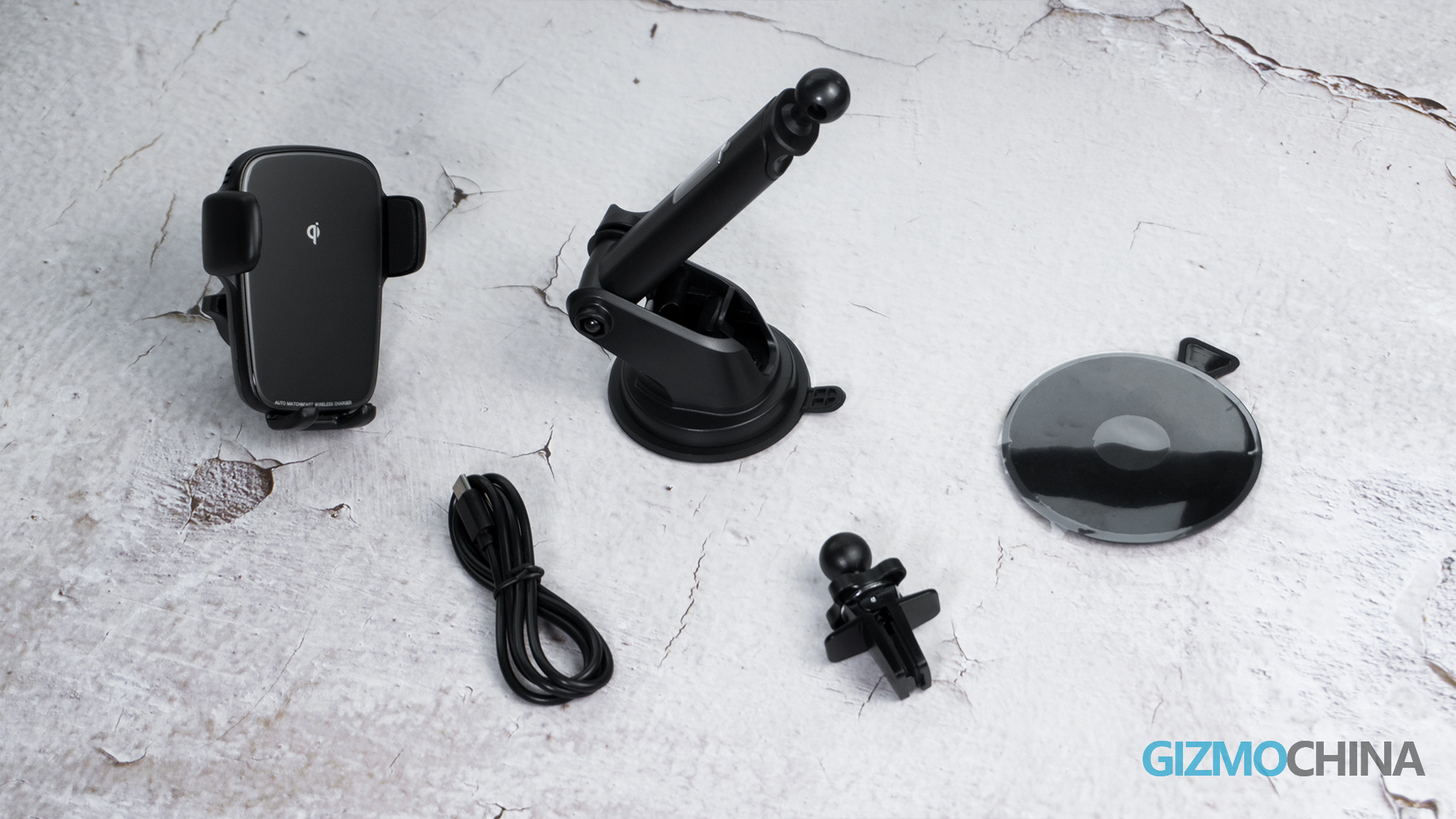
Let’s first start with the unboxing. The box contains a Holder, an Air vent outlet clip, a Center console base, a Type-C cable, a Sticky base, and a Manual. Yes, you can use it using two different methods: You can use the Suction cup to fix it on the Windshield or Dashboard. Or you can use the center console base that has a 360° rotating ball joint, ideal for AC vents. It can also be extended or shortened. The design of the bottom of the Holder also allows you to plug in a Type-C cable for wired charging when you don’t like the slow wireless charging option. The ACEFAST D1 uses a similar mounting design opted by most brands in the market, which also shows that these two fixing solutions are really the best available options at present.
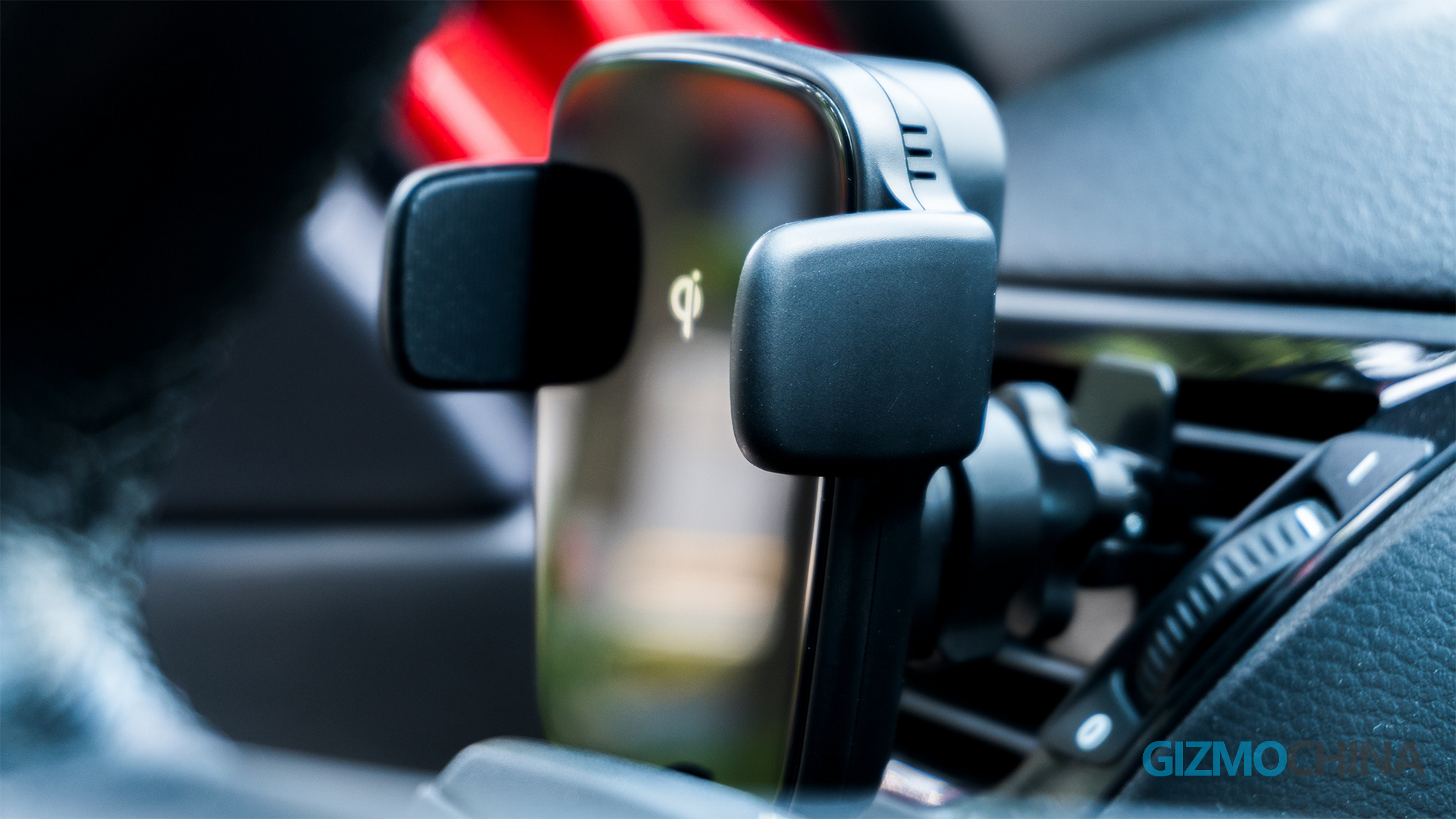
You can set your phone at any angle by rotating the base (360-degrees) according to your requirement.
ACEFAST D1 Hands-on: Wireless Charging
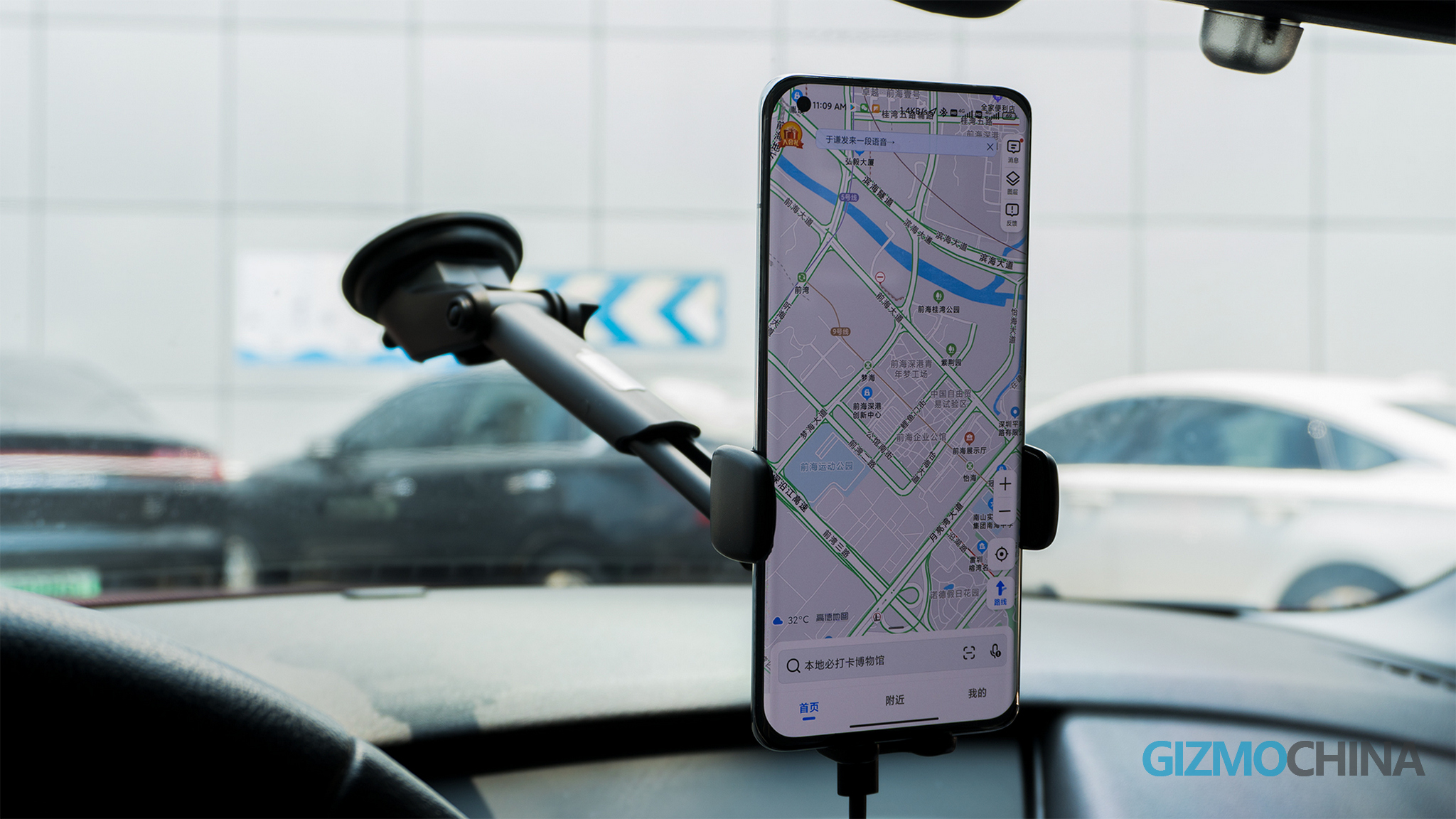
The ACEFAST D1 wireless car charger uses the universal Qi wireless charging protocol, which is not only compatible with all kinds of cell phones but also supports up to 15w charging power for phones from LG and 10w and 7.5w for Samsung cell phones and iPhones. 15W is currently the highest power supported by third-party wireless chargers. It will also ensure that you can at least charge your device when using GPS navigation.
ACEFAST D1 Hands-on: Cool Features
When you plug in the charging cable, it automatically opens the Silicone arm, and when you put the phone down, it automatically closes. To take the phone away, you need to touch the button on the top of the Holder and it will open the Silicone arm, all in the same way as other brands.
The reason I recommend the ACEFAST D1 over other brands is that it has many details that are very well done. For example, there are some cars that will stop supplying power to the Wireless Charger Car Mount Holder when you turn off the ignition. As most chargers don’t have a built-in battery, when you want to take the phone off you have to use your hands to break its arm. Interestingly, the ACEFAST D1 has a built-in battery, so this situation will not occur.
Another example is that the location of the wireless charging coil is different for different brands of phones. The ACEFAST D1 has the function of automatically detecting the position of the wireless coil and can automatically adjust the position of the phone to the position with the highest charging power. So there is no need to worry about the problem of not being able to use it for your particular model.
While the charger will fulfill most of your needs, it doesn’t mean the ACEFAST D1 has no drawbacks? One complaint I have is about its top button. It is not very sensitive, which means sometimes you have to press a couple of times for it to work.
Other than that, I think it is a perfect Wireless Charger Car Mount Holder.
OnePlus is known for releasing two flagship smartphone series every year since 2016. The company’s premium handsets for the second half of the year come under the OnePlus T series. According to a reliable tipster, there won’t be a T model in 2021.
If OnePlus releases a T series device this year, it would be most likely called OnePlus 9T. This so-called handset is being rumored for the past few weeks.
But now, as per Max Jambor, a well-known leaker, OnePlus will not be launching the OnePlus 9T this year. Unfortunately, his short tweet does not mention the reason.
Since OnePlus is known for making announcements before the launch or cancellation of any product, we expect the brand to reveal why it isn’t releasing the OnePlus 9T. But anyway, like always, the company won’t be giving a straightforward answer.
We think the cancellation of the OnePlus 9T could be due to the shortage of semiconductors, especially the flagship Qualcomm Snapdragon 888. The upcoming Galaxy S21 FE is also delayed because of the same reason.
Anyway, it also makes sense for the brand to not release another high-end device in the second half of the year since there aren’t any huge improvements when compared to the models released in the first half. Hence, there was no OnePlus 8T Pro last year as opposed to the OnePlus 7T Pro a year prior.
Maybe, the company will quietly discontinue the OnePlus T series next year. That said, what are your thoughts on this situation? Do let us know in the comment section below.
While Google is gearing up for the launch of the public release of Android 12 in the arriving months, new information has just surfaced regarding the next iteration of the operating system. The company might have decided on the dessert name of Android 13 “T”.
According to a commit on the AOSP Gerrit (spotted by @_cdesai, Via XDADevelopers) the search engine giant has apparently decided upon the name for the next generation of Android operating system. The Android 13 “T” will be internally called Tiramisu. At the moment, this is the first mention of the internal codename for the next iteration of Android, while the new OS will be publicly referred to as simply “Android 13.”
For those unaware, the company is used to calling its Android versions with a dessert name. This has been a tradition for around a decade, although, the brand stopped the tradition starting with the Android 10 (Android Q) OS and even rebranded the Android platform. However, the dessert names are still being continued as codenames internally, with Android 10 being Quince Tart, Android 11 was named Red Velvet, and Android 12 was Snow Cone.
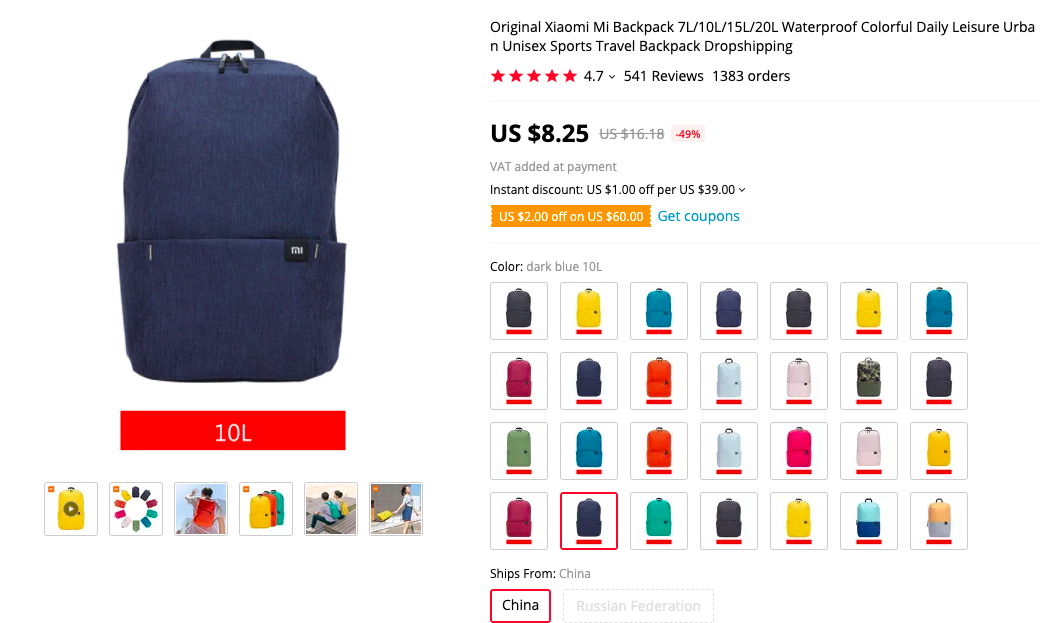
AliExpress is giving out an amazing deal on Xiaomi Mi Backpack 7L, 10L, 15L, and 20L. The backpacks which sell at around $25 are now available for as low as $8.25 only.
The original Xiaomi Mi Backpack is known for its aesthetic design and superior quality. Made with 100% polyester microfibre, the backpack is lightweight and durable and the water-repellent shell fabric makes it ideal for your rainy adventures.
The unisex design comes with one large pock big enough to carry your laptops, books, clothes, etc, and 3 small side pockets large enough to hold your umbrella, water bottle, wallet, mini pad, phone, keys, lights, etc. The front pocket is ergonomically designed for easy and quick use without removing the backpack from your shoulders.
Additional features like anti-wrinkle, water-resistant, and foldable make this backpack perfect for your travel, adventure sports, work, school, and university needs.
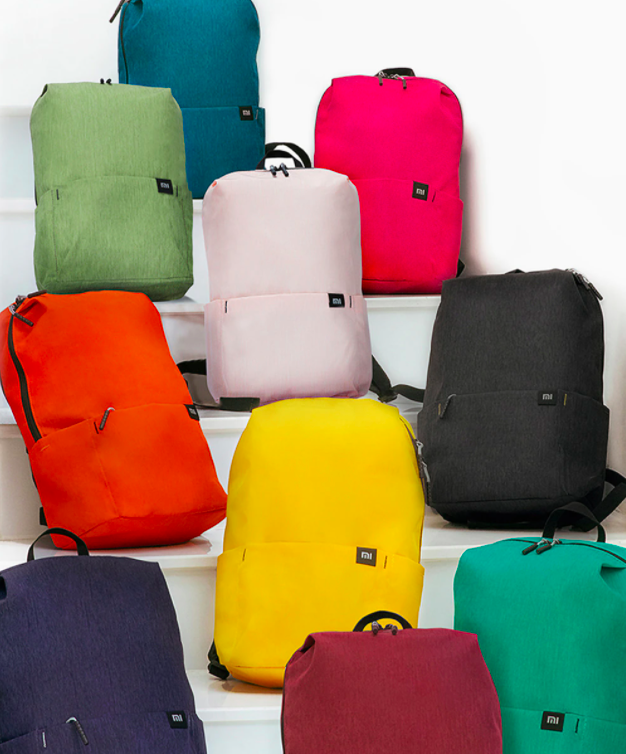
The original Xiaomi Mi Backpack is perfect for almost all your needs and comes in 10 different colors and 4 sizes viz: 7L, 10L, 15L, and 20L. You can buy the 7L backpack for as low as $8.25 and the 20L backpack is available at a discounted price of $12.84 only. Please note that the price changes according to the capacity and color. So make sure to choose the appropriate option before placing the order.
For more information on such exciting deals and offers check out ourdeals hub.
* Please Note: When you buy something using the links in our articles, we may earn a small commission at no cost to you.
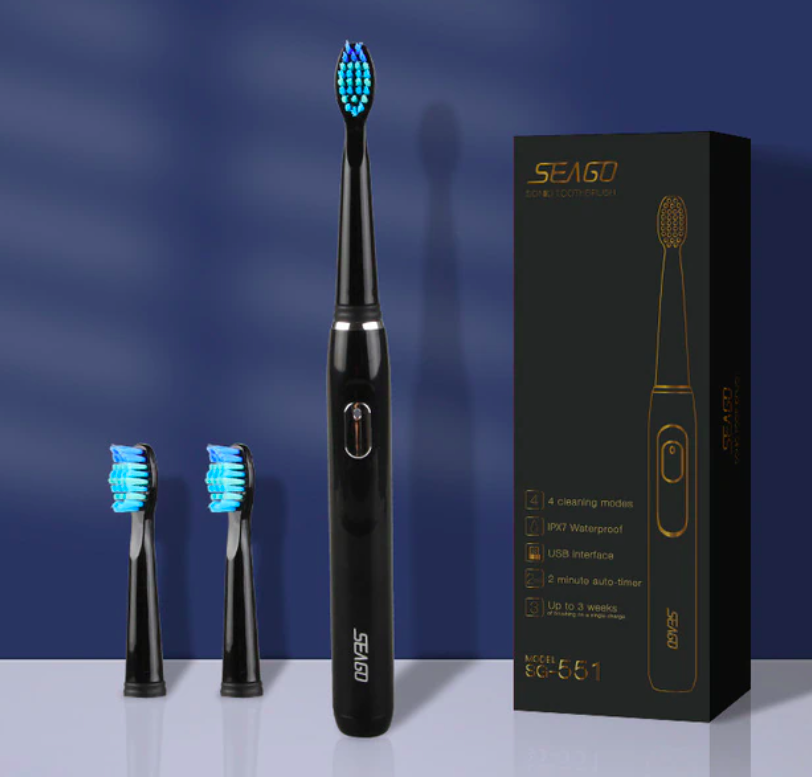
Removes up to 7 times more plaque than a manual toothbrush
High cleaning frequency: max 40000 times / min
Help scientific brushing habit: 30s + 2mins Smart Timer (In-handle timer pulses every 30 seconds to let you know when to switch areas of the mouth, 2 minutes end brushing reminder )
Premium high-density bristles: Antibacterial and durable, go deep into wisdom teeth, gum gap and quickly clean dental plaques
IPX7 full body waterproof level for direct washing
Battery life: Approximately 30 days (Twice a day, 2 minutes each)
4 High-Efficiency Cleaning Modes
Whiten-For removing surface stains
Clean-For Daily Clean
Polish -For Brightening And Polishing Teeth
Massage-For Gentle Massage
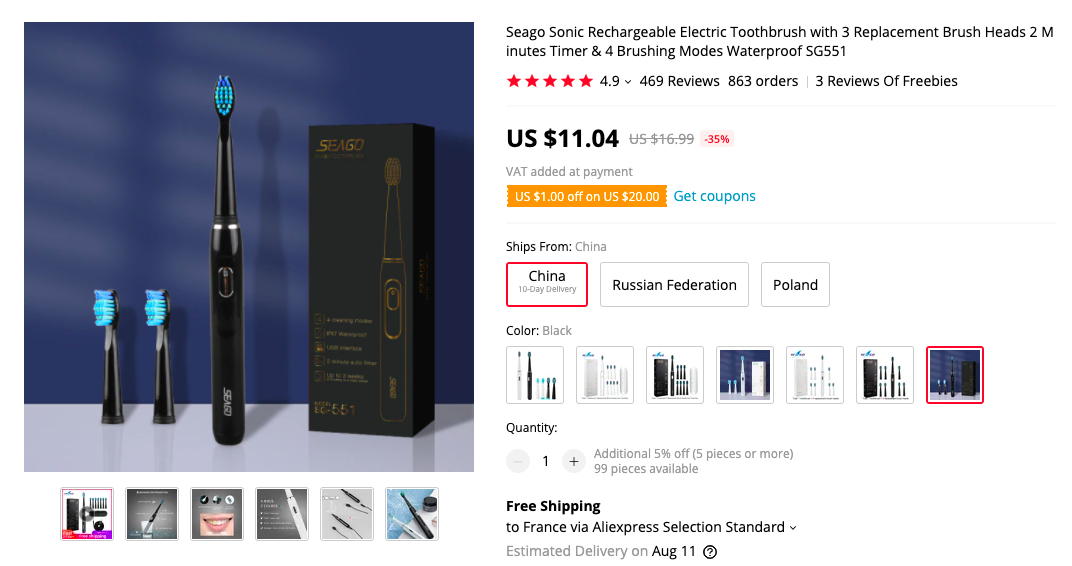
Generally retailing for $20, you can now buy Seago SG-551 Electric Toothbrush at a discounted price of $11.04 only at AliExpress. Please note that this price is applicable to the White and Black -3 Brush head bundle only. This is a limited-time offer. So place your order asap.
For more information on such exciting deals and offers check out ourdeals hub.
* Please Note: When you buy something using the links in our articles, we may earn a small commission at no cost to you.
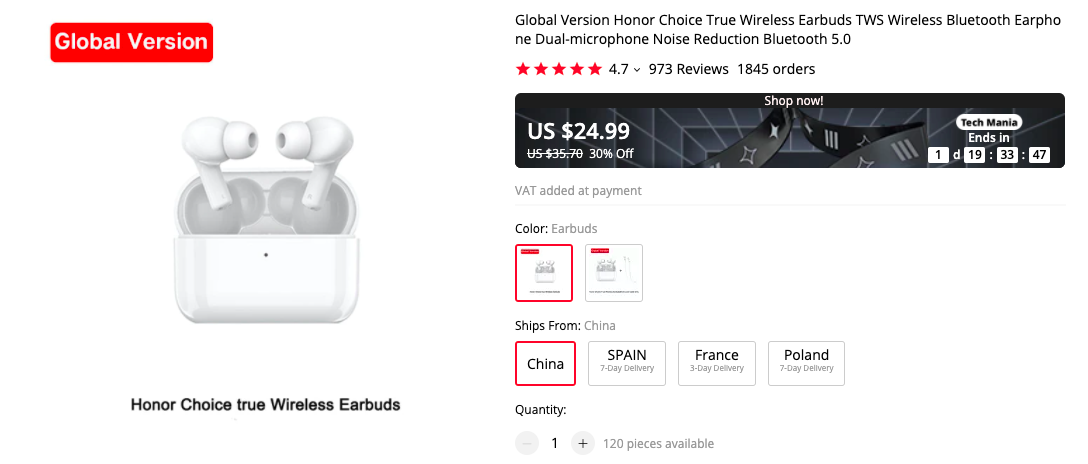
Honor Choice TWS Earbuds Global Version which generally retails for $35 is now available at a discounted price of $24.99 only at AliExpress. This deal ends tomorrow.
Generally retailing for $35, you can now buy Honor Choice TWS Earbuds Global Version at a discounted price of $24.99 only at AliExpress. This price is applicable to orders made from the China warehouse only. This deal ends tomorrow. So place your order asap.
For more information on such exciting deals and offers check out ourdeals hub.
* Please Note: When you buy something using the links in our articles, we may earn a small commission at no cost to you.
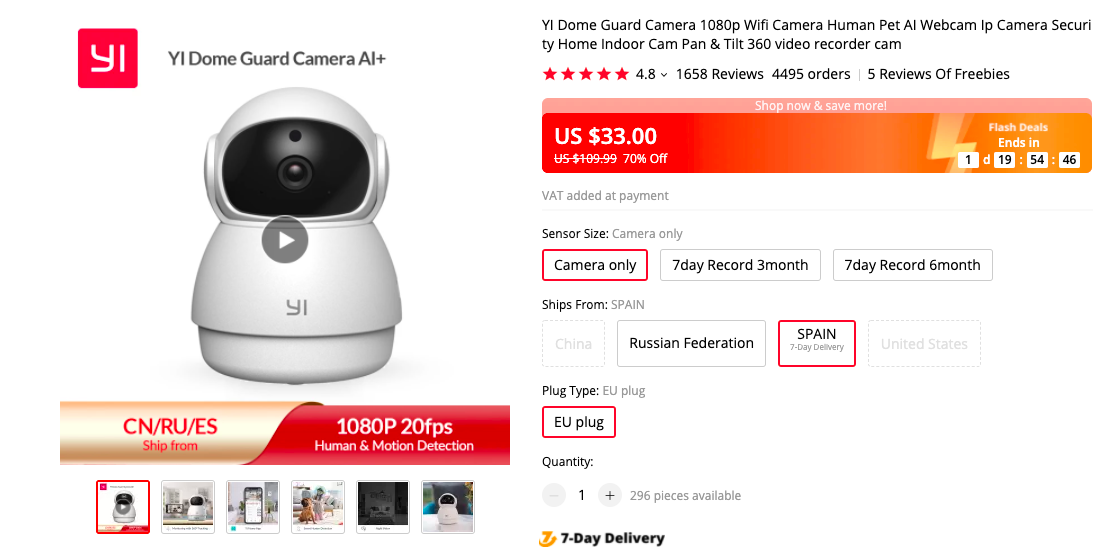
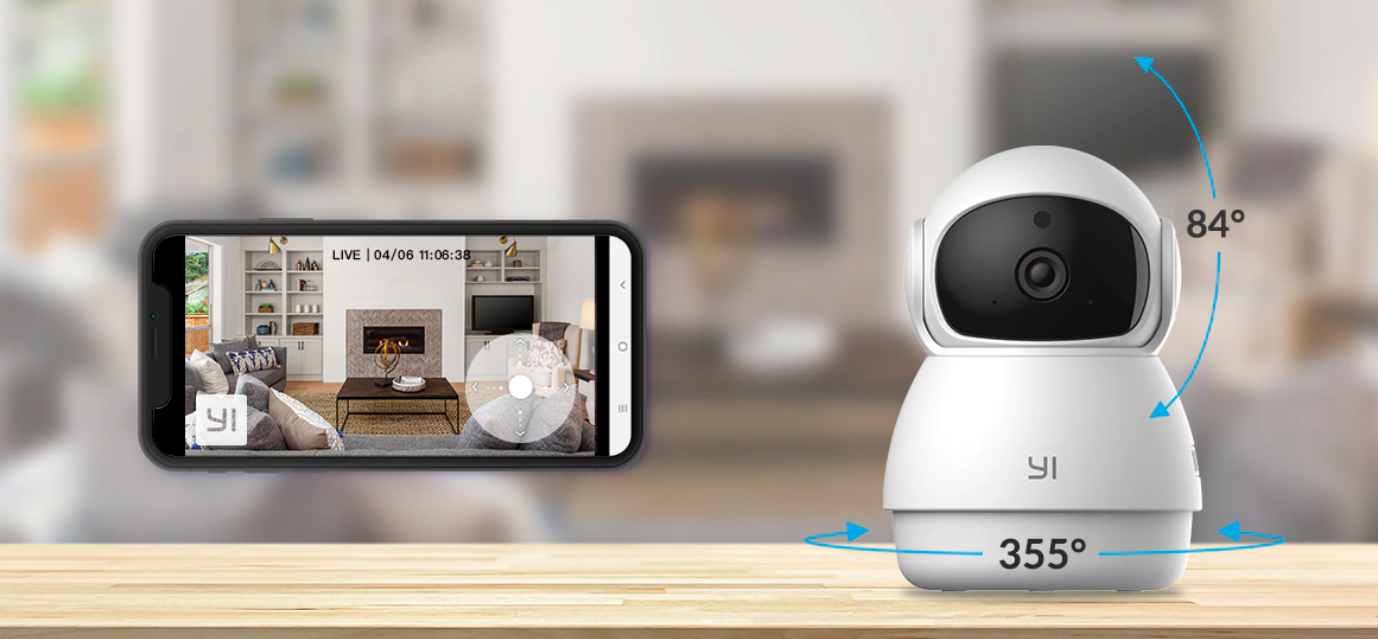
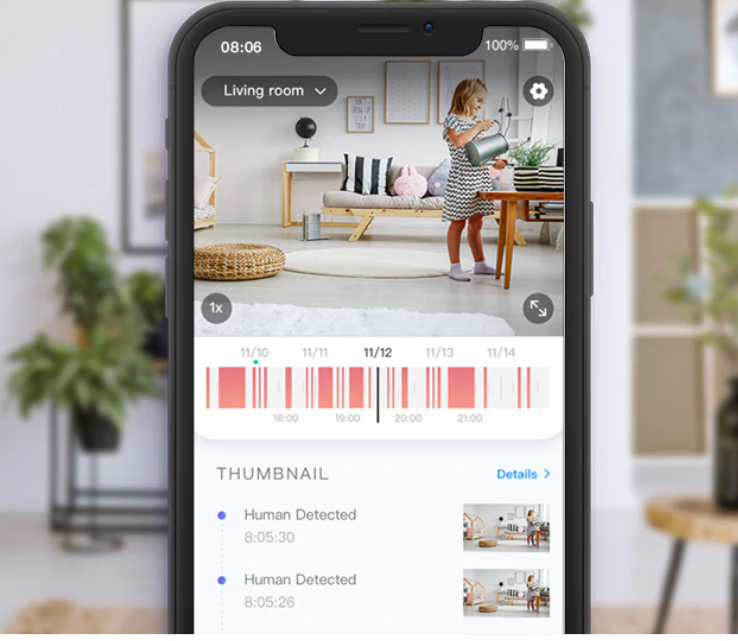
Yi Dome Guard Security Camera which generally retails for $50 is now available at a discounted price of $33 only at AliExpress. This deal ends tomorrow.
Generally retailing for $50, you can now buy Yi Dome Guard Security Camera at a discounted price of $33 only at AliExpress. This price is applicable to orders made from the Spain warehouse. This deal ends tomorrow. So place your order asap.
For more information on such exciting deals and offers check out ourdeals hub.
* Please Note: When you buy something using the links in our articles, we may earn a small commission at no cost to you.
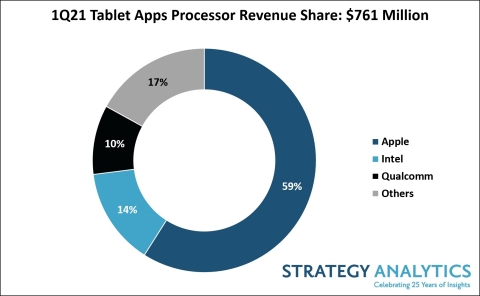
In the first quarter of this year, the tablet apps processor market grew by 33 percent, reaching 761 million US Dollars; and Apple dominated this segment with a massive 59 percent revenue share in the market.
According to a StrategyAnalyticsreport, Apple, Intel, Qualcomm, MediaTek, and Samsung LSI held that the top five spots for the tablet applications processor (AP) market in terms of revenue share in Q1 2021. The Cupertino based giant lead this segment with a dominating 59 percent revenue share. On the other hand, Intel only had a 14 percent revenue share while Qualcomm accounted for just 10 percent.
Sravan Kundojjala, Associate Director of Handset Component Technologies at Strategy Analystics added that the Cupertino based giant “increased its tablet AP revenue share to 59 percent in Q1 2021 – the company’s highest share in the past nine years. Its tablet AP revenue grew 60 percent year on year in Q1 2021, driven by new 5nm based A14 Bionic and the M1 chip. The pandemic driven demand also helped.”
He also stated that “MediaTek maintained its lead in non iPad tablets in unit terms, thanks to its design wins at Amazon, Lenovo, Samsung, Asus and others. Strategy Analytics estimates that MediaTek’s tablet AP shipments grew 92 percent year on year in Q1 2021, driven by its cellular and non cellular tablet APs. However, we believe that the chip maker lags in terms of average selling prices (ASP). As a result, the company posted lower revenue share compared to its unit share.”
As scheduled, OPPO has officially launched the OPPO Watch 2 series in China. The lineup includes three models, and two of them support LTE connectivity. The series starts at only ¥1,299 ($200) and boot dual OS. Let’s take a look at what these new smartwatches have to offer.
OPPO Watch 2 Series Specifications and Features
The OPPO Watch 2 series features a design similar to the original OPPO Watch from 2020. It flaunts a hyperboloid 3D AMOLED flexible display with curved edges and narrow bezels. The screen comes with a 60Hz refresh rate, 326 PPI, and 100% DCI-P3 color gamut.
Users can choose over 100 dials and can even generate new dials using the AI Outfit 2.0 watchface function. Further, the wearable sports a skin-friendly fluoroelastomer strap with a buckle. The company claims this strap to be breathable and comfortable.
As mentioned earlier, it arrives in three variants. Two models have a 42mm dial and the third model has a larger 46mm dial. The 42mm version comes in both eSIM and Bluetooth-only variants, whereas the 46mm is only available in an eSIM variant.
The smartwatch is powered by two chips, namely Qualcomm Snapdragon Wear 4100 and Apollo4s. It also boots dual-OS: ColorOS Watch based on Android and RTOS.
Unlike most smartwatches in the market, the device automatically switches between two chipsets based on usage. The watch only uses the Qualcomm chip when it runs any Android app.
Hence, it is said to offer up to 4-day battery life. Additionally, as per OPPO, users can get up to 16 days of battery life when completely switching over to RTOS.
The wearable offers all other common smartwatch features like sports modes, heart-rate monitoring, sleep tracking, snore tracking, blood oxygen level monitoring, and more.
OPPO Watch 2 Series Price and Availability
The OPPO Watch 2 series will retail for the following price tags in China.
OPPO Watch 2 42mm (Bluetooth) – ¥1,299 ($200)
OPPO Watch 2 42mm (eSIM) – ¥1,499 ($231)
OPPO Watch 2 46mm (eSIM) – ¥1,999 ($307)
These watches will be available at discounted price tags of ¥999 ($154), ¥1,299 ($200), and ¥1,799 ($277) respectively for pre-ordering customers. The pre-orders have opened today and will run till August 5. Sales will commence from August 6.
As of now, there’s no official word on the availability of the OPPO Watch 2 series in global markets. But since the original OPPO Watch made its way to the international markets, the new models should debut as well.
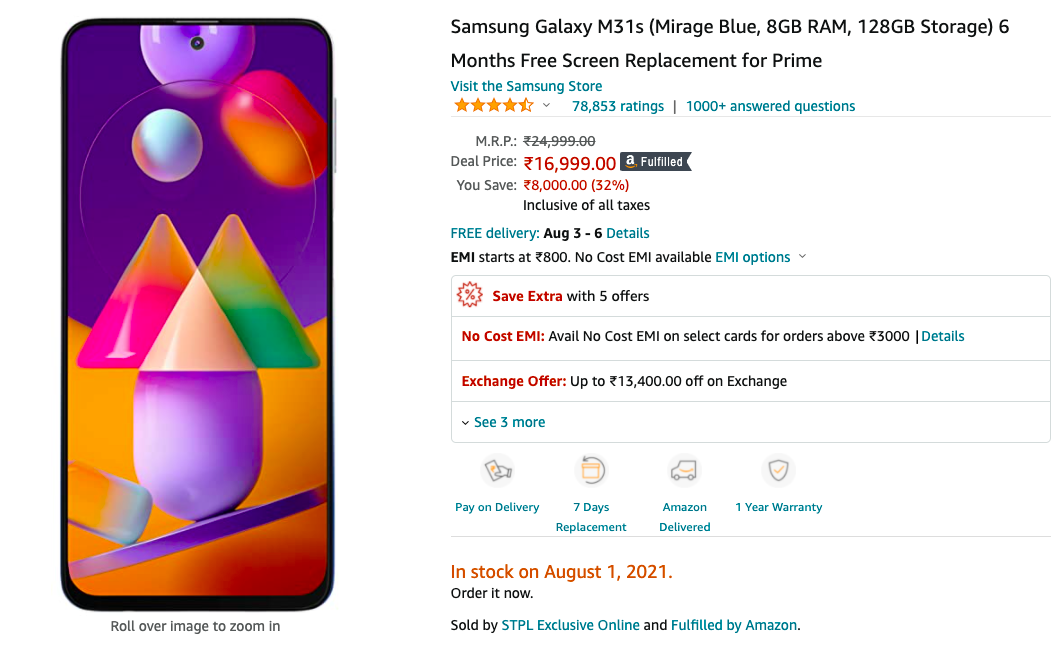
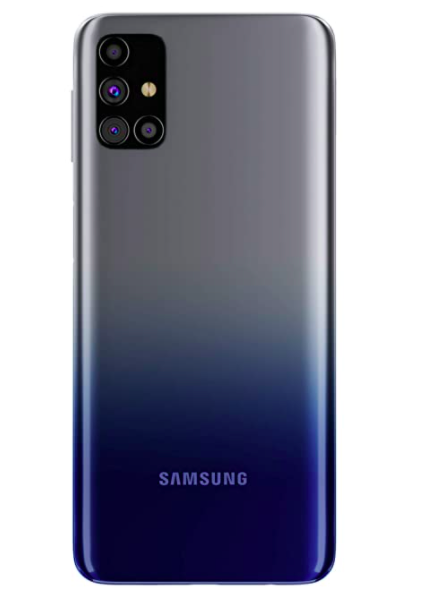
Samsung Galaxy M31s which usually retails for ₹21000 is now available at a heavily discounted price of ₹16999 at Amazon India. This is an exclusive Prime Day deal that ends today.
Generally retailing for ₹21000, you can now buy Samsung Galaxy M31s at a massively discounted price of ₹16999 only at Amazon India. Please note that this deal comes with an exchange offer of up to ₹13400. This is an exclusive primed day deal that ends today. So place your order asap.
For more information on such exciting deals and offers check out ourdeals hub.
* Please Note: When you buy something using the links in our articles, we may earn a small commission at no cost to you.
Google is planning on bringing a new feature to its Chrome browser for desktops. A new update will offer users a new screenshot tool that will arrive with Lens integration that would boost its usefulness.
As of right now, one can take a screenshot in two ways, with the first being the Window’s built in screenshot tool or by installing a dedicated Chrome extension to take a screenshot. While the Android version of Chrome has also recently received a screenshot tool in the share menu, it is only very practical since it can only capture what is being displayed on the screen and sharing it.
But now, the desktop version is set to receive an expanded share menu (Via 9To5Google) that will have various options like “Copy link,” “Copy link text,” and other screenshot options as well. At the moment, the feature is still in early development and will initially be limited to taking a simple capture. Although, these screenshots will be saved on to your clipboard and will offer options like download, edit, and sharing. The feature will likely arrive in platforms like Chrome OS and Windows 10.
Notably, the screenshot tool will have a built in editor and will also support Google Lens by a simply right click on the image, similar to the Android feature. This implies that Chrome will be expanding its Lens integration that will even enable click and drag to select a region on the screenshot to search with Lens, which would be quite useful in websites that do not allow for right clicking images.
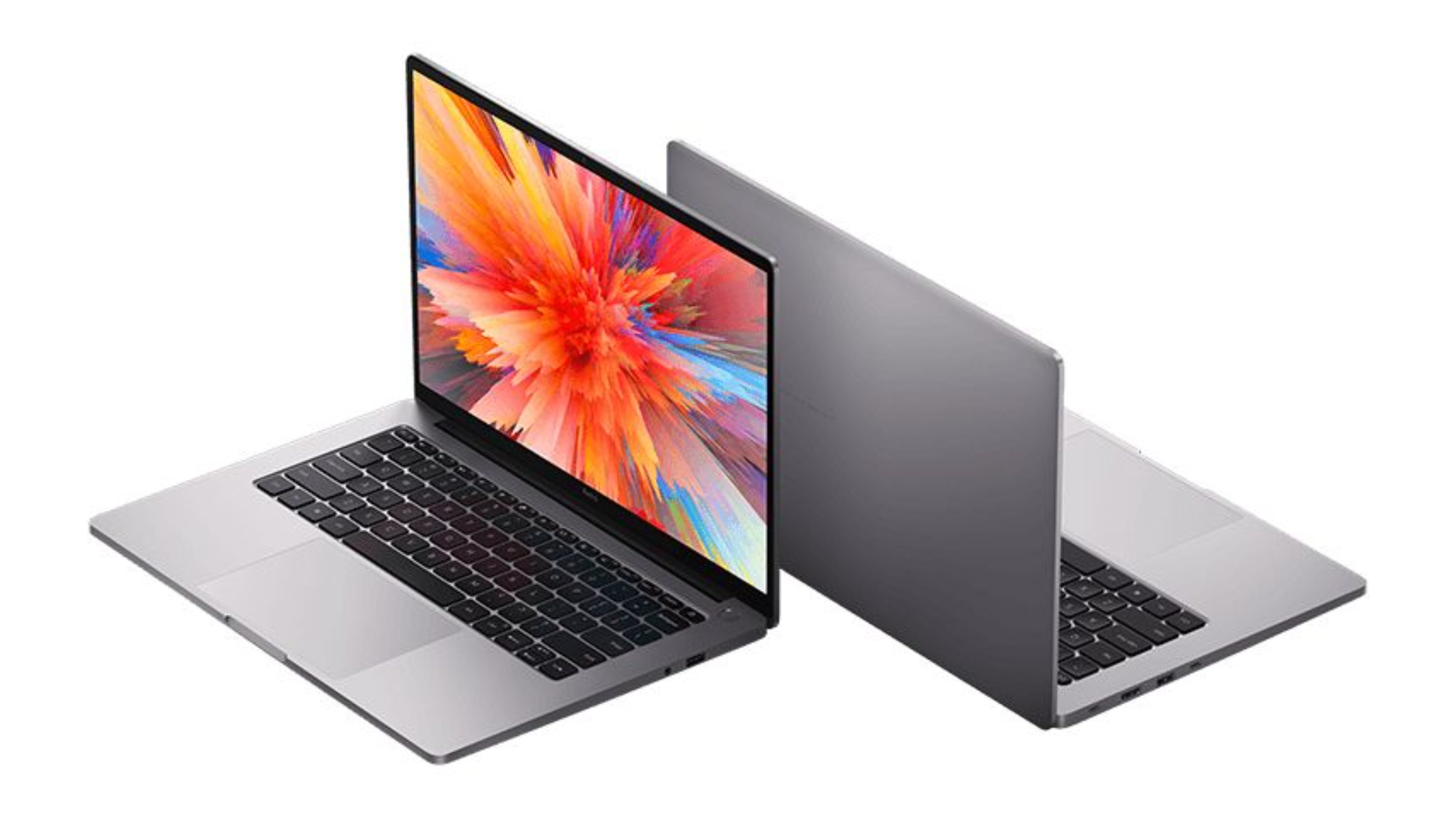
Earlier today (27th July 2021), Xiaomi sub brand, Redmi, announced that it will be launching its own laptops in India on 3rd August 2021. The new notebooks will be a part of its RedmiBook lineup and will expand the brand’s product offerings in the region.
The Chinese smartphone maker announced that it aims to broaden its device portfolio in India and aims on launching products like power banks, earbuds, smart bands, and more, which would compliment its smartphones and the users’ lifestyles. Previously, the company had even teased the arrival of the laptops during the Redmi Note 10T launch conference. Now, we have an official date for the announcement of the upcoming laptops.
Unfortunately, we have no finer details as to which models the company would be launching in India at the moment. Although, the brand had recently announced certain new models for its home market of China. Back in May 2021, the company announced the new RedmiBook Pro 14 and 15 laptops in China. These laptops feature AMD’s latest Ryzen 5000 series processors instead of the Intel chipsets that were found in the previous iterations.
RedmiBook Pro 14 Ryzen Edition
Thus, we might see similar notebooks launching in India as well that could sport either a 14 inch or 15 inch panel. Furthermore, the RedmiBook Pro series in China arrived with DDR4 RAM and NVMe PCIe SSD storage as well, which was also offered in the Mi Notebook lineup that Xiaomi had launched in India in the past. So stay tuned for more, as we will be providing updates when additional information is available regarding the new laptops.
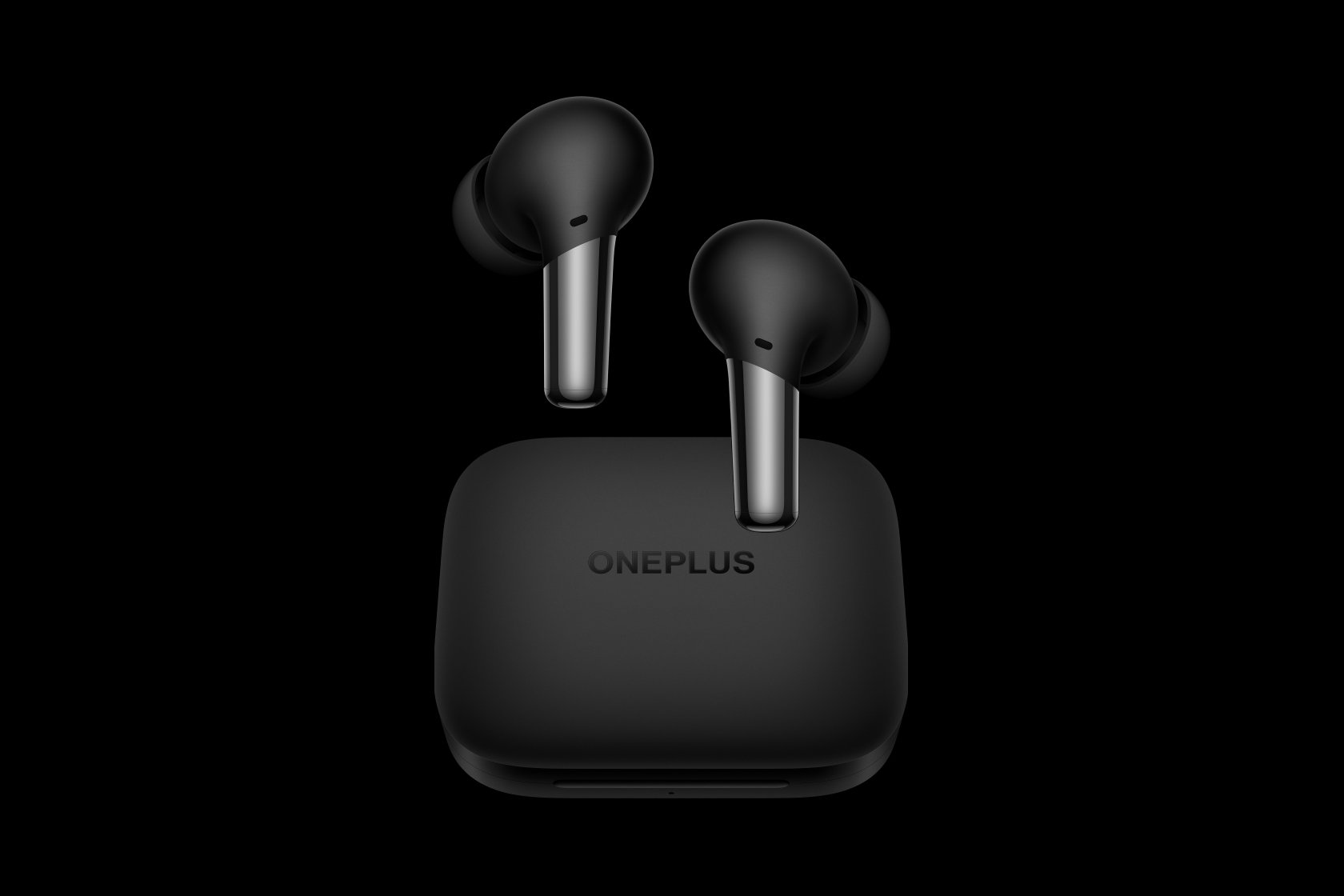
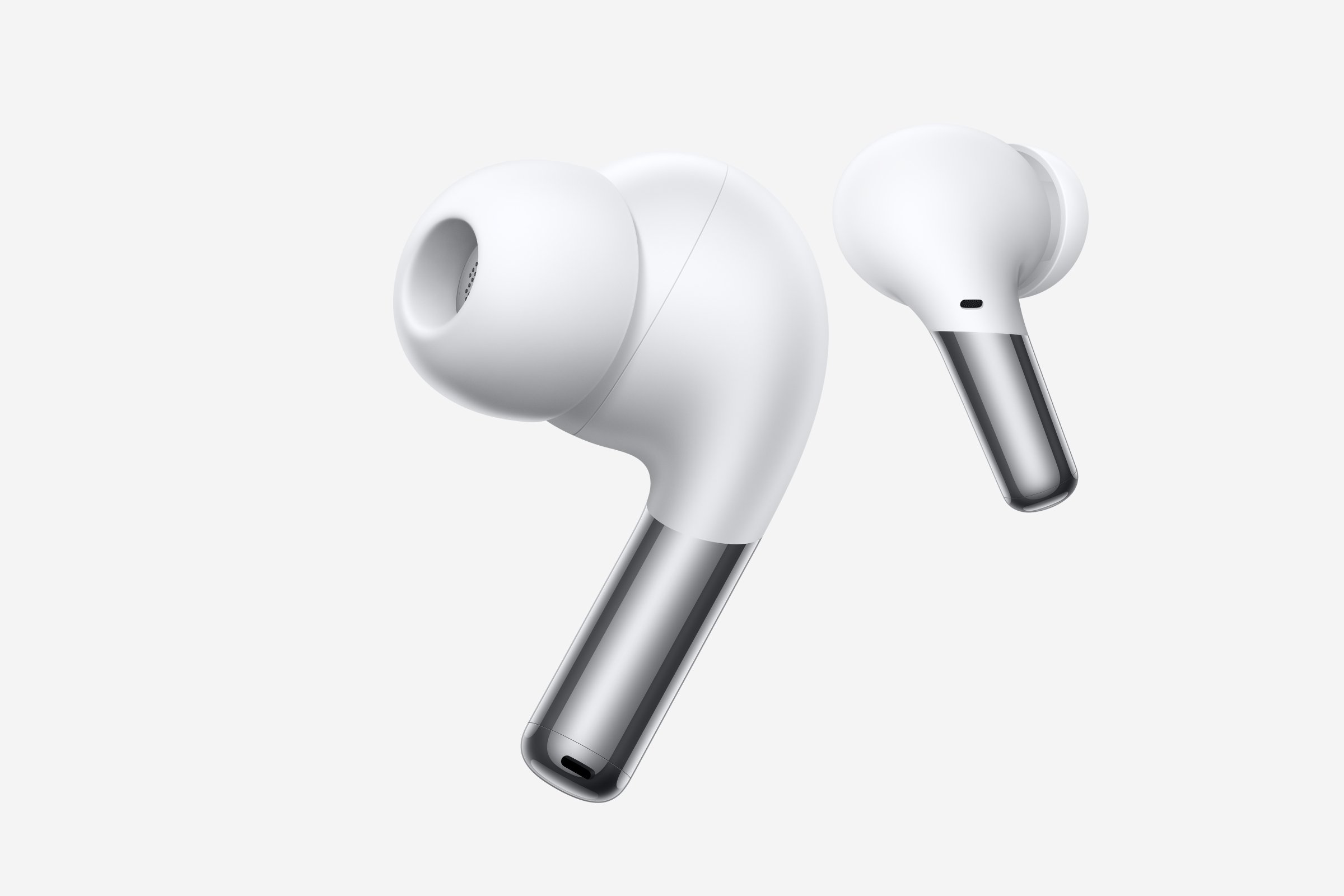
OnePlus announced the OnePlus Buds Pro alongside the OnePlus Nord 2. These new pair of truly wireless earphones are the company’s first with support for ANC (Active Noise Cancellation). The product is set to go official in China on July 29. Ahead of that, Pete Lau, the brand’s CEO, compares them with the Apple AirPods Pro on Weibo.
Pete Lau has been teasing the features of the OnePlus Buds Pro on Weibo since yesterday (July 26). However, it is worth noting that this product is already official in global markets and it is scheduled to go on sale from late August. Hence, we know everything about it.
So why is he teasing the features of a product which is already official? Because the price reveal for the Chinese market will be happening on July 29. The brand is also expected to announce the sale date on the same day.
Coming to the main topic, as per Pete Lau, the OnePlus Buds Pro offers better low-frequency noise cancellation than the Apple AirPods Pro. This is a bold claim as Apple’s premium TWS has set a benchmark for truly wireless earphones since its release.
Pete says that Apple is a strong competitor since it also ‘values the experience and pursues the ultimate’. Hence, his brand has one-upped the performance of the OnePlus Buds Pro over the AirPods Pro by doing a lot of special comparisons and optimization adjustments.
Last but not least, he believes if a OnePlus product has become better than Apple’s, then his brand’s products must have reached a higher level to a certain extent.
What are your thoughts on Pete Lau’s comments? Do let us know in the comment section below.
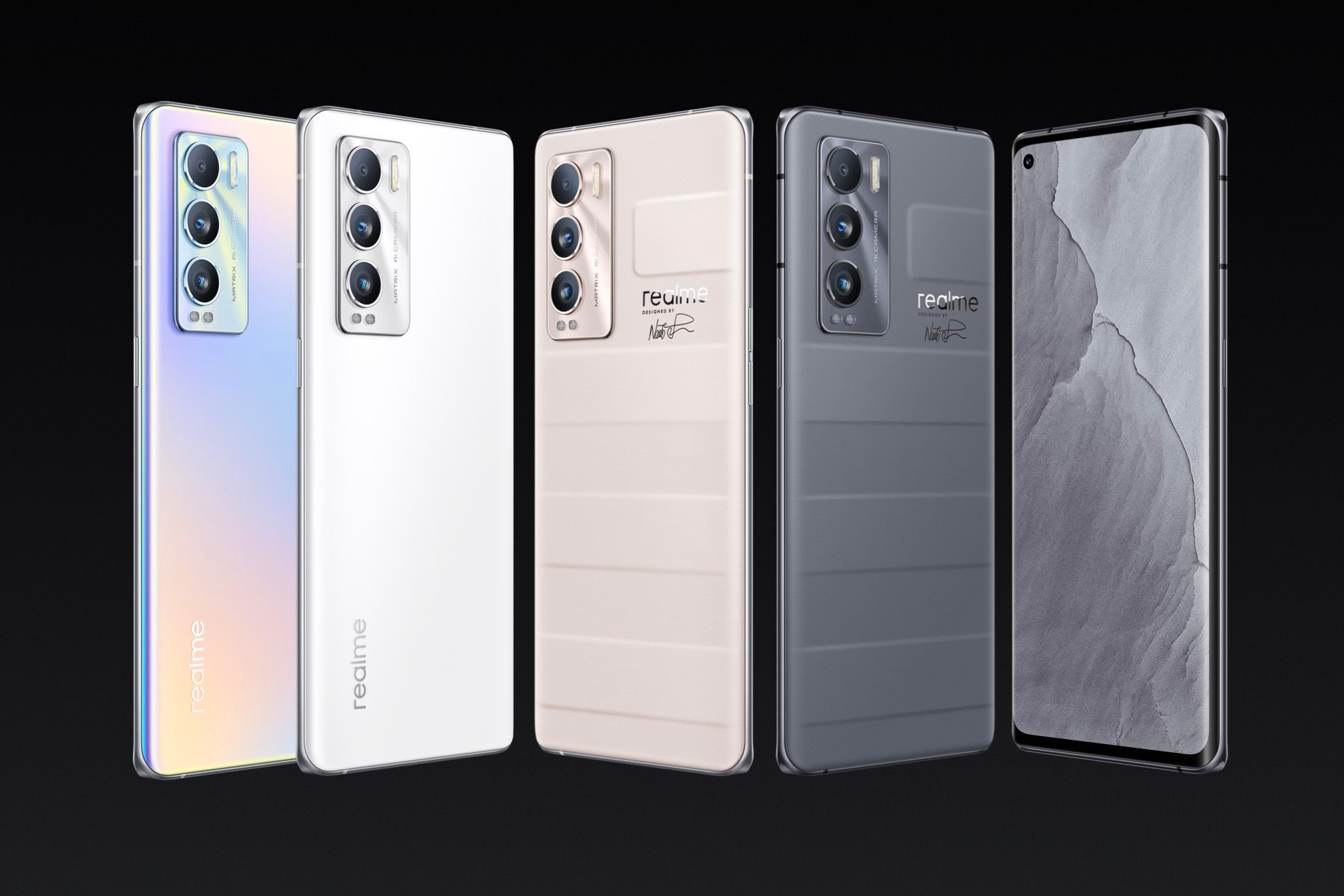
The Realme GT Master Explorer Edition was just recently unveiled earlier this month. Now, the company has revealed that the device saw great first sales, which crossed a whopping 100 million Yuan (roughly 15 million US Dollars) in just one second.
The first sales of the new smartphone began earlier today (27th July 2021) and sales broke past the 100 million Yuan mark in just one second of the device going live, which is quite an impressive feat. For those unaware, the Realme GT Master Explorer Edition is an affordable flagship grade phone that sports the Qualcomm Snapdragon 870 SoC. This is paired with 12GB of RAM that supports +7GB of virtual memory boost as well.
The device is powered by a large 4,500mAh battery pack that supports 65W fast charging, dual speakers, VC liquid cooling, and copper alloy heat dissipation design among various other features. For photography, the device houses a 32 megapixel sensor on the front and a triple camera module on the back comprising of a 50 megapixel primary lens, 16 megapixel wide angle shooter, and a 2 megapixel macro camera.
At the moment, the Realme GT Master Explorer Edition is available in two variants, namely the 8GB of RAM and 128GB of internal storage and 12GB of RAM and 256GB of internal storage variant. The former is priced at 2,799 Yuan (roughly 430 US Dollars) while the latter is priced 3,099 Yuan (roughly 476 US Dollars).
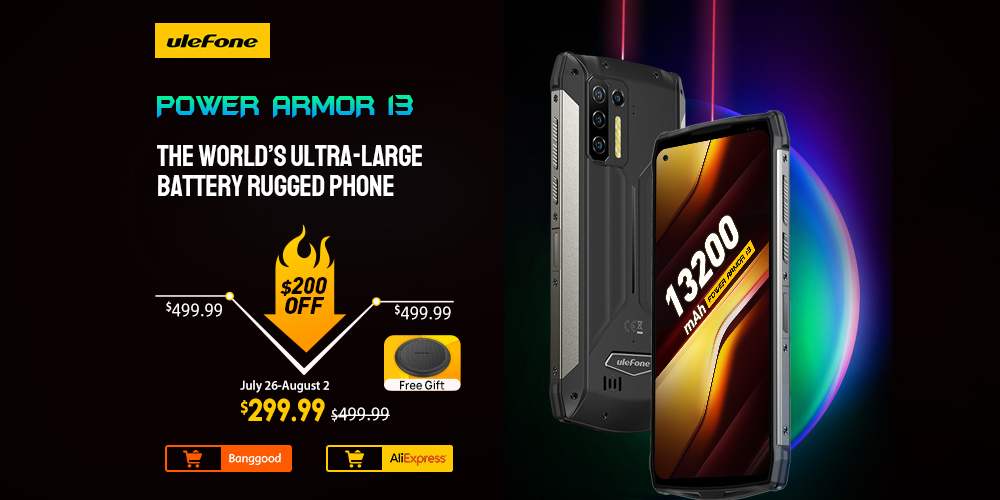
Ulefone recently unveiled the Power Armor 13 rugged smartphone carrying a massive 13200mAh battery. The rugged smartphone is now on a limited-time pre-sale via AliExpress and Banggood for the discounted price of $299. Ulefone is offering a $200 discount on the smartphone over its actual retail price of $499. There are also some surprising gifts for the initial buyers.
Ulefone Power Armor 13 is an exceptional smartphone available for a highly competitive price of $299. It equips a 6.81-inch Full HD+ display with a resolution of 1080 x 2400 pixels. It offers vivid and crisp image quality for an immersive viewing experience.
MediaTek Helio G95 chipset is present on the board with 8GB RAM and 256GB internal storage to offer outstanding performance along with flawless multitasking. The users can further expand the storage up to 1TB using an expandable TF card.
In the camera department, the smartphone houses a quad-rear camera featuring a 48-megapixel primary sensor to capture detailed photos even in the low-light environment. However, there’s also an 8-megapixel wide-angle sensor, a 2-megapixel macro lens and another 2-megapixel sub camera to uplift the overall camera experience. A 16-megapixel selfie shooter is present on the front side for selfies.
Ulefone Power Armor 13 is IP68/IP69K rated smartphone which eliminates the worries from water and dust. It is the world’s first rugged smartphone carrying a 13200 mAh battery which can withstand for about a week upon normal battery usage.
Overall, it is a high-end rugged smartphone that is available at a discounted price of $299 via AliEpress and Banggood. For more information, you can head over to the Ulefone Official Website.
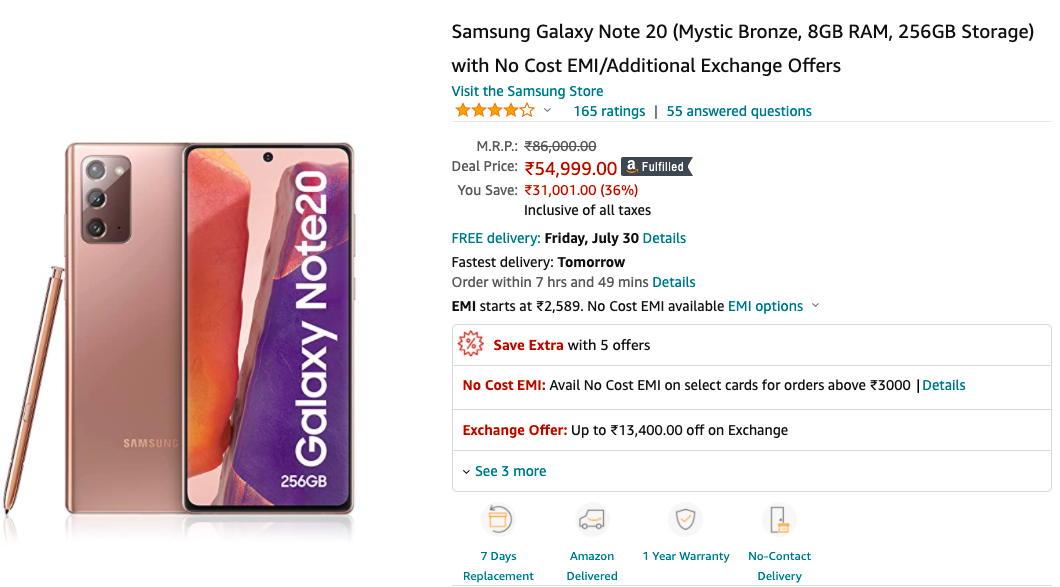
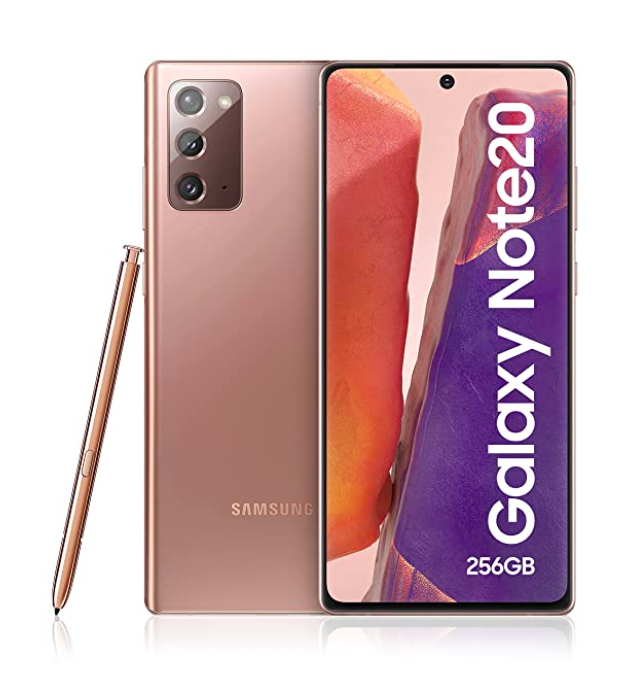
Samsung Galaxy Note 20 (Mystic Bronze) which usually retails for ₹79000 is now available at a heavily discounted price of ₹54999 at Amazon India. This is an exclusive Prime Day deal that ends today.
Generally retailing for ₹79000, you can now buy Samsung Galaxy Note 20 (Mystic Bronze) at a massively discounted price of ₹54999 only at Amazon India. Please note that this deal comes with an exchange offer of up to ₹13400. This is an exclusive primed ay deal that ends today. So place your order asap.
For more information on such exciting deals and offers check out ourdeals hub.
* Please Note: When you buy something using the links in our articles, we may earn a small commission at no cost to you.
Earlier this year, Xiaomi debuted its first self-developed ISP (Image Signal Processor) chip called Surge C1. This silicon is used in the company’s first foldable smartphone – Mi MIX Fold. Months later, news broke out that both OPPO and vivo are also working on their in-house ISP chips. Now more information about these developments has appeared online.
OPPO Find X3 Pro
According to Tencent’s ‘Deep Web’ report (via ITHome), Chinese handset makers OPPO and vivo are indeed working on their self-developed ISP chips.
The report says that OPPO has assigned thousands of people to this project. Its in-house ISP silicon is said to make its way to consumer products as soon as early next year with the launch of the OPPO Find X4 series.
On the other hand, vivo reportedly set up a secret team codenamed “Wyatt Shadow” for its self-developed chips two years ago. This team is said to have around 500-600 members. Their first product will be an ISP chip, which is expected to make its debut on the vivo X70 series slated to release in the second half of 2021.
ISP chips are just the beginning. As per the report, OPPO and vivo are also working on in-house SOCs (System-on-chip) to replace Qualcomm and MediaTek silicons in the future.
Ever since the US banned HUAWEI, Chinese tech giants have been investing more in indigenous technology to face the worst-case scenario. This move not only safeguards the future of these companies but will bring in more competition, which will further lead to better innovation.
A new rumor has suggested that PUBG or PlayerUnknown’s Battlegrounds might be going free to play in the near future. The title is one of the most popular battle royale game in the PC gaming market and is apparently seeking to be accessible to everyone soon.
Leak: PUBG wants to go free-to-play.
They’re going to track player responses in a F2P week that’s happening next month.
Keep in mind, PUBG originally wanted to go F2P in 2019; but didn’t get the player response they wanted att from 2019’s F2P test.
The news arrives from a tweet from PlayerIGN, who stated that the game will become free to play in the future. As per the dataminer, the decision to go free to play, however, will be largely based on the reception of its current playerbase. In other words, the studio behind PUBG will track the player’s response in a free to play week that is reportedly set to arrive sometime next month. So, the game could go free depending on whether there is an influx of new players and that the existing players react positively to the change.
Notably, PlayerIGN also added that PUBG had aimed on becoming free to play back in 2019. Although, the studio did not receive the player response that they had wanted back during the free to play test run in 2019, so this decision was scrapped. Keep in mind that this is still an unconfirmed report so take it with a pinch of salt and stay tuned for more updates. Also, let us know in the comments section down below what you feel about the game possibly going free to play.
We use cookies on our website to give you the most relevant experience by remembering your preferences and repeat visits. By clicking “Accept”, you consent to the use of ALL the cookies.
This website uses cookies to improve your experience while you navigate through the website. Out of these, the cookies that are categorized as necessary are stored on your browser as they are essential for the working of basic functionalities of the website. We also use third-party cookies that help us analyze and understand how you use this website. These cookies will be stored in your browser only with your consent. You also have the option to opt-out of these cookies. But opting out of some of these cookies may affect your browsing experience.
Necessary cookies are absolutely essential for the website to function properly. This category only includes cookies that ensures basic functionalities and security features of the website. These cookies do not store any personal information.
Any cookies that may not be particularly necessary for the website to function and is used specifically to collect user personal data via analytics, ads, other embedded contents are termed as non-necessary cookies. It is mandatory to procure user consent prior to running these cookies on your website.