Earlier today, we reported that Flipkart is selling the Google Pixel 4a at a discounted price tag in India as part of the eCommerce giant’s ongoing ‘Big Saving Days’ sale. Now, we are back again with two more stellar deals for people looking to buy a foldable smartphone.
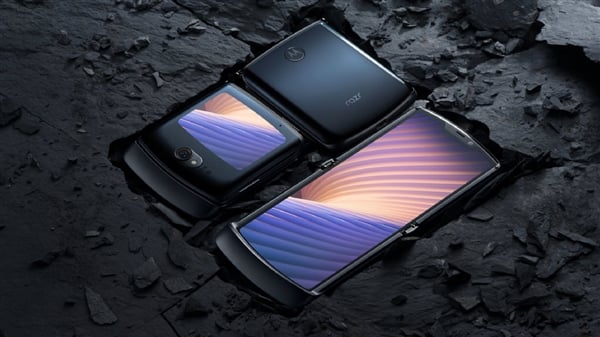
Motorola razr 5G
Foldable smartphones are expensive. But not anymore, at least for the time being in India. Flipkart, one of the largest online retailers in the country has currently listed the Motorola razr and the Motorola razr 5G for never-before-seen price tags.
The two clamshell foldable smartphones from the Lenovo-owned brand are being sold for the following prices in India.
This offer is only valid until May 7. Following that, the price of these foldables will increase to ₹74,999 and ₹1,09,999 respectively. Hence, if you buy now, you will be saving ₹20,000.
That said, it is worth noting that foldables are different from regular smartphones. They may require extra care. Hence, invest only if you understand the risks associated with them.
It is not easy to make a phone with moving parts water-resistant. This is one of the reasons why the ASUS Zenfone 6 and Zenfone 7 series which have motorized cameras are not water-resistant. Now that ASUS is dropping that design, it has confirmed that the Zenfone 8 will have an IP68 rating.
In its latest teaser for the upcoming compact flagship phone, ASUS revealed that the Zenfone 8 will have an IP68 rating which means that alongside being able to withstand dust, dirt, and sand, it can also survive immersion in water up to a depth of 1.5 meters for up to 30 minutes.
The Zenfone 8 will be the first ASUS flagship phone with an IP68 rating in years. Even before the Zenfone 6 and Zenfone 7, water-resistance is not a feature found in ASUS phones, so this is a big addition for the brand.
So far, ASUS has confirmed that the Zenfone 8 will also have an audio jack and its teasers have shown the phone has a hole punch at the top left corner of the screen for the front-facing camera. It will also have a display with a high refresh rate and a Snapdragon 888 processor.
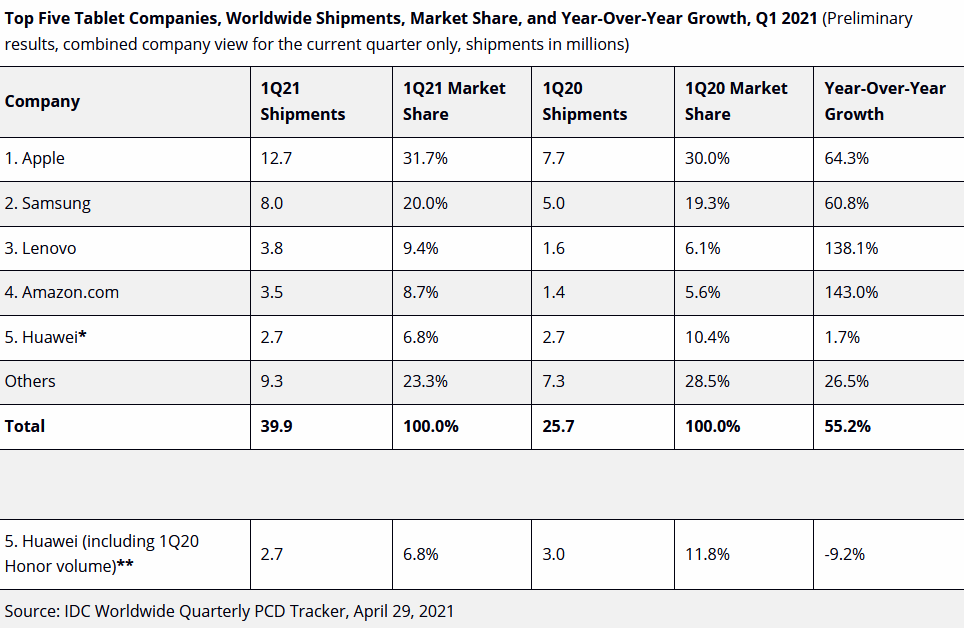
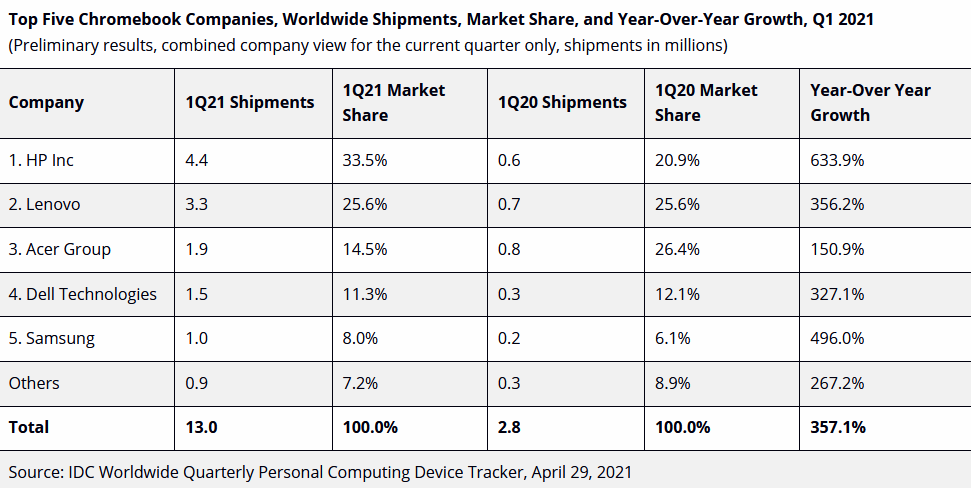
While the world is still combating the Coronavirus pandemic, the sales of tablets and Chromebooks have remained robust. The pandemic had initially fueled the demand for these products back in 2020, which are still seeing a surge in the first quarter of this year.
According to an IDCreport, tablets saw an excellent first quarter with its shipments reaching 39.9 million units in Q1 2021. This marked a 55.2 percent year on year growth, which is a level of rise not seen since the third quarter of 2013 when the tablet market had grown by 56.9 percent year on year. On the other hand, Chromebooks shipments also remained robust with over 13 million units during the same time, up from 2.8 million units from back in the first quarter of last year.
Anuroop Nataraj, research analyst at IDC added that “While vaccine rollouts and businesses returning to offices may slow down the work-from-home trend, we are still far from returning to ‘normal’ working conditions and hence the demand for tablets, especially detachables, is expected to continue for a while. However, as buyers increasingly turn towards competing products, such as thin and light notebooks for work or entertainment and Chromebooks for education, the future of tablets will remain under constant competition, leaving the heavy lifting to larger brands such as Apple, Samsung, Amazon, and Microsoft.”
Furthermore, the growth of the tablet market was also driven by schools across the globe showing strong preference for the product due to its form factor, low cost, and easy manageability. Meanwhile, another IDC analyst Jitesh Ubrani added that “”There’s no doubt that Chromebooks have supplanted tablets in many education markets. However, price and the dependence on cloud services have prevented them from becoming mainstays in all regions.”
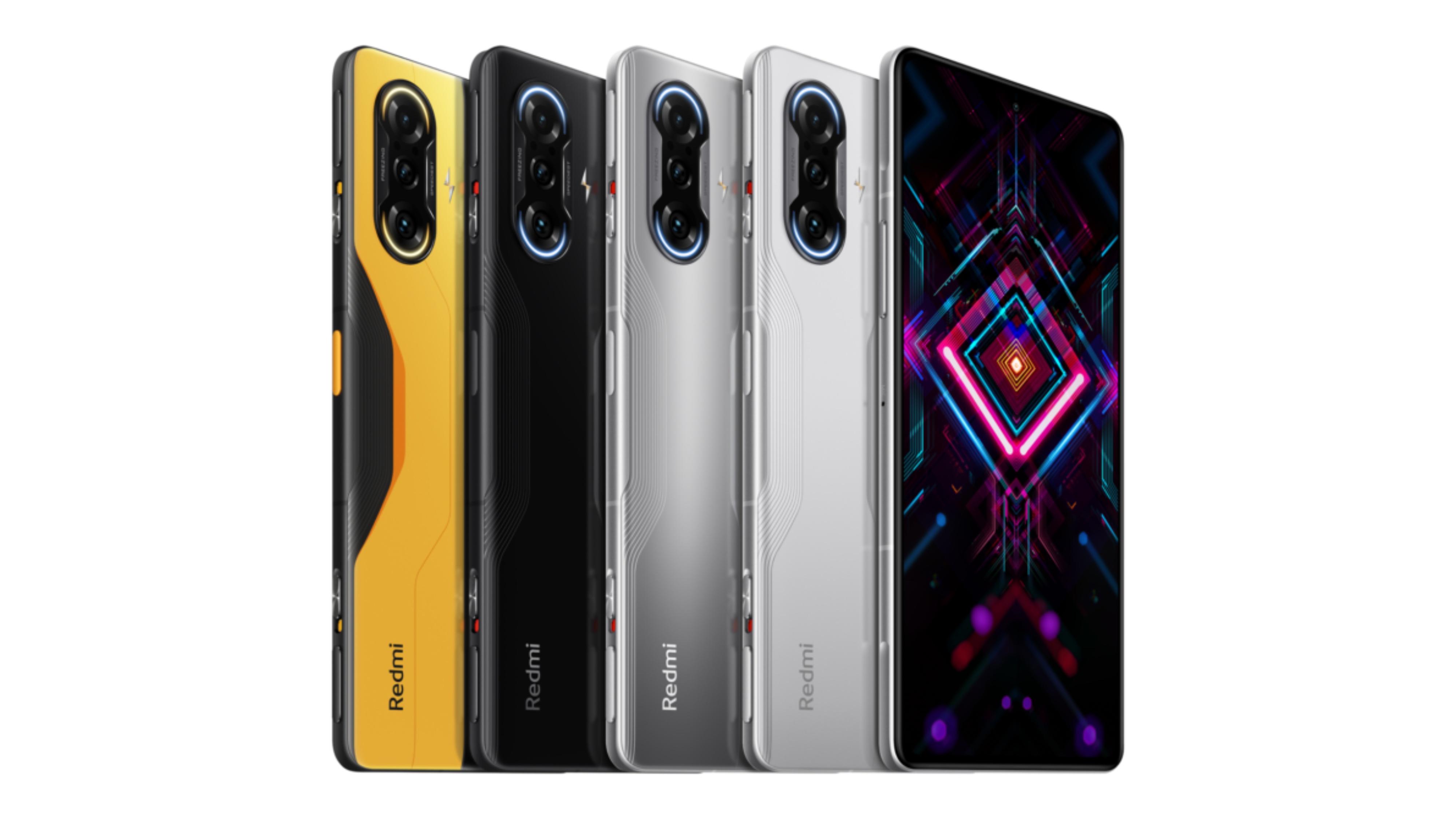
Two months after the launch of the Redmi K40, the K40 series has a new member — the Redmi K40 Gaming Edition. This is Redmi’s first gaming smartphone, and it’s also the cheapest entry in the gaming phone market. Instead of starting a new product line for this phone, Redmi has put it in the K40 series.
While the K40 Gaming Edition seems perfect, there is one aspect where buyers need to pay extra attention. Read this review till the end to know the points that you should keep in mind.
REDMI K40 Gaming Edition Review: Design
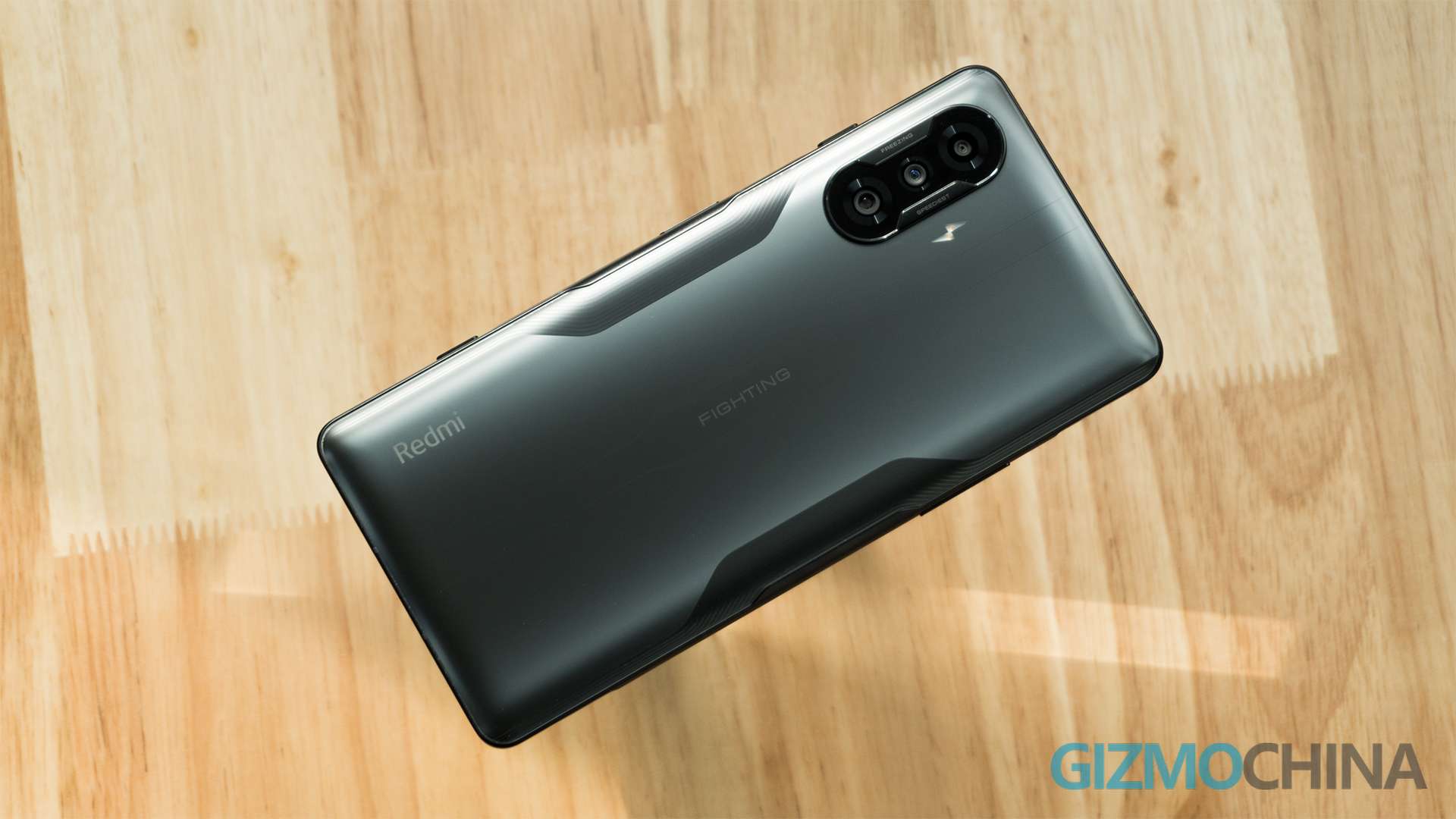
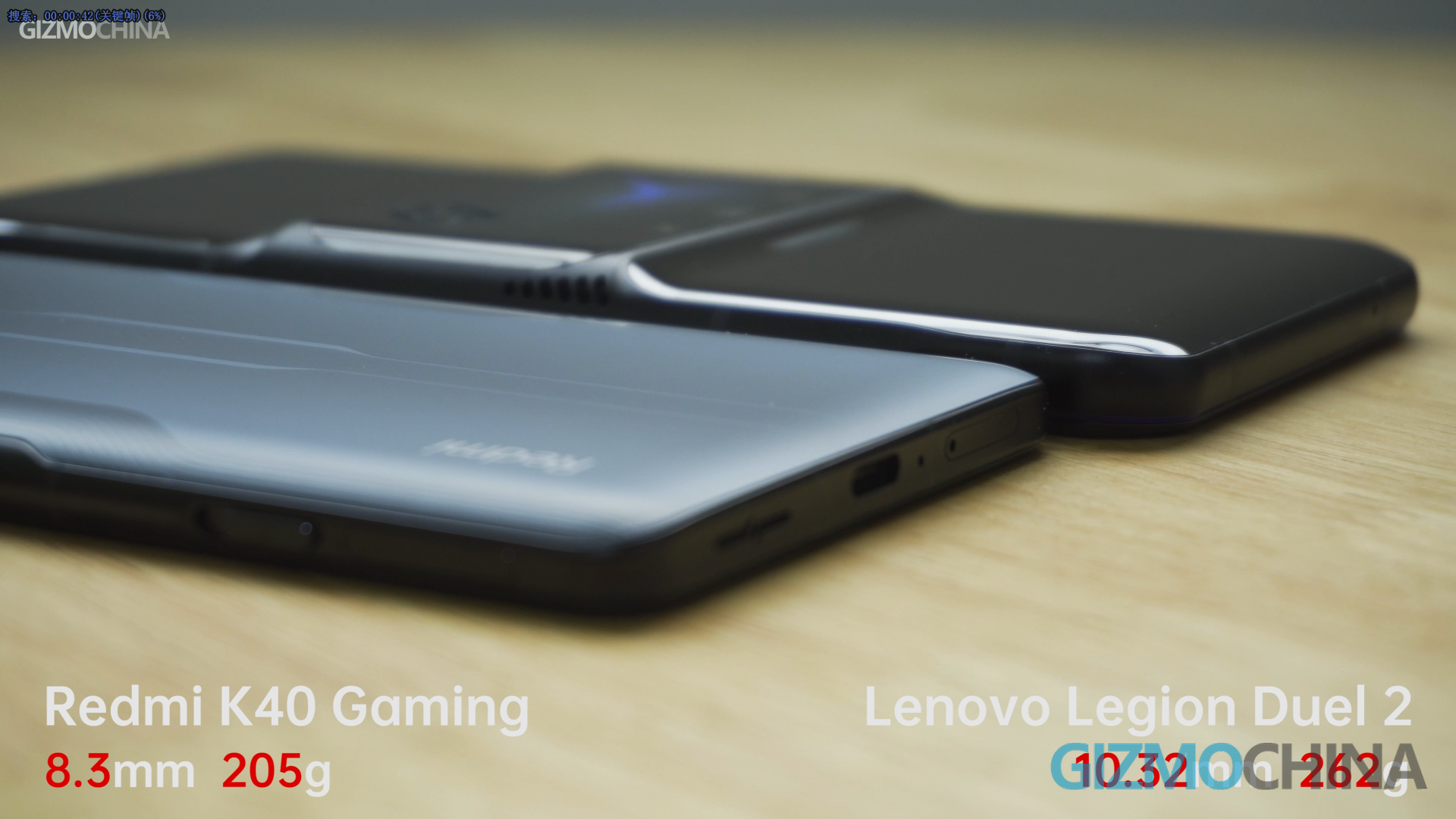
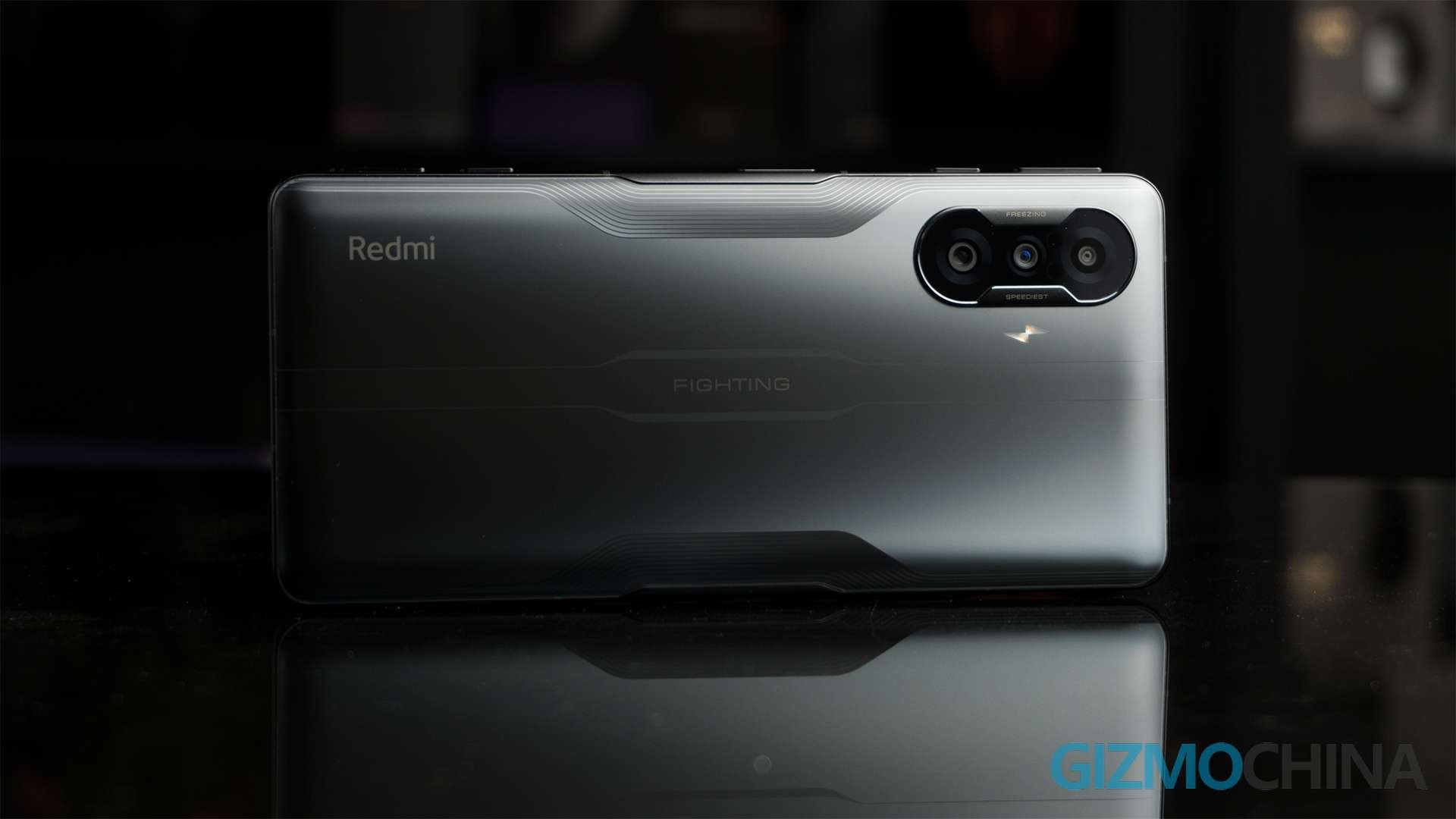
Redmi emphasizes that this K40 Gaming Edition focuses on solving the three major pain points of gaming phones: thick, heavy, and flashy. If you just look at the official data – The phone is 8.3mm thick and weighs 205g, So this phone is not really thin and lightweight as compared to regular smartphones. But when you compare it with other gaming phones, it is indeed lighter and thinner.
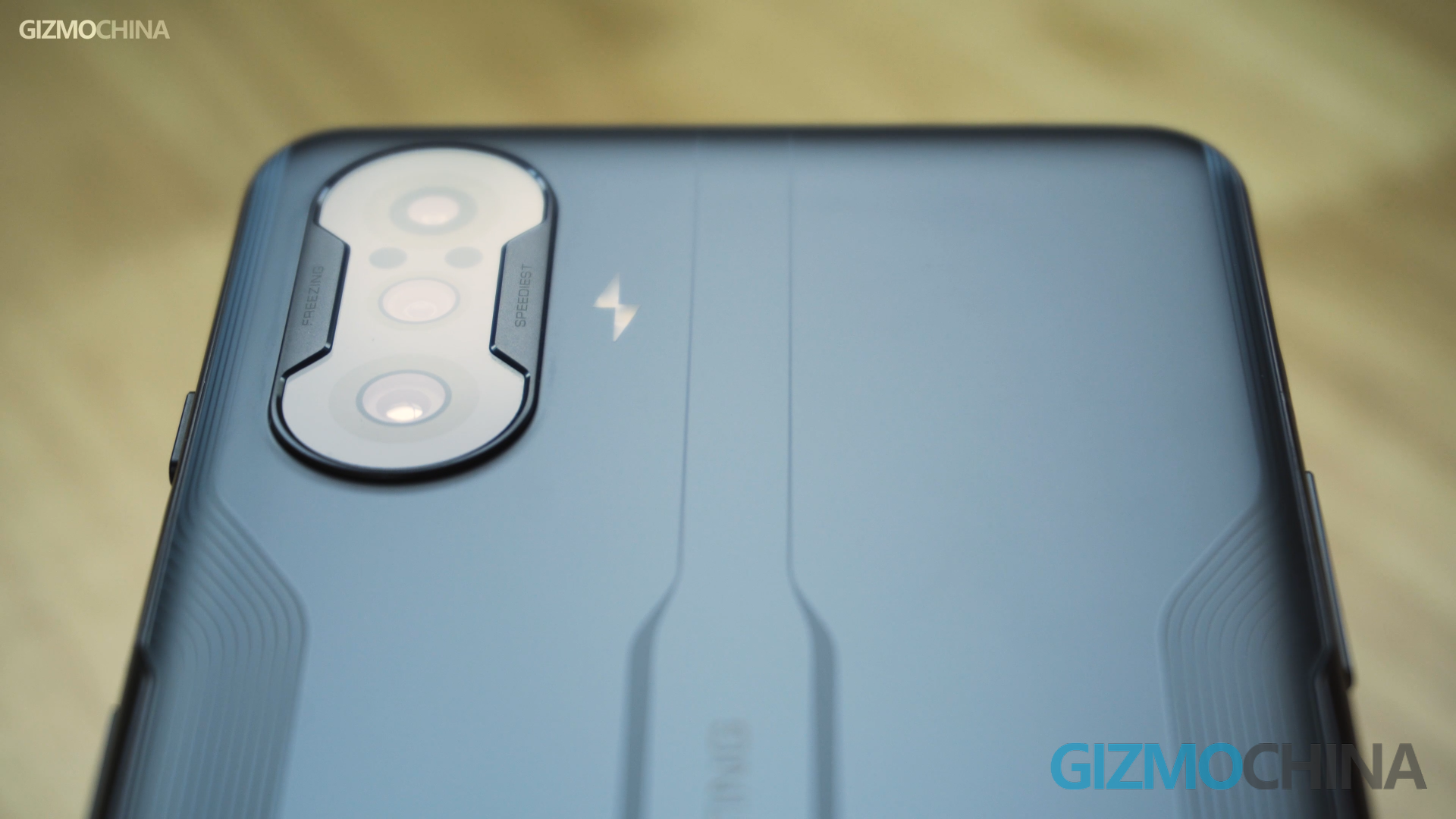
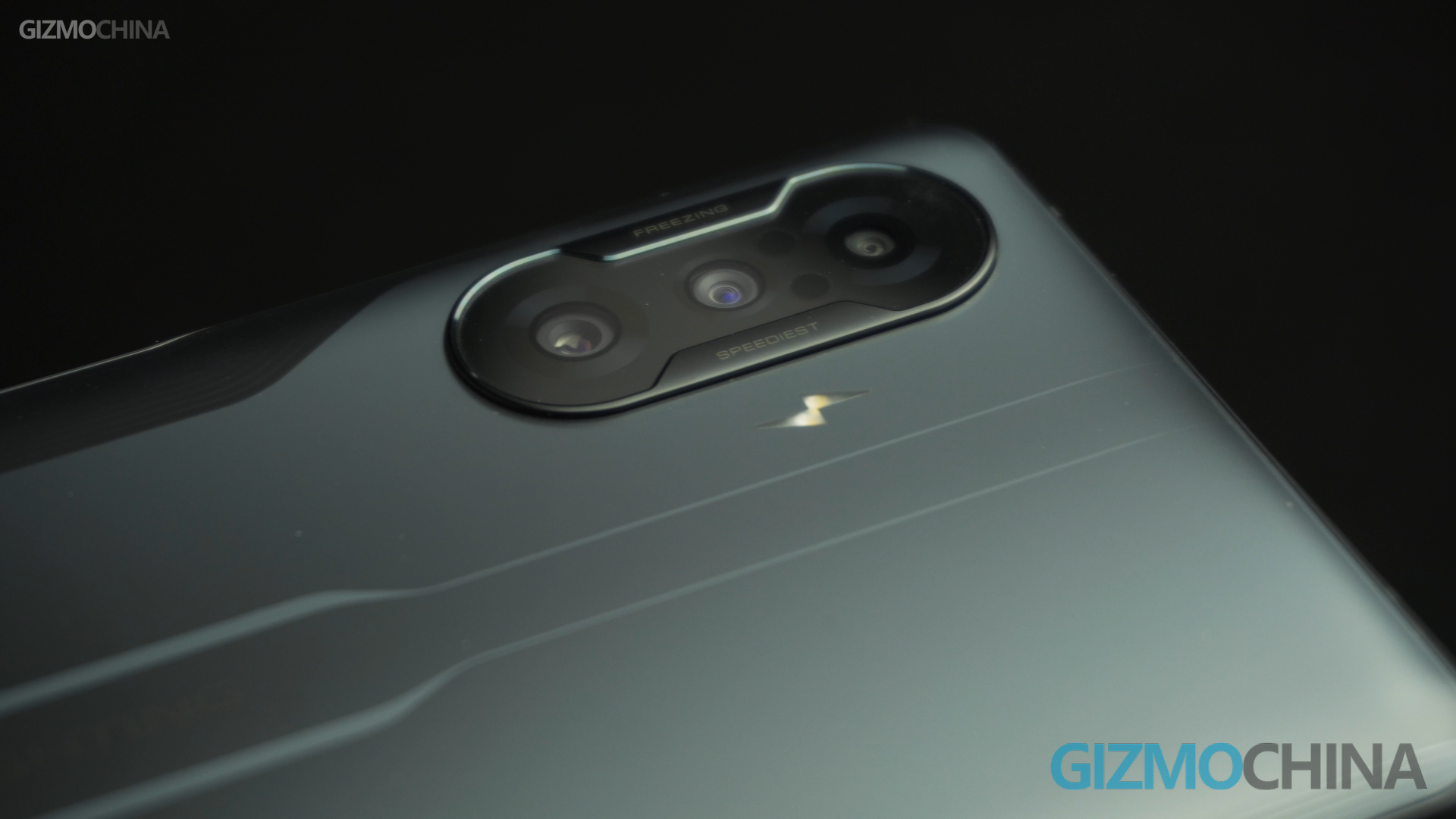
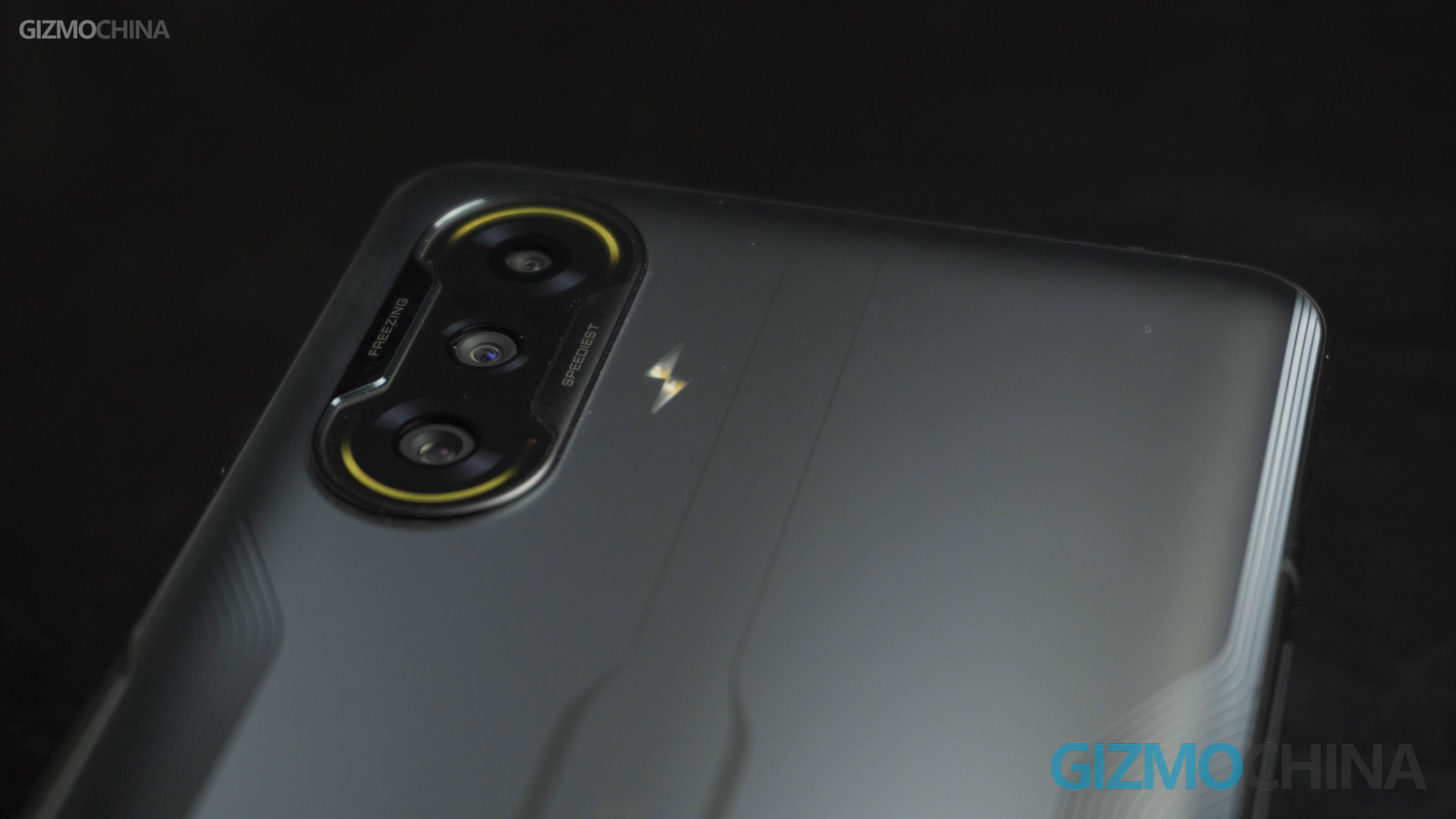
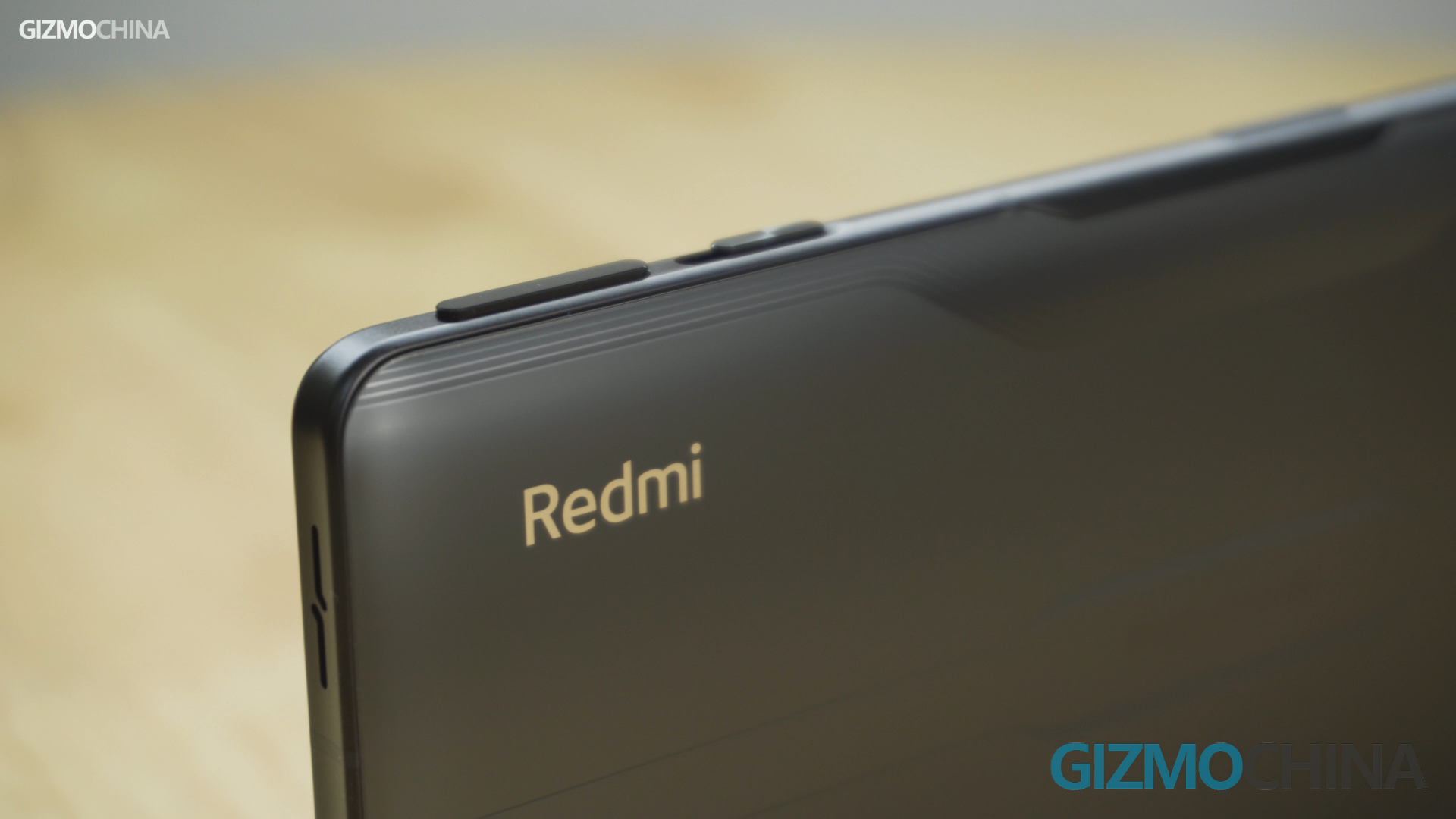
This time, the frame is made of metal and the back panel is made of glass, so it’s not using plastic to reduce weight, and the quality is better than K40 and realme GT Neo. The back looks less flashy than other gaming phones, the camera module is still placed in the upper left corner. The lens protrudes very little, and the design of the pattern is still very restrained. The main gaming design elements are around the lens, the words FREEZING, SPEEDIEST are on both sides of the lens, and there are two RGB lights around it. If there are unread notifications, or if the phone is charging or if you are playing a game, these lights will flash. But these lights while gaming may not be always bright.
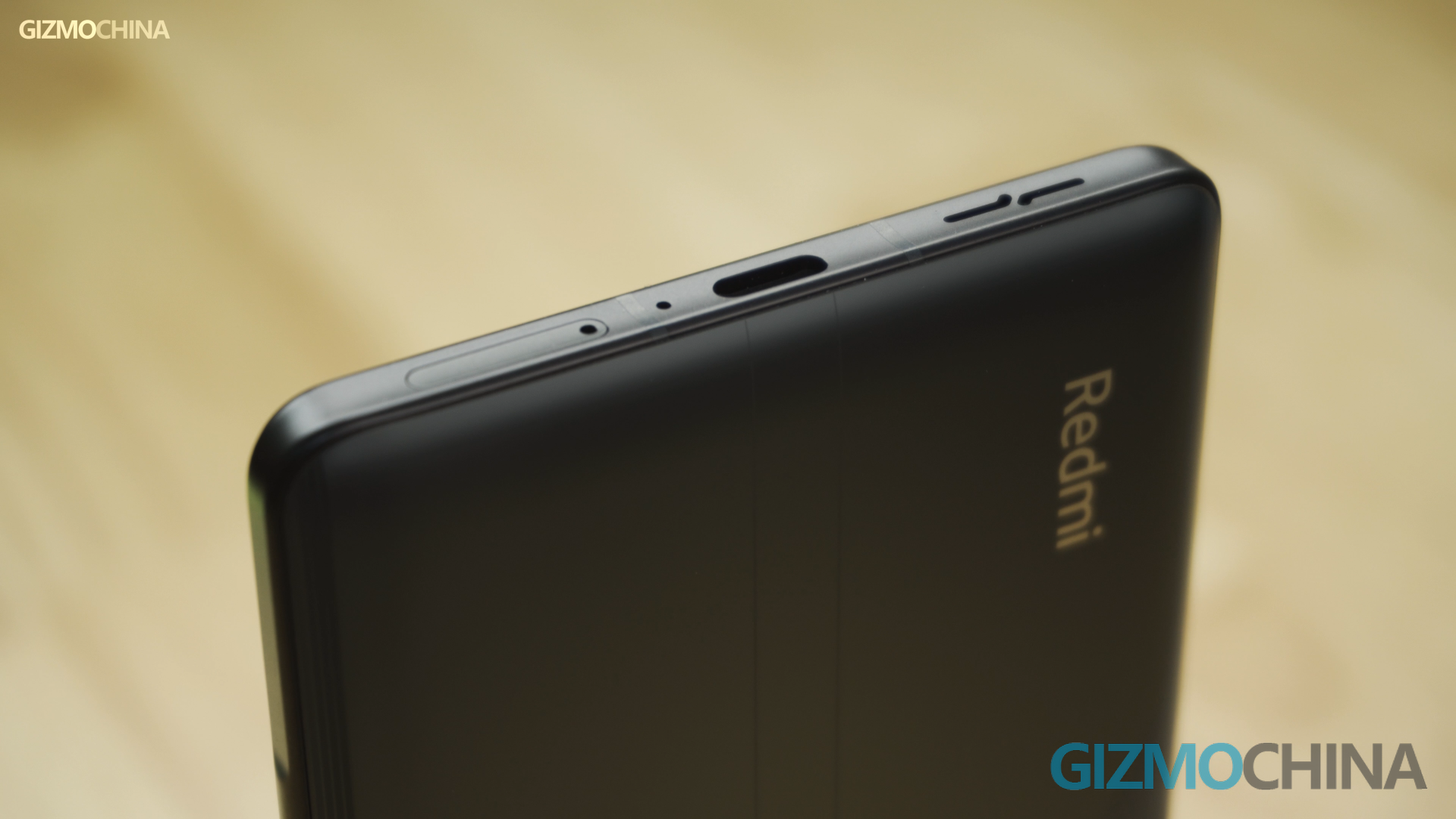
The lightning flash and the new speaker cutout are very gaming centric. The top and bottom frame are straight and with the pop-up trigger on both sides, it really feels like you are playing on a handheld gaming console. In addition, the new antenna design and the third microphone added to the side all confirm its identity as a gaming phone. There is NFC and IR blaster, but the lack of a 3.5mm headphone jack is not very “Gaming-focused”.
REDMI K40 Gaming Edition Review: Display
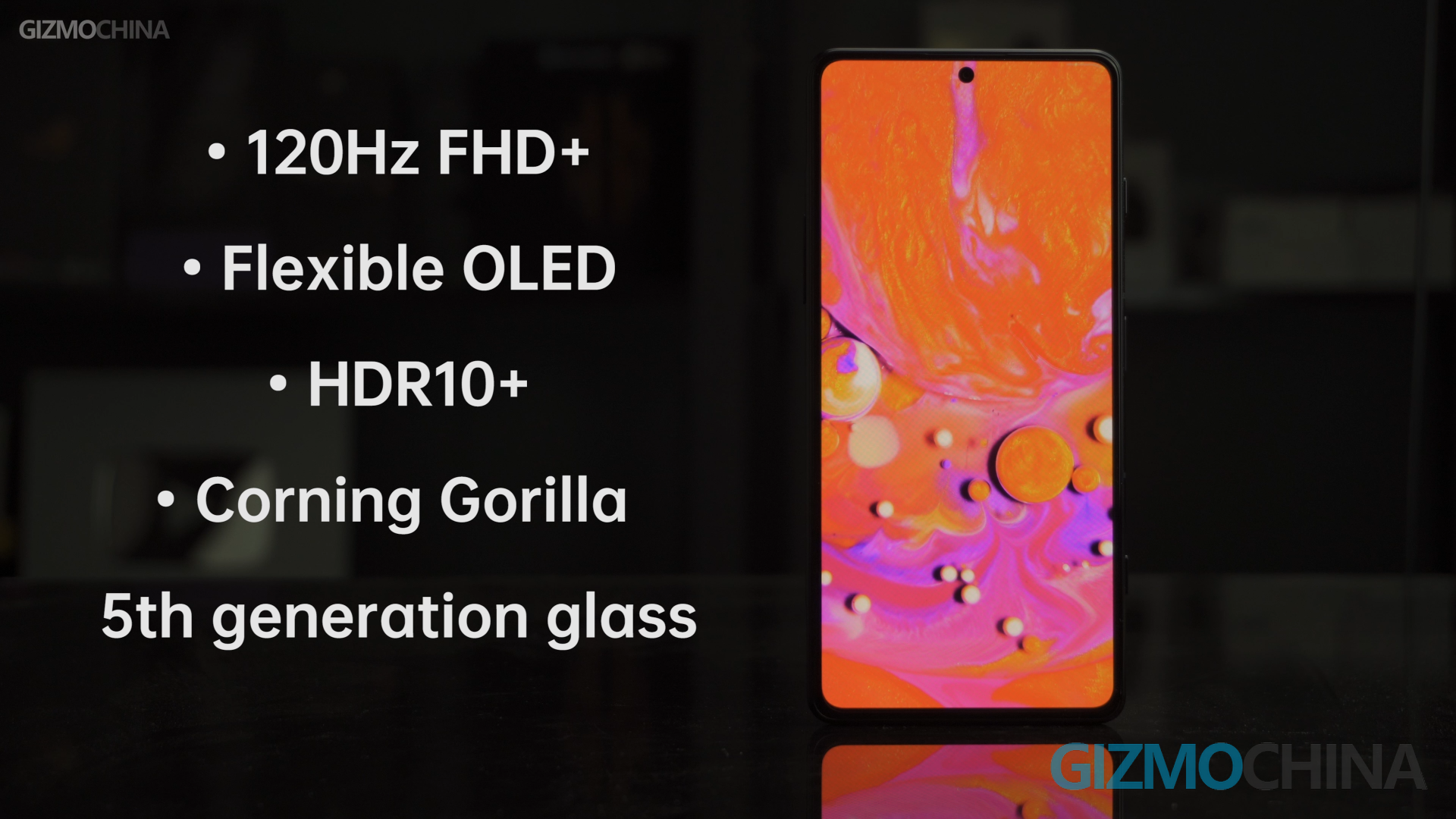
The K40 Gaming Edition uses a 120Hz FHD+ flexible OLED straight screen. Because of our sub-par display experience with the Mi 11 Lite 5G, first, let’s take a look at the screen pixel arrangement. This time the screen supplier is from a Chinese company and uses diamond-like pixels.
The screen’s fineness is not much different from Samsung’s AMOLED. It supports HDR10+, and the protective glass is Corning Gorilla 5th generation glass. Also because the flexible screen uses the COP packaging process, the width of the lower bezel is made very narrow, and the plastic protection layer is also made very small and looks more beautiful than other non-gaming phones.
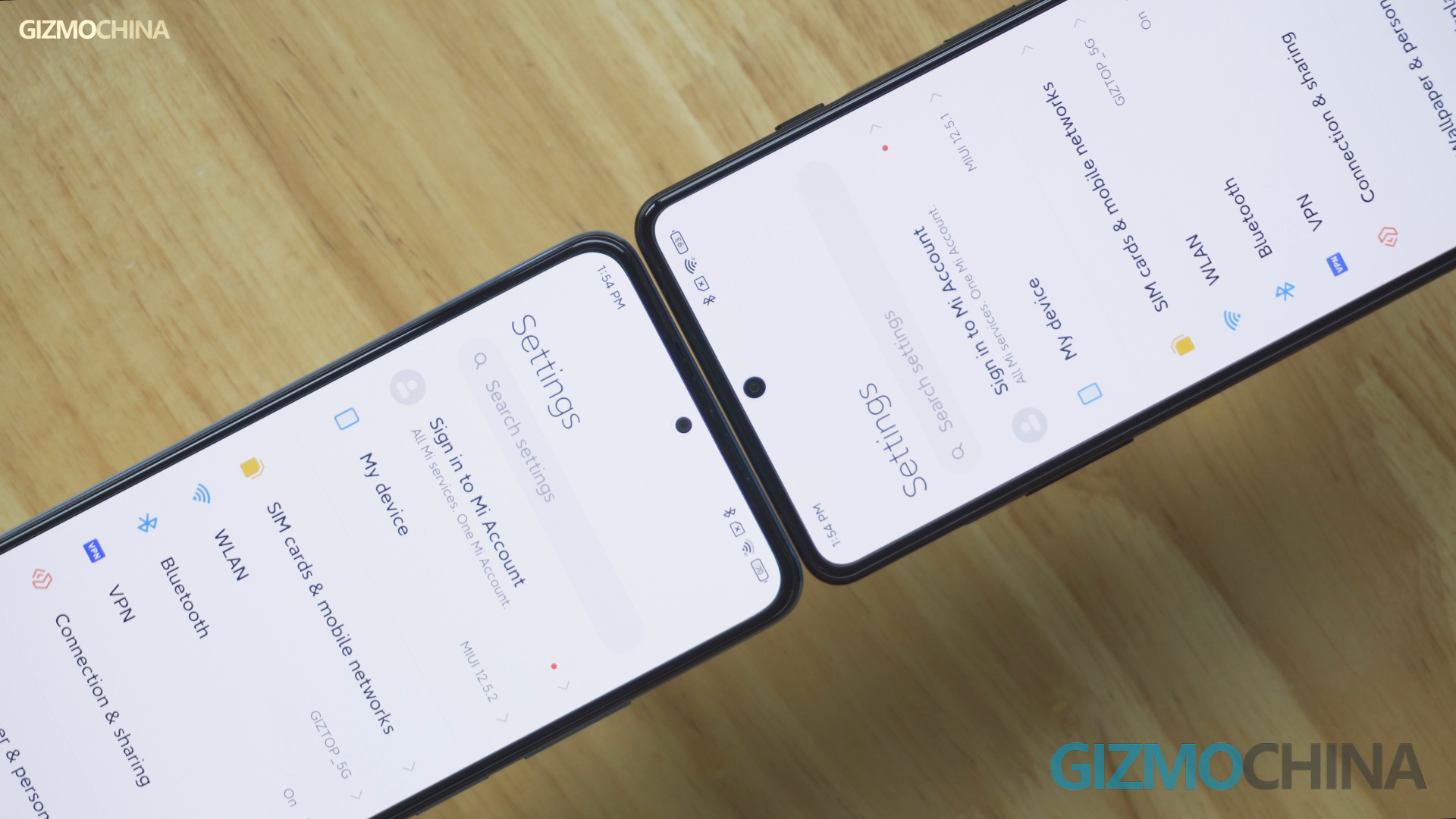
But also because of the non-Samsung flexible screen, the camera cut out at the front is a little larger than the K40. The peak brightness is lower than the K40 as well. Although the screen performance is not very good in terms of hardware, the narrow bezel still gives a good impression.
The K40 Gaming Edition is the second phone to use the MediaTek Dimensity 1200, which was also used in the realme GT Neo.
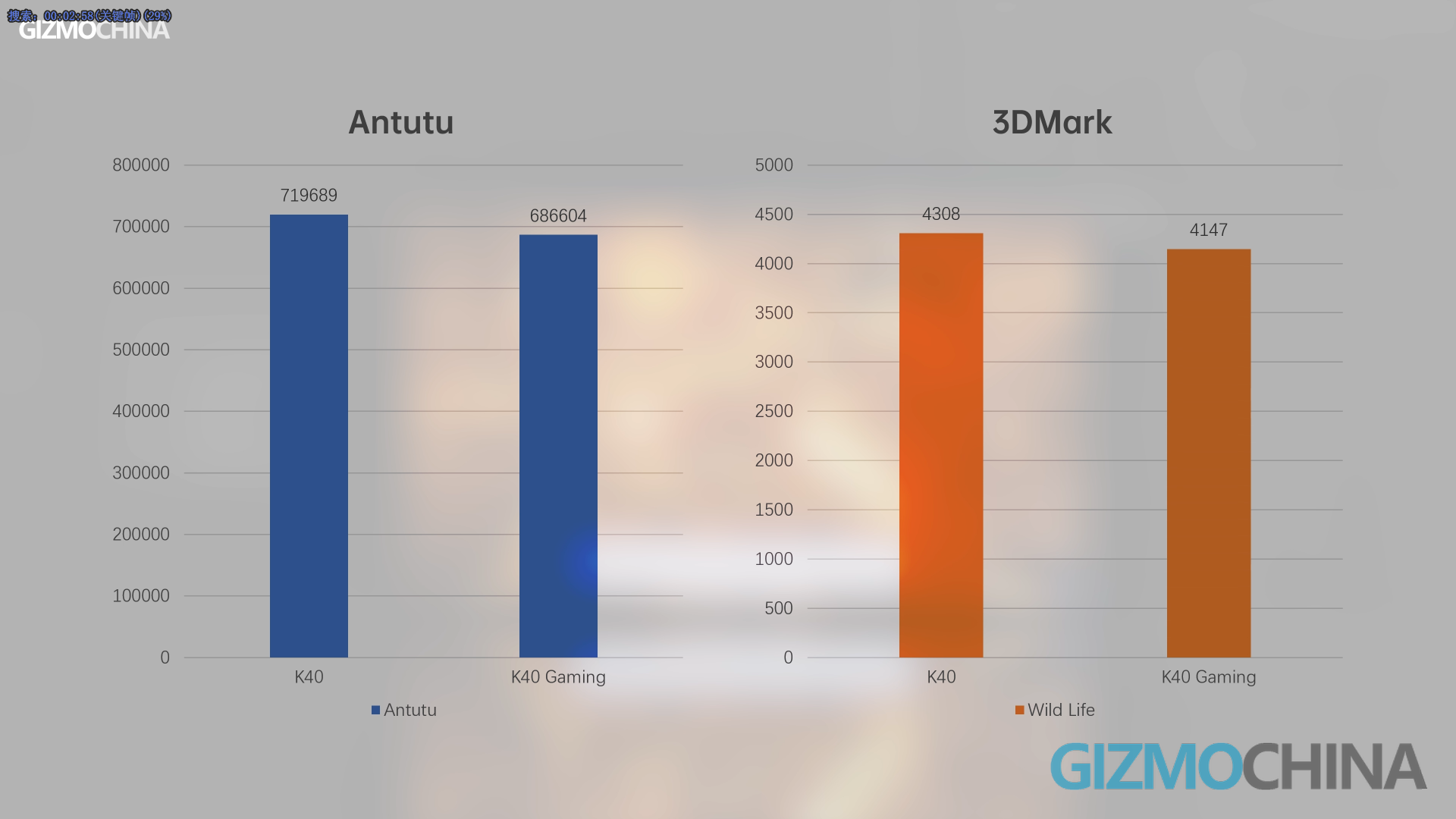
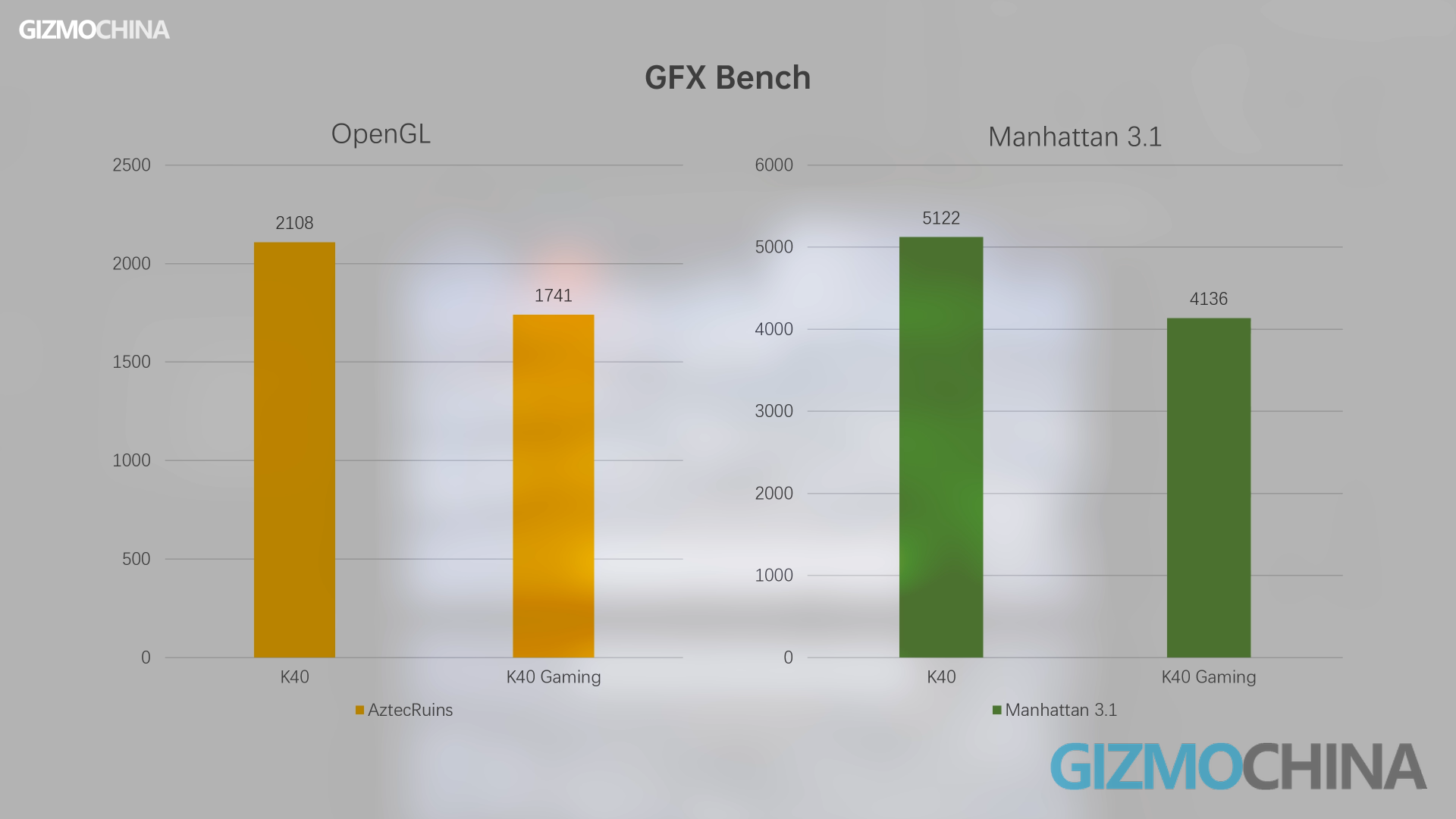
Let’s compare the Benchmark results: On Antutu, the phone scores 686604, in 3DMark 4147, in GFX Bench OpenGL 1741, and in Manhattan 3.1 it scores 4136.
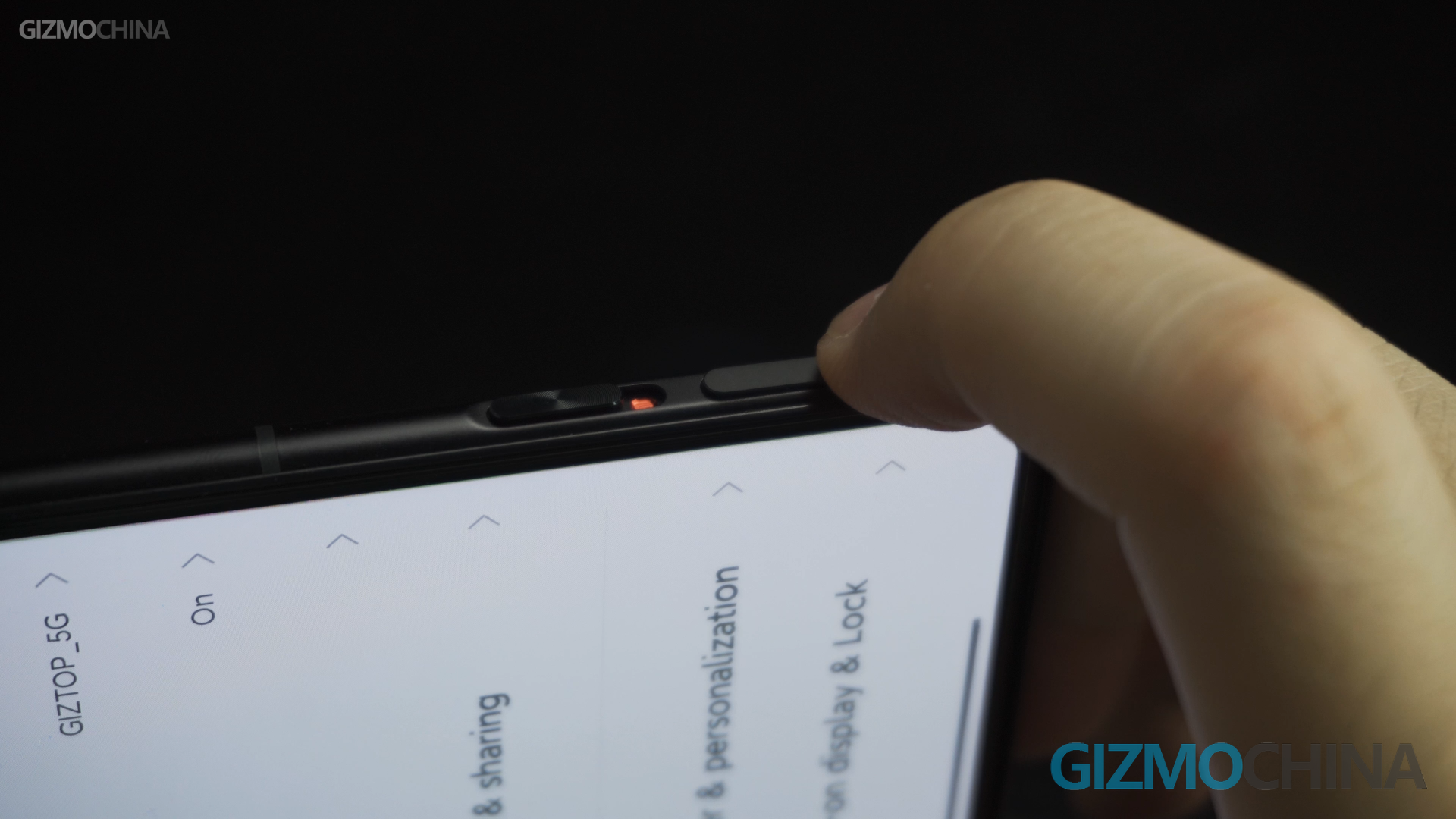
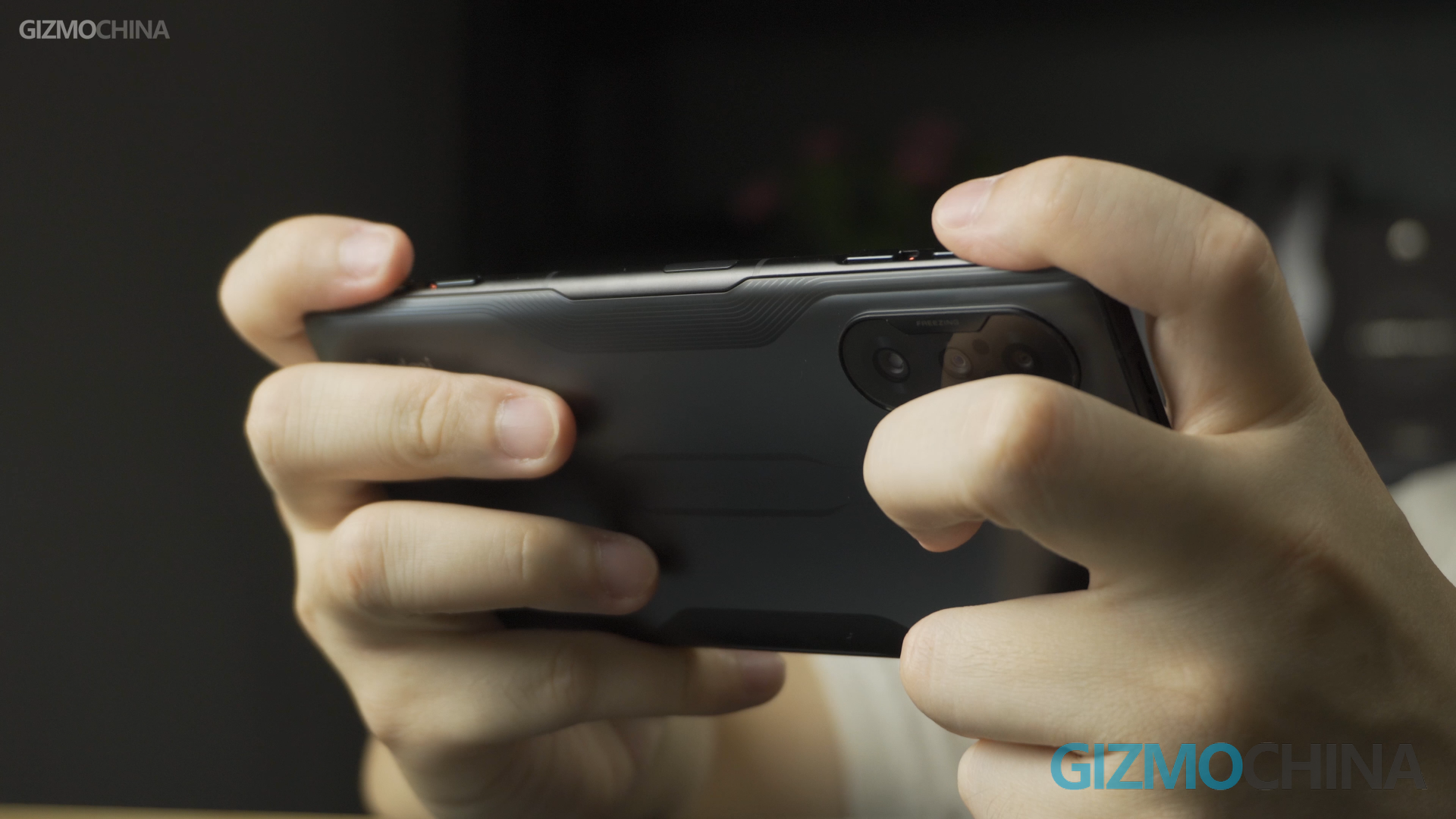
Since it’s a Gaming Edition, the gaming experience is the main focus. For a good gaming experience, the K40 Gaming Edition uses a new type of thermal material that can control the antenna heating up without blocking the signal transmission and reception. It is also equipped with the same type of pop-up trigger as the Black Shark 4. The trigger pops up when you toggle the switch on.
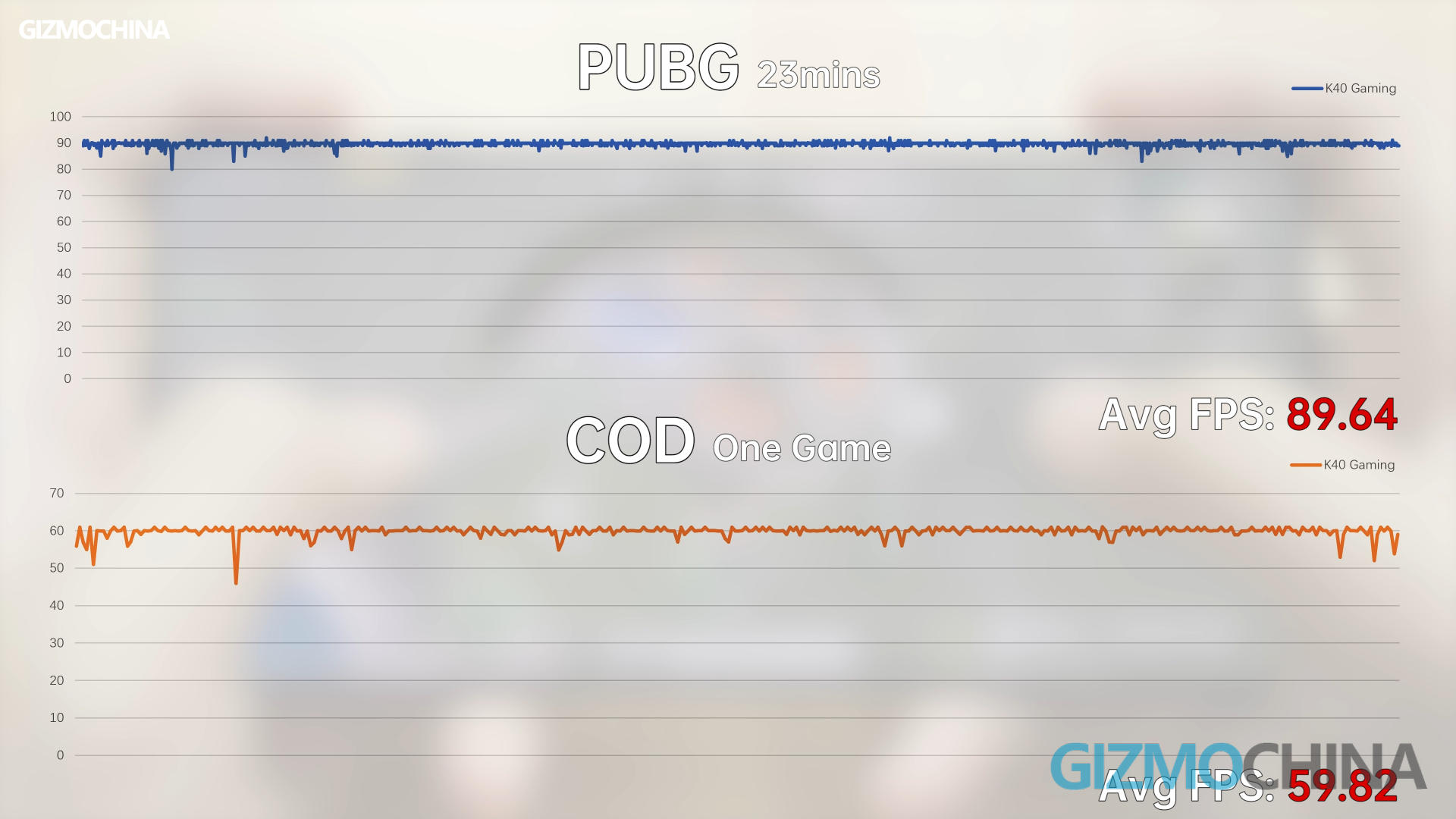
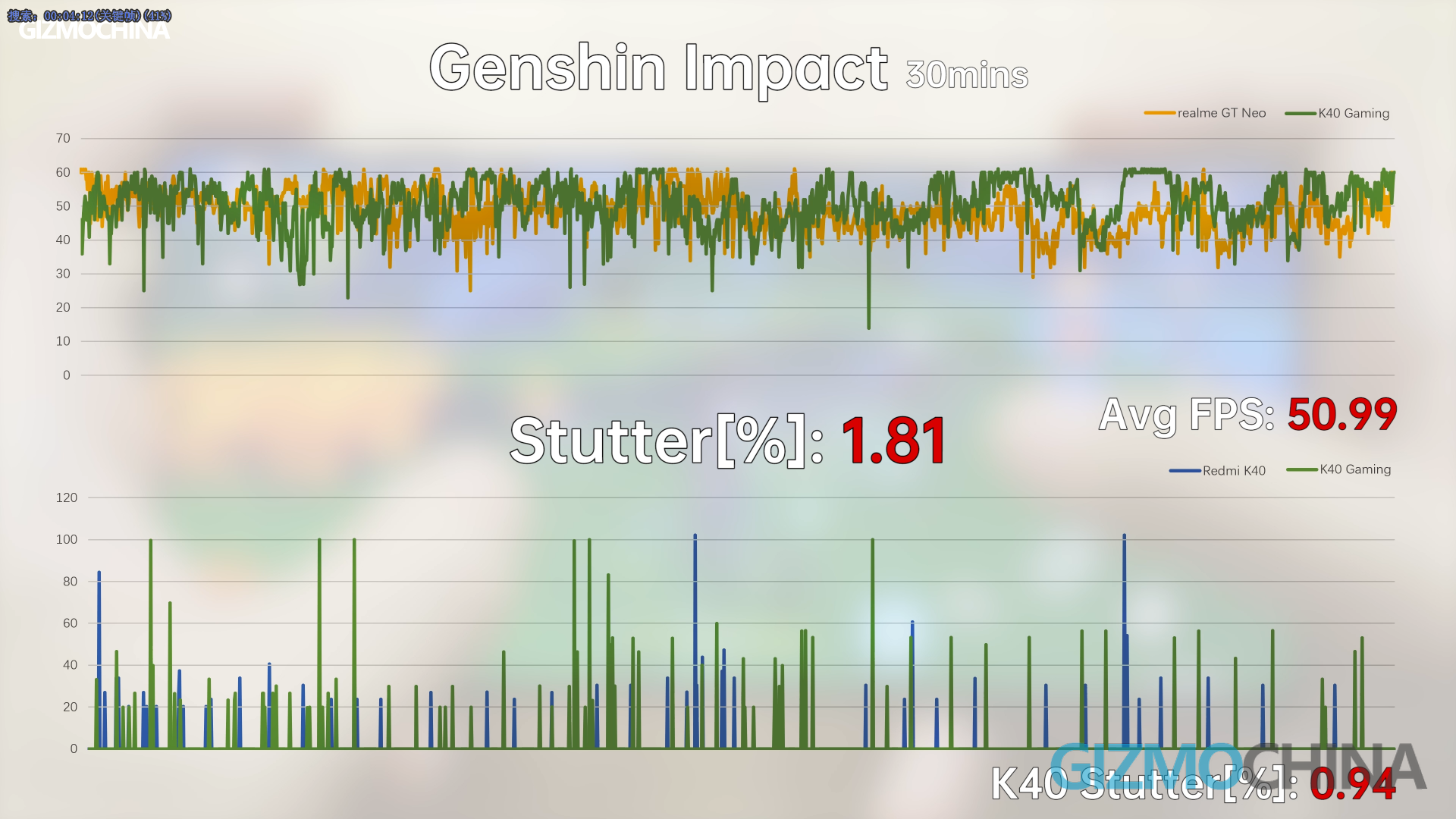
The sound and feel of the switch can be really addictive. Because it is a physical trigger, it feels more comfortable than other triggers that are pressed through vibration feedback, the feedback is more direct while the latency is lower. However, the current system version does not allow the trigger to be customized for shortcuts. So right now the trigger can only be turned on to start the <Game space>. When you play PUBG, like realme GT Neo, it does not support the HDR Graphics Extreme frame rate option, but with Smooth Graphics you can turn on 90fps frame rate. K40 Gaming Edition can run at a near full frame rate in this setting. The same light load game COD mobile is also available in full frame. This time Redmi and miHoYo have worked together to optimize Genshin Impact. But the actual results don’t look very different from the realme GT Neo. The average is 50.99 fps. The phone has slightly less lag than the realme GT Neo, but there is still a performance gap with the K40.
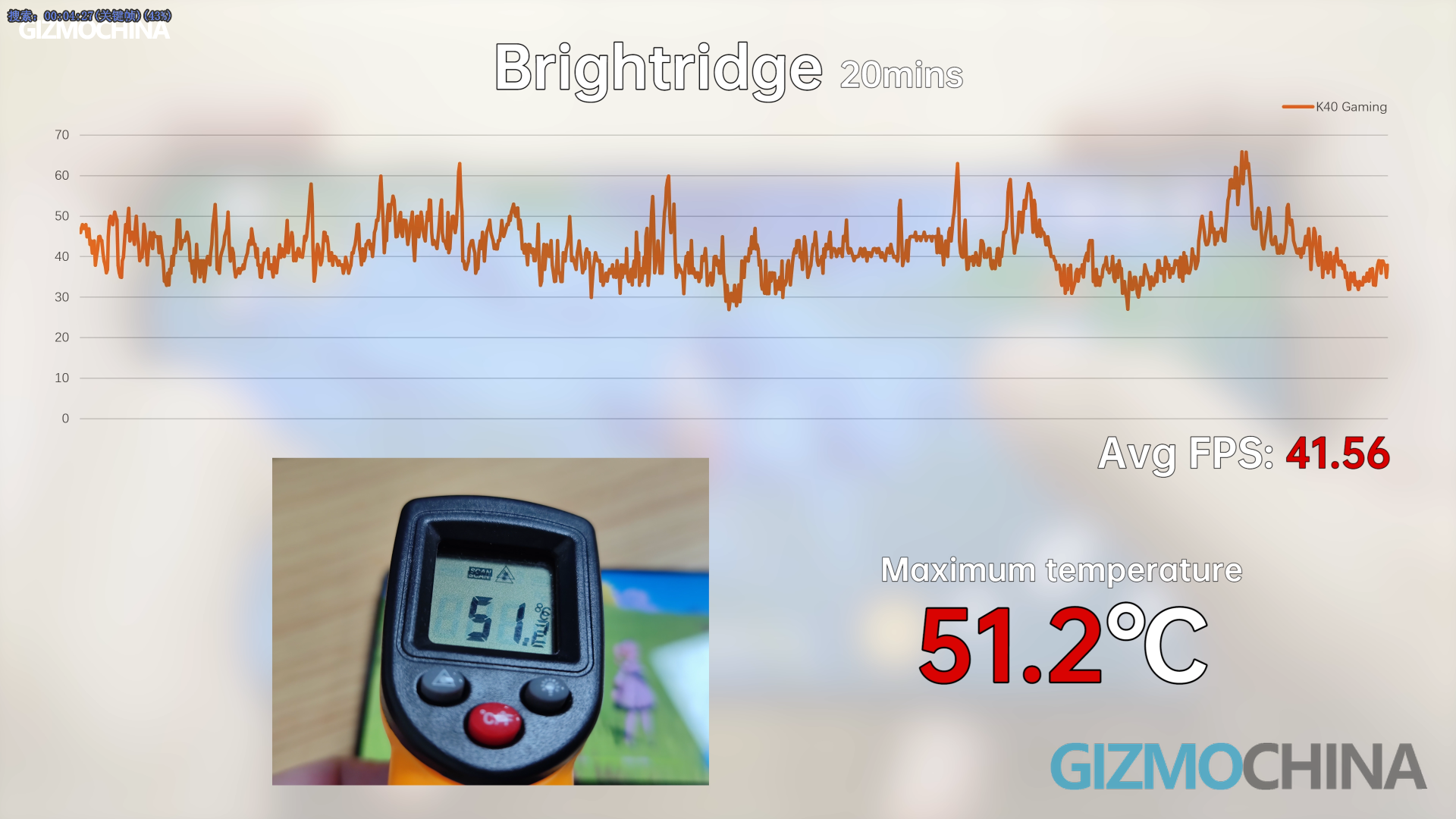
Redmi does not have a frame rate limit for Brightridge, averaging at 41.56 fps. Although it is able to play smoothly, the temperature breaks 50 degrees Celsius at the front and 49 degrees Celsius at the back. And because it is a metal frame, it will feel much hotter than a phone with a plastic frame, so the gaming experience is not very good.
REDMI K40 Gaming Edition Review: Camera
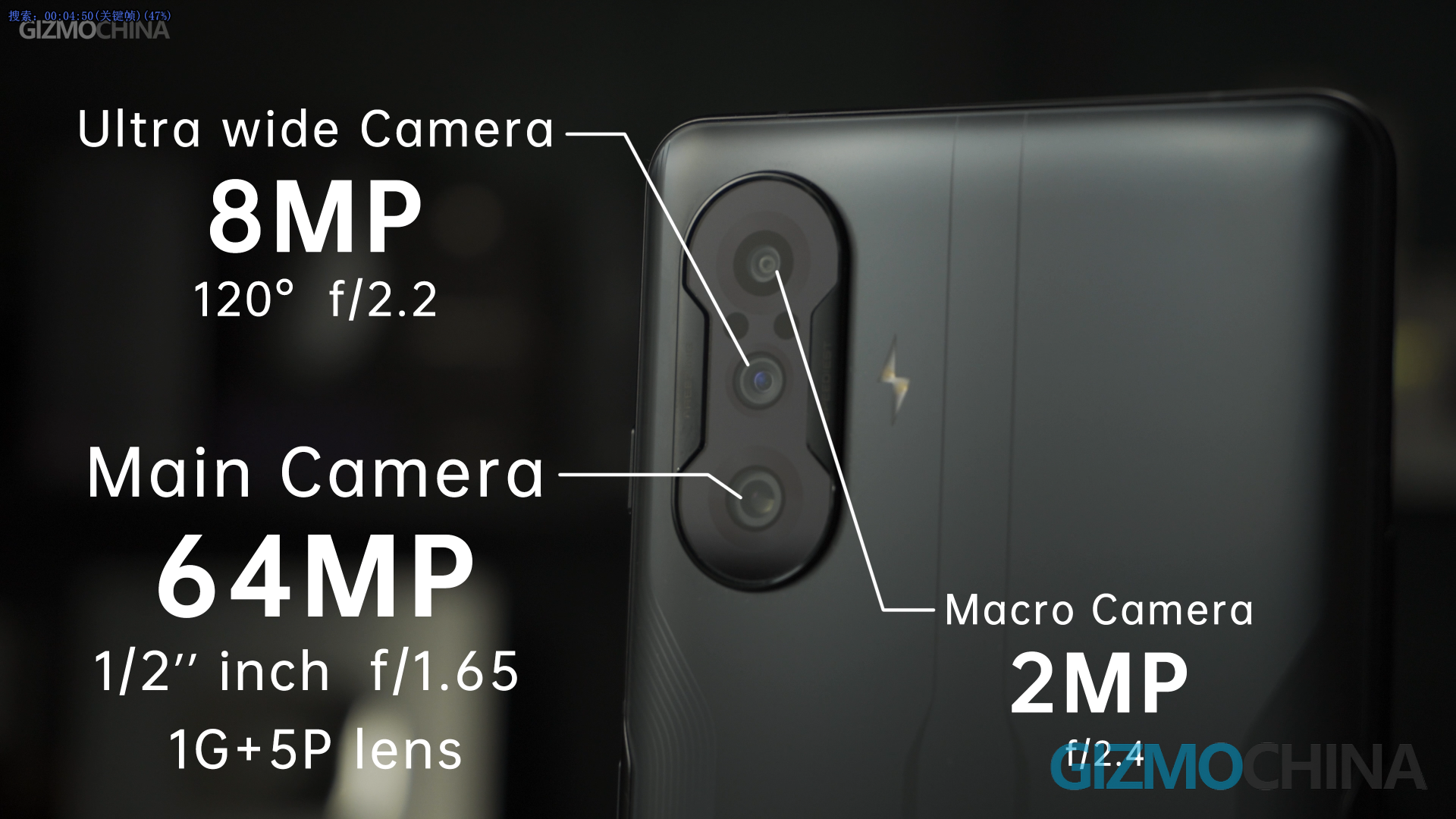
There’s a 64MP primary camera. Although the parameters are very similar, it’s not the same CMOS sensor as the main camera of the K40. There is an 8MP sensor for the ultra-wide lens and a 2MP macro lens instead of a telephoto macro.
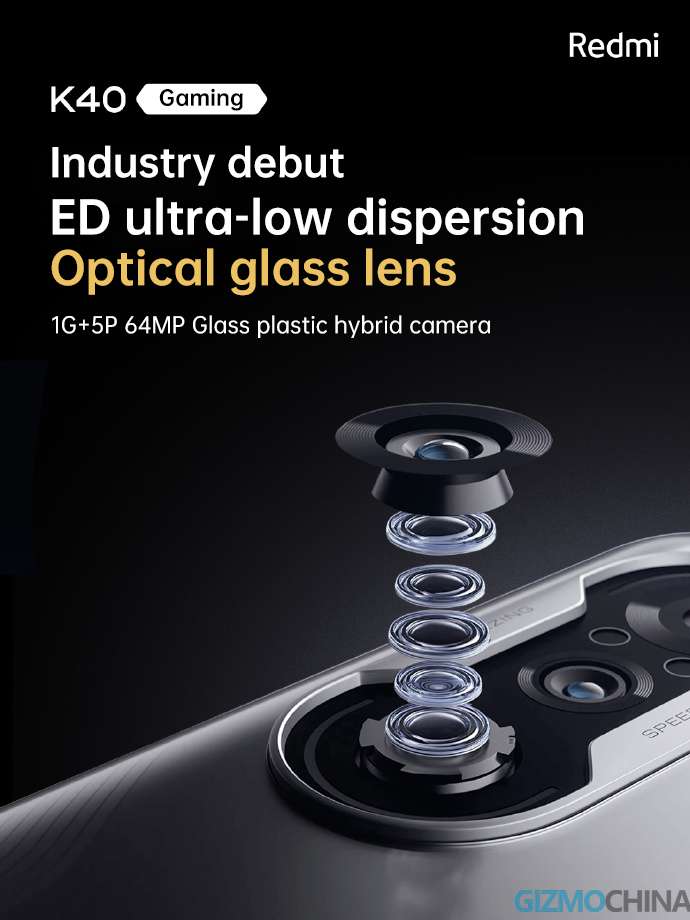
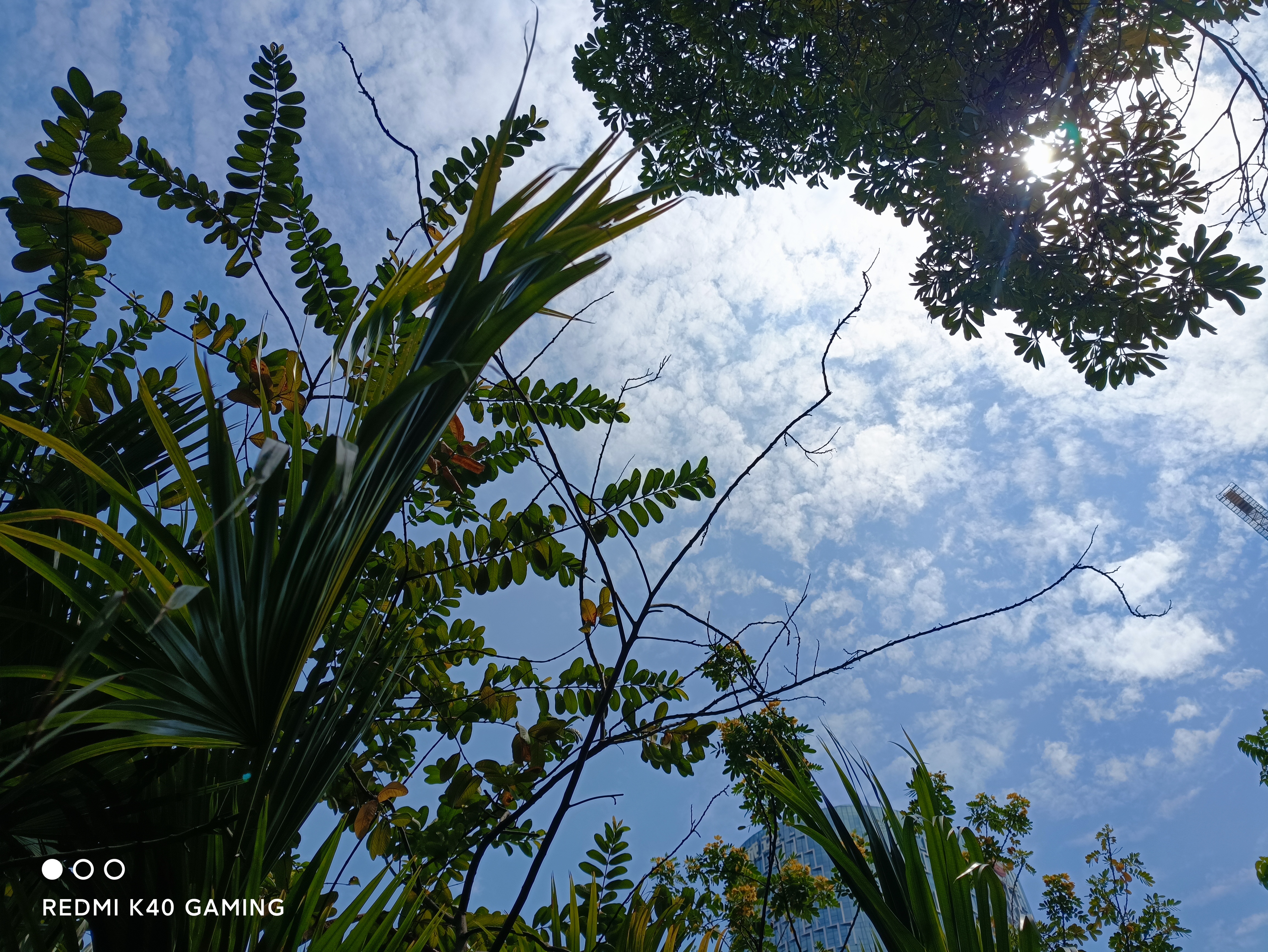
Although it is usually said that the photo quality of the game phone is not good, the K40 Gaming Edition uses optical glass in the phone lens for the first time. This means it features a “1 glass + 5 plastic” lens set. It can improve the quality of the picture. But the actual effect seems less obvious.
Main Camera
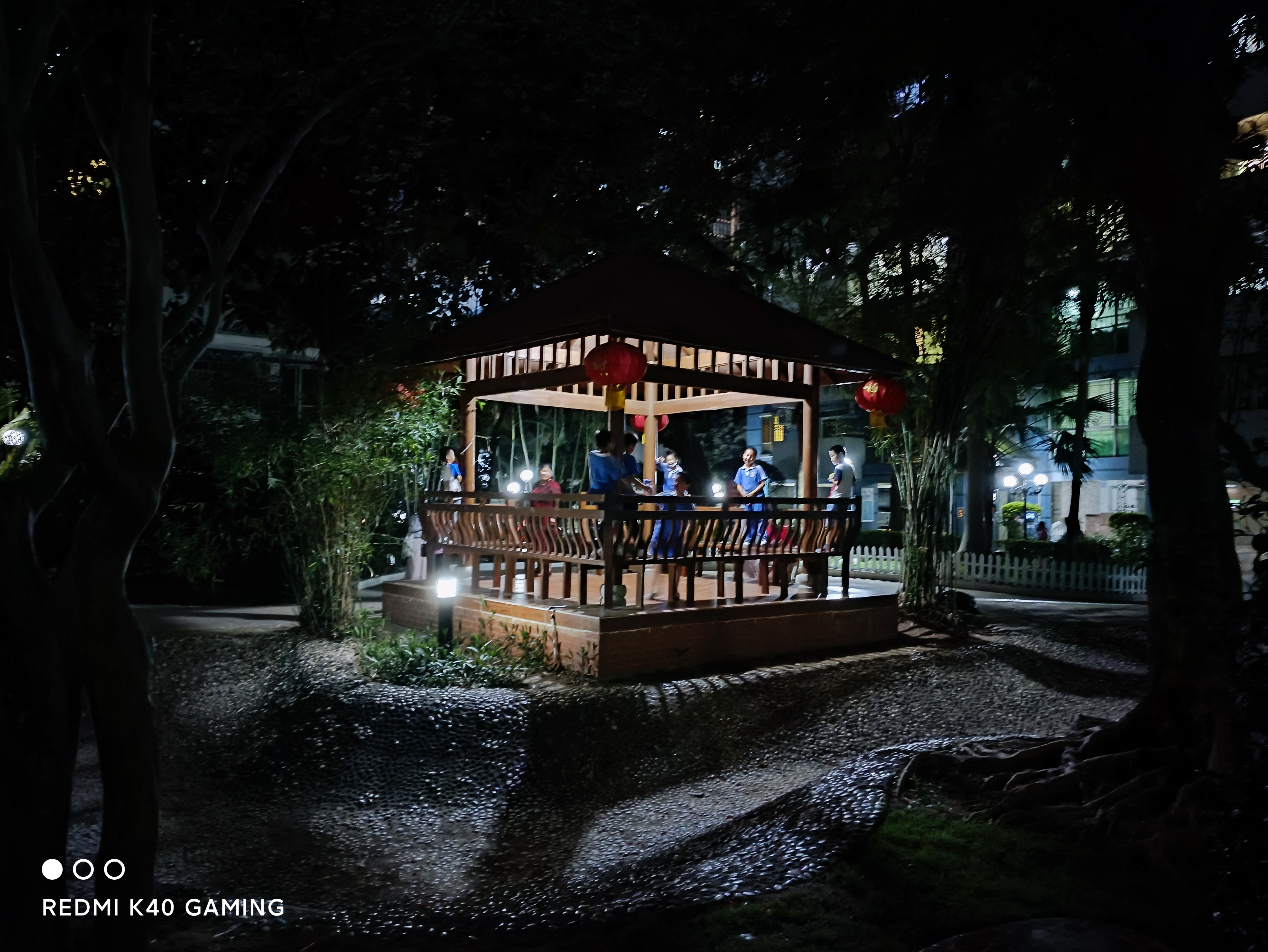
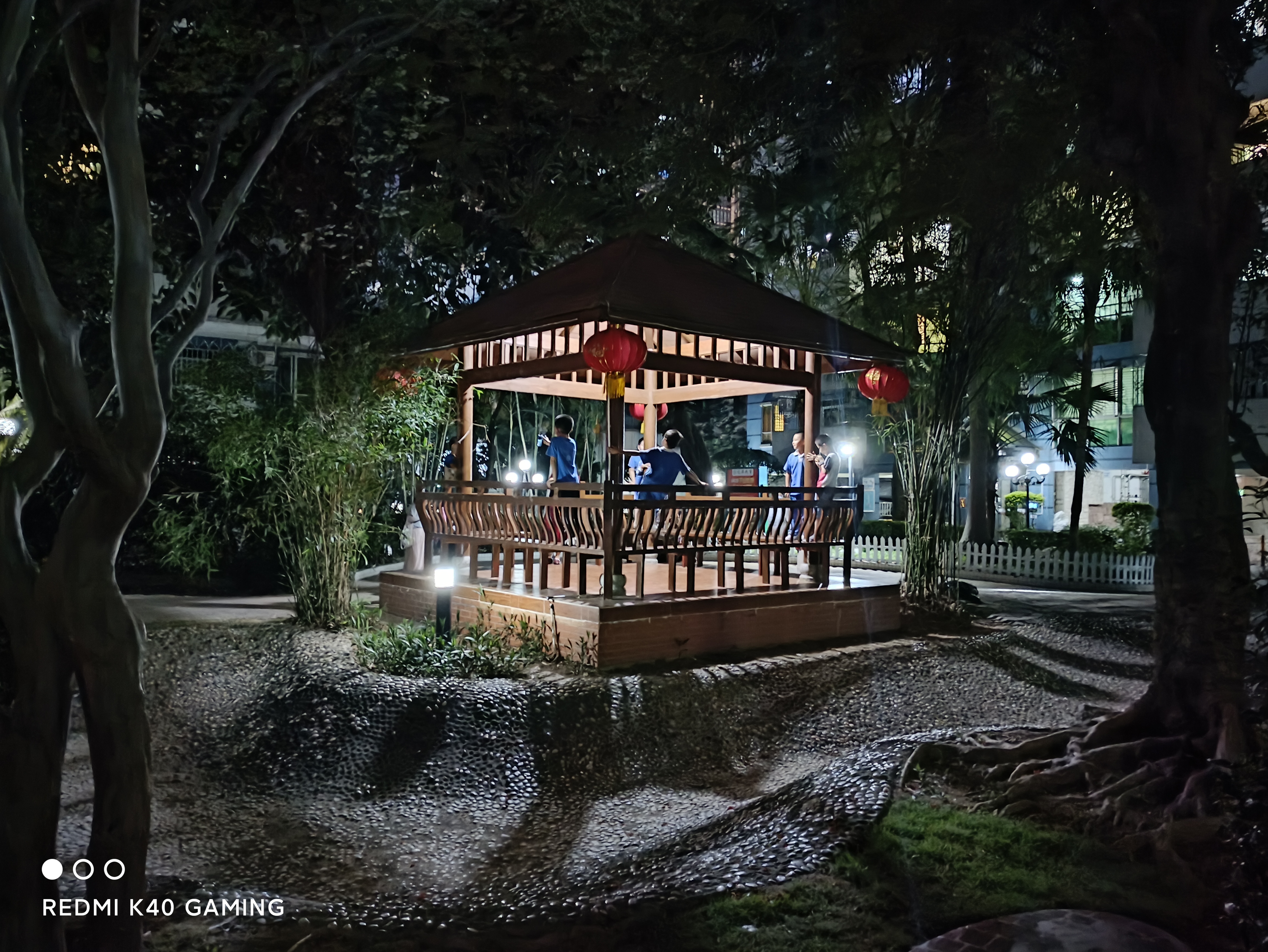
NIGHT MODE
NIGHT MODE
NIGHT MODE
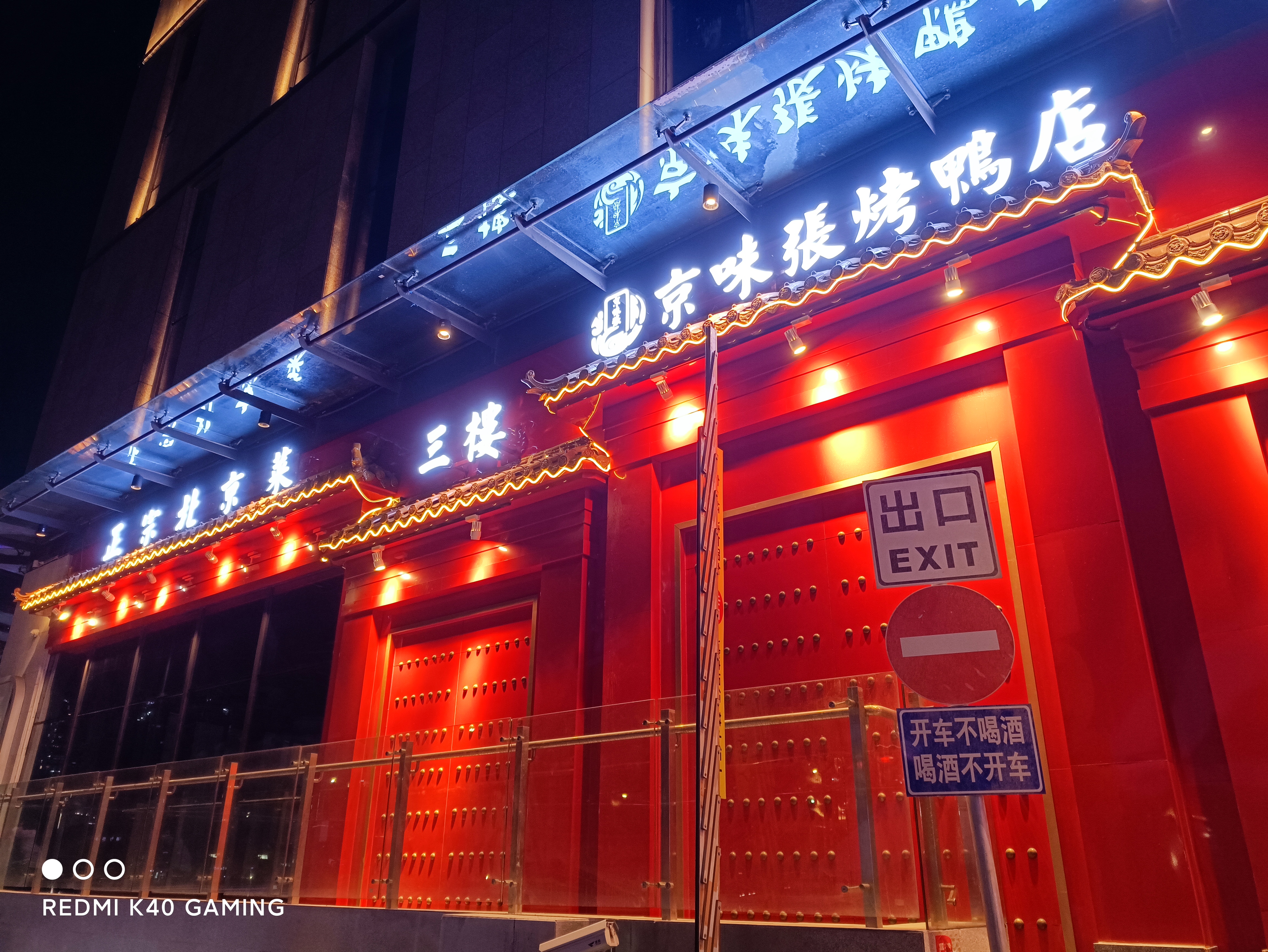
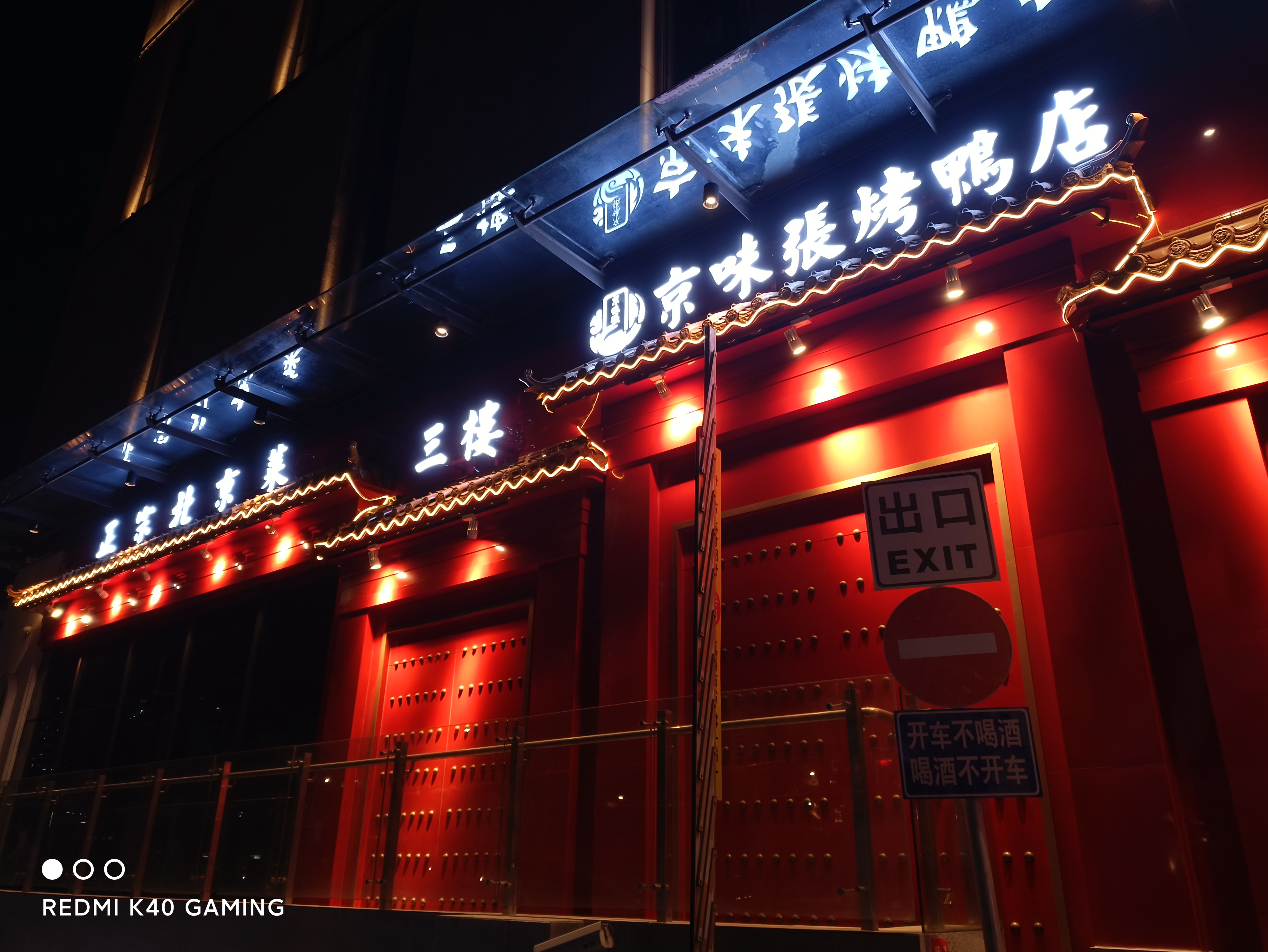
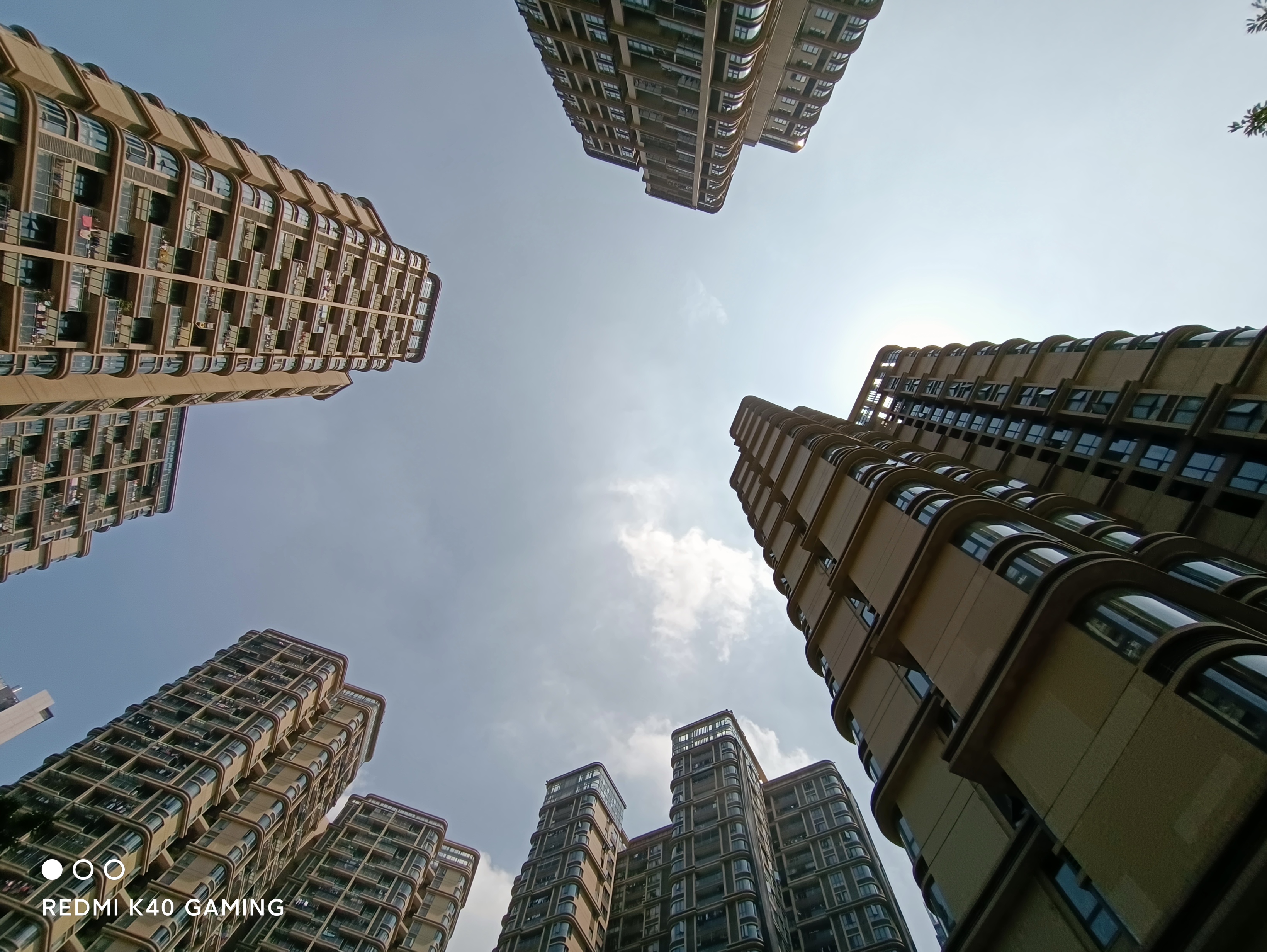
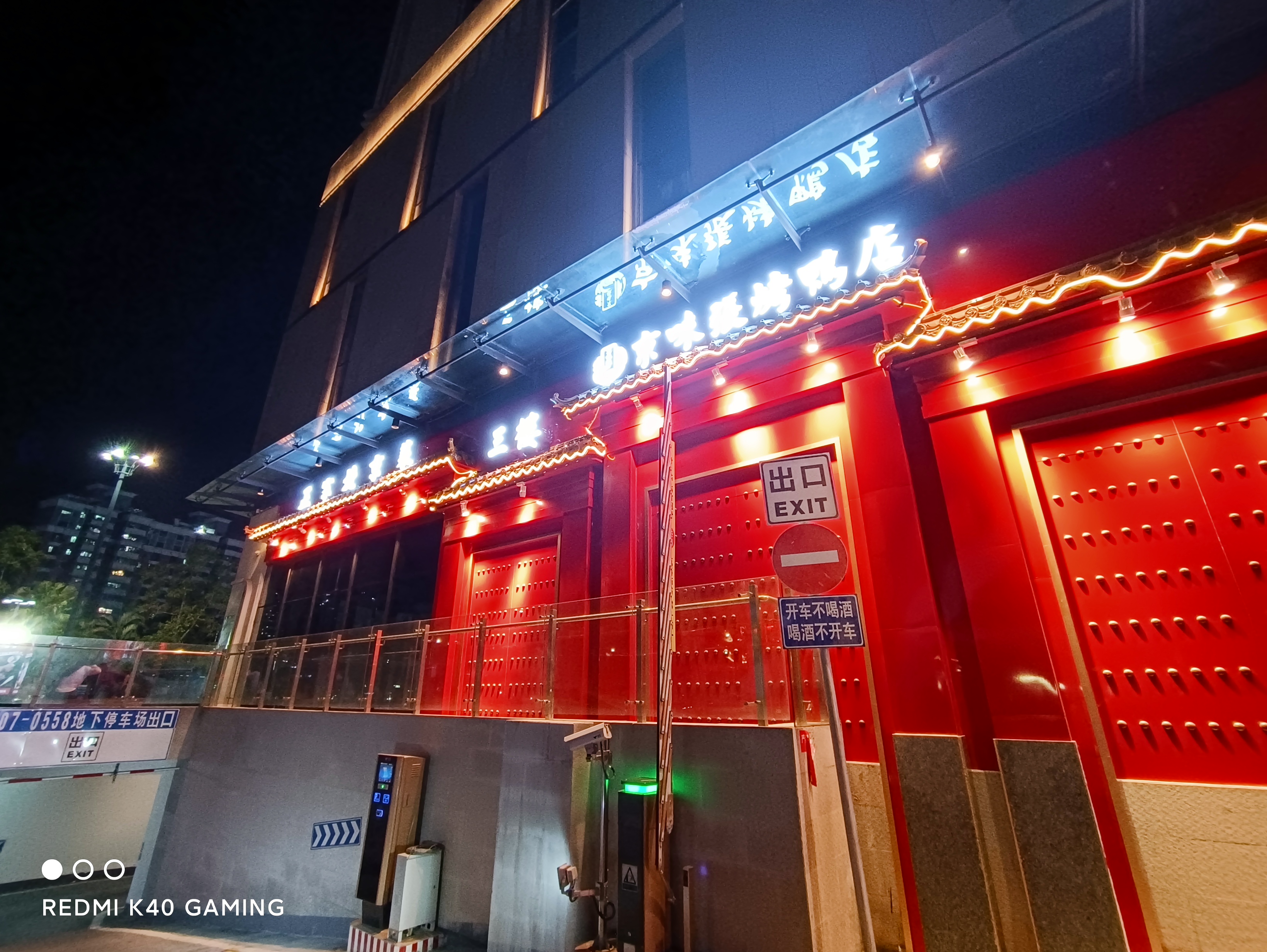
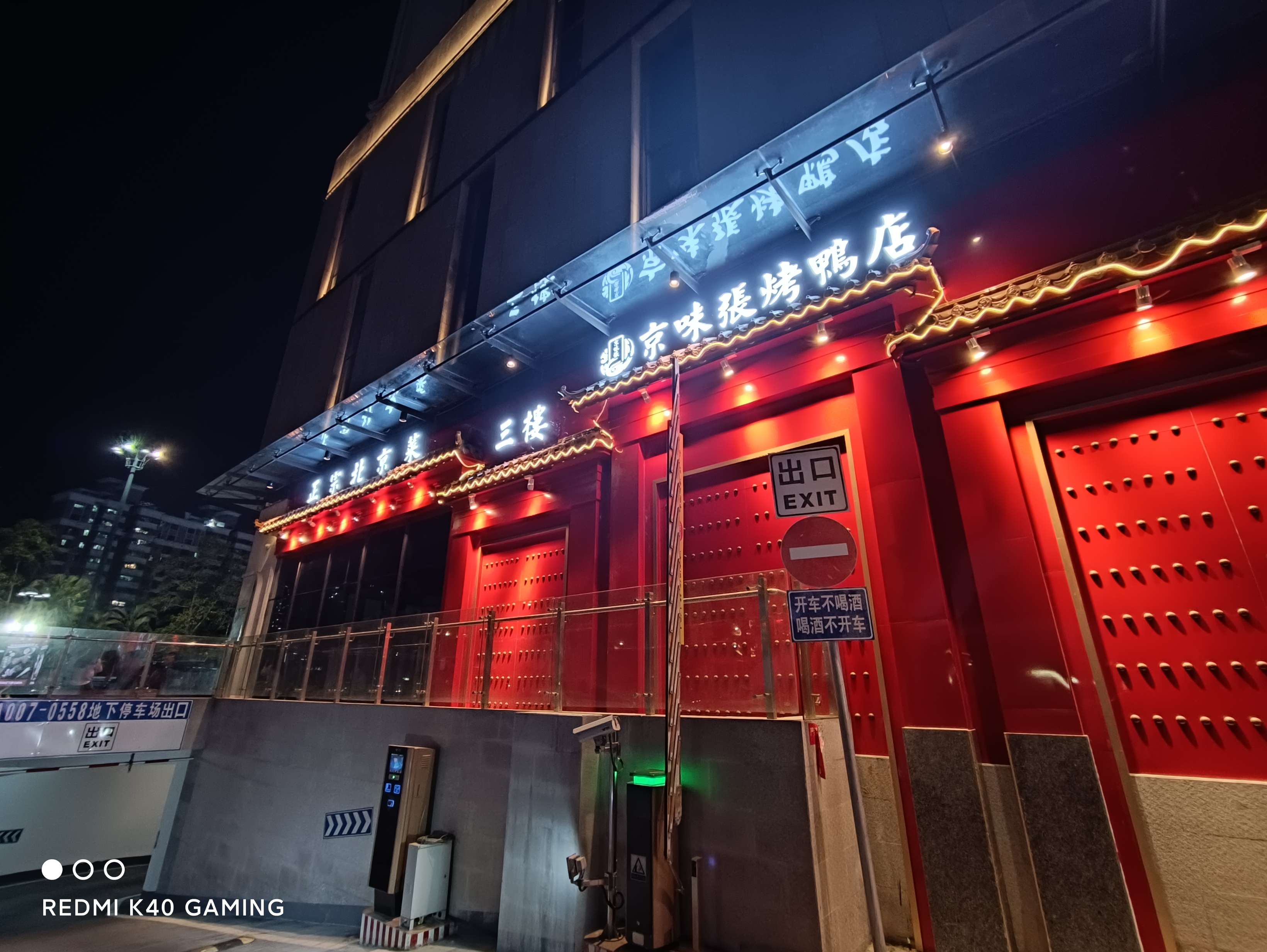
The colors in the main camera are vibrant and brighter. The white balance is also much closer to what the eye sees than the K40. The dynamic range is also higher, and the daytime performance is excellent. At night when there are more lights, the auto mode performs basically the same as during the day. However, lens flare issue is more serious, occupying a very large part of the picture. And the lens flare effect wherein you’ll see a small circle inside a large one in the samples could be caused by the glass piece in the lens set.
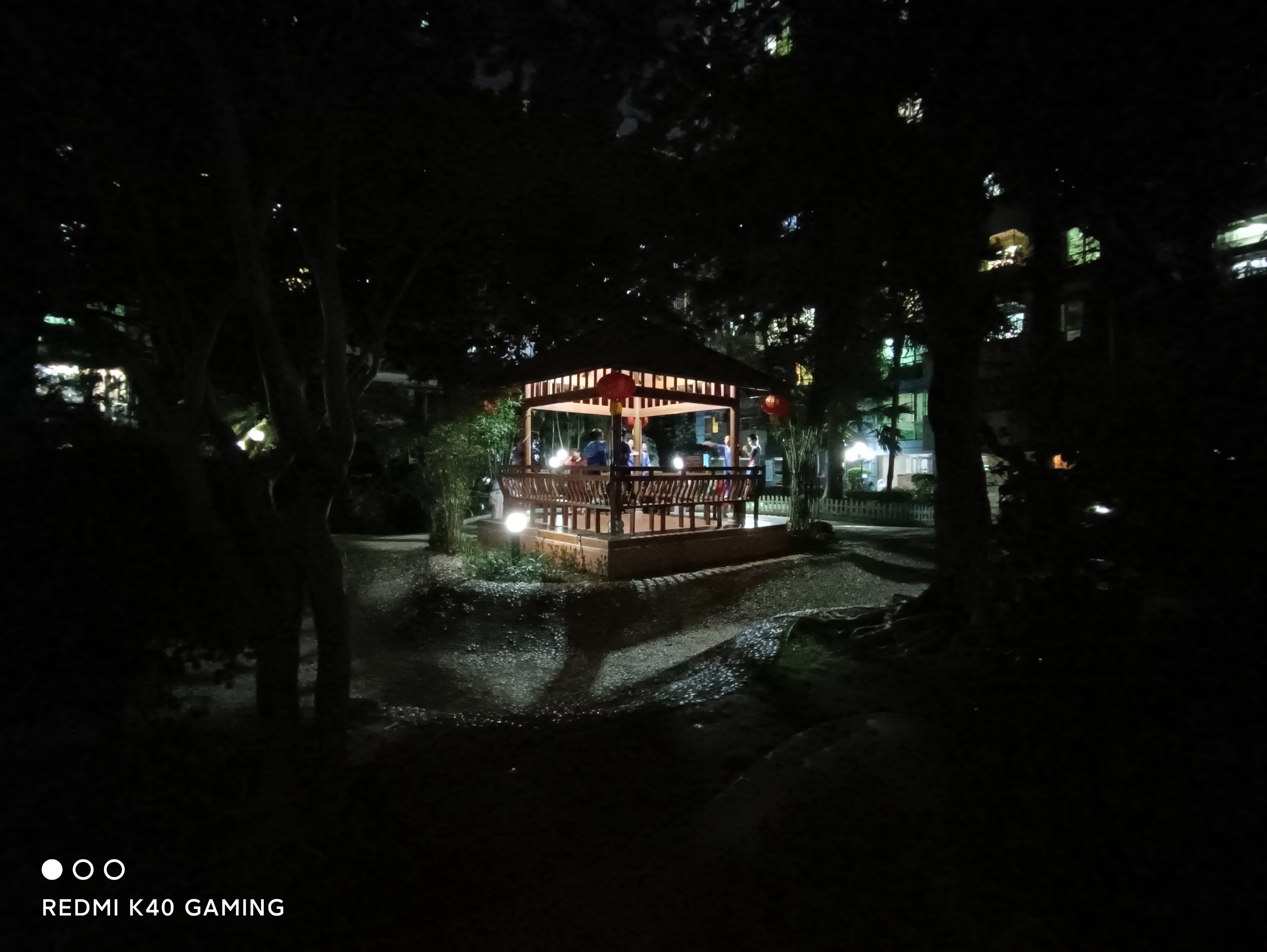
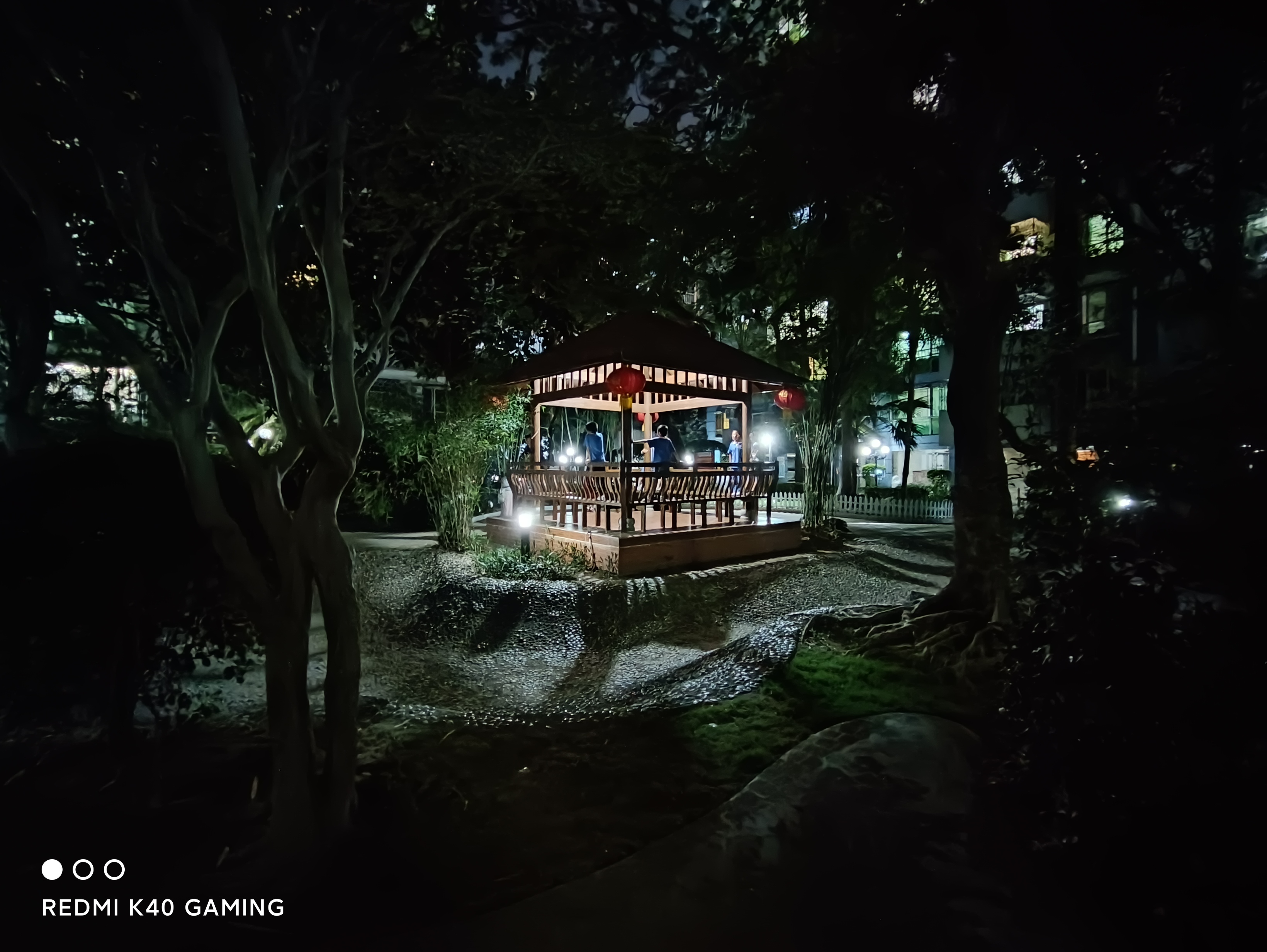
The performance of the night mode is not so good, and the dynamic range and exposure have been reduced as well. But if you feel the images are a bit dark, or if you want to improve the photo’s exposure and dynamic range, you will have to decide whether to use the night mode according to the situation.
Ultra-Wide Camera
As for the Ultra-wide camera during daytime, unlike the K40 which had a greenish tint in its wide angle samples, the gaming edition’s ultra-wide shooter is much more normal. But the automatic HDR activation probability is low, so you often need to manually enable HDR. The control of highlights at night is very poor, often overexposed at the lights, but it returns to normal after turning on the night mode. The other parts are the same as the main camera.
NIGHT MODE
NIGHT MODE
NIGHT MODE
Macro Lens
The macro lens is just an ordinary macro lens, so don’t expect much from it.
The video performance is impressive, and the stabilization on this phone is very good compared to the last Dimensity 1200 phone. The main camera supports 4K 30 fps with very high usability. The ultra-wide-angle supports up to 1080P 30 fps, which should be no problem for extended shooting time.
REDMI K40 Gaming Edition Review: Battery Life & Performance
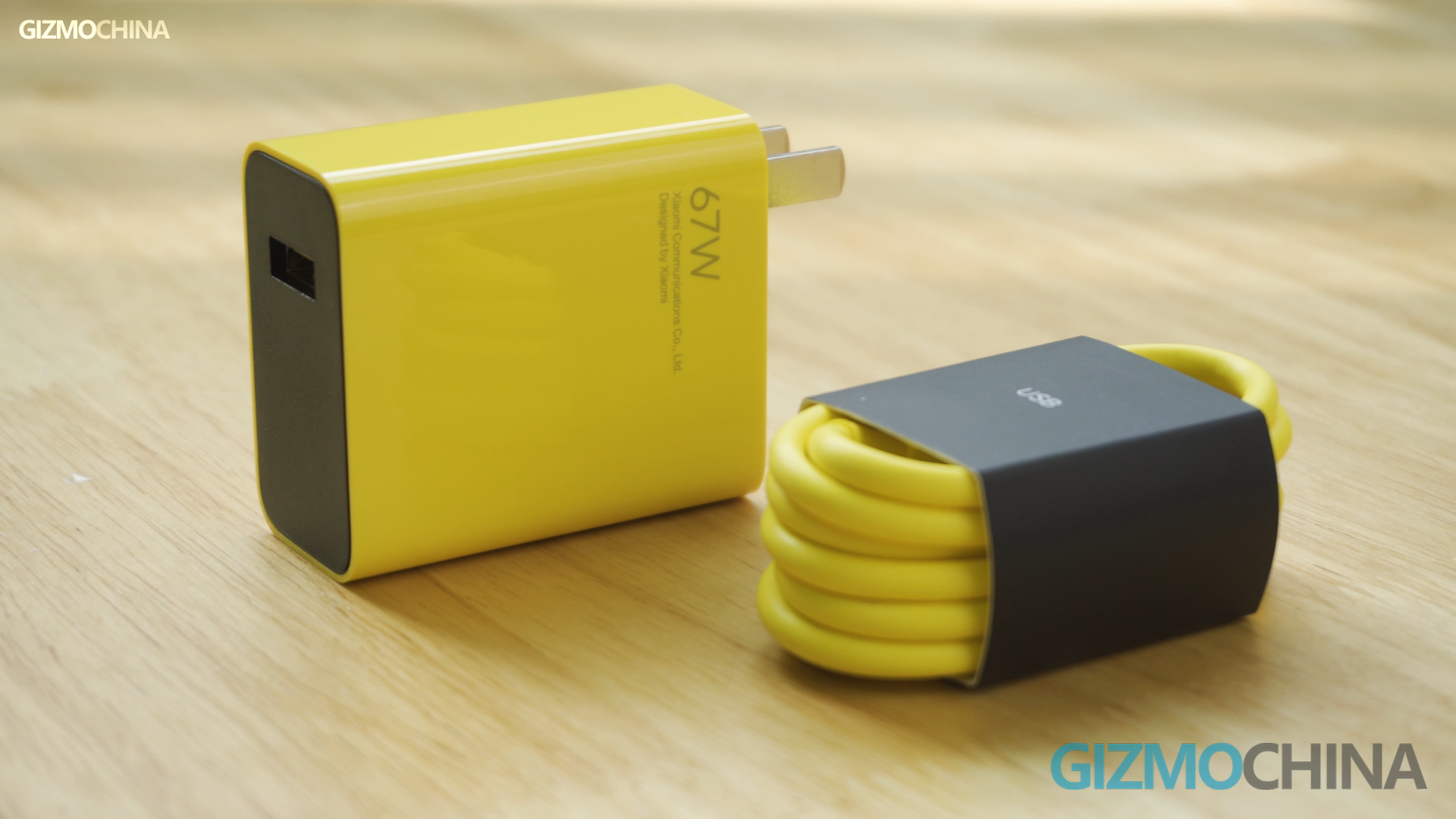
This time the box design is mecha style, and it contains the charger and charging cable. The charger and charging cable are now yellow and black instead of the usual white. And it’s a little smaller than the Mi 11 Ultra‘s charger.
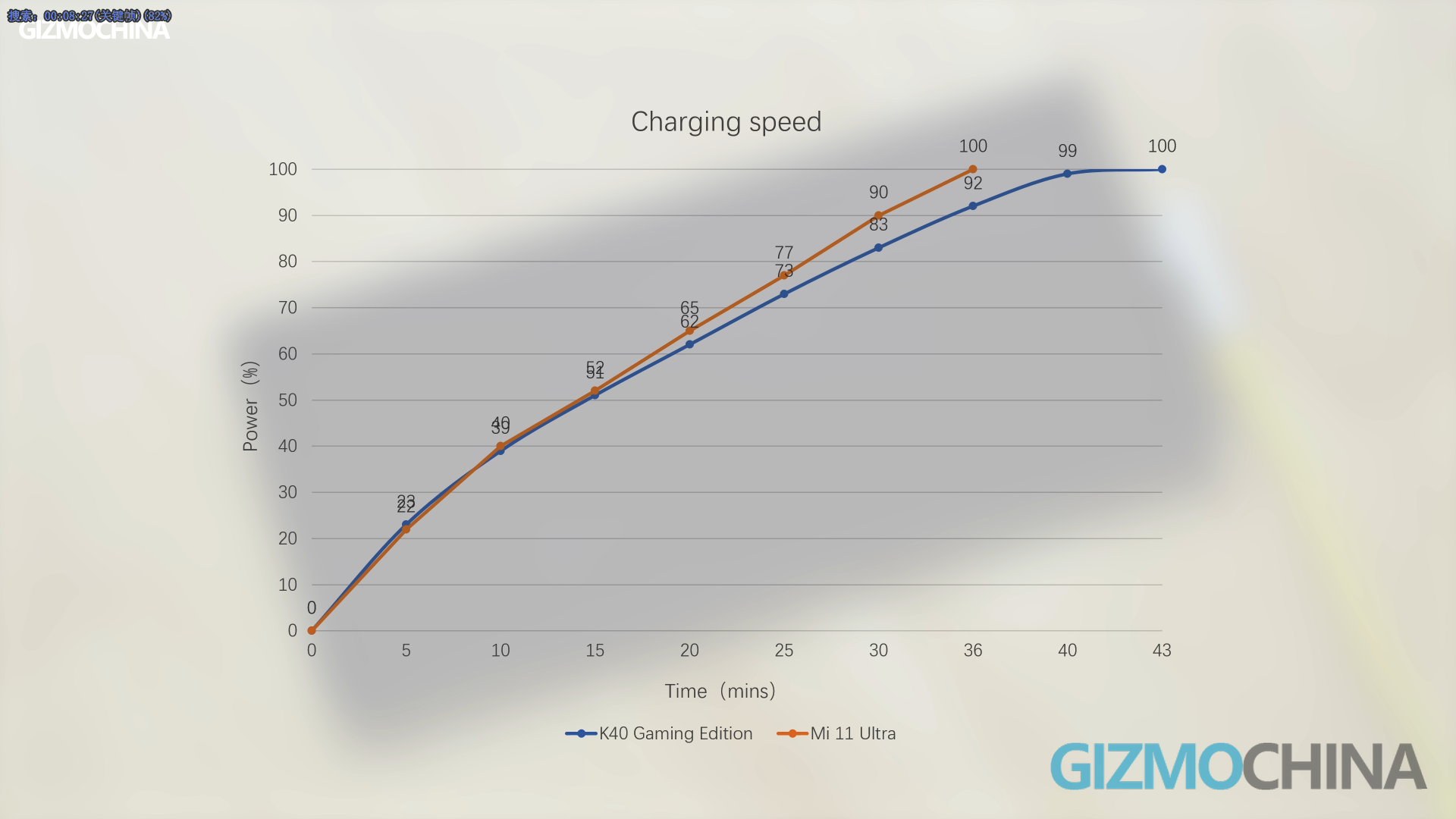
The charging cable also uses the L-shaped charging head for the first time, making it more convenient for users to charge while playing games. The 67w charger is the same power as the Mi 11 Ultra, but the charging speed is slower than the Mi 11 Ultra, taking 43 minutes to fully charge. But given that in the first 15 minutes the phone charges to 51%, the charging speed is still almost as fast. Although the body is only 8.3mm thick, it still packs a 5065mAh battery.
Charging Speed
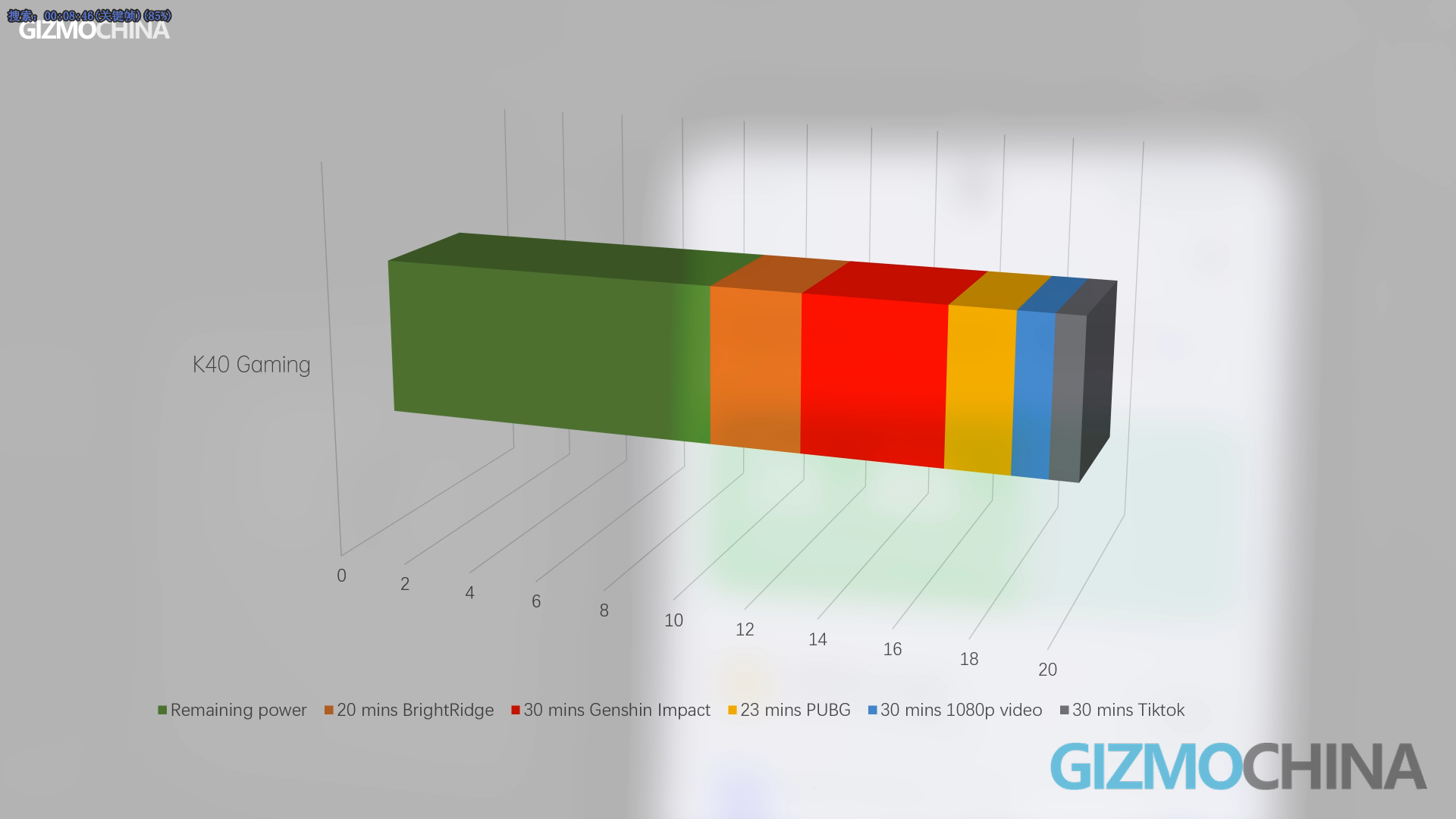
Battery Consumption
Half-hour Tiktok consumed 4%, another half-hour 1080P video consumed 5%. A gaming session of PUBG drained 9%, half-hour of Genshin Impact drained 20%, and Brightridge for 20 minutes drained 13%. Such an excellent level of battery life can be credited to its large battery.
REDMI K40 Gaming Edition Review: Issues & Verdict
Redmi CEO Mr. Lu said this in an interview after the K40 Gaming Edition launch: “The gaming phone industry has entered a dead-end cycle, the product has deviated from user needs, and now all we have to do is return to user needs”.
The low-profile design allows most people to also accept the use of gaming phones as their daily driver, and then as more phones are sold, the selling price of the phone can be pulled further down, forming a virtuous circle. The K40 Gaming Edition is different from traditional gaming phones in the sense that it doesn’t have six or eight triggers, nor does it have the Snapdragon 888, but what it has is a cheaper price, more restrained appearance, and better-feeling physical triggers have made it possible for the K40 Gaming Edition to offer a good gaming experience without the traditional gaming phone features.
It should have sold well internationally too, but it was prevented from doing so for one reason – it can’t install GMS, which means it doesn’t support all Google-related apps, so users who don’t live in China must be aware of this problem. I hope Xiaomi will update the system to support GMS or launch a global version of K40 Gaming Edition.
We are eager to hear your thoughts about this. Feel free to share it with us in the comments section below. I’m Kieran from Gizmochina, and we’ll see you next time.
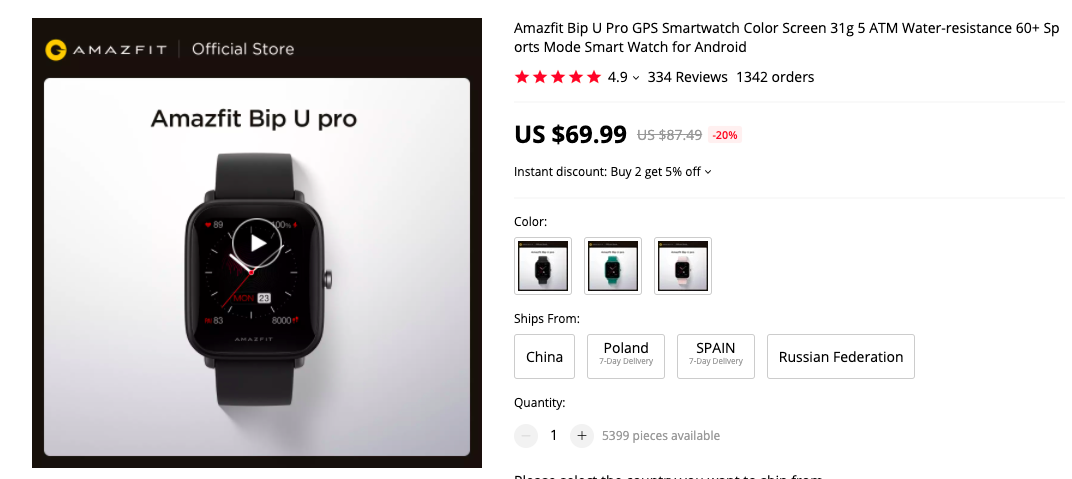
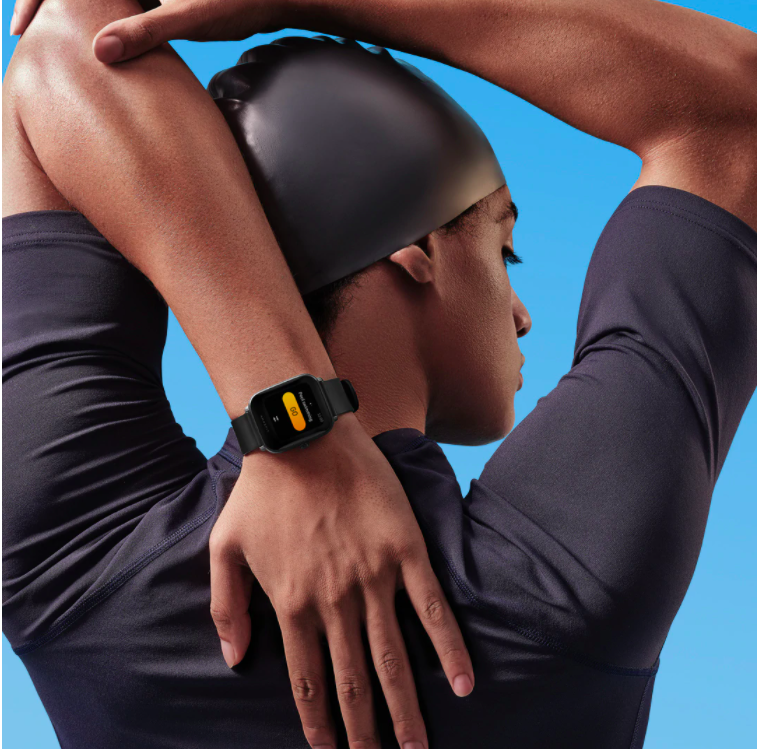
Amazfit BIP U Pro smartwatch features a 1.4” color display with 50 plus different watch faces to choose from. The smartwatch also supports animated watch faces and customized pictures allowing you to make your own unique watch face.
The smartwatch weighs just 31g making it super comfortable to wear all day long and features 60 plus sports modes to track your exercise and other activities. To manage your health and fitness, the smartwatch comes with a PAI health assessment system and Blood Oxygen monitor, Stress tracker, Sleep tracker, Menstrual cycle tracker, etc. Moreover, with a 5 ATM water resistance certification, you can easily wear Amazfit BIP U Pro for swimming and other pool activities.
Compatible with Alexa Voice Assistant, Amazfit BIP U Pro gives you 9 days of battery life on one single charge. Available in three colors viz: Black, Green, and Pink, you can now buy Amazfit BIP U Pro for $69.99 only at AliExpress.
For more information on such exciting deals and offers check out ourdeals hub.
* Please Note: When you buy something using the links in our articles, we may earn a small commission at no cost to you.
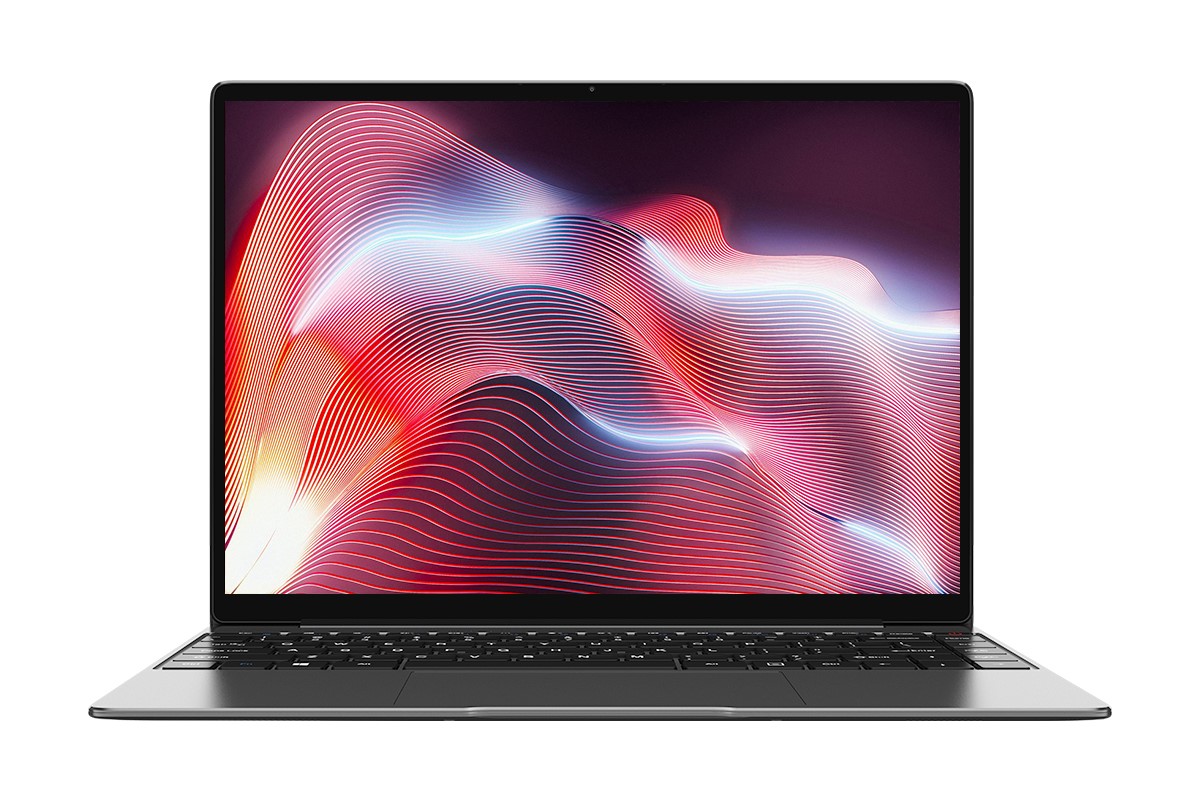
Chinese brand realme is the fastest-growing smartphone brand in recent times. The company has already ventured into other product categories piggybacking on the success of its phones. Looks like there’s nothing stopping it from exploring further new product categories as it gears up to launch laptops.
The sister brand of OPPO and OnePlus has been rumored to release laptops for quite a while now. The company even teased a notebook called ‘realme MeowBook’ in its April Fool’s day prank.
But now, we can confirm that realme will be indeed launching laptops in the coming days. Because it has shared a survey on realme Community asking the public in India regarding their ‘laptop preferences’.
This survey is being conducted via Google Forms. It asks basic information about the participants, like gender, age group, and annual income. Interestingly, realme wants to know the smartphone used by the participants and how well are they satisfied with it.
Further, for some reason, the company has not included HP for a question that asks for the brand of the laptop owned by participants. However, it has listed lesser popular laptop companies like Xiaomi and HONOR, in addition to Lenovo, Dell, and ASUS.
Another interesting question is that the company asks whether the participants are looking to buy a laptop in the next 3 months. This clearly suggests that realme laptops could make their debut in Q3 2021.
Lastly, apart from the basic questions regarding laptop features, the brand also asks participants how much they are willing to spend on their next notebook. The price ranges include as low as under ₹30,000 and as high as ₹50,000 & above.
That said, what are your thoughts on realme laptops? Will you be buying it if the product delivers good features at an affordable price or stick with devices from traditional and well-experienced computer giants? Do let us know in the comment section below.
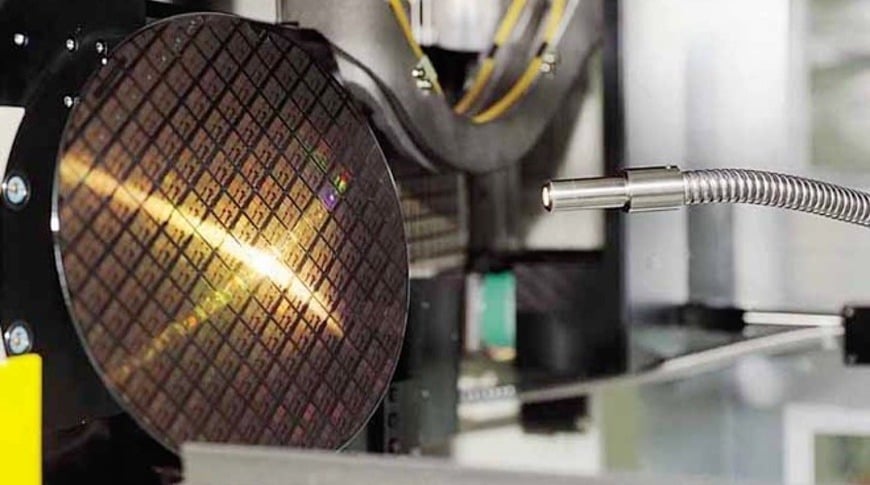
Intel is planning on investing 3.5 billion US Dollars to upgrade its chip manufacturing plant in Rio Rancho, New Mexico. This move in combination with 20 billion US Dollars to build two new facilities in Arizona that will help boost chip production in the US.
According to a CNETreport, the chip making giant has confirmed that it will be spending 3.5 billion US Dollars on the upgrade. Keyvan Esfarjani, the company’s manufacturing chief, aims to reveal the plan at a press conference with New Mexico Governor Michelle Lujan Grisham, and New Mexico’s two senators, Martin Heinrich and Ben Ray Luján, and Rep. Teresa Leger Fernandez. Furthermore, the chip maker is also planning on spending its own money to invest more, rather than just spending it on buying its own stock.
The company’s CEO Pat Gelsinger stated that “We will not be anywhere near as focused on buybacks going forward as we have in the past.” The senior official further added that it has “been reviewed as part of my coming into the company, agreed upon with the board of directors.” While Intel has been a major figure in the semiconductor industry, the firm has recently lagged behind Taiwan Semiconductor Manufacturing Co. (TSMC) in recent years.
Now, the company is investing in its new chipmaking plant or fabs as a major effort to restore competitiveness under its new chief executive. The firm is also planning on building chips for other brands through a business called foundry, while also relying on other foundries to produce some of its own chips as well.
The global shipments of Chromebooks remained strong, with shipments still over 10 million units in the first quarter of this year. This arrives a 9 percent decrease sequentially but marking a whopping 280 percent year on year growth in terms of volume.
According to a DigiTimesreport, notebook shipments were driven by the education sector back in 2020, with a significant rise due to the need for online education and work from home. In the total shipments of notebooks, Chromebooks accounted for over 60 percent of the volumes. Shipments of this category crossed over 30 million units in the year. Out of the various brands that sold these types of notebooks, Hewlett-Packard (HP), Samsung Electronics and Asustek Computer marked new quarterly shipments records in Q1 2021.
Furthermore, shipments of models powered by MediaTek‘s ARM based solutions also surpassed the 1.5 million units mark in the same quarter. The report also adds that the shipments of notebook arrived at the 57.51 million units in the first quarter of this year, which is a fall of 8.7 percent sequentially. Although, this is much better than the average sequential decline of 15 percent experienced in the recent years.
Interestingly, the robust performance in the first quarter of 2021 was primary driven by gaming and education notebooks as well as Apple’s MacBooks. Notably, Asustek and Micro Star International (MSI) saw an increased gaming notebook shipments in the first quarter while GPUs and high end mobile CPUs used in high end notebooks were facing severe shortages and a high high in pricing as well.
Lu Weibing, Xiaomi Group Vice President and Redmi General Manager, recently released a poll on Weibo, a Chinese microblogging website. This poll asked the users on the social media platform whether they prefer AMOLED or LCD display’s, with a majority prefering the former over the latter.
Redmi K40 Game Enhanced Edition
In the poll, over 14,000 people chose AMOLED panels as their preferred choice of display, while just 6051 people opted for LCD panels. The senior official of the Chinese tech giant added that there are still a number of people that still preferred the LCD panels, but, the majority have chosen AMOLED. Interestingly, a similar poll was also held last year as well, with a number of users preferring the LCD displays, so the executive aimed to evaluate preferences this year as well.
Back in 2020, the Redmi K30 series were launched, with the lineup sporting LCD panels that reached peak brightness of up to 650 nits. On the other hand, the Redmi K40 series that were launched this year arrived with OLED screens. The latest lineup sported the Samsung E4 AMOLED panel that offered peak brightness of up to 1300 pits, with a 5 million:1 contrast ratio.
A few of the users that preferred LCD panels pointed at shortcoming of the OLED panels in recent times. These users highlights the smearing problem on certain smartphones with high refresh rates along with the PWM dimming issue, while LCDs work well if they have a good DC dimming.
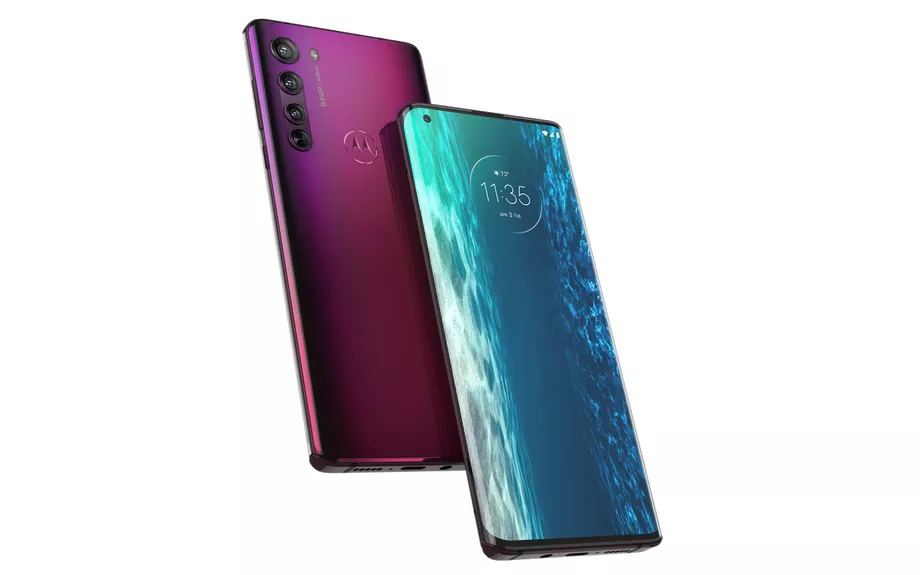
It was revealed last week that Motorola’s upcoming Edge branded smartphones are codenamed Sierra, Berlin, Berlin NA, and Kyoto. German publication Technik News recently shared the camera specs of the Kyoto handset. The publication is now back with camera configurations of the Berlin model.
The new report reveals that the Berlin and Berlina NA smartphones will be sporting a 32-mgeapixel OmniVision OV32B40 front-facing camera. Both handsets will come equipped with a 108-megapixel rear-facing triple camera system.
The Berlin model has a 108-megapixel Samsung S4KHM2 main camera, a 16-megapixel OmniVision OV16A10 ultrawide camera, and an 8-megapixel OmniVision OV08A10 depth sensor. On the other side, the Berlin NA has the same 108-megapixel S5KHM2 main camera, an 8-megapixel Samsung S5K4H7 ultrawide lens, and a 2-megapixel OmniVision OV02B1B depth assist lens.
Motorola-Edge
There is no information available on the camera specs of the Sierra model. The Kyoto model’s rear camera setup is expected to feature a 108-megapixel Samsung S4KHM2 primary camera, an 8-megapixel Samsung S5K4H7 ultrawide lens, and a 2-megapixel OmniVision OV02B1B. It may feature a 16-megapixel OV16A1Q or a 32-megapixel OV32B front-facing camera. The Edge Berlin and Sierra could be successor editions of 2020’s Motorola Edge and Edge+. Kyoto could end up as a Lite model. The other specs of these smartphones are under wraps.
The Motorola Edge and Edge+ came with a 6.7-inch OLED FHD+ display and a 25-megapixel front camera. The Edge handset featured the Snapdragon 765Gv chipset and a 4,500mAh battery, whereas the Plus model arrived with the Snapdragon 865 chip and a 5,000mAh battery. Both handsets support 18W fast charging.
The Edge handset is fitted with a 64-megaixel (main) + 8-megapixel (telephoto) + 16-megapixel (ultrawide) triple camera system, whereas the Edge Plus offered a 108-megaixel (main) + 8-megapixel (telephoto) + 16-megapixel (ultrawide) triple camera setup.
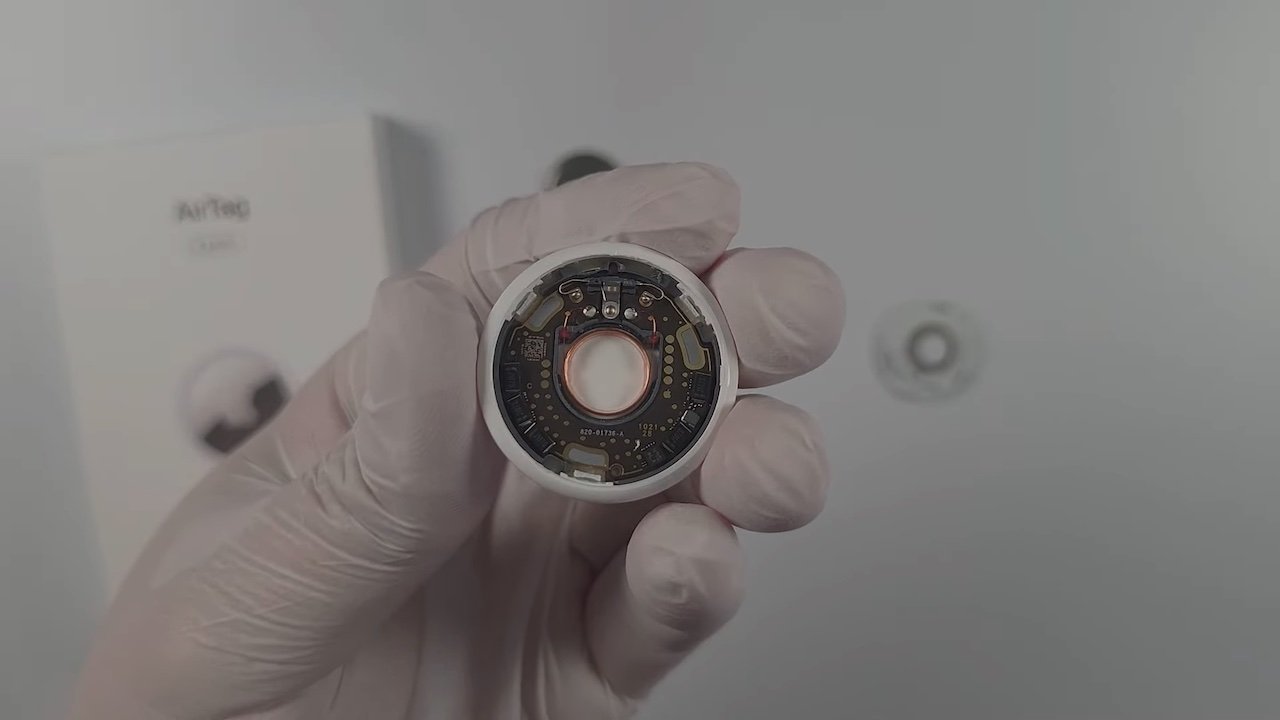
iFixit has just shared the first part of its two part series in which in tears down the new Apple AirTag smart tracker. In the teardown, iFixit noted that the product has an impressive internal design decision that helped it achieve a compact form factor.
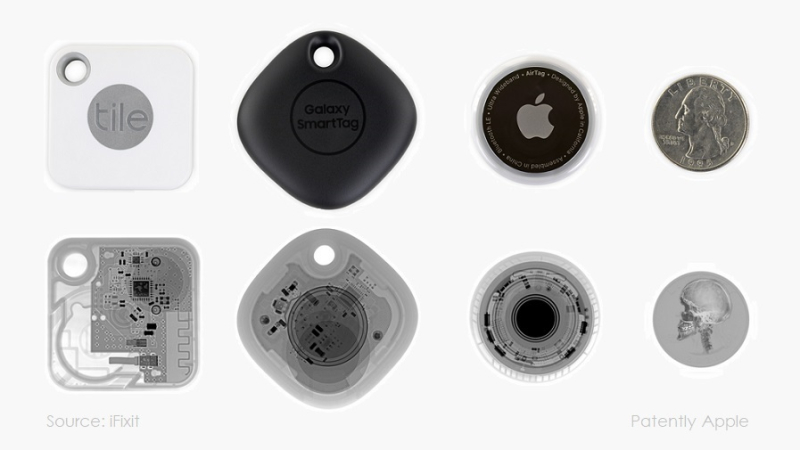
As per the teadown from iFixit, the Cupertino based giant’s smart tracker offering is the smallest in size in comparison to its rivals the Tile Mate and the Samsung Galaxy SmartTag. The iPhone maker achieved this feat through an ‘impressively compact’ design despite the battery taking up the most internal space in the housing. Although, one major difference with the AirTag and other trackers is the lack of a keyring hole, which iFixit stated as one of Apple’s move of “turning essential functions into premium, add-on accessories.”
An x-ray of the three trackers together showcases that the AirTag wasted no internal space for its item tracker, while the Tile Mate and Galaxy SmartTag had been “sprawling” with internal space. Notably, despite both the Tile Mate and Galaxy SmartTag having a large body overall, neither of them offer ultra wideband technology like AirTags. Although, it is worth noting that Samsung has recently launched an ultra widband variant of its Galaxy SmartTag.
Under the hood, all three trackers feature a coin cell replaceable batteries, with the AirTag and the Galaxy SmartTag housing a .66Wh CR2032 battery, while the Tile Mate uses a smaller .39Wh CR1632 battery. iFixit also noted that Apple showcased “surprising restraint in sealing the AirTag,” with replacing the battery being the furthest a customer will be able to reach without proper tooling.
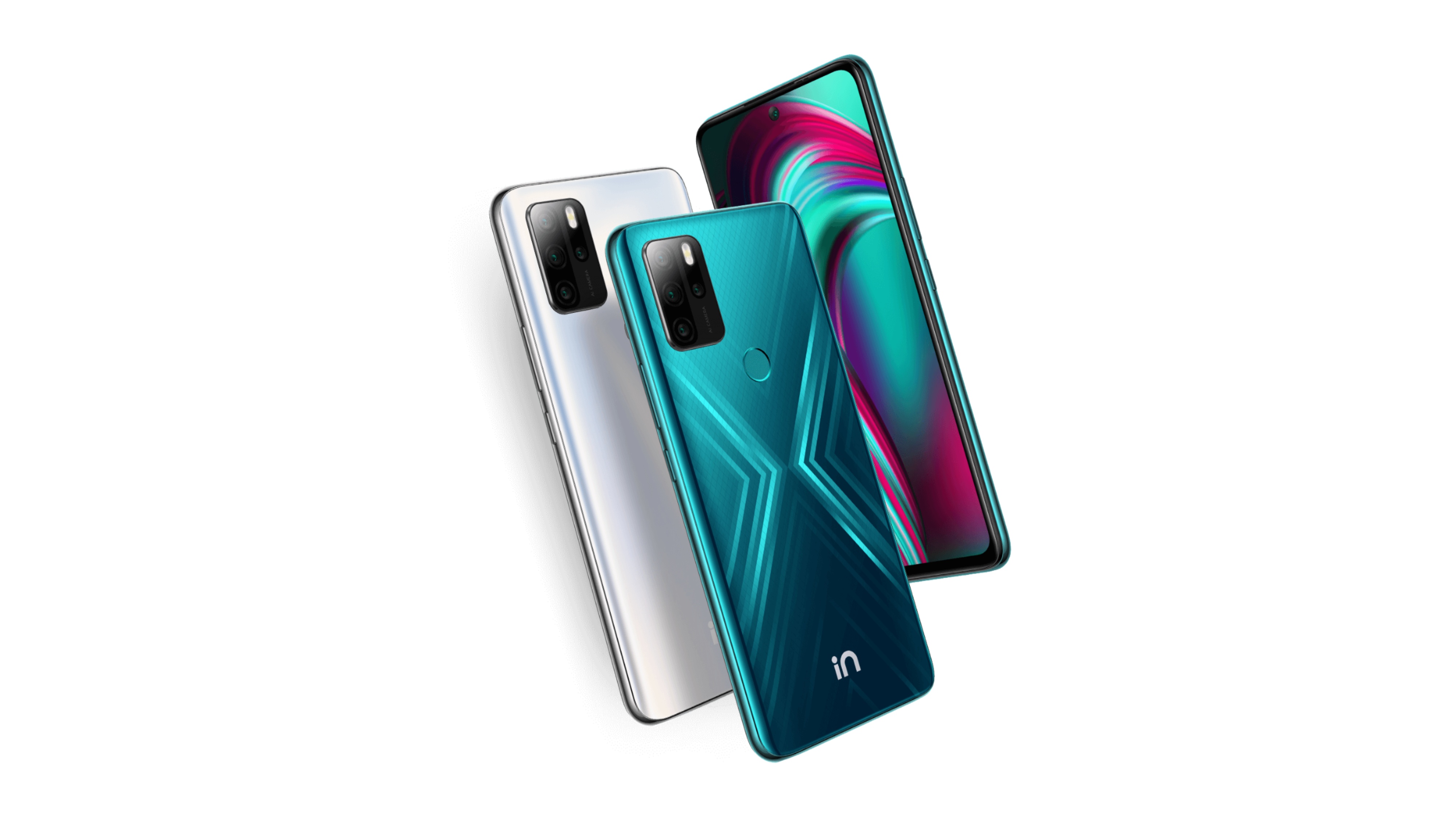
Micromax launched the IN Note 1 budget smartphone in India in November. It was announced alongside the IN 1B, an entry-level smartphone. Six months after its debut, the company has now hiked its price in the country.
Micromax IN Note 1
The Micromax IN Note 1 is one of the first devices in the firm’s new IN series of handsets. All three phones in this lineup offer a better price to performance ratio. In other words, they compete with smartphones from Xiaomi and realme.
That said, the IN Note 1 comes in two storage configurations – 4GB + 64GB and 4GB + 128GB. They launched at ₹10,999 and ₹12,499 respectively.
But now, the company has increased the price of the base variant by ₹500. Hence, the cheaper version of the handset now costs ₹11,499. On the other hand, the higher model is still being sold for the same price.
Micromax IN Note 1 New Price in India
4GB + 64GB – ₹11,499
4GB + 128GB – ₹12,499
Recently, Xiaomi also hiked the price of the Redmi Note 10 in India. More phones are expected to get a price increase in the coming days. This is mostly due to the worldwide chip shortage.
Anyway, if you happen to own the Micromax IN Note 1 or will be buying it in near future, then do note that the firm has started testing Android 11 for this device. But it is not known when it will be receiving the stable update.
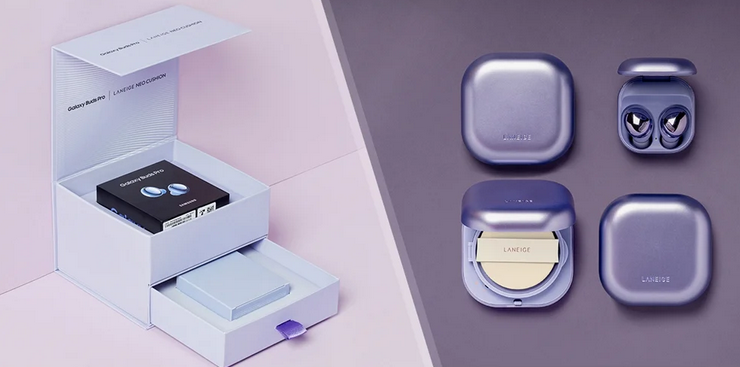
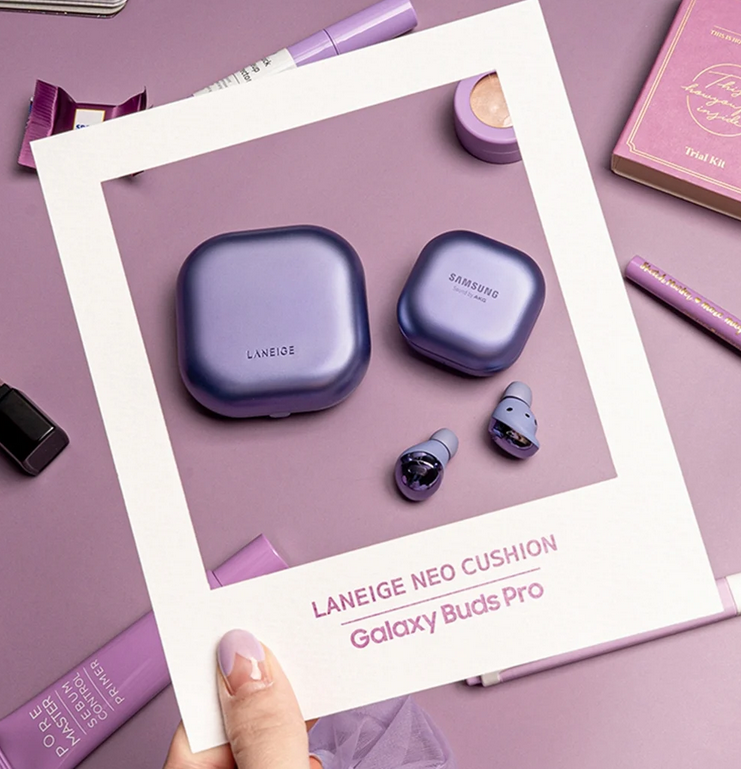
Samsung has just launched a new version of its true wireless earphones, the Galaxy Buds Pro. These earbuds are now available in a special LANEIGE Neo Cushion Edition, which arrives just a month after the company launched the Galaxy Buds Pro Adidas Originals Special Pack.
The tech giant is partnering up with a makeup brand, which is also from South Korea, to launch a custom variant of the Galaxy Buds Pro. This new version has the hearables arrives in a Phantom Violet colored variant of the wireless earbuds along with similarly colored LANEIGE Neo Cushion concealer. The company is apparently targeting MZ generation women in South Korea with this new variant of the Galaxy Buds Pro. It will be available in the region in 12 May 2021 in limited quantities.
The new Galaxy Buds Pro LANEIGE Neo Cushion Edition is priced at 199,000 KRW (roughly 177 US Dollars) and will be available for pre orders from Naver’s online shopping website starting from 11th May 2021. These new limited edition wireless earbuds will also be available for purchase from Samsung’s official online store, Powder Room, and Amorepacific online store. Talking about the device itself, the earbuds feature Bluetooth 5.0, intelligent AND, a 360 degree sound, fast charging and wireless charging support as well.
Samsung Electronics officials added that “We have planned a unique collaboration with beauty brands so that the MZ generation that actively expresses themselves can fully reveal their individuality along with the ‘Phantom Violet’ color. We will continue to showcase products that can meet the diverse tastes of consumers with Galaxy’s unique colors and designs.”
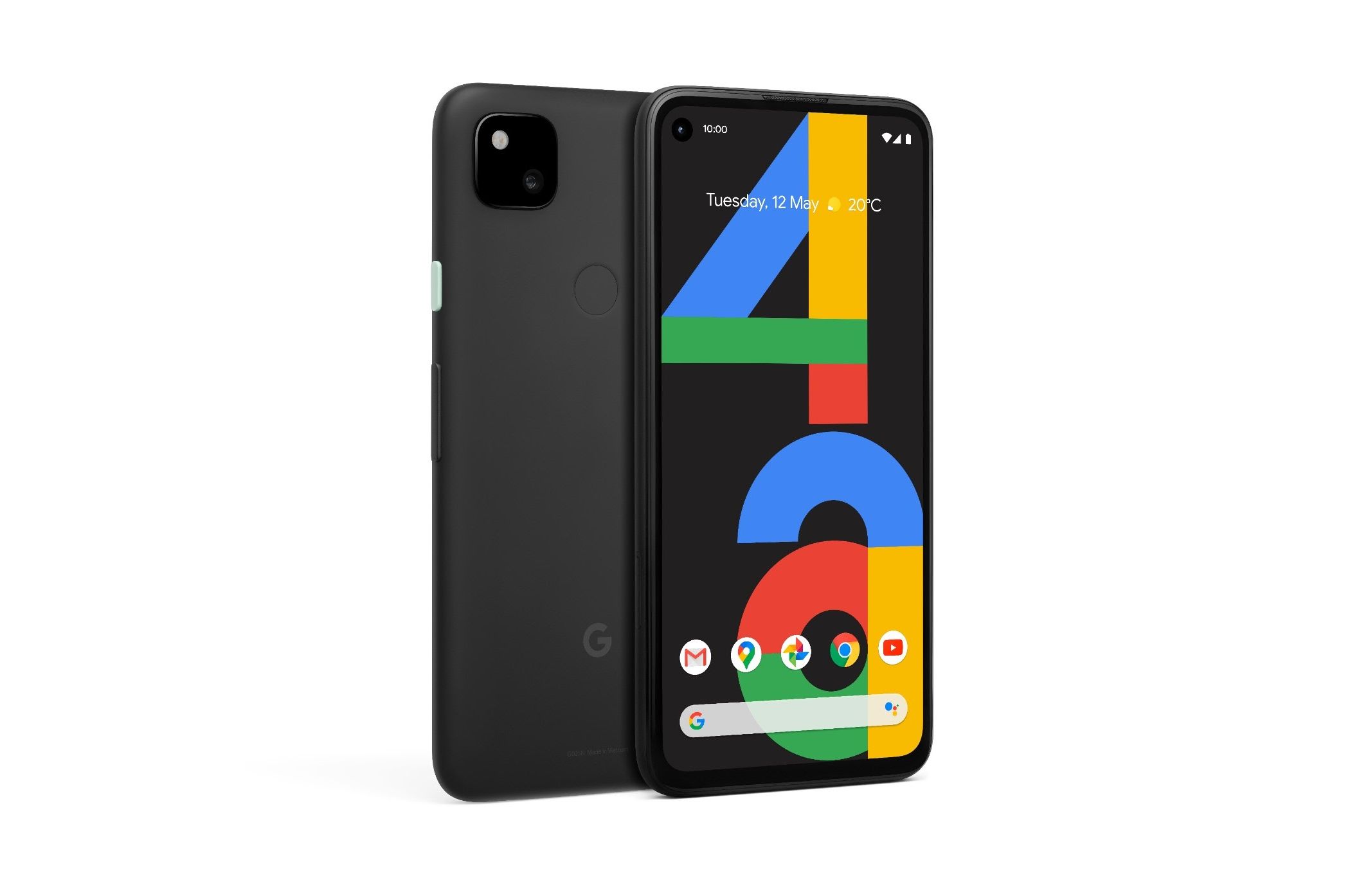
The Google Pixel 4a made its global debut in August of 2020. However, the device made its way to India only in October. Due to high demand, the smartphone went out of stock within 30 minutes. The next batch of stock took some time to reach the country due to supply chain issues. Now, months after its release in India, the handset is discounted for the first time since the launch offer.
Google Pixel 4a
The Pixel 4a is priced at ₹31,999 ($432). However, the device was available for only ₹29,999 ($405) during its inaugural sale. It was the only discount on this phone up until now.
That said, the new offer on Pixel 4a in India brings its price down to ₹26,999 ($364). In other words, the handset’s price has been discounted by ₹5,000 ($68), which is ₹3000 ($41) more than the launch offer.
This offer is only available on Flipkart. The eCommerce giant is offering this discount as part of its ongoing ‘Big Saving Days’ sale, which will last until May 7.
Coming to the phone, the Pixel 4a is not a value for money proposition in India. Also, it comes only in a single Just Black color option in the country.
But it is a niche phone. The Pixel 4a is the only Google Pixel handset available in India right now. It is also the cheapest compact smartphone in the region with a 5.8-inch OLED display.
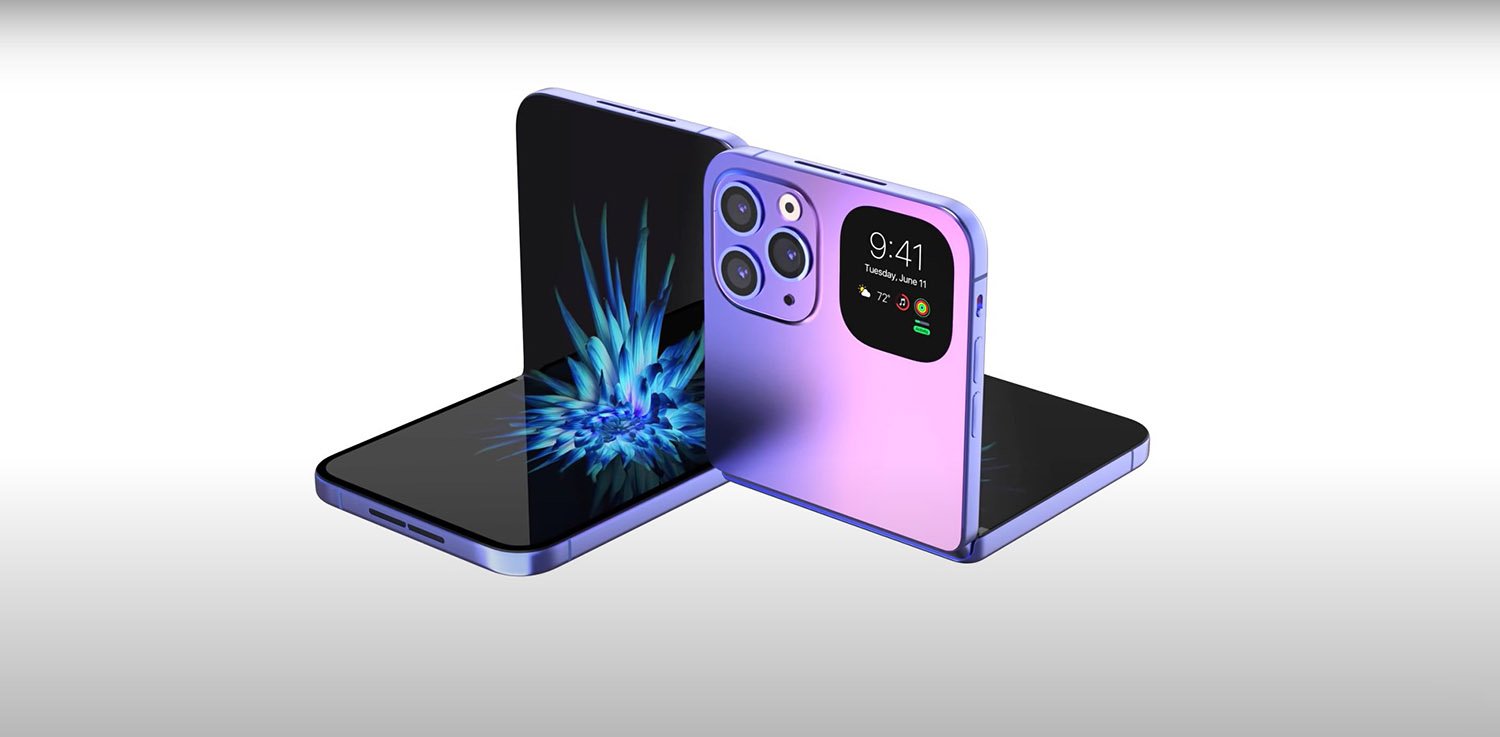
Apple is apparently working on launching an 8 inch foldable iPhone. This device will sport a QHD+ resolution on a flexible OLED panel and will launch in 2023, as per a new report from a known analyst.
According to a new report from Ming-Chi Kuo (Via MacRumors), the Cupertino based expected to likely launch launch a foldable iPhone with an 8 inch QHD+ flexible OLED display in 2023. In a note to investors earlier this week, the known Apple analyst stated that, the company will solely be supplied by SDC for the display and Samsung Foundry would be the exclusive DDI foundry supplier. The analyst said that the brand is expected launch this new device by 2023 based on capacity plans.
The analyst further predicts that the company will ship anywhere between 15 to 20 million units of the upcoming foldable iPhone. Furthermore, it is also being predicted that this new handset will adopt TPK’s silver nanowire touch solution due to its several advantages over SDC’s Y-Octa technology. The use of silver nanowire touch solution would also ensure “long term competitive advantage” for the company in the foldable display market. The report also adds that this display technology will be the norm in the future, especially for devices that support more than a single fold.
Notably, Kuo believes that this move from the iPhone maker would make foldable smartphones a “must have” for all major OEMs as it will boost the next “super replacement cycle” for high end flagship models. The analyst predicts that Apple would be the next “big winner” in the foldable smartphone trend. Kuo further added that the development on a foldable iPhone has “not yet officially kicked off,” but the company might have progressed its plans.
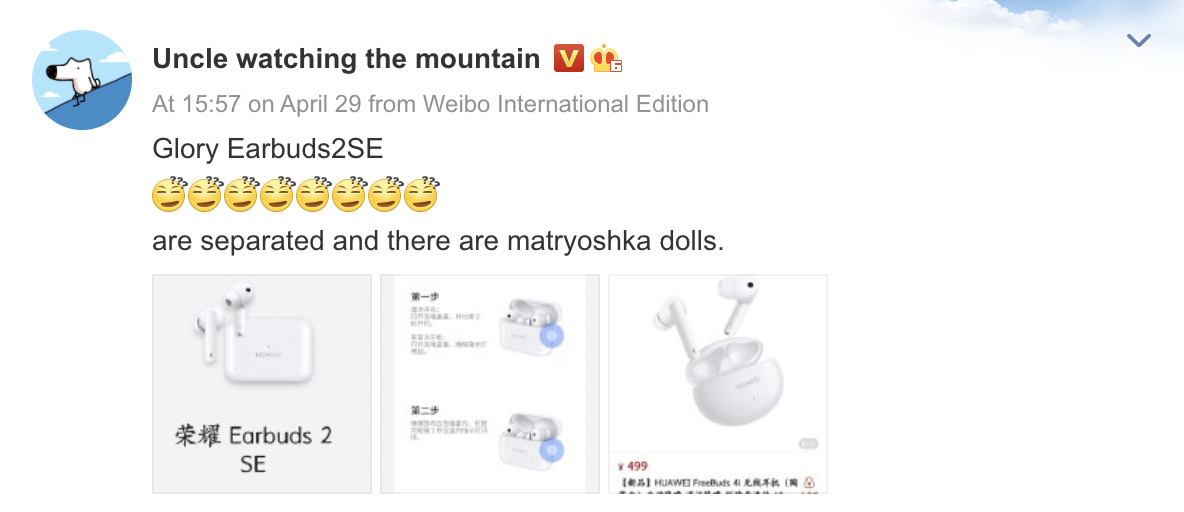
The Chinese technology giant Huawei is expected to host a launch event this month where the company is believed to launch several new products, including wireless earphones. Now, it seems that its former subsidiary Honor is also planning to launch a similar new TWS earphone in China.
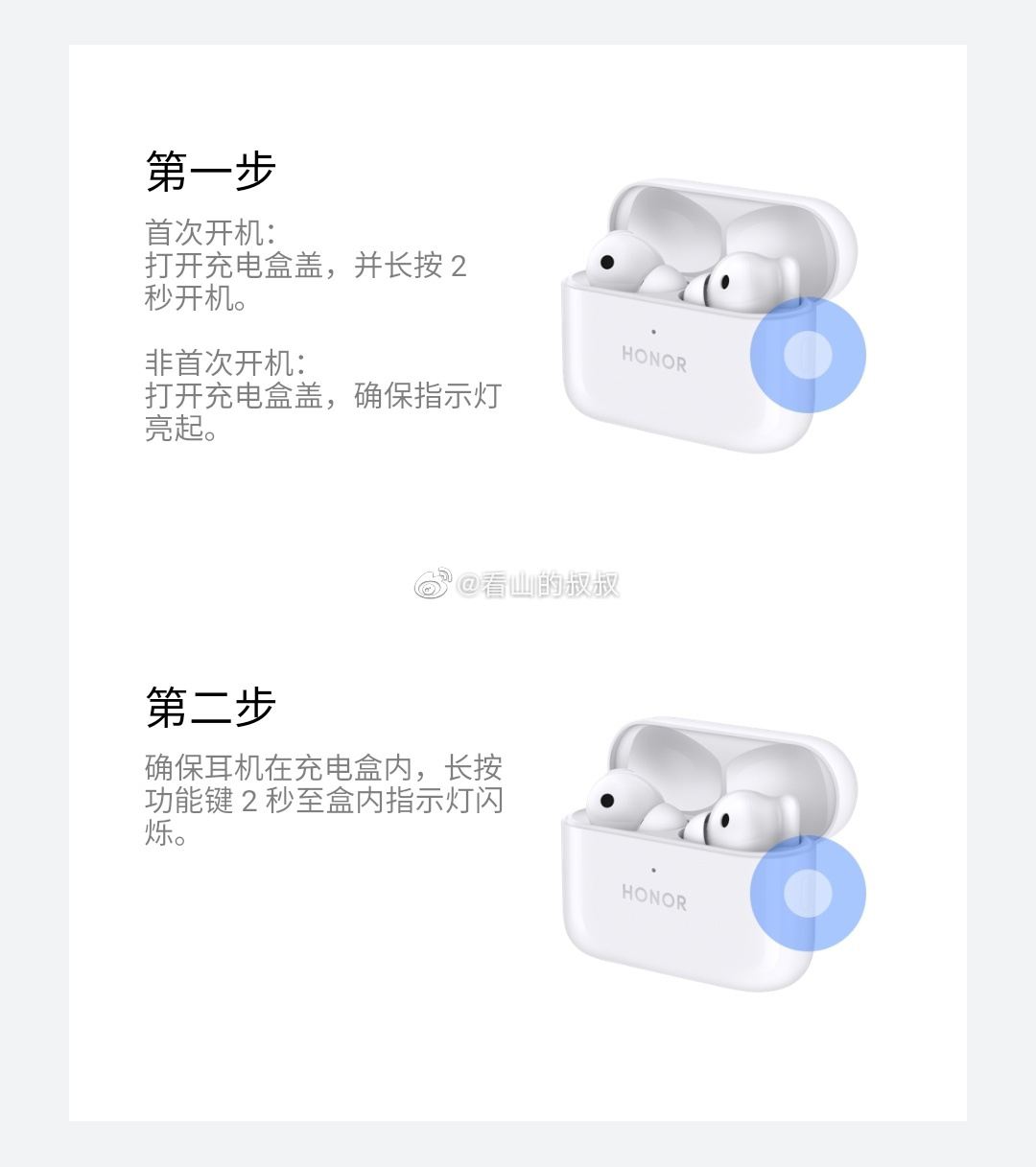
The new leak coming from a Weibo user reveals the design of the upcoming Honor EarBuds 2 SE that looks quite similar to the Huawei FreeBuds 4i TWS earphones launched by the company a few months ago.
The only visible difference between the two devices is the charging box of the earphones. The Honor EarBuds 2 SE is leaked in White color option but it remains to be seen how the device will differ from Huawei’s FreeBuds 4i.
There’s a possibility that the design has similar features to the Huawei FreeBuds 4i. It packs 10mm dynamic drivers and features an in-ear design with silicon tips. It connects with devices via Bluetooth 5.2 and has support for wear detection and fast pairing.
It also comes with support for ANC (Active Noise Cancellation) and the users can easily switch it between ANC off/on or Awareness Mode (transparency mode). The buds also come with support touch gesture controls.
The Huawei FreeBuds 4i comes packed with a 55mAh battery, which the company claims to offer up to 10 hours of music playback with Active Noise Cancellation turned off and up to 7.5 hours with ANC enabled. It is priced at 449 yuan in China which is about $69.
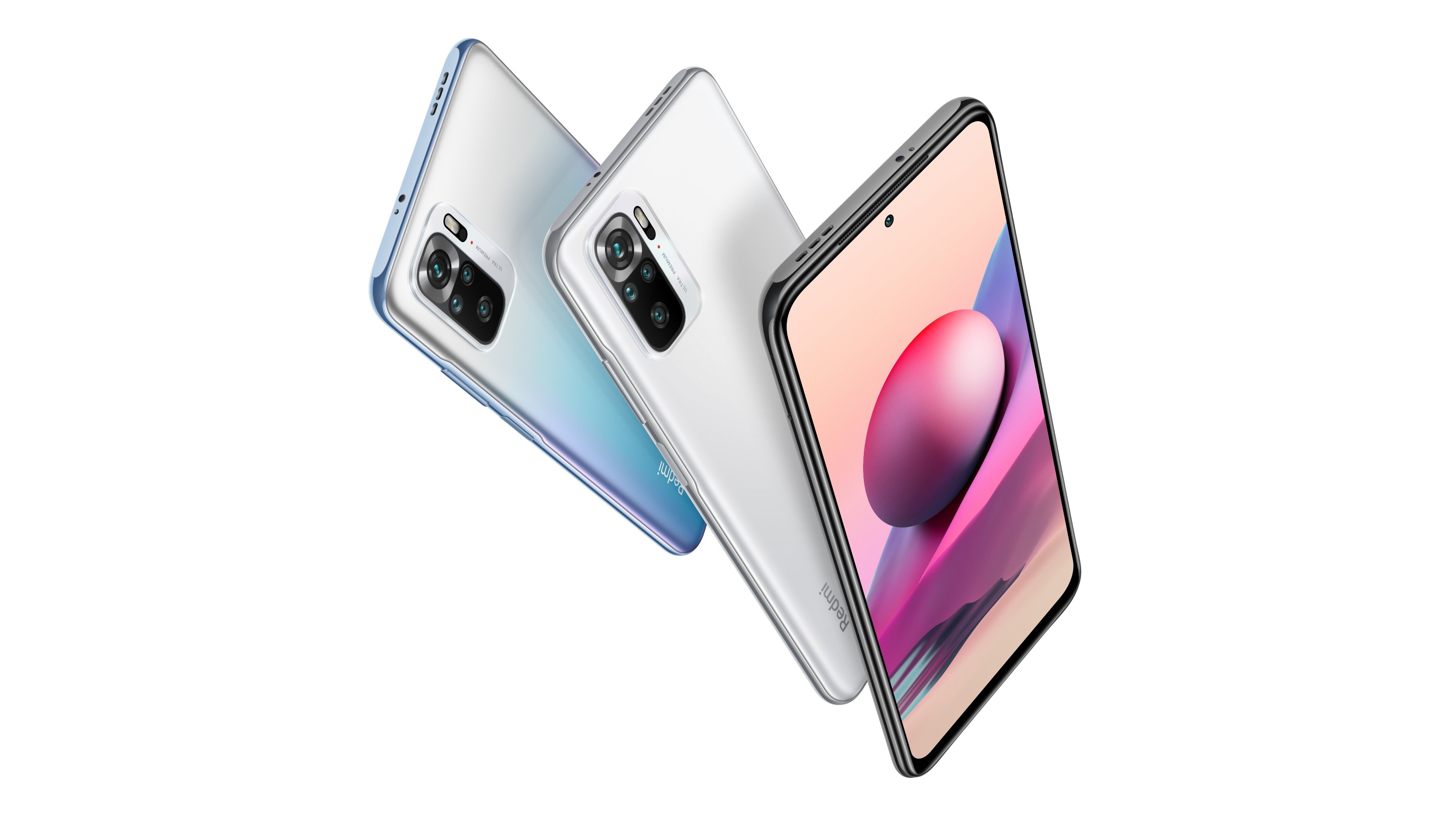
Last week, Xiaomi India teased the arrival of the Redmi Note 10S smartphone. Today, the Chinese firm has confirmed that the Redmi Note 10S will debut on at 12 PM (local time) on May 13 in the country. The microsite of the phone, which is now live on the company’s site has confirmed some of its key features.
The rear camera setup of the Redmi Note 10S has four cameras with a silver plate around the main camera. The right edge of the device has a volume rocker and a power key.
The display of the Note 10S features a centrally aligned punch-hole. MediaTek’s HyperEngine Game technology will allow the phone to offer seamless gaming performance. Also, it will be sporting an enhanced Evol design. The specification of the Note 10S is already known since it was announced in the global markets in March.
Redmi Note 10S
Redmi Note 10S specifications
The Redmi Note 10S has a 6.43-inch AMOLED screen that delivers FHD+ resolution, Helio G95 SOC, up to 8 GB of RAM, up to 128 GB of UFS 2.2 storage, a 5,000mAh battery with 33W fast charging support, and Android 11 OS with MIUI 12.5 skin.
It has a selfie camera of 13-megapixel and Its rear camera setup has a 64-megapixel main camera, an 8-megapixel ultrawide lens, a 2-megapixel depth sensor, and a 2-megapixel macro. Lastly, it has a side-mounted fingerprint sensor.
A recent leak claimed that the Note 10S will come in variants like 6 GB RAM + 128 GB storage and 8 GB RAM + 128 GB storage in India. It is expected to sell in colors like grey, white, and blue.
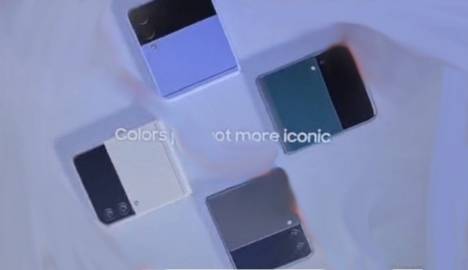
The Samsung Galaxy Z Flip3 clamshell is expected to debut along with the Galaxy Fold3 in July. A fresh leak has appeared to showcase the display and design of the Z Flip3. The screenshots shown below are taken from a leaked promotional video of the upcoming clamshell phone from the brand.
The images show that the Galaxy Z Flip3 will be available in dual-tone appearance. The upper portion, which houses the vertical dual camera setup, and the external display can be seen in black, whereas the bottom portion sport different colors. A recent leak claimed that it will come in hues like purple, green, black, beige, gray, white, dark blue, and pink.
Coming to the secondary display, it has grown in size and it offers a large screen space for viewing an entire text message or other notifications. The Gorilla Glass Victus protects the exterior of the device and it has a new “armor” bolstering the hinge for enhanced durability.
1 of 6
Samsung Galaxy Z Flip3 leak
Samsung Galaxy Z Flip3 leak
Samsung Galaxy Z Flip3 leak
Samsung Galaxy Z Flip3 leak
Samsung Galaxy Z Flip3 leak
Samsung Galaxy Z Flip3 leak
The leak does not provide a look at the internal design of the Galaxy Z Flip3. While there is no new information on its specs, it does appear like a worthy successor for last year’s Z Flip 5G.
Rumors surrounding the Galaxy Z Flip3 have claimed that it could be sporting a 6.9-inch internal screen with a smaller punch-hole and a new UTC. It is speculated that the device may not feature a flagship chipset. It is expected to house a 3,300mAh battery. It is expected to arrive in 4G LTE and 5G versions. It was reported in January that the Z Flip3 will cost only $50 more than its predecessor, which debuted with a pricing of $1,449.
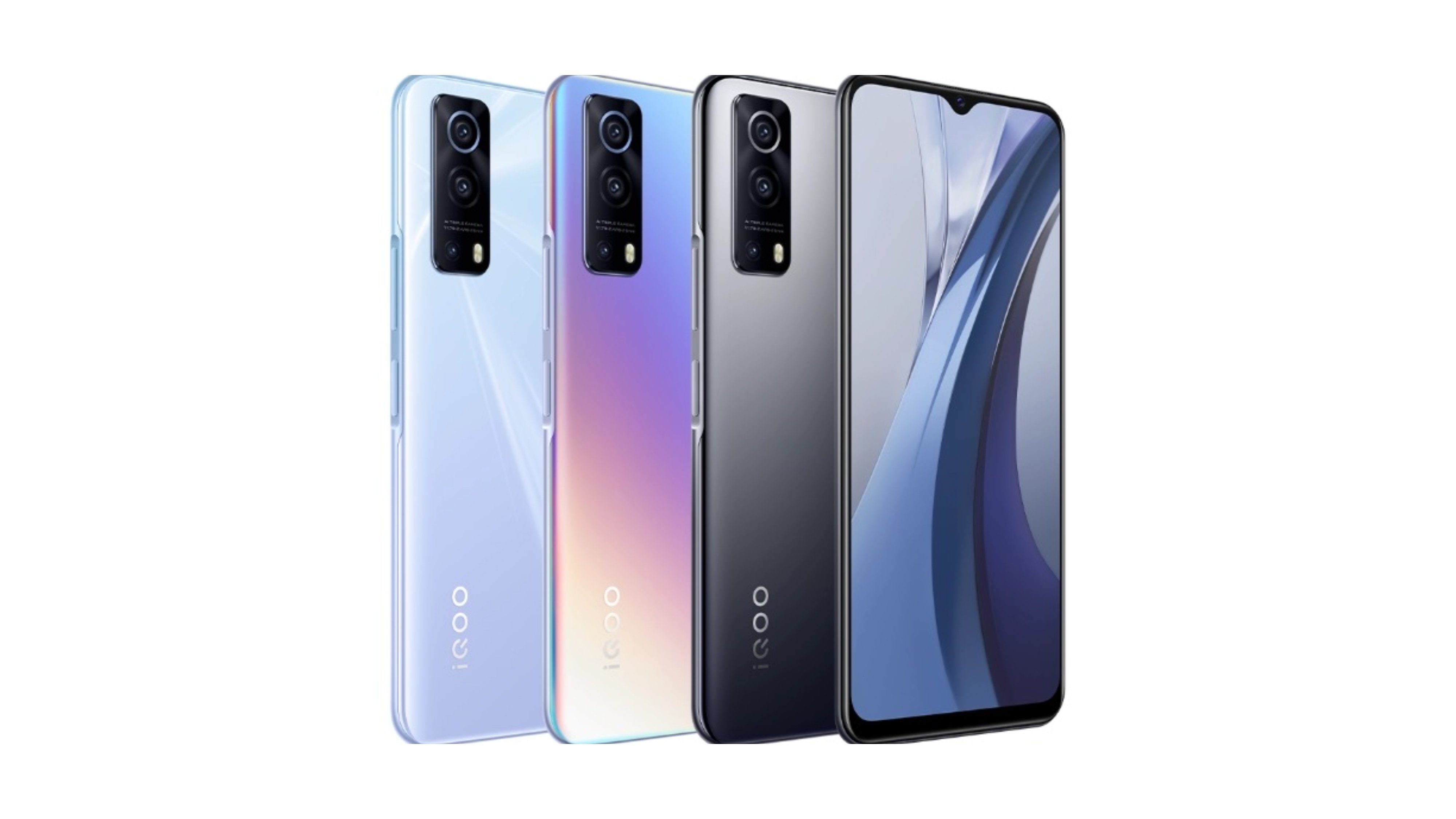
Vivo’s sub-brand for premium smartphones — iQOO has been launching interesting devices in the market and it recently launched its flagship smartphone iQOO 7 and iQOO 7 Legend in the Indian market.
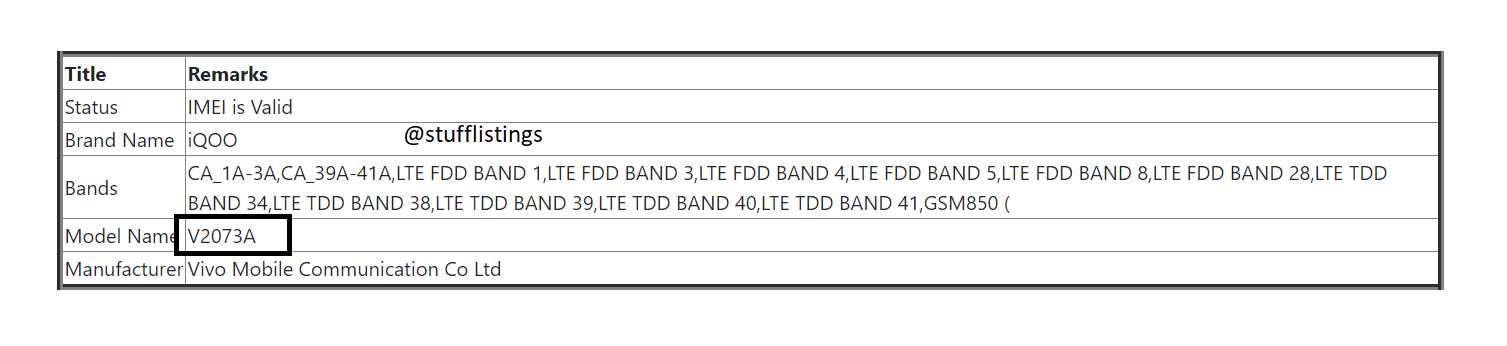
Now, the company is gearing up to launch another device in the Indian market, this time in the Z-series. A tweet from Mukul Sharma reveals that the iQOO Z3 with model number V2073A has been registered on the Indian IMEI database.
This new development indicates that the official launch of the smartphone in India could happen pretty soon. Earlier, the smartphone’s moniker appeared on the IMEI database for the Indian market.
For those who are unaware, the iQOO Z3 5G smartphone was launched in China in March of this year. It features a 6.58-inch FHD+ LCD waterdrop display with a 120Hz refresh rate and 180Hz touch sampling rate. There’s a screen resolution of 2408 × 1080 pixels that offers 401PPI pixel density, supports HDR, has a 90.61 percent screen-body ratio, covers 96 percent NTSC color gamut, and has a 1500:1 contrast ratio.
Under the hood, the device is powered by the Qualcomm Snapdragon 768G 5G chipset and is paired with up to 8GB LPDDR4x RAM and 256GB UFS 2.2 storage. It also comes with Multi-Turbo 5.0 for smartly managing the storage while gaming. There’s also Eagle Eye Mode 2.0, multi-channel support, and 4D game vibration along with a Game Box function.
The device features a triple-camera layout on the back. The setup has a 64-megapixel main lens, an 8-megapixel ultrawide with 120-degree FOV, and a 2-megapixel f/2.4 macro lens. On the front side, there’s a 16-megapixel f/2.0 selfie shooter. The iQOO Z3 5G runs the Android 11 operating system out-of-the-box with OriginOS for iQOO 1.0. It is powered by a 4,400mAh battery with 55W FlashCharge support.
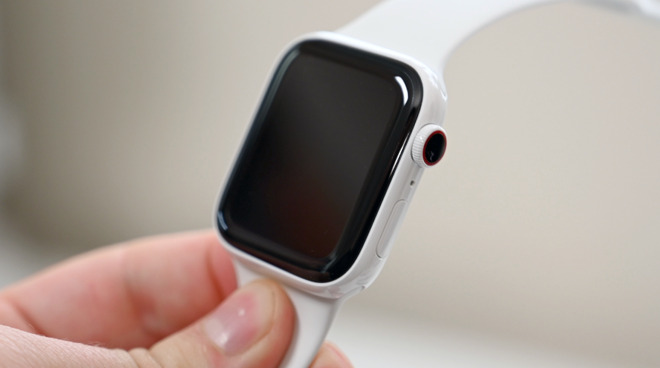
Apple Watch is one of the most popular smartwatches out there and the company has been adding several health-related features to the device. Some of them have been proved to be life-saving for many, especially the electrocardiogram (ECG).
Now, it is being reported that the upcoming version of the device, Apple Watch Series 7 is likely to get another major health-related feature — Blood sugar monitoring. This will be very important for users who are diabetics. As per the report from The Telegraph, an SEC filing hints that Apple will add a glucometer feature to the Apple Watch in 2022.
The feature will come in handy for users who need to get a reading on their blood sugar before each insulin injection since the amount of sugar found in their blood determines the dosage of each shot. Currently, checking the blood sugar level is a bit complex. The user has to draw blood for each test, dab it onto a test strip which is then inserted into a glucometer to obtain a reading.
The current process is a bit painful and costly but if Apple could come up with a solution that can offer blood sugar readings without the need to draw blood or buy new test trips, it could prove to be a major boost to the device’s sales.
The report reveals Apple as the largest customer of Rockley Photonics which has developed next-generation sensors that are expected to be inside devices by next year. Its sensors can read certain signals from a person’s blood by shining infrared light through the skin from the back of a smartwatch.
This also hints that besides glucometer, the company could be looking to add other sensors on the upcoming smartwatch to measure the user’s alcohol level and blood pressure but as of now, nothing has been confirmed by the US-based tech giant.
So far, Apple is offering electrocardiogram (ECG) and blood oxygen level (SpO2) monitoring on its smartwatches. So, it will be great to see support for glucometer on the wearable device in the next edition.
We use cookies on our website to give you the most relevant experience by remembering your preferences and repeat visits. By clicking “Accept”, you consent to the use of ALL the cookies.
This website uses cookies to improve your experience while you navigate through the website. Out of these, the cookies that are categorized as necessary are stored on your browser as they are essential for the working of basic functionalities of the website. We also use third-party cookies that help us analyze and understand how you use this website. These cookies will be stored in your browser only with your consent. You also have the option to opt-out of these cookies. But opting out of some of these cookies may affect your browsing experience.
Necessary cookies are absolutely essential for the website to function properly. This category only includes cookies that ensures basic functionalities and security features of the website. These cookies do not store any personal information.
Any cookies that may not be particularly necessary for the website to function and is used specifically to collect user personal data via analytics, ads, other embedded contents are termed as non-necessary cookies. It is mandatory to procure user consent prior to running these cookies on your website.