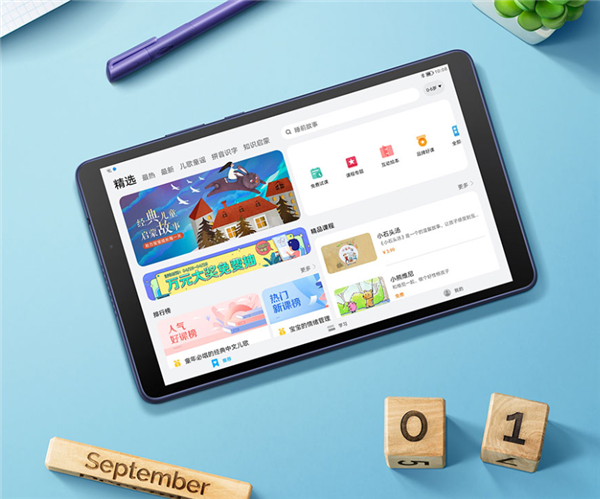
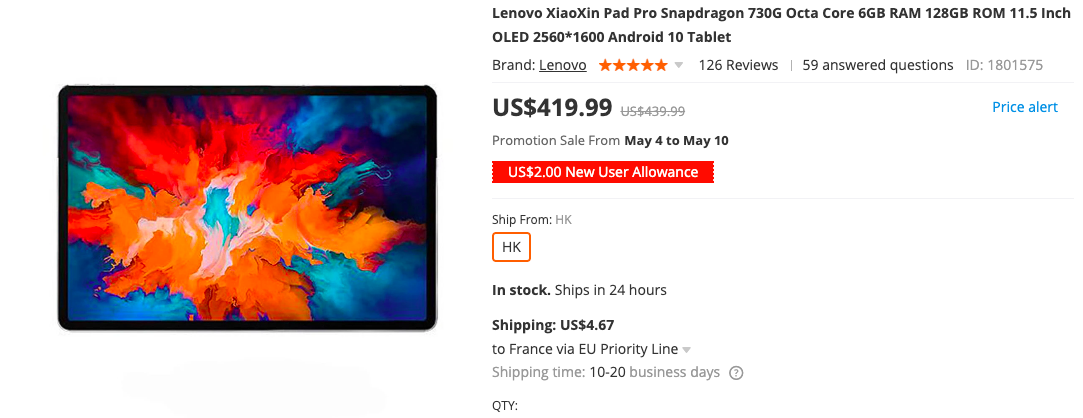
Lenovo XiaoXin Pad Pro is a premium tablet that features an 11.5 inch, Full HD OLED display and is powered by the Snapdragon 730G Octa-Core Processor. The tablet comes with 6GB RAM and 128GB ROM and supports Dual Band 2.4GHz/5.0GHz WiFi. With dual-band support, you can either choose the 2.4GHz band for obstacle penetration or a 5.0GHz band for faster connection over long distances.
XiaoXin Pad Pro is fueled by a powerful 8600mAh battery that gives you 8 hours of non-stop usage on one single charge and supports 20W fast charging. The tablet features 4 JBL certified speakers and an 8MP front and 2MP rear camera.
Generally retailing for around $450, Banggood under its Promotion Sale is giving out Lenovo XiaoXin Pad Pro for $419.99 only. Please note that this offer is valid only till 10 May 2021. So place your order asap.
For more information on such exciting deals and offers check out ourdeals hub.
* Please Note: When you buy something using the links in our articles, we may earn a small commission at no cost to you.
Baidu has commenced paid services for the Apollo Robotaxis in China without a safety driver behind the steering wheel for the first time. The Baidu milestone coincided with another milestone by Alibaba-backed AutoX, who completed 100 consecutive days of their Robotaxi service in Shenzhen, China’s densest city.
The Baidu rollout operation was significantly different from previous demonstrations of its Apollo driverless taxis, which required a safety driver behind the steering. Instead, a safety member sits at the front passenger seat to respond to emergencies. The rollout operation currently involves 10 Apollo robotaxis operating within a 1-kilometer radius in western Beijing. The taxis pick and drop passengers on eight designated points in Shougang Park. Shougang Park is an emerging sightseeing destination and is expected to have a large influx of tourists and visitors during the 2022 Beijing Olympics.
On the other hand, a statement released today by AutoX says the company had enjoyed tremendous acceptance among Shenzhen residents since it began the Robotaxi project in January. AutoX says their robotaxis is fully driverless and does not need a safety member either behind the steering or inside the vehicle. The company says that it is a significant milestone that it had achieved with the 100 days of commercial operations.
Founder and CEO of AutoX, Professor Jianxiong Xiao, in a statement made public, said that the first 100 days had been an enormous step forward for the company and a milestone for the entire industry in China. He also said that the feedback they had gotten so far would help them improve its service to make the driverless journeys a fantastic experience.
AutoX has enjoyed much support from the Shenzhen city authorities, who continue to provide a firm regulatory framework for AutoX to thrive in the city. The city will soon pass legislation to allow Level 4 self-driving cars on its roads and is poised as the first city to do that, ahead of Beijing, where restrictions persist. To mark the 100-day milestone, AutoX has released a video (find below) of its robotaxi operations in Shenzhen. The video shows how the AutoX vehicle responds to different situations on the road, both commuters, and motorists alike. The robotaxi captured in the AutoX video took 16 ride orders and navigated through several iconic landmarks in the city.
The Apollo taxi service is open to adults between the ages of 18 and 60 and costs about $4.60 for each ride. The sight of the robotaxis drew a sizable number of onlookers who wanted to get a closer look at the vehicles. This forced the taxis to repeated halts. Most of the passengers reported a smooth ride inside the taxis. The Apollo Go app is what customers can use to order for the driverless taxi service, and their identities must be verified before they can gain access to the vehicle. The car begins to move when it detects that the passengers have secured their seatbelts.
While there are still concerns about the safety of driverless vehicles on public roads, Baidu feels that the driverless taxis have gone through sufficient safety tests and are indeed safe for use. Baidu says that its Apollo Go Robotaxi service tests across several cities in China have been very successful, with over 200,000 passengers within the past year. The company hopes to scale up the rollout of the Apollo driverless taxis to 30 cities within three years.
AutoX also says it will continue improving and expanding its product offering by unveiling new features to its Robotaxi service. These include an upgrade of the sensor hardware system to the AutoX Gen 5 setup, which is more effective, having six hi-res lidars and eight hi-res 4D imaging radars.
Lenovo disclosed recently that it will unveil not one, not two but three tablets this year. The YOGA Duet is expected to debut alongside the Xiaoxin Pad Plus and YOGA Pad Pro. Ahead of the launch, the leading PC maker has released a teaser picture revealing the design of the tablet.
The teaser which was posted on Lenovo’s YOGA official website shows the tablet will support the same stylus that will be used by the Xiaoxin tablet. The stylus is capable of achieving 4096 pressure levels. The stylus pen can be used for writing and also for painting.
The teaser image shows the YOGA Pad Pro will adopt a different design from a smartphone or the regular tablets around that are basically large-size phones. It packs a portable bracket at the bottom which can be used to mount the tablet uprightly on a desktop.
The front screen of the tablet is a confirmation that the device will be a premium model. It adopts a full-screen design with very narrow bezels on all sides. At the same time, the front of the YOGA Pad Pro is also equipped with a full screen with a very narrow frame, giving it a high screen-to-body ratio. The slate equally packs a selfie camera located at a landscape orientation, well suited for video chat.
The specifications of the YOGA Tab Pro had earlier leaked online showing the slate will come with a high 2.5K resolution and support for 120Hz refresh rate. The tablet will also come with four symmetrical speakers tailored towards giving users an awesome audio-visual experience.
The tablet is also expected to be powered by the flagship Qualcomm Snapdragon 870 chipset and will have support for HDMI input which will allow users to connect it to a bigger display.
There is no exact date yet when Lenovo will unveil the tablet.
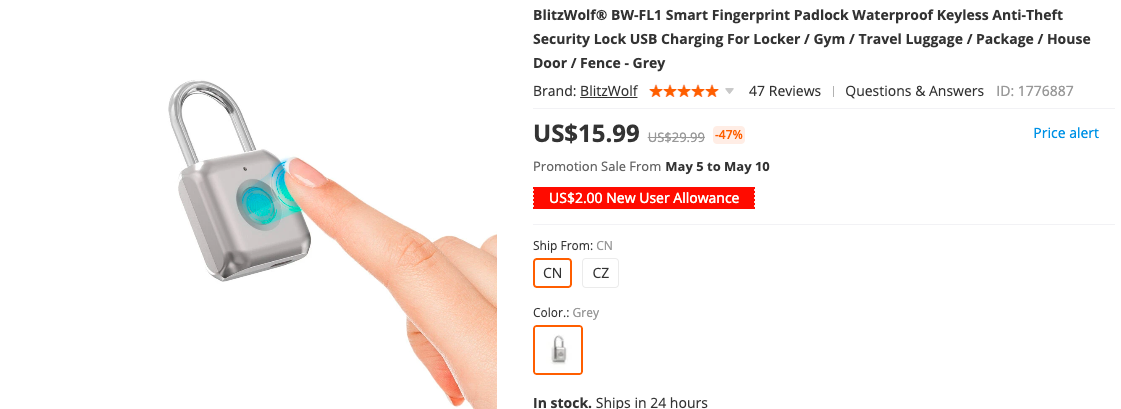
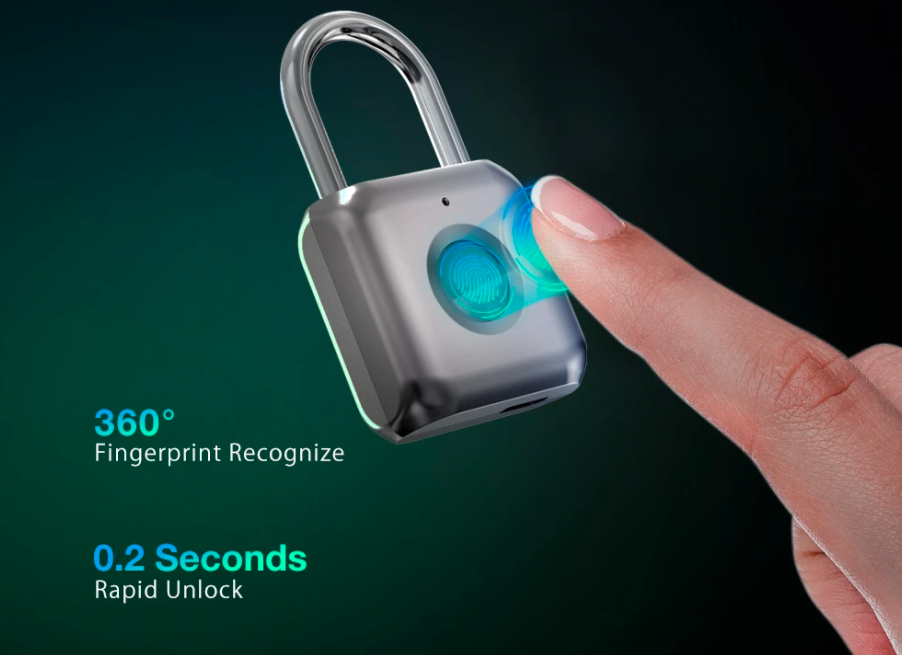
Blitzwolf smart fingerprint padlock looks and feels like a normal lock but instead of a keyhole, you have a fingerprint sensor to lock and unlock the device. The smart lock can store up to 20 different fingerprints with 2 admins and 18 ordinary users.
The smart lock uses a high-quality semiconductor fingerprint chip that gives a high precision recognition rate of 97.5% and less than 1 % of false acceptance and rejection rate. Made with high-density zinc alloy, the lock is strong and durable and comes with a 1 year standby time on a single charge of just 40 minutes. Moreover, you can charge the lock with a simple micro-USB cable, included with the product.
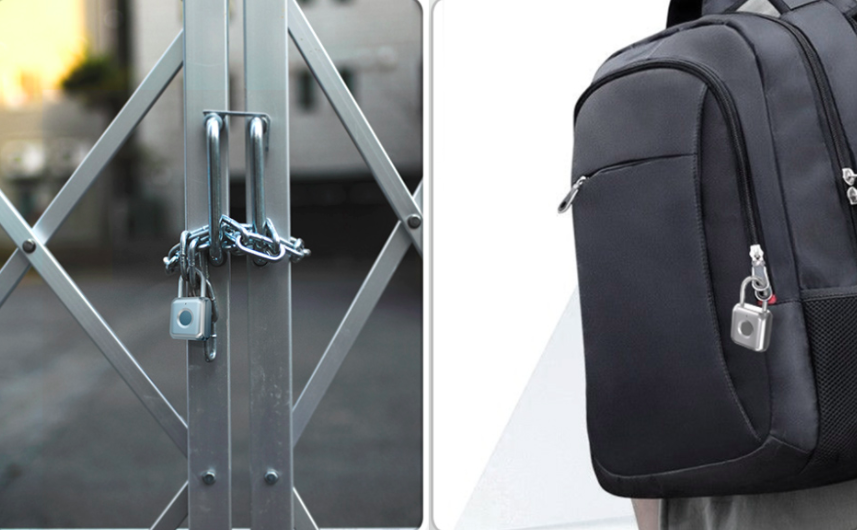
The lock is both dustproof and splash-proof making it perfect for your travel adventures and with a 360-degree fingerprint acceptance and a 0.2 second rapid unlock speed you can easily use the lock without worrying about technical delays.
Generally retailing for $20, you can now buy BlitzWolf BW-FL1 Fingerprint padlock for $15.99 only at Banggood. Please note that this deal is applicable only on the products ordered from China Warehouse and expires on 10 May 2021. So go grab your smart lock before the deal expires.
For more information on such exciting deals and offers check out ourdeals hub.
* Please Note: When you buy something using the links in our articles, we may earn a small commission at no cost to you.
Former HUAWEI sub-brand HONOR has launched new laptops in China. These notebooks called HONOR MagicBook X 14 and HONOR MagicBook X 15 offer a respectable set of features for affordable price tags.
HONOR MagicBook X 14 / 15 Specifications and Features
The newly launched HONOR MagicBook X 14 and HONOR MagicBook X 15 feature a metal unibody design and come in a single Glacial Silver color option. The former measures 15.9mm in thickness and weighs 1.38kg. Whereas, the latter has a thickness and weight of 16.9mm and 1.56kg respectively.
Both of them sport an FHD (1920 x 1080 pixels) IPS LCD panel with a matte coating, 16:9 aspect ratio, 178° viewing angle, 800:1 typical contrast ratio, and 250 nits typical brightness level. They are also TÜV Rheinland-certified for low blue light emission and anti-flicker eye protection.
However, the MagicBook X 14 flaunts a 14-inch display with 157 PPI and 84% screen-to-body ratio as opposed to a 15.6-inch screen with 141 PPI and 87% screen-to-body ratio on the MagicBook X 15.
Talking about performance, the laptops come in two variants. The first model is powered by a 10th Gen Intel Core i3-10110U processor coupled with 8GB 2666MHz DDR4 RAM and 256GB SSD. On the other hand, the second version sports a 10th Gen Intel Core i5-10210U chipset paired with 16GB (14-inch)/8GB (15.6-inch) 2666MHz DDR4 RAM and 512GB SSD.
Further, both the notebooks feature a full-size keyboard without a Numpad, a four-point multitouch touchpad, a fingerprint sensor integrated into the power key, a pop-up HD (720p) webcam in the top row of the keyboard, dual speakers, and dual microphones.
As for connectivity and ports, they come with dual-band WiFi, Bluetooth 5.0, 1 x USB 3.0 Gen1 Type-A, 1 x USB 2.0 Type-A, 1 x USB Type-C, 1 x HDMI, and 1 x 3.5mm headphone jack.
Lastly, the new HONOR laptops run Microsoft Windows 10 Home with additional features like ‘Multi-screen Collaboration’ and support 65W charging. But unfortunately, the larger MagicBook X 15 is backed by a smaller 42Wh battery compared to a 56Wh battery inside the MagicBook X 14.
HONOR MagicBook X 14 / 15 Price and Availability
The new HONOR MagicBook notebooks will retail for the following price tags in China.
The new HONOR laptops will be available for pre-order from May 7 to May 11, followed by the first sale on May 12. The brand is yet to reveal the availability of these notebooks outside China.
Earlier today (7th May 2021), a Xiaomi official announced that the company will not be launching any new tablets in this month. But, the official added that new models will be arriving in the second half of this year.
Alleged render of the Mi Pad 5
According to Wang Teng Thomas, the Chinese tech giant’s product director, the company will be launching new tablets later this year and not this month. In a reply to a Weibo user, a Chinese microblogging website, the executive stated that the Mi Pad 5 will not be arriving this month but sometime in the second half of 2021. Although, Wang Teng did state that the company will be launching a new notebook around the end of this month.
This new laptop will be the RedmiBook Pro, which will feature the Ryzen processor from AMD. However, the senior official from the Chinese smartphone manufacturer refrained from mentioning any specific dates or details regarding this launch. Talking about the Mi Pad 5, the series will arrive in a base and Pro variant, with the latter featuring an LCD panel that supports 2K resolution along with 120Hz refresh rate and 240Hz touch sampling rate.
The tablet will also support 4096 level touch control along with a stylus as well. Under the hood, the device will house a MediaTek Dimensity 1200 processor, while the base model will be equipped with the Snapdragon 870 chip. So stay tuned for more, as we will provide updates when additional information is available regarding this matter.
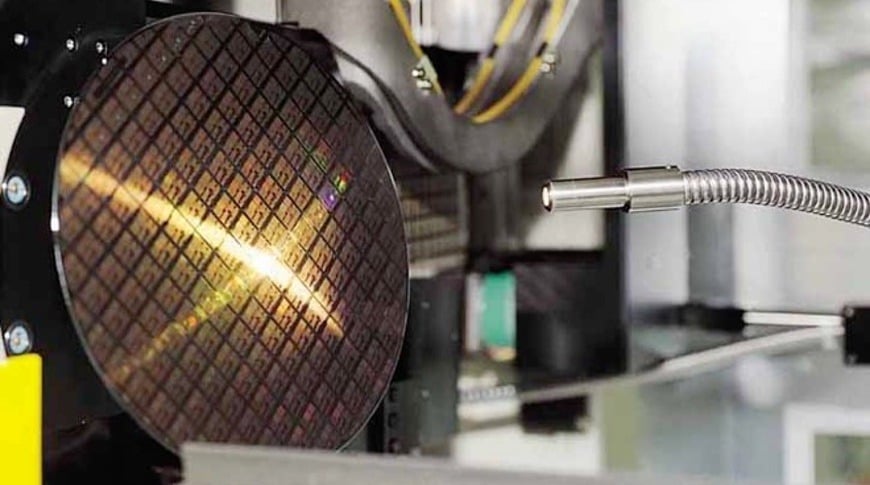
The semiconductor imports by China have seen a modest decline in the month of April, falling from the all time high that the region recorded last month. The news arrives amid the booming sales of chips across the globe.According to an SCMPreport, the latest figures were revealed by the nation’s customs authorities, as the shortage of semiconductors affect various industries worldwide. As per data released by the General Administration of Customs, China shipped 54.7 billion semiconductor units in April alone. These were worth 33.1 billion US Dollars. This marked a slight decline of 7 percent quarter on quarter, falling from 58.9 billion semiconductor units shipped in March 2021.
However, it was still a 23 percent surge when compared to the same month from back in 2020, which had imports worth 27 billion US Dollars from 44.4 billion units. Notably, the country’s semiconductor imports are also up by 30.8 percent this year compared to the same period last year. Shipments during this time reaching 210 million units, being valued at 126 billion US Dollars in just the first four months. This news arrives as the world faces a global semiconductor shortage that has caused issues in production of automobiles, smartphones, computers, and even home appliances as well.
Back in 2020, the global semiconductor market’s revenue had risen by 10.8 percent, reaching 464 billion US Dollars. This is expected to further grow this year due to accelerated demands for chips despite the ongoing shortage. It is expected that the industry will see a 12.5 percent growth overall, reaching 522 billion US Dollars this year thanks to growth in consumer products, computing, 5G, and automotive applications as well.
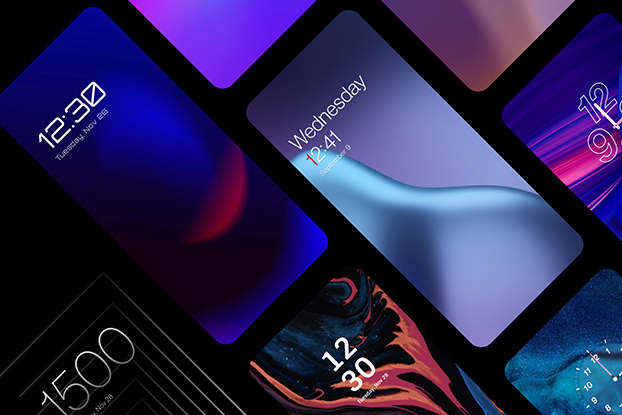
Android is best known for customization. Every Android OEM offers its own UI on its smartphones and tablets. OnePlus is no different. The brand is well-known for its OxygenOS. Last year, the company revamped it with new UI elements inspired by Samsung One UI. This year, it has confirmed to bring a new feature, which is popular in other Chinese Android skins.
In a OnePlus Community post, the brand revealed that it will be holding an online Open Ears Forum on May 18. The topic of this discussion will be ‘Theme Store’. Because the company has confirmed that it will be adding a ‘Theme Store’ in the next major update of OxygenOS.
Hence, we can expect a ‘Theme Store’ on OnePlus smartphones very soon with a release of the next version of OxygenOS based on Android 12. However, the brand wants to discuss this with some of its users in order to build a suitable ‘Theme store’ to download custom themes and wallpapers.
Interested users can apply for the meet from this link. The applicants who get selected for the forum will be receiving a OnePlus goodie bag consisting of a Hasselblad postcard, an OEF (Open Ears Forum) pin, and a T-shirt.
‘Theme Store’ on Android devices is not a new thing. Chinese Android skins like MIUI and EMUI are hugely popular for this. Even non-Chinese companies like Samsung offers a ‘Theme Store’ on its Galaxy range of Android devices.
But the thing is OnePlus has been lately falling behind in terms of timely and bug-free software updates. Hence, we expect the company to fix that first and then bring new features.
OPPO is reportedly working on the launch of the Reno6 series. While there is no official word on it, a recent leak claimed that the Reno6 lineup will debut on May 22. Like the previous generations, the OPPO may hold separate launch events for China and global markets. The global launch of the Reno6 series may not be far away as the Reno6 Pro was spotted at the Malaysian SIRIM certification site today.
The SIRIM certification has confirmed that the OPPO phone with the CPH2247 model number will debut in Malaysia as the Reno6 Pro. The CPH2247 model has been previously spotted in Europe’s Eurasian Economic Commission (EEC) and Indonesia’s TKDN certification platforms. None of these listings have revealed any information on the specs of the Reno6 Pro.
Rumors surrounding the Reno6 series have revealed that the lineup will have three devices as Reno6, Reno6 Pro, and Reno6 Pro+. It is speculated that the PENM00 that was spotted at China’s 3C certification could be the Reno6 phone. It is believed the Reno6 Pro’s model number is PEPM00. Both phones have appeared at TENAA, but their specs and images have not emerged yet.
The Reno6 is speculated to arrive with specs like a 6.55-inch AMOLED FHD+ display with curved edges. It has a 32-megapixel and a 64-megapixel quad-camera system. It may arrive with up to 12 GB of RAM and up to 256 G of storage. All or some of the Reno6 series models may arrive with support for 30W rapid wireless charging.
India has held up the approvals for the import for certain electronic products made in China for months. This hold up has also caused Chinese brands like Xiaomi, Oppo, and Vivo, along with US brands like Dell and HP to delay their product launches in the region.
According to a Reutersreport, the local government has held up approvals for import of WiFi modules from China. This has caused electronic products maker to suffer from delayed launches in the key growth market. The hold up on approvals have caused delay of even finished products as well, like Bluetooth speakers, wireless earphones, smartphones, smartwatches, and laptops, with all of these gadgets also housing WiFi modules.
As per sources close to the matter, the Communications Ministry’s Wireless Planning and Coordination (WPC) Wing has withheld approval since November 2020. The source even added that the various firms have been lobbying in a move to receive clearance. The report noted that over 80 applications are currently impending approval, including US, Chinese, and South Korean firms that have been been waiting for approval from WPC.
Unfortunately, Dell, HP, Xiaomi, Oppo, Vivo, and Lenovo have yet to respond to any requests for comment. This move from WPC also signifies India’s stance on Chinese imports, as the nations Prime Minister calls for greater economic self reliance. One of the source added that “the government’s idea is to push companies to manufacture these products in India. But tech companies are caught in a difficult situation – making in India would mean big-ticket investments and a long wait for returns, on the other hand the government-imposed hurdle on imports means a potential loss of revenues.”
Recent reports have revealed a lot about the upcoming Xiaomi Mi Pad 5 series. Popular tipster Digital Chat Station took to Weibo to claim that the Mi Pad 5 will debut later this month.
The Mi Pad 5 series is speculated to include at least three devices. These tablets are reportedly codenamed Nabu (model number ending with K82), Enuma (model number ending with K81), and Elish (model number ending with K81A). The Elish model is said to be a variant of the Enuma model, whereas the Nabu is said to be a different device.
The Enuma and Elish models are expected to feature the sm8250 chipset by Qualcomm. Hence, these tablets are likely to feature Snapdragon 865, SD865+, or the SD870 chip. The Nabu edition may come with an sm8150 chip, which indicates that it may feature SD855, SD855+, or SD860.
An alleged render of the Xiaomi Mi Pad 5
The Mi Pad 5 trio is expected to feature an IPS LCD screen that offers a 2560 x 1600 pixels resolution and an aspect ratio of 16:10. The screen size of these tablets could be around 10 to 11 inches. The Nabu model is expected to house a battery of around 8,720mAh capacity. Probably, this model could end up as the vanilla Mi Pad 5.
The Mi Pad 5 series is also speculated to arrive with support for up to 120Hz refresh rate and it will run on a slightly modified version of MIUI. As can be seen in the above-shown fan-made render of the Mi Pad 5, it is expected to arrive with a triple camera system. For security, it may feature a side-mounted fingerprint reader. It is unclear whether the Mi Pad 5 series will arrive with stylus support. With flagship specs onboard, the Mi Pad 5 series is expected to rival top-tier tablets from other brands like the upcoming Galaxy Tab S8 series and the new iPads.
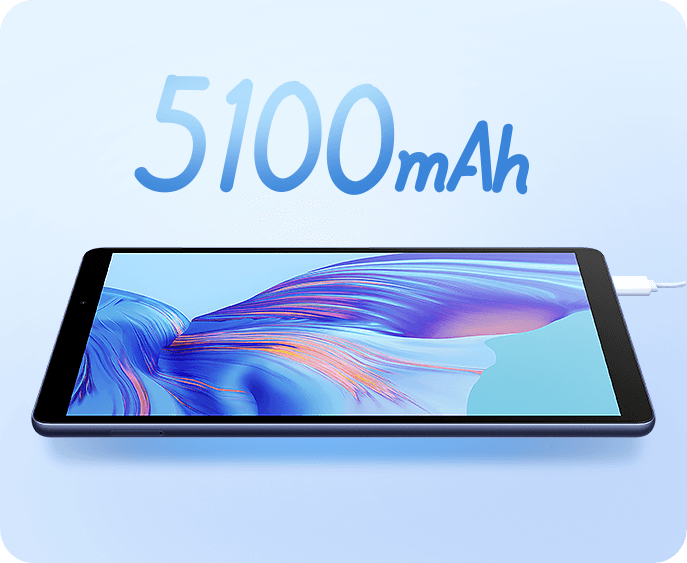
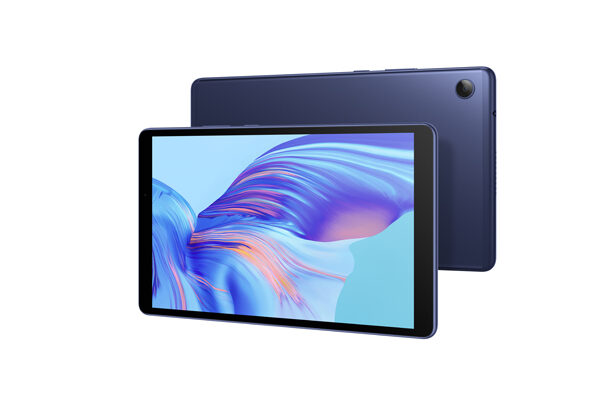
Honor held a new product launch conference earlier today (7th May 2021), officially launching a new tablet. This is the new Tab X7, which starts from 899 Yuan (roughly 140 US Dollars) and is powered by a large 5,100mAh battery pack.
The Honor Tab X7 from the Chinese tech giant arrives in three different configurations. The lower end variant is the WiFi only model that features 3GB of RAM and 32GB of internal storage that is priced at 899 Yuan (roughly 140 US Dollars), while the higher end model also offers the same memory and storage size for a price of 1,199 Yuan (roughly 185 US Dollars) but with supports for 4G LTE as well. The last model is a children’s version that is priced at 999 Yuan (roughly 155 US Dollars).
Talking about the device itself, the Honor Tab X7 arrives with an 8 inch IPS display panel that has a resolution of 1280x800px resolution. This offers a screen to body ratio of up to 80 percent. The bezel measures in at just 4.9mm at the narrowest to offer users a more immersive visual experience while the device itself weighs about 325 grams. Notably, the kids’ version of the tablet arrives with in built education based softwares and features to help in the academic growth of children. This is further supplemented by the various multi tasking and integrated multi window functionality offered by the company.
Its display also arrives with a certification from the Chinese National Eye Engineering Center for Eye Care along with Rheinland Low Blue Light Certification. Under the hood, the tablet is equipped with MediaTek MT8768T processor that runs Magic UI 4.0 custom skin. On the front, it sports a 2 megapixel selfie camera, while the rear houses a 5 megapixel camera sensors. Through its large 5,100mAh battery, one can expect a HD video playback of up to 10 hours or 88 hours of non stop audio playback as well.
Xiaomi is reportedly working on two new flagship phones. These phones are codenamed K8 and J18s and they are expected to arrive as the company’s first devices with an in-screen camera. Today, reliable Chinese tipster Digital Chat Station took to Weibo to reveal a few key specs of the J18s phone.
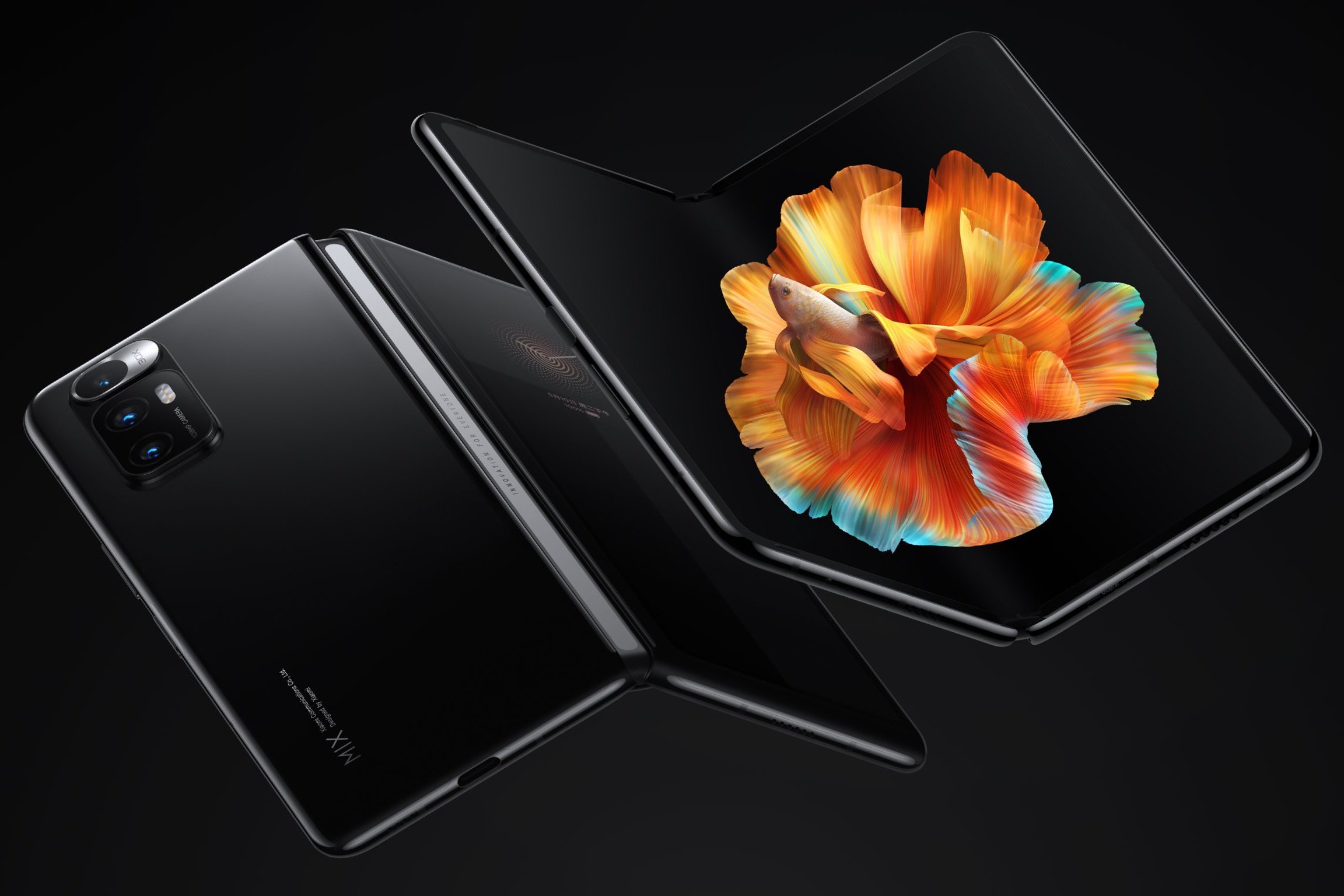
The Xiaomi MI MIX Fold debuted in March as the company’s first foldable phone. It is speculated that the J18s is the second foldable smartphone from the brand. The tipster claims that there is a slight change on the J18s as it carries support for a 90Hz refresh rate.
The original Mi MIX Fold has a 90Hz outer display, whereas its inner screen supports only a 60Hz refresh rate. Probably, the inner screen of the J18s foldable will also support a 90Hz refresh rate. He added that the device has a triple camera system featuring a 108-megapixel primary camera, a liquid lens with 3x optical zoom, and an ultrawide snapper.
Xiaomi Mi MIX Fold
However, the major highlight of the device is that it is equipped with an in-screen camera. The exact moniker of the device is not known yet. Presumably, this device could be an updated version of the Mi MIX Fold.
Last year in August, Xiaomi showcased the third generation in-display camera technology. It claimed that its tech can let the underlying camera can see through the gaps in its sub-pixels. The display area above the camera can produce the same density of pixels as the rest of the display. Hence, the screen will be able to perfectly disguise the under-screen camera. Also, the selfie snapper will be able to deliver results similar to conventional front-facing cameras.
The Mi MIX Fold is the first and the only Xiaomi foldable smartphone. The company announced this device in late March. Just like the Mi 11 Pro, this handset is also exclusive to China. Almost a month after the foldable went on sale, it is receiving a new system update with features that were showcased at the launch conference.
Xiaomi Mi MIX Fold
The main benefit of foldable smartphones that unfold into a tablet is productivity. But for some reason, the Xiaomi Mi MIX Fold lacked those features at launch.
But thankfully, the company is now pushing these features before more customers get their hands on the device. The update that brings these features comes with build number V12.0.10.0.RJTCNXM and is being seeded out in batches.
The main highlight of this new system update for the Mi Mix Fold is the addition of a feature called ‘Pocket PC’. As the name suggests, this feature turns the foldable into a PC.
This feature enables a new UI mimicking a PC, complete with a start menu, taskbar, and control center. Two other features called ‘Parallel Window’ and ‘Free Window Fingertip Dragging’ along with ‘Pocket PC’ allow users to use multiple apps in windows form and drag and drop content from one window to another, just like on a computer.
Samsung and Huawei offer a similar feature on their foldables as well as regular flagship smartphones in the form of Dex and EMUI Desktop respectively. But those require an external display.
Last but not least, the MIUI 12.0.10.0 update for the Mi MIX Fold also brings a ‘3D Surround Sound’ feature for the handset’s four speakers, a new ‘One-click Incognito’ option, and a fix for the Xiaomi SIM card activation service reminder issue.
Hypertension is often considered to be a silent killer as it is a major risk factor for diseases such as stroke, heart disease, and kidney failure, without obvious symptoms. The lifestyle of career men and women in this digital era helps promote unhealthy behavior such as irregular sleep/rest, improper diet, lack of exercise, etc. Thus, it is easy to ignore the signs of high blood pressure until it becomes too late, sometimes with catastrophic consequences.
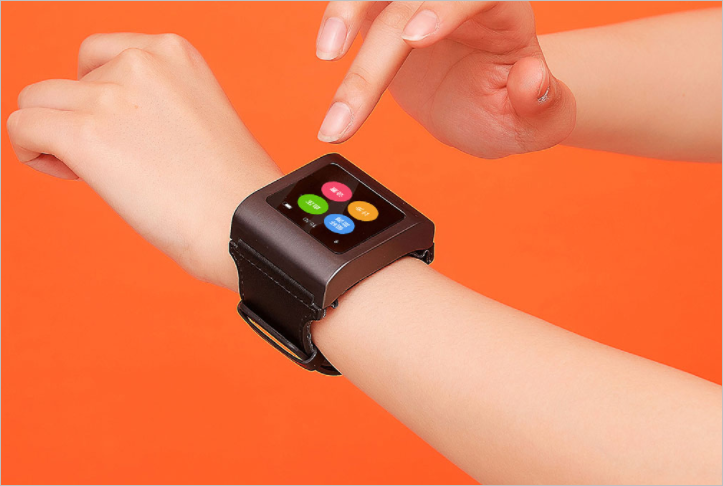
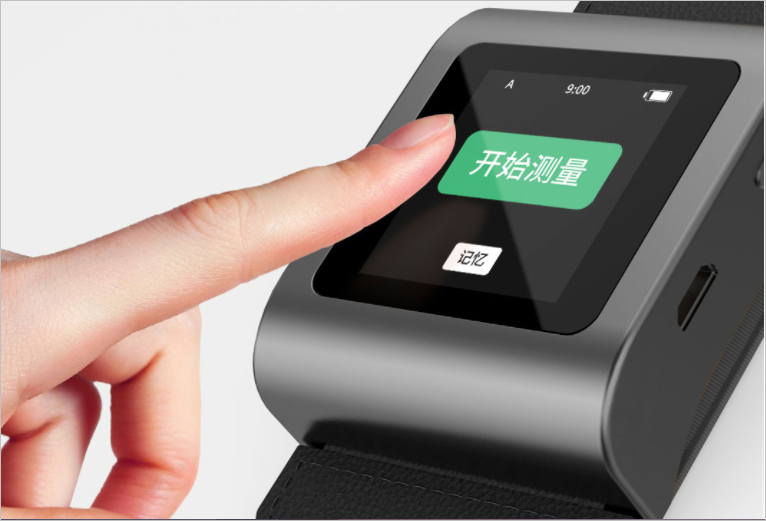
Xiaomi‘s ecological company Hipee known for its medical products has launched a new watch that helps users check their blood pressure. The product is dubbed Hipee Smart Blood Pressure Watch and is capable of 24-hour dynamic blood pressure tracking. It is priced at just 499 yuan (~$77) and is presently open for backing at the Youpin platform.
The blood pressure doesn’t remain stable all the time as it is dependent on the emotional state of the individual as well as the state of health. Thus, it is important to check regularly.
The Hipee Smart Blood Pressure Watch uses core biosensing technology, oscillometric technology, automatic pressurization technology, etc., supplemented by soft silicone pressurized airbags, allowing the sensor to monitor more accurately. The watch is said to have a static accuracy range of ±3mmHg.
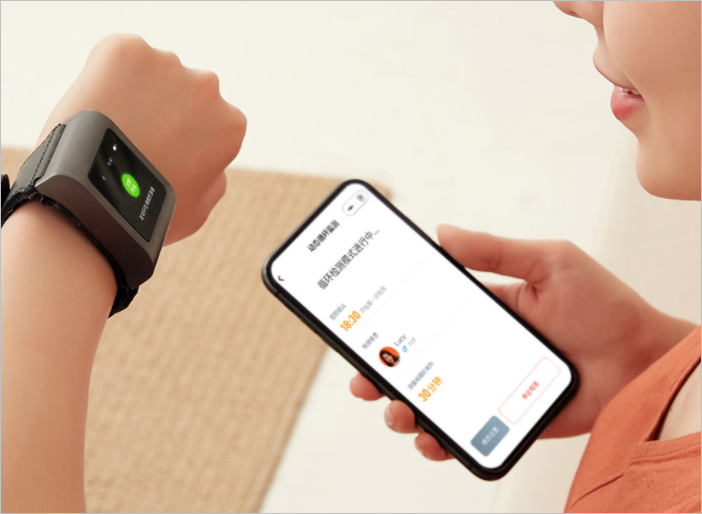
Further, the BP-checking watch has three modes: cycle detection mode, timing measurement mode, and routine blood pressure detection. Users can switch between the desired modes at will.
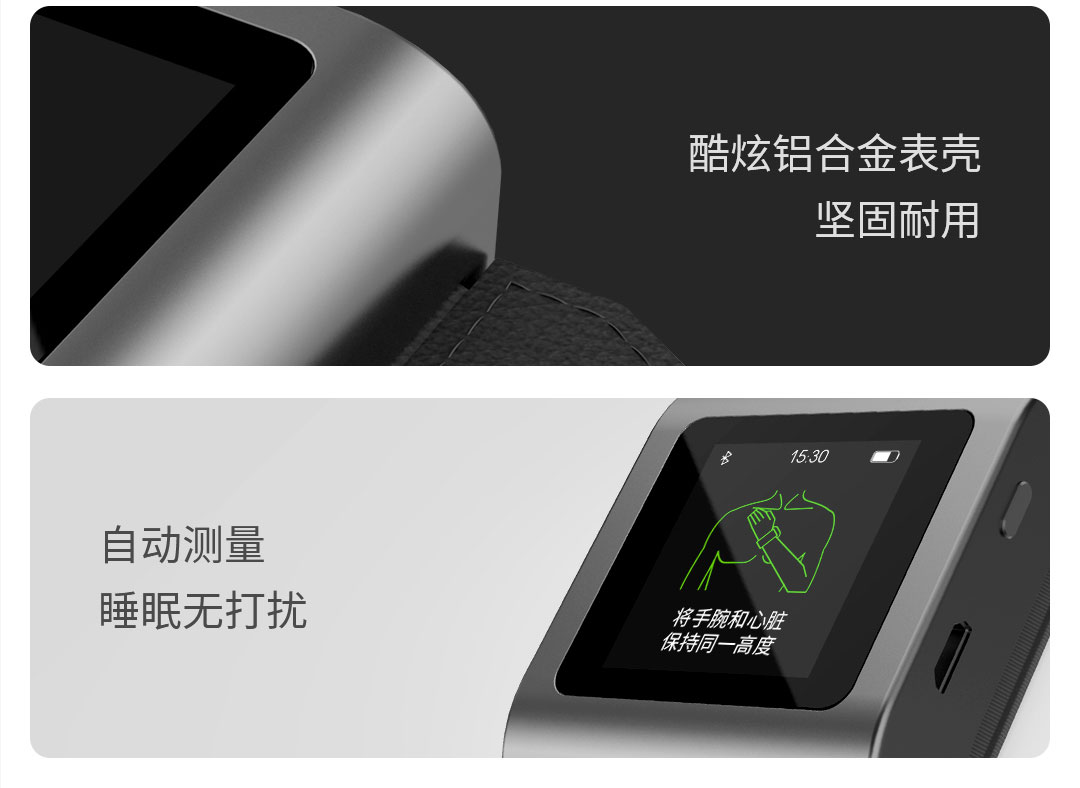
In terms of the design, the watch has an exclusive one-piece design that is not only easy to wear but also compact and light to carry. It has a square shape and looks quite bulky, weighing 76g. The watch starts monitoring the BP once the user raises the hand to the chest, with the palm lying flat on his breast. This is convenient and fast as it removes the need to navigate through the interface in order to select the BP check feature.
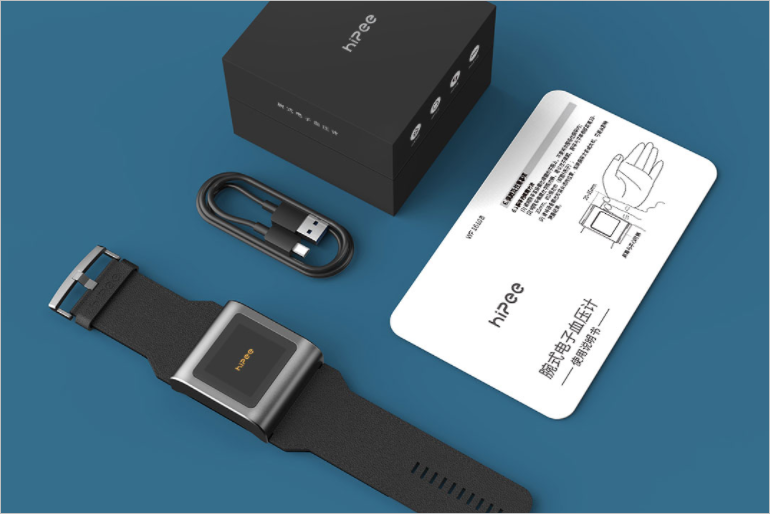
The Hipee watch connects to a companion smartphone through Bluetooth. It charges via a USB 2.0 port but the battery capacity is still unknown. Inside the retail box are a USB cable, a user guide card, and the watch itself.
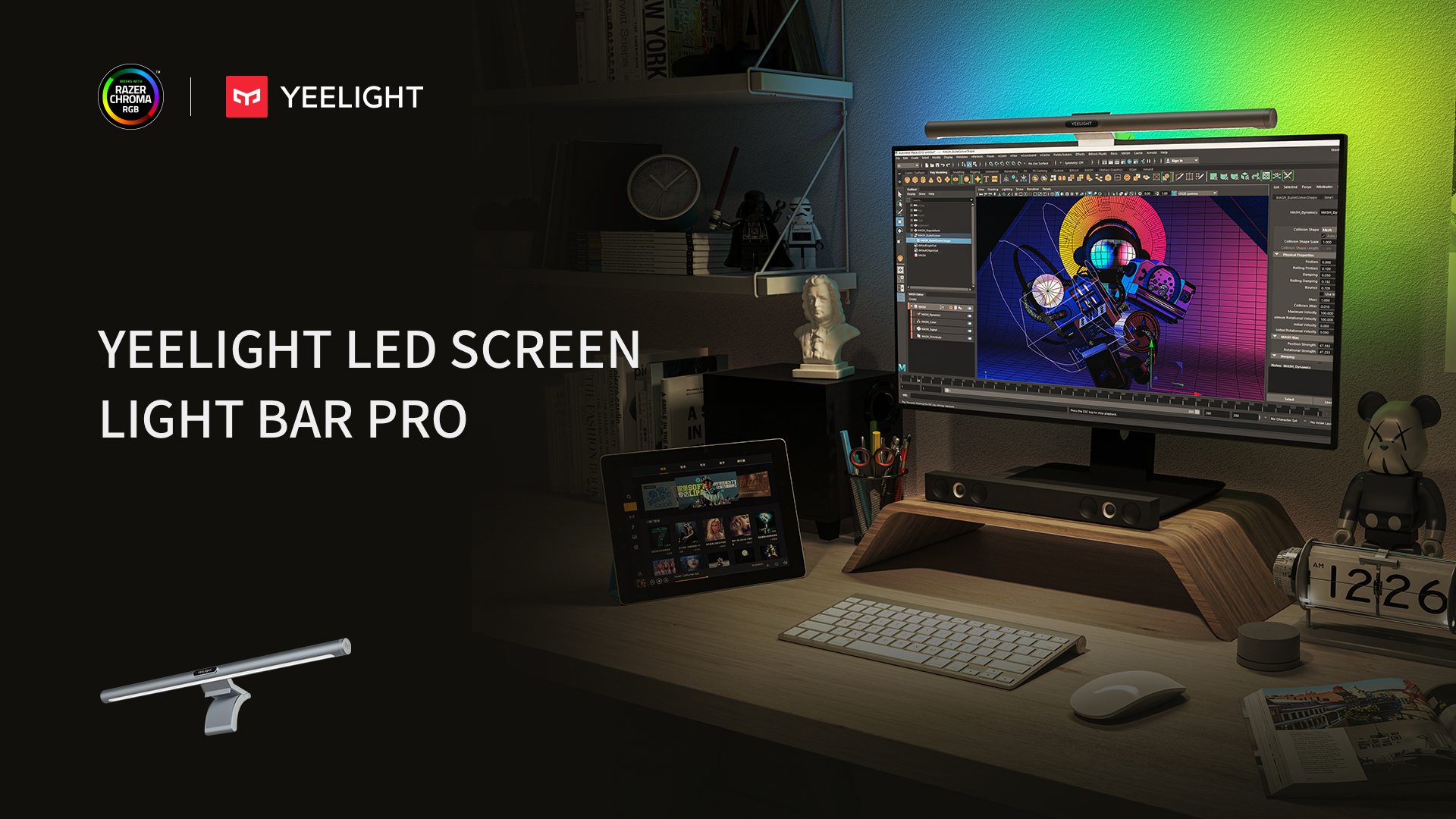
Yeelight, the Xiaomi owned smart lighting based brand, has just announced two new products that arrive with the Razer Chroma Integration. Alongside the new products, the company has also announced the release of the source code of the Yeelight Chroma Connector as part of the Yeelight Open Source Program.
The company made this announcement at the Razer Devcon 2021 earlier today (7th May 2021). Yeelight has just unveiled two new smart lighting products, including the Yeelight Smart LED Bulb W3 and the Yeelight LED Screen Light Bar Pro. Talking about the bulb first, it offers the user the option to select among 16 million colors to create their custom lighting scenes for any occasion. The smart bulb also features game sync and music sync and is even eco friendly as well, offering an ultra low standby power to save energy and money.
Arriving at the smart light bar, the Yeelight Bar Pro is designed to offer customers a more immersive experience when gaming experience. Furthermore, the lamp also offers easy sync options that works with various popular games via Razer Chroma RGB, which also supports 16 million colors that even offers a “dazzling light effects triggered by specific gaming events.”
Notably, the company even opened up its source code to give back to its community, especially the Open Source one. As per Victoria Wang, Strategic Partnership Manager at Yeelight, “With the Yeelight Open Source Program, we hope to give back to the community. Meanwhile, we welcome all the programmers to contribute their code and add new features to this project. Eventually, we want to make the Yeelight Chroma Connector truly for gamers, by gamers!”
Realtek Semiconductor has just registered a record profit in the first quarter of this year. The news arrives as the Networking IC design specialist saw its net profits climb to a new high for the fourth consecutive quarter.
According to a DigiTimesreport, the chip maker recorded net profits of 3.06 billion New Taiwan Dollars (109.2 million US Dollars) for the first quarter of this year. This marks a growth of 16.4 percent sequentially and a strong growth of 87.3 percent year on year. Realtek posted an overall revenue of 23.34 billion US Dollars in the first quarter of 2021, which is a rise of 5.7 percent on quarter that also marks a new record high.
The company further added that its April revenue decrease of about 3 percent on month to 7.81 billion New Taiwan Dollars. This was primarily due to the firm facing shortage in supplies. The company even notes that its orders from its clients still remain robust, although its supply is unable to catch up with its orders. Furthermore, Realtek has also seen its shipments be limited due to a tight foundry capacity, along with shortage of upstream components and other raw materials as well.
The company is also being optimistic regarding its sales prospects this year, as per the report, while it is also projecting the rise in sales for its Ethernet networking chips, switch controllers and Bluetooth chips on year in 2021. Although, its solutions related to TV are expected to remain flat this year. Realtek is expecting robust sales through the first half of 2022 as well, however, the tight foundry capacity isn’t expected to ease until after next year.
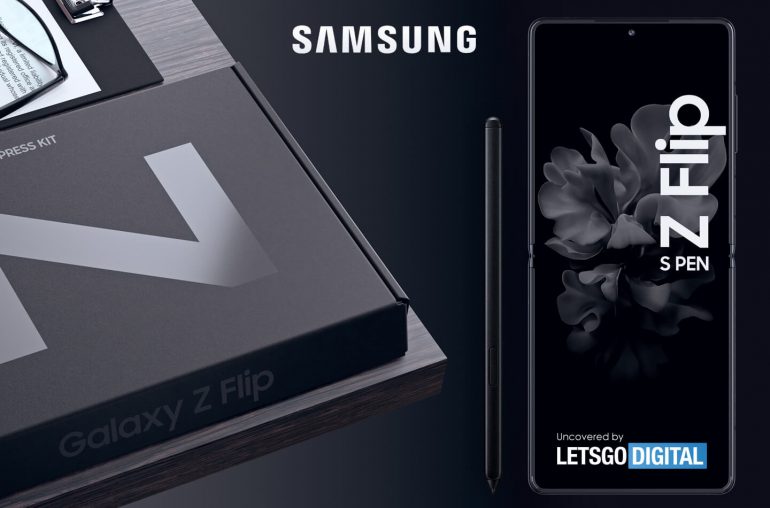
Samsung is gearing up for the launch of two new foldable smartphones later this year. This includes the Galaxy Z Fold 3 and the Galaxy Z Flip 3. As per certain reports, the former is expected to feature support for the S Pen, and now, it seems like the future models of the latter might also arrive with this feature.
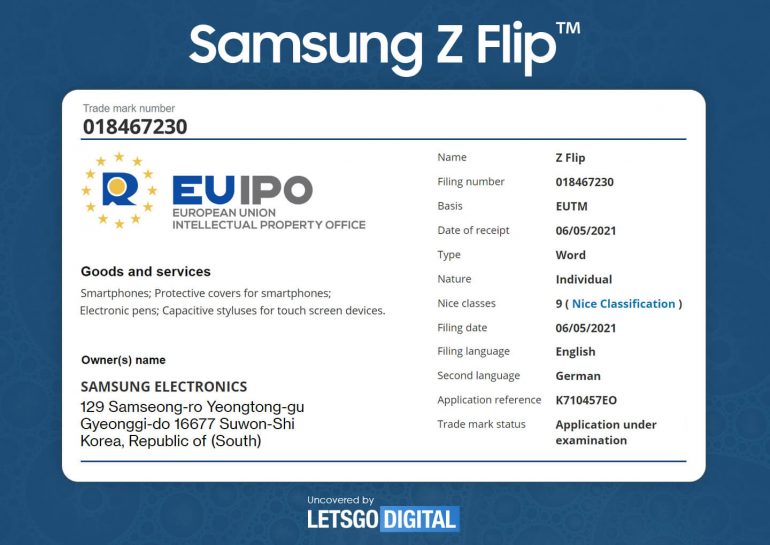
According to a LetsGoDigitalreport, the South Korean tech giant recently filed a trademark with the European Union Intellectual Property Office (EUIPO) for the name “Z Flip” earlier this week. This trademark is categorized under Class 9 with a description of ‘smartphones, tablets, protective covers ; electronic pen; capacitive stylus.’ This implies that a certain Galaxy Z Flip model might feature support for S Pen in the near future.
As of right now, it is unknown if the Galaxy Z Flip 3 launching later this year will arrive with this feature. Although, the Galaxy Z Fold 3 is expected to arrive with S Pen stylus. In other words, we might see the support for stylus added to the clamshell folding smartphone in the future, so we can also expect a model like the Galaxy Z Flip 4 this feature as well. However, this is just speculation so take this report with a pinch of salt.
The S Pen is Samsung’s in-house technology, so we can expect the technology to make its way to the foldable device. Thus, stay tuned for more, as we will provide updates when additional information is available regarding this matter.
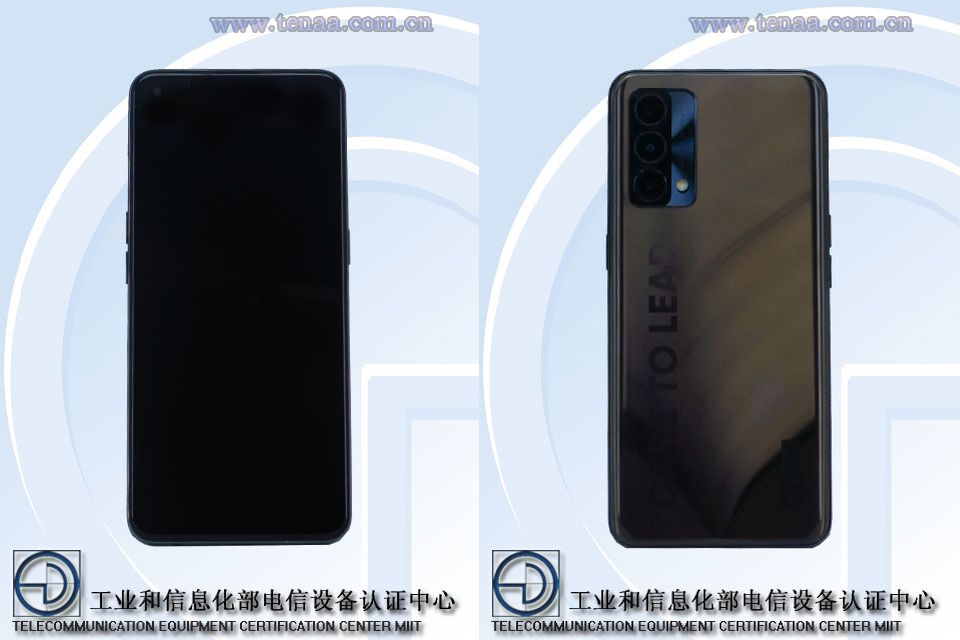
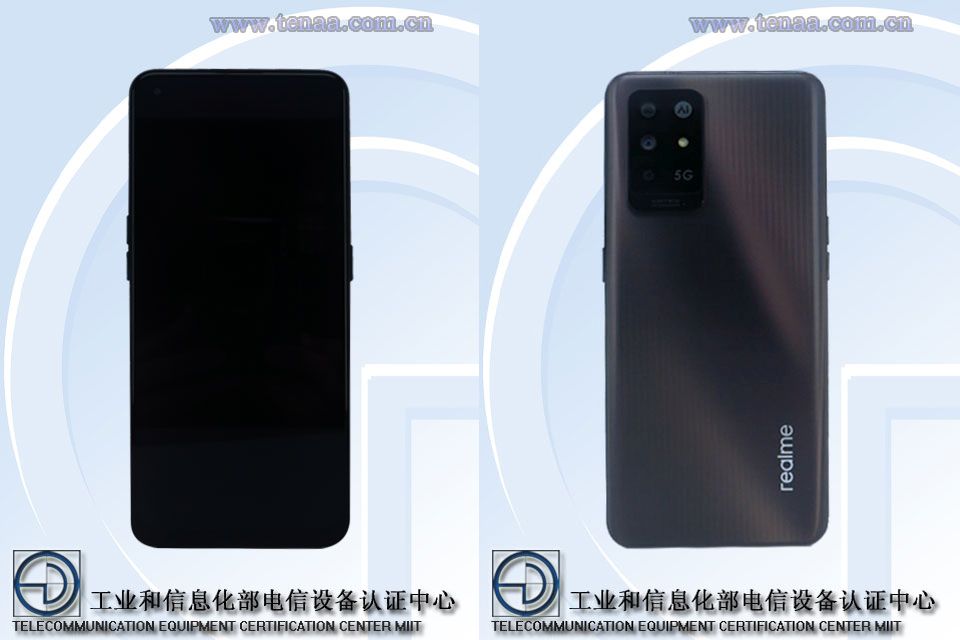
Realme has so far launched a couple of V-series such as Realme V11, Realme V13, and Realme V15v in China. A fresh leak reveals that the Realme RMX3143 phone, which was spotted at the TENAA certification platform could be arriving in the Chinese market as the Realme V25.
According to a Chinese tipster, the 2.8GHz octa-core processor that powers the RMX3143 handset could be the Snapdragon 768G, and this phone may arrive in the Chinese markets as the Realme V25. He added that the specs of the phone are similar to the OPPO K9 5G, which was announced in China yesterday.
The RMX3143 smartphone has a 6.43-inch AMOLED display that offers a Full HD+ resolution of 1080 x 2400 pixels and an in-display fingerprint scanner. The handset is expected to arrive in China in 6 GB, 8GB, and 12 GB RAM variants. it may come in storage options like 128 GB and 256 GB. The device measures 159.1 x 73.4 x 8.1mm and weighs 174 grams.
Realme RMX3143
The RMX3143 is backed by a 4,400mAh rated battery. For photography, it has a front camera of 32-megapixel and its rear camera setup has a 64-megapixel main camera, an 8-megapixel lens, and a 2-megapixel snapper. These specs including the dimensions of the phone are similar to the K9 5G.
The tipster has also claimed that the Realme RMX333 TENAA certified phone could be featuring the Snapdragon 780G. This may not be true as its specs are weaker than the RMX3143 phone. The TENAA listing of RMX3333 states that it has a 6.43-inch FHD+ AMOLED display with an in-screen fingerprint reader, a 2.4GHz processor, 6 GB / 8 GB of RAM, internal storage of 64 GB / 128 GB / 256 GB, a 16-megapixel front camera, a 48-megapixel + 8-megapixel + 2-megapixel triple camera system, and a 4,220mAh battery.
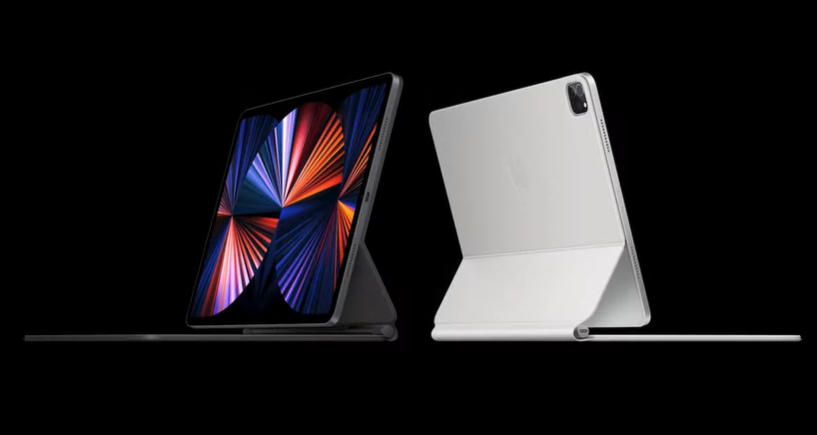
Apple recently launched its new iPad Pro models in the market in two screen sizes — 11-inch and 12.9-inch, both powered by the Apple Silicon M1 chipset. The 12.9-inch model also features a Mini-LED display.
The variant with the bigger screen is set to launch in the second half of this year but the orders place today on the company’s own online store in the United States are estimated to deliver as late as mid-July — about two months later, reports MacRumors.
However, this is not the case for the 11-inch model as some configurations of the tablet are available for delivery by the end of this month.
The reason behind delayed shipments of the Apple iPad Pro 2021 with a 12.9-inch display seems to the suppliers of the panel reportedly facing yield issues for the production. On top of that, the industry is also facing a global chip shortage and it seems that the issues could last into next year.
It’s likely that the iPad Pro is facing these issues given that the device was launched in April this year and the shipment estimates are for July this year, underscoring the supply chain and production issues faced by the company.
The same is the case with the new iMac 2021 as many configurations are showing shipments for mid-to-late June in the United States while the four-pack of Apple AirTag will be arriving in mid-June.
We use cookies on our website to give you the most relevant experience by remembering your preferences and repeat visits. By clicking “Accept”, you consent to the use of ALL the cookies.
This website uses cookies to improve your experience while you navigate through the website. Out of these, the cookies that are categorized as necessary are stored on your browser as they are essential for the working of basic functionalities of the website. We also use third-party cookies that help us analyze and understand how you use this website. These cookies will be stored in your browser only with your consent. You also have the option to opt-out of these cookies. But opting out of some of these cookies may affect your browsing experience.
Necessary cookies are absolutely essential for the website to function properly. This category only includes cookies that ensures basic functionalities and security features of the website. These cookies do not store any personal information.
Any cookies that may not be particularly necessary for the website to function and is used specifically to collect user personal data via analytics, ads, other embedded contents are termed as non-necessary cookies. It is mandatory to procure user consent prior to running these cookies on your website.










 According to an