Advertisement

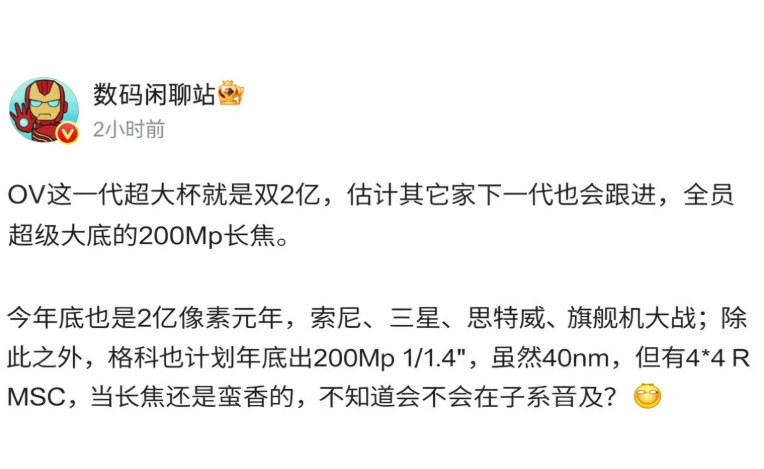
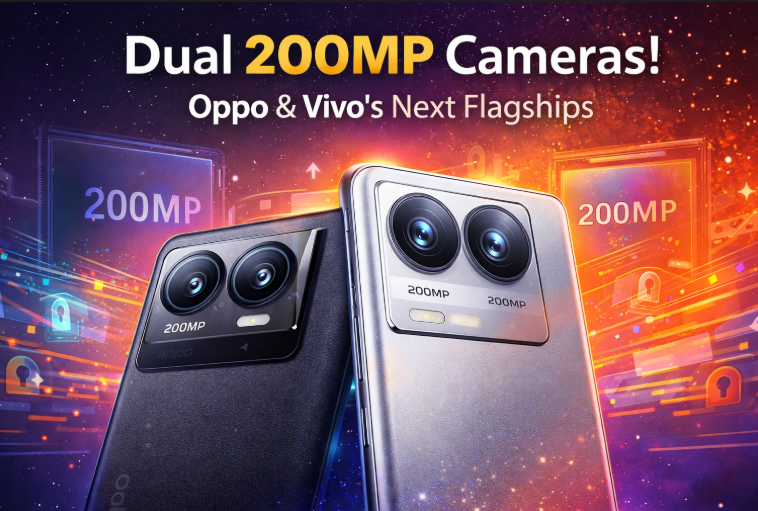
Oppo Reno 15 Pro Max key specifications leak reveals 200MP main camera, Dimensity 9400, and more

Oppo will unveil the Oppo Find X9 series of smartphones on Oct. 16 in China. After this, the company is expected to shift its focus to the Reno 15 series, which is likely to break cover in November in the home market. While previous generations have included two models — the standard and Pro variants — the Reno 15 lineup is said to have three models this time. A new report, courtesy of SmartPrix, reveals that the topmost model will be called the Oppo Reno 15 Pro Max.

Oppo Reno 15 Pro Max specifications (rumored)

Oppo Reno 14 Pro color options

According to the report, the Oppo Reno 15 Pro Max will feature a 6.78-inch flat OLED LTPO panel offering a 1.5K resolution and a 1Hz to 120Hz refresh rate. Under the hood, the device will be powered by the Dimensity 9400 chipset, which also powered last year’s Find X8 and Find X8 Pro.

As expected, the Reno 15 Pro Max’s photography capabilities will be its major highlight. The Lumo imaging tech-powered camera setup will comprise a 200-megapixel Samsung HP5 main camera with OIS, a 50-megapixel periscope telephoto camera, and an ultra-wide lens. For selfies, it will feature a 50-megapixel front-facing camera.

The Reno 15 Pro Max will run on Android 16 with ColorOS 16 on top. It is expected to draw power from a 6,500mAh battery. The handset may also include features like NFC and Wi-Fi 7 connectivity.

Oppo Reno 15 Pro Max launch timeframe (rumored)

The Oppo Reno 15 Pro Max is expected to debut alongside other Reno 15 models first in China later this year. The global launch, including India, is expected to happen in early 2026. In India, the device is likely to be priced at around Rs 55,000.

For more daily updates, please visit our News Section.

Stay ahead in tech! Join our Telegram community and sign up for our daily newsletter of top stories.

(source)

Realme GT 8 Pro may launch on November 11 as India’s first Snapdragon 8 Elite Gen 5 phone

Xiaomi recently unveiled the Xiaomi 17, 17 Pro, and 17 Pro Max as the world’s first smartphones powered by the Snapdragon 8 Elite Gen 5. Now the race is on to launch the first Snapdragon 8 Elite Gen 5 device outside the Chinese market. There are three contenders vying for the spot — the Realme GT 8 Pro, OnePlus 15, and iQOO 15. A new report has tipped the Realme GT 8 Pro’s India launch date.

Realme GT 8 Pro India launch date (rumored)

Realme GT 8 Pro image

According to a report by 91mobiles, Realme had initially planned to launch the Realme GT 8 Pro between Nov. 18 and Nov. 20 in India. However, since OnePlus has reportedly decided to unveil the OnePlus 15 on Nov. 13, Realme has altered its plan and is now aiming to launch the GT 8 Pro between Nov. 10 and Nov. 12. The publication speculates that the phone may launch on Nov. 11.

If the rumoured Realme GT 8 Pro launch date turns out to be true, Realme India may begin its official teasers later this month. Speaking of this month, the company will unveil the Realme GT 8 and GT 8 Pro smartphones later this month in China. While the Pro model’s chipset has already been confirmed, the standard model is said to feature last year’s Snapdragon 8 Elite chipset. At present, there is no reliable information about whether the GT 8 will be released globally.

One of the major highlights of the Realme GT 8 Pro is that it will be the company’s first smartphone to arrive through a collaboration with Ricoh. Rumours indicate that its rear camera setup will comprise a 50-megapixel Sony LYT-700 primary camera, a 200-megapixel Samsung HP5 periscope telephoto camera, and an ultra-wide snapper. Readers can visit our previous Realme GT 8 Pro article to know more about its specifications.

For more daily updates, please visit our News Section.

Stay ahead in tech! Join our Telegram community and sign up for our daily newsletter of top stories.

(source)

OnePlus’ New Rs 999 Type-C Earphones Bring Back the Wired Era on a Budget

While you don’t get free earphones with your smartphone purchase today, OnePlus just announced a budget pair of wired earphones that do call back to a bygone era. The OnePlus Half In-Ear Wired Digital Earphones Type-C has just launched in India, with a long name, classic design, and affordable price tag. So let’s check it out.

OnePlus Half In-Ear Wired Type-C Earphones Seems Simple & Reliable

The latest hearables from OnePlus just dropped with a classic half in-ear design, making it similar to Apple’s EarPods. These adopt a digital signal interface to support audio, bringing a higher bitrate for improved sound quality. It houses large 14.2mm dynamic drivers that come with tuning from OnePlus’ acoustic team. Since 3.5mm audio jacks are a rarity in smartphones, the earphones feature a Type-C wired connection.

OnePlus Half In-Ear Wired Digital Earphones Type-C

OnePlus is promising a stable connection that also lets you make HD calls. The wire features a multi function inline remote that brings music controls and a dedicated button for taking and ending calls. Keep in mind there are no silicone eartips, which might make it uncomfortable for some users.

The wire is made using skin friendly materials and features an anti tangle build with the earbuds featuring an ergonomic and comfortable design. The Chinese brand just announced the wired Type-C earphones in a single white color option, costing just 999 INR (roughly 11 US Dollars). These earphones are available for purchase on the brand’s official website. In related news, you can click here to check if your OnePlus smartphone is eligible for the Android 16 OS based OxygenOS 16 custom skin.

For more daily updates, please visit our News Section.

Don’t miss a thing! Join our Telegram community for instant updates and grab our free daily newsletter for the best tech stories!

Oppo Pad 5 RAM, storage configurations confirmed, Watch S colour options revealed

Oppo is all set to unveil the Oppo Find X9 series of smartphones on Oct. 16 in China. The same event will see the arrival of a few other devices, such as the Oppo Pad 5 tablet and the Oppo Watch S smartwatch. Like the Find X9 series, the Pad 5 and Watch S have also been made available for pre-orders through the Oppo Shop and retailer partners. The official listing has revealed key details about the tablet and smartwatch.

Oppo Pad 5 configurations, color options

The Oppo Pad 5 pre-order listing has revealed that it will be available in multiple variants, such as 8GB+128GB, 8GB+256GB, 12GB+256GB, and 16GB+512GB. The 8GB+256GB and 12GB+256GB will also be available in the Soft Light version, meaning it will have display technology that reduces glare and reflection.

The Pad 5 will sell in shades like Lucky Purple, Galaxy, and Deep Space Grey. The brand has not confirmed anything else about the device.

Leaked details that have surfaced in the past have revealed that the Oppo Pad 5 will have a 12.1-inch LCD panel that supports a 3K resolution and a 144Hz refresh rate. Under the hood, the device will have the Dimensity 9400 Plus chipset and a massive 10,300mAh battery with 67W fast charging.

The Pad 5 will run on ColorOS 16-based Android 16. While there is no information about its thickness, it is said to weigh around 579 grams. It is speculated that the OnePlus Pad 2 heading to the Chinese market in the coming days will be a rebranded version of the Oppo Pad 5. However, it is expected to arrive in blue and grey shades.

Oppo Watch S color options revealed

Oppo Watch S
Oppo Watch S

The Watch S will be the slimmest smartwatch ever from Oppo. It is said to weigh around 38 grams and measure around 8.x mm. It is said to be powered by dual-core architecture (Snapdragon W5 + BES2800) for optimised power consumption and stable data recording. It is likely to draw power from a 200mAh battery and have eSIM support.

The above image confirms that the Oppo Watch S will be available in three shades, namely Racing Black, Dynamic Green, and Rhythm Silver.

For more daily updates, please visit our News Section.

Stay ahead in tech! Join our Telegram community and sign up for our daily newsletter of top stories.

JBL Tour One M3 & M3 Smart Tx Arrive in India with Lossless Audio, Adaptive ANC, & More

JBL has officially introduced its new Tour One M3 and Tour One M3 Smart Tx headphones in India. The company first released the Tour One M3 series back in April, with the Smart Tx bringing premium audio for frequent travellers. So here’s everything you need to know.

JBL’s Premium Tour One M3 Headphones Bring Adaptive ANC and Auracast to India

The popular audio brand just unveiled the JBL Tour One M3 with 40mm Mica drivers with support for JBL Spatial Sound and head tracking for 360 degree audio. These headphones support Bluetooth 5.3, with support for Hi-Res Bluetooth and lossless audio. One of the highlights of the wireless headphones is the JBL Smart Tx with touch display. This is a tiny accessory that allows you to wirelessly connect to any audio source and even stream audio with multiple Auracast devices.

JBL Tour ONE M3
JBL Tour One M3 Smart Tx

This enables lossless audio for premium audio quality. JBL’s high end headphones arrive with True Adaptive Noise Cancelling 2.0 thanks to its 8 microphone system. The Ambient Aware and SmartTalk are basically features for a transparency mode and real time audio adjustment or pausing music when the user is talking. You can also pair these headphones with the JBL Headphones app that brings JBL Personi-Fi 3.0 to personalize sound based on the user’s hearing profile.

On a single full charge, the JBL Tour One M3 offers up to 70 hours of audio playback. With a quick 5 minute charge, the brand is promising 5 hours of battery life. The JBL Tour One M3 was just announced in India for 34,999 INR, while the Smart Tx variant costs 39,999 INR. These are available in three color options, namely Mocha, Blue, and Black. Both headphones are available for purchase on the brand’s official website, online, and offline retailers.

Please Note: When you buy something using the links in our articles, we may earn a small commission at no cost to you.

For more daily updates, please visit our News Section.

Tech enthusiast? Get the latest news first! Follow our Telegram channel and subscribe to our free newsletter for your daily tech fix! ⚡

Oppo Find X9, Find X9 Pro configurations, color variants officially revealed, global launch seemingly teased

The Oppo Find X9 and Find X9 Pro are now officially listed for pre-orders before their Oct. 16 launch in China. The official listings have revealed the configurations and colour options of the Find X9 duo. At the same time, the company also seems to be gearing up for the Find X9 series’ global launch.

Oppo Find X9 configurations, color variants

Oppo Find X9 series teaser
Table tennis Olympic and World Champion Sun Yingsha endorses Find X9 series

The Oppo Find X9 and Find X9 Pro will arrive in common shades such as Frosty White, Silver Titanium, and Chasing Light Red. The standard model will also have an additional colour option called Fog Black.

When it comes to RAM and storage combinations, both smartphones will be available in options like 12GB+256GB, 12GB+512GB, 16GB+512GB, and 16GB+1TB. The Find X9 will also have a 16GB+256GB additional variant.

In terms of design, both phones have a similar appeal, featuring a triple camera island on the back panel. As a differentiator, the Find X9 has a ring LED flash placed inside the camera module, whereas the Pro edition has a pill-shaped LED flash placed outside the camera island.

The Find X9 is smaller in size with a 6.59-inch display, whereas the Pro version packs a bigger 6.78-inch screen. Both support a 1.5K resolution, a 120Hz refresh rate, and have an ultrasonic in-screen fingerprint sensor. These Dimensity 9500-powered phones have 7,025mAh and 7,500mAh batteries, respectively. Both support 80W wired and 50W wireless charging.

Oppo Find X9 series global launch teased

Oppo has recently signed up table tennis Olympic and World Champion Sun Yingsha to endorse the Find X9 series in China. Oppo’s global X handle has also posted the same without mentioning the Find X9 series. Nevertheless, the X post does hint that the series will debut soon globally.

As per a recent leak, Oppo may hold a global launch event on Oct. 28 to unveil the Find X9 series. It is also being said that the brand may hold a separate launch event for India in November.

For more daily updates, please visit our News Section.

Stay ahead in tech! Join our Telegram community and sign up for our daily newsletter of top stories.

Google Pixel Buds 2a Now Available in India: Offers Tensor A1 Chip, ANC with Silent Seal 1.5, and AI Voice Features

Back in August, Google launched the Pixel Buds 2a in the global market, expanding its A-Series earbuds lineup. The earbuds are now available to purchase in India through the Google India online store.

Pixel Buds 2a

The Pixel Buds 2a are built using data from over 45 million ear scans to ensure a comfortable fit. They come with an IP54 rating for sweat and water resistance, while the charging case has an IPX4 rating. Each earbud uses Bluetooth 5.4 with Super Wideband support for improved call clarity and stable connectivity.

They are powered by the Google Tensor A1 chip and feature 11 mm dynamic drivers, Active Noise Cancellation with Silent Seal 1.5, Transparency mode, and active in-ear pressure relief. The earbuds also include stereo spatial audio, a 5-band equalizer, and a wind-blocking mesh for clearer voice calls powered by Google AI.

Battery life is rated at up to 7 hours with ANC on and 20 hours with the charging case. With ANC off, the earbuds can last up to 10 hours and 27 hours with the case. A 5-minute quick charge gives one hour of playback. Charging is done through a USB-C port, and the case has a replaceable battery.

Other features include hands-free Gemini access, tap controls for playback and calls, Pixel-Perfect Pairing, multipoint switching, and Find Hub support. Each earbud has two microphones, a capacitive touch sensor, infrared in-ear detection, and a Hall Effect sensor in the case.

The Pixel Buds 2a use 41 percent recycled materials, including 100 percent recycled rare earth magnets, tin, and cobalt. The packaging is completely plastic-free.

Pricing & availability

The earbuds are available in Hazel and Iris colors for ₹12,999. Buyers can also get up to 12 months of no-cost EMI using major bank cards.

For more daily updates, please visit our News Section.

Stay ahead in tech! Join our Telegram community and sign up for our daily newsletter of top stories

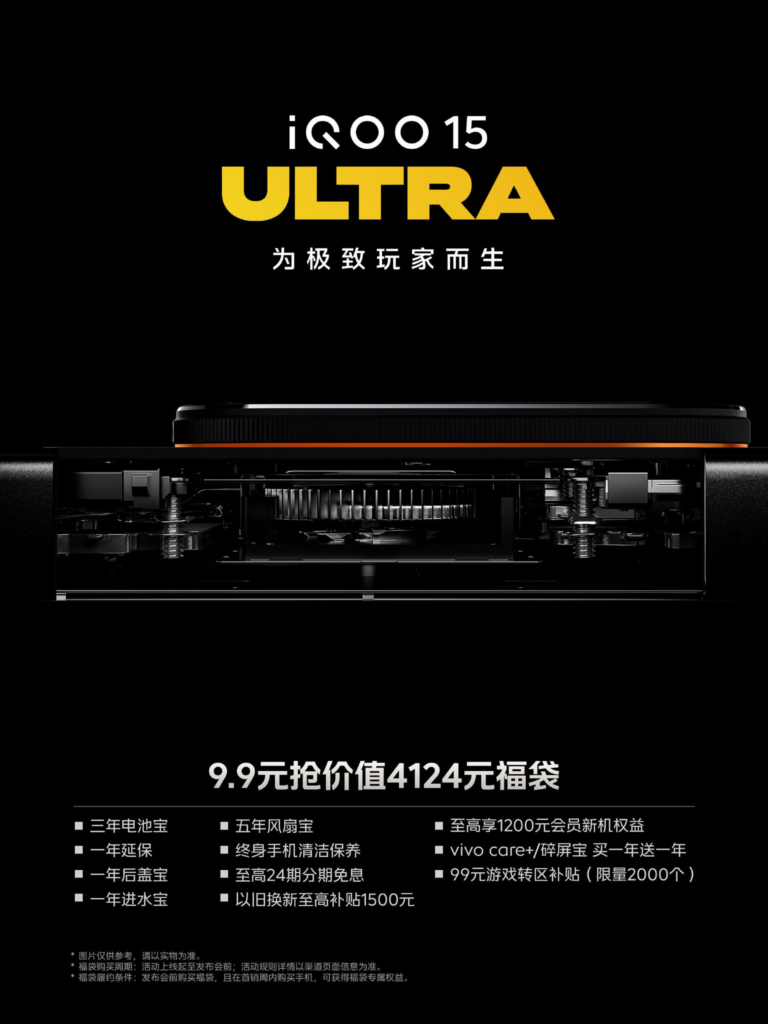
iQOO 15 is launching on October 20, iQOO Pad 5e, Watch GT 2, TWS 5 to debut alongside

After teasing the iQOO 15’s China arrival, the brand has finally confirmed its launch date. iQOO will host an event at 7 pm (local time) on Oct. 20 to announce its next-generation flagship phone as a successor to last year’s iQOO 13. Apart from the iQOO 15, the brand will also unveil the iQOO Pad 5e, Watch GT 2, and TWS 5.

iQOO 15 color options revealed

The iQOO 15 will hit the Chinese market in four colour options: Legend Edition, Wilderness, Racing Edition, and Crimson Red, which seems to possess color-changing capabilities on the rear panel. On the front, the phone features a flat Samsung AMOLED screen and an RGB LED-lit camera island on the back.

One of the major highlights of the iQOO 15 is that it will feature the Snapdragon 8 Elite Gen 5 chipset, a  Q3 gaming chip, along with a battery of around 7,000mAh capacity. Its screen is confirmed to support a 2K resolution, a 120Hz refresh rate, and an ultrasonic in-screen fingerprint sensor. Its rear camera setup is expected to feature a Sony IMX9-series 50-megapixel main camera, a 50-megapixel ultra-wide lens, and a 50-megapixel IMX8-series periscope telephoto camera.

As far as the global launch is concerned, iQOO has already started teasing the iQOO 15 in India, and is speculated to launch in November. It is unclear whether the other products mentioned above are also aligned to launch with the iQOO 15.

iQOO is yet to confirm the key specifications of the Pad 5e, Watch GT 2, and TWS 5. However, these devices are expected to be rebranded versions of the Vivo Pad 5e, Watch GT 2, and Vivo TWS 5, which are slated to launch with the Vivo X300 series on Oct. 13 in China.

iQOO Neo 11 incoming

Last month, iQOO confirmed that it will also unveil the Snapdragon 8 Elite-powered iQOO Neo 11 alongside the iQOO 15. Therefore, the brand is expected to confirm the Neo 11’s design in the next few days.

For more daily updates, please visit our News Section.

Stay ahead in tech! Join our Telegram community and sign up for our daily newsletter of top stories.

Xiaomi 17 Pro vs Pixel 10 Pro: Performance vs AI Power, What Will You Choose?

The flagship showdown between Xiaomi 17 Pro and Google Pixel 10 Pro highlights two different visions of premium smartphones. One focuses on cutting-edge hardware and raw power, while the other leans on intelligent software and long-term support. This comparison matters because it pits Xiaomi’s aggressive feature-packed approach against Google’s AI-driven ecosystem, giving buyers a clear look at which flagship better fits their priorities, performance, and innovation or software and experience.

1. Design and display

Build and Feel:

Xiaomi 17 Pro and Google Pixel 10 Pro both offer premium construction with glass and aluminum frames, but their approach differs subtly. Xiaomi uses Dragon Crystal Glass with a sleek aluminum frame and offers IP68 protection with a deeper submersion rating of up to 4 m. Pixel 10 Pro relies on Gorilla Glass Victus 2 on both front and back and also has IP68, but for shallower depths. Xiaomi provides a dual-SIM setup with an IR blaster, while Pixel uses eSIM and nano-SIM, catering more to digital-first users. Xiaomi’s design leans toward luxury and utility with its secondary display on the back, while Pixel focuses on a clean, minimalist finish. 

Verdict: Xiaomi has a more versatile build with deeper water resistance and functional extras, making it better for those who value utility.

Display Quality:

Both devices feature 6.3-inch LTPO panels with 120 Hz refresh rates and HDR support, but Xiaomi pushes boundaries with 3500 nits peak brightness and Dolby Vision. Pixel reaches 3300 nits, which is slightly lower but still exceptional. Xiaomi’s secondary AMOLED display gives it an edge in versatility for quick access and camera previews. Pixel’s display, however, has a slightly higher pixel density, providing excellent sharpness and color accuracy. For pure brightness and dynamic range, Xiaomi stands out, while Pixel edges ahead in color precision. 

Verdict: Xiaomi leads in brightness and versatility, giving it the upper hand in display impact.

Verdict:

Both are flagship-level in build and display, but Xiaomi’s combination of extreme brightness, secondary panel, and deeper water resistance gives it an edge for those wanting more utility and immersive visuals. Pixel, however, retains a subtle advantage in minimalism and clarity.

2. Specifications

Performance:

Xiaomi runs on the Snapdragon 8 Elite Gen 5, while Pixel is powered by the Tensor G5. Qualcomm’s chip brings superior raw performance, better GPU output with Adreno 840, and more efficient thermal management. Tensor is tuned more for AI and software optimization, excelling in smart features rather than brute force. Xiaomi also benefits from UFS 4.1 storage across variants, whereas Pixel uses UFS 3.1 in the base model. For gaming, heavy multitasking, and sustained performance, Xiaomi holds a performance edge, while Pixel favors intelligent software handling and AI-driven enhancements. 

Verdict: Xiaomi leads in raw power and sustained performance.

Battery and Charging:

Xiaomi packs a 6300 mAh battery with 100 W wired and 50 W wireless charging, far ahead of Pixel’s 4870 mAh with 30 W wired and 15 W Qi2 wireless charging. Xiaomi’s reverse wireless at 22.5 W is also more powerful compared to the Pixel’s wired reverse. Pixel does offer bypass charging, which is helpful for temperature control, but Xiaomi’s speed and capacity make it far more versatile for power users. 

Verdict: Xiaomi dominates in battery life and charging speed.

Verdict:

While Pixel offers more intelligent software optimization, Xiaomi outshines in performance and charging capabilities, making it better suited for heavy users and gamers.

3. Camera

Main and Secondary Lenses:

Both devices use triple-camera setups with high-resolution primary and telephoto lenses. Xiaomi employs a Leica-tuned triple 50 MP system with 5× optical zoom, offering superior dynamic range and manual control. Pixel uses a 50 MP main sensor with a 48 MP periscope and ultrawide, leveraging Google’s computational photography. Pixel’s Zoom Enhance and Ultra-HDR features give it an edge in consistent clarity, while Xiaomi offers more flexibility with hardware, especially in video—8K@30 fps with Dolby Vision HDR natively, compared to Pixel’s cloud-based 8K. 

Verdict: Pixel is stronger in AI-driven image processing, while Xiaomi excels in hardware and pro-grade video.

Selfie Camera:

Xiaomi brings a 50 MP wide selfie camera, delivering sharp and natural results, especially with HDR and 4K recording at 60 fps. Pixel opts for a 42 MP ultrawide lens, allowing wider framing and excellent clarity. Pixel’s edge lies in its consistent skin tone mapping and intelligent processing. Xiaomi, however, offers more raw detail and versatility for creators.

Verdict: Pixel leads in everyday selfie quality, while Xiaomi favors creators needing flexibility.

Verdict:

Both deliver flagship camera experiences but with different strengths. Pixel excels in point-and-shoot accuracy and computational imaging, while Xiaomi provides superior hardware and creative control for advanced users.

4. Pricing

Xiaomi is priced around $800, whereas the Pixel costs around $1000. For $200 less, Xiaomi offers stronger performance, a bigger battery with faster charging, and additional features like a secondary display and IR blaster. Pixel, however, justifies its premium with superior software optimization, AI integration, and extended OS support for 7 major upgrades.

Verdict: Xiaomi delivers more value for performance and hardware, while Pixel justifies its higher price with software longevity and smarter imaging.

Disclaimer:
Prices are approximate and may vary based on country, region, and applicable taxes.

5. Conclusion

Xiaomi stands out with its secondary AMOLED display, extreme charging speeds, larger battery, and Leica camera collaboration. It’s tailored for users who prioritize power, customization, and creative flexibility. Pixel brings AI-centric features like Circle to Search, satellite SOS, and industry-leading software updates, making it ideal for those who value intelligence and reliability. Both support Ultra Wideband and modern connectivity standards, but Xiaomi edges ahead in raw innovation, while Pixel focuses on refinement and ecosystem integration.

Verdict:

Xiaomi delivers superior hardware value and power at a lower cost, making it ideal for enthusiasts and performance seekers. Pixel wins for users who prioritize software intelligence, AI features, and long-term support. The final choice depends on whether hardware muscle or software finesse matters more.

Read More:

Google Pixel 10 Pro Fold Now on Sale in India: Price, Specs & What You Get

Google‘s latest flagship foldable phone has finally arrived in India. The Pixel 10 Pro Fold has just officially launched in the region with various upgrades over its predecessors, like an improved design, the latest Tensor chipset, and much more. So here’s what you get for its exorbitant price tag.

Pixel 10 Pro Fold India Launch: What Buyers Should Know

The brand has released the Pixel 10 Pro Fold in the Indian market in a single storage configuration, which is the 16GB 256GB model. It is only available in the Moonstone color option and has a hefty 172,999 INR price tag (roughly 1,950 US Dollars). Google is bringing an instant bank discount of 10,000 INR for HDFC Bank credit card EMI purchase, along with a 5,000 INR exchange bonus and no-cost EMI options as a part of the foldable’s launch offer.

Google Pixel 10 Pro Fold

Talking about its specs, the Pixel 10 Pro Fold sports a tall 8-inch Super Actua Flex OLED display with LTPO support, QHD resolution, a 120Hz variable refresh rate, up to 3000 nits of peak brightness, and UTG for protection. Meanwhile, the cover display is a smaller 6.4-inch Actua OLED panel with an FHD+ resolution, 120Hz refresh rate, up to 3000 nits of peak brightness, and Corning’s Gorilla Glass Victus 2 protection.

Under the hood, the smartphone is equipped with the Tensor G5 SoC with Titan M2 security chip, which is powered by a sizeable 5,015mAh cell. It supports 23W wired fast charging and 15W Qi2 PixelSnap magnetic wireless charging support. For optics, the rear has a 48MP (Main) + 10.8MP (Telephoto) + 10.5MP (Ultra Wide) camera setup, while the front houses a 10MP selfie shooter. Other notable features include an IP68 water and dust resistance, Bluetooth 6 LE, WiFi 7, NFC, stereo speakers, and a side mounted fingerprint scanner.

For more daily updates, please visit our News Section.

Don’t miss a thing! Join our Telegram community for instant updates and grab our free daily newsletter for the best tech stories!

Motorola’s Razor-Thin Edge 70 Finally Gets a Launch Date: November 5

Motorola has officially confirmed the launch date for its new ultra slim smartphone. The Edge 70 is arriving at the start of next month with a new sleek design, which could make it the thinnest smartphone from Motorola. So here’s everything you need to know.

Motorola’s Sleek Edge 70 Smartphone Breaks Cover on November 5

After weeks of leaks and rumors, the company’s official website confirms the launch date for the Edge 70. Motorola’s sub-6mm smartphone will be unveiled on 5th November 2025. With recent announcements, it’s clear that ultra slim smartphones are the new trend, like the Galaxy S25 Edge and iPhone Air. So Motorola is one of the next major brands to bring the impressively thin design to its smartphones.

Motorola Edge 70

Based on what we know so far, Motorola will bring the Edge 70 in three distinct color options, namely Bronze Green, Gadget Gray, and Lily Pad. On the rear, the device features a 50MP main camera (2.0µm pixel size and OIS support) and an ultra wide angle lens. It is unclear whether the third camera will be a telephoto shooter or a depth/macro sensor. The Motorola Edge 70 is expected to be the global version of the Moto X70 Air, which will debut in China on X70 Air later this month.

While finer details are still at large, Motorola’s Edge 70 will likely debut in the global market soon. This model will likely offer Dolby Atmos tuned stereo speakers, up to 12GB of RAM and 512GB of internal storage. Unlike the Galaxy S25 Edge and iPhone Air, the Edge 70 isn’t a cutting edge flagship model, so it will likely be a lot more affordable in comparison.

For more daily updates, please visit our News Section.

Tech enthusiast? Get the latest news first! Follow our Telegram channel and subscribe to our free newsletter for your daily tech fix! ⚡

Honor Magic 8 series with new MagicOS 10 is launching on October 15

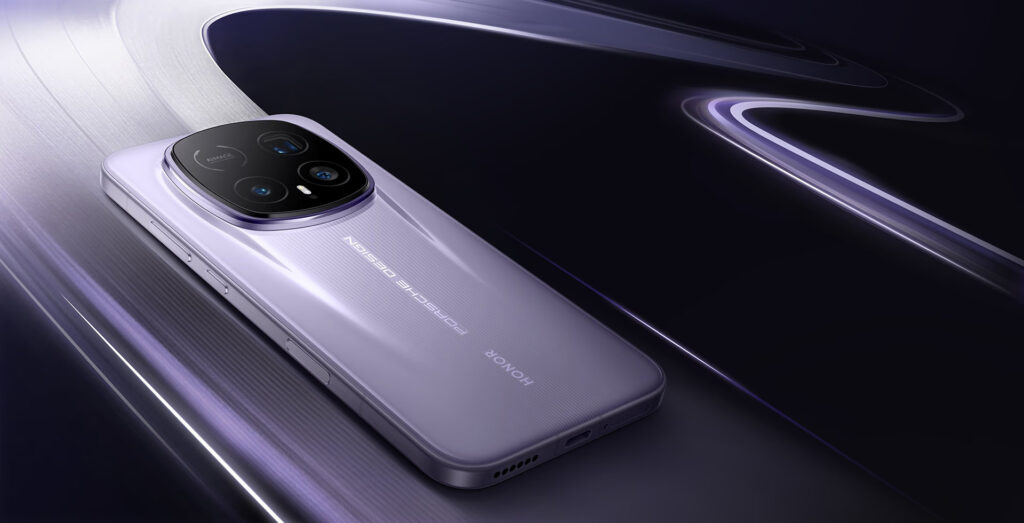
Honor has officially confirmed that it will launch the Magic 8 series on October 15 in China, alongside a few other new devices. The upcoming lineup includes the Honor Magic 8 and Magic 8 Pro, both running the company’s new MagicOS 10, which is based on Android 16.

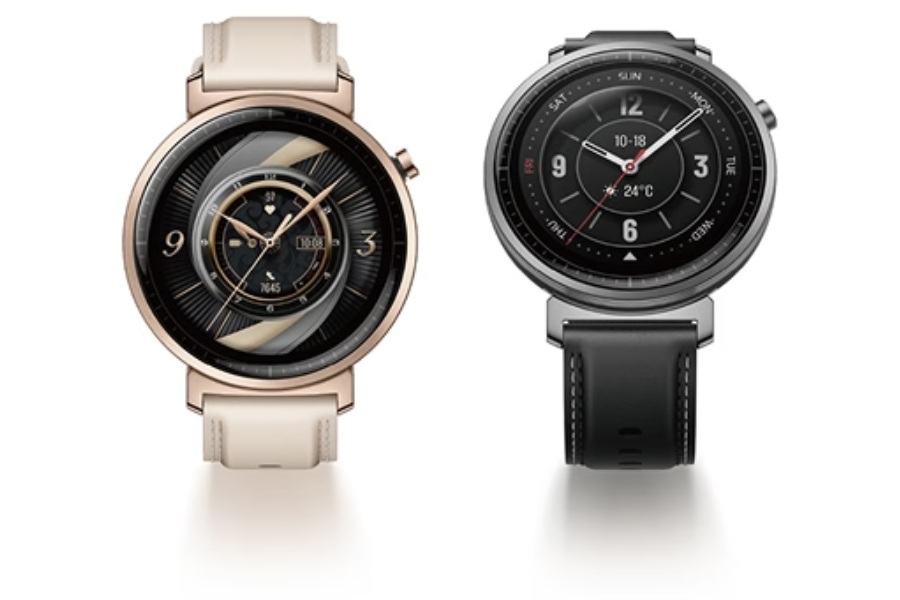
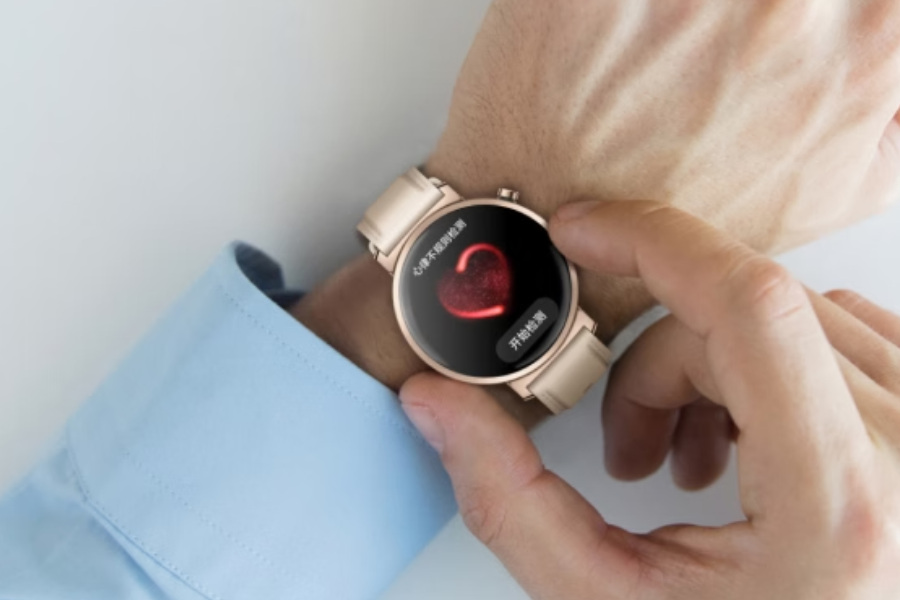
The event isn’t just about phones. Honor also plans to unveil the MagicPad 3, MagicPad 3 Pro, Magic Watch 5 Pro, and a new pair of Earbuds 4, all launching on the same day. 

Among these, the MagicPad 3 Pro will make headlines as the first tablet powered by Qualcomm’s Snapdragon 8 Elite Gen 5 chipset. This is the same flagship processor that will also power the Magic 8 and Magic 8 Pro. The regular MagicPad 3, meanwhile, is rumored to feature last-gen Snapdragon 8 Elite chip.

What to expect?

Getting back to the phones, the Honor Magic 8 Pro will feature a 6.7-inch micro-quad-curved OLED display with a 1.5K resolution and a 120Hz refresh rate.

It could pack a 7,200mAh battery with support for 120W wired and 80W wireless fast charging. On the back, the Pro model may carry a 50-megapixel main camera with OIS, a 50-megapixel ultra-wide lens, and a 200-megapixel periscope telephoto camera, also with optical stabilization. A 50-megapixel selfie camera is expected up front. The phone will come in Rising Sun Gold, Azure, Snow White, and Velvet Black finishes.

The standard Magic 8 is rumored to offer a 6.58-inch flat display with the same 1.5K resolution, paired with a 7,000mAh battery and 90W fast charging. It likely skips wireless charging but might keep a similar camera setup with 50-megapixel primary, 50-megapixel ultra-wide, and 200-megapixel periscope telephoto lens.

Color options for the Magic 8 may include black, white, light blue, and gold.

For more daily updates, please visit our News Section.

Stay ahead in tech! Join our Telegram community and sign up for our daily newsletter of top stories.

Xiaomi 17 vs 17 Pro vs 17 Pro Max – See What You Get for Every Upgrade

The flagship lineup of Xiaomi 17, Xiaomi 17 Pro, and Xiaomi 17 Pro Max showcases how one series can target different types of premium users. While all three models share the same design language and ecosystem advantages, they differ in performance power, camera capabilities, and feature set. This comparison gives a quick view of how each model stands out and helps identify which version delivers the best value for different user needs.

Xiaomi 17 Series Upgrades in Focus

FeatureXiaomi 17Xiaomi 17 ProXiaomi 17 Pro Max
ChipsetSnapdragon 8 Gen 3Snapdragon 8 Gen 3 EnhancedSnapdragon 8 Gen 4
Display1.5K AMOLED2K AMOLED2K LTPO AMOLED, higher peak brightness
CoolingStandard VCLarger vapor chamberAdvanced graphene + VC
Main Camera50 MP standard50 MP improved with OIS1-inch 50 MP sensor with superior OIS
Telephoto3x telephoto5x periscope telephoto
Ultra-wide12 MP50 MP50 MP with better edge correction
Front Camera32 MP32 MP32 MP with upgraded portrait processing
Battery4600 mAh5000 mAh5300 mAh
Wired Charging67W120W120W
Wireless Charging50W50W
AI Features & SoftwareBase MIUI AIPro AI suitePro Max AI suite with live translate
Audio & HapticsDual speakersStereo + X-axis hapticsPremium tuning + advanced haptics
BuildAluminum frameTitanium alloy frameTitanium + ceramic back

1. Design and display

Build and Feel

  • All three use a glass front with an aluminum frame and have IP68 water and dust resistance.
  • Water resistance depth differs: 17 up to 1.5 m, 17 Pro up to 4 m, 17 Pro Max up to 6 m.
  • Only the Pro and Pro Max have a rear AMOLED secondary display.
  • The Pro Max features stronger Dragon Crystal Glass 3 for extra durability.
  • The standard 17 has a simpler, cleaner back without extra display elements.

Display Quality

  • All models use LTPO AMOLED panels with 120 Hz refresh rate, HDR Vivid, HDR10+, Dolby Vision, and 3500 nits peak brightness.
  • Display size differs: 17 and 17 Pro have a 6.3-inch screen, while Pro Max has a larger 6.9-inch panel with a higher screen-to-body ratio.
  • The secondary rear display on the Pro and Pro Max allows quick notifications, vlogging preview, and power saving.
  • Brightness and quality are consistent across all three models.

Verdict:
The Pro Max stands out with the most durable build, largest display, and practical rear screen, making it the most premium option. The 17 Pro adds useful features while keeping the size compact. The 17 is best for those who prefer a simple, lighter design without secondary display extras.

2. Specifications

Performance

  • All three use the same Snapdragon 8 Elite Gen 5 processor with identical CPU and GPU configurations.
  • Storage options vary: 17 goes up to 512 GB, while Pro and Pro Max offer up to 1 TB.
  • Pro and Pro Max have Ultra Wideband support for improved connectivity.
  • RAM configurations are slightly broader on the Pro and Pro Max.

Battery and Charging

  • Battery capacity differs: 17 has 7000 mAh, 17 Pro has 6300 mAh, and Pro Max has 7500 mAh.
  • All support 100 W wired charging, 50 W wireless charging, and 22.5 W reverse wireless charging.
  • The Pro has a smaller battery to maintain a compact form factor.
  • The Pro Max’s larger battery targets power users who need endurance.

Verdict:
While all three deliver top-tier performance, the Pro and Pro Max offer stronger connectivity and more storage flexibility. The Pro Max leads in battery life, making it ideal for heavy users. The 17 provides flagship power at a lower cost, while the Pro balances performance and portability.

3. Camera

Main and Secondary Lenses

  • All three feature a triple 50 MP camera setup with Leica lenses.
  • Telephoto lens differs: 17 has 2.6x optical zoom, Pro has 5x periscope zoom, Pro Max has 5x periscope with a larger sensor for improved low-light performance.
  • Pro and Pro Max include better stabilization and long-range zoom.
  • Pro Max delivers the most advanced imaging setup.

Selfie Camera

  • All have a 50 MP front camera capable of 4K HDR recording.
  • Pro and Pro Max allow users to take selfies using the rear main camera through the secondary display, improving quality and flexibility.
  • The 17 relies only on the front camera for selfies.

Verdict:
The Pro Max is the most capable camera system overall, offering superior zoom and sensor quality. The Pro provides a strong upgrade over the base model with its periscope zoom. The 17 still delivers excellent image quality but lacks advanced zoom and the flexibility of using the rear screen for selfies.

4. Pricing

  • Xiaomi 17 is priced around 700 USD.
  • Xiaomi 17 Pro is priced at around 800 USD.
  • Xiaomi 17 Pro Max is priced at around 900 USD.
  • The 17 offers the best value for essential flagship performance.
  • The Pro delivers upgrades in camera, connectivity, and build for a moderate increase.
  • The Pro Max justifies its premium price with a larger display, better camera, stronger glass, and bigger battery.

Verdict:
The Pro Max is the most feature-packed model, matching its higher price with top-end upgrades. The Pro sits in the sweet spot for buyers who want more than the basics without spending too much. The 17 remains the best option for users seeking flagship performance at the lowest cost.

5. Conclusion

  • Pro and Pro Max introduce secondary AMOLED displays, offering extra functionality like previewing photos and notifications.
  • Water resistance improves with each tier, with the Pro Max offering the best protection.
  • UWB support, enhanced telephoto zoom, and larger battery capacities appear on the Pro and Pro Max.
  • Pro Max also uses upgraded Dragon Crystal Glass 3 for better durability.
  • The Pro and Pro Max offer more storage, making them more versatile for creators or professionals.
  • Verdict:
  • Xiaomi 17 is the best value for users who want flagship power without premium extras. Xiaomi 17 Pro provides a balanced mix of upgraded features and a compact design. Xiaomi 17 Pro Max is the top choice for power users who prioritize display size, battery endurance, and advanced camera capabilities.

Read More:

Realme confirms Ricoh partnership for the GT 8 Pro after four years in the making

We all saw it coming, and now it’s official. Realme has confirmed that it’s partnering with Japanese imaging brand Ricoh for its next flagship, the Realme GT 8 Pro.

What’s surprising, though, is that this collaboration has reportedly been four years in the making, according to the company. That explains the “4 years in one snap” tagline in the teaser image. 

Realme says the GT 8 Pro’s camera system is powered by Ricoh GR, the company’s well-known line of point-and-shoot digital cameras.

It’ll be interesting to see what this partnership actually delivers in practice. Realme claims the GT 8 Pro will offer an “unprecedented imaging experience,” featuring “groundbreaking innovations” in optics, color science, and image processing.

The phone will also include a custom camera interface designed to mimic the feel of a Ricoh GR. Realme is placing a special emphasis on street photography through this partnership, a genre long associated with Ricoh’s compact cameras.

Realme says more details about the partnership will be revealed on October 14.

What we know so far

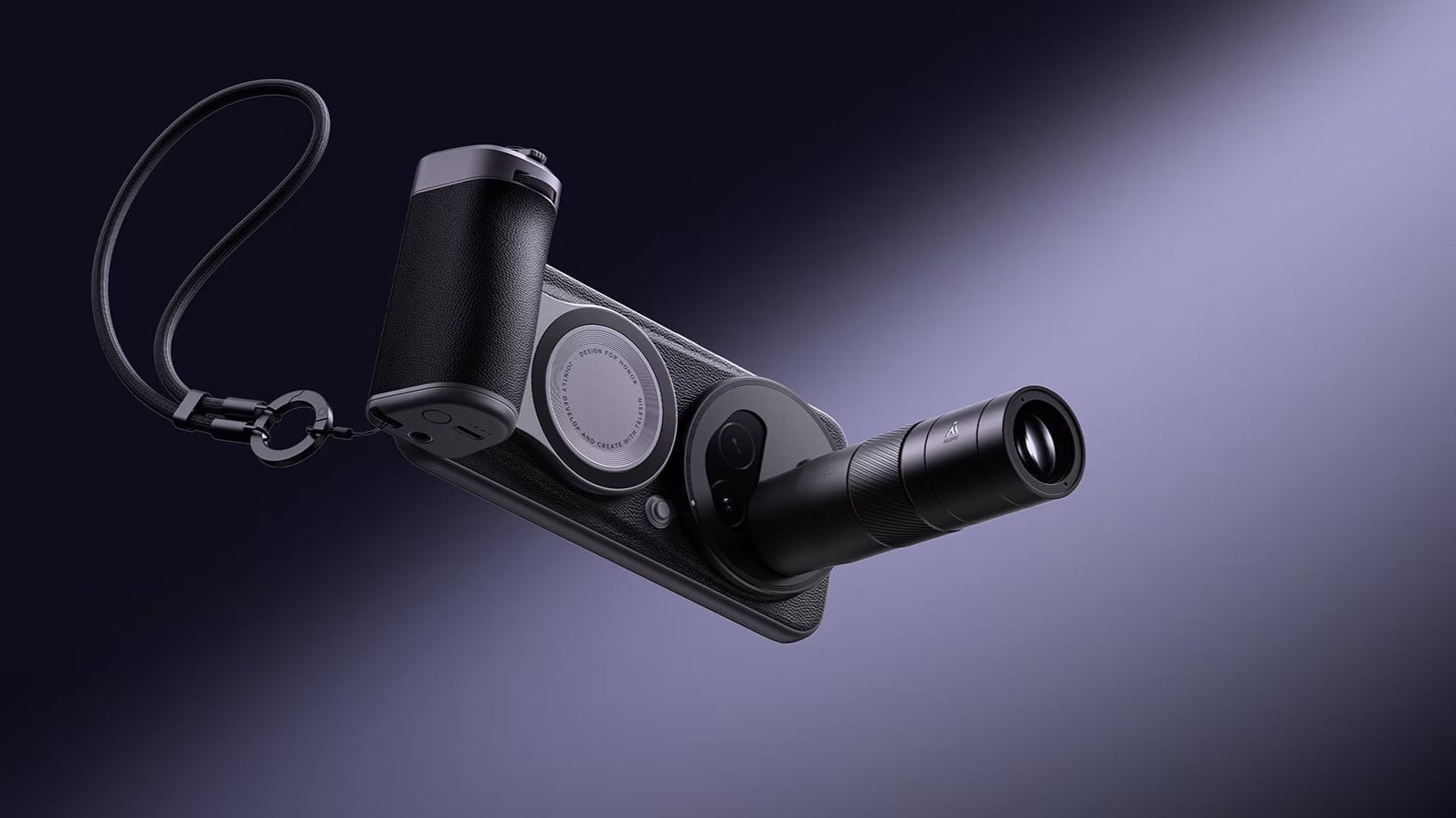
Realme has already shared a few other details about the GT 8 Pro. More interesting is that it will have a detachable camera module that users can swap or rearrange. There are three options to choose from: a round design, a square option, and an irregular “robot-inspired” version.

On the display side, the GT 8 Pro will use a 2K 144Hz AMOLED panel co-developed with BOE, featuring Q10+ material for improved brightness and eye comfort. Realme claims it can reach 4,000 nits of peak brightness.

Powering the device will be the Snapdragon 8 Elite Gen 5 processor, paired with Realme’s dedicated R1 display chip to boost gaming performance and visual processing.

The GT 8 Pro is also expected to pack a 7,000mAh+ battery with 120W wired charging, alongside stereo speakers, an X-axis linear motor, and 3D ultrasonic fingerprint recognition.

For more daily updates, please visit our News Section.

Stay ahead in tech! Join our Telegram community and sign up for our daily newsletter of top stories.

(Source)

Xiaomi 17 vs Huawei Pura 80: Display, Camera & Battery Compared

Xiaomi 17 and Huawei Pura 80 are two major flagship phones competing for the same premium segment. This comparison is important because both offer top-tier features but focus on different strengths: Xiaomi on power and battery, and Huawei on durability and zoom. Choosing between them will depend on what kind of user experience matters more.

1. Design and Display

Build and Feel:
Xiaomi 17 features a glass front with Dragon Crystal Glass and an aluminum frame, offering a premium feel and robust durability. It is IP68 rated, providing immersion protection up to 1.5 meters. Huawei Pura 80 also has a glass front and back with aluminum framing, but its IP68/IP69 certification allows slightly deeper immersion and high-pressure water resistance. Pura 80’s side-mounted fingerprint contrasts with Xiaomi’s 17’s under-display ultrasonic sensor. The Xiaomi 17 feels lighter and more compact, which could be preferable for one-handed use, while the Huawei Pura 80 offers slightly higher water protection.

Display Quality:
Xiaomi 17 packs a 6.3-inch LTPO AMOLED panel with Dolby Vision, HDR10+, and a peak brightness of 3500 nits, supporting 120Hz refresh and 2160Hz PWM. Huawei Pura 80 has a slightly larger 6.6-inch LTPO OLED screen with 1B colors, 2800 nits peak brightness, 120Hz refresh, and 1440Hz PWM. Xiaomi 17’s higher peak brightness and Dolby Vision support make it better for HDR content and outdoor visibility, while Pura 80 provides richer color depth.

Verdict:
Xiaomi 17 wins in compact handling and superior HDR display performance. Pura 80 is stronger for rugged usage with better water resistance and a bigger, richer screen. Overall, Xiaomi 17 balances portability with a premium display experience, making it more user-friendly for daily use.

2. Specifications 

Performance:
Xiaomi 17 runs on the Snapdragon 8 Elite Gen 5, a 3nm chip with Oryon V3 CPU and Adreno 840 GPU, delivering exceptional performance in gaming, multitasking, and AI-intensive apps. Huawei Pura 80 uses the Kirin 9010s (7nm), which is powerful but slightly less efficient in peak processing and AI tasks. Xiaomi’s chipset also benefits from HyperOS 3, which is optimized for speed and fluidity. The Snapdragon 8 Elite Gen 5 gives Xiaomi 17 an edge in performance-intensive scenarios.

Battery and Charging:
Xiaomi 17 packs a 7000 mAh battery with 100W wired, 50W wireless, and 22.5W reverse wireless charging. Pura 80 comes with 5170–5600 mAh (depending on region) and 66W wired, 50W wireless, with slower reverse charging. Xiaomi 17 supports larger capacity and faster wired charging, ensuring longer screen-on time and quicker top-ups.

Verdict:
Xiaomi 17 offers superior performance and a massive battery advantage with faster charging, making it more suitable for heavy users. Pura 80 is competent but falls short in processing speed and endurance for power users.

3. Camera

Main and Secondary Lenses:
Xiaomi 17 uses a triple 50MP setup with wide, telephoto (2.6x zoom), and ultrawide lenses, enhanced with Leica optics, laser AF, and dual-LED flash. It supports 8K HDR video and advanced 10-bit Dolby Vision. Huawei Pura 80 features 50MP wide, 12MP periscope telephoto (5x zoom), and 13MP ultrawide, with OIS and HDR Vivid video. Xiaomi’s system excels in detail and versatility, while Pura 80 offers stronger telephoto reach.

Selfie Camera:
Xiaomi 17 has a 50MP wide front camera with HDR and 4K video, whereas Huawei Pura 80 has a 13MP ultrawide selfie lens. Xiaomi clearly leads in selfie resolution and video quality, making it better for content creators.

Verdict:
Xiaomi 17 is superior for overall photography, selfies, and high-quality video. Pura 80 is beneficial for long-range telephoto shots but lacks detail in selfies and ultra-high-definition video.

4. Pricing

Xiaomi 17 is priced around $700, while Huawei Pura 80 is about $800. Xiaomi 17 offers better performance, battery, display brightness, and camera versatility at a lower price, making it the better value for money. Pura 80 justifies its cost only for slightly better water resistance and telephoto zoom.

Disclaimer:
Prices are approximate and may vary based on country, region, and applicable taxes.

5. Conclusion 

Xiaomi 17 stands out with its 7000 mAh battery, Dolby Vision HDR display, 50MP Leica triple cameras, and under-display fingerprint sensor. Huawei Pura 80 offers IP69 protection, a 1B-color OLED display, and 5x periscope zoom. Xiaomi 17 is better suited for daily users, gamers, and content creators, while Pura 80 caters to those prioritizing ruggedness and telephoto photography.

Verdict:
Xiaomi 17 is the overall winner for performance, display, camera, battery, and price, offering a more balanced and versatile flagship experience. Huawei Pura 80 is a niche choice for users needing enhanced water resistance and telephoto reach.

Read More;

Galaxy S26 Ultra’s Orange color option looks familiar

It looks like Samsung might be borrowing a bit of Apple’s color magic. A new set of leaked renders of the upcoming Galaxy S26 Ultra shows the phone dressed in a bright orange finish — one that looks suspiciously similar to the “Cosmic Orange” Apple introduced with the iPhone 17 Pro series last month.

The images, which popped up on X (formerly Twitter) earlier today, show the S26 Ultra in three colors — silver, gold, and this striking orange. The one in the middle carries the same vibe Apple showed off just weeks ago, and that was enough to get people talking.

India Today Tech joked, calling it the “Cosmic Orange effect,” pointing out how Apple’s new color might already be shaping its biggest rival’s design choices. It wouldn’t be the first time — phone makers often borrow ideas when a particular color or finish clicks with buyers. And even if it doesn’t, it still inspires many.

That said, this leak didn’t come from a verified source and could very well be AI-generated just to stir up conversation. Samsung, like many other Android smartphone makers, has mostly preferred muted colors for its top-of-the-line flagships, so it would indeed be surprising to see the S26 Ultra in such a bright orange shade.

On the other hand, leaks are often based on either intentional or accidental information from brands themselves, and we’ve seen ideas — like the ultra-slim form factor of the S25 Edge — inspire the entire industry. So we can’t rule out the possibility of a vibrant S26 Ultra just yet, dismissing it as mere “AI artwork.”

Unlike the visible design changes — such as the redesigned camera island and more rounded corners — many of the internal specifications are rumored to remain the same as the S25 Ultra, including optics and battery. Even the rumored 60W fast charging (up from 45W) didn’t make it to certification. AI-powered enhancements, however, could play a big role in the S26 Ultra, and we’ll learn more as we inch closer to the January 2026 launch.

Don’t miss a thing! Join our Telegram community for instant updates and grab our free daily newsletter for the best tech stories!

For more daily updates, please visit our News Section.
Sony unveils Icon Blue Special Edition DualSense controller for PS5

Sony has announced a new special edition DualSense controller for the PlayStation 5. The Icon Blue Special Edition draws inspiration from the iconic blue lighting associated with the PlayStation brand since the PS4 era. It features layered shades of blue across the grips and lower shell, along with a glossy pattern of the PlayStation symbols on the touchpad.

Sony Icon Blue Special Edition DualSense controller

The controller launches on October 20 in the United States and Canada, followed by a release on October 28 in Mexico and Chile. Sony has set the retail price at $84.99 USD, CA$109.99, MXN $1,899, and CLP $93,490. The Icon Blue model will be available exclusively through Walmart stores and Walmart’s official website in the respective regions.

Sony added Katakana characters on the back of the controller that spell “PlayStation” in Japanese. The company said this detail pays homage to the brand’s roots. According to Leo Cardoso from Sony’s Color, Material and Finish design team, the controller captures the feeling of anticipation and immersion that begins the moment the console powers on and the signature blue light appears.

The Icon Blue edition maintains all the features of the standard DualSense controller. It supports haptic feedback, adaptive triggers, motion controls, a built-in microphone, and a USB-C port. It also includes a 3.5mm headphone jack and works with both the PlayStation 5 and supported PC or mobile platforms.

Sony introduced the new controller as part of its ongoing celebration of PlayStation’s 30th anniversary, which began on September 9. The company has not confirmed if the Icon Blue edition will launch in additional markets beyond North and Latin America.

The new color option adds to the growing lineup of DualSense variants, which includes Galactic Purple, Starlight Blue, Midnight Black, and several game-themed limited editions.

In related news, Sony has officially launched its flagship WH-1000XM6 headphones in India, featuring premium sound quality and advanced active noise cancellation.

For more daily updates, please visit our News Section.

Stay ahead in tech! Join our Telegram community and sign up for our daily newsletter of top stories! 💡

(Source)

HMD Pulse 2 Pro leak reveals iPhone 17-style camera and specifications

HMD launched the Pulse Pro back in April last year and is now working on its successor, the Pulse 2 Pro. A new leak has revealed key specifications of the phone, including its battery and chipset, along with a render that shows an interesting redesign — the camera module appears inspired by Apple’s iPhone 17 lineup.

To be fair, the alleged Pulse 2 Pro’s camera assembly blends elements from both the standard iPhone 17 and the Pro models. The dual-camera setup rests inside a raised pill-shaped area, while that assembly itself sits within a raised squircle-shaped section — a design reminiscent of the iPhone 17 Pro models. Interestingly, the camera bump appears noticeably higher than that of the original Pulse Pro.

As for specifications, there are a few upgrades. According to the leak, the IPS LCD display now measures 6.7 inches, up from the predecessor’s 6.65 inches. The new panel also steps up to an FHD+ resolution from HD+ and supports a 120Hz refresh rate, compared to 90Hz previously. Collectively, this should translate to a significant improvement in the multimedia experience.

Under the hood, the Unisoc T606 from the Pulse Pro is reportedly being replaced by the Unisoc T615. This lines up with an earlier leak that mentioned the Unisoc T7250, which is essentially a rebadged version of the T615. However, the new processor is still based on a 12nm process like the T606 and doesn’t support 5G connectivity, so users hoping for 5G will have to look elsewhere.

Other upgrades include a slightly better ingress protection rating (IP54, up from IP52), along with dual speakers, two microphones, “custom buttons,” and an NFC coil. The phone is said to come in three color options: Glacier Green, Midnight Black, and Twilight Purple. Unfortunately, the tipster didn’t reveal a launch timeframe.

Don’t miss a thing! Join our Telegram community for instant updates and grab our free daily newsletter for the best tech stories!

For more daily updates, please visit our News Section.
(Source)

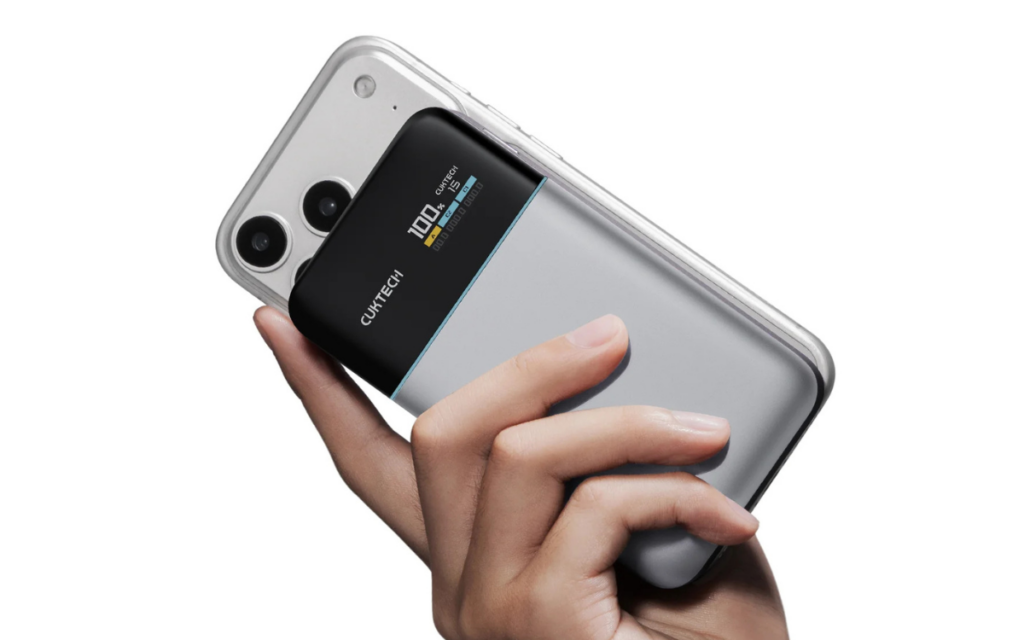
AOC launches U32G4U gaming monitor with 4K 160Hz and FHD 320Hz dual-mode support

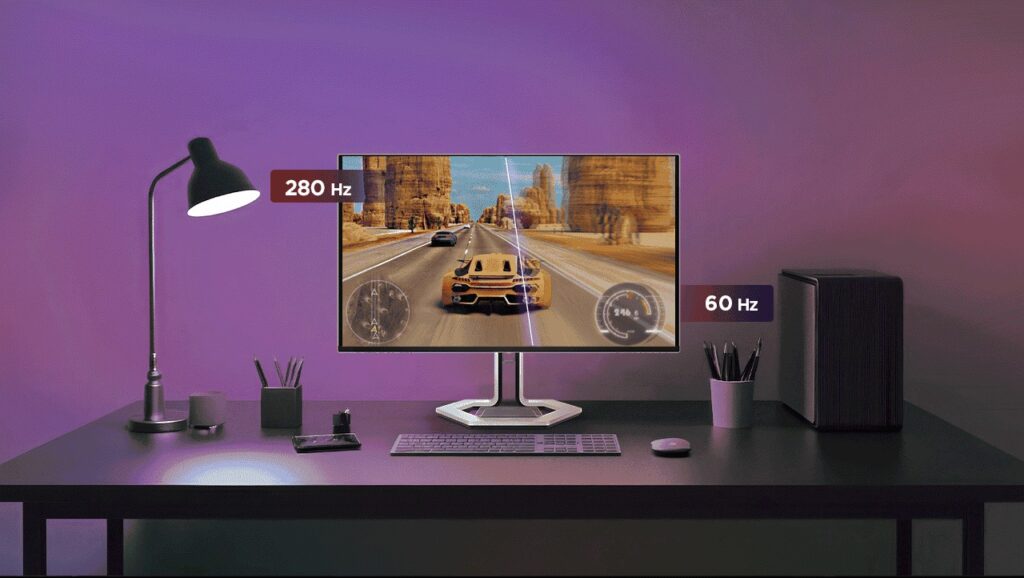
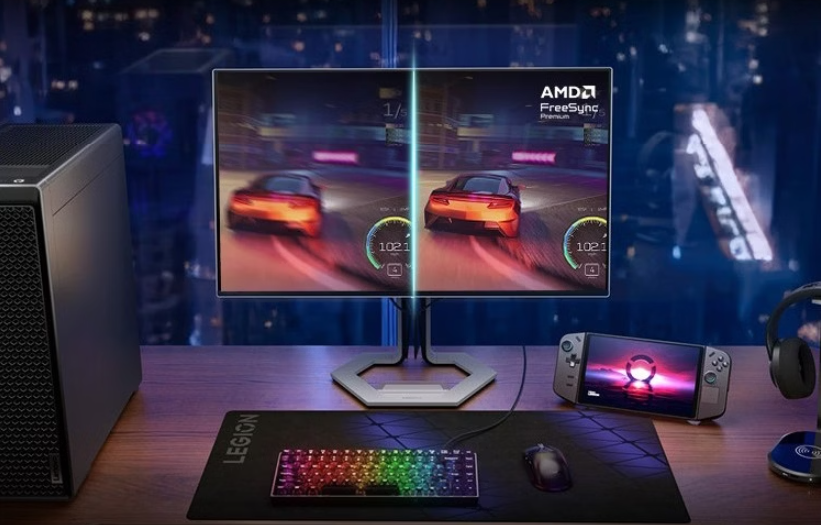
AOC has announced the launch of the U32G4U, a 32-inch gaming monitor that supports both 160Hz and 320Hz display modes. The monitor targets users who want cinematic visuals for immersive gaming and media, as well as ultra-high frame rates for competitive esports.

AOC U32G4U gaming monitor

AOC U32G4U Monitor Specifications

The U32G4U is a global variant of the U32G4, which debuted earlier in China. The key upgrade is the addition of a USB 3.2 Gen 1 hub. It features four Type-A ports, one of which supports fast charging and a Type-B upstream port. This allows easier connection of peripherals and makes the monitor more practical for multitasking setups.

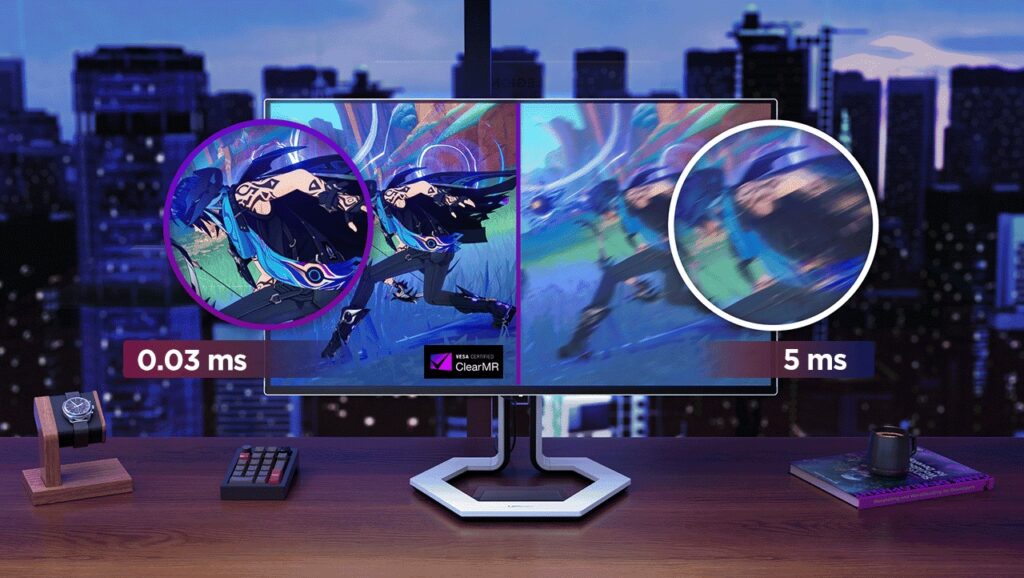
The monitor features a 3840×2160 resolution at 160Hz, delivering a pixel density of 139.87 PPI. It also supports a 1920×1080 resolution at 320Hz, allowing users to switch between ultra-sharp visuals and fast-paced responsiveness. The Fast IPS panel offers 1ms GtG response time and 0.5ms MPRT when Motion Blur Reduction is enabled.

AOC includes Adaptive Sync support to eliminate tearing and stuttering during gameplay. The U32G4U covers 95% of the DCI-P3 color gamut and 99% of the sRGB spectrum. It features VESA DisplayHDR 400 certification with a peak brightness of 450 nits.

The monitor provides two HDMI 2.1 ports and one DisplayPort 1.4 for next-generation console and PC connectivity. AOC also adds gaming features such as Shadow Control, Game Color tuning, Low Input Lag mode, and Dial Point crosshair overlays. The monitor supports AOC’s G-Menu software for display customization.

The U32G4U has a three-sided frameless design and an ergonomic stand with height, tilt, and swivel adjustments. AOC will begin selling the U32G4U next week at a price of £340.

In related news, AOC also introduced the Q27G41ZDF gaming monitor recently, featuring a 27-inch 2K 240Hz QD-OLED display, and the AGON Pro AG276QKD2 500Hz QD-OLED monitor priced at €949 in Europe.

For more daily updates, please visit our News Section.
Stay ahead in tech! Join our Telegram community and sign up for our daily newsletter of top stories! 💡

(Source, Via)

Google launches Gemini 2.5 Computer Use model with human-like web browsing capabilities

Google has released a new AI model called Gemini 2.5 Computer Use. The model allows AI agents to interact with websites and user interfaces the way a human would. It is now available in public preview via the Gemini API on Google AI Studio and Vertex AI.

Gemini 2.5 Computer Use

The model builds on Gemini 2.5 Pro’s visual understanding and reasoning capabilities. It can perform a wide range of browser-based actions such as clicking, typing, scrolling, hovering, opening dropdowns, and navigating through URLs. Google says the model outperforms competing tools on several benchmarks, including Online-Mind2Web, WebVoyager, and AndroidWorld, while maintaining lower latency.

Gemini 2.5 Computer Use

Unlike traditional AI models that rely on APIs, Gemini 2.5 Computer Use processes screenshots of web interfaces and generates specific UI actions in response. The agent receives a task prompt, a screenshot of the digital environment, and a history of recent actions. It then analyzes the interface and returns a UI action, such as clicking a button or typing into a field. The action is executed on the client side, and a new screenshot is sent back to the model to continue the task in a loop.

Gemini 2.5 Computer Use

Google demonstrated the model’s performance with examples that show the agent sorting sticky notes on a digital whiteboard and transferring pet details from one website to a CRM system. The demo videos are accelerated to show the process in real time.

The model supports 13 actions currently and works best with web browsers. Google said it is not yet optimized for desktop OS-level tasks, though it has shown potential on mobile benchmarks.

Google has also implemented safety measures to prevent misuse. Each action proposed by the model is reviewed by a safety service before execution. Developers can restrict certain actions or require explicit user confirmation for high-risk tasks like financial transactions.

Several internal Google teams are already using the model in production. It supports UI testing and automation tasks across platforms such as Search and Firebase. External developers in the early access program have used the model to build workflow automation and assistant tools.

Developers can start using the model through Google AI Studio or Vertex AI. Google also provides a demo environment via Browserbase for testing and experimentation.

For more daily updates, please visit our News Section.
Stay ahead in tech! Join our Telegram community and sign up for our daily newsletter of top stories! 💡

(Source)