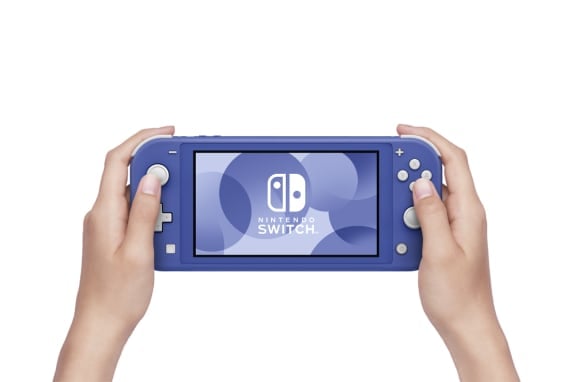
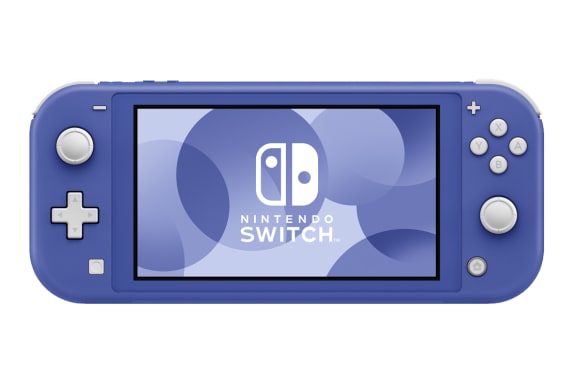
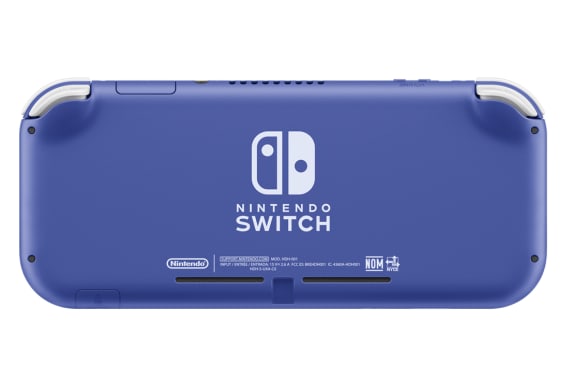
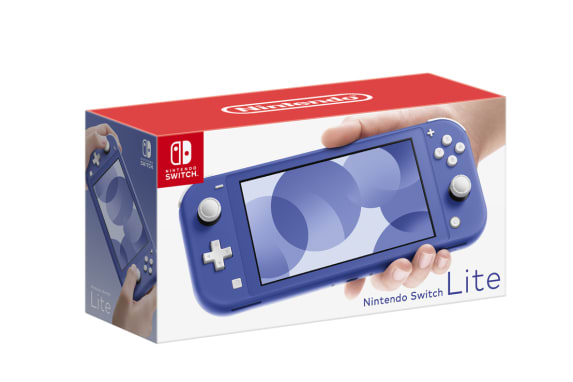
The Nintendo Switch Lite was originally announced in three colors – Gray, Turquoise, and Yellow. Last year, Nintendo released a fourth color variant – Coral. It has now followed it up with a fifth colorway which is Blue, and excuse my bias, but this is the prettiest of them all.
Just like the other four colors, the new blue Switch Lite will have a suggested retail price of $199.99. The color difference is the chassis, so you still get white buttons like on the others.
Nintendo says that new color will be available next month, starting May 21. You will be able to purchase it on the Nintendo online store as well as at partner stores such as Amazon, Best Buy, GameStop, and Target.
The Japanese manufacturer has also announced that its upcoming game, Miitopia, will also be announced on May 21, the same day the new colorway goes on sale. It is an adventure game that you can play with family and friends.
Before Miitopia drops, Nintendo will release the New Pokémon Snap game for the Nintendo Switch devices on April 30. This game allows you to visit different islands and photograph different Pokémon in their natural habitat.
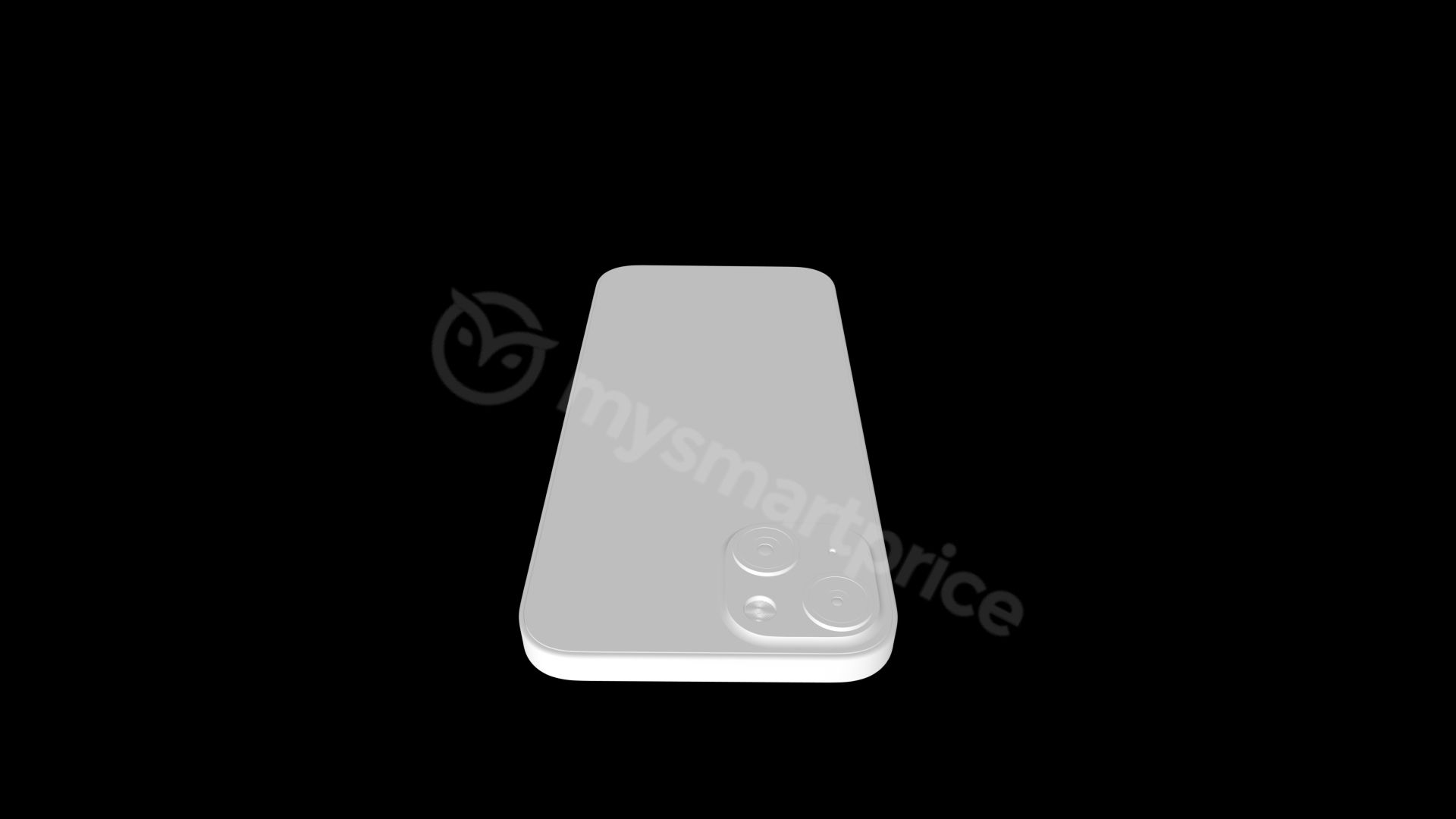
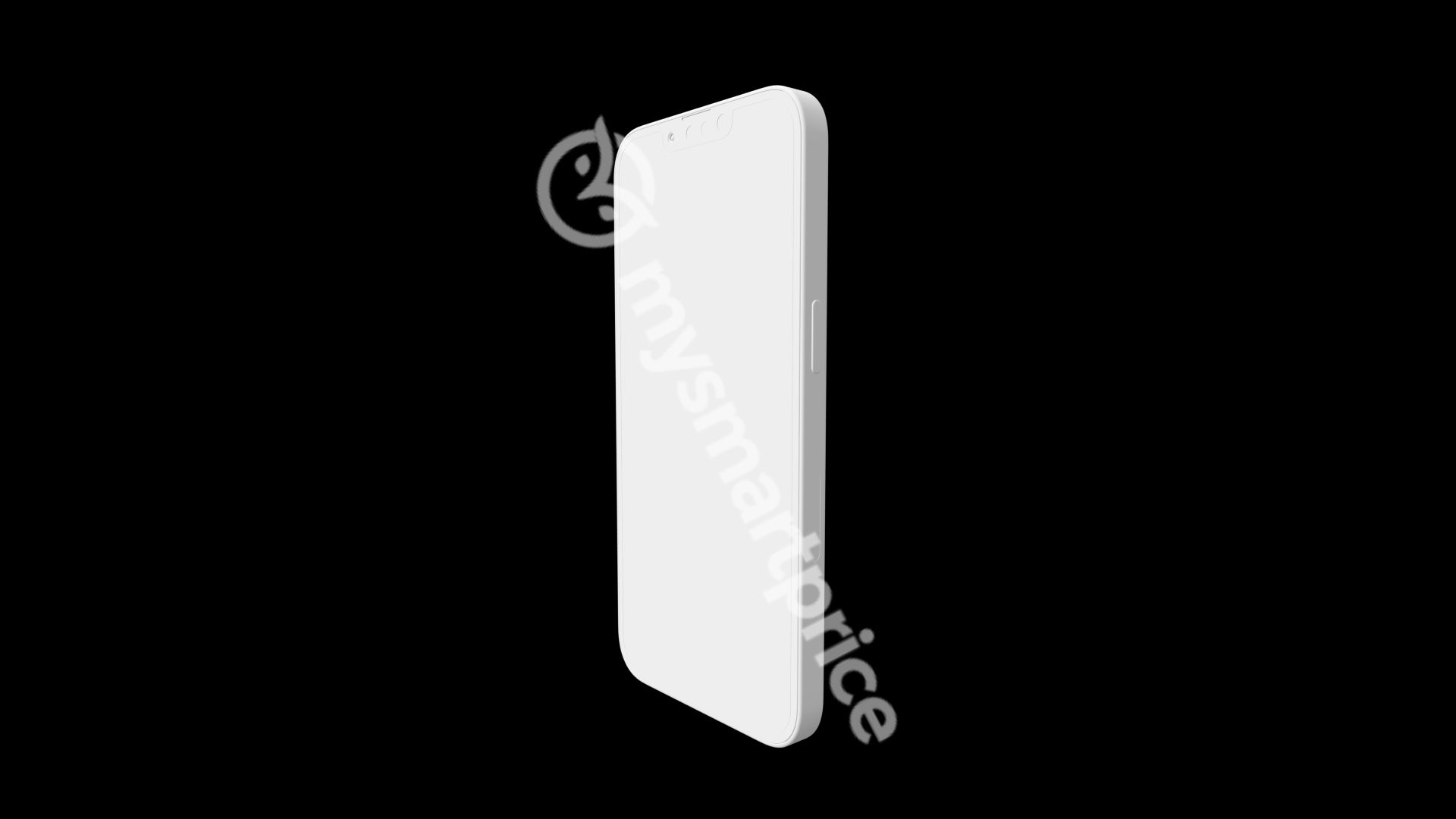
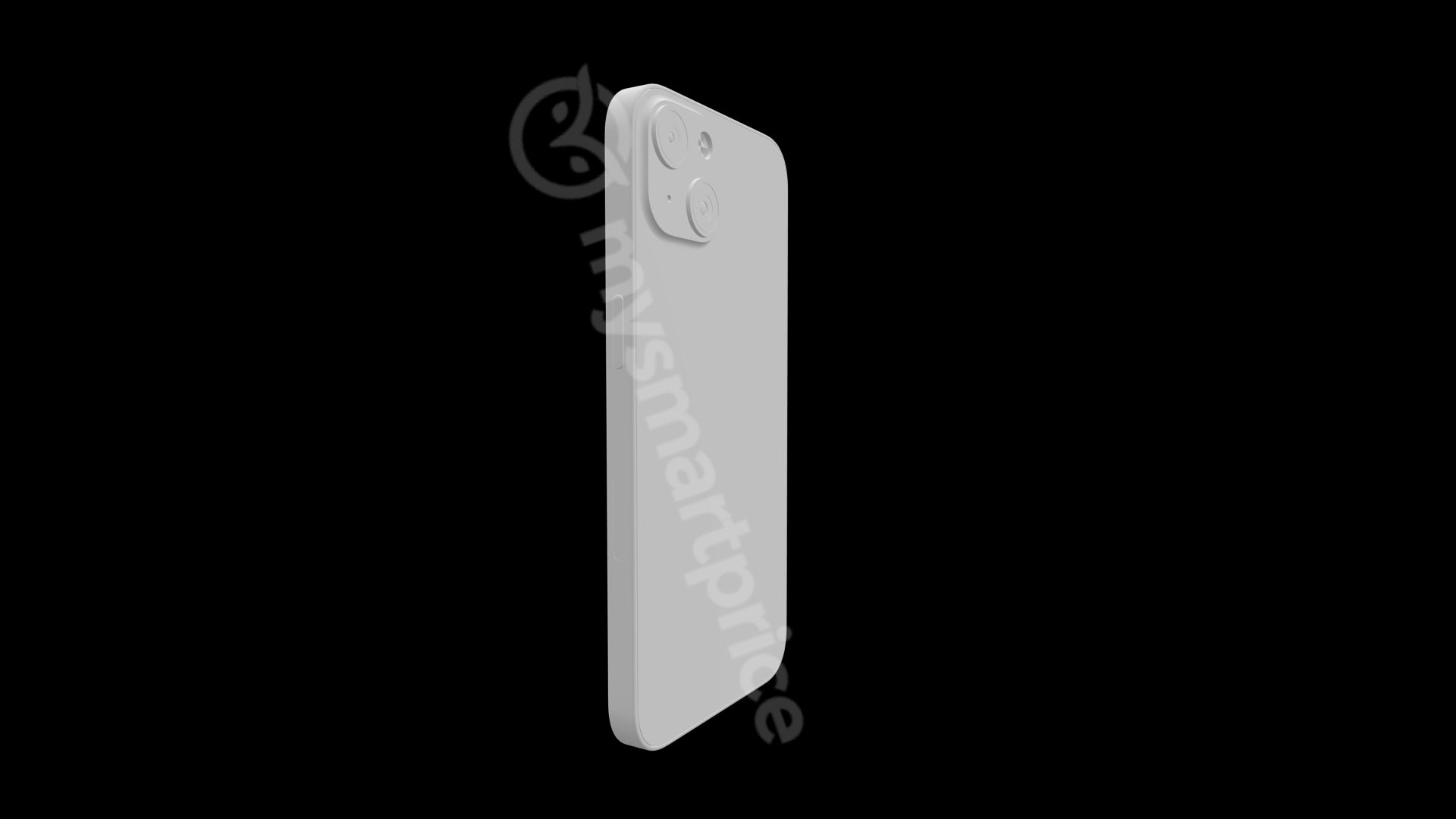
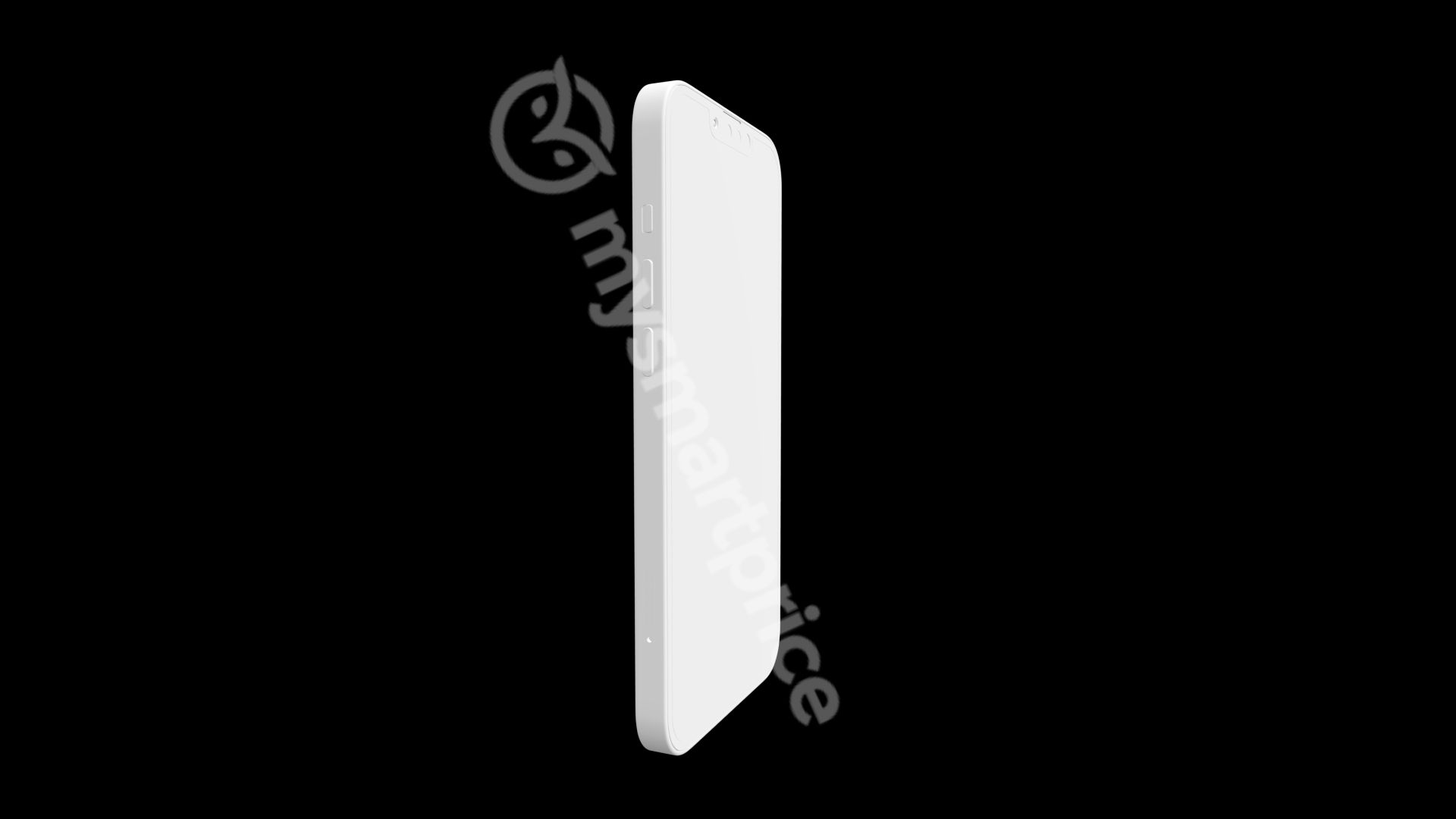
We are probably several months away from the next iPhone launch but the leaks are already flowing in frequently. Tentatively called the iPhone 13, the series is said to get a big upgrade in display in the ‘Pro’ version. Amidst this, MySmartPrice has come up with the CAD 3D renders of the iPhone 13.
As per the report, the Apple iPhone 13 will measure around 146.7×71.5×7.6mm. This, if true, will be a slight change in thickness from 7.4mm on the iPhone 12. However, the design is said to be boxy and almost similar to the predecessor.
Moving on, the renders show that the rear camera layout has a slight change in placement. The two big cut-outs, as well as two smaller ones, are placed diagonally to each other. The bigger ones are probably the camera lens while the latter is likely the LED flash and a microphone.
Also, at the front, we see three cutouts on the notch. And speaking of which, the notch looks smaller this time as seen in previous leaks. This is because the speaker unit is moved above the cameras this time. There isn’t clear info regarding the cutouts but it would most likely be an IR camera, a Dot projector, and a front-facing selfie camera.
1 of 4
iPhone 13 render, Credit: MySmartPrice
iPhone 13 render, Credit: MySmartPrice
iPhone 13 render, Credit: MySmartPrice
iPhone 13 render, Credit: MySmartPrice
The Apple iPhone 13 series of devices are said to get upgrades in 2021 like the Apple A15 chipset, improved ultrawide camera, Qualcomm X60 5G modem, storage up to 1TB, and support for Wi-Fi 6E.
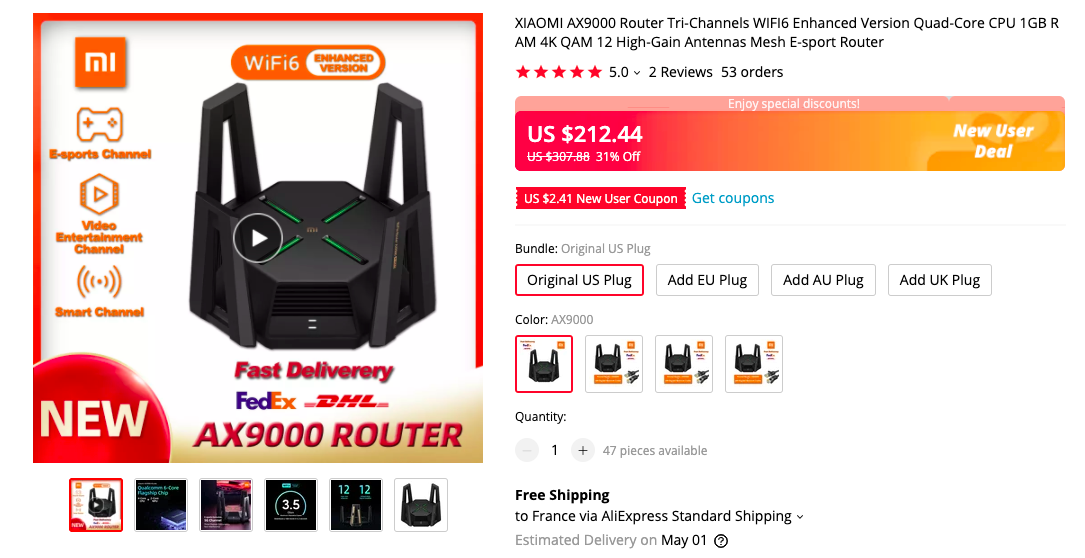
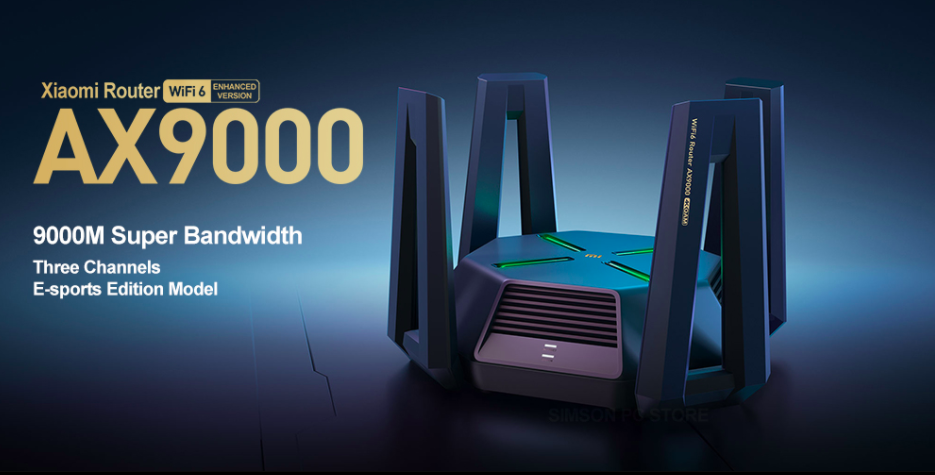
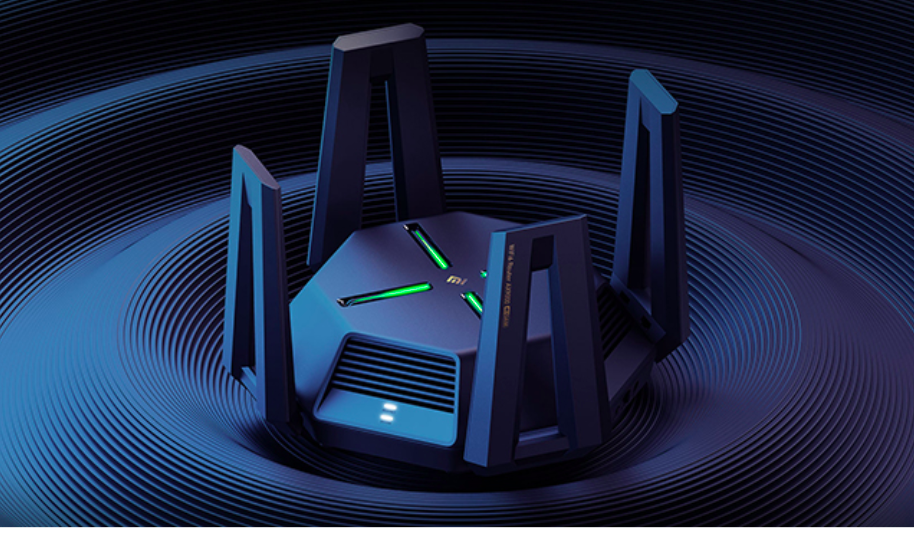
AliExpress is giving a fantastic deal on the Xiaomi AX9000 gaming router. The enhanced gaming router which generally retails at around $250 is now available for $212.44 only.
Xiaomi AX9000 gaming router comes with enhanced WiFi 6 technology and a three-channel concurrent, non-interfering exclusive gaming channel that allows e-sports devices to enjoy an ultra-high-speed bandwidth and not be interfered by other devices.
With a WI-Fi 6 enhanced version and a 9000 megabit super bandwidth, you get double the speed and accuracy as compared to a traditional dual-band router. Xiaomi AX9000 is powered by a Qualcomm 6 core flagship chip and comes with 12 independent signal amplifiers. With a 4K QAM High-speed transmission, the wi-fi accelerates by almost 20%, and with a special E-sports level flagship configuration you get an invincible surging performance and extraordinary gaming experience.
With Xiaomi AX9000 wireless router you may be able to connect up to 1000 devices with one single transmission without any lag or delay. Moreover, with the Mesh networking technology, you can cover your whole house with a strong signal and automatically roam and switch between multiple routers without actual delay or lag in usage.
Xiaomi AX9000 gaming router generally retails for $250. But for a limited period, AliExpress is giving out this device for $212.44 only. With new user coupons and free shipping, this is a bargain deal. So grab your Xiaomi router asap.
For more information on such exciting deals and offers check out ourdeals hub.
* Please Note: When you buy something using the links in our articles, we may earn a small commission at no cost to you.
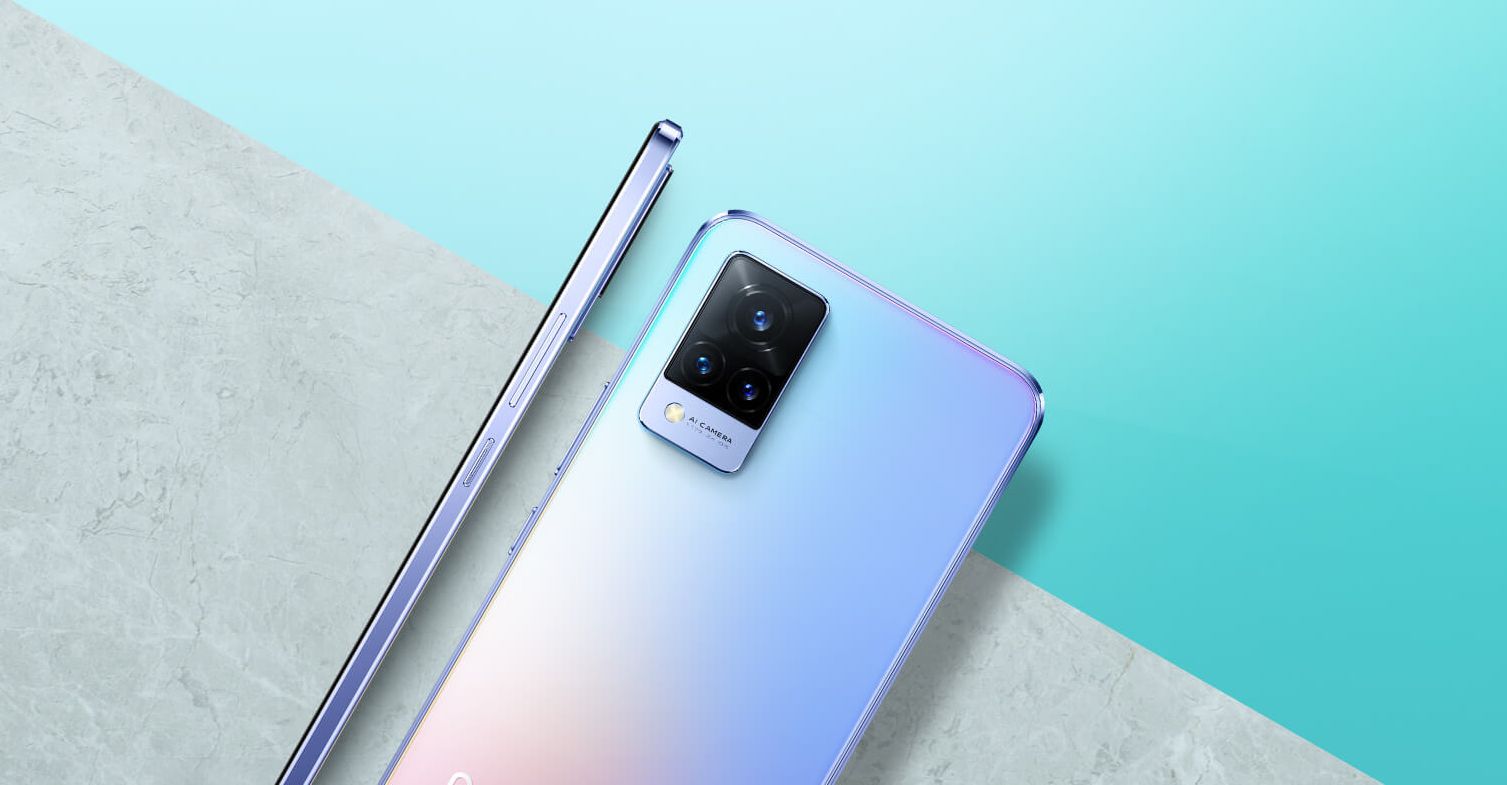
Vivo has started teasing the Vivo V21 series of smartphones in Malaysia. The Chinese firm has confirmed that the lineup has two models named Vivo V21 and Vivo 21e. The microsite of the V21 series has confirmed some of its key features.
Vivo V21 series
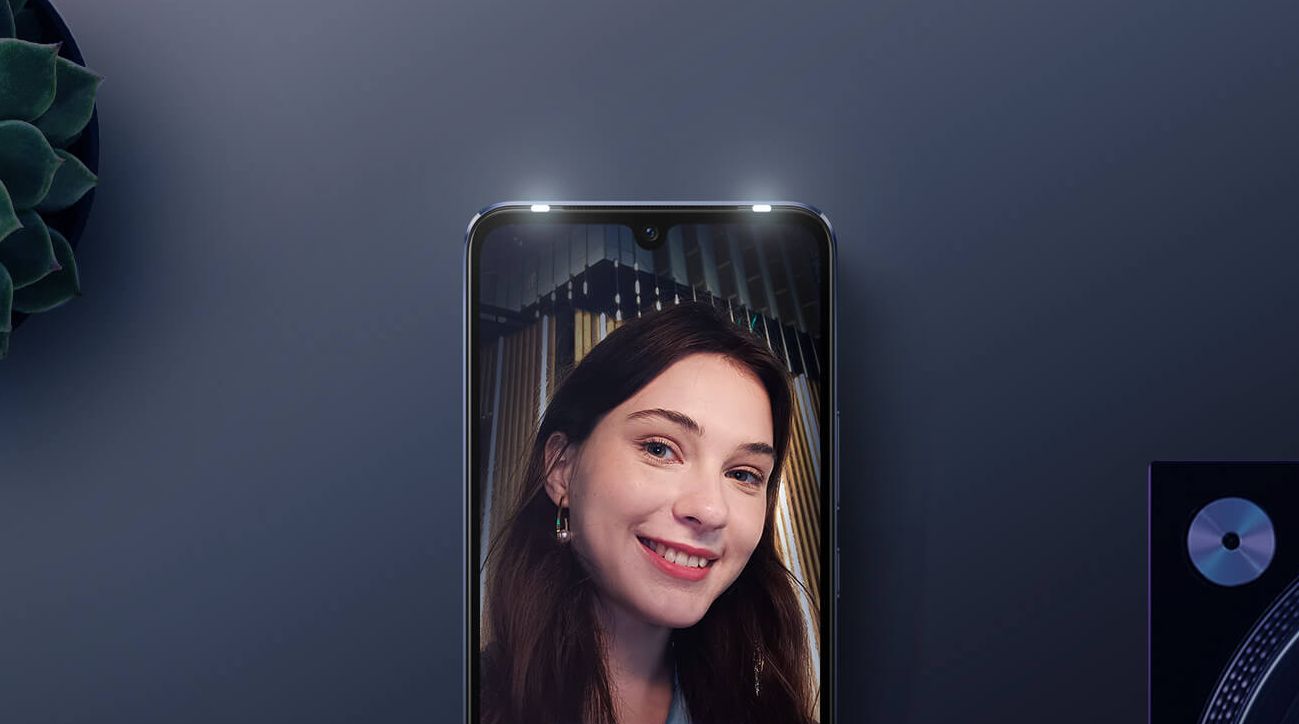
The Vivo V21 series will be sporting an AMOLED display with a teardrop notch that houses an OIS-assisted 44-megapixel selfie camera. The top bezel of the V21 series features a dual front-facing soft LED flash that can assist in producing brighter selfies in low-light conditions.
A triple camera setup with an LED flash is available on the backside of the V21 models. The setup is headlined by a 64-megapixel primary camera, which carries support for OIS. The details of the other two cameras are not known yet.
The Vivo V21 series promises smooth performance as it features 8 GB of RAM and extended RAM of 3 GB. The back panel of the phone features a glass back with a matte finish. According to Vivo, it will the V21 series will be arriving as its thinnest 5G phone. Vivo Malaysia is yet to confirm the launch date of the Vivo V21 series.
In related news, tipster Abhishek Yadav has shared posters of the V21 series for India. It appears that India will be receiving Vivo V21 4G and Vivo V21 5G smartphones. Both phones will carry support for OIS and dual front-firing flash. Vivo is yet to confirm the arrival of V21 models in India.
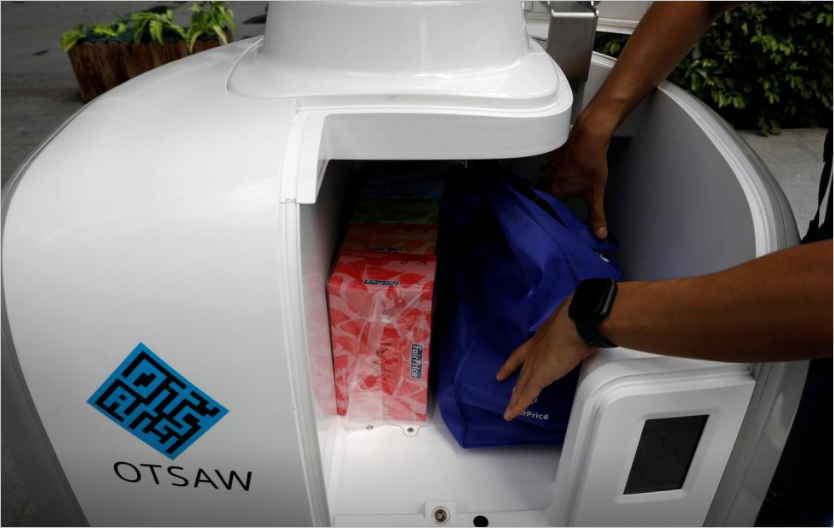
In a clear indication of the transformation going on across the world in the use of robots, a Singapore-based tech firm has begun a pilot program to deploy robots for home delivery of groceries in a part of the city. OTSAW Digital manufactured two robots dubbed Camello delivery robots and deployed them for the pilot run with their combined coverage of grocery supplies put at 700 households. The one-year pilot run was conceptualized as a possible solution to meeting a surge in demands of fundamental essentials at specific periods, which may mean that several households may be starved of vital supplies.
The robots were fitted with several gadgets and technology that enable them to remain thoroughly disinfected during their delivery sessions to users who would have pre-ordered their groceries via an app. The user is notified when the robots, both named Camello, are approaching their vicinity, and the goods are collected from a predefined collection point.
The robots can carry loads up to 20kg, work on weekdays and Saturdays, and it has become a spectacle for residents. In a statement by OTSAW Digital’s CEO, Ling Ting Ming, the robots use ultraviolet light to disinfect themselves after every trip.
The robots are currently being accompanied by the tech firm staff but are capable of autonomous activities. The residents of the part of the city serviced by the robots expressed varied feelings on their new “grocery delivery guys”. While some residents are thrilled by the delivery robots, others feel it may be too much for the elderly to cope with the technology.
The coronavirus pandemic has further revealed more applications of robots to carry out several conventional jobs of humans. Recently in Japan, robots were deployed to deliver COVID-19 test kits and collect samples of persons who wanted to test for the virus. A Swiss company also deployed a UV spraying robot to disinfect the interior of a passenger aircraft.
Xiaomi, the China-based company known for making smartphones, has also launched other computing devices, including laptops and tablets. However, it’s been a long time since the company updated its tablet lineup.
Now, there are reports from some time about Xiaomi gearing up to launch its new tablets in the market. A new leak related to an unnamed upcoming tablet from the company reveals some key details.
📲 New Info About Xiaomi Tablet Leaks
• Will have keyboard support • Will have pen support • Will have 1600×2560 and advanced VR headsets support. pic.twitter.com/rCShQzhcgI
It is said that the new Xiaomi tablet will come with a screen resolution of 2560 x 1600 pixels. It will come with support for the keyboard as well as a stylus pen. It is also said to have support for VR headsets.
The report also adds that the company will be using “Dual C-PHY” technology with side-by-side dual screens, making it better suitable for VR quality content. Further, the screen will have an aspect ratio of 16:10.
We recently reported about Xiaomi’s plan of launching three new tablets in the market as the company aims to grab Huawei’s market share. It is said that three new tablets will be powered by Qualcomm’s Snapdragon 800 series chipsets.
The three upcoming models are codenamed “Enuma”, “Elish”, and “Nabu” with model numbers K81, K81A, and K82 respectively. The devices are expected to run MIUI based on the Android operating system. All these tablet devices will be launched under the company’s Mi Pad lineup and will first be made official in China ahead of other regions.
HTC Vive is the Taiwanese company’s line of VR hardware. The manufacturer is expected to announce new products and it appears that will happen next month during its first-ever HTC Vivecon.
Announced yesterday via the official HTC Vive Twitter account, Vivecon 2021 will hold next month on May 11 and May 12. The 2-day event is expected to be a virtual one and the attached image appears to be a teaser for a VR headset.
— HTC VIVE – VIVECON 2021 | May 11-12 (@htcvive) April 12, 2021
HTC is expected to announce an all-in-one VR headset that doesn’t need to be tethered to a computer. However, it is unknown if it will be a commercial device or one for consumers.
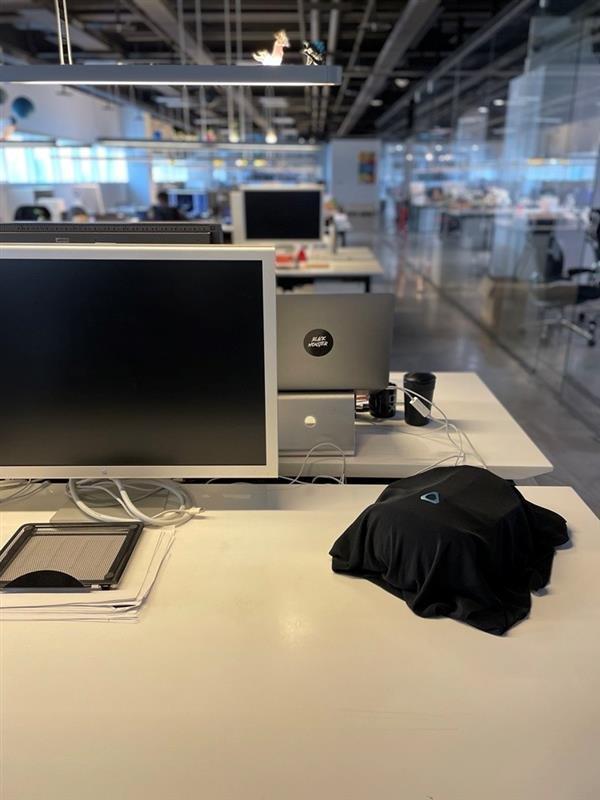
Last week, the official HTC blog shared an image of a VR headset albeit hidden under a piece of cloth. The VR headset is believed to be the one that will be announced at the event next month. From the image, we can make out a strap that runs across from the middle of the headset to the back.
Alongside a new VR headset, HTC should also announce new games and features for the Vive platform.
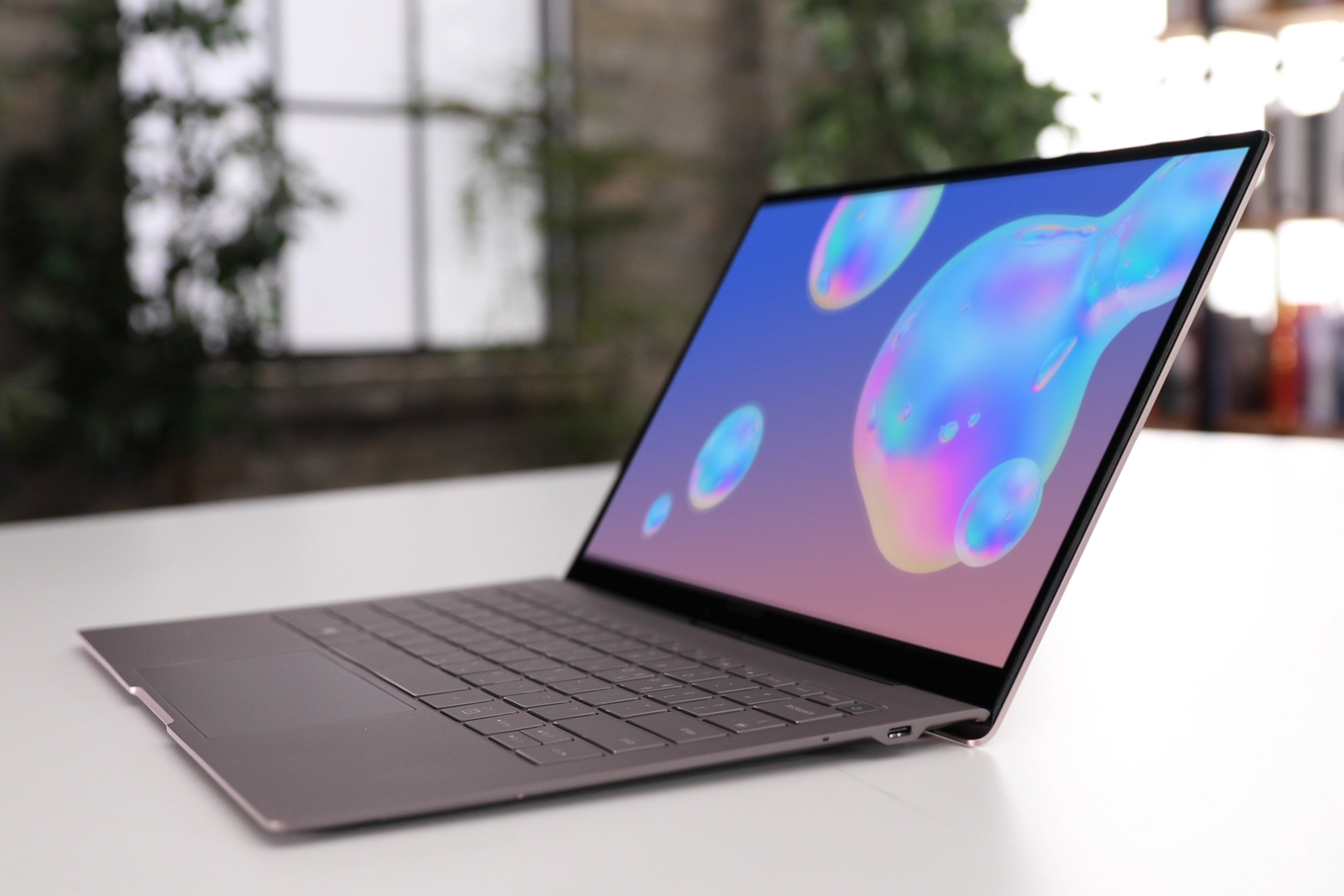
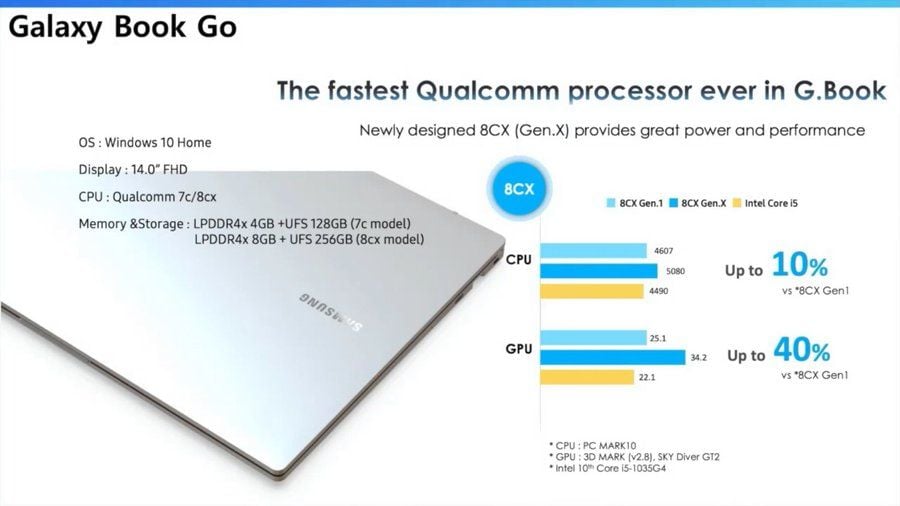
At the end of 2020, Samsung trademarked ‘Book Go’ with the EUIPO (European Union Intellectual Property Office). A couple of months later, key specs of a consumer product with this moniker (Galaxy Book Go) leaked. Now, ahead of its launch, the laptop has started gaining essential certifications.
Samsung Galaxy Book S | Source: Samsung
The upcoming Samsung Galaxy Book Go has been certified by Bluetooth SIG and FCC. These certifications merely reveal the laptop’s Bluetooth version and charging speed, in addition to model numbers.
According to them, the Galaxy Book Go codenamed ‘Hermes’ will come with the following model numbers.
NP345XLA
NP340XLA
Further, the notebook will feature Bluetooth 5.1 and will support up to 34.5W fast charging. However, it may ship with the popular 25W Samsung EP-TA800 charger, as per FCC.
Also, we came across a live image of the machine’s battery (AA-PBAN2HE) on SafetyKorea. Unfortunately, we could not determine the battery capacity from the low-quality image.
That said, according to previous reports, the Galaxy Book Go will sport a 14-inch FHD display and will run Windows 10 Home. It will be powered by Qualcomm Snapdragon 7c and Snapdragon 8CX Gen.X chipsets.
The former variant will feature 4GB LPDDR4X RAM and 128GB UFS storage. Whereas, the latter model will come with 8GB LPDDR4X RAM and 256GB UFS storage.
Xiaomi is gearing up for a big launch event on April 23 in India. The company has already confirmed that it is bringing the Mi 11 Ultra, and the Mi 11X series to the country. Now, it has teased the arrival of a new Mi TV and it could be the 75-inch QLED TV that recently launched in Europe.
In a tweet, the company posted an image that has a poster of Godzilla. Along with it, Xiaomi has included keywords like “larger than life”, “Theatre of tomorrow“. All these hints that it is talking about a new Mi TV launch in India.
While Xiaomi hasn’t explicitly confirmed which TV is coming, its “Grand Cinematic experience from the comfort of your home” makes us think if it would be the Mi TV Q1 75-inch that launched in Europe back in February.
QLED TV from Xiaomi isn’t new to India. The company has already launched a 55-inch variant of the TV back in December. The Q1 75-inch would fit in the perfect phrase of “theatre of tomorrow” considering its size is about a 36% increase compared to the 55-inch.
That said, let’s wait for an official confirmation regarding the name and the launch date from the company itself. The Mi TV Q1 75-inch in Europe has the QLED 4K display panel that covers 100% NTSC color gamut, has up to 1.07 billion colors and 1,024 different color shades.
Mi TV Q1 75-inch Europe
The TV also has a 178° viewing angle, 10,000:1 contrast ratio, 120Hz refresh rate with MEMC, HDR10+ certification and comes with support for Dolby Vision®️. Other features include HDMI 2.1 ports, ALLM, 360-degree Bluetooth remote, 30W speakers with Dolby AudioTM and DTS-HD.
The Mi TV Q1 75-inch runs Android 10 TV OS and comes with support for Google Play Store, Google Assistant/Alexa voice assistant support, and has pre-installed Popular apps including Netflix, Amazon Prime Video, and YouTube.
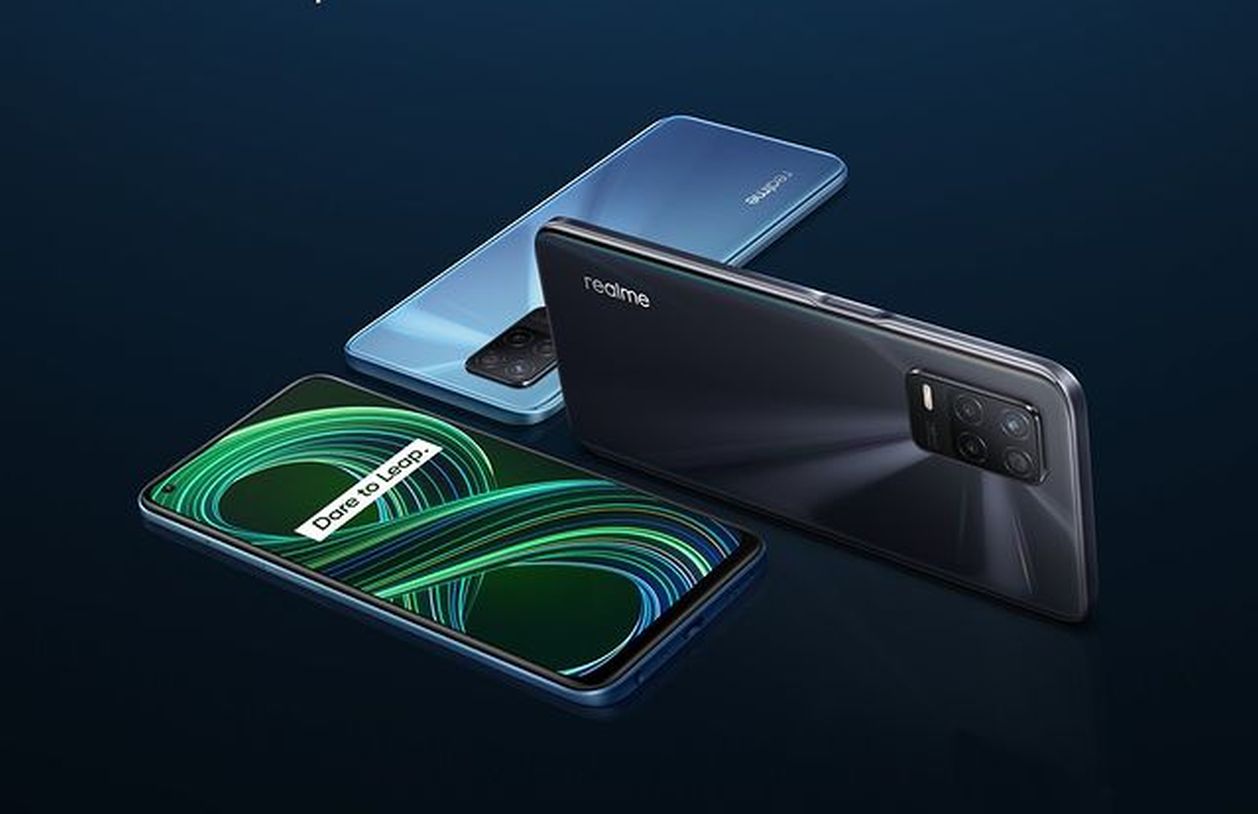
Realme will be launching the Realme 8 5G and Realme 8 Pro 5G smartphones in Thailand on April 21. A day later, it is expected to debut in India. Realme Thailand has released a couple of posts through its social media channels to reveal the appearance of the Realme 8 5G.
According to Realme, the Realme 8 5G has a thickness of just 8.5mm and weighs around 185 grams. It has confirmed that the device will be available in Supersonic Blue and Supersonic Black color editions.
The front side of the phone features a punch-hole screen and a side-facing fingerprint reader. The back panel of the phone has a quad-camera setup and an LED flash. The handset features a main camera of 48-megapixel. The FCC certification of the smartphone revealed that it is equipped with features like Realme UI 2.0 based Android 11 OS, dual 5G, Wi-Fi 802.11ac, Bluetooth, GPS, GLONASS, BDS, and a 5,000mAh battery. The handset measures 162.25mm in length and 74.8mm in width.
Realme 8 5G
Rumors have it that it could be a rebadged version of the Realme V13 5G phone that debuted recently in China. The handset has a 6.5-inch IPS LCD FHD+ 90Hz screen and it is powered by the Dimensity 700 chipset. It offers other specs like an 8-megapixel front camera, a 48-megapixel + 2-megapixel + 2-megapixel triple camera system, a 5,000mAh battery with 18W charging support, and a side-mounted fingerprint scanner.
There is not much information available about the Realme 8 Pro 5G. It is speculated to arrive as the first Realme phone with Snapdragon 750G SoC. At present, there is no information available on the pricing of the Realme 8 5G series.
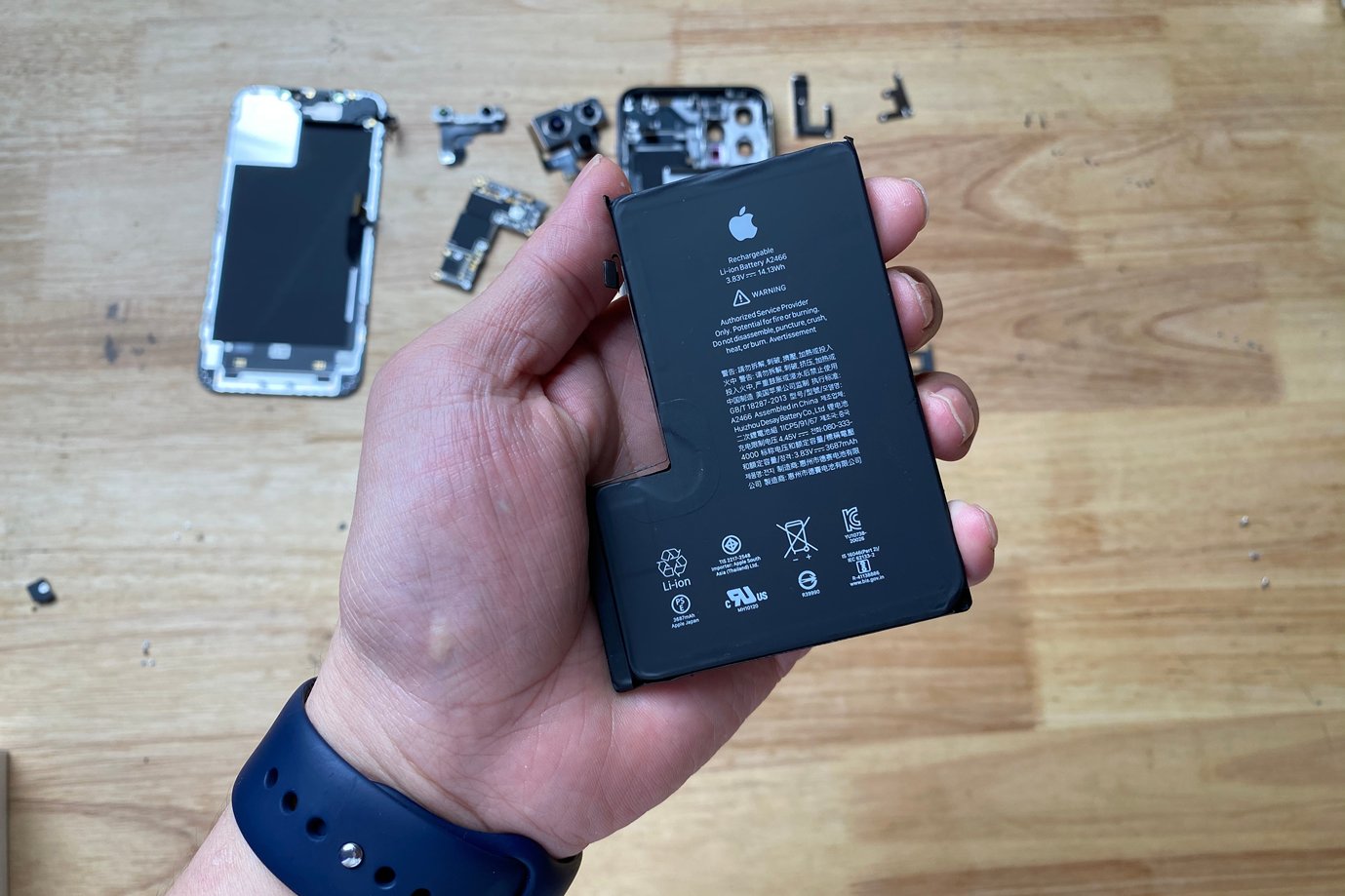
In the modern world, the lithium ion batteries are essentially everywhere and can be found powering various forms of technology, like smartphones, notebooks, wearable products, and much more as well.
Although, despite this type of battery being used practically universally in consumer electronics products, the technology is far from perfect, as per a ScienceAlertreport. For those unaware, the performance of lithium ion batteries always degrades over time. This could even lead to certain flaws in the battery cells and can even lead to overheating, which could cause dangerous hazards like fires and other harmful damage. In the past, companies have even had to recall products due to such issues.
But now, researchers in Russia have developed a new type of technology that they claim can charge about ten times faster than the existing lithium ion batteries. This significant rise in charging rates could potentially offer huge time saving advantages if it does eventually arrive in consumer electronic products. According to electrochemistry researcher Oleg Levin from St Petersburg University, “A battery manufactured using our polymer will charge in seconds – about 10 times faster than a traditional lithium-ion battery. This has already been demonstrated through a series of experiments.”
This new breed of battery type is made from a kind of nitroxyl-based redox polymer, which is made with material that can undergo reversible oxidation and reduction when it discharges and charges. During testing, the researchers explored a number of different polymer types but the NiSalen chemistry was the only device that turned out to be stable and efficient. Although, the battery is still ” lagging behind in terms of capacity – 30 to 40 percent lower than in lithium-ion batteries.” Unfortunately, it is still unknown if we will ever see this technology make it to smartphones and other products anytime soon.
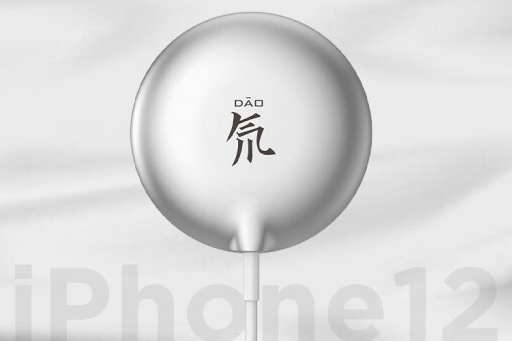
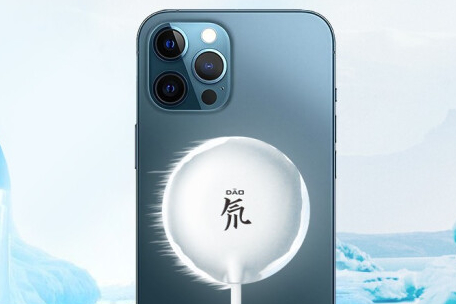
Chinse smartphone maker nubia has been lately releasing a wide variety of chargers for different types of products. The latest such accessory from the brand is a MagSafe charger for the Apple iPhone 12 series.
Apple reintroduced MagSafe with the launch of the iPhone 12 series late last year. All four new iPhones come with a magnetic ring on the back for MagSafe wireless charging.
Initially, there was only a single official MagSafe charger from Apple. Soon, a plethora of MagSafe chargers and accessories from third-party companies hit the market.
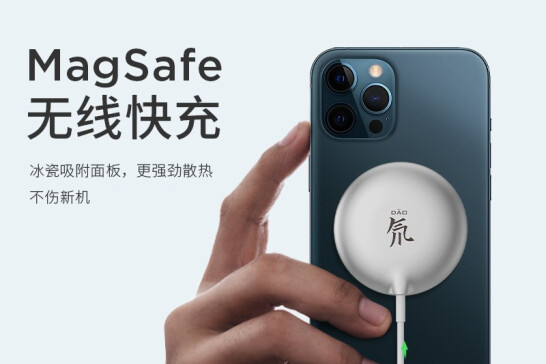
ZTE’s nubia has been selling normal chargers for the iPhones for a while now. The brand has now expanded its portfolio by adding a MagSafe charger for the iPhone 12 series (iPhone 12 Mini, iPhone 12, iPhone 12 Pro, iPhone 12 Pro Max).
The new nubia MagSafe charger costs only ¥119 ($18) in China but it comes with a caveat. Looks like it is not an MFi-certified accessory. Hence, despite supporting 15W output, it can charge the iPhone 12 series only at 7.5W.
However, other smartphones with 15W Qi wireless charging support can make use of the product’s maximum capacity. As far as inputs are concerned, the accessory supports the following input rates – 5V/2A, 9V/2A, and 12V/2A.
Further, it is a mere 8mm thin and is compatible with magnetic case-equipped iPhone 12 models. It has all the safety measures like over-current protection, over-voltage protection, over-temperature protection, short circuit protection, power protection, under-voltage protection, over-charge protection, magnetic field protection, and foreign object detection.
Last but not least, the charger comes in a single white color option with a 1.5m cable.
Apple has finally updated its Apple events page. Captioned as “Spring Loaded”, the event is said to take place on April 20 at 10:00 AM PDT (01:00 AM Beijing Time / 10:30 PM IST). If you have an iPhone/iPad product, you can witness the AR version of the multi-colored logo as well.
Original Story is as follows…
After a lot of misquoted dates, Apple’s Siri assistant itself has revealed the date of the next launch event. While Apple hasn’t confirmed it yet, the next Apple event is said to be on April 20 as per Siri.
Just like users reporting on Twitter and MacRumors reports, I tried asking Siri, “Hey Siri, Apple event”. It replied that a Special event is on next Tuesday, i.e, April 20. Apple recently confirmed that it’s WWDC 2021 will be online and begin on June 7.
While one might expect the same for this event, Siri says that the event will be hosted at Apple Park in Cupertino, CA. That said, it doesn’t confirm it as an in-person event and considering the situation, we can expect Apple to stream a pre-recorded video on social media channels like YouTube.
You can take a look at the screenshot below:
Also, Siri didn’t say anything about the products/announcements that are going to be unveiled at the event. However, we have seen various reports in the past and they suggest that Apple will bring the iPad Pro 2021, Apple TV 2021, and long-rumored AirTags.
There are also rumors about the new iMacs and Macbooks but we aren’t sure if they would see the light on that day.
Talking about the iPad Pro models, Apple is said to bring 11-inch and 12.9inch iPad Pro models. Out of this, the 12.9-inch is said to feature a mini-LED display. Other expected specs include A14X chipset, Thunderbolt connection via USB-C, and more.
As for the Apple TV 2021, it is expected to bring upgrades like HDMI 2.1 port, support for 120Hz refresh rate content, powerful GPU and higher RAM capacity, and more.
The Korea Semiconductor Industry Association has asked the South Korean government to pass new laws that would benefit the chip industry. The organization has essentially asked for the government’s support through new regulations.
According to TheElecreport, the association, in an open letter, stated that the US was planning on offering up to 40 percent tax reduction for semiconductor equipment expenditure, which is similar to the European Unions plans of offering a 67 trillion won project to help boost its local semiconductor production. In other words, the South Korean chip industry is basically asking for similar incentives to keep up with the foreign competition.
In 2020, the local semiconductor in South Korea accounted for an 18.4 percent market share, which was second only to the US. In terms of memory semiconductors, the region accounted for 56.9 percent of the market share, leading the global market. Semiconductor export accounted for 19.4 percent of South Korea’s total, with the equipment spending in chips locally accounting for over 40 percent of the total in the manufacturing sector overall.
In simpler terms, the industry is one of the pillar’s of South Korea’s economy, although, it is facing various challenges and hurdles ahead. Thus, the KSIA urged the government to offer up to 50 percent tax reduction in related research, development, and equipment spending. Additionally, chip based firms should also get support in approval to build new faculties, water supply, and other infrastructures as well, while universities in Seoul should open more majors related to semiconductors to recruit local talents, as per the organization.
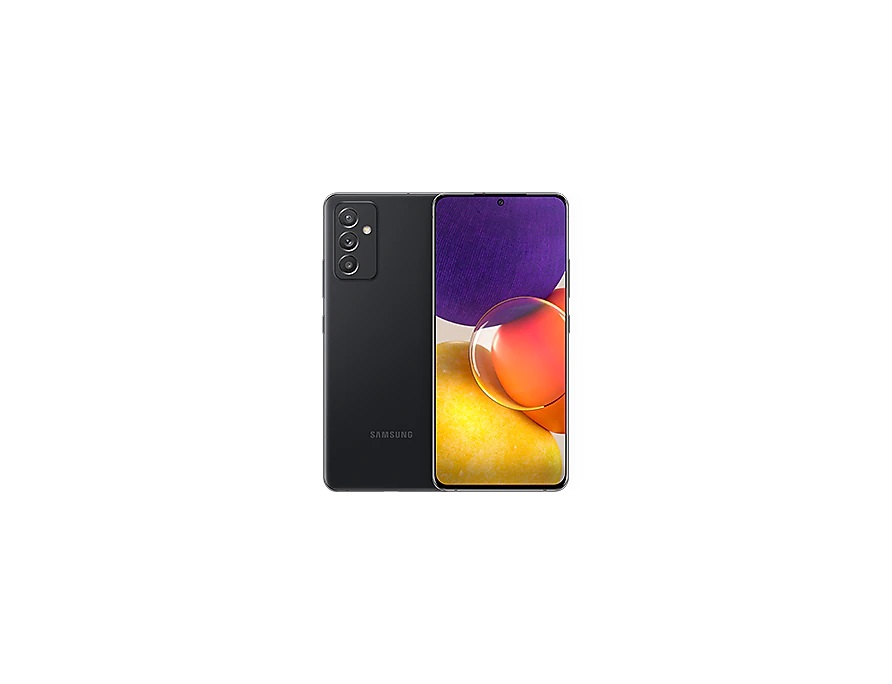
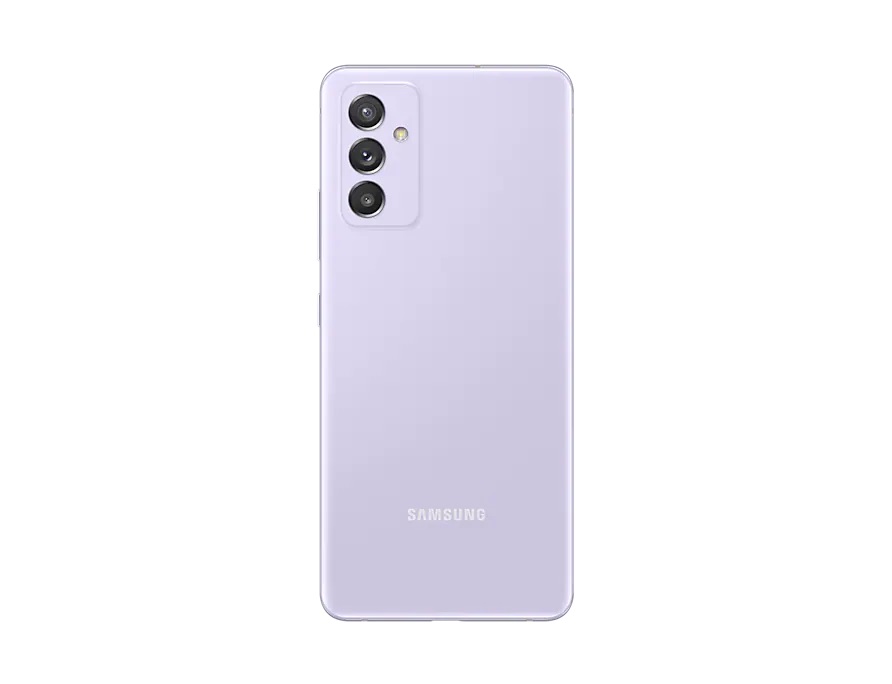
The Samsung Galaxy Quantum2 is priced at KRW 699,600 ($622) in South Korea. Early birds who pre-book the device will get a Galaxy Buds Live and a transparent silicone case as a gift.
Original story as follows…
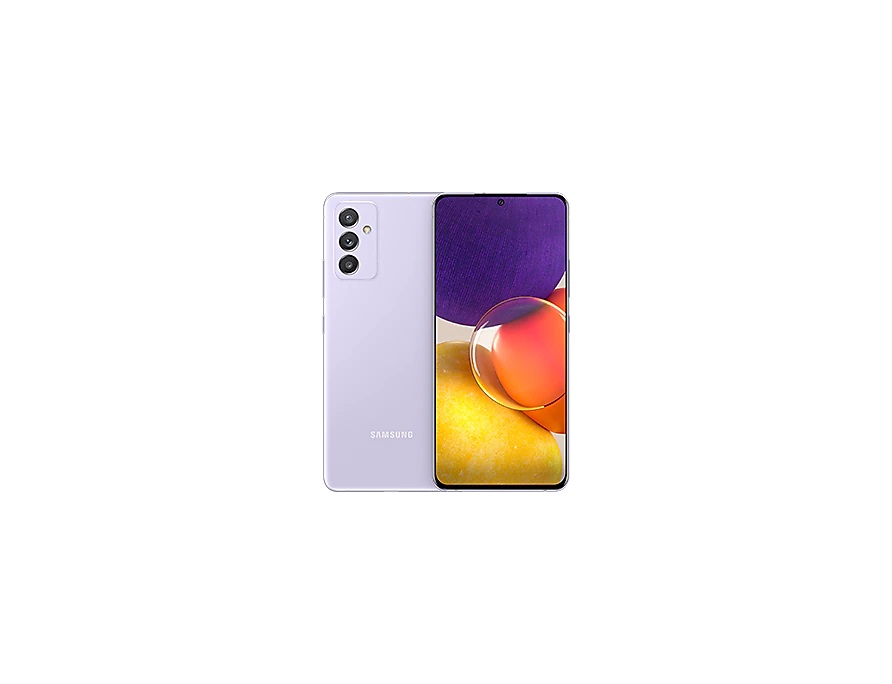
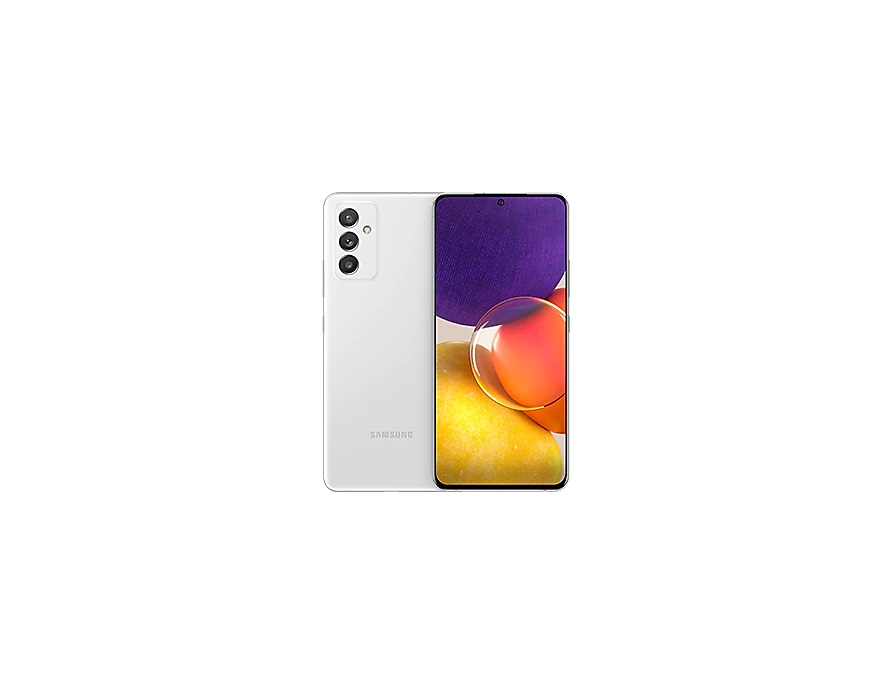
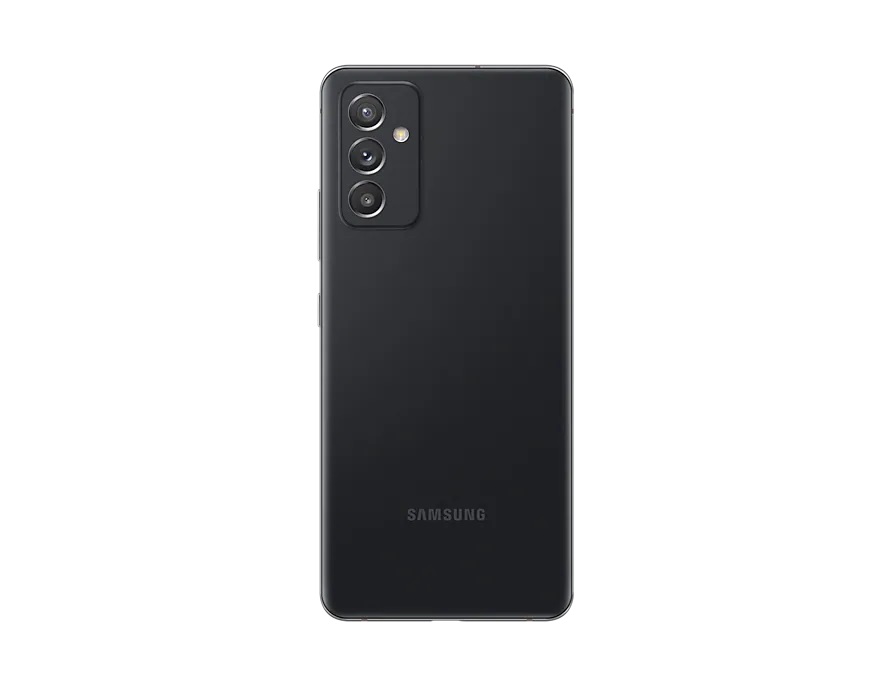
Samsung and wireless network operator SK Telecom have finally announced the Galaxy Quantum2 smartphone in Korea. The device has security features like built-in quantum cryptography technology, Snapdragon 855+ chipset, and more. Let’s take a look at its specs, features.
Samsung Galaxy Quantum2 security Features
Right off the bat, we have to look at the security feature of the Galaxy Quantum2. Just like the predecessor, the device has a QRNG(Quantum Random Number Generator) chip developed by ID Quantique. This is an integrated 2.5×2.5mm chip that generates random numbers by creating noise via an LED and capturing it using a CMOS sensor.
That is, it makes the device safer by generating unpredictable and patternless true random numbers. This technology is said to be immune against hackers or exploiters unless they get physical access to the device.
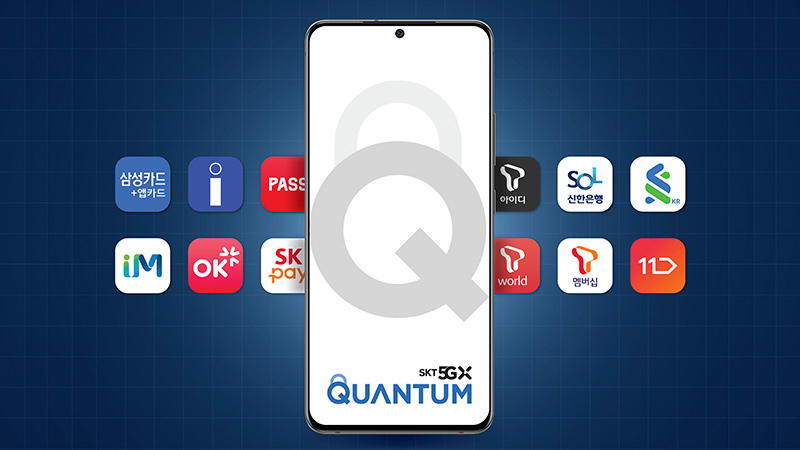
SK Telecom also says that the QRNG chip automatically secures the services including payments that are based on Android Keystore (APIs).
As of now, it supports the banking services of Shinhan Bank and Standard Chartered Bank Korea apps as well as other services like 11Street, T World, SK Pay, PASS, and T Membership. In the future, the company will expand it to financial companies like Samsung’s Card and SKT’s music streaming service FLO and video ringback tone service V Coloring.
1 of 3
Samsung Galaxy Quantum2 Specifications
The Samsung Galaxy Quantum2 features a 6.7-inch Dynamic AMOLED 2X QHD+ Infinity-O display. This display is subtly curved like the Galaxy S21 and has a maximum brightness of up to 1200 nits, a resolution of 3200 x 1440 pixels, SGS eye care certification, and a 120Hz refresh rate.
under the hood, the Galaxy Quantum2 has Qualcomm Snapdragon 855+ chipset. This is paired with a 5G modem(here, it supports N78 sub6 band), 6GB RAM, and 128GB internal storage. For memory lovers, you also get a microSD for expansion up to 1TB.
1 of 3
For cameras, we have a triple-camera layout with a design similar to the Galaxy A72. The layout has a 64MP f/1.8 primary lens with OIS, 12MP f/2.2 ultrawide lens with 123-degree FOV, 5MP f/2.4 macro lens. Upfront, there is a 10MP f/2.2 selfie camera.
Other features include stereo speakers, in-display fingerprint sensor, 4,500mAh battery with 25W charging, USB-C port, Wi-Fi ac, Bluetooth 5.0, NFC, GPS, Glonass, Beidou, Galileo, and Android 11 OS with One UI on top.
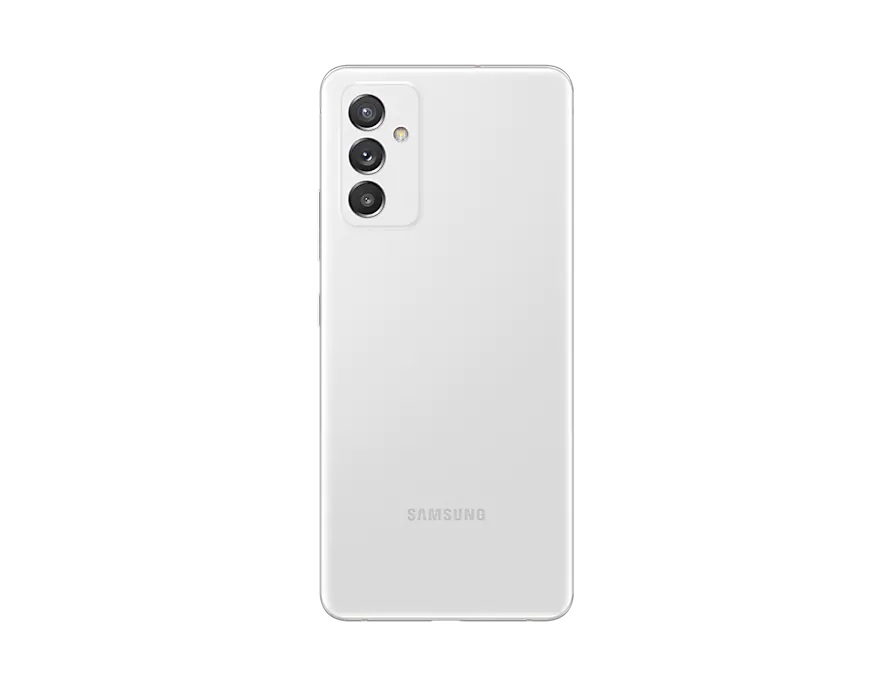
The Galaxy Quantum2 comes in White, Dark Grey, and Light Violet colors. It is up for pre-orders in South Korea from today i.e, April 13. The pre-orders will last till April 19 and the device will officially launch on April 23 in the country.
As of now, the info regarding the price of the phone in South Korea and its global availability isn’t known. However, it is expected to launch as Galaxy A82 in other markets.
Faraday Future, a California-based company that is working on a smart car project for the last few years, has announced that the company will be using the NVIDIA Drive Orin platform for its flagship FF 91 luxury electric vehicle.
With the selection of Drive Orin SoC, the carmaker is hoping to leverage the continuous improvements and performance leaps across generations of the NVIDIA DRIVE platform. The upcoming FF 91 plans to achieve advanced highway autonomous driving capabilities and advanced parking and summon features when it goes on sale in 2022.
Faraday Future – FF 91
NVIDIA DRIVE Orin contains 21 billion transistors and integrates the NVIDIA Ampere GPU architecture, 12 Cortex-A78 ARM 64CPUs, along with deep learning and computer vision accelerators. It is claimed to deliver 254 trillion operations per second of performance.
Faraday Future is targeting more advanced autonomous driving and parking features on its future FF 81 and FF 71 vehicles, which are expected to be available in 2023 and 2024, respectively. They will also be powered by NVIDIA DRIVE Orin as the company is looking to offer high-performance and energy-efficient compute capability.
Coming to the FF 91, it will come with an industry-leading 1,050 horsepower, the largest battery pack of 130 kWh equipped with submerged liquid battery cooling technology. It can go from 0 to 60 in less than 2.4 seconds and will have a unique rear compartment intelligent internet system.
Faraday Future is currently preparing to merge with Property Solutions Acquisition Corp., which is expected to happen in the second quarter of 2021. The FF 91 is planned to be launched within 12 months of the closing of the merger.
The automobile industry has in recent times seen new entrants especially with the shift towards autonomous and electric vehicles. Just recently, Chinese tech giant Xiaomi announced plans to commence the manufacture of electric vehicles (EVs). Another Chinese manufacturer, drone-maker DJI is finally making a move towards the automobile industry.
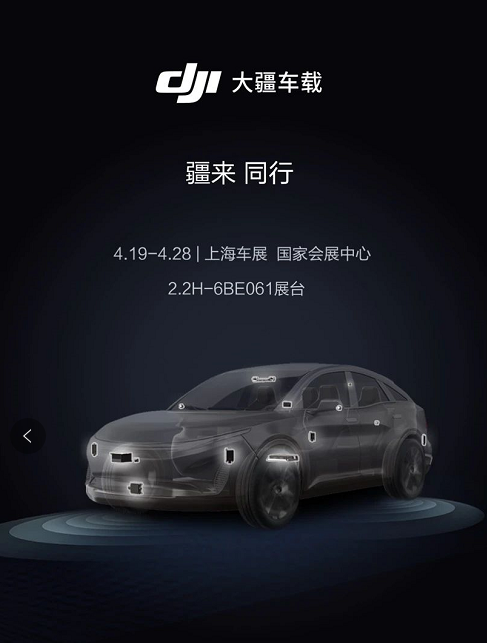
A post by DJI Automotive’s official WeChat account has revealed that the company will be releasing car-related products at the Shanghai Auto Show which will commence on April 19 and end on April 28. The announcement did not specify the product that we should expect from the renowned commercial drone-maker but can be taken as an official announcement of the brand’s entrance into the automobile industry.
Of course, DJI won’t likely build a complete car anytime soon but the company had earlier hinted of plans to focus on smart driving systems as well as software and hardware solutions to help automakers quickly build affordable smart cars.
DJI Automotive is said to be a brand of DJI’s intelligent driving business, which is committed to using space intelligent technology to empower travel, focusing on the R&D, production, and sales of intelligent driving systems and their core components. Earlier this year, job listings by the Chinese tech giant revealed it was hiring engineers with experience in related fields such as auto electronics, autonomous driving, in-car software, and the automobile industry.
Some persons familiar with the matter also disclosed that that drone maker was planning to sell driver-assist technology which includes LiDAR sensors, a crucial component of self-driving vehicles. At present, DJI has nearly 70% of the global commercial drone market, and the LiDAR technology used on drones also plays a key role in autonomous driving.
DJI has reportedly also got other solutions for autonomous driving functions. We’ll have to wait for the event to see what the company has in store.
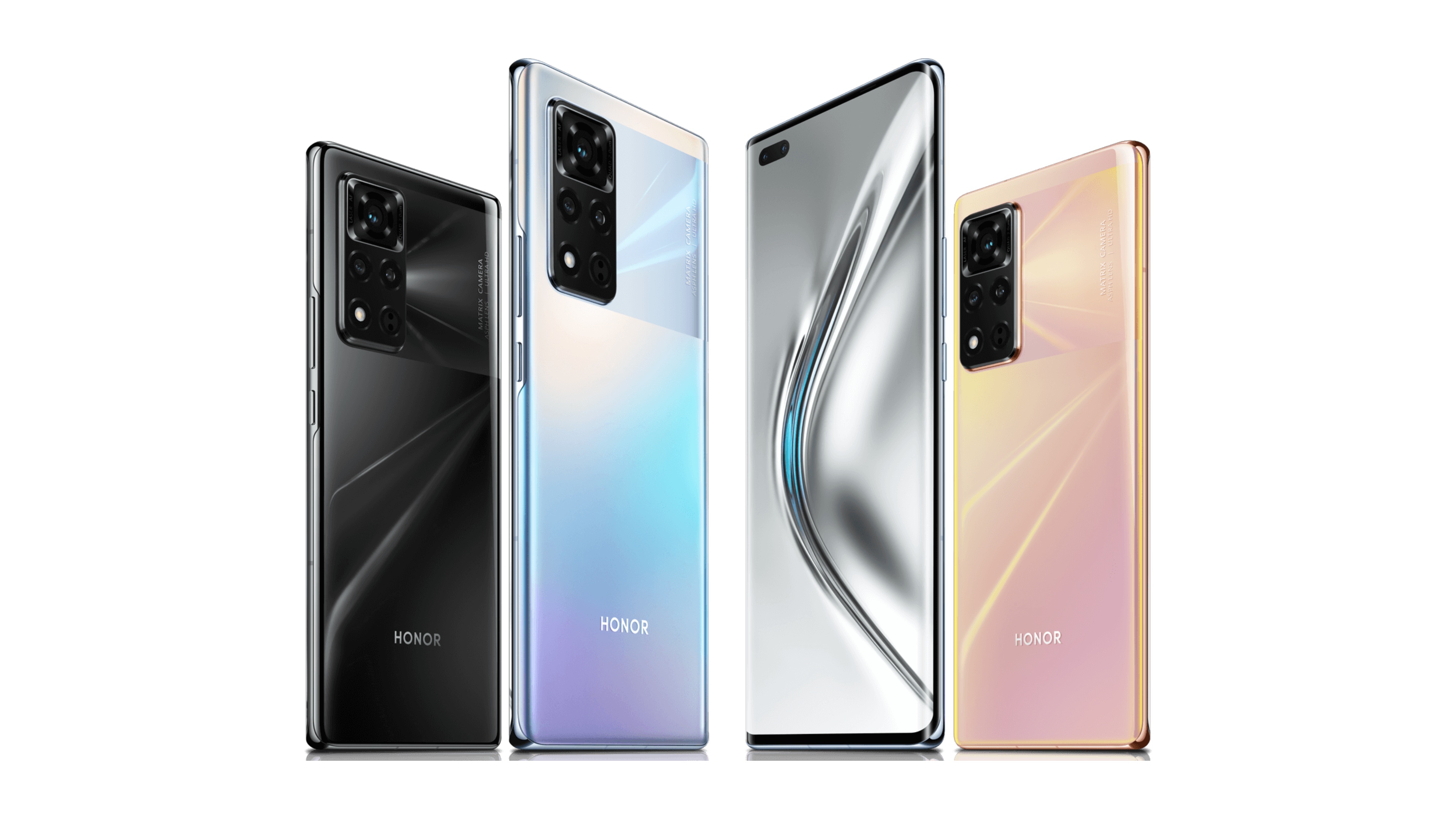
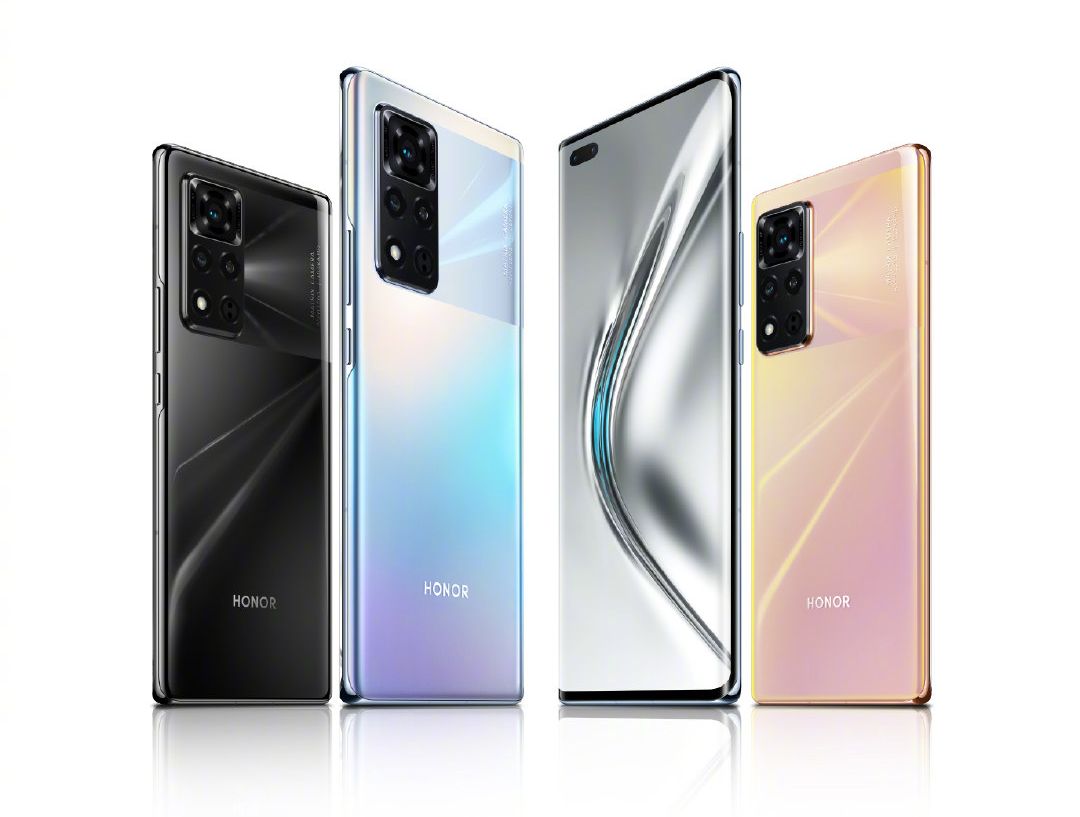
With the launch of the Honor V40 series, the company saw the release of its first flagship product since its independence from Huawei. Since then, rumor has surfaced that the company might be roping in celebrities for endorsements, but that is apparently not being planned.
As per Jiang Hairong, CMO of the Chinese tech giant, the company’s product are the best form of endorsement and it has no plans of bringing in known individuals or popular celebrities to endorse its new products. In other words, the former Huawei sub brand has will be launching new smartphones under its own banner and promotions, without the aid of paid endorsements or promotion deals with any celebrities.
For those unaware, it is quite common within the smartphones industry to have a brand ambassador to promote the company’s new or upcoming launches. Similarly, celebrities and known icons are also brought in to promote launches of specific series or models in launch conferences and events as well. A good example of this being Robert Downey Jr, who has promoted OnePlus devices.
Thus, the statement from the senior official of the Chinese smartphone maker it clear that it has no similar plans for endorsement deals. Meaning, the rumors thus far were false, but that might change sometime in the future. So, stay tuned for more, as we will be providing updates regarding this matter or any new and interesting product launches from the smartphone manufacturer.
US Senator Josh Hawley introduced a proposal earlier this week that would ban companies with a market value of more than 100 billion US Dollars for going forward with acquisitions or conduct mergers.
According to an AppleInsiderreport, Hawley is seeking to bar mergers and buyouts for America’s top performing or big companies. This includes major tech giants like Apple, Amazon, Facebook, Microsoft, and Google. For those unaware, the Senator is a conservative who has been attacking Big Tech after major platforms were accused of “censoring” Republican voices. Thus, Hawley’s legislation has also been dubbed as the “Trust-Busting for the Twenty-First Century Act.”
The legislation in question will also supplement existing antitrust laws with higher penalties and a lower threshold for prosecution. An example being, companies facing prosecution under federal law would be for “the protection of competition,” rather than just “consumer harm.” This would imply that the firms that lose antitrust lawsuits would be required to “forfeit all their profits resulting from monopolistic conduct” under the new regulation.
Furthermore, the Federal Trade Commission or FTC would also receive a new power to regulate “dominant digital firms.” The Senator stated that “This country and this government shouldn’t be run by a few mega-corporations.” He further added that the Republican Party “has got to become the party of trust-busting once again. You know, that’s a part of our history.” Similar to Big Tech, Hawley is also taking steps against major pharmaceuticals based firms that are dominating the medical market.
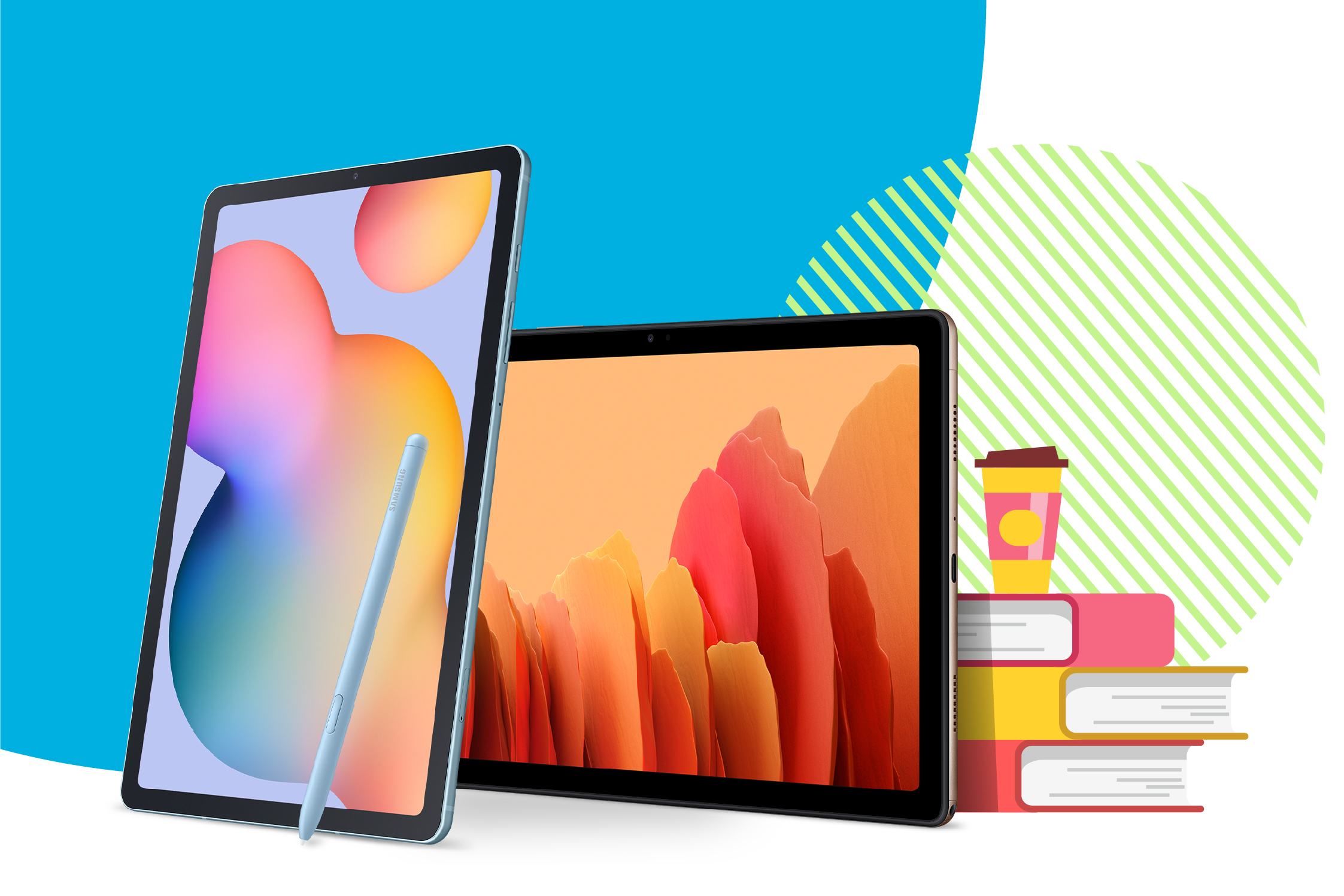
Samsung launched the Galaxy Tab A7 in India in late September 2020. The tablet was introduced in both WiFi-only and LTE variants. But unfortunately, the company only debuted the 32GB version. Now, months after its release, the South Korean tech giant is finally bringing the 64GB variant to the country. Additionally, it has also announced ‘Back to School’ offers on Galaxy tablets for students
Samsung Galaxy Tab A7 64GB India Launch
Samsung announced the arrival of the Galaxy Tab A7 64GB variant to India in a press release. This version of the tablet will go on sale on Samsung online store, Amazon India, and Flipkart from April 19.
Interestingly, the company did not reveal the price of this version. Also, it did not clarify whether the 64GB variant will be available in both WiFi-only and 4G editions. Anyway, we expect to learn about it before it goes on sale next week.
For those unaware, the Samsung Galaxy Tab A7 features a 10.4-inch TFT LCD panel with a resolution of 2000 x 1200 pixels (WUXGA+), Qualcomm Snapdragon 662 SoC, 3GB RAM, dual-band WiFi, Bluetooth 5.0, GNSS (GPS, GLONASS, BeiDou, GALILEO), USB Type-C port, 3.5mm headphone jack, and MicroSD card slot.
Other features include an 8MP rear camera, 5MP front-facing camera, accelerometer, ambient light sensor, gyroscope, proximity sensor, compass, One UI 2.5 based on Android 10, 7,040mAh battery, and 15W fast charging.
Samsung India Back to School Offers on Galaxy Tablets
The student offers are applicable to the following Samsung tablets sold in India.
We use cookies on our website to give you the most relevant experience by remembering your preferences and repeat visits. By clicking “Accept”, you consent to the use of ALL the cookies.
This website uses cookies to improve your experience while you navigate through the website. Out of these, the cookies that are categorized as necessary are stored on your browser as they are essential for the working of basic functionalities of the website. We also use third-party cookies that help us analyze and understand how you use this website. These cookies will be stored in your browser only with your consent. You also have the option to opt-out of these cookies. But opting out of some of these cookies may affect your browsing experience.
Necessary cookies are absolutely essential for the website to function properly. This category only includes cookies that ensures basic functionalities and security features of the website. These cookies do not store any personal information.
Any cookies that may not be particularly necessary for the website to function and is used specifically to collect user personal data via analytics, ads, other embedded contents are termed as non-necessary cookies. It is mandatory to procure user consent prior to running these cookies on your website.