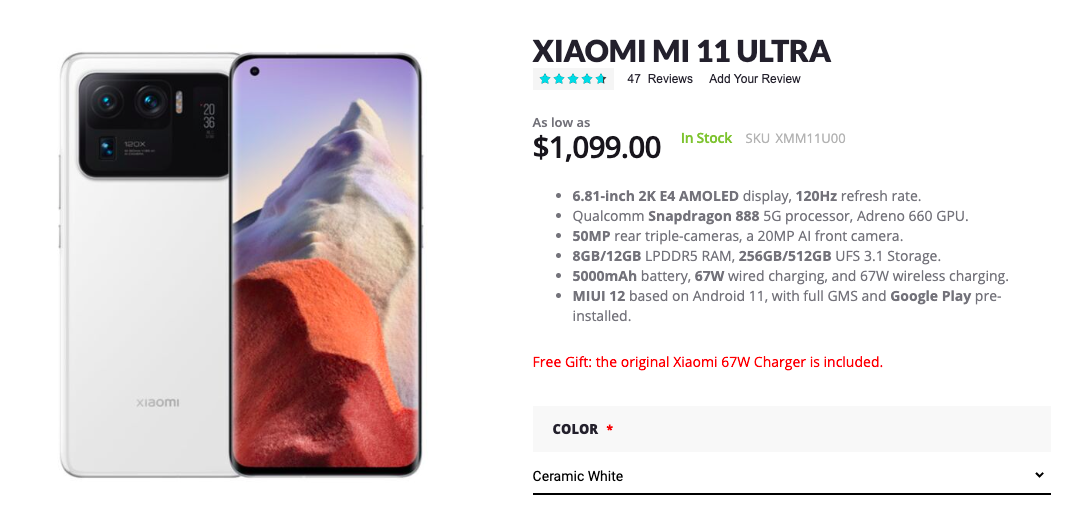
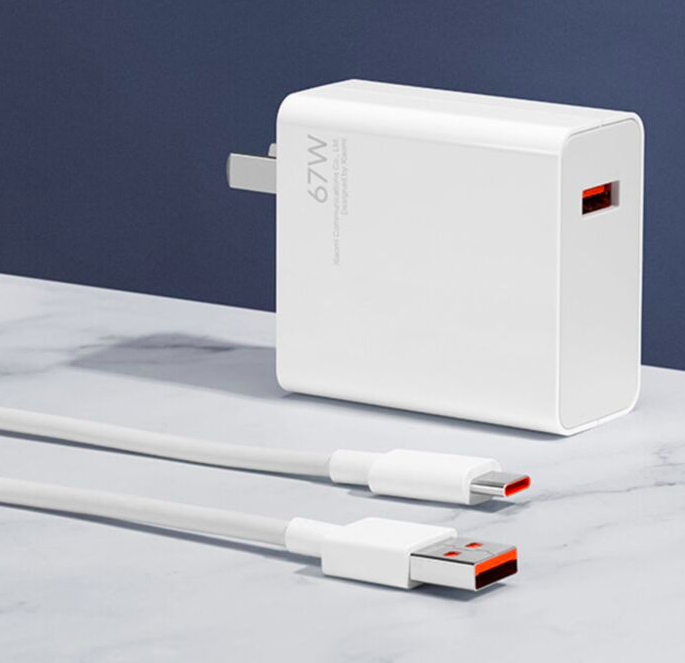
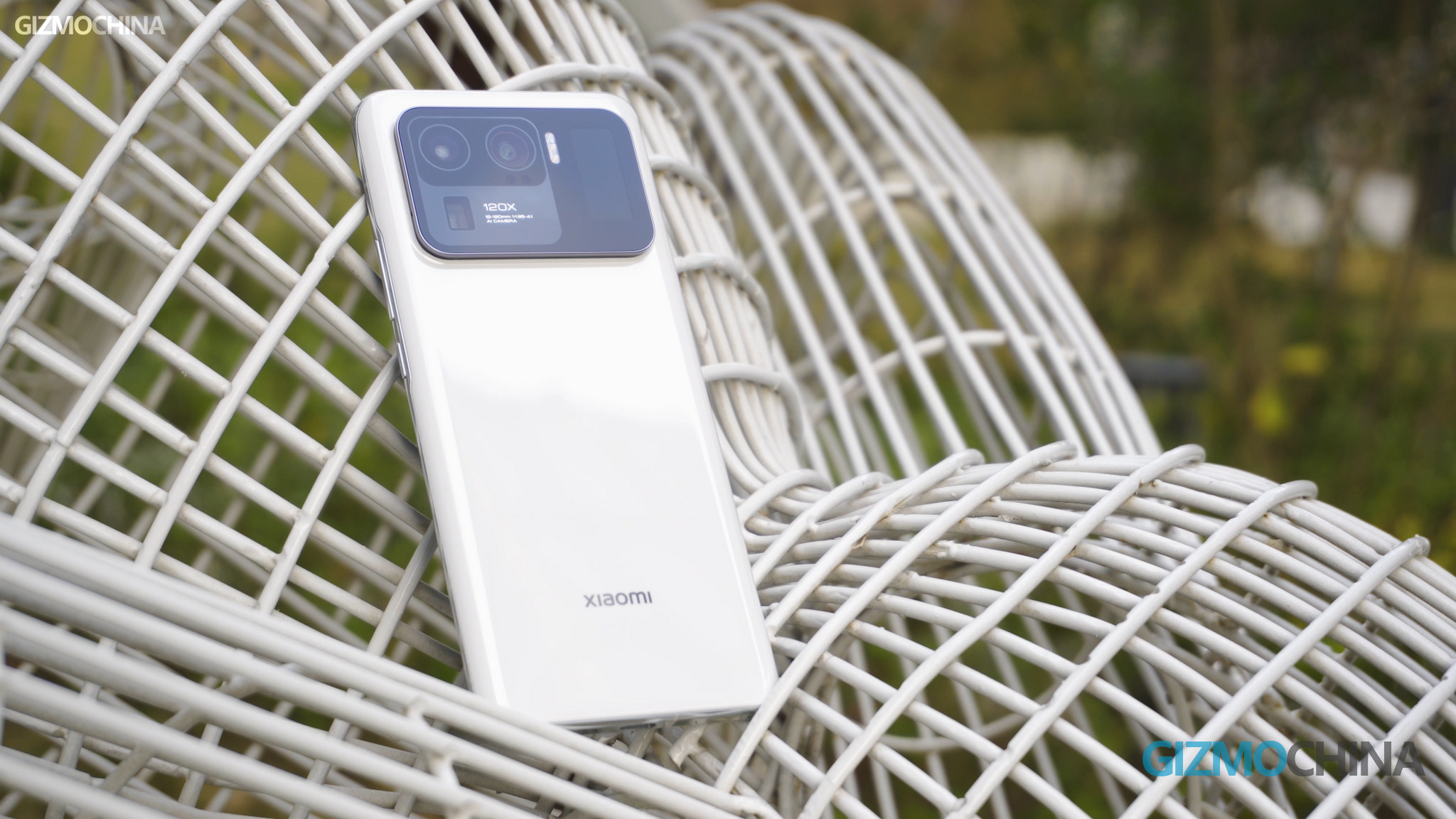
Giztop is giving a free gift on the purchase of Xiaomi Mi 11 Ultra 5G. With every purchase of the smartphone, you get an Original Xiaomi 67W Charger which retails at $28 absolutely free.
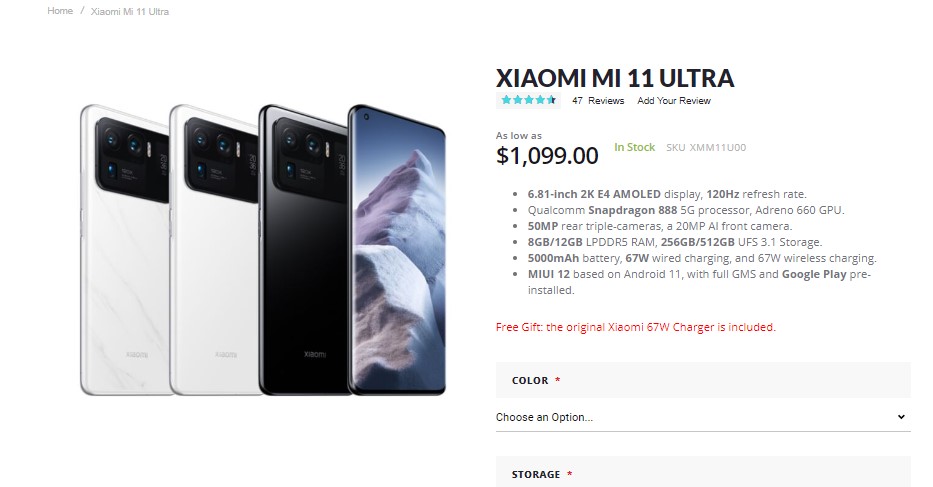
Xiaomi Mi 11 Ultra 5G comes with a 6.81” 2K E4 AMOLED display and is powered by a Qualcomm Snapdragon 888 5G processor. The smartphone comes with a triple rear camera setup with a 50MP main camera and for the selfie camera, it sports a 20MP AI front camera. Powered by a massive 5000 mAh battery the smartphone supports both 67W wired and wireless charging. Available in Ceramic white, black and marbled ceramic special edition, the smartphone comes in three different storage variants viz: 8GB + 256GB, 12GB + 256GB, and 12GB + 512GB.
Xiaomi Mi 11 Ultra 5G is now available for purchase at Giztop for $1099. And with every purchase, you get an original Xiaomi 67W charger which retails at $28 absolutely free.
Please note that the above-mentioned price is applicable only on the base variant. The final price may change according to the variant and shipping.
Not even a month has passed since OnePlus launched the OnePlus 9 series. But the company is already rolling out the fourth system update for these smartphones. The latest software build comes in the form of OxygenOS 11.2.4.4.
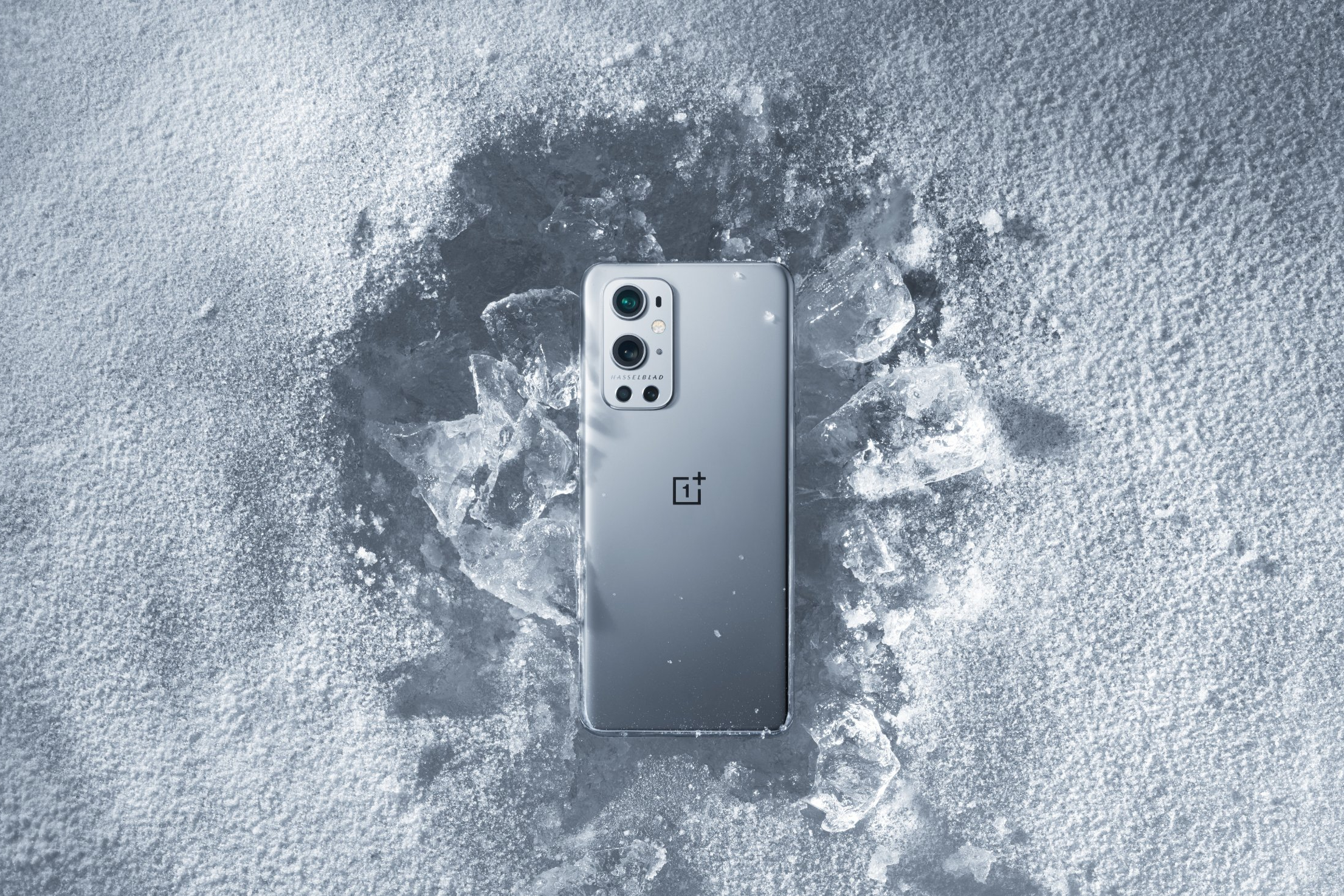
OnePlus 9 Pro
The new system update for the OnePlus 9 and the OnePlus 9 Pro once again brings improvements and fixes, in addition to April 2021 security patches. The update also comes bundled with March 2021 GMS (Google Mobile Services) package.
According to the changelog (via XDA Developers), the latest update features improvements for charging stability, keyboard sensitivity in the edge area, temperature control strategy, image purity and ambiance performance, white balance consistency of the rear camera, and image over-sharpening of the rear camera.
Lastly, the update also brings fixes for battery icon issue in the status bar, Google Fi incoming call bug, and other known issues.
OnePlus 9/9 Pro OxygenOS 11.2.4.4 Official Changelog
System
Improved charging stability
Improved the sensitivity of the keyboard in the edge area
Improved the temperature control strategy
Fixed the issue that the battery icon in the status bar is abnormally displayed
Fixed the small probability issue that Google Fi SIM card can not accept incoming calls
Fixed known issues and improved system stability
Updated Android security patch to 2021.04
Updated GMS package to 2021.03
Camera
Improved the image purity and the ambiance performance
Improved the white balance consistency of the rear camera
Improved image over-sharpening of the rear camera
Like any other OTA system update, the OxygenOS 11.2.4.4 build for the OnePlus 9 and the OnePlus 9 Pro is being rolled out in batches. Therefore, it may take some time to reach every user.
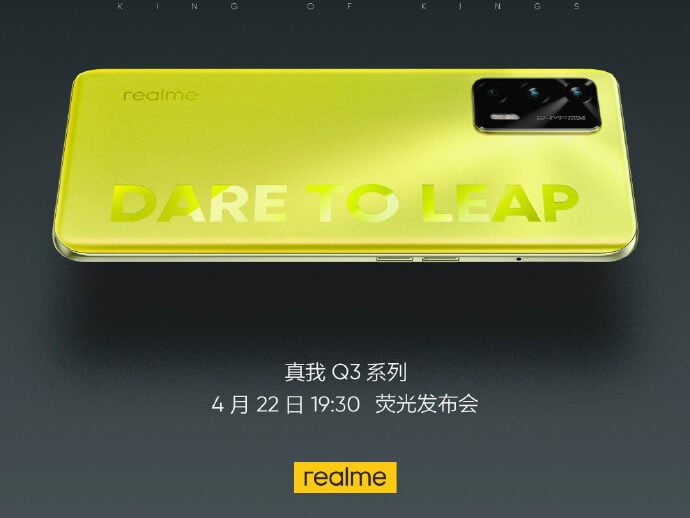
realme has already confirmed that it will announce the Q3 series in China on April 22. With just 2 days remaining for the launch event, it has confirmed several features that are coming on at least one of the devices. Besides, the AnTuTu scores of the realme Q3 Pro have also been leaked.
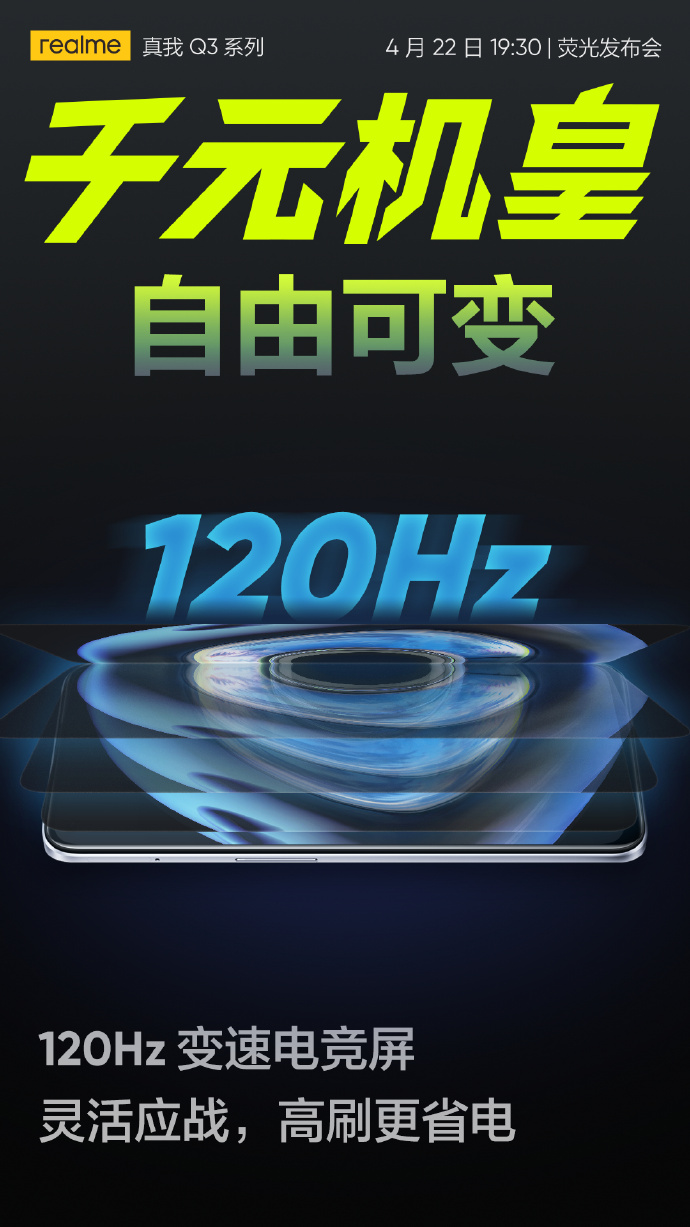
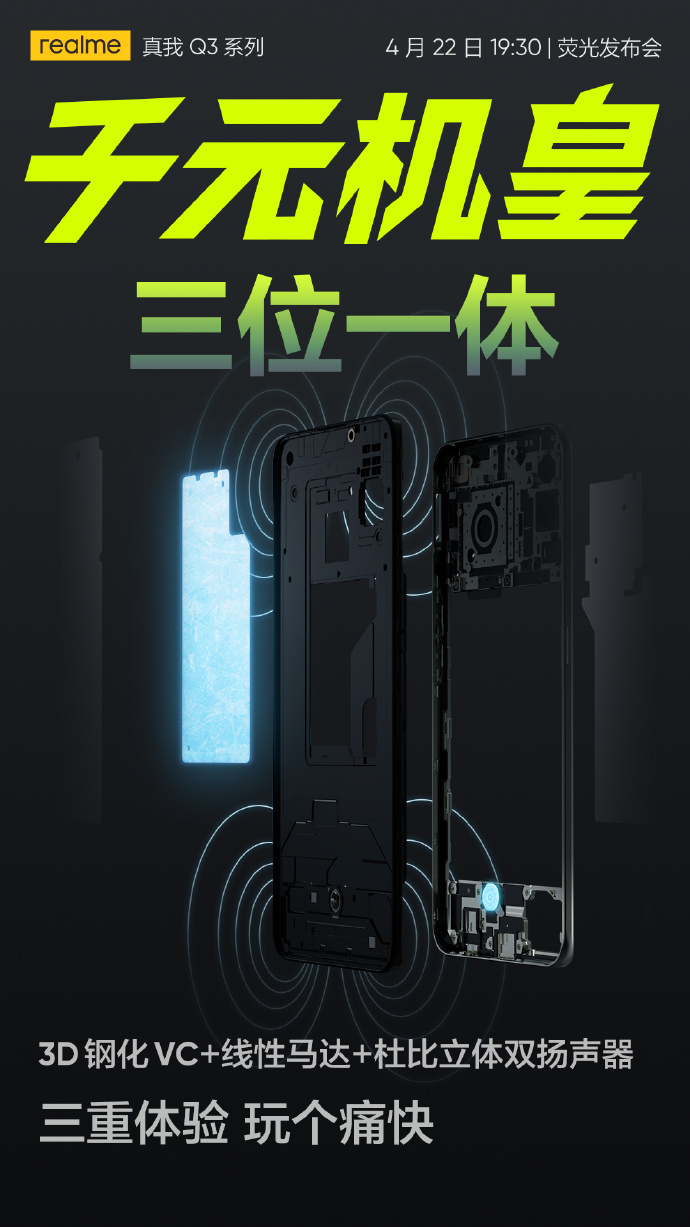
In a series of posts, realme confirms features like MediaTek Dimensity 1100 chipset, 120Hz display, and VC liquid cooling on the realme Q3 series. While the company hasn’t explicitly mentioned which one will get these, there are chances that more than one of them will have some of these features.
realme Q3 series is expected to include the realme Q3, Q3 Pro, and looking at the past, the realme Q2 and Q2 Pro both featured Dimensity 800U chipset. The realme Q2 had a 120Hz LCD display whereas the Q2 Pro had an AMOLED panel.
1 of 2
This could get repeated on the realme Q3 series but let’s wait for the official info. Either way, the series is said to have a variable refresh rate this time around.
Talking about the cooling, the 3D tempered VC liquid-cooled heat dissipation surface is said to cover 100% of the core-heating surface and promise a maximum drop of 15-degree celsius.
Other confirmed features include Linear motors for better haptics, dual stereo speakers, Dolby Atmos, and Hi-Res certification.
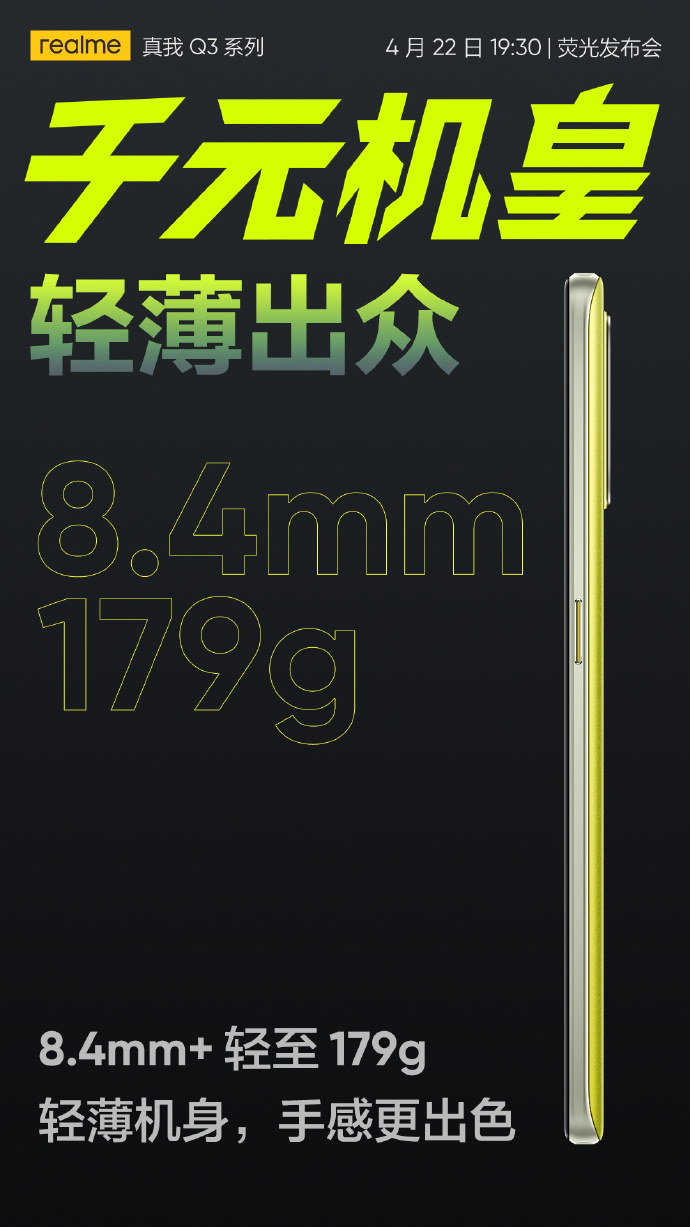
Talking about the realme Q3 Pro, realme has already shared renders of the fluorescent logo that’s coming on the rear panel of it. Today, it mentions that the device will be one of the lightest with 8.4mm thickness and weight as low as 179 grams.
1 of 4
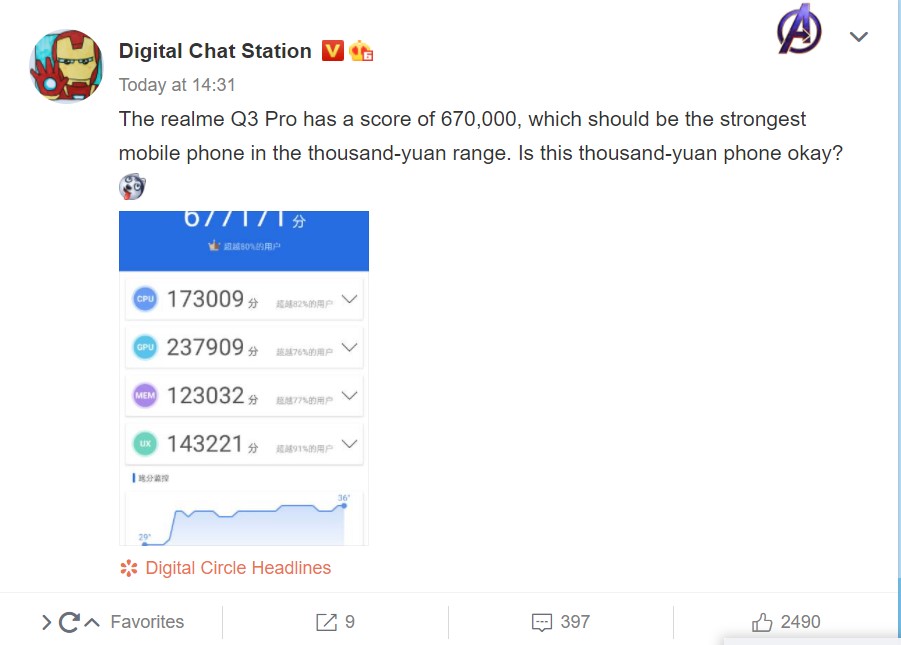
Credit: Digital Chat Station/Weibo
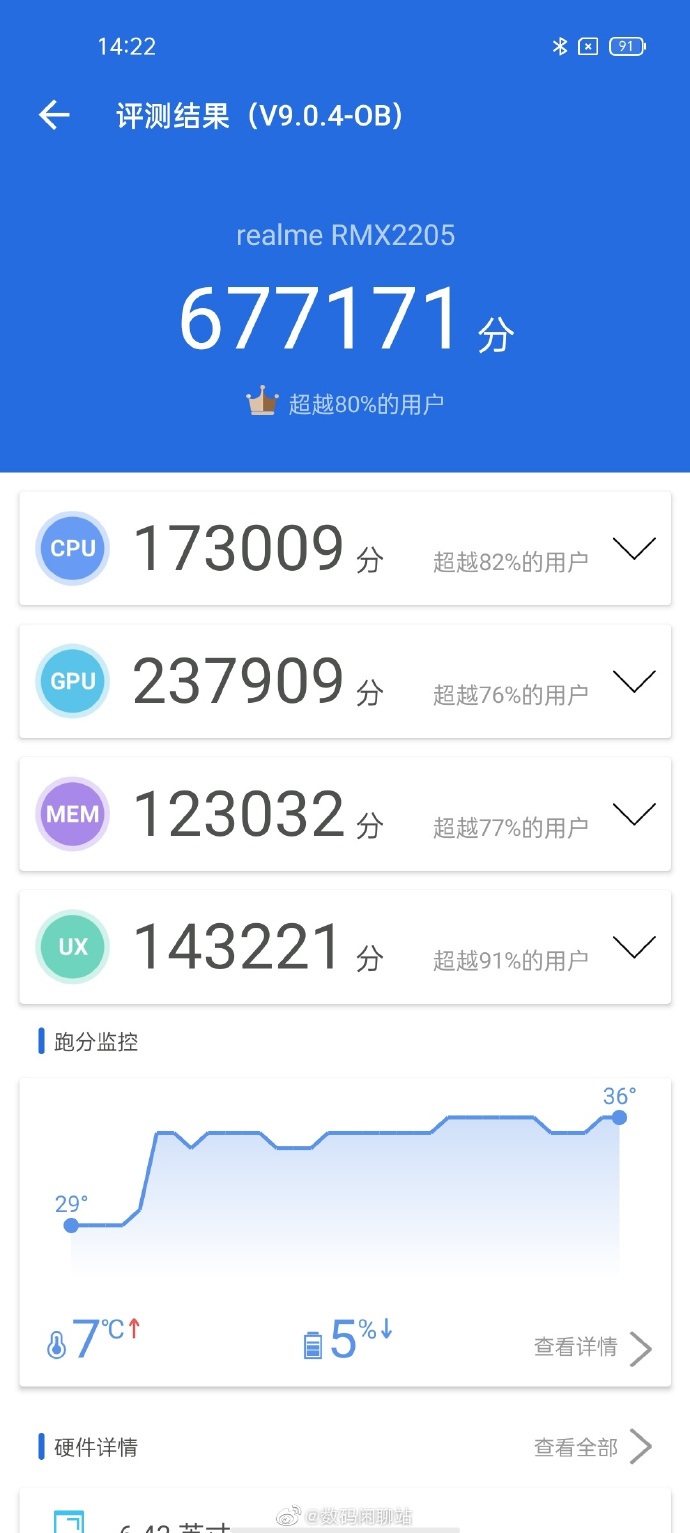
Besides this, Digital Chat Station on Weibo has leaked the AnTuTu scores of the realme Q3 Pro. The device, likely codenamed RMX2205, has obtained a 677,177 overall score on the AnTuTu benchmark making it one of the best in the segment.
Speaking of the segment, realme is already teasing the price as 1,000 yuan and if launched at that price, the device would be a stunner as it has a 64MP triple-camera on the back and probably includes a screen fingerprint reader, a 4,500mAh battery, 65W rapid charging, and Android 11 OS.
The UK government is planning on investigating Nvidia’s acquisition of ARM Holdings over national security concerns. The deal between the two firms is worth over 40 billion US Dollars.
According to a Reutersreport, UK Digital minister Oliver Dowden stated that he has issued an intervention notice over the sale of ARM by Japan’s SoftBank Group to Nvidia. The official further added that “As a next step and to help me gather the relevant information, the UK’s independent competition authority will now prepare a report on the implications of the transaction, which will help inform any further decisions.” On the other hand, Nvidia has said that it believes that the deal will not pose any material threat to the UK’s national security issues.
Nvidia also added that “We will continue to work closely with the British authorities, as we have done since the announcement of this deal.” For those unaware, ARM is a chip designer and a major player in the semiconductor industry. Its designs and technologies have been used in nearly every smartphone and has even powered various other forms of devices as well. These semiconductors are a critical part of a nation’s infrastructure and even tie in with departments like Defense and communications.
Thus, it is a matter of national security, which is why the UK government is stepping in to intervene. Back in September 2020, Nvidia had pledged that, regardless of the deal, ARM will remain neutral and has even offered guarantees to retain its headquarters and staff in Cambridge. However, Nvidia owning ARM also implies that a single firm controls a key supplier that offers silicon designs to other chip makers.
Mi 11 Ultra is the epitome of Xiaomi smartphone with powerful hardware including an exciting camera and optimized software. The smartphone is currently available only in China and is launching in India on April 23. However, if you want to grab the device throughout the globe before its official launch in your country, then it is the right time as Giztop is offering International shipping with additional discounts.
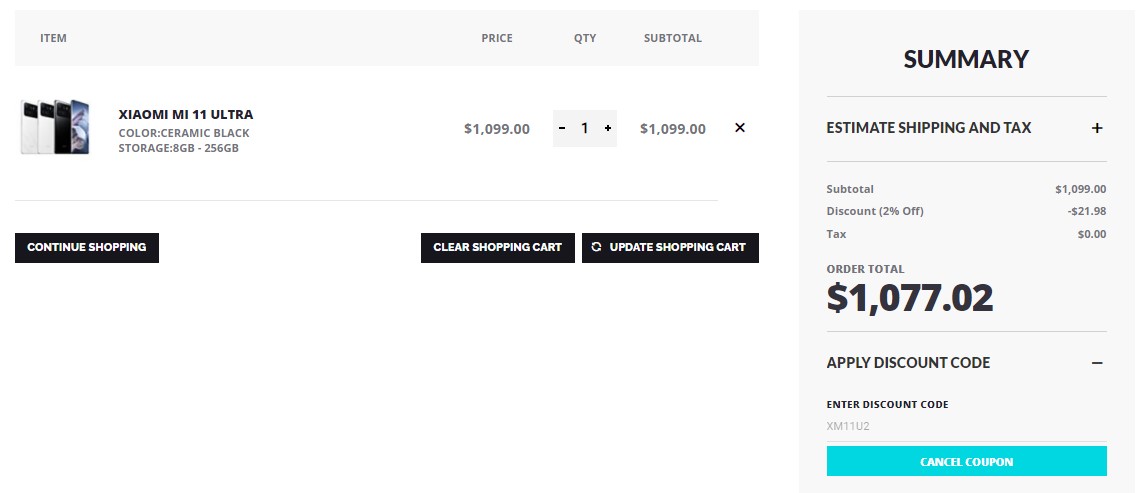
Mi 11 Ultra is available with an additional discount of 2% upon using coupon code XM11U2. Moreover, it will ship with a free 67W charger along with the Mi 11 Ultra unit. The 8GB RAM + 256GB storage variant is retailing for the price of $1099, and with the coupon code, you will get it for $1077. A similar promotion is active on other storage variants too.
The smartphone comes with a 6.81-inch 2K E4 AMOLED display having 1440 x 3200 pixels resolution. The display further supports up to 900 nits brightness, 120Hz refresh rate and 20:9 aspect ratio. It is well-protected with Corning Gorilla Glass Victus.
It is powered with the Qualcomm Snapdragon 888 5G SoC coupled with an octa-core processor and Adreno 660 GPU. Xiaomi Mi 11 Ultra is available in three storage variants of 8GB RAM + 256GB , 12GB RAM + 256GB and 12GB RAM + 512GB internal storage variants.
There’s a triple-rear camera module featuring a 50MP Dual Pixel PDAF primary sensor coupled with Optical Image Stabilisation Features. It further hosts a 48MP telephoto lens, and a 48MP ultrawide sensor to enhance the camera capabilities. The device houses a 20MP selfie shooter on the front. It supports a 5000 mAh battery with 67W wired and wireless fast charging. It even supports Reverse Wireless charging up to 10W.
Xiaomi Mi 11 Ultra comes in two colour variants of Ceramic White and Ceramic Black.
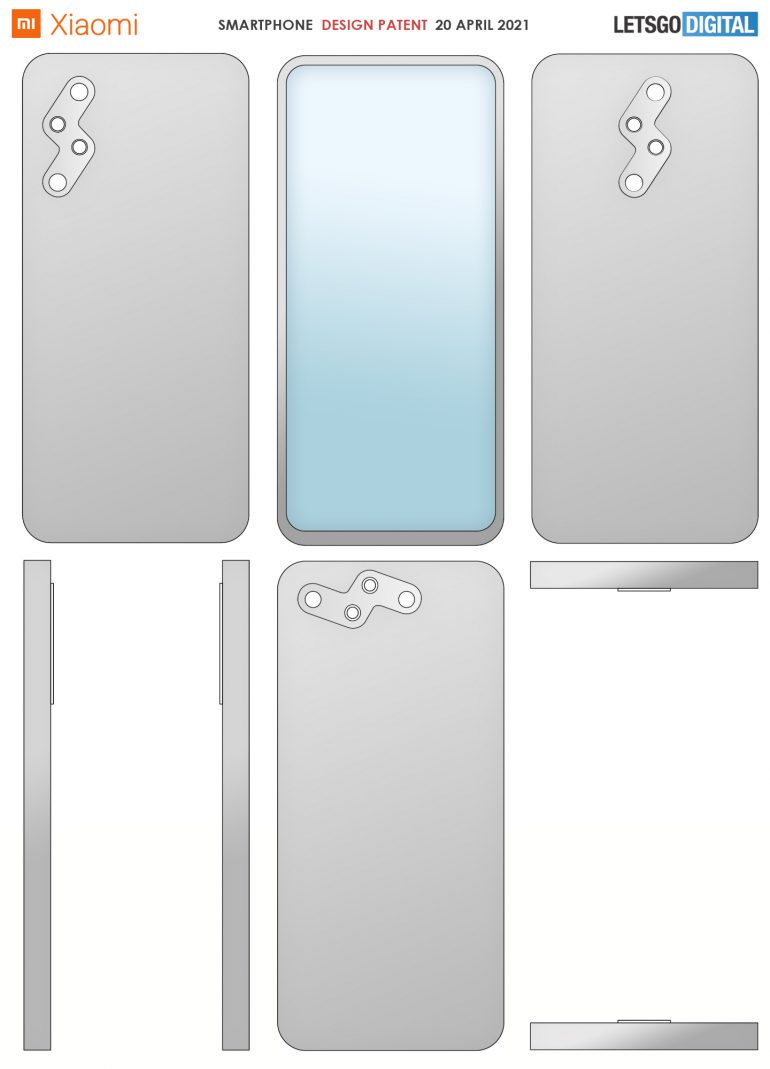
Xiaomi has recently patented a new smartphone with a unique camera design. The patent showcases a handset with a camera module that has a thunderbolt like design on the rear of the device.
As per a LetsGoDigitalreport, the Chinese tech giant filed a new patent for the unique design, which was first filed back in October 2020 that was finally published earlier today (20th April 2021). In the patent, the company shared 32 product images along with a brief description as well. Looking at the images, the device features a sleek design with full front screen body on the front and no physical buttons being visible on the device, adding to its futuristic design.
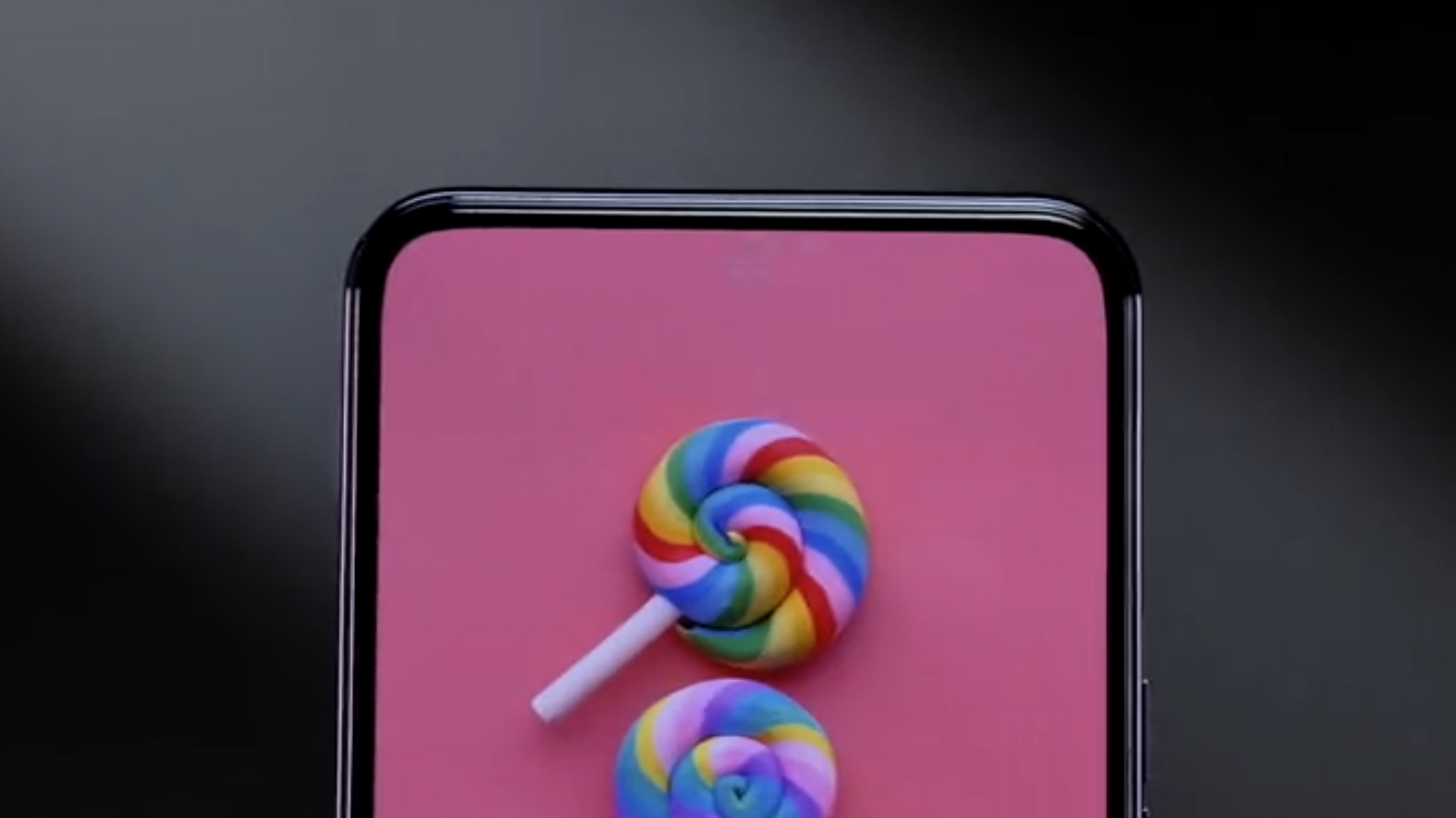
On the front, no notch or punch hole camera is visible, so the company might want to have an under display camera display. Although, the patent might just have ignored the finer details of the smartphones design and focused solely on the rear camera module. Arriving at the most notable features of the patent, the device arrives with a uniquely designed thunderbolt styled camera module. This patent showcases has three variants of this camera module, one which is horizontally, while the other two are vertically positioned in the middle and the top left corner.
The thunderbolt camera module houses two image sensors in the middle while the outer part of the thunderbolt features two LED flashes. The camera module also surprisingly protrudes just slightly from the rear panel. Unfortunately, it is unknown if the company is actually working on such a product or it is just covering all bases. So stay tuned for more updates.
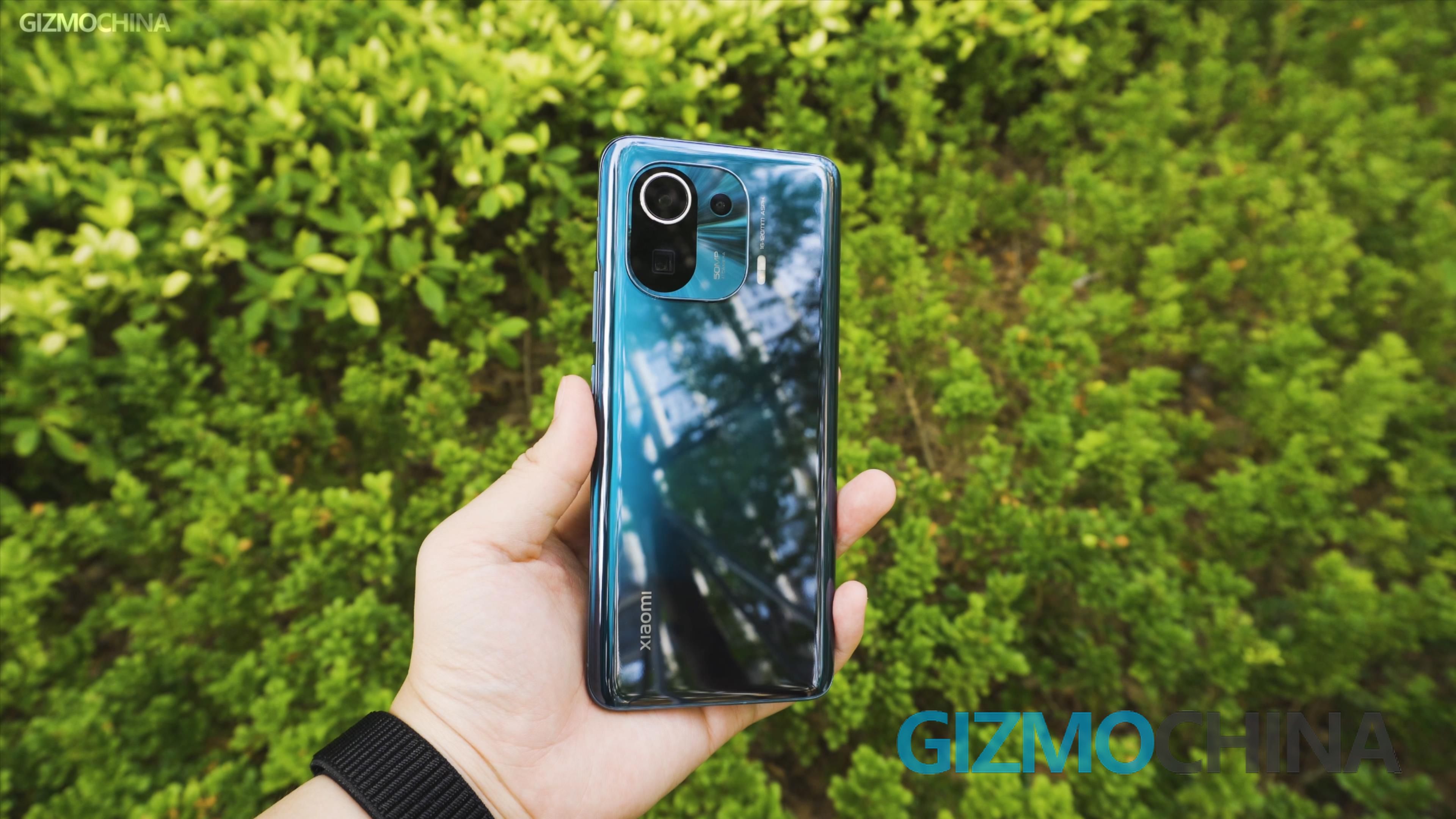
MIUI 12.5 is the latest version of Xiaomi’s mobile operating system based on Android. It is an incremental update to last year’s MIUI 12 with improvements. The company has been rolling out weekly beta builds ever since MIUI 12.5 was first announced. Slowly and steadily, the firm updated five devices to its latest OS by early April. Now, Xiaomi’s most expensive smartphones (regular) of 2021 – Mi 11 Pro and Mi 11 Ultra have also started receiving this update.
Xiaomi Mi 11 Ultra
The Mi 11 Pro and the Mi 11 Ultra are Xiaomi’s regular flagship smartphones of 2021. The duo was announced at the Xiaomi Mega Launch Event in late March. The latter is available in select global markets but the former is exclusive to China for now.
Like some Xiaomi phones, these two also run a common MIUI build. Hence, they are receiving the MIUI 12.5 update at the same time. As of now, the update is only available for the variant sold in China. It comes with build number V12.5.2.0.RKACNXM.
The latest software build for the Chinese Mi 11 Pro and Mi 11 Ultra is currently in the Stable Beta phase. Therefore, the update is only available for a select few users. However, it should be rolled out to all users in the coming days.
Xiaomi Mi 11 Pro
Apart from Mi 11 Pro and Mi 11 Ultra, the MIUI 12.5 update is also live for the following devices in China.
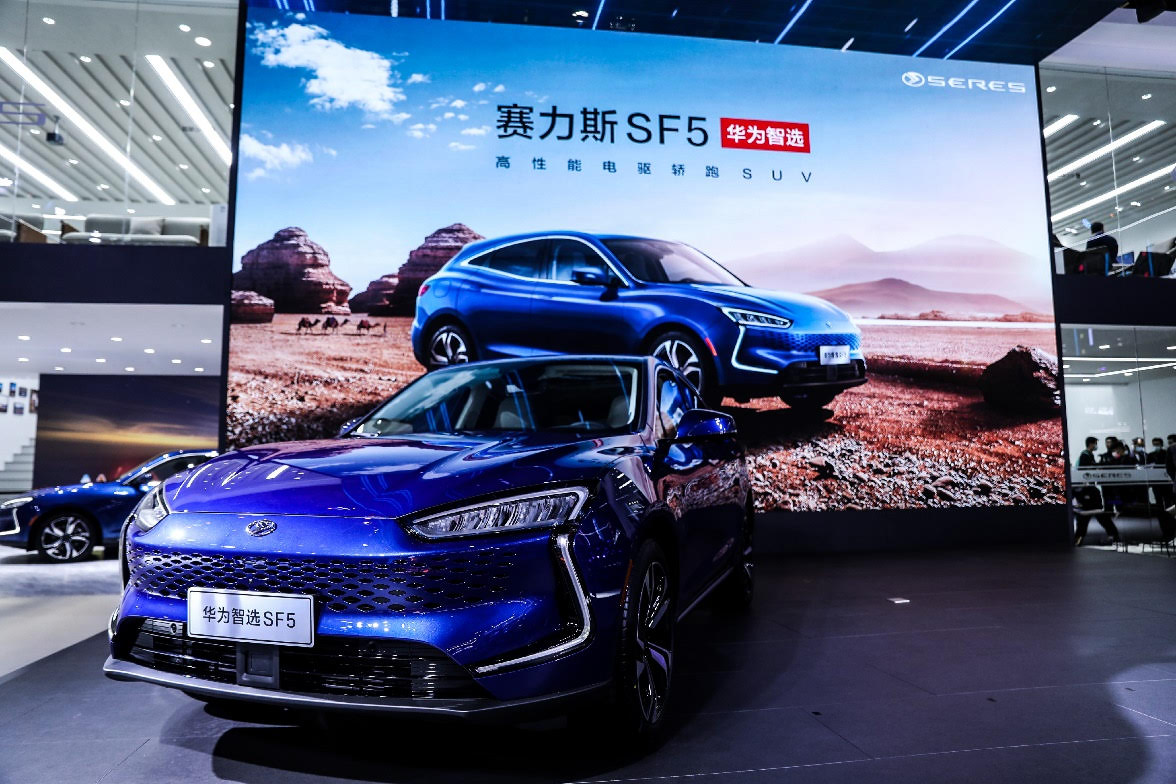
Earlier this week, Huawei announced that it would be launching new cars from the Chinese car maker, SERES, on its official flagship stores in China. This marks the entry of automobiles in its flagship stores, which can be seen as an expansion of the company’s “1+8+N” ecosystem.
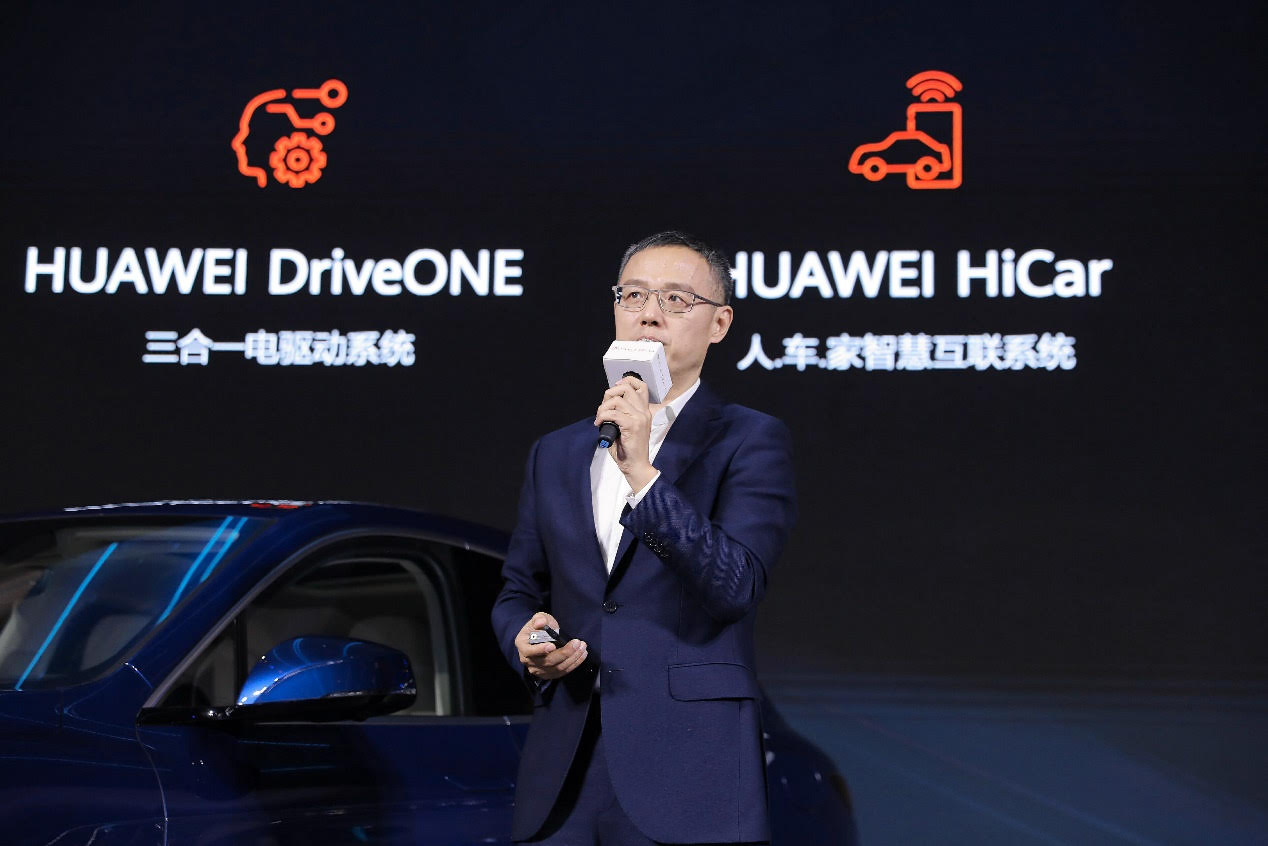
Richard Yu, Executive Director and CEO of the Consumer Business Group of the Chinese tech giant stated that “This exciting announcement sets a precedent for both the consumer electronics industry and the new energy vehicle industry. In the future, we will not only provide leading smart car solutions to help partners build better intelligent vehicles, but also help them sell those vehicles through our retail network across China.”
The new car model also arrives as an answer to consumers concerns regarding range and recharging of electric vehicles. To address this, the new SERES SF5 car arrives with a new electric drive range extension system, which has been developed by Huawei. This technology is called the DriveONE Three-in-One Electric Drive system that can deliver “world-class coupe performance.” The SERES SF5 has a range of 180 kilometers in the pure electric mode to meet the daily needs of city travelers. Although, it also features an extended range mode that has a range of over 1,000 kilometers for long distance travelers as well. Notably, the car is even capable of reaching 100 km/h acceleration in just 4.68 seconds.
The car is built from a lightweight aluminum chasis and also features the Huawei HiCar system, which enables it to be connected to other smart devices. The new car model will be available for sale on the flagship store starting from April 21 and will go for 246,800 Yuan (roughly 38,000 US Dollars) for the four wheel drive variant and 216,800 Yuan (roughly 33,377 US Dollars) for the two wheel drive variant. The car is also available in multiple color variants including Deep Ocean Blue, Charcoal Black, Pearl White and Titanium Silver Grey – along with Midnight Black, Garnet Red, and Ivory White interior trim.
Samsung has been working on foldable smartphones for several years and has recently launched a few devices in this category. The South Korean giant is now gearing up to launch refreshed versions of its existing foldable phones.
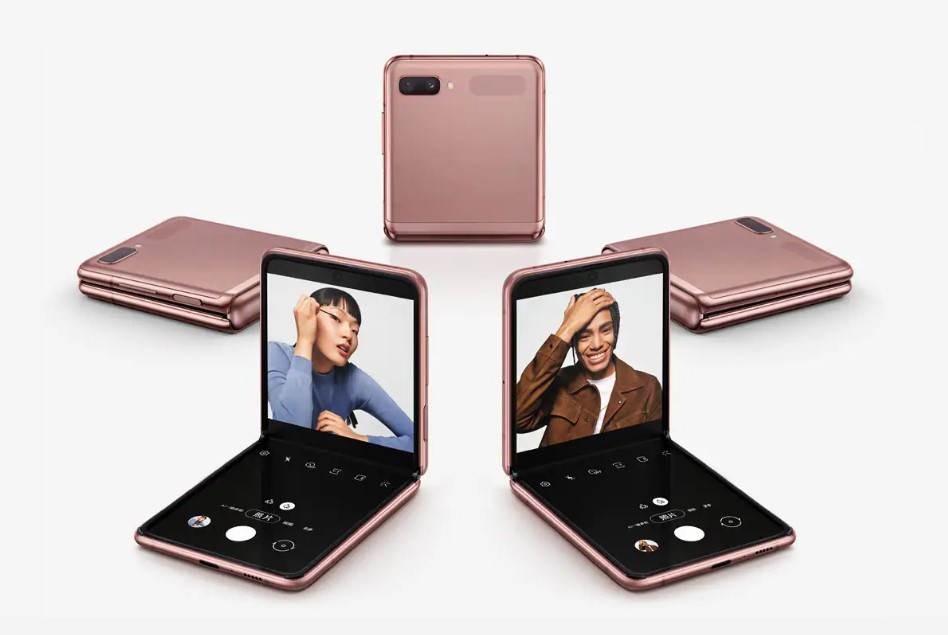
There are reports about the upcoming Galaxy Z Fold and Galaxy Z Flip smartphones. Now, reports about the color options of the upcoming new Samsung Galaxy Z Flip smartphone have surfaced online.
The report reveals that the phone will be made available in eight color options — Purple, Green, Black, Beige, Gray, White, Dark Blue, and Pink. These are the hues but the actual name of the colors may be different.
This means that at the time of launch, there could be eight color options for the new Galaxy Z Flip smartphone but there’s a possibility that the company could add more colors after the launch, specific to certain regions.
As for the smartphone, the design of the smartphone is expected to be similar to its predecessor. However, it is said that the design is more refined. The device reportedly has two batteries together with a rated capacity of 3,200mAh.
So far, the exact launch date of the upcoming Samsung Galaxy Z Flip smartphone is not yet known but we expect it to go official around the same time as its predecessor — July or August. To know more about the phone, including its specifications and pricing information, we will have to wait for the official launch.
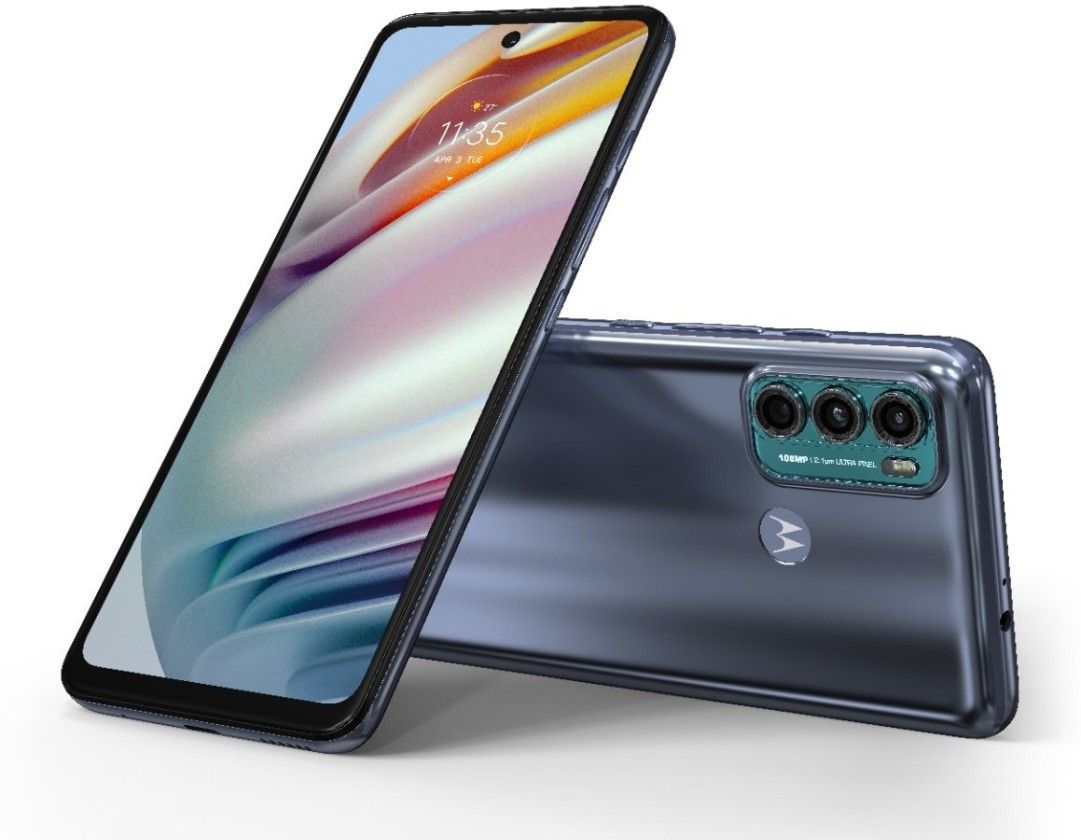
Motorola unveiled the Moto G10 and Moto G30 smartphones in India last month. Now the brand is back with new G-series phones named Moto G60 and Moto G40 Fusion in the country. The G60 has arrived in India as the cheapest smartphone with a 108-megapixel primary camera (with the promotional offer). Both phones are equipped with a 120Hz display, a huge battery with fast charging support, and a powerful Snapdragon 7-series chipset.
Moto G60 and Moto G40 Fusion specifications and features
The Moto G60 and Moto G40 Fusion smartphones have identical specifications and they mainly differ in the camera department. The G60 and G40 Fusion are equipped with a 6.8-inch Max Vision IPS display with a top-centered punch-hole. It supports a 1080 x 2460 pixels FHD+ resolution, HDR10, and 120Hz refresh rate. The Moto G40 Fusion features a front camera of 16-megapixel, whereas the G60 gets a 32-megapixel selfie snapper with an LED flash.
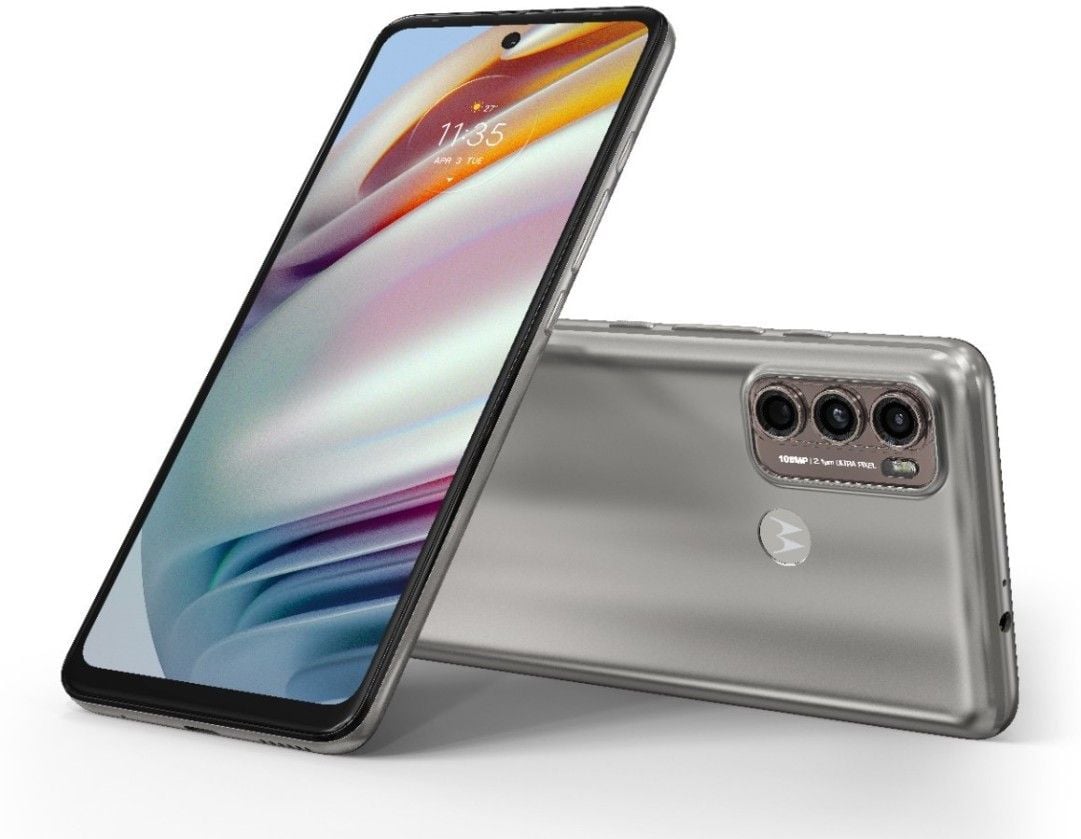
Moto G60
The Moto G60’s triple camera setup comprises a 108-megapixel Samsung HM2 primary camera with f/1.9 aperture, an 8-megapixel ultrawide camera with 118-degree FOV which also doubles as a macro camera, and a 2-megapixel depth sensor. On the other side, the triple camera setup of the Moto G60 has a 64-megapixel main camera with f/1.7 aperture, an 8-megapixel ultrawide lens with a 118-degree FOV, and a 2-megapixel depth sensor.
The My UX-based Android 11 OS offers a near-stock experience on the Moto G60 and Moto G40 Fusion smartphones. The Snapdragon 732G chipset powers both devices with up to 6 GB of LPDDR4x RAM and up to 128 GB of UFS 2.1 storage. Both devices are backed by a 6,000mAh battery that supports 20W TurboCharging and Quick Charge 4.0.
Moto G40 Fusion
The Moto G60 and G40 Fusion have a water-repellent polycarbonate chassis. Both phones for common connectivity features such as dual SIM support, 4G VoLTE, Wi-Fi 802.11ac, Bluetooth 5.0, GPS, NFC, USB-C, and a 3.5mm audio jack.
Moto G60 and Moto G40 Fusion price in India
The Moto G60 is priced at Rs 17,999 (~$241) on Flipkart. ICICI bank card owners can take advantage of Rs 1,500 (~$20) instant discount to get it at a reduced price of Rs 16,499 (~$221). It will be up for purchase from 12 PM (local time) onwards on April 27 through Flipkart in colors like Dynamic Grey and Frosted Champagne.
The Moto G40 Fusion costs Rs 13,999 (~$187) for its 4GB RAM + 64GB storage model and Rs 15,999 (~$214) for its 6GB RAM + 128 GB storage edition. ICICI bank card owners can benefit from Rs 1,000 (~$13) instant discount offer to get both models for Rs 12,999 (~$174) and Rs 14,999 (~$201), respectively. Flipkart will carry out the sales of the G40 Fusion from 12 PM (local time) on May 1. It will come in a single color variant called Dynamic Grey.
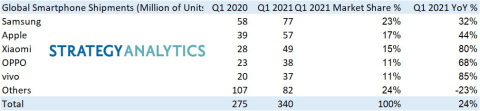
A new report has revealed that the global smartphone shipments has seen a significant rise in the first quarter of this year. Shipments have reached about 340 million units in total, marking a growth of 24 percent year on year with Samsung leading the industry in terms of shipments.
According to BusinessWire, a Strategy Analytics report revealed that the industry has seen an immense rise in shipments in Q1 2021, which is the highest growth since 2015. This is likely due to the pent up demand following 2020, with the market rebounding along with the 5G handset market seeing an impressive growth thanks to Chinese manufacturers. Linda Sui, Senior Director, at Strategy Analytics stated that “China smartphone shipments were up +35% YoY reaching 94 million units in Q1 2021. Globally, the top five vendors combined took a 76% market share in Q1 2021, up from 71% one year ago.”
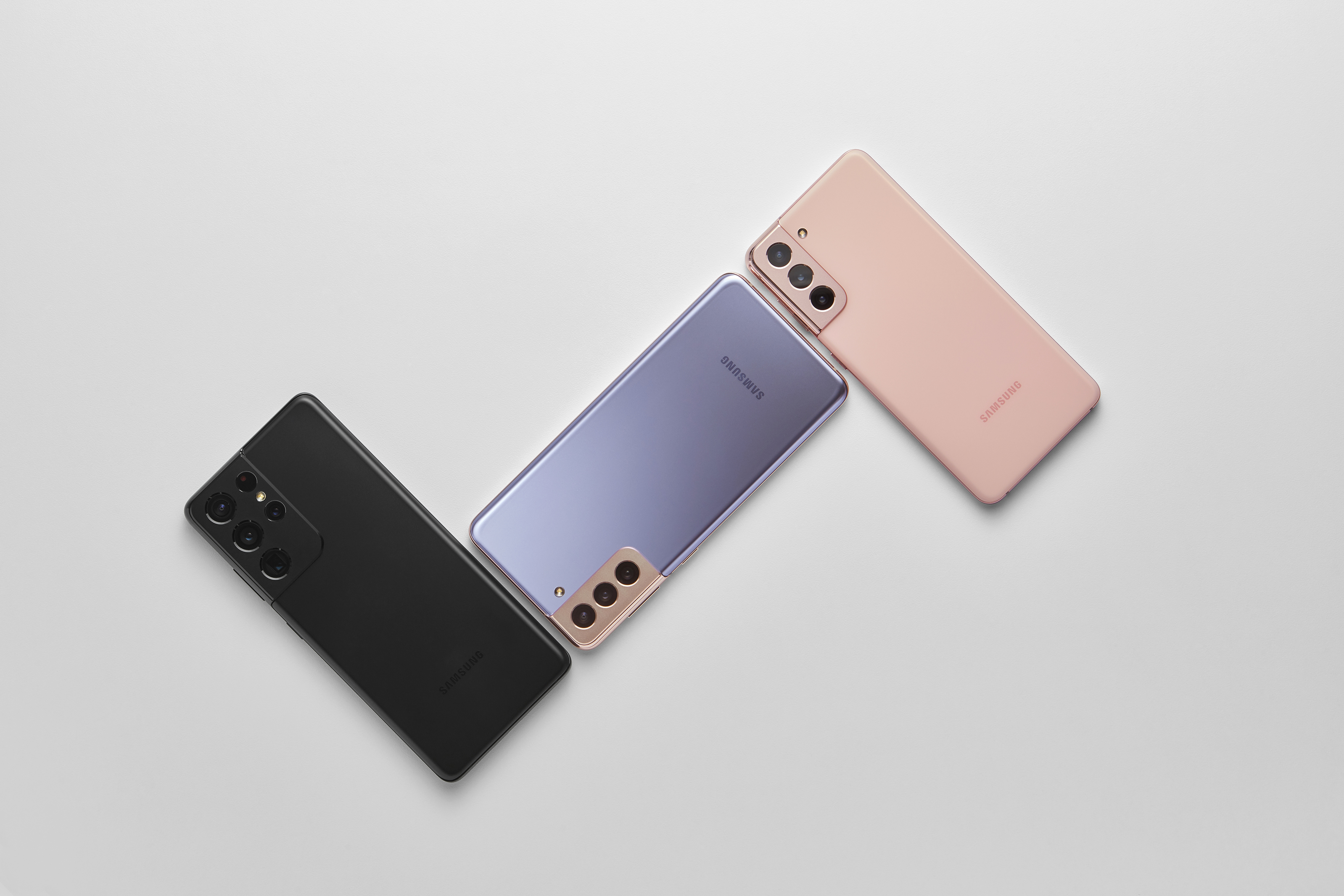
Neil Mawston, Executive Director at Strategy Analytics, also added that “Samsung remains the largest vendor shipping 77 million smartphones globally in the first quarter, growing +32% YoY from 58 million units in Q1 2020. Samsung’s newly launched more affordable A series 4G and 5G phones, and the earlier launched Galaxy S21 series combined drove solid performance in the quarter. Apple shipped 57 million units iPhones worldwide, capturing second place with a 17% volume market share. The strong momentum behind the 5G iPhone 12 series continued across multiple markets.”
This news arrives amid a global shortage of semiconductors, which has affected various industries across the world. Although, the shortage of chips did not impact the smartphone market during the first quarter of this year. Furthermore, the top 5 vendors accounted for 76 percent of the global market share during the same period, which is also up from 71 percent from last year.
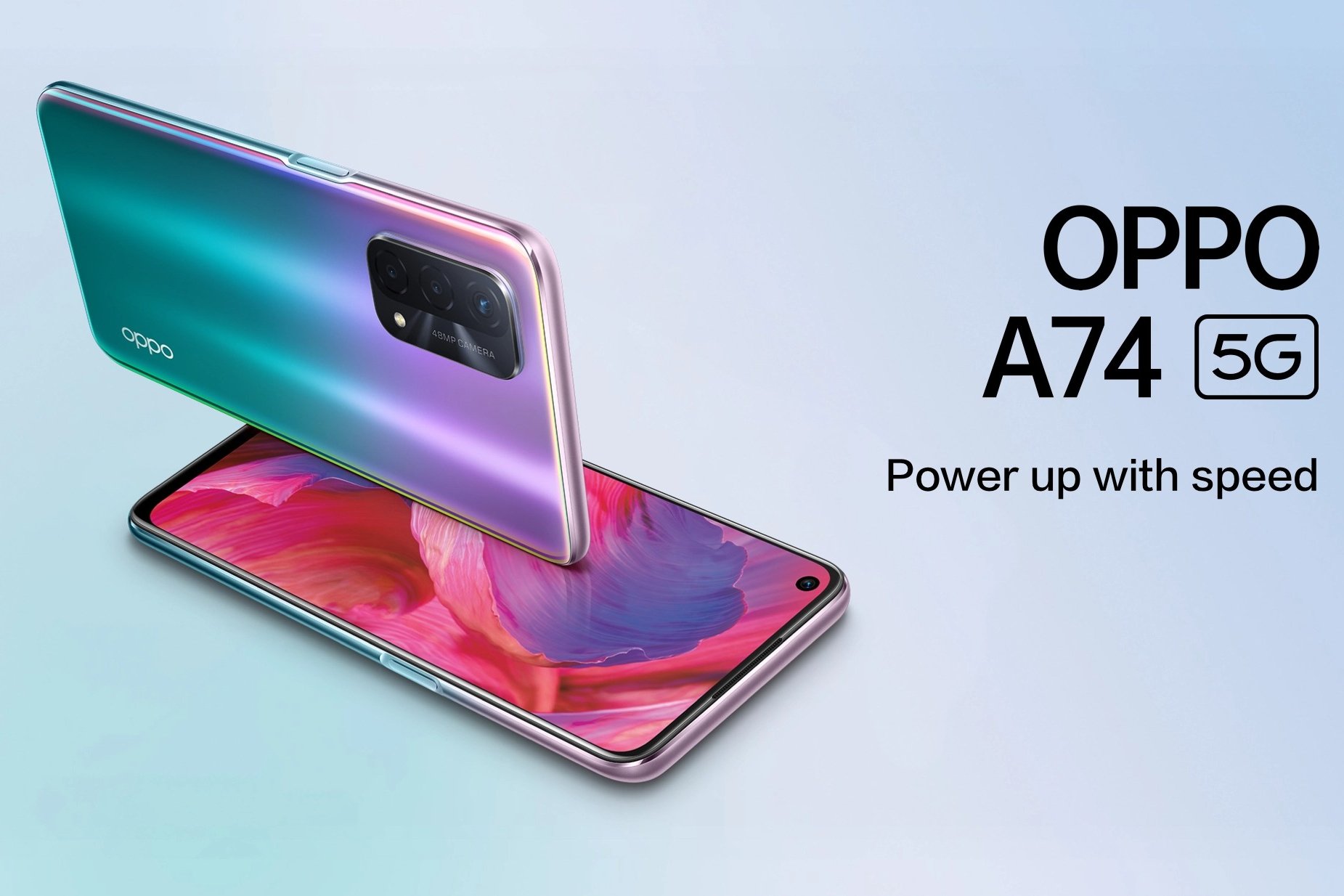
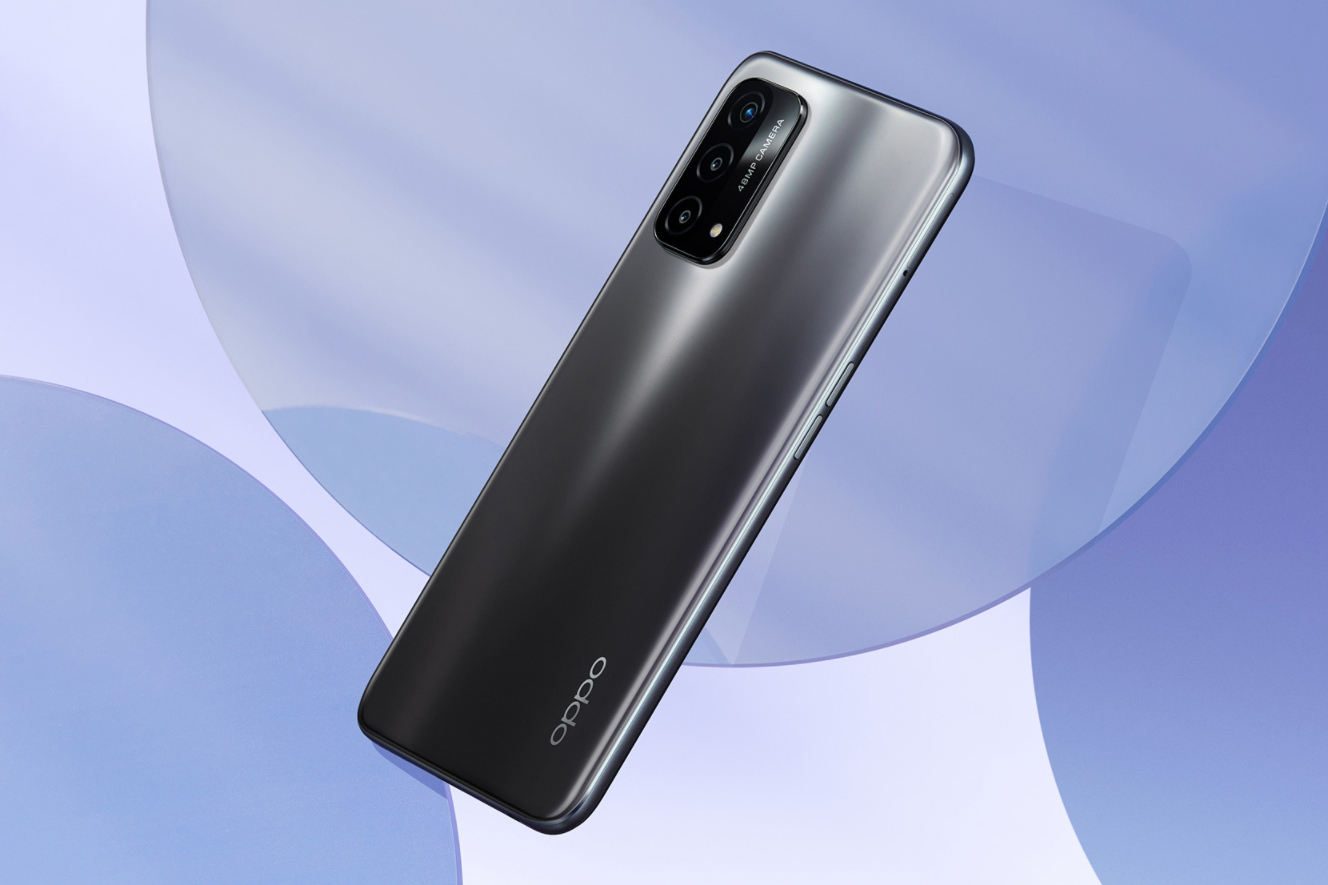
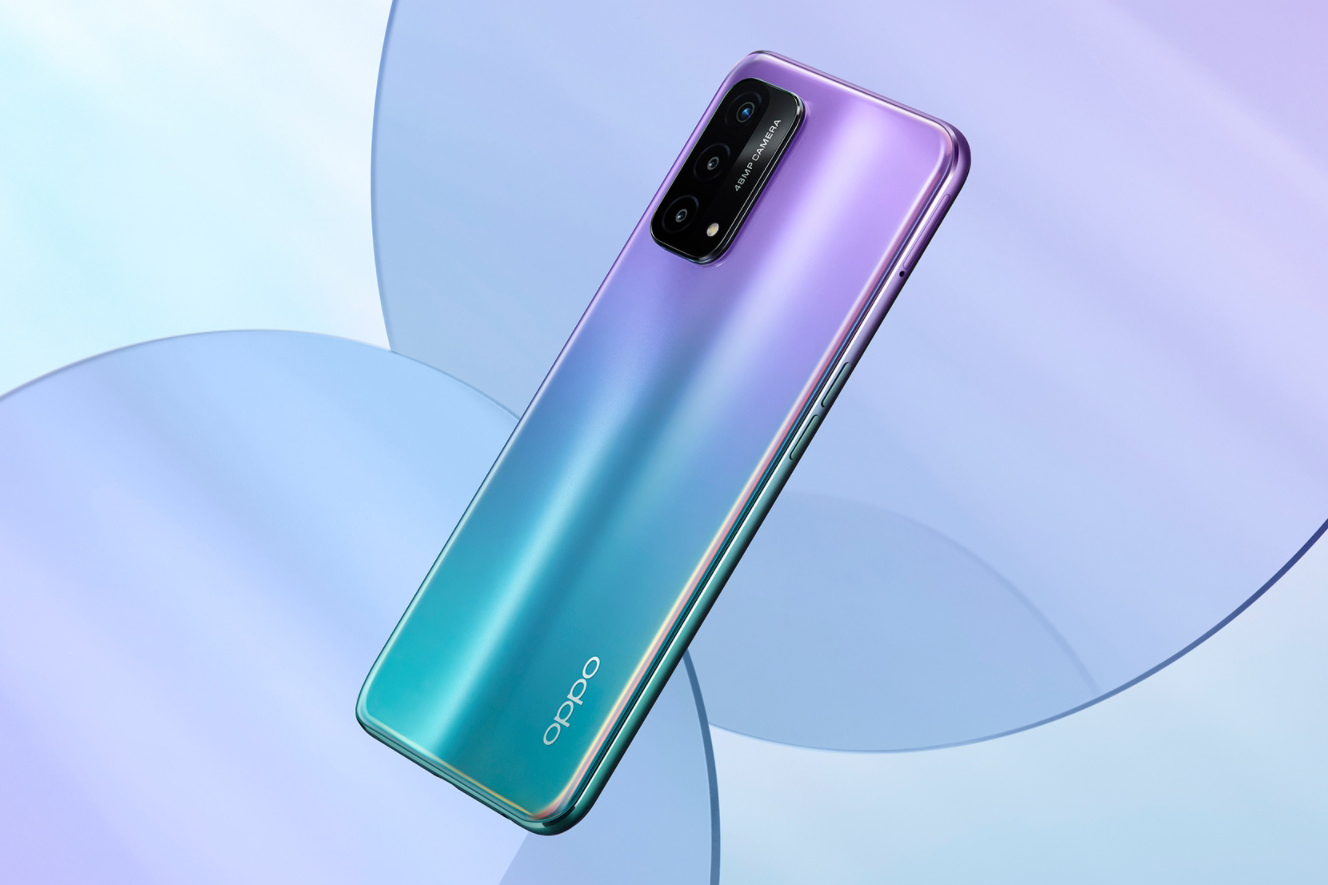
As expected, OPPO has officially launched the OPPO A74 5G as its most affordable 5G smartphone to date in India today. The handset is also the country’s first Snapdragon 480 device. Let us take a look at its specs, features, price, and availability.
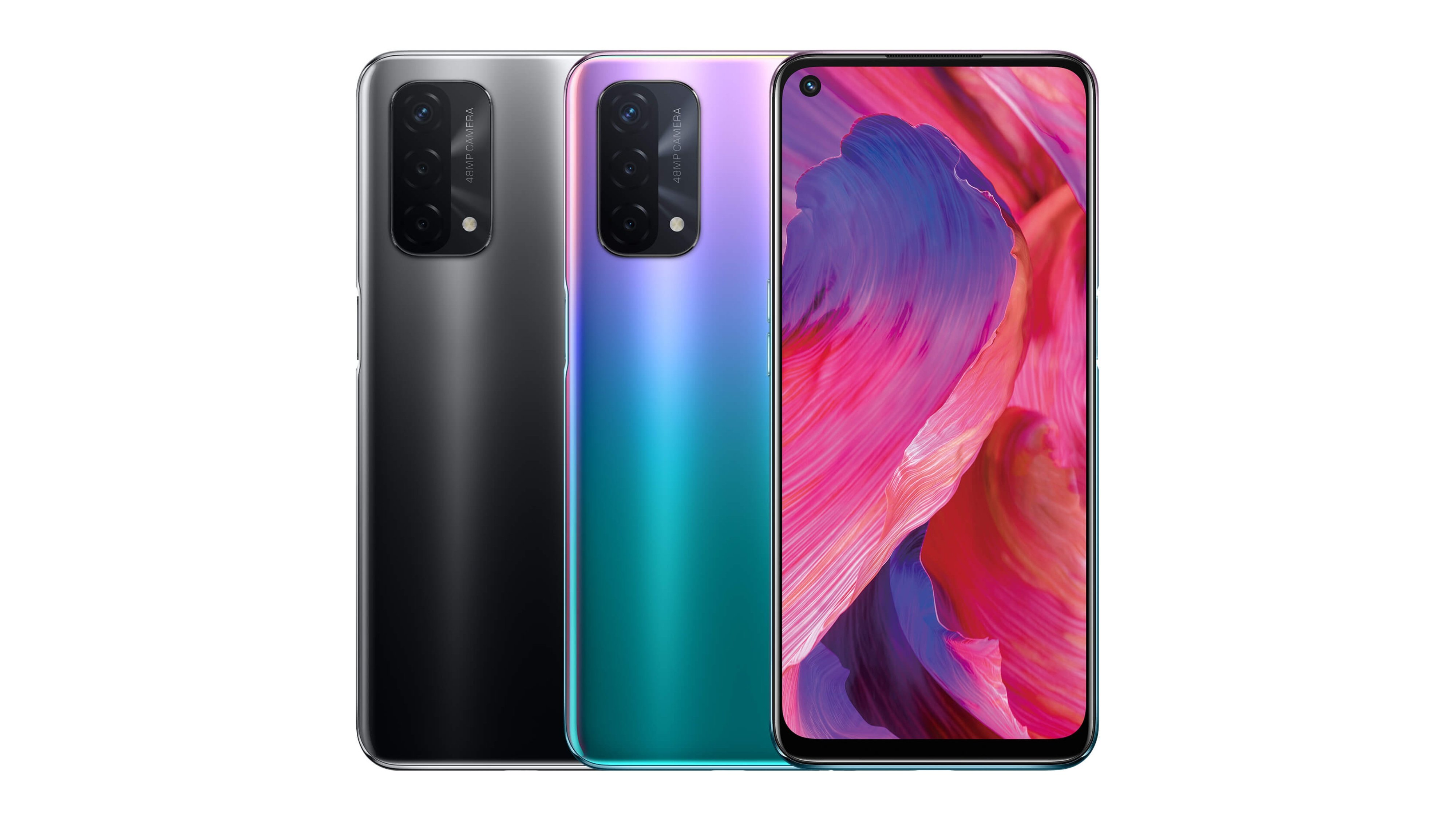
The device flaunts a 6.5-inch LTPS LCD panel with a resolution of 2400 x 1080 pixels (FHD+), punch-hole on the top left corner, 90Hz refresh rate, and 180Hz touch sampling rate. The screen has 405 PPI, 1500:1 contrast ratio, 550 nits peak brightness, 90.5% screen-to-body ratio, and covers 100% of the DCI-P3 color gamut.
1 of 2
Further, the handset is powered by a Qualcomm Snapdragon 480 SoC paired with 6GB LPDDR4X RAM and 128GB UFS 2.1 storage. On the connectivity front, the phone supports dual-SIM, 5G, dual-band WiFi, Bluetooth 5.1, and GNSS (GPS, A-GPS, BeiDou, GLONASS, and QZSS).
It has all the essential sensors, such as an accelerometer, ambient light sensor, compass, proximity sensor, gyroscope, and a side-mounted fingerprint sensor. The smartphone also has a MicroSD card slot, 3.5mm headphone jack, and a USB Type-C port.
Talking about cameras, the device houses a vertically-aligned triple camera setup on the back. The array includes a 48MP primary sensor, a 2MP macro shooter, and a 2MP monochrome snapper. Whereas, on the front, the phone nests an 8MP selfie camera inside the punch-hole.
Last but not least, the OPPO 74 5G runs ColorOS 11.1 based on Android 11, features a 5,000mAh battery with support for 18W fast charging, comes in two colors (Fluid Black, Fantastic Purple), measures 162.9 x 74.7 x 8.4mm in dimensions, and weighs 188g.
OPPO A74 5G (India) Price and Availability
Just like OPPO teased, the company has priced the OPPO A74 5G under ₹20,000 in India. The handset costs only ₹17,990 in the country.
The phone will be available for purchase starting April 26 at 1 PM on Amazon India.
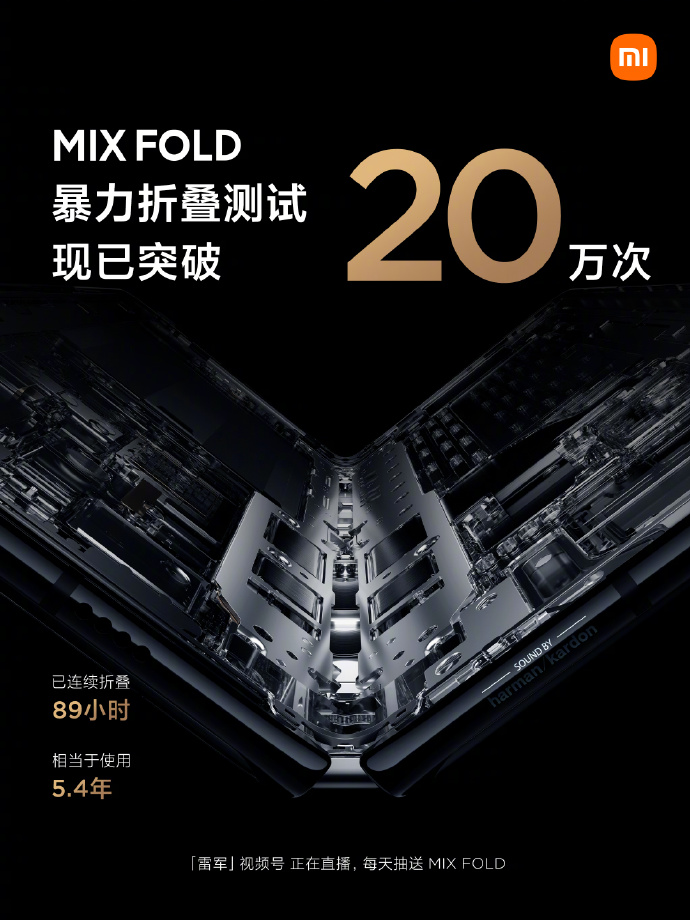
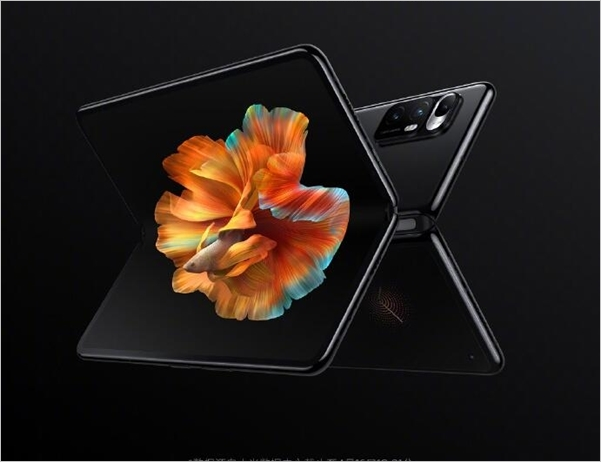
Xiaomi recently held a live stream online, which was for a test for its first foldable handset, the Mi Mix Fold. In the live stream, the company had the device undergo an endurance test that tested its folding capabilities that had the device be bent over 200,000 times.
On the company’s CEO’s, Lei Jun, official Weibo account (a Chinese microblogging website), the device’s week long folding test was live streamed. The Mi Mix Fold survived a long and uninterrupted bending test, which had it fold over 200,000 times. This test was carried out for about 89 hours, with the device folded every 1.6 seconds for the entire 24 hours and 7 days in a row duration.
As per official notes from the Chinese tech giant, this test was done to showcase the device’s build quality and endurance. Xiaomi even added that this 89 hour long test is equivalent to 10 years in terms of normal usage. Meaning, an average user would take years to reach this number of folds that the Mi Mix Fold went through in just 7 days. To ensure authenticity, the live stream also displayed the timer mechanism to highlight that the stream is in real time and is not pre recorded or edited.
Furthermore, the company also added that the device could also last for up to five and a half year even if the Mi Mix Fold is opened and close up to 100 times a days. Back in 2019, CNET did a similar test, which had checked the endurance of the Samsung Galaxy Fold that was folded over 120,000 times before being damaged.
Huawei‘s mobile phone business has almost been entirely grounded by the U.S sanctions that have made it impossible for the company to build phones with GMS and with the latest chips onboard. Thus, we have seen the company recycle the flagship Kirin 990 chipset which was then launched as Kirin 990E. The chipset powers the Mate 30E Pro and Mate 40E. While the Mate 30E Pro was launched last year, the Mate 40E made its entrance in March this year.
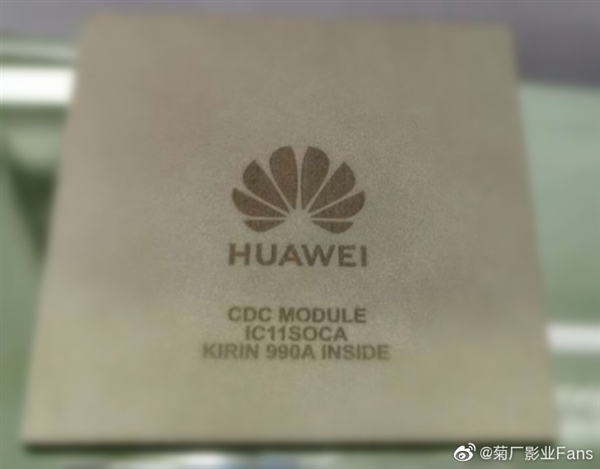
Huawei is now reportedly working on yet another variation of the Kirin 990 and it will be known as Kirin 990A. The chipset is targeted at Huawei’s newfound love, in-car systems. Huawei has shifted its focus to manufacturing intuitive in-car systems, autonomous driving technology as well as electric cars. Huawei still manufactures PCs, though, and other products whose production is not affected by the US sanctions.
The Kirin 990A has a completely different architecture from other Kirin 990 series chips. In terms of architecture, Kirin 990A uses 4-core Taishan V120 (large core) and 4-core Cortex A55 CPU (small core) based on the ARM V7A series. The Taishan V120 is an Hisilicon developed CPU that is likely a successor to the Taishan V110. The Kirin 990A also features a Mali-G76 GPU.
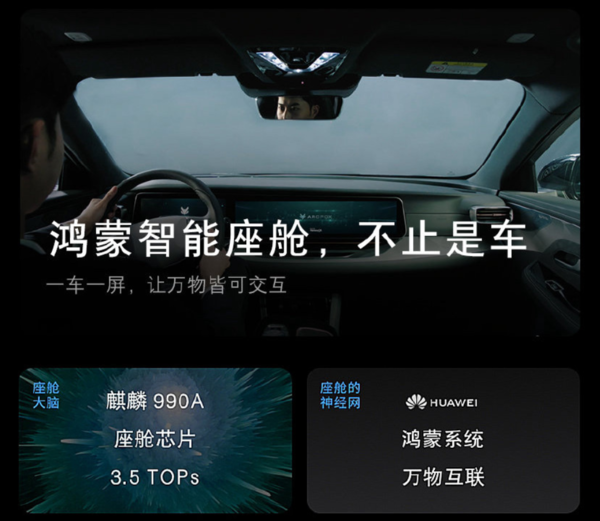
The smart luxury electric car BAIC Arcfox Alpha S that was unveiled on April 17 equipped with HarmonyOS, is also equipped with a Kirin 990A chip. The chip is said to feature a 3.5 TOPs (Tera Operations per Second) computing power, and even supports 5G connectivity.
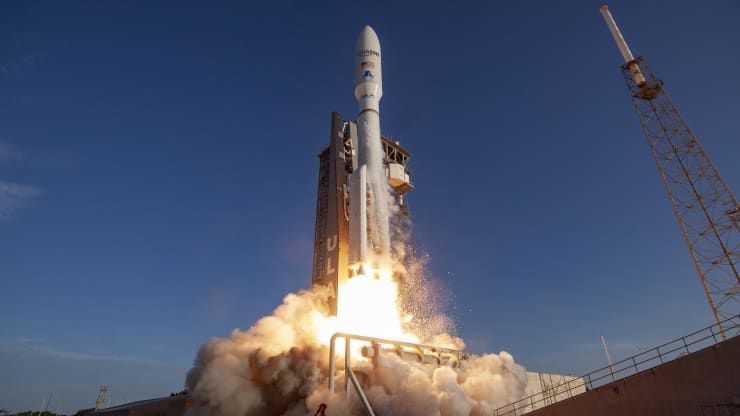
Amazon, the world’s leading e-commerce platform, has announced that the company has secured nine satellite launch vehicles from United Launch Alliance (ULA) to support the deployment of a broadband internet initiative named Project Kuiper.
ULA, which is a joint venture of Boing and Lockheed Martin, will use the Atlas V series of rockets for launching the Kuiper missions. Amazon’s planned constellation would include 3,236 satellites in low Earth orbit.
The company has said that it will invest $10 billion in bringing high-speed broadband to consumers, businesses, and governments. The project faces stiff competition from the Starlink network by Elon Musk’s SpaceX.
In a statement, Jeff Bezos said: “We’re determined to make affordable broadband a reality for customers and communities around the world. ULA is a fantastic partner that’s successfully launched dozens of missions for commercial and government customers, and we’re grateful for their support of Kuiper.”
ULA president and CEO Tory Bruno said in a statement, “The scope and scale of the initiative will also provide an enormous boost to U.S. leadership in space, helping create jobs and providing steady, reliable demand for the launch services industry.”
The company has declined to reveal the value of the launch contract. It is also not disclosing how many Kuiper satellites will launch on each mission, nor what version of ULA’s Atlas V rocket it will use.
Amazon has not yet released a timeline for when Kuiper launches will begin. Since the FCC authorized those launches last year, Amazon is required to deploy half of its planned satellites within six years – or about 1,600 in orbit by July 2026.
It’s been a couple of years since foldable smartphones became a reality and there are a handful of companies that have already launched such devices. Companies like Samsung and Huawei are trying to make it a mainstream product and experimenting with the design and form-factor of foldable phones.
While Samsung has launched several foldable devices in the past few months, Huawei hasn’t been able to match the South Korean giant mainly because of the restrictions imposed by the United States. However, the Chinese giant isn’t backing down and is gearing up to make a comeback.
As per the latest report coming from DigiTimes, Huawei is planning to launch three new foldable smartphones in the market. What’s noteworthy about these upcoming devices is that the company will price them in the mid-range category and not premium.
Lower pricing of foldable smartphones will make it more appealing and will help with the mass adaptability of such devices. This will lead to an increase in demand for the category and many other brands will join the bandwagon, ultimately benefiting the customers. The report adds that the popularity of foldable phones will also increase the global shipments of AMOLED display panels in 2021 from 4.4 million a year to around 12 million.
So far, the launch timeline for Huawei’s upcoming budget foldable smartphones is not yet known. Apart from Huawei, other smartphone makers like Samsung and ASUS are also gearing up to launch new foldable phones later this year.
Recall how Chinese tech giant ZTE took the industry by storm by releasing the first under-display camera-packing phone last year? Well, the model known as Axon 20 5G has since been released for the international market but the UD camera technology is far from being the feature that’d interest you the most on the device.
Axon 20’s UD camera isn’t noticeable under some conditions Source: Pheonix Lab Review
ZTE was expected to release an upgraded second-generation version of the UD camera tech onboard the Axon 30 series that was launched recently but that did not happen. The company later disclosed that a UD camera-packing Axon 30 model is coming later this year.
The second half of the year is when the Under Display Camera officially debuts, including at least Samsung (folding), Xiaomi (MIX4), OPPO (folding), vivo and ZTE (greatly improved version)
Tipster @iceuniverse has also shed more light on the OEMs planning to release UD camera phones this year. The tipster hinted that ZTE will be joined by the likes of Samsung, Xiaomi, OPPO, and Vivo within the year. The source equally listed the models that the technology will be onboard and interestingly, they are flagship models. According to the source, Samsung will use it on a foldable smartphone, Xiaomi on the Mi Mix 4, and OPPO on a foldable screen as well. An earlier leak had tipped the Mi Mix 4 to feature an under-display camera among other features.
ZTE is said to bring a far more improved version of the UD camera technology. This should be the second-generation under-display camera technology that was unveiled at MWC Shanghai in February this year. According to reports, the technology will still be onboard the Axon 30. Recall that only the Axon 30 Ultra and Axon 30 Pro were unveiled. So the Axon 30 will most likely debut with an under-display camera.
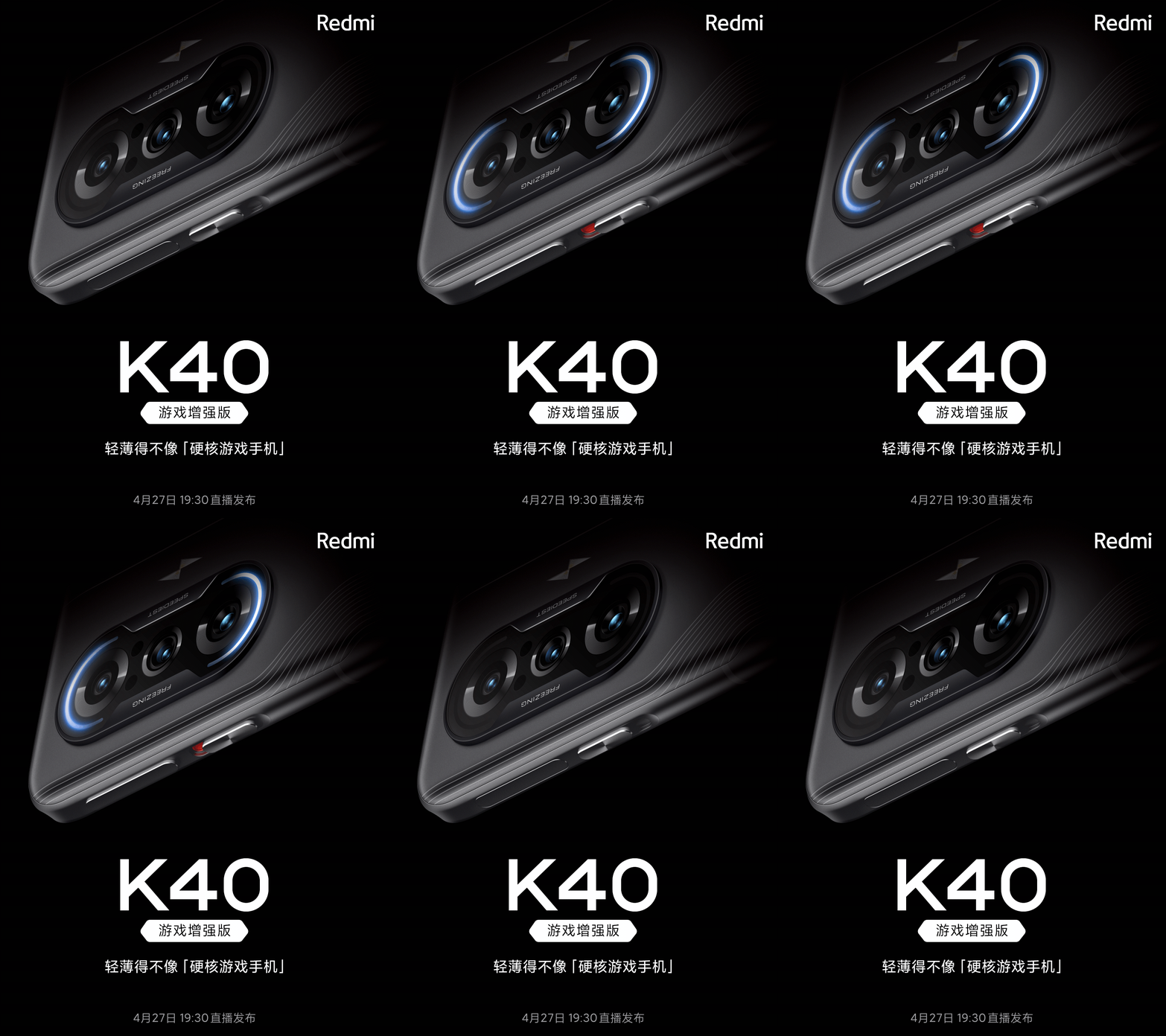
In February, Redmi announced the Redmi K40, Redmi K40 Pro, and Redmi K40 Pro+ smartphones in China. Today, the Chinese firm confirmed that its next K40 series phone will be called the Redmi K40 Game Enhanced Edition and it will be holding a launch event for it on April 27 in China. It will be Xiaomi’s first Redmi branded gaming smartphone.
Redmi has released a GIF image to tease the key features of the Redmi K40 Game Enhanced Edition. It reveals that the phone is fitted with mechanical shoulder buttons for an enhanced gaming experience. There is a vertical triple camera setup with some lighting available at the top-left corner of the phone.
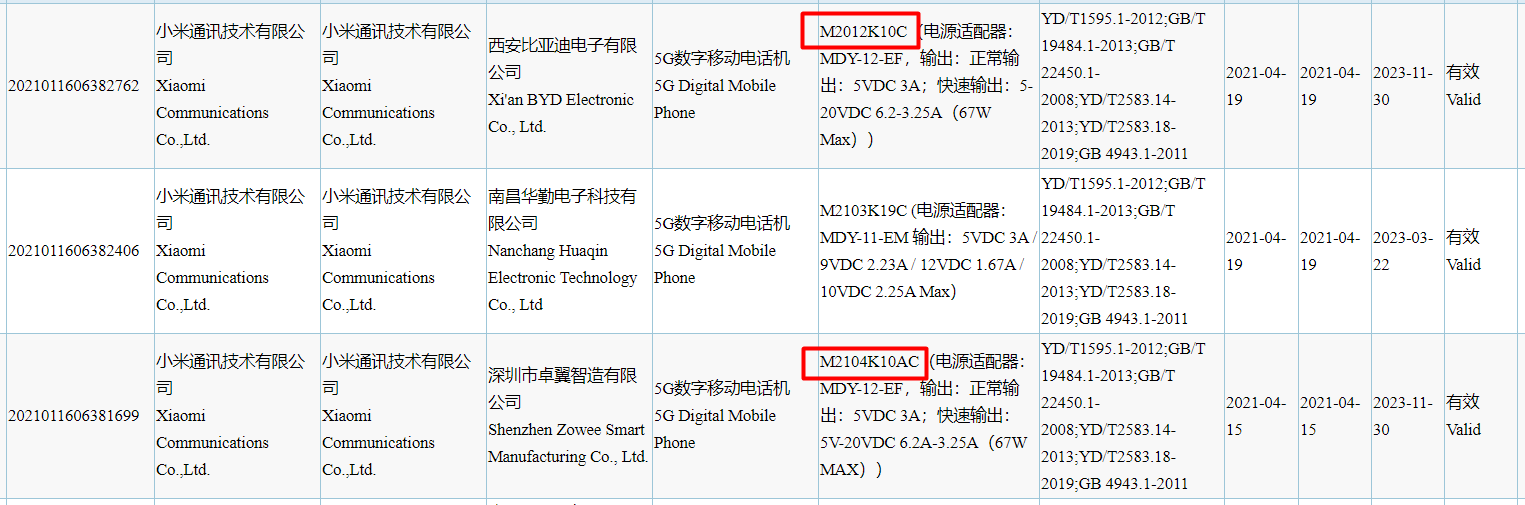
It is speculated that the Xiaomi devices with model numbers M2102K10C and M2104K10C that were recently by the 3C authority of China could be the two variants of the Redmi K40 Game Enhanced Edition. The 3C listings revealed that these devices carry support for 5G connectivity, and they come with a 67W fast charger.
The Redmi K40 Game Enhanced Edition may draw power from a 5,000mAh battery. The smartphone is expected to feature the same 6.67-inch S-AMOLED E4 screen, which can be found on the other K40 series smartphone. While the existing K40 series phones support a 120HZ refresh rate, the K40 Game Enhanced Edition is expected to offer a refresh rate of up to 144Hz. It will be driven by the Dimensity 1200 chipset.
The other specifications of the Redmi K40 Game Enhanced Edition are under wraps. As far as pricing is concerned, it is likely to cost around 2,000 Yuan (~$308). The K40 Game Enhanced Edition is also expected to arrive in India. However, the Indian version is speculated to carry a POCO branding, and it may end up as an F-series phone.
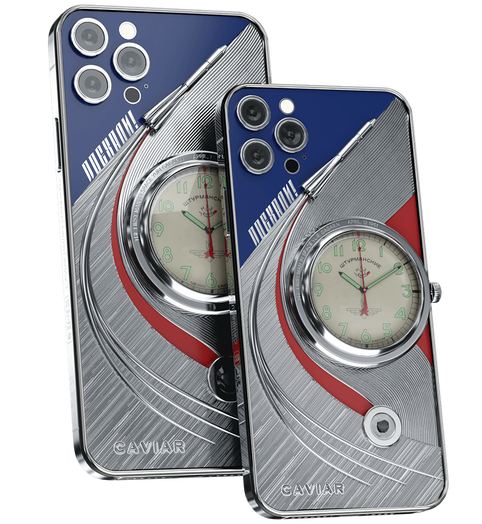
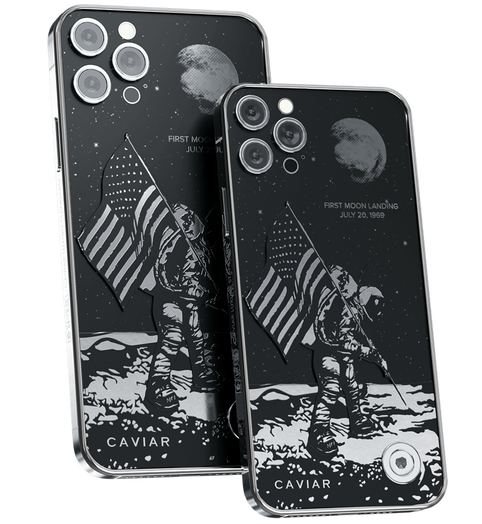
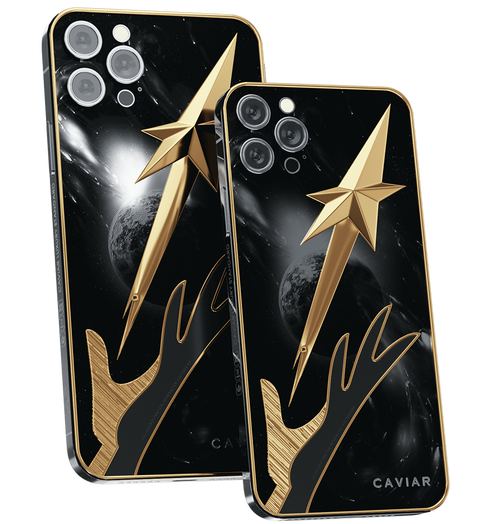
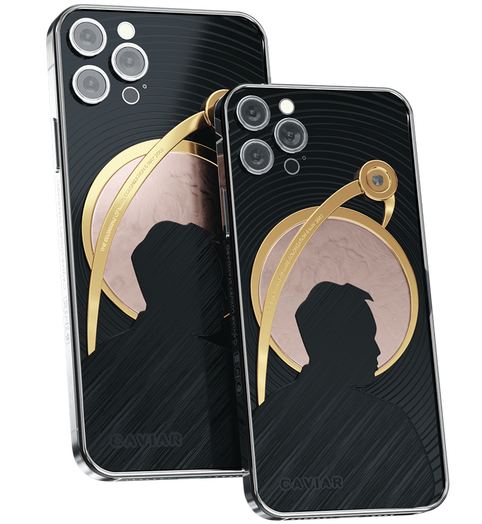
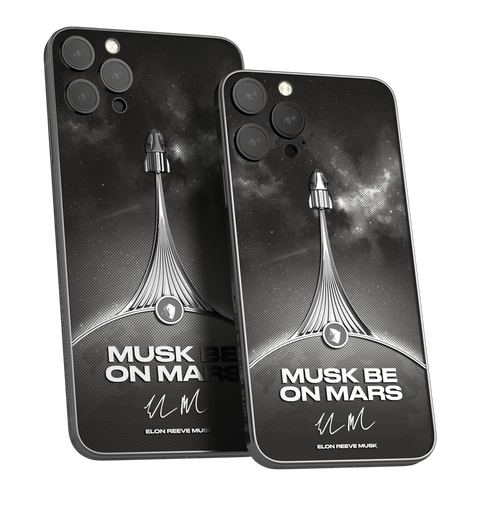
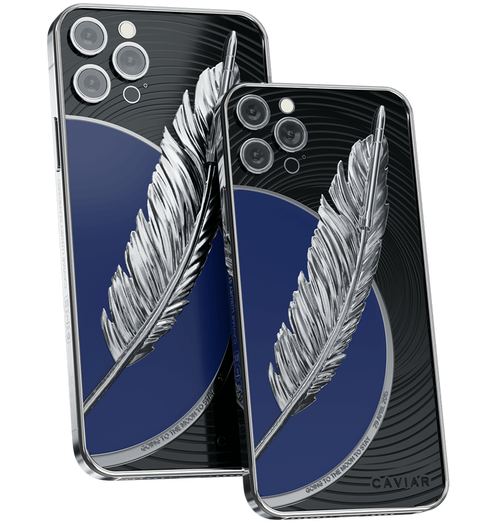
Caviar is celebrating the 60th anniversary of the first manned spaceflight with special editions of the iPhone 12 Pro/iPhone 12 Pro Max that honor astronauts Yuri Gagarin and Neil Armstrong; Russian rocket designer, Sergei Korolev; as well as space entrepreneurs, Elon Musk and Jeff Bezos.
The iPhone 12 Pro/iPhone 12 Pro Max Yuri Gagarin editions have aviation-grade titanium bodies with a navigator watch similar to the one the Russian cosmonaut used to track his time in space. There is also a miniaturized version of the Vostok-K rocket on the back. This version of the iPhone 12 Pro has a starting price of $8,920.
The iPhone 12 Pro/iPhone 12 Pro Max Neil Armstrong Edition ditches the colors of the Yuri Gagarin Edition for a monochrome design. Etched on the back of the phone, which is also made of titanium, is a drawing of the astronaut planting the American flag on the moon. The date of the moon landing is also etched on the phone along with a drawing of earth. This special edition has a piece of the Apollo 11 spacecraft and a starting price of $6450. Caviar will be making only 11 units and each unit will have its number engraved on the side of the phone.
The Korolev version looks gorgeous with its infusion of electroplated 999 gold on the titanium back and around the edge which gives it a unique appearance. Engraved on the back are the date the Sputnik launched and the words “The Father of Practical Astronautics” in block letters. There will be 99 units made and the starting price is $6760.
For the Elon Musk version, which starts at $6610, there is also a touch of gold on the back of the phone. There is a silhouette of the founder of SpaceX along with the planet Mars. Engraved along the ring circling the red planet are the words “The Beginning of Mars Colonization” and the date SpaceX was founded. SpaceX is 19 this year and Caviar will be making that exact number of this special edition.
There is also a custom-made version made for a fan of Elon Musk and SpaceX dubbed “Musk Be on Mars” that has engraved on the back a depiction of the Dragon spacecraft lifting off. This version has a starting price of $6910.
For the Bezos edition, the titanium back has a touch of blue and a silver feather that depicts Blue Origin’s logo. It also has etched on the back “Going To The Moon To Stay” a belief that Jeff Bezos. The date, April 29, 2015, which is the date the New Shepard rocket was first flown is also etched on the back. Caviar will make 99 units of the phone and the starting price is $5840
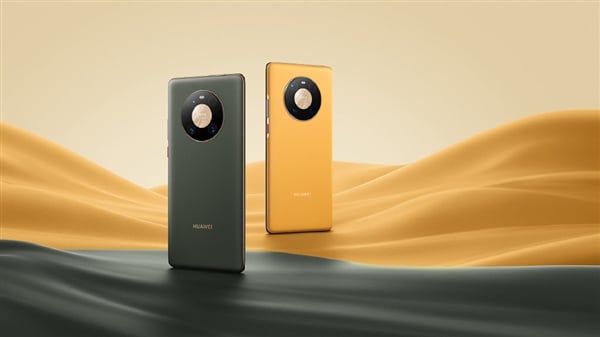
Most of the technological features in use on smartphones today may not have been invented by Apple but the brand’s popularity meant that whatever it deploys on its smartphone becomes a trend, the notch design for instance. In the same way, the industry has gradually started adopting Apple’s decision to ship the latest iPhone 12 models without a charging adapter inside the retail box. Samsung and Xiaomi are the notable names that have subsequently implemented the same style by removing the charging adapter from the retail box of their latest flagships.
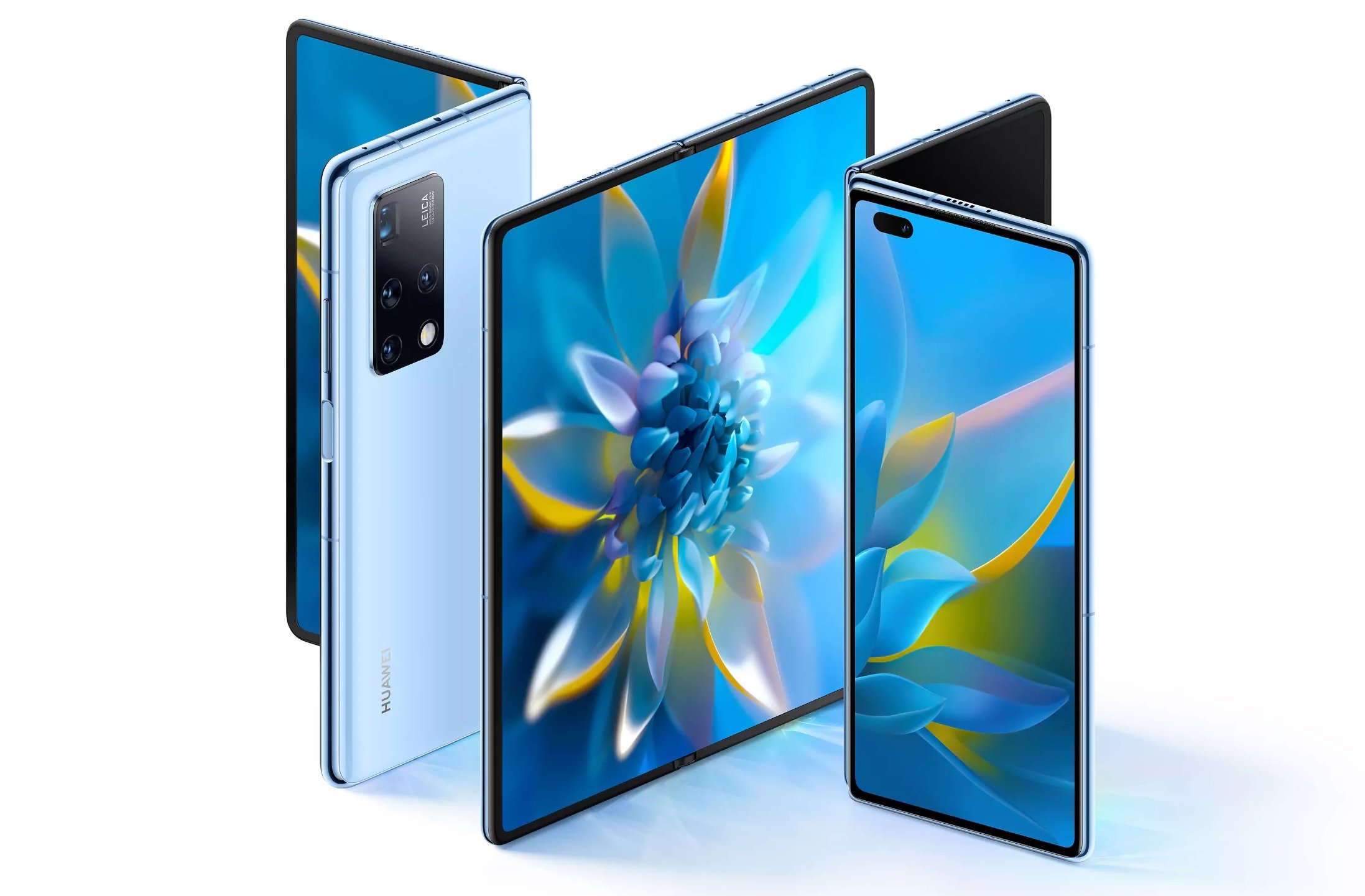
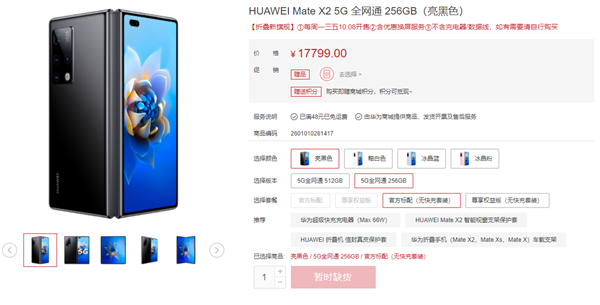
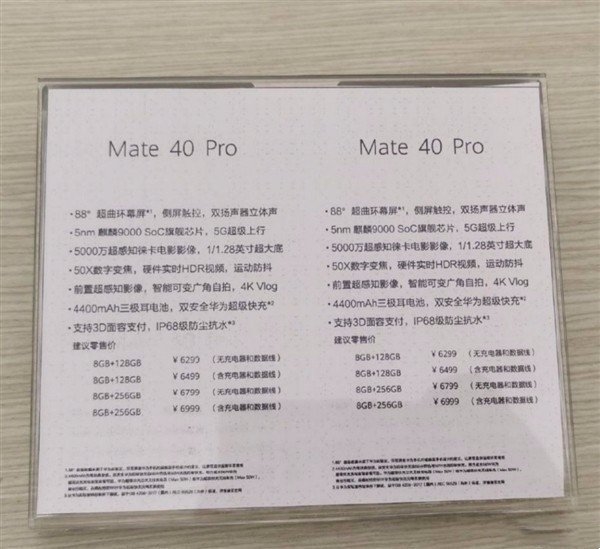
Well, Huawei has stylishly joined the bandwagon even though no announcement was made in that regard. The company instead quietly released new models of its existing flagship model without the charging adapter inside the box. The company released four new models namely; Huawei Mate X2, Mate 40 Pro, Nova 8 Pro, and Nova 8 on offline stores with the charging adapter absent from the retail box. Users have the option of choosing the version without the charger, or the normal package version. If you are taking the version without the adapter, there is a 200 yuan (~$30) slash off the price.
Apart from protecting the environment, the major reason why Huawei may have toed this line is to conserve its charging IC chips. The company reportedly stocked up some inventories of charging IC chips before the ban was enforced. Thus, it is careful not to run out of supplies. Chinese semiconductor manufacturers are working hard, though, to see that chips, especially the likes of charging IC chips with low process requirements, are manufactured locally.
We expect Huawei to resume full inclusion of the mobile phone adapter inside the retail box when locally manufactured charging IC chips are available.
We use cookies on our website to give you the most relevant experience by remembering your preferences and repeat visits. By clicking “Accept”, you consent to the use of ALL the cookies.
This website uses cookies to improve your experience while you navigate through the website. Out of these, the cookies that are categorized as necessary are stored on your browser as they are essential for the working of basic functionalities of the website. We also use third-party cookies that help us analyze and understand how you use this website. These cookies will be stored in your browser only with your consent. You also have the option to opt-out of these cookies. But opting out of some of these cookies may affect your browsing experience.
Necessary cookies are absolutely essential for the website to function properly. This category only includes cookies that ensures basic functionalities and security features of the website. These cookies do not store any personal information.
Any cookies that may not be particularly necessary for the website to function and is used specifically to collect user personal data via analytics, ads, other embedded contents are termed as non-necessary cookies. It is mandatory to procure user consent prior to running these cookies on your website.