Last month, OnePlus announced the OnePlus 9 series of smartphones in India. The lineup includes three phones such as the OnePlus 9, OnePlus 9 Pro, and OnePlus 9R. The latter was introduced as the India-exclusive model. Fresh information shared by tipster Digital Chat Station reveals that the OnePlus 9R will be heading to the Chinese market soon. The device is expected to be priced lower than its Indian variant.
According to the tipster, the OnePlus 9R will be arriving in China with a sub-3,000 Yuan (~$458) pricing. In comparison, the 9R is available in India with a pricing of Rs 39,999 (~$544) for 8 GB RAM + 128 GB storage version and Rs 43,999 (~$598) for 12 GB RAM + 256 GB storage model. The handset is available in hues like Carbon Black and Lake Blue in India.
OnePlus 9R
OnePlus 9R specifications and features
The OnePlus 9R has a 6.55-inch Fluid AMOLED screen with a punch-hole design. It produces a Full HD+ resolution and a 120Hz refresh rate. The Snapdragon 870 chipset is at the helm of the device with LPDDR4x RAM and UFS 3.1 storage. The phone runs on ColorOS 11 based Android 11 OS.
For selfies, it has a front camera of 16-megapixel. Its rear camera setup has a 48-megapixel main camera, a 16-megapixel ultrawide lens, a 5-megapixel macro camera, and a 2-megapixel depth sensor. The device houses a 4,500mAh battery that supports 65W fast charging.
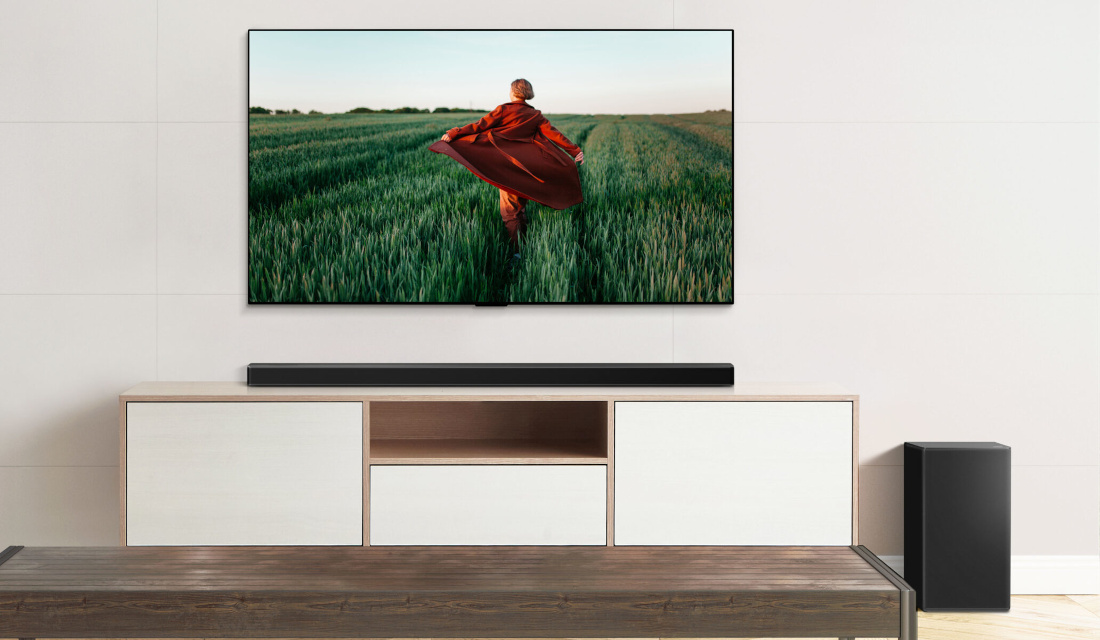
LG recently confirmed that it is out of the smartphone race and we’re going to miss its innovative products but there are other aspects where the company still holds sway. A few of them include the smart display and audio product markets. The South Korean electronics powerhouse has now unveiled its 2021 range of smart speakers featuring high-quality audio support and multiple input options.
The five new LG soundbars offer an improved sound experience, with easy connectivity across various smart devices and an eco-conscious design and packaging. When interfaced with LG smart TV‘s AI Sound Pro technology, the soundbars provide an improved multi-channel immersion. The soundbars also feature in-built support for 3-D audio technology in the form of Dolby Atmos and DTS:X.
The new LG soundbars come in a sleek design and could accentuate the sitting room ambiance when combined with smart TVs to provide a powerful sound output via the soundbars. The devices also support multiple Voice Assistants like Google Assistant, Amazon’s Alexa, Siri, and others, providing versatility in their use.
Some of the models unveiled are Hi-Res Audio certified, and lossless playback is also possible. The soundbars all have Bluetooth 5.0 support in addition to USB and eARC inputs.
According to LG, Europe and North America will be the first markets to have the five new soundbars later this month. Other markets will follow suit after the first rollout of the soundbar models to Europe and North America. We also expect LG to unveil more soundbar models, as it seeks to have a bit of the fast-evolving smart speakers market globally.
The COVID-19 era has seen an exponential increase in the purchase and use of smart home gadgets worldwide. The more significant part of the year 2020 saw millions working from home, as the lockdown ground the global economy to a halt. The home became the only avenue for relaxation and entertainment, and smart devices became the pathway to home entertainment, while also making the workspace entertaining. This is still driving the sales of audio products globally as video conferencing and virtual meetings have replaced physical meetings to a great extent.
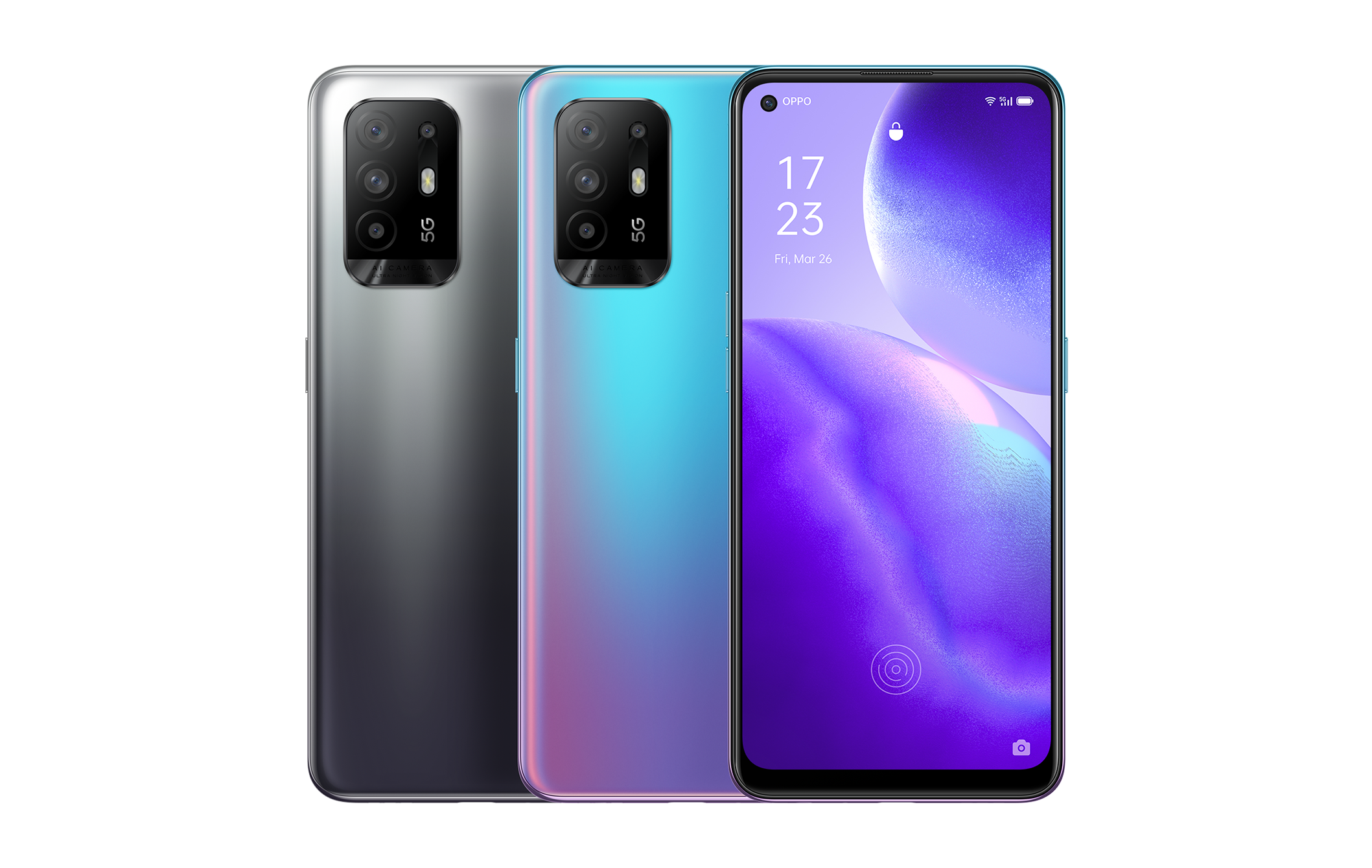
The OPPO Reno5 Z smartphone (model number CPH2211) has launched in Singapore. In terms of specs and design, the handset resembles OPPO F19 Pro+ 5G (CPH2213 model number), which debuted in India last month. The major highlights of the Reno5 Z include an AMOLED display, Dimensity 800U chip, 48-megapixel quad cameras, and a decent battery with rapid charging support.
OPPO Reno5 Z specifications and features
The OPPO Reno5 Z smartphone measures 160.1 x 73.4 x 7.8mm and weighs around 173 grams. The phone features a 6.43-inch AMOLED punch-hole display that offers a Full HD+ resolution of 1080 x 2400 pixels, a 20:9 aspect ratio, 430nits brightness, a 60Hz refresh rate, a 135Hz to 180Hz touch sampling rate, and an in-screen fingerprint reader. The phone offers a screen-to-body ratio of 90.8 precent.
The Dimensity 800U chipset is present under the hood of the OPPO Reno5 Z. The SoC is coupled with 8GB of LPDDR4x RAM. It offers 128GB of native storage and it runs on ColorOS 11.1 based Android 11 OS. the device offers a dedicated microSD card slot for additional storage.
OPPO Reno5 Z
The OPPO Reno5 Z has a 16-megapixel camera for capturing selfies. The quad-camera system of the phone features a 48-megapixel primary camera, a 119-degree 8-megapixel ultrawide sensor, a 2-megapixel depth assist lens, and a 2-megapixel macro camera.
The Reno5 Z has a 4,310mAh battery that supports 30W VOOC Flash Charge technology. The other features that can be found on the device include dual SIM support, 5G, Wi-Fi 802.11ac, Bluetooth 5.1, GPS, NFC, USB-C, and a 3.5mm audio jack.
In comparison to the Reno5 Z, the F19 Pro+ 5G lacks supports for NFC connectivity and it is equipped with faster 30W fast charging.
OPPO Reno5 Z pricing and availability
The OPPO Reno5 Z has arrived with a price tag of SGD 529 (~$395) in Singapore. It comes in two colors such as Fluid Black and Cosmo Blue. It is available for purchase through e-commerce sites like Lazada and Shopee.
After building much hype, the Redmi Note 10, Note 10 Pro, and Note 10 Pro Max phones were announced in India in March. While the Note 10 trio are highly popular, buyers have been complaining that are unable to purchase the desired due to flash sales that last for only a few seconds. Customers have also faced difficulties in purchasing Note 10 models through offline stores. Buyers who are looking forward to purchasing the Redmi Note 10 can now rejoice as it is now available on open sale through online and offline platforms.
As it can be seen in the tweet, the 6 GB RAM + 128 GB storage edition of the Redmi Note 10 will be available for purchase through Amazon India, mi.com, Mi Home stores, and retails.
— Redmi India – #RedmiNote10 Series (@RedmiIndia) April 6, 2021
The Redmi Note 10 comes in two options such as 4 GB RAM + 64 Gb storage and 6 GB RAM + 128 GB storage. They are priced at Rs 11,999 (~$161) and Rs 13,999 (~$191), respectively. It comes in colors like Aqua Green, Frost White, and Shadow Black.
Redmi Note 10 specifications and features
The Redmi Note 10 has a 6.43-inch S-AMOLED FHD+ display that comes with features such as FHD+ resolution support, a 60Hz refresh rate, a 20:9 aspect ratio, and Gorilla Glass 3 protection. For security, it features a side-facing fingerprint reader.
It has a selfie camera of 13-megapixel and quad-camera setup featuring a 48-megapixel (main) + 8-megapixel (ultrawide) + 2-megapixel (macro) + 2-megapixel (depth) cameras. The Snapdragon 678v chipset fuels the device with LPDDR4x RAM and UFS 2.2 storage. The 5,000mAh battery of the device supports 33W fast charging.
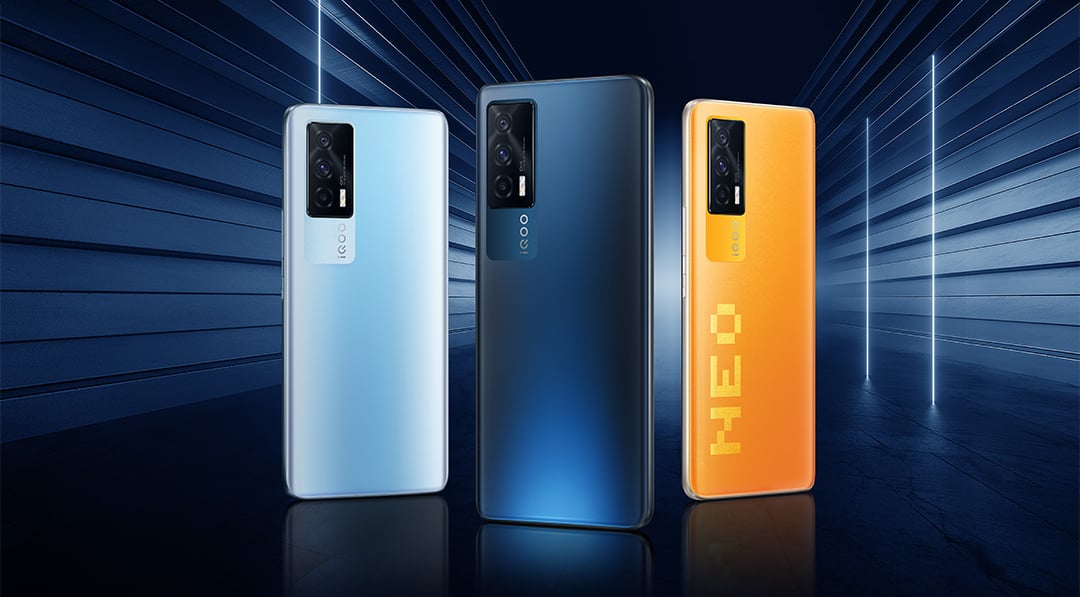
At the end of March, an iQOO phone with model number I2012 was spotted at the Google Play Console. This handset is believed to be the Snapdragon 870 powered iQOO Neo5 smartphone. Now the same handset has received approval from the Bureau of Indian Standards (BIS) in India. The certification suggests that the iQOO Neo5 may go official alongside the iQOO 7 Legend smartphone later this month in India.
The BIS certification has no information on the specs of the iQOO Neo5. Its Google Play Console listing had revealed that it is equipped with a punch-hole display that offers Full HD+ resolution, Snapdragon 870 chipset, 8 GB of RAM, and Android 11 OS.
As far as other specs are concerned, the iQOO Neo5 has a 16-megapixel front camera, a 48-megapixel + 13-megapixel + 2-megapixel triple camera system, and a 4,400mAh battery that supports 66W fast charging. It features a 6.62-inch AMOLED screen with an in-screen fingerprint reader. Earlier this year, an iQOO phone with an I2011 model number was spotted at BIS. This model could be a variant of the Neo5.
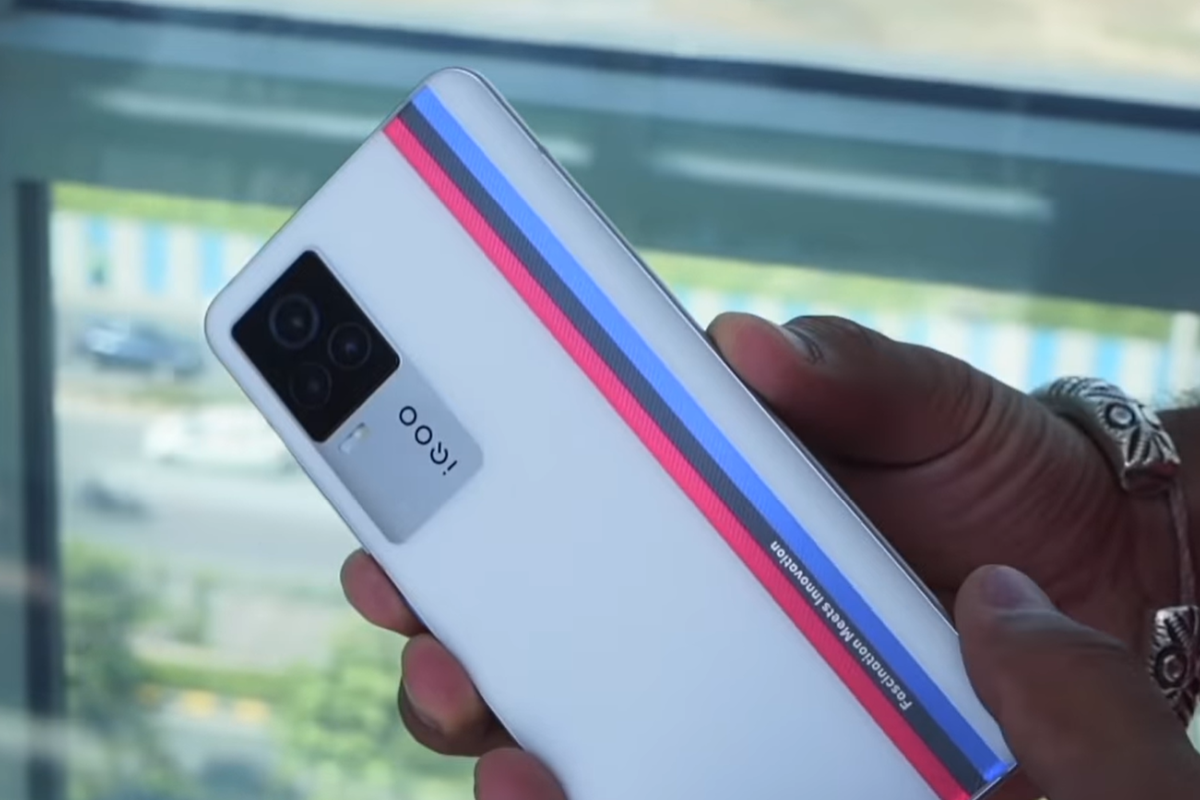
iQOO India Director, Gagan Arora said in an interview with Technical Guruji that the company will be launching the iQOO 7 series of smartphones in India by the end of this month. The series will include the iQOO 7 Legend, which is a BMW Motorsport-inspired version of the iQOO 7, and another device. Probably, the iQOO Neo5 may get rebadged as the other iQOO 7 series phone in India.
Arora added that the company aims to launch several iQOO phones in India this year in different price segments. To recollect, the company only launched two phones such as iQOO 3 4G and iQOO 3 5G last year in India. He revealed that iQOO smartphones will be made in India at Vivo’s manufacturing facility. He further said that customers of iQOO phones will be able to get support at select service centers of Vivo.
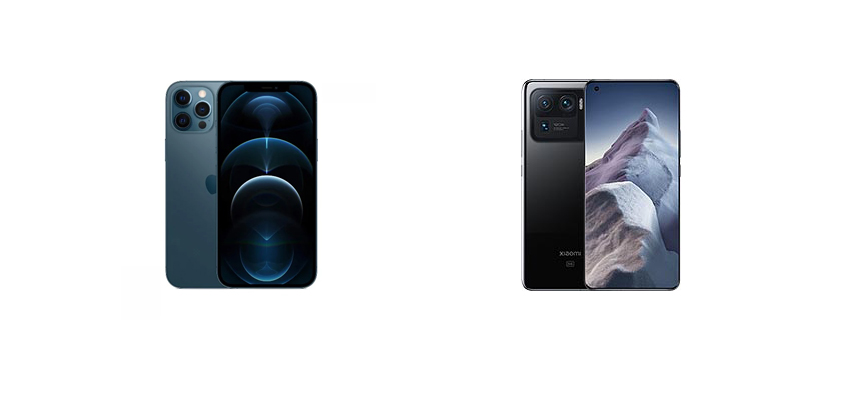
Xiaomi never released an impressive flagship like the Mi 11 Ultra, imho. It brings a maxed-out specs sheet and a lot of innovation to the shelves. And unlike the vanilla Mi 11, it is one of the best top-tier flagships in the Android world. But is it able to compete with Apple too? Is it better to go for the Xiaomi Mi 11 Ultra or the best iPhone is still a better choice for your actual needs. We will try to let you find out through this comparison between the iPhone 12 Pro Max and the Xiaomi Mi 11 Ultra.
Apple iPhone 12 Pro Max vs Xiaomi Mi 11 Ultra
Apple iPhone 12 Pro Max
Xiaomi Mi 11 Ultra
DIMENSIONS AND WEIGHT
160.8 x 78.1 x 7.4 mm, 228 g
164.3 x 74.6 x 8.4 mm, 234 g
DISPLAY
6.7 inches, 1284 x 2778p (Full HD+), Super Retina XDR OLED
Despite that big notch, the design of the iPhone 12 Pro Max is more attractive than Xiaomi Mi 11 Ultra. It has a thinner and lighter body, as well as great materials. The iPhone 12 Pro Max is built with a Ceramic Shield back and a stainless steel frame, and it provides better water resistance with the IP68 certification making it waterproof up to 6 meters deep. The huge camera module of the Xiaomi Mi 11 Ultra does not make it very elegant, but the front panel is definitely more impressive with its curved edges, higher screen-to-body ratio, and punch-hole design.
Display
On the paper, the Xiaomi Mi 11 Ultra looks more interesting when it comes to the display. On the front side, it has an AMOLED panel that shows up to one billion colors, with a 120 Hz refresh rate, HDR10+ certification, Dolby Vision, and an incredibly high peak brightness (up to 1700 nits), as well as a Quad HD+ resolution. And that is not all: the Xiaomi Mi 11 Ultra also comes with a secondary display placed on the rear panel, near the cameras. The secondary display can be used to see notifications and shoot selfies with the rear cameras as well.
Specs & Software
Xiaomi Mi 11 Ultra and iPhone 12 Pro Max come with impressive hardware departments and you should not notice important differences between their performance. The Xiaomi Mi 11 Ultra is powered by the best chipset out there: the Snapdragon 888 mobile platform paired with 12 GB of RAM and up to 512 GB of native storage. With the iPhone 12 Pro Max, you get the Apple A14 Bionic chipset and the wonderful optimization of the iOS operating system, so blazing speeds in this case as well.
Camera
The Xiaomi Mi 11 Ultra is able to provide the best photo quality. According to DxOMark, it is the best camera phone in the market. It has a 50 MP main camera and a pair of 48 MP sensors: one is a periscope camera with OIS and 5x optical zoom, while the other is an ultrawide sensor. The phone shots amazing photos in every condition and records videos with resolutions up to 8K. But the iPhone 12 Pro Max remains one of the greatest camera phones.
The Xiaomi Mi 11 Ultra is the king of battery life thanks to a huge 5000 mAh battery: there is no way for the iPhone 12 Pro Max to compete. Further, the Xiaomi Mi 11 Ultra offers faster charging speeds: it has 67W power for both wired charging and wireless charging. Thanks to great software optimization, the battery of the iPhone 12 Pro Max is long-lasting too, but not like the Mi 11 Ultra.
Price
Xiaomi Mi 11 Ultra has a starting price of €1200/$1425 in the global market, while the iPhone 12 Pro Max costs a bit more than €1200/$1450 (prices vary depending on the market). In terms of innovations and specifications, Xiaomi Mi 11 Ultra is a more interesting choice, but the iPhone remains an amazing phone for a lot of users and iOS is an important added value.
Apple iPhone 12 Pro Max vs Xiaomi Mi 11 Ultra: PRO and CONS
OPPO is one of the manufacturers that has accelerated the rollout of Android 11 for its devices. The Chinese manufacturer will continue the rollout this month and has released the plan via its official Twitter account.
The ColorOS 11 update will be made available in beta and stable versions for a plethora of devices across various markets. Below are the phones scheduled to get the update and when to expect it.
ColorOS 11 Beta
Ongoing – Reno2, Reno2 Z, OPPO A91
From 13th April – RenoZ (Saudi Arabia UAE)
From 14th April – OPPO A5 2020 (India, Indonesia), OPPO A9 2020 (India, Indonesia), and OPPO A73 5G (Australia, Saudi Arabia, UAE)
From 27th April – OPPO A53 (India, Indonesia)
OPPO ColorOS 11 official version
Ongoing – Find X2, Find X2 Pro, Find X2 Pro Automobili Lamborghini Edition, Find X2 Lite, Find X2 Neo, F17 Pro, Reno4 F, Reno4 Pro 5G, Reno4 5G, Reno4 Pro 4G, Reno4 4G, Reno4 Z 5G, Reno4 Lite, Reno3 Pro 4G, Reno3 4G, Reno3 Pro 5G, Reno 100x Zoom, Reno2 F, OPPO A72, OPPO A92, OPPO A52, OPPO F11, OPPO F11 Pro, OPPO F11 Pro Marvels Avengers Limited Edition, OPPO A9, and OPPO F15.
From 9th April – OPPO A91 (Indonesia)
From 14th April – OPPO Reno2 Z (India)
From 21st April – Reno2 (India, Malaysia, Thailand, Pakistan, Myanmar, Indonesia, Vietnam, the Phillippines, Cambodia).
April 2021 Rollout Plan of #OPPOColorOS11 based on #Android11 is out now! Be sure to save the info so you can have the latest version.
🟢: Save the dates to apply the Beta Version 🟠: Get ready for the Official Version 🔵: Europe users, find your model in the update plan pic.twitter.com/S5Rl2eP8rR
OPPO ColorOS 11 Official Version for European Union and European Economic Area
OPPO is also rolling out the stable update to several of its phones in Europe. The Find X2, Find X2 Pro, Find X2 Neo, and Find X2 Neo are currently receiving the update in countries such as Spai, Switzerland, Turkey, Ukraine, Romania, Belgium, France, Germany, the Netherlands, and the UK.
The Reno4 series, Reno 3, Reno3 Pro, OPPO A72, and OPPO A52 are also currently receiving the update while Reno2 users in Kazakhstan will begin to receive the update on April 21.
I remember someone asking me last year if there was a way to transfer WhatsApp chat backup from Android to iOS. Unfortunately, I wasn’t able to help, and due to my busy schedule, I didn’t follow up to find out what the person eventually did. It turns out that there actually isn’t a way to natively transfer your chat backup from one platform to the other but now a solution is already in development.
For a messaging platform that is more than a decade old, you would think migrating your data from one platform to another would be one of the early features, but unfortunately, that is not the case.
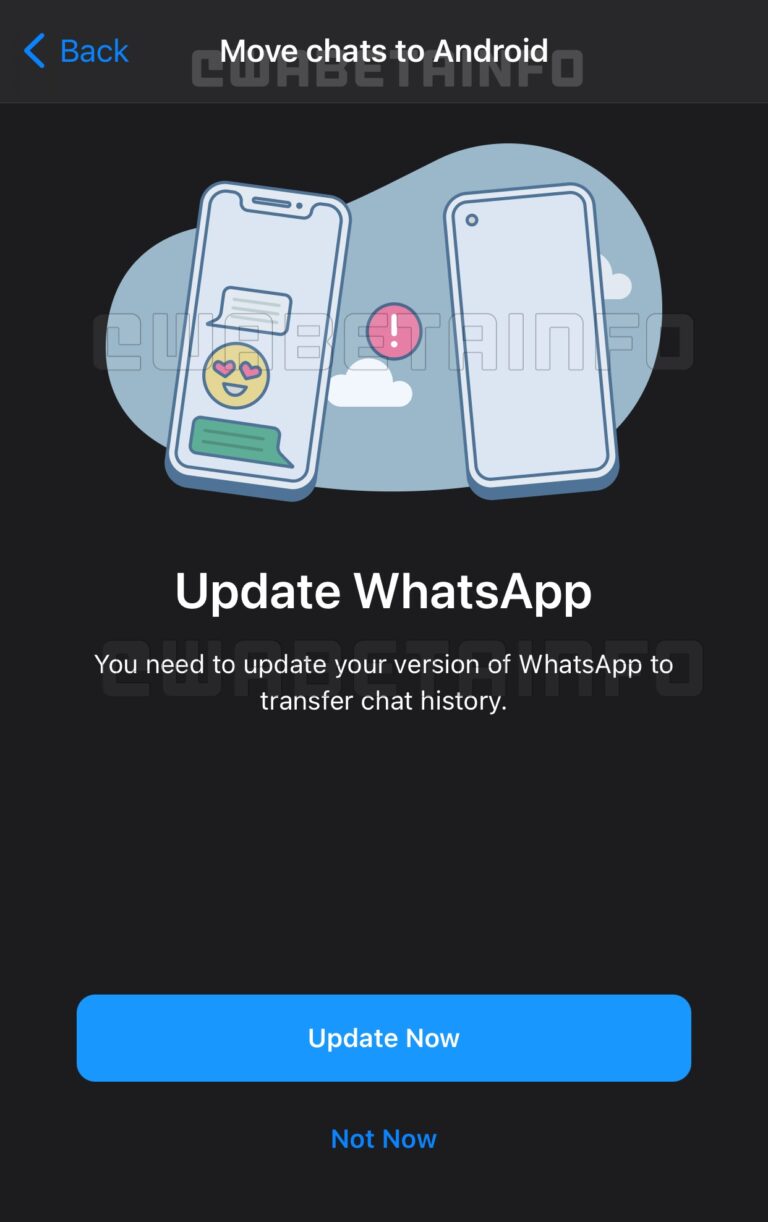
According to WABetaInfo, WhatsApp (or Facebook) is working on a feature that allows for chat history migration. An image shared by the blog, which is dedicated to all things related to the messaging app, shows an interface that allows a user to migrate their chats to Android. We believe there is a similar image that allows for moving chats to iOS too. The image shows that users will be required to update their app to the latest version to use the feature. This is believed to prevent compatibility issues.
There is no mention of when the feature will be available but we hope it arrives sooner rather than later. WhatsApp sometimes takes time before rolling out a feature, so we’ll advise you not to raise your hopes that this will come with the next update.
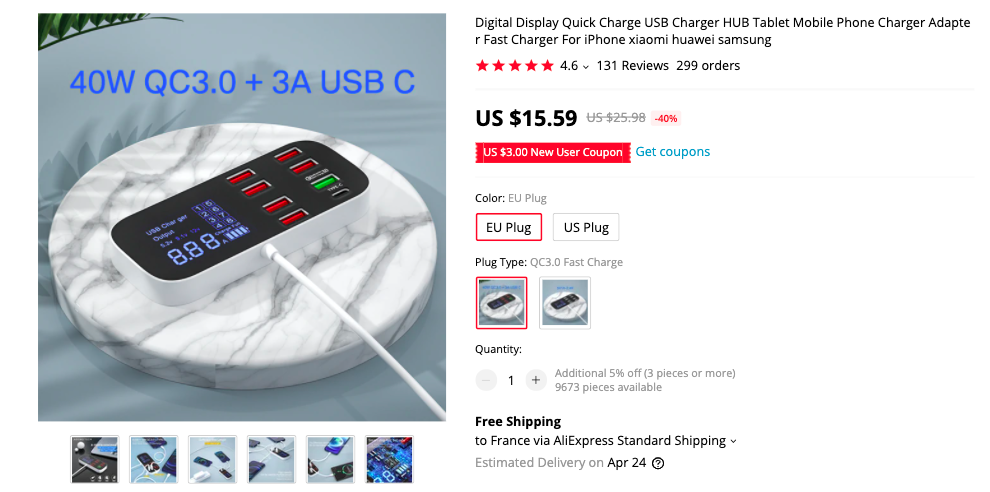
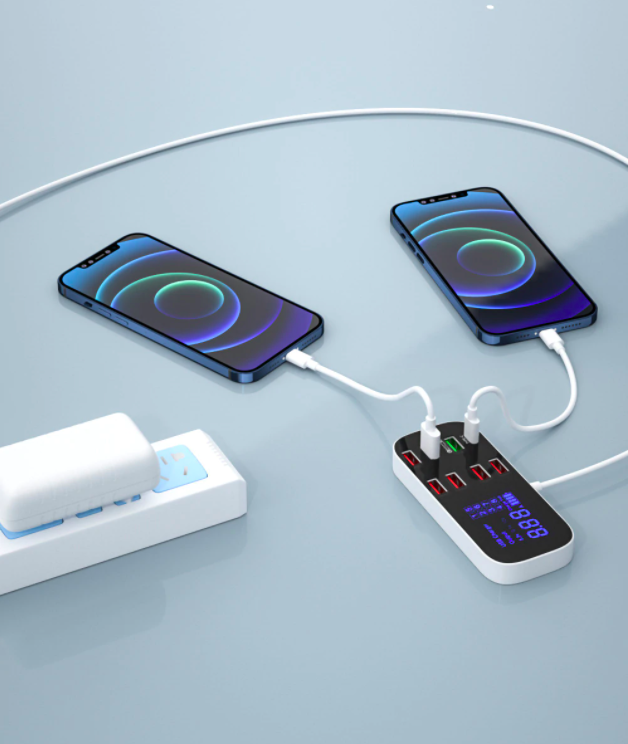
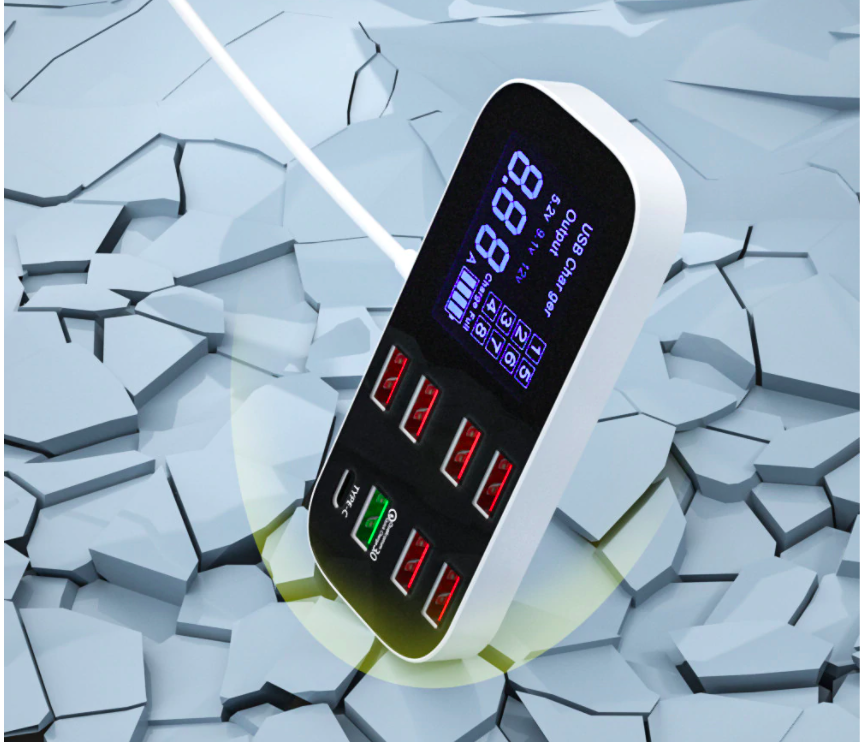
Asometech 40W with QC3.0 is a portable charger compatible with almost all smartphones like iPhone, Samsung, Xiaomi, Huawei, Google, etc, and laptops from brands like MacBook, Lenovo, Asus, Sony, etc. The charger comes with 6 USB + 18W QC3.0 + Type C port. This means you can charge almost every device be it a laptop, smartphone, tablet, camera, mp3 player, etc using this one single charger. Moreover, you can charge 8 devices simultaneously using an Asometech charger.
The charger comes with a smart LED digital display that shows you real-time charging status and the Qualcomm QC3.0 port enables quick and fast charging for your smartphone. The charger comes with multiple safety features like protection from Over Temperature, Over-Discharge, Short Circuit, Reverse Current, Over Voltage, etc.
Asometech 40W fast charging station usually retails for around $20. But for a limited period, AliExpress is giving out this highly portable charger for just $15.59. Please note that this offer is applicable to both the EU and US plug models. With free shipping and additional new user coupons, this offer is a bargain deal. So get your Asometech 8 in 1 portable charger asap.
For more information on such exciting deals and offers check out ourdeals hub.
* Please Note: When you buy something using the links in our articles, we may earn a small commission at no cost to you.
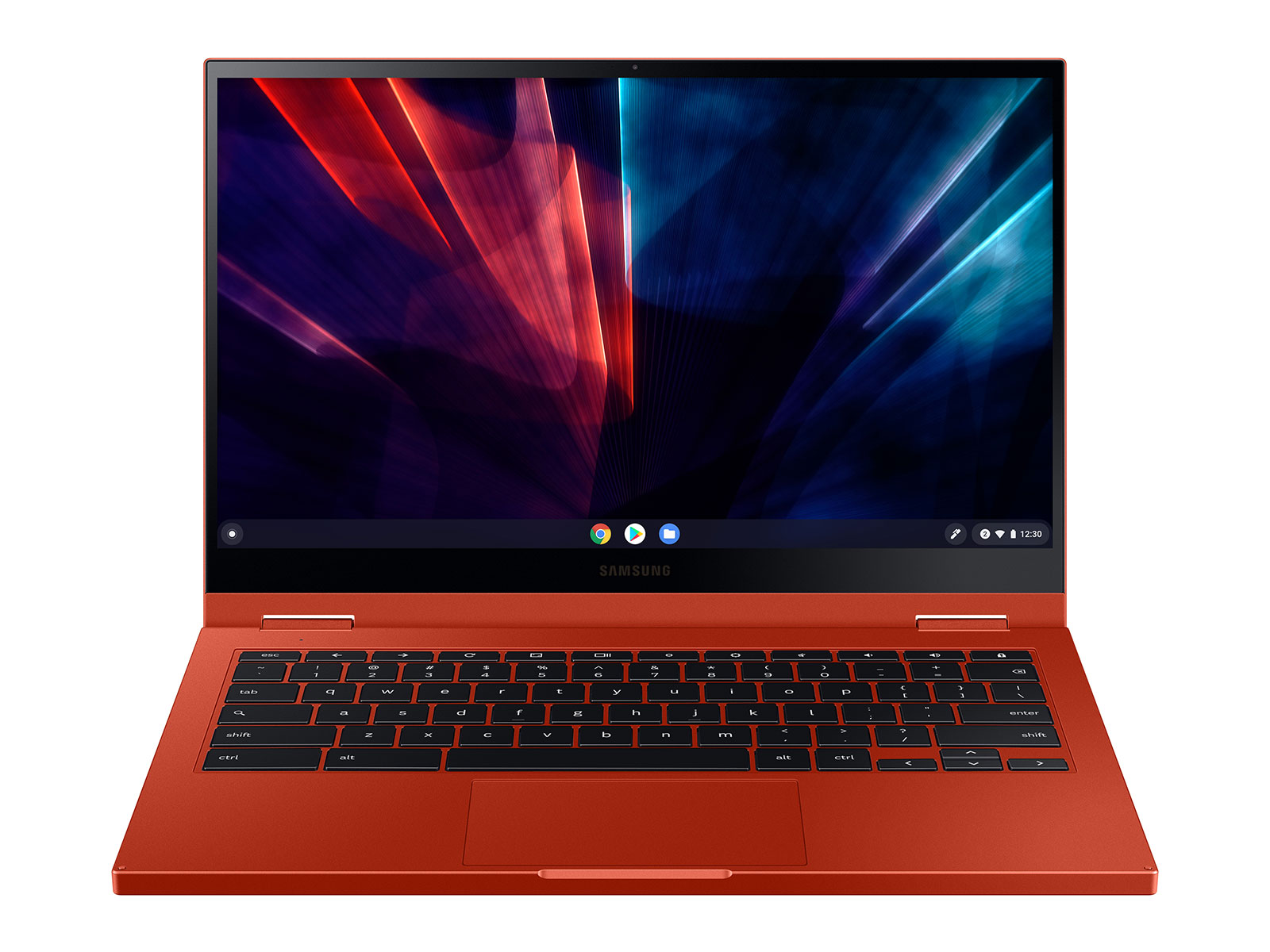
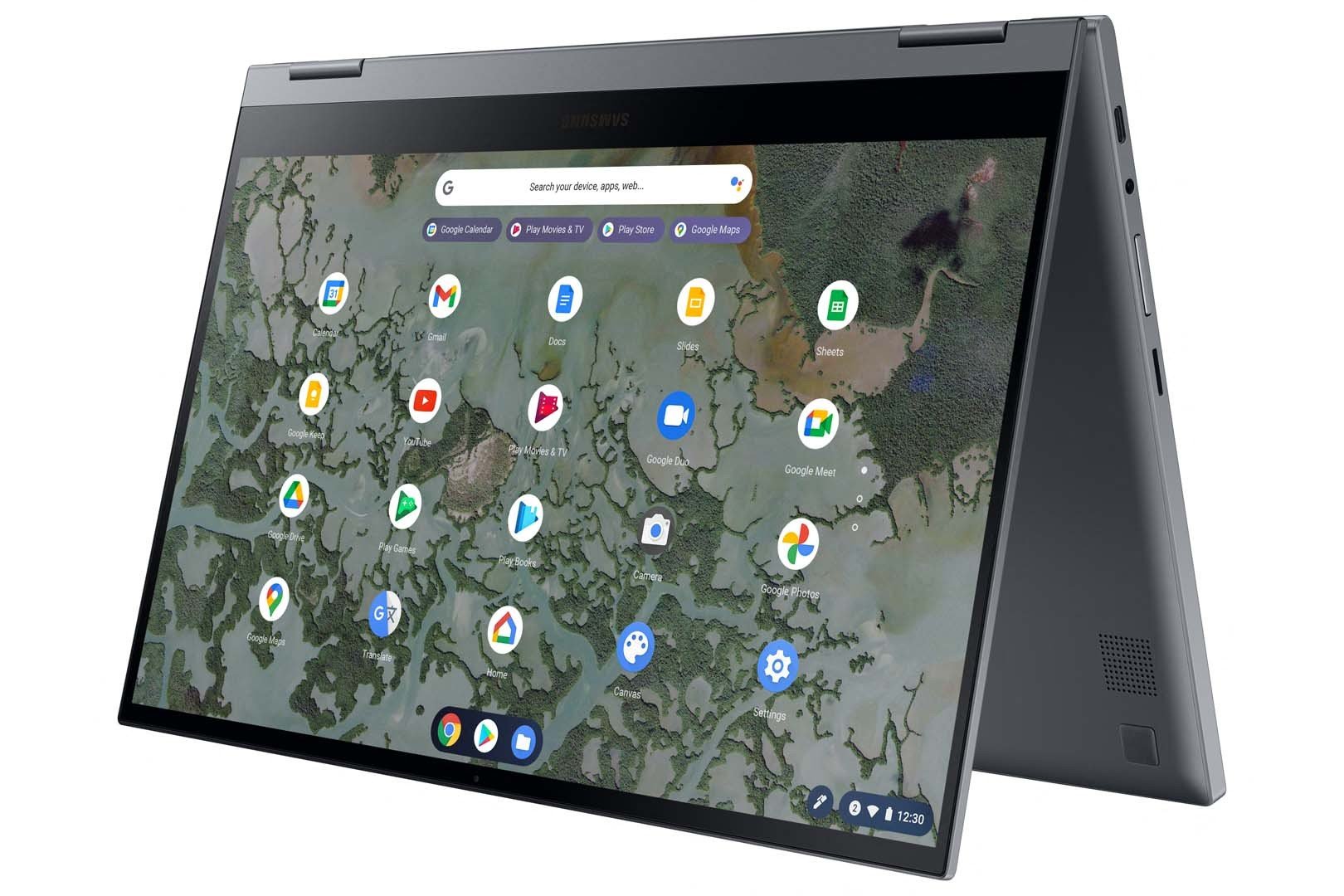
Samsung Galaxy Chromebook 2 went on sale just a month ago. However, Samsung has already discounted the Chromebook on its website and Best Buy.
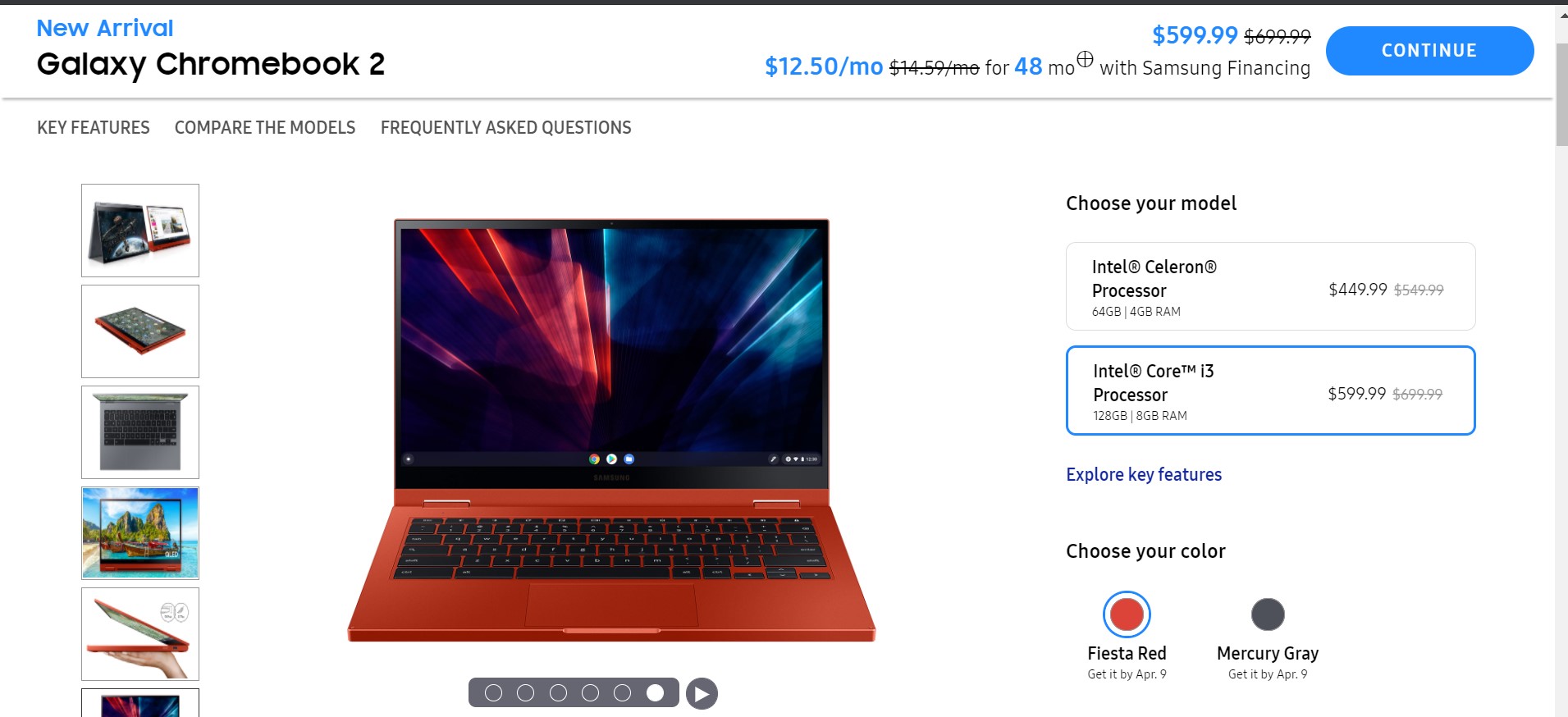
The Galaxy Chromebook 2 is available at a starting price of $449. This means it gets a $100 discount from the launch price of $549.99. You can look at the discounted prices of both the variants below:
Samsung Galaxy Chromebook 2
4GB + 64GB(Intel Celeron 5205U) – $449
6GB + 128GB(Intel Core i3-10110U) – $599
This price is reflecting both on Samsung’s official website and e-commerce retailer Best Buy. We aren’t sure how long the deal would last so we suggest you grab it quickly. Anyway, it is a really good deal and a bit surprising considering it’s just been a month since its release.
Apart from this flat discount, you also get other offers like Trade-in benefits as well. The Samsung Galaxy Chromebook 2 comes in two colors- Fiesta Red and Mercury Gray.
The 2021 edition features a 13.3-inch Full HD QLED touchscreen display. This display has a resolution of 1920×1080 pixels. Under the hood, the Galaxy Chromebook 2 is powered by two versions of CPUs each one for a variant.
The entry-level version is powered by the 10th-Gen Intel Celeron 5205U and the Core i3-10110U chipset is on the higher-priced version as mentioned above.
Other features include 2xUSB Type-C ports, 1×3.5mm audio/mic jack, microSD card reader, Wi-Fi 6, and Bluetooth. Other features include a 45.5WHr battery, Backlit Keyboard, ChromeOS with all the Google Goodies pre-loaded, USI Pen support(Pen sold separately).
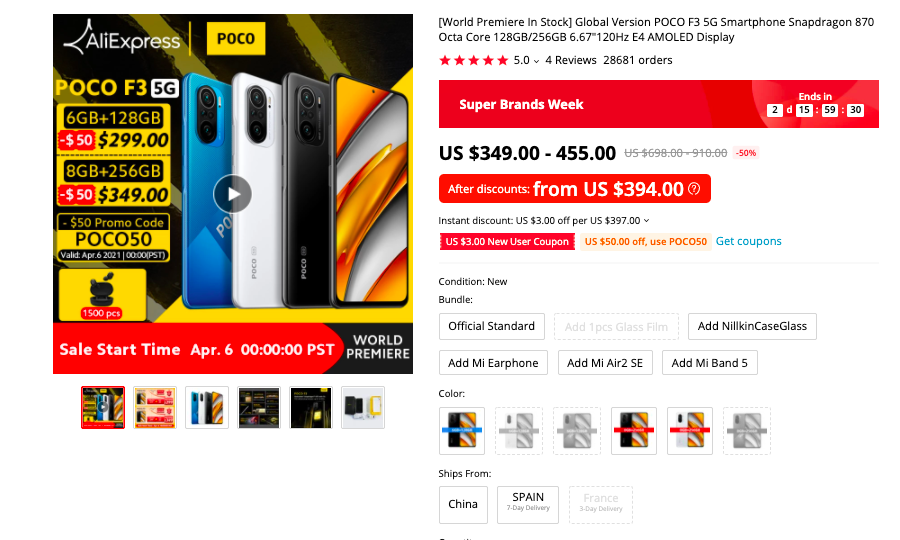
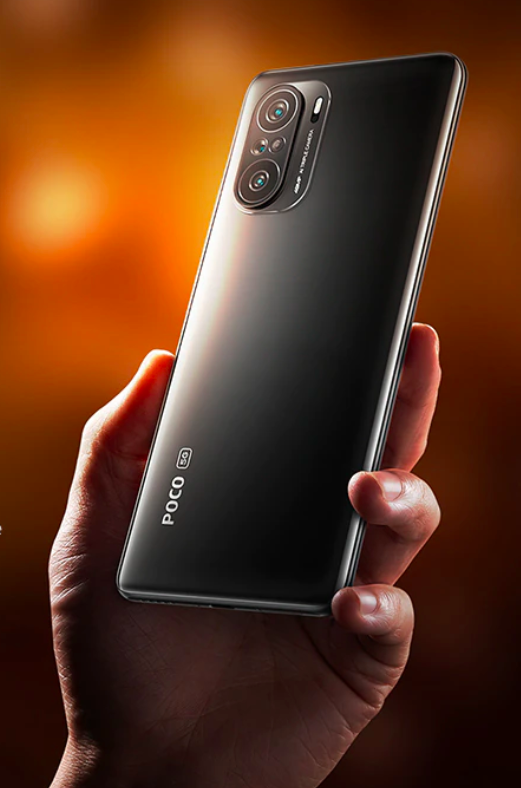
There is an awesome deal on POCO F3 from the official POCO store at AliExpress. The store is giving out $50 off via coupon code: POCO50 only till 8 April 2021.
POCO F3 is the latest flagship from POCO, tailor-made for those who search for the best performance at the least price. The smartphone features a 6.67” E4 AMOLED display, protected by Corning Gorilla Glass 5. The elegantly designed smartphone is powered by a Qualcomm Snapdragon 870 5G Octacore processor and comes in two storage variants viz: 6GB + 128GB and 8GB + 256GB. By fine-tuning the touch algorithm POCO has achieved a 360Hz touch sampling rate and a high refresh rate of 120Hz. This means you get an extremely smooth and responsive screen perfect for your gameplay or browsing. Moreover, the LiquidCool Technology 1.0 Plus ensures that your phone doesn’t get overheated making it perfect for pro gamers and heavy users.
The smartphone is fueled by a 4520mAh battery with a 33W fast charging support which charges your smartphone to 100% in just 52 minutes and gives you 10 hours of non-stop gameplay, 14 hours of video, and 149 hours of music.
On the occasion of the POCO F3 world premiere, the POCO store is giving a $50 discount coupon for POCO F3 via Coupon Code: POCO50. This means now you can get POCO F3 for as low as $349 at AliExpress.
Also, the first 1500 buyers will get free Xiaomi Earbuds 2. Moreover, the official POCO store is giving a free screen replacement service within 6 months: One free screen repair refers to the replacement of a cracked screen within the first 6 months. However regional availability may vary. For terms and conditions, please visit the POCO website.
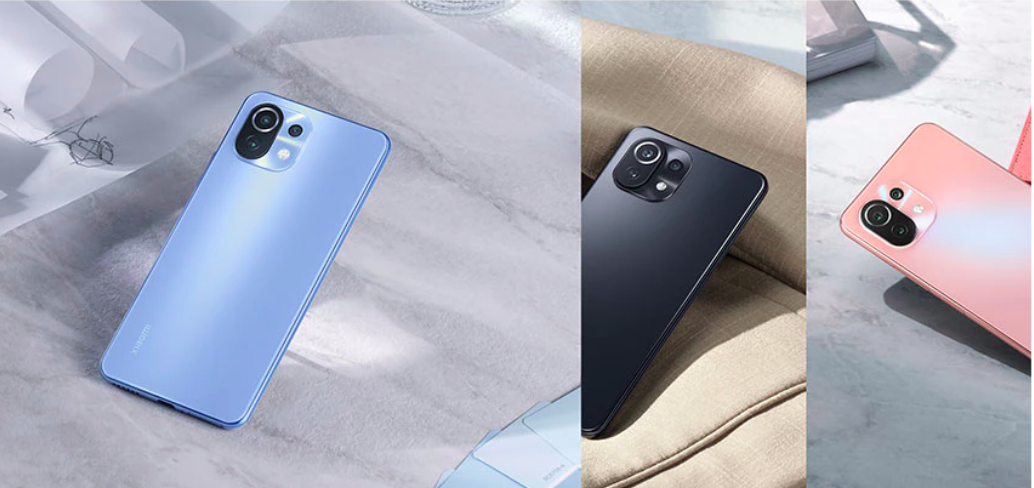
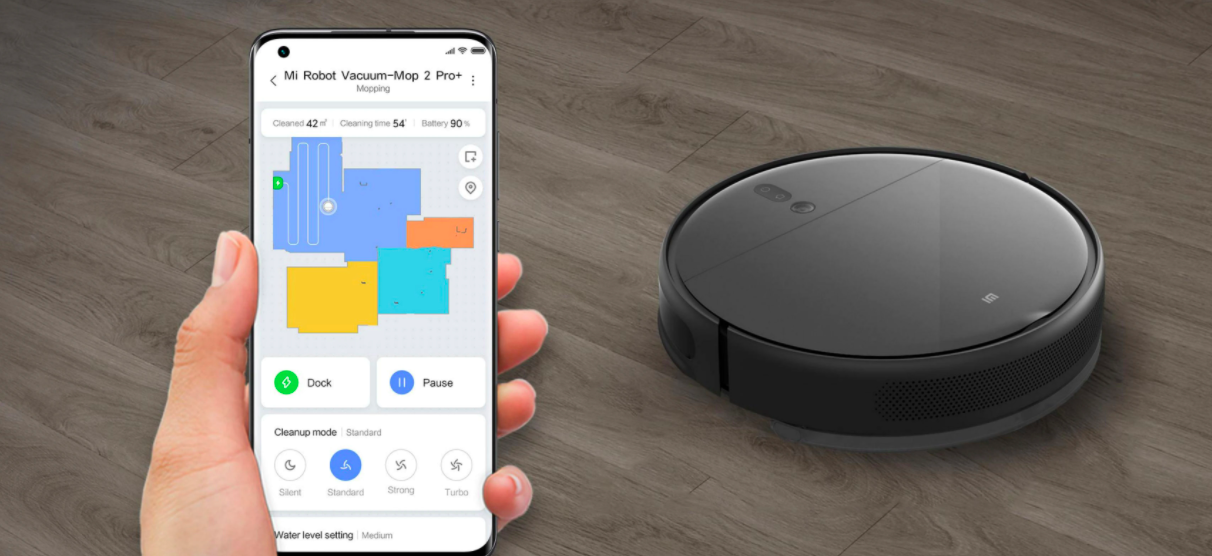
Also, check out these awesome deals on Xiaomi Mi11 Lite and Xiaomi Mi Robot Vacuum Mop 2 Pro+.
Please note that all the above coupon codes are only valid till 8 April 2021, 7 am UTC. So grab your discounted products asap before the coupons expire.
For more information on such exciting deals and offers check out ourdeals hub.
* Please Note: When you buy something using the links in our articles, we may earn a small commission at no cost to you.
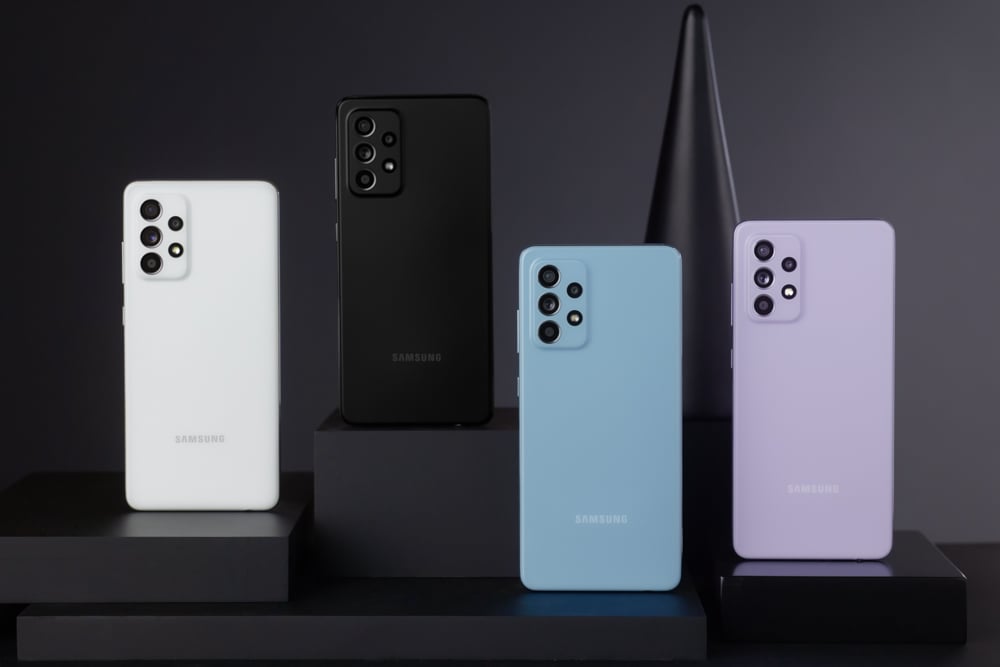
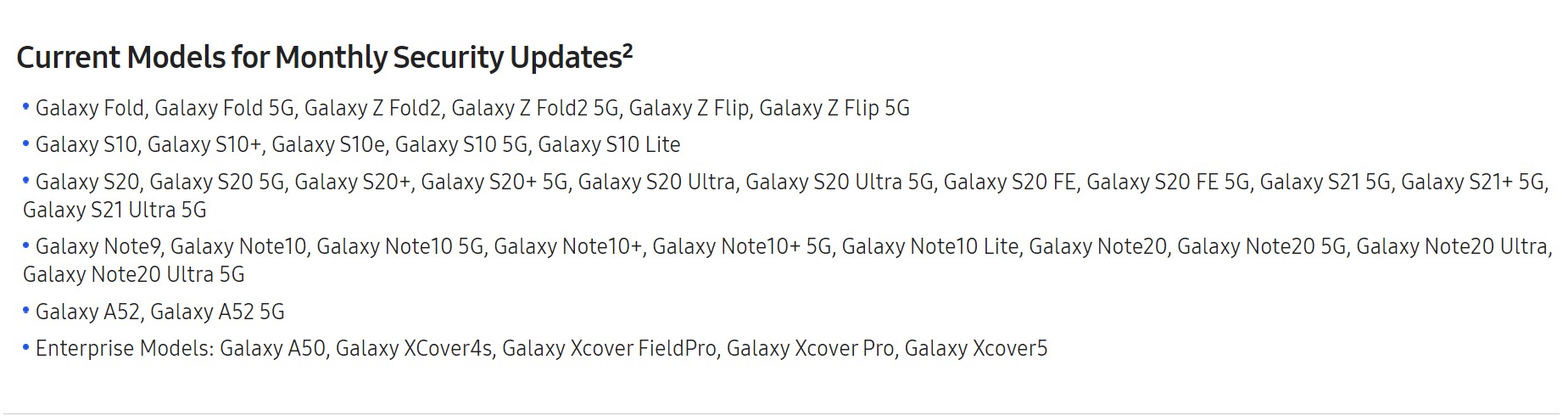
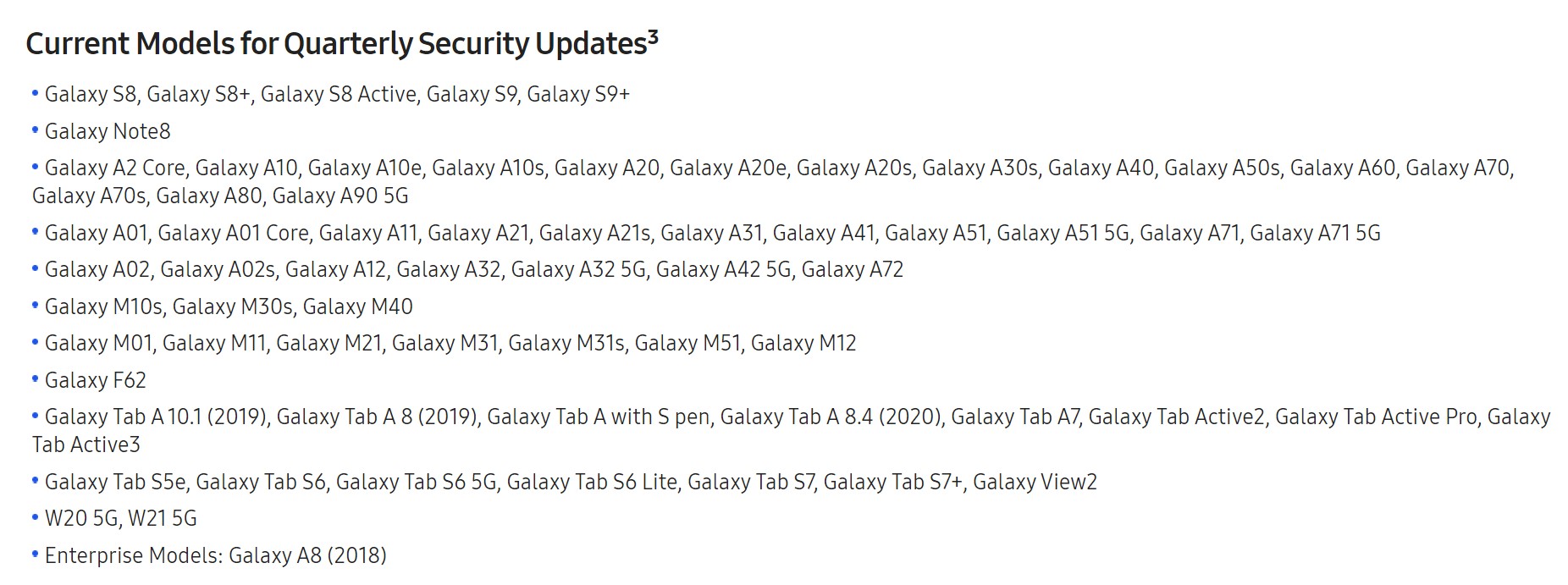
Samsung recently moved the 2018 flagship Galaxy S9 series to a Quarterly update cycle. However, it has given a special spot to the recently launched Galaxy A52, Galaxy A52 5G devices as they are eligible for monthly security updates, unlike the other Galaxy Ax2 devices.
Samsung recently rolled out an update for Galaxy A52 with the firmware version A525FXXU1AUC5 in parts of Europe. This included the latest April 2021 security patch and it came even before April began.
That and looking at the recently Samsung’s updated Security update eligibility page, we found that Galaxy A52, Galaxy A52 5G are on the monthly security update list. Whereas, the other Galaxy Ax2 devices like:
This makes the Galaxy A52 devices grab a special spot on the monthly security update cycle which only has the Enterprise version of Galaxy A50 as the remaining A-series phone. However, all the recently launched Galaxy Ax2 devices including the higher-priced sibling of Galaxy A52, the Galaxy A72 are on a Quarterly cycle.
You might wonder if it’s an erroneous listing but it looks like Samsung has updated the list very recently especially after updating few devices with April 2021 security patches. We can guess a lot of reasons for this including the incredible success of the predecessor Galaxy A51 but only Samsung can say the real reason behind this.
Anyway, let’s see if Samsung continues to update the Galaxy A52 above other A-series devices in the future. If you are a Galaxy A72 user, how do you feel about this change? Do let us know in the comments below.
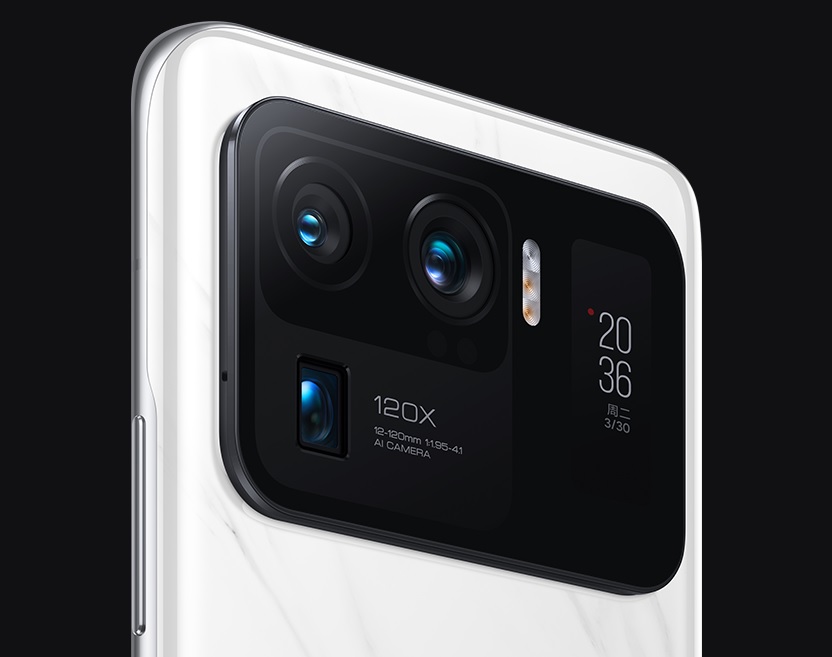
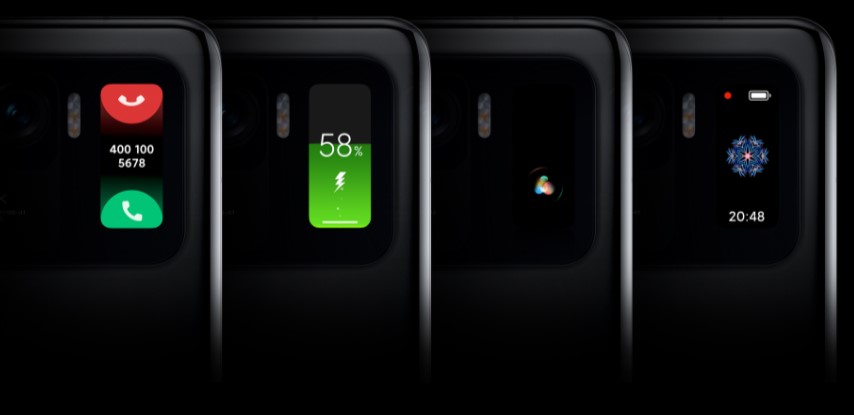
One of the interesting features of the Mi 11 Ultra is its secondary display which is on the back right next to the cameras. This 1.1-inch AOD screen performs a variety of functions – from displaying the time and date to displaying call alerts and other notifications to doubling as a small viewfinder for the cameras, there sure is a lot this small screen can do.
It turns out that this rear display isn’t specially made for the Mi 11 Ultra but the same display used in another Xiaomi product that has been adopted for the flagship smartphone.
According to ITHome, Xiaomi’s CEO, Lei Jun, revealed in a live broadcast today in China that the secondary display of the Mi 11 Ultra is the same one used for the Mi Band 5 that was released last year! Yes, this is the same 1.1-inch AMOLED screen of the Mi Band 5 (Mi Smart Band 5).
We are not sure if Xiaomi repurposed the screen of unsold units of the Mi Band 5 or it ordered more units of the display from the supplier. Nevertheless, the fact that the display is not custom-made means it will have helped with reducing the production cost of the Mi 11 Ultra.
The Mi 11 Ultra has a main 6.81-inch curved 3200 x 1440 display with a hole punch for a 20MP front-facing camera. There is a Snapdragon 888 processor powering the phone and it is paired with up to 12GB of LPDDR5 RAM. There are also multiple storage variants with the maximum being 512GB.
For its cameras, the Mi 11 Ultra has a 50MP Samsung GN2 primary camera, a 48MP Sony IMX586 ultrawide angle camera, and another 48MP Sony IMX586 sensor with a periscope lens that doubles as a telephoto camera and a macro camera.
There is a 5000mAh battery inside the phone with support for 67W fast wired and 67W fast wireless charging. The phone has a starting price of CNY 5999 ($914) for the 8GB RAM + 256GB variant in China while Europe gets a 12GB RAM + 256GB version that is priced at €1,200.
Fresh information shared by tipster Digital Chat Station reveals that the OPPO is working on its under-display camera smartphone. He also shared some other key features of the mysterious smartphone.
The mysterious OPPO is working on a “portless” prototype handset, which features an under-display camera phone. It will be equipped with pressure-sensitive buttons. Last year, the Vivo APEX 2020 concept phone was introduced with a truly portless design. The handset only carried support for fast charging.
However, the OPPO phone will not a completely portless smartphone since it will feature both wireless and wired charging. The USB port of the phone will be hidden neatly, which will make it possible to look like a portless phone.
Vivo Apex 2020
Reports have claimed many smartphone makers will adopt electrochromic technology, which was previously seen on the OPPO Reno5 Pro+ 5G’s color-changing rear shell. The new leak states that the rear cameras of the mysterious OPPO phone will be tucked under the electrochromic glass. Probably, the company could be using the same electrochromic glass technology that OnePlus had used to conceal the rear cameras of the OnePlus Concept One phone last year. The tipster did not share any information on the specs of the mysterious smartphone.
In related news, the tipster also shared that OPPO is working on two foldable smartphones. The first model has an 8-inch display with an inward folding design and the other one has a 7-inch screen with an in-folding design. He added that the company prepared a prototype of the foldable phone with a 7-inch display back in January. The progress on this model is faster than the other model with an 8-inch display. He claimed that the 7-inch model’s prototype is close to mass production, but there is no information available yet on its release timeframe.
Chrome OS ecosystem has been growing lately and as of Q4 2020, it beat Apple’s macOS with a 16.4% market share. Recently, it got features like a dark theme in the Chrome OS 89 version. Now, a list of devices finally getting an update to Android 11 with Chrome OS 90 version is out.
Representative image: Samsung Galaxy Chromebook 2
As reported by Android Police, a page on Chromium’s Gerrit review repository reveals codenames of Chromebookdevices that are going to get the Android 11 update. These correspond to various models of Acer, ASUS, Samsung, Dell, Google, HP, and more.
That said, we can expect future devices that are launching to come with Android 11 out of the box. Anyway, the list of devices whose build of Android on Chrome OS will be updated to Android 11, are as follows:
Acer
Acer Chromebook 11 C670
Acer Chromebook 11 C732
Acer Chromebook 11 C732L
Acer Chromebook 11 C732LT
Acer Chromebook 11 C732T
Acer Chromebook 11 CB311-8H
Acer Chromebook 11 CB311-8HT
Acer Chromebook 13
Acer Chromebook 14 CB3-431
Acer Chromebook 14 CP5-471
Acer Chromebook 15 C910
Acer Chromebook 15 CB3-532
Acer Chromebook 15 CB515-1H
Acer Chromebook 15 CB515-1HT
Acer Chromebook 311
Acer Chromebook 314 (C933L)
Acer Chromebook 314 (C933LT)
Acer Chromebook 314 (CB314-1H)
Acer Chromebook 314 (CB314-1HT)
Acer Chromebook 315
Acer Chromebook 315 (CB315-3H)
Acer Chromebook 315 (CB315-3HT)
Acer Chromebook 512 C851
Acer Chromebook 512 C851T
Acer Chromebook 712 (C871)
Acer Chromebook CXI3
Acer Chromebook R11
Acer Chromebook R13
Acer Chromebook Spin 11 CP311-1H
Acer Chromebook Spin 11 CP311-1HN
Acer Chromebook Spin 11 R751T
Acer Chromebook Spin 13
Acer Chromebook Spin 311 (CB311-2H)
Acer Chromebook Spin 311 CP311-3H
Acer Chromebook Spin 511
Acer Chromebook Spin 512 R851TN
Acer Chromebook Spin 513
Acer Chromebook Spin 514
Acer Chromebook Spin 712
Acer Chromebook Spin 713
Acer Chromebox CXI4
AOpen
AOpen Chromebase Mini
AOpen Chromebox Mini
Asus
Asus Chromebook C202SA
Asus Chromebook C300SA
Asus Chromebook C425
Asus Chromebook Flip C100PA
Asus Chromebook Flip C101PA
Asus Chromebook Flip C204
Asus Chromebook Flip C214
Asus Chromebook Flip C302
Asus Chromebook Flip C434
Asus Chromebook Flip C436FA
Asus Chromebook Tablet CT100
Asus Chromebox 3
Asus Chromebox 4
Asus Fanless Chromebox
CTL
CTL Chromebook Tab Tx1
CTL Chromebox CBx1
CTL Chromebox CBx2
Dell
Dell Chromebook 11 3380
Dell Chromebook 13 3380
Dell Chromebook 13 7310
Dell Chromebook Enterprise Latitude 7410
Google
Google Chromebook Pixel
Google Pixel Slate
Google Pixelbook
Google Pixelbook Go
HP
HP Chromebook 11 G1 x360
HP Chromebook 11 G5
HP Chromebook 11 G7 EE
HP Chromebook 11 G8 EE
HP Chromebook 11A G6 EE
HP Chromebook 13 (db0000-db0999)
HP Chromebook 13 G1
HP Chromebook 14 G6
HP Chromebook 14a
HP Chromebook x2
HP Chromebook X360 11 G2 EE
HP Chromebook x360 11 G3 EE
HP Chromebook X360 14c
HP Chromebox G2
HP Chromebox G3
HP Elite C1030 Chromebook
HP Pro C640 Chromebook
HP Pro C645 Chromebook Enterprise
Lenovo
Lenovo Chromebook 100e
Lenovo Chromebook 100e (2nd Gen)
Lenovo Chromebook 11
Lenovo Chromebook 300e (2nd Gen)
Lenovo Chromebook 500e
Lenovo Chromebook 500e (2nd Gen)
Lenovo Chromebook C340-11
Lenovo Chromebook S340-14
Lenovo Chromebook Tablet 10e
Lenovo IdeaPad 3 Chromebook
Lenovo IdeaPad Chromebook Duet
Lenovo IdeaPad Flex 51 Chromebook
Lenovo ThinkPad Chromebook 11e
Lenovo ThinkPad Chromebook 11e (3rd gen)
Lenovo ThinkPad Chromebook 13
Lenovo ThinkPad Yoga Chromebook 11e
Lenovo ThinkPad Yoga Chromebook C13
Lenovo Yoga Chromebook N23
Samsung
Samsung Chromebook 3
Samsung Chromebook 4
Samsung Chromebook Plus
Samsung Chromebook Plus V2
Samsung Chromebook Pro
Samsung Chromebook+
Samsung Galaxy Chromebook
Samsung Galaxy Chromebook 2
Toshiba
Toshiba Chromebook 2 (2015)
Viewsonic
ViewSonic Chromebox NMP660
It’s worth noting that the few devices(with Hatch baseboard) have already had the access to the Android 11 features but are on the Beta version. The stable version of this should start rolling out to the above-mentioned list soon.
Also, you can look out for features like Dark Mode, uniform scaling of apps, and more. Lastly, the report says that the repository also has some weird names which could be of development tools, upcoming devices, or shelved products.
Last week, Gionee P15 Pro budget smartphone was launched in Nigeria. We did not cover this story back then as we were not aware of it. Now, as we have stumbled upon this product on the company’s official website and Facebook page, let’s take a look at its specs, features, price, and availability.
Gionee P15 Pro Specifications and Features
The newly launched Gionee P15 Pro features a polycarbonate body and flaunts a 6.82-inch LCD panel with a resolution of 720 x 1600 pixels (HD+), 84.6% screen-to-body ratio, and a dewdrop notch.
The phone is powered by a MediaTek Helio G35 SoC coupled with 3GB RAM and 64GB internal storage. Although the official website does not say anything, it should have a MicroSD card slot, 3.5mm headphone jack, dual-SIM, 4G connectivity, WiFi, Bluetooth, and GPS like any other budget smartphone
Further, the handset sports a vertically-aligned triple camera setup on the back consisting of a 13MP primary sensor with an f/1.8 lens, a 2MP secondary sensor with an f/2.2 lens, an AI lens, and an LED flash. The rear panel also houses a capacitive fingerprint sensor. Whereas, on the front, the device features an 8MP snapper for selfies and video calls.
Last but not least, the Gionee P15 Pro is backed by a 6,000mAh battery and runs Android 11.
Gionee P15 Pro Price and Availability
The Gionee P15 Pro is priced at ₦58,900 ($144) in Nigeria. It can be purchased from partner retail stores across the country. Also, it should be available on Jumia in the coming days.
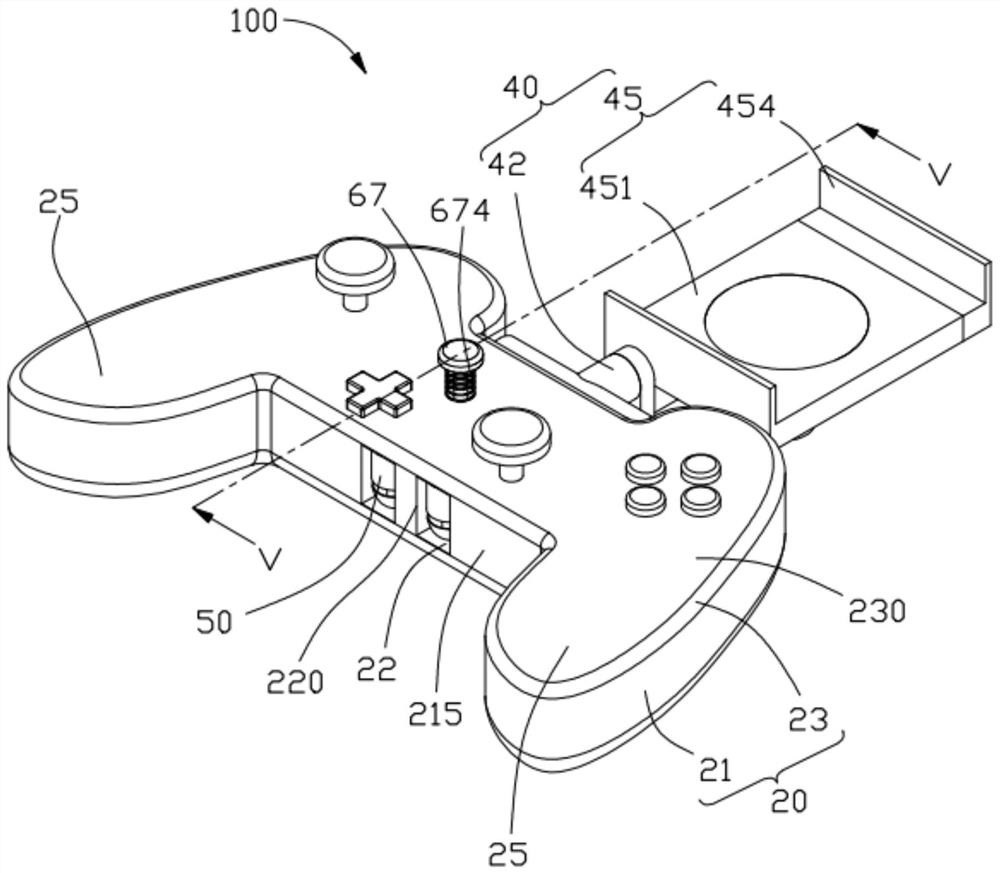
Chinese tech giant and BBK subsidiary OPPO has often strived to stay ahead of the pack when it comes to innovation. We have seen a number of recent patent filings that point to the direction the company is looking at when it comes to foldable displays, camera technology, and even in the aspect of gaming. A new patent by OPPO Guangdong Mobile Communications Co., Ltd has just been spotted. The patent is titled “game controller” and the application was made on September 9, 2019.
The patent has, in March this year, been published with filing number CN112451961A. The patent description notes that with the rapid development of the electronic game industry, mobile games have been widely promoted due to their convenience. In order to better operate the game, a gamepad is generally needed outside the mobile phone for convenience.
The existing mobile phone gamepads are mainly divided into two categories. One is the gamepad that cannot be plugged into the headset, that is, the mobile phone is clamped in the middle of the gamepad, and the gamepad blocks the 3.5mm audio jack of the mobile phone making it impossible to use a wired headset while using the game controller. Another design is a game handle that has a phone holder bracket at the top. The controller looks like the regular joystick gamepad and it frees up the space to plugin the audio jack or use the charging port while gaming.
OPPO’s patented game controller provides a gamepad and a housing to store the earphones. There is also a compartment at the top that’ll hold the phone.
We can’t say when this product will be released into the market but since the design is basic, it may not be extremely hard to bring this design to reality.
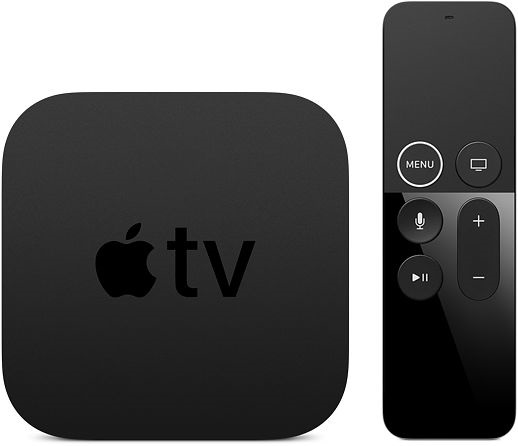
Apple is said to host a launch event later this month where it is expected to unveil the new iPad Pro and few others. Alongside the iPad, there are chances that a new Apple TV would also launch. This next-gen product is reportedly coming with upgraded SoC, and storage for better streaming. Now, 9to5mac has found evidences of 120Hz refresh rate support on the upcoming Apple TV 2021 model.
Representative image: Credits: Apple
As per the report evidences of high-refresh-rate support has been found on the latest tvOS 14.5 beta code. That is, terms like “120Hz” and “supports120Hz” have been added to tvOS’s PineBoard in the latest build. However, if you recall, the currently selling Apple TV has only up to 4K video at 60Hz support. Also, it has HDMI 2.0 port which cannot technically project the 120Hz content.
For the unware, the latest HDMI 2.1 standard brings improved bandwidth up to 48Gbps, resolution up to 10K, Dynamic HDR, eARC(enhanced Audio Return Channel), Variable Refresh Rate (VRR), and more. Accordingly, it also supports refresh rates on content up to 120Hz.
To do this, Apple has to put a powerful GPU and higher RAM capacity inside to pull that kind of content smoothly. Also, keep in mind that you will need a TV that has 120Hz refresh rate support as well. This report also goes in line with early info that said Apple was working on including HDMI 2.1 on the upcoming Apple TV.
That being said, the Apple TV 2021 model is turning out to be a worthy upgrade over the processors. Still, we will have to wait for a bit to know more intricate details on the same.
Last month, Nubia’s RedMagic announced its first smartwatch. The smartwatch which is sold as the RedMagic Watch and is exclusive to China, for now, has begun receiving an update that brings a dark mode to one of its watch faces.
According to a Weibo post by the official RedMagic account, the latest update to the RedMagic Sports app, the smartwatch’s companion app, lets you choose a particular watch face (Astronaut) that automatically switches from a white background (light mode) to a black background (dark mode) once it is 6 PM.
While this seems to be the only watch face to have this feature, it is pretty neat nonetheless.
The RedMagic Watch is a ¥599 (~$91) smartwatch with a 1.39-inch 454 x 454 AMOLED display and two physical buttons on the right side for controlling the watch. The watch has support for 16 sports modes including football which adds a heat map that shows the wearer’s most active positions on the pitch.
There is a Sony GNSS receiver that adds support for GPS, QZSS, and Beidou. The health sensor adds support for 24-hour heart rate measurement and blood oxygen level detection. The RedMagic Watch has a battery life of 15 days in typical usage mode but it can go up to 23 days in basic watch mode or drop to 50 hours with GPS turned on.
The smartwatch comes in different colored silicone straps and is also available in leather options that cost ¥100 more (~$15).
Storage in smartphones is an important factor for any consumer while purchasing a new device. While there have been various improvements in various parts of the handset, like cameras and processors, the average amount of storage offered to consumers has also risen in recent years and apparently crossing the 100GB mark in 2020.
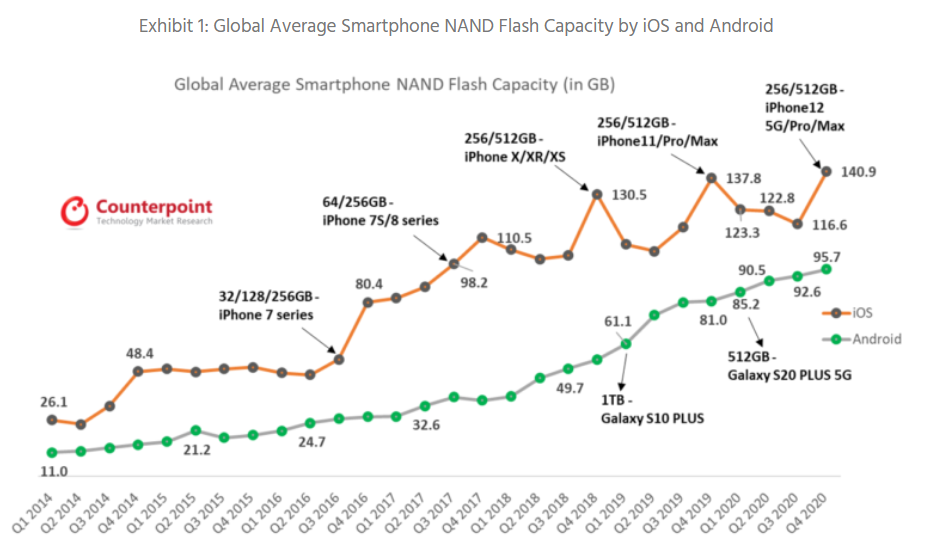
According to a Counterpoint Researchreport, the average smartphone NAND flash storage capacity in smartphones has surpassed the 100GB mark for the first time last year. Although, this figure differs based on iOS and Android platforms, with the former having an average of 140.9GB in Q4 2020 while the latter had an average of 95.7GB around the same period. However, the gap between the two platforms is closing as well, as Android devices are also offering higher storage options in past few years.
To put it into perspective, the average capacity in 2020 grew by 5.6 percent for iOS and 20.5 percent for Android handsets. These figures are indicative of the fact that Apple did not push the boundaries of its storage sizes that maxed out at 512GB. This has been the highest storage variant that the company has offered since 2018. Meanwhile, Android vendors like Samsung broke past this storage capacity and managed to offer 1TB of internal storage for the first time back in 2019, with the Galaxy S10 Plus.
Furthermore, higher capacities in Android smartphones are becoming more common as well. Devices with storage options can range from 256GB, 512GB, and even 1,024GB at times in flagship models. The final quarter of last year also showcased that 128GB was the minimum required standard for most mid range and every high end smartphones, especially premium grade flagships.
We use cookies on our website to give you the most relevant experience by remembering your preferences and repeat visits. By clicking “Accept”, you consent to the use of ALL the cookies.
This website uses cookies to improve your experience while you navigate through the website. Out of these, the cookies that are categorized as necessary are stored on your browser as they are essential for the working of basic functionalities of the website. We also use third-party cookies that help us analyze and understand how you use this website. These cookies will be stored in your browser only with your consent. You also have the option to opt-out of these cookies. But opting out of some of these cookies may affect your browsing experience.
Necessary cookies are absolutely essential for the website to function properly. This category only includes cookies that ensures basic functionalities and security features of the website. These cookies do not store any personal information.
Any cookies that may not be particularly necessary for the website to function and is used specifically to collect user personal data via analytics, ads, other embedded contents are termed as non-necessary cookies. It is mandatory to procure user consent prior to running these cookies on your website.