LG Electronics has announced LG CLOiD, an AI-powered home robot that will be shown publicly for the first time at CES 2026. The robot is designed to handle and coordinate everyday household tasks by working directly with connected home appliances. LG says the goal is to reduce the time and physical effort required for routine chores.
At CES 2026, LG will demonstrate CLOiD in realistic home settings. In one example, the robot takes milk from a refrigerator and places a croissant into an oven to prepare breakfast. After the occupants leave the house, CLOiD starts the laundry, then folds and stacks clothes once drying is complete. These demonstrations focus on showing how the robot understands daily routines and controls appliances based on user habits rather than fixed commands.
LG CLOiD’s hardware is designed for use inside living spaces. The robot consists of a head unit, a torso with two articulated arms, and a wheeled base with autonomous navigation. The torso can tilt to change height, allowing the robot to pick up items from knee level and from higher surfaces. Each arm has seven degrees of freedom, similar to a human arm, with movement at the shoulder, elbow, and wrist. Each hand has five independently actuated fingers, enabling precise handling of household objects in kitchens, laundry rooms, and living areas.
The wheeled base uses autonomous driving technology derived from LG’s robot vacuum products and the LG Q9. The low center of gravity improves stability and helps prevent tipping if the robot is bumped by a child or pet. LG selected this design for safety, stability, and cost efficiency.
The head of LG CLOiD functions as a mobile AI home hub. It includes the main chipset, a display, a speaker, cameras, multiple sensors, and voice-based generative AI. These components allow the robot to communicate using speech and facial expressions, learn home layouts and user lifestyles, and control connected appliances based on what it learns.
At the core of CLOiD is LG’s Physical AI technology. This combines Vision Language Models, which convert images and video into language-based understanding, and Vision Language Action models, which turn visual and verbal input into physical actions. These systems have been trained on tens of thousands of hours of household task data.
LG also announced LG Actuator AXIUM, a new actuator brand for service robots. Actuators combine motors, drives, and reducers and are among the most critical and expensive robot components. LG plans to use its appliance manufacturing expertise to deliver compact, efficient, high-torque designs.
For more daily updates, please visit our News Section.
Lexar has announced a new line of storage solutions at CES 2026, led by the debut of its AI Storage Core platform. The company is shifting focus toward supporting AI-driven devices, high-performance workflows, and mobile data processing across consumer and professional use cases.
The Lexar AI Storage Core introduces a new foundation for storage, built on performance, reliability, and flexibility. The company plans to launch three products under this new category.
The lineup includes an AI-Grade SSD designed to deliver sustained throughput for AI PCs and compute-intensive systems. Lexar will also release an AI-Grade Storage Stick that enables instant storage expansion through modular interfaces on next-generation devices. Completing the range is an AI-Grade Card aimed at 8K AI imaging, edge analytics, and real-time sensor fusion workloads.
Alongside the AI platform, Lexar introduced new portable SSDs and microSD solutions aimed at creators, gamers, and mobile users.
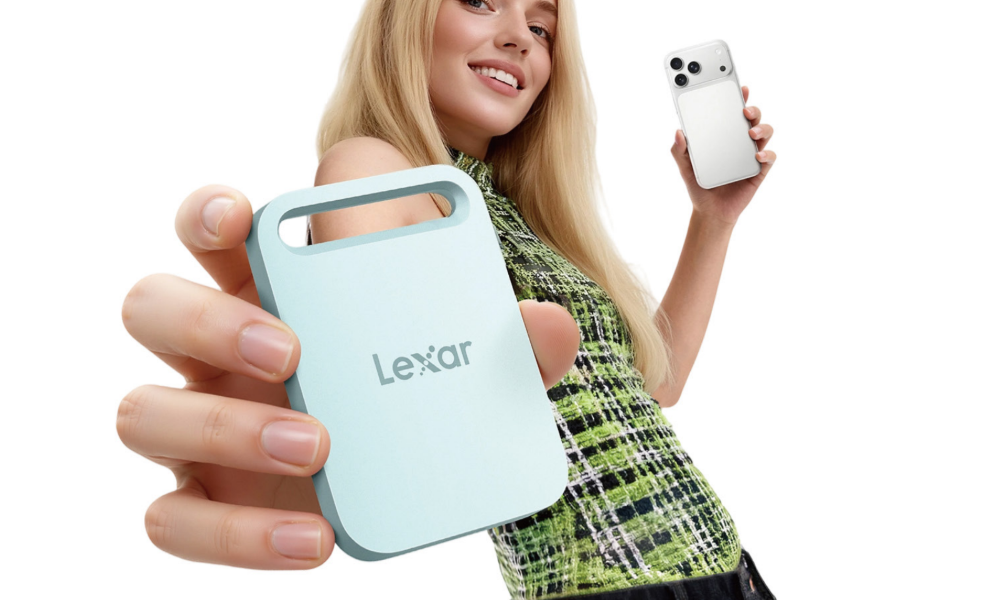
Following its initial launch in China, Lexar has now unveiled the Air Portable SSD for global markets. The lightweight storage device weighs just 0.6 oz and is designed for creators who require fast, mobile storage for photography, video, and design work. It supports automatic backup through the Lexar App, making it easier to manage files on the go.
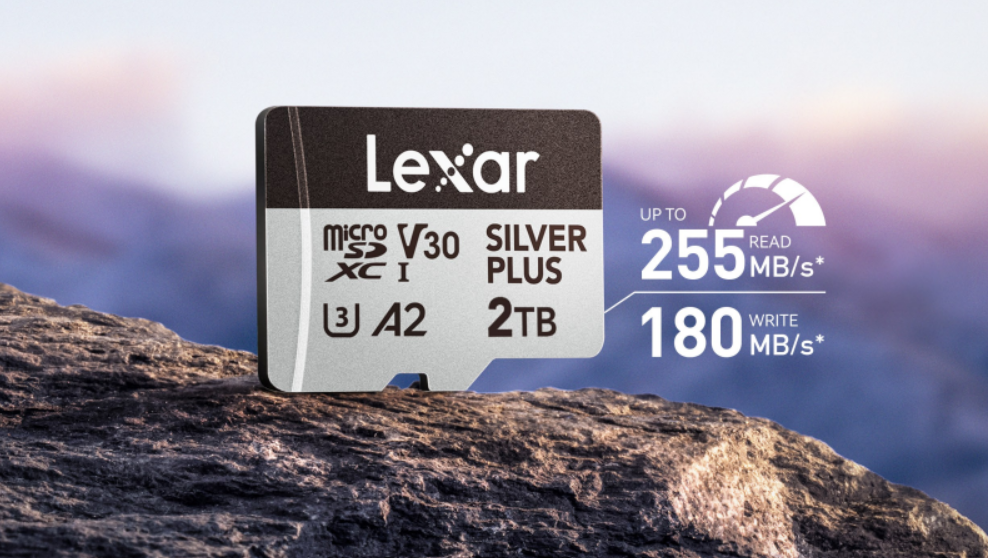
Lexar has also launched the 2TB Professional Silver Plus microSDXC card. It is currently the world’s fastest 2TB UHS-I microSD card, with read speeds of up to 255MB/s and write speeds up to 180MB/s. It is designed for drone users, outdoor content creators, and 4K60P video recording.
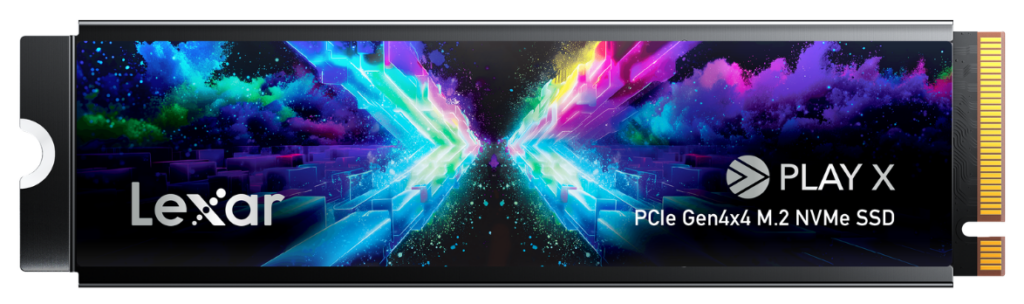
The company has expanded its PCIe Gen 4.0 SSD lineup as well with the Lexar Play X, which delivers read speeds up to 7400MB/s and write speeds up to 6500MB/s.
Not to mention, Lexar is also highlighting the TouchLock Portable SSD (we recently mentioned this in our best portable SSD roundup). While announced last year, CES 2026 marks its major showcase.
The drive uses NFC-based authentication and 128-bit AES encryption, allowing users to unlock secure zones with a smartphone tap. It also features a magnetic design and automatic photo backup for secure, portable storage.
JLab has announced the JBuds Mini ANC at CES 2026, expanding its Mini lineup with active noise canceling while keeping the product compact and affordable.
The JBuds Mini ANC build on the original JBuds Mini design with a strong focus on size reduction. JLab says the charging case is 50 percent smaller and the earbuds are 30 percent smaller than the JLab Go POP+. The compact design is meant for everyday use, making the earbuds easier to carry in a pocket or small bag without adding bulk.
Despite their small size, the JBuds Mini ANC are designed to deliver a full set of core features. Each earbud offers up to 6.5 hours of playback, with total listening time exceeding 25 hours when used with the charging case. The earbuds support Bluetooth multipoint, allowing users to stay connected to two devices at the same time and switch between them without manual reconnection.
For calls, the JBuds Mini ANC use environmental noise-canceling microphones to improve voice clarity in noisy environments. The earbuds are also rated IP55, providing resistance against dust and sweat, which makes them suitable for workouts and outdoor use.
Customization is handled through the JLab app. Users can adjust active noise canceling levels, switch to Be Aware mode to let in surrounding sound, fine-tune audio using EQ presets, and customize touch controls. These options allow users to tailor the listening experience based on their daily needs.
The JBuds Mini ANC will be offered in four color options: Graphite, Midnight Navy, Ruby Red, and Blush Pink. According to JLab CEO Win Cramer, the company focused on adding active noise canceling to the Mini lineup without increasing the price, reinforcing its goal of making advanced audio features more accessible.
Pricing and Availability
The JBuds Mini ANC will be available starting in March, priced at $39.99.
For more daily updates, please visit our News Section.
TCL has launched its new flagship X11L series televisions at CES 2026. The lineup includes 75-inch, 85-inch, and 98-inch models, with prices starting at $6,999.99. The series introduces the company’s latest SQD-Mini LED technology (check out our explainer to know more about it), designed to push brightness, color accuracy, and contrast beyond previous benchmarks.
TCL X11L Specifications
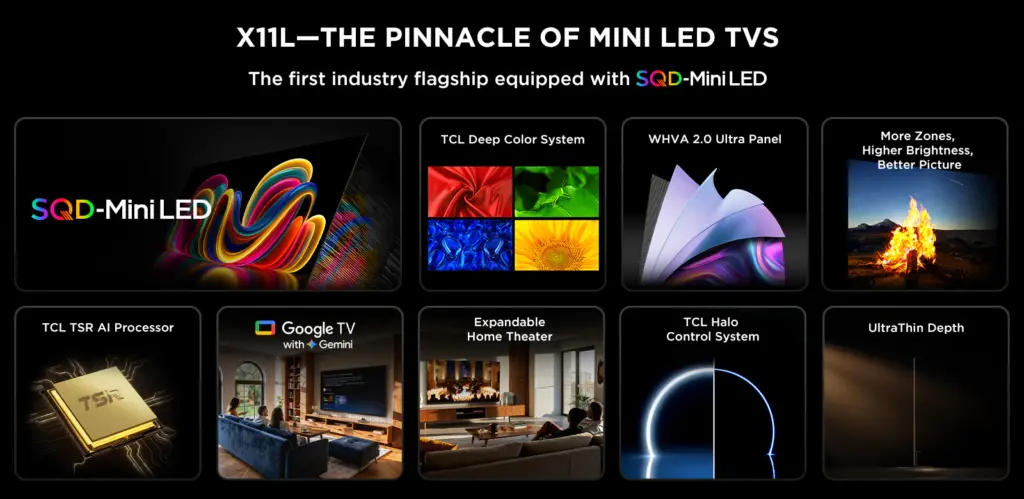
The X11L features TCL’s Deep Color System, which combines Super Quantum Dots, a CSOT UltraColor Filter, and a new Color Purity Algorithm. According to TCL, this system achieves 100% of the BT.2020 color gamut. The WHVA 2.0 Ultra Panel enhances the viewing experience with wide angles, a 7000:1 static contrast ratio, and an anti-reflective ZeroBorder design.
TCL claims the new panel supports up to 20,000 local dimming zones and delivers up to 10,000 nits peak brightness. These figures position the X11L among the brightest TVs in the industry. The company also includes its advanced Halo Control System, which is designed to reduce blooming and improve black levels. It comes with a new 26-bit backlight controller that handles brightness and shadow detail more precisely than previous models.
The X11L also includes TCL’s upgraded TSR AI Processor. This chip adjusts clarity, contrast, color, motion, and upscaling in real time using AI algorithms. The TV runs on Google TV and integrates Gemini for voice-based AI interaction. Hands-free voice control and a backlit remote with push-to-talk functionality are included as well.
For gaming, the X11L supports 4K at 144Hz, AMD FreeSync Premium Pro, and Auto Game Mode. TCL has included its Game Accelerator 288 for smoother visuals with variable refresh rate. HDMI 2.1 is available on all four ports, ensuring compatibility with modern gaming consoles and GPUs.
The audio system is tuned by Bang & Olufsen. TCL also supports Dolby Atmos FlexConnect, allowing users to expand the setup with optional wireless subwoofers and satellite speakers.
All models in the X11L feature a slim profile measuring just 0.8 inches thick. The design includes built-in cable management and support for wall mounting. TCL also adds Art Mode and Art Gallery features for users who want their TV to double as wall art when not in use.
Pricing and Availability
TCL has positioned the X11L series as its most advanced display to date. The 75-inch model is priced at $6,999.99, the 85-inch at $7,999.99, and the 98-inch at $9,999.99. The company is showcasing the new TVs at Booth #18604 in the Las Vegas Convention Center during CES 2026.
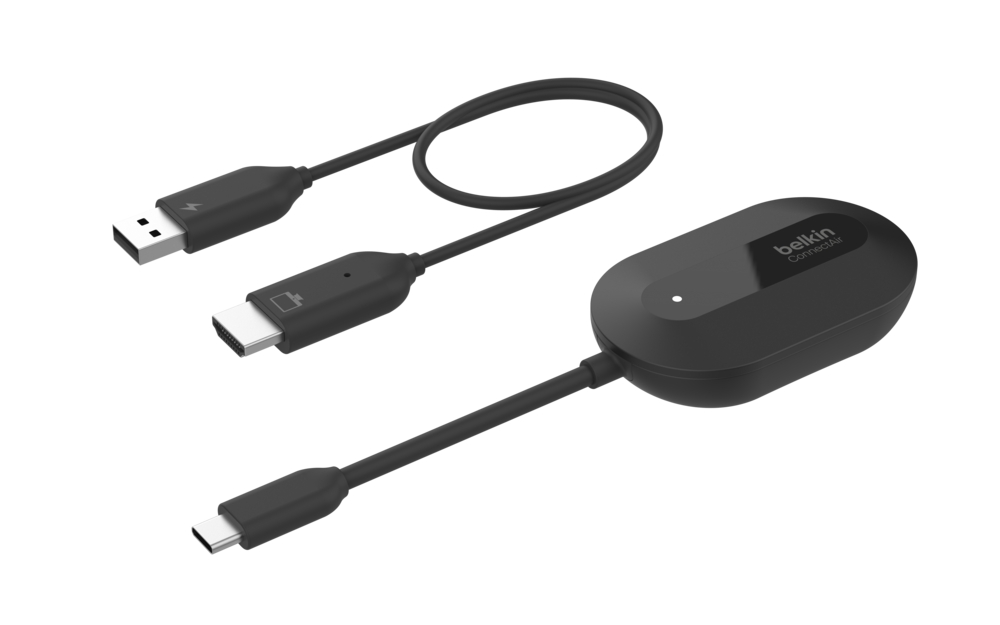
Wireless screen sharing is supposed to be easy. In practice, it rarely is. Belkin is trying to fix that with ConnectAir, a new wireless HDMI adapter unveiled at CES 2026 that skips Wi-Fi and Bluetooth altogether.
The setup is straightforward. A small USB-C transmitter plugs into your laptop or tablet, while a compact HDMI receiver connects to the display. Instead of joining a network or using AirPlay or Google Cast, the two devices talk directly over a dedicated 5GHz wireless link.
This approach avoids many of the usual problems—crowded office Wi-Fi, blocked networks, or compatibility issues between platforms. There’s no app to install and no software to configure. Once the receiver is powered—either through a USB-A port on the display or an external adapter—the connection is ready.
Video output tops out at 1080p at 60Hz. Latency is rated at under 80 milliseconds, which should be fine for presentations, videos, and general screen mirroring. This isn’t aimed at gamers or creatives chasing ultra-low lag, but it’s clearly built for meeting rooms and classrooms.
Compatibility is one of ConnectAir’s stronger points. Any USB-C device that supports DisplayPort Alt Mode should work, including Windows laptops, MacBooks, Chromebooks, and newer iPads. Because it doesn’t rely on platform-specific casting standards, mixed-device environments shouldn’t be an issue.
Range is rated at up to 131 feet (around 40 meters), even through walls, though real-world performance will depend on the room. Belkin also says a single receiver can pair with up to eight transmitters, making it easier to switch presenters without swapping cables.
ConnectAir is priced at $149.99 and is expected to roll out in select markets in Q1 2026. There’s no 4K support for now, but for teams tired of fighting wireless display setups, Belkin’s simpler approach may land at the right time.
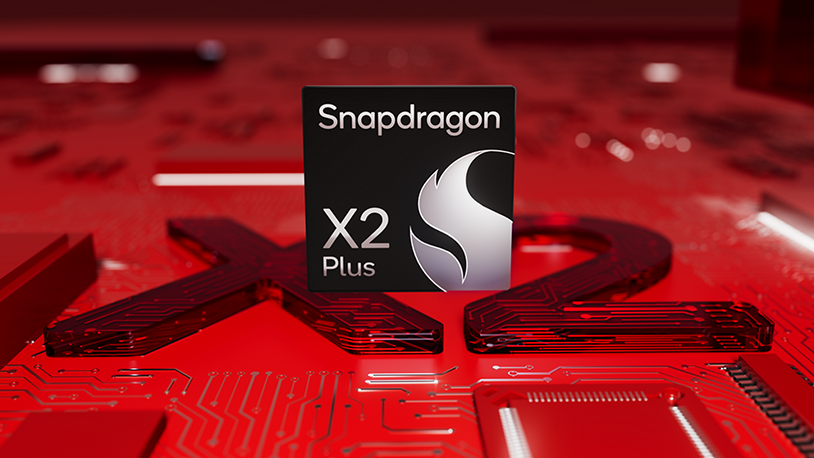
Qualcomm is once again turning up the pressure on traditional laptop processors. At CES 2026, the company introduced the Snapdragon X2 Plus lineup, aimed squarely at thin-and-light Windows laptops.
The new chips sit below the previously announced Snapdragon X2 Elite and X2 Elite Extreme, which debuted in September 2025. This time, Qualcomm is targeting more mainstream designs while keeping most of the core tech intact.
Two variants have been announced. There’s a 6-core Snapdragon X2 Plus X2P-42-100 and a higher-end 10-core X2P-64-100. Both use Qualcomm’s third-generation Oryon CPU architecture and pair it with an Adreno X2-45 integrated GPU.
The 10-core model combines six Prime cores with four Performance cores, while the 6-core version relies entirely on Prime cores. Clock speeds top out at just over 4GHz. Cache sizes differ, but both chips are clearly tuned for sustained performance rather than brief bursts.
Graphics support is solid for the class. The Adreno X2-45 supports DirectX 12.2 Ultimate and Vulkan 1.4, with higher GPU clocks reserved for the 10-core chip. Qualcomm is clearly balancing power and efficiency here, especially for slimmer laptops.
Memory and I/O are also competitive. The X2 Plus supports up to 128GB of LPDDR5x RAM, Wi-Fi 7, Bluetooth 5.4, multiple USB-C ports, and up to three external 4K displays.
Based on Geekbench 6.5 results shared by the company, the 10-core Snapdragon X2 Plus X2P-64-100 delivers around 35% better single-core and 17% faster multi-core performance than the first-generation Snapdragon X Plus. On the graphics side, Qualcomm says the Adreno X2-45 iGPU is roughly 29% faster in the 3DMark Steel Nomad Light benchmark, while the upgraded NPU sees a claimed 78% generational jump in AI performance.
The 6-core Snapdragon X2 Plus reportedly matches the single-core uplift of the 10-core variant, while offering about a 10% multi-core gain and a more substantial 39% improvement in GPU performance over its predecessor.
Qualcomm also highlights efficiency advantages versus x86 rivals. According to the company, the 10-core X2 Plus is around 3.5 times faster than Intel’s Core Ultra 7 265U in Geekbench 6.5 at iso-power, alongside a 28% lead in peak single-core scores. Qualcomm adds that Intel’s chip needs up to 4.6 times more power to reach its peak performance, underscoring the ARM platform’s efficiency push.
As always, real-world testing will matter more than slides. Laptops powered by Snapdragon X2 Plus are expected in the first half of 2026.
At CES 2026, ASUS Republic of Gamers announced a new lineup of OLED gaming monitors built around updated QD-OLED and Tandem OLED panels. These are the first displays to adopt RGB Stripe Pixel OLED technology. The monitors also have a new ROG BlackShield film that improves perceived black levels and adds extra panel durability. ASUS is also pushing higher refresh rates across the lineup, faster response times, and newer display interfaces such as DisplayPort 2.1 to support higher resolutions and frame rates without compression.
RGB Stripe Pixel OLED and BlackShield Film Explained
RGB Stripe Pixel OLEDTechnologyBlackShield Film
A key technical update across several new models is the introduction of RGB Stripe Pixel OLED technology. This pixel layout is designed to reduce color fringing around text, which has been a known issue on some OLED panels, especially during desktop use. The new monitors also introduce ROG BlackShield film. According to ASUS, this film increases perceived black levels by up to 40 percent and improves panel hardness by 2.5 times compared to earlier QD-OLED panels, offering better contrast in brighter rooms and improved scratch resistance during regular use and cleaning.
ROG Swift OLED PG34WCDN: 360Hz RGB OLED Ultrawide
The ROG Swift OLED PG34WCDN is positioned as the first RGB OLED gaming monitor. It features a 34-inch curved QD-OLED panel with a 1800R curvature and a WQHD resolution of 3440 x 1440 pixels. The monitor supports a 360Hz refresh rate and a 0.03ms response time. HDR support meets the VESA DisplayHDR 500 True Black standard. Color specifications include 99 percent DCI-P3 coverage, true 10-bit color depth, and Delta E below 2. Connectivity includes DisplayPort 2.1a UHBR20 with full 80Gbps bandwidth, USB-C with 90W power delivery, and HDMI 2.1.
Alongside it, ASUS announced the ROG Strix OLED XG34WCDMS. This model also uses a 34-inch WQHD QD-OLED panel with RGB Stripe Pixel OLED technology and the BlackShield film. It runs at a 280Hz refresh rate with the same 0.03ms response time. Connectivity differs slightly, with DisplayPort 1.4 using DSC, HDMI 2.1, and USB-C offering 15W power delivery. ASUS also highlights a compact stand design intended to reduce desk space usage.
ROG Swift OLED PG27UCWM: Dual Mode Tandem OLED
The ROG Swift OLED PG27UCWM uses a 26.5-inch Tandem RGB OLED panel with a glossy TrueBlack coating. This panel removes the white subpixel found in standard WOLED displays and relies on a pure RGB Stripe Pixel structure. ASUS claims this increases color volume by up to 27 percent, particularly at higher brightness levels. The monitor features a Dual Mode that allows switching between 4K at 240Hz and Full HD at 480Hz, both with a 0.03ms response time. HDR support includes Dolby Vision, 99 percent DCI-P3 coverage, true 10-bit color, and Delta E below 2. Connectivity includes DisplayPort 2.1a UHBR20 at 80Gbps, USB-C with 90W power delivery, and HDMI 2.1.
ROG Swift OLED PG32UCDM Gen 3: Updated 32-inch 4K Model
ASUS also updated its 32-inch 4K model with the ROG Swift OLED PG32UCDM Gen 3. The new version keeps the 3840 x 2160 resolution, 240Hz refresh rate, and 0.03ms response time of the previous model. It now adds the BlackShield film for improved perceived black levels and higher panel durability. HDR support includes Dolby Vision and VESA DisplayHDR True Black 500. Connectivity includes DisplayPort 2.1a UHBR20, USB-C with 90W power delivery, and HDMI 2.1.
Across the OLED lineup, ASUS includes OLED Care Pro with a Neo Proximity Sensor that dims the display when the user steps away to reduce burn-in risk. Software features include DisplayWidget Center for monitor control and configuration management.
For more daily updates, please visit our News Section.
Takway has unveiled a new AI-powered virtual pet called Sweekar at CES 2026. The startup describes it as a next-generation digital companion designed to evolve over time and interact meaningfully with its user. The concept draws clear inspiration from the classic Tamagotchi toys that became a global phenomenon in the late 1990s.
Sweekar features an egg-shaped design with small ears and a built-in screen that displays its face. It comes in three color options: pink, yellow, and blue, and supports interchangeable shells and customizable outfits.
The device starts life in an egg form and requires a two-day incubation period before it hatches. After that, users must feed and care for it to keep it healthy. Sweekar progresses through four life stages: egg, baby, teen, and adult. It becomes more independent at each stage and no longer requires constant care once it reaches adulthood.
Takway has equipped the toy with an AI memory system that allows it to recognize the user’s voice, recall past activities, and adapt its personality based on interactions. The company says Sweekar can react with various moods, including happy, angry, sleepy, and mischievous. It can also go on virtual adventures and return with generated stories.
Once the pet reaches level 51, it becomes unkillable in a virtual sense, meaning it will continue to function without regular attention. However, the hardware still requires charging and physical care.
Sweekar uses a combination of Google Gemini and ChatGPT for its AI features. Takway claims that all user interactions remain private, although independent verification of data practices is not yet available.
According to Engadget, the company plans to launch Sweekar through a Kickstarter campaign in March. The expected price range is between $100 and $150, though final pricing may vary. Takway has not announced an exact release date.
In related news, Cocomo and INU robot pets also made their debut at CES 2026, signaling that AI-powered companion pets are moving beyond science fiction and into real products.
You can check out our complete CES 2026 coverage here.
For more daily updates, please visit our News Section.
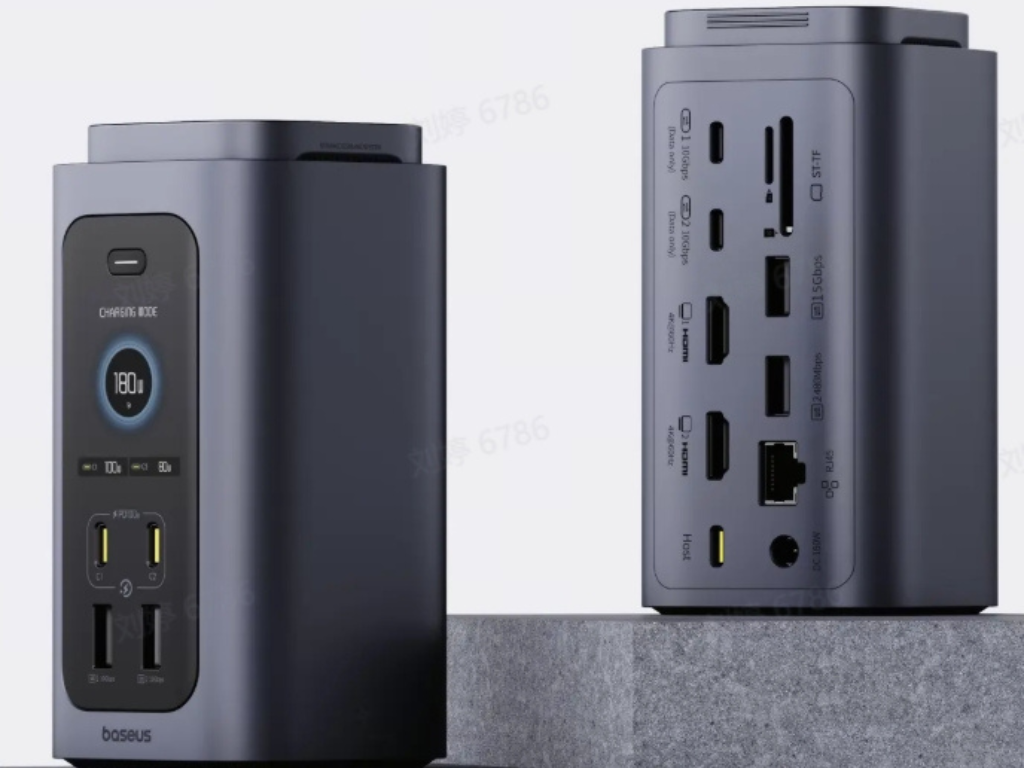
Baseus has added a new docking station to its lineup at CES 2026 with the launch of the Spacemate RD1 Pro. The dock is aimed at users who rely on external monitors and multiple accessories and want everything connected through a single unit on their desk.
The Spacemate RD1 Pro is a 15-in-1 docking station, mainly designed for Windows laptops, though compatibility may vary with other platforms. Display output is handled through two HDMI ports, which support dual monitors at 4K and 60Hz. Baseus also lists support for 4K at 120Hz when using a single display, depending on the setup.
Power delivery is one of the dock’s stronger points. It uses a 180W power adapter and can supply up to 100W over USB-C to a connected laptop. According to Baseus, power is dynamically managed based on how many ports are active at a given time.
Port selection is broad. The dock includes two 10Gbps USB-C ports, two 5Gbps USB-A ports, and two USB 2.0 ports for peripherals like keyboards and mice. There’s also Gigabit Ethernet and SD and TF card slots, both rated for transfer speeds of up to 104MB/s.
One feature that stands out is the wireless charging pad built into the top of the dock. The pad is magnetic, retractable, and supports Qi2 charging at up to 25W, making it easier to keep a phone charged without adding another cable to the desk. On the front, a small display shows basic information such as power output and port activity.
The Baseus Spacemate RD1 Pro is priced at $200 and is positioned as a high-end dock, with features that go beyond what’s typically found on standard USB-C hubs.
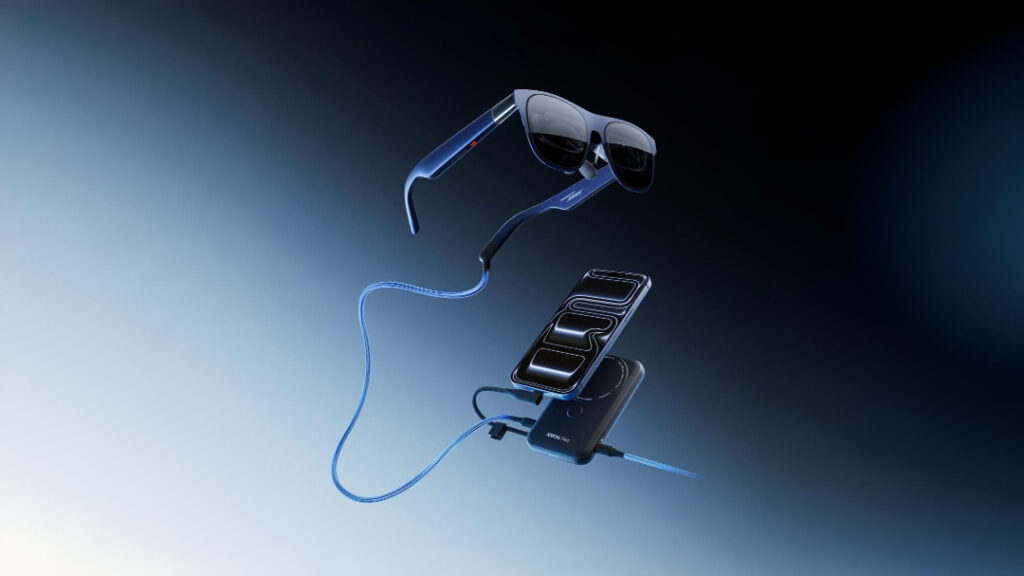
Xreal has officially launched the Xreal 1S AR glasses and the Xreal Neo power hub for the global market. The announcement follows the brand’s recent debut in Japan and marks the latest expansion of the Xreal One Series product lineup.
Xreal 1S Specifications
The Xreal 1S serves as a refreshed model in the One Series lineup, replacing the original Xreal One glasses from 2024. It features a Full HD 1200p display with a 16:10 aspect ratio and delivers peak brightness of up to 700 nits. The glasses provide a 52-degree field of view and support a 120Hz refresh rate.
Xreal has equipped the 1S with Sound by Bose audio, tuned by Bose engineers. The glasses weigh 82 grams, feature electrochromic dimming that adapts to ambient lighting, and carry TUV Rheinland eye comfort certification.
The Xreal 1S is powered by the Xreal X1 chip and supports native 3DoF tracking, enabling users to anchor virtual screens and expand to wider aspect ratios like 21:9 and 32:9. It supports screen sizes up to 500 inches. The USB-C port is reinforced for travel, and the glasses ship with a new protective case. The device is compatible with the Xreal Eye module, which adds 6DoF spatial anchoring and camera-based features.
Xreal has priced the 1S at $449 in the US.
Xreal Neo Specifications
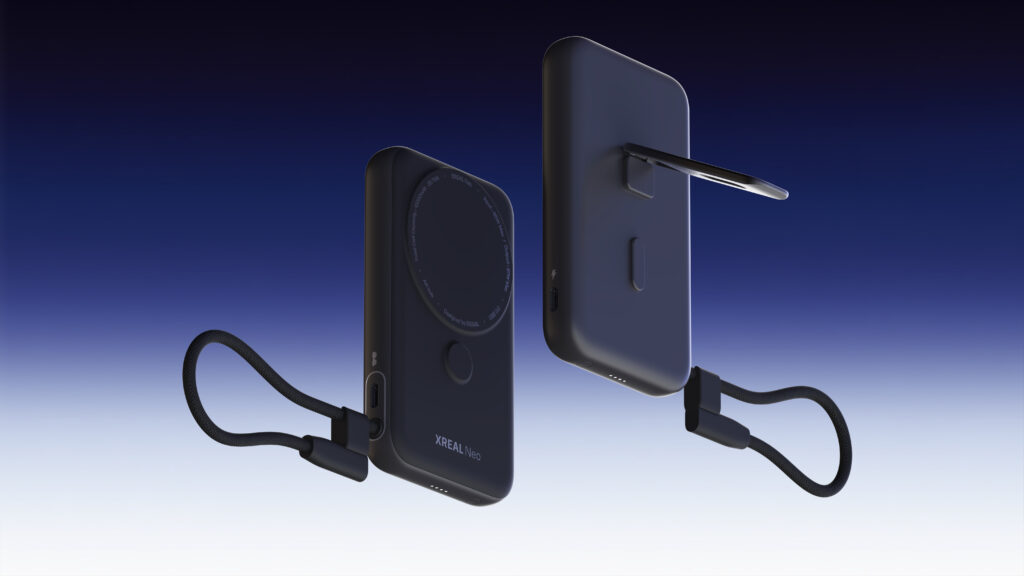
Xreal Neo is a portable power hub that acts as both a 10,000mAh power bank and a DisplayPort Alt Mode video adapter. It allows Xreal AR glasses to connect directly to devices like the Nintendo Switch and Switch 2 without using a dock. It also supports up to 1200p at 120Hz output when used with devices like the Steam Deck.
The Neo includes a built-in USB-C cable, magnetic connector, and a fold-out metal kickstand. It supports 30W input and 20W output when running on battery. When connected to a wall adapter of 65W or higher, it supports output up to 45W for fast charging of handheld consoles and phones.
Xreal Neo is priced at $99 for early buyers between January 4 and February 4. After the launch window, it will retail for $119. Xreal plans to start shipping the Neo in February 2026.
Both products are now available through Xreal.com, Amazon, and BestBuy.com.
For more daily updates, please visit our News Section.
Vivo has expanded its Y-series lineup in China with the launch of the Vivo Y50s 5G and Vivo Y50e 5G. Both smartphones focus on long battery life, durable design, and everyday 5G performance. Read on for detailed specifications, features, and pricing.
Vivo Y50s 5G, Vivo Y50e 5G specifications and features
Vivo Y50s 5G
The Vivo Y50s 5G and Y50e 5G share an identical design and physical footprint. They feature a 6.74-inch flat LCD display with an HD+ resolution of 1600 x 720 pixels, a 20:9 aspect ratio, and support for up to a 90Hz refresh rate. Both are IP64-rated devices that measure 167.30 x 76.95 x 8.19mm and weigh 204 grams.
Under the hood, both phones feature the Dimensity 6300 processor. The Vivo Y50e 5G comes with 6GB RAM and 128GB storage using eMMC 5.1, while the Vivo Y50s 5G is available in 6GB+256GB, 8GB+256GB, and 12GB+256GB variants with faster UFS 2.2 storage. Both phones pack a 6000mAh battery, with the Y50e supporting 15W charging and the Y50s offering 44W fast charging. OTG reverse charging is supported on both models.
Vivo Y50e 5G
On the software side, the devices run OriginOS 5 based on Android 15. Camera hardware includes a 5MP front camera and a 13-megapixel rear camera with autofocus, supporting up to 1080p video recording. Security features include side-mounted fingerprint scanning and facial recognition. Other features include dual SIM support, 5G, Wi-Fi, Bluetooth 5.4, multi-system GPS, USB Type-C, a 3.5mm headphone jack, an infrared remote control, and a side-facing fingerprint sensor.
Vivo Y50s 5G, Vivo Y50e 5G price and availability
In China, the Vivo Y50e 5G with 6GB+128GB storage is priced at 1,499 Yuan (~$215). The Vivo Y50s 5G starts at 1,799 Yuan (~$260) for the 6GB+256GB variant, with higher memory options such as 8GB+256GB and 12GB+256GB. Both phones are offered in Diamond, Sky Blue, and Platinum colour options and are already available for purchase through Vivo’s official channels.
For more daily updates, please visit our News Section.
Honor used the launch of the Honor Power 2 to quietly introduce two new tablets as well: the Honor Pad 10 Pro and the Honor Pad X10 Pro. The two tablets target very different audiences.
The Pad 10 Pro is an expensive machine that delivers on productivity and entertainment, while the Pad X10 Pro is more of an education-focused device.
Honor Pad 10 Pro
The Honor Pad 10 Pro comes with an 11.5-inch 2.8K LCD that supports a 144Hz refresh rate and the DCI-P3 color gamut. There’s also a Soft Light Edition that’s designed to feel more like reading paper.
According to the company, the screen supports multiple eye-care technologies, including hardware-level low blue light, global DC dimming, defocus eye protection, and even an AI-powered sleep aid display.
Under the hood, the tablet runs on the MediaTek Dimensity 8350 Ultra, paired with a large 10,100mAh battery. Audio is handled by an eight-speaker system with spatial audio.
On the software side, the Pad 10 Pro supports PC-level WPS, desktop-style multitasking, advanced document editing, and even LaTeX formula editing and paper comparison.
It also uses AI for document summaries, handwritten formula recognition, and voice recording synchronization. There’s a Magic Pencil 4s stylus support, too.
The Honor Pad 10 Pro starts at 2499 yuan (~$358) for the 12GB + 256GB version. You can also pair it with a stylus (Magic Pencil 4s) for an extra 399 yuan (~$58). Or the Soft Light Edition and stylus bundle is priced at 2699 yuan (~$385).
Honor Pad X10 Pro
The Honor Pad X10 Pro starts at a much lower 1499 yuan (~$215). It features an 11.5-inch 2.5K LCD with a 120Hz refresh rate, 100 percent sRGB coverage, and up to 400 nits of brightness.
Like Pad 10 Pro, it is also available in a Soft Light Edition.
The tablet uses a Snapdragon 685 processor, backed by an 8,300mAh battery with 35W fast charging. It has a four-speaker system and a lightweight all-metal unibody design, weighing just 475g. The color options include Mountain Gray and Sky Blue.
Where the Pad X10 Pro really differentiates itself is in software. It comes preloaded with K–12 learning resources, including courses from Beijing No. 4 High School, AI-powered homework tools, error correction, and remote parental management features. It also supports multi-screen collaboration, file sharing, and printing assistance.
For more daily updates, please visit our News Section.
Samsung hasn’t even rolled out the Galaxy S26 series yet, but leaks about the next generation are already starting to surface.
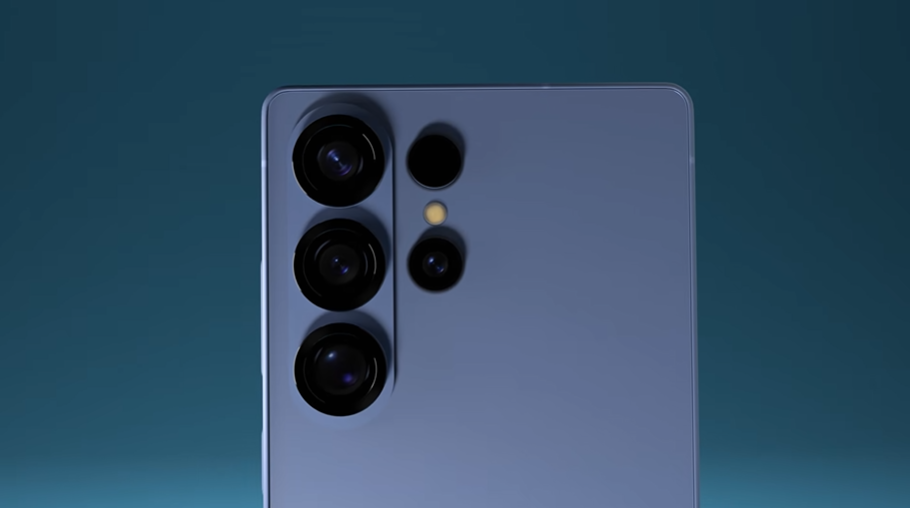
According to Ice Universe, the Galaxy S27 Ultra, expected in early 2027, may finally see meaningful changes to its camera hardware. The claim is that Samsung is planning new sensors for the main camera, ultra-wide lens, and selfie camera. The telephoto setup, however, is said to stay the same.
That would be a notable shift. Samsung has leaned on largely unchanged camera hardware since the Galaxy S23 Ultra, keeping the same 200MP ISOCELL HP2 main sensor across multiple generations. Recent models have focused more on tuning and software tweaks, with only minor hardware updates. The Galaxy S25 Ultra, for instance, replaced the 12MP (1/2.55″) ultra-wide with a 1/2.52″ 50MP sensor.
As a result, the Ultra lineup has been outperformed by Chinese flagships such as Vivo’s X300 Pro, and has gradually lost much of its reputation as a top-tier imaging device against Chinese rivals. A broader refresh could help address areas like low-light performance and front-camera quality, where Samsung’s gains have been incremental at best.
That said, this is still early information. The S27 Ultra is well over a year away, and Samsung’s plans can change. Earlier reports about the S27 series have been inconsistent, with some suggesting cost concerns could limit major upgrades. Ice Universe has a strong track record, but nothing is confirmed yet.
With the Galaxy S26 series expected to bring mostly modest changes, Samsung may be lining up its bigger camera updates for 2027. If so, the S27 Ultra could end up being a more meaningful step forward than recent models. For now, it’s just a leak—but one worth keeping an eye on.
Honor has been on a bit of a battery-focused streak lately. If you’ve been following recent launches, you might know the company’s new Win series phones, which feature unusually large 10,000mAh batteries. These are also premium smartphones with a Snapdragon 8-series chip.
The company is taking a similar approach with its new mid-range phone called Power 2. And, somewhat unexpectedly, it comes with an even bigger battery.
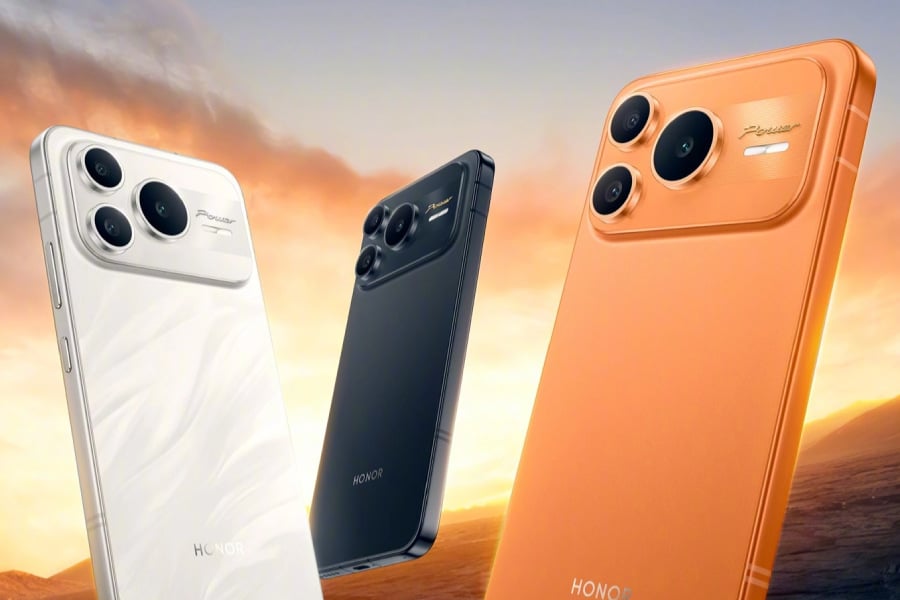
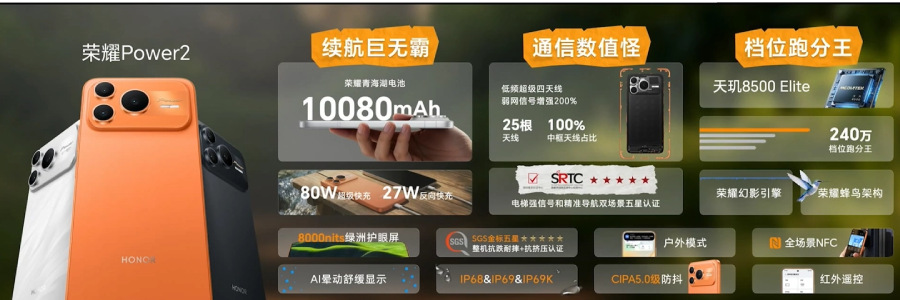
The Power 2 houses a slightly larger 10,080mAh battery inside a body that’s just 7.98mm thick. For comparison, the iPhone 17 Pro, with not even a 5,000mAh cell, measures 8.8mm. And it’s not particularly heavy either, weighing just 216 grams.
The battery supports 80W wired charging and even offers 27W reverse charging.
Honor Power 2 Specifications
Up front, the phone features a large 6.79-inch OLED LTPS flat display with a 1.5K resolution of 2600 x 1200 pixels. The screen is also advertised up to 8,000 nits of peak brightness along with 3,840Hz PWM dimming.
Powering the device is MediaTek’s Dimensity 8500 Elite chipset, paired with LPDDR5x RAM and UFS 4.1 storage. The Dimensity 8500 is a new mobile processor that Honor claims scores over 2.4 million points on AnTuTu.
The Power 2 also gets a decent pair of camera setups. The rear is home to a 50MP main sensor featuring OIS, a 5MP ultra-wide camera. Whereas you get a 16MP camera on the front. On the software side, the Power 2 runs Android 16 with MagicOS 10 layered on top.
Other features include an in-display fingerprint scanner, dual speakers, a metal frame, and an unusually comprehensive durability rating with IP66, IP68, IP69, and IP69K certifications. Connectivity options cover Wi-Fi 6, Bluetooth 6.0, IR blaster support, and advanced satellite positioning.
Pricing for the Honor Power 2 starts at 2,699 CNY (around $385) for the 12GB RAM and 256GB storage variant, going up to 2,999 CNY (about $430) for the 512GB. The phone is available in Phantom Black, Snowfield White, and Rising Sun Orange.
For more daily updates, please visit our News Section.
Baseus has revealed a new ultra-compact power bank ahead of CES 2026, and it’s clearly aimed at people who want fast charging without carrying something bulky. Called the PicoGo AC22 Ultra Mini, the power bank focuses on portability while still offering specs that go beyond basic phone charging.
The AC22 comes with a 10,000mAh battery, which is fairly standard on paper, but the interesting part is the size. Baseus says it’s roughly as small as a pair of AirPods, making it much easier to carry around compared to typical power banks in this capacity range. Internally, it uses a dual-cell setup rated at 72Wh and can push up to 45W via USB-C.
That output should be enough for fast-charging smartphones and tablets, and it can also handle smaller USB-C laptops or handheld gaming devices like the Steam Deck. There’s a built-in USB-C cable attached to the body, which doubles as a strap. It’s a small detail, but it means you don’t need to carry a separate cable just to top up your phone.
You can charge two devices at the same time—one using the built-in cable and another through the USB-C port. When both are connected, the total output drops to 5V/3A. A small digital display on the front shows the remaining battery percentage and charging status.
The USB-C port handles both input and output, with support for multiple voltage levels up to 20V. Recharging the power bank itself happens through the same port.
Baseus announced the PicoGo AC22 Ultra Mini alongside other products ahead of CES 2026, including the Spacemate RD1 Pro. Pricing is set at $59.99, and it’s expected to go on sale via Amazon in February 2026.
If you’re looking for a power bank that’s genuinely compact but still supports fast charging, this one could be worth watching.
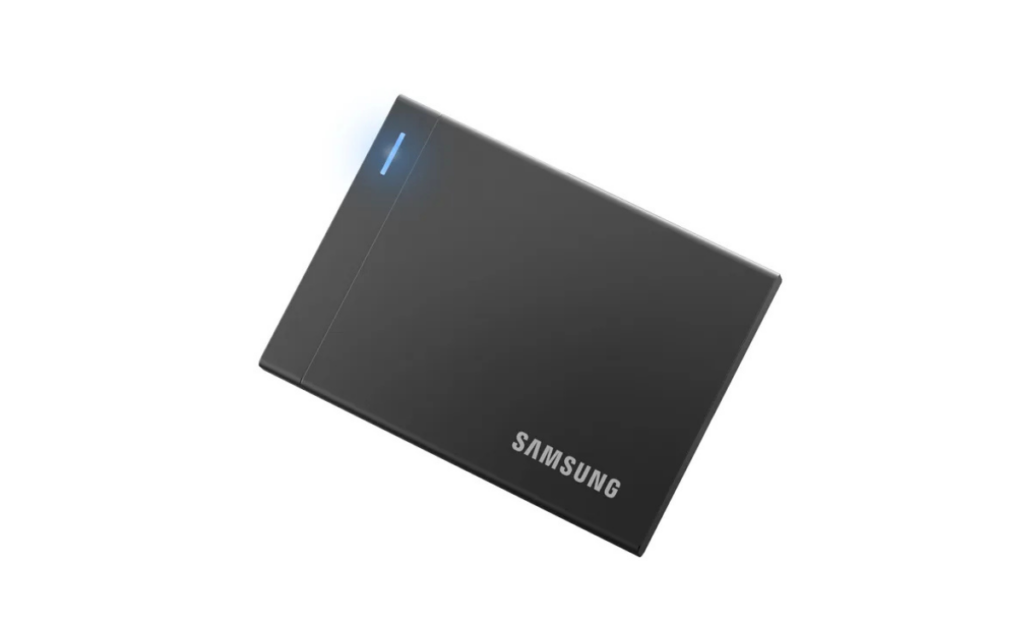
Samsung Electronics is preparing to launch a new high-performance portable SSD, the Portable SSD P9, which supports USB4 and delivers transfer speeds of up to 4000MB/s.
The device has already received recognition as a CES 2026 Innovation Award winner and is positioned as one of the fastest and highest-capacity portable SSDs in the market.
The P9 portable SSD features a USB4 40Gbps interface and will be available in storage options of up to 8TB. According to Samsung, this is the world’s first and only 8TB external SSD that supports USB4, making it a significant leap forward in portable storage.
The company claims the P9 can store over two million photos or as many as 3,720 HD videos, making it suitable for content creators, professionals, and gamers who require large, fast, and portable storage.
Samsung has developed a new thermal control technology for the P9, which enhances power efficiency while maintaining high-speed performance. The drive improves read power efficiency by 333% and write efficiency by 405% compared to the previous generation. This improvement not only boosts performance but also helps extend the battery life of connected devices.
The P9 supports real-time editing of up to 12K video streams and works across a wide range of devices. It is compatible with Windows, macOS, Android smartphones and tablets, game consoles, and professional production equipment.
Samsung has not yet announced a specific launch date or pricing, but the Portable SSD P9 is expected to be officially unveiled at CES, which starts tomorrow on January 6.
In related news, Samsung has recently unveiled a 130-inch Micro RGB TV that delivers the industry’s widest color gamut, and the company has also revealed its world’s brightest QD-OLED TV ahead of CES 2026.
For more daily updates, please visit ourNews Section.
MediaTek has confirmed that it will hold a launch event on January 15 in China. The teaser released by the brand confirms that it will launch two chipsets on the said date. The Taiwanese chipmaker is expected to officially unveil the Dimensity 8500 as well as a new Dimensity 9-series chip.
MediaTek to unveil two Dimensity chips on January 15
According to reports, MediaTek will unveil the Dimensity 8500 and Dimensity 9500s chipsets on Jan. 15. While the Dimensity 9500s will be a completely new chip, the Dimensity 8500 already powers the Honor Power 2, which has just gone official in China.
The Dimensity 8500 is built on TSMC’s N4P process and features an octa-core CPU configuration made up of one Cortex-A725 core clocked at 3.4GHz, three additional Cortex-A725 cores running at 3.20GHz, and four efficiency-focused Cortex-A725 cores operating at 2.20GHz. Graphics duties are handled by the Mali-G720 MC8 GPU.
Reports have revealed that the Dimensity 9500s is manufactured using TSMC’s more advanced N3E process. It comes with a more powerful CPU setup that includes a single Cortex-X925 core clocked at 3.73GHz, three Cortex-X4 performance cores running at 3.30GHz, and four Cortex-A720 efficiency cores at 2.40GHz. The chipset is paired with a Mali Immortalis-G925 MC12 GPU, operating at a frequency of 1612MHz.
Reports have also revealed that the upcoming Redmi Turbo 5 Max series will include two models. Likely, the base model could be powered by the Dimensity 8500 chipset, whereas the higher variant could feature the Dimensity 9500s.
For more daily updates, please visit our News Section.
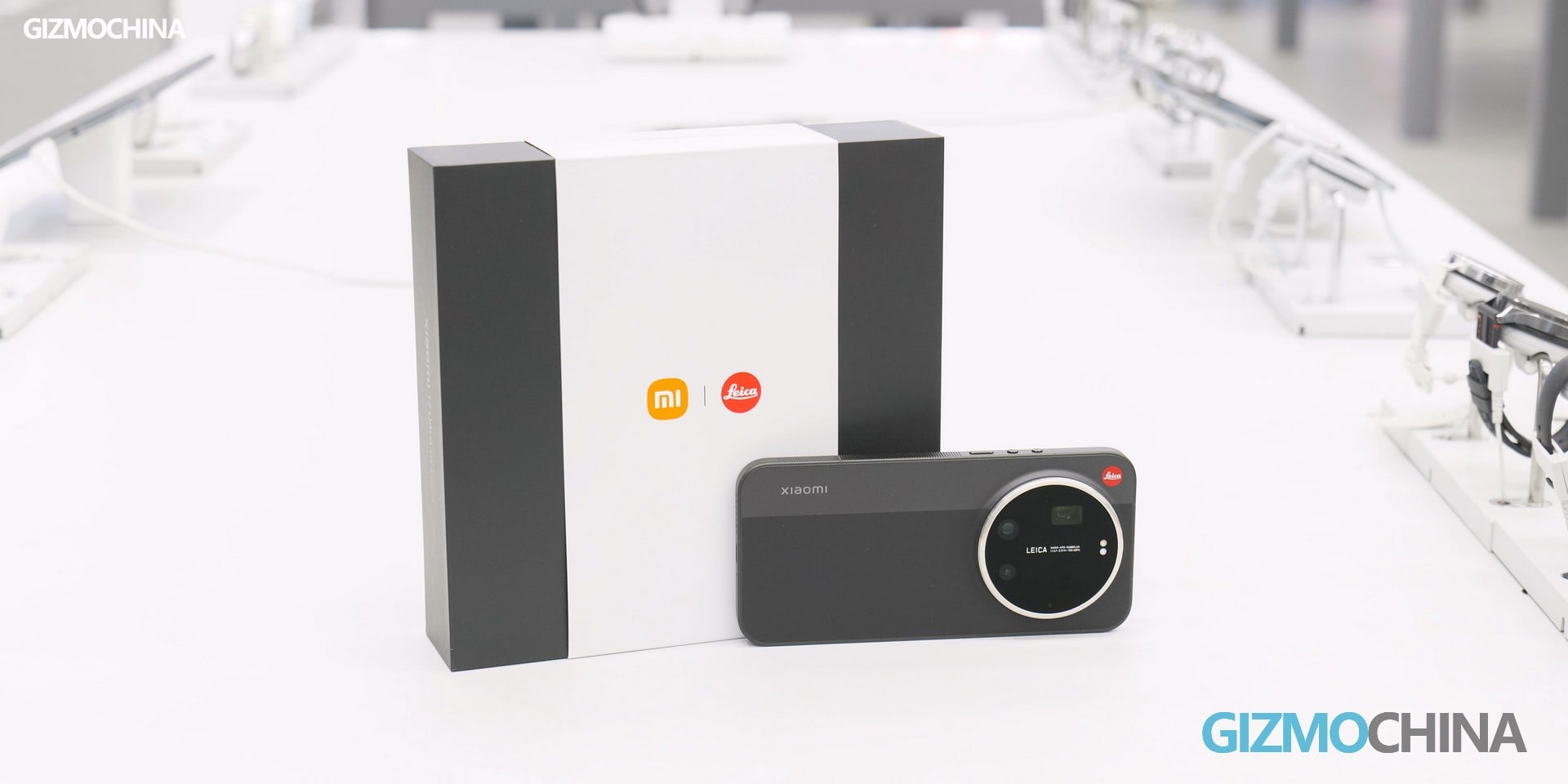
If most smartphone imaging systems are chasing “more clarity” and “greater accuracy,” then the Xiaomi 17 Ultra by Leica is clearly taking a different path—it tries to give photos their emotions back. When you switch to Leica Essential mode, this phone stops obsessing over reproducing everything exactly as it is, and instead makes deliberate choices. Highlights are restrained, shadows are allowed to fall silent, and a subtle grain appears, like a breath carried over from the film era.
The image is no longer just a record of “what happened,” but a complete story being told. If you’re not interested in Leica, then don’t buy this phone. Out of the $1,000 you’re paying, at least $500 goes directly into every aspect of the Leica collaboration— the exclusive Leica Essential mode, the Leica red dot, the camera ring, and a full range of Leica-branded accessories. This device is, quite literally, a Leica camera that can make calls and fit into your pocket.
The Leica M9 look, and the M3 with Monopan 50 film look are not filters. Like Leica’s Authentic modes, they are processed directly within the ISP and output as is. That’s why you simply can’t recreate such natural Leica-style images through basic post-processing. You can even use cloud-based image processing to enhance image quality, but photos shot in Leica Vibrant and Leica Authentic can’t.
The white balance of the M9 looks is fixed to daylight, which does a great job of preserving the warmth of the lighting. However, because white balance cannot be adjusted in this mode, photos taken indoors can easily appear too yellow. Switching back to Leica Vibrant is a better option in those situations.
Another issue is launch speed. Getting into Leica Essential mode is not as quick as Fastshot mode, which caused me to miss quite a few great moments.
One of the reasons that makes Xiaomi 17 Ultra by Leica so special is the camera ring. Yes, it really can be rotated to adjust focal length. You can also customize its function, such as rotating to control EV or filters, or rotating to jump directly into Leica Essential mode.
Unfortunately, just like the camera control button on the iPhone, this camera ring is… not as good to use as you might imagine. Because the ring is quite loose, it’s easy to be triggered accidentally, and it feels cheap in use. It makes sense why it’s designed this way—to prevent deformation from drops or getting stuck due to dust. This isn’t me making excuses for Xiaomi; they explained this in a recent official announcement.
But all of that can be summed up in one sentence: it’s not pleasant to use. Compared to the camera ring, I’d much rather control the camera using the grip from the photography kit.
Photography Kit
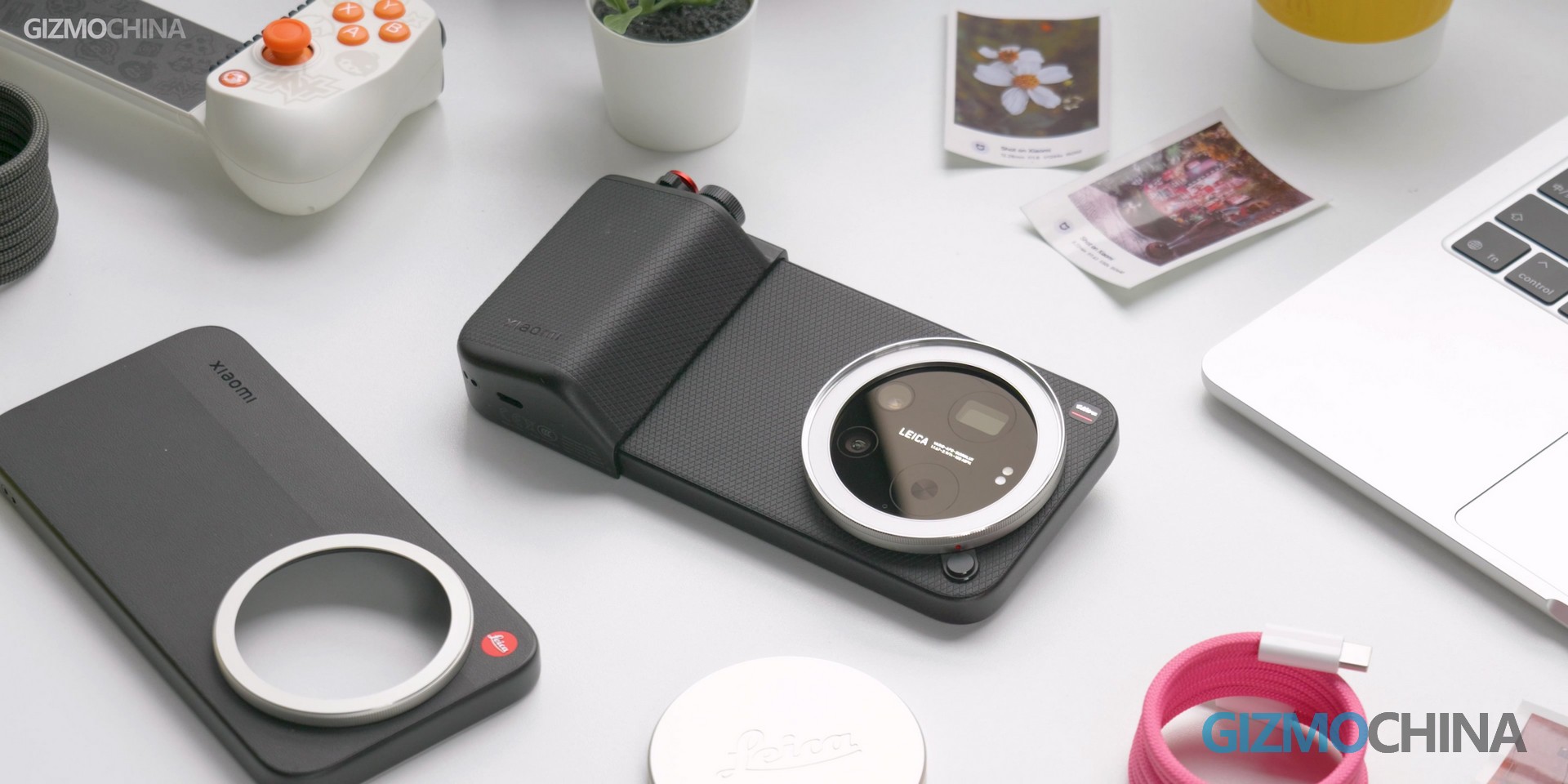
If you’re willing to, you can add another $100 at purchase to get the photography kit for the Xiaomi 17 Ultra. This generation combines all the advantages of previous versions. It still supports 67mm camera filters, the grip still can be connected to the phone via USB-C, and it still has a built-in 2,000mAh battery.
The replaceable shutter button is still there, and the dial has been redesigned to make it feel more like that of a professional camera. The control area has also been moved lower, making it more ergonomic. The thumb grip is now integrated, with a metal outer layer just like before. There are even magnets in the phone case, making it compatible with all MagSafe accessories. These are genuine upgrades—but there are always some downgrades.
Like the phone’s camera ring, the rotating structure on the case is still very loose, which makes it feel less premium. The case material has also changed from vegan leather to plain plastic. My biggest complaint is that the case blocks the Leica red dot logo. If you use the case included in the phone box, the grip cannot lock onto the phone at all. Listen, Xiaomi: if you don’t want to spend more on Leica licensing for the photography kit, then at least cut a hole in the case.
At the moment, I only recommend this kit to users who bought the regular 17 Ultra. Oh, and Xiaomi has also released a Photography Kit Lite—Leica edition. Users should avoid it as well, because it blocks the camera ring.
Telephoto
Now that we’re done with the Leica part, let’s talk about image quality. How is the image quality of this telephoto camera with true optical zoom? Good—but not good enough. The good part is that it doesn’t have any obvious flaws. Whether you’re watching this video on a phone or a computer, as long as I don’t zoom in, you probably can’t find anything wrong with the photos, right? And with In-Sensor Zoom available at both 200mm and 400mm, its telephoto reach is actually quite strong.
The reason I say it’s still not good enough is that, in slightly dimmer lighting, the image quality looks a bit soft. In terms of sharpness, it can even be slightly worse than the Xiaomi 15 Ultra. Another limitation is the 30cm minimum focusing distance, which makes it hard to call the shots true macro.
That’s one of the trade-offs of optical zoom. By the way, if you shake the phone and hear something moving inside the camera, that’s because the camera module is very large. The sound comes from the OIS module and the telephoto lens group moving, and this is completely normal.
As for the focal length range, 75mm to 100mm sounds quite wide on paper, but in practice, the difference in field of view between 75mm and 100mm isn’t that big. Taking two steps forward can give you a similar result.
Why not make the range wider? Xiaomi explained this in the same announcement: there simply isn’t enough internal space to fit a telephoto module beyond 100mm. Being able to satisfy users who like 75, 85, 90, and 100mm lenses is already the best Xiaomi could do.
Main Camera & Video
Although the 17 Ultra still uses a one-inch main sensor, the model has changed. The biggest upgrade is the addition of LOFIC technology. Simply put, this increases dynamic range, especially in highlight control. Video also benefits from LOFIC: areas that would normally blow out are now much better controlled, resulting in a noticeable improvement in dynamic range.
However, I’m not very satisfied with the video recording on the 17 Ultra. The image stabilization isn’t stable enough, and motion blur caused by stabilization appears quite frequently. If a one-inch sensor performs like this, the ultra-wide camera can only be worse.
Besides image quality that’s genuinely hard to accept, there are also some strange, almost bug-like behaviors. For example, the person at the bottom of this footage. In very dark environments, subjects show trailing and color noise. Clearly, the video recording experience isn’t fully ready yet, and we’ll have to wait for updates and optimization.
On the bright side, the ultra-wide camera is 14mm, which means it offers a much wider field of view than other phones in the 17 series. If you look at these photos on their own, the quality isn’t terrible. But when you consider that I paid $1,000, and the other two cameras are so good, the ultra-wide camera ends up feeling especially weak. Perhaps for a photography-focused phone like this, sacrificing the ultra-wide camera in favor of the main and telephoto is something people can accept more easily.
The selfie camera has seen a slight upgrade to a 50MP sensor. Under normal conditions, selfies are perfectly fine, and the larger sensor really helps in low light. Even when the lighting is weak, facial details aren’t lost too badly. As a man, I’m already quite satisfied with this level of selfie quality.
Performance
I think I’ve talked enough about the cameras, so it’s time to discuss the Xiaomi 17 Ultra as a smartphone. There’s not much left to say about the Snapdragon 8 Elite Gen 5 platform—you can basically consider it the most powerful mobile processor available right now. Its performance in benchmarks is actually a bit more aggressive than the 17 Pro Max.
For an imaging-focused flagship, the gaming experience on the Xiaomi 17 Ultra is excellent. It maintains high frame rates without throttling, and temperatures stay reasonable. We also didn’t find any “cheating” behavior like resolution scaling. So, as long as you don’t mind the lack of frame interpolation, it can easily serve as a gaming phone for the next three to five years.
Display & Battery
There isn’t much to say about the display either. Like the Xiaomi 17 Pro Max, it’s now flat and uses a new pixel arrangement. This is currently Xiaomi’s most advanced display.
While we’re now in an era where smartphone battery capacities have exceeded 10,000mAh, 6,800mAh may not sound huge anymore—but you definitely can’t call it small. I’d say it’s more than enough. If battery life is especially important to you, Xiaomi gave you another option three months ago. If you treat the 17 Ultra purely as a camera, after a full day of intensive shooting, it still has 26% battery remaining.
It supports 90W wired charging, which is more than enough for most people. Wireless charging dropping from 80W to 50W is definitely a step back, but considering that wired charging supports 90W PPS and reverse charging has been increased to 22.5W, the overall charging system is still a clear improvement over the 15 Ultra.
Conclusion
After taking nearly 600 photos in Hong Kong, the positioning of the Xiaomi 17 Ultra became increasingly clear to me. The photos it takes may not be the sharpest, but they are absolutely the most emotionally rewarding. If you love photography, you may have many reasons why you can’t buy a real Leica M camera—but you really have no reason not to buy a Xiaomi 17 Ultra by Leica.
It’s smaller, cheaper, and more durable. I believe that over the next year, it will become my main camera, being with me as I capture more stories from the streets and alleys of everyday life.
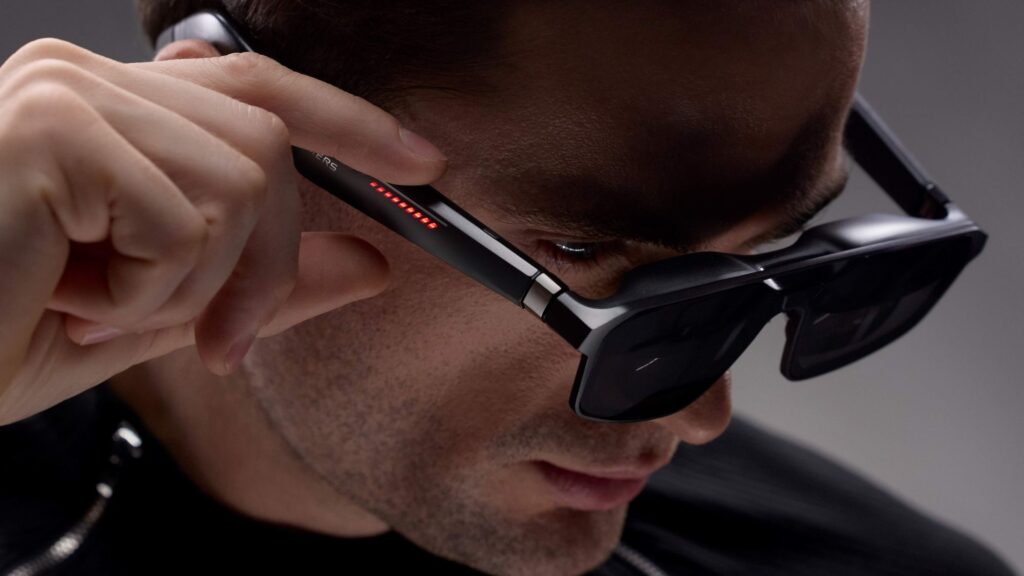
ASUS Republic of Gamers has introduced the ROG XREAL R1 gaming glasses, a wearable display solution designed to give gamers a huge virtual screen experience without a bulky monitor. Featuring the world’s first 240Hz micro-OLED Full HD panel in AR glasses, the R1 delivers sharp visuals and fluid motion for games on PCs, consoles, or handhelds like the ROG Ally. So here’s what we know.
ASUS ROG XREAL R1 Gaming Glasses Specifications
During the ongoing CES 2026 event, ASUS made a bold announcement as it steps into immersive, wearable gaming with the ROG XREAL R1. These are a pair of AR glasses (Augmented Reality) that combine a high-performance 240Hz micro-OLED display with lightweight comfort and broad device support. these glasses are designed to project a massive virtual screen that mimics the experience of a large gaming monitor without taking up physical desktop space.
ASUS ROG XREAL R1 gaming glasses
What sets the ROG XREAL R1 apart is its Full HD panel capable of refreshing at 240Hz, a first for gaming glasses. This is paired with a 57° field of view that ensures you get a smooth and responsive gameplay experience. When viewed from around 4 meters away, the virtual screen’s size can reach the equivalent of a 171-inch display, giving users a true big-screen feel from any location.
Despite packing cutting-edge display tech, the glasses remain lightweight, weighing just around 91 grams, making them comfortable for extended gaming sessions on the go. For audio, the R1 integrates Bose-tuned sound to deliver a rich 3D audio stage, rounding out the sensory experience without needing dedicated headphones. For connectivity, ASUS launched the ROG XREAL R1 gaming glasses with an included ROG Control Dock, which provides DisplayPort 1.4 and HDMI 2.0 ports along with more USB-C options.
This allows users to connect it to their gaming PCs, consoles, or even handhelds like the ROG Ally series. There is even support for seamless switching between sources. In practical terms, you can plug the glasses directly into a USB-C-equipped device for plug-and-play use, turning even small screens into immersive game worlds. While ASUS has shared no official pricing yet, the ROG XREAL R1 is expected to arrive in the first half of 2026. This launch also arrives as the brand is expected to pull the plug on its ROG series of gaming phones and Zenfone flagships.
For more daily updates, please visit our News Section.
Motorola has just announced a new limited edition foldable for the 2026 FIFA World Cup. One of the brand’s latest flip phones is getting a special version for this highly anticipated event, and a recent teaser finally offered us a glimpse of the Motorola Razr FIFA World Cup 2026 Edition. So let’s check it out.
Motorola Razr FIFA World Cup 2026 Edition Teased
In a recent tweet, the company shared a video trailer that revealed this collaboration with the 2026 FIFA World Cup. Looking at the video, the special edition flip might be the Razr 60 model (Razr 2025 in the US). We can only make out the silhouette of this premium phone, but we can expect a unique new design that stands out from the regular versions of the foldable.
Motorola Razr FIFA World Cup 2026 Edition
The official teaser reveals that the Motoroal Razr FIFA World Cup 2026 Edition will go official tomorrow, 6th January 2026. While finer details like its pricing and design are still unclear, we can assume that its specifications are similar to the existing Razr 60. So the limited edition model likely features the same dual display setup with a 6.96-inch main LTPO pOLED display with a 1.5K resolution and a 165Hz refresh rate, and a 4-inch pOLED LTPO cover screen with a 165Hz refresh rate.
Under the hood, the Razr FIFA World Cup 2026 Edition likely should be equipped with the Snapdragon 8 Elite SOC, which supports 16GB of RAM and 512GB of internal storage. For optics, the rear features 50MP dual camera setup, while the front houses a 50MP selfie shooter. A 4,700mAh battery pack could power this flip phone, with support for 68W wired and 30W wireless fast charging. This is all the information we have at the moment, so stick around for more.
For more daily updates, please visit our News Section.
We use cookies on our website to give you the most relevant experience by remembering your preferences and repeat visits. By clicking “Accept”, you consent to the use of ALL the cookies.
This website uses cookies to improve your experience while you navigate through the website. Out of these, the cookies that are categorized as necessary are stored on your browser as they are essential for the working of basic functionalities of the website. We also use third-party cookies that help us analyze and understand how you use this website. These cookies will be stored in your browser only with your consent. You also have the option to opt-out of these cookies. But opting out of some of these cookies may affect your browsing experience.
Necessary cookies are absolutely essential for the website to function properly. This category only includes cookies that ensures basic functionalities and security features of the website. These cookies do not store any personal information.
Any cookies that may not be particularly necessary for the website to function and is used specifically to collect user personal data via analytics, ads, other embedded contents are termed as non-necessary cookies. It is mandatory to procure user consent prior to running these cookies on your website.