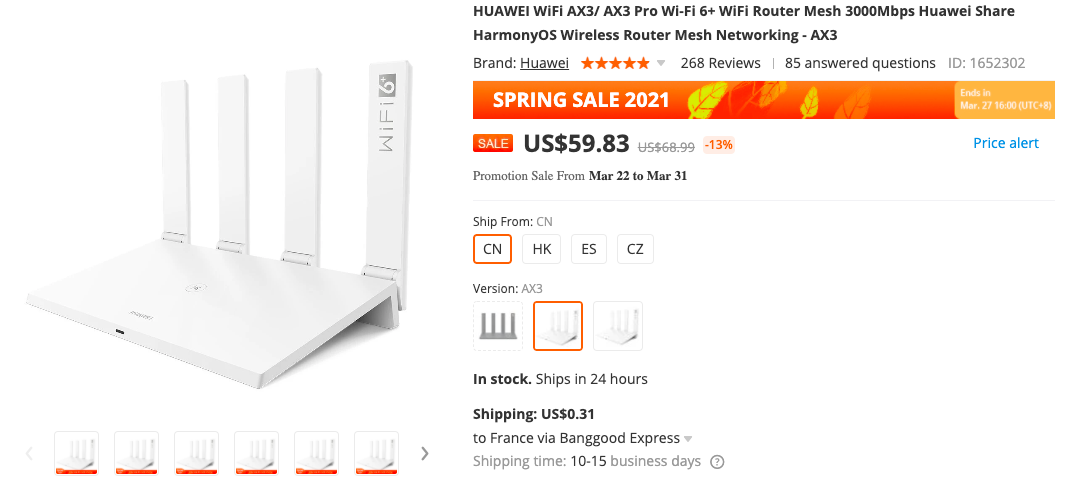
Huawei AX3 Router is powered by a Gigahome Dual-core 1.2 GHz processor and comes with the latest Wi-Fi 6 technology. This advanced feature makes the router 3 times more faster and 4 times more powerful than the traditional Wi-Fi 5 routers. This means faster speed and stable connections over multiple devices. Also compared to Wi-Fi 5, the new Wi-Fi 6 technology gives you lower latency and lag issues and increased efficiency with 30% reduced power consumption.
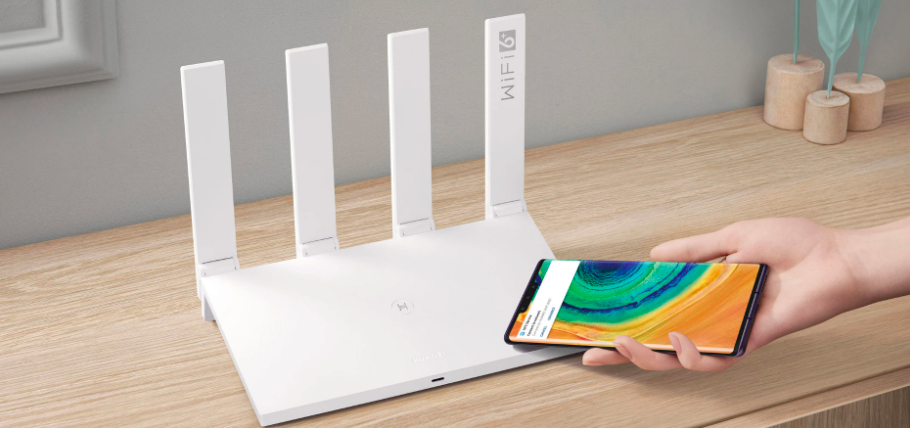
The quad power amplifiers, give you a strong signal over a large space and even overcome Wi-Fi dead zones. Fitted with Harmony OS and Huawei Home Sec, this router gives you a seamless, stable, and secured network. However, the highlighting feature of Huawei AX3 lies in its one-tap connect, which allows you to connect a device directly by tapping the router, using Huawei Share.
The revolutionary Huawei AX3 Router is now available for just $59.83 on Banggood. Please note that this offer which ends on March 27 2021 is only available on orders placed from the China warehouse. So without further ado go and get your router at the discounted price asap.
For more information on such exciting deals and offers check out our deals hub.
* Please Note: When you buy something using the links in our articles, we may earn a small commission at no cost to you.
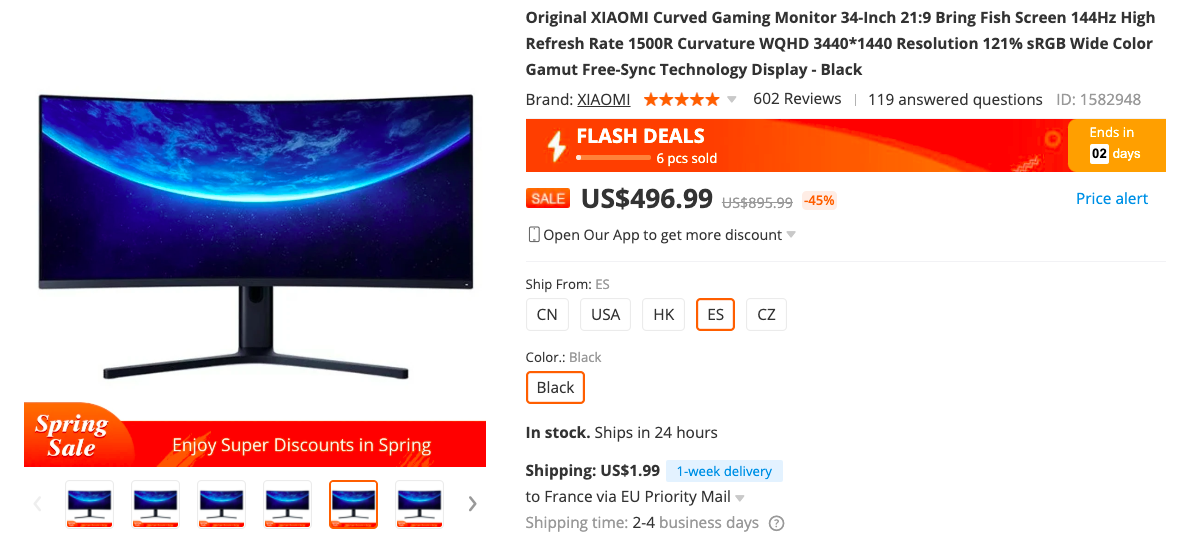
Banggood is giving a fantastic deal on Xiaomi 34” Curved Gaming Monitor. The monitor which generally retails at $550 is now available for a discounted price of $496.99 only.
The 34” gaming monitor comes with 2K, 3440×1440 ultra-clear resolution and a cinematic aspect ratio of 21:9 and can display 16.7 million colors with a typical 3000:1 contrast ratio and up to 300nit brightness.
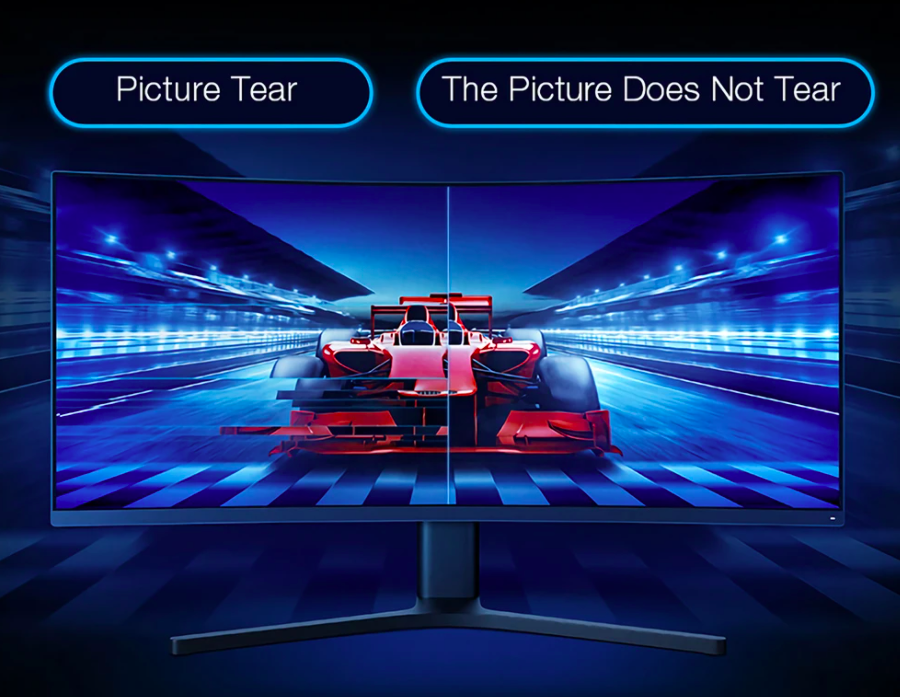
Designed primarily for gamers and multimedia users the display comes with a 4ms GtG response time and a 144Hz refresh rate which is strengthened by AMD’s FreeSync technology. This means the gaming monitor will give you super clear and sharp images with high brightness and contrast ratio that will take your gameplay to the next level.
Generally retailing at $550 Banggood is giving Xiaomi 34” Curved Gaming Monitor for $496.99 only. Please note that this heavily discounted price is available only for the next 2 days on orders made from the Spain (ES) and CZ warehouses. So go get your ultra-wide curved gaming monitor before the deal expires.
For more information on such exciting deals and offers check out our deals hub.
* Please Note: When you buy something using the links in our articles, we may earn a small commission at no cost to you.
In the last article, we gave a brief picture of the Realme 8 and Realme 8 Pro. In this article, we will compare these two models and tell you what exactly makes the Pro model worthy of its PRO title, and also if the Realme 8 can defeat the Pro in some areas.
Realme 8 vs Realme 8 Pro: Design
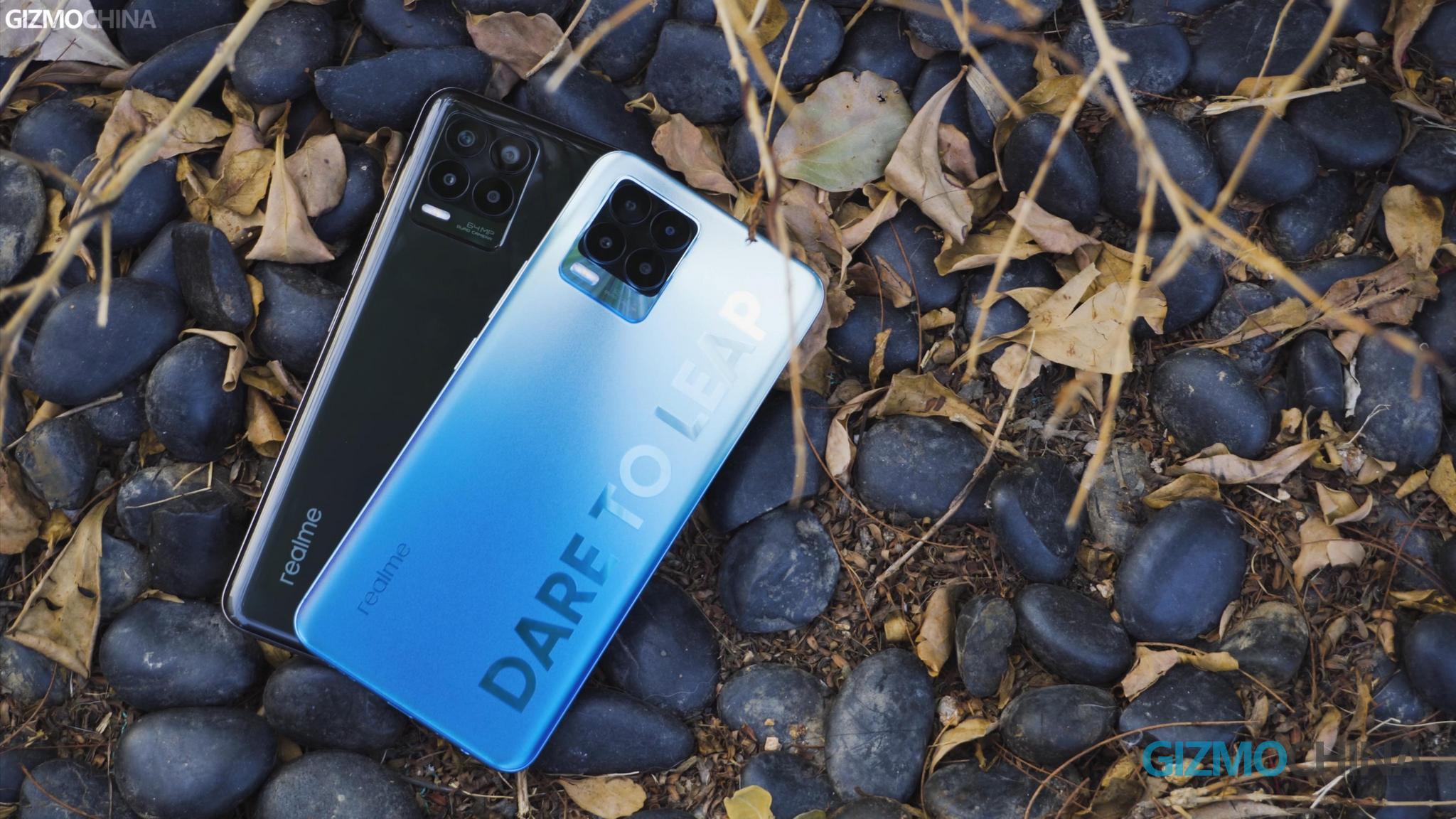
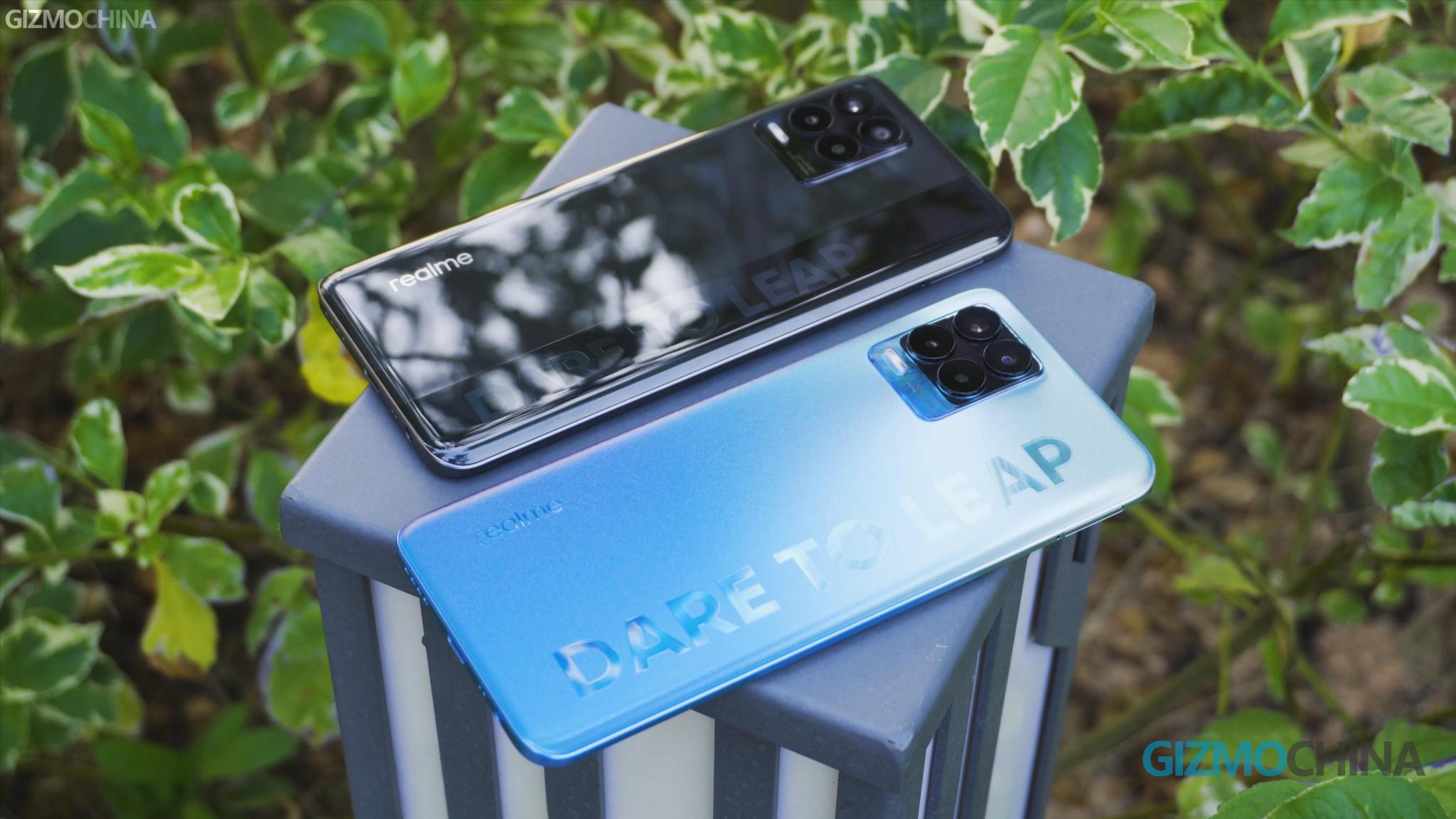
We hardly found any differences in their appearances. These twin models share the same 90Hz 1080P AMOLED display and a similar rear design. The only detail that helps us to distinguish one from the other is their rear processing.
For Realme 8 Pro, there are 3 color options, which are Infinite Blue, Infinite Black, Illuminating Yellow; while for Realme 8, there are only two options: Cyber silver and cyber black. Since we introduced their appearance in the last article, today we won’t go through their design in detail.
Realme 8 vs Realme 8 Pro: Benchmarks & Gaming
Let’s shift our attention to their performance department, which is where the two models differ. The Realme 8 comes with an MTK Helio G95 chipset, while the Pro is equipped with a Snapdragon 720G chipset. Both of them are popular mid-range chipsets.
But does the Pro achieve better performance and provide a better gaming experience?
Well, the answer is quite complicated.
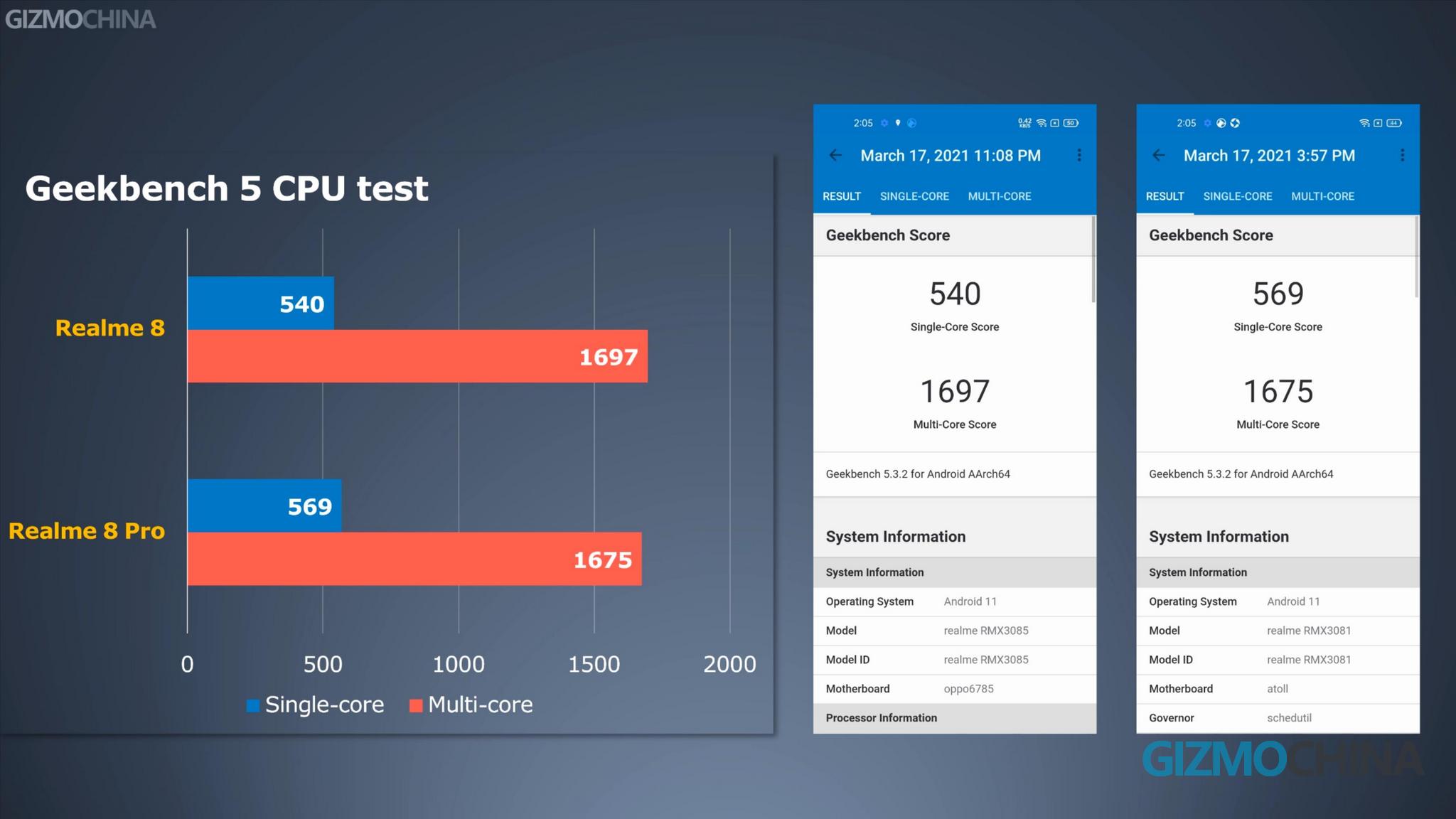
Let’s see the benchmark results first. In Geekbench 5, their results are pretty close. The standard 8 got a slightly better score in the multi-core test, while the 8 Pro got a score over the 8 Pro in the single-core test. But overall their CPU performance is almost at the same level.
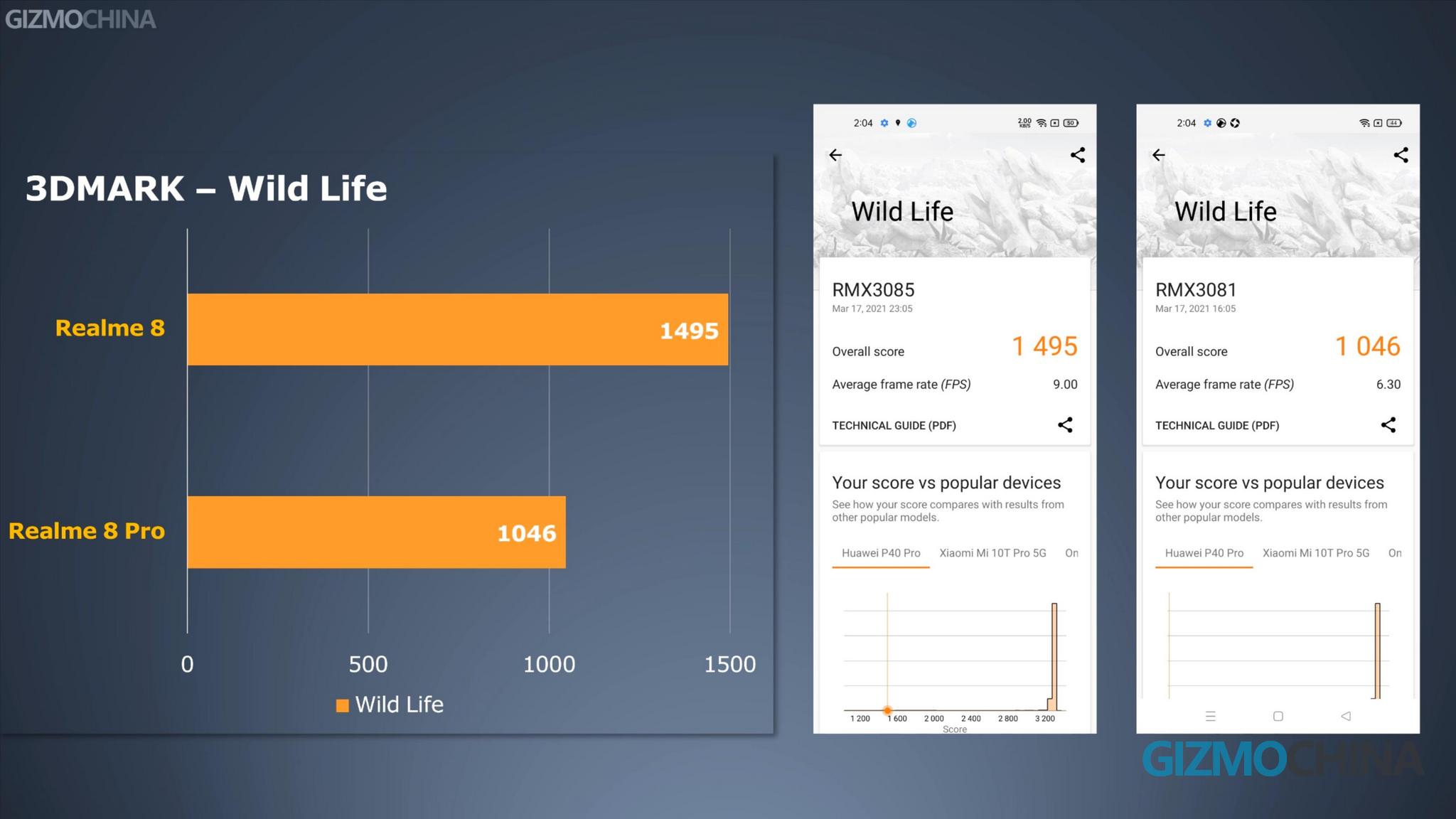
3D Mark
Geekbench 5
In 3Dmark which mainly tests models’ graphic processing, however, the standard 8 won the race with an obvious lead in the overall score, which shows a performance gap of nearly 40% between them.
But how about actual gaming?
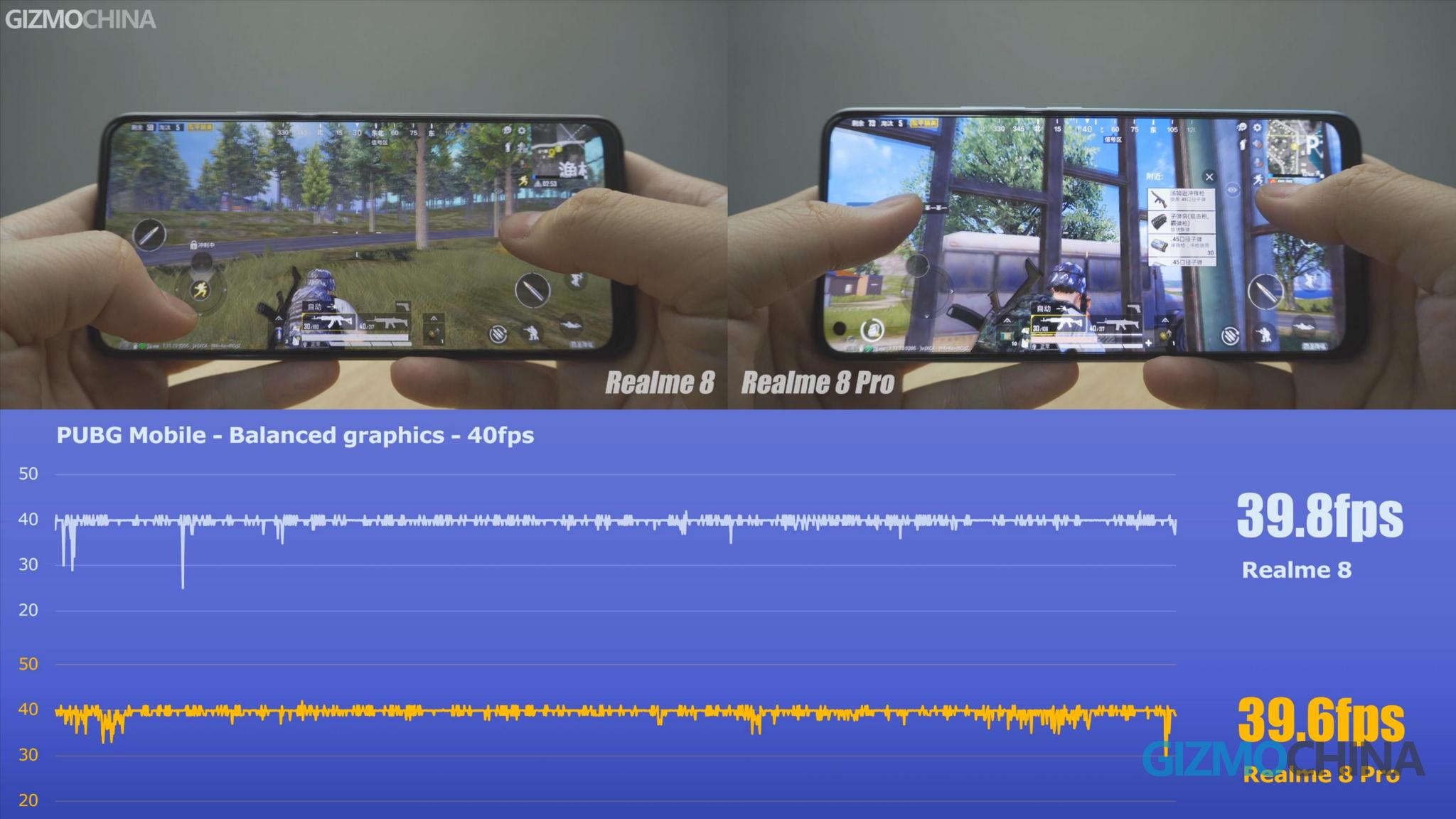
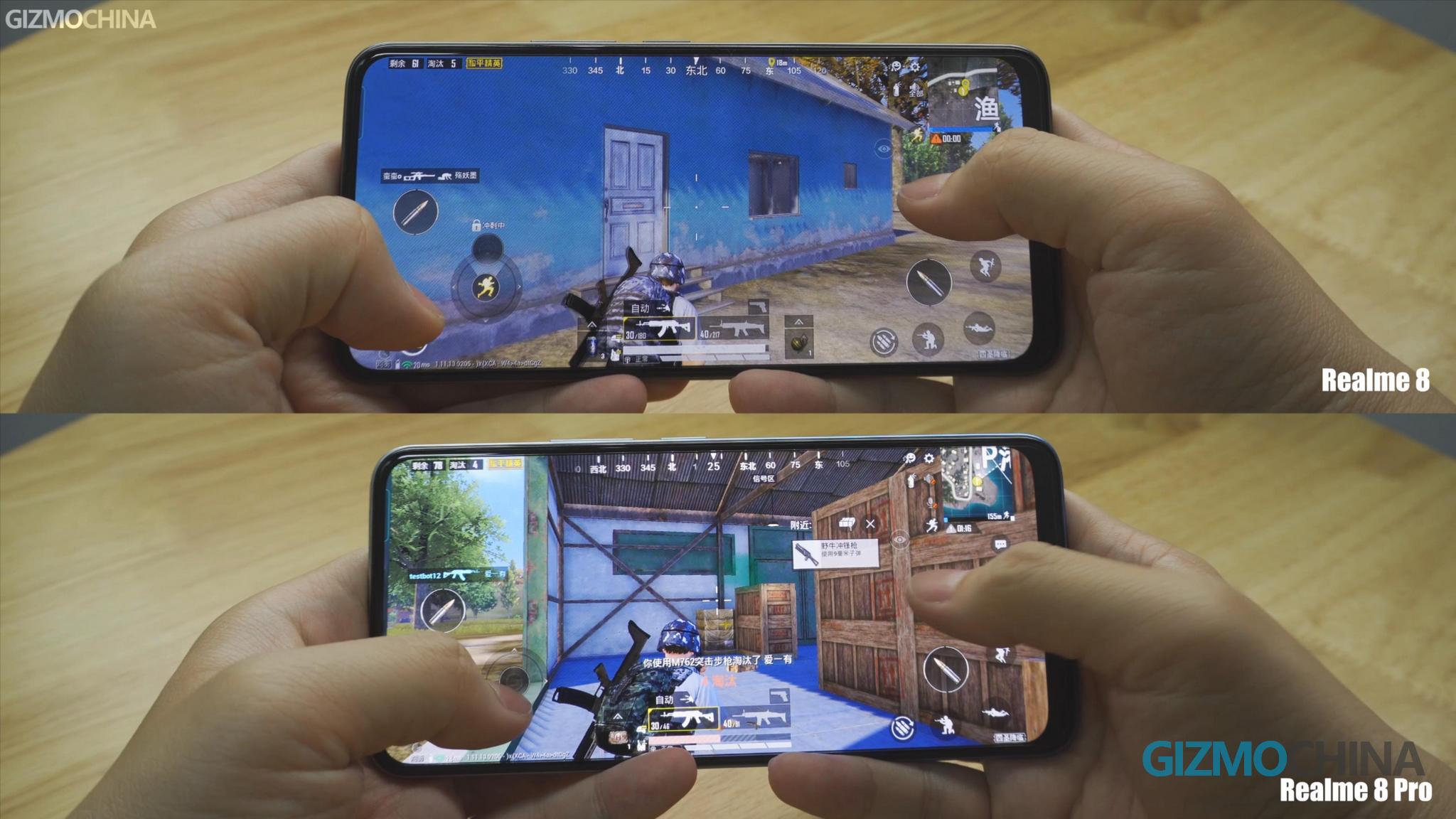
Well in PUBG Mobile, there is no way to unleash the best performance from each of the models, because the game only supports a balanced graphic setting with a framerate limit of 40fps. So both of them run the game extremely stably at 40fps.
Eventually, under the same testing conditions, the average framerate remained at 39.6fps for the 8 Pro and 39.8fps for the standard 8.
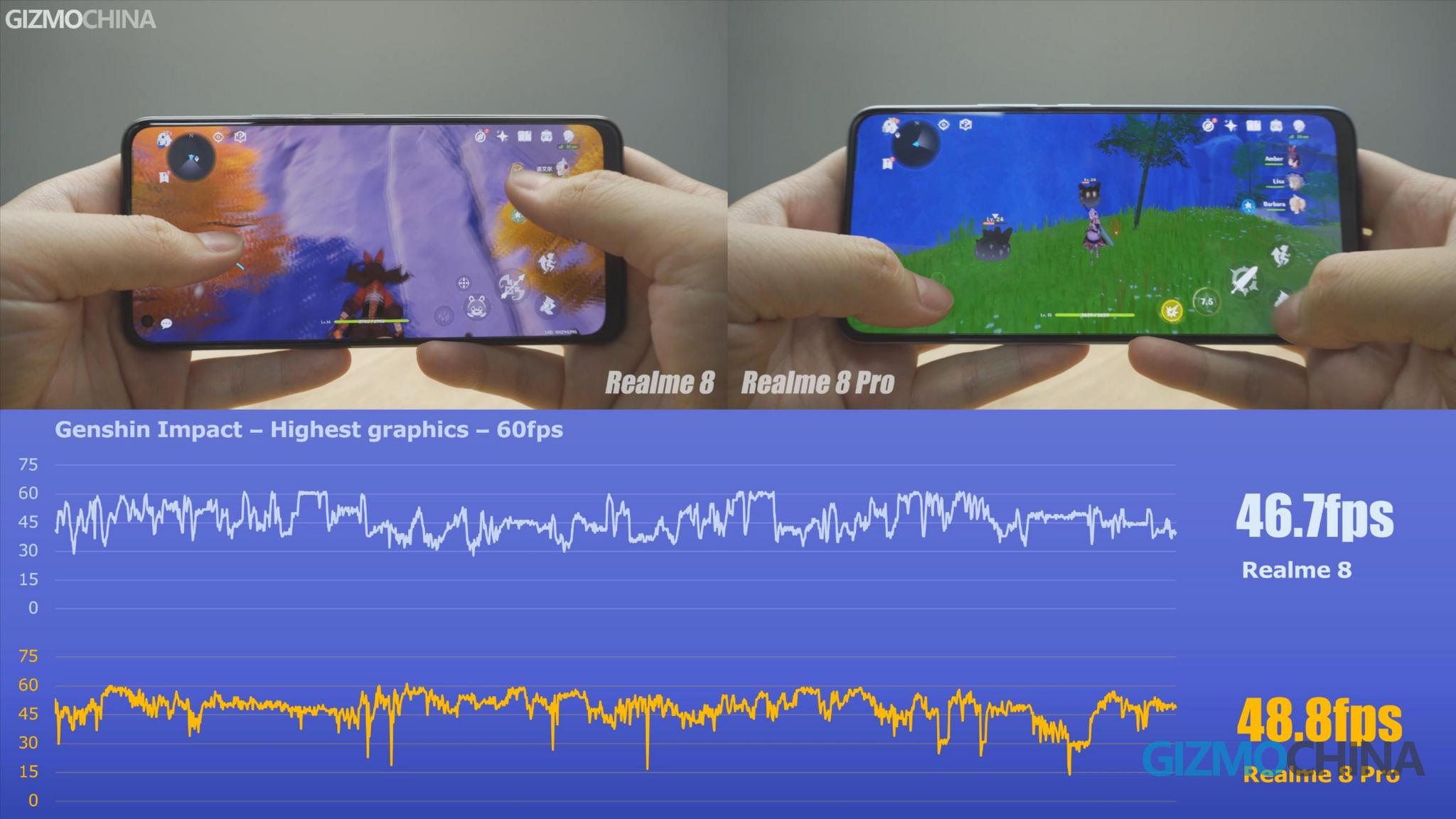
So we turned to another game, Genshin Impact, which mainly relies on the CPU performance. In this game, the results are pretty close to what we got in Geekbench 5. Their performance in the game is pretty close. Specifically, the Pro version achieved a slightly higher framerate at 48.8fps, while the standard 8 was also not bad at 46.7fps. It looks like there is no solid evidence that shows a remarkable gap between the standard 8 and 8 Pro’s CPU performance.
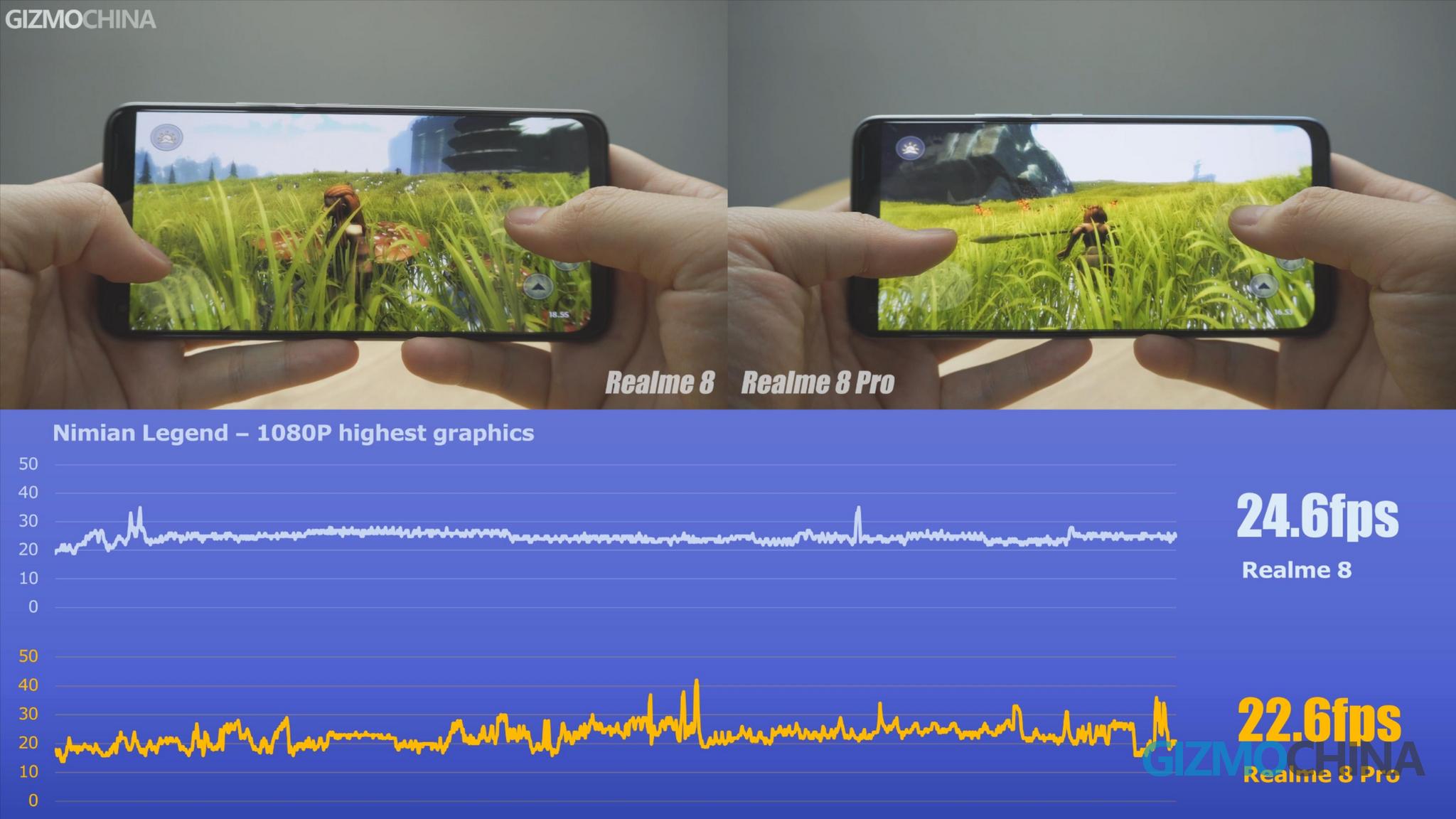
The last game we tested was the Nimian Legend, which mainly assesses the best performance from a phone’s GPU. In this game, the standard model staged a comeback with a small lead. The Standard 8 got a result of 24.6fps while the 8 Pro ran it at 22.6fps.
To conclude, we have to say there is no obvious performance gap simply looking at their gaming results. But if we look deeper at their power consumption and heat management, the Pro seems to have a more efficient performance output.
In most games, although their performance was pretty close to each other, the Pro was always able to maintain a lower power consumption.
However, we also have to add that the standard 8 model comes with a larger 5000mAh battery. So eventually we still are not able to judge which one has got a longer battery life since they are too close in our power consumption test.
Now let’s look at the area where they differ the most — the cameras.
Realme 8 vs Realme 8 Pro: Camera Performance
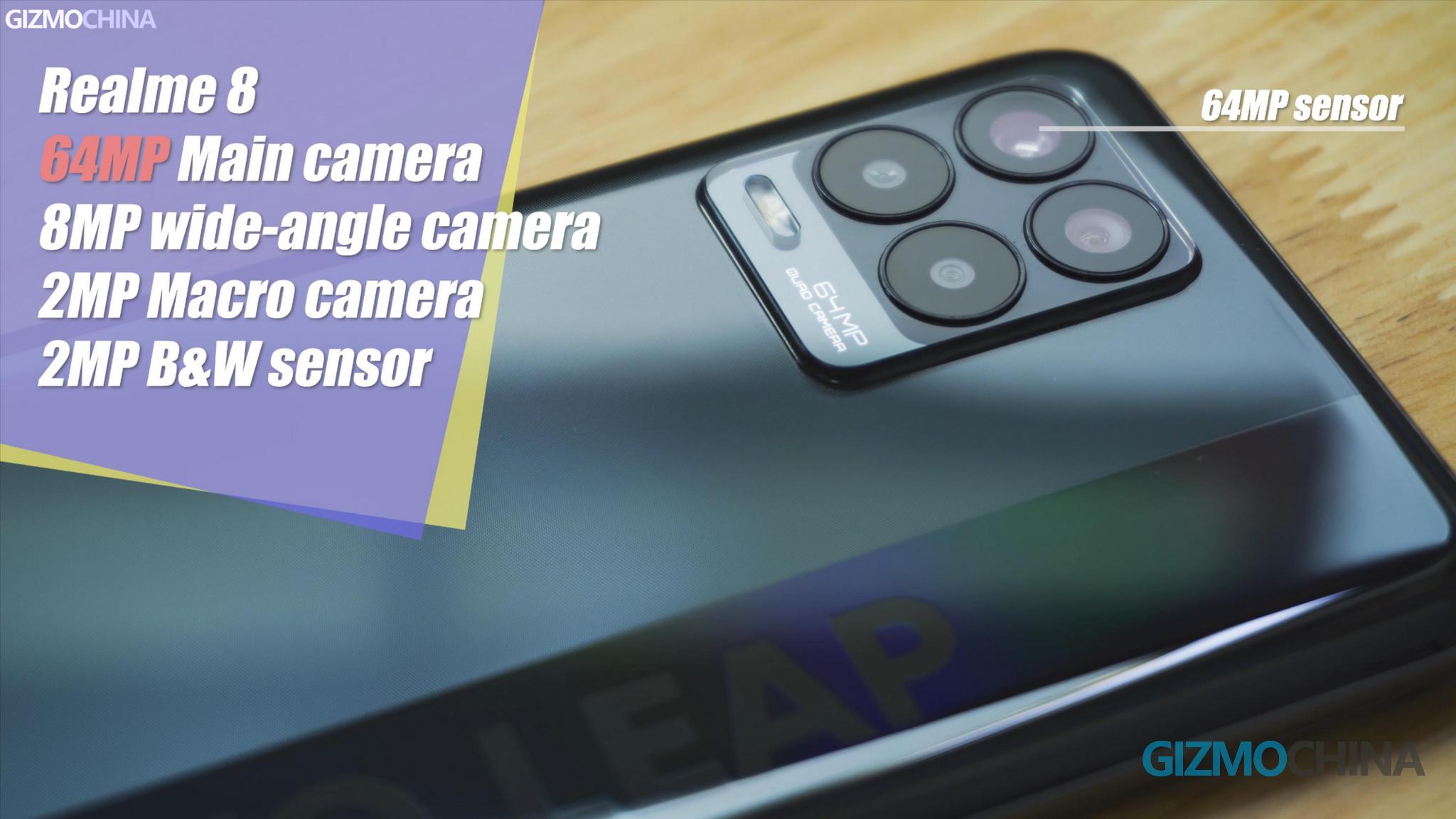
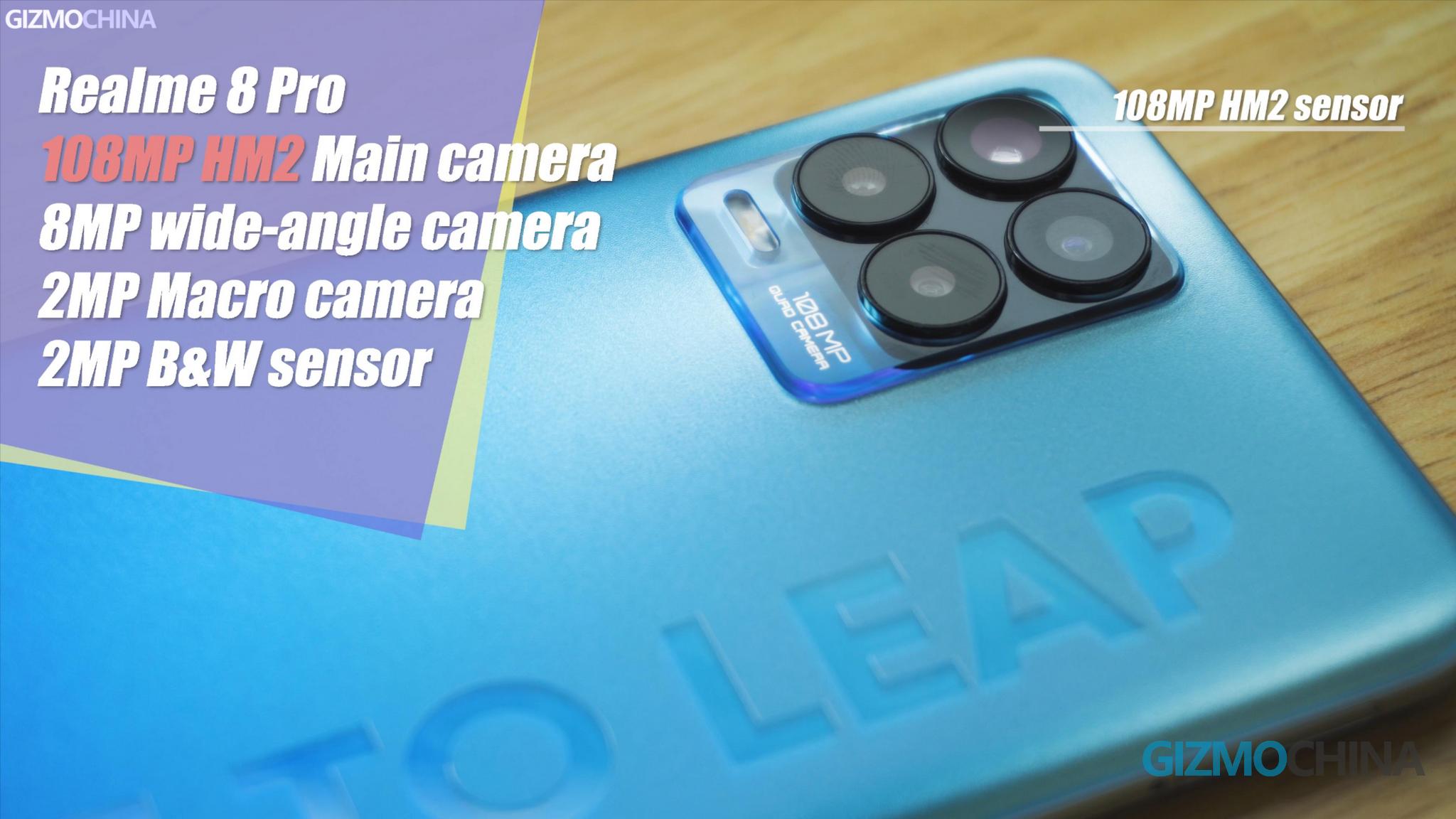
The main camera on the Realme 8 comes with 64MP resolution, while the main camera on the Realme 8 Pro is a 108MP HM2 sensor. The other three lenses are the same on both phones, including an 8MP ultra-wide-angle lens, a 2MP macro one, and another black&white lens.
But before we start to show you all the samples, we have to remind you that the software on both these models is likely a non-commercial version, which means that some issues that we encountered in this review will be fixed in the near future updates.
Okay, let’s start it with their main cameras.
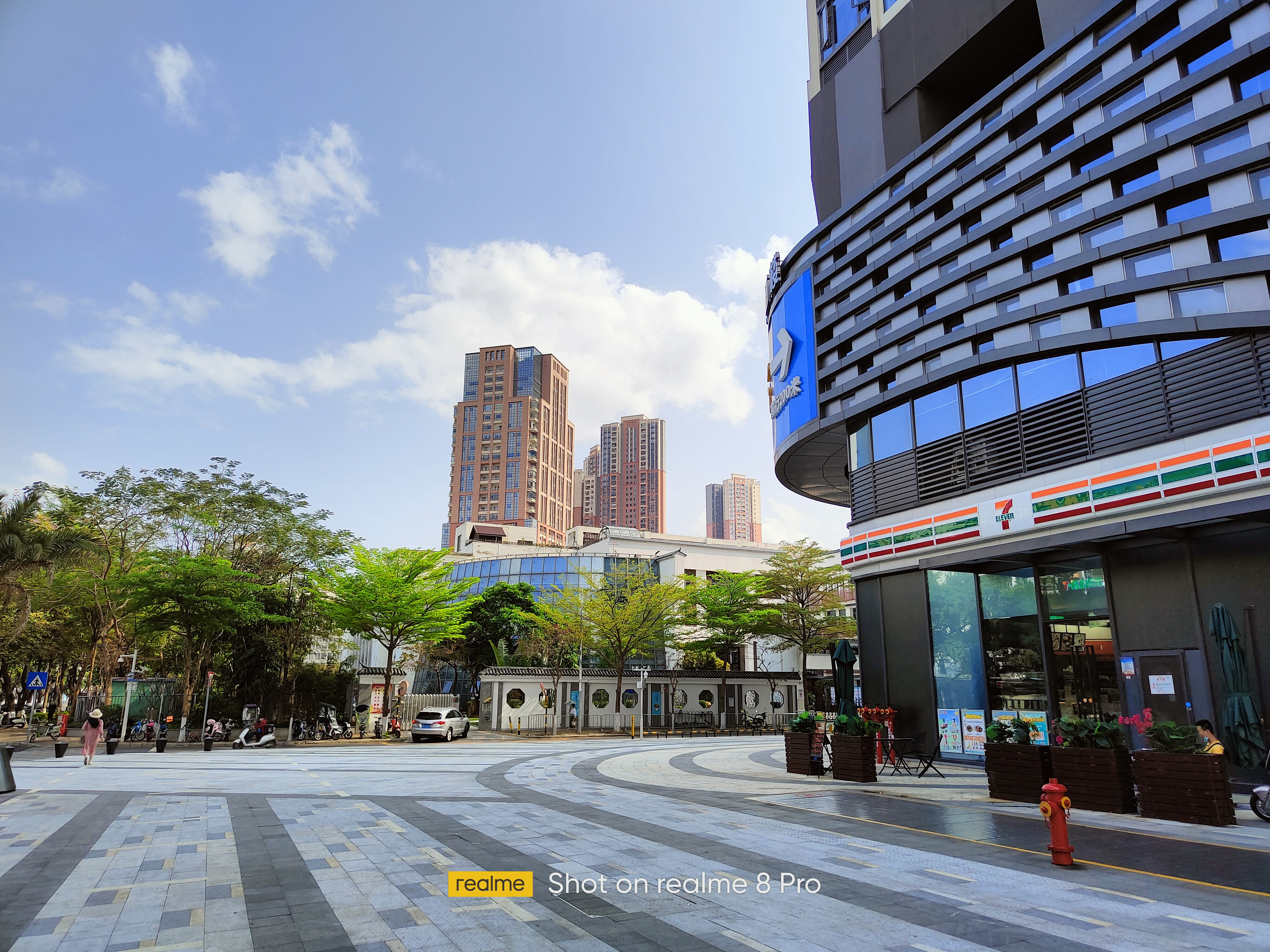
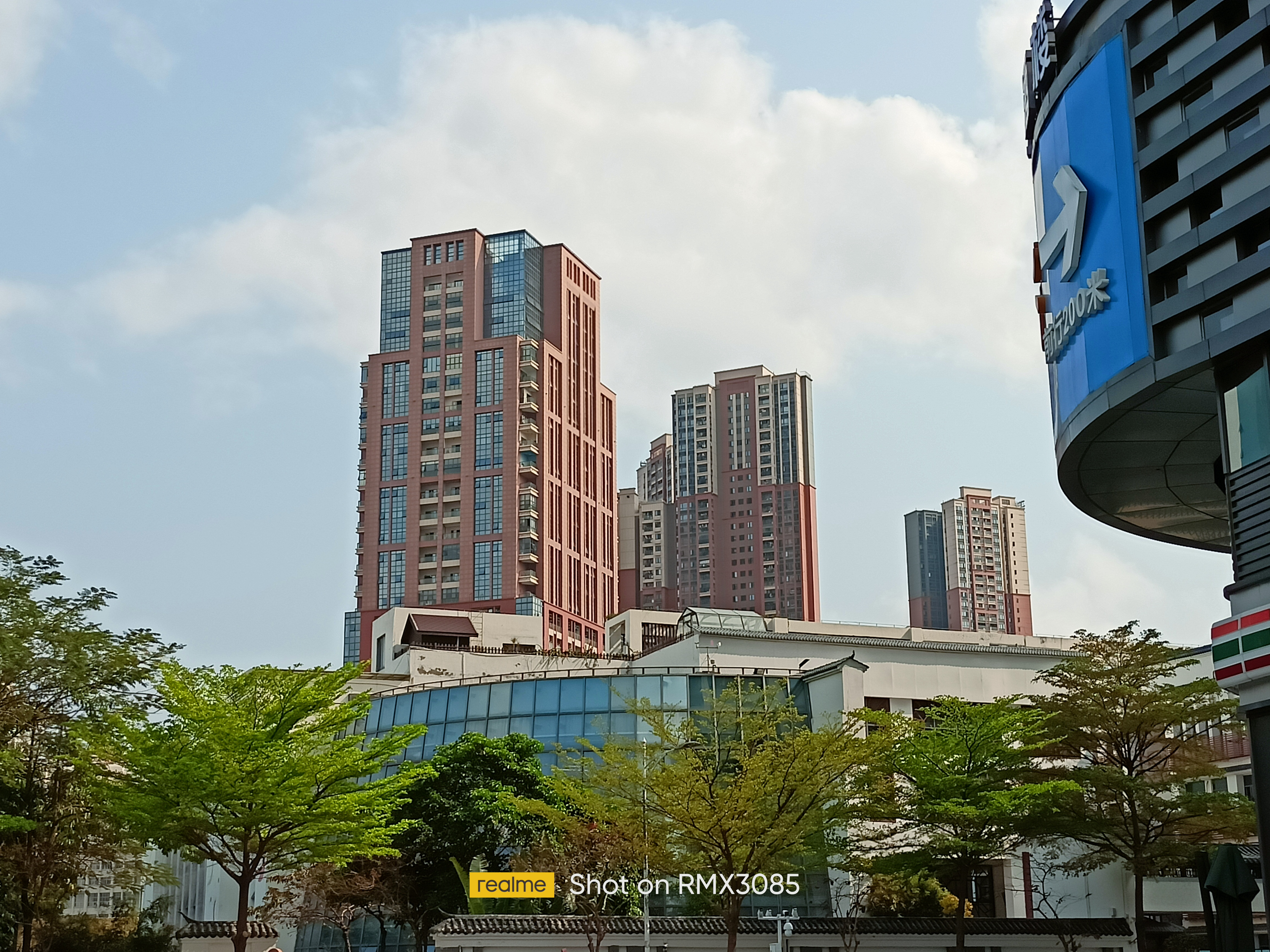
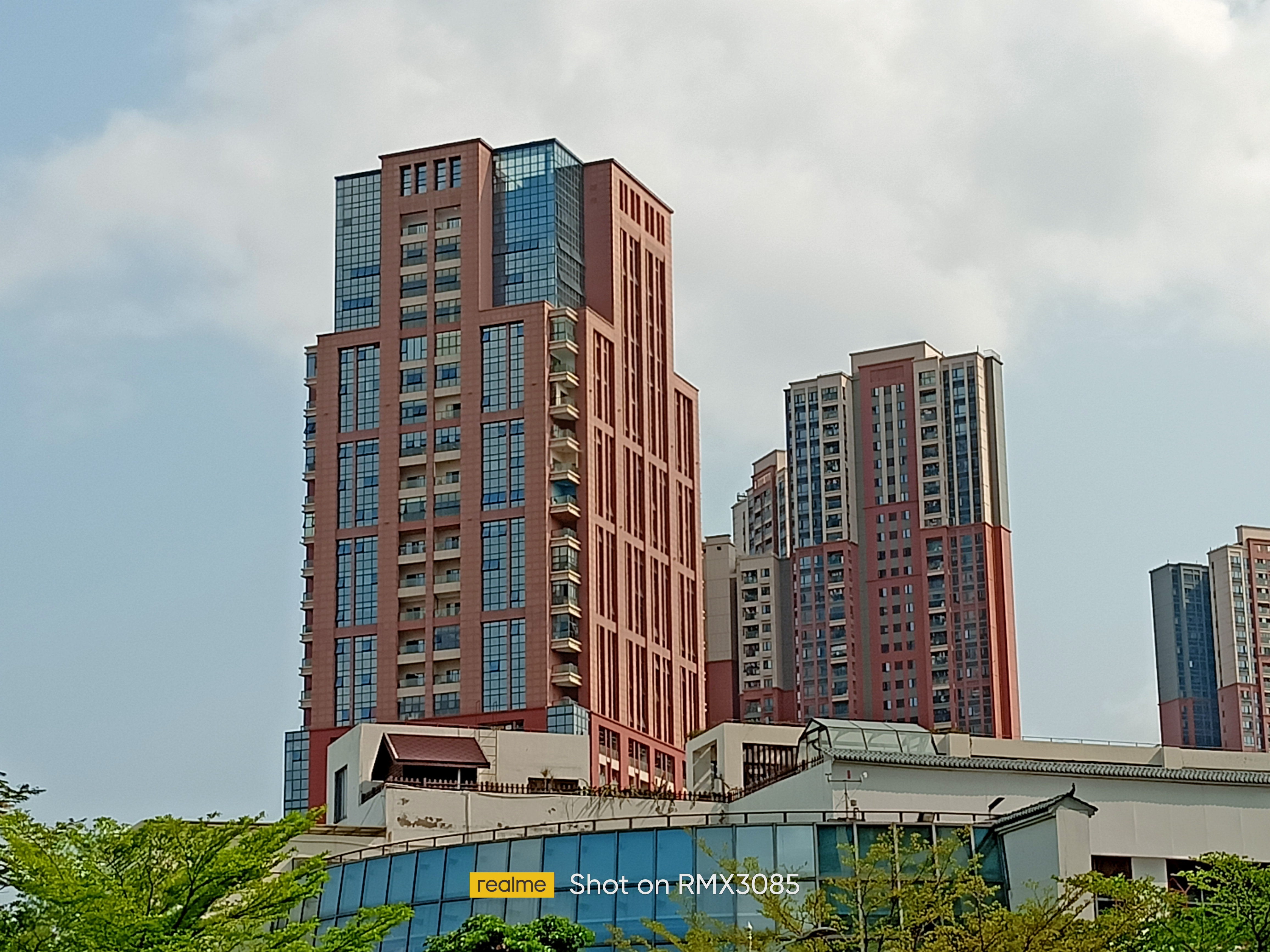
Main Camera
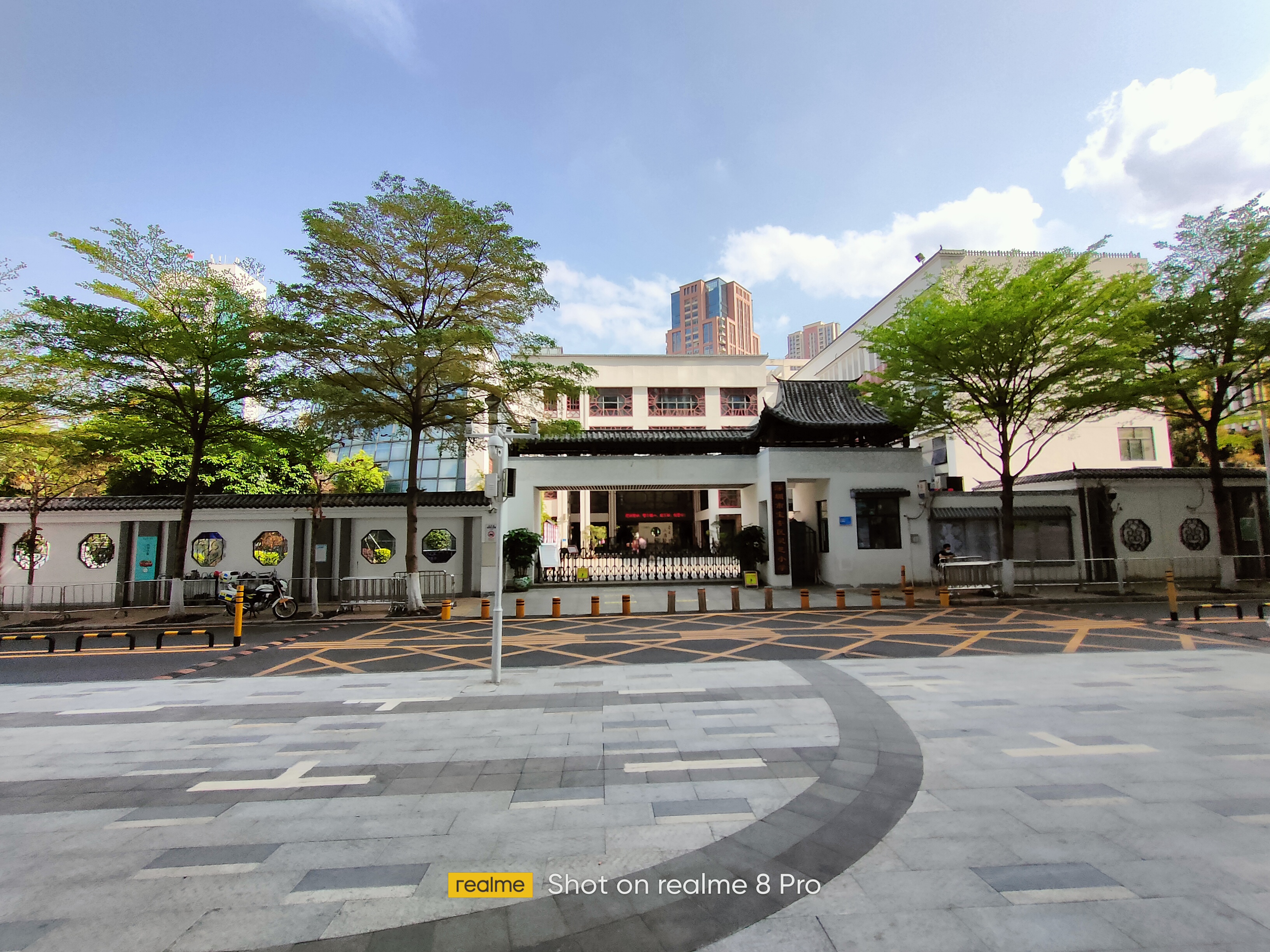
Realme 8 Pro main camera (1)
Realme 8 Main Camera (1)
Realme 8 Pro main camera (13)
Realme 8 Main Camera (13)
Realme 8 Pro
Realme 8 Main Camera (12)
Realme 8 Pro
Realme 8 Pro
Realme 8
Realme 8 Pro
Realme 8
Realme 8 Pro
Realme 8
Realme 8 Pro
Realme 8
Realme 8 Pro
Realme 8
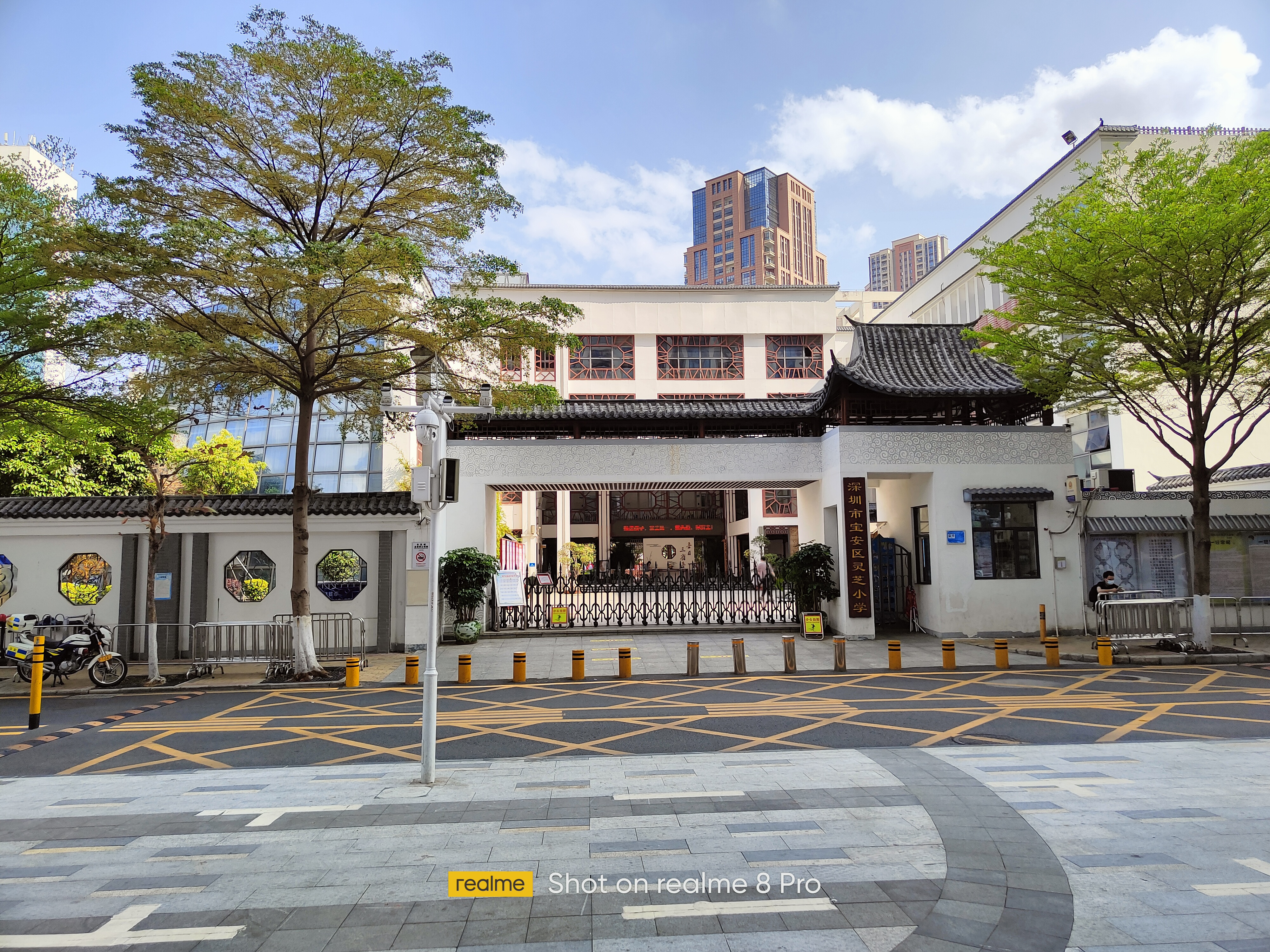
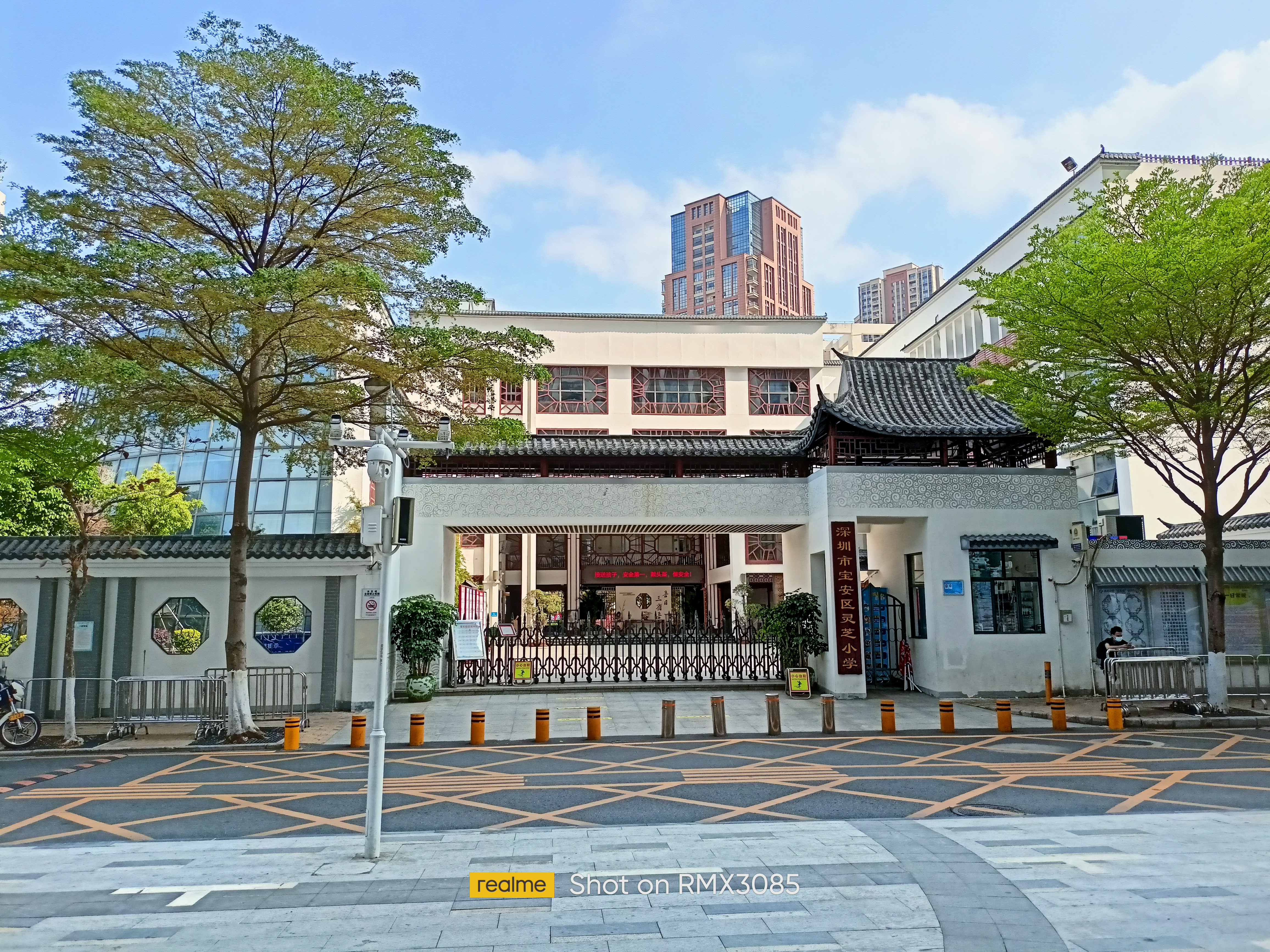
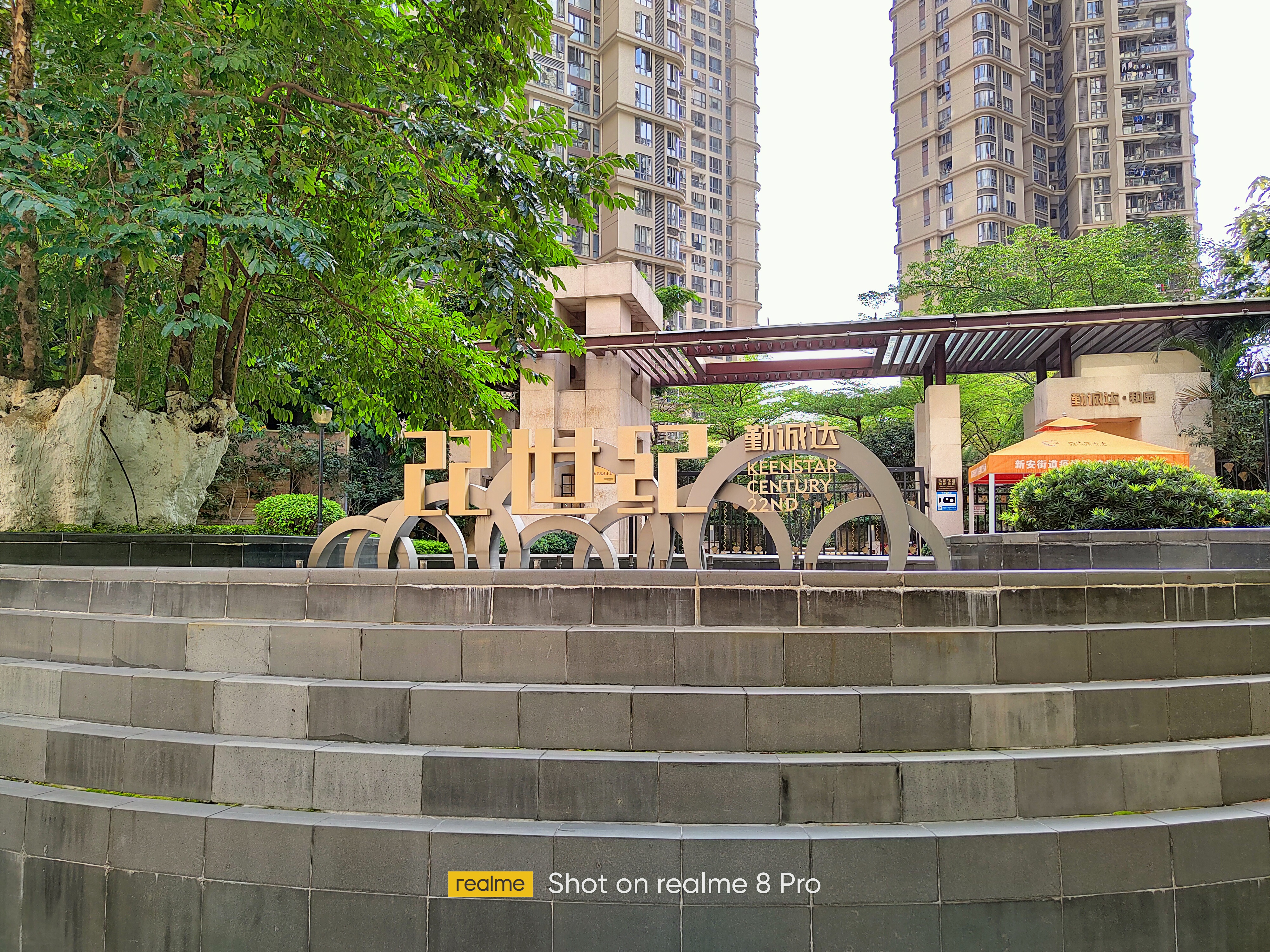
The HDR mode is easily activated on the standard 8 model, so sometimes the standard model has better presentation of colors than the Pro.
But the Realme 8 Pro is able to deliver better saturation and higher contrast on most occasions.
At the same time, the Realme 8 Pro tends to present purer images with better noise control, while the processing on the standard 8 seems to more focus on shape detail, which makes the whole images look noisier and jaggier. Another problem shared by both is the fringing effect when shooting high-contrast scenes.
Night Camera Performance
realme 8
Realme 8 Pro
Realme 8 night mode
Realme 8 Pro night mode
Realme 8
realme 8 pro
Realme 8 night mode
Realme 8 pro night mode
realme 8
Realme 8 pro
Realme 8 Pro night mode
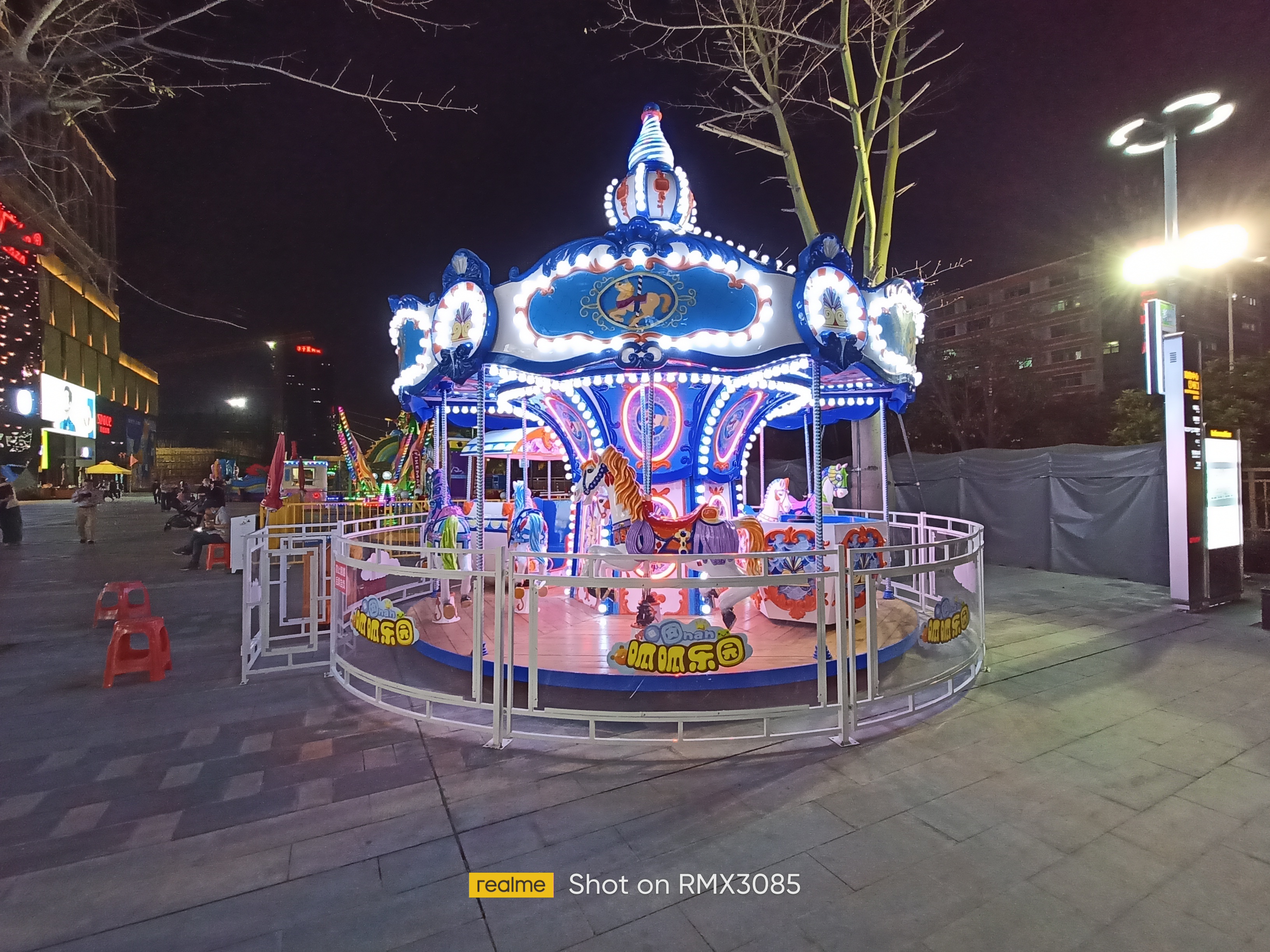
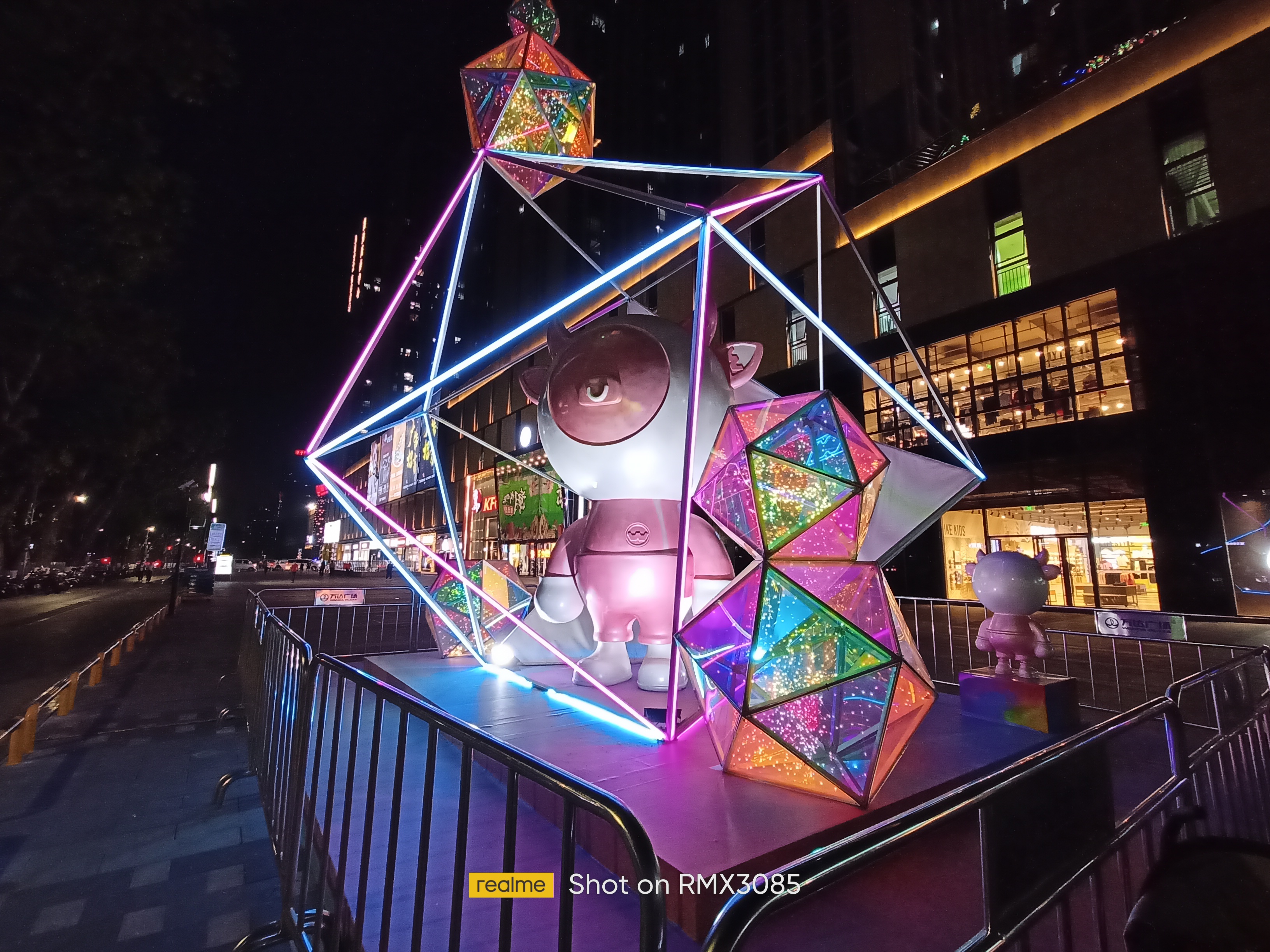
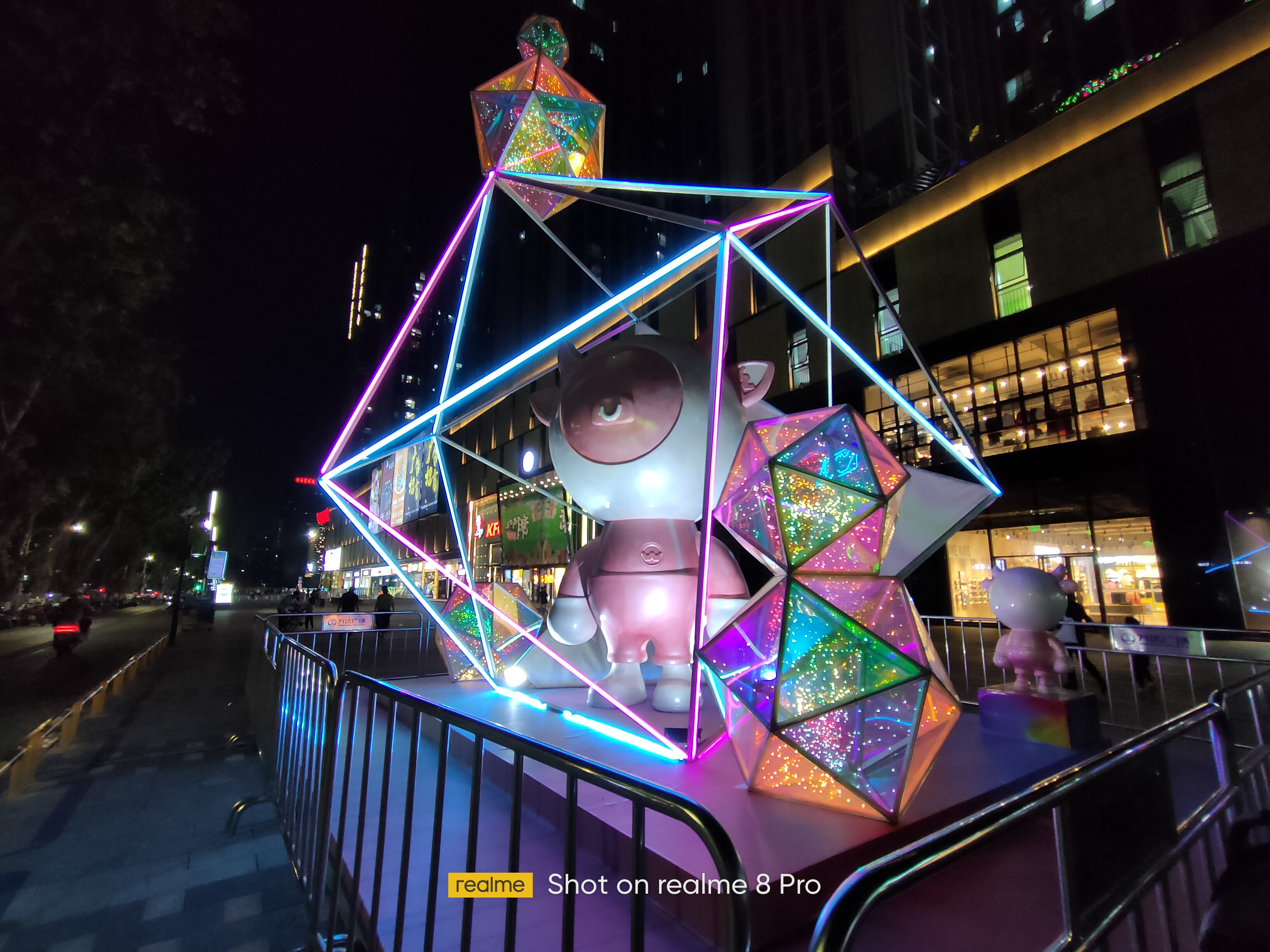
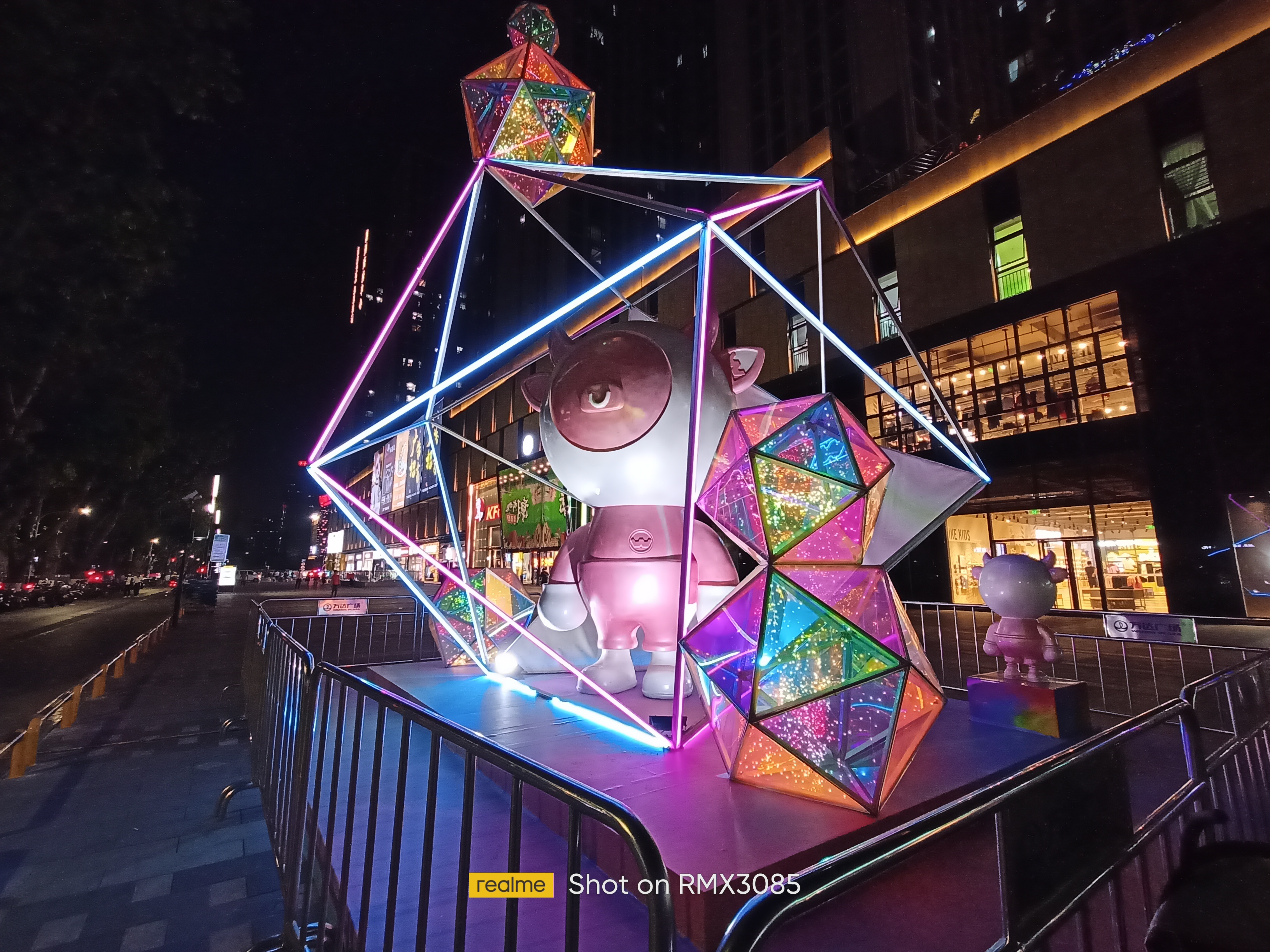
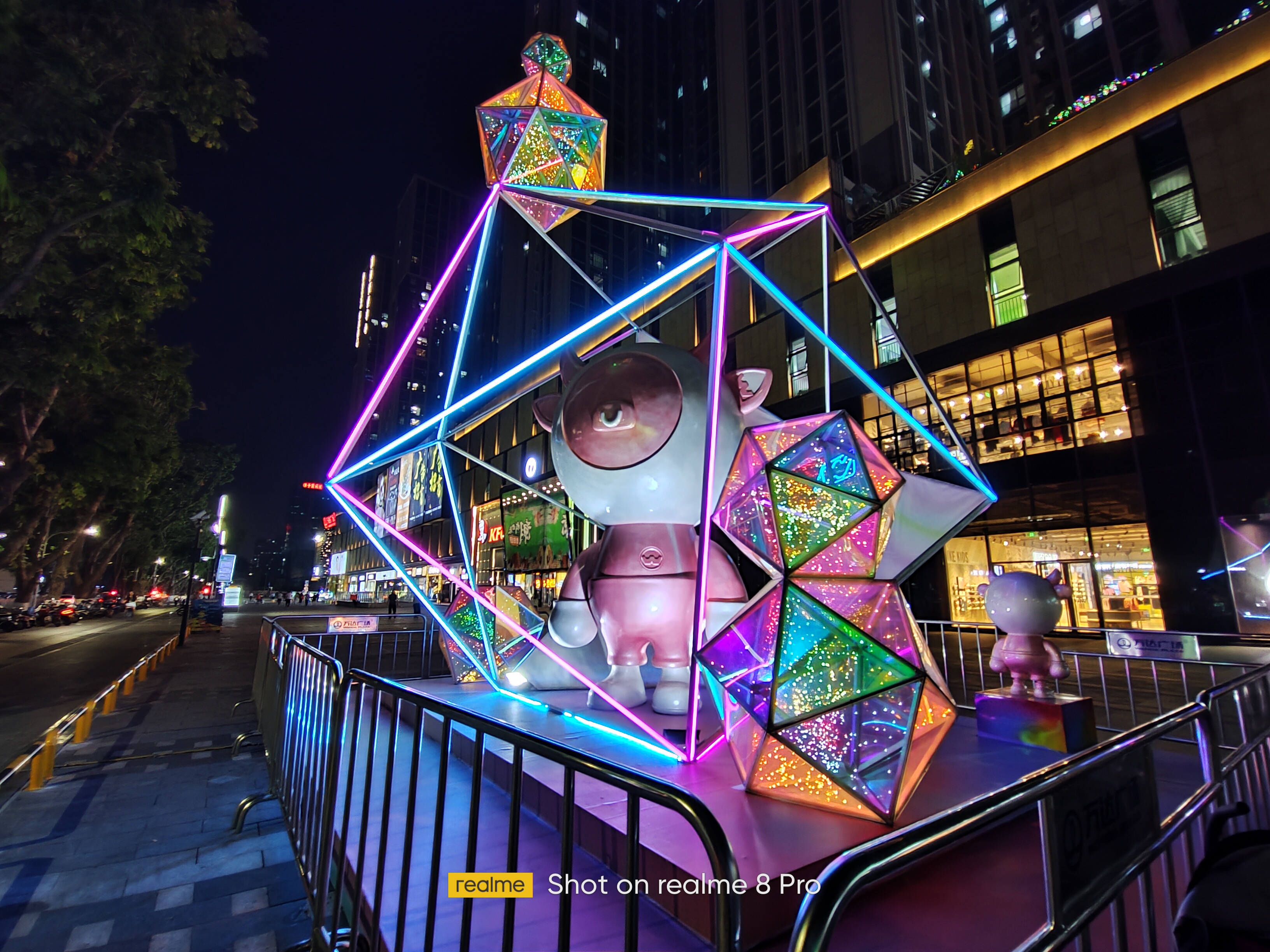
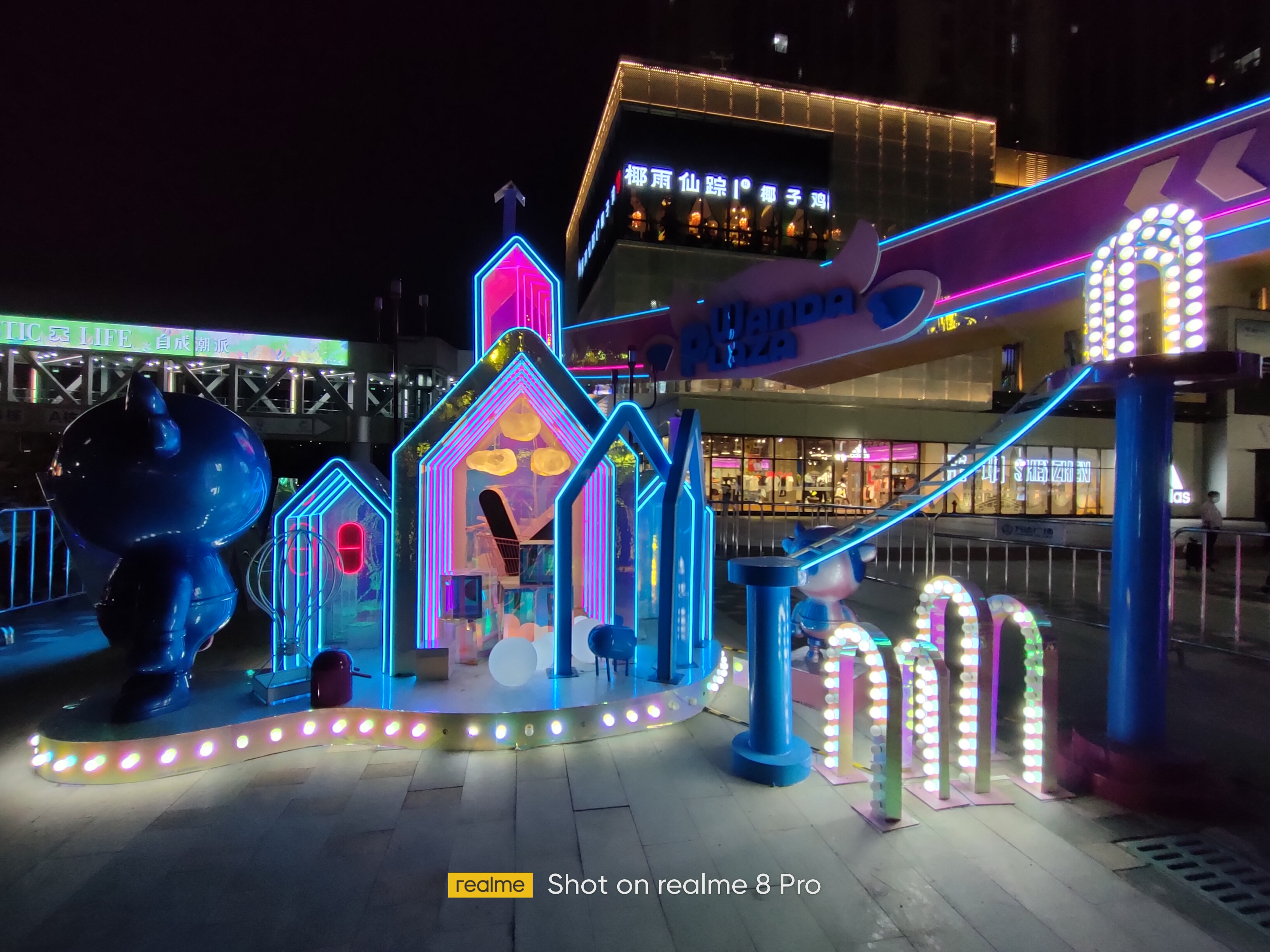
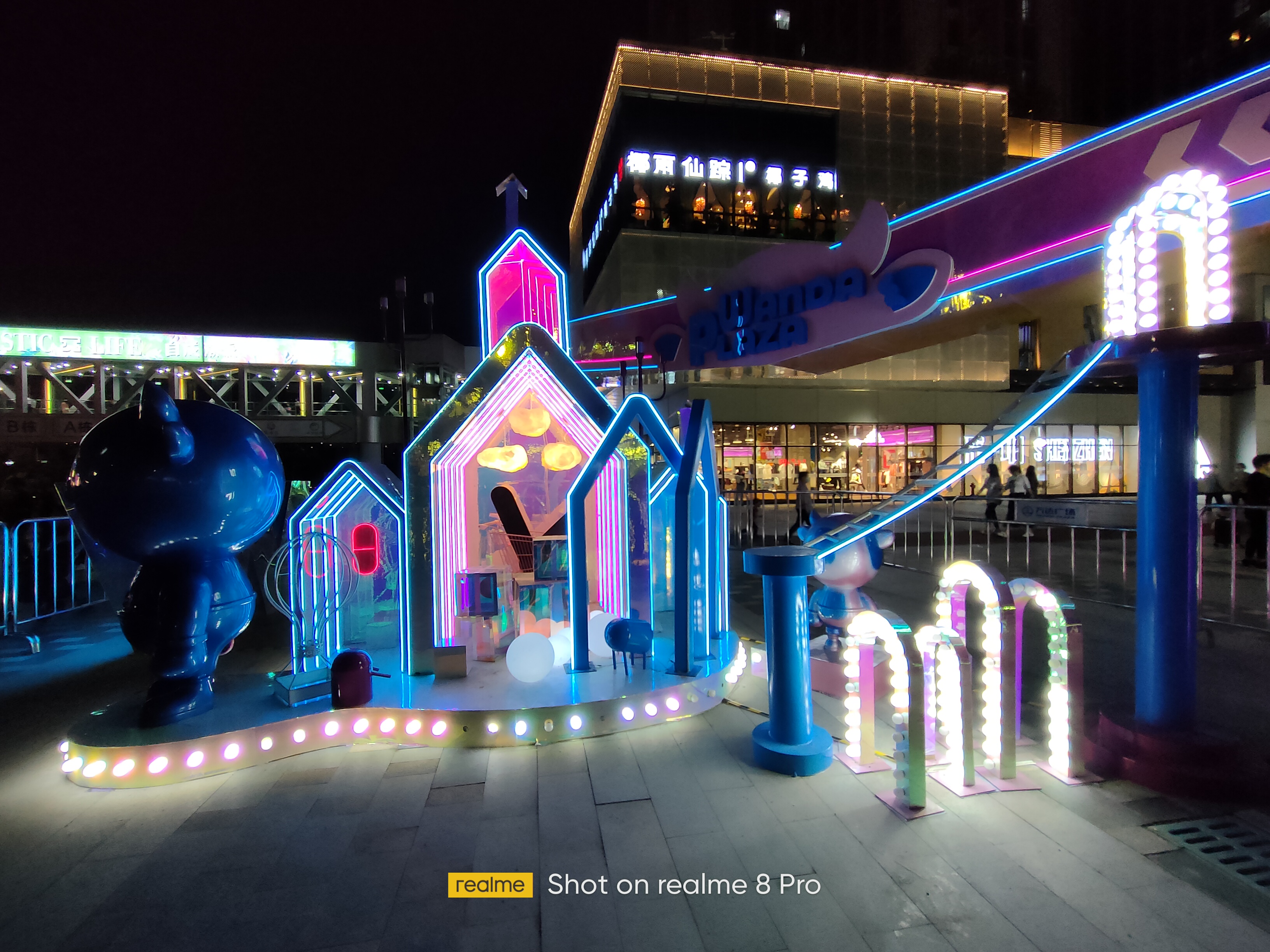
When we moved to the night scene, the 8 Pro shows great progress in brightness and its ability to capture rich detail, but it doesn’t significantly improve the quality of the sample in the dark areas.
While the standard 8’s night shots are not as good as what we had on the 8 Pro especially in the dark regions, the difference is not so significant. In addition, although the standard model’s night mode can slightly improve the sharpness of the images, the edges sometimes would turn out to be reddish. But it should probably be fixed in the next few updates.
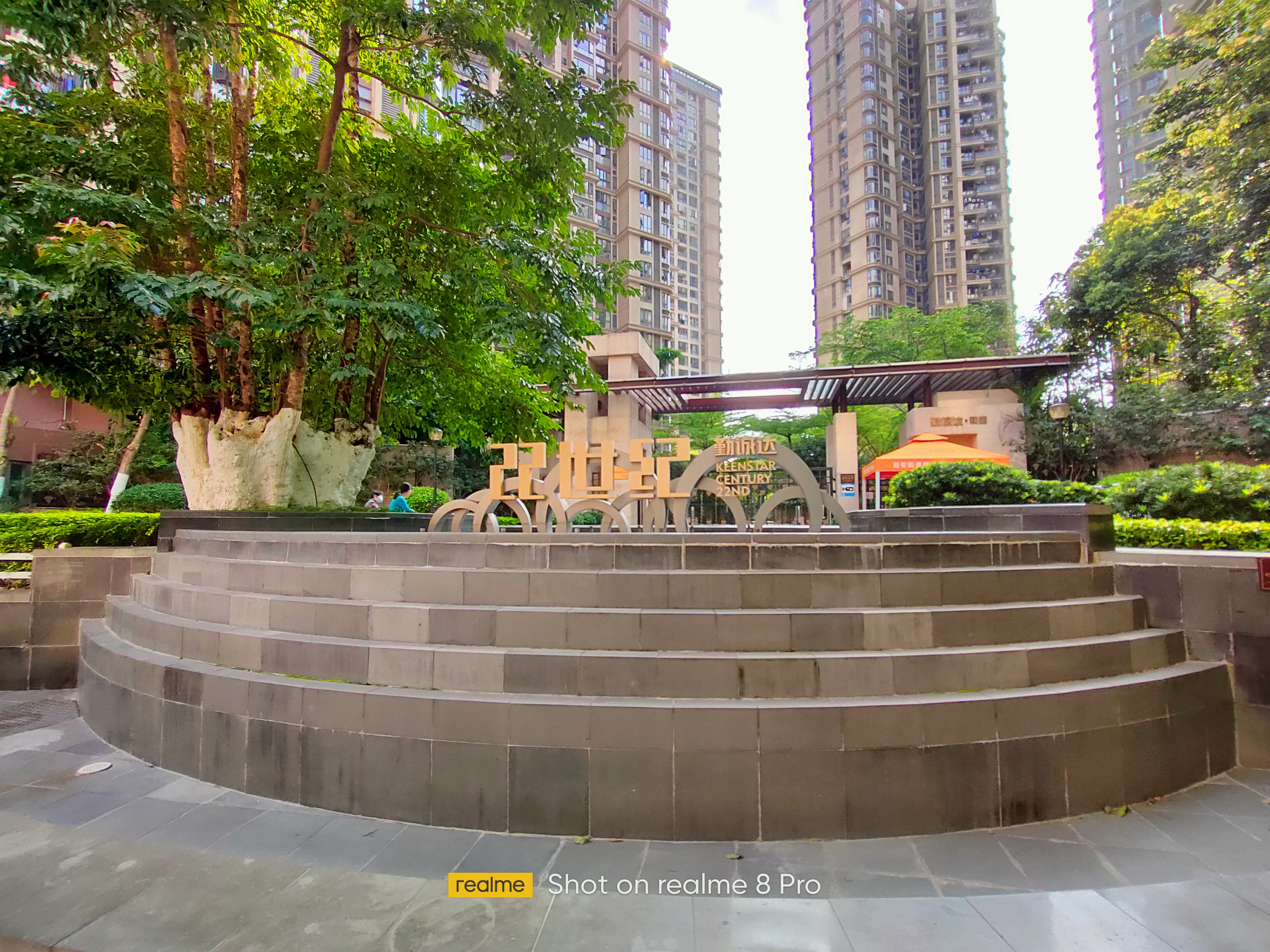
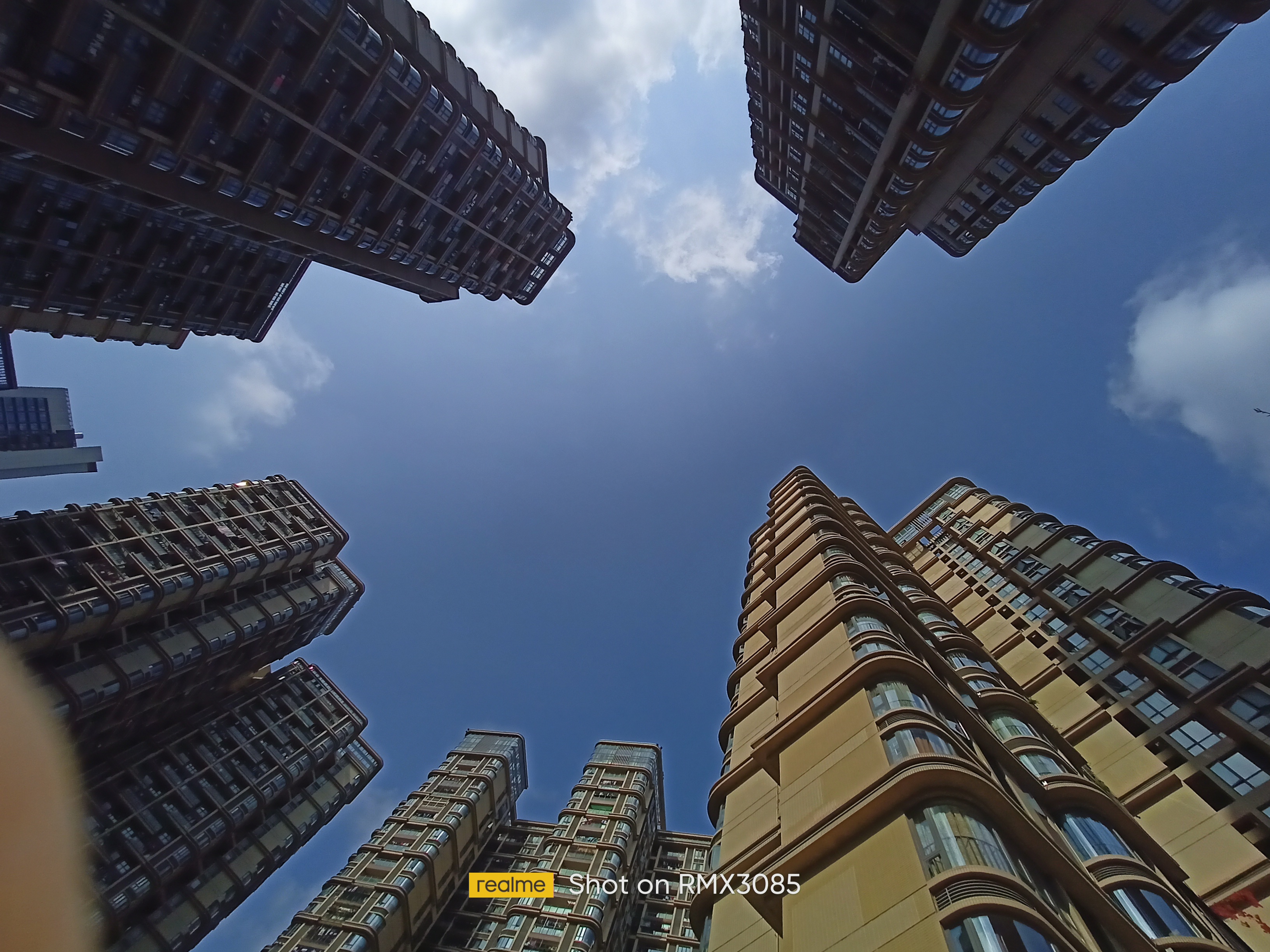
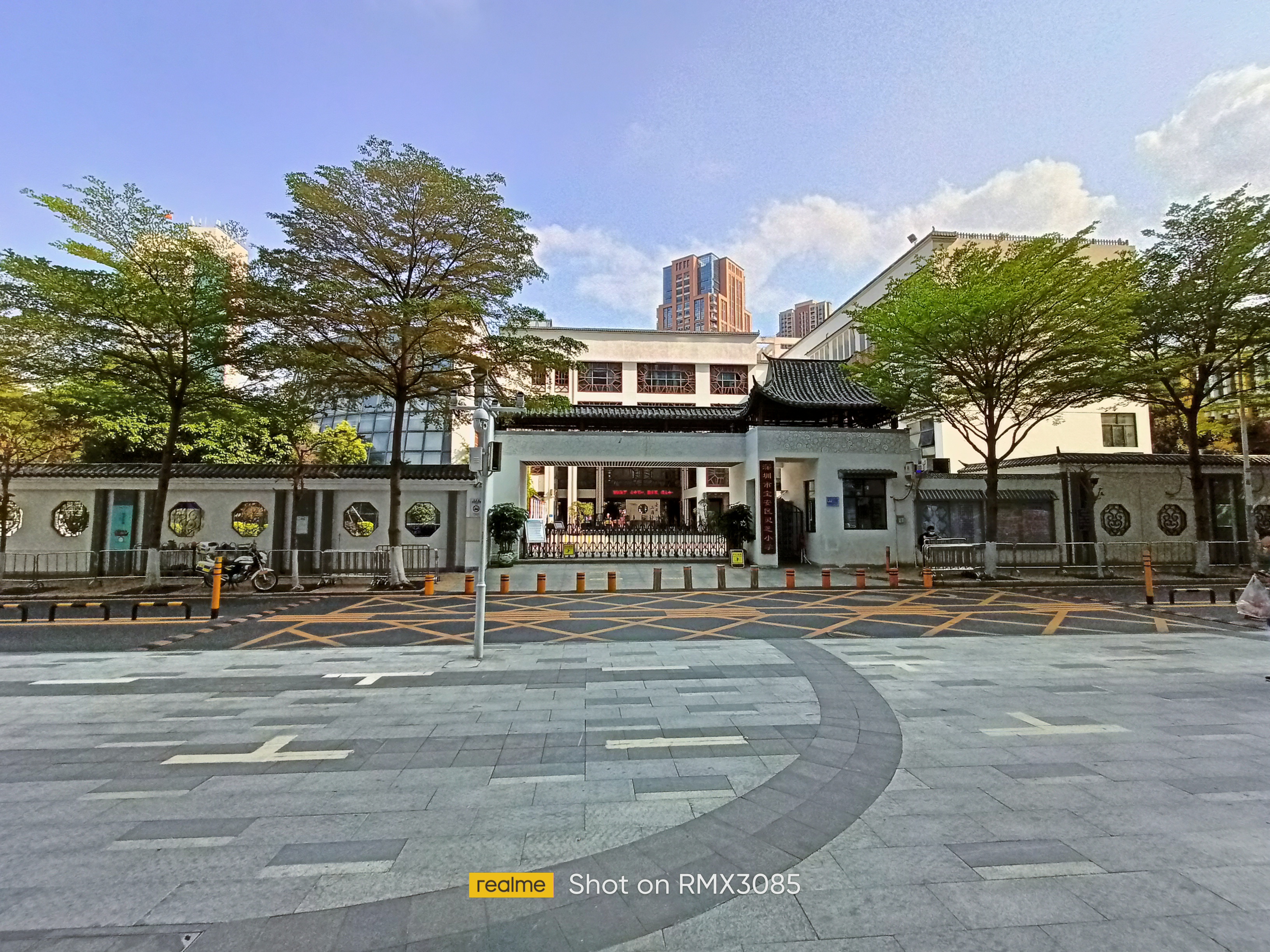
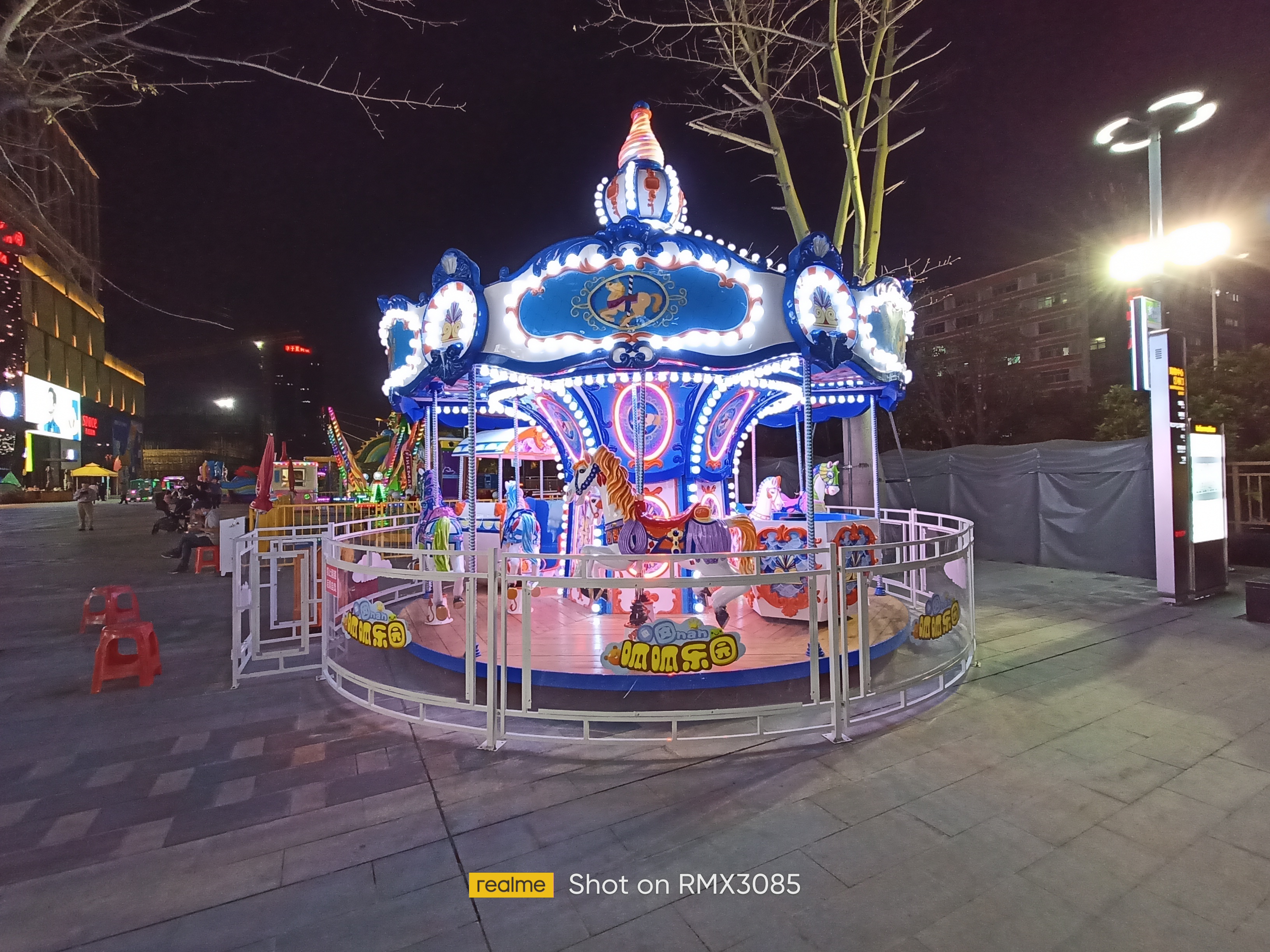
Wide Angle Cameras
Realme 8 ultra wide (1)
Realme 8 Pro ultra wide
Realme 8 ultra wide
Realme 8 Pro ultra wide
Realme 8 Pro ultra wide
Realme 8 ultra wide
Realme 8 Pro ultra wide
Realme 8 ultra wide
Realme 8 Pro ultra wide
Realme 8 ultra wide
Realme 8 Pro ultra wide
Realme 8 ultra wide (2)
Realme 8 ultra wide
Realme 8 Pro ultra wide
Realme 8 ultra wide
Realme 8 Pro ultra wide
Realme 8 Pro ultra wide
Realme 8 ultra wide night
Realme 8 Pro ultra wide night
Realme 8 ultra wide
Realme 8 Pro ultra wide
Realme 8 ultra wide night
Realme 8 Pro ultra wide night
Realme 8 ultra wide
Realme 8 pro ultra wide
As for the wide-angle cameras, the Pro’s samples have higher saturation and continue to be less noisy, while the samples shot on the Standard model are not that great with less noise control. However, at the same time, Realme 8’s sharper image presents more details.
For their wide-angle cameras, sometimes the auto mode of both the models look better than with the night mode turned on. The auto mode samples doesn’t just have better colors but also has better exposure for brightness.
The 8 Pro’s low-light images sometimes turn out to be a bit greenish, and its image quality may not compare to the samples shot on the standard model’s wide-angle camera.
108MP vs 64MP modes
Realme 8 64MP
Realme 8 Pro 108MP (1)
Realme 8 Pro 108MP (2)
Thanks to the 108MP super high-resolution sensor, the 8 Pro is dominant in the zoom race. That’s because both of their digital zoom capacity was based on the high resolution of their main cameras.
Realme 8 1x (2)
Realme 8 Pro 1x (2)
Realme 8 2x (2)
Realme 8 Pro 2x (2)
Realme 8 3x
Realme 8 Pro 3x
Realme 8 5x (2)
Realme 8 Pro 5x (2)
Therefore, it’s no surprise that the 8 Pro has the much better zoom capacity.
Macro Cameras
Realme 8 Pro macro (1)
Realme 8 macro (2)
Realme 8 Pro macro (2)
Recently we have seen even some budget phones featuring a similar macro camera found on the Realme 8 series. In fact, we don’t think it’s a smart move to reserve such low-resolution macro lens on 2021 smartphones, since most of them have proved to be useless with poor image quality. And the Realme 8 series is no exception.
Realme 8 vs Realme 8 Pro: Battery
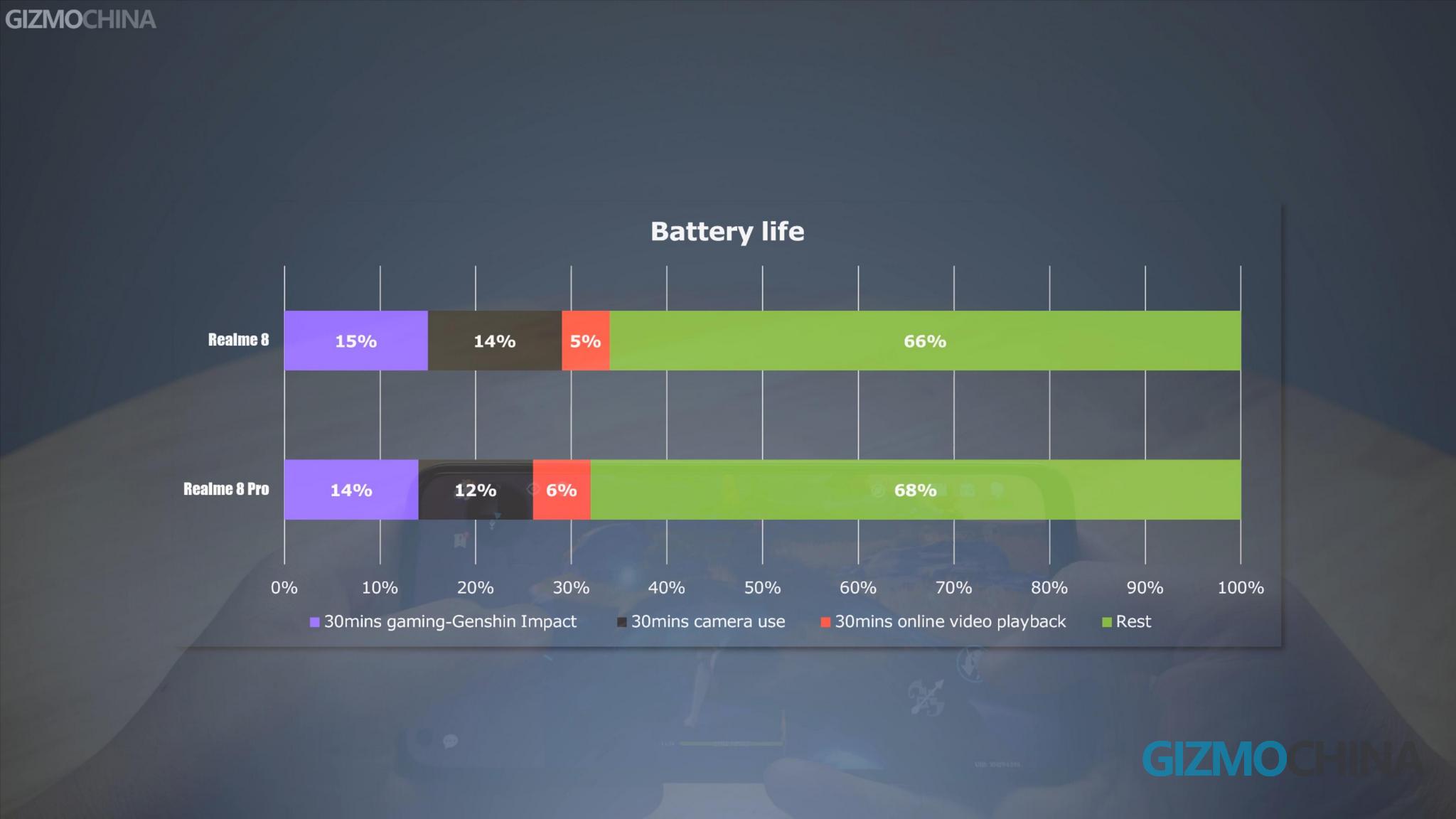
Realme 8 vs 8 Pro battery life
As for battery, we think Realme is pretty smart to choose the right solutions for both the models. A 5000mAh battery for the Realme 8 powered by the Helio G95 with slightly higher power consumption; and another 4500mAh battery for the Realme 8 Pro running the Snapdragon 720G. To give you a basic idea of their battery life, we played Genshin Impact, shot photos and videos, and watched online videos, and performed each activity for 30 minutes. Then we recorded the power consumption for each activity. Their results were very close to each other, which also confirm excellent battery performance at their price.
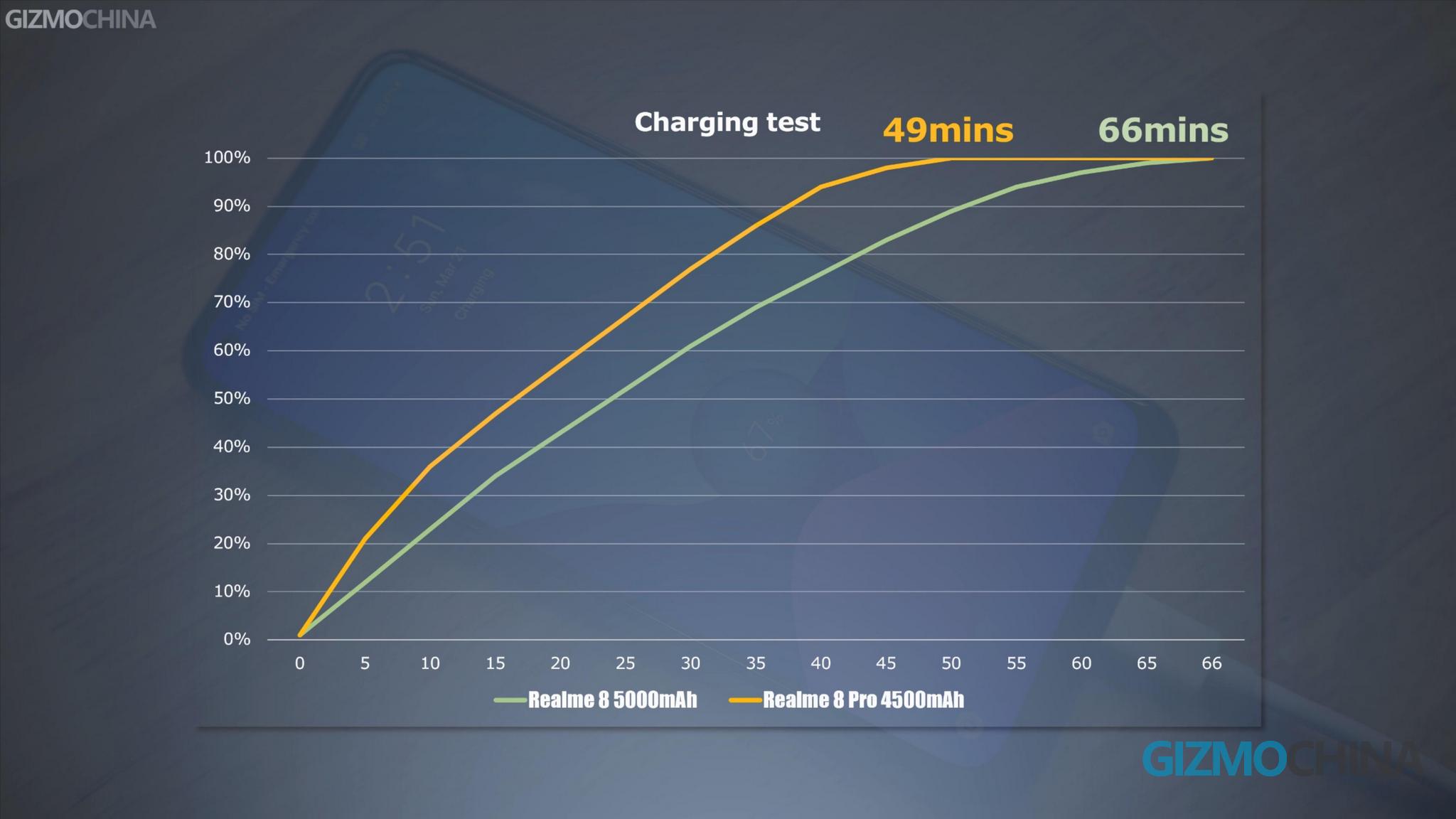
Realme 8 vs 8 Pro charging
In our full-charge test, it took us 66 mins to fully charge the Realme 8, while on the Pro model, it took 17 mins less than this figure to charge it to 100%.
So this was our comparison between the Realme 8 and Realme 8 Pro. To be honest, these two models both have fairly great value for money and there were no obvious issues during our daily use.
Note that the Pro model’s cameras, especially the main camera is better than its twin brother. But apart from that, both the models perform similar to each other.
So which model do you prefer? Please leave your comments down below and let us know what else we can review for you.
There are a lot of new models coming in the next few days! So stay tuned!
Meitu used to be known for its camera-centric smartphones but decided to stop manufacturing phones in 2019. However, in November 2018, it signed a partnership with Xiaomi that would see both companies co-develop smartphones. These phones will be designed, developed, manufactured, marketed, and sold by Xiaomi but will have the Meitu brand and feature Meitu’s imaging technology and algorithms. Just a little over two years after this agreement was signed, the partnership has ended.
The news was revealed by Meitu’s own CEO, Wu Xinhong, at its annual conference. He revealed that Meitu has ended its partnership with Xiaomi and has taken back its trademarks and licenses. He also stated that Meitu will no longer be involved in the manufacturing and sales of mobile phones.
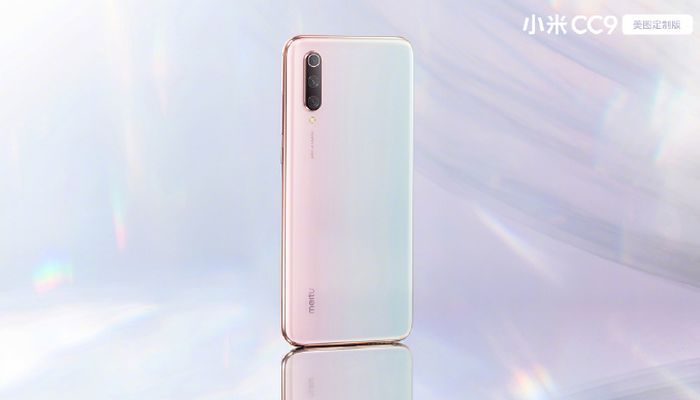
The partnership between both companies was supposed to result in not just only phones but other Meitu-branded products. Save for the Xiaomi CC9 Meitu Custom Edition that was announced in 2019, no other device was co-developed by the two companies.
Xiaomi Mi CC9 Meitu Custom Edition
It was reported that Meitu-branded phones will arrive in 2020 but that never happened. We want to believe the pandemic must have affected the plans and Xiaomi decided to focus on its own brands. With no devices manufactured which means no share of the profits for Meitu, sad as it may be, it makes sense that an end is put to the partnership which was supposed to last for 30 years.
In related news, Meitu announced that it generated total revenue of RMB 1.194 billion, an increase of 22.1% year-on-year. It also revealed that 2020 was its first year of achieving full-year profitability since it was established.
Meitu started as a software company, making mobile apps and it still does that. Its total monthly active users was 261 million in December 2020. Lately, it has also begun to invest in cryptocurrencies and has $90 million worth of cryptocurrencies.
Samsung has been rolling out stable Android 11 (One UI 3.x) update to the eligible devices since December. Since the rollout has now completed for newer devices, the company has started seeding out the latest Android update to its older phones and tablets. Hence, the 2019 Galaxy A70s and the Galaxy A90 5G are now receiving the One UI 3.1 update.
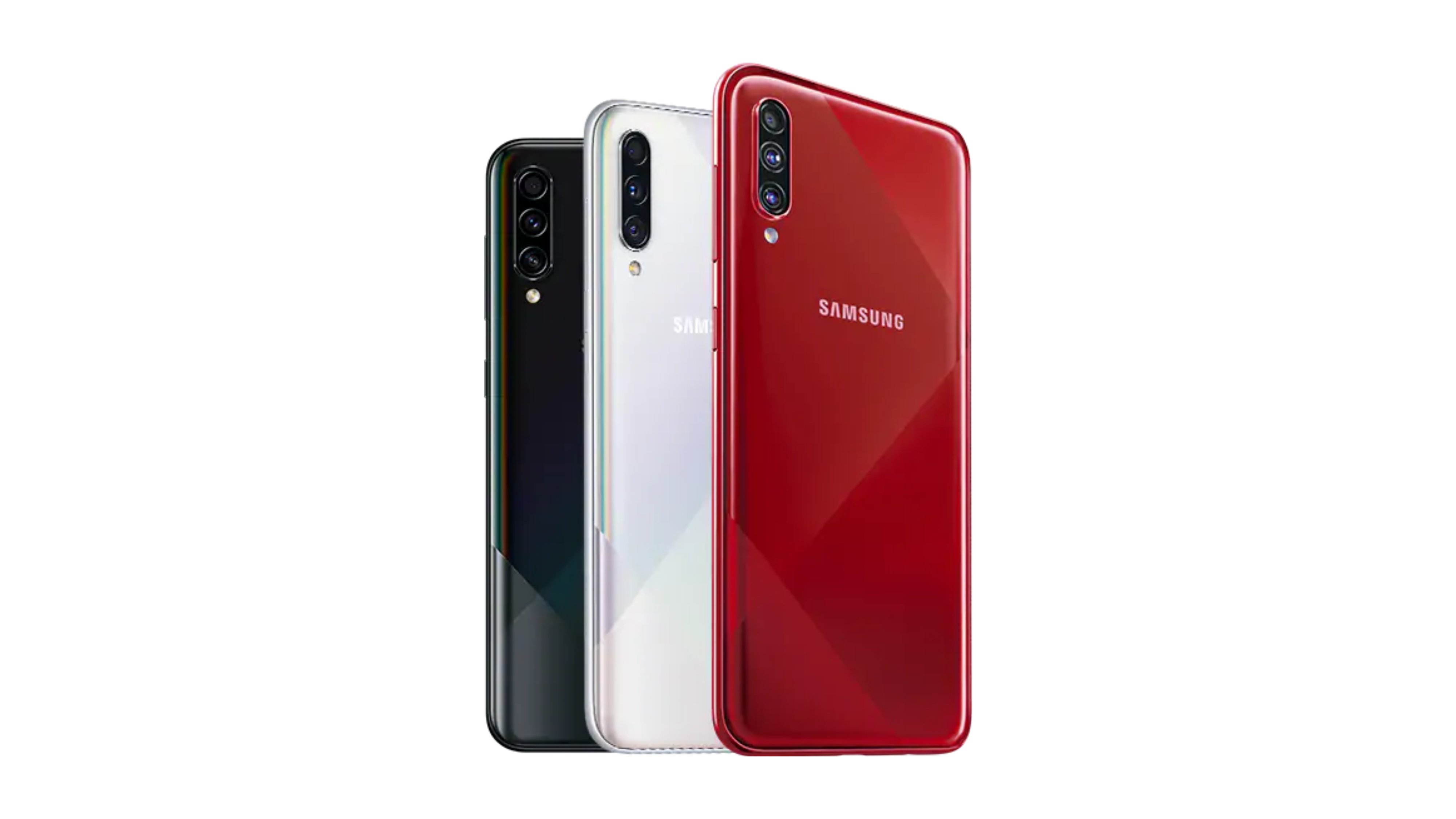
Samsung Galaxy A70s
Both the Galaxy A70s and the Galaxy A90 5G launched in 2019 with Android 9.0 Pie (One UI 1.x) out of the box. The smartphones were later updated to One UI 2.5 (Android 10) last year.
Now, Samsung has started rolling out Android 11 to these phones. Also, instead of One UI 3.0, they are being directly updated to One UI 3.1.
The Galaxy A70s Android 11 update is currently live in India with firmware version A707FDDU3CUC6. The software build weighs over 2GB in size and brings March 2021 security patches.
On the other hand, the Galaxy A90 5G Android 11 update is rolling out in South Korea with firmware version A908NKOU3DUC3. This build also comes with March 2021 security patches.
We can expect Samsung to extend the availability of this update to more regions in the coming days. Users of these handsets can navigate to Settings > Software update > Download and install to check whether their unit has received the One UI 3.1 update.
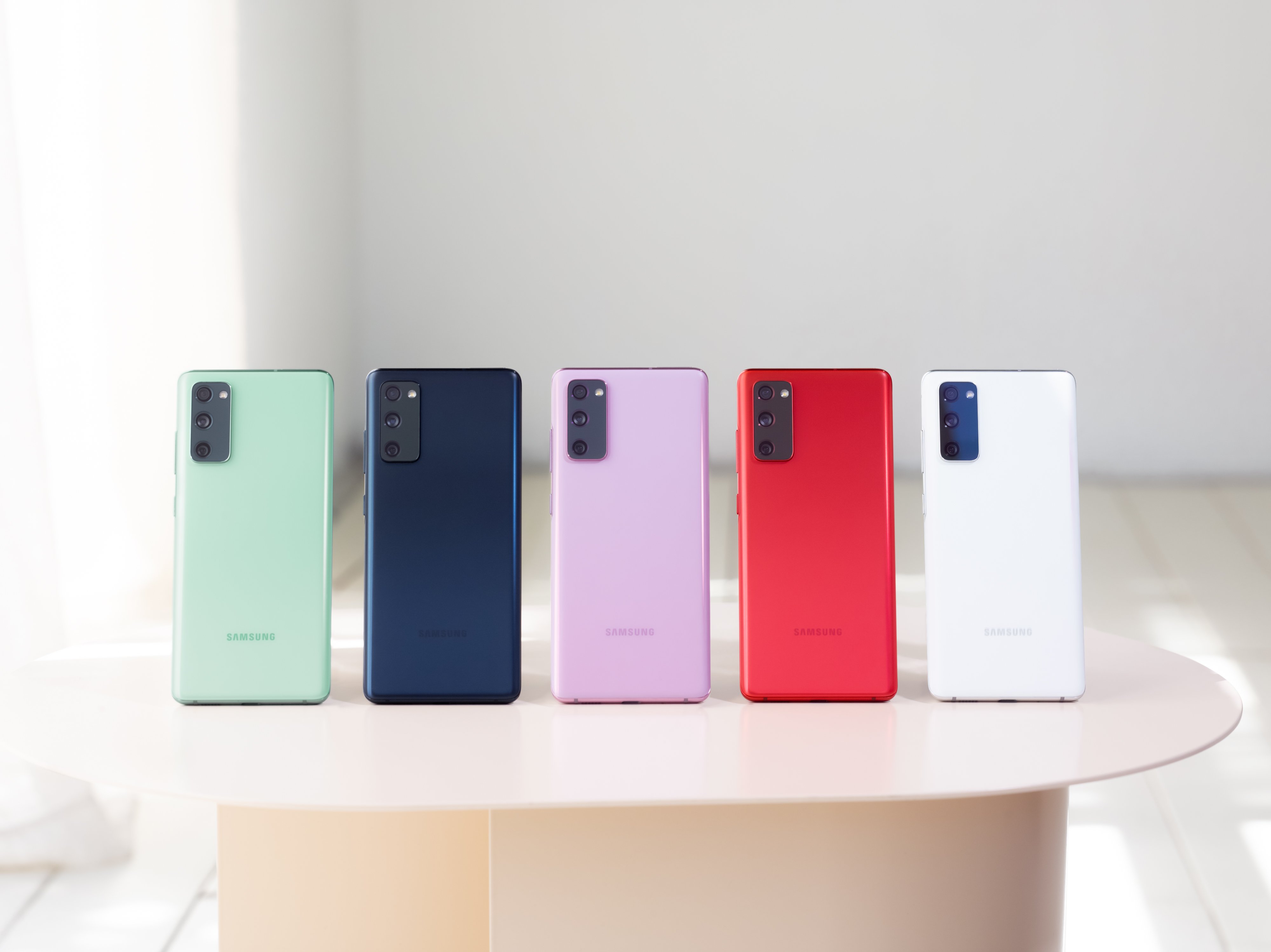
Samsung launched the Galaxy S21 smartphones back in January 2021. At the event, the company spoke about a lot of new UI camera features but those were limited to the S21 devices. Now, after Galaxy S20 and Note 20 series, the company is bringing them to the older flagships like Galaxy S20 FE 5G.
A new update with firmware version G781BXXU2CUC6 is rolling out to the users of Galaxy S20 FE 5G. As for features, the device gets the following camera features from the Galaxy S21:
New effects in Portrait mode
Ability to use Ultrawide camera in ‘Pro’ mode.
That said, the update hasn’t brought other notable features like Director’s view which lets you preview your video while shooting via front/rear cameras. Apart from this, the Night mode hasn’t got the goodies like low-light Portraits, highest exposure settings etc.
It is worth noting that the update for the Galaxy S20 and Galaxy Note 20 series that came last week with the respective firmware versions G98xxXXU7DUC7 and N98xxXXU1DUC8 also didn’t get the Director’s View.
Coming back, the new update for Galaxy S20 FE 5G is available in several European countries like Austria, Germany, Greece, Italy, Luxembourg, Poland, Romania, Slovenia, Spain, Switzerland, the Baltic region, the Czech Republic, the Netherlands, and the Nordic region.
If you are someone living in Europe, you can try out the new update by navigating to Settings->Software update->Download and install.
Do note that this update is for the 5G variant with model number SM-G781B only as of now. That is, the users of the Galaxy S20 FE LTE variant in countries like India needs to wait till Samsung expands the regions.
Xiaomi has recently patented a new technology. This new technology seeks to help avoid dangerous battery issues like bulging or explosions, with the patent titled “A battery charging method, device and medium.”
The patent publication was on 23rd March 2021 and its publication number is CN112542861A, as per an ITHomereport. In the patent, the Chinese tech giant describes a battery charging process, which is monitored in real time. So when the battery capacity is great that the threshold, the device will enter the floating charging mode to avoid any dangerous situations such as bulging or even any explosions.
To put things simply, during a battery’s charging cycle, the device switches between a current charging cycle when charging initially and enters into the floating charging mode after a while. But if the former cycle continues for too long, it could damage the battery and cause it to become a hazard to the user. So, the patented system would monitor this in real time while also making sure that the battery doesn’t bulge or explode in a high temperature environment or when receiving high voltage.
At the moment, the batteries used in smartphones have improved greatly and these issues are far less common. However, the issue can still be dangerous is why companies like Xiaomi and even Apple have patented technology to address this issue. Unfortunately, this is just a patent and it is unknown if the company is actually working on such a product.
The economic impact of the global chip shortage that has persisted for several months since 2020 could soon be felt directly by phone users as phone makers continue to grapple with the challenge of increased smartphone production costs. The chip shortage mainly affected the automotive industry at the early stages. It led to the shutdown of some production plants in the US and other places.
A few months back, some governments took steps to stimulate production, but it is clear that these moves are yet to yield the desired results as chipmakers continue to grapple with increasing demands. Now it seems that phone makers are now gradually feeling the impact of the shortage as production costs continue to climb.
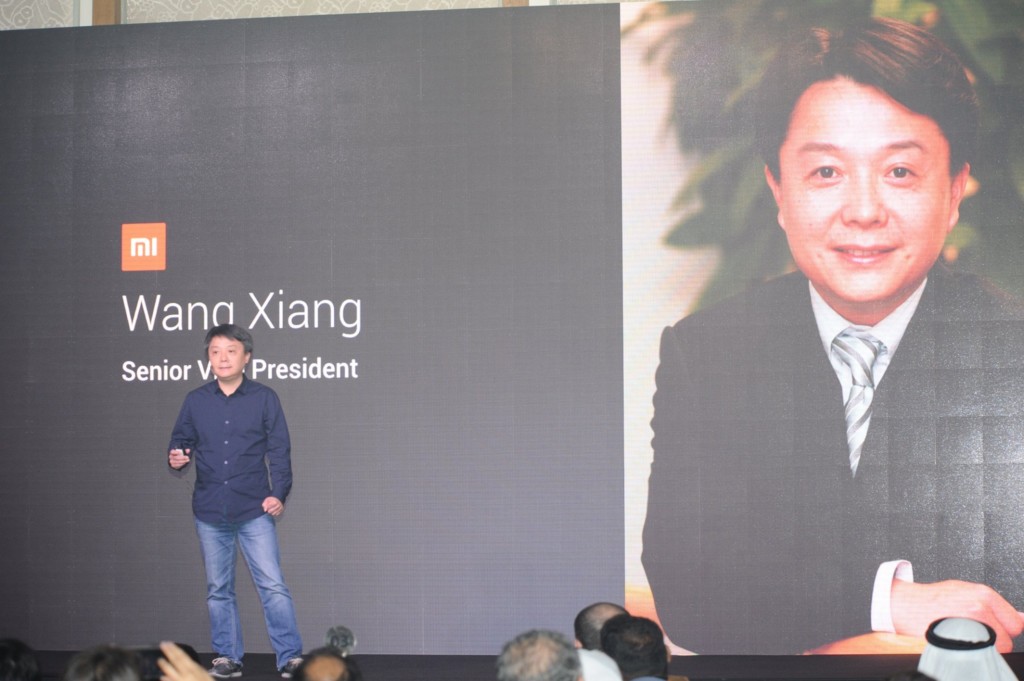
Xiaomi’s president Wang Xiang said that his company has been grappling with increased production costs due to the shortage of semiconductors needed for smartphones. There was every likelihood that the increased production cost would lead to higher prices of several of its forthcoming smartphones. Xiang made the comments during Xiaomi’s fourth-quarter 2020 earnings call (via) and also stressed that Xiaomi would continue to offer competitive prices as it seeks ways of optimizing its production processes.
Some chipmakers have announced plans for expansion in capacity but the impact on global chip supply may not become apparent until after two years due to the intricate and complex processes involved in chip production. But generally, chipmakers have been struggling to meet supply backlogs from a variety of customers across the spectrum. Some industry watchers have predicted that the present global shortage may persist until the end of the year, with the attendant inflationary impact on consumers.
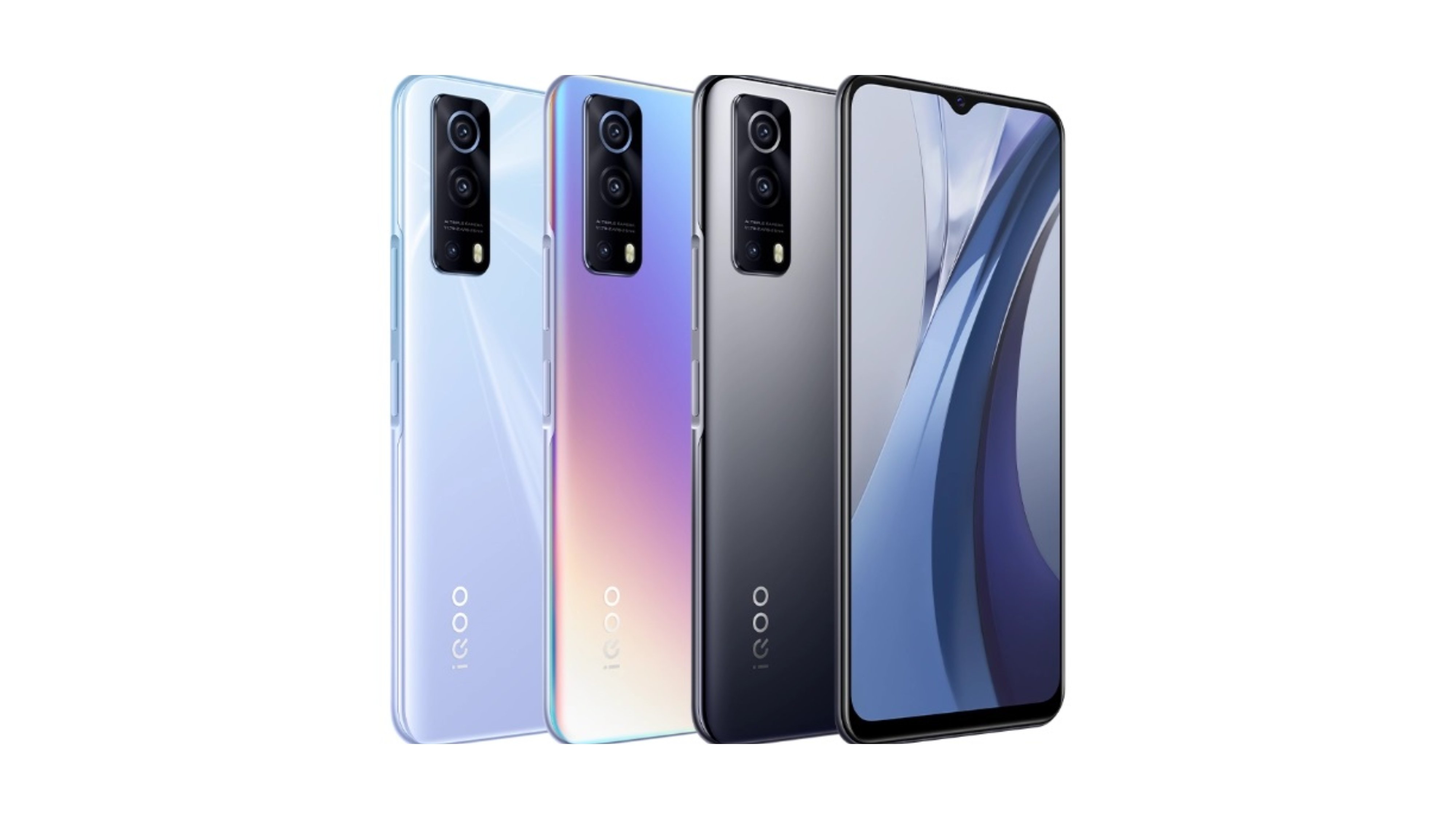
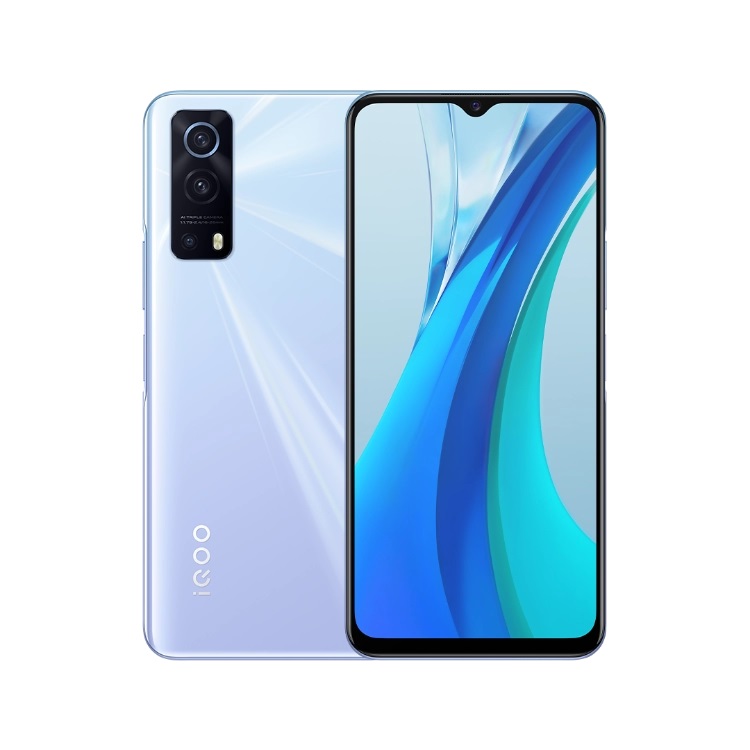
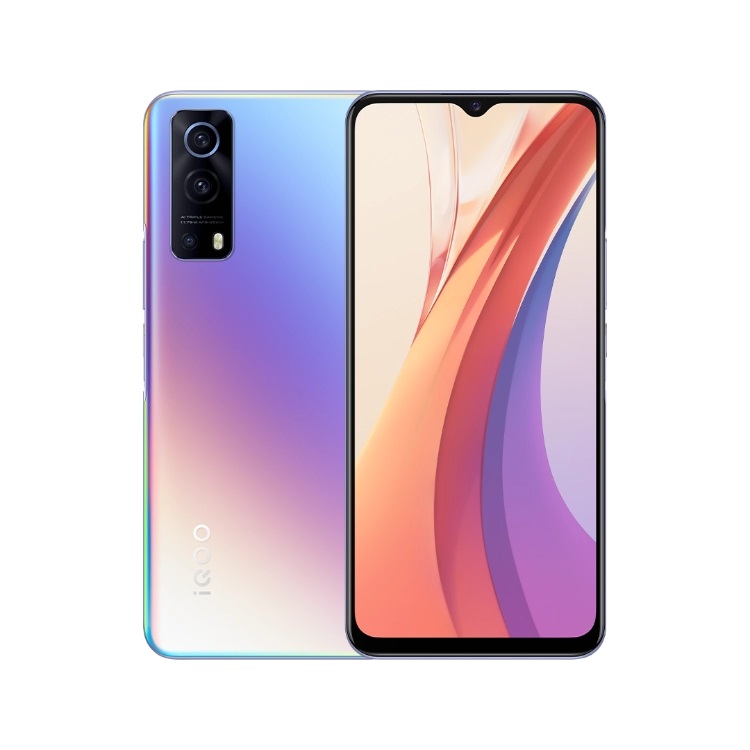
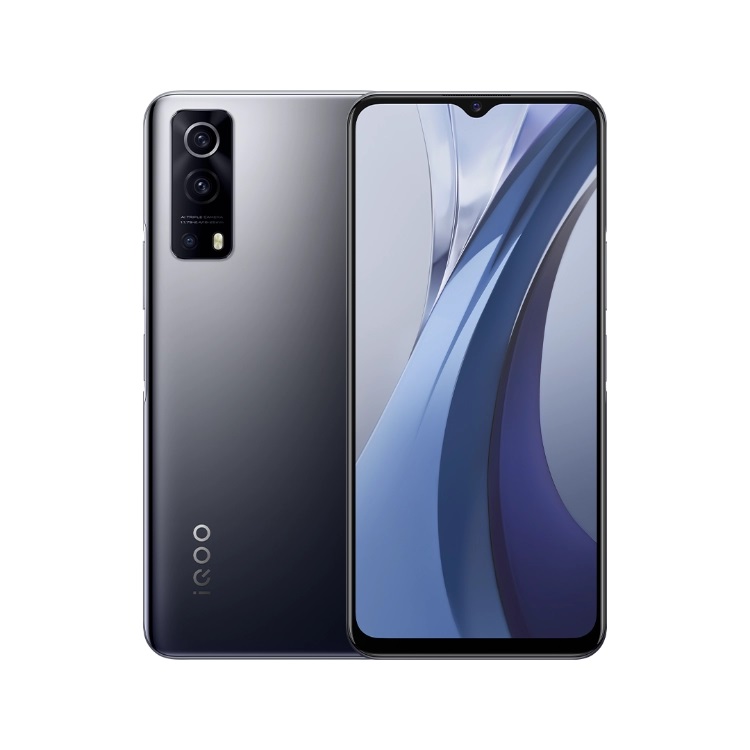
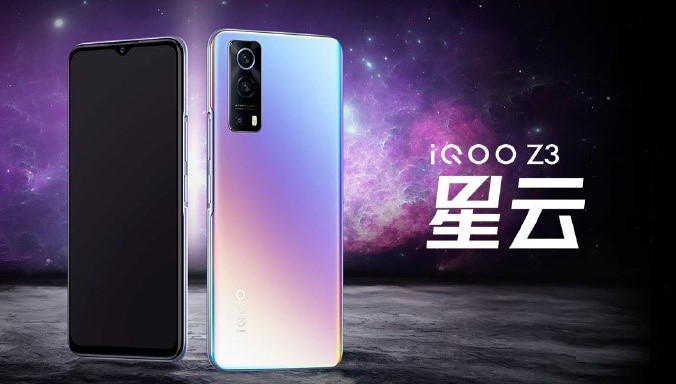
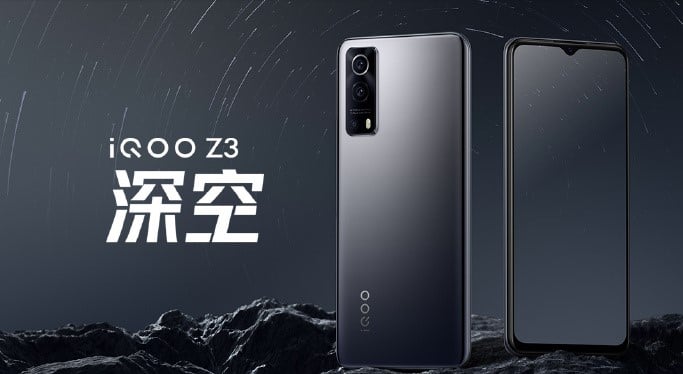
iQOO has launched the budget gaming-focussed smartphone, iQOO Z3 in China. The device starts at 1,699 yuan and features Snapdragon 768G 5G chipset, LCD display with a 180Hz touch sampling rate, and more. Let’s take a look at its specs, features, and price.
iQOO Z3
iQOO Z3 Price, Availability
iQOO has launched three memory variants of the iQOO Z3. The device comes in two colors- Deep Space Black, Cloud Oxygen Blue, and Nebula Gradient options. You can take a look at the pricing below:
iQOO Z3
6GB + 128GB- 1,699 yuan($260)
8GB + 128GB- 1,799 yuan($275)
8GB + 256GB- 1,999 yuan($305)
The pre-orders for the device will begin today, i.e, March 25 at 20:00 Beijing time and the first sale of the device will be on April 1 at 10:00 AM local time.
The device will be available online across various e-commerce sites like Jingdong, Tmall, Vivo shop, Suning, and other major partners across the country.
1 of 3
iQOO Z3 Design, Display, and Specifications
The iQOO Z3 has 3D curved glass on the back and a slimmer body for better ergonomics while gaming. That is, the device has a 2.75mm ultra-narrow middle frame, 8.5mm thickness, and weighs just 185.5 grams.
The device features a 6.58-inch FHD+ LCD waterdrop display with a 120Hz refresh rate and 180Hz touch sampling rate. This display also has a resolution of 2408×1080 pixels, 401 PPI, supports HDR, has a 90.61% screen-body ratio, covers 96% NTSC color gamut, and has a 1500:1 contrast ratio.
1 of 2
Under the hood, the device sports a Qualcomm Snapdragon 768G 5G chipset. This chipset is paired with LPDDR 4x 6/8GB RAM and 128/256GB UFS 2.2 storage.
iQOO Z3 gaming-focused features
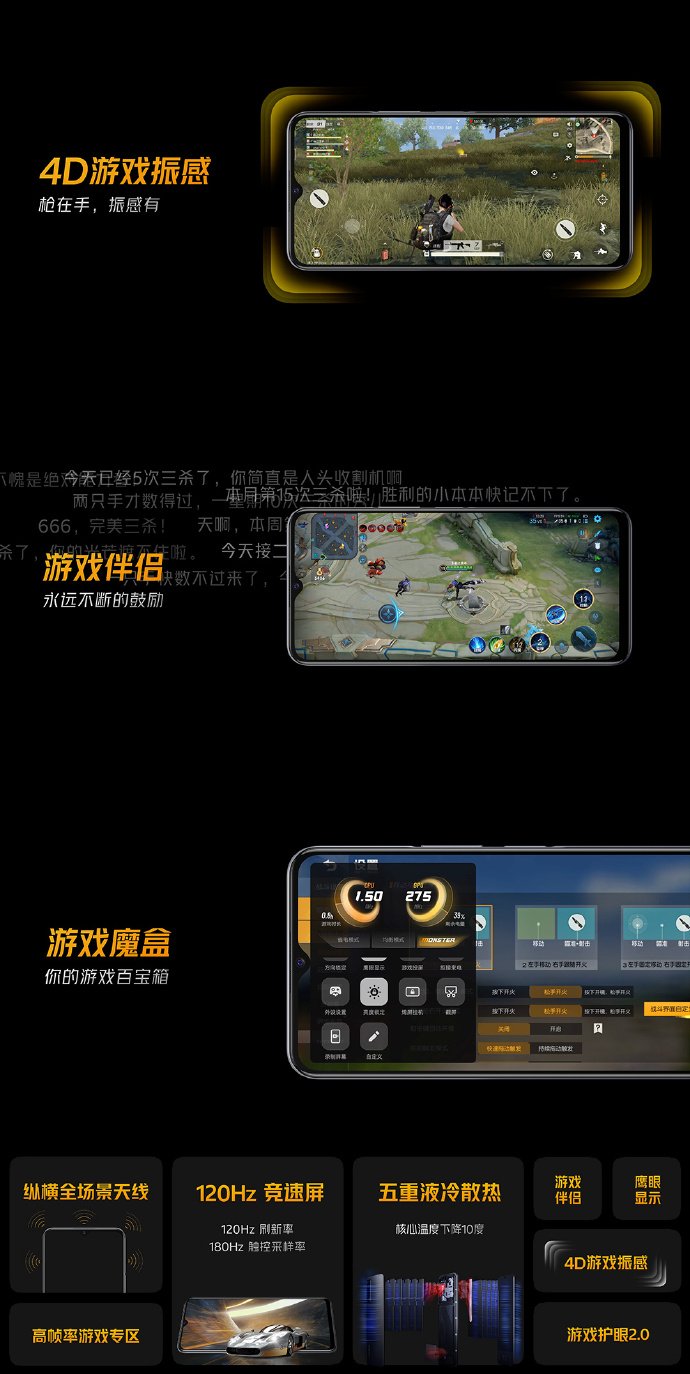
iQOO Z3 has memory fusion technology that makes a typical 8GB RAM function like an 11GB version. Along with this, the device is paired with UFS 2.2 storage and supports Multi-Turbo 5.0 for smartly managing the storage while gaming.
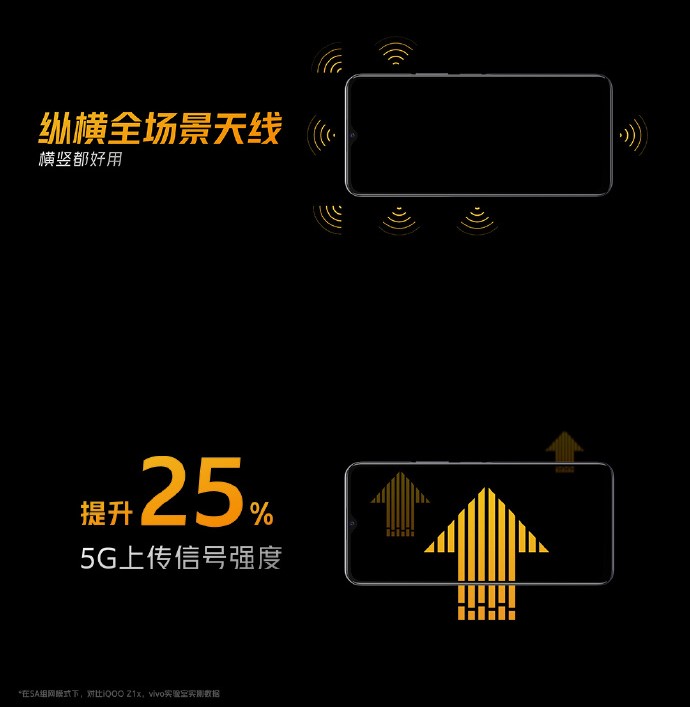
Further, the device has Eagle Eye Mode 2.0, multi-channel support, and 4D game vibration along with a Game Box function. It also has an array of 5G Antenna spread across the device like the iQOO 7 for better reception while gaming.
1 of 3
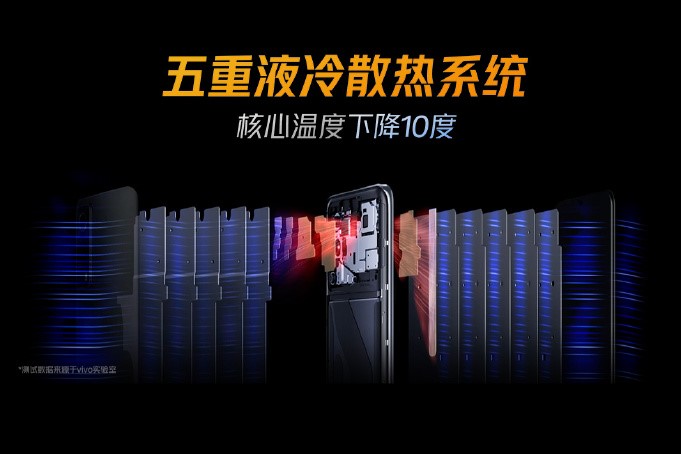
iQOO Z3 Cooling
5G Antennas
Gaming functions
For cooling, iQOO has brought a Five-fold liquid-cooled cooling system. This system has a mix of thermal gel and copper pipes beneath to help the temps control by about 10-degrees as claimed by the company.
iQOO Z3 Camera and other features
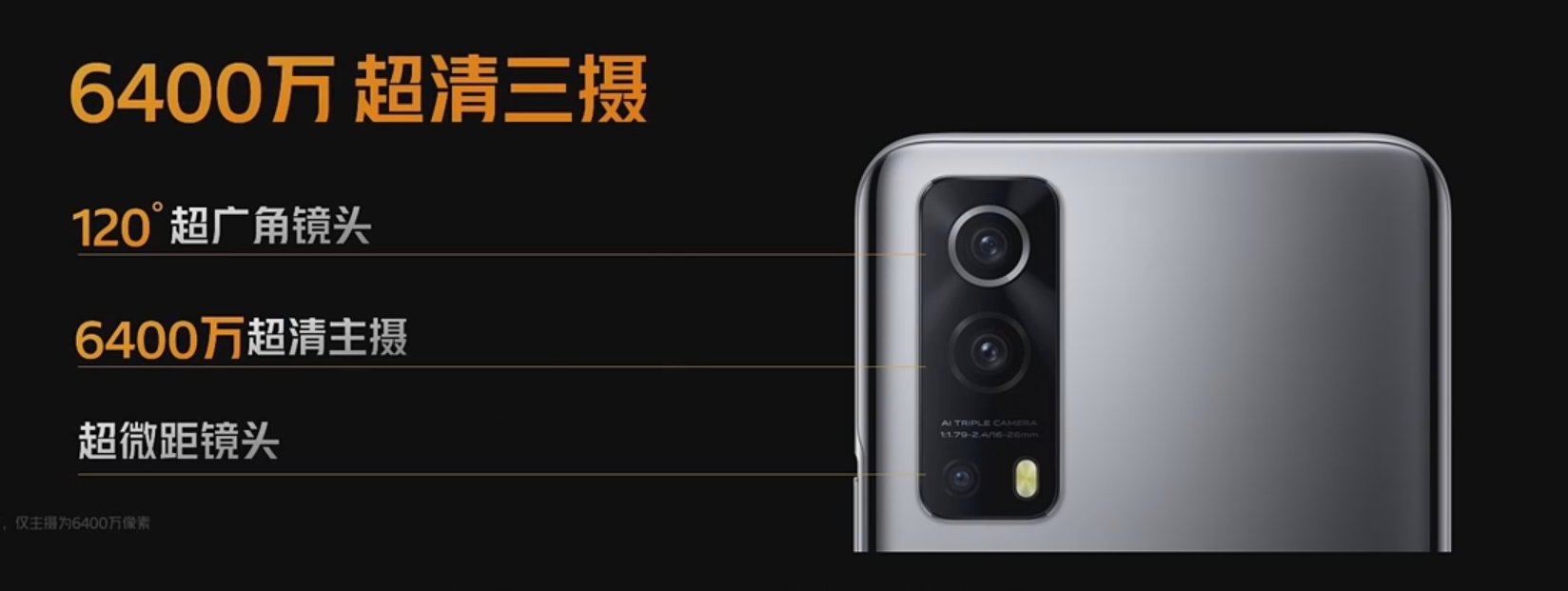
For cameras, the iQOO Z3 has a triple-camera layout on the back. The setup has a f/1.79 64MP main lens, 8MP f/2.2 ultrawide with 120-degree FOV, and a 2MP f/2.4 macro lens. Upfront, there is a 16MP f/2.0 selfie shooter.
Camera features include 10x digital zoom support, Night mode, AI polar night selfies, Vlog creation templates, the style filter, Big movie mode, EFB continuous focus tracking, old photo repair 2.0, and other functions.
For connectivity, we have Wi-Fi 5GHz, Bluetooth 5.1 with aptX HD code support, SA/NSA 5G. The device also has all necessary sensors including Gyroscope for gaming.
Other features include a 4400mAh battery with 55W FlashCharge support, 3.5mm audio jack, Type-C port, side-mounted fingerprint, face unlock, OriginOS for iQOO 1.0 based on Android 11.
More than a month ago, the support page for the Galaxy S20 FE 5G went live on Samsung India’s website. At around the same time, this handset was also certified by BIS (Bureau of Indian Standards). Now, a report says that the South Korean tech giant will be finally debuting this smartphone in the country next week.
Samsung unveiled the Galaxy S20 FE in September 2020. The smartphone comes in two variants – 4G and 5G. However, the company only released the 4G model in India in October.
Now, five months after the launch of this handset in the country, the firm may finally bring the 5G variant next week, as per an IANS report (via ET Telecom). The report citing industry sources says that Samsung will be pricing the Galaxy S20 FE 5G under ₹50,000 ($688).
If this happens to be true, the Galaxy S20 FE 5G could be one of the best deals for premium smartphone buyers in India, thanks to all the selective features from the Galaxy S20 series. Above all, this model comes with a Qualcomm Snapdragon 865 SoC instead of an Exynos 990 SoC as found inside the 4G variant.
That said, if your budget is lower, you can currently get the Galaxy S20 FE 4G version for around ₹40,000 ($550) or less. But it is worth noting that due to the Exynos 990 chipset, this variant of the phone provides poor battery life and performance when compared to the 5G version.
During the launch event of the ZTE S30 series, the company will also be announcing another new product. As per a company official, the March 30 launch conference will also include announcements for a new surprise as well.
According to an ITHomereport, Lu Qianhao, the director of the marketing strategy department of the Chinese tech giant, stated that the upcoming launch event will not solely be limited to the S30 series of smartphones. An ITHomereport believes that the company could also be using the event to announce the company’s Axon 30 Pro flagship handset. Although, this is just speculation so take it with a pinch of salt for now.
Previously, we had reported on the smartphone maker launching the ZTE Watch GT smartwatch launching on the same date as the S30 series. In other words, the company would likely announce other peripherals or IoT (internet of things) related products during the conference, like the P3 Smart Tag, K3 Smart Home Camera, new routers and more. However, we have no way of knowing for sure what the surprise is, so stay tuned for more as we will be covering the launch event at the end of this month and providing information when additional details are available.
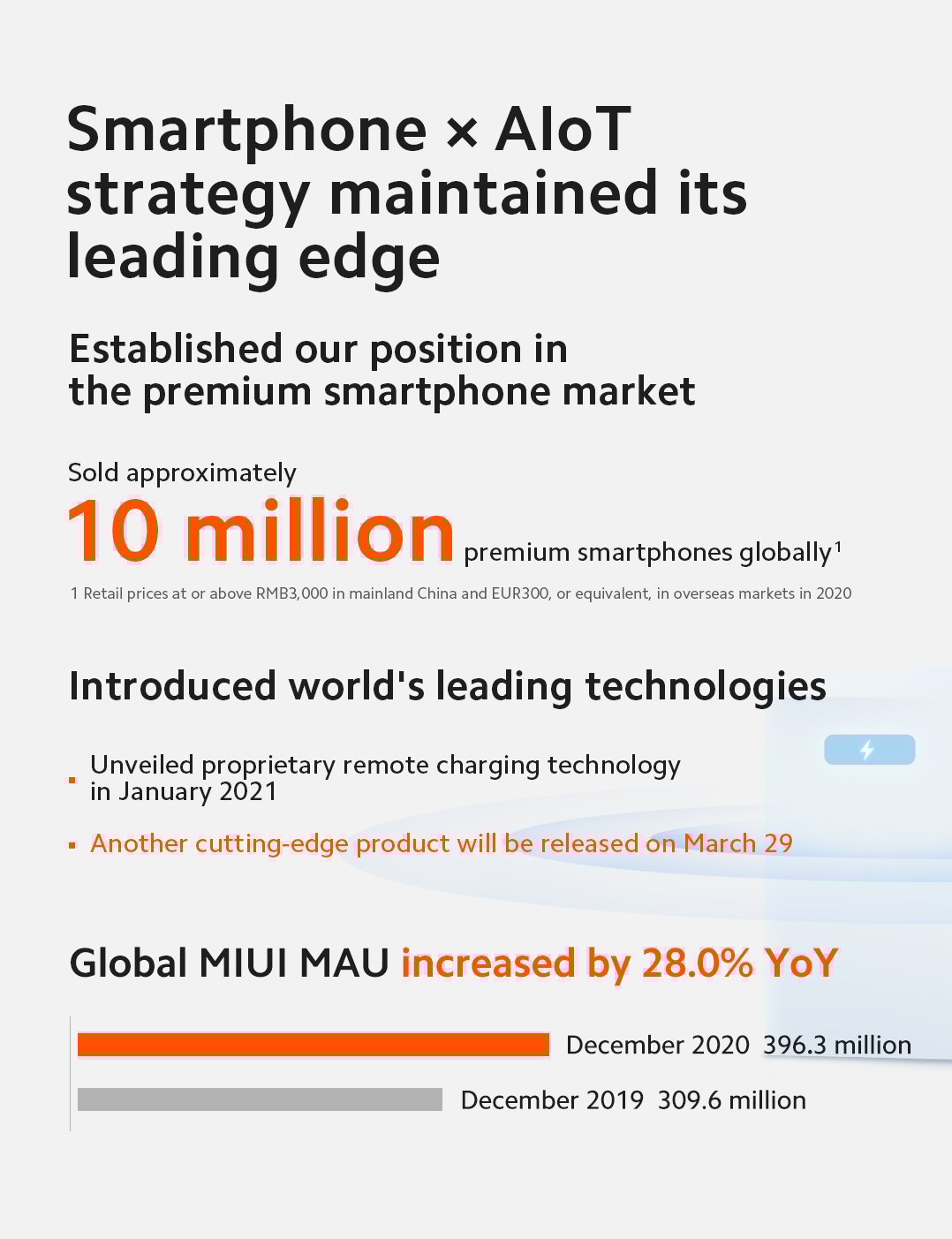
Xiaomi has just announced its financial results for the last year. The numbers reveal a strong year for the company, which marked a notable growth of 17.5 percent year on year over 2019, reaching 146.4 million shipments in total.
The Chinese tech giant shared its financial performance on Twitter earlier this week. In the images shared by the smartphone manufacturer, the company revealed that it managed to also sell over 10 million premium or high end handsets in 2020. Furthermore, the brand added that its MIUI now has more than 400 million monthly active users. Notably, about half of the company’s entire revenue is now from the overseas market.
Xiaomi’s premium smartphones are those devices that are sold over 3,000 Yuan (roughly 460 US Dollars) in its home country, China, or above 300 Euros (roughly 350 US Dollars) in the overseas market. So, this figure does not strictly refer to its flagship series of smartphones. Interestingly, the rise of its handset shipments in 2020 helped the company climb the list to become the third largest smartphone manufacturer in the world, while Huawei saw a sharp decline during the same time.
Additionally, Xiaomi was also able to bring in most of the demand for handsets and managed to increase its domestic shipments by a whopping 51.9 percent year on year. The company had an overall revenue of about 245 billion Yuan (roughly 37.4 billion US Dollars), out of which, 152 billion Yuan (roughly 23.2 billion US Dollars) was from smartphones alone with the remaining arriving from its other electronics portfolio.
Zimi, a company that makes smartphone accessories and was backed by Xiaomi, is now wholly owned by the Chinese brand. Xiaomi Group stated in its performance announcement that the company is acquiring a 50.09 percent stake in Zimi.
The acquisition comes at a cost of $205 million. Prior to this, Xiaomi already owned 49.91 percent equity in Zimi. With this latest transaction, Zimi becomes the wholly-owned subsidiary of Xiaomi.
Making the announcement, Xiaomi said that the company believes that Zimi’s technology, as well as Research & Development capabilities in the power supply and multiple IoT fields, can improve Xiaomi’s technical competitiveness in the smart field, and achieve product power standardization to save costs.
During 2014 and 2018, the cumulative sales of Xiaomi’s mobile power supply exceeded 100 million units. Zimi has its own lineup in the form of ZMI and the company says that it is committed to high-end smartphone accessories, including chargers, wireless chargers, data cables, smart home appliances, and more.
Zimi was established in the year 2012 as Jiangsu Zimi Electronic Technology Co., Ltd., and in the year 2013, it became a member of the Xioami industrial ecology chain. The company was responsible for the development of Xiaomi mobile power supplies and related products in the category. Zhang Feng, the founder of Zimi, later served as a Partner and Vice President of the Xiaomi Group.
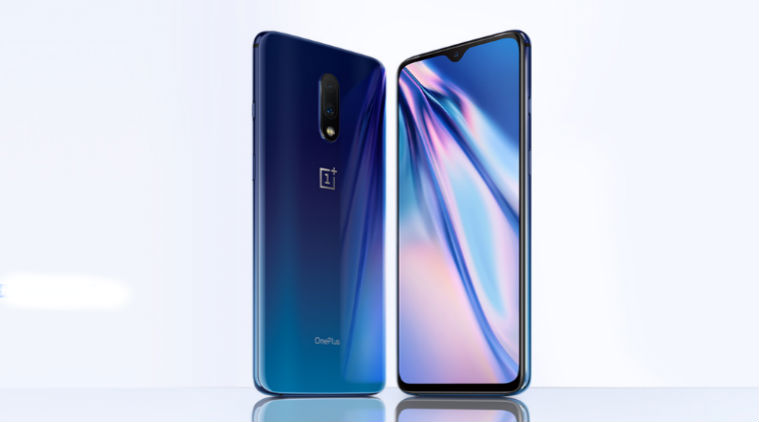
Ahead of the OnePlus 9 series launch, the brand started rolling out the Android 11 (OxygenOS 11) update for the OnePlus 7T series. Now, a few days later, the company has finally started seeding this same update for the OnePlus 7 series.
The OnePlus 7 and the OnePlus 7 Pro were OnePlus’ flagship smartphones in the first half of 2019. The duo debuted with OxygenOS 9 based on Android 9.0 Pie. The handsets were later updated to OxygenOS 10 (Android 10) last year.
Now, they have begun to receive Android 11 (OxygenOS 11) as well. This much-awaited update arrives four releases of OxygenOS 11 Open Beta since January.
The Oneplus 7 series OxygenOS 11 update brings a new UI along with tons of new useful features like a quick toggle for Dark Mode, Dark Mode scheduler, redesigned Shelf, new Weather widget, updated Gallery app with story function, new Game Space features, and more.
Lastly, apart from core Android 11 features, the latest system update for the OnePus 7 series also comes with February 2021 security patches and January 2021 GMS (Google Mobile Services) package.
OnePlus 7 / 7 Pro OxygenOS 11 (Android 11) Update Official Changelog
System
Update to OxygenOS 11 version
Fresh new UI visual design brings you a more comfortable experience with various optimizations of details
Optimize the stability of some third-party applications and improve the experience
Updated Android security patch to 2021.02
Updated GMS package to 2021.01
Since this is the upgrade of Android 11 version with many new features, the upgrade time may be longer. Please wait for the completion of the upgrade
Camera
Updated the camera UI and optimized some of the function paths to offer more convenient operation
Newly added the HEVC codec to reduce video storage size seamlessly, capture and shoot more without compromising on quality
Dark mode
Added the shortcut key for Dark Mode, pull down the quick setting to enable
Supporting automatically turn on feature & customize time range (path: Settings – Display – Dark Mode – Turn on automatically – Automatically enable from sunset to sunrise/Custom time range)
Game Space
Newly added gaming tools box for convenient switches of Fnatic mode. You can now choose three ways of notifications: text-only, heads-up and block, just for your immersive gaming experience
Newly added quick reply feature in a small window for Instagram, Whatsapp and Telegram (Enable it by swiping down from upper right/left corners of the screen in gaming mode.
Newly added mis-touch prevention feature. Enable it, swipe down from the top of the screen, click and the notification bar will pop out.
Shelf
Newly shelf interface design, the interface is clearer
Added weather widget, animation effect smarter
Gallery
Supporting Story function, automatically form weekly videos with photos and video in storage.
Optimize the loading screen of the gallery, and the image preview is faster
The Android 11 update for the OnePlus 7 and the OnePlus 7 Pro is currently being rolled out in batches. Hence, it may take time to reach every user.
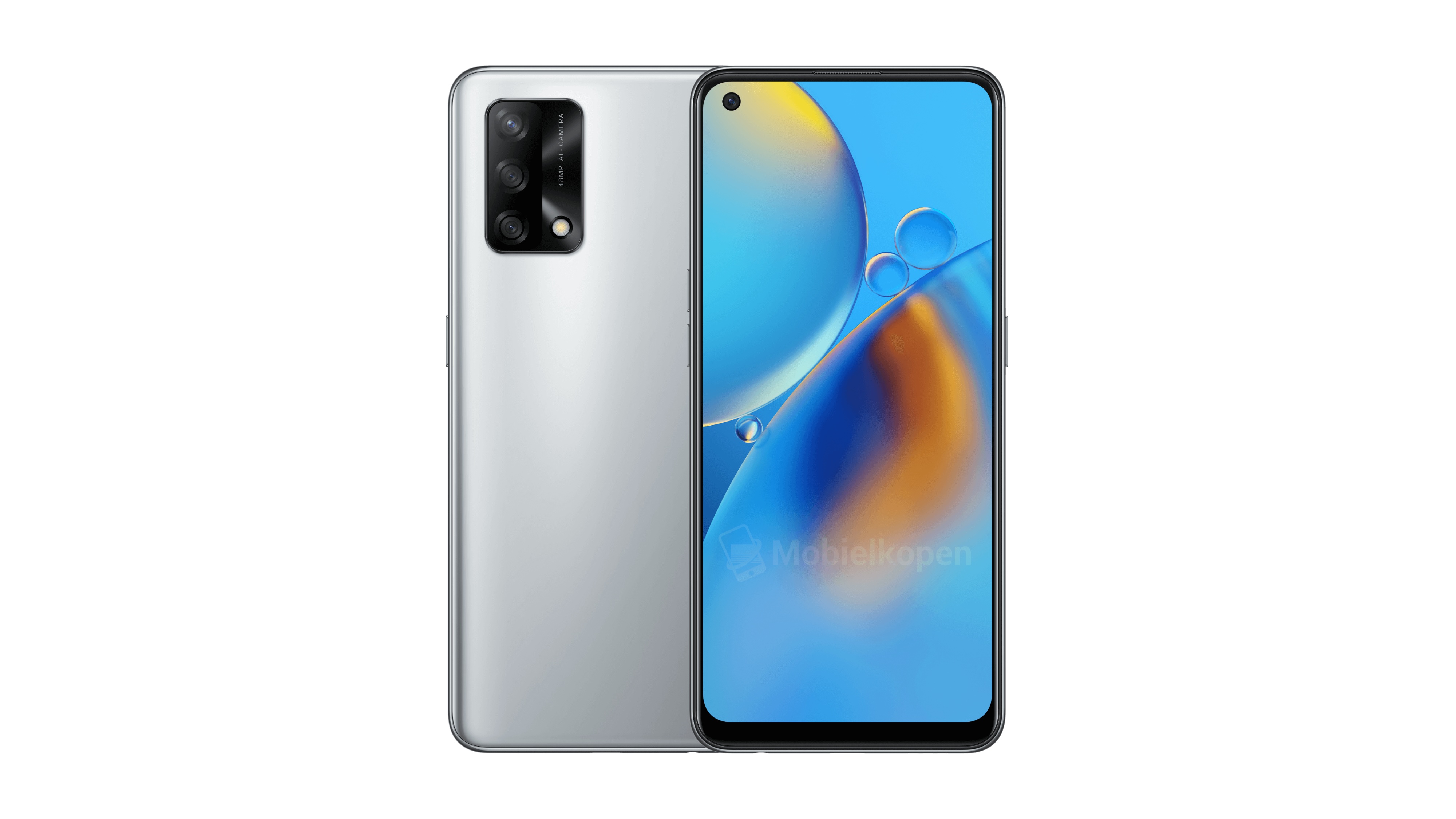
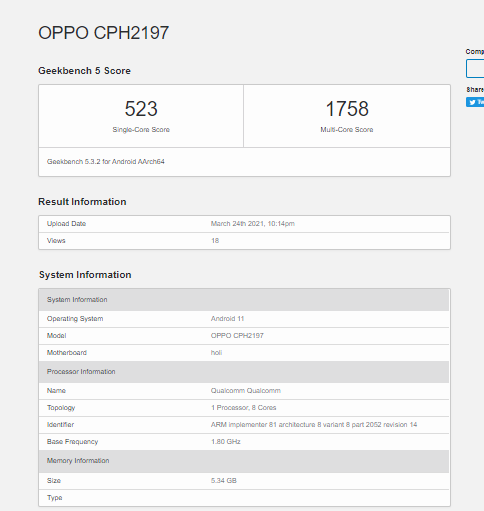
OPPO is said to be working on two different Axx smartphones. Certifications like Thailand’s NBTC reveal that the OPPO CPH2219 is the OPPO A74 4G while the OPPO CPH2197 is the OPPO A74 5G. Today, the 5G variant has been spotted on Geekbench by Nashvillechatterclass.
OPPO A74 5G Space Silver render, Credit: mobielkopen.net
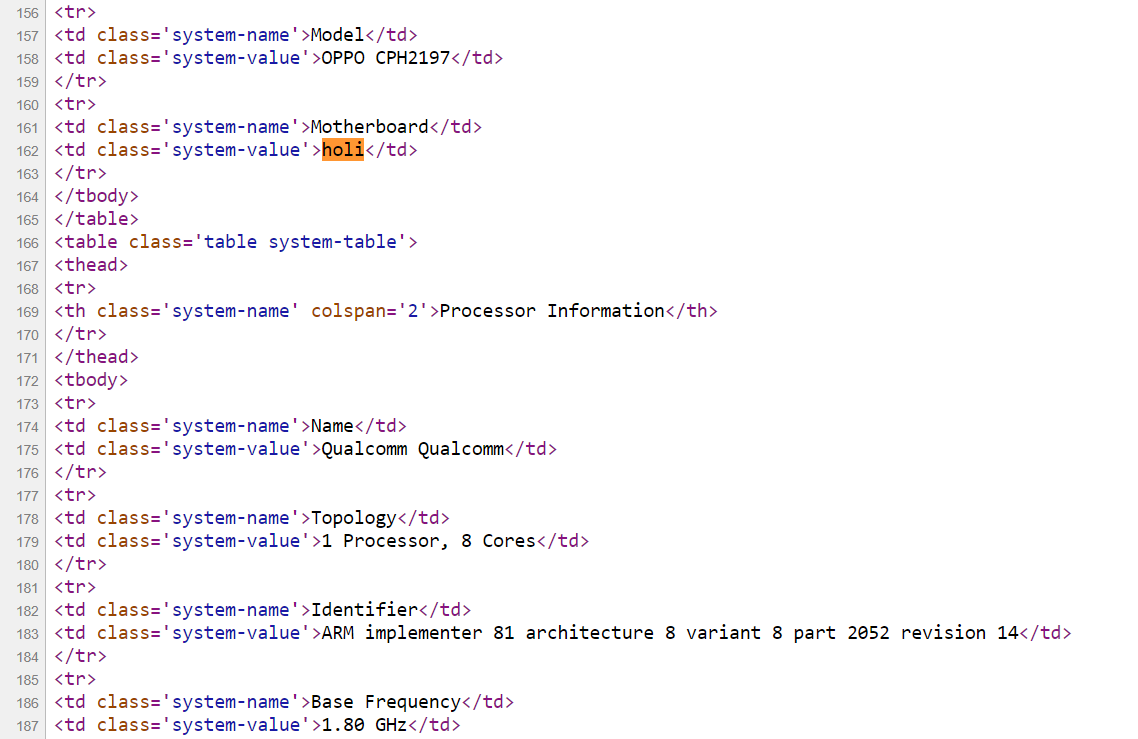
As the report says, an OPPO smartphone with model number CPH2197 appears on Geekbench. This device has a Qualcomm processor with a base frequency of 1.8GHz. While the name isn’t specified, the motherboard is written as “holi“. This is said to belong to the Snapdragon 480 5G chipset launched in Jan. 2021.
Further, the OPPO CPH2197 device, which is the OPPO A74 5G as per certifications, seems to run Android 11 OS with 6GB RAM. The device could very well debut with the latest ColorOS 11.2 out of the box but let’s wait for an official word.
1 of 2
OPPO A74 5G isn’t new to us. Recently, the high-quality renders and key specs of the devices surfaced on the internet. Accordingly, the device is said to measure 169.2 x 74.7 x 8.4 mm and weigh 190 grams.
The 5G version is said to come in two colors- Fluid Black and Space Silver. Expected specs of the device include up to 128GB storage, 5,000mAh battery with 33W fast charging support.
The predecessor, OPPO A73 5G featured an IPS LCD panel but we will have to wait and see if OPPO shits to AMOLED on the successor. We are speculating this because the chipset seems to be a bit downgraded on the OPPO A74 5G compared to last year.
Earlier today (25th March 2021), a Weibo blogger, a Chinese microblogging website, shared an online post, which stated that Huawei is working on launching a product worth 300,000 Yuan (roughly 46,000 US Dollars) that could be its first electric car.
According to @看山的叔叔, the Chinese tech giant is working on a product with this eye watering price tag. Apparently, the new product will be a part of the consumer electronics maker’s Smart series of products and could even be an electric vehicle. If it is an automobile, it will likely be made by the company along with a partnered car making brand.
In the past, Huawei has stated that it is not planning on building a car, rather, it focuses on ICT technology and other internal components that will be featured in a vehicle. In other words, it is a supplier rather than a manufacturer, so we can expect the company to partner with an automobile vendor for its own car. Recently, the company had also announced that its HMS services will also be arriving in the Mercedes Benz S Class Sedans that are sold in China.
Unfortunately, the Weibo blogger didn’t share any finer details regarding the product that carried an exorbitant price tag. But, if the leak is true, then it would likely be a car, considering the price tag is more in line with electric vehicle offerings from other brands like Tesla. So stay tuned for more, as we will be providing updates when additional information regarding this matter is available.
With 5G trials being just around the corner in India, the government has made a list of “trusted” vendors list for telecom operators to procure their networking equipment from. But, it seems that Huawei will not be included in this list.
Previously, we had reported on the Chinese telecommunications equipment maker might qualify for the “trusted” vendors list earlier this week. This news had arrived from a government official, who believed that Huawei and ZTE might meet the eligibility criteria for the list. However, a new report from ETstates otherwise as highly places sources close to the matter stated that the company is unlikely to be given approval to supply its 5G gear to telecom operators in the region.
These sources believe that the brand would likely not be included in the “trusted” list due to security concerns. For those unaware, Huawei has faced various accusations across the globe regarding its alleged ties with the Chinese government. Furthermore, the recent military clashes in the Indo-Chinese border also worsened the political tensions between India and China. This further prompted the Indian government to create a “trusted source” list to tighten its security regulations, especially in the case of telecommunications.
Thus, while it seemed like the Chinese vendor could’ve been a part of India’s 5G trials, this change in policy might not allow the company’s gear to be used by local vendors like Airtel, VI, and others. Meanwhile, networking equipment from Nokia and Ericsson would likely be eligible for the “trusted” list. So stay tuned for more, as we will be providing updates when additional information is available.
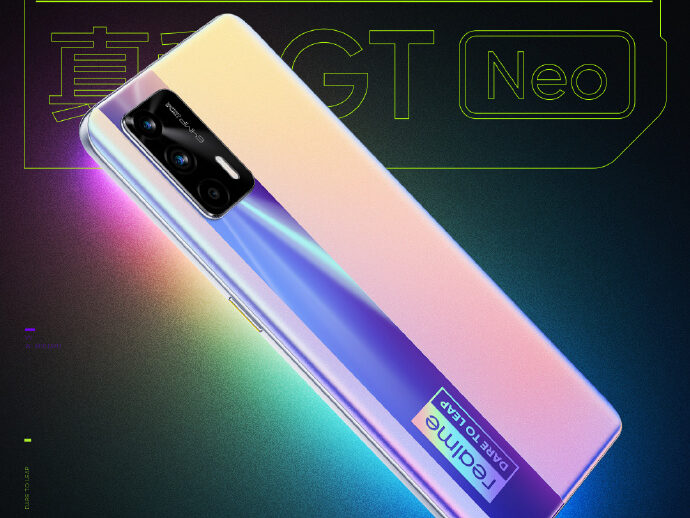
realme seems to be following a split-design on its smartphones these days. Yesterday, we saw an example with the realme 8 series, and today, the first look of realme GT Neo Final Fantasy color gives the same vibes.
realme GT Neo Final Fantasy Color
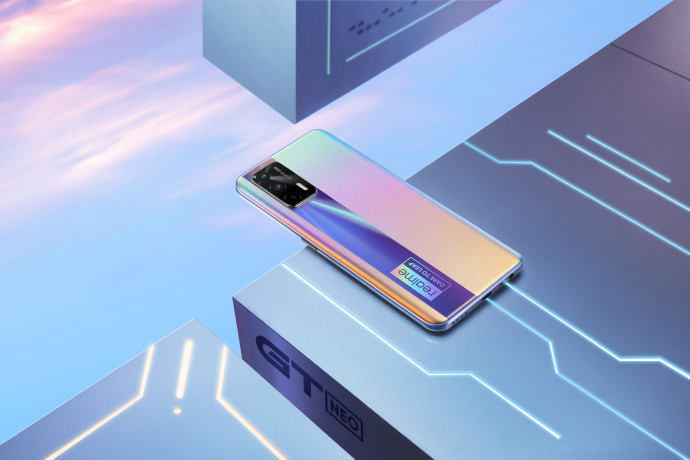
Today(March 25), about a week before the official launch, realme took to Weibo to show us the first look at the realme GT Neo. The device’s color is called Final Fantasy. The company says that it has used the micron-level process to obtain the matte textures on the back.
Along the camera layout vertically, a soft glossy coating runs till the end of the device. Another image with more design elements has been revealed by realme China’s President Xu Qi. He says that the company has drawn inspiration from the cyberpunk elements to obtain the design.
realme GT Neo
The image shared by him shows the Triple-camera layout with 64MP main lens, realme and DARE TO LEAP logo on the glossy area of the back, Power button on the right, Volume buttons on the left, and 3.5mm audio jack, Type-C port, microphone, and Speaker at the bottom. You can look at the video below:
The realme GT Neo has already been confirmed to debut with MediaTek Dimensity 1200 chipset. We can also expect things like a 120Hz AMOLED display, 6/8GB LPDDR5 RAM, UFS 3.1 storage, battery & charging tech similar to realme GT, and run Android 11 OS out of the box.
The device has reportedly been certified by India’s BIS and the realme India CEO has already teased a smartphone with Dimensity 1200 chipset. So, we can expect the flagship to extend borders outside China.
Rumors have it that the realme GT 5G will retail for a starting price of around ¥2000($305). If this is true, then the device would be ¥800 cheaper than realme GT. Either way, let’s wait for the official word on it.
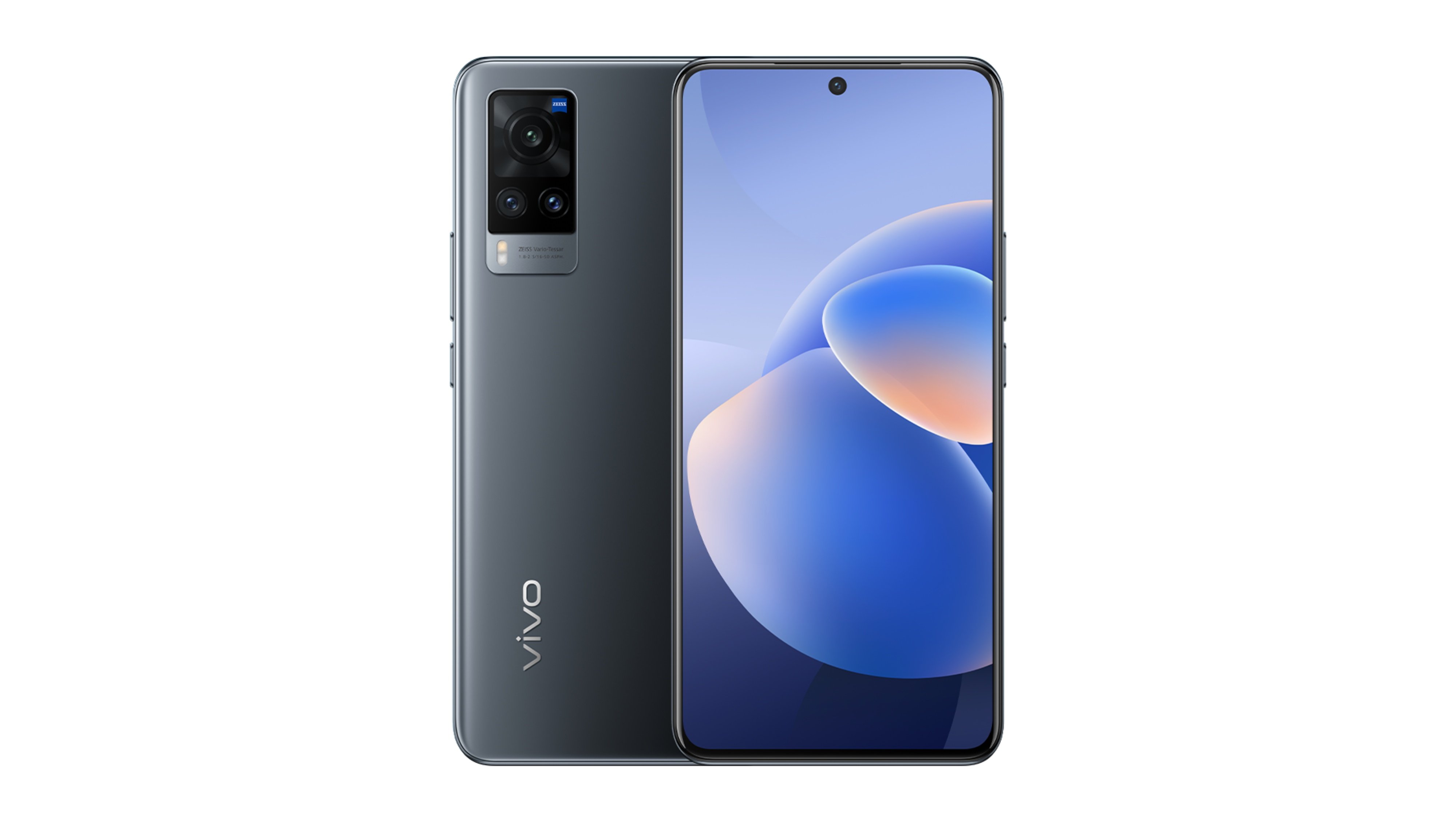
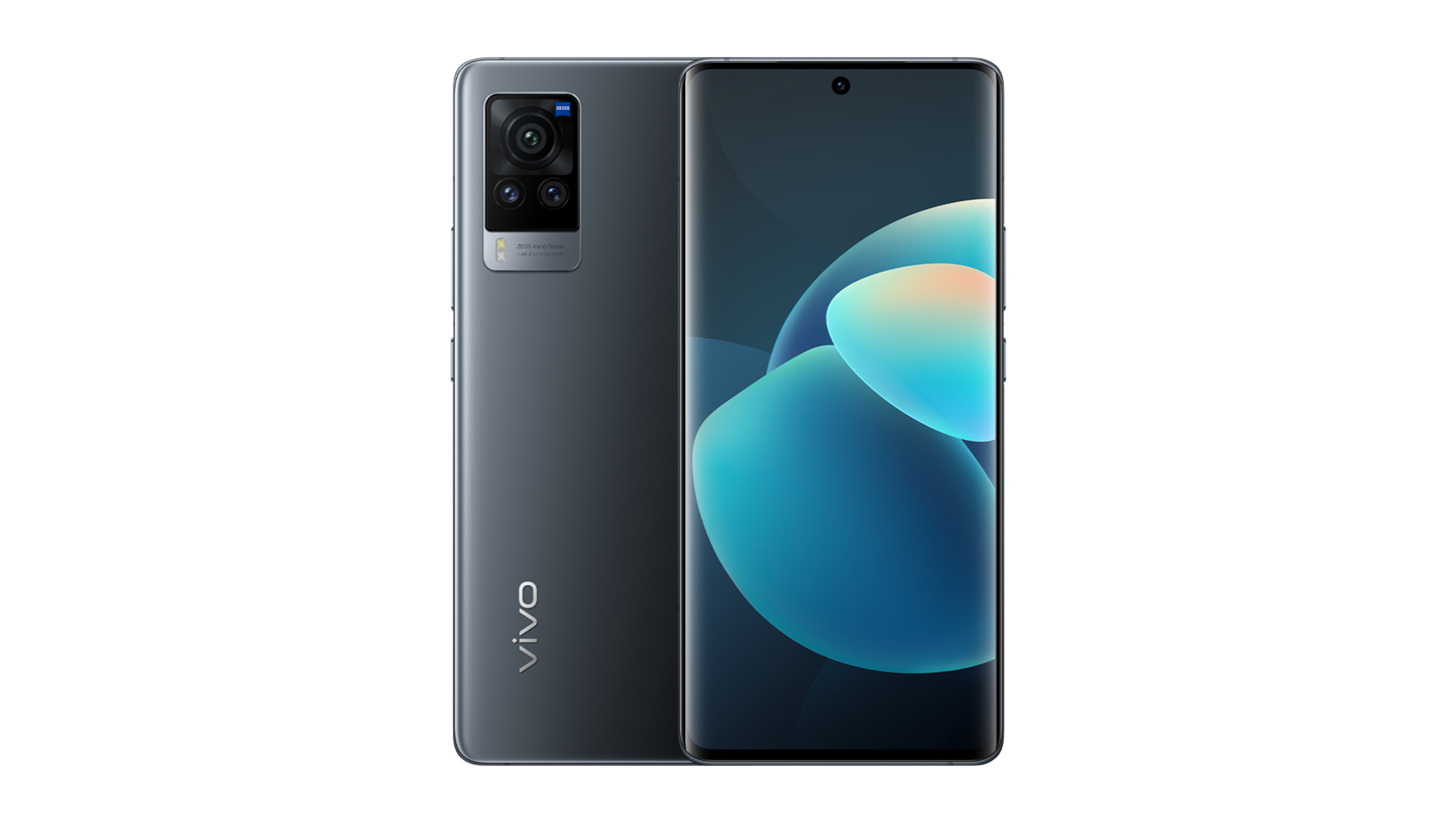
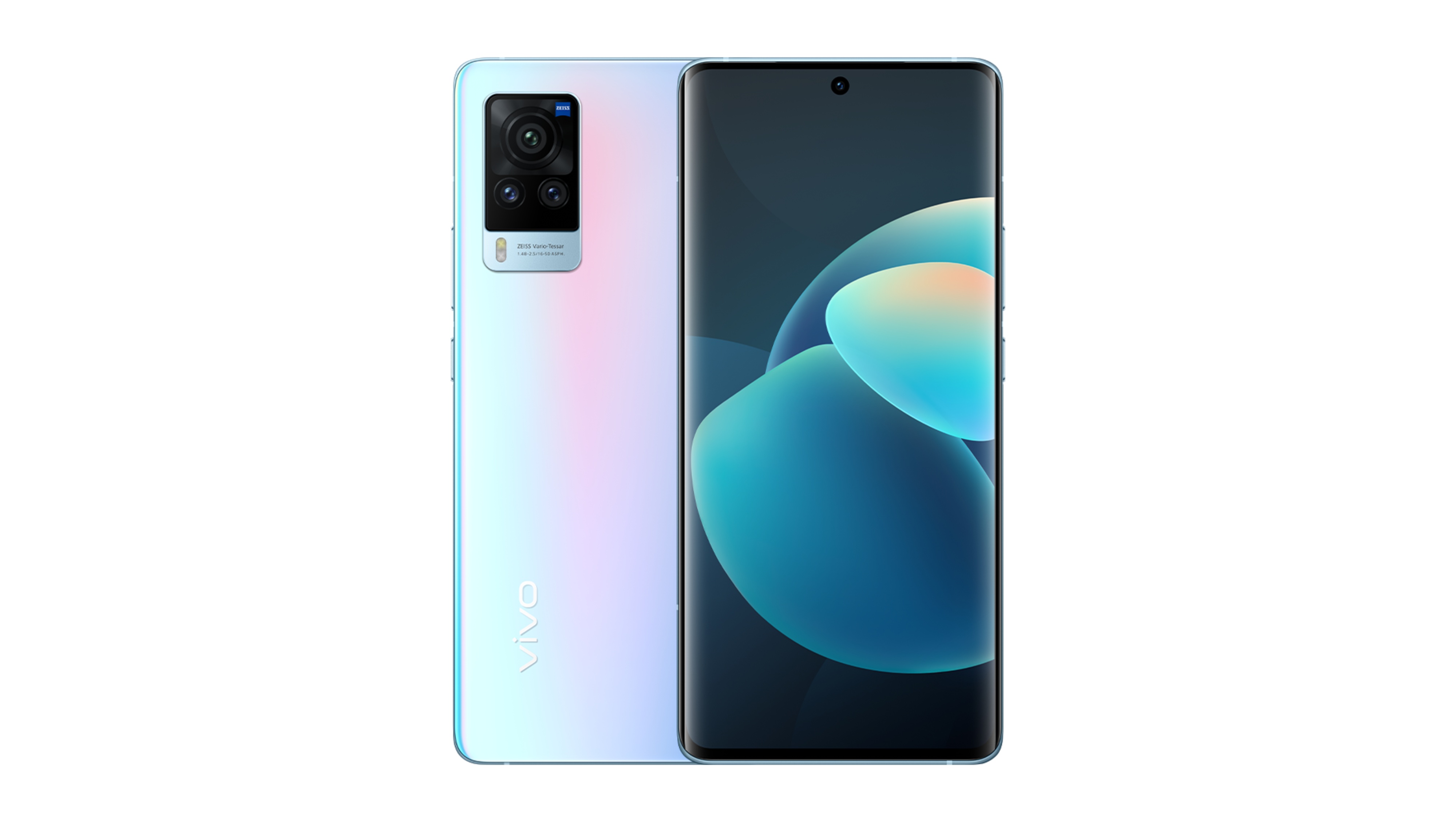
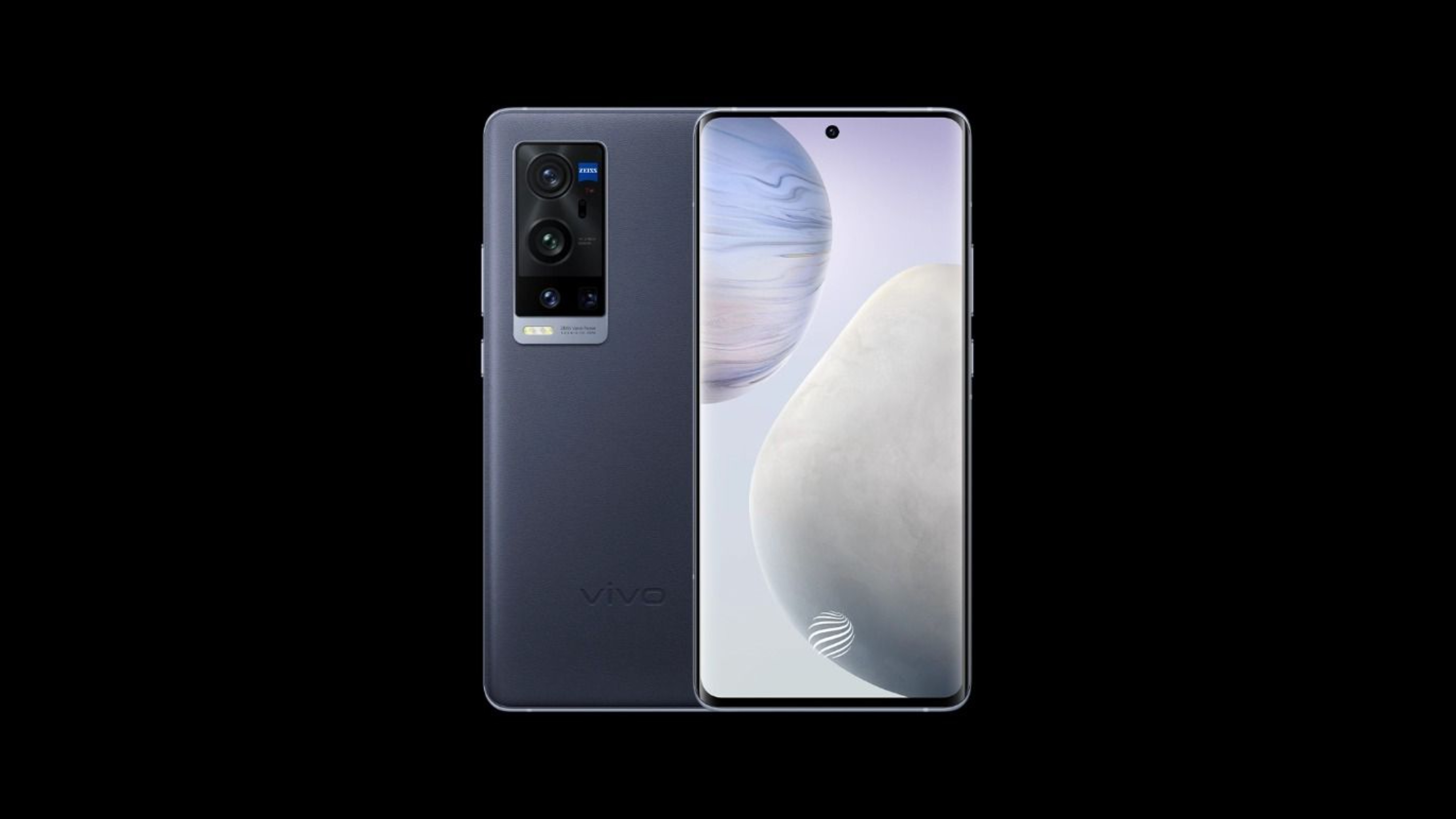
Chinese smartphone maker vivo has officially launched the vivo X60 series in India. The company has brought all three models to the country, namely vivo X60, vivo X60 Pro, and vivo X60 Pro+. However, the cheaper two models are different than their Chinese counterparts. These two phones went official in Malaysia earlier this week.
Vivo X60 Pro+
vivo X60 / X60 Pro / X60 Pro+ Specifications and Features
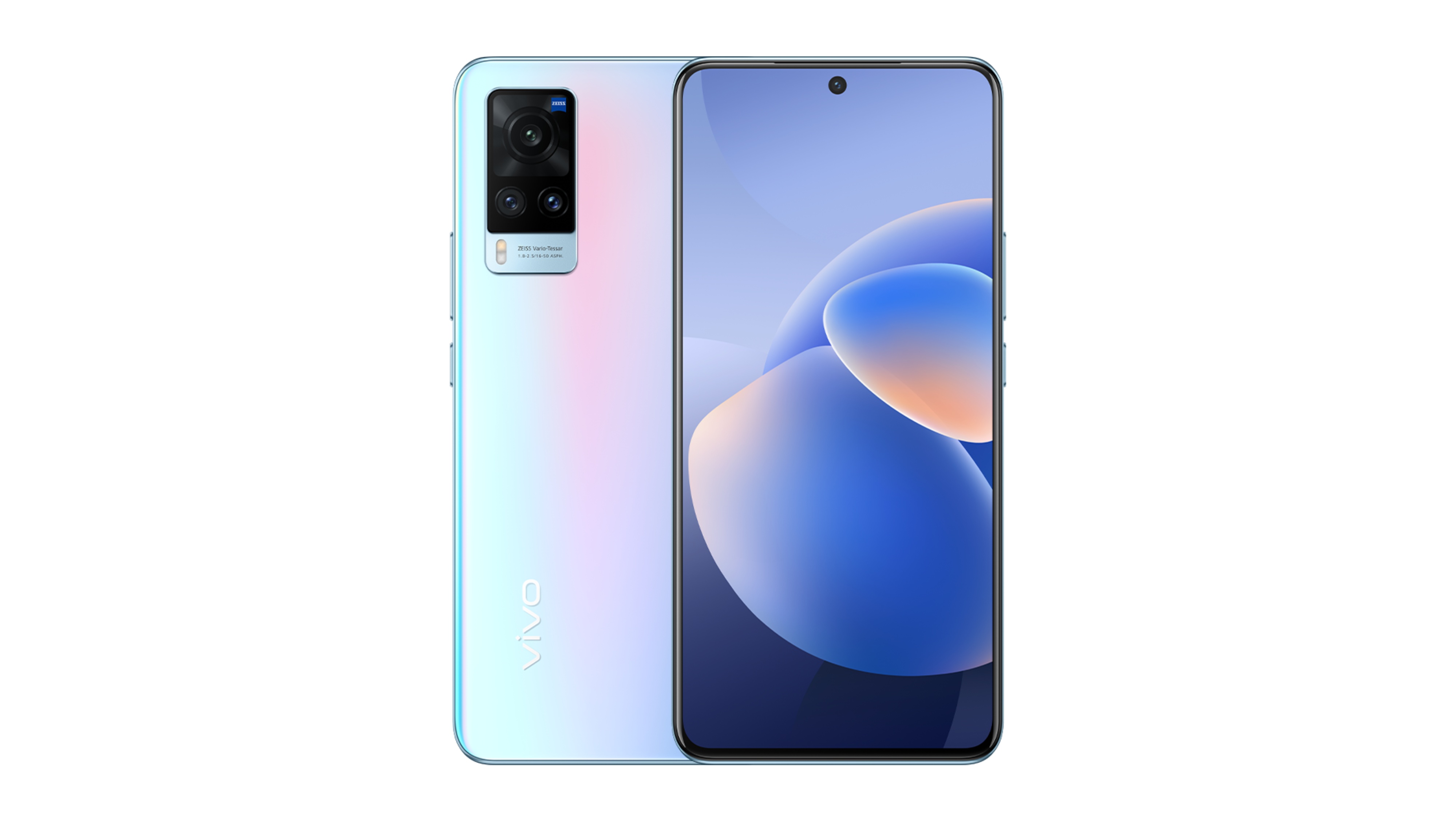
All the three models in the vivo X60 series flaunt a 6.56-inch centered punch-hole Super AMOLED display with a resolution of FHD+ (1080 x 2376 pixel), a 120Hz refresh rate, and an in-screen fingerprint sensor. But the panel on the standard variant is flat compared to curved on the other two.
Under the hood, the vivo X60 and the vivo X60 Pro feature a Qualcomm Snapdragon 870 SoC while the vivo X60 Pro+ sports a much powerful Qualcomm Snapdragon 888 chipset. For those unaware, the Chinese versions of the first two models are powered by a Samsung Exynos 1080 SoC.
1 of 2
vivo X60
vivo X60
Talking about cameras, the vivo X60 and the vivo X60 Pro have an identical triple camera setup (48MP + 13MP + 13MP) and a 32MP selfie camera. However, although both have Zeiss optics, the primary sensor on the Pro model not only has a larger F/1.48 aperture but also Gimbal Stabilization 2.0. Anyway, the standard model does come with OIS. Whereas, the other two sensors are accompanied by a 2x telephoto lens and a 120° ultra-wide lens that also acts as a macro lens respectively.
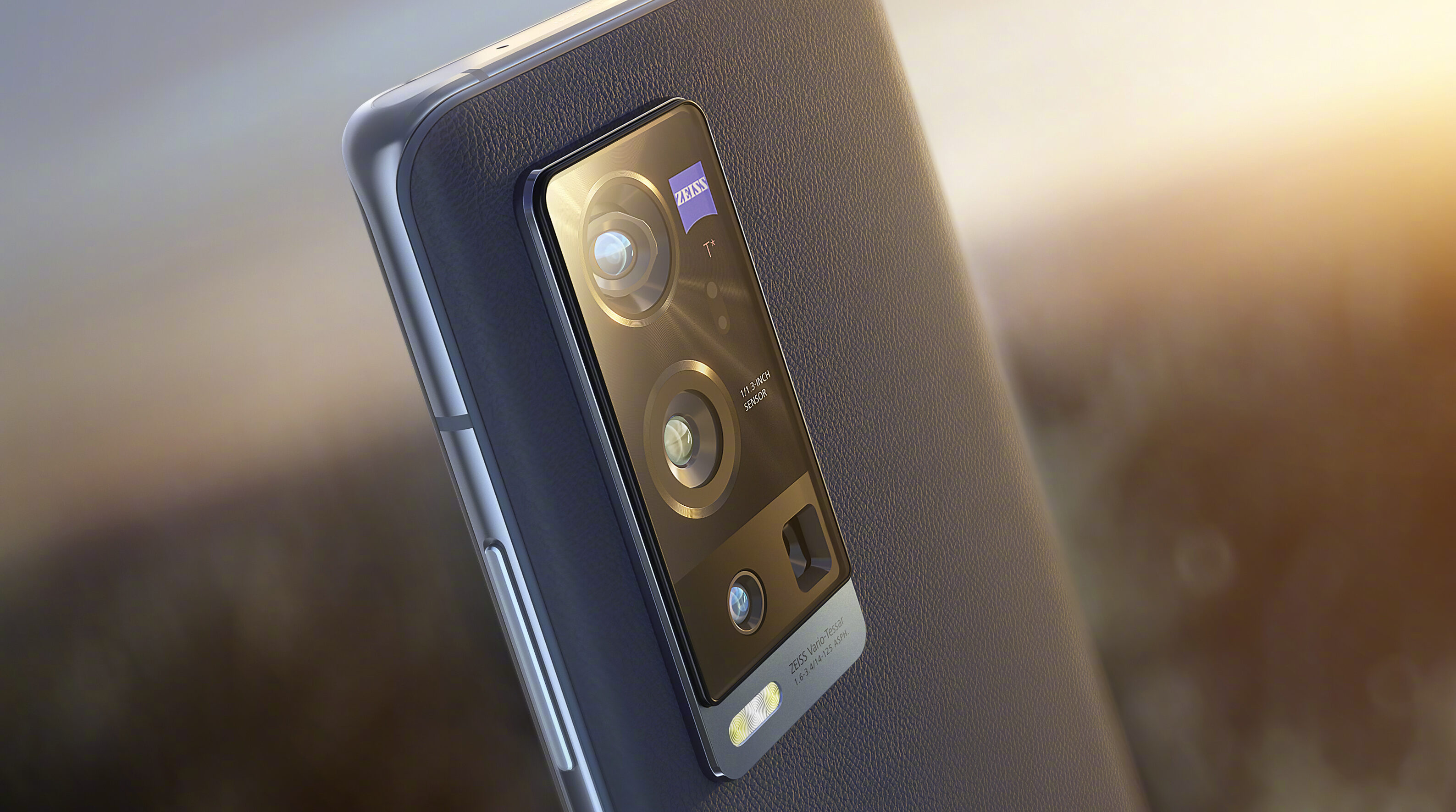
On the other hand, the vivo X60 Pro+ features a quad-camera setup with Zeiss T* coating (main camera). This setup includes a 50MP Samsung GN1 sensor with OIS, a 48MP Sony IMX589 sensor with a 114° ultra-wide lens and gimbal stabilization, a 32MP 2x telephoto shooter for portraits, and an 8MP sensor with a 5x periscope lens. Lastly, it also has the same 32MP selfie camera.
1 of 2
vivo X60 Pro
vivo X60 Pro
On the connectivity front, all three smartphones come with dual-SIM, 5G, dual-band WiFi (WiFi 6 on Pro+), Bluetooth 5.1, NFC, GNSS (GPS, BeiDou, GLONASS, GALILEO, QZSS), and USB Type-C. They also include all the necessary sensors, such as an accelerometer, ambient light sensor, compass, color spectrum sensor, gyroscope, and proximity sensor. But unfortunately, like most high-end devices, they also lack a 3.5mm headphone jack and a MicroSD card slot.
As for software, the trio runs Funtouch OS 11.1 based on Android 11. Further, the regular variant is backed by a 4,300mAh battery while the Pro and Pro+ sport a slightly smaller 4,200mAh cell. As for charging, only the Pro+ support 55W fast charging and the other two are capped at 33W. Sadly, they don’t have support for wireless charging like other flagship smartphones
vivo X60 Pro+
Last but not least, the vivo X60 and vivo X60 Pro come in Midnight Black and Shimmer Blue color options. Whereas, the vivo X60 Pro+ only comes in a single Vegan Leather Emperor Blue option.
vivo X60 / X60 Pro / X60 Pro+ Price and Availability
The vivo X60 series will retail for the following price tags in India
vivo X60
8GB + 128GB – ₹37,990
12GB + 256GB – ₹41,990
vivo X60 Pro
12GB + 256GB – ₹49,990
vivo X60 Pro+
12GB + 256GB – ₹69,990
All three smartphones are available for pre-order starting today (March 25). They will go on sale from April 2. Interested customers can avail a 10% cashback on HDFC Bank Debit/Credit cards and EMI transactions.
The Apple Car has been surfacing on numerous reports and rumors recently. It is the company’s iteration of an electric car, which will arrive cutting edge technology. Now, a new patent has suggested that the EV may arrive with infrared headlights to improve visibility.
According to an AutoEvolutionreport, the Cupertino based giant is working on infrared headlights to offer better visibility to the driver by as much as three times compared to conventional headlights. Furthermore, the brand also aims to help its autonomous car be able to see in total darkness, and by extension, detect obstacles, hazards, and other hurdles on the road. In the recent patent, the company describes a complex night vision system that would be used in its automobile.
Its visibility system would use visible light, near infrared (NIR), and long wave infrared (LWIR) sensors as well to greatly improve visibility in low light scenarios. The patent states that “Having a limited effective range (e.g., about 60 meters) for detecting and or classifying objects can reduce safety and/or reduce the speed at which the vehicle can travel safely.” Notably, Apple states that it can achieve an effective visible range of up to 200 meters from the vehicle.
This range would allow the autonomous car to detect any potential hazard earlier, which would give it more time to make better decisions while reducing the risk of accidents as well. Keep in mind, this is still a patent and we have no way of confirming if the company is actually working on such a system or that it would be included in its upcoming Apple Car. So stay tuned for more, as we will be providing updates when additional information is available.
We use cookies on our website to give you the most relevant experience by remembering your preferences and repeat visits. By clicking “Accept”, you consent to the use of ALL the cookies.
This website uses cookies to improve your experience while you navigate through the website. Out of these, the cookies that are categorized as necessary are stored on your browser as they are essential for the working of basic functionalities of the website. We also use third-party cookies that help us analyze and understand how you use this website. These cookies will be stored in your browser only with your consent. You also have the option to opt-out of these cookies. But opting out of some of these cookies may affect your browsing experience.
Necessary cookies are absolutely essential for the website to function properly. This category only includes cookies that ensures basic functionalities and security features of the website. These cookies do not store any personal information.
Any cookies that may not be particularly necessary for the website to function and is used specifically to collect user personal data via analytics, ads, other embedded contents are termed as non-necessary cookies. It is mandatory to procure user consent prior to running these cookies on your website.






















































For more information on such exciting deals and offers check out our deals hub.
* Please Note: When you buy something using the links in our articles, we may earn a small commission at no cost to you.