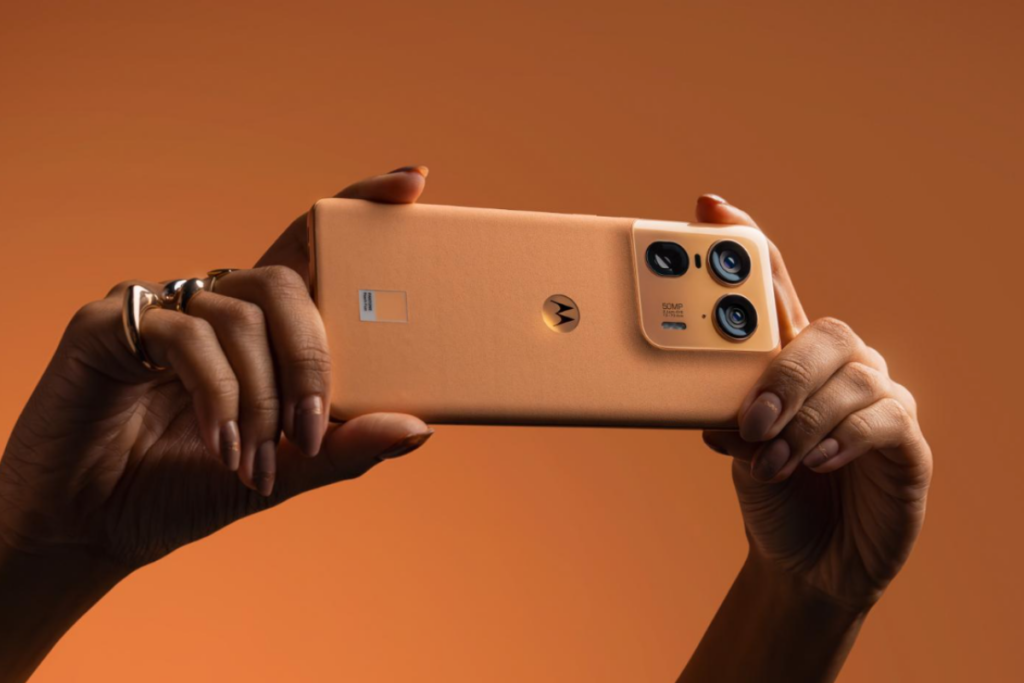
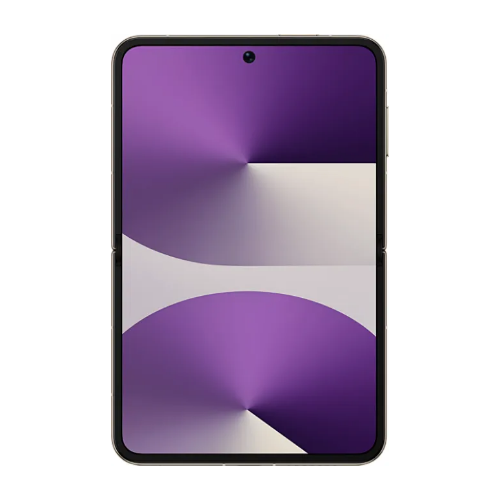
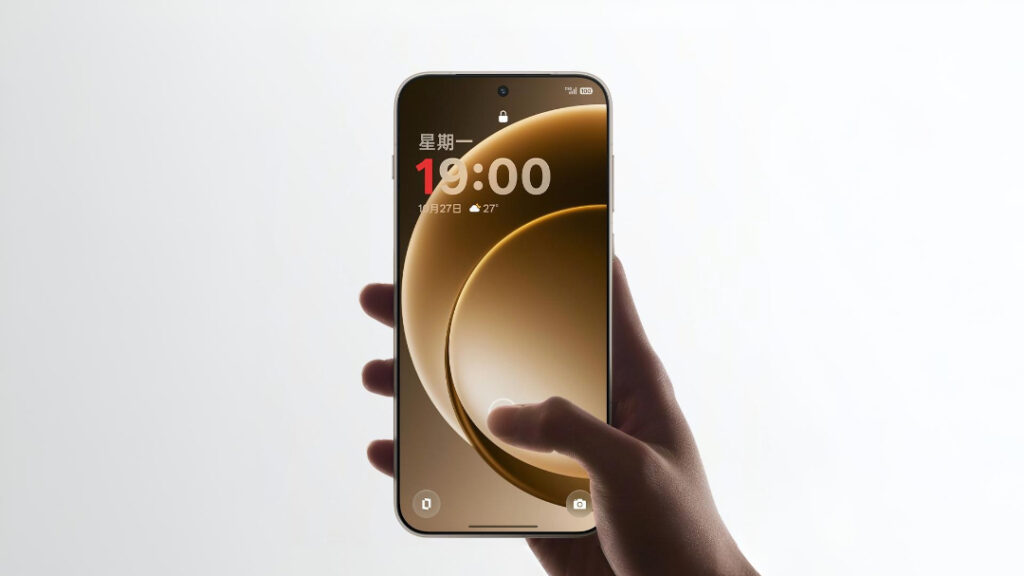
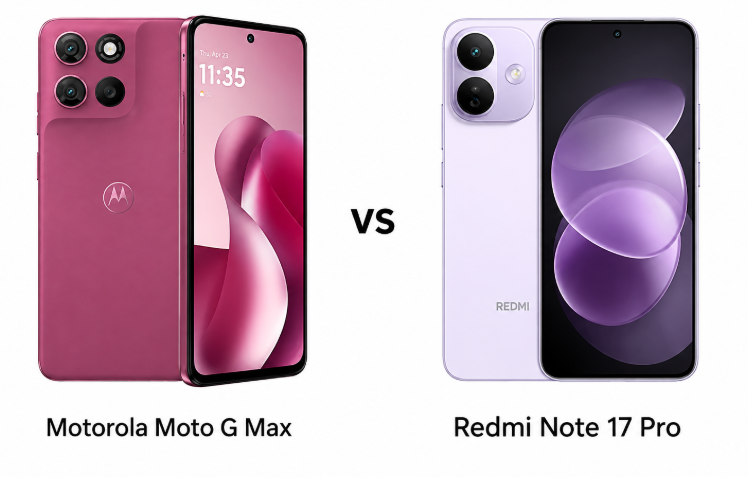
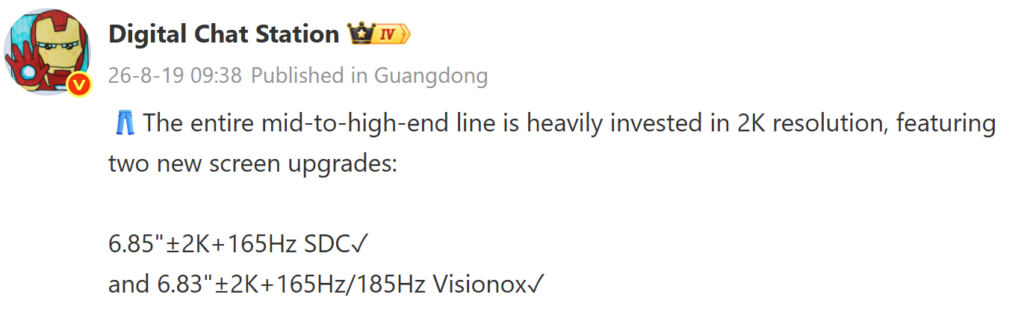
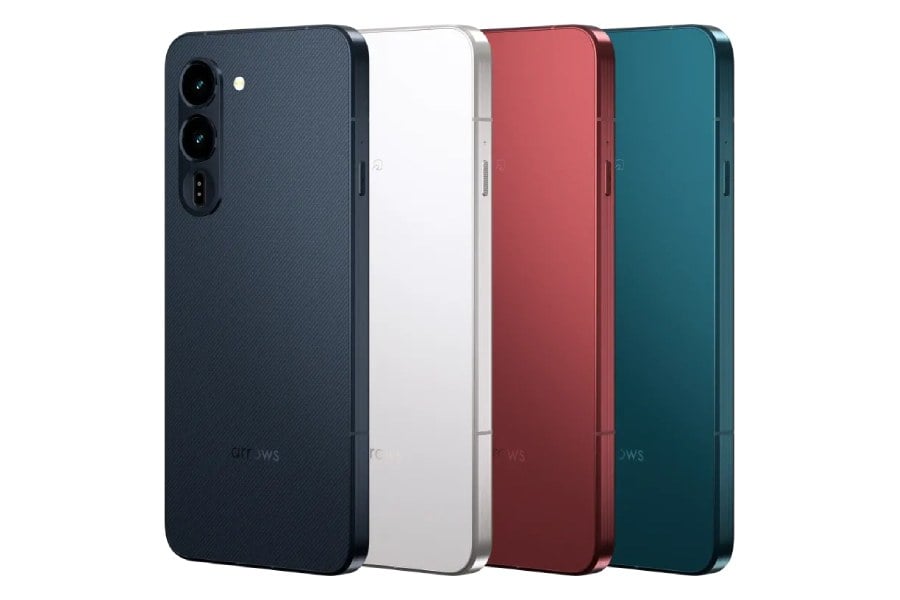
Recently, Huawei unveiled the Pura X Max with a wide foldable design. Speculation is also rife that Samsung may unveil a similar device alongside the Galaxy Z Fold 8 and Z Flip 8 in July this year. Apple is reportedly working on its first foldable phone, possibly called the iPhone Ultra, which may break cover in September this year. Fresh reports suggest a few more brands are also preparing to launch wide foldable phones in the coming years.
Vivo’s wide foldable phone is in development
As seen in the above leak, tipster Smart Pikachu claims that the upcoming Vivo X Fold 6 is expected to bring noticeable improvements to its crease performance. He added that users who prefer large foldable smartphones should keep an eye on the device, as the display crease has reportedly seen major refinements compared to previous generations.
The leak also suggests that Vivo may gradually shift its foldable lineup toward wider “book-style” foldable designs going forward. However, there is currently no clarity on whether such a device will debut this year.
Honor’s wide foldable phone design tipped
According to tipster Guan Tongxue GiM, Honor has been working on a wide foldable phone for a long time. While he did not share any technical details about the device, his post included an image revealing the possible design.
The device appears to feature a triple-camera setup and a secondary screen on the back, along with a wider form factor. When unfolded, it may offer a tablet-like display experience in horizontal orientation. As for the launch timeline, reports suggest that the device may not arrive until Q1 2027.
For more daily updates, please visit our News Section.
Oppo’s Find X10 series, which is expected to launch in China in October, may comprise three models, namely the Find X10, Find X10 Pro, and Find X10 Pro Max. Tipster Digital Chat Station has been consistently leaking details about the Pro Max variant. Today, he shared another Weibo post revealing key details about its display, cameras, and chipset.
Oppo Find X10 Pro Max’s key details emerge
Oppo Find X10 Pro Max’s key details tipped
According to a new leak shared by tipster Digital Chat Station, the alleged Oppo Find X10 Pro Max could arrive with some of the most ambitious camera hardware seen on a flagship smartphone. The leak claims the device is currently being tested with a 200-megapixel primary camera featuring a massive 1/1.3-inch sensor, paired with a 200-megapixel periscope telephoto camera using a large 1/1.28-inch sensor. As per a previous leak from the same source, the phone may use Samsung’s upcoming HPC sensor.
Oppo is also said to be considering two ultra-wide camera options, including a 200-megapixel sensor with a 1/1.56-inch size or a smaller 50-megapixel 1/2.75-inch sensor. The setup is also said to include a 3-megapixel multispectral sensor.
The leak further reveals that Oppo is internally evaluating multiple display and camera configurations for the device. One of the test variants reportedly features a 6.89-inch 2K LTPO flat display, while another version may use a slightly smaller 6.78-inch 1.5K LTPO panel.
Powering the device could be MediaTek’s upcoming 2nm Dimensity flagship chipset. According to rumors, the chip is tentatively called the Dimensity 9600 Pro. As far as Find X10 Pro and Find X10 are concerned, these could be powered by the Dimensity 9600 and Dimensity 9500 Plus, respectively.
For more daily updates, please visit our News Section.
Huawei has released its latest line of 4K TVs, the Smart Screen S7 series. The new lineup ranges from 55 to 98 inches and uses Super MiniLED panels alongside Huawei’s proprietary Honghu processor and HarmonyOS 4.3 software.
Huawei Smart Screen S7 Specifications
All five sizes in the S7 lineup, 55, 65, 75, 85, and 98 inches, use 4K LCD panels with MiniLED backlighting. The 55-inch and 65-inch models have a typical brightness of 400 nits and a peak of 1,200 nits. The 75-inch and 85-inch versions increase that to 450 nits typical and 1,500 nits peak. The largest 98-inch model outputs 500 nits typical and 1,200 nits peak, while also covering 95% of the DCI-P3 color gamut.
Refresh rates vary by model. The 55-inch through 85-inch TVs have a native 120Hz panel, which can reach up to 300Hz using motion enhancement algorithms when connected to a PC or console. The 98-inch version has a 144Hz native refresh rate with a 288Hz motion enhancement mode.
Inside the 55-inch to 85-inch models is Huawei’s new Honghu chipset. These TVs come with 4GB of RAM and 64GB of storage, plus a virtual RAM feature that can allocate an additional 2GB of memory for background tasks.
The TVs run on HarmonyOS 4.3 and include Huawei’s Xiaoyi voice assistant. There is an 8MP camera built into the TV for 1080p video calls, which includes a physical privacy shutter. This camera also powers features like posture detection and distance monitoring to prompt children to sit further back from the screen.
Audio configurations depend on the size. The 55-inch and 65-inch models have a standard 2.0-channel setup with dual 25W speakers. The 75-inch adds two 25W tweeters, and the 85-inch includes a 44W subwoofer for a 2.1-channel system. The 98-inch model uses dual 20W speakers and a 50W woofer.
For connectivity, the 55-inch to 85-inch models include two HDMI 2.1 ports, USB 3.0, USB 2.0, and Wi-Fi 5. The 98-inch version upgrades to three HDMI 2.1 ports and Wi-Fi 6.
Pricing and Availability
The Huawei Smart Screen S7 is available now in a Starry Gray finish. Pricing starts at 3,999 yuan ($600) for the 55-inch model, while the 65-inch version costs 4,999 yuan ($750). The 75-inch variant is priced at 6,999 yuan ($1,050), whereas the 85-inch model retails for 8,999 yuan ($1,350). Huawei has priced the top-end 98-inch version at 12,999 yuan ($1,950).
For more daily updates, please visit our News Section.
Casio recently brought a new batch of vintage-inspired watches to the US market. The AQ-240E series, which first appeared in online listings last month, is now officially available for purchase. There are three specific models in this lineup: the AQ240E-2A, AQ240E-4A, and AQ240E-7A2, each priced at $69.95.
Design Details
If the design looks familiar, that’s because these watches are essentially an updated take on the older, popular AQ-230 line. Casio kept the recognizable rectangular shape but smoothed out the edges on the case and bezel so it doesn’t look quite as sharp or boxy.
They come with a standard stainless steel band featuring horizontal links, and the clasp is self-adjustable. It is a straightforward, unisex design that doesn’t draw too much attention to itself.
The main difference between the three new models comes down to the dial colors and finishes. The AQ240E-2A has a light blue dial with a sunray finish that reflects the light. The AQ240E-4A features a matte pale orange dial, which looks a lot like a soft salmon pink. Finally, the AQ240E-7A2 is just a simple matte white. All three use the exact same layout: standard analog hands tell the current time, while a small digital screen at the six o’clock position handles the extra functions.
That small digital screen covers the usual Casio features. It gives you dual time tracking, a basic 1/100-second stopwatch, a daily alarm, an hourly chime, and a calendar.
Physically, it is a very small and lightweight watch, especially compared to Casio’s bulkier G-Shock models. It measures 40.9 by 35.8 millimeters, is only 8.1mm thick, and weighs just 51 grams.
The case itself is made of chrome-plated resin rather than solid steel, and the crystal is resin glass, which is essentially plastic. It has basic water resistance, meaning it will survive rain or washing your hands, but you shouldn’t take it swimming. It runs on a standard SR920W watch battery, which Casio says should last about three years.
Gmktec recently released the NucBox M3 Pro, a mini PC that uses Intel’s 13th-Gen mobile processor. It is a straightforward machine designed to handle standard daily tasks, offering a useful variety of ports and upgrade options for its size.
Gmktec NucBox M3 Pro Specifications
Inside, the computer runs on an Intel Core i5-13500H. This is a 12-core, 16-thread chip that you usually find in mid-range laptops. For graphics, it relies on Intel’s integrated Iris Xe. It handles basic video playback, standard document editing, and running multiple high-resolution monitors without issue. To keep the temperature down, it uses a standard single-fan and copper pipe cooling system with vents on two sides.
The physical footprint is small, the box weighs about 480 grams, but you can still open it up to add parts. It has two M.2 storage slots. The main 2280 slot takes PCIe 4.0 NVMe drives up to 8TB, and the second 2242 slot fits either SATA or PCIe 3.0 drives.
For memory, there are two SO-DIMM slots supporting up to 64GB of RAM. It uses DDR4-3200 memory rather than the newer DDR5. That helps keep the price down, and DDR4 is still fast enough for the office tasks this PC is built for.
The port layout is helpful for multi-monitor setups and connecting everyday peripherals. You can connect up to three 4K displays using the two HDMI 2.0 ports on the back and the USB-C port on the front. The front panel also includes two USB-A 3.2 Gen 2 ports for fast data transfers and a standard 3.5mm audio jack.
On the back, you will find two additional USB-A 3.2 Gen 1 ports for standard accessories like a keyboard and mouse. For networking, it includes Wi-Fi 6 and Bluetooth 5.2.
It also has two 2.5G Ethernet ports on the back, which makes it a practical option for people who want to set up a home server or a custom router. Additionally, the mini PC supports VESA mount, so you can attach it directly to the back of a monitor to keep your desk clear.
Pricing and Availability
The NucBox M3 Pro is available now. The barebones version is currently priced at $329.99.
If you prefer a ready-to-use system with Windows 11 Pro, the 16GB RAM and 512GB storage model is $479.99, and the 32GB RAM and 1TB storage version is $679.99.
In related news, Minisforum has recently launched the M2 Mini PC powered by the Intel Core Ultra 7 356H processor with support for up to 128GB of RAM.
For more daily updates, please visit our News Section.
Minisforum has released the M2, a new mini PC that fits an Intel Core Ultra 7 356H processor into a standard five-inch chassis. It starts at $575 for a barebones model without memory or storage, while a pre-configured version with 32GB of RAM and a 1TB SSD costs $1,039.
Minisforum M2 Mini PC Specifications
Inside, the system runs on Intel’s Panther Lake architecture. The Core Ultra 7 356H is a 16-core, 16-thread chip with a 45W thermal design power (TDP). Minisforum is marketing this device toward AI tasks, pointing to the combined 90 TOPS (trillion operations per second) of processing power, 50 from the NPU and 40 from the integrated GPU.
In practical terms, this hardware allows users to run open-source large language models like Qwen3.5-35B locally. This is a useful feature if you want to test AI tools without relying on cloud services.
Running these local models requires a lot of memory, and the M2 supports up to 128GB of DDR5-5600 RAM across two SO-DIMM slots. For storage, it includes two M.2 2280 PCIe 4.0 slots, which can hold up to 8TB of NVMe storage.
The port selection is practical for a home lab setup. The back of the device has two 2.5 Gigabit Ethernet ports, making it easy to configure as a soft router or a network-attached storage (NAS) device. It also supports Wi-Fi 7 and Bluetooth 5.4. For video output, it has HDMI 2.1, DisplayPort 1.4, and a front-facing USB4 port that supports data, video, and power delivery. You can connect up to three 4K monitors at once.
The chassis measures 130 by 127 by 50mm and weighs 520 grams, which is typical for this class of mini PC. It comes with a VESA mount so you can attach it to the back of a monitor.
To manage heat, Minisforum uses a dual heat pipe cooler and a standard centrifugal fan. According to the manufacturer’s testing, the CPU reaches about 78 degrees Celsius under full load, generating around 42.5dB of noise.
In related news, Chuwi has recently launched the AuBox X Mini PC with an Intel Core Ultra 7 256V processor and support for triple 8K displays, while Dell recently introduced the Pro 5 Micro Mini PC powered by Intel Panther Lake CPUs.
For more daily updates, please visit our News Section.
We’ve tested plenty of pen tablets, pen displays, and styluses over the years. Every product faces the same challenge: how do you balance price and performance? The XPPen Deco 01 V3 has a very clear answer — it delivers an impressive spec sheet, but quietly cuts corners in places you might not notice at first. With 16,384 levels of pressure sensitivity, a 10 x 6.25-inch active area, 220–266 RPS report rate, USB-C connectivity, and Android support, the Deco 01 V3 looks great on paper. But after spending real time with it, you’ll see that this tablet knows exactly who it’s for — and where it can afford to hold back.
Buy the XPPen Deco 01 V3 on XPPen official store and get a 5% off with our exclusive code – GizmoXP
Unboxing and Accessories
Open the box, and the first thing you’ll notice is how much XPPen includes. You get 8 replacement nibs, a screen protector, an anti-fouling glove, a USB-A to USB-C adapter, and more. Purchased separately, these accessories could easily cost $20–30. XPPen bundles them all in, effectively lowering your total cost of ownership. No need to worry about buying a glove or hunting for spare nibs right after unboxing.
Build and Design
Thickness and Weight:
At just 8mm thick, the Deco 01 V3 is one of the slimmest pen tablets in its class. Most tablets in this price range measure around 8.5–9mm. That 1mm difference is noticeable — it slips easily into a laptop bag sleeve without bulging. Weight is also well-controlled.
Surface Feel
The matte surface has a medium-fine texture. The drag resistance sits right in the sweet spot — not so slippery that you lose control, not so rough that long strokes feel tiring. Another nice touch: it resists fingerprints. Most black tablets are fingerprint magnets, but the Deco 01 V3’s matte finish keeps it looking clean. However, durability is a concern. After about a month of use, the most frequently used area showed visible polishing wear. It doesn’t affect functionality, but it may bother users who care about aesthetics. Compared to Wacom tablets, the Deco 01 V3’s surface simply doesn’t hold up as well.
Connectivity
USB-C connectivity is a welcome feature. No adapters needed — just plug in a C-to-C cable to connect to a MacBook or Android device. That said, the USB-C port lacks reinforced shielding, which could lead to loosening over time with frequent plugging and unplugging. We recommend being gentle or using a magnetic cable to reduce wear.
Shortcut Keys
The eight round shortcut keys on the left side are the most distinctive design element of the Deco 01 V3.
The keys have a short travel distance and deliver a crisp, clicky feedback. At about 1cm in diameter, they’re easy to locate with your fingertip. However, the spacing between keys is a bit tight, so blind operation can sometimes lead to mispresses until you get used to the layout.
The shortcut keys are positioned on the left side. That’s fine for right-handed users, but left-handed users will find the placement awkward — and XPPen doesn’t offer a left-handed version.
XPPen’s driver software is mature. Each key can be independently mapped to keyboard shortcuts, mouse functions, modifier keys, system commands, and even application-specific settings. You can save different shortcut profiles for Photoshop, SAI, and Clip Studio Paint — the driver automatically switches when you change software.
If you’re used to keyboard shortcuts, these eight keys will probably go unused. But if you prefer working without a keyboard, they can be helpful. We recommend mapping your most frequent actions (undo, brush, eraser) to the bottom four keys, and less frequent functions (save, new layer) to the top four.
Pressure Sensitivity and Stylus Feel
Pressure Performance
Jumping from 8,192 to 16,384 levels of pressure sensitivity does make a difference — but the law of diminishing returns applies heavily here. The improvement is most visible with very light strokes, such as the faintest pencil hatching, where transitions feel slightly smoother. At normal drawing force, however, the difference between 8,192 and 16,384 levels is hard to perceive. Think of it like display refresh rates: 60Hz to 120Hz is a game-changer, but 120Hz to 240Hz is barely noticeable to most people. This upgrade feels more like a spec war checkbox. If you paint thick, highly textured work that demands extremely nuanced pressure response, you’ll appreciate the difference. But if you primarily do line art or anime-style illustrations, 8,192 levels are more than enough.
Stylus FeelPros:
Battery-free and wireless — no charging worries
Comfortable grip with balanced weight distribution
60° tilt recognition works well, delivering noticeable angle-based brush variation
Cons:
Noticeable nib wobble. This is a common issue with XPPen pens — the nib feels slightly loose in the barrel, creating a subtle “wiggle” sensation when you press down.
High initial activation force. Very light strokes require a bit more pressure than you might expect, which could frustrate users who rely on ultra-fine, delicate lines.
Android Support
XPPen officially supports Android 10.0 and above via the XPPen tools app. In our testing:
Connection was stable, with no disconnects or lag issues
However, the app offers limited functionality — advanced features like pressure curve adjustment still require returning to the desktop driver
It works, but don’t expect the same full-featured experience you get on a desktop.
Final Verdict
The XPPen Deco 01 V3 is a precisely targeted product. It focuses its manufacturing costs on the features that matter most to entry-level buyers — high pressure sensitivity, a large active area, and USB-C connectivity — while making compromises in stylus build quality, surface durability, and shortcut key ergonomics. This isn’t a “buy it blindly” tablet. But if you’re on a tight budget, want a large drawing surface, care about specs, and can accept a few trade-offs in build and feel, the Deco 01 V3 is a solid choice.
Vivo X300 Ultra and Huawei Pura 90 Pro Max represent two very different approaches to the ultra-flagship smartphone experience. Vivo focuses on maximum hardware power with a cutting-edge Snapdragon chipset, massive battery, and an ambitious Zeiss-backed camera setup, while Huawei leans toward refined design, polished software, and balanced flagship usability. Both promise premium experiences, but the real difference comes down to performance, cameras, and overall value.
Major Features:
Feature
Vivo X300 Ultra
Huawei Pura 90 Pro Max
Winner
Operating System
Android 16, OriginOS 6
HarmonyOS 6.1
Vivo – Newer Android platform with flagship Qualcomm ecosystem
Chipset
Snapdragon 8 Elite Gen 5 (3nm)
Kirin 9030S
Vivo – More powerful flagship chipset
Display Type
LTPO AMOLED, 144Hz, Dolby Vision, HDR10+
LTPO OLED, 120Hz, HDR Vivid
Vivo – Higher refresh rate and broader HDR support
Display Size
6.82-inch
6.9-inch
Huawei – Slightly larger display
Resolution
1440 × 3168
1308 × 2880
Vivo – Sharper resolution and higher pixel density
Protection
Armor Glass
Kunlun Glass + anti-reflective coating
Huawei – Added anti-reflective coating advantage
Main Camera
200MP wide
50MP variable aperture wide
Vivo – Larger megapixel sensor setup
Telephoto Camera
200MP periscope, 3.7x optical
200MP telephoto, 4x optical
Huawei – Slightly higher optical zoom
Ultrawide Camera
50MP
40MP
Vivo – Higher resolution ultrawide sensor
Extra Camera Features
Optional Zeiss zoom lenses, gimbal OIS
Variable aperture
Vivo – More advanced camera hardware flexibility
Rear Video Recording
8K@30fps, 4K@120fps
4K video
Vivo – Supports higher video resolution and frame rates
Selfie Camera
50MP AF
13MP ultrawide AF
Vivo – Higher resolution front camera
Selfie Video
4K@60fps
4K
Vivo – More advanced selfie video support
Storage Options
Up to 1TB / 16GB RAM
Tie – Similar memory configurations
Battery Capacity
6600mAh / 6400mAh
6000mAh
Vivo – Larger battery
Wired Charging
100W
100W
Tie – Same wired charging speed
Wireless Charging
40W
80W
Huawei – Much faster wireless charging
Reverse Charging
Reverse wired & wireless
18W reverse wired & wireless
Huawei – Reverse wired speed specified
Bluetooth
Bluetooth 5.4
Bluetooth 6.0
Huawei – Newer Bluetooth standard
USB
USB Type-C 3.2, DisplayPort
USB Type-C
Vivo – Faster USB standard with DisplayPort support
Fingerprint Scanner
Under-display ultrasonic
Side-mounted
Vivo – More premium biometric implementation
Satellite Features
Emergency SOS via satellite
BDS satellite calling & messaging
Huawei – More advanced satellite communication
Price
~$1500 / ₹1,25,000
~$950 / ₹89,000
Huawei – Significantly more affordable
Disclaimer: Specs are based on available data. Actual performance may vary. Verify details from official sources before buying.
The Vivo X300 Ultra and Huawei Pura 90 Pro Max both target the premium flagship segment, but they approach design differently. Vivo leans toward a camera-centric identity with Zeiss branding and a slightly more aggressive flagship aesthetic, while Huawei focuses on refinement and elegance with its polished HarmonyOS ecosystem. Both devices feature glass backs, aluminum frames, and IP68/IP69 protection, giving them a premium feel in daily use.
Huawei’s anti-reflective Kunlun Glass gives the display a cleaner outdoor viewing experience, especially under sunlight. Meanwhile, Vivo counters with Armor Glass protection and a more advanced display package. The X300 Ultra also feels more tailored for media enthusiasts thanks to Dolby Vision support and its higher refresh rate implementation.
Display Quality
The Vivo X300 Ultra features a 6.82-inch LTPO AMOLED panel with a 144Hz refresh rate, HDR10+, Dolby Vision, and sharper 1440p resolution. Huawei offers a slightly larger 6.9-inch LTPO OLED display with HDR Vivid and excellent color tuning, but its 120Hz refresh rate and lower pixel density feel slightly behind for a flagship in this category.
Verdict
The Huawei Pura 90 Pro Max delivers a more elegant and balanced flagship experience, but the Vivo X300 Ultra clearly offers the superior display package. Its higher refresh rate, sharper panel, and Dolby Vision support make it more appealing for gaming, streaming, and long-term flagship value.
2. Specifications Including Battery
Performance
The Vivo X300 Ultra is powered by the Snapdragon 8 Elite Gen 5 chipset paired with UFS 4.1 storage, placing it among the fastest Android phones currently available. Heavy gaming, AI processing, and multitasking feel effortless, and the combination of OriginOS 6 with the flagship Qualcomm chip gives the device a very polished, high-performance character.
Huawei’s Kirin 9030S chipset performs well for daily flagship use, and HarmonyOS 6.1 feels highly optimized, but it is unlikely to match Vivo’s raw GPU power and sustained gaming capability. Huawei still delivers excellent fluidity for normal workloads, especially within its own ecosystem.
Battery and Charging
Vivo packs a massive 6600mAh battery with 100W wired and 40W wireless charging, making endurance one of its biggest strengths. Huawei counters with a smaller 6000mAh battery but pushes wireless charging further with 80W support. Vivo feels more practical for heavy users, while Huawei’s wireless charging convenience stands out for premium buyers.
Verdict
The Vivo X300 Ultra takes a comfortable lead in overall hardware performance and battery endurance. Huawei remains efficient and polished, but Vivo simply feels more future-proof for demanding users and power-focused flagship buyers.
3. Camera
Main and Secondary Lenses
Camera hardware is where both phones become extremely competitive. The Vivo X300 Ultra uses a massive 200MP primary sensor with gimbal stabilization, paired with another 200MP periscope telephoto lens and a 50MP ultrawide sensor. The optional Zeiss zoom lenses further push its photography ambitions into professional territory. Low-light capture and zoom flexibility are expected to be among the best in the industry.
Huawei counters with a versatile triple-camera setup featuring a variable aperture 50MP main sensor, 200MP telephoto lens, and a 40MP ultrawide camera. Huawei’s image processing has historically been among the strongest in mobile photography, especially for dynamic range and natural tones. The variable aperture system also adds more flexibility in different lighting situations.
Selfie Camera
Vivo includes a 50MP autofocus selfie camera capable of 4K recording, while Huawei offers a 13MP ultrawide front camera with autofocus. Vivo clearly delivers more detail and stronger front-camera versatility for creators and video users.
Verdict
The Huawei Pura 90 Pro Max may produce more natural flagship photography in some situations, but the Vivo X300 Ultra offers a more ambitious and technically advanced camera system overall. Its sensor hardware, Zeiss tuning, and extreme zoom flexibility give it the edge for photography enthusiasts.
4. Pricing
The Vivo X300 Ultra is priced at around $1500 (approximately ₹1,25,000), while the Huawei Pura 90 Pro Max comes in significantly lower at roughly $950 (around ₹89,000). That creates a major gap between the two devices despite both targeting the ultra-premium flagship category.
Vivo justifies its higher price with a stronger chipset, sharper display, larger battery, advanced Zeiss camera system, and higher-end multimedia capabilities. It clearly positions itself as a no-compromise flagship for users who prioritize performance and camera hardware above everything else.
Huawei, however, offers impressive value considering its premium build quality, flagship cameras, advanced wireless charging, and polished software experience. For many buyers, the lower price makes the Pura 90 Pro Max feel like the more balanced purchase. The savings are substantial without sacrificing too much of the flagship experience.
Verdict
The Vivo X300 Ultra is the better ultra-premium flagship, but Huawei delivers stronger value for money. Buyers focused on top-tier hardware may prefer Vivo, while Huawei feels like the smarter purchase for most premium users.
Disclaimer: Prices are approximate and may vary based on country, region, launch timing, and applicable taxes. Always check whether the listed price is for a China unit or a global/international variant when purchasing.
5. Conclusion
The Vivo X300 Ultra stands out with its Snapdragon 8 Elite Gen 5 processor, dual 200MP camera system, optional Zeiss external zoom lenses, 144Hz LTPO AMOLED display, and huge battery capacity. It is clearly designed for enthusiasts who want maximum hardware performance with very few compromises.
The Huawei Pura 90 Pro Max focuses more on balance and ecosystem refinement. Features like the variable aperture camera, 80W wireless charging, anti-reflective display coating, and HarmonyOS optimization give it a more polished day-to-day personality. Huawei also feels less aggressively focused on specs and more centered around overall flagship usability.
Verdict
The Vivo X300 Ultra is the stronger flagship overall thanks to its superior performance, display technology, battery capacity, and more advanced camera hardware. However, the Huawei Pura 90 Pro Max remains highly competitive because of its lower pricing and refined premium experience. Users wanting the absolute best hardware will likely lean toward Vivo, while Huawei makes more sense for buyers seeking flagship quality without crossing into extreme flagship pricing territory.
Disclaimer: This comparison is based on the specifications provided and is intended for general informational purposes. Actual performance, camera results, battery life, and overall experience may vary depending on real-world usage, software updates, and individual preferences.
OPPO Find X9 Ultra and Google Pixel 10 Pro XL represent two very different flagship philosophies in 2026. OPPO focuses on cutting-edge hardware with a massive battery, ultra-fast charging, and an aggressive camera setup, while Google leans heavily on AI-powered software, refined photography, and long-term Android support. Both phones sit firmly in the ultra-premium segment, but the real question is whether raw flagship power matters more than a polished smart experience.
The OPPO Find X9 Ultra and Google Pixel 10 Pro XL both target premium flagship buyers, but they deliver very different personalities. OPPO goes for a more aggressive ultra-premium approach with IP68/IP69 protection, optional eco-leather finish, and a bold camera-focused design that immediately feels like a photography flagship. The Pixel 10 Pro XL looks cleaner and more refined with Google’s familiar horizontal camera bar and polished aluminum frame. It feels understated and professional rather than flashy.
OPPO also adds practical extras like an infrared blaster and stronger water resistance credentials, which may matter for long-term durability. The Pixel, meanwhile, keeps things minimalist and polished with tighter software integration and exclusive ecosystem features.
Display Quality
The Find X9 Ultra pushes ahead on paper with a sharper LTPO AMOLED panel, 144Hz refresh rate, Dolby Vision support, and an extremely bright 3600-nit peak brightness. The display feels more cinematic and slightly more immersive for gaming and HDR streaming.
Google’s 120Hz LTPO OLED panel still looks excellent with strong color calibration and excellent HDR tuning. However, OPPO clearly delivers the more hardware-focused display experience.
Verdict
The Pixel 10 Pro XL feels cleaner and more refined, but the OPPO Find X9 Ultra offers the more ambitious flagship hardware package. Its brighter 144Hz display and rugged premium build give it a noticeable edge for multimedia-heavy users.
2. Specifications Including Battery
Performance
The OPPO Find X9 Ultra is powered by the Snapdragon 8 Elite Gen 5, paired with UFS 4.1 storage and up to 16GB RAM. It is built for raw flagship performance and should comfortably handle high-end gaming, multitasking, and demanding AI workloads. The combination of Qualcomm’s latest chipset and ColorOS optimization makes the phone feel fast and responsive under almost every scenario.
The Pixel 10 Pro XL uses Google’s Tensor G5 chip, which focuses more on AI features, camera intelligence, and software smoothness than outright benchmark dominance. Day-to-day performance should remain excellent, but heavy gamers may still prefer Qualcomm’s stronger GPU advantage.
Battery and Charging
Battery life is one of OPPO’s biggest strengths here. The massive 7050mAh silicon-carbon battery combined with 100W wired and 50W wireless charging gives the Find X9 Ultra a major advantage. It is the kind of setup that feels built for power users.
Google’s 5200mAh battery is respectable, and Qi2 magnetic wireless charging adds convenience, but the slower 45W charging cannot match OPPO’s speed.
Verdict
The Pixel 10 Pro XL focuses more on smart software efficiency, while the Find X9 Ultra prioritizes raw flagship power. OPPO clearly wins for performance enthusiasts and heavy battery users.
3. Camera
Main and Secondary Lenses
The OPPO Find X9 Ultra delivers one of the most ambitious camera systems in the flagship market. Its dual 200MP setup, including a large periscope sensor, is paired with an additional 10x periscope zoom lens and Hasselblad color tuning. The phone is clearly designed for users who enjoy versatile photography and long-range zoom performance. Video capabilities also feel more professional with Dolby Vision HDR, O-Log2, and cinematic LUT support.
The Pixel 10 Pro XL takes a different approach. Google focuses heavily on computational photography with features like Best Take, Zoom Enhance, and Pixel Shift processing. Its camera tuning tends to produce more natural-looking shots with reliable dynamic range and skin tones. While the hardware is less extreme than OPPO’s, Google’s image processing still remains among the best in smartphones.
Selfie Camera
OPPO offers a sharper 50MP front camera with strong detail retention, while Google’s 42MP ultrawide selfie camera feels more practical for group shots and social content.
Verdict
The Pixel 10 Pro XL is likely the safer point-and-shoot camera for most users, but the Find X9 Ultra feels far more exciting for photography enthusiasts who want maximum zoom flexibility and advanced video tools.
4. Pricing
The OPPO Find X9 Ultra is expected to cost around $1150 (roughly ₹1,10,000), while the Google Pixel 10 Pro XL sits slightly higher at around $1200 (roughly ₹1,25,000). Despite the smaller gap in global pricing, the difference becomes more noticeable in India, where the Pixel carries a heavier premium.
At its price, the Find X9 Ultra offers stronger hardware value. Buyers get a larger battery, faster charging, a more aggressive camera setup, a higher refresh rate display, and flagship Qualcomm performance. It feels like a specification-heavy flagship designed to outperform competitors on paper.
The Pixel 10 Pro XL justifies its higher price differently. Google’s seven years of Android upgrades, AI-driven features, exclusive Pixel software tools, and cleaner Android experience still hold strong appeal. The phone feels more polished in software execution, even if the hardware specifications are less aggressive.
Verdict
The Pixel 10 Pro XL is priced for users who value Google’s software ecosystem, while the Find X9 Ultra delivers stronger hardware value for the money. OPPO feels like the better deal overall.
Disclaimer: Prices are approximate and may vary based on country, region, launch timing, and applicable taxes. Always check whether the listed price is for a China unit or a global/international variant when purchasing.
5. Conclusion
The OPPO Find X9 Ultra stands out with its massive silicon-carbon battery, extremely fast charging speeds, dual 200MP camera system, and advanced zoom hardware. It feels like a flagship designed to push hardware boundaries in almost every category. Users focused on gaming, multimedia, battery endurance, and versatile photography will likely appreciate OPPO’s more aggressive approach.
The Google Pixel 10 Pro XL counters with cleaner Android software, deeper AI integration, long-term software support, and Google-exclusive camera intelligence features. Its experience feels smoother and more refined in daily use rather than purely specification-focused. Features like Satellite SOS, Qi2 wireless charging, and advanced AI editing tools help the Pixel maintain its premium identity.
Verdict
Both phones are elite Android flagships, but they target different priorities. The Pixel 10 Pro XL feels smarter and more polished, while the OPPO Find X9 Ultra feels more powerful and feature-packed. For users chasing cutting-edge hardware and better overall value, the Find X9 Ultra emerges as the stronger flagship package.
Disclaimer: This comparison is based on the specifications provided and is intended for general informational purposes. Actual performance, camera results, battery life, and overall experience may vary depending on real-world usage, software updates, and individual preferences.
Xiaomi has added a new cordless vacuum to its home appliance lineup in China. Following the recent release of the 4C model, the company is now introducing the Mijia Wireless Vacuum Cleaner 4. It is priced at 999 yuan (roughly $146) and goes on pre-sale starting today through JD.com.
Mijia Wireless Vacuum Cleaner 4 Specs
The vacuum is built around a brushless motor that operates at 120,000 RPM. According to Xiaomi, it provides 230AW of suction power and a maximum suction force of 25,000Pa. This is standard for the category and is meant to handle everyday household debris like pet hair, food crumbs, and fine dust.
The device comes with a 180-degree blue light integrated into the cleaning head. The light illuminates the floor up to 30 centimeters ahead, which helps make fine dust particles more visible, particularly under furniture or in dimly lit rooms. The cleaning head is also designed to support right-side edge cleaning to help pick up dirt along baseboards.
Internally, the vacuum uses an infrared sensor to monitor the amount of dust passing through the system. When set to Smart Mode, the device adjusts its suction automatically, increasing power when it detects heavier dirt and lowering it on cleaner surfaces to conserve battery life.
To address hair wrapping around the roller, Xiaomi included a dual anti-tangle system. The main floor brush has a built-in comb structure that separates hair as the brush spins. The included motorized mite brush uses a floating mechanism to direct hair straight into the suction channel.
The vacuum is powered by a removable eight-cell 2600mAh battery. Xiaomi advertises a maximum runtime of 90 minutes, though this is limited to the lowest energy-saving setting. In the auto-adjusting Smart Mode, the battery lasts between 18 and 37 minutes, depending on the floor conditions. Using the maximum suction setting depletes the battery in about 10 minutes. Because the battery is detachable, users have the option to swap it out for a charged spare.
For filtration, the device uses a 12-cone cyclone system to separate dust from the airflow, which helps prevent the filter from clogging over time. It features a five-stage filtration setup, including an H13-grade HEPA filter that Xiaomi says captures 99.99% of particles as small as 0.3 microns.
The Mijia Wireless Vacuum Cleaner 4 comes with a standard set of accessories: the main floor brush, the mite brush, and a 2-in-1 crevice tool. It also includes an LED display on the handle to show battery levels and cleaning modes, as well as a wall-mounted dock for charging and storage.
The 2025 Lenovo Yoga 9i 2-in-1 Aura Edition is one of those laptops that quietly wins you over the longer you use it. I’ve been testing it for well over a month now, and during that time, it accompanied me through launch events, flights, hotel stays, editing sessions, and long workdays. I haven’t personally used many competing premium 2-in-1 laptops recently, so I can’t directly compare them against every rival out there. But after spending this much time with it, I genuinely feel this is one of the best premium convertibles currently available.
The unit I tested comes with Intel’s Lunar Lake platform, a 14-inch 2.8K OLED touchscreen, and rotating hinge speakers. On Lenovo India’s website, this configuration is priced at Rs 1,74,005, firmly placing it in premium territory.
6Verdict
Lenovo Yoga 9i 2-in-1
The Lenovo Yoga 9i 2-in-1 Aura Edition feels like a premium laptop designed around portability, entertainment, battery life, and overall user experience rather than just raw benchmark numbers. And honestly, it succeeds at that.
The OLED display is gorgeous, the hinge speakers are among the best in the segment, battery life is genuinely dependable, and the overall build quality feels premium throughout. Add the flexibility of the 2-in-1 form factor, and this becomes an excellent companion for travelers, content consumers, and productivity-focused users alike.
I haven’t used many rival premium convertibles recently, but after spending over a month with the Yoga 9i, I can comfortably say this feels like one of the best 2-in-1 laptops currently available. I would definitely recommend it to anyone looking for a premium convertible laptop.
That said, one thing buyers should keep in mind is that while Windows 11 generally works well, the touch experience still isn’t always perfectly smooth. There are occasional moments where touch interactions can feel inconsistent or less polished than they should on a device designed to be used in multiple orientations.
PS:Don’t mind the keyboard key smudges visible in some of the images added in this post. The Lenovo review unit sent to me had already been used and reviewed by someone else before reaching me, and it was also fairly dusty when I received it. Also, while Lenovo’s official listing mentions that the Yoga Pen is included in the retail package, the review unit sent to me did not include the stylus.
Rollme has officially launched its newest wearable device, the VistaView AI Smart Glasses. The glasses target athletes, travelers, and outdoor enthusiasts who want innovative technology packed into a lightweight and practical design.
Rollme VistaView Specifications
The glasses are equipped with a 13MP Sony IMX386 HD camera that captures sharp photos and smooth 1080p video at 30 fps. They feature advanced stabilization technology for steady video during motion and offer 32GB of storage for photos and videos, making them ideal for daily use or extended trips.
The VistaView includes multi-coated HD polarized lenses that reduce glare and enhance brightness. Rollme has designed them for outdoor comfort and clarity, providing improved visibility even in strong sunlight.
The glasses feature a stable and comfortable wraparound design for activities like running, cycling, or climbing. They include wind-noise reduction for clear audio, built-in speakers for immersive surround sound, and a touchpad for managing phone calls with ease.
The smart glasses include AI object recognition powered by OpenAI. This feature allows users to point the glasses at objects or text to instantly receive information. The device also supports multilingual translation for conversations, enabling smooth communication across languages while traveling.
The VistaView features a 300mAh battery, allowing 50 minutes of continuous video recording, 10 hours of music playback, and up to 120 hours of standby time.
Pricing and Availability
Rollme VistaView glasses come in a single Blazing Orange color and are priced at $99.99. The package includes the glasses, a charging cable, a protective case, and a cleaning cloth. They are available now through the official Rollme store.
In related news, Rollme recently unveiled the lightweight G9 smartwatch with dual-band GPS, offline maps support, and up to 15 days of battery life
For more daily updates, please visit our News Section.
On May 19, Lenovo will unveil a couple of new devices, including the Legion Y70 (2026) gaming phone, in China. Recently, the device, which bears the model number XT2611, was spotted on China’s 3C certification platform, revealing its fast-charging capabilities. Now, the Y70 has appeared in Geekbench’s database, revealing key details about its chipset, RAM, and Android version.
As seen above, the Motorola XT2611-1 device has surfaced on the Geekbench benchmarking platform. While it is labelled as a Motorola device, it is expected to launch in the Chinese market under the Legion Y70 branding.
The listing reveals that the Legion Y70 is powered by the Snapdragon 8 Gen 5 chipset, paired with 16GB of RAM and Android 16. In Geekbench’s single-core and multi-core tests, the device scored 2615 and 6681 points, respectively.
As for the other specifications, reports suggest that the Legion Y70 will feature a 6.8-inch OLED panel with a 2K resolution and a 144Hz refresh rate. It is also confirmed to pack a massive 8,000mAh battery with support for 90W fast charging.
For heat dissipation, the Legion Y70 is said to feature a robust thermal architecture that includes a 5500mm² VC cooling system, 12W liquid gold thermal interface material, and 10W high thermal conductivity gel. The device will reportedly be available in black and white shades.
For more daily updates, please visit our News Section.
Noise has unveiled NoiseFit Halo 3 smartwatch in India. The new wearable focuses on AI-backed productivity tools, health tracking, and smart convenience features packed inside a premium round-dial design. Alongside fitness monitoring, the smartwatch also introduces tools like QR storage and AI voice transcription.
NoiseFit Halo 3 specifications and features
NoiseFit Halo 3
The NoiseFit Halo 3 comes with a 1.43-inch AMOLED display that supports brightness levels of up to 1000 nits for improved outdoor visibility. The smartwatch features a metal body with curved edges and an integrated strap layout inspired by classic dress watches. It is offered with metal, leather, and silicon strap options.
One of the major highlights is the inclusion of Noise AI Pro. The AI-based system supports voice commands, voice recording, and AI transcription that converts voice notes into text. The smartwatch can also generate personalised wallpapers and provide morning brief summaries that include sleep patterns, activity details, and health information.
The wearable also supports Super Notifications on Android devices, allowing users to receive OTPs, ride updates, and delivery alerts directly on the watch. In addition, it includes a Smart Dashboard with support for up to five widgets, including AQI updates, hydration reminders, music controls, and sleep tracking insights. Noise has also added a feature called Noise Vault, which stores QR codes for movie tickets, flights, concerts, and other passes for quick scanning access.
For fitness and health tracking, the NoiseFit Halo 3 supports heart rate monitoring, stress tracking, and SpO₂ measurement alongside continuous all-day tracking. The smartwatch is rated for water resistance up to 10 metres and is claimed to offer up to seven days of battery life on a single charge.
NoiseFit Halo 3 price and availability
The NoiseFit Halo 3 is priced at Rs 5,499 in India as an introductory offer. It is available through the official Noise website, Amazon, and Flipkart in Black, Brown, and Blue colour options.
For more daily updates, please visit our News Section.
For years, smartphone brands focused on making devices thinner, lighter, and faster. Battery upgrades often felt incremental, with most flagship phones settling between 4,500mAh and 5,500mAh capacities. However, 2026 is beginning to look very different. Smartphone makers are now experimenting with massive battery capacities, with some brands even crossing the 10,000mAh mark.
At first glance, a 10,000mAh smartphone may sound excessive. After all, many modern phones already last an entire day. But changing usage habits, AI-powered features, mobile gaming, and heavy content consumption are pushing battery demands to new levels.
410,000mAh phones are already here
Poco X8 Pro Max
Chinese smartphone brands are already leading this transition. Vivo and Honor have recently introduced smartphones in China featuring batteries close to or above the 10,000mAh mark. These devices are currently limited to the Chinese market, but there is a strong possibility that global variants could arrive in the coming months.
The Vivo Y600 Pro, for example, packs a huge 10,200mAh battery inside a body that measures 8.2mm in thickness and weighs between 221 grams and 223 grams. Honor, on the other hand, has launched multiple high-capacity devices, including the Honor Win series with a 10,000mAh battery. The device measures 8.3mm thick and weighs 229 grams.
Another interesting model is the Honor Power 2, which features a 10,080mAh battery while maintaining an 8mm profile. It weighs 216 grams, making it slightly lighter than some other ultra-battery smartphones currently available.
What is impressive is that manufacturers have managed to keep the thickness of these devices under 9mm, which is quite good considering the battery capacities involved. However, the weight still hovers around the 220-gram mark in many cases. Once users add a protective case, the overall weight could increase by several more grams, making these phones noticeably heavier than typical mainstream smartphones.
At the same time, the global market is already seeing phones with 9,000mAh-class batteries. Devices such as the Poco X8 Pro Max and OnePlus Nord 6 are pushing battery capacities far beyond what used to be considered standard for mainstream smartphones.
While ultra-large batteries may not become mandatory for everyone, 2026 clearly marks the beginning of a new battery race. And for gamers, travellers, creators, and power users, the era of the 10,000mAh smartphone may finally make perfect sense.
For more daily updates, please visit our News Section.
Redmi unveiled the Redmi K90 and K90 Pro Max smartphones in October last year. Notably, this marked the first time a Redmi flagship arrived with the “Pro Max” branding. Based on that naming pattern, early reports claimed that the upcoming Redmi K100 series would include the Redmi K100 and K100 Pro Max. However, a fresh update now suggests that the company could replace the K100 Pro Max with a different model altogether.
Redmi K100 Pro Max moniker could be dropped
As seen in the screenshot above, reliable tipster Experience More claims that there may not be a Q11U model after all, but instead a Q11X device. Earlier reports suggested that the Redmi K100 Pro Max carried the internal engineering codename Q11U. However, the latest information indicates that Redmi may have replaced the project internally and could launch it under a different branding.
To recall, the Redmi K90 Pro Max reportedly carried the internal codename P11U. Therefore, many expected its successor to follow a similar naming structure with the Q11U codename.
The tipster’s latest claim suggests that the company could launch Q11X instead of Q11U. This has led to speculation that Redmi may drop the “Pro Max” branding for the upcoming flagship altogether. At present, it remains unclear whether the device will debut as the Redmi K100 Ultra or under another name entirely.
Hopefully, additional leaks and reports emerging in the coming weeks will provide more clarity regarding the final branding of the device.
Based on previous reports, the Q11X model has already been spotted running early builds of HyperOS 3 that are reportedly optimized for 2nm architecture. This strongly suggests that the device could be powered by a Snapdragon 8 Elite Gen 6 series chipset. Globally, this device could be rebranded as the Poco F9 Ultra in the global market.
For more daily updates, please visit our News Section.
iQOO is all set to unveil the iQOO 15T, a new flagship offering, later this month. While the launch date is still under wraps, the device has been spotted prematurely in China Telecom’s database, revealing its core specifications. Here’s a look at what the smartphone packs inside.
iQOO 15T specifications (rumored)
iQOO 15T
As per the China Telecom listing, the iQOO 15T will house a 6.82-inch OLED screen, which, according to other reports, will offer a 2K resolution and a 144Hz refresh rate. On the front, it will feature a 16-megapixel selfie camera, while the back panel will house a 200-megapixel + 50-megapixel dual-camera setup.
The images available in the listing reveal a flat display and a raised square-shaped camera module on the back. The rest of the design appears minimalist.
The iQOO 15T will be powered by the Dimensity 9500, which is listed as model number MT6993 in the China Telecom listing. It will come preloaded with Android 16, which will have a layer of OriginOS 6 on top.
According to Digital Chat Station’s recent Weibo post, the iQOO 15T will debut with a special “Monster” edition of the Dimensity 9500 chipset, paired with the company’s self-developed Q3 gaming chip. The post further claims that the device delivered strong gaming performance during early testing.
According to the shared benchmark details, the iQOO 15T achieved an average frame rate of 60.2fps while running Genshin Impact for 30 minutes at 60fps+ extreme settings in a 26-degree room temperature environment. The test also reportedly recorded a 1% low frame rate of 57.8fps, a minimum frame rate of 58fps, and an average power consumption of 4.99W
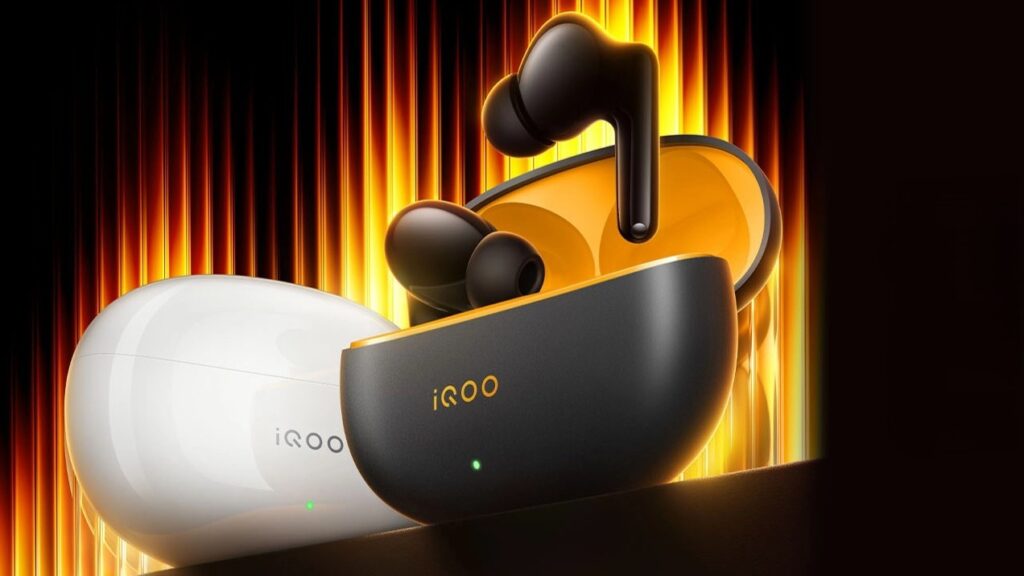
Coming back to the China Telecom listing, it also reveals May 20 as the iQOO 15T’s release date. The said event will also see the arrival of other devices, such as the iQOO Pad 6 Pro and TWS 5i earbuds.
It will arrive in multiple configurations, including 8GB+256GB, 12GB+256GB, 12GB+512GB, 16GB+256GB, and 16GB+512GB. It will pack a massive 8,000mAh battery with support for 100W wired charging. Reports suggest that it may lack wireless charging support.
The iQOO 15T will measure 163.37 x 76.71 x 8.25 grams and weigh 216 grams. It will be sold in finishes, such as Qingyun, Track Edition, and Legendary Edition.
For more daily updates, please visit our News Section.
DJI is preparing to take the Pocket series in a slightly different direction this year. After several teasers on Chinese social media, the company has now confirmed that the upcoming Osmo Pocket 4P, sometimes shortened to Pocket 4 Pro, will launch globally. And unlike previous Pocket models, this one is focusing heavily on zoom and more flexible shooting options.
The biggest addition is a dedicated telephoto camera
The Pocket 4P keeps the same 1-inch primary sensor introduced on the standard Osmo Pocket 4, but adds a secondary 3x telephoto lens to the setup. That may not sound revolutionary on paper, but for a compact gimbal camera like this, it’s actually a pretty meaningful change.
One of the biggest limitations of previous Pocket models was that everything had to be shot through a single wide-angle lens. It worked well for vlogging, but portraits, tighter framing, and cinematic shots often relied heavily on digital zoom or cropping. The new telephoto camera changes that.
Early hands-on clips from China suggest the telephoto lens sits around a 70mm equivalent focal length and may use a fairly large 1/1.5-inch sensor. Reports also mention up to 6x “lossless” zoom and 12x maximum zoom overall, which should make the camera much more versatile for travel videos, interviews, and street-style shooting.
Outside of the second camera, the Pocket 4P seems to build directly on the standard Pocket 4. That model already introduced a few major upgrades compared to the Pocket 3, including 240fps recording at 4K, upgraded ActiveTrack, and a brighter rotating display. The upcoming Pocket 4P keeps all of that while adding the extra telephoto hardware. And of course, the signature 3-axis mechanical gimbal is still here, which remains one of the biggest reasons people buy Pocket cameras in the first place.
DJI has been teasing the device with the slogan “See More, Tell More,” which is honestly a pretty accurate summary of what this model seems designed for.
The rollout appears to start in China before expanding globally later. DJI pages for the device have already surfaced in markets like Canada and Mexico. Availability in the US is less clear, though. Similar to some recent DJI products, the Pocket 4P is reportedly facing regulatory hurdles tied to FCC authorization, and at least for now, it doesn’t appear on DJI’s US website.
The MacBook Neo has been a huge hit for Apple, but the surge in demand has also led the company to rethink its chip production strategy. According to a WSJ report, Apple and Intel have just made a “preliminary” chipmaking deal through which Intel’s fabs will be used to manufacture some of the chips that power Apple devices, and that could also include the A27 chips powering the next-gen MacBook Neo.
Taiwanese chip giant TSMC has been exclusively manufacturing Apple chips for years, but its capacity remains tight due to unprecedented demand for artificial intelligence (AI) and high-performance computing (HPC) chips. Therefore, Apple diversifying its chip production partners will help the brand secure additional supply for its entry-level and mainstream-focused chips.
The A18 chip that powers the MacBook Neo and iPhone 16 series is currently manufactured using TSMC’s N3B process technology. That too isn’t unaffected by the ongoing chip shortages, and this has led to a $100 increase in the MacBook Neo’s price, which is a big hike for a $599 product. The deal with Intel will help Apple ensure an optimal quantity of upcoming MacBook Neo laptops in the market.
Apple was also reportedly in talks with Samsung for its chip needs. That could be seen as a backup option in case the need arises. For Intel, this is less about reviving the ‘Intel Inside’ era and more about proving its factories can compete with the world’s best.
Samsung has officially announced that it will stop selling TVs and home appliances in mainland China. The decision follows growing pressure from local Chinese brands that now dominate the country’s consumer electronics market.
The company said the move was made due to “rapidly changing market conditions.” Samsung’s official China website now displays a notice confirming the change. However, the company clarified that after-sales service and customer support will continue normally for existing customers.
AI- Generated Image for representation only
TVs, Refrigerators & More Affected
Samsung will discontinue local sales of several products in China, including televisions, monitors, refrigerators, washing machines, dryers, air conditioners, vacuum cleaners, and air purifiers.
Despite this major withdrawal, Samsung smartphones will still remain available in China. However, the company’s smartphone business has also struggled heavily against domestic Chinese brands and Apple. Samsung once held nearly 20% of China’s smartphone market in the early 2010s, but its share has now reportedly fallen below 1%.
Chinese Brands Continue Growing
Chinese electronics companies have rapidly improved product quality while also offering aggressive pricing. Faster innovation cycles and strong domestic brand loyalty made it increasingly difficult for Samsung to compete in the region.
Samsung’s manufacturing operations in China will continue, as the company still produces devices there for overseas markets.
Samsung Focuses More on AI & Semiconductors
While leaving China’s appliance market, Samsung is seeing massive growth in its semiconductor business. The company is increasingly focusing on AI-related technologies and high-performance memory chips.
In the first quarter of 2026, Samsung reported revenue of 133.87 trillion won and operating profit of 57.23 trillion won. Its semiconductor division alone contributed 61% of the company’s total revenue, driven by booming global AI demand.
We use cookies on our website to give you the most relevant experience by remembering your preferences and repeat visits. By clicking “Accept”, you consent to the use of ALL the cookies.
This website uses cookies to improve your experience while you navigate through the website. Out of these, the cookies that are categorized as necessary are stored on your browser as they are essential for the working of basic functionalities of the website. We also use third-party cookies that help us analyze and understand how you use this website. These cookies will be stored in your browser only with your consent. You also have the option to opt-out of these cookies. But opting out of some of these cookies may affect your browsing experience.
Necessary cookies are absolutely essential for the website to function properly. This category only includes cookies that ensures basic functionalities and security features of the website. These cookies do not store any personal information.
Any cookies that may not be particularly necessary for the website to function and is used specifically to collect user personal data via analytics, ads, other embedded contents are termed as non-necessary cookies. It is mandatory to procure user consent prior to running these cookies on your website.