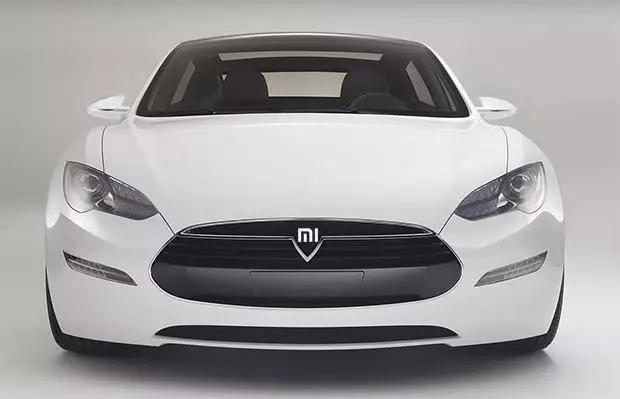
Xiaomi is apparently planning on building its own electric car. The smartphone maker will reportedly be using the factory of China’s Great Wall Motor Co Ltd, a local automobile maker.
According to a Reutersreport, sources close to the matter revealed that the Chinese tech giant is the latest firm that is joining the EV (electric vehicles) race. While the company is known for its wide range of consumer electronics products, it is now supposedly diversifying to a new market as well. Since the report first surfaced regarding Xiaomi possibly making its own electric car, the company’s stock price surged by 9 percent earlier today (26th March 2021).
Meanwhile the Great Wall’s Hong Kong stock also rose by 15 percent. At the moment, Xiaomi, which is one of the largest smartphone vendors in the world, is planning on partnering with Great Wall Motors to build EVs under its own brand, as per two of the sources that declined from being identified as the information has yet to be made public. Furthermore, the smartphone maker will aim its electric cars at the mass market.
In other words, it EVs will have a broader position, similar to that of its electronics products, as per these two sources. Notably, Great Wall Motors has yet to offer its manufacturing services to other companies and will also be providing engineering consultancy to speed up the project as well according to one of the sources. Unfortunately, both Xiaomi and Great Wall have declined to comment on this report so stay tuned for more updates.
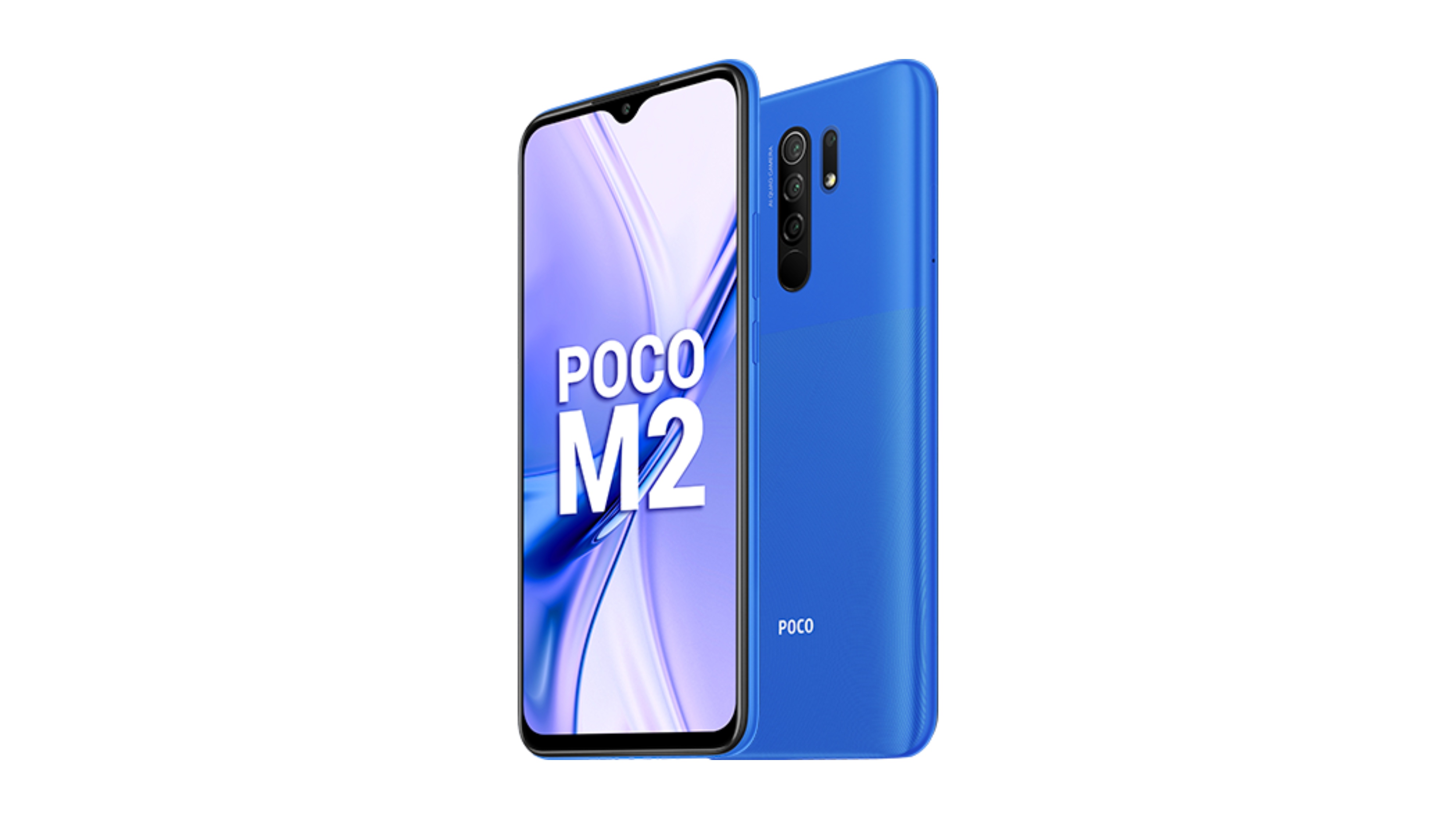
POCO launched the POCO M2 in India in September 2020. This smartphone can be considered as a better Redmi 9 Prime with a cheaper price tag. Now, six months after its release, the brand may launch a new variant of this handset in the country.
According to a report by XDA Developers, Xiaomi is working on a new smartphone called POCO M2 Reloaded. The existence of this phone was spotted by XDA senior member Kacper Skrzypek (@kacskrz) in the MIUI code.
Unfortunately, nothing else is known about this handset except for its name. Anyway, going by its name, it could be similar to the original POCO M2 with some minor changes.
For those unaware, the POCO M2 is a rebranded Redmi 9 original model, which is sold as Redmi 9 Prime in India. This device is powered by a MediaTek Helio G80 SoC paired with 6GG RAM and 64GB/128GB internal storage.
Some of its notable features inclue a plastic build, 6.53-inch FHD+ IPS LCD panel, 13MP (wide) + 8MP (ultra-wide) + 5MP (macro) + 2MP (depth) quad-camera setup, 8MP selfie camera, fingerprint sensor, 3.5mm headphone jack, USB Type-C port, MIUI 11 based on Android 10 (upgradable to MIUI 12), 5,000mAh battery, and 18W fast charging.
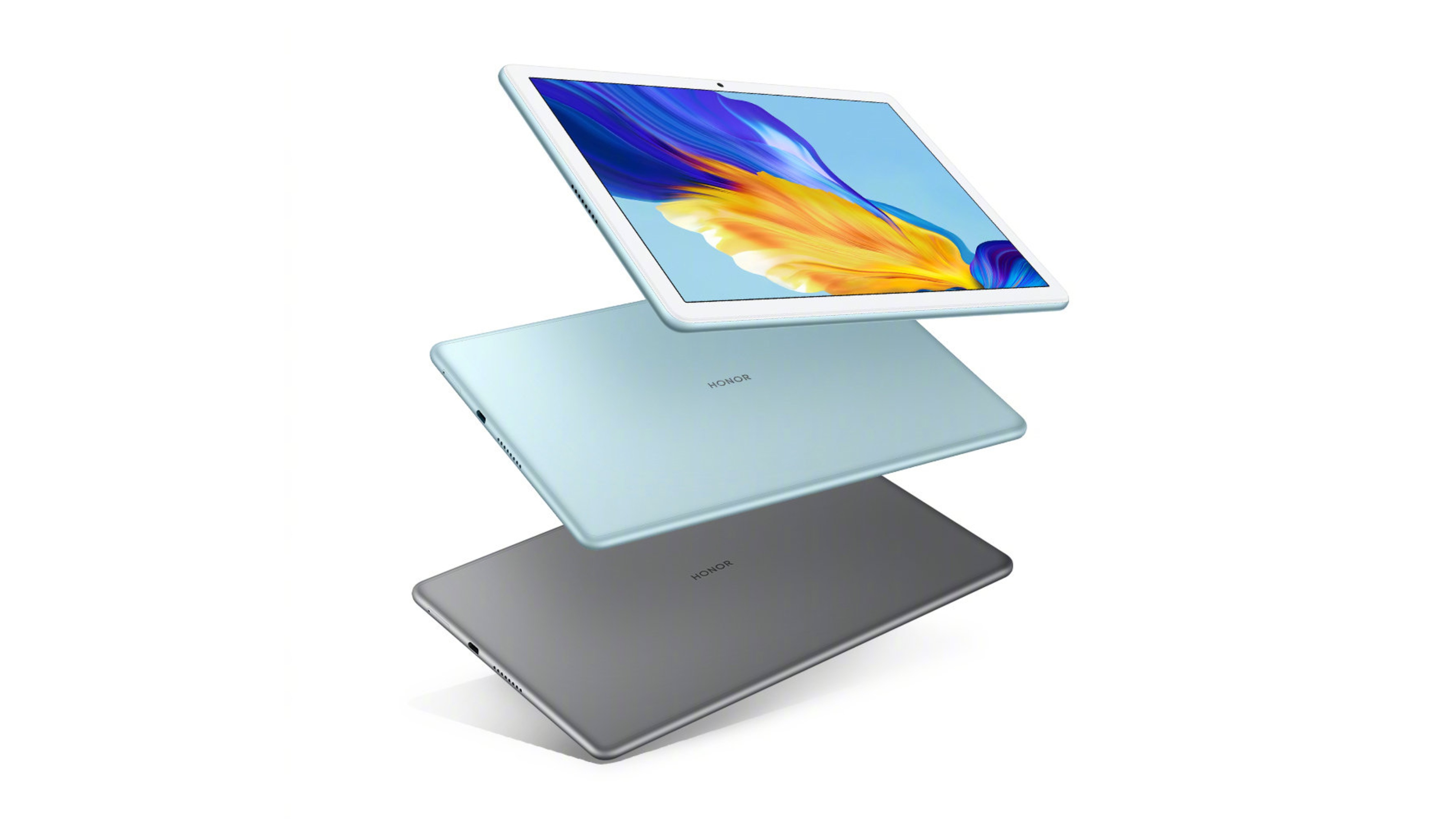
Honor recently launched the Honor Pad 7 in its home country China and today, the device goes on sale. While the company has launched the Wi-Fi and LTE variants in the market, only the Wi-Fi versions are available for purchase.
The 4GB RAM + 64GB Storage model is priced at 1,399 yuan (~$214) while the 4GB RAM + 128GB Storage model costs 1,699 yuan which is around $260. It comes in two color options — Blue and Dark Grey.
Honor Pad 7
The Honor Tab 7 comes with a 10.1-inch Full HD display with 1920 x 1200 pixels screen resolution and a screen-to-body ratio of 80 percent. Further, the screen is certified by TUV Rheinland for eye protection.
It is powered by the MediaTek Helio P22T chipset, which is a major change compared to its predecessor which was powered by Huawei’s HiSilicon Kirin 710A SoC. The tablet is running the Android 10 operating system out-of-the-box with Magic UI 4.0 on top.
To make multitasking easier for the users, the company is offering support for Split Screen for up to four different applications. It allows users to run and use different applications simultaneously. For instance, it can be used to listening to lectures, checking materials, and taking notes — all at the same time.
The device features a 5-megapixel camera on the back and a 2-megapixel snapper on the front for taking selfies and video calling. It is powered by a 5,100mAh battery.
Earlier this week, Huami launched the Amazfit T-Rex Pro for the global markets. At the event, the company only revealed the pricing and availability for the western markets and SEA region. But now, the firm has officially announced the rugged smartwatch’s price in India. In fact, the wearable is already on sale in the country starting today.
The newly launched Amazfit T-Rex Pro is a spec upgrade over the Amazfit T-Rex. The latest rugged smartwatch from Huami looks identical to the original but features certain additional features that make it a Pro.
The wearable is priced at ₹12,999 ($180) in India. As of now, it can be only purchased from the brand’s official website. Customers can pick it up in either Meteorite Black, Desert Grey, or Steel Blue color option. The older model from last year is currently retailing for ₹9,999 in the region.
As mentioned in the beginning, the Amazift T-Rex Pro features a similar design as the vanilla Amazfit T-Rex with some updated specs. These upgrades include a SpO2 sensor for blood oxygen level monitoring, BioTracker™ 2 PPG Bio-Tracking Optical Sensor, 10ATM water-resistance, 15 military-grade certifications, 100+ sports modes, 3-axis gyroscope sensor, barometer, improved UI, and BeidDOu as well as GALILEO in addition to GPS and GLONASS for location tracking.
However, the Pro model only offers up to 18-day battery life on typical usage compared to 20 days on the original despite featuring the same 390mAh battery and a 1.3-inch circular AMOLED display with a resolution of 360 x 360 pixels.
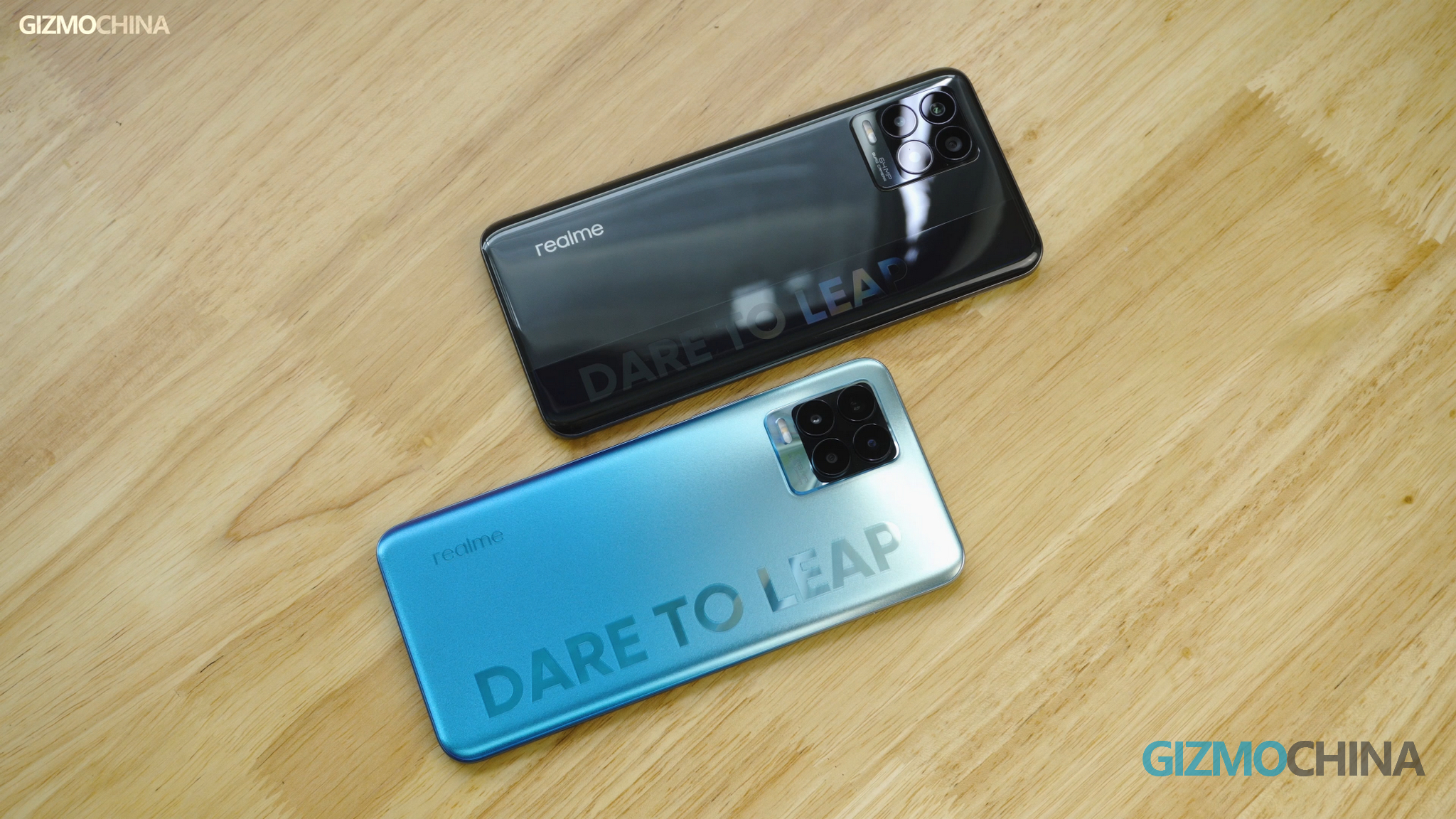
A couple of days ago, Realme launched its latest smartphone lineup in the Indian market — the Realme 8 series, which includes the Realme 8 and Realme 8 Pro. Now, the company is gearing up to launch a couple of other devices in the same series.
A new report claims that the China-based company could soon launch Realme 8 5G and the Realme 8i smartphones in India. This was also confirmed by Madhav Sheth, Vice President and CEO of Realme India and Europe.
Realme 8 and Realme 8 Pro
During an interview with the Financial Express, Madhav Sheth said, “We will have a Realme 8 5G version soon (but not so early). We have to understand that adding 5G with these features will incur additional costs.”
While the launch date and the pricing details have not been revealed yet, the report speculates that the Realme 8 5G could be priced between Realme 8 and 8 Pro, which are Rs 14,999 ($~207) and Rs 17,999 (~$248). If that turns out to be true, then the phone could be the cheapest 5G in the Indian market.
Currently, there is no information available about the upcoming Realme 8i smartphone but going by the name, the device is likely to be the toned-down variant of the standard Realme 8 smartphone in India. We expect to know more about the phones in the coming weeks as the launch date nears.
Apart from these two phones, the company is also preparing to launch its flagship smartphone — Realme GT in the Indian market. The phone has already been launched in China and when it goes official in India, it could be the most expensive from the company.
Huawei has been working on its own HarmonyOS (HongMeng OS in China) for a few years and now the Chinese giant is gearing up to launch a new version of the HarmonyOS Beta 3.
The Beta 3 of HarmonyOS is coming later this year for testing, from 31st March, while the stable version for commercial use will be released as soon as April.
For those who are unaware, HarmonyOS Beta was released for smartphone developers while on 22nd February, Huawei CEO of Consumer Business, Yu Chengdong, said that the new version will be released in April and all of the company’s phone will be upgraded to HarmonyOS, starting with Mate X2 foldable smartphone.
The report coming from China, which got information from the on-site staff at Huawei, claims that the release of the new HarmonyOS will happen early in April. The report also mentions live demonstration that the HarmonyOS-powered smartphones can be connected with home audio-visual, fitness equipment, and small household appliances, and related functions can be quickly activated using the device.
The first batch of devices that are set to receive the latest update related to this operating system includes Huawei Mate X2, Huawei Mate 40 series, and the Huawei P40 series. The company is also working on a new flagship smartphone, the Huawei P50 series, which has been delayed because of U.S. sanctions.
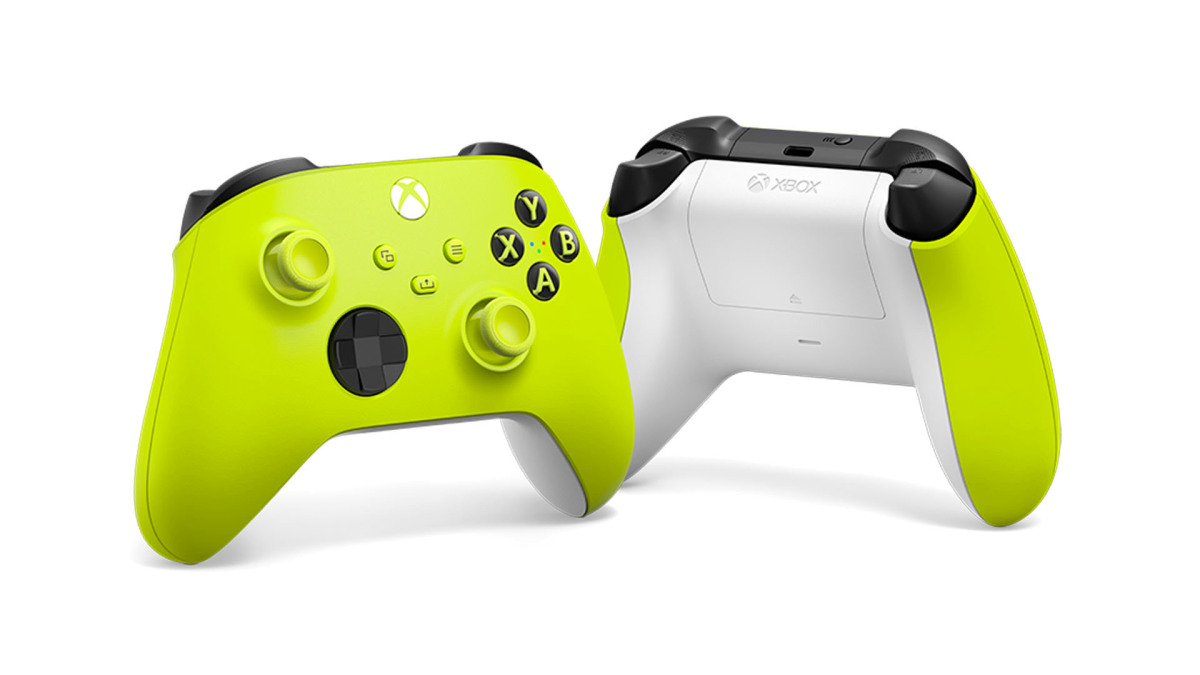
Microsoft has announced two new controllers for the Xbox consoles. The new controllers are dubbed Electric Volt and Daystrike Camo Special Edition. The new controllers are compatible with the new Xbox Series S/X consoles, Xbox One, Windows 10 PCs, and Android mobile phones and tablets.
The Xbox Wireless Controller Electric Volt has a similar design to the Shock Blue and Pulse Red controllers. The top is covered in a yellow resin that is not available on any other Xbox hardware. The two joysticks have the same color. The underside of the controller keeps the same white finish as the Shock Blue and Pulse Red controllers.
Microsoft says the new controller will be available for $64.99 starting April 27 in most Xbox markets worldwide. It will also be available at select retailers and on the Microsoft Store.
The Xbox Wireless Controller Daystrike Camo Special Edition is the third in the Camo series. The other two are Night Ops Camo that was announced in 2019 and Arctic Camo Special Edition that was announced last year.
The new controller is a combination of two shades of red and a shade of gray and black. It is the first of the Camo edition with a textured grip for the triggers and the first of the Xbox wireless controllers to have the entire surface of the bumpers textured. The Camo Special Edition controller will go on sale on May 4 in most Xbox markets worldwide for $69.99.
Microsoft also announced new clothing gear alongside the new controllers. The Xbox Icon Collection which includes t-shirts, hoodies, shorts, and pants is inspired by the new controllers and will be available in unisex sizes starting April 21. Microsoft says there will be limited quantities available, so you should hurry once they are available.
At the moment, Xiaomi, Realme, and OPPO are the most interesting brands in the global market when it comes to budget phones. The latest affordable phones released by these three brands embrace a lot of price segments: today, we want to talk about the midrange. The Redmi Note 10 was recently announced in the Indian market with the Redmi Note 10 Pro Max as the most advanced variant of the lineup. It has several competitors from other brands: among the latest ones sold in the same price range, we got the Realme X7 5G and OPPO F19 Pro. Here is a comparison between their specifications.
Xiaomi Redmi Note 10 Pro Max vs Realme X7 5G vs OPPO F19 Pro
Xiaomi Redmi Note 10 Pro Max
Realme X7 5G
Xiaomi Redmi Note 10 Pro Max
DIMENSIONS AND WEIGHT
164.5 x 76.2 x 8.1 mm, 192 grams
160.9 x 74.4 x 8.1 mm, 175 grams
160.1 x 73.2 x 7.8 mm, 172 grams
DISPLAY
6.67 inches, 1080 x 2400p (Full HD+), Super AMOLED
6.4 inches, 1080 x 2400p (Full HD+), 411 ppi, AMOLED
6.43 inches, 1080 x 2400p (Full HD+), Super AMOLED
The most attractive design belongs to the OPPO F19 Pro. Despite it is not built with premium materials, it is more suggestive because it is thinner, it is a lighter phone and it even comes with a higher screen-to-body ratio than Realme X7 5G. OPPO phones are always a warranty when it comes to aesthetics and the company is very careful about details. While OPPO F19 Pro offers the most attractive design, the Redmi Note 10 Pro Max is more interesting in terms of build quality, since it comes with the IP52 certification making it dust resistant and splash resistant. But it has bigger dimensions and it is thicker and heavier.
Display
If you need the most advanced display, then you should go for the Redmi Note 10 Pro Max without thinking twice. First of all, it has a high refresh rate: up to 120 Hz, while Realme X7 5G and OPPO F19 Pro come with a standard refresh rate. Further, it has the HDR10 certification for better image quality on streaming platforms, as well as a higher 1200 nits peak brightness. There is no challenge: besides being a wider panel, the display of the Redmi Note 10 Pro Max is superior. However, you still get a very good experience with the AMOLED panels found on the Realme X7 5G and the OPPO F19 Pro.
Hardware/Software
The hardware king here is the Realme X7 5G. It is the only one to feature 5G connectivity and it has a stronger processor: the Dimensity 800U by MediaTek, which is actually comparable to the Snapdragon 765G by Qualcomm. The chipset is paired with up to 8 GB of RAM and up to 128 GB of UFS 2.1 internal storage. Right after, we got the Redmi Note 10 Pro Max powered by the Snapdragon 732G paired with up to 8 GB of RAM and UFS 2.2 native storage. The OPPO F19 Pro has the weakest chipset: the Helio P95. All the phones run Android 11 out of the box.
Camera
The camera of the Redmi Note 10 Pro Max is actually superior thanks to a 108 MP main sensor. With the Realme X7 5G you get an inferior 64 MP main camera, while the OPPO F19 Pro has an even worse 48 MP sensor. None of these devices is a camera phone, but the closest one to a real camera phone is Redmi Note 10 Pro Max. It even comes with a better 5 MP macro camera. When it comes to selfies, Realme X7 5G wins with its 32 MP front snapper.
Battery
Redmi Note 10 Pro Max is the best even when it comes to battery life, thanks to its bigger 5020 mAh battery. But the Realme X7 5G is able to charge faster thanks to 65W fast charging technology.
Xiaomi Redmi Note 10 Pro Max, Realme X7 5G and OPPO F19 Pro: Price
The starting price of the Redmi Note 10 Pro Max is Rs. 19999, Realme X7 5G begins from the same price, while OPPO F19 Pro starts from Rs. 21,490. If we only consider the specifications (and not the design) it makes no sense to choose OPPO F19 Pro with these prices. The Realme X7 5G is the best for those who care about 5G and performance, but Redmi Note 10 Pro Max is the best overall because it features a better display, cameras, and battery.
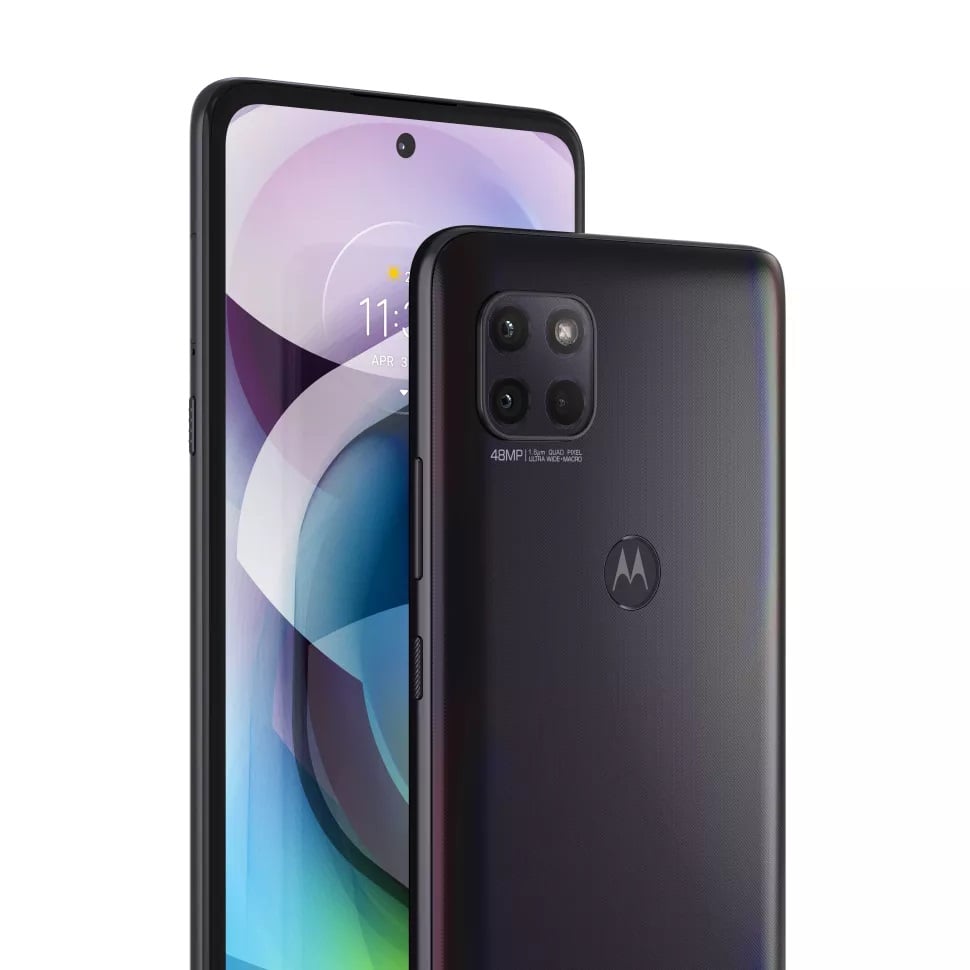
The Moto G50 was one of the two Motorola phones announced today. Motorola says that the phone will go on sale next month with a starting price of €249.99. Right now, Motorola is running a promo on its phones, and the offer on the Moto G 5G makes it a better buy than the Moto G50.
Moto G 5G
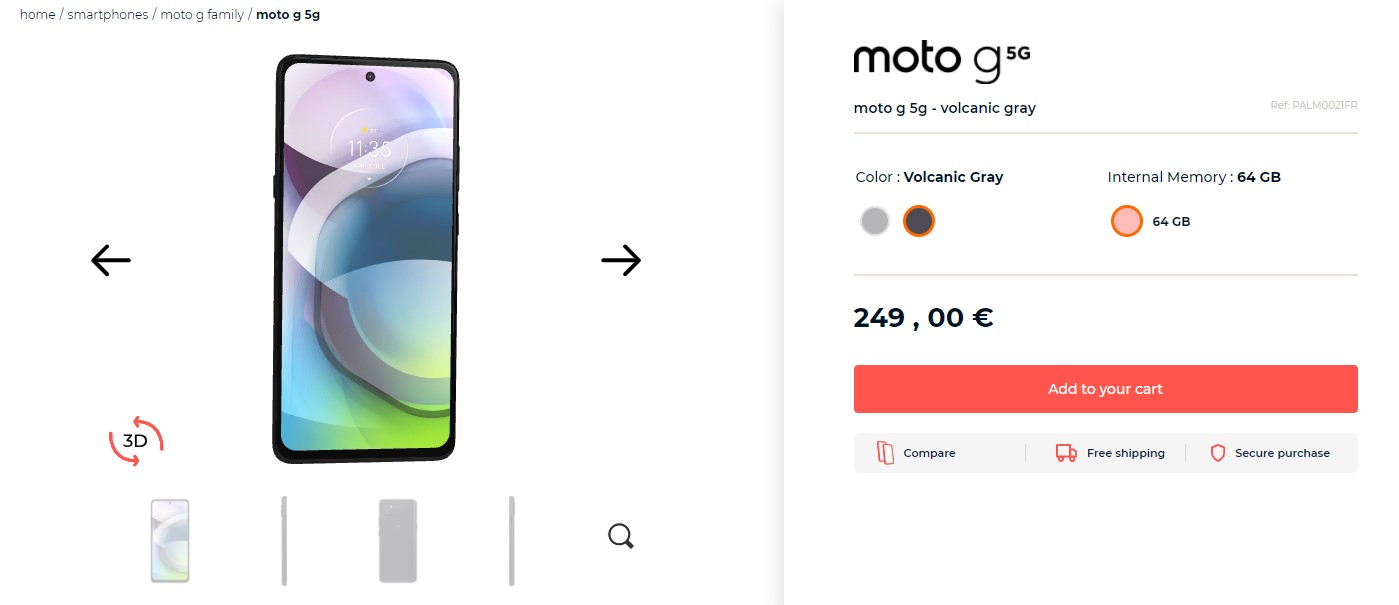
The Moto G 5G was announced last November as a more affordable version of the Moto G 5G Plus. It had a starting price of €299.99 for the 4+64GB version while the 6+128GB version had a launch price of €349.99. Motorola is currently running a limited-time sales promotion that brings the price of the base model down to €249 in Spain. This is the same price the 4+64GB version of the newly launched Moto G50 will sell for when it goes on sale on April 15, and if you ask us, the Moto G 5G seems to be the better deal.
Below is a comparison of the specs of both devices:
Moto G 5G
Moto G50
6.7-inch FHD+ (2400 x 1080) LCD screen with a centered punch hole
6.5-inch HD+ (1600 x 720) LCD screen with a waterdrop notch
60Hz refresh rate
HDR 10
90Hz refresh rate
Snapdragon 750G 5G
Snapdragon 480 5G
4GB RAM + 64GB
6GB RAM + 128GB
4GB RAM + 64GB
6GB RAM + 128GB
Triple-rear cameras:
48MP f/1.7 main camera
8MP f/2.4 118° ultrawide angle camera
2MP f/2.4 macro camera
Triple-rear cameras:
48MP f/1.7 main camera
5MP f/2.4 macro camera
2MP f/2.4 depth camera
16MP front-facing camera
13MP front-facing camera
NFC
Dual-band Wi-Fi Bluetooth 5.1
USB-C
Audio jack
MicroSD card support
Rear-mounted fingerprint scanner
NFC
Dual-band Wi-Fi Bluetooth 5.0
USB-C
Audio jack
MicroSD card support
Rear-mounted fingerprint scanner
5000mAh battery with support for 20W fast charging (20W charger included in the box)
5000mAh battery with support for 15W fast charging (10W charger included in the box)
Android 10 with a promised update to Android 11
Android 11
The Moto G 5G may not have a high refresh rate but it has an FHD+ display which is better than the HD+ screen of the Moto G50. It also has a more powerful processor.
Another area where it is better than the Moto G50 is the camera department. Both phones have the same primary camera but you will agree that an ultrawide angle camera is more useful than a macro camera which the Moto G 5G also has.
Both the Moto G 5G and the Moto G50 have a 5000mAh battery but the former supports a faster charging technology and comes with the maximum supported charger. The Moto G50 supports a slower 15W fast charging and comes with an even slower 10W charger. This means that if you want to charge your phone at the maximum supported rating, you will have to purchase a new charger.
The only downside for the Moto G 5G is that it runs Android 10. Motorola has confirmed that it will be updated to Android 11 but we don’t know when it will begin to roll out.
You can grab the Moto G 5G 4+64GB for €249 on the Motorola Spain website. The promotion runs until April 5 and you get a free gift with your purchase, so hurry.
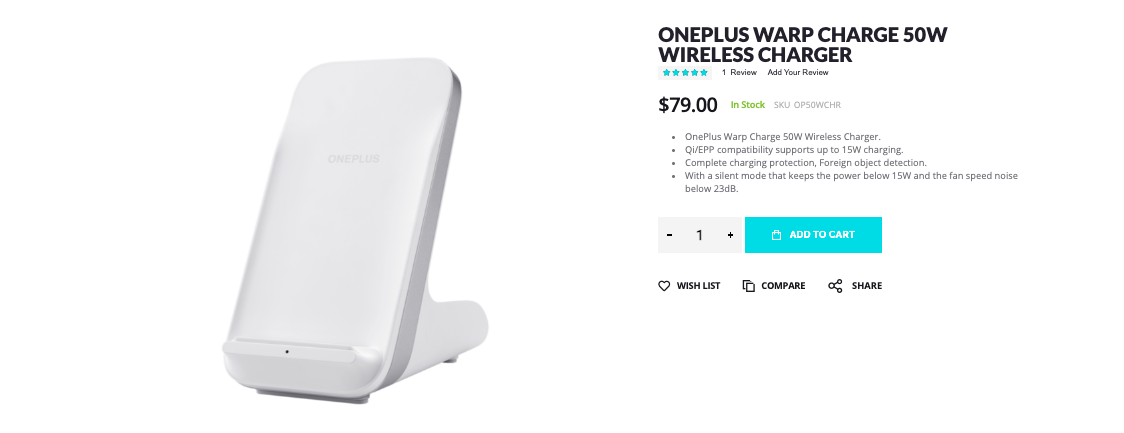
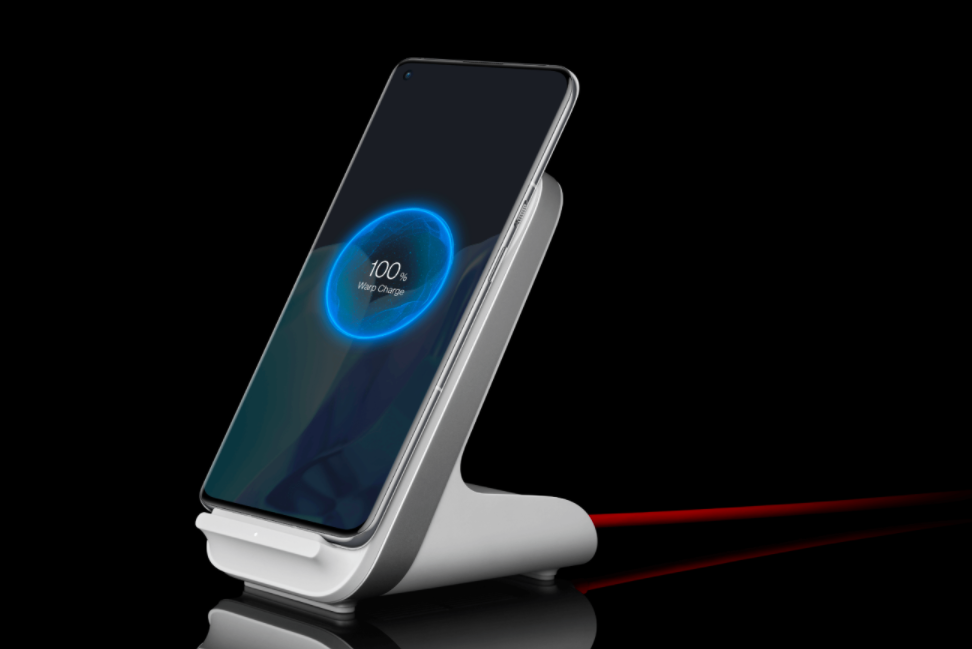
OnePlus Warp 50 is a 50W fast charging wireless charger. This device fully charges your OnePlus 9 Pro from 1% to 100% in just 43 minutes and supports EPP 15W/ BPP 5W wireless Qi charging. With an aesthetically pleasing design and a gorgeous white body, this stylish wireless charger supports both horizontal and vertical charging positions, thanks to its dual coil charging system. However, the highlight feature of this charger lies in its silent mode where the power goes below 15W and fan speed is reduced to keep emitted noise below 23dB. In this mode, the brightness of the indicator light is also significantly reduced.
The smart wireless charger learns from the user’s habits and adapts to automatically enter silent mode during hours when it is normally not in use, and for those who do not want to depend on the auto function, the charger also comes with a timer setting wherein you can set a timer to switch it off.
OnePlus Warp 50 Wireless Charger is now available at Giztop for $79 only. So go grab your wireless charger while the stock lasts.
For more information on such exciting deals and offers check out our deals hub.
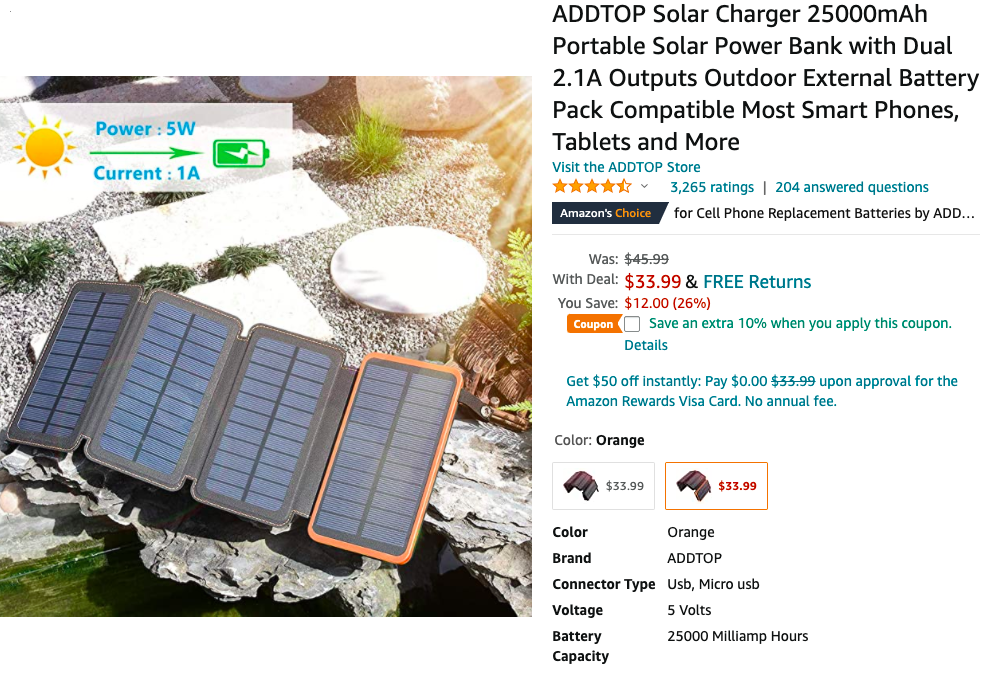
If you are looking for an outdoor emergency solar charger then Amazon US is giving a whopping 25% discount on ADDTOP Solar Charger. The solar power bank which retails at around $45 is now available for just $33.99.You can get an additional 10% discount on this price via the available store coupon.
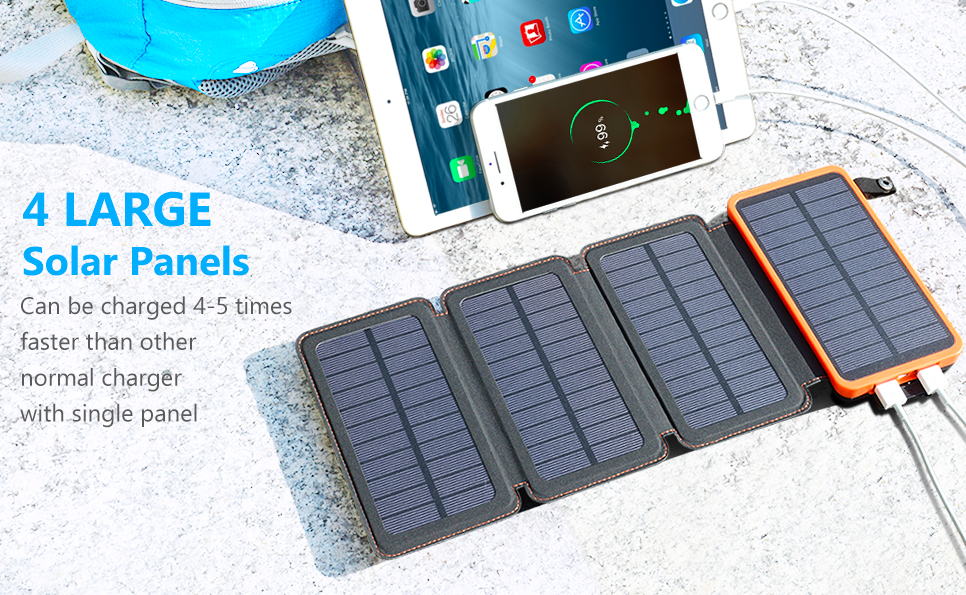
The product comes with four high-conversion solar charging panels and 2 USB output ports, which means you can charge two devices simultaneously. The massive 25000mAh battery is more than enough to charge your iPhone 8 nine times, Galaxy S6 eight times, and iPad Mini 4 more than 3 times. The solar power bank is compatible with almost all devices like iPhone, Samsung, etc. An important additional feature is the multi-functional LED lights with different modes like steady, strong, and SOS. In times of uncertainty and danger, the LED light function may become your lifesaver.
The market rate for ADDTOP Solar Charger is around $45 but for a limited period, Amazon US is selling this Solar Powerbank for $33.99 only. Please note that this offer is valid on both Orange and Black color variants. So grab this amazing deal while the offer lasts.
For more information on such exciting deals and offers check out our deals hub.
* Please Note: When you buy something using the links in our articles, we may earn a small commission at no cost to you.
The surge in electric vehicle (EV) manufacturing by traditional automakers has been very high in recent years. The trend has seen several automakers shifting their production capacity and resources to EVs production. It seems Jeep may be joining the league of EV manufacturers soon. The company has unveiled a new concept design of its own electric vehicle that may become a reality in the years to come.
The concept vehicle is called the Jeep Wrangler Magneto, with several features already shown. The overall design of the futuristic electric vehicle from Jeep follows mainly the 2020 Wrangler Rubicon. It has a powerful electric motor of 285 horsepower and an 800-volt system with four battery packs. The electrical system will provide substantial mileage for the car on a full charge, although Jeep was silent on the actual mileage.
Jeep also says that the Wrangler Magneto will have a six-speed manual transmission, obviously to attract a segment of its customers who are die-hard fans of the manual transmission for Jeep all-wheel drives. However, as we know, we are just being teased by Jeep with the concept car’s design. It may be a work in progress and will undergo several refinements before an eventual launch if that is in the cards of Jeep. Several gaps are visible in the Magneto, which may seriously limit its capability to cope with much of the premium offerings from market leaders like Tesla.
The antecedents of the parent company of Jeep, Fiat Chrysler (now called Stellantis) reflect cautious optimism in pursuing the adoption of electric vehicle production, with only a few models on the cards. However, the overriding trend is for traditional carmakers to direct substantial resources into EV production of selected models to retain customers who may opt for EVs.
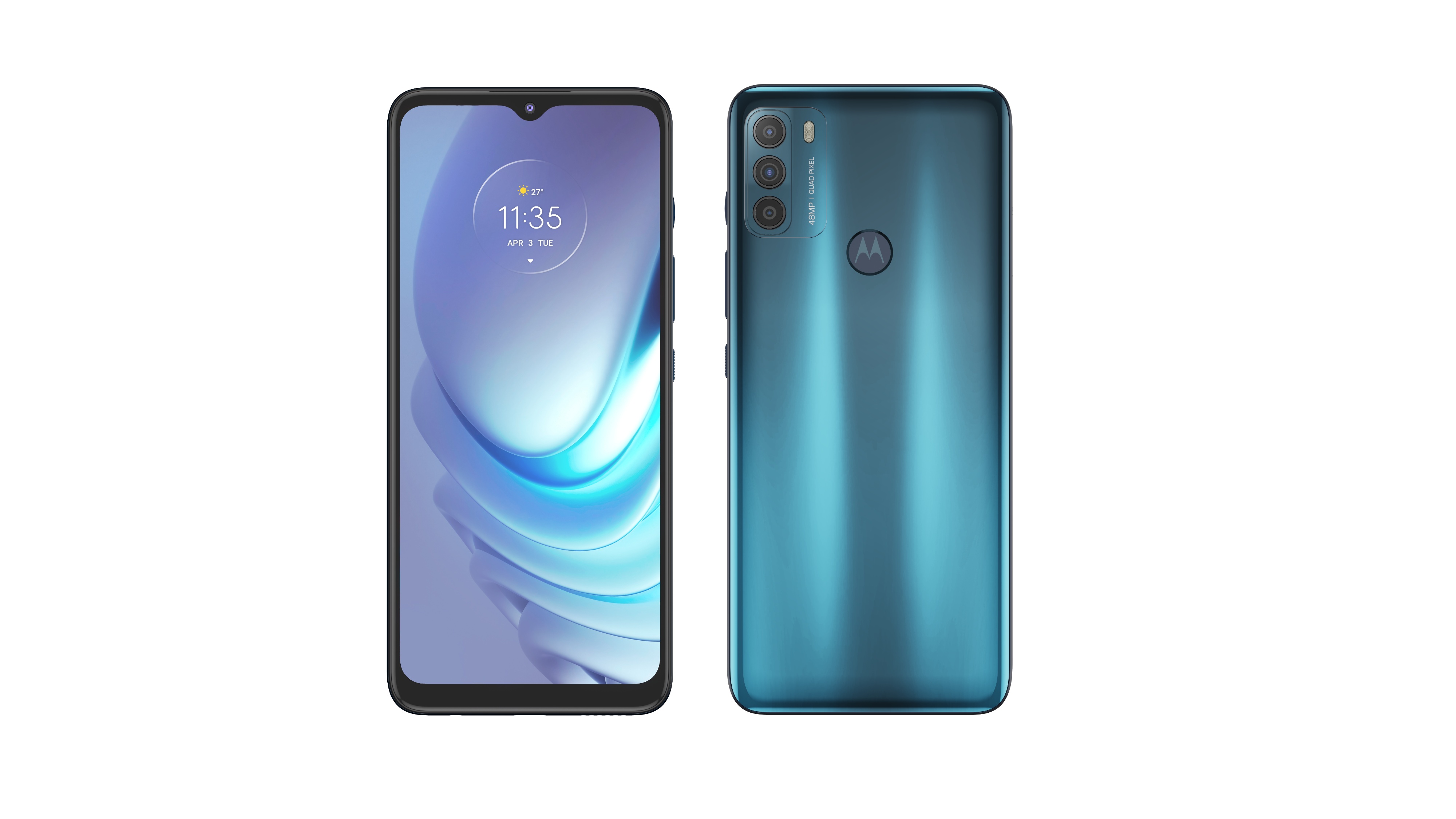
Motorola just launched the flagship Moto G100 in the global markets. With this, the company has also brought a budget 5G smartphone, the Moto G50. Let’s take a look at its specs, features, and price.
Motorola Moto G50
Moto G50 Price, Availability
The Moto G50 comes with 4GB RAM and 64/128GB storage options. Motorola has launched two colors of the Moto G50- Aqua Green and Steel Gray. The device can be purchased for a starting price of €249.99 and in certain markets like Spain, the 4/128GB goes up to €269.
Speaking of which, the device will be available in Spain from April 15 while other markets should it get at a similar date, i.e., in the coming weeks.
1 of 2
Moto G50 Steel Gray
Moto G50 Aqua Green
Moto G50 Specifications and Features
The Motorola Moto G50 features a somewhat similar design to the recently launched Moto G30 with a notch design and polycarbonate back panel. It has a 6.5-inch Max Vision HD+ display with a waterdrop notch. This display has a resolution of 1600×720 pixels, 90Hz refresh rate, 269 PPI, 20:9 aspect ratio, and 85% screen-body ratio.
Under the hood, the device has a Snapdragon 480 5G chipset. This is paired with a 4GB RAM and a 64/128GB storage option. Apart from this, you can also expand the storage via a microSD card slot up to 1TB.
For cameras, it has a triple-camera setup on the back with a 48 MP f/1.7 main lens, 5MP f/2.4 macro, and 2MP f/2.4 depth sensors. Upfront, you get a 13MP f/2.2 selfie shooter. Camera features include HDR, Timer, Active photos, Pro mode, Portrait mode, Timelapse video, Hyperlapse video, and more.
Other features include a 5,000mAh battery with 15W charging support(10W charger inbox), rear fingerprint sensor, face unlock, 3.5mm audio jack, Type-C port, Wi-Fi 5GHz, Bluetooth 5.0, NFC, GNSS(GPS, A-GPS, GLONASS, Galileo), 4G LTE(Hybrid SIM slot), and Android 11 OS.
ByteDance, the parent company of the popular video-sharing app TikTok has been reported in the past to be planning to go public with one or some of its businesses. The company has just fed the rumors with news of the appointment of Xiaomi executive Shou Zi Chew to a newly created role as Chief Financial Officer (CFO).
The company has reportedly been indecisive as to if it should go public with just Douyin, the Chinese version of TikTok, or if it should group some other of its Chinese businesses such as news aggregator Jinri Toutiao and Douyin and list as a single entity on the Hong Kong or Shanghai Stock Exchange. Outside China, the company is also looking to go public with its non-China business such as TikTok in Europe or the U.S.
The new CFO position is the first executive-level management position the company would be creating for its global operations aside from the Chief Executive Zhang Yiming.
Xiaomi earlier on Wednesday revealed via a Hong Kong Exchange filing that Chew had resigned. The exec later disclosed on his personal social media account that the new job will see him moving to Singapore.
Shou Zi Chew joined Xiaomi in 2015 as the Chief Financial Officer and oversaw the company’s landmark stock market launch on the Hong Kong Stock Exchange in July 2018. He left the role in November 2019 after he was elevated to the role of President of Xiaomi International while he continued to serve as an Executive Director and Senior Vice President. Chew also worked previously at Goldman Sachs.
TikTok was consistently under scrutiny in the U.S over national security concerns during the tenure of former president Donald Trump. TikTok actually got into trouble with Trump after it was successfully used to get people to boycott a Trump rally in Tulsa, Oklahoma. The group TikTok Teens had encouraged people to register online for the free event and not show up and it was a massive success to the embarrassment of the then U.S president.
After that, Trump’s administration began several moves to get the company sold to a U.S company or face an outright ban. ByteDance later got a court order stopping the planned ban. The new Biden administration has discontinued the lawsuit which would have cleared the way for a total ban of TikTok in the United State.
Apple is presently the most valuable smartphone brand globally and its products are of premium quality. That doesn’t apparently bestow on them immunity from the usual glitches sometimes associated with electronic products. What happened to Birmingham, England-based 17-year-old Amie Hall may well be beyond a minor glitch as her iPhone charger reportedly set her blanket on fire.
The incident is reported to have happened on the night of March 18 while Miss Hall was about going to sleep. Before then, she plugged her iPhone to charge and apparently kept it on the bed, perhaps under the blanket. What happened next could have left her with severe burns or even be fatal. She suddenly noticed “flashing orange” flames on her blanket which caught the blanket on fire and inflicted her with a minor burn to her cheek.
However, the teenager quickly alerted her mum downstairs and they were able to extinguish the fire without needing the help of firefighters.
Miss Hall shared some pictures of her burns and the burnt charging cable on Facebook apparently to draw the attention of other persons to the danger of “leaving their phone to charge overnight”. Well, modern smartphones and their adapters come with several technologies to protect against overcharging, overheating, and others. But there are substandard third-party products out there without such protective features.
While it is not known at present what caused the fire, Birmingham Mail reports that the charger consisted of an Apple charging cable and another brand’s charging adapter even though Hall states otherwise. “This isn’t even a cheap charger, it’s an Apple charger,” she wrote on Facebook. “Please don’t go to bed and leave your phone charging overnight.”
Apple is currently investigating the cause of the fire and has stressed that all iPhone users should ensure they comply with safe charging standards. It is advised that users should not charge their iPhones in places where there is moisture or areas that are not well-ventilated. These could lead to the charger overheating or moistures could cause sparks. The company also advised regular checks for damaged accessories.
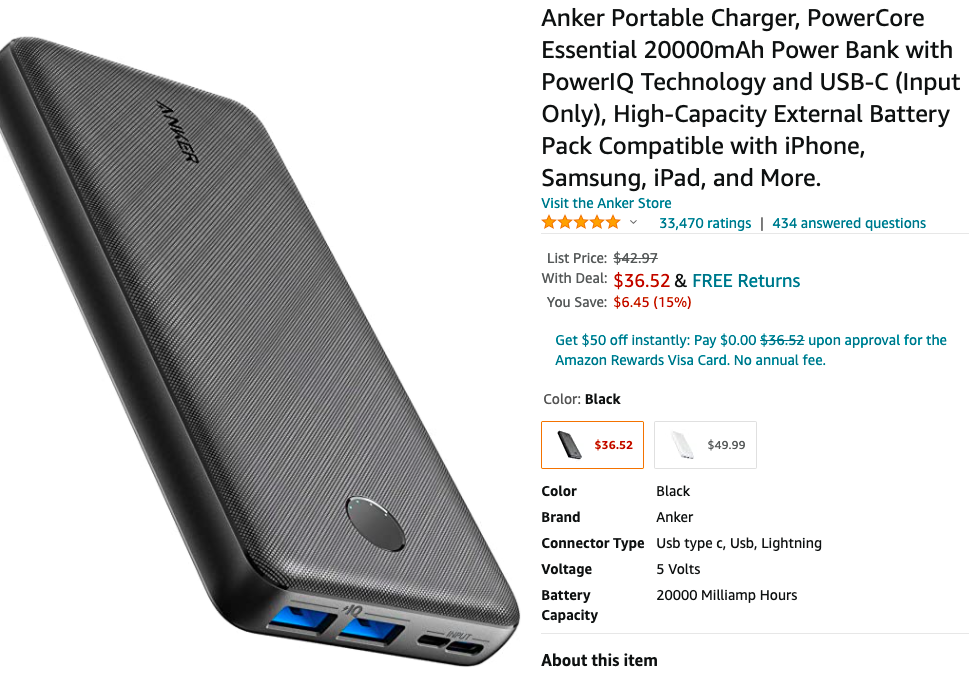
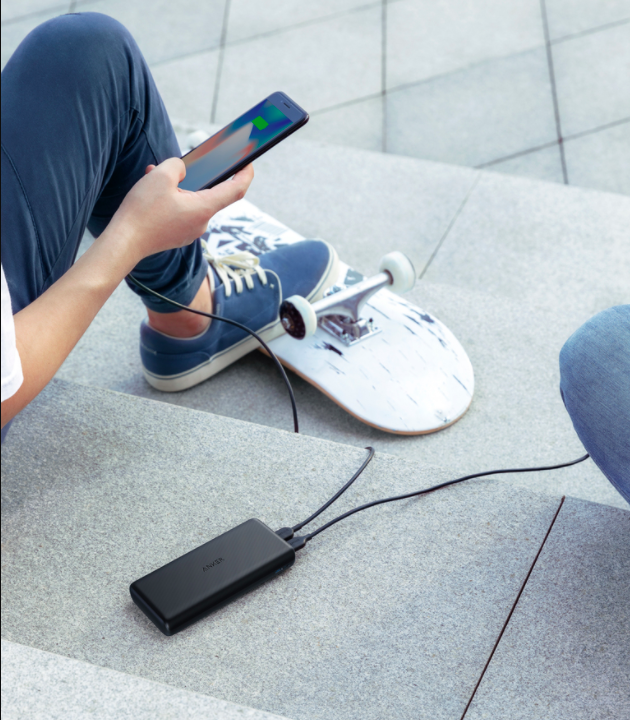
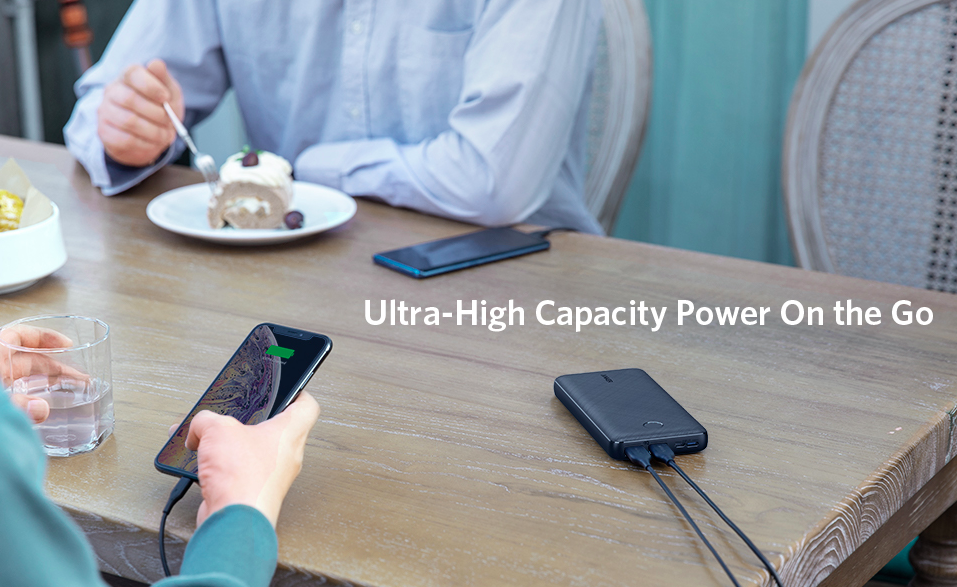
Attention readers! Amazon US is giving a great deal on Anker PowerCore Lite 20000mAh Portable Charger. The power bank which generally retails for $40 is now available for just $36.52.
Anker Portable charger comes with a massive 20000mAh battery which can give more than 5 charges for iPhone XS, almost 5 full charges for Samsung Galaxy S10, more than 4 charges for iPhone 11, and over 2 charges for iPad mini 5.
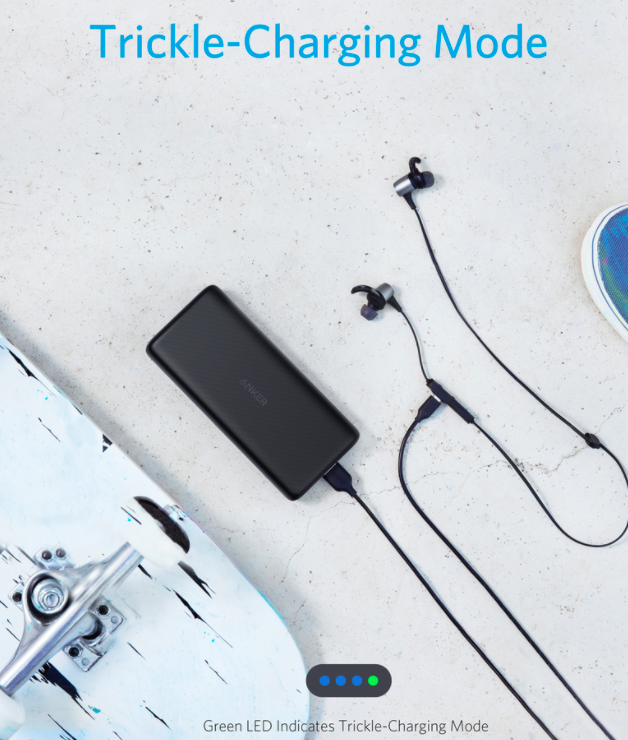
The highlight of this power bank lies in Anker’s exclusive PowerIQ and VoltageBoost technology which gives you optimized charge for different devices at different voltages. Additionally, the charger comes with a trickle charging mode specially designed to charge low-power accessories.
The power bank comes with two USB ports that can charge two devices simultaneously and comes with a micro USB (input only ) as well as a Type C port (input only). Equipped with safety features like high-voltage protection, current regulation, temperature control, etc the power bank is designed to keep you and your devices safe. With just 0.7 inch thickness and weighing less than a pound this power bank is truly portable and a must for regular travelers and globe trotters.
Generally retailing at $40, Amazon US is giving Anker Portable Charger for $36.52 only. Please note that this limited period offer is applicable on the 20000mAh, Black color variant only. So go get your Anker power Bank asap.
For more information on such exciting deals and offers check out our deals hub.
* Please Note: When you buy something using the links in our articles, we may earn a small commission at no cost to you.
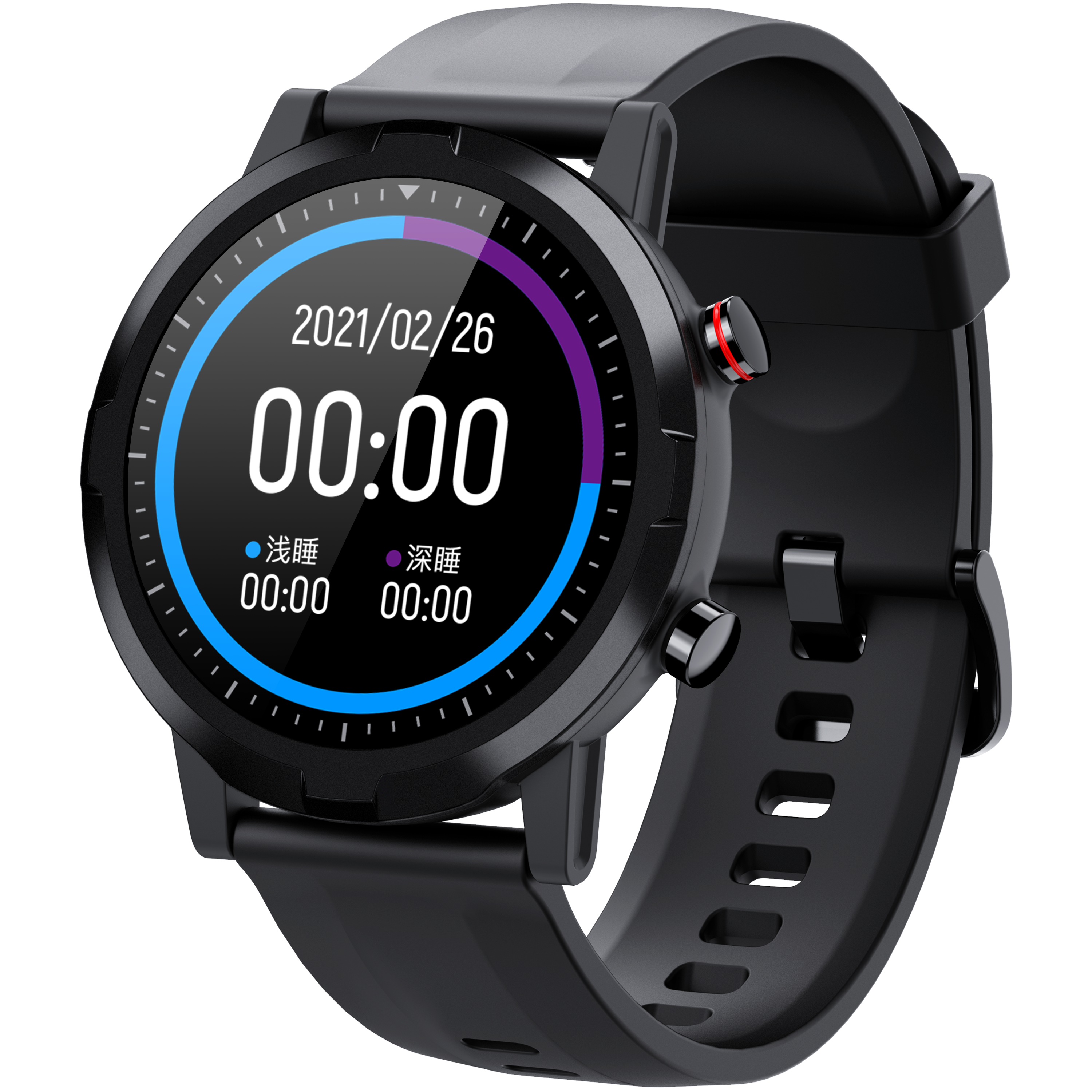
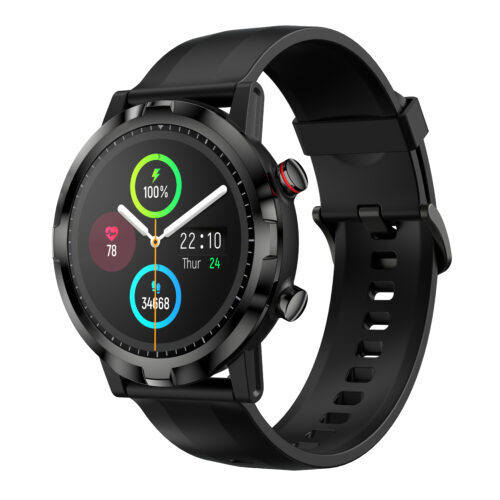
Haylou’s LS05 Solar smartwatch turned out to be quite popular among budget smartwatch enthusiasts across the globe. Now the brand is out with another model, the Haylou LS05S smartwatch, bringing a slightly tweaked design in a familiar form factor for the global audience. Like its predecessor, the Haylou RT (official name) will retail at an affordable price tag of just $39.99 (use coupon: LS05S328 for $5 off).
Haylou RT (LS05S) Design
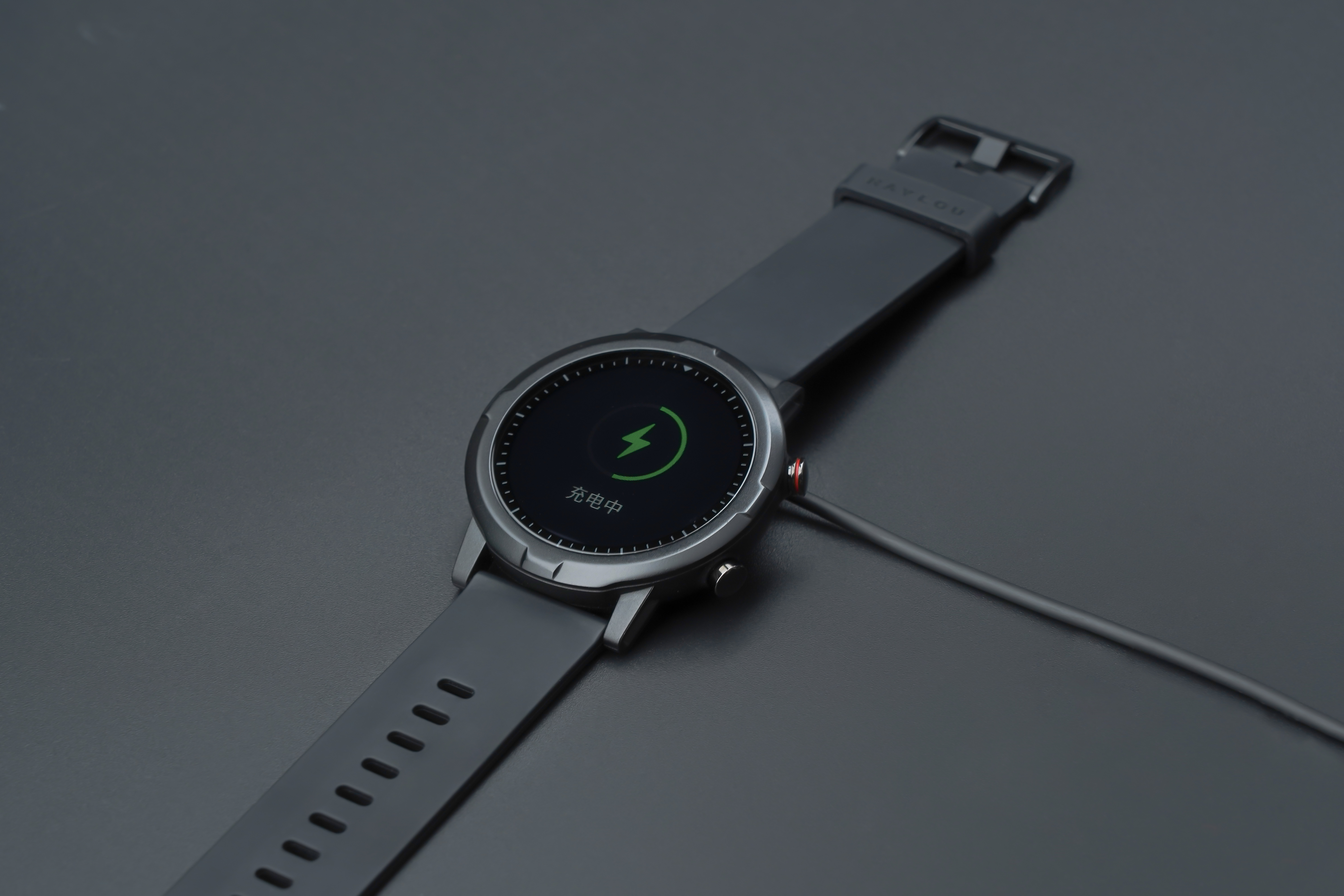
The Haylou RT retains the same round 1.28-inch TFT color screen as the Haylou Solar with 240 x 240 resolution. However, the new model ditches the smooth and curved finish of its predecessor in favor of a rougher and sharper cut metal body. The Haylou RT has a slightly rugged finish, especially with the two massive buttons on its right side. The older Haylou Solar had one simple, non-intrusive button. The watch body is paired with a nano silicone wrist band which is wear-resistant, corrosion-resistant, skin-friendly, and breathable.
Haylou RT LS05S
haylou solar
Like the Solar, the Haylou RT is IP68 certified, making it dustproof and waterproof. While the watch is not certified for a swim, it can easily handle sweaty workouts, showers, and basic splashes when you are out jogging or playing your favorite sports.
Haylou LS05S Features
The Haylou RT comes with support for 12 different professional sports modes. With the aid of high-precision motion sensors and AI algorithm analysis, the watch can keep a track of your health and exercise regime. Like most smartwatches these days, this new Haylou watch supports the ‘Raise Wrist to Turn on Screen’ feature. The watch also comes with a new generation heart rate sensor which the brand claims offers more accurate heart rate and health tracking.
Haylou LS05S Battery Life
According to the official specs, the new RT model comes with a slightly smaller 300mAh battery (as opposed to 340mAh one in the Solar). This also makes it a bit lighter than the previous generation model. However, Haylou claims that the battery life is still comparable to the Solar, thanks to the use of a low power consumption chip.
Haylou claims that the LS05S can last for up to 15 days (with continuous heart rate tracking) on a single charge and up to 20 days on long battery life mode.
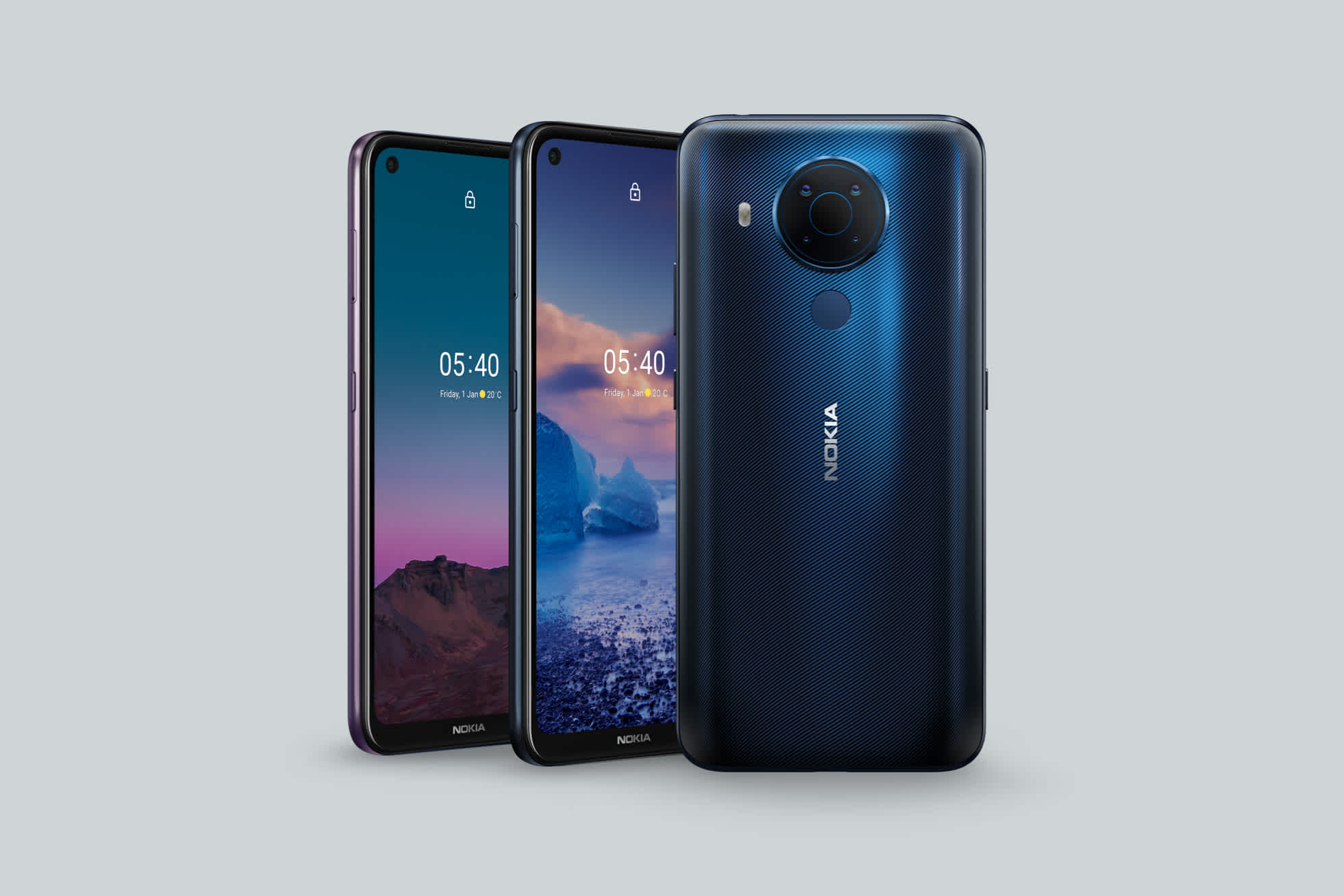
Last month, HMD Global launched the Nokia 5.4 in India. The smartphone was released without any offers. But now, a month after its launch, the company is offering a gift card on purchase.
Nokia 5.4
HMD Global, the company behind Nokia-branded smartphones and features phones is offering a gift card worth ₹1,500 on the purchase of Nokia 5.4 in India. This offer is only applicable on the company’s official website (nokia.com/phones).
This offer is only valid from Match 10-31. Customers buying the Nokia 5.4 smartphone during this period are eligible for the gift card. This gift card will be delivered to the registered email ID within 7 days of the product’s delivery.
The ₹1,500 gift card is only valid for 30 days from the date when it was delivered via email. Customers can use this gift card to buy their desired product on Nokia official website. This offer was first reported by NokiaPowerUser.
That said, the Nokia 5.4 is a budget smartphone from HMD Global. It features a Qualcomm Snapdragon 662 SoC, 6.39-inch HD+ display, 48MP (wide) + 5MP (ultra-wide) + 2MP (macro) + 2MP (depth) quad-camera setup, 16MP selfie camera, dual-SIM, 4G, VoLTE, single-band WiFi, Bluetooth 4.2, Google Assistant key, fingerprint sensor, MicroSD card slot, 3.5mm headphone jack, USB Type-C port, 4,000mAh battery, and Android 10.
The Nokia 5.4 comes in 4GB + 64GB and 6GB + 64G storage configurations in India. They are priced at ₹13,999 and ₹15,499 respectively.
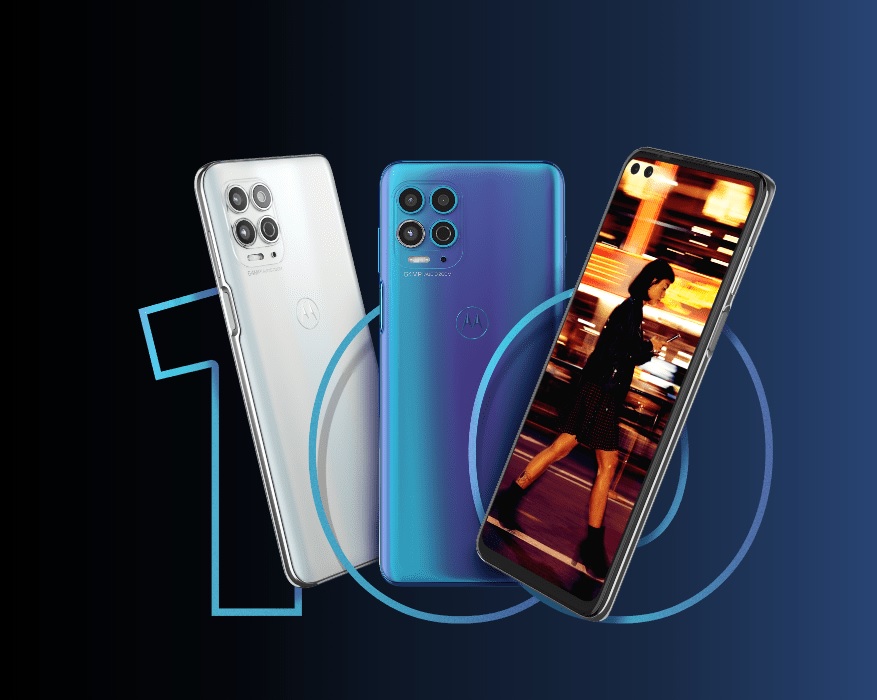
Last year, Motorola promised us a Moto G phone with a Snapdragon 800 series chipset. Today, it has unveiled the Moto G100, a smartphone powered by the Snapdragon 870. The chipset is not the only highlight of the phone, Motorola has also included some software features you won’t find in a lot of phones in this category.
The Moto G100 has a 6.7-inch LCD CinemaVision screen with a 90Hz refresh rate and HDR10. It has two punch holes in the top left corner for its two front-facing cameras. Depending on the market, the phone has 8GB or 12GB of RAM and 128GB or 256GB of storage paired with the Snapdragon 870 processor.
There are four cameras on the back of the phone – a 64MP main camera, a 16MP ultrawide angle camera that pulls double duty as a macro camera. The ultrawide angle camera also has a ring flash so your macro subjects are illuminated. There is a 2MP depth sensor that works with the main camera for portrait images and the last is a TOF camera for laser autofocus. The phone also has audio zoom. In front, you have a 16MP main camera and an 8MP ultrawide angle camera.
The battery capacity is 5000mAh and Motorola boasts more than 40 hours of use. It supports 20W TurboPower fast charging. The Moto G100 has a side-mounted fingerprint scanner, NFC, Wi-Fi 6, an audio jack, and a nano-SIM slot. The phone lacks an official IP rating but has a water-repellent coating.
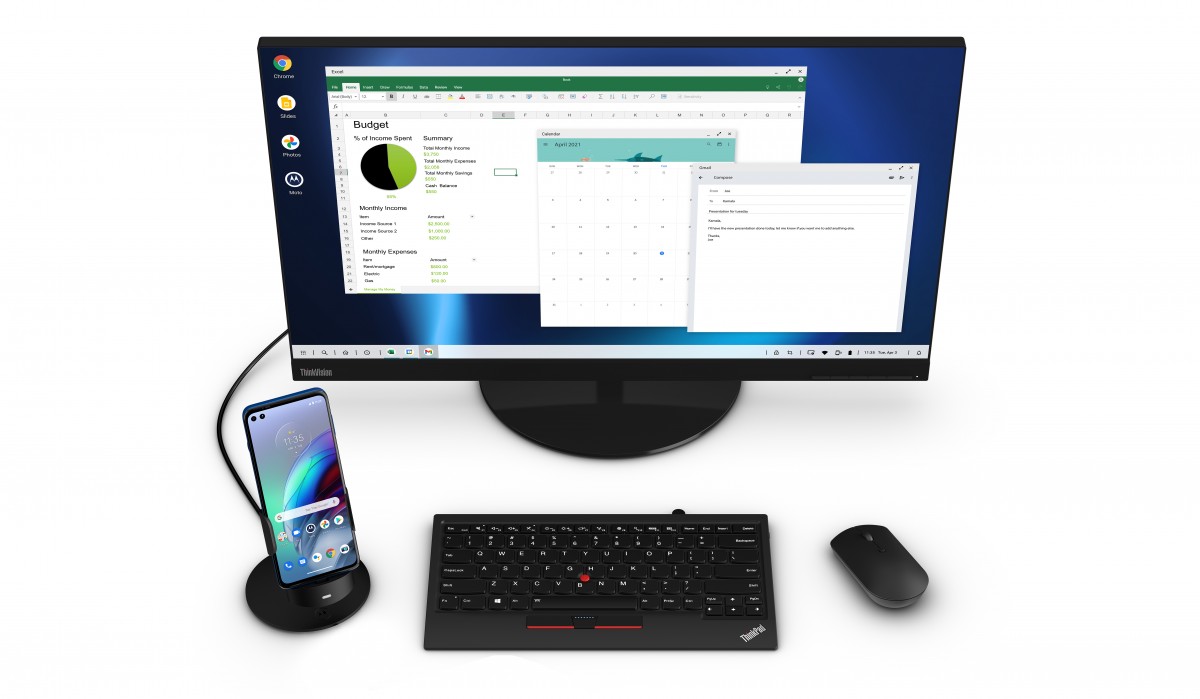
The Moto G100 runs Android 11 and has a handful of useful software features branded under “Ready For”. One of the features allows you to connect the phone to an external monitor and pair a Bluetooth keyboard and mouse, so you can use it as a desktop computer. The increased screen estate allows you to complete your tasks easily.
You can also connect it to an external screen or TV to enjoy your favorite shows and movies. Another feature is specially designed for gaming on a TV or external screen. Motorola says it provides a console experience for the user. In this mode, you can pair a Bluetooth controller with the phone.
Last but not least, it allows you to use the phone’s main rear camera for video calls when connected to an external display or TV. The camera also tracks movement thanks to intelligent software. There is a special dock with a built-in cooling fan that allows you to charge your phone while keeping it connected to the external display.
Price and Availability
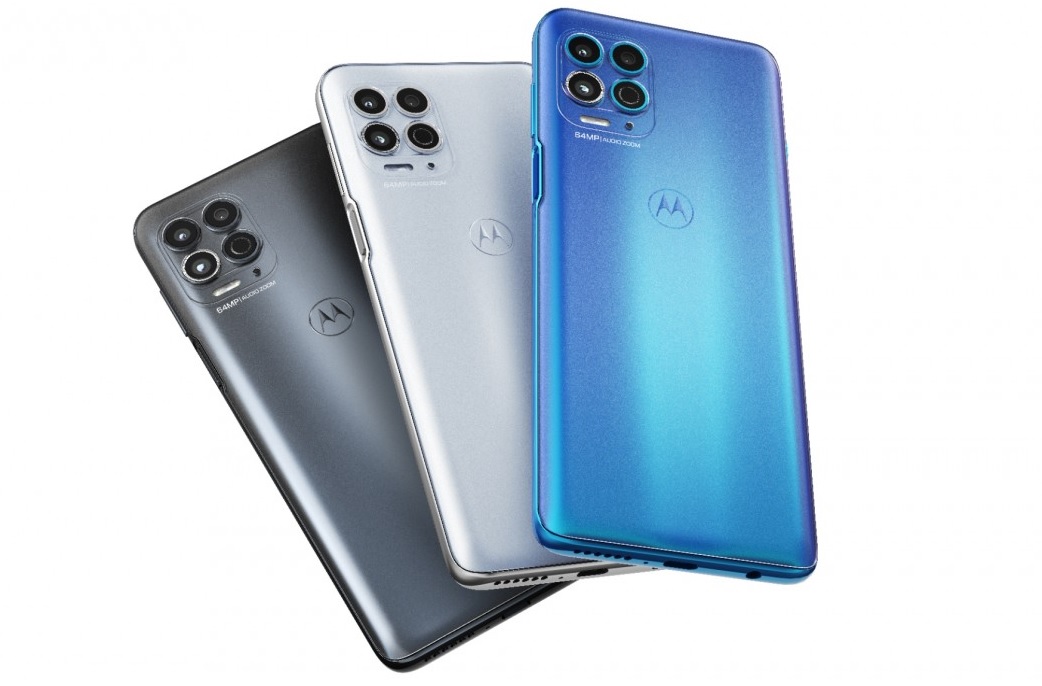
The Moto G100 comes in three colors – Iridescent Sky, Iridescent Ocean, and Slate Grey. Color and configuration vary from market to market. It has also been reported that some regions will include the dock with your purchase while others will include an HDMI cable.
In Mexico, the phone is priced at 12,999 Pesos (~$623) for the 8+128GB version while in Brazil, it comes with 12GB RAM and 256GB storage for R$3,999 (~$709) and includes a free pair of Motorola TWS earbuds. In the UK, it has a price of £449.99 for the 8+128GB version.
Even before the iPhone 12 series launched, we saw a very early report on the iPhone 13 devices. Since then, the devices have been appearing on the reader of leaks frequently. info. One of the major talking points about the devices is the presence of a 120Hz LTPO display with a smaller notch. Today, Macrumors has brought their alleged front glass panel images.
Representative image: iPhone 12
As per the report, the iPhone 13 models will have the same sizes as before- 5.4-inch, 6.1-inch, and 6.7-inch across the models. Speaking of which, Apple is expected to name them as iPhone 13(first two sizes), iPhone 13 Pro, and iPhone 13 Pro Max.
Out of this, the ‘Pro’ variants are said to get a few upgrades. Talking about the smaller notch, the alleged front panel images show that the earpiece/speaker has moved to the top of the device. Early reports said that Apple isn’t in a mood to ditch the notch anytime soon and the images corroborate with that.
credit: Macrumors
Apart from the notch, the iPhone 13 series is said to be similar to the predecessors. However, you can expect upgrades in the internals like the Apple A15 chipset, improved ultrawide camera, Qualcomm X60 5G modem, storage up to 1TB, and support for Wi-Fi 6E.
As mentioned above, the biggest change would be the LTPO display panel with a 120Hz refresh rate support on the ‘Pro’ variants. Also, you might have wondered is there a 5.42-inch version for the iPhone 13 models.
Well, reports say that Apple still plans to launch a smaller version despite lower sales but it might do it under a different name say, iPhone 12S.
We use cookies on our website to give you the most relevant experience by remembering your preferences and repeat visits. By clicking “Accept”, you consent to the use of ALL the cookies.
This website uses cookies to improve your experience while you navigate through the website. Out of these, the cookies that are categorized as necessary are stored on your browser as they are essential for the working of basic functionalities of the website. We also use third-party cookies that help us analyze and understand how you use this website. These cookies will be stored in your browser only with your consent. You also have the option to opt-out of these cookies. But opting out of some of these cookies may affect your browsing experience.
Necessary cookies are absolutely essential for the website to function properly. This category only includes cookies that ensures basic functionalities and security features of the website. These cookies do not store any personal information.
Any cookies that may not be particularly necessary for the website to function and is used specifically to collect user personal data via analytics, ads, other embedded contents are termed as non-necessary cookies. It is mandatory to procure user consent prior to running these cookies on your website.