Advertisement

Apple to warn users if Non Genuine Camera parts are installed in their iPhones

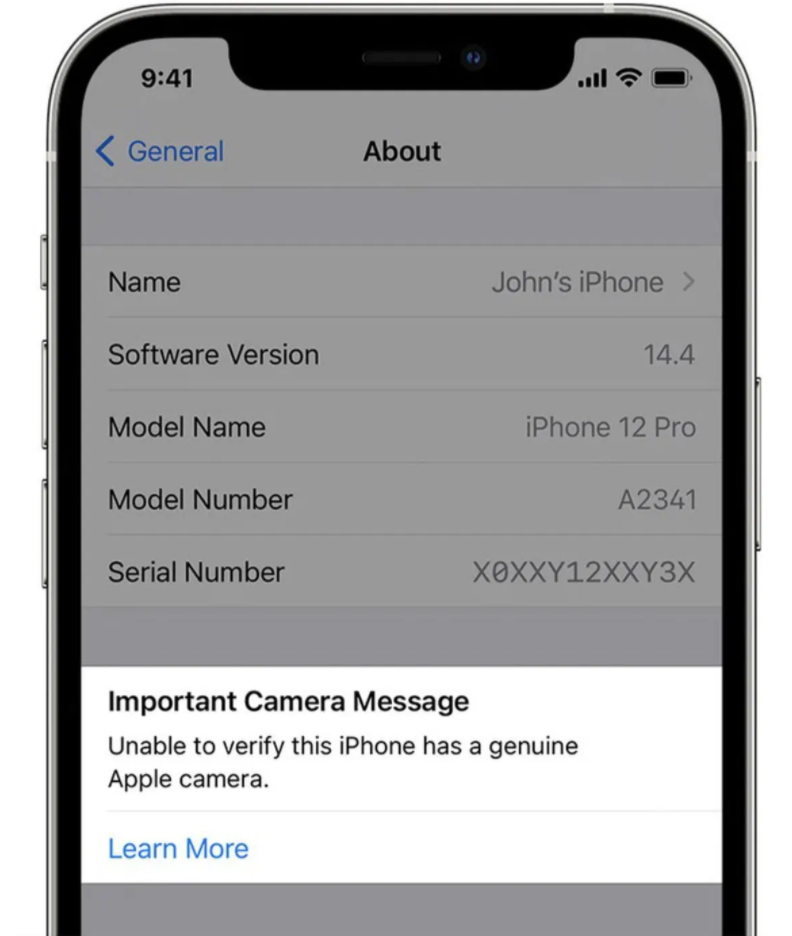
Apple has just rolled out new updates, which also brings an interesting warning function to iPhones. This new feature will warn users if their iPhone has a non genuine camera part installed.
Apple

According to an UberGizmo report, the Cupertino based giant rolled out a new iOS updates version 14.4. While first party repairs usually guarantee genuine parts for repairs, the same cannot be said for third party servicing. So, for those that might opt for such services, they might just be faced with multiple warnings soon after. Apple will now start pushing these warning notifications after the recent updates that allow an iPhone to detect non genuine camera components.

Keep in mind, this warning doesn’t mean that the camera becomes inoperable, it just means that there is a possibility that the user might face certain performance issues. As per an official Apple support document, these non genuine parts used in the iPhone might cause the camera to not be able to focus properly on a scene or subject. In other words, the end result of photography might have blurry or unfocused shots being produced.
Apple

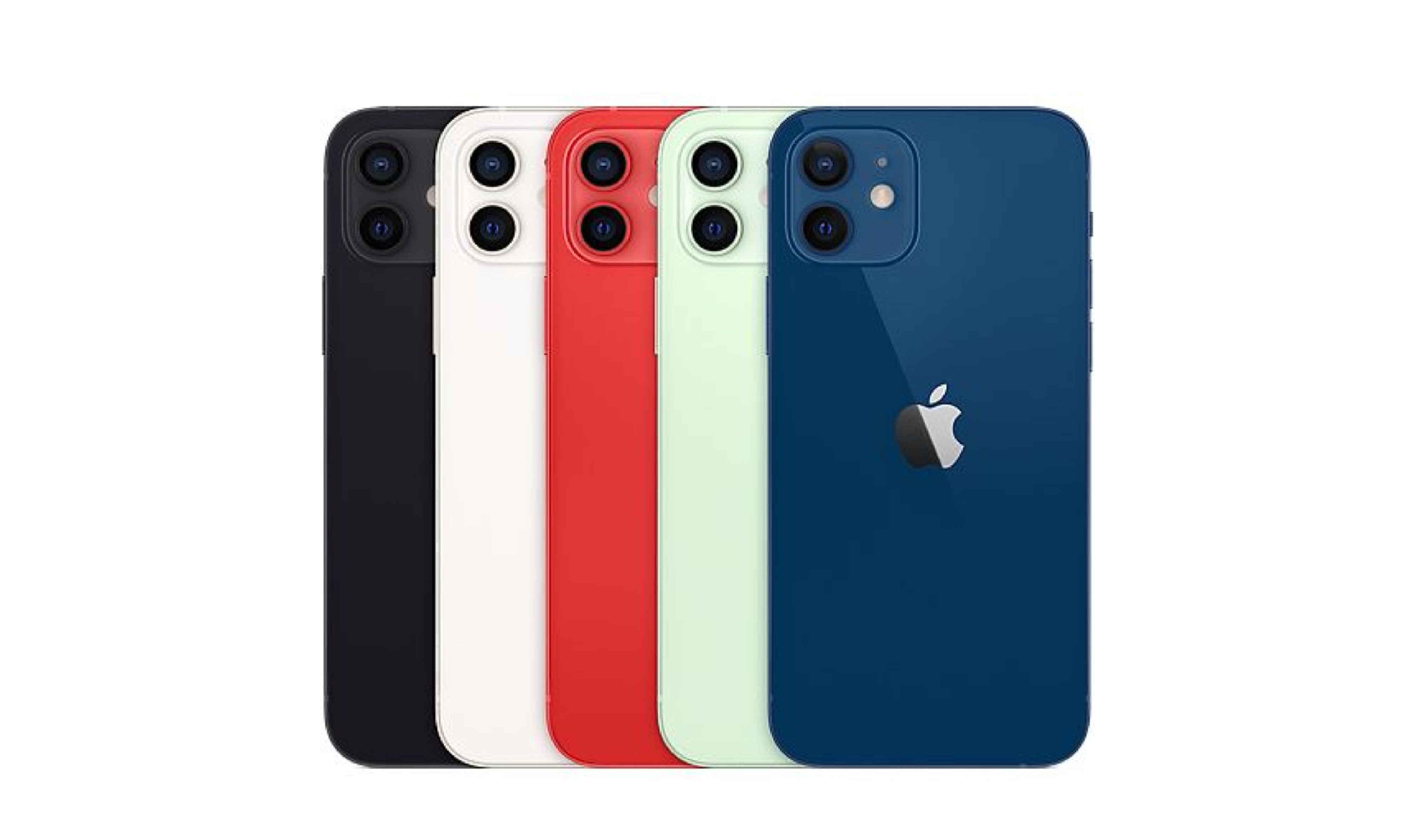
Furthermore, this might also cause issues with the Portrait mode, while third party camera applications could also freeze up or stop functioning altogether. However, not all third party service centers use fake parts and Apple does have Authorized Service Providers as well. But if one does go for a more affordable repair, then they might just face these new warnings.

RELATED:


India Smartphone Market led by Chinese brands shipped over 150 million units in 2020

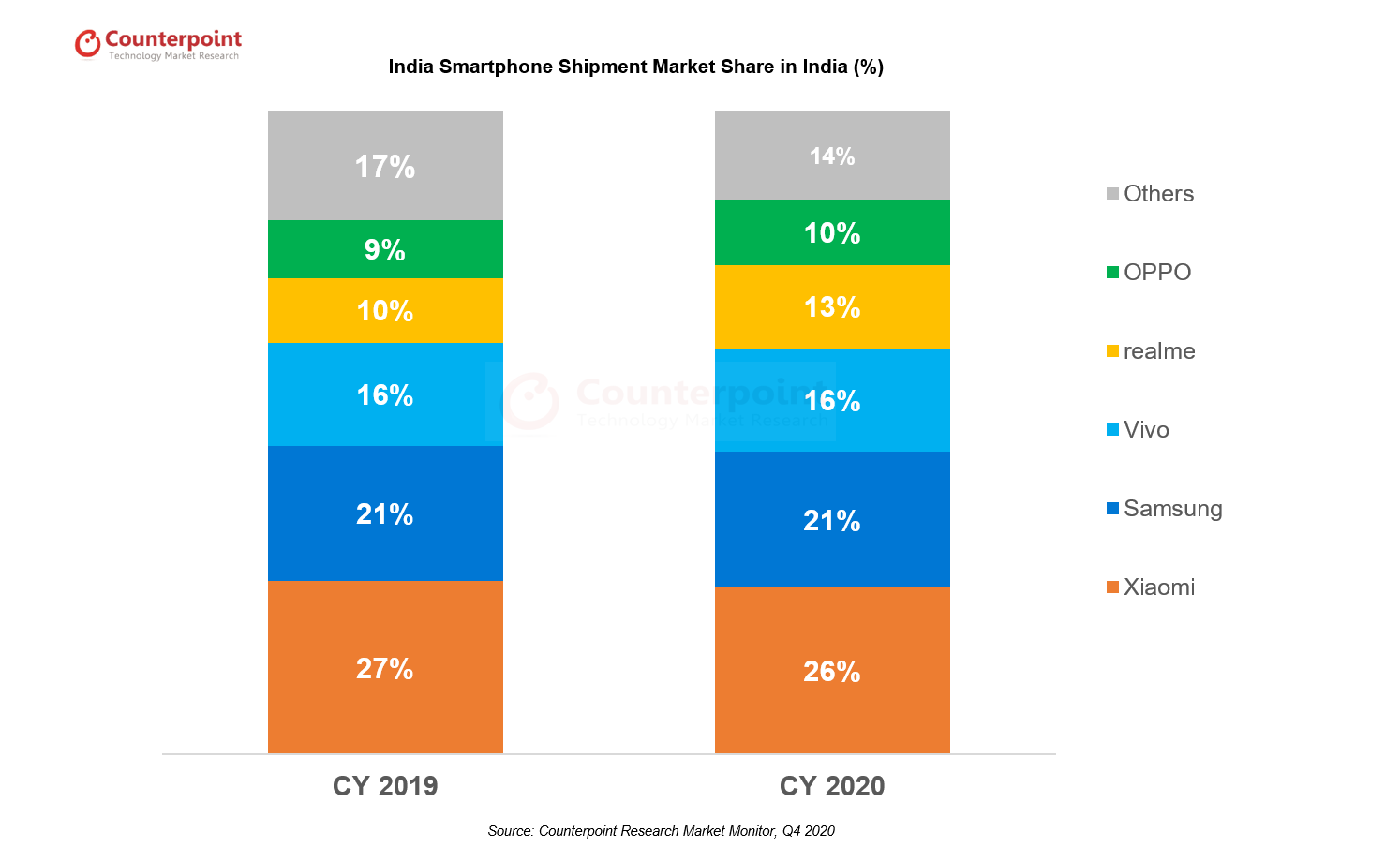
Counterpoint Research has released its report on the Indian smartphone market for Q4 2020. According to it, the market only dropped by a mere 4% throughout 2020 despite the global pandemic. As a result, the total shipments exceeded 150 million units. Whereas, the market grew 19% YoY in the fourth quarter as Diwali was almost a month later in November, compared to 2019. Also, in spite of anti-China sentiments, Chinese companies accounted for a 75% market share in 2020.

India Smartphone Market Share 2020 Counterpoint Research

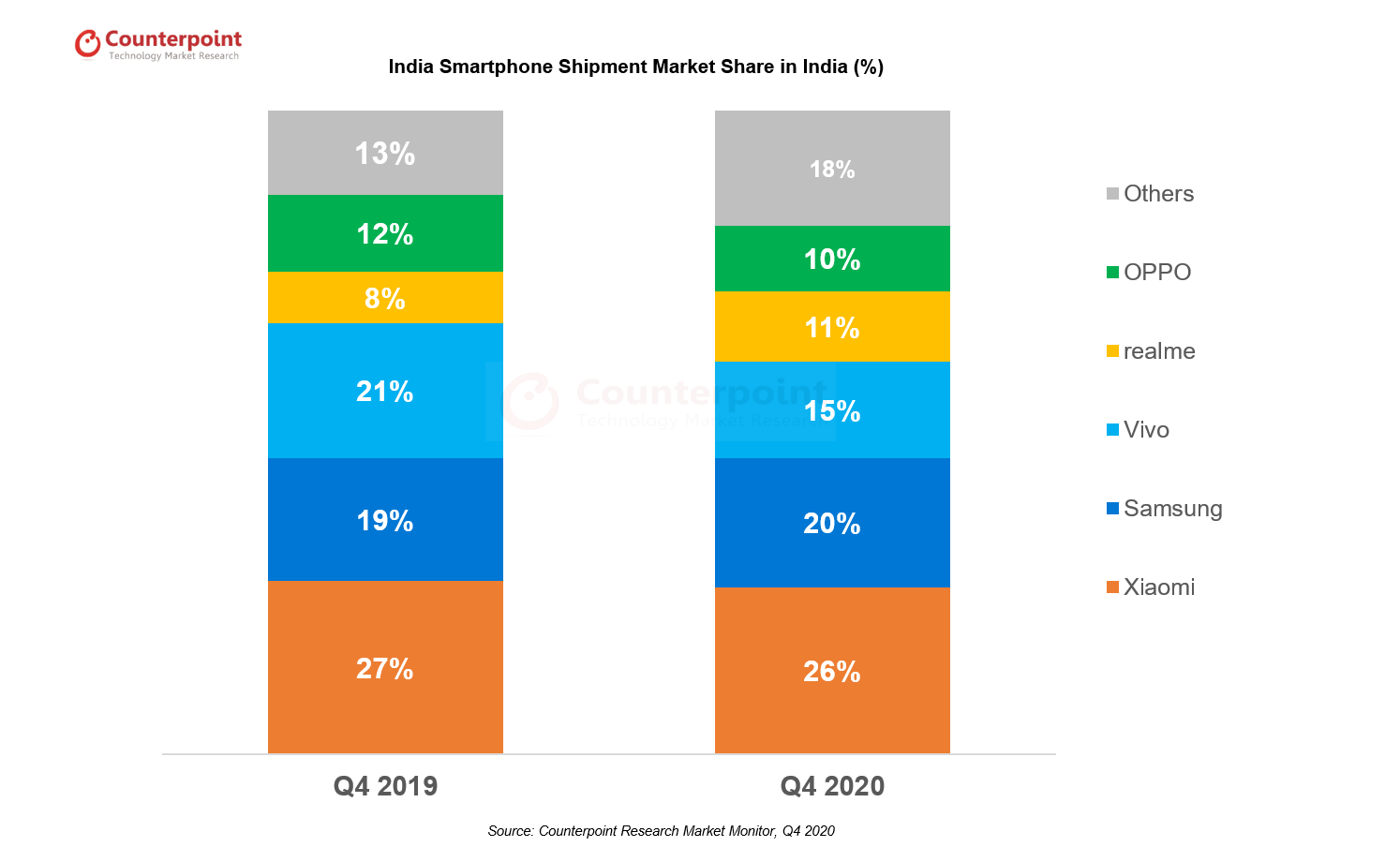
Talking about brands, as per Counterpoint, Samsung was the largest smartphone brand in Q3 2020. But in Q4, Xiaomi managed to recapture the top position with 13% YoY growth. The company’s strong performers were unsurprisingly the Redmi 9 and Redmi Note 9 series.

That’s not all, the POCO brand itself shipped over 5 million units in the last quarter of 2020. Its bestsellers were none other than the POCO C3, POCO M2, and POCO M2 Pro.

Despite coming second in Q4, Samsung’s witnessed a 30% YoY growth. Because it went aggressive on online channels with various Galaxy A and Galaxy M series models at different price segments.


Further, vivo came third and continued to be the top offline brand in 2020. However, its shipments declined by 13%. Then, in the fourth position, realme shipped over 20 million units for the first time in 2020. The brand grew 22% last year and therefore, it was the highest growing brand in 2020.

Lastly, OPPO’s shipments increased 11% YoY in 2020, however, the company’s growth was sort of flat in Q4. The OPPO A12 and OPPO A53 were its best-selling devices.

Talking about other brands, Apple crossed 1.5 million shipments in a single quarter for the first time in India. The American tech giant captured the sixth spot in Q4 with a 171% YoY growth and 93% YoY growth in 2020.

India Smartphone Market Share Q4 2020 Counterpoint Research

As far as OnePlus is concerned, it shipped more than 3 million units for the first time last year, thanks to the OnePlus Nord. Also, it grew a whopping 200% YoY in the fourth quarter.

Finally, Transsion brands (Infinix, itel, TECNO) observed their highest-ever shipments of 9 million units in Q4 2020. TECNO Spark 6 Air, itel Vision 1, and Infinix Smart 4 Plus models were their best-sellers. Also, itel was the largest feature phone brand in 2020 as a whole for the first time, in addition to the last quarter.


RELATED:

AutoX launches its driverless RoboTaxi service in China

Earlier today (28th January 2021), AutoX officially launched its driverless taxi service, RoboTaxi, in China. The service is currently in its pilot program and is available to the public in Shenzhen.

Back in December 2020, AutoX had launched the service in the region for its final phase of testing. Now, the company is now fully open to the general public that can now book a completely autonomous RoboTaxi. The self driving taxis are capable of running on regular public roads in the city and can even take “unprotected left turns at busy intersections, makes side passes on streets, deals with a scooter running traffic lights, and more.”

AutoX

At the moment, people interested in the pilot program can sign up through the AutoX RoboTaxi registration page. Once selected, the pilot users can use the AutoX membership credits as well for the RoboTaxi rides. Those riding in the RoboTaxi are also able to speak to a customer support agent to ask any question that they wish to enquire about. These customer care agents will also be able to check the status of the vehicle in real time to provide any necessary assistance.

For those unaware, AutoX has been conducting various trials and tests regarding its driverless taxi service in China since mid 2020. At the moment, the company advanced operations center that is built in Shanghai and other major cities. These sites are equipped with “ultra reliable Internet connectivity from multiple suppliers, fortified with fiber-optics, and supported by a back-up power system.”

AutoX

Through this system, the company guarantees seemless passenger support and communications. Currently, AutoX is operating over 100 RoboTaxis in the cities of Shanghai, Shenzhen, and Wuhan. This has enabled it to accumulate vast miles of road data in the Asian cities, especially ones with a high population density that suffer from challenging urban traffic conditions as well.

RELATED:


Apple AirPods dominated the TWS Bluetooth earphones market in 2020

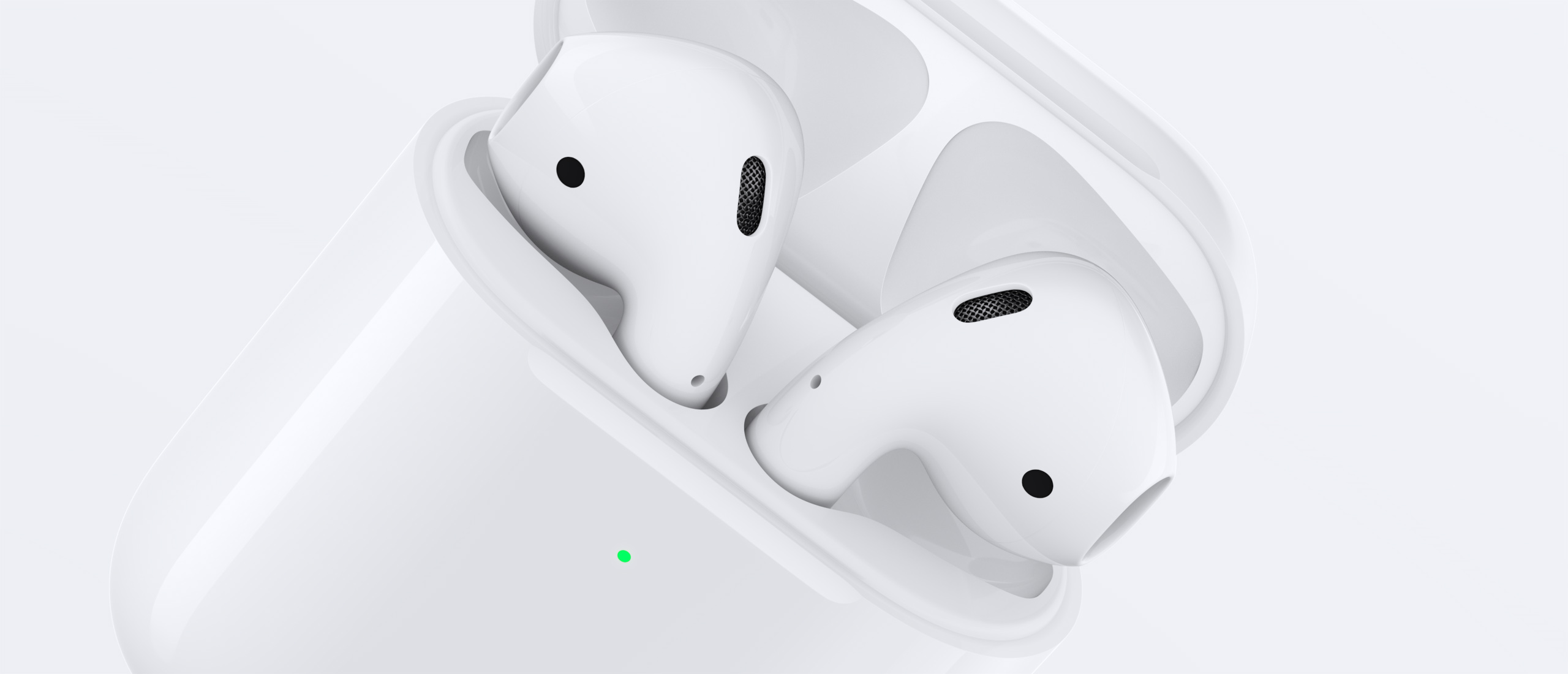
The Apple AirPods have dominated the truly wireless Bluetooth headset market last year. As per a new report, the company’s hearables were one the most popular tech accessory in 2020.

Apple Airpods 2019
Apple Airpods 2019

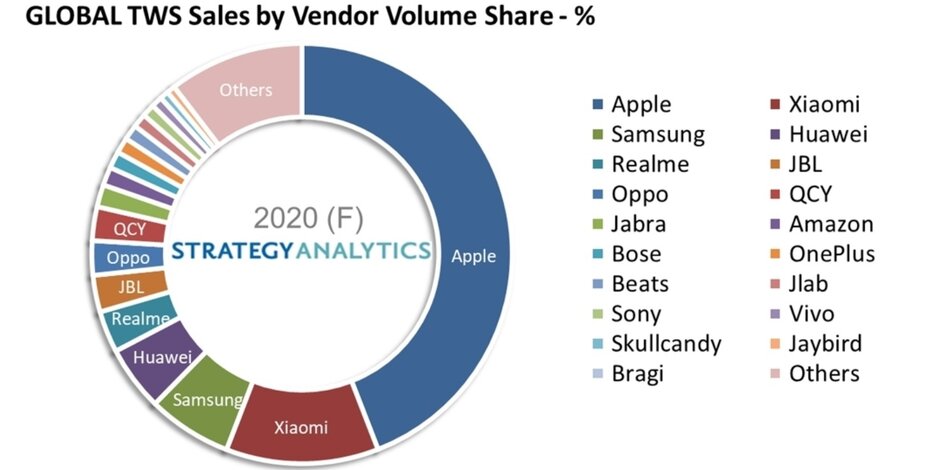
According to a StrategyAnalytics report (Via PhoneArena), the Cupertino based giant’s TWS earbuds saw sales might have further room to grow in the category. Ville-Petteri Ukonaho, Strategy Analytics’ Associate Director added that only one in ten people own a Bluetooth headset. however, as major OEMs are moving away from wired earphones, with Apple and Samsung no longer offering them in the packaging box, the wireless headset market has “huge potential” at the moment.

In other words, we might see another boom for Bluetooth TWS earbuds soon. Ken Hyers, Director at Strategy Analytics stated that “TWS headsets drove global sales volumes in the Bluetooth headset segment. While the pandemic slowed demand briefly during the first half of the year, sales rebounded strongly during the second half. The Work From Home shift benefited the entire Bluetooth headset category in terms of sales volume growth.”

Apple

However, while Apple has seen a great performance so far in the category, its market share is expected to lower due to intense competition from rival brands like Samsung, Huawei, and Xiaomi. Hyers further added that “Apple maintained a commanding lead in the TWS segment in 2020, but its commanding share is shrinking as competition intensifies. Strong competition is expected from Xiaomi, Samsung, and Huawei in 2021. The TWS headset market is already hugely overcrowded and despite a strong sales outlook, there will inevitably be consolidation in the years ahead.”

RELATED:


Infinix Smart 5 likely to launch by mid-February

In August, Infinix announced the Infinix Smart 5 smartphone in Nigeria. Fresh information shared by My Smart Price reveals that the company will be launching the Smart 5 handset in India by mid-February.

If the new information is true, the Chinese firm may soon start teasing the arrival of the Infinix Smart 5 phone through its official channels. There is no word on the pricing of the smartphone for the Indian market. In Nigeria, it was priced at NGN 39,500 (~Rs 7,600; ~$104).

The Smart 4 handset debuted in India in November 2020 with a price tag of Rs 6,999 (~$96). Hence, it is likely that the successor model may arrive with similar pricing.

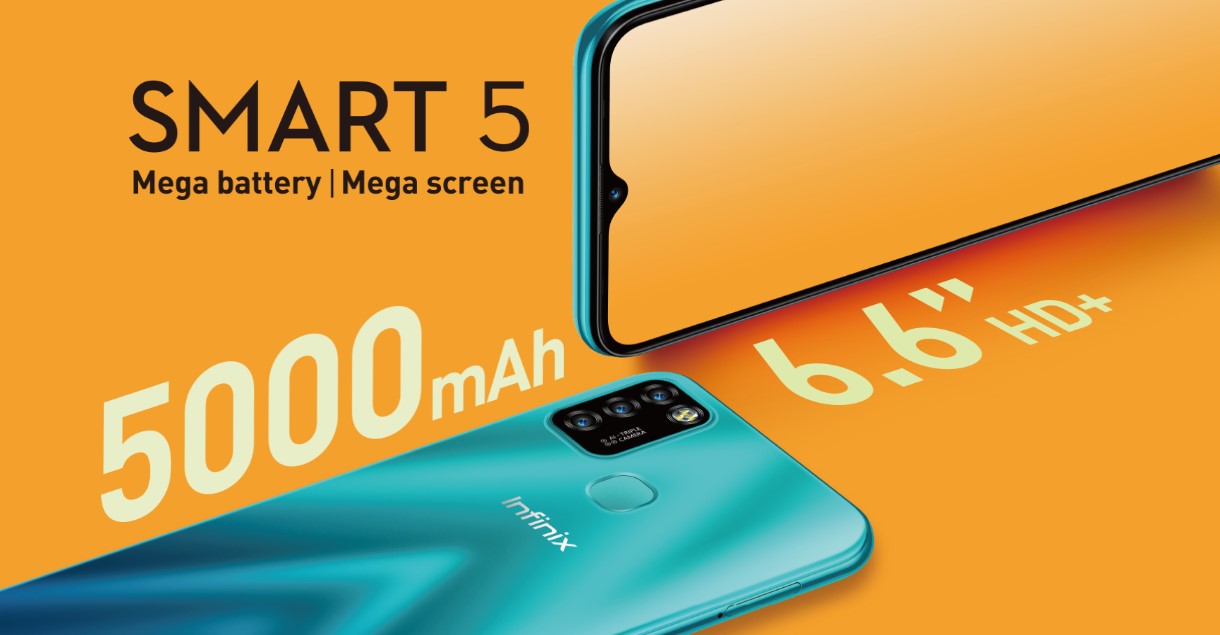
Infinix Smart 5

Infinix Smart 5 specifications

The Infinix Smart 5 features a 6.6-inch IPS LCD screen with a waterdrop notch. It supports a 20:9 aspect ratio and an HD+ resolution of 720 x 1600 pixels. The modest Helio P22 chipset is present under the hood of the smartphone.

The handset was made available in India in 2 GB and 3 GB RAM variants and storage choices like 32 GB and 64 GB. The device has a microSD card slot for more storage. It runs on Android 10 OS Go Edition. It has a rear-positioned fingerprint scanner.

The Smart 5 has a 5,000mAh battery with 10W charging support. It has a front camera of 8-megapixel and a triple camera setup on its back. The latter includes a 13-megapixel primary camera and a pair of QVGA sensors.

RELATED:

Xiaomi might soon launch a smartphone with 200W fast charging: Report

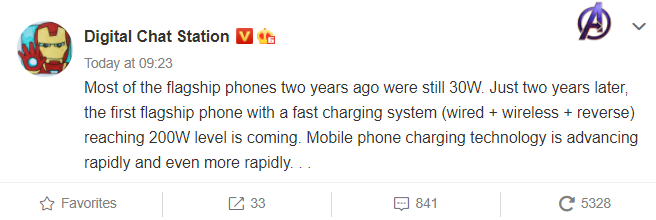
Just recently, the iQOO 7 was launched and featured 120W fast charging capabilities, which is quite notable considering flagship handsets only supported 30W fast charging till about two or three years ago. Now, a new report suggests that Xiaomi might soon be launching a 200W fast charging flagship smartphone.

Xiaomi

According to a Weibo post, a Chinese microblogging website, from known tipster @数码闲聊站, a 200W flagship device will be launching soon. While the leakster didn’t mention which brand will launch the new device, it is in line with a report we had covered previously. As stated above, just a couple of years prior devices only offered fast charging rate of around 30W and now we have devices that offer even faster wireless charging rates.

Notably, the Weibo post added that the 200W fast charging capabilities included wired, wireless, and even reverse charging altogether. The Chinese tech giant’s Mi 10 Extreme Commemorative Edition offered up to 120W wired charging along with 55W wireless charging and up to 10W reverse charging rates. This adds up to around 185W in total. So, we can expect the company to soon launch a device with a 200W+ charging rates soon.

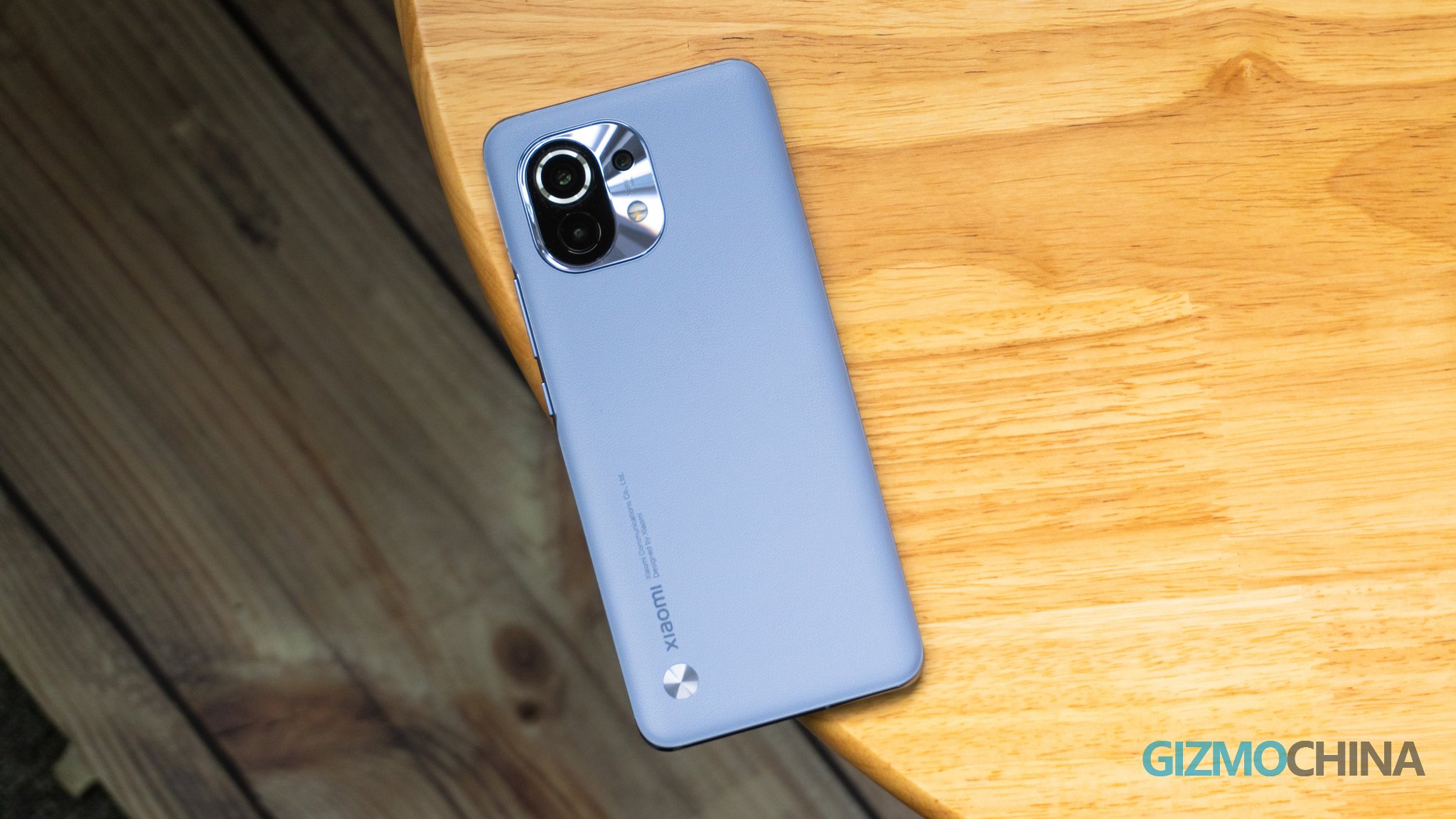
Xiaomi Mi 11 featured review 15

Our previous reports had covered information of Xiaomi seeking to launch a smartphone with 200W+ charging rates. Unfortunately, this is all the information we have to go on at the moment. Thus, we do not know for sure when this device will actually launch or be announced, but it might be a part of the newly launched Mi 11 series considering it is reportedly a flagship grade handset. So stay tuned as we will be providing more updates when additional information is available.

RELATED:


MediaTek to invest around $3 billion in Research & Development this year

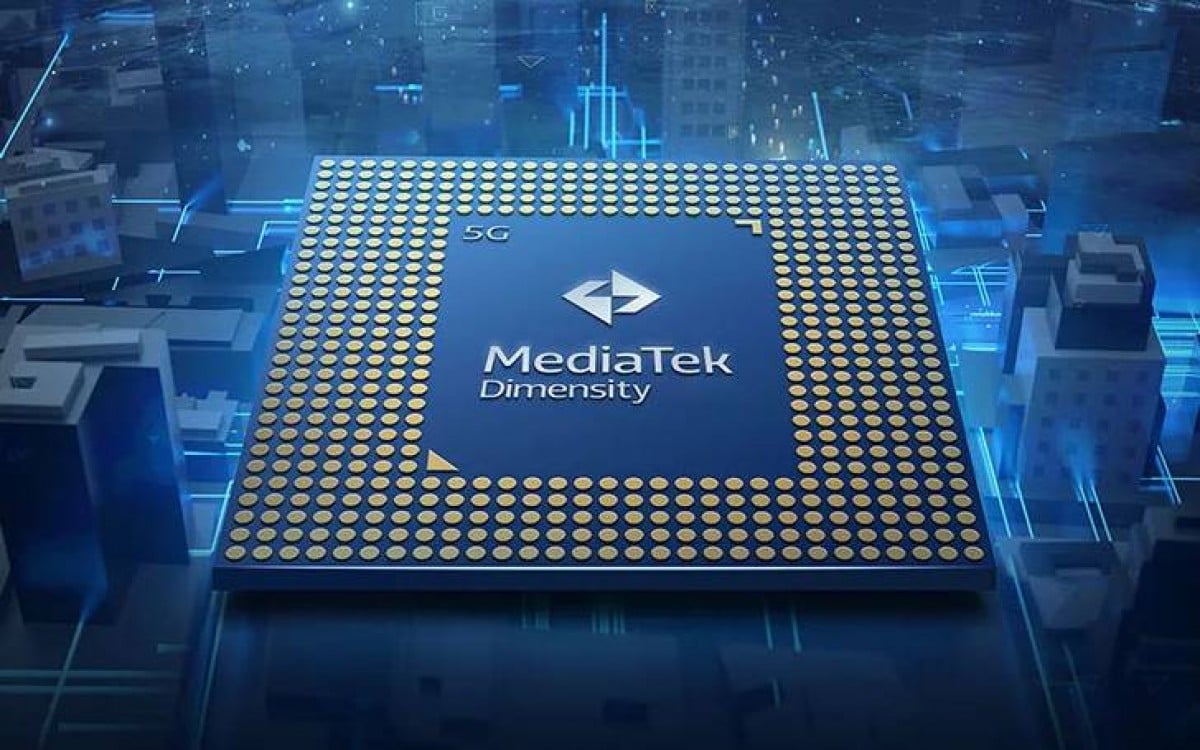
During a recent briefing, Taiwan-based chipset maker MediaTek’s chairman Cai Lixing announced that the company is planning to invest around $3 billion in Research & Development in various fields.

The amount of spend on Research & Development (R&D) allotted for the year 2021 sets a new record for the company. Last year, i.e. in 2020, the company spent about $2.7 billion in research and development related activities.

MediaTek

This new announcement from the company comes on the hills of record revenue figures. MediaTek’s revenue for the previous year exceeded the $10 billion mark as the company reported $10.9 billion. It also noted that the company achieved double-digit growth for each of its product lines.

Further, Cai Lixing also predicts that the 5G smartphone shipments will exceed 500 million units this year, which comes out to be around 2.5 times more than the numbers in 2020. He also adds that among those, around 60 percent will be from the Mainland China region.

Last year, the company’s 5G market share was 40 percent and it is trying everything it can to continue its growth. At a time when the smartphone market witnessed a decline, MediaTek managed to increase its market share.

It became the leading chipset company in China with a 31.7 percent market share. It was followed by Huawei HiSilicon, accounting for a 27.2 percent market while Qualcomm managed to cover a 25.4 percent market share.

While MediaTek’s market share nearly doubled, Huawei HiSilicon and Qualcomm both saw a decline in their market share. The reason behind MediaTek’s growth is said to be the increased demand for budget smartphones.

RELATED: 

Apple becomes the world’s leading smartphone brand, Huawei rapidly loses ground

Apple has become the world’s leading smartphone brand after it achieved record shipments of its iPhones. The company saw a notable jump in shipments in the fourth and final quarter of last year, while Huawei sees a major decline.

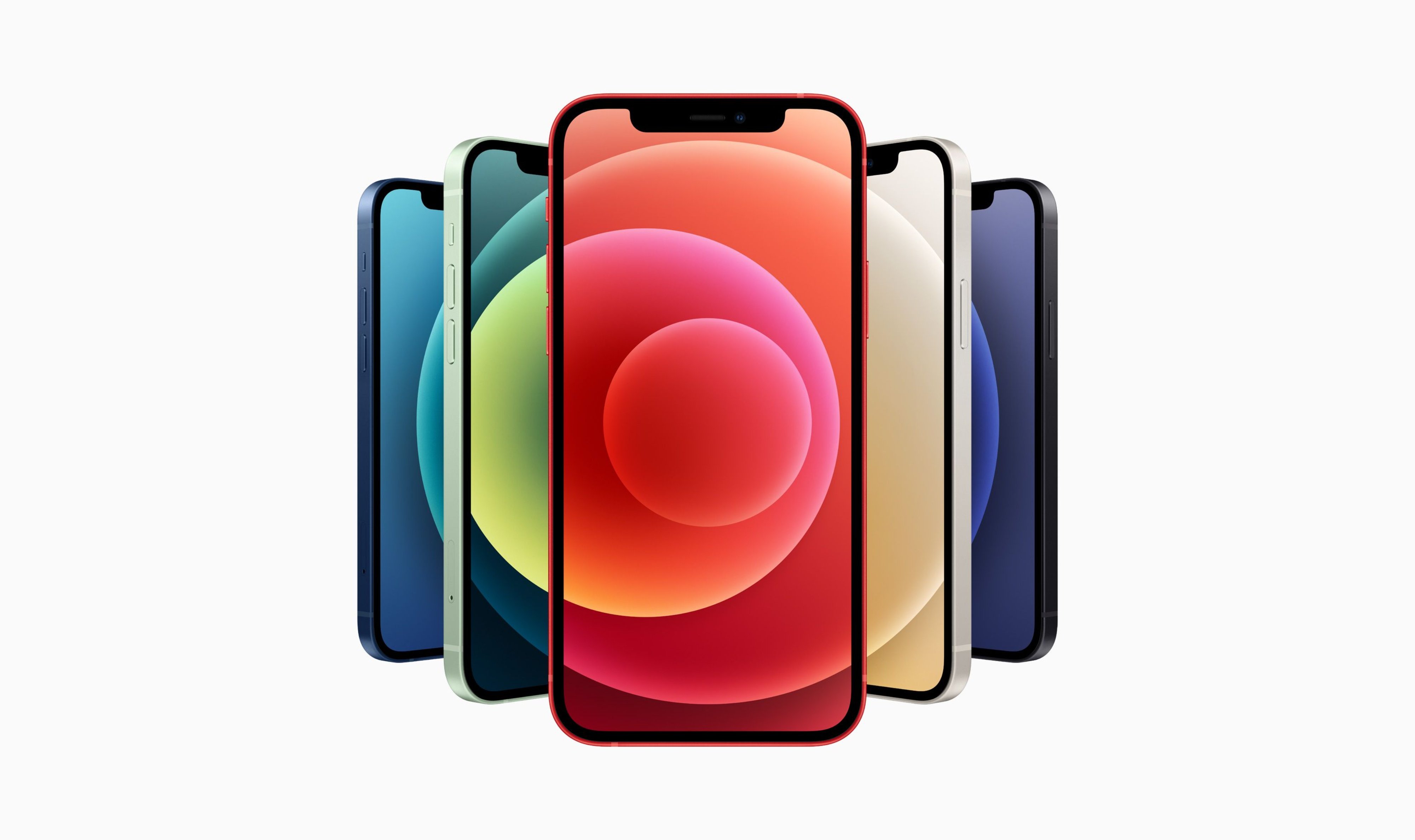
Apple iPhone 12 All Colors Featured

According to a Counterpoint Research report, the Cupertino based giant witnessed a sizeable jump of 22 percent in terms of shipments during this quarter. The company’s great sales are most likely carried by its newly launched iPhone 12 series, which is its first 5G enabled lineup. Furthermore, the boost in sales was also helped by pent up market demand, especially for people looking to upgrade from their older Apple iPhone models.

During Q4 2020, Apple iPhone shipments crossed 90 million units, which is a record compared to any other quarter. This also gave the company a global market share of 23.4 percent. Canalys analyst Nicole Peng added that “In China, Apple seized the perfect opportunity to capture Huawei’s market share in the high end, when the latter has essentially not enough supply even though demand for the brand is still there.” As per Apple CEO Tim Cook in an interview with Reuters, “We had two of the top three selling smartphones in urban China.”

The fourth quarter is usually the strongest for the company owing to its launch of new iPhones during the second half of a year. Apple overtook Samsung, despite the South Korean brand also seeing a 6.2 percent rise year on year, reaching 73.9 million units and achieving a market share of 19.1 percent. Meanwhile, Huawei saw a drastic impact on its shipments due to US sanctions, which had its shipments plummet by a record 42.4 percent to 32.3 million units.

RELATED:


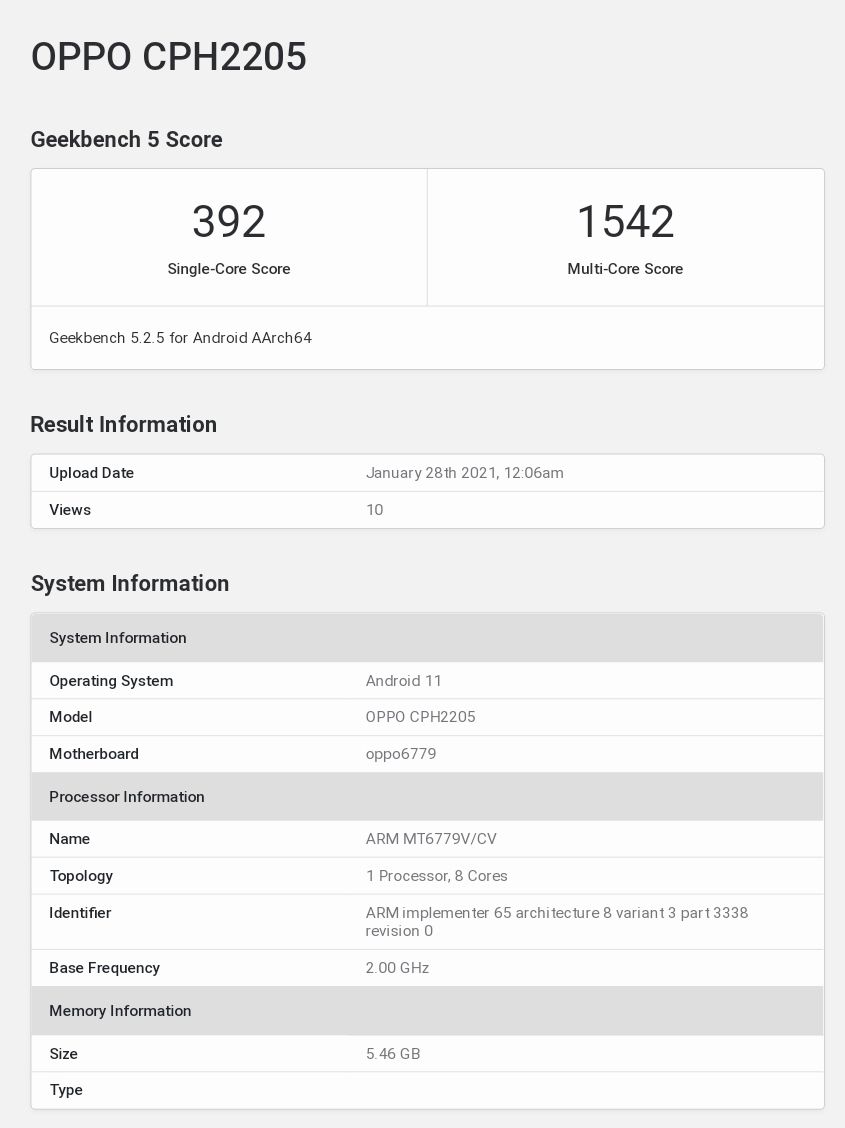
OPPO CPH2205 with Helio P95 spotted at Geekbench

Earlier this month, an OPPO phone with model number CPH2205 was spotted at the Federal Communications Commission (FCC) certification platform. The FCC listing revealed the rear design of the phone along with some specifications. Today, the CPH2205 phone appeared on Geekbench (via. Abhishek Yadav) to reveal its processor and RAM capacity.

The OPPO CPH2205’s Geekbench 5 listing shows that it is powered by the MediaTek MT6779/CV chipset which is believed to be the Helio P95 SoC. The listing further reveals that it has 6 GB of RAM and it is preinstalled with Android 11 OS.

OPPO CPH2205 Geekbench

The FCC appearance had revealed that it is a 4G LTE phone backed by a 4,310mAh battery. It is unclear whether it carries support for fast-charging. The handset was found to be equipped with connectivity features like dual-band Wi-Fi and Bluetooth.

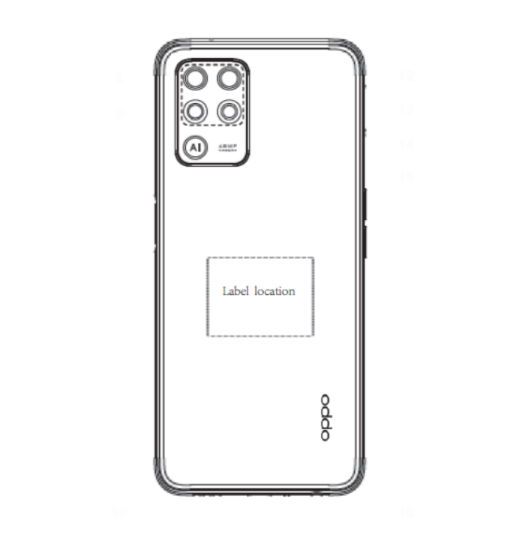
The screen of the OPPO CPH2205 measures 159mm diagonally, which suggests that it has a 6.2-inch display. The phone has 160.1 x 73.32mm dimensions. The rear panel of the phone has a rectangle-shaped camera housing that includes a 48-megapixel quad-camera system and an LED flash. It seems to be equipped with an LCD panel as it features a side-mounted fingerprint reader. The device will come preloaded with the latest ColorOS 11.1 UI.

OPPO CPH2205 FCC
A schematic of the OPPO CPH2205 spotted at FCC

Unfortunately, the identity of the CPH2205 is under wraps. Another OPPO phone with model number CPH2203 was approved by Singapore’s IMDA authority recently. The listing revealed the device will be hitting the market with the OPPO A94 moniker. There is a possibility that the CPH2203 could be a country variant of the CPH2205. However, there is no confirmation on it yet. Hence, it is advisable to wait for further reports to know the final product name of the CPH2205.

Realme RMX3121 images and key specs leaked through TENAA; Could be rumored Dimensity 700 phone

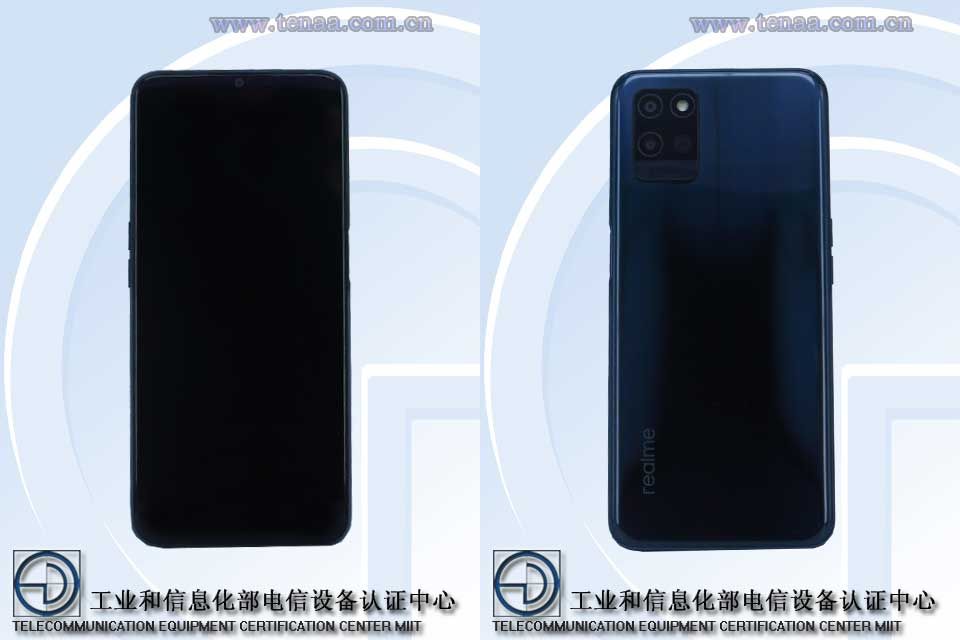
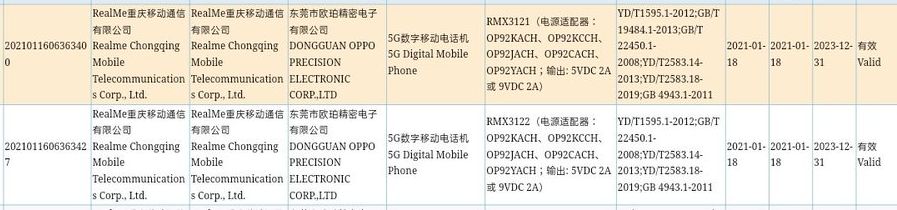
Last week, two unknown Realme phones with RMX3121 and RMX3122 model numbers were spotted at the 3C certification platform. Today, the RMX3121 appeared in the database of the TENAA certification platform with some of its key specifications and images.

Realme RMX3121

The listing reveals that the Realme RMX3121 is a 5G-ready phone that measures 163.9 x 75.7 x 8.4mm and it has a 6.52-inch display. The front image of the phone that has appeared in the TENAA listing has revealed that it is equipped with a waterdrop notch screen.

The RMX3121 handset will come preinstalled with Android 11 OS. It is backed by a 4,980mAh rated battery (5,000mAh typical value). The 3C certification of the phone had revealed that it could be arriving with an 18W fast charger. The RMX3122 phone could be a network variant of the RMX3121 smartphone.

Realme RMX3121

The Realme RMX3121 is fitted with a side-mounted fingerprint reader. The rear shell of the device has a square-shaped camera module that includes three cameras and an LED flash unit. Unfortunately, the final product name of the device is yet to be revealed.

A Chinese tipster had recently revealed that Realme is gearing up to launch a Dimensity 700 chipset powered smartphone. The leak had revealed that the phone has an LCD panel with a teardrop notch, a square-shaped camera housing, and a 5,000mAh battery. It is speculated that the device could be a Q-series phone and it may carry a very affordable tag. It is likely that the tipster may have been talking about the Realme RMX3121 smartphone.

Currently, the Realme Q2i priced at 999 Yuan (~$154) is selling as the cheapest 5G-ready Realme phone in China. It is likely that the upcoming D700 SoC powered may arrive with a cheaper price tag.

RELATED:

Samsung to start supplying foldable display panels to other companies

Many smartphone companies were working on foldable smartphones for the past few years but only a couple of them managed to launch their devices commercially, which includes Samsung and Huawei.

With Huawei practically out of the premium smartphone space for the time being because of the trade restrictions, Samsung is at an advantage. Now, the company is planning to offer its foldable display panels to other companies.

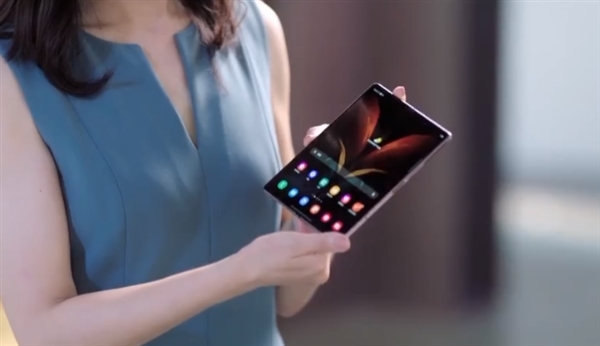
Samsung Galaxy Z Fold 2

Reports indicate that the South Korean giant is planning to provide one million foldable display panels which include both designs — horizontal fold and vertical fold. While the number may not seem much, it is a good place to start with.

The report further adds that multiple China-based smartphone makers have been in talks with Samsung Display to source foldable screen panels. With Samsung reportedly agreeing to it, we could see several new foldable smartphones in the second half of this year, likely from brands like OPPO and Xiaomi.

Samsung already has a few foldable smartphones in the market and is now reportedly working on a third-generation model. By supplying its panels to others, it will be able to put more players in this space, hoping to push adaptation of foldable phones.

Apart from the companies like Xiaomi and OPPO, Apple is also expected to launch a foldable iPhone in the coming years. While several details of the foldable iPhone have leaked online, we are yet to see anything official from the company.

RELATED: 

Baidu gets permission to test self-drivings cars in California

Chinese technology giant Baidu, which is better known for its search engine, has a diversified portfolio of products and services. The company is now moving a step closer with its smart car in the United States.

Baidu has received permission to test its fully autonomous vehicles without a safety driver in California. With this, the company has become the sixth one to receive permission to test driverless cars.

Baidu Apollo Autonomous Car

The Chinese company had first received permission to test autonomous vehicles, with safety drivers, in 2016. With this new permission, the company can now test three driverless vehicles in Sunnyvale, located in the San Francisco Bay Area.

It now plans to start testing its autonomous vehicles — Lincoln MKZ and Chrysler Pacifica, day and night within Sunnyvale. However, the company has not yet revealed a timeframe about when it will actually start testing.

In China, Baidu has been testing autonomous vehicles without a safety driver in Beijing and Changsha since last year. Last year, AutoX, another Chinese company, was given permission to start testing driverless cars in California.

Baidu has been focusing a lot on its automotive business. Recently, the company partnered with Zhejiang Geely Holding Group, which is China’s largest private automotive group, to make electric cars in China.

RELATED: 

Samsung Galaxy XCover 5 receives FCC certification, likely to launch soon

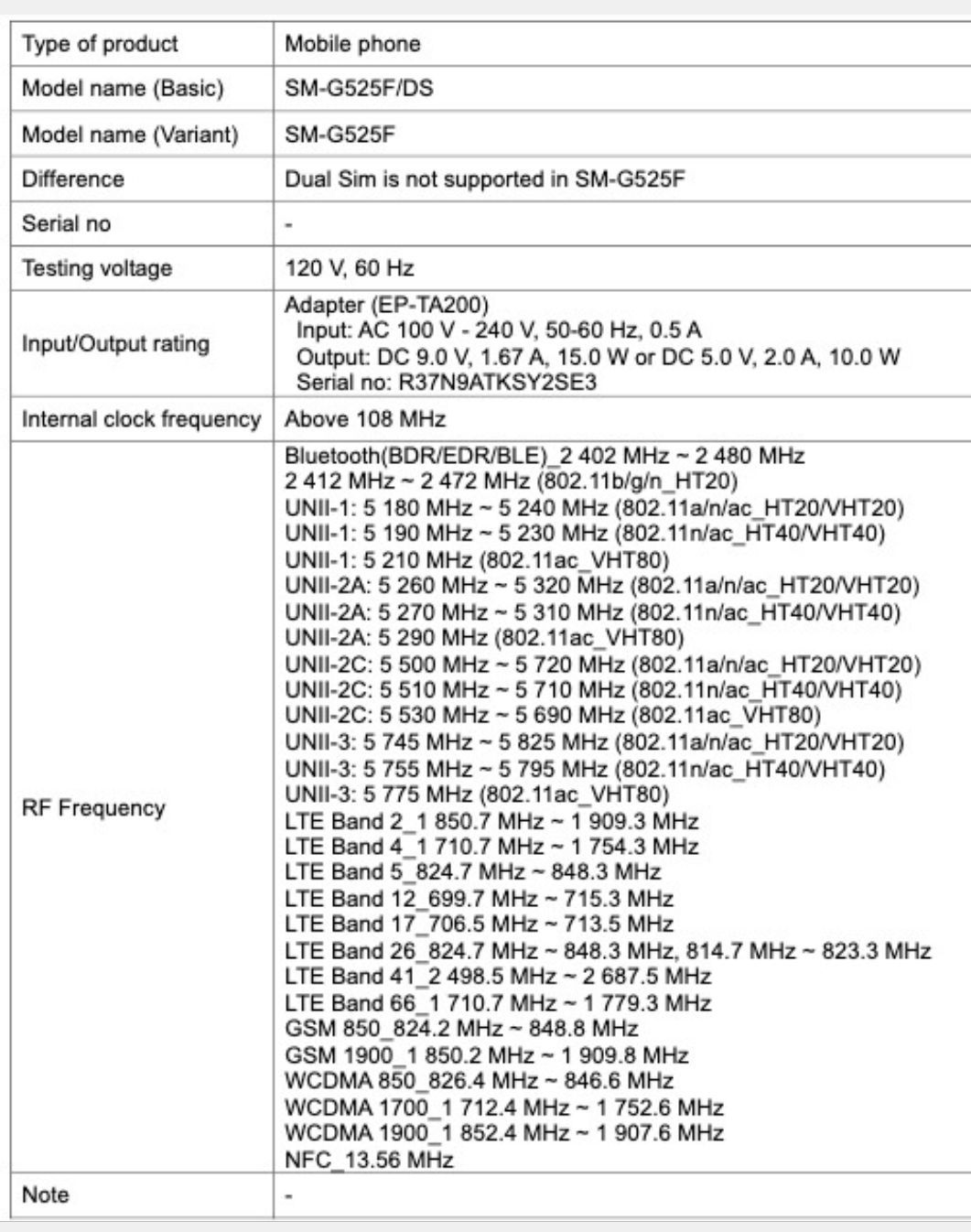
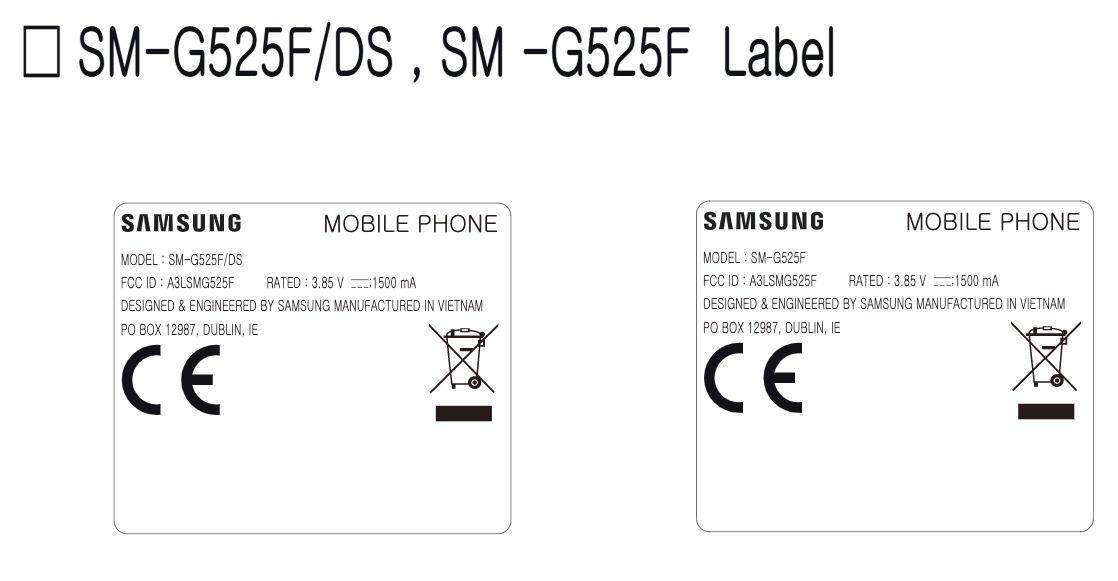
Recently, the upcoming Samsung Galaxy XCover 5 rugged smartphone with SM-G525F model number was spotted at the Geekbench benchmarking platform with some of its key specs. Now the handset has received approval from the Federal Communications Commission (FCC) in the U.S. With FCC (via. MySmartPrice) certification in tow, it appears that it will not take much time for the Galaxy XCover 5 to go official.

The FCC listing has revealed that the Samsung Galaxy XCover 5 will carry support for 15W charging. Unfortunately, the listing has no information on the other specs of the device.

The Geekbench listing of the phone had revealed that it would be powered by the Exynos 850 chipset. The upcoming Galaxy M12 is also speculated to arrive with the same chipset. The Geekbench appearance had further revealed that the device has 4 GB of RAM and it is loaded with Android 11 OS.

The Galaxy XCover 5 had appeared in the news for the first time back in November 2020. At that time, it was reported that its model number is SM-G501B. It was also speculated that the device carries support for 5G connectivity. However, it is now believed that the SM-G501B model number does not belong to the forthcoming XCover rugged phone. Since the new phone has Exynos 850 onboard, it will not support 5G connectivity.

Samsung Galaxy Xcover Pro

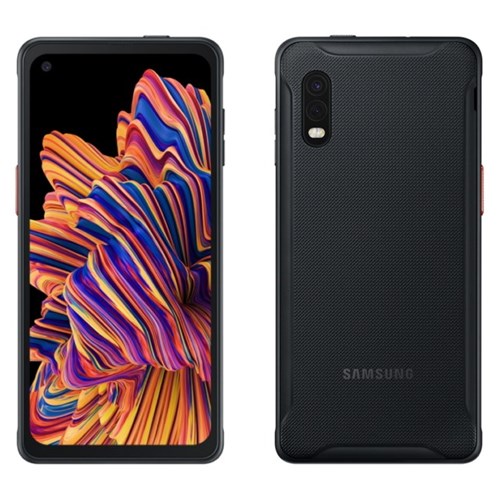
The Galaxy XCover 5 is expected to replace the XCover Pro handset that went official in January 2020. The ruggedized phone came with a 6.3-inch IPS LCD FHD+ screen, Exynos 9611 chipset, 25-megapixel + 8-megapixel dual-camera system, a 13-megapixel selfie camera, a side-mounted fingerprint scanner, and a 4,050mAh battery with 15W charging support. It was made available with a price tag of 499 euros in Europe.

RELATED:

Apple Watch saves the life of a British cyclist caught in a flooded river

US tech giant Apple has over the years proven to be a leader in terms of innovative products. The Watch series is one of the Silicon Valley company’s innovative products. Over the years, there have been several reports by persons whose lives were saved by the watch. The Apple Watch continues to save lives. The latest instance is that a cyclist who was rescued after calling for help with Apple Watch in a flooding river in the UK.

According to the report, the unknown cyclist was carried by the water current one mile downstream on the swift Wye River. He managed to grab a branch by the water and called for help.

“While holding onto a tree branch tightly, he talked to our fire control personnel through his Apple Watch,” said rescue commander Sean Bailey. “It worked very well for us and actually helped us find him as soon as possible.”

Bailey said that the cyclist “was caught up in the turbulent river very quickly, but we were very surprised by his ability to save himself,” he continued.

The Wye River flows through Rosewas in Hereford, close to the border between England and Wales. In January, the local area issued a flood warning for this river.

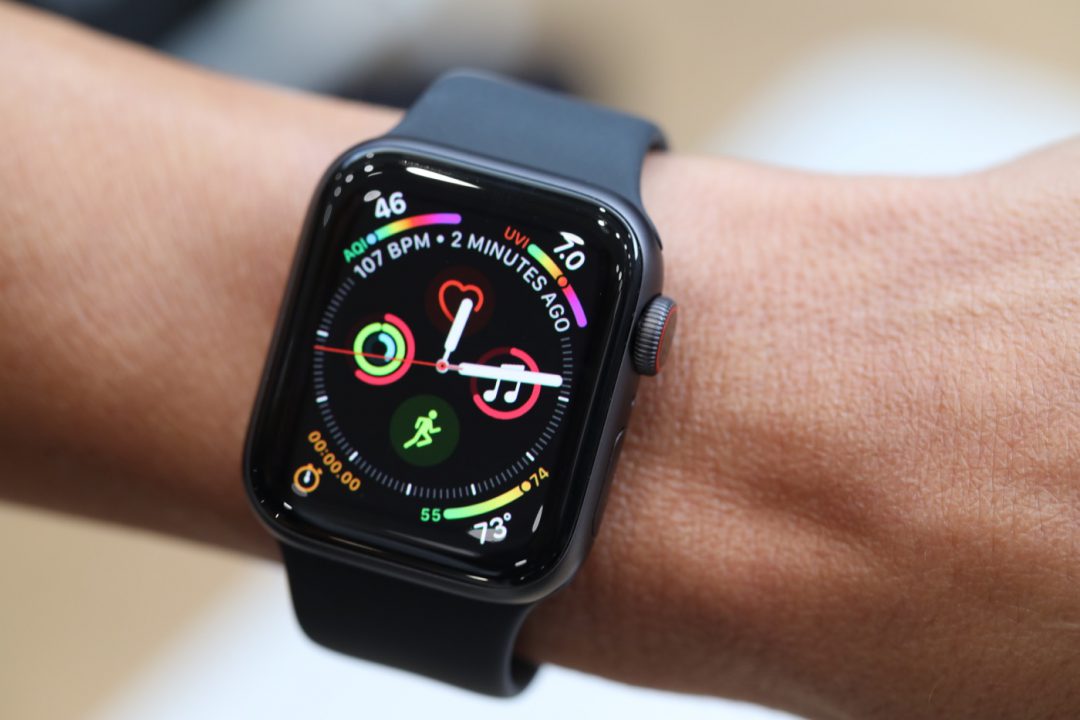
Apple Watch can make calls via LTE or via a paired iPhone. It also has an emergency SOS function, which can contact the local government and send text messages to the emergency contact person designated by the user.

(via)


360 X100 Max Robot Vacuum Cleaner launched for 2699 yuan ($416)

Chinese tech company 360 may be out of the smartphone market but the company’s smart home business is still growing stronger by the day. The company has added a new product to its growing list with the launch of the 360 X100 Max Robot Vacuum Cleaner.360 X100 Max Robot Vacuum Cleaner

The 360 X100 Max Robot Vacuum Cleaner is the brand’s flagship robot for 2021 and is presently on pre-sale on Jinggdong. It carries an initial price of 3299 yuan (~$508) but with a deposit of 11 yuan, buyers will get to pay 2699 yuan (~$416), which is 611 yuan off.

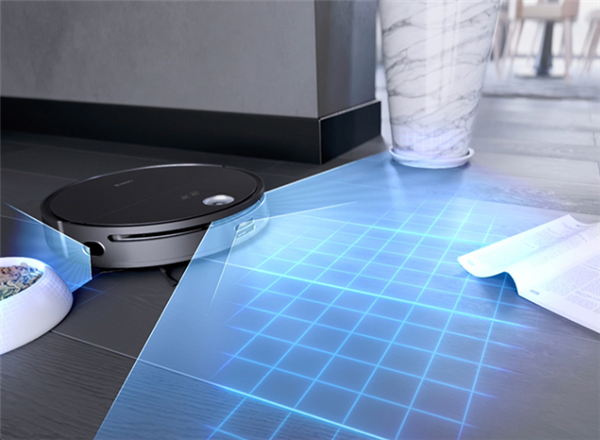
The robot vacuum has as its selling points features such as trinocular hidden radar, ultra-thin fuselage avoidance, 3300Pa suction, identification carpet, and a 520ml electronically controlled water tank.

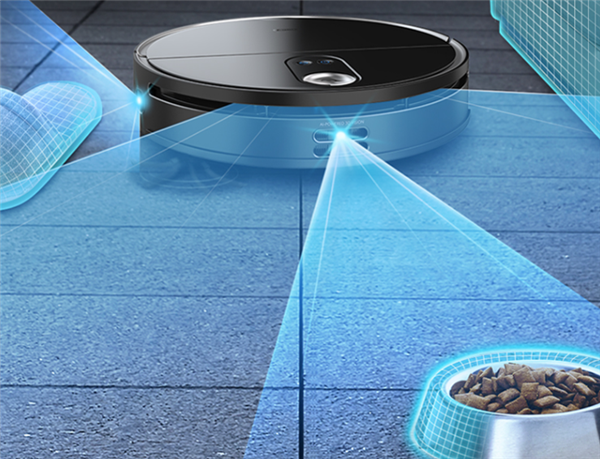
The X100 MAX is 360’s first trinocular lidar matrix robot vacuum and it is equipped with one LDS liDAR and two OLS LiDAR sensors which can make the sweeper effectively perceive the home environment in three dimensions.

With dToF scanning technology and 360 Indoor Unmanned Driving Brain 5.0, it can achieve more accurate mapping, more comprehensive whole-house planning, and realize early detection and active avoidance of obstacles and easy card areas, making it smarter.

Forward obstacle avoidance  LiDAR can quickly and accurately identify hundreds of obstacles such as power strips, slippers, pet feces, body fat scales, etc., and send them back to the processor for real-time calculations, so as to perform active obstacle avoidance recognition and avoid entanglement and mistakes.

At the same time, it uses the same dToF scanning technology of Apple and NASA’s Mars Rover to run at a nanosecond speed to accurately construct a house map, restore the whole picture of the home, and ensure complete cleaning, covering all rooms.360 X100 Max Robot Vacuum Cleaner

The 360 ​​sweeping robot X100 MAX machine top version uses Nidec’s new brushless motor, about 27000 rpm, can provide a maximum of 3300Pa surging suction, nowhere to hide the hair dust, deep clean the floor of the home.

In terms of mopping, it comes with a 520ml electronically controlled large water tank, which can tow a large apartment of 300 square meters at a time. It supports the fine towing mode, and the whole house is towed twice.


Microsoft says its Xbox Game Pass subscribers have reached 18 million; other businesses record growth too

Microsoft has recorded a significant increase in the number of subscribers for its Xbox Game Pass service. The tech giant revealed in its second-quarter financial results that its subscribers now number 18 million – an increase of 3 million from the previous quarter.

Xbox Game Pass

The service which starts at $9.99 competes with other services such as NVIDIA’S GeForce Now and Google’s Stadia. Game Pass has over 100 games that users can download and play on their console for the period their subscription is active. They can also decide to buy the games (at a discount price) if they want and continue to play even if their subscription has expired. Games not bought are no longer playable once the subscription expires.

Microsoft has acquired a number of game studios in a bid to increase its game library. The biggest of them is Zenimax Media, which is the parent company of Bethesda Softworks, the game publisher behind The Elder Scrolls, Doom, and Fallout.

Xbox Game Pass is not the only area where Microsoft has recorded growth. The company said it recorded quarterly revenue of $43.1 billion and a net income of $15.5 billion, an increase of 17 percent and 33 percent respectively.

The new Xbox consoles – the Xbox Series S and Xbox Series X – which launched last quarter and even way into the quarter are said to be the most successful in the company’s history. CEO Satya Nadella is quoted to have said that they sold the most devices ever in a launch month.

According to The Verge, Microsoft’s CFO, Amy Hood, said they expect demand to be significant for the new quarter, however, supply will still be limited. Both consoles are currently listed as out of stock on Microsoft’s own site and at partner stores.

Microsoft’s Surface business has also recorded an increase in revenue of 3% and is now worth $2 billion, a first for it. It is expected to grow as the demand for laptops and PCs increases. Office 365 consumer subscribers have also increased by 28% to 47.5 million and Microsoft’s cloud business, Azure, recorded revenue growth of 50%.


RELATED:


Huawei Mate 40E rumoured to ditch a 50MP IMX700 sensor for a 64MP OV64A one

Huawei officially released its latest flagship the Mate 40 series in October last year, including the Mate 40, Mate 40 Pro, Mate 40 Pro+, and Mate 40 RS. According to previous news, the Huawei Mate 40 series also includes a low-profile model which is said to go by the name Mate 40E.Huawei mate 40E

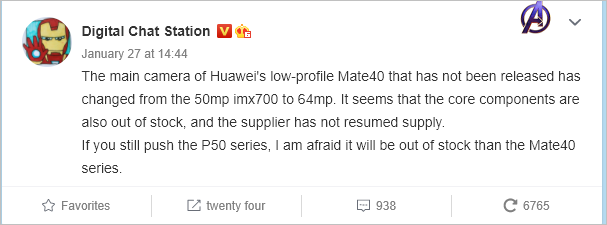
Noted tipster Digital Chat Station has now revealed that the Mate 40E was originally scheduled to launch with a 50-megapixel Sony IMX 700 sensor onboard as the main camera but presently, due to the shortage of components, it will be replaced with a 64-megapixel sensor.

The 64-megapixel sensor is an Omnivision OV64A sensor with a 1/1.34-inch outsole, a single pixel size of 1um, support for four-in-one pixels up to 2um. The sensor also supports three exposures, four-in-one HDR, on-chip combination, and the tone mapping function can provide stable and high-quality image output.

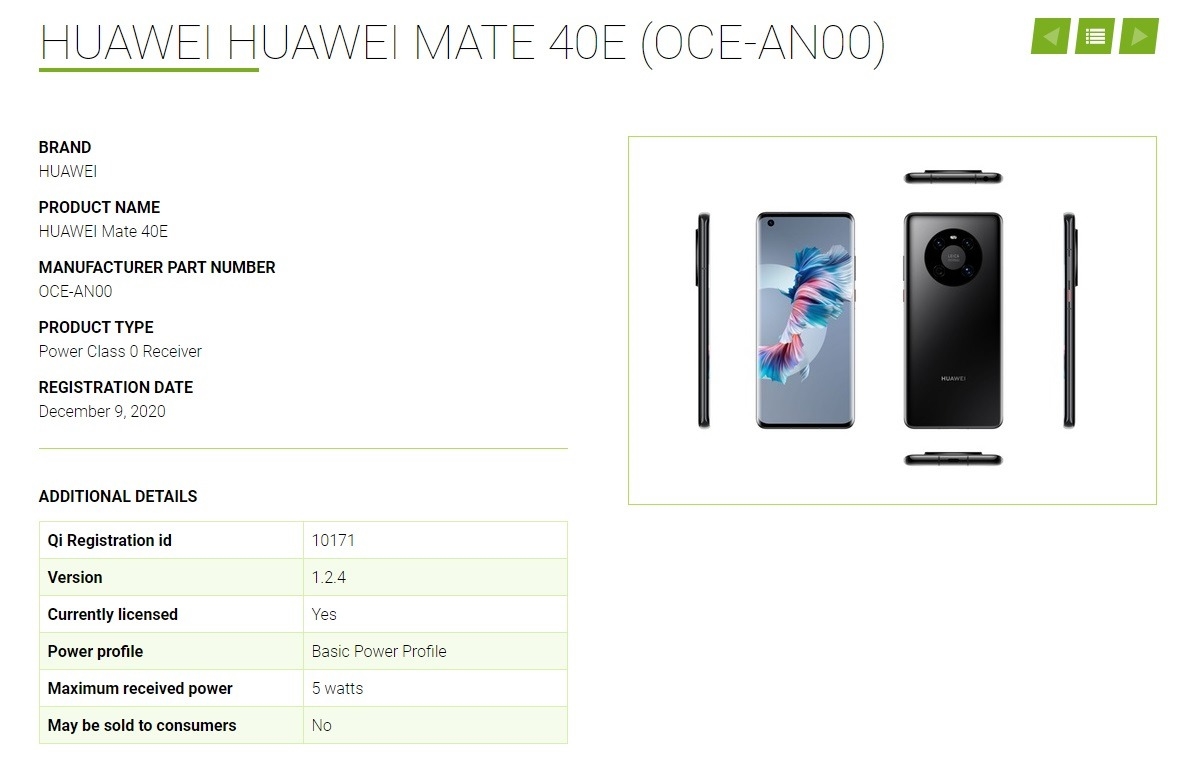
Huawei Mate 40E has been certified as early as last month. The information shows that the machine will use a 6.5-inch OLED screen with a resolution of 2376 x 1080 pixels and a chip with a main frequency of 2.86GHz said to be the Kirin 990 5G chip.Huawei Mate 40E

The Kirin 990 5G is the flagship 5G chip that Huawei previously launched on the Mate 30 series. It uses the world’s leading 7nm+ EUV process at the time. It has a native integrated 5G baseband with a smaller area and lower power consumption. The flagship SoC of Vinci-based NPU has strong overall performance.

In terms of appearance, the mate 40E maintains the same design as the Mate 40 model. The front uses a notch curved screen, and it also supports a 90Hz refresh rate. The back also uses a ring-shaped camera module solution.

At present, Huawei officials have not disclosed relevant information about the Mate 40E. However, since it has passed the network access certification, that is an indication that the device will be launched pretty soon.

RELATED:


Motorola Edge S opens for pre-orders with $50 discount on Giztop

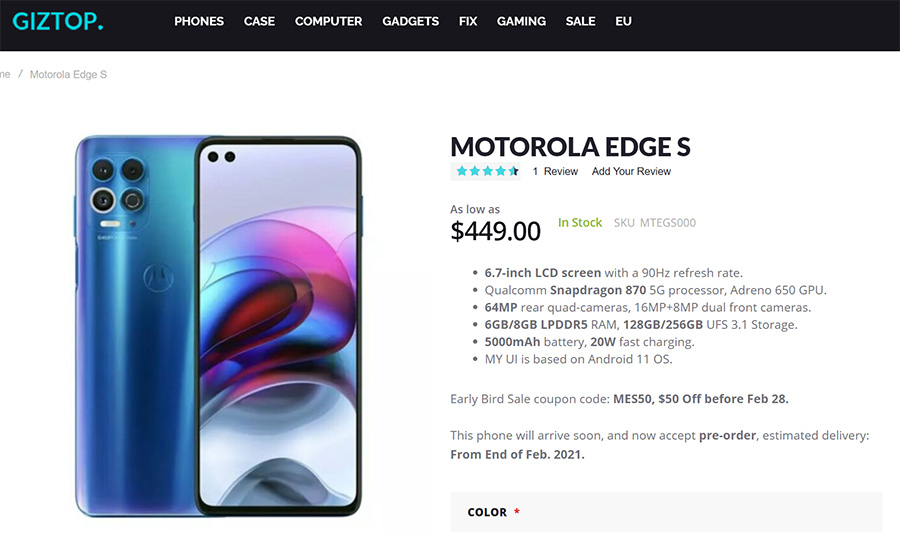
Motorola Edge S has been officially released a day ago with its 6.7-inch LCD screen having 90Hz refresh rate. Powered by Qualcomm Snapdragon 870 5G processor coupled with Adreno 650 GPU, the device is powerful inside and beautiful outside. If you already have your emotorola edge sye on the device, then you can now avail $50 Off on the device from Giztop.


Must Say: Motorola Ibiza (XT2137) clears WiFi certification

Giztop is running an Early Bird Sale offer by which you can apply the coupon code: MES50 to get $50 Off on the Edge S before Feb 28. With the offer, you can get the device for a price as low as $449.

Early Bird Sale coupon code: MES50, $50 Off before Feb 28. 

GRAB NOW

If you’re unversed, the Motorola Edge S comes with 64MP rear quad-cameras and 16MP+8MP dual front cameras. 6GB/8GB LPDDR5 RAM, 128GB/256GB UFS 3.1 Storage and a 5000mAh battery fuel the device with 20W of fast charging support. The device runs MY UI which is based on Android 11 OS. That being said, head over to the GizTop website and book your piece today itself by saving $50.

Related: Motorola Edge S is 2021’s first flagship killer: Snapdragon 870, six cameras, and a starting price of ~$310

Ulefone Armor 10 5G extreme test result shows impressive resilience

With modern smartphones being nothing but a metal frame sandwiched between two fragile glass slabs, Ulefone Armor 10 5G is a fresh breath of air. If you’re among those who use the smartphone rashly then the device is for you. The Ulefone Armor 10 5G is theoretically tested to last normally between -20℃ and 60℃. Here is a small video in which the rugged phone is stretching its muscles in extreme conditions.

Must See: Ulefone Note 10 entry-level smartphone goes official

As it’s evident from the video, the Ulefone Armor 10 5G can withstand harsh conditions which otherwise a normal phone would have never tolerated. Needless to say, the device’s resilience can be a really useful feature for users residing in extreme temperatures. It’s also evident that the device can tolerate external pressure to a large extent as the tester had hit the ice. But nothing happened to the device.

According to Ulefone, the Ulefone Armor 10 5G features high-end hardware to offer an unparalleled experience to you. The rugged smartphone features MediaTek Dimensity 800 5G SoC with 8GB of RAM and 128GB of internal storage. There’s a 64MP quad rear camera powerful enough to meet most of us photography craze.

Additionally, the Armor 10 5G boasts a 6.67-inch FullView display, 5800mAh battery with 15W wireless charging. You’ll get face and fingerprint as biometric unlocking options. Other features include NFC, Google Pay support, and much more. Though bummer, the smartphone ships with the Android 10 OS. However, we can expect an upgrade to Android 11 sometime in the future.

Interestingly, you can grab the Ulefone Armor 10 5G at a special discount price of $399.99 on Banggood. The $399.99 price tag is $70 lower than the actual sale price of the Ulefone Armor 10 5G, which is $469.99.

See More: Ulefone Armor Mini 2 rugged smartphone with IP68 rating launched

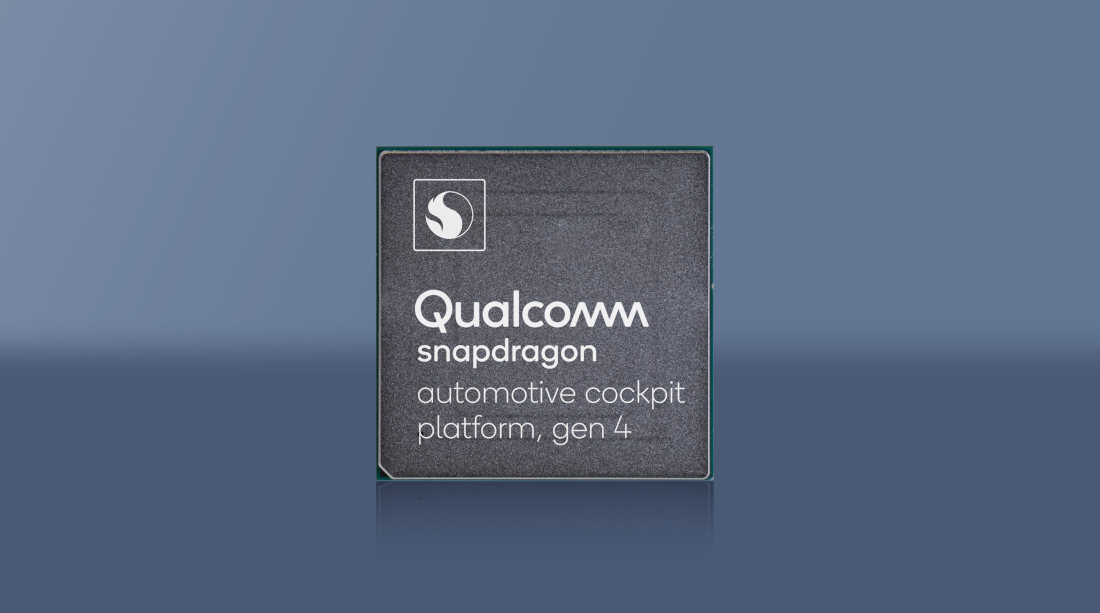
Qualcomm unveils 4th-Gen Snapdragon Automotive Cockpit Platforms

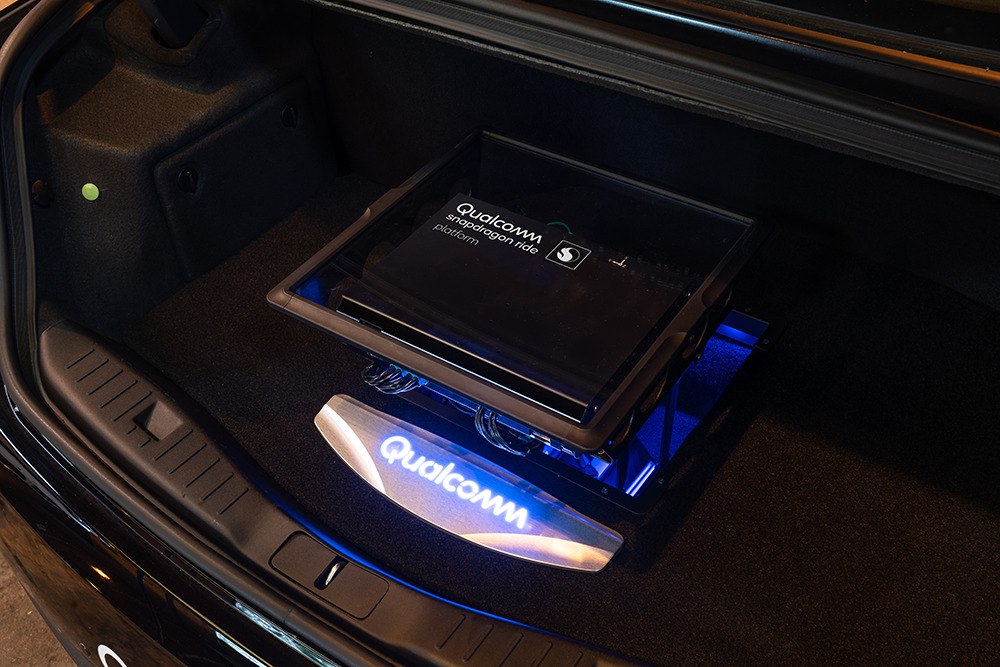
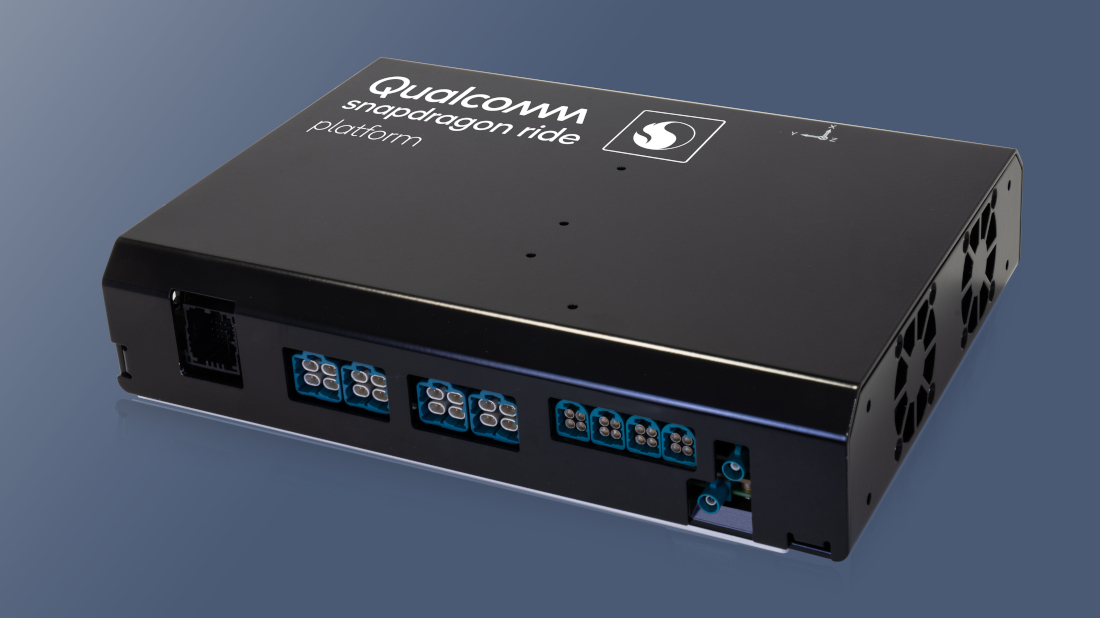
US chipmaker Qualcomm who, earlier this week signed a collaborative agreement with Veoneer to produce driver-assisted automotive systems, has now introduced its 4th generation Snapdragon Automotive Cockpit Platforms. The release of the systems was during the company’s Automotive Redefined: Technology Showcase event. In addition, Qualcomm also unveiled the Snapdragon Automotive 4G and 5G Platforms which it considers as critical building blocks for future automobile designs.Snapdragon Automotive Cockpit Platforms The 4th generation Automotive Cockpit Platforms are designed to be the engine room for high-performance all-round computing and processing, that could be seamlessly extended to commercial applications.  It comes in three variants – Performance, Premiere, and Paramount, for entry-level, mid-level, and supercomputing platforms, respectively. In addition, over-the-air (OTA) updates will be easily available throughout the vehicle’s lifecycle, with its Car-to-Cloud with Soft SKU capabilities.Snapdragon Automotive Cockpit Platforms

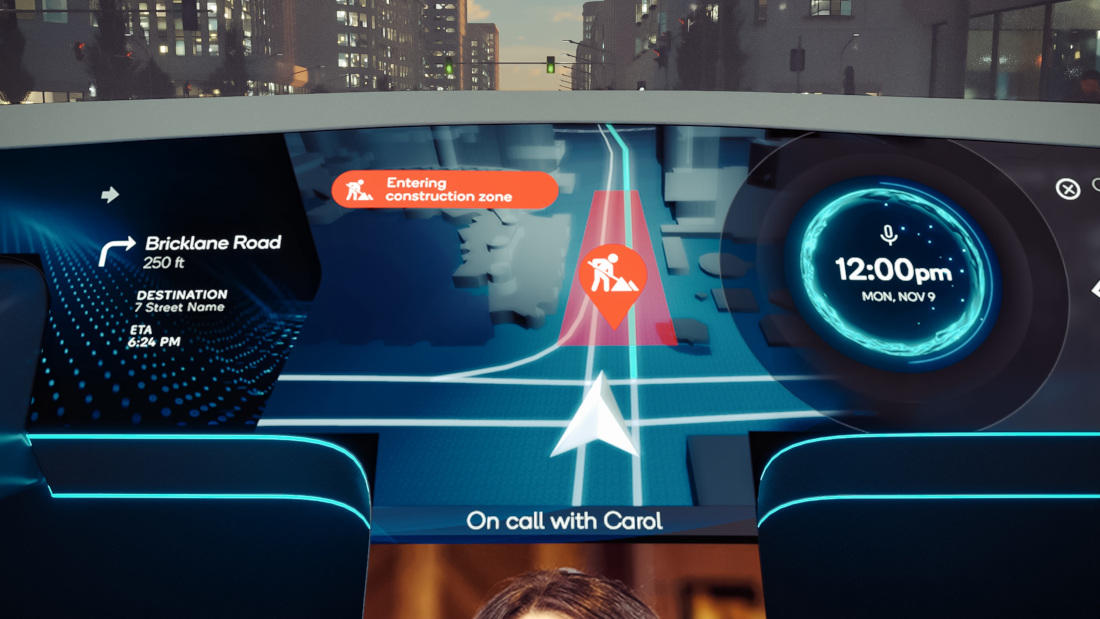
The new automotive platforms also have the 6th generation Kryo CPUs, the Hexagon Processors, Qualcomm’s AI Engine, 6th generation Qualcomm Adreno GPUs and its Spectra ISP, providing all-round capabilities and resulting in various assisted platforms experiences like the cockpit, augmented reality heads-up-display (AR-HUD), infotainment and in-cabin monitoring services

Qualcomm is also expanding the connectivity capabilities of these platforms with the Snapdragon Automotive 4G and 5G Platforms. Drawing from the rich resource of technologies such as integrated Cellular Vehicle-to-Everything (C-V2X), Wi-Fi, Bluetooth, and other precise positioning technologies, the platforms can easily connect vehicles to the cloud for improved experiences.Snapdragon Automotive Cockpit Platforms

During the event, Qualcomm also stated that the predecessor Snapdragon Automotive Cockpit Platforms are being adopted across tier-1 suppliers such as LG Electronics Inc, Google LLC, Panasonic Corporation, Visteon Corporation, among several others, and vehicles having these platforms are projected to be available commercially later this year.

In his remarks, Nakul Duggal, the senior vice president of Qualcomm said that their 4th Generation Automotive Cockpit Platforms will continue to be developed as they strive to deliver advanced digital cabin solutions and reinvent the driver, passenger, and rear-seat entertainment and contextual awareness experience.