WhatsApp faced a backlash recently after it changed its privacy policy and terms of service. As a result, people started moving to other platforms and alternatives like Telegram witnessed a surge in downloads. In a bid to sustain and seize the opportunity, the latter is now rolling an update to import chat history from other apps.
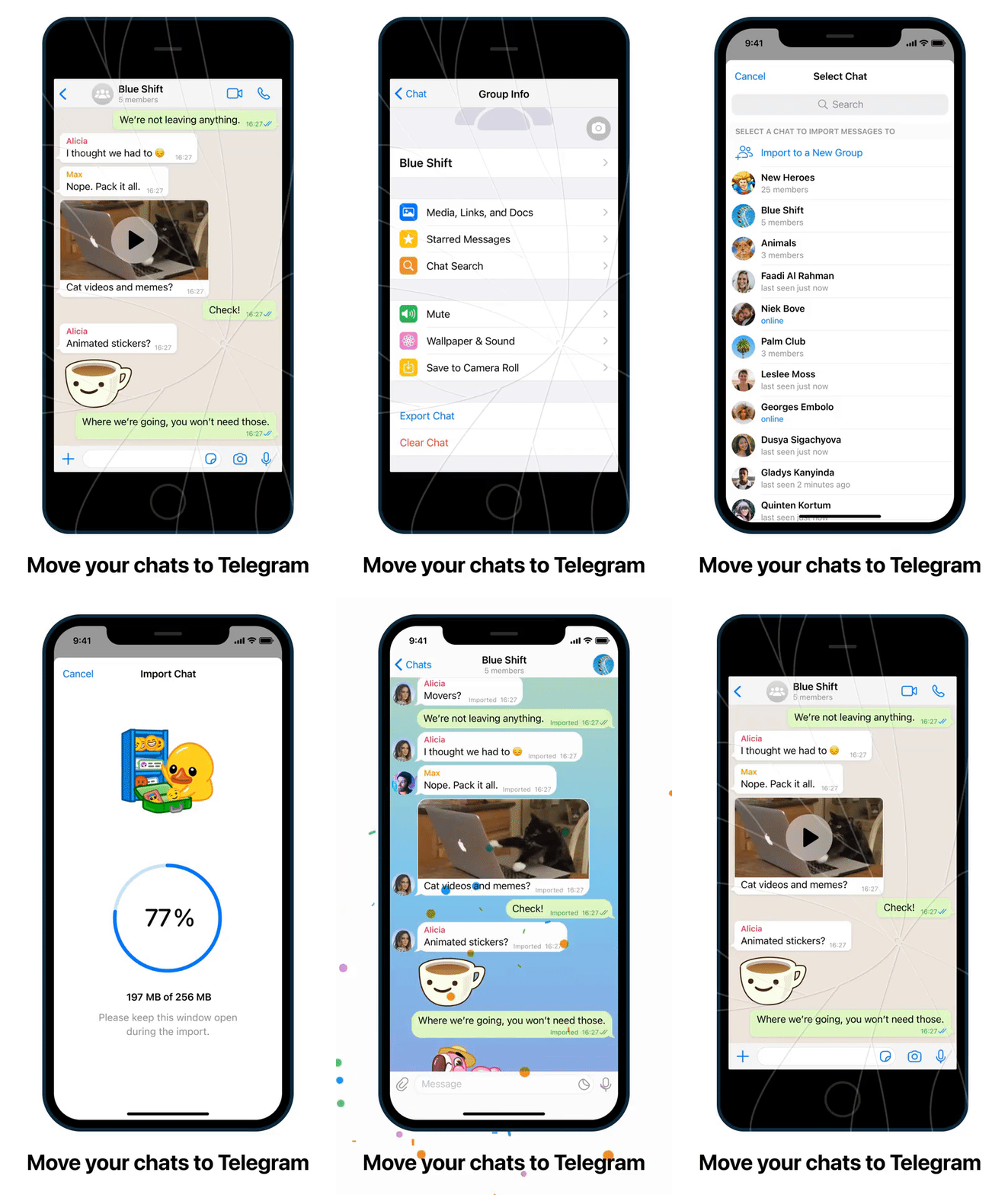
In a blog post, Telegramshares how to migrate the chats from other social media Apps. The company, which has witnessed 100 million downloads in January, says users can import the chat including videos, documents. Currently, supported apps include WhatsApp, Line, and KakaoTalk.
To move a Chat across the App on Android/iOS, just press export Chats and select Telegram on the Share menu that appears. Precisely, you can follow the steps below:
Android: Open the Donor App(eg. WhatsApp)-> Individual Chat/Group->tap ⋮ > More > Export Chat, then choose Telegram on Share Menu.
iOS: Similarly, Open the WhatsApp->Contact Info/Group Info page in WhatsApp, tap Export Chat, then choose Telegram in the Share menu.
Note: In iOS, you can also export chats directly by swiping left on Chat->Export
As soon as you do this, the messages will get migrated to Telegram including Timestamps to the current day. This means the same User/Group, whose chat is migrated will be notified and can see the messages.
Telegram, which stores all the data in Cloud, saves Space too as you can delete the local storage(incl. Messages, Doc, Videos) and re-download it whenever needed.
Apart from the migration feature, Telegram’s new update also brings other improvements to Privacy. For instance, you can now delete groups, secret chats, and call history for everyone at the same time.
Other features like improved audio players, voice chats with volume controls for each chat, improved accessibility with TalkBack and VoiceOver, report fake channels/groups(Profile->tap ‘…’ > Report > Fake Account), Greeting stickers for new chats, and more.
Android users get better animations when downloading files, playing music, or loading chats. If we recall, the last update brought voice chats, with revamped animations and SD card support.
Electric-vehicle maker, Faraday Future will soon become a publicly-traded company when its merger with Property Solutions Acquisition Corp scales through all regulatory issues and both parties agree on terms. The net worth of the combined new entity is estimated to be around $3.4 billion, and Faraday now joins the group of electric vehicle companies that have been involved in a merger or acquisition, as they shore up their potentials for greater profit-making.
Faraday Future may still be far from the heavy hitters in the industry like Tesla, but it is indeed growing at an explosive pace, drawing attention from investors and automakers who are rushing to tap the initial public offering (IPO).
Other prominent players in the EV sector like Fisker Inc and Nikola Corp had also gone public through mergers using the special purpose acquisition companies (SPACs) model in 2020.
In a statement on Thursday, Faraday and Property Solutions said that the deal is supported by a private investment of $775 million, and is expected to yield for Faraday Future about $1 billion in gross proceeds.
Some inside sources say that Chinese automaker Geely is the anchor investor in the private placement. In addition, Faraday plans to set up a base in China and interface with Geely for contract manufacturing services.
SPACs have been a very popular model for companies going public in recent times, partly because of little regulatory scrutiny and greater certainty about valuation, unlike a conventional IPO.
The SPAC, Property Solutions is a shell company tasked with raising money through the IPO within two years. In 2020, Property Solutions raised about $200 million in its own IPO.
The combined company is expected to be listed on NASDAQ with the ticker “FFIE”, according to the joint statement by both companies.
This investment is a major boost for Faraday Future which was founded by former LeEco boss Jia Yueting. The investment led to the eventual collapse of the once boisterous LeEco empire and left Jia filing for bankruptcy in China.
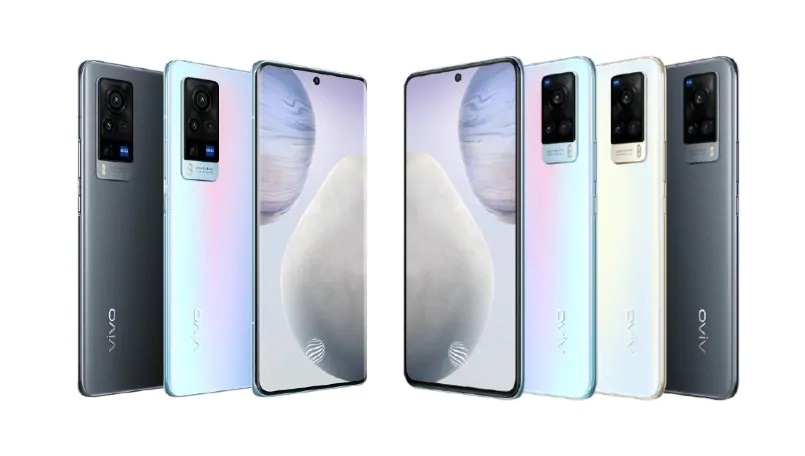
Last month Vivo launched its new flagship lineup for 2021. It is composed of three models: Vivo X60, Vivo X60 Pro, and Vivo X60 Pro+. All of them come with high-end specifications and 5G connectivity, so in each case, you get at least a flagship killer. But is it worth spending more on the Pro+ variant or the X60 and the X60 Pro are enough powerful for every kind of user? This internal comparison will highlight all the main differences between the specifications of the new Vivo series for the most demanding users.
Quad 50 + 8 + 32 + 48 MP, f/1.6 + f/3.4 + f/2.1
32 MP f/2.5 front camera
BATTERY
4300 mAh, fast charging 33W
4200 mAh, fast charging 33W
4200 mAh, fast charging 55W
ADDITIONAL FEATURES
Dual SIM slot, 5G
Dual SIM slot, 5G
Dual SIM slot, 5G
Design
The Vivo X60 Pro+ has the most raffinate design: it is the only one to come with a leather back (it is eco leather, though). The design of the X60 Pro is identical, with the exception of the leather back: it has a glass back just like most of the flagships out there. The X60 differs from the X60 Pro and the X60 Pro+ due to its flat display: it does not have curved edges and, while this might make the phone a bit more comfortable to use, it makes it less elegant at first glance.
Display
Vivo X60, X60 Pro, and X60 Pro+ feature the same display specifications. In each case, you get a Full HD+ panel with the AMOLED technology and a 120 Hz refresh rate, as well as the HDR10+ certification improving the image quality. Whatever you choose, you should get the same display quality, so go ahead and focus on the other specifications.
Hardware/Software
Vivo X60 and X60 Pro sport the same chipset: an Exynos 1080 by Samsung. Not the most powerful chipset by Samsung, but still a flagship-class SoC built with a 5 nm production process. The X60 Pro+ is actually superior thanks to its Snapdragon 888 mobile platform which is actually the best processor in the Android world and naturally the best Qualcomm’s SoC for mobile devices.
Camera
Besides providing the best hardware experience, the Vivo X60 Pro+ has the best camera department. It comes with a 50 MP main sensor with a bright f/1.6 focal aperture, a periscope sensor with 5x optical zoom, a 32 MP telephoto sensor for portraits, a 48 MP ultrawide sensor, dual OIS, laser autofocus, and gimbal stabilization. It is one of the best camera phones in the market. The X60 Pro has the same sensors as the X60 but it adds an 8 MP periscope sensor with 5x optical zoom. For the rest, X60 and X60 Pro have the same cameras, inferior to the X60 Pro+.
Battery
Despite it is the lower-end variant, the Vivo X60 has a bigger 4300 mAh battery and it should provide a slightly longer battery life. But the X60 Pro+ supports faster 55W charging. However, X60 and X60 Pro still charge quickly thanks to their 33W fast charging technology.
Price
Vivo X60 is priced at about €440/$534, X60 Pro starts from less than €560/$680, and X60 Pro+ begins at €640/$775. They are actually available in China. If we exclude the periscope camera and the design, the X60 offers the same experience as the X60 Pro. That is why we believe its value for money is higher. X60 Pro+ is a lot better than both the other variants thanks to a better chipset, cameras, and faster charging, but not a lot of people need this superiority.
HMD Global, which got the license to launch Nokia-branded phones in 2016, has been launching feature phones in addition to smartphones. Occasionally, it launches interesting devices like the Flip phones too and we already have a Nokia 2720 retailing. Now, renders of Nokia’s other clamshell device has appeared on FCC.
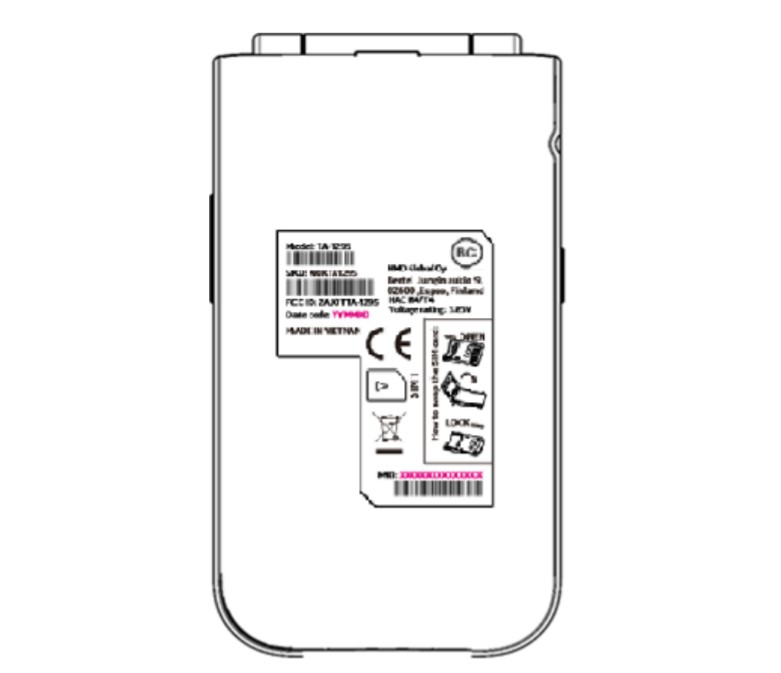
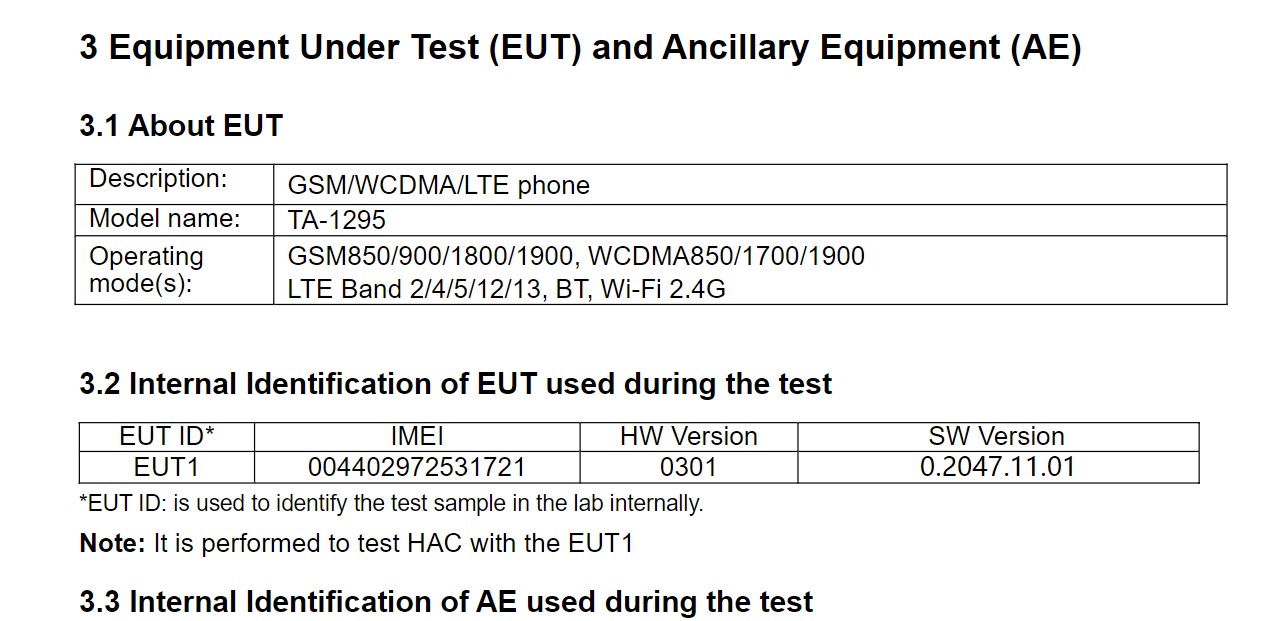
A Nokia device with model number TA-1295 has received USA’s FCC certification. Applied under HMD Global Oy, the Label location shows a diagram that has a design of a clamshell device. Further, the certifications also reveal that the device will have a nano-SIM slot and support 4G LTE, and Wi-Fi 2.4GHz connectivity.
If you recall, HMD Global brought the Nokia 2720 flip phone back in 2019 with a 1.3-inch display, LTE, GPS with Google Maps for connectivity. Just like the 2720, which had support for Kai App Store, the new Nokia TA-1295 flip phone also supports KaiOS.
1 of 6
Nokia TA-1295 Flip Phone FCC
CC: Nokia Power User
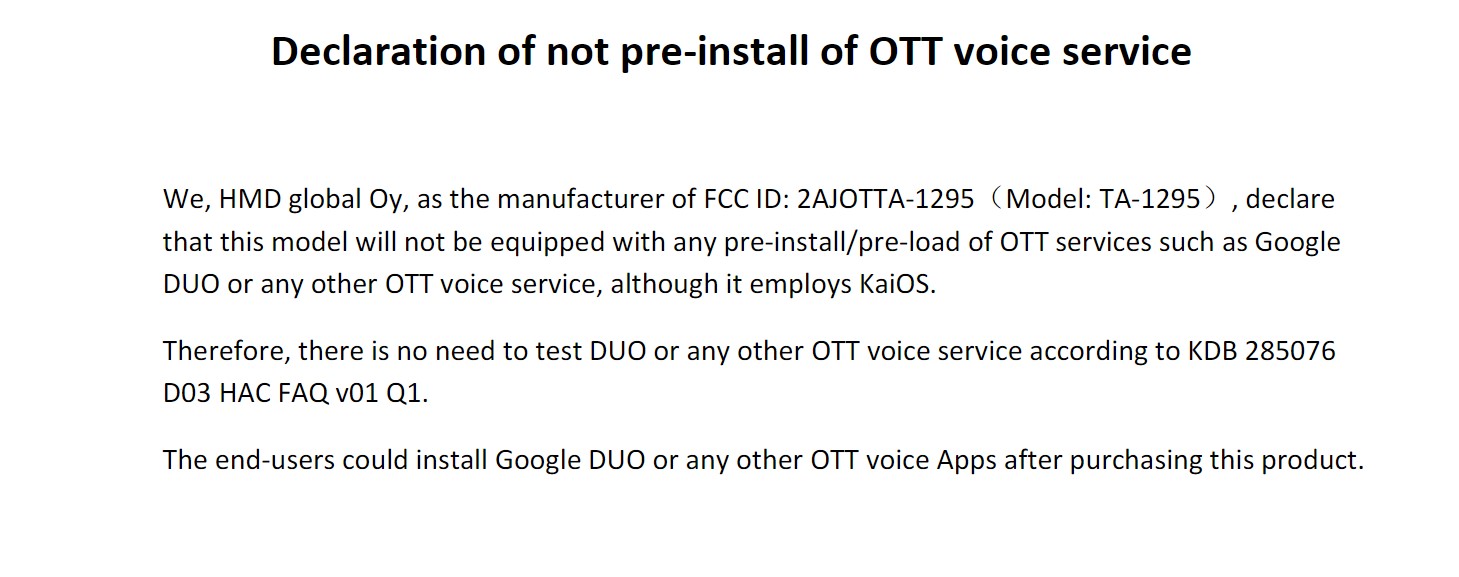
In fact, the report shows that the version in testing is 0.2047.11.01 and a declaration explicitly mentions KaiOS and says that this phone, unlike any other KaiOS device, won’t come with a pre-installed OTT service like Google DUO. Still, the device supports it meaning you can install it by yourself.
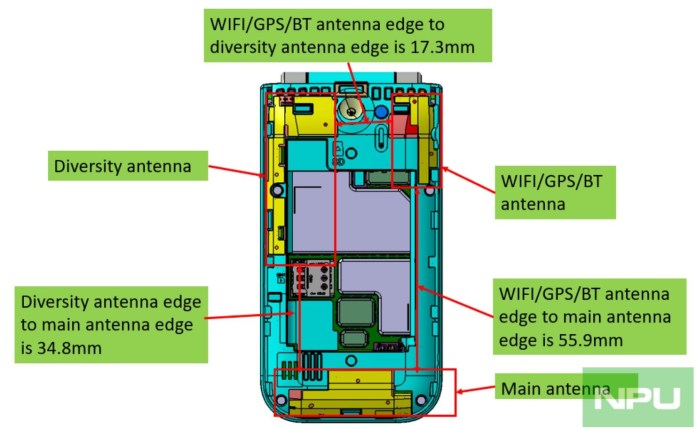
Hence, you can expect it to launch in markets like China where Google Apps are banned. Anyway, as nokiapoweruser reports, the listing also shows the hinge, single Camera, and Antenna placements.
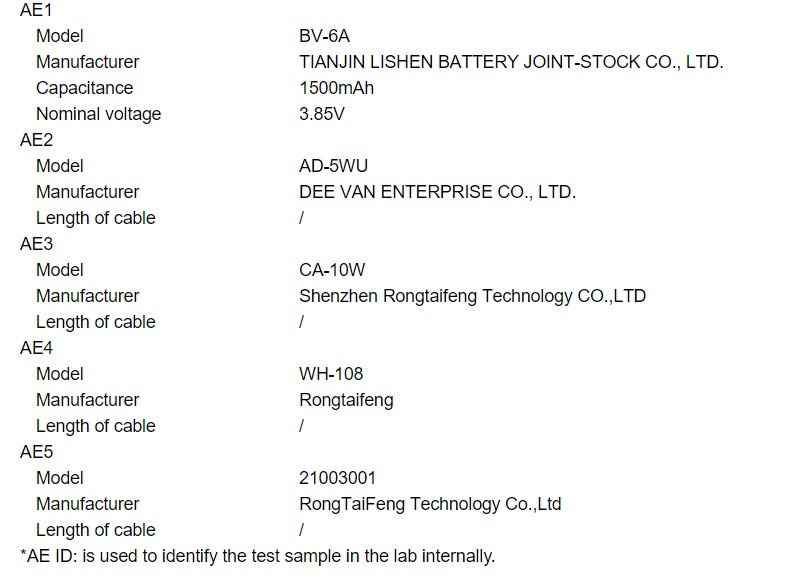
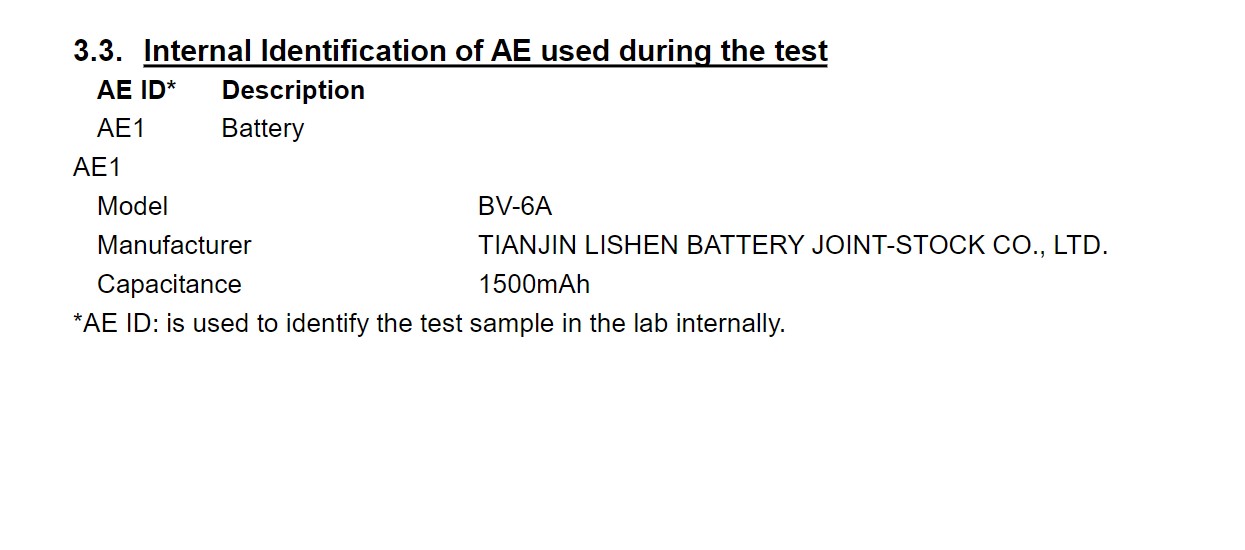
Other information includes a BV-6A battery that has a capacity of up to 1,500mAh, bundled with a 5W charger, micro-USB cable, and a WH-108 headset. We are sure to get more leaks in the coming days as launch doesn’t seem far now.
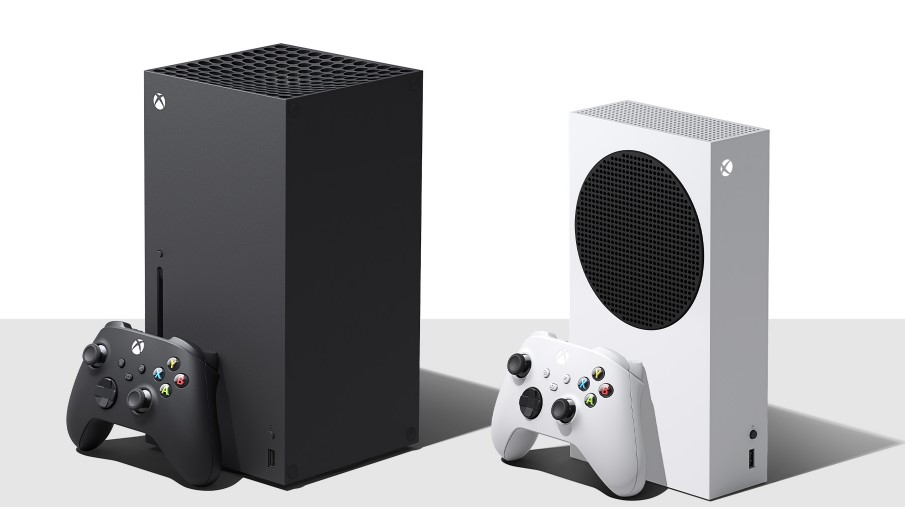
Microsoft says that the Xbox Series X has now outsold all previous editions of its gaming console and is now Microsoft’s most successful gaming console ever.
CEO Satya Nadella made the announcement in an earnings report this week and also reported that the Xbox Series X and Xbox Series S had stronger launch months than any other Xbox console the company has ever produced and sold.
The task before the company is to sustain the momentum so that both consoles will continue to gain users, although they have had a very impressive start so far.
The Xbox Series X launch may have been significantly boosted by the Xbox Game Pass subscriptions, as subscriber numbers have been on an upswing. Presently, Xbox Game Pass has up to 18 million subscribers spread across various subscription packages, between $10 and $15 monthly subscription fees.
The premium subscription package, Xbox Game Pass Ultimate is likely to be what is drawing droves of new subscribers. This could also be part of the reason for increased sales of the Xbox Series X and Xbox Series S, with additional perks put for new console buyers by Microsoft via a promo.
It has to be stated that Xbox has large and quite loyal followership. That certainly adds to the mix of impressive results coming from Microsoft.
The gaming pass package is becoming quite popular, attracting many users especially now with the incorporation of cloud gaming services into it. It is now possible to play your Xbox games even without having the console.
At the moment, it is possible to enjoy the Xbox Game Pass Ultimate at least for three months, as new subscribers could hop in with just $1 for the trial period before a full monthly access fee of $14.99 will be charged.
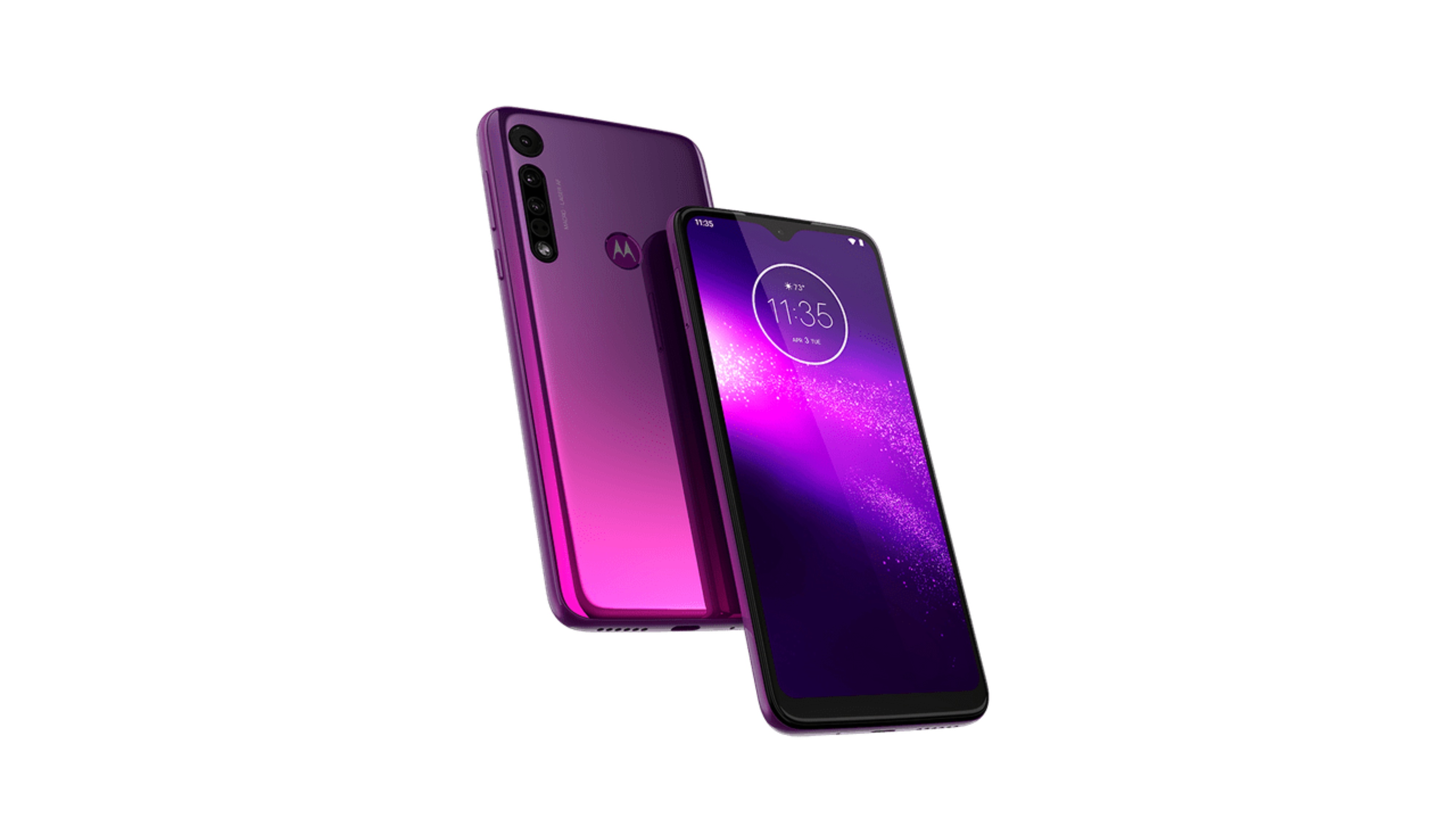
Back in October 2019, Lenovo-owned Motorola launched a budget smartphone called Motorola One Macro in India. This handset debuted with Android 9.0 Pie when Android 10 was already out. Now, more than a year later from its release, the phone is finally receiving the Android 10 update when other devices have started getting Android 11.
Motorola was once known for rolling out faster updates. At times, the company used to deliver monthly security patches even before Google. But with time, the firm’s update delivery degraded over the years. Sadly, OnePlus is also turning towards the same fate.
That said, the brand had been delaying the Android 10 update for the Motorola One Macro for a very long time. But now, finally, the update is live in India with build number QMD30.47-19.
It weighs around 1.46GB in size and is being seeded out in batches. As of now., it seems to be only available for users who were part of the beta program (soak testing). But the build should be available for other users in the coming days.
Anyway, if you own this handset, then head over to Settings to check whether your unit has received the Android 10 update.
OnePlus started as the flagship killer company but that era seems like a lifetime ago now. The Chinese manufacturer which used to be a favorite among tech enthusiasts is no longer the brand many people fell in love with when it entered the mobile phone market seven years ago.
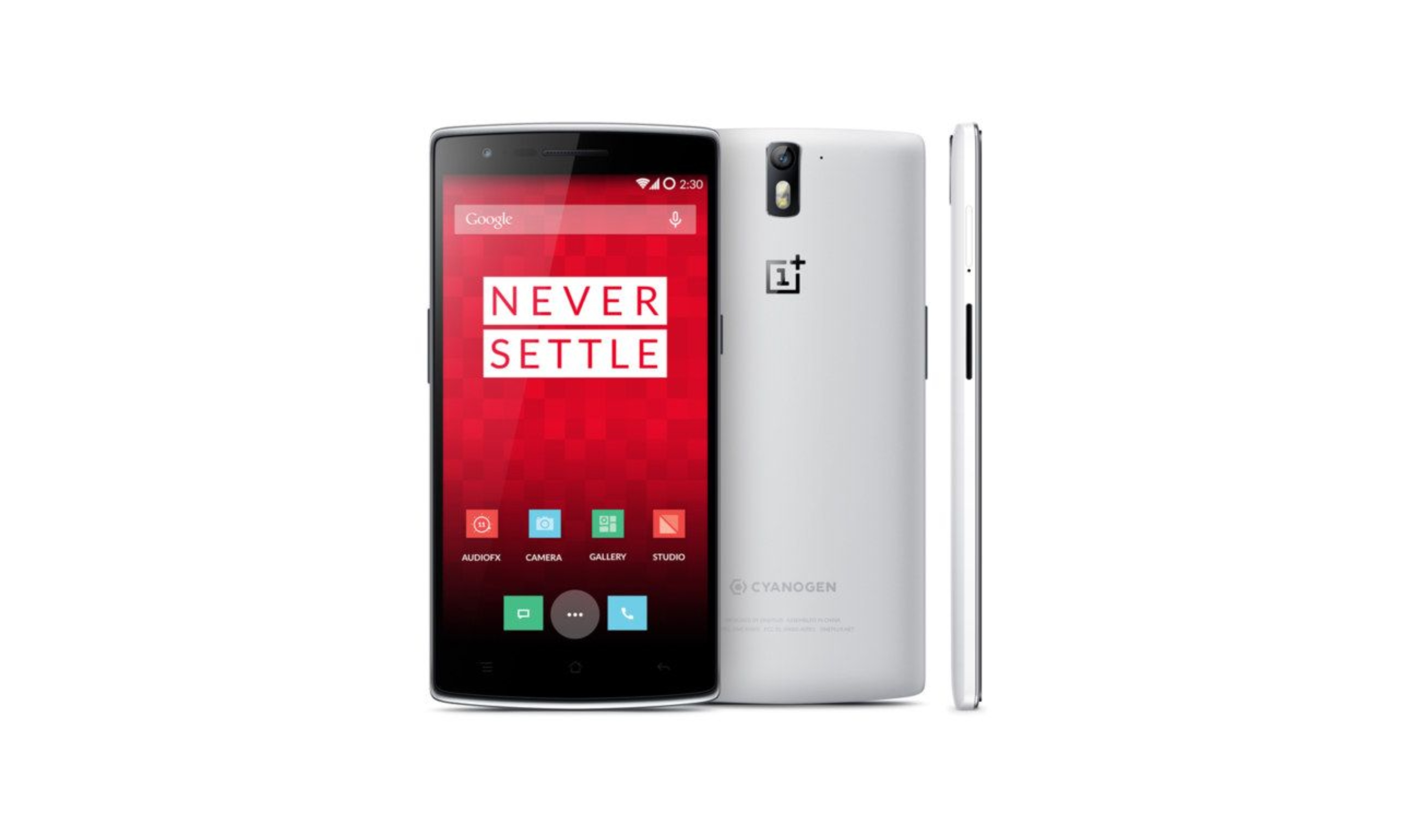
OnePlus One – The OG flagship killer
Its phones are now more expensive, and while it has started to offer cheaper models in the mid-range category under a new series called Nord, these phones have a handful of tradeoffs and even lack some of the features that are associated with OnePlus phones. However, all is not lost for OnePlus, as we believe it has a shot at redemption – at winning back the hearts of dissatisfied fans with its upcoming phone, the OnePlus 9 Lite.
The OnePlus 9 Lite – A new hope
OnePlus is expected to launch the OnePlus 9 series later this quarter and leaks have revealed that there will be not two but three phones in the series. Alongside the OnePlus 9 and OnePlus 9 Pro, it has been reported by multiple sources that there is a third model that will be sold as the OnePlus 9 Lite.
It is a given that the OnePlus 9 Pro will be a premium category phone with a starting price tag that will either be equal to or greater than $899. The OnePlus 9 will follow suit with a price tag that is at most $200 less and with fewer or toned down features. This means the “Lite” model should be the cheapest of the three.
With the right specs and price tag, the OnePlus 9 Lite should prove that OnePlus has not yet lost its flagship killer roots, thus bringing new hope to fans.
OnePlus 9 Lite – Specs and Price that will make it a flagship killer phone
To make a flagship killer, you have to offer certain features, usually, performance-wise, normally found in the premium category but at a much more affordable price tag. Of course, tradeoffs in certain areas such as choice of materials, camera configuration, and display type and resolution are expected. We have considered these factors before coming up with specs we expect the OnePlus 9 Lite to have. Below are what we came up with:
Display
We would like to see the OnePlus 9 Lite sport a display that is no more than 6.5-inches, if it is smaller, the better for it, as that will mean a higher PPI seeing as its resolution will be 1080p.
While we know some of you will want AMOLED for the screen, a good LCD panel will suffice. The Nokia 8.3 5G and Mi 10T are examples of phones with great IPS LCD screens. The latter even has an adaptive refresh rate of 144Hz.
Nevertheless, we will be happy with either of these two choices for the display – 90Hz AMOLED or 120Hz LCD.
What would be your choice?
Processor, RAM, and Storage
It has been reported that the OnePlus 9 Lite will not have a Snapdragon 888 processor. OnePlus is also one of those who plan to launch a phone with the Snapdragon 870 5G SoC, a processor practically made for flagship killers. We expect this will be the chipset inside the OnePlus 9 Lite.
For RAM, the OnePlus 9 Lite is best available in two variants – a base model with 6GB and a higher configuration with 8GB, both being LPDDR5. We would like to see two variants with 128GB of UFS 3.0/UFS 3.1 storage. These configurations will ensure the phone is affordable.
Cameras
For the cameras, OnePlus can go with a similar configuration as that of the OnePlus 8. So a 48MP main camera, a 16MP ultrawide camera, and a 5MP macro camera instead of the 2MP the OnePlus 8 has. We won’t push our luck and ask for a telephoto camera which we know is more useful than the macro camera. The selfie camera can remain a 16MP sensor.
Battery capacity and Fast charging
For the battery capacity, the one inside the OnePlus 8 will suffice which is a 4300mAh battery and it can be paired with Warp Charge 30T (30W fast charging).
This is a flagship killer, so wireless charging is not a feature you will find in this category.
Other features
To keep the price low, the OnePlus 9 Lite should have a plastic back panel rather than glass. Not only will glass increase the cost of the phone, but it is also expensive to repair in a situation where it breaks.
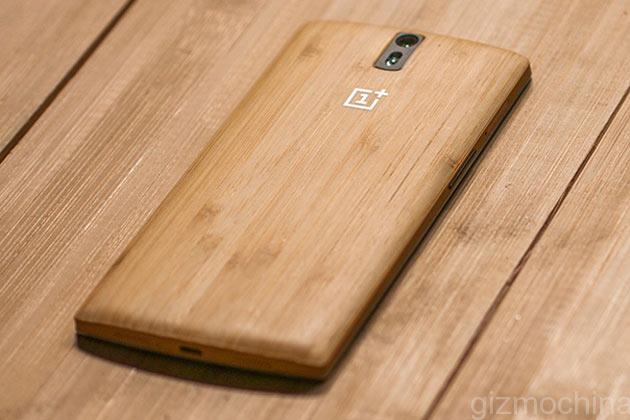
OnePlus should use a plastic panel with a textured matte finish that not only provides a firm grip but also hides fingerprint smudges. It will also be nice to borrow a leaf from the Galaxy S20 FE and offer it in attractive colors or maybe even one variant with a faux bamboo-like rear.
We know OnePlus will not bring back the audio jack for its main series, so we don’t expect the OnePlus 9 Lite to have one but we would love to see stereo speakers.
Also, we expect it to have an in-display fingerprint scanner if it is an AMOLED screen or a rear/side-mounted one if it is LCD. 5G, NFC, Dual SIM support, Bluetooth 5.1, Wi-Fi 6, and Android 11 are all expected too. We don’t expect an official IP rating but it can at least be splashproof.
Price
Motorola has already set a high bar with the Motorola Edge S which has a starting price that converts to about $310. It will be wishful thinking to expect the OnePlus 9 Lite to beat that. Same reason for anyone that expects the $299 launch price of the OnePlus One. However, the launch price of the OnePlus 3 and the OnePlus 3T are more realistic.
So if OnePlus plans to win over lost fans while gaining new ones, it will do so with a price tag of $399 for the base model (6+128GB) of the OnePlus 9 Lite while the 8GB RAM version with 128GB of storage should sell for $439.
Plastic back Dual SIM, Rear/Side-mounted fingerprint scanner, NFC, Bluetooth 5.1, Splashproof
Android 11
Our expectations are pretty reasonable so we hope the OnePlus 9 Lite meets them when it finally launches.
OnePlus practically birthed the concept of flagship killers and we would definitely like to see the brand return to its roots. The Nord series may be OnePlus’s answer to providing affordable phones for those who want them but they are not the flagship killers that enticed the early OnePlus fans. However, the OnePlus 9 Lite might just do the trick.
So what are your expectations from a flagship killer from OnePlus in 2021? Would you be happy with the OnePlus 9 Lite if it sports the above set of specs or would you like to change anything specific in this configuration?
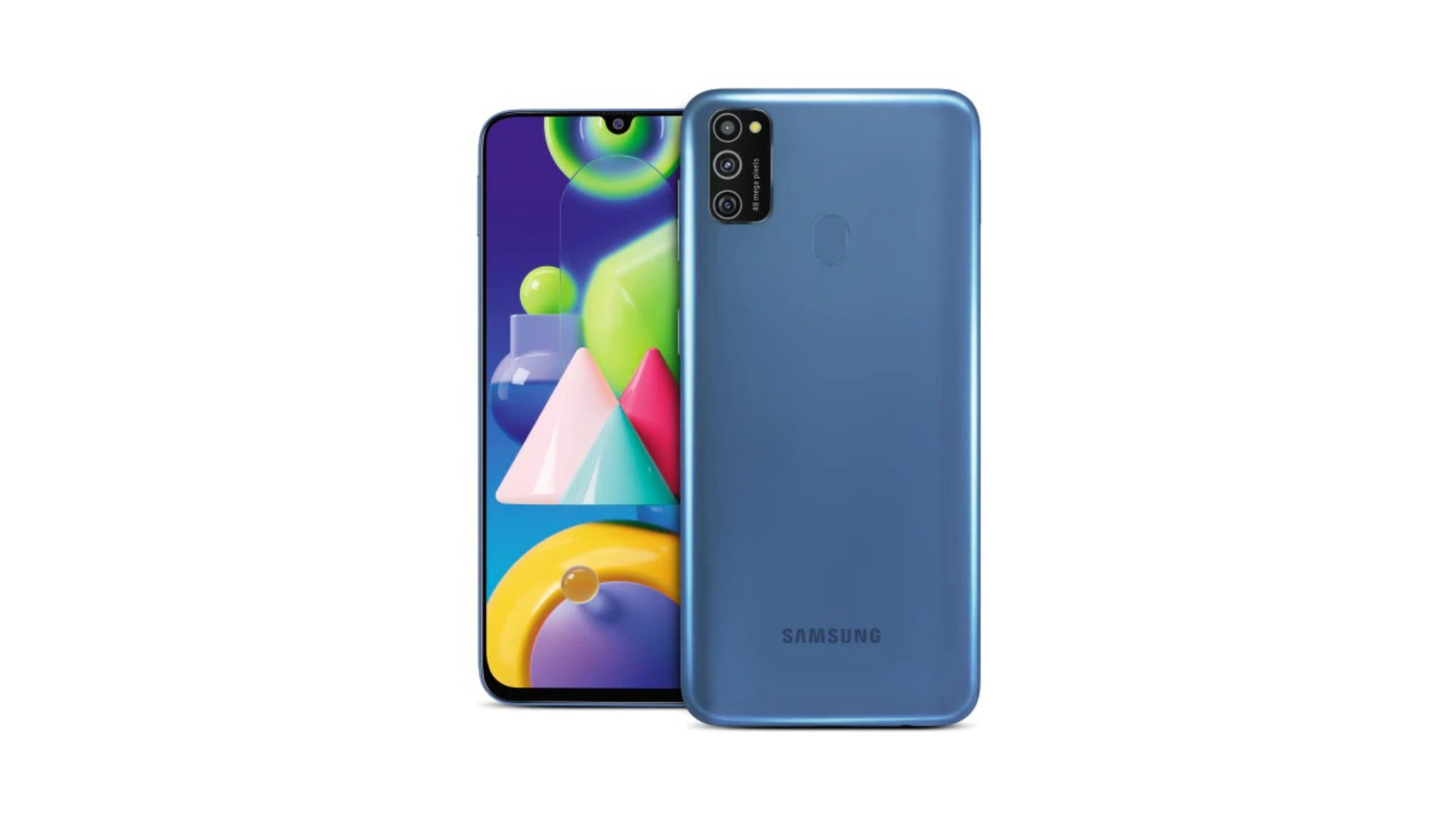
A few days back, the Galaxy M31 became the first Samsung budget smartphone to receive the One UI Core 3.0 update based on Android 11. Now, the same update has started rolling out to an even cheaper Galaxy M21 and Galaxy F41 handsets.
Samsung Galaxy M21
Samsung has been seeding the One UI 3.0 stable update to the eligible devices since December. Up until the last few days, the update was only available for the flagship smartphones and tablets. But now, the South Korean tech giant has begun to release the update for budget phones as well.
The first affordable Samsung handset to get the stripped-down One UI Core 3.0 update was Galaxy M31. Now, this update is also live for Galaxy M21 and Galaxy F41 in India.
The Android 11 update for these devices comes with firmware version M215FXXU2BUAC and F415FXXU1BUAC respectively. Apart from bringing new features, the latest update also bumps up the security patch level to January 2021
The Galaxy M21 and the Galaxy F41 are receiving the One UI Core 3.0 update at the same time as they are basically the same phone with a different primary sensor. Also, the Galaxy F41 is known as Galaxy M21s in Brazil, and therefore, it should also get the update soon along with other regional variants of Galaxy M21.
Anyway, if you own any of these smartphones, then head over to Settings > Software update > Download and install to check whether your unit has got the update yet.
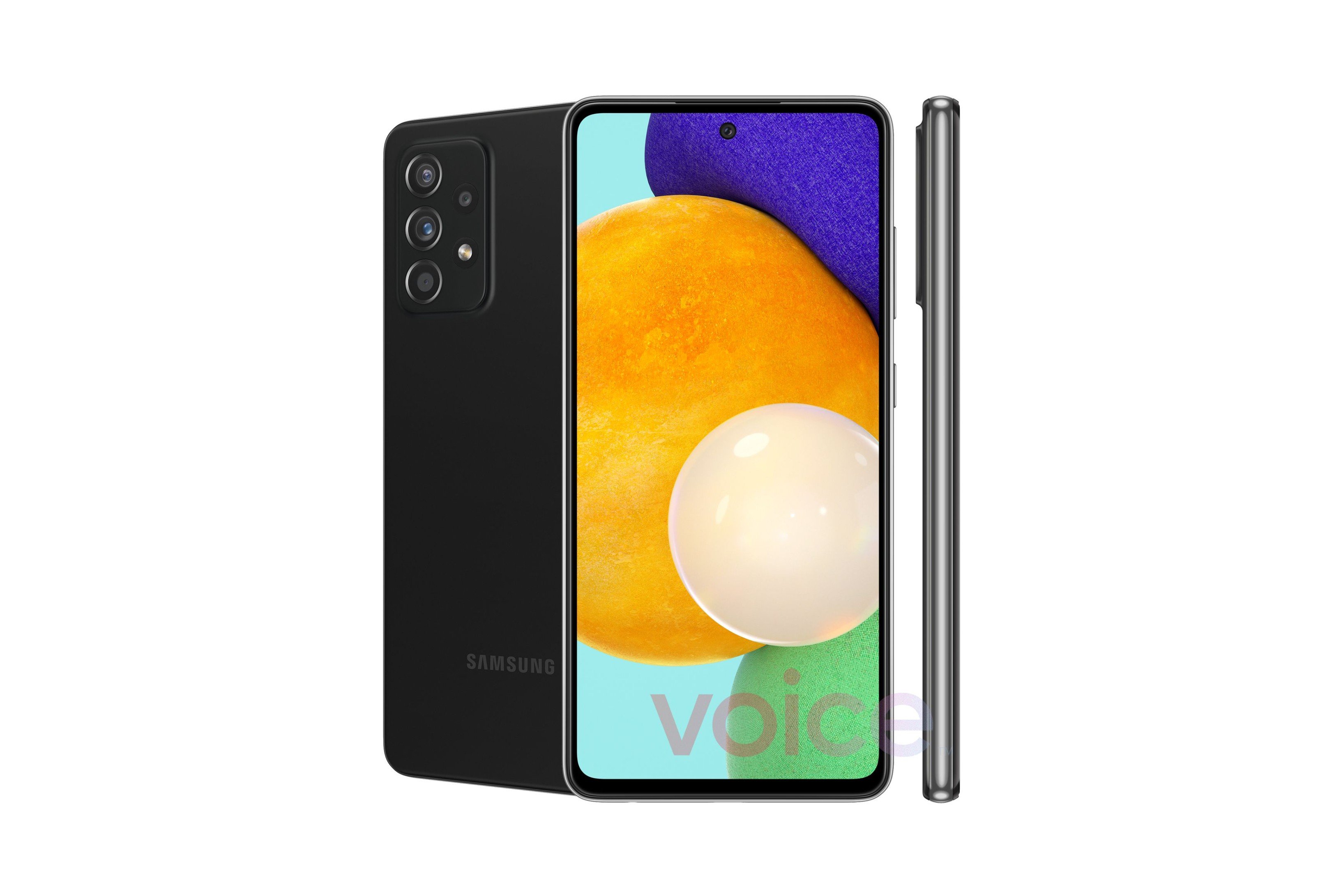
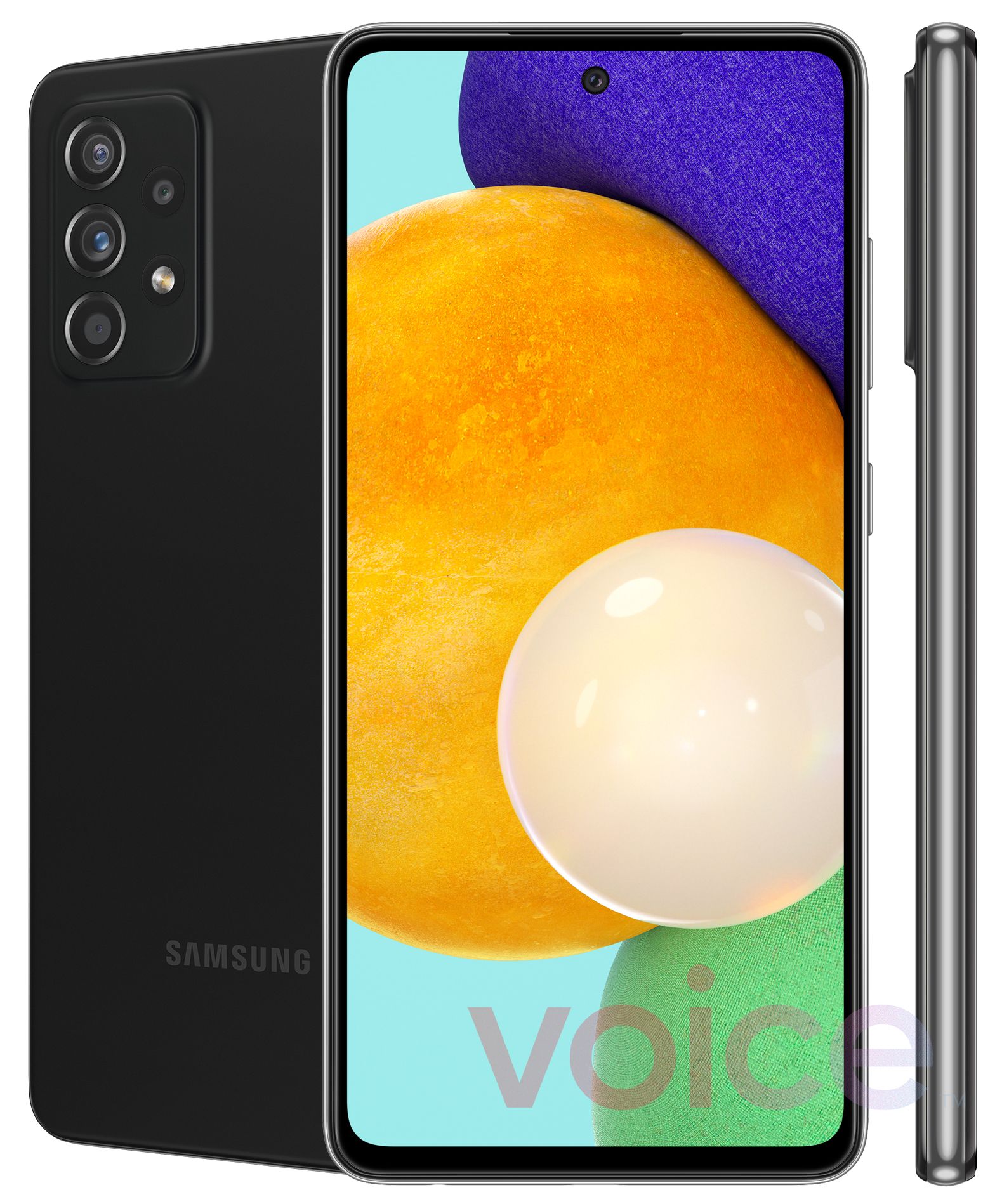
Samsung is on its way to unveil the successor of its best selling A5x lineup in 2021. Lots of leaks have already given a hint of how the device would look like. Today, we have the supposed official images from renowned tipster Evan Blass.
Evan has posted what he claims to be the First Official images of the upcomingSamsung Galaxy A52 in Black color. He also mentions that this image is of the 5G variant. Just like the initial CAD renders, the device has a Infinity-O display upfront. Reports say that it will come in Denim Blue, Icy White colors too.
At the back, we can see a quad-camera setup which has a rounded rectangle layout similar to the Galaxy A51. This reminds us of the early leak that said Samsung isn’t departing too much from the best-selling predecessor’s design.
However, we do note that the finish around the camera layout is a bit curved and subtle. That is, these curves make the layout look like it isn’t protruding too much. Talking about the quad-camera sensors, there are three big, a smaller one along with LED flash arranged similar to the renders before.
We also have the Power and Volume buttons to the right side. If you look closely, we can spot the cut-outs for the 3.5mm jack, Type-C port at the bottom that could accompany a Speaker, Microphone beside. The plain left-hand side indicates that the SIM tray could be on the top.
Although it’s obvious, the absence of a physical fingerprint on the design confirms that it will have an in-display scanner. Speaking of which, the device will likely sport a 6.5-inch sAMOLED screen and measure about 159.9 x 75.1 x 8.4mm.
Galaxy A52 Specs (Expected)
The Galaxy A52 has already received the necessary certifications and is shaping out to launch as a 5G and 4G version as per the reports. Luckily, countries like India will probably get the device with the latest connectivity support too.
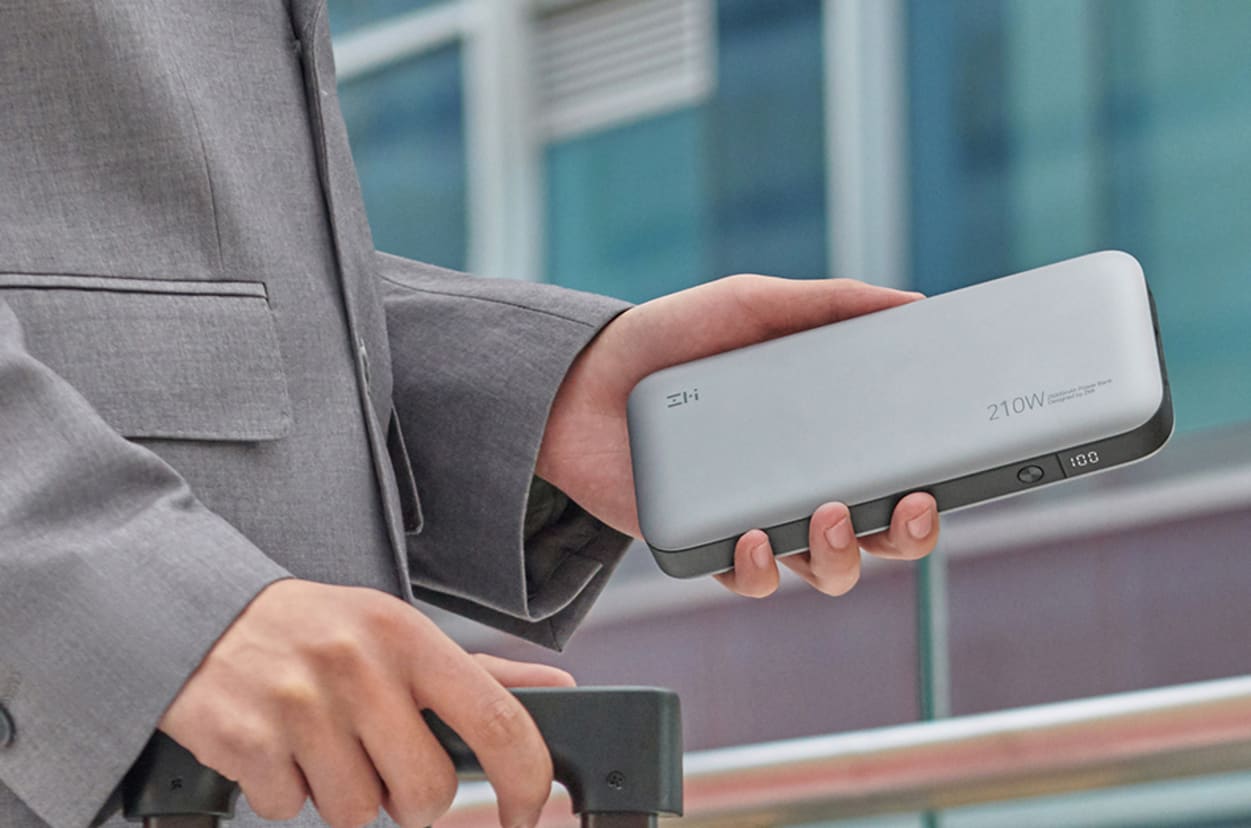
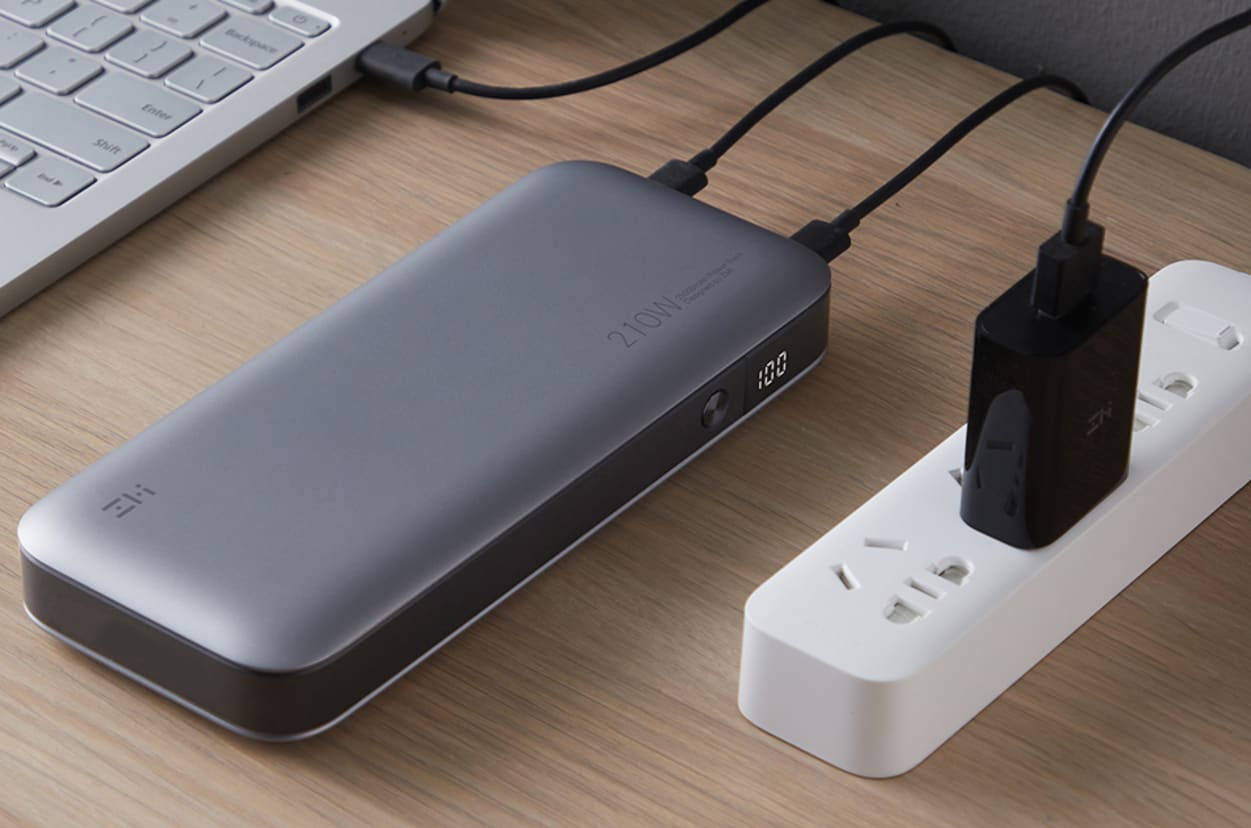
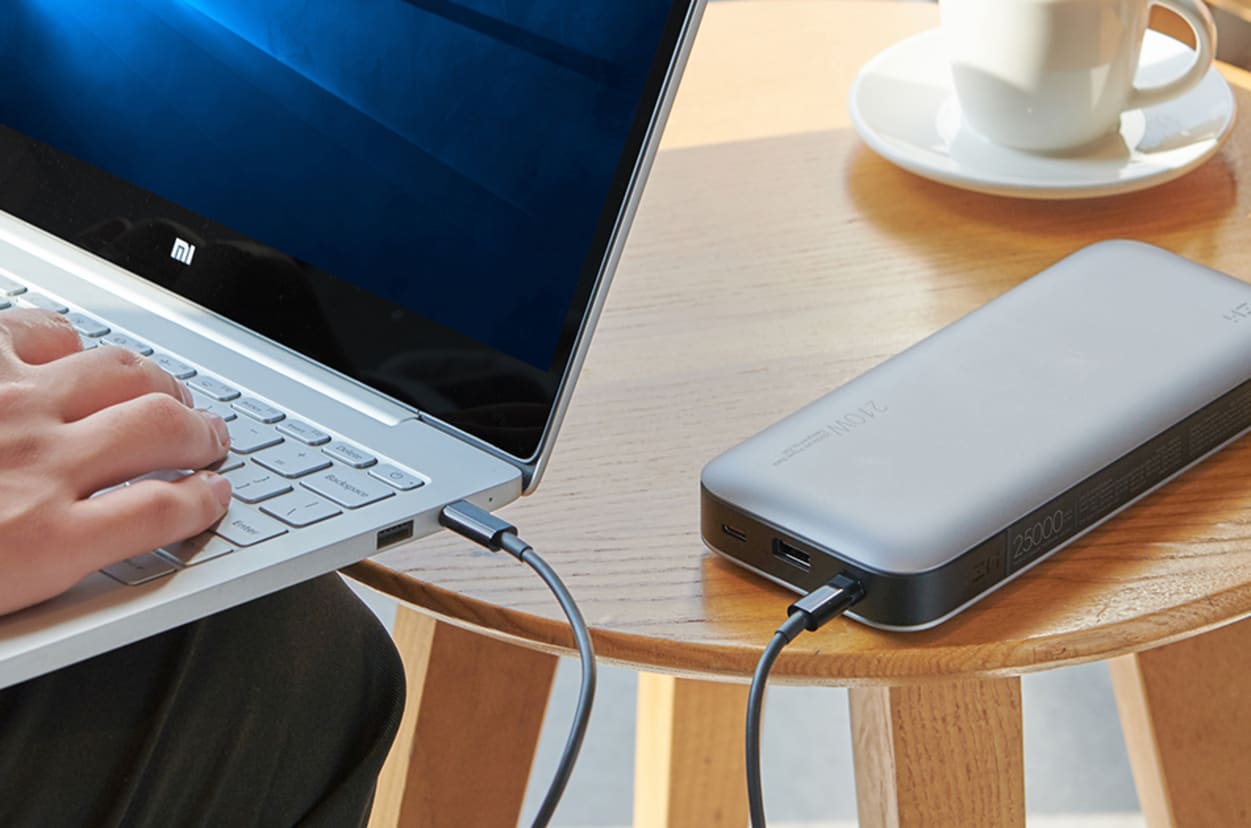
Earlier this month, ZMI launched a 25,000mAh power bank in China called ZMI No. 20. Now, the company is crowdfunding this product on Indiegogo for only $99 with a different name – ZMI PowerPack No. 20. The main highlight of this battery pack is that it can support up to 210W output at once via its three output ports.
As of writing this article, the ZMI PowePack No. 20 power bank has already reached its crowdfunding goal. It should start shipping to backers from March. Also, the first 200 backers will be getting a ZMI lightning cable for free. That said, you can still back the product now but its price will be increased soon.
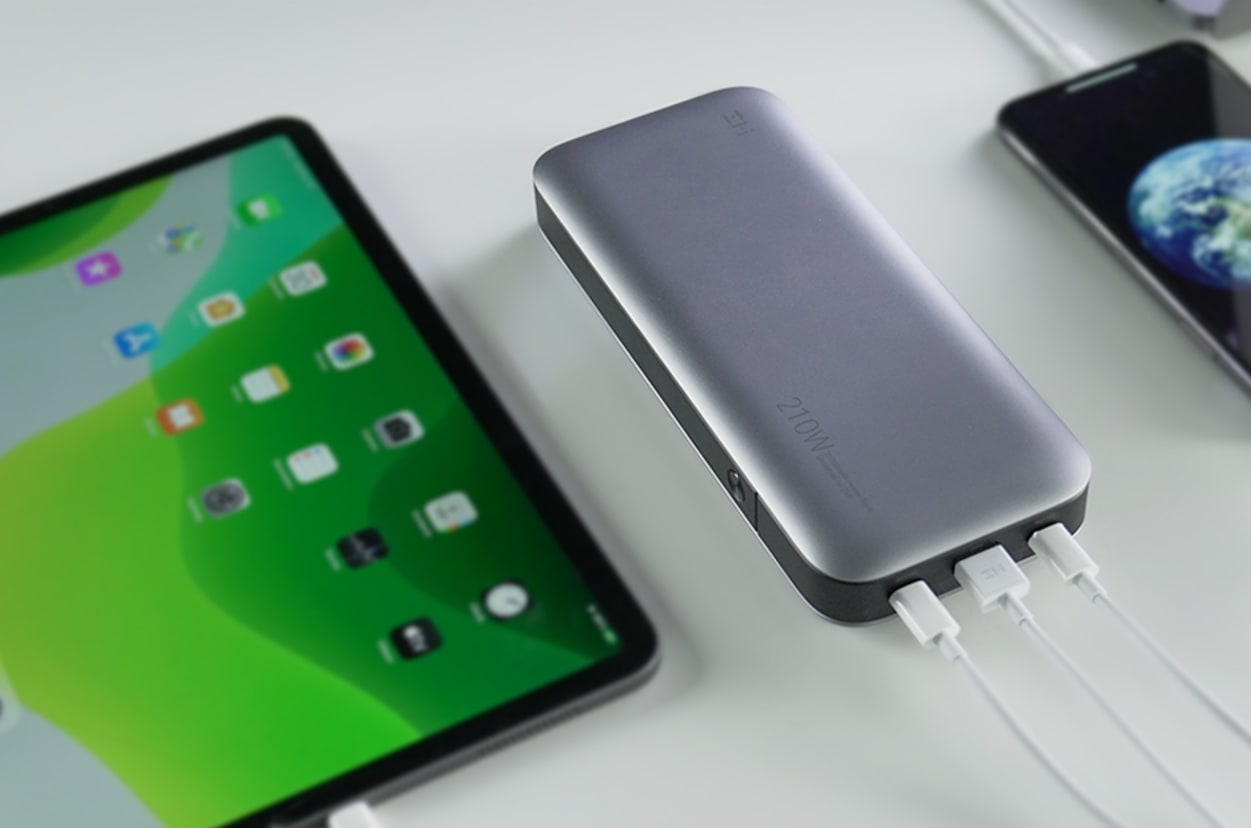
Talking about the features, this power bank supports USB PD (Power Delivery) protocol and sports two USB Type-C ports and a single USB Type-A port. The first Type-C port can support up to 100W input and output, whereas the second Type-C port is limited to 45W. On the other hand, the Type-A port supports up to 65W output.
Further, it comes with a 25,000mAh capacity and can output current from all the ports at once. Hence, the company advertises it to come with 210W max output. Also, it has a small LED screen to display battery capacity and a button that can be used to activate low power charging mode for accessories.
1 of 3
Last but not least, the ZMI PowerPack No. 20 power bank measures 188.6 x 80.4 x 27.1mm in dimensions, weighs 580g, and ships with a USB Type-C to Type-C cable as well as a USB Type-A to Type-C cable.
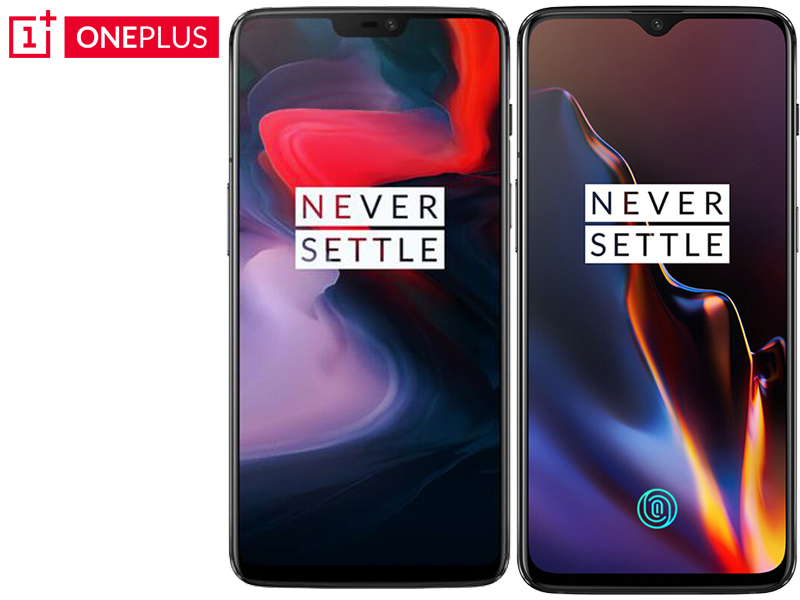
The OnePlus 6 and OnePlus 6T are among the OnePlus devices that will get the Android 11 update. However, while other devices such as the OnePlus 7/7T series have received an Open Beta update, the OnePlus 6/6T are yet to. Nevertheless, there is a new update for both devices that bring January 2021’s security patch.
The update is rolling out to both phones as OxygenOS 10.3.8 but to a limited number of users at first. Along with the security patch, the update also brings the India-exclusive OnePlus Store app. Below is the full changelog:
System updates
Updated MemberShip to 1.2.0.2
Updated Android Security Patch to 2021.01
Updated GMS package to 2020.09
OnePlus Store
An intuitive and convenient way to manage your OnePlus account, get easy-to-access support, discover exciting members-only benefits, and shop for OnePlus products. (Please note that it can be uninstalled)
There is still no news yet regarding when the OnePlus 6 and OnePlus 6T will get OxygenOS 11 but we expect the update to arrive after the OnePlus 7/7T series receive their stable update which should arrive in February.
The OnePlus 6 and OnePlus 6T were released in 2018. They are both powered by the Snapdragon 845 processor, have 16MP+20MP dual rear cameras, and 16MP front-facing cameras. Both phones launched with Android
The OnePlus 6 has a 6.28-inch FHD+ screen with a wide notch for the selfie camera. It also has a 3300mAh battery, 20W fast charging, and launched with Android 8.1 Oreo out of the box. Thus, Android 11 will be its last major OS upgrade.
The OnePlus 6T has a larger 6.41-inch screen with a smaller waterdrop notch. It also has a bigger 3700mAh battery and launched with Android 9 Pie out of the box which means Android 11 will be its second OS upgrade.
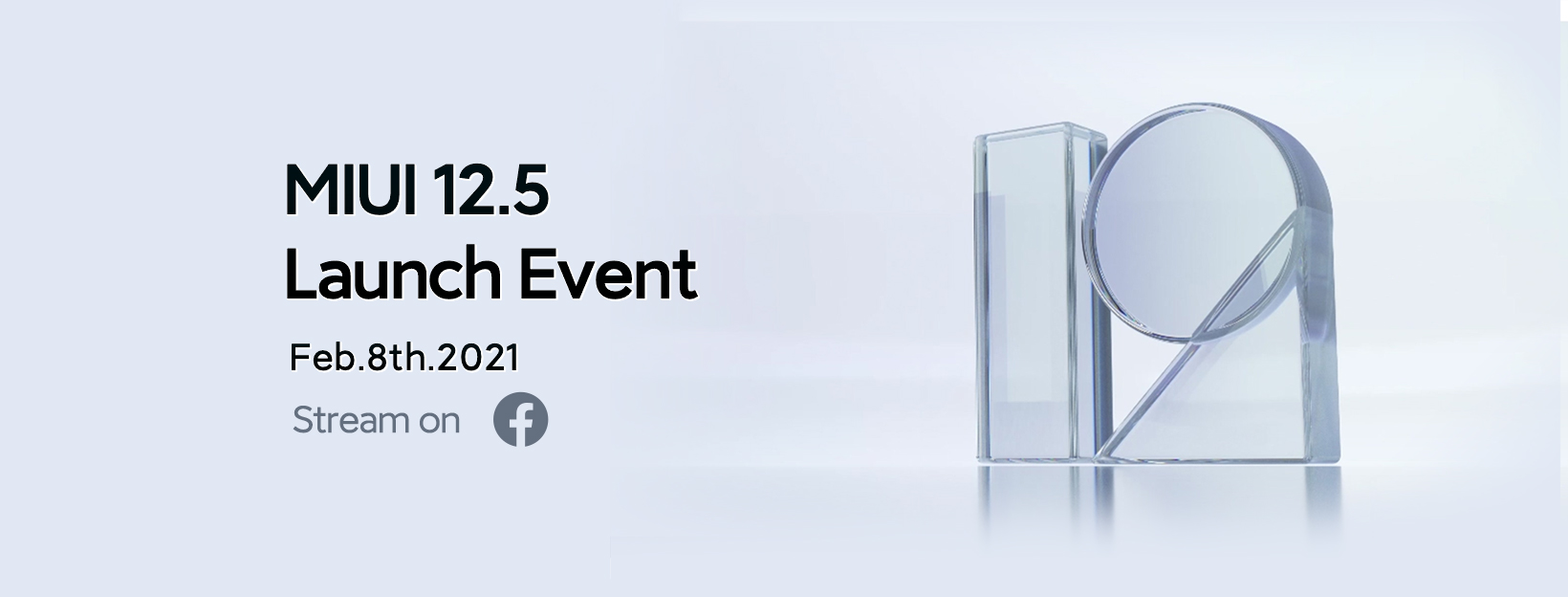
Xiaomi unveiled the intermediate MIUI 12.5 a month ago in China. Today, the company has finally set the date for the Global launch of the UI.
Xiaomi’s Global MIUI ROM official account has announced via a Facebookpost that the company will unveil the MIUI 12.5 on February 8, 2021. The event will be streamed on the said social media account. This strongly hints that the Global launch of Xiaomi Mi 11 could be on the same date.
If we recall, the company announced the first Snapdragon 888 smartphone on December 28 in China. The device, despite running old MIUI 12 out of the box, had the new MIUI 12.5 announced alongside the event. Hence, the same could happen globally but let’s wait for official news.
Either way, the launch is here and users can finally enjoy the new visual changes, privacy, and features like MIUI+. Having canceled the MIUI Global Beta Program in July 2019, we can only expect Xiaomi to release a schedule prior to the subsequent stable update rollout.
As for availability, the Chinese models like the Xiaomi Mi 9, Mi 10 series, Redmi K20 and K30 series, Redmi Note 7, 9 series were among the prominent ones to get into the support list. For Global, we can expect more region-specific devices to make the cut.
Xiaomi’s MIUI 12.5 in China uses 35% less background memory and 25% less power consumption. It has up to 9 uninstallable system apps. It also has revamped animations, system sounds & notifications from animals and natural elements, refined haptics( of lock, Tap, Gesture actions).
Other prominent improvements include updated Privacy with clipboard protection, Sandbox Mechanism on File storage, new MIUI Notes, and MIUI+ for connecting with computers. Let’s see how many features make it to the Global version.
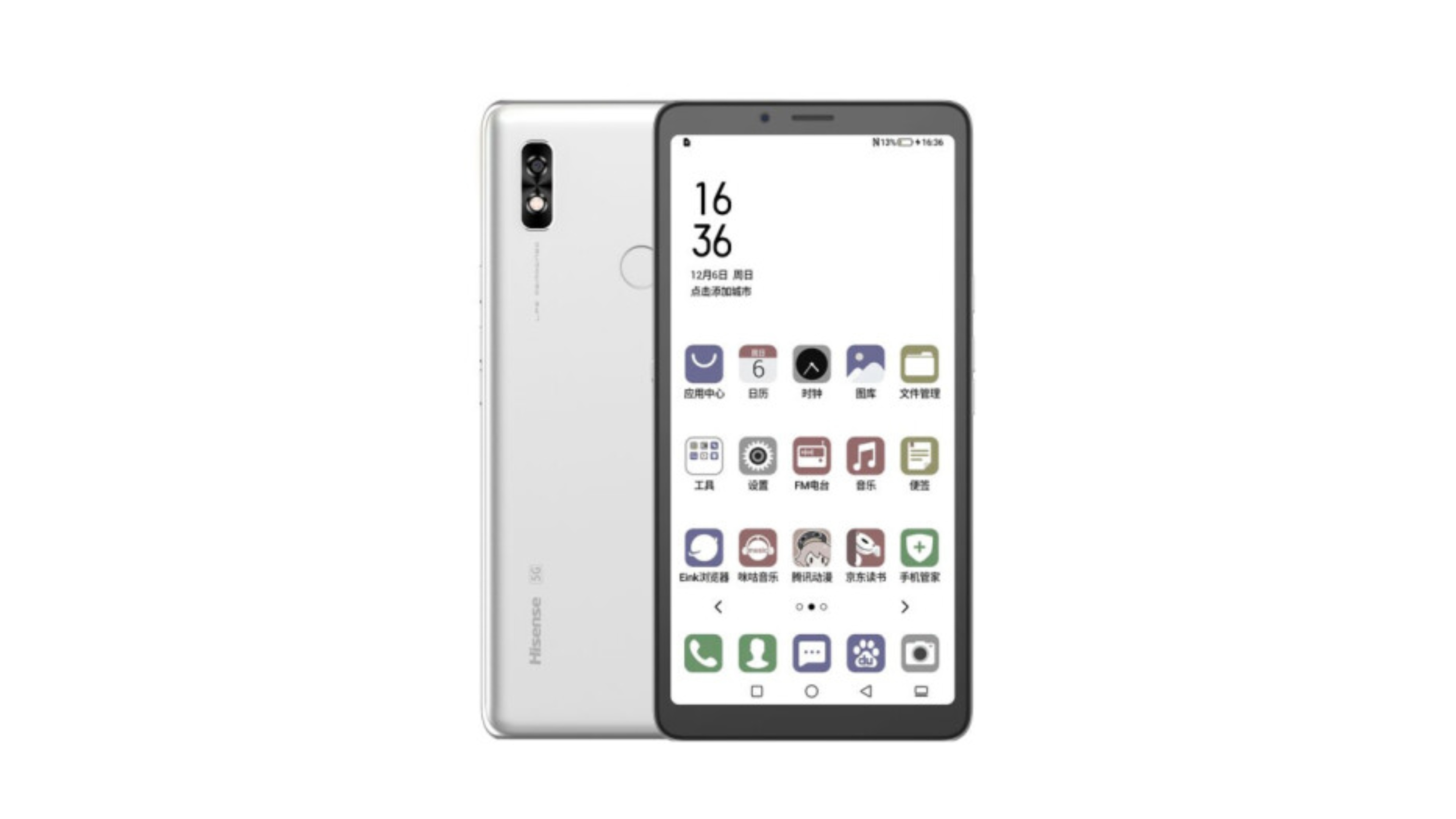
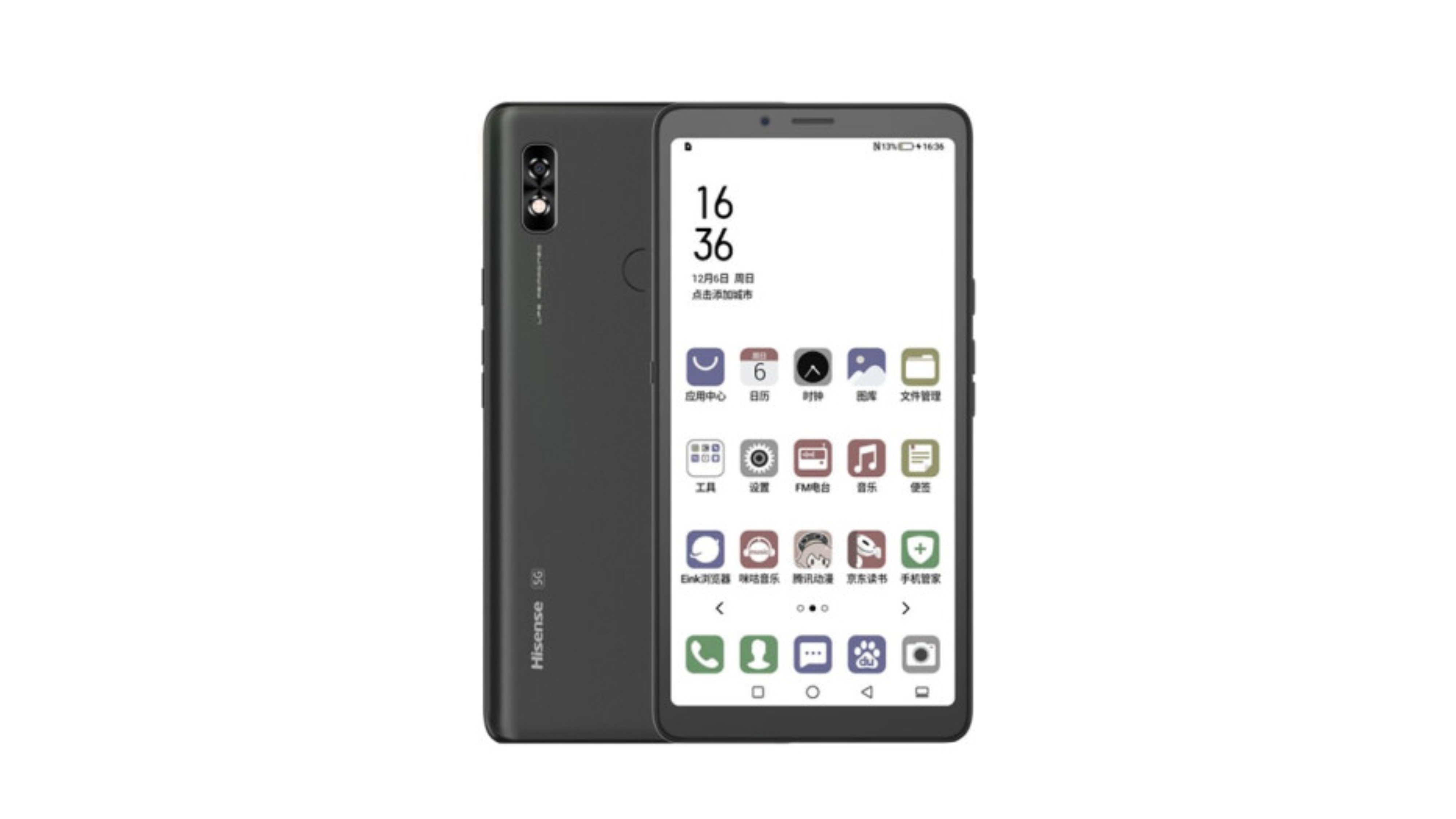
Back in December 2020, Hisense, a well-known TV manufacturer launched Hisense A7 5G as the world’s first E-ink display smartphone with 5G connectivity in its home country China. Now, a month later, the company is taking pre-orders for the color screen version of this handset called Hisense A7 CC.
The new Hisense A7 CC is similar to the regular Hisense A7 5G, except that it comes with a colored E-ink display instead of a monochrome panel. Hence, it is priced a bit more at ¥2,399 ($371) instead of ¥1,999 ($309).
Talking about the dissimilarities first, the Hisense A7 CC flaunts a similar-sized 6.7-inch E-ink display but with an RGB pixel arrangement. Also, the PPI (pixels per inch) drops from 300 to 100 on this model.
Apart from the differences in display, the A7 CC is nothing but an A7 5G inside out. In other words, it can be considered as the true successor to the Hisense A5 Pro CC from early 2020.
Under the hood, it features a UNISOC Tiger T7510 chipset with support for 5G connectivity. This silicon is paired with 6GB RAM and 128GB internal storage.
Other features include a 3.5mm headphone jack with AK4377AECB audio DAC for Hi-Res Audio, single front and rear cameras, fingerprint sensor, an additional programmable key on the left side, dynamic and constant refresh rate support, super-linear speaker, different lockscreens, several tweaks related to the E-ink display, and a refined UI based on Android 10.
Last but not least, the Hisense A7 CC is backed by a 4,770mAh with support for 18W fast charging and comes in two colors (Obsidian Black, Moonlight Silver).
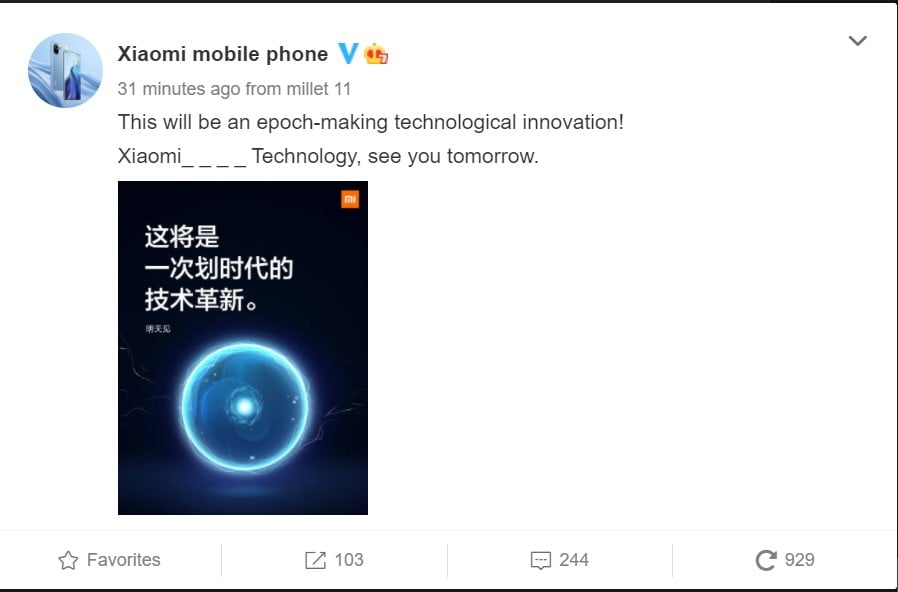
Xiaomi introduced a 50W Wireless Charging with the Mi 10 Ultra. Amidst reports of companies working for higher power output, it surprised everyone with a commercial product back in 2020. Today, the company has teased another technology that could be an upgrade to the older charging tech.
Xiaomi, in an official post on Weibo, has teased a new technology today. The post and the image say that this tech will be ground-breaking innovation. Accordingly, the image also represents what looks like a charging animation. There is a possibility that Xiaomi will reveal more about a new charging technology tomorrow.
Parallelly, XDAdevelopers have found that Xiaomi is working on two phones with 67W Wireless charging. As per their report, Xiaomi tipster kacskrz has found new string arrays on MIUI 12.5 beta build. It has the title “keyguard_wireless_strong_charge_67w” with a logo and two codenames- “star” and “mars”.
1 of 4
Xiaomi New Technology Teaser
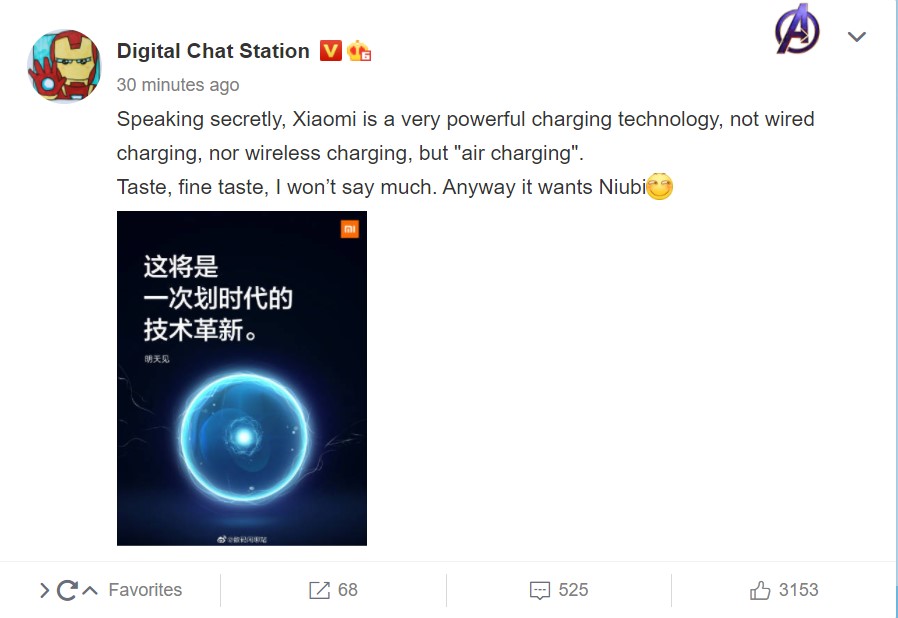
Could be Air Charging
CC: XDA; 67W logo found on MIUI 12.5 Beta String
The report says that “star” will have a model number ending in K1 while “mars” will end with K1A. Considering the relation in codenames, it could be the next flagships of Xiaomi- Mi 11 Pro, and Mi 11 Ultra. While the latter is just speculation, according to a XiaomiUI Telegram Group, Mi 11 Pro’s codename is “star”.
This corroborates with the report and hence, Mi 11 Pro could have upgraded wireless charging than Mi 11’s 50W. Meanwhile, tipster Digital Chat Station hints that Xiaomi’s new tech might be called “Air Charging”. While the possibility of a non-contact charging is very unlikely, the naming could just be for differentiating with older tech.
Earlier this month, we saw reports of Xiaomi introducing 80W wireless charging tech in the first half of 2021. And just like XDA says this tech could have limits up to 67W to manage temperature and battery life.
Either way, with reports of Mi 11 Pro launching on February 12, 2021(mid-Feb), and Xiaomi teasing a new technology right on time, we can’t rule out the possibility of Mi 11 Pro getting it. Let’s wait for official news tomorrow to put an end to these speculations.
WhatsApp has been constantly in the news lately. Recently, it raised a lot of controversy for updating its privacy policy and terms. The backlash was so bad that it literally had to postpone the cut-off date and explain the significance of the update. Today, the company has rolled out a new security feature for WhatsApp Web and Desktop users.
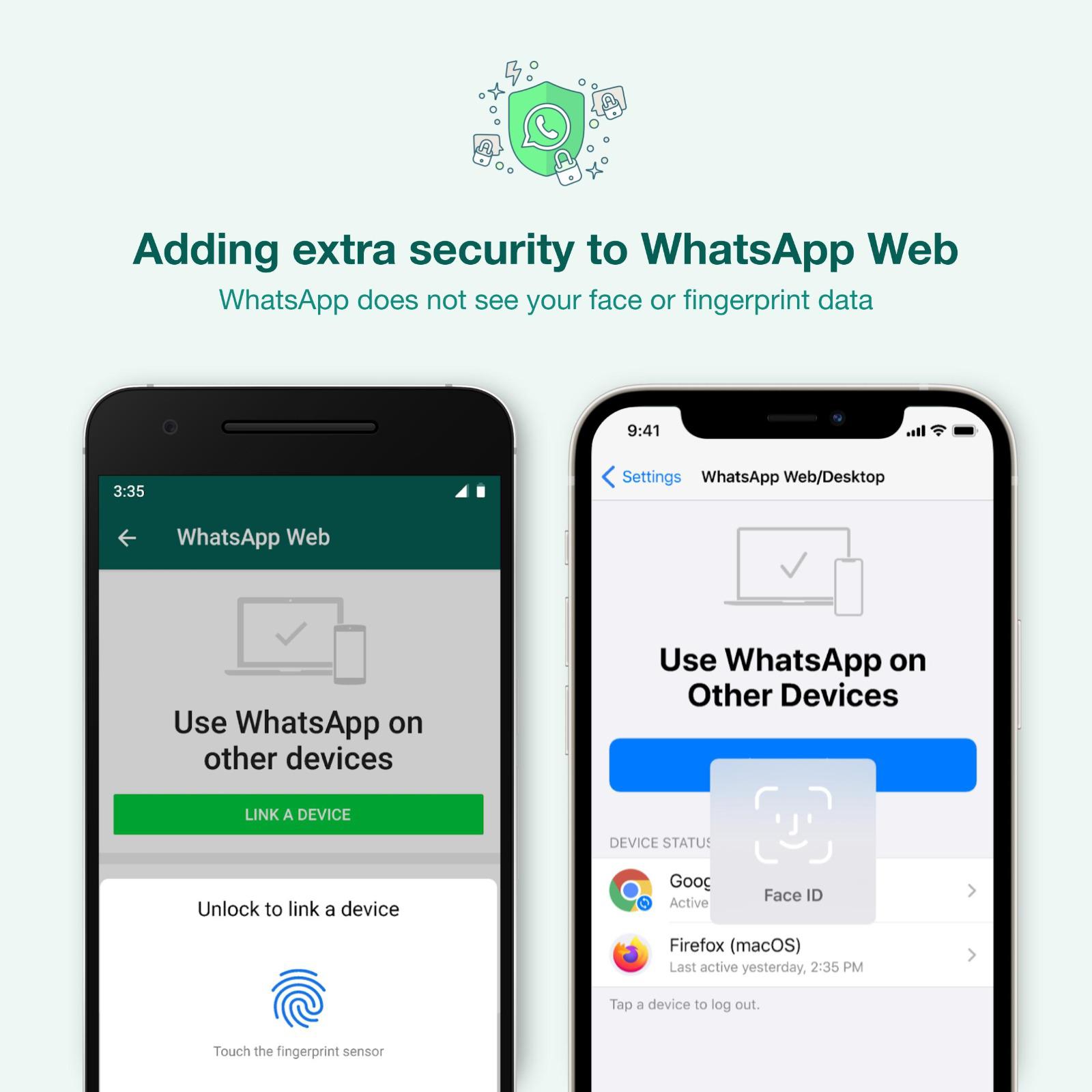
WhatsApp in a Tweet, announced that it is rolling out Facial recognition and Fingerprint authentication for Web and Desktop users. For the unaware, WhatsApp apart from Android/iOS mobile platforms, offers services in Web(via Internet browser) and Dekstop(via Software) mode on computers.
The Desktop mode is available for Windows, Mac OS and Web works on any internet browser but require linking their accounts from mobile phones. Anyway, WhatsApp says that with the new feature, users will require to authenticate in their phones while linking/logging into their Accounts to the Web/Desktop.
Back in 2019, we saw evidences of fingerprint authentication on Android Beta. After rounds of Beta testing, the feature made it to the final version. Shortly before, the iOS users also got the authentication but it was Face Unlock owing to the absence of fingerprint on newer flagships.
Similarly, WhatsApp is equally focusing on PC as its recently got support for Audio/Video calls. Coming back, the new update for Web/Desktop adds an extra layer of security which was a simple QR code scanning before.
WhatsApp also says that the authentication is taken care of by respective APIs and it doesn’t have access to the biometric data. Nevertheless, the feature, which is currently not available for everyone, will be rolling out to Android(eligible – with fingerprint)/iOS(above 14+) users in the coming days.
After this, by default, you need to authenticate the linking and if you wish to remove it, you have to disable the fingerprint/face unlock on your phone as a whole. That said, the next big update could be the multi-device support.
Apart from being the world’s largest smartphone maker (but not in Q4 2020), Samsung is also one of the largest smartphone component suppliers. One of the popular components supplied by the company is CMOS image sensors. Now, according to a report, the company is planning to expand the production of these sensors by 20% in 2021.
The Elec, a popular and reliable South Korean electronics industry media reports that Samsung Electronics is gearing up to increase the production of CMOS image sensors, which are also known as CIS.
The publication says that Samsung produced about 100,000 wafers per month in 2020. But in 2021, the tech giant has plans to increment the wafers per month count to around 120,000 to 130,000.
In order to achieve this goal, Samsung is said to be considering converting one of its DRAM fabs (11 line and 13 line) at Hwaseong to manufacture CMOS image sensors.
If this happens, it is expected to benefit the four suppliers of Samsung Electronics for CIS, namely Tesna, Nepes Ark, LB Semicon, and Plus Chip.
In anticipation of Samsung’s CIS production expansion, all the above-mentioned suppliers have already been expanding their production capacity. Unsurprisingly, all of them are also expected to make profits from this move.
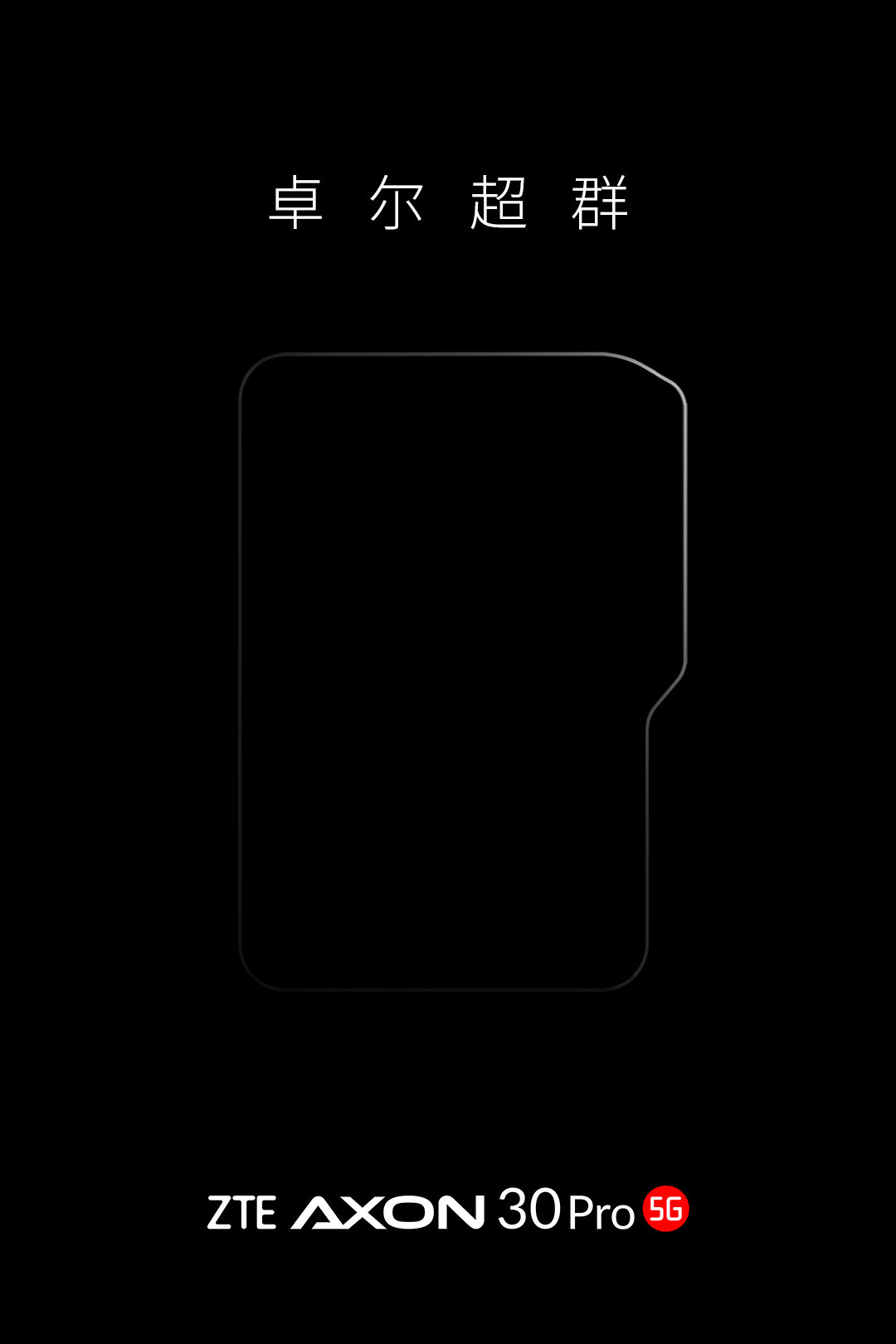
In December, ZTE confirmed that it will be launching three phones with Snapdragon 888 smartphones such as Axon 30, Nubia Z, and Red Magic 6. While the company is mum on the specs and features of the Nubia Z, it has been gradually revealing features of its other two flagships. Today, the company shared a new poster to reveal that its next flagship phone will be called ZTE Axon 30 Pro.
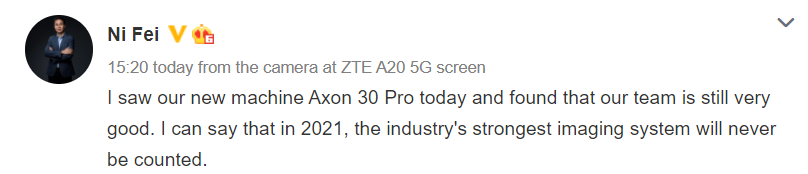
An outline of the rear camera module can be seen in ZTE Axon 30 Pro’s new poster. Today, ZTE President Ni Fei took to Weibo to reveal that the Axon 30 Pro will be arriving with the industry’s pioneering imaging system. Neither the company nor the company has revealed any information on the cameras of the Axon 30 Pro.
The Axon 30 series is expected to include two models such as ZTE Axon 30 and Axon 30 Pro. Both phones may come equipped with second-generation in-screen cameras. The Axon 30 Pro will be fueled by the Snapdragon 888 mobile platform. It is unclear which processor will be present under the hood of the Axon 30.
Speculations are rife that ZTE may announce the Axon 30 lineup will break cover after the Chinese New Year (Feb. 12). Hopefully, newer reports will reveal more information on the specs of both smartphones.
The Axon 30 Pro is expected to replace the Axon 10s Pro 5G phone that debuted last year in February. It came with specs like a 6.47-inch AMOLED FHD+ display, Snapdragon 865, 12 GB of LPDDR5 RAM, up to 256 GB of UFS 3.0 storage, 48-megapixel triple cameras, a 20-megapixel front camera, and a 4,000mAh battery with fast charge support.
IKEA, the furnishing based company, has recently made an online announcement that it would be launching a new ROG (Republic of Gaming) branded series of product in China, earlier today (28th January 2021).
The news arrives after both brands collaborated in the past, with Asus’ ROG gaming brand announcing about 30 kings of affordable furniture accessories back last year. Now, it seems like the Swedish brand is partnering with the Republic of Gaming again to launch a new lineup of products. These new products will also be centered around gaming and will be accessories within the same cateogry, which is being developed in IKEA’s product development center in Shanghai, China.
In a recent design seminar, IKEA announced that it is targeting both gaming enthusiasts as well as professional esports athletes with its new gaming furniture. Notably, this is not the first time a furniture based brand has partnered with a gaming related company, as last year, Logitech had worked with Herman Miller to develop a gaming chair, which was popular with various online gaming personalities and streamers alike.
While IKEA is usually known for its simple themed minimalistic aesthetic, the design philosophy for its gaming lineup of products will likely be different. As per the company’s official statements, it is aiming to bring gaming related products that will better suit one’s house and would go seamlessly with the surroundings as well. Unfortunately, that is all the information we have to go on, for now, so stay tuned as we will be providing more updates when additional information is available.
The mobile division of Samsung didn’t witness a very impressive final quarter last year, which was within expectations. The company faced “intensified competition in the year-end season,” as per its recent earnings report.
During Q4 2020, the company saw a decline of 11 percent year on year when compared to its performance in 2019. The “intense” competition here likely points to Apple and its iPhone 12 series, which stole the show during the fourth quarter of 2020. While the iPhone 12 lineup faced a delay in launch and even faced a staggered release for a couple of its models, the company managed to stretch its early buyer’s phase till the month of December, as per a PhoneArenareport.
Due to the pent up market demand for new an iPhone upgrade, Apple saw a significant rise in iPhone shipments during this period, with its iPhone sales also surging by 17 percent year on year. This resulted in the company drawing in a revenue of 111 billion US Dollars out of which near 29 billion US Dollars was the operating profit. The lack of any new Galaxy handsets to compete with and a rise in marketing costs during the holiday season led the Samsung mobile division to only see a modest performance during this time.
While the company’s display division managed to see great sales due to it supplying the iPhone OLED screens, its memory and chip sales saw a decline as well, with the company only bringing in about 6 billion US Dollars in net profit. Despite the lackluster performance in the final quarter of 2020, Samsung is optimistic about 2021 and it’s first few months, unlike Apple.
The former is expecting better performance thanks to its strong 5G enabled Galaxy handsets portfolio along with its cheap foldable lineup as well. As per official Samsung notes, the company will “strengthen leadership in our flagship lineup by expanding S21 sales and popularizing the foldable category… [and] increase smartphone sales by fully addressing replacement demand for 5G with mass-market 5G models.”
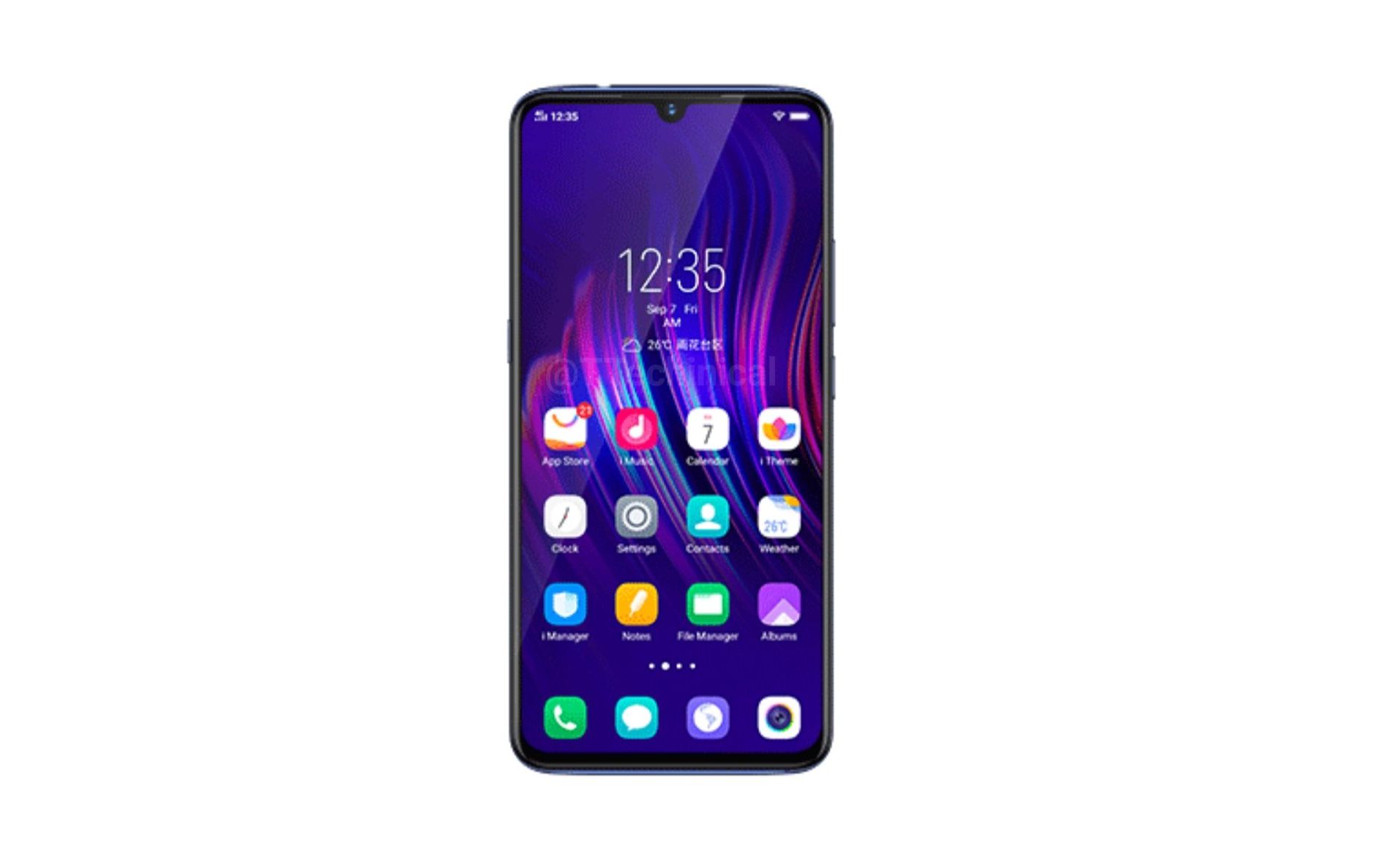
The upcoming Vivo V2048A phone was recently found listed at China’s 3C certification and Geekbench. The same phone has appeared at Google Play Console (via. TTechnical) to reveal some of its key specs. These listings suggest that the Vivo V2048A will go official soon. Reports surrounding the device have claimed it will be hitting the Chinese markets with the Vivo S7t moniker.
The Google Play Console listing of the purported Vivo S7t 5G phone states it is driven by the MediaTek MT6875 SoC. The 5G-ready chipset is better known as Dimensity 820. The SoC is coupled with 8 GB of RAM and it boots to Android 11 OS. The same specs were seen in its Geekbench listing, which appeared at the beginning of this month.
Vivo S7t 5G image at Google Play Console
Previous reports have claimed that the Vivo S7t could be sporting the same kind of a display with a wide notch as the Vivo S7 5G smartphone. The device was speculated to sport a dual selfie camera setup. However, a placeholder image that can be found in the Google Play Console listing of the phone shows that it is equipped with a teardrop notch display. The screen will offer a Full HD+ resolution of 1080 x 2404 pixels and a 480ppi pixel density. It is advisable to wait for further reports to know whether the device is equipped with a single or dual selfie camera setup.
A Chinese tipster had recently that Vivo S7t 5G and the existing Vivo S7 5G have identical specs and they will only differ in the chipset department. Hence, it is likely that the Vivo S7t 5G will be coming with specs like a 6.44-inch AMOLED display, an in-screen fingerprint reader, a 64-megapixel + 8-megapixel + 2-megapixel + 2-megapixel quad-camera system, and a 4,000mAh battery with 33W fast charging support.
We use cookies on our website to give you the most relevant experience by remembering your preferences and repeat visits. By clicking “Accept”, you consent to the use of ALL the cookies.
This website uses cookies to improve your experience while you navigate through the website. Out of these, the cookies that are categorized as necessary are stored on your browser as they are essential for the working of basic functionalities of the website. We also use third-party cookies that help us analyze and understand how you use this website. These cookies will be stored in your browser only with your consent. You also have the option to opt-out of these cookies. But opting out of some of these cookies may affect your browsing experience.
Necessary cookies are absolutely essential for the website to function properly. This category only includes cookies that ensures basic functionalities and security features of the website. These cookies do not store any personal information.
Any cookies that may not be particularly necessary for the website to function and is used specifically to collect user personal data via analytics, ads, other embedded contents are termed as non-necessary cookies. It is mandatory to procure user consent prior to running these cookies on your website.