Advertisement

Xiaomi launches the Roidmi Self-collecting Robot Vacuum for 2,999 yuan (~$463)

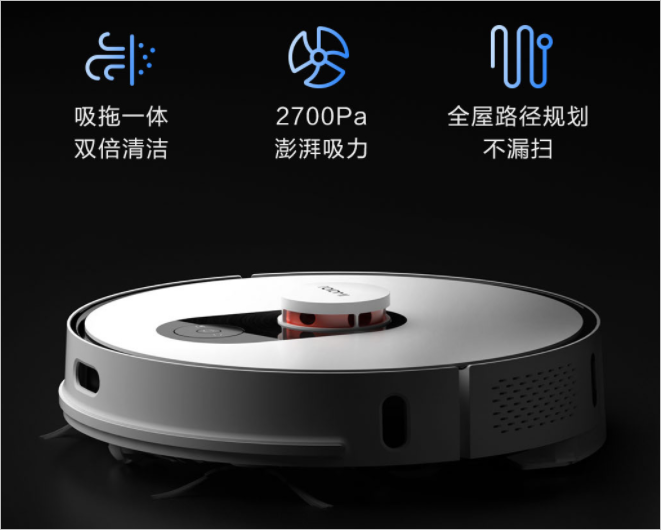
Xiaomi Youpin is home to yet another interesting product coming from the stable of Roidmi, a Xiaomi ecological chain company. The product is dubbed Roidmi Self-collecting Robot Vacuum and its standout feature is the ability to automatically empty the dust box. The robot vacuum cleaner carries a decent price tag of 2,999 yuan (~$463).Roidmi Self-collecting Robot Vacuum

The Roidmi Self-collecting Robot Vacuum is equipped with a rear suction dust collection cleaning station, which automatically empties the dust box after cleaning, automatically packs the dust, and has an original ozone antibacterial and deodorant technology. The dust bag has a large capacity of 3 liters which can automatically pack and not leak dust.
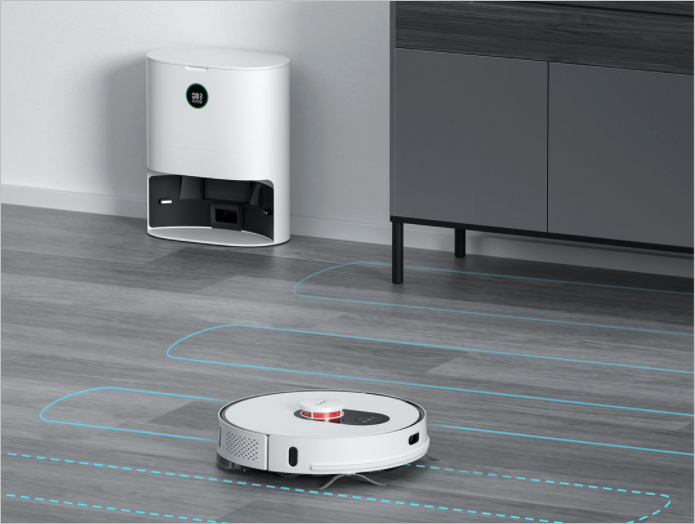
Roidmi Self-collecting Robot Vacuum

According to the company, the Roidmi Self-collecting Robot Vacuum is equipped with a new generation of super-sensing LDS (lidar technology) which can quickly scan the whole house and automatically draw a map and plan the route through the SLAM algorithm.
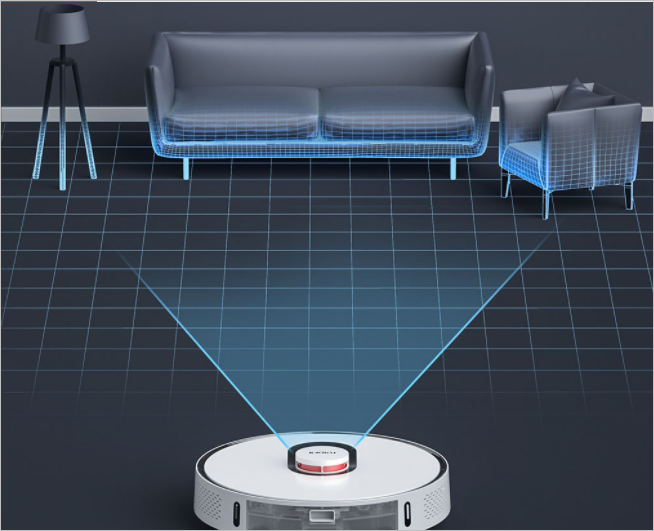
Furthermore, the Roidmi Robot Vacuum cleaner adopts an integrated design of suction and drag and is equipped with a smart micro-control water tank, which can intelligently control and release uniform water output through the micro-control chip. The volume of the water tank is 250ml, and it can cover an area of 300 square meters in one go.
The

RELATED:

The Garmin Lily series of smartwatches is targeted at women; starts at €199

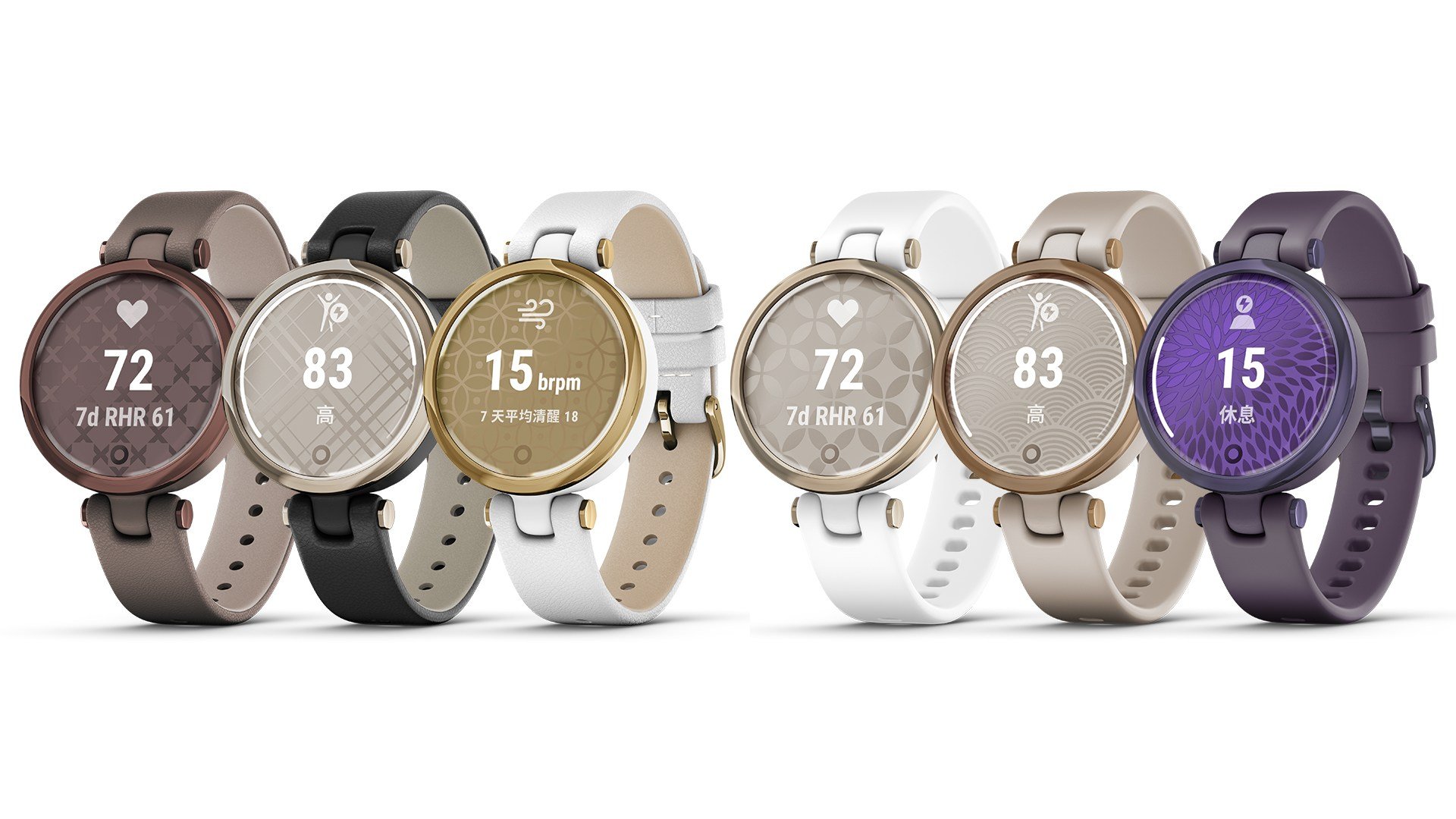
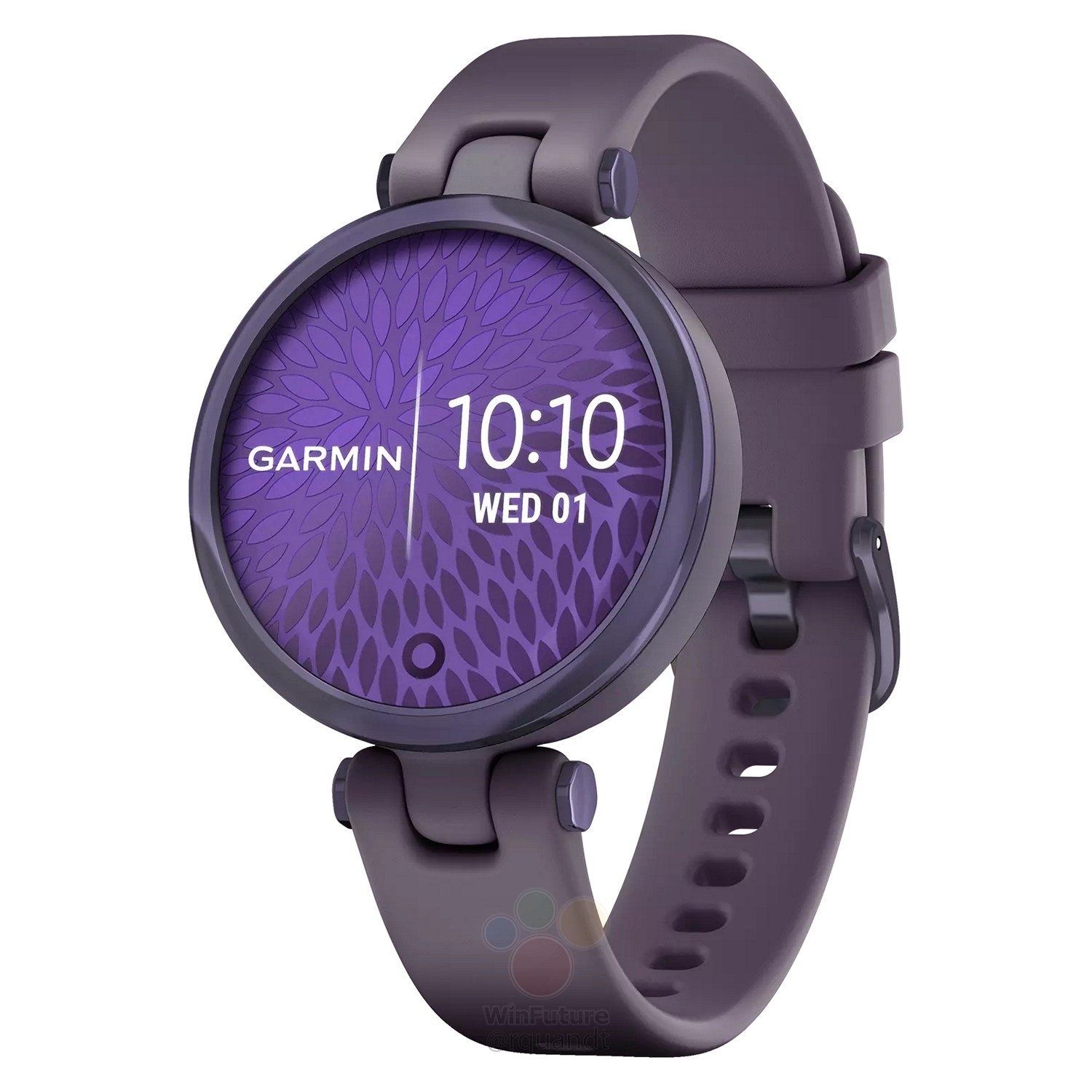
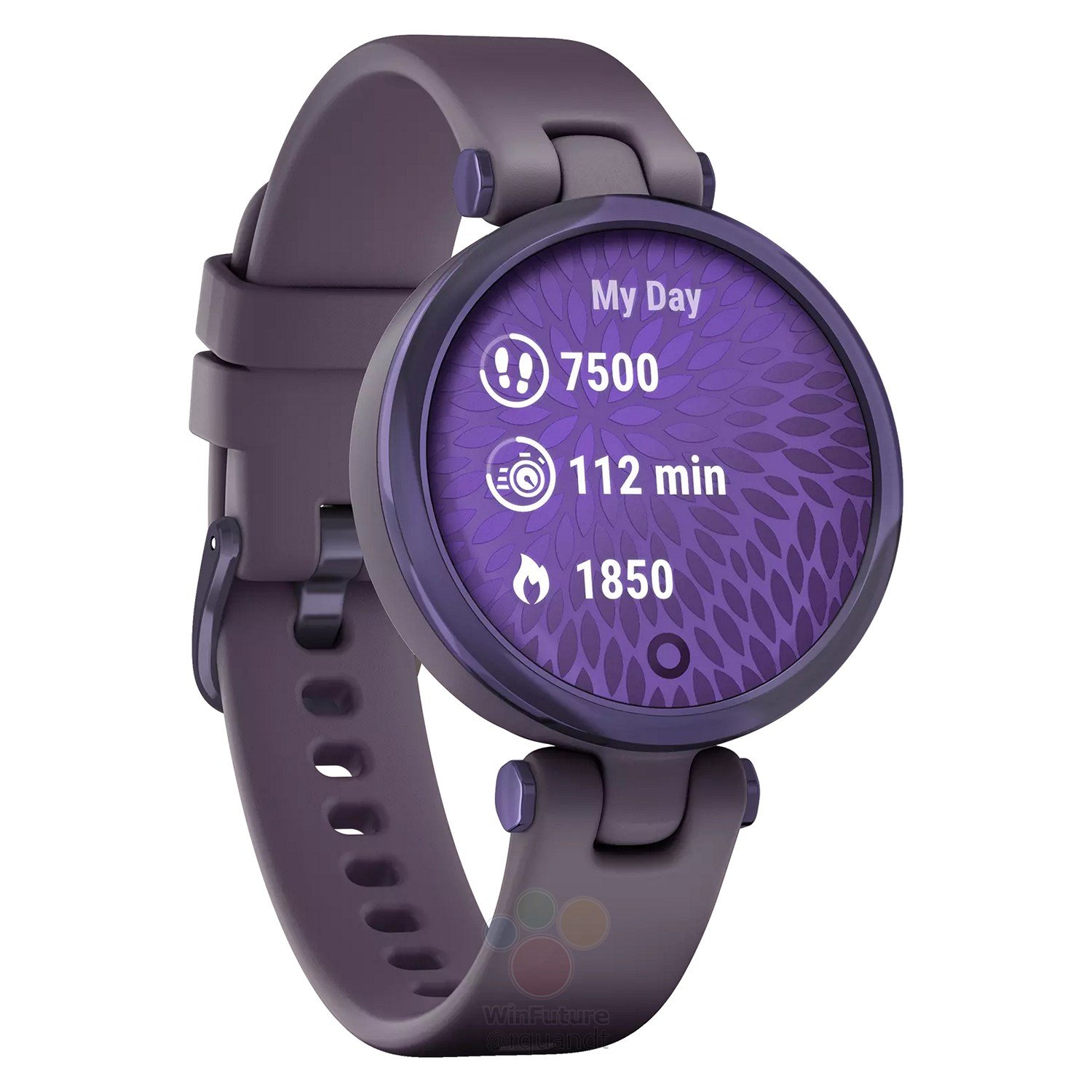
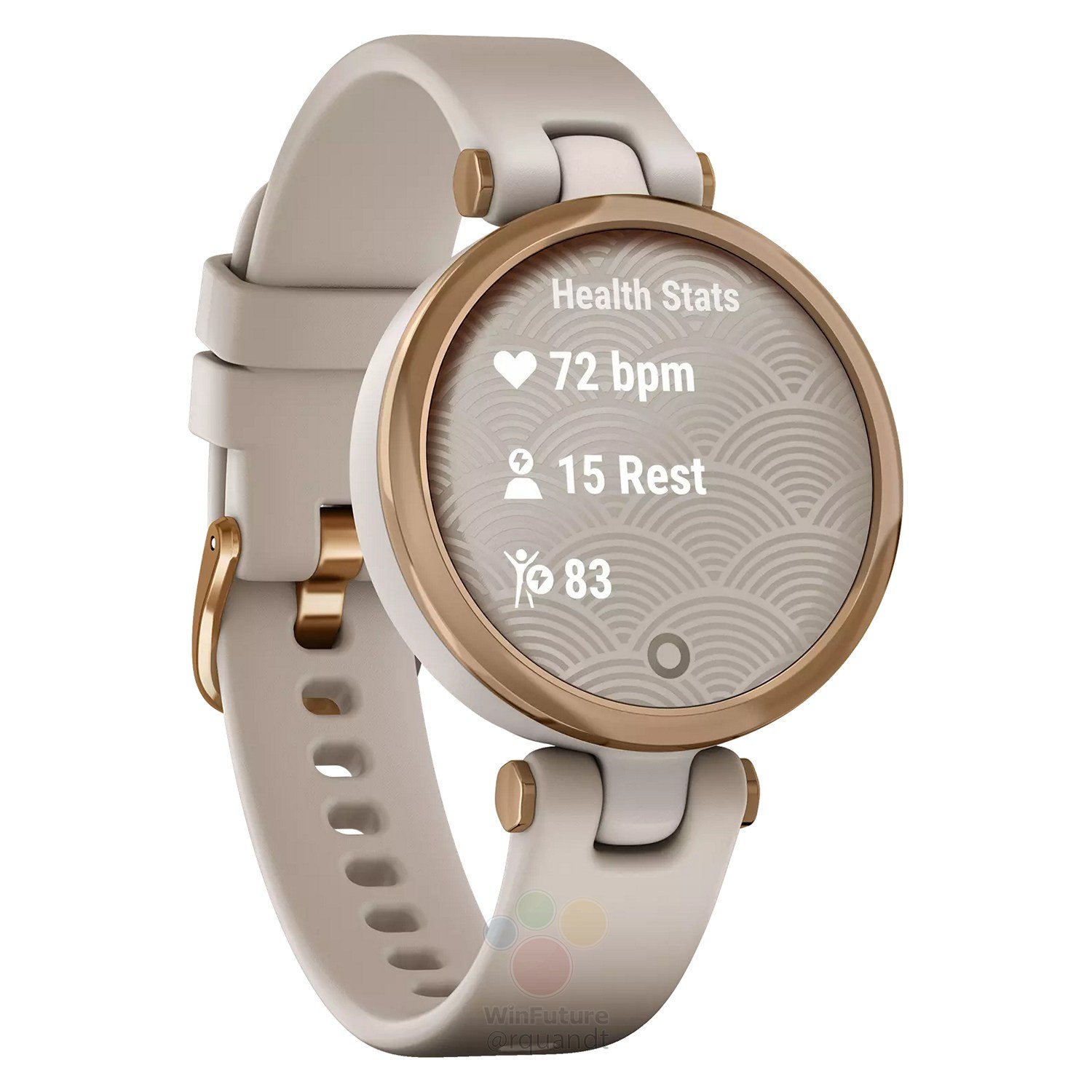
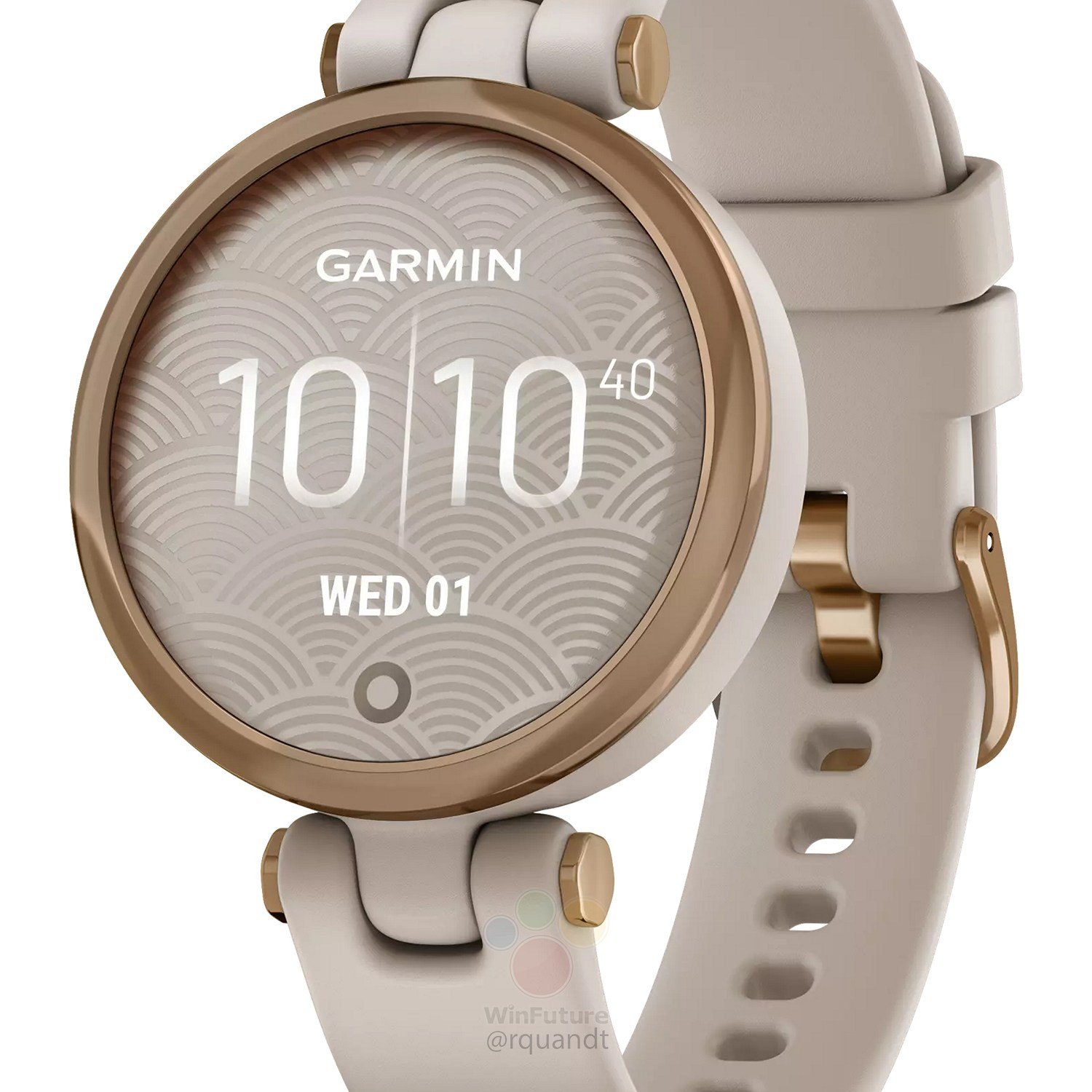
Some smartwatch manufacturers usually release some of their products in two sizes, with the smaller one indirectly targeted at women. But it is rare to see a manufacturer make a smartwatch specifically for women which is what Garmin is doing with its new Lily series. The Garmin Lily series is yet to launch but a leak has revealed details of the first two models.
Garmin Lily Classic and Garmin Lily Sports

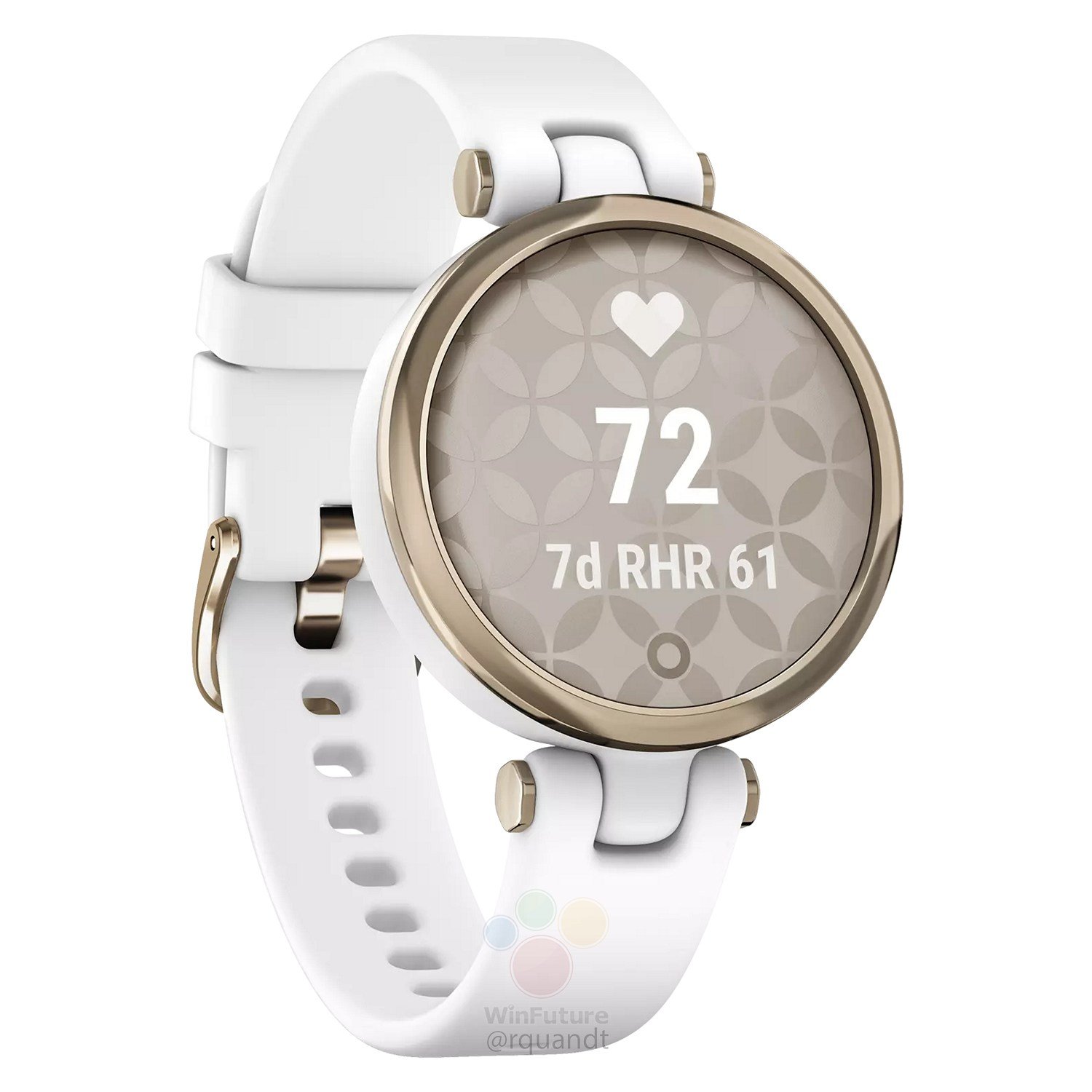
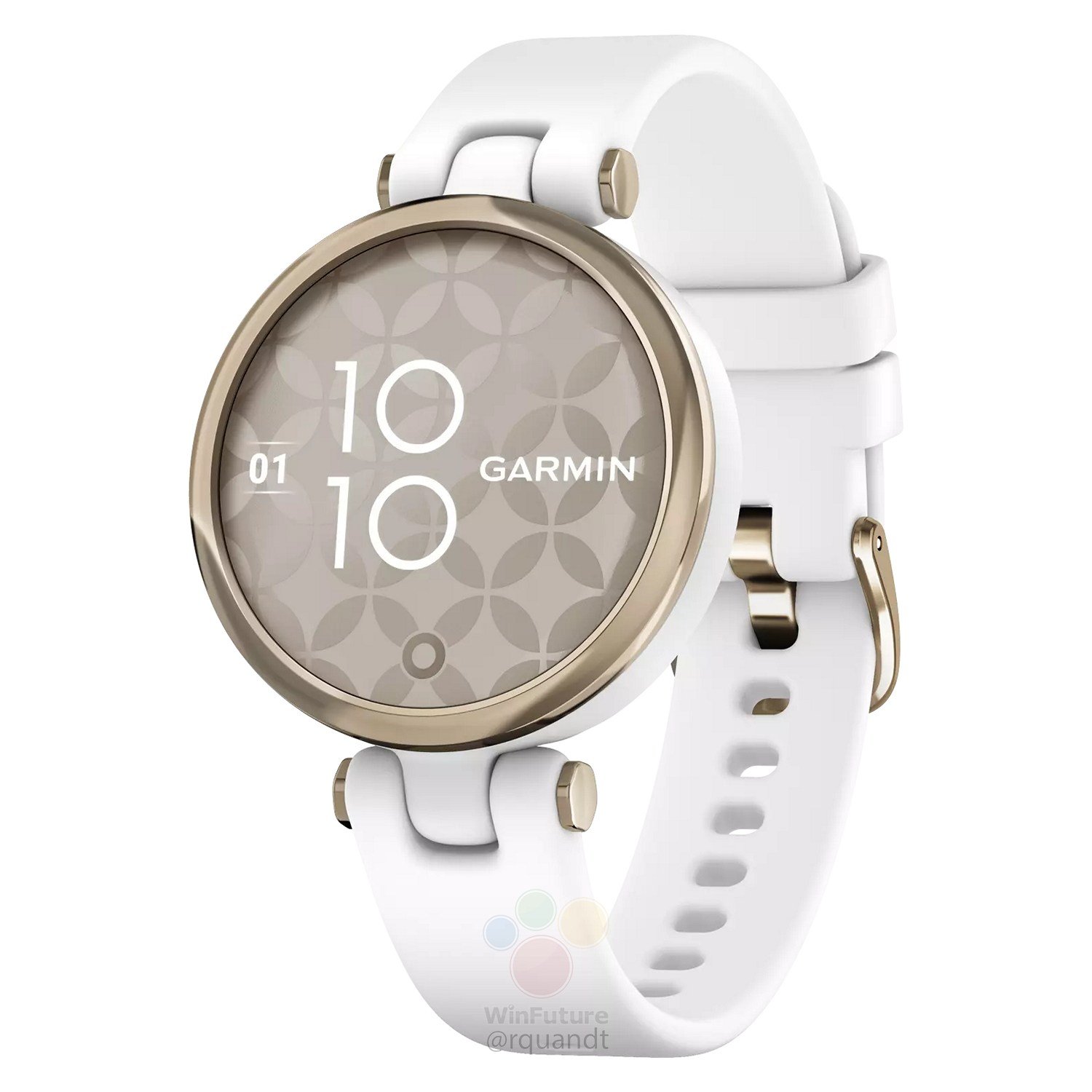
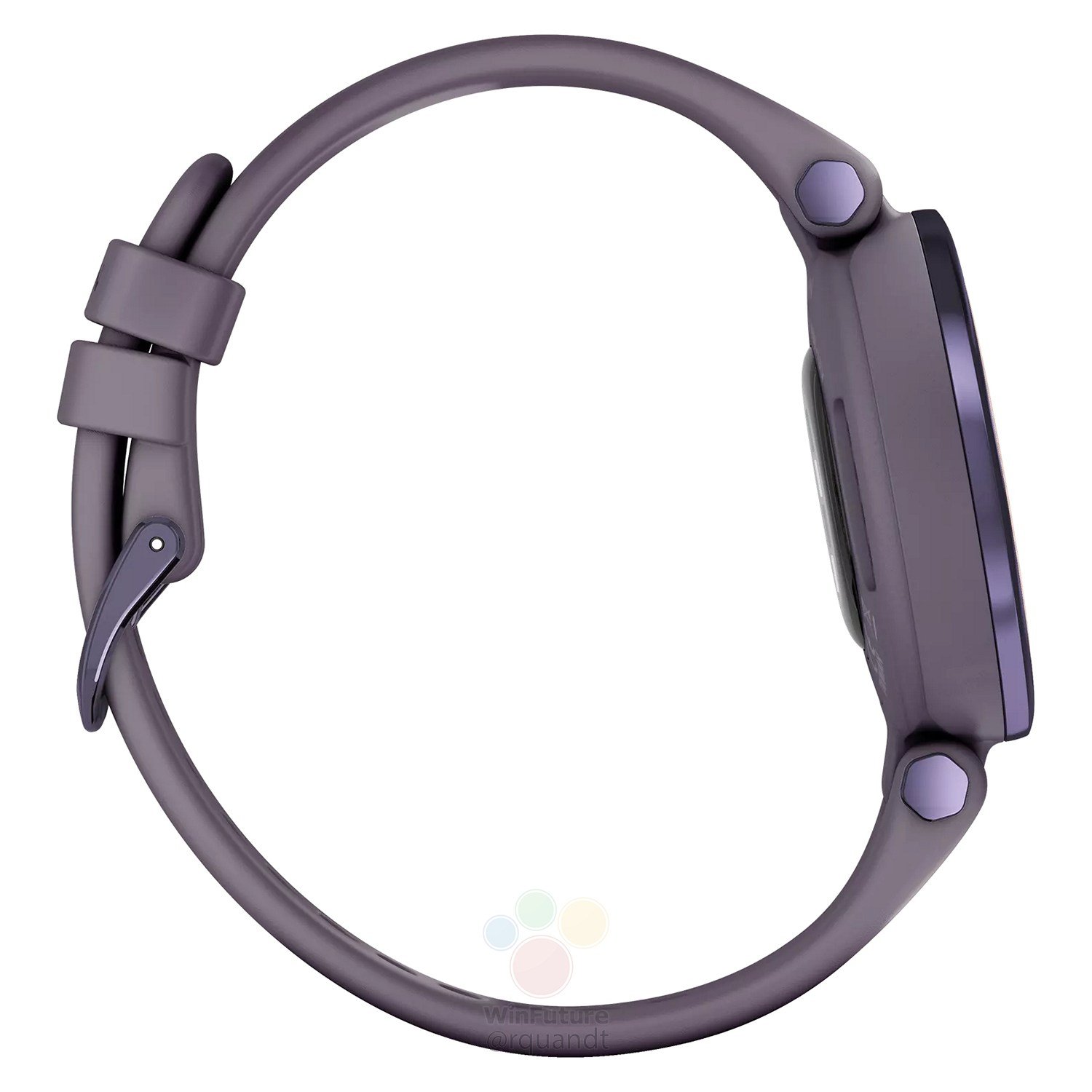
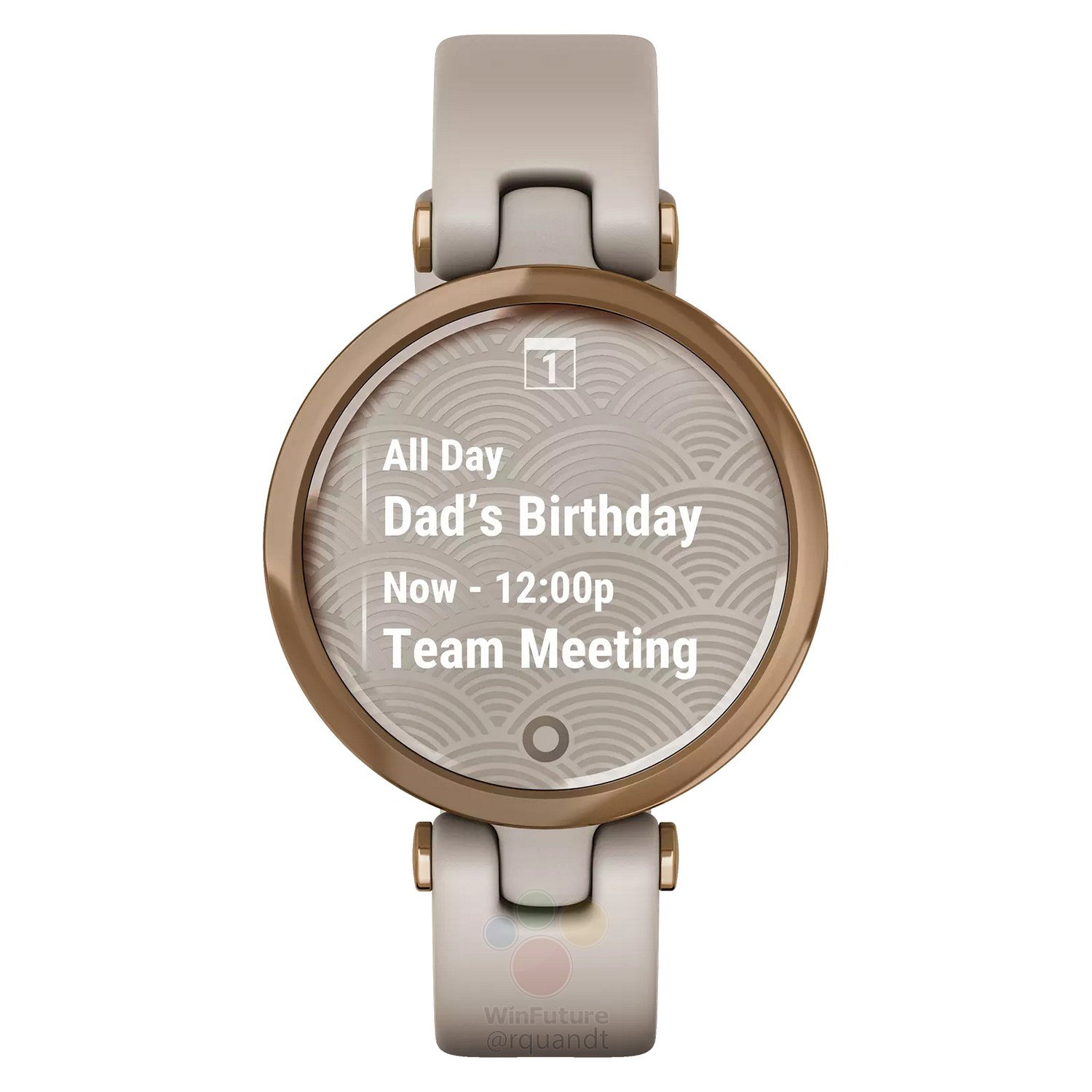
The Garmin Lily will come in two variants according to WinFuture.de. There is the Classic version and the Sport version. The only difference between both watches is the choice of material. The classic version has a metal casing with leather straps while the sport version has a fiber-reinforced plastic casing with silicone straps. The rest of their specs and features are said to be the same.

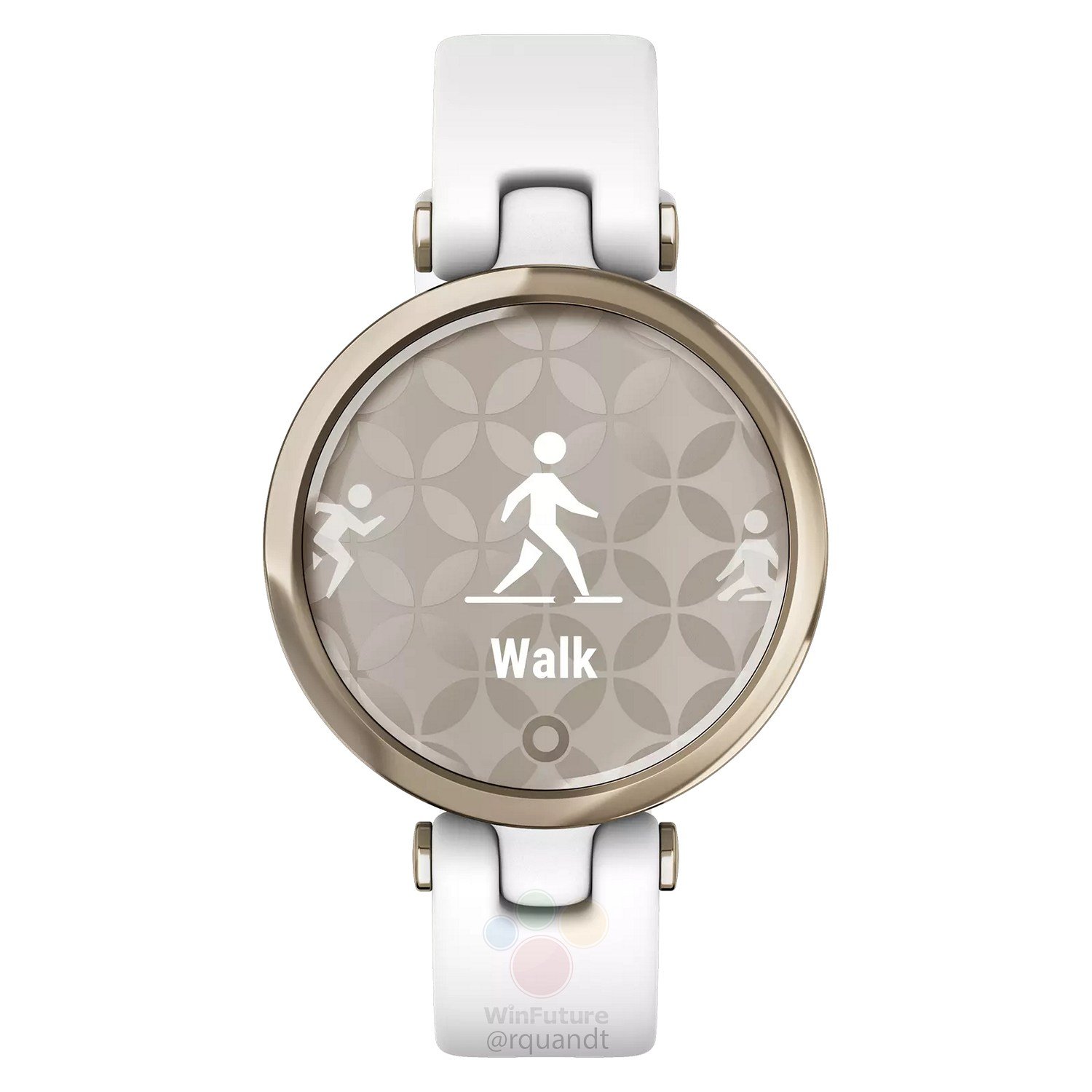
The Garmin Lily watches each have a 1.3-inch LCD display with a resolution of 240 x 201 and Gorilla Glass protection. There are no buttons on the watch which means operating it is entirely via the touch display. The display is attached to a 14mm proprietary strap.

The smartwatch can measure heart rate and also has support for blood oxygen level detection (SpO2) thanks to the PulseOx sensor. The Garmin Lily has support for tracking sports modes and exercises that include yoga, pilates, and running. The underside of the watch says it has GPS but the source says that it has to be connected to your phone and Garmin’s own app to record running routes. The watch will also display the total steps and calories burnt per day and alert you when you receive notifications on your phone.

The battery life of the Garmin Lily is put at five days which seems pretty small but since we don’t know the battery capacity, we won’t knock it for that. It charges via a USB adapter which should be included in the box.

The Garmin Lily Classic is shown in the topmost image above in coffee, black, and white while the Garmin Lily Sports comes in white, beige, and purple (exact names may be different). The price of the classic version is not known but the sports version is said to be the cheaper model with a €199 price tag. Garmin is expected to announce the smartwatches soon.


RELATED:


Samsung Galaxy S21 vs Galaxy S21+ vs Galaxy S21 Ultra: Specs Comparison

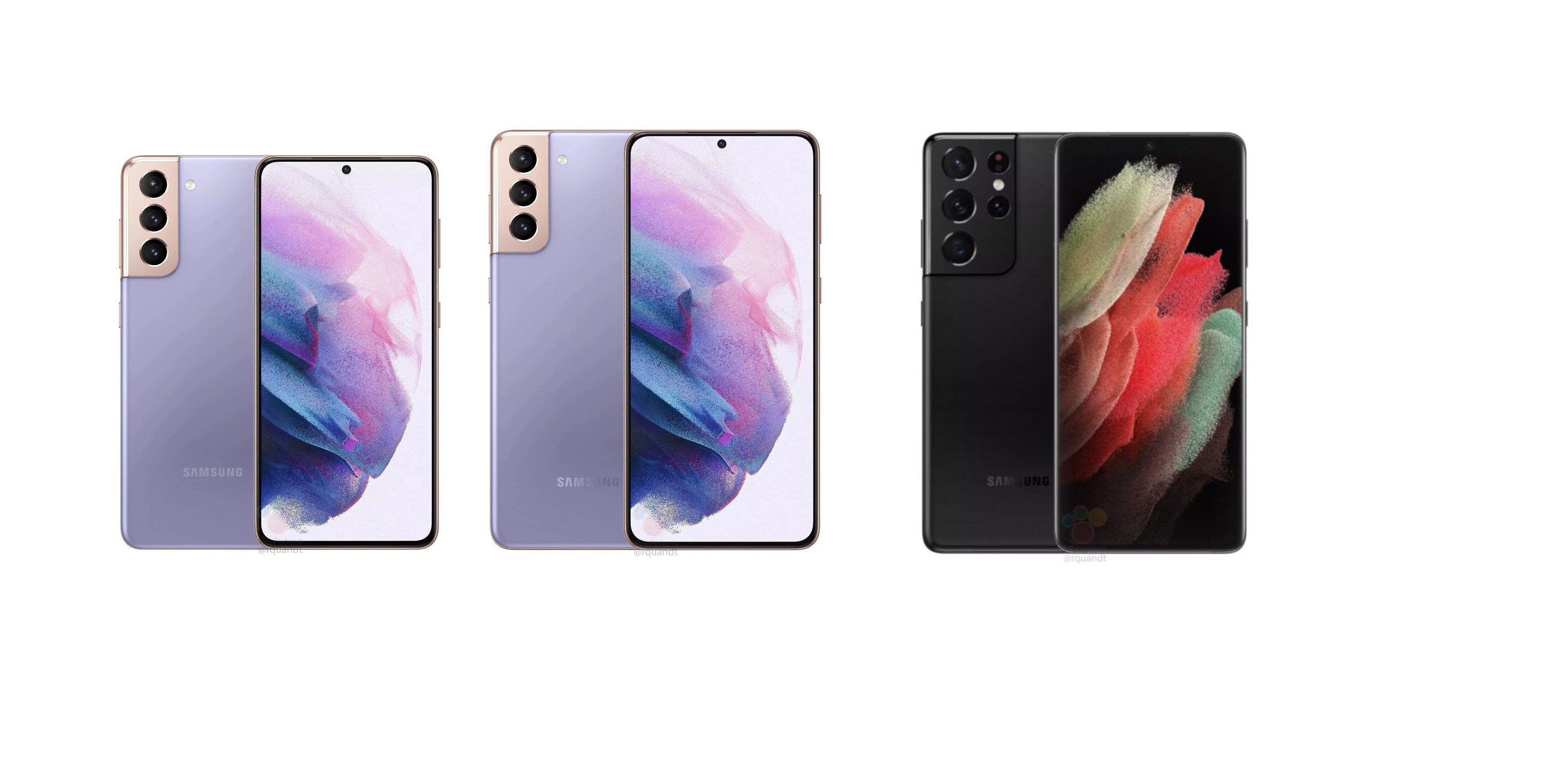
Samsung released its 2021 flagship series all around the world and brought a lot of exciting new features for the S series to the market. Samsung Galaxy S21, Galaxy S21 Plus, and Galaxy S21 Ultra are on the shelves, all with amazing specifications, but with a lot of important differences, especially if we look at the Ultra variant. This comparison will highlight the main differences between their specifications in order to let you understand which one is the best for your actual needs.

Samsung Galaxy S21 vs Samsung Galaxy S21+ vs Samsung Galaxy S21 Ultra

Samsung Galaxy S21 Samsung Galaxy S21+ Samsung Galaxy S21 Ultra
DIMENSIONS AND WEIGHT 151.7 x 71.2 x 7.9 mm, 169 g 161.5 x 75.6 x 7.8 mm, 200 grams 165.1 x 75.6 x 8.9 mm, 227 g
DISPLAY 6.2 inches, 1080 x 2400p (Full HD+), Dynamic AMOLED 2X 6.7 inches, 1080 x 2400p (Full HD+), 394 ppi, Dynamic AMOLED 2X 6.8 inches, 1440 x 3200p (Quad HD+), Dynamic AMOLED 2X
PROCESSOR Samsung Exynos 2100, octa-core 2.9 GHz
Qualcomm Snapdragon 888, octa-core 2.84 GHz
Samsung Exynos 2100, octa-core 2.9 GHz
Qualcomm Snapdragon 888, octa-core 2.84 GHz
Samsung Exynos 2100, octa-core 2.9 GHz
Qualcomm Snapdragon 888, octa-core 2.84 GHz
MEMORY 8 GB RAM, 128 GB – 8 GB RAM, 256 GB 8 GB RAM, 128 GB – 8 GB RAM, 256 GB 12 GB RAM, 128 GB – 12 GB RAM, 256 GB – 16 GB RAM, 512 GB
SOFTWARE Android 11, One UI Android 11, One UI Android 11, One UI
CONNECTIVITY  Wi-Fi 802.11 a/b/g/n/ac/ax, Bluetooth 5.0, GPS Wi-Fi 802.11 a/b/g/n/ac/ax, Bluetooth 5.0, GPS  Wi-Fi 802.11 a/b/g/n/ac/ax, Bluetooth 5.2, GPS
CAMERA Triple 12 + 64 + 12 MP, f/1.8 + f/2.0 + f/2.2
10 MP f/2.2 front camera
Triple 12 + 64 + 12 MP, f/1.8 + f/2.0 + f/2.2
10 MP f/2.2 front camera
Quad 108 + 10 + 10 + 12 MP, f/1.8 + f/4.9 + f/2.4 + f/2.2
40 MP f/2.2 front camera
BATTERY 4000 mAh, fast charging 25W, Fast wireless charging 15W 4800 mAh
Fast charging 25W and wireless charging 15W
5000 mAh, fast charging 25W, Fast wireless charging 15W
ADDITIONAL FEATURES Hybrid Dual SIM slot, reverse wireless charging 4.5W, waterproof IP68, 5G Hybrid Dual SIM slot, IP68 waterproof, reverse wireless charging 4.5W, 5G Hybrid Dual SIM slot, reverse wireless charging 4.5W, waterproof IP68, 5G

Design

Samsung Galaxy S21 and S21+ have the same design, with the only difference being their dimensions and the screen-to-body ratio (slightly higher on the S21 Plus). They both come with flat displays and a camera module with a triple camera inside. Instead, the Samsung Galaxy S21 Ultra is different due to the presence of a curved screen and a bigger camera module. While the camera module is definitely more invasive and the phone sports bigger dimensions, the front panel is undoubtedly more attractive due to the curved edges and the highest screen-to-body ratio.


Display

This year, Samsung opted for a Full HD+ resolution in regards to the vanilla version and the Plus variant of its latest flagship lineup. That is one of the reasons why the Samsung Galaxy S21 Ultra is the winner of the display comparison. It has a higher Quad HD+ resolution, and it is not all: the Galaxy S21 Ultra is also the only one to support the S Pen just like the Galaxy Note lineup. It is the first time in Samsung’s history that a phone from the S series supports the S Pen.


Hardware/Software

Samsung Galaxy S21, S21 Plus, and S21 Ultra come with exactly the same processors: either a Samsung Exynos 2100 or a Qualcomm Snapdragon 888 depending on the reason. What makes the differences is the memory configuration: with the Samsung Galaxy S21 Ultra, you can get up to 16 GB of RAM and up to 512 GB of internal storage, while Galaxy S21 and S21+ are only available with 8 GB of RAM and up to 256 GB of native storage. All of the phones are based on the same Android 11 customization.


Camera

Samsung Galaxy S21 and S21+ also come with the same camera department, which is inferior to the one found on the Galaxy S21 Ultra. The Ultra variant has a better main camera and even better secondary sensors, as well as a higher-end selfie camera.


Battery

The battery is actually different on each of the devices. Samsung Galaxy S21 is pretty disappointing with its 4000 mAh battery. Despite it has a smaller 4800 mAh battery than the S21 Ultra (which offers 5000 mAh), the Plus variant is the best in terms of battery life in a lot of scenarios because it has a smaller and more efficient 1080p display.
 

Price

Samsung Galaxy S21 is priced €849/$799 in its base variant, S21+ starts from €1049/$999, and S21 Ultra starts at €1249/€1199. Due to the presence of the S Pen support, a better display, and better cameras, the S21 Ultra is the most interesting device of the comparison despite its higher price tag. Unless you want a compact phone, you should not opt for the vanilla S21 due to its small battery: we believe you should spend $200 more and go for the S21+ instead.


Samsung Galaxy S21 vs Samsung Galaxy S21+ vs Samsung Galaxy S21 Ultra: PRO and CONS

Samsung Galaxy S21

PROS

  • More compact
  • More affordable
  • Thinner and lighter

CONS

  • Smallest battery


Samsung Galaxy S21 Plus

PROS

  • Good quality price ratio
  • More compact than S20 Ultra
  • Bigger battery than S20

CONS

  • Nothing particular


Samsung Galaxy S21 Ultra

PROS

  • Best cameras
  • Better display
  • Wider panel
  • Biggest battery
  • S Pen

CONS

  • Price
  • Dimensions


RELATED

Check the latest videos from our YouTube channel and subscribe:

Meizu Watch gets certified; has support for LTE

Back in 2016, Meizu launched its first smartwatch, or rather, a hybrid smartwatch similar to one from Withings. The Meizu Light Smartwatch didn’t get a successor neither did Meizu release any other watch or even a fitness tracker afterward. Almost five years later, the Chinese manufacturer is back with a full-fledged smartwatch that will launch soon as the Meizu Watch. Ahead of the announcement, the watch has been spotted at a Chinese certification agency.

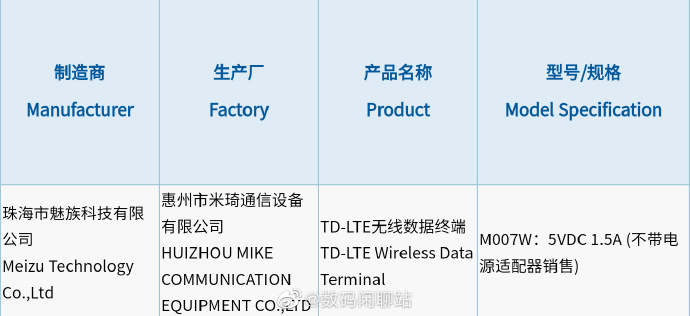
The Meizu Watch was seen on the website of the China Quality Certification Centre which issues the popular Compulsory Certification of China a.k.a. 3C Certificate.  The certificate shows that the watch has model number M007W and has support for 7.5W (5V 1.5A) charging.

Meizu Watch 3C certificate
Image via: Digital Chat Station

It also states that it has LTE support which means it either has a space for a SIM card or has an eSIM. With LTE support, those who pick up the Meizu Watch will be able to make and receive calls without the need o be tethered to a phone. Users will also be able to connect to the internet to use apps and features that require an internet connection.

The Meizu Watch will run “Flyme For Watch”, a special version of its Flyme OS designed for smartwatches when it launches this spring. A poster released for the operating system shows a smartwatch with a square face alongside a larger circle. Our guess is that Meizu may launch both a square-faced watch and one with a round dial.

We expect the smartwatch to have an AMOLED display, heart rate tracking, SpO2 level measurement, and support for tracking various sports.

The Meizu Watch will be announced in China. We do not know if there will be an international release seeing as Meizu is yet to launch a new phone for global markets in more than a year.


RELATED:

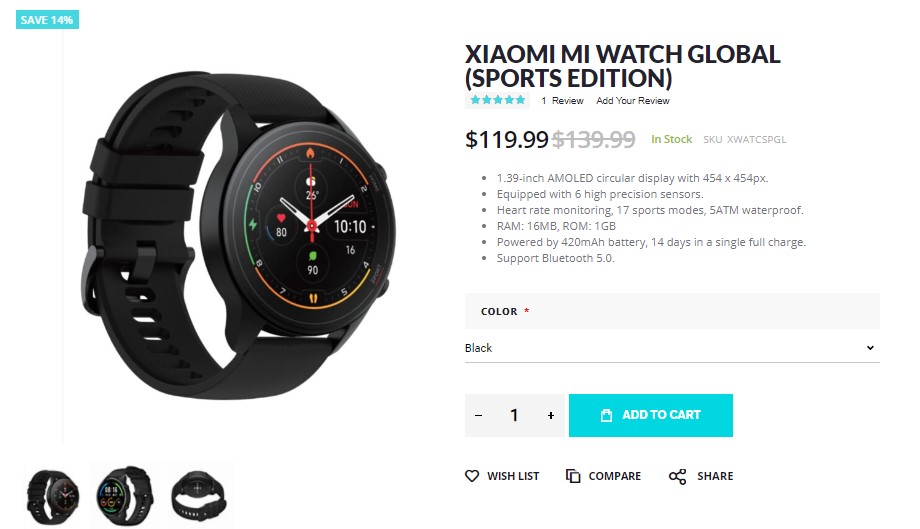
Grab Xiaomi Mi Watch Sports Edition for $119 via Giztop

Xiaomi Mi Watch is on sale via Giztop for the price of $119. The retailer is offering a $20 discount on the smartwatch carrying a round display. It is a limited-time discount and the interested users can head over to Giztop to grab the smartwatch.

Must See: Grab $20 discount for Mi Watch Lite-on GizTop

Xiaomi Mi Watch Sports Edition carries a 1.39-inch AMOLED round display featuring 454 x 454 pixels resolution. The beautiful dials and UI elements further boost the overall look of the smartwatch. Moreover, the device offers heart rate monitoring by bringing vital health stats such as SPo2 level, stress-level monitoring, breath training, heart rate monitoring and much more.

It incorporates support for 17 support modes including running, cycling, mountain climbing, swimming, and indoor cycling. It is 5ATM waterproof to keep it safe from sweat and other water sprinkles. Xiaomi Mi Watch Sports Edition houses a built-in GPS, geomagnetic compass, and air pressure and elevation. The device is fueled with 420 mAh battery which supports up to 16 days of long battery life.

Such a beautiful watch with a leather strap is available on sale for $119 in six different colours.

Buy Now

Related: Mi Watch Lite gets BIS Certification; India launch imminent

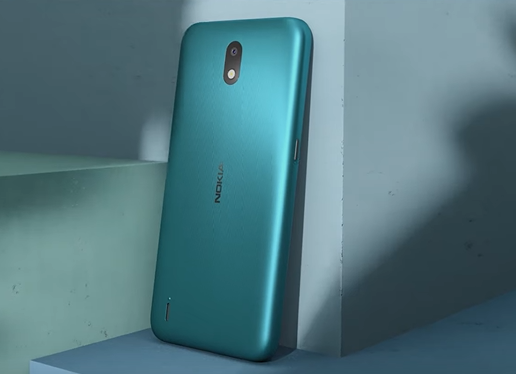
Nokia 1.4 Price leaked via a UK retailer listing ahead of launch

Nokia is expected to launch several budget smartphones this year and some of them will likely be 5G handsets. The Nokia 1.4, which is the supposed entry-level smartphone, is also on the list. Today, the price of the handset has been leaked as per a report by Nokia Power User.

Nokia 1.3
Nokia 1.3

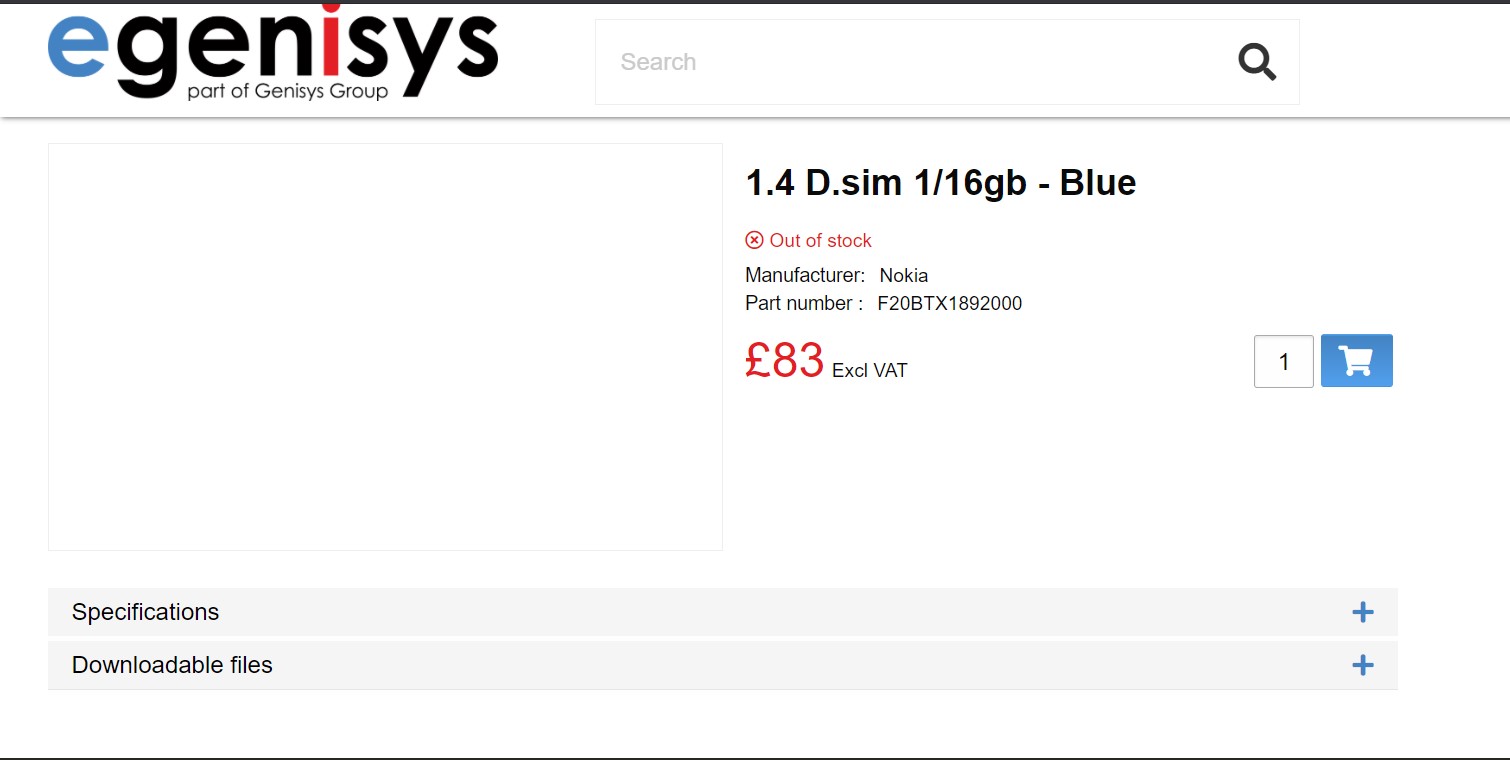
A Nokia 1.4 listing has appeared on a UK retailer egenisys. It shows that the device has a 1GB RAM, and 16GB storage variant. This corroborates with a leak that came out a few days ago. The device also seems to have a Blue Color variant which is one of the two expected colors(Blue, Grey).

The price, as you can see below appears as £83 which roughly translates to 94 euros. If this is true, the Nokia 1.4 will retail for under 100 euros and about $114 / 737 Chinese Yuan. To recall, its predecessor, the Nokia 1.3 launched at $99 in the US. Anyway, we will have to wait till the official launch to know the exact price.

Apart from the price, the Nokia 1.4 with model number TA-1322 appears on Thailand’s NBTC certification suggesting that it would come to Asian markets as well.

Nokia 1.4 Price Leak


Nokia 1.4 Specs – Expected

Nokia’s next entry-level Nokia 1.4 device is expected to feature a 6.5-inch LCD display. This display will supposedly have HD+ resolution like the 1.3. However, the chipset so far is unknown but will likely be a 1.3GHz quad-core processor.

While we can’t compare the chipset without knowing about it, the display is indeed bigger than 5.7-inch on the 1.3-inches. As for cameras, the Nokia 1.4 is said to get an upgraded dual-lens setup with an 8MP + 2MP combo lens. Upfront, it will have a 5MP selfie shooter.

Other expected specs include a 4,000mAh battery, dual SIM(4G + 2G), 4G LTE, 2.4GHz Wi-Fi, Bluetooth 4.2, micro-USB 2.0, and a 3.5mm audio jack for connectivity, fingerprint sensor, and run Android 10 Go edition.

RELATED:


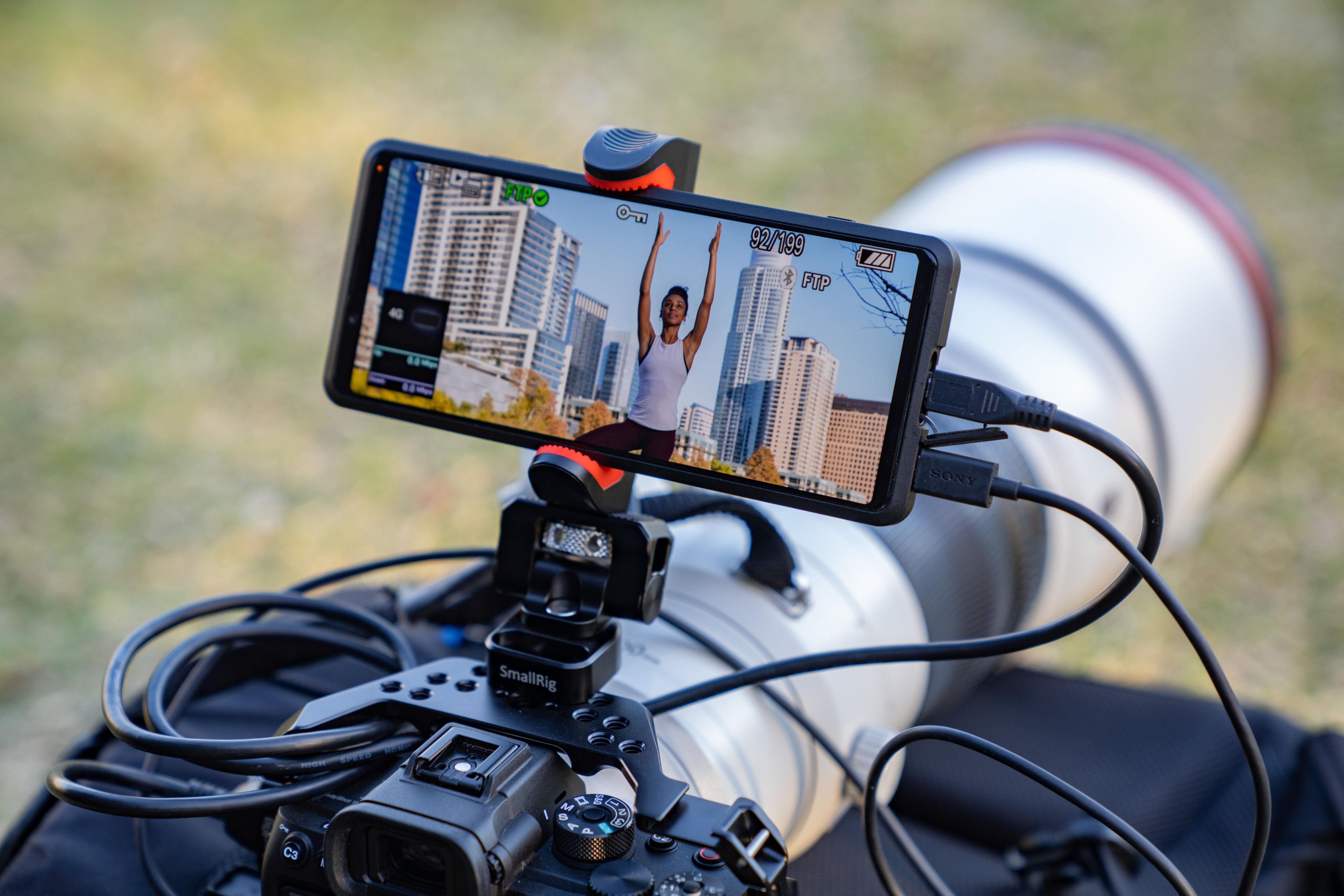
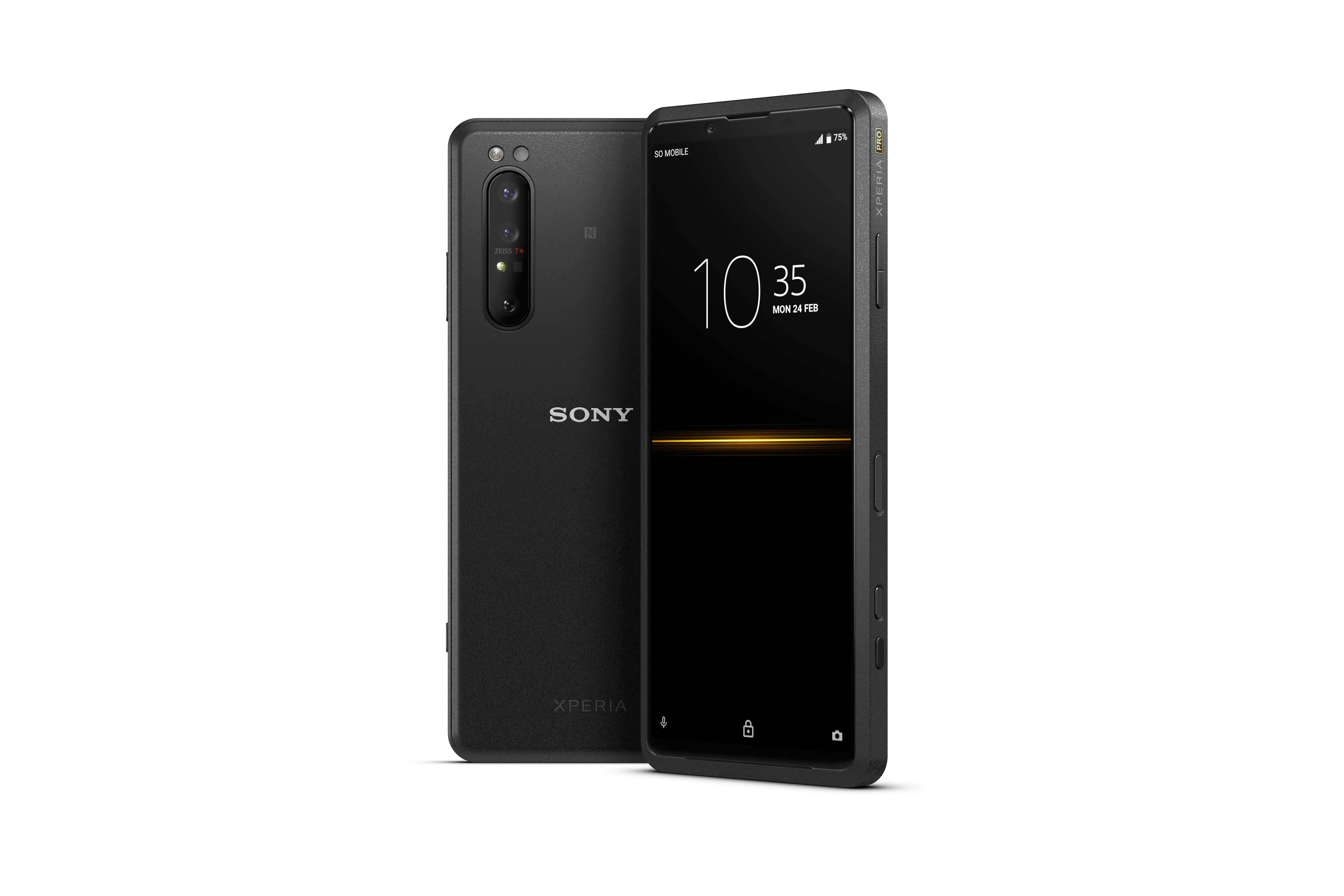
Sony Xperia Pro launched as the brand’s first 5G phone in the U.S

Sony first announced the Xperia Pro alongside the Xperia 1II and Xperia 10II in February last year but the phone wasn’t available. The brand has now officially launched the Xperia Pro in the U.S. The phone arrives as Sony’s first 5G phone for the U.S market and it won’t come cheap. The premium smartphone carries a hefty price tag of $2,499.99.Sony Xperia Pro

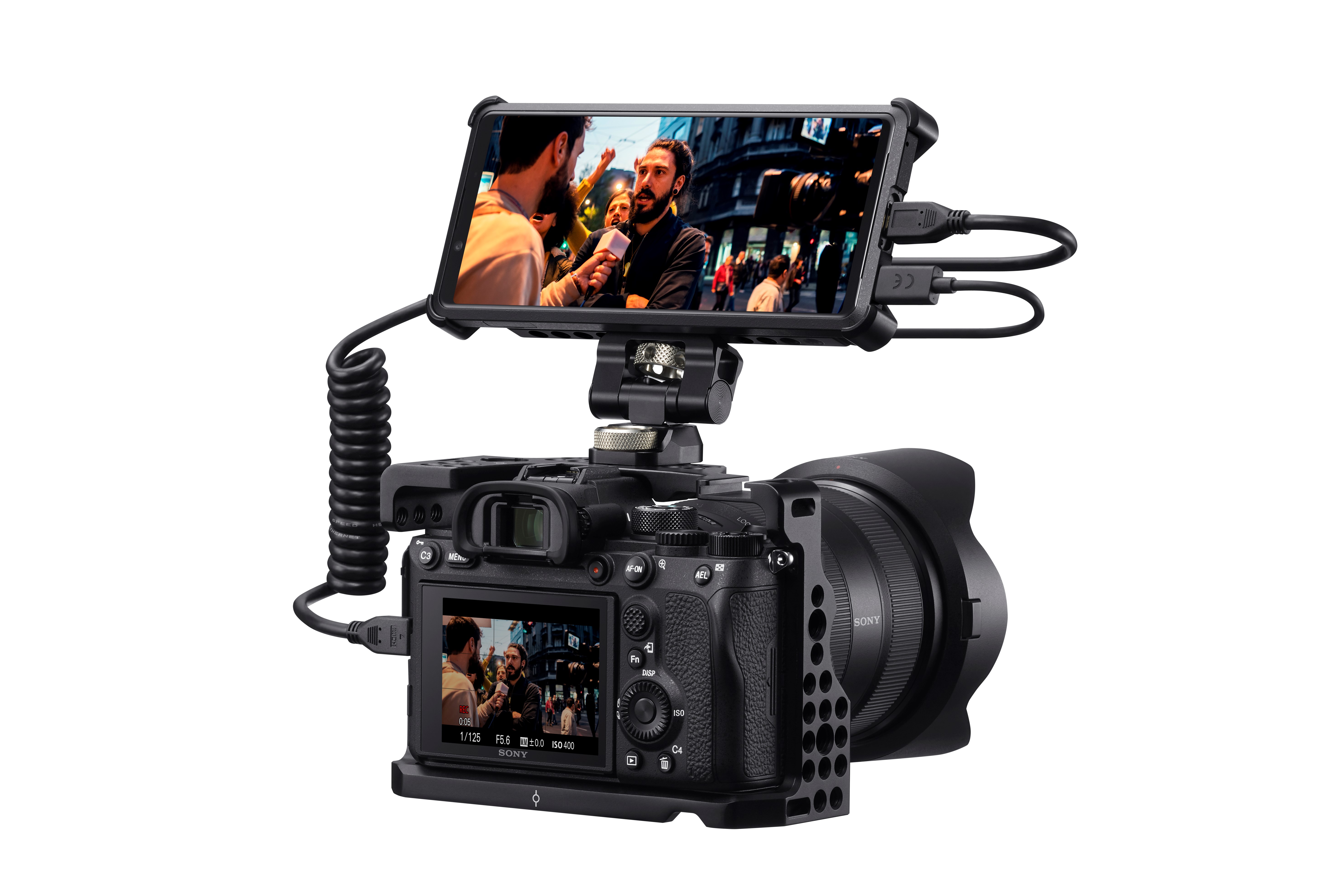
The hefty price means the phone isn’t for everyone. Sony is targeting professional; users who can deploy the phone’s HDMI input to turn the device into an external camera monitor. Also, the 5G connectivity can be used to quickly upload or live-stream footage.

Apart from the HDMI input and US 5G support, the Xperia Pro’s hardware is no different from that of the Xperia 1 II. The Xperia 1II launched in the US with 4G only while in Europe, it came with 5G support. This model will subsequently not be launched in Europe, according to Sony. Sony Xperia Pro

Specs-wise, the Xperia Pro features a 6.5-inch  OLED display with a tall 21:9 aspect ratio and sub-4K resolution of 3840 x 1644 pixels. The device is powered by the good old Snapdragon 865 processor and packs a decent 4,000mAh battery. At the rear aspect, the phone features 12-megapixel wide, telephoto, and ultrawide cameras.

The HDMI input is located on the bottom of the phone while the USB-C port is shifted to the left to ensure the HDMI port is centered. Sony says it’s capable of taking up to a 4K 60fps HDR video stream and should work with any cameras that have an HDMI output to give you a clearer view of what is being photographed.Sony Xperia Pro

Further, the Xperia Pro supports both Sub-6GHz and mmWave 5G, and Sony claims that it has a unique four-way mmWave antenna array to maximize reception. There’s also a built-in network visualizer app that can be assigned to its shortcut key to helping you find the best position to get a signal.

RELATED;


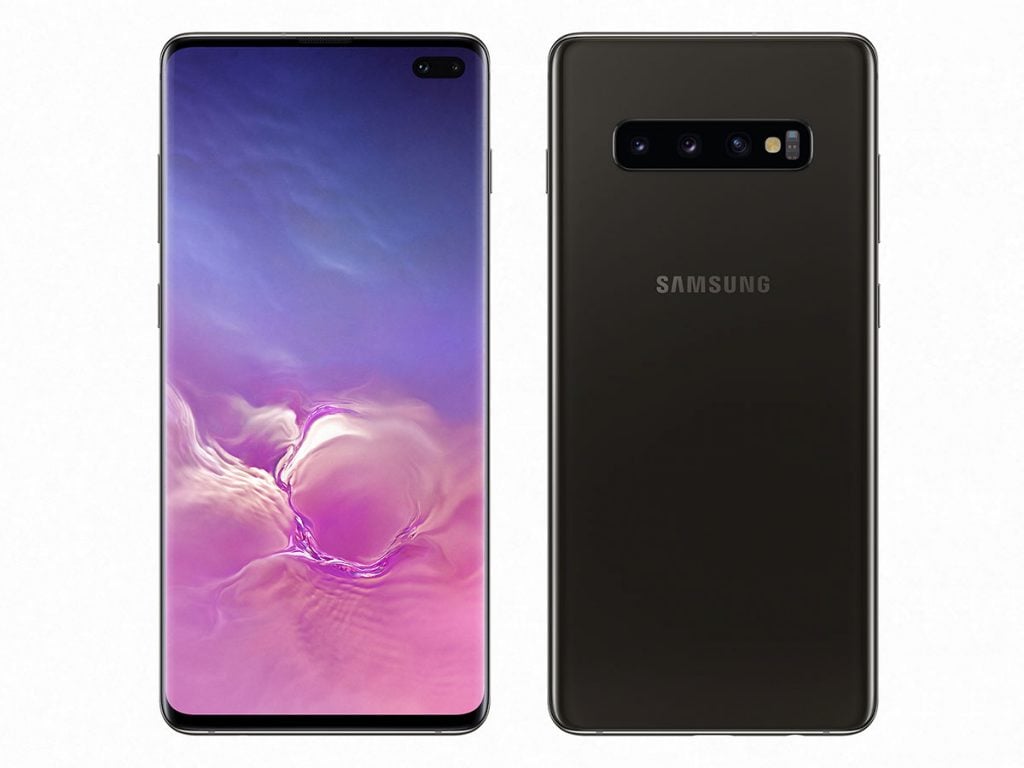
Samsung restarts Android 11-based One UI 3.0 update for Galaxy S10 devices

Samsung started the rollout of One UI 3.0 based on the Android 11 update for the Galaxy S10 series earlier this month. Amidst reports of heating and camera issues, the company abruptly stopped it last week. Today, it has resumed the update again according to a Sammobile report.

galaxy s10 plus

Samsung Galaxy S10, S10+ users in Switzerland are getting the update with firmware version G975FXXU9EUA4 via OTA(Over-The-Air). This latest firmware comes a few days after the company pulled the plug on a buggy firmware rollout. Apparently, users who tried the initial Android 11 rollout, were facing issues like Overheating and Camera Blur.

That said, Samsung seems to have solved all the shortcomings as it has restarted the update in Europe. If you are someone who is living in Switzerland, try out the new firmware by navigating to Settings-> Software Update->Download and install. For those new, the update will upgrade your device to the latest Android 11.

Additionally, it increments the One UI to 3.0. Meanwhile, Samsung has already moved on to One UI 3.1 with Galaxy S21 launch. There are rumors that the Galaxy S10 series, along with other older flagships(up to 2019) will get the new UI for sure.

Anyway, with this update, you can expect features of Android 11 like chat bubbles(conversations), media controls, improved permission management, and organized notifications. Plus, you can get the taste of One UI 3.0 features as well.

The update is sure to expand to other regions in the coming days. If you find any issue with the new update, you can always report on Samsung community forums or down in the comments below.

RELATED:


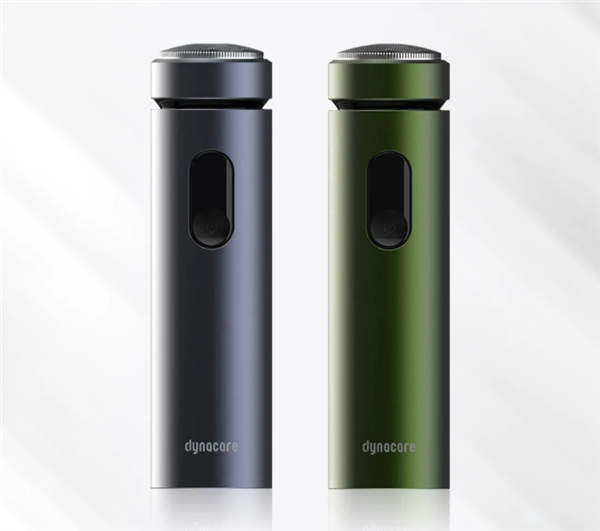
Huawei launches the Dynacare Turbo Six-Blade Shaver for ¥199 (~$30)

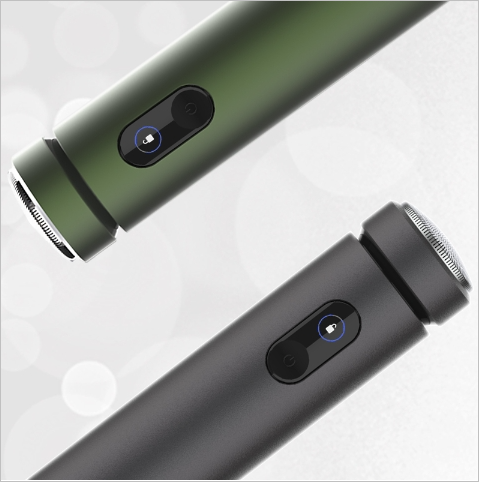
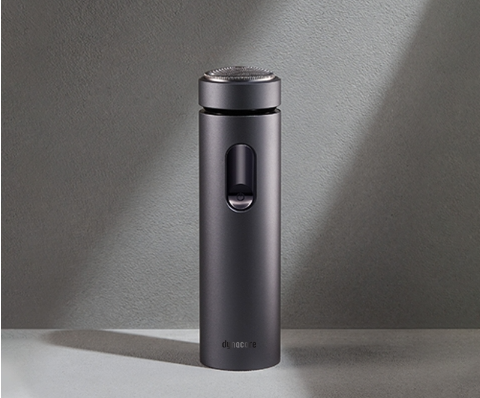
Huawei has announced a new product in China. The product is not a smartphone but it is a smart home gadget nonetheless. Dubbed Dynacare Turbo Six-Blade Shaver, the electric razor can be connected to Huawei HiLink app. It carries a decent price tag of 199 yuan (~$30) and is on sale on Vmall presently.Dynacare Turbo Six-Blade Shaver

The Huawei Dynacare Turbo Six-Blade Shaver has an all-metal body and is compact and portable.The device has a dimension of 121x33x33mm and is ultralightweight at just 122g, which is said to be the weight of two eggs. The surface is frosted and has two color schemes: space gray and ink daisy green. The matte finish of the fuselage is more stable and elegant. Dynacare Turbo Six-Blade Shaver

It also utilises an innovative six-leaf blade which can be used under wet or dry conditions, thanks to the IPX7 waterproof rating. Its innovatively designed six-leaf blades select high-quality steel to extend the life of the cutter head. Using ECM precision machining, the blade is said to be as thin as a cicada wing and sharp as a shark.

The razor is equipped with a motor with a maximum speed of 6500 rpm and an intelligent algorithm of the electronic control system. When encountering a thick beard, it can automatically accelerate, reducing stuttering, beard pinching, pulling, and other troubles.

The whole body is IPX7 high-level waterproof, even when it is turned on, it can run normally even if it is washed with water, and even if shower and shaving are performed simultaneously.Huawei Dynacare Turbo Six-Blade Shaver

The electric shaver supports USB-C fast charging technology, which can charge 100% in just 1 hour, meeting the needs of one month of grooming, and quickly replenishing the battery when you are in a hurry.

What’s interesting is that this razor also supports Huawei HiLink smart life interconnection. You can check the status of the razor, the remaining length of the blade, and the selection of beard types through the app.

RELATED;


Samsung extends ECG, Blood Pressure monitoring on Galaxy Watch 3/Watch Active 2 to 31 more countries

Samsung introduced the Galaxy Watch 3 and Watch Active 2 with ECG hardware. However, the functionality was available only to South Korean users. Finally, that ends today as Samsung has expanded the ECG and Blood Pressure tracking to 31 more countries.

Credits: Samsung

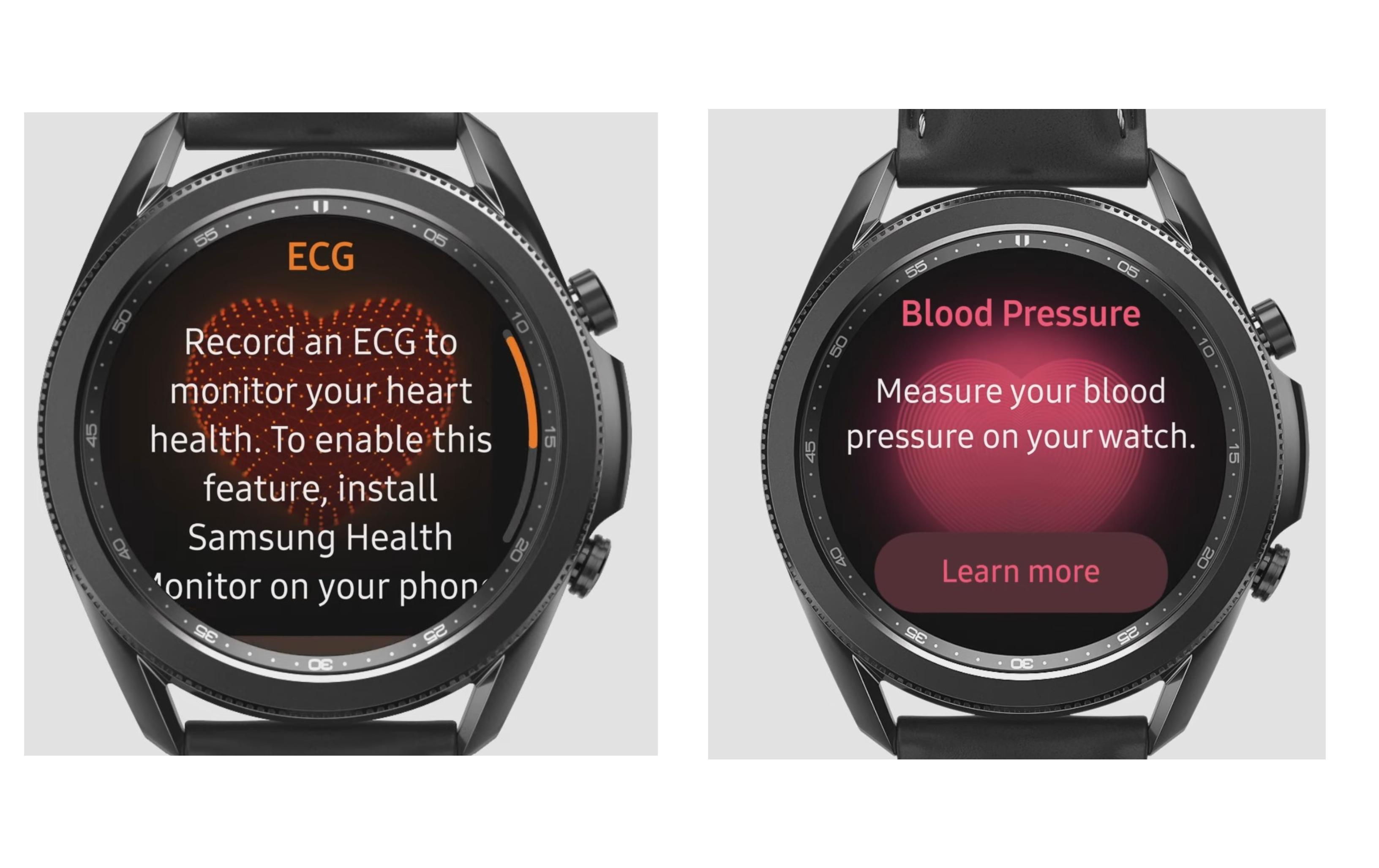
Samsung, through a press release, announced that the Samsung Health Monitor app will now be available across 31 more countries. For the unware, users of Samsung should install this App on both their Smartphones and Wearables. Using this, they can avail the Blood pressure and Electrocardiogram(ECG) tracking feature.

First off, the above-mentioned features will be available for 28 new European countries, in addition to Chile, Indonesia, and the UAE. The rollout will be a staged process starting from February 4.

Samsung says that it is able to expand to EU nations after receiving the CE-marking in December 2020. This marking is for complying with health, safety, and environmental protection standards within European Economic Area(EEA).

Hence, the Samsung Health Monitor App will now enable the features in the 28 European countries as follows: Austria, Belgium, Bulgaria, Croatia, Czech Republic, Denmark, Estonia, Finland, France, Germany, Greece, Hungary, Iceland, Ireland, Italy, Latvia, Lithuania, the Netherlands, Norway, Poland, Portugal, Romania, Slovakia, Slovenia, Spain, Sweden, Switzerland, and the UK.

Talking about the features, the Heartrate monitoring sensors use the pulse wave analysis to track the Blood Pressure of the users. The difference between the calibration value and the change in blood pressure will show the result.

As for ECG, the Galaxy Watch 3 / Watch Active2 have a dedicated sensor to study the heart’s electrical activity. Any inconsistent results are interpolated to show if the person is having the risk of Atrial Fibrillation (AFib) and duly notified.

To measure, rest your forearm on a flat surface and place a fingertip from the opposite hand on the top button on the smartwatch for 30 seconds. You can also watch the tutorial videos of Blood Pressure and ECG to get an idea.

RELATED:


(via)

Qualcomm seals deal with auto tech firm Veoneer for advanced driving assistance

Automotive technology fast-rising firm Veoneer says it has just signed a collaborative agreement with U.S. chipmaker Qualcomm to jointly partner to develop a software and chip platform that could be deployed for advanced driver assistance mobility systems.

Qualcomm Snapdragon 855

The moves that have now culminated in the new partnership between Veoneer, who prides itself as a worldwide leader in automotive technology, and Qualcomm, a global leader in the chip industry, began around August 2020 when both companies communicated their plans to join forces and provide much-needed technology in terms of both hardware and software that would continue to develop mobility systems with enhanced driver assistance. The new partnership is expected to rival some other established companies in the industry for a piece of the cake.

Veoneer stated that already has in place a dedicated software arm called Arriiver, that will focus on the development of relevant enablers via software to enhance the operation of such driver assistance systems. CEO, Jan Carlson, in a statement, said that both the agreement with Qualcomm and the creation of the Arriver arm are important milestones in the company’s overall development. In addition, the Arriver software, according to CEO, Jan Carlson, is already functional on Qualcomm’s Snapdragon Ride Platform, which could get to customers in the automotive industry in a few months.

The Swedish company’s shares have been on a surge in the Stockholm exchange since preliminary plans were unveiled to collaborate with Qualcomm last year, having doubled since then. Veoneer’s shares rose by 2.8% in response to the news of the collaboration with Qualcomm.

Veoneer said it has gotten positive feedback from its potential automotive customers on the application of its technology.

While Veoneer retains full ownership of Arriver, the unit is expected to operate under specific information handling protocols and reporting structures, as part of its collaboration with Qualcomm Technologies.

RELATED;

India finally bans 60 Chinese apps, including WeChat and TikTok

The Indian government has now officially and permanently banned up to 60 Chinese-owned apps it initially listed in June last year. This lengthy list includes TikTok, WeChat, Baidu, Alibaba’s UC browser, and some Xiaomi apps, among others.TikTok App

The moves that have now culminated in this official ban was kick-started by India’s Ministry of Electronics and Information Technology. It claimed to be relying on Section 69A of the IT Act, stating that the apps were engaging in activities prejudicial to the sovereignty and integrity of India, defense of India, the security of the state, and public order. 

The official ban, therefore, reflects the inability of both the government and the app developers to arrive at a common meeting ground, as the government was not satisfied by the app companies’ responses with regards to how these apps collect data and disseminate such even outside the sub-continent.  

What is yet to be seen is how India will ensure full compliance with this new policy, as all the prohibited apps are still available on the Play Store and will continue to work on phones that already have them downloaded.

Added to the seeming void in the response of the Indian government is the fact that some of the blacklisted apps are stock apps that come with devices. It would be difficult to remove stock apps like these, even with a Play Store removal. The ban is still silent on what becomes of such phones, whether they are also banned. 

In the aftermath of the restrictions on these Chinese apps since June 2020, some Indian home-grown apps have been trying to fill the void, while also global players like Facebook, YouTube, etc have been incorporating some features into their platform that could easily carry out some of the tasks of the banned apps.

Samsung patents a Smartphone design with Dual Slider Mechanism

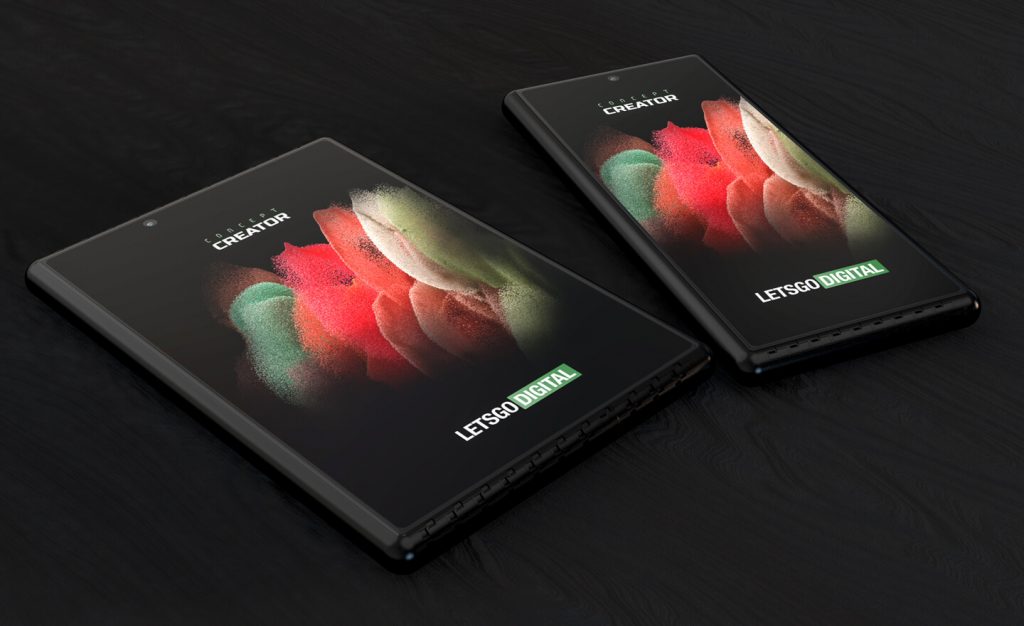
Samsung is planning to launch up to four foldable display smartphones this year. However, it might also launch a rollable display smartphone as a patent unearthed by LetsGoDigital shows a dual slider smartphone design.

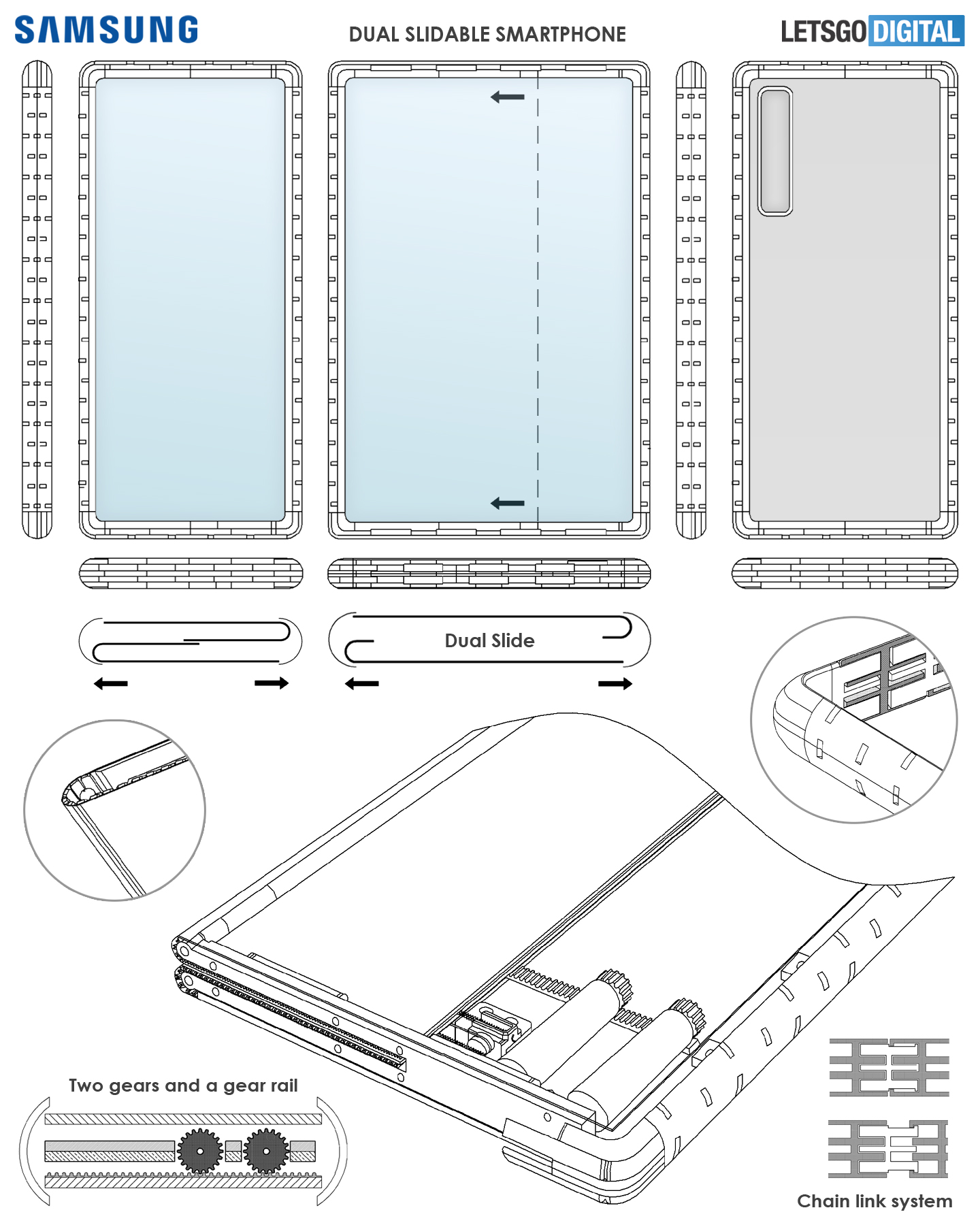
As the name suggests, the smartphone patent, which was applied on March 2020 at WIPO (World Intellectual Property Office), shows a retractable display on both sides(left, right). Surprisingly, it also mentions the possibility of a dual-screen i.e, on the front and back moving simultaneously.

The patent got published recently on January 21, 2021, and the report has partnered with creator Jermaine Smit to show us 3D color renders. As mentioned above, the front display is foldable and the back could have either a second display or flexible material such as metal film, fabric, or leather.

As for the slider mechanism, Samsung has used two Switch gears and a gear rail to move the housing inside. The housing inside has a midframe on which the folded display rests. Speaking of which, the report says that the screen will be 30% larger when unfolded on left and right.

For instance, a typical 6-inch device would become an 8-inch smartphone. To complement this, Samsung is planning to use a chain-link system covered with flexible foil/cover and a side frame that flexes in and out along with the display. Another exciting part is the rear(flexible) moving along with the frame and front display making it unique from other extending smartphone designs.

For selfies, the patent schematic doesn’t contain a front cam but talks about the integration of the Front/Rear cam with the same layout. However, the report mentions the possibility of Samsung using punch-hole screen upfront like its older foldables.

That being said, the device could also have the new Galaxy S21 rear camera layout which has a side flushing out with the frame. This is not the first time we are seeing a slider phone from Samsung. Back in CES 2020, the company showcased a phone having a display sliding out from one side.

As with every patent, we don’t know if Samsung will finalize this design for commercial use, and hence, let’s wait for more details.

RELATED:


Motorola Edge S is 2021’s first flagship killer: Snapdragon 870, six cameras, and a starting price of ~$310

At an event in China today, Motorola announced its latest smartphone – the Edge S. The Motorola Edge S is the world’s first Snapdragon 870 smartphone and it not only packs a punch in terms of performance, but it also tops it with a big battery capacity, a total of six cameras, and a starting price of ¥1999 (~$310).

Motorola Edge S Featured 03

Motorola Edge S Design

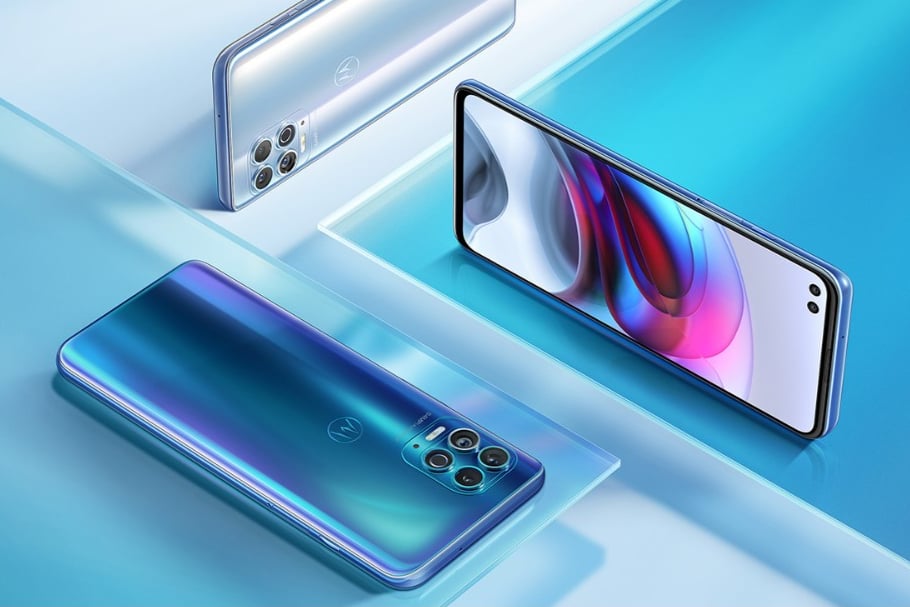
Don’t be fooled by the name, the Motorola Edge S doesn’t have a curved display. The screen is flat and is home to a double-hole punch for two front-facing cameras. However, the back of the phone is curved and it is home to four cameras arranged in a fashion similar to a gas cooker. The phone has an NVCM coating and is available in two colors – Emerald Glaze and Emerald Light.

Motorola Edge S Specifications

The Motorola Edge S has a 6.7-inch LCD screen with a 90Hz refresh rate and a 21:9 aspect ratio. The screen’s resolution is 2520 x 1080 and it has a PPI of 409, HDR10, and a DCI-P3 color gamut.

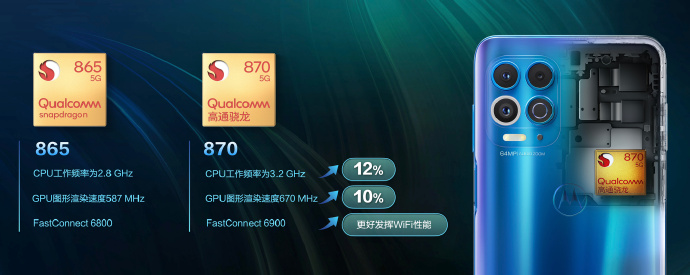
The Snapdragon 870 processor brings an improvement in performance over its predecessors. Its CPU performance is said to be 12% higher than that of the Snapdragon 865 while GPU performance has increased by 10%.

Motorola Edge S Snapdragon 865 vs Snapdragon 875

According to Motorola, the Edge S scores higher than the Mi 10 on AnTuTu.
Its overall score on the benchmarking platform is 680,826 points as against the Mi 10’s 585,232 points.

That high score is not only due to the new processor but also as a result of the Turbo LPDDR5 RAM which is 72% faster than LPDDR4, and also the UFS 3.1 storage which is 25% faster than UFS 3.0.

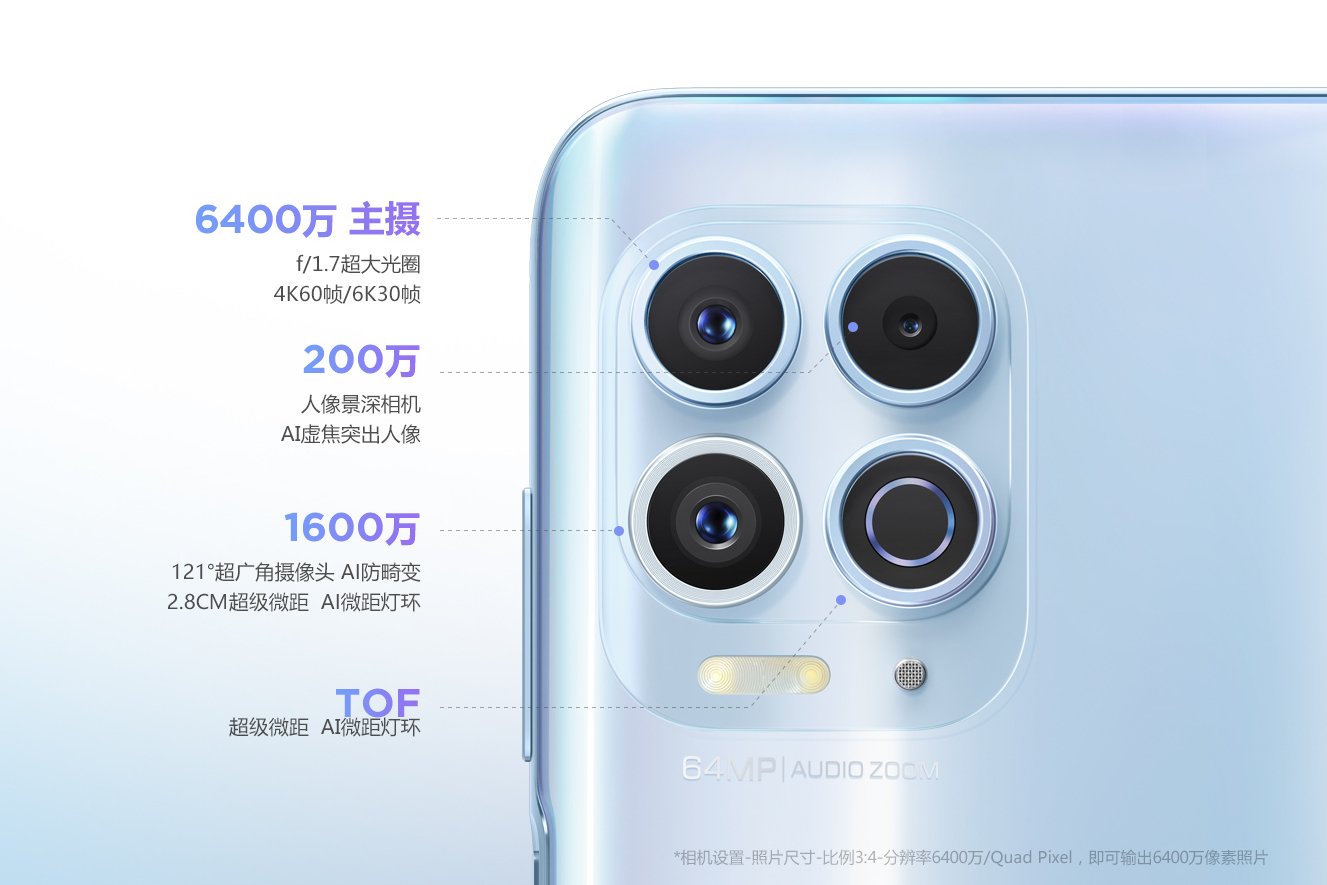
The four cameras on the back of the phone include a 64MP f/1.7 camera, a 16MP 121° ultrawide angle camera that also doubles as a 2.8CM macro camera, a 2MP depth camera for taking better portrait images, and a TOF camera that has a light ring around it. The selfie cameras are a 16MP sensor and an 8MP 100° ultrawide angle camera.

Motorola Edge S Camera Setup

The camera packs a number of features including a vlog mode, night mode, and can record in 6K video at 30 fps and in 4K at 60 fps. The phone also has Audio Zoom so you can get in closer to the source of a sound when recording just as you would zoom in with a camera to get closer to your subject.

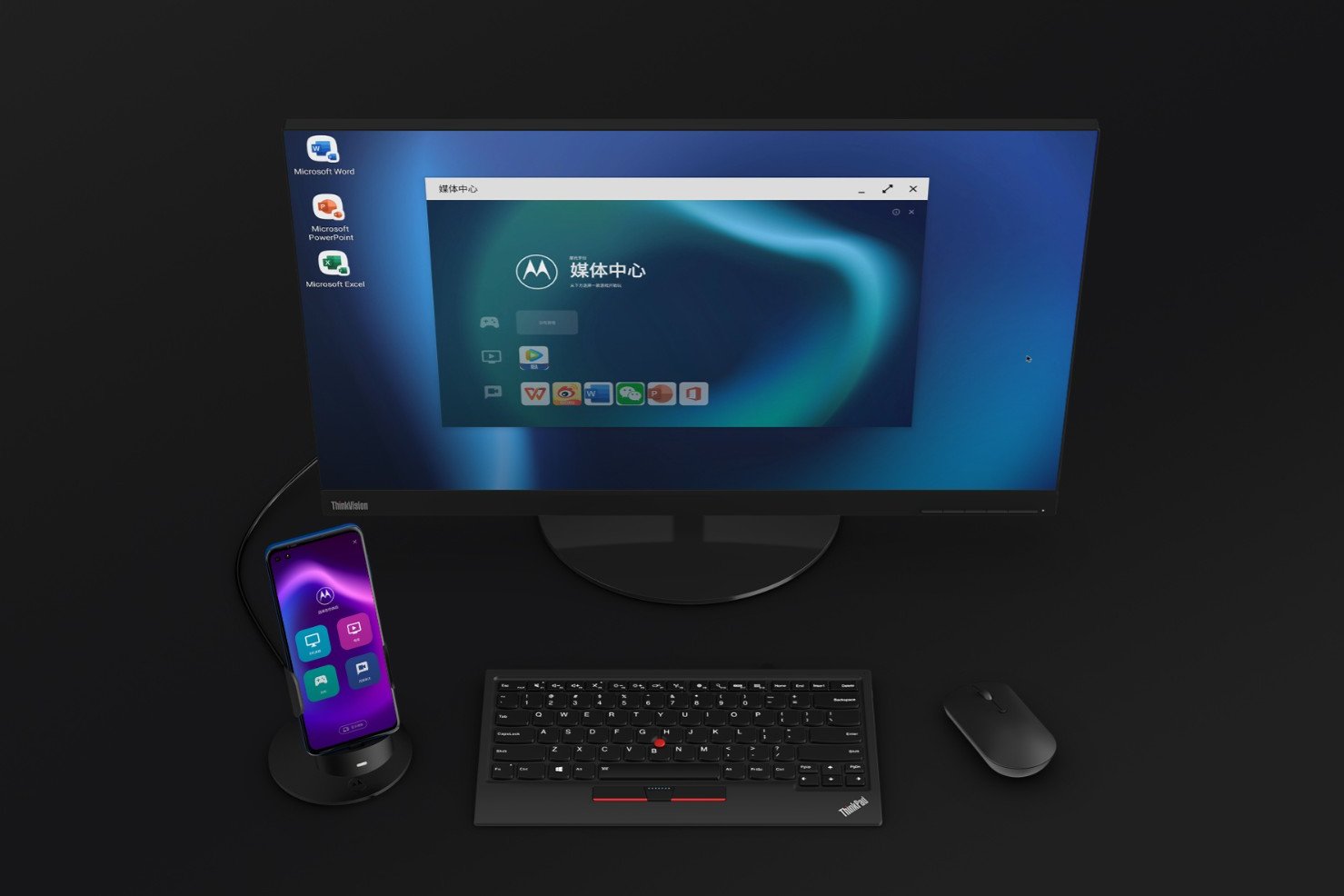
The Motorola Edge S doesn’t come with ZUI but a new user interface called MY UI that is based on Android 11. Motorola says it is lighter and is more efficient. It also has its own assistant called moto AI. Some of the other features it has are a desktop mode, object recognition, and a split-screen feature that can be activated easily by swiping the side-mounted fingerprint scanner. Motorola’s famous gestures are not gone, so you can still activate silent mode by doing a triple chop, turn on and off the flash with a double chop, and quickly enter the camera app with a quick flick of your wrist twice.

Motorola Edge S Desktop Mode

Motorola Edge S has an audio jack and a USB-C port that charges the 5000mAh battery at 20W. It also has an IP52 rating, dual SIM support, Bluetooth 5.1, and dual-frequency GPS.

Motorola Edge S Price and Availability

The Motorola Edge S comes in three configurations and below are their prices:

  • 6GB + 128GB = ¥1999 (~$310)
  • 8GB + 128GB = ¥2399 (~$371)
  • 8GB + 256GB = ¥2799 (~$433)

The phone is already available for pre-order in China.


RELATED:

Meizu 18 series could come without a charger inside the box

Meizu announced its association with Qualcomm back at the Snapdragon Summit in December. The company is expected to launch new flagship phones powered by the Snapdragon 888 chipset soon. Going by the numbers, it is likely the Meizu 18 series of devices. And they may have already received the 3C certification in China.

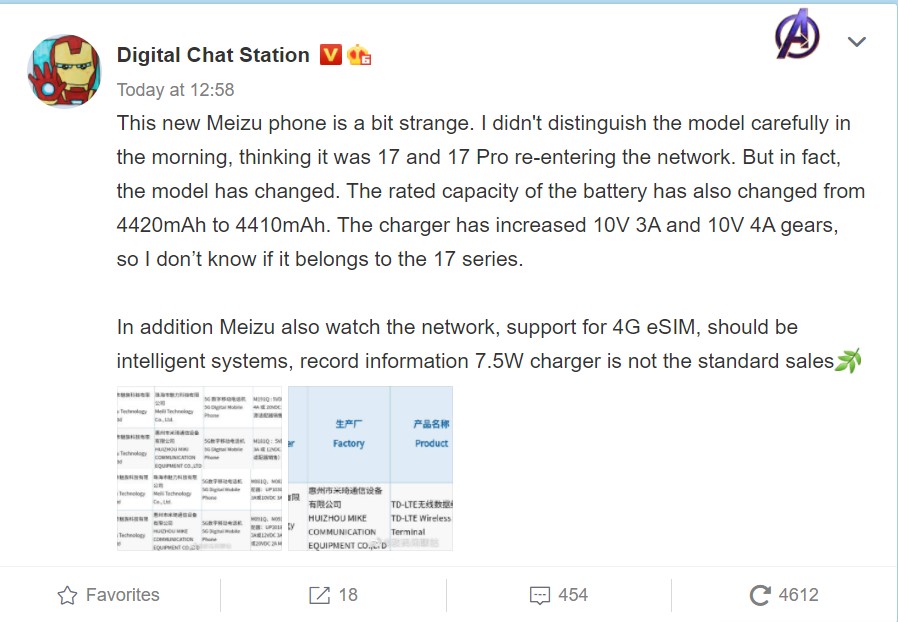
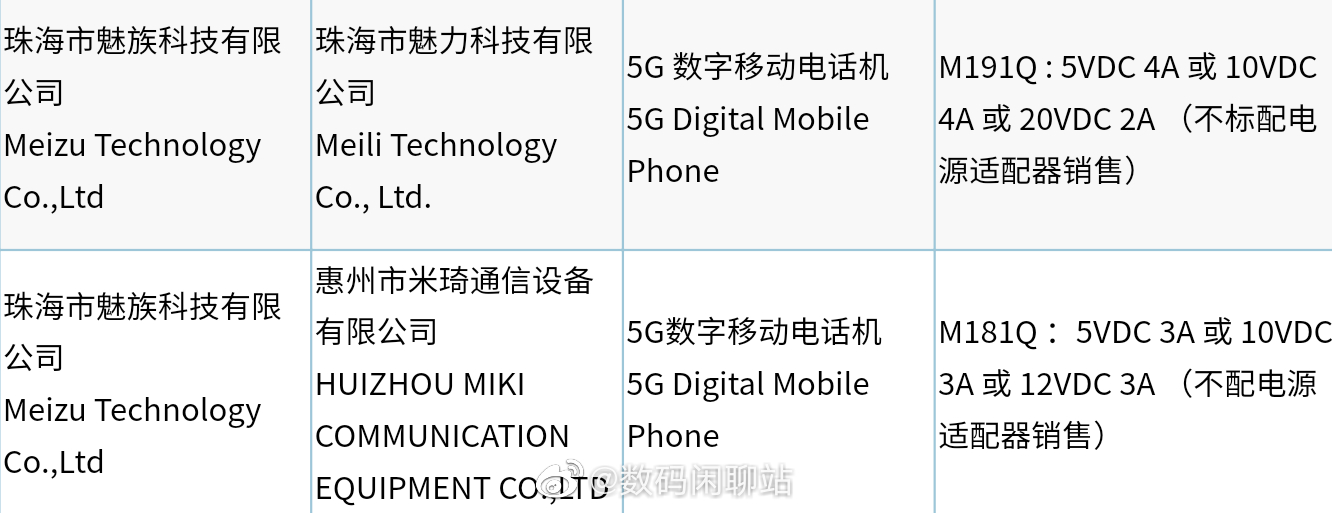
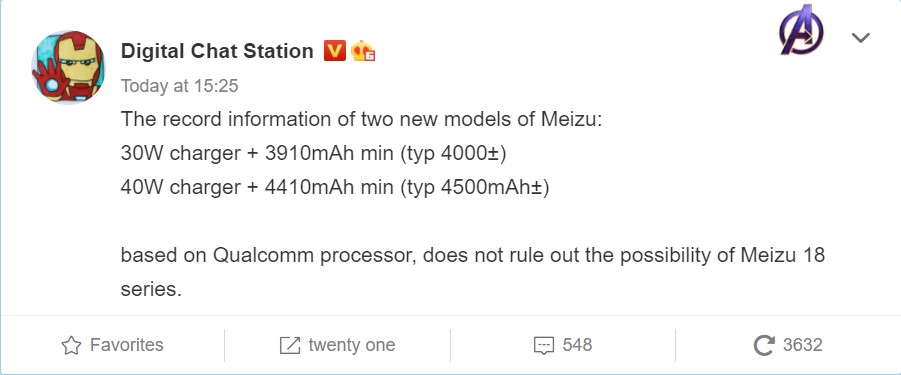
As Digital Chat Station points out, two Meizu devices have reportedly appeared on the 3C certification website. The model numbers are M181Q and M191Q. If you recall, the Meizu 17, 17 Pro appeared with model numbers M081Q and M091Q respectively. Trackback to 2018 and Meizu 16 series- 16, 16 Plus got certified with M882Q, and M892Q respectively.

For Meizu 17 series, although the Pro version had a 40W designation, the device indeed debuted with a 30W charging support. Hence, We aren’t sure if Meizu would adopt the same difference in the final version either. Anyway, the M181Q and M191Q could be the Meizu 18 series and support up to 10V@3A(30W) and 20V@2A(40W) respectively.

The tipster also mentions that the two models could come with 3,910mAh(Typ. 4,000mAh) and 4,410mAh(Typ. 4,500mAh) batteries. Another interesting point to note here is the absence of the charger. The listing says that the models will be “sold without a standard power adapter”(Translated).

Apple began the trend of excluding the power adapter in the retail box packaging with the iPhone 12 series. Later, companies like Xiaomi, Samsung have adopted the same with Xiaomi Mi 11Samsung Galaxy S21 respectively. Now it looks like Meizu might join the 2021 bandwagon and the list is only going to get longer now.

Meizu 18 series is still a bit of a mystery as the company has neither announced a launch time frame or it has appeared extensively on leaks. The company is expected to launch Meizu 18 and Meizu 18 Pro as a part of the series.

We can also expect specs like Samsung E4 AMOLED display with 120Hz refresh rate, quad-cameras having Periscope lens 5x Optical zoom, and more. Let’s wait for more leaks to get an idea about them.

RELATED:


(via)

Alleged Vivo S7t receives 3C certification with 33W charger

Earlier this week, a tipster from China revealed the existence of the Dimensity 820 SoC powered Vivo S7t smartphone. It appears that the said phone has appeared with the V2048A model number at the 3C certification platform (via) of China.

A mysterious 5G-ready Vivo phone with model number V2048A has been certified by the 3C agency. The listing reveals that the retail package of the device may include a 33W fast charger.

Vivo-V2048A-3C

Interestingly, the same V2048A phone was spotted with 8 GB of RAM and Dimensity 820 chipset at Geekbench at the beginning of this year. The handset was found to be running on Android 11 OS. Since a reliable tipster has claimed that Vivo’s upcoming Dimensity 820 powered phone will be called Vivo S7t, it seems that the V2048A model number belongs to the same phone.

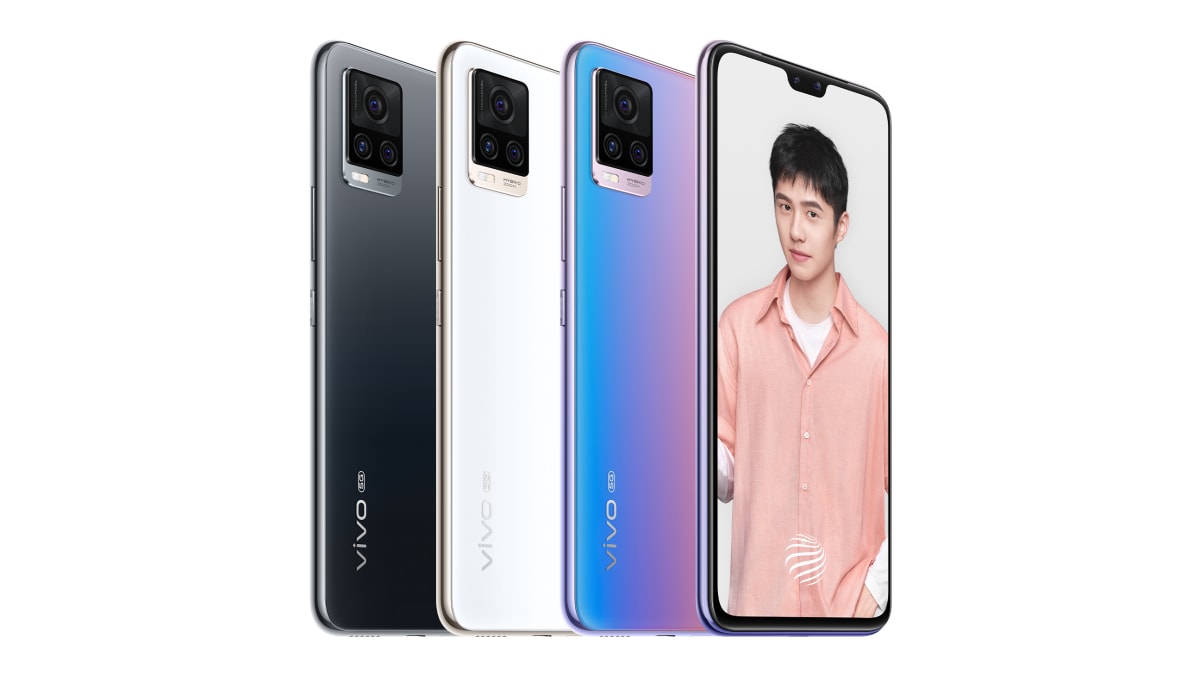
Vivo announced the Vivo S7 5G with Snapdragon 765G chip in August last year. The company followed it up with Dimensity 720v SoC powered Vivo S7e 5G phone in November. It appears that the company will be soon announcing the third member of the S7 lineup with the Vivo S7t moniker in China.

Vivo S7 5G
Vivo S7 5G

Except for the chipset, the Vivo S7t 5G is expected to borrow all its specs from the Vivo S7 5G handset. Hence, it is likely that the Vivo S7t will have a 6.44-inch AMOLED display with a notch. It may feature a 44-megpaixel + 8-megapixel (ultrawide) dual front-facing cameras and 64-megapixel triple rear shooters. It could be fitted with a 4,500mAh battery. It is expected to arrive with OriginOS flavored Android 11 OS. The phone may also feature an in-display fingerprint reader.

At present, the Vivo S7 5G is currently selling with a starting price of 2,698 Yuan (~$417). There is no word on the pricing of the Vivo S7t.

RELATED:

realme X7 Pro launches in Malaysia with a $70 lesser price tag than Thailand

realme has finally launched the realme X7 Pro in Malaysia. The flagship smartphone will retail for RM1,999($494) in the country which is way cheaper than the Thailand price.

realme X7 Pro Malaysia – Price, Availability

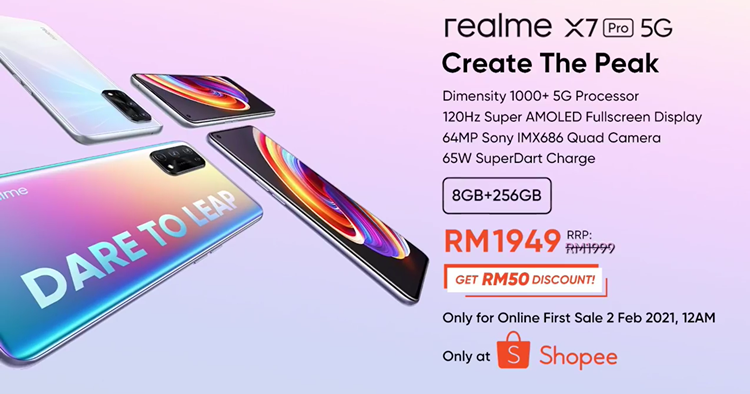
Unlike the Chinese variants, the realme X7 Pro comes with a single 8GB RAM, 256GB storage variant in Malaysia. This is priced at RM1,999($494) in the country. To compare, the X7 Pro launched at THB16,990 in Thailand which is about $567.

As you can see, the Dimensity flagship is about $73 cheaper than its first Global appearance. What’s even interesting is that the Thailand version had only 128GB of storage.

If you take China, the 256GB variant was priced exactly the same at launch i.e, 3,199 yuan($494). All this sends a strong hint that we can expect realme to be even more aggressive in other markets like India.

Anyway, the device will be available on Shopee in Malaysia and the first sale starts on February 2, 2021, at 12AM MST(Malaysian Standard Time). realme is also giving a discount of RM50 for the first sale bringing the effective price down to RM 1,949($481).

realme X7 Pro Specifications

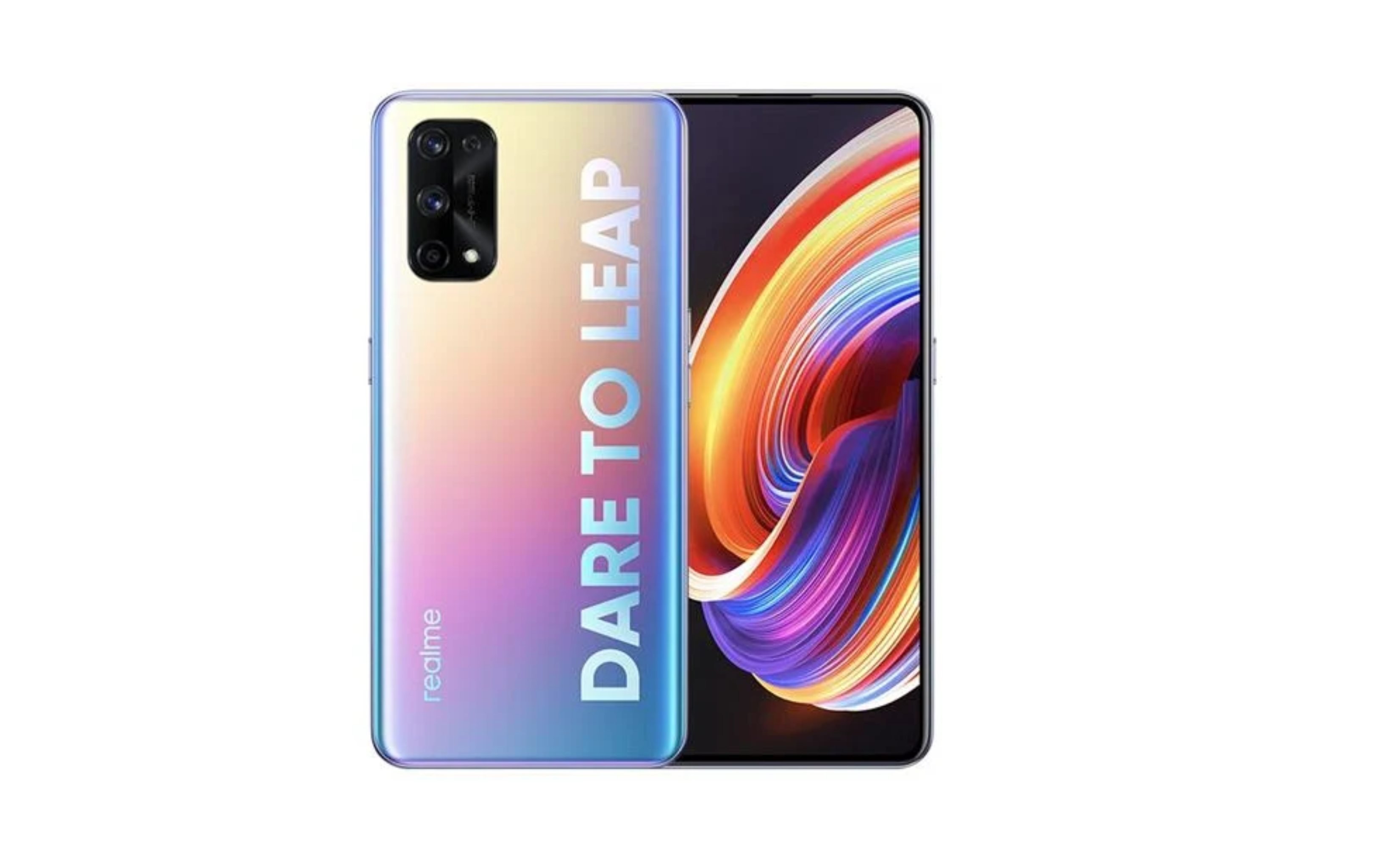
realme X7 Pro in Malaysia will be available in Iridescent(Gradient) and Skyline White color options. It misses out on the Xingyu Black that is available in China and Thailand. Other than this the rest of the device is almost similar.

The device features a 6.55-inch Super AMOLED FHD+ display protected by Gorilla Glass 5 and has a top-left punch-hole. It supports 2400x1080p resolution, 91.6% screen-body ratio, 120Hz refresh, and 240Hz touch sampling rate, covers 103% NTSC and 100% DCI-P3, and has brightness up to 1200 nits.

Under the hood, you get a MediaTek Dimensity 1000+ chipset paired with LPDDR4x RAM and UFS 2.1+Turbo Write storage. For cameras, we get the same quad-cameras with 64MP main, 8MP ultra-wide, two 2MP macro and B&W sensors. Upfront, there is a 32MP selfie snapper.

Other features include SA/NSA 5G(DS+DS), Wi-Fi 6, Bluetooth 5.0, Dual Frequency GPS, 4,500mAh battery with 65W SuperDart Charging, Type-C port, and realme UI based on Android 10.

RELATED:


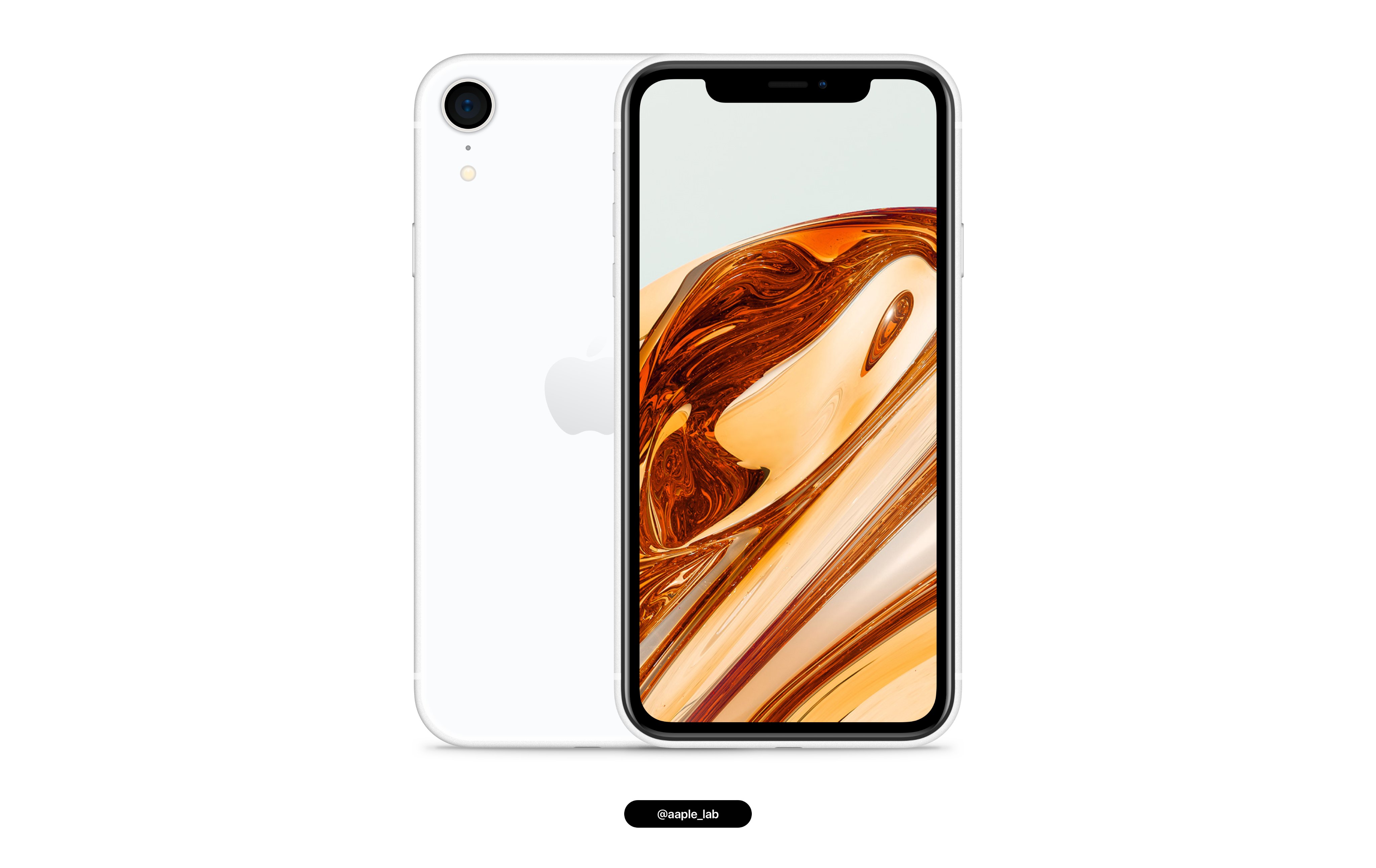
Apple iPhone SE Plus specs leak online; could feature 6.1-inch LCD display

Apple first launched its iPhone SE compact smartphone in 2016 and the company updated the same with the launch of its successor last year, which too is named iPhone SE. Now, the Cupertino-based tech giant is gearing up to launch the latest iteration of the model.

This time, Apple is expected to launch two devices in the iPhone SE lineup, which includes the standard iPhone SE as well as the iPhone SE Plus. Now, the specifications of the Plus variant seems to have leaked online.

Apple iPhone SE Plus Leak

As per the report, the upcoming Apple iPhone SE Plus will come with a 6.1-inch LCD display and is expected to be powered by the Apple A14 Bionic chipset — the same chip that currently powers the iPhone 12-lineup, with 5G connectivity support.

However, there’s also a possibility that the device could be powered by the 7nm Apple A13 Bionic chipset used for the iPhone 11 lineup. As for the camera, it is said to feature a 12MP single camera sensor on the back and a 7MP front-facing snapper.

It will also likely have IP67 ratings, making the smartphone water-resistant for up to 1 meter. The report also indicates that along with the Face ID, the phone may come with Touch ID support with the fingerprint sensor being embedded on the power button.

The Apple iPhone SE Plus is expected to come in at least two color options — Black and Red. As for the pricing, it is being claimed that it could cost around $499, which is about $100 more than the iPhone SE currently available in the market.

RELATED: 

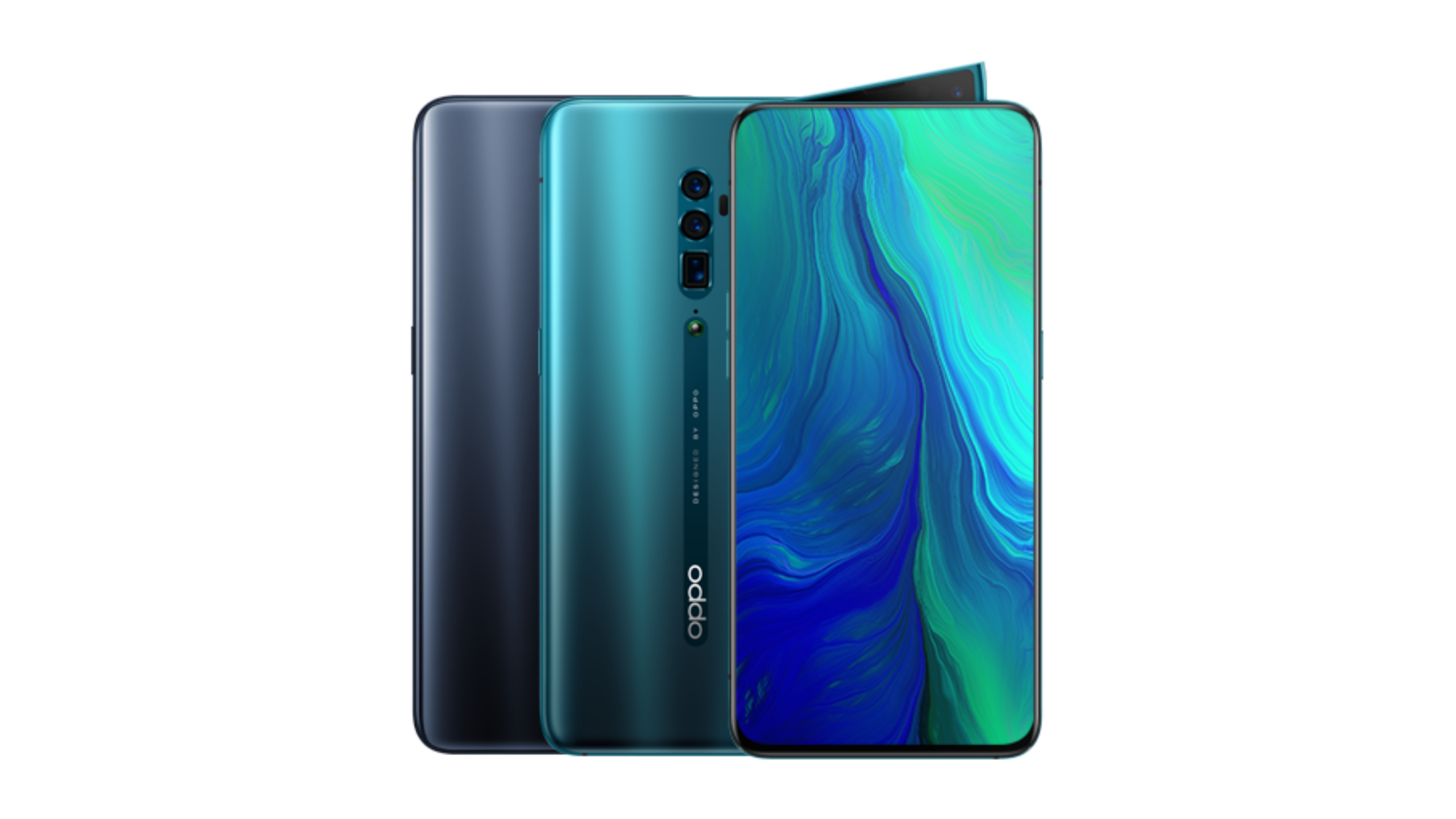
OPPO kickstarts Reno 10x Zoom ColorOS 11 beta program in India and Indonesia

OPPO has been rolling out ColorOS 11 update to the eligible smartphones since it was announced back in mid-September 2020. The latest version of the company’s mobile operating system is based on Android 11 and it brings some interesting features. That said, the brand has now started recruiting beta testers for OPPO Reno 10x in India and Indonesia.

OPPO Reno 10x Zoom Featured

Earlier this month, OPPO shared the ColorOS 11 update rollout plan for the month of January 2021. According to it, the company is supposed to start rolling out beta builds for OPPO Reno2 F in India and OPPO Reno 10x Zoom in both India and Indonesia starting today (January 26).

Following the schedule, the Chinese smartphone maker has been recruiting beta testers for the Reno2 F for the past few days. Now, yesterday, the brand has opened registrations for the Reno 10x Zoom as well.

In order to apply for the beta program, your OPPO Reno 10x Zoom should be either on firmware version C.33 or C.22. If it is, then head over to Settings > Software Update > Gear Icon > Apply for Beta Version > Update Beta Version and follow the on-screen instructions. If your application gets selected, you will be receiving the ColorOS 11 beta build via update.

As mentioned earlier, this program is currently limited to India and Indonesia only. Users in other regions will have to wait and also, even for these two countries, there’s no telling when the final stable rollout will begin for all the users.


RELATED:


Oppo is working on a Smart Tag that might arrive with the Find X3

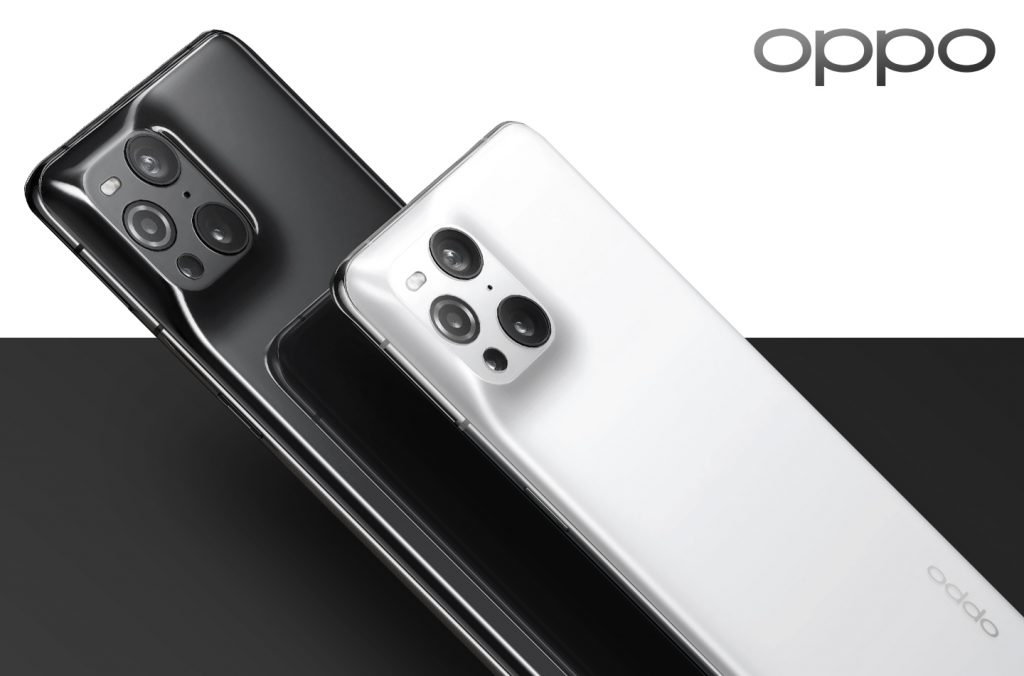
Earlier this month, Samsung launched the Galaxy S21 series along with a new Bluetooth tracker, dubbed the Galaxy SmartTag. Now, it seems like Oppo is also following in the company’s footsteps and might also launch a Bluetooth smart tag as well for its upcoming Find X3 flagship handset.

Oppo

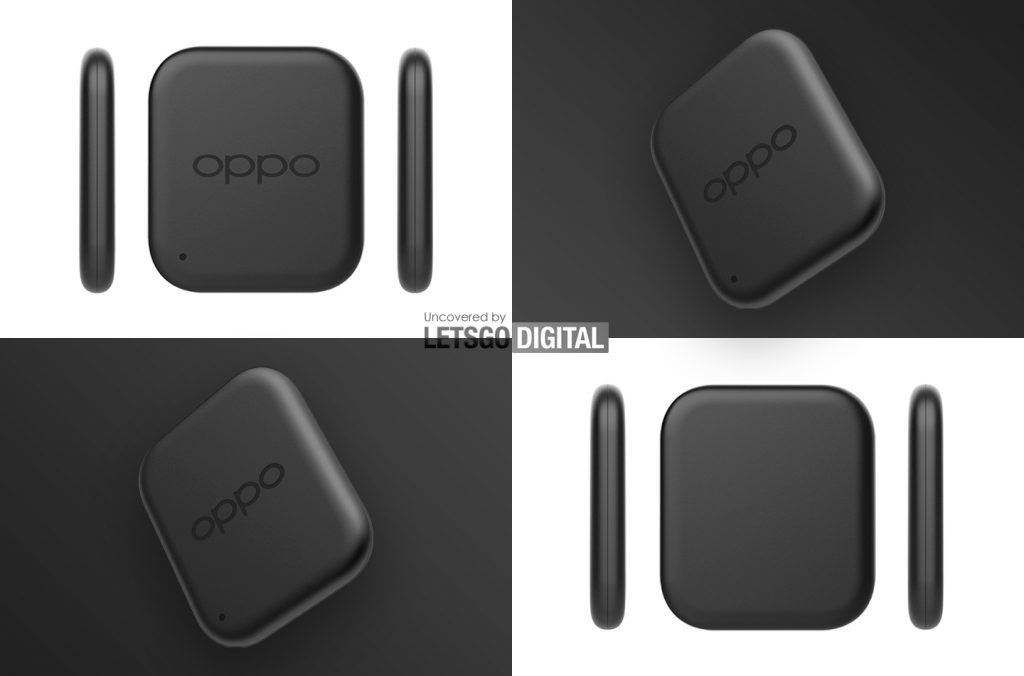
According to a LetsGoDigital report, the new Bluetooth smart tag is another product in the company’s growing peripheral and IoT portfolio. Back in May 2020, the Chinee tech giant had filed a design patent in China for a “Bluetooth smart tag locator’. The documentation for this was published earlier today (26th Jan 2021) along with a series of images of the device. Looking at these images, the Oppo smart tag is a rectangular shaped device with rounded corners.

This design also resembles the company’s Oppo Watch case. On the top of the smart tag, the brand’s logo can be observed that is etched in the middle. Furthermore, the body of the tracker is shown to be in a black color scheme, which is also patented. On one of the corners, the Oppo Bluetooth smart tag also has a hole, which is likely to have a key ring pass through it. Samsung’s Galaxy SmartTag featured a 4x4cm size, so we can expect Oppo’s counterpart to also feature’s a similar size and form factor.

Oppo

The patented designs do not reveal any buttons in any of the images, although, Samsung’s tracer did feature one button for various functions. At the moment, it is unknown when the company aims at launching this smart tag, but we can assume it will be unveiled along with the company’s flagship handset, the Oppo Find X3 series. The series is expected to launch later this year, and it is possible that the Bluetooth smart tag will debut alongside it.

RELATED: