Advertisement

Xiaomi Mi 10i to be India focused smartphone with brand-new camera sensor, says Xiaomi India MD

Xiaomi is all set to launch the Xiaomi Mi 10i smartphone in India. It will be a new edition to Mi 10 series that already includes members like Xiaomi Mi 10, Mi 10 Pro, Mi 10T, Mi 10T Pro, and Mi 10T Lite. Today, Xiaomi Global VP and Managing Director of the Indian division Manu Kumar Jain revealed that the Xiaomi India-focused smartphone.

Through the tweet, Jain conveyed that Xiaomi Mi 10i has been specially customized and designed for India. It will come with a brand-new camera sensor and it will be equipped with many other customizations for users in India.

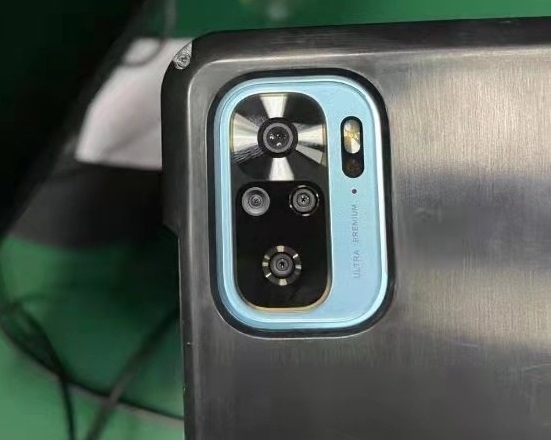
The Xiaomi Mi 10i will be arriving in India as a rebadged version of the Redmi Note 9 Pro 5G that went official in November in China. As far as the camera sensor is concerned, it will be equipped with the all-new Samsung HM2 108-mgeapixel lens as the primary camera. The Mi 10i will be debuting on Jan. 5.

Xiaomi Mi 10i specifications (Rumored)

The Xiaomi Mi 10i has a 6.67-inch IPS LCD FHD display with 120Hz refresh rate support. The handset sports a punch-hole display and a round-shaped camera module on its back. The latter comprises of a 108-megapixel (Samsung HM2 lens) + 8-megapixel (ultrawide) + 2-megapixel (macro) + 2-megapixel (depth) quad-camera system and a front-facing camera of 16-megapixel. It has a side-facing fingerprint sensor.

Redmi Note 9 Pro 5G
Redmi Note 9 Pro 5G

The Snapdragon 750G SoC fuels the Xiaomi Mi 10i and it has a 4,820mAh battery with 33W fast charging support. It has a side-facing fingerprint sensor. It is rumored to arrive in 6 GB and 8 GB of LPDDR4x RAM variants. Both models are expected to feature 128 GB of UFS 2.2 built-in storage. It is expected to arrive in colors like gradient orange/blue, black, and blue.


Apple AirPods Max suffers from a Noice Cancellation bug, but there’s a simple fix

The Apple AirPods Max has just been launched recently. It is the company’s latest addition to its hearables lineup, but some users are already suffering from an issue that affects the headphones’ noise canceling feature.

Apple
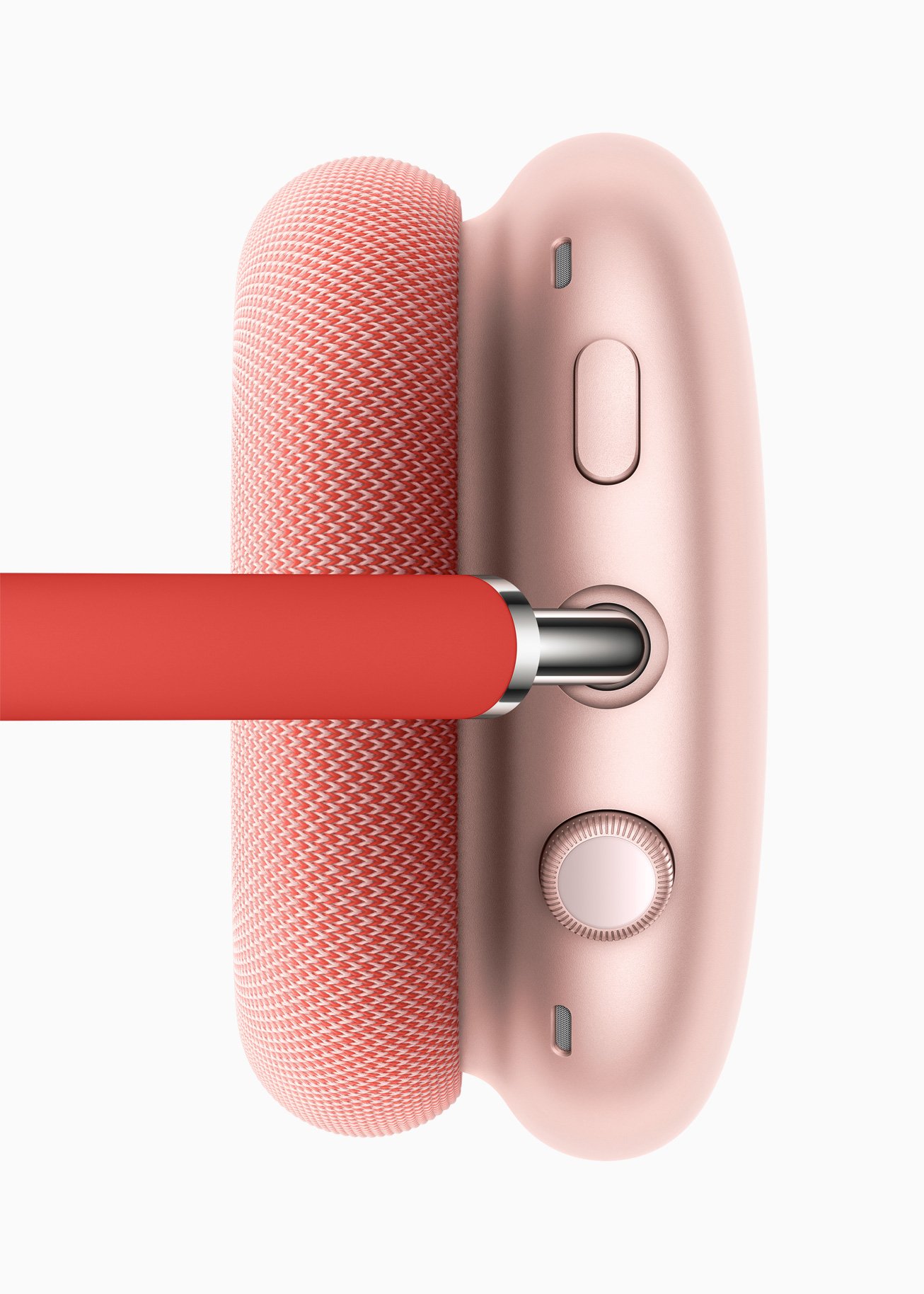
Digital crown, Noise cancellation button

According to a MacRumors report, the new over the ear headphones from the Cupertino based giant is already suffering from an issue that affects the active noise cancellation and transparency modes. With the AirPods Max, users are able to press the noise control button on the right ear cup to toggle between the two modes seamlessly. However, it seems that certain units would only have one ear cup switch while the other remains unresponsive.

In other words, one cup is running ANC, while the other is stuck in transparency mode. At the moment, there is no official fix from Apple, but the company should soon patch this issue out, which seems to be a software glitch. But till then, the report also has a temporary fix to the issue. One has to essentially reboot their Apple AirPods Max, but make sure that they still have some charge. Then, one has to pressing and holding on to the Noise Control button and the Digital Crown until the LED status at the bottom of the right ear cup flashes amber.

Apple

After this, your AirPods Max should reboot, which should also fix the issue for the time being. The problem would likely recur, but one can simply reboot the device to fix the issue temporarily. It does seem like a hassle at the moment, but we can only wait for an official company fix for the time being. For those suffering from a persistent ANC/transparency mode bug, resetting the AirPods Max by pressing the same buttons but for 15 seconds should do the trick. This time the light will flash white and would require users to set up the device again.


Redmi could launch one of the cheapest handset with Snapdragon 888: Report

The Xiaomi Mi 11 was one of the first flagships of 2021 to feature Qualcomm’s latest flagship Snapdragon 888 mobile chipset. Other companies have also announced their own premium grade handsets with the new processor, and now, a new leak report suggests that the Xiaomi subsidiary, Redmi, might be launching the most affordable handset that sports the new Snapdragon 888 SoC.

Redmi

The news arrives from the known tipster @数码闲聊站 on Weibo, a Chinese microblogging website. As per the report, Redmi might be following Xiaomi’s footsteps in launching its own flagship with Snapdragon 888, although, this handset could possibly be one of the cheapest in the market to sport the latest Qualcomm processor. As per the Weibo post, the device also arrived with the code name Haydn model K11.

Unfortunately, there is currently no further information available regarding this new flagship from the Chinese smartphone manufacturer. However, a recent leak from another blogger had revealed images of what was allegedly the Redmi K40. Although, these are just images and we still have no way of confirming the specifications of this device or whether or not it actually is the Redmi K40.

Alleged Redmi K40
Alleged Redmi K40

Furthermore, previous reports had also hinted at the new K40 lineup featuring the MediaTek Dimensity 1000 series chips. This is also unconfirmed at the moment, thus, we will have to wait for an official company announcement or further leaks. So stay tuned for more, as we will be providing more updates regarding the upcoming Redmi flagship.


Best Concept Smartphones of 2020: OPPO, Xiaomi, Vivo, & More

We, have already compiled a list of the Best 2020 Smartphones and Best 2020 Wearables. Among this, I am privileged to cover the most exciting topic that one could wait for – Concept Smartphones. Despite the rollercoaster ride the industry had, we saw some cool concepts of Smartphones in 2020. From the retracting cameras to rollable displays, companies have come a long way in experimenting with new technologies.

Although many of these concepts never see the light of the day, they do give a glimpse at what’s in store in our future. One such example would be foldable displays which, in 2021, is definitely going mainstream across different price points. That said, let’s look at some of the best concepts that came out this year.

6Xiaomi Retractable Camera concept

Xiaomi
Xiaomi
Xiaomi Retractable lens

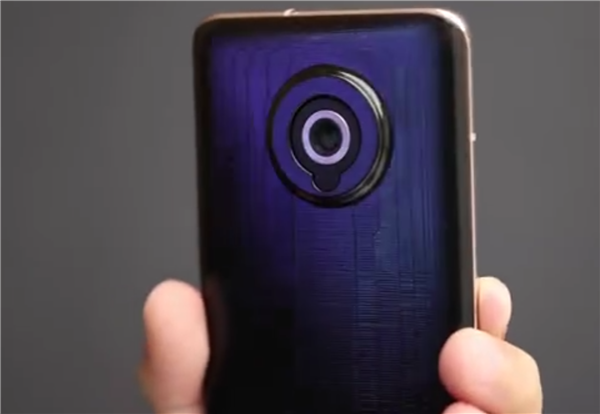
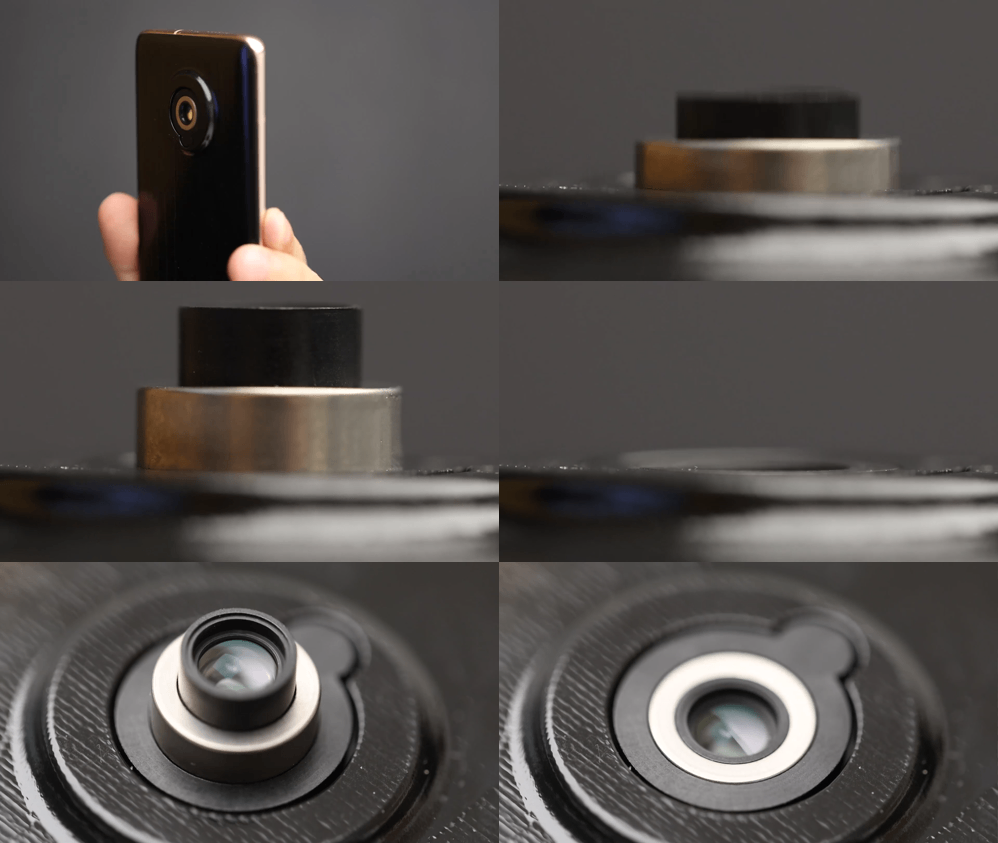
At the MIDC 2020, Xiaomi unveiled a concept by which a Telescopic Camera physically retracts (when not in use) inside a smartphone. This wide-aperture lens technology is inspired by conventional cameras in the market. This mechanism has two major advantages- more light, and videos without shake.

Precisely, such a wider aperture increases the amount of light by 300%(better for night mode) and produces a 20% crispier and stable image using the anti-shake feature. As you can see above, the retractable optical structure allows the lens to lodge in just like any point-shoot camera, and its response time is supposed to be quicker as well.
5OnePlus McLaren (Concept One) / 8T Concept

OnePlus Concept One

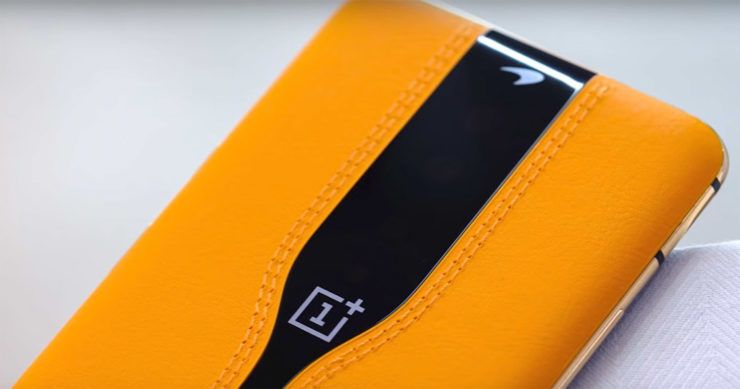
Back in January, OnePlus showcased it’s Concept One smartphone at CES 2020. This product is developed in collaboration with McLaren. It’s typically an OnePlus 7T Pro but has color shifting glass technology on the camera layout which is an Electrochromic Glass. Simply put, the glass changes from transparent to translucent (here it occurs in 0.7sec) if you vary the current/light through it.

You can spot these glasses on the sunroofs of some premium cars, Aeroplanes and buildings’ windows, etc. However, the significance of using it here is, it acts as a neutral density filter to capture the best shots in bright light scenarios.

Recently, OnePlus also revealed what could have been a cool addition to the tally of the OnePlus 8T models. This concept phone has a rear glass with a metal oxide film underneath. Similar to the concept above, the glass changes color (dark blue to light silver) as you vary the voltage across it.

Inspired by the hot springs of Pamukkale in Turkey, the concept, when paired with a radar module (based on mmWave) on the camera housing, responds to gestures like waving hands (for call accept/reject), sense breathing, etc. Precisely, it transmits/receives EM waves and works in conjunction with CPU, DSP to locate and track objects.

EDITOR’S PICK: Gizmochina’s Best Android Smartphones of 2020 / Best Mid-Range smartphones of 2020 (India)

4Vivo Apex 2020 / Color Changing panel concept

Vivo APEX 2020

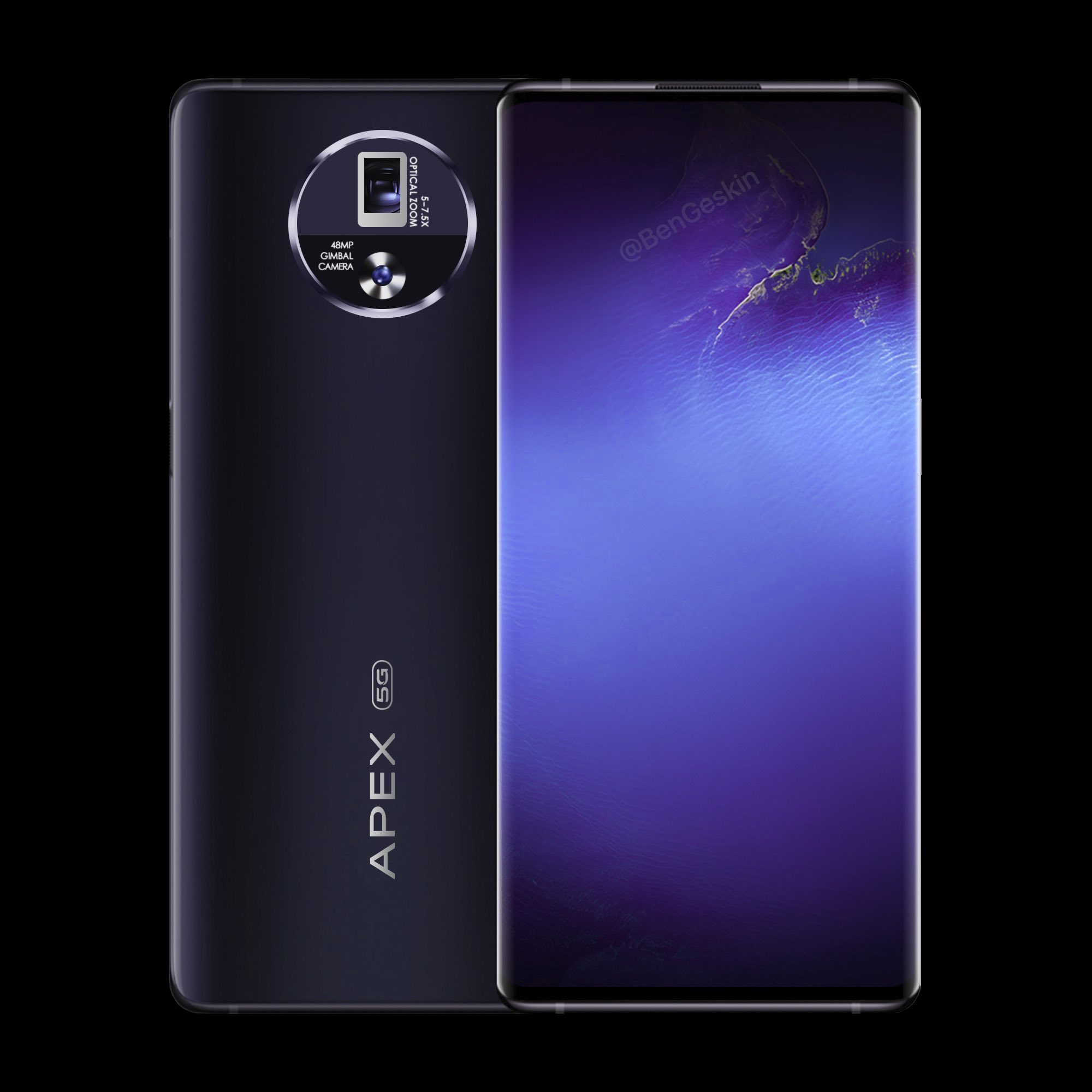
After the cancellation of MWC 2020, Vivo showcased its Apex 2020 Concept in February. The portless-smartphone has a 6.45-inch FullView Edgeless Waterfall display. Precisely, the display has a whopping 120° curved edges. The device also features an under-display 16MP selfie camera by increasing light-transmittance to that portion of the display by 6x times.

Vivo didn’t skimp on the cameras either. The rear layout has a 16MP active moving lens which Vivo coined as the “continuous optical zoom”(5x to 7.5x Optical) feature. Additionally, the device has a 48MP Gimbal-like camera (200% more stability than OIS), 60W wireless charging.

Just like OnePlus, Vivo also tapped into the peculiar property of the Electrochromic Glass tech in a color-changing panel concept. That is, the rear panel adopts the concept of Electrochromism where the color/opacity of material changes when the voltage is varied.

As you can see in the video below, the color changes from Blue to Silver to a Gradient of Purple colors. This is made possible by sandwiching two transparent electrodes and Glass sheets with an Electrochromic film in the middle. Nevertheless, this tech has all the possibilities to make it to commercial devices in the form of dynamic rear panels.

3 

2TCL rollable/ tri-fold concept

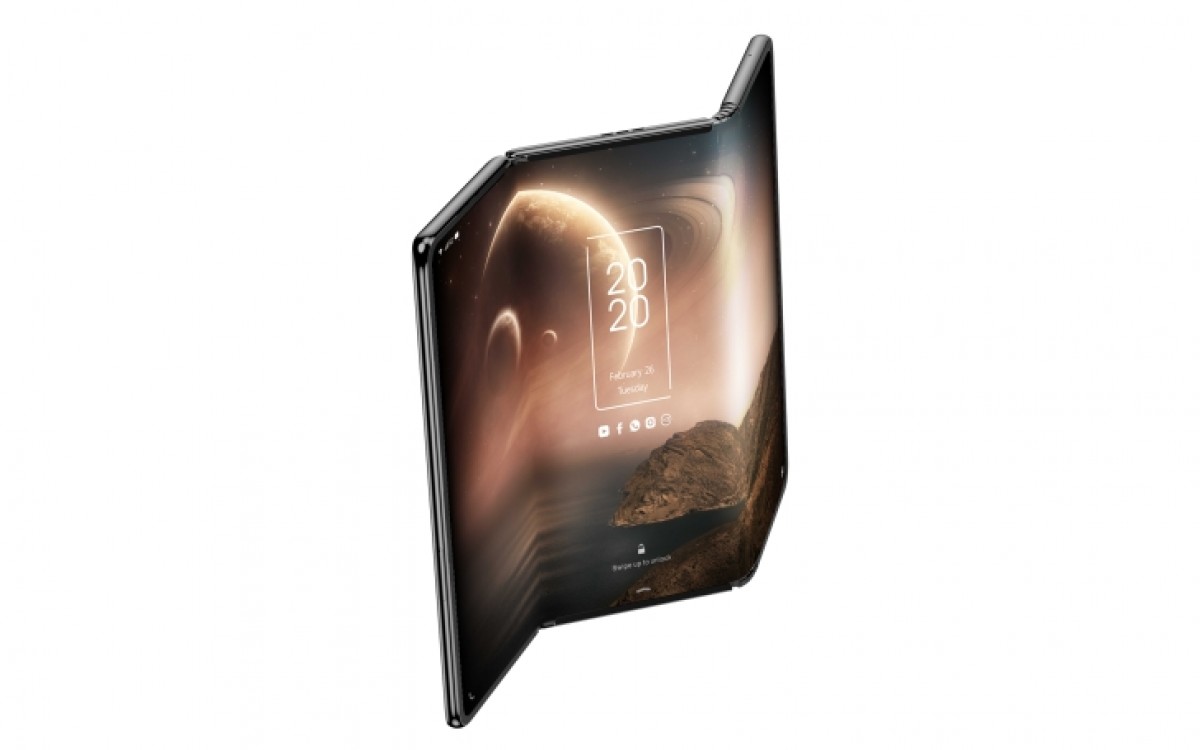
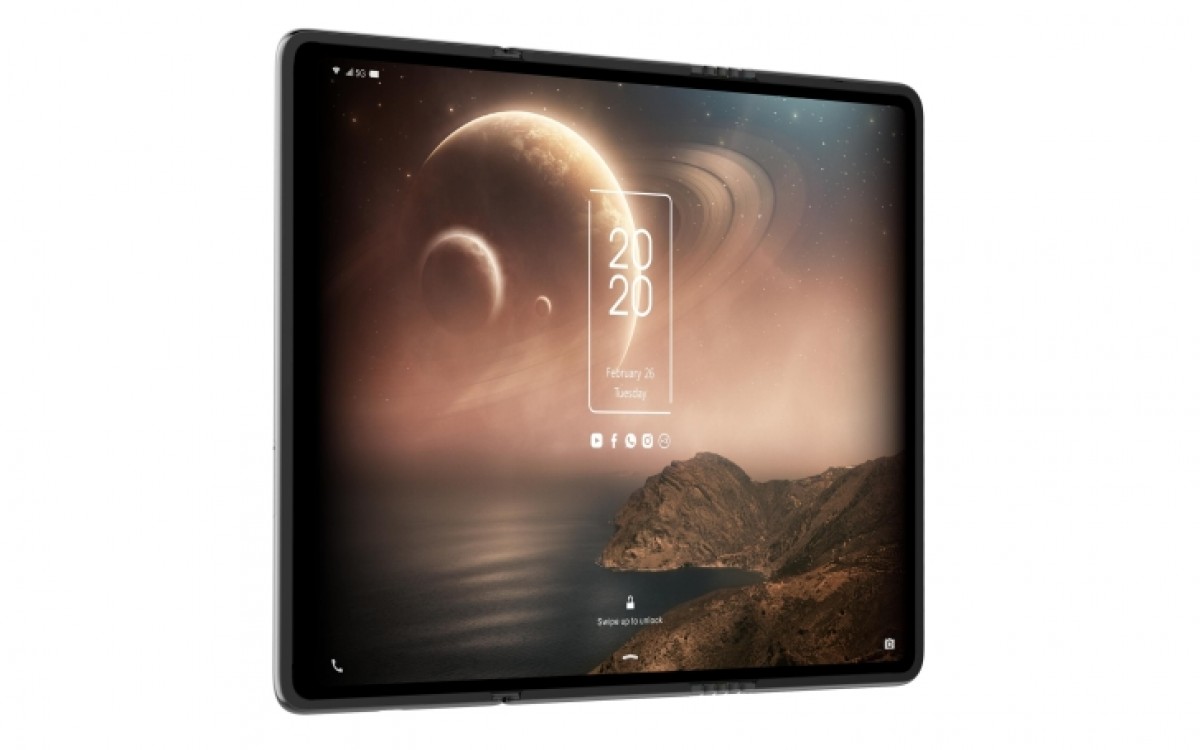
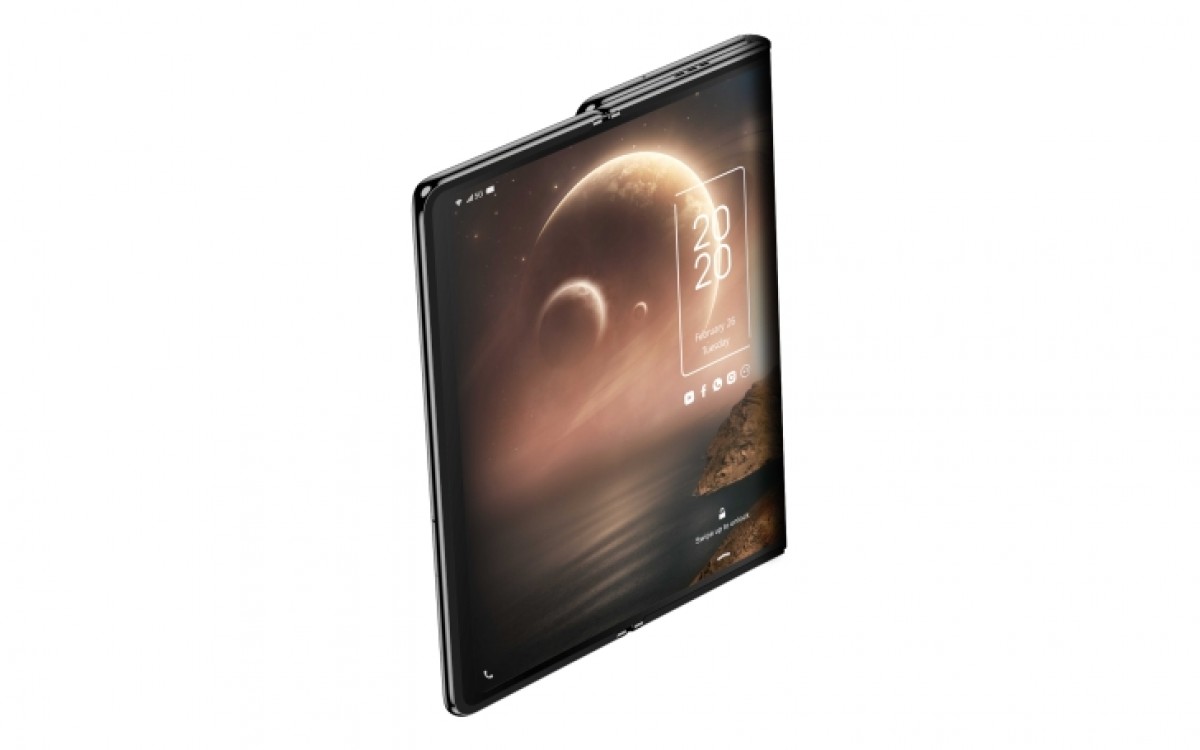
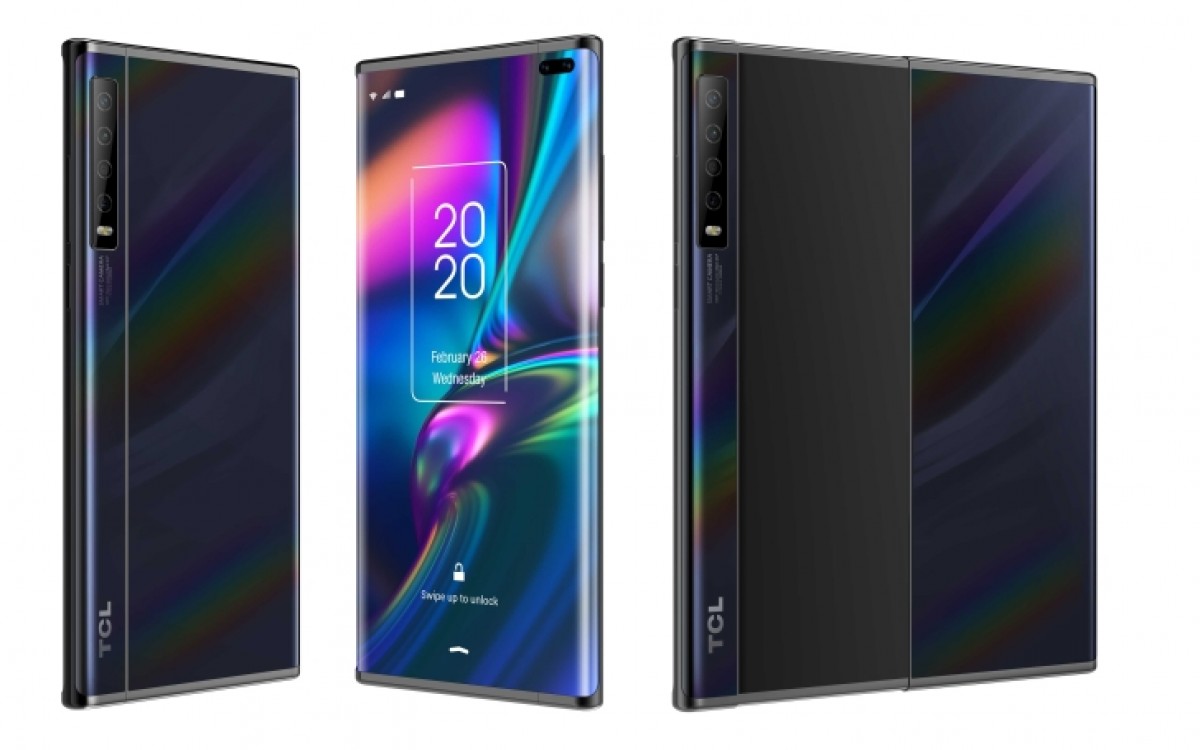
TCL, a brand famous for Smart TVs, out of nowhere, showed two Concept renders of smartphones in March 2020. One has a rollable screen and the other is a tri-foldable display design. The displays, which are from the in-house TCL-CSOT, feature a flexible AMOLED technology.

Further, the tri-fold device helps a 10-inch tablet contract into a smartphone with a 6.65-inch screen. It has an aspect ratio of 20.8:9 and a 3K resolution. The company also had two types of hinges- DragonHinge and ButterflyHinge. The former is like Galaxy Fold while the latter resembles Huawei Mate X.

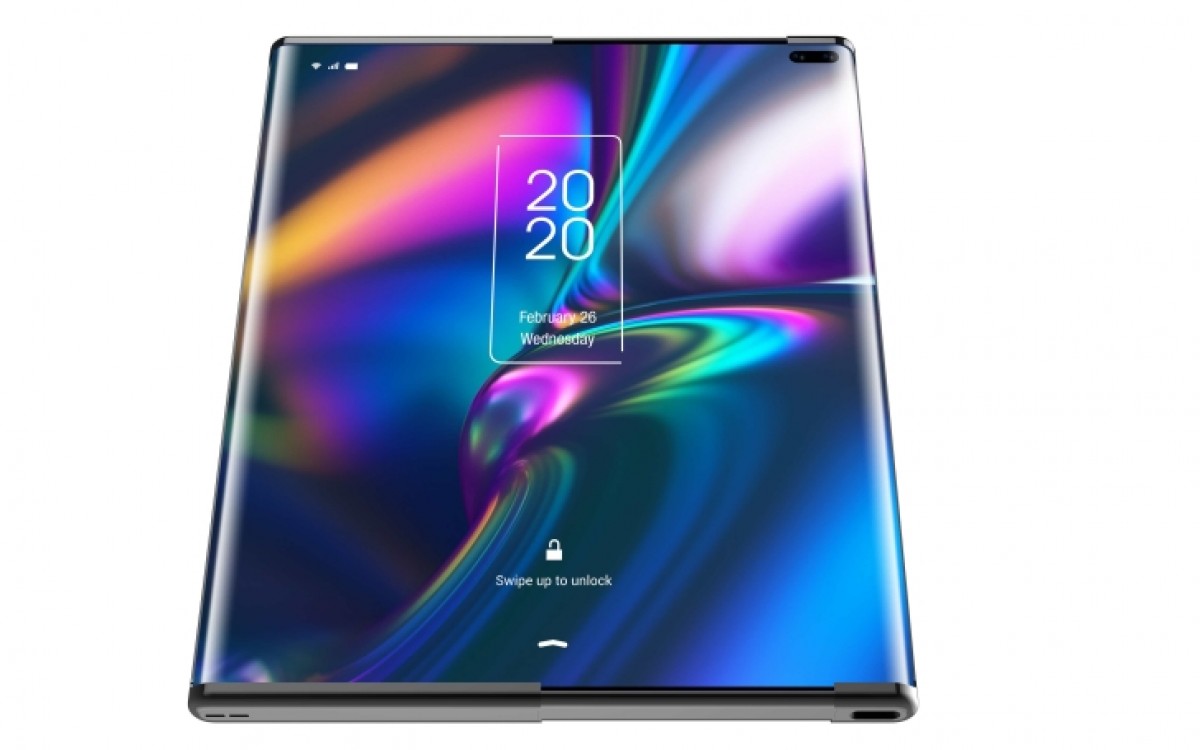
Besides, the highlight of the two concepts was the rollable display. Accordingly, the AMOLED display extends sideways to a 7.8-inch screen and retracts to a 6.75-inch display on pushing a button. However, unlike the tri-fold above, it uses a motorized mechanism so you don’t have to push it manually.

TCL, in a video(as shown below), showcased that the display adapts to either of the given screen real estates in real-time. This makes additional features like multi-tasking, split-screen windows a joy to use.

1OPPO X 2021 Concept

oppo

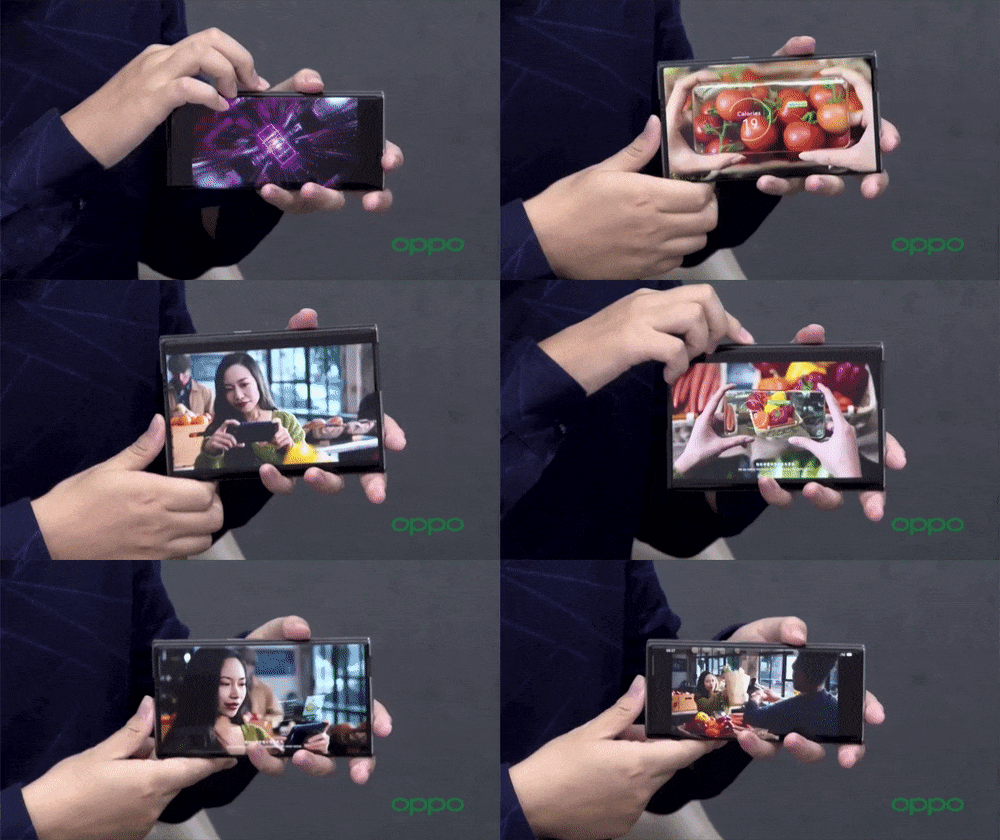
Last, but not least, and my personal favorite, is the OPPO X 2021 extending display Concept. Although TCL was like a front-runner of sorts, OPPO unveiled a working prototype of the tech making it a first of its kind. At the INNO DAY 2020, OPPO showcased a device whose display extends from 6.7 to 7.4-inches.

The display is obviously an OLED screen and it rolls into the frame via a 6.8mm Roll Motor and a proprietary rollable concept design. Additionally, you can also see a 2-in-1 support frame plate inside for taking care of the rolled-up screen. Apart from this, OPPO also used a 0.1mm Warp Track laminate to protect the screen.

That’s it! Those were some of the coolest smartphone concepts of 2020. Heading into next year, we expect some of these ideas to evolve into a whole new array of explosive out-of-the-box products from the brands. And we are as excited as you are.

Perhaps, if we ask you whether you would’ve imagined the feasibility of these at the beginning of this decade, what would have been your answer? Let us know down in the comments below!

UP NEXT: The Best Smartwatches and Fitness Trackers of 2020

Samsung Galaxy S21 series smartphones to ship without charger in the UK

Samsung will reportedly remove the charger or power adapter from the box of the upcoming flagship Galaxy S21 series smartphones. While the company has not explicitly confined this, as Xiaomi did, but the removal of social media posts mocking Apple for doing the same hints towards that direction.

Now, leaker Ishan Agarwal has claimed that the next-generation Galaxy S-series flagship smartphones will come without a charger in the retail box, at least in the United Kingdom. The tweet has now been deleted but below is the screenshot of the same (via GSMArena).

Ishan Agarwal Tweet - Samsung Excluding Charger In Galaxy S21

However, we expect the company to exclude a charger from the Galaxy S21 series’ retail box in almost every region. Recently, a certification list of the upcoming lineup in Brazil confirmed the exclusion of chargers and earphones.

But it’s not just following Apple‘s footsteps. Samsung has been working towards this move since the launch of the Galaxy Note20 lineup in which the company excluded the earphones from the box in the United States. The South Korean giant shipped out the earphones for free to those customers who requested.

EDITOR’S PICK: iQOO 7 series smartphones confirmed to come with 120W fast charging technology support

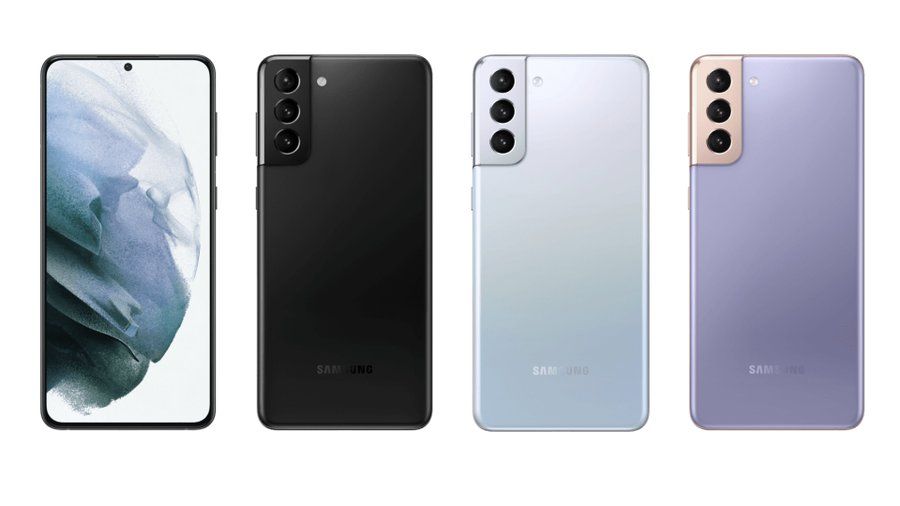
Samsung Galaxy S21 5G render
Samsung Galaxy S21 5G Render

So, there’s still a possibility of Samsung doing the same for the charger and earphones in the upcoming Galaxy S21 series. So far, it remains to be seen if the company decides to remove the bundled accessories in all three models — S21, S21 Plus, and S21 Ultra.

However, to know for sure what the company has planned, we will have to wait for the official launch event that is expected to take place on 14th January. Meanwhile, Samsung company has set an event in the first week of January where it will showcase its new display technology.


MIUI Gallery app confirms the existence of Mi 11 Pro

Back in late November, an MIUI 12 code exposed Xiaomi to be working on a smartphone with a QHD+ display. Following that, a few days back, the Chinese tech giant announced Mi 11 with a similar spec’d panel. Now, another code in the MIUI Gallery app confirms that there will be a Mi 11 Pro as well.

Xiaomi Mi 11 Leather and Special Edition

Earlier this year, Xiaomi launched both Mi 10 and Mi 10 Pro at the same event. But surprisingly, the company only unveiled Mi 11 for 2021 as of now. Although the firm did not say anything about Mi 11 Pro at the launch conference, Digital Chat Station, a popular as well as reliable Chinese tipster revealed that the Pro variant will be announced after the Spring festival.

That said, recently, Xiaomi updated the MIUI Gallery to v2.2.17.18.  According to kacskrz, a recognized XDA member, the source code of the latest version of the MIUI Gallery app not only confirms the existence of Mi 11 Pro but also its QHD+ curved display.

According to previous reports, the Mi 11 Pro’s display may also support 120Hz refresh rate, SDR to HDR mapping, MEMC, and AI upscaling. On the other hand, the vanilla Mi 11, which is now official does not come with any of these features except for the 120Hz refresh rate.

Apart from the differences in display, we also expect the Mi 11 Pro to come with a better camera setup and support for faster charging.


iQOO 7 series smartphones confirmed to pack 120W fast charging support

Vivo’s sub-brand iQOO confirmed that the company’s upcoming flagship smartphone, dubbed iQOO 7 will get launched on 11th January 2021 in China, powered by the latest Qualcomm Snapdragon 888 chipset.

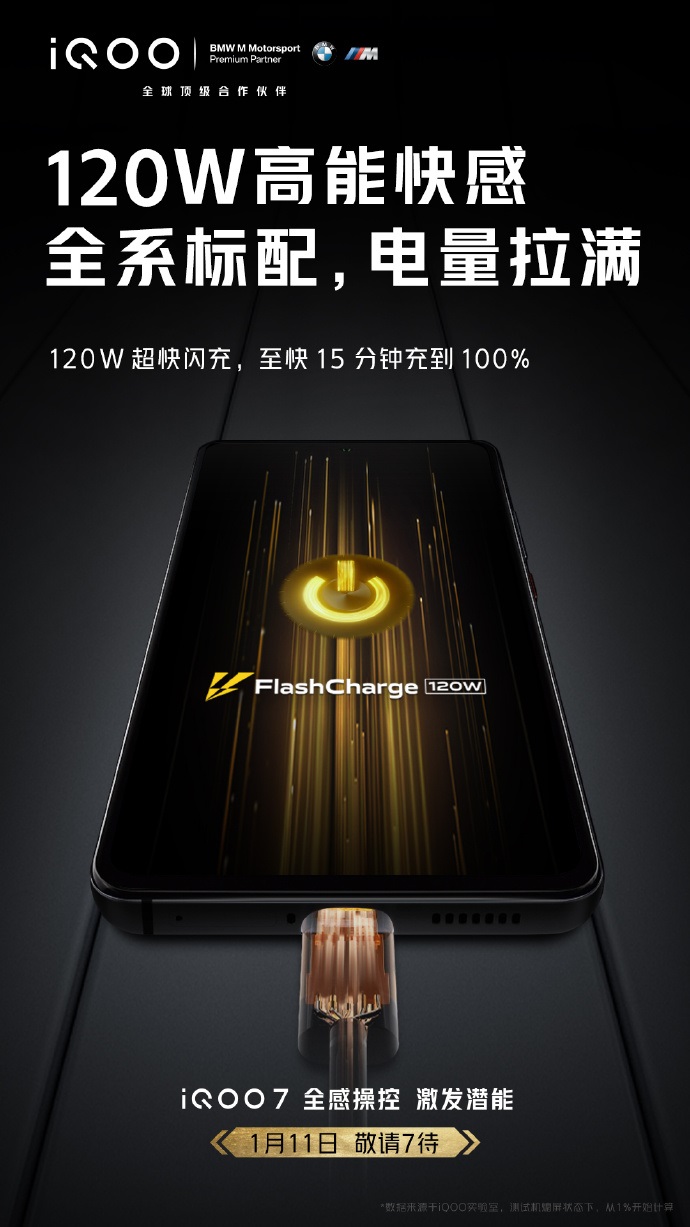
Now, days ahead of the official launch, the company has shared a new teaser poster on its social media, confirming that all the models in the iQOO 7 series will come with support for 120W fast charging technology.

iQOO 7 120W Fast Charging Support

As per the company’s claim, the smartphone with a 4,000mAh battery can get fully charged within 15 minutes using this technology. Prior to this, the company had revealed that the phone will have its audio output tuned by Audio Technica. Along with the latest flagship Snapdragon 888 chipset, the phone will pack LPDDR5 RAM and UFS 3.1 storage for better performance.

The upcoming smartphone was recently spotted on the AnTuTu benchmark with a score of 752,935. The listing reveals that the phone will have a Full HD+ display that offers a 120Hz refresh rate. It is likely to feature a 6.56-inch AMOLED screen with in-display fingerprint sensor technology for added security.

EDITOR’S PICK: OnePlus Band fitness tracker priced under $40 to reportedly launch in a few weeks

A recent report has revealed that the smartphone will come with a triple-camera setup on the back, consisting of a 48-megapixel primary camera with Optical Image Stabilization (OIS) support.

In the software department, the device will come running the latest Android 11 operating system out-of-the-box with OriginOS on top, which was recently released by Vivo. We also expect the phone to come with several software enhancements, including a Gaming Mode for advanced users to boost performance and overall experience.

Along with the iQOO 7, the company has confirmed to launch the iQOO 7 BMW Edition on 11th January. This edition will come with a White-colored body and a Red-Black-Blue colored vertical stripe on the back. We expect the company to keep sharing more information about the device as the launch nears.


Samsung to launch Galaxy Z Fold 2 Limited Edition Collection in Vietnam

The Samsung Galaxy Z Fold 2 is the company’s successor to its first foldable smartphone. It was launched earlier this year and now, the company has announced a new Galaxy Z Fold 2 Limited Edition Collection is arriving for its customers in Vietnam.

Samsung

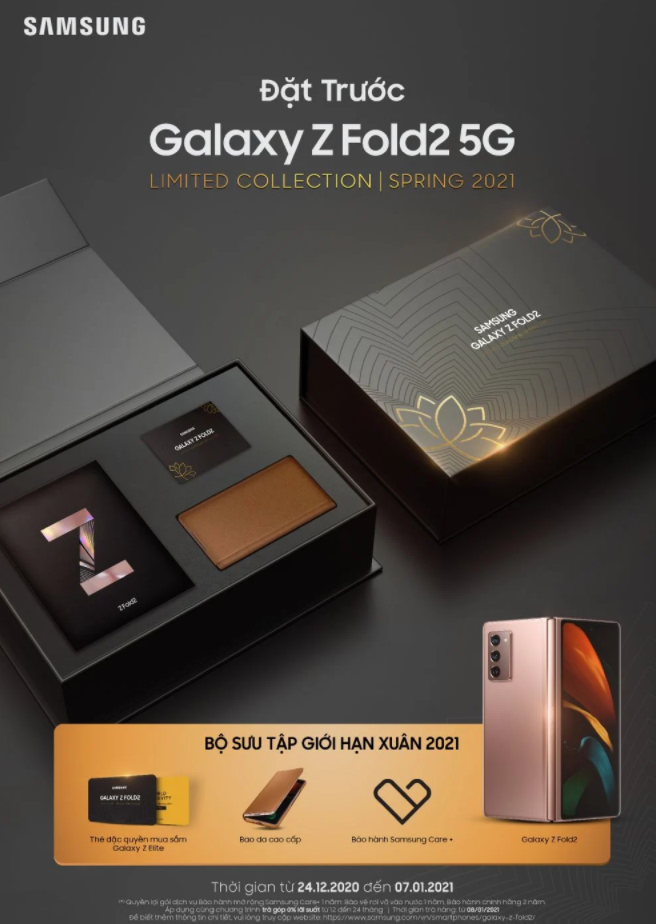
According to a SamMobile report, the new Limited Edition Collection for Spring 2021 will not be sold along with the vase Galaxy Z Fold 2 variant. Apparently, the South Korean tech giant was taken by surprise by the foldable smartphone’s success in the region. So, Samsung decided to not just replenish the stocks, but also make the fresh batch a bit special as well. The official name of the device is the Galaxy Z Fold 2 Limited Edition Collection – Spring 2021, which essentially is the same as the regular version but its retail box arrives with a handful of goodies and incentives.

Looking into these special offerings, customers in Vietnam are given the Galaxy Z Elite Privilege card, which was previously only reserved for customers that had placed pre orders in the country. This card is valid till 25th September 2021 and will have holders enjoy benefits like receiving discounts up to 35 percent on non foldable Galaxy handsets, and up to 45 percent off on consumer electronics, excluding the 8K TVs.

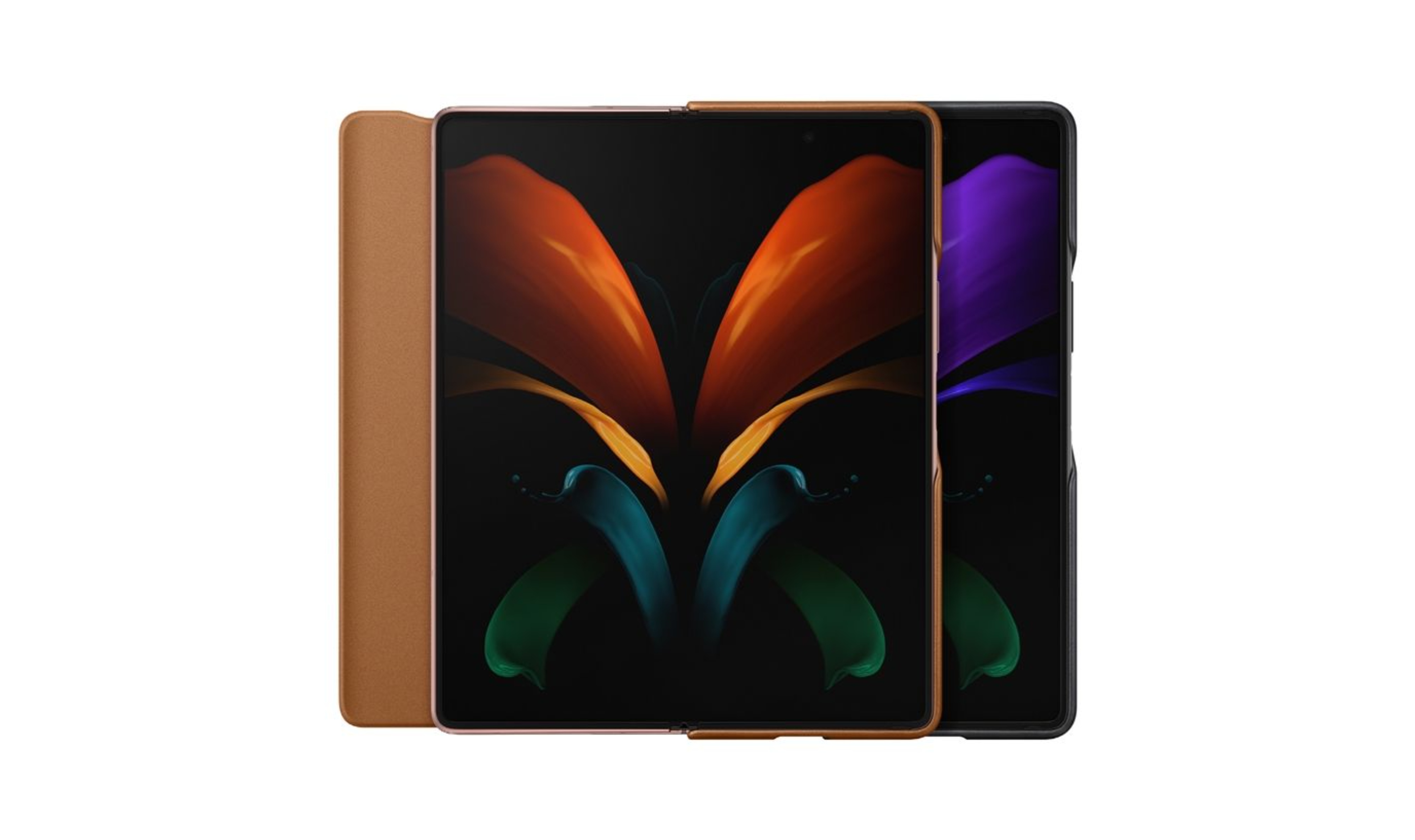
Samsung Galaxy Z Fold 2 Official Leather Case
Galaxy Z Fold 2 Official Leather Case

Furthermore, the Galaxy Z Fold 2 Limited Edition Collection also arrives with a Premium Leather Case, Samsung Care+ extended warranty, and even allows users to choose the color of the hinge. All of this would be stores in the special edition retail box adorned with Lotus flowers. For those unaware, Lotus is Vietnam’s national flower and is considered a symbol of purity, commitment, and more. The device will be available for pre orders starting from January 7 from the company’s official Vietnamese website.


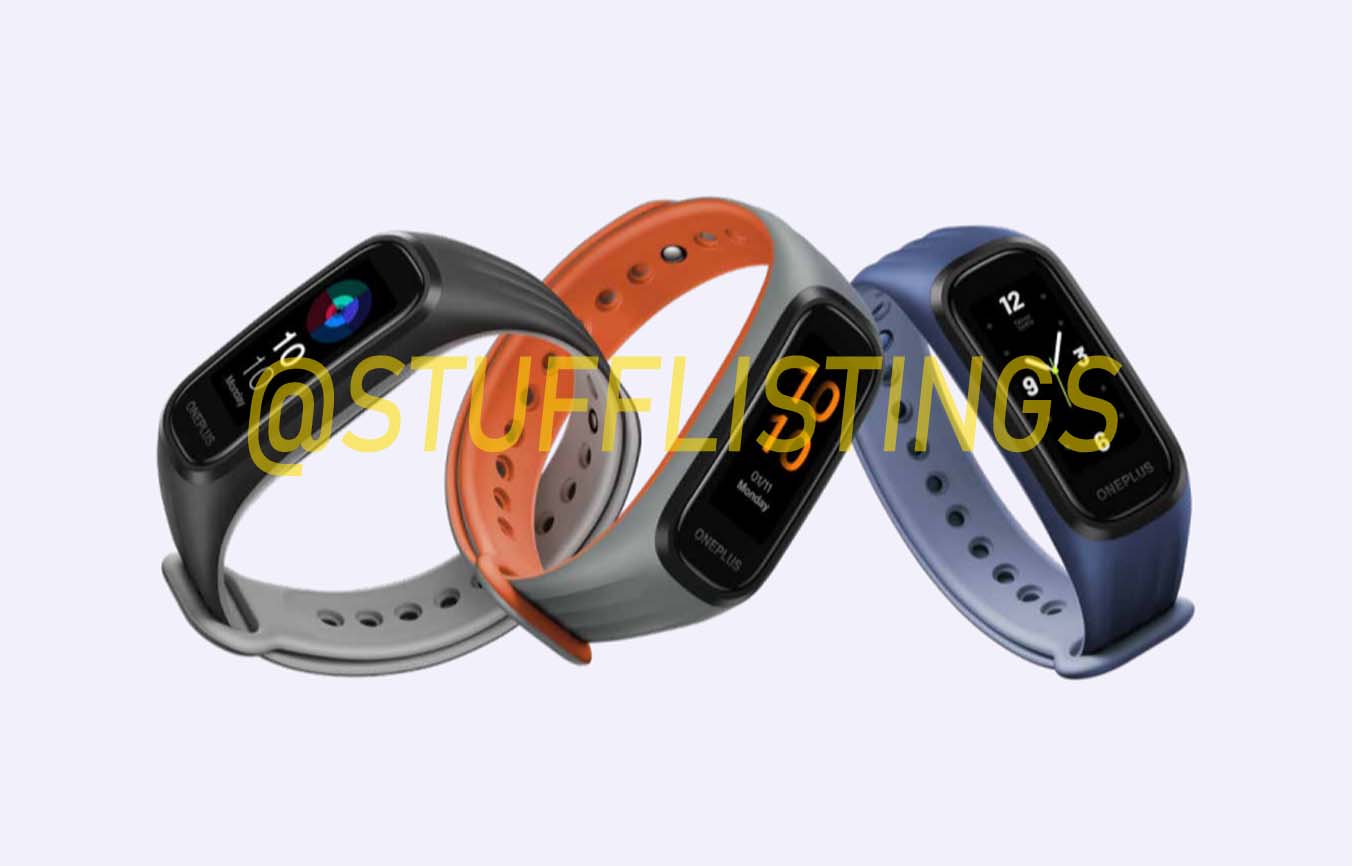
OnePlus Band fitness tracker priced under $40 to reportedly launch soon

OnePlus is known for making smartphones but the company recently entered the mobile accessories market and has launched a few products in that category. Now, the Chinese company is set to launch yet another product in its portfolio.

It appears that the OnePlus Band fitness tracker is set to get launched in the first quarter of 2021. This will be the company’s first wearable fitness tracking device and likely to compete against the likes of Xiaomi Mi Band 5, and Honor Band 6, among others.

OnePlus Band Render

Interestingly, the company is also set to launch its first smartphone in 2021, which has already been confirmed by OnePlus. It is not yet known if both these devices — the OnePlus Band and the OnePlus Smartwatch will get launched at the same time.

Some reports indicate that the OnePlus Band fitness tracker could debut in the Indian market in January or February. Later on, the device will make its way to other regions, ahead of the launch of the OnePlus 9 flagship smartphone.

EDITOR’S PICK: ASUS Adolbook13 2021 with an 11th-gen Intel Core i5 and gradient metal color launched

The upcoming fitness tracker is said to be focusing on the budget market and will come with an AMOLED display and multi-day battery life support. Based on the render shared by StuffListings, the OnePlus Band could be a rebranded version of the OPPO Band.

We expect more information about this product, including specifications, features, and pricing details to surface online in the coming days or weeks. However, a report indicates that the device will be priced under $40.



Vivo Y20A with Snapdragon 439, 13MP triple cameras, and 5,000mAh battery launched

Yesterday, Vivo announced the Vivo Y20 (2021) smartphone in Malaysia. A similar device called the Vivo Y20A has also gone official in India. It is third in the Y20 series that includes phones like Vivo Y20 and Vivo Y20i. Here is all the information on the specifications, features, and pricing of the Vivo Y20A.

Vivo Y20A specifications and features

The Vivo Y20A has a 6.51-inch IPS LCD screen that produces an HD+ resolution of 720 x 1600 pixels. The waterdrop notch screen offers a 20:9 aspect ratio. While the Vivo Y20 and Y20i are powered by the Snapdragon 460, the Y20A is equipped with the less powerful Snapdragon 439.

The Vivo Y20A comes with 3 GB of LPPDR4x RAM and it has an internal storage of 64 GB. For additional storage, users can add a microSD card to the device. The phone is preinstalled with FunTouch OS 11 based Android 10 OS.

Vivo Y20A
Vivo Y20A

The rear side of the Vivo Y20A has a triple camera system. It includes a 13-megapixel main camera with f/2.2 aperture and a pair of 2-megapixel sensors for macro shooting and depth sensing. Both the auxiliary cameras come with f/2.4 apertures. The smartphone features an 8-megapixel camera on the front for capturing selfie shots.

The Vivo Y20A is backed a by 5,000mAh battery with 10W charging support. The phone comes with support for face unlock and it has a side-facing fingerprint scanner. The handset offers connectivity features like dual 4G VoLTE, Wi-Fi 802.11 b/g/n, Bluetooth 4.2, GPS, microUSB, and a 3.5mm audio jack.

Vivo Y20A pricing and availability

The Vivo Y20A comes in colors like Nebula Blue and Dawn White and it is priced at Rs 11,490. Major e-commerce will start with its sales from Jan 2.

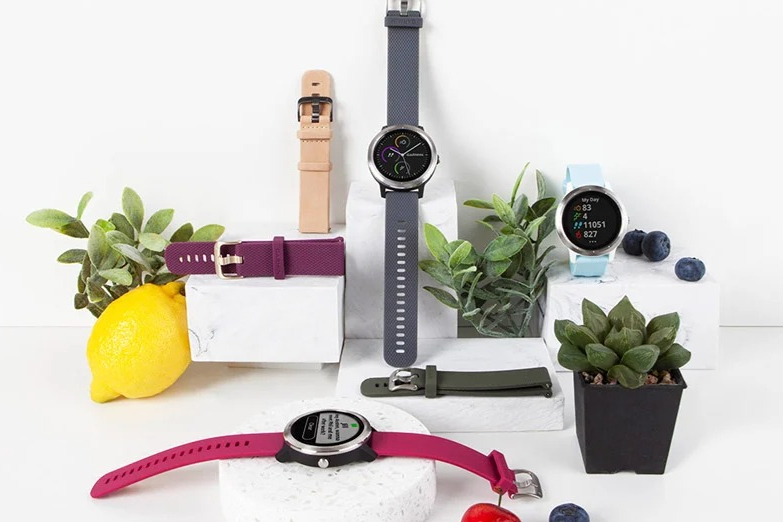
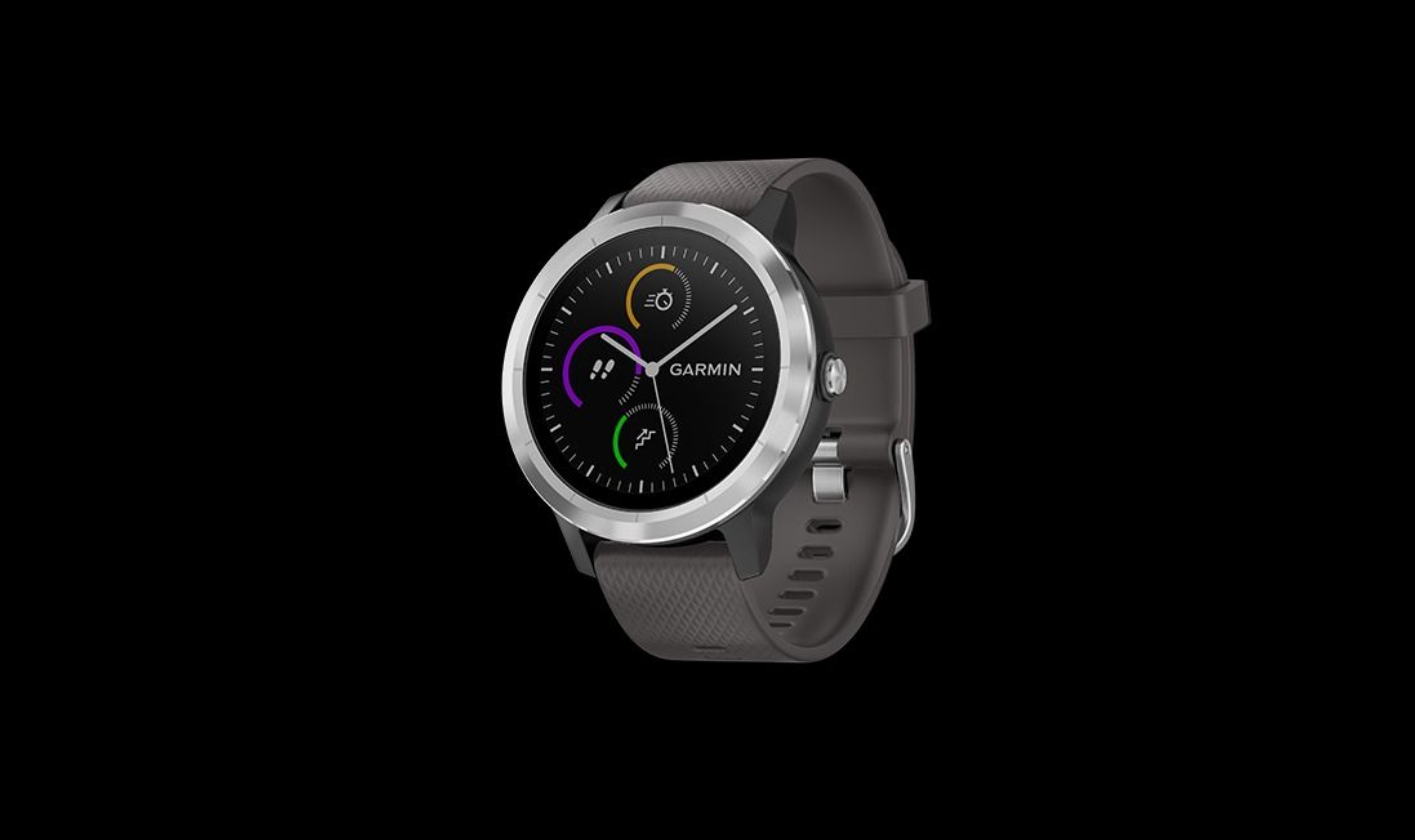
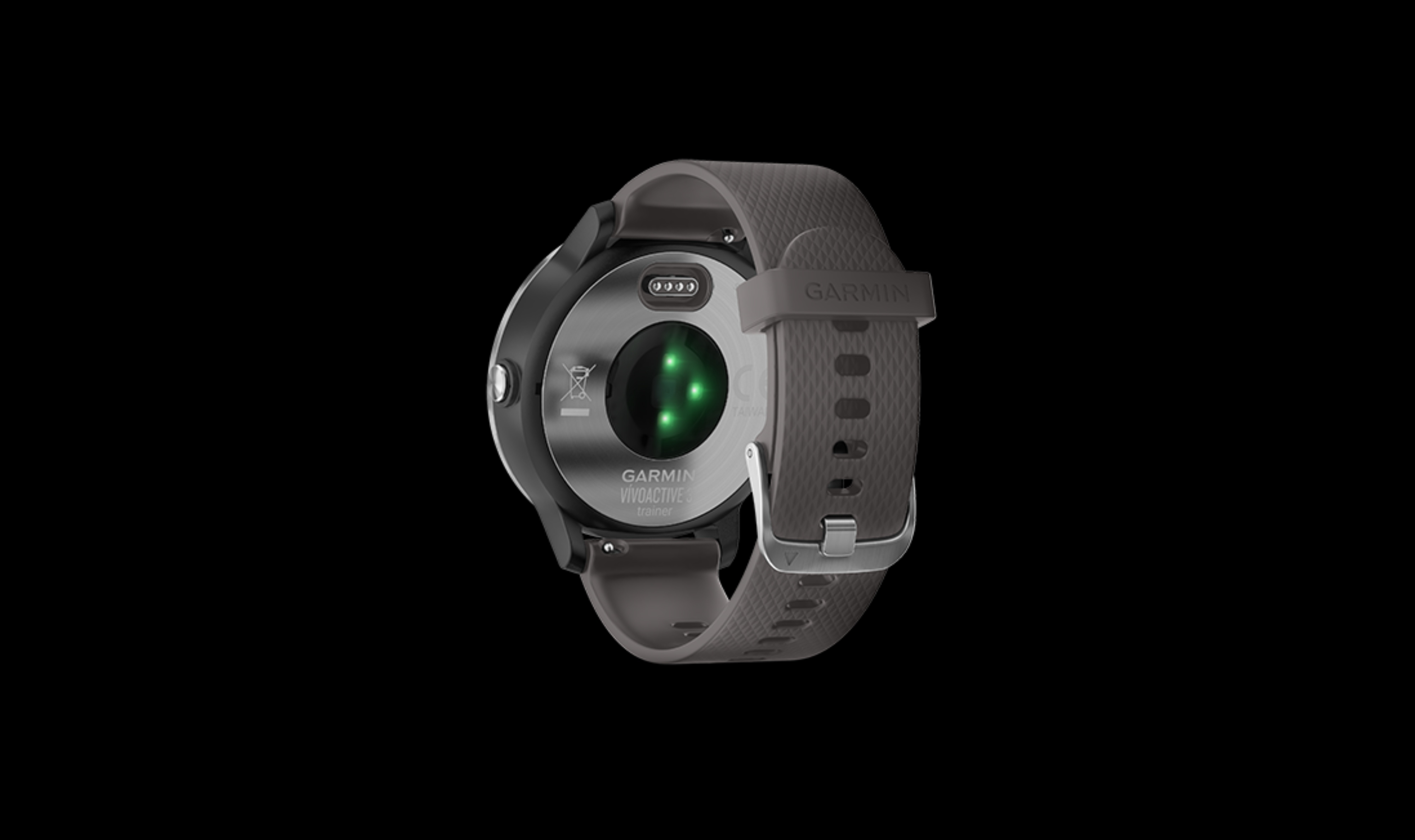
Garmin Vivoactive 3 Element launched in India for ₹15,990 ($219)

Garmin has launched the Vivoactive 3 Element in India priced at ₹15,990 ($219). This wearable can be purchased from either Garmin online store, Amazon India, or Tata Cliq in the country. It is the brand’s cheapest smartwatch offering in the region and comes in a single grey option.

Garmin Vivoactive 3 Element Featured

The Garmin Vivoactive 3 Element sports a 1.2-inch transflective memory-in-pixel (MIP) display with a resolution of 240 x 240 pixels. This screen is protected by chemically strengthened glass. Further, the casing of the smartwatch features stainless steel and fiber-reinforced polymer, whereas the strap is made of silicone.

Being a fitness-focused wearable, the product ships with all the essential sensors such as optical heart rate sensor, barometric altimeter, compass, accelerometer, thermometer, GPS, and GLONASS. As for connectivity, the smartwatch uses Bluetooth and ANT+.

The watch connects with smartphones via the Connect IQ app, which is available on both Google Play Store for Android and Apple App Store for iPhones. Just like any other companion app, this application can be used to modify various settings on the smartwatch.

As far as features are concerned, the wearable comes with more than 10 pre-loaded GPS and indoor sports modes. It also supports app notifications, VO2 Max, heart rate monitoring, stress level monitoring, customizable workouts, Samsung SmartThings controls, and more.

Last but not least, the Garmin Vivoactive 3 Element is 5ATM water-resistant and can last up to 8 days in smartwatch mode but only up to 13 hours in GPS mode.


(Via)

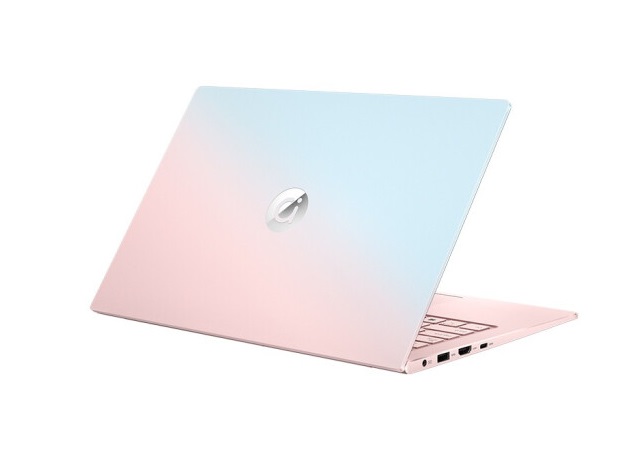
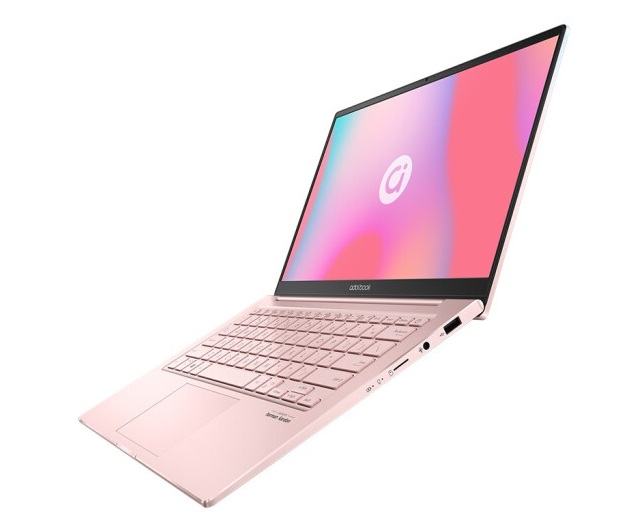
ASUS Adolbook13 2021 with an 11th-gen Core i5 SoC, gradient metal color launched

Around September last year, Taiwanese tech giant ASUS announced the Adolbook14 which it prides as the world’s first metal gradient notebook. The company also marketed the device as a fashionable PC and that wasn’t far from the truth. The electronics giant has just launched a successor to the Adolbook14 and it is called ASUS Adolbook13 2021.ASUS Adolbook13 2021

The Adolbook13 2021 is a compact notebook PC powered by the latest 11th generation Intel Core i5-1135G7 processor. The processor is paired with 16GB of LPDDR4X-4266 memory while there is 512GB M.2 SSD onboard. The notebook is also equipped with an upgraded Cicada wing fan which supports three-speed fan switching.

ASUS Adolbook13 2021

In terms of the design, ASUS Adolbook13 2021 uses 3D metal printing technology. The company says the tech is used to create a psychedelic ocean color with gradient metal. The notebook uses an all-metal body with a toughened mirror logo.

The Adolbook13 2021 features a 13.3-inch display with an FHD resolution of 1080p. The display also offers 100% sRGB color gamut, and has a screen ratio of up to 88%. The entire notebook is as light as 1.19kg and is just 13.9mm thick. This makes it thinner, lighter and has a wider screen ratio than last year’s Addolbook14.

There are decent options when it comes to I/O, even considering the device’s thinness. The Adolbook13 2021 features a 3.5mm headphone jack, an SD card reader, a USB 2.0 port, an HDMI video out port, a USB 3.1 port and a USB-C port. While the number of ports available isn’t all that impressive, the sheer variety is pretty good.

There’s a 50Wh battery, which should offer a decent hours of video playback. The laptop is TUV Rheinland certified and also packs HArman Kardon stereo speakers.

The ASUS Adolbook13 2021 carries a decent price tag of 4999 yuan ($766) which is a decent price considering the build material and other hardware configuration. The model is available from Asus’ Jingdong official flagship store.

UP NEXT: MIUI 12.5 announced: All new Features, Supported devices, & Rollout details


Redmi Note 9T with MediaTek Dimensity 800U spotted on Geekbench

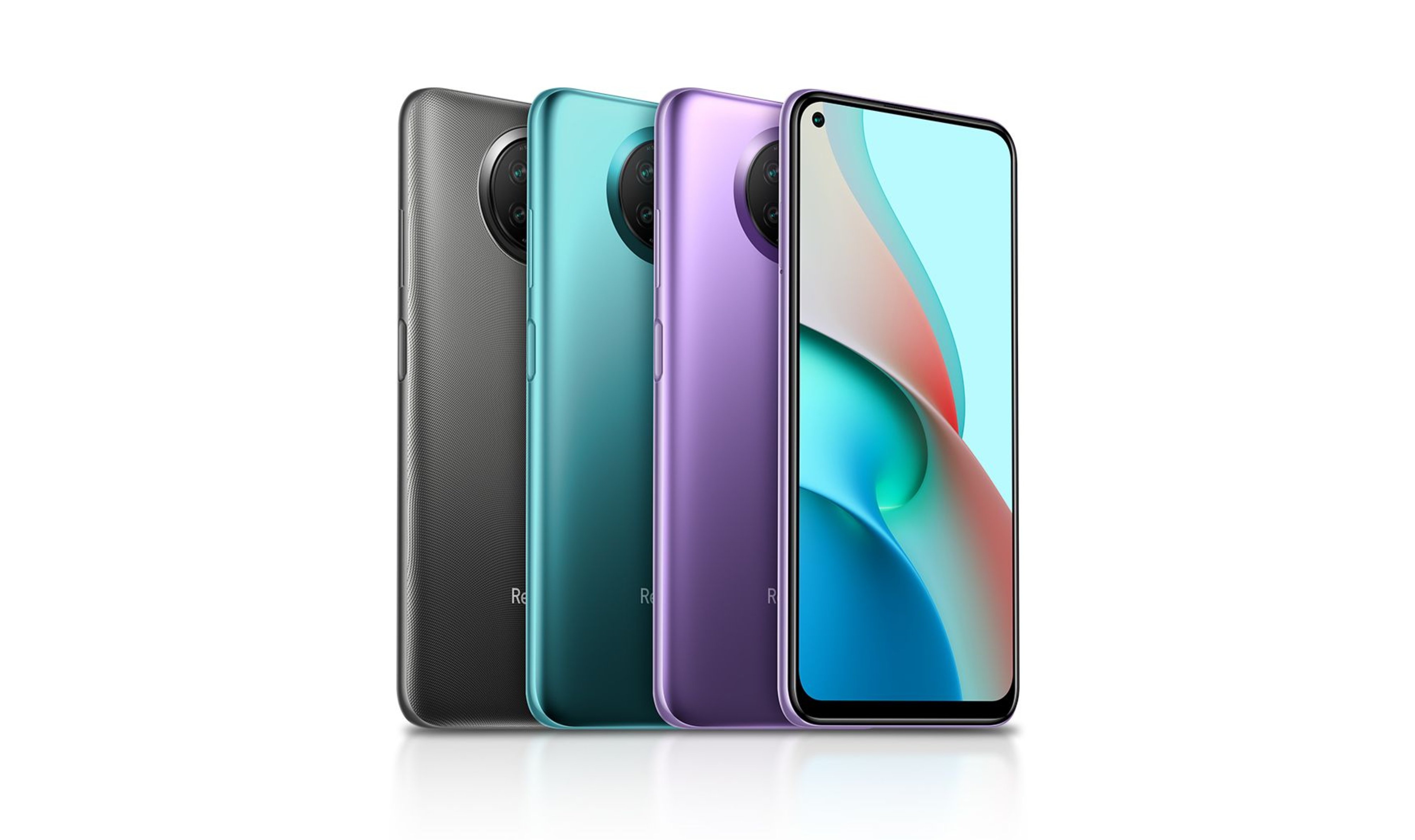
The Redmi Note 9T has now appeared on Geekbench further strengthening the belief that it’s a rebadge of China’s Redmi Note9 5G. The listing also suggests that the supposed Global variant will come with an older version of Android.

Redmi Note 9 5G All Colors Featured

The latest Geekbench listing of a Xiaomi smartphone with model number M2007J22G appears online. If we recall, a device with a similar model number has already passed Thailand’s NBTC and Malaysia’s SIRIM certifications. Among this, the NBTC revealed that the device would debut as Redmi Note 9T 5G.

Anyway, the device in testing runs 4GB of RAM and has an ARM MT6853T processor. A similar Geekbench of the Redmi Note9 5G before its launch revealed that it’s the MediaTek Dimensity 800U 5G SoC. That said, the 4GB variant doesn’t exist in China as it is selling only in 6/8GB RAM, and 128/256GB UFS 2.2 storage variants.

Besides, the listing also reveals that the Global variant will likely debut with Android 10 OS just like Redmi Note9 5G. Previously, while launching in November, the latter came with MIUI 12 but didn’t carry the latest Android(11). Also, despite sporting a lower RAM, the scores are almost on par with the Chinese variant(single-core- 598, multi-core- 1,760 points).

Redmi Note 9T Specifications(Expected)

The Note 9T 5G will likely feature a 6.53-inch FHD+ LCD display with a top-left punch-hole upfront. At the back, a circular camera layout like the Note9 Pro 5G will hold three sensors with a 48MP main lens, 8MP ultra-wide, and a 2MP sensor.

Other expected specs include a 5,000mAh battery with 22.5W fast charging, in addition to SA/NSA 5G and other connectivity options.


Xiaomi Mi Human Sensor 2 now on sale in China for ¥59 (~$9)

Xiaomi launched the Mi Human Sensor 2 was launched on Xiaomi crowdfunding in November this year. The product is focused on motion detection, light and dark recognition, intelligent linkage, and adopts a compact size. Exactly a month after the crowdfunding exercise, the tech giant has launched the Mi Human Sensor 2 on open sale for 59 yuan (~$9). The product is on sale on Jingdong and other platforms.Xiaomi Human Sensor 2

The Mi Human Sensor 2 is small in size and comes with a stand, which can be placed or pasted at will. It supports multiple installation methods such as flat placement, wall pasting, and inversion.

The Mi Human Sensor 2 supports 130° wide-range sensing and a detection distance of 7 meters. It can be placed in a room, corridor, or bedside to monitor the movement of people or pets, and send notifications to the Mijia app through a nearby Bluetooth gateway, or when linked with other smart devices.

This version comes with ambient light and dark detection function and so there is no need to buy a light sensor. You can wake up at night and it automatically turn on the light after detecting your movement.

The product also supports linkage with Mijia IoT products. For example, when you go home, you can turn on the Mijia Air Purifier remotely. When there is no one in the house, you can turn off the home air conditioner, air purifier, and other electrical equipment remotely from the app.Xiaomi Human Sensor 2

It should be noted that the Mi Human Sensor 2 cannot be directly connected to the smart home via Wi-Fi, and must be used with a Bluetooth gateway or Bluetooth Mesh gateway, such as Xiaomi XiaoAI touch screen speakers and Xiaomi smart multi-mode gateway.

UP NEXT: MIUI 12.5 announced: All new Features, Supported devices, & Rollout details


Some AirPods Max users complain of water build-up inside the ear cups after prolonged usage

Apple launched the AirPods Max recently as its first wireless headphone. The headphones have since gone on sale but the reviews have not been without any bloat. Some users have complained of condensation build-up inside the headphones. It is reported that water collected inside one user’s AirPods Max ear cups after using the device for an extended period. Condensation is not uncommon with such devices although the metal ear cups, coupled with their tight fit might be some of the reasons for the increased amount of water.Apple

The AirPods Max was unveiled earlier this month. It’s one of the high-end headphones available in the market and sells for $549. It enjoyed rave reviews at its launch for its top-end design and quality, which now comes under scrutiny with this observed flaw. The metal ear cups may be a remote cause of this buildup of water droplets after long use.
The replaceable ear pads provide ear comfort and enable noise cancellation by forming a seal around the cups. It is likely that it can trap moisture, possibly after long use and under certain circumstances.

Several users have been sharing their experience on Twitter, Reddit and other platforms, stressing that the headphones begin to malfunction until the moisture disappears. Some users even provided photos of their headphones with visible signs of moisture on it.
Water condensation, however, is not unique to the AirPods Max, and condensation after extended use is not uncommon.AirPods Max

Much has been written about this problem but a logical explanation is that moisture builds up as a result of sweat from the ear, as the ear cushions trap air and heat, causing a build-up of moisture observed in the ear cups. A company, EarHugz has even produced sweat-resistant headphone covers as a solution to the problem.

It is therefore advisable to periodically remove the headphones and wipe the ear cups when wearing AirPods Max for extended periods or when exercising. To do this, pop out the cushions and wipe dry the metal interiors with a soft, dry, lint-free cloth, as advised by Apple.

UP NEXT: MIUI 12.5 announced: All new Features, Supported devices, & Rollout details


(via)


realme UI 2.0 (Android 11) Early Access now live for realme 7, 6 Pro, narzo 20 Pro, and X2 Pro

Chinese smartphone maker realme unveiled realme UI 2.0 based on Android 11 in September. The announcement for the same came soon after the ColorOS 11 launch event. Because despite separating from OPPO, realme’s software is still based on ColorOS. So far, the brand has delivered the stable update to a single handset – realme X50 Pro, whereas builds for two devices are in the beta testing phase. Now, the company has started recruiting testers for four new phones.

realme UI 2.0 Android 11 Logo Featured

A few days after announcing realme UI 2.0, the brand also revealed the ‘Early Access’ roadmap for all the eligible devices. Following the same, the company has been releasing builds.

Hence, as December 2020 is about to end, the firm has started recruiting realme UI 2.0 Early Acess testers for the following smartphones.

  • realme 7
  • realme 6 Pro
  • realme narzo 20 Pro
  • realme X2 Pro

Just like with the previous three handsets, the seats for the next four devices are also limited. Therefore, if you are interested in trying out the latest software, then head over to Settings > Software Update > Gear Icon > Trial Version > Submit Details > Apply Now. 

If you get selected, you will be receiving the realme UI 2.0 (Android 11) beta build via OTA. That said, for some reason, you want to rollback to realme UI (Android 10), make sure to backup your data first as this process will wipe your internal storage.

Anyway, even if you don’t join this program now, you will be receiving the stable update in the coming weeks when it is ready.


Samsung Galaxy Note 10 series gets Android 11 update

After the current flagships, Samsung has started seeding the Android 11 update for its yesteryear smartphones. First of a probable bunch is the Galaxy Note 10 series of Smartphones.

Galaxy Note 10 Series featured

As Sammobile reports, Samsung is rolling out the One UI 3.0 based on Android 11 update to Galaxy Note 10(SM-970F), and Note 10+(SM-975F), Note 10+ 5G(SM-976B) users. A firmware version N97xFXXU6ETLL is reaching countries like Germany for 4G variants while Spain and Switzerland are getting the N976BXXU6ETLL version for the 5G model.

Along with the major Android upgrade, the update also brings the latest December 2020 security patch. Samsung has been updating its flagship smartphones with One UI 3.0 stable update from Early December. It began with the Galaxy S20 series and moved over to other devices of 2020.

Anyway, the Galaxy Note 10 which launched back in 2019, gets the latest Android features like bubbles(conversations), media controls, improved permission management, and organized notifications. Additionally, you can also expect the One UI 3.0 features to land with this update.

Plus, Samsung hasn’t incremented the bootloader version which means downgrading is possible theoretically(but we won’t recommend doing it if you are new). It is also worth noting that this is for the Exynos variant and hence, Snapdragon users(US, Canada, China) should stay away from manually flashing it.

Samsung announced its One UI 3.0 beta(Android 11) back in August at the Galaxy Note 20 series launch. After the initial developer build, it expanded the beta to a lot of devices including the Galaxy Note 10 series but had to temporarily halt it due to a major bug.

Nevertheless, the stable update is finally here and it is sure to expand to other countries soon. So far, Samsung has updated devices like Galaxy Z Flip 5G, S20 FE, S10 Lite.


Xiaomi Crowdfunds Mi Portable Wireless Mouse 2 for 79 yuan($12) in China

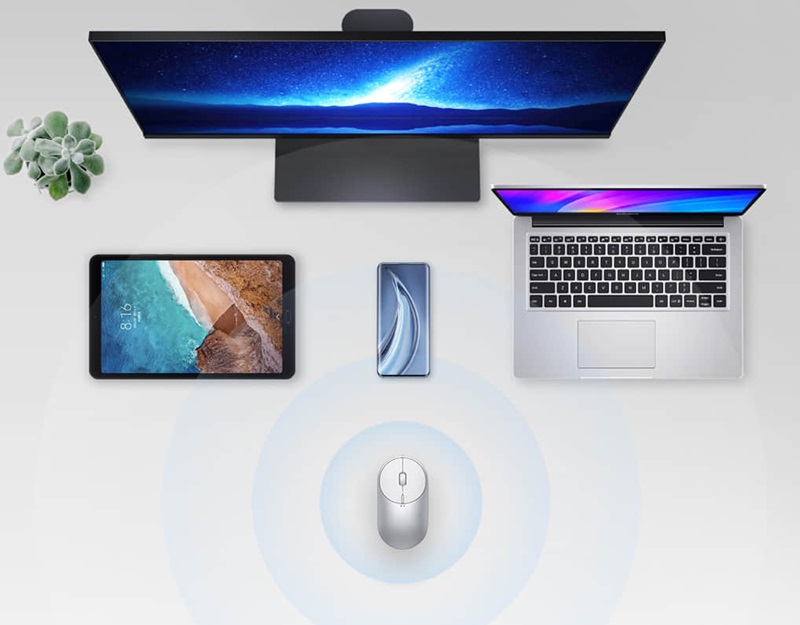
A few months back, a mouse with Mi Portable Wireless Mouse 2 moniker got Bluetooth SIG Certification. Today, Xiaomi has finally crowdfunded the successor of the Mi Portable Mouse today in China. The new Mi Portable Mouse 2 has features like Dual-Mode connection, low energy Bluetooth, and more.

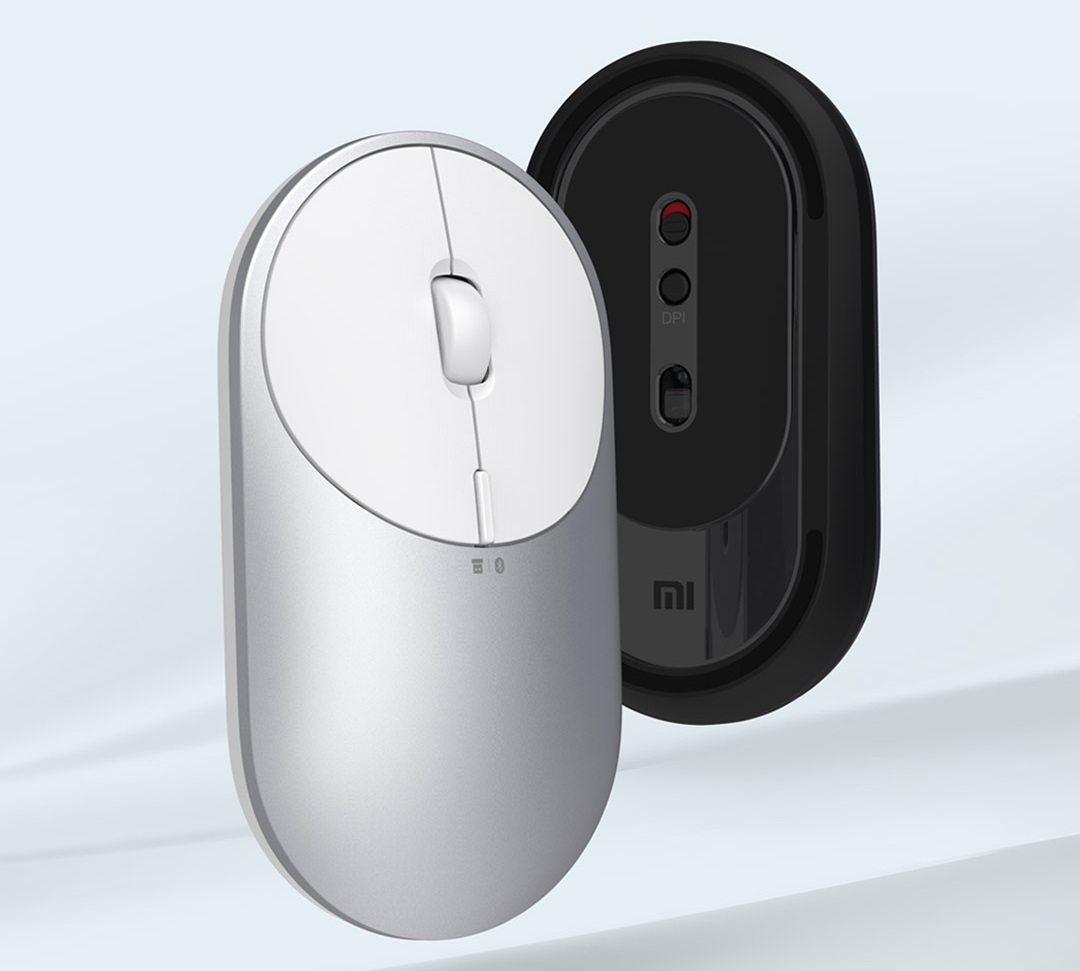
From the looks, the Mi Portable Mouse 2 looks like a successor to the Mi Portable Wireless Mouse that launched in India this year. However, unlike the latter, it has a darker silver version and a Black color variant. Also, at the back, it has a DPI switch which according to the company is 4-way adjustable.

At the front, we see a similar circular layout for the mouse-click buttons. However, there is an additional button that is for the dual-mode switch. Speaking of which, the Mouse supports dual-mode connection. Users can connect through a 2.4GHz Wi-Fi and via the Bluetooth 4.2. This Bluetooth connectivity is provided by a Telink Low-Energy Bluetooth chip.

Once done, you can easily switch between the two screens with the button. That said, the mouse also has the usual Left, Right Click buttons and a two-way scroll wheel. The outer body of the mouse is built using Anodized Aluminum Alloy through a sandblasting process. The buttons and wheel have improved less-noisy clicks thanks to the soft rubber material.

This portable mouse, aimed at home and office use, runs on one AA battery. Xiaomi says the battery will last up to a year which is similar to the predecessor. And, it also has a low-battery reminder so you can be aware when the battery is going to die.

The crowdfunding price of the Mi Portable Mouse 2 is 79 yuan($12) and shipment starts from January 13. But if we look at the official website, it says the otherwise retail price is 99 yuan($15).


Xiaomi to launch a new Redmi phone in Malaysia soon, likely Redmi 9T

Xiaomi Malaysia has teased a new smartphone that may be launching soon in the Asian country. The tech giant recently initiated a contest on its Facebook page that will see ten lucky fans win a unit of the new smartphone each. But the company didn’t reveal the name of the unannounced smartphone. It only indicated that the phone will be a Redmi model which it dubbed Redmi XX.

The teaser poster accompanying the contest contains a render of the device showing the rear camera. The image shows the device will pack a Quad-camera setup stacked vertically at the top left corner. The device looks like the Redmi Note 9 4G China version which is also similar to the Poco M3. Thus, there are strong speculations that this is the Redmi 9T which was certified in Thailand recently. Redmi 9T

To put it in perspective, the Redmi 9T is expected to feature a 6.53-inch Full HD+ IPS display and will be powered by a Qualcomm Snapdragon 662 processor paired with 6GB of RAM and 128GB of expandable storage. The device will also pack a large 6,000mAh battery.

The camera setup will be similar to that of the Poco M3 which includes a 48MP main camera, a 2MP macro lens, and a 2MP depth sensor. the Redmi 9T is said to have a fourth sensor which is an 8MP ultra-wide-angle camera. The design is similar to the Redmi Note 9 4G still, except that where there is an LED sensor on the Redmi Note 9 4G, there will be a sensor.

There is no word yet as to when the device will be launched but considering that the contest ends on the 7th of January 2021, the new phone could be revealed as early as next week. We can’t guess the price tag but since the POCO M3 starts at RM599 (~$148) for the 64GB version and RM699 (~$173) for the 128GB, we expect the Redmi 9T to be priced around that region.

UP NEXT: Xiaomi 55W GaN charger compatible with the Mi 11 launched for 99 yuan (~$15)


(via)


Motorola Nio spotted on Geekbench with Snapdragon 865, 8GB RAM, and Android 11

Motorola is expected to launch a new high-end smartphone codenamed ‘Nio’. The primary specs of this handset have already been revealed late last month. In fact, the front of this phone has also leaked in an image a few weeks back. Now, this device has been spotted on Geekbench as well.

According to the Geekbench listing, the upcoming Motorola Nio with model number XT2125 will be powered by Qualcomm Snapdragon 865 chipset paired with 8GB RAM. As for software, it will run Android 11 out of the box. These features go in line with the initial specs leak.

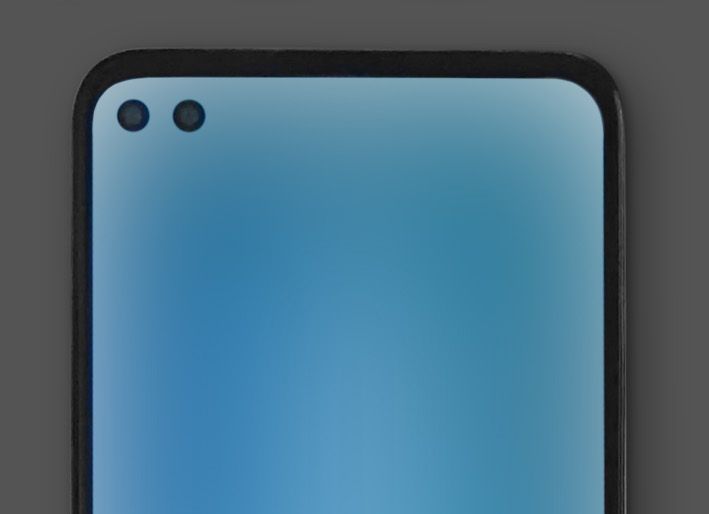
As per the first-ever report regarding this smartphone by TechnikNews, it will be available in a single 8GB + 128GB storage configuration but there could be a higher 12GB + 256GB variant as well. On the other hand, Evan Blass (@evleaks), who shared the front image of this phone exposing its dual punch-hole display says that this handset will arrive with 8GB RAM and 256GB internal storage.

Other expected features of Motorola Nio as per reports include FHD+ ( 1080 × 2520 pixels) display, 105Hz refresh rate, 5,000mAh battery, a triple camera setup on the back (64MP OmniVision OV64B sensor with a wide-angle lens, 16MP OmniVision OV16A10 sensor with an ultra-wide-angle lens, and 2MP OmniVision OV02B1B depth sensor), and a dual-camera setup on the front (16 MP sensor OmniVision OV16A1Q sensor with a wide-angle lens and 8MP Samsung S5K4H7 with an ultra-wide-angle lens).